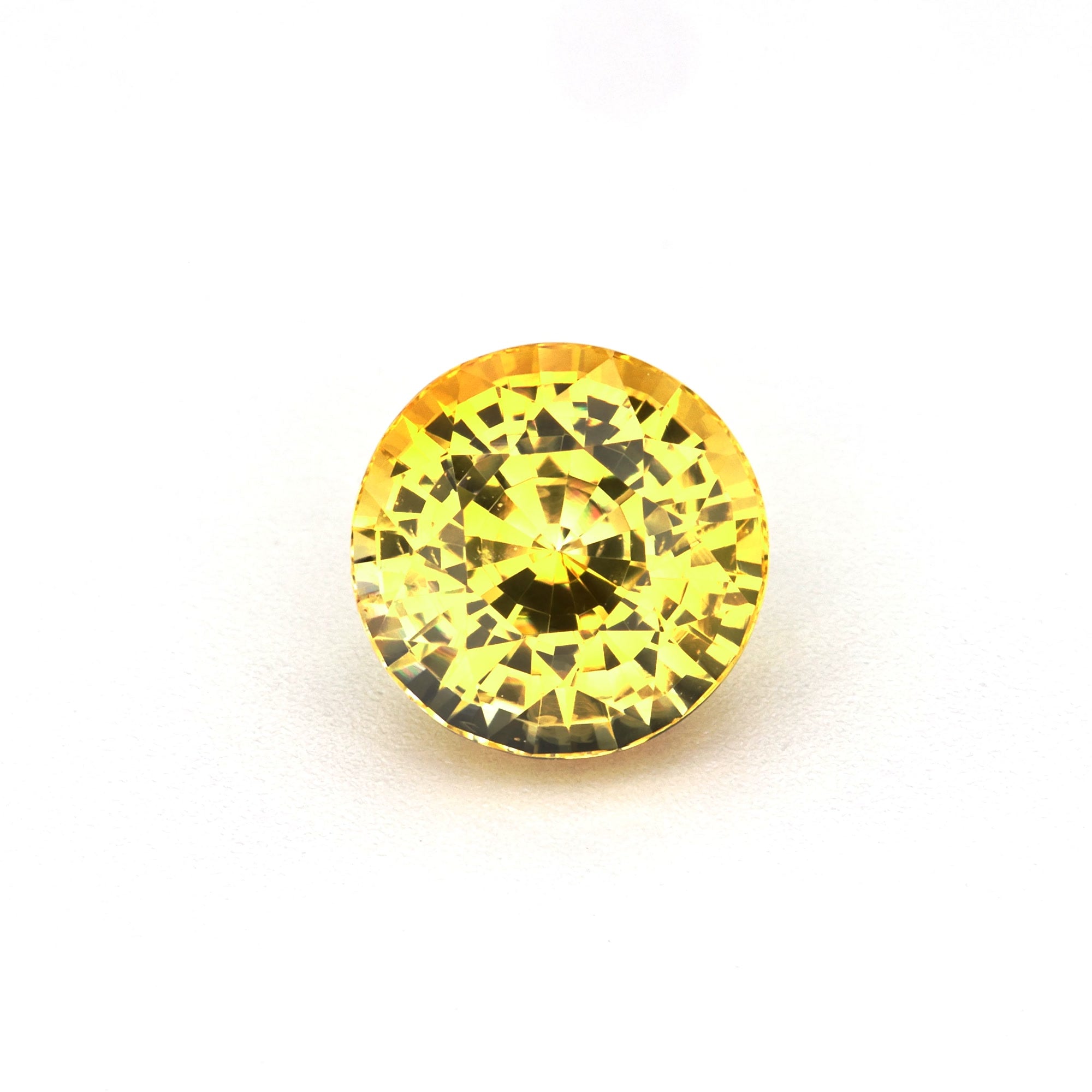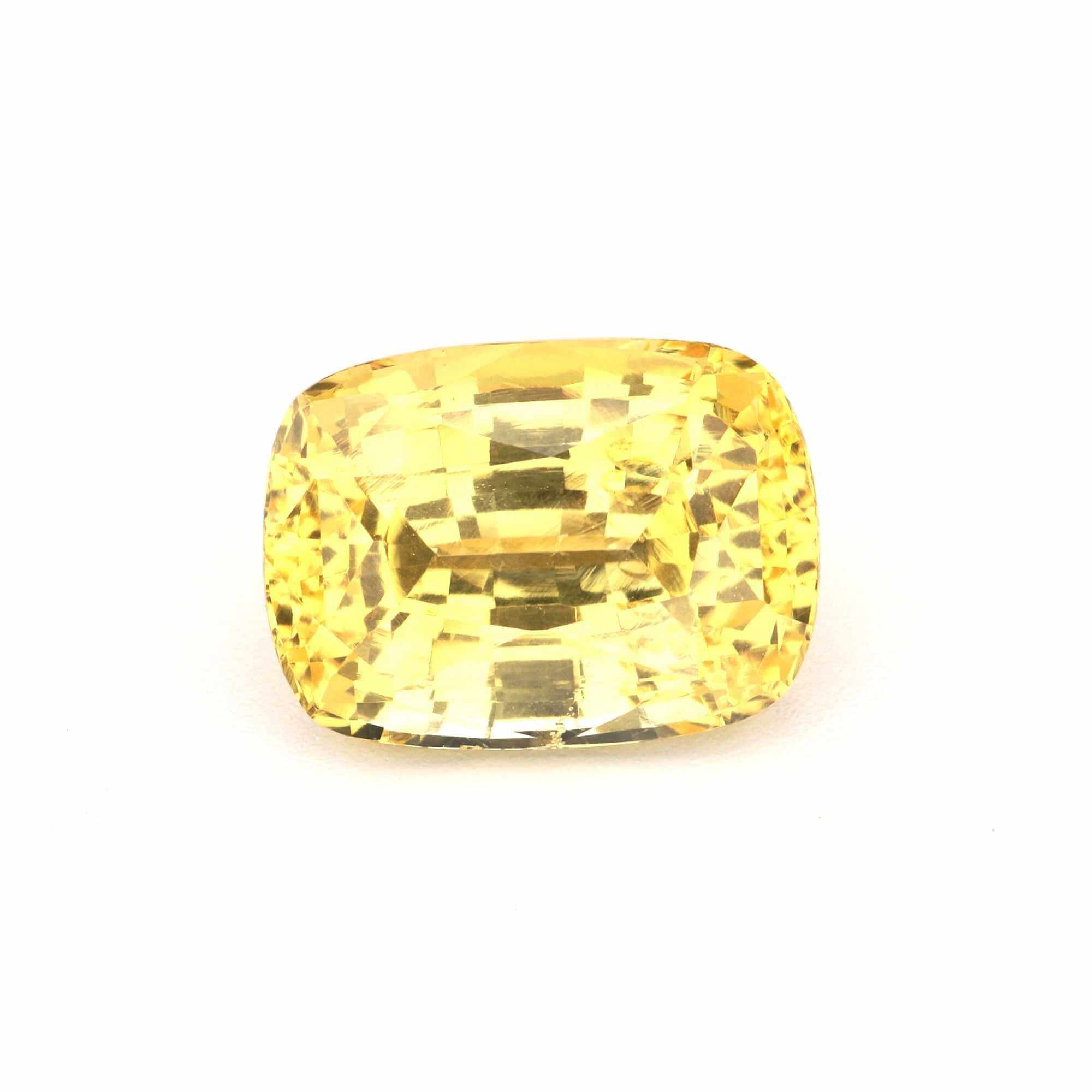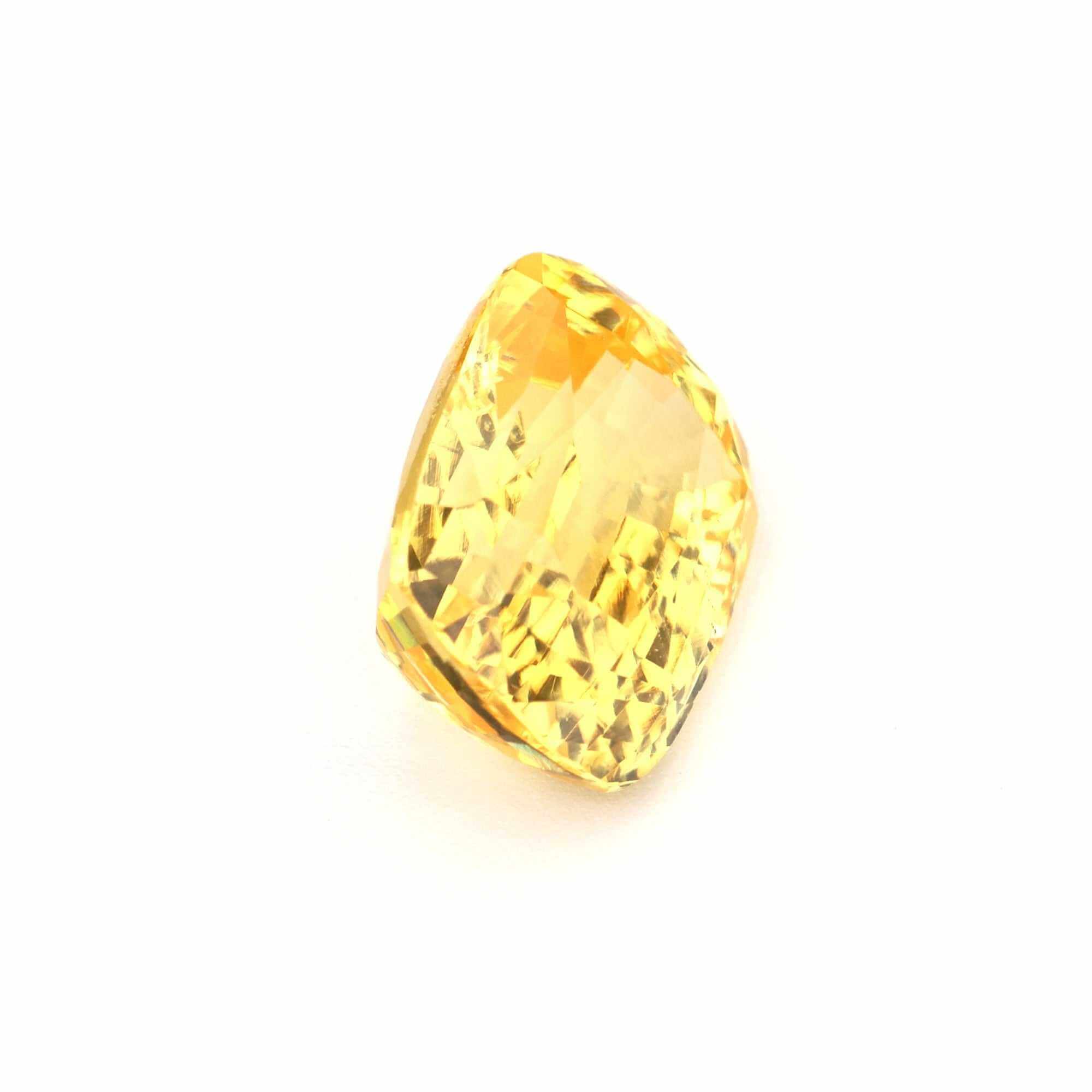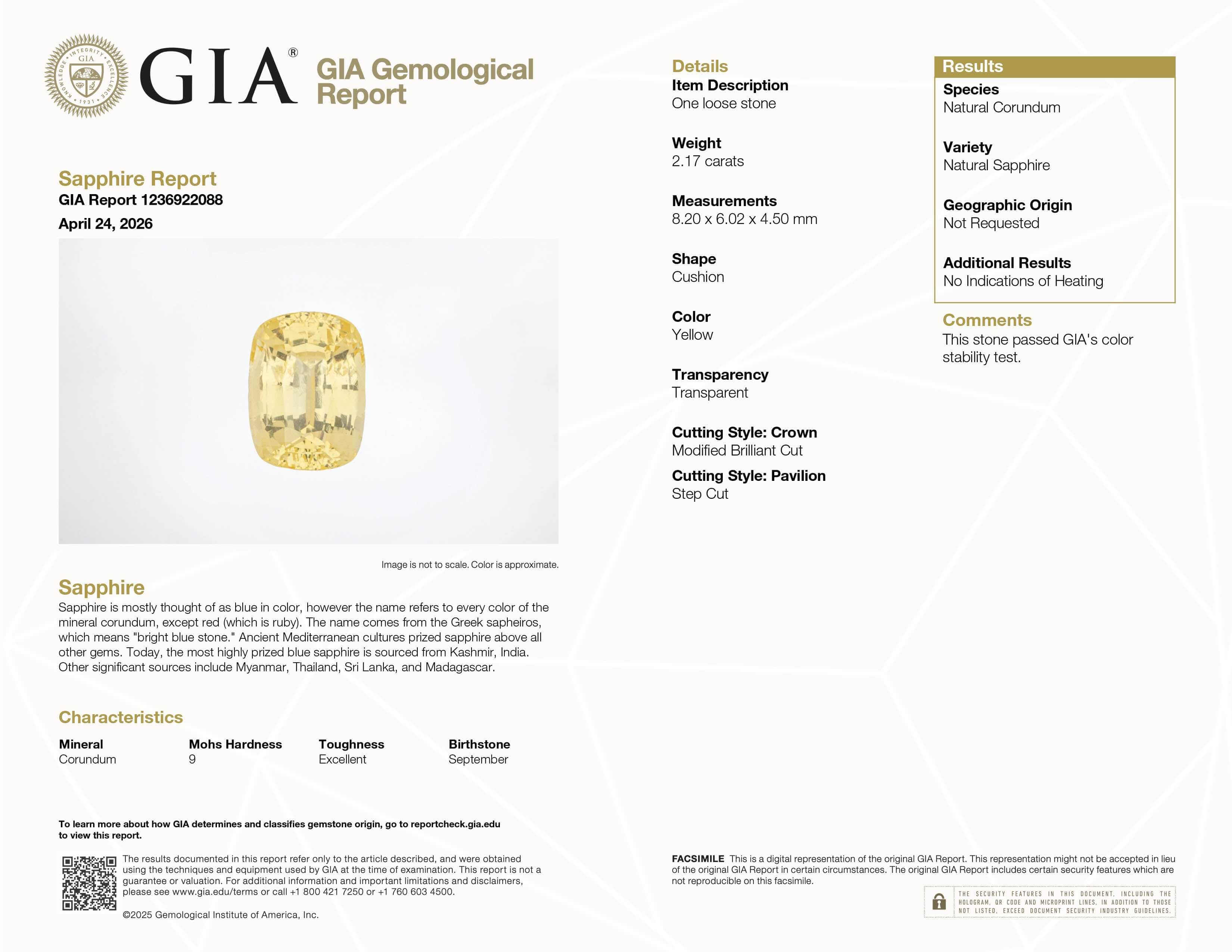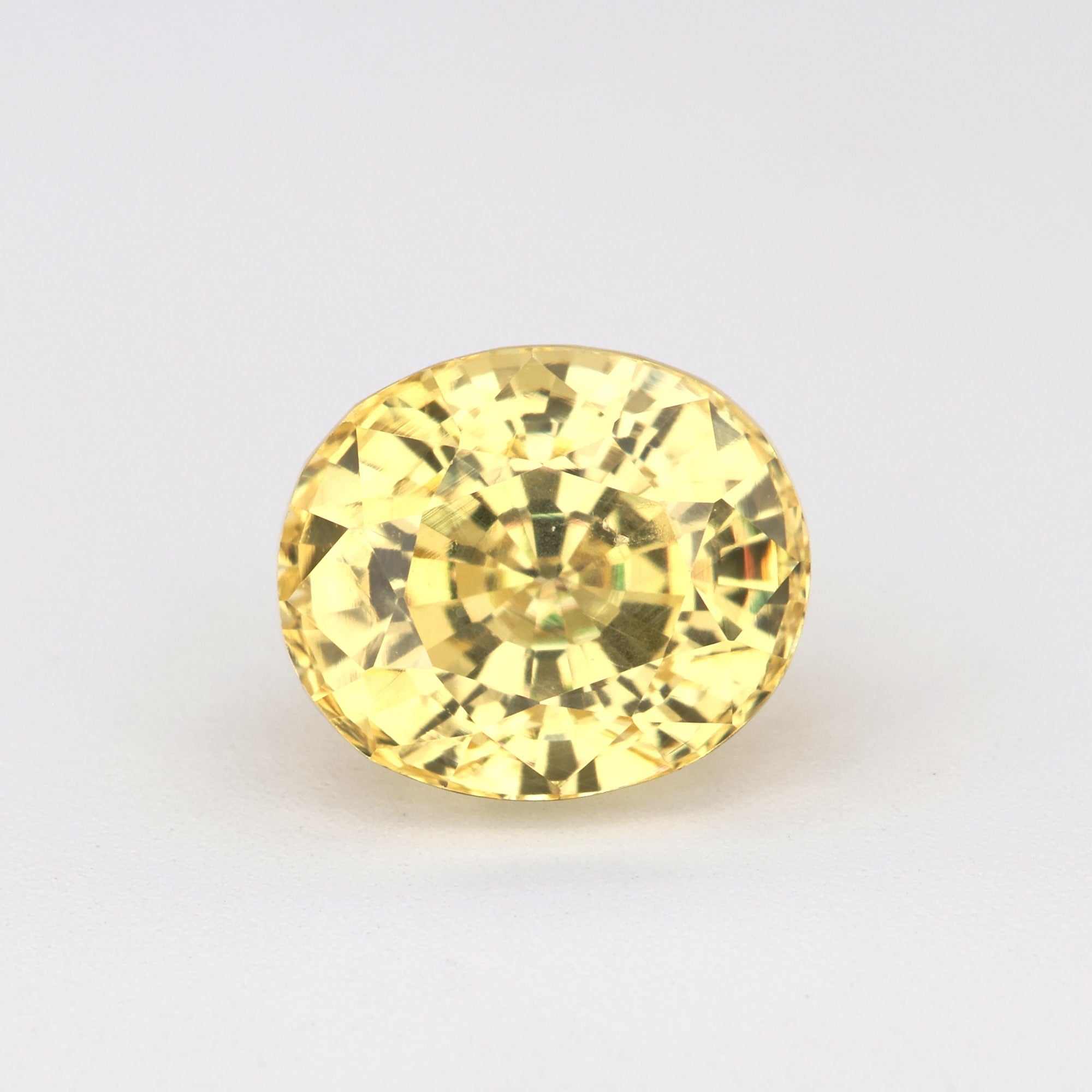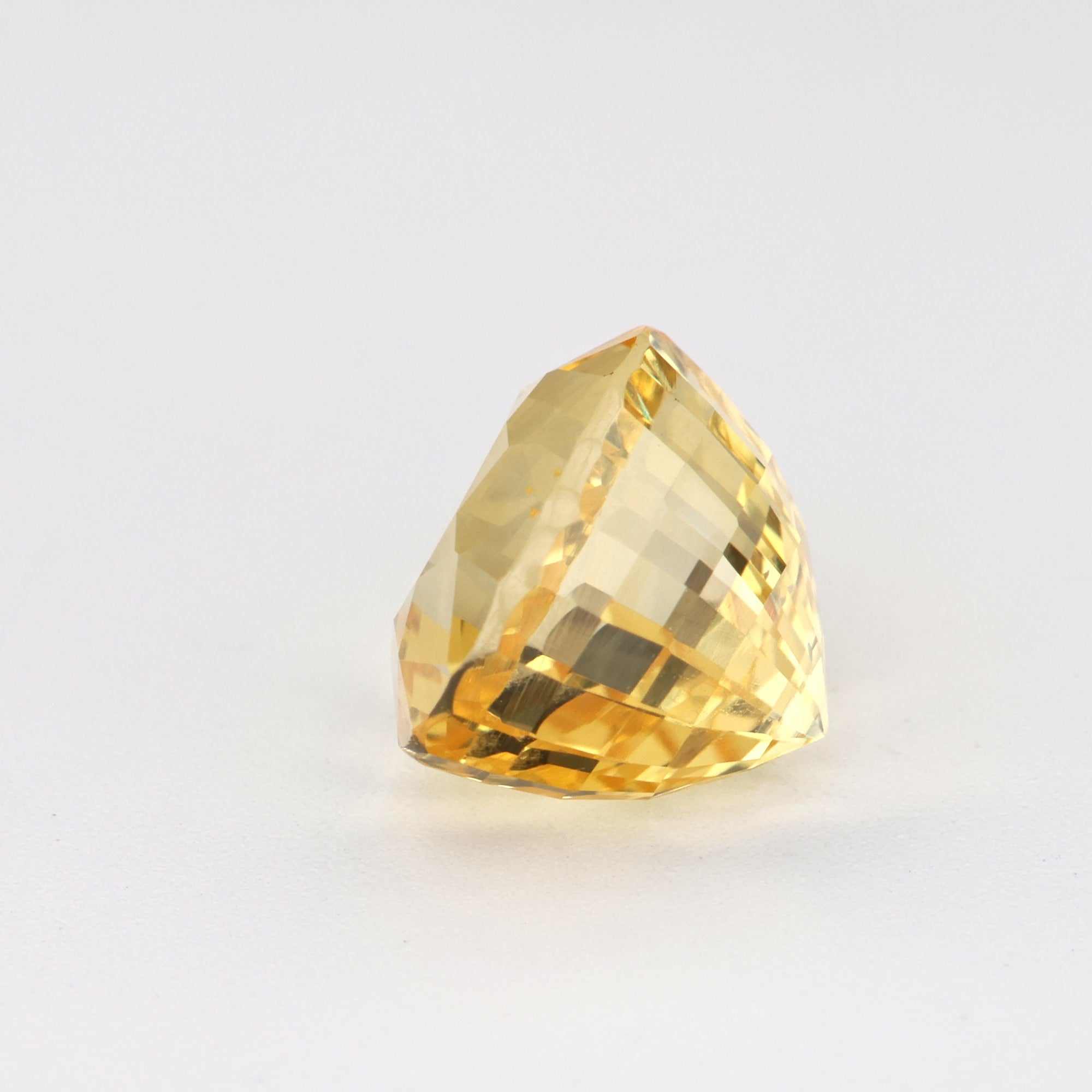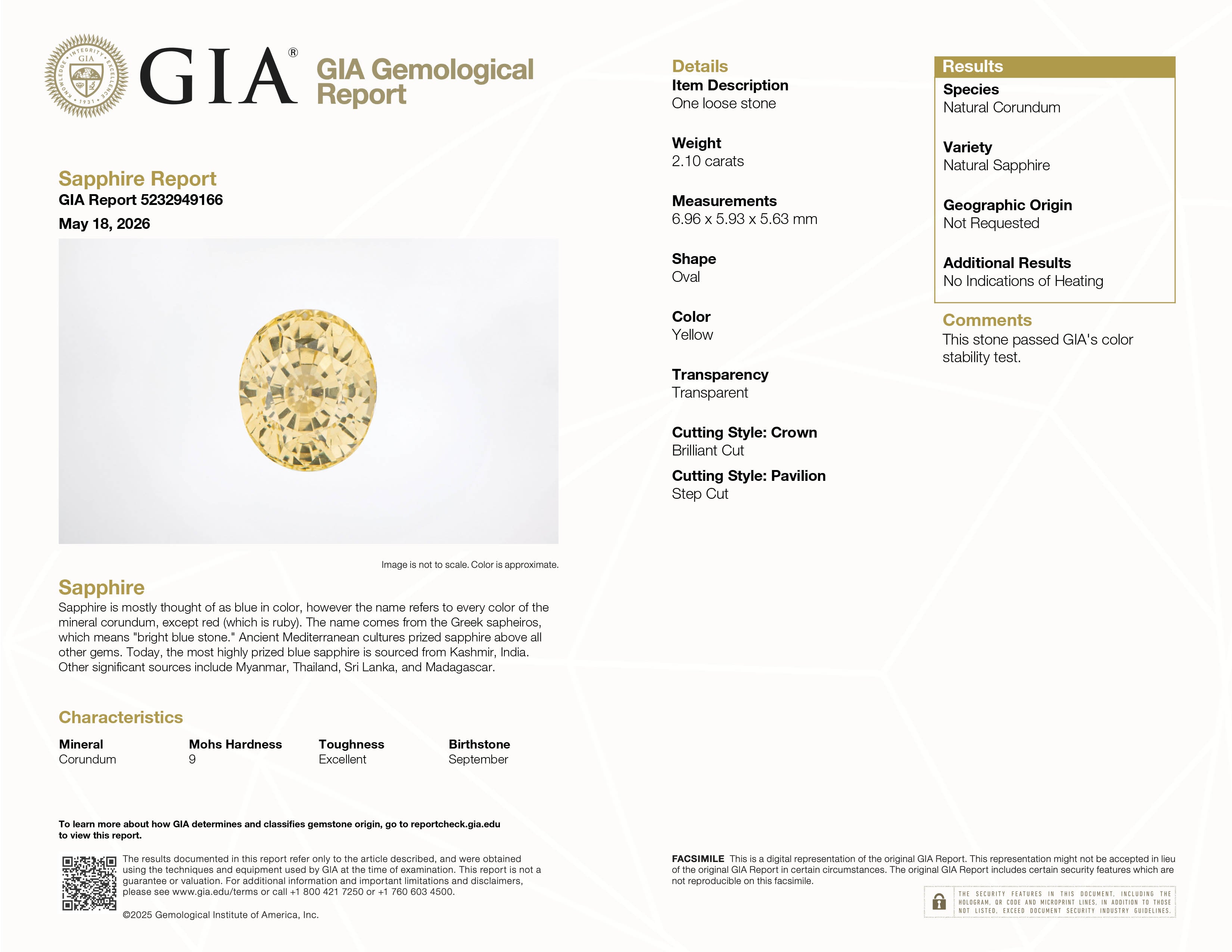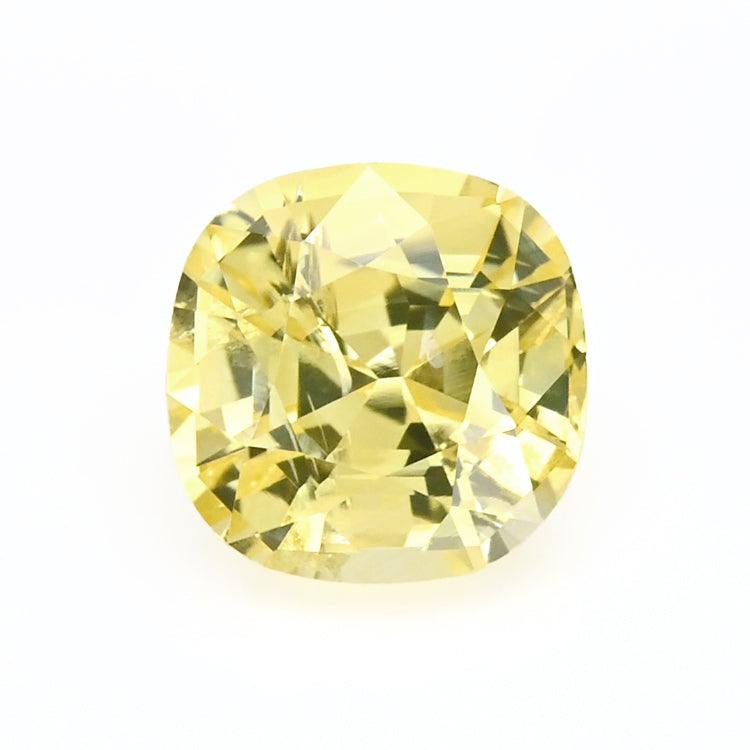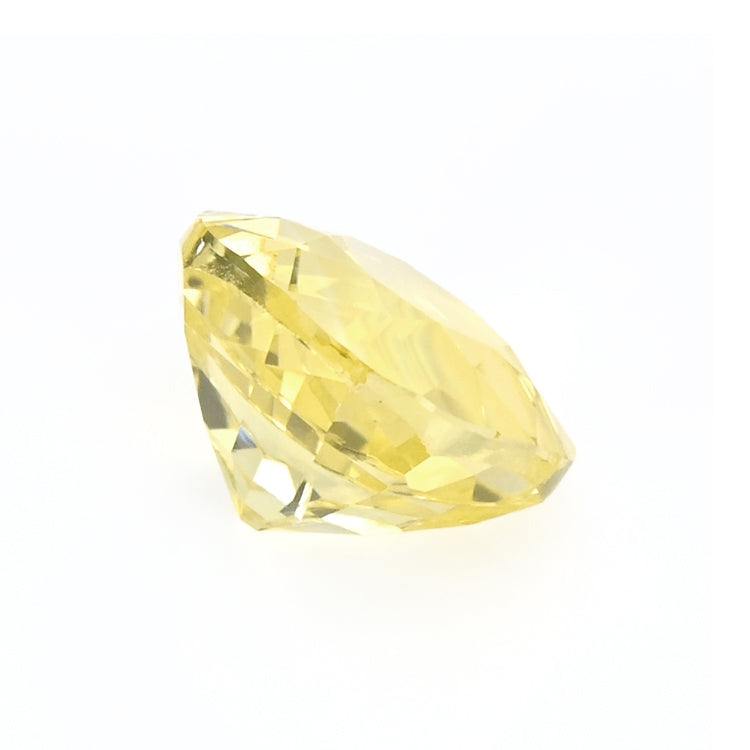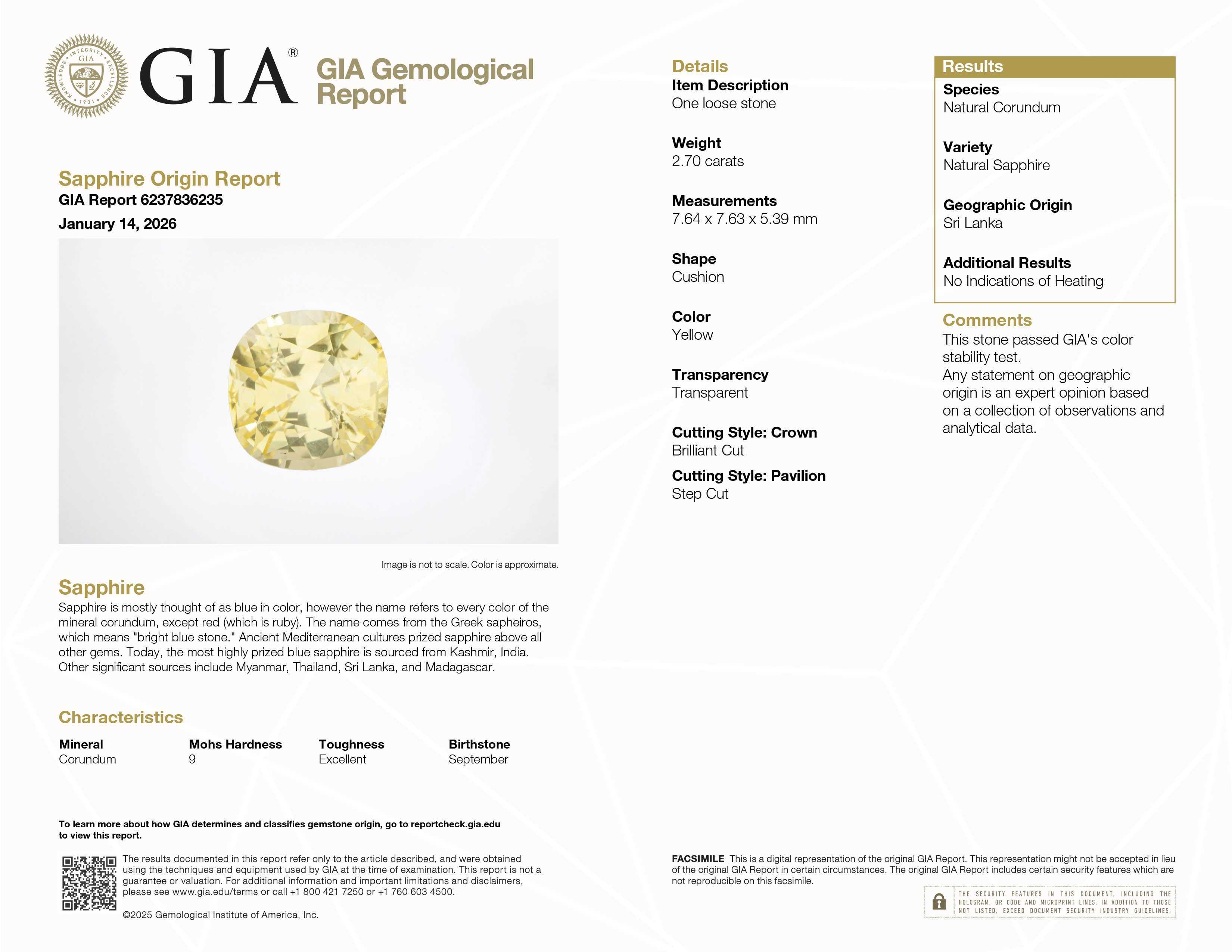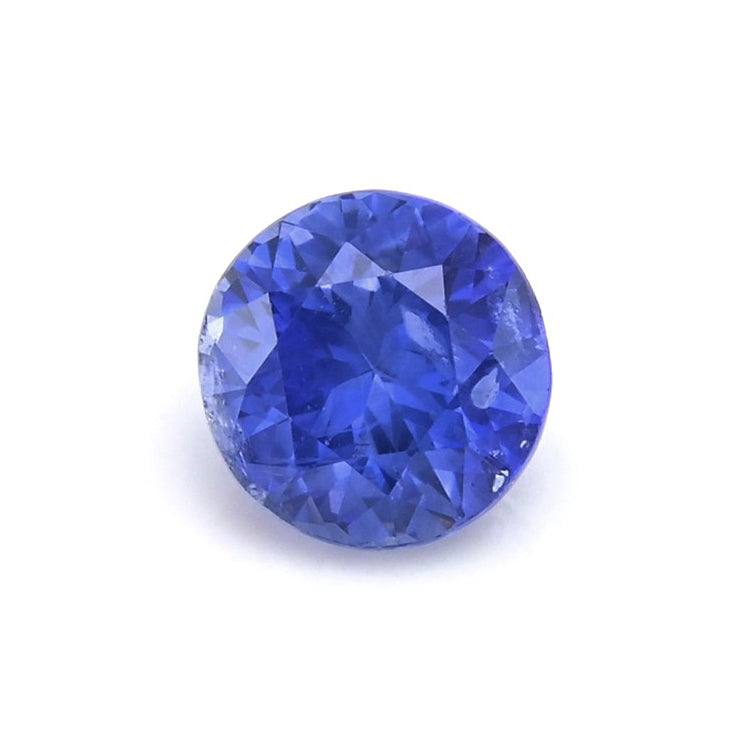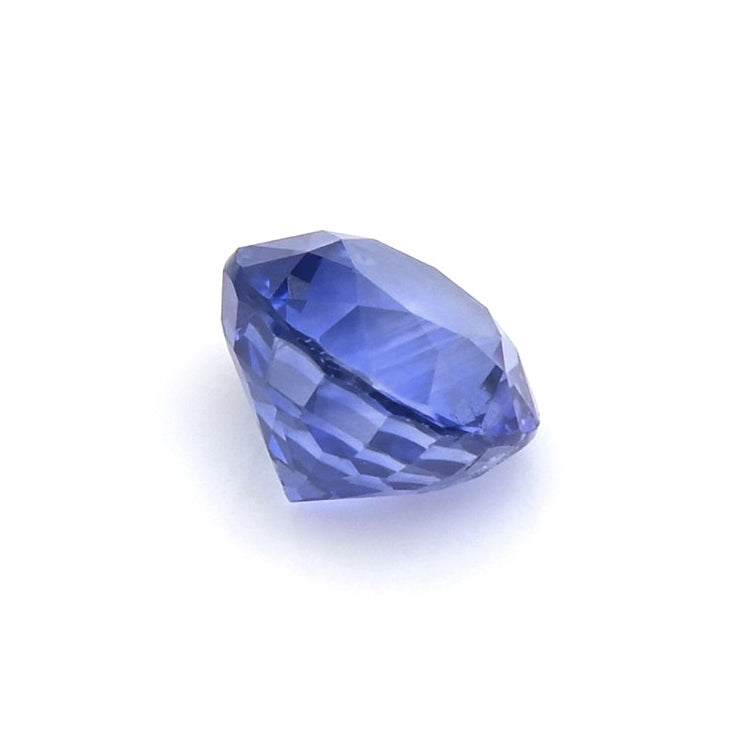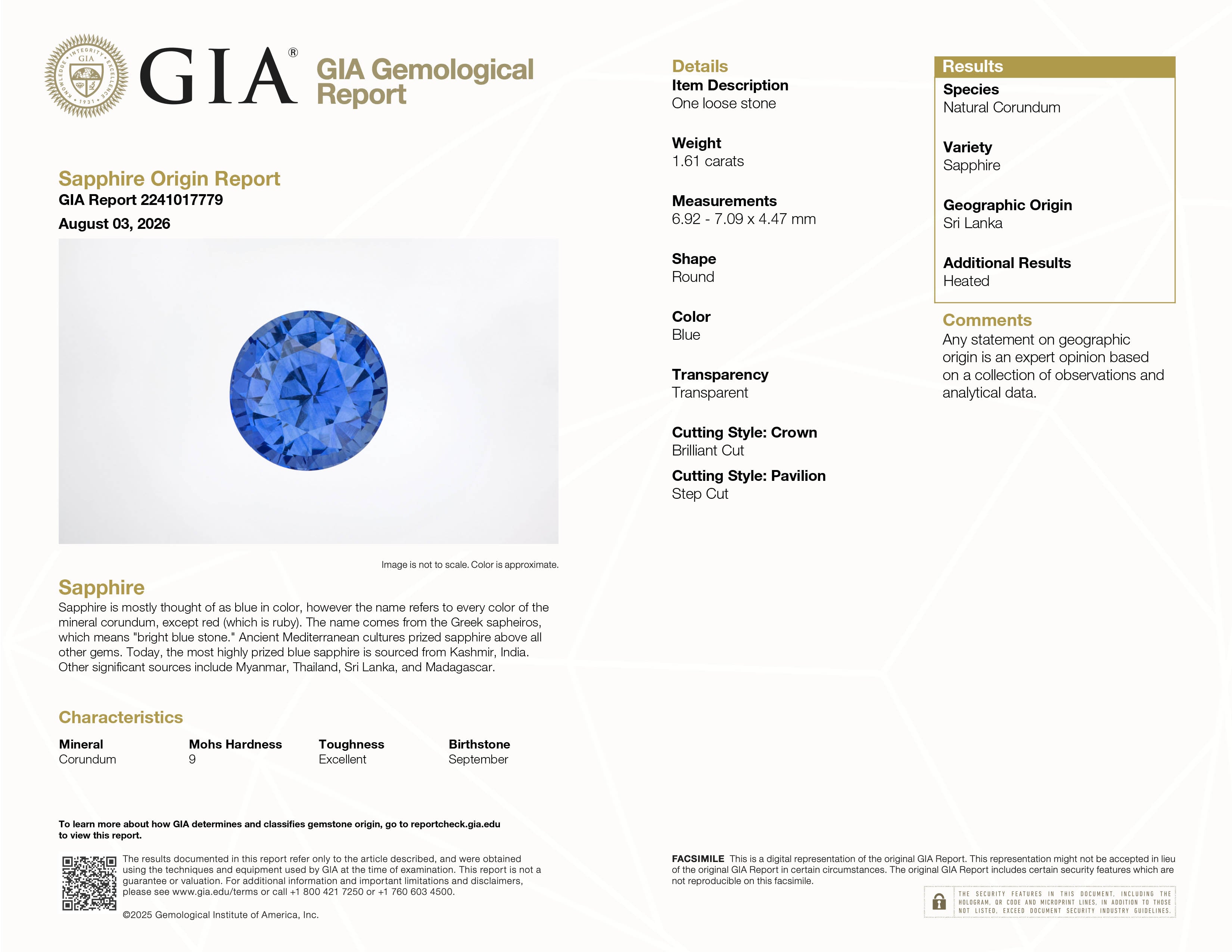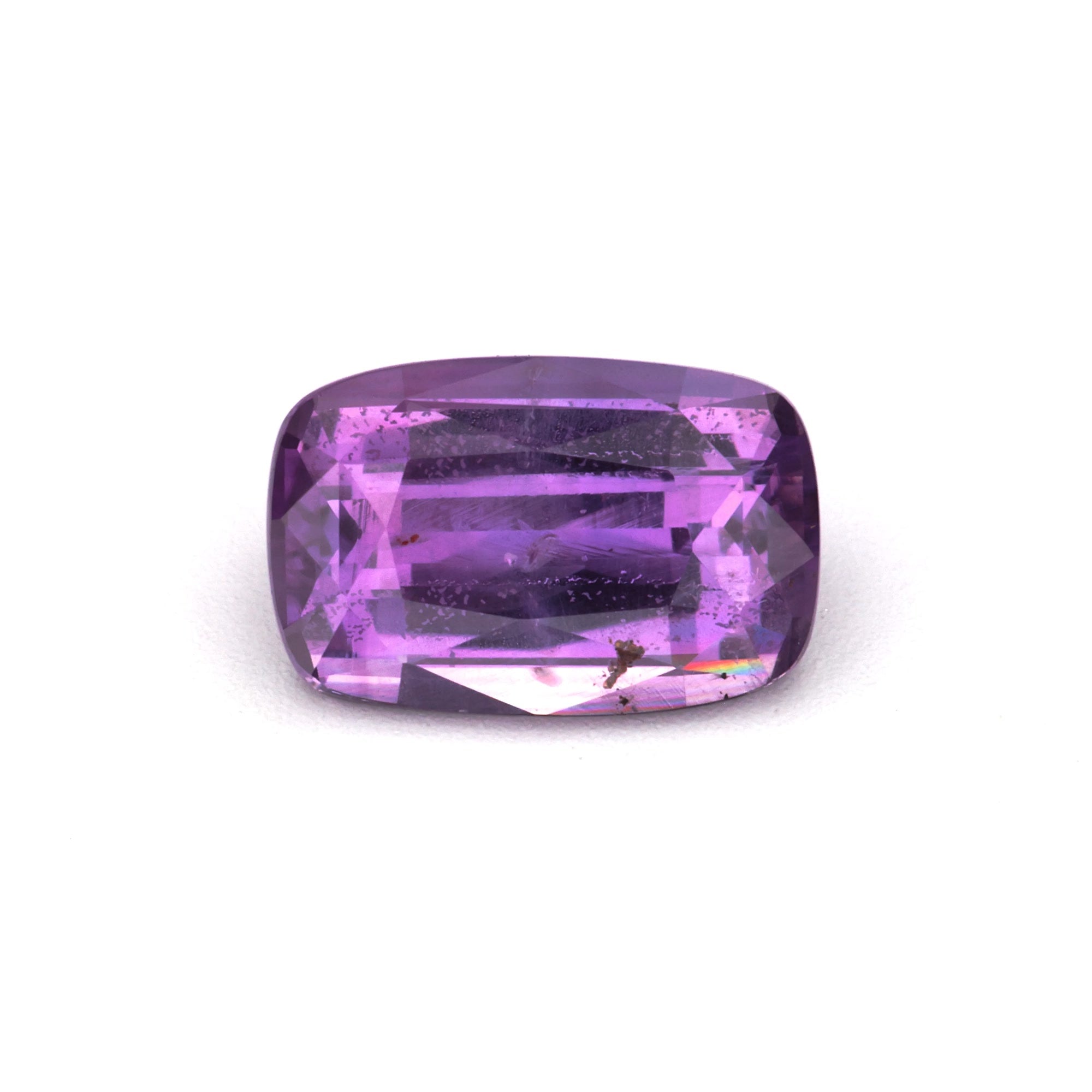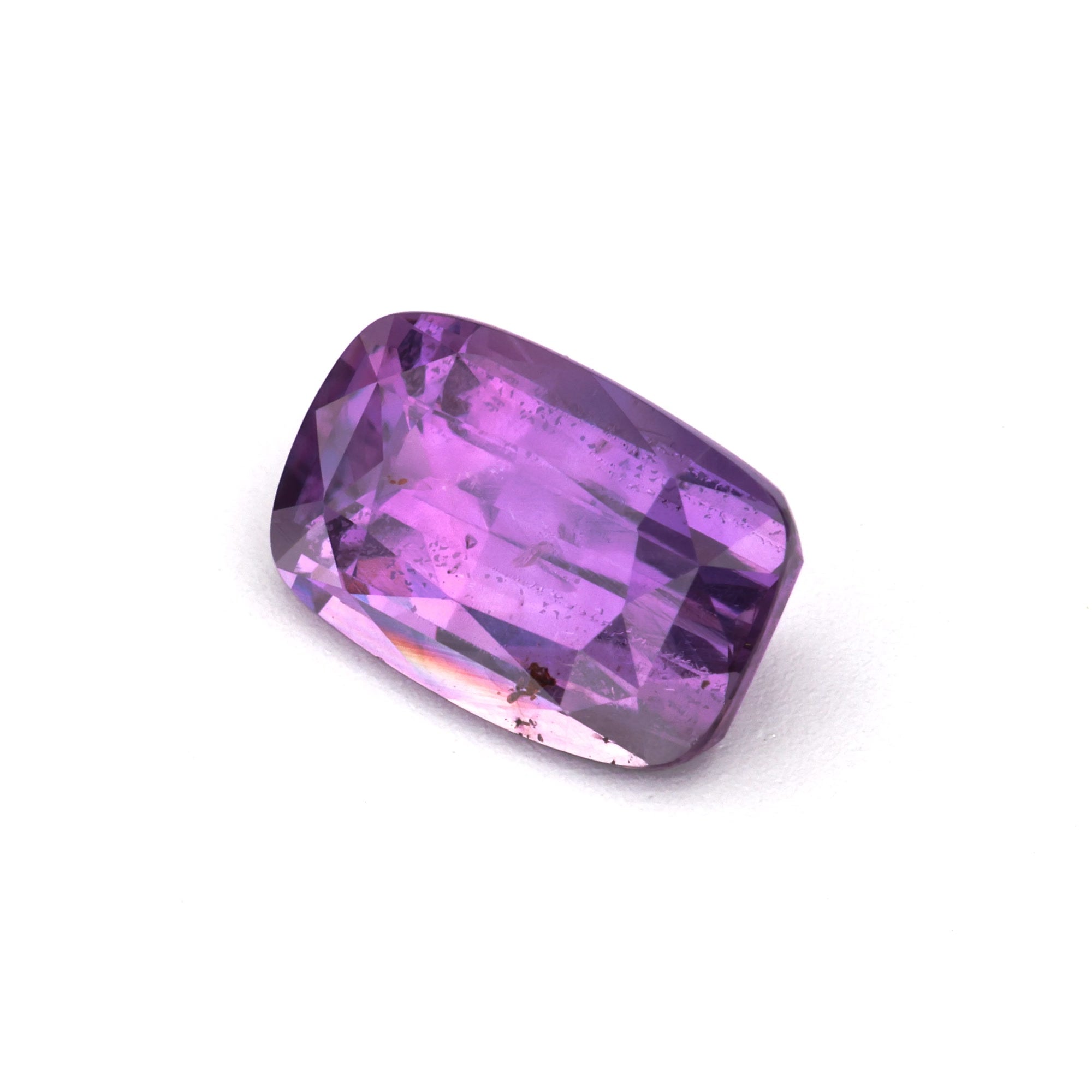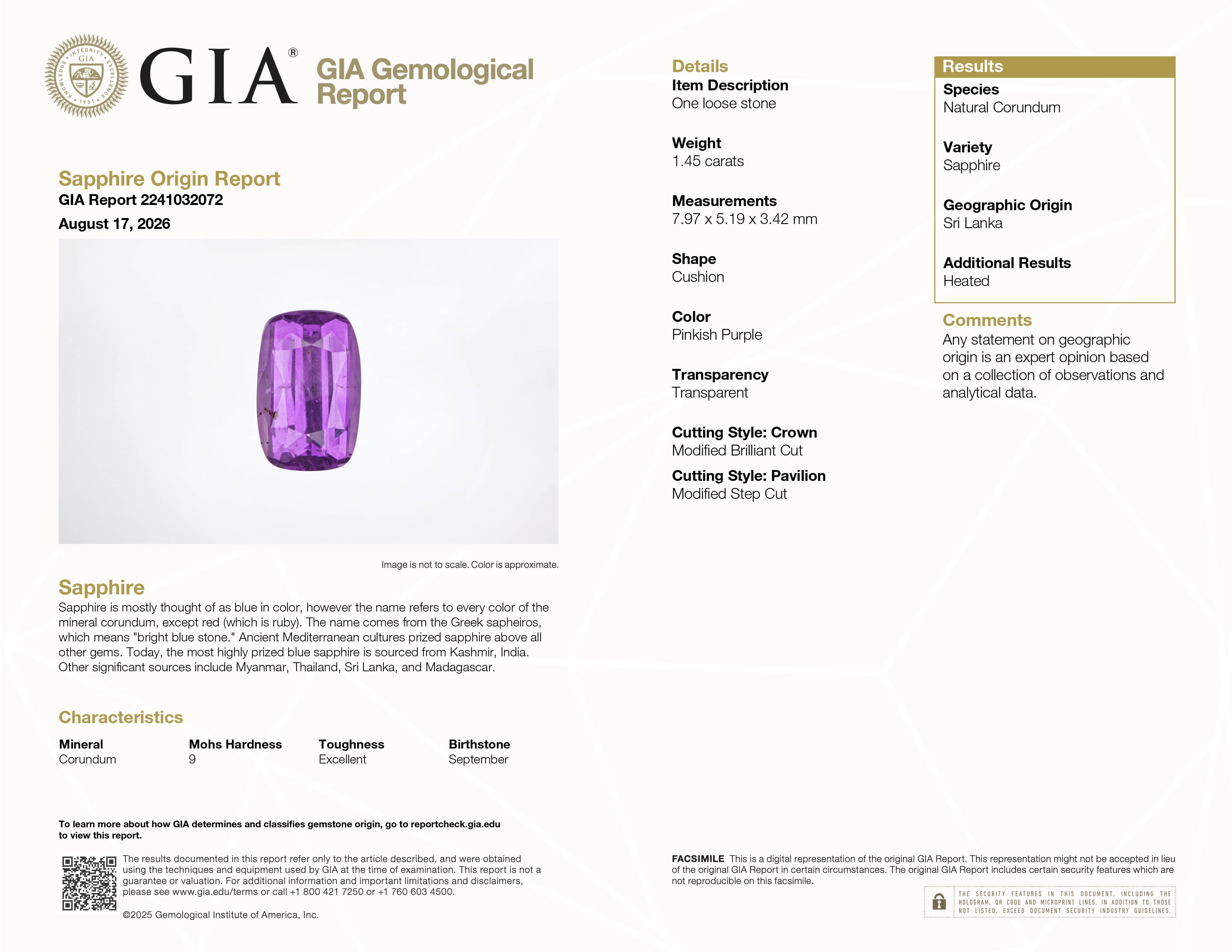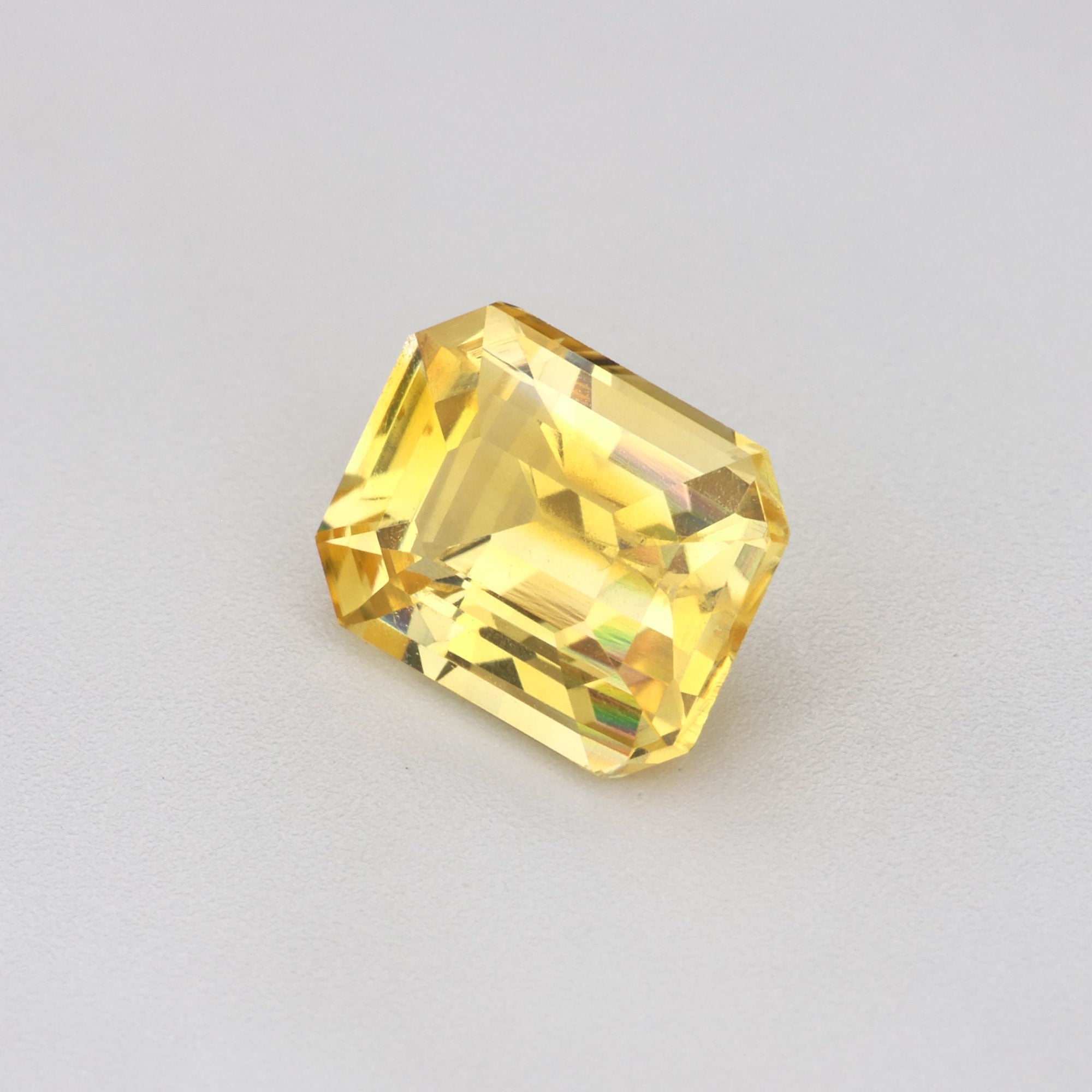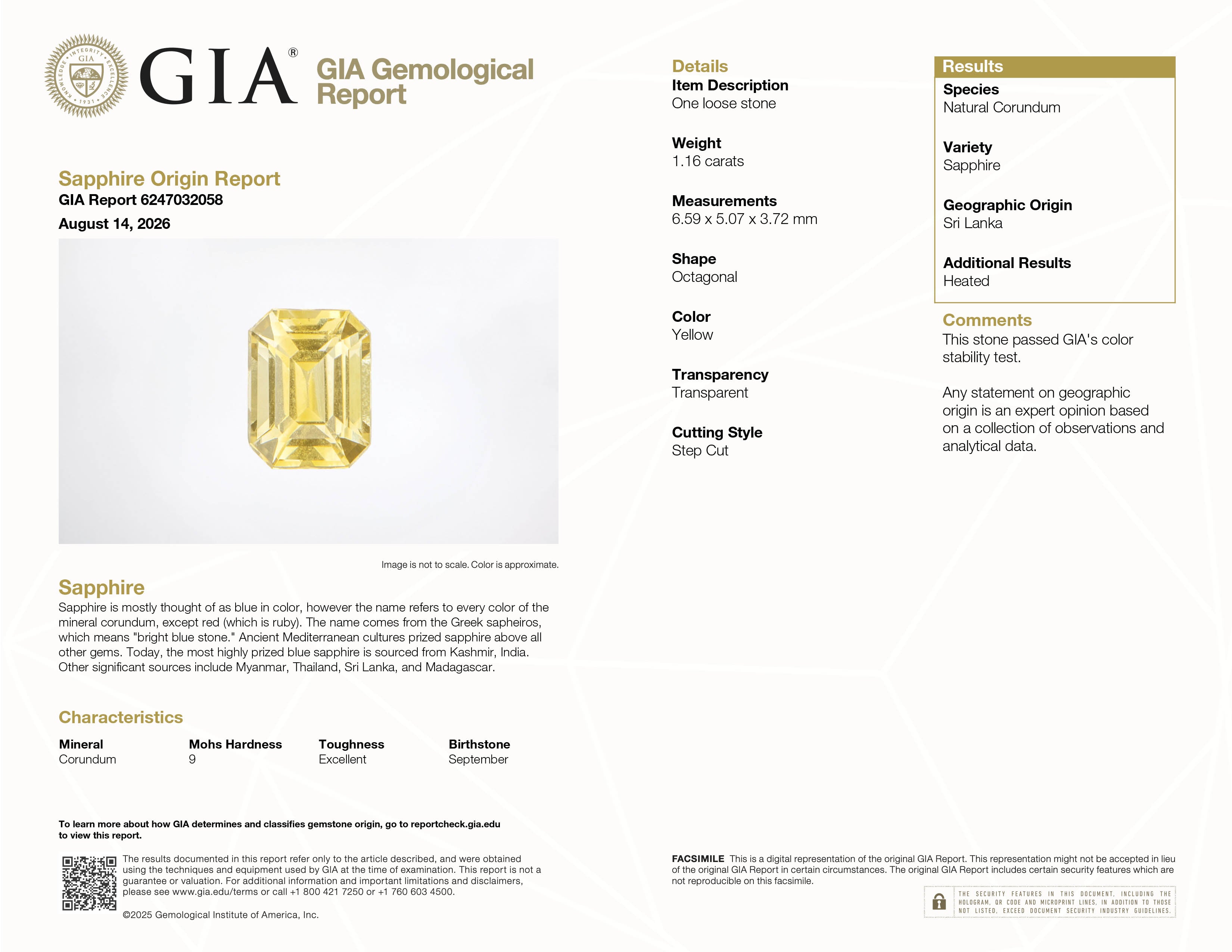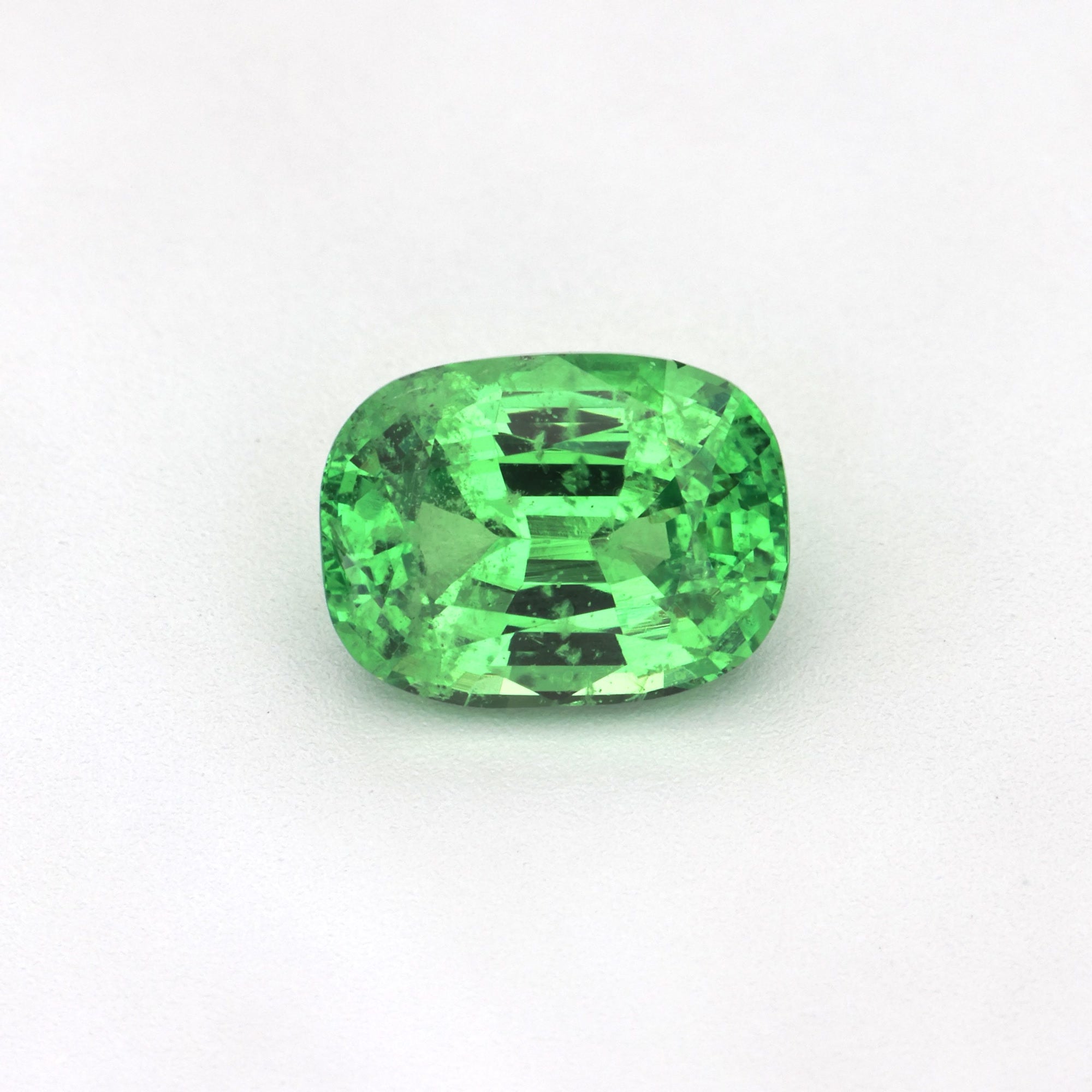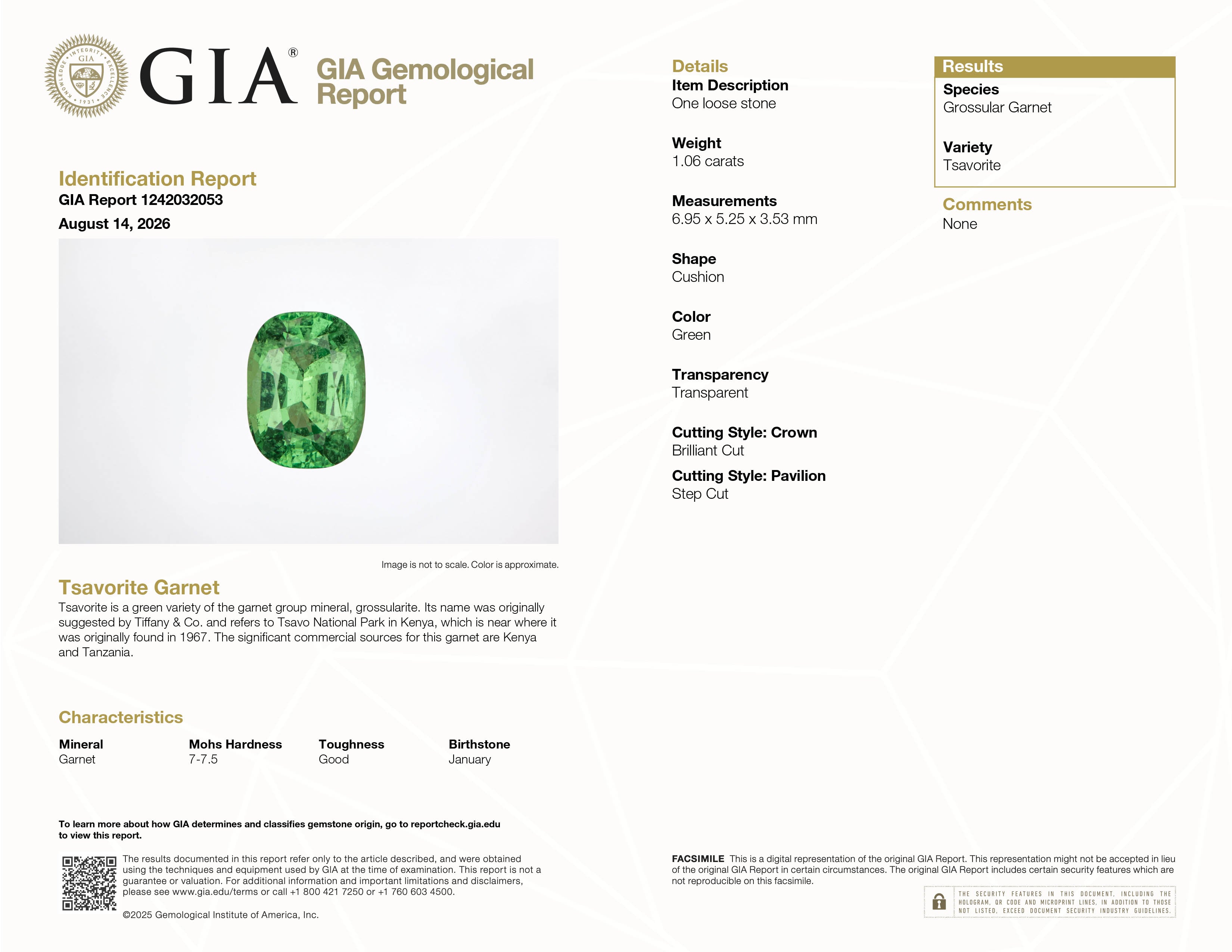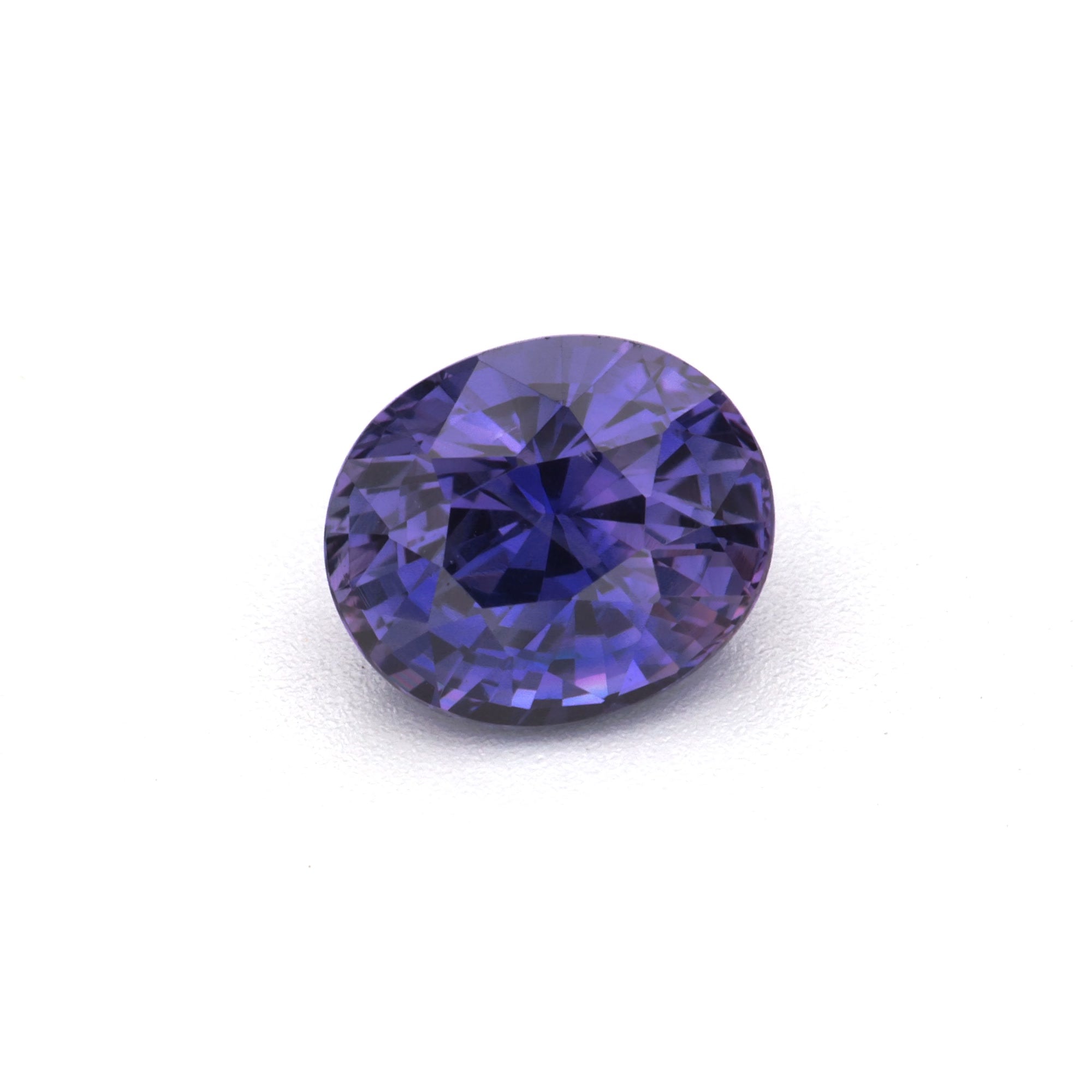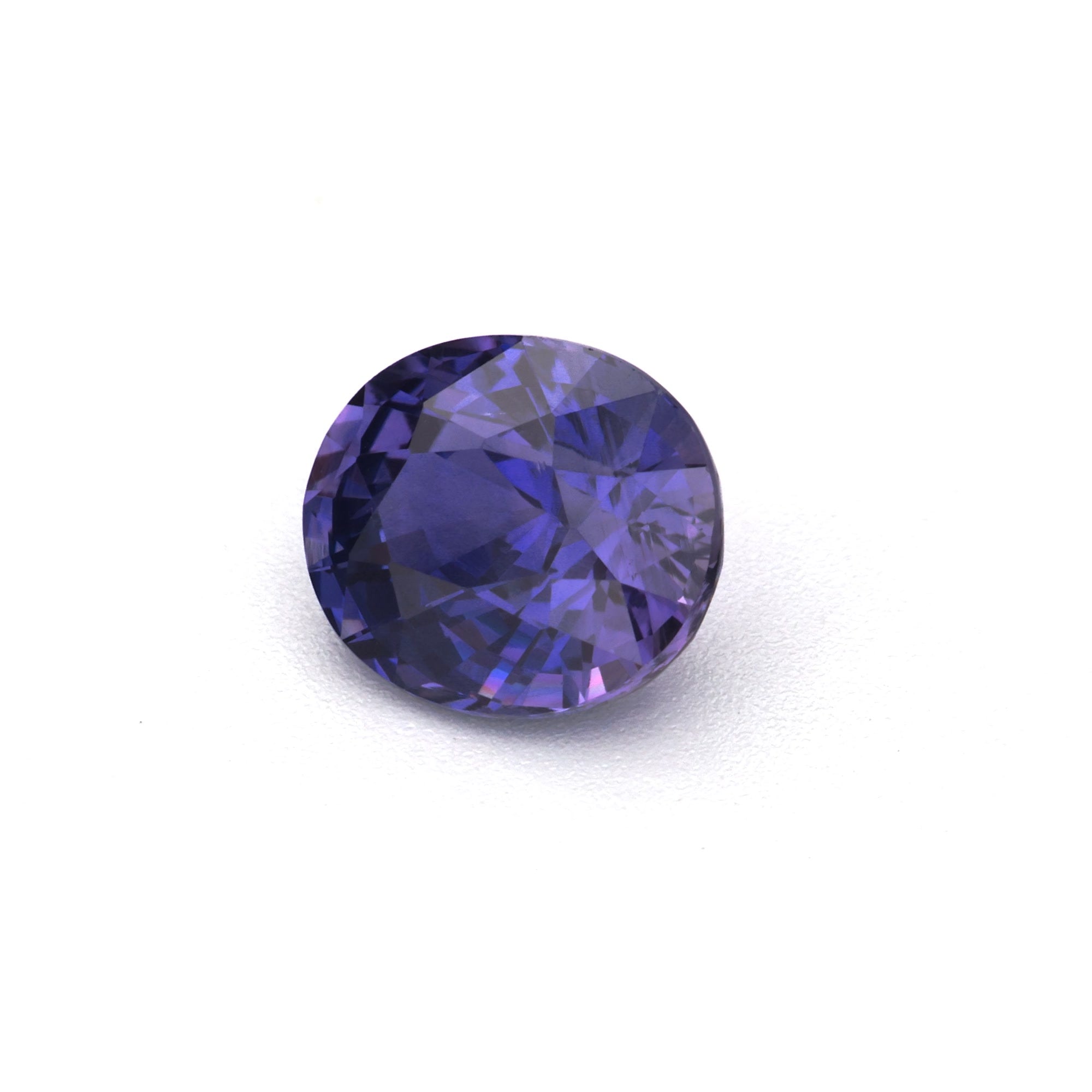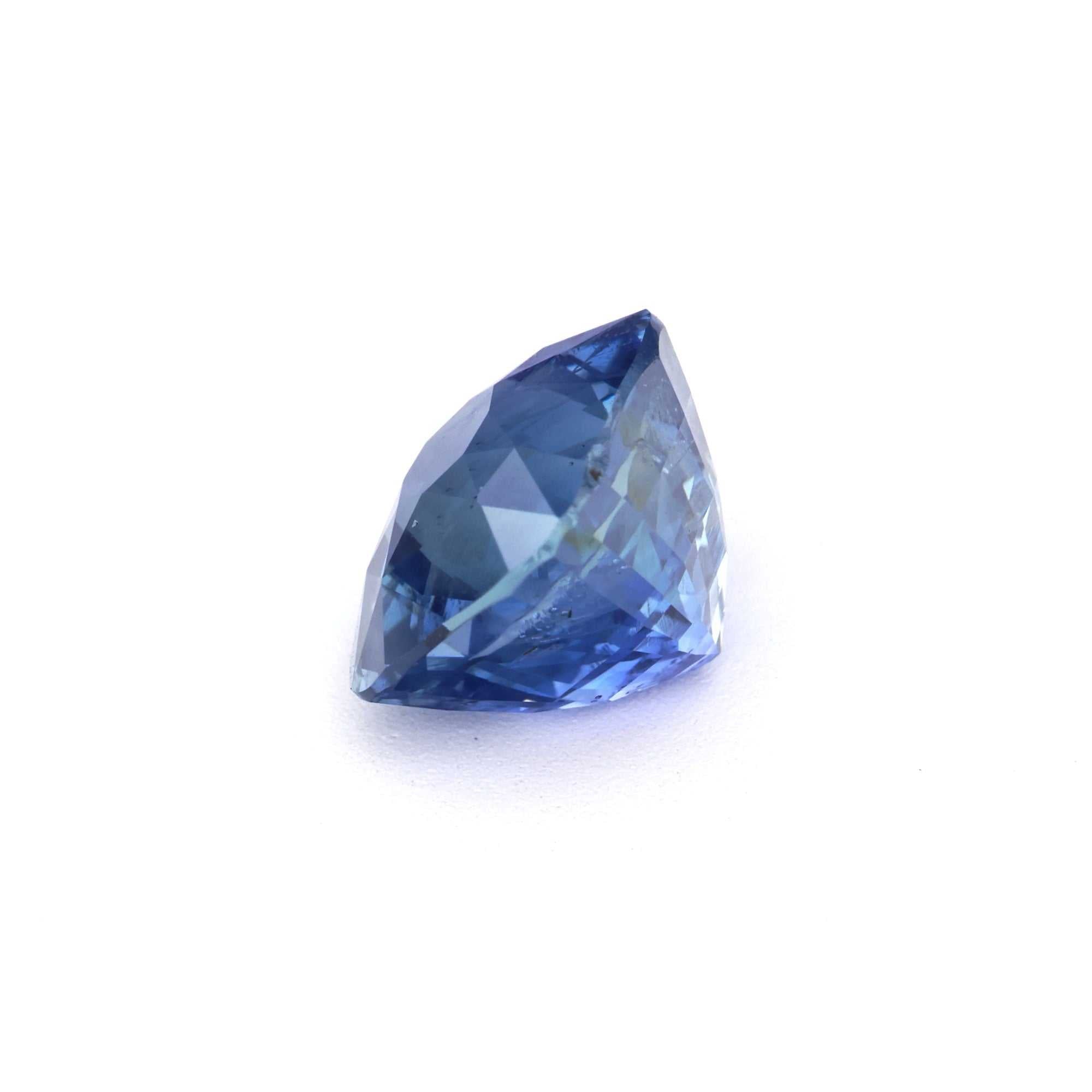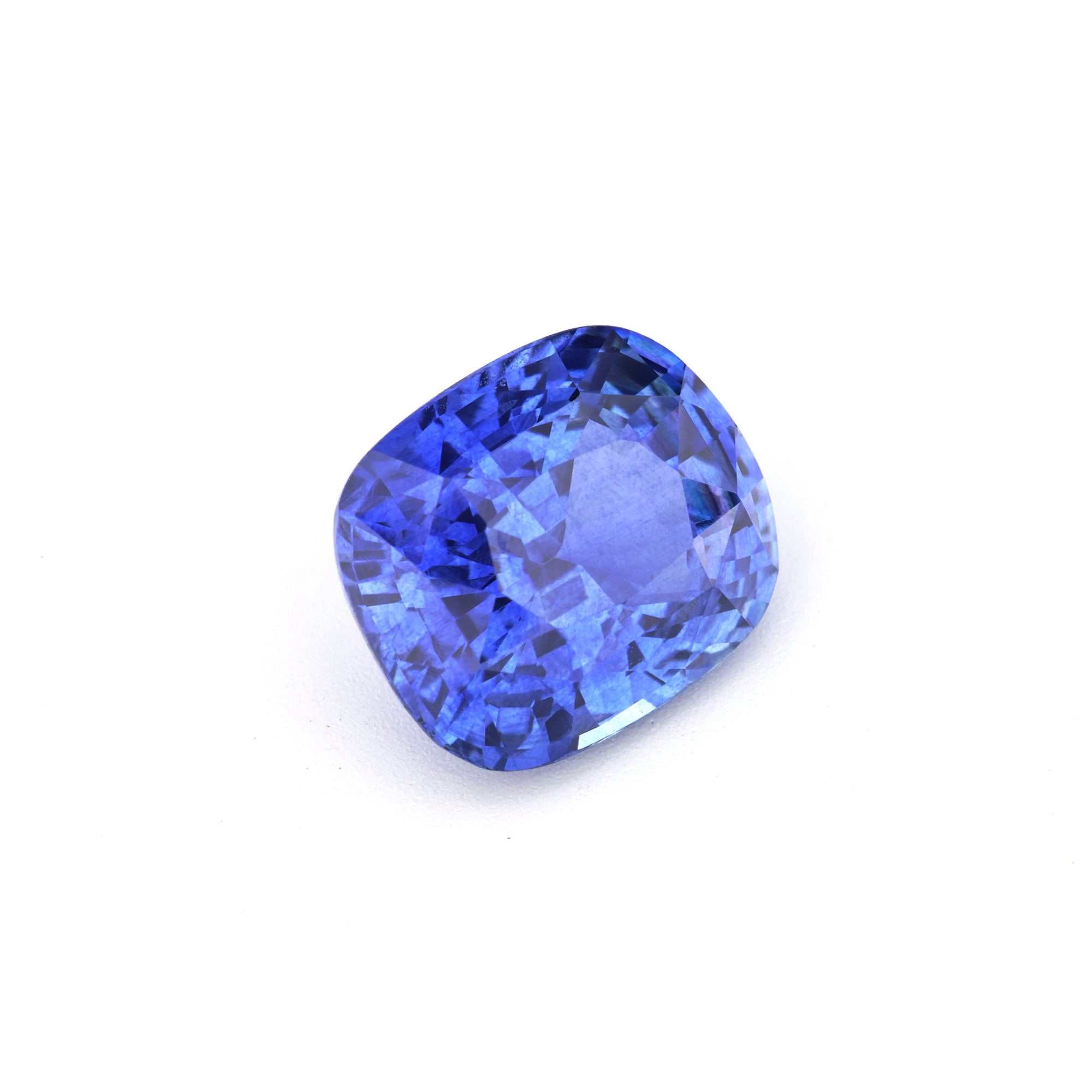
Buying a natural loose sapphire should be exciting — but it can quickly feel overwhelming. A single stone forces you to weigh color, origin, treatment, cut quality, shape, carat weight, certification, and price all at once, and each of those choices pulls on the others. This guide brings every one of those decisions together in one place, in plain language, so you can move from curious to confident and choose a sapphire you will love for a lifetime.

At Crescent Gems we cut and recut most of our stones in-house and source our rough directly from Sri Lanka, the world's most respected sapphire origin. Everything below reflects how we actually evaluate stones — and how we would walk a friend through their first purchase.

✦ Our Recommendation for Most Buyers

If you are purchasing your first natural sapphire, we recommend choosing:

  • Natural sapphire — earth-mined, not lab-grown
  • Eye-clean clarity — no visible inclusions at arm's length
  • Excellent brilliance — no window, no heavy extinction
  • Medium to medium-dark tone — rich enough to read as vivid, light enough to hold color in all lighting
  • Strong saturation — the color should be immediately obvious and beautiful
  • Heated or unheated depending on budget — both are legitimate; unheated is rarer
  • GIA report for stones above 1.5 carats or when paying an unheated premium
  • Oval, cushion, or round cuts for the best overall balance of color, brilliance, and value

This combination offers the best balance of beauty, durability, and long-term value. It works across every sapphire color and every budget level. The sections below explain each factor in detail so you can customize this starting point to your own priorities.

How to use this guide. Read it top to bottom for the full picture, or jump to the section you need: color, origin, mining, cutting, treatment, pricing, shapes, certification, comparisons, engagement rings, Jyotish, or buying safely. Every section links out to a deeper guide and to the matching collection so you can see real stones as you learn.

Start Here: The Foundations

What is a sapphire?

River mining for sapphires in Sri Lanka

A sapphire is a gem-quality variety of the mineral corundum, a crystal made of aluminum and oxygen. Pure corundum is colorless; tiny traces of other elements create the colors we prize. Iron and titanium make blue, iron alone leans yellow and green, chromium makes pink, and a red-enough corundum is no longer called sapphire at all — it is a ruby. Because they are all the same mineral, every color of sapphire shares the same exceptional hardness: Mohs 9, second only to diamond, which is what makes sapphire so well suited to rings worn every day.

To understand exactly where the colors come from, read Sapphire Colors Explained, and for the geology behind how these crystals form underground, see How Gemstones Are Formed. To explore every color visually with filters and side-by-side comparison, try our Interactive Sapphire Color Chart.

Natural vs. lab-grown sapphire

A natural sapphire grew in the earth over millions of years; a lab-grown (synthetic) sapphire is the same chemical material crystallized in a factory in weeks. Both are real corundum, but they are not the same purchase. Natural stones carry rarity, individuality, and lasting value; synthetics are inexpensive and visually clean but hold little resale value. Crescent Gems sells only natural, earth-mined stones — no synthetics, no beryllium-diffused or flux-filled material. For a full comparison of natural sapphire against manufactured alternatives, see Sapphire vs. Moissanite vs. Lab Diamond.

Heated vs. unheated sapphire

Heating is a common, permanent, and widely accepted treatment that uses controlled high temperatures to improve a sapphire's color and clarity. An unheated sapphire has never been treated — its color is exactly as nature made it. Because a stone that is beautiful with no help at all is much rarer, fine unheated sapphires command a significant premium.

Feature Heated Unheated
Price More accessible 2–5× premium at fine quality
Availability 85–95% of the market 5–15% — genuinely uncommon
Appearance Visually identical when well-treated Identical — color is natural
Investment Value Modest appreciation Strong appreciation, especially 2ct+
Collectability Standard market Highly sought by collectors
Certification Importance Recommended for fine stones Essential — confirms the premium you pay

For the full picture, read What Is an Unheated Sapphire? and for the actual science — furnace types, the Lakmini gas furnace, temperatures, and what changes at the atomic level — see How Sapphire Heat Treatment Works. For the treatment that crosses the line, read Beryllium Diffusion Explained. Browse our unheated sapphire collection.

Sapphire Colors

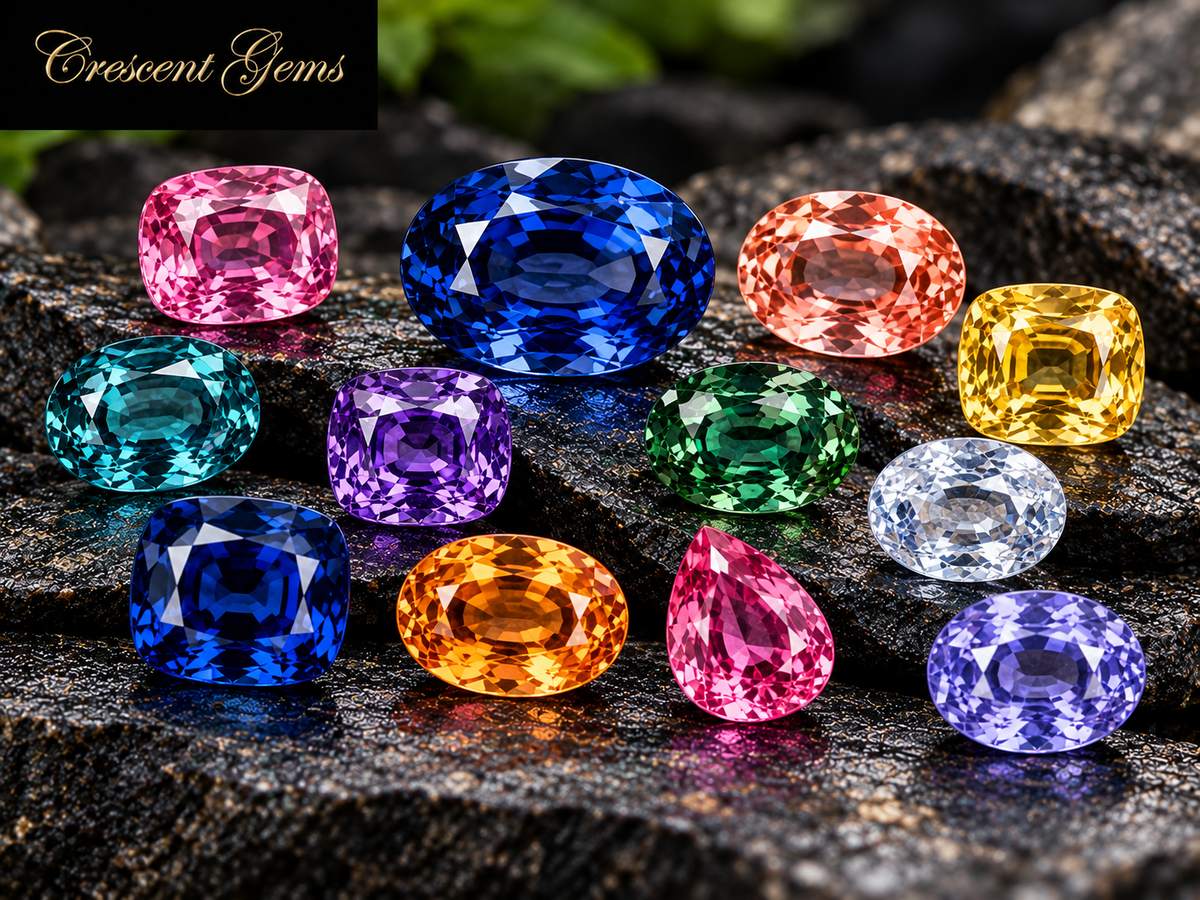
Color is the single biggest driver of a sapphire's beauty, rarity, and price. Sapphire occurs in nearly every hue, and the right one for you comes down to the look you love, how it suits your skin tone, and your budget. For a visual, interactive comparison of every color with filters and side-by-side mode, see our Interactive Sapphire Color Chart.

Color Relative Rarity Typical Price (1–2ct) Best For Popular Origins Unheated Available?
Blue Common to rare $400–$6,000+/ct Classic engagement rings Ceylon, Madagascar, Burma Yes, at premium
Yellow Moderate $300–$2,500/ct Jyotish (Pukhraj), warm rings Ceylon Frequently
Pink Moderate to rare $500–$4,000/ct Romantic engagement rings Ceylon, Burma, Madagascar Yes, at premium
Peach Moderate to rare $500–$2,500/ct Modern rose gold rings Ceylon Often
Teal Moderate $600–$1,500/ct Non-traditional engagement Ceylon, Montana, Madagascar Almost always
Green Moderate $300–$1,500/ct Durable emerald alternative Ceylon, Madagascar Often
Purple / Violet Rare $400–$2,000/ct Rich color on a budget Ceylon Often
White Moderate $100–$500/ct Natural diamond alternative Ceylon Usually
Orange Very rare $800–$3,000+/ct Bold collector stones Ceylon, Tanzania Often
Padparadscha Extremely rare $3,000–$15,000+/ct Collectors, once-in-a-lifetime Ceylon Mostly

Each color links to a full buyer's guide below. As a rough guide to value: padparadscha and fine unheated blue sit at the top; vivid pink, teal, and orange follow; while yellow, green, purple, peach, and white offer the most color for the money.

Blue Sapphire

Blue sapphire

The classic. Colored by iron and titanium, the most prized blue is a vivid, even medium to medium-deep tone that is neither inky nor grayish. Ceylon blues are famous for their brightness and transparency.

Blue Sapphire Buyer's Guide · Shop Blue Sapphires

Yellow sapphire

Colored by iron, yellow ranges from soft lemon to rich golden canary. The most important Jyotish gemstone for Jupiter (Pukhraj). Ceylon yellows are especially bright and clean.

Yellow Sapphire Buyer's Guide · Shop Yellow Sapphires

Pink sapphire

Chromium gives pink its color. Pink ranges from delicate pastel to vivid hot pink. Durable, romantic, and increasingly popular for engagement rings.

Pink Sapphire Buyer's Guide · Shop Pink Sapphires

Peach Sapphire

Peach sapphire

A soft, pastel blend of pink and orange — gentler and far more affordable than padparadscha, but with a similar warm, romantic character.

Peach Sapphire Buyer's Guide · Peach vs. Padparadscha · Shop Peach

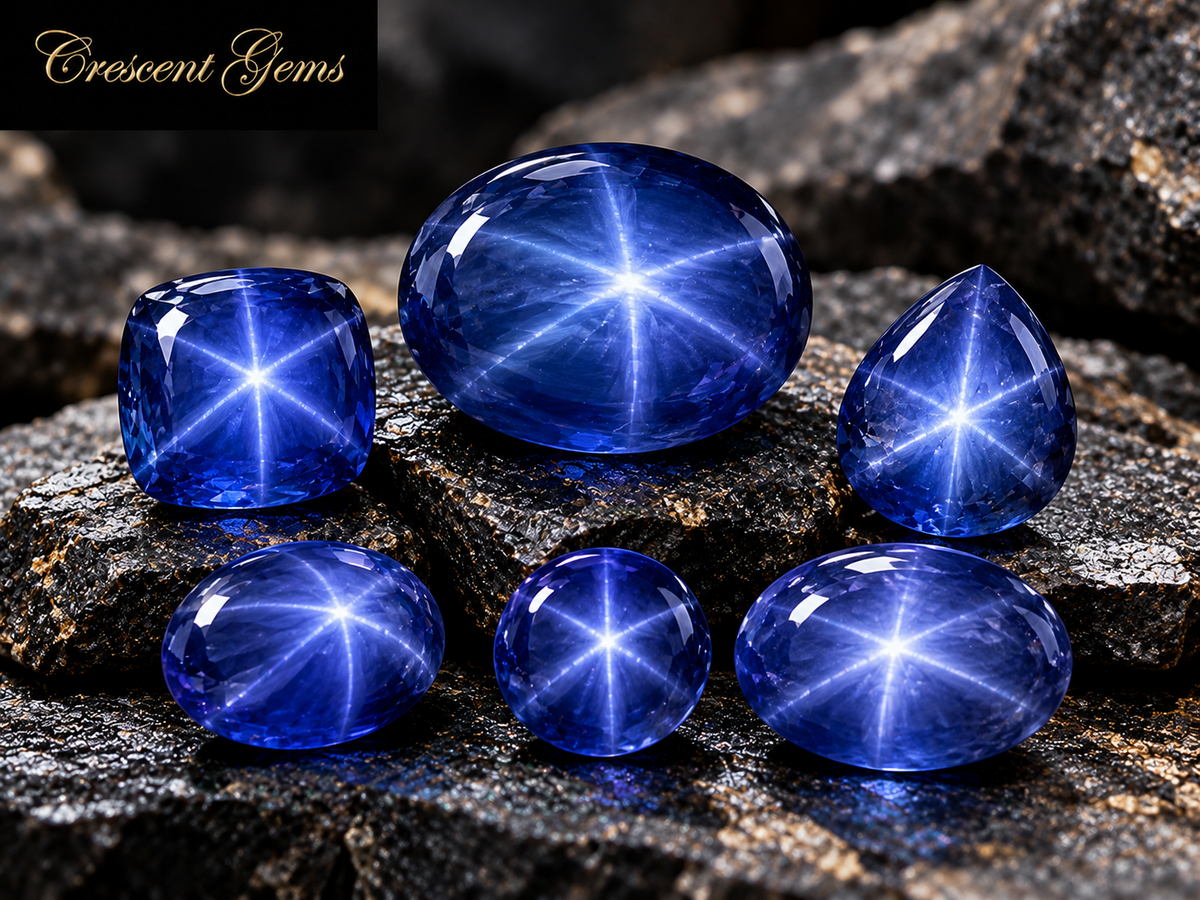
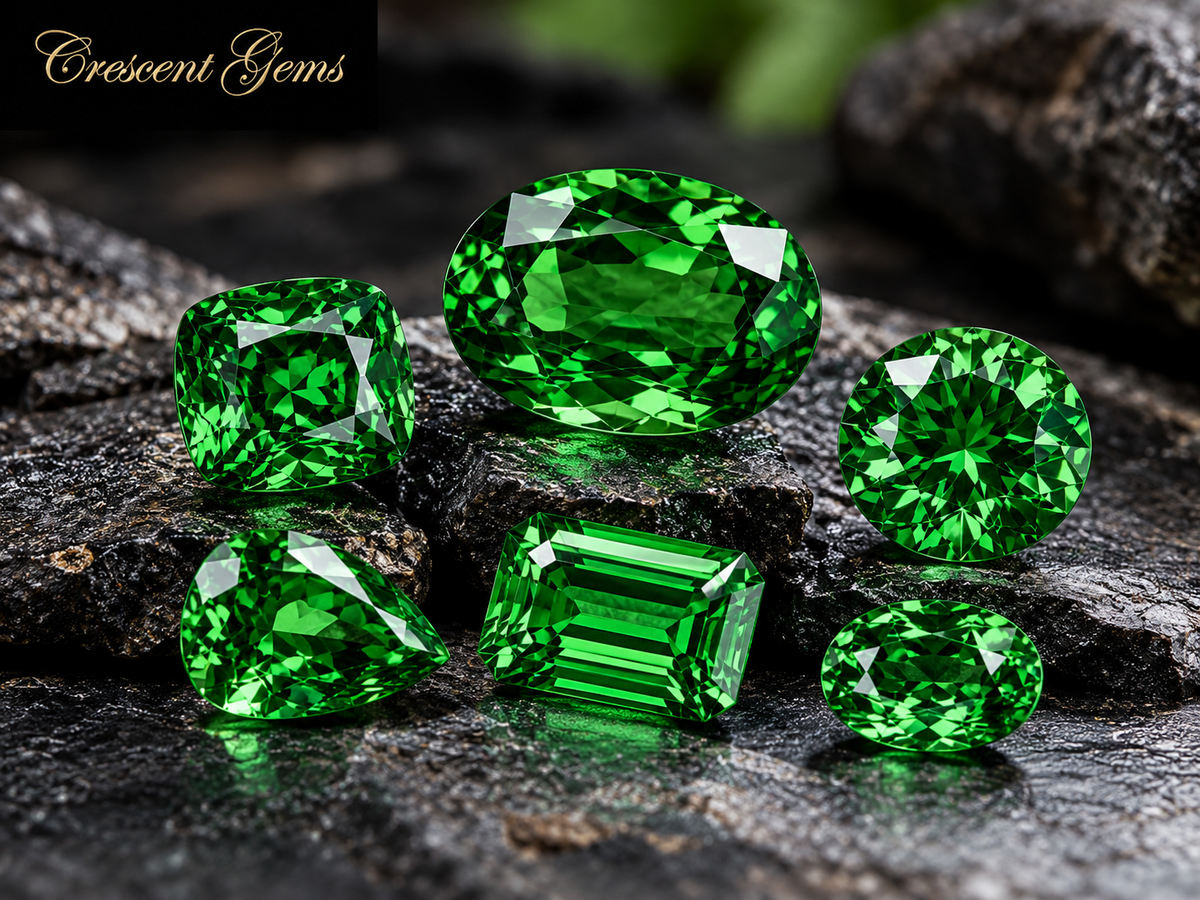
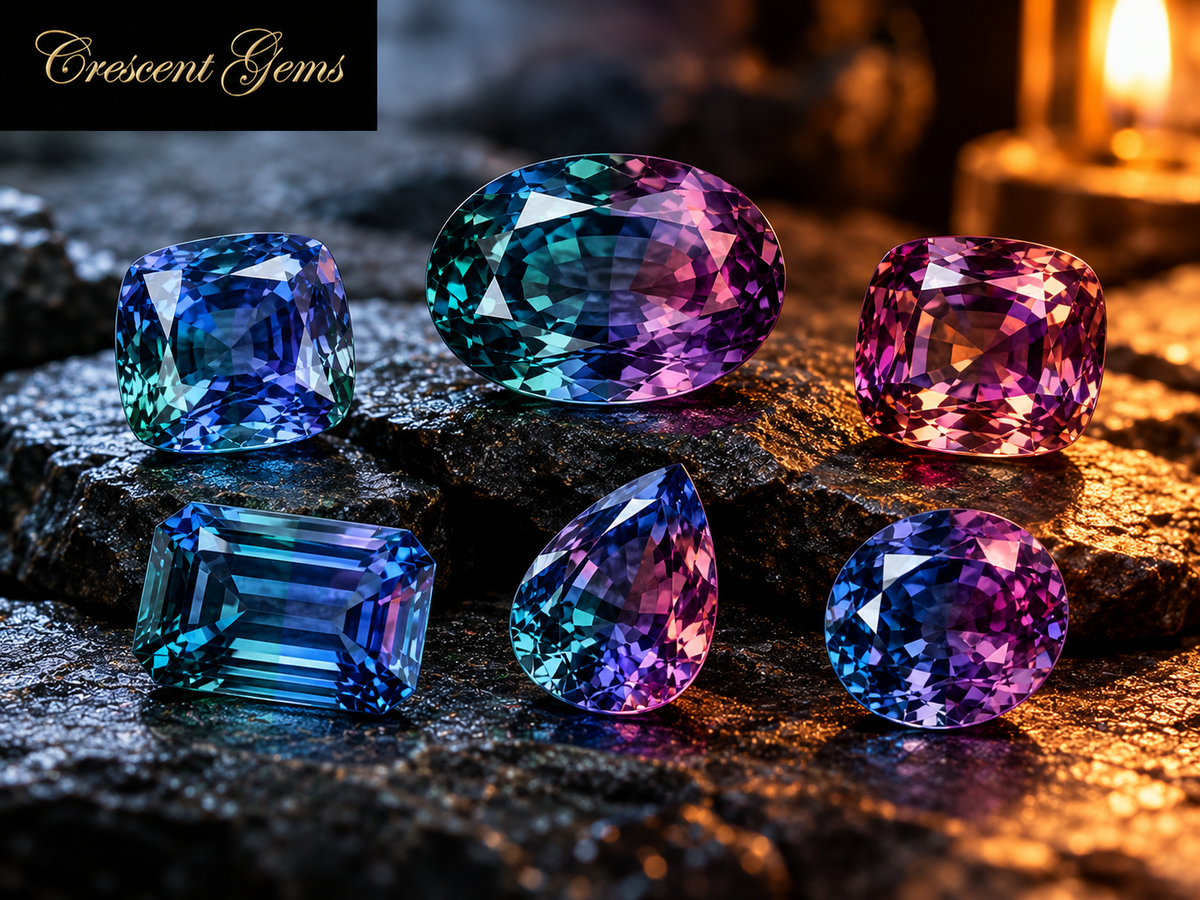
Teal · Green · Purple · Violet · White · Orange · Padparadscha · Star

Teal · Green · Purple · White · Orange · Padparadscha · Star · How to ID Natural Star

Shop: Teal · Green · Purple · Violet · White · Orange · Padparadscha · Star

Not sure which color suits you? Our guide to the best sapphire color for your skin tone helps narrow it down, and our Interactive Sapphire Color Chart lets you filter by budget, rarity, and engagement suitability and compare up to three colors side by side.

Ready to choose your favorite color? Browse our Natural Sapphire Collection →

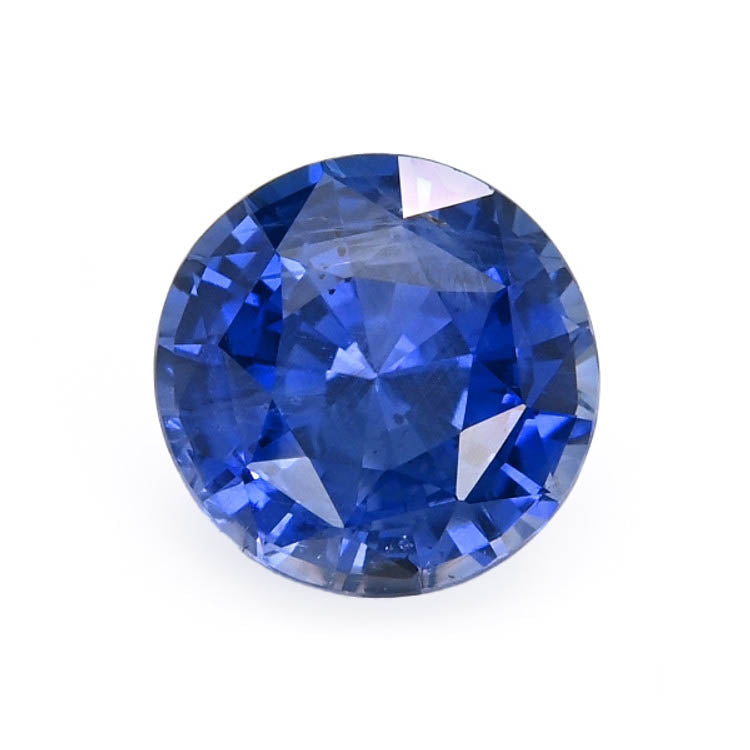
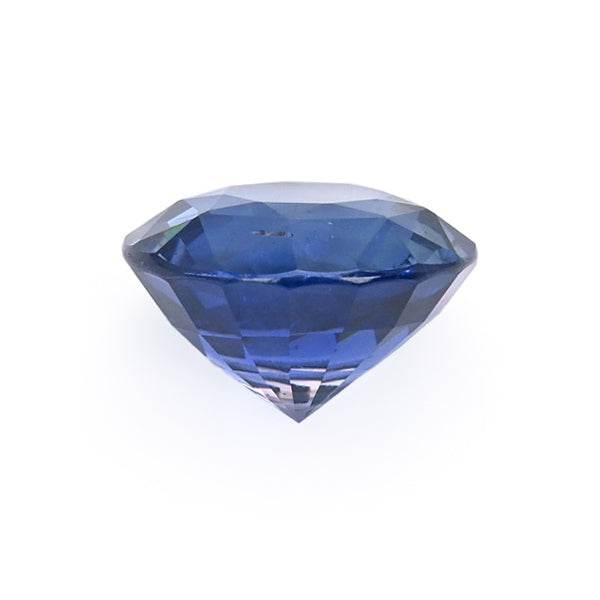
0.64 ct Round Ceylon Blue Sapphire

Example: 0.64 ct Round Ceylon Blue Sapphire

$640 — SKU: CG8421

Origin Sri Lanka (Ceylon)
Treatment Heat treated
Shape Round (~5mm diameter)

Why this price: At 0.64ct in a round cut, this is the entry point for a Ceylon blue engagement stone. Heated treatment keeps the price accessible while delivering vivid blue color. Round cut maximizes brilliance. At $1,000/ct this is well-priced for the quality and origin.

Ideal buyer: Someone building a delicate engagement ring or pairing with a halo setting to add visual size.

View This Stone →

1.10 ct Emerald-Cut Violet Sapphire Unheated

Example: 1.10 ct Emerald-Cut Violet Sapphire — Unheated

$1,320 — SKU: CG8446

Origin Sri Lanka (Ceylon)
Treatment Unheated — completely natural color
Shape Emerald cut

Why this price: Violet sapphire is one of the most undervalued colors in the sapphire market. An unheated 1.10ct in an emerald cut — a rare combination of color, cut style, and natural status — at $1,200/ct represents exceptional value. Comparable unheated blue at this weight would cost 2–3× more. The violet shows a subtle color-shift between daylight and incandescent light that collectors prize.

Ideal buyer: Someone who wants a genuinely unusual, sophisticated engagement stone at a reasonable price point.

View This Stone →

Sapphire Origins

Origin adds character and value, but it should never come before the beauty of the stone itself.

Origin Color Characteristics Typical Pricing Collector Appeal Common Treatments
Ceylon (Sri Lanka) Bright, clear, full spectrum Benchmark Very strong Heat; strong unheated supply
Madagascar Wide range; can rival Ceylon 20–40% below Ceylon Growing Mostly heat-treated
Montana (USA) Steel blue, teal, pastels Premium for domestic appeal Strong in US Mostly heated
Kashmir Velvety cornflower blue 3–10× Ceylon The highest Almost always unheated
Burma (Myanmar) Rich, violetish blues 1.5–3× Ceylon Very strong Both heated and unheated

Read the deep dives: Ceylon Complete Guide · Madagascar Sapphire Guide · Montana vs. Ceylon

Compare genuine Ceylon, Madagascar, and Montana sapphires →

How Sapphires Are Mined

Every sapphire in our catalog began as a rough crystal buried in gem-bearing gravel beneath Sri Lankan soil. Unlike industrial operations elsewhere, Sri Lankan mining is still done by hand — small teams digging vertical shafts into alluvial gravel beds beneath paddy fields. The alluvial method naturally selects for the hardest crystals and produces extraordinary species diversity from a single deposit.

Read: Pit Mining in Sri Lanka · River Bed Mining · The Ratnapura Gem Market — How Sapphires Are Traded at the Source

How Sapphires Are Cut and Faceted

A rough crystal becomes a brilliant gemstone through faceting — calculated angles and thousands of passes across a diamond lap. Sapphire at Mohs 9 is one of the hardest materials to cut. We routinely recut native-cut stones in-house, accepting 15–25% weight loss for dramatically improved face-up color and brilliance.

Read: Faceting Sapphires · How Cut Affects a Sapphire

Treatment and What It Means

Standard heat treatment — uses the stone's own chemistry, permanent, accepted. How Heat Treatment Works.

Unheated — color as nature made it, genuinely rarer, significant premium. What Is an Unheated Sapphire?

Beryllium diffusion — introduces a foreign element, undetectable by eye, we don't carry it. Beryllium Diffusion Explained.

To read the internal evidence that reveals treatment, see How to Read Sapphire Inclusions.

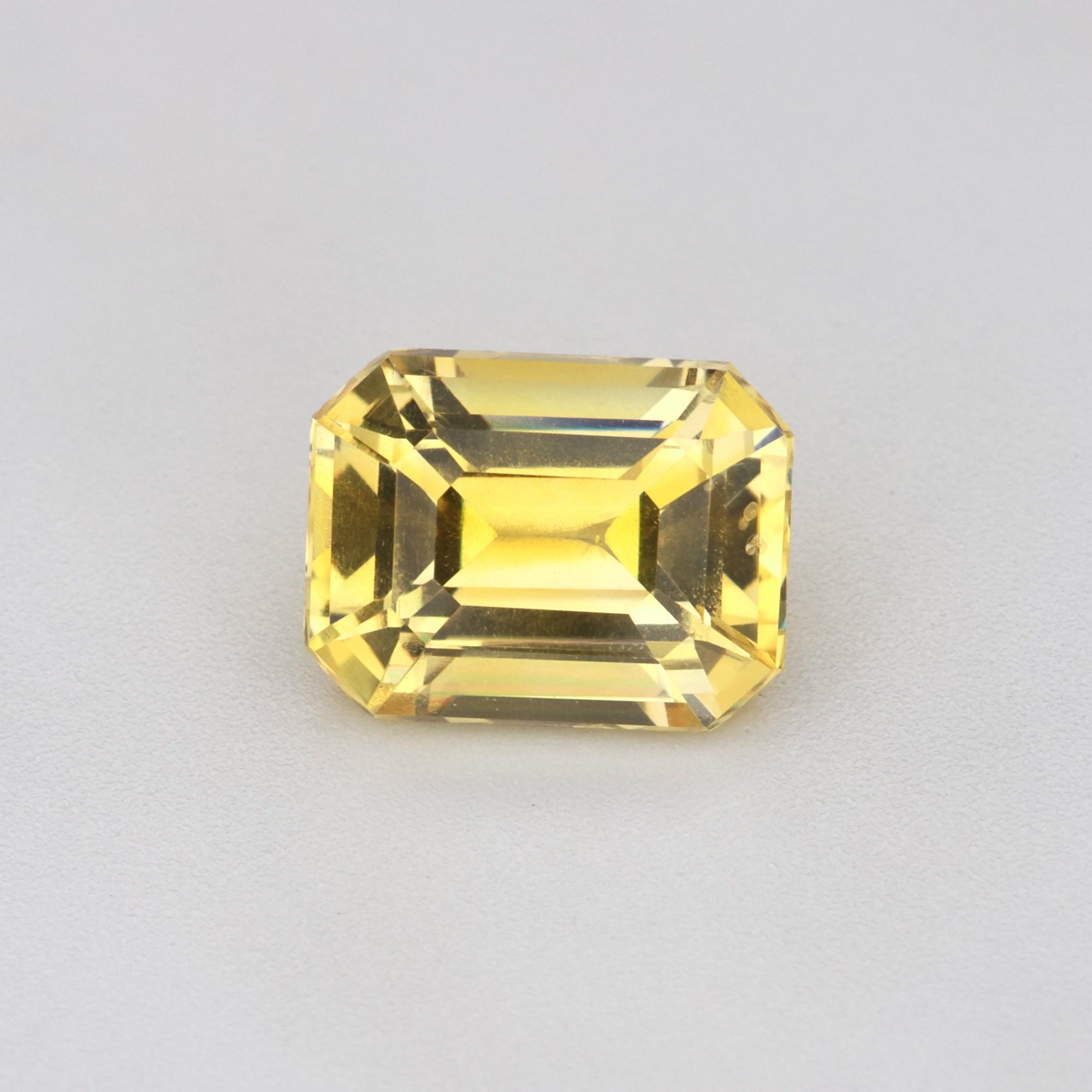
1.07 ct Round Yellow Sapphire Unheated

Example: 1.07 ct Round Yellow Sapphire — Unheated

$749 — SKU: CG8428

Origin Sri Lanka (Ceylon)
Treatment Unheated — completely natural color
Shape Round

Why this price: Unheated yellow sapphire above 1ct at $700/ct represents outstanding value. Ceylon yellow is frequently unheated naturally, keeping costs accessible. Vivid golden color in a round cut with excellent brilliance. Suitable for Jyotish (Jupiter/Pukhraj) at the entry weight level.

Ideal buyer: Jyotish buyer seeking unheated Pukhraj above 1ct, or anyone wanting a warm, cheerful engagement stone.

View This Stone →

Sapphire Pricing

Value is built from seven interacting factors: color (60%), treatment, carat weight (exponential curve), origin, cut quality, clarity, and color rarity. When premium factors align, price multiplies — not adds. Two similar-looking stones can be 5× apart.

Practical rule: prioritize color and cut over sheer size.

Read: Sapphire Pricing Explained — What Drives Cost and Why Two Similar Stones Can Be 5× Apart · Buy Smart · Why Our Prices Are Lower Than Retail
View sapphires currently available within your budget →

1.12 ct Oval Ceylon Peach Sapphire Unheated GIA

Example: 1.12 ct Oval Ceylon Peach Sapphire — Unheated, GIA

$900 — SKU: CG8429

Origin Sri Lanka (Ceylon)
Treatment Unheated — GIA confirmed
Shape Oval
Lab Report GIA

Why this price: Unheated peach sapphire with GIA documentation at just above 1ct is a sweet spot — warm blush-orange color approaching the padparadscha range, confirmed natural by GIA, at a fraction of padparadscha pricing. The oval cut maximizes face-up size. At $804/ct for GIA-documented unheated peach, this represents exceptional value for a modern engagement ring.

Ideal buyer: Modern engagement ring buyer who loves warm, romantic color in rose gold.

View This Stone →

Sapphire Shapes and Cuts

Shape Sparkle Face-up Size Value Best Ring Styles
Oval High Looks large for weight Best overall value Solitaire, halo, three-stone
Cushion Rich color glow Slightly smaller Excellent Vintage, halo, solitaire
Round Maximum brilliance Standard Slightly higher cost Any style
Emerald Elegant step-cut flashes Good spread Good Modern, architectural
Pear High Looks large Good East-west, pendants
Radiant Brilliant sparkle Good spread Good Modern solitaire, halo

Browse by shape: Oval · Cushion · Round · Emerald Cut · Pear · Radiant

Guides: Best Cut for Engagement · Is Round Good? · Radiant Cut Yellow

Certification: When You Need It and What Each Lab Tells You

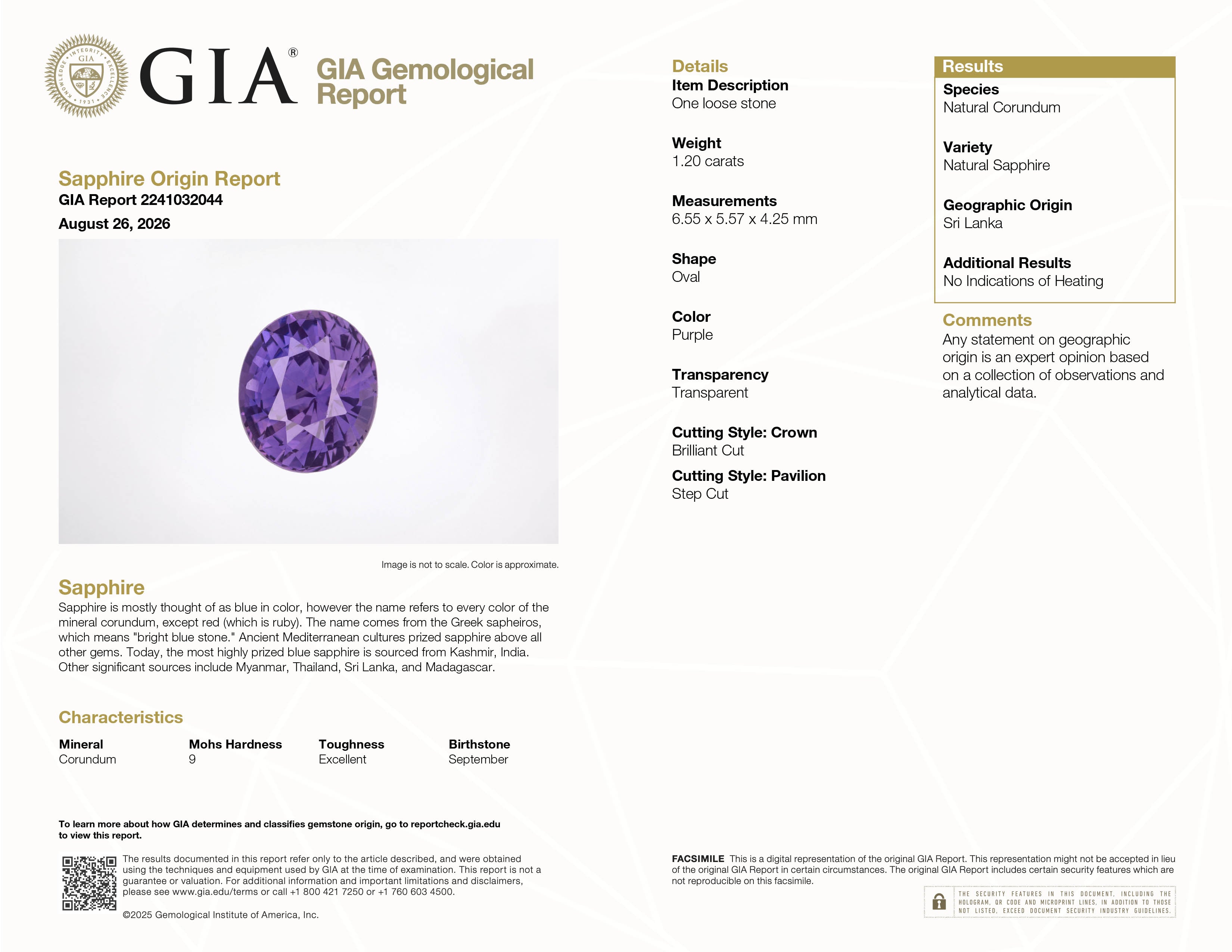
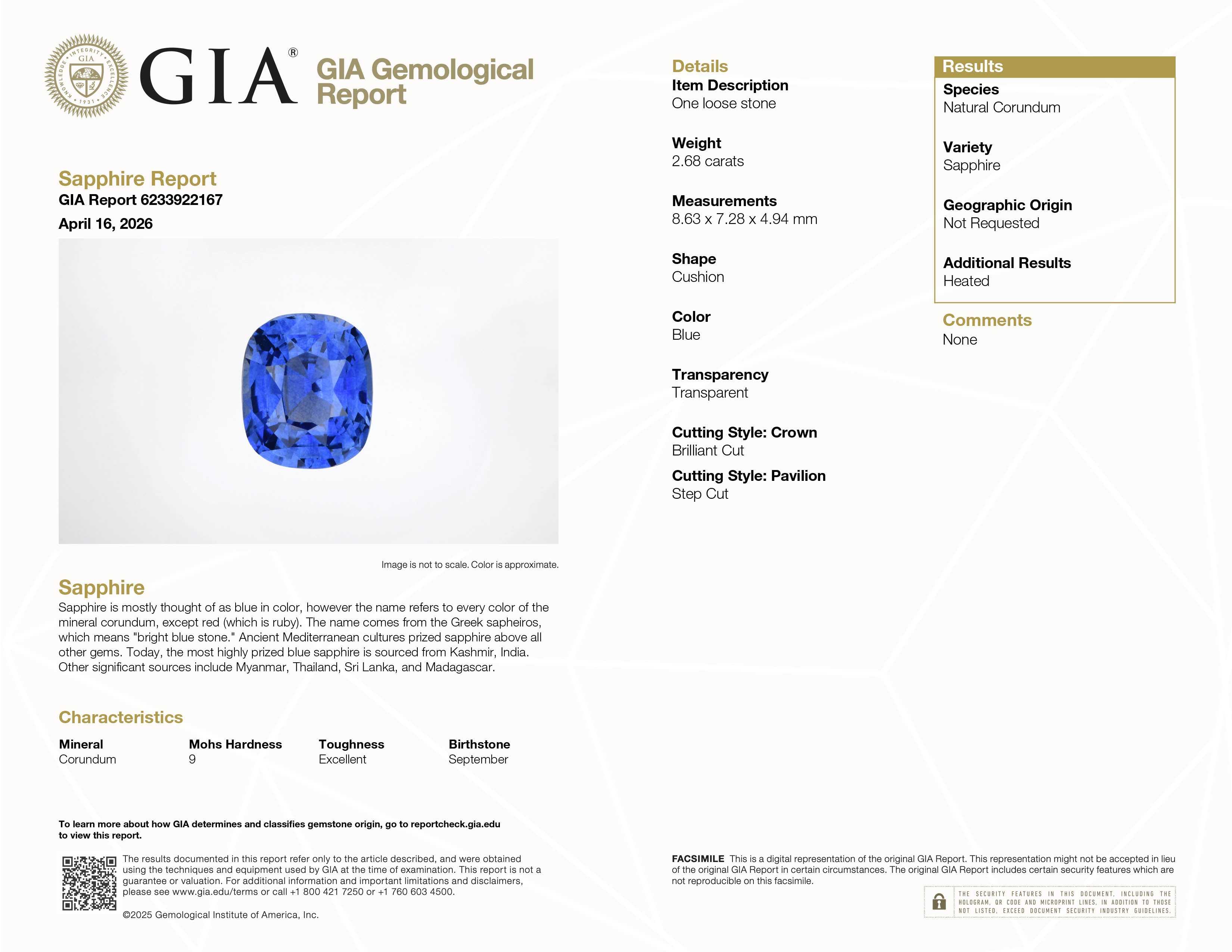
An independent gemological report is the most important document in a sapphire transaction above a certain value threshold. It confirms the stone is natural corundum, identifies any treatment, records measurements and weight, and — for premium stones — determines geographic origin. But not every sapphire needs a report, and not every laboratory serves the same purpose.

When do you actually need a certificate?

Always get a report when:

  • You are paying an unheated premium — the report confirms the treatment status that justifies the higher price
  • You are paying an origin premium — "Ceylon" or "Kashmir" on a GIA report means something; a seller’s claim alone does not
  • The stone is above 1.5 carats and priced at $1,000+ per carat — the report protects your investment
  • You are buying for investment, collection, or resale — documented stones resell at higher prices with more confidence
  • You are buying for Jyotish purposes — unheated status must be confirmed by lab, not by seller
  • The color is orange, padparadscha, or vivid yellowberyllium diffusion must be ruled out

A report is optional when:

  • The stone is under 0.50 carats at a modest price — the cost of the report exceeds the value it adds
  • You are buying heated commercial sapphire at market price with full treatment disclosure from a trusted dealer
  • The stone is for accent or side stone use where individual certification is not practical

What each major laboratory provides

Laboratory Headquarters Strengths Origin Determination Global Recognition
GIA USA (Carlsbad) Most widely recognized; standard for trade Yes (when determinable) Universal
Gübelin Switzerland (Lucerne) Leading authority on origin determination Yes — the gold standard Very high (esp. auction market)
SSEF Switzerland (Basel) Advanced research; trusted for high-value stones Yes — authoritative Very high (esp. European market)
AGL USA (New York) Respected for colored stone specialization Yes Strong (esp. US market)
Lotus Gemology Thailand (Bangkok) Deep expertise in Asian-origin corundum Yes Strong (esp. Asian trade)
GRS Switzerland/Hong Kong Adds color grade descriptions (e.g., “Pigeon Blood”) Yes Strong (esp. Asian market)

When certification adds value

A GIA or Gübelin report on a fine unheated Ceylon sapphire above 2 carats can add 10–20% to the stone’s resale value compared to an identical undocumented stone — because the buyer does not have to pay for their own report or take the seller’s word on treatment and origin. The report pays for itself many times over in market confidence.

For padparadscha and origin-specific Kashmir or Burmese stones, a report from Gübelin or SSEF carries particular weight at auction and with European collectors. For the US market and general retail confidence, GIA is the standard.

When certification is unnecessary

A $300 heated blue sapphire at 0.50ct does not need a $150 GIA report. The cost of certification relative to the stone’s value does not justify it. At this level, buy from a dealer whose treatment disclosure you trust (like Crescent Gems, where treatment is stated on every product page) and save the certification budget for a more significant purchase.

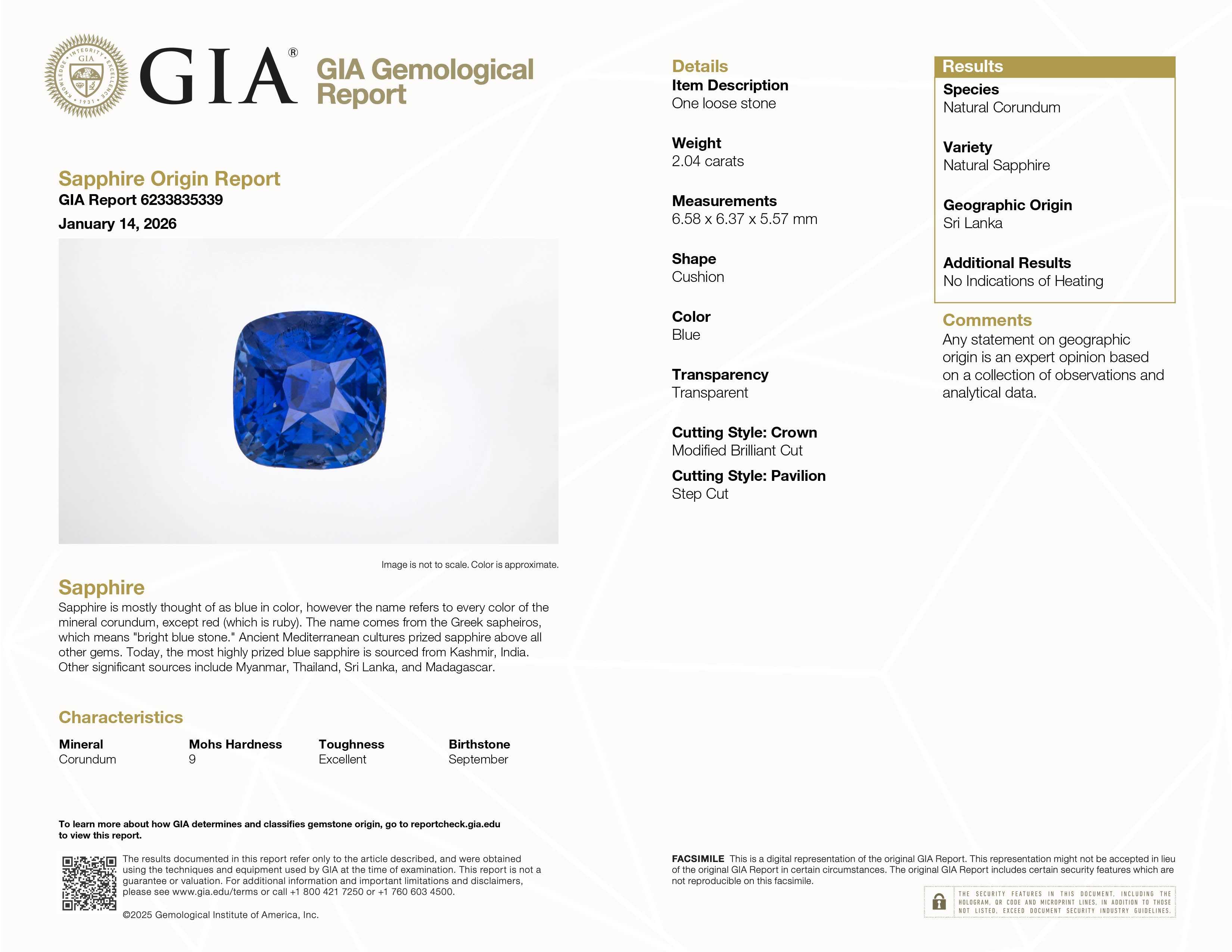
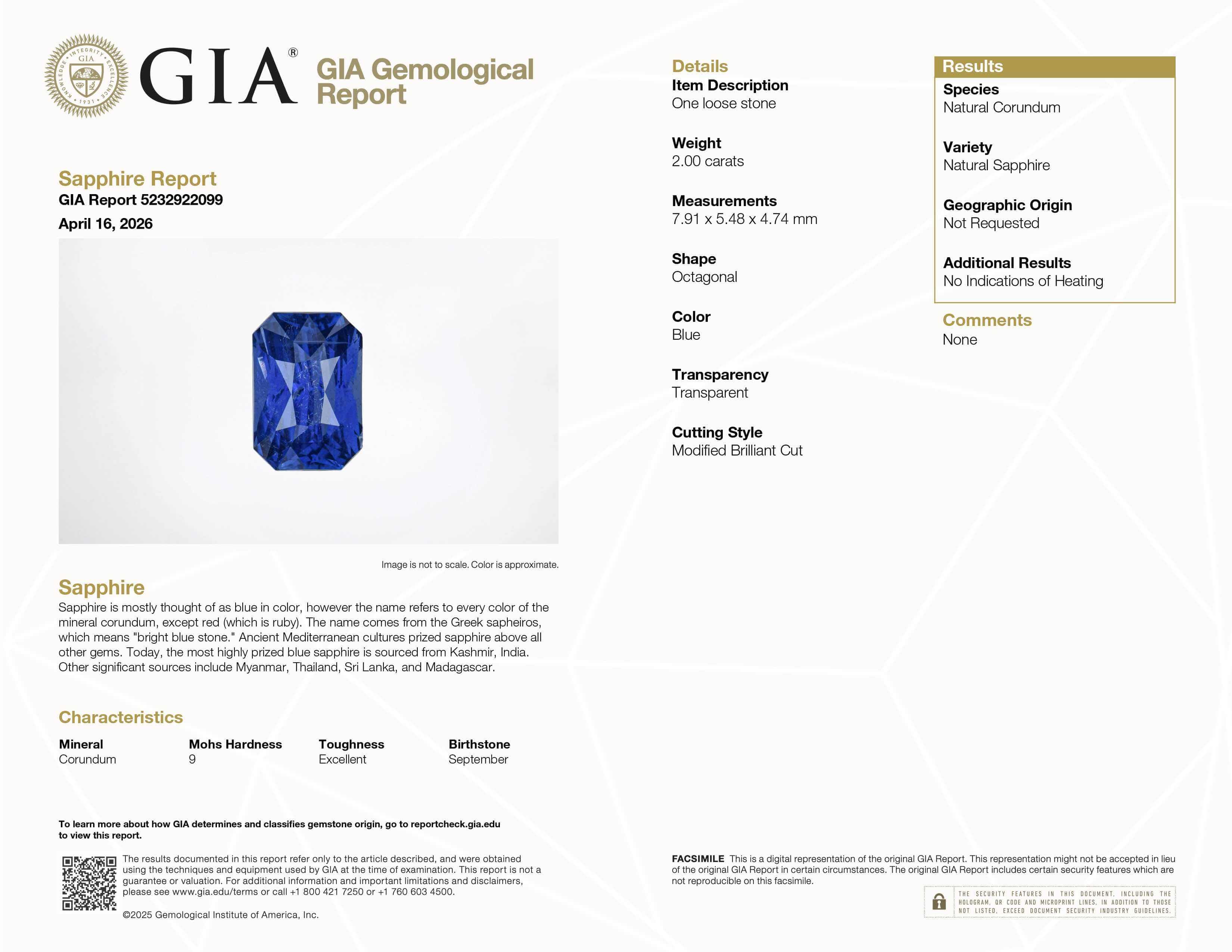
Crescent Gems includes GIA reports on stones above two carats and can facilitate certification on any stone by request. Every listing shows real photographs and video of the actual stone. Read What Is a GIA Sapphire Report and How to Read It for a line-by-line guide to understanding your report.

How Sapphire Compares to Other Gemstones

Wondering how sapphire stacks up? Honest, side-by-side comparisons:

Choosing a Sapphire for an Engagement Ring

Sapphire is one of the best engagement ring stones: Mohs 9, extremely hard, and full of personality.

Alternative: Is Tsavorite Good for an Engagement Ring?

Create your own custom sapphire engagement ring →

2.19 ct Square Cushion Orange Sapphire GIA

Example: 2.19 ct Square Cushion Orange Sapphire — GIA

$4,796 — SKU: CG8410

Origin Sri Lanka (Ceylon)
Treatment Heat treated
Shape Square cushion
Lab Report GIA

Why this price: Natural vivid orange sapphire above 2ct is one of the rarest sapphire colors at any quality level. The specific iron-chromium ratio required for clean, saturated orange is uncommonly achieved in corundum. At $2,189/ct with GIA documentation, this is collector-grade material — the kind of stone that appreciates over time because supply is inherently limited. The square cushion cut deepens the orange saturation beautifully.

Ideal buyer: Collector seeking genuinely rare corundum, or a bold engagement ring buyer who wants maximum visual impact.

View This Stone →

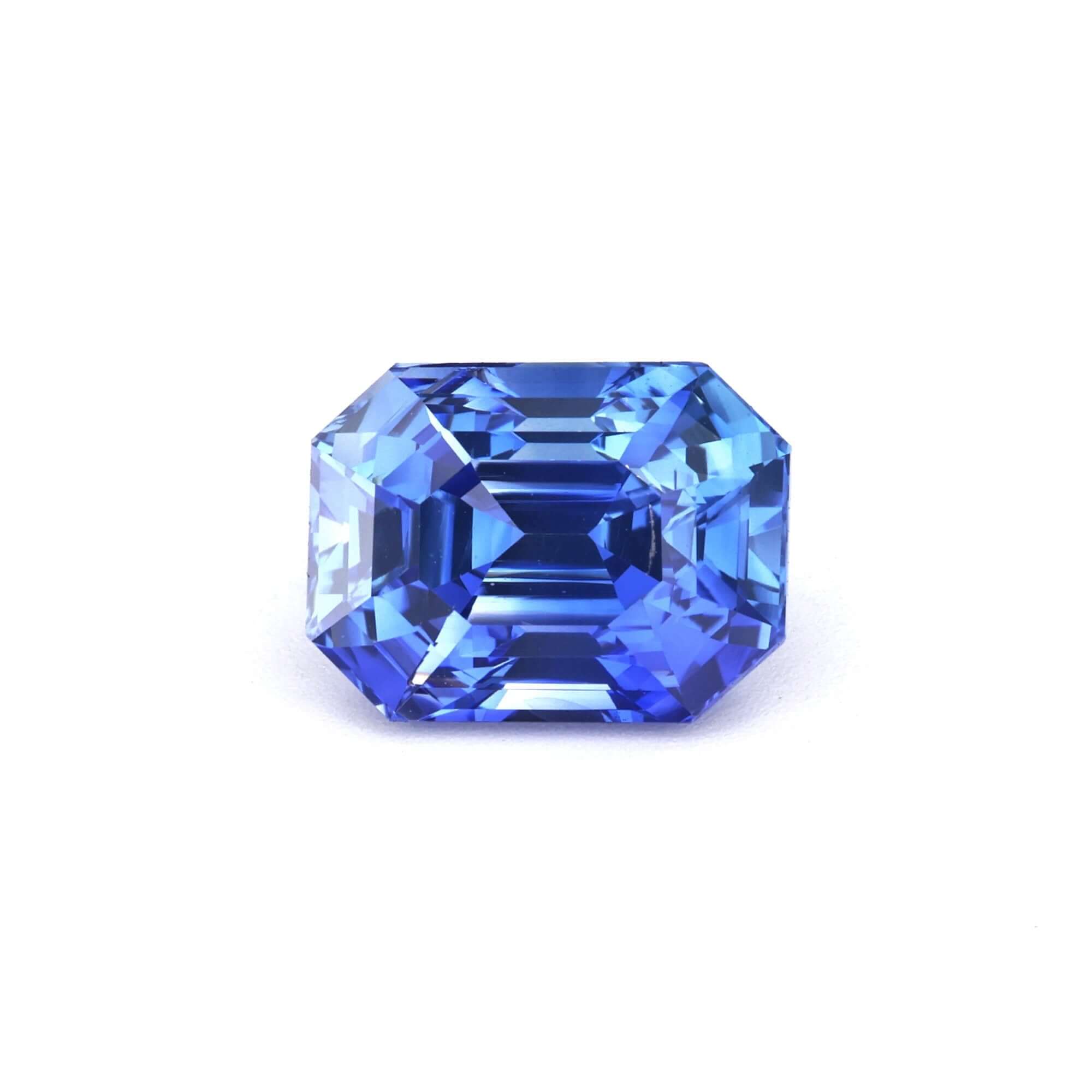
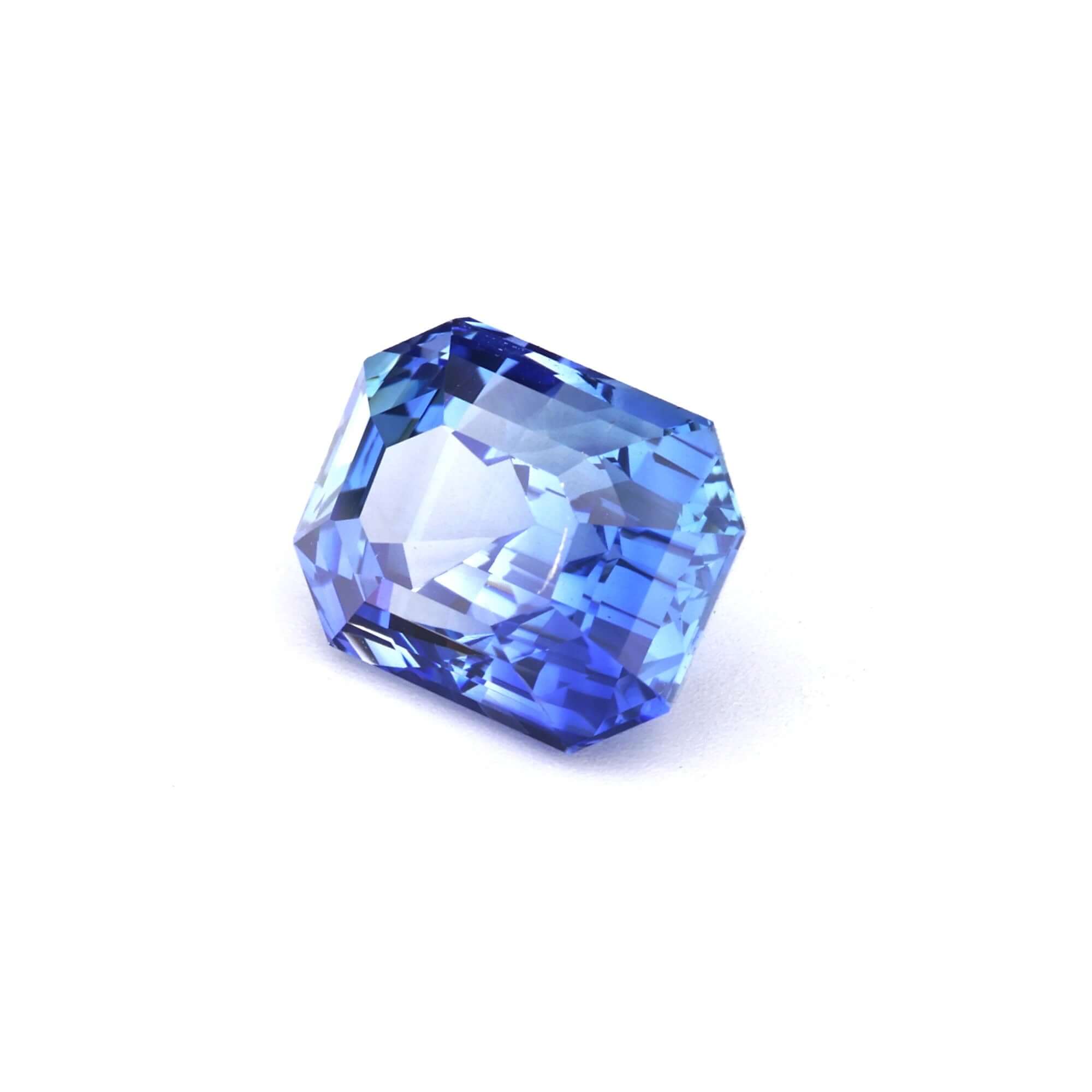
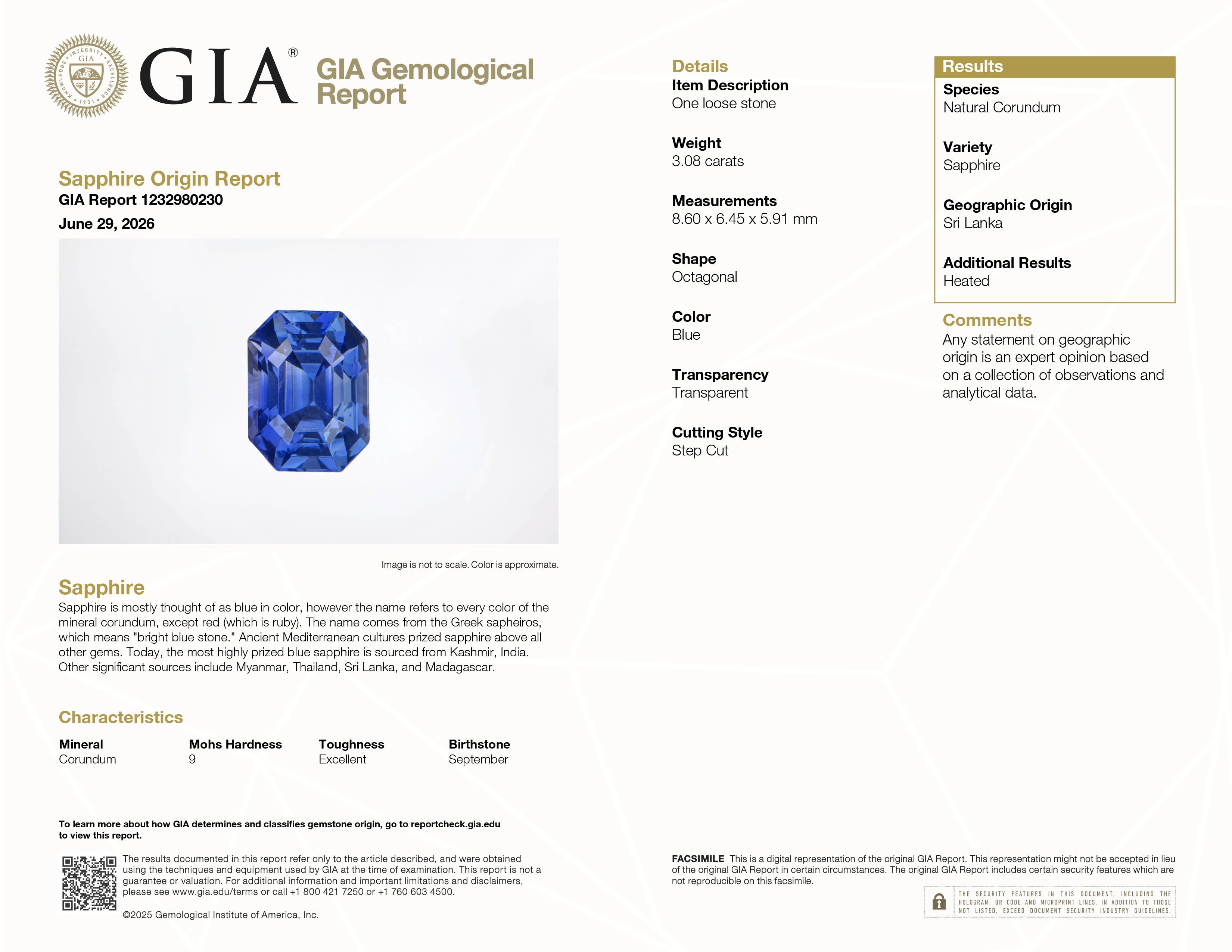
3.08 ct Step-Cut Ceylon Blue Sapphire GIA

Example: 3.08 ct Step-Cut Ceylon Blue Sapphire — GIA

$8,656 — SKU: CG8443

Origin Sri Lanka (Ceylon)
Treatment Heat treated
Shape Step cut (emerald style)
Lab Report GIA (in progress)

Why this price: A 3+ carat Ceylon blue sapphire represents a major jump in rarity — fine rough at this size is exponentially less common than at 1–2ct. The step cut creates a hall-of-mirrors depth effect that is unlike anything a brilliant cut produces, requiring excellent clarity (step facets reveal everything) and strong color saturation. At $2,811/ct with GIA documentation, this is a statement stone for a signature engagement ring or a serious collection.

Ideal buyer: Engagement ring buyer who wants a substantial center stone with architectural elegance, or a collector building a Ceylon blue portfolio.

View This Stone →

Sapphires for Jyotish (Vedic Astrology)

In Vedic astrology, sapphires are prescribed as functional gemstones. Yellow sapphire (Pukhraj) for Jupiter; blue sapphire (Neelam) for Saturn. Both require strict specifications: natural, unheated, eye-clean, vivid, 1.50+ carats, open-back setting, Ceylon origin preferred.

Read: Buying Sapphires for Jyotish — Requirements, Specifications, and Common Mistakes

Buying Safely Online

Real Pricing Examples from Our Current Inventory

Theory is useful; real numbers are better. Here is what actual sapphires cost right now in our catalog, and why:

Stone Origin Treatment Carat Price $/ct Why This Price
Oval Purplish-Pink Ceylon Unheated 0.54 $270 $500 Sub-carat unheated pink at entry price; great value for natural color
Round Blue Ceylon Heated 0.64 $640 $1,000 Entry-level Ceylon blue in round; heated keeps price accessible
Round Yellow Ceylon Unheated 1.07 $749 $700 Unheated yellow above 1ct — excellent Jyotish Pukhraj value
Oval Peach Ceylon Unheated, GIA 1.12 $900 $804 GIA-documented unheated peach approaching padparadscha range
Emerald-Cut Deep Blue Ceylon Heated 1.32 $1,058 $802 Heated blue in step cut; architectural elegance at mid-range price
Emerald-Cut Violet Ceylon Unheated 1.10 $1,320 $1,200 Unheated violet in rare emerald cut — undervalued color, collector appeal
Sq. Cushion Orange Ceylon Heated, GIA 2.19 $4,796 $2,189 Rare vivid orange above 2ct; GIA documented; collector grade
Step-Cut Blue Ceylon Heated, GIA 3.08 $8,656 $2,811 3ct+ Ceylon blue is exponentially rare; step cut demands top clarity

Prices shown are current as of listing date and subject to availability. All stones are natural sapphires sourced from Sri Lanka.

☑ Sapphire Buying Checklist

Before you buy any natural loose sapphire, run through these checks:

  • Confirm it is natural — not lab-grown or synthetic
  • Verify all treatments are disclosed — heated, unheated, or other
  • Check for strong color saturation — vivid and even, not washed out
  • Avoid obvious windows — tilt the stone; no see-through center
  • Choose eye-clean clarity — no inclusions visible at arm's length
  • Select the right shape — matches your ring design and finger
  • Confirm measurements — compare mm dimensions, not just carats
  • Request a laboratory report when paying for unheated or origin premium
  • View actual photos and video — of the exact stone, not a stock image
  • Understand the return policy — before you commit
  • Verify the seller specializes in natural sapphires — not a marketplace generalist

Why Buy from Crescent Gems

We source directly from the Ratnapura gem market and cut or recut in-house.

  • Natural only — every stone earth-mined, treatment fully disclosed
  • Real stone, every time — real photos and video, never stock images
  • GIA certification — on stones above two carats
  • In-house cutting — we recut windowed stones before listing
  • In-house jewelry division — we build the ring around your stone
  • Try Before You Buy — see a stone in your hand before you pay

Browse Our Loose Sapphires

Full Catalog · By color: Blue · Yellow · Pink · Peach · Teal · Purple · Violet · Green · White · Orange · Padparadscha · Star · Unheated

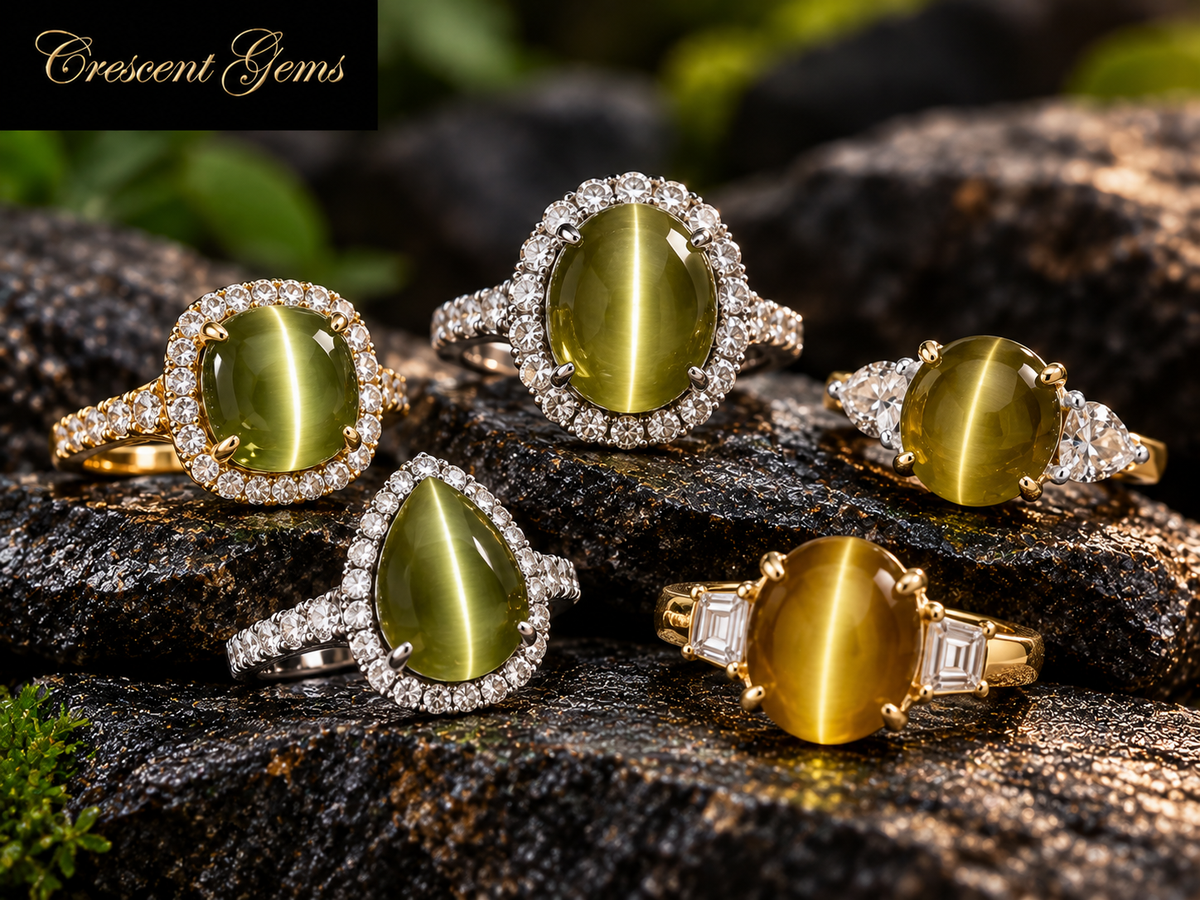
Beyond sapphire: Ruby · Tsavorite — guides: Ruby · Tsavorite · Cat's Eye

Frequently Asked Questions

Buying Basics

What is the most important factor when buying a sapphire?

Color, followed closely by cut quality. A vivid, evenly colored, precisely cut stone will look more beautiful and hold more value than a larger stone chosen on carat weight alone. See Sapphire Pricing Explained.

How do I know if a sapphire is natural?

A GIA or equivalent laboratory report confirms natural origin. Natural sapphires contain characteristic inclusions — silk, fingerprints, mineral crystals — that synthetics do not. A reputable dealer discloses natural vs. synthetic status explicitly. See How to Read Sapphire Inclusions.

Is it safe to buy sapphires online?

Yes, when you buy from a specialist dealer who shows real photographs and video of the exact stone, discloses treatment, offers a return policy, and provides laboratory documentation on fine stones. See Where to Find Reputable Sellers.

Why buy a loose sapphire instead of a preset ring?

Buying loose lets you evaluate the stone fully, gives better value per dollar, and lets you design a ring around your exact gem. See Loose vs. Preset Rings.

Can I see and hold the stone before buying?

Yes. Crescent Gems offers a Try Before You Buy option — we ship the loose stone so you can view it in person under your own lighting before committing.

Color

Which sapphire color is the rarest?

Padparadscha — a balanced pink-orange — is the rarest and most valuable. Fine natural orange and color-change sapphires are also exceptionally rare. See our Interactive Sapphire Color Chart for rarity comparisons.

Which sapphire color gives the best value?

Yellow, teal, purple, and violet sapphires offer the most color for the money. These colors are genuinely rare but priced below blue because market demand has not caught up with supply scarcity. Heated blue in excellent cut also offers outstanding value.

Which color looks best on my skin tone?

Warm skin tones tend to suit yellow, peach, and warm blue. Cool skin tones suit vivid blue, teal, and violet. Rose gold enhances pink and peach; white gold maximizes blue and teal contrast. See Best Sapphire Color for Your Skin Tone.

What is the difference between teal and green sapphire?

Teal sits between blue and green and shifts color under different lighting. Green is predominantly green without the blue component. Both are durable emerald alternatives, but teal has become one of the trendiest engagement ring choices. See the Teal and Green guides.

Treatment

Is a heated sapphire still natural?

Yes. Heat treatment rearranges elements already present in the crystal. The stone remains 100% natural corundum. It is not synthetic, not fake, and not of lower inherent quality. The treatment is permanent, stable, and universally accepted. See How Heat Treatment Works.

Are heated sapphires worth buying?

Absolutely. Heated sapphires produce beautiful color at accessible prices. Unheated stones are rarer and cost more — the choice is budget and priorities, not quality. Both are legitimate purchases.

How do I know if a sapphire is unheated?

Only a laboratory report from GIA, Gübelin, SSEF, or Lotus can confirm unheated status. The report will state "no indications of heating." A seller's verbal claim is not verification. See What Is an Unheated Sapphire?

What is beryllium diffusion and should I worry?

Beryllium diffusion introduces a foreign element into the crystal to create color that may not be natural. Undetectable by eye. For orange, padparadscha, or vivid yellow sapphires, require a lab report that addresses beryllium. Crescent Gems does not carry beryllium-diffused material. See Beryllium Diffusion Explained.

Pricing

How much does a natural sapphire cost?

Prices range from $100/ct for white sapphire to $15,000+/ct for fine padparadscha. Most engagement-quality blue sapphires fall between $800 and $3,000 per carat at 1–2ct. See Sapphire Pricing Explained.

Why can two similar-looking sapphires be 5× apart in price?

Sapphire pricing factors multiply, not add. Color saturation, treatment status, carat weight (exponential curve), origin, and cut quality each shift the price. When multiple premium factors align, the price multiplies dramatically. A detailed walkthrough is in our pricing guide.

Why are Crescent Gems prices lower than retail stores?

We source directly from Sri Lanka and cut in-house — two to three supply chain steps instead of five or six. No Bangkok middleman, no importing distributor, no retail markup. The stone is the same; the margin layers are removed. See Why Our Prices Are Lower.

Is sapphire a good investment?

Fine natural sapphires — particularly unheated Ceylon blue above 2ct with GIA documentation — have historically appreciated in value. They are a finite resource with rising demand. Mid-market heated stones hold moderate value. Lab-grown and synthetic stones have no investment value.

Engagement Rings

Is sapphire a good engagement ring stone?

Excellent. At Mohs 9 it is one of the hardest gemstones, resisting scratches from everything except diamond. It offers color and personality that colorless stones cannot. See How to Choose a Sapphire for Your Engagement Ring.

Can a sapphire chip or break?

Sapphire has excellent toughness — it resists chipping and breaking from normal impacts. It is far tougher than emerald and comparable to diamond for daily-wear durability. A sapphire ring dropped on a tile floor will almost certainly survive unharmed.

What size sapphire looks best in an engagement ring?

Most engagement sapphires fall between 1.00 and 2.00 carats. Because sapphire is denser than diamond, a 1ct sapphire looks slightly smaller face-up than a 1ct diamond — compare millimeters, not just carats. See What Size Is Best?

Sapphire vs. diamond for an engagement ring?

Sapphire offers color, individuality, and lower cost. Diamond offers maximum hardness and brilliance. Both are durable daily-wear stones. The choice is aesthetic preference, not quality. See Sapphire vs. Diamond.

Sapphire vs. emerald for a ring?

Sapphire is significantly harder (Mohs 9 vs. 7.5–8), tougher, and never needs retreatment. Emerald offers more vivid chromium green but is fragile, requires oiling, and demands careful handling. For daily wear, sapphire wins decisively. See Sapphire vs. Emerald.

Sapphire vs. moissanite or lab diamond?

Sapphire offers color, natural origin, and lasting value. Lab diamonds offer colorless sparkle at moderate cost but depreciate. Moissanite is cheapest but holds no resale value. See Sapphire vs. Moissanite vs. Lab Diamond.

Can Crescent Gems make my ring?

Yes. Our in-house jewelry division can design and build a custom ring around your loose stone — from CAD render to finished piece, all under one roof. See How to Commission a Custom Ring.

Certification

Is a GIA report always necessary?

Not always. It is essential when paying an unheated or origin premium, for stones above 1.5ct at $1,000+/ct, and for investment purchases. It is optional for sub-0.50ct commercial stones from a trusted dealer. See the certification section above.

How do I verify a GIA report is real?

Use GIA's online Report Check tool at gia.edu. Enter the report number and verify the details match the stone. Never rely on a PDF scan alone. See How to Read a GIA Report.

Origin

What makes Ceylon (Sri Lankan) sapphires special?

Two thousand years of continuous production, the widest color range of any origin, a brightness and transparency that define what fine sapphire looks like, and a strong supply of unheated natural material. See Ceylon Sapphire Complete Guide.

How does Madagascar compare to Ceylon?

Madagascar produces excellent sapphires that can rival Ceylon quality at 20–40% lower pricing. The trade-off is less market recognition and a shorter track record. For value buyers, Madagascar is a strong option. See Madagascar Sapphire Guide.

Can I buy sapphires for Jyotish (Vedic astrology)?

Yes — but the stone must be natural, unheated, eye-clean, vivid, above 1.50ct, and set with skin contact in an open-back setting. Ceylon origin is preferred. Full specifications in our Jyotish guide.

Shipping, Returns, and Care

What is Crescent Gems' return policy?

Every purchase comes with a 14-day return policy. If the stone does not meet your expectations, return it within 14 days for a full refund. We are confident enough in our photography and disclosure to stand behind every stone.

How should I insure my sapphire?

Insure the finished ring for its full replacement value through a specialty jewelry insurer (such as Jewelers Mutual) or a rider on your homeowner's policy. Get an independent appraisal — not from the seller — for insurance purposes.

How do I care for a sapphire ring?

Sapphire is low-maintenance: warm soapy water and a soft brush for routine cleaning. Ultrasonic and steam cleaners are safe (unlike for emerald). Have prongs checked every 12–18 months. See Ring Care Guide.

Can sapphires be upgraded or traded in later?

Fine natural sapphires hold meaningful resale value and can be resold through dealers, auction houses, or private channels. Contact us at crescentgems@gmail.com to discuss options for stones purchased from Crescent Gems.

Ready to Find Your Sapphire?

Every stone in our catalog is natural, individually photographed, and ships with complete treatment disclosure and a 14-day return policy.

Ahmed Shareek — Crescent Gems

Ahmed Shareek

Proprietor — Crescent Gems

A gem dealer with over 25 years of experience sourcing natural sapphires from Sri Lanka, Ahmed brings hands-on expertise in mining, heat treatment, cutting, and stone selection. With deep roots in the Ceylon gem trade, he offers firsthand knowledge of origin, quality, and craftsmanship behind every piece of guidance on this site.

Continue learning. This guide is the central hub for everything sapphire at Crescent Gems. Bookmark it, explore the linked guides above, or jump to our full sapphire collection when you are ready to choose your stone.

Latest Stories

View all

The Ultimate Guide to Buying Natural Loose Sapphires

The Ultimate Guide to Buying Natural Loose Sapphires

The definitive guide to buying a natural loose sapphire: colour, origin, treatment, cut, shape, certification, pricing, and engagement rings, with links to every Crescent Gems guide and collection.

Read moreabout The Ultimate Guide to Buying Natural Loose Sapphires

The Ratnapura Gem Market — How Sapphires Are Traded at the Source

The Ratnapura Gem Market — How Sapphires Are Traded at the Source

New to buying sapphires? Start with our Ultimate Sapphire Buying Guide — the complete resource for color, origin, treatment, and pricing. Ratnapura means "City of Gems" in Sinhalese, and it is not a poetic name — it is a literal...

Read moreabout The Ratnapura Gem Market — How Sapphires Are Traded at the Source

Madagascar Sapphire — The Modern Origin That Rivals Ceylon

Madagascar Sapphire — The Modern Origin That Rivals Ceylon

New to buying sapphires? Start with our Ultimate Sapphire Buying Guide — the complete resource for color, origin, treatment, and pricing. If you have shopped for sapphires in the past decade, you have encountered Madagascar material — whether the listing...

Read moreabout Madagascar Sapphire — The Modern Origin That Rivals Ceylon

Montana Sapphire vs. Ceylon Sapphire — How America's Sapphire Compares to Sri Lanka's

Montana Sapphire vs. Ceylon Sapphire — How America's Sapphire Compares to Sri Lanka's

New to buying sapphires? Start with our Ultimate Sapphire Buying Guide — the complete resource for color, origin, treatment, and pricing. The United States has its own sapphire origin — and it is a good one. Montana has produced gem-quality...

Read moreabout Montana Sapphire vs. Ceylon Sapphire — How America's Sapphire Compares to Sri Lanka's

Sapphire vs. Spinel — The Overlooked Comparison Every Collector Should Understand

Sapphire vs. Spinel — The Overlooked Comparison Every Collector Should Understand

New to buying sapphires? Start with our Ultimate Sapphire Buying Guide — the complete resource for color, origin, treatment, and pricing. For most of gemological history, spinel did not even have its own name. The great "rubies" of royal collections...

Read moreabout Sapphire vs. Spinel — The Overlooked Comparison Every Collector Should Understand

Why Buy from Crescent Gems
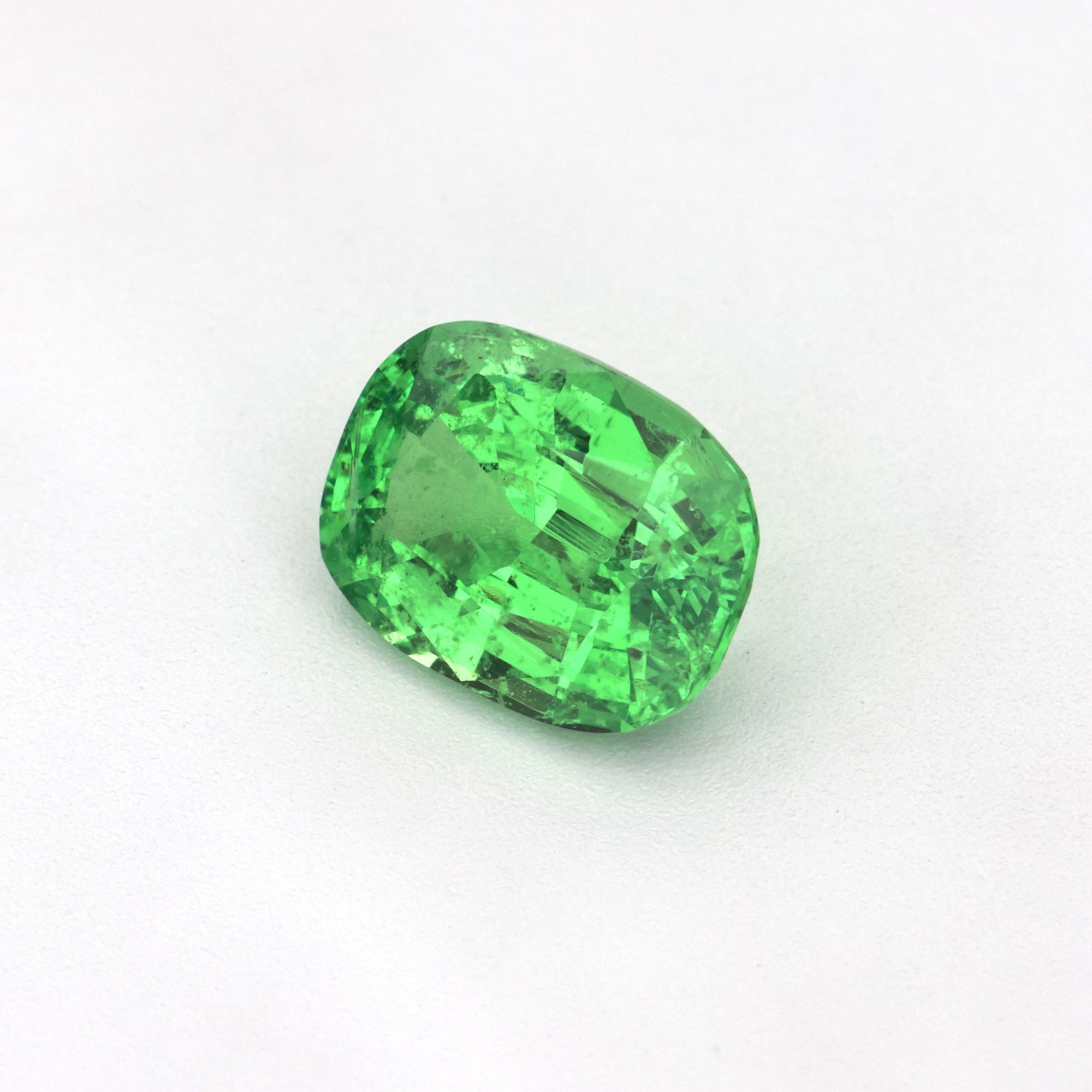
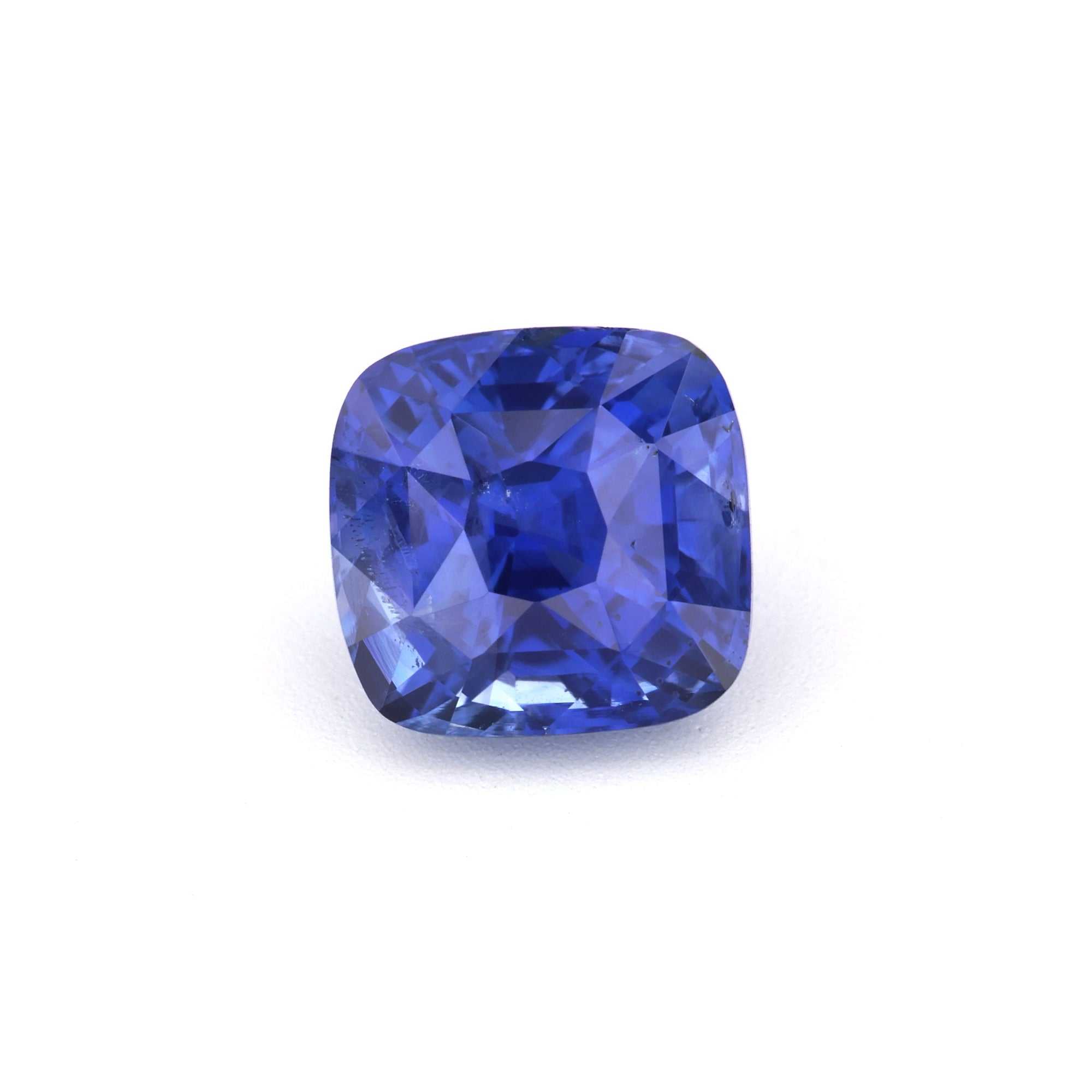
Sourcing Gemstones for an engagement ring or piece of jewelry is a very personal experience, Its a act of love, Its a Investment that you do only a few times in your life. Before you spend thousands of $$$ You need to be able to trust the seller and make sure you are choosing the right stone. Here at Crescent gems we tick all the boxes.

Wide Selection of well cut gemstones from around the world.

Affordably priced ~ We source our gemstones direct from mining countries, we cut/recut most of our gemstones in-house.

We stock and sell ONLY Natural earth Mined stones. NO beryllium treated Stones, NO Flux filled, NO synthetics, NO man made stuff.

Free & Fast Shipping within USA ( FedEx Or UPS) with Tracking and email updates.

FREE International shipping for orders over US $ 500 ~ we ship to 98 countries Worldwide.

Try Before you buy Option ~ where we send the stone to you before you pay. ~ Unique Feature.

14 day No questions asked money back Guarantee.

FREE Domestic Return Shipping.

GIA lab reports for all stones above 2 carats.

Accurate information, Actual Images, Hand shots and 360 videos of the stone on sale, we don't use stock photography.

Join our ever growing group of satisfied customers from around the world.