


- by Ahmed Shareek
How to Care for a Sapphire Engagement Ring: Cleaning, Storage, and What to Avoid
- by Ahmed Shareek
Buying a sapphire ring? Start with our How to Choose a Sapphire Engagement Ring guide. For the stone itself: Ultimate Sapphire Buying Guide. For custom work: How to Commission a Custom Ring.
A sapphire engagement ring worn every day for decades needs specific care to maintain its beauty, protect its setting, and keep the stone performing at its best. The good news is that sapphire at Mohs 9 is the most durable colored gemstone for daily wear — it will not scratch from household materials, does not cleave from normal knocks, and maintains its polish indefinitely with routine maintenance. Its care requirements are genuinely simple.
What causes most sapphire rings to look dull or worn over time is not damage to the stone — it is accumulated soap film, skin oil, lotion residue, and product buildup on the undersurface and pavilion facets, combined with gradual loosening of setting metalwork that goes unchecked. Both are entirely preventable with basic routine care. This guide covers everything: the right cleaning method, what to avoid, storage, when to take the ring off, professional maintenance, setting types, and answers to the most common questions ring owners have.
Before covering care, it helps to understand why sapphire is so well suited to everyday ring wear — because understanding the stone's properties tells you what you actually need to protect (the setting and metal) versus what is essentially indestructible (the stone itself).
| Property | Sapphire (Corundum) | Practical Meaning for Daily Wear |
|---|---|---|
| Mohs hardness | 9 — second only to diamond (10) | Will not scratch from contact with almost any everyday material; steel is 5–6.5, quartz dust is 7 |
| Cleavage | None in practical cutting planes | Does not split from normal knocks the way some other gemstones can |
| Toughness | Excellent — no significant fracture planes in wear orientation | Resists chipping better than diamond in most practical scenarios |
| Chemical resistance | Highly resistant to acids, alkalis, and most household chemicals | The sapphire itself is unaffected by soaps, cleaning products, and cosmetics |
| Thermal stability | Excellent under normal wear temperatures | Not affected by hot water, steam, or everyday heat |
| Polish durability | Holds polish indefinitely with normal wear | Does not develop a worn surface haze the way softer stones do over years |
The stone is not what needs protecting in a sapphire ring. The metal setting, the prongs, and the joints in the band are what require maintenance. Keep this distinction in mind throughout — it simplifies every care decision.
The single best cleaning method for a sapphire engagement ring — one that is safe for every sapphire, every metal type, and every setting style — is warm water, mild dish soap, and a soft brush. Everything else is either equivalent or carries some level of additional risk for specific situations.
How often: Weekly is ideal for a ring worn daily. At minimum, clean whenever the stone appears dull or shows a film. The most common cause of a sapphire ring looking tired is simply accumulated residue — a 10-minute clean restores full brilliance immediately.
Ultrasonic cleaners use high-frequency sound waves transmitted through liquid to dislodge dirt from surfaces. They are highly effective and widely used by jewelers. For sapphire rings, the relevant distinctions are:
| Stone / Setting Condition | Ultrasonic Safe? | Notes |
|---|---|---|
| Standard heated sapphire, no visible fractures | Yes — generally safe | The vast majority of commercial sapphires; ultrasonic is routine |
| Unheated sapphire with intact rutile silk | Probably safe; hand clean to be conservative | Silk inclusions are not fragile, but hand cleaning eliminates any theoretical risk |
| Sapphire with surface-reaching fractures | Use with caution; hand clean preferred | Ultrasonic vibration can propagate existing fractures |
| Fracture-filled or glass-filled sapphire | No — avoid | Ultrasonic can dislodge or cloud filling material; Crescent Gems does not carry filled stones |
| Loose prong setting | No — have setting checked first | Ultrasonic can dislodge a stone in a loose setting |
| Pavé or micro-pavé side stones | Caution — have checked by jeweler first | Small stones in pavé settings can loosen with repeated ultrasonic use |
When in doubt, hand cleaning with warm soapy water is always safe for any sapphire in any condition.
Steam cleaning is safe for natural sapphires. The stone handles the temperature without any issue. Steam cleaners used by jewelers are effective at removing stubborn residue that warm soapy water alone does not reach. If your jeweler offers steam cleaning during an annual check, it is appropriate for natural sapphires in secure settings. Avoid using household steam cleaners with high-pressure steam directly on the setting — the force can loosen prongs over time.
Sapphire itself is chemically inert and unaffected by household cleaning products. The concern is always the metal setting:
| Chemical / Substance | Effect on Sapphire | Effect on Metal Setting | Verdict |
|---|---|---|---|
| Bleach (sodium hypochlorite) | None | Corrodes gold alloys over time, especially lower-karat yellow gold; damages rhodium plating on white gold | Avoid — remove ring before using bleach |
| Chlorinated pool water (brief) | None | Minor; prolonged exposure can affect lower-karat gold | Remove for extended swimming; brief exposure is fine |
| Acetone / nail polish remover | None | Can affect rhodium plating and some gold finishes | Remove ring; brief incidental contact is low risk |
| Ammonia-based cleaners | None | Generally safe for gold; can damage rhodium | Dilute ammonia is actually used in some jewelry cleaners; avoid concentrated ammonia |
| Abrasive cleaners (toothpaste, baking soda scrub) | None (too soft to scratch sapphire) | Can scratch and dull metal finishes | Avoid on metal; use only soft brushes |
| Hand lotion and cosmetics | None to stone; builds up on facets | None | Normal residue — addressed by weekly cleaning |
| Strong acids (muriatic, sulfuric) | None in practical wear scenarios | Can damage metals seriously | Not a realistic daily wear scenario |
The sapphire will not be damaged by physical activities. The practical reasons to remove the ring are protecting the metal setting and avoiding the ring catching on equipment or material:
Activities you do not need to remove the ring for: washing hands, cooking, showering, typing, most office work. Sapphire at Mohs 9 handles all of these without any issue.
The single most important storage rule for a sapphire ring: keep it separate from diamonds.
Diamond at Mohs 10 is the only commonly worn material that can scratch sapphire (Mohs 9). Sapphire and diamond stored loose together — in a shared jewelry box drawer or bag — will produce surface scratches on the sapphire over time from contact. This is gradual and cumulative, not dramatic, but it contributes to a dull appearance on a stone that should hold its polish indefinitely.
| Storage Method | Suitable? | Notes |
|---|---|---|
| Individual fabric-lined compartment in a jewelry box | Ideal | Each ring in its own compartment prevents contact between stones |
| Individual soft pouch (velvet or microfiber) | Ideal | Best for travel; keeps ring isolated and protected |
| Ring holder or peg display | Good | Keeps rings separated; works well if diamond rings are on separate pegs |
| Shared compartment with other sapphire rings | Acceptable with caution | Sapphires can scratch each other (both Mohs 9); better to keep separate |
| Shared compartment with diamond rings | Avoid | Diamond will gradually scratch sapphire surface over time |
| Loose in a bag or drawer with other jewelry | Avoid | Risk of scratching from diamonds and metal edges; avoid for fine pieces |
When traveling, always transport your sapphire ring in a dedicated ring box or padded pouch, isolated from other jewelry. A ring rattling loose in a bag with other pieces risks prong damage even if the stone itself is unaffected.
Have your sapphire ring professionally inspected once a year by a qualified jeweler — more frequently if the ring takes any significant impact or if you notice any movement of the stone or change in how it sits. A professional inspection checks:
Loose prongs are the most common cause of stone loss in engagement rings. They develop gradually and are almost always detectable before loss occurs — if you have the ring checked annually. The cost of an annual inspection is negligible compared to the cost of losing a stone.
White gold is yellow gold alloyed with white metals (palladium, nickel) and then rhodium-plated to achieve a bright white finish. The rhodium plating is not permanent — it wears through at contact points (typically the underside of the band and around prong bases) over months to years depending on wear frequency. When it wears through, the underlying warmer-toned gold alloy becomes visible. This is normal and not a defect. Replating is a routine procedure that takes an hour or less and restores the white finish completely. Most jewelers charge $50–$150 for replating. Plan for it every 1–2 years for a daily-wear ring.
When prongs wear significantly, a jeweler has two options: re-tip individual prongs (add a small amount of metal to build up worn tips — less invasive, suitable for moderate wear) or replace the entire head (the component that holds the stone, rebuilt from scratch — more thorough, appropriate for heavily worn settings). Both are standard procedures for well-worn rings. A jeweler will recommend which is appropriate after examining the ring. Neither procedure should damage a sapphire.
Different setting styles have different maintenance needs and vulnerabilities:
| Setting Style | Main Vulnerability | Care Focus | Cleaning Notes |
|---|---|---|---|
| Prong (claw) setting | Prong wear and bending; catching on fabric | Annual prong check; avoid snagging on knitwear | Easy to clean — open setting allows full access |
| Bezel setting | Bezel edge lifting over years; harder to clean underneath | Check bezel edge annually; soak longer to clean under stone | More effort to clean under stone; longer soak recommended |
| Halo setting | Pavé or micro-pavé side stones loosening | Inspect small side stones at annual check; gentle ultrasonic use only | More surface area to clean; brush carefully around small stones |
| Three-stone setting | Multiple stones to check; more prongs | All prongs checked annually; both side stones verified secure | More thorough brushing needed around multiple stone positions |
| Channel setting (band) | Metal channel walls wearing; stones loosening | Annual check for stone movement in channel | Brush along channel carefully; residue builds up in channel grooves |
| Tension setting | Metal spring tension can relax over decades | Inspect tension annually; avoid hard impacts | Easy to clean — stone is fully exposed |
For guidance on choosing a setting style that suits your lifestyle, see our How to Choose a Sapphire Engagement Ring guide and our How to Commission a Custom Ring guide.
All natural sapphires at Mohs 9 have the same fundamental durability regardless of color. A few specific situations are worth noting:
| Activity / Product | Safe for Sapphire? | Safe for Setting? | Recommendation |
|---|---|---|---|
| Warm soapy water + soft brush | Yes | Yes | Best routine cleaning method |
| Ultrasonic cleaner | Yes (unfilled stones) | Yes (secure settings) | Safe for most; check setting first |
| Steam cleaner | Yes | Yes (secure settings) | Effective; have jeweler use professionally |
| Toothpaste or abrasive paste | Yes (too soft to scratch) | No — scratches metal | Avoid |
| Bleach or chlorine | Yes | No — corrodes gold alloys | Remove ring before use |
| Acetone / nail polish remover | Yes | Minor risk to rhodium plating | Remove ring; brief contact low risk |
| Showering and hand-washing | Yes | Yes | Fine to wear; increases cleaning frequency slightly |
| Gym and heavy lifting | Yes | Prong risk from impact | Remove to protect prongs |
| Swimming (pool) | Yes | Minor risk from chlorine over time | Remove for extended sessions |
| Cooking and food prep | Yes | Yes | Fine to wear; wash ring after |
| Sleeping in the ring | Yes | Minor prong risk from fabric | Personal preference; remove if ring catches on bedding |
Warm water, a few drops of mild dish soap, a 5-minute soak, and a gentle scrub with a soft baby toothbrush under and around the stone, followed by a thorough rinse and pat dry. This removes the oil, soap film, and residue that cause most sapphire rings to look dull. Do this weekly for a ring worn daily.
Yes — sapphire is the ideal daily-wear gemstone. At Mohs 9, it will not scratch from contact with everyday materials. It does not cleave from normal knocks. It holds its polish indefinitely. The only items to protect are the metal setting and prongs, which require an annual professional check.
Yes. Neither hot water nor soap damages sapphire or a well-made setting. Showering with your ring on slightly increases the frequency at which you need to clean off soap residue from under the stone, but there is no harm in wearing it. Hand washing is completely fine.
For most natural sapphires in a secure prong or bezel setting, yes. Ultrasonic cleaners are effective and widely used by jewelers for sapphire rings. Avoid ultrasonic if the stone has surface-reaching fractures, if the setting feels loose, or if you have side stones in a pavé setting that haven't been recently inspected. When in doubt, hand clean.
Once a year minimum, and immediately after any significant impact to the ring. A professional inspection checks prong condition, stone security, solder integrity, and overall setting wear. Loose prongs are the most common cause of stone loss and are almost always caught before loss occurs if the ring is inspected regularly.
No. Natural sapphire color is entirely stable under normal wear conditions. It does not fade in light, change with temperature changes from normal wear, or alter from contact with cleaning products. A sapphire that looks dull is almost always dirty — the color and clarity return completely after cleaning.
Yes, as a precaution for the setting rather than the stone. Gripping weights and bars with a ring on can bend prong tips over time, and repeated impact against hard surfaces can affect setting integrity. The sapphire itself will not be damaged, but protecting the prongs is worthwhile.
In a fabric-lined individual compartment or soft pouch, away from diamonds. Diamond at Mohs 10 is the only common material that can scratch a sapphire, so keep diamond and sapphire jewelry separated during storage. Sapphires stored with other sapphires should ideally be in separate compartments too, since both stones are Mohs 9 and can mark each other with sustained contact.
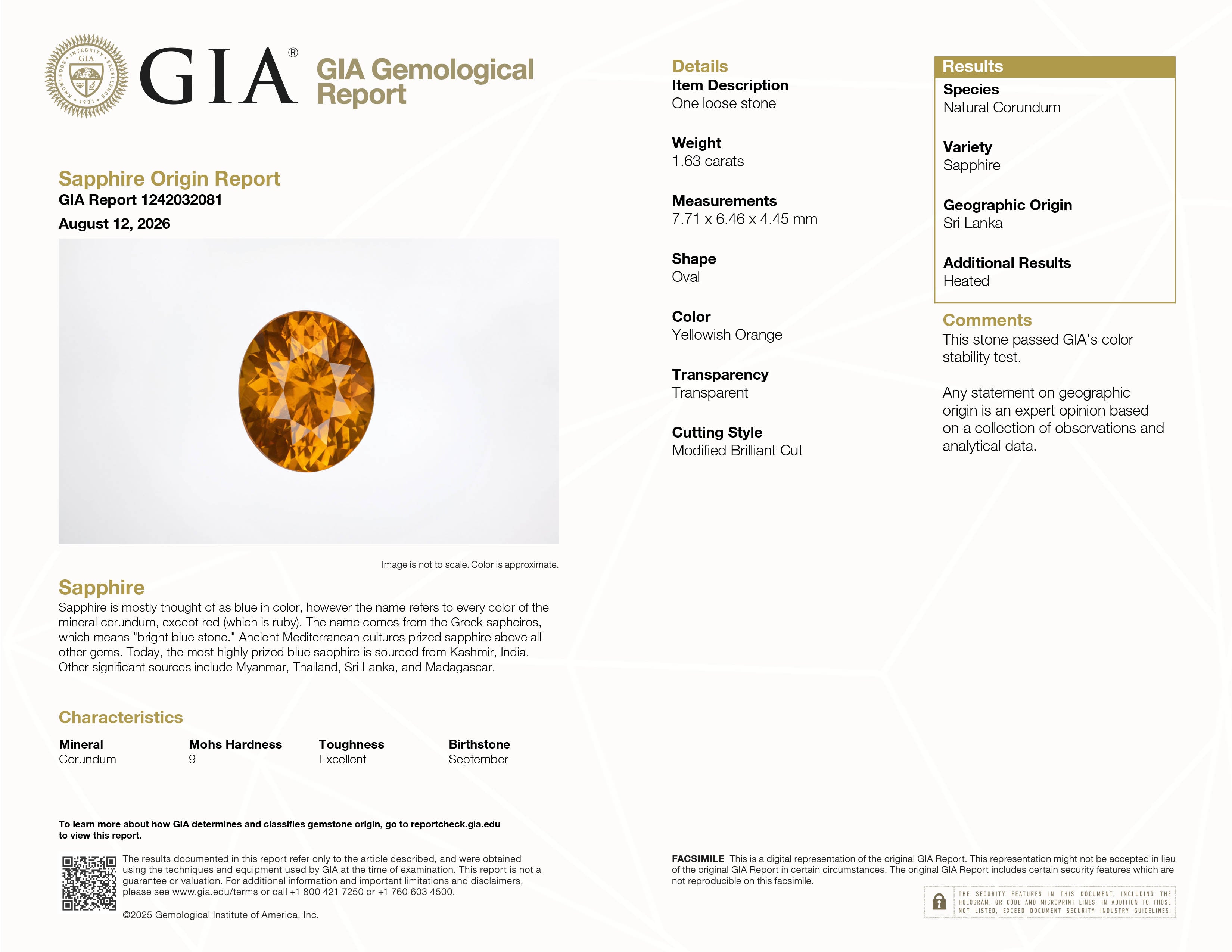
Every sapphire in our catalog comes with full treatment disclosure and, for higher-value stones, laboratory documentation from GIA, Gübelin, or SSEF. We source directly from Sri Lanka and can advise on stone selection for specific setting styles and lifestyle requirements.
Email crescentgems@gmail.com with any question about a specific stone's durability, treatment, or suitability for a particular setting style — we respond within one business day.
Continue Learning
Return to the Ultimate Sapphire Buying Guide for the full picture on colors, origins, shapes, certification, and pricing — everything you need to buy a natural loose sapphire with confidence.

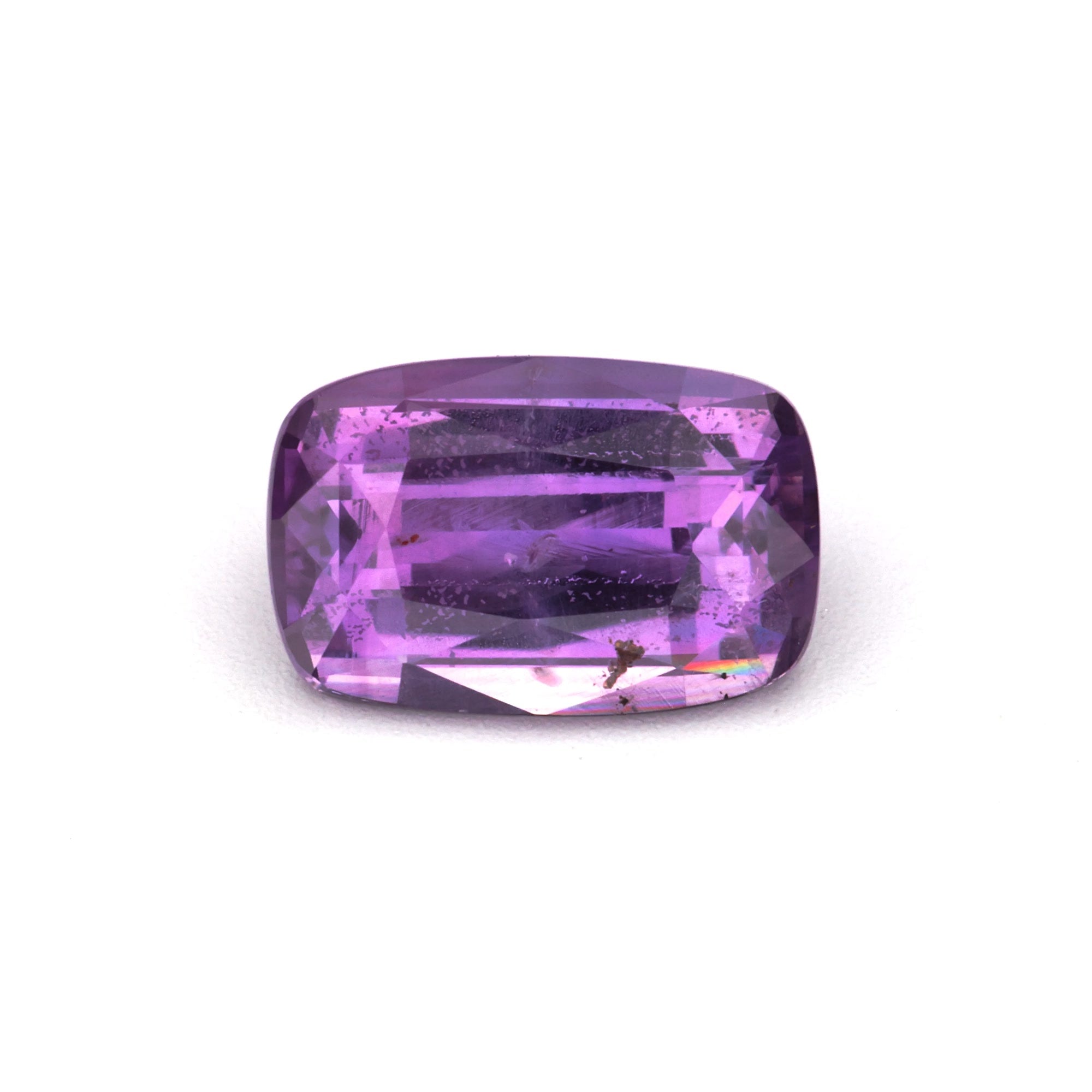
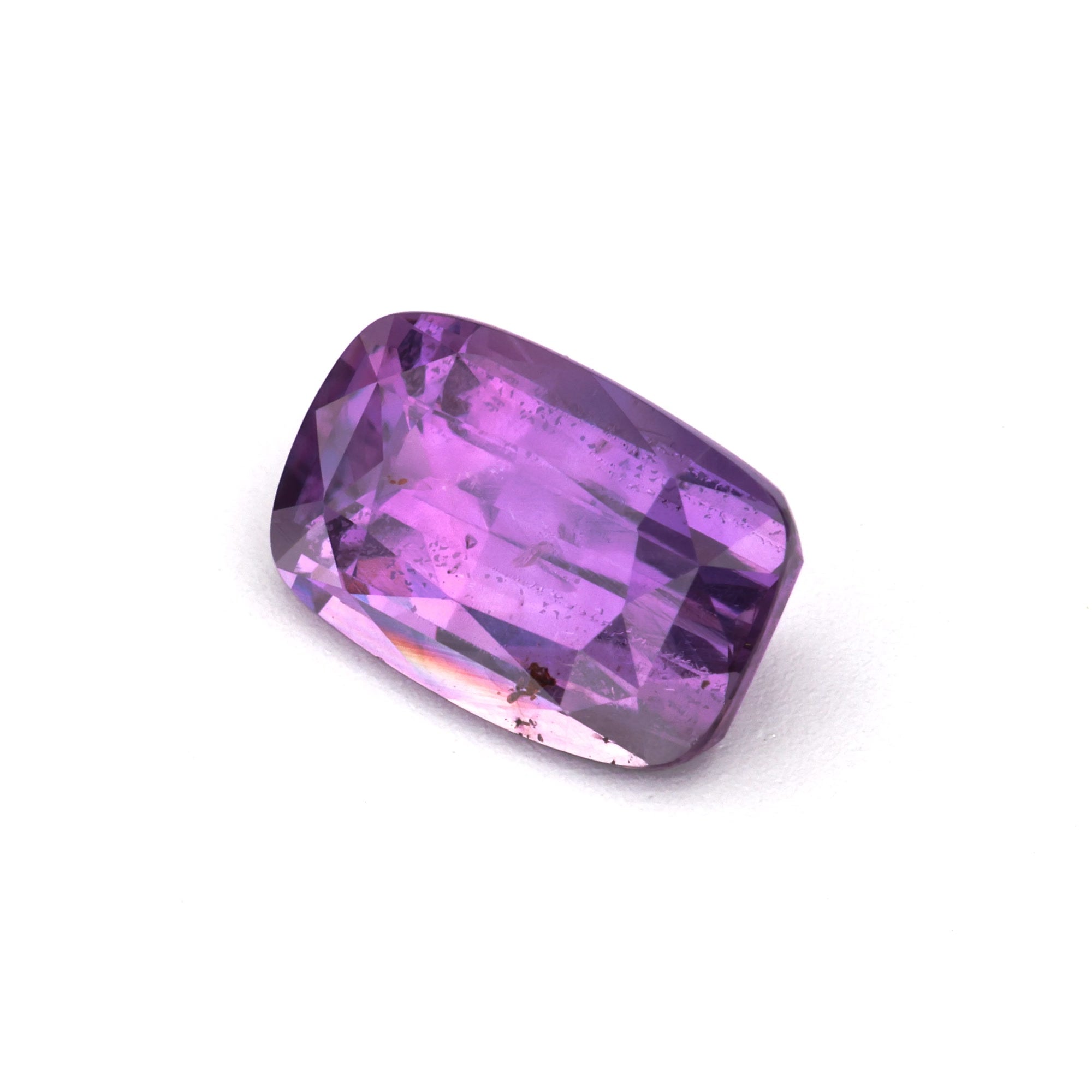
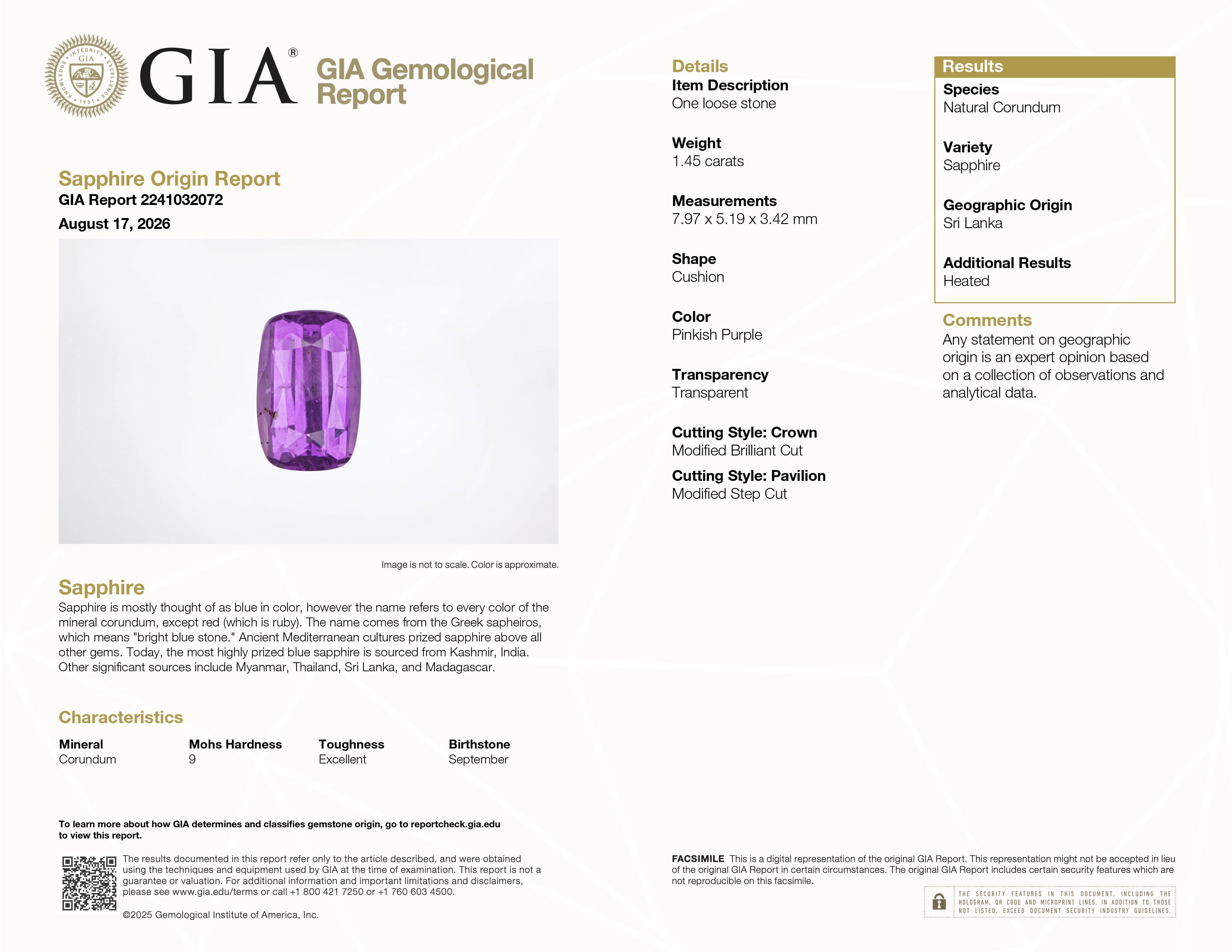
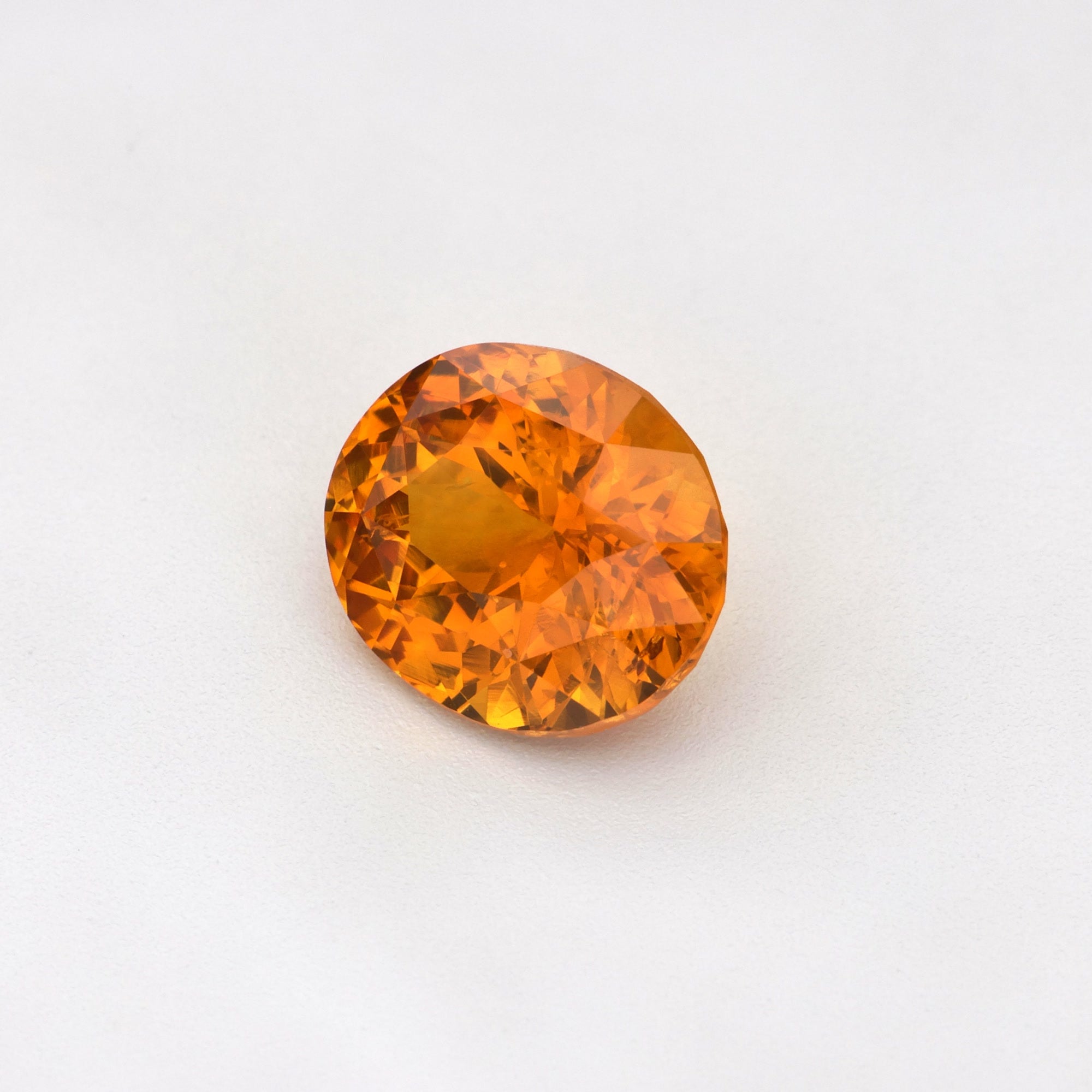
CG8465
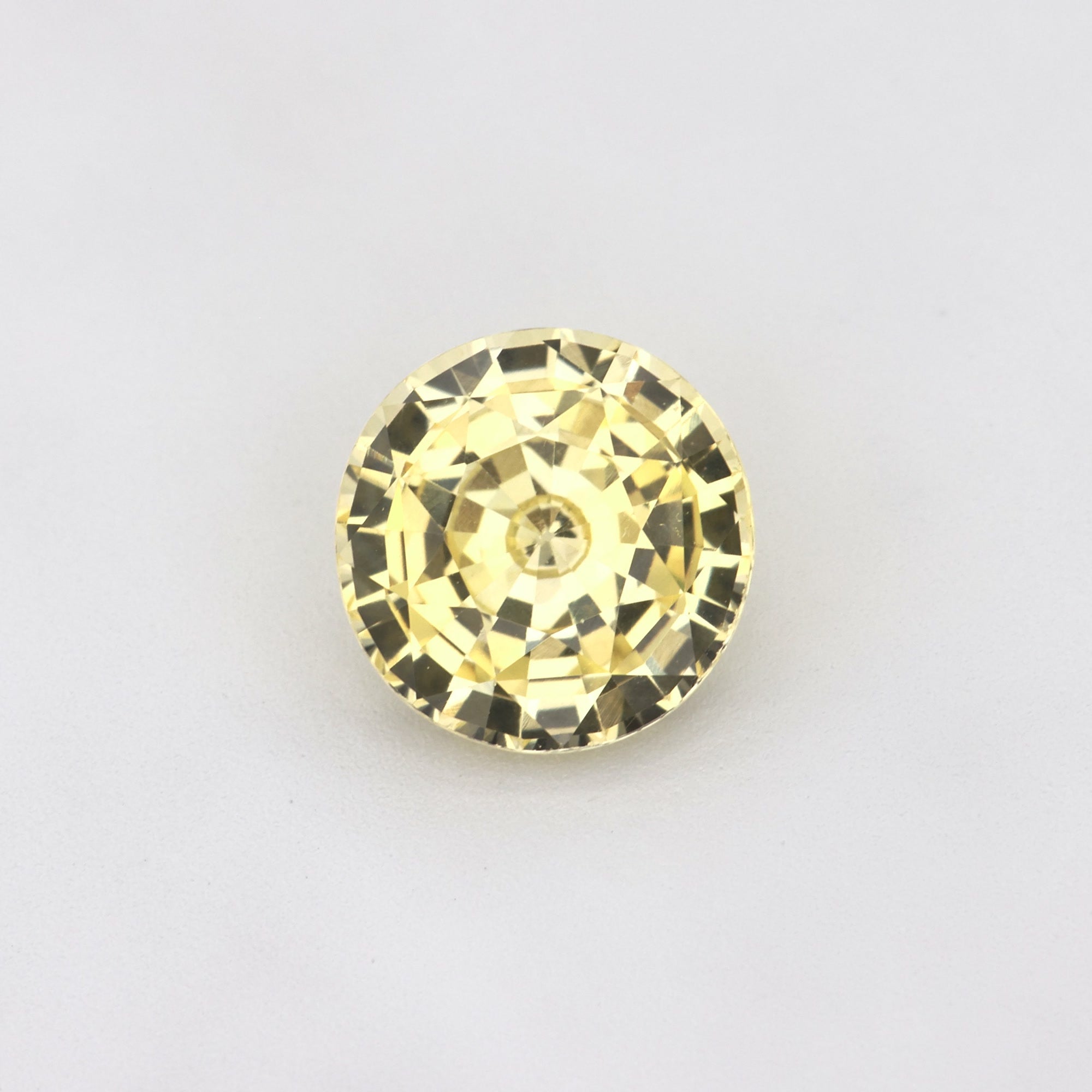
CG8460
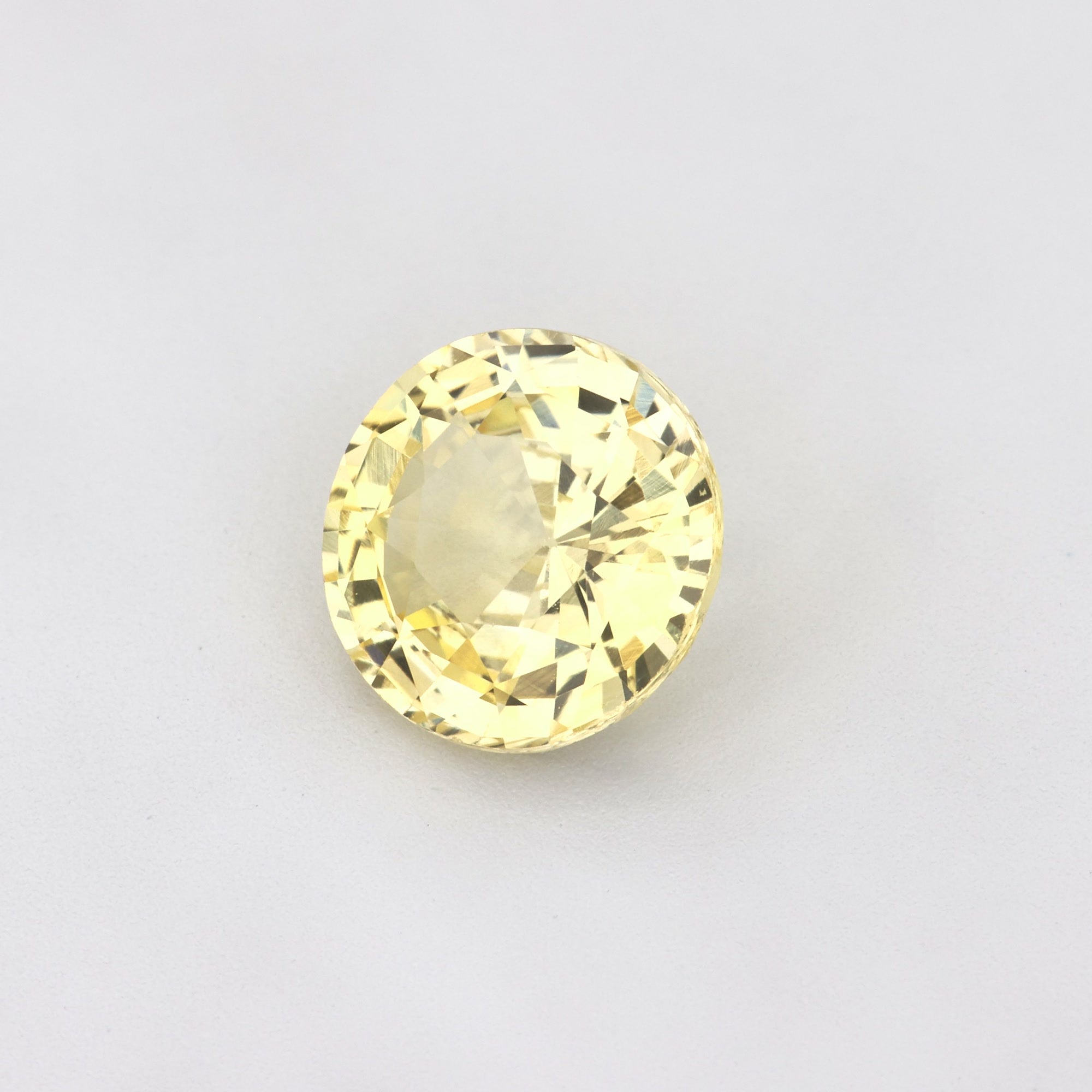
CG8456


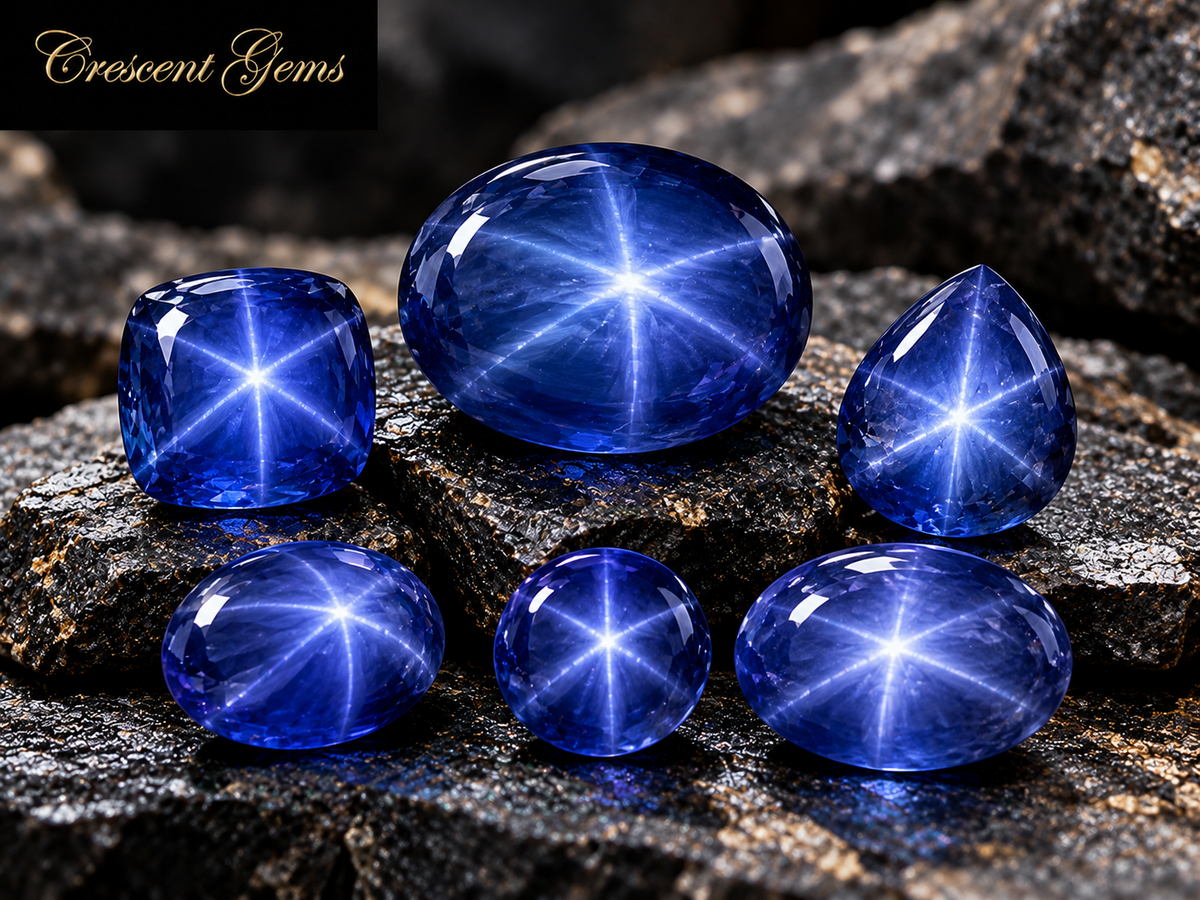
Blue Star Sapphire Price Guide — What They Cost and Why
Read moreabout Blue Star Sapphire Price Guide — What They Cost and Why
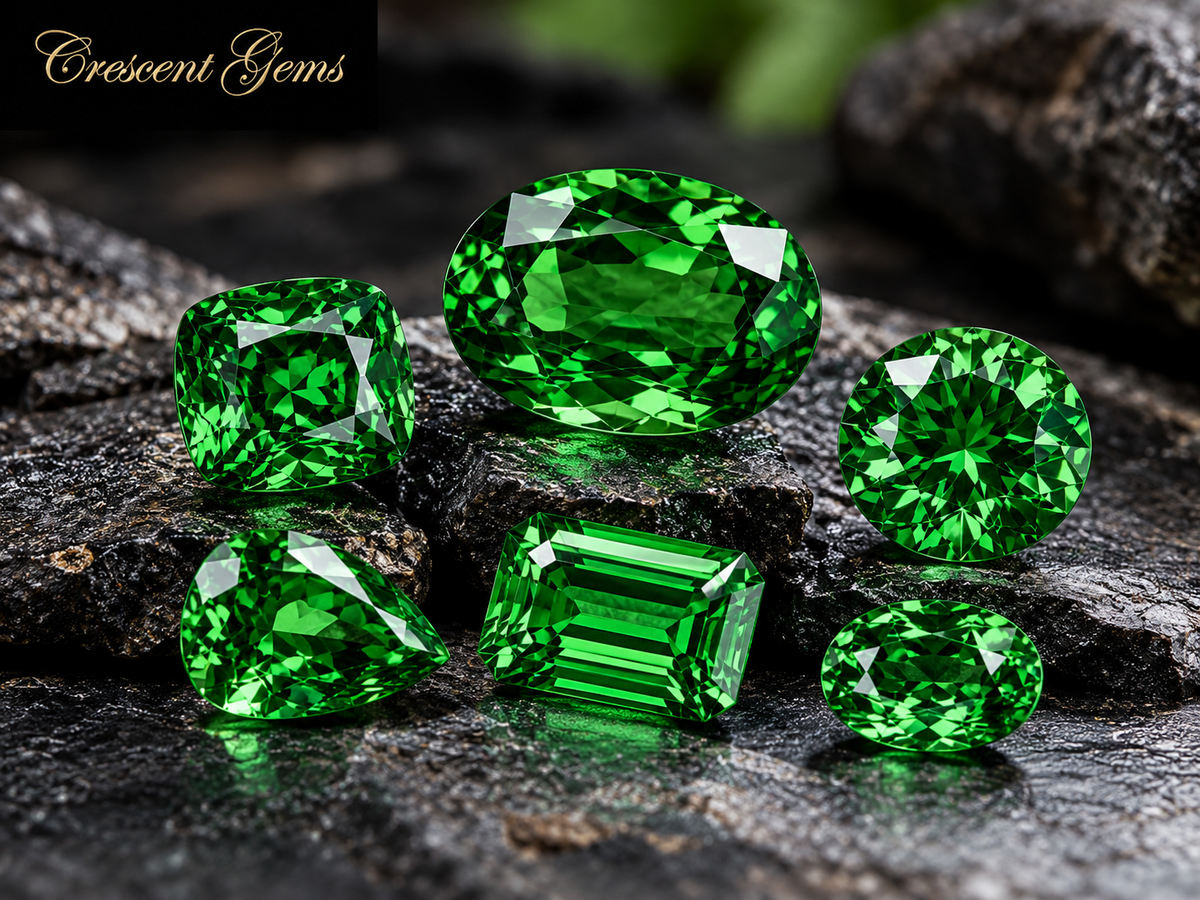
Tsavorite Garnet Price Guide — What They Cost and Why
Read moreabout Tsavorite Garnet Price Guide — What They Cost and Why
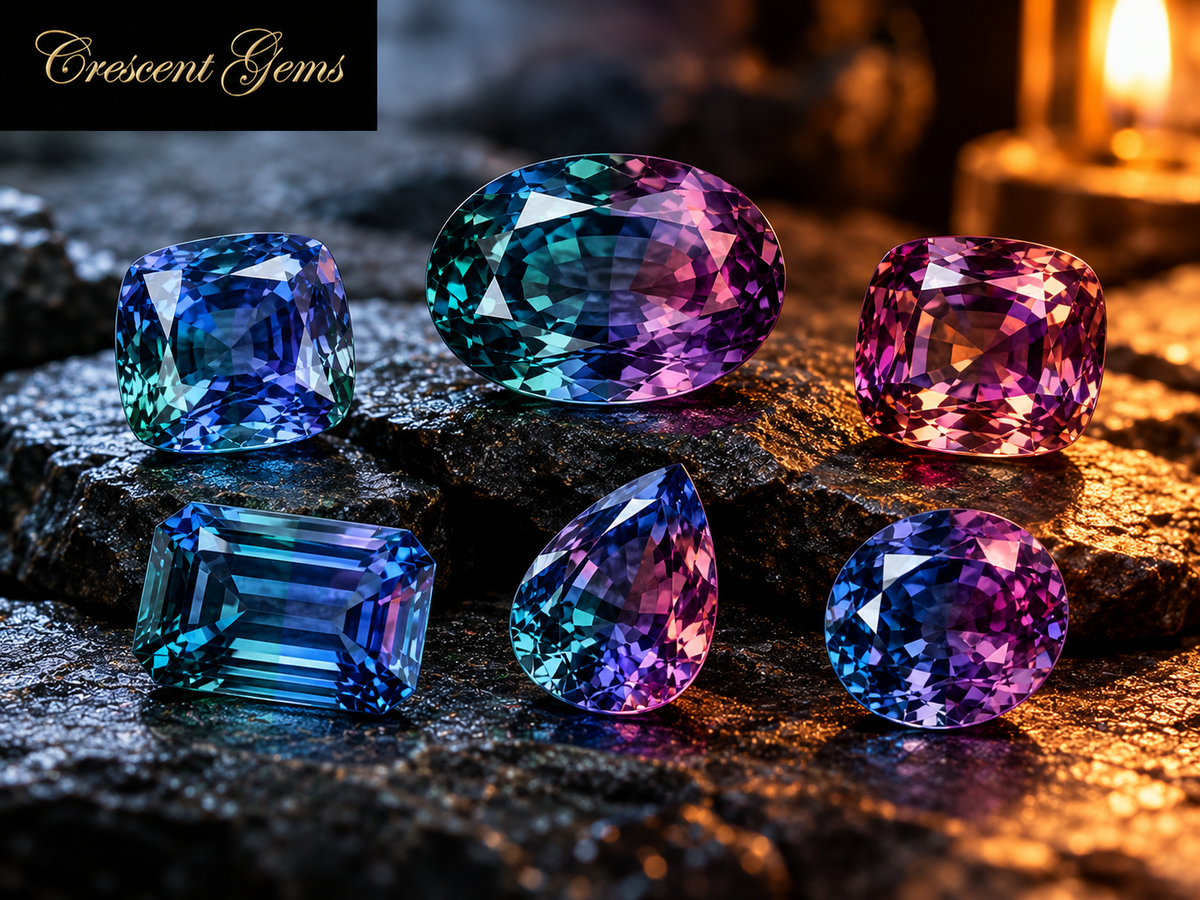
Color-Change Sapphire Price Guide — What They Cost and Why
Read moreabout Color-Change Sapphire Price Guide — What They Cost and Why

Is Cat's-Eye Chrysoberyl Good for an Engagement Ring?
Read moreabout Is Cat's-Eye Chrysoberyl Good for an Engagement Ring?
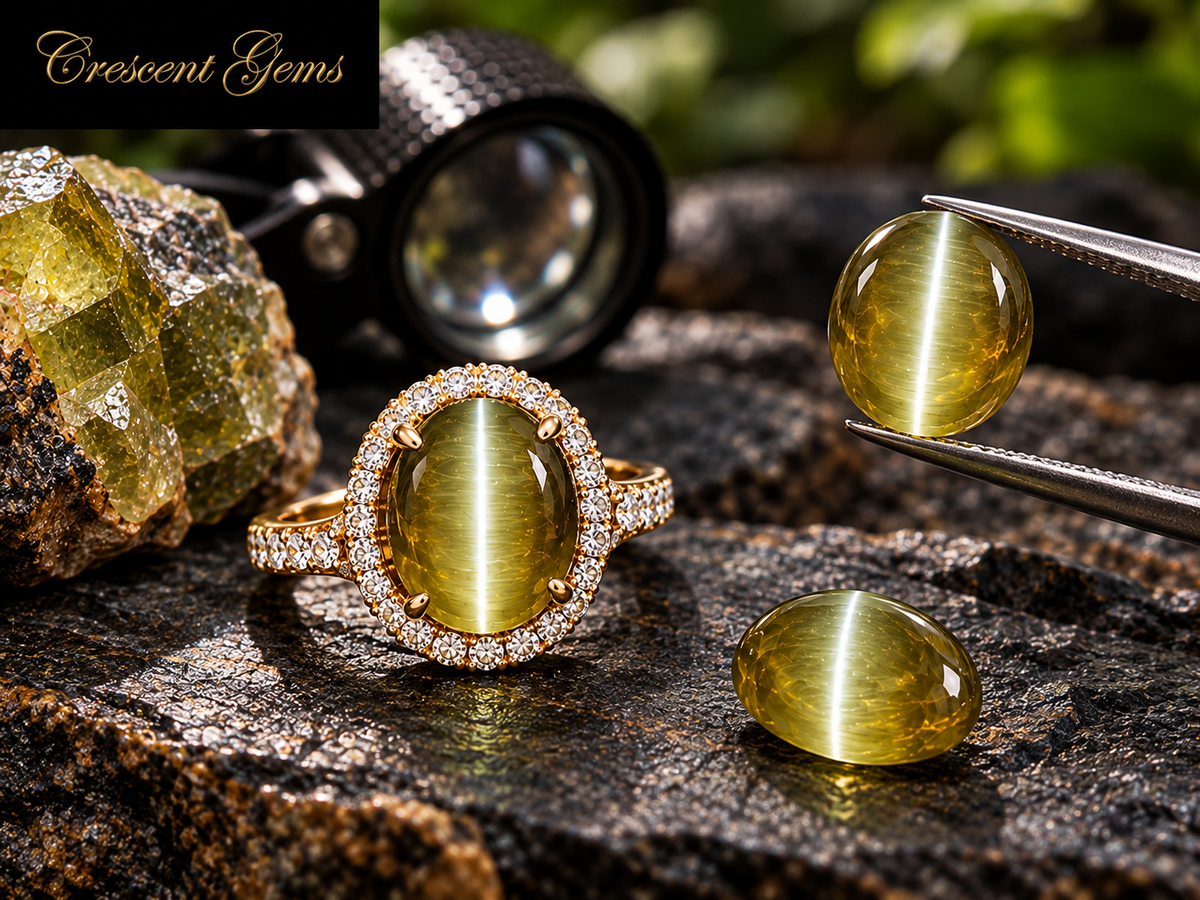
Cat's Eye Chrysoberyl Price Guide — What They Cost and Why
Read moreabout Cat's Eye Chrysoberyl Price Guide — What They Cost and Why















Share: