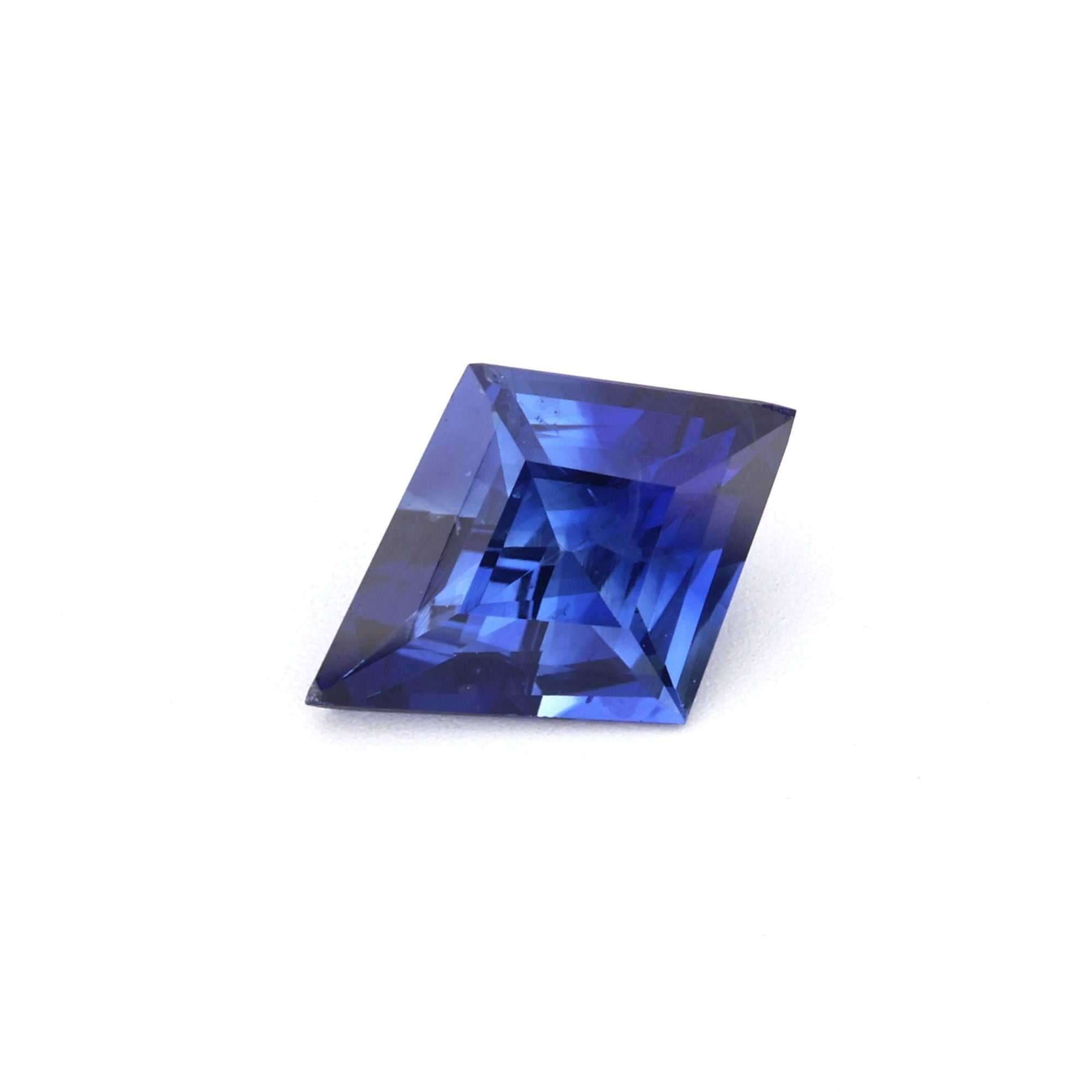
Natural Chrysoberyl - Loose Stones from Sri Lanka
Chrysoberyl is one of the most underappreciated gem species in fine jewelry - a beryllium aluminum oxide that ranks 8.5 on the Mohs scale, making it one of the hardest natural gemstones available after diamond, ruby, and sapphire. Its color range runs from honey-yellow and golden-green through more saturated yellowish-green hues, and the species also includes the famously rare alexandrite (color-change) and cat's eye varieties. Chrysoberyl is durable enough for daily wear, naturally untreated, and far less expensive than sapphire or ruby at comparable quality - making it one of the most compelling value propositions in natural gemstones for collectors and jewellery designers who know what they are looking at.
Why Our Chrysoberyls
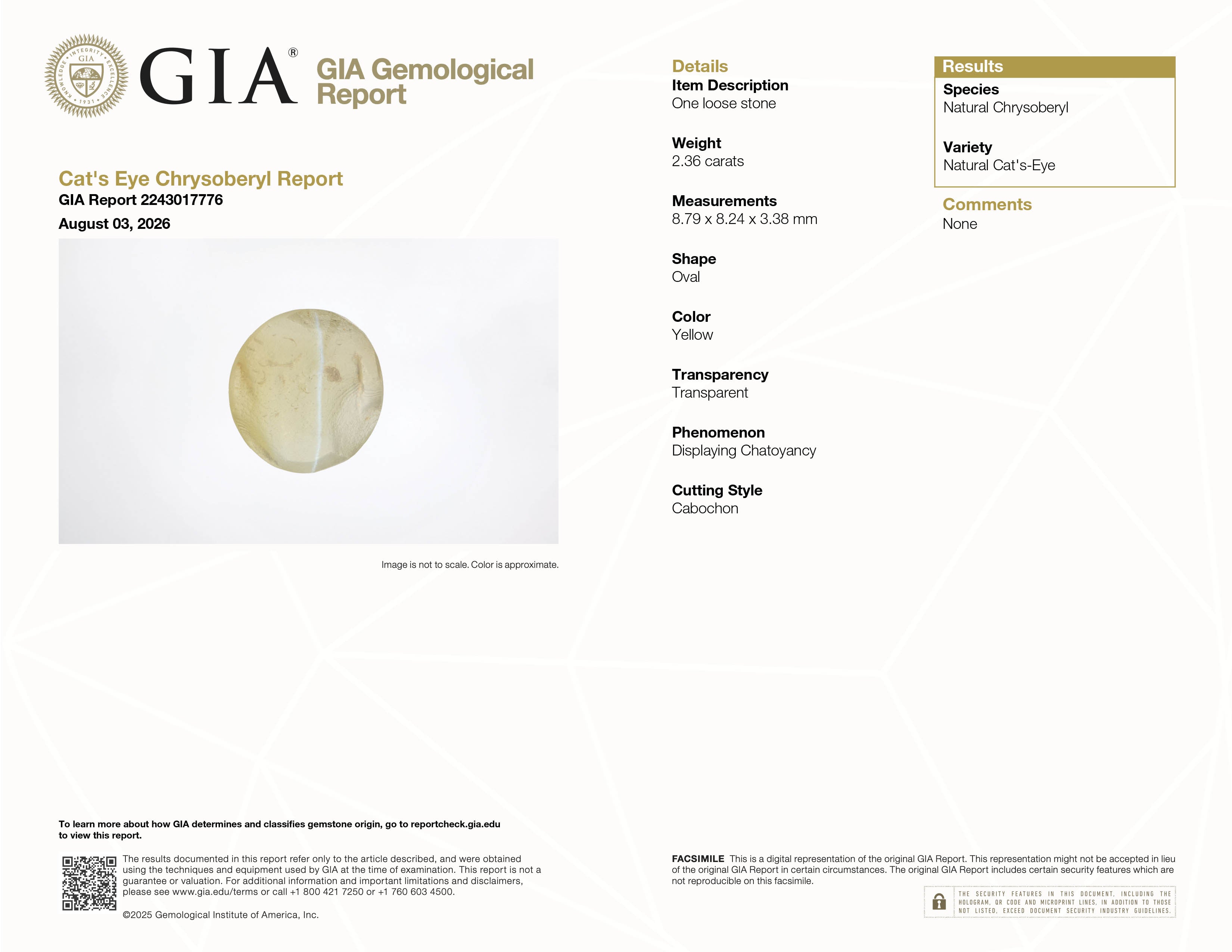
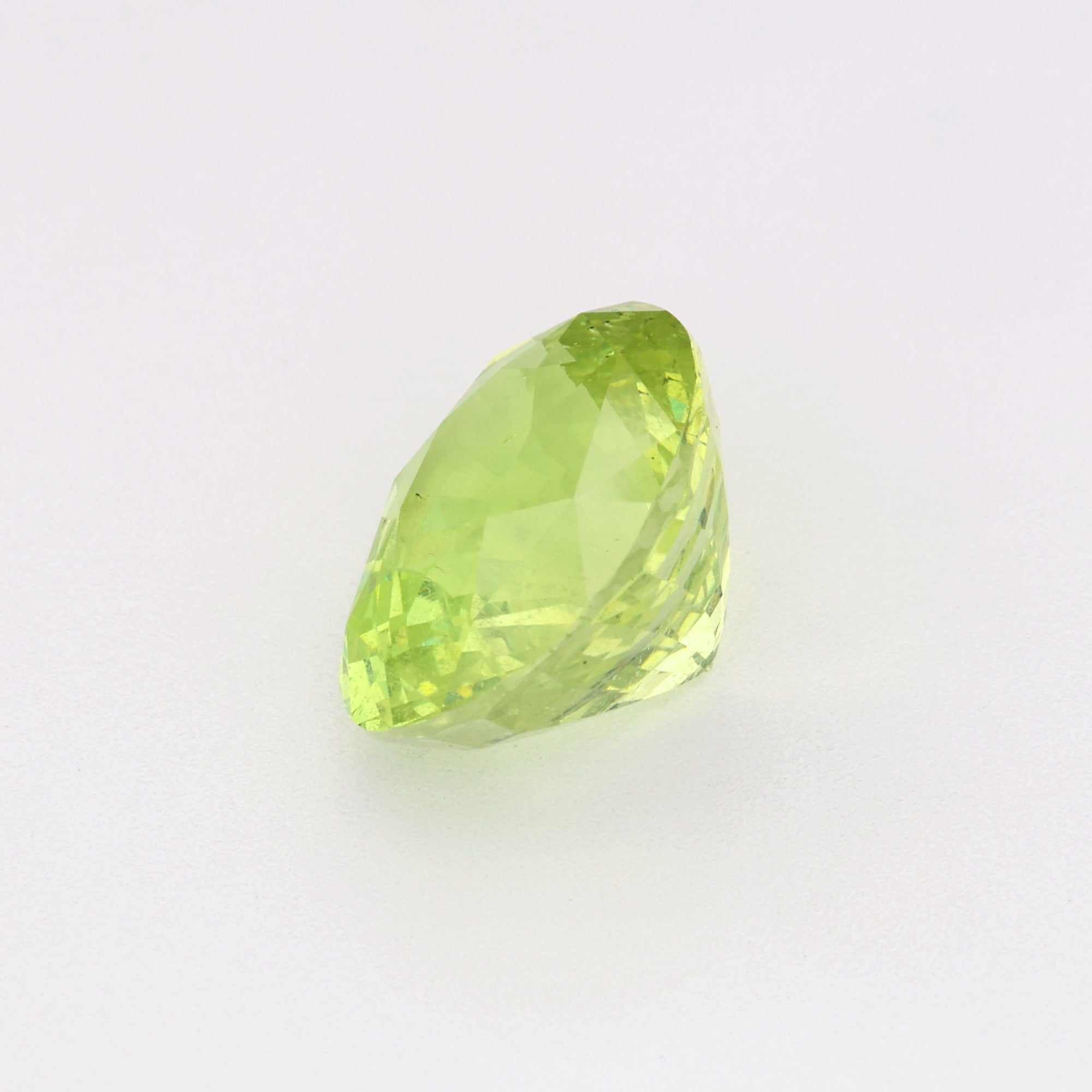
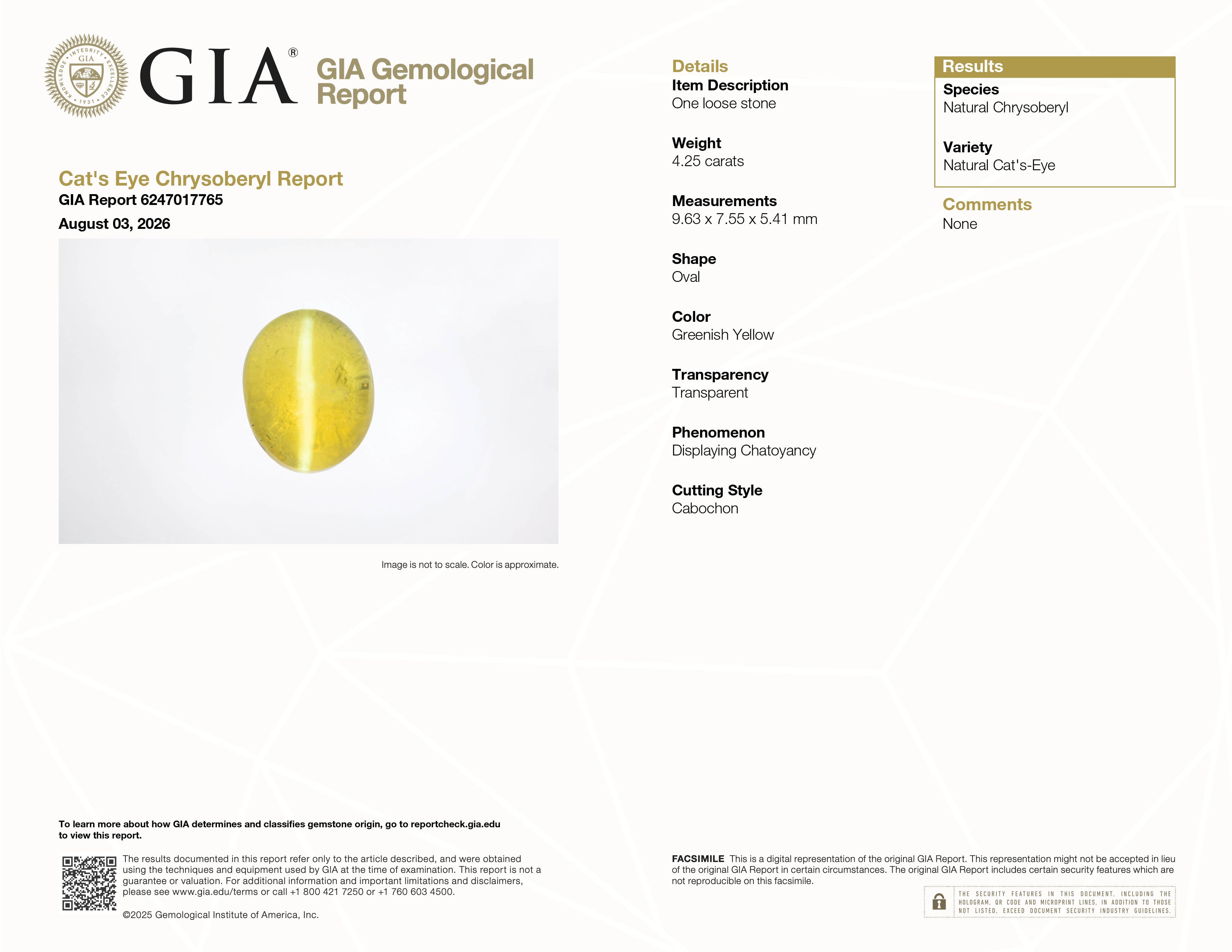
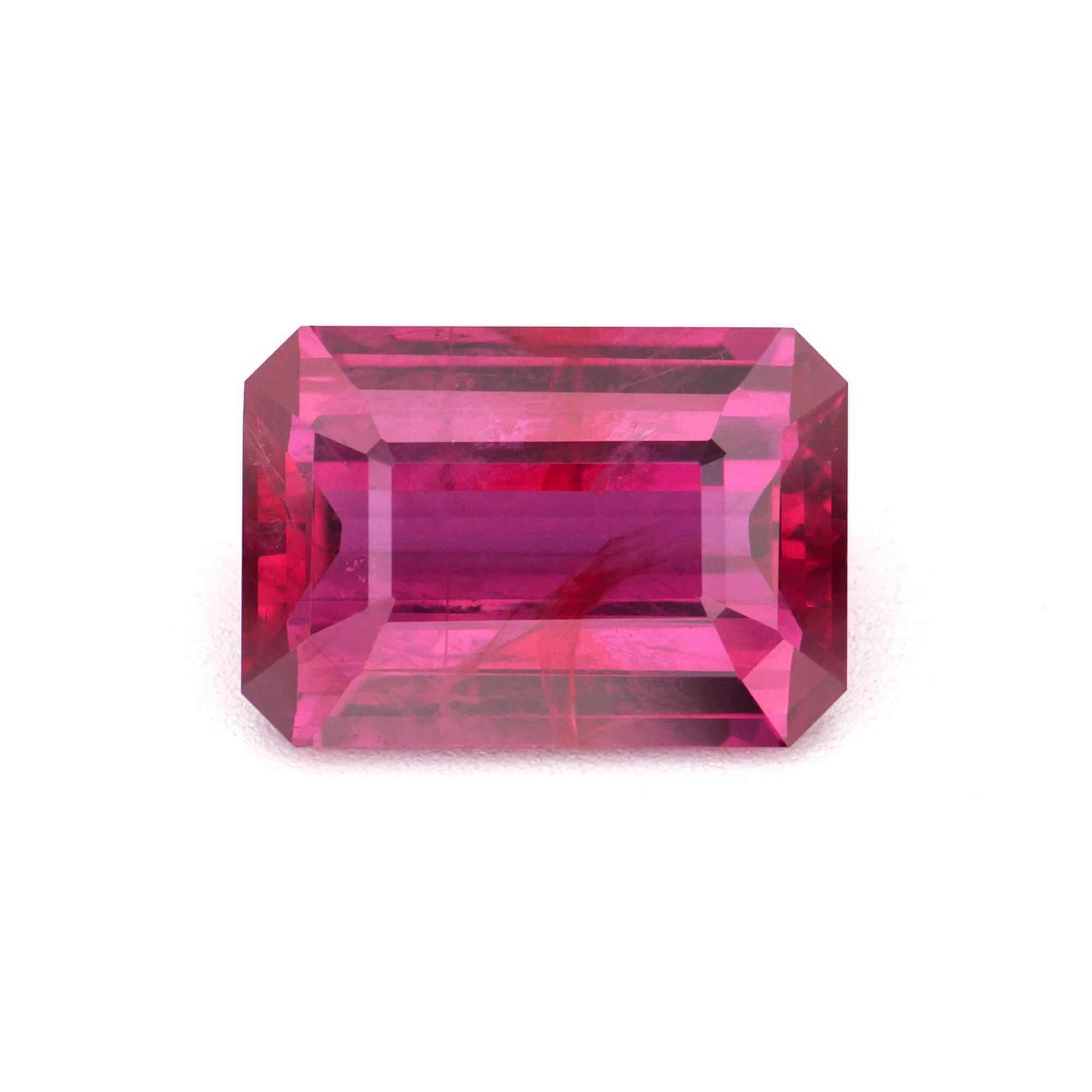
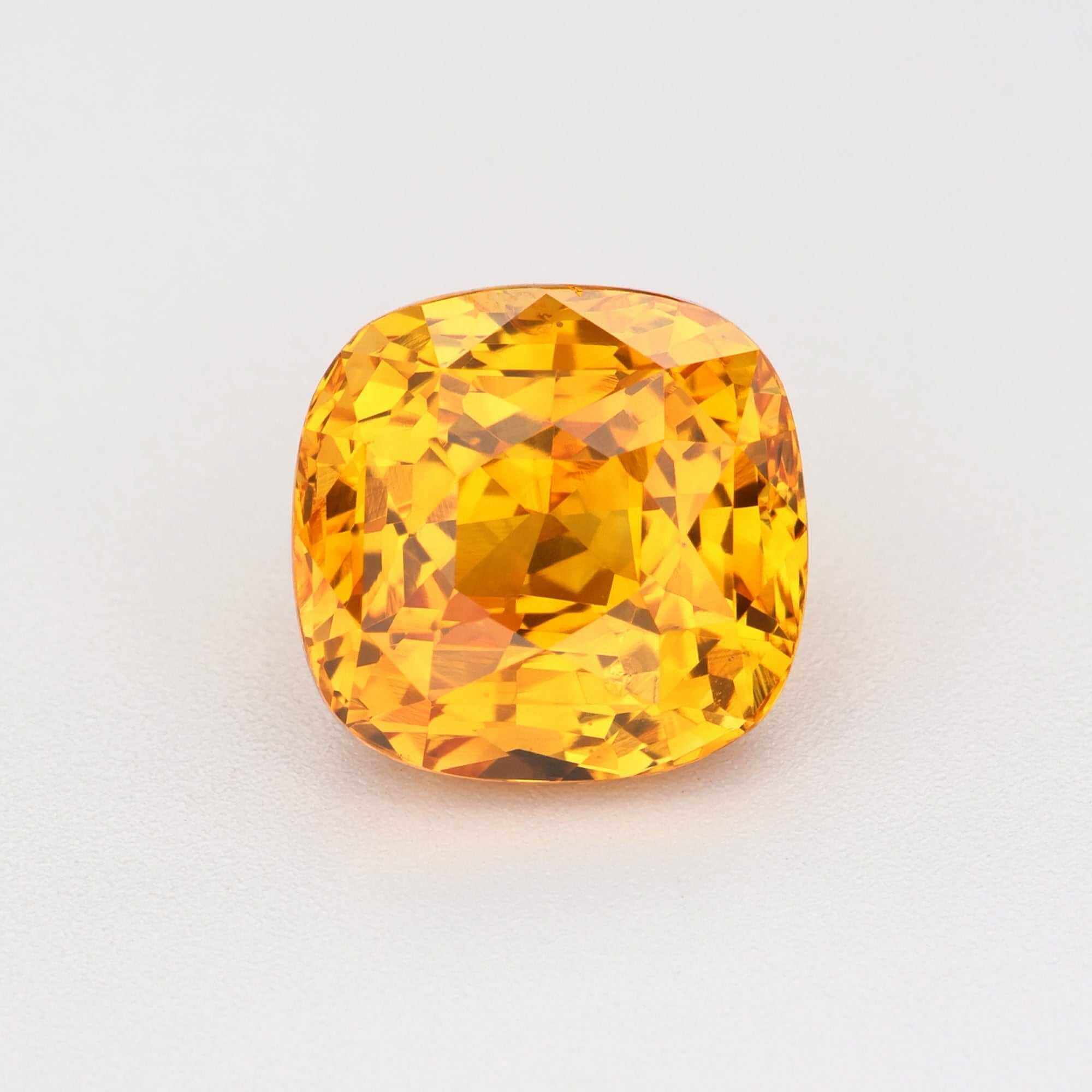
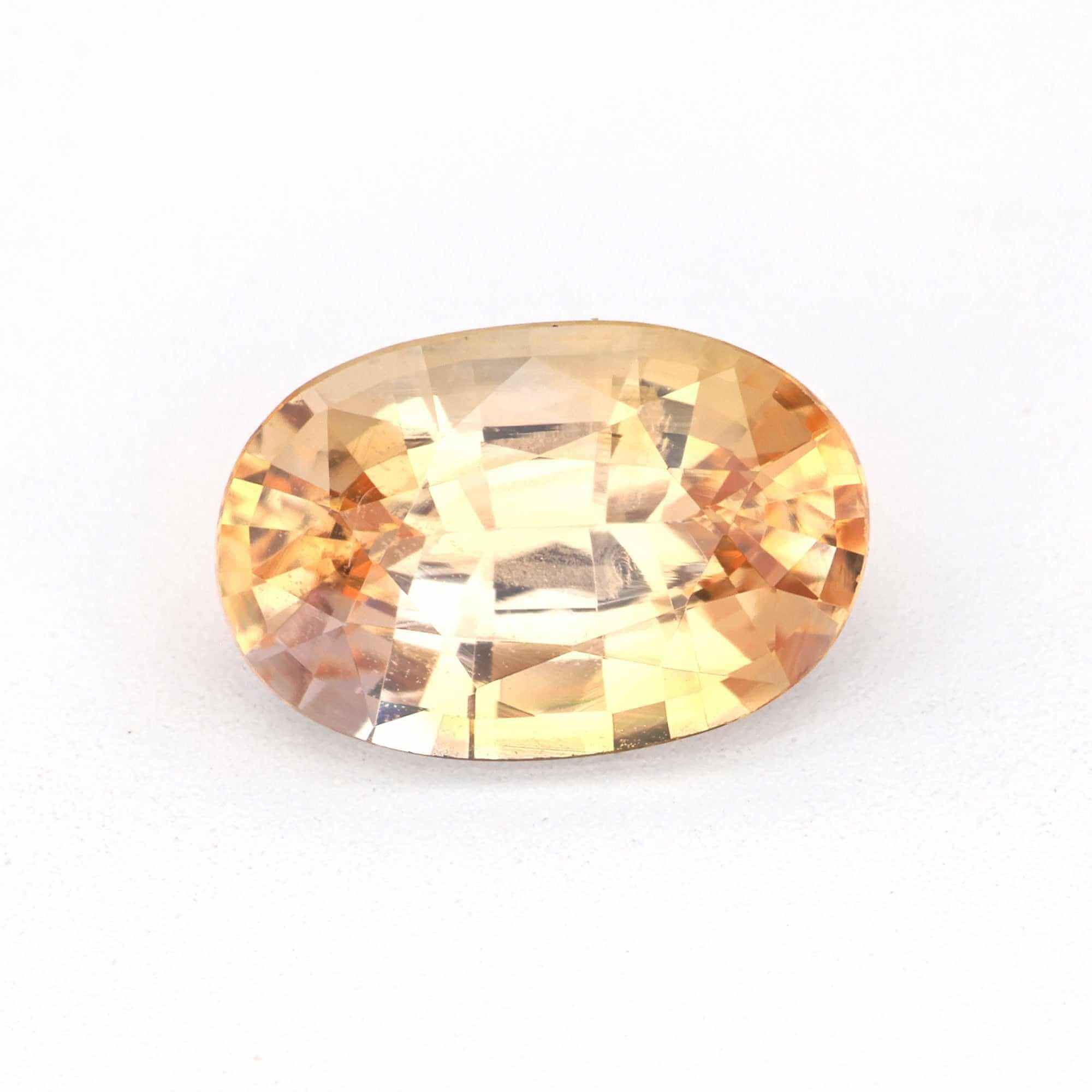
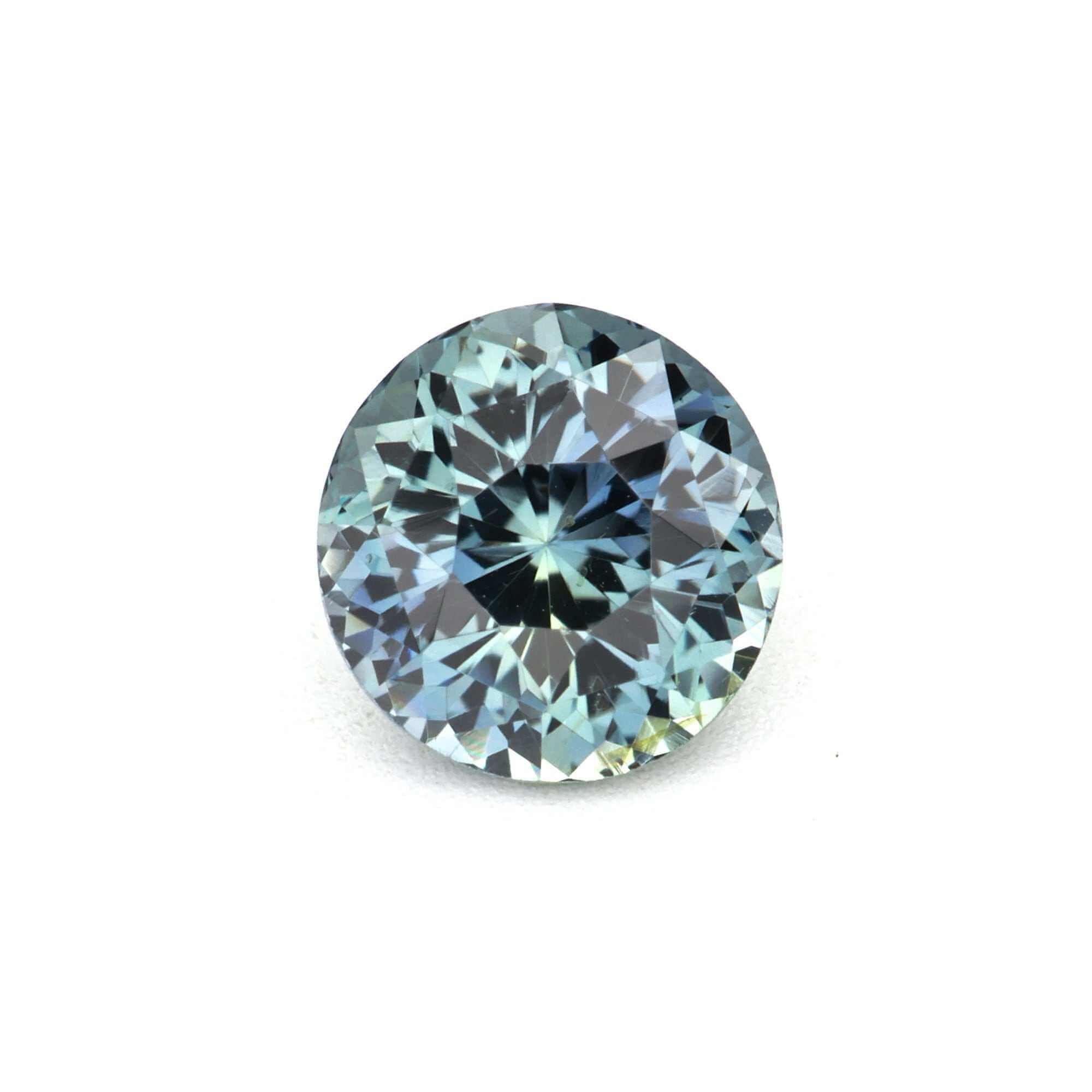
Our chrysoberyls are sourced from Sri Lanka, a leading source for fine natural chrysoberyl alongside Brazil and Myanmar. Every stone in this collection is natural and untreated - chrysoberyl rarely requires any enhancement, and we carry no treated material. Premium pieces ship with GIA reports. Each stone is photographed under standardized lighting against a neutral background so the color you see online matches what you hold in your hand. Select pieces are eligible for our Try-On programme - the stone ships to you for in-hand evaluation before you pay.
We source directly from Sri Lanka through our buying offices in Colombo, Beruwala, and Ratnapura - the same supply chain that feeds our sapphire collections. Read more about our sourcing on our About page.
How to Choose a Chrysoberyl
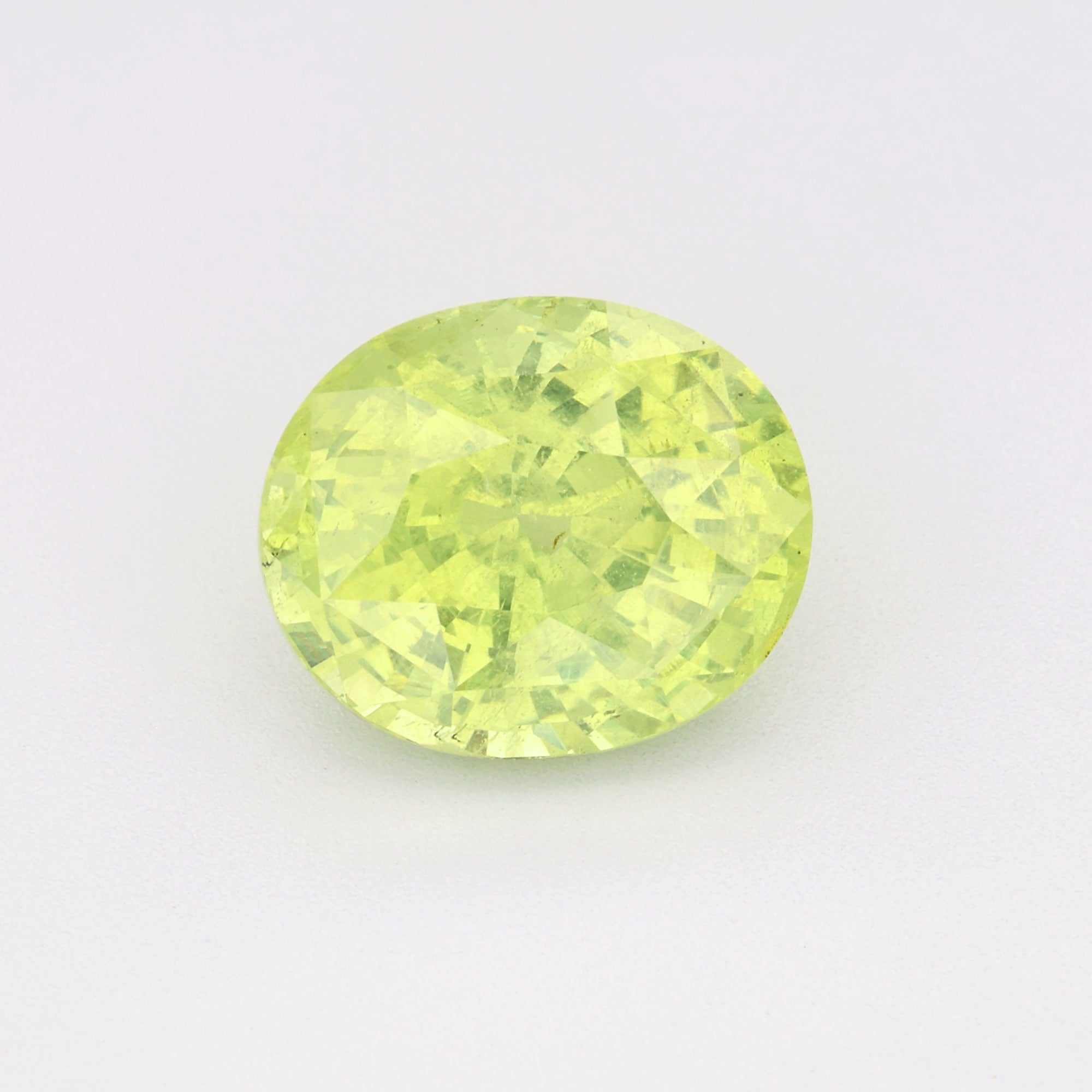
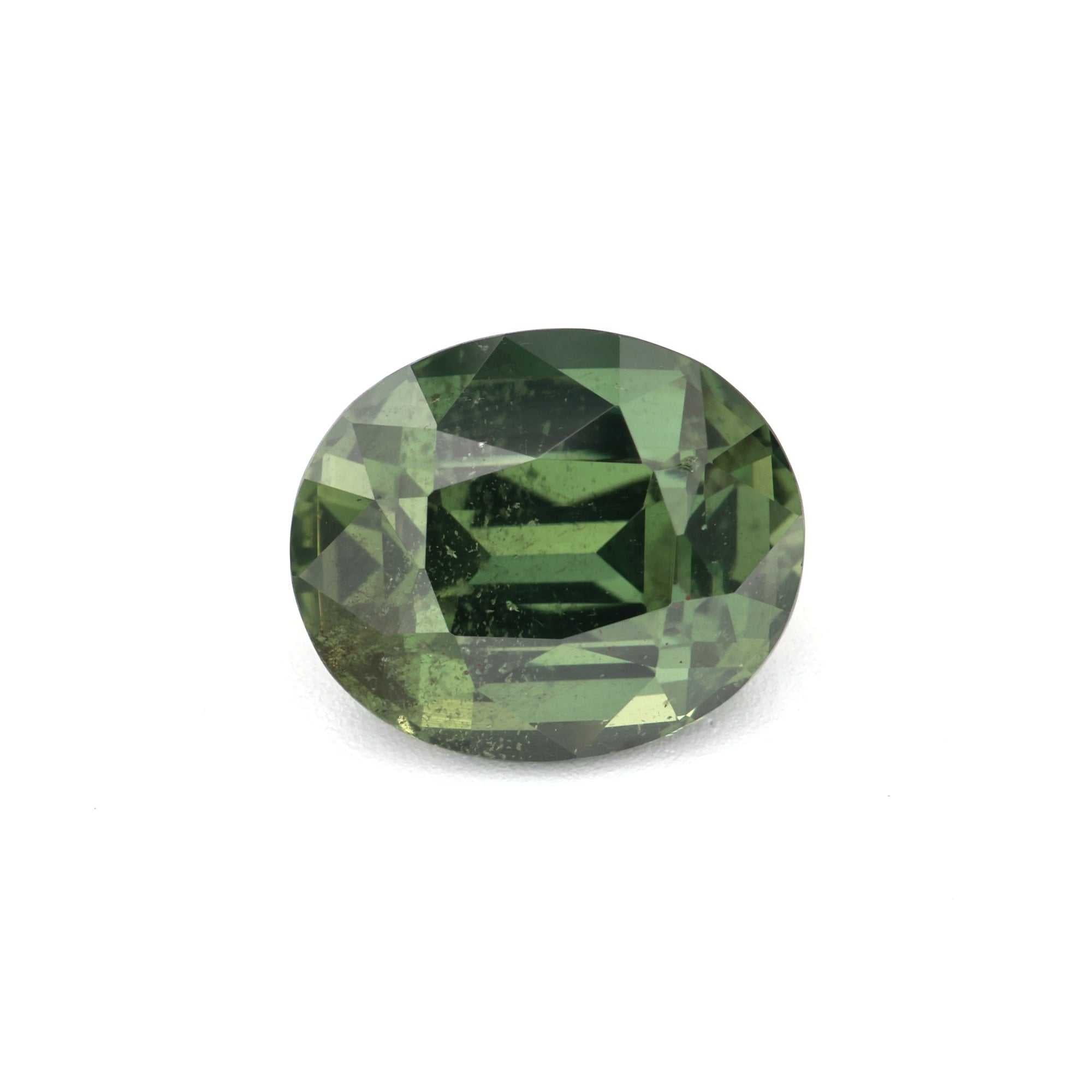
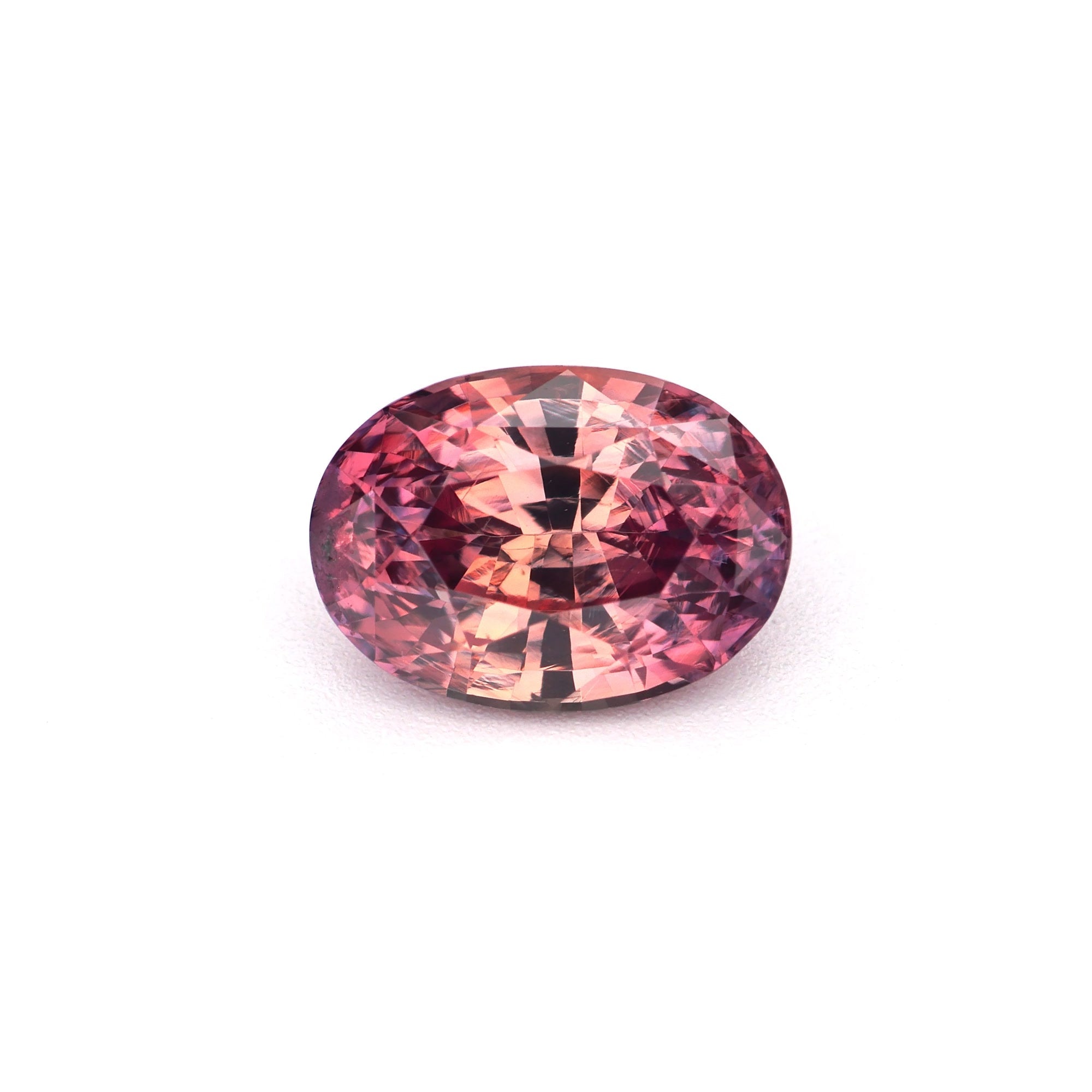
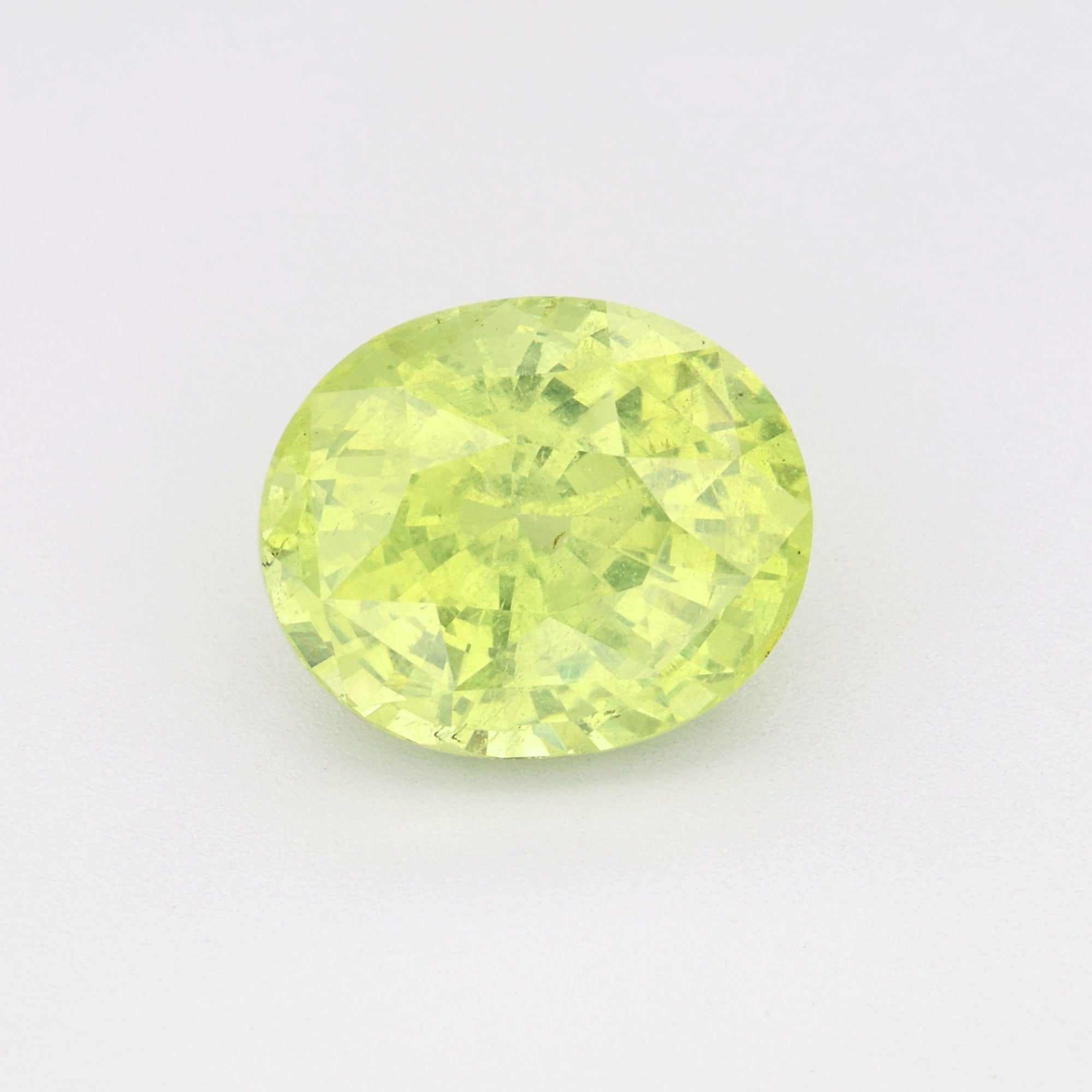
Hue. Faceted chrysoberyl typically appears in the golden-yellow through yellowish-green range. The most prized stones show vivid yellow-green saturation with strong brilliance and no brownish modifier. Paler honey-yellow stones are softer and more wearable; deeper golden-greens are more striking. The color of fine chrysoberyl sits in a zone that no other major gemstone occupies - it is distinctly its own, not a substitute for anything else.
Clarity. Fine chrysoberyl is typically eye-clean with high transparency. We do not carry stones with significant visible inclusions. Its natural clarity is one of the reasons chrysoberyl is almost never treated - the rough is already good enough.
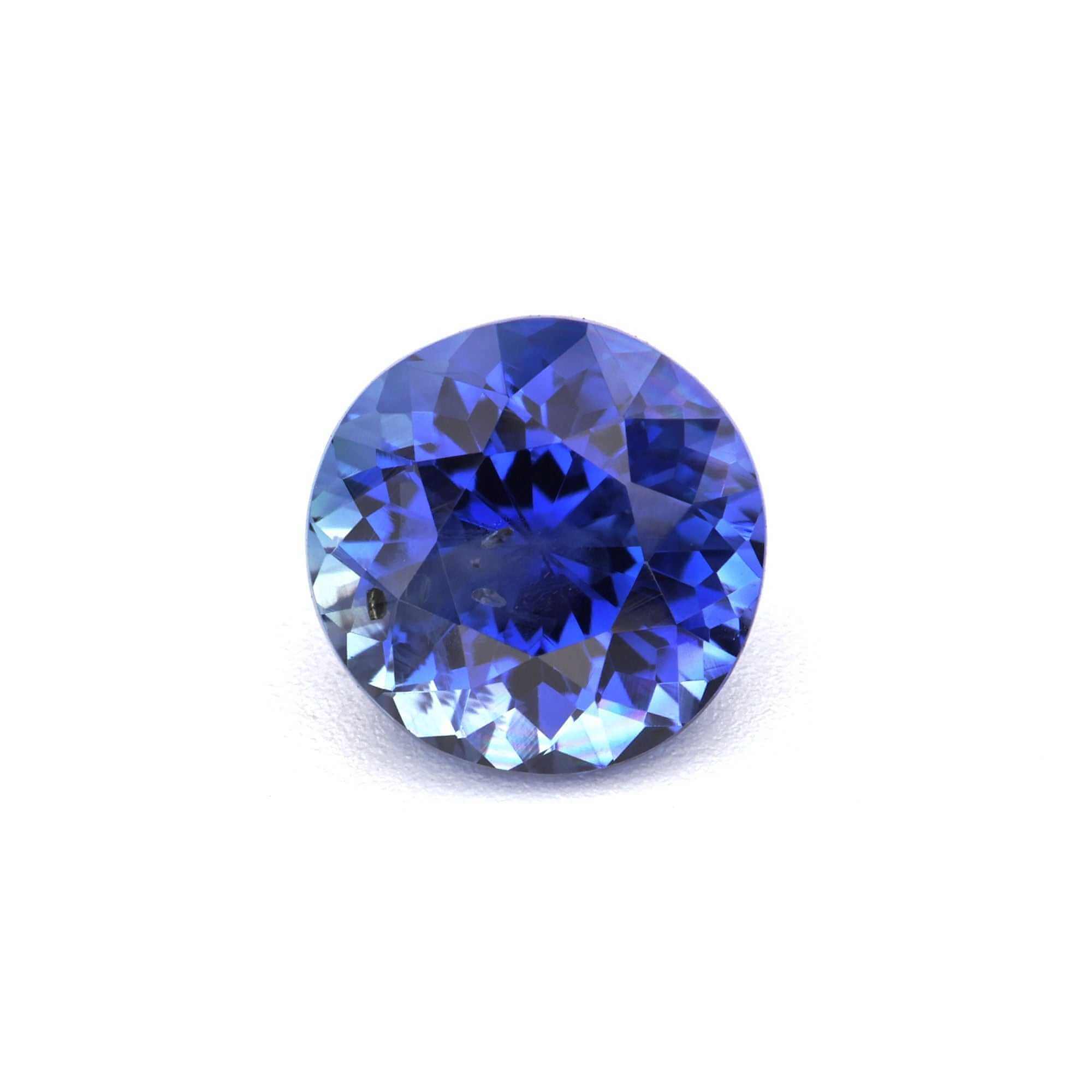
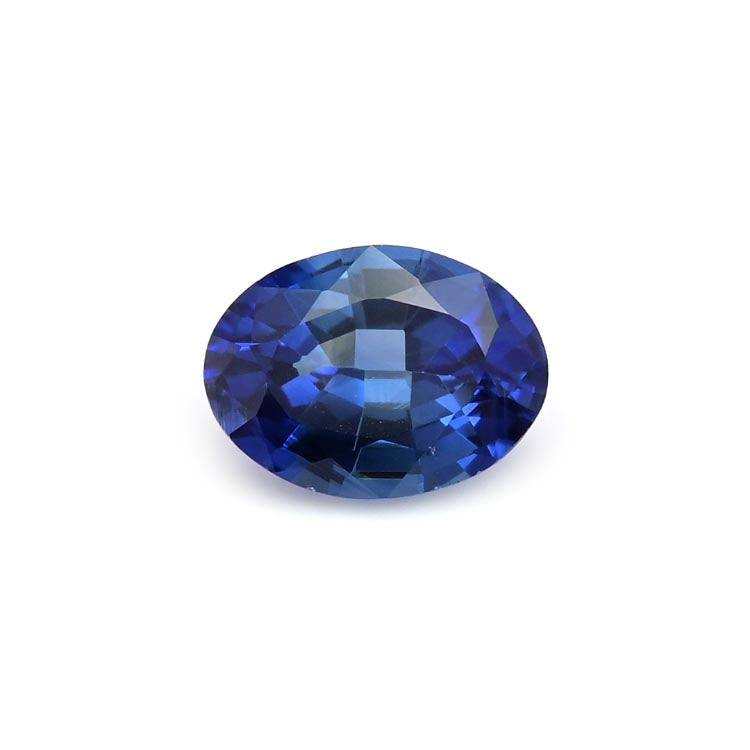
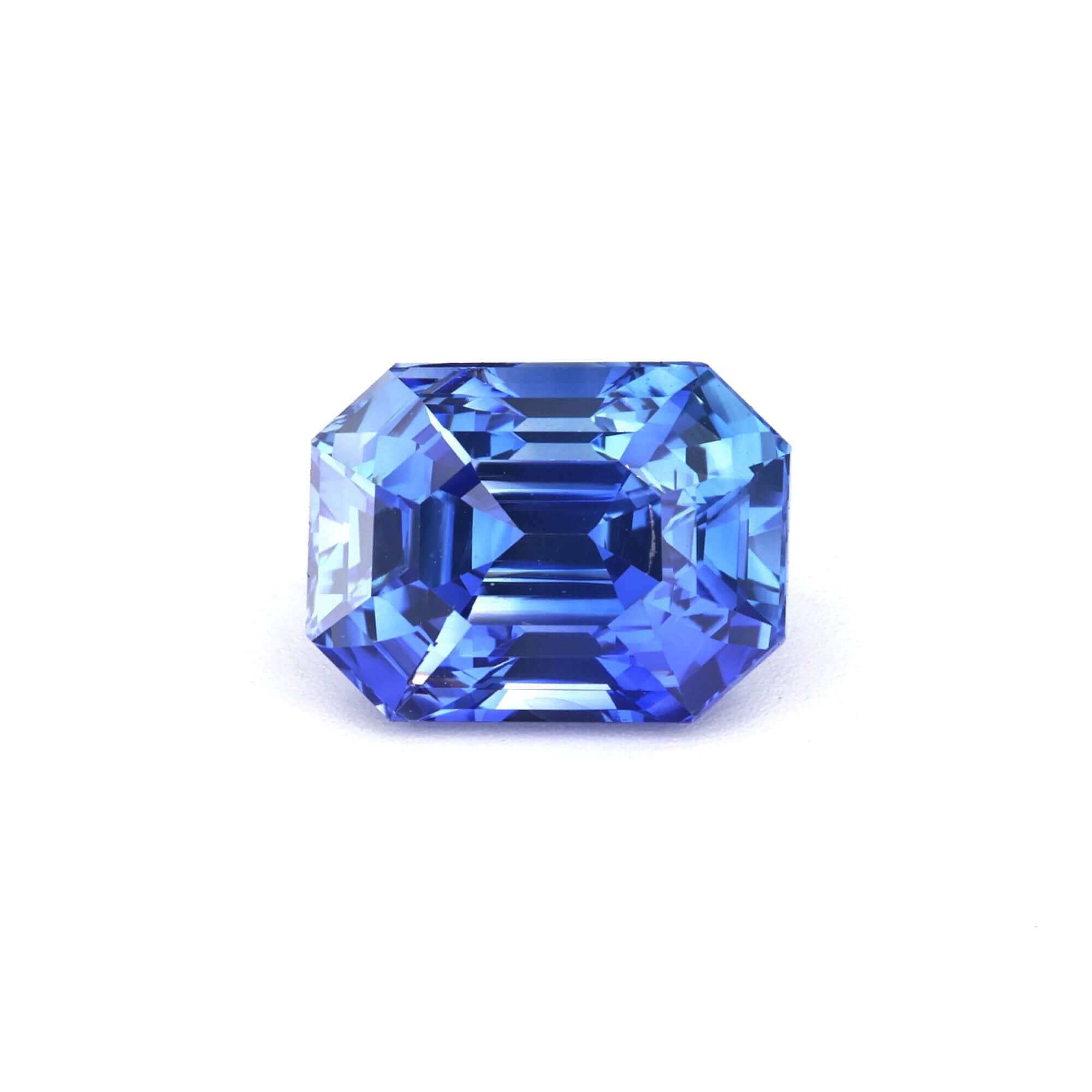
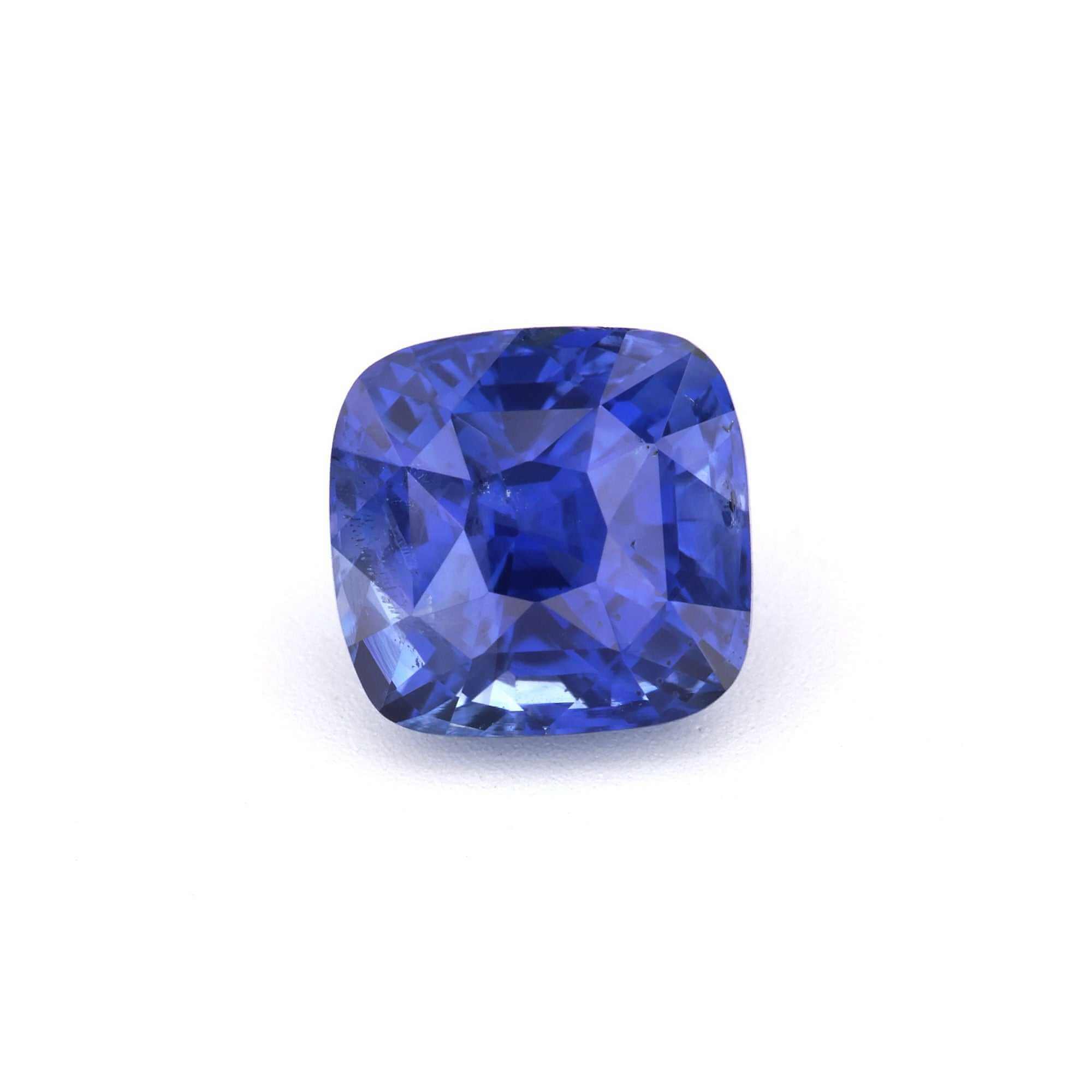
Cut. Oval, cushion, and round are the most common formats. Emerald cuts suit chrysoberyl's clarity beautifully - the open step facets reward the stone's natural transparency. Chrysoberyl's high refractive index (1.74-1.75, higher than sapphire at 1.76-1.77) produces strong brilliance in any well-executed cut.
Carat. Chrysoberyl over 2 carats in fine color is accessible and reasonably priced. Above 5 carats in vivid yellowish-green begins to be genuinely scarce. Unlike sapphire, where price per carat rises sharply at the 1-carat mark, chrysoberyl pricing is more gradual - making larger stones a better value proposition relative to their size.
Chrysoberyl vs Yellow Sapphire
Buyers comparing chrysoberyl to yellow sapphire will find both are naturally untreated, both come from Sri Lanka, and both sit in the warm golden-yellow color zone. The key differences: sapphire (Mohs 9) is slightly harder than chrysoberyl (Mohs 8.5), sapphire carries more name recognition and commands higher prices, and the hue is distinctly different at the saturated end - chrysoberyl tends toward a more yellowish-green position while fine yellow sapphire is a purer canary yellow. For Jyotish (Vedic astrology) buyers, only yellow sapphire (Pukhraj) satisfies the Jupiter prescription - chrysoberyl does not qualify as a substitute. See our Jyotish sapphire guide for full specification.
Chrysoberyl vs Tsavorite Garnet
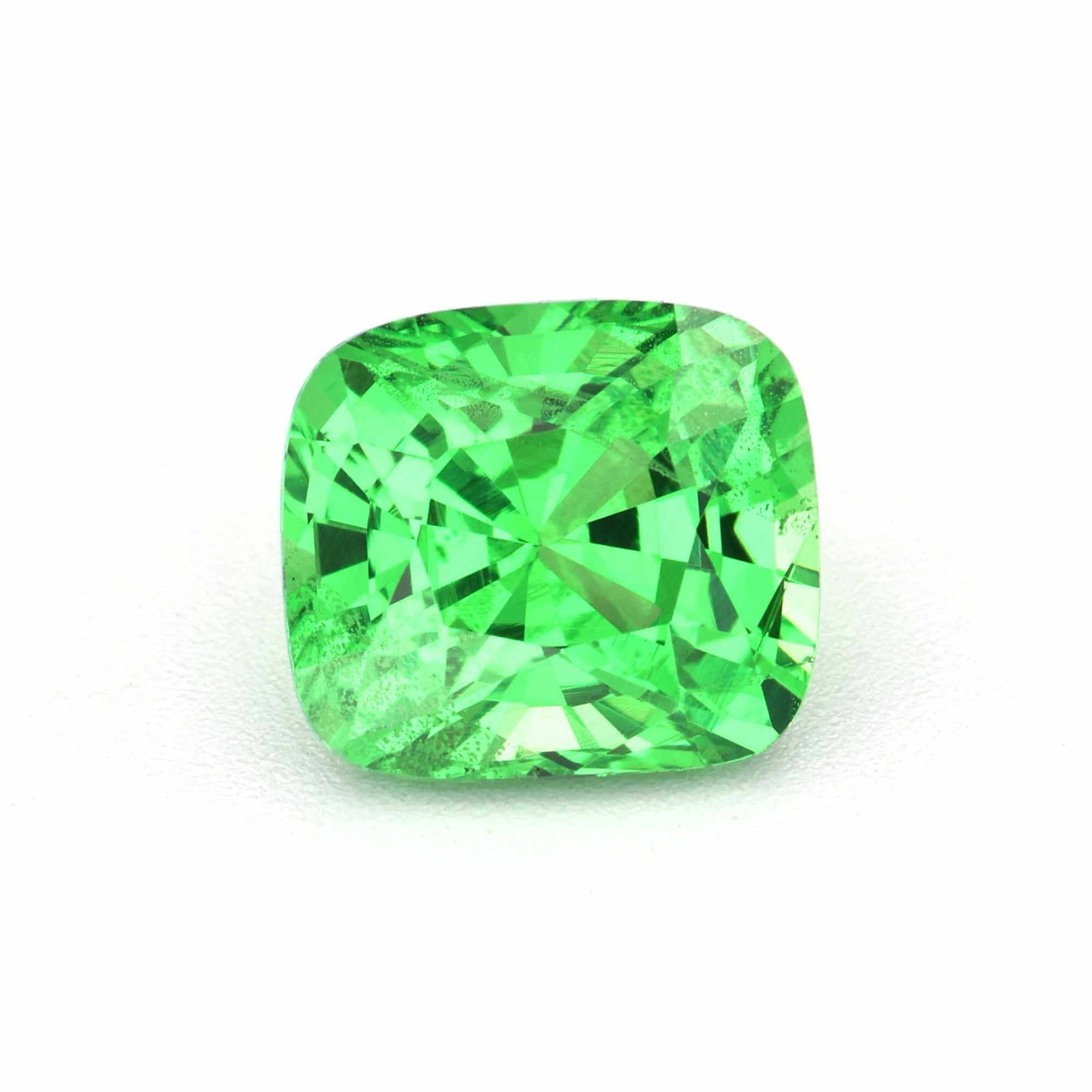
For buyers drawn to green-yellow gemstones, tsavorite garnet is the other major naturally untreated option in this color family. Tsavorite (Mohs 7-7.5) is softer than chrysoberyl but produces more vivid, saturated green. Chrysoberyl tends toward a more muted, golden-green that reads warmer and more neutral. Both are genuinely untreated; both come from East Africa and Sri Lanka. The choice is aesthetic - tsavorite for vivid green, chrysoberyl for warm golden-green.
Cat's Eye Chrysoberyl
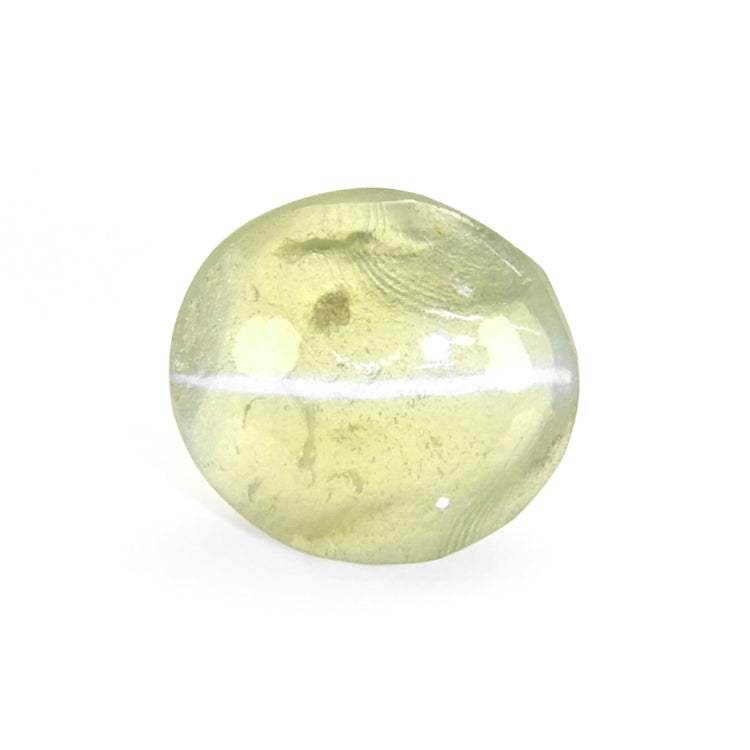
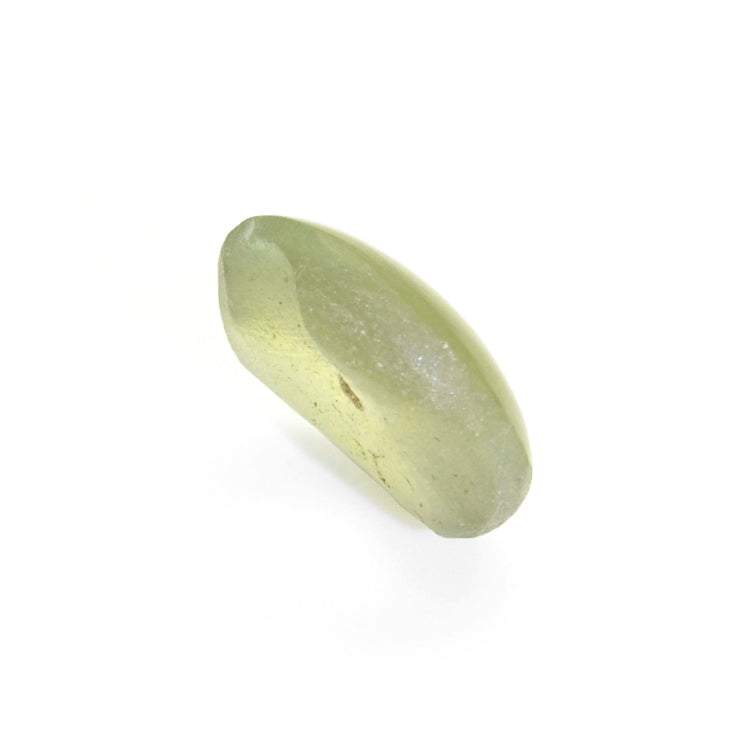
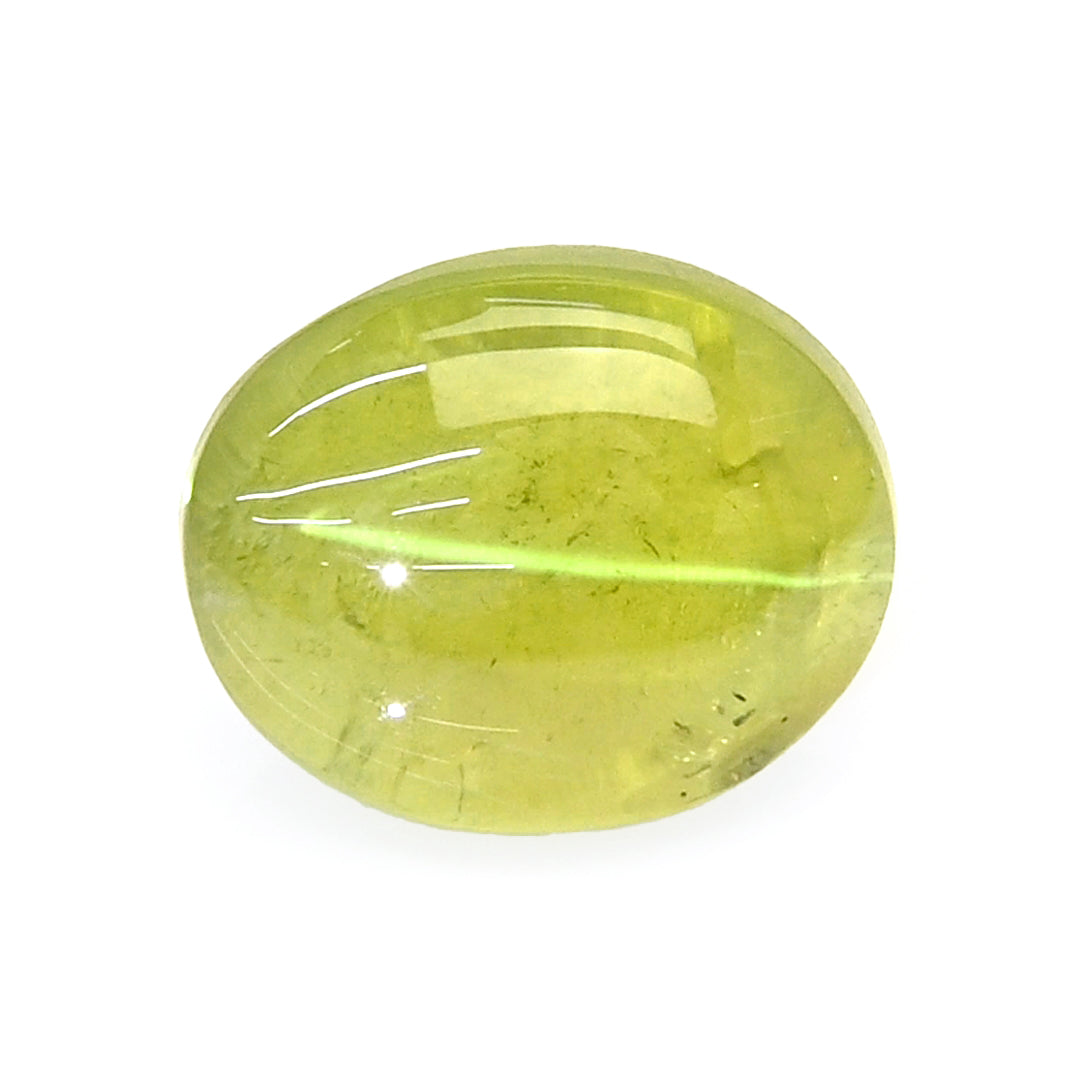
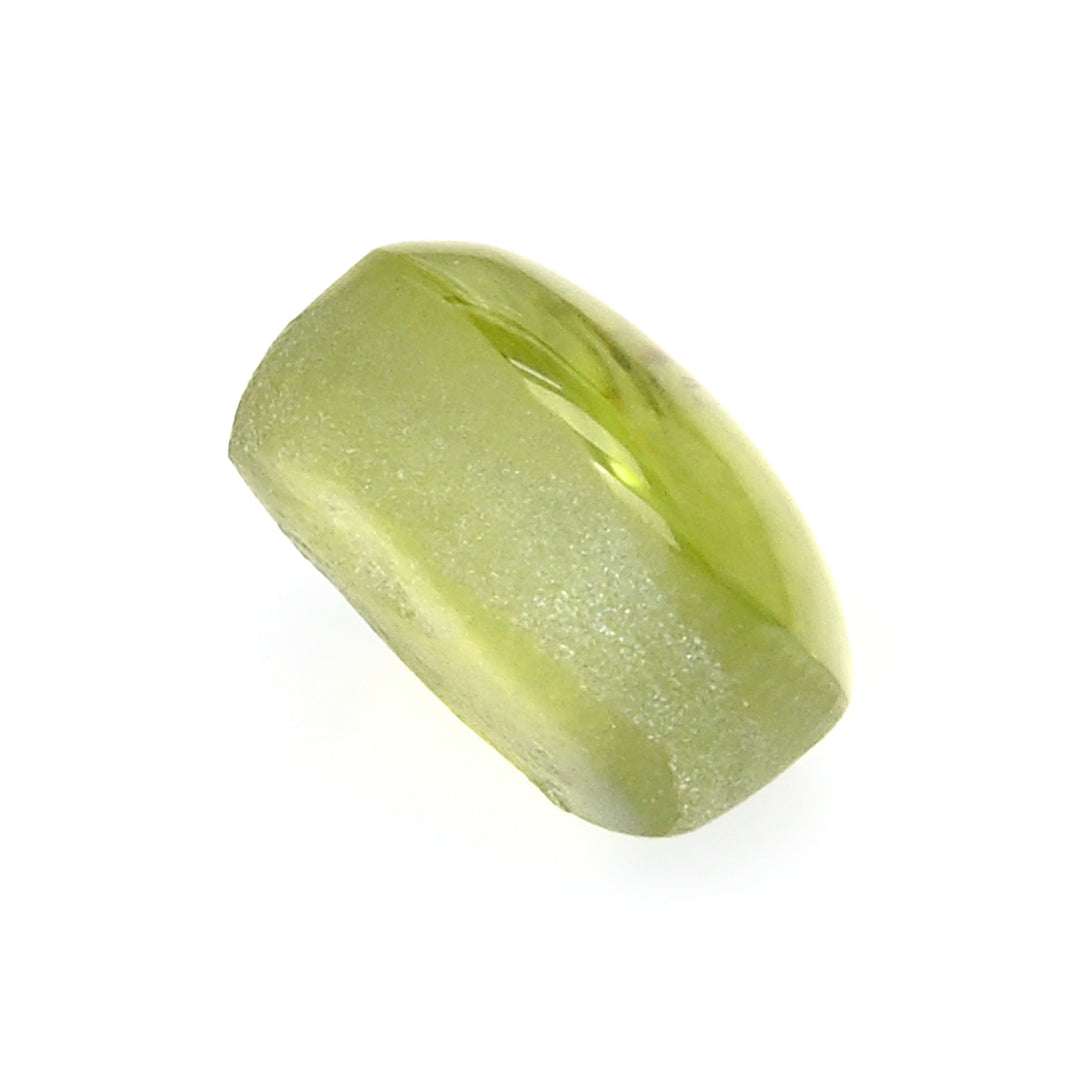
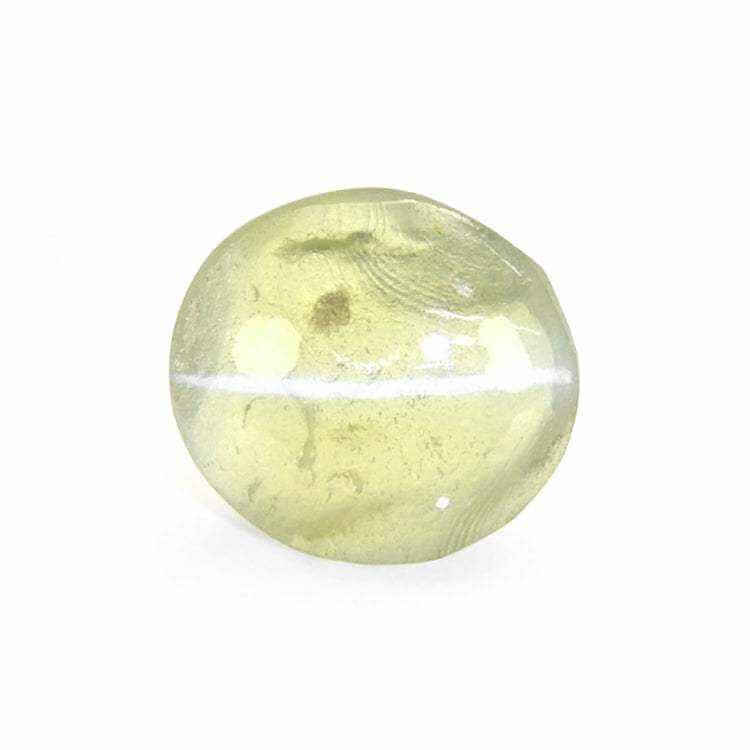
Cat's eye chrysoberyl shows chatoyancy - a sharp, single line of light that moves across the dome of a cabochon-cut stone as it is rotated, exactly like the slit pupil of a cat's eye under a torch. The finest cat's eyes show a strong, well-defined line over a vivid golden-green to honey-yellow body color, with a "milk and honey" effect - one side of the stone appearing creamy white as the light catches it. Cat's eye chrysoberyl is the most valuable variety of the species and one of the most collectible phenomenon gemstones in existence. See our dedicated cat's eye chrysoberyl collection for available stones.
Collector and Investment Considerations
Fine chrysoberyl above 3 carats in vivid yellowish-green with strong brilliance and eye-clean clarity is genuinely uncommon on the Western market. Most fine material is absorbed by Asian collector markets, where chrysoberyl has a longer tradition of appreciation. For buyers building a portfolio of natural, untreated Ceylon gemstones alongside sapphire and ruby, chrysoberyl represents an accessible and underpriced entry point. See our investment gemstones collection for GIA-certified collector-grade pieces across all species.
Have a question about a specific stone or want to discuss chrysoberyl for a collector portfolio? Email crescentgems@gmail.com - we respond personally within one business day. 14-day return on every order. Select pieces are available for Try-On. Free US shipping; international shipping via FedEx and UPS.
Related collections: Cat's eye chrysoberyl · Yellow sapphire · Tsavorite garnet · Natural ruby · Investment gemstones · All sapphires
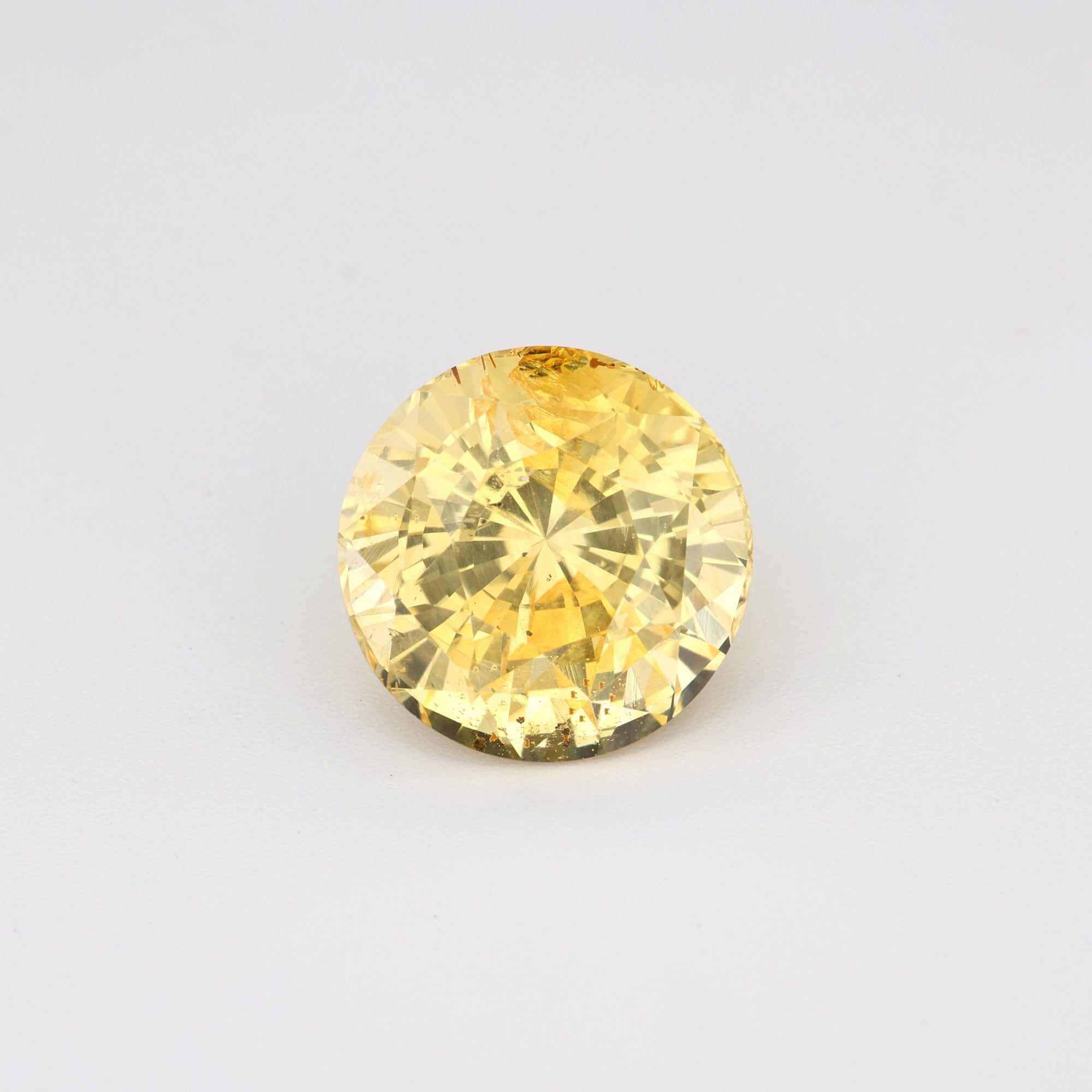
Chrysoberyl is one of the most underappreciated gem species in fine jewelry - a beryllium aluminum oxide that ranks 8.5 on the Mohs scale, making it one of the hardest natural gemstones available after diamond, ruby, and sapphire. Its color range runs from honey-yellow and golden-green through more saturated yellowish-green hues, and the species also includes the famously rare alexandrite (color-change) and cat's eye varieties. Chrysoberyl is durable enough for daily wear, naturally untreated, and far less expensive than sapphire or ruby at comparable quality - making it one of the most compelling value propositions in natural gemstones for collectors and jewellery designers who know what they are looking at.
Why Our Chrysoberyls
Our chrysoberyls are sourced from Sri Lanka, a leading source for fine natural chrysoberyl alongside Brazil and Myanmar. Every stone in this collection is natural and untreated - chrysoberyl rarely requires any enhancement, and we carry no treated material. Premium pieces ship with GIA reports. Each stone is photographed under standardized lighting against a neutral background so the color you see online matches what you hold in your hand. Select pieces are eligible for our Try-On programme - the stone ships to you for in-hand evaluation before you pay.
We source directly from Sri Lanka through our buying offices in Colombo, Beruwala, and Ratnapura - the same supply chain that feeds our sapphire collections. Read more about our sourcing on our About page.
How to Choose a Chrysoberyl
Hue. Faceted chrysoberyl typically appears in the golden-yellow through yellowish-green range. The most prized stones show vivid yellow-green saturation with strong brilliance and no brownish modifier. Paler honey-yellow stones are softer and more wearable; deeper golden-greens are more striking. The color of fine chrysoberyl sits in a zone that no other major gemstone occupies - it is distinctly its own, not a substitute for anything else.
Clarity. Fine chrysoberyl is typically eye-clean with high transparency. We do not carry stones with significant visible inclusions. Its natural clarity is one of the reasons chrysoberyl is almost never treated - the rough is already good enough.
Cut. Oval, cushion, and round are the most common formats. Emerald cuts suit chrysoberyl's clarity beautifully - the open step facets reward the stone's natural transparency. Chrysoberyl's high refractive index (1.74-1.75, higher than sapphire at 1.76-1.77) produces strong brilliance in any well-executed cut.
Carat. Chrysoberyl over 2 carats in fine color is accessible and reasonably priced. Above 5 carats in vivid yellowish-green begins to be genuinely scarce. Unlike sapphire, where price per carat rises sharply at the 1-carat mark, chrysoberyl pricing is more gradual - making larger stones a better value proposition relative to their size.
Chrysoberyl vs Yellow Sapphire
Buyers comparing chrysoberyl to yellow sapphire will find both are naturally untreated, both come from Sri Lanka, and both sit in the warm golden-yellow color zone. The key differences: sapphire (Mohs 9) is slightly harder than chrysoberyl (Mohs 8.5), sapphire carries more name recognition and commands higher prices, and the hue is distinctly different at the saturated end - chrysoberyl tends toward a more yellowish-green position while fine yellow sapphire is a purer canary yellow. For Jyotish (Vedic astrology) buyers, only yellow sapphire (Pukhraj) satisfies the Jupiter prescription - chrysoberyl does not qualify as a substitute. See our Jyotish sapphire guide for full specification.
Chrysoberyl vs Tsavorite Garnet
For buyers drawn to green-yellow gemstones, tsavorite garnet is the other major naturally untreated option in this color family. Tsavorite (Mohs 7-7.5) is softer than chrysoberyl but produces more vivid, saturated green. Chrysoberyl tends toward a more muted, golden-green that reads warmer and more neutral. Both are genuinely untreated; both come from East Africa and Sri Lanka. The choice is aesthetic - tsavorite for vivid green, chrysoberyl for warm golden-green.
Cat's Eye Chrysoberyl
Cat's eye chrysoberyl shows chatoyancy - a sharp, single line of light that moves across the dome of a cabochon-cut stone as it is rotated, exactly like the slit pupil of a cat's eye under a torch. The finest cat's eyes show a strong, well-defined line over a vivid golden-green to honey-yellow body color, with a "milk and honey" effect - one side of the stone appearing creamy white as the light catches it. Cat's eye chrysoberyl is the most valuable variety of the species and one of the most collectible phenomenon gemstones in existence. See our dedicated cat's eye chrysoberyl collection for available stones.
Collector and Investment Considerations
Fine chrysoberyl above 3 carats in vivid yellowish-green with strong brilliance and eye-clean clarity is genuinely uncommon on the Western market. Most fine material is absorbed by Asian collector markets, where chrysoberyl has a longer tradition of appreciation. For buyers building a portfolio of natural, untreated Ceylon gemstones alongside sapphire and ruby, chrysoberyl represents an accessible and underpriced entry point. See our investment gemstones collection for GIA-certified collector-grade pieces across all species.
Have a question about a specific stone or want to discuss chrysoberyl for a collector portfolio? Email crescentgems@gmail.com - we respond personally within one business day. 14-day return on every order. Select pieces are available for Try-On. Free US shipping; international shipping via FedEx and UPS.
Related collections: Cat's eye chrysoberyl · Yellow sapphire · Tsavorite garnet · Natural ruby · Investment gemstones · All sapphires
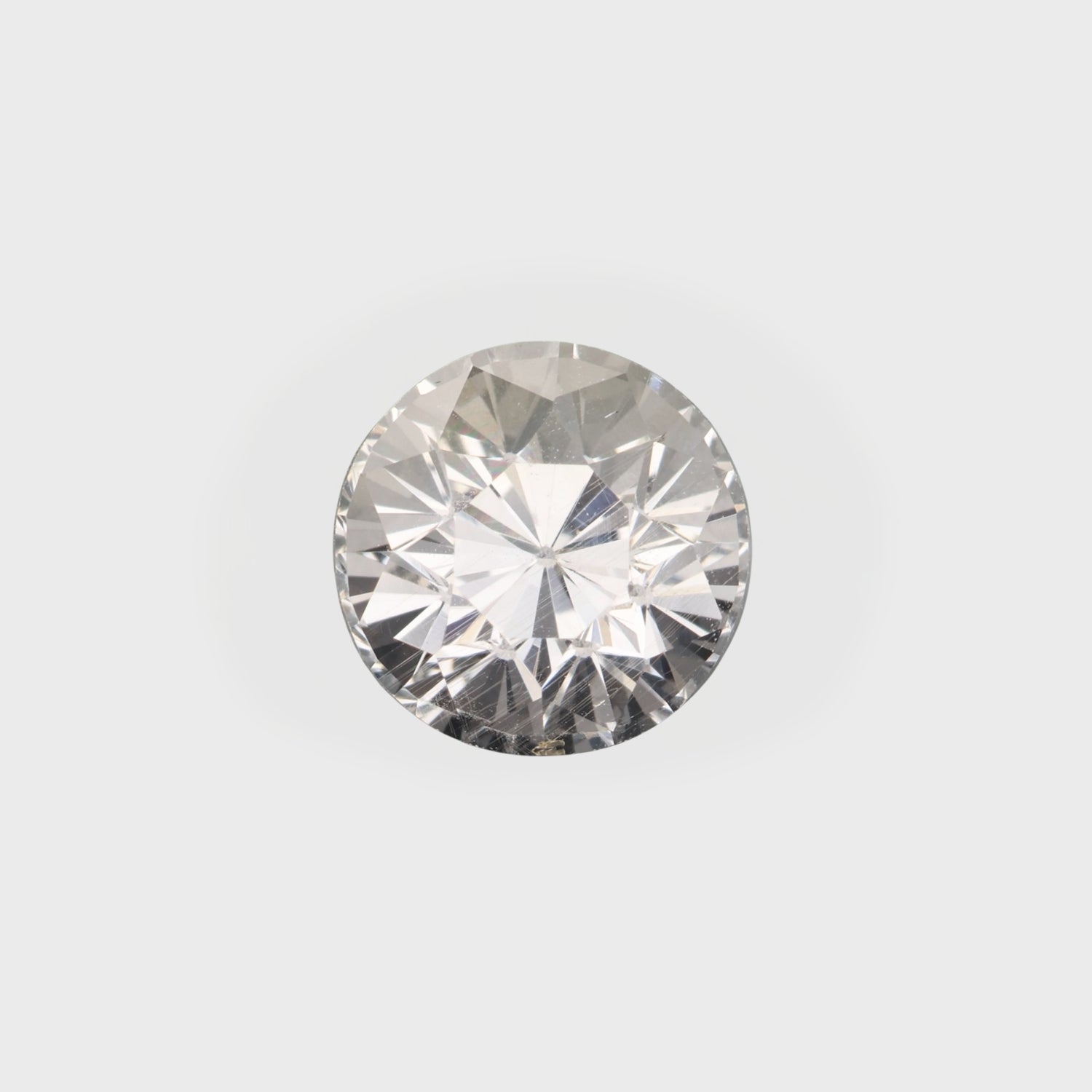
CG8245
2.36 ct Cat's Eye Chrysoberyl ~ Untreated
CG8413
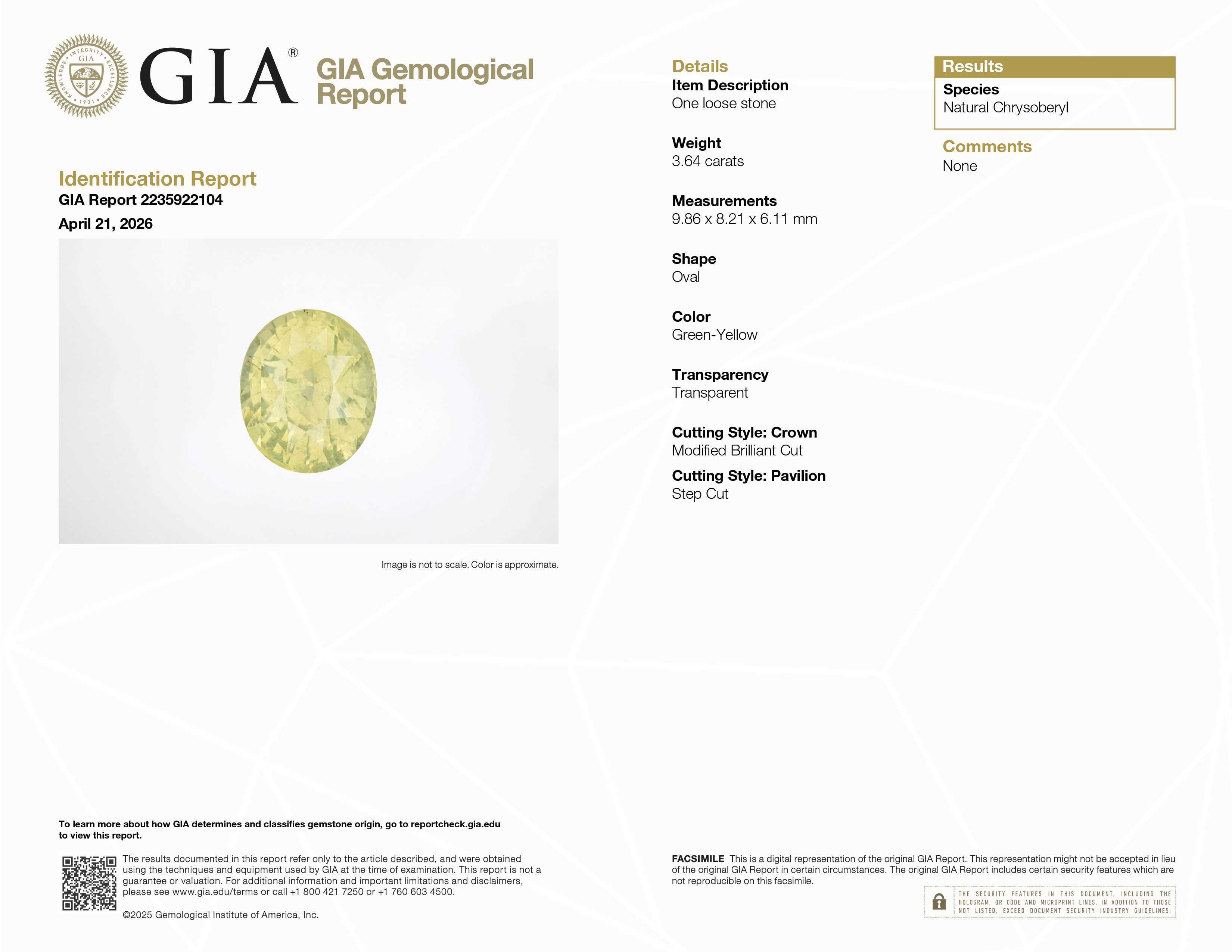
3.64 ct Chrysoberyl ~ Untreated, GIA
CG8442
4.24 ct Oval Cat's Eye Chrysoberyl ~ Untreated, GIA