- by Ahmed Shareek
Best Sapphire Shapes for Three-Stone Rings — Center and Side Stone Combinations That Work
- by Ahmed Shareek
For solitaire shapes: Best Sapphire Shapes for Solitaire Rings. For halo shapes: Best Sapphire Shapes for Halo Rings. For side stone selection: How to Choose Side Stones for a Sapphire Ring.
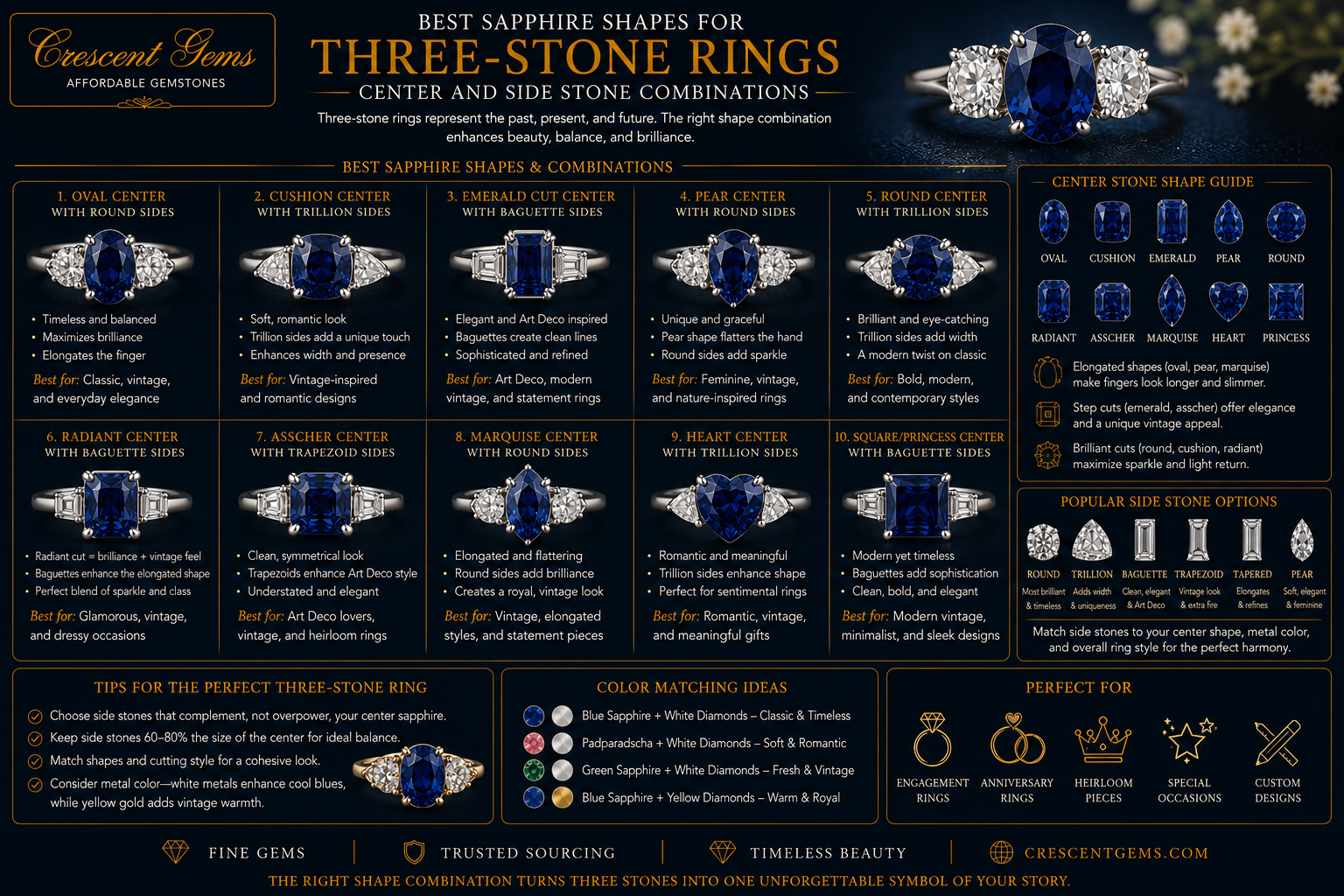
The three-stone ring is one of the most symbolically resonant engagement ring formats — past, present, and future — and one of the most technically interesting from a design perspective. Unlike a solitaire (where everything depends on a single center stone) or a halo (where a border of small diamonds frames the center), a three-stone ring requires the center and side stones to work together as a composed arrangement. The shapes, sizes, and proportions of all three stones must be balanced against each other, and the choice of center stone shape has cascading implications for what side stones can flank it effectively.
This guide covers which sapphire shapes work best as the center stone in a three-stone ring, how to proportion center and side stones for visual balance, which side stone cuts complement each center shape, and what the three-stone format requires from the sapphire itself.
Before choosing a shape, it helps to understand what the three-stone design demands that a solitaire or halo does not:
The center stone must read as clearly dominant. In a three-stone ring, the center stone must be visually larger and more prominent than either side stone — otherwise the ring looks like three equal stones rather than a centered composition. The standard guideline is that the center stone should be at least twice the visual area of each side stone, though this varies by style. A center that is too small relative to its side stones loses the focal hierarchy that makes three-stone rings work.
Proportional harmony between shapes matters. The outline of the center stone and the outlines of the side stones must be visually compatible. Some combinations create elegant, naturally flowing compositions; others create an awkward, disconnected look. The most successful three-stone rings feel like the stones were designed together — their outlines flow into each other without clashing.
Color balance is relevant. If the side stones are diamonds, they provide bright white contrast that frames the colored center. If the side stones are sapphires matching the center color, the composition creates a unified color statement. Both approaches work — but the choice affects how the center stone's color reads. See our side stones guide for the full framework.
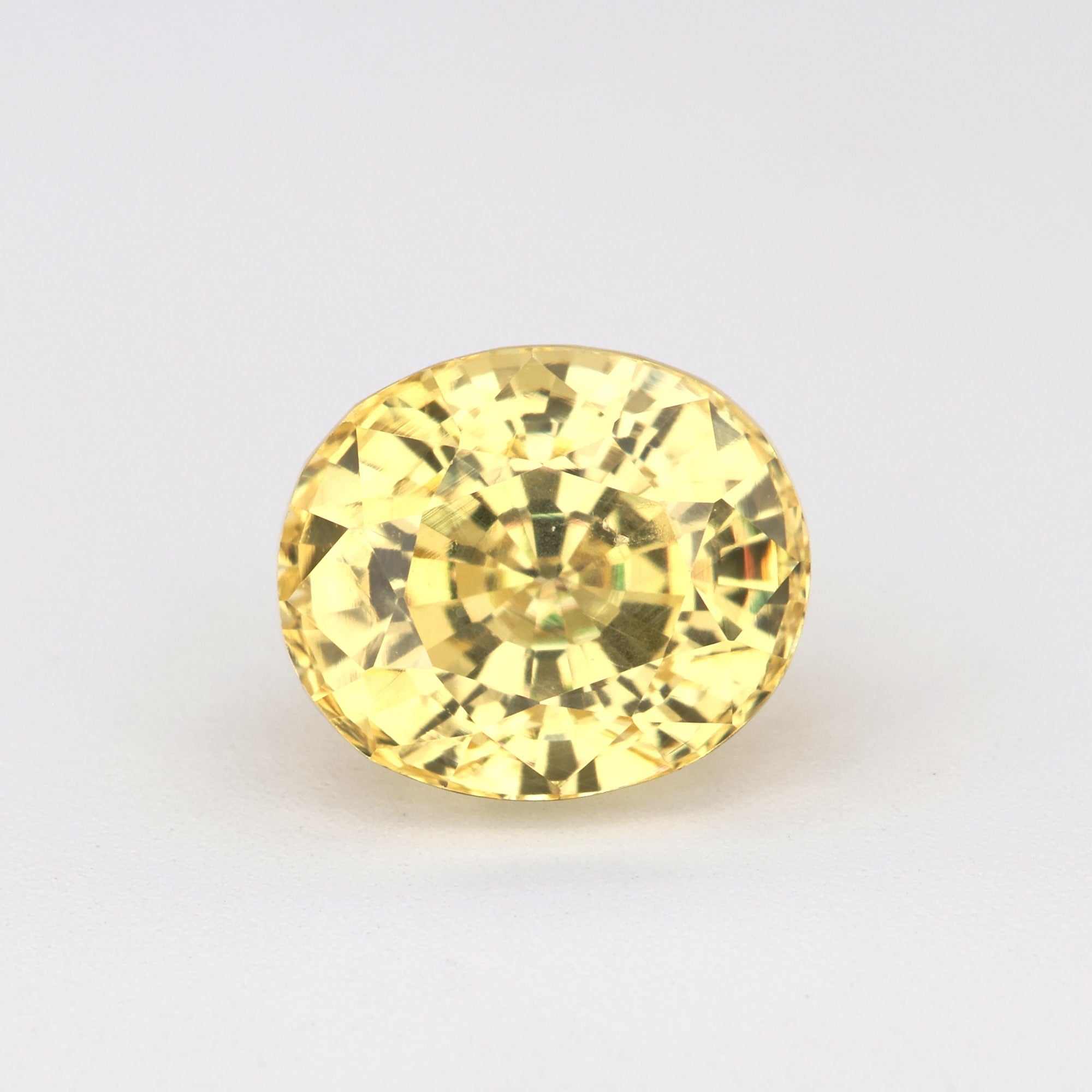
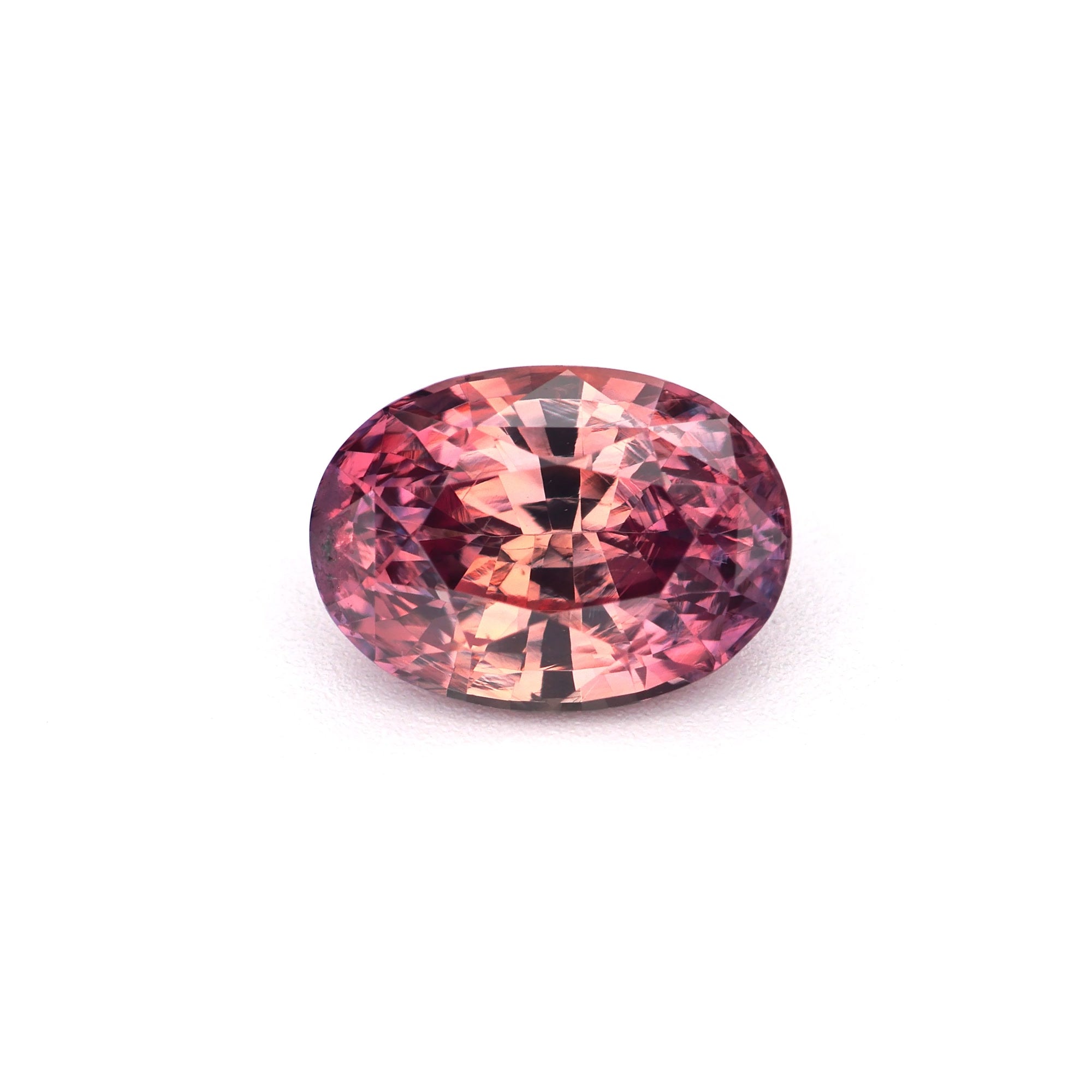
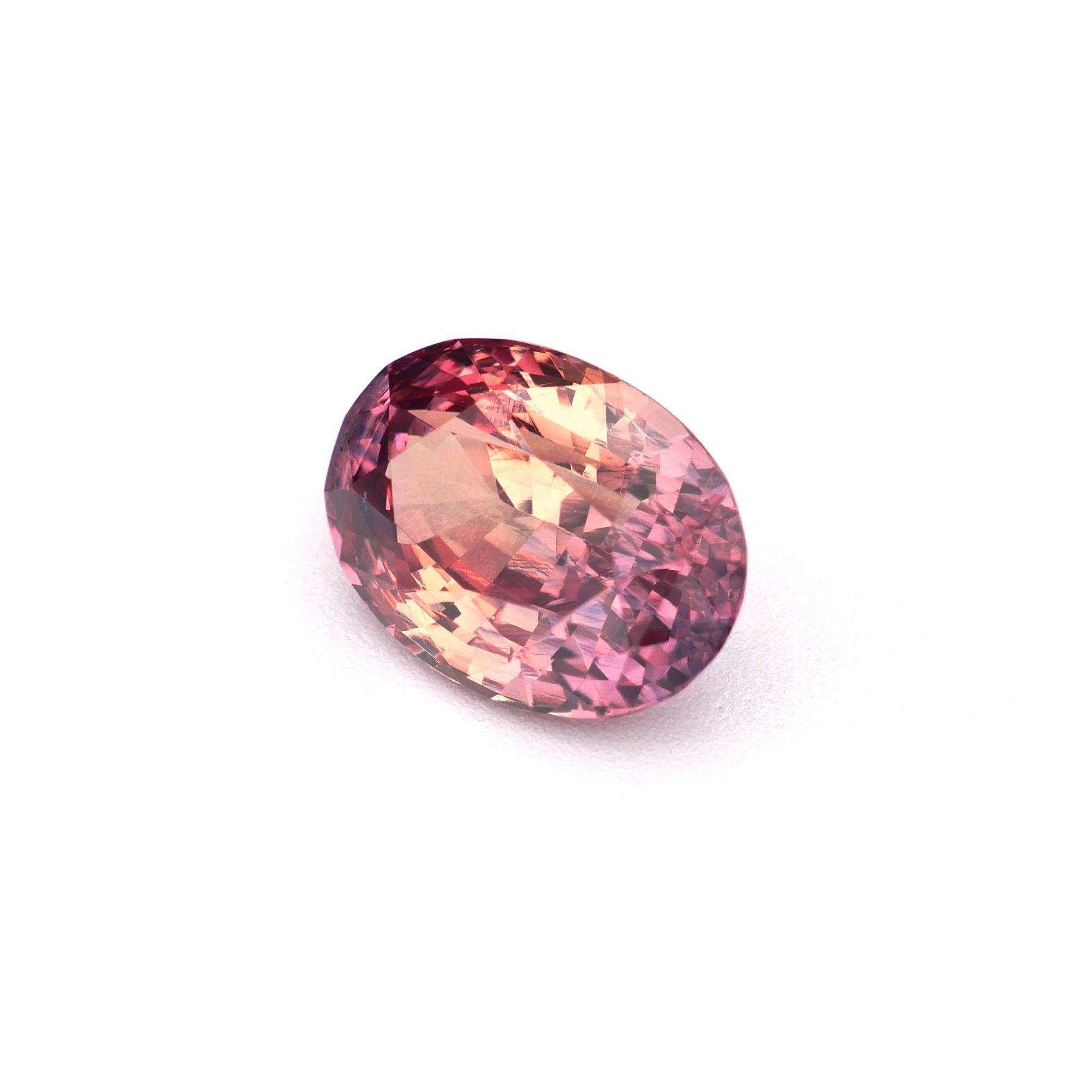
The oval is the most popular three-stone center stone shape for the same reasons it dominates other ring styles: it maximizes face-up size per carat, elongates the finger, and pairs naturally with a wide range of side stone shapes. In a three-stone ring, the oval's elongated outline flows naturally into round, pear, or trapezoid side stones on either side. The oval's length creates visual space that allows the side stones to sit comfortably without competing. Best side stone pairings for an oval center: round brilliants (most harmonious), pear-shaped stones oriented with the point toward the center (elegant flow), trapezoids (geometric contrast that suits modern settings), or smaller oval sapphires matching the center. Browse our oval sapphire collection.
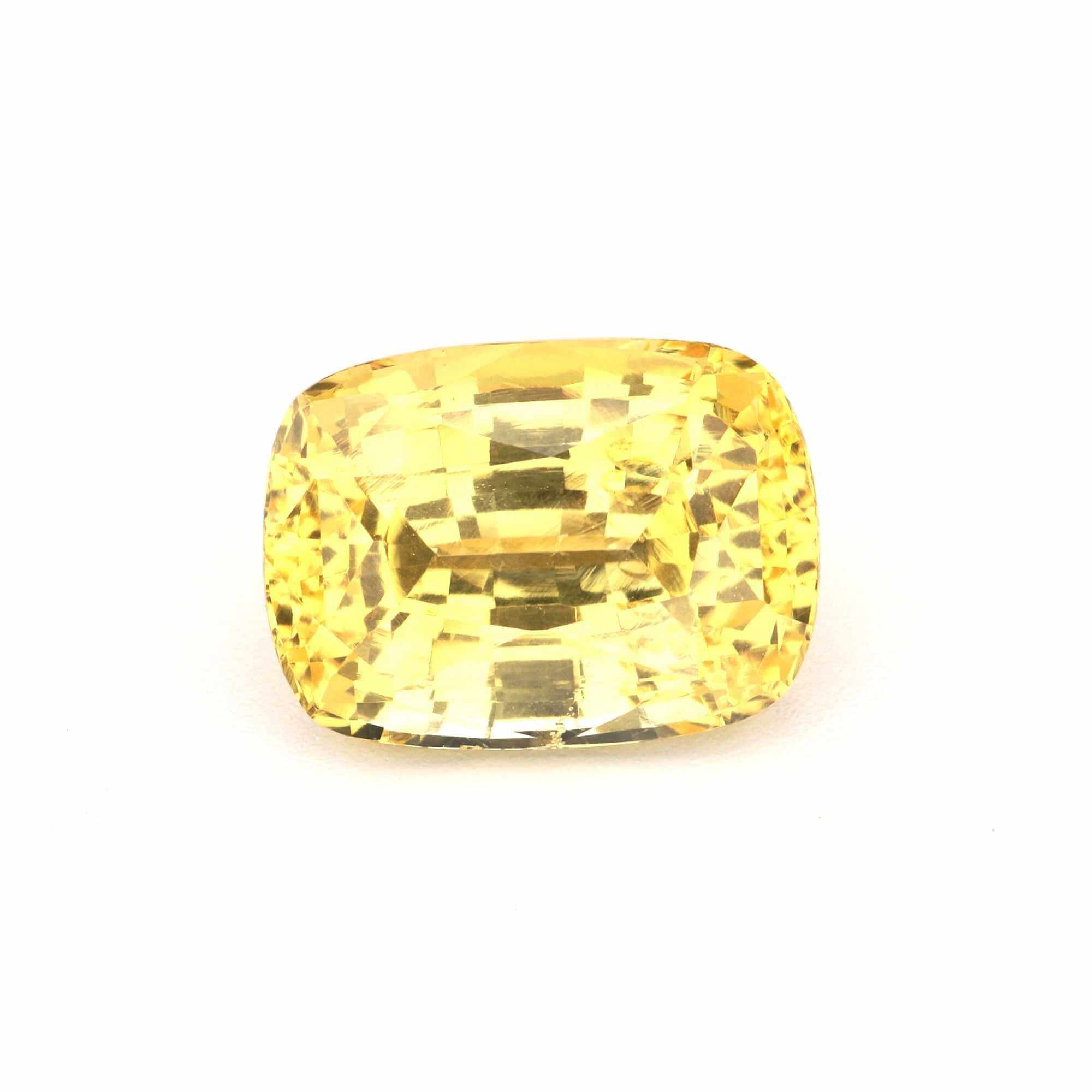
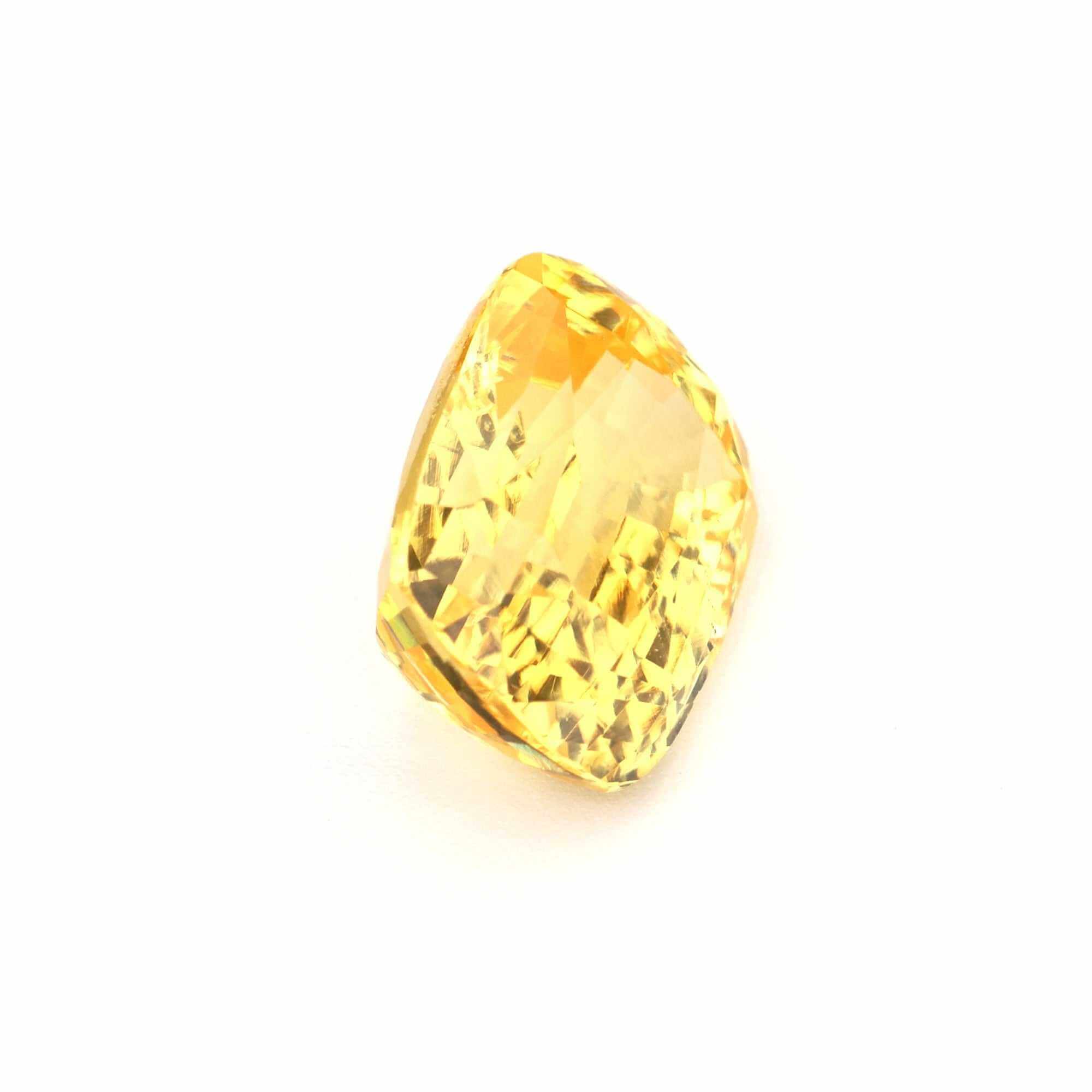
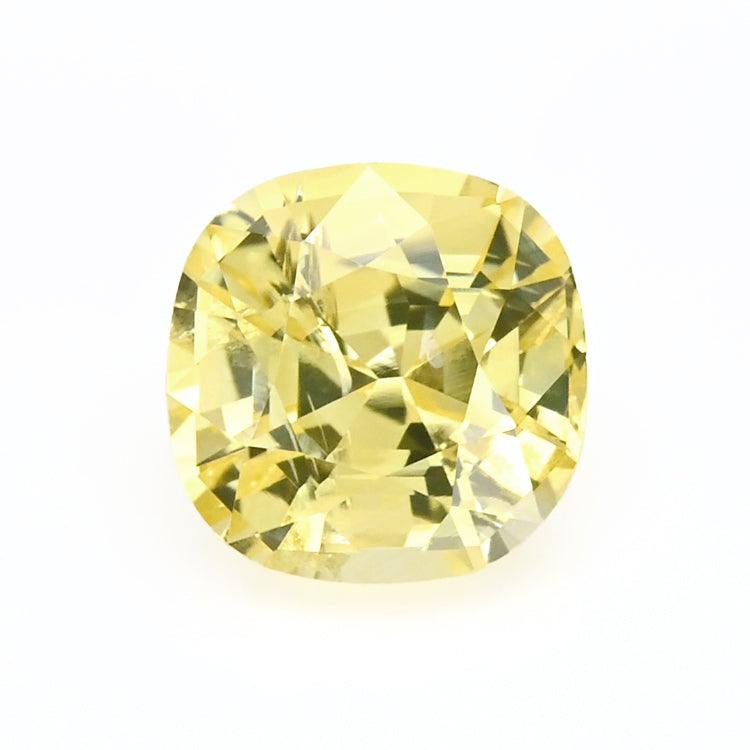
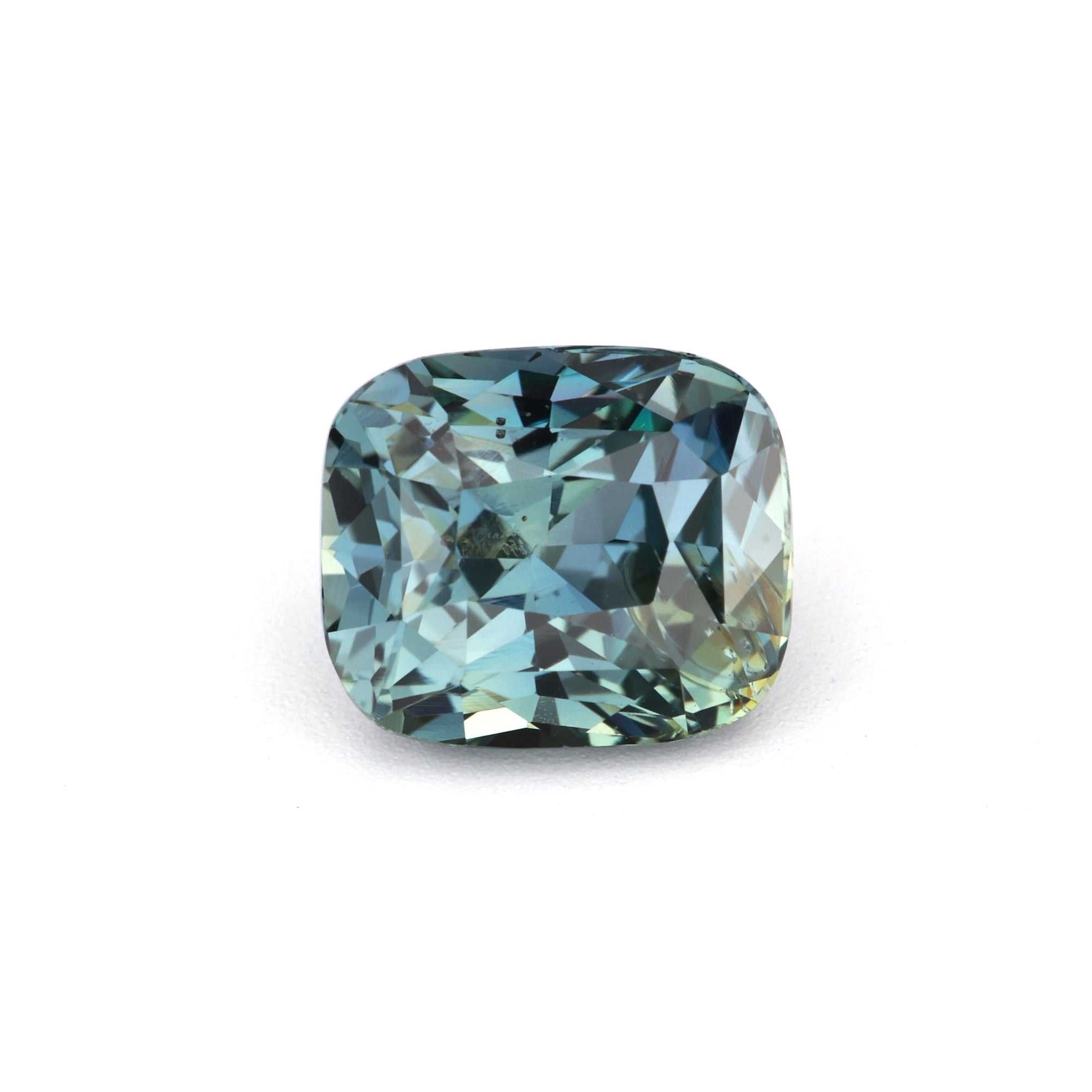
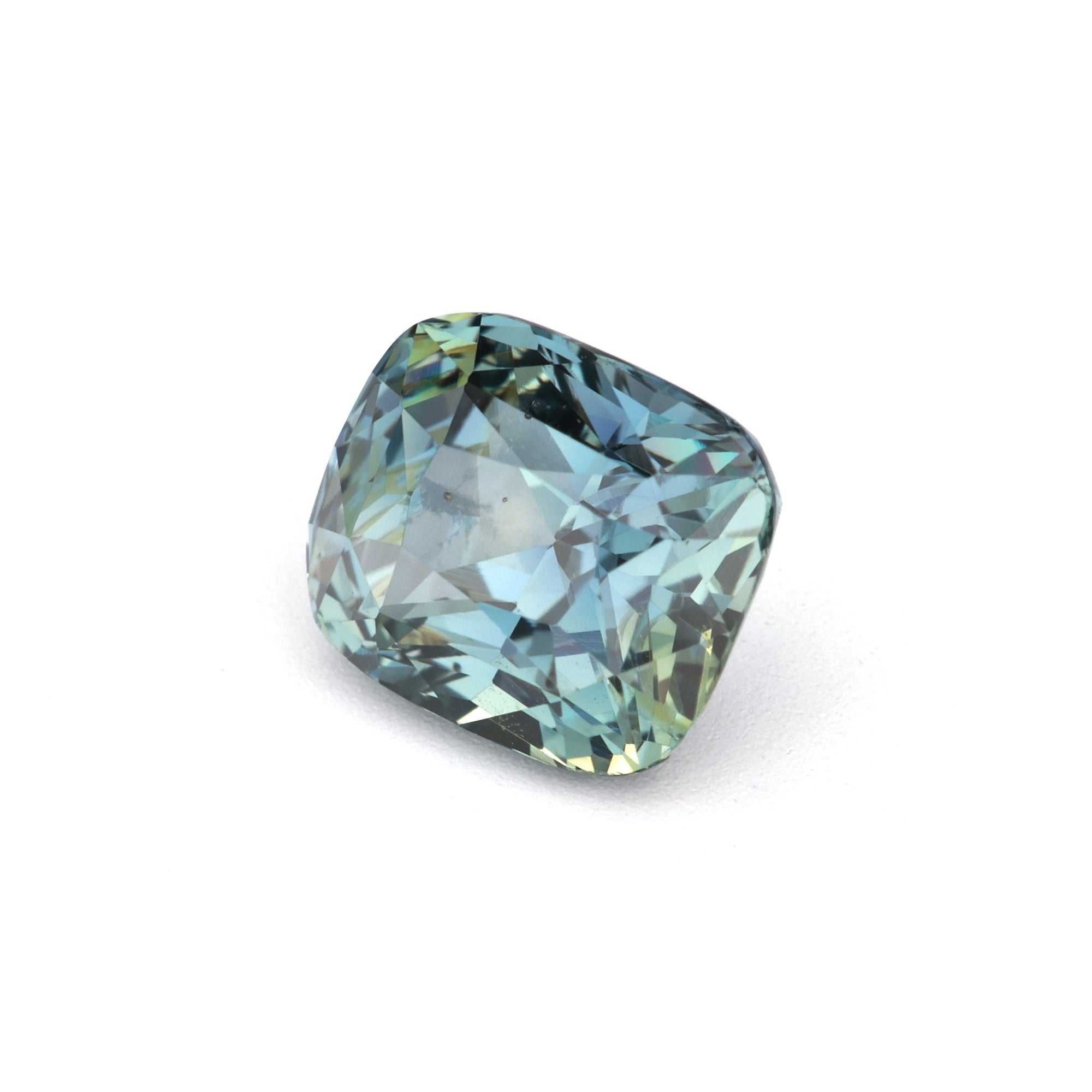
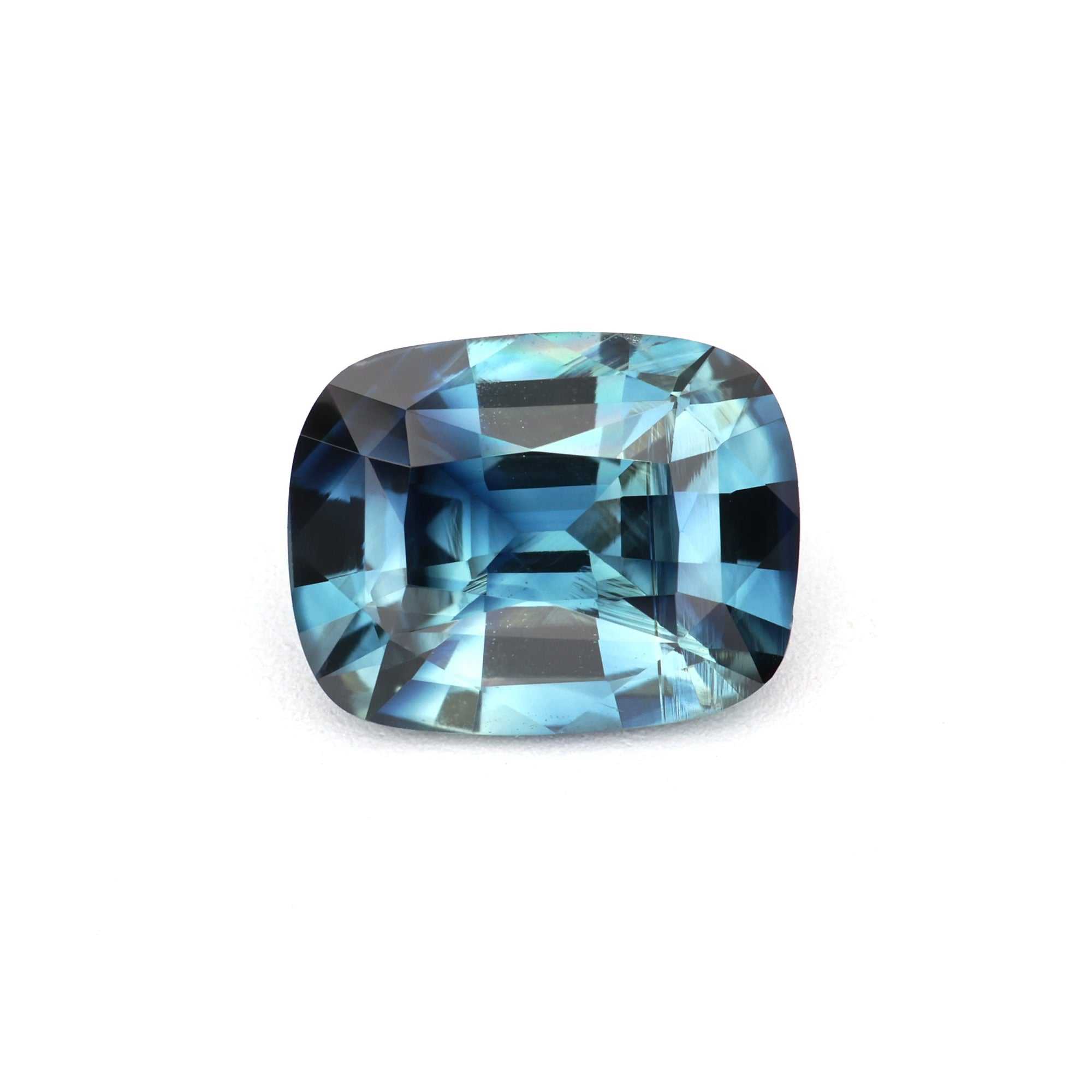
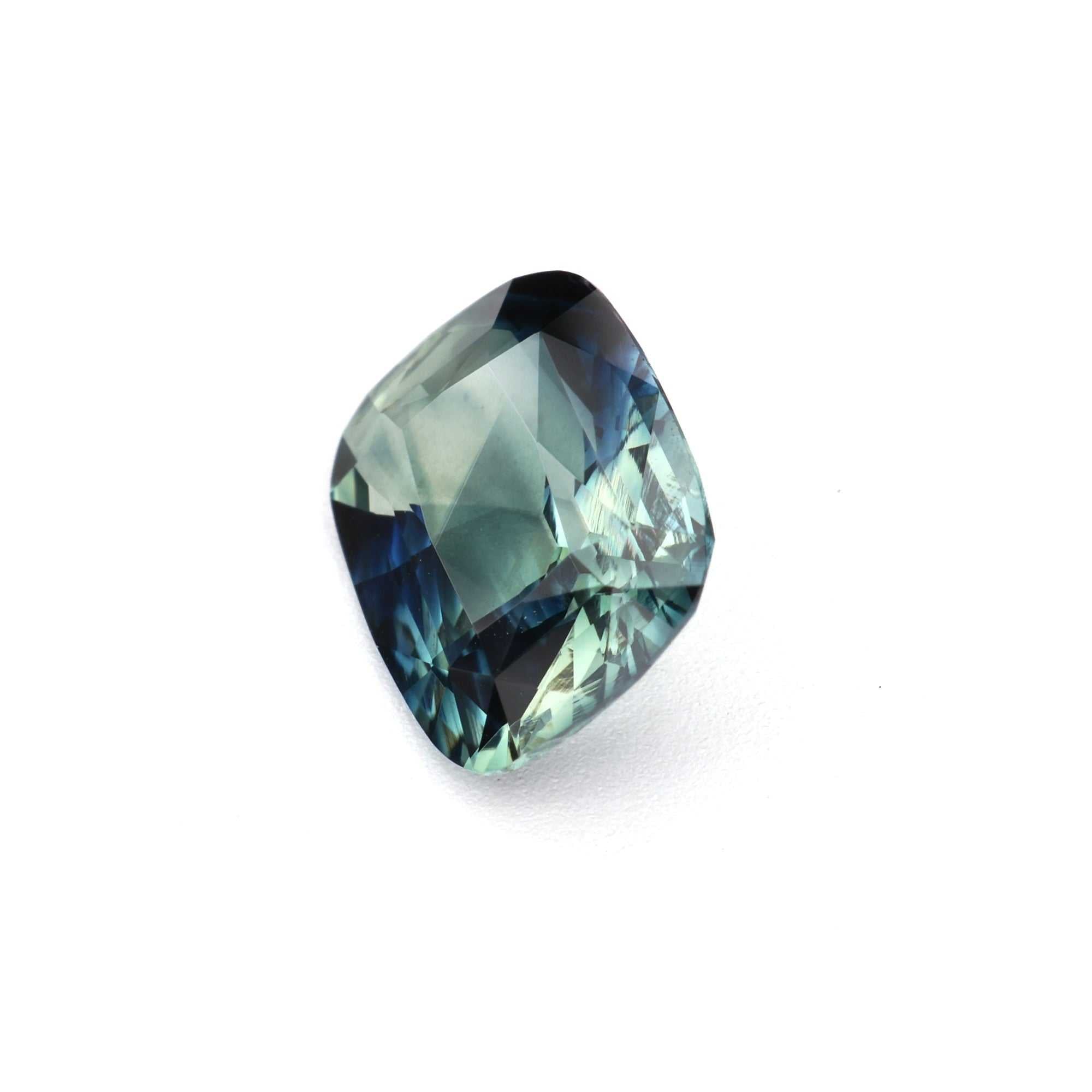
A cushion center stone in a three-stone ring creates a strongly symmetrical, balanced composition that is particularly well-suited to vintage-inspired settings. The cushion's square-ish proportions pair beautifully with round side stones (which echo the cushion's rounded corners without competing with its outline) or with smaller cushion side stones for a fully matched set. One consideration: the cushion's relatively equal length and width means the side stones sit close to the center stone's long and short edges simultaneously, requiring careful proportioning to ensure the three stones feel integrated rather than crowded. A slightly elongated cushion (1.10–1.20:1 L/W ratio) creates more visual space for side stones than a perfectly square cushion. Browse our cushion sapphire collection.
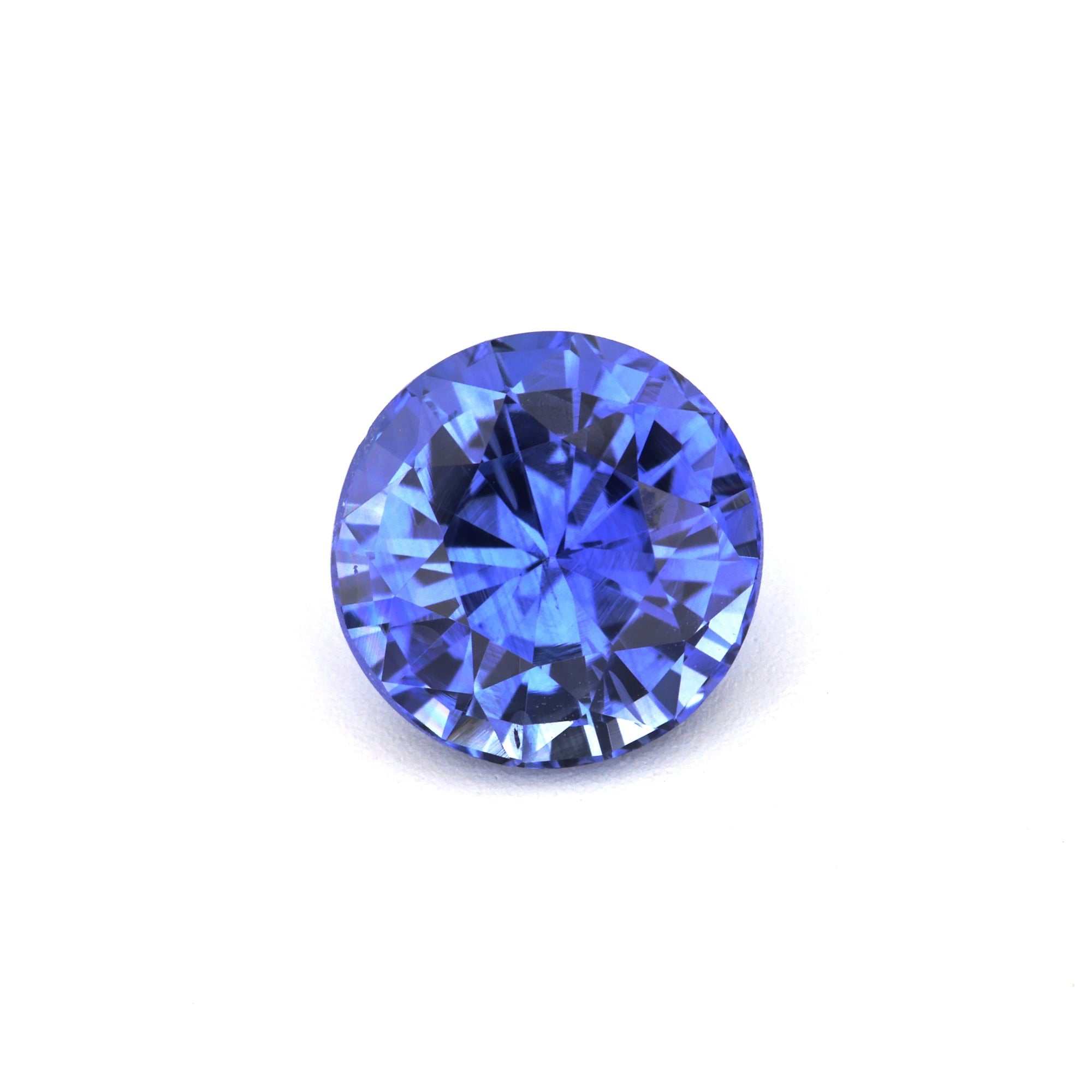
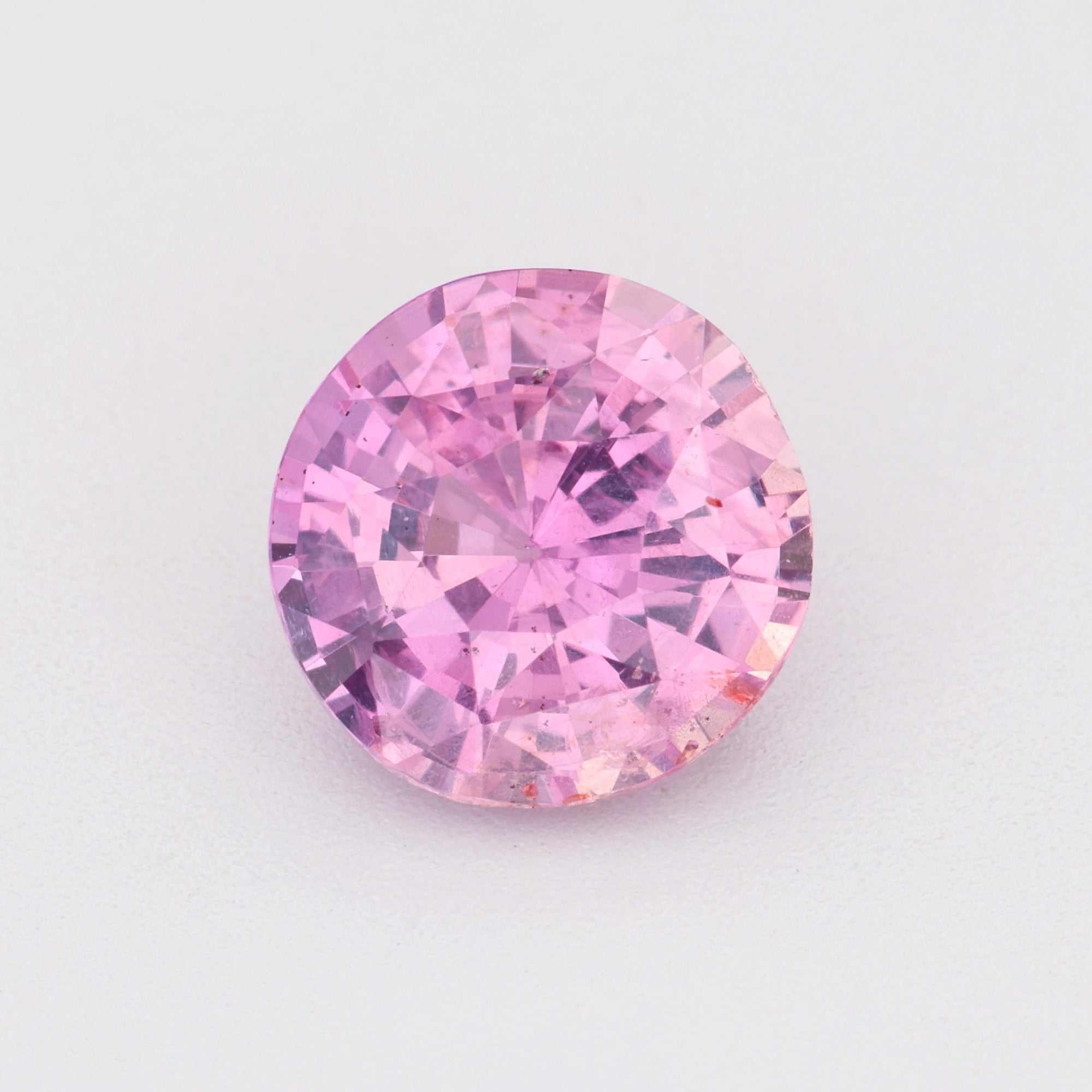
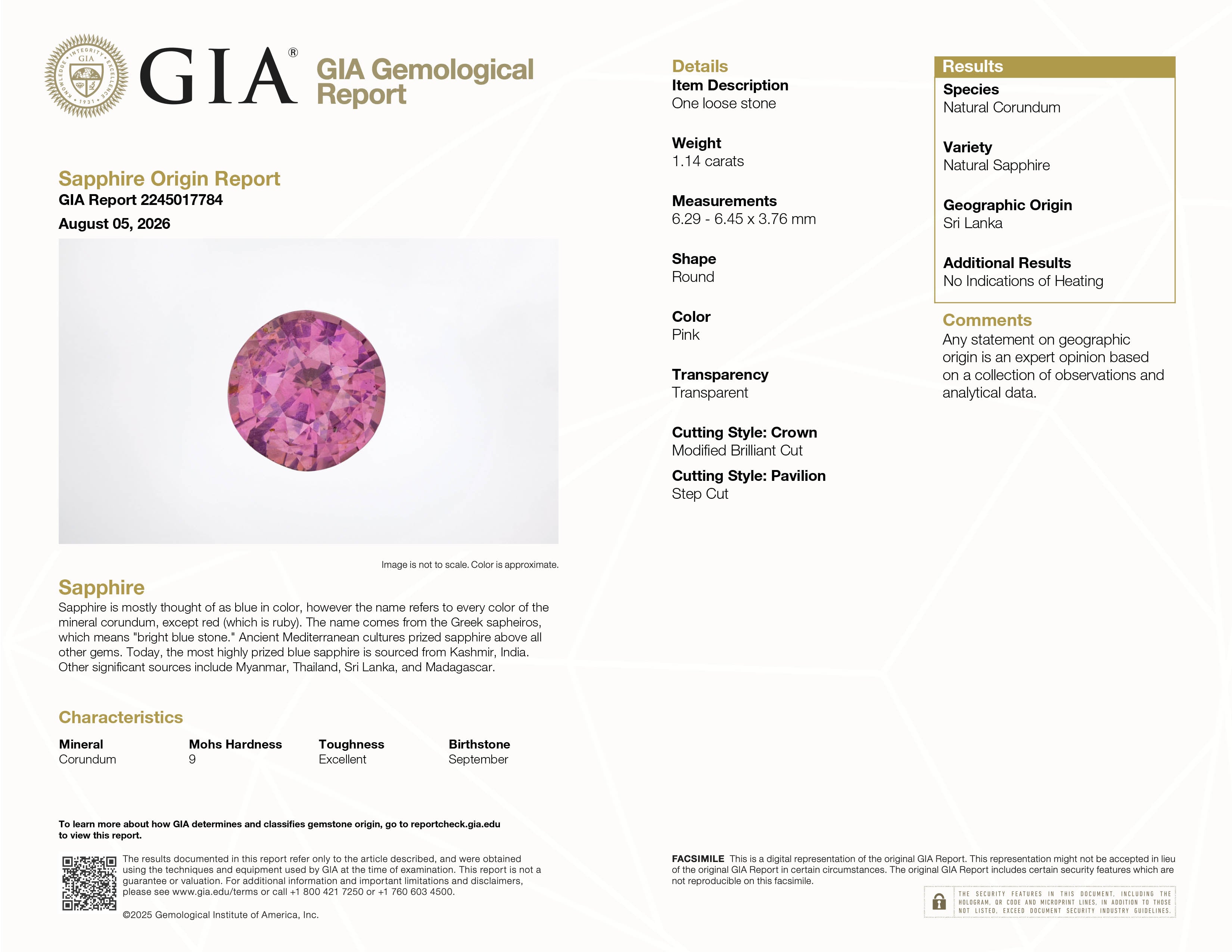
A round sapphire center in a three-stone ring produces the most symmetrical and classically balanced three-stone composition. The round's perfect circular outline sits naturally between any side stone shape and allows maximum flexibility in side stone selection — rounds, bullets, half-moons, trapezoids, or pears all work harmoniously with a round center. For buyers who want a three-stone ring with the most universally elegant character, a round center is the safest and most enduring choice.
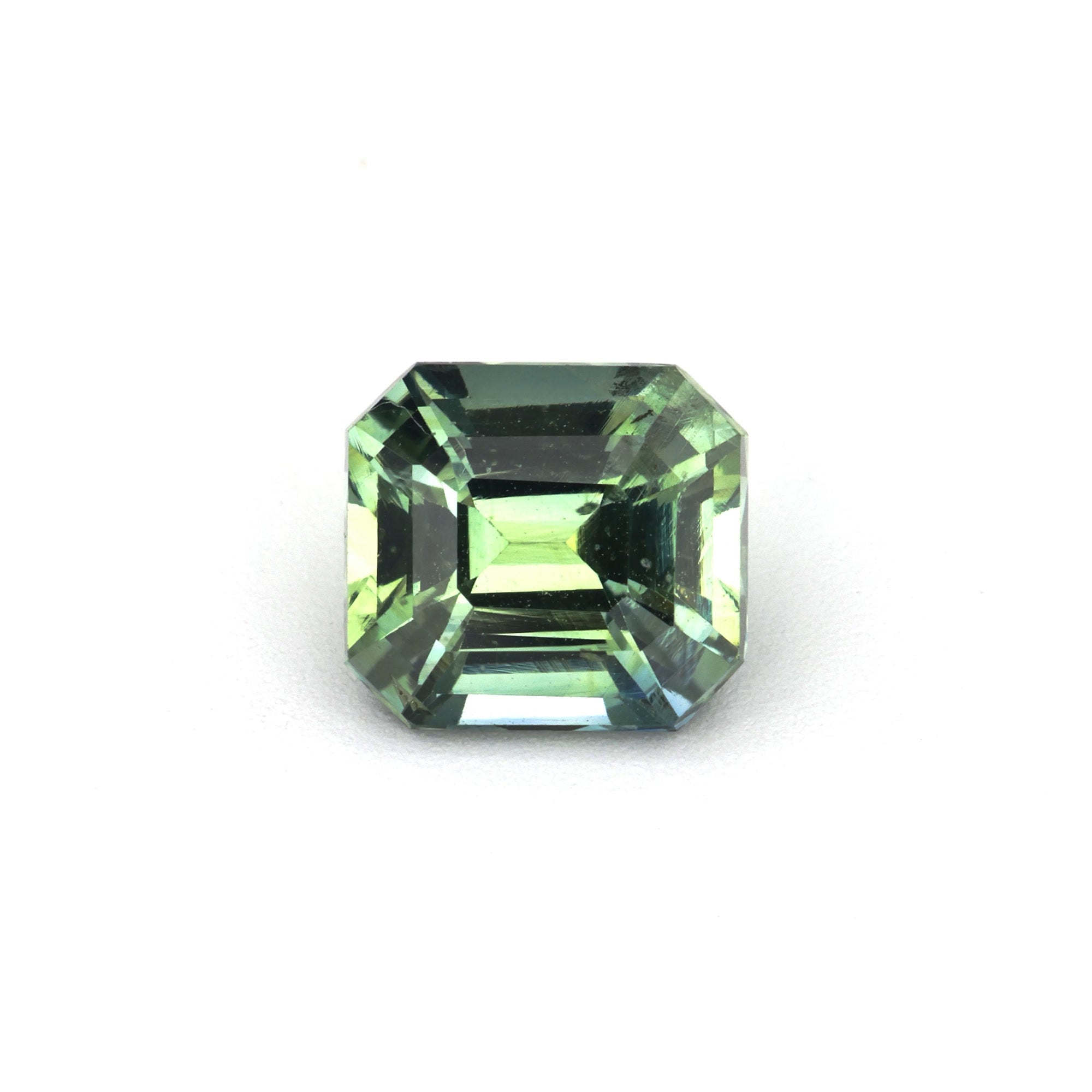
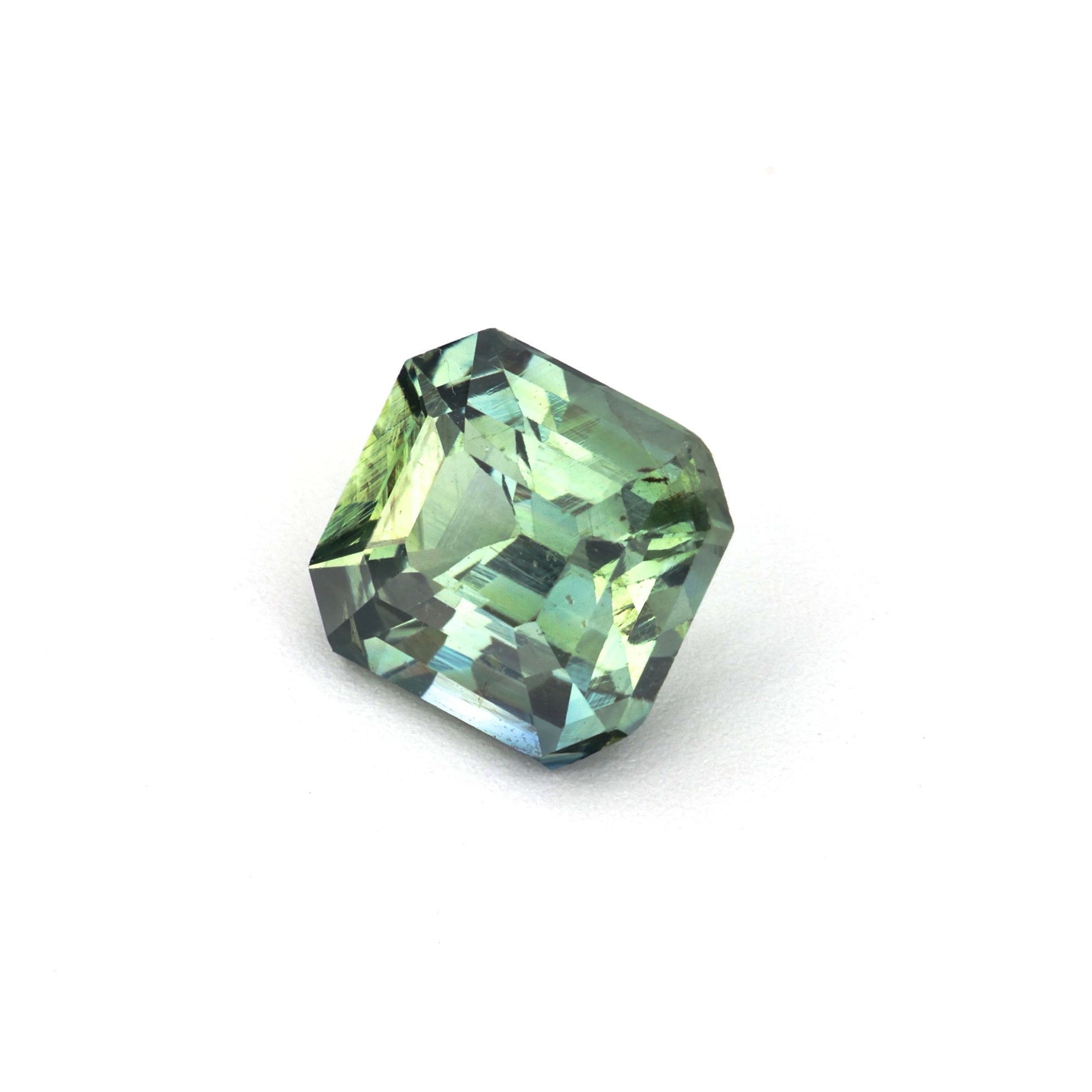
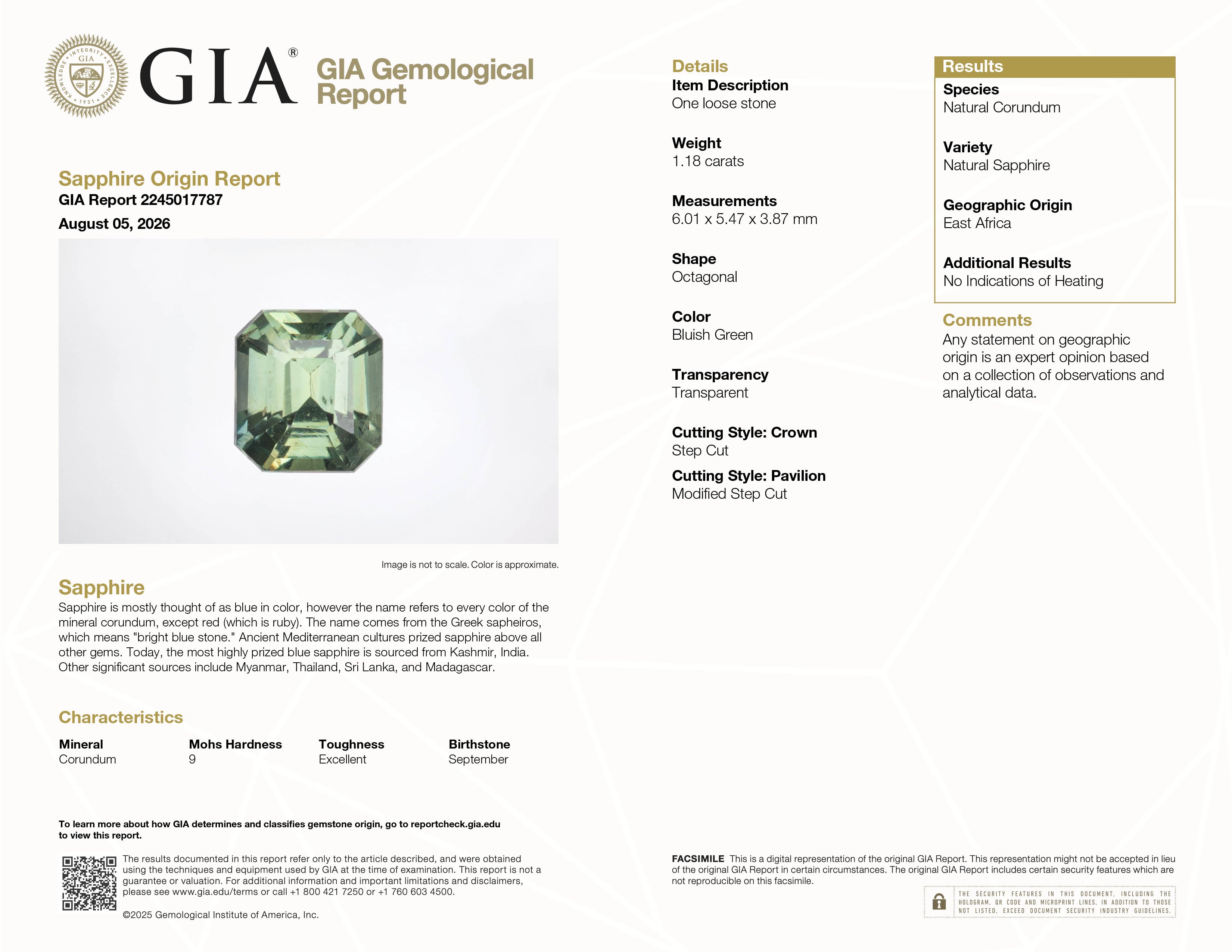
An emerald cut center in a three-stone ring creates a strongly architectural, sophisticated composition — particularly when flanked by baguette or tapered baguette side stones whose parallel step facets echo the center stone's step cut character. The emerald cut's rectangular outline and the baguette side stones' rectangular outlines create a cohesive horizontal composition that is one of the most refined three-stone ring designs available. For emerald cut three-stone rings, avoid round side stones — the contrast between the step-cut center and brilliant-cut sides creates a mismatched visual character. Stick to step-cut or geometric side stones that echo the emerald cut's clean lines. Browse our emerald cut sapphire collection.
A pear center stone in a three-stone ring creates an unusual, fashion-forward composition. The pear's directional outline — wider at one end, pointed at the other — means the three-stone composition is asymmetric, which is unconventional and distinctive. Some buyers orient the pear with the point toward the hand (more traditional); others orient it with the point away from the hand (more modern). Round or small pear side stones flank best. This is a specialized choice that suits buyers who want a strong individual character in their ring design.
| Center Shape | Best Side Stone Shapes | Avoid |
|---|---|---|
| Oval | Round, pear (pointed inward), trapezoid, small ovals | Baguettes (step-vs-brilliant mismatch) |
| Cushion | Round, small cushions, half-moons, trapezoids | Baguettes (too linear against a soft cushion) |
| Round | Any — rounds, bullets, half-moons, trapezoids, pears | Nothing — most versatile center shape |
| Emerald cut | Baguettes, tapered baguettes, trapezoids | Rounds, ovals (step/brilliant mismatch) |
| Pear | Rounds, small pears (pointed outward) | Baguettes, trapezoids (too structured) |
Getting the size ratio right between center and side stones is the most technically important decision in a three-stone ring. The standard proportions:
For the full side stone selection guide — including material choice (diamond vs. sapphire), cut options, and setting styles — see our How to Choose Side Stones for a Sapphire Ring guide.
The three-stone format works in all metals, but the choice interacts with the color composition:
For the full metal choice framework, see our Yellow Gold vs. White Gold vs. Platinum guide and our How to Choose Metal Color for a Sapphire Ring guide.
Oval is the most versatile — it pairs naturally with the widest range of side stone shapes, maximizes apparent size, and creates the most elegant flowing composition. Cushion is the best choice for a vintage-inspired three-stone with matched side stones. Emerald cut is the most sophisticated option when flanked by baguette side stones. Round is the most universally balanced. The right choice depends on your aesthetic and the side stone combination you prefer.
Both approaches work and both are common. Diamond side stones provide neutral white contrast that intensifies the center sapphire's color and is the more traditional choice. Matching sapphire side stones (same color as the center) create a unified color statement that is immersive and distinctive. Mixed options — one diamond, one sapphire, or different sapphire colors — are also possible for buyers who want an asymmetric or individualized design. See our side stones guide.
The center stone should be visually dominant — typically at least twice the surface area of each side stone. For a ring with meaningful visual presence, 1.0ct+ in the center is recommended for a three-stone design. Below 0.75ct, the center stone can be crowded by even modestly sized side stones. See our Sapphire Size Guide.
Browse our full Ceylon sapphire catalog or email crescentgems@gmail.com with your preferences. We respond within one business day.

CG8366
CG8313
CG8357
CG8342
CG8452
CG8437


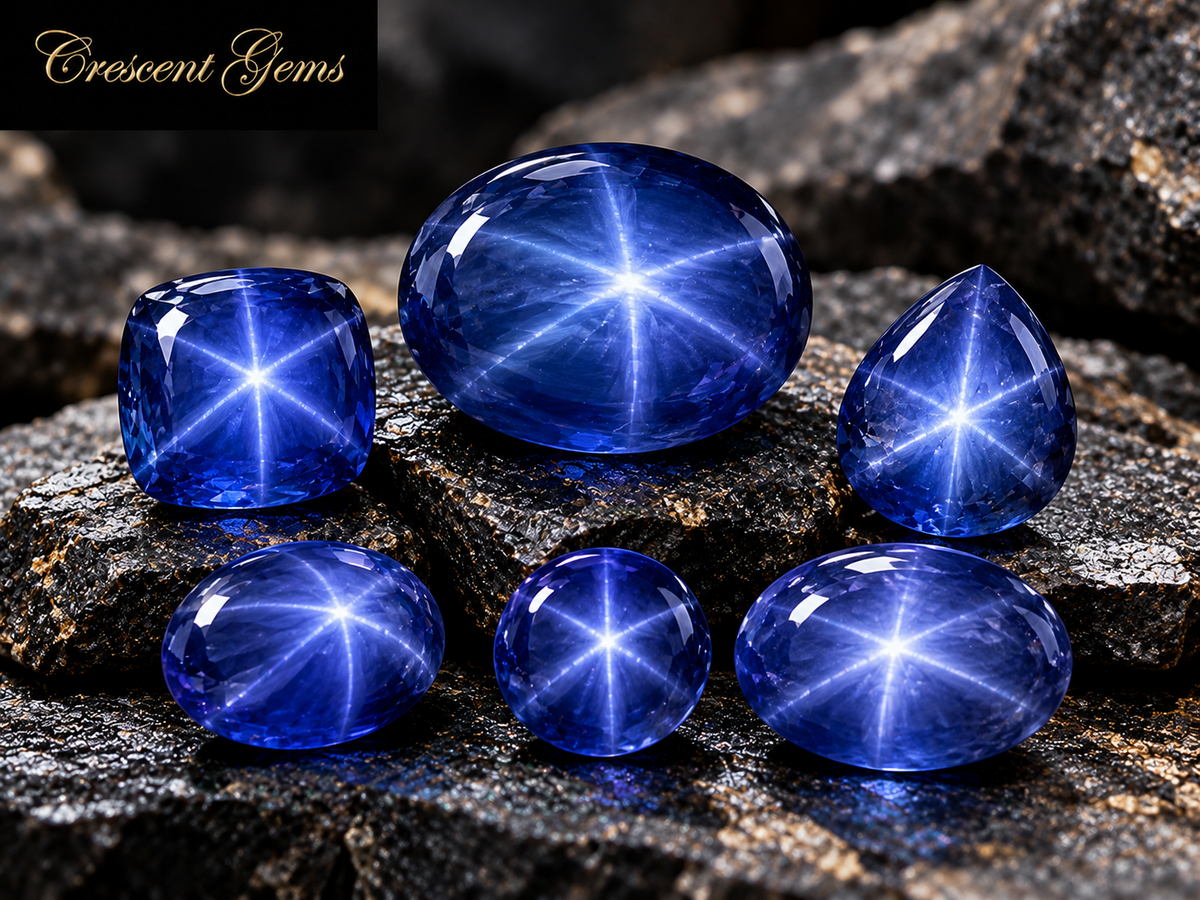
Blue Star Sapphire Price Guide — What They Cost and Why
Read moreabout Blue Star Sapphire Price Guide — What They Cost and Why
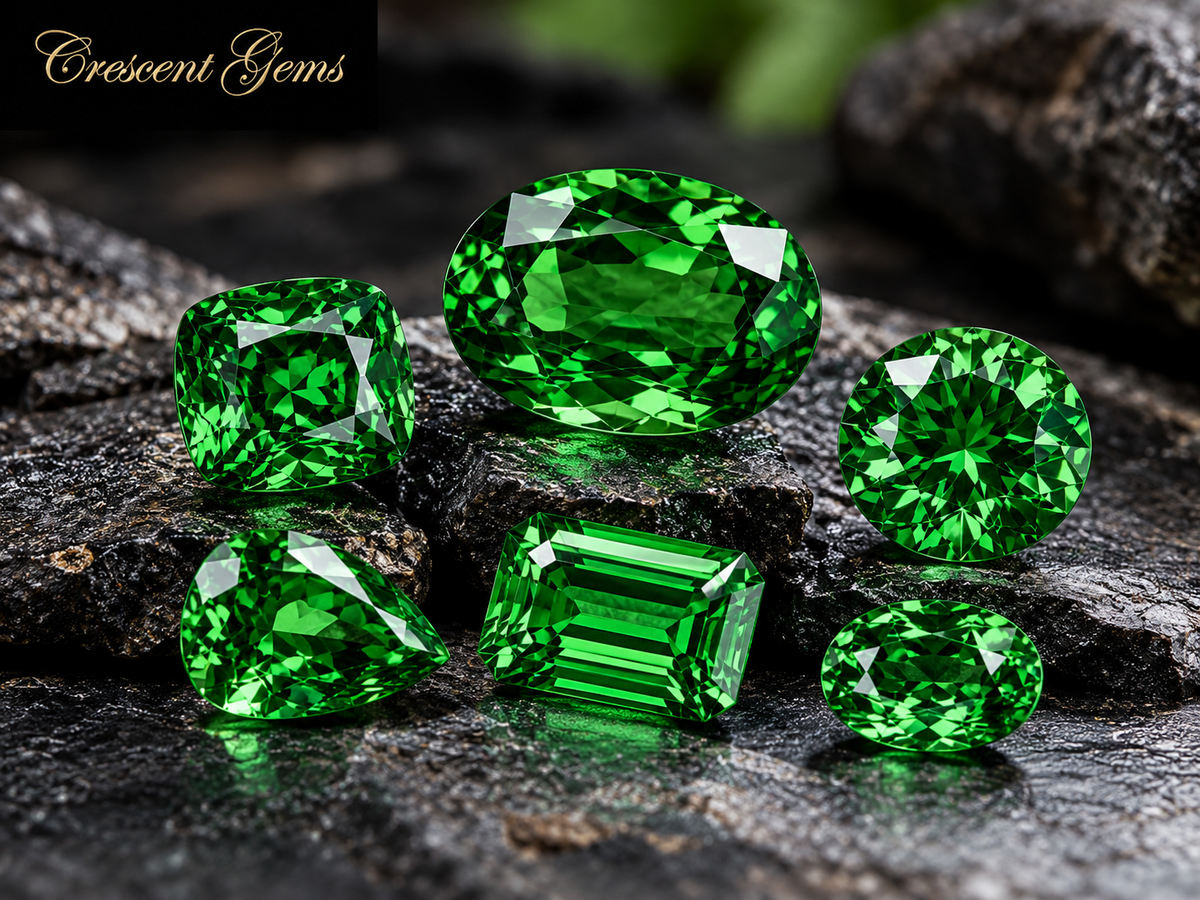
Tsavorite Garnet Price Guide — What They Cost and Why
Read moreabout Tsavorite Garnet Price Guide — What They Cost and Why
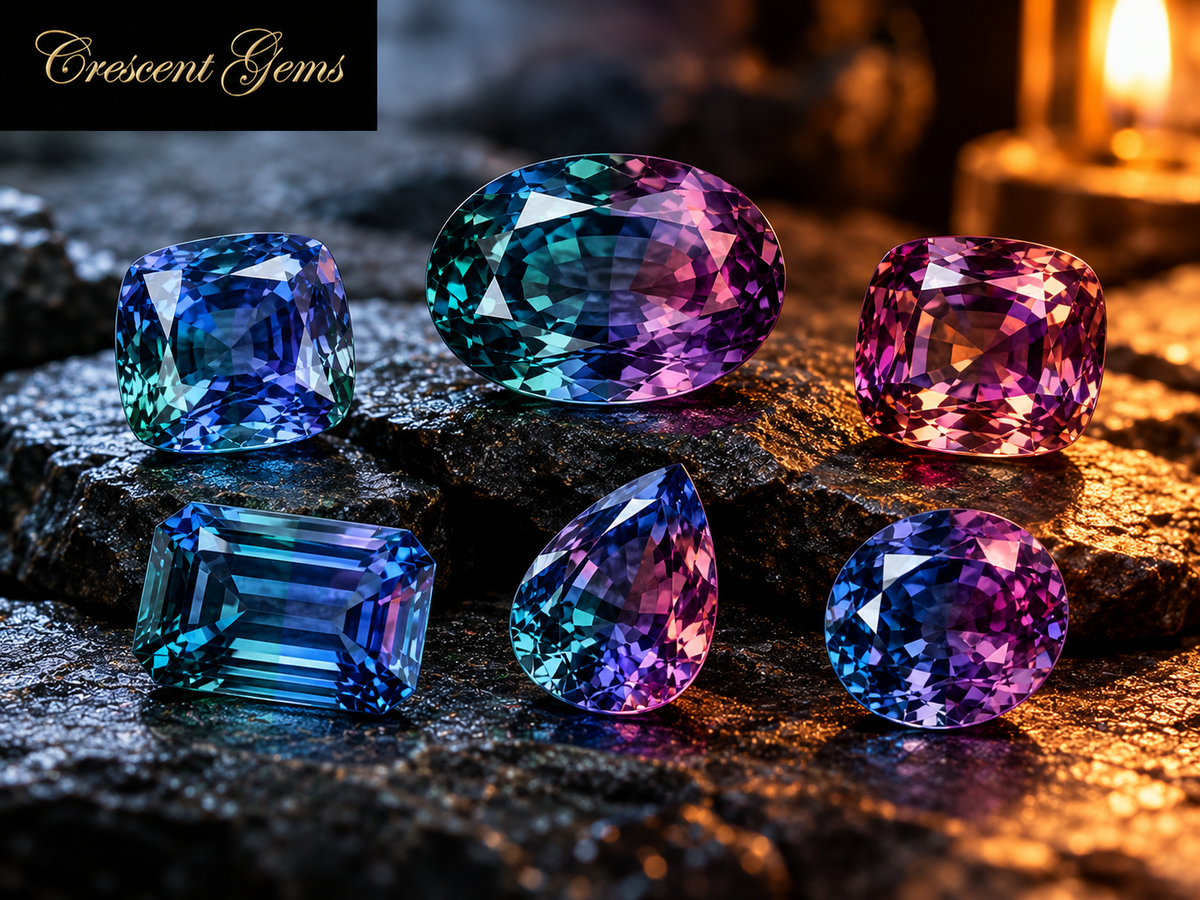
Color-Change Sapphire Price Guide — What They Cost and Why
Read moreabout Color-Change Sapphire Price Guide — What They Cost and Why
Is Cat's-Eye Chrysoberyl Good for an Engagement Ring?
Read moreabout Is Cat's-Eye Chrysoberyl Good for an Engagement Ring?
Cat's Eye Chrysoberyl Price Guide — What They Cost and Why
Read moreabout Cat's Eye Chrysoberyl Price Guide — What They Cost and Why