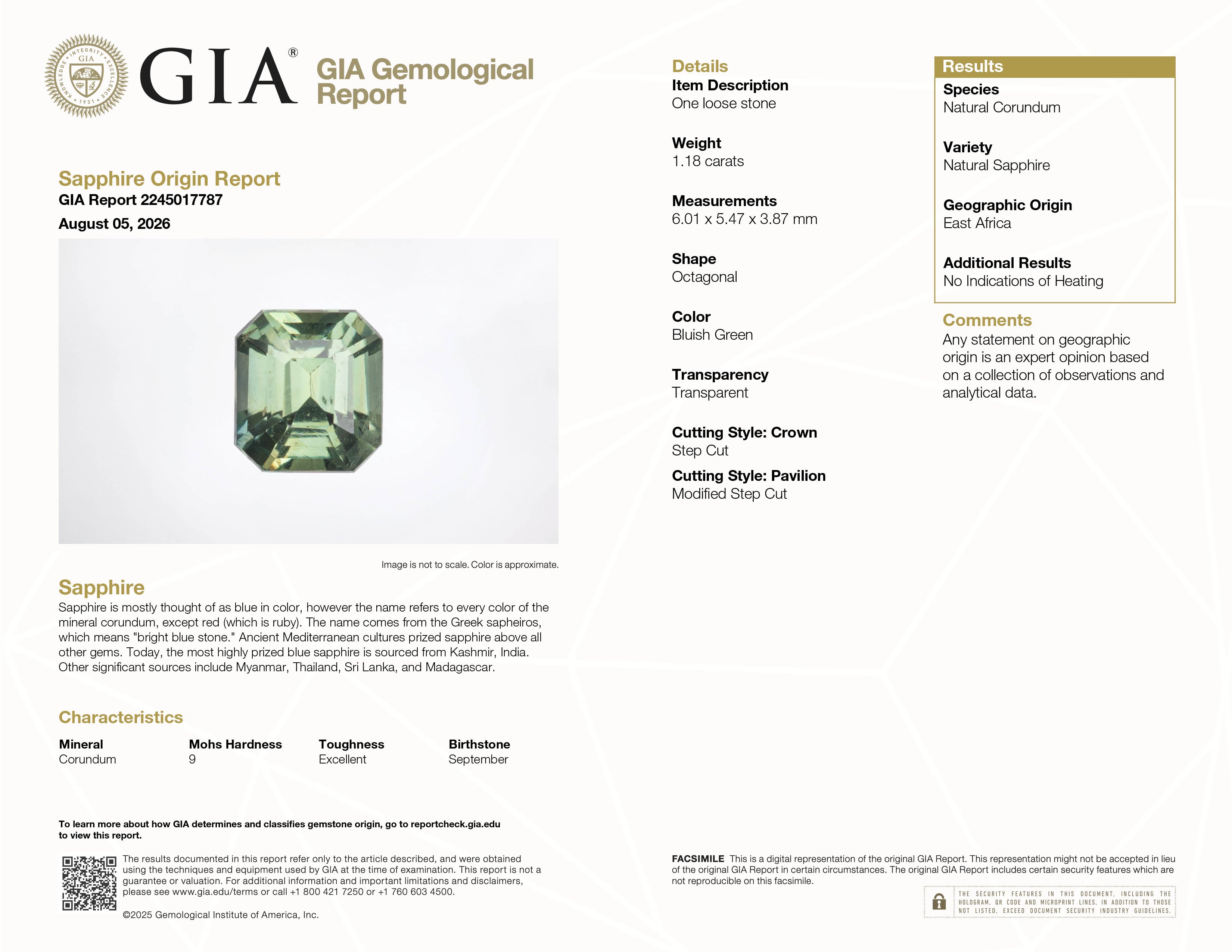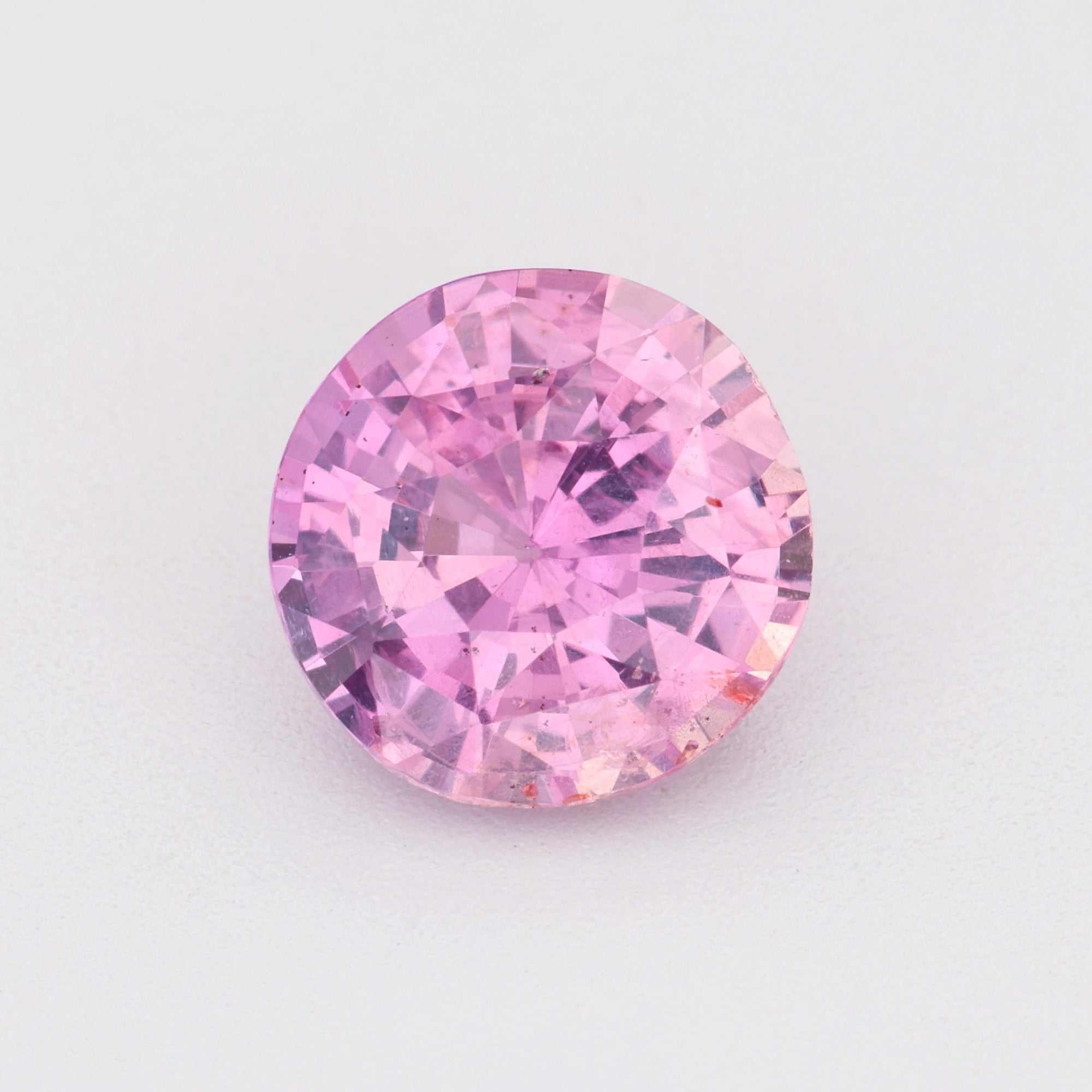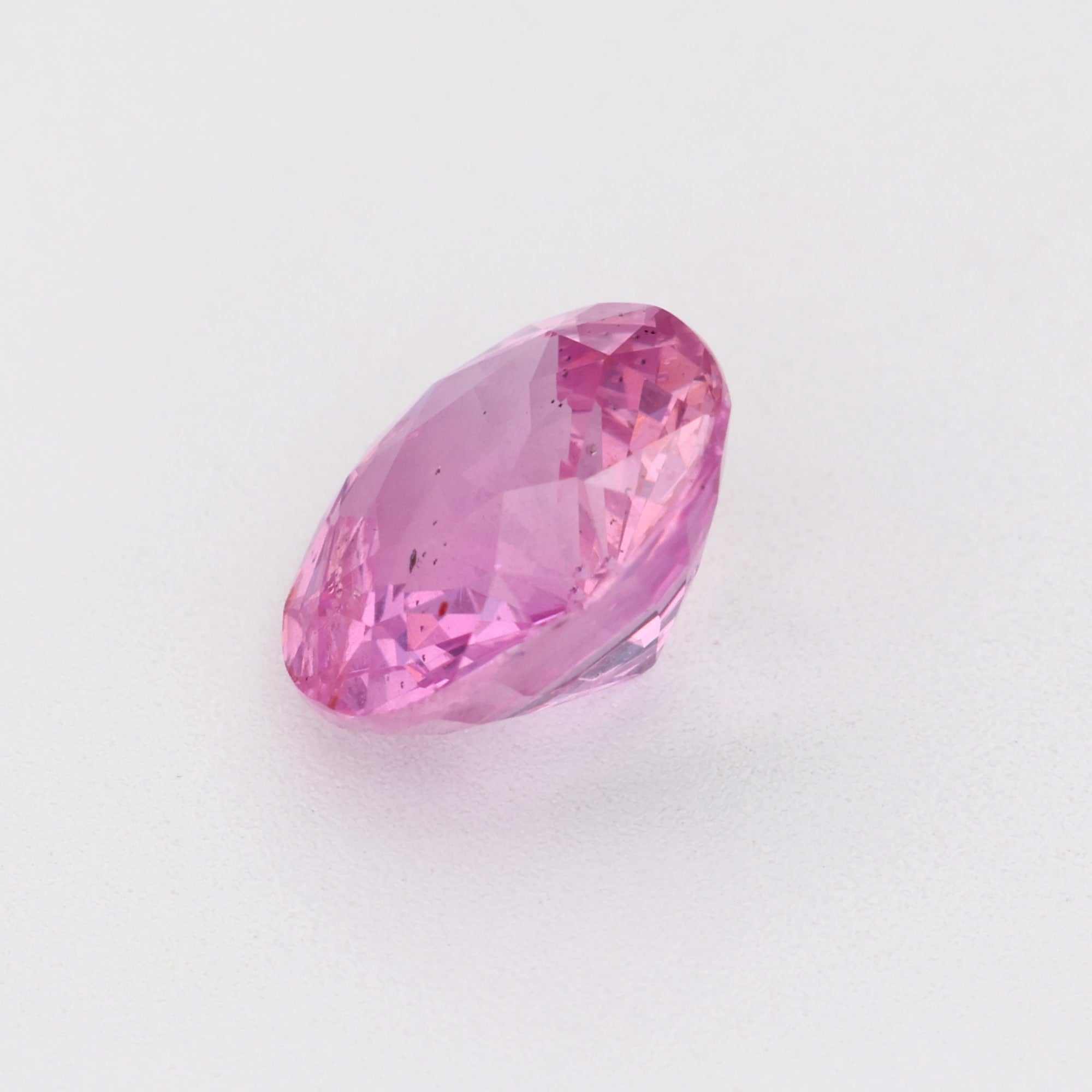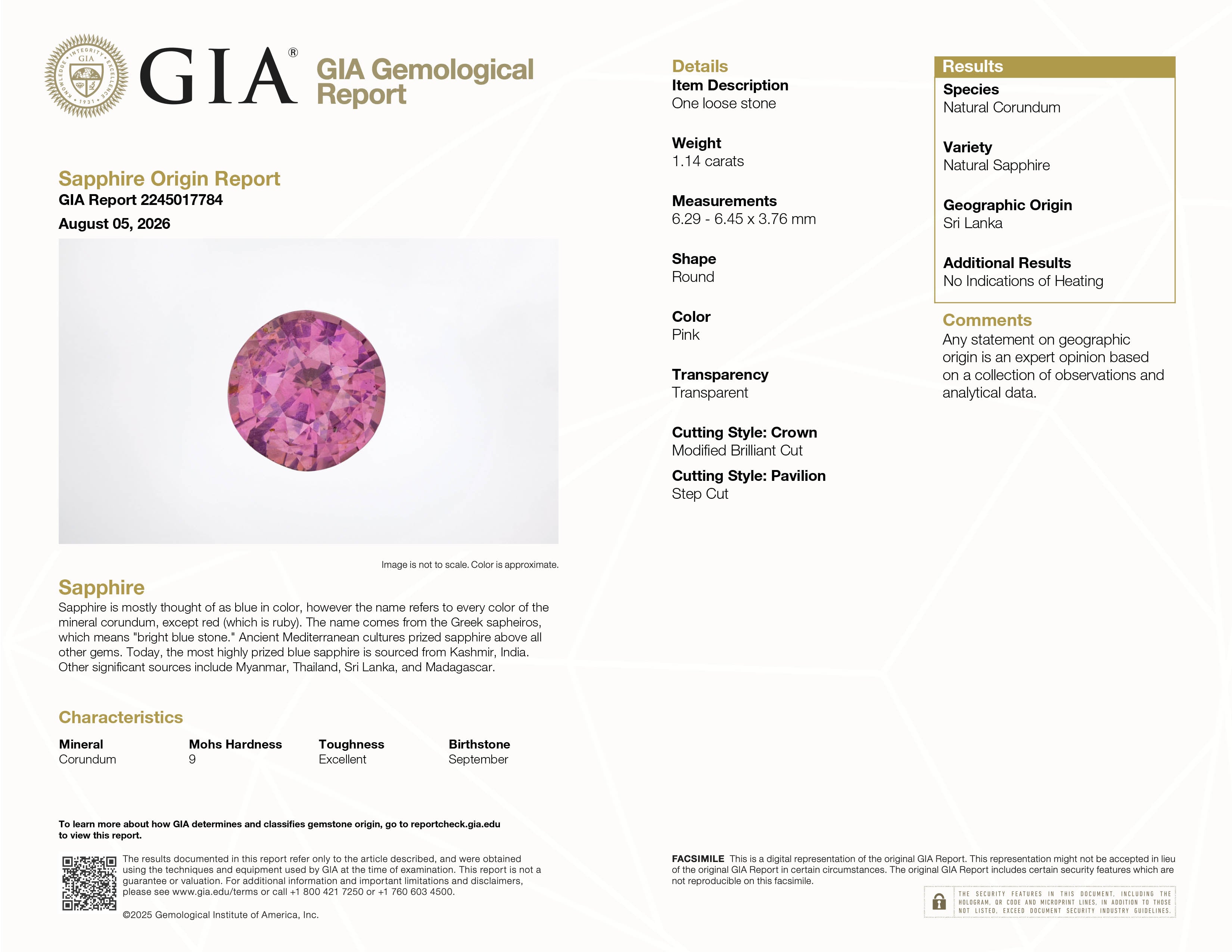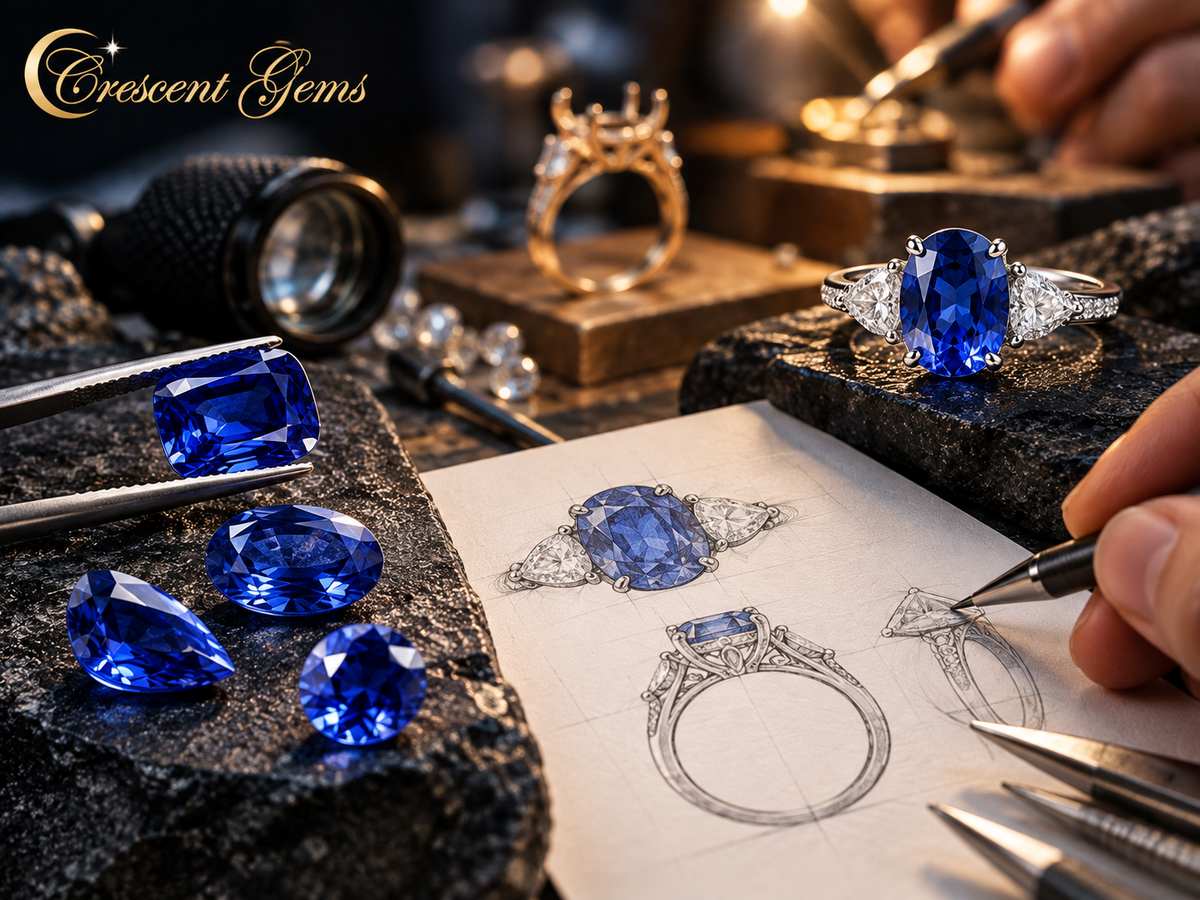
- by Ahmed Shareek
Custom Sapphire Rings — The Complete Guide to Designing Your Own
- by Ahmed Shareek
Ready to start? Commission a custom ring or browse our full catalogue to choose your stone first. For the buying foundation, see the Ultimate Sapphire Buying Guide.
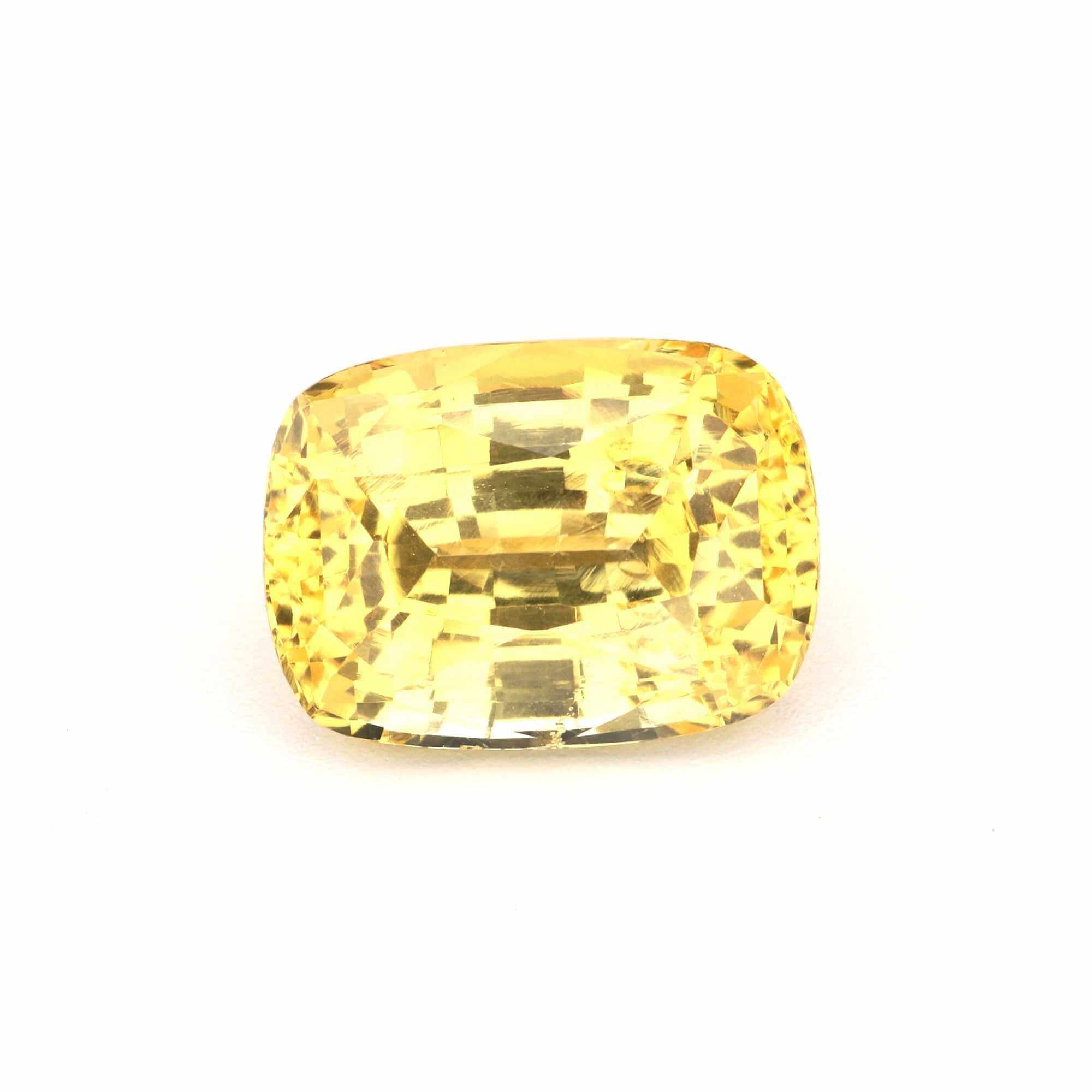
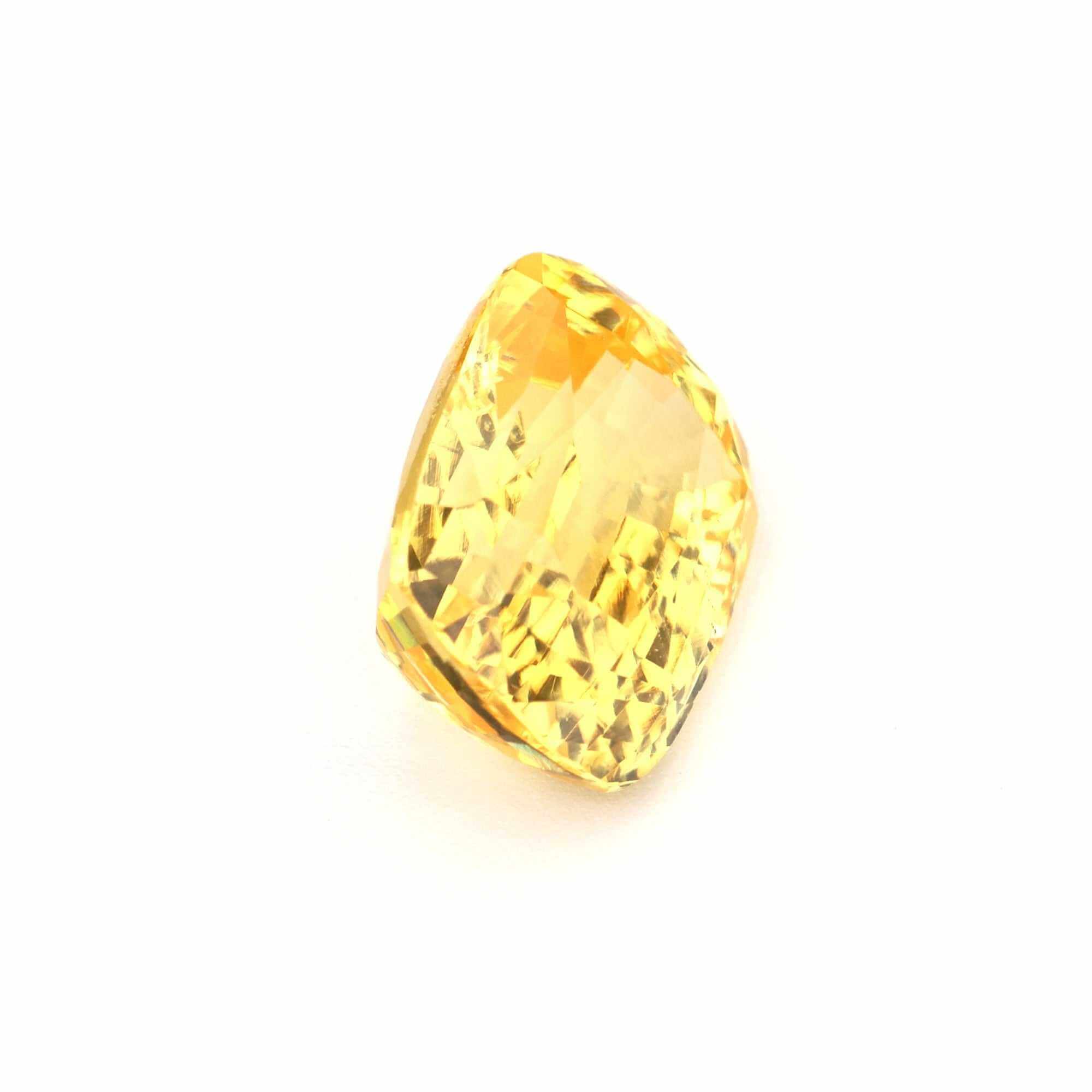
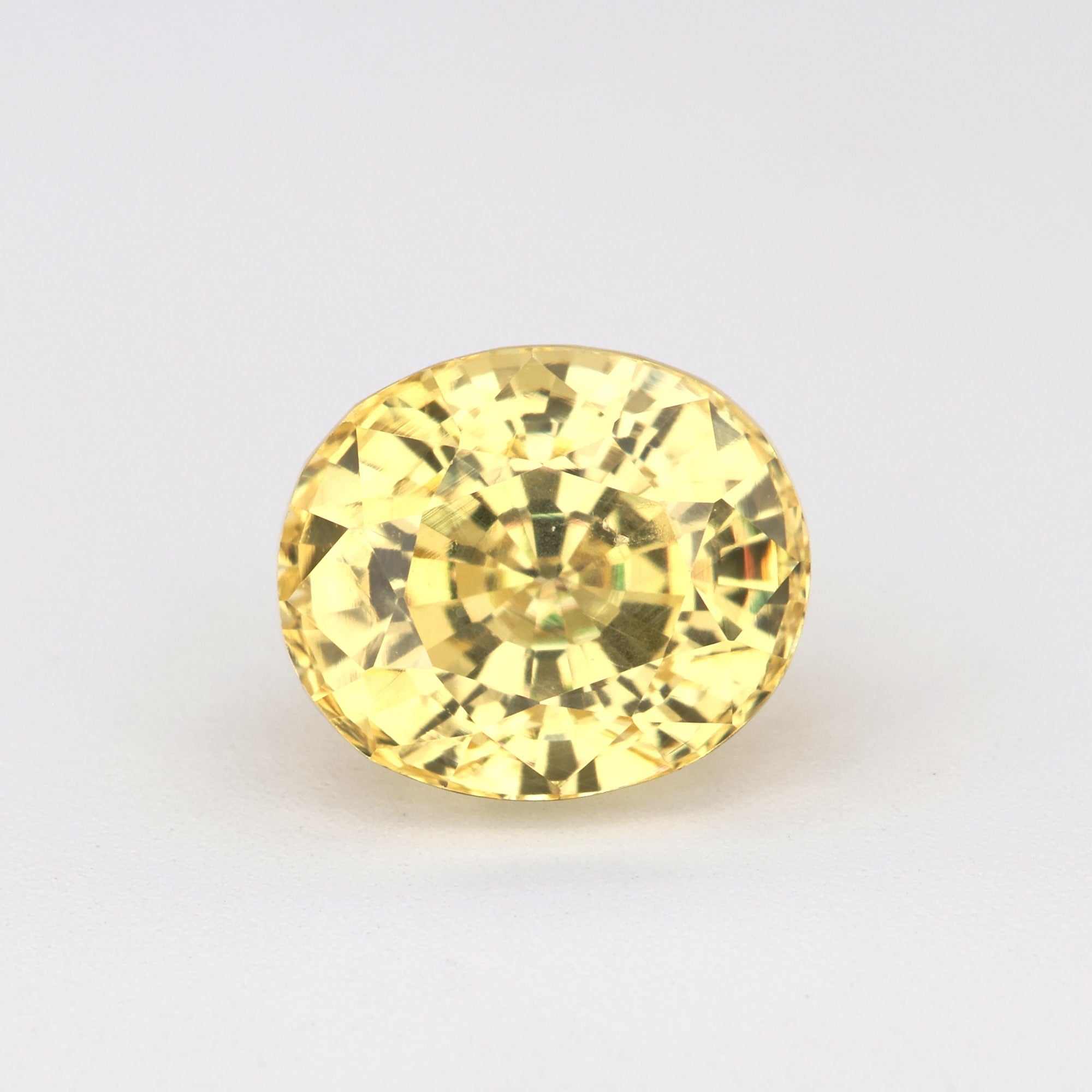
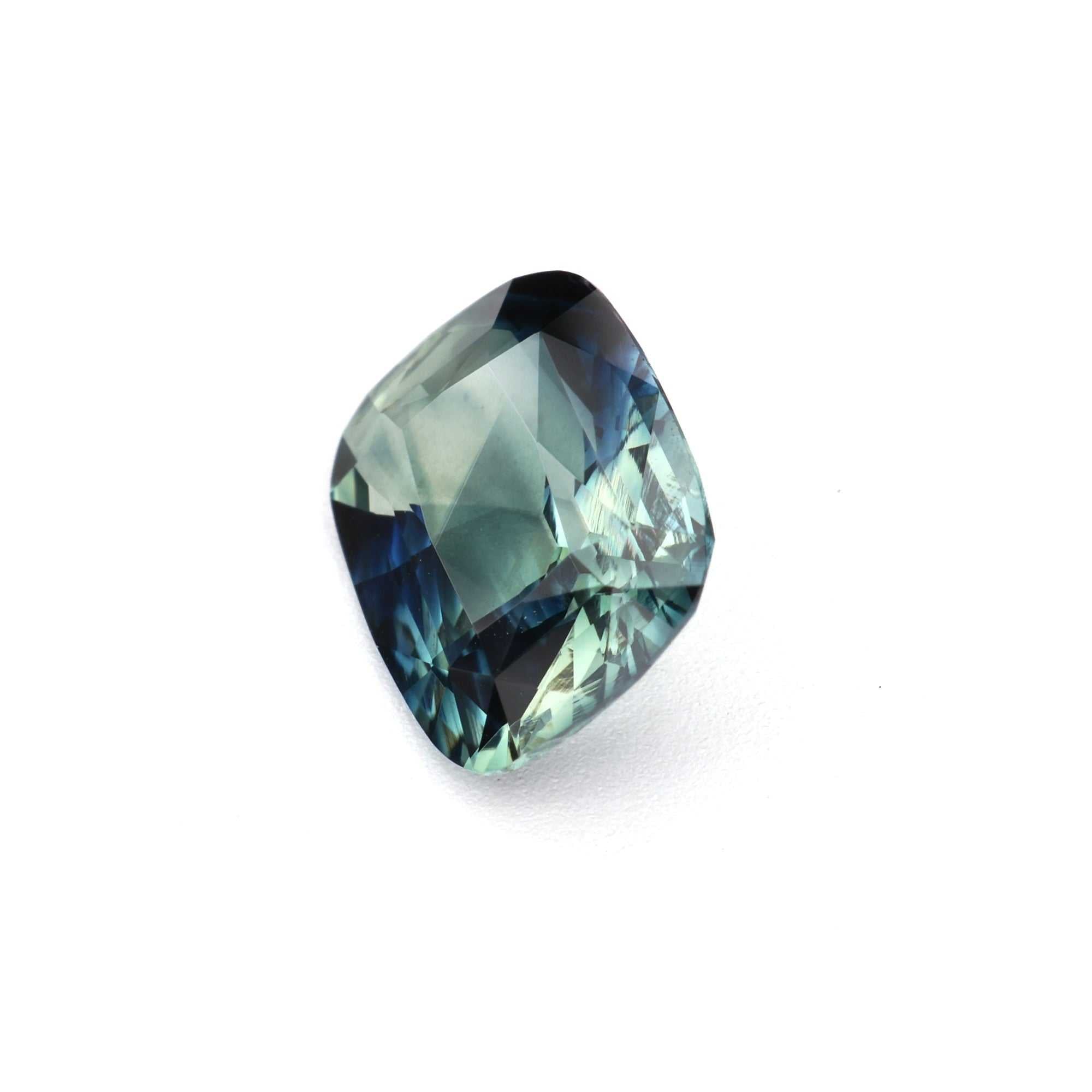
A custom sapphire ring starts with the stone, not the setting. Rather than choosing from a limited range of pre-set mountings built around generic diamond sizes, a custom ring is designed around the specific sapphire you have chosen — its exact dimensions, its color, and its character. That approach produces a ring that fits the stone properly, protects it correctly, and looks the way it should, rather than a compromise built to fit a stone the designer never actually saw.
This guide brings together every decision that goes into building a custom sapphire ring: the process itself, side stone selection, metal color and metal type, setting styles that protect the stone, and how to work with a jeweler or with Crescent Gems directly from a loose stone to a finished piece.
Sapphire does not follow the same size and cut conventions as diamond, and a setting designed for a round diamond of a given carat weight often does not suit a sapphire of the same weight — sapphire is denser, so a stone of equivalent carat weight is physically smaller, and sapphire is available in shapes and proportions that diamond rarely is. Buying a preset ring built around diamond assumptions means either compromising on the stone to fit the setting, or accepting a setting that does not actually suit the stone you want.
Designing custom, starting from the loose sapphire, avoids that compromise entirely. You choose the stone on its own merits — color, cut, treatment status, certification — and then the setting is built to that stone's exact measurements. This also means you retain full visibility into what you are paying for: the price of the stone and the price of the setting are two separate, transparent numbers, rather than a single bundled price where it is difficult to tell how much of the cost is stone and how much is metal and labour. For the full case for buying loose before you design, see Loose Sapphires vs. Preset Rings.
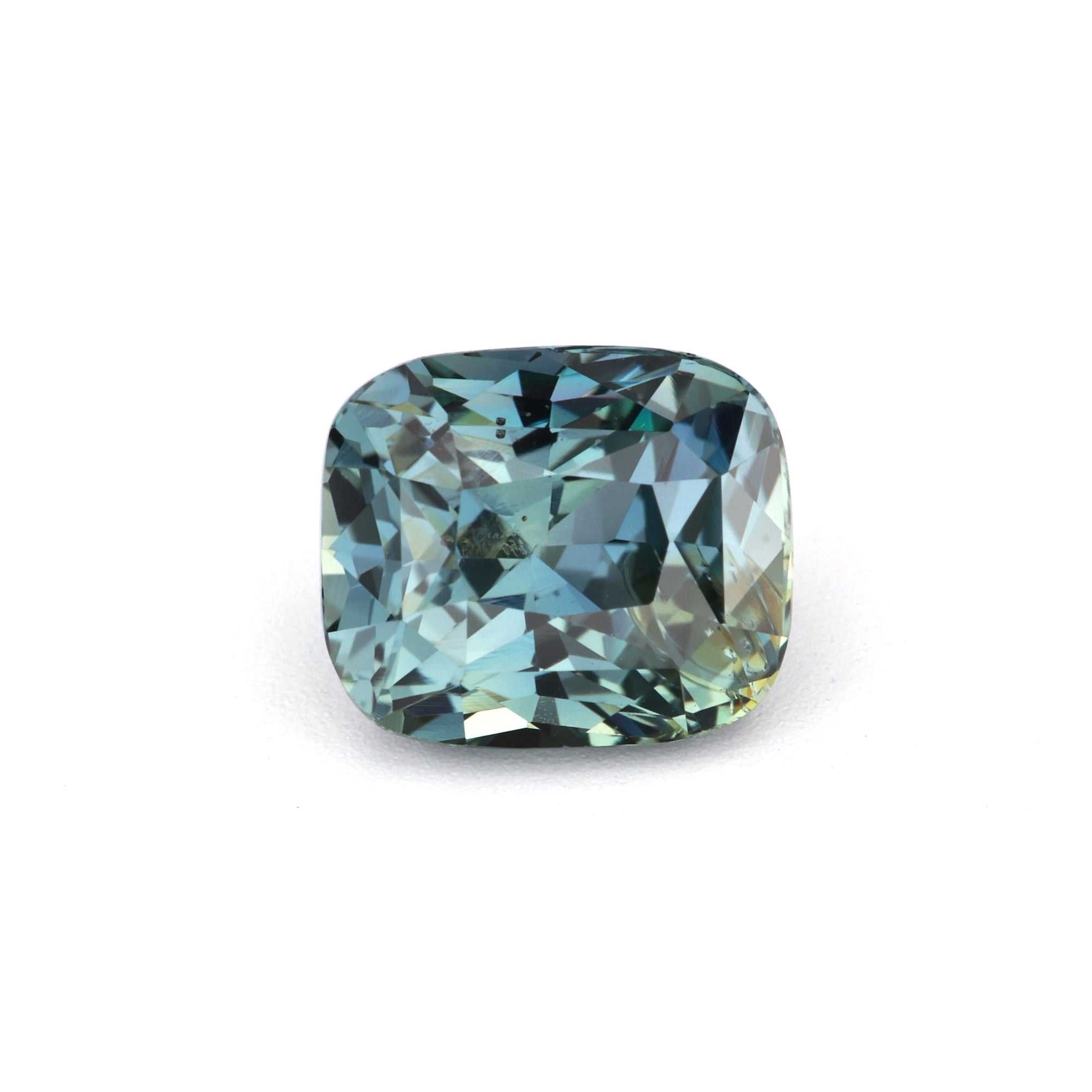
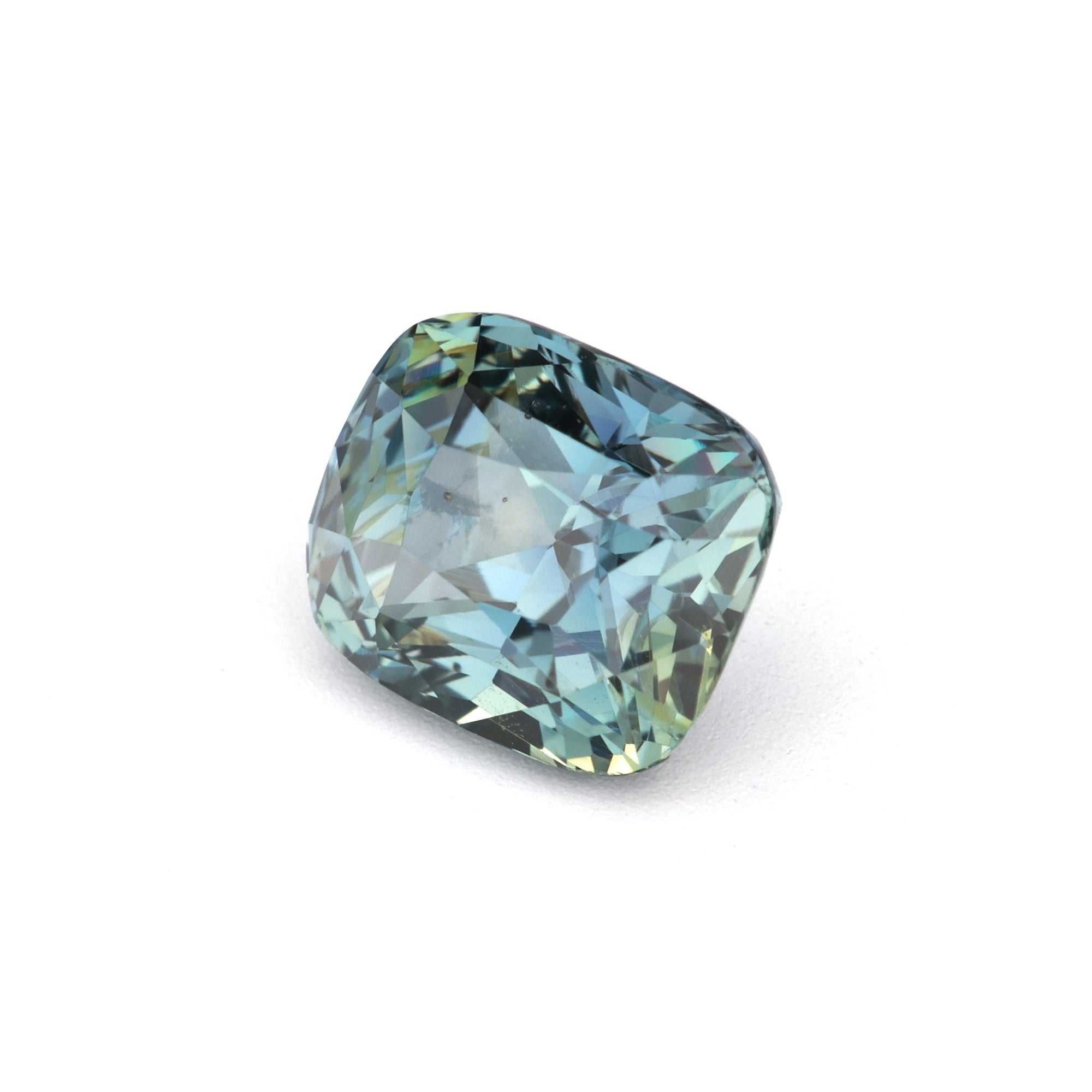
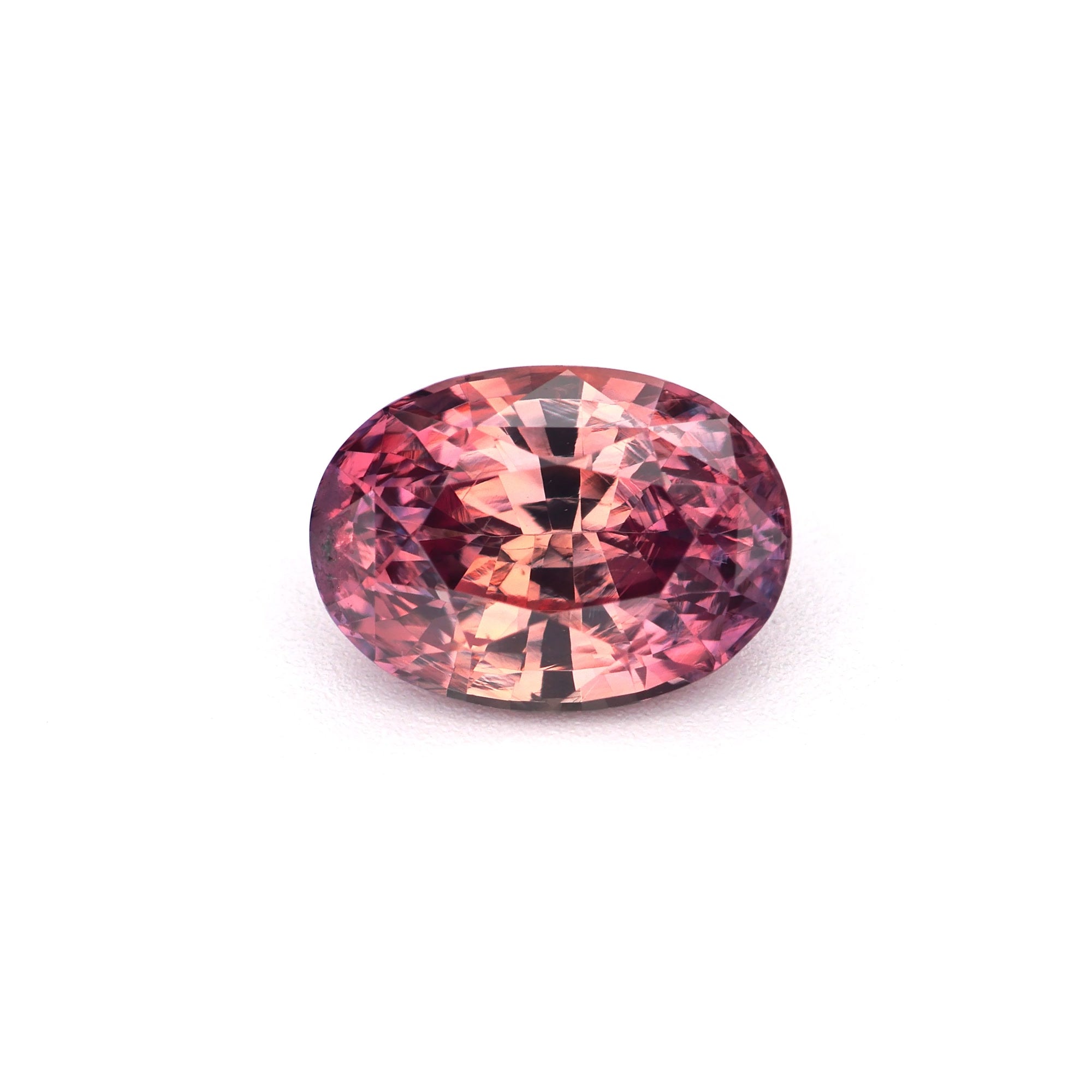
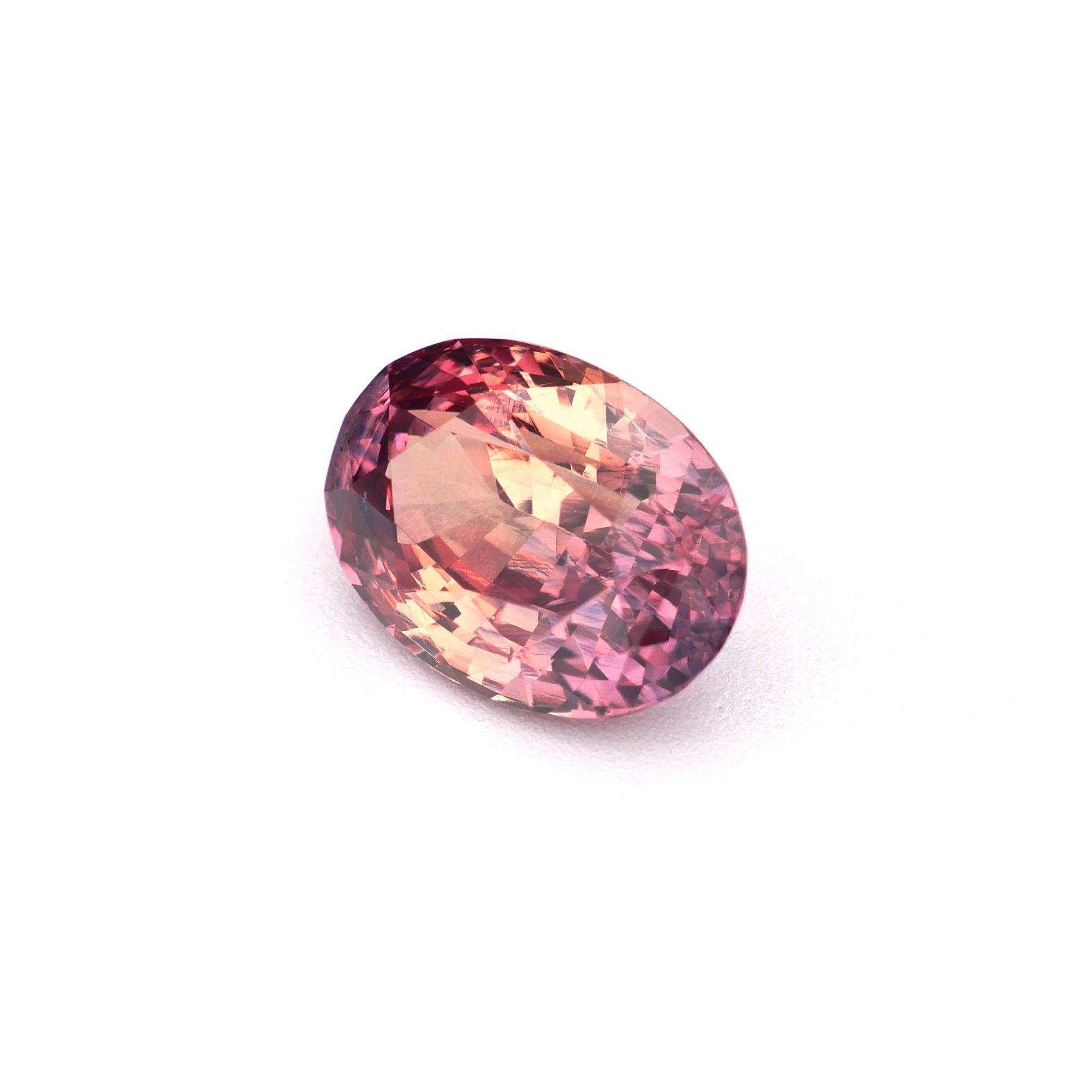
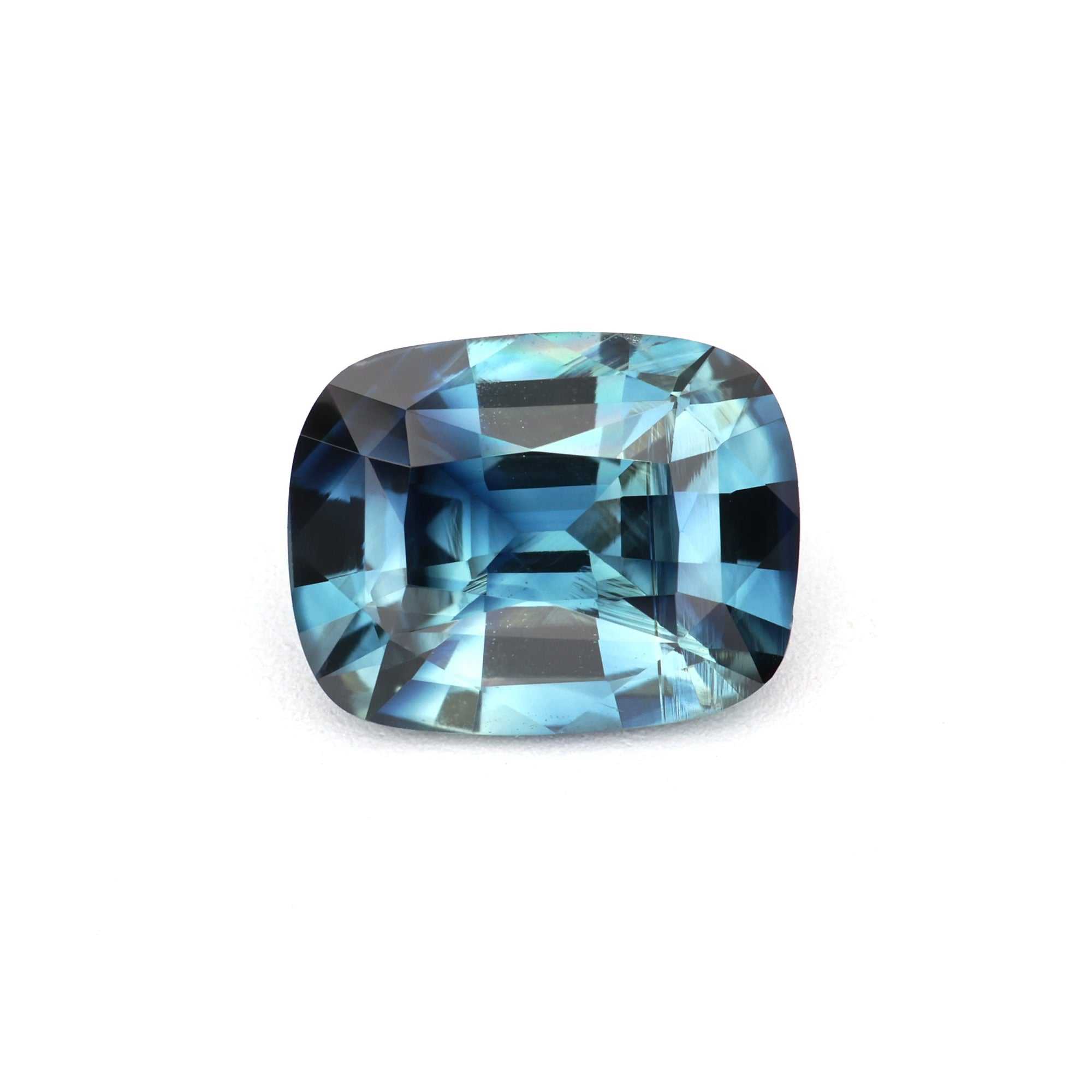
Custom design is also the only practical route to a genuinely distinctive ring. Because sapphire's colour range is so broad — blue, teal, pink, yellow, padparadscha, violet, green, and more — a custom build lets the final ring be built specifically around the character of the one stone you chose, rather than a generic setting that happens to have a sapphire in it.
The process breaks down into a consistent sequence regardless of who builds the ring, and understanding the order matters — each step depends on decisions made in the one before it, and skipping ahead (choosing a setting style before the stone is finalized, for example) is the most common source of delay and rework:
For the complete walkthrough of this process, including realistic timelines and cost ranges by design complexity, see How to Commission a Custom Sapphire Ring and How to Design a Custom Sapphire Ring from a Loose Stone.
Metal colour is not a neutral backdrop — it actively affects how a sapphire's colour reads. A vivid teal sapphire looks different in yellow gold than it does in platinum; a royal blue looks different in rose gold than it does in white gold. Blue and violet sapphires tend to read most vividly in white gold or platinum, pink and padparadscha sapphires often pair most naturally with rose or yellow gold, and teal sapphire is genuinely flexible across all three. Skin tone plays a role too — warm skin tones tend to harmonize with yellow and rose gold, cool skin tones with white gold and platinum.
For the full colour-by-colour breakdown, see How to Choose Metal Color for a Sapphire Ring. For the deeper comparison of platinum against 14K and 18K gold on durability, maintenance, and cost, see Yellow Gold vs. White Gold vs. Platinum for Sapphire Rings.
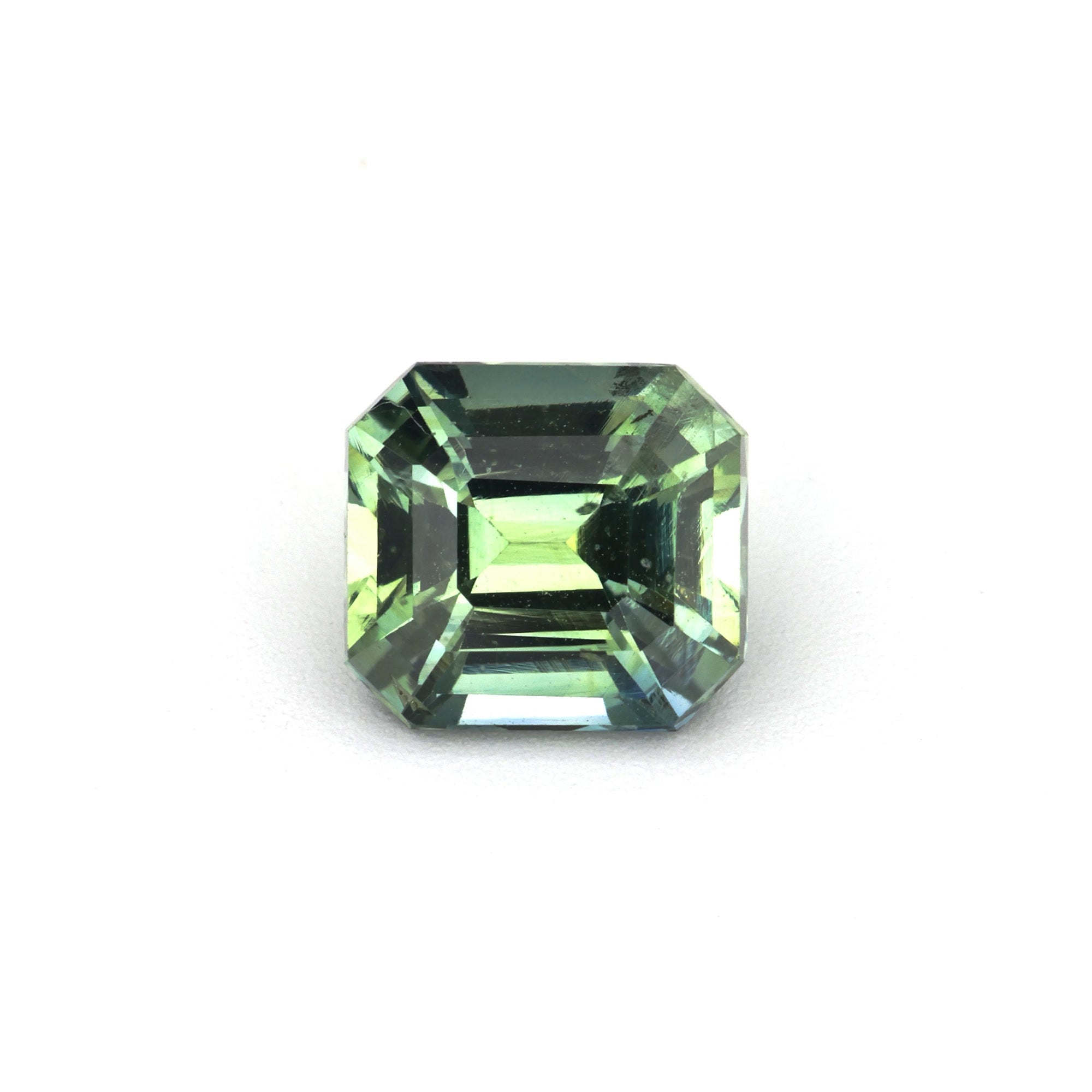
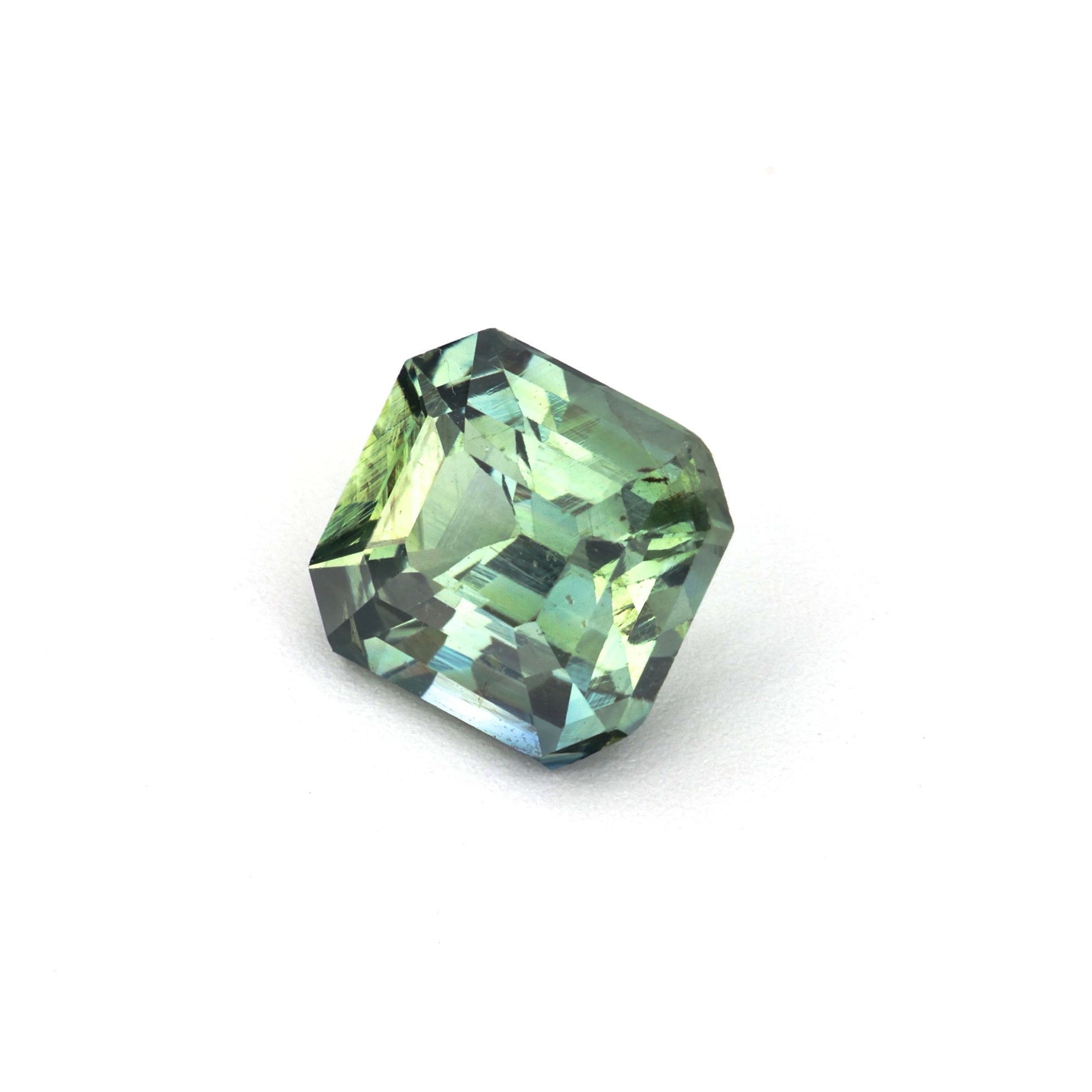
Sapphire is exceptionally hard at Mohs 9, but hardness is not the same as toughness at every point on the stone. Where a stone runs to a point or a thin corner, that part of it takes a direct knock less well than a flat facet does, and the setting has to account for it; an outline whose corners are cut off is less exposed on that axis than one that comes to a point. What we ask for on a stone like that is correct prong placement, a V-tip where the stone runs to a point, and, where the edge wants enclosing altogether, a bezel. That is our own recommendation, built from rings we have made, rather than a line from any report — no laboratory publishes guidance on settings.
The setting style you choose also determines how much protection is available: we rate a bezel highest, because it encloses the edge completely; a well-designed prong setting with correctly placed V-tips comes close on a stone that runs to a point; and a low-profile build reduces the ring's overall snag risk for active daily wear. Those are our rankings, again from our own bench experience rather than from any report. None of this is a reason to avoid fancy shapes: they are entirely practical for daily wear when the setting is designed around the particular stone's geometry. For the complete guide to setting choices and prong placement by shape, see How to Choose a Setting That Protects Sapphire Corners.
On cleaning there is a published position to start from. GIA publishes its own cleaning guidance for sapphire — warm, soapy water is always safe, and ultrasonic and steam cleaners are usually safe, under conditions GIA sets out itself. We are more cautious than that with a ring we did not set, because we cannot see how the stone is held: we would rather you used warm soapy water and a soft brush, and had the ring checked over by a jeweller once a year. That is our preference, not a warning from any report.
Side stones change both the look and the cost of a custom ring. Diamond side stones are the most common choice and create the strongest colour contrast against almost any sapphire colour, making the centre stone's colour read as vividly as possible. Sapphire side stones — either matching the centre stone's colour or in a complementary hue — create a more unified, monochromatic composition and are popular in three-stone and halo designs built entirely around sapphire.
Shape matters as much as material: side stones that echo or complement the centre stone's outline — tapered baguettes flanking an emerald cut, or trapezoids stepping down from an oval — tend to look more considered than side stones chosen without reference to the centre stone's geometry. Proportion matters too: side stones that are too large compete with the centre stone for visual attention, while side stones that are too small can look like an afterthought rather than an intentional design choice. For the full framework on choosing side stone shape, material, and proportion, see How to Choose Side Stones for a Sapphire Ring.
Beyond the basic solitaire, several setting styles come up repeatedly in custom sapphire ring design, each covered in its own dedicated guide:
Once a design is approved, a straightforward solitaire typically takes two to four weeks to complete; a halo or three-stone design generally takes three to five weeks; more complex vintage or platinum designs with detailed metalwork can take four to eight weeks. Add one to two weeks up front for the consultation and CAD approval stage before production begins, and plan to start the process at least six to eight weeks ahead of any hard deadline.
Setting costs vary by design and metal: a simple solitaire in 14K gold typically runs $600 to $1,200, a halo with diamond accents runs $1,200 to $2,500, a three-stone design with diamond sides runs $1,500 to $3,500, and complex platinum or vintage-style designs start from $2,500 upward. These figures cover the setting only, separate from the sapphire itself. For the full cost breakdown by design style, see How to Commission a Custom Sapphire Ring.
Yes. Buying the stone first lets you evaluate it on its own merits and design a setting around its actual dimensions, colour, and shape, rather than hoping a pre-set mounting happens to suit a stone you have not yet chosen. See Loose Sapphires vs. Preset Rings for the full comparison.
Yes. Crescent Gems has a jewelry division that handles design and setting in addition to supplying the sapphire, so you can go from a loose stone to a finished custom ring with a single point of contact. Email crescentgems@gmail.com to start the conversation.
Typically two to eight weeks depending on design complexity, plus one to two weeks for the initial consultation and CAD approval. Start at least six to eight weeks before any deadline to allow for adjustments.
It depends on your sapphire's colour and your own skin tone — there is no single correct answer. Blue and violet sapphires tend to read most vividly in white gold or platinum; pink and padparadscha sapphires often suit rose or yellow gold. See How to Choose Metal Color for a Sapphire Ring for the full colour-by-colour breakdown.
Choose a setting style suited to your stone's shape — a V-tip prong where the stone runs to a point, a bezel for the most protection, or a low-profile design for active lifestyles — and have the ring checked over by a jeweller once a year. Those are our own recommendations rather than a line from any report; no laboratory publishes guidance on settings. See How to Choose a Setting That Protects Sapphire Corners.
Ready to start designing? Browse our full catalogue or email crescentgems@gmail.com — we can guide you through choosing a stone and building the ring around it from start to finish.

CG8366
CG8313
CG8357
CG8342
CG8452
CG8437


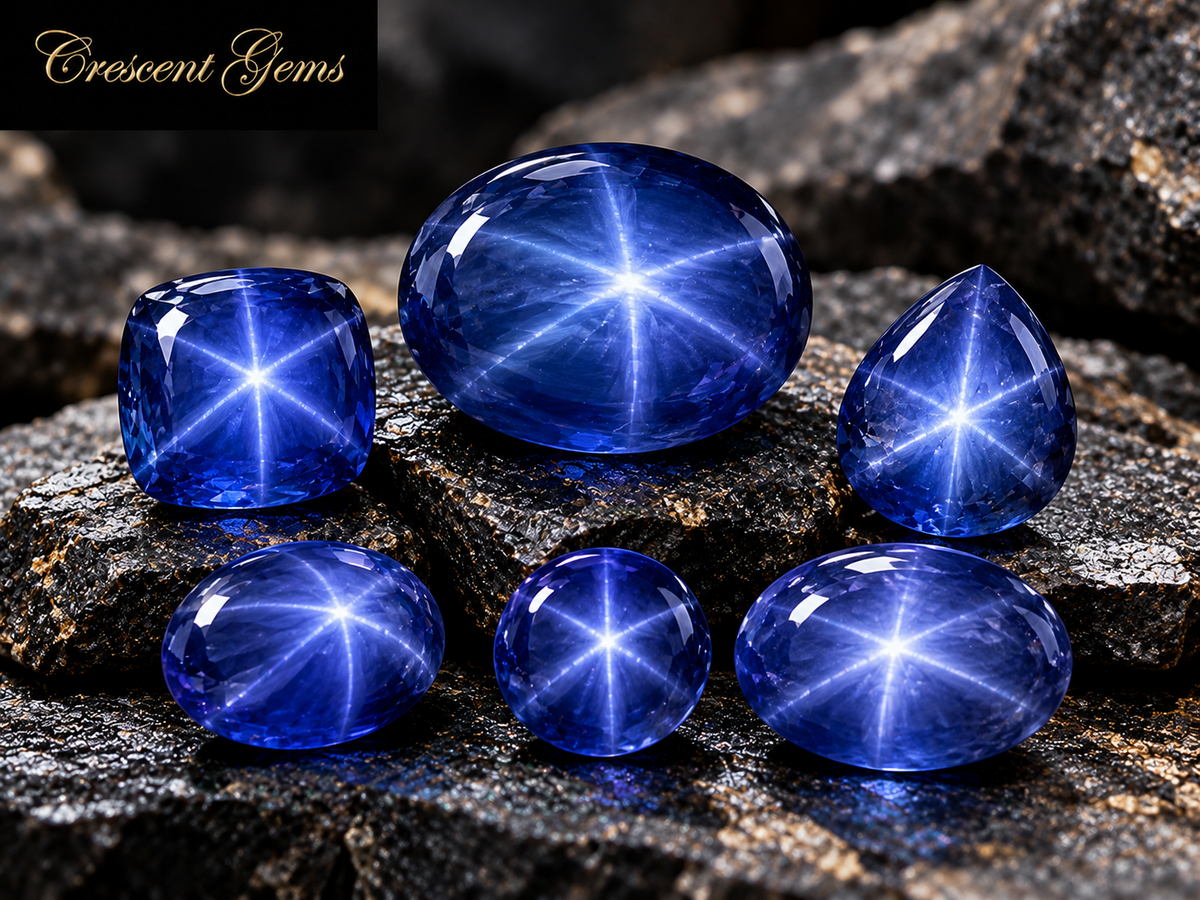
Blue Star Sapphire Price Guide — What They Cost and Why
Read moreabout Blue Star Sapphire Price Guide — What They Cost and Why
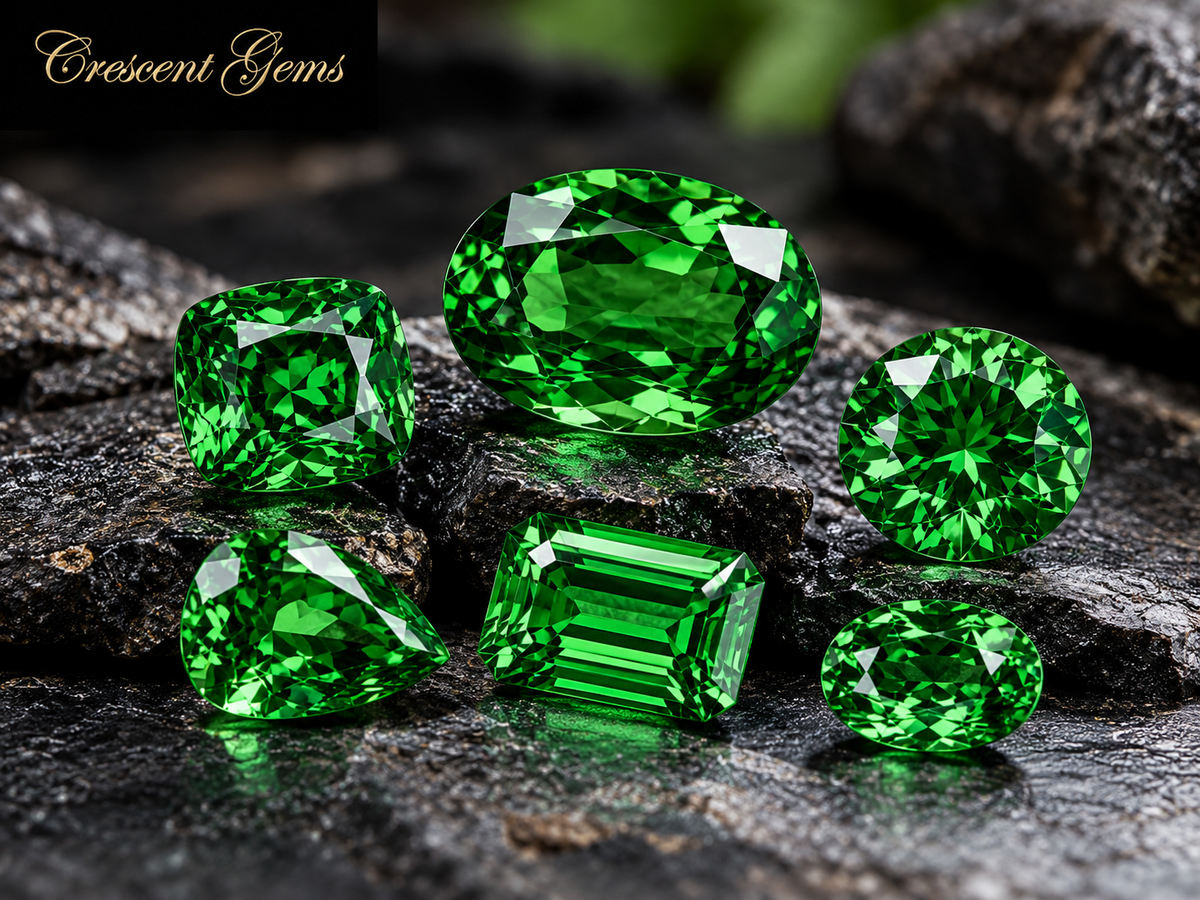
Tsavorite Garnet Price Guide — What They Cost and Why
Read moreabout Tsavorite Garnet Price Guide — What They Cost and Why
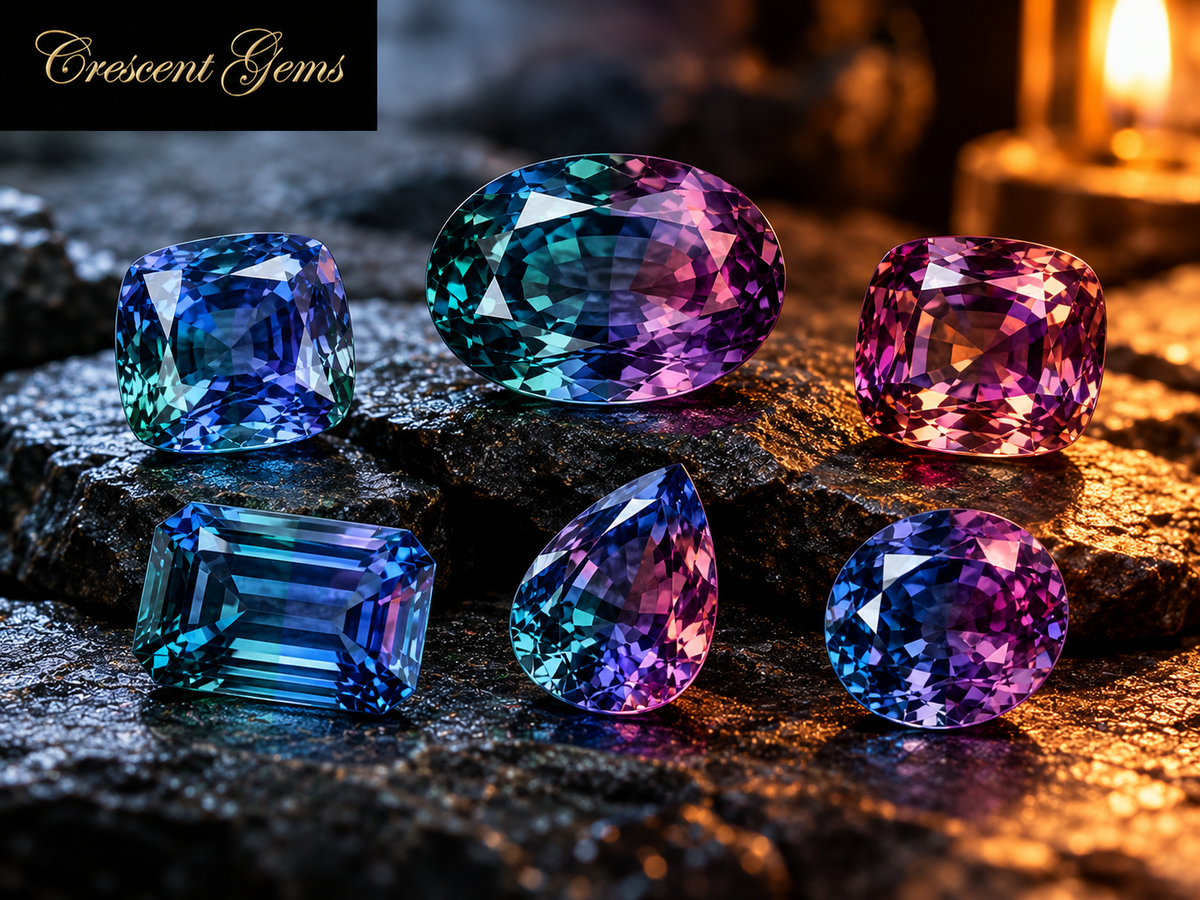
Color-Change Sapphire Price Guide — What They Cost and Why
Read moreabout Color-Change Sapphire Price Guide — What They Cost and Why
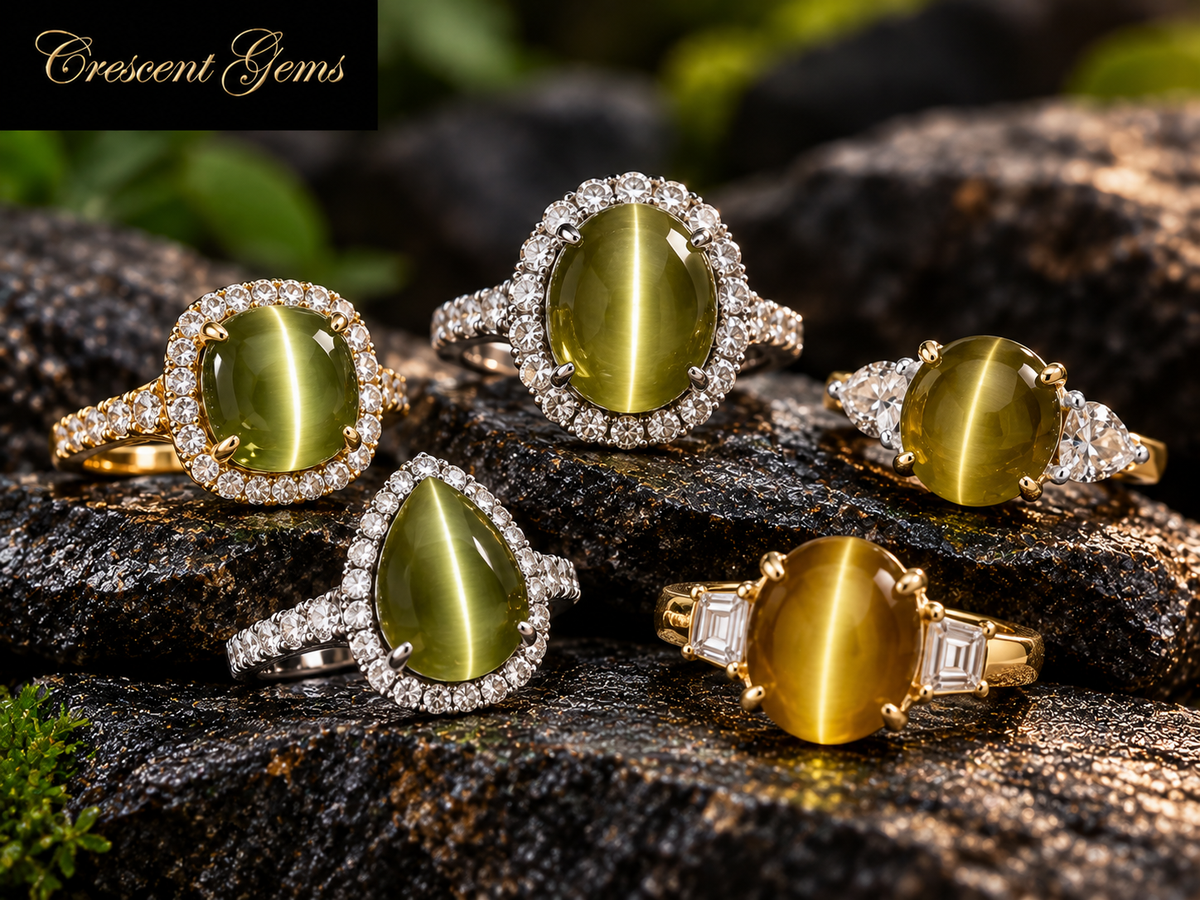
Is Cat's-Eye Chrysoberyl Good for an Engagement Ring?
Read moreabout Is Cat's-Eye Chrysoberyl Good for an Engagement Ring?
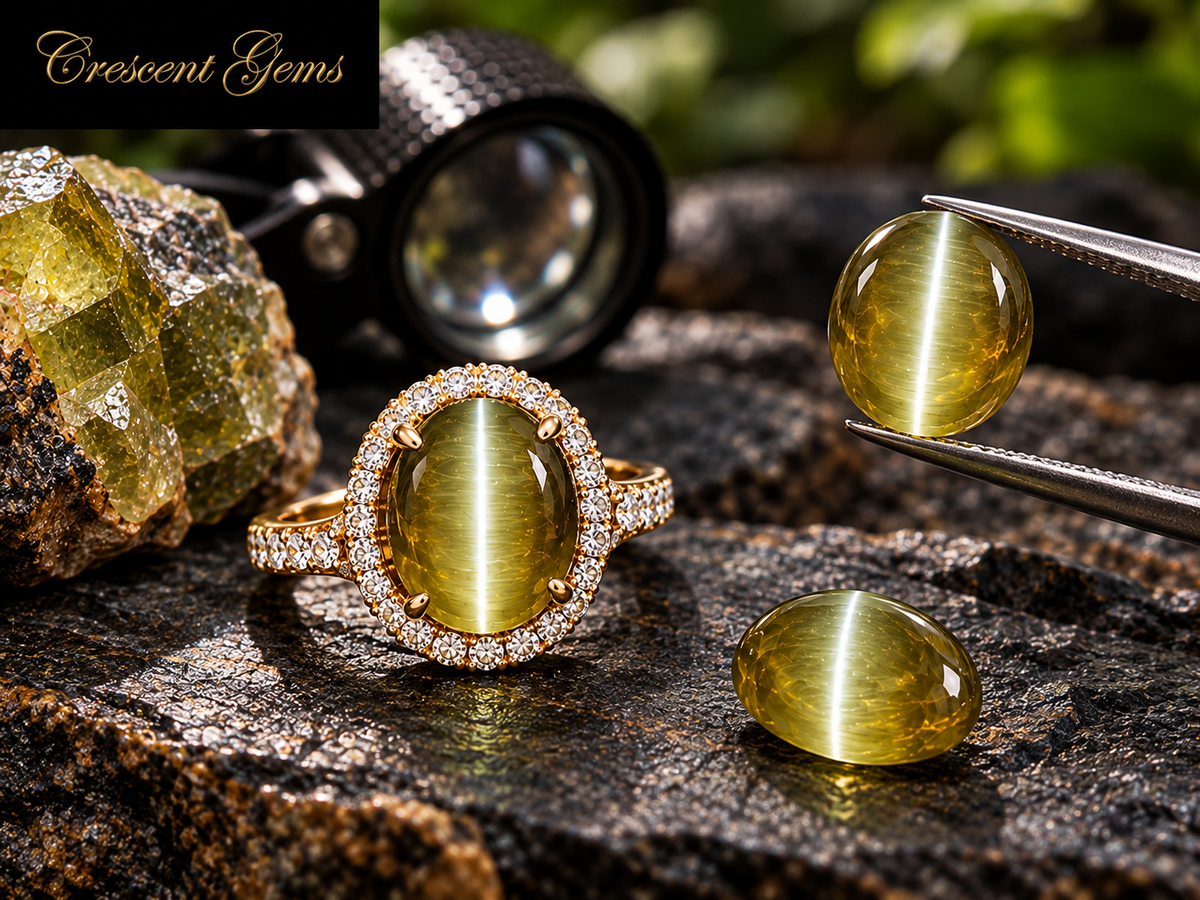
Cat's Eye Chrysoberyl Price Guide — What They Cost and Why
Read moreabout Cat's Eye Chrysoberyl Price Guide — What They Cost and Why