

- by Ahmed Shareek
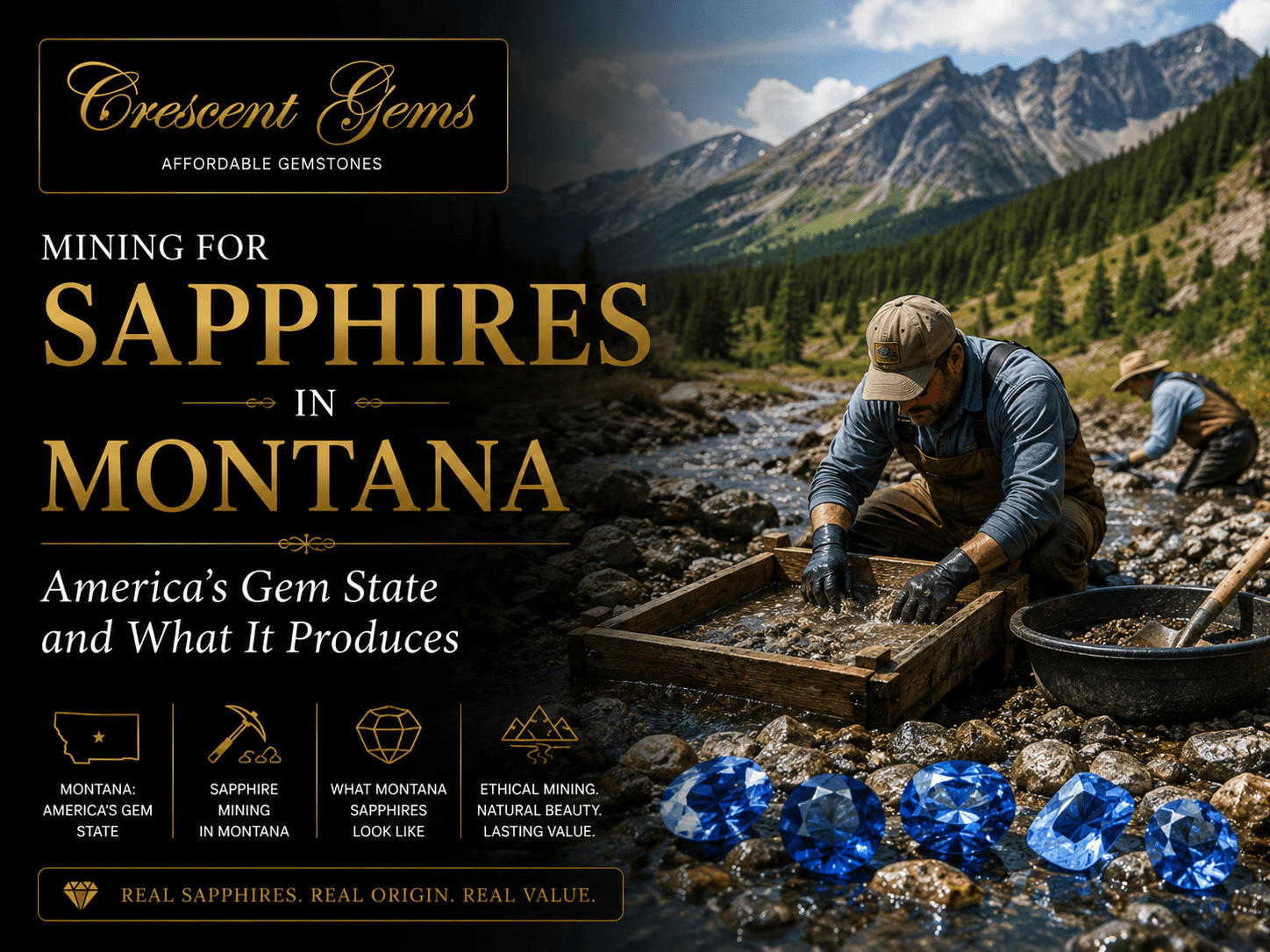
Mining for Sapphires in Montana — America's Gem State and What It Produces
- by Ahmed Shareek
New to buying sapphires? Start with our Ultimate Sapphire Buying Guide — the complete resource for color, origin, treatment, and pricing.
Most people are surprised to learn that the United States has its own sapphire origin — and that it has been producing gem-quality corundum since the 1860s, decades before commercial aviation existed and more than a century before "ethically sourced" became a marketing phrase. Montana sapphires are American gemstones in the most literal sense: mined on American soil, regulated by American environmental law, and increasingly prized by American buyers who value knowing exactly where their stone came from.
Montana sapphire mining is a very different enterprise from the alluvial pit mining of Sri Lanka or the deep hard-rock extraction of East African tsavorite. It operates at a different scale, in a different geological context, and produces a distinctive palette of colors that no other origin replicates. This article covers where Montana sapphires are found, how they are mined, what makes the deposits geologically unique, and what the mining conditions mean for the stones that reach the market.
Montana has three geologically distinct sapphire-producing areas, each with its own mining history, extraction method, and gem character. Understanding which deposit a stone comes from tells you a great deal about what to expect.
The Rock Creek deposit, located in Granite County in western Montana near the town of Philipsburg, is the largest sapphire-producing area in the state and one of the most significant alluvial gem deposits in North America. Sapphires were first discovered here in the 1890s during gold placer mining operations — miners panning for gold kept finding small, colorful crystals in their concentrate and eventually identified them as corundum.
The Rock Creek deposit is alluvial: sapphires are found loose in gravel beds deposited by ancient waterways, similar in principle to Sri Lanka's illam deposits (see Pit Mining in Sri Lanka). The sapphire-bearing gravel sits beneath overburden that ranges from a few feet to 30 feet deep. The operation involves removing the overburden with heavy equipment, extracting the gem-bearing gravel, and processing it through washing and screening plants to separate the sapphires from the worthless material.
Rock Creek sapphires are typically small — the vast majority of rough crystals weigh under 1 carat, and finished stones above 0.75 carats are uncommon. The color palette tends toward pastel: soft blues, greens, lavenders, and light teals. In their natural state, many Rock Creek sapphires are pale or near-colorless. Most require heat treatment to develop commercially viable color — the heating process modifies trace element oxidation states and produces the steely blues, greens, and teals that Montana sapphires are known for. Unheated Rock Creek sapphires with vivid natural color exist but represent a small fraction of production.
Located near Deer Lodge in Powell County, the Dry Cottonwood Creek deposit is geologically related to Rock Creek and produces similar material: small, pastel-colored sapphire crystals in alluvial gravel. The deposit was mined intermittently throughout the 20th century and continues to produce on a smaller scale than Rock Creek.
The mining method is the same: overburden removal, gravel extraction, and mechanical processing. The sapphires are comparable in size and color to Rock Creek material, with the same dependence on heat treatment for commercial color development.
The Missouri River sapphire deposits near Helena, Montana, represent a fundamentally different geological setting and produce a different type of stone. Sapphires here are found in igneous rock — specifically in a volcanic dike system that intruded into the surrounding geology millions of years ago. The sapphires crystallized directly from the magma and were later weathered out of the host rock into nearby alluvial deposits along the Missouri River and its tributaries.
Missouri River sapphires tend to be larger and more saturated than Rock Creek material. The deposit has produced stones with vivid natural color — including blues, greens, and pinks — that do not require heat treatment. The proportion of fine, naturally colored rough from the Missouri River deposits is significantly higher than from Rock Creek, which is why Missouri River stones are generally valued more highly.
Mining along the Missouri River is primarily small-scale, conducted by individual claim holders and small operations. The most famous commercial operation is the Yogo Sapphire Mine (see below), but numerous small claims along the river and its tributaries continue to produce stones on a seasonal basis.
Yogo sapphires deserve separate mention because they are arguably the most famous American gemstones. Discovered in 1895 in Judith Basin County, central Montana, Yogo sapphires come from a single, narrow igneous dike that runs approximately 5 miles through the Little Belt Mountains. The dike contains sapphire crystals embedded directly in the host rock — a primary deposit, not alluvial.
What makes Yogo sapphires exceptional:
Yogo sapphires carry a significant premium for their name recognition, natural color, and American heritage. They are collector stones as much as jewelry stones.
The alluvial deposits are mined using methods that combine modern earth-moving equipment with traditional gravel-processing techniques:
Yogo sapphires require hard-rock mining because the gems are embedded in a solid igneous dike. The host rock must be drilled, blasted (or mechanically broken), hauled to the surface, and crushed to liberate the sapphire crystals. The process is energy-intensive and expensive, which is one reason Yogo production has been intermittent — the economics of extracting small stones from hard rock are challenging at any scale.
The crushing stage is particularly difficult because sapphire (Mohs 9) is harder than the surrounding rock. Standard crushing equipment can damage or destroy gem crystals if the process is not carefully controlled. Modern Yogo operations use staged crushing with increasingly fine settings to liberate crystals with minimal breakage.
| Factor | Montana | Sri Lanka (Ceylon) |
|---|---|---|
| Mining history | Since 1860s (~160 years) | Over 2,000 years |
| Extraction method | Mechanized gravel processing + hard rock | Hand-dug vertical shafts, hand washing |
| Scale | Small commercial to mid-scale | Artisanal, community-based |
| Typical finished size | 0.25–0.80ct (most under 1ct) | 0.50–5ct+ routinely |
| Color range | Steel blue, teal, green, pastel | Every sapphire color |
| Treatment | Most heated (except Yogo) | Both heated and unheated at scale |
| Species diversity | Sapphire only | Sapphire, ruby, spinel, garnet, chrysoberyl |
| Environmental regulation | US federal + state DEQ oversight | NGJA licensing; artisanal self-regulation |
| Land reclamation | Legally required | Traditional practice (shafts backfilled) |
| Traceability | Excellent (specific mine, specific claim) | Good when sourced directly at origin |
Both origins represent responsible extraction compared to large-scale industrial mining. Montana's advantage is regulatory transparency and domestic traceability. Sri Lanka's advantage is a 2,000-year tradition of sustainable artisanal mining that returns agricultural land to productivity within a single season. For the full origin comparison, see Montana Sapphire vs. Ceylon Sapphire.
Montana sapphires occupy a distinctive color territory that overlaps with but does not duplicate what other origins produce:
Steel blue. Montana's signature — a cool, slightly grayish, sophisticated blue that reads as understated rather than vivid. This is the color that most people picture when they think "Montana sapphire." It is the visual opposite of Ceylon's warm, bright blue.
Teal and blue-green. Montana produces excellent teal sapphires with a cooler, mintier green component than Ceylon teal (which leans warmer and bluer). The Montana teal trend has driven significant growth in the state's sapphire market. See our Teal Sapphire Buyer's Guide.
Green. Soft mint to medium green, typically lighter in tone than Ceylon greens. Montana greens work beautifully in modern, minimalist settings. See our Green Sapphire Buyer's Guide.
Pastel and light tones. Soft lavender, pale blue, light green, and near-colorless stones are common, particularly from Rock Creek. These delicate colors suit buyers who prefer subtle color presence over vivid saturation.
Yogo cornflower. The vivid, naturally blue Yogo stones occupy a class of their own — closer to fine Ceylon cornflower in color than to the steel blue that characterizes other Montana deposits.
For a visual comparison across all sapphire colors, see our Interactive Sapphire Color Chart.
This is the most important fact most Montana sapphire buyers do not know: the majority of commercially sold Montana sapphires are heat-treated.
Rock Creek and Dry Cottonwood rough is predominantly pale, low-saturation material that develops its color through controlled heating. The heat modifies iron oxidation states within the crystal, producing the blues, teals, and greens that define the Montana palette in the market. Without heating, most Rock Creek rough would be too pale for commercial use.
Missouri River and Yogo stones are the exceptions — a meaningful proportion of Missouri River material and virtually all Yogo material shows fine natural color without treatment.
Heat treatment of Montana sapphires is the same process used for Sri Lankan material (see How Sapphire Heat Treatment Works) and is fully accepted in the trade. The important point is disclosure: if unheated status matters to your purchase, confirm it with documentation. See What Is an Unheated Sapphire?
Montana is one of the few sapphire origins where recreational mining is commercially available. Several operations near Philipsburg and Helena offer fee-dig experiences where visitors can purchase buckets of pre-screened sapphire-bearing gravel, wash it themselves, and keep whatever they find. The Gem Mountain Sapphire Mine and the Spokane Bar Sapphire Mine are among the best-known recreational sites.
These experiences are genuine — the gravel contains real sapphires from real deposits, and visitors do find cuttable stones. The vast majority of finds are small (under 0.50ct rough) and will require heat treatment to develop color, but the experience of finding your own sapphire and having it cut into a finished gemstone is unique to Montana among major sapphire origins.
Understanding how Montana sapphires are mined helps explain the market realities buyers encounter:
Size limitations are geological, not commercial. Montana sapphires are small because the deposits produce small crystals. There is no hidden supply of large Montana stones being held back — the geology simply does not produce them in meaningful quantities. If you want a sapphire above 1 carat for an engagement ring, Ceylon or Madagascar is where you will realistically find it. See What Size Sapphire Is Best?
The "Montana premium" reflects traceability, not necessarily quality. Montana sapphires carry a price premium driven by domestic appeal, ethical sourcing narrative, and limited supply. A 0.60ct heated Montana teal may cost the same per carat as a 1.00ct unheated Ceylon teal of comparable color. The buyer is paying for the story and the provenance, not for superior optical quality. Both are legitimate purchases; just understand what the price includes.
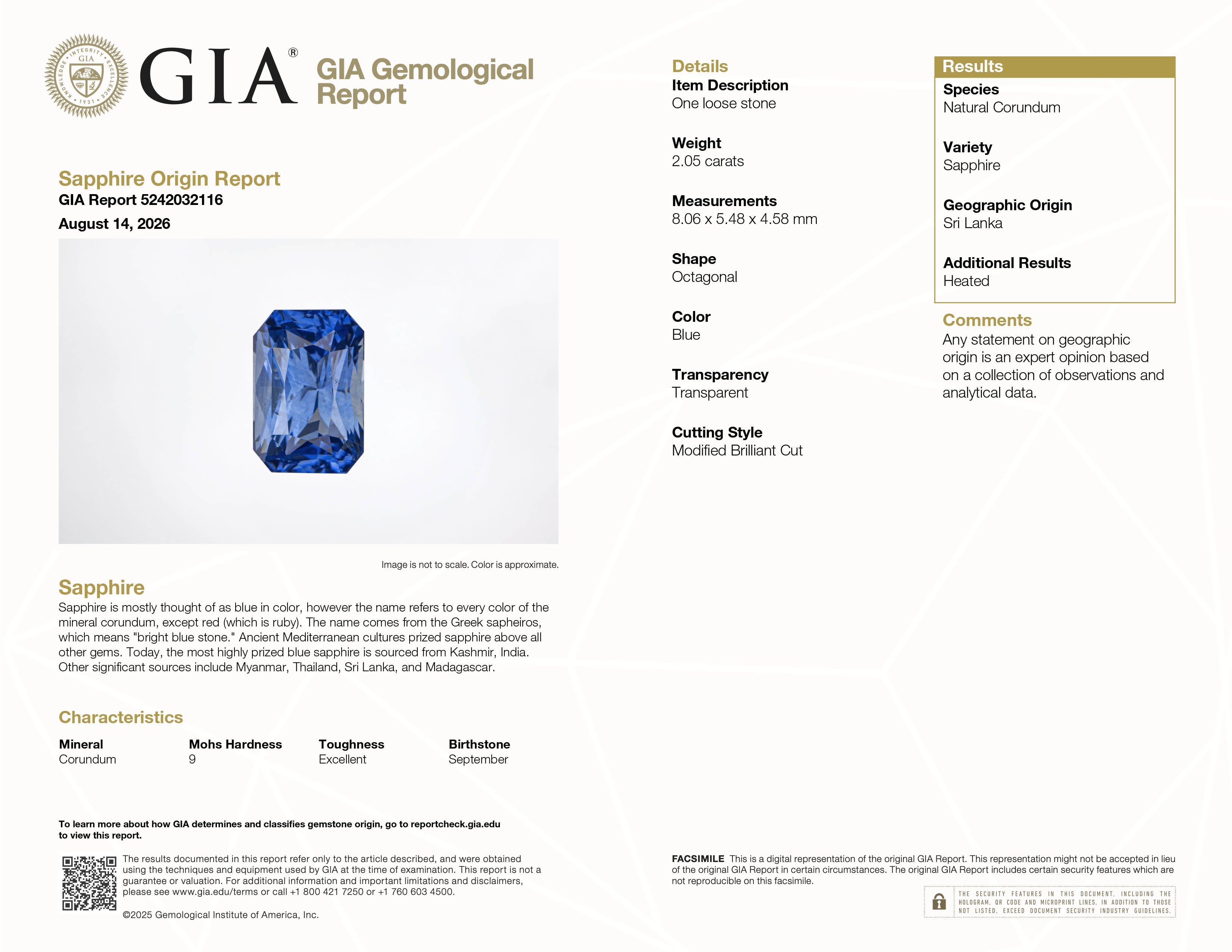
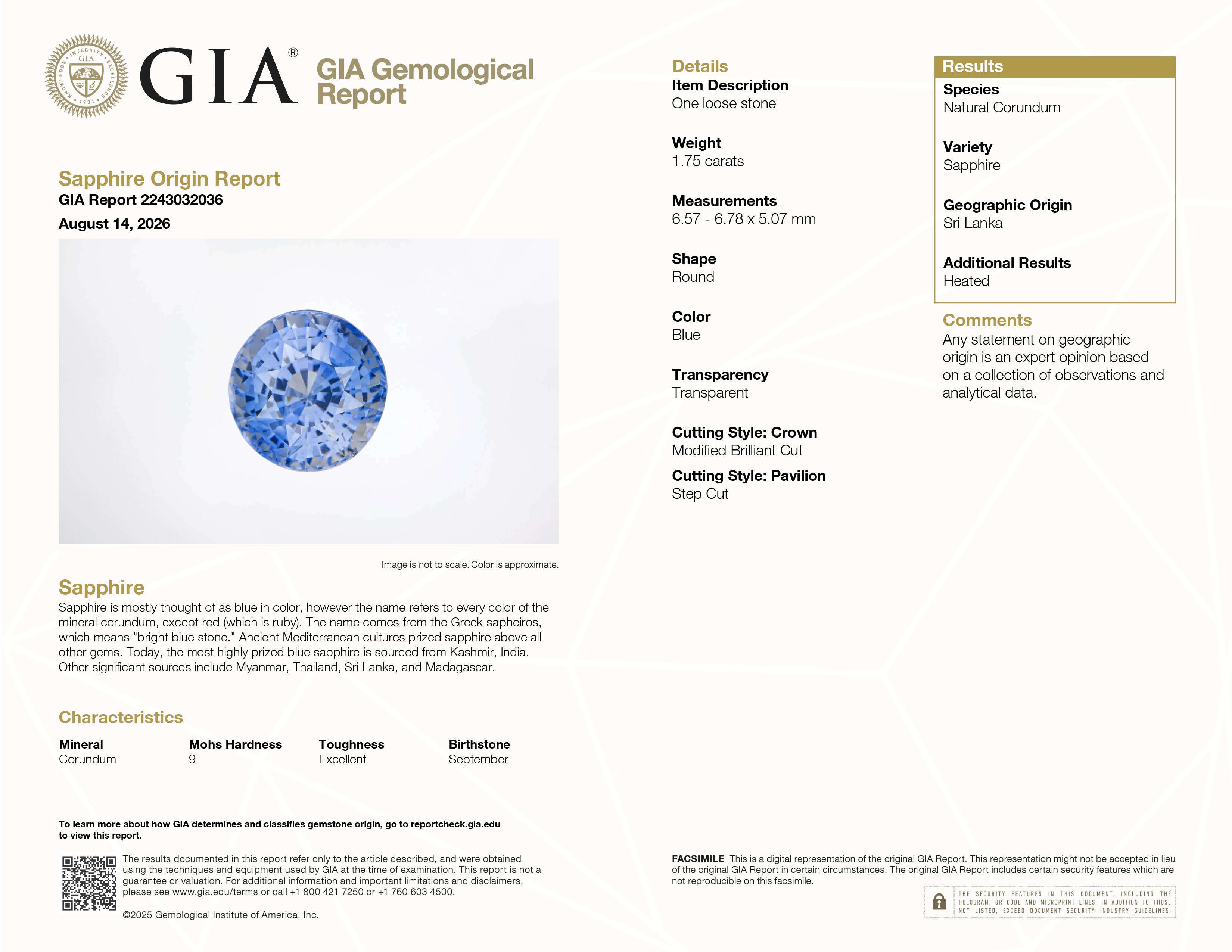
Treatment disclosure applies equally. "Montana sapphire" does not inherently mean unheated. Most are heated. Ask the same questions and require the same documentation you would for any sapphire purchase. See How to Read Sapphire Inclusions and How to Read a GIA Report.
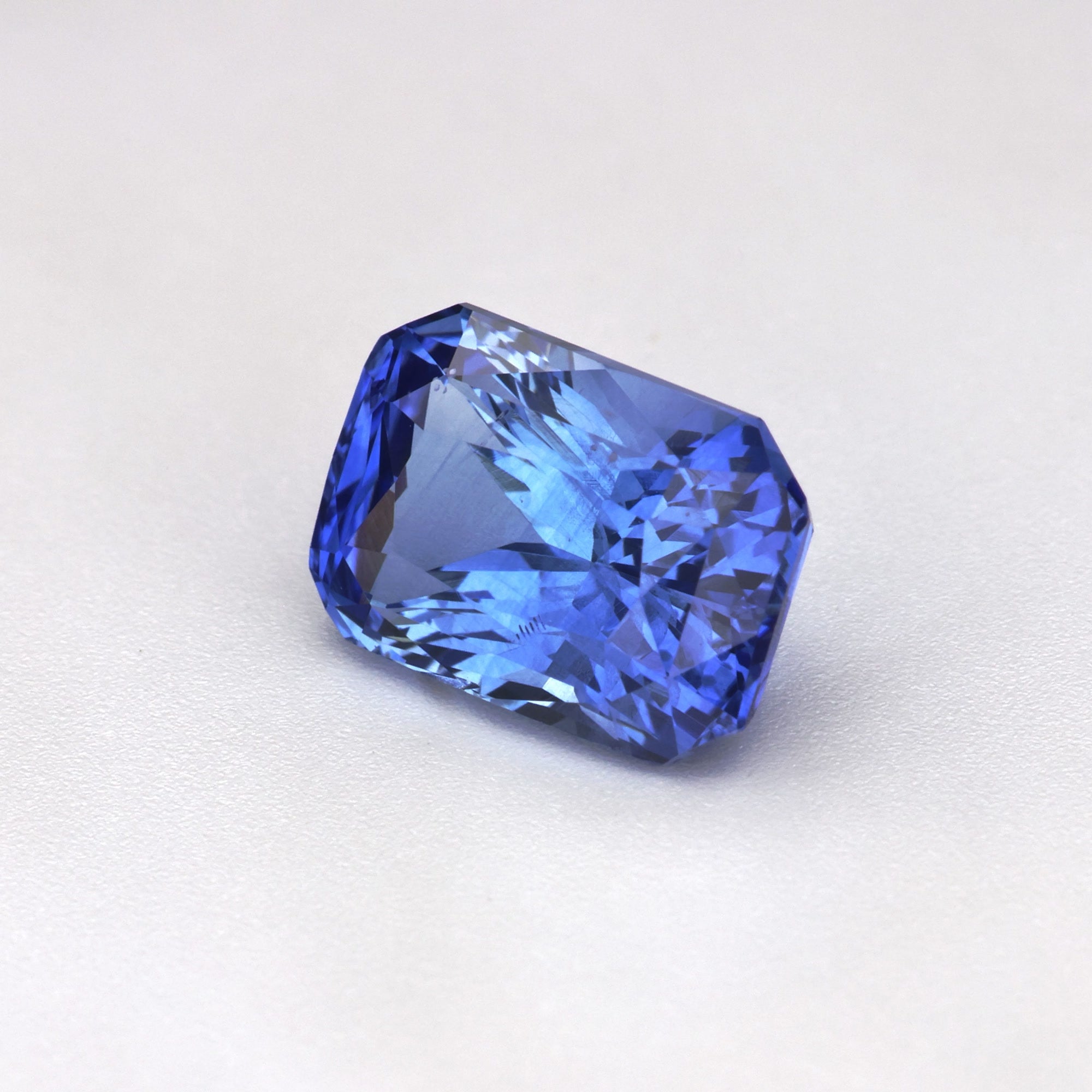
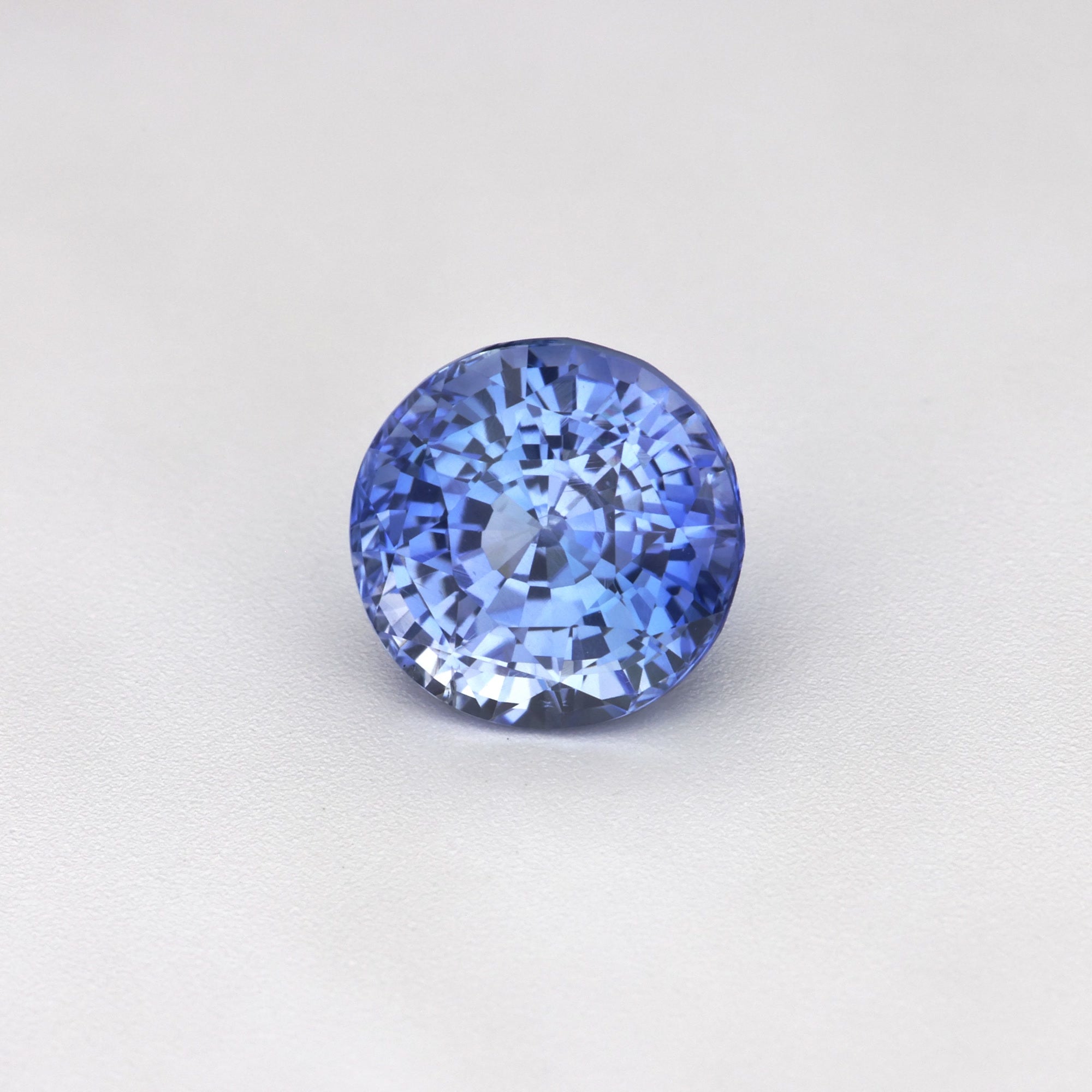
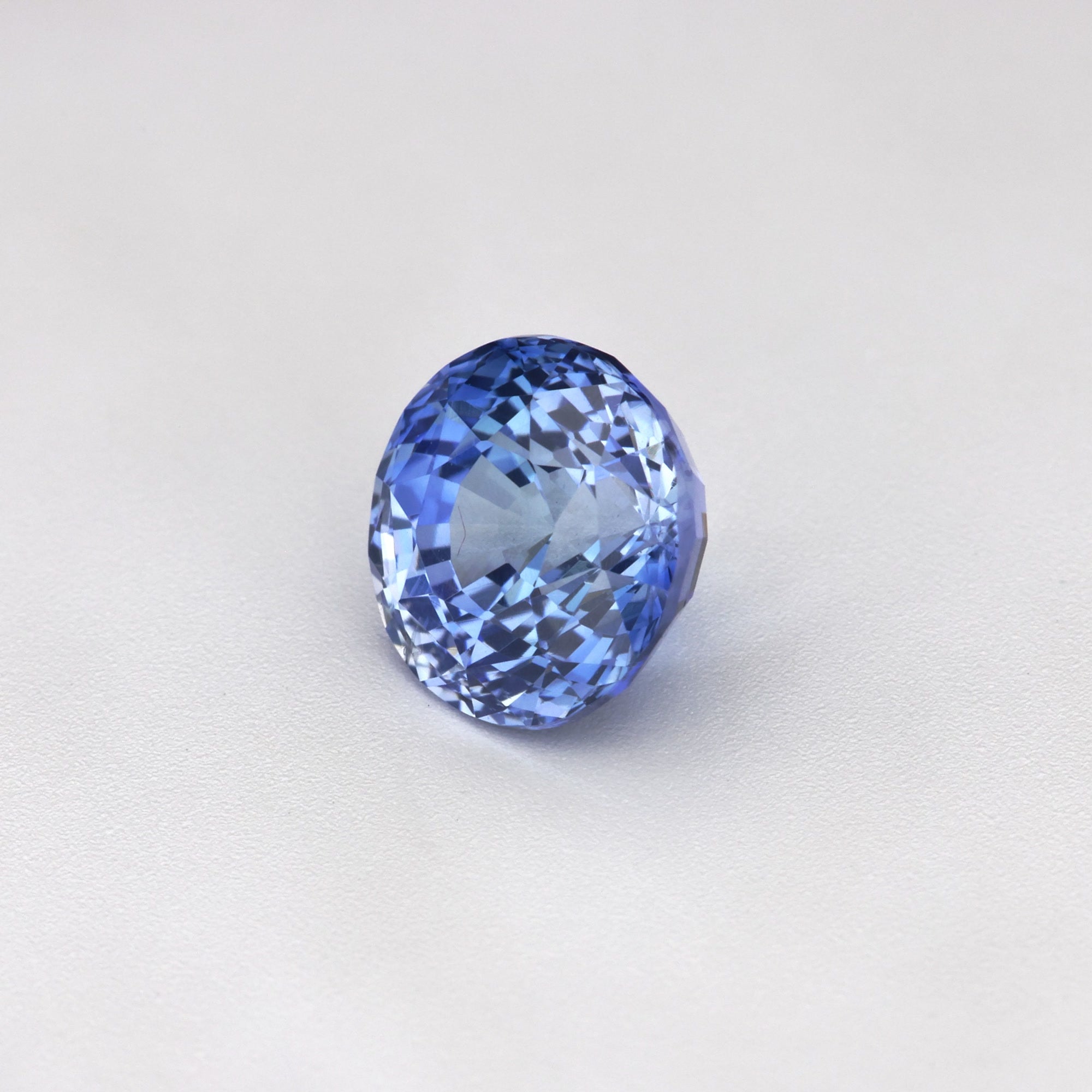
Browse the full Ceylon sapphire catalog for stones above 1 carat in every color Montana cannot match, or email crescentgems@gmail.com with questions about any sapphire origin. We respond within one business day.

CG8465
CG8460
CG8456


Blue Star Sapphire Price Guide — What They Cost and Why
Read moreabout Blue Star Sapphire Price Guide — What They Cost and Why
Tsavorite Garnet Price Guide — What They Cost and Why
Read moreabout Tsavorite Garnet Price Guide — What They Cost and Why
Color-Change Sapphire Price Guide — What They Cost and Why
Read moreabout Color-Change Sapphire Price Guide — What They Cost and Why
Is Cat's-Eye Chrysoberyl Good for an Engagement Ring?
Read moreabout Is Cat's-Eye Chrysoberyl Good for an Engagement Ring?
Cat's Eye Chrysoberyl Price Guide — What They Cost and Why
Read moreabout Cat's Eye Chrysoberyl Price Guide — What They Cost and Why















Share: