

- by Ahmed Shareek
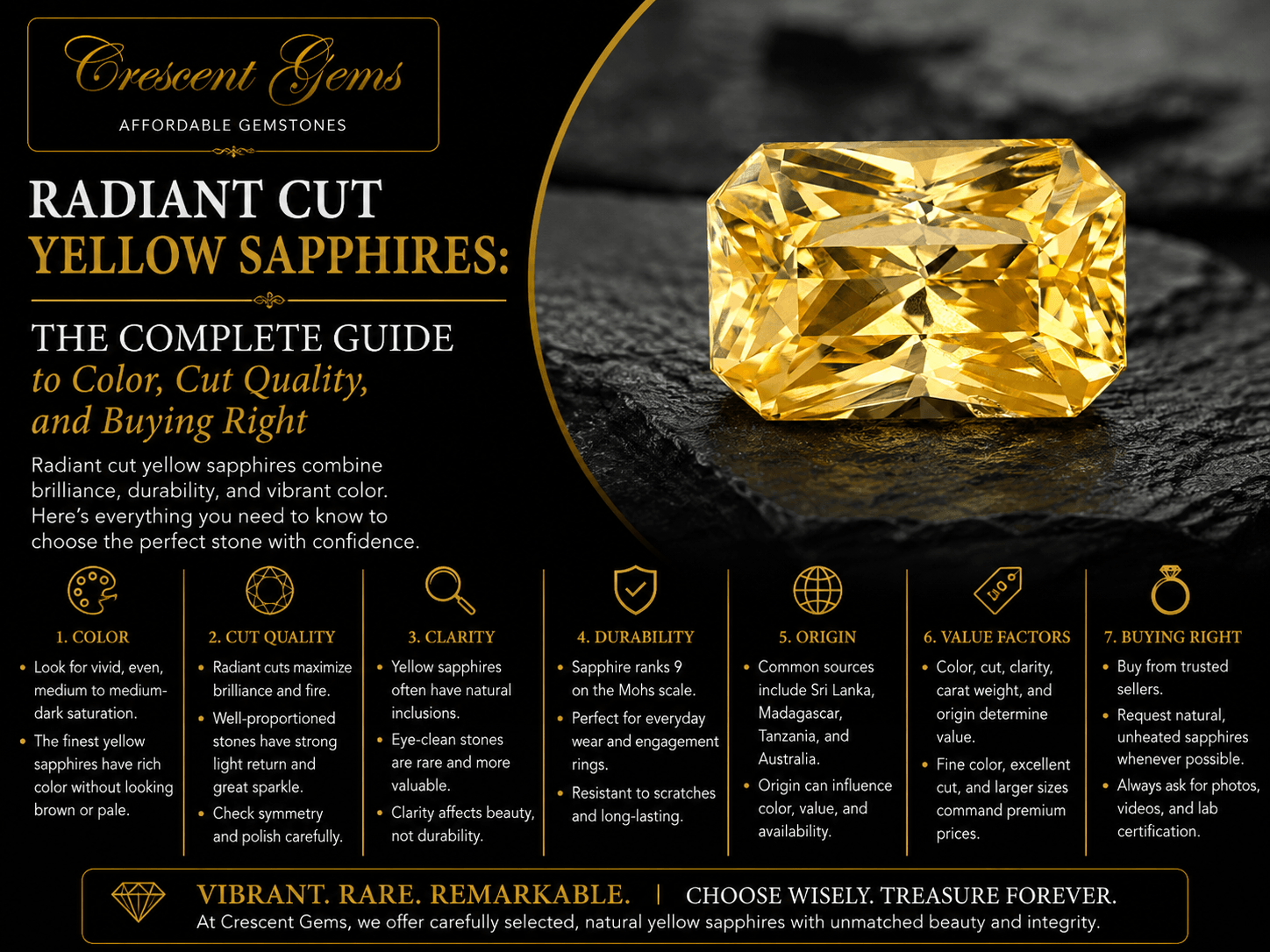
Radiant Cut Yellow Sapphires: The Complete Guide to Color, Cut Quality, and Buying Right
- by Ahmed Shareek
New to buying sapphires? Start with our Ultimate Sapphire Buying Guide. For the yellow sapphire deep-dive: Yellow Sapphire Buyer's Guide. For cut guidance: Best Sapphire Cut for an Engagement Ring.
The radiant cut is one of the least discussed sapphire shapes — and one of the most rewarding when you find a well-executed example. Its combination of a rectangular or square outline with brilliant-style faceting produces stronger light return than step cuts while retaining the clean geometric silhouette that makes emerald and Asscher cuts distinctive. In yellow sapphire specifically, where color saturation and brilliance work together rather than in opposition, the radiant cut delivers something genuinely difficult to find in other shapes: vivid color with maximum sparkle.
This guide covers what makes a radiant cut different from other sapphire cuts, how to evaluate radiant cut quality specifically, why yellow sapphire and radiant cut are a particularly strong pairing, and what to look for when buying.
The radiant cut was developed in the late 1970s as a way to combine the outline of a step cut — rectangular or square with cropped corners — with the facet arrangement of a brilliant cut. Where an emerald cut has large, flat step facets that emphasise clarity and color in a quiet, controlled way, a radiant cut has a full brilliant-style pavilion with triangular and kite-shaped facets that actively return and scatter light.
The result is a cut with more visual activity than a step cut but more geometric discipline than an oval or cushion. The cropped corners protect the stone from chipping — a practical advantage over a true rectangle with sharp corners — while the brilliant pavilion produces the scintillation that step cuts deliberately avoid.
In colored stones, radiant cutting is less standardised than in diamonds. Diamond radiant cuts follow reasonably consistent proportional guidelines developed by the diamond industry. Sapphire radiant cuts vary more widely between cutters — in the number of facets, the precise facet arrangement, the degree of corner cropping, and the depth-to-diameter ratio. This variation means cut quality in radiant sapphires requires direct evaluation more than in diamonds, where a grading report provides meaningful cut quality guidance. For a full overview of how cut affects sapphire value and light performance, see our How Cut Affects Sapphire guide.
Not every color and cut pairing produces equally strong results. Yellow sapphire and radiant cut have specific characteristics that make them particularly well-matched.
Blue sapphire benefits from deep cutting because its color — particularly in medium-dark tones — needs concentration in the stone's belly to prevent a washed-out appearance face-up. Yellow sapphire behaves differently. Its iron-based color is bright and relatively light-stable: a well-saturated yellow reads vividly even in shallower cut profiles, and the goal is to showcase the color's warmth and brilliance simultaneously rather than concentrate dark saturation.
Radiant cutting, with its brilliant pavilion and slightly shallower profile relative to some colored stone cuts, suits yellow sapphire's brightness. The cut enhances the warm, lively quality of yellow without making the stone appear darker or more subdued than its natural color.
Ceylon yellow sapphires are produced in naturally unheated form at a higher rate than most other sapphire colors. The iron-based yellow color in Sri Lankan material is often sufficiently developed without heat enhancement. This means a large proportion of yellow sapphires available in the market are naturally unenhanced — and radiant cut yellow sapphires offer buyers the combination of a distinctive cut shape with a fully natural, untreated stone.
Step cuts — emerald cut, Asscher — show yellow sapphire's color through broad flat windows of light. The effect is elegant but relatively static. Radiant cutting scatters light through the stone's brilliant pavilion, creating movement and sparkle that makes yellow sapphire's warm tone appear richer and more dynamic. Under different lighting conditions, a radiant cut yellow sapphire shifts between a vivid golden yellow and a brighter, more scintillating appearance as the facets catch light from different angles.
Yellow sapphire is available in a wider range of sizes than some other colors because natural yellow production is relatively consistent from Ceylon mines. This means rectangular radiant cuts — which typically require more starting rough than compact ovals or rounds — are achievable in yellow sapphire without the extreme scarcity premium that affects radiant cuts in rarer colors like padparadscha or fine orange.
Both are rectangular with cropped corners. The difference is in the facet arrangement. Emerald cut step facets create a hall-of-mirrors effect — you see into the stone rather than seeing light reflected back from it. Color is displayed in a calm, controlled way. Clarity is emphasised because the large flat facets reveal inclusions more clearly than brilliant faceting.
Radiant cut brilliant facets create active scintillation — light is broken up and returned from multiple small facets simultaneously. Color appears more dynamic. Inclusions are better masked by the facet pattern. For buyers who want visual activity and warmth in a rectangular format, radiant outperforms emerald. For buyers who want a more contemplative, precise aesthetic with maximum color purity, emerald may be preferable.
Both use brilliant-style faceting. Cushion cuts have rounded corners and a softer overall outline; radiant cuts have straight sides with cropped corners, producing a crisper, more modern geometric appearance. Cushion cuts tend to show a slightly softer, more pillowy light distribution; radiant cuts produce a crisper, more angular sparkle pattern. In yellow sapphire, cushion cuts are more common in the market than radiants — finding a well-cut radiant requires more searching but rewards it with a more distinctive appearance.
Oval sapphires are the most popular cut overall for engagement rings. Ovals elongate the finger and maximise face-up size per carat. Radiant cuts are more geometric and typically appear slightly smaller face-up for equivalent carat weight. The choice between radiant and oval is primarily aesthetic — radiant for buyers who want a structured, architectural ring profile; oval for buyers who want organic curves and maximum apparent size.
Both produce strong brilliance. Round sapphires are more symmetrical and suit a wider range of settings. Radiant cuts are less common, more distinctive, and suit buyers who want the brilliance of a round with a more unusual outline. Radiant cuts in yellow sapphire often appear larger face-up than rounds of equivalent carat weight due to the rectangular shape's greater surface area.
GIA does not issue a cut grade for colored stones. Evaluating radiant cut quality in a yellow sapphire requires looking at the stone directly — through photographs, video, and ideally in person. Here is what to assess:
This determines the stone's overall shape — how rectangular vs how square it appears.
Neither end of this range is objectively better — the right ratio depends on personal preference and the hand the ring will be worn on. Narrower fingers suit more elongated ratios; wider fingers are often better served by more square proportions. For full size guidance, see our Sapphire Size Guide.
A window is a transparent or colourless area visible face-up where light passes straight through without being returned by the pavilion. Hold the stone face-up over a white background. If you can read text through the center of the stone, it has a significant window. Windowed radiant cut yellow sapphires appear pale and flat despite their color grade — the saturation visible from the side is not visible face-up. Windows in radiant cuts result from pavilions cut too shallow to return light effectively. Avoid any radiant yellow sapphire with significant windowing.
Dark areas in the face-up view where light is absorbed rather than returned. In a radiant cut yellow sapphire, check for dark corners or a dark cross-shaped pattern across the center of the stone — both indicate pavilion angles are too steep, over-concentrating color and reducing brilliance. Some extinction in the corners of rectangular stones is normal; heavy extinction across a significant portion of the face-up area is a quality problem.
The cropped corners of a radiant cut protect the stone from chipping at vulnerable points. Check that the corner cropping is even on all four corners — asymmetrical cropping indicates inconsistent cutting. The degree of cropping affects the overall outline: heavier cropping produces a more octagonal appearance; lighter cropping maintains a more rectangular silhouette. Neither is objectively better, but the cropping should be symmetrical.
View the stone face-up. The facet arrangement should be symmetrical across both the length and width axes. Asymmetrical facets, an off-centre table, or uneven girdle outline are visible quality issues that become apparent when the stone is set in a ring. Well-cut radiant sapphires have a clean, regular facet pattern visible even without magnification.
Move the stone gently under a light source and observe how it responds. A well-cut radiant yellow sapphire should show active light return across most of the face-up area, with colour and white light alternating as the stone moves. Static, lifeless behaviour — where the stone does not respond visually to movement — indicates poor cut execution regardless of what the color grade says.
Total depth as a percentage of average width. For radiant cut yellow sapphires, 62–75% is a practical range. Below 60% risks significant windowing. Above 80% may produce excessive extinction and a stone that appears smaller face-up than its carat weight suggests. Depth is not stated on most colored stone reports but can be calculated from the millimetre measurements provided.
Color is always the primary quality factor in sapphire. For radiant cut yellow sapphires specifically, certain color characteristics work better than others in this cutting style. For the full color framework across all sapphire colors, see our Sapphire Colors Explained guide.
Pure yellow is the most desirable primary hue. Secondary hues affect value and appearance:
Medium to medium-dark tone produces the most vivid appearance in a radiant cut. Light-toned yellow sapphires — which are very common in the commercial market — appear pale and lack visual impact in the radiant's active facet pattern. The radiant's brilliance amplifies what is there; in a light-toned stone, it amplifies the paleness rather than the color. Seek medium tone minimum for a radiant cut specifically.
High saturation — vivid, clean yellow with no grey or brown modifier — produces the most impressive results in radiant cutting. The term "canary yellow" is used informally in the trade to describe vivid, pure yellow at medium-to-medium-dark tone — the most commercially desirable color in yellow sapphire. This is not a standardised grading term but you will encounter it frequently from dealers.
Rotate the stone slowly as you view it. Color should remain consistent across viewing angles without significant zoning (bands of stronger or weaker color following the crystal structure). Minor zoning is normal in natural sapphire but heavy zoning visible face-up in the finished stone is a quality issue that the radiant's active faceting cannot fully mask.
Ceylon yellow sapphires are produced in unheated condition at a higher rate than most other sapphire colors. The iron trace element responsible for yellow color in Sri Lankan corundum develops naturally to commercially appealing saturation in a significant proportion of rough, without requiring heat enhancement.
This has practical implications for radiant cut buyers:
Yellow sapphire is also the prescribed stone for Jupiter (Pukhraj) in Jyotish astrology, where unheated status is a strict requirement. See our Buying Sapphires for Jyotish guide for the full framework.
The rectangular radiant outline suits a range of setting styles, though some work better than others with this cut's specific character. For a full overview of setting choices for sapphire engagement rings, see our How to Choose a Sapphire Engagement Ring guide.
Four corner prongs are standard for radiant cuts, protecting the cropped corners while leaving the face and most of the sides visible. V-prongs or claw prongs at the corners provide better protection than round prongs and are preferable for radiant cuts. Six-prong settings are less common for rectangular shapes but can be used in modified form.
A full bezel around a radiant cut yellow sapphire creates a sleek, contemporary ring with excellent stone security. The bezel's metal rim follows the stone's outline, emphasising the geometric rectangular shape. Particularly effective in yellow or rose gold where the metal becomes part of the design rather than a neutral background.
Setting a radiant cut sapphire perpendicular to the finger — lengthwise across the band rather than along it — is a contemporary choice that suits radiant cuts particularly well. The rectangular shape reads differently when rotated 90°, appearing as a wide, low stone rather than a narrow, tall one. Increasingly popular in modern engagement ring design.
Radiant cut yellow sapphires work well as center stones in three-stone settings with matching yellow sapphire side stones or with diamond trapezoids or baguettes. Halo settings amplify the apparent size of the center stone and add sparkle around the perimeter — particularly effective if the center stone is in the 0.75–1.25ct range where additional visual mass helps.
Prices for center stone only, natural Ceylon yellow sapphire, good to fine color, eye-clean clarity:
Radiant cuts in yellow sapphire are typically priced comparably to oval and cushion cuts of equivalent quality — the cut shape itself does not carry a significant premium or discount. Price is driven primarily by color quality, size, and treatment status. See our Yellow Sapphire Buyer's Guide for a full pricing breakdown by quality tier.
Radiant cut yellow sapphire suits buyers who:
It is a less natural fit for buyers who want maximum face-up size per carat (oval or pear deliver more), who prefer the quiet elegance of step-cut faceting (emerald cut), or who need the widest possible setting availability (round).
For the right buyer, a vivid radiant cut yellow Ceylon sapphire — particularly in unheated form — is one of the most distinctive and genuinely beautiful engagement ring center stones available at any price point.
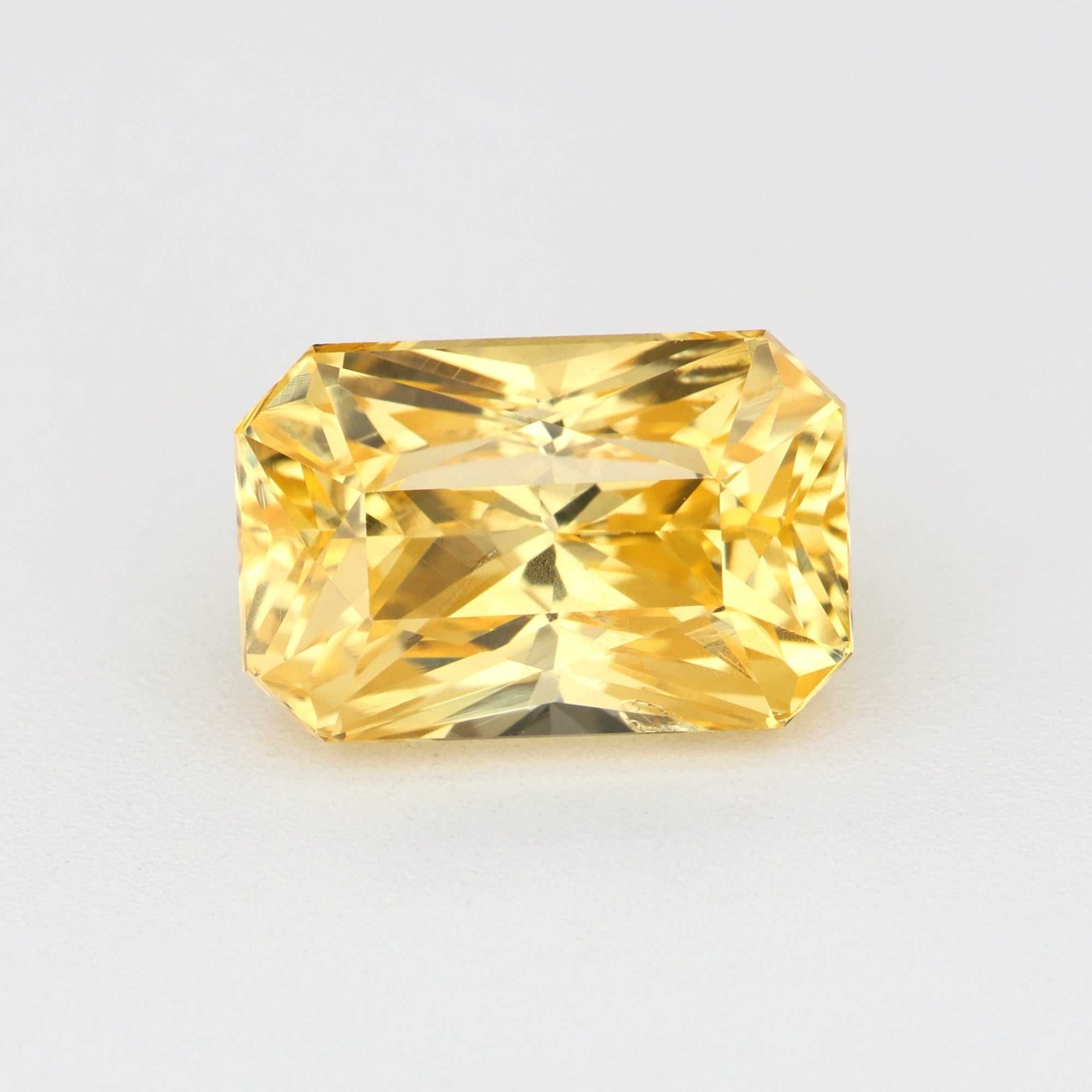
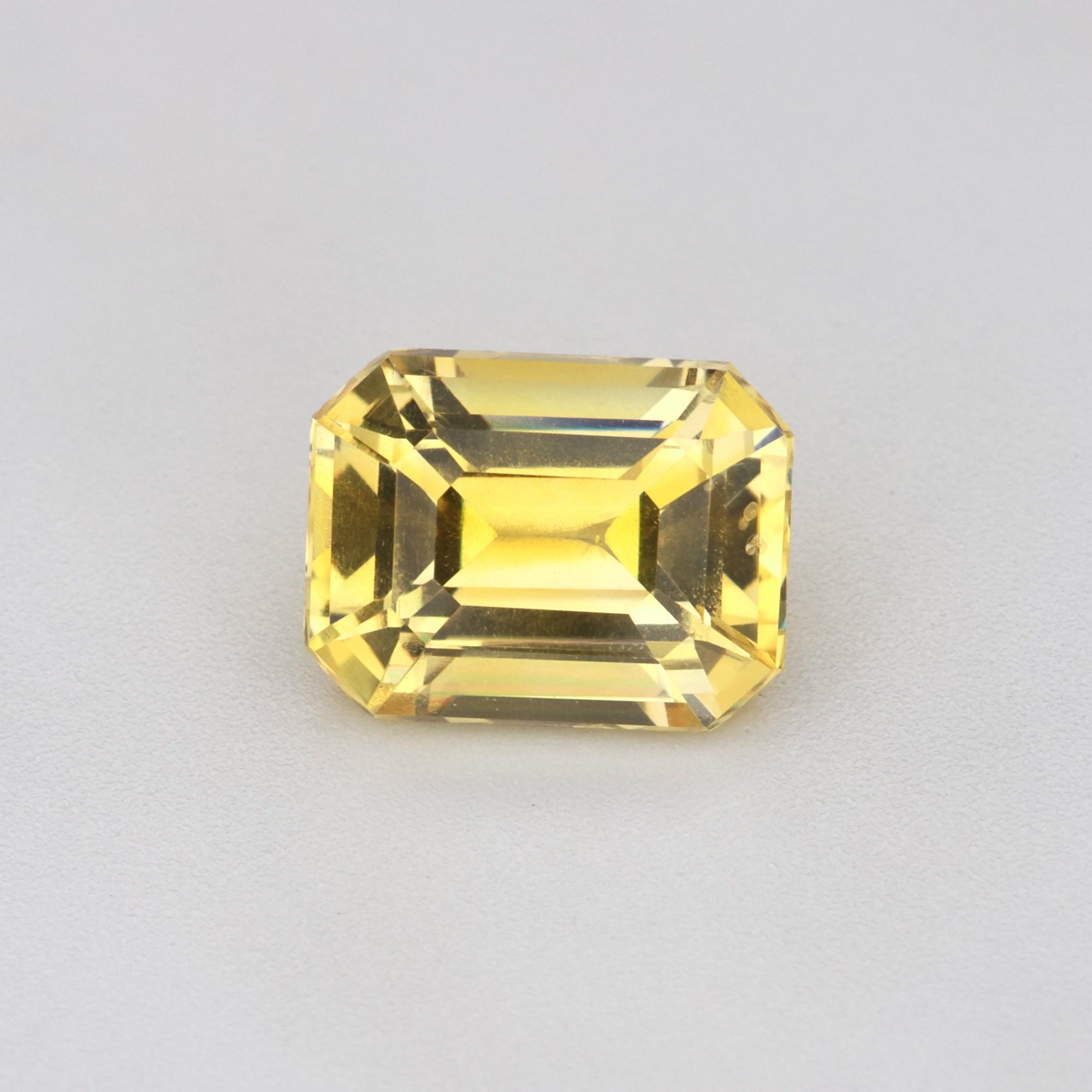
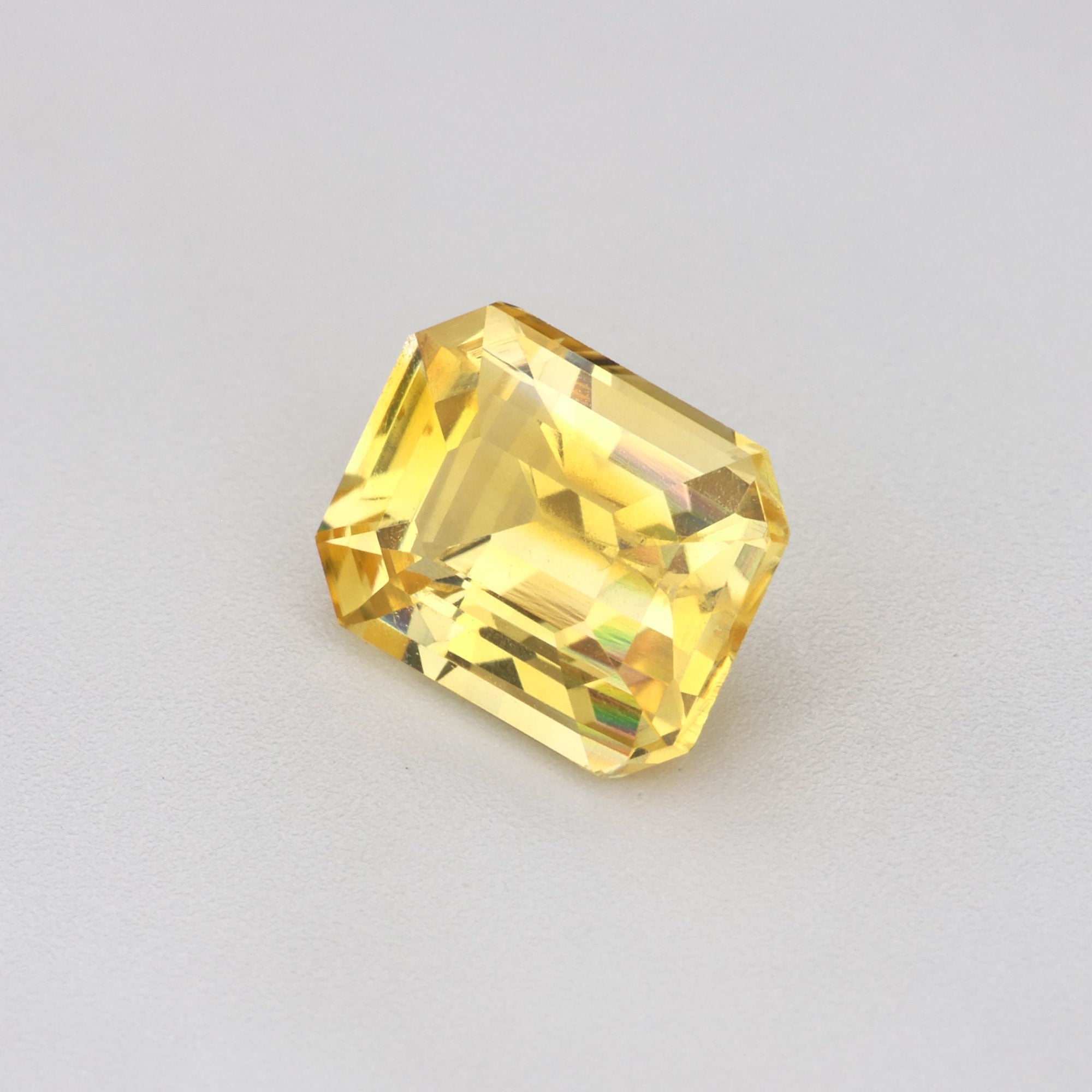
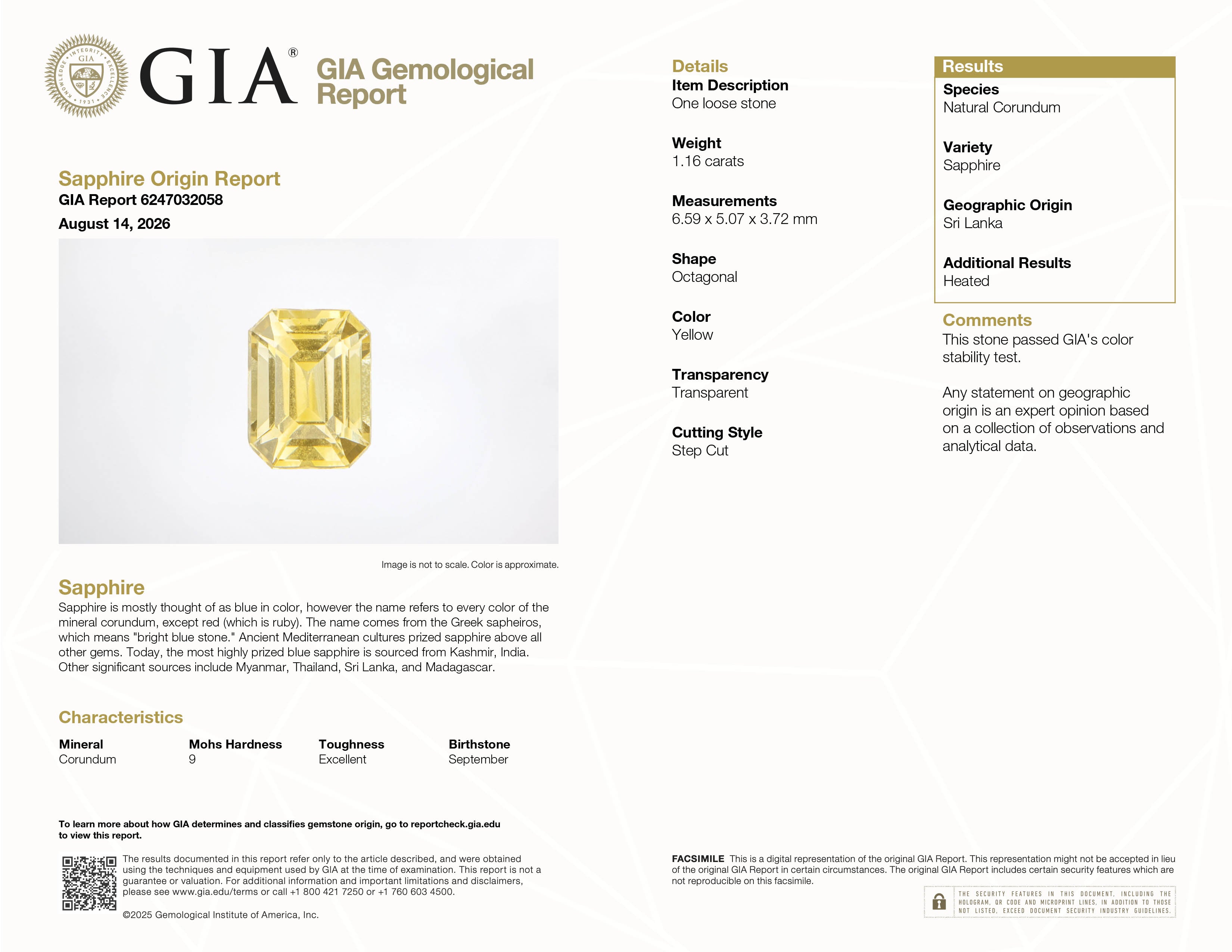
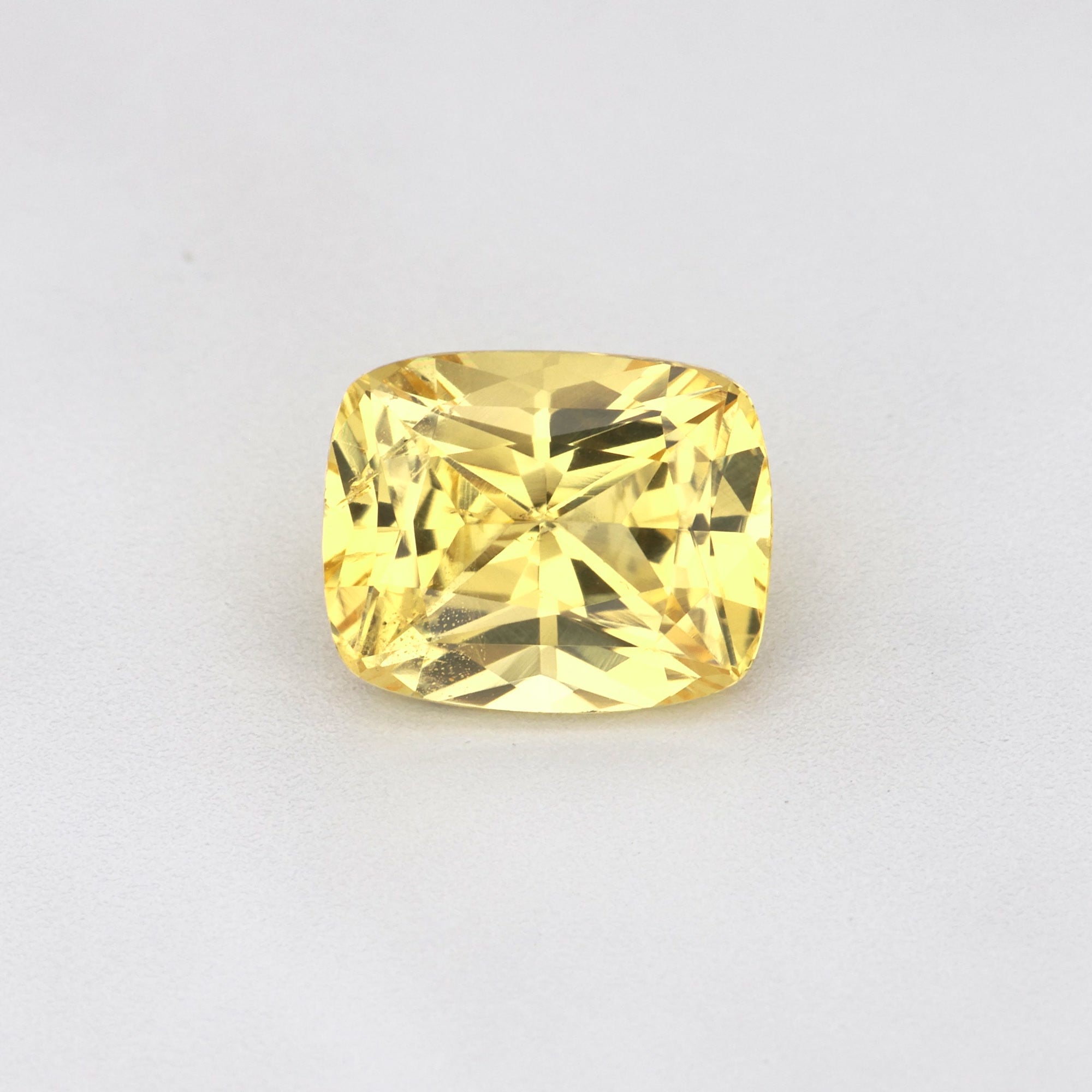
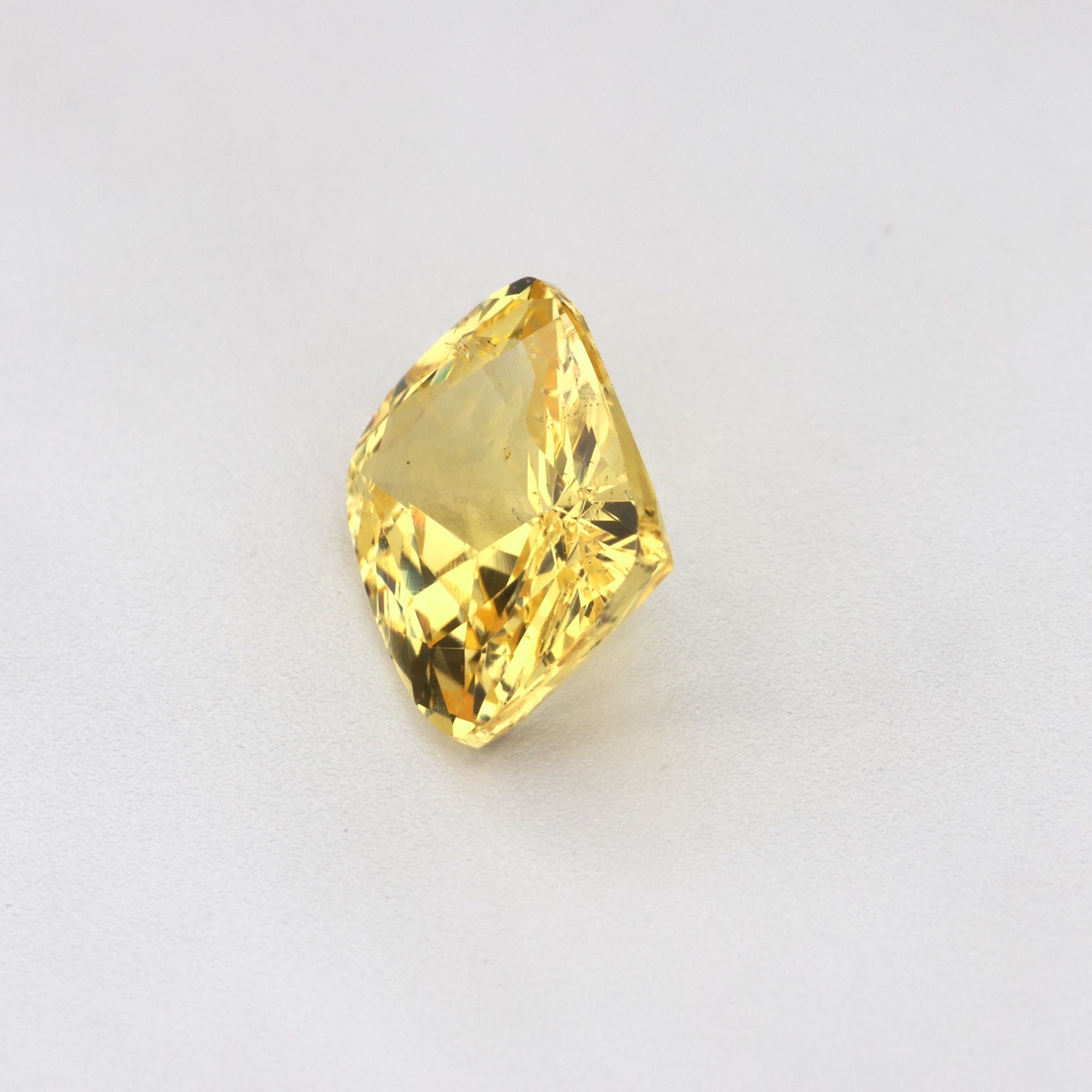
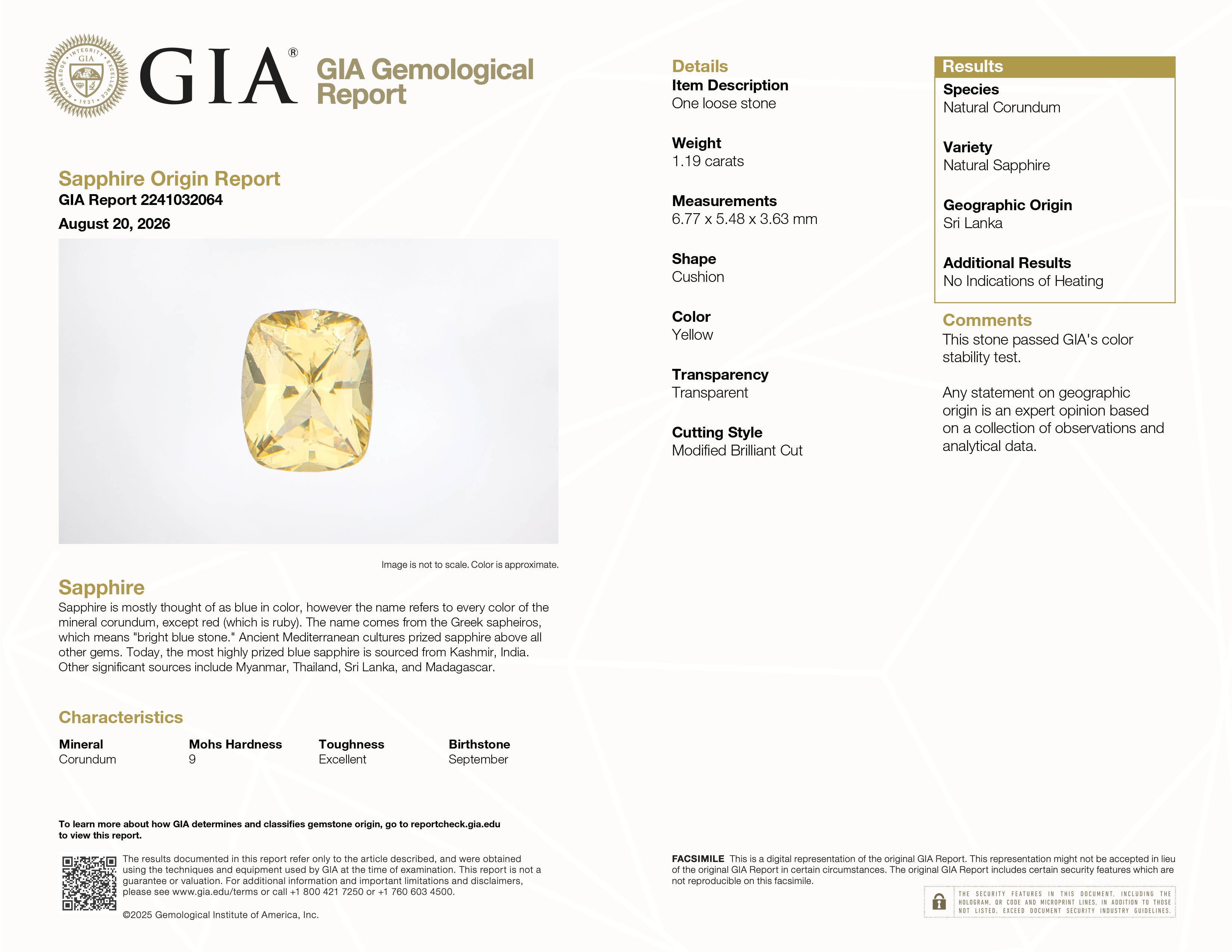
Currently in stock: a 1.81 ct unheated radiant-cut yellow sapphire, GIA-documented and Ceylon origin (Report #1242017778), with GIA color stability testing confirmed — a vivid, intensely saturated example of exactly the color-and-cut pairing this guide describes.
Browse radiant cut sapphires at Crescent Gems →
Browse yellow sapphires at Crescent Gems →
Try Before You Buy — see the stone in your hands before committing →
Shopping by size? Browse yellow sapphire over 1 carat or yellow sapphire over 2 carats.
Prices are shown in your local currency and may change.

CG8465
CG8460
CG8456


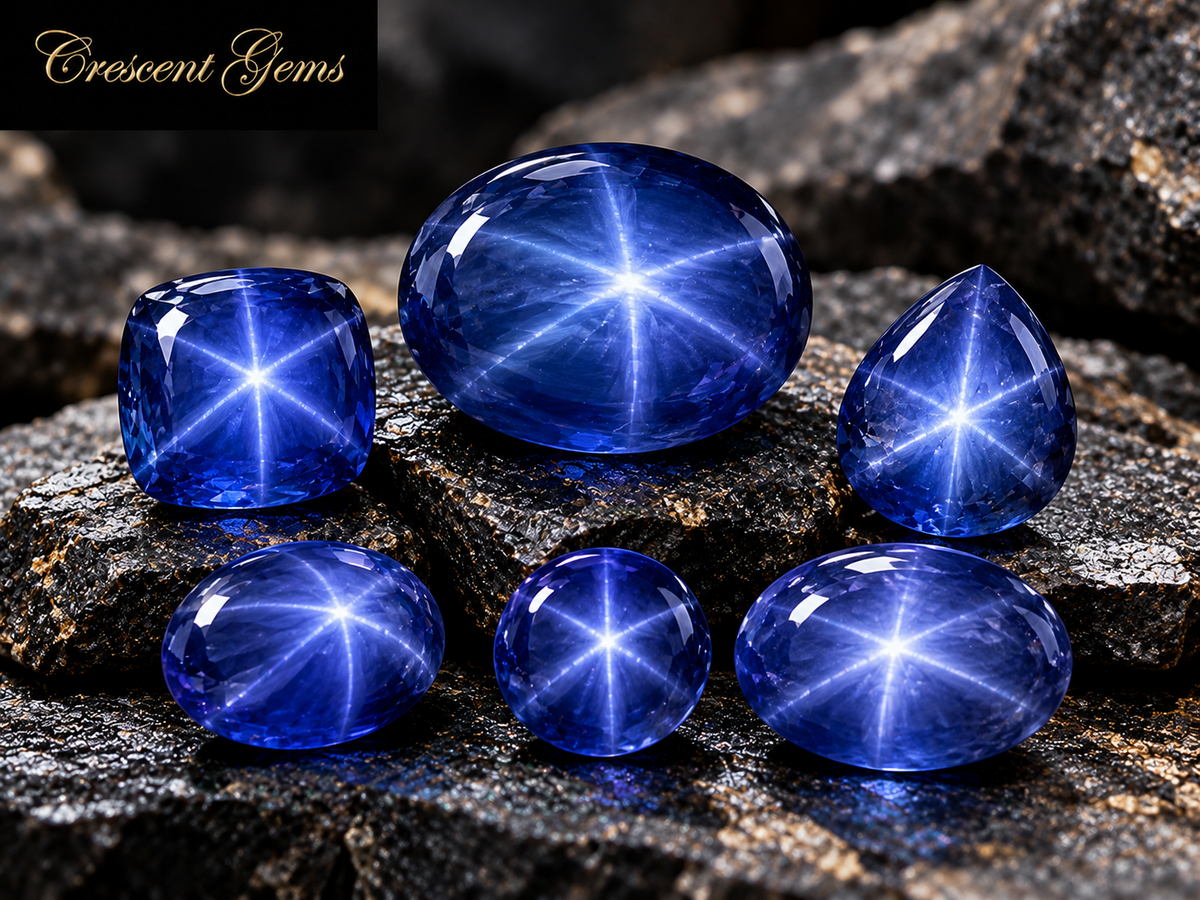
Blue Star Sapphire Price Guide — What They Cost and Why
Read moreabout Blue Star Sapphire Price Guide — What They Cost and Why
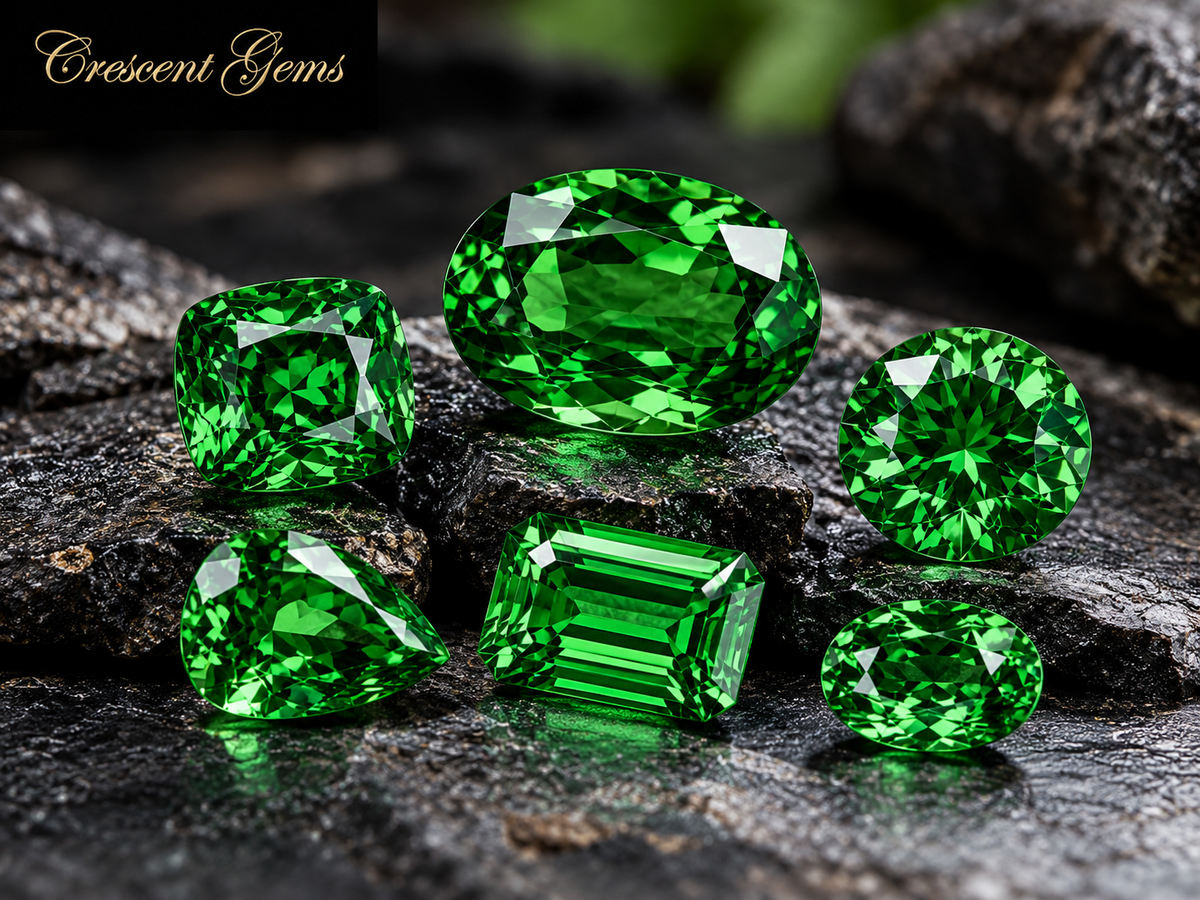
Tsavorite Garnet Price Guide — What They Cost and Why
Read moreabout Tsavorite Garnet Price Guide — What They Cost and Why
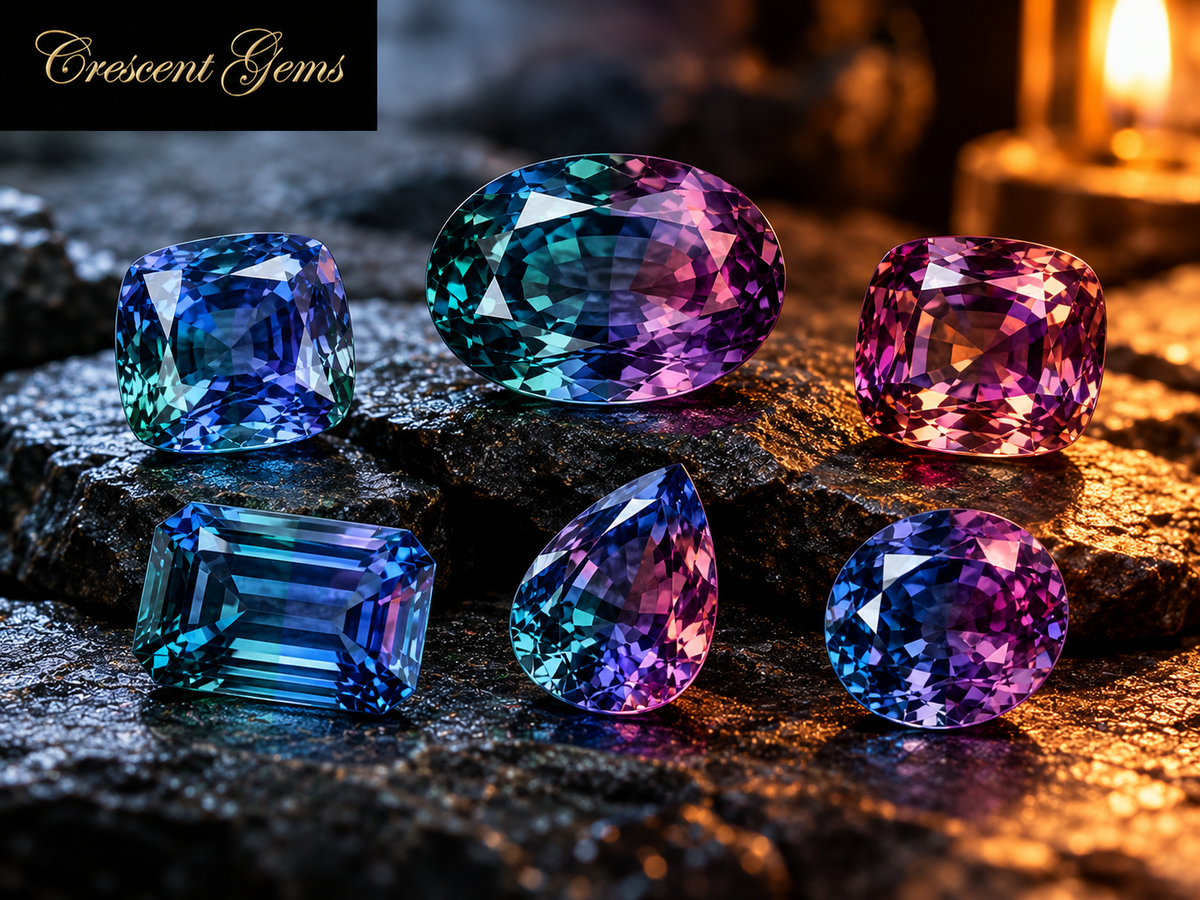
Color-Change Sapphire Price Guide — What They Cost and Why
Read moreabout Color-Change Sapphire Price Guide — What They Cost and Why
Is Cat's-Eye Chrysoberyl Good for an Engagement Ring?
Read moreabout Is Cat's-Eye Chrysoberyl Good for an Engagement Ring?
Cat's Eye Chrysoberyl Price Guide — What They Cost and Why
Read moreabout Cat's Eye Chrysoberyl Price Guide — What They Cost and Why
















Share: