

- by Ahmed Shareek
How to Choose Side Stones for a Sapphire Ring — Shape, Color, and Material Decisions
- by Ahmed Shareek
For three-stone shape combinations: Best Sapphire Shapes for Three-Stone Rings. For metal choice: Yellow Gold vs. White Gold vs. Platinum. For the buying foundation: Ultimate Sapphire Buying Guide.
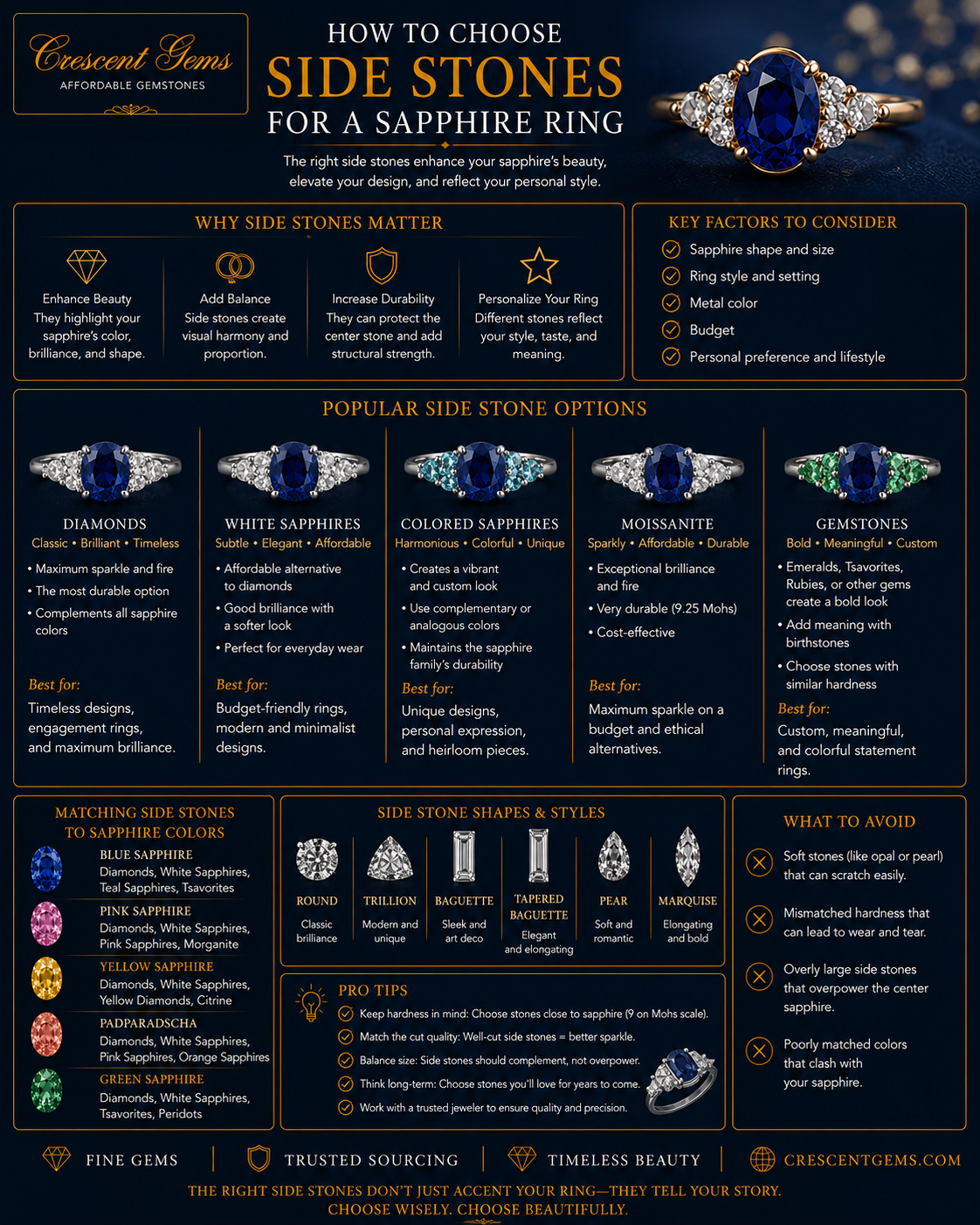
The side stones in a sapphire ring — whether flanking a center stone in a three-stone design or set as accent stones in a halo, pavé band, or shoulder accents — have a significant impact on the finished ring's visual character, color composition, and overall feel. The choice of side stone material (diamond vs. sapphire), shape, size, and color relationship to the center stone are all decisions with meaningful aesthetic and practical consequences.
This guide covers each of those decisions in sequence: what to consider when choosing between diamond and sapphire side stones, which shapes work with which center stone cuts, how to proportion side stones correctly, and how color matching vs. color contrast affects what the ring looks like in wear.
The first and most fundamental side stone decision is material: white diamond side stones, or matching (or contrasting) sapphire side stones.
Diamond side stones are the conventional and most commercially common choice. The reasons are strong: white diamonds are available in any calibrated size and shape, their neutral white color provides maximum contrast against any sapphire color (intensifying the center stone's apparent color), and they are universally understood as precious and appropriate for engagement jewelry. A diamond side stone arrangement frames the sapphire center without competing with it — the eye reads the colored center stone first, with the diamonds as supporting cast.
For buyers who want the most versatile, universally flattering, and commercially standard result, diamond side stones are the right choice. The sapphire's color is the star; the diamonds are the frame.
Side stones in the same color as the center sapphire create an immersive, monochromatic color statement. A vivid blue center sapphire flanked by vivid blue sapphire side stones reads as a ring entirely devoted to blue — bold, saturated, and distinctive. This approach suits buyers who want maximum color presence and a ring that declares its sapphire character unmistakably.
The practical challenge: matching sapphire side stones must be carefully color-matched to the center stone — differences in tone, saturation, or secondary hue between the center and sides are immediately visible in a matched sapphire ring. This requires working with a dealer who can source calibrated matched pairs alongside the center stone, or who has sufficient inventory to find true matches. At Crescent Gems, we can source matched side stone pairs for our center stones — email crescentgems@gmail.com with your center stone specifications.
Side stones in a different color from the center sapphire create a deliberate color composition. Classic complementary combinations:
Contrasting sapphire combinations are individualized choices that require the buyer to be intentional about the color relationship — what looks harmonious on paper may look jarring in person, or vice versa. Viewing the actual stones together before committing is strongly recommended for contrasting combinations.
The shape of the side stones must be visually compatible with the center stone's outline. The best side stone shapes for each center cut:
| Center Shape | Best Side Stone Shapes | Character Created |
|---|---|---|
| Oval | Round brilliant, pear (pointed inward), trapezoid | Flowing, elegant, classic |
| Cushion | Round brilliant, half-moon, small cushions | Romantic, vintage, rich |
| Round | Any — most versatile center shape | Universally flattering |
| Emerald cut | Baguette, tapered baguette, trapezoid | Architectural, sophisticated |
| Pear | Round, small pear (pointed outward) | Romantic, directional |
| Radiant | Trapezoid, baguette, small radiant | Modern, geometric |
Side stone proportions matter significantly for visual balance. The key guidelines:
Beyond the three-stone configuration, the band itself can carry side stones:
Pavé band: A band set with small brilliant diamonds across its face adds sparkle along the shank that frames the center stone from every angle. A vivid teal or blue sapphire center in a platinum pavé band with a four-prong solitaire head is one of the most commercially popular sapphire ring configurations. The pavé adds budget cost and increases the ring's overall diamond presence.
Partial pavé / shoulder set: Diamond accents only on the shoulders of the shank, tapering toward the back. A middle ground between plain band and full pavé — adds sparkle where it is most visible without the full cost of a pavé band.
Plain band: The cleanest and most stone-forward option. A plain polished or engraved band focuses all attention on the center sapphire and is the right choice for buyers who want maximum color presence without competing sparkle. Plain bands also tend to wear better over decades — pavé bands require maintenance when small diamonds work loose.
For the full custom ring design framework see our custom sapphire ring design guide.
Diamond side stones are more versatile, easier to match across any center stone color, and the conventional choice. They provide neutral white contrast that intensifies the center sapphire's color without competing. Sapphire side stones (matching or contrasting) create a bolder, more distinctive color statement but require more careful sourcing and color matching. Neither is objectively better — it is a personal aesthetic decision.
Work with a direct-source dealer who has sufficient inventory to find calibrated pairs that match your center stone's color, tone, and saturation. At Crescent Gems, email crescentgems@gmail.com with the specifications of your center stone and we can advise on available matching side stones from our Ceylon inventory.
Yes — alternating diamond and sapphire accents in a halo or pavé band creates an interesting color-and-white mixed composition. This works particularly well when the accent sapphires are small enough that the overall impression is of sparkle with color notes rather than a competing colored stone arrangement.
Email crescentgems@gmail.com with your center stone and side stone preferences — we can help source matching or complementary side stones from our direct Ceylon inventory. We respond within one business day.
Need two well-matched stones rather than one? Browse our matched gemstone pairs collection, pre-selected for color and size consistency.

CG8465
CG8460
CG8456


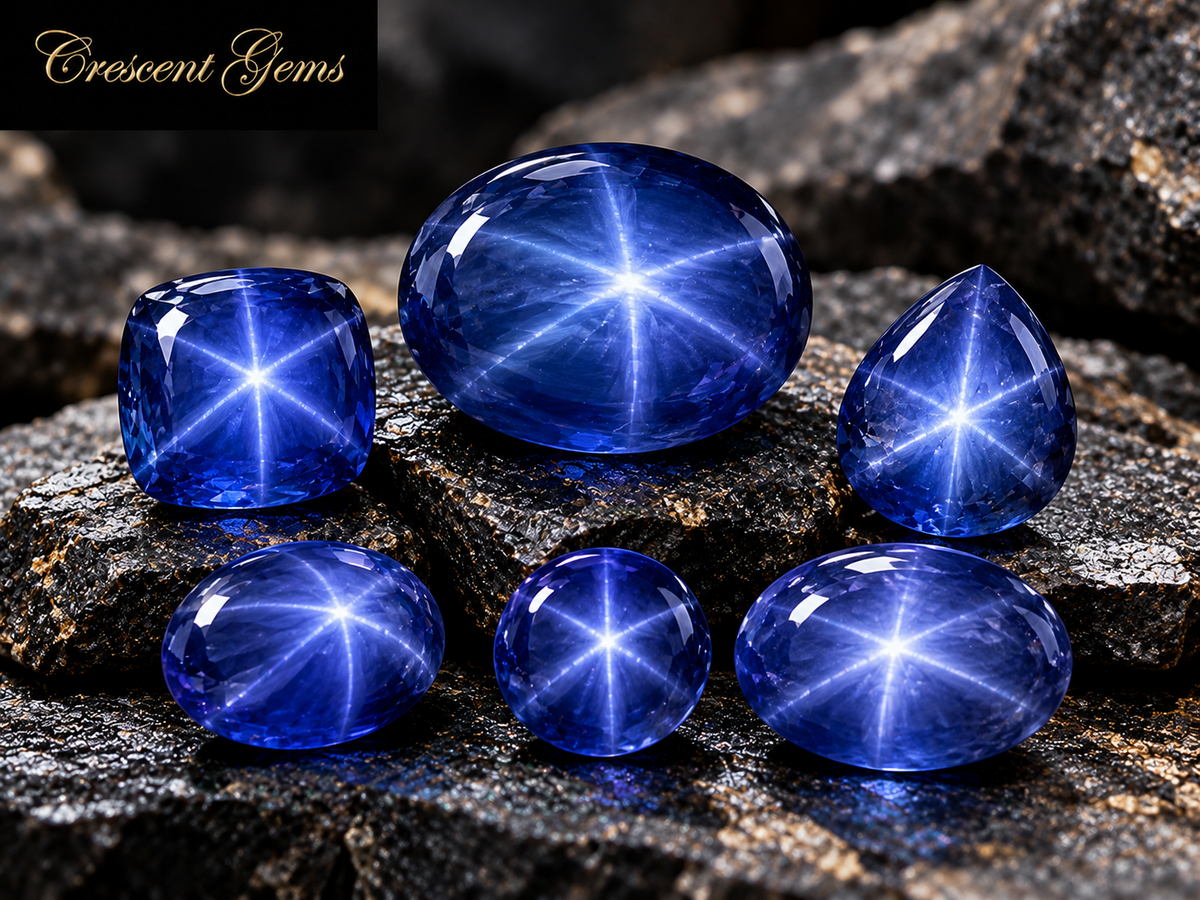
Blue Star Sapphire Price Guide — What They Cost and Why
Read moreabout Blue Star Sapphire Price Guide — What They Cost and Why
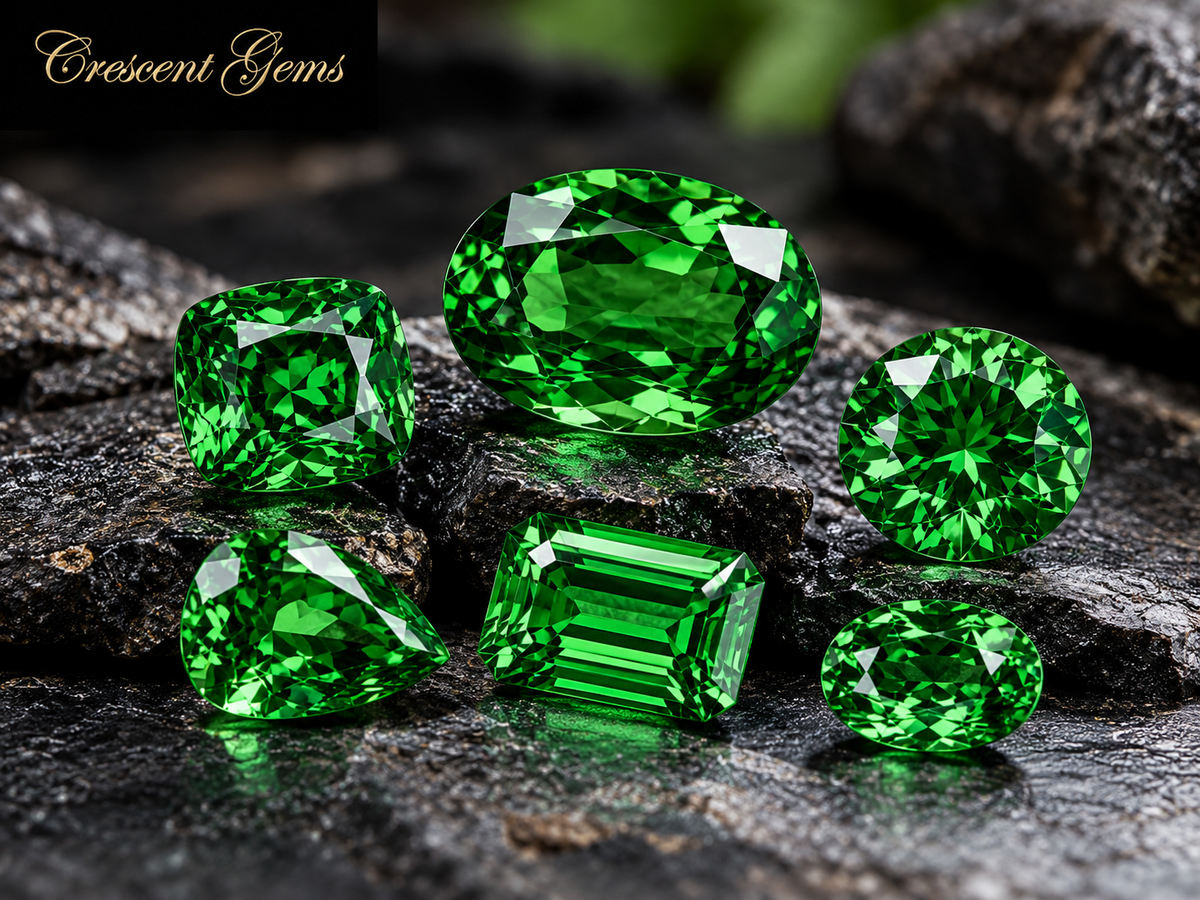
Tsavorite Garnet Price Guide — What They Cost and Why
Read moreabout Tsavorite Garnet Price Guide — What They Cost and Why
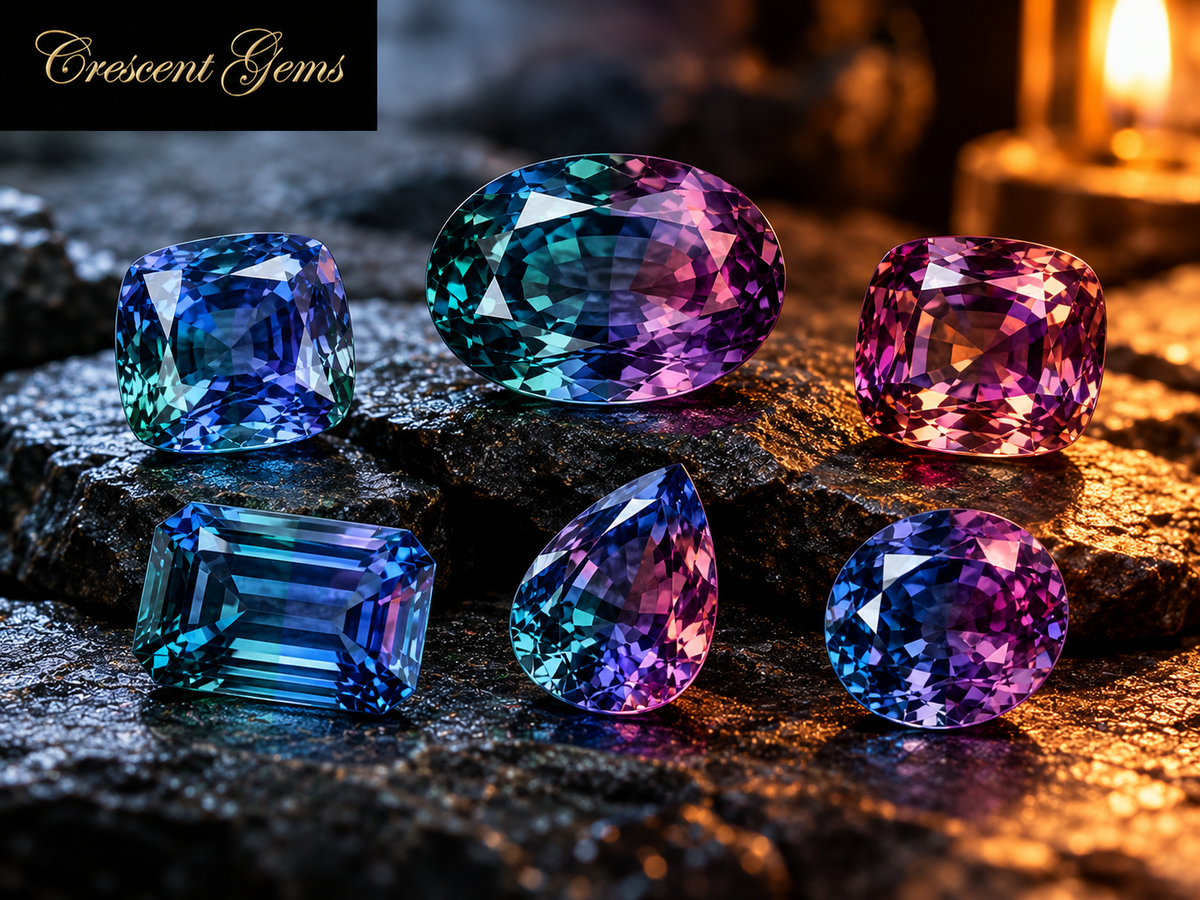
Color-Change Sapphire Price Guide — What They Cost and Why
Read moreabout Color-Change Sapphire Price Guide — What They Cost and Why
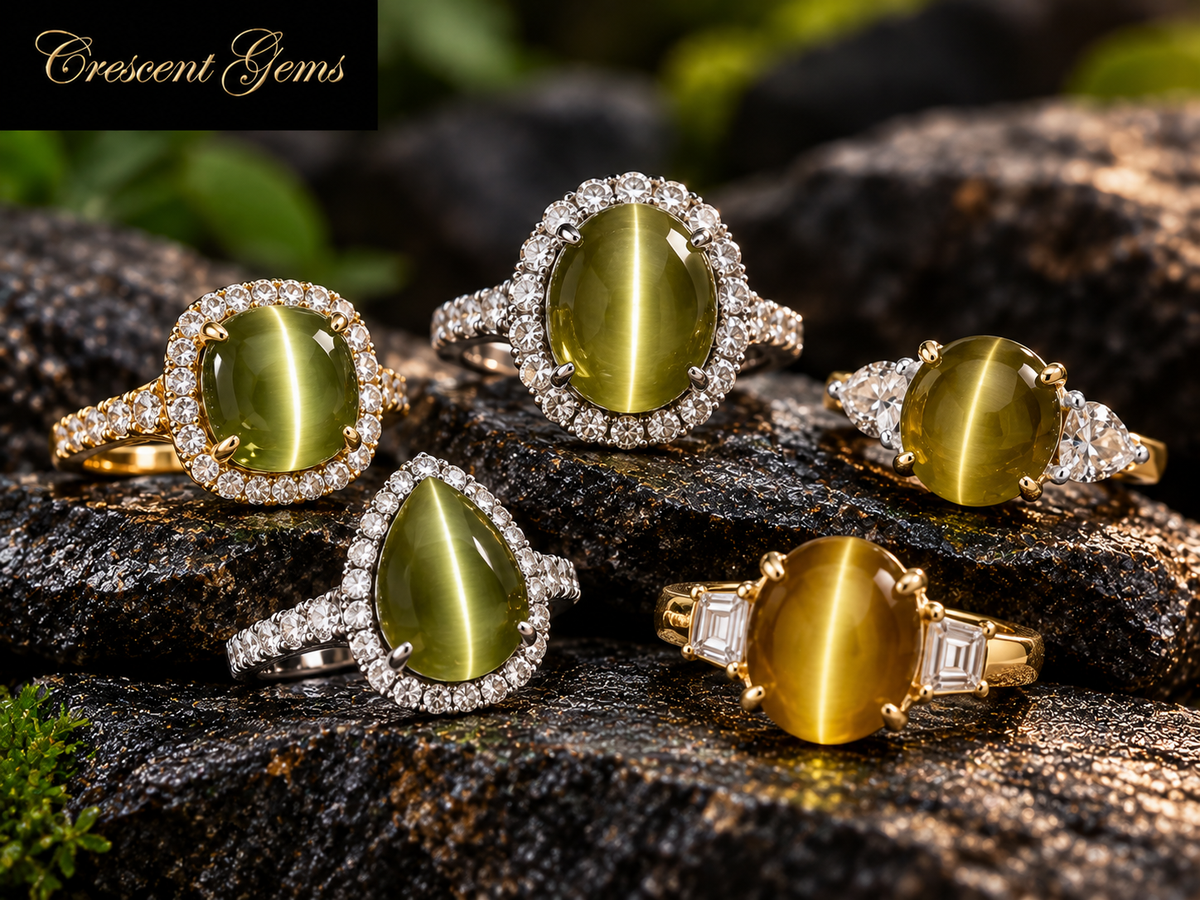
Is Cat's-Eye Chrysoberyl Good for an Engagement Ring?
Read moreabout Is Cat's-Eye Chrysoberyl Good for an Engagement Ring?
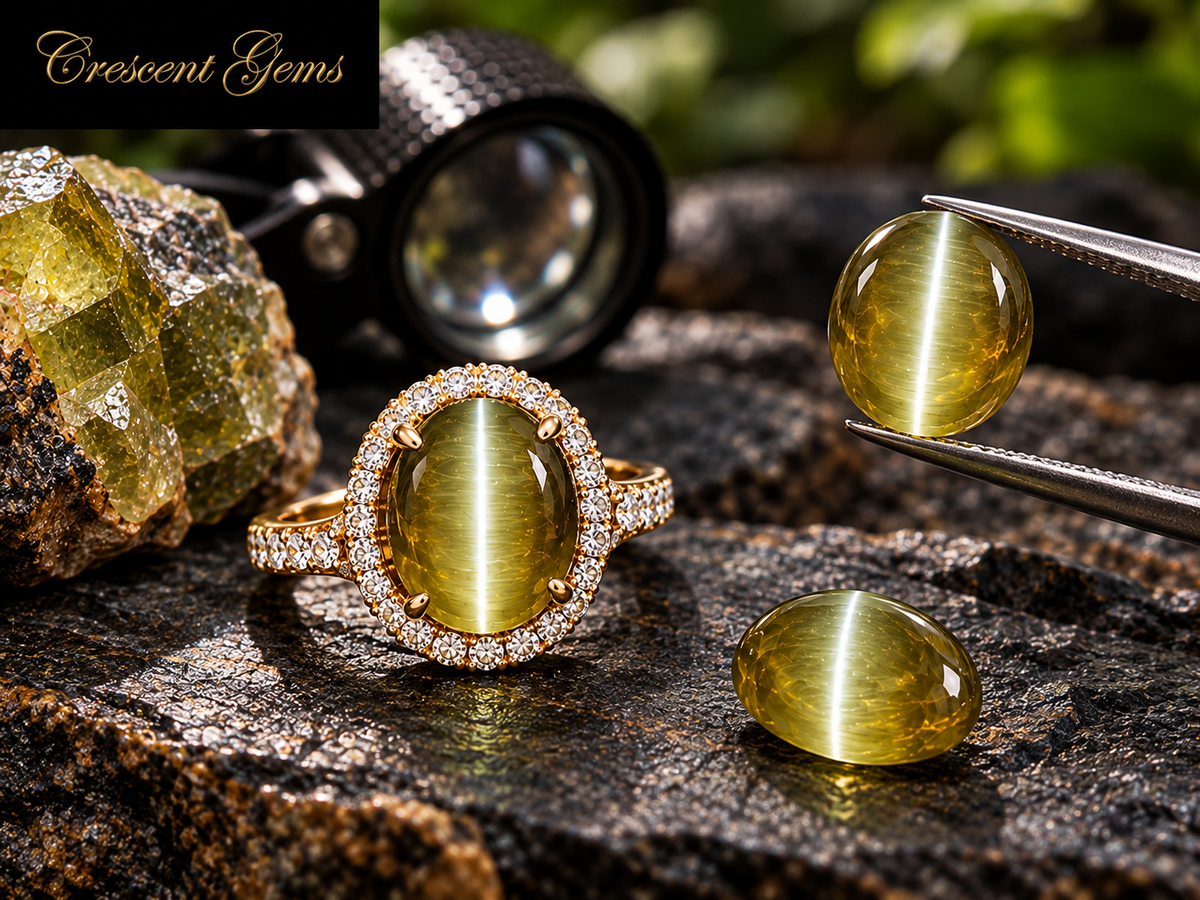
Cat's Eye Chrysoberyl Price Guide — What They Cost and Why
Read moreabout Cat's Eye Chrysoberyl Price Guide — What They Cost and Why















Share: