

- by Ahmed Shareek
Emerald Cut Sapphire — The Complete Guide to the Step Cut That Shows Everything
- by Ahmed Shareek
For cut quality fundamentals: How Cut Affects a Sapphire. For shape comparison: Best Sapphire Cut for an Engagement Ring. For the buying foundation: Ultimate Sapphire Buying Guide.
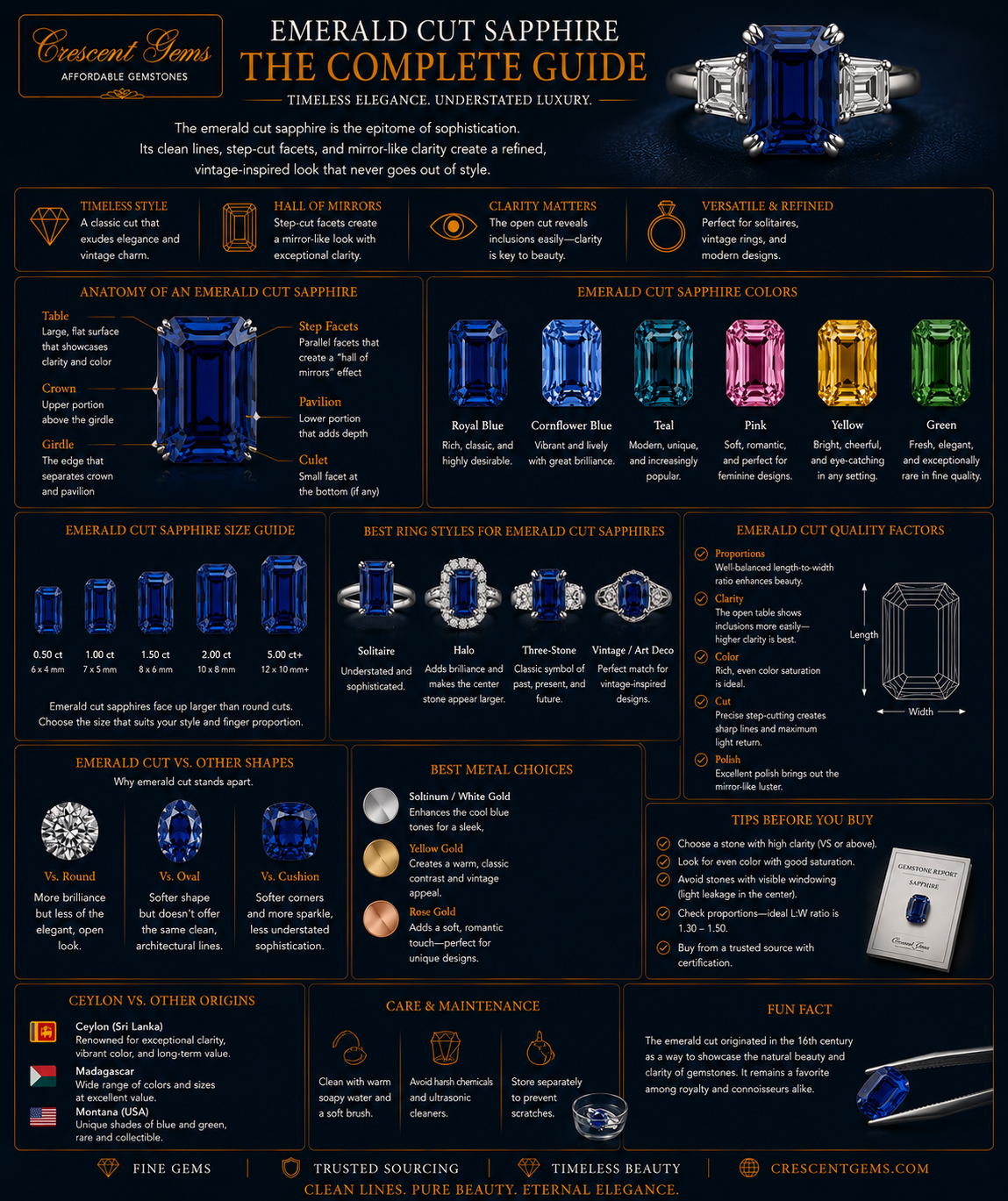
The emerald cut is the most unforgiving sapphire shape you can choose — and for buyers who understand what they are looking at, that is exactly the point. Where brilliant cuts like oval and cushion use dozens of facets to scatter light and mask imperfections, the emerald cut uses large, flat, parallel step facets that create a transparent window directly into the stone. There is nowhere to hide. A fine emerald cut sapphire of vivid, evenly saturated color and clean clarity produces the hall-of-mirrors optical phenomenon — where the step facets reflect each other in an endless series of parallel planes, creating depth that appears to extend far beyond the physical dimensions of the stone.
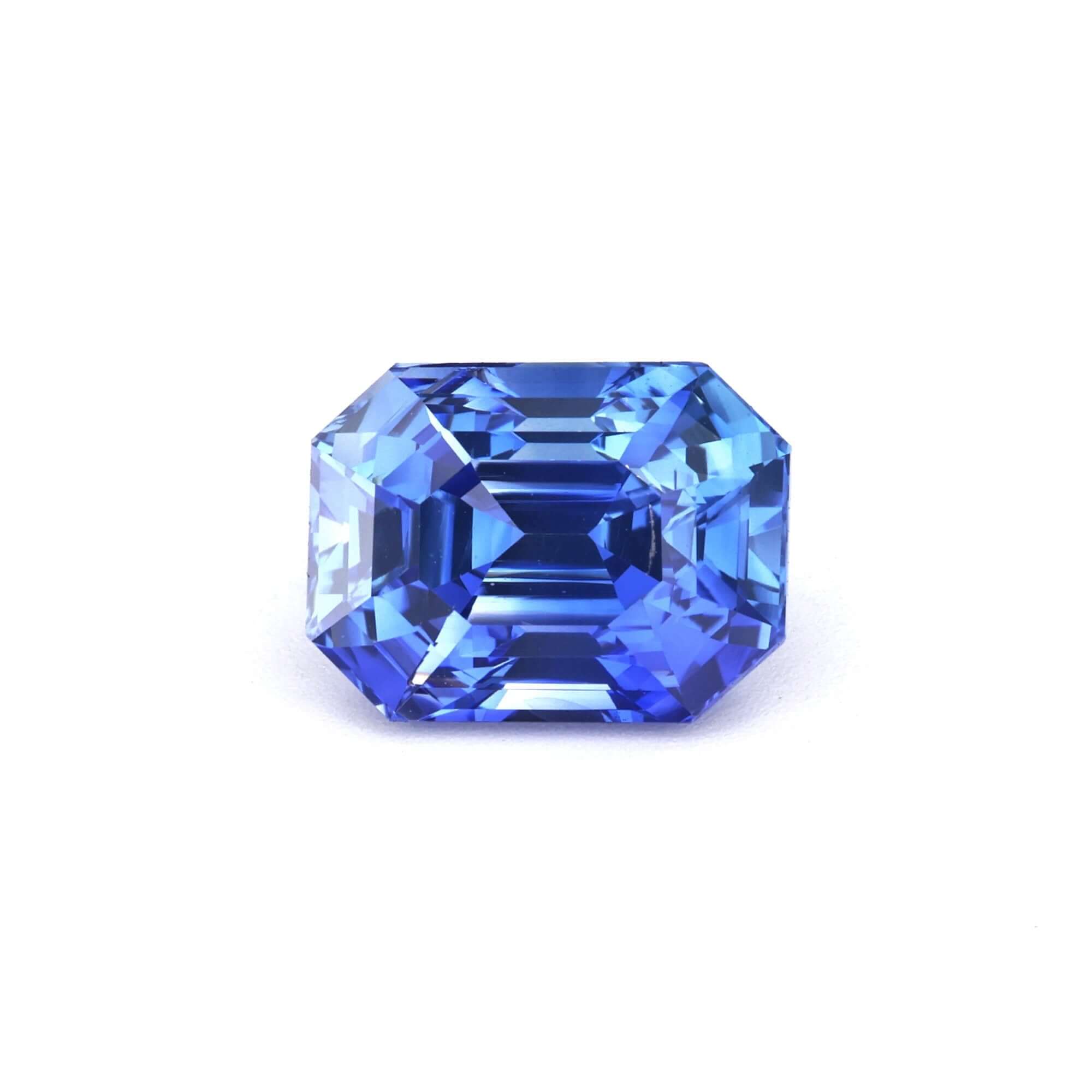
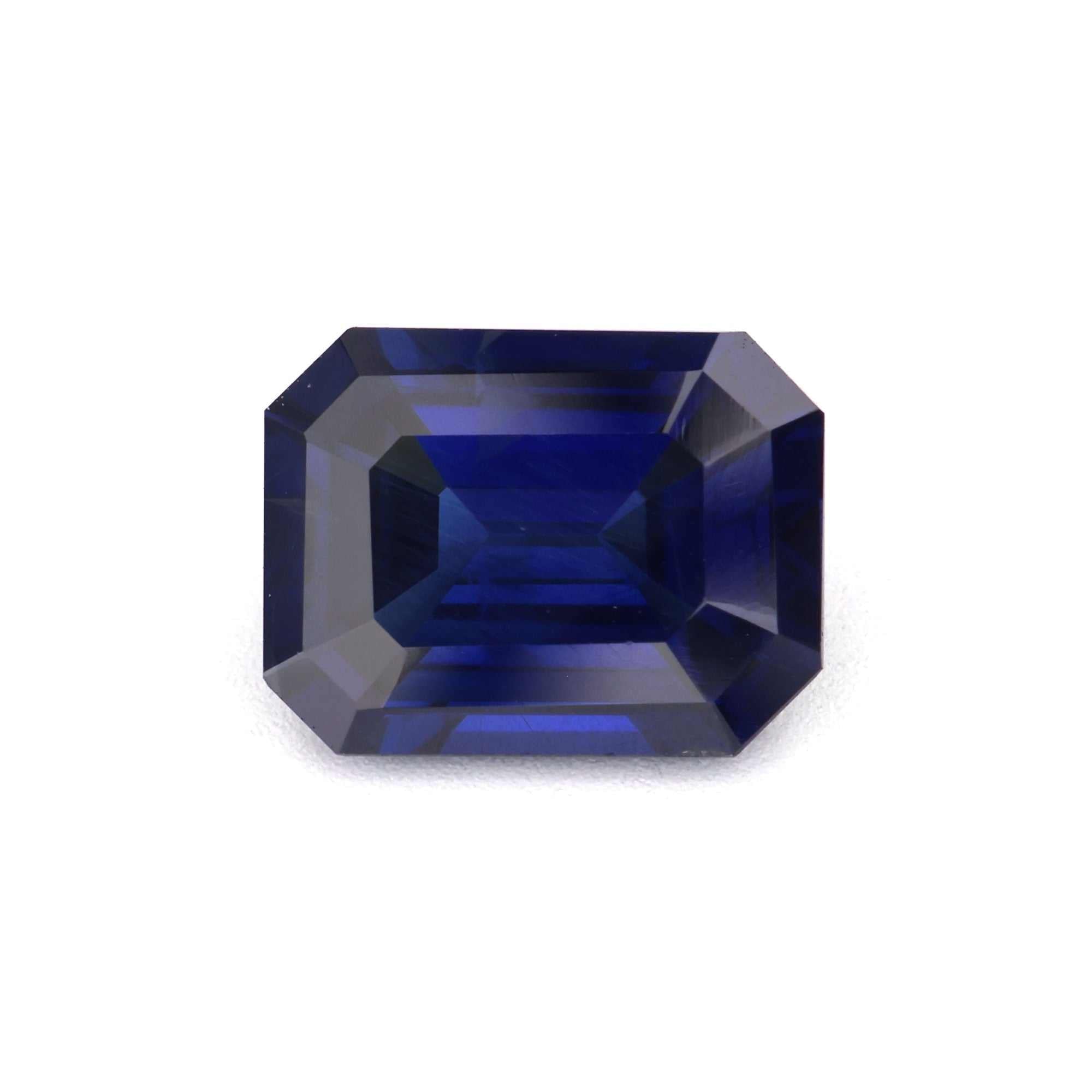
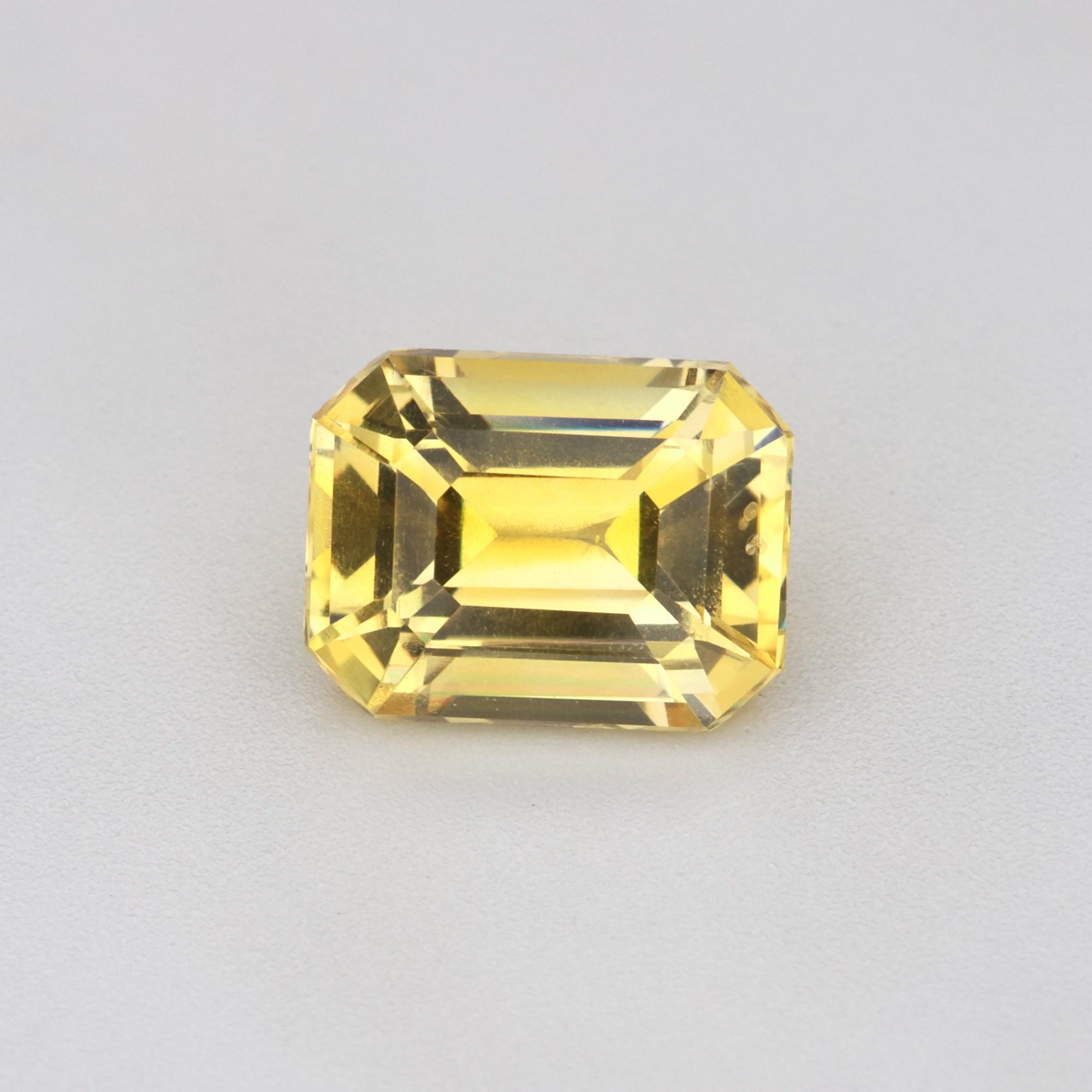
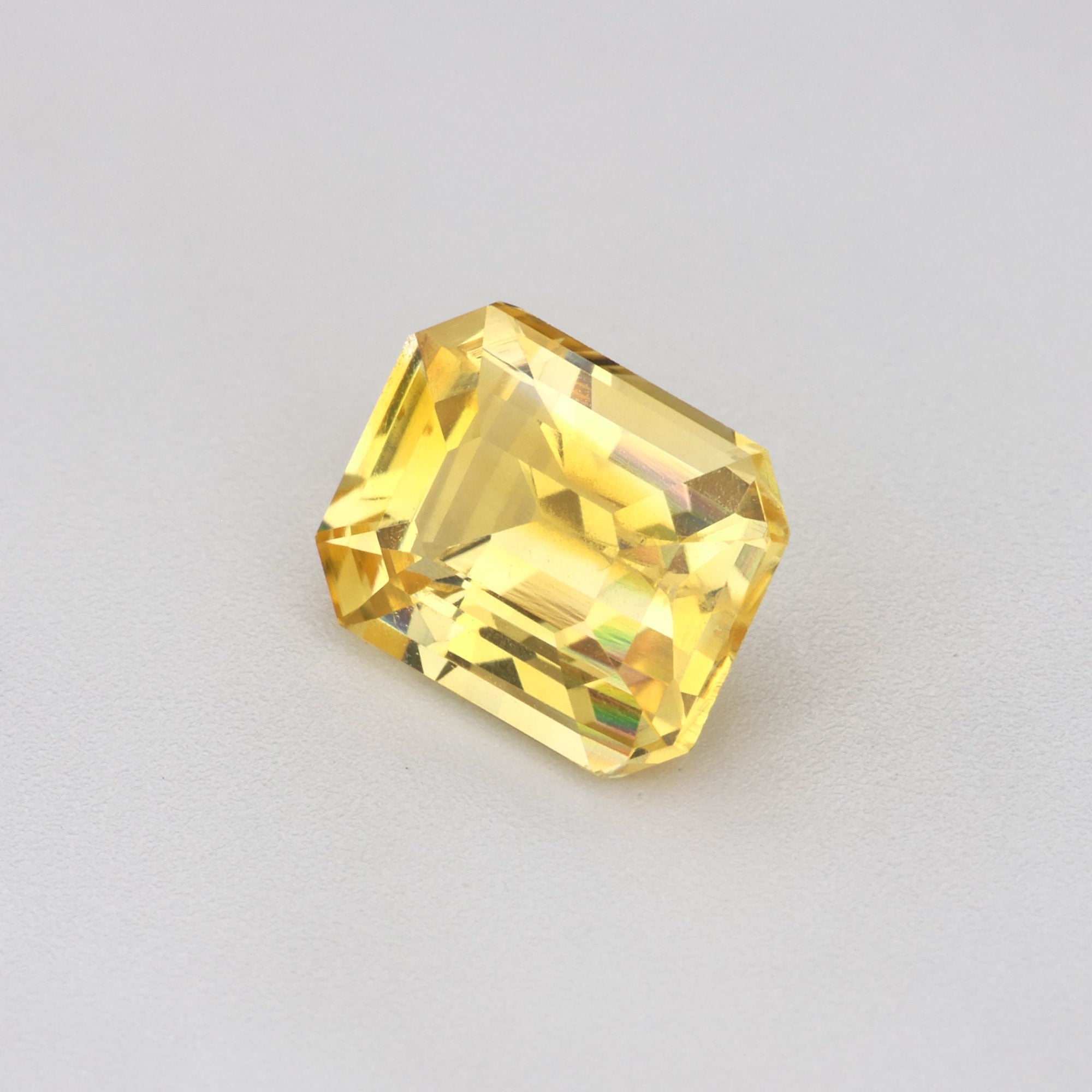
The emerald cut is a step cut: its facets are arranged in parallel rows, like steps ascending from the girdle to the table on both the crown and pavilion. Unlike brilliant cuts, step facets are rectangular or trapezoidal, running parallel to the girdle edge. The result is a fundamentally different optical mechanism — instead of breaking light into many small reflections, the step facets create broad, mirror-like planes that reflect large areas of light and dark. The classic emerald cut outline is rectangular with cropped corners, typically ranging from 1.30:1 to 1.60:1 length-to-width ratio. For setting that protects these corners, see our setting protection guide.
The defining optical characteristic of a well-cut emerald sapphire is the hall-of-mirrors effect — the way the parallel step facets reflect each other and create an impression of infinite depth within a shallow stone. This is completely different from what brilliant cuts do. A brilliant cut oval or cushion creates surface scintillation. The emerald cut creates interior depth — a sense of looking into the stone rather than at it. The color in an emerald cut does not flash; it glows, steadily and evenly, through the transparent facet planes.
Clarity: Inclusions that would be masked by the facet pattern of a brilliant cut are immediately visible in an emerald cut's large, clear facet planes. Eye-clean is the firm standard to hold emerald cuts to. See our How to Read Sapphire Inclusions guide. Color evenness: Color zoning shows more clearly in an emerald cut than in any brilliant cut. The large, flat step facets act like windows: you can see straight into the stone and observe whether the color is even throughout. Color saturation: The emerald cut is less forgiving of weak color than brilliant cuts. Strong, vivid color saturation is the minimum for an emerald cut sapphire to look impressive. See our Sapphire Colors Explained guide.
Window check: Hold the stone face-up over a white surface. Windowing is even more apparent in an emerald cut because the large flat table facet creates a direct view into the pavilion. Any windowing in an emerald cut is a serious quality defect. See our How Cut Affects a Sapphire guide. Clarity assessment: Examine face-up under good lighting. The step facets will reveal any inclusions clearly. Color evenness: Tilt the stone slowly as you view it face-up. The color should remain consistent across the face. Face-up size benchmarks: Check the stone against what our own emerald cuts measure — see the table below.
The figures below are measured from the 13 emerald-cut sapphires we currently list. All 13 have recorded dimensions, so none were excluded from the sample. They describe how the emerald cuts we buy are cut — not what a carat weight "is".
| Carat band (median weight) | Emerald cuts measured | Median face-up size | Range across those stones |
|---|---|---|---|
| 0.50–0.99 ct (median 0.60 ct) | 2 | 5.70 × 3.99 mm | 5.53–5.86 × 3.90–4.08 mm |
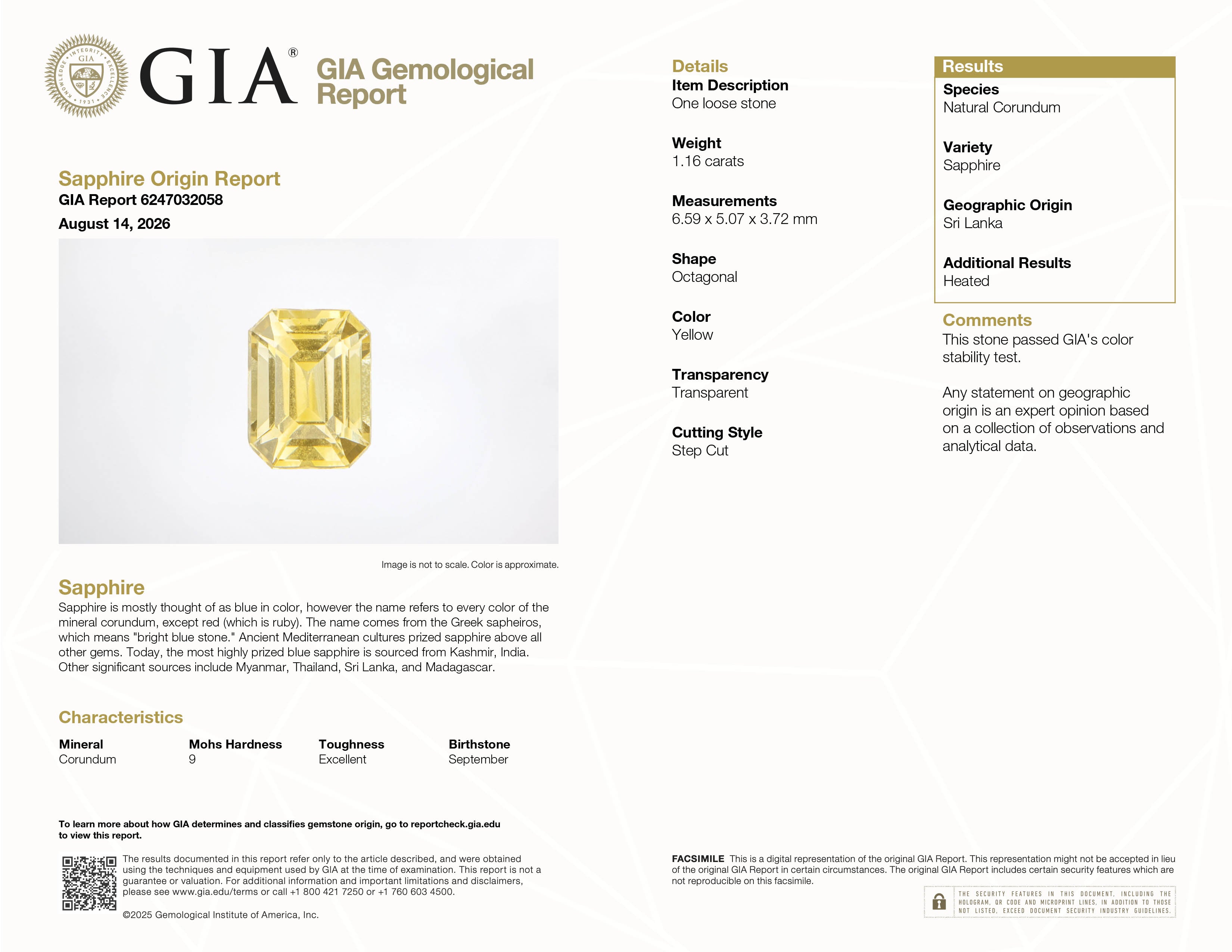
| 1.00–1.49 ct (median 1.16 ct) | 5 | 6.59 × 5.07 mm | 5.80–7.24 × 4.86–5.53 mm |
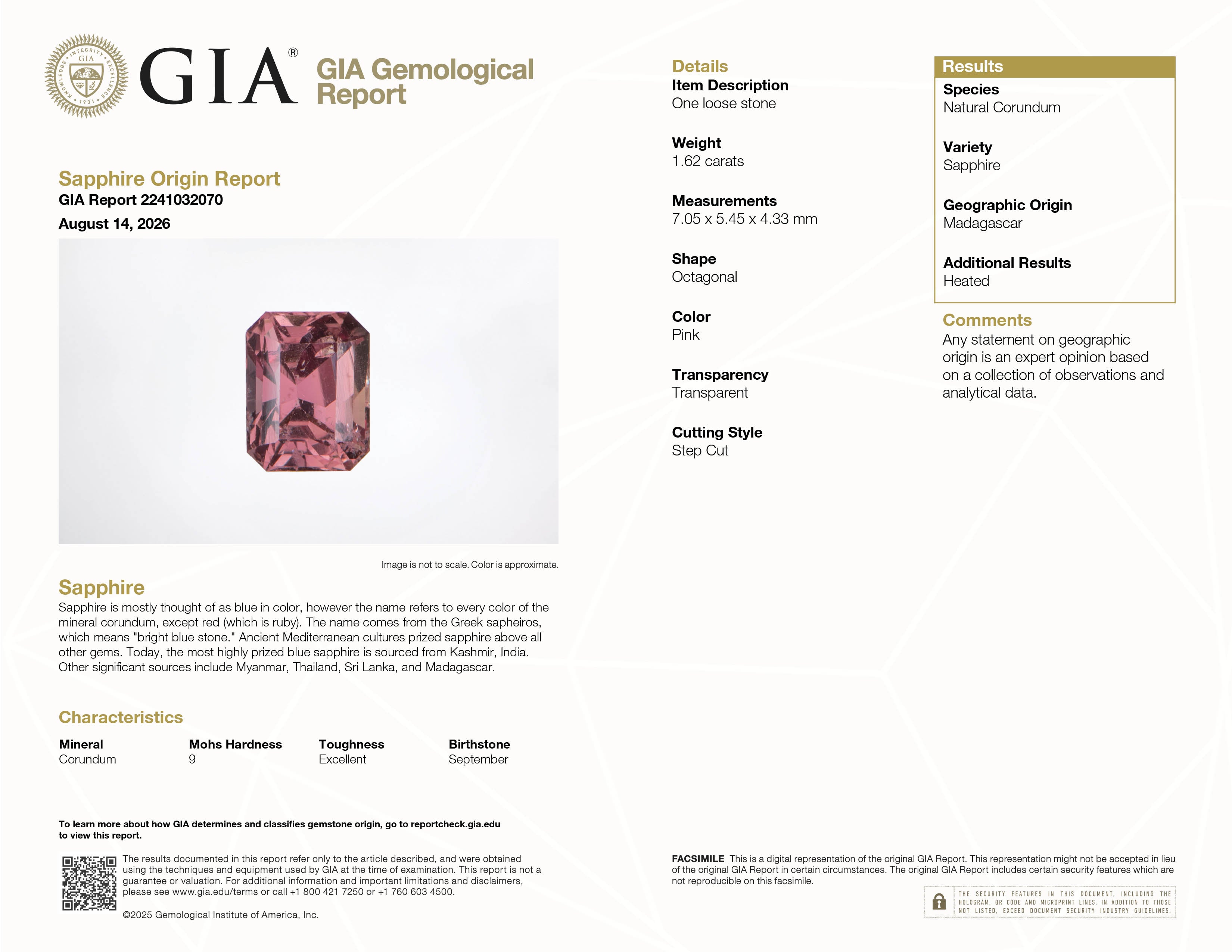
| 1.50–1.99 ct (median 1.60 ct) | 3 | 7.45 × 5.45 mm | 7.05–7.75 × 5.03–6.05 mm |
| 2.12 ct | 1 | 6.98 × 5.67 mm | one stone, not a range |
| 3.00–3.49 ct (median 3.08 ct) | 2 | 8.56 × 6.89 mm | 8.53–8.60 × 6.45–7.34 mm |
Measured from the 13 emerald-cut sapphires we currently list, 18 September 2026. These are our own stones, measured — not a universal size chart. Figures are the medians of our recorded face-up length and width; the bands shown are the weights we actually hold, and no band is estimated from stones we do not have.
With 13 stones the sample is small: two rows rest on two stones and one on a single stone, and we hold nothing between 2.13 and 2.99 ct or above 3.09 ct. The bands above are the weights we actually stock.
A generic trade chart puts a 1 ct emerald cut at roughly 7.0 × 5.0 mm and a 3 ct at 10.5 × 7.5 mm. Our 1.00–1.49 ct stones (median 1.16 ct) measure 6.59 × 5.07 mm, and our two stones at 3.08 and 3.09 ct measure 8.60 × 6.45 mm and 8.53 × 7.34 mm — well inside the chart's 3 ct figure. The step cut is a deep design, and a deep stone carries weight below the girdle rather than across the face. Two stones of the same carat weight can therefore differ in spread, and spread is what you are really comparing. That is a statement about these stones, not a claim that they are cut better or worse than anyone else's.
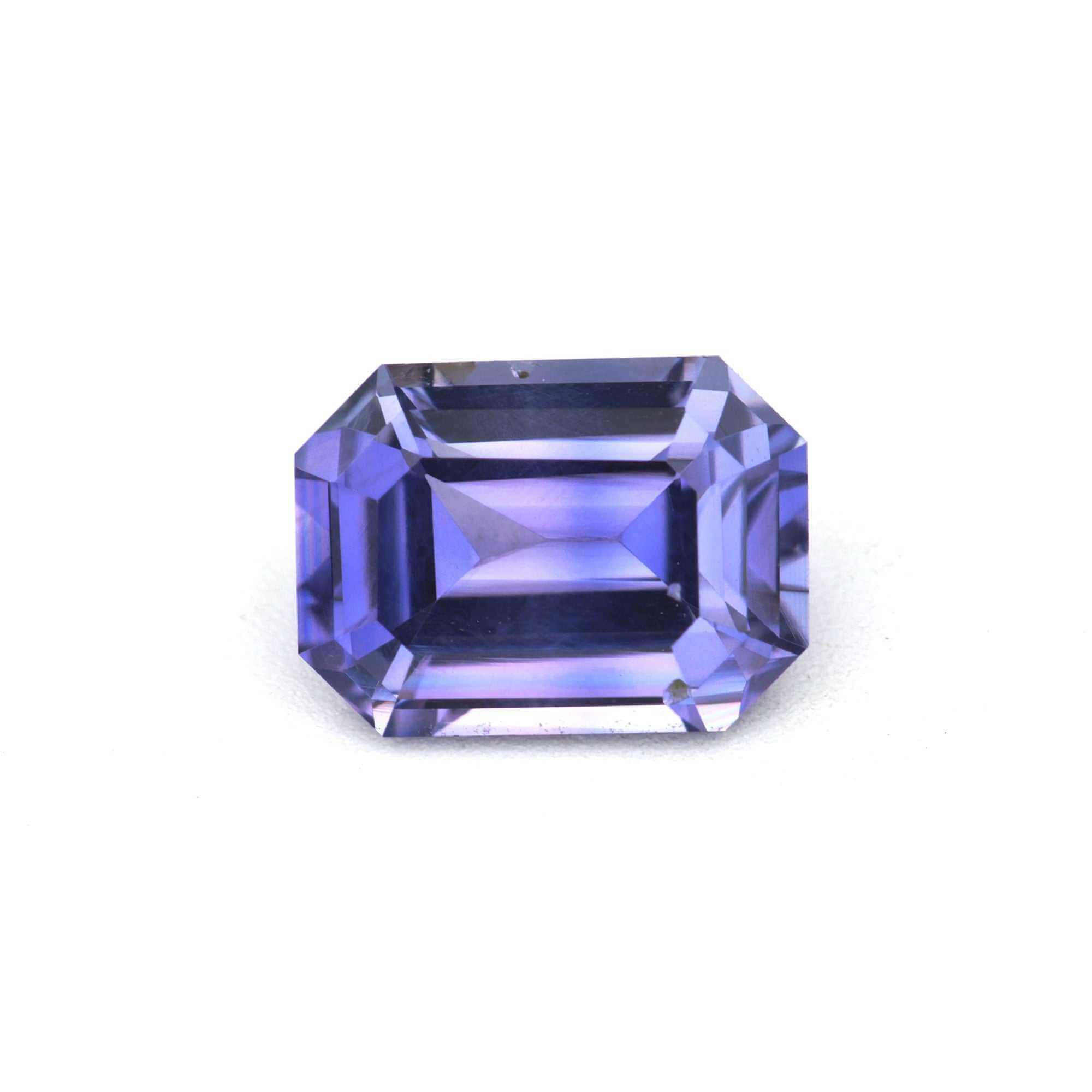
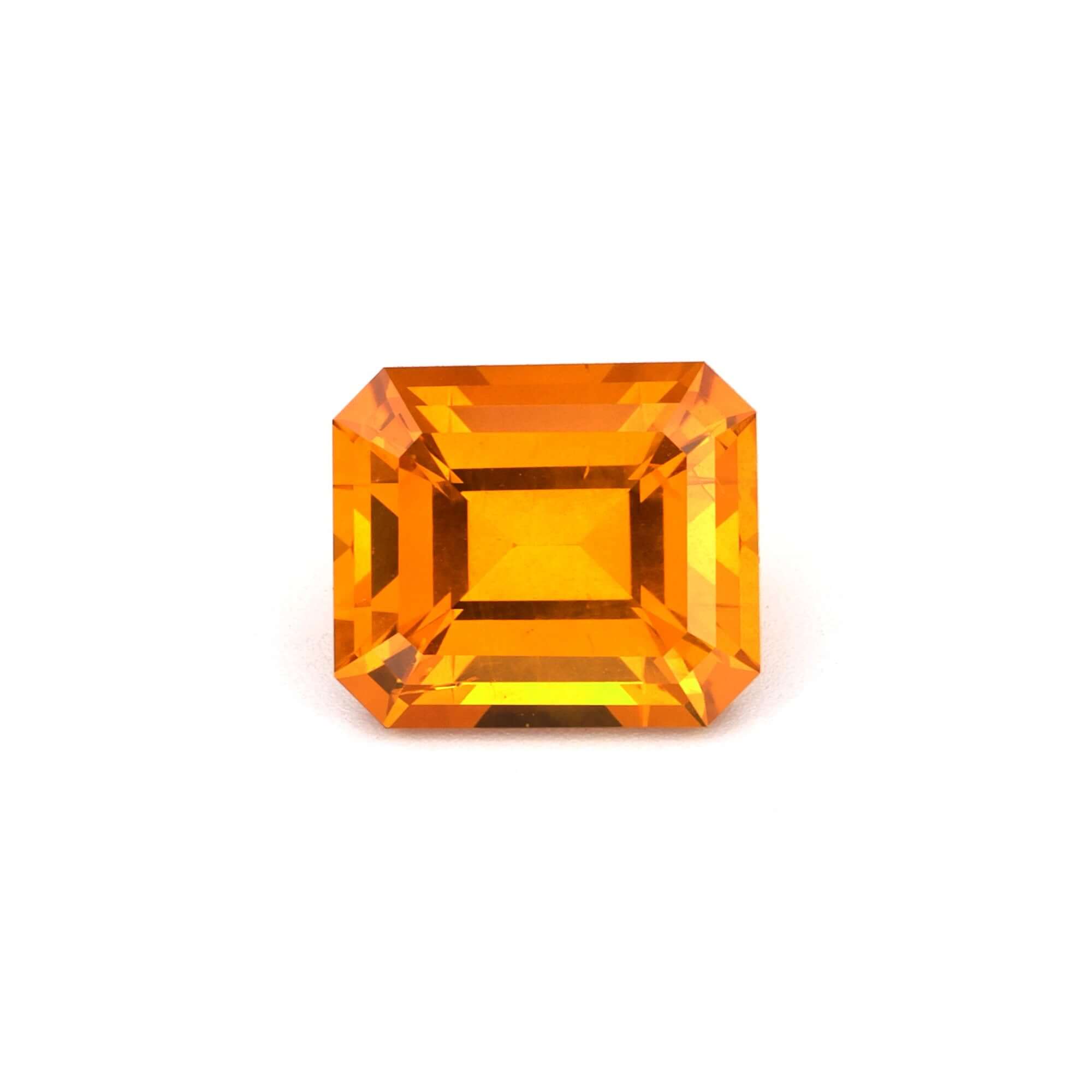
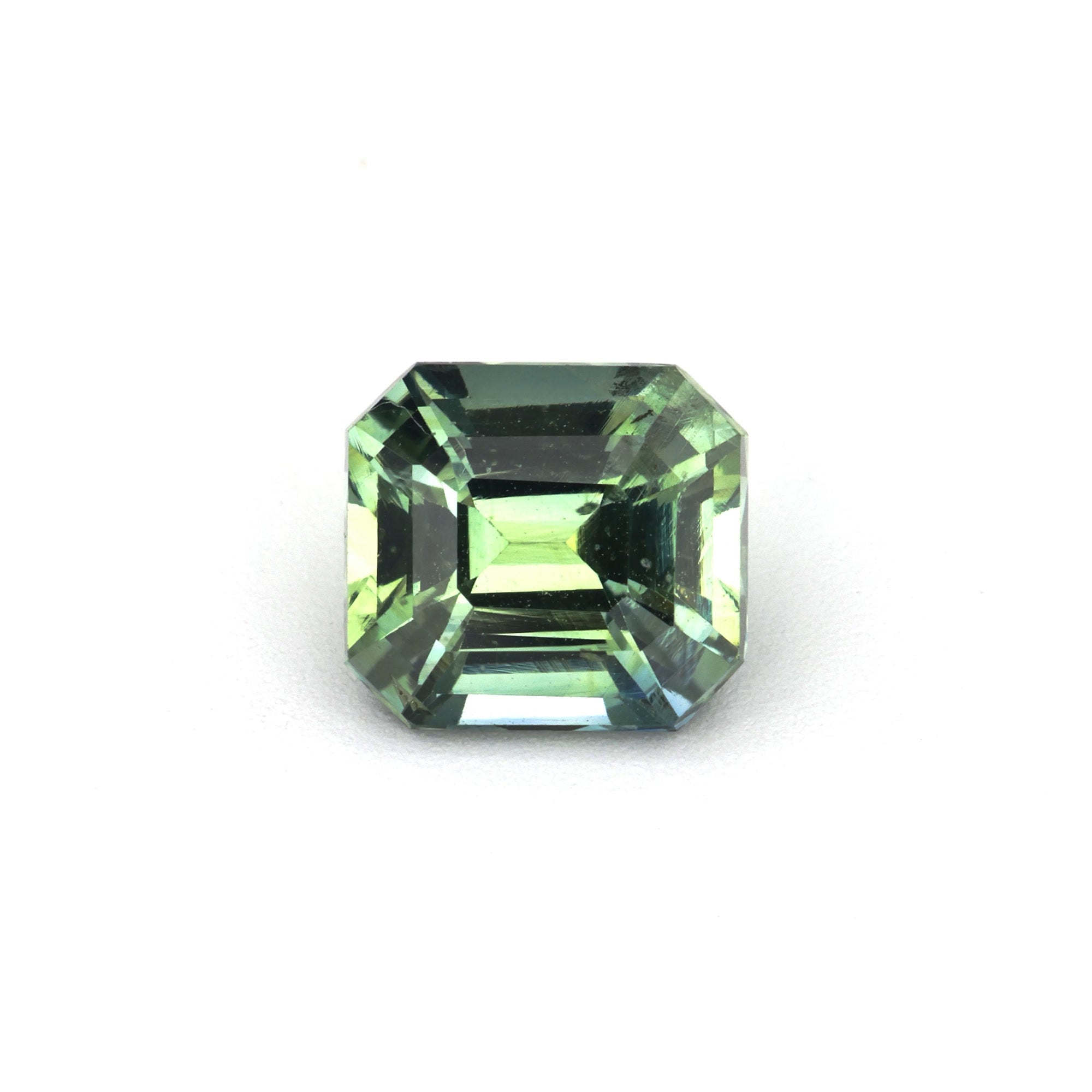
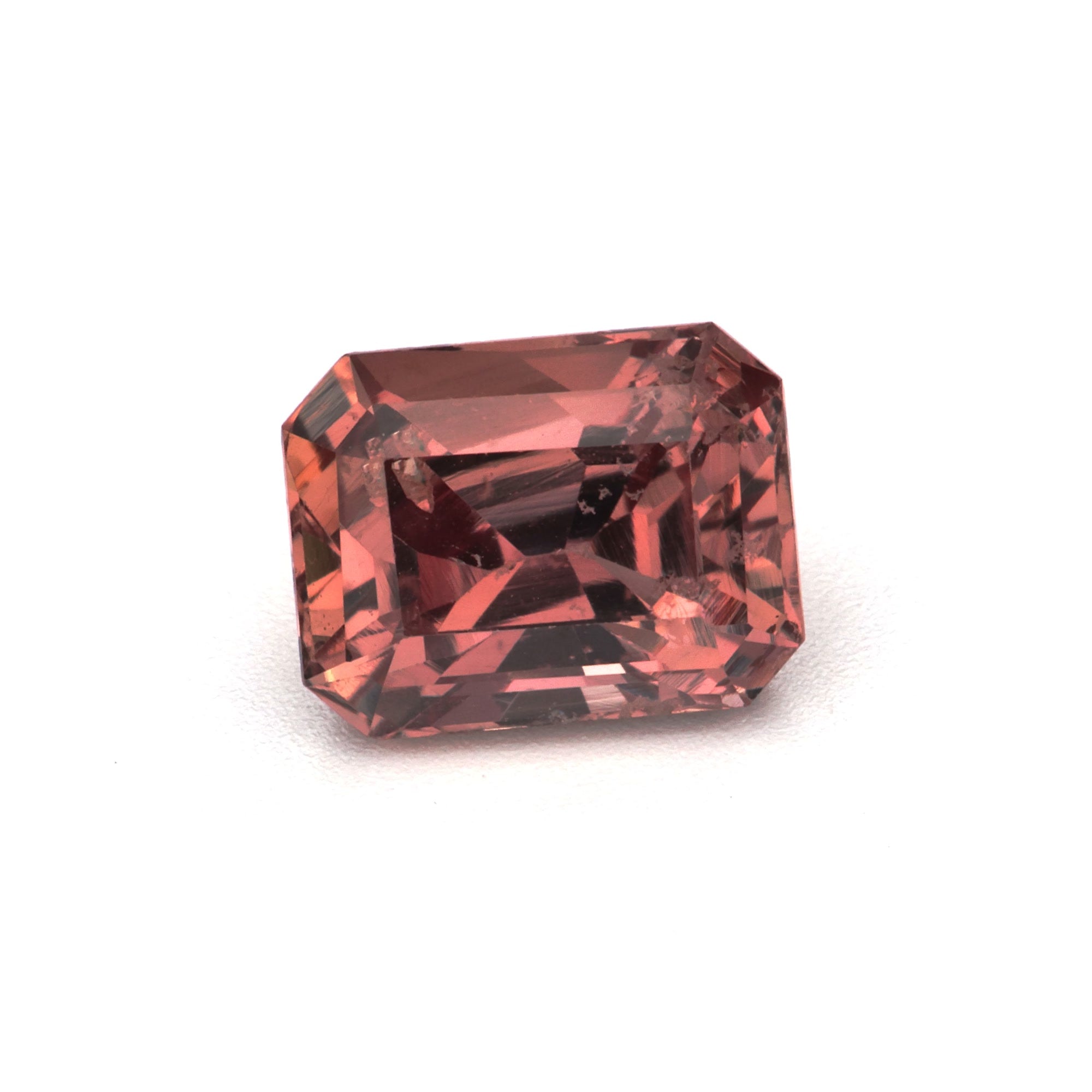
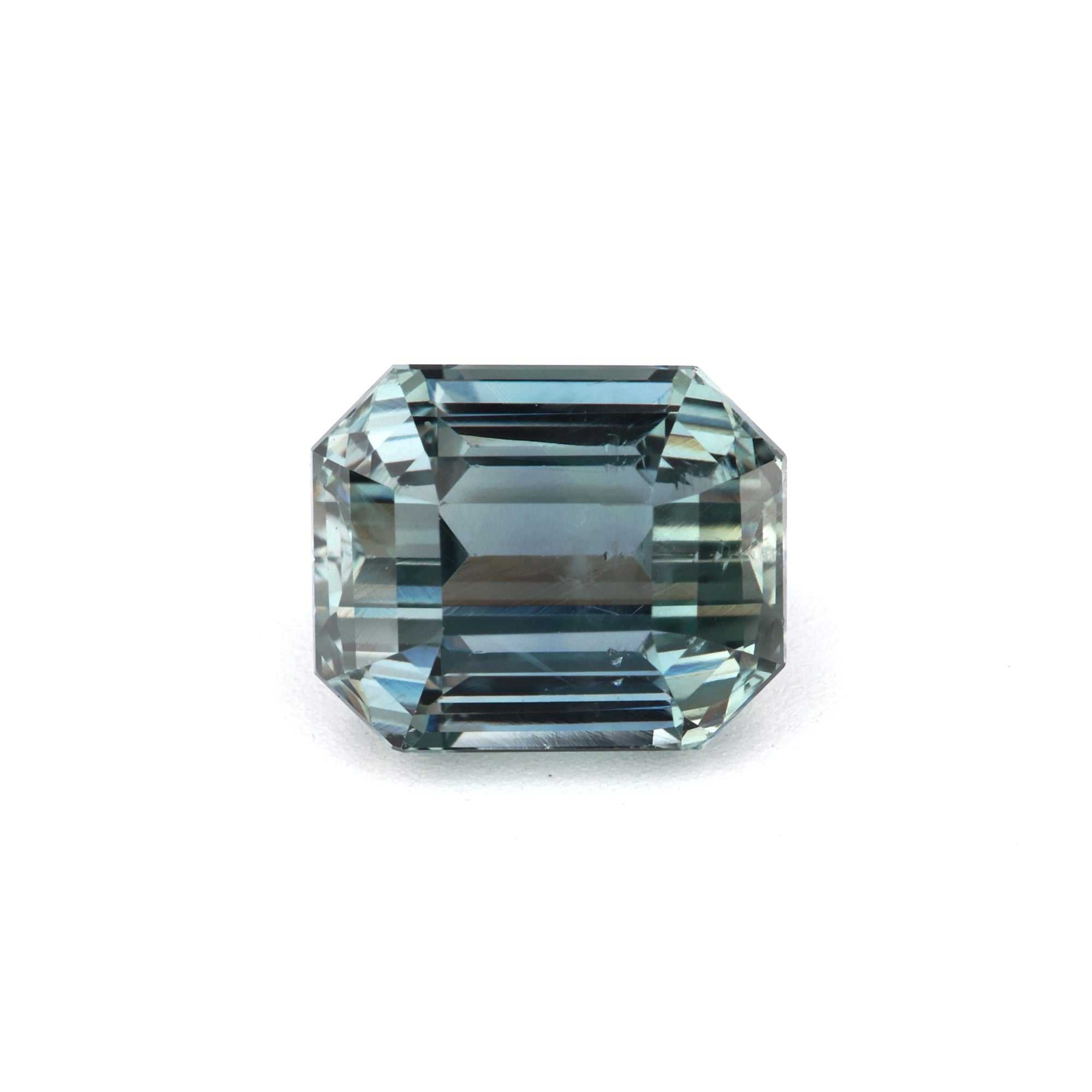
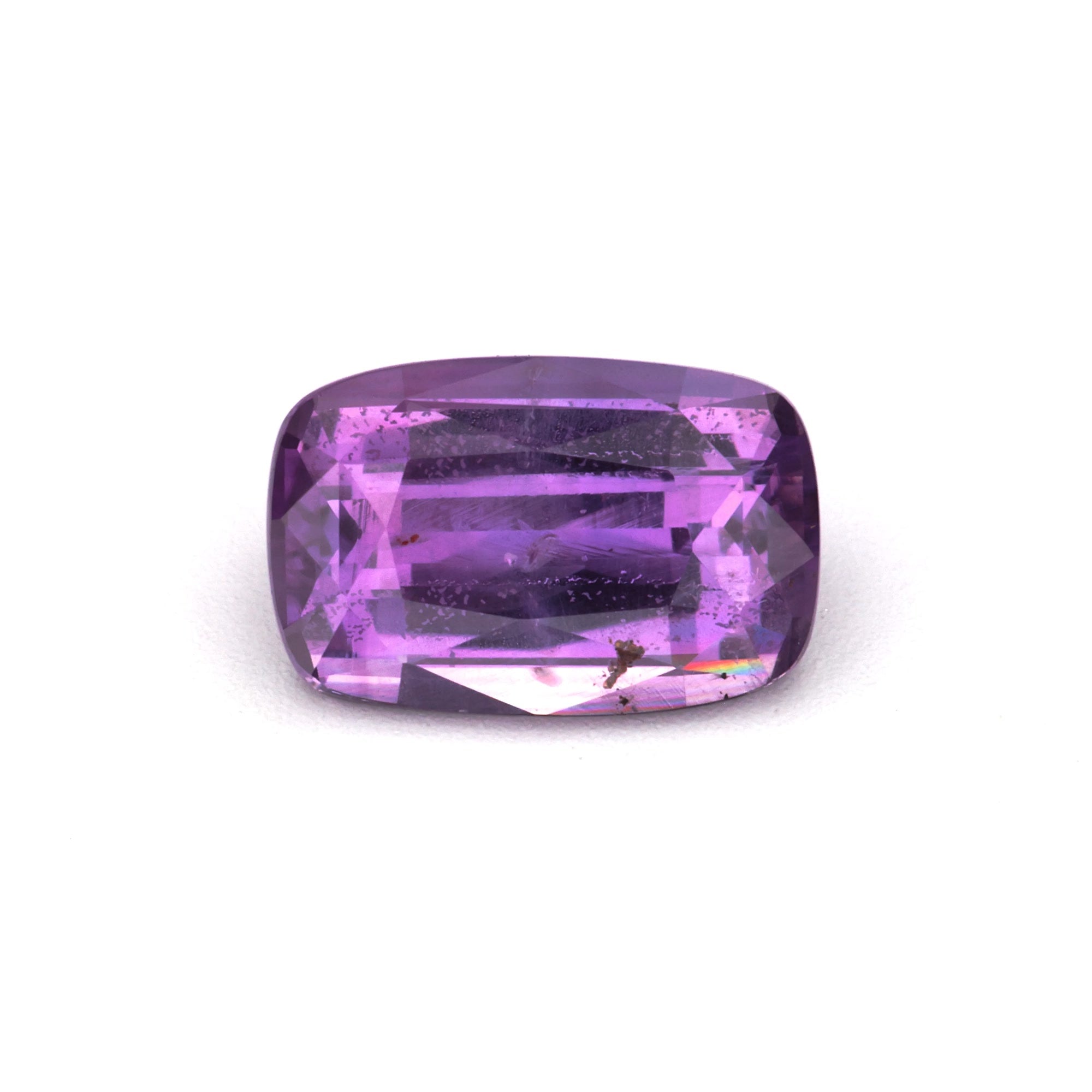
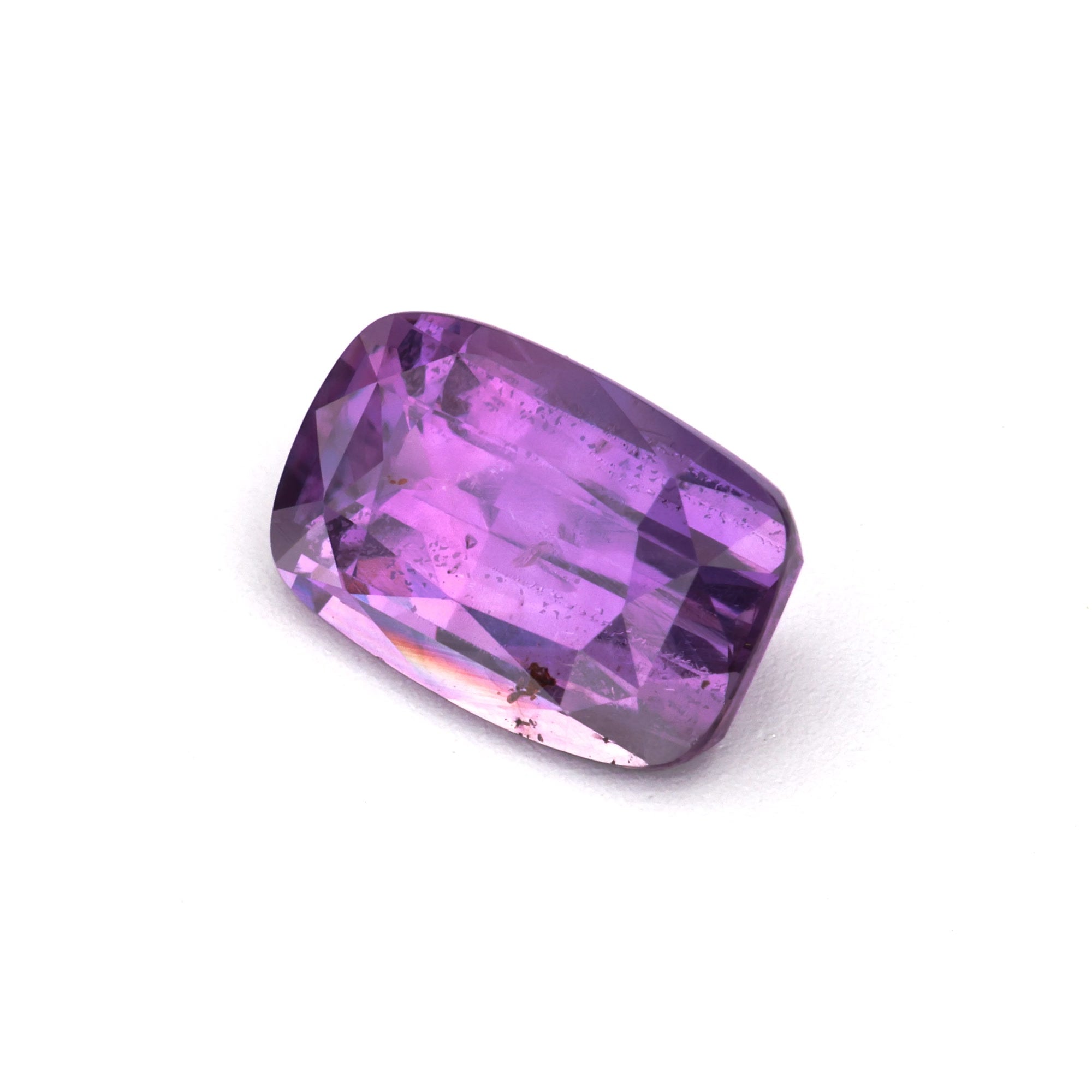
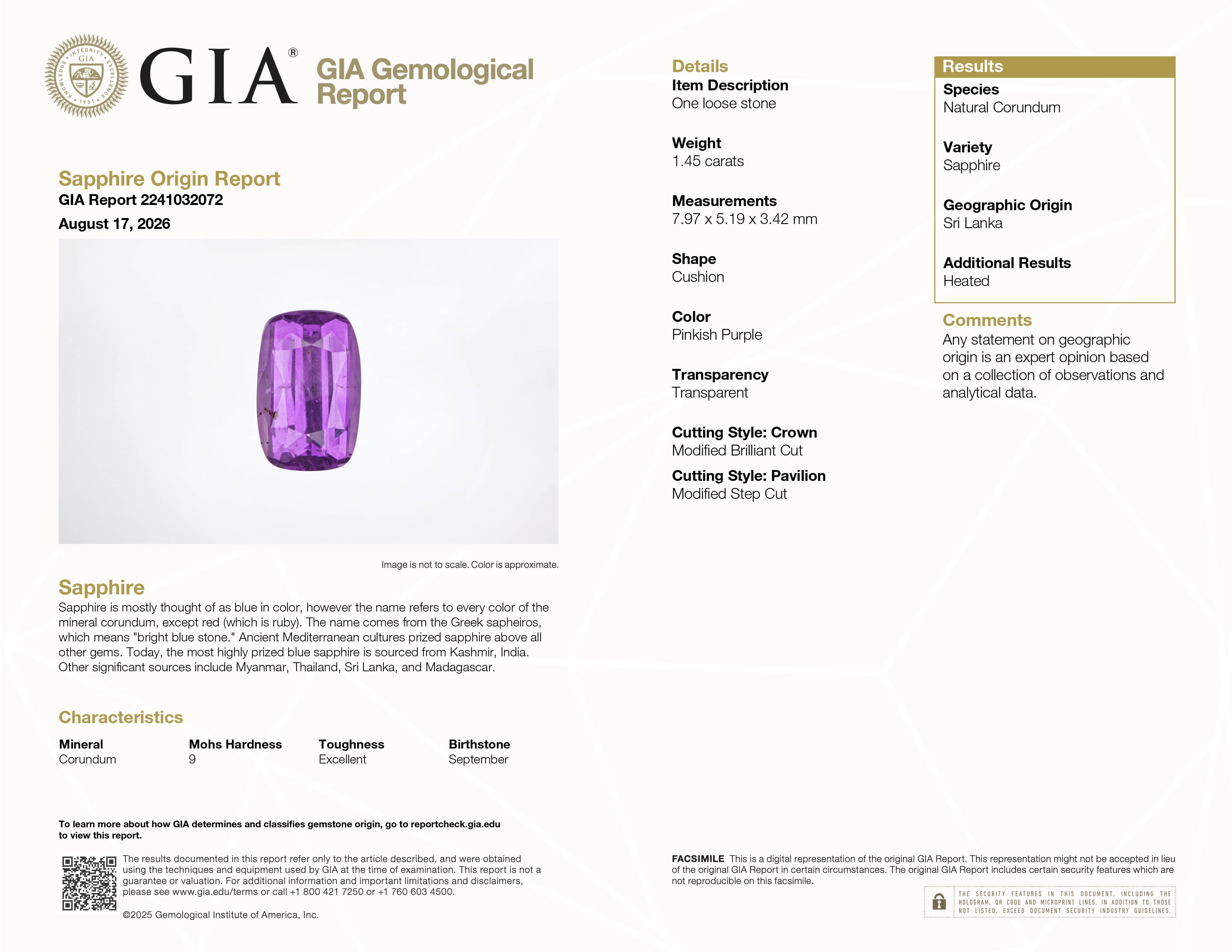
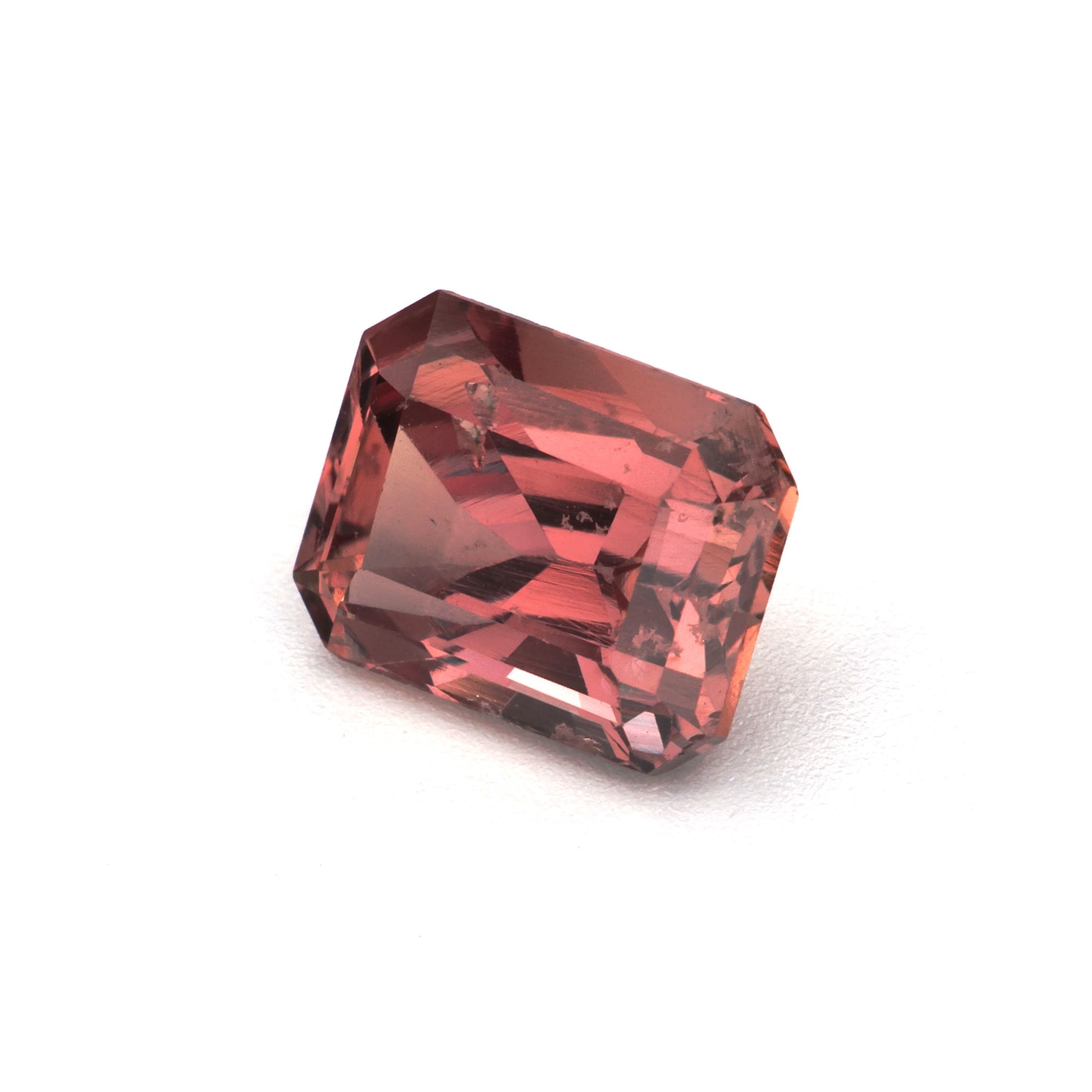
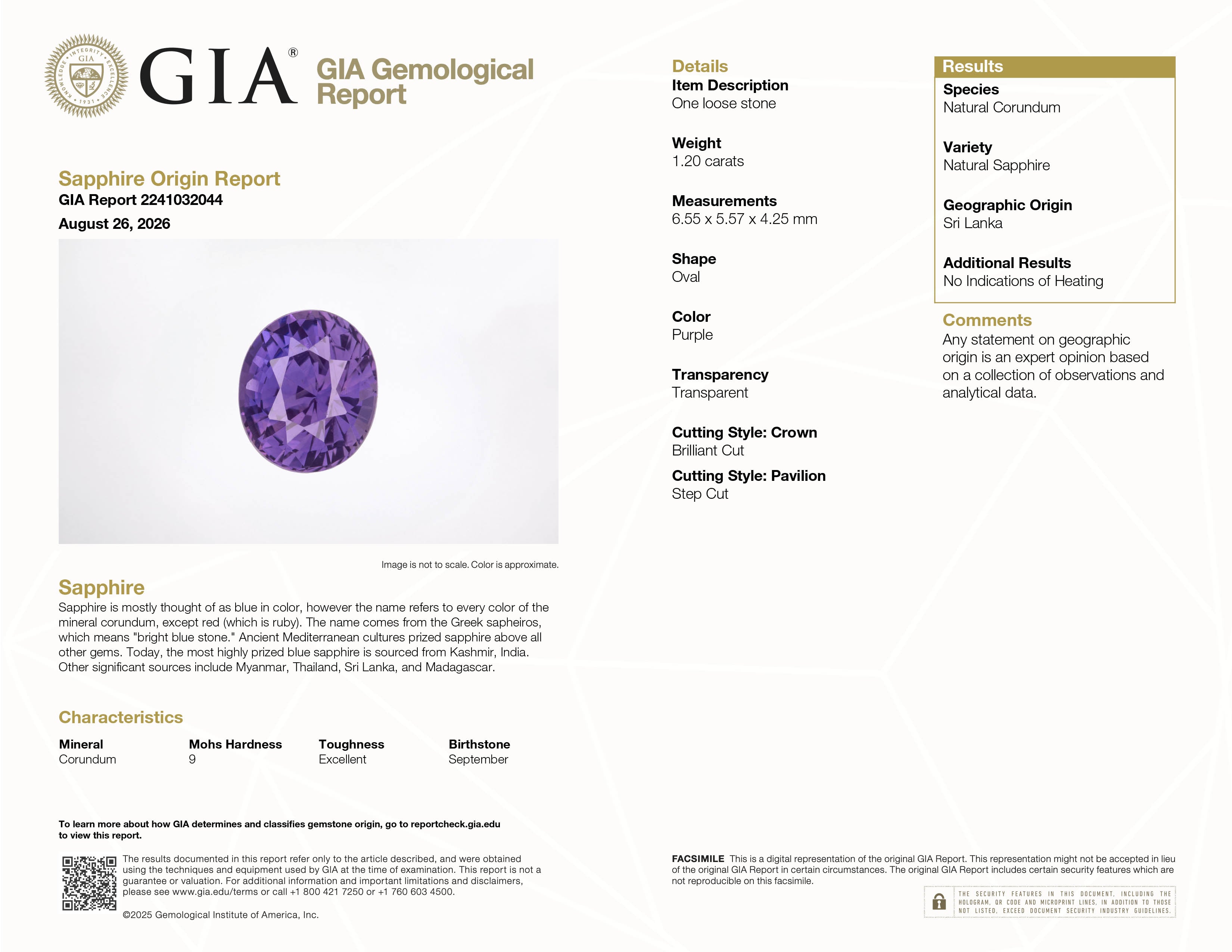
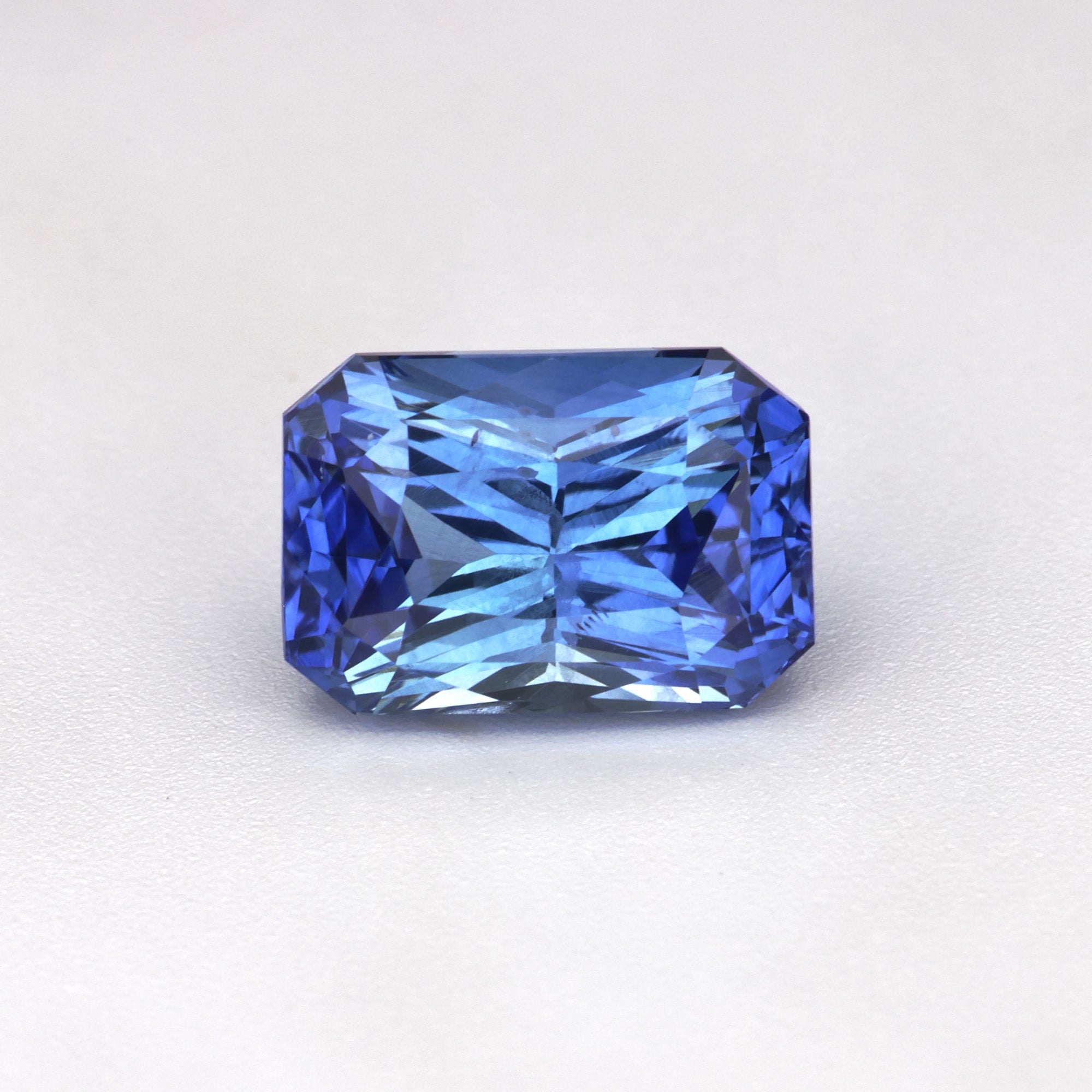
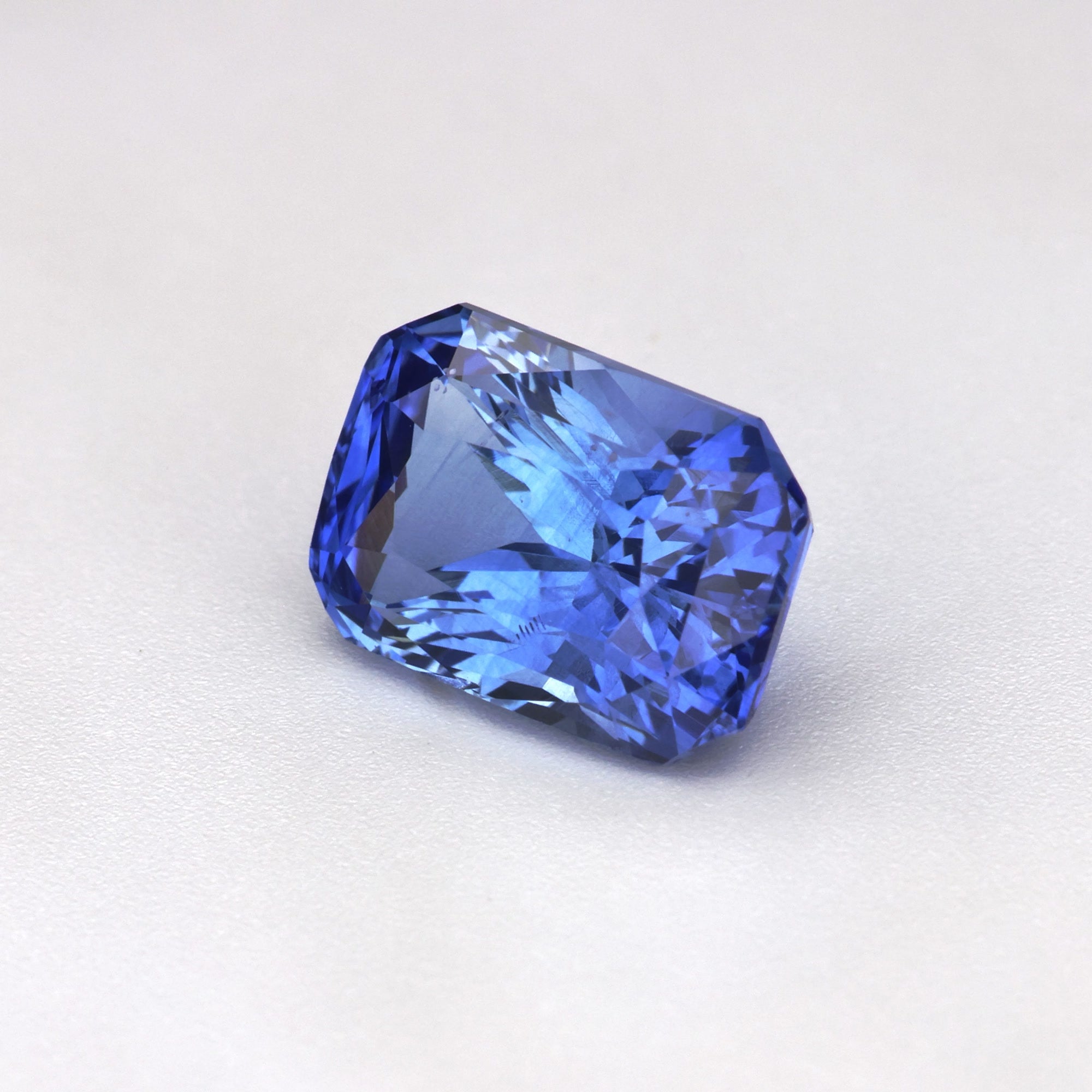
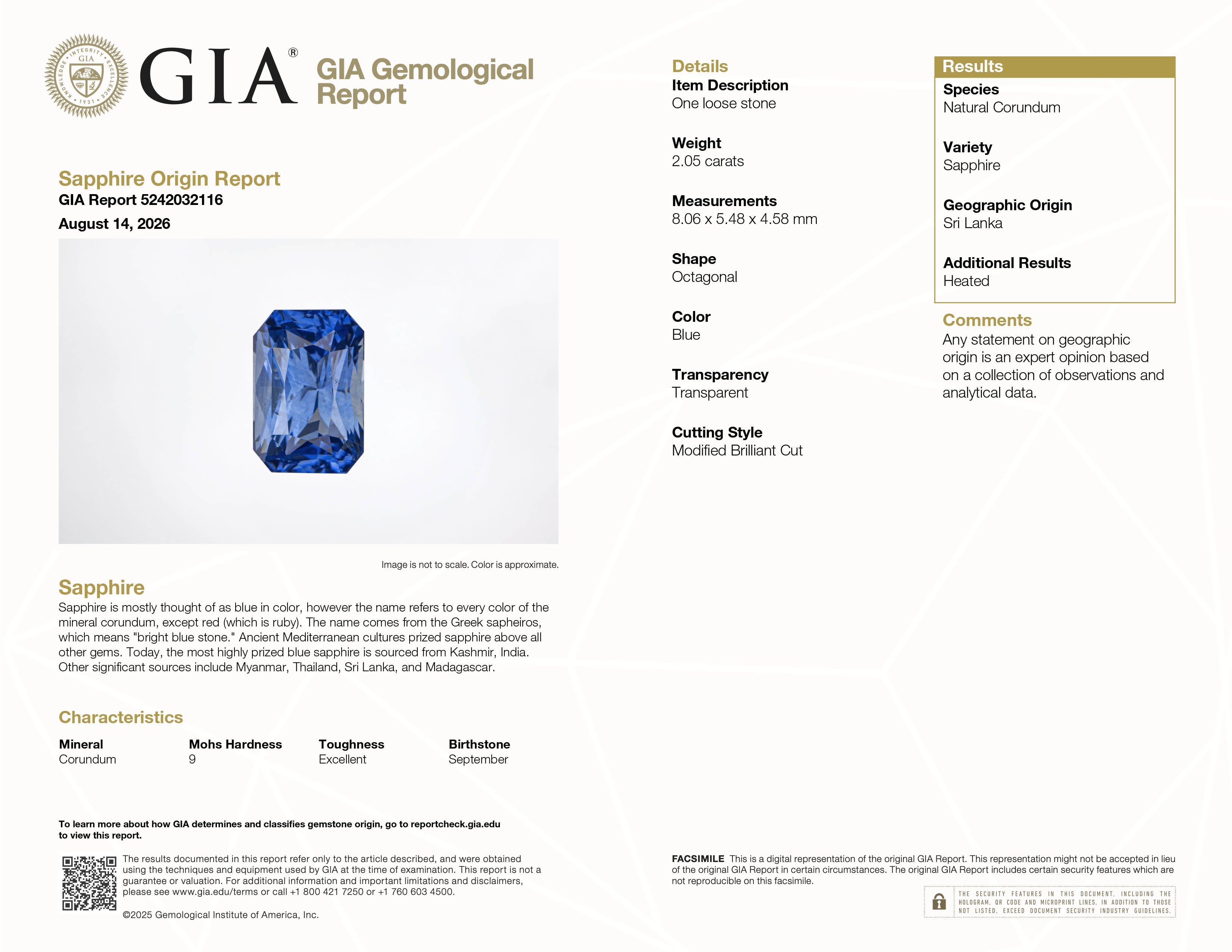
Blue sapphire — the finest emerald cut sapphires in the market are predominantly blue. A vivid, medium-dark unheated Ceylon blue of clean clarity in an emerald cut produces one of the most compelling sapphire appearances available. See our 3.08 ct GIA-documented step-cut Ceylon blue sapphire, heat-treated, currently in stock. We also stock a 1.32 ct AGCL-certified emerald-cut Royal Blue Ceylon sapphire, heat-treated, offering the same step-cut architecture in a deeper, more saturated blue. Teal sapphire — teal's bicolor character is displayed with unusual clarity in an emerald cut. See our Teal Sapphire Buyer's Guide. Yellow sapphire — vivid canary yellow in an emerald cut produces a clean, pure color display. Violet sapphire — fine unheated violet in an emerald cut displays its color with aristocratic, jewel-like depth. Purple sapphire — the step facets render purple's color shift as broad, even blocks of color rather than scattering it across brilliant facets, making the shift between lighting conditions easier to read; see our 1.08 ct GIA-documented unheated emerald-cut purple sapphire, currently in stock. Orange sapphire — one of the rarest sapphire colors, and the emerald cut's step facets pool its warmth into deep, glowing color rather than scattering it across a brilliant surface; see our 3.09 ct GIA-documented emerald-cut orange sapphire, currently in stock. Green sapphire — the same still, deep facets that flatter blue read equally well in green, pooling color into an even glow rather than scattering it; see our 1.18 ct GIA-documented unheated emerald-cut bluish green sapphire, currently in stock. Brown sapphire — the step facets pool this collector color's warm cognac tone into a steady, even glow rather than scattering it across brilliant facets. Pink sapphire — one of sapphire's most popular colors, and the emerald cut's step facets showcase strong, even pink saturation as a steady glow rather than scattering it across brilliant facets; see our 1.62 ct GIA-documented emerald-cut Madagascar pink sapphire, currently in stock.
Four-prong solitaire at each of the four cropped corners — the most common setting. Three-stone with trapezoid or baguette side stones — see our best shapes for three-stone rings. Halo — see our best shapes for halo rings and halo ring guide. Low-profile settings — see our best sapphire cuts for low-profile rings. For metal see our metal comparison guide and how to choose metal color. For the full custom ring design process see our custom ring design guide.
We list 13 emerald-cut sapphires across 10 colours, which means no single colour has enough stones behind it to give an honest colour-by-colour range. The table is therefore banded by weight, with the colours behind each row named. Per-carat figures are each stone's listed price divided by its carat weight, rounded to the nearest dollar.
| Carat band | Stones | Colours in that band | Listed price per carat |
|---|---|---|---|
| 0.50–0.99 ct | 2 | Violet 0.60 ct, pink 0.61 ct | $250 – $984 |
| 1.00–1.49 ct | 5 | Colour-change, purple, yellow, green, blue | $605 – $1,222 |
| 1.50–1.99 ct | 3 | Peach, green, pink | $133 – $900 |
| 2.12 ct | 1 | Teal | $1,400 — one stone, not a range |
| 3.00–3.49 ct | 2 | Blue 3.08 ct, orange 3.09 ct | $2,484 – $2,810 |
These are our own listed prices for emerald-cut sapphires on this site as of 18 September 2026 — not a market survey and not a valuation. They move with stock; the product page is always the current price.
Figures above are approximate market guidance, not fixed quotes. Actual value varies by treatment, origin, colour, cut, clarity, and certification.
Read the rows with their sample sizes in view. The 1.50–1.99 ct row spans $133 to $900 per carat only because it includes a very light peach stone listed at $200; colour intensity, not weight, produces that spread. The 2.12 ct row is a single teal stone, and the 0.50–0.99 ct and 3.00–3.49 ct rows are two stones each — two points, not distributions.
For pricing context see our Sapphire Pricing Explained, what a good 1 carat costs, and what a good 2 carat costs guides. After purchase, insure your ring: see our jewelry insurance guide.
Browse our emerald cut sapphire collection — individually selected, cut to our clarity and color standards, with complete treatment disclosure — or email crescentgems@gmail.com with your color, size, and budget. We respond within one business day.

CG8443

CG8425
CG8445
CG8354
Prices are shown in your local currency and may change.
CG8465
CG8460
CG8456


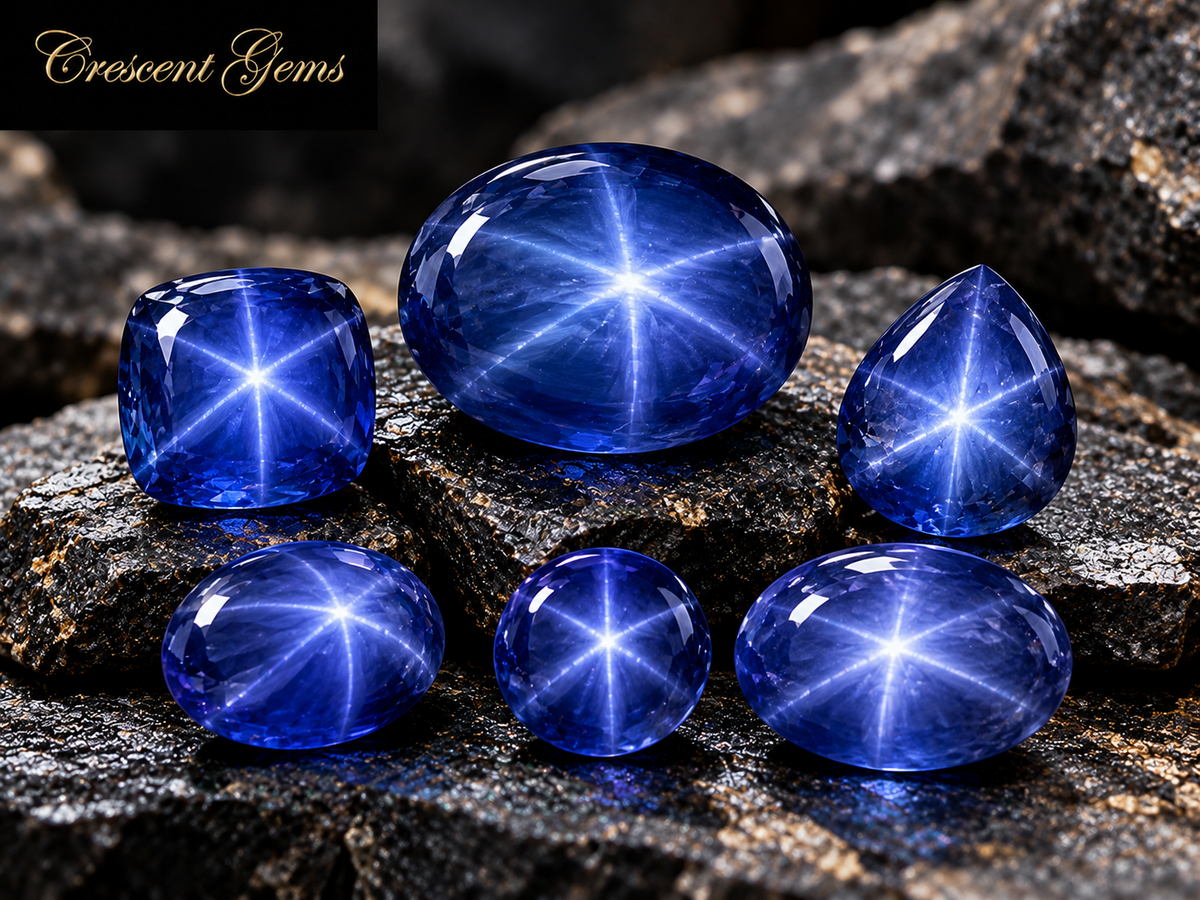
Blue Star Sapphire Price Guide — What They Cost and Why
Read moreabout Blue Star Sapphire Price Guide — What They Cost and Why
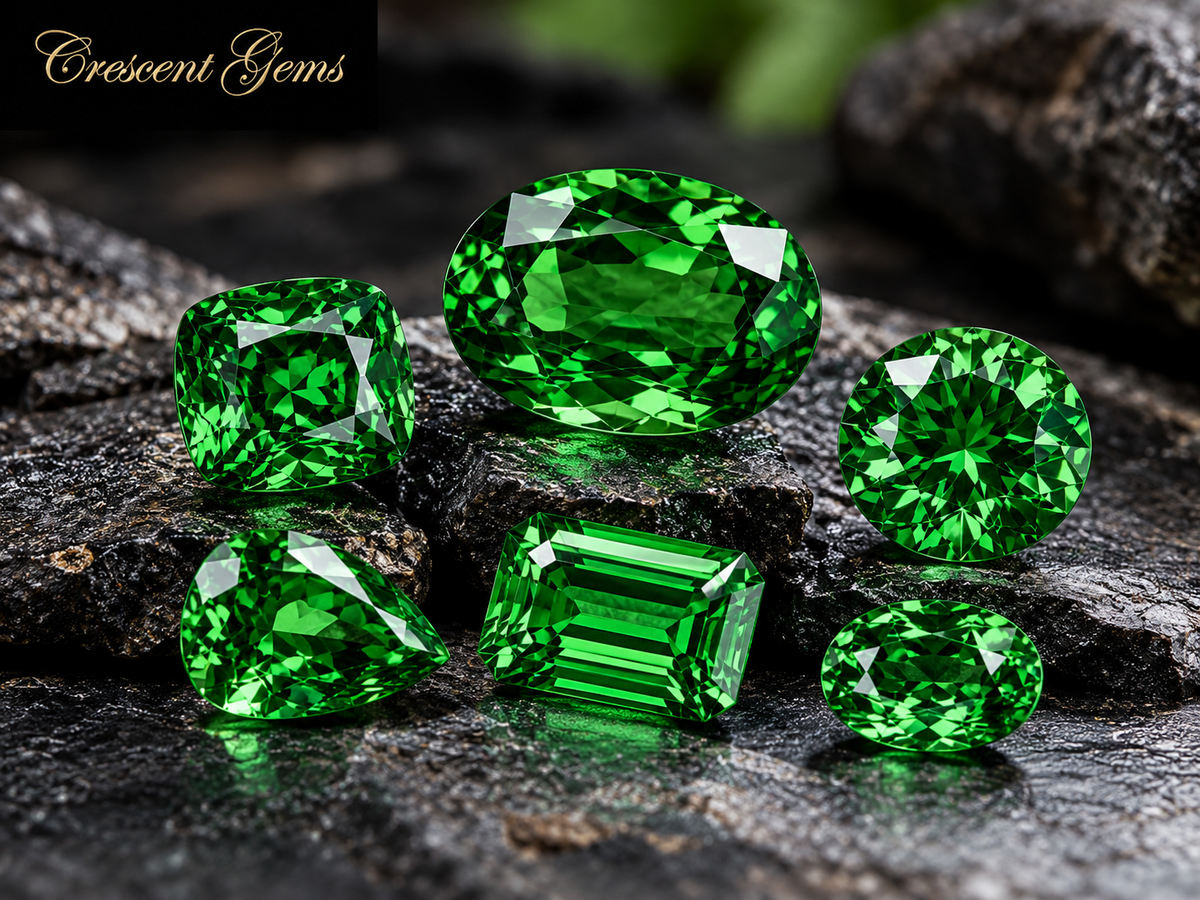
Tsavorite Garnet Price Guide — What They Cost and Why
Read moreabout Tsavorite Garnet Price Guide — What They Cost and Why
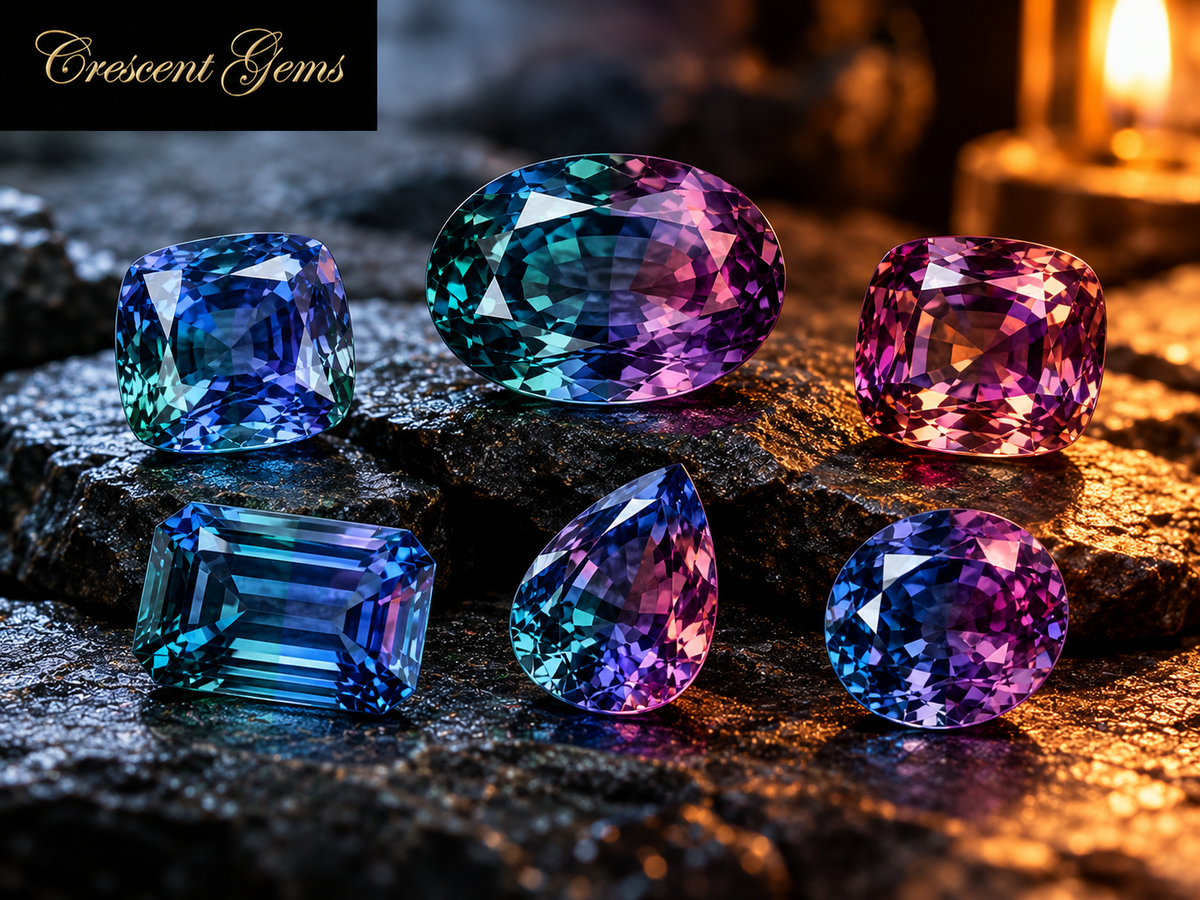
Color-Change Sapphire Price Guide — What They Cost and Why
Read moreabout Color-Change Sapphire Price Guide — What They Cost and Why
Is Cat's-Eye Chrysoberyl Good for an Engagement Ring?
Read moreabout Is Cat's-Eye Chrysoberyl Good for an Engagement Ring?
Cat's Eye Chrysoberyl Price Guide — What They Cost and Why
Read moreabout Cat's Eye Chrysoberyl Price Guide — What They Cost and Why























Share: