

- by Ahmed Shareek
Sapphire Fluorescence Guide: What It Is, What It Means, and Whether It Matters
- by Ahmed Shareek
We are a supplier from the source, so our prices are lower compared to other websites.
New to buying sapphires? Start with our Ultimate Sapphire Buying Guide — the complete resource for color, origin, treatment, and pricing.

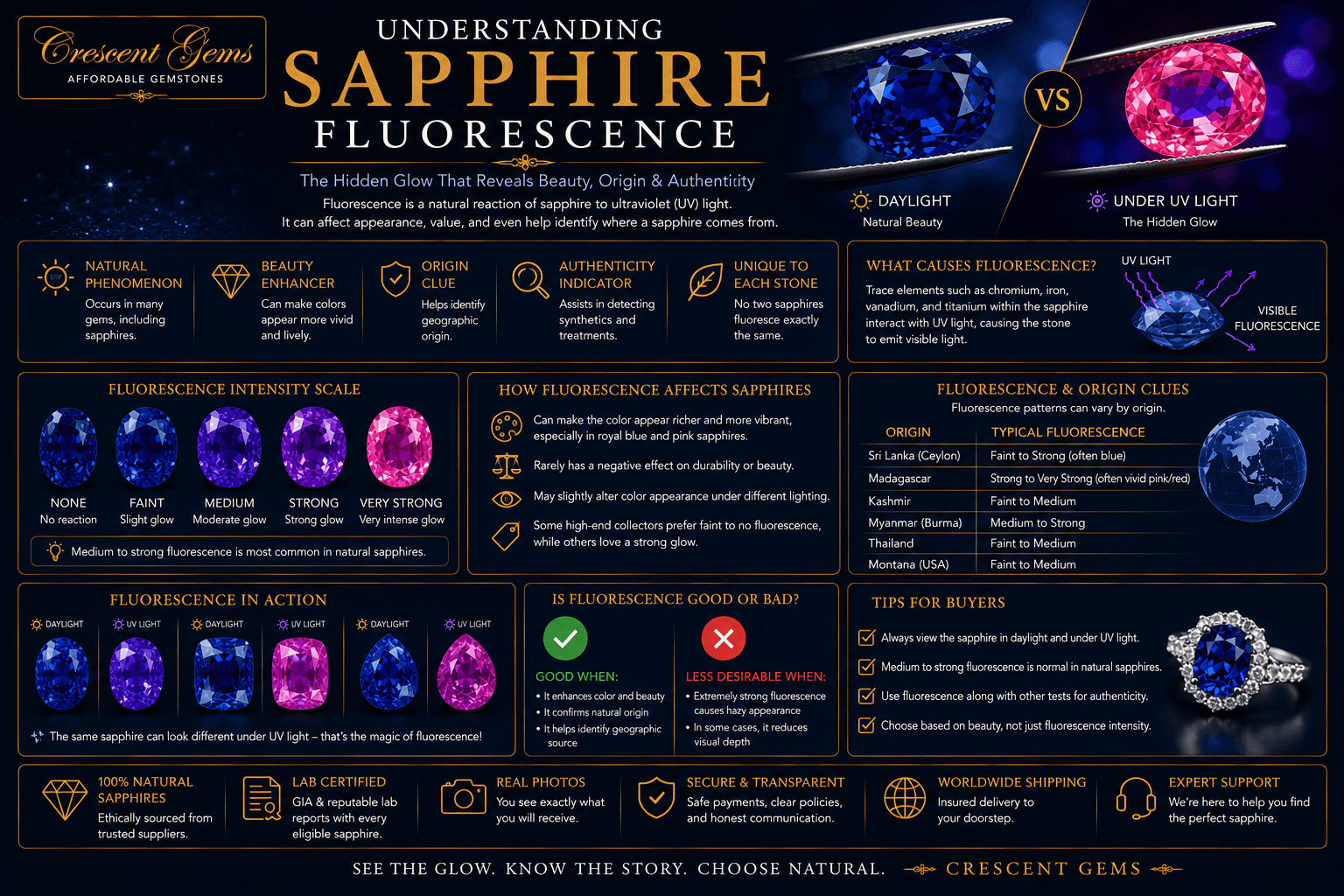
Some sapphires glow when exposed to ultraviolet light. Hold a blue sapphire under a UV lamp and it may show nothing at all — or it may emit a faint red, orange, or chalky blue glow that is invisible under normal lighting. This phenomenon is called fluorescence, and it is one of the most commonly asked-about and least-understood properties in the sapphire market. Fluorescence in sapphire is neither a defect nor a feature. It is a physical property of the crystal that tells you something about the stone's chemistry and, in some cases, about its origin and treatment history.
Chromium fluorescence (red glow): Chromium is the most important fluorescence activator in corundum. When chromium atoms absorb UV energy, they re-emit it as red or orangish-red light. The more chromium, the stronger the red fluorescence. Pink sapphires (which contain moderate chromium) typically show moderate to strong red fluorescence. Blue sapphires (which contain little or no chromium) typically show weak fluorescence or none at all.
Iron's suppressing effect: Iron does not cause fluorescence in corundum — it suppresses it. Low-iron sapphires (typically from metamorphic deposits like Sri Lanka and Kashmir) tend to show stronger fluorescence. High-iron sapphires (typically from basaltic deposits like Australia, Thailand) tend to show weak or no fluorescence. See our fluorescence guide, Ceylon Sapphire Complete Guide, and Australian Sapphire Guide.
| Sapphire Color | Typical UV Fluorescence | Why |
|---|---|---|
| Blue | None to weak (inert to faint red or blue) | Iron-titanium color mechanism; iron quenches fluorescence |
| Pink | Moderate to strong red | Chromium-colored; chromium fluoresces red |
| Padparadscha | Moderate orange-red | Chromium + iron balance |
| Yellow | None to weak | Iron-colored; iron quenches fluorescence |
| Teal/Green | None to very weak | Iron-dominated chemistry |
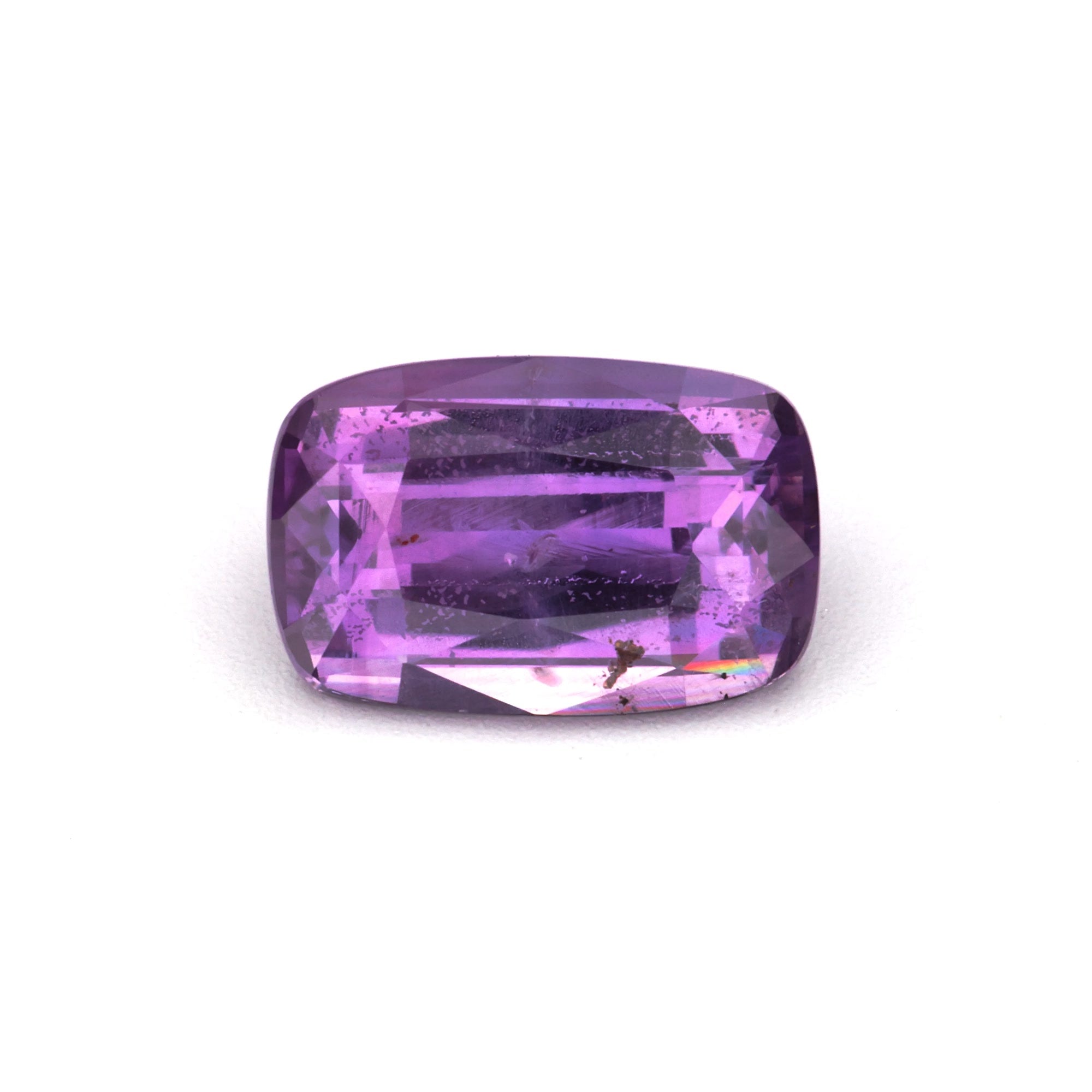
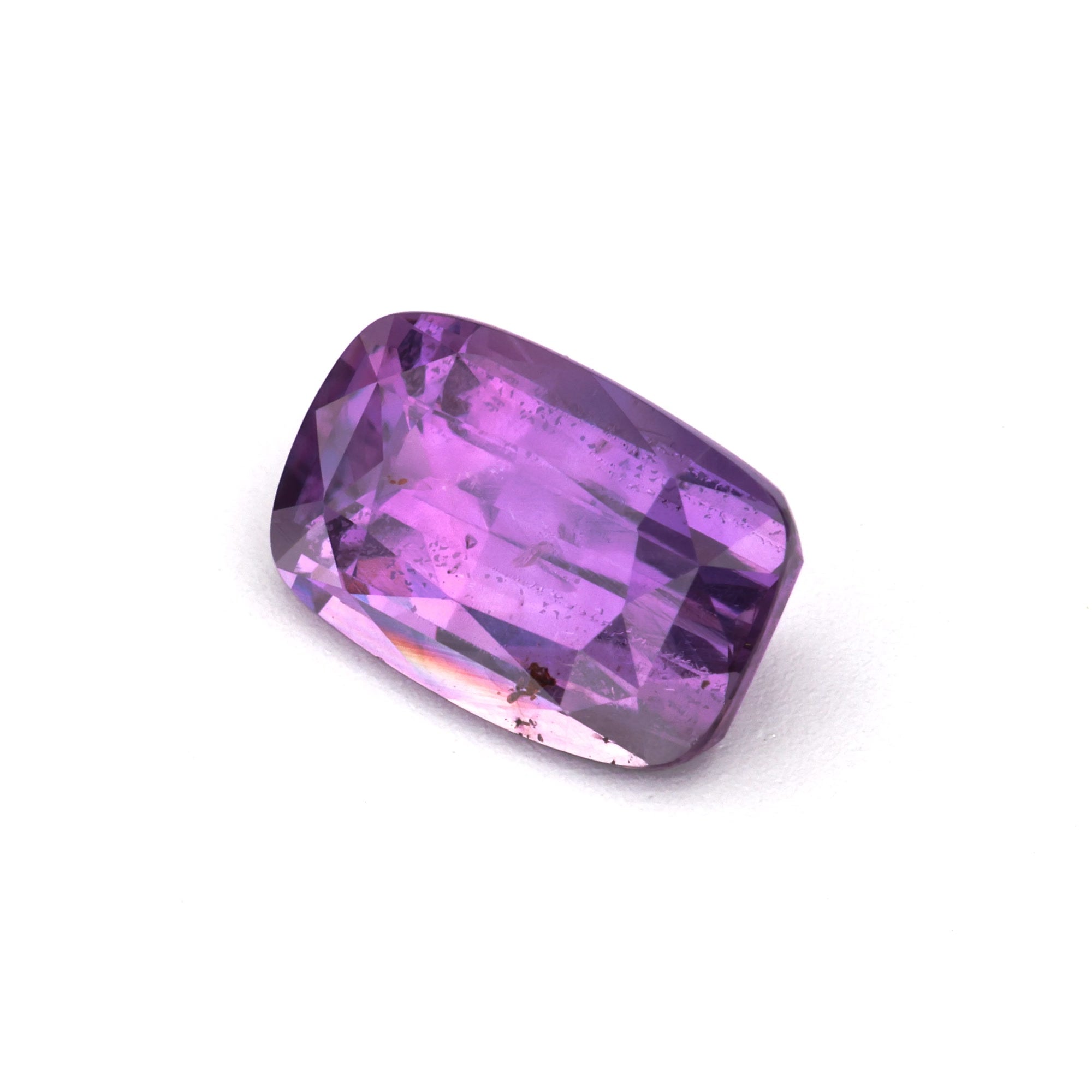
| Purple/Violet | Weak to moderate red | Some chromium contribution; vanadium effect |
For the full guide to sapphire colors and their trace element chemistry, see Sapphire Colors Explained.
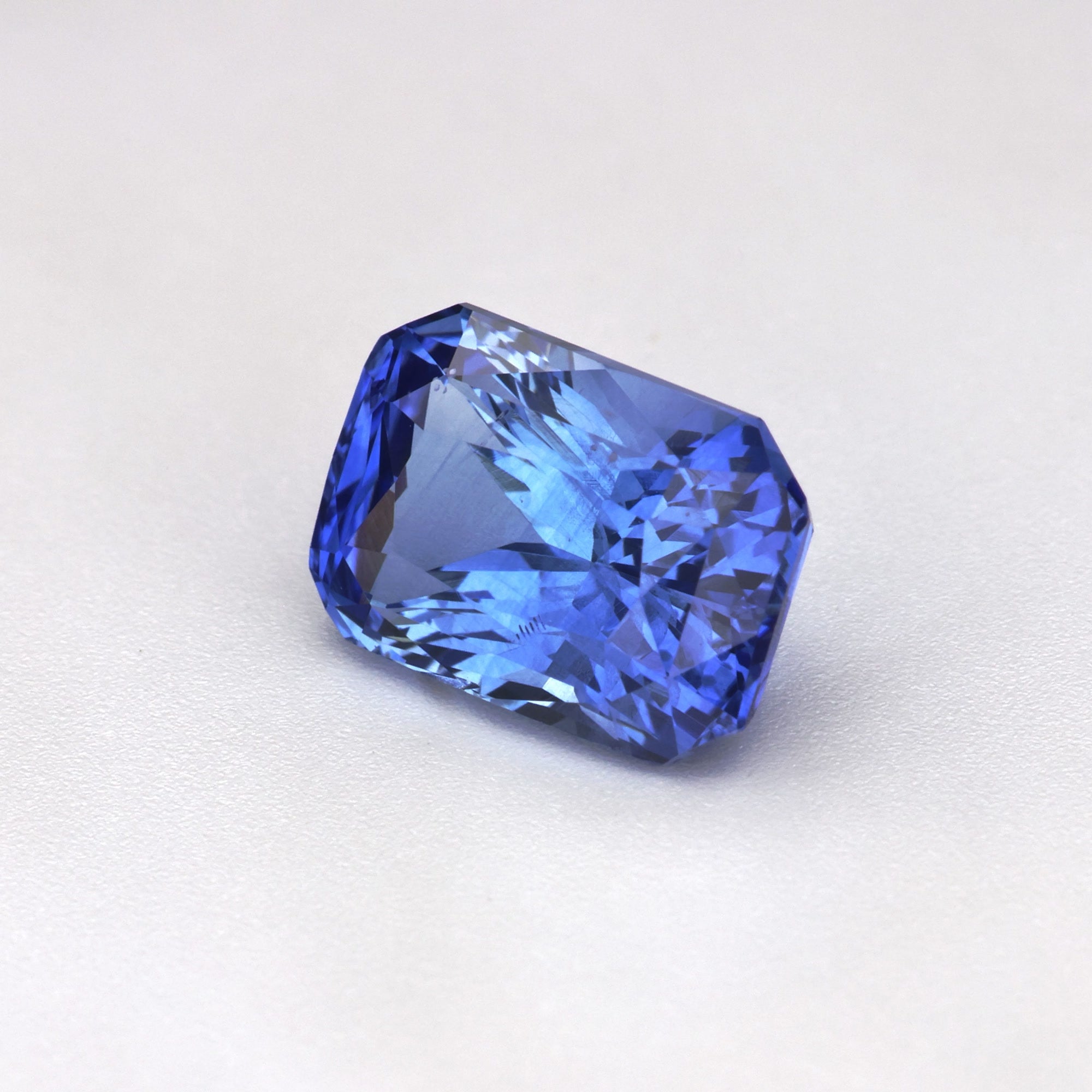
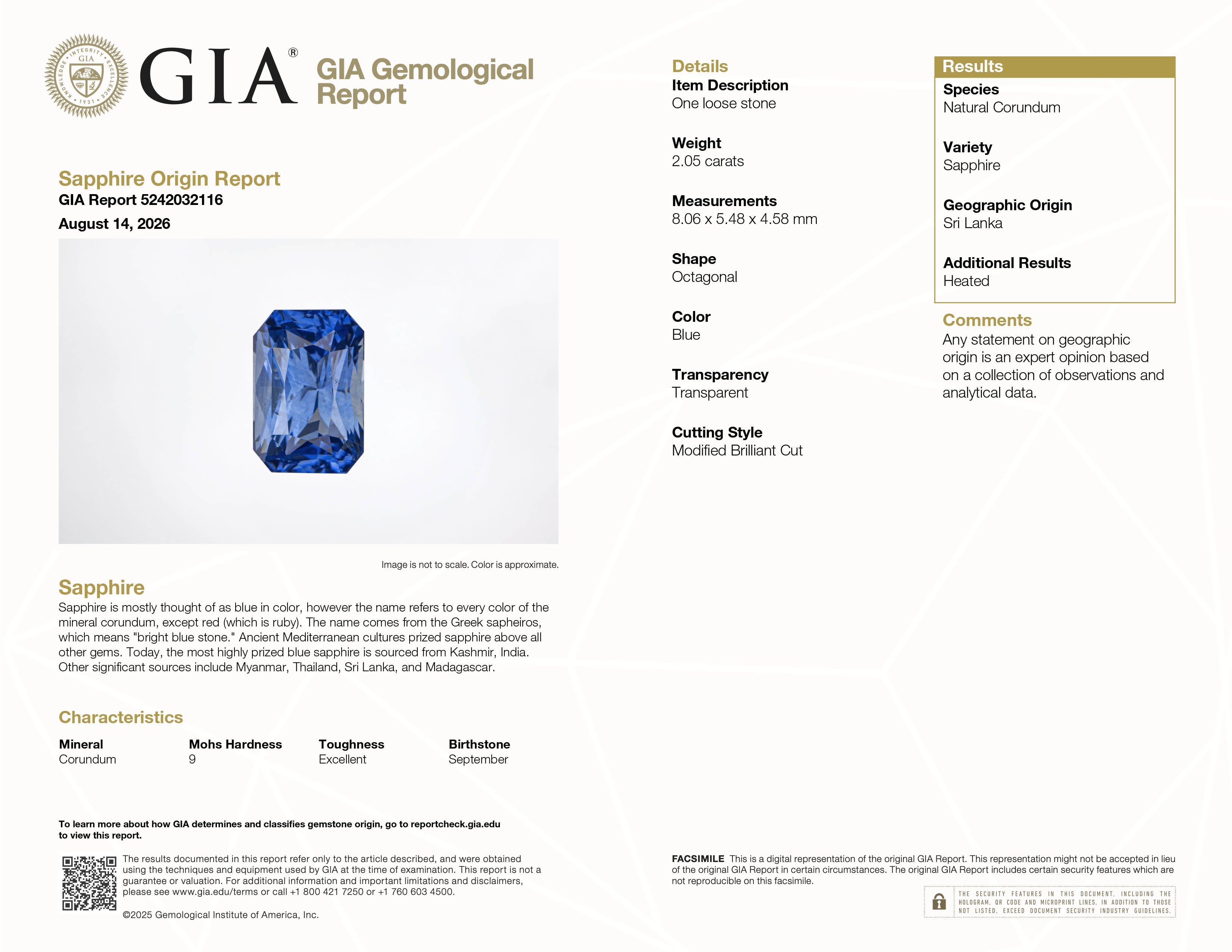
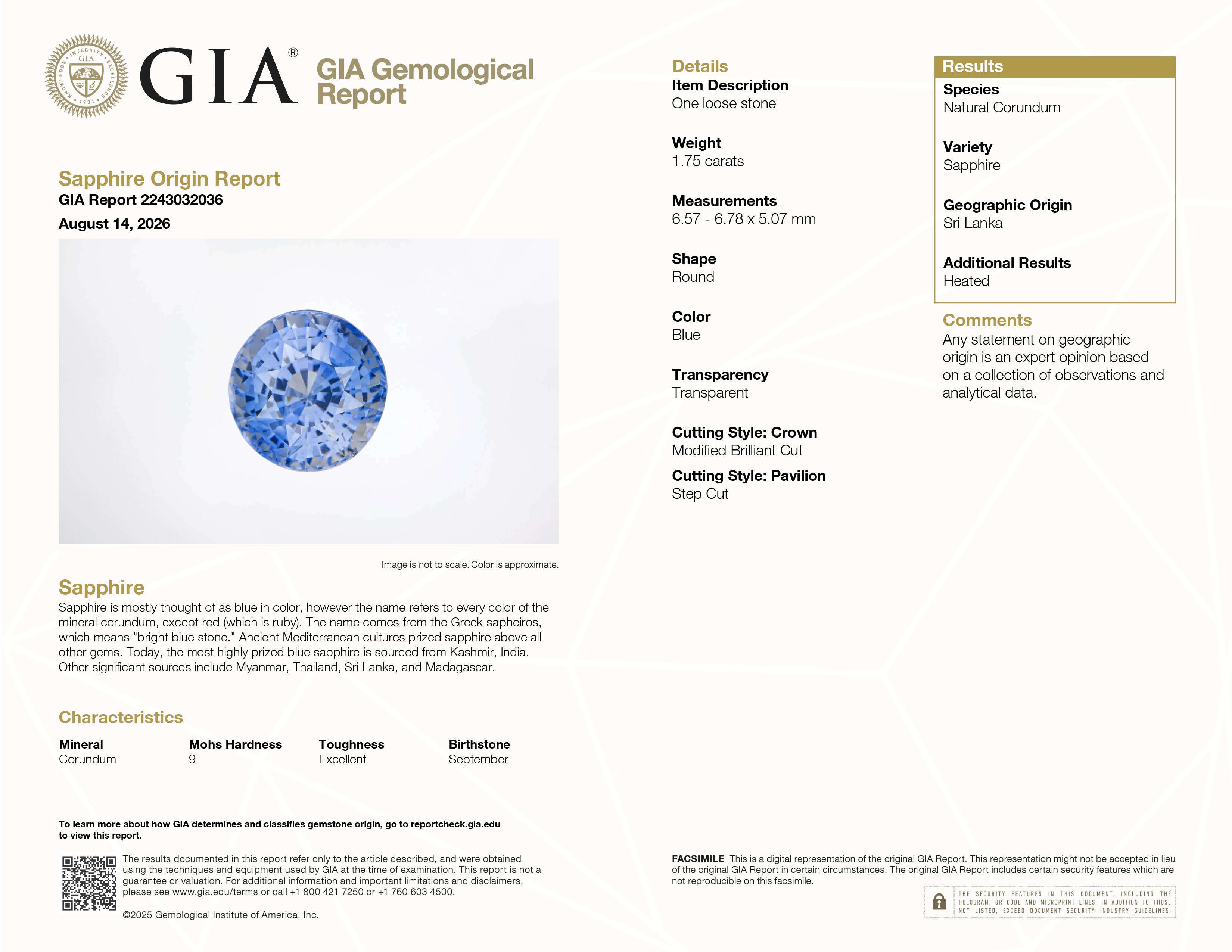
Ceylon (Sri Lanka): Ceylon blue sapphires often show faint to moderate red or orangish fluorescence under long-wave UV. Ceylon pink sapphires show moderate to strong red fluorescence. See our Ceylon Sapphire Complete Guide. Examples currently in stock: a 1.99 ct GIA-documented heated Ceylon blue sapphire (square cushion) at $4,400 (view), and a 1.14 ct GIA-documented unheated Ceylon pink sapphire (round cut) at $2,875 (view).
Kashmir: Typically show weak to moderate red fluorescence under long-wave UV. See our Kashmir Sapphire Guide.
Burma (Mogok): Typically show moderate red fluorescence — often stronger than Ceylon blue sapphires because of lower iron content.
Australia, Thailand, Cambodia: High iron content strongly quenches fluorescence. These stones are typically inert (no visible fluorescence) under UV. See our Australian Sapphire Guide.
Madagascar: Varies by deposit — metamorphic zones show moderate fluorescence; basaltic zones are inert. See our Madagascar Sapphire Guide. See also Tanzania Sapphire Guide and Mozambique Sapphire Guide.
In most sapphires, no. The fluorescence is weak enough that it has no visible effect on the stone's appearance under normal lighting conditions. You will only see it under a UV lamp. The exception is pink sapphire — strong chromium fluorescence can slightly enhance the stone's apparent color saturation under daylight, which contains a UV component.
In the sapphire market, fluorescence has minimal direct impact on value — unlike the diamond market, where strong fluorescence can discount prices significantly. Bottom line: fluorescence is not a factor you need to optimize when buying a sapphire. It is a property that exists, that laboratories note, and that tells you something about the stone's chemistry — but it should not influence your buying decision.
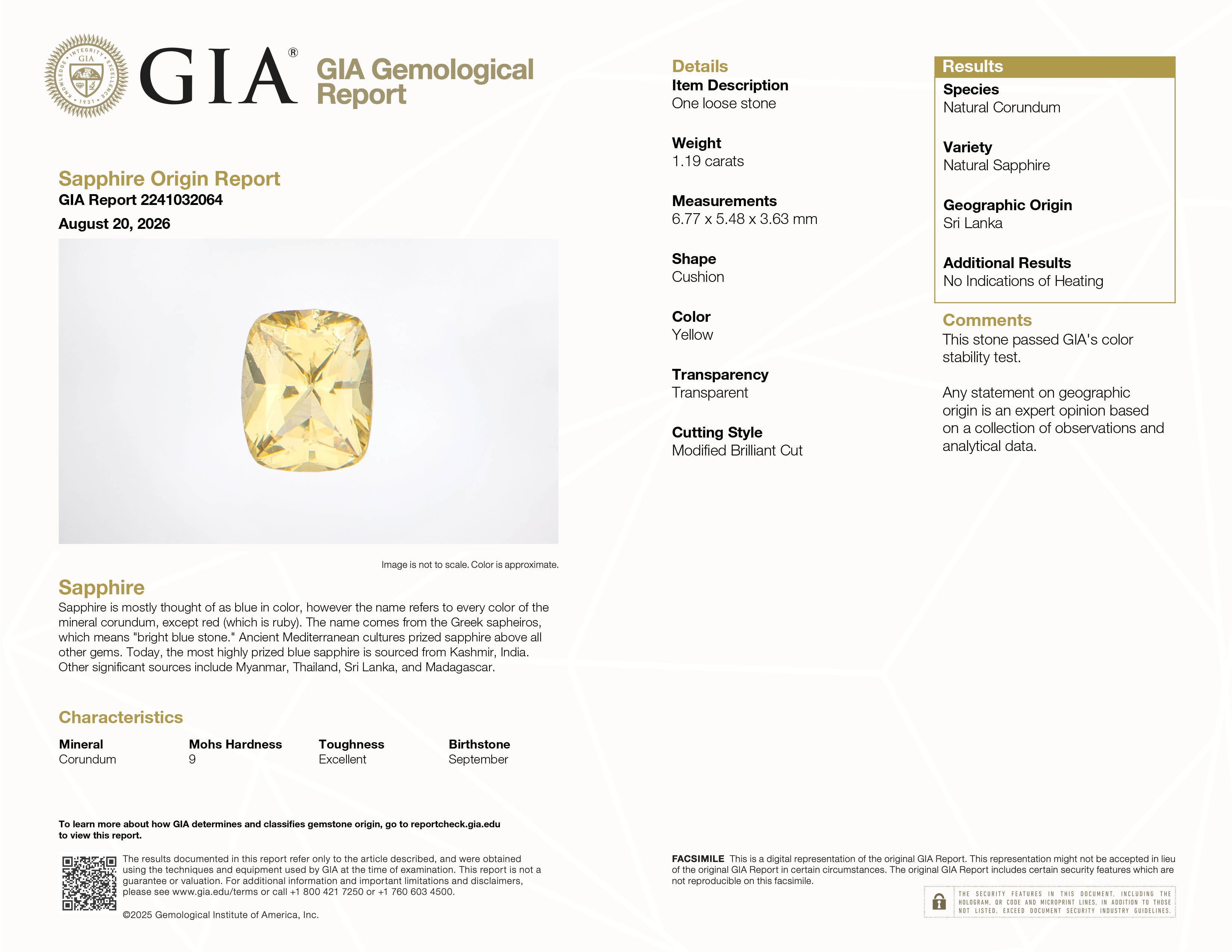
Laboratories use UV fluorescence to help determine: natural vs. synthetic origin (along with microscopic examination and spectroscopy); geographic origin (metamorphic vs. basaltic); treatment detection (heat treatment can alter fluorescence patterns); and beryllium diffusion screening (anomalous fluorescence can prompt further investigation). For the full treatment detection picture, see our How Sapphire Heat Treatment Works, How to Read Sapphire Inclusions, and Beryllium Diffusion Explained guides. For the full GIA report picture, see our How to Read a GIA Report guide.
Browse the full Ceylon sapphire catalog or email crescentgems@gmail.com with questions about any stone's properties. We respond within one business day.

CG8465
CG8460
CG8456


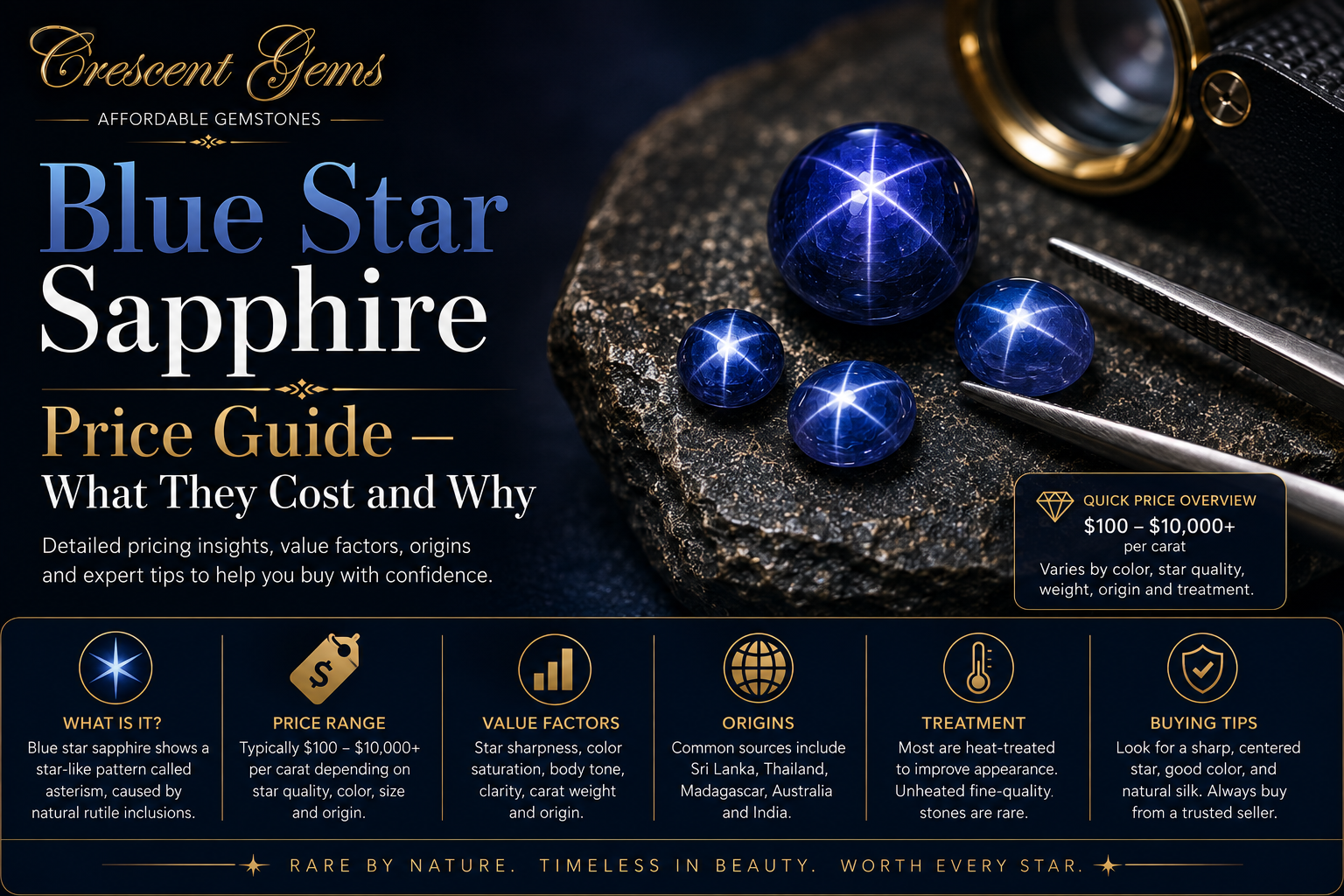
Blue Star Sapphire Price Guide — What They Cost and Why
Read moreabout Blue Star Sapphire Price Guide — What They Cost and Why
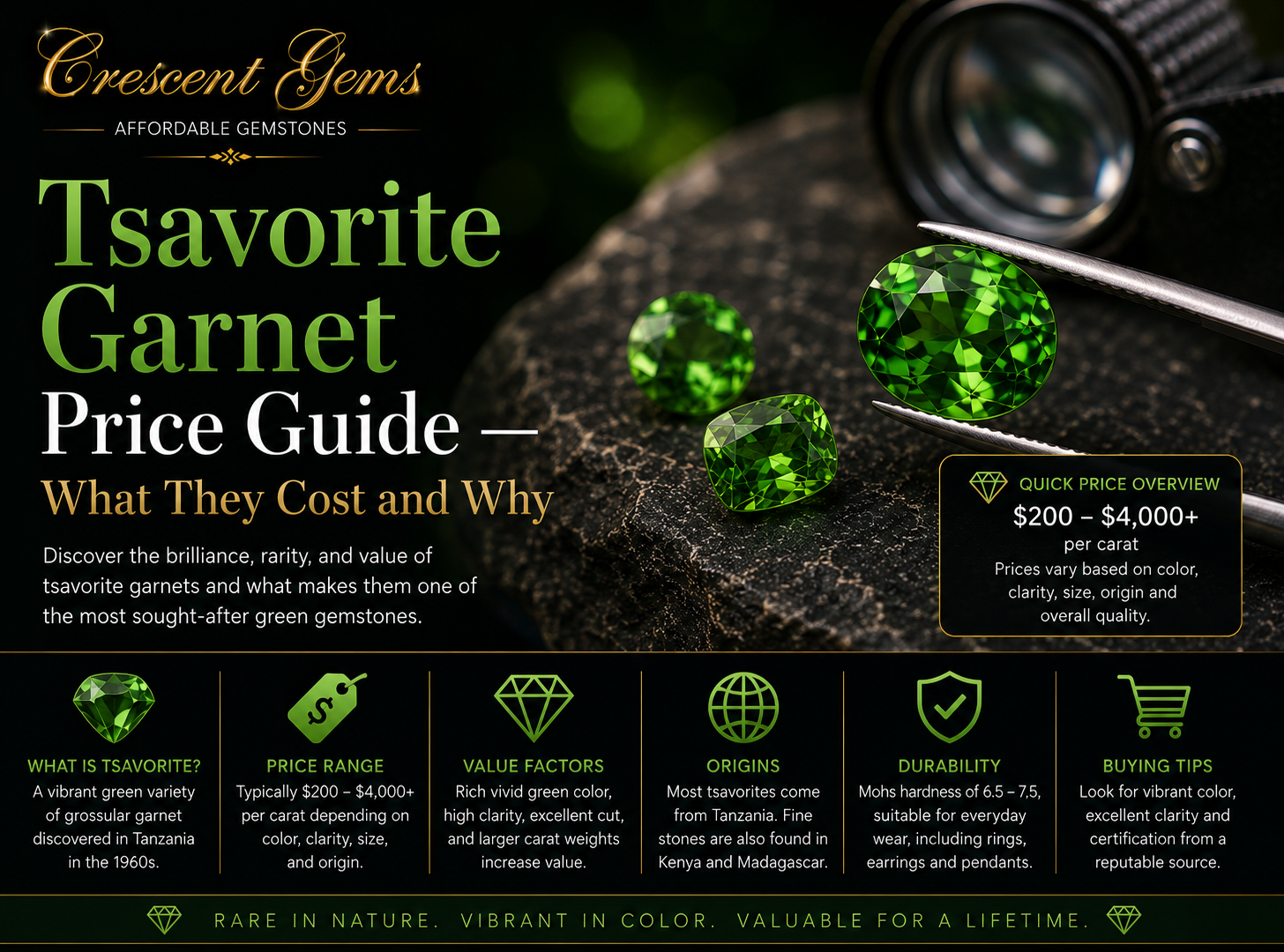
Tsavorite Garnet Price Guide — What They Cost and Why
Read moreabout Tsavorite Garnet Price Guide — What They Cost and Why
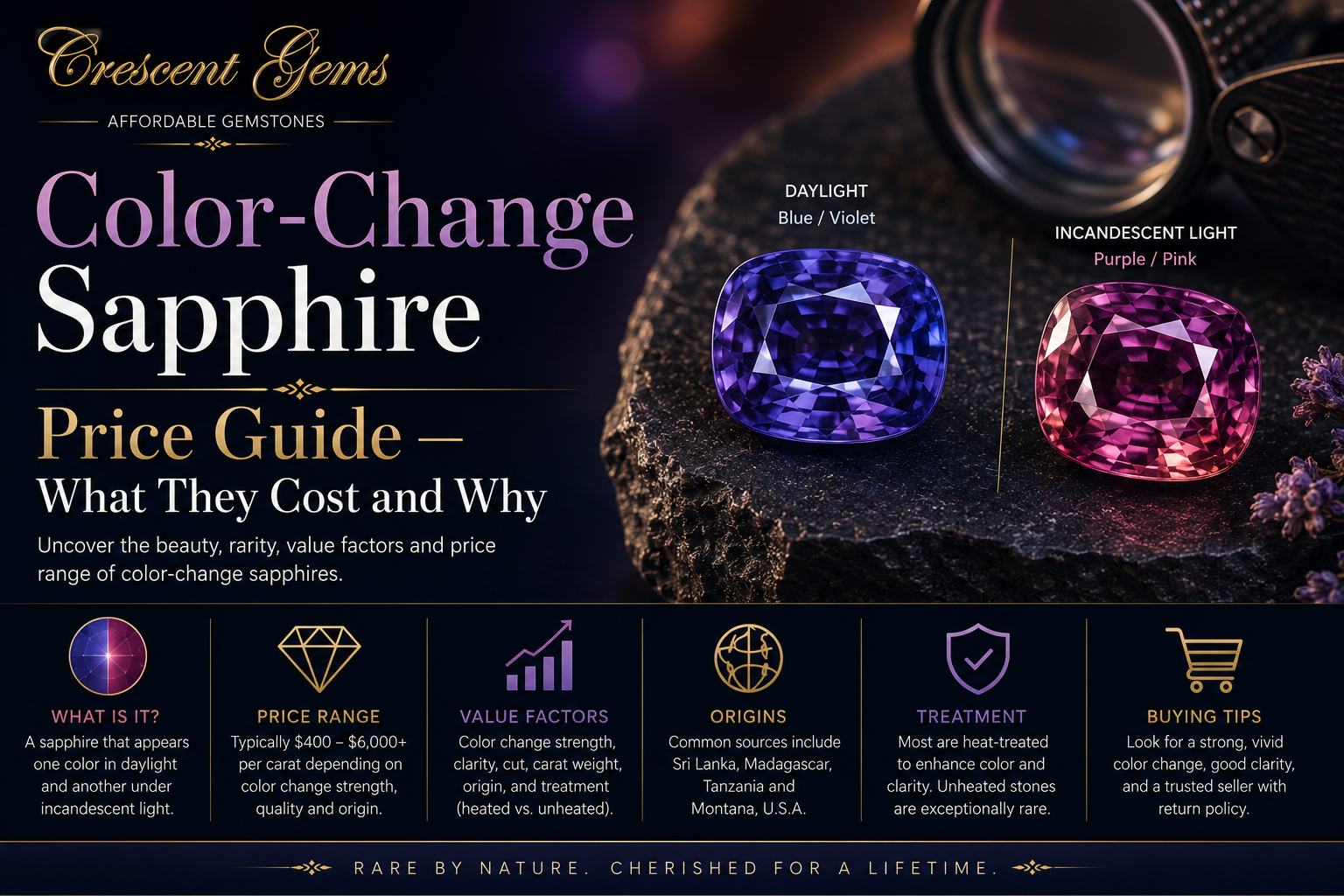
Color-Change Sapphire Price Guide — What They Cost and Why
Read moreabout Color-Change Sapphire Price Guide — What They Cost and Why
Is Cat's-Eye Chrysoberyl Good for an Engagement Ring?
Read moreabout Is Cat's-Eye Chrysoberyl Good for an Engagement Ring?
Cat's Eye Chrysoberyl Price Guide — What They Cost and Why
Read moreabout Cat's Eye Chrysoberyl Price Guide — What They Cost and Why















Share: