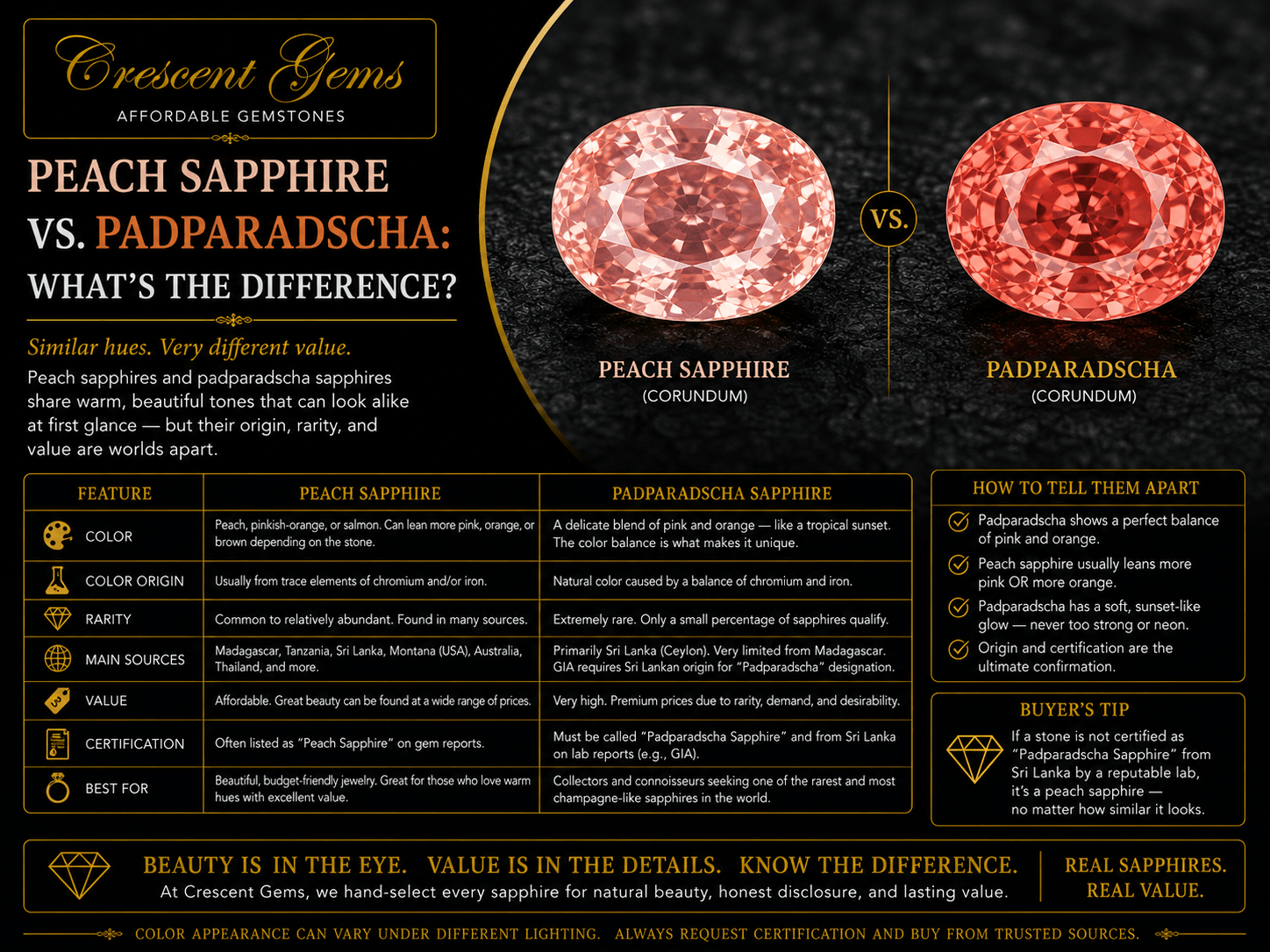
- by Ahmed Shareek
Peach Sapphire vs. Padparadscha: What's the Difference?
- by Ahmed Shareek
Browse our Padparadscha Collection and Peach Sapphire Collection. For deep dives: Padparadscha Complete Guide — Peach Sapphire Buyer's Guide.
Peach sapphire and padparadscha occupy adjacent territory in the corundum color spectrum. Both sit in the warm pink-orange family. Both are typically unheated. Both are among the most romantic and sought-after sapphire colors in the current market. And at the boundary between them, the visual difference can be genuinely subtle — a question of balance and saturation that even experienced dealers debate.
Yet commercially, the two categories are not adjacent at all. GIA-designated padparadscha commands $3,000–15,000+ per carat. Fine peach sapphire in similar color territory sells for $400–1,500 per carat. The difference between a laboratory report that says "padparadscha" and one that says "pink-orange sapphire" — or between a stone with documentation and one without — can represent a multiple of 5x–10x on the same purchase price. Understanding where the line is drawn, how laboratories define it, what the full color spectrum from peach through padparadscha looks like, and how to make a sound buying decision in this category is essential before spending significant money on either stone.
The word padparadscha derives from the Sinhalese and Sanskrit for lotus blossom — the warm, delicate pink-orange of the flower that grows in Sri Lanka's lakes and waterways. The color is not a marketing invention; it is a gemological designation with specific criteria applied by major laboratories.
GIA, Gübelin, and SSEF define padparadscha as a natural corundum gemstone that simultaneously displays both pink and orange in a light, balanced tone. The three defining requirements are:
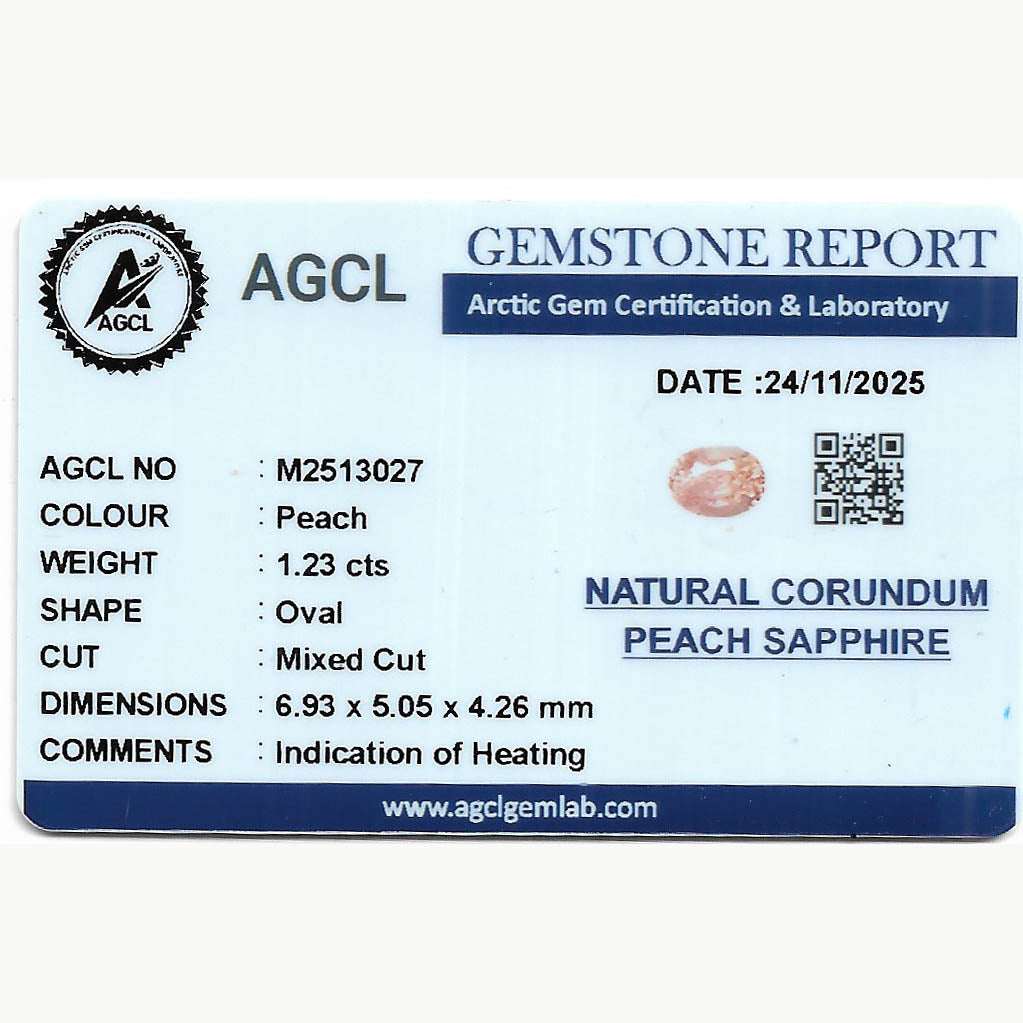
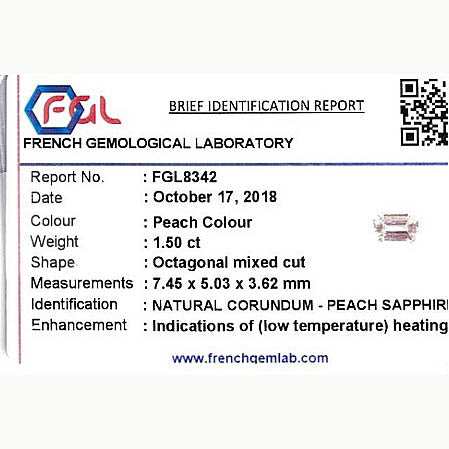
A stone is padparadscha only when a major laboratory says it is. Without a GIA, Gübelin, or SSEF report explicitly using the padparadscha designation, the word "padparadscha" in a listing is a seller's opinion — not a verifiable gemological fact. This single point is the most important thing to understand in this category. See our full Padparadscha Sapphire Complete Guide.
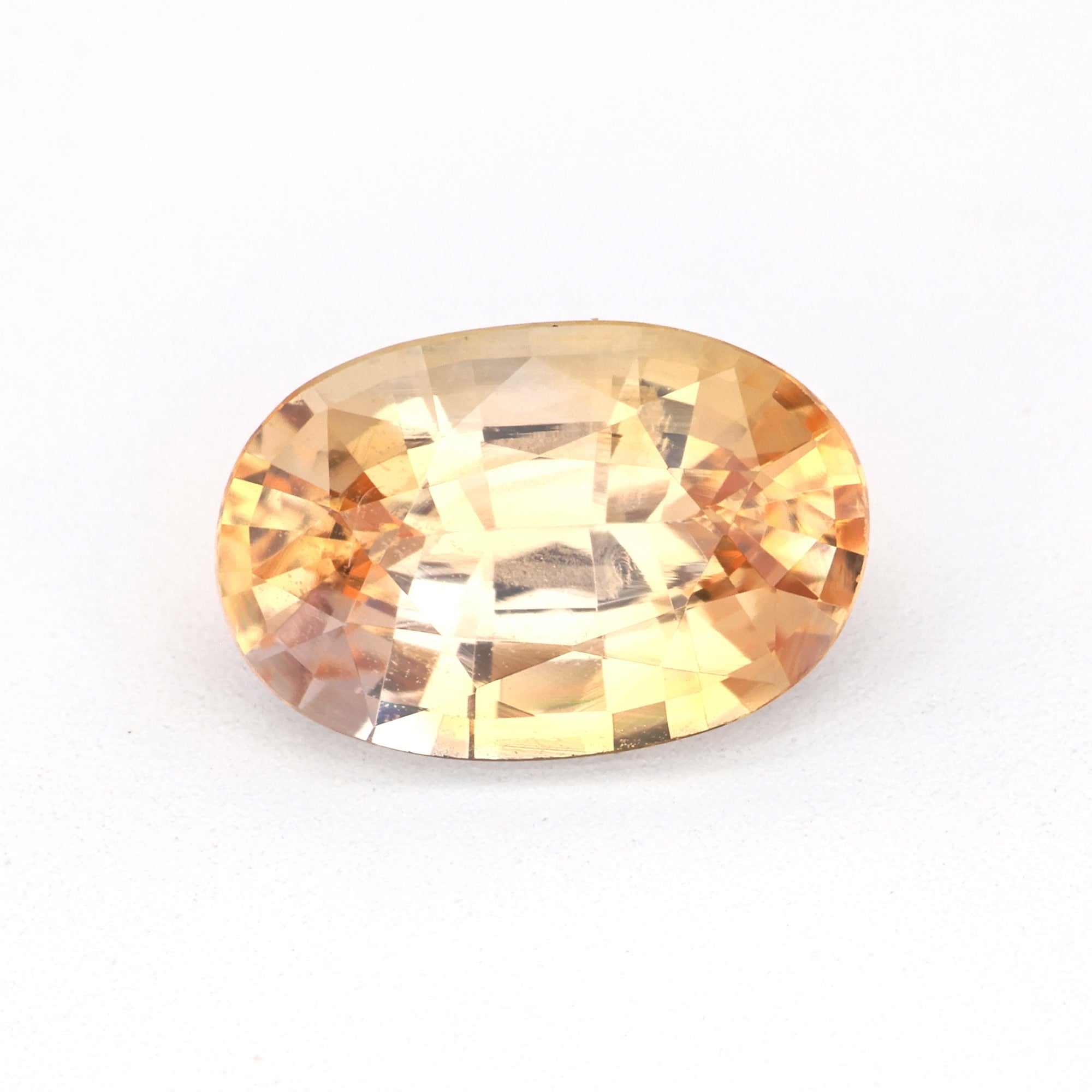
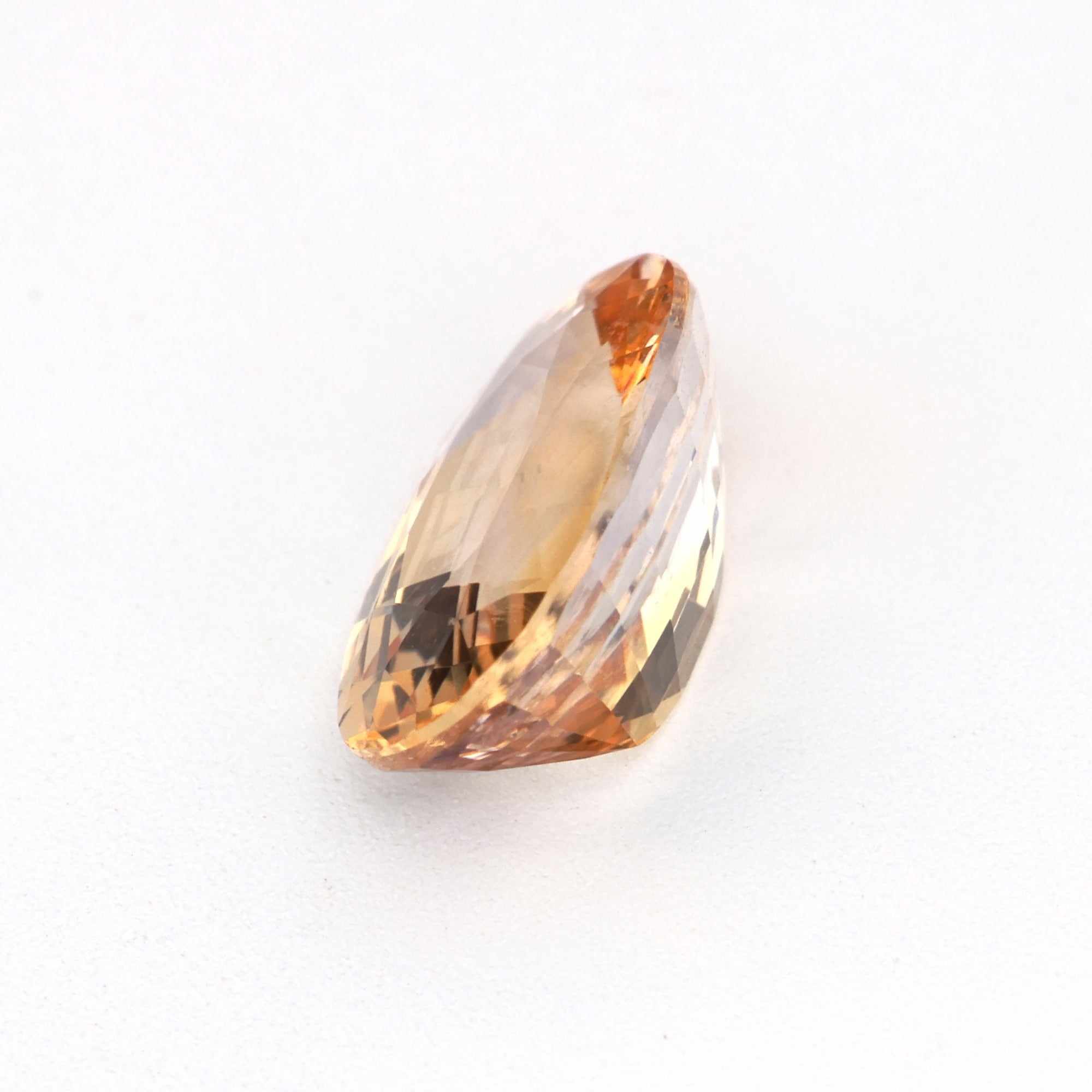
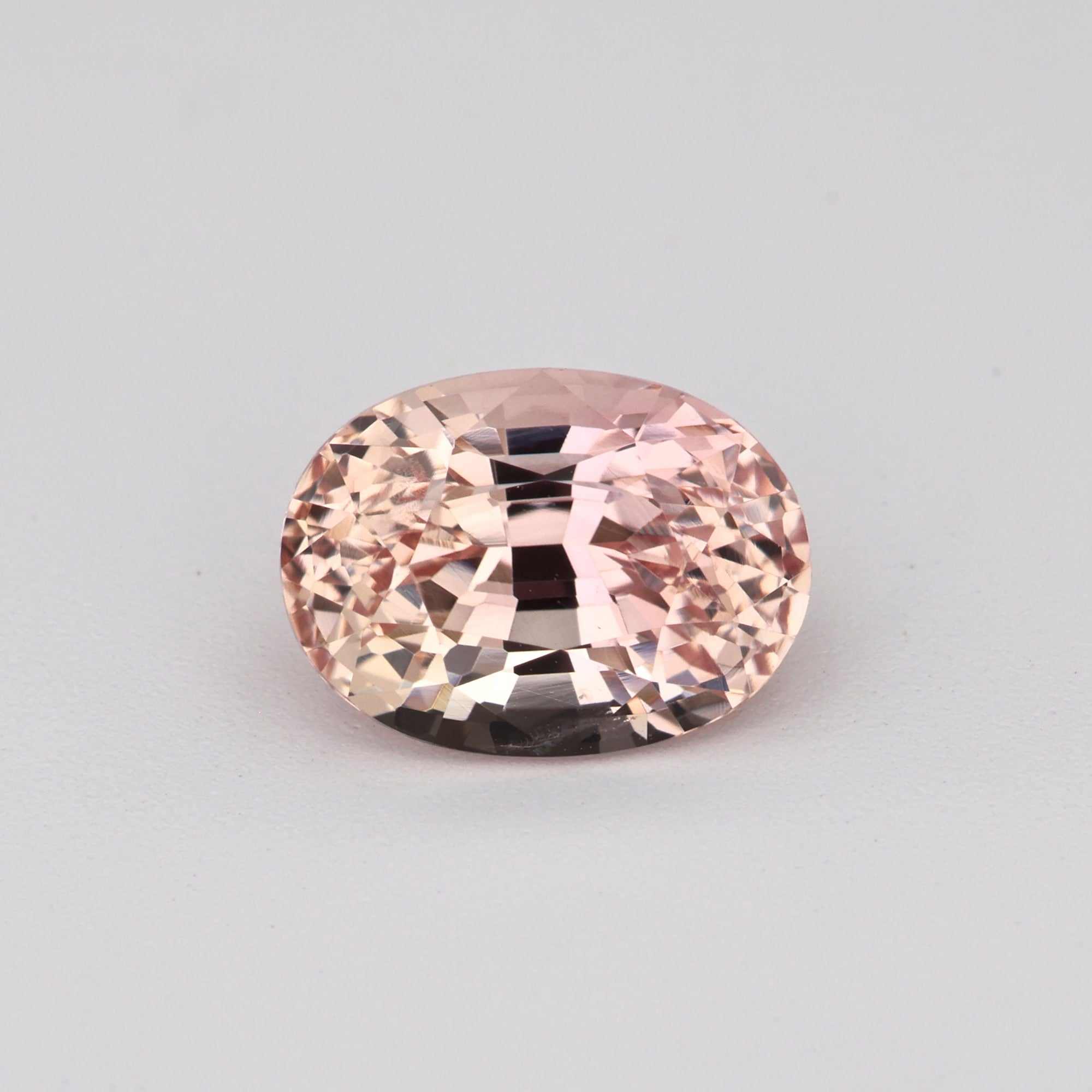
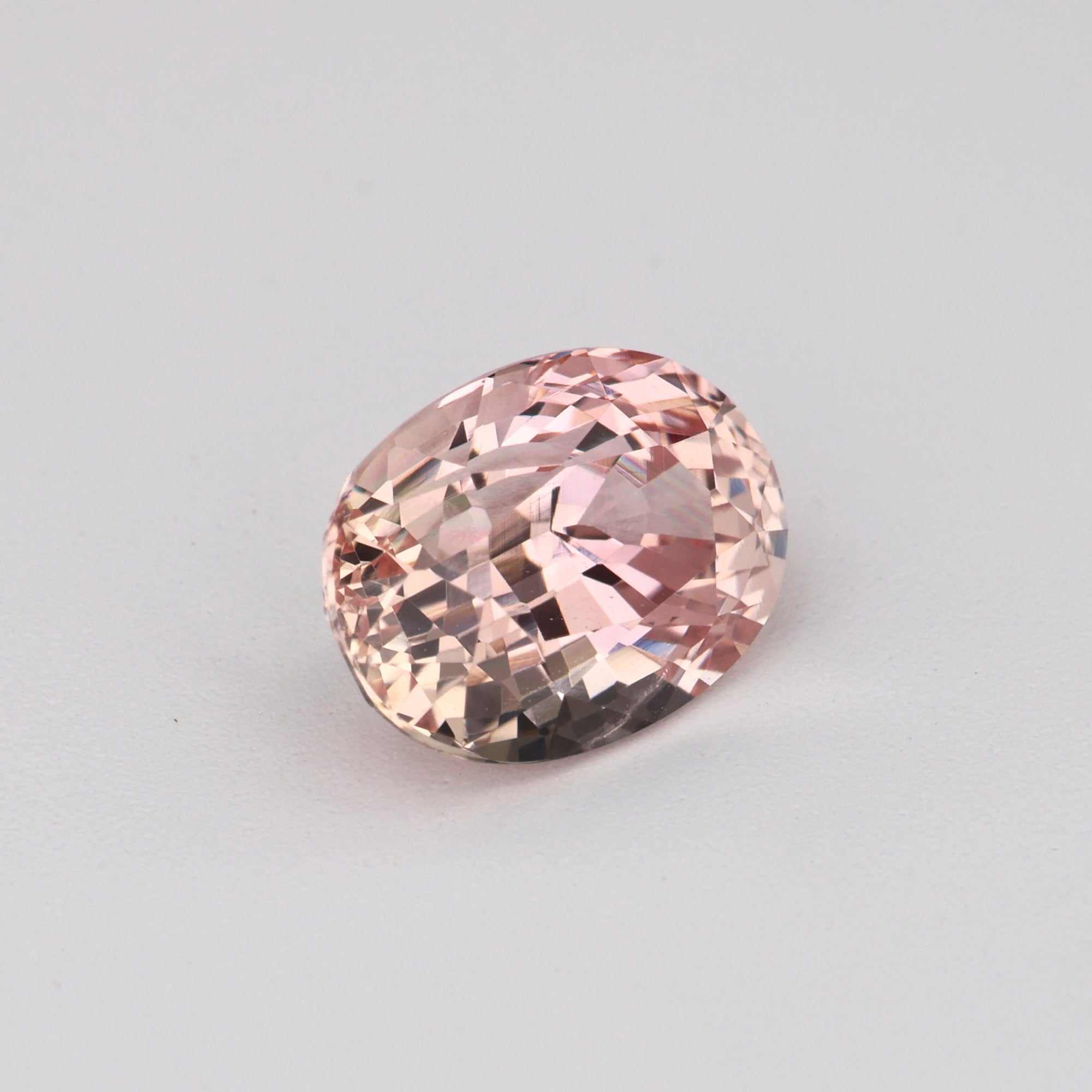
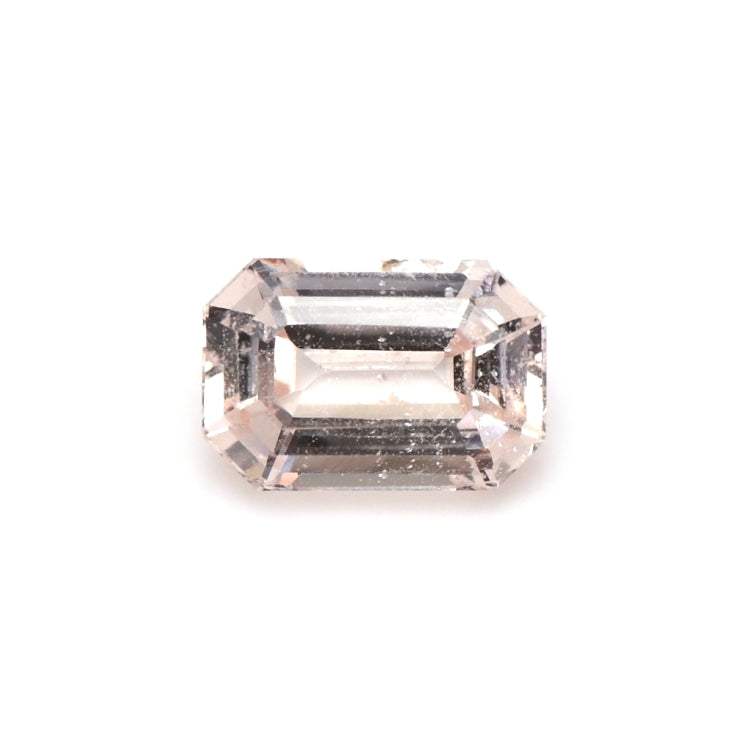
Peach sapphire is a trade term — not a laboratory designation — for corundum in the warm pink-orange family that does not meet padparadscha criteria. The term covers a broad range of warm pink-orange colors: stones that lean more strongly toward orange than pink, stones that lean more strongly toward pink than orange, stones in the pink-orange range but with too much saturation or too dark a tone for padparadscha, and stones at the lighter end of the range that approach padparadscha territory without achieving the designation.
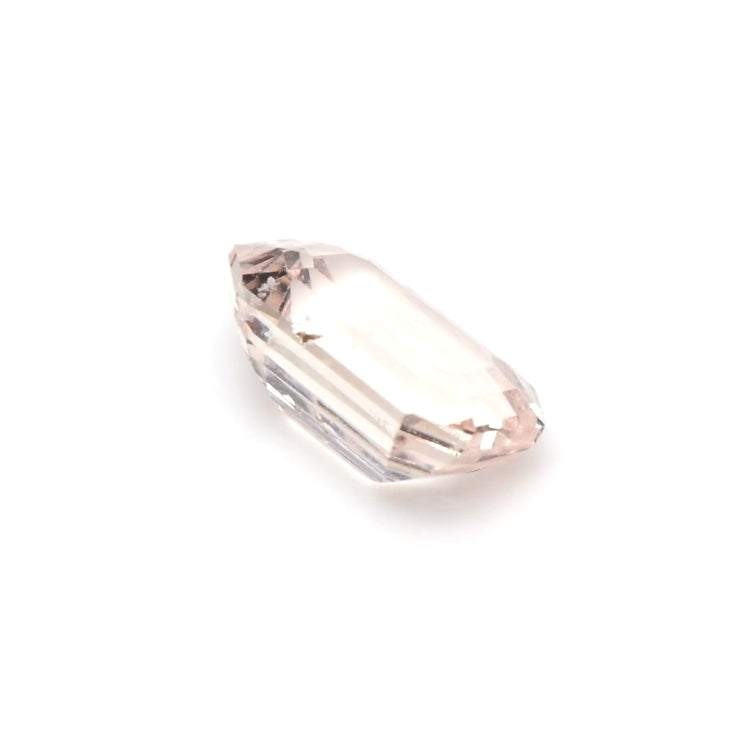
Fine peach sapphire is genuinely beautiful material. It occupies some of the most romantically appealing color territory in the entire sapphire spectrum — warm, glowing, flattering against all skin tones, and visually distinctive in a way that blue sapphire is not. Its commercial position — significantly less expensive than padparadscha while occupying visually adjacent territory — makes it one of the best value propositions in colored gemstones for buyers who prioritize color beauty over designation status.
| Color Description | Laboratory Designation | Typical Price Range (per ct) | Notes |
|---|---|---|---|
| Pale orange-pink, warm, light tone, balanced | Padparadscha (GIA/Gübelin/SSEF) | $3,000–15,000+ | The designation; maximum commercial value in this color family |
| Light pink-orange, leaning slightly pink, balanced | Padparadscha or Pink-Orange Sapphire depending on lab | $1,500–5,000 | Boundary zone; laboratory determination critical; same stone may receive different designations from different labs |
| Warm orange-pink, slightly orange-dominant, light tone | Pink-Orange Sapphire or Peach Sapphire | $600–2,000 | Best value zone — close to padparadscha color; padparadscha pricing not required |
| Classic peach — warm, golden-pink, moderate saturation | Peach Sapphire (trade term) | $400–1,200 | Core peach category; most common peach sapphire on the market |
| Pale peachy-pink, very light, low saturation | Peach or Light Pink Sapphire | $200–$700 | Lighter end; beautiful but lower commercial value |
| Deep orange-pink, stronger saturation, darker tone | Orange-Pink Sapphire | $500–1,500 | Too saturated/dark for padparadscha; in the orange family |
Figures above are approximate market guidance, not fixed quotes. Actual value varies by treatment, origin, colour, cut, clarity, and certification.
The padparadscha designation is contested and inconsistently applied even between major laboratories. GIA, Gübelin, and SSEF have broadly agreed on the criteria but their application in borderline cases varies — which is why the same stone sometimes receives the padparadscha designation from one lab and "pink-orange sapphire" from another. This variability at the boundary is a known feature of the category, not a flaw in any specific laboratory's methodology.
What the major laboratories agree on:
The commercially most interesting material in this category is the stone that clearly sits in padparadscha-adjacent territory — balanced pink-orange, light tone, unheated — but that receives a "pink-orange sapphire" designation rather than padparadscha from the examining laboratory. This stone has padparadscha visual character without the padparadscha price premium. For buyers who care about how a stone looks rather than what its report says, near-padparadscha peach from Sri Lanka represents exceptional value — often indistinguishable from padparadscha to untrained eyes, priced at a fraction of the designated equivalent.
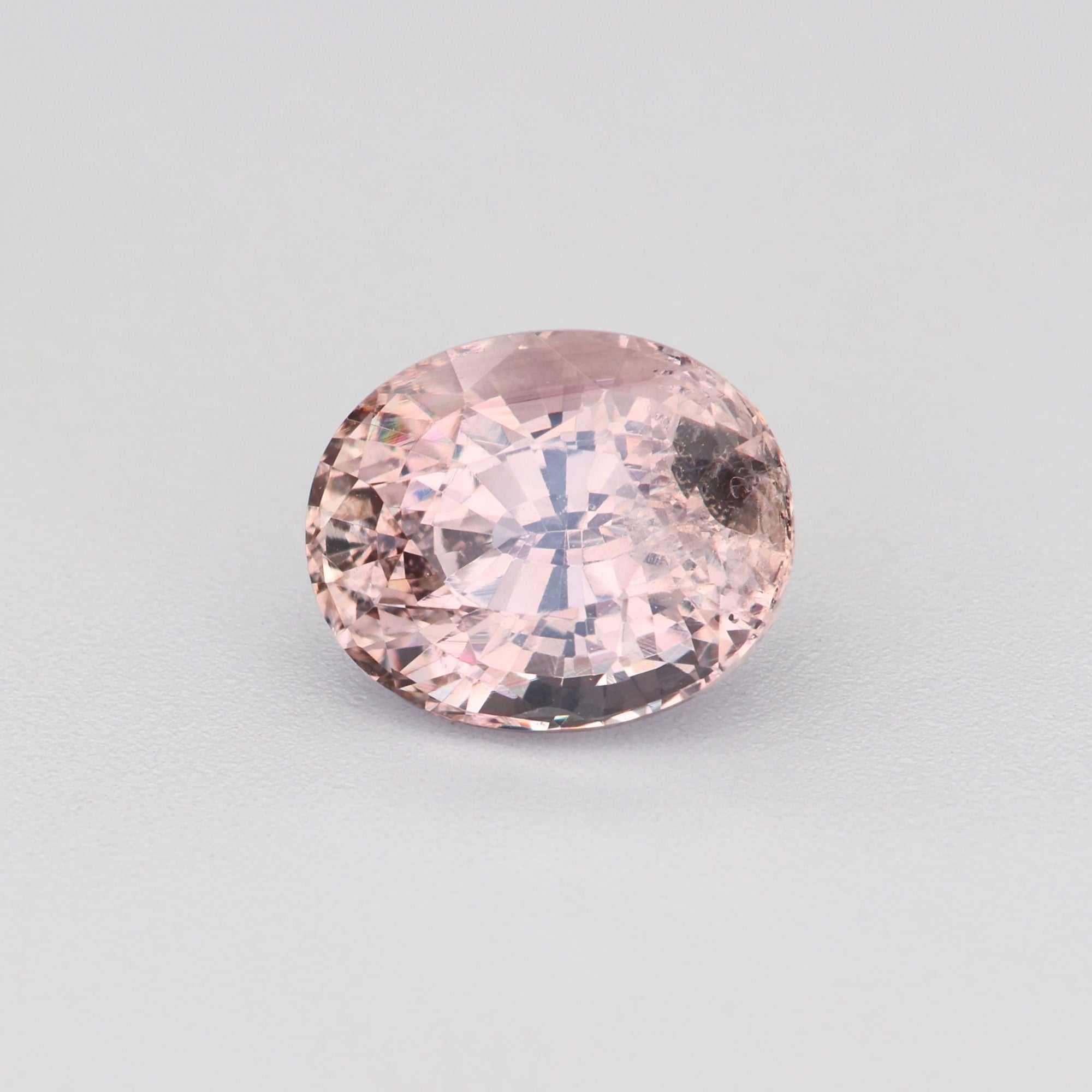
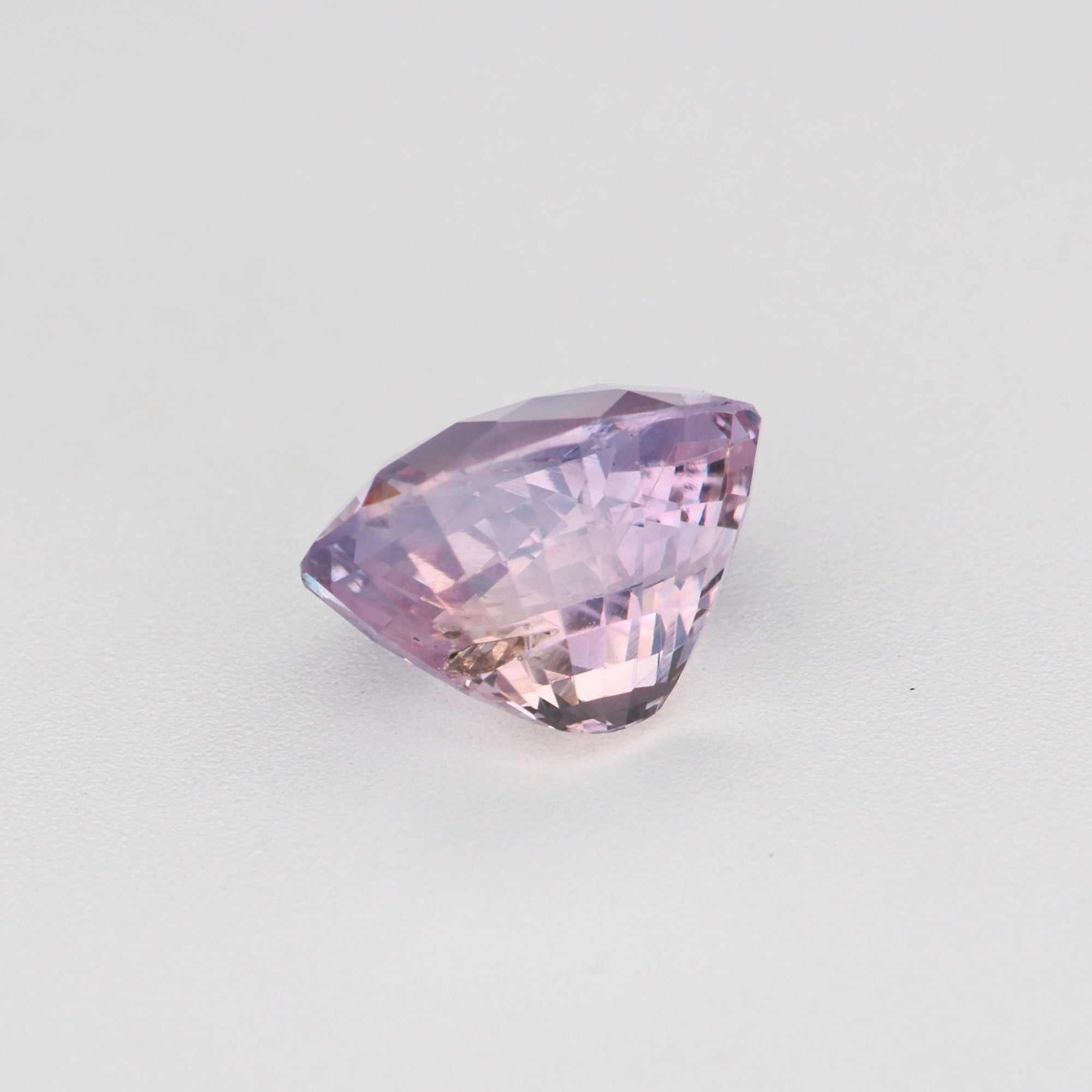
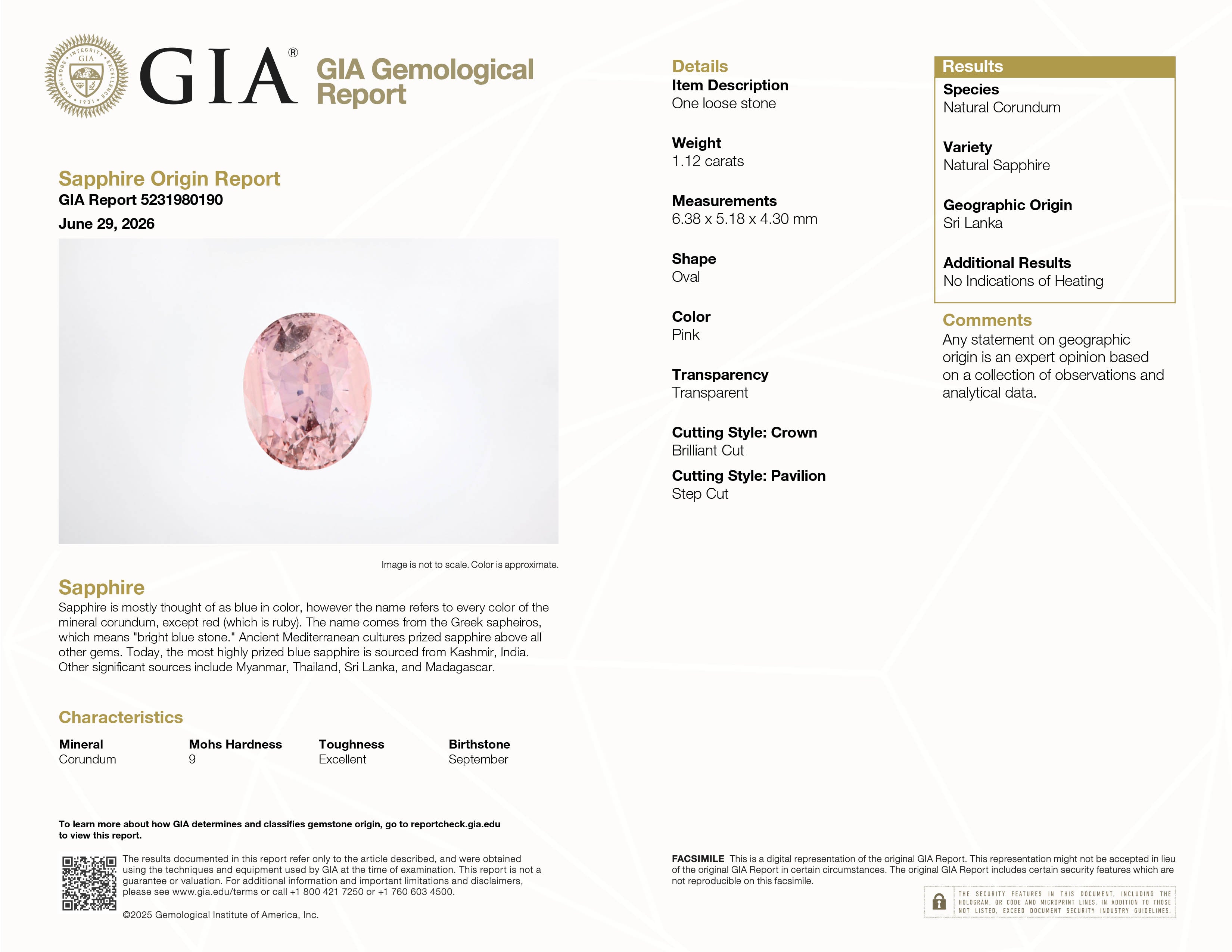
A concrete current example: our 1.12 ct unheated oval Ceylon peach sapphire (GIA Report #5231980190), currently in stock, is exactly this kind of boundary stone — GIA grades its hue "Pink," not padparadscha or pink-orange sapphire, yet Crescent Gems sells it as peach for the reason described above: the pink/peach line is a subjective call, not a misrepresentation.
Both peach sapphire and padparadscha are almost always unheated, and for the same reason: heat treatment disrupts the color balance that defines both categories.
The pink-orange color in both is produced by a specific interaction between chromium (Cr³⁺, responsible for pink) and iron (Fe, contributing to the orange modifier) in the corundum lattice. This balance is extremely sensitive to temperature. At heat treatment temperatures (1,200°C+), the iron and chromium interactions change — typically pushing the color toward either pink or orange and eliminating the simultaneous pink-orange balance that defines both peach and padparadscha. Heating a stone in this colour range usually pushes it out of that range and into plainer pink or plainer orange, destroying the specific thing that makes these stones commercially interesting — which is why unheated stones dominate the fine end of both categories. It does not happen every time, though, and it is not what decides the name. Under LMHC Information Sheet #4 (Corundum, V11 2025) the padparadscha name is withheld for lattice diffusion, glass-filled fissures, irradiation, dyeing and coating — but the sheet states that the name ‘shall be applied to both unheated and heated “padparadscha sapphire”’. Lotus Gemology records padparadscha-coloured material from Vietnam’s Quy Chau district, Tanzania’s Tunduru district and Madagascar as often heat-treated at fairly low temperatures — 1200 °C and below — and parts of the trade sell those stones under the padparadscha name, at a substantial discount to unheated material of the same colour.
This means that unlike blue sapphire — where 90–95% of commercial material is heated — virtually all commercially attractive peach and padparadscha sapphire is naturally unheated. Unheated status in this color family is the default, not the exception. It should still be documented with a major laboratory report for any significant purchase. See our What Is an Unheated Sapphire? guide.
| Factor | Peach Sapphire | Padparadscha Sapphire |
|---|---|---|
| Gemological status | Trade term — no laboratory-defined criteria | Laboratory designation with specific color criteria |
| Color requirement | Warm pink-orange; no specific balance required | Simultaneously pink and orange, balanced, light tone — all three required |
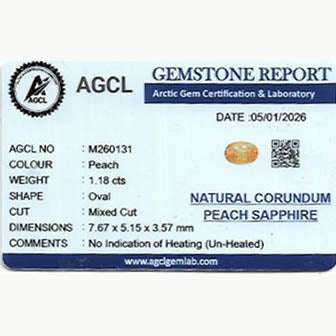
| Laboratory documentation | Recommended but not definitional | GIA, Gübelin, or SSEF report explicitly stating "padparadscha" is the only reliable verification |
| Treatment status | Almost always unheated; heating destroys color | Usually unheated, and that is where the premium sits — but the name is a colour call: LMHC applies it to heated and unheated stones alike |
| Beryllium risk | Moderate — require Be-tested lab report above $500 | High — GIA/Gübelin/SSEF with explicit Be testing is non-negotiable |
| Typical price range (per ct) | $400–1,500 for fine material | $3,000–15,000+ for GIA-designated material |
| Supply availability | Moderate — meaningful production from Sri Lanka | Very scarce — limited annual production of true padparadscha |
| Primary origin | Sri Lanka (Ceylon); also Madagascar | Almost exclusively Sri Lanka (Ceylon) |
| Best for | Buyers who want warm pink-orange beauty at accessible price | Collectors and buyers for whom the designation and rarity have value |
| Investment potential | Limited; trade-term stones have less defined value | Strong — GIA padparadscha with Ceylon origin appreciates with supply scarcity |
Figures above are approximate market guidance, not fixed quotes. Actual value varies by treatment, origin, colour, cut, clarity, and certification.
Sri Lanka (Ceylon) is the dominant and most prestigious source for both peach sapphire and padparadscha. The same geological conditions that make Sri Lanka exceptional for blue and pink sapphire — its metamorphic Highland Complex geology, naturally lower iron content, and the specific chromium enrichment patterns in certain deposit zones — produce the chromium-iron chemical combination that creates pink-orange color in corundum.
GIA-designated padparadscha is almost exclusively from Ceylon. The combination of sufficient chromium (pink component) and the specific iron character of Ceylon's geology produces the balanced, light-toned pink-orange that meets the padparadscha criteria in a way that other origins rarely achieve. Madagascar produces some peach material; Burma produces occasional pink-orange sapphires; but the consistent production of true padparadscha color in quantity is a Ceylon specialty. See our Ceylon Sapphire Complete Guide.
Beryllium diffusion treatment — which introduces beryllium into the corundum lattice at extreme temperatures to artificially produce color — is disproportionately used in the pink-orange and padparadscha color range, because these colors command the highest premiums in the warm-tone sapphire category. A stone that would be worth $5–10 per carat in its natural pale state can emerge from beryllium treatment with padparadscha-like color worth $5,000+ per carat if misrepresented.
Beryllium diffusion cannot be detected by visual inspection, loupe examination, or standard gemological testing. It requires LA-ICP-MS analysis at GIA, Gübelin, or SSEF. The practical consequence:
See our Beryllium Diffusion Explained guide for the full picture on detection, documentation requirements, and what the laboratory report should say. Crescent Gems does not sell beryllium-treated stones.
The right choice depends on what you are actually buying for:
Before buying any peach or padparadscha sapphire above $300:
Padparadscha is a laboratory designation for corundum that simultaneously displays both pink and orange in a balanced, light tone — applied only by GIA, Gübelin, or SSEF. Peach sapphire is a trade term for warm pink-orange corundum that does not meet padparadscha criteria. Both are typically unheated. The commercial difference is significant: GIA padparadscha commands $3,000–15,000+ per carat; fine peach sapphire sells for $400–1,500 per carat.
They can, but it is not verifiable and should not be accepted by a buyer. The padparadscha designation only has commercial meaning when it appears on a GIA, Gübelin, or SSEF report. A seller's description of a stone as padparadscha without documentation is an unverifiable opinion. Never pay padparadscha prices for an undocumented stone.
Almost always, yes. Heat treatment disrupts the chromium-iron color balance that produces warm pink-orange color in corundum, typically pushing the stone toward pink or orange. Most commercially attractive peach sapphire on the market is naturally unheated — not as a premium attribute but as a consequence of the color chemistry. Treatment status should still be confirmed by a laboratory report for any significant purchase.
Near-padparadscha peach describes stones in the boundary zone of the padparadscha-adjacent color range that have padparadscha-like visual character — balanced pink-orange, light tone, unheated — but that receive a "pink-orange sapphire" designation rather than padparadscha from the examining laboratory. These stones have the visual appearance of padparadscha without the padparadscha price premium, making them the best value in this color family for buyers who prioritize appearance over designation.
Not by definition, but in practice GIA-designated padparadscha is almost exclusively from Ceylon (Sri Lanka). The geological conditions of Sri Lanka's Highland Complex produce the specific chromium-iron chemical combination that creates balanced pink-orange corundum more consistently than any other deposit. A GIA Origin Report on a padparadscha stone confirming Ceylon origin adds significant additional premium above the padparadscha designation alone.
You cannot tell by looking. Beryllium diffusion is not detectable by visual inspection, loupe, or standard gemological testing. The only reliable detection method is LA-ICP-MS trace element analysis at GIA, Gübelin, or SSEF. For any stone in this color category above $300, require a report from one of these three laboratories — minor lab reports that don't use LA-ICP-MS provide no beryllium clearance.
GIA-designated padparadscha with Ceylon origin and strong color is a better investment proposition. It has a defined rarity status, a laboratory-backed designation, and a track record of appreciation at auction. Fine peach sapphire is beautiful and valuable but lacks the laboratory-defined scarcity status that drives long-term collector value. For jewelry wear, fine peach sapphire represents better value per dollar. For investment, padparadscha with documentation is the stronger choice.
Every stone in our peach and padparadscha collections carries full treatment disclosure. Laboratory documentation from GIA, Gübelin, or SSEF — with explicit beryllium testing — is provided on all stones above $500. We source directly from Sri Lanka, with direct buying relationships in Ratnapura that provide first access to fine material in this color family.
Email crescentgems@gmail.com with your budget and color preference — we can identify the best current match from our inventory across both categories and advise on whether near-padparadscha peach or GIA padparadscha is the better fit for your priorities. We respond within one business day.
Shopping by size? Browse peach sapphire over 1 carat or peach sapphire under 1 carat.
Prices are shown in your local currency and may change.


CG8132


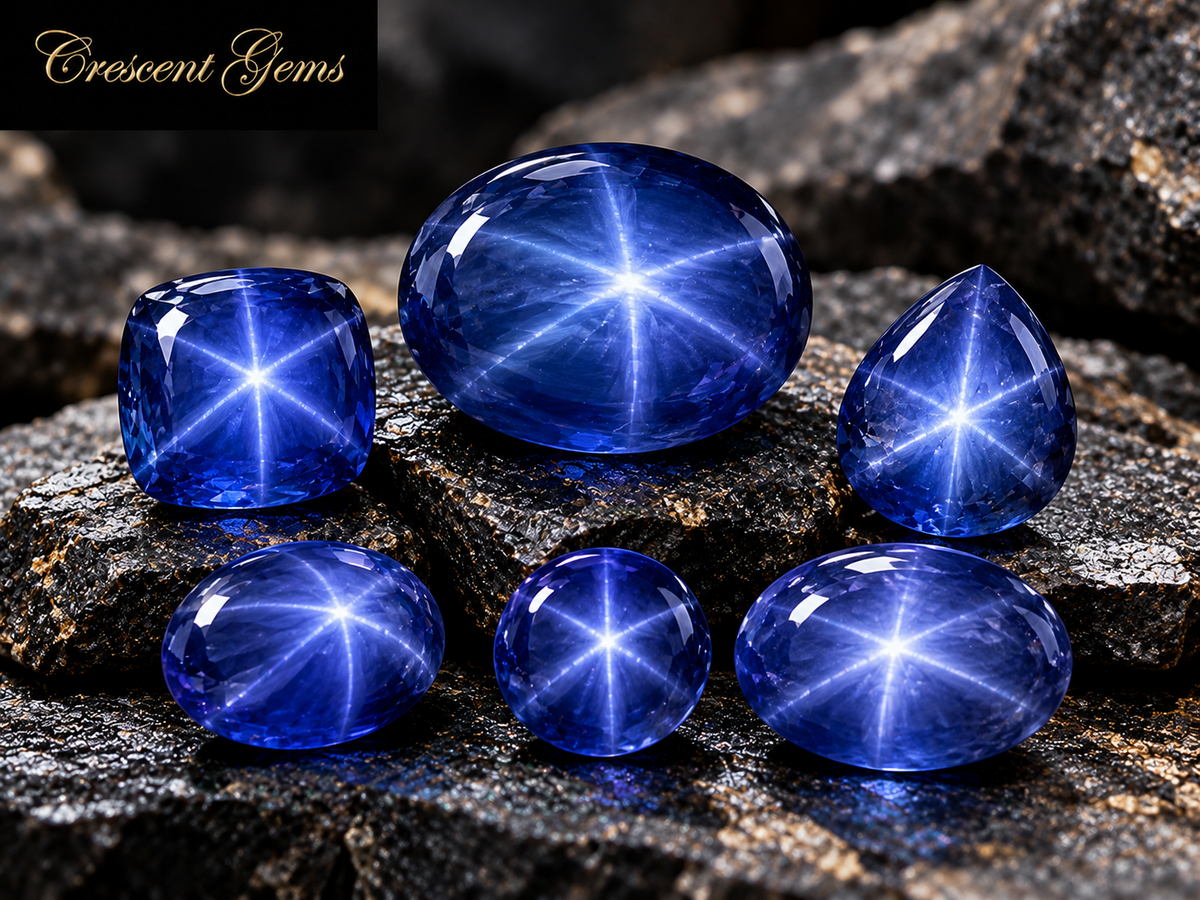
Blue Star Sapphire Price Guide — What They Cost and Why
Read moreabout Blue Star Sapphire Price Guide — What They Cost and Why
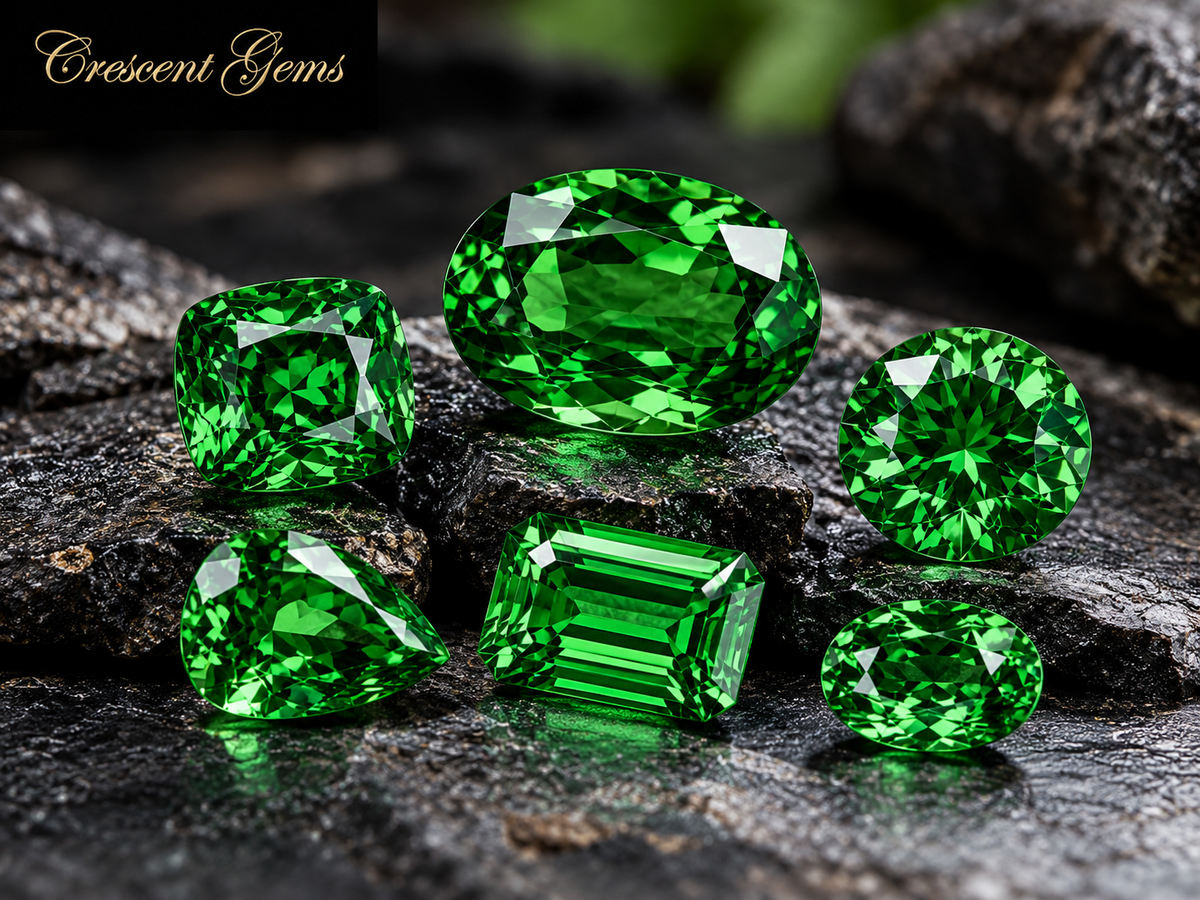
Tsavorite Garnet Price Guide — What They Cost and Why
Read moreabout Tsavorite Garnet Price Guide — What They Cost and Why
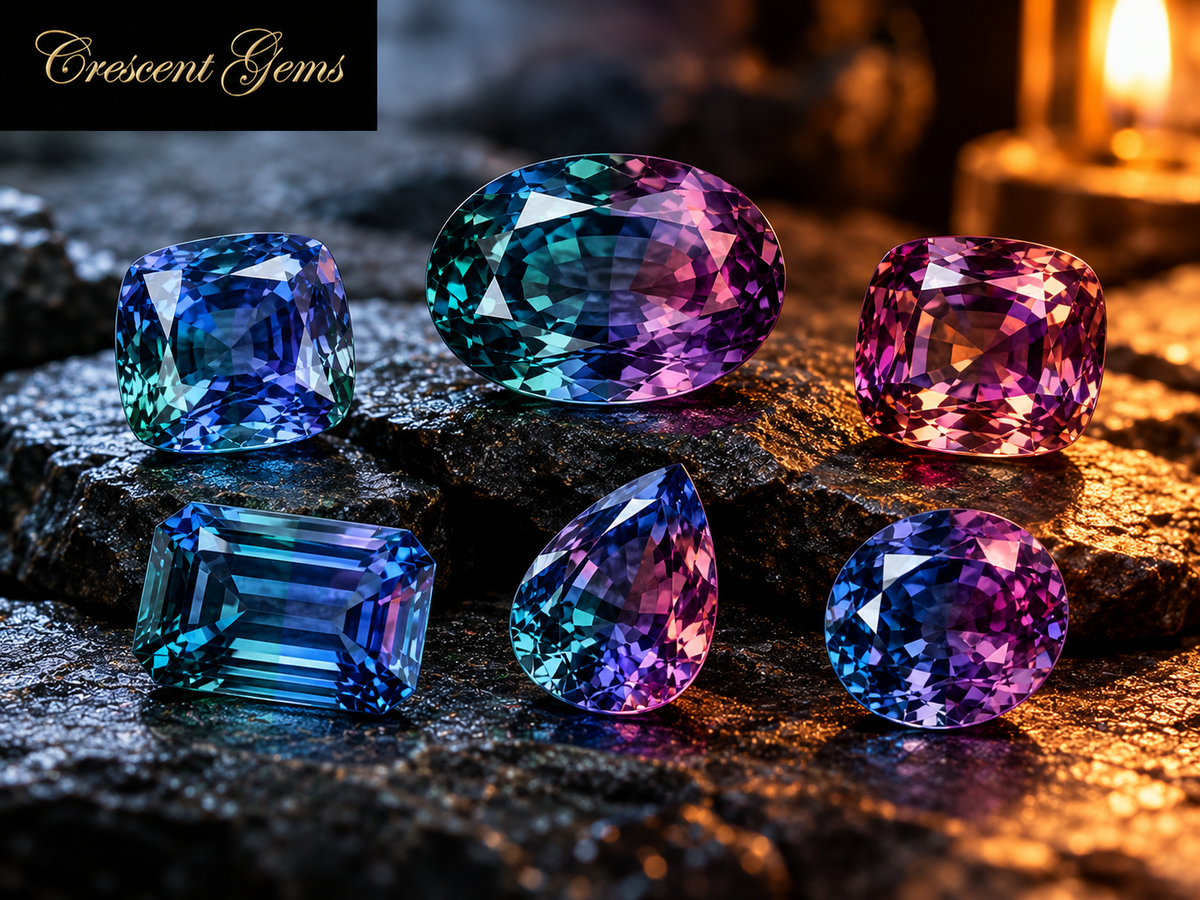
Color-Change Sapphire Price Guide — What They Cost and Why
Read moreabout Color-Change Sapphire Price Guide — What They Cost and Why
Is Cat's-Eye Chrysoberyl Good for an Engagement Ring?
Read moreabout Is Cat's-Eye Chrysoberyl Good for an Engagement Ring?
Cat's Eye Chrysoberyl Price Guide — What They Cost and Why
Read moreabout Cat's Eye Chrysoberyl Price Guide — What They Cost and Why