- by Ahmed Shareek
Best Sapphires Under $10,000 — Where Exceptional Quality Lives
- by Ahmed Shareek
We are a supplier from the source in Sri Lanka, so our gemstones reach you direct, without the intermediaries most sellers buy through.
For the previous tier: Best Sapphires Under $5,000. For investment context: Kashmir Sapphire Investment Guide. For the buying foundation: Ultimate Sapphire Buying Guide.
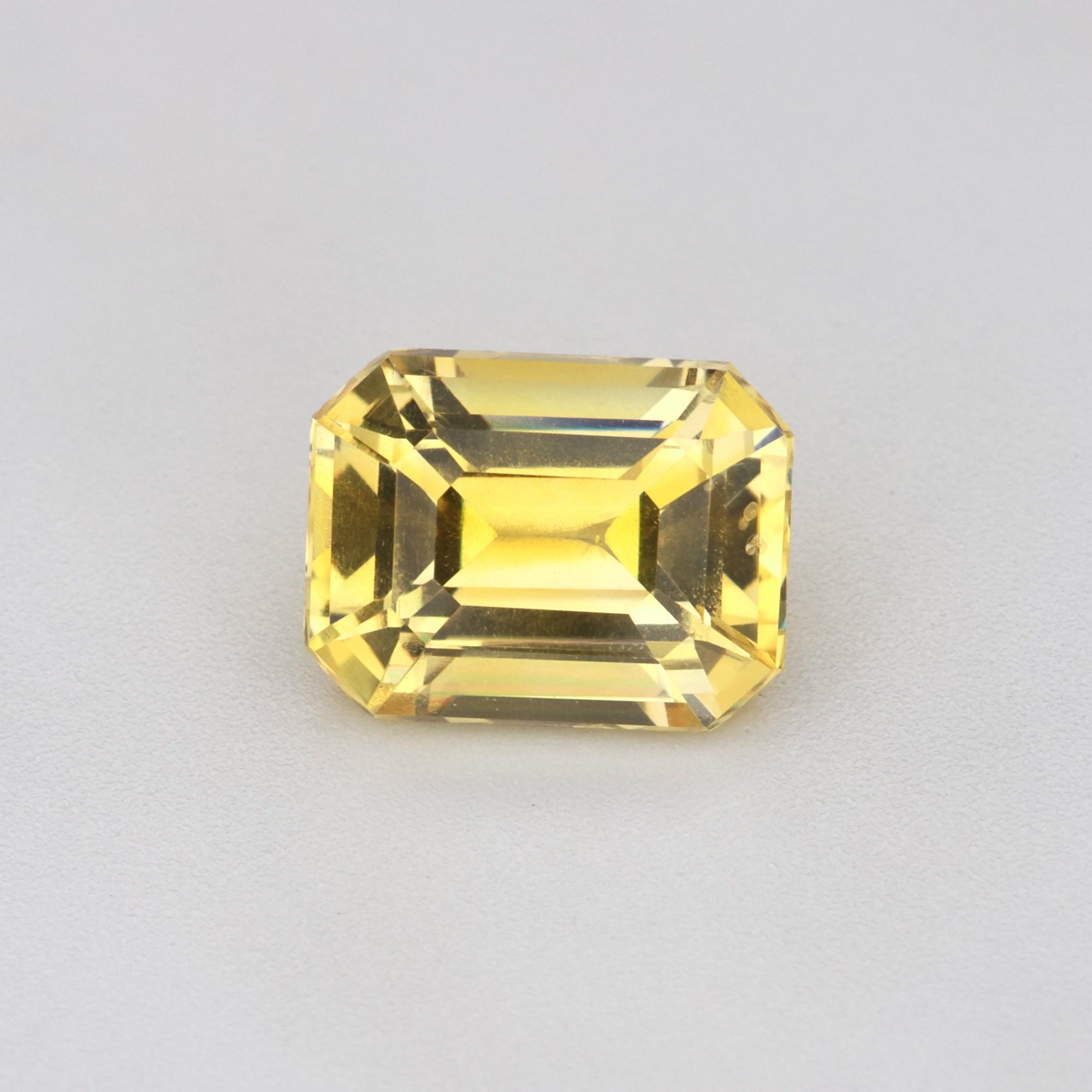
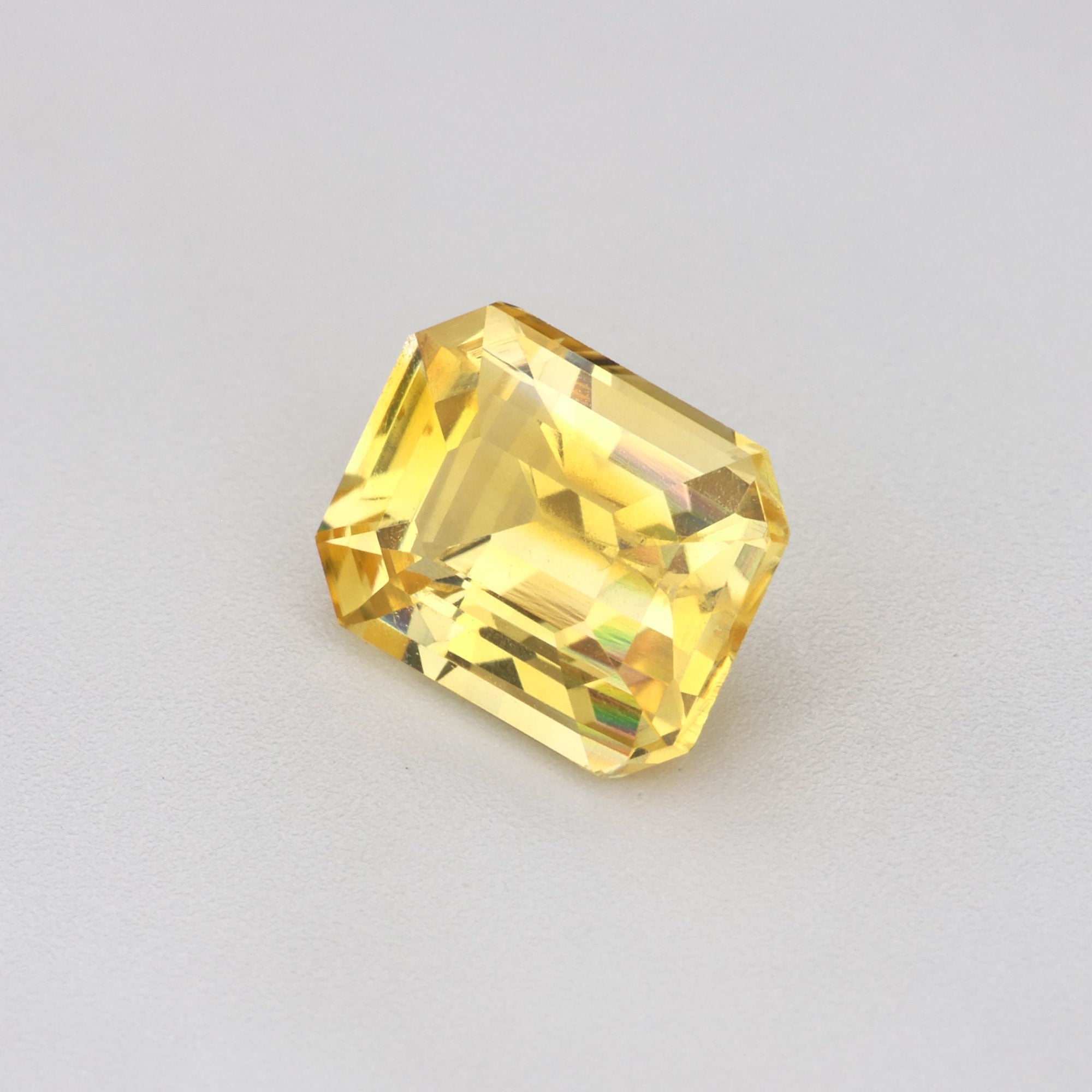
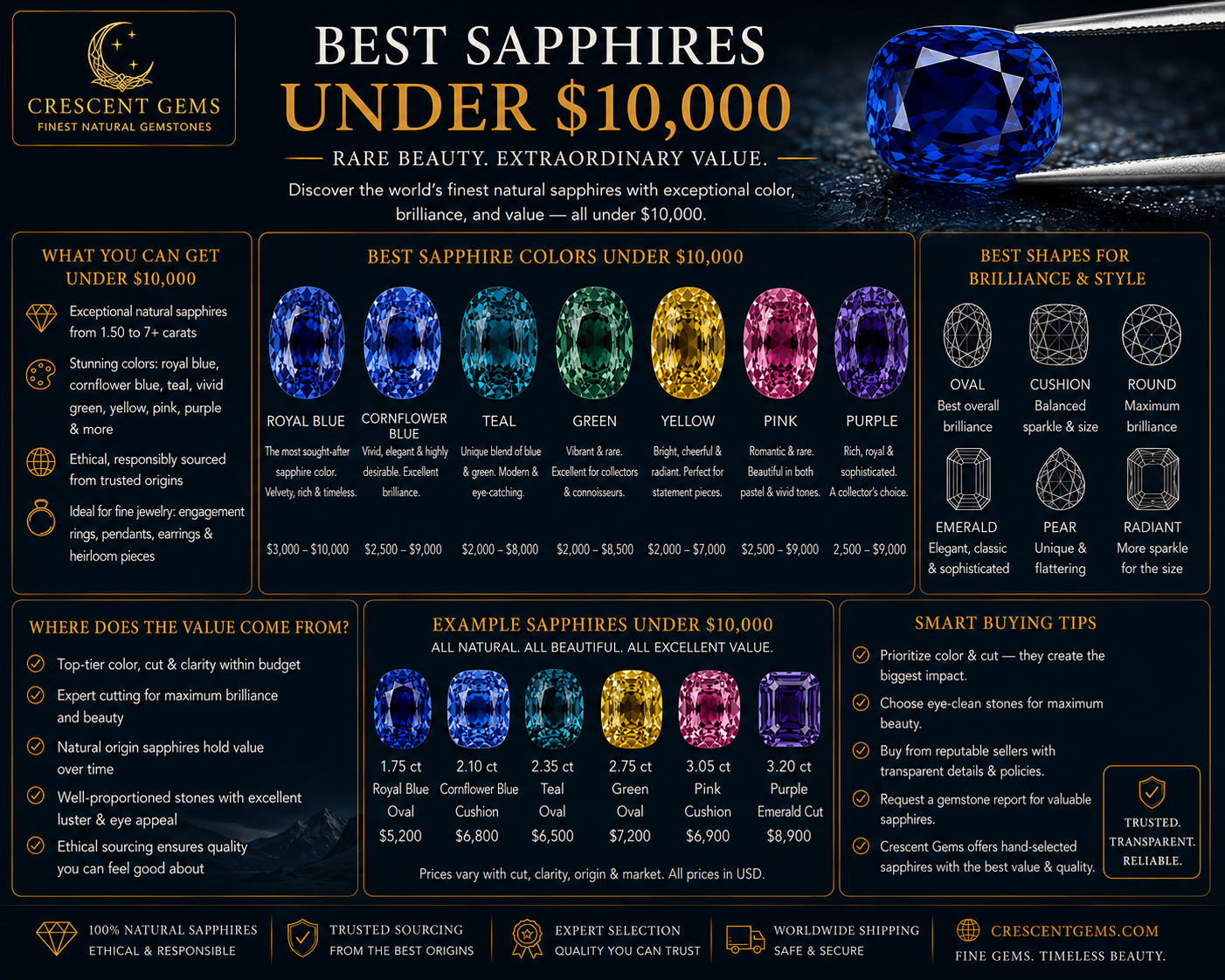
The $10,000 budget places you in the upper tier of the commercial sapphire market. At this level, the stones available are no longer incrementally better — they represent a different category of material: larger fine unheated blue sapphires with full GIA documentation, exceptional padparadscha, investment-grade certified stones, and the beginning of the collector's market where origin, documentation, and provenance carry as much weight as the visual quality of the stone itself. Buyers at this level are often making a purchase they intend to keep for life.
| Stone Profile | Realistic Under $10,000? | Notes |
|---|---|---|
| Unheated blue sapphire, 2.0-2.1ct, vivid, GIA, Ceylon | ✓ Yes — in stock | The most significant purchase in the mainstream sapphire market; we currently have two, at $6,800 and $8,160 |
| Fine heated blue sapphire, 2.5-3ct+, vivid, GIA, Ceylon | ✓ Yes — in stock | Genuinely strong value at this budget; five GIA-documented stones currently in stock between $6,500 and $9,990 |
| GIA Padparadscha, 0.8-1.5ct | ✗ Not currently in stock | Real market territory, but we have zero padparadscha in stock right now — email us and we'll source on request |
| Unheated pink sapphire, 2.0-3.5ct, vivid, GIA | ✗ Not currently in stock | Our unheated pink stock currently tops out under 1.5ct; the only pink we carry near this size is heated |
| Unheated teal sapphire, 2.5-4.0ct, fine quality | ✗ Not currently in stock | Our largest teal in stock is 2.12ct; even our finest teal currently runs closer to $3,000 total than $10,000 |
"In stock" rows reflect current listed prices in our collection as of August 2026. "Not currently in stock" rows are broader market guidance — those stone profiles genuinely exist in the trade, but we don't have matching inventory right now. Figures are not fixed quotes and will move with inventory.
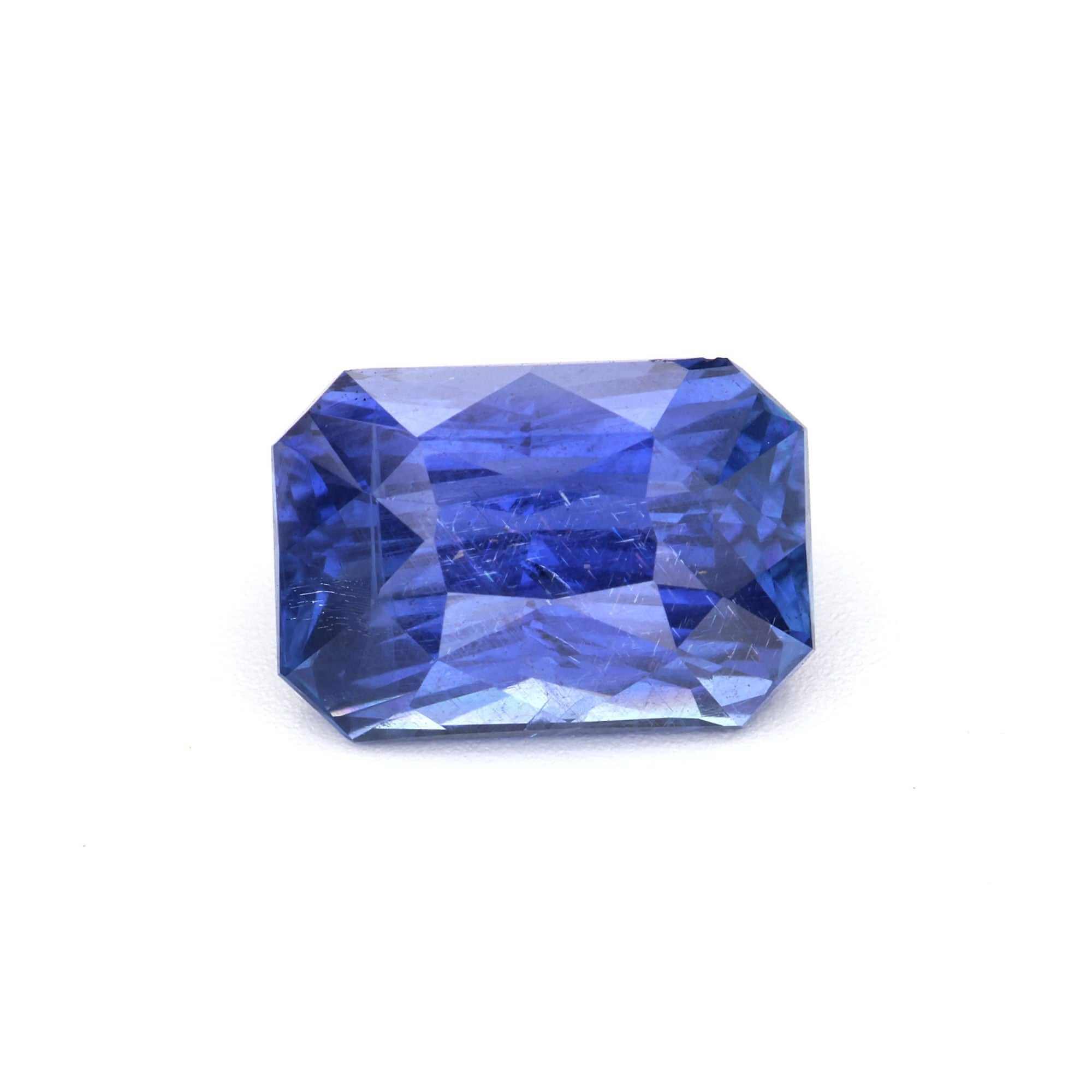
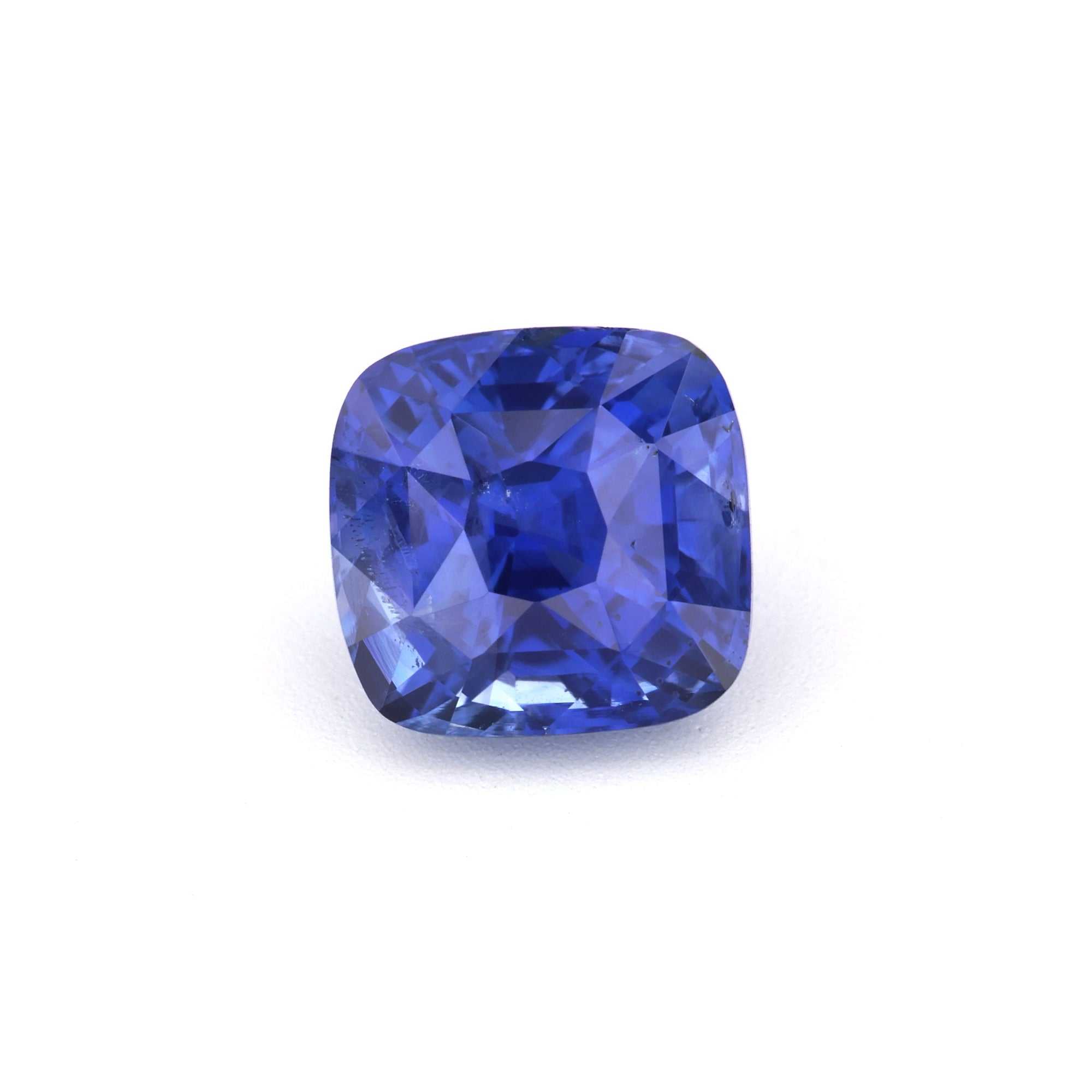
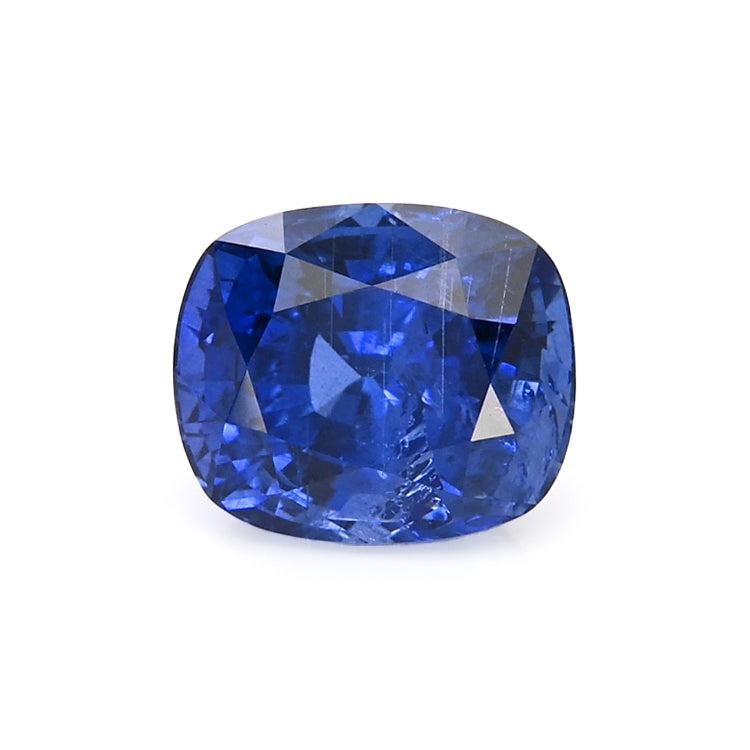
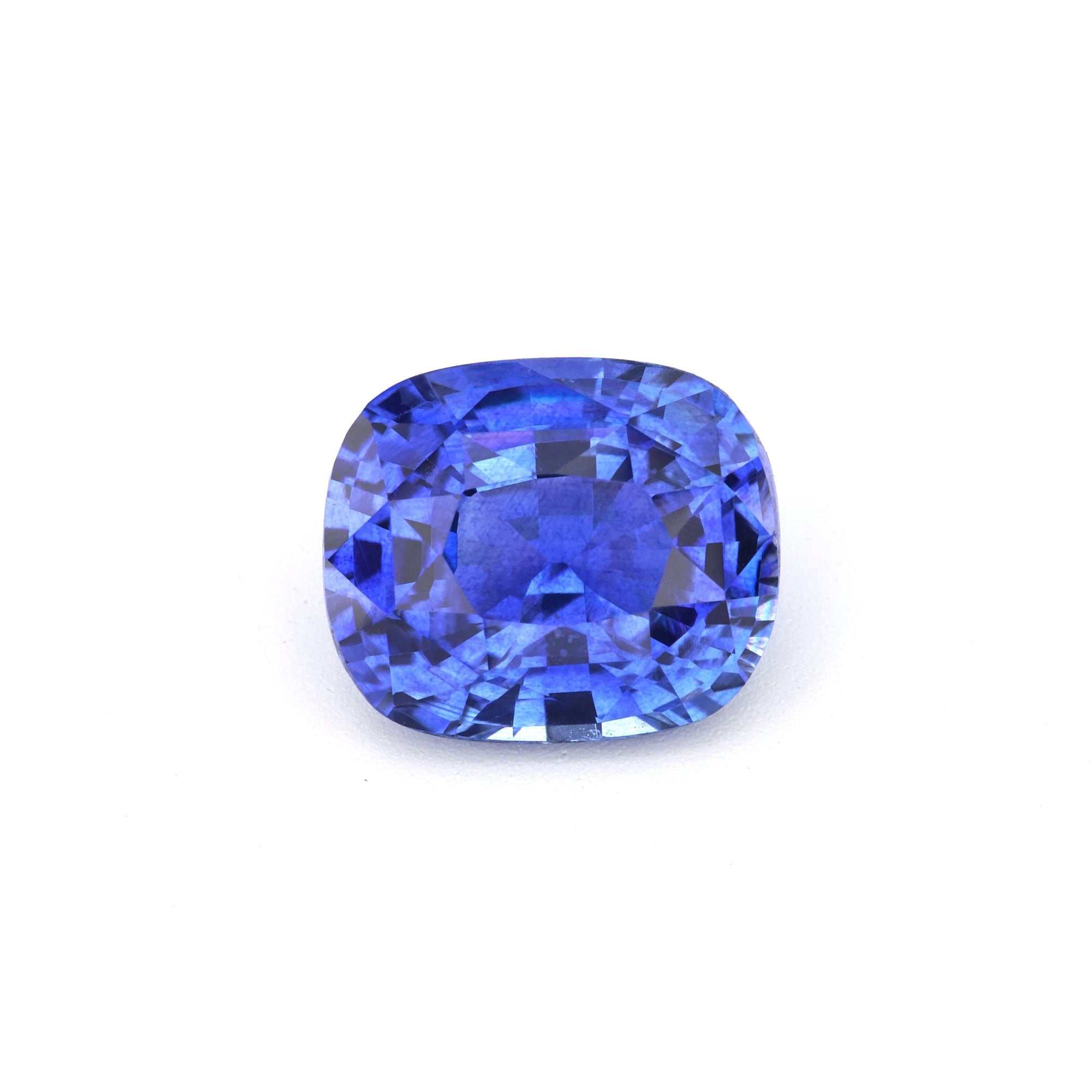
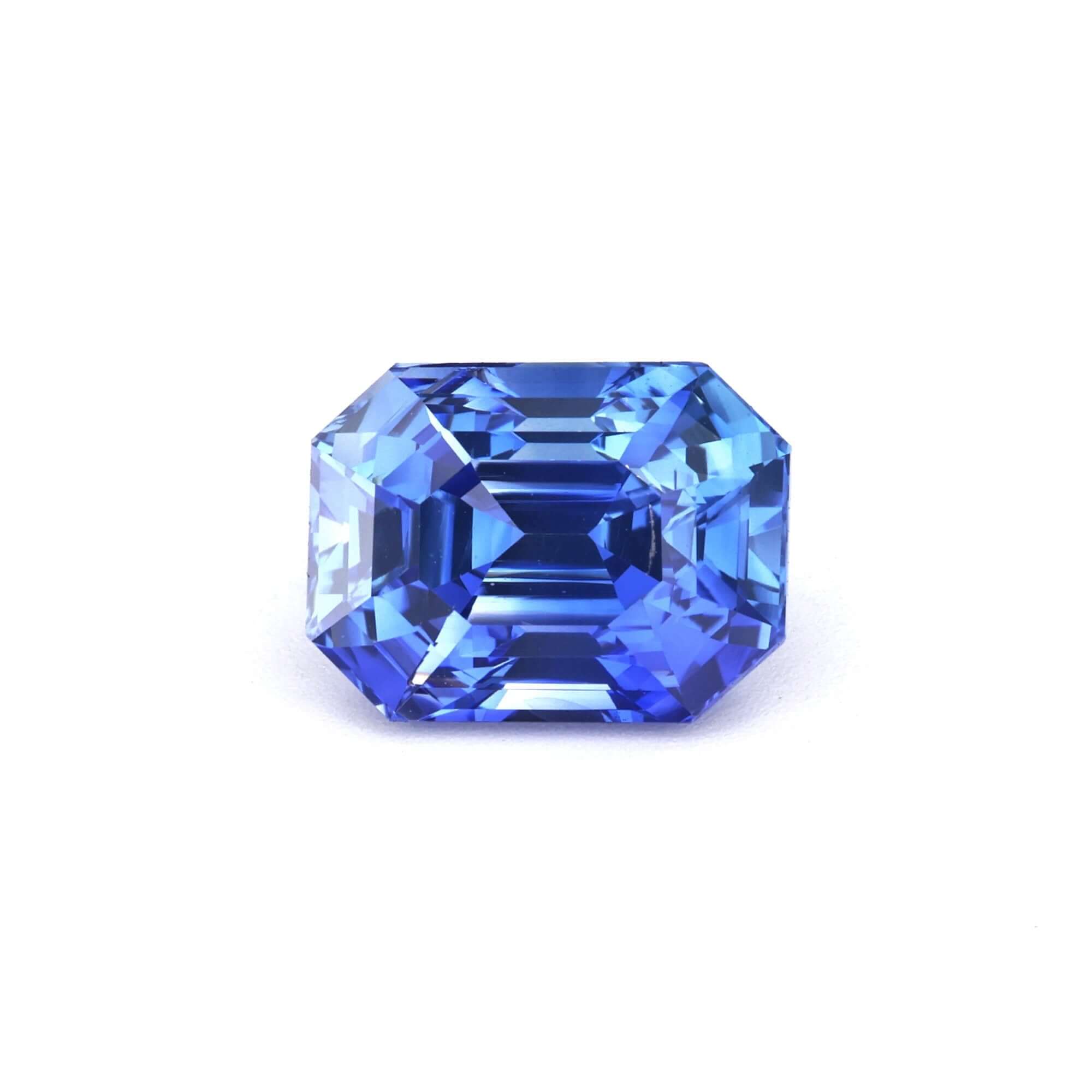
1. GIA-Documented Unheated Blue Sapphire, 2.0-2.1ct. The most important purchase category in the mainstream sapphire market at this budget: a GIA-documented Ceylon blue, confirmed unheated, vivid, eye-clean, well-cut. We currently carry two: a 2.008ct radiant cut at $6,800 (view) and a 2.04ct square cushion at $8,160 (view) — both closely matching the classic 1.8-2.2ct target size for this budget. See our unheated sapphire guide. Browse our unheated blue sapphire collection and collection of stones with GIA reports.
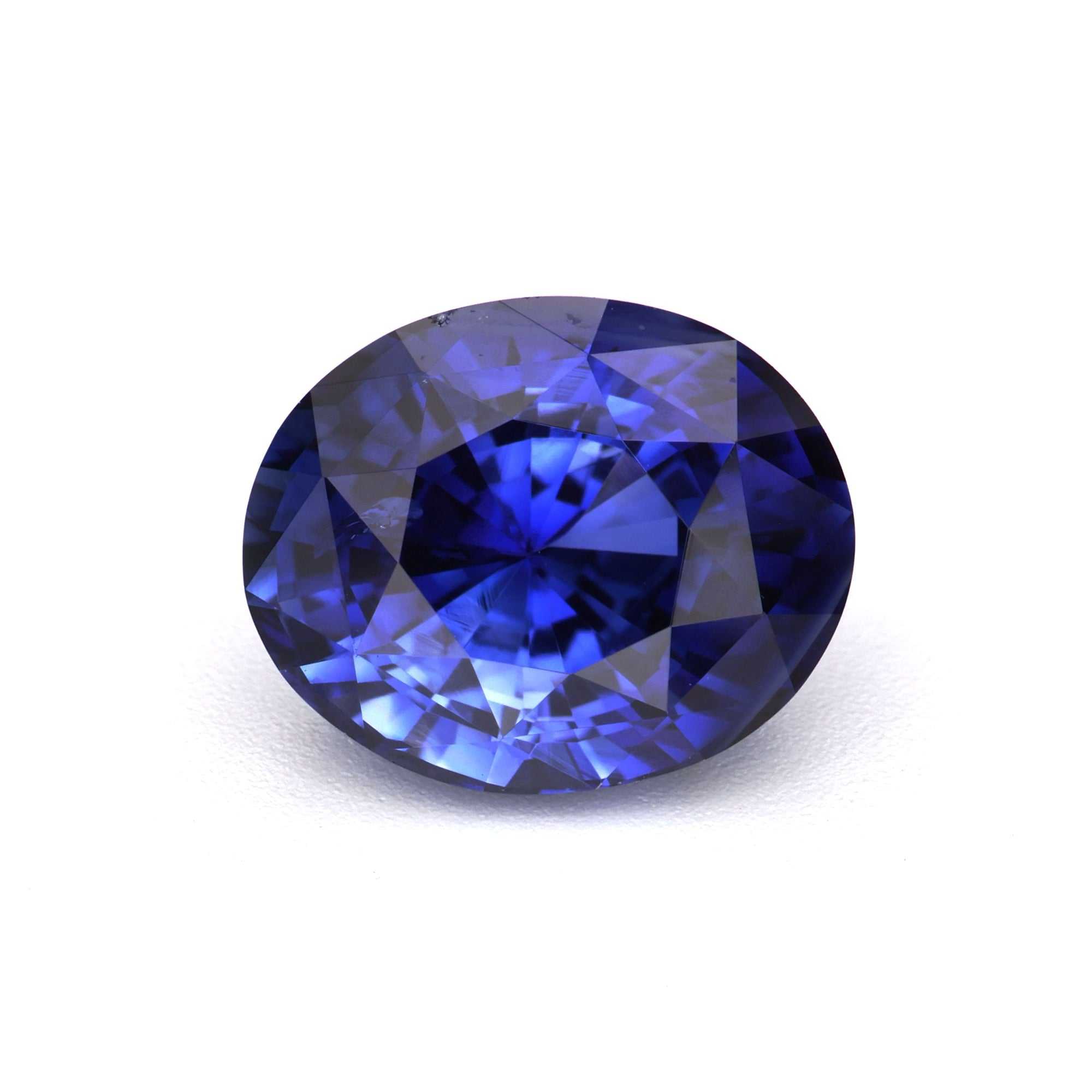
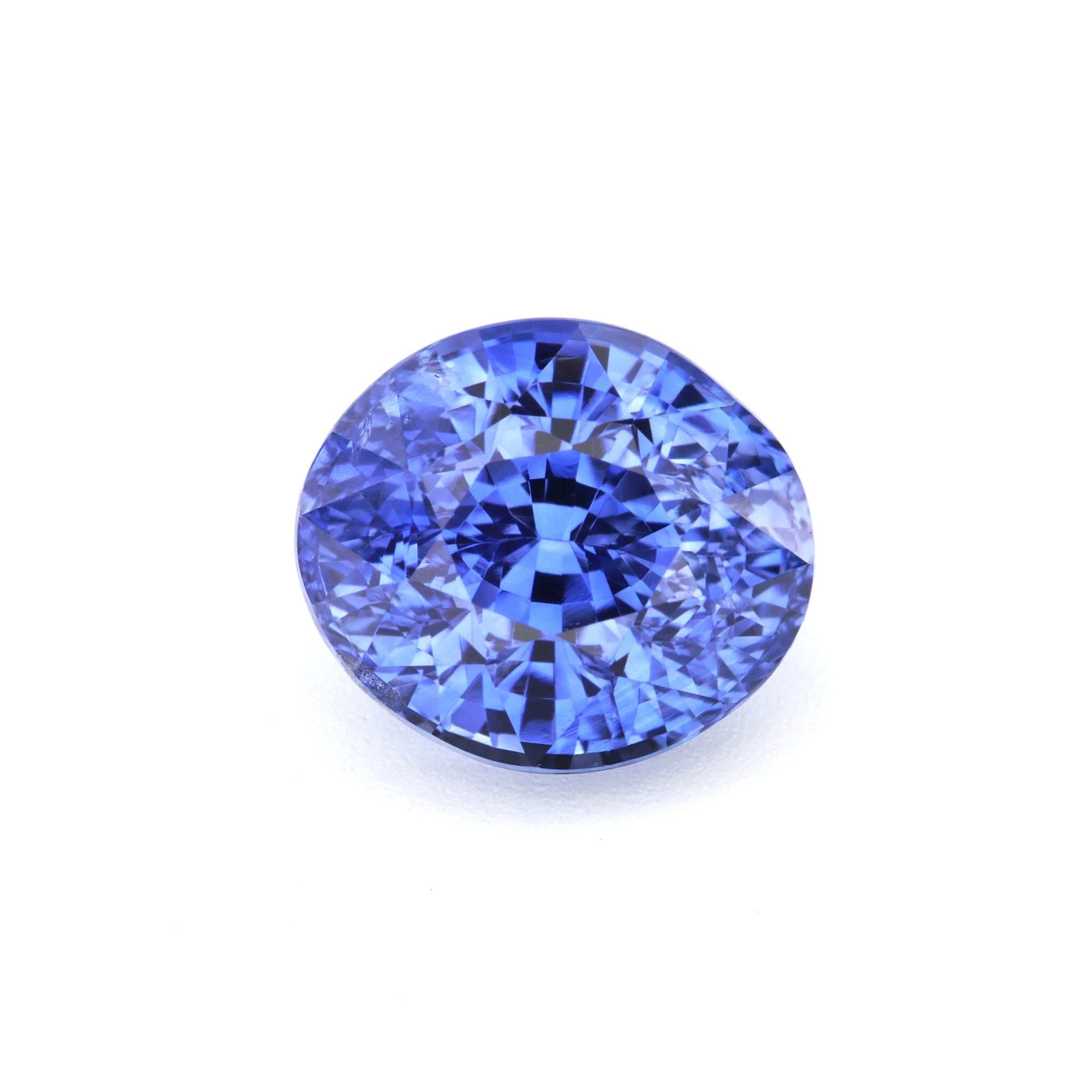
2. Fine Heated Blue Sapphire, 2.5-3ct+. Not part of the original four categories here, but worth adding because it is genuinely well stocked at this budget: GIA-documented heated Ceylon blue between 2.48ct and 5.18ct, vivid and eye-clean. Examples currently available: 2.48ct oval at $6,944 (view), 2.68ct cushion at $7,504 (view), 2.74ct oval at $6,528 (view), 3.08ct step cut at $8,656 (view), and a standout 5.18ct cushion at $9,990 (view) — a meaningfully larger stone for the same budget as a smaller unheated equivalent.
3. GIA Padparadscha, 0.8-1.5ct. A 1.0ct GIA-designated padparadscha in this range typically runs $5,000-$9,000 in the broader market — but we don't currently have any padparadscha in stock to offer at any size. If this is what you're after, email us at crescentgems@gmail.com and we can search on your behalf. See also Peach vs. Padparadscha and the Padparadscha Price Guide.
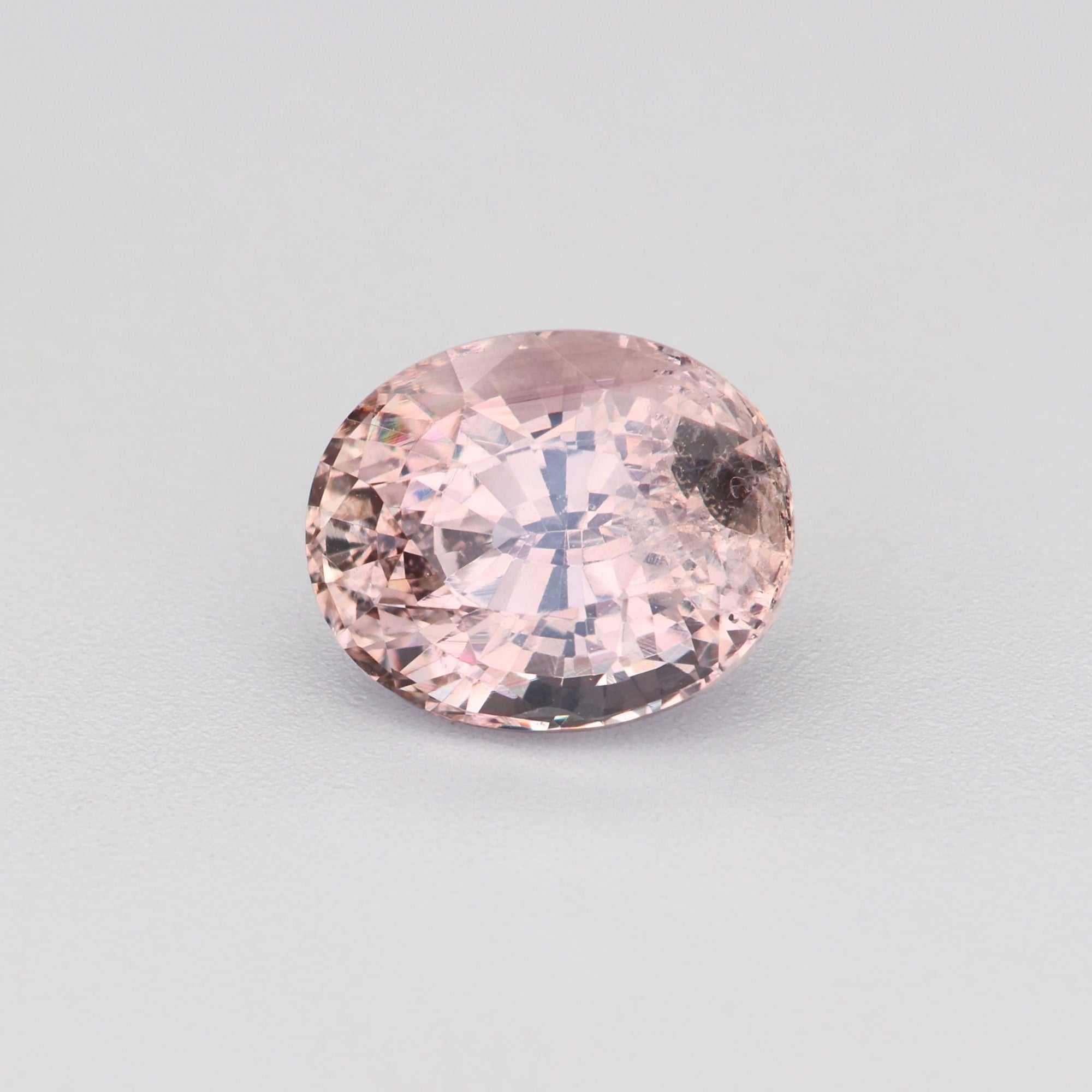
4. Fine Unheated Pink Sapphire, 2.0-3.5ct. Genuinely rare and valuable material in the trade at $6,000-$9,000 for a vivid unheated 2.5ct stone — but we don't currently stock unheated pink at this size; our unheated pink inventory tops out under 1.5ct. The closest we have near this size range is a 2.20ct heated oval from Madagascar at $5,500 (view), and a 3.26ct unheated pink star sapphire (cabochon, phenomenon cut rather than faceted) at $2,834 (view) for buyers open to that different look. Browse our pink sapphire collection.
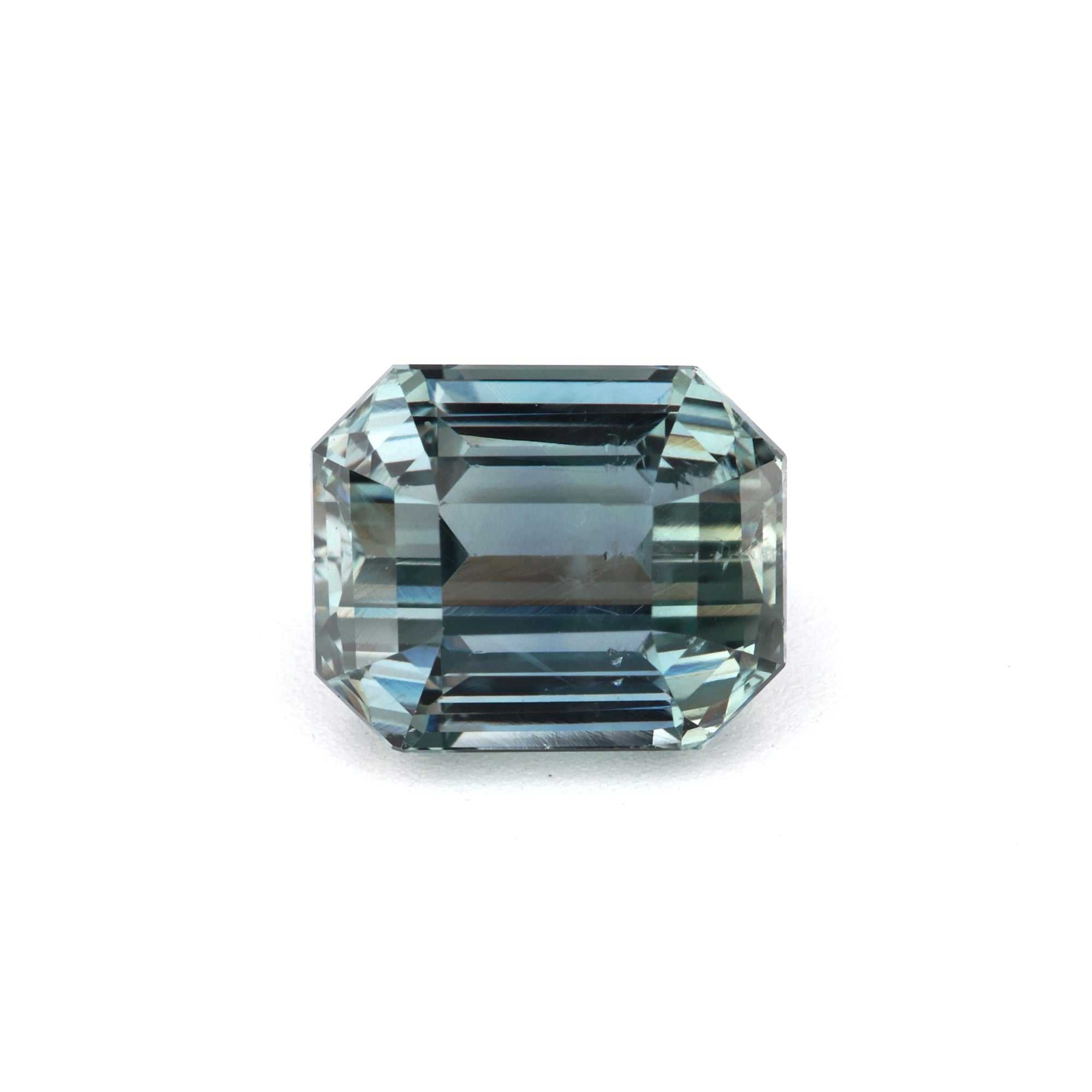
5. Fine Unheated Teal Sapphire, 2.5-4.0ct. A stone this size does exist in the broader teal market, but it isn't something we currently stock — our largest teal sapphire in inventory is 2.12ct, and even our finest teal runs closer to $3,000 total than $10,000, since teal simply hasn't commanded blue- or padparadscha-level per-carat prices in what we've sourced. Browse our unheated teal collection for what's currently available, or see our teal sapphire guide for the full picture on this color.
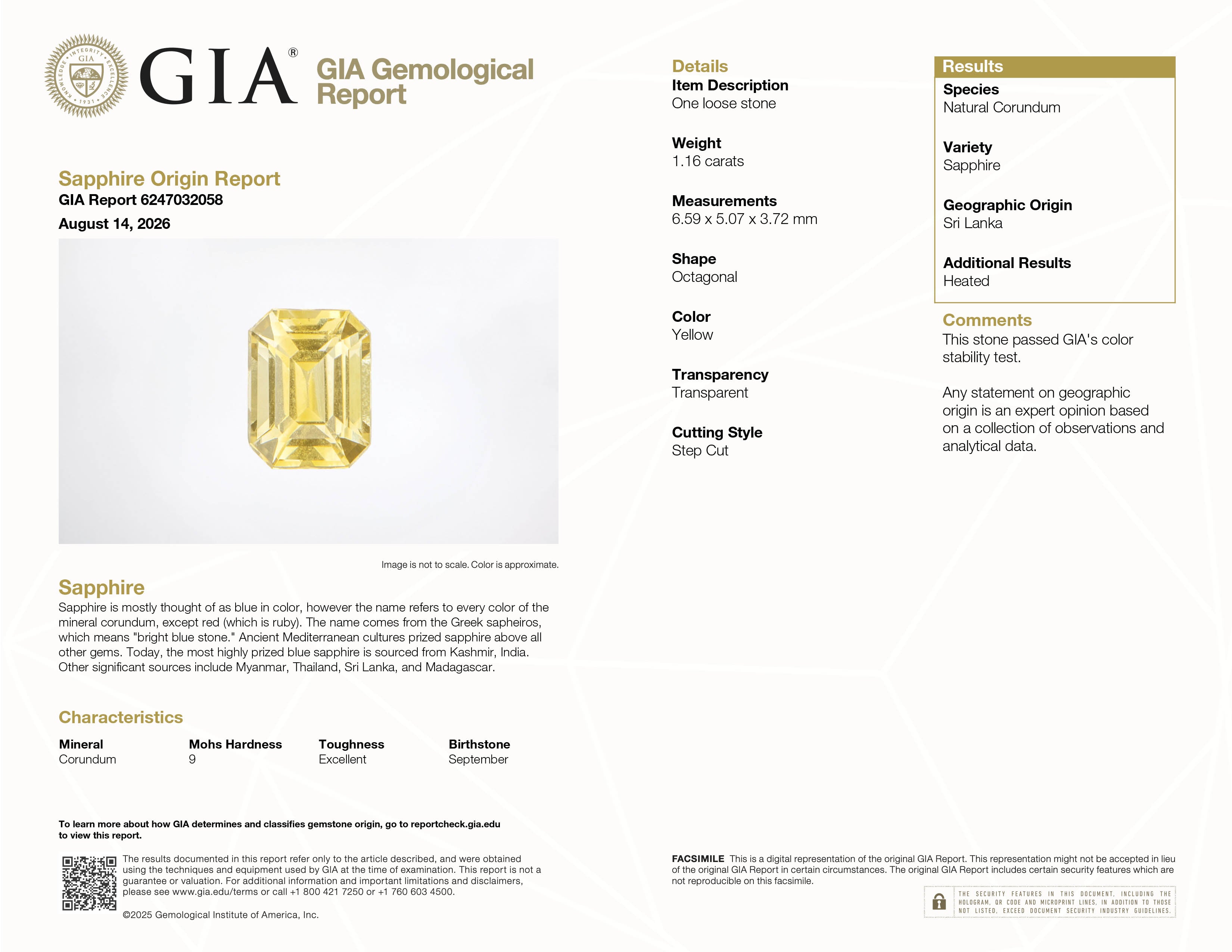
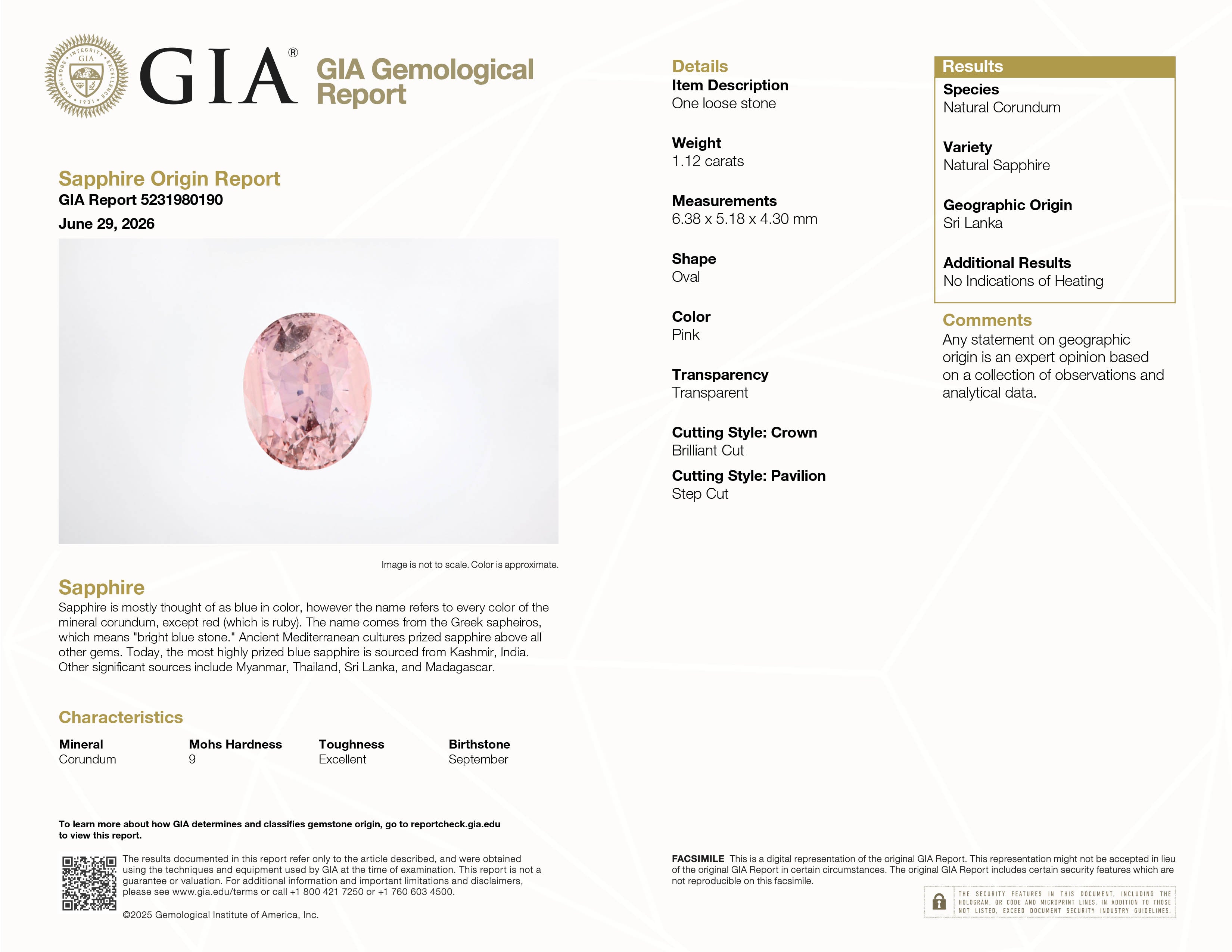
GIA report mandatory for every stone. Gübelin or SSEF report adds credibility for resale. Insurance appraisal within 30 days of purchase is non-optional at this level — see our jewelry insurance guide. See our full GIA report guide. Request face-up video under both daylight and incandescent lighting. For cut quality evaluation, see our cut quality guide. Use our Try Before You Buy program for in-person evaluation.
For the full custom ring process at this budget, see our custom ring commissioning guide, halo ring guide, and metal comparison guide. For serious inquiries, email crescentgems@gmail.com directly with your specifications. We respond within one business day.
See the full Sapphires Under $10,000 collection for our current selection in this range.
Working with a tighter budget? Our sapphires under $2,500 collection has 46 stones to choose from.

CG8354
CG8353
CG8443
Prices are shown in your local currency and may change.

CG8433
CG8434
CG8431
CG8438
CG8428
CG8426


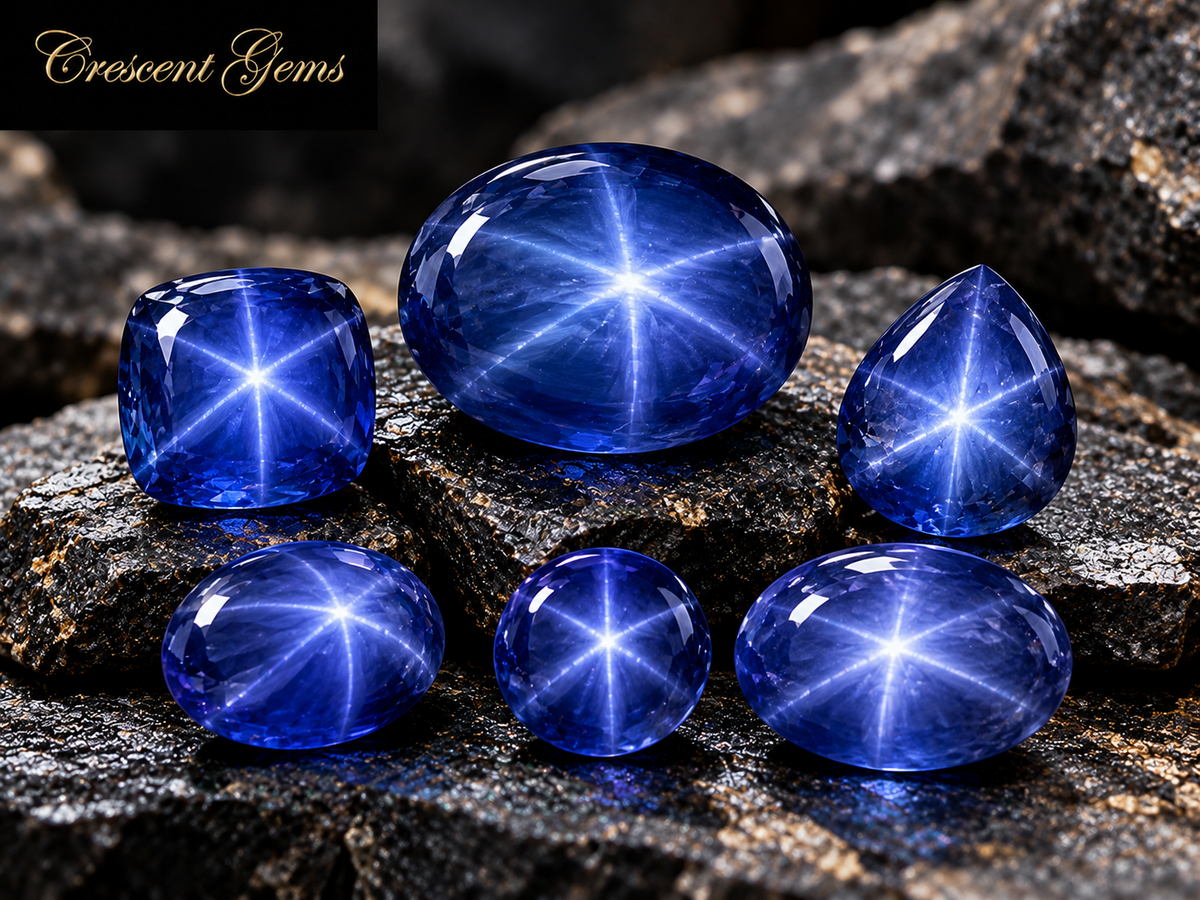
Blue Star Sapphire Price Guide — What They Cost and Why
Read moreabout Blue Star Sapphire Price Guide — What They Cost and Why
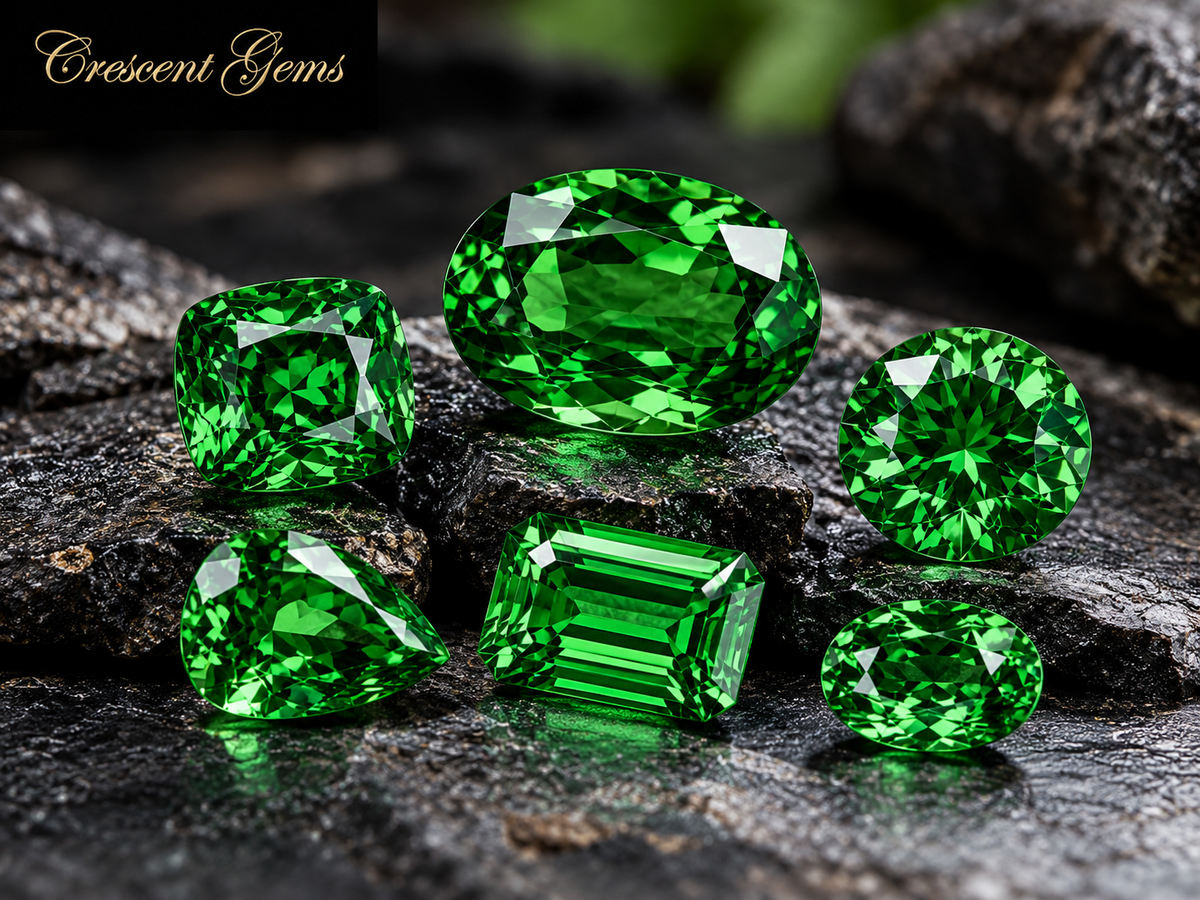
Tsavorite Garnet Price Guide — What They Cost and Why
Read moreabout Tsavorite Garnet Price Guide — What They Cost and Why
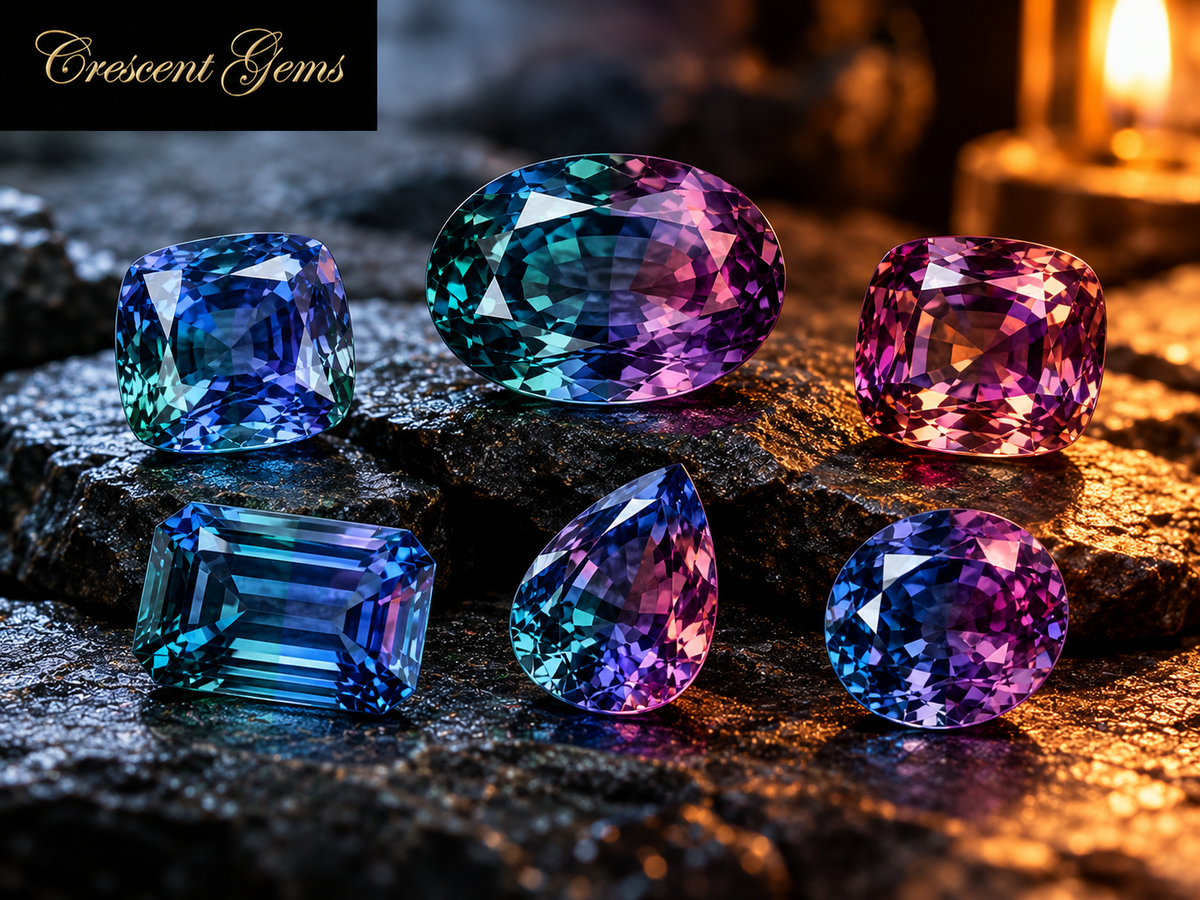
Color-Change Sapphire Price Guide — What They Cost and Why
Read moreabout Color-Change Sapphire Price Guide — What They Cost and Why
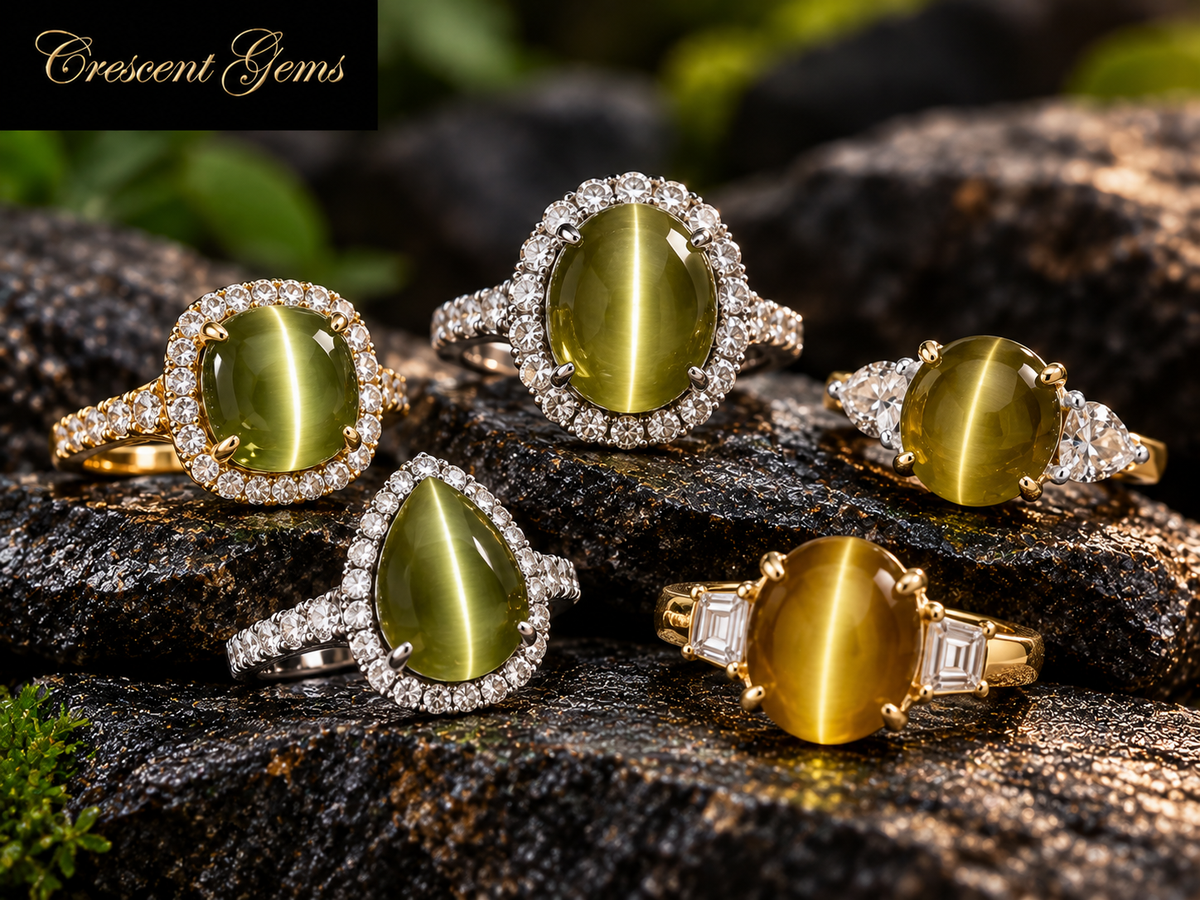
Is Cat's-Eye Chrysoberyl Good for an Engagement Ring?
Read moreabout Is Cat's-Eye Chrysoberyl Good for an Engagement Ring?
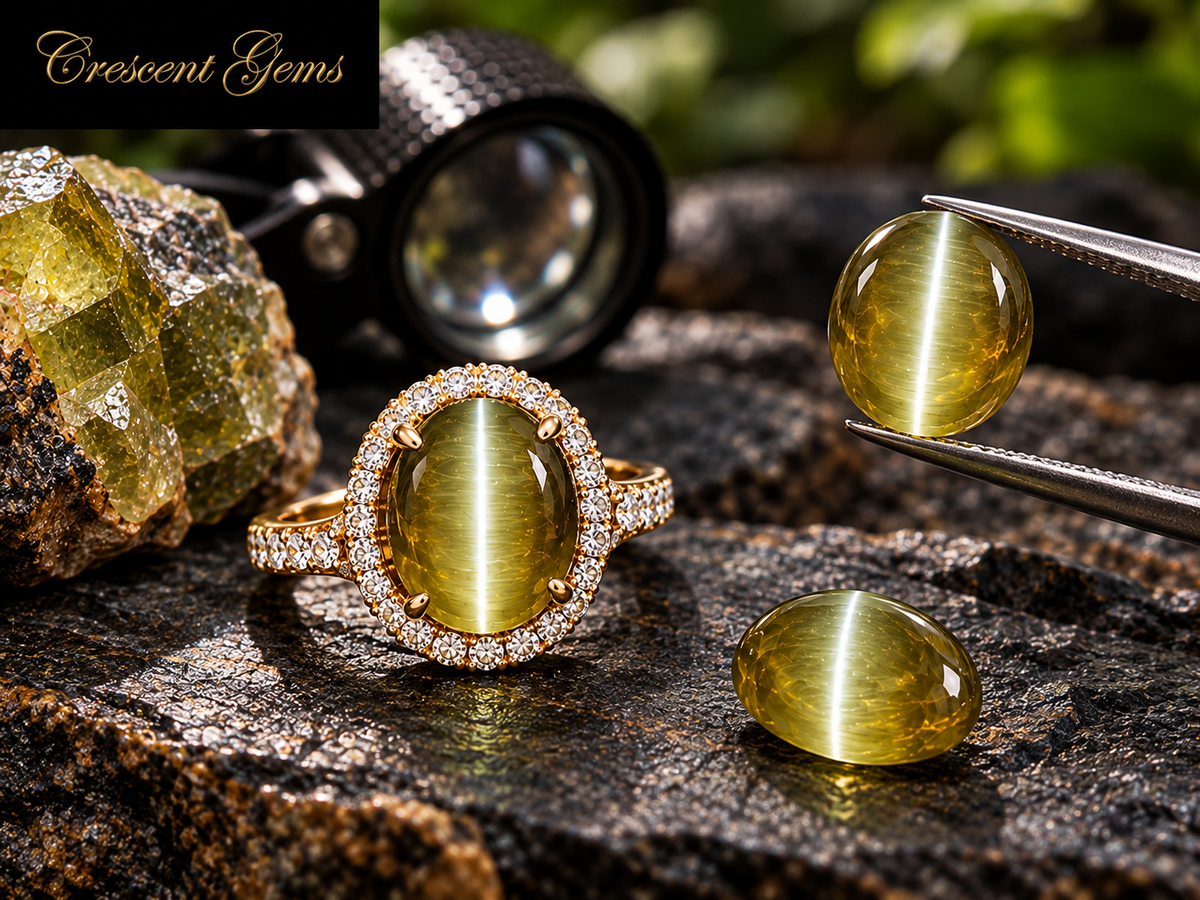
Cat's Eye Chrysoberyl Price Guide — What They Cost and Why
Read moreabout Cat's Eye Chrysoberyl Price Guide — What They Cost and Why