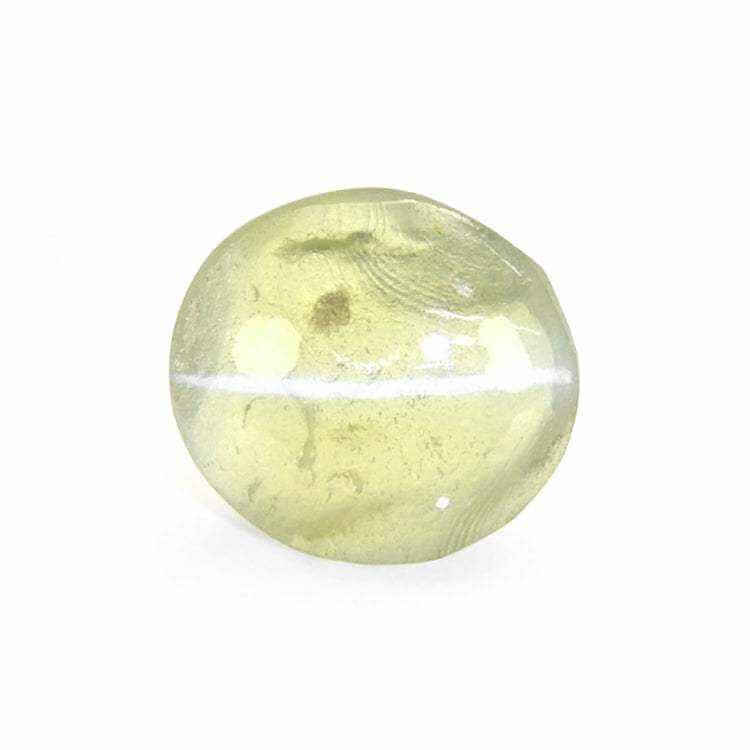
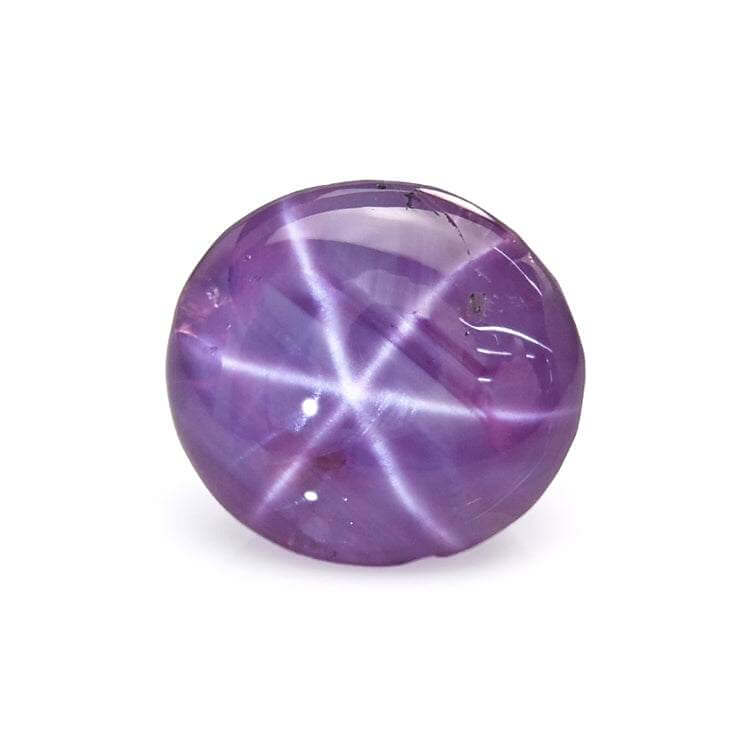
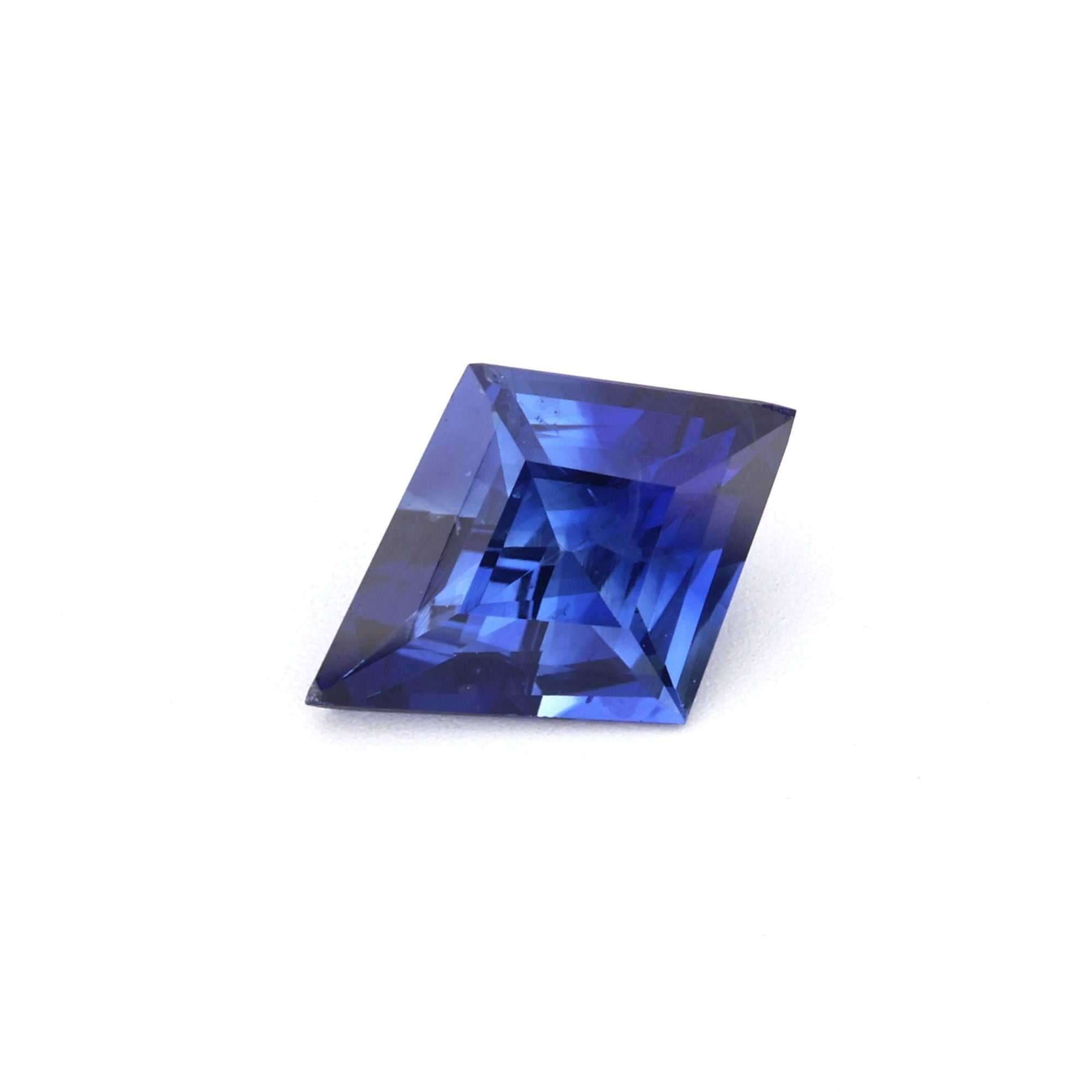
Natural Star Sapphires - Six-Ray Asterism, Unheated Ceylon
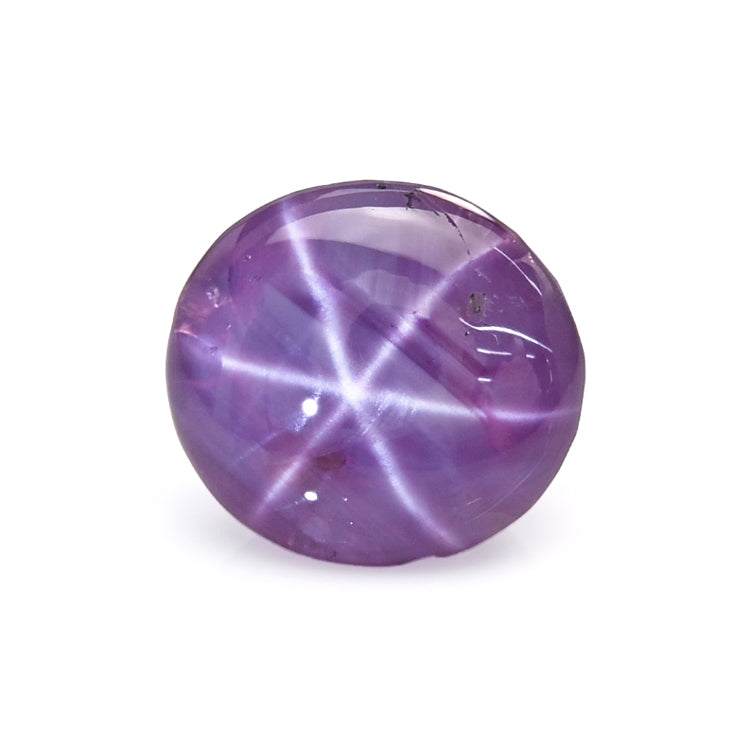
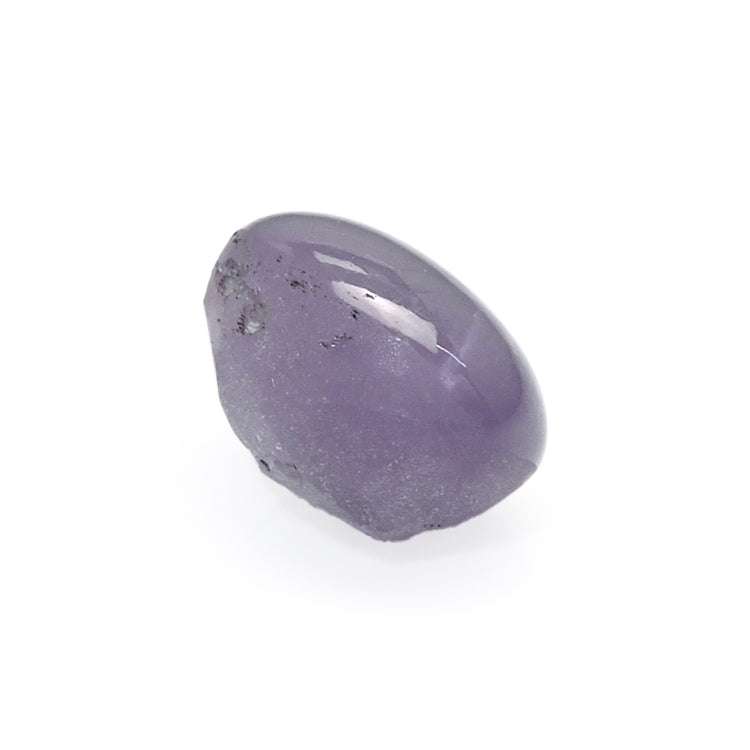
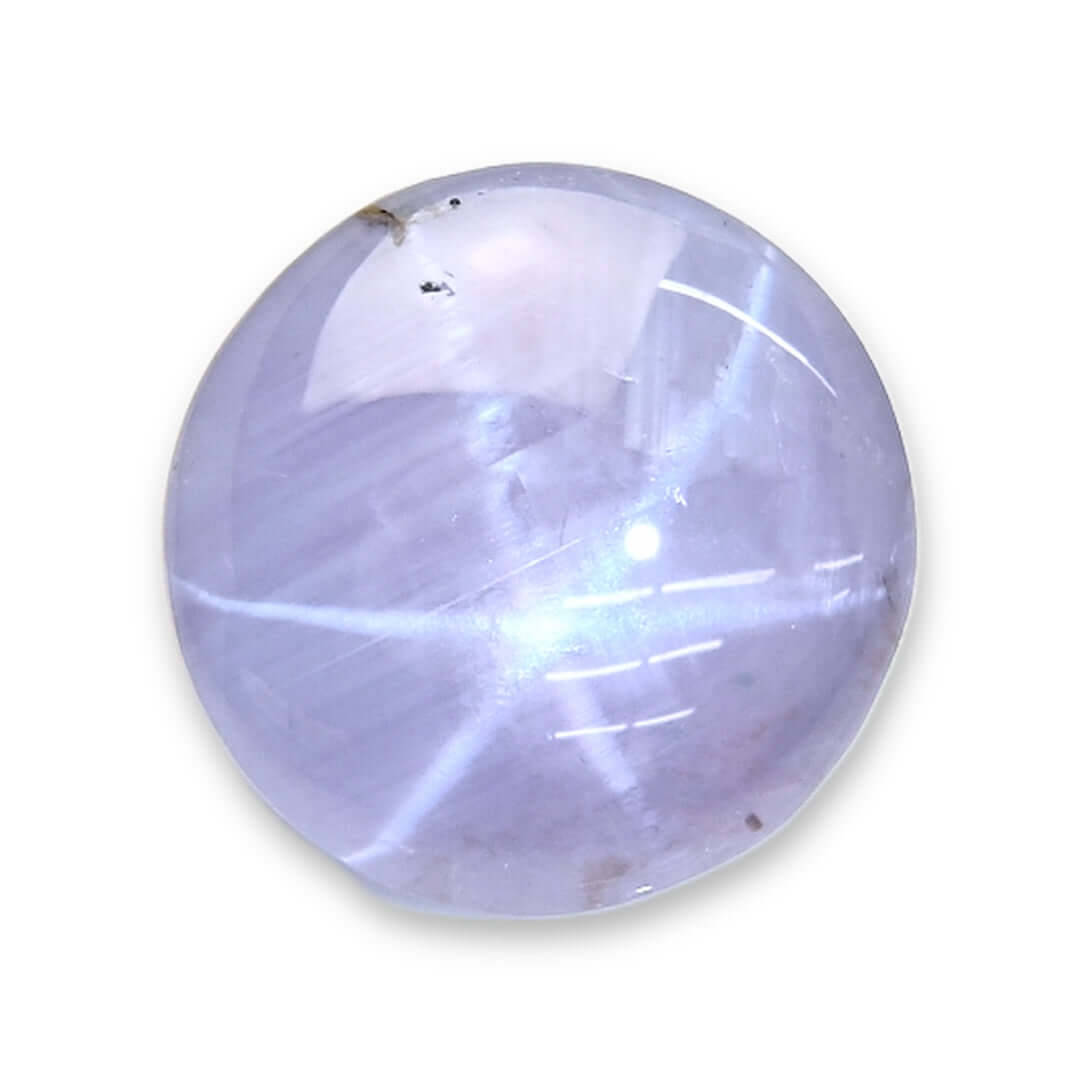
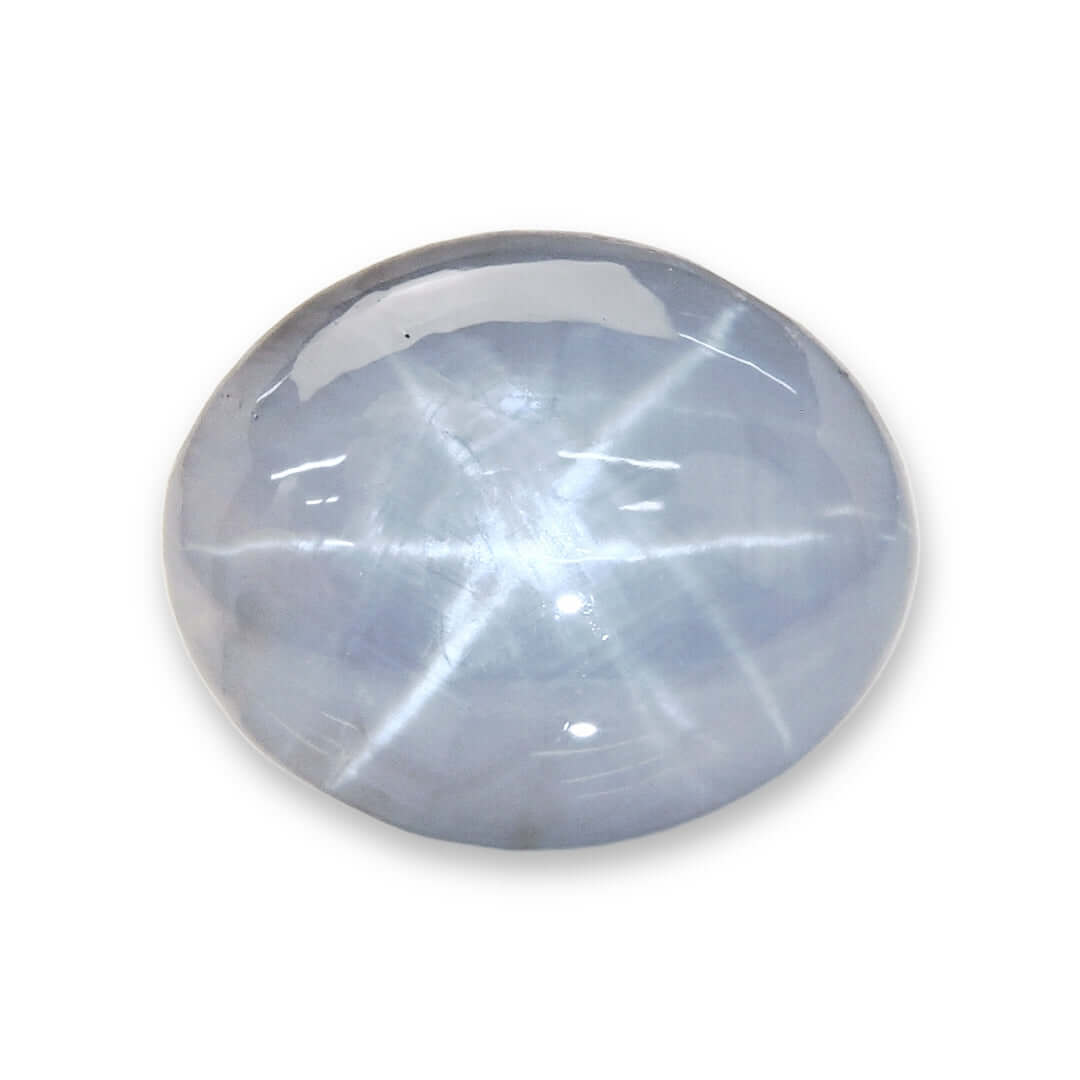
Star sapphire is one of the most extraordinary phenomena in the gemstone world — a six-rayed star of light that glides across the surface of a cabochon-cut corundum when illuminated by a single point light source. The star is created by dense, precisely aligned rutile silk (microscopic titanium dioxide needles) inside the crystal, reflecting light in three directions that intersect at 60° angles to form a perfect six-rayed asterism. No two star sapphires produce the same star — each one is as individual as a fingerprint.
Why our star sapphires
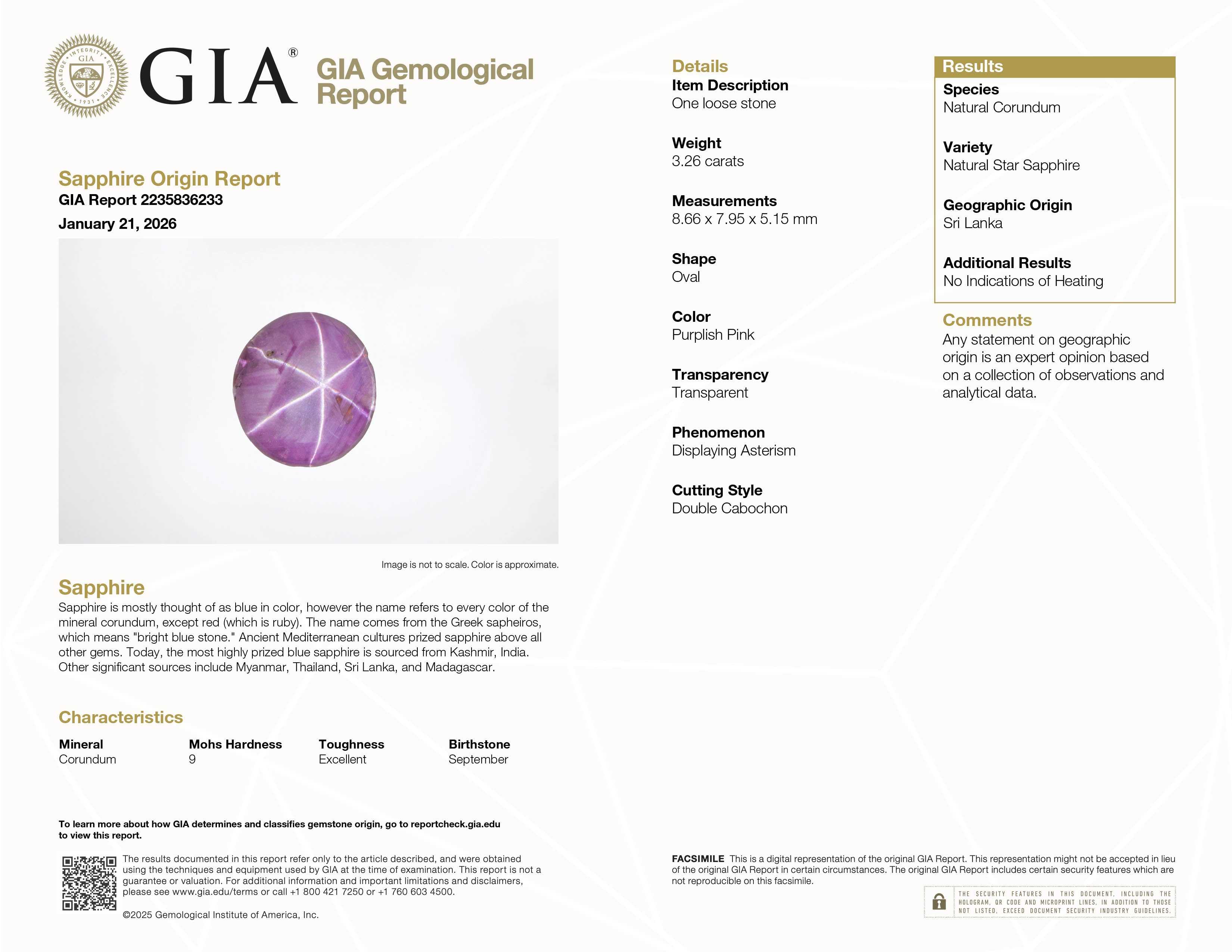
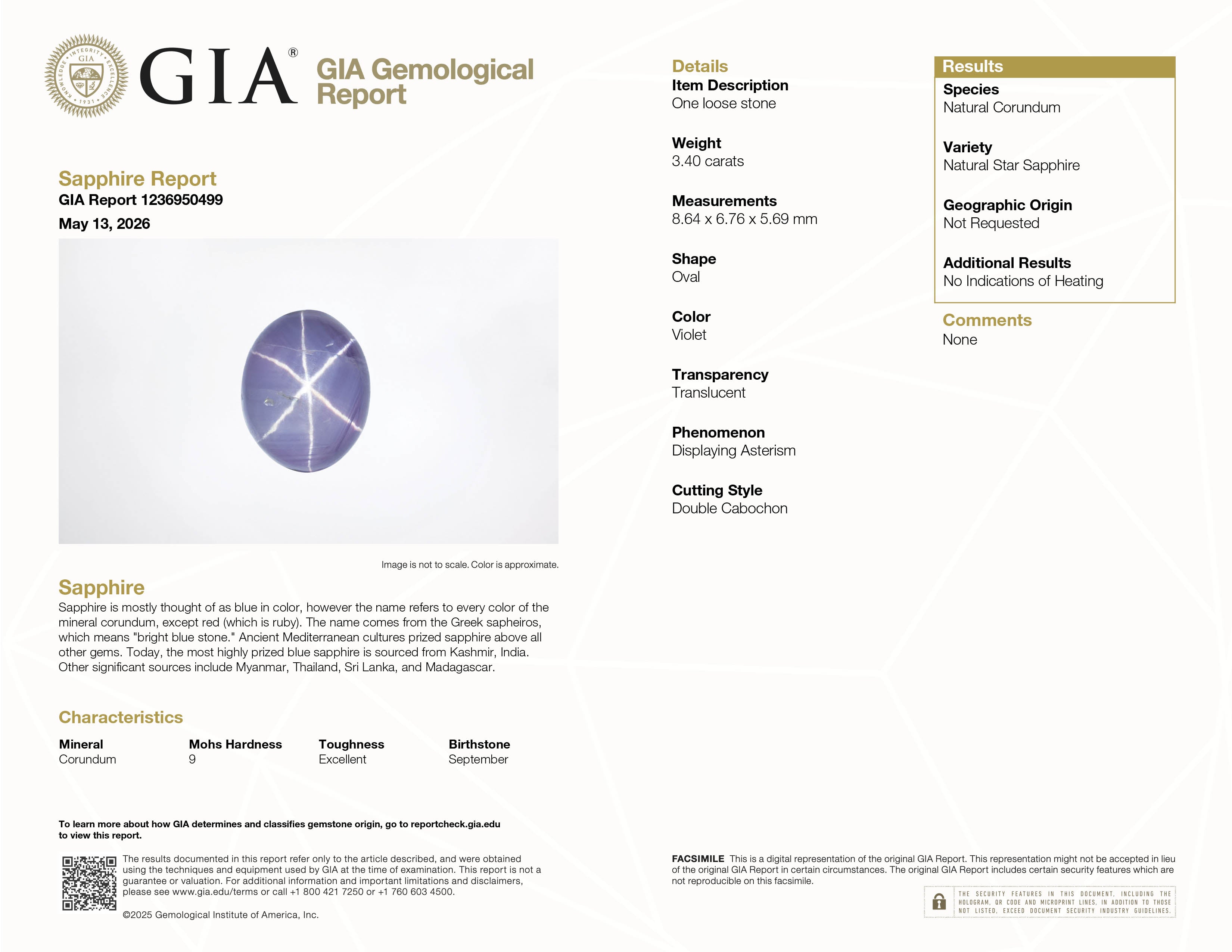
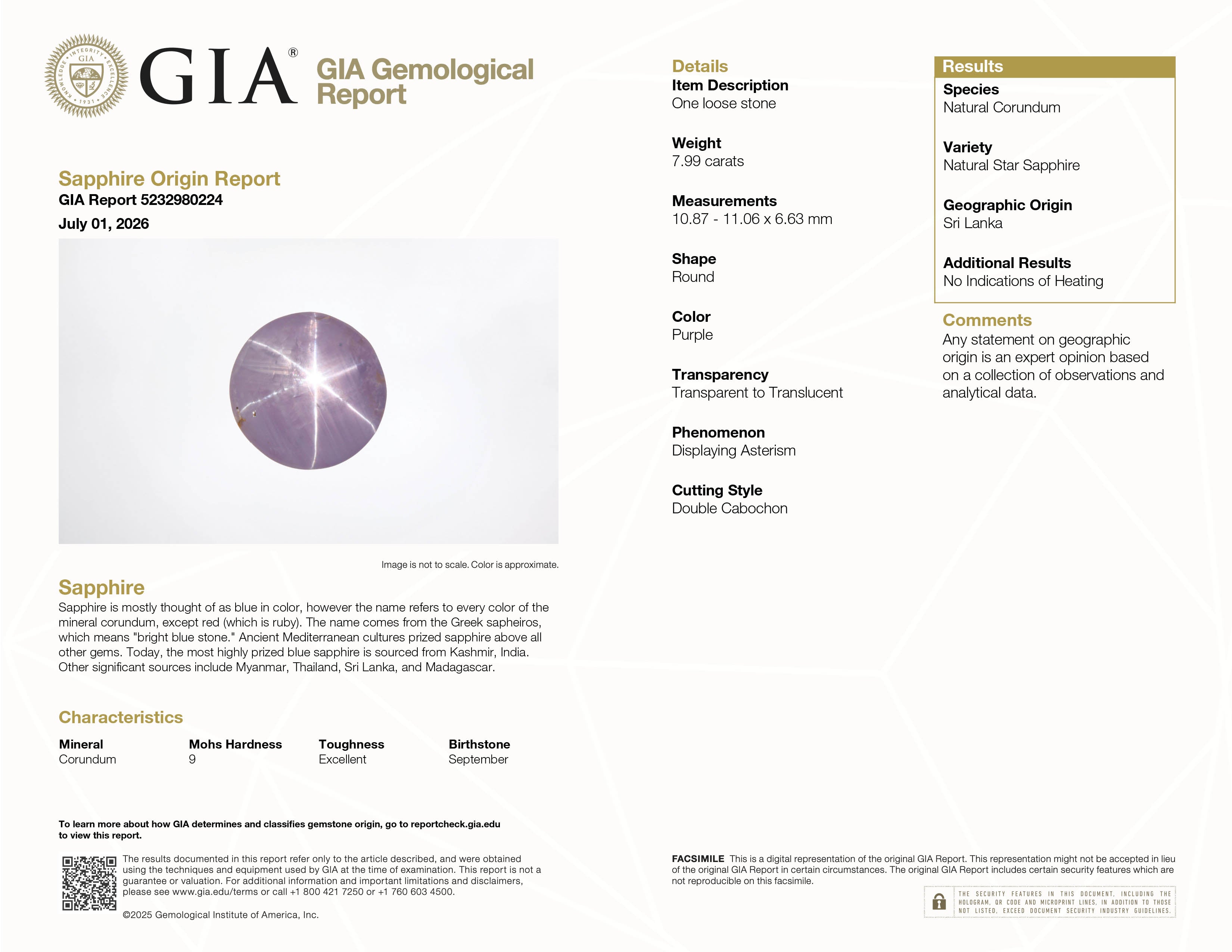
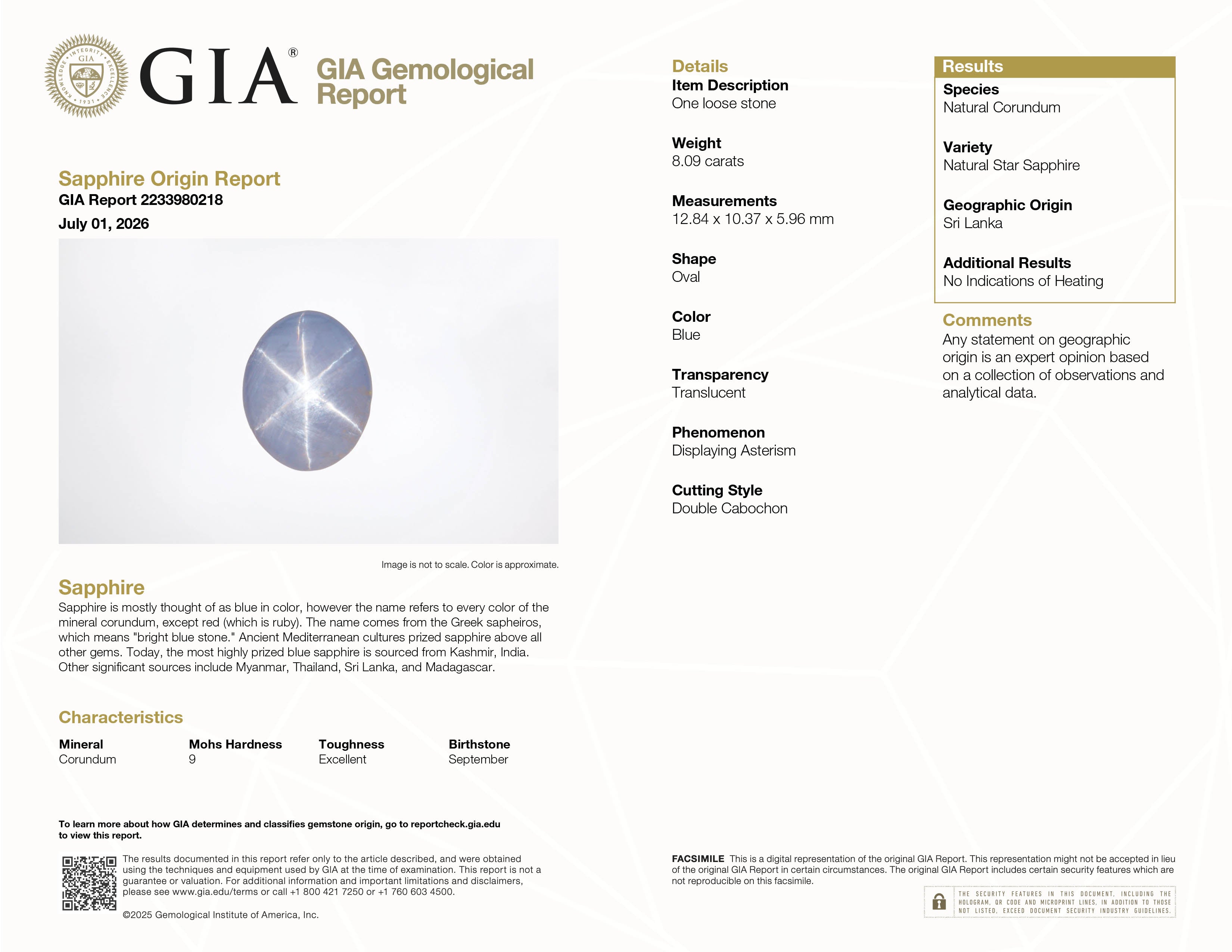
Our star sapphires are sourced from Sri Lanka, which has produced the finest star sapphires in recorded history — including the famous Star of India (563 carats, now in the American Museum of Natural History) and the Star of Lanka (193 carats). Every stone in this collection is natural and unheated. This is not a choice — it is a necessity. Heat treatment dissolves the rutile silk that creates the star, destroying the asterism entirely. A genuine star sapphire is, by definition, an unheated stone.
How to evaluate a star sapphire
Star quality. The star should be sharp, centered, and complete — all six rays visible and well-defined. A blurry, off-center, or incomplete star reduces value significantly. Move the stone under a single point light source (a flashlight or direct sunlight works best) and watch how the star responds: it should glide smoothly across the dome as you tilt the stone.
Body color. Star sapphires come in blue (most prized), gray, black, pink, yellow, and white. Rich, saturated body color beneath a sharp star is the combination that commands the highest prices. Gray-blue is the most common; vivid blue with a strong star is genuinely rare.
Transparency. Star sapphires range from semi-transparent to opaque. Greater transparency with a visible star is rarer and more valuable — the silk must be dense enough to produce the star but not so dense that it blocks light entirely.
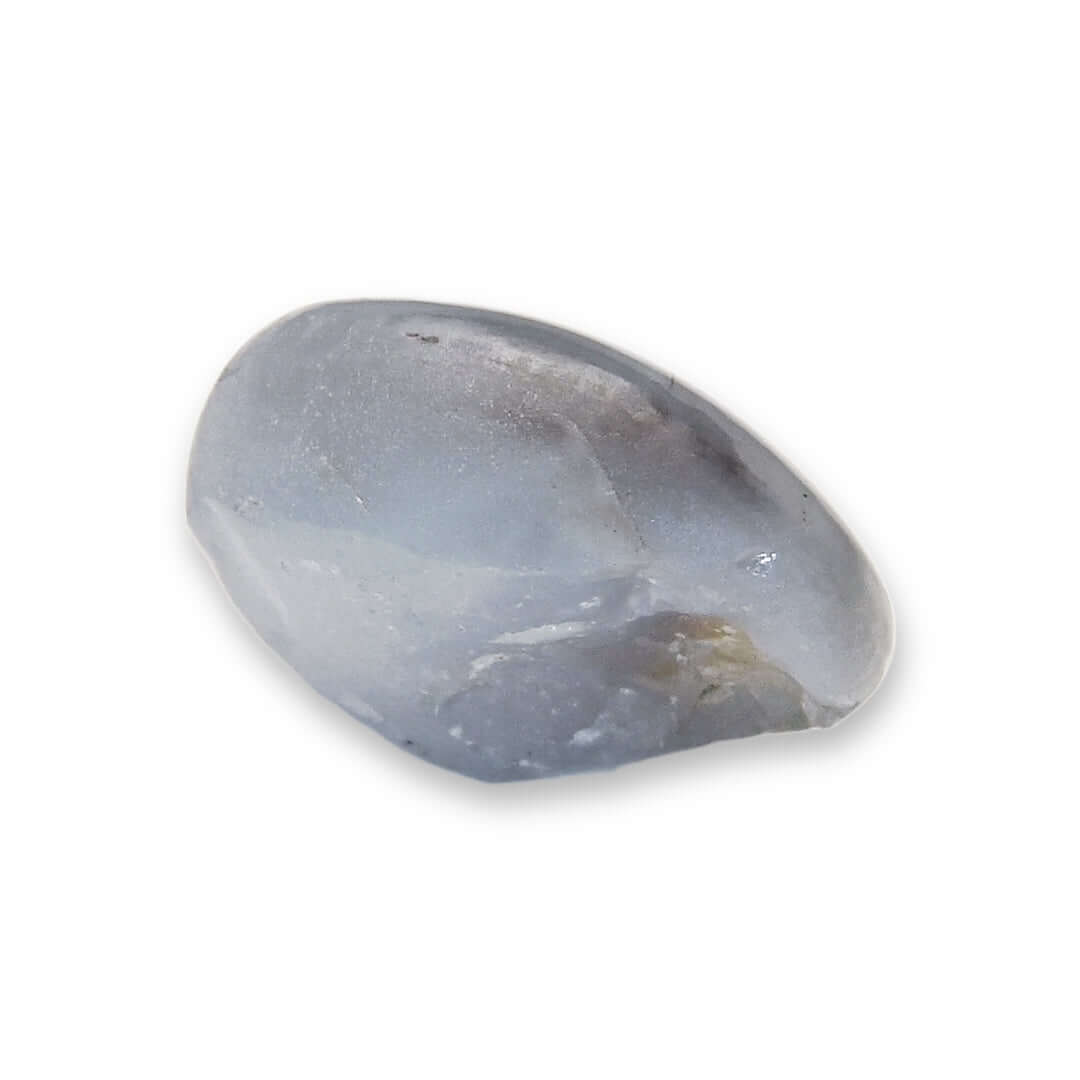
Cabochon shape. Stars are always cut as cabochons (smooth, domed surfaces) rather than faceted. The dome height matters: too flat and the star is weak; too tall and the stone looks bulky. A well-proportioned dome produces the strongest star effect.
Natural vs. synthetic. Synthetic star sapphires (often called Linde or Lindy stars) are common and inexpensive. They typically show a star that is too perfect, too sharp, and sits on a body color that is too even and glassy. Natural star sapphires show slight irregularities in the star and natural color variation that synthetics lack. See How to Tell If a Star Sapphire Is Natural.
Why star sapphires are always unheated
The star exists because of rutile silk — the same inclusion that heat treatment is specifically designed to dissolve in faceted sapphires. At temperatures above 1,400°C, the silk dissolves back into the corundum lattice, releasing titanium to pair with iron and deepen blue color. This is desirable in a faceted blue sapphire. In a star sapphire, it is catastrophic — dissolving the silk destroys the star permanently. This is why every genuine star sapphire is unheated by default, and why star sapphires offer an inherent guarantee of natural, untreated status. For the full science, see How Sapphire Heat Treatment Works.
Learn about star sapphires
Star sapphire buying guides
- Star Sapphire Complete Buyer's Guide — the definitive resource
- How to Tell If a Star Sapphire Is Natural — spotting synthetics and fakes
- Ultimate Sapphire Buying Guide — the central hub for all sapphire education
- Sapphire Pricing Explained
- Interactive Sapphire Color Chart
The science behind the star
- How to Read Sapphire Inclusions — rutile silk, the inclusion that creates asterism
- What Is an Unheated Sapphire? — why stars are unheated by definition
- How Sapphire Heat Treatment Works — the silk dissolution process
- Sapphire Colors Explained
- How Gemstones Are Formed
Engagement rings and custom jewelry
- How to Choose a Sapphire for Your Engagement Ring
- How to Commission a Custom Ring — star sapphires require bezel or protective settings
- How to Care for a Sapphire Ring
Certification and trust
Origin and sourcing
- Ceylon Sapphire Complete Guide — Sri Lanka is the world's premier star sapphire source
- The Ratnapura Gem Market
- Pit Mining in Sri Lanka
- Madagascar Sapphire Guide
Comparisons
- Sapphire vs. Diamond
- Sapphire vs. Spinel
- Sapphire vs. Moissanite vs. Lab Diamond
- Cat's Eye Chrysoberyl Guide — another phenomenon stone from Ceylon
Have a question about a specific star sapphire? Email crescentgems@gmail.com. We can send additional photos and video showing the star under different lighting. 14-day return on every order. Free US shipping; international shipping via FedEx and UPS.
Star sapphire is one of the most extraordinary phenomena in the gemstone world — a six-rayed star of light that glides across the surface of a cabochon-cut corundum when illuminated by a single point light source. The star is created by dense, precisely aligned rutile silk (microscopic titanium dioxide needles) inside the crystal, reflecting light in three directions that intersect at 60° angles to form a perfect six-rayed asterism. No two star sapphires produce the same star — each one is as individual as a fingerprint.
Why our star sapphires
Our star sapphires are sourced from Sri Lanka, which has produced the finest star sapphires in recorded history — including the famous Star of India (563 carats, now in the American Museum of Natural History) and the Star of Lanka (193 carats). Every stone in this collection is natural and unheated. This is not a choice — it is a necessity. Heat treatment dissolves the rutile silk that creates the star, destroying the asterism entirely. A genuine star sapphire is, by definition, an unheated stone.
How to evaluate a star sapphire
Star quality. The star should be sharp, centered, and complete — all six rays visible and well-defined. A blurry, off-center, or incomplete star reduces value significantly. Move the stone under a single point light source (a flashlight or direct sunlight works best) and watch how the star responds: it should glide smoothly across the dome as you tilt the stone.
Body color. Star sapphires come in blue (most prized), gray, black, pink, yellow, and white. Rich, saturated body color beneath a sharp star is the combination that commands the highest prices. Gray-blue is the most common; vivid blue with a strong star is genuinely rare.
Transparency. Star sapphires range from semi-transparent to opaque. Greater transparency with a visible star is rarer and more valuable — the silk must be dense enough to produce the star but not so dense that it blocks light entirely.
Cabochon shape. Stars are always cut as cabochons (smooth, domed surfaces) rather than faceted. The dome height matters: too flat and the star is weak; too tall and the stone looks bulky. A well-proportioned dome produces the strongest star effect.
Natural vs. synthetic. Synthetic star sapphires (often called Linde or Lindy stars) are common and inexpensive. They typically show a star that is too perfect, too sharp, and sits on a body color that is too even and glassy. Natural star sapphires show slight irregularities in the star and natural color variation that synthetics lack. See How to Tell If a Star Sapphire Is Natural.
Why star sapphires are always unheated
The star exists because of rutile silk — the same inclusion that heat treatment is specifically designed to dissolve in faceted sapphires. At temperatures above 1,400°C, the silk dissolves back into the corundum lattice, releasing titanium to pair with iron and deepen blue color. This is desirable in a faceted blue sapphire. In a star sapphire, it is catastrophic — dissolving the silk destroys the star permanently. This is why every genuine star sapphire is unheated by default, and why star sapphires offer an inherent guarantee of natural, untreated status. For the full science, see How Sapphire Heat Treatment Works.
Learn about star sapphires
Star sapphire buying guides
- Star Sapphire Complete Buyer's Guide — the definitive resource
- How to Tell If a Star Sapphire Is Natural — spotting synthetics and fakes
- Ultimate Sapphire Buying Guide — the central hub for all sapphire education
- Sapphire Pricing Explained
- Interactive Sapphire Color Chart
The science behind the star
- How to Read Sapphire Inclusions — rutile silk, the inclusion that creates asterism
- What Is an Unheated Sapphire? — why stars are unheated by definition
- How Sapphire Heat Treatment Works — the silk dissolution process
- Sapphire Colors Explained
- How Gemstones Are Formed
Engagement rings and custom jewelry
- How to Choose a Sapphire for Your Engagement Ring
- How to Commission a Custom Ring — star sapphires require bezel or protective settings
- How to Care for a Sapphire Ring
Certification and trust
Origin and sourcing
- Ceylon Sapphire Complete Guide — Sri Lanka is the world's premier star sapphire source
- The Ratnapura Gem Market
- Pit Mining in Sri Lanka
- Madagascar Sapphire Guide
Comparisons
- Sapphire vs. Diamond
- Sapphire vs. Spinel
- Sapphire vs. Moissanite vs. Lab Diamond
- Cat's Eye Chrysoberyl Guide — another phenomenon stone from Ceylon
Have a question about a specific star sapphire? Email crescentgems@gmail.com. We can send additional photos and video showing the star under different lighting. 14-day return on every order. Free US shipping; international shipping via FedEx and UPS.
CG8288
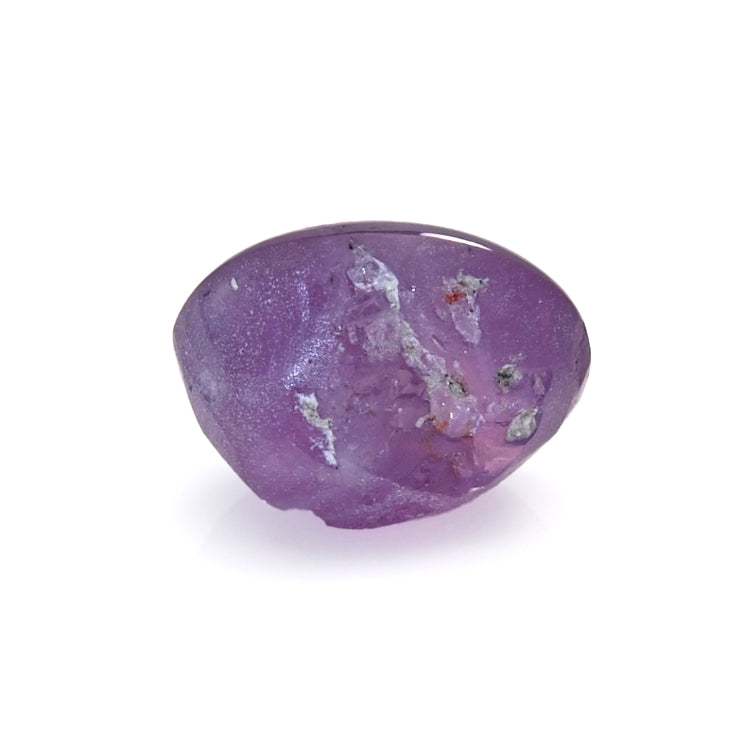
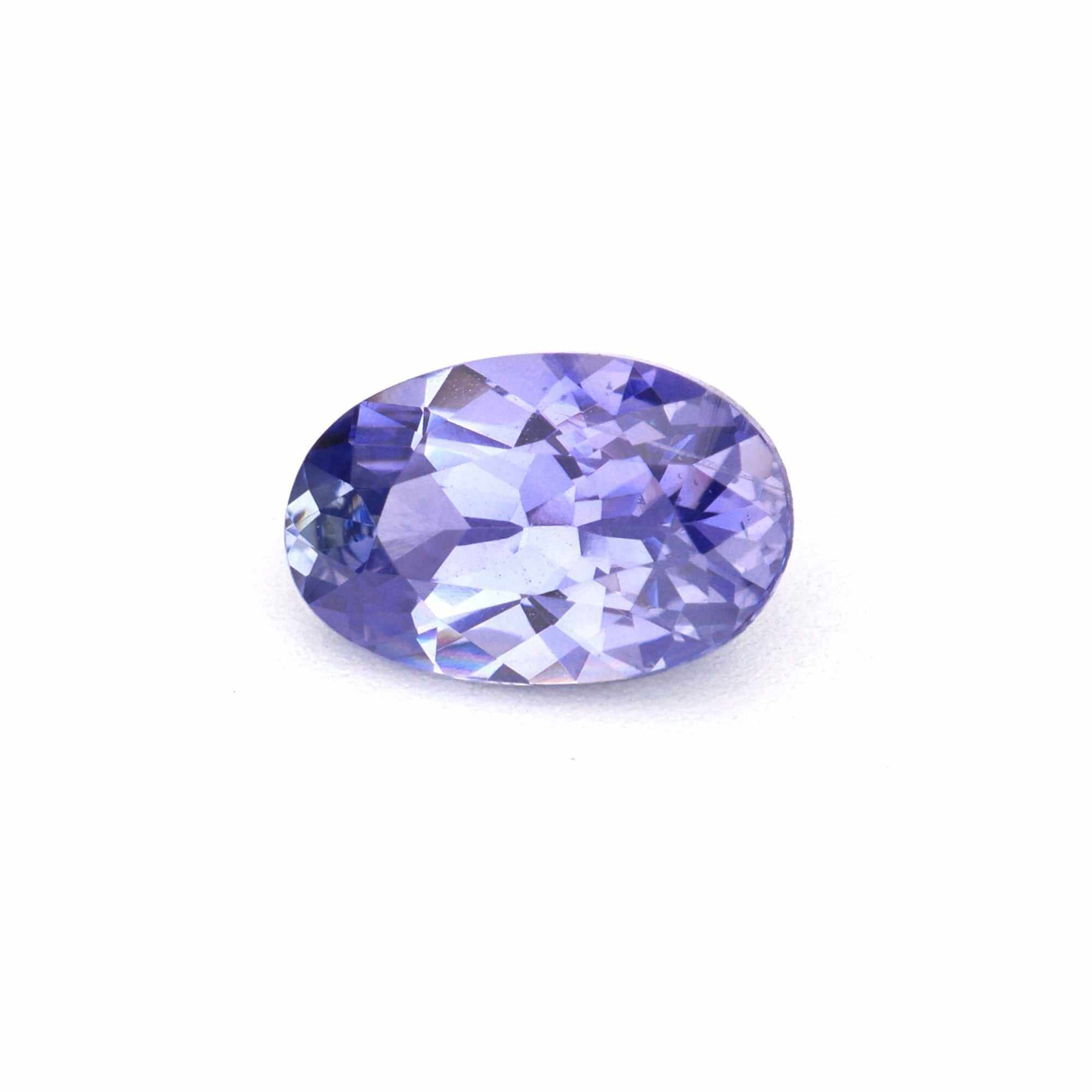
3.26 ct Oval Purple Star Sapphire ~ 6-Ray, Unheated, GIA
CG8293
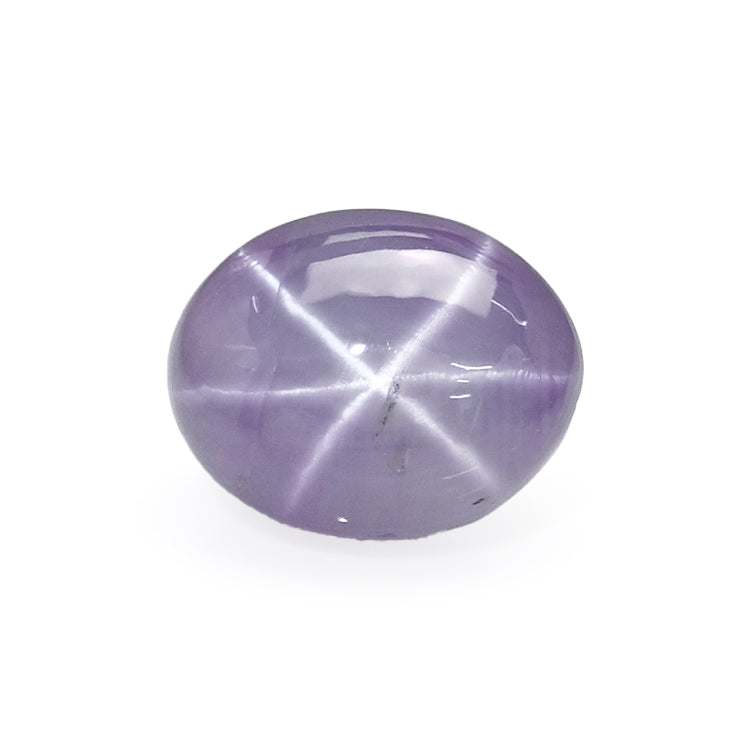
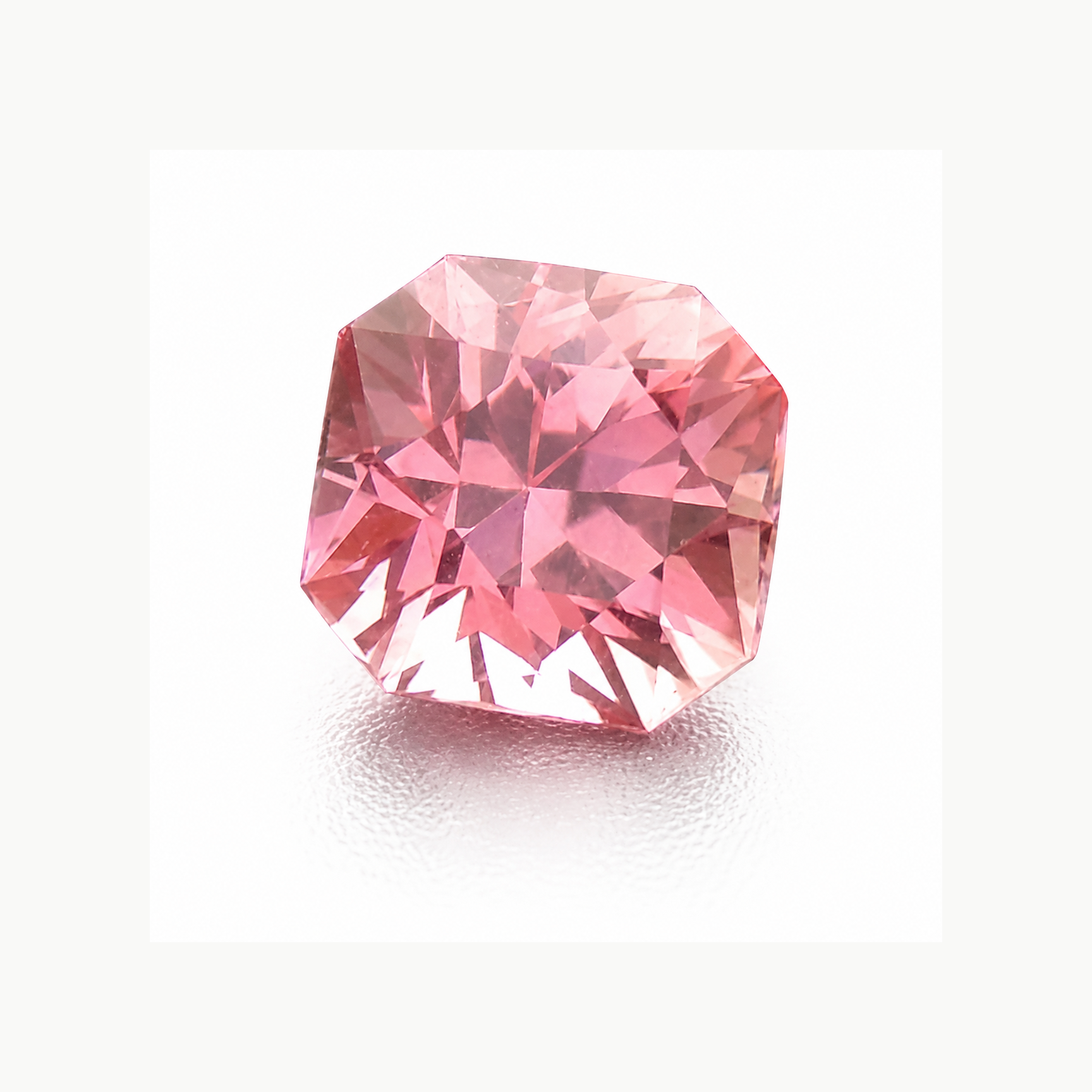
3.40 ct Oval Purple Star Sapphire ~ 6-Ray, Unheated, GIA
CG8441
CG8440