

- by Ahmed Shareek
Madagascar Sapphire — The Modern Origin That Rivals Ceylon
- by Ahmed Shareek
New to buying sapphires? Start with our Ultimate Sapphire Buying Guide — the complete resource for color, origin, treatment, and pricing.
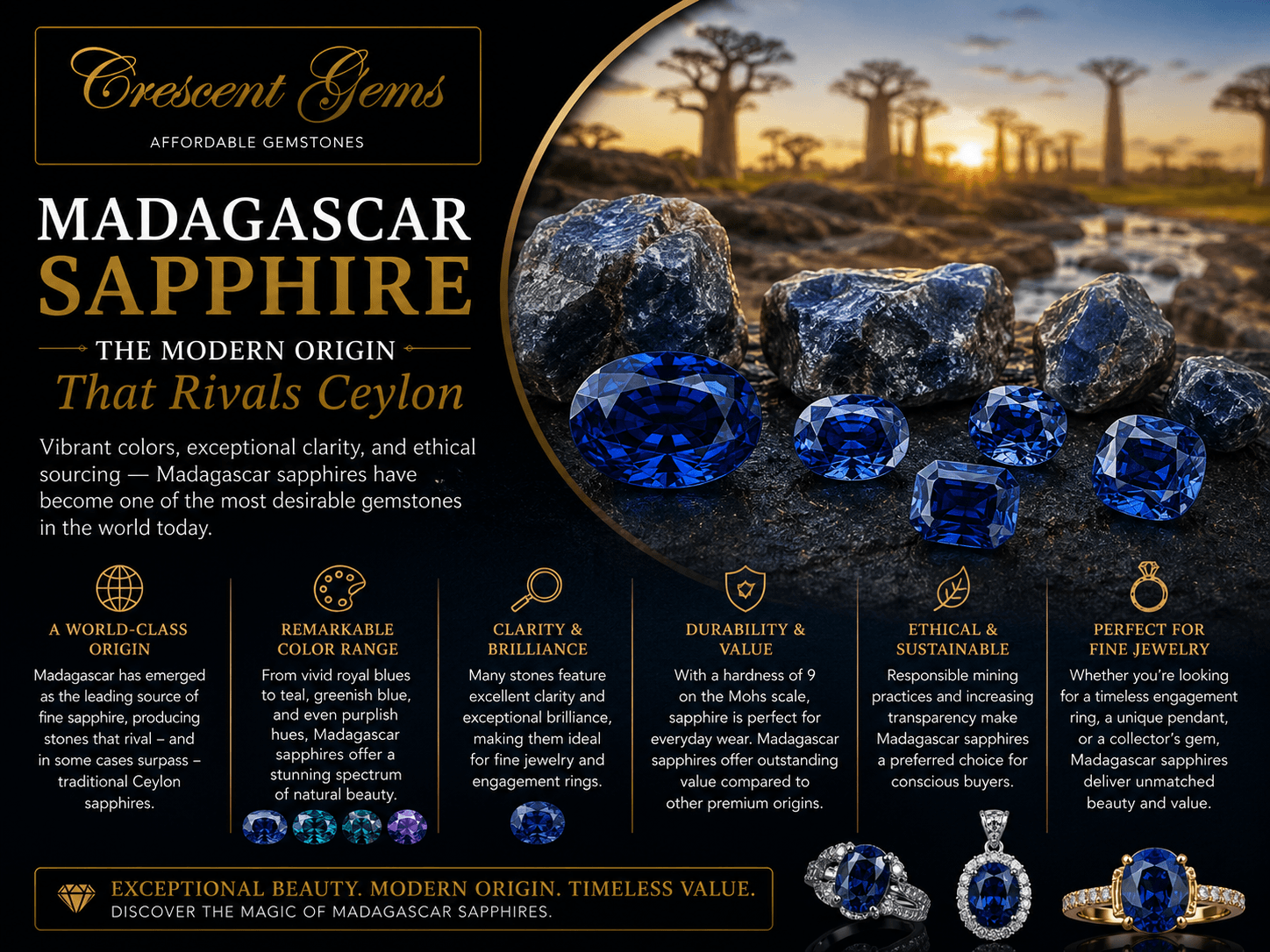
If you have shopped for sapphires in the past decade, you have encountered Madagascar material — whether the listing said so or not. The island nation off the southeast coast of Africa has emerged since the late 1990s as one of the world's most significant sapphire sources, producing volumes and qualities that have reshaped the global supply picture. Fine Madagascar blue sapphires appear alongside Ceylon and Burmese stones in major auction catalogs. Malagasy pink, yellow, and padparadscha-range material fills the inventories of dealers worldwide. And in many cases, the stones rival the best Ceylon has to offer.
Yet Madagascar remains less understood than the established origins. Buyers who know exactly what "Ceylon" or "Kashmir" means on a laboratory report often have no frame of reference for "Madagascar." This guide fills that gap — covering what Madagascar produces, how it compares to Ceylon, where it excels, and what buyers should know when they encounter Malagasy sapphires in the market.
Madagascar's sapphire story is remarkably recent. While the island's geology suggested gem potential for decades, large-scale sapphire production did not begin until the late 1990s, when alluvial deposits were discovered near Ilakaka in the island's southwest. The Ilakaka rush — a classic gem rush that drew tens of thousands of miners to the area within months — transformed Madagascar overnight from a geological curiosity into one of the world's largest sapphire producers by volume.
Additional deposits followed: Ambatondrazaka in the northeast (fine blue sapphires of metamorphic origin, recovered from alluvial and eluvial diggings rather than a worked primary deposit), Antsirabe in the central highlands (alluvial material shed from the Ankaratra volcanic massif, yielding basalt-related blue, green, and yellow sapphire), and Bemainty, within the Ambatondrazaka field (a more recent discovery producing exceptional blue stones, some rivaling the finest Ceylon material). Pink and padparadscha-range material comes chiefly from the Ilakaka field. Each deposit has its own geological character and color profile, giving Madagascar a diversity of sapphire production that only Sri Lanka matches among active origins.
The speed of Madagascar's emergence created challenges. Unlike Sri Lanka, where two millennia of continuous mining built a sophisticated trading infrastructure, laboratory network, and reputation system, Madagascar's gem trade developed rapidly and sometimes chaotically. Early production was poorly documented, inconsistently graded, and frequently misrepresented as to origin. These issues have improved significantly as the industry has matured, but they explain why Madagascar still carries less market cachet than Ceylon despite producing comparable quality.
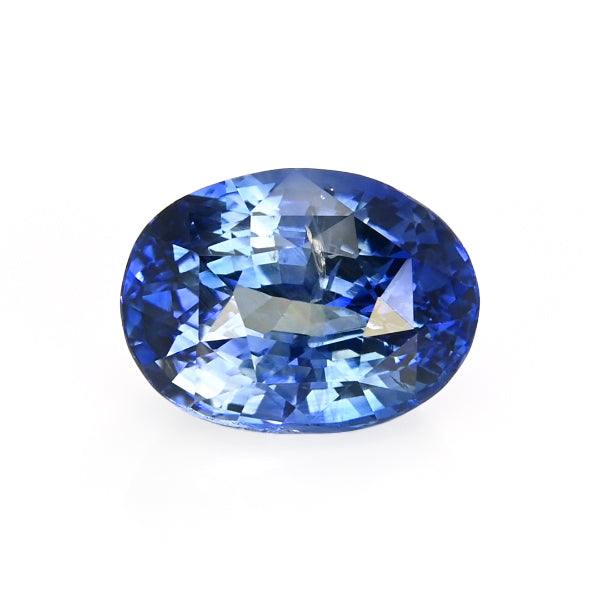
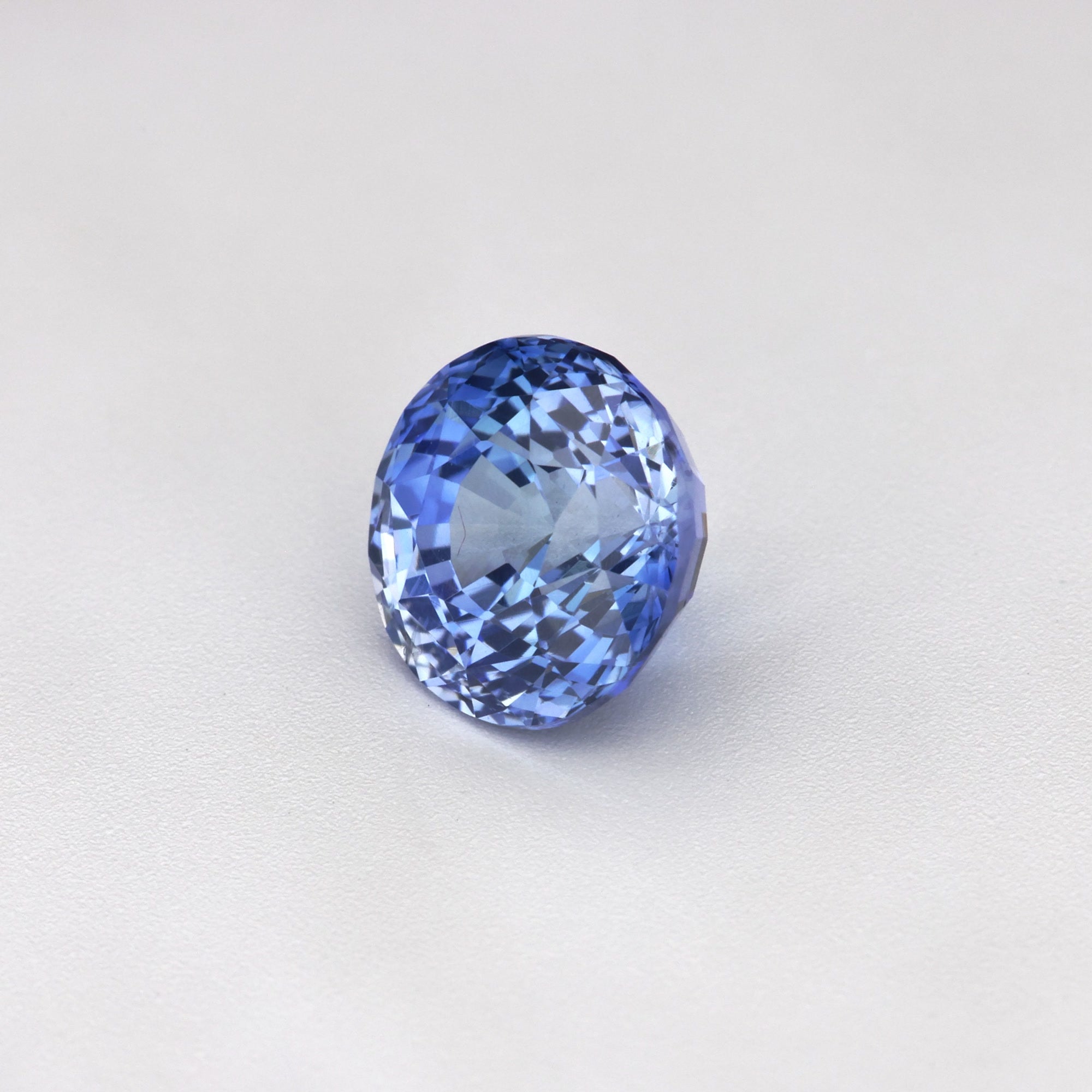
Madagascar's blue sapphires span the full quality range from commercial to exceptional. The finest material — particularly from Bemainty and certain Ambatondrazaka deposits — shows a vivid, clean blue with excellent transparency that is genuinely competitive with fine Ceylon blue. The color profile tends toward a slightly more saturated, slightly deeper blue than typical Ceylon material, with some stones carrying a very slight greenish or grayish modifier that is common to the origin but absent in the finest examples.
At the commercial level, Madagascar produces enormous volumes of medium-quality blue sapphire that fills the global market for affordable heated blue stones. A significant percentage of the "blue sapphires" in jewelry stores worldwide — those without origin documentation — are Malagasy material.
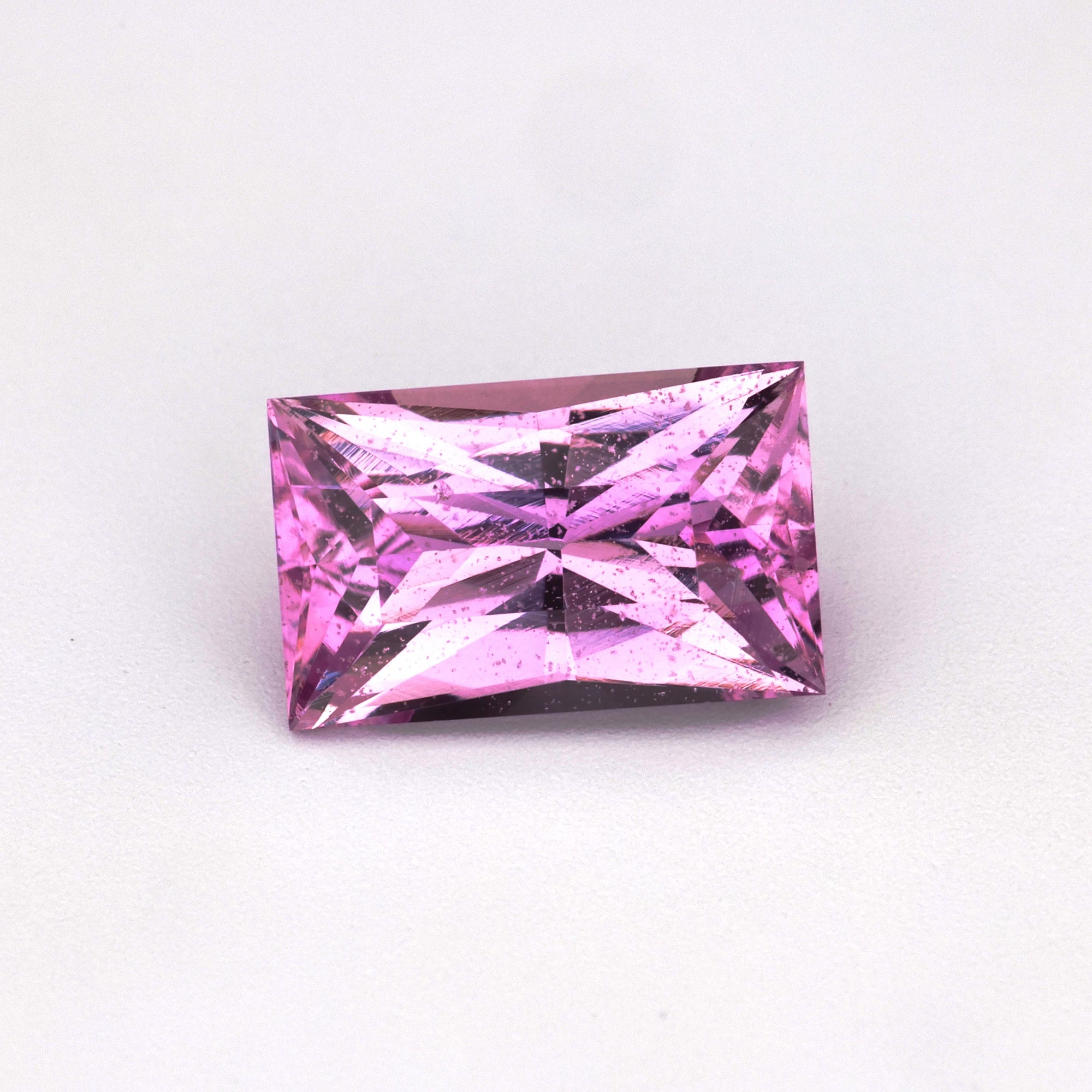
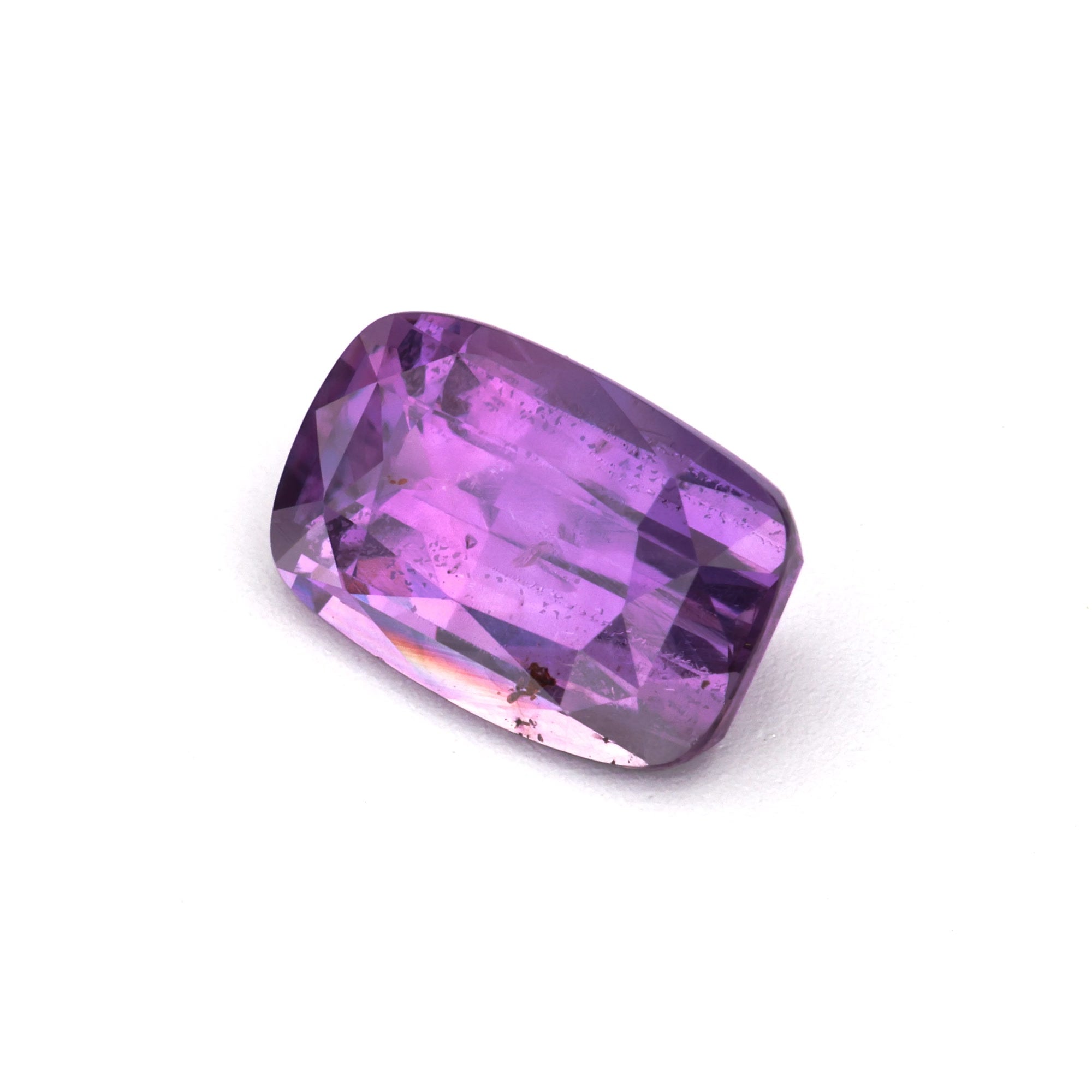
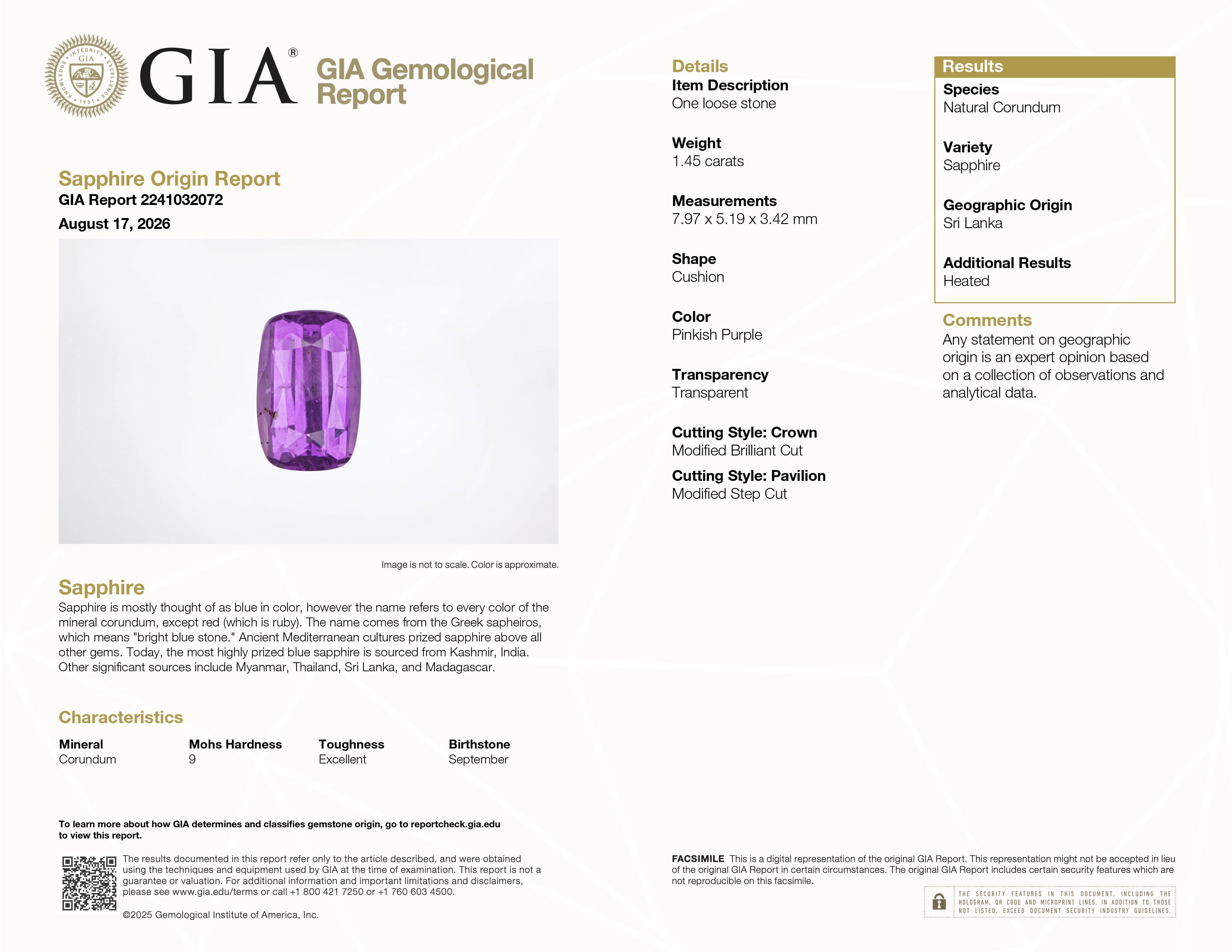
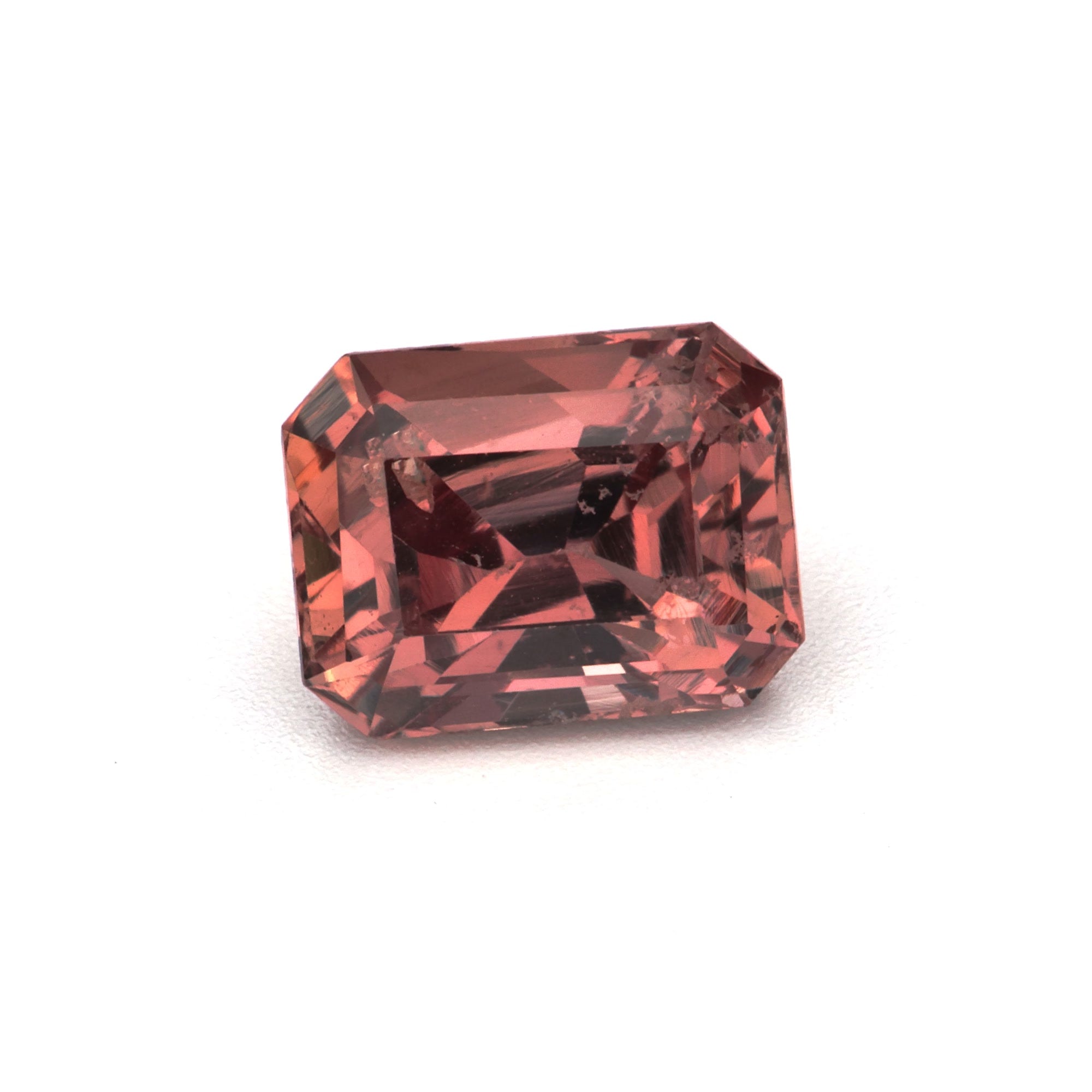
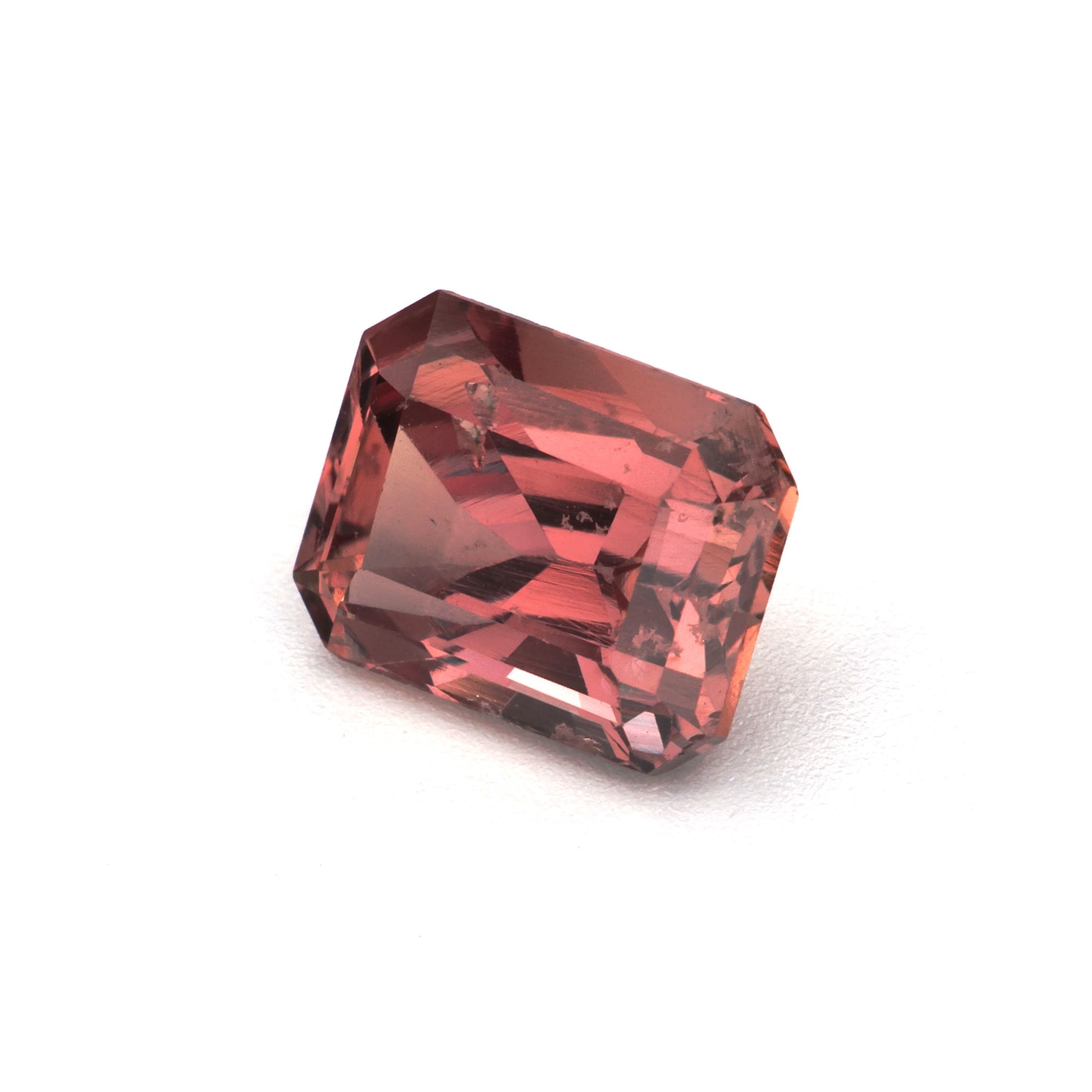
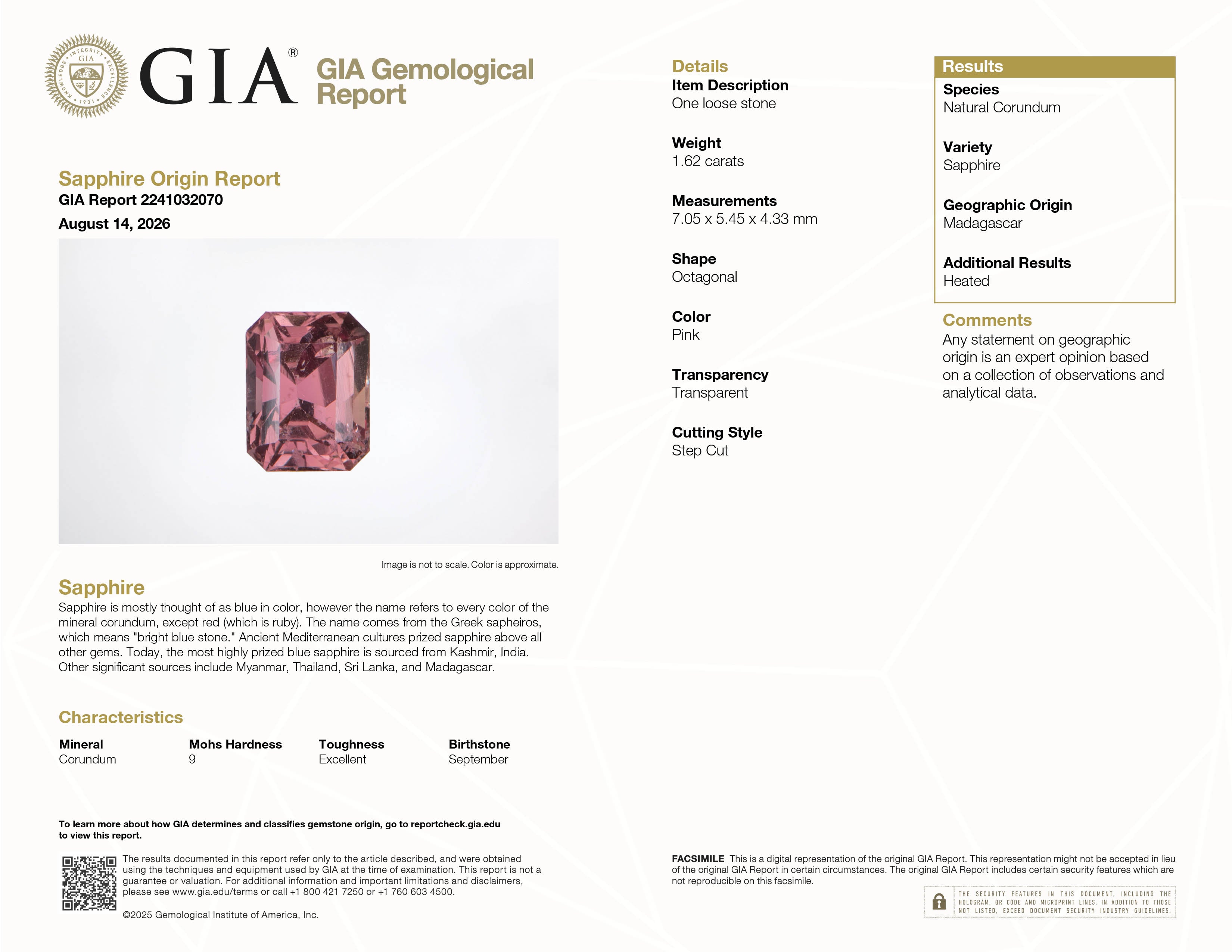
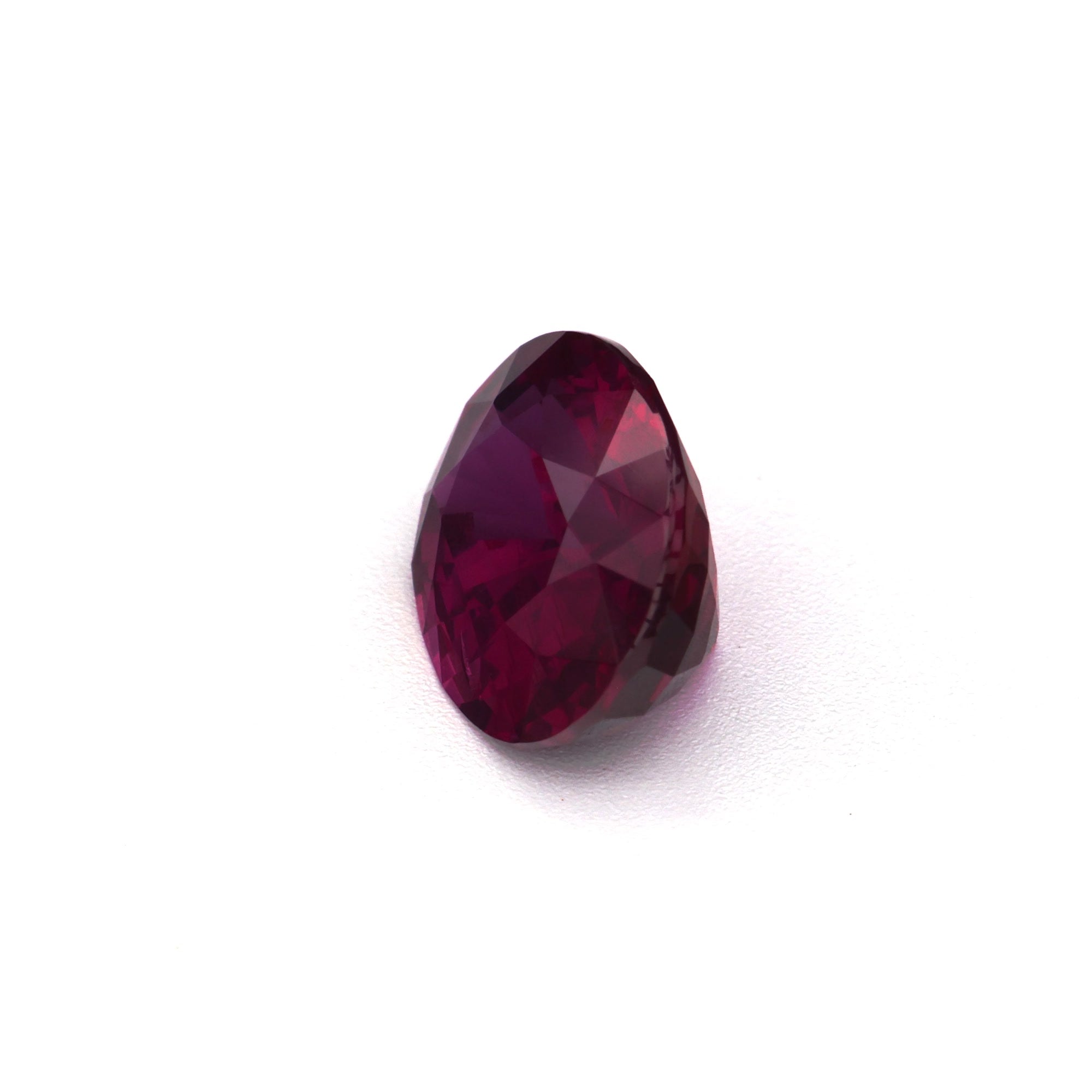
Madagascar produces excellent pink sapphires, particularly from the Ilakaka field, which accounts for the bulk of the island's pink production. Malagasy pink tends to be clean, vivid, and well-saturated, with a color range from soft pastel to vivid hot pink. Fine Malagasy pink competes directly with Ceylon pink at prices that are typically 20–40% lower for comparable quality — making it one of the best value propositions in the pink sapphire market. Compare with our Pink Sapphire Buyer's Guide. One unheated Malagasy pink currently in stock: a 1.45 ct radiant-cut Madagascar pink sapphire with a GIA report. Individual stones are priced on their own colour, clarity, cut, and certification, so a single stone is not evidence for the origin-level comparison above.
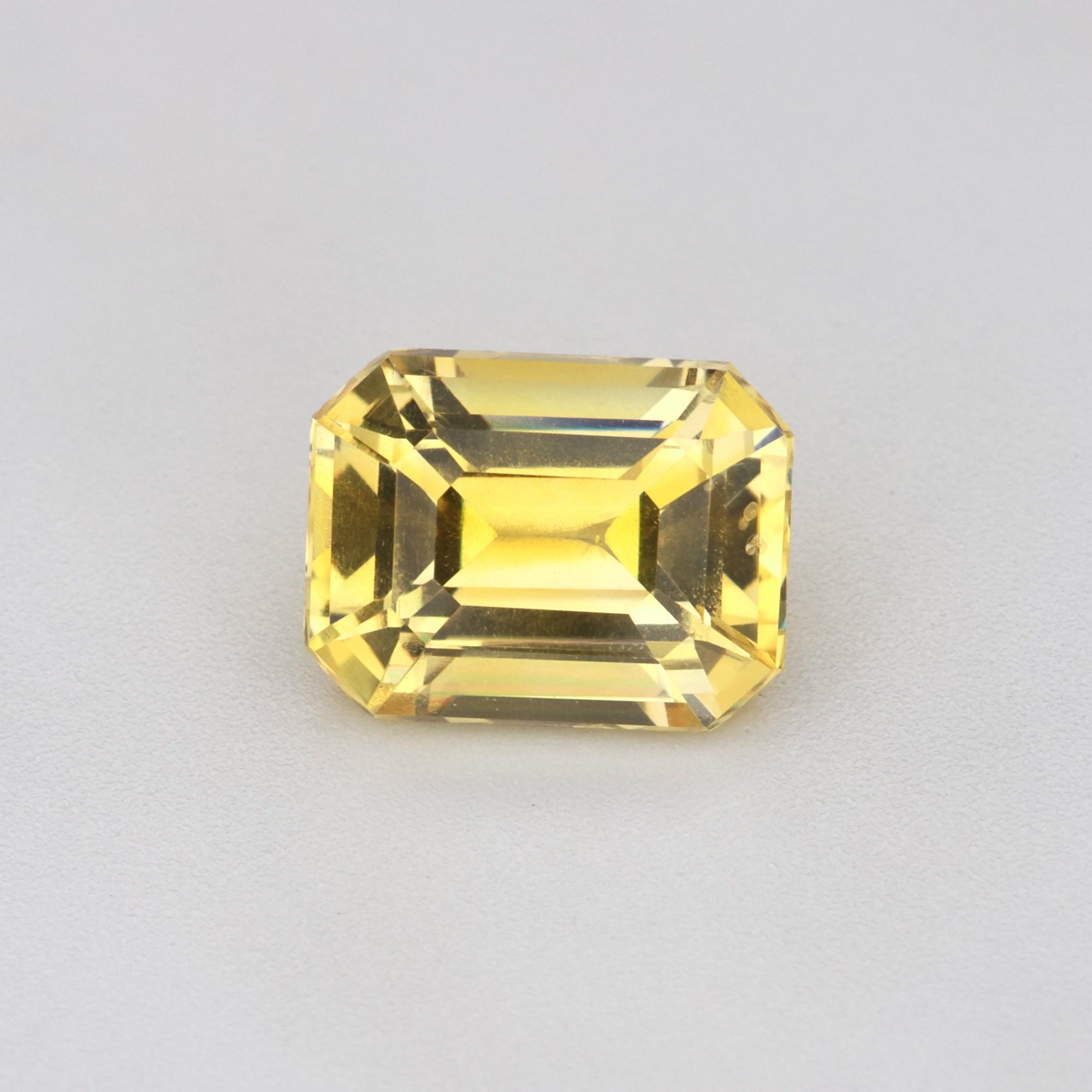
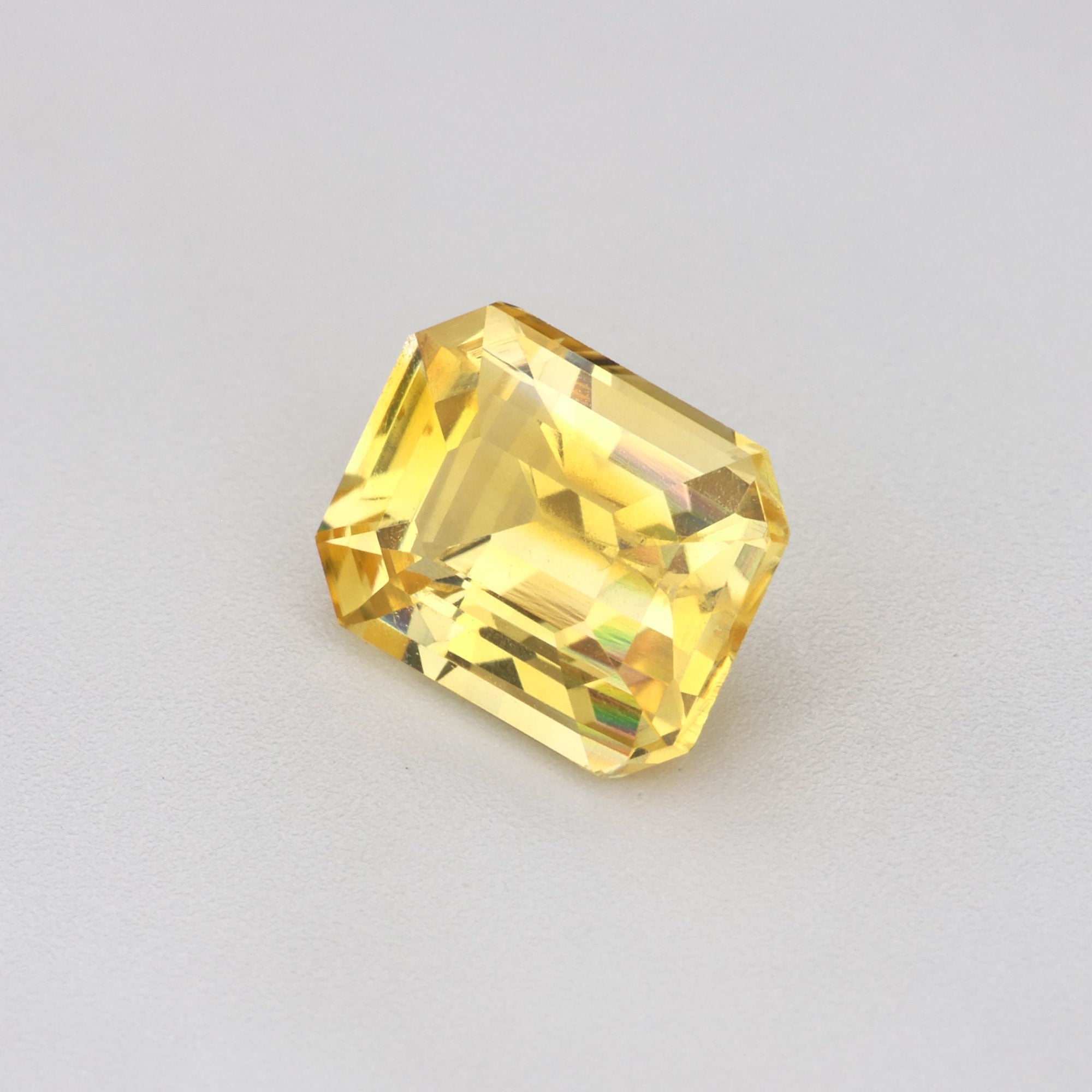
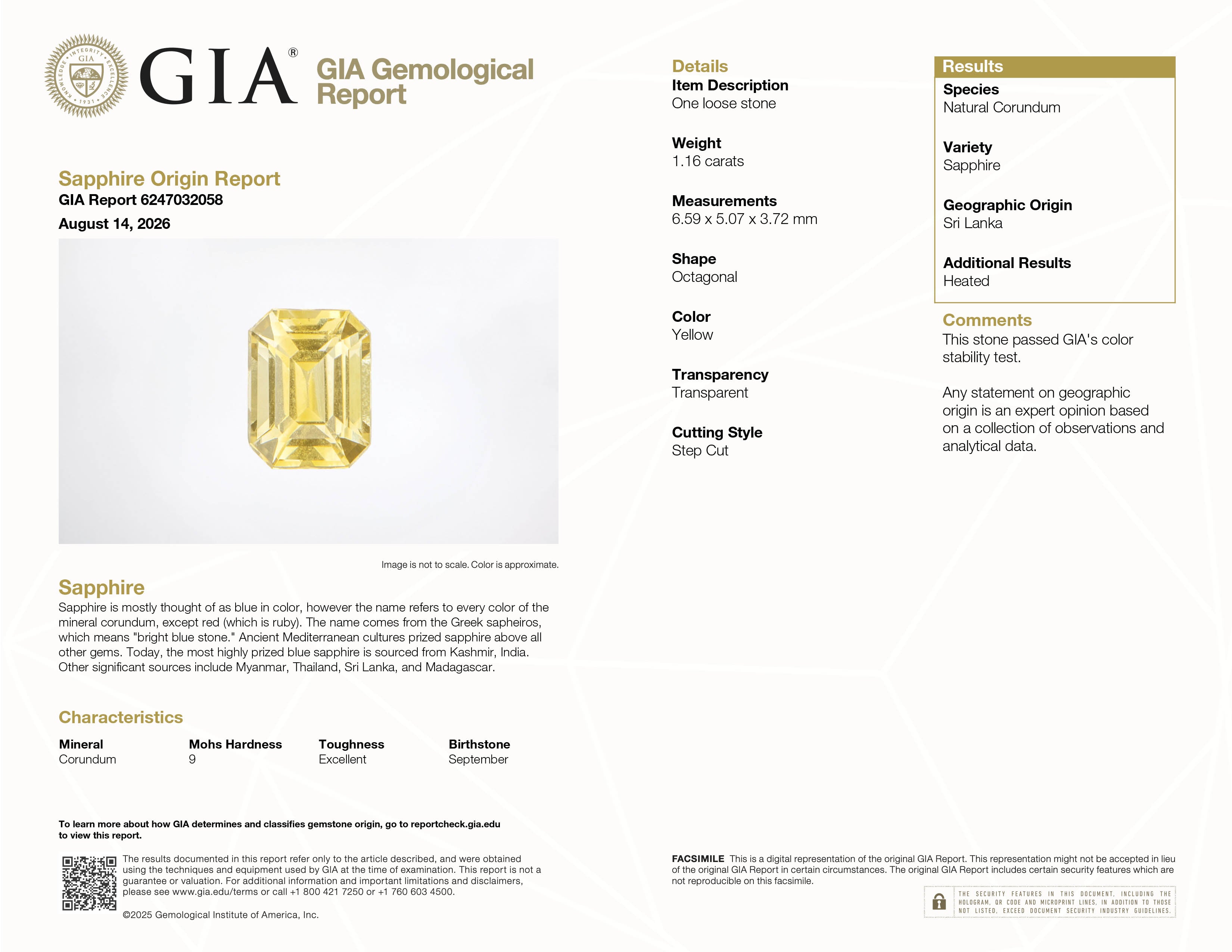
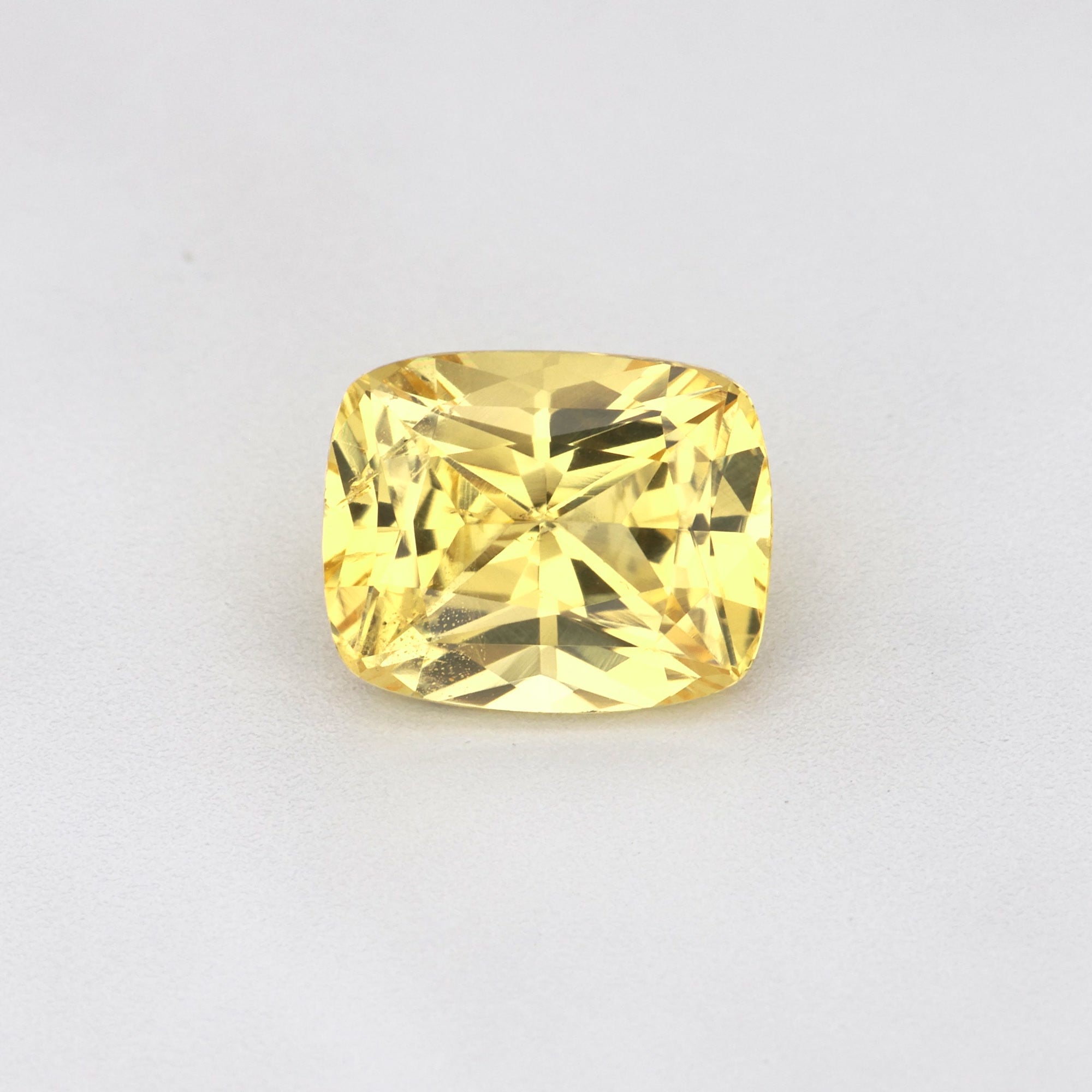
Malagasy yellow sapphires range from pale lemon to vivid golden canary. Good quality is available, though the finest vivid unheated yellows still tend to come from Ceylon, where the iron chemistry produces a particularly bright, clean golden tone. For Jyotish buyers, Ceylon origin remains the preferred and most widely accepted source for Pukhraj. See our Yellow Sapphire Buyer's Guide.
Madagascar produces sapphires in the pink-orange padparadscha range, and some Malagasy stones have achieved padparadscha certification from major laboratories. However, the padparadscha market remains dominated by Ceylon, and buyers paying padparadscha premiums typically prefer Ceylon origin for both quality consistency and market confidence. See our Padparadscha Guide.
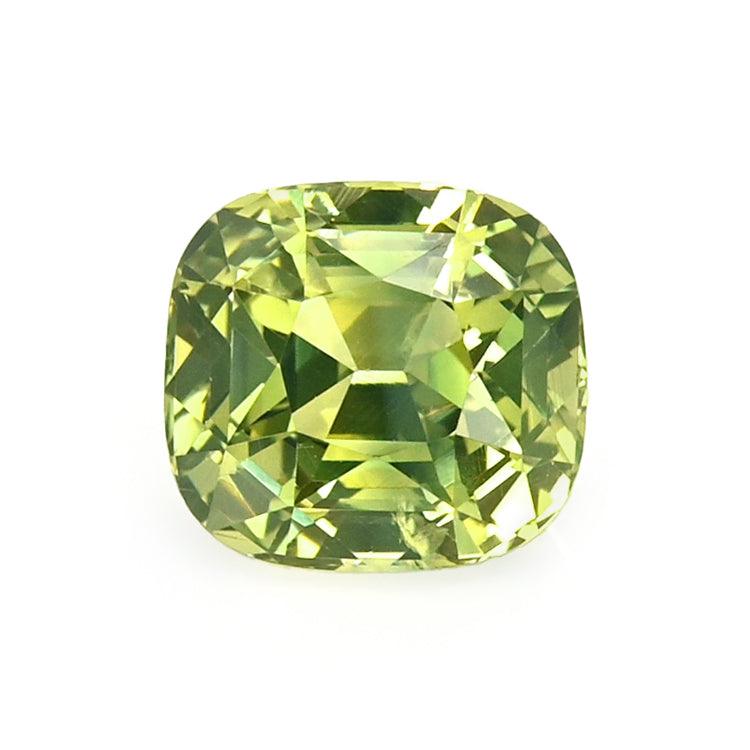
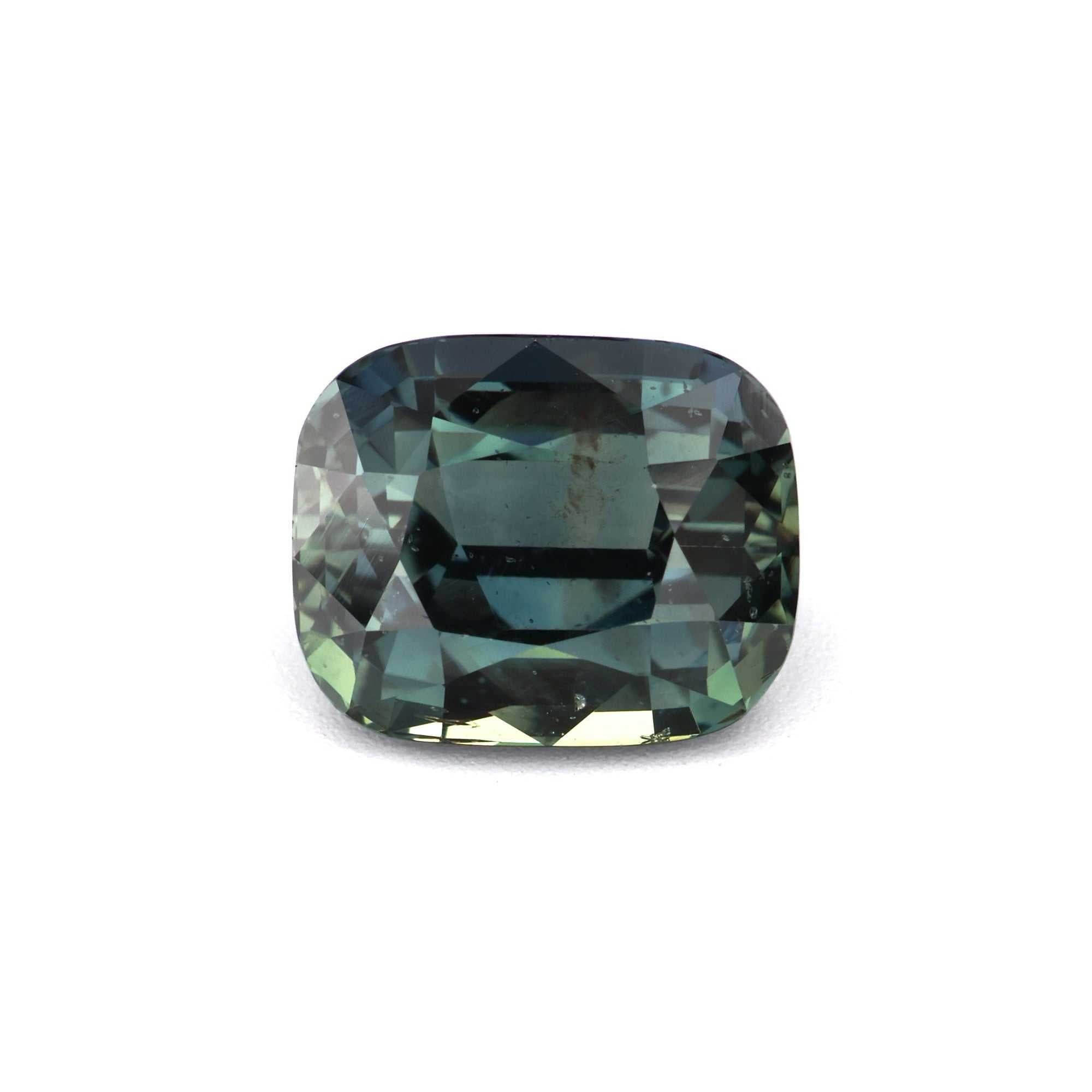
Madagascar produces teal and green sapphires, though in smaller quantities and with less market recognition than Ceylon or Montana teal. Malagasy teal can be attractive and well-priced. See our Teal and Green Sapphire guides.
One of Madagascar's genuine distinctions. The island produces some of the finest color-change sapphires in the world — stones that shift from blue or blue-green under daylight to violet or purple under incandescent light. Malagasy color-change material can be dramatic, with strong and clearly visible shifts that rival or exceed the best color-change sapphires from any other origin.
| Factor | Madagascar | Ceylon (Sri Lanka) |
|---|---|---|
| Mining history | Since late 1990s (~28 years) | Over 2,000 years |
| Color range | Blue, pink, yellow, padparadscha-range, teal, color-change | Every sapphire color including padparadscha, star, full blue spectrum |
| Blue quality ceiling | Excellent (Bemainty can rival finest Ceylon) | Excellent (the global benchmark) |
| Typical blue character | Slightly deeper, sometimes greenish modifier | Brighter, more transparent, classic luminous blue |
| Size range | Full range, routinely up to 5ct+ | Full range, routinely up to 5ct+ |
| Unheated availability | Good but less consistent than Ceylon | Strong — a defining strength of the origin |
| Treatment profile | Majority heated; some fine unheated | Both heated and unheated at scale |
| Market recognition | Growing but still below Ceylon | Universally recognized and trusted |
| Price (equivalent quality) | 20–40% below Ceylon typically | The benchmark pricing |
| GIA origin on report | Routinely confirmed | Routinely confirmed |
| Resale liquidity | Moderate and improving | Strong and established |
| Jyotish acceptance | Not traditionally prescribed | The preferred origin for Pukhraj and Neelam |
Figures above are approximate market guidance, not fixed quotes. Actual value varies by treatment, origin, colour, cut, clarity, and certification.
Value per carat. This is Madagascar's strongest practical advantage for most buyers. At equivalent apparent quality — same color saturation, same clarity, same size — Madagascar sapphires typically price 20–40% below Ceylon equivalents. The reason is market perception, not material quality. The stone itself may be visually identical, but the "Ceylon" label carries a premium that "Madagascar" does not yet command. For buyers who prioritize the beauty of the stone over the origin on the report, Madagascar offers genuinely exceptional value. See Sapphire Pricing Explained for the full pricing framework.
Volume and availability. Madagascar's deposits are large and actively producing. Finding a specific size, color, and quality specification in Madagascar material is often easier than finding the equivalent in Ceylon, simply because more stones are available at any given time.
Color-change sapphire. For this specific phenomenon category, Madagascar is arguably the world's leading current source.
Large sizes at accessible prices. Finding a 3–5ct blue sapphire of good quality from Madagascar is achievable at prices that would buy a 1.5–2ct stone in equivalent Ceylon quality. For buyers who want visual impact and size within a budget, Madagascar delivers more stone per dollar.
Reputation and market confidence. Two thousand years of continuous production, trade, and gemological documentation have established Ceylon as the benchmark sapphire origin. When a GIA report says "Sri Lanka (Ceylon)," every buyer, dealer, auction house, and insurance appraiser knows exactly what that means and what the stone is worth. Madagascar is building that reputation but has not reached parity.
Unheated availability. Ceylon produces a meaningfully higher proportion of fine unheated material across all colors than Madagascar. For buyers who specifically want unheated natural color — particularly collectors and Jyotish buyers — Ceylon's unheated supply is broader, deeper, and more consistent.
The full color spectrum. While Madagascar produces many sapphire colors, Ceylon's range is wider and more consistent. Padparadscha, star sapphire, fine violet with color-shift character, and the specific luminous cornflower blue that defines the category are all Ceylon strengths.
Brightness and transparency. The characteristic "Ceylon quality" — a brightness and transparency that seems to come from within the stone rather than from its surface — is a function of the island's specific geological conditions. Fine Madagascar blue can approach this quality, but the typical Malagasy stone has a slightly heavier, slightly less luminous feel compared to the typical Ceylon stone at the same color saturation. At the top end, the gap narrows significantly.
Resale liquidity. Ceylon has the deeper secondary market of the two. Dealers, auction houses, and private buyers already know the origin, so a Ceylon stone with origin on its report is easier to place when it changes hands. Madagascar entered the trade recently and its secondary market is correspondingly thinner — part of what the price gap between the two origins reflects. That is a description of the market as it stands, not a forecast: past demand is not a promise of future value. Read the full Ceylon Sapphire Complete Guide.
Madagascar produces excellent sapphires, but the rapid development of its gem trade created some market practices that buyers should be aware of:
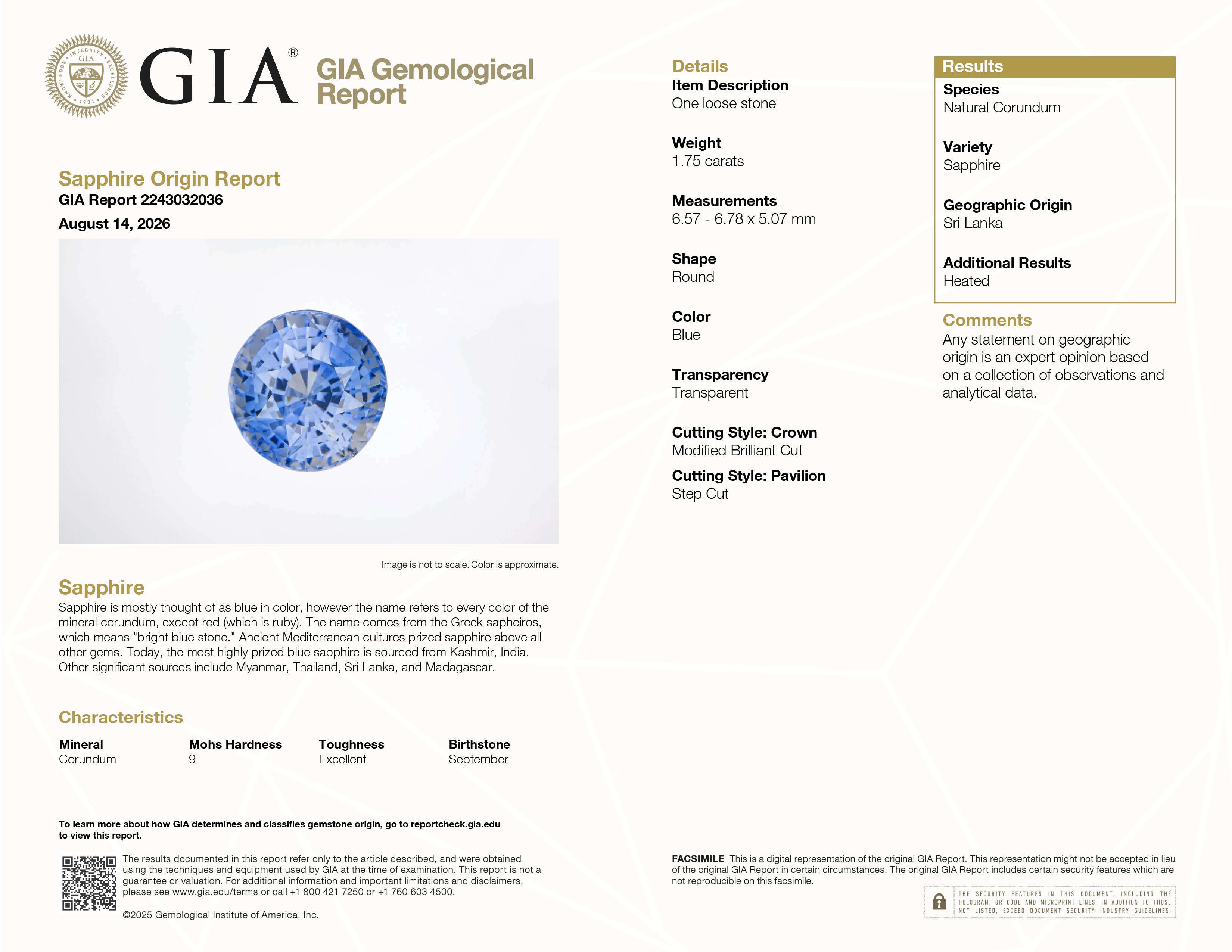
Origin documentation matters more, not less. Because Madagascar material fills the commercial pipeline in enormous volumes, a significant proportion of sapphires sold without origin documentation — simply labeled "natural blue sapphire" — are Malagasy stones. This is not a problem if the stone is priced fairly for its quality. It becomes a problem when a Madagascar stone is priced at Ceylon levels without origin disclosure. If you are paying a premium for a specific origin, require a GIA or Gübelin report that confirms it. See How to Read a GIA Sapphire Report.
Treatment disclosure is critical. Most Madagascar sapphires are heat-treated. The treatment is legitimate and produces beautiful color, but it should be disclosed. Be particularly cautious with padparadscha-range stones from any origin — beryllium diffusion has been applied to Malagasy rough, and any padparadscha or vivid orange sapphire requires a laboratory report that specifically addresses beryllium.
Judge the stone, not the label. A fine Madagascar sapphire is a fine sapphire. Origin adds context, but color, clarity, cut, and treatment status determine beauty and value. If a Madagascar blue sapphire with vivid color, excellent cut, and eye-clean clarity is available at 30% below the equivalent Ceylon stone, it is not a lesser purchase — it is a value opportunity. The sapphire does not know where it was mined. Your eyes do not either.
Yes, if:
Stick with Ceylon if:
We source from Sri Lanka because it is our home origin. Our roots are in the Ceylon gem trade, our relationships are with Sri Lankan miners and cutters, and our expertise is in the material we have handled for over 25 years. Ceylon produces the broadest color range, the strongest unheated supply, and the most established market of any active sapphire origin. It is where we can offer the most value, the most knowledge, and the most reliable supply chain.
Madagascar produces excellent sapphires, and we respect the origin. But our competitive advantage is in Ceylon material, where we source directly, cut in-house, and know every stone in our inventory from rough to finished gem. That level of knowledge and control is what allows us to stand behind every stone with complete treatment disclosure and a 14-day return policy.
Browse our full Ceylon sapphire catalog or email crescentgems@gmail.com with your specifications. We respond within one business day.

CG8448
CG8354
CG8292
CG8355
CG8259
Prices are shown in your local currency and may change.
CG8465
CG8460
CG8456


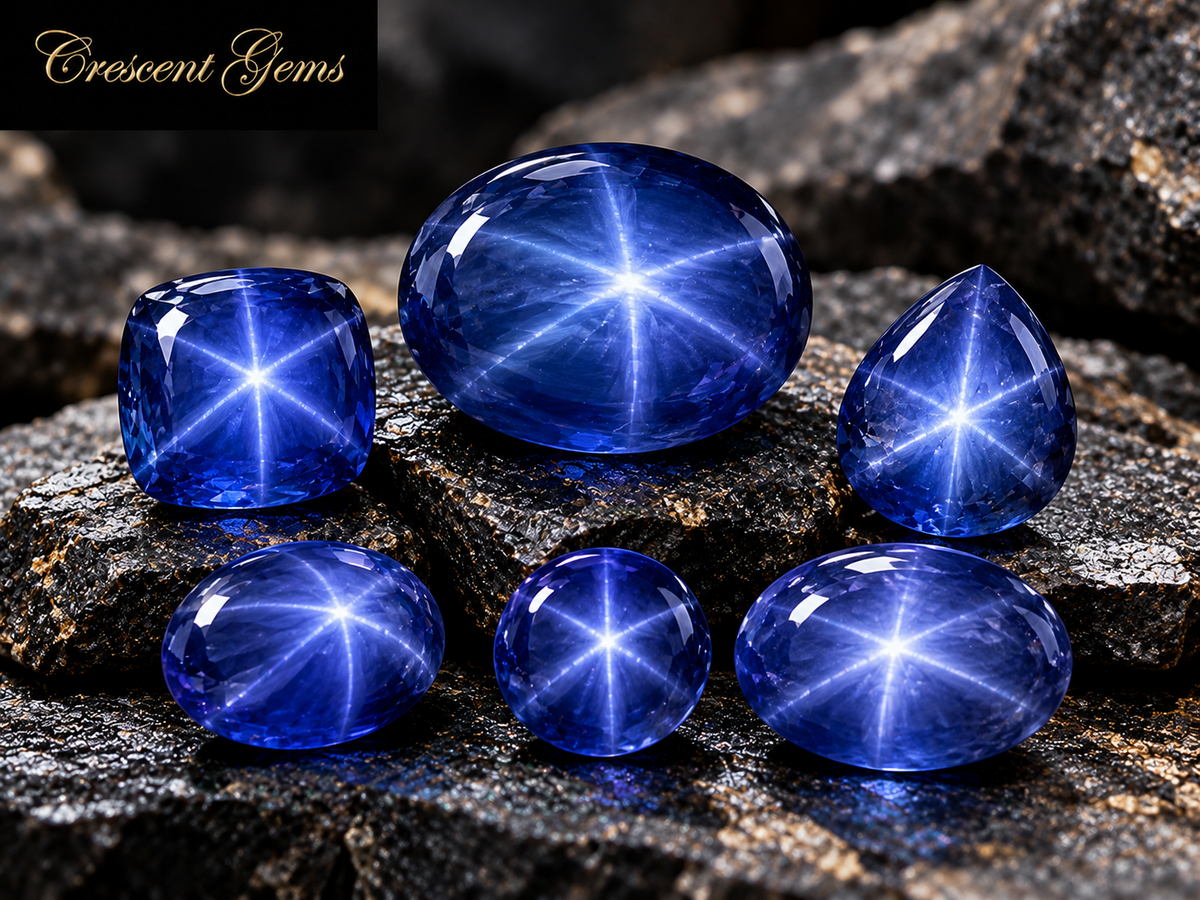
Blue Star Sapphire Price Guide — What They Cost and Why
Read moreabout Blue Star Sapphire Price Guide — What They Cost and Why
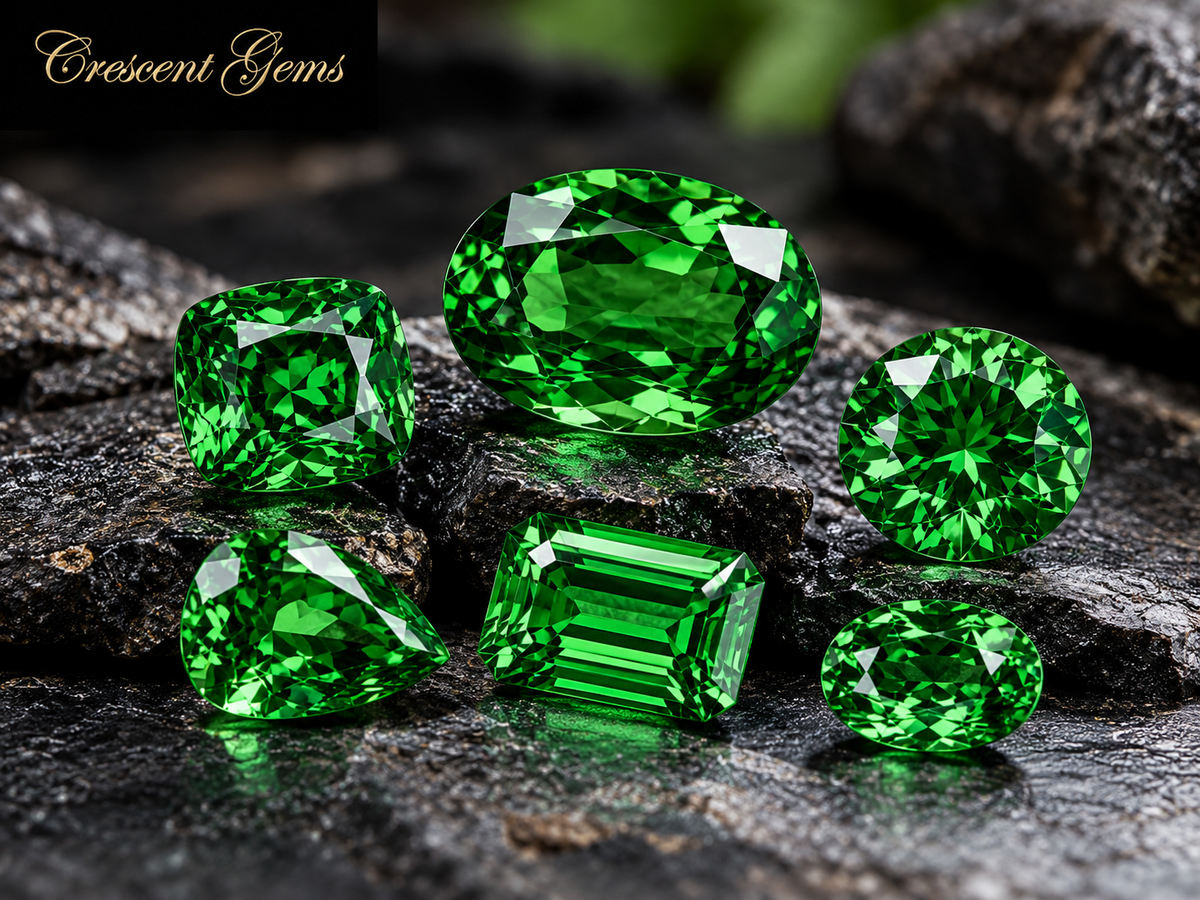
Tsavorite Garnet Price Guide — What They Cost and Why
Read moreabout Tsavorite Garnet Price Guide — What They Cost and Why
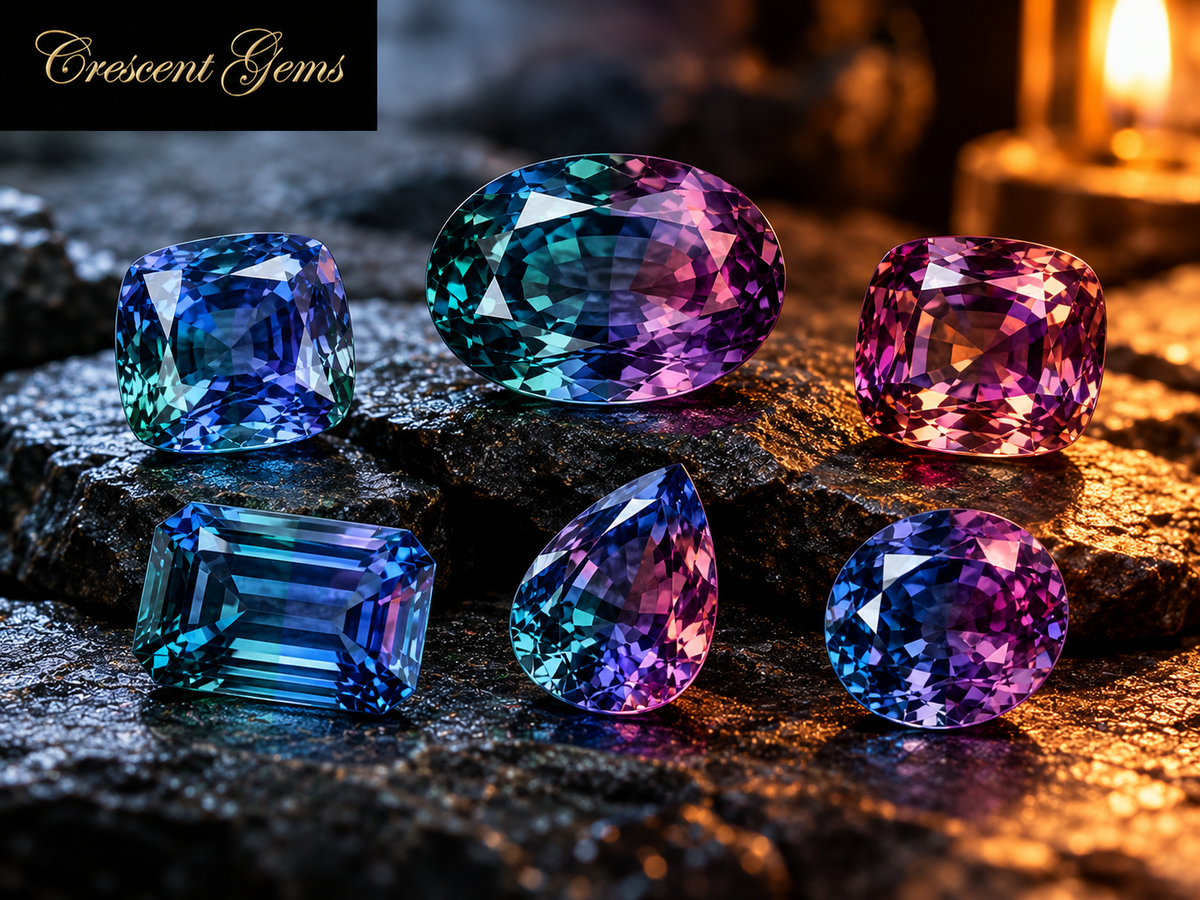
Color-Change Sapphire Price Guide — What They Cost and Why
Read moreabout Color-Change Sapphire Price Guide — What They Cost and Why
Is Cat's-Eye Chrysoberyl Good for an Engagement Ring?
Read moreabout Is Cat's-Eye Chrysoberyl Good for an Engagement Ring?
Cat's Eye Chrysoberyl Price Guide — What They Cost and Why
Read moreabout Cat's Eye Chrysoberyl Price Guide — What They Cost and Why




















Share: