

- by Ahmed Shareek
Best Sapphire Shapes for Solitaire Rings — Which Cuts Work and Why
- by Ahmed Shareek
For the halo alternative: Best Sapphire Shapes for Halo Rings. For shape fundamentals: Best Sapphire Cut for an Engagement Ring. For the buying foundation: Ultimate Sapphire Buying Guide.
A solitaire ring is the purest test of a sapphire. No halo to add apparent size, no side stones to draw the eye, no decorative setting to carry the design when the stone falls short. In a solitaire, the sapphire is entirely exposed — its color, its cut quality, its face-up size, and its overall character are on full display with nothing to soften or distract. This makes the solitaire simultaneously the most elegant and the most demanding engagement ring setting for a colored stone.
It also makes the shape choice more consequential than in other settings. A shape that works beautifully in a halo may disappoint as a solitaire if the stone is not large enough or the color not strong enough to carry the look alone. This guide covers which sapphire shapes work best in solitaire settings, why each one succeeds or fails without the support of surrounding diamonds, and how to match shape to stone quality for the strongest result.
Before looking at specific shapes, it helps to understand what the solitaire format asks of the stone:
Strong color. With no halo contrast to frame the sapphire, color must be vivid enough to hold the eye independently. A pale or weakly saturated stone that might look acceptable surrounded by sparkling diamonds will look underwhelming in a plain solitaire setting where there is nothing to distract from the color weakness. For solitaire rings, vivid to strong saturation is a firm standard. See our Sapphire Colors Explained guide for the color framework.
Eye-clean clarity. The solitaire format draws the eye directly to the center stone with no perimeter sparkle to redirect attention. Inclusions that might be overlooked in a busier setting become more visible in a solitaire. Eye-clean is the minimum standard; loupe-clean is preferable in step cuts where the transparent facets reveal everything. See our How to Read Sapphire Inclusions guide.
Good face-up size. Without a halo to add apparent diameter, the stone's actual face-up dimensions carry the ring's visual presence. A well-cut stone that spreads its weight across the face is important in a solitaire setting. Deeply cut, weight-heavy stones that appear small for their carat weight are particularly problematic here.
Excellent cut quality. In a solitaire, there is nowhere to hide a heavy bowtie, significant windowing, or poor symmetry. Cut quality that might be acceptable with a halo masking it becomes immediately apparent in a clean solitaire. See our How Cut Affects a Sapphire guide for what to check.
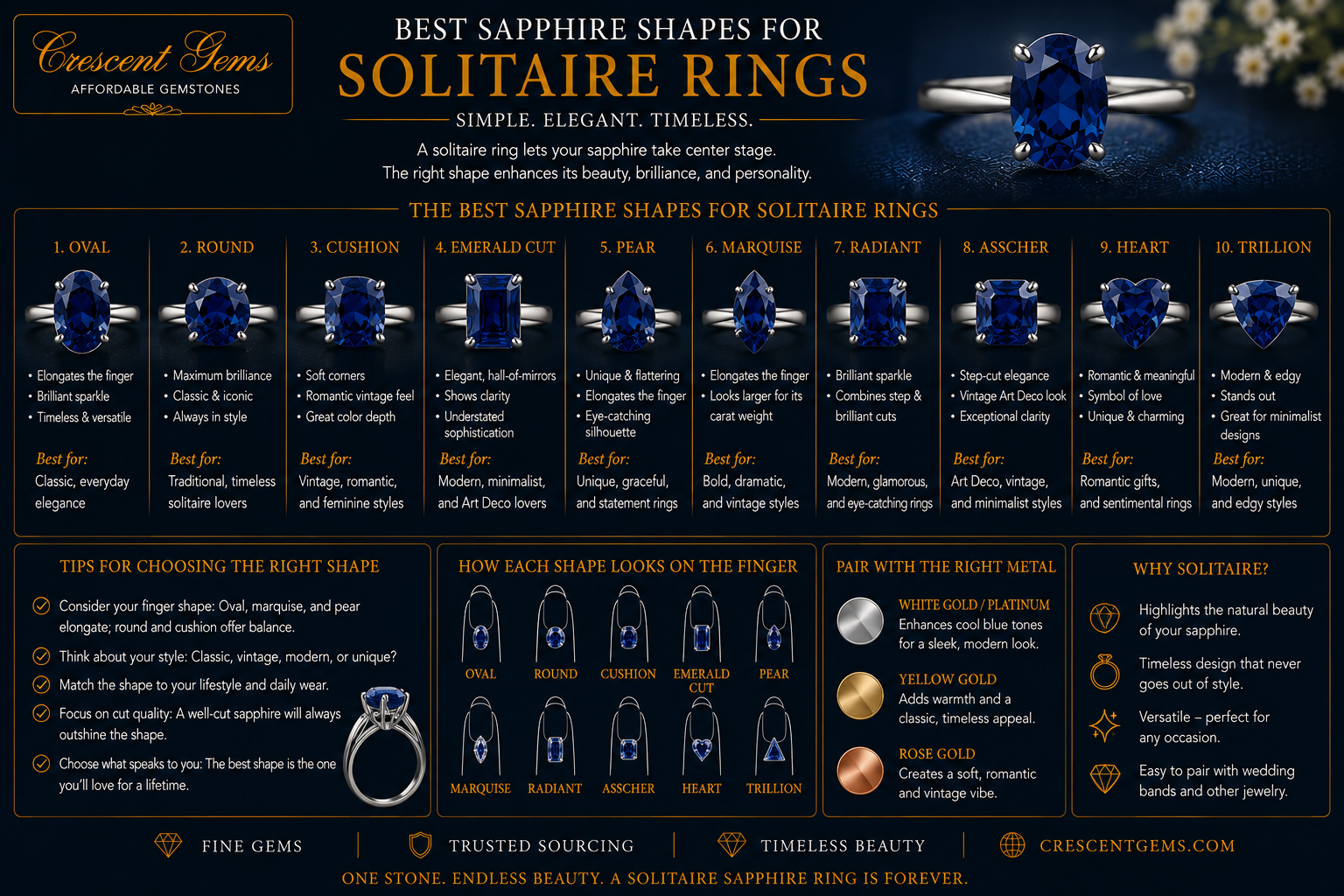
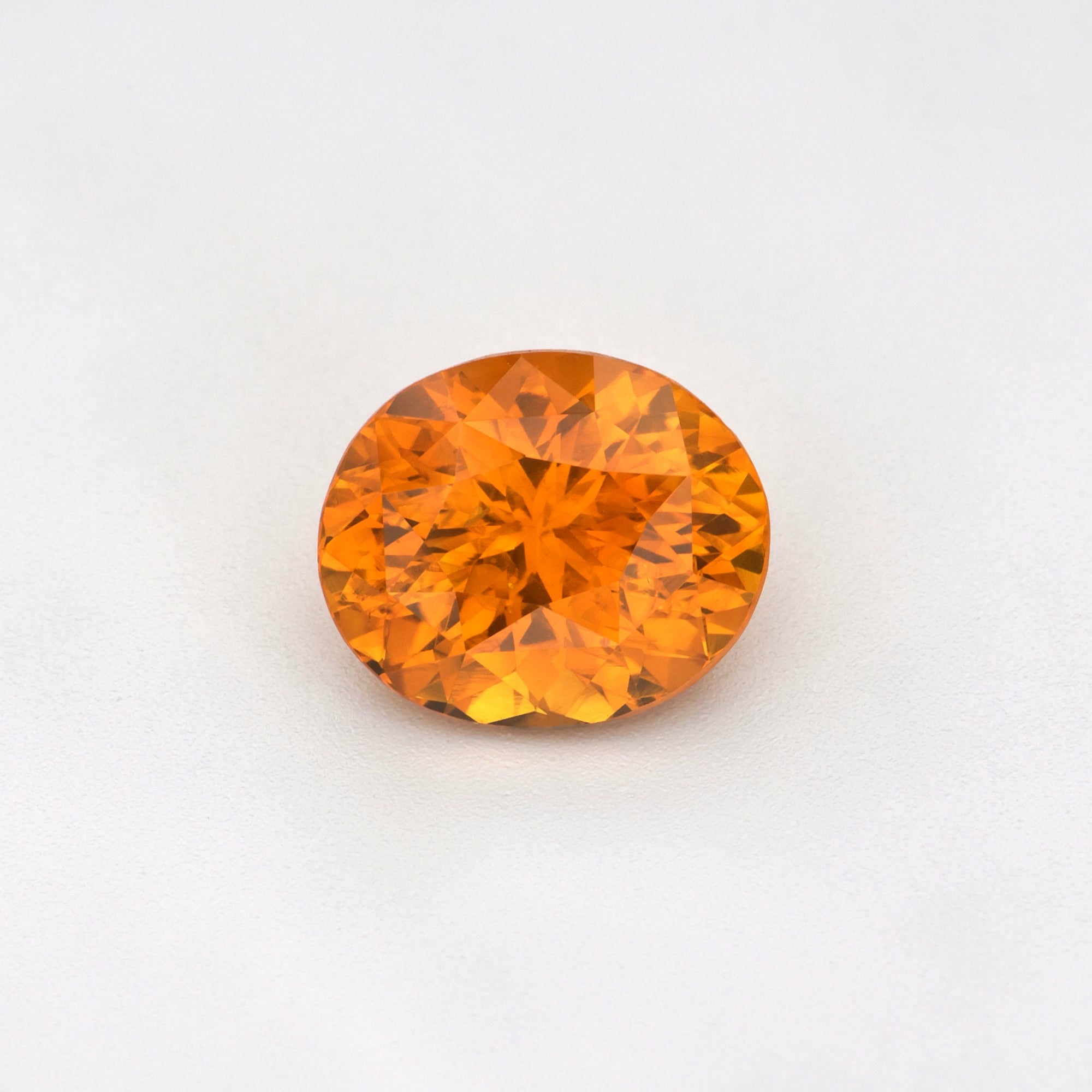
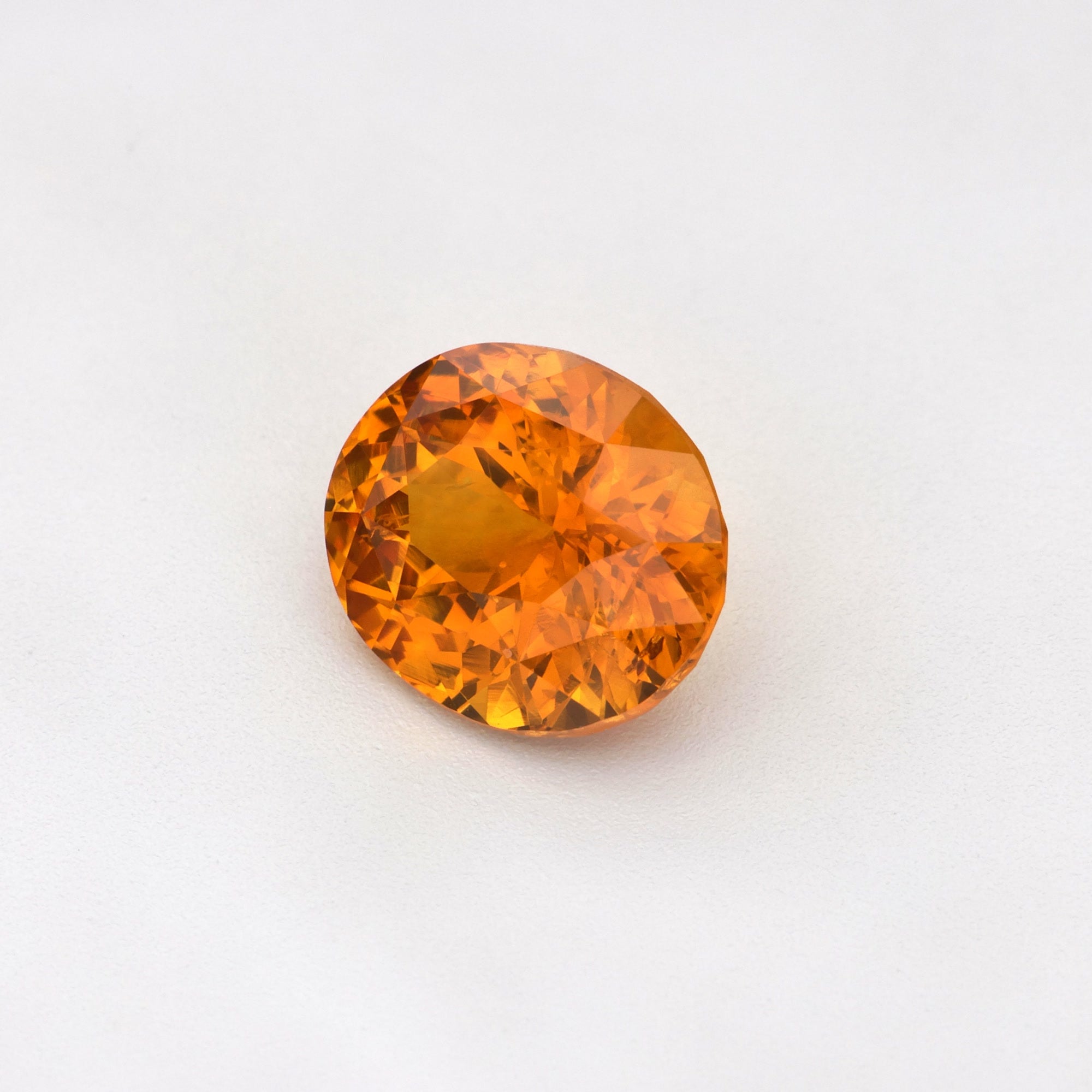
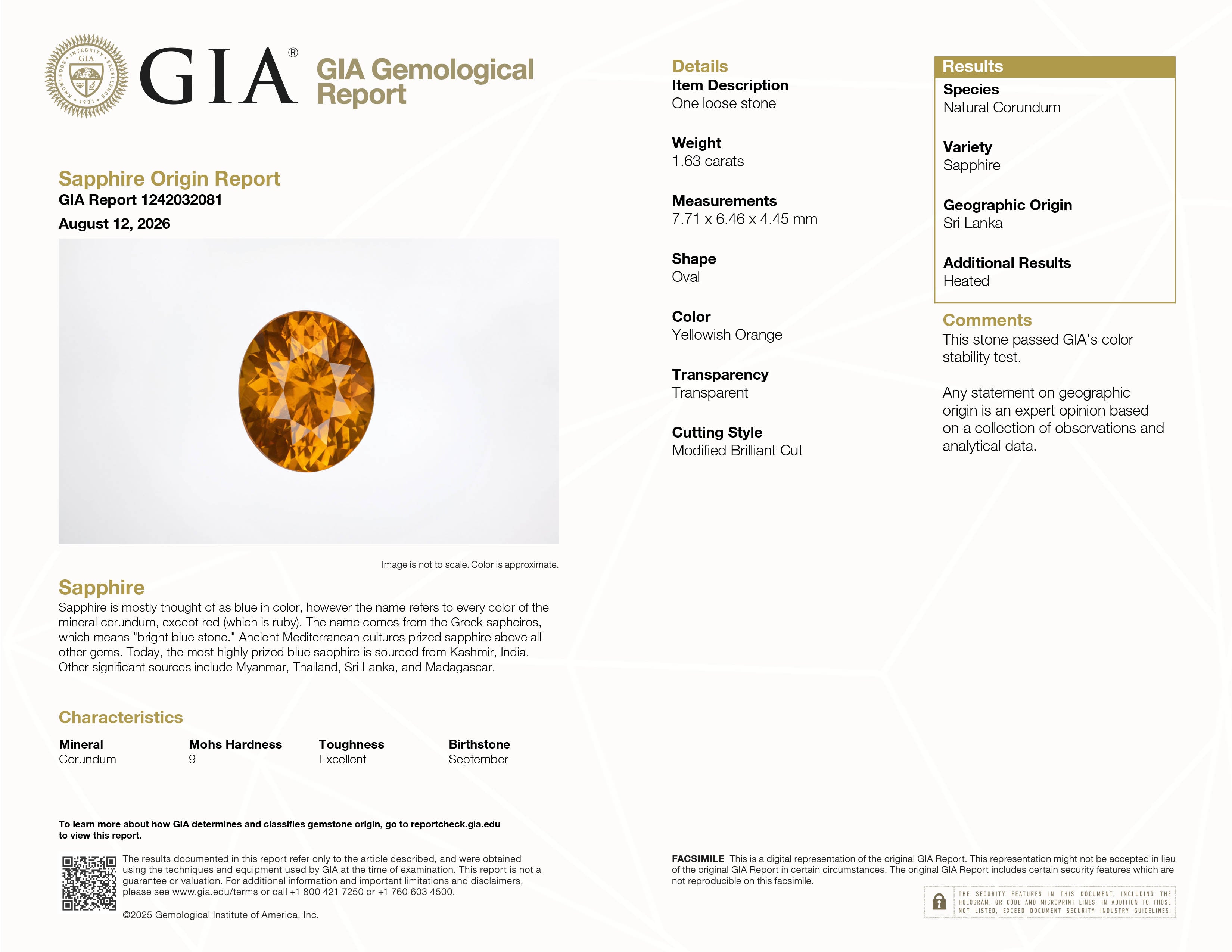
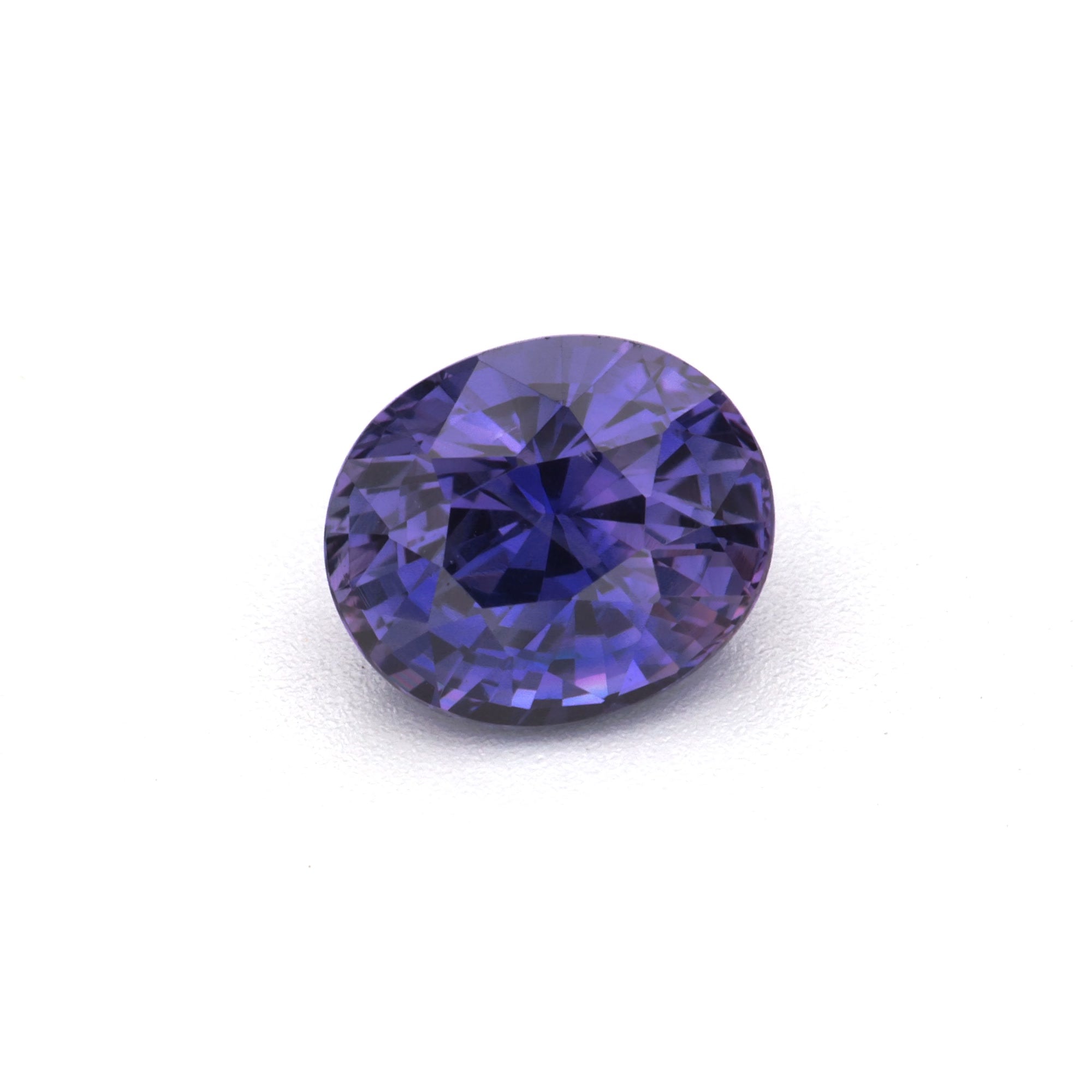
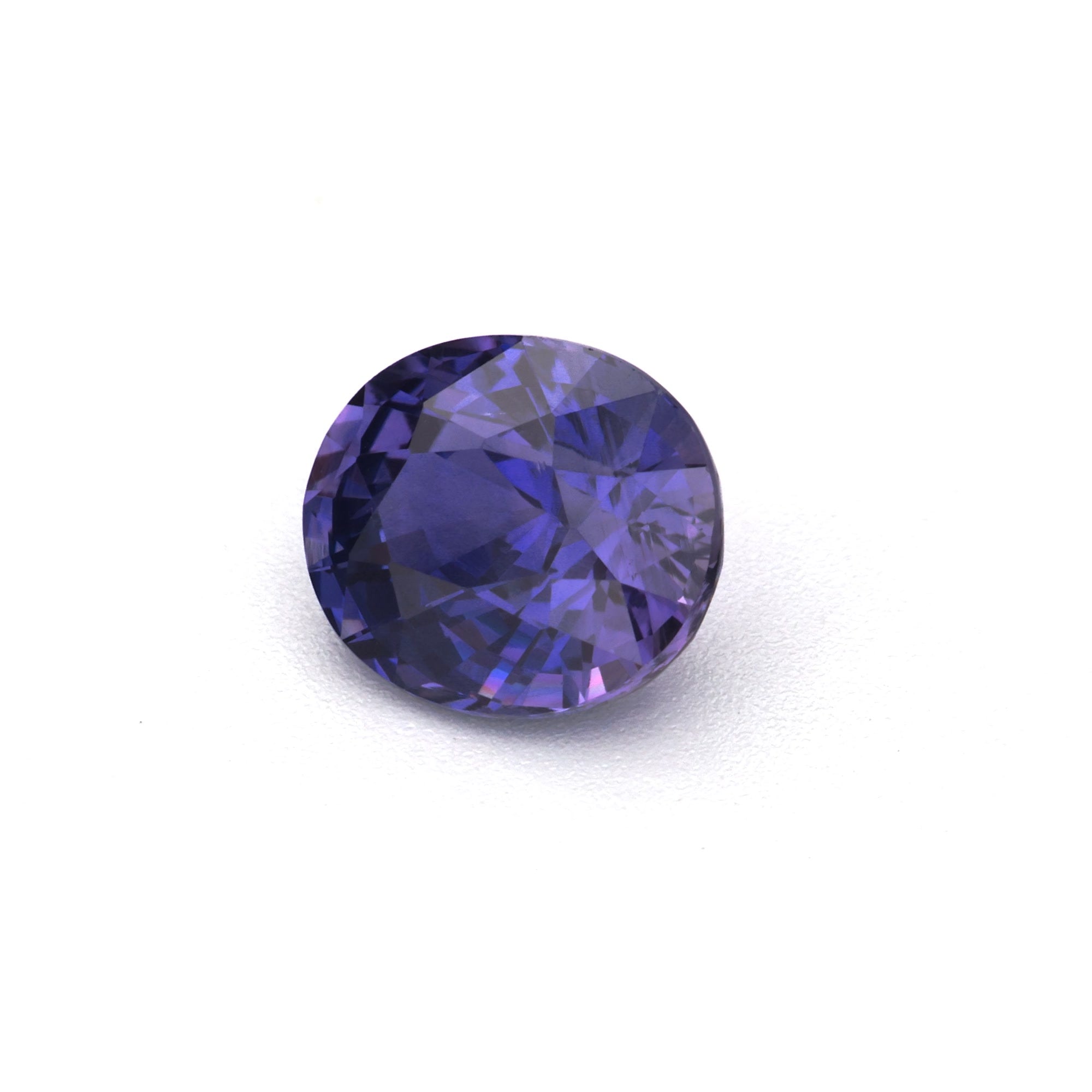
The oval is the dominant commercial sapphire shape for strong reasons, and it is especially well-suited to solitaire settings. Its elongated outline maximizes face-up size per carat — an advantage that is particularly valuable in a solitaire where all apparent size comes from the stone itself rather than from surrounding diamonds. A well-cut 1.2ct oval in vivid blue or teal, set in a four-prong platinum solitaire, is one of the most visually complete engagement ring configurations available. The oval's elongating effect on the finger is also maximally apparent in a solitaire, where nothing else competes for visual attention. The main risk with oval solitaires is the bowtie effect — which a halo can partially mask but a solitaire cannot. Always evaluate an oval solitaire candidate under diffuse lighting for bowtie intensity before committing. A moderate bowtie that is tolerable with a halo can be distracting in a plain solitaire. Browse our oval sapphire collection.
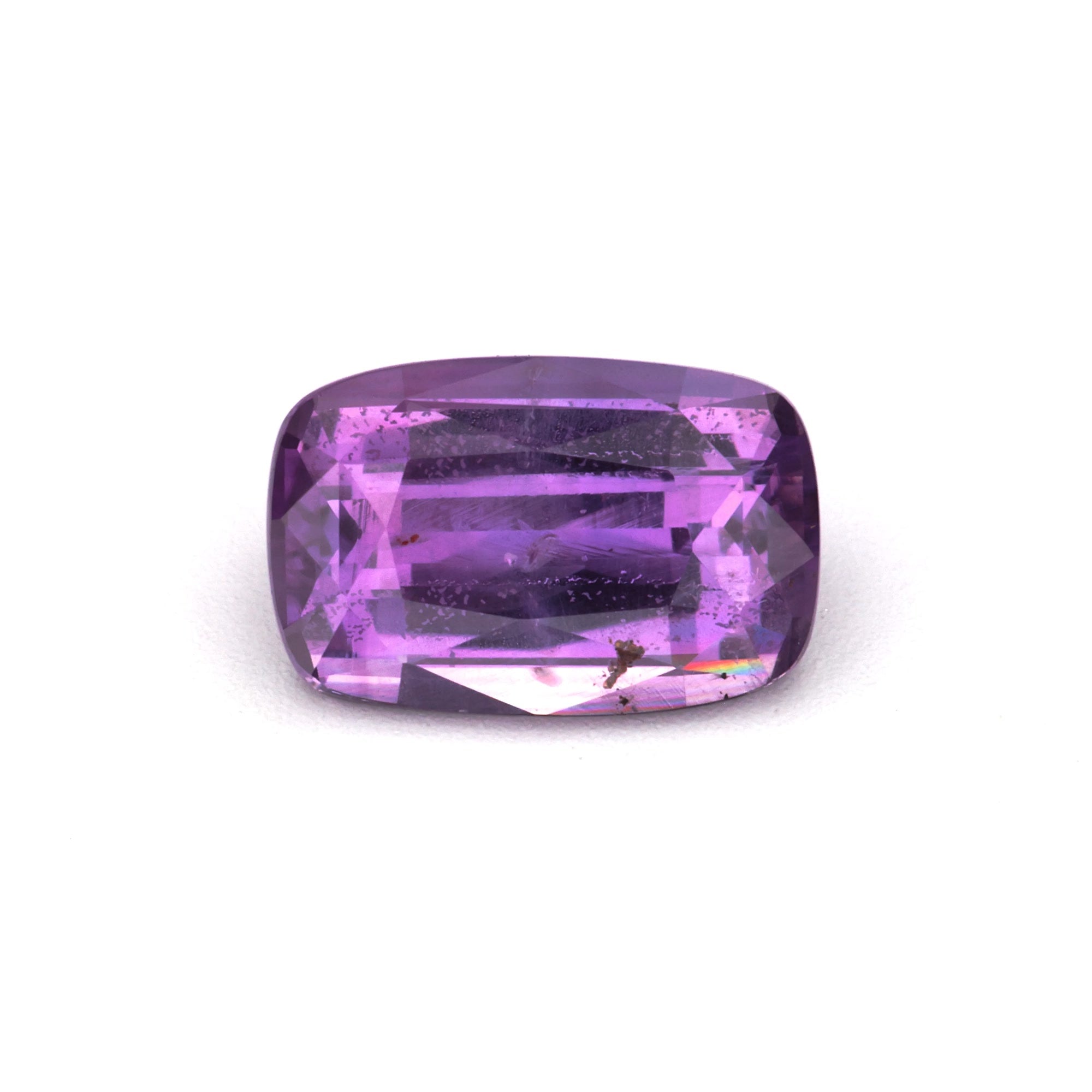
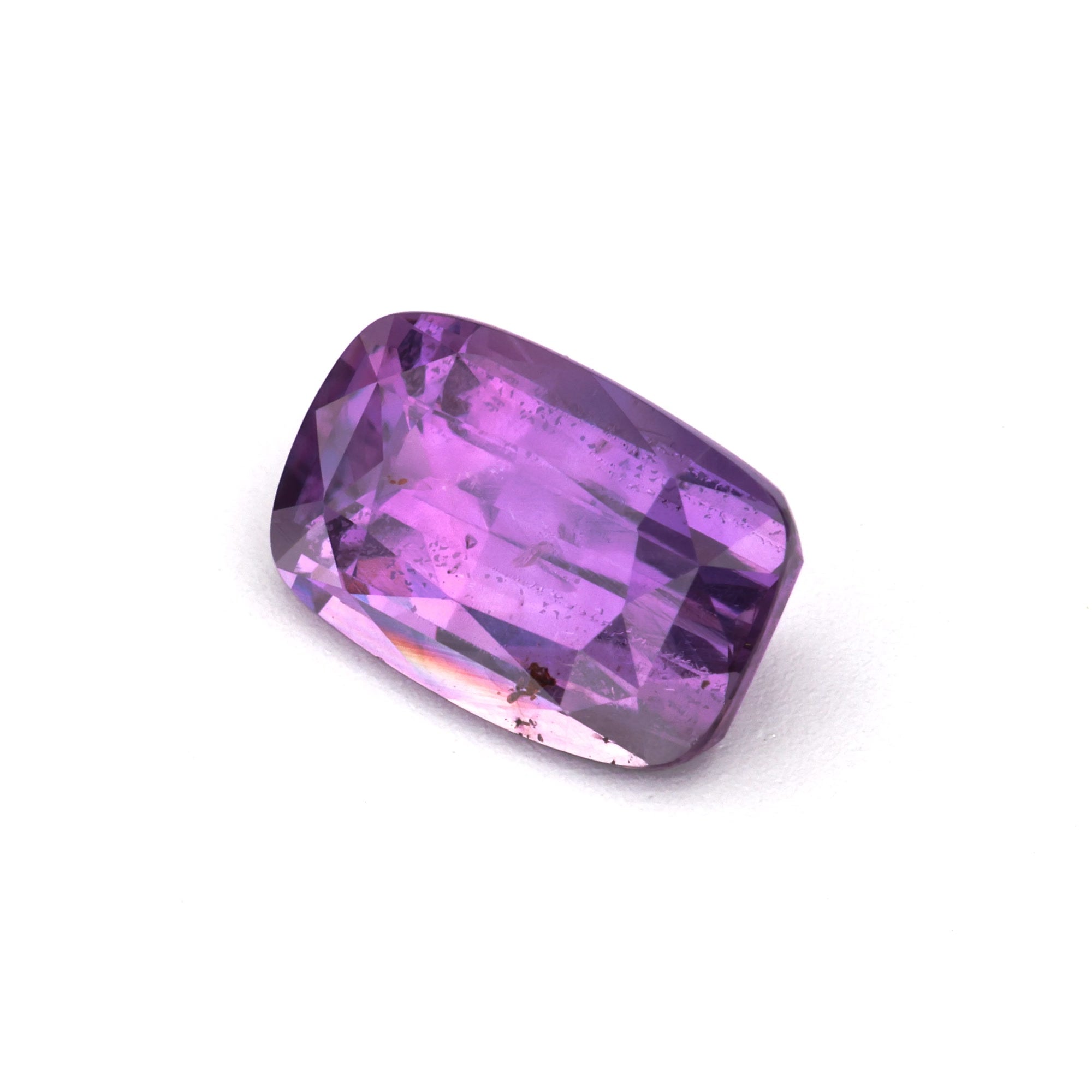
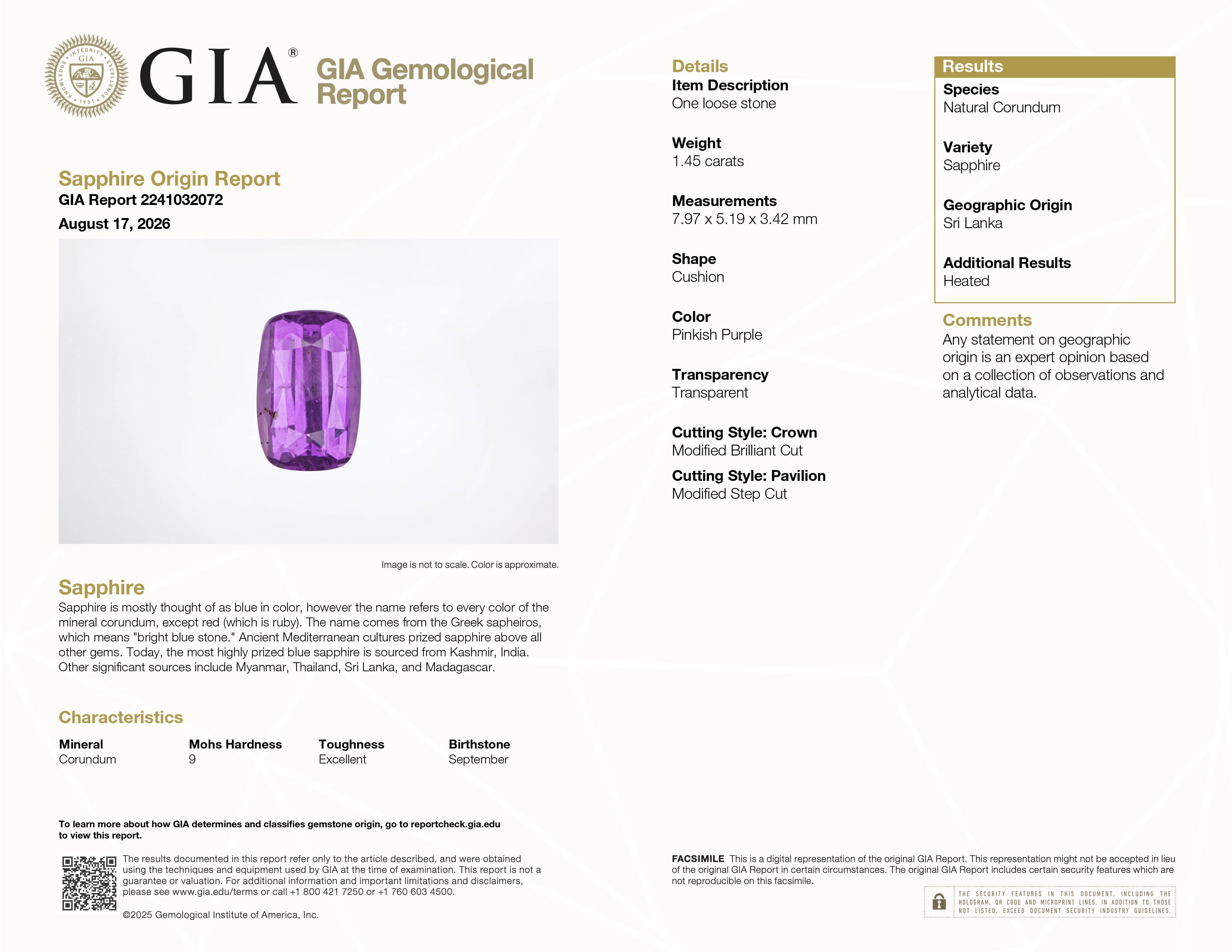
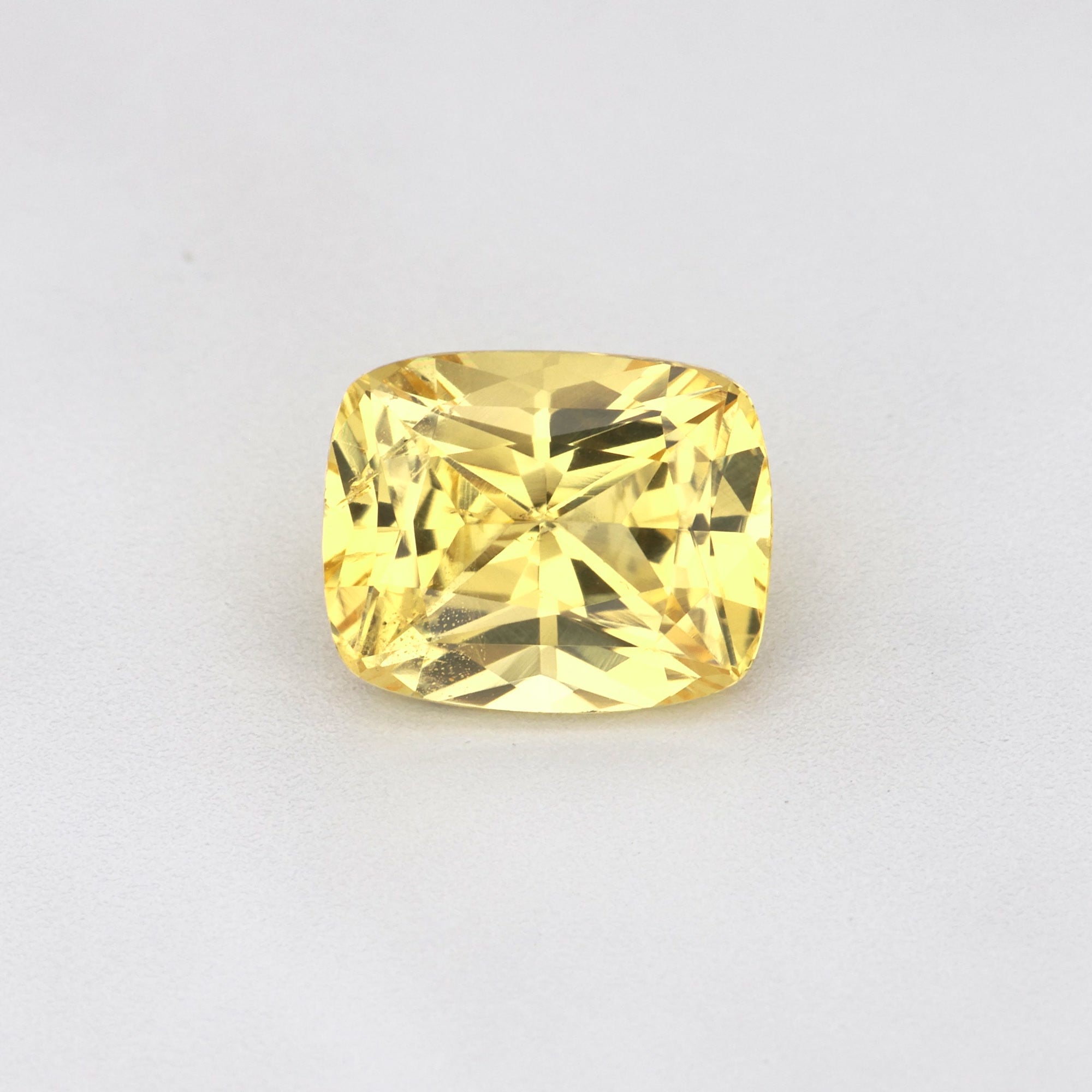
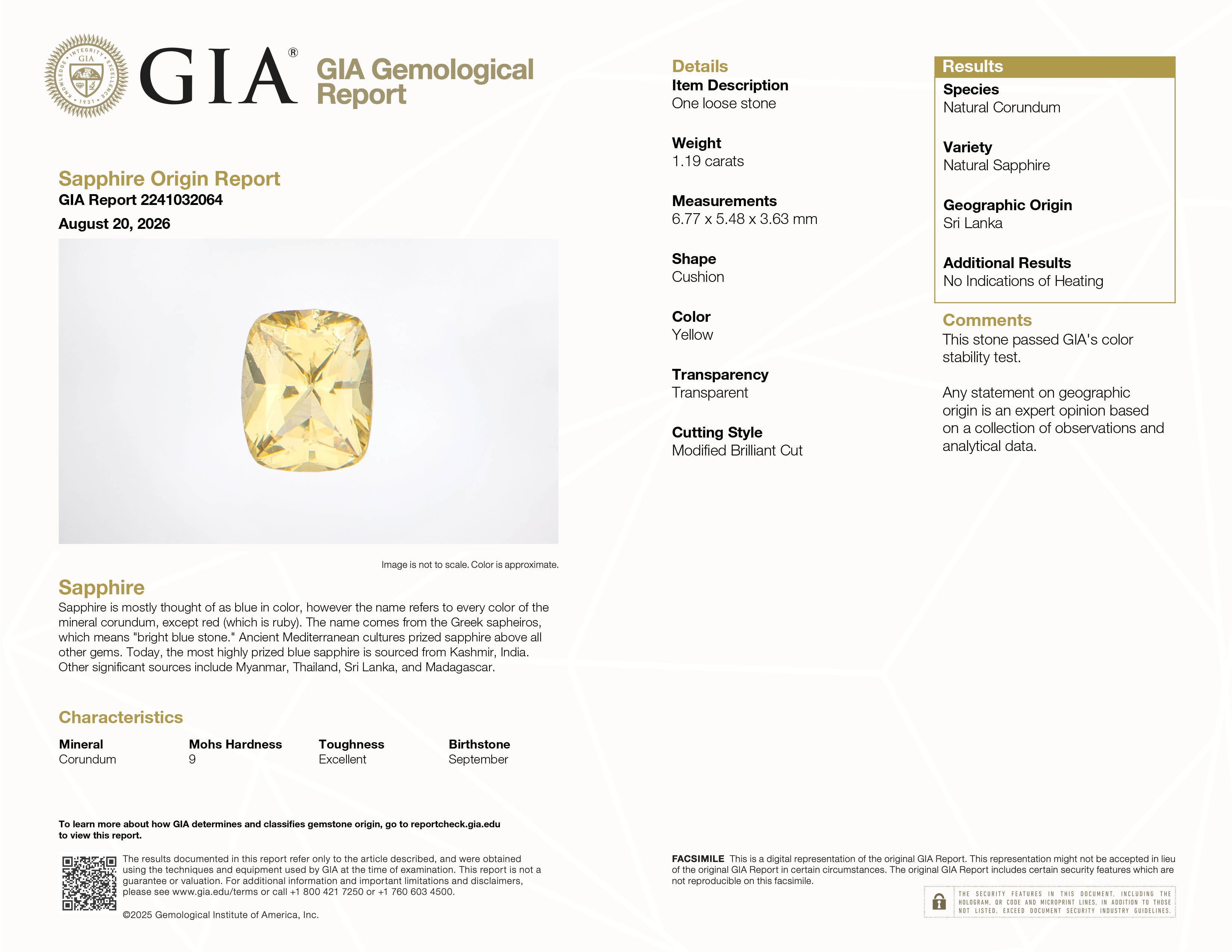
The cushion cut is one of the most beautiful solitaire shapes for sapphire, particularly for vivid material in blue, pink, or padparadscha. The cushion's deeper pavilion concentrates color intensity — in a solitaire, this means the stone displays its maximum color richness with nothing to dilute or distract from it. The combination of vivid cushion color and a plain four-prong or claw solitaire has a genuinely antique, jewel-like quality that no other configuration replicates. The lack of bowtie (cushions do not produce the bowtie shadow that ovals do) is a specific advantage in a solitaire context. Browse our cushion sapphire collection.
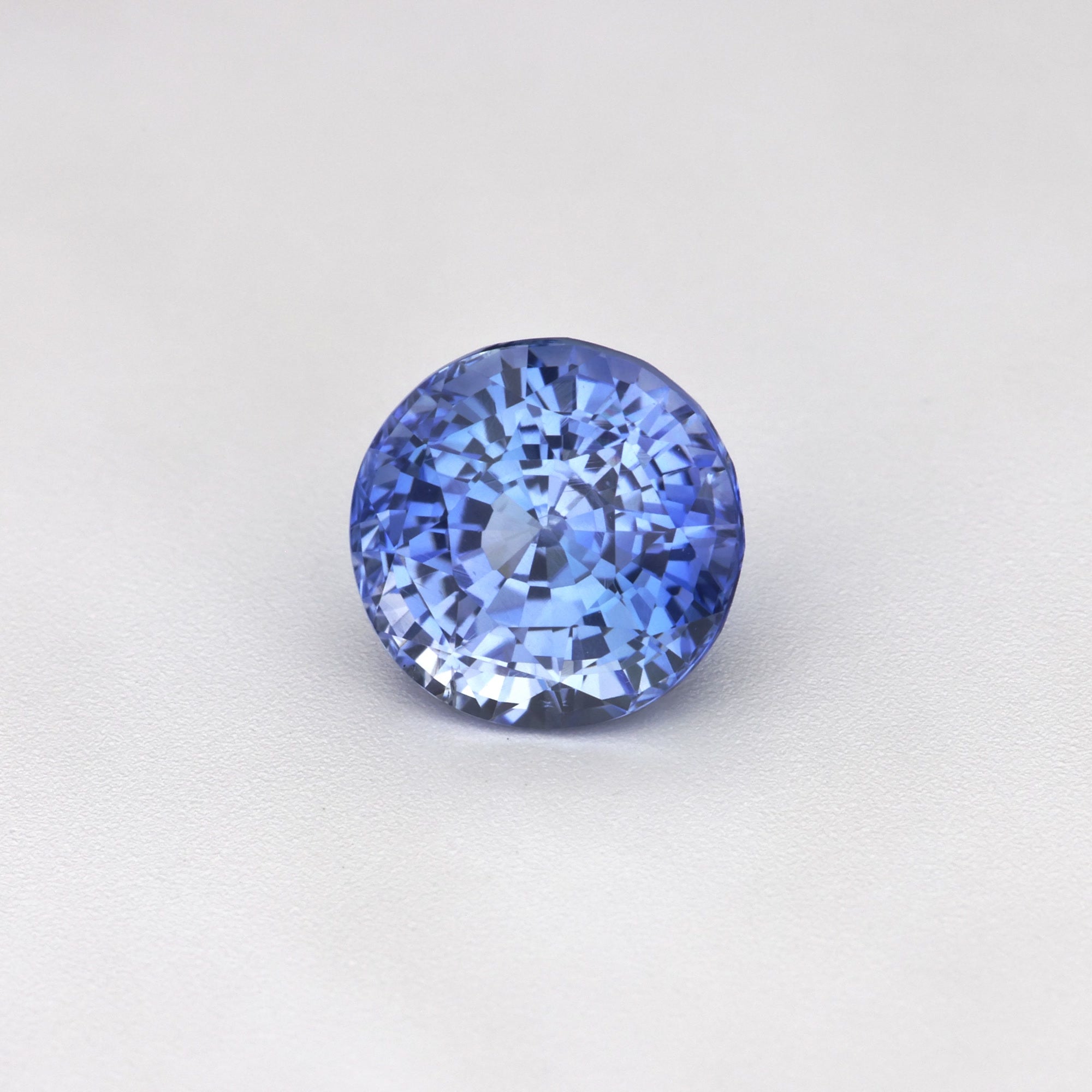
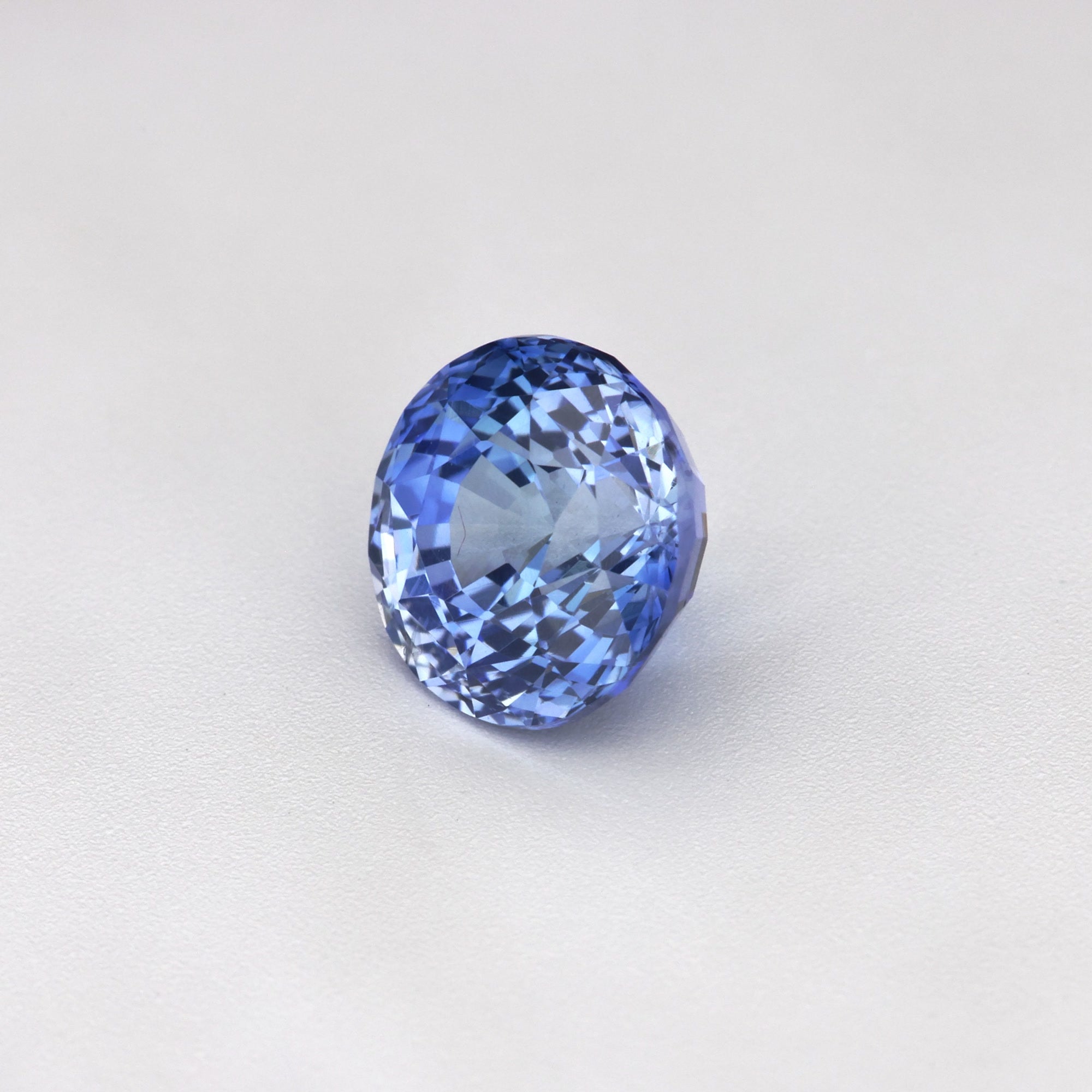
A round sapphire solitaire is the most symmetrical and universally flattering shape in any setting, and this holds especially true in a solitaire. The round's consistent symmetry means there is no directional element to the stone — it looks correct from every angle, on every hand — which makes it the safest choice for a buyer who wants an enduring, unfussy solitaire. Round brilliant cutting also produces the most active light return of any sapphire shape, which means a well-cut round solitaire has strong visual presence even in moderate sizes. The main trade-off is face-up size — rounds appear slightly smaller face-up than ovals of equivalent carat weight.
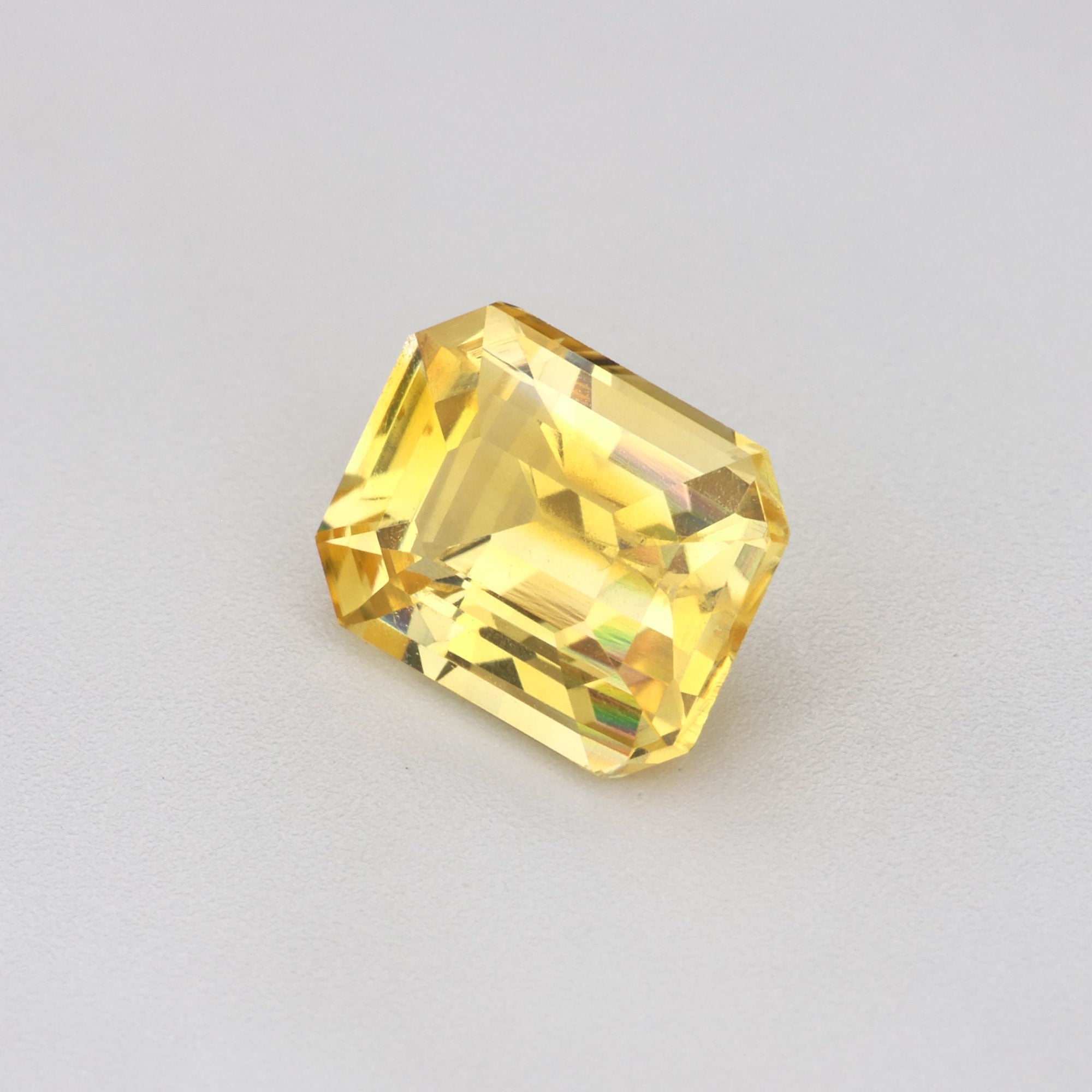
The emerald cut in a plain solitaire is one of the most sophisticated ring configurations available — and one of the most demanding on the stone. The step facets create the hall-of-mirrors optical effect that makes a fine emerald cut sapphire appear to glow from within, and in a solitaire, this effect is entirely uninterrupted. However, emerald cut solitaires have zero tolerance for mediocre color or visible inclusions. A pale, greyish blue in an emerald cut solitaire will look flat and uninspiring; a vivid, eye-clean blue will look extraordinary. For buyers who want the most architecturally refined solitaire configuration, this is the choice — but only with a stone of genuinely strong color and clean clarity. Browse our emerald cut sapphire collection.
A pear sapphire solitaire has a distinctive, romantic character that suits buyers who want something more unusual than an oval but still elongating. The pointed tip draws the eye upward along the finger and creates maximum apparent length. In a solitaire, the pear's outline is entirely visible — which means the symmetry of the shape is critical. Always check that both lobes of the pear are even and the tip is a clean point rather than a flat or asymmetric termination. V-prong tip protection is essential in a solitaire setting to prevent chipping at the vulnerable pointed end. Browse our pear sapphire collection.
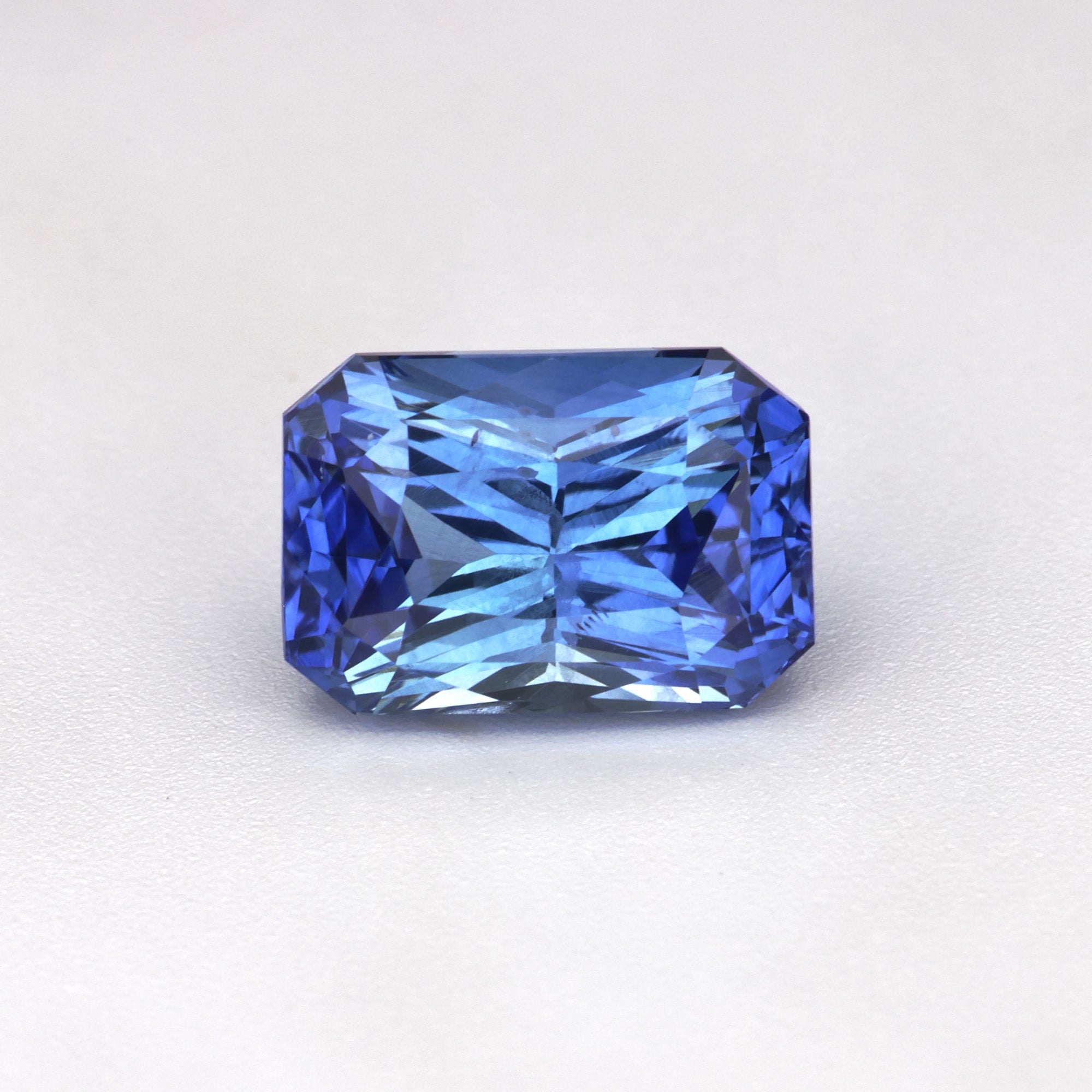
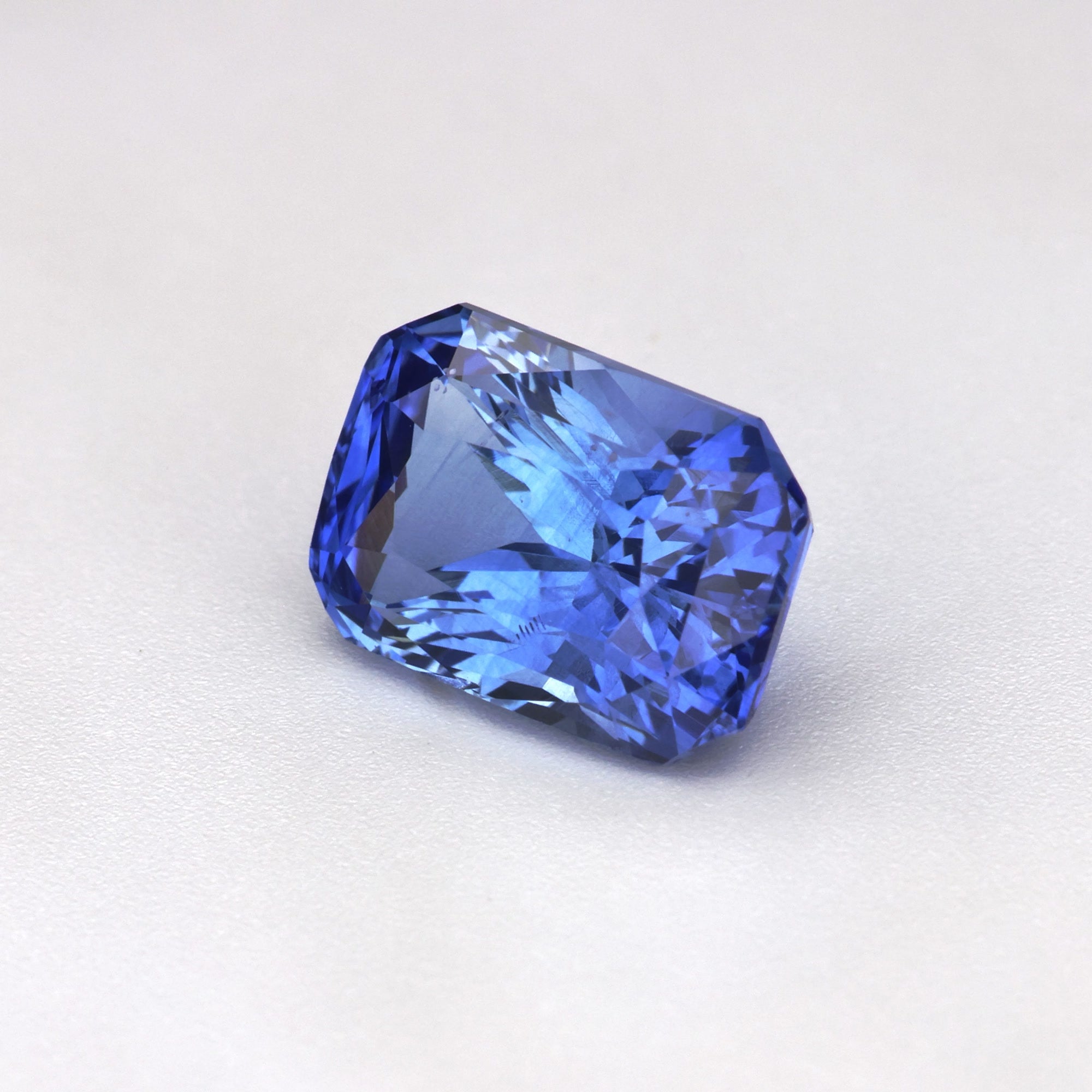
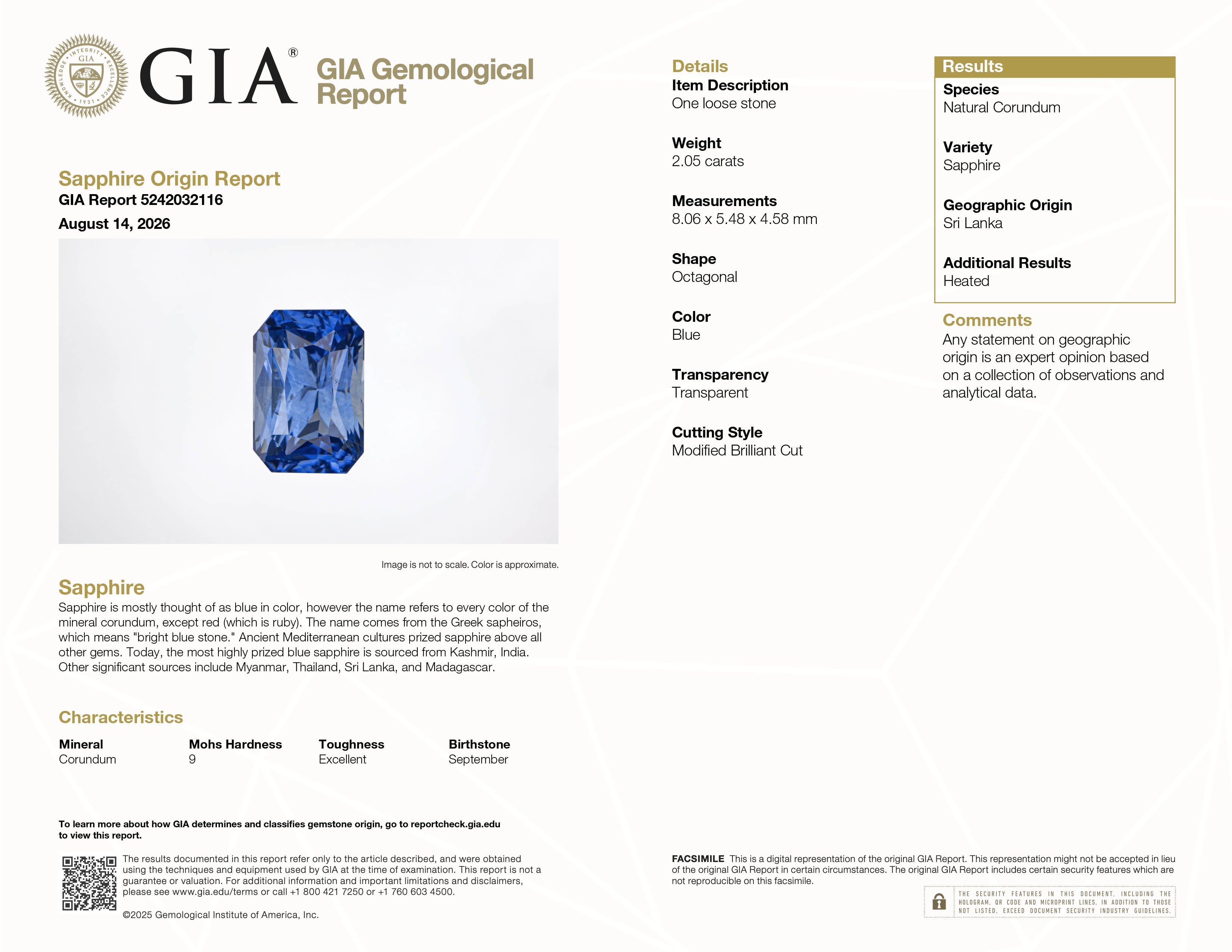
A radiant cut solitaire is relatively rare in the sapphire market but makes a strong statement when done well. The rectangular outline with cropped corners and brilliant pavilion faceting produces a clean, architectural ring with active light return — somewhere between the character of an oval (brilliant, lively) and an emerald cut (geometric, structured). See our radiant cut guide for full shape evaluation guidance.
Not every shape performs equally well in a solitaire setting. Some shapes benefit significantly from the addition of a halo:
Oval with moderate bowtie: The bowtie shadow is more apparent in a solitaire than in a halo. A stone with a moderate bowtie that is acceptable with surrounding sparkle can look unsatisfying in a plain solitaire. If your oval has a noticeable bowtie, a halo setting may serve it better.
Small center stones under 0.75ct: In a solitaire, apparent size is entirely dependent on the stone. Stones under 0.75ct can look modest in a plain solitaire even with vivid color. Under 0.75ct, a halo can add meaningful apparent size; in a plain solitaire, you need at minimum 1ct for a ring that commands visual presence on the finger.
Lighter-toned stones: Pale or light-toned sapphires that might look charming with the contrast of a diamond halo can appear underwhelming in a plain solitaire. For solitaire settings, always prioritize vivid to strong saturation regardless of color.
Within the solitaire format, several setting variations suit different shapes and aesthetics:
Four-prong classic solitaire: The most common and most exposed setting — four prongs at the cardinal points (or corners for shaped stones) leave the maximum face area visible. Suits oval, round, cushion, and radiant cuts. Clean and timeless.
Claw or talon prong: V-shaped or pointed claw prongs at the tips of pear and marquise shapes provide protection at the vulnerable pointed ends while maintaining a light, open appearance. Essential for any shape with sharp points.
Six-prong solitaire: More secure than four-prong and slightly more traditional in character. Well-suited to round and oval shapes above 1.5ct where additional prong contact adds meaningful stone security.
Tulip or cathedral solitaire: The shank sweeps upward to meet the stone in a curved, elevated setting that lifts the sapphire off the finger for maximum light exposure. A beautiful frame for any shape in a plain solitaire.
Bezel solitaire: A full metal rim around the stone creates a sleek, modern solitaire with the most protection of any setting style. Particularly effective for round and oval shapes. For the full bezel guide, see our How to Choose a Sapphire for a Bezel Ring guide.
For the full custom ring commissioning process, see our custom sapphire ring design guide. For metal choice, see our Yellow Gold vs. White Gold vs. Platinum guide.
Oval is the most versatile — it maximizes face-up size, elongates the finger, and performs beautifully in a plain four-prong solitaire. Cushion is the best choice if you want deeper, richer color concentration in a vintage-inspired solitaire. Round is the most universally flattering and the easiest to set. Emerald cut is the most sophisticated but demands the best stone quality. The right choice depends on your aesthetic priorities and the specific stone you are working with.
For a solitaire that commands visual presence, aim for 1.0ct minimum in most shapes — a well-cut 1ct oval or cushion measuring 7×5mm or 6×5.5mm respectively is a fully appropriate center stone. Below 0.75ct, a halo often serves the stone better than a plain solitaire by adding apparent size. Above 1.5ct, a solitaire makes a genuinely bold statement that needs no additional help. See our Sapphire Size Guide.
Yes — without the competing sparkle of a diamond halo or side stones, the sapphire's color is the sole visual focus of the ring. This makes vivid, saturated color more impactful in a solitaire than in any other setting style. It also means pale or weakly saturated stones look more underwhelming in a solitaire than they would in a halo. Always prioritize color quality over size for solitaire settings.
Browse our full Ceylon sapphire catalog or email crescentgems@gmail.com with your shape and color preferences. We respond within one business day.

CG8465
CG8460
CG8456


Blue Star Sapphire Price Guide — What They Cost and Why
Read moreabout Blue Star Sapphire Price Guide — What They Cost and Why
Tsavorite Garnet Price Guide — What They Cost and Why
Read moreabout Tsavorite Garnet Price Guide — What They Cost and Why
Color-Change Sapphire Price Guide — What They Cost and Why
Read moreabout Color-Change Sapphire Price Guide — What They Cost and Why
Is Cat's-Eye Chrysoberyl Good for an Engagement Ring?
Read moreabout Is Cat's-Eye Chrysoberyl Good for an Engagement Ring?
Cat's Eye Chrysoberyl Price Guide — What They Cost and Why
Read moreabout Cat's Eye Chrysoberyl Price Guide — What They Cost and Why















Share: