

- by Ahmed Shareek
Is a Round Sapphire Good for an Engagement Ring? Cut, Color, and What to Know Before You Buy
- by Ahmed Shareek
New to buying sapphires? Start with our Ultimate Sapphire Buying Guide — the complete resource for colour, origin, treatment, and pricing.
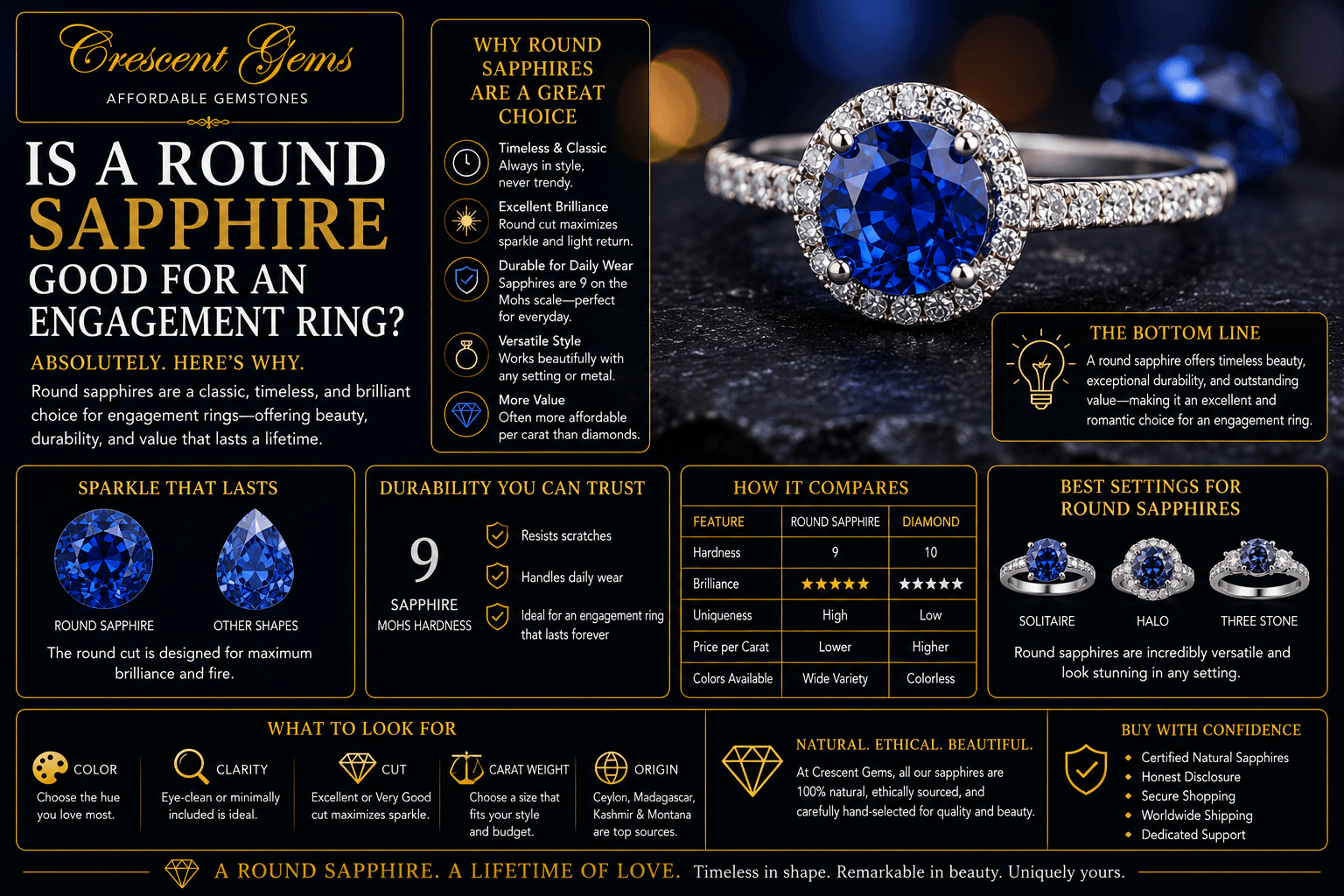
Round sapphires are less common than round diamonds — and there are specific reasons for that which every buyer considering a round sapphire engagement ring should understand. Round is not the default cut for sapphire the way it is for diamond. But round sapphires exist, they are genuinely beautiful, and for certain buyers they are the right choice. The question is whether the tradeoffs make sense for your situation.
This article explains why round sapphires are cut differently from round diamonds, what you gain and what you give up compared to oval or cushion cuts, how to evaluate a round sapphire's quality, and what to look for in a round sapphire engagement ring.
The round brilliant cut was developed specifically to maximise light return in diamond. Its 57 or 58 facets, precise angles, and tight proportional tolerances are calculated around diamond's refractive index of 2.42 — producing the fire and brilliance that define the classic diamond look.
Sapphire has a refractive index of approximately 1.77. The same round brilliant proportions that work for diamond do not optimise light return in sapphire the same way. Sapphire cutters adapt the round shape with slightly different facet angles and proportions — what is sometimes called a round mixed cut or round brilliant-style cut — that suit corundum's optics rather than copying diamond cutting parameters directly.
The more significant issue is rough yield. Sapphire rough crystals are typically hexagonal prisms or barrel shapes — elongated, not compact. Cutting a round from this rough discards a much higher percentage of the original crystal than cutting an oval or cushion, which follows the natural elongated shape more efficiently. A round sapphire may use 25–35% of the original rough crystal weight; an oval from the same rough might retain 40–50%.
This weight loss is priced into round sapphires — they cost more per carat than ovals or cushions of equivalent quality because more rough was sacrificed to produce them. A 1ct round sapphire uses significantly more starting material than a 1ct oval sapphire of equivalent color and clarity.
A well-cut round sapphire returns more light than most other sapphire cuts. The symmetrical facet arrangement distributes light return evenly across the stone, producing consistent sparkle from all viewing angles. If brilliance — the return of white light creating a sense of liveliness in the stone — is a priority alongside color, round is the sapphire cut most likely to deliver it.
Round stones fit a wider range of standard settings than fancy shapes. Every jeweller carries round settings in standard calibrated sizes. Replacing a prong or resetting a round sapphire at any point in the future is straightforward. Bespoke settings for fancy shapes require custom work; round settings are universally available.
Round sapphires have no directional orientation — they look the same from every angle and in every setting position. Oval sapphires have a length-to-width ratio that affects how they read in the ring; cushions have corner rounding that varies; rounds are simply round. For buyers who find the geometry of fancy shapes adds unwanted visual complexity, round is the cleanest option.
Round sapphires are available in standard calibrated millimetre sizes — 5mm, 6mm, 7mm and so on — that correspond to predictable carat weight ranges. This makes pairing a round sapphire with off-the-shelf or semi-custom settings straightforward, since settings designed for round stones specify diameter in millimetres.
Oval and cushion cuts are cut deeper than rounds, concentrating color in the belly of the stone and producing richer, more saturated color face-up. Round sapphires, cut with a more balanced depth-to-diameter ratio, can appear slightly less saturated than an oval of the same color grade viewed side by side. This is most noticeable in lighter-toned or lower-saturation stones. In vivid, well-saturated material the difference is minimal.
Rounds sacrifice more weight to the cutting process than fancy shapes, meaning a 1ct round sapphire has a smaller face-up diameter than a 1ct oval sapphire. A 1ct round sapphire is approximately 6mm in diameter. A 1ct oval sapphire is typically 7x5mm or larger face-up. If maximum visible size for a given carat weight matters, oval or pear will outperform round.
Because round cutting wastes more rough, round sapphires of equivalent quality cost more per carat than ovals or cushions. The premium varies but is typically 10–25% above equivalent oval or cushion material. For buyers on a fixed budget, an oval or cushion sapphire of the same quality will be larger or cheaper than a round of equal per-carat cost.
Round sapphires in fine quality above 1ct are less readily available than ovals or cushions. The market produces fewer fine round sapphires because of the rough yield economics described above. Buyers with specific size and quality requirements for a round may need more time to source the right stone than buyers open to oval or cushion alternatives.
Color remains the primary quality factor in round sapphires as in all sapphire cuts. Assess hue, tone, and saturation:
Unlike round brilliant diamonds, round sapphires have no standardised cut grading. GIA does not issue a cut grade for colored stones. Evaluating cut quality in a round sapphire requires looking at the stone directly.
Windows. A window is a transparent or colourless area visible face-up in the center of the stone where light passes through without being returned. Hold the stone face-up over a white background. If you can see through the center to the background beneath, the stone has a significant window. Windows in round sapphires typically result from cutting the pavilion too shallow — the cutter prioritised diameter over depth to retain visual size, at the cost of light return. A windowed round sapphire looks pale and lifeless despite its color grade.
Extinction. Extinction refers to dark areas in the stone — typically a dark ring or dark patches — where light is absorbed rather than returned. Some extinction is normal in any colored stone. Excessive extinction (more than 30–40% of the face-up area appearing dark) indicates the pavilion is too deep or the facet angles are poorly optimised for sapphire's refractive index.
Symmetry. In a round, symmetry is more visible than in fancy shapes. Asymmetrical facet placement, an off-centre culet, or an irregular girdle outline are all visible and detract from the stone's appearance. A well-cut round should look round — not slightly oval, not polygonal — when viewed face-up.
Girdle thickness. An excessively thick girdle adds weight without adding visible size, making the stone appear smaller face-up than its carat weight suggests. A thin but even girdle is ideal. Wavy or very uneven girdle thickness indicates inconsistent cutting.
Eye-clean is the standard for a round sapphire center stone — no inclusions visible face-up at normal viewing distance. The round shape and symmetrical facet arrangement can make inclusions slightly more visible than in some fancy shapes, where asymmetrical faceting can partially mask them. Evaluate clarity under normal room light, not just under a loupe.
For a round sapphire, check:
Round cutting works across all sapphire colors, with some performing better than others in this shape:
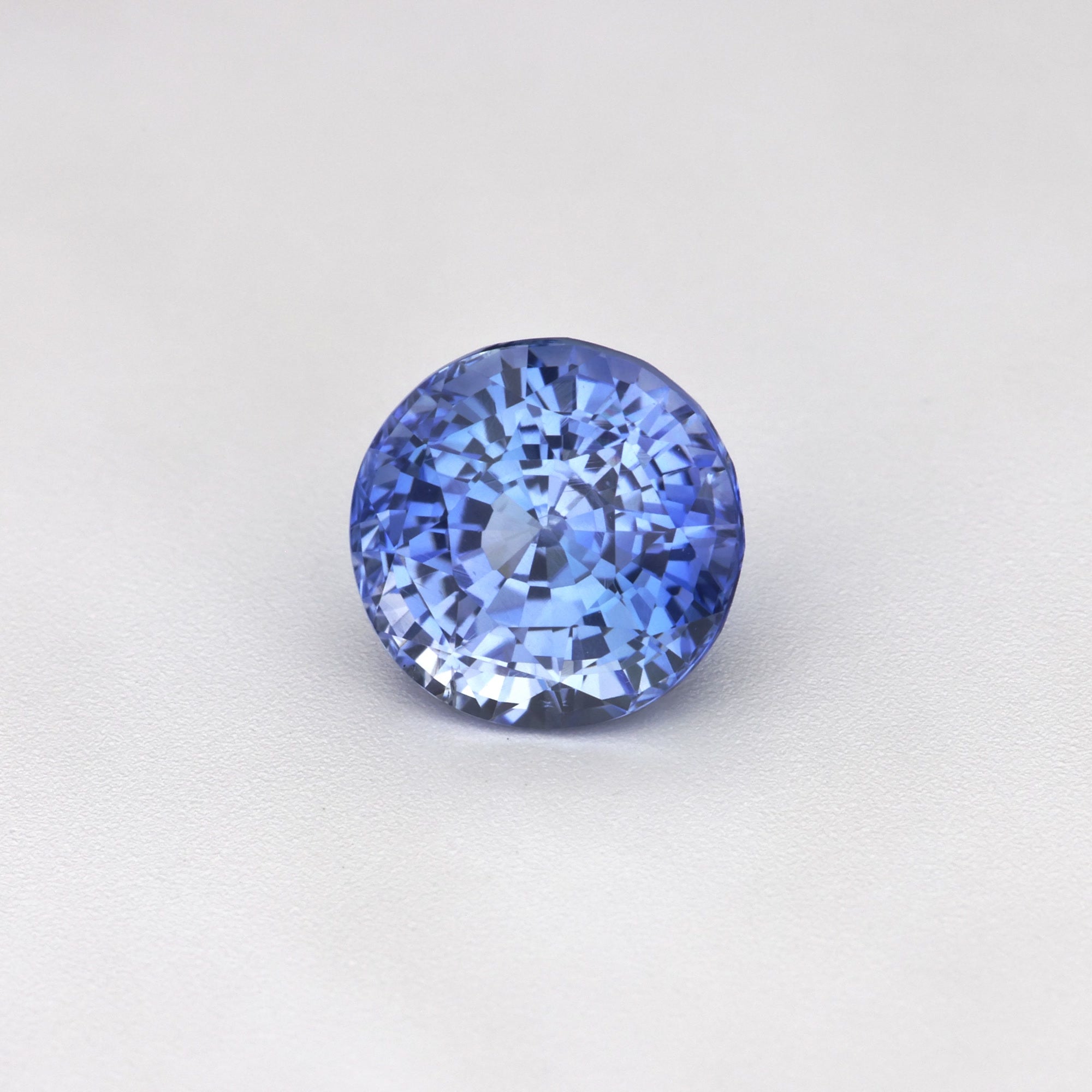
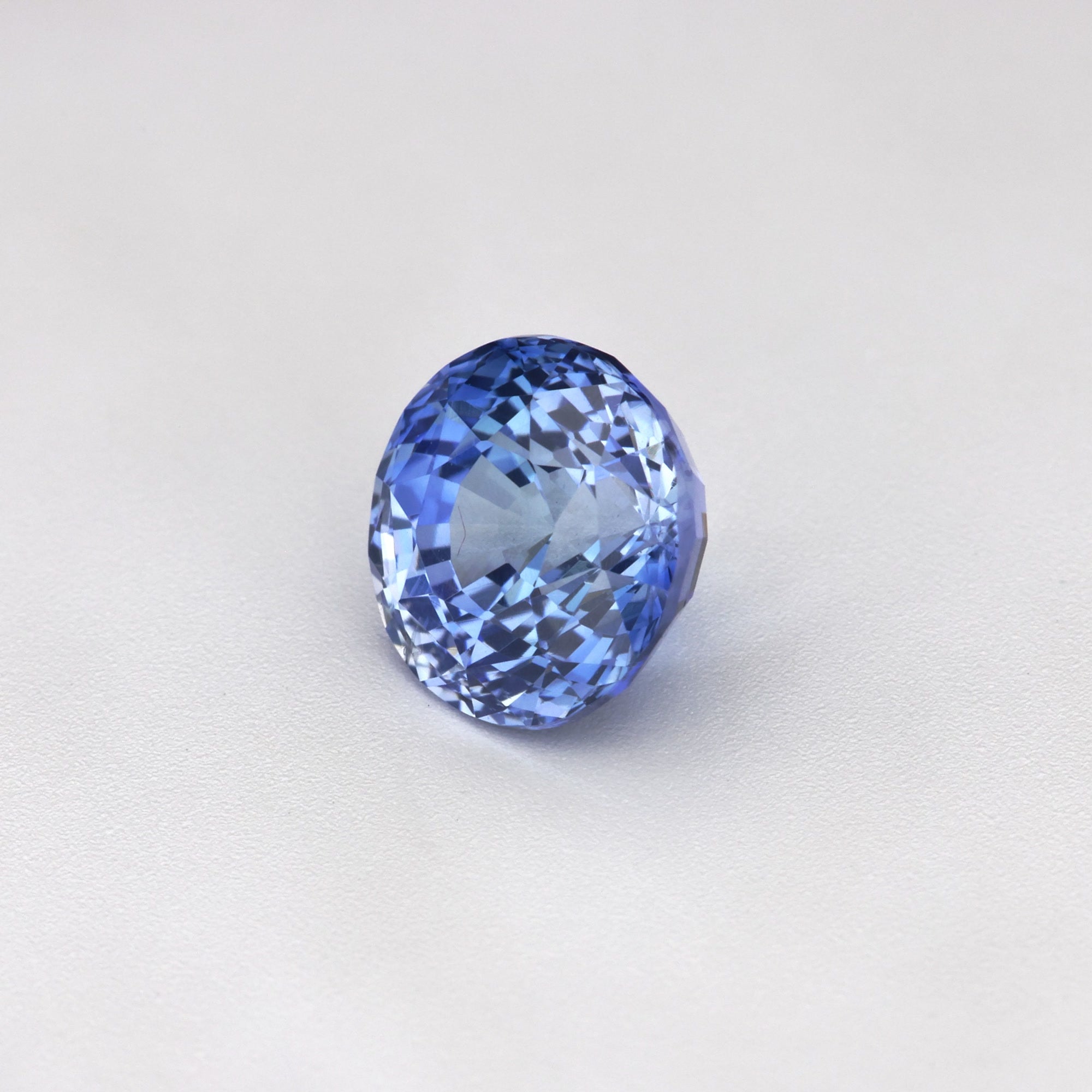
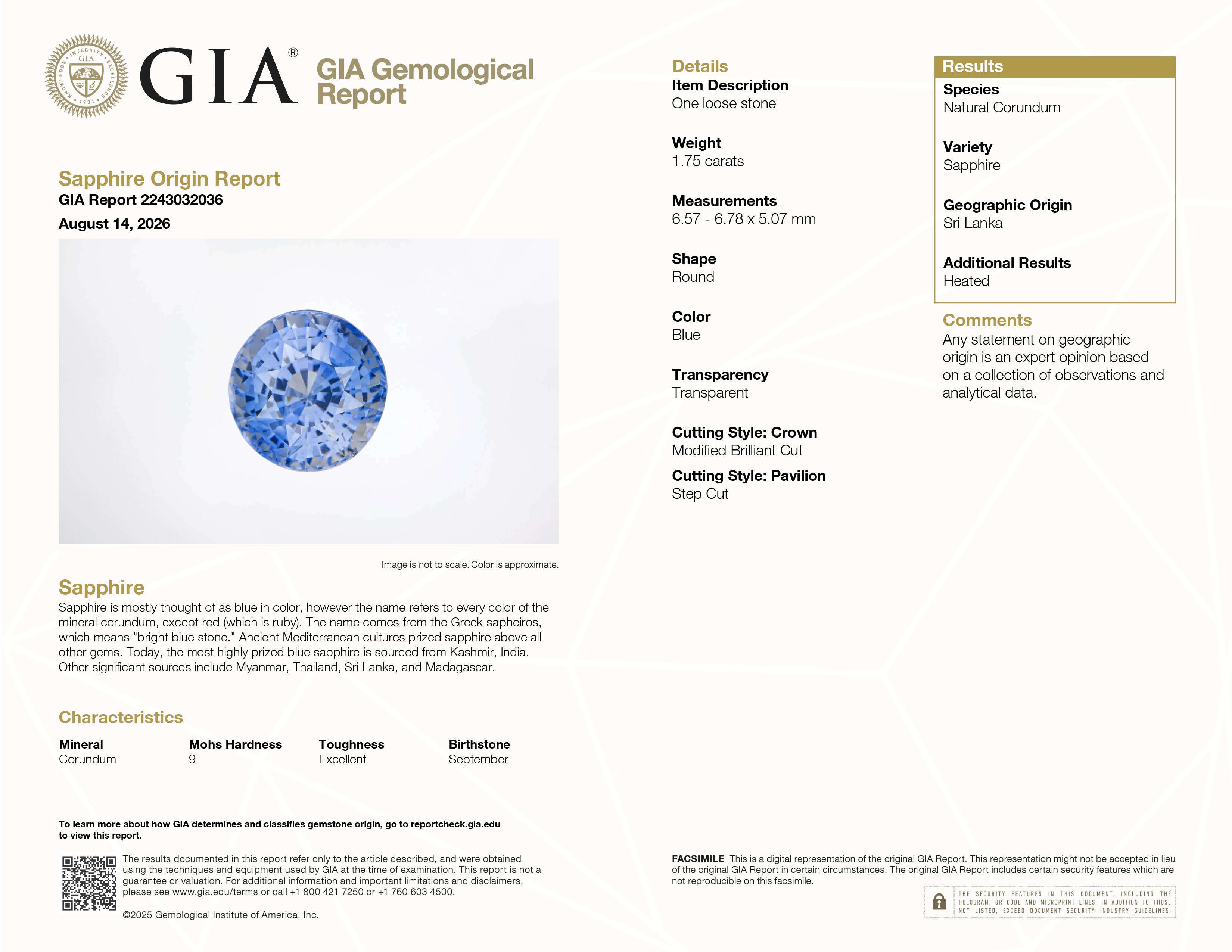
The most popular choice for round sapphire engagement rings. Fine Ceylon blue in medium to medium-vivid tone shows well in round cut. The round's even light distribution shows off consistent blue color beautifully. The Princess of Wales's famous sapphire is oval — but blue round sapphires have their own strong visual identity, particularly in halo settings where the round center with a circle of round diamonds creates a concentric geometric look.
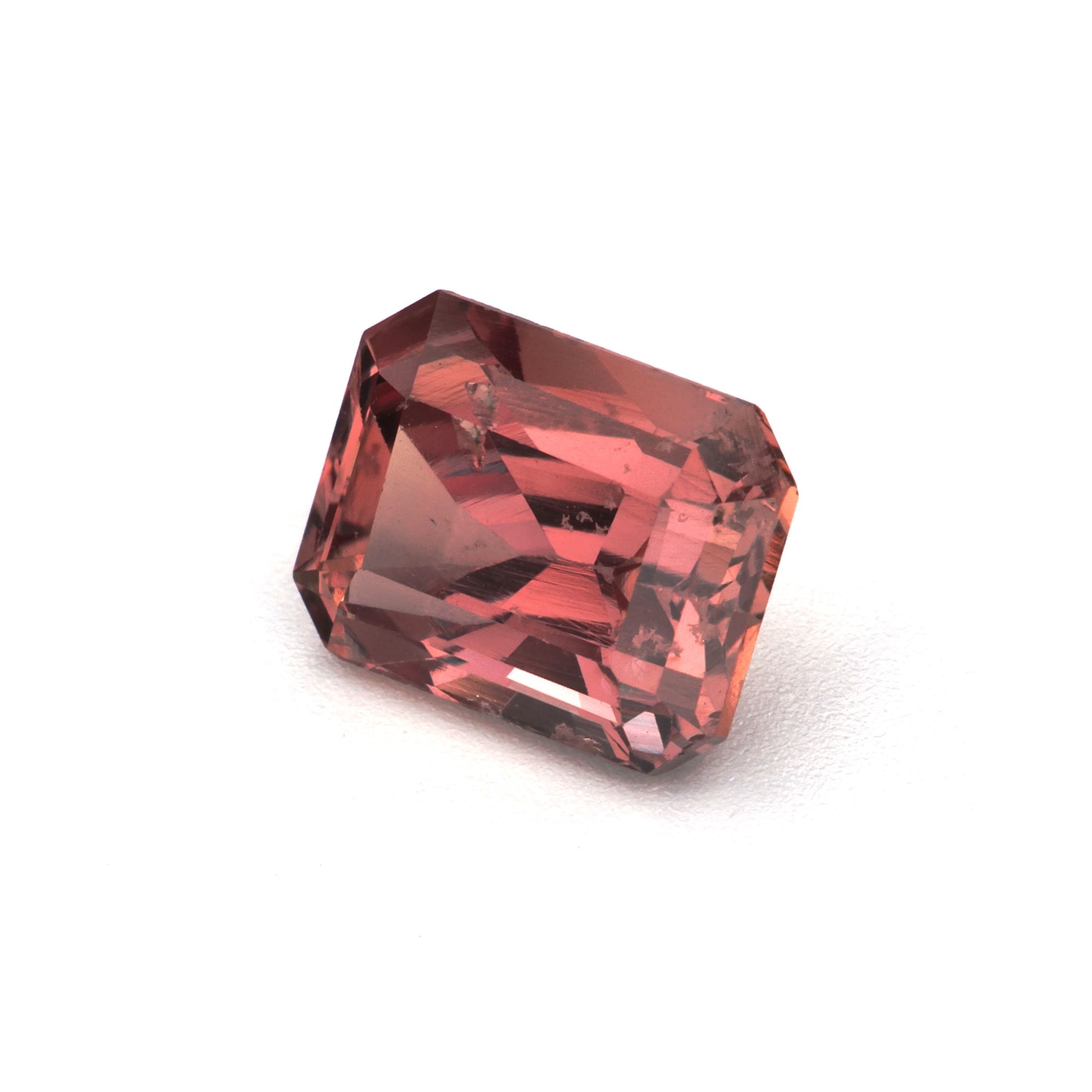
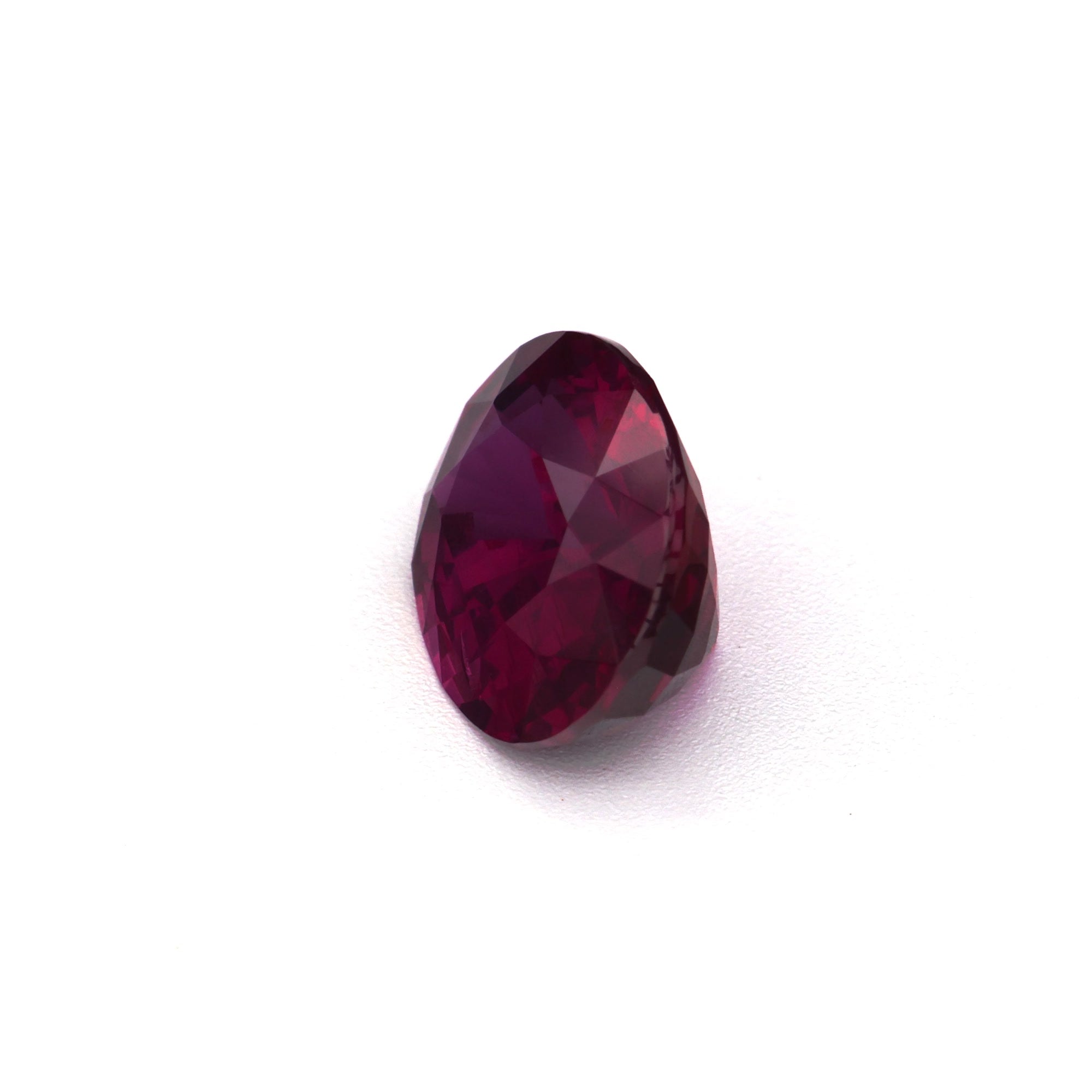
Vivid pink in a round cut produces one of the most striking engagement ring center stones available. Pink sapphire's chromium-based color shows brilliantly in rounds, and the symmetry of the round shape suits vivid pink's bold visual character. Pairs particularly well with white gold or platinum halos.
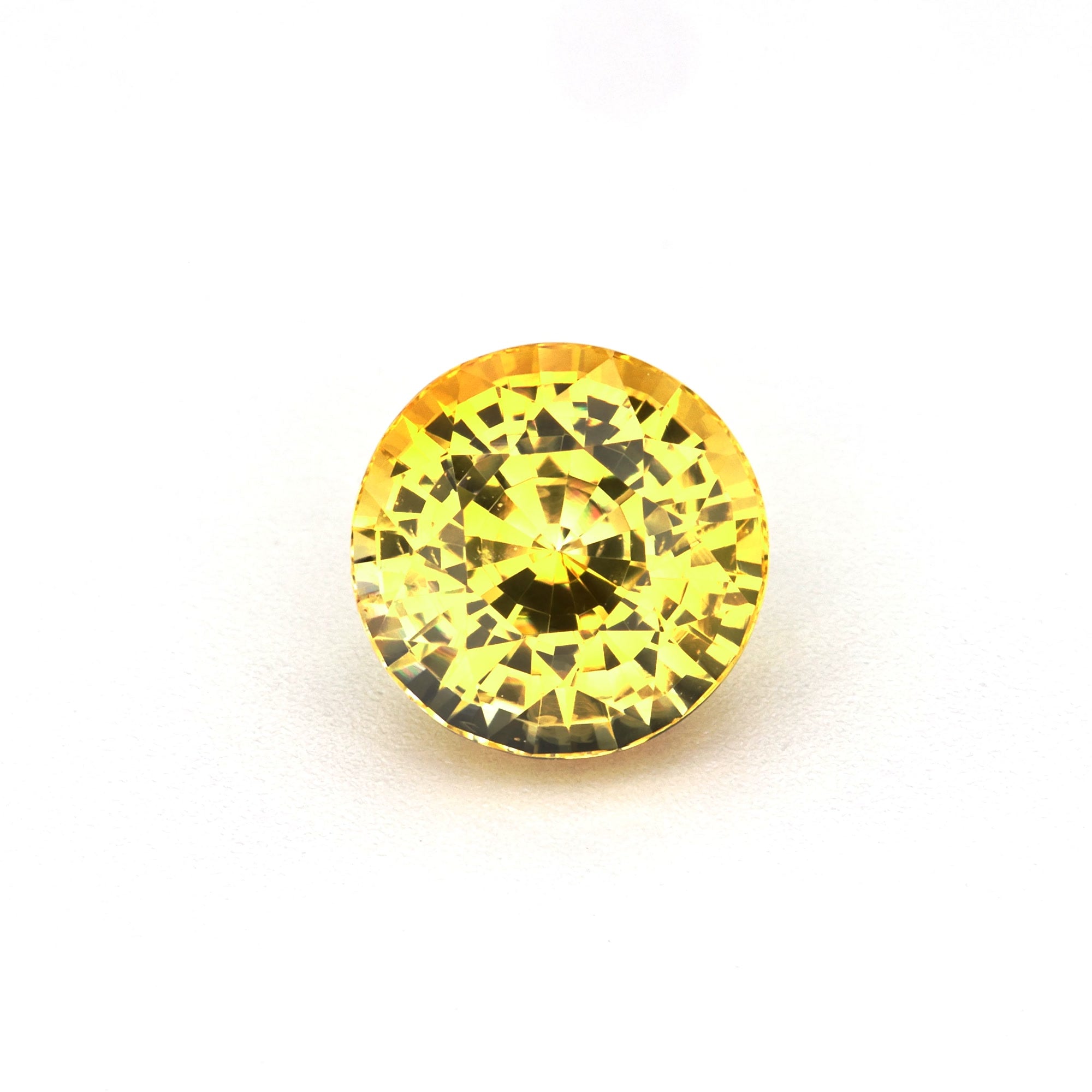
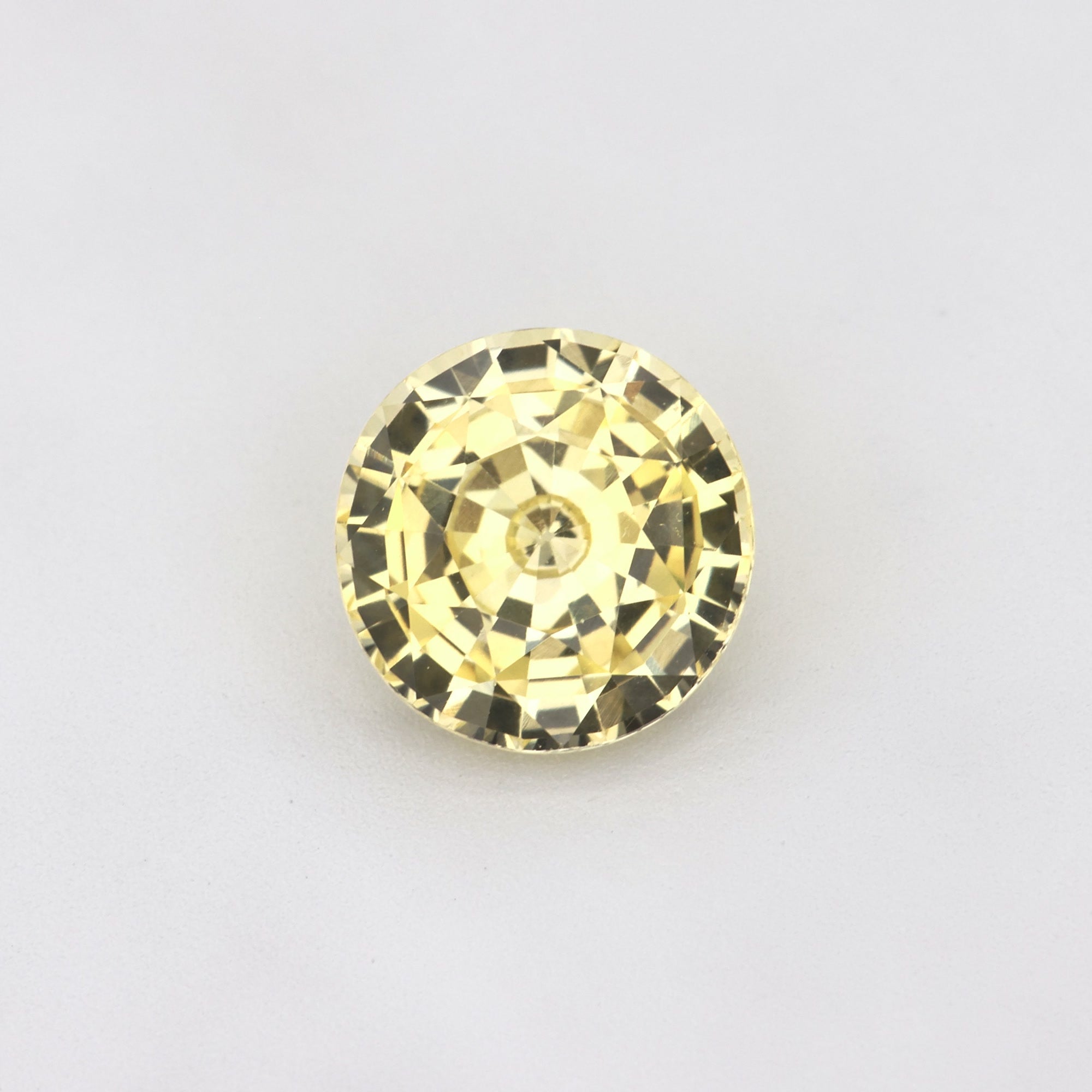
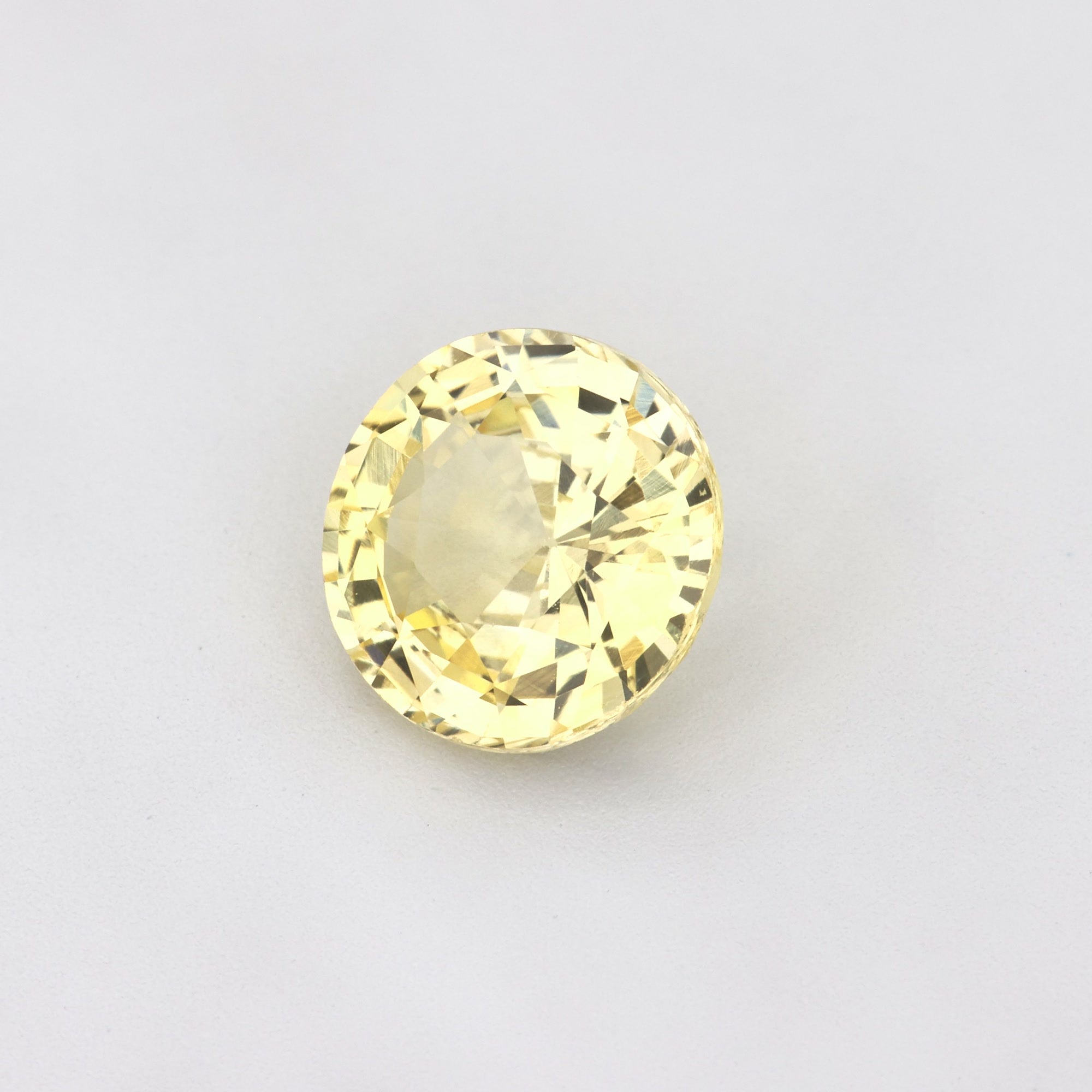
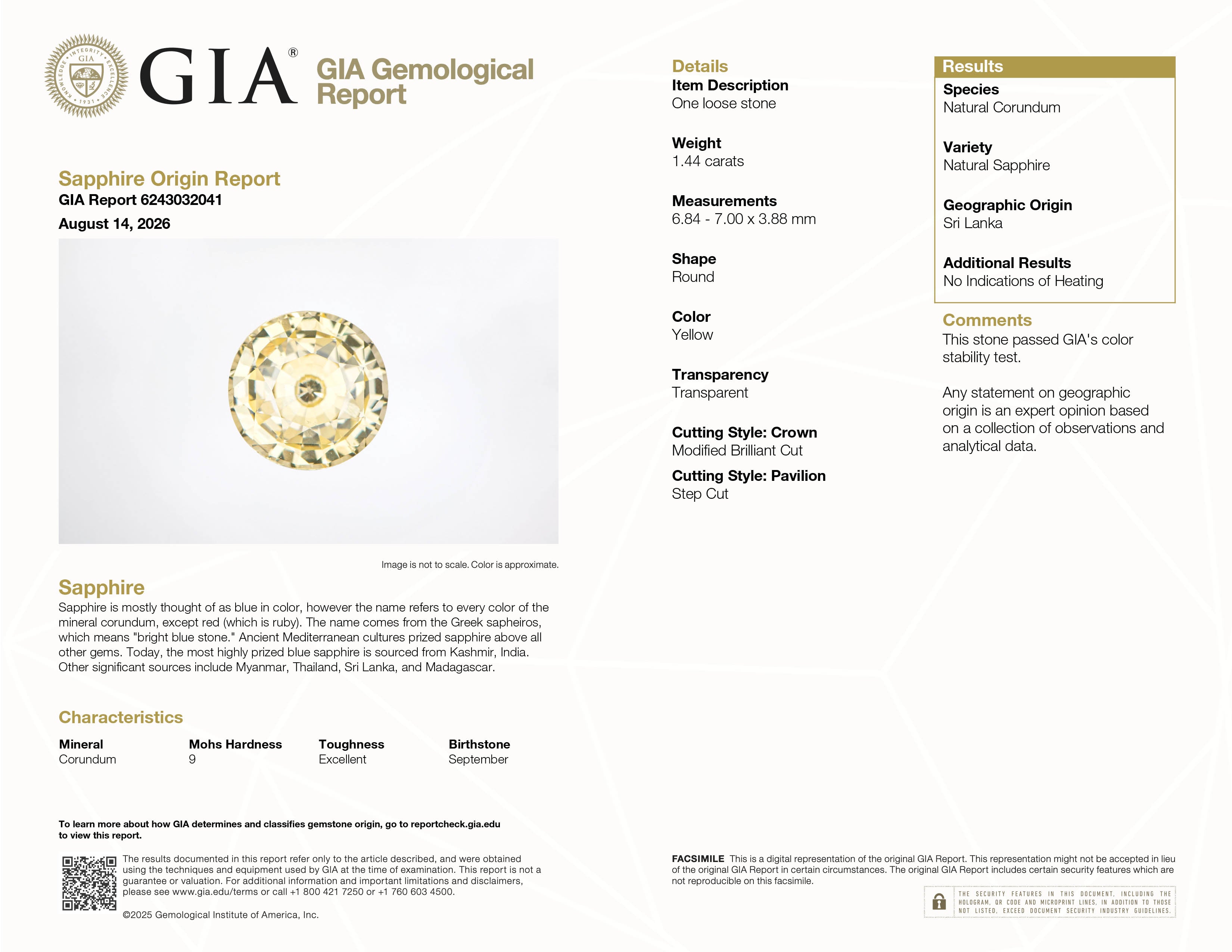
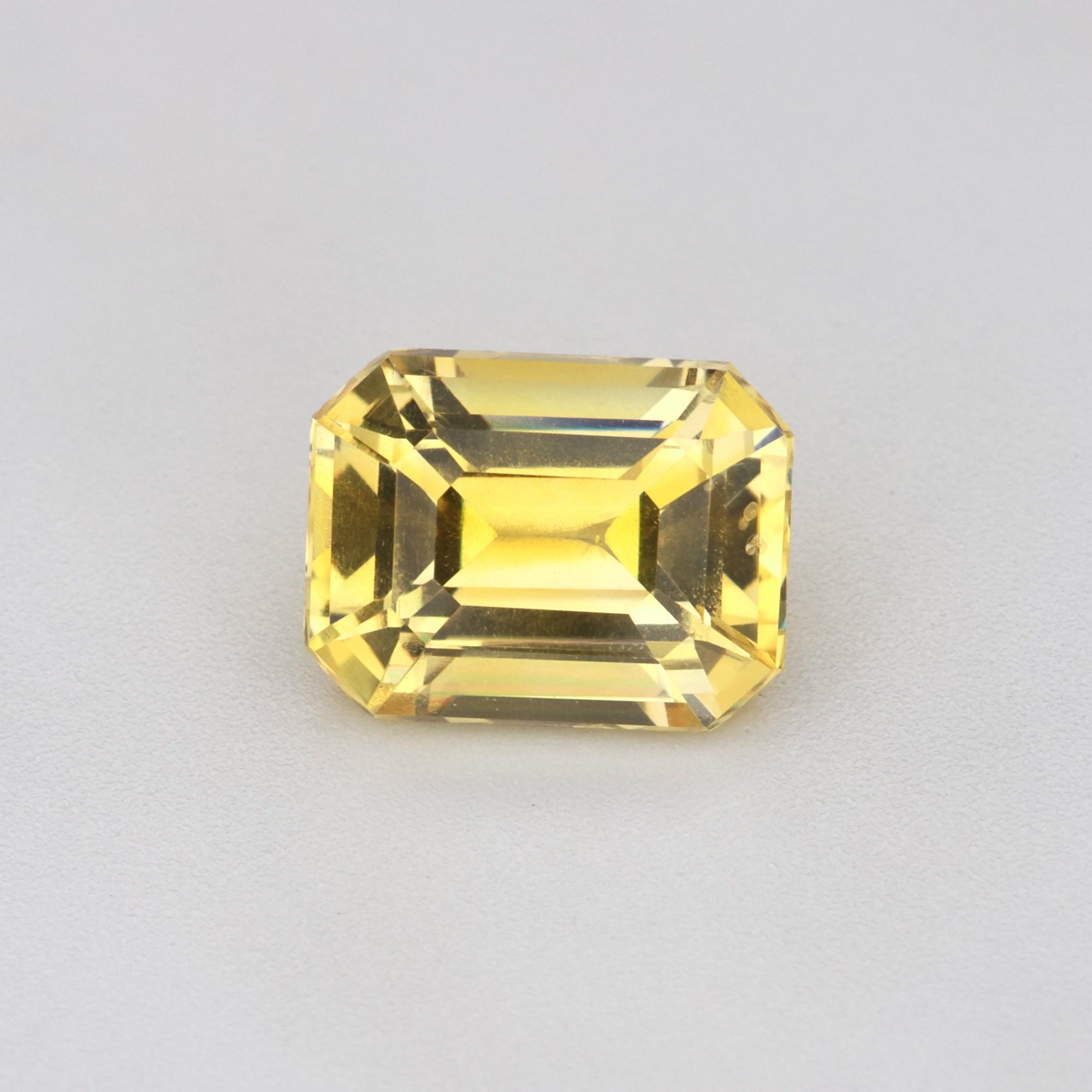
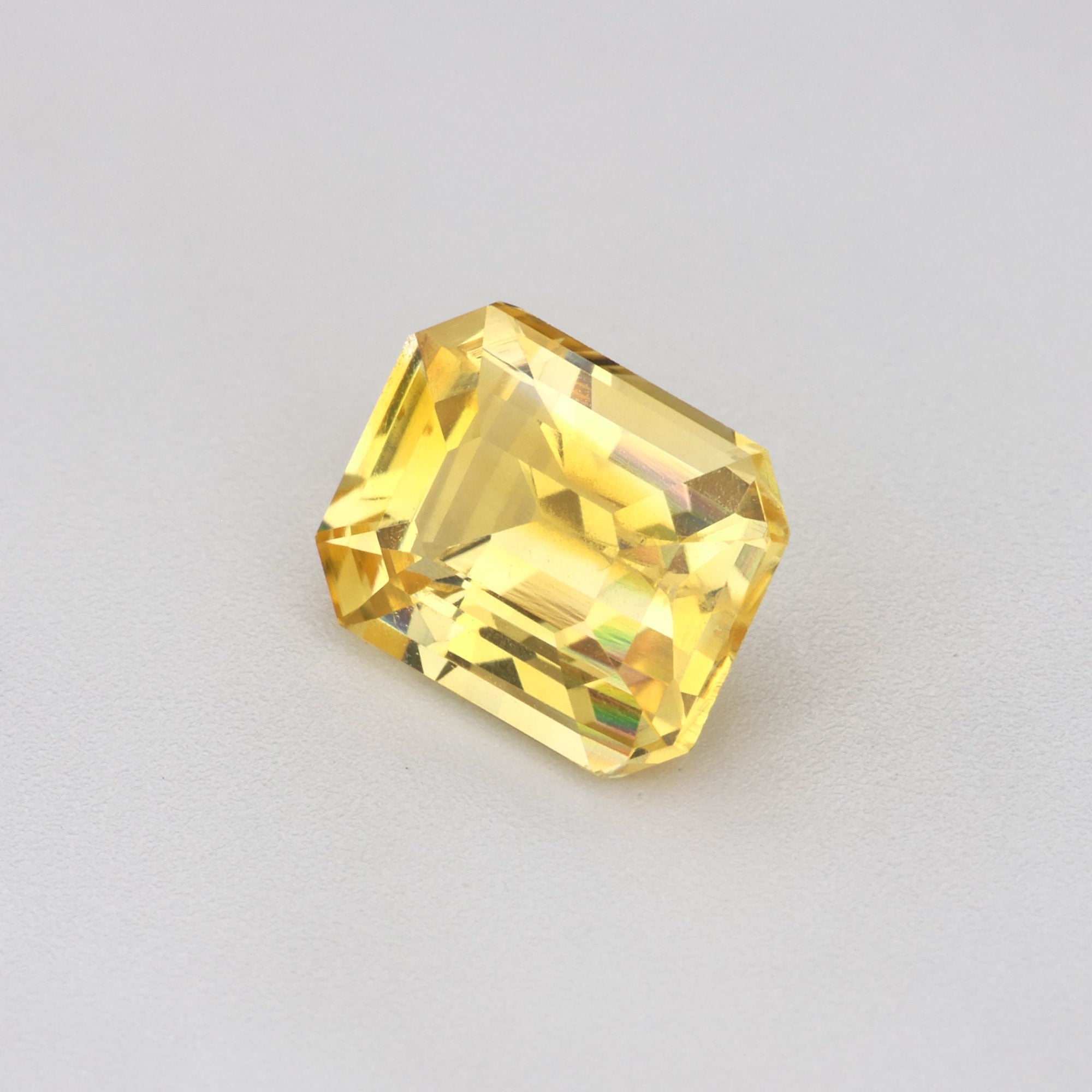
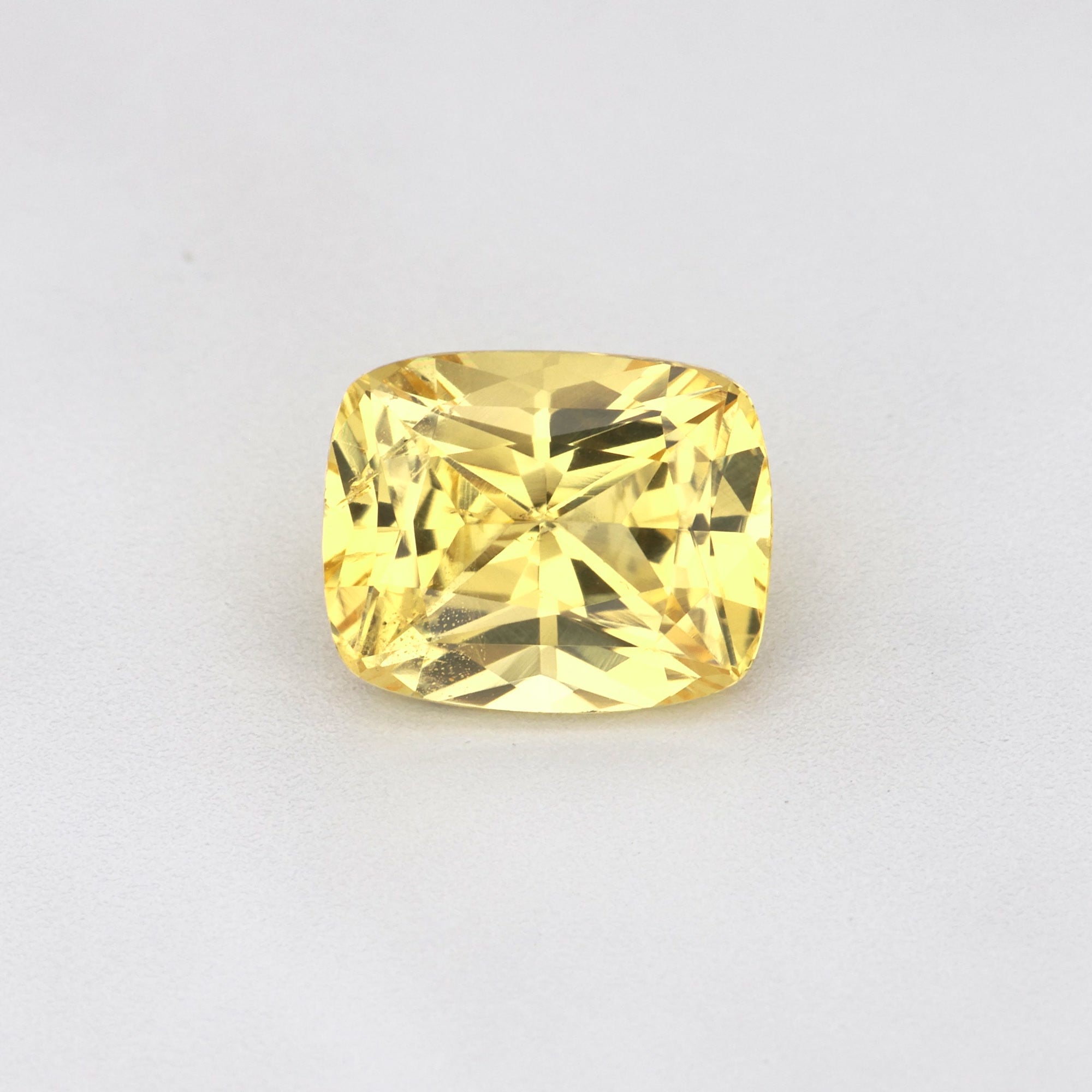
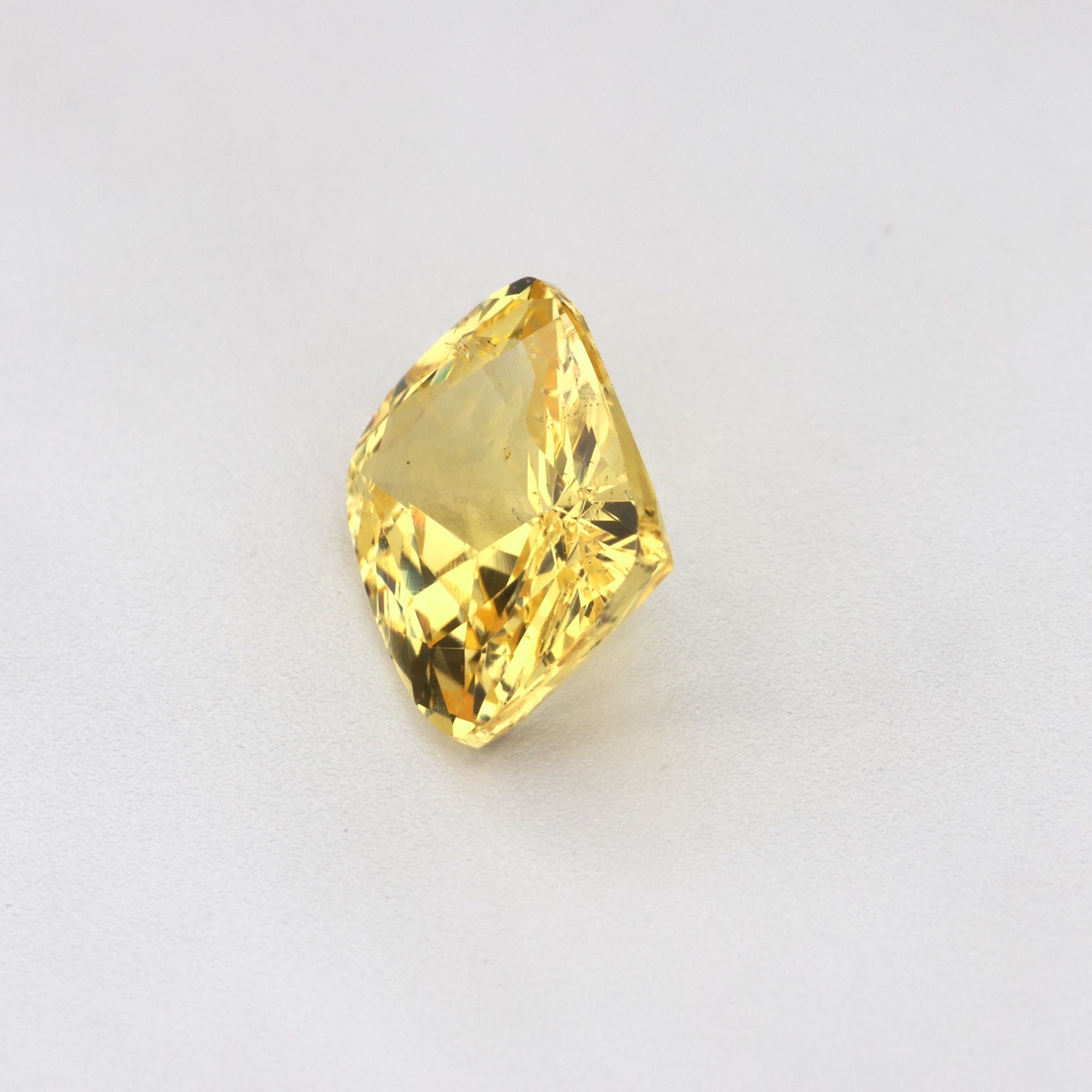
Yellow sapphire in a round cut closely resembles a yellow diamond in appearance — and at a fraction of the cost. Ceylon yellow sapphires are frequently unheated, making round yellow sapphires one of the most accessible naturally unenhanced round engagement ring center stones available. Works exceptionally in yellow gold or white gold settings.
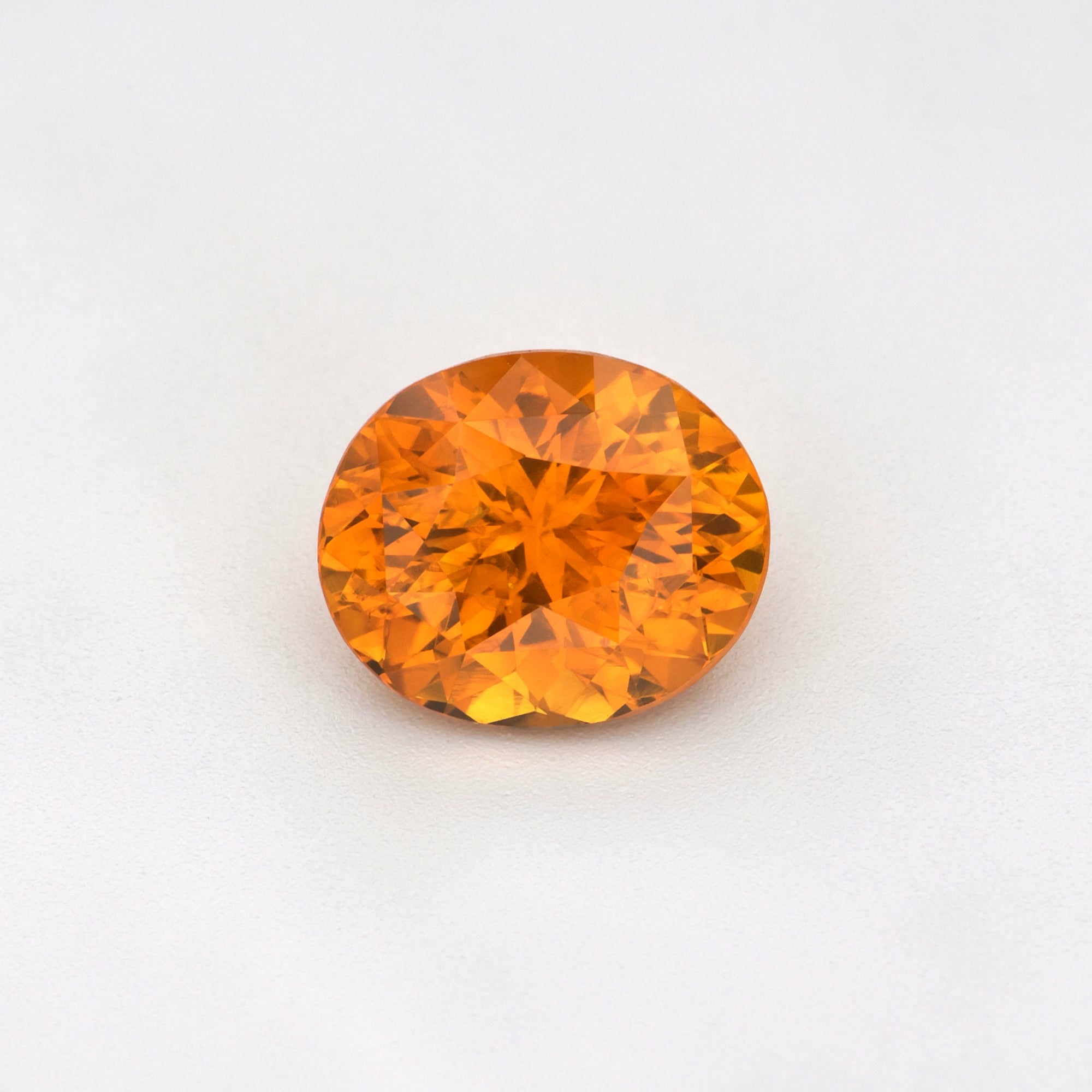
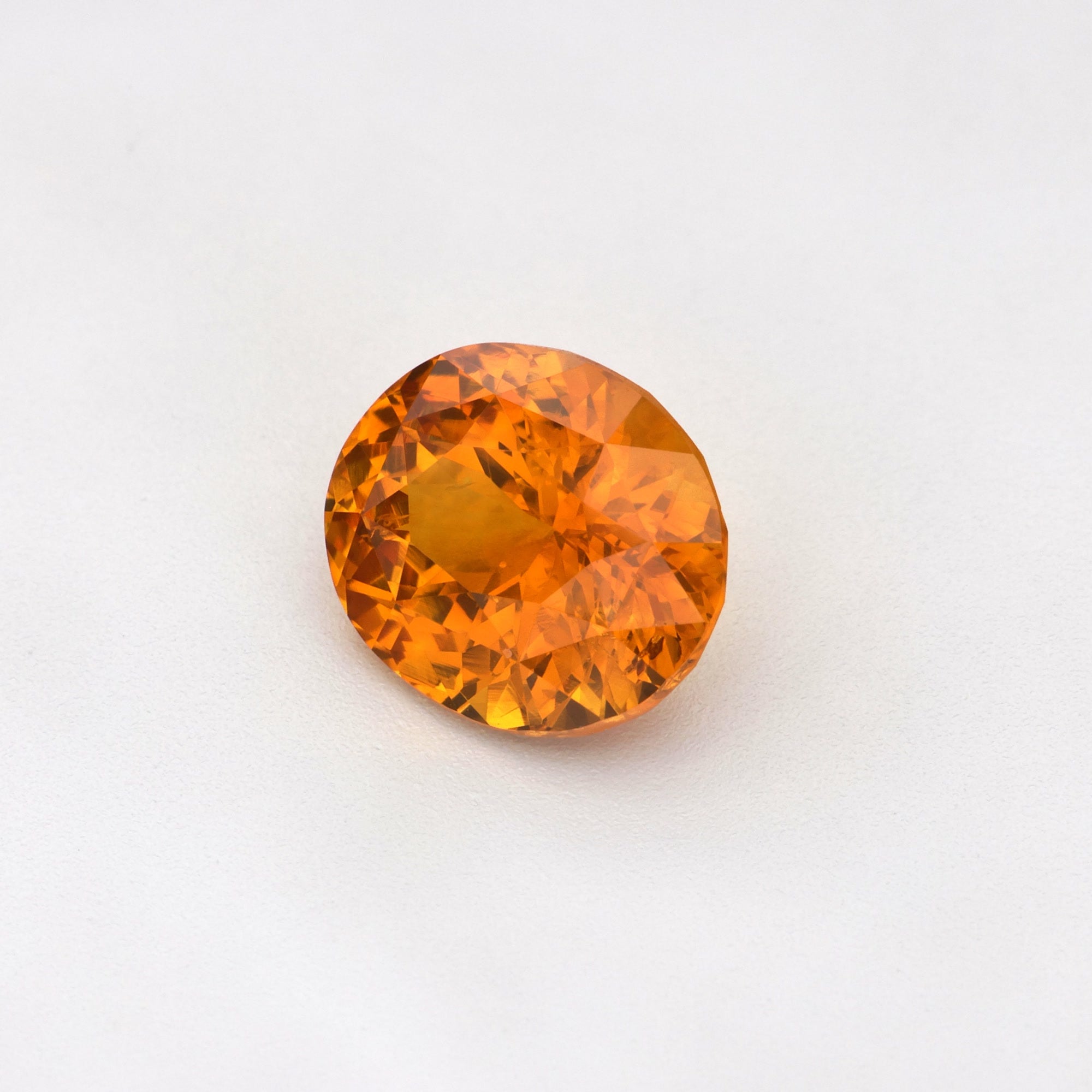
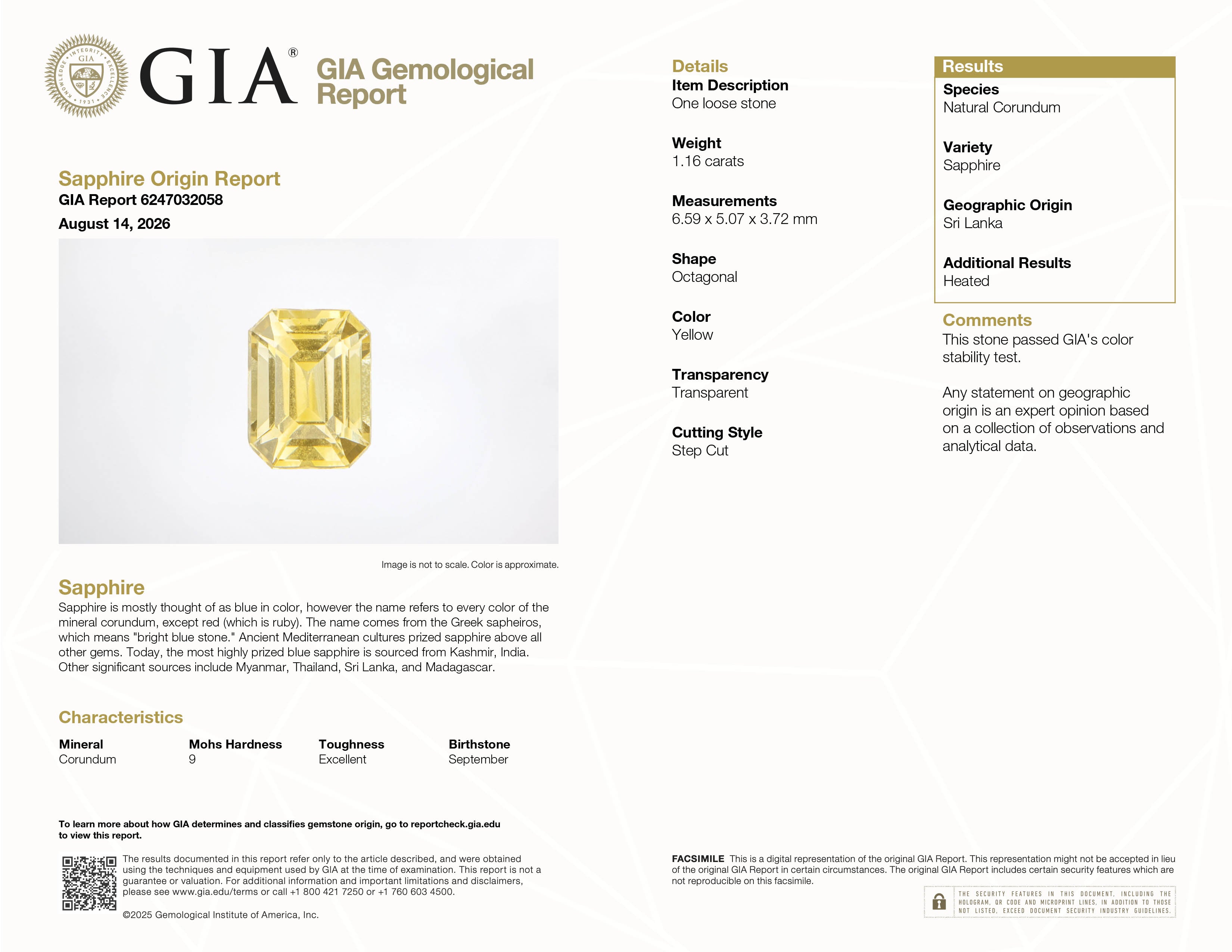
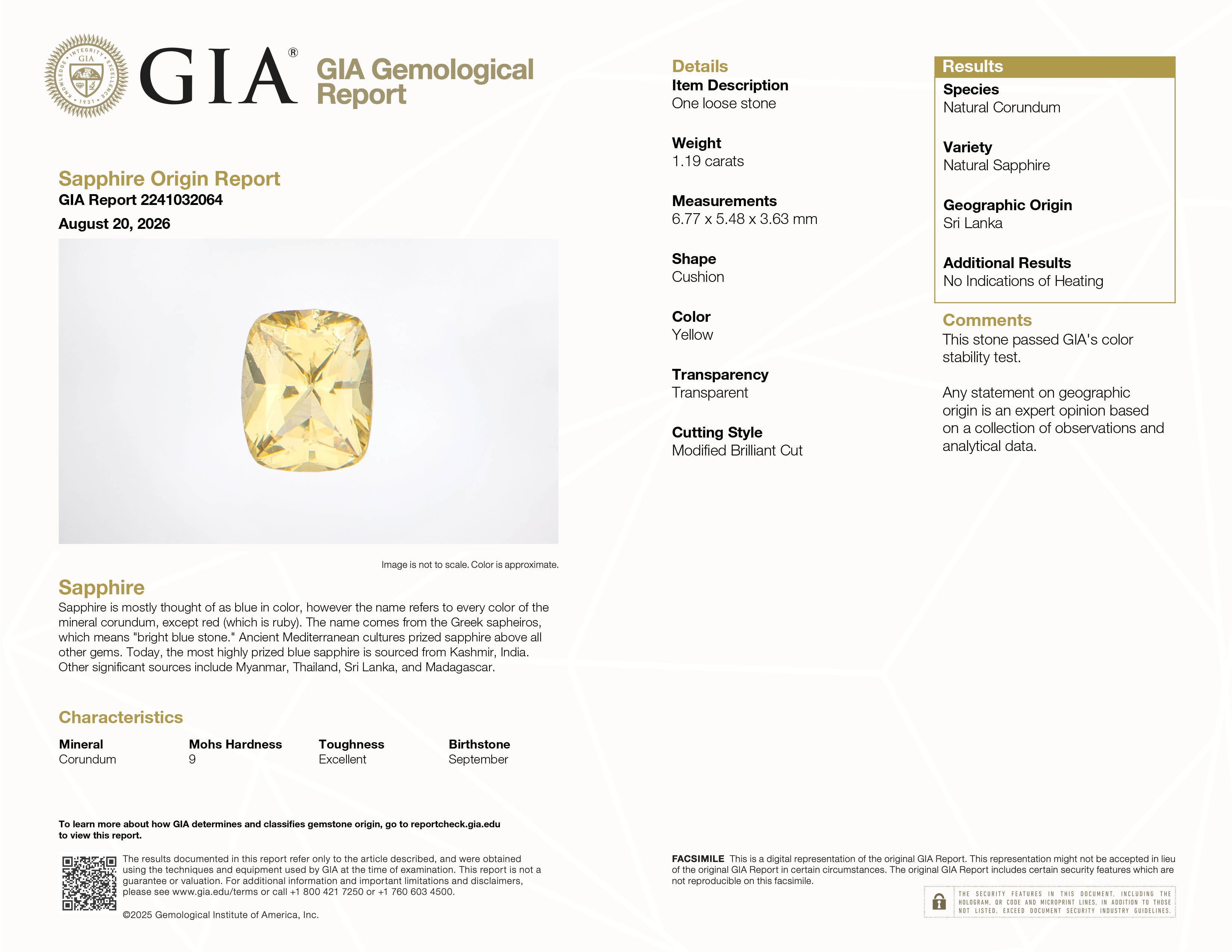
Currently in stock: a 1.50 ct round-cut Ceylon yellow sapphire, heat-treated with color stability documented by GIA, illustrating the classic diamond-like brilliance described above.
Teal sapphire in round cut is less common than in oval or pear, but the round shows off the blue-green color shift particularly well under the even, symmetrical light return of the round facet arrangement. The color appears to shift more noticeably between daylight and indoor light in a well-cut round teal sapphire than in some other cuts.
White (colourless) sapphire in round cut is the most direct visual comparison to a round diamond. The round cut maximises whatever brilliance white sapphire produces. The difference in fire and dispersion compared to diamond is most visible in round cut — this is the configuration where the two materials look most alike and where the refractive index difference is most apparent. A genuinely well-cut round white sapphire is a legitimate diamond alternative for buyers who understand and accept the difference in optical character.
The classic choice. Four or six prongs hold the stone securely while maximising light entry from all directions. Six prongs offer slightly more security for a round stone but cover slightly more of the girdle. Four prongs leave more of the stone visible. Both are appropriate for sapphire at Mohs 9.
A ring of pavé or micro-pavé diamonds surrounding a round sapphire center is one of the most popular engagement ring configurations. The round center with a circular halo creates a concentric, symmetrical design that works particularly well with blue and pink sapphires. The halo also increases the apparent diameter of the center stone visually.
A full bezel setting with a round sapphire creates a clean, contemporary ring profile with excellent stone security. The metal rim protects the girdle on all sides. Suits modern and minimalist aesthetics particularly well.
A round sapphire set in a cathedral setting with pavé diamond shoulders is a popular choice for buyers who want significant overall sparkle with color as the focal point. The round sapphire center anchors the design while diamond shoulders add brilliance across the band.
Prices below are for the center stone only, before setting. These reflect natural Ceylon sapphires with good to fine color and eye-clean clarity.
Pink, teal, and padparadscha rounds carry color-specific premiums above these blue sapphire reference points. Yellow and white sapphire rounds are typically priced below blue of equivalent size and quality.
Most buyers considering a round sapphire should also look at ovals before deciding. The comparison in plain terms:
If you want maximum color impact for a given budget — oval. If you want maximum brilliance, setting versatility, and clean geometry — round. Both are genuinely good choices for sapphire engagement rings; the right answer depends on which qualities matter more to the wearer.
Crescent Gems carries natural Ceylon round sapphires in a range of colors, sizes, and treatment statuses, with individual photographs and full disclosure on every listing.
Browse round sapphires at Crescent Gems →
Prices are shown in your local currency and may change.

CG8465
CG8460
CG8456


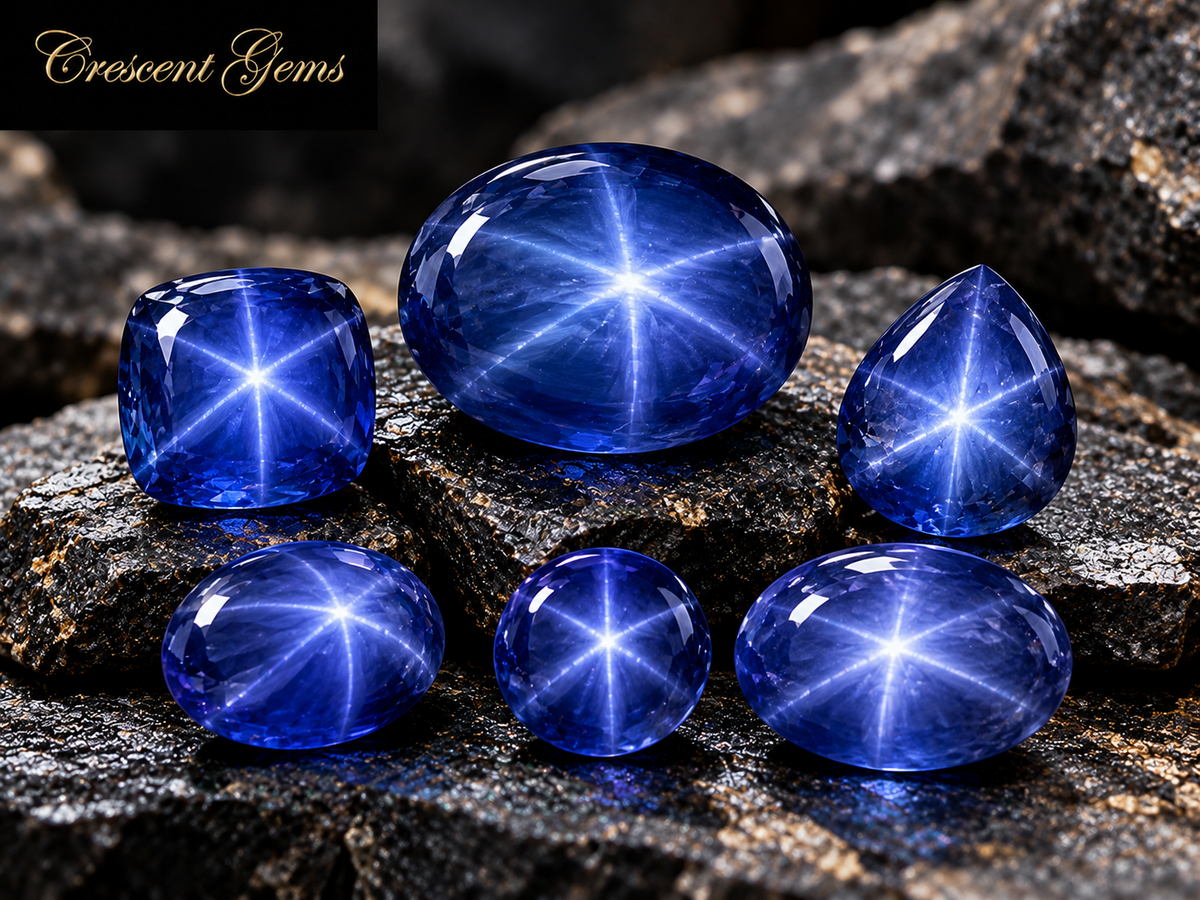
Blue Star Sapphire Price Guide — What They Cost and Why
Read moreabout Blue Star Sapphire Price Guide — What They Cost and Why
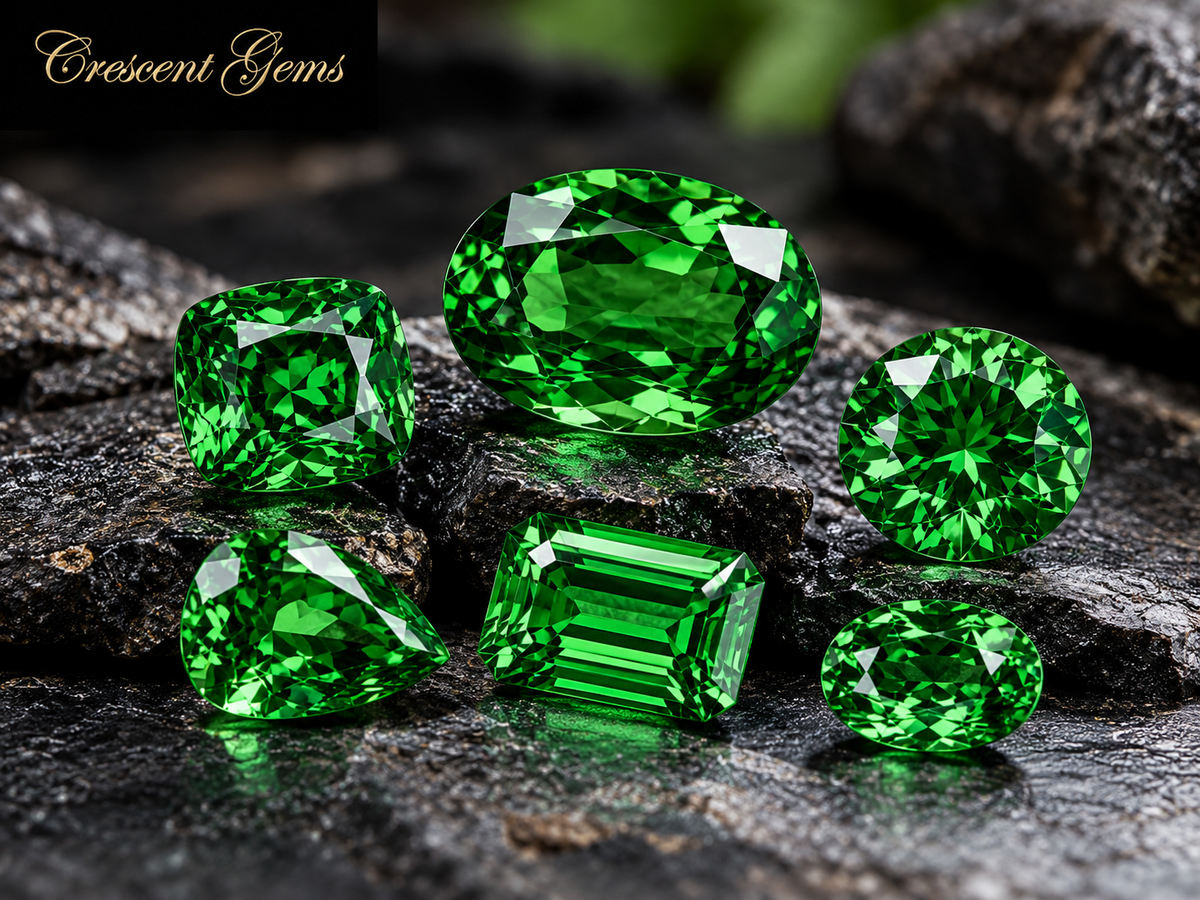
Tsavorite Garnet Price Guide — What They Cost and Why
Read moreabout Tsavorite Garnet Price Guide — What They Cost and Why
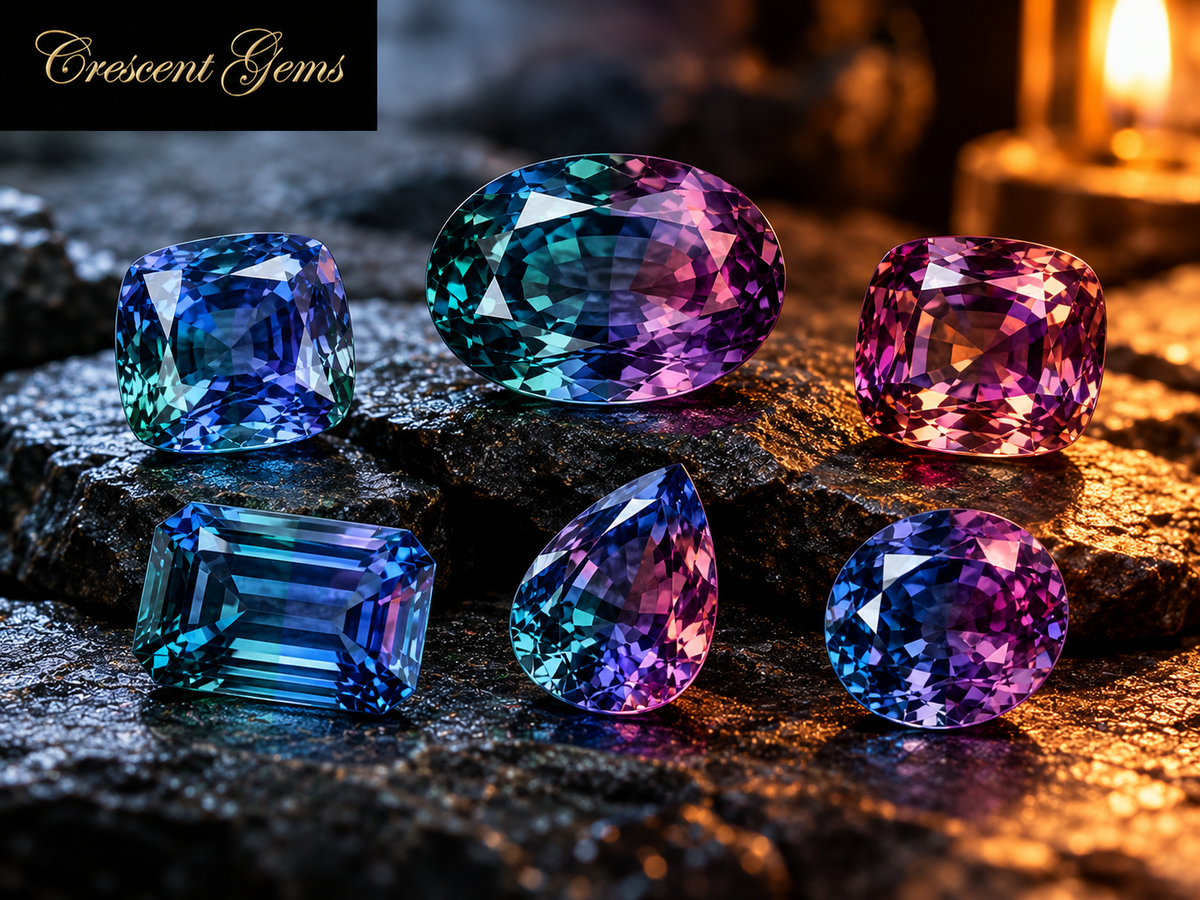
Color-Change Sapphire Price Guide — What They Cost and Why
Read moreabout Color-Change Sapphire Price Guide — What They Cost and Why
Is Cat's-Eye Chrysoberyl Good for an Engagement Ring?
Read moreabout Is Cat's-Eye Chrysoberyl Good for an Engagement Ring?
Cat's Eye Chrysoberyl Price Guide — What They Cost and Why
Read moreabout Cat's Eye Chrysoberyl Price Guide — What They Cost and Why
















Share: