

- by Ahmed Shareek
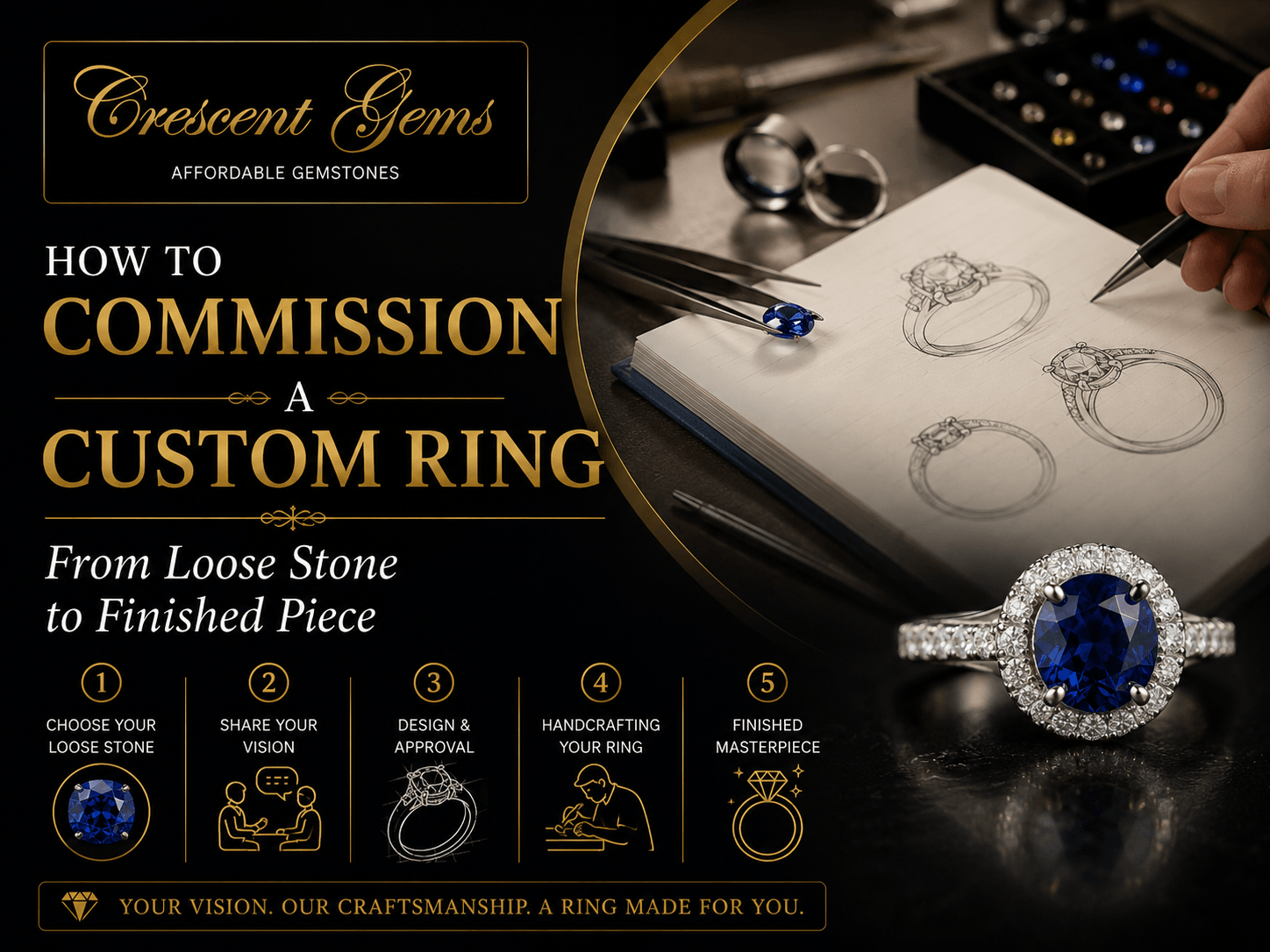
How to Commission a Custom Ring — From Loose Stone to Finished Piece
- by Ahmed Shareek
New to buying sapphires? Start with our Ultimate Sapphire Buying Guide — the complete resource for color, origin, treatment, and pricing.

You have chosen your sapphire. Maybe it is a vivid unheated Ceylon blue in a cushion cut, or a teal oval that shifts from green to blue depending on the light, or a warm peach. The stone is in your hand — or on its way — and now the question is: what happens next?
Unlike buying a preset engagement ring from a jewelry counter, commissioning a custom piece means the ring is designed around your specific stone, built to your specifications, and made BESPOKE for you. It is how the finest sapphire rings have always been made, and it is more accessible, more affordable, and faster than most buyers expect.
This guide covers the entire process from loose stone to finished ring: choosing a jeweler, selecting your metal, design decisions that affect how the stone looks and wears, realistic timelines and costs, and how Crescent Gems' own jewelry division can handle the entire process for you.
If you are reading this, you probably already understand the logic. But for anyone still on the fence: buying a loose sapphire before the ring is the smarter approach for three reasons.
You see the actual stone. In a preset ring, the sapphire is already mounted. You cannot inspect the pavilion, check for windowing, or evaluate the color without the metal influencing what you see. Buying one of our Sapphires means you evaluate the stone on its own merit: color, cut, clarity, treatment status — before any setting distracts from or flatters the gem.
You control the budget split. A $3,000 budget on a preset sapphire ring typically means $1,000–$1,500 went to the stone and the rest to the setting, retail margin, and brand markup. The same $3,000 spent as $2,000 on a loose stone and $1,000 on a custom setting buys a significantly better sapphire in a ring designed specifically for it.
The ring fits the stone, not the other way around. Every sapphire has individual dimensions, proportions, and color characteristics. A custom setting is designed for your specific stone's measurements, ensuring the prongs sit correctly, the proportions are balanced, and the metal choice complements the color rather than fighting it.
For the full case, read Loose Sapphires vs. Preset Rings.
If you have not yet selected your sapphire, start with the stone. Everything else follows it — the metal, the setting style, the proportions, the budget for the ring itself.
The key decisions:

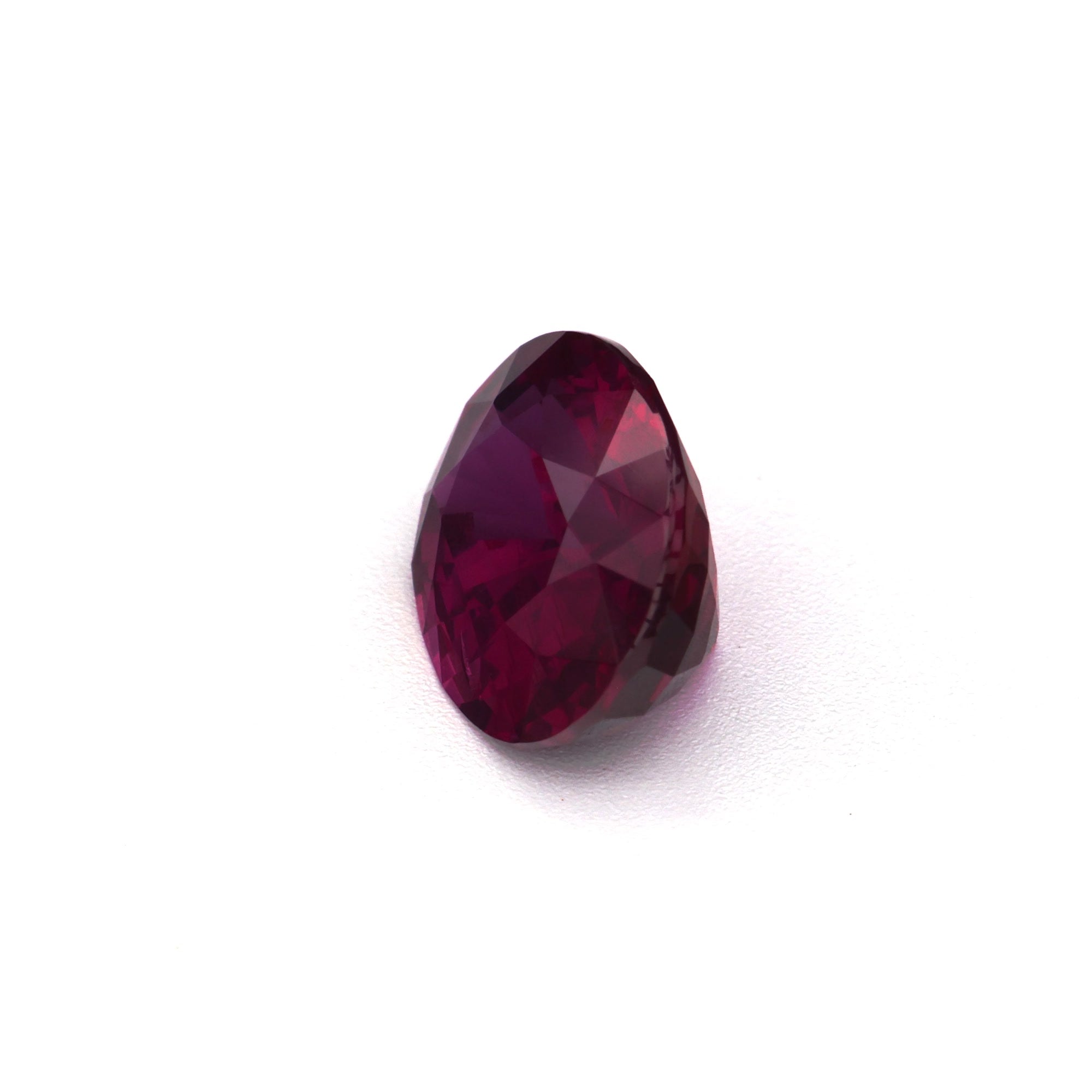
Color — the single biggest factor. Blue is the classic; teal, pink, peach, and padparadscha are the leading alternatives. Your color choice influences the ideal metal (see Step 3). Browse visually with our Interactive Sapphire Color Chart.
Shape — oval and cushion dominate engagement rings; round maximizes brilliance; emerald cut offers architectural elegance; pear is distinctive. Shape affects which settings work. See The Best Sapphire Cut for an Engagement Ring.
Size — most engagement sapphires fall between 1.00 and 2.00 carats. Remember Carat is a measurement of Weight, not diameter, and Sapphire is denser than diamond, so a 1-carat sapphire looks slightly smaller face-up than a 1-carat diamond. Compare millimeters, not carats. See What Size Sapphire Is Best?
Treatment — heated or unheated. Both are legitimate; unheated is rarer and carries a premium. See What Is an Unheated Sapphire?
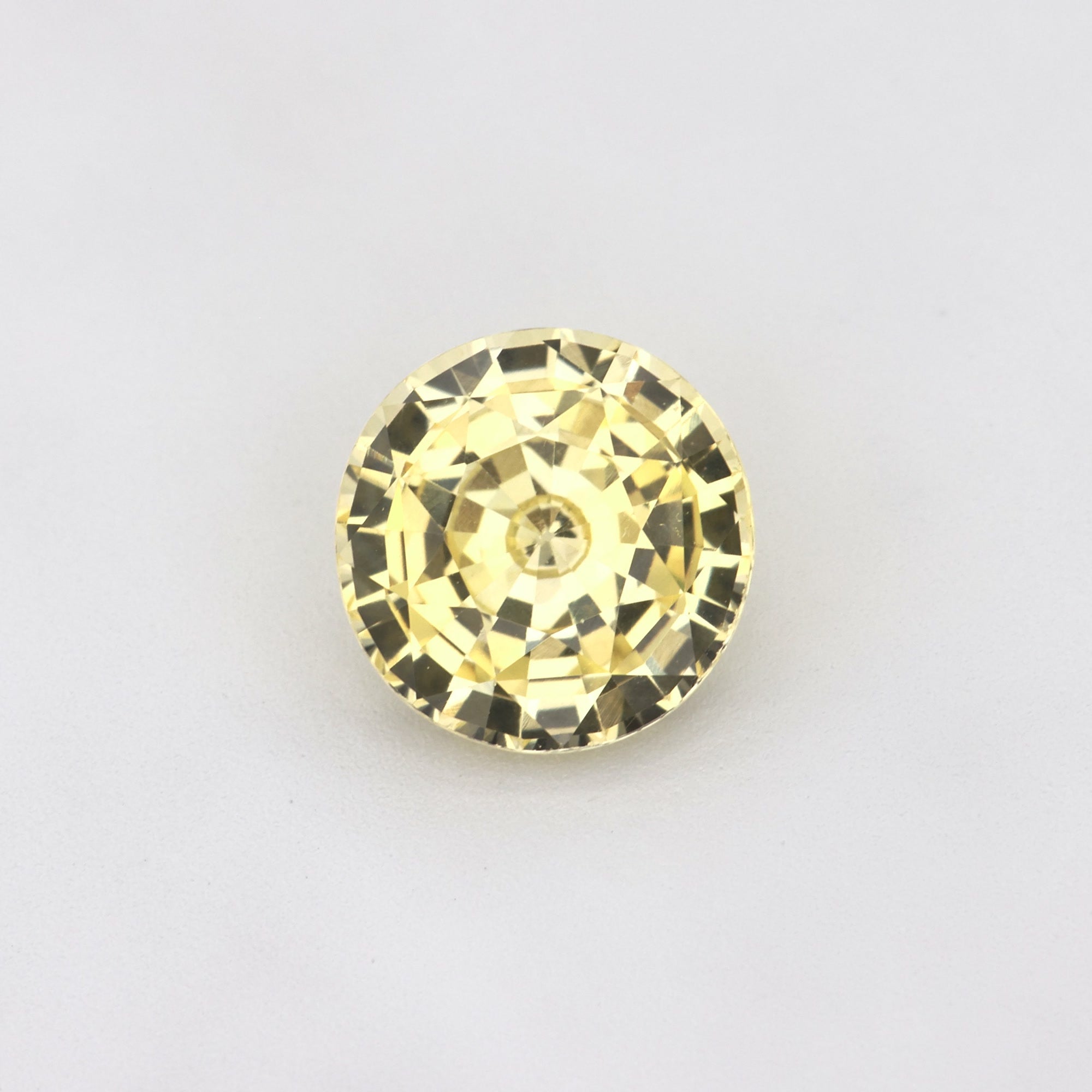
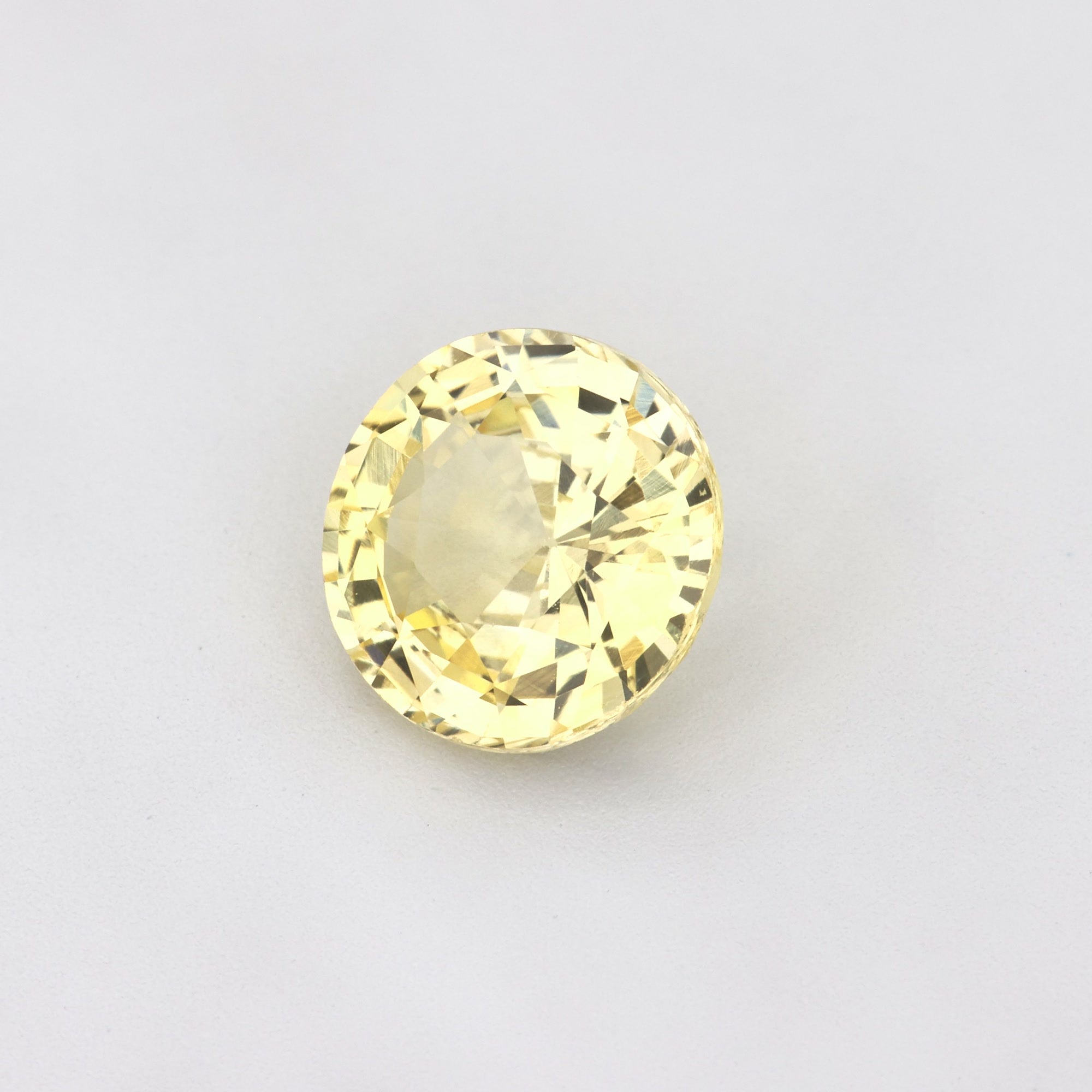
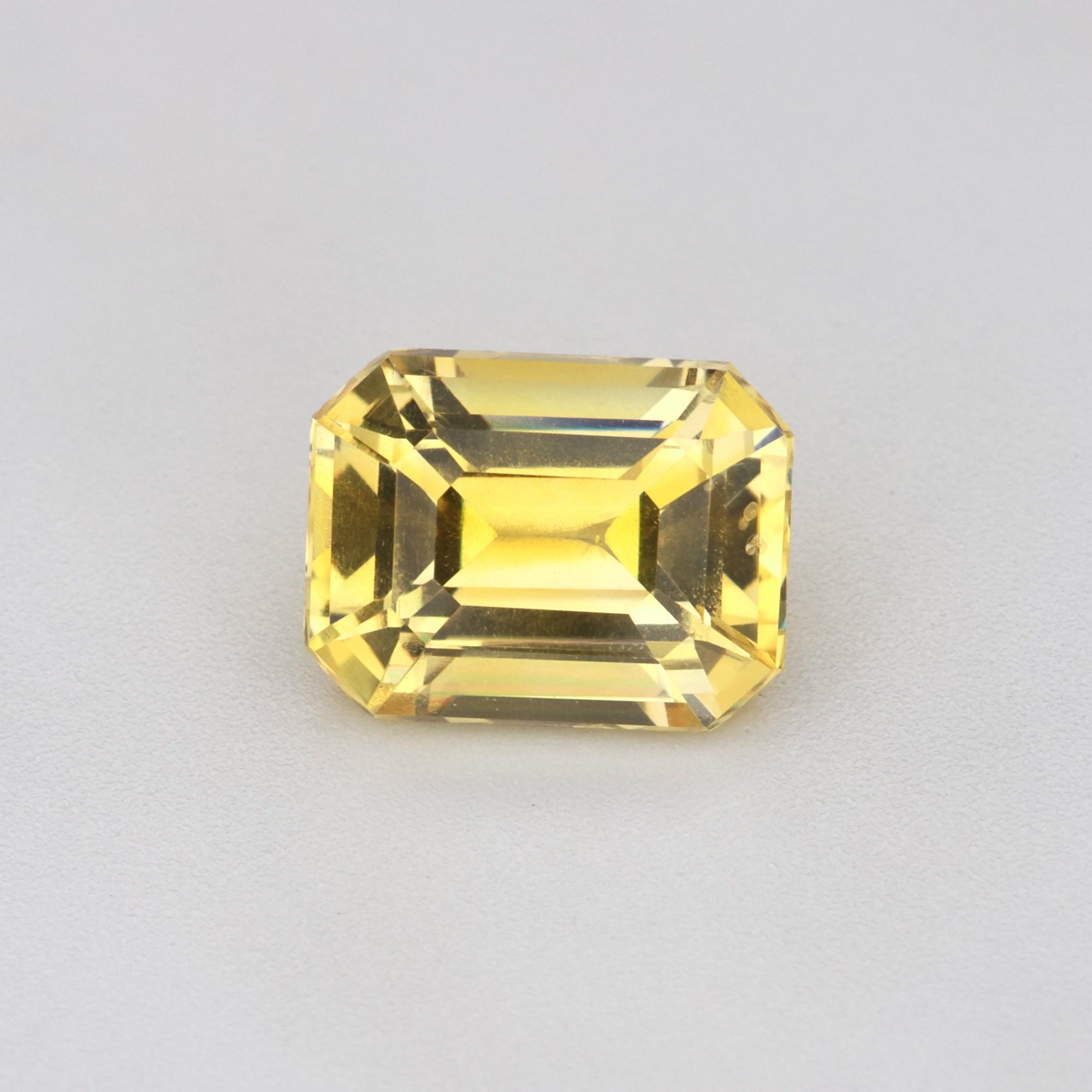
Browse our full Ceylon sapphire catalog and select from the fine range available,
Once you have the stone, you need someone to design and build the ring. You have three options:
Most cities have independent jewelers who do custom work. The advantage is face-to-face communication, the ability to try on wax models, and a relationship with someone local who can service the ring later. Ask to see examples of previous custom colored-stone work — not all bench jewelers are experienced with sapphires, and setting a valuable loose stone correctly requires specific skills (proper prong placement, appropriate pressure, correct seat cutting for the stone's exact dimensions).
Questions to ask a local jeweler:
Have you set loose sapphires before? Can I see examples?
Will you insure my stone while it is in your shop?
Do you do CAD design, or hand fabrication, or both?
What is your typical timeline for a custom ring?
What happens if the stone is damaged during setting?
Several reputable online jewelers specialize in setting customer-supplied stones. You ship them your sapphire, work with their design team remotely (usually via email, video call, and CAD renders), and receive the finished ring by mail. The process works well for buyers who know what they want and are comfortable working remotely. Verify that the service is insured and that your stone is covered from the moment it arrives at their workshop until the finished ring is in your hands.
From Stone to Jewelry — All in One Place
Crescent Gems has its own jewelry division staffed by master craftsmen who specialize in

setting natural sapphires. When you purchase a loose stone from us, we can design and build your ring in-house — turning the gemstone you chose into a finished work of art without you needing to find a separate jeweler, ship your stone to a stranger, or coordinate between multiple parties.
The process is simple: choose your stone from our catalog, tell us your ring vision (or let us suggest designs based on your stone's shape, color, and proportions), approve the CAD render, and we build, set, and ship the finished ring directly to you. One source for the stone and the setting. One team who knows the gem intimately because they sourced it.
Email jewelry@crescentgems.com to start a custom ring conversation.
The metal you choose changes how the sapphire looks in the finished ring. This is not a neutral decision — metal color interacts with stone color in ways that either enhance or diminish the gem's appearance.
The most popular choice for blue, teal, and violet sapphires. Cool-toned metal creates maximum contrast with the stone's color, allowing the blue (or green, or purple) to read at its most vivid and uninfluenced. Platinum is denser and more durable than white gold but costs more. 14K or 18K white gold offers a similar look at a lower price point. Both require no rhodium plating when well-maintained.
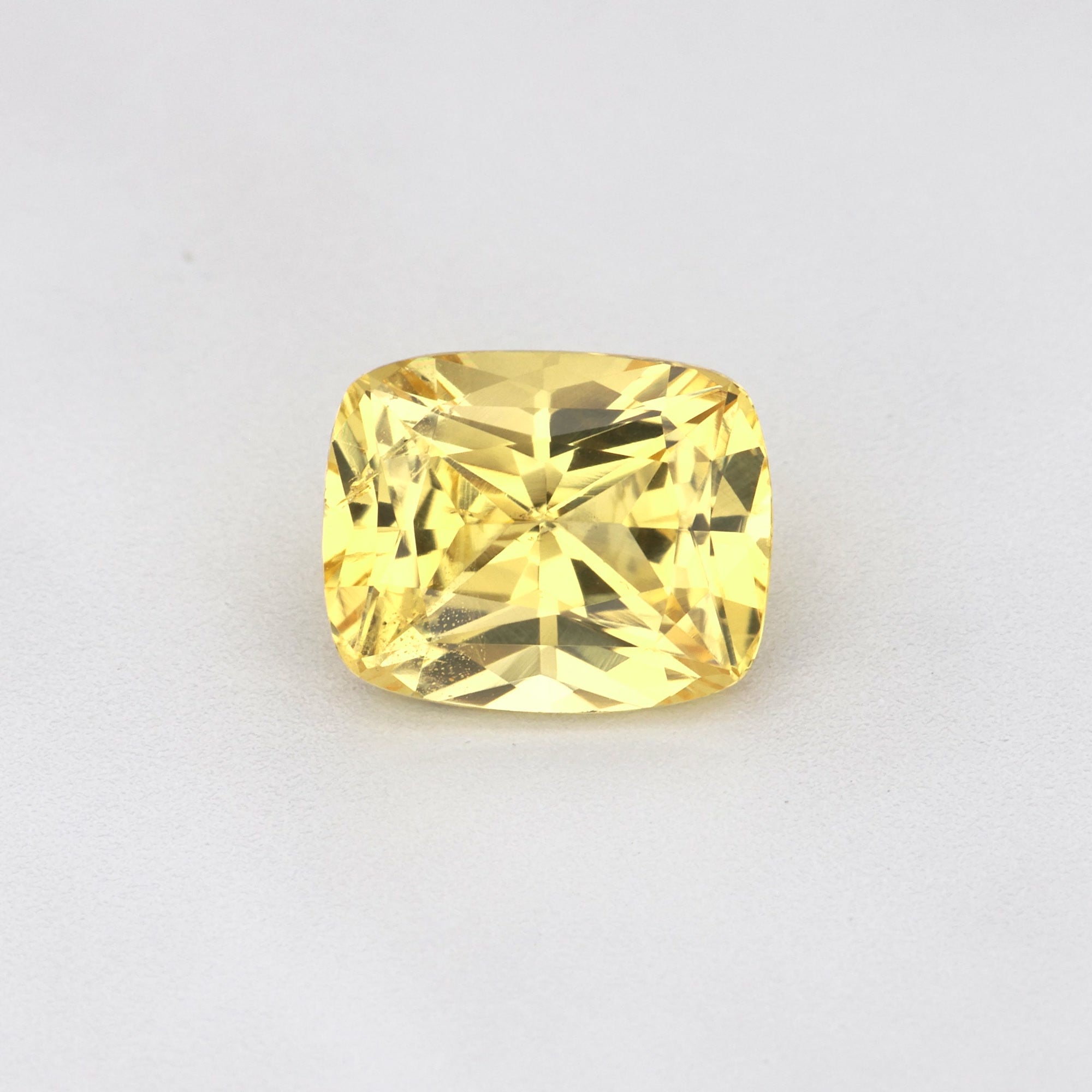
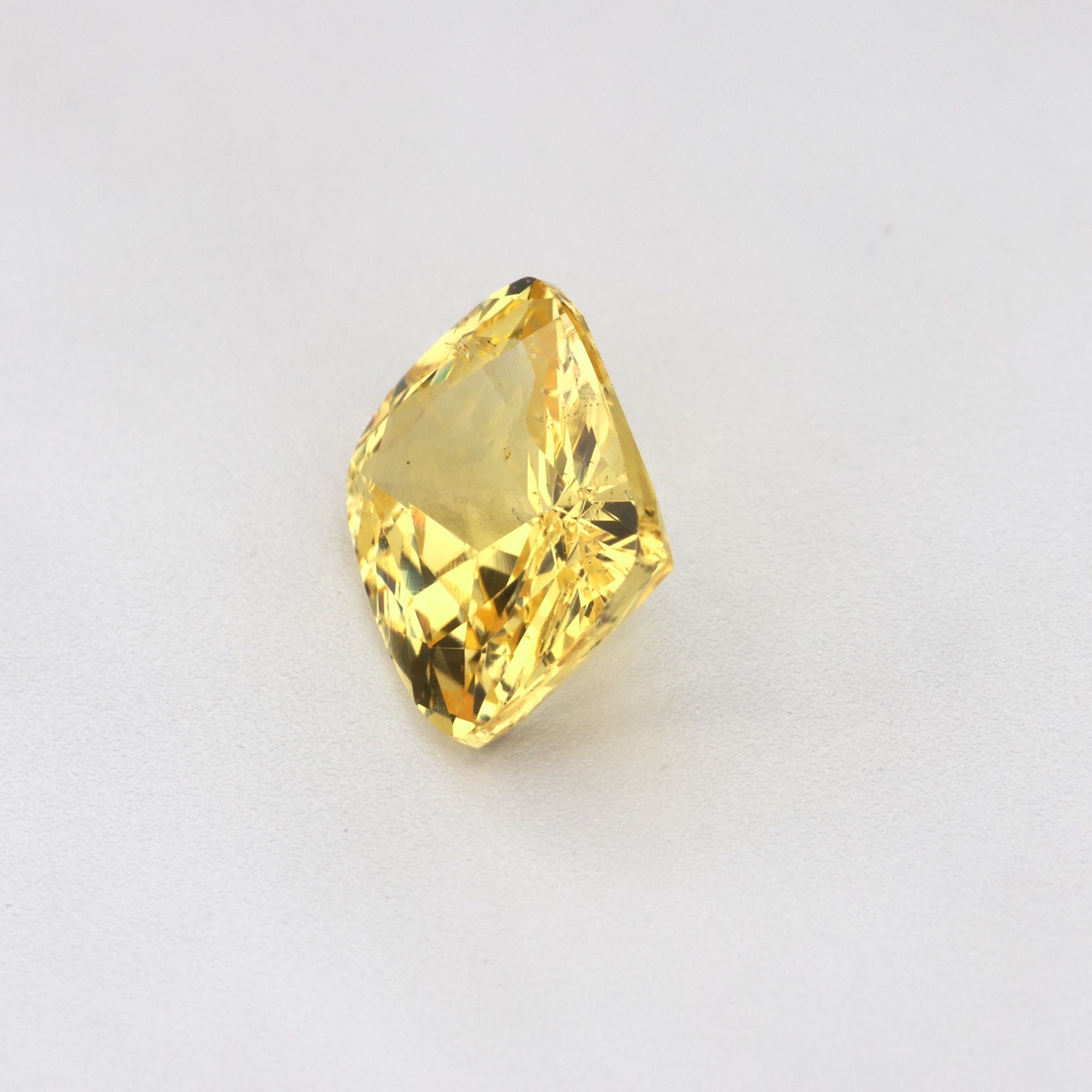
Adds warmth and vintage character. The definitive pairing for yellow sapphires — metal and stone reinforce each other's golden tone. Also beautiful with deep royal blue (the combination used in historic royal jewelry) and rich purple. Yellow gold in 14K or 18K is the most traditional choice and has been the default for sapphire rings for centuries. 18K is warmer and richer in color; 14K is slightly paler but more durable for daily wear.
The natural partner for pink, peach, and padparadscha sapphires. The pink-toned metal and the warm stone color create a harmonious, romantic palette. Rose gold also creates a striking warm-cool contrast with teal and violet sapphires.
Some designs combine metals — a white gold or platinum head (the part holding the stone) with a yellow or rose gold band. This gives the sapphire the color contrast of white metal while adding warmth or personality to the band. Mixed metal designs are more complex to fabricate and cost slightly more, but the visual result can be distinctive.
For engagement rings worn daily, 14K gold offers the best balance of beauty and durability. 18K gold is softer and shows scratches more readily but has a richer color. 10K gold is the most durable but looks paler and is less valued. Platinum is the most durable precious metal and does not require replating, but it costs 30–50% more than gold settings.
The setting style determines how the ring looks, how the stone is protected, and how comfortable the ring is to wear daily. Here are the most popular options for sapphire engagement rings:
The stone alone, held by four or six prongs, with no accent stones. The simplest and most timeless design. It lets the sapphire's color be the entire statement. Best for vivid, well-cut stones that do not need accent stones to enhance their presence. A solitaire with a thin, clean band in white gold or platinum is the most classic sapphire engagement ring design.
A ring of small diamonds or white sapphires surrounding the center stone, creating a frame that makes the sapphire appear larger and adds sparkle. Halos work particularly well with smaller center stones (under 1.00 carat) where the additional visual size is welcome, and with colored stones where the white accent ring creates vivid contrast with the sapphire's hue.
A center sapphire flanked by two side stones — typically diamonds, white sapphires, or smaller matching sapphires. The three-stone design adds significance (past, present, future) and visual width. Side stones should complement, not compete with, the center sapphire. Diamond side stones in trillion or half-moon cuts are the classic pairing.
Milgrain detailing, filigree, engraving, and intricate metalwork that reference historical jewelry periods. These designs suit cushion-cut and emerald-cut sapphires particularly well and look exceptional in yellow gold. Vintage-style settings are more labor-intensive to produce and cost more than simple solitaires, but the craftsmanship is part of the value.
A continuous metal rim surrounds the entire stone, holding it securely from all sides. The most protective setting style — ideal for active wearers, medical professionals, or anyone who works with their hands. Bezels also create a sleek, modern look. The trade-off is that the metal rim partially blocks light from entering the stone's sides, which can slightly reduce brilliance compared to prong settings.
An oval, pear, or marquise sapphire set horizontally rather than vertically. A modern, distinctive orientation that reads as contemporary and unconventional. East-west settings suit elongated stone shapes and work particularly well with teal and parti-colored sapphires where the horizontal orientation shows off the color distribution differently.
Whether you work with a local jeweler, an online service, or our jewelry division, the custom ring process typically follows these stages:
You describe what you want: the setting style, the metal, any reference images or inspiration, and your budget for the ring (separate from the stone cost). A good jeweler asks questions about lifestyle — how active the wearer is, whether they work with their hands, whether they prefer low-profile or statement designs — because these factors affect the practical design choices.
Most modern custom rings are designed using CAD (computer-aided design) software. The jeweler creates a 3D digital model of the ring using your stone's exact measurements. You receive renders showing the ring from multiple angles, sometimes with the actual stone image composited in. This is the stage to request changes — adjusting proportions, changing the band width, adding or removing details — before any metal is committed.
The approved CAD design is 3D-printed in wax, which is then used to create a plaster mold. Molten metal (gold or platinum) is poured into the mold — the lost-wax casting process that has been the foundation of fine jewelry production for millennia. After casting, the ring is cleaned, finished, and polished by hand.
The sapphire is set into the finished ring by a skilled setter. This is the most technically critical step. The setter cuts a precise seat in the metal to match the stone's exact girdle dimensions, positions the stone, and carefully pushes each prong (or bezel rim) into place to hold the stone securely without applying excessive pressure that could damage it. Setting a valuable loose sapphire is specialist work — it is not the same as setting a mass-produced stone in a factory ring.
The completed ring is inspected for setting security, polish quality, symmetry, and overall finish. Any final adjustments are made before shipping. At Crescent Gems, our jewelry division inspects every custom piece before it leaves our workshop.
Realistic timelines for a custom sapphire ring from design approval to finished piece:
Simple solitaire or bezel: 2–4 weeks after design approval
Halo or three-stone with accent diamonds: 3–5 weeks
Vintage or intricate design: 4–6 weeks
Complex multi-stone or highly detailed piece: 5–8 weeks
Add 1–2 weeks for the consultation and CAD approval stage at the beginning. If you are working on a proposal deadline, start the process at least 6–8 weeks before you need the ring. Rush orders are sometimes possible but cost more and limit revision opportunities.
Setting costs depend on the metal, the complexity of the design, and whether accent stones are included. These are approximate ranges for the setting only (the sapphire cost is separate):
Simple solitaire in 14K gold: $600–$1,200
Solitaire in platinum: $900–$1,800
Halo with diamond accents in 14K gold: $1,200–$2,500
Three-stone with diamond sides in 14K or 18K gold: $1,500–$3,500
Vintage-style with milgrain and engraving: $1,800–$4,000
Complex custom design in platinum: $2,500–$6,000+
Our jewelry division, based in the United States can often offer competitive pricing because the setting is produced alongside the stone sourcing — one process, one team, no markup between parties.
A few practical considerations once your ring is complete:
Insurance. Insure the finished ring for its full replacement value (stone + setting). Specialty jewelry insurance providers like Jewelers Mutual or a rider on your homeowner's policy are the standard options. Get an appraisal from an independent gemologist — not the seller — for insurance purposes.
Maintenance. Have the prongs checked every 12–18 months by a jeweler. Prongs wear over time and can loosen, particularly in daily-wear rings. A loose prong caught early is a simple repair; a lost stone is not. For care and cleaning guidance, see How to Care for a Sapphire Engagement Ring.
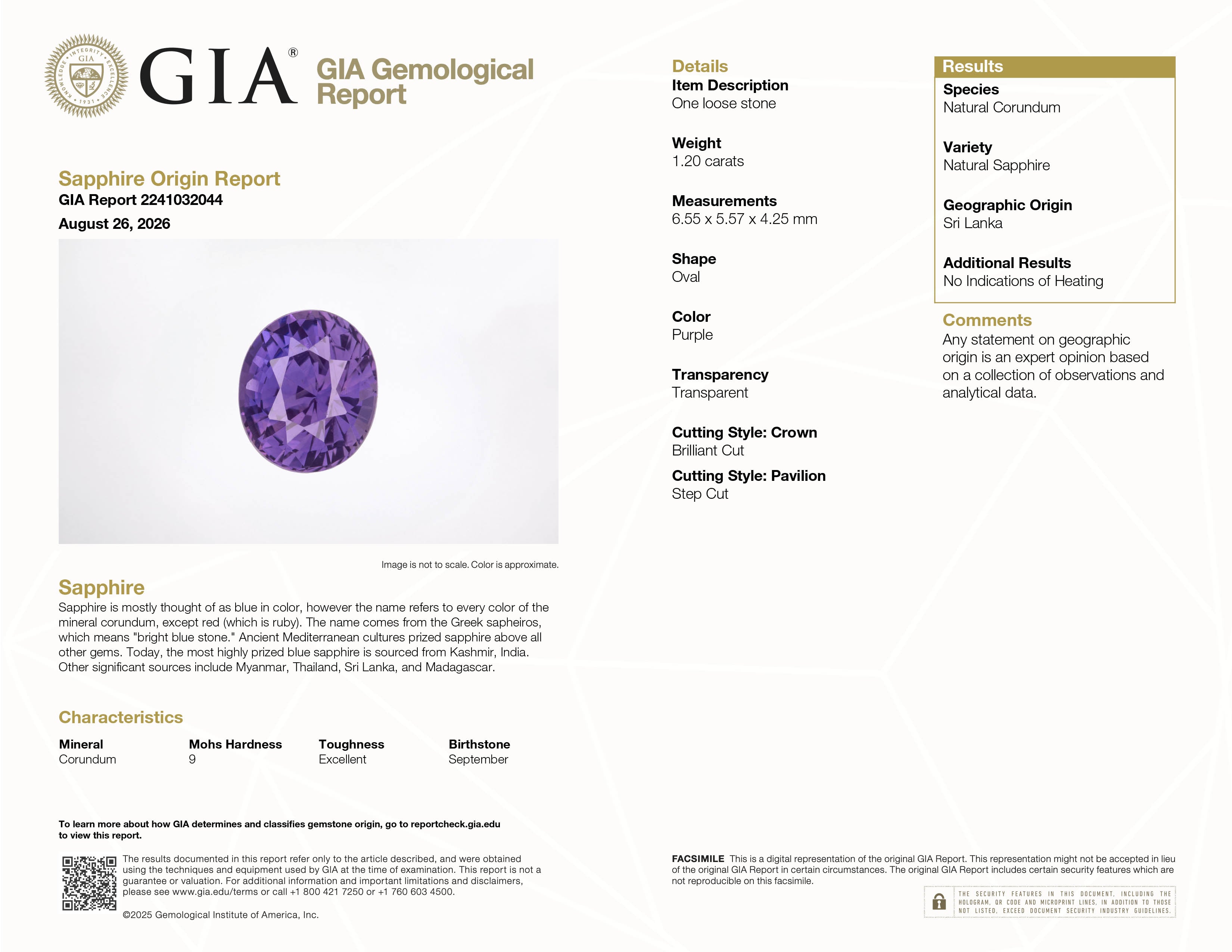
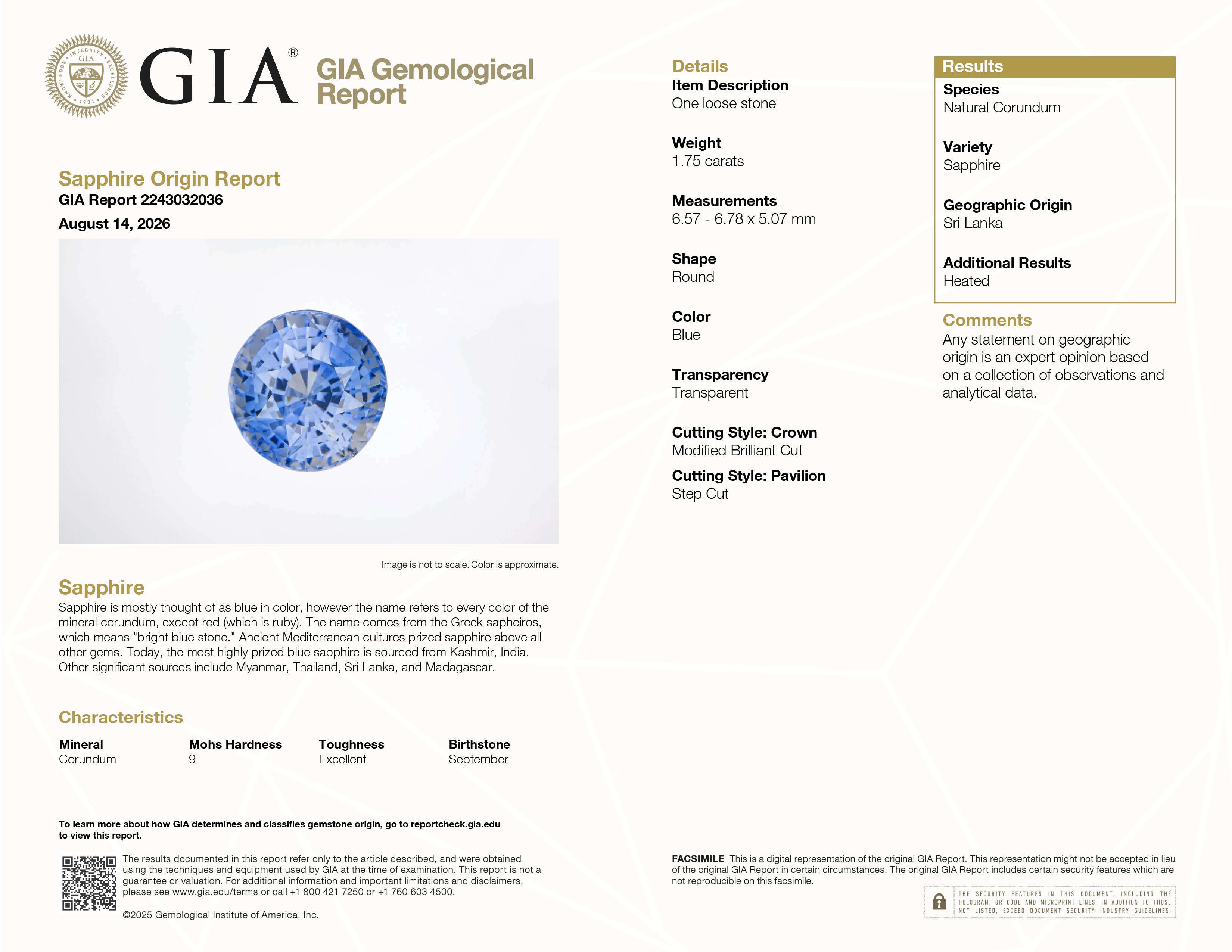
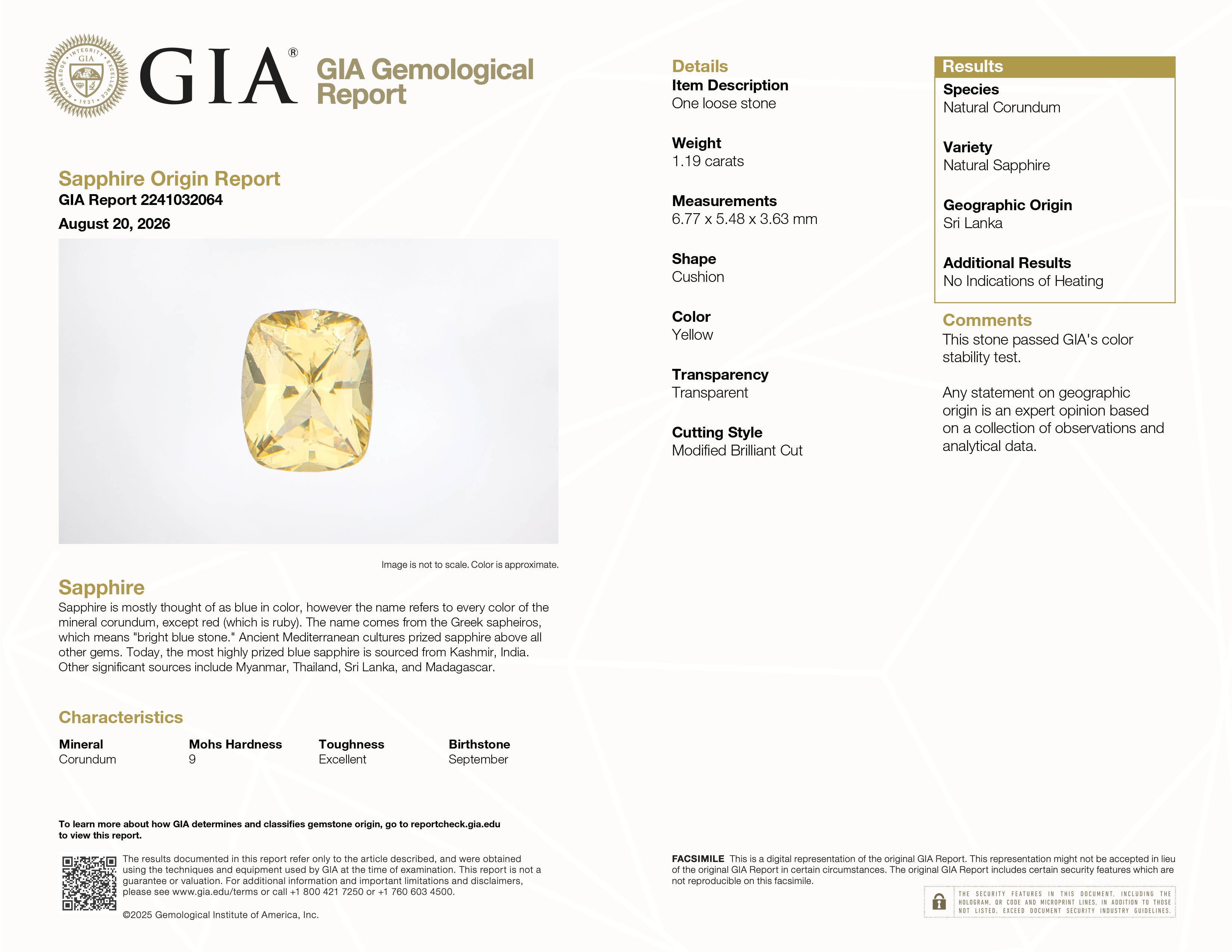
Documentation. Keep your sapphire's laboratory report, the jeweler's appraisal, and the purchase receipt together in a safe place. These documents establish the stone's identity, quality, and provenance — they matter for insurance claims, resale, and future family provenance.
The process starts with the stone. Browse our full Ceylon sapphire catalog, or tell us what you are looking for and we will pull options:
The process starts with the stone. Browse our full Ceylon sapphire catalog, or tell us what you are looking for and we will pull options:
Once you have found your stone — or want help finding it — email crescentgems@gmail.com to start the custom ring conversation. Tell us your vision, your budget for the setting, and your timeline. Our jewelry division will take it from there — from loose stone to finished work of art, all under one roof.

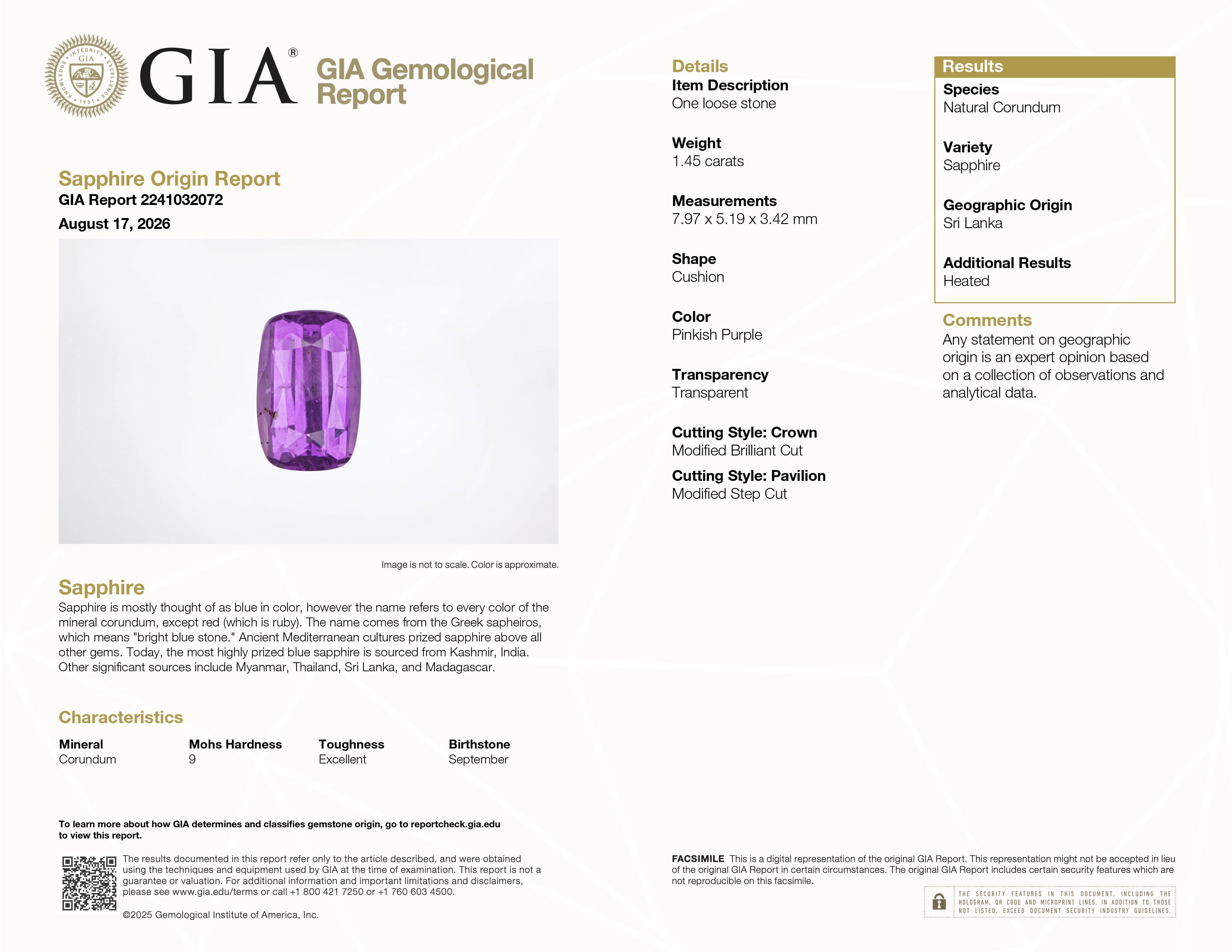
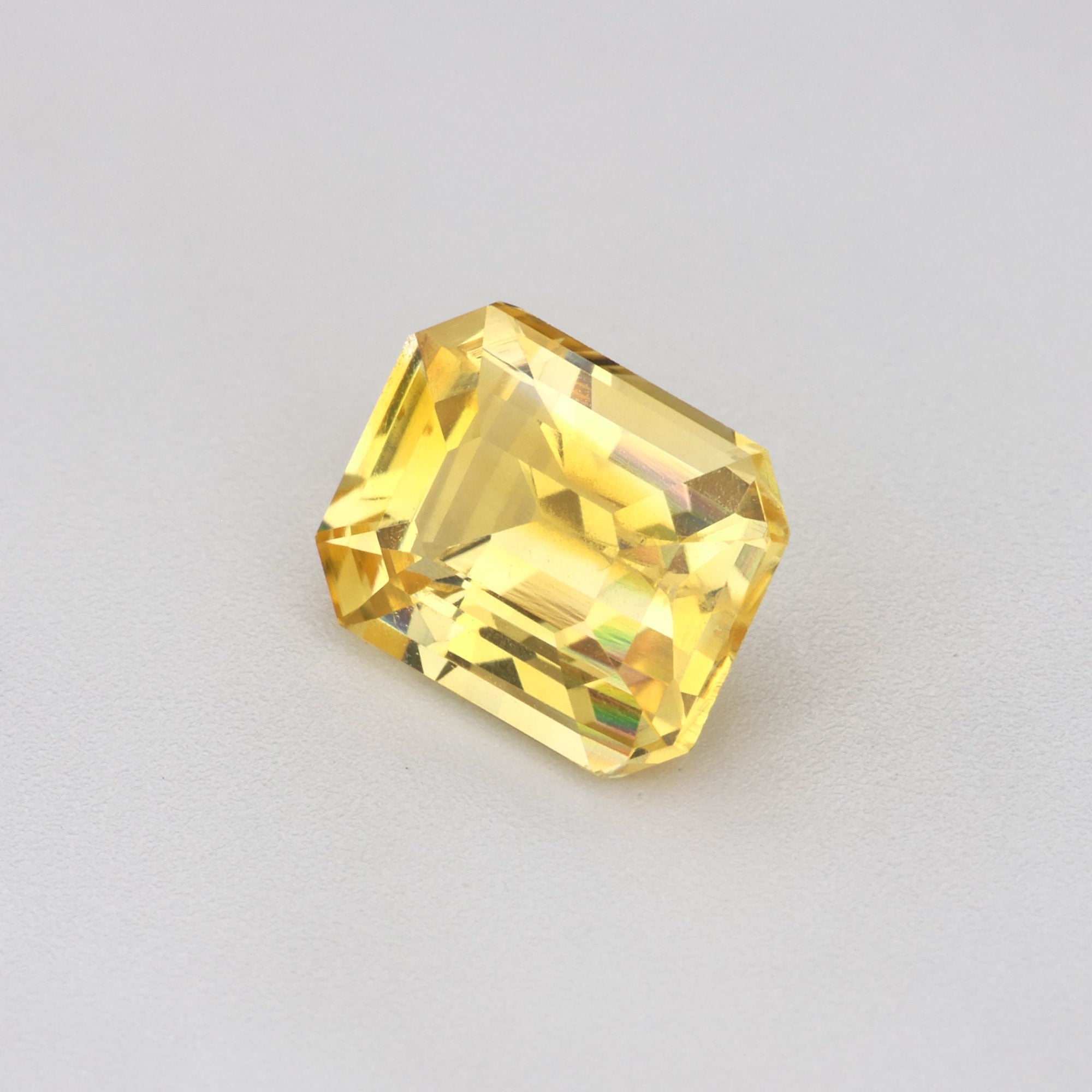
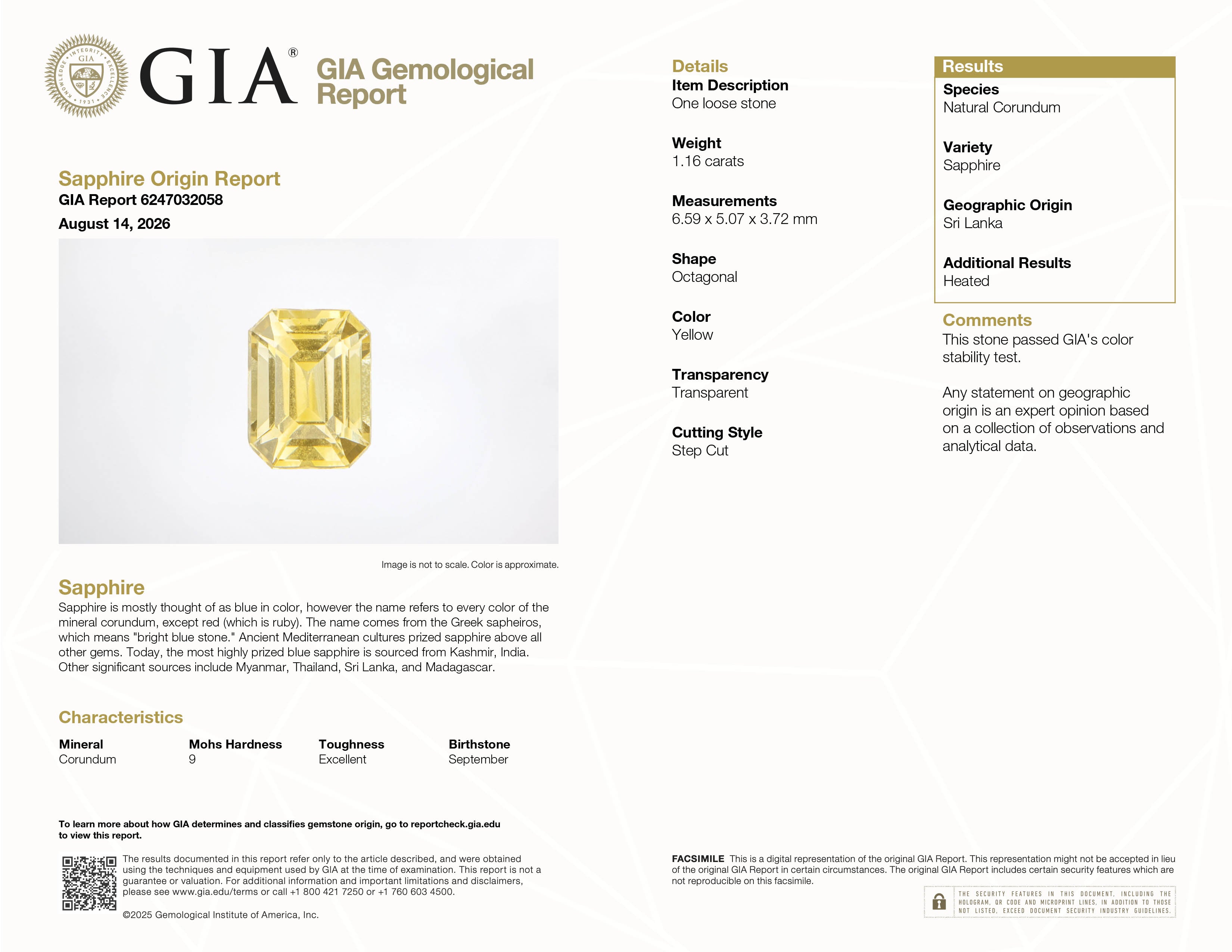
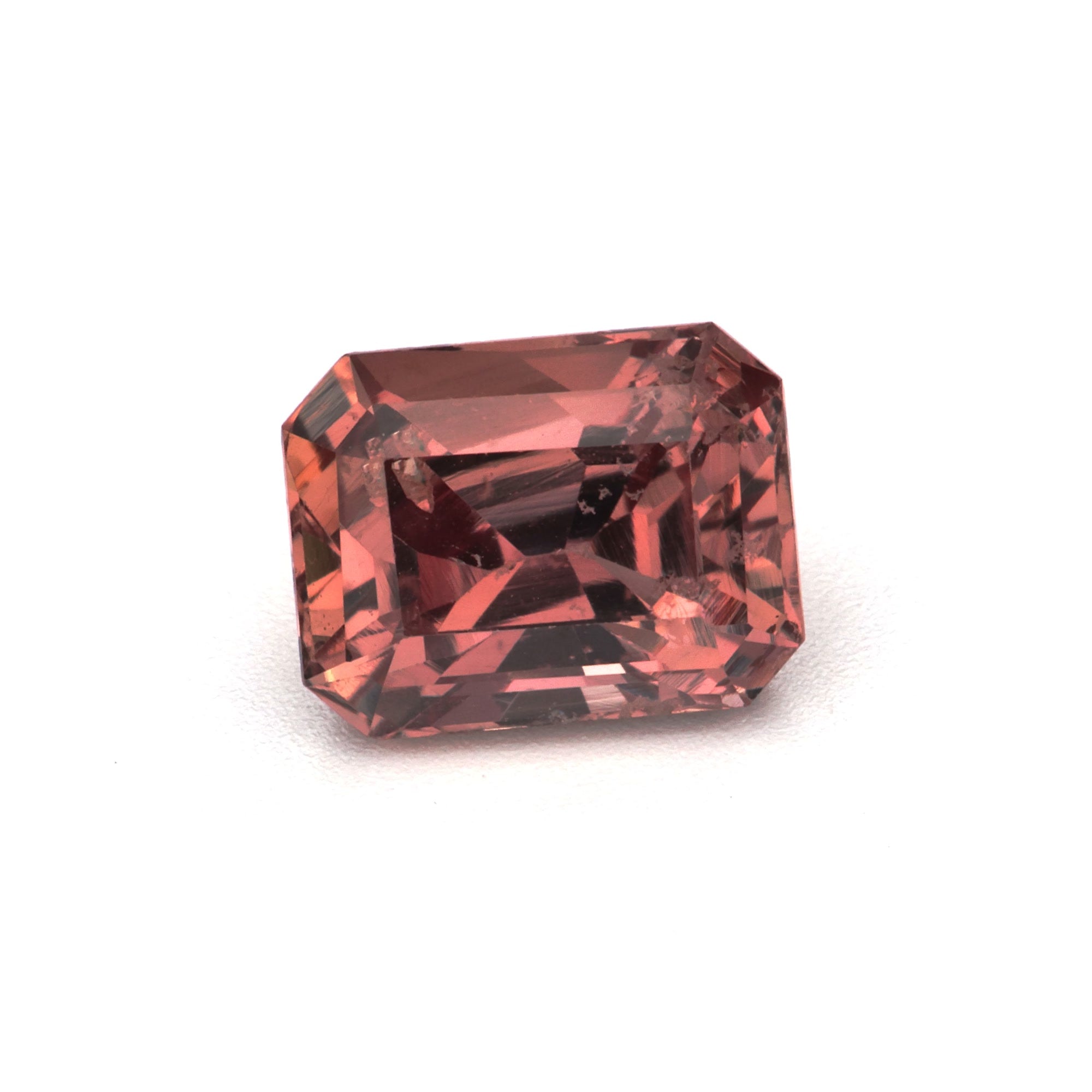
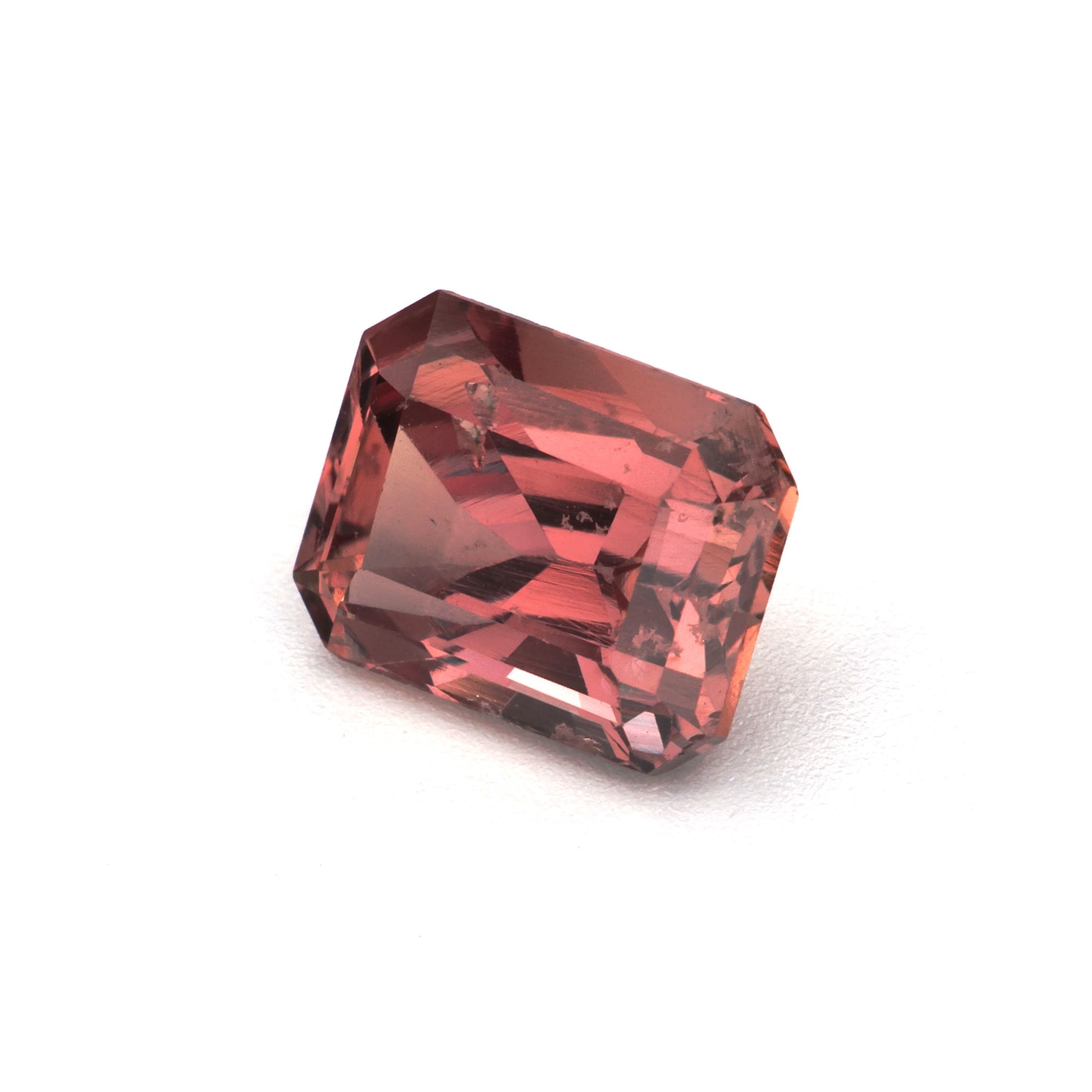
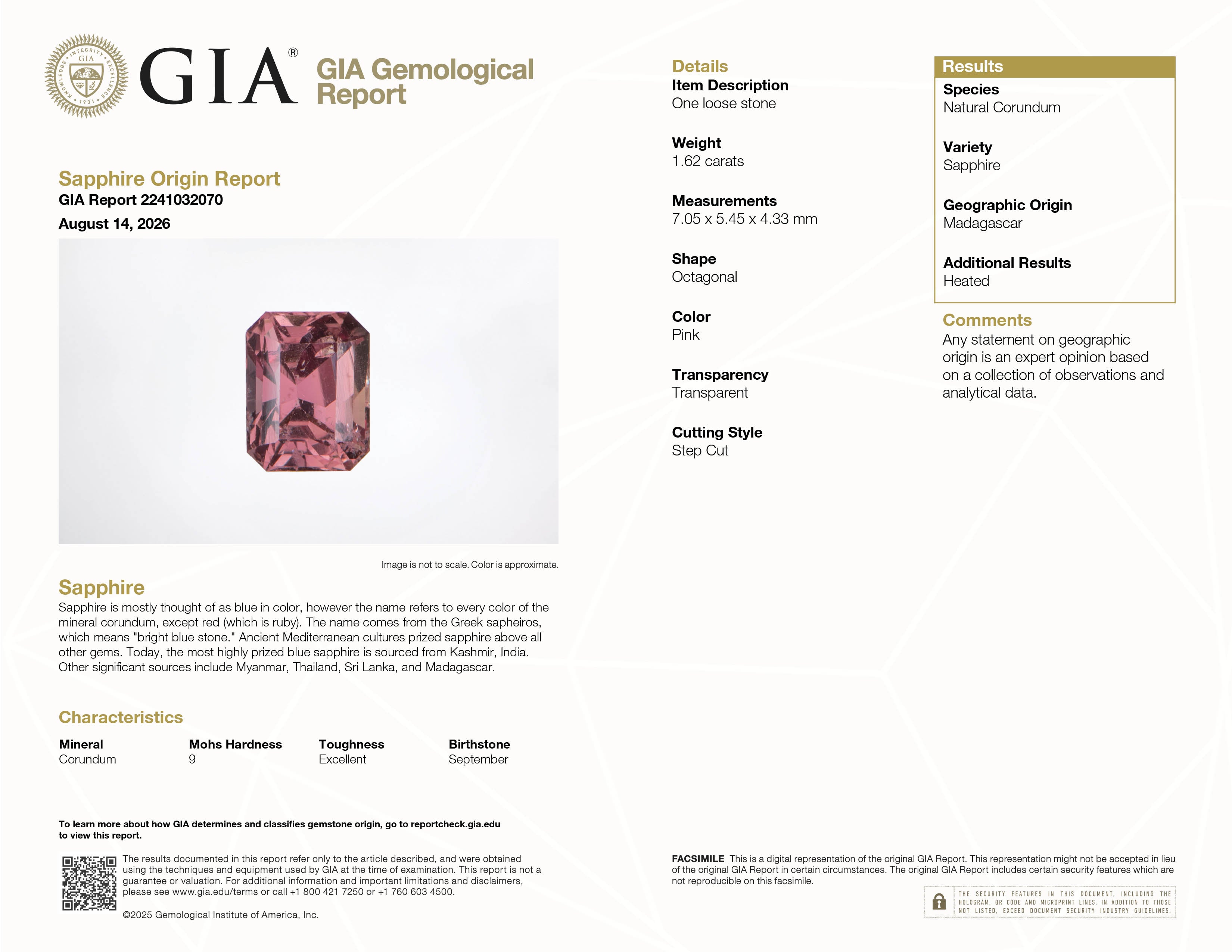
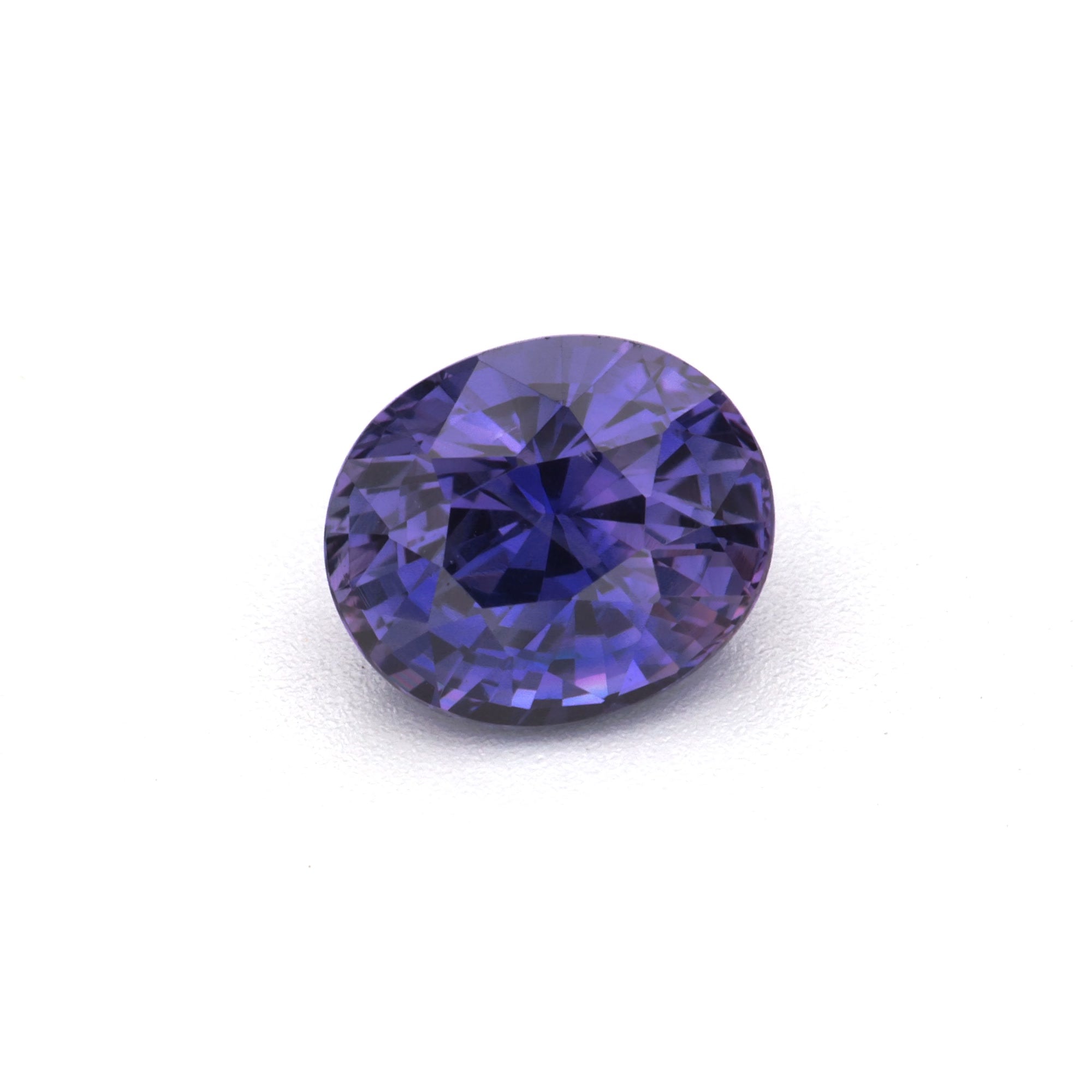
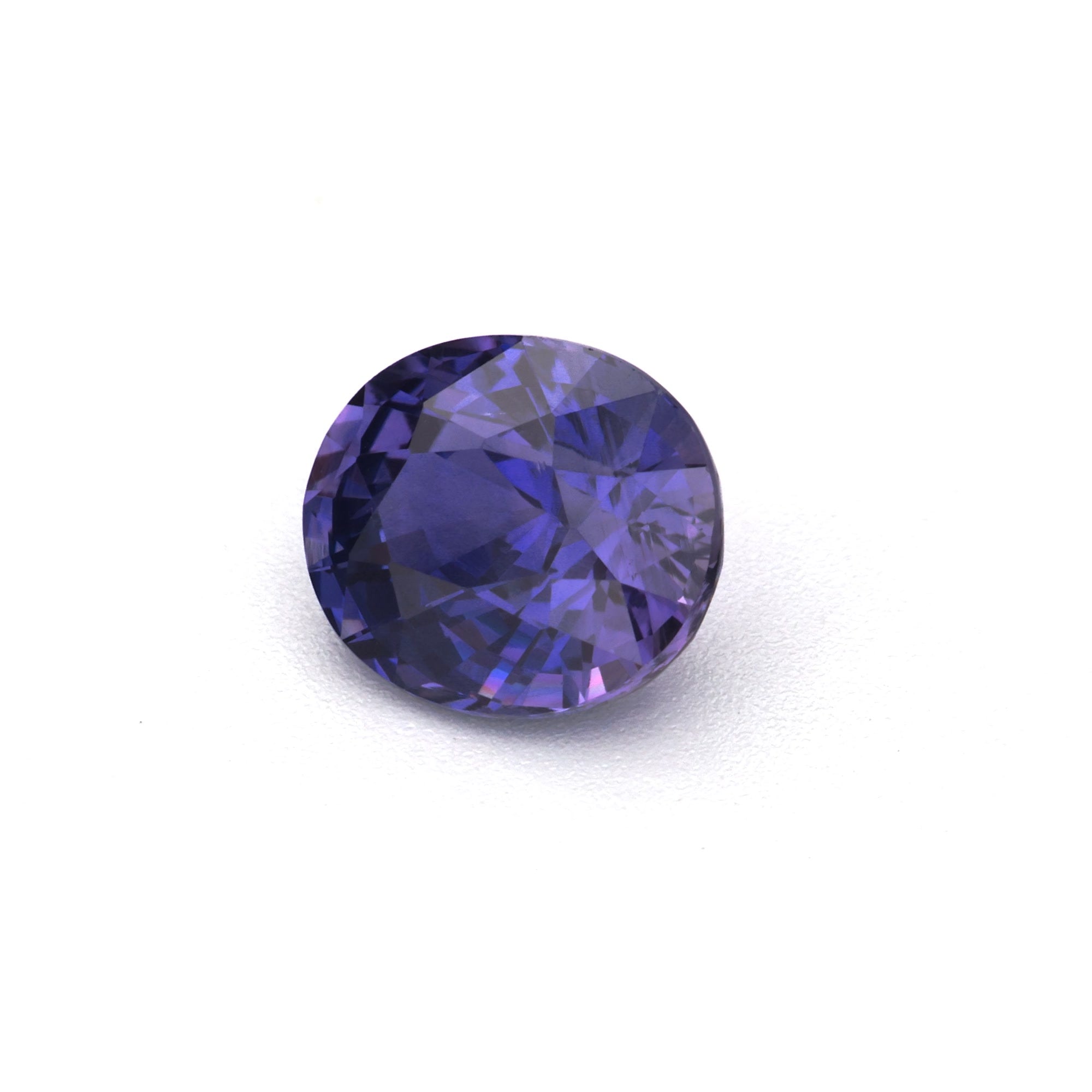
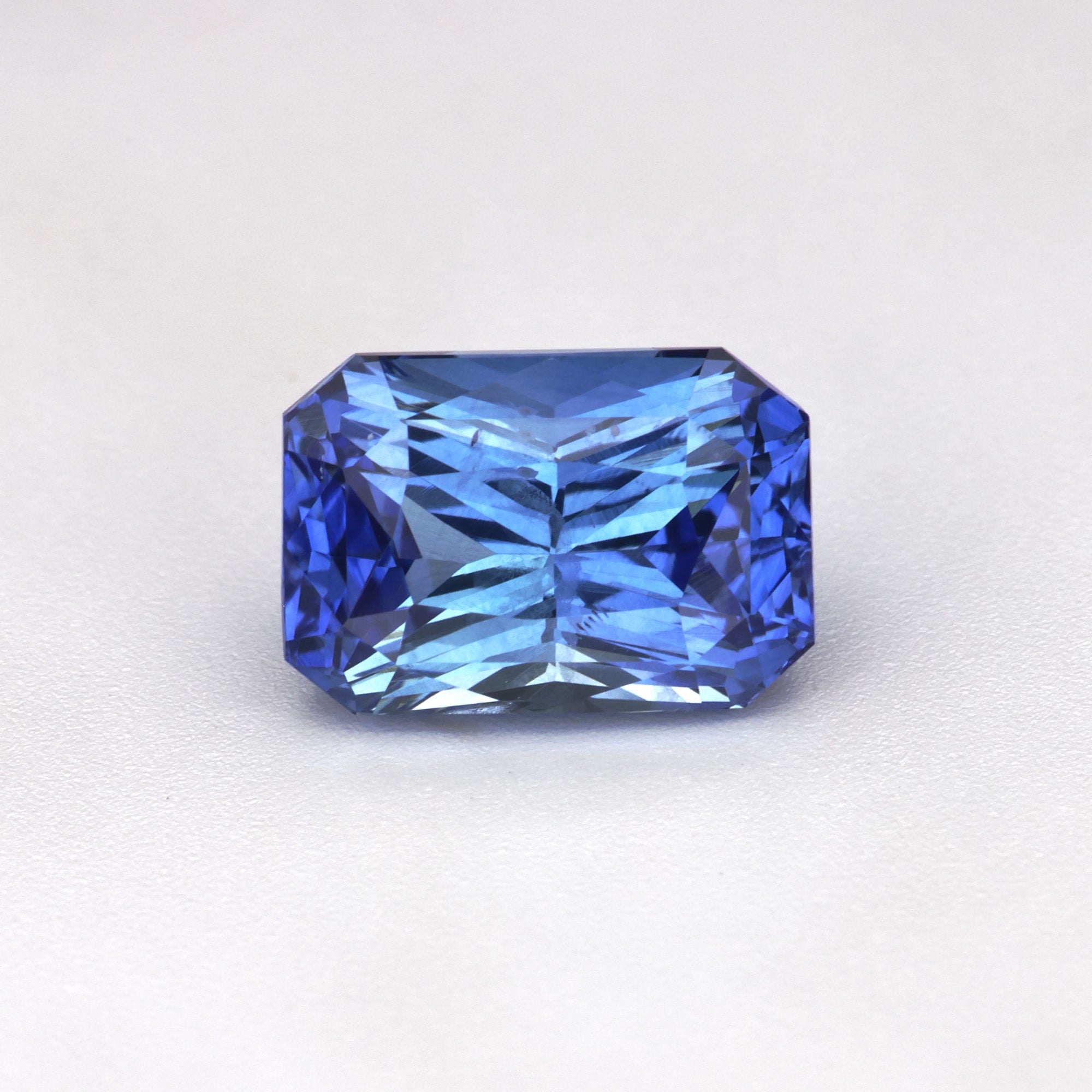
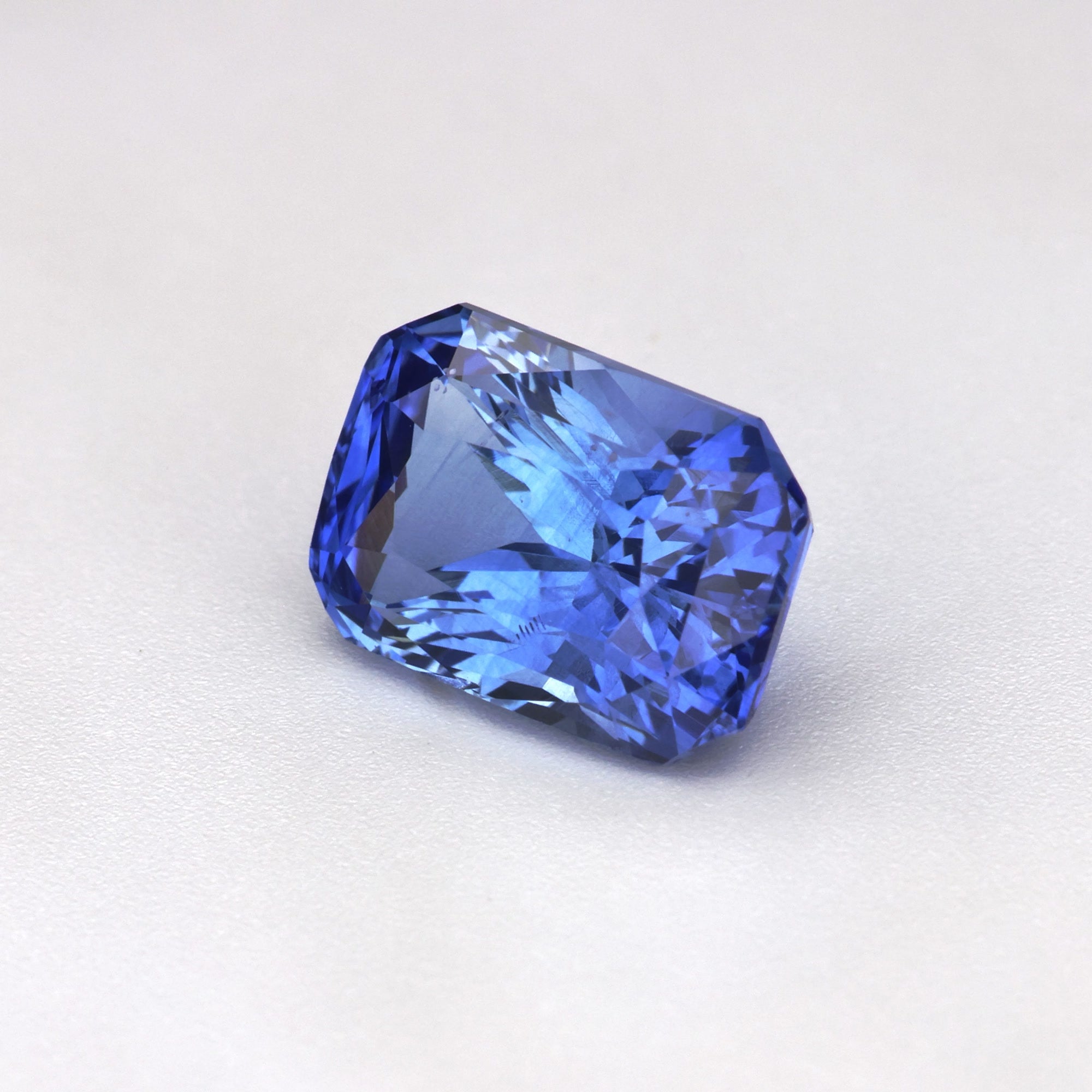
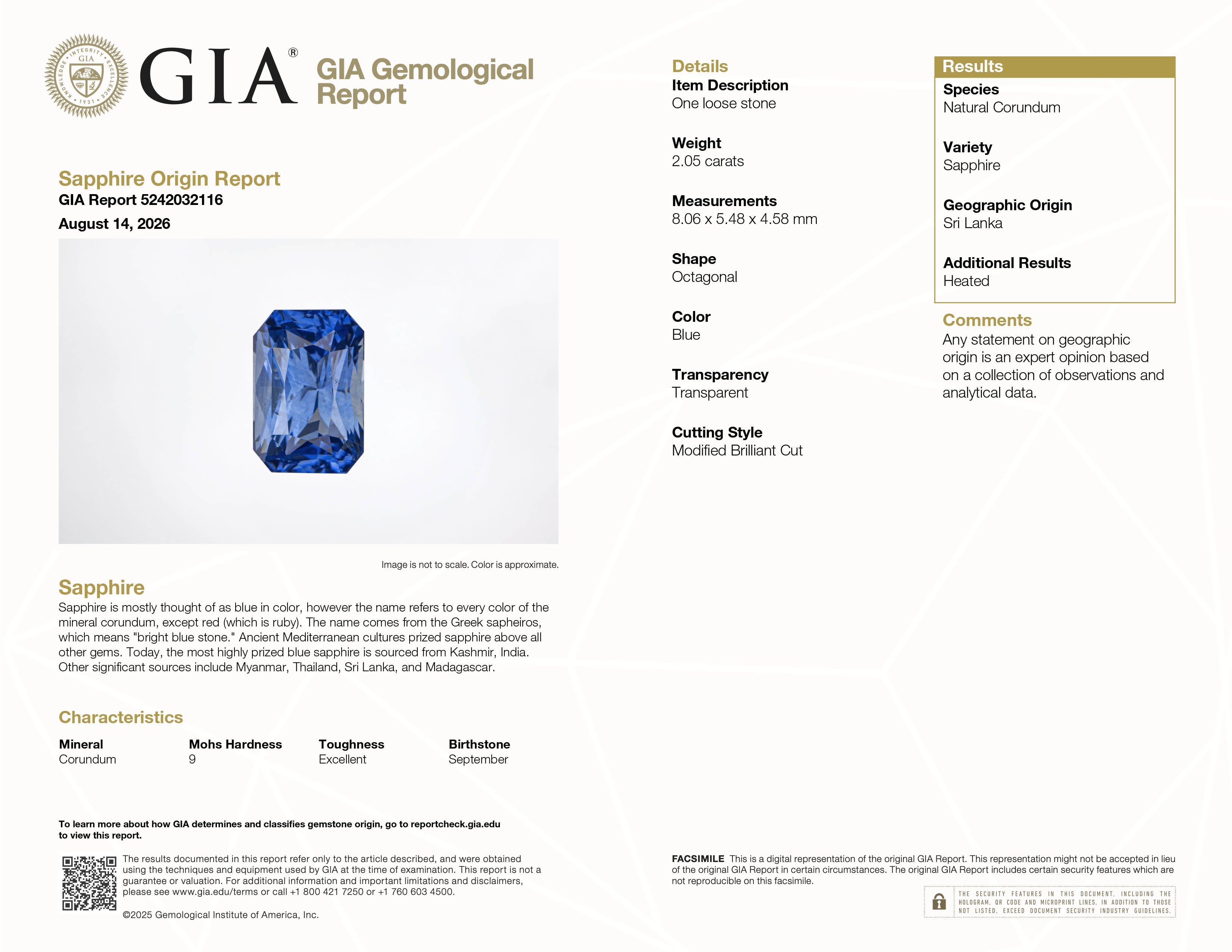
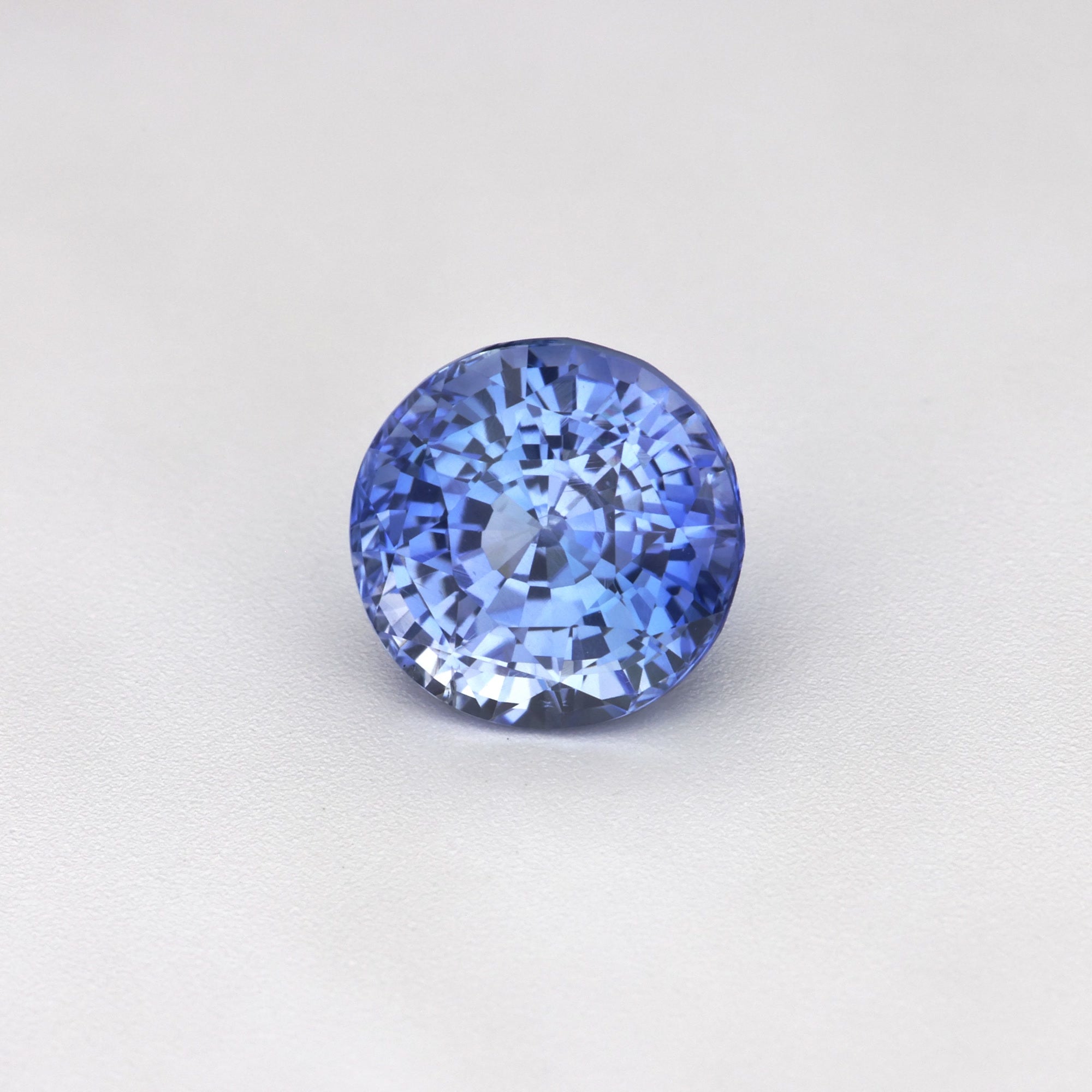
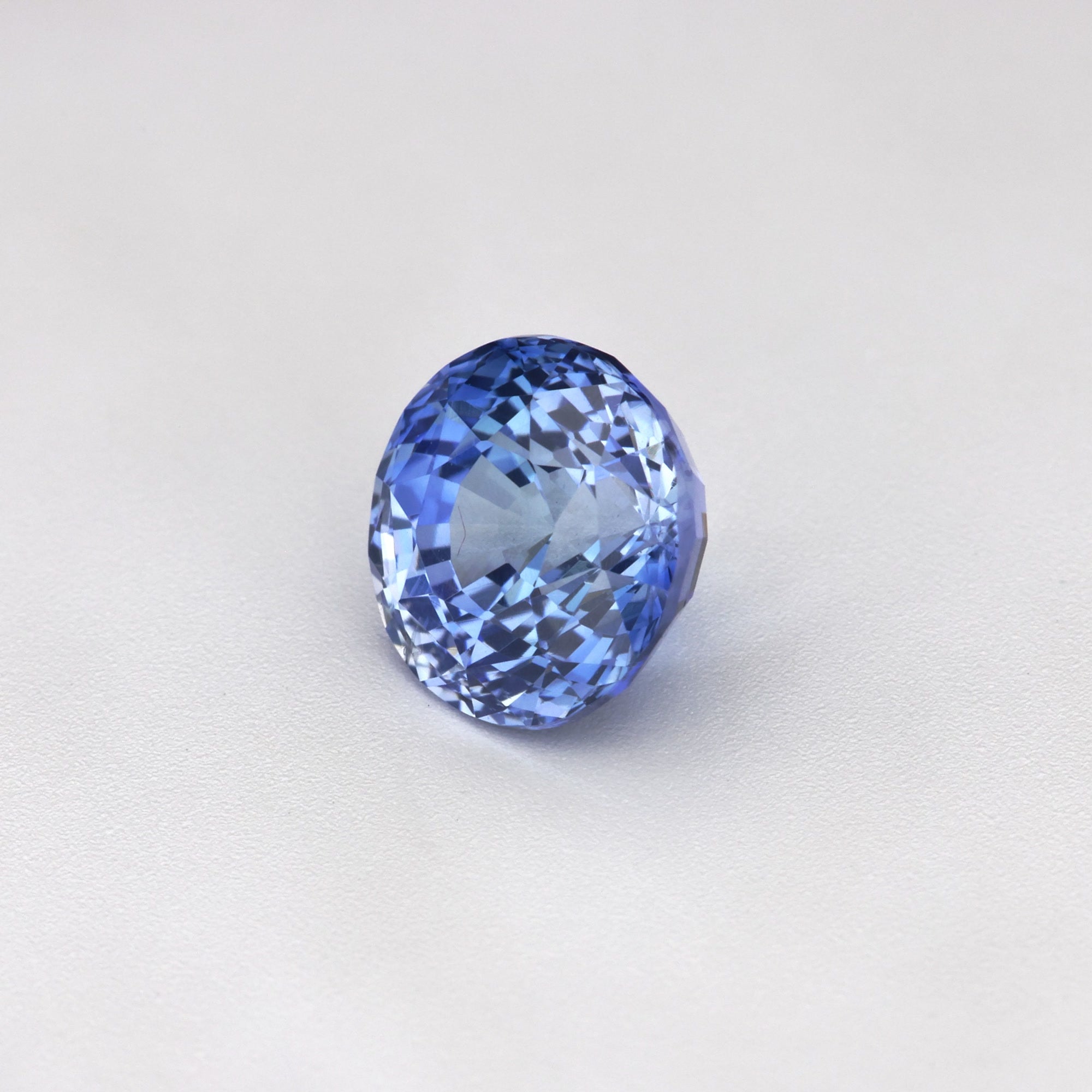
CG8465
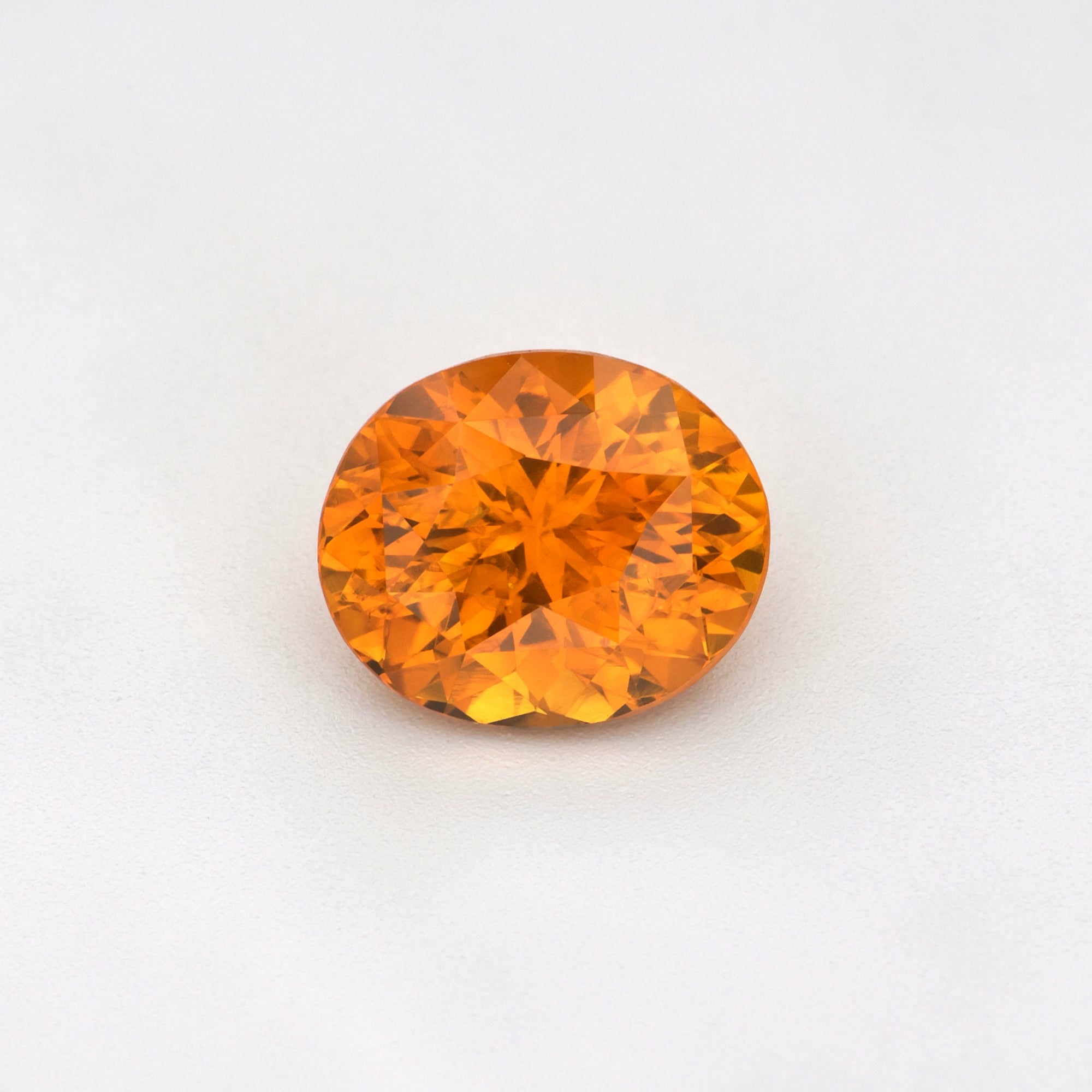
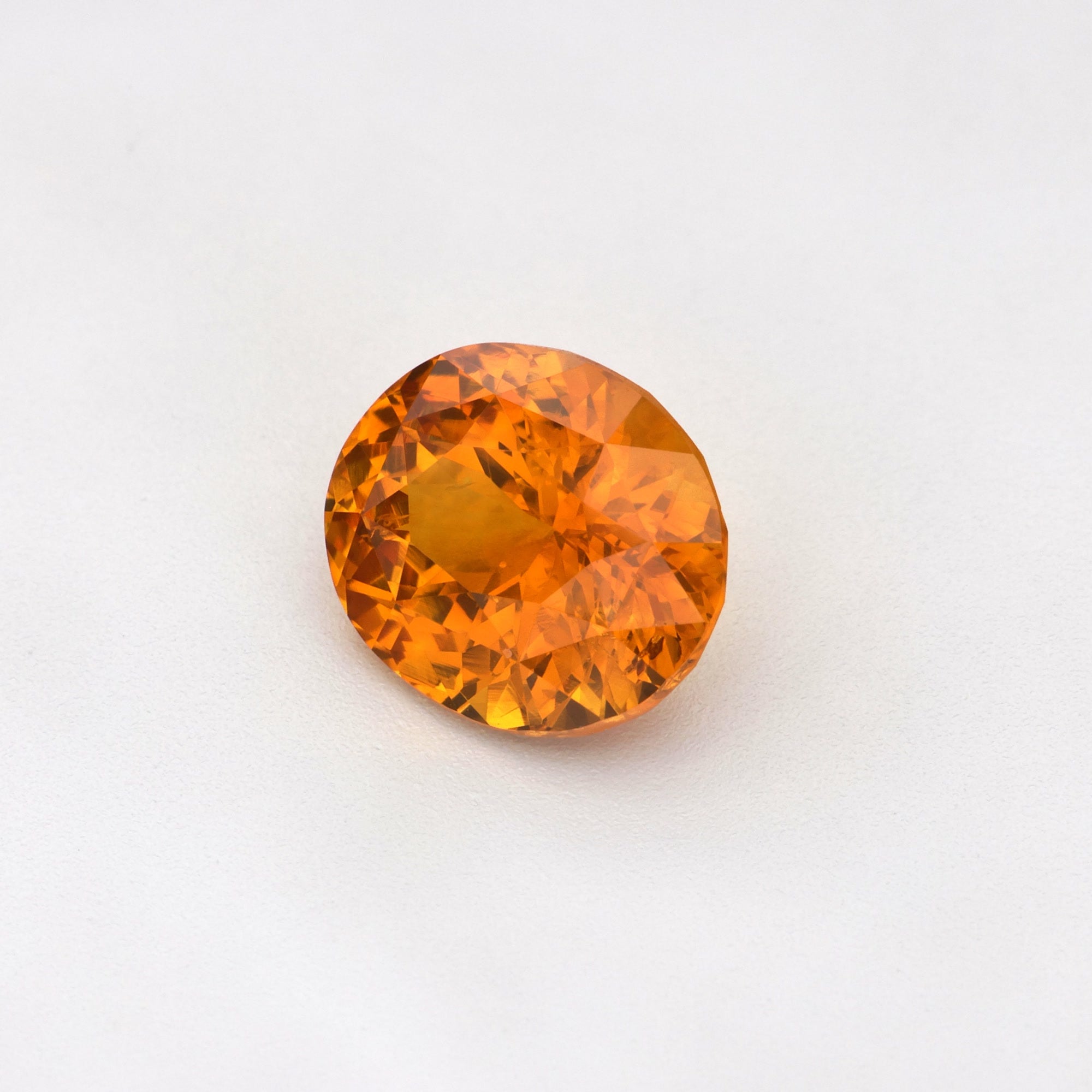
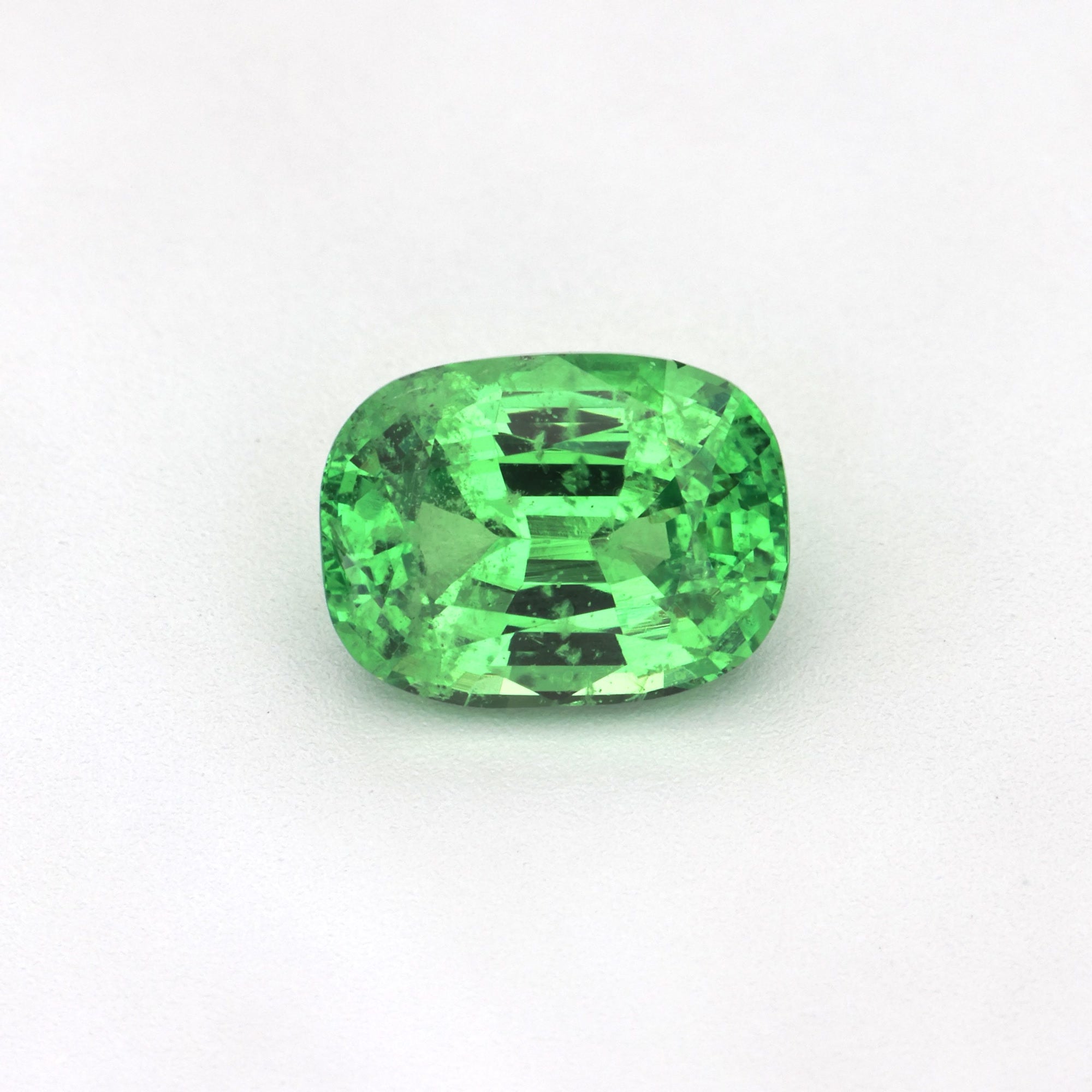
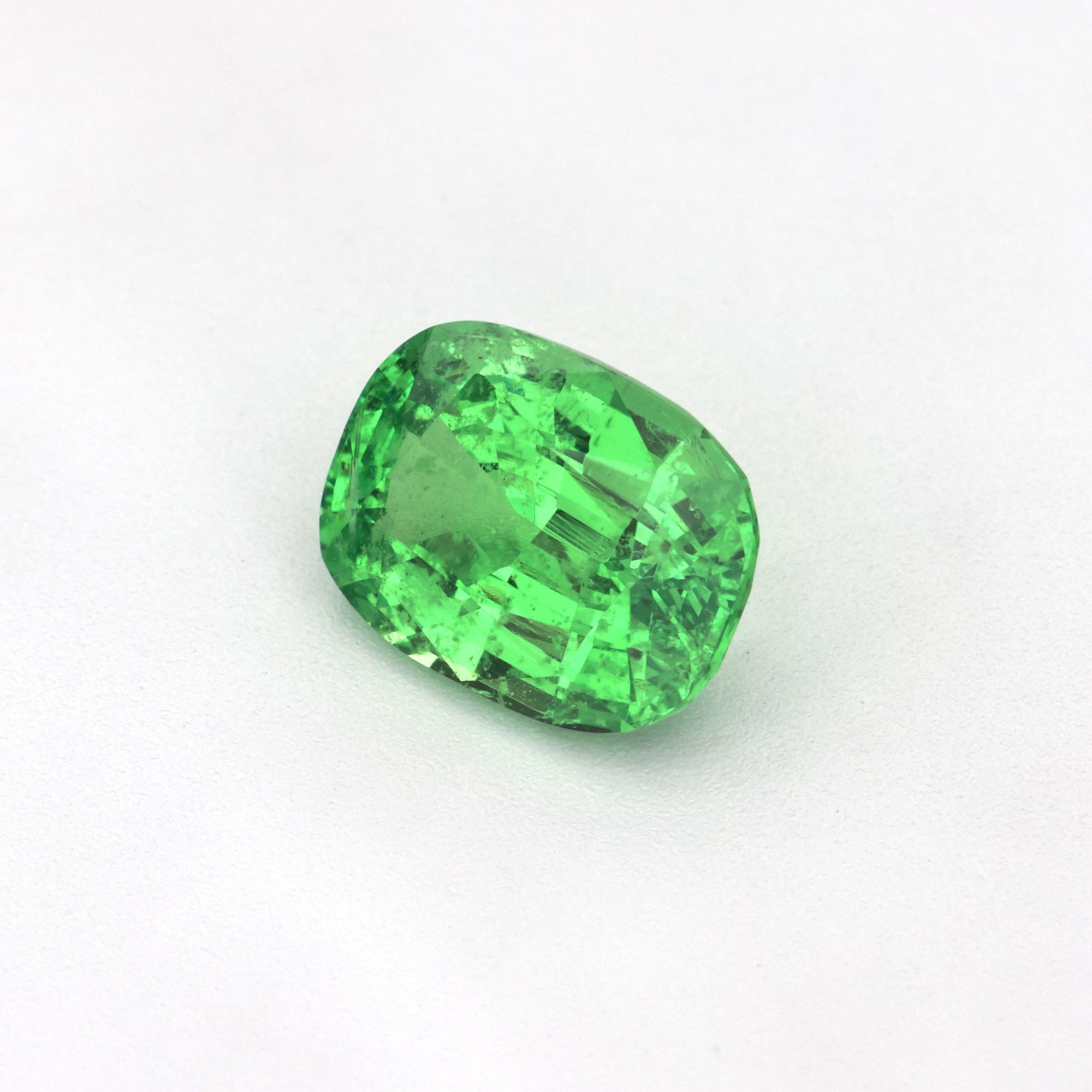
CG8460
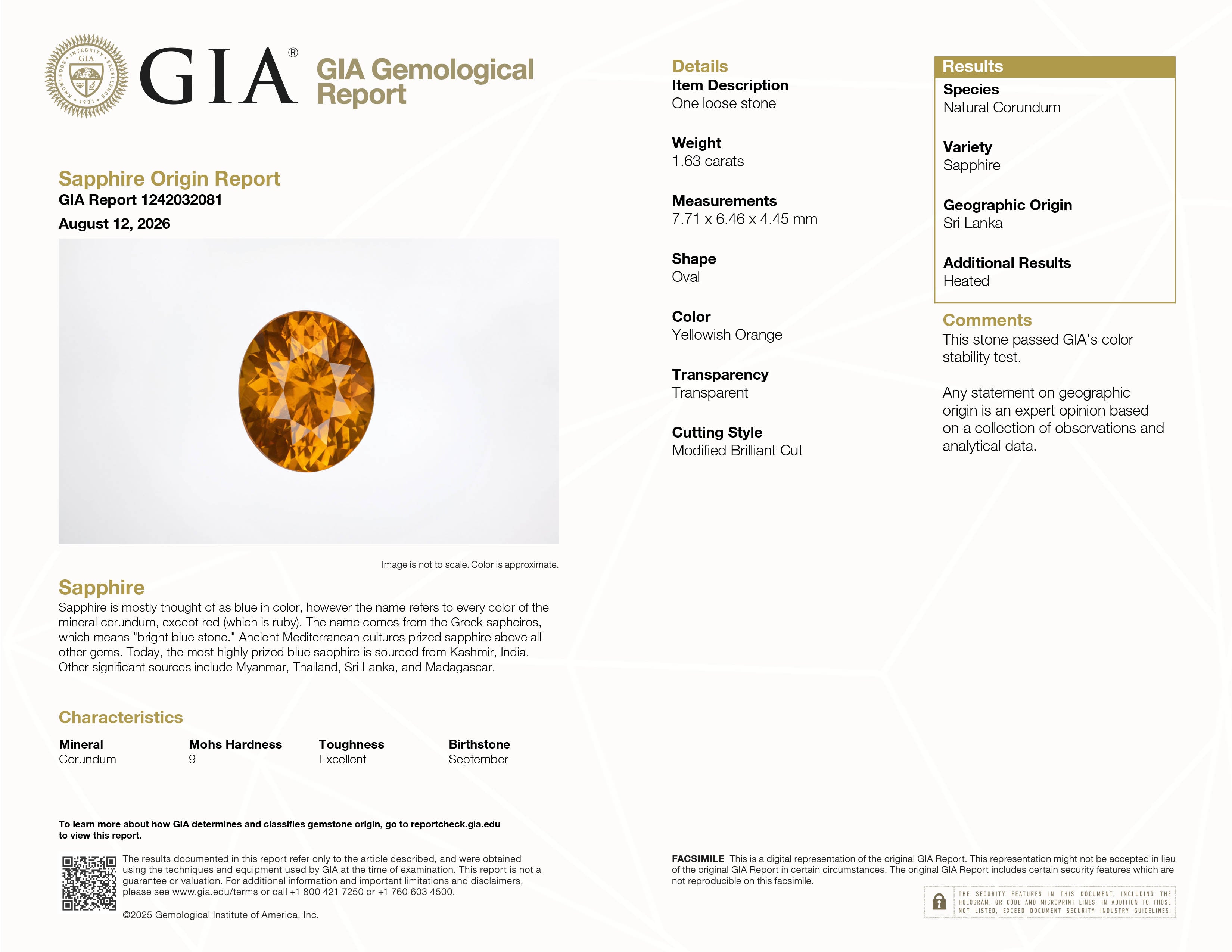
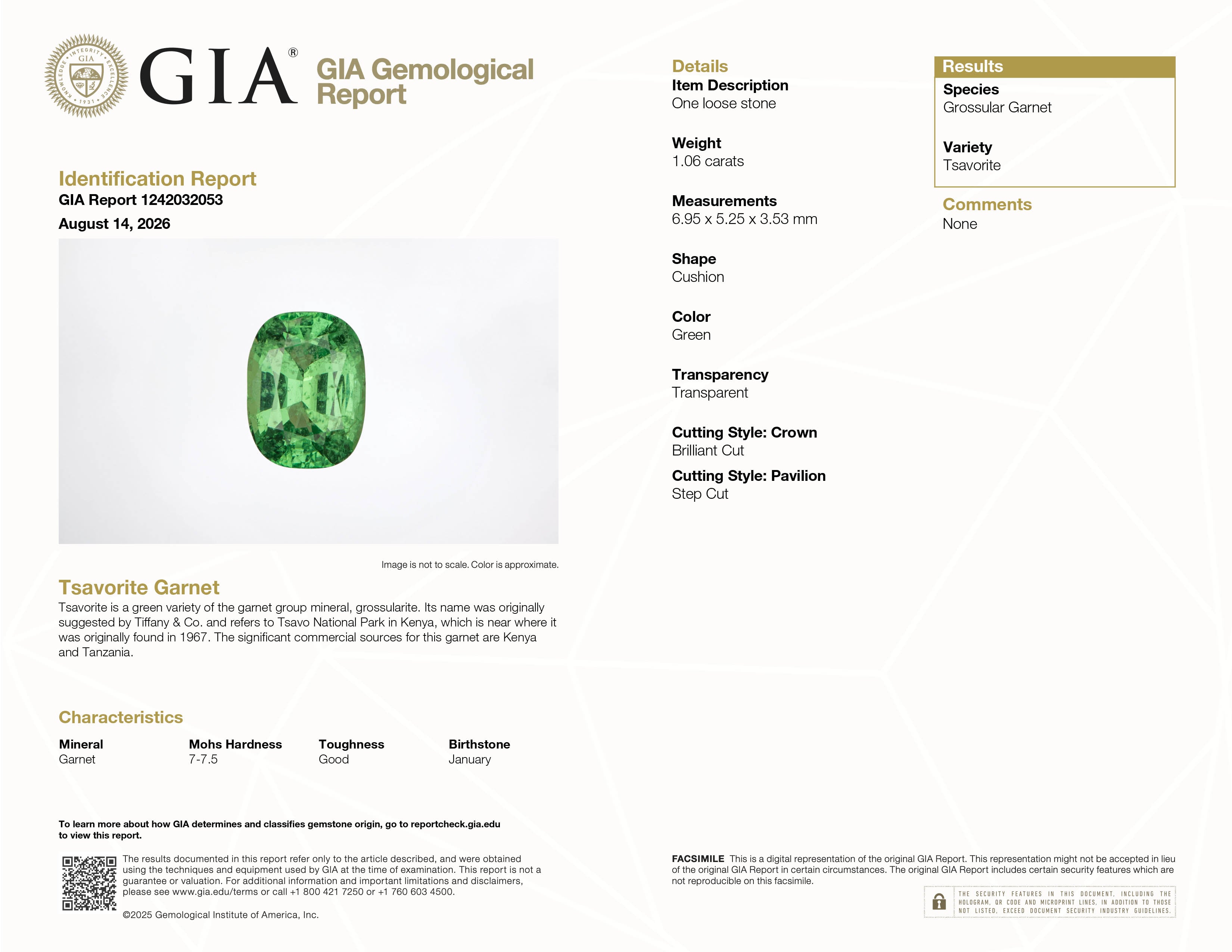
CG8456


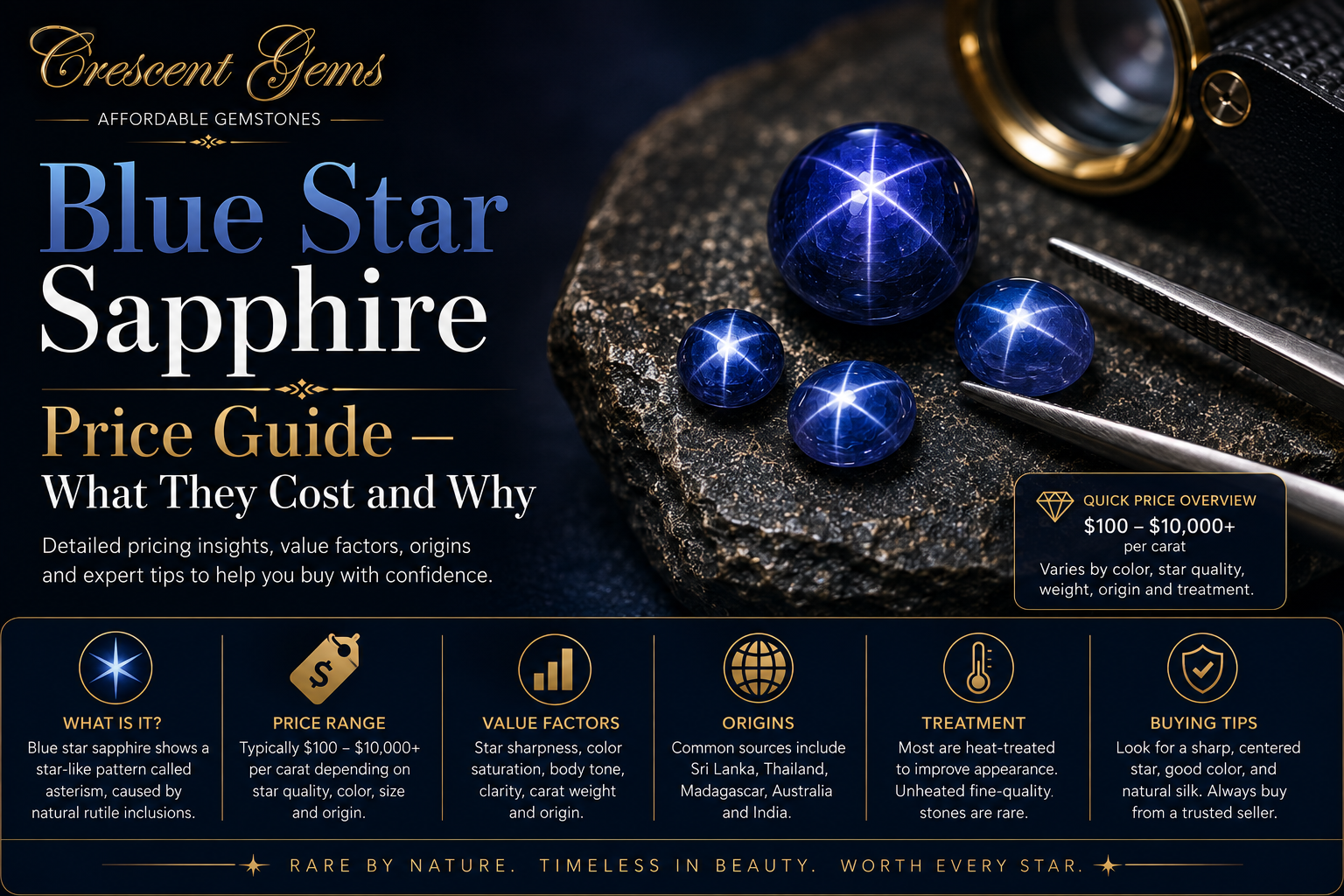
Blue Star Sapphire Price Guide — What They Cost and Why
Read moreabout Blue Star Sapphire Price Guide — What They Cost and Why
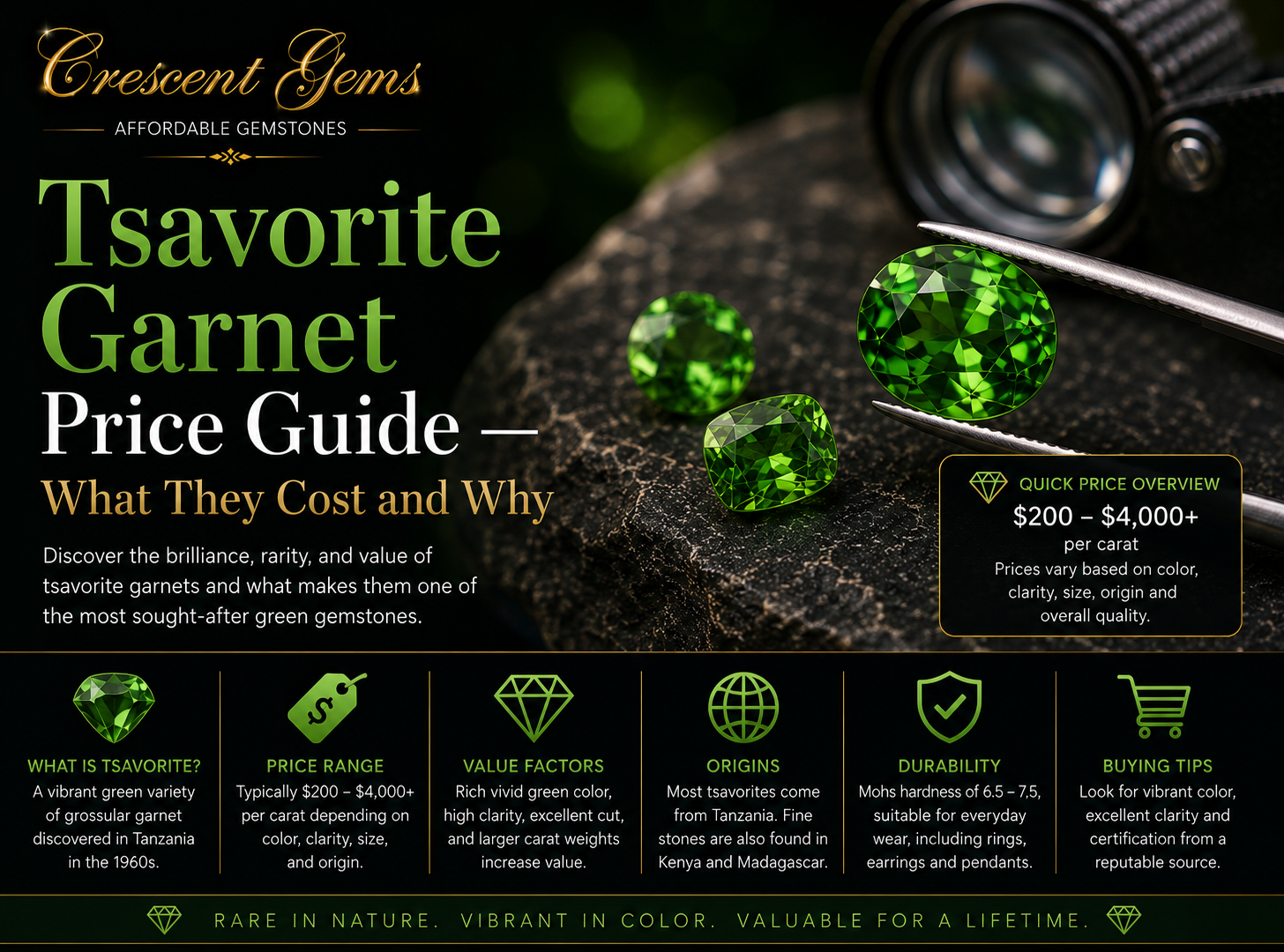
Tsavorite Garnet Price Guide — What They Cost and Why
Read moreabout Tsavorite Garnet Price Guide — What They Cost and Why
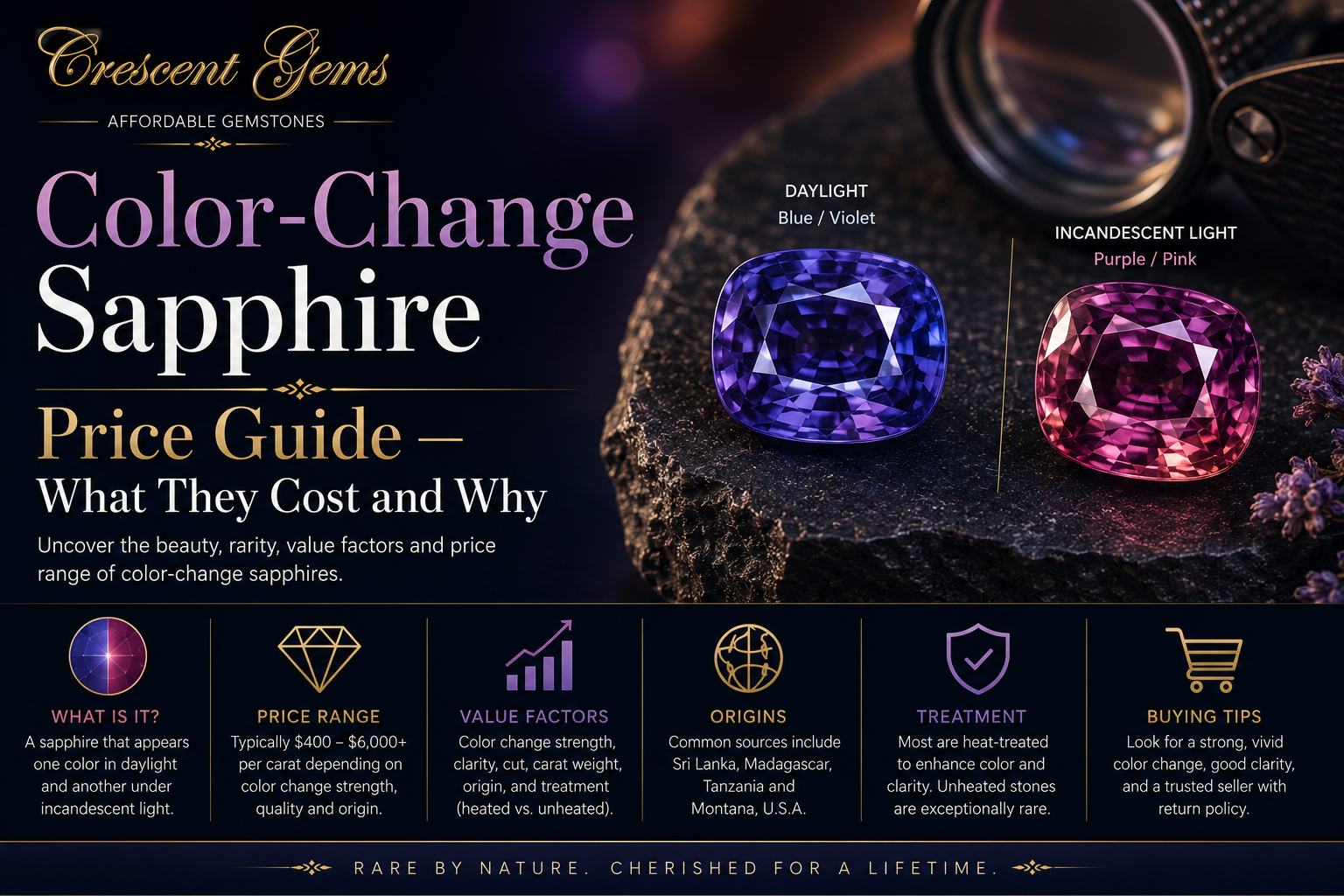
Color-Change Sapphire Price Guide — What They Cost and Why
Read moreabout Color-Change Sapphire Price Guide — What They Cost and Why
Is Cat's-Eye Chrysoberyl Good for an Engagement Ring?
Read moreabout Is Cat's-Eye Chrysoberyl Good for an Engagement Ring?
Cat's Eye Chrysoberyl Price Guide — What They Cost and Why
Read moreabout Cat's Eye Chrysoberyl Price Guide — What They Cost and Why















Share: