New to buying sapphires? Start with our Ultimate Sapphire Buying Guide — the complete resource for colour, origin, treatment, and pricing.

Purple sapphire is natural corundum in the red-leaning range of the violet-to-purple spectrum — a gemstone that sits between pink and blue in hue, warmer than pure violet and cooler than pure pink, with a color that has been prized in royal and ecclesiastical traditions for centuries. It is among the least commercially common of the major sapphire colors and one of the most visually interesting: the combination of chromium and iron (and sometimes vanadium) that produces purple in corundum creates a stone whose color can shift meaningfully between light sources, appearing more blue-violet in daylight and more red-purple under incandescent light.

Despite being less commercially visible than blue, yellow, or pink sapphire, purple sapphire has a dedicated following among collectors, designers working with non-traditional engagement pieces, and Jyotish practitioners who prescribe it for Saturn (Shani). The color family spans a wide range — from the palest lavender through mid-tone violet to richly saturated purple and deep plum — and each zone has a distinct aesthetic and market position. Understanding where a stone sits within that spectrum is the key to evaluating it correctly.

This guide covers the full purple sapphire color family, how purple differs from violet, which origins produce the finest material, what heat treatment does to this color category, how to evaluate a stone for jewelry or collection use, and how to navigate pricing in a market that lacks the standardized reference points of blue or yellow sapphire.

What Is Purple Sapphire?

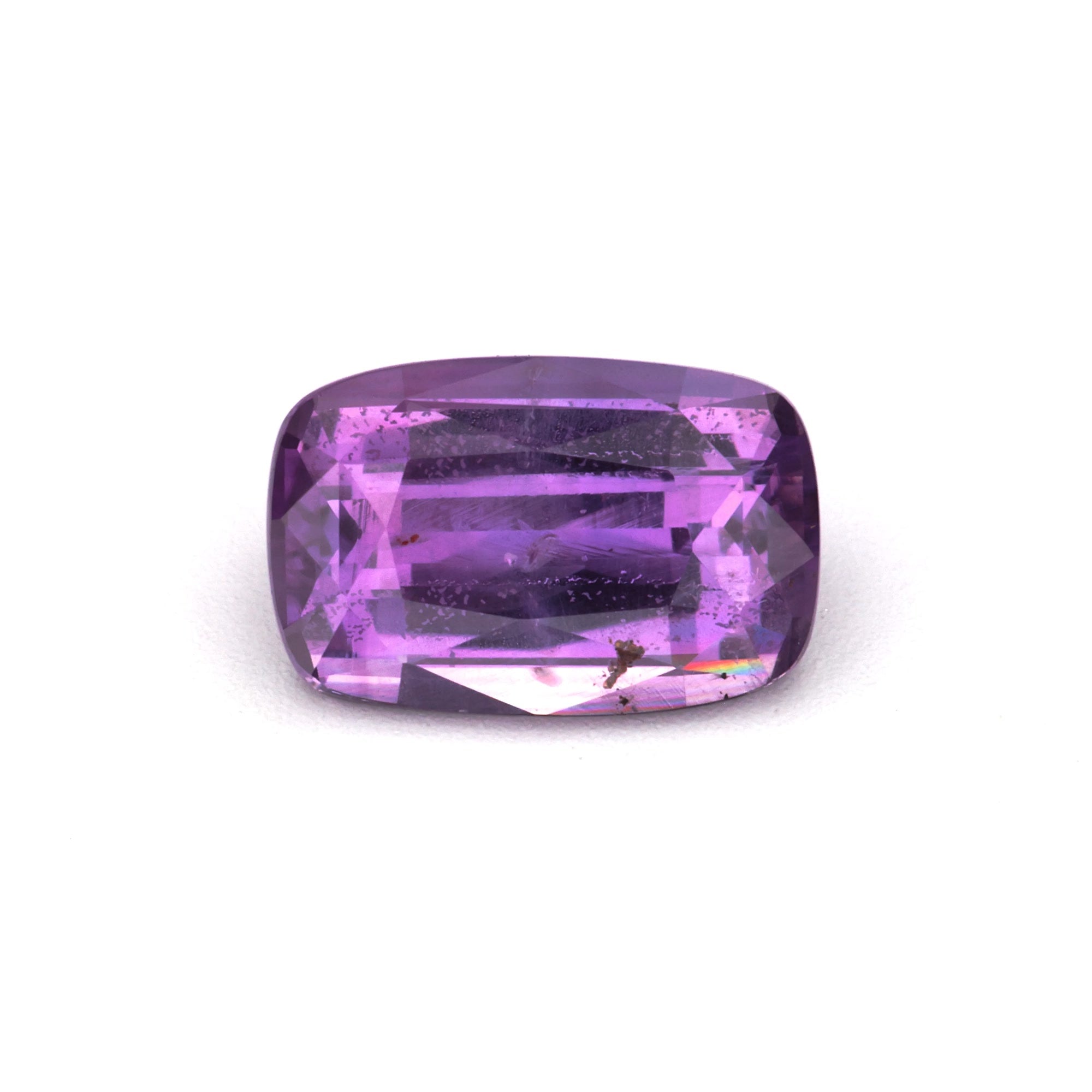
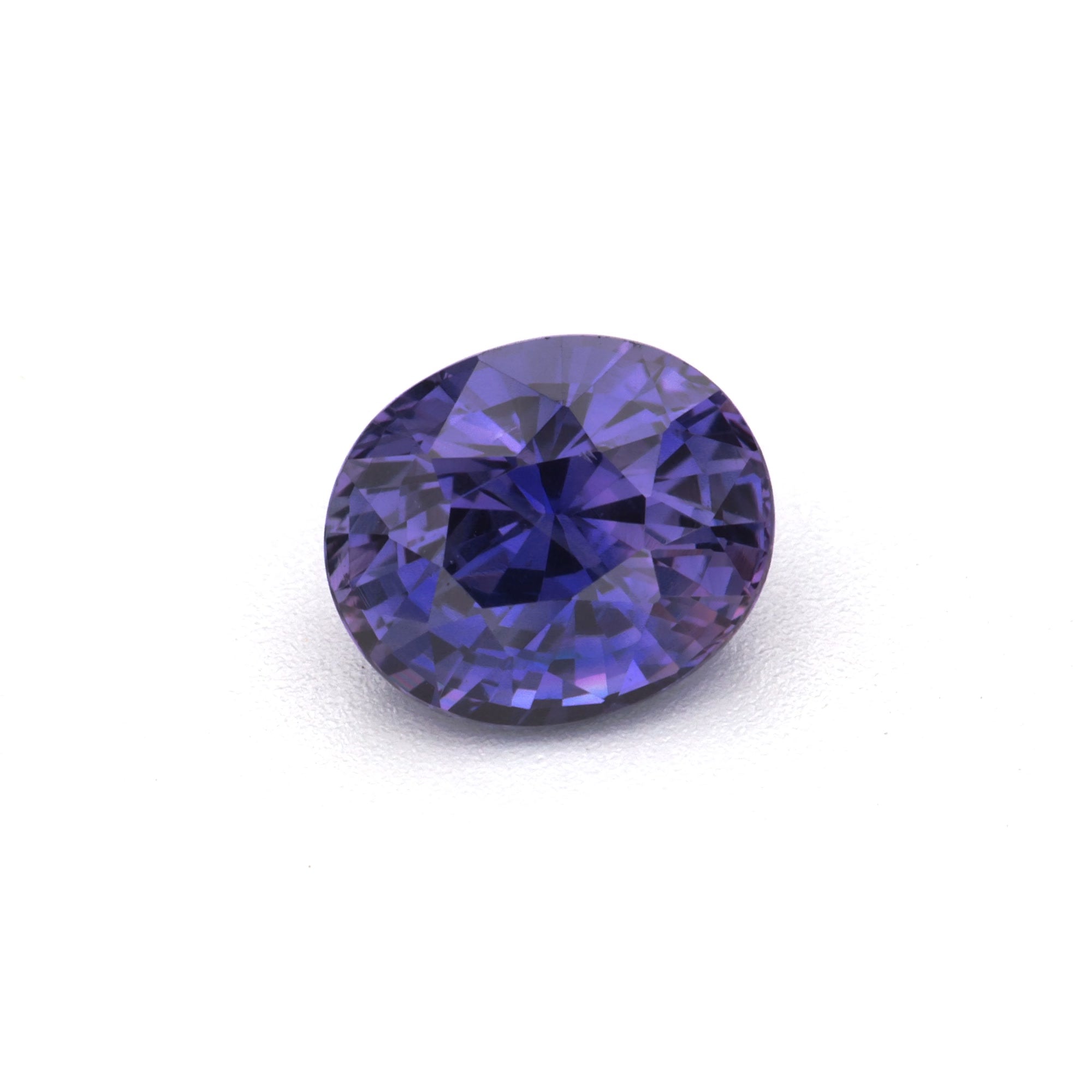
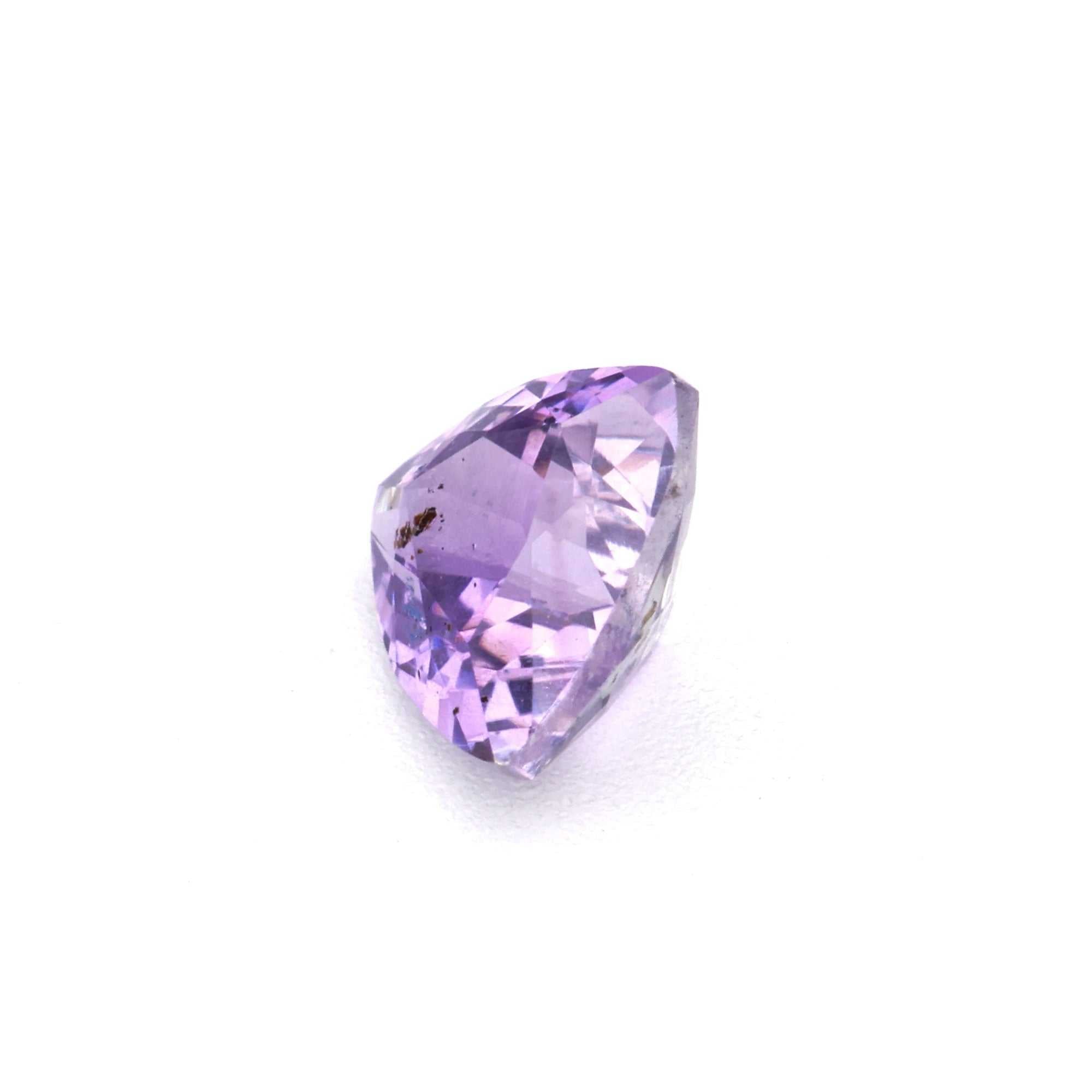
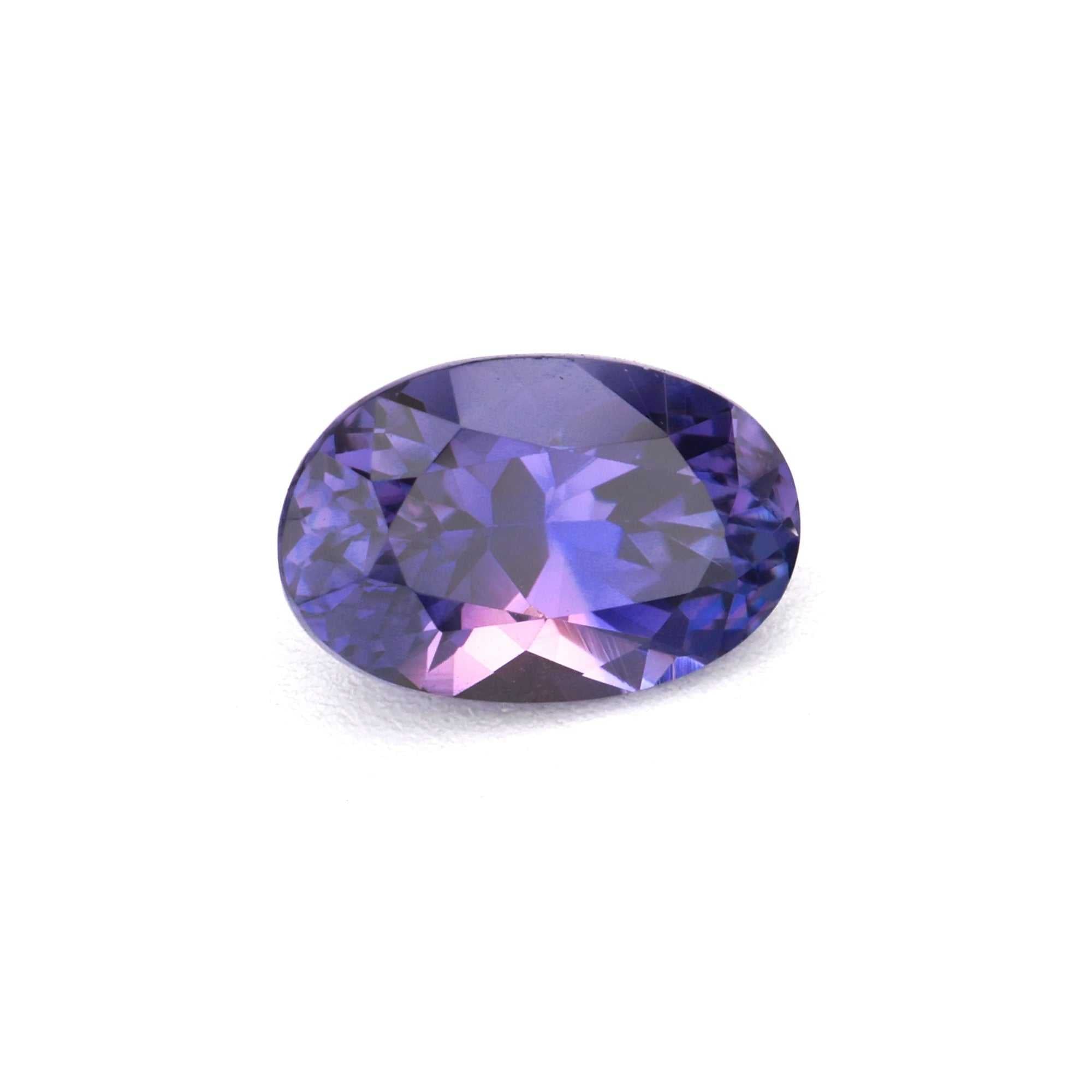
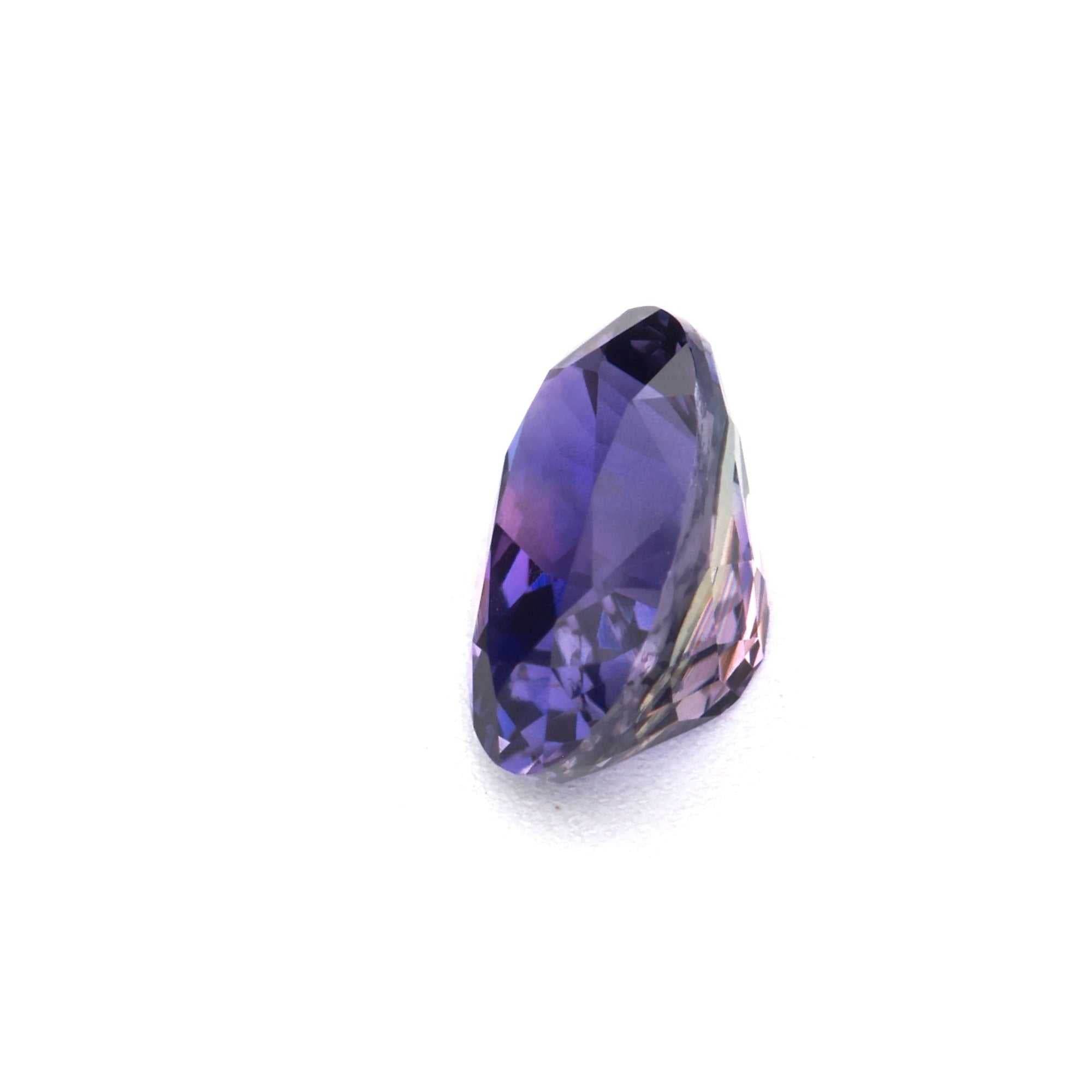
0.56 ct natural Ceylon purple sapphire gemstone with brilliant cut and vivid violet color

Purple sapphire is corundum colored primarily by chromium, which drives the red-purple component, often in combination with iron (which contributes a blue modifier) and sometimes vanadium (which can produce a distinctive color-shifting character). The resulting color — purple — sits at the hue position where red and blue meet in roughly equal proportions, with enough red influence to distinguish it from violet (which reads as blue-influenced purple) and enough blue to distinguish it from pink (which is pure chromium color without the blue modifier).

The most important distinction in this color family is between purple and violet. In gemological usage, violet sapphire is the cooler, more blue-influenced end of the spectrum — a color that reads with more blue than red, closer to the blue end of the visible spectrum. Purple sapphire is the warmer, more red-influenced end — a color where red and blue are more balanced or where red slightly dominates. Both are natural, both are valuable, and both fall under the broad commercial umbrella of purple sapphire, but they read differently and suit different aesthetic contexts.

A further subdivision — lavender — describes the palest end of the violet-purple range: a soft, muted, blue-gray-pink tone with low saturation that reads with a quiet, romantic character quite different from vivid purple. Lavender sapphire has its own market and its own aesthetic logic, discussed further below.

The Purple Sapphire Color Spectrum

Understanding where a specific stone sits in the purple sapphire spectrum is the most important factor in evaluating it correctly.

Lavender

The lightest and most muted end of the spectrum. Lavender sapphire reads as a soft, violet-gray-pink — a color with low saturation that conveys quiet elegance rather than vivid presence. Under cool daylight it reads with more gray-blue character; under warm incandescent light it becomes slightly warmer and more violet. Lavender suits buyers who want a distinctive, understated color in a stone with sapphire's durability. It pairs naturally with white gold and platinum settings, where the cool metal allows the soft tone to read without competition. The risk with very light lavender is that it can approach near-colorless under some lighting conditions, reducing its visual impact as a center stone.

Violet

The blue-influenced, mid-tone range of the purple family. Violet sapphire reads clearly as a gemstone color — saturated enough to have strong presence at wearing distance — with a cool, slightly blue character that distinguishes it from the warmer red-influenced purples. This is the most commonly available zone in the purple family, and some of the finest examples come from Ceylon (Sri Lanka). Vanadium-rich violet sapphires can show a distinctive light-shifting behavior where the stone reads more blue under daylight and more purple under incandescent, adding to their visual interest. Violet is the most versatile of the purple family for engagement ring use because the cool tone works well against white gold and platinum.

Purple

The warm, red-influenced center of the spectrum — a balanced red-blue that reads unmistakably as purple rather than blue or pink. True purple sapphire with strong saturation is genuinely rare and commands premiums over violet or lavender material of the same size. The warmth of purple reads particularly well in yellow gold and rose gold settings, where the metal reinforces the stone's red component. Collectors specifically seek vivid, balanced purple in unheated quality.

Plum and Violet-Purple

Deeper, more saturated purple at medium-dark to dark tone. Plum sapphire reads with a rich, jewel-toned depth that is striking in large center stones and collector pieces. The risk at this tone level is that the stone can read dark or slightly gray under some lighting conditions, reducing the vivid, luminous quality that defines the finest purple material. The most desirable plum-toned sapphires retain their rich color saturation under all standard lighting without darkening or graying out.

Purplish-Pink and Pinkish-Purple

The boundary zones between purple and pink. Purplish-pink reads as a pink stone with a purple undertone — warmer than violet, softer than pure purple. Pinkish-purple reads as a purple stone with a pink warmth. Both are collected and used in engagement design, and both suit rose gold settings particularly well. The boundary between these zones and padparadscha-adjacent material does not apply here — padparadscha is in the orange-pink range — but the boundary between purplish-pink and certified pink sapphire can be commercially relevant at the finest quality levels.

Purple vs. Violet: Why the Distinction Matters

The purple-violet distinction is not merely semantic. Violet and purple sapphire read differently to the eye, suit different settings and metal colors, attract somewhat different buyers, and are priced differently in the fine gem market. The distinction is worth understanding even if you are not a gemologist.

Violet sapphire has more blue content — it reads cooler, closer to blue in character, and at high saturation can be mistaken for a slightly warm blue or a slightly pink-influenced blue depending on the lighting. It pairs best with white and cool metals. Vanadium-rich violet sapphire can show strong color-shifting behavior, appearing blue under daylight and purple under incandescent, which is a desirable and distinctive quality.

Purple sapphire has more red content — it reads warmer, closer to the traditional royal purple of historical associations, and has a richness that violet lacks. It pairs well with yellow and rose gold. At the finest quality level, vivid true purple in unheated Ceylon material is one of the rarest and most sought-after sapphire colors among serious collectors.

For buyers deciding between violet and purple: if you want a cooler, more blue-adjacent tone that works beautifully against white metal, violet is the choice. If you want a warmer, more traditionally regal color that suits yellow and rose gold, purple is the choice. Both are beautiful; the question is which reads as right for your specific design context.

The Vanadium Factor and Color Shifting

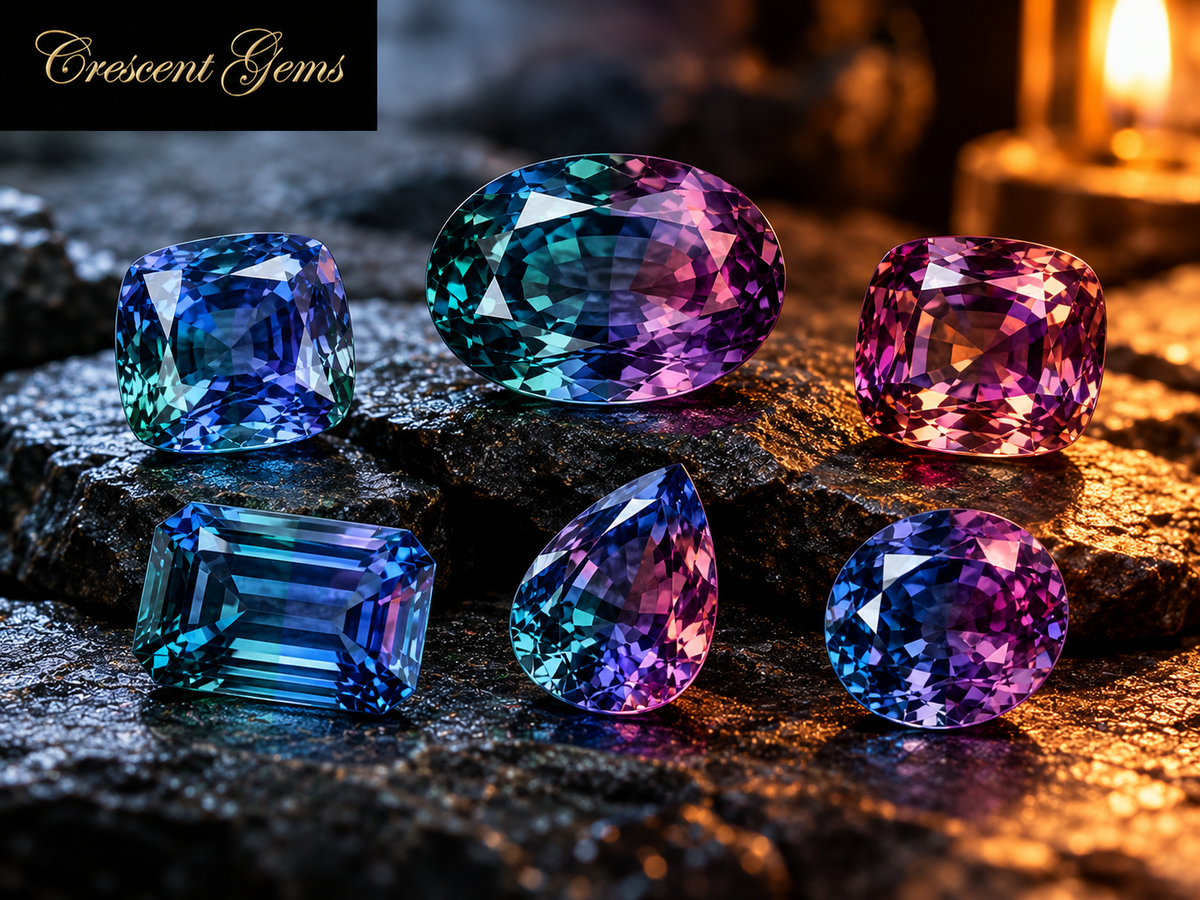
Some purple and violet sapphires contain trace vanadium, a chromophore that produces a distinctive response to different light sources. Vanadium-rich violet sapphire can shift dramatically between its daylight color (blue-violet to blue) and its incandescent color (purple to reddish-purple) — a behavior that resembles the color-change phenomenon seen in alexandrite, though less dramatic. This color-shifting quality is prized in the collector market and adds to the stone's visual interest.

The degree of shift varies widely. Some vanadium-rich stones show a strong, clearly visible shift between the two light sources; others show a subtle change in tone rather than a full hue shift. Strong-shifting violet sapphires approach the commercial category of color-change sapphire and may command premiums accordingly. When evaluating a purple or violet sapphire, viewing it under both natural daylight and incandescent light is particularly important for understanding its full character.

Origin: Where the Finest Purple Sapphires Come From

Origin matters in purple and violet sapphire because the color profile and quality characteristics differ meaningfully across sources, and certain origins carry premiums in the collector and fine jewelry market.

Sri Lanka (Ceylon)

The most important source for fine purple and violet sapphire. Ceylon material in the violet-purple range is known for its high transparency, vivid saturation, and a natural tendency toward unheated quality that is less common in other sapphire colors. The finest unheated Ceylon violet and purple sapphires — particularly those with vanadium-driven color-shifting character — are among the most collected sapphires outside the blue category. GIA reports confirming Ceylon origin and unheated status represent the premium specification for this color family. Sri Lanka's alluvial gem gravels produce the full range from lavender through vivid purple, and the finest examples of each sub-category are most commonly found here.

Tanzania

Tanzania produces violet and purple sapphires from the Umba Valley and other deposits, including some material with a distinctive color profile not commonly found in Ceylon. Tanzanian material in the purple-violet range is often more modestly priced than comparable Ceylon examples and can represent strong value for buyers who prioritize color quality over documented origin. Major laboratory origin documentation is less commonly available for Tanzanian material than for Ceylon.

Montana (USA)

Montana sapphires span a wide color range including steely blue-violet and pale lavender tones that are increasingly popular in the US market among buyers who value domestic origin. Montana violet sapphires tend toward cooler, more muted tones than Ceylon material and have their own distinct aesthetic following. Montana origin can add a premium in certain market segments.

Madagascar and Other Sources

Madagascar produces violet and purple sapphires as part of its broad sapphire production, generally at more accessible price points than Ceylon. Other African sources (Kenya, Malawi) contribute smaller quantities of purple-violet material to commercial supply. The color profile of these sources varies widely and is typically evaluated on stone-by-stone merits rather than origin-based premiums.

Heat Treatment in Purple and Violet Sapphire

Heat treatment in the purple and violet sapphire category has a more complex relationship with color quality than in blue sapphire. For blue, heat treatment reliably improves color saturation and clarity in most material. For purple and violet, the results are less predictable: heating can improve saturation in some cases, but it can also shift the color balance away from the desired purple-violet zone toward blue or pink, destroying the specific chromium-iron-vanadium balance that produced the original color. As a result, fine unheated purple and violet sapphire is meaningfully more common as a proportion of available fine material in this color family than it is in blue.

The commercial market for purple sapphire at sub-1-carat sizes includes both heated and unheated material, and treatment disclosure is not always provided for small commercial stones. For 1-carat-and-above material where color quality and investment value matter, treatment disclosure — and ideally laboratory confirmation — is important.

Why Unheated Purple and Violet Commands a Premium

Unheated status in purple and violet sapphire confirms that the color balance — the specific proportions of chromium, iron, and vanadium that produced the stone's individual character — is entirely natural. For vanadium-rich color-shifting stones in particular, unheated status preserves the phenomenon's original strength. Heating vanadium-rich material can reduce or eliminate the color-shift character, which is why the finest color-shifting violet sapphires are almost always unheated. For Jyotish use, unheated status is a requirement rather than a preference.

How to Evaluate Purple and Violet Sapphire Color

Color evaluation in the purple family requires attention to several factors that are less critical in blue sapphire evaluation.

Hue Balance

The most important evaluation criterion. Determine where the stone sits on the violet-purple spectrum — how much blue it shows relative to red. Pure violet reads more blue; pure purple reads more balanced red-blue; purplish-pink reads warm. None of these is objectively better than the others, but each suits a different aesthetic and setting context. The key is to understand what you are buying and whether it matches your intended use.

Saturation and Tone

Mid-tone, vivid saturation is most desirable across the purple family. Very light tones (lavender) are beautiful but can read near-colorless in some conditions; very dark tones can read black or gray under low light. Stones with strong saturation in the mid-tone range perform best in finished jewelry — the color holds under all standard lighting conditions and at wearing distance. Avoid stones whose saturation appears to depend entirely on the strong artificial lighting of a display case.

The Lighting Test

Purple and violet sapphires are among the most lighting-sensitive of all sapphire colors. Always evaluate under at least two light sources: natural daylight (which reveals the true hue balance and any modifiers) and incandescent light (which shows the warm-shift character of vanadium-rich material and may reveal brownish or grayish modifiers not apparent under cool lighting). A stone that reads beautifully under one light source but disappoints under another is giving you important information about its color quality.

Modifiers to Avoid

Gray is the most common undesirable modifier in purple and violet sapphire — a grayish cast that muddies the color and reduces visual impact. Gray modifiers are most visible under natural daylight. Brown modifiers can also appear, particularly in heated material. The finest purple and violet sapphires show clean color without significant gray or brown influence. A slight blue or pink lean is natural and expected; gray or brown are quality defects.

Clarity in Purple and Violet Sapphire

Purple and violet sapphires from Ceylon are often quite clean, and eye-clean material is the expectation for fine jewelry use at any carat weight. Fine silk (rutile needle inclusions common in unheated corundum) is present in many natural sapphires and is acceptable in fine quantities. Heavy silk that reduces transparency and brilliance is more objectionable. Unlike ruby, which typically carries significant inclusions and still commands high prices for top color, fine purple sapphire without visible inclusions is achievable in the commercial market and is the correct standard for center stone applications.

Cut Quality and Shapes

The cut of a purple or violet sapphire determines both color display and light performance. Because purple is a complex color that benefits from controlled saturation, the cut choice is more consequential than it is for straightforwardly vivid colors like blue or yellow.

Oval

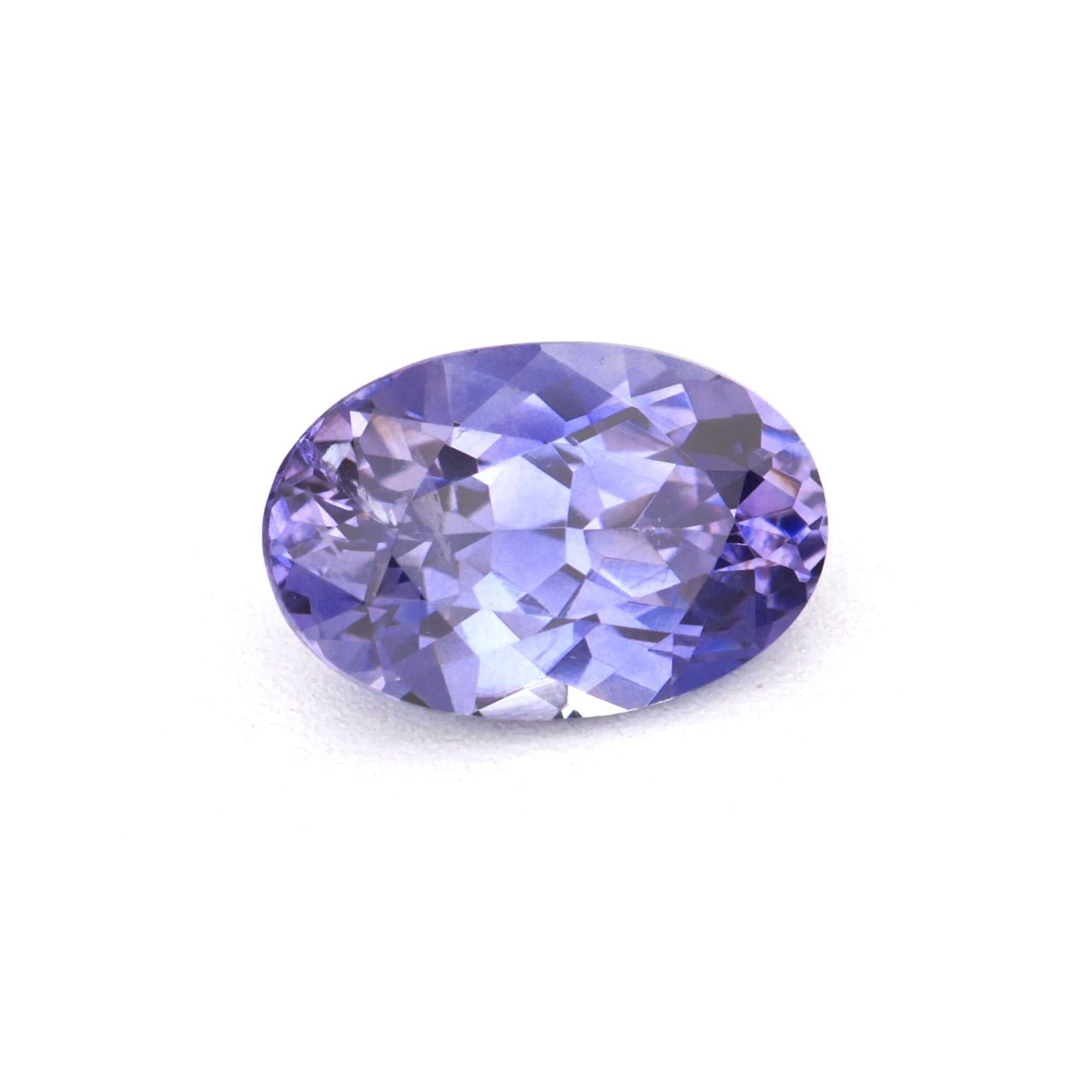
The most practical shape for purple and violet sapphire in engagement ring and pendant applications. The oval maximizes face-up color display and allows the warm or cool character of the stone to read clearly at wearing distance. Oval purple sapphires in white gold or rose gold settings are among the most distinctive non-traditional engagement ring choices available.

Cushion

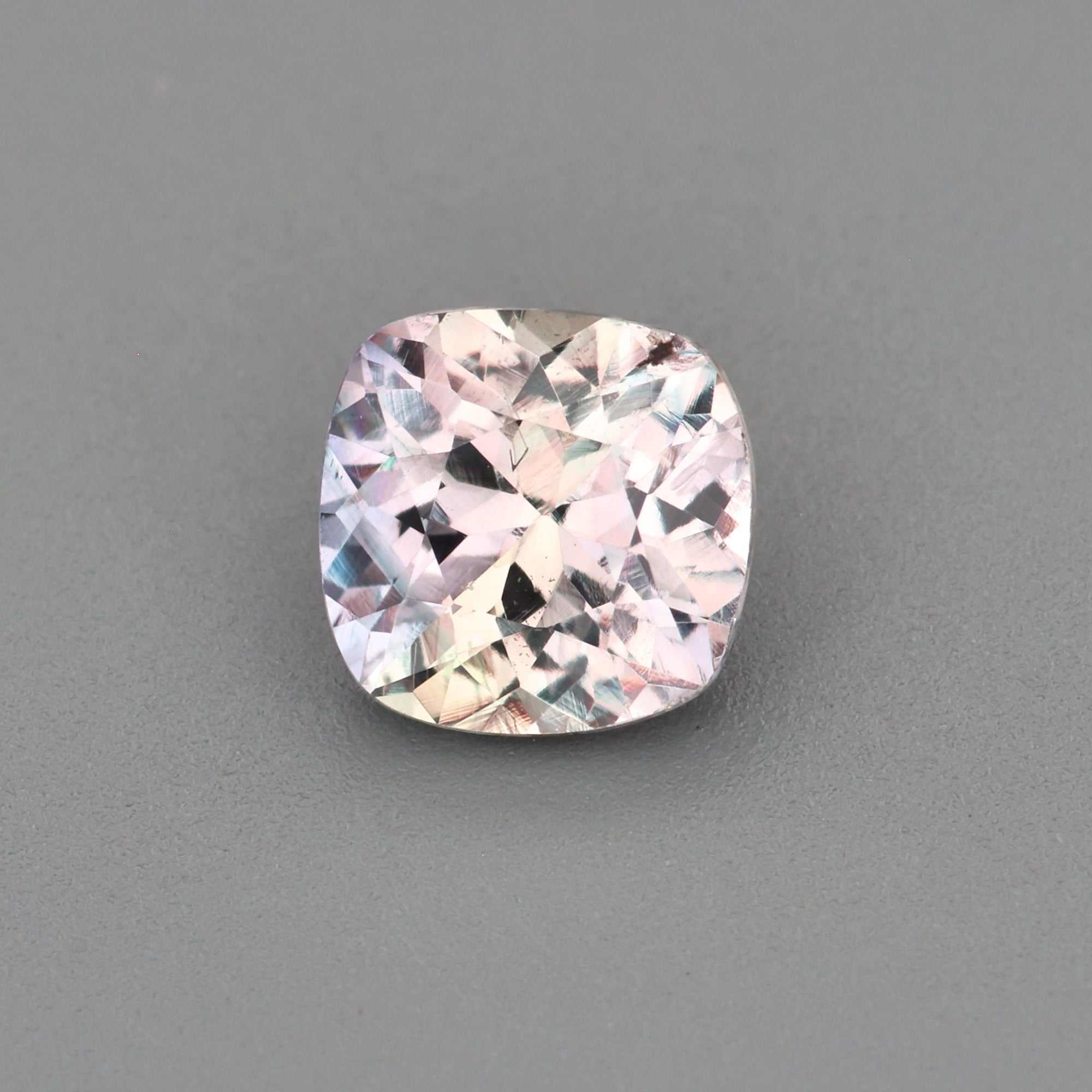
The cushion cut concentrates and deepens purple saturation across the face. Cushion-cut purple sapphires read slightly warmer and richer than oval equivalents of the same rough, which is particularly effective for the violet-purple range where concentrating saturation improves the color's presence. Square cushions add a modern geometric quality.

Emerald Cut and Step Cuts

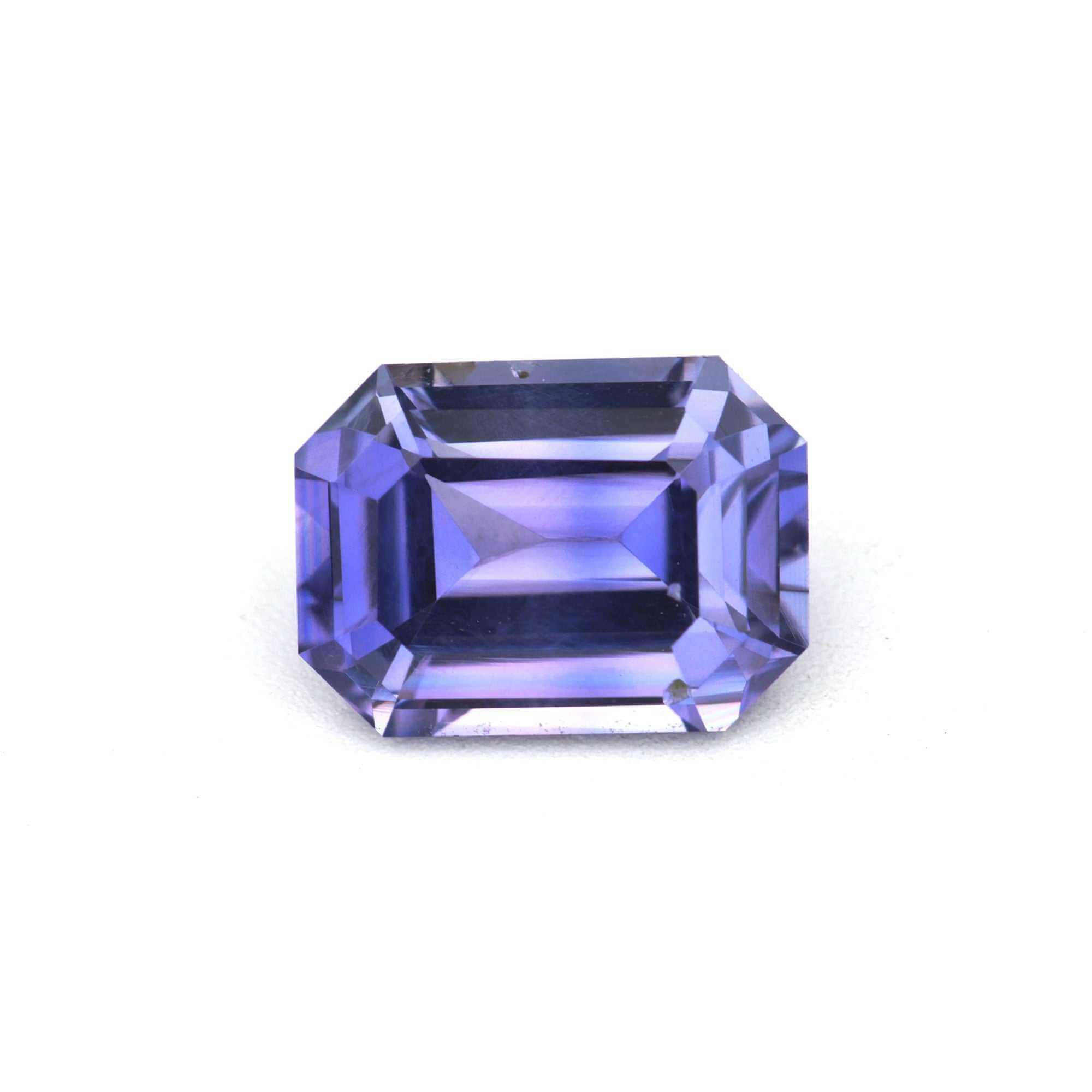
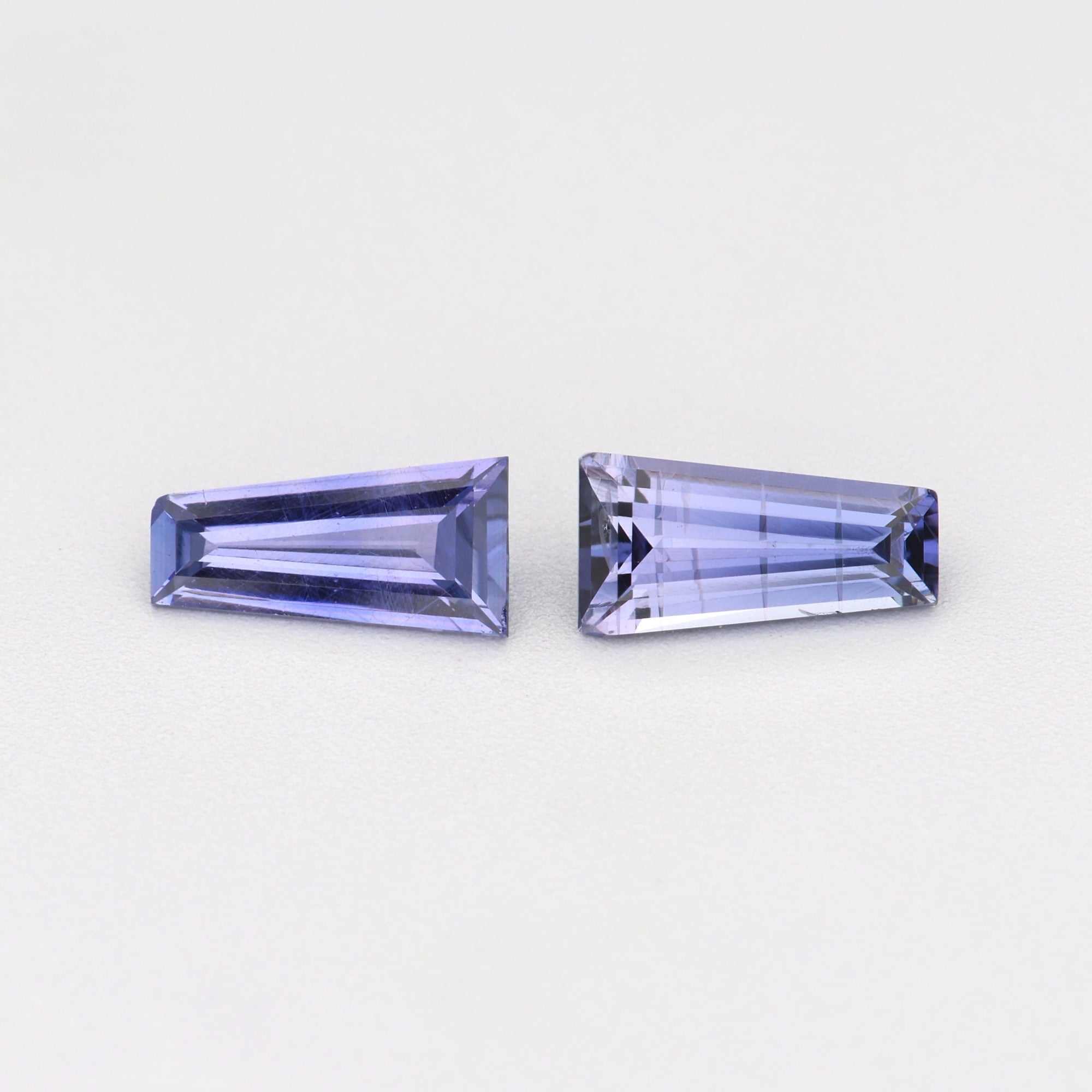
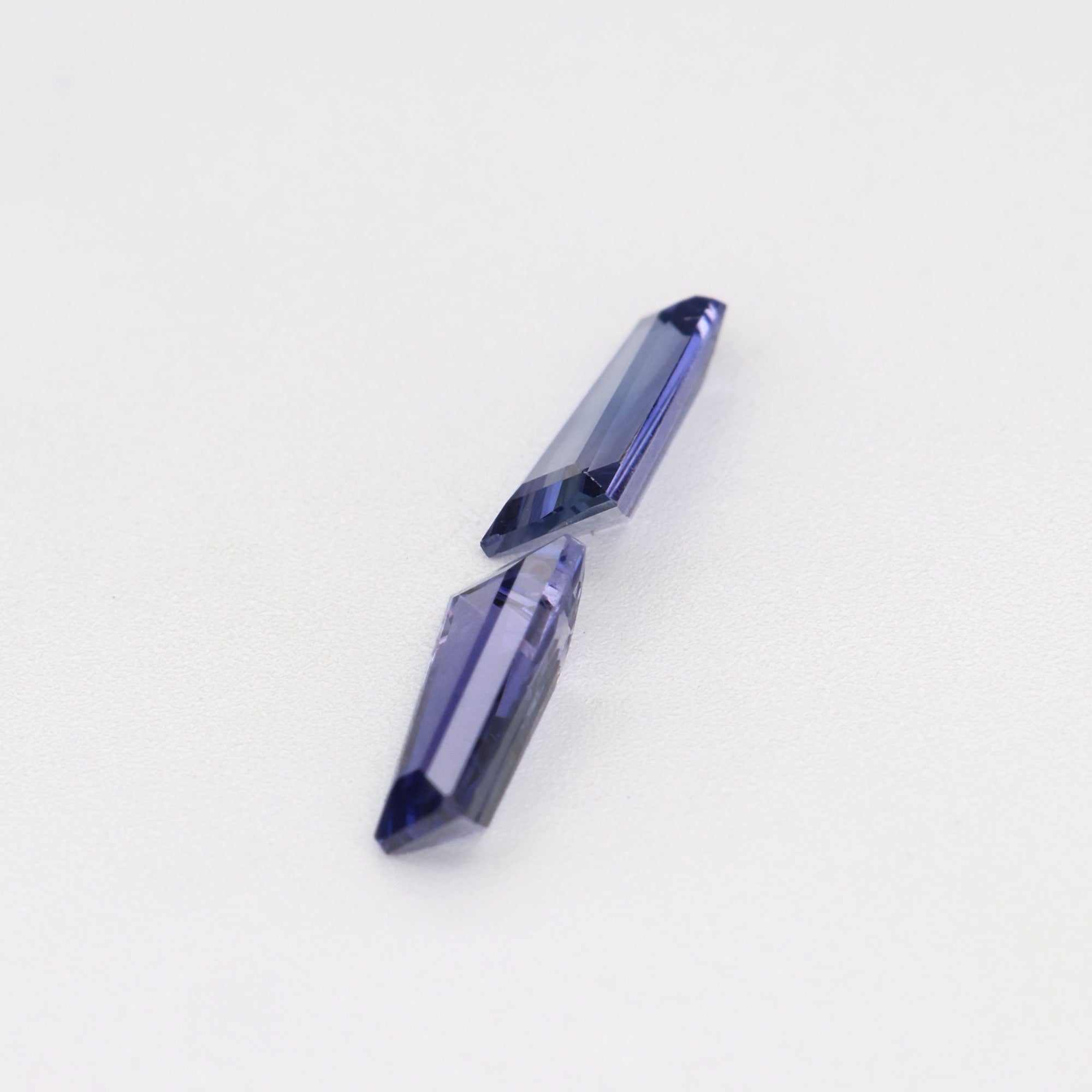
Less common in purple sapphire but architecturally striking in clean material with strong saturation. Step facets in purple corundum reveal interior color depth in a way that brilliant cuts cannot — the result is a stone with a quiet, layered character rather than surface sparkle. Best suited for vivid to rich purple where the saturation is strong enough to perform through step facets.

Trillion and Fancy Cuts

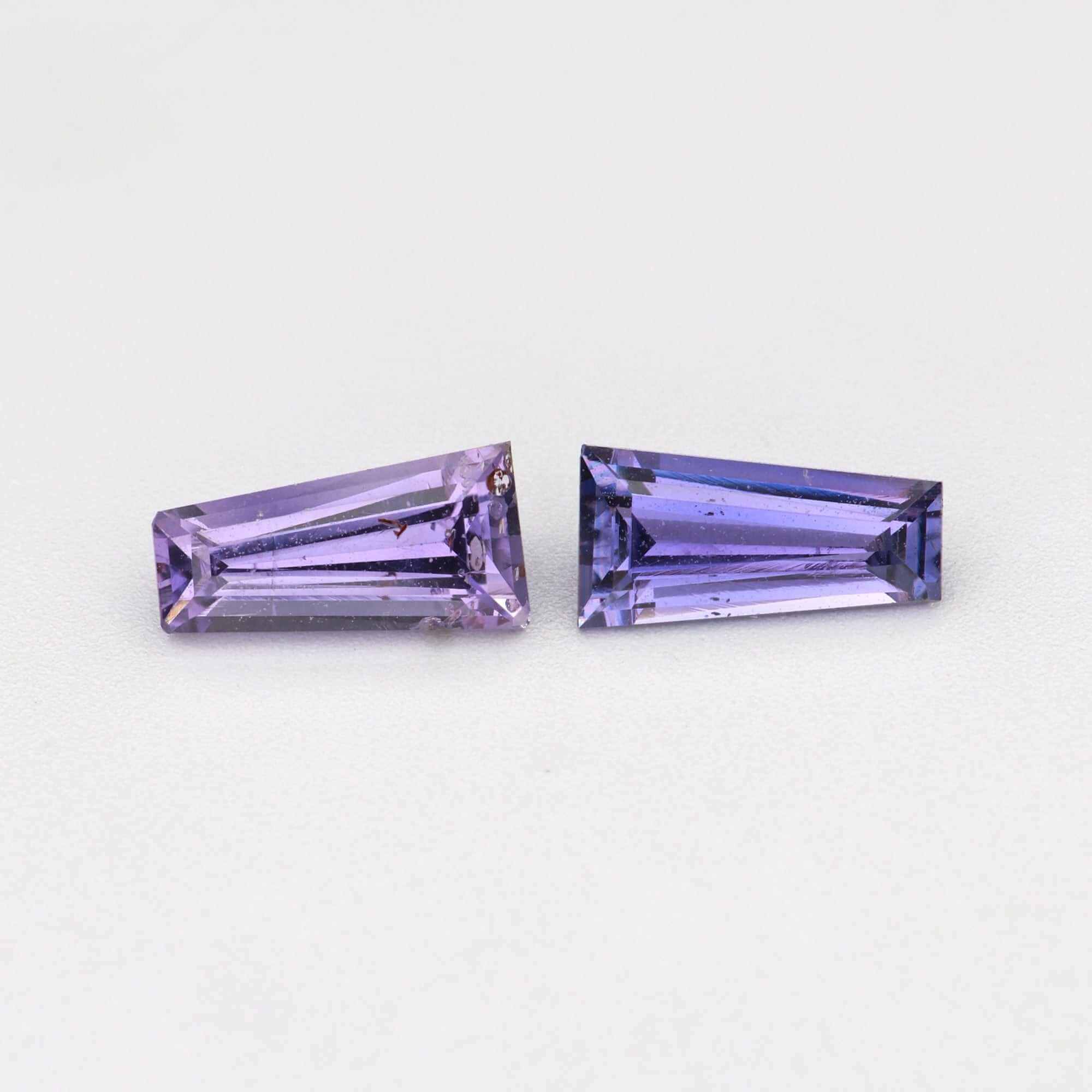
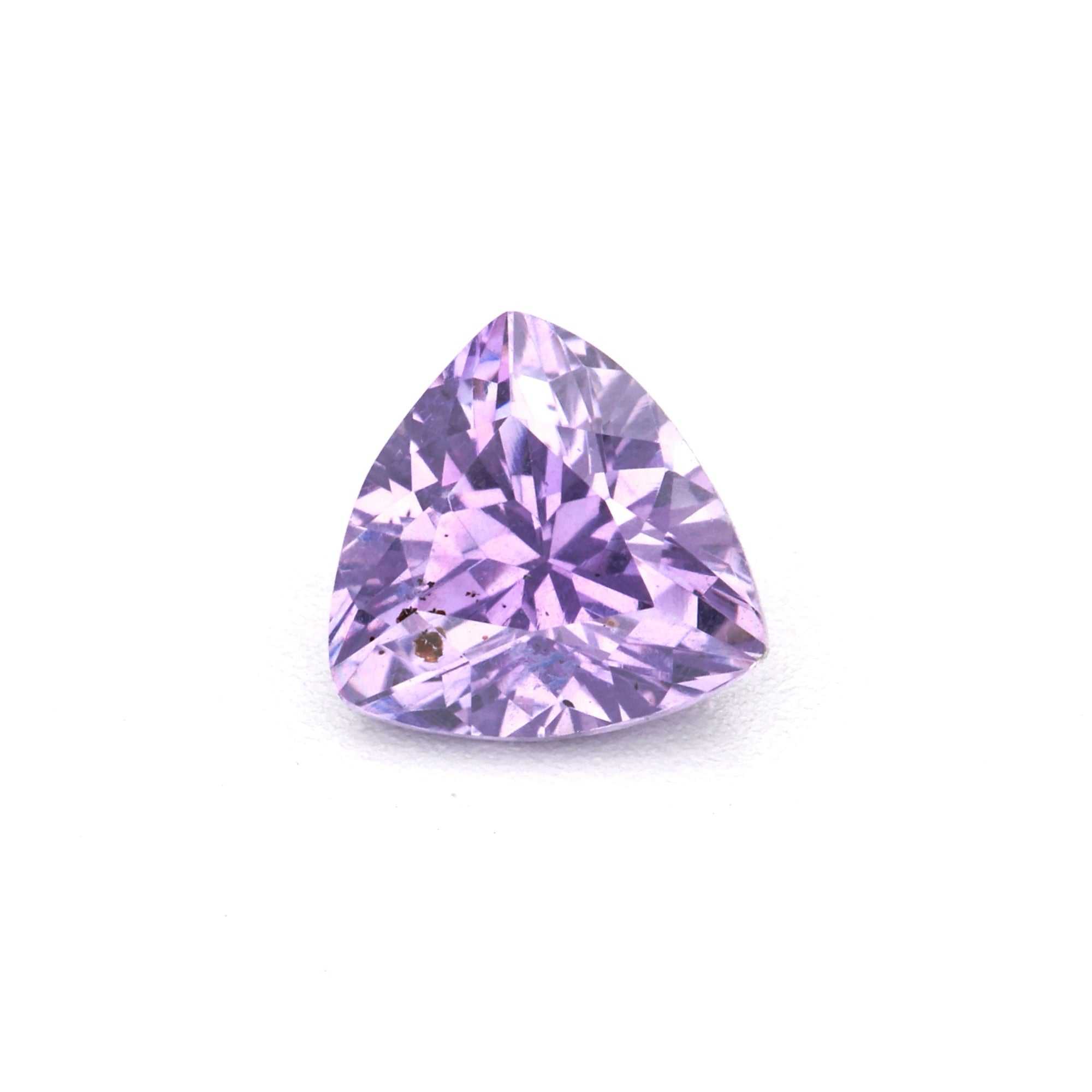
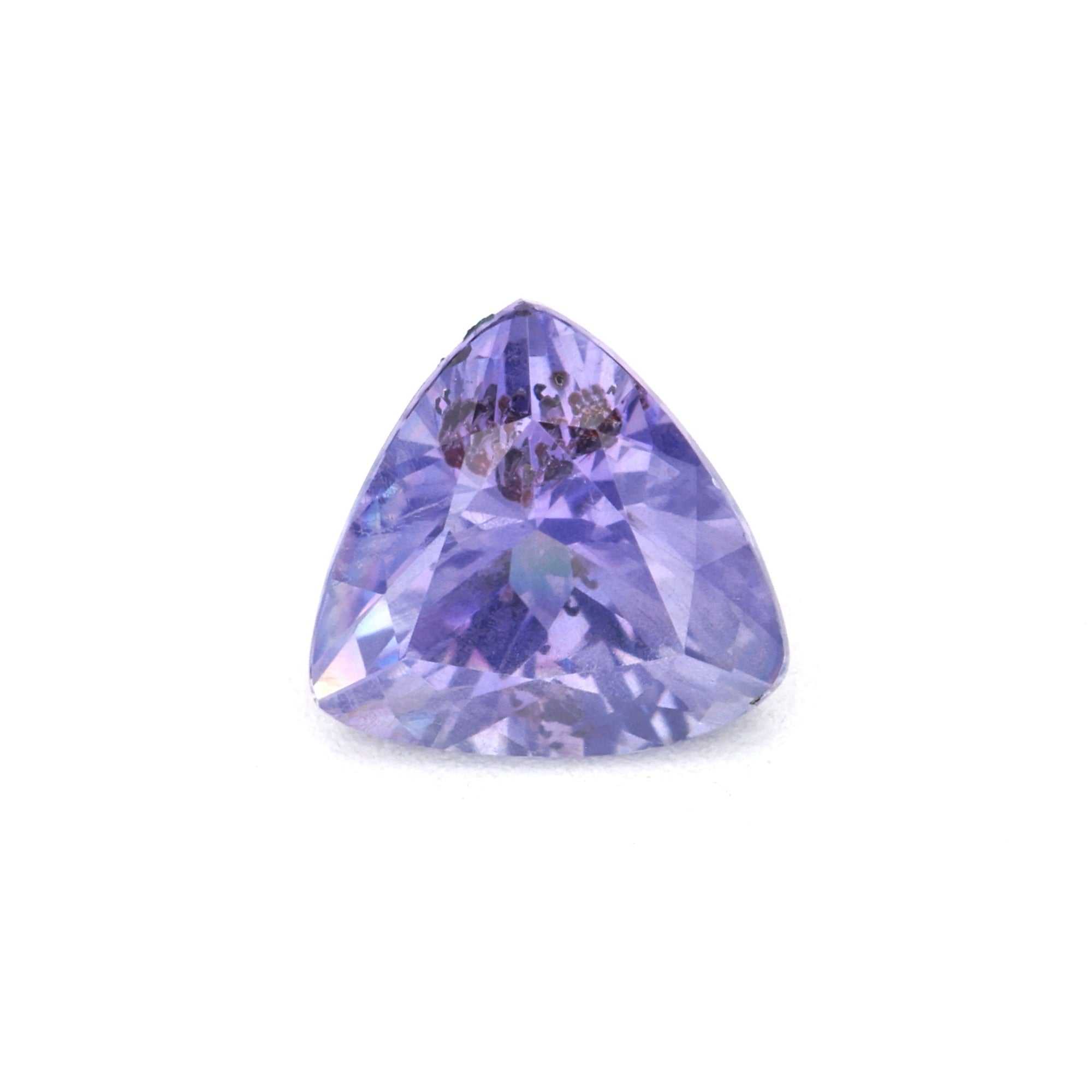
Trillion (trilliant) cut purple sapphires are available and make distinctive three-stone ring side stones or small pendant center stones. The triangular outline maximizes face-up size for the carat weight and adds a bold geometric character. Other fancy cuts — kite, shield, hexagon — appear occasionally and suit commission-led buyers who want maximum distinctiveness.

Purple Sapphire for Engagement Rings

Purple sapphire's combination of visual distinctiveness and corundum's Mohs 9 hardness makes it a fully practical engagement ring choice — as durable as blue or yellow sapphire, more distinctive than either for buyers who want something non-traditional.

Setting Metal Compatibility

Setting metal significantly affects how purple and violet sapphire reads in a finished piece.

  • White gold and platinum: Best for violet sapphire. The cool metal complements the stone's blue-violet character and creates a clean, modern palette. This is the most popular combination for violet engagement rings.
  • Rose gold: Best for purple and purplish-pink sapphire. The warm pink-gold metal reinforces the stone's red component and creates a richly toned, romantic aesthetic. One of the most beautiful combinations in contemporary fine jewelry.
  • Yellow gold: Creates a vintage, regal quality with purple sapphire — a combination that references historical crown jewel and ecclesiastical use of purple in gold settings. Works particularly well with vivid, rich purple in the mid-to-dark tone range.

Carat Weight for Center Stone Use

For purple and violet sapphire as a center stone, the minimum practical weight in an oval or cushion is approximately 0.60–0.70 carats — the threshold at which the color has enough face-up surface to read clearly at wearing distance. For a confident, clearly visible purple at arm's length, 1.00–1.50 carats in an oval or cushion is the target for most ring settings. Fine vivid purple above 1.50 carats in unheated quality is genuinely rare and carries a size premium accordingly.

What to Specify

A complete purple sapphire engagement ring specification: carat weight (0.70 ct minimum; 1.00–1.50 ct for strong presence), shape (oval or cushion for most settings), hue (violet for cool modern aesthetics; purple for warm romantic ones), saturation (mid-tone vivid, not lavender or near-colorless), clarity (eye-clean), treatment (unheated preferred; heat-treated honestly disclosed), and if budget permits, Ceylon origin with GIA or Gübelin documentation.

Purple and Violet Sapphire in Jyotish

In Vedic astrology (Jyotish), blue sapphire (Neelam) is the prescribed gemstone for Saturn (Shani), one of the most powerful and feared planets in the Navaratna system. Blue sapphire with a slight violet modifier is specifically valued for Shani prescriptions by some practitioners. Purple and violet sapphires — which sit closer to blue on the sapphire spectrum than pink or yellow — are used by many Jyotish practitioners as acceptable alternatives or supplements to blue sapphire for Saturn-related intentions, particularly when pure vivid blue is outside the budget or unavailable in unheated quality.

The standard Jyotish requirements apply for any stone prescribed for astrological use: the stone must be natural, unheated, eye-clean, free of visible fractures and significant inclusions, and set in a metal that makes direct contact with the skin (no closed-back bezels). Gold or Panchdhatu (five-metal alloy) are the typical metal prescriptions for Shani. Minimum weight recommendations vary by practitioner but typically start at 1.25–2.00 carats for purple and violet sapphire in Shani applications.

Buyers purchasing specifically for Jyotish use should confirm with the prescribing Jyotishi whether violet or purple is acceptable for their specific chart and intention, and whether Ceylon origin is required or whether other unheated origins are acceptable.

Pricing Orientation

Purple and violet sapphire pricing is driven by the same factors as other sapphire colors — carat weight, saturation, tone, clarity, treatment status, and origin documentation — with some additional complexity around hue position. Vivid, well-balanced purple commands premiums over lavender or gray-modified material; color-shifting violet with vanadium commands premiums over non-shifting violet. The ranges below are orientation figures for natural, eye-clean, well-cut material.

  • Lavender, sub-1-carat: $80–300 per carat for clean unheated material. Heat-treated lavender: $50–150 per carat.
  • Violet, 0.50–1.00 carat: Heat-treated: $150–400 per carat. Unheated mid-tone: $300–700 per carat. Unheated vivid with vanadium shift: $500–1,500 per carat.
  • Violet, 1.00–2.00 carats: Heat-treated vivid: $300–700 per carat. Unheated vivid Ceylon: $600–2,000 per carat. Strong color-shifting unheated Ceylon with GIA: $1,500–4,000 per carat.
  • Purple (true balanced red-blue), 1.00–2.00 carats: Heat-treated vivid: $400–900 per carat. Unheated vivid Ceylon: $800–3,000 per carat. Finest unheated vivid Ceylon above 1.50 carats: $2,000–6,000+ per carat for exceptional examples.
  • Above 2.00 carats: Fine vivid unheated violet or purple from Ceylon becomes meaningfully rarer. The per-carat premium above 2 carats in top color is significant, and the collector market for certified material at this size can produce prices well above the commercial ranges above.

These ranges reflect current market conditions and should be taken as orientation rather than guarantees. The purple and violet sapphire market is less liquid than blue, which means both that prices can vary more widely between sellers and that the finest examples can trade at significant premiums when collectors compete for them.

What to Avoid When Buying Purple and Violet Sapphire

Gray modifiers dismissed as character. A purple or violet sapphire with significant gray influence reads as muddy or dark rather than vivid. Gray is the most common quality-reducing modifier in this color family and it is most visible under natural daylight. Some sellers describe grayish stones as having a sophisticated or muted tone. Gray is a defect, not a feature, in purple sapphire.

Not checking under incandescent light. Purple and violet sapphires shift under different light sources. A stone that reads beautifully violet under fluorescent display lighting may shift to a grayish or brownish tone under incandescent, or may show an unexpected warmth. Always test under both cool and warm light before committing to a significant purchase.

Conflating lavender with vivid violet or purple. Lavender sapphire and vivid violet sapphire can look similar in photographs, particularly under strong display lighting. Lavender has low saturation that may read near-colorless under daylight; vivid violet holds its color across all lighting conditions. If you are paying for vivid color, verify it reads vividly in natural light before purchasing.

Origin claims without documentation. Ceylon purple and violet sapphire commands premiums over comparable material from other sources. A seller's claim of Ceylon origin is not documentation. If origin matters for the price being asked, require a GIA or Gübelin report that confirms the origin.

Care and Maintenance

Purple and violet sapphire are corundum — Mohs 9, no cleavage, excellent toughness. Standard care applies:

  • Clean with warm water, mild dish soap, and a soft brush. Rinse thoroughly and dry with a lint-free cloth.
  • Ultrasonic and steam cleaners are safe for most purple and violet sapphires — confirm with your vendor that the stone has no significant fractures.
  • Store separately from diamonds and other corundum to prevent surface abrasion.
  • No oiling, no retreatment, no special care required. The color is stable across all normal environmental conditions.

Conclusion

Purple sapphire is one of the most visually interesting and underappreciated categories in the colored gemstone world. It offers a range of color positions — from soft lavender through cool violet to richly saturated purple and deep plum — that suit a wide variety of settings, metals, and aesthetic contexts, all in corundum's Mohs 9 durability. The vanadium-driven color-shifting character of the finest violet material adds a phenomenon-gem dimension that most other sapphire colors lack. And the finest unheated vivid purple in Ceylon material represents a genuine rarity that collector and investment buyers have been quietly accumulating for decades.

Browse our current selection of natural purple sapphires and natural violet sapphires — both collections with individual treatment disclosure on every product page. For comparison across the full color range, see our complete sapphire catalog. Questions about a specific stone or Jyotish requirements? Email crescentgems@gmail.com — we respond personally within one business day.

Continue Learning
Return to the Ultimate Sapphire Buying Guide for the full picture on colours, origins, shapes, certification, and pricing — everything you need to buy a natural loose sapphire with confidence.


Ahmed Shareek — Crescent Gems

Ahmed Shareek

Proprietor — Crescent Gems

A gem dealer with over 25 years of experience sourcing natural sapphires from Sri Lanka, Ahmed brings hands-on expertise in mining, heat treatment, cutting, and stone selection. With deep roots in the Ceylon gem trade, he offers first hand knowledge of origin, quality, and craftsmanship behind every piece of guidance on this site.

Latest Stories

View all

The Ultimate Guide to Buying Natural Loose Sapphires

The Ultimate Guide to Buying Natural Loose Sapphires

The definitive guide to buying a natural loose sapphire: colour, origin, treatment, cut, shape, certification, pricing, and engagement rings, with links to every Crescent Gems guide and collection.

Read moreabout The Ultimate Guide to Buying Natural Loose Sapphires

The Ratnapura Gem Market — How Sapphires Are Traded at the Source

The Ratnapura Gem Market — How Sapphires Are Traded at the Source

New to buying sapphires? Start with our Ultimate Sapphire Buying Guide — the complete resource for color, origin, treatment, and pricing. Ratnapura means "City of Gems" in Sinhalese, and it is not a poetic name — it is a literal...

Read moreabout The Ratnapura Gem Market — How Sapphires Are Traded at the Source

Madagascar Sapphire — The Modern Origin That Rivals Ceylon

Madagascar Sapphire — The Modern Origin That Rivals Ceylon

New to buying sapphires? Start with our Ultimate Sapphire Buying Guide — the complete resource for color, origin, treatment, and pricing. If you have shopped for sapphires in the past decade, you have encountered Madagascar material — whether the listing...

Read moreabout Madagascar Sapphire — The Modern Origin That Rivals Ceylon

Montana Sapphire vs. Ceylon Sapphire — How America's Sapphire Compares to Sri Lanka's

Montana Sapphire vs. Ceylon Sapphire — How America's Sapphire Compares to Sri Lanka's

New to buying sapphires? Start with our Ultimate Sapphire Buying Guide — the complete resource for color, origin, treatment, and pricing. The United States has its own sapphire origin — and it is a good one. Montana has produced gem-quality...

Read moreabout Montana Sapphire vs. Ceylon Sapphire — How America's Sapphire Compares to Sri Lanka's

Sapphire vs. Spinel — The Overlooked Comparison Every Collector Should Understand

Sapphire vs. Spinel — The Overlooked Comparison Every Collector Should Understand

New to buying sapphires? Start with our Ultimate Sapphire Buying Guide — the complete resource for color, origin, treatment, and pricing. For most of gemological history, spinel did not even have its own name. The great "rubies" of royal collections...

Read moreabout Sapphire vs. Spinel — The Overlooked Comparison Every Collector Should Understand

Why Buy from Crescent Gems
Sourcing Gemstones for an engagement ring or piece of jewelry is a very personal experience, Its a act of love, Its a Investment that you do only a few times in your life. Before you spend thousands of $$$ You need to be able to trust the seller and make sure you are choosing the right stone. Here at Crescent gems we tick all the boxes.

Wide Selection of well cut gemstones from around the world.

Affordably priced ~ We source our gemstones direct from mining countries, we cut/recut most of our gemstones in-house.

We stock and sell ONLY Natural earth Mined stones. NO beryllium treated Stones, NO Flux filled, NO synthetics, NO man made stuff.

Free & Fast Shipping within USA ( FedEx Or UPS) with Tracking and email updates.

FREE International shipping for orders over US $ 500 ~ we ship to 98 countries Worldwide.

Try Before you buy Option ~ where we send the stone to you before you pay. ~ Unique Feature.

14 day No questions asked money back Guarantee.

FREE Domestic Return Shipping.

GIA lab reports for all stones above 2 carats.

Accurate information, Actual Images, Hand shots and 360 videos of the stone on sale, we don't use stock photography.

Join our ever growing group of satisfied customers from around the world.