New to buying sapphires? Start with our Ultimate Sapphire Buying Guide — the complete resource for colour, origin, treatment, and pricing.

Blue sapphire is the most purchased colored gemstone for engagement rings globally, and has been for centuries. The reasons are straightforward: it is hard enough for daily wear without exception, available across a wide price range, and carries enough visual impact to serve as a center stone without needing to be large. The 12ct Ceylon oval worn by the Princess of Wales is the most famous example, but blue sapphire engagement rings exist at every price point from a few hundred dollars to well above six figures.

What varies enormously is quality — and quality in sapphire is more nuanced than most buyers expect coming from a diamond background. This guide covers everything that affects the value and appearance of a blue sapphire engagement ring: color grading, treatment, origin, cut, certification, setting, and how to evaluate what you are actually looking at when a stone is in front of you.


Why Blue Sapphire Works for Engagement Rings

Three properties make blue sapphire genuinely well-suited to daily-wear ring use:

Hardness. Corundum registers Mohs 9 — second only to diamond. Nothing encountered in everyday life scratches it. Unlike emerald (Mohs 7.5–8, with natural fractures that make it vulnerable to impact) or opal (Mohs 5.5–6.5, requires careful protection), sapphire needs no special handling. Standard prong settings, bezel settings, and pavé side stones are all appropriate without modification.

No cleavage. Diamond has perfect octahedral cleavage — a sharp directional blow can split it. Sapphire has no cleavage planes. Impact damage to a sapphire produces a conchoidal fracture rather than a clean split, making catastrophic loss from a knock significantly less likely.

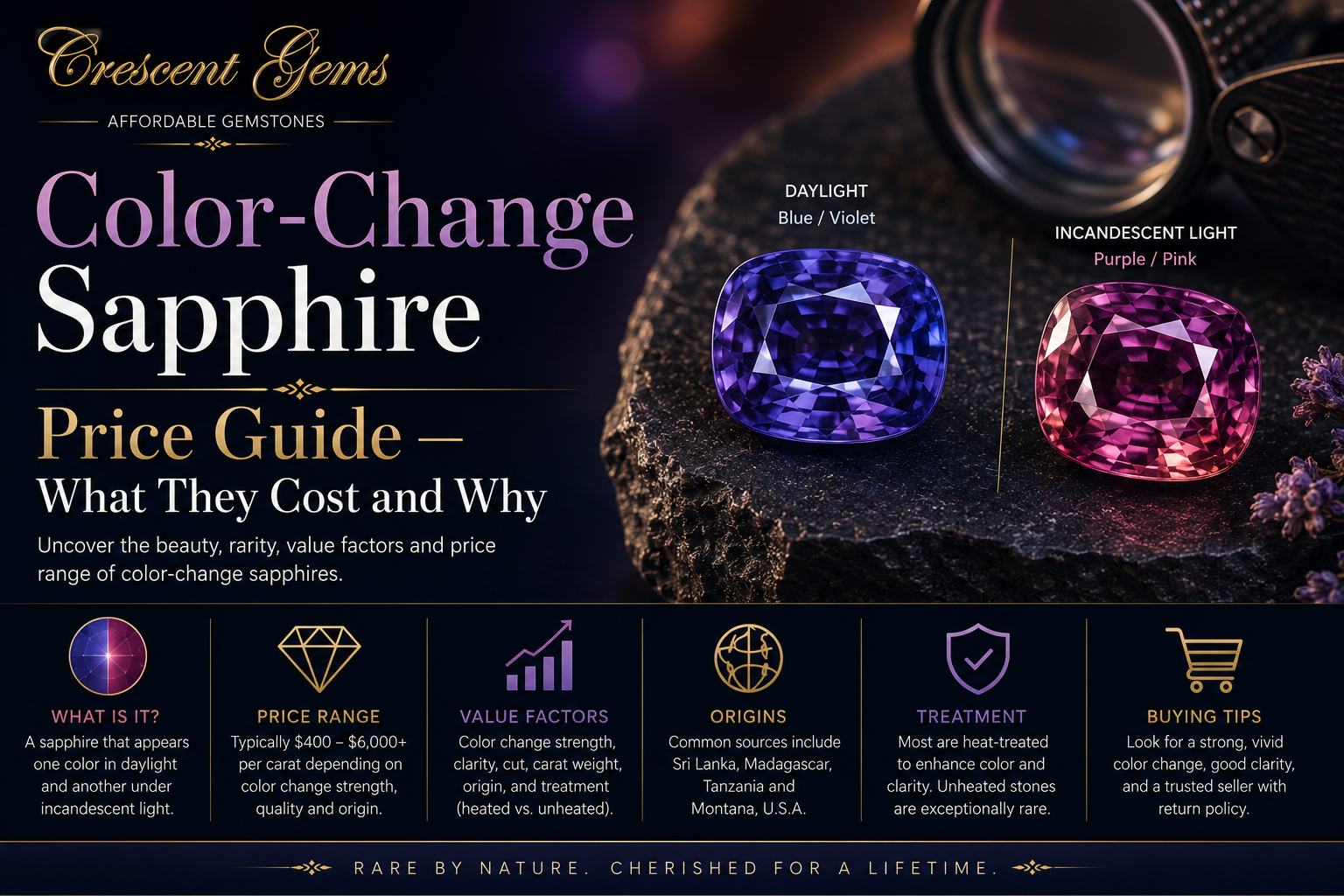
Color stability. Blue sapphire color is caused by iron and titanium trace elements locked into the crystal structure at formation. The color does not fade, shift, or change under normal light exposure or temperature. Some stones show slight color shift between daylight and incandescent light — blues with a violet secondary hue appear slightly more violet under warm light — but this is a stable phenomenon, not deterioration.


Understanding Blue Sapphire Color: The Most Important Quality Factor

Color is the dominant quality variable in blue sapphire — more important than size, clarity, or cut. Two 1ct blue sapphires can differ in value by a factor of ten based on color alone. Understanding what constitutes good color, and what compromises it, is the single most useful thing a buyer can learn before shopping.

Hue

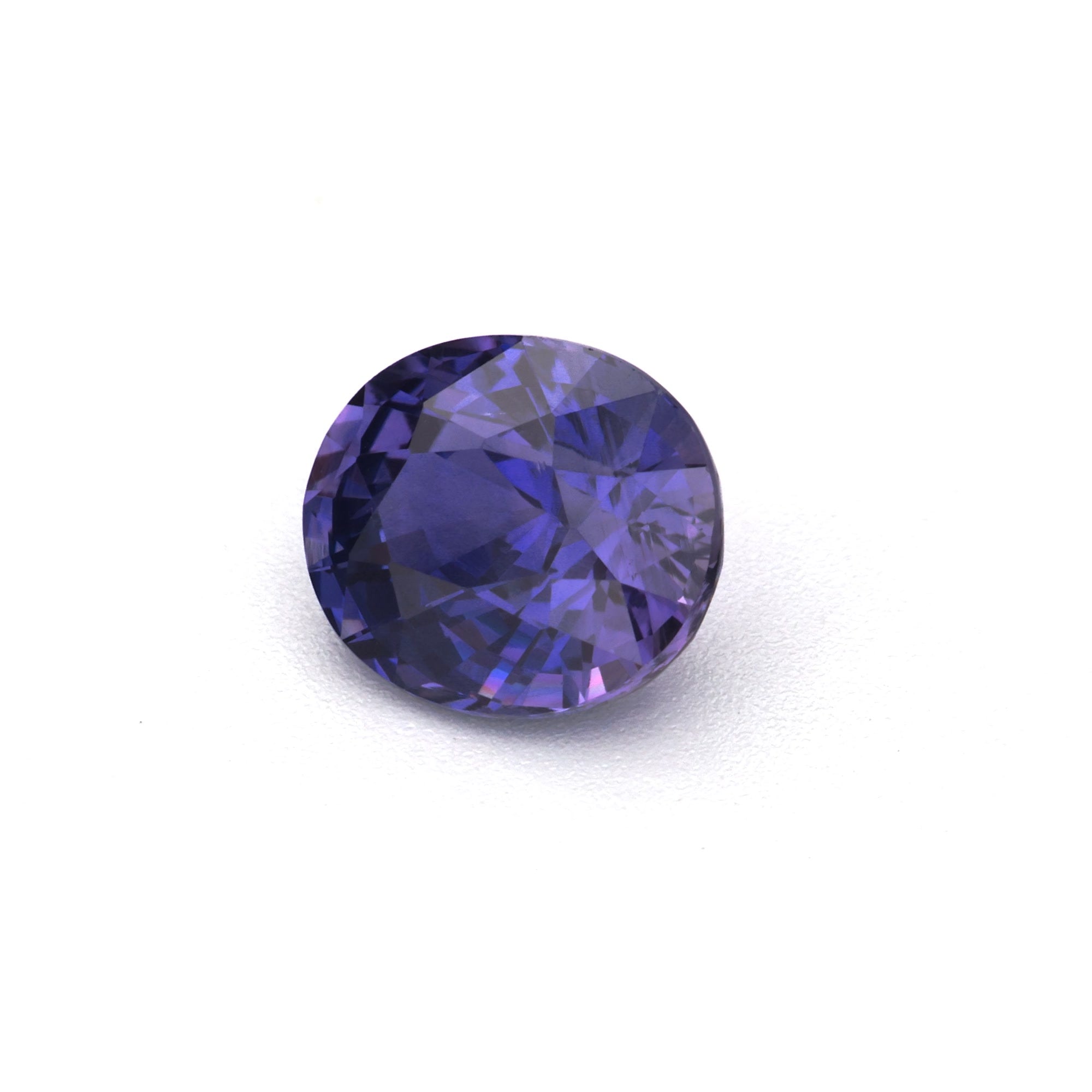
Pure blue is the primary hue in the most commercially desirable blue sapphires. Secondary hues — violet or green — are almost always present to some degree. A slight violet secondary hue is generally considered acceptable or even desirable; it tends to make the blue appear richer and is characteristic of fine Ceylon material. A green secondary hue is considered a negative quality factor — it makes the blue appear less pure and muddy at certain angles.

When evaluating a stone, rotate it slowly under the light source. If green appears in any orientation, that secondary hue is present. A stone that shows green only in certain positions is less desirable than one that remains consistently blue across all viewing angles.

Tone

Tone describes the lightness or darkness of the color, from very light (almost colourless) to very dark (almost black). The most commercially desirable tone for blue sapphire is medium to medium-dark — sometimes described as the 50–70% tone range on a 0–100 scale.

Stones below this range appear washed out and lack visual impact. Stones above it — very dark blue sapphires — absorb too much light and appear black rather than blue in many lighting conditions. This is one of the most common problems with inexpensive blue sapphires: they look impressive in isolation under strong lighting but appear nearly black in normal indoor environments.

Always assess tone under multiple light sources, including indoor ambient light, not just direct sunlight or bright photography lighting.

Saturation

Saturation describes the intensity or vividness of the color — the difference between a clear, pure blue and a greyish or brownish blue of the same tone. High saturation means the blue is vivid and clean with no grey or brown modifier. Low saturation produces a steely, grey-influenced tone sometimes described as "inky" or "sleepy."

Saturation is the component of color that most affects value. A medium-toned, highly saturated blue commands a premium over a medium-toned, low-saturation blue of the same size, origin, and treatment status.

The Colours Most Buyers Want

Several color descriptions appear frequently in the blue sapphire market:

  • Cornflower blue — a medium-light, vivid, slightly violet blue; historically associated with fine Kashmir material but used broadly for any sapphire in this color range regardless of origin
  • Royal blue — medium-dark, vivid, pure blue; the most commercially recognisable "classic sapphire" color
  • Velvet blue — a term sometimes used for fine Kashmir material describing a particular softness or silky quality to the blue caused by fine silk inclusions that scatter light
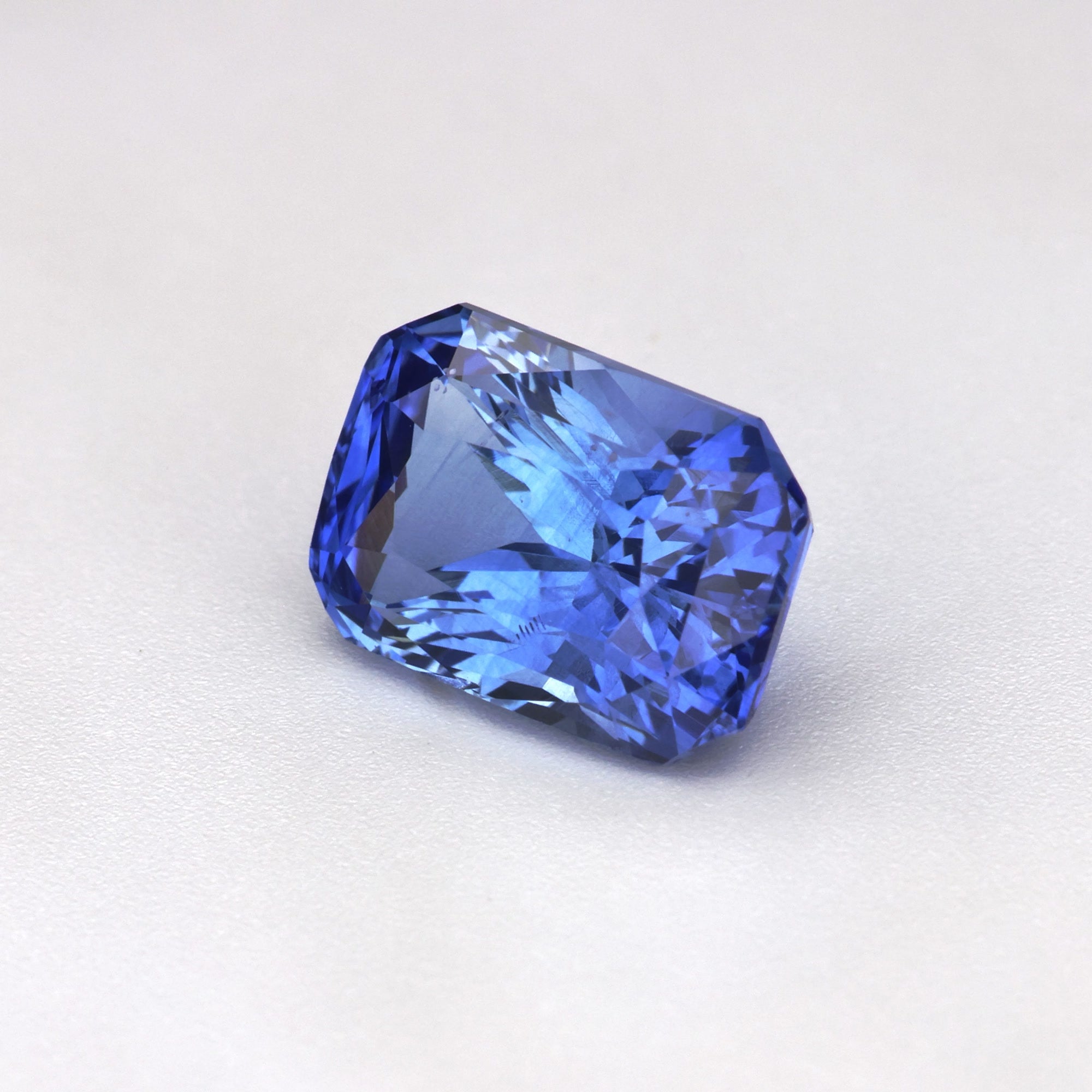
  • Ceylon blue — medium to medium-light vivid blue with a slight violet secondary hue; characteristic of Sri Lankan material and broadly considered the most accessible fine blue on the market

These are descriptive terms used by dealers, not standardised grading categories. Different sellers use them with different thresholds.


Origin: Kashmir, Burma, Ceylon — Why It Matters and When It Doesn't

Geographic origin significantly affects the price of blue sapphires at the high end of the market. Understanding why helps buyers decide whether origin matters for their specific purchase.

Kashmir

Kashmir sapphires, mined in the Zanskar Range of India at high altitude, are the most prized blue sapphires in the world. Production effectively ended in the early 20th century, making genuine Kashmir material extremely rare. The characteristic "velvety" quality of Kashmir blues — caused by minute silk inclusions that scatter light evenly — is unlike any other origin. A fine Kashmir sapphire with AGL or Gübelin origin documentation commands multiples of the price of equivalent Ceylon material. For most engagement ring buyers, Kashmir is an aspiration rather than a realistic target — fine examples above 2ct regularly sell for $50,000–$200,000+ per carat at major auction houses.

Burma (Myanmar)

Burmese sapphires from the Mogok Valley are the second most coveted origin. Fine Burmese blues tend toward a slightly more intense, slightly more pure blue than Ceylon material with less violet secondary hue. They are significantly rarer than Ceylon sapphires in commercial supply and carry a 2–4x premium over equivalent Ceylon material when origin is confirmed by a major laboratory.

Ceylon (Sri Lanka)

Ceylon sapphires represent the most commercially significant source of fine blue sapphires globally. The characteristic medium-to-medium-vivid blue with a slight violet secondary hue is immediately recognisable to experienced buyers. Ceylon material is available across a wide range of sizes and qualities, from commercial-grade heated stones at accessible prices to unheated collector-grade material above 5ct.

For most engagement ring buyers, Ceylon origin represents the strongest combination of quality, availability, laboratory-confirmed provenance, and price. Crescent Gems sources exclusively from Sri Lanka.

Madagascar, Tanzania, Australia

Madagascar produces significant blue sapphire in a range of qualities, some approaching Ceylon in color character. Tanzania yields blue sapphires primarily from the Umba and Tunduru regions. Australian sapphires tend toward darker, more heavily toned blues with a greenish secondary hue — fine Australian material exists but requires more careful selection. None of these origins carries the same premium as Kashmir, Burma, or Ceylon in the collector and investment market.

When Origin Matters

Origin matters most for investment-grade purchases above $3,000 per carat where documentation of provenance affects resale value, and for collectors who specifically value the Kashmir or Burmese association. For buyers focused on visual quality at a fair price for daily wear, a fine Ceylon blue with good color documentation is the practical choice.


Heat Treatment: What It Is, What It Does, and When to Care

The majority of blue sapphires sold commercially have been heat treated. This is a fundamental fact of the sapphire market that every buyer should understand before shopping.

What Heat Treatment Does

Heating sapphires to temperatures between 1,200–1,800°C dissolves fine rutile silk inclusions, improving clarity. It also redistributes iron and titanium trace elements more evenly through the crystal, improving and intensifying color. The process is permanent — a heated sapphire does not revert to its pre-treatment state. The treatment is stable under normal conditions including prolonged sunlight, cleaning, and the heat encountered during standard jewelry repair.

How It Is Detected

Heat treatment is detectable by trained gemologists and gemological laboratories through examination of inclusion landscapes (heated sapphires show distinctive stress features and altered silk), spectroscopic analysis, and UV fluorescence patterns. GIA uses the phrase "indications of heating" in reports when evidence is present. Unheated stones show "no indications of heating" — this specific language is the only reliable confirmation of unheated status.

Heated vs Unheated: Price Difference

For blue sapphires, unheated stones command a premium of approximately 30–100% over heated equivalents of the same color, clarity, size, and origin. The premium increases significantly for larger stones and for finer color grades where unheated natural color is genuinely rare.

A 1ct heated Ceylon blue with fine color: $400–$900 per carat.
A 1ct unheated Ceylon blue with equivalent color: $900–$2,500 per carat.
A 2ct unheated Ceylon blue with fine color: $2,500–$6,000 per carat.
A 3ct+ unheated Ceylon blue, vivid, GIA certified: $5,000–$15,000+ per carat.

Should You Care About Treatment?

For an engagement ring where the priority is visual quality and wearability, a heated blue sapphire with good color is an excellent choice. Heat treatment does not affect durability, appearance under normal conditions, or long-term wearability. It is disclosed as standard practice and carries no stigma when properly represented.

Unheated status matters if you are buying for long-term investment value, if you specifically want a stone in its entirely natural state, or if you are spending enough that the unheated premium is meaningful relative to resale.


Clarity: What Is Normal in Blue Sapphire

Sapphires are graded under a different clarity standard than diamonds. The practical benchmark for engagement ring use is eye-clean — no inclusions visible to the naked eye at normal viewing distance of approximately 30cm.

Common inclusion types in Ceylon blue sapphires:

  • Rutile silk — fine needle-like inclusions arranged in angular patterns following the crystal structure; very common in natural Ceylon sapphire; not visible to the naked eye in most cases; a signature of natural, unheated material (heating dissolves silk)
  • Fingerprint inclusions — healed fractures filled with fluid; appear as curved planes of tiny dots; common in natural sapphire; not a durability concern when fully healed
  • Mineral inclusions — small crystals of other minerals (zircon, apatite) trapped during sapphire growth; common; not a concern unless at or near the surface
  • Growth zoning — color concentration in distinct zones following the crystal form; visible in some stones as color banding; affects appearance if heavy but is a natural formation feature

Surface-reaching fractures — inclusions that extend to the stone's surface — are the only inclusion type that raises durability concerns. These should be avoided in stones intended for ring use, or carefully evaluated for their position and depth.

Heavily included stones — where inclusions are visible face-up without magnification — are generally unsuitable for center stones in engagement rings regardless of price.


Cut: How It Affects the Blue Sapphire You See

Sapphires are cut to maximise color, not to meet standardised brilliance parameters as diamonds are. This has several practical implications for buyers.

Proportions run deeper than diamonds. A blue sapphire with a depth percentage of 65–75% is normal. The additional depth concentrates color in the stone's belly, preventing the washed-out appearance of a shallow-cut stone. Buyers accustomed to diamond depth percentages of 60–63% should not interpret sapphire depth as a negative.

Windows are a problem. A "window" is a transparent or colourless area visible face-up in the center of the stone where light passes straight through without being returned. Windows appear when the stone is cut too shallow. Hold the stone face-up over a white background — if you can read text through the center, it has a significant window. Windowed stones look less vivid than their color suggests.

Extinction matters. Extinction refers to dark areas visible in the stone where light is not returned — typically near the girdle or at certain angles. Some extinction is normal in colored stones. Excessive extinction (more than 30–40% of the stone appears dark in face-up view) reduces the perceived color and vibrancy of the stone significantly.

Shape options for engagement rings:

  • Oval — the most popular sapphire shape for rings; elongates the finger; maximises color; hides weight in the stone's depth; the shape of the most famous sapphire engagement rings
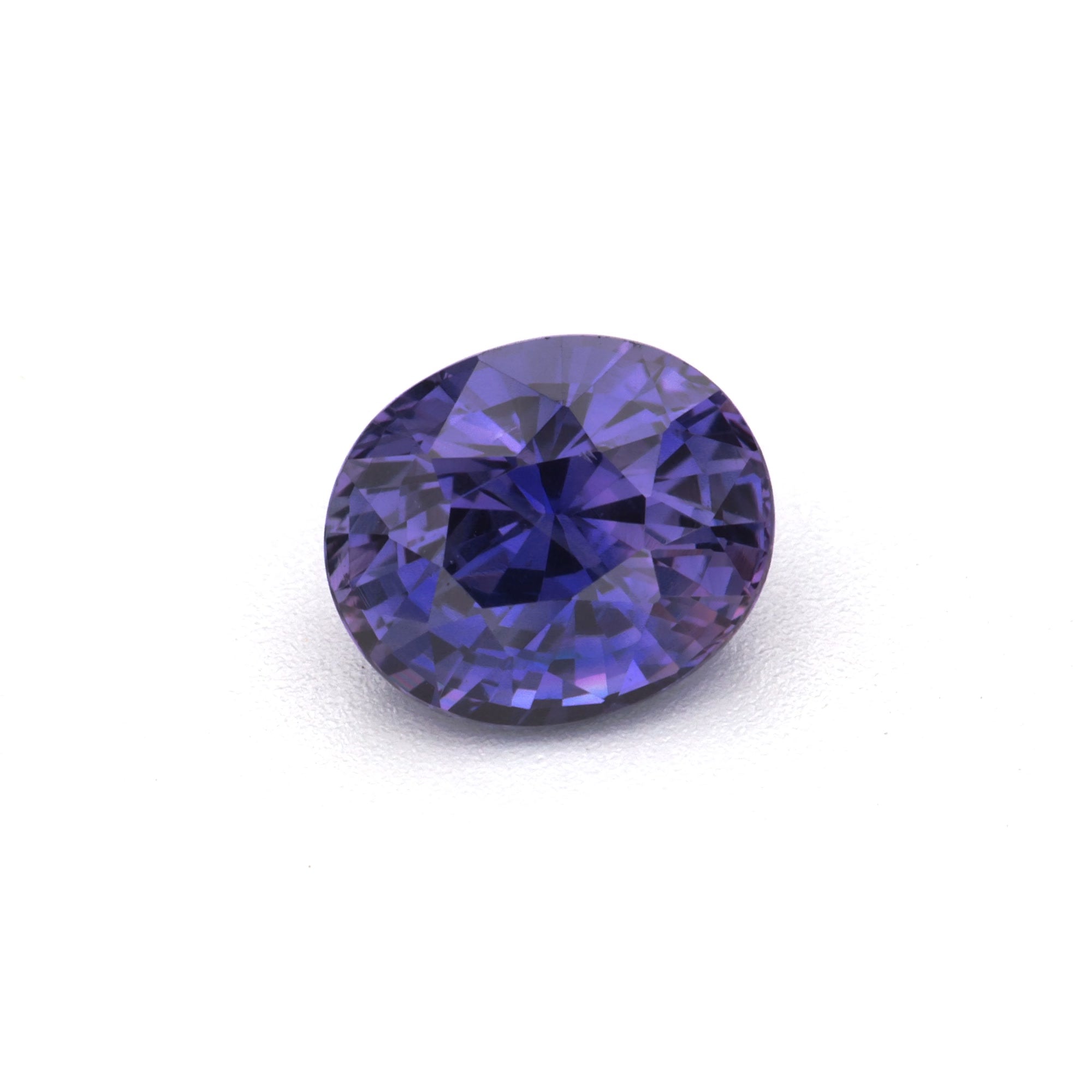
  • Cushion — rounded corners, slightly vintage character; excellent for deeply saturated stones where cushion faceting distributes color softly
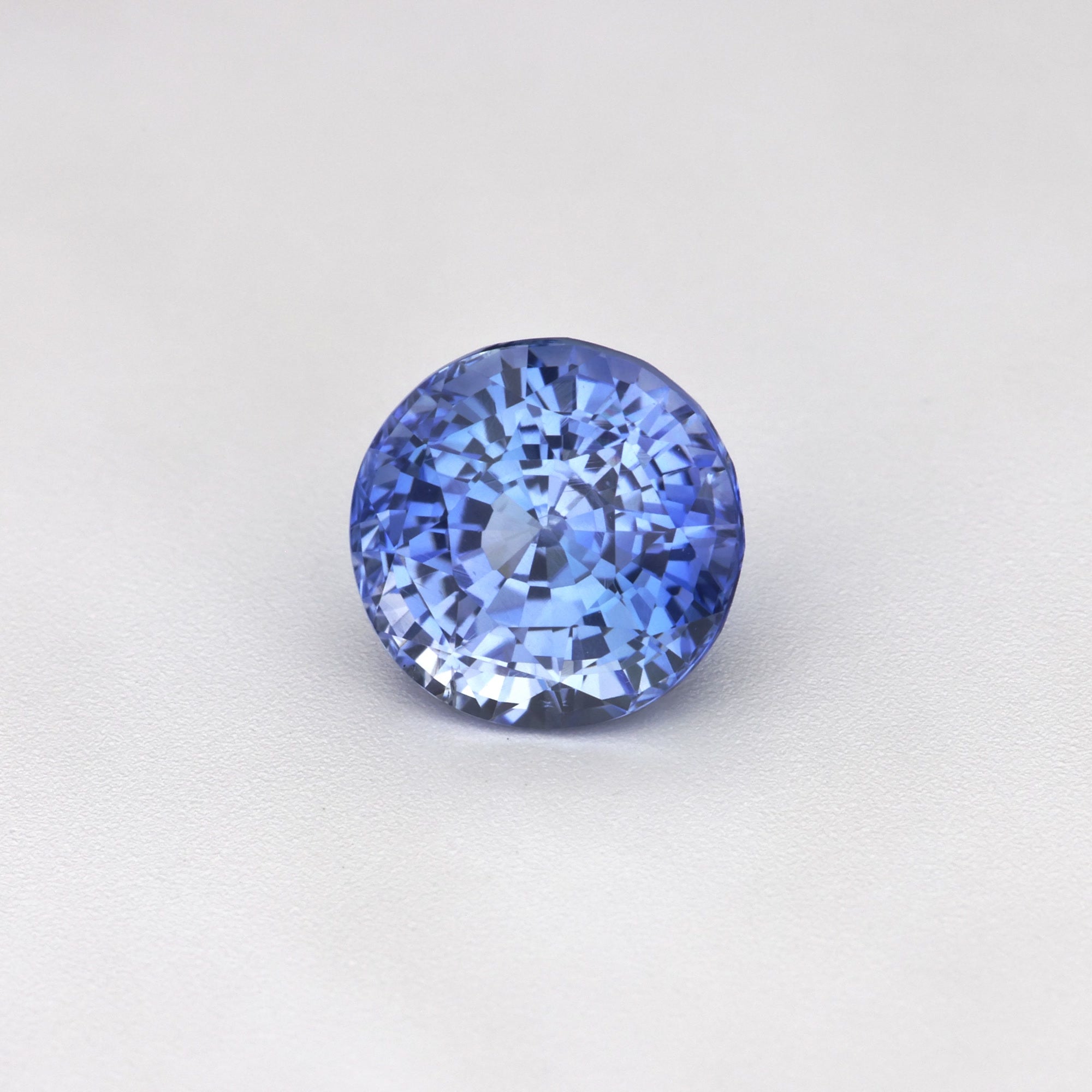
  • Round brilliant — less common in sapphire than diamond due to high rough weight loss during cutting; available in calibrated sizes; tends to show more brilliance than other sapphire cuts
  • Pear — elongating; works in solitaires and east-west settings; the elongated tip should be protected by a V-prong
  • Emerald cut — stepped pavilion facets; clean, architectural; suits well-saturated stones with good clarity as the open table highlights both color and inclusions
  • Radiant — brilliant faceting in a rectangular outline; good brilliance return; less common in blue sapphire but available

Certification for Blue Sapphire Engagement Rings

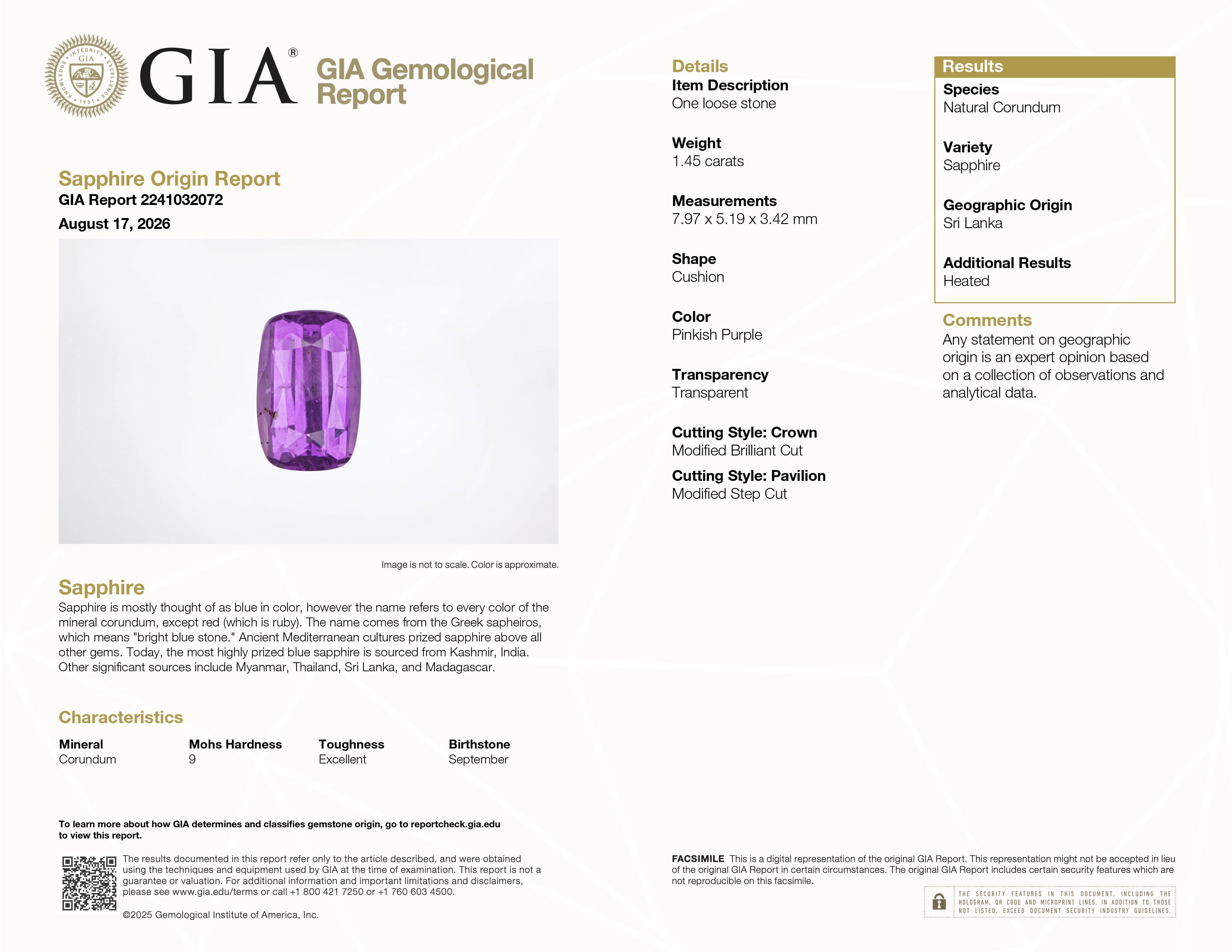
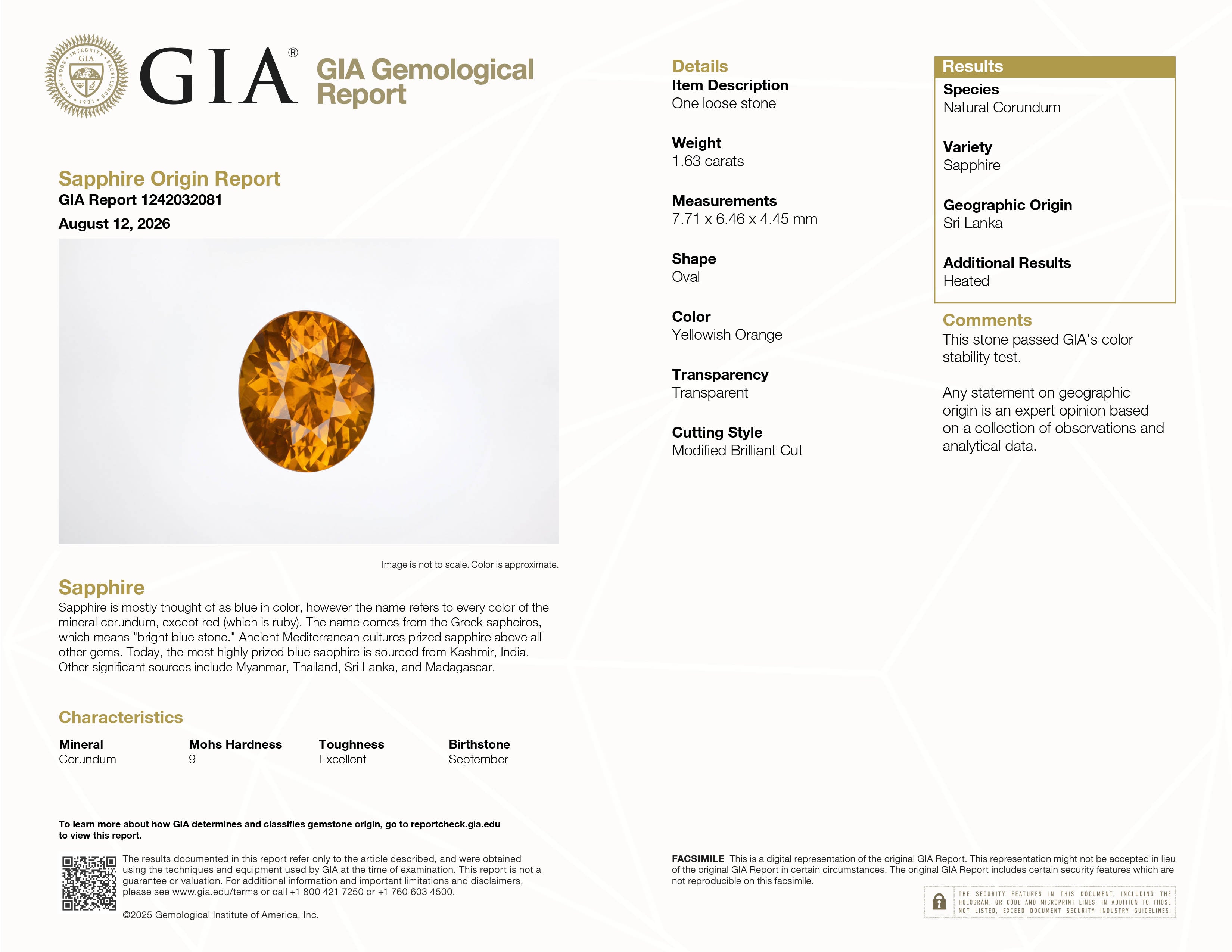
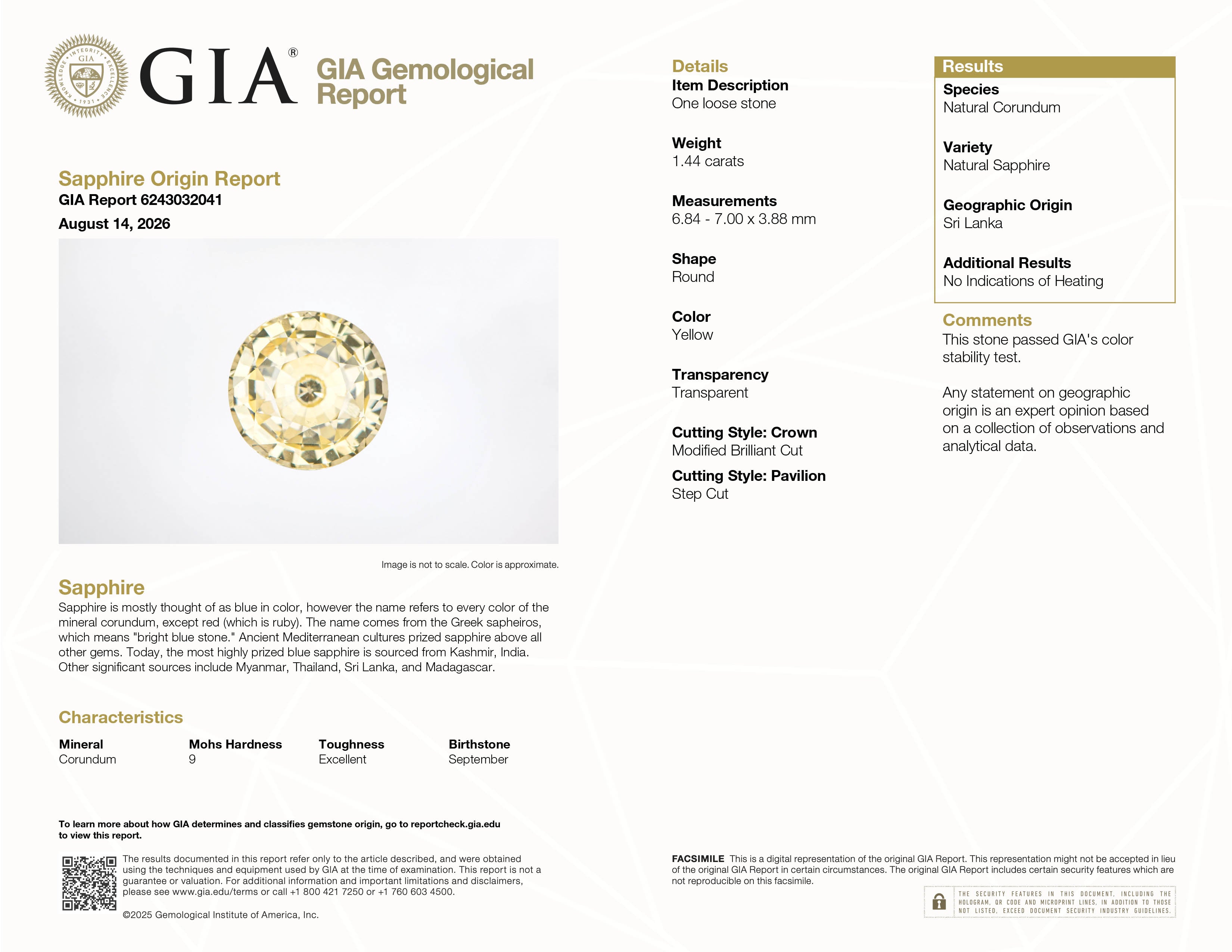
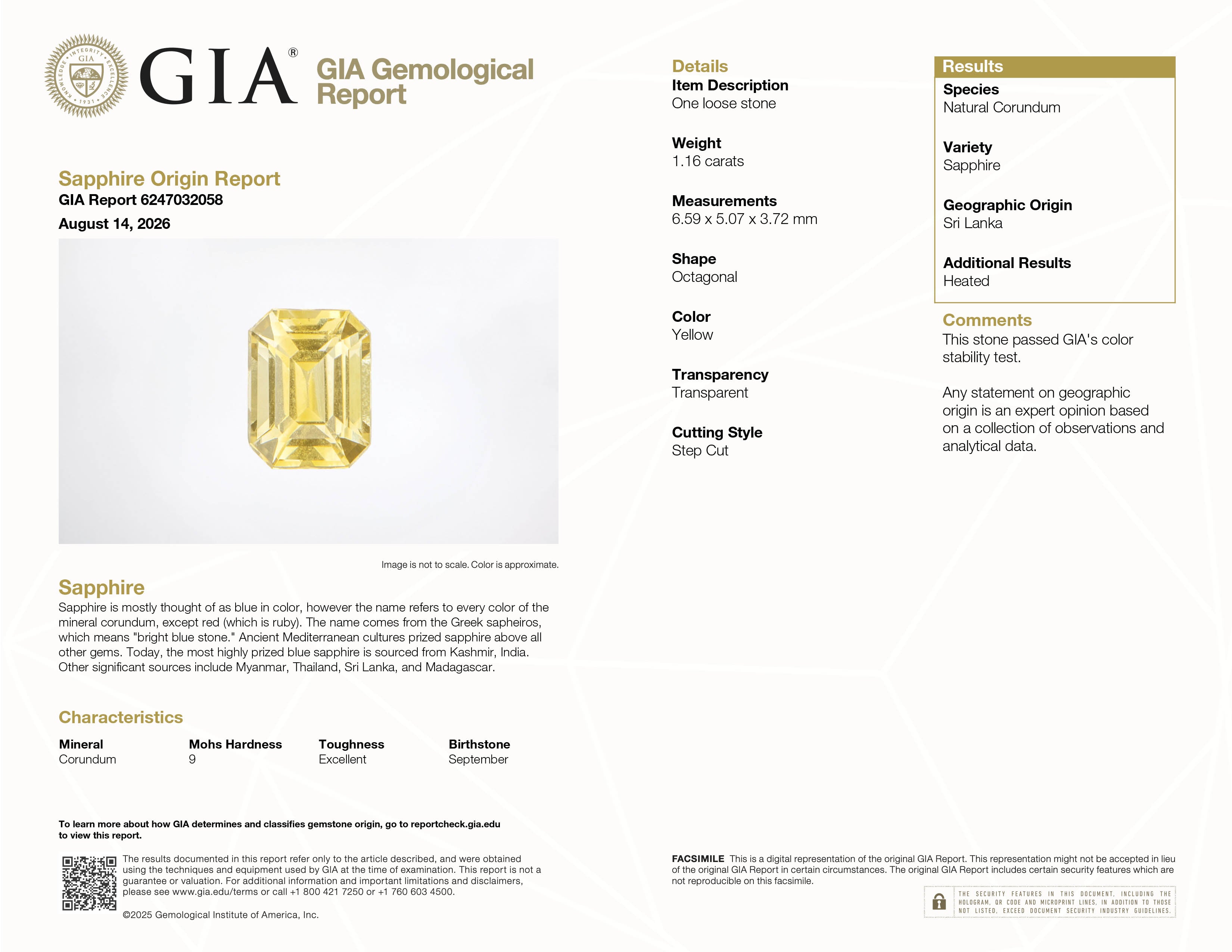
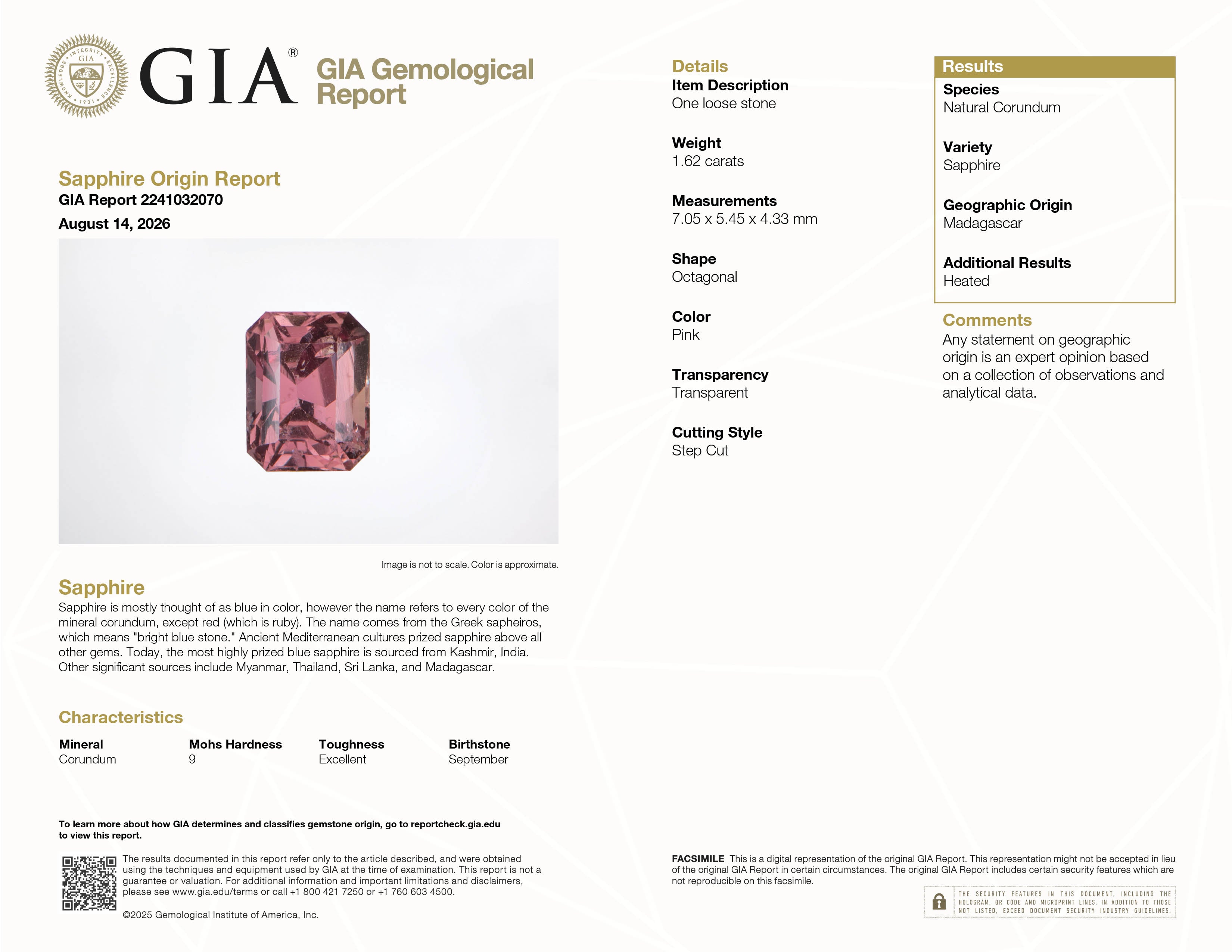
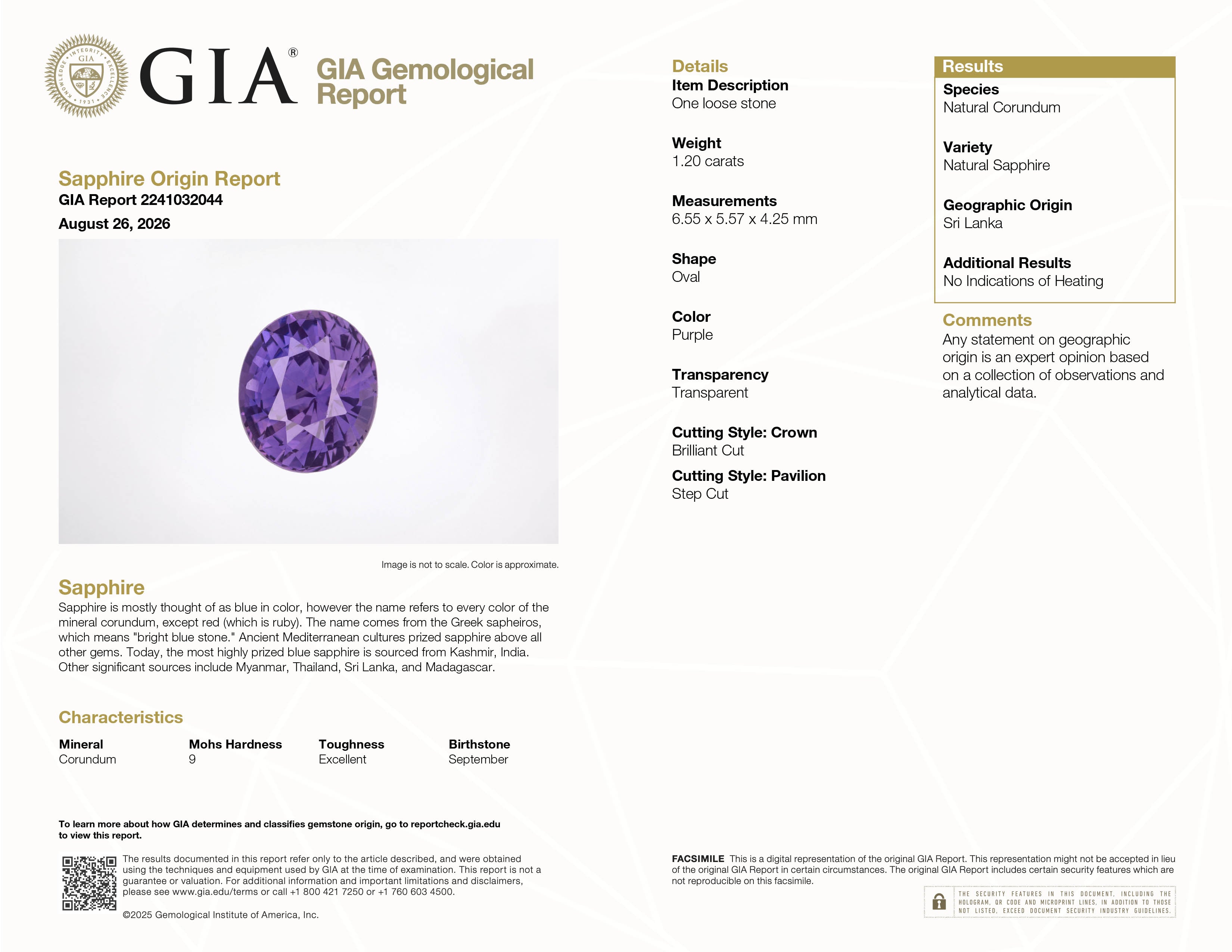
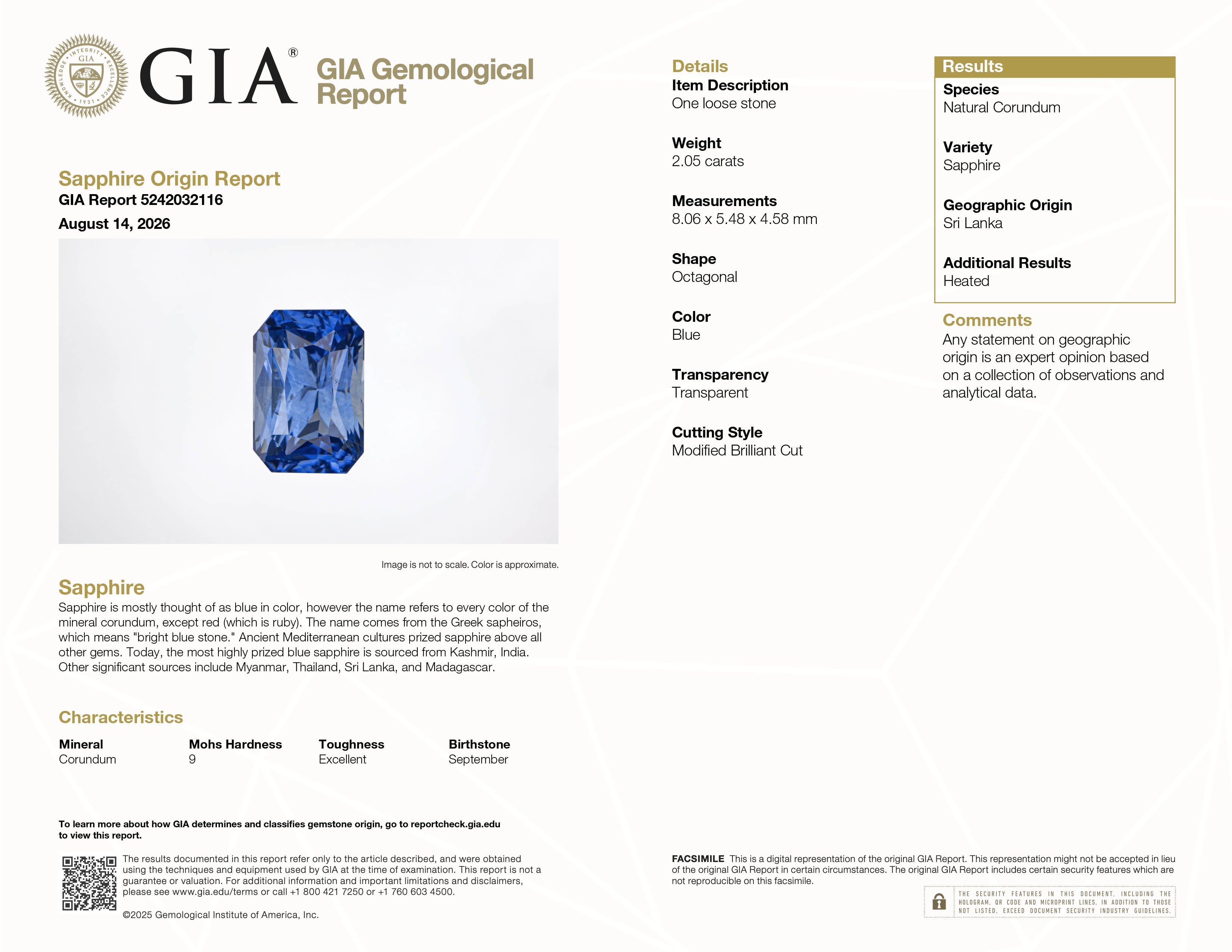
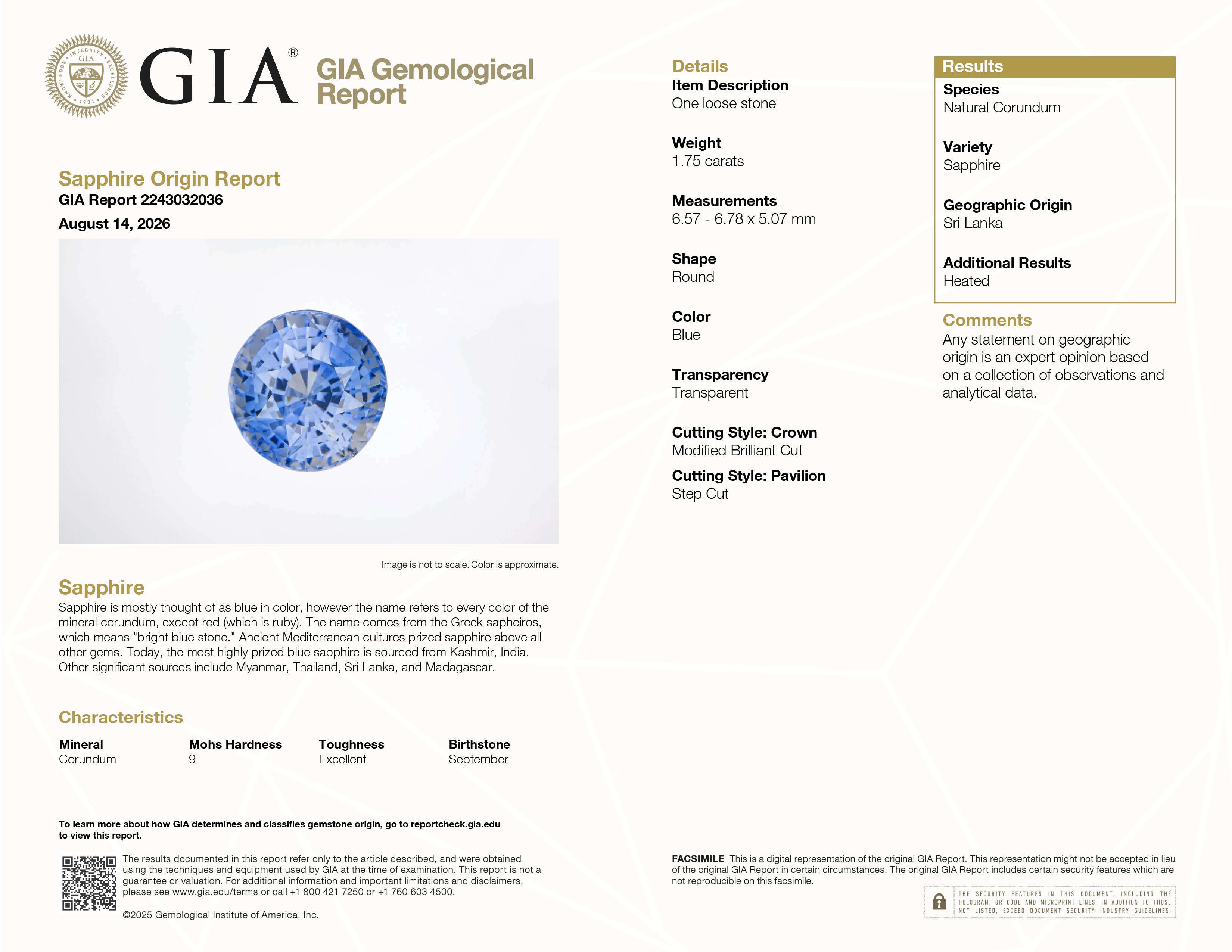
For blue sapphires above approximately $500, laboratory certification is strongly recommended. The report confirms natural origin, treatment status, and optionally geographic origin. For unheated stones at any price, a report is essential.

Which Lab

  • GIA — most widely recognised internationally; reports include treatment status and geographic origin opinion; verifiable through GIA's online report check
  • AGL (American Gemological Laboratories) — highly respected for colored stones; detailed treatment analysis; quality designation included on premium reports
  • Gübelin (Switzerland) — authoritative for origin determination and unheated status; preferred by auction houses and institutional buyers
  • SSEF (Swiss Gemmological Institute) — strong on origin determination, particularly Kashmir and Ceylon; often paired with Gübelin for important stones

What to Check on the Report

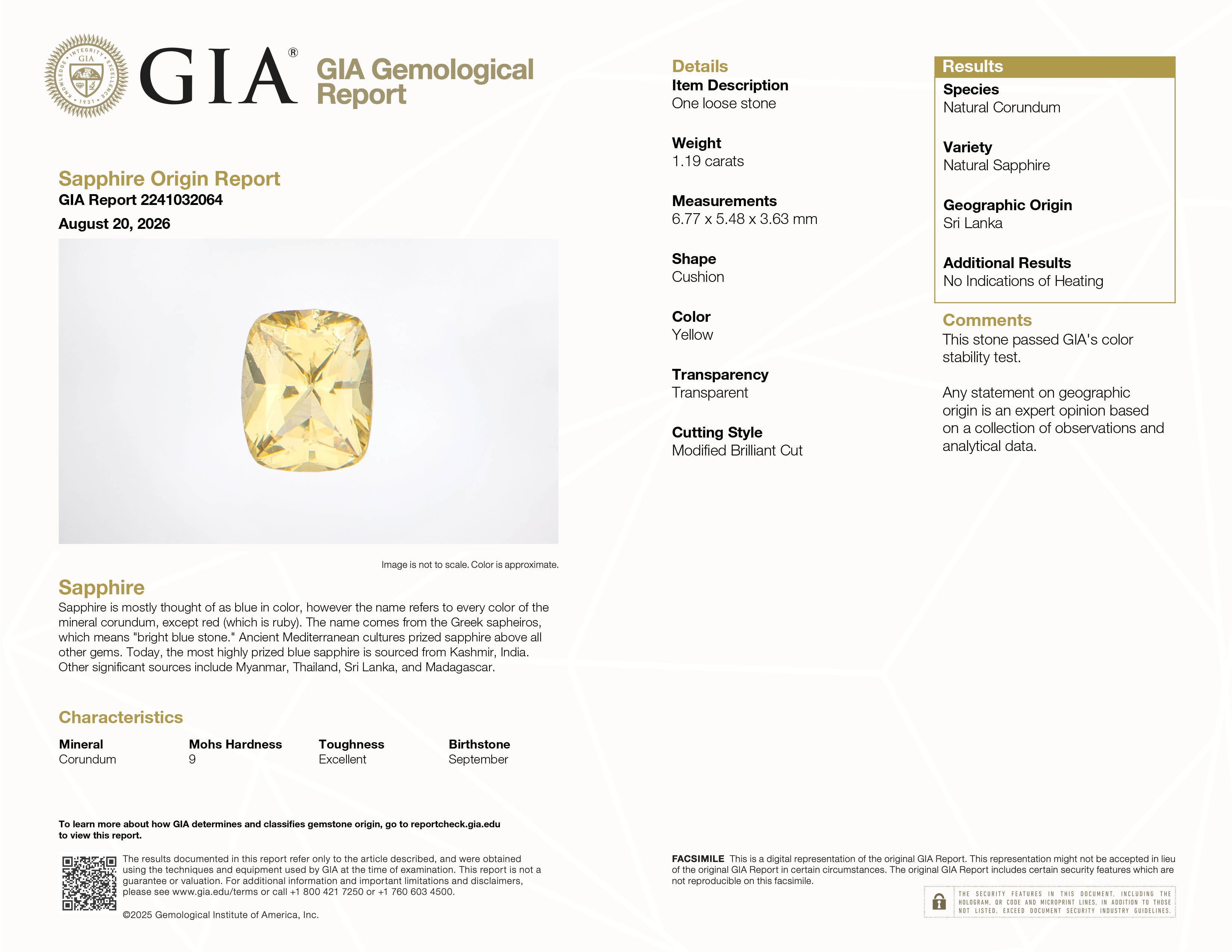
  • Species and variety: "Corundum, Sapphire" — confirms it is not synthetic
  • Treatment: "No indications of heating" for unheated; evidence of heating described if present
  • Geographic origin: "Sri Lanka" or "Ceylon" — stated as an opinion based on gemological evidence
  • Weight and measurements: exact carat weight and millimetre dimensions
  • Report number: verifiable online through the issuing laboratory's public database

Setting a Blue Sapphire Engagement Ring

Sapphire's Mohs 9 hardness makes it appropriate for all standard engagement ring settings. No special protective measures are required beyond what would be standard for any center stone.

Metal Choice and Color

Metal choice significantly affects how the blue reads in the ring:

  • Platinum and white gold — create the highest contrast with blue; the blue appears cleanest and most vivid against a cool neutral metal; the most popular choice for blue sapphire engagement rings
  • Yellow gold — warms the blue slightly; can make medium blues appear slightly more violet; traditionally paired with sapphire in antique and vintage styles; works particularly well with deeper-toned stones
  • Rose gold — creates a warm contrast; works best with lighter blue tones; can make vivid deep blues appear slightly purplish in photographs

Setting Styles

  • Solitaire prong — maximises light entry and color display; four prongs for a cleaner look, six prongs for slightly more security; claw prongs protect the tips of pear and marquise shapes
  • Bezel — metal rim surrounds the entire girdle; most protective for active wearers; reduces light entry slightly but gives a clean, modern profile
  • Halo — ring of pavé or micro-pavé diamonds surrounding the sapphire; increases the apparent size of the center stone visually; the contrast between white diamond and blue sapphire is striking; popularised by the Diana-style oval halo
  • Three-stone — sapphire center flanked by two side stones; diamonds most common; matched sapphire pairs of a lighter shade work beautifully as an alternative
  • Vintage and Art Deco — milgrain edges, filigree, geometric outlines; blue sapphire has a long history in antique jewelry styles; cushion and emerald-cut sapphires suit these settings well

Budget Planning: What to Expect at Each Price Point

Blue sapphire engagement ring budgets span a very wide range. Here is what is realistically available at different price points for the center stone alone, before setting costs.

Under $500 total for the stone
Small commercial-grade heated Ceylon sapphire, 0.5–0.8ct, good color but not exceptional, eye-clean. Suitable for accent stones or modest solitaires in less expensive settings.

$500–$1,500 for the stone
0.8–1.5ct heated Ceylon blue with good to fine color, eye-clean. This range offers genuinely attractive center stones. A 1ct heated Ceylon blue with fine color and eye-clean clarity is an excellent engagement ring stone at this price level.

$1,500–$4,000 for the stone
1–2ct heated Ceylon blue with fine color, or 1ct unheated Ceylon blue with good color. Stones at this level can have GIA or AGL reports and represent the sweet spot for buyers who want quality documentation without collector-grade pricing.

$4,000–$10,000 for the stone
1.5–3ct heated fine Ceylon blue, or 1–2ct unheated Ceylon blue with fine color and certification. Stones in this range are genuine investment-quality pieces. Unheated examples with GIA or AGL reports hold value well.

Above $10,000 for the stone
2ct+ unheated fine Ceylon blue with certification, or Burmese material, or exceptional examples of any origin. At this level, origin documentation from Gübelin or SSEF becomes standard, and resale value is a meaningful consideration.


Questions to Ask Any Seller Before Buying

  1. Is this stone natural or lab-grown?
  2. What is the treatment status — heated, unheated, or other treatment?
  3. Is there a laboratory report, and what is the report number?
  4. What is the exact carat weight and millimetre dimensions?
  5. What is the geographic origin, and how is it documented?
  6. What is the return policy if the stone looks different in person than represented?

A reputable seller answers all six questions directly and without hesitation. Vague answers to treatment status or certification are warning signs worth taking seriously for any stone above $500.


Summary: What Makes a Good Blue Sapphire Engagement Ring

A good blue sapphire engagement ring center stone is eye-clean, medium to medium-dark in tone, highly saturated with no significant grey modifier, primarily blue with at most a slight violet secondary hue, and cut without significant windows or excessive extinction. Treatment status should be disclosed; for stones above $500, a GIA or AGL report confirms what the seller states. Ceylon origin is the most accessible route to documented provenance at fair market pricing.

The setting is secondary to the stone — choose a metal that complements the blue you have selected, and a style that suits the wearer's taste. Platinum and white gold are the most popular choices for blue sapphire and produce the most vivid color contrast.

Crescent Gems carries natural Ceylon blue sapphires across a range of sizes, qualities, and treatment statuses, with full disclosure on every listing and laboratory certification available for higher-value stones.

Browse blue sapphires for engagement rings at Crescent Gems →

Continue Learning
Return to the Ultimate Sapphire Buying Guide for the full picture on colours, origins, shapes, certification, and pricing — everything you need to buy a natural loose sapphire with confidence.


Ahmed Shareek — Crescent Gems

Ahmed Shareek

Proprietor — Crescent Gems

A gem dealer with over 25 years of experience sourcing natural sapphires from Sri Lanka, Ahmed brings hands-on expertise in mining, heat treatment, cutting, and stone selection. With deep roots in the Ceylon gem trade, he offers first hand knowledge of origin, quality, and craftsmanship behind every piece of guidance on this site.

Latest Stories

View all

The Ultimate Guide to Buying Natural Loose Sapphires

The Ultimate Guide to Buying Natural Loose Sapphires

The definitive guide to buying a natural loose sapphire: colour, origin, treatment, cut, shape, certification, pricing, and engagement rings, with links to every Crescent Gems guide and collection.

Read moreabout The Ultimate Guide to Buying Natural Loose Sapphires

The Ratnapura Gem Market — How Sapphires Are Traded at the Source

The Ratnapura Gem Market — How Sapphires Are Traded at the Source

New to buying sapphires? Start with our Ultimate Sapphire Buying Guide — the complete resource for color, origin, treatment, and pricing. Ratnapura means "City of Gems" in Sinhalese, and it is not a poetic name — it is a literal...

Read moreabout The Ratnapura Gem Market — How Sapphires Are Traded at the Source

Madagascar Sapphire — The Modern Origin That Rivals Ceylon

Madagascar Sapphire — The Modern Origin That Rivals Ceylon

New to buying sapphires? Start with our Ultimate Sapphire Buying Guide — the complete resource for color, origin, treatment, and pricing. If you have shopped for sapphires in the past decade, you have encountered Madagascar material — whether the listing...

Read moreabout Madagascar Sapphire — The Modern Origin That Rivals Ceylon

Montana Sapphire vs. Ceylon Sapphire — How America's Sapphire Compares to Sri Lanka's

Montana Sapphire vs. Ceylon Sapphire — How America's Sapphire Compares to Sri Lanka's

New to buying sapphires? Start with our Ultimate Sapphire Buying Guide — the complete resource for color, origin, treatment, and pricing. The United States has its own sapphire origin — and it is a good one. Montana has produced gem-quality...

Read moreabout Montana Sapphire vs. Ceylon Sapphire — How America's Sapphire Compares to Sri Lanka's

Sapphire vs. Spinel — The Overlooked Comparison Every Collector Should Understand

Sapphire vs. Spinel — The Overlooked Comparison Every Collector Should Understand

New to buying sapphires? Start with our Ultimate Sapphire Buying Guide — the complete resource for color, origin, treatment, and pricing. For most of gemological history, spinel did not even have its own name. The great "rubies" of royal collections...

Read moreabout Sapphire vs. Spinel — The Overlooked Comparison Every Collector Should Understand

Why Buy from Crescent Gems
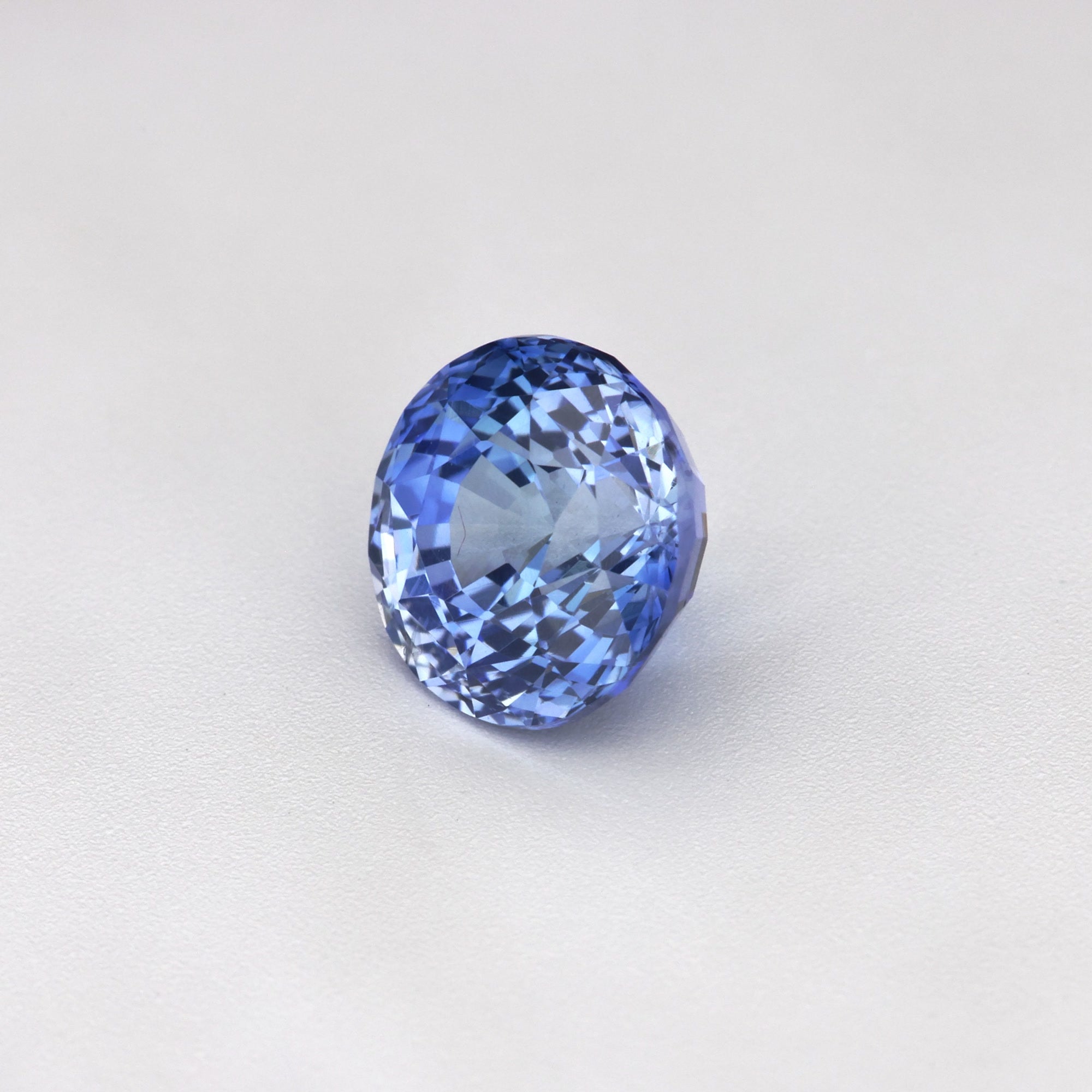
Sourcing Gemstones for an engagement ring or piece of jewelry is a very personal experience, Its a act of love, Its a Investment that you do only a few times in your life. Before you spend thousands of $$$ You need to be able to trust the seller and make sure you are choosing the right stone. Here at Crescent gems we tick all the boxes.

Wide Selection of well cut gemstones from around the world.

Affordably priced ~ We source our gemstones direct from mining countries, we cut/recut most of our gemstones in-house.

We stock and sell ONLY Natural earth Mined stones. NO beryllium treated Stones, NO Flux filled, NO synthetics, NO man made stuff.

Free & Fast Shipping within USA ( FedEx Or UPS) with Tracking and email updates.

FREE International shipping for orders over US $ 500 ~ we ship to 98 countries Worldwide.

Try Before you buy Option ~ where we send the stone to you before you pay. ~ Unique Feature.

14 day No questions asked money back Guarantee.

FREE Domestic Return Shipping.

GIA lab reports for all stones above 2 carats.

Accurate information, Actual Images, Hand shots and 360 videos of the stone on sale, we don't use stock photography.

Join our ever growing group of satisfied customers from around the world.