- by Ahmed Shareek
Spinel — The Collector's Guide to the World's Most Undervalued Gemstone
- by Ahmed Shareek
New to buying gemstones? Start with our Ultimate Sapphire Buying Guide — the complete resource for color, origin, treatment, and pricing across all colored gemstones.
For most of recorded history, spinel did not have its own name. The great "rubies" of royal collections — the Black Prince's Ruby in the British Imperial State Crown, the Timur Ruby in the Crown Jewels, the 361-carat stone set in the Russian Imperial Crown — were all identified as spinels only after modern mineralogy could tell the difference. For centuries, the most celebrated red gemstones in the world were not rubies at all. They were spinels.
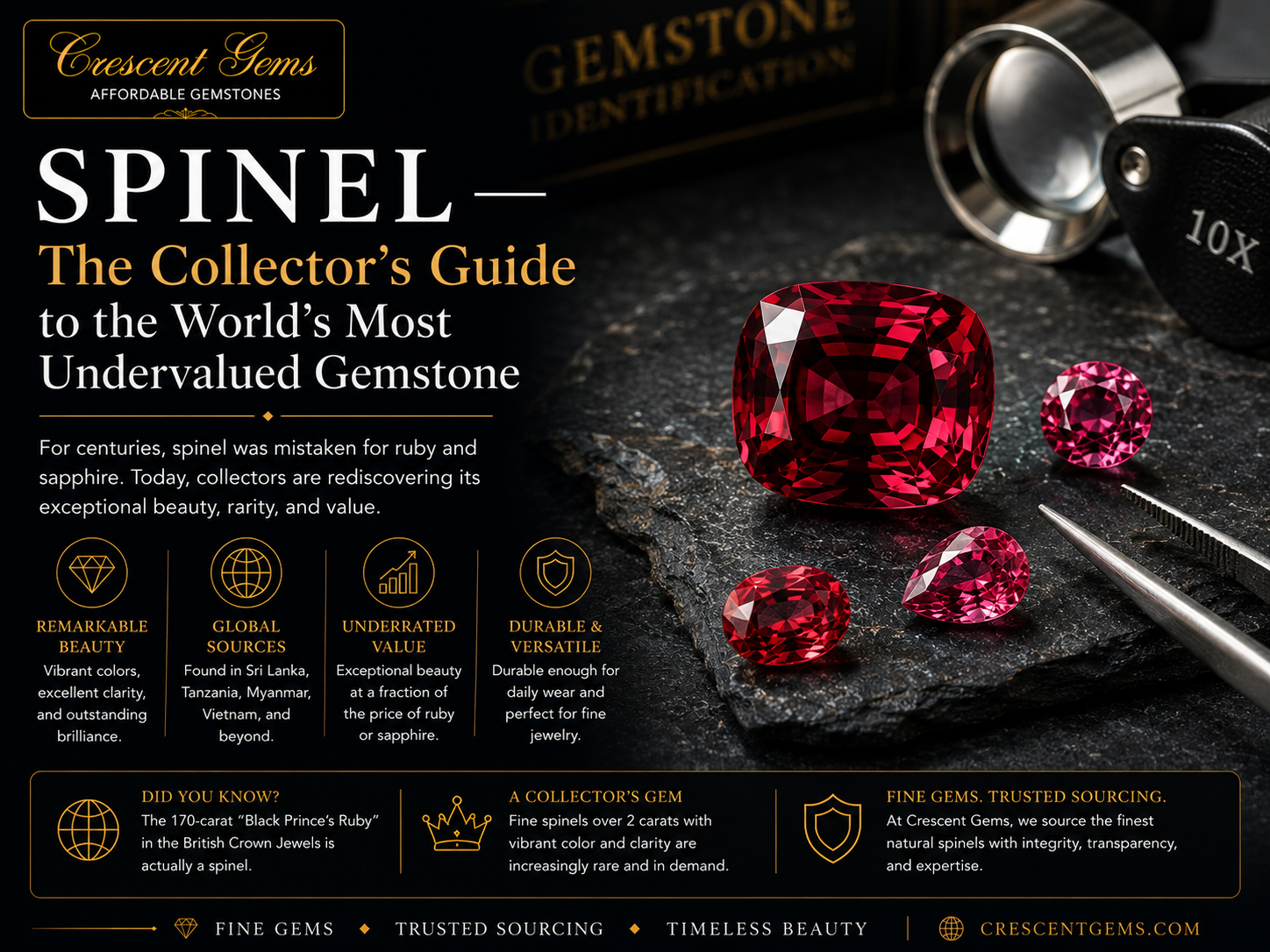
That history of mistaken identity created a paradox. Spinel is one of the rarest, most beautiful, and most historically significant gemstones on Earth — and one of the least recognized by the general public. The very name recognition that should have been built over centuries of royal prominence was credited to ruby instead. Spinel is, in a real sense, the most important gemstone most people have never heard of.
That is changing. Over the past decade, spinel has emerged as one of the fastest-rising categories in the colored gemstone market. Collectors, designers, and informed buyers are discovering what dealers have always known: spinel produces some of the most vivid, clean, and optically brilliant colored gemstones available — almost always without treatment, and frequently at prices below equivalent sapphire and ruby. This guide covers everything a buyer or collector needs to know.
Spinel is magnesium aluminum oxide (MgAl₂O₄) — a different mineral from corundum (sapphire and ruby), with a different crystal structure, different chemistry, and different optical properties. It crystallizes in the cubic (isometric) system, which means it is singly refractive — light passes through it the same way regardless of direction. This is fundamentally different from corundum, which is doubly refractive and shows pleochroism (different colors along different crystal axes).
The practical consequence of single refraction is a clean, pure optical character. A red spinel shows the same red from every angle. A blue sapphire may show different blues, violets, or greens depending on orientation. Whether you prefer the simpler or the more complex optical behavior is a matter of taste, but spinel's purity of color is one of its defining visual qualities.
Spinel sits at Mohs 8 on the hardness scale — harder than topaz, harder than emerald, harder than garnet and tourmaline. Only sapphire (Mohs 9) and diamond (Mohs 10) are harder among common gemstones. Spinel has good toughness and no cleavage, making it a practical choice for daily-wear rings, though it will develop finer surface wear over decades of daily use compared to sapphire.
This is spinel's single most powerful market advantage, and it cannot be overstated.
The overwhelming majority of gem-quality spinel on the market is completely untreated — no heating, no diffusion, no oiling, no filling, no enhancement of any kind. The color you see is exactly as nature produced it, with no human modification. Heat treatment of spinel has been attempted but is rarely practiced commercially because the results are generally not significant enough to justify the effort.
Compare this to the sapphire market, where an estimated 85–95% of commercial stones are heat-treated, and finding fine unheated material requires either specialist dealers or paying a substantial rarity premium. In spinel, untreated status is the norm, not the exception. That usually removes the agonising "heated vs. unheated" decision and the premium that comes with it — but it does not remove the report. Treated spinel exists: GIA records colour-altering heat treatment and occasional fracture filling, SSEF tests spinel for heat treatment and fissure filling and prints "No indications of treatment" when it finds none, and cobalt-diffused blue spinel has been traded in quantity since 2015.
For collectors and buyers who value natural, untreated gemstone color above all else, this is still a compelling argument. Fine spinel is far likelier than fine sapphire to be exactly what nature made: untreated color is the ordinary case in spinel rather than the rarity premium it is in corundum. For comparison, see What Is an Unheated Sapphire? and How Sapphire Heat Treatment Works.
This is where spinel reaches its peak. Fine red spinel — sometimes called "flame spinel" or, at the top end from Mogok in Myanmar, "Jedi spinel" — produces a vivid, neon-bright red or hot pink that is among the most electrifying colors in all of gemology. The color is chromium-based (the same element that colors ruby and pink sapphire), but spinel's cubic crystal structure allows chromium to produce a purer, more saturated red without the slight orange or brown modifiers that ruby sometimes carries.
Fine red spinel above 2 carats is genuinely rarer than equivalent ruby. The difference is market perception — ruby's name recognition commands prices that spinel's growing but still-developing reputation does not yet match. This is the value gap that collectors are exploiting: comparable beauty, greater rarity, lower price. For now.
A specific subset of blue spinel is colored by cobalt rather than the iron-titanium combination that produces blue in sapphire. The result is a vivid, slightly violet-tinged blue that is electric, immediately recognizable, and unlike any blue that sapphire produces. Cobalt blue spinel from Vietnam (Luc Yen) and Tanzania (Mahenge) is one of the most sought-after colors in the current collector market. Fine cobalt spinel above 1 carat commands $2,000–$5,000+ per carat — and the best material is appreciating rapidly.
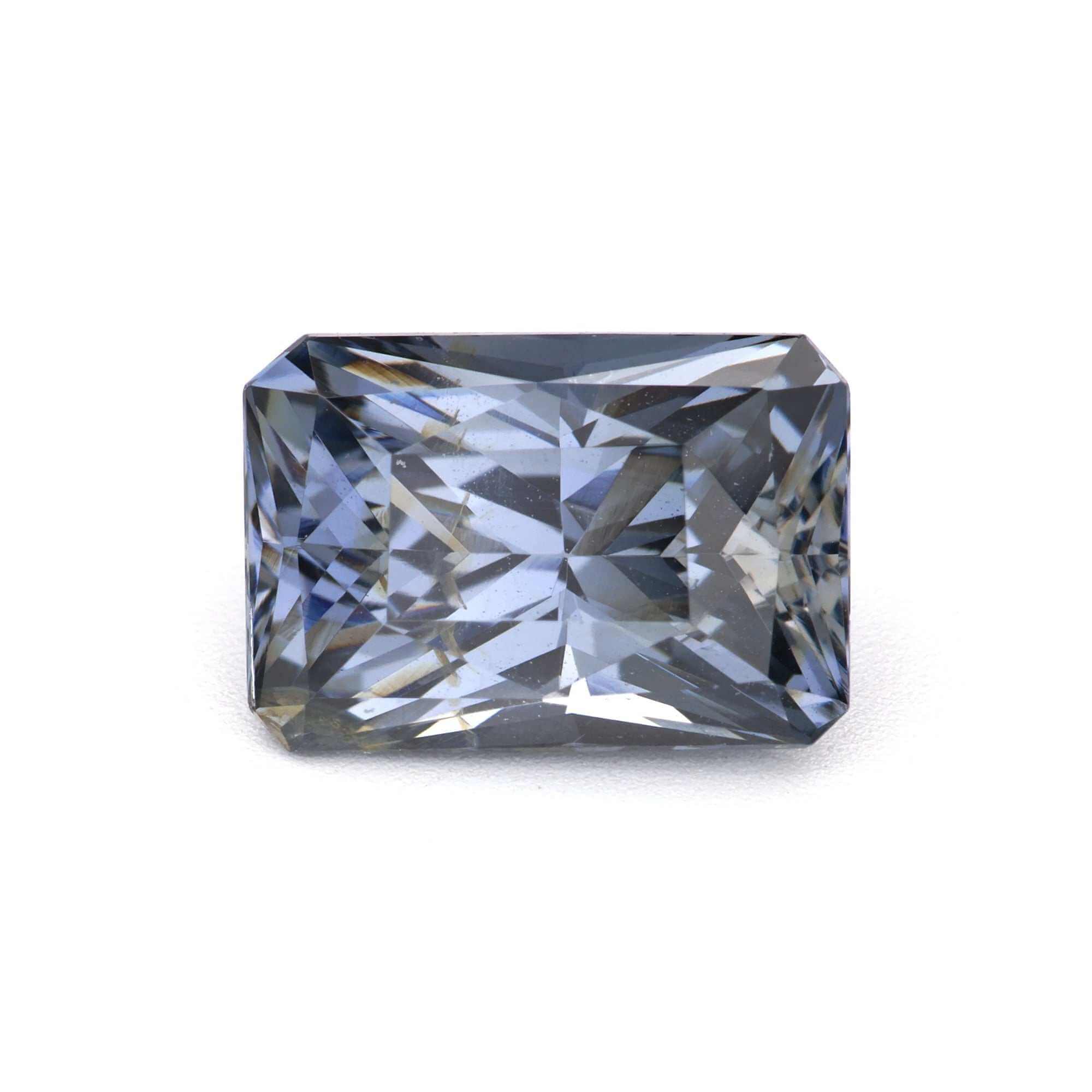
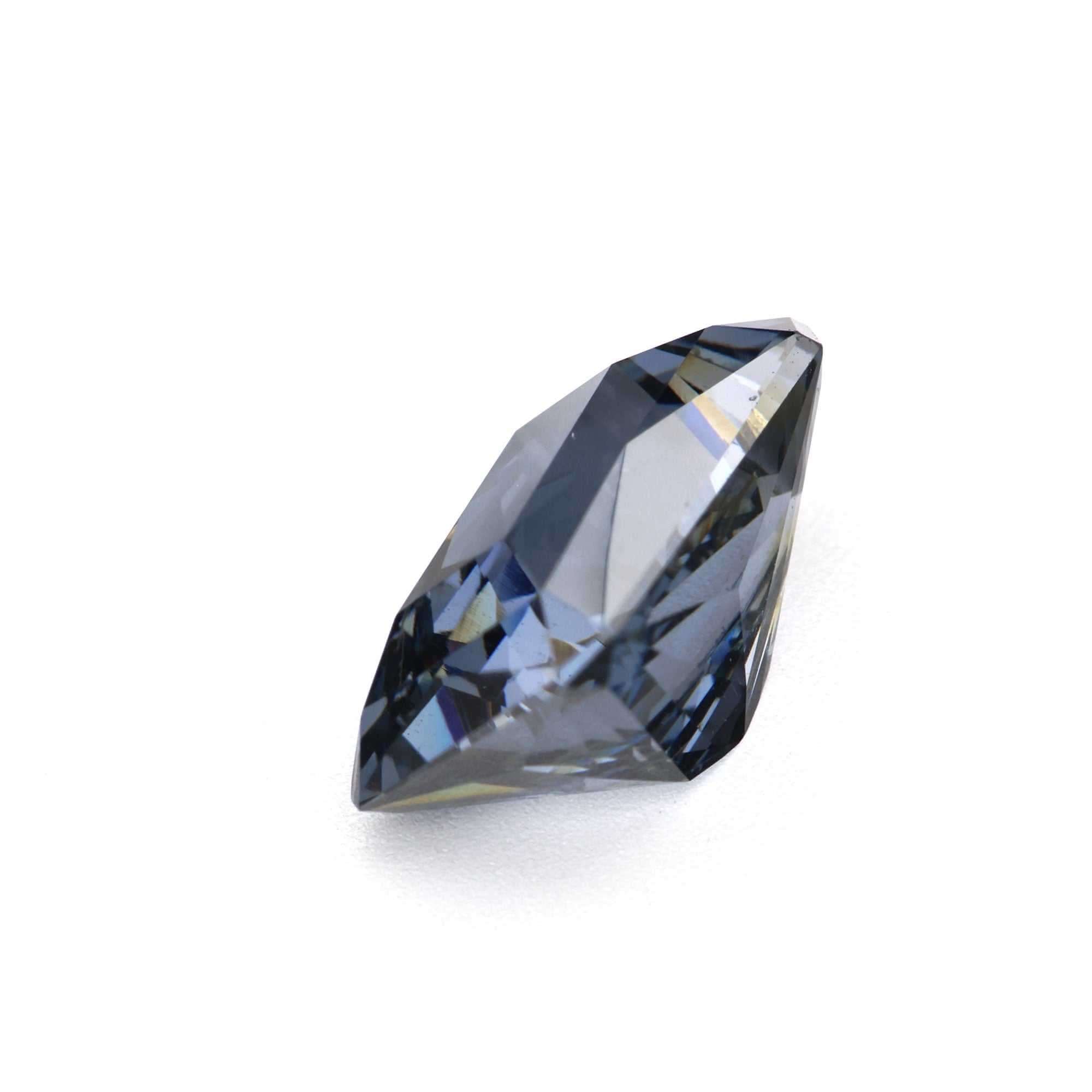
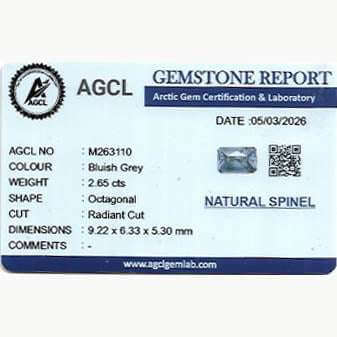
Spinel produces delicate lavender, gray-violet, steel-gray, and soft pastel tones that have no direct equivalent in sapphire. These softer, more nuanced colors have become increasingly popular in modern engagement ring and jewelry designs. Sri Lanka, Myanmar, and Tanzania all produce fine lavender and gray spinel.
Pink spinel ranges from soft baby pink through vivid bubblegum to deep rose. Spinel's pink tends to be brighter and more neon than sapphire's pink, which tends warmer and more saturated. Both are excellent for engagement rings in rose gold. Fine pink spinel above 1 carat typically runs $500–$2,500 per carat — often 20–40% below equivalent pink sapphire.
Spinel produces rich purple that is consistent across lighting conditions (no pleochroism). Some purple spinels show a subtle color-shift between daylight and incandescent light. Purple spinel offers strong value — $300–$1,500 per carat for fine material — and deserves far more attention than the market currently gives it.
Spinel does not produce White, vivid yellow, orange, green, or teal in commercially significant quantities. For those colors, sapphire is the relevant gemstone. Spinel also does not produce padparadscha (the pink-orange blend unique to sapphire)
The historic and most prestigious source. Mogok produces vivid red and hot pink spinels ("Jedi spinels") that command the highest prices in the market. Burmese spinel carries an origin premium comparable to Burmese ruby.
Sri Lanka produces spinel alongside sapphire in the same alluvial gem gravels — the two minerals are geological siblings, found together in the illam of the Ratnapura and Elahera regions. Ceylon spinel tends toward blue, violet, pink, and lavender tones. Because we source sapphires from these same deposits, we encounter fine spinel regularly. See Pit Mining in Sri Lanka and The Ratnapura Gem Market.
The Mahenge region of Tanzania has produced exceptional vivid pink and neon red spinels since the early 2000s, including a famous discovery in 2007 that yielded crystals of extraordinary size and color. Mahenge spinel has become a collector category in its own right.
Vietnam's Luc Yen district produces fine cobalt blue spinel — the vivid, neon blue that is one of spinel's most distinctive colors. Luc Yen also yields excellent pink and red material.
The historic source of many of the great "Balas rubies" — the pink and red spinels that adorned Persian, Mughal, and European crowns for centuries. Production is limited today, but the provenance carries enormous historical significance.
| Factor | Spinel | Sapphire |
|---|---|---|
| Mineral | MgAl₂O₄ | Al₂O₃ |
| Crystal system | Cubic (singly refractive) | Trigonal (doubly refractive) |
| Hardness | Mohs 8 | Mohs 9 |
| Treatment | Almost never treated | 85–95% heat-treated |
| Color range | Red, pink, blue, violet, gray | Every color |
| Market recognition | Growing, still niche | Universal |
| Resale liquidity | Specialist market, growing | Strong, established |
| Price (fine, 1–2ct) | $500–$4,000/ct | $800–$6,000+/ct |
| Best value position | Red, hot pink, cobalt blue | Yellow, teal, purple, heated blue |
Figures above are approximate market guidance, not fixed quotes. Actual value varies by treatment, origin, colour, cut, clarity, and certification.
For the full side-by-side analysis, read Sapphire vs. Spinel — The Overlooked Comparison Every Collector Should Understand.
Red spinel and ruby share the same chromium colorant, often come from the same mines (Mogok produces both), and for centuries were classified as the same stone. The differences matter:
For collectors who understand the market, the message is clear: red spinel offers comparable beauty to ruby, similar or greater rarity, untreated status far more often than not, and meaningfully lower prices — for now. As recognition grows, the value gap is narrowing. See our Ruby Buyer's Guide.
Color first. As with all colored gemstones, color is the dominant value driver. Vivid saturation in a medium tone commands the highest prices. For red and pink, look for clean, bright chromium color without brownish or grayish modifiers. For cobalt blue, look for the electric neon quality that distinguishes it from ordinary blue spinel.
Clarity. Eye-clean spinel is the standard and is readily available. Spinel's singly refractive, untreated character often produces a pure, glass-like transparency that is exceptionally attractive. Stones with visible inclusions are priced lower but are less common than in many other gem species.
Cut quality. The same principles that apply to sapphire apply here: no windowing, no heavy extinction, good brilliance, balanced proportions. A well-cut spinel returns light beautifully. See How Cut Affects a Gemstone.
Size. Fine spinel above 2 carats is uncommon in any color. Above 3 carats it is rare. Above 5 carats it is exceptional. Price-per-carat rises steeply with size, similar to the exponential curve in sapphire. See Sapphire Pricing Explained for how size affects colored gemstone pricing generally.
For premium spinel — particularly Burmese red or cobalt blue — origin documentation from GIA, Gübelin, or SSEF adds value. "Mogok" on a laboratory report carries a premium, just as "Ceylon" does for sapphire. For commercial-grade spinel, origin documentation is less critical than color and quality.
The informed collector buys both sapphire and spinel because they are complementary, not competing:
Sri Lanka produces spinel alongside sapphire in the same alluvial deposits. Ceylon spinel — particularly blue, violet, pink, and lavender varieties — has a long history and produces fine material. The two minerals are found in the same illam gravel, sorted side by side on the same trading tables in Ratnapura, and sometimes confused by less experienced miners.
At Crescent Gems, our focus is sapphire, but our direct sourcing from Sri Lankan gem gravels means we encounter and appreciate fine spinel as part of the same geological and commercial ecosystem. Understanding spinel — what it is, what it is not, and where it excels — is part of the expertise that makes our sapphire guidance trustworthy.
Fine spinel — particularly Burmese red and Mahenge pink above 2 carats, and cobalt blue above 1 carat — has appreciated 50–100% over the past five years. The investment thesis is straightforward:
The risk is liquidity. Spinel's resale market is thinner than sapphire's or ruby's. Selling a fine spinel requires finding a buyer who understands what it is. That audience is growing but is not yet as broad as the sapphire or diamond market.
Browse our full Ceylon sapphire catalog or email crescentgems@gmail.com with questions about any gemstone. We respond within one business day.
Browse our current spinel collection — natural stones in the same rich color range as sapphire, each listed with its treatment status.

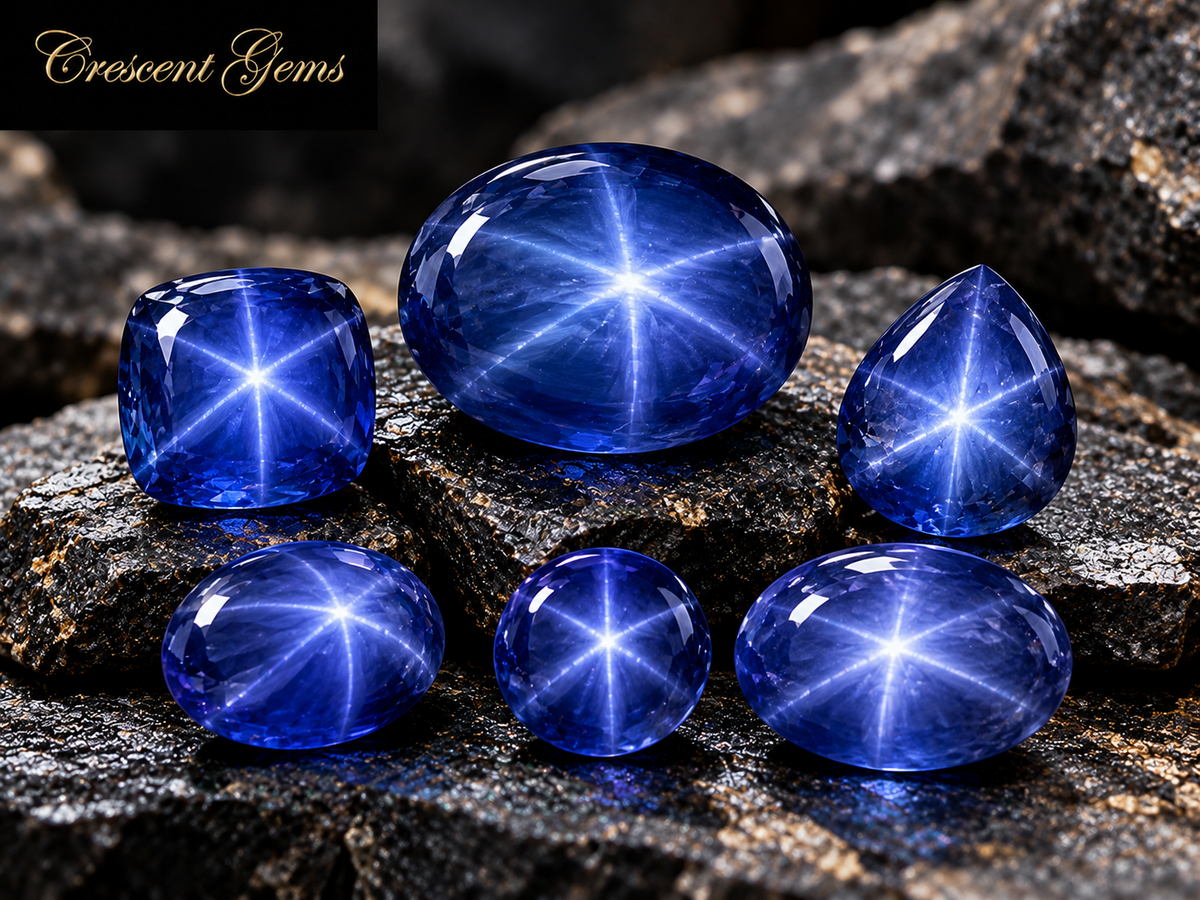
Blue Star Sapphire Price Guide — What They Cost and Why
Read moreabout Blue Star Sapphire Price Guide — What They Cost and Why
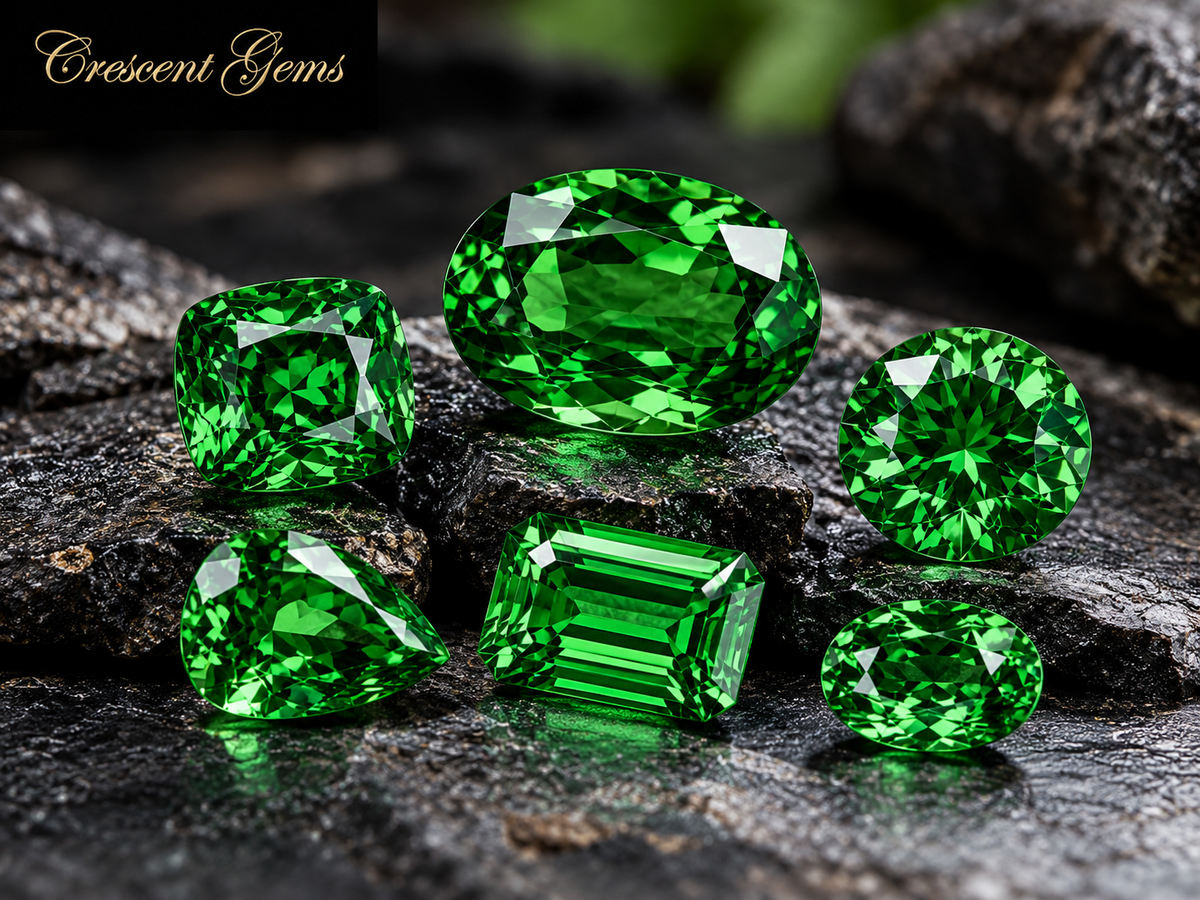
Tsavorite Garnet Price Guide — What They Cost and Why
Read moreabout Tsavorite Garnet Price Guide — What They Cost and Why
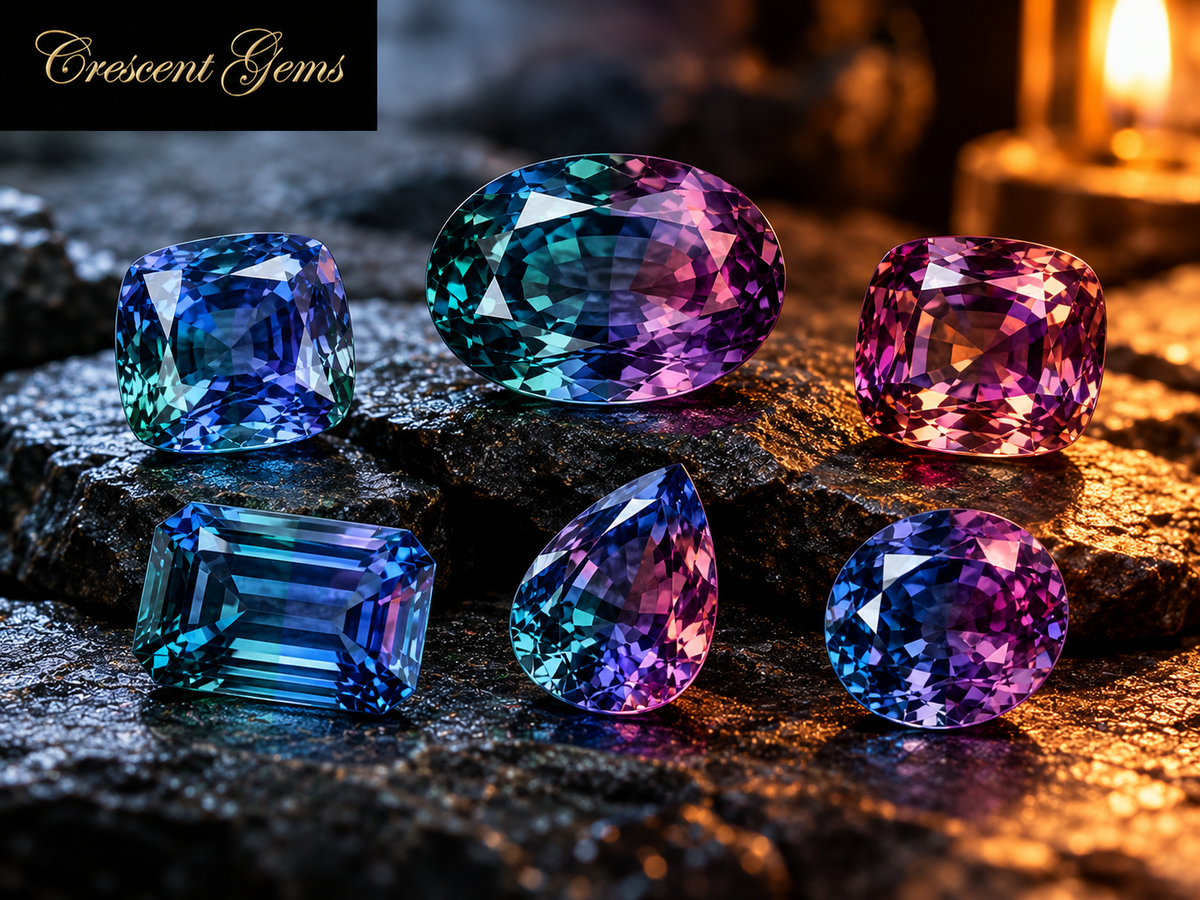
Color-Change Sapphire Price Guide — What They Cost and Why
Read moreabout Color-Change Sapphire Price Guide — What They Cost and Why
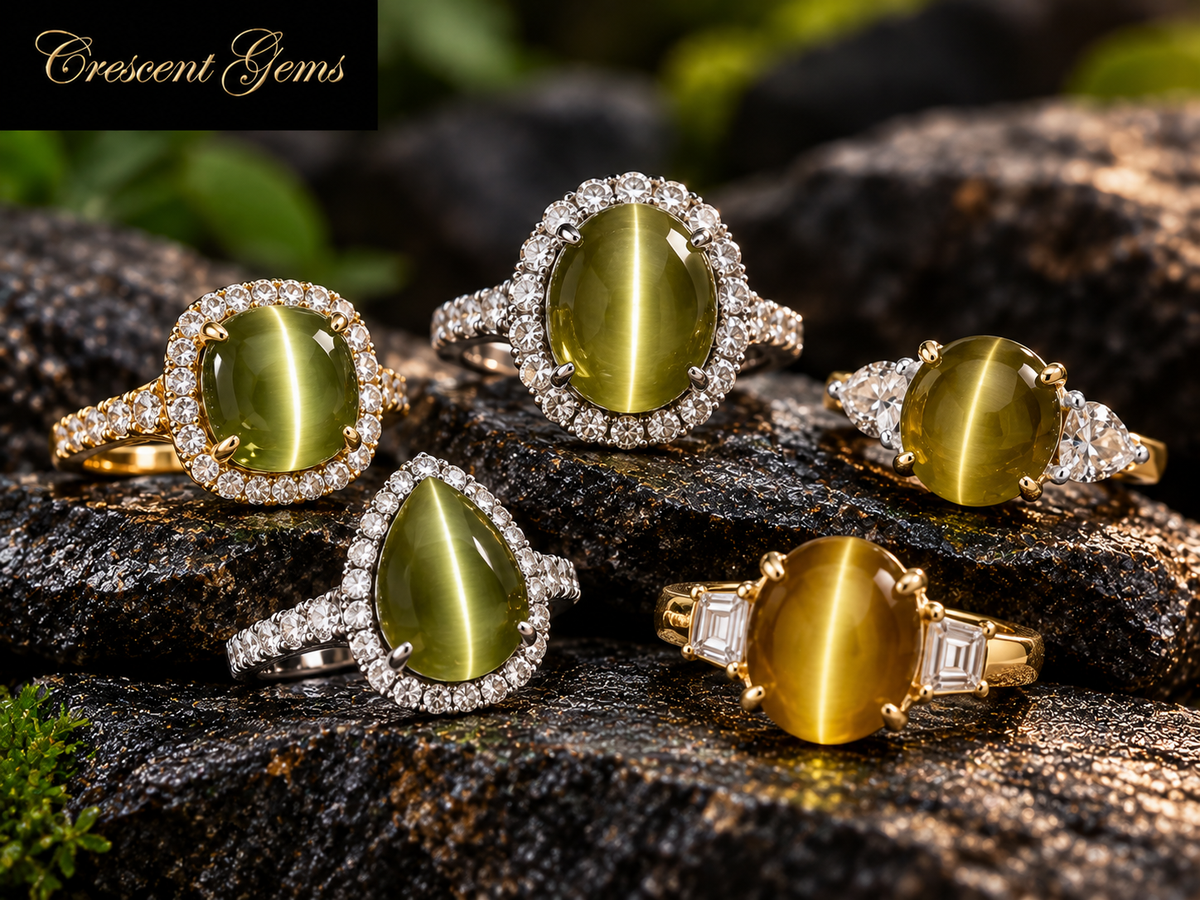
Is Cat's-Eye Chrysoberyl Good for an Engagement Ring?
Read moreabout Is Cat's-Eye Chrysoberyl Good for an Engagement Ring?
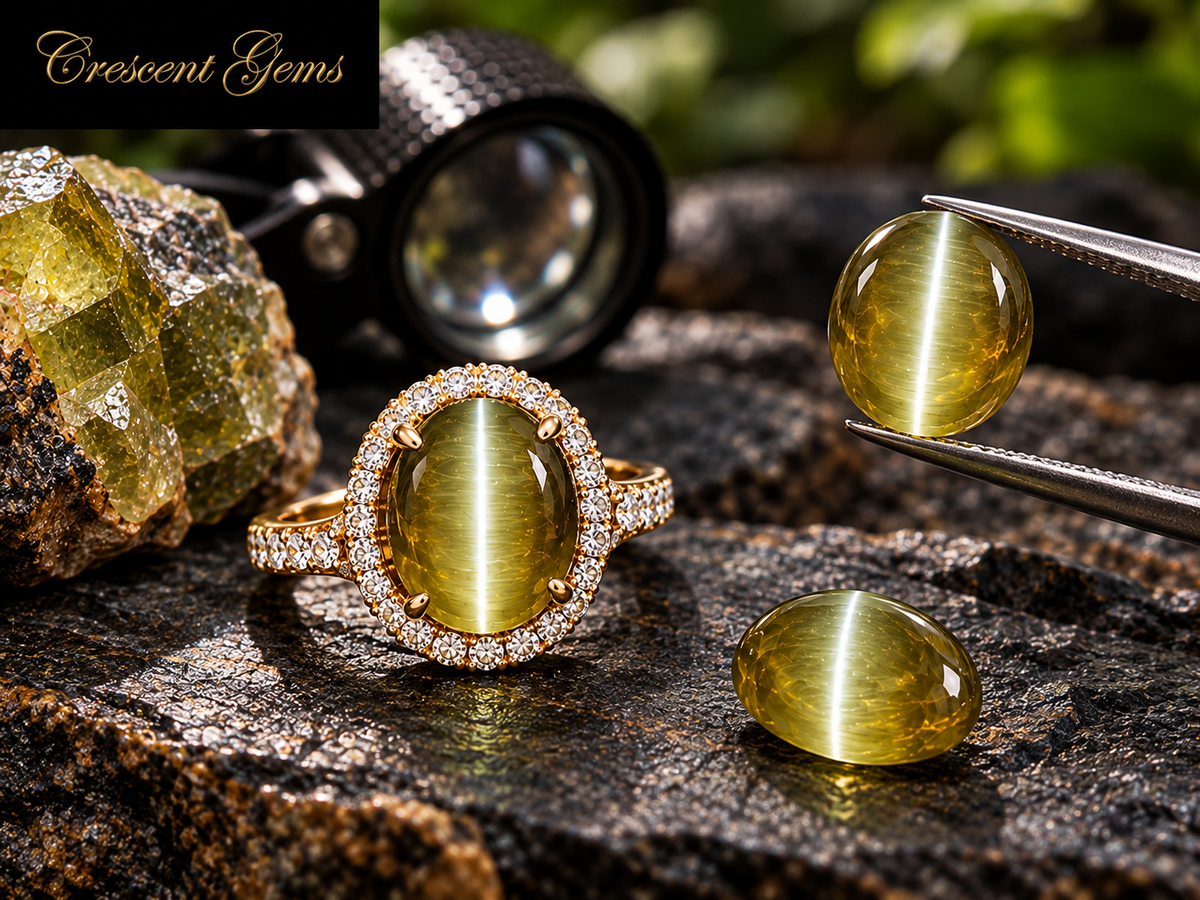
Cat's Eye Chrysoberyl Price Guide — What They Cost and Why
Read moreabout Cat's Eye Chrysoberyl Price Guide — What They Cost and Why