

- by Ahmed Shareek
Cost of a 2 Carat Sapphire — Pricing, Scarcity, What Your Budget Buys
- by Ahmed Shareek
We are a supplier from the source in Sri Lanka, so our gemstones reach you direct, without the intermediaries most sellers buy through.
cost of a 2 carat sapphire : What a Good 1 Carat Sapphire Costs. For the full 1 carat breakdown: 1 Carat Ceylon Sapphire Price Guide. For the buying foundation: Ultimate Sapphire Buying Guide.
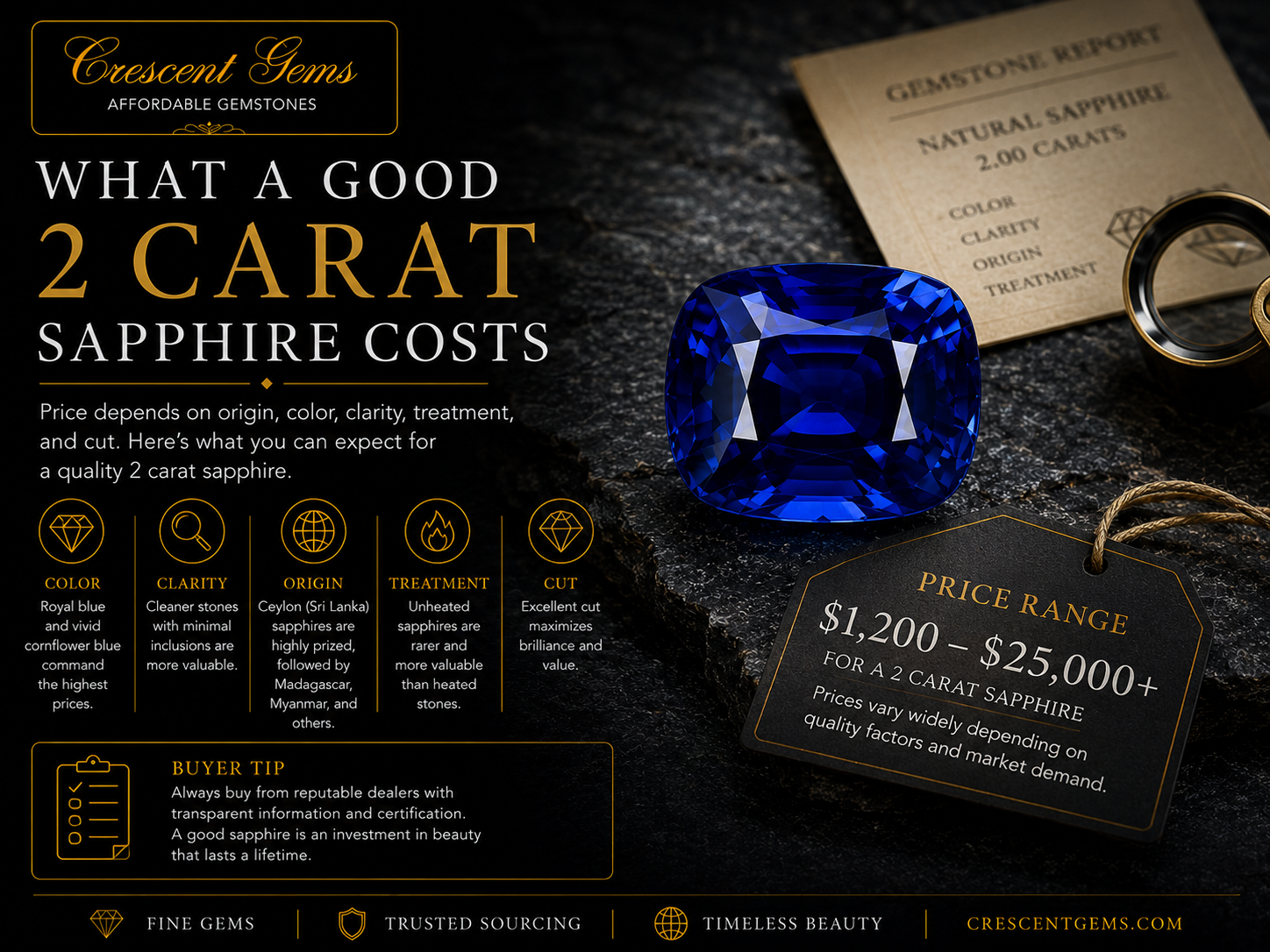
A 2-carat sapphire is not simply twice the price of a 1-carat sapphire. It is significantly more expensive per carat — because fine-quality sapphire at 2 carats is proportionally rarer than at 1 carat, and the market prices scarcity. The same stone quality that costs $1,200 per carat at 1ct may cost $1,800–$4,000 per carat at 2ct, making the 2-carat stone three to five times the total price of the 1-carat equivalent.
Understanding why this is — and what "good quality" actually looks like and costs at 2 carats — is the purpose of this guide. We cover the per-carat price escalation, what drives it, realistic price ranges across colors in 2026, and the quality trade-offs that are most relevant when buying a sapphire at this size.
The mathematical explanation is simple: large crystals of any mineral form more rarely than small crystals. A 2-carat rough sapphire crystal of gem quality requires a larger, more chemically pure, and more structurally intact piece of corundum than a 1-carat equivalent. The geological conditions that produce such crystals are not twice as rare as those that produce 1-carat crystals — they are significantly more rare, and the commercial supply of fine-quality 2-carat sapphire reflects this.
Additionally, the cutting economics change at larger sizes: a lapidary cutting a 4-carat rough crystal for maximum weight recovery (a common practice for sapphire) produces very different results than one cutting for face-up optical performance. Fine-quality 2-carat sapphires that are both large and well-cut for face-up appeal are a smaller subset of the available rough than the total 2-carat supply suggests.
The practical implication: when comparing a 1-carat and 2-carat sapphire of equal apparent visual quality, always expect the 2-carat to carry a meaningful per-carat premium — typically 50–100% more per carat at good quality, and significantly more at fine to exceptional quality.
A well-cut 2-carat sapphire in common shapes measures approximately:
At these dimensions, a 2-carat sapphire is a genuinely large, visually commanding ring stone — significantly more prominent than a 1-carat stone on most hands and capable of standing as a ring centerpiece with real presence. In vivid blue, teal, or pink, a 2-carat center stone in a solitaire setting makes an unmistakable statement. See our sapphire size guide for the full size framework.
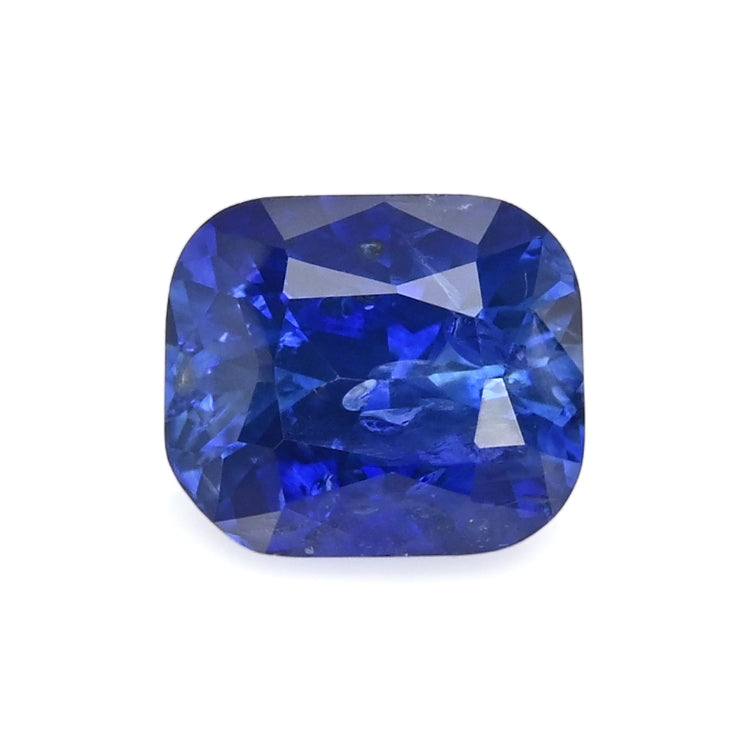
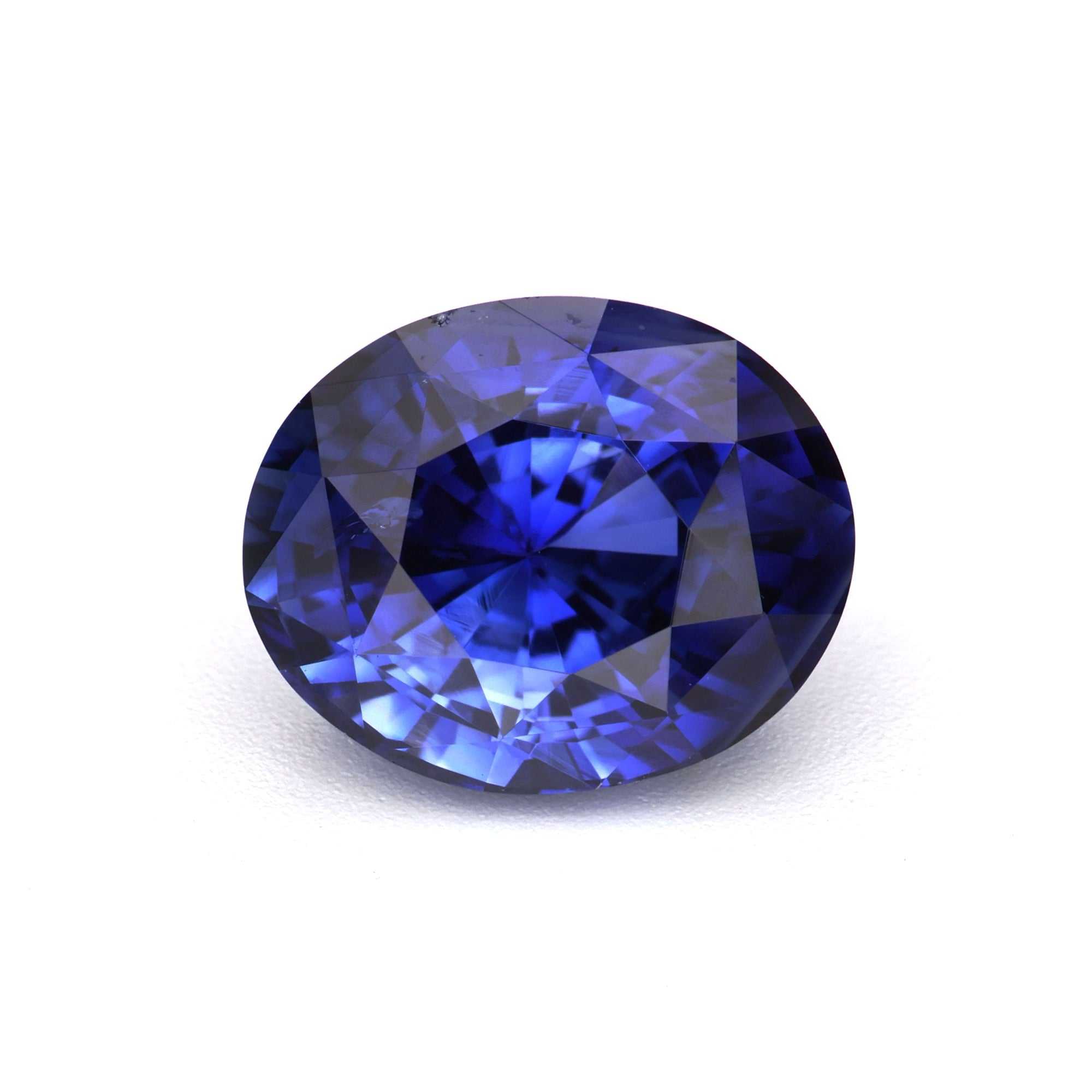
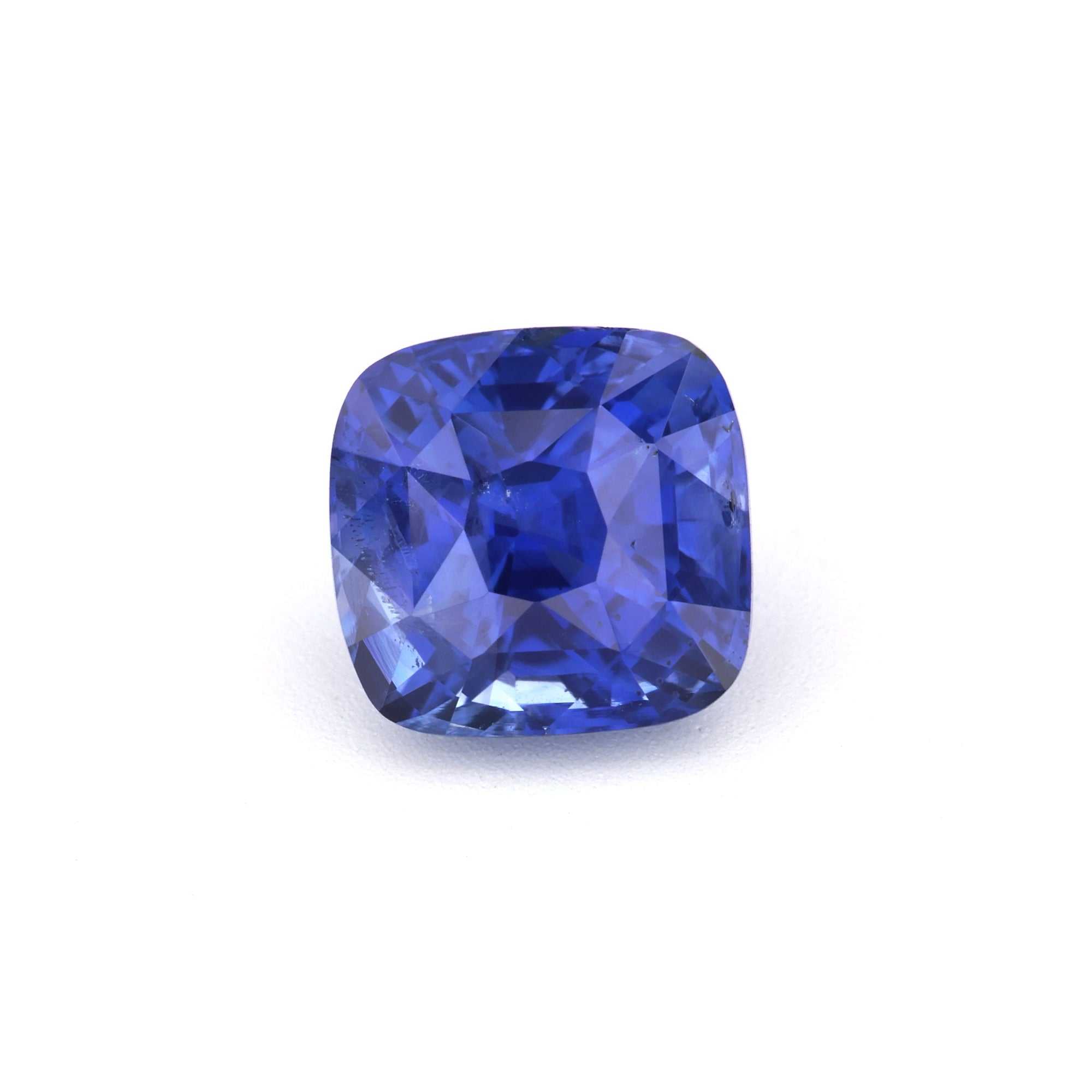
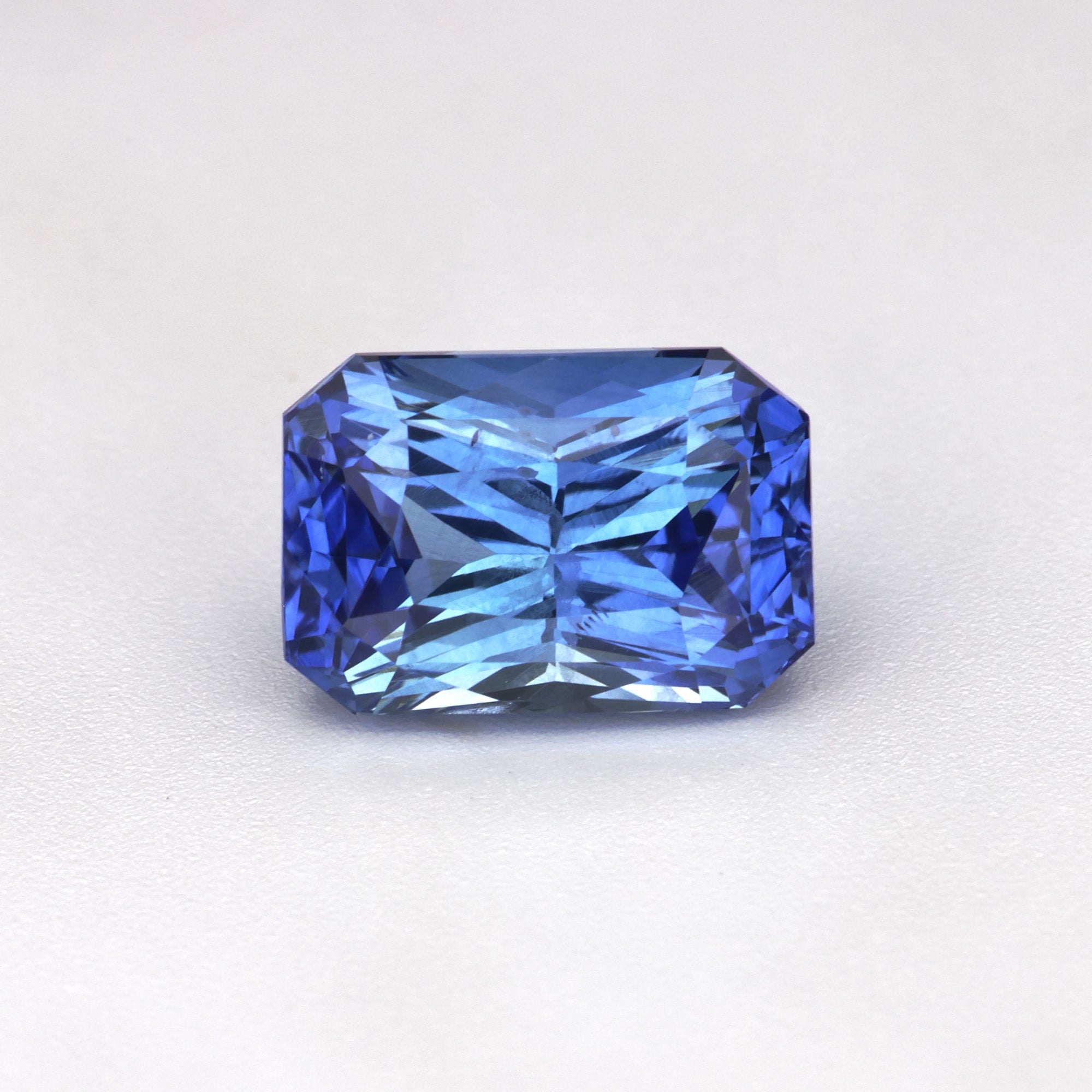
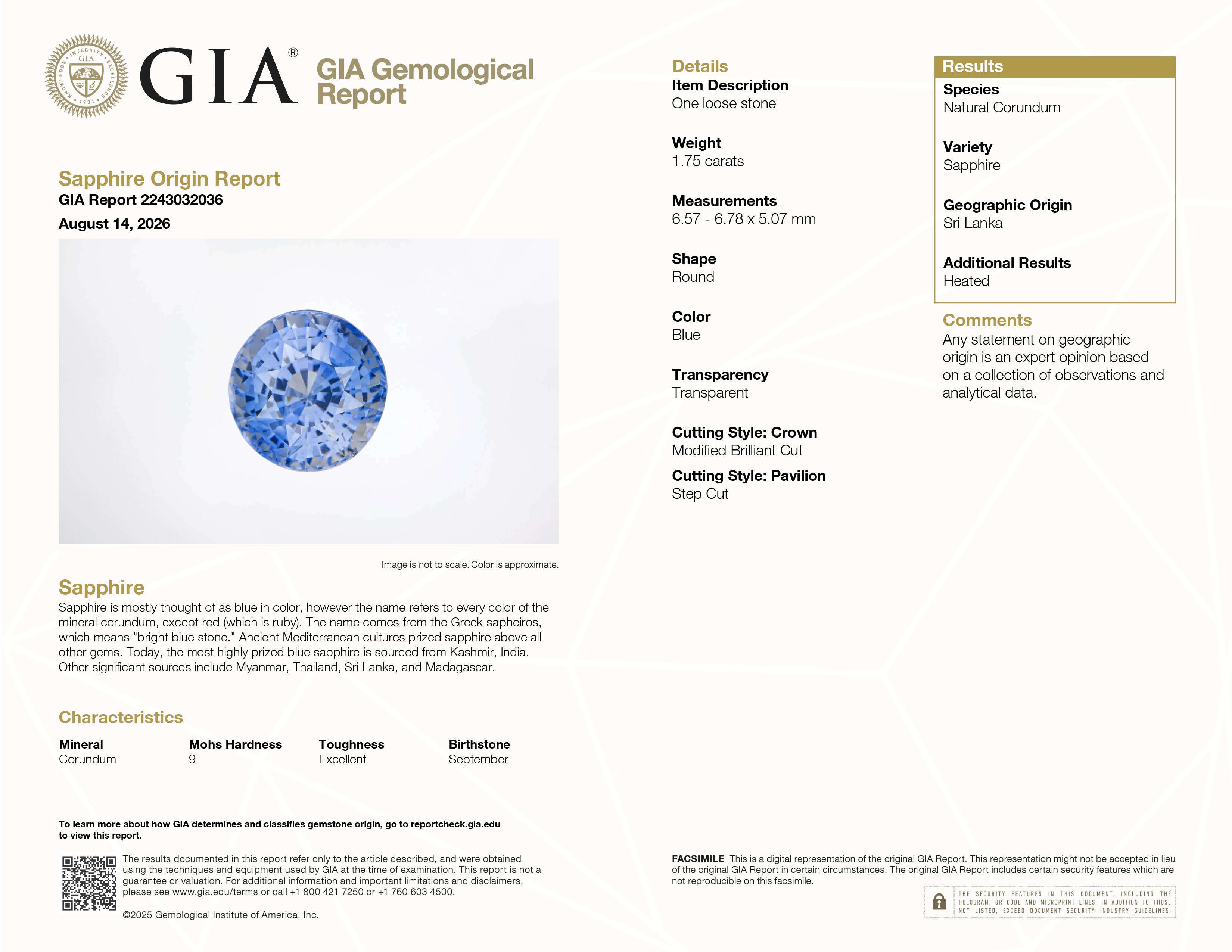
A genuinely good 2-carat blue Ceylon sapphire — vivid, eye-clean, well-cut, heated — costs $1,500–$2,900 per carat ($2,985–$7,500 total) based on current listed prices in our collection. The per-carat premium at 2ct versus 1ct for heated blue is approximately 40–80% — significant but not extreme. At this size, color quality becomes more important than at 1ct because the larger stone face makes saturation differences more visible. A pale or greyish 2-carat blue that looked merely modest at 1ct looks underwhelming at 2ct. Invest in saturation over size.
Example from our collection: a 1.99 ct GIA-documented heated blue Ceylon sapphire, cushion cut — $2,985. View this stone. Also in stock: a 2.48 ct GIA-documented heated blue sapphire for $6,944 (view). Browse our blue sapphire collection.
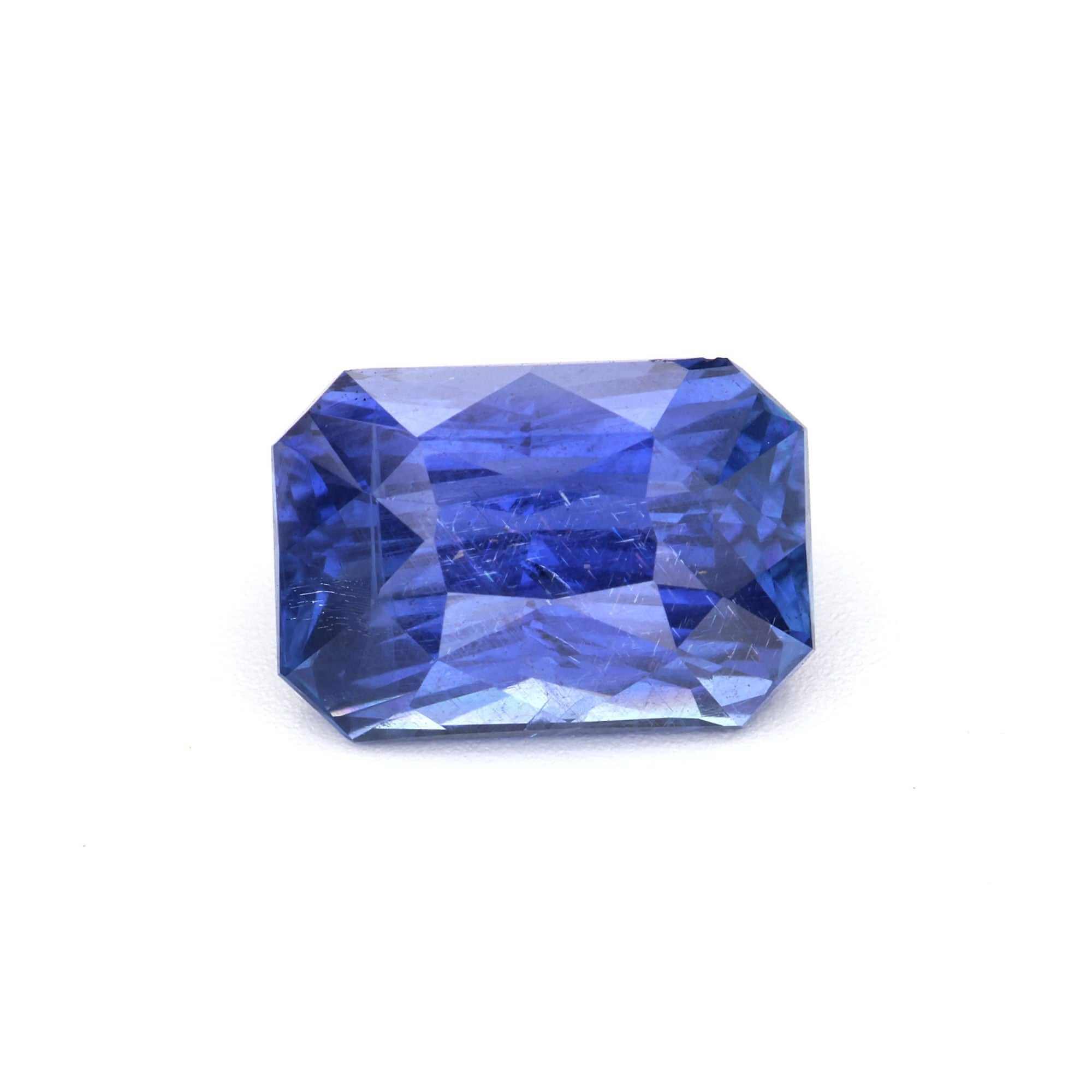
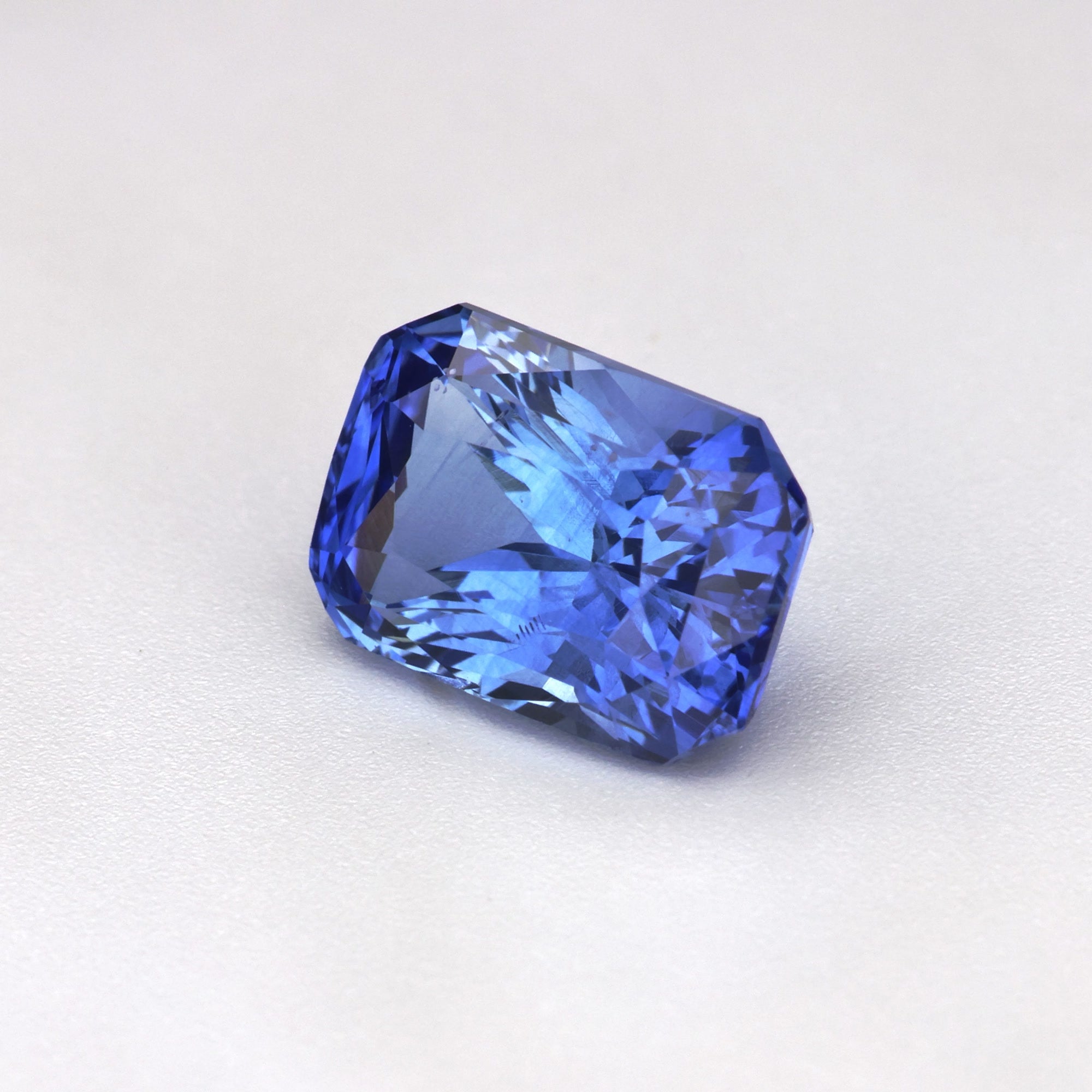
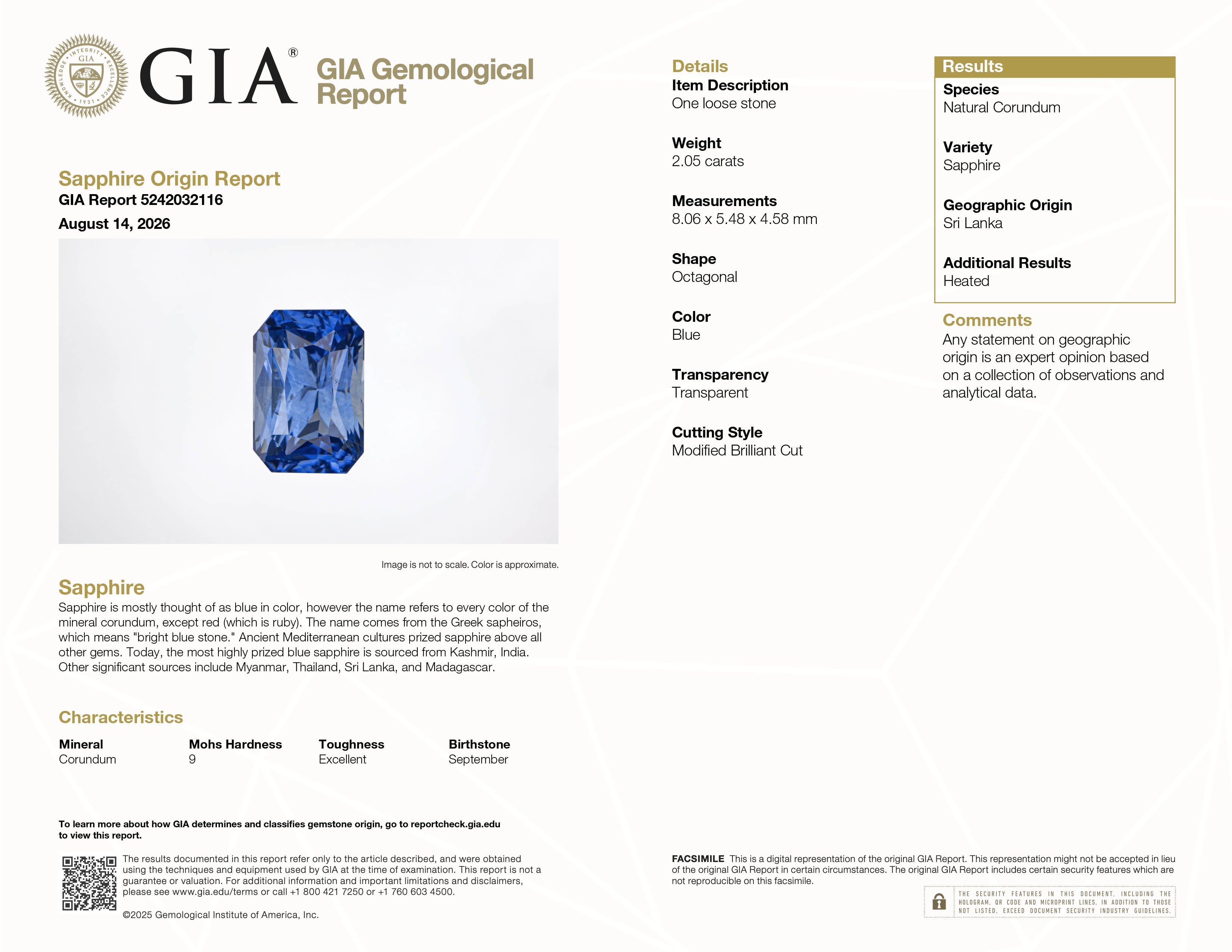
A 2-carat unheated blue Ceylon sapphire with GIA confirmation at good-to-fine quality costs $3,300–$4,100 per carat ($6,800–$8,200 total) based on current listed prices in our collection. Fine 2-carat unheated blue is genuinely rare material — the combination of fine color, 2ct+ weight, and confirmed unheated status puts these stones in a rarefied category. Budget accordingly, or consider whether fine unheated blue at 1.5ct or excellent heated blue at 2ct serves your priorities better.
Example from our collection: a 2.008 ct GIA-documented unheated blue Ceylon sapphire, radiant cut — $6,800. View this stone. Also in stock: a 2.04 ct GIA-documented unheated blue sapphire, square cushion cut, for $8,160 (view).
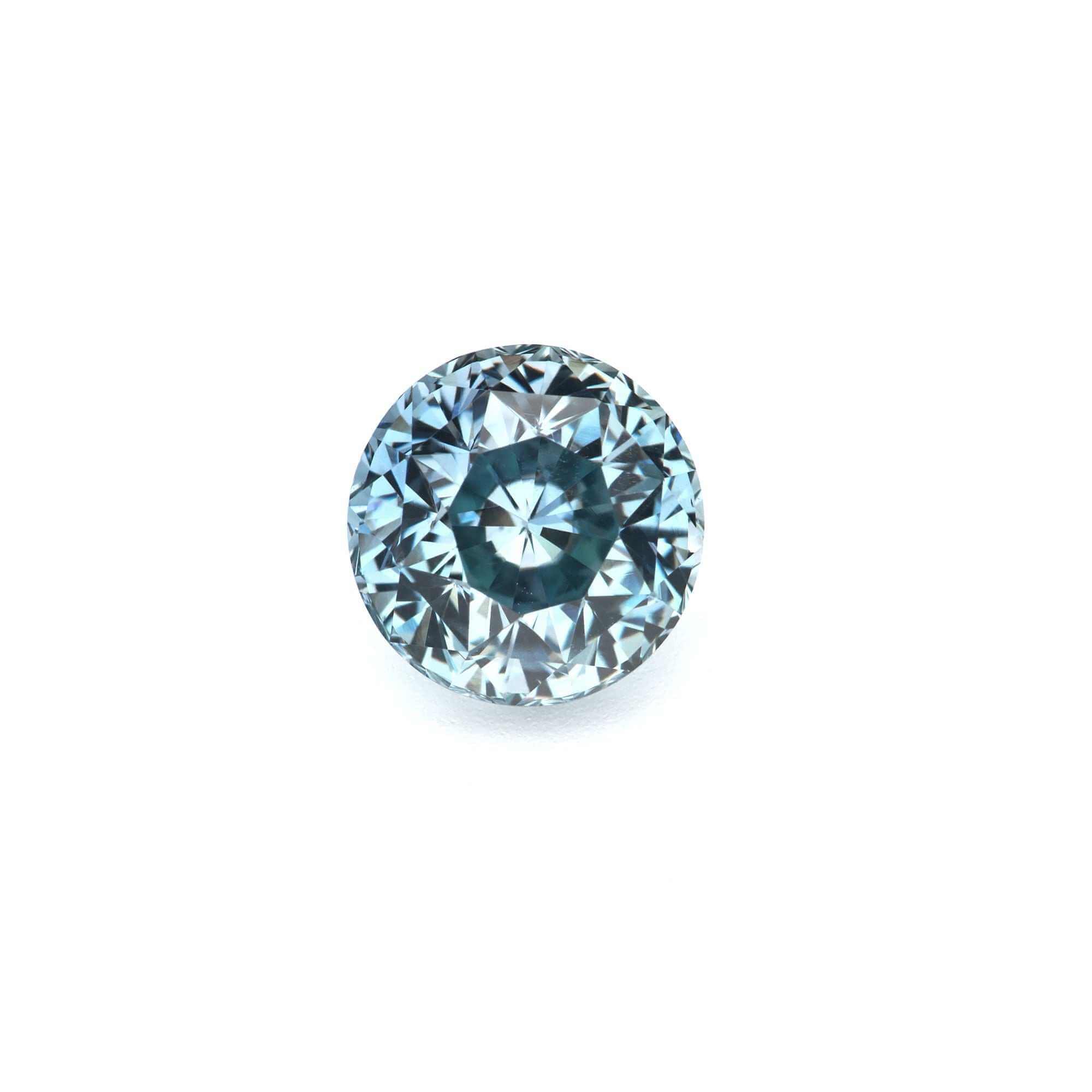
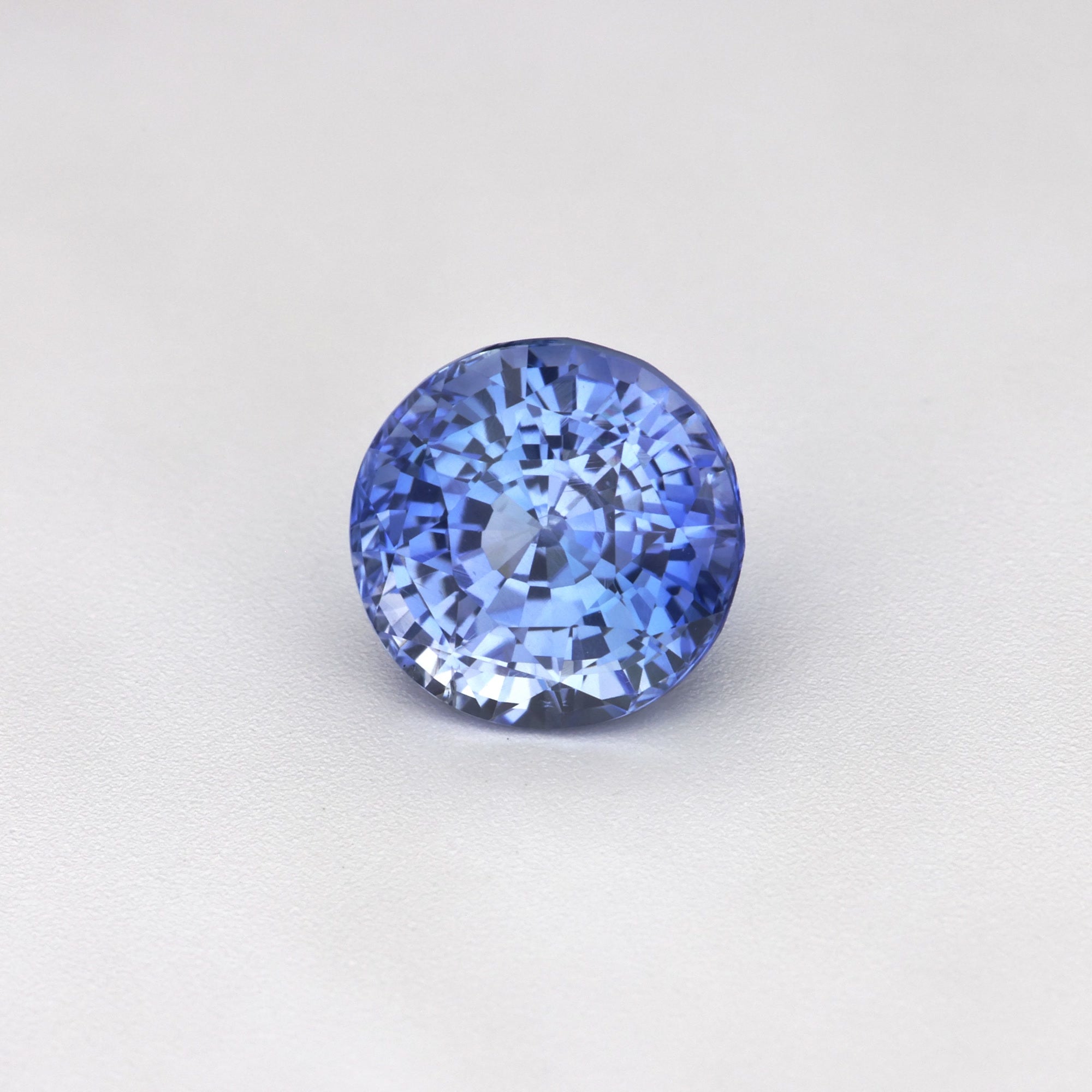
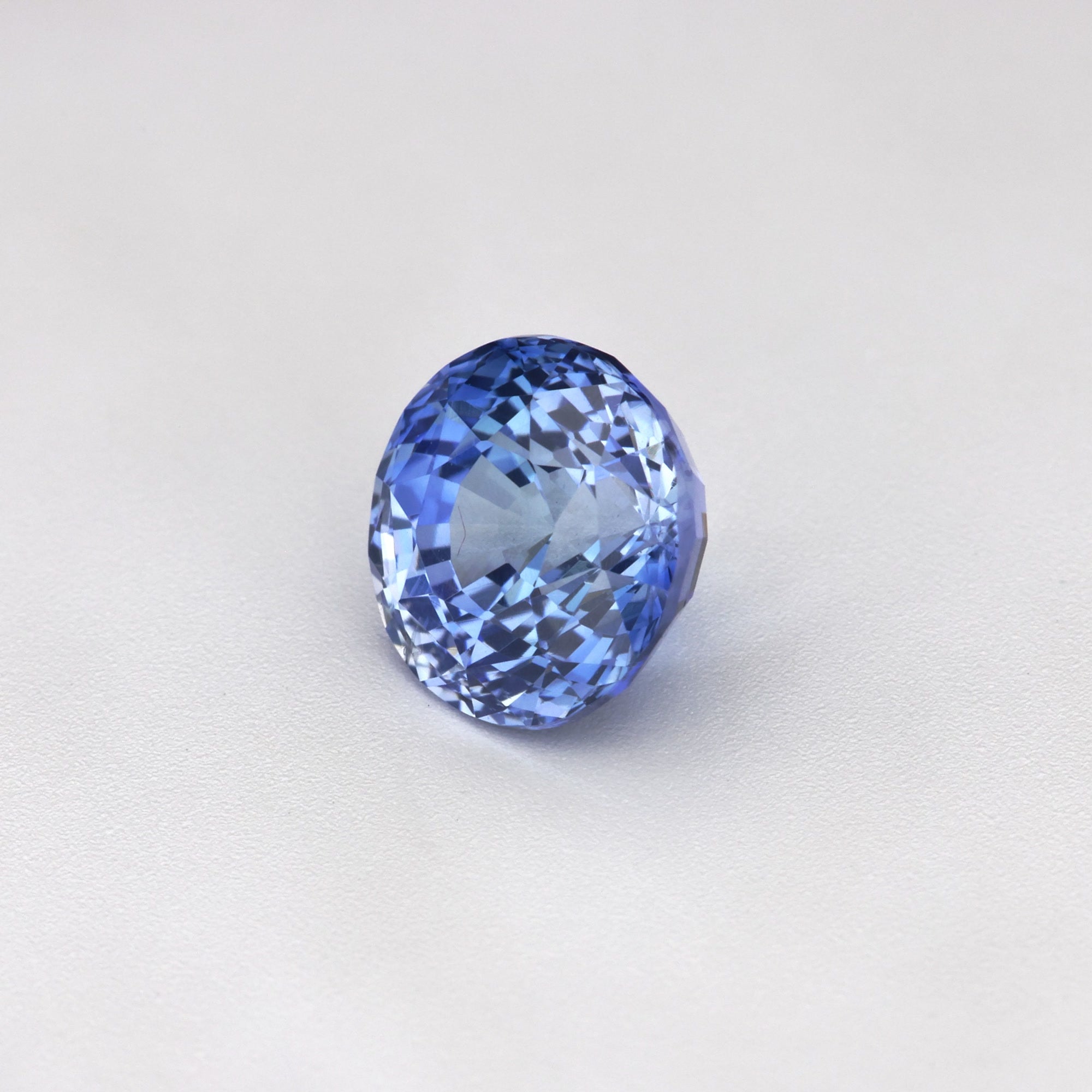
A genuinely good 2-carat teal sapphire — vivid blue-green, eye-clean, well-cut, naturally unheated — costs $1,300–$1,700 per carat ($2,900–$3,600 total) based on current listed prices in our collection. This is where teal sapphire's value proposition becomes most compelling: a 2-carat vivid, naturally unheated teal for roughly $2,900–$3,600 total versus a 2-carat good heated blue for roughly $2,985–$7,500 total, or a 2-carat unheated blue for roughly $6,800–$8,200 total. For buyers who want a genuinely large, vivid, naturally unheated center stone at meaningful size, 2-carat teal is one of the best stone values in the market.
Example from our collection: a 2.08 ct GIA-documented unheated teal sapphire from Madagascar, round cut — $2,912. View this stone. Browse our teal sapphire collection.
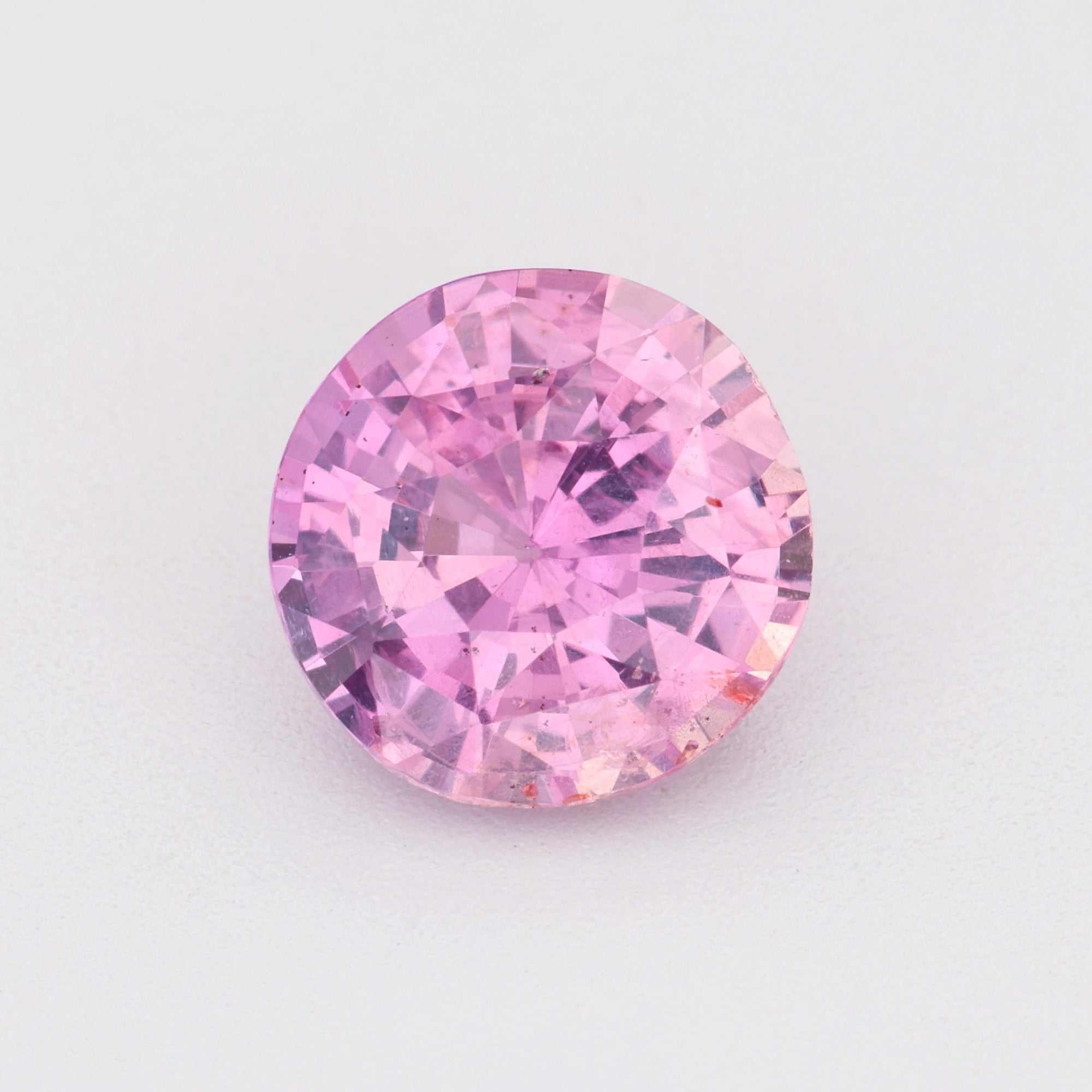
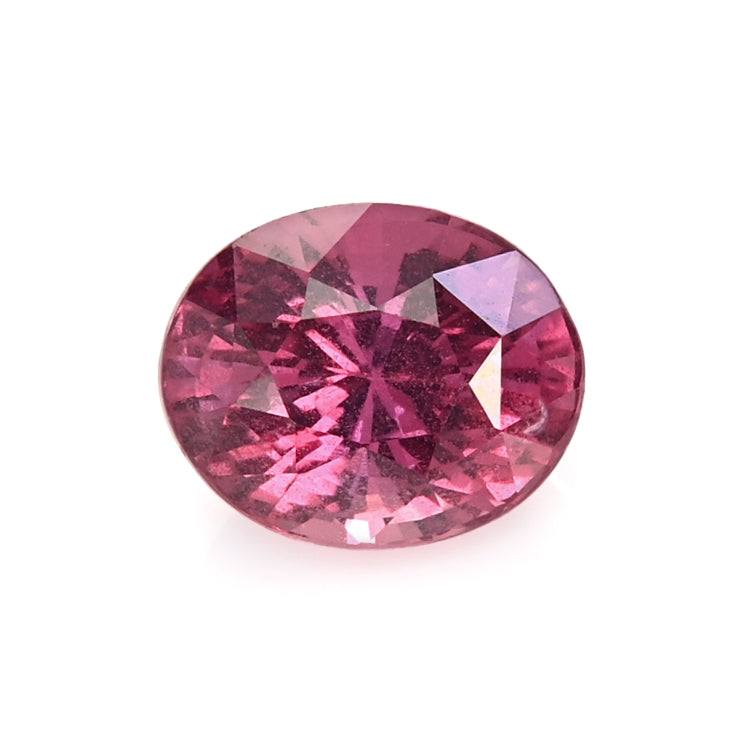
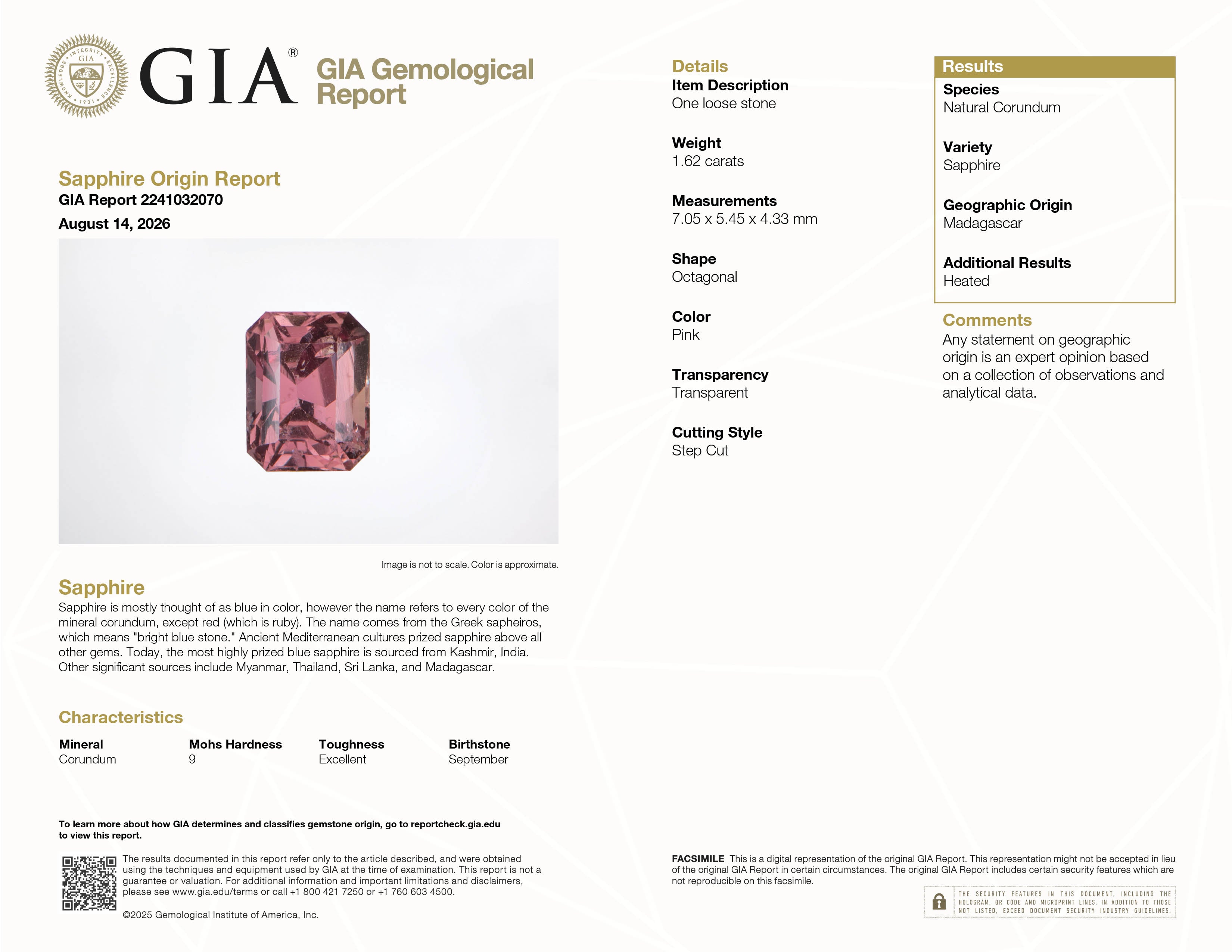
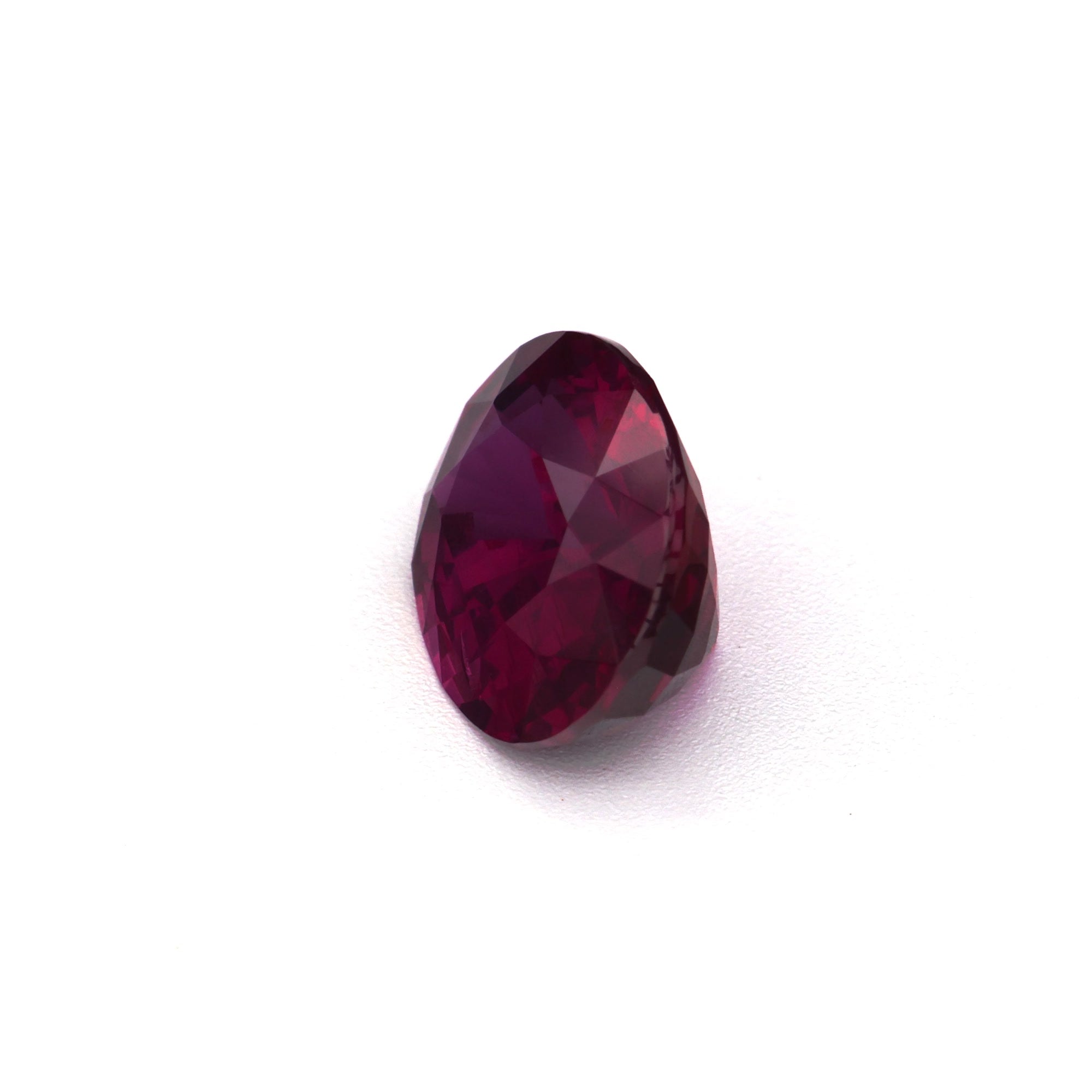
A genuinely good 2-carat pink sapphire — vivid, eye-clean, well-cut — runs $2,000–$2,600 per carat ($4,300–$5,500 total) based on current listed prices in our collection. Fine vivid unheated pink at true 2ct+ is genuinely scarce: our largest unheated pink in stock right now is a 1.14 ct GIA stone at $2,875 ($2,522 per carat). A comparable heated 2.20 ct GIA pink sapphire from Madagascar is available now at 2ct+ size. At this size and color, pink sapphire competes directly with blue in terms of visual presence and market demand.
Example from our collection: a 2.20 ct GIA-documented heated pink sapphire from Madagascar, oval cut — $5,500. View this stone. For unheated pink, see our 1.14 ct GIA-documented stone at $2,875 (view). Browse our pink sapphire collection.
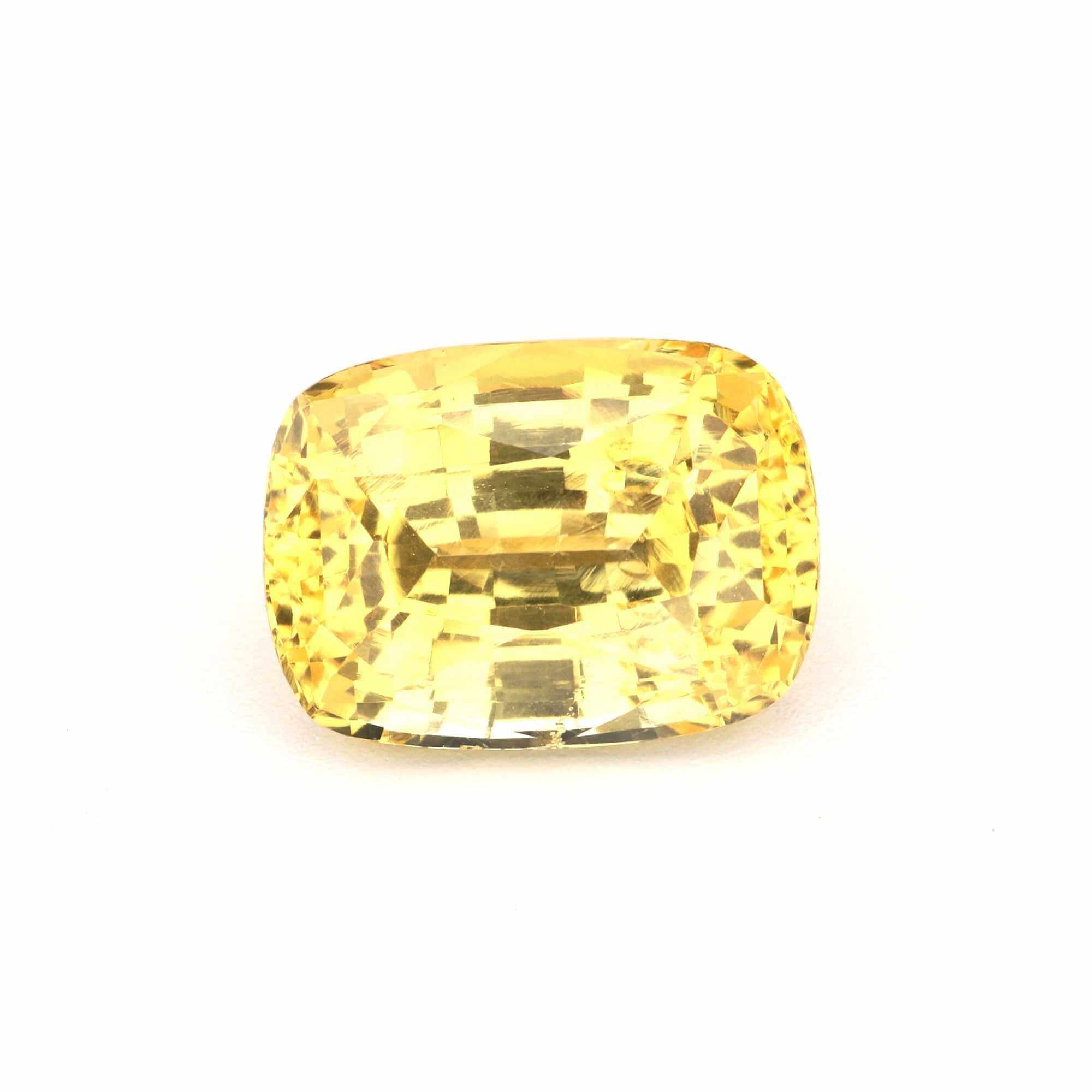
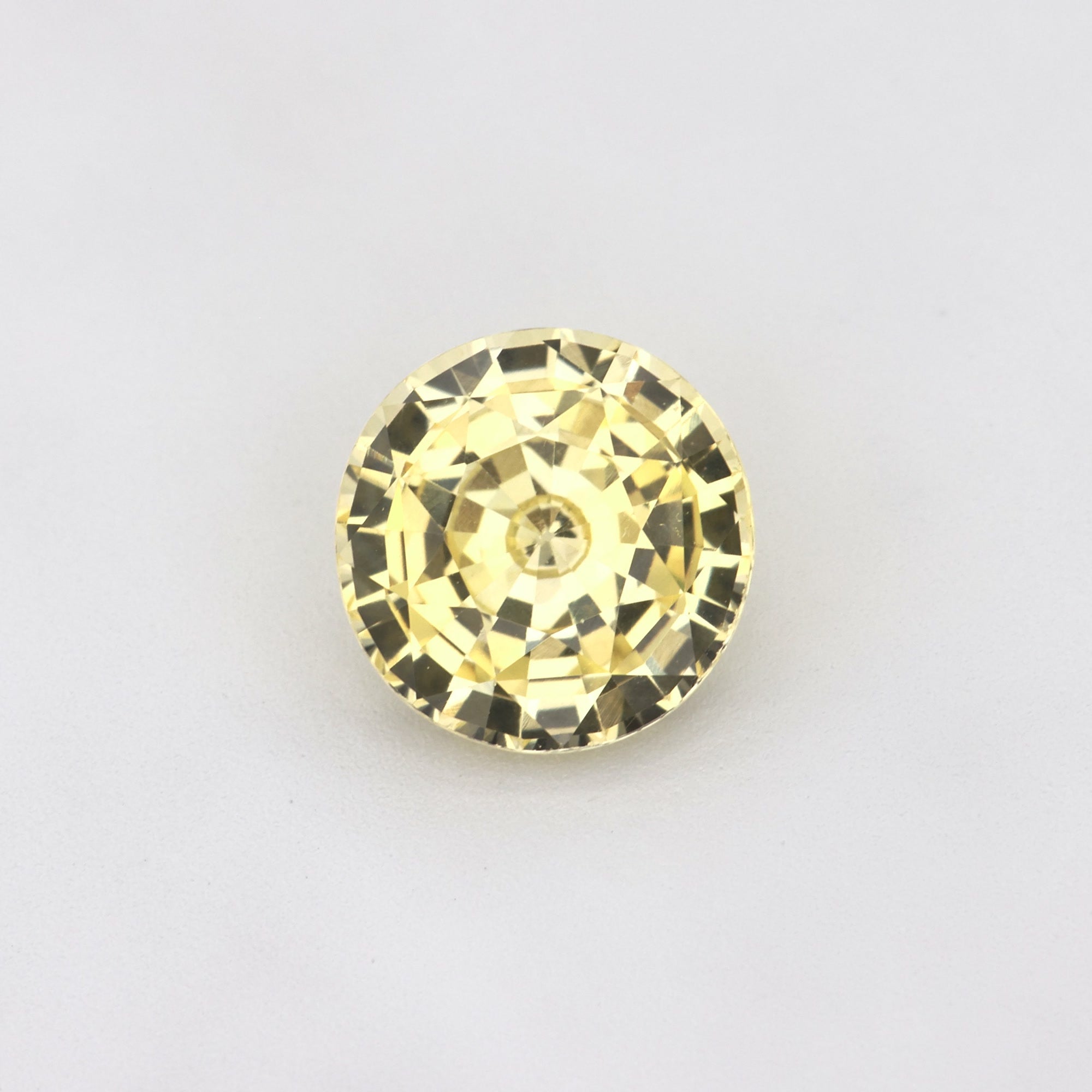
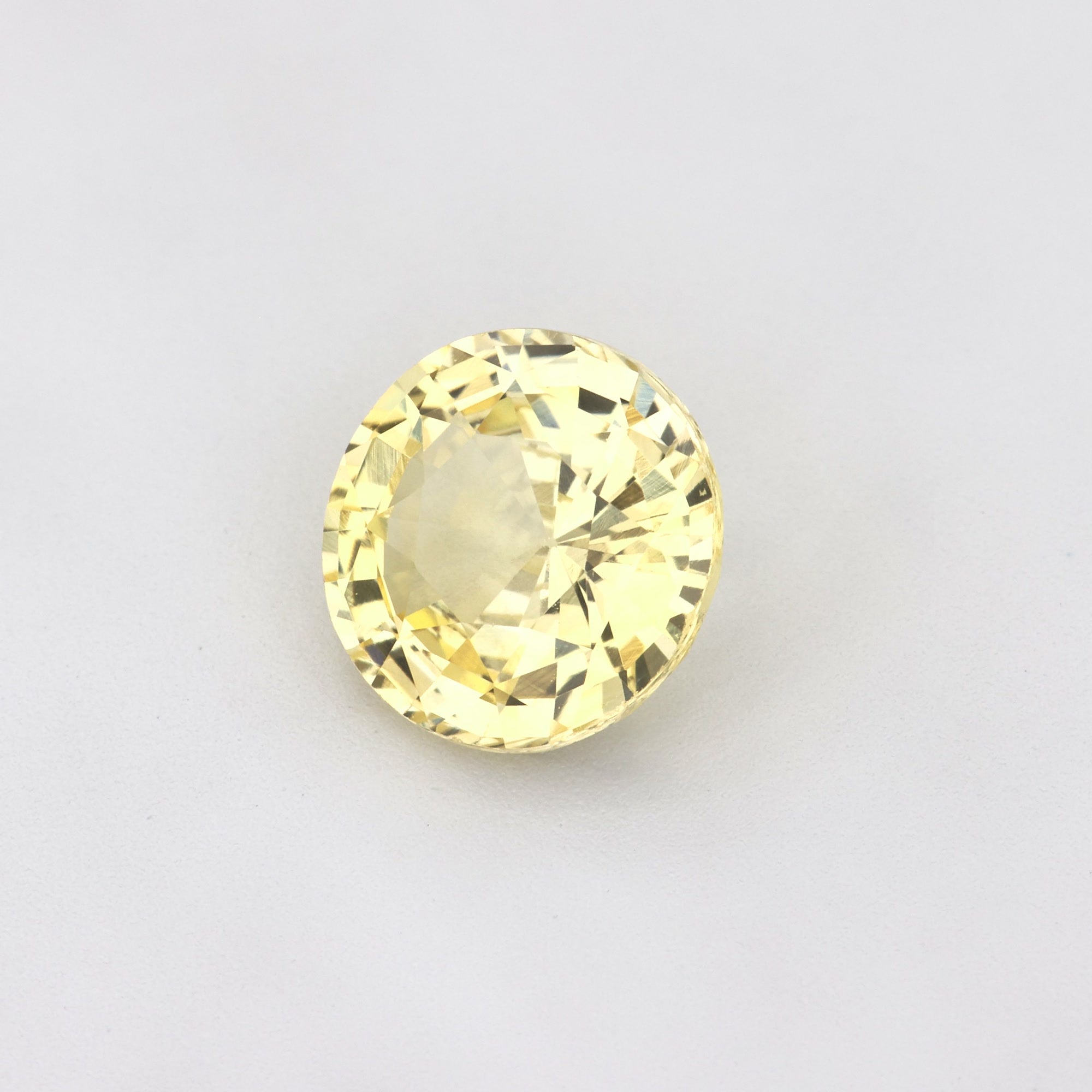
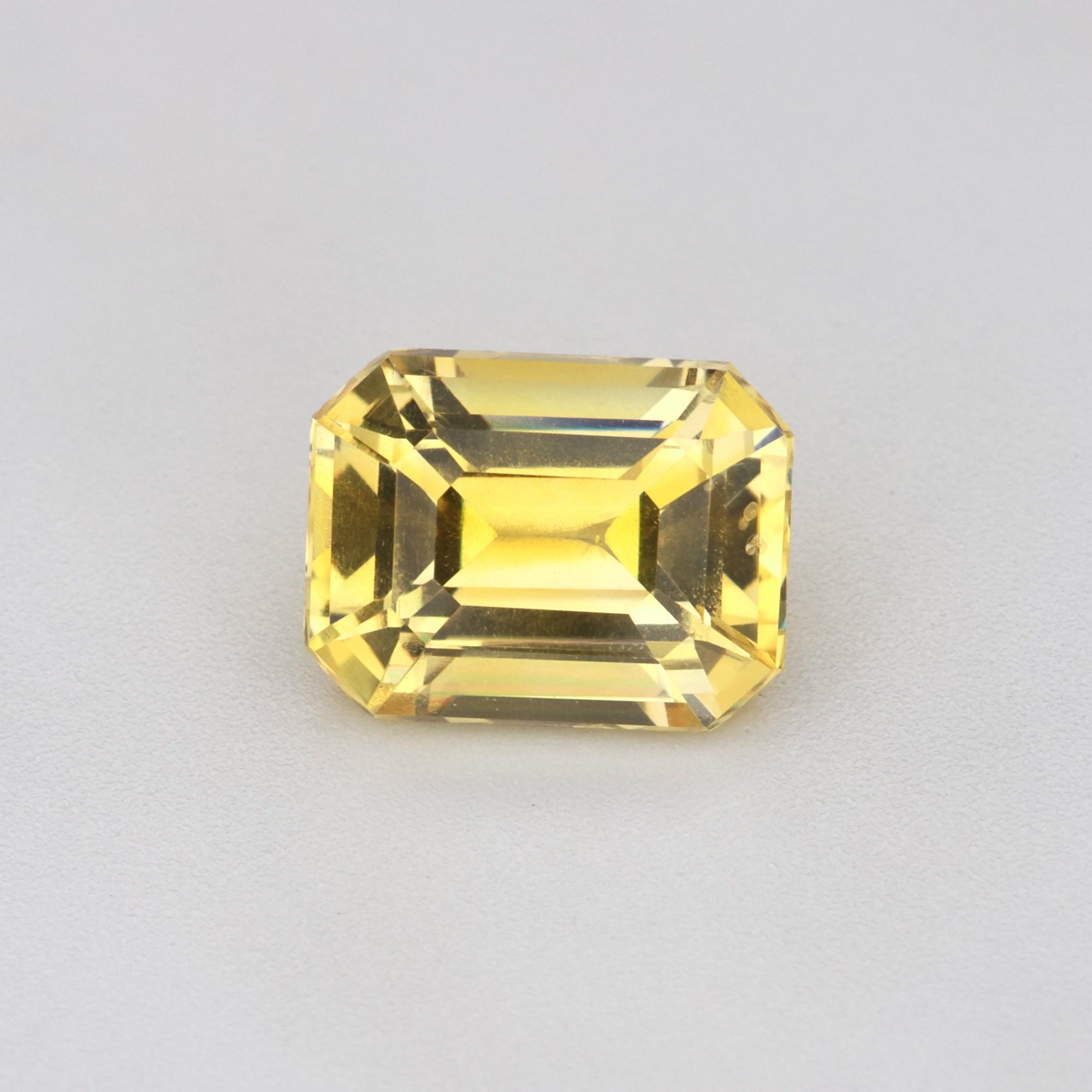
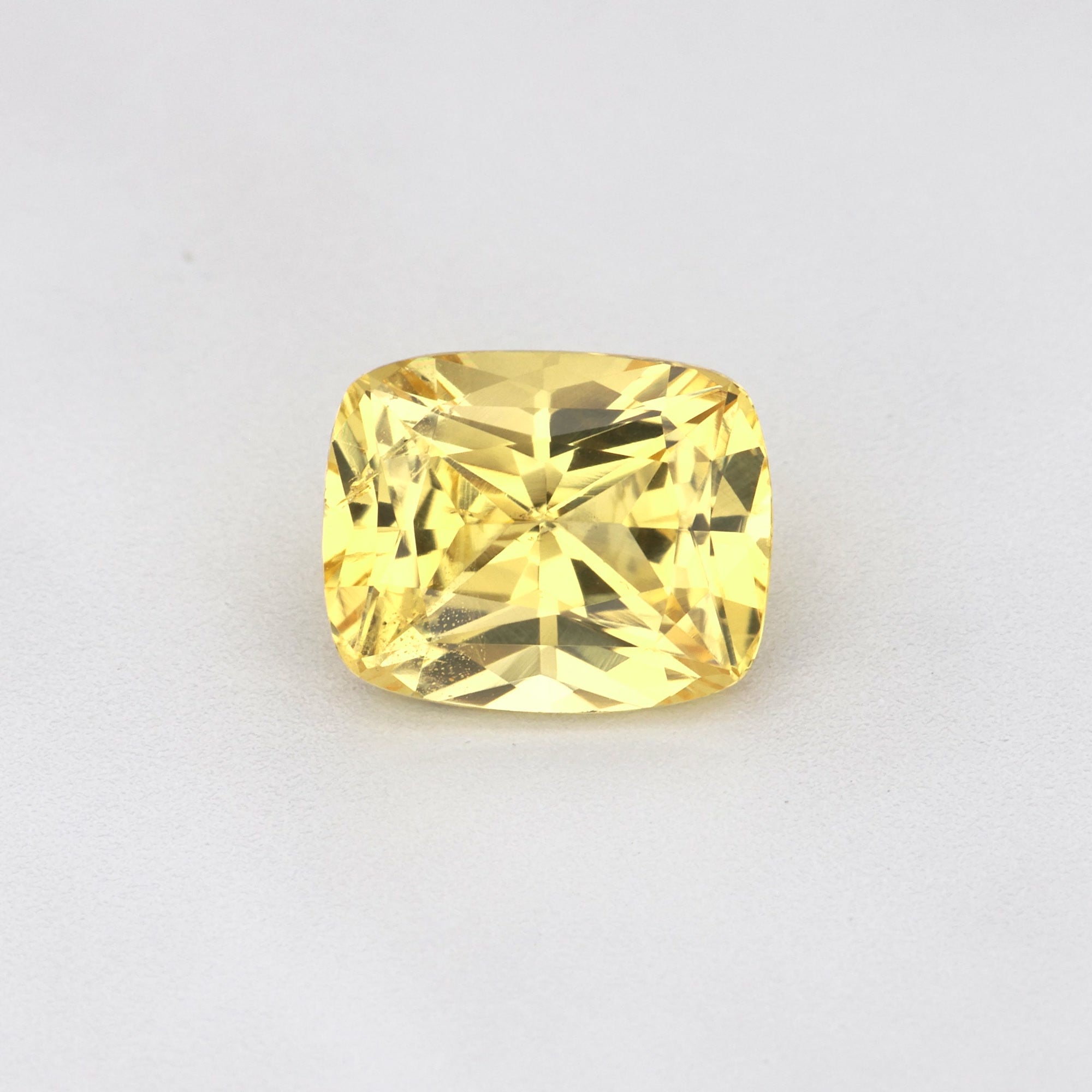
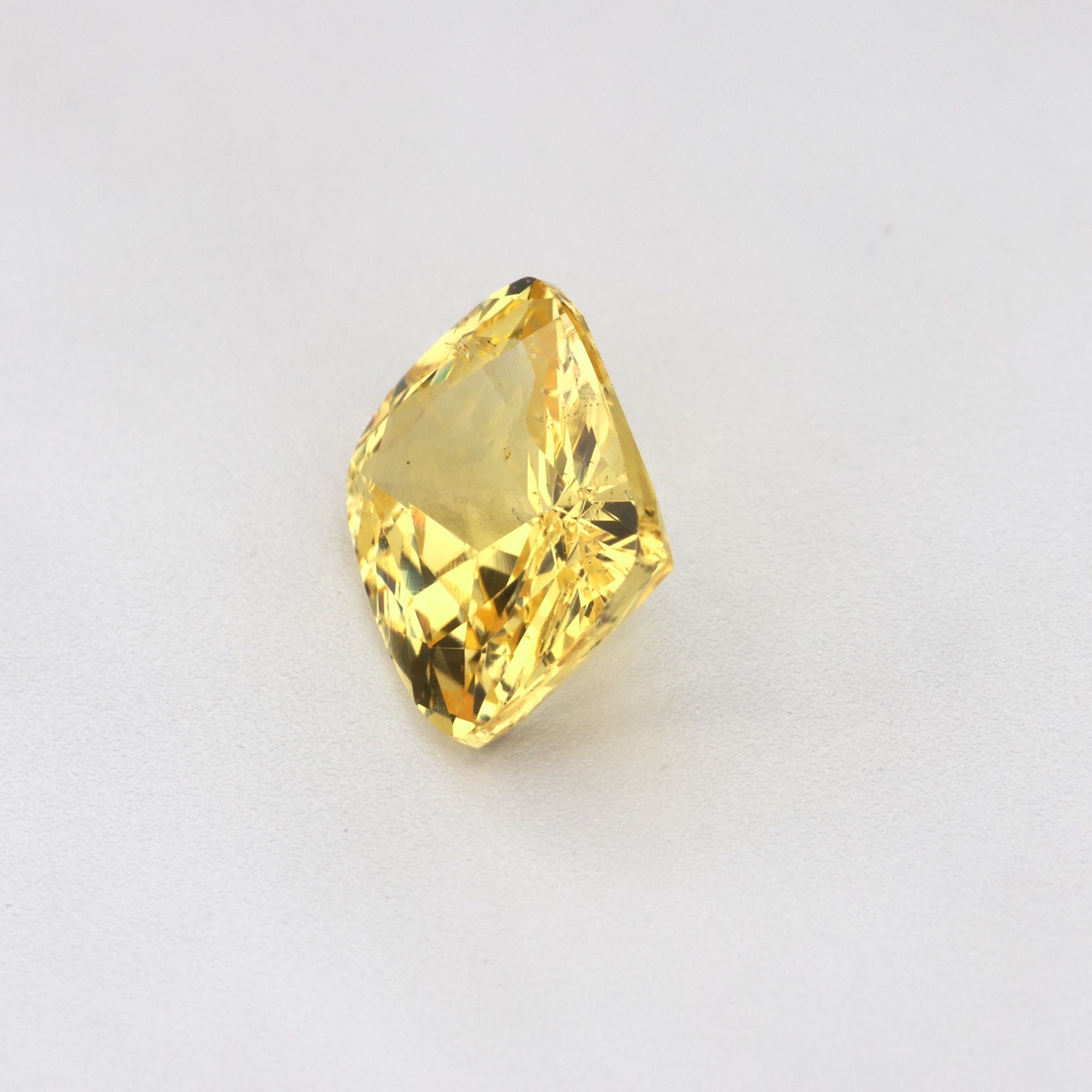
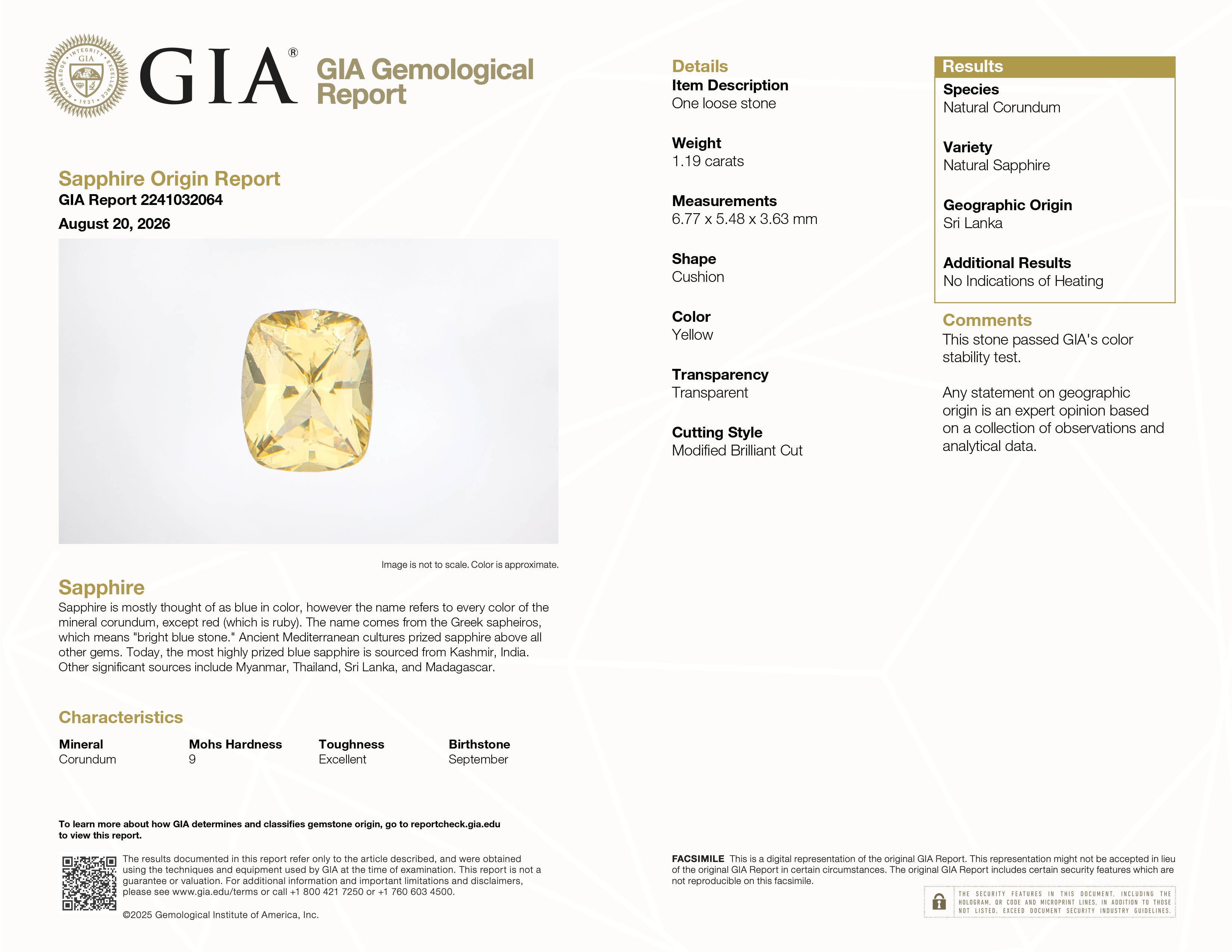
A genuinely good 2-carat yellow Ceylon sapphire — vivid, eye-clean, well-cut, unheated — costs $1,100–$1,400 per carat ($2,400–$3,000 total) based on current listed prices in our collection. Yellow sapphire remains one of the best size-for-money values at 2ct: vivid canary yellow at this size is visually striking in yellow gold and represents a fraction of the cost of equivalent blue or padparadscha at the same carat weight.
Example from our collection: a 2.175 ct GIA-documented unheated yellow Ceylon sapphire, cushion cut — $2,640. View this stone. Browse our yellow sapphire collection.
A 2-carat GIA-documented padparadscha of good quality runs $8,000–$18,000 per carat ($16,000–$36,000 total) as broader market guidance for this rarity tier. Fine 2-carat padparadscha is exceptionally rare — in a given year, single-digit quantities of this material at this quality level and size may appear on the market globally. We do not currently have a padparadscha in stock at 2 carats; because so few qualifying stones exist at any time, sourcing one for a specific order can take weeks to months. See our padparadscha price guide, browse our padparadscha collection for current availability, or email crescentgems@gmail.com to be notified when a 2ct+ stone comes in.
| Color | Treatment | Price Per Carat (2ct) | Total (2ct) |
|---|---|---|---|
| Blue | Heated | $1,500–$2,900 | $2,985–$7,500 |
| Blue | Unheated (GIA) | $3,300–$4,100 | $6,800–$8,200 |
| Teal | Unheated | $1,300–$1,700 | $2,900–$3,600 |
| Pink | Heated / Unheated* | $2,000–$2,600 | $4,300–$5,500 |
| Yellow | Unheated | $1,100–$1,400 | $2,400–$3,000 |
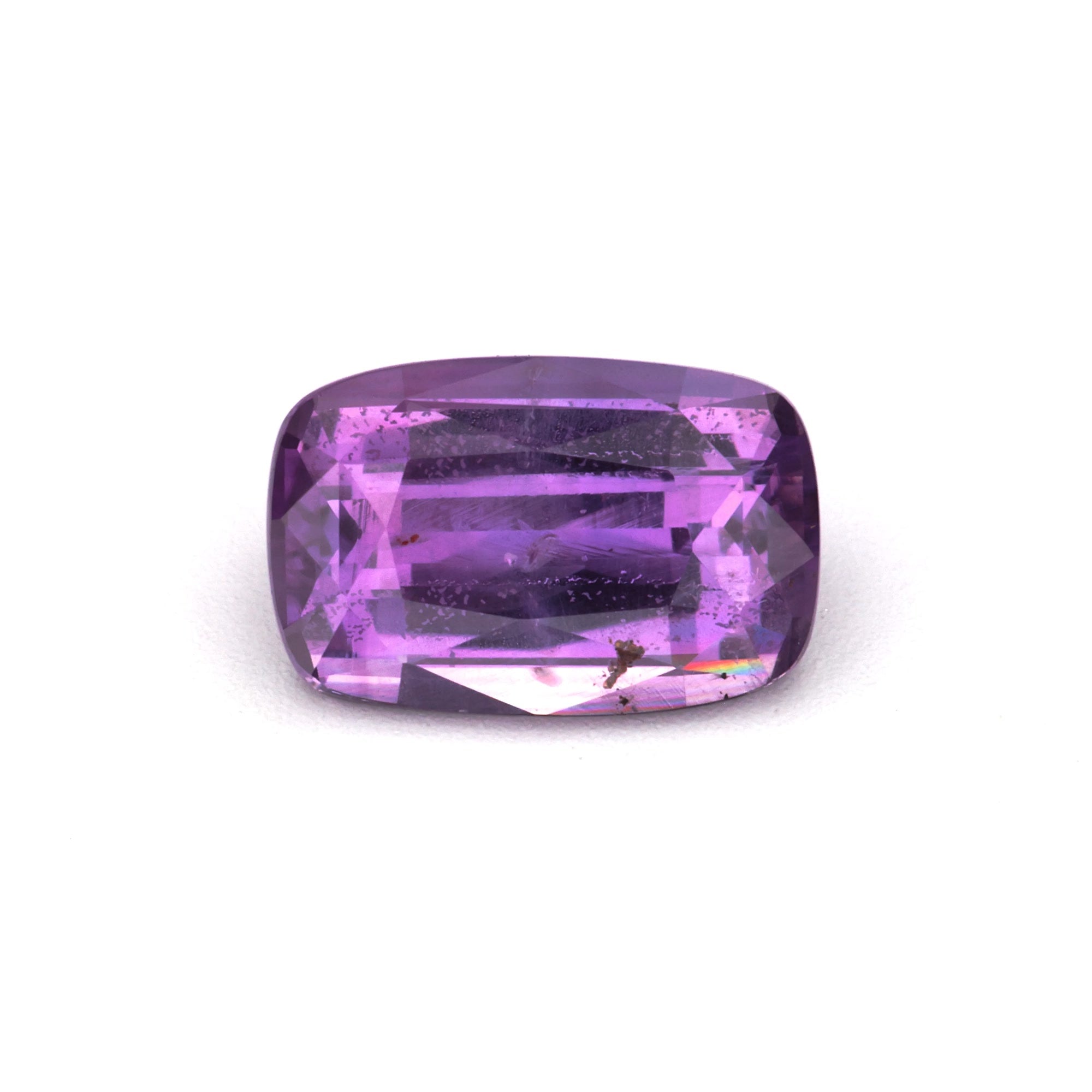
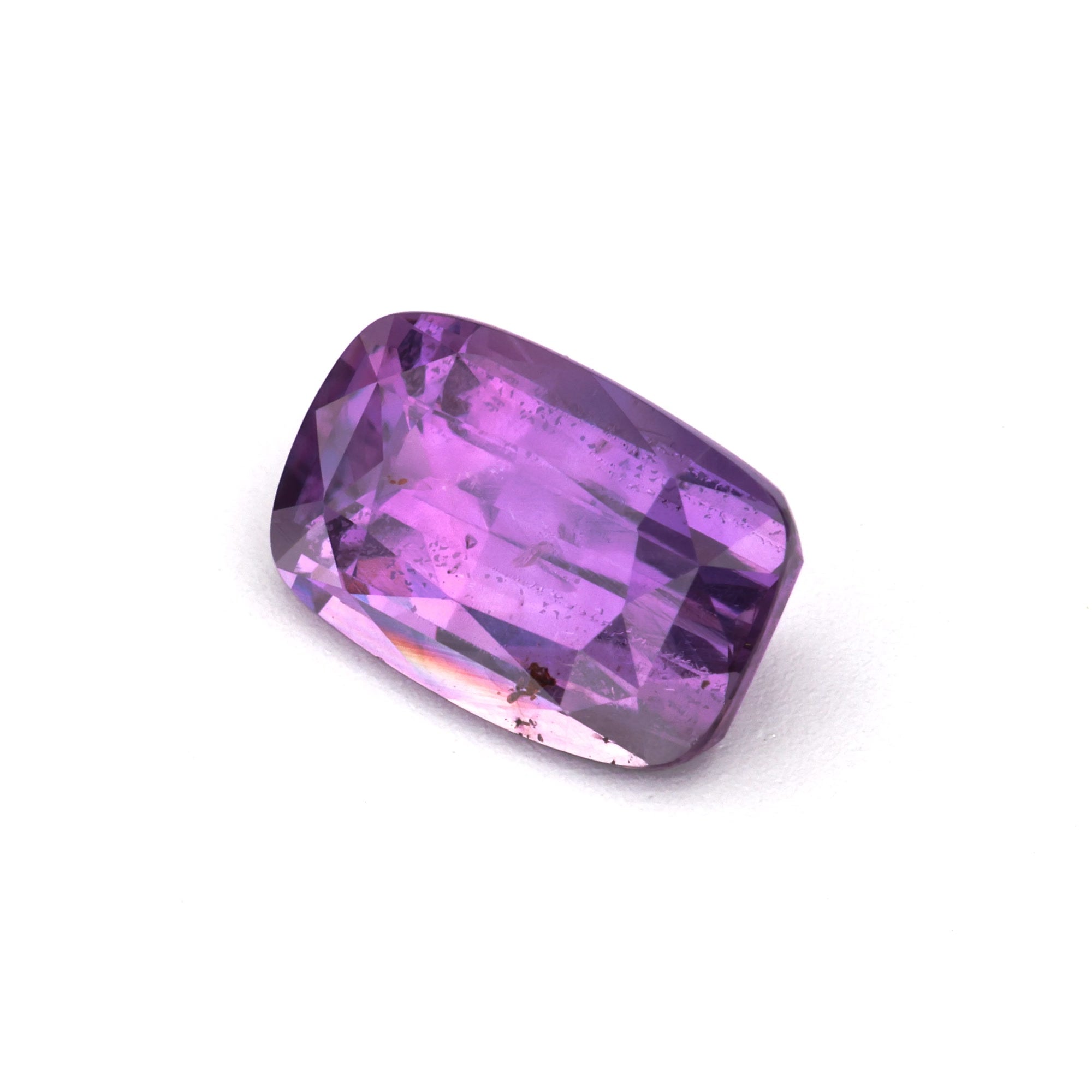
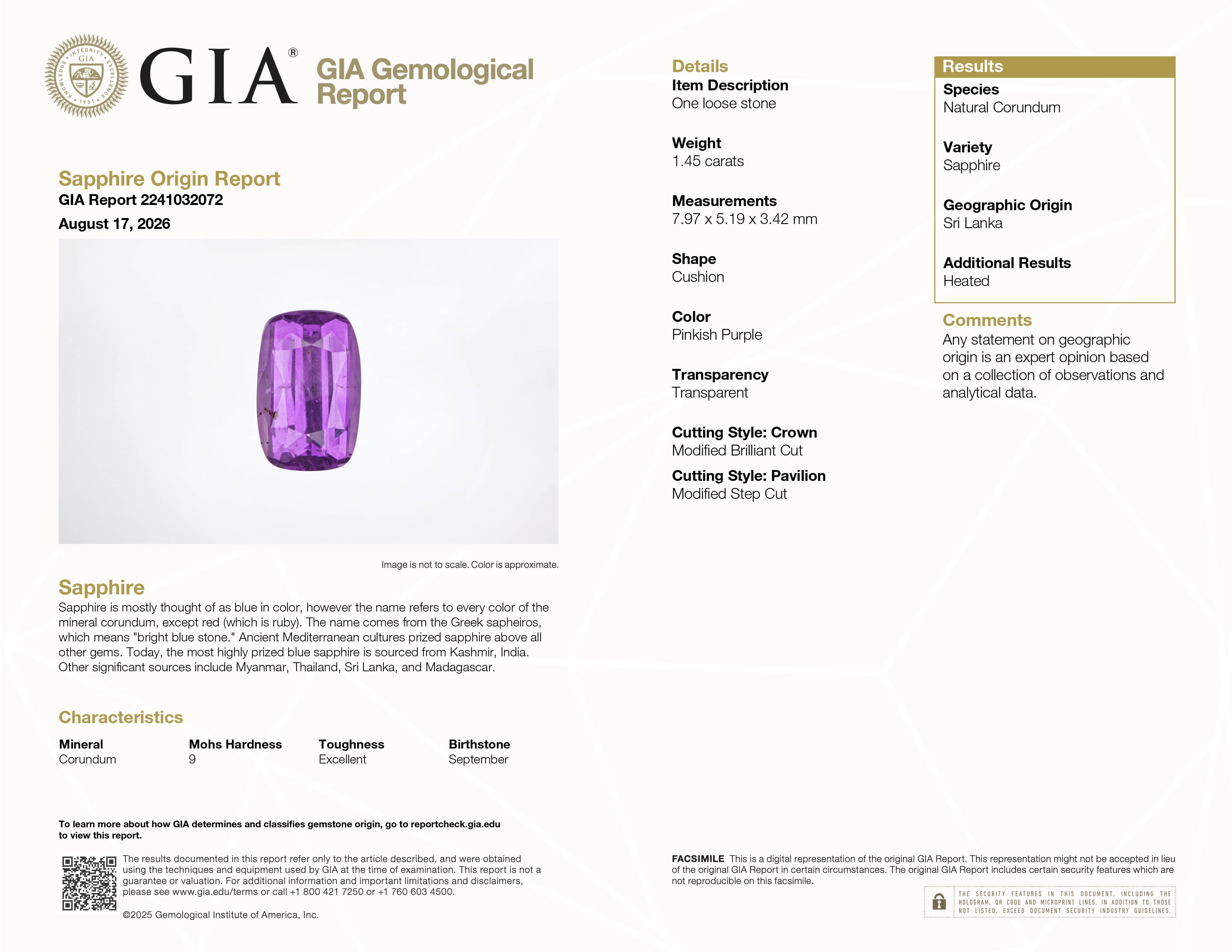
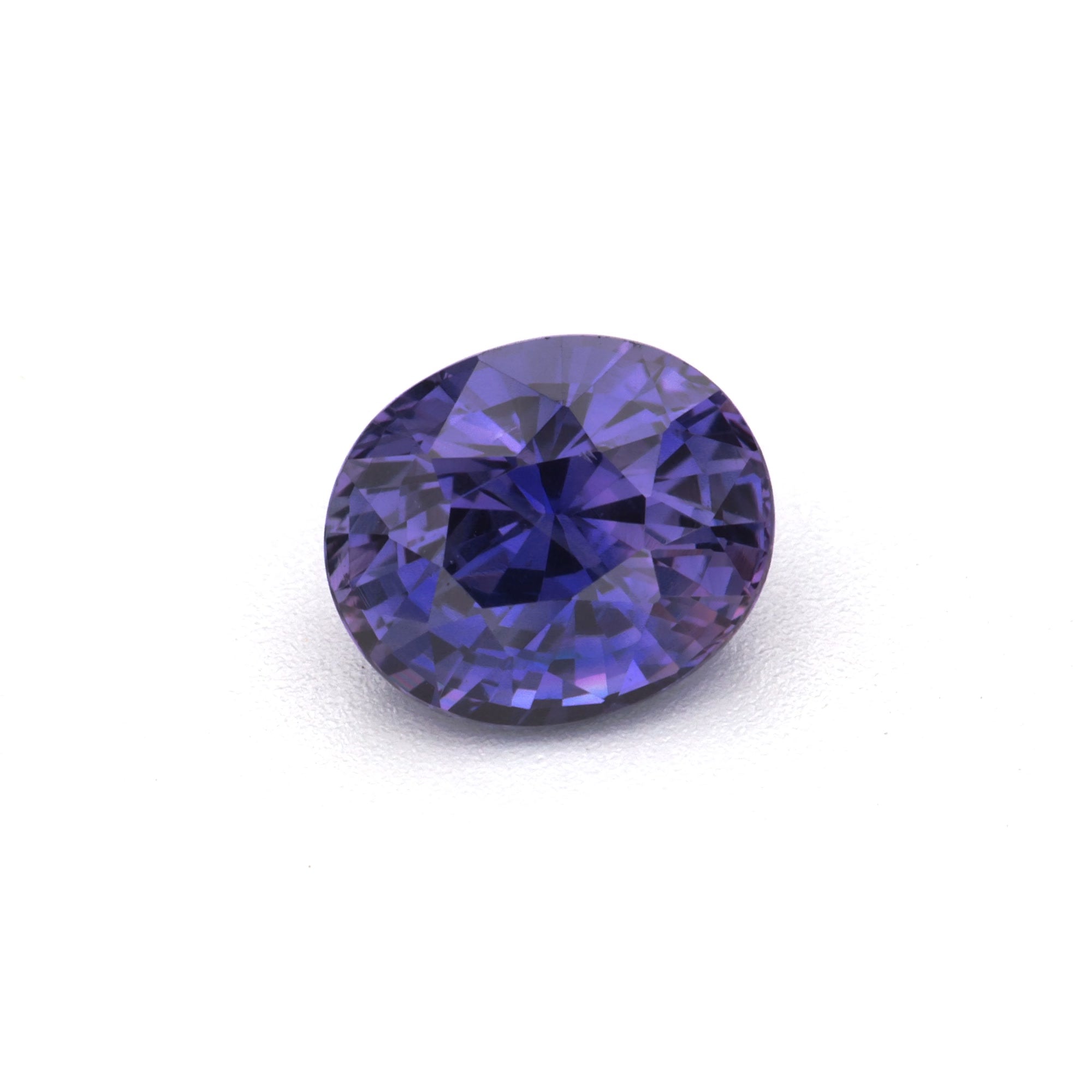
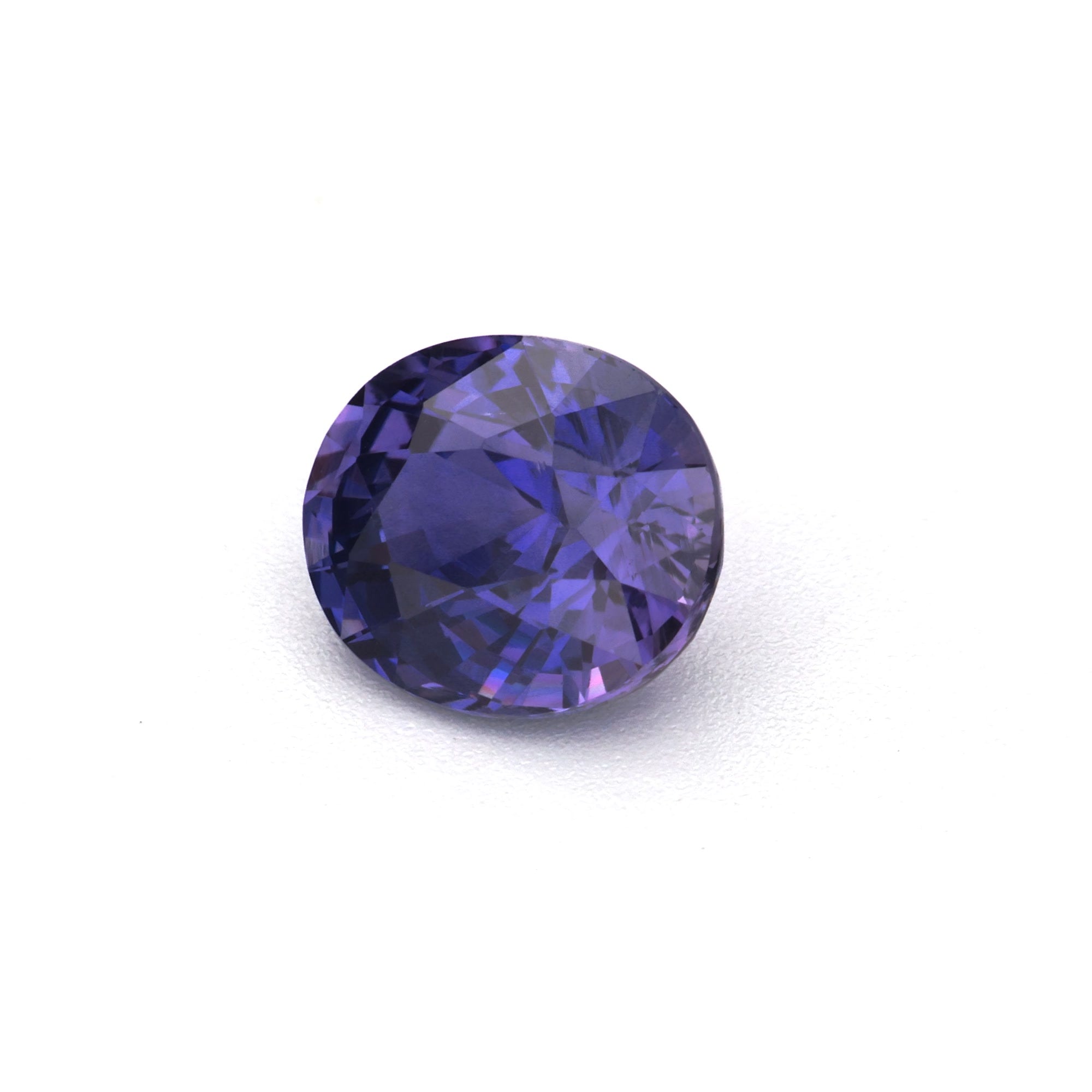
| Violet† | Unheated | $1,000–$1,600 | $2,200–$3,400 |
| Padparadscha‡ | Unheated (GIA) | $8,000–$18,000 | $16,000–$36,000 |
Blue, teal, yellow, and pink figures reflect current listed prices on GIA-documented stones of this size in our collection as of August 2026. *Unheated pink at true 2ct+ is scarce in current stock; the range shown blends our largest unheated pink (1.14ct) with an available 2.20ct heated stone — see the pink section above for specifics. †We do not currently carry a violet/purple sapphire at 2ct+; the range is extrapolated from our largest available stones (up to 1.46ct) and should be treated as an estimate. ‡We have no padparadscha in stock at any size right now; this figure is broader market guidance, not a site price. Figures are not fixed quotes and will move with inventory — check individual product pages for current pricing.
The most important decision framework for 2-carat sapphire buyers: budget allocated to size versus quality. At 2ct, a buyer on a $5,000–$6,500 stone budget faces a genuine choice:
In most cases, Option B produces the better ring. Color is what creates impact in a sapphire — a vivid 1.5ct that glows with saturated color is more impressive face-up than a pale, weak-color 2ct that looks large but not beautiful. This is the most common mistake buyers make when upgrading to larger sapphires: compromising color quality to reach a carat threshold, then being disappointed by the finished ring's appearance. See our Sapphire Colors Explained guide for the color quality framework.
For buyers who want a genuinely large, visually commanding center stone, yes — a well-cut 2-carat oval at 9×7mm is a substantial, impressive ring stone. The key is not compromising on color quality to reach the 2ct threshold. A vivid good-quality 2ct in heated blue ($2,985–$7,500) or naturally unheated teal ($2,900–$3,600) at current collection pricing represents genuine value for the visual impact delivered.
In linear dimensions, a 2-carat oval is approximately 9×7mm versus a 1-carat oval at 7×5mm — about 28% larger in each dimension, which translates to approximately 60–65% larger in face-up area. Visually, the difference is significant: a 2ct center stone is noticeably larger and more commanding on the hand than a 1ct, particularly in a solitaire setting where no halo amplifies the 1ct's apparent size.
This is a genuine trade-off that depends on your priorities. If size and visual presence are primary: the 2ct heated blue delivers more ring at equivalent or lower budget. If documentation, investment considerations, or personal preference for all-natural material are primary: the 1.5ct unheated blue with GIA is the more significant stone from a collector and resale perspective. Neither is objectively right — it is a personal decision. See our unheated sapphire guide for the full framework.
Browse our full Ceylon sapphire catalog or email crescentgems@gmail.com with your color, carat weight, and budget. We respond within one business day and can advise on the best available 2-carat options from our current inventory.

Prices are shown in your local currency and may change.
CG8465
CG8460
CG8456


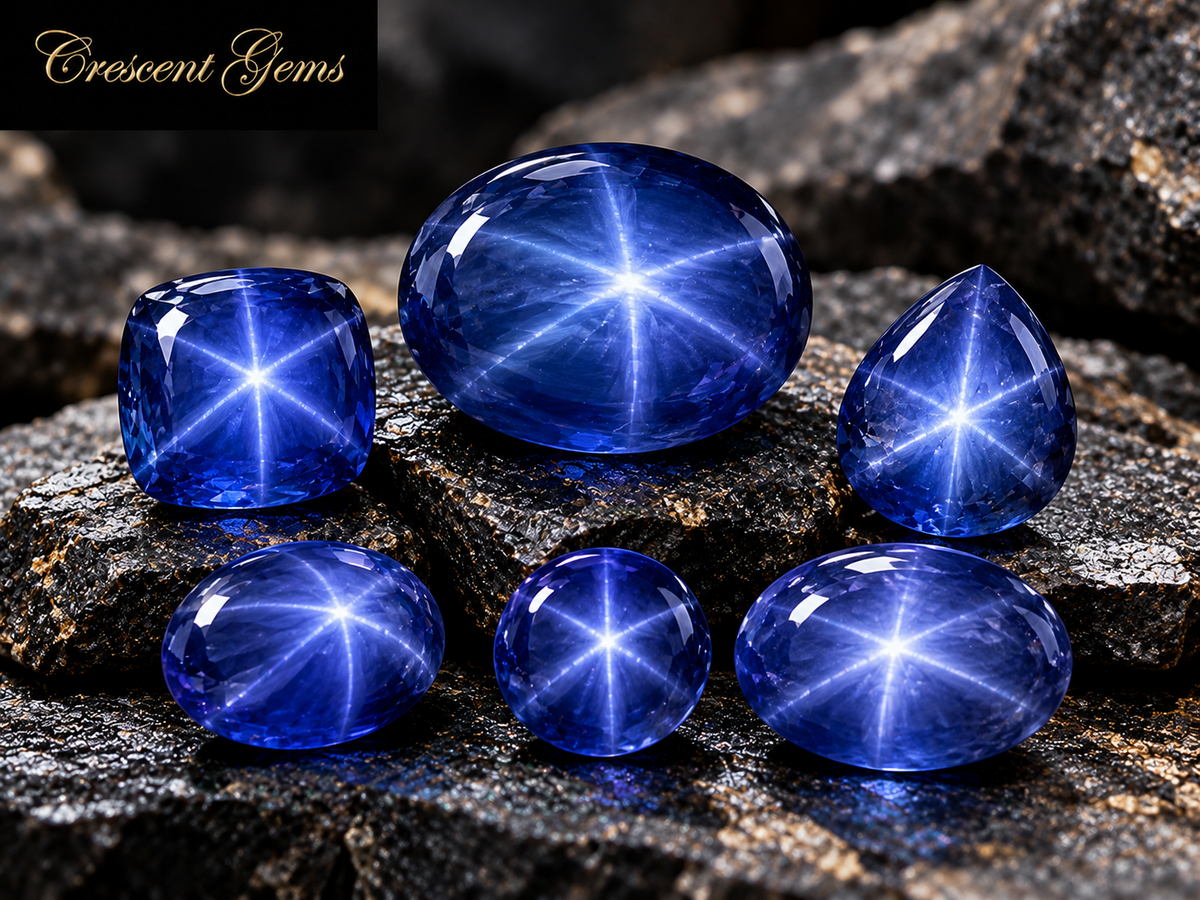
Blue Star Sapphire Price Guide — What They Cost and Why
Read moreabout Blue Star Sapphire Price Guide — What They Cost and Why
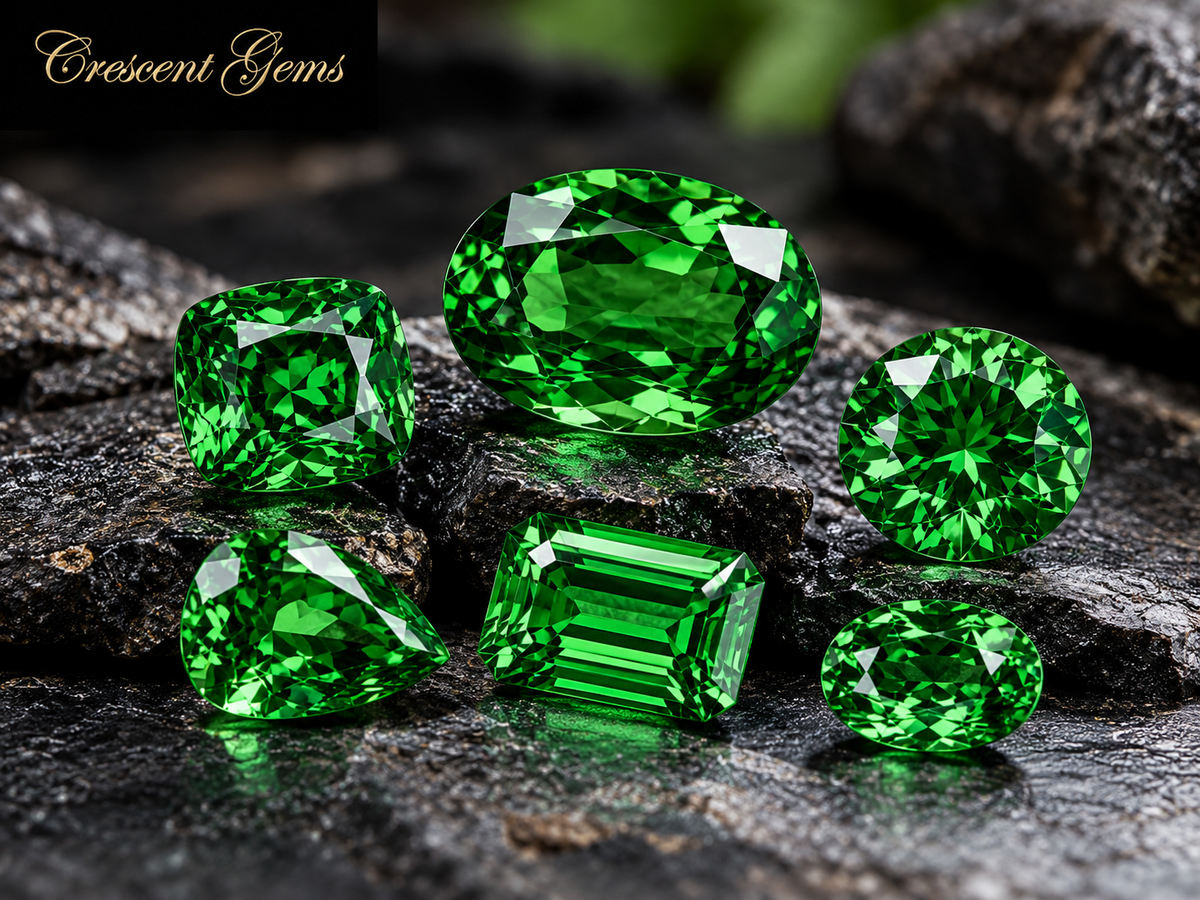
Tsavorite Garnet Price Guide — What They Cost and Why
Read moreabout Tsavorite Garnet Price Guide — What They Cost and Why
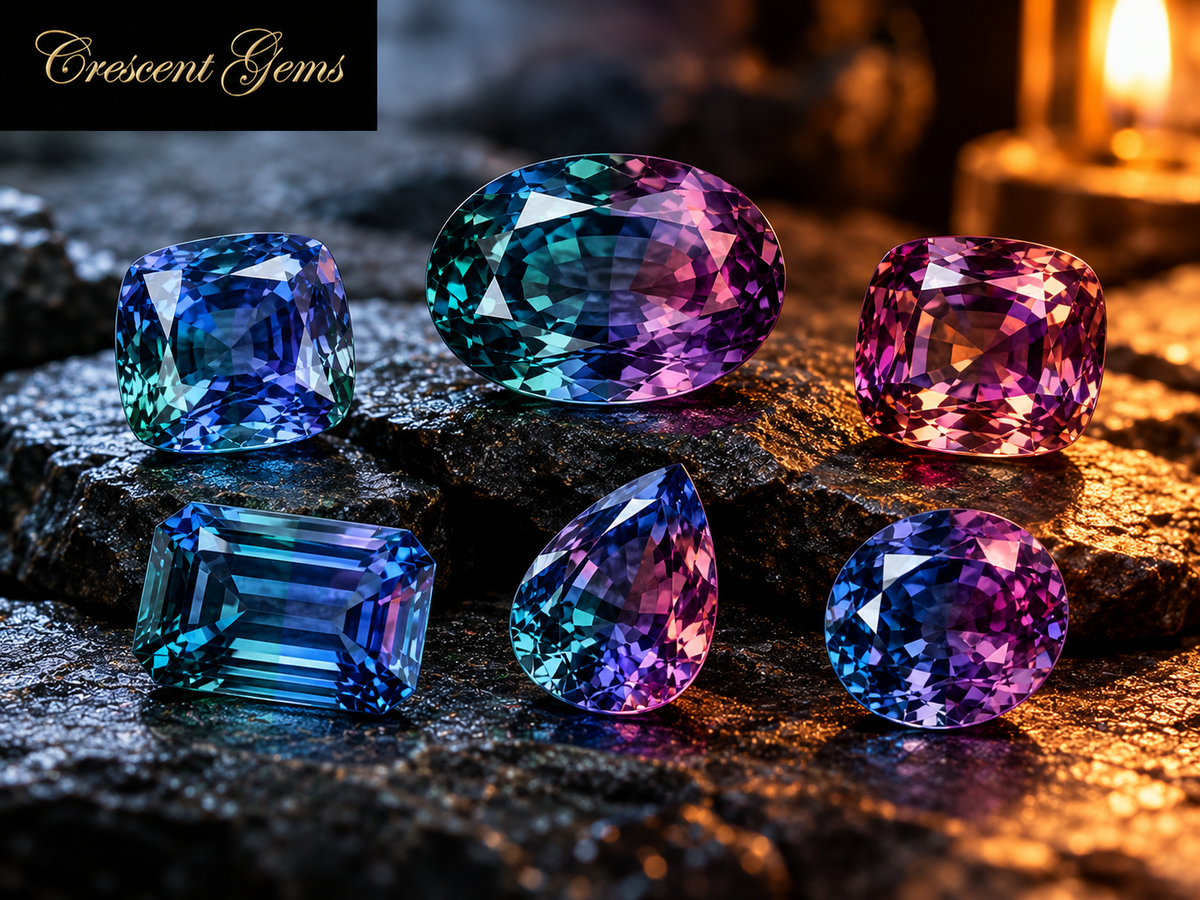
Color-Change Sapphire Price Guide — What They Cost and Why
Read moreabout Color-Change Sapphire Price Guide — What They Cost and Why
Is Cat's-Eye Chrysoberyl Good for an Engagement Ring?
Read moreabout Is Cat's-Eye Chrysoberyl Good for an Engagement Ring?
Cat's Eye Chrysoberyl Price Guide — What They Cost and Why
Read moreabout Cat's Eye Chrysoberyl Price Guide — What They Cost and Why























Share: