- by Crescent Gems
Ceylon Sapphire: The Complete Guide to the World's Most Trusted Sapphire Origin
- by Crescent Gems
New to buying sapphires? Start with our Ultimate Sapphire Buying Guide — the complete resource for colour, origin, treatment, and pricing.
Ceylon is not just a sapphire origin. It is the benchmark against which all other sapphire origins are measured. When gemologists describe a fine blue sapphire color as the ideal — vivid, transparent, with a brightness that seems to come from within the stone — they are describing Ceylon character. When laboratory reports list geographic origin for the world's most important sapphires at auction, Ceylon appears more consistently than any other origin at the fine quality tier across the widest range of colors. When Vedic astrologers specify the origin requirement for planetary gemstones, Ceylon is the preference across almost every category. The island of Sri Lanka, known in the gem trade by its colonial-era name Ceylon, has occupied this position for more than two thousand years — and understanding why requires understanding the geology, the history, and the specific qualities that set Ceylon sapphire apart.
At Crescent Gems, Ceylon is not a marketing term. We source in Sri Lanka directly — our team is on the ground in Ratnapura, Beruwala, and Colombo, selecting stones at the source. Every sapphire in our catalog is Ceylon origin. This guide shares what we have learned from years of direct experience in the Sri Lankan gem market: why the origin matters, what it produces across its full color range, how to verify it through laboratory documentation, and what buying directly from the source actually means for the stones you receive.
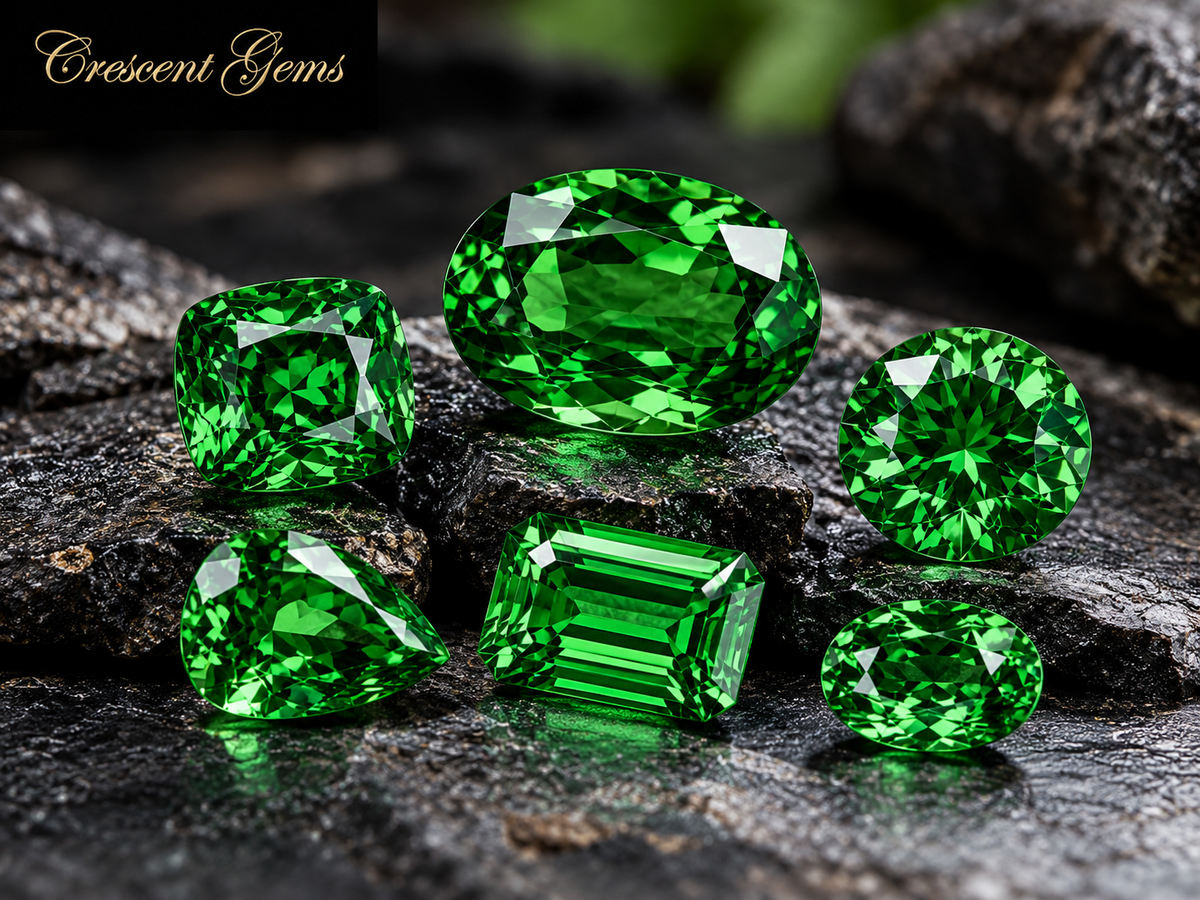
Sri Lanka is a small island nation — approximately the size of Ireland — located in the Indian Ocean off the southern tip of the Indian subcontinent. Its gemstone production comes almost entirely from the southern and southwestern lowlands, where ancient high-grade metamorphic rocks (granulites and pegmatites formed under extreme pressure and temperature hundreds of millions of years ago) have been weathered over geological time and washed into river systems and alluvial plains. These alluvial gem gravels — locally called illam — concentrate corundum alongside other heavy minerals including garnets, spinels, zircon, chrysoberyl, and tourmaline.
The specific geological conditions of Sri Lanka's gem-bearing metamorphic basement rocks are responsible for several qualities that distinguish Ceylon corundum from production at other origins:
High transparency: Ceylon sapphires are typically highly transparent — clean, clear, and able to transmit light vividly through the crystal. This is a function of the specific trace element chemistry of Sri Lankan corundum and the geological conditions under which it formed. Many other sapphire origins produce material that is somewhat more included or hazy, even at the fine quality level.
Vivid color saturation at appropriate tone: Ceylon sapphires are known for producing vivid color at medium rather than dark tone — a combination that creates the brightness and luminosity most associated with the finest sapphires. Dark-toned material from some other origins may appear vivid in strong lighting but loses its color under dim conditions. Ceylon material at medium-vivid tone holds its character across all standard lighting environments.
High proportion of unheated quality: The trace element composition of Ceylon rough — iron, titanium, chromium, vanadium in specific concentrations and proportions — produces colors that are often vivid enough to use without heat treatment. This is why Ceylon produces a higher proportion of fine unheated sapphire than any other major origin at commercial scale. It is not that Sri Lankan miners choose not to heat their material; it is that the rough quality allows more of it to reach market quality without the enhancement that material from other origins typically requires.
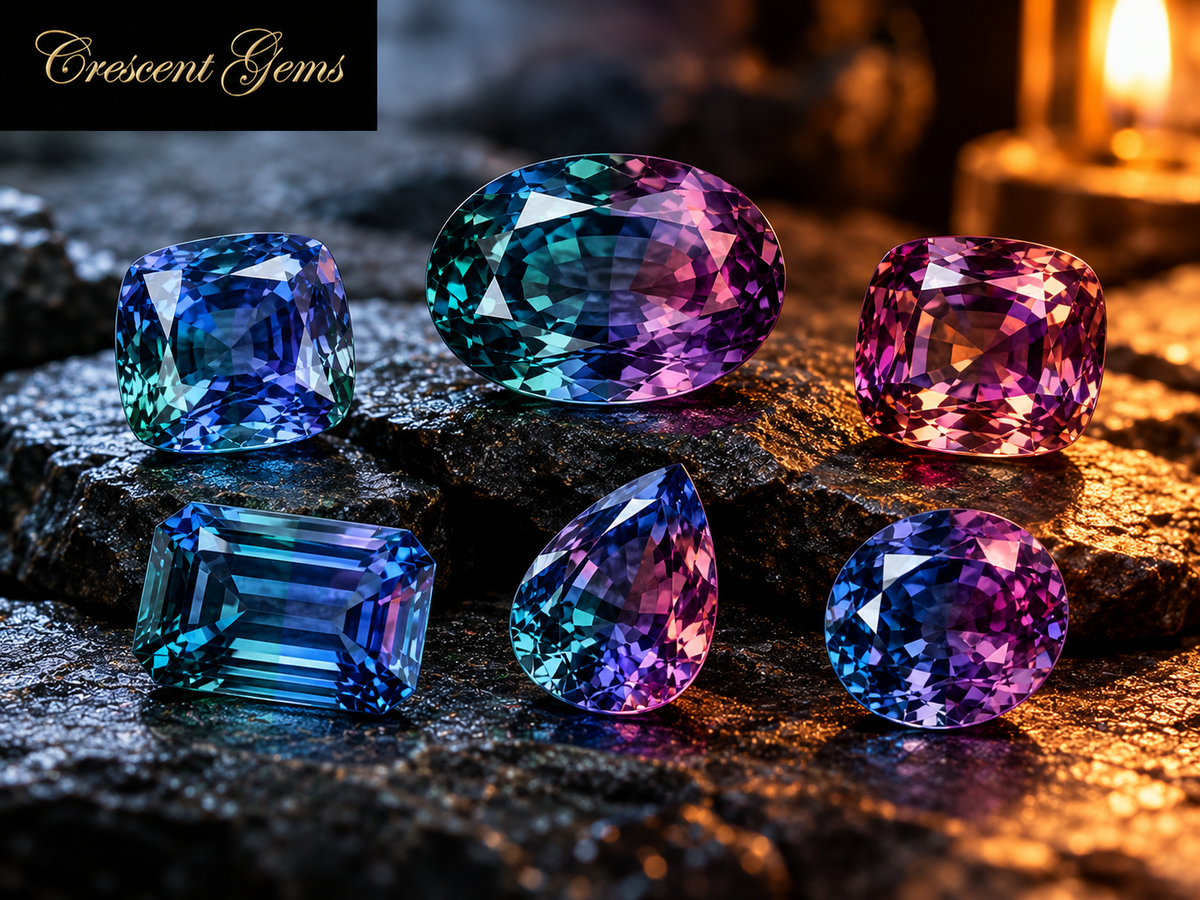
Color diversity: No other major sapphire origin produces the full color range that Ceylon does. Blue, yellow, pink, peach, padparadscha, teal, green, orange, purple, violet, white, and star sapphire all occur in gem quality in Sri Lanka's gem fields. This diversity reflects the range of trace elements present in different concentrations across the island's metamorphic geology.
Sri Lanka's gem trade is documented in texts dating back more than two millennia. The ancient Greeks and Romans sourced sapphires from the island, which they called Taprobane. Arab traders who called it Serendib (the origin of the English word serendipity) made Ceylon sapphires and rubies among the most prized luxury goods of the medieval Islamic world. Marco Polo, writing in the thirteenth century, described the island as producing the finest rubies and sapphires in the world. The Sinhalese kings who ruled the island used gem revenue as a major source of state income for centuries.
The British colonial administration formalized the gem trade under the name Ceylon — the anglicized version of the Portuguese Ceilao — and Ceylon sapphires entered the European jewelry market in quantity during the nineteenth century. The connection between British royalty and Ceylon sapphire is long-established: the sapphire in the engagement ring now worn by the Princess of Wales, formerly worn by Princess Diana, is a Ceylon stone.
Sri Lanka gained independence in 1948 and the country was renamed in stages, officially becoming the Democratic Socialist Republic of Sri Lanka in 1978. But the gem trade — both within Sri Lanka and internationally — retained the Ceylon designation for its sapphires, precisely because the name carried centuries of established quality association that Sri Lanka sapphire, as a new term, did not. Ceylon remains the accepted and most commercially significant origin designation for Sri Lankan sapphires across every major gemological laboratory and auction house.
The center of Sri Lanka's gem industry is Ratnapura — a city in the Sabaragamuwa Province whose name translates from Sinhalese as City of Gems. The gem-bearing alluvial deposits around Ratnapura and the surrounding lowlands have been mined continuously for more than a thousand years and remain active today, producing sapphires, rubies, chrysoberyl, cat's eye chrysoberyl, alexandrite, spinel, garnet, zircon, and other gem species from the same ancient gravel beds.
Mining in Ratnapura is primarily artisanal and semi-artisanal — small-scale operations using traditional methods (pitting down through alluvial layers to the gem-bearing gravel, then washing the gravel to concentrate heavy minerals) alongside some mechanized pumping to manage groundwater. The production is not industrial; it is village-scale, employing individual miners and small family operations who sell rough stones through a network of local dealers, gem markets, and cutting workshops.
The Ratnapura gem market operates through a combination of fixed-shop dealers, market traders, and individual gem sellers who bring stones from the mining areas. Prices are negotiated directly. Quality assessment happens in person, under natural light, at the moment of selection. This is the environment in which Crescent Gems operates — selecting stones at the source, in the gem market, with the information that direct presence provides and that no secondary market transaction can replicate.
Beyond Ratnapura, gem production also occurs in Elahera (central province), Matale, Pelmadulla, Embilipitiya, and the gem fields along the Kalu Ganga and Walawe Ganga river systems. Each area has a slightly different production character — Elahera is known for fine blue sapphire and alexandrite; the southern lowlands around Ratnapura produce the widest color diversity.
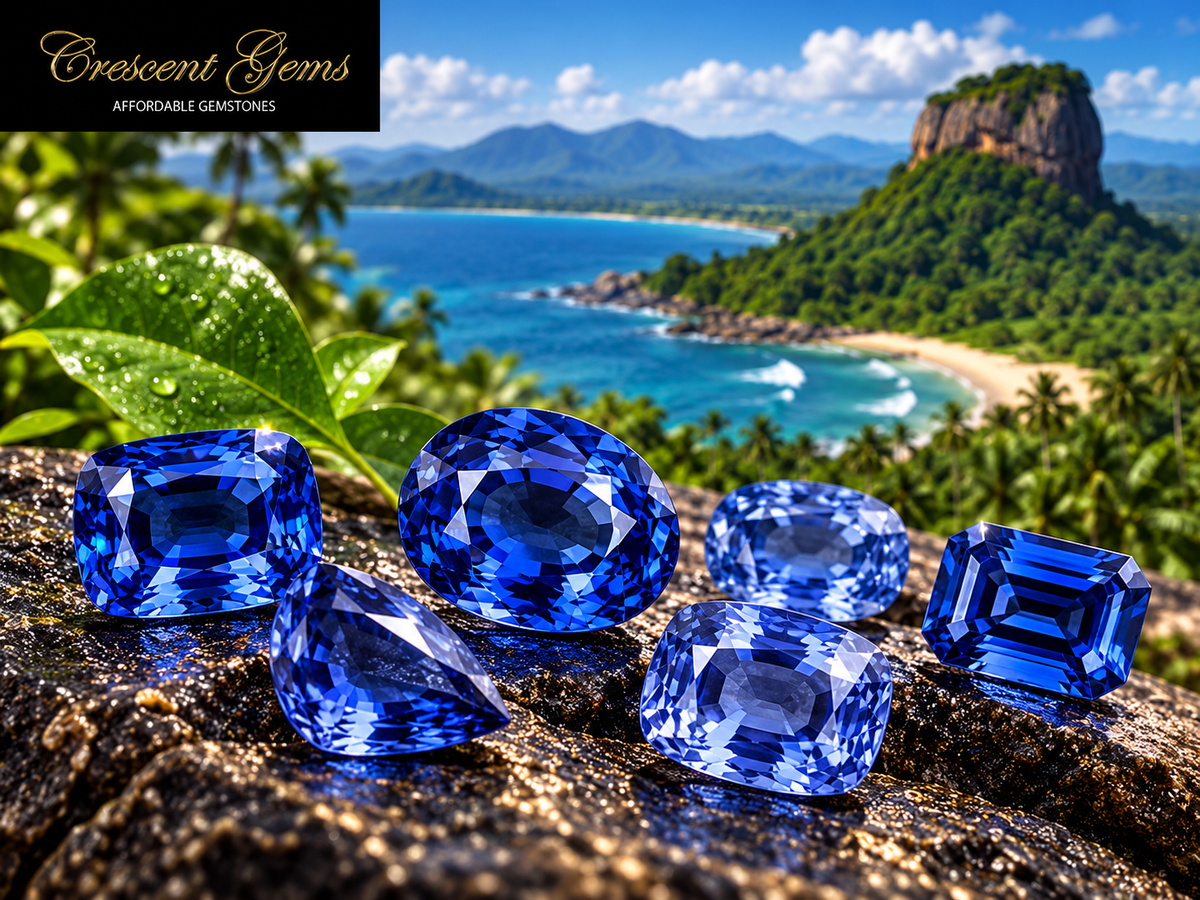
Most buyers know Ceylon for blue sapphire. The full production range is significantly broader.
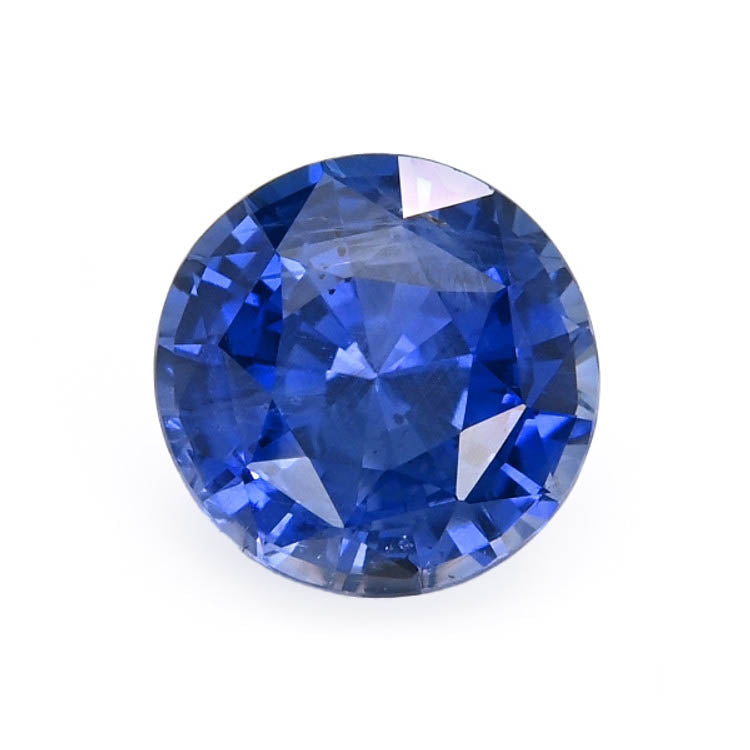
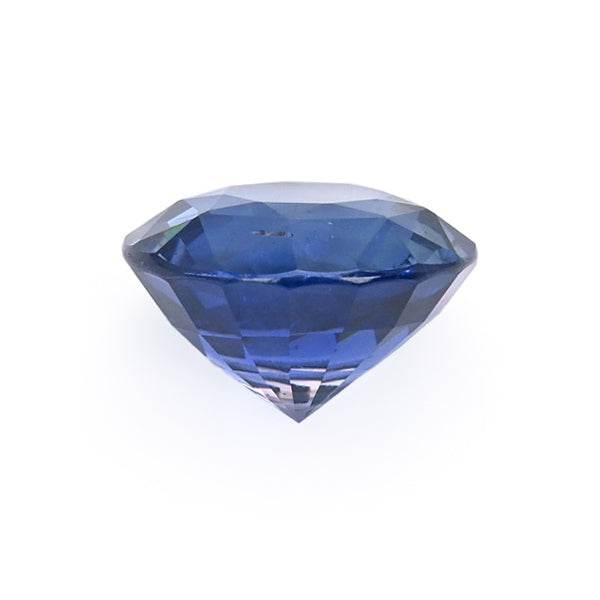
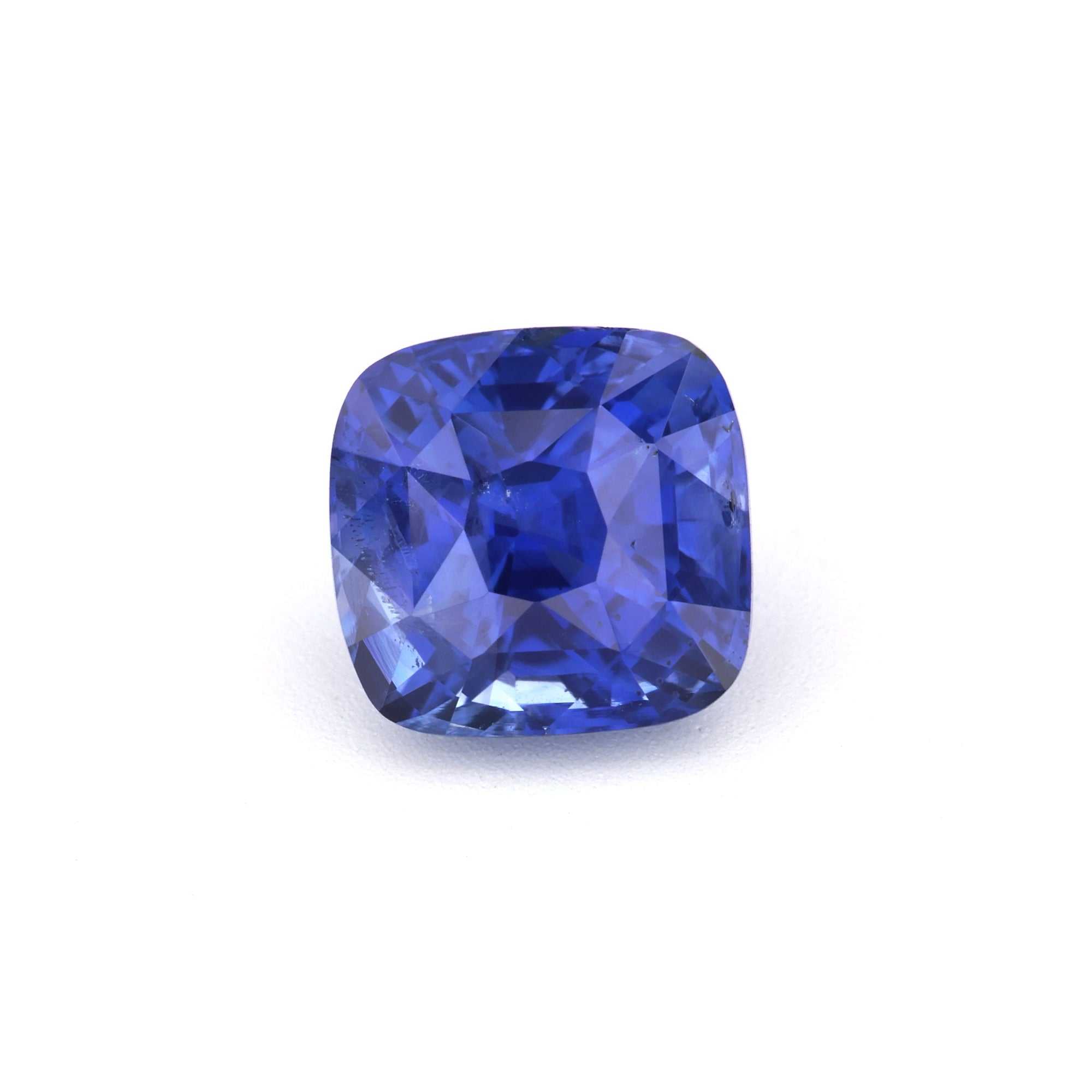
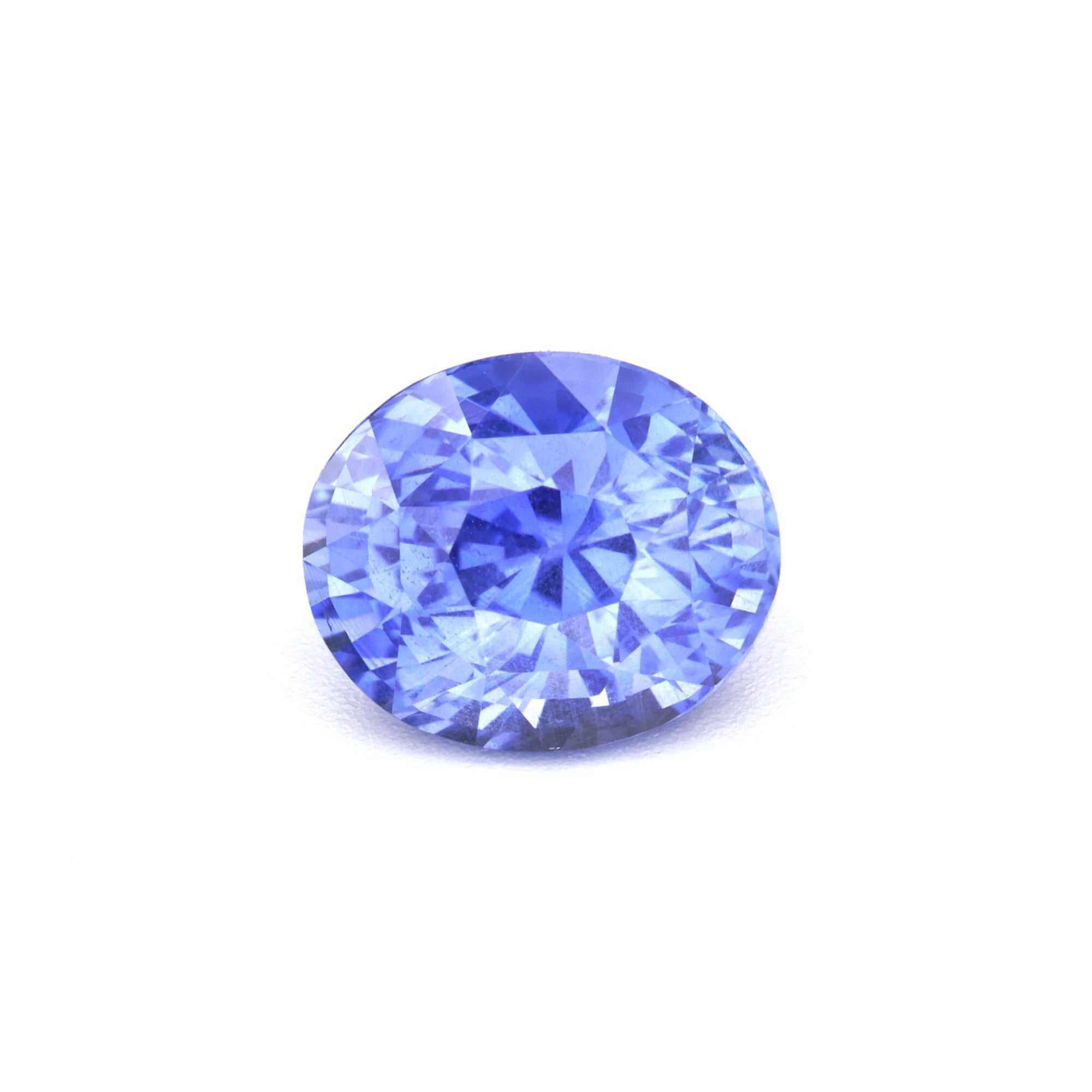
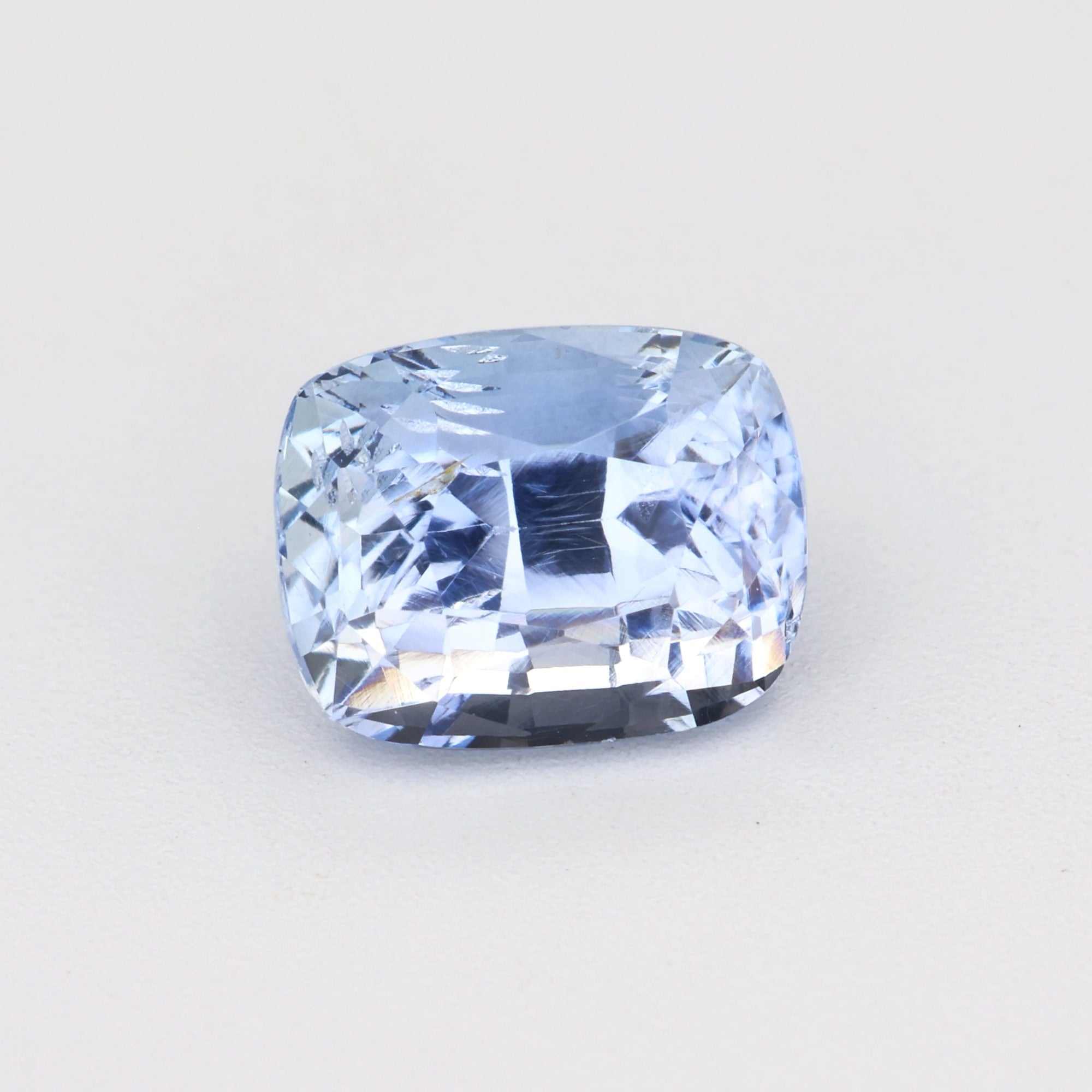
The benchmark category. Ceylon blue ranges from pale cornflower through mid-tone vivid to deep royal blue. The finest examples — medium-to-vivid tone, pure blue without significant gray or green modifier, high transparency, unheated — are the reference standard for fine blue sapphire globally. GIA-certified unheated Ceylon blue above 2 carats commands premiums that few other gemstone specifications at any origin can approach. See our dedicated Blue Sapphire Buyer's Guide for the full evaluation framework.
The most famous and most valuable sapphire color in the world is named from a Sinhalese word for aquatic lotus, and the finest examples come from Ceylon. Padparadscha — the balanced pink-orange variety of corundum — is associated with Ceylon more than any other origin because the specific trace element chemistry of Sri Lankan corundum produces the iron-chromium combination that creates this hue in exceptional quality and with the frequency needed to supply the international collector and fine jewelry market. Certified padparadscha from Ceylon with major laboratory documentation is among the rarest and most commercially significant natural gemstones available. See our Padparadscha Buyer's Guide.
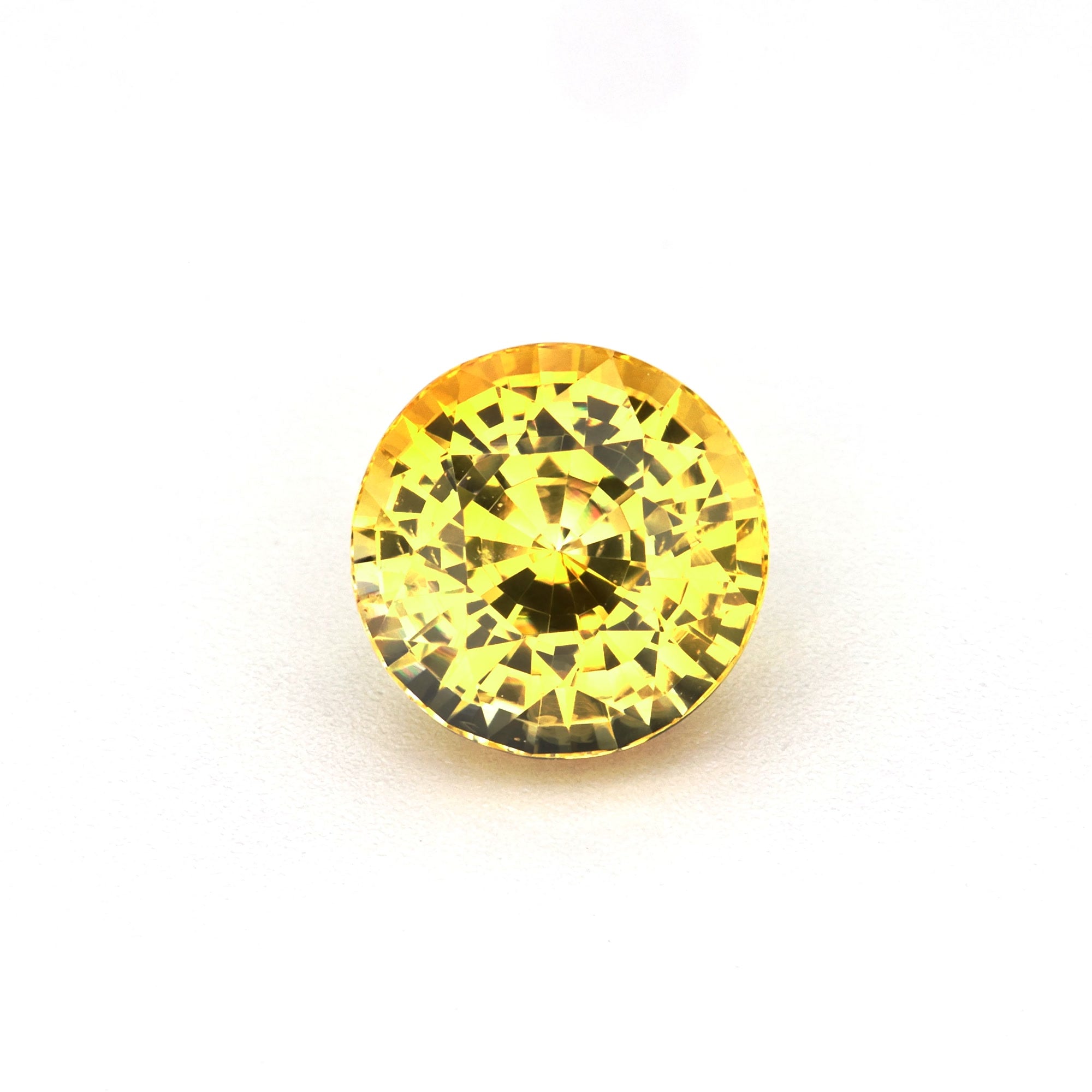
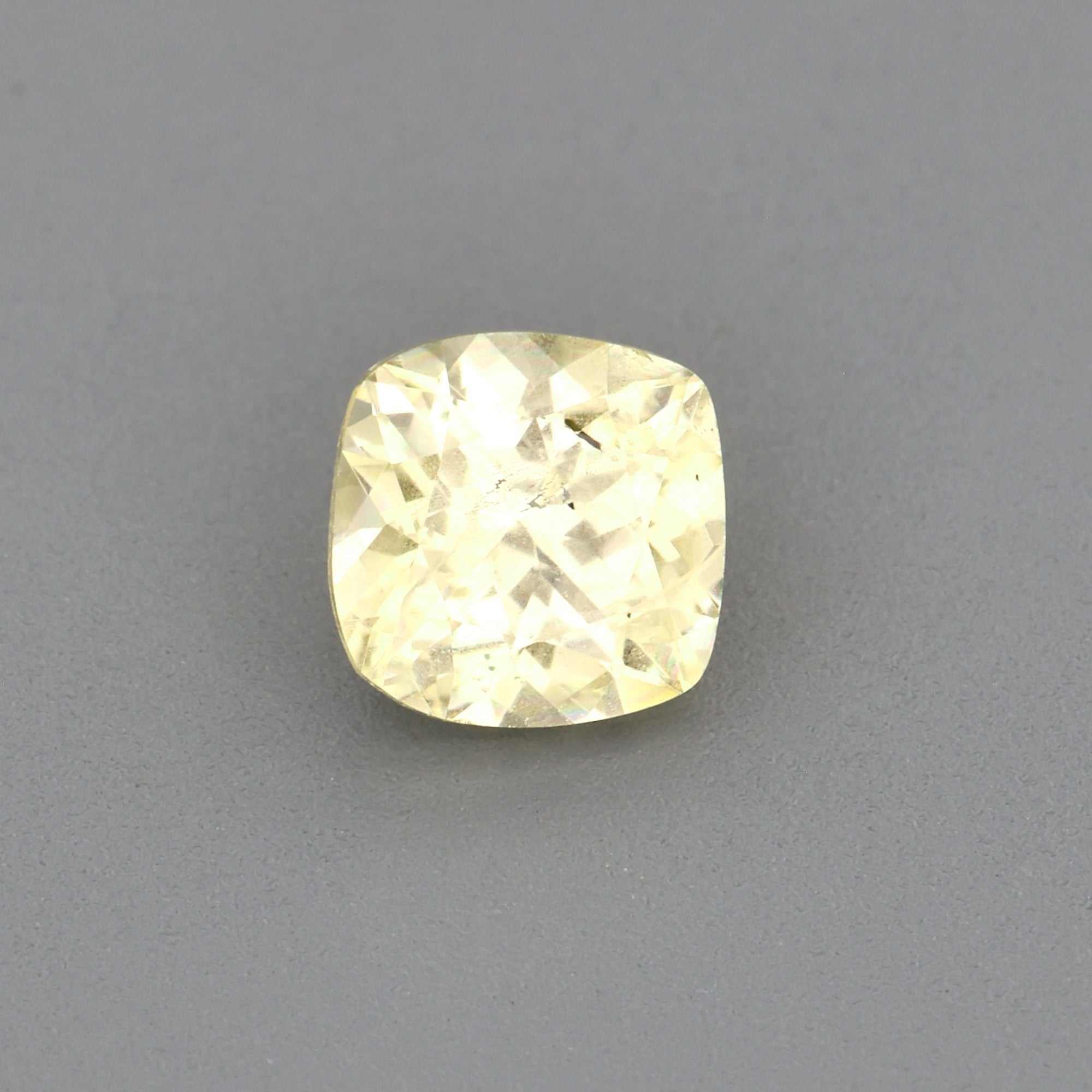
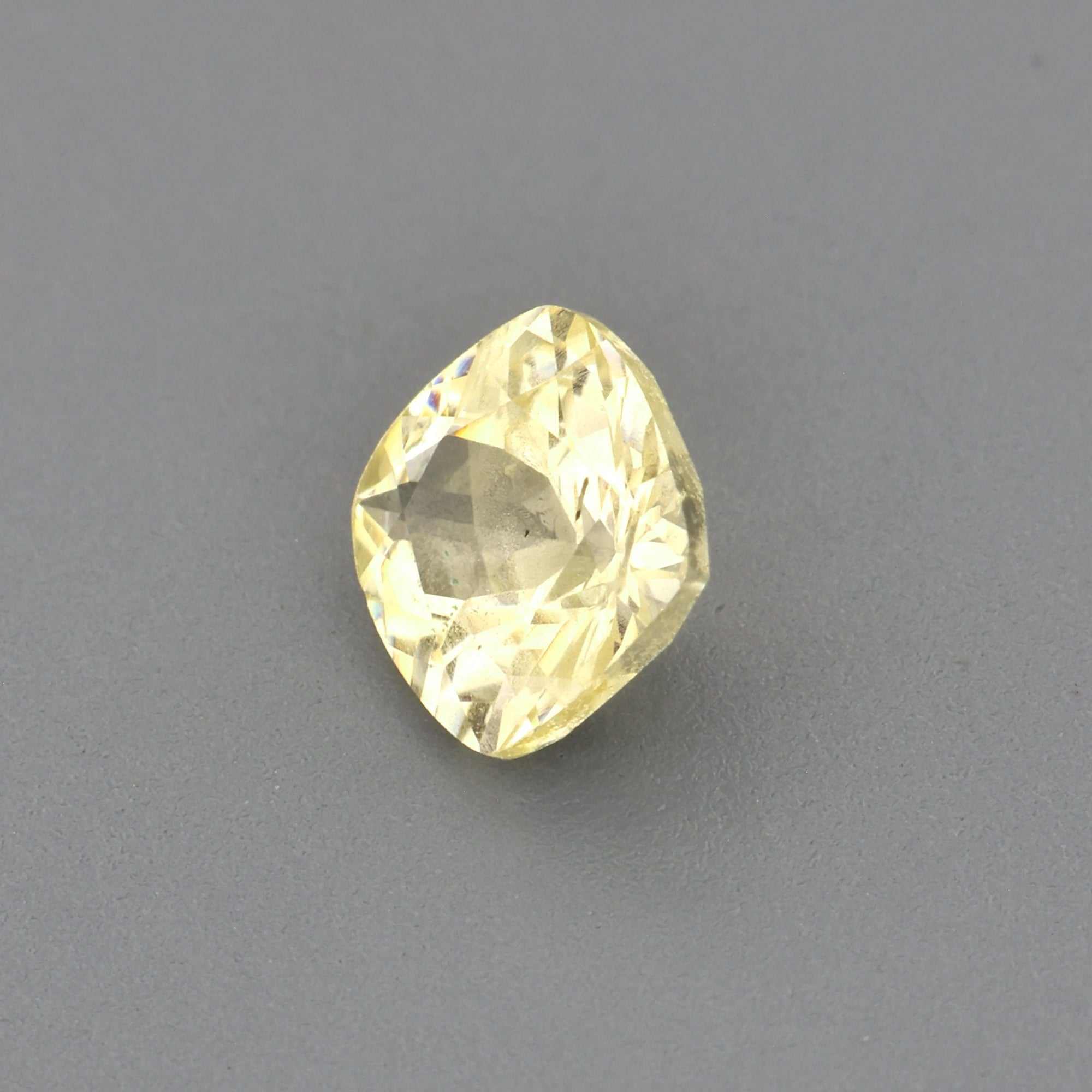
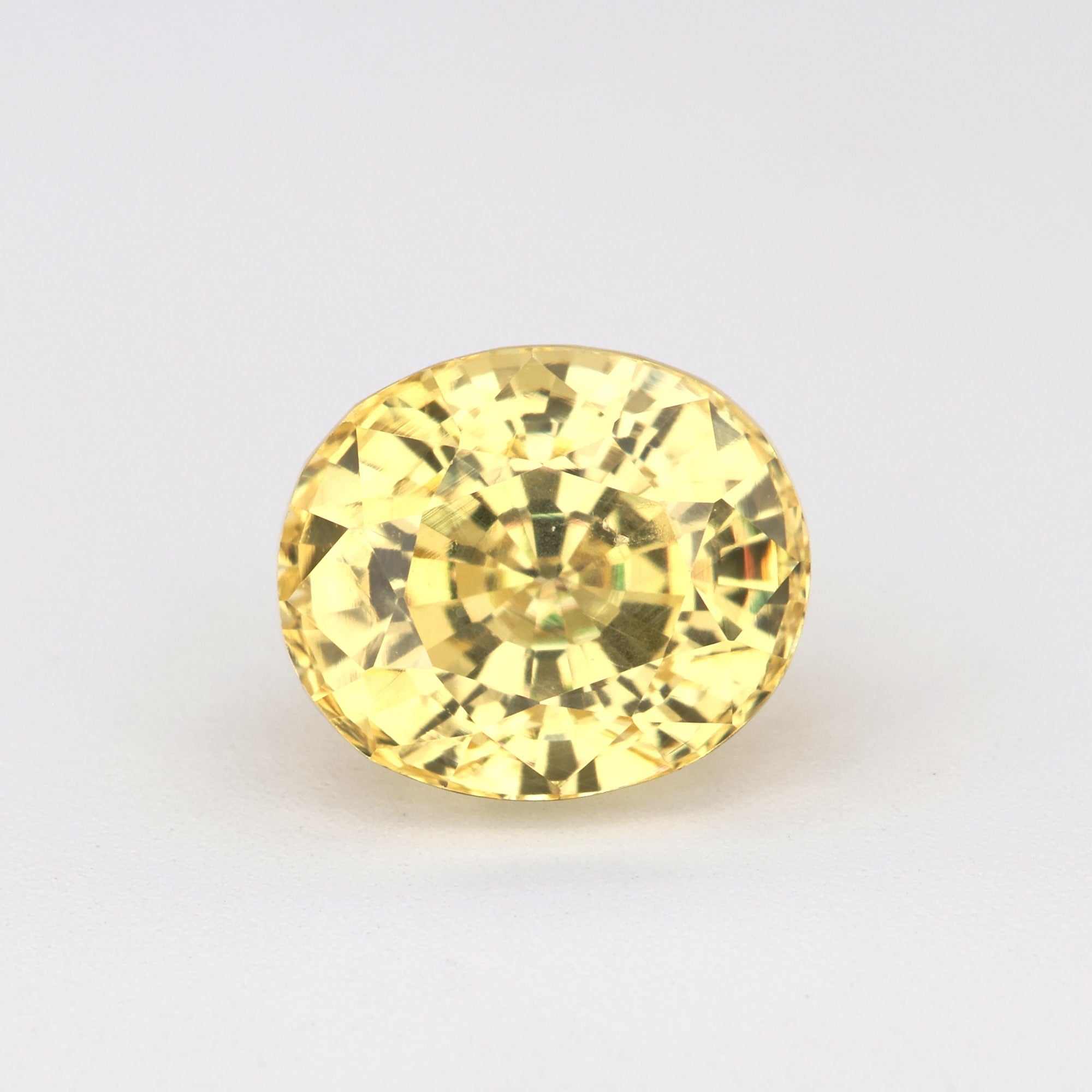
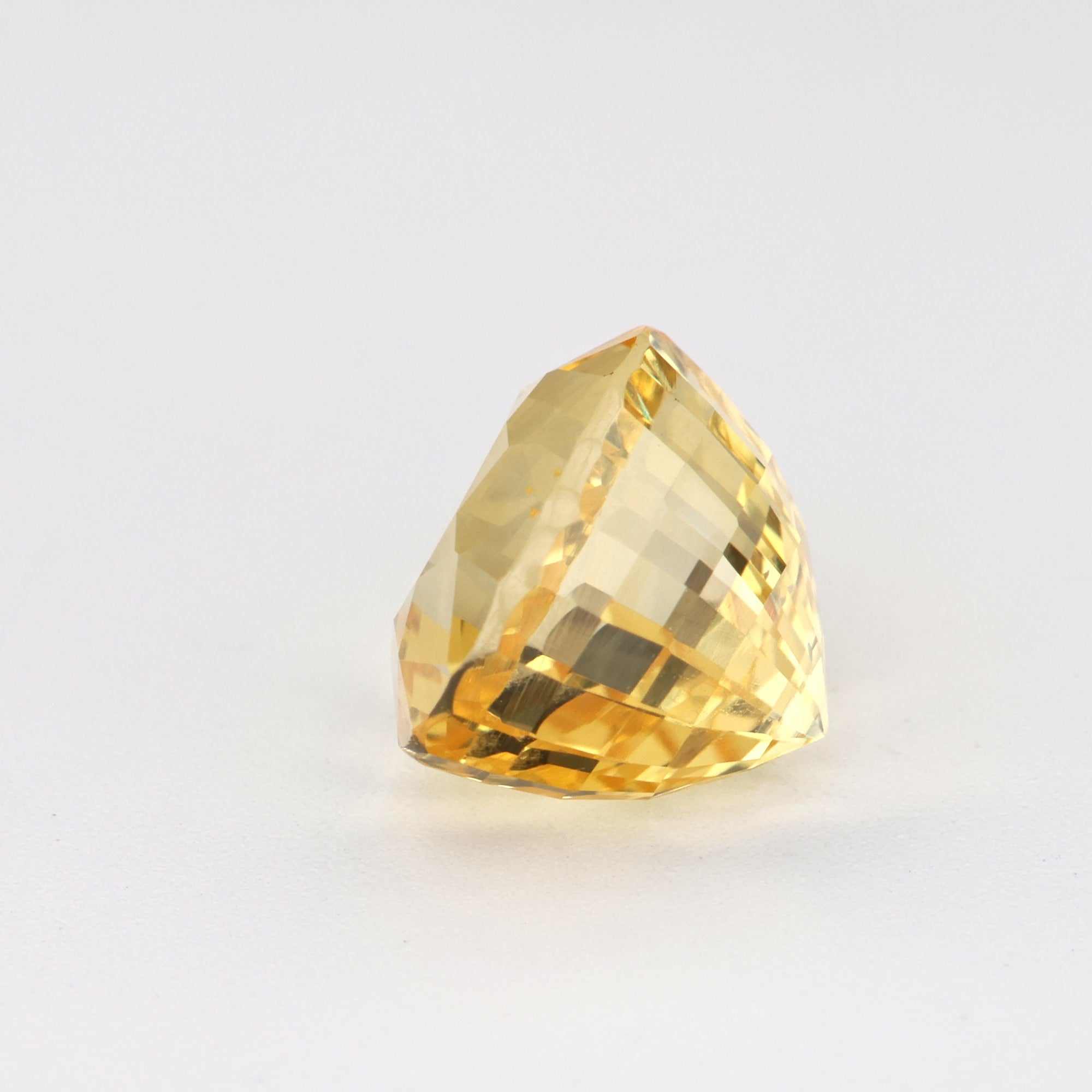
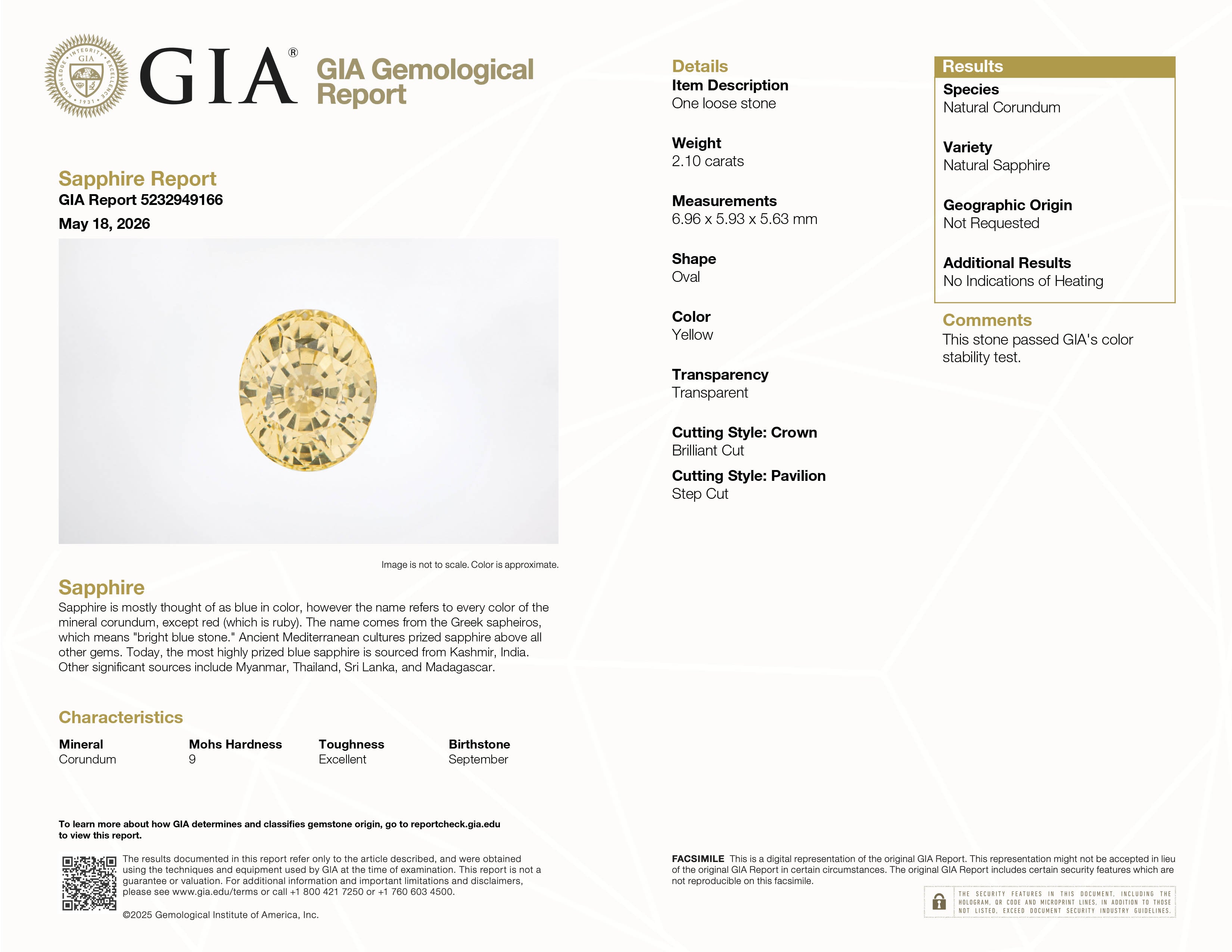
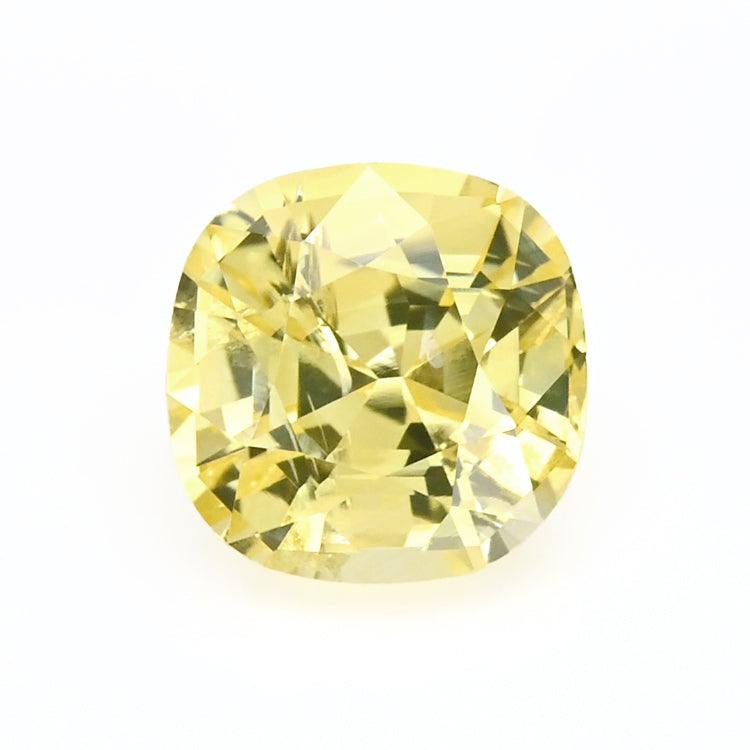
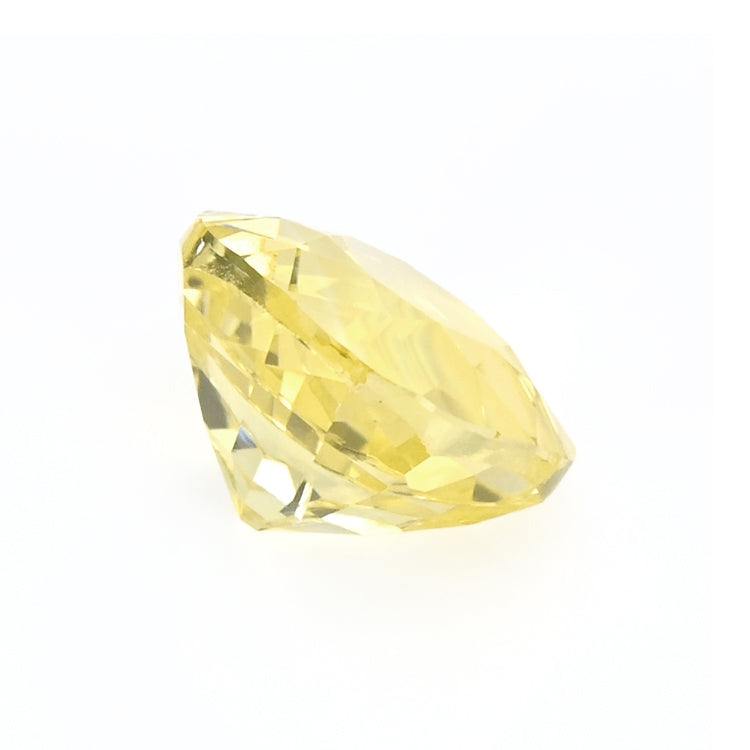
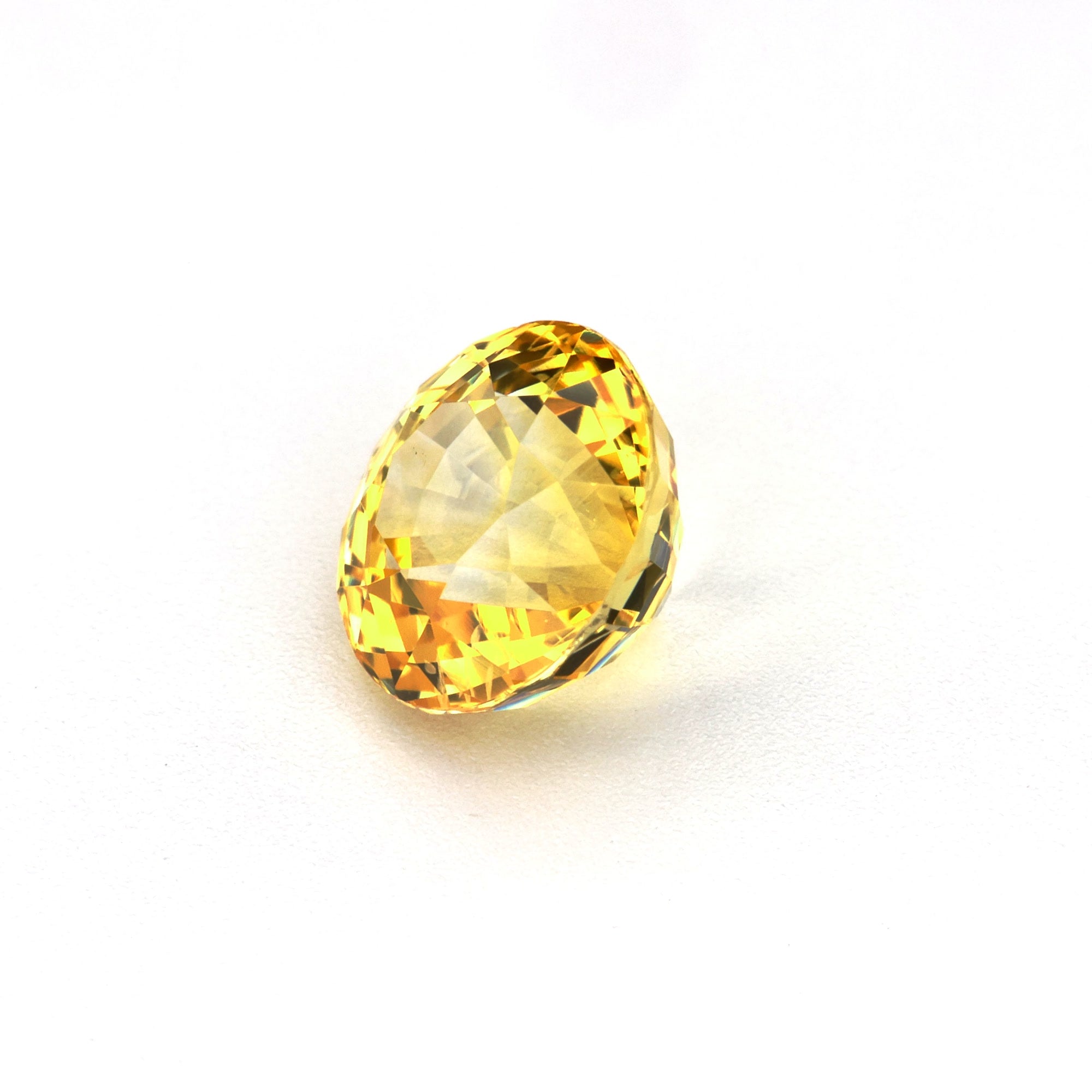
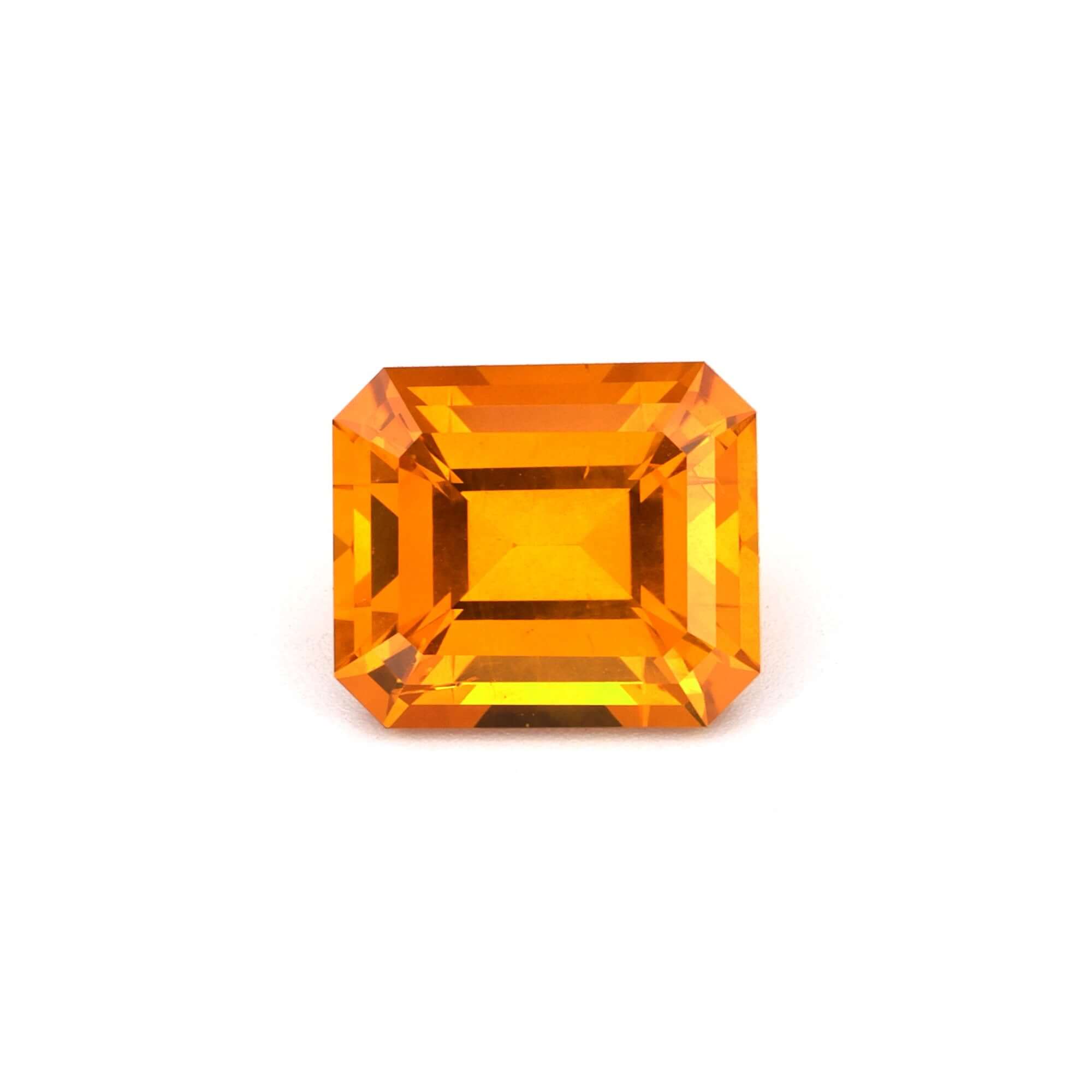
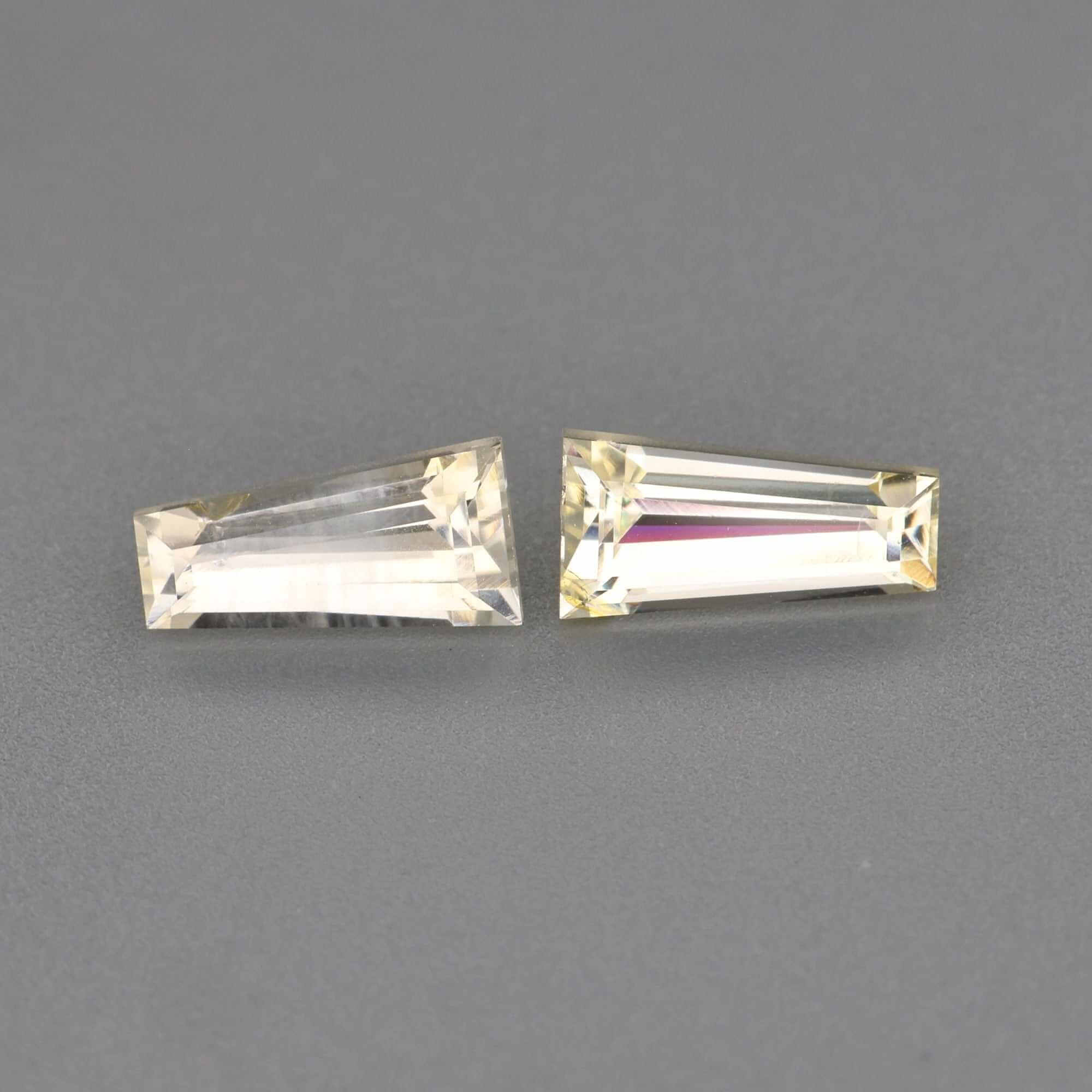
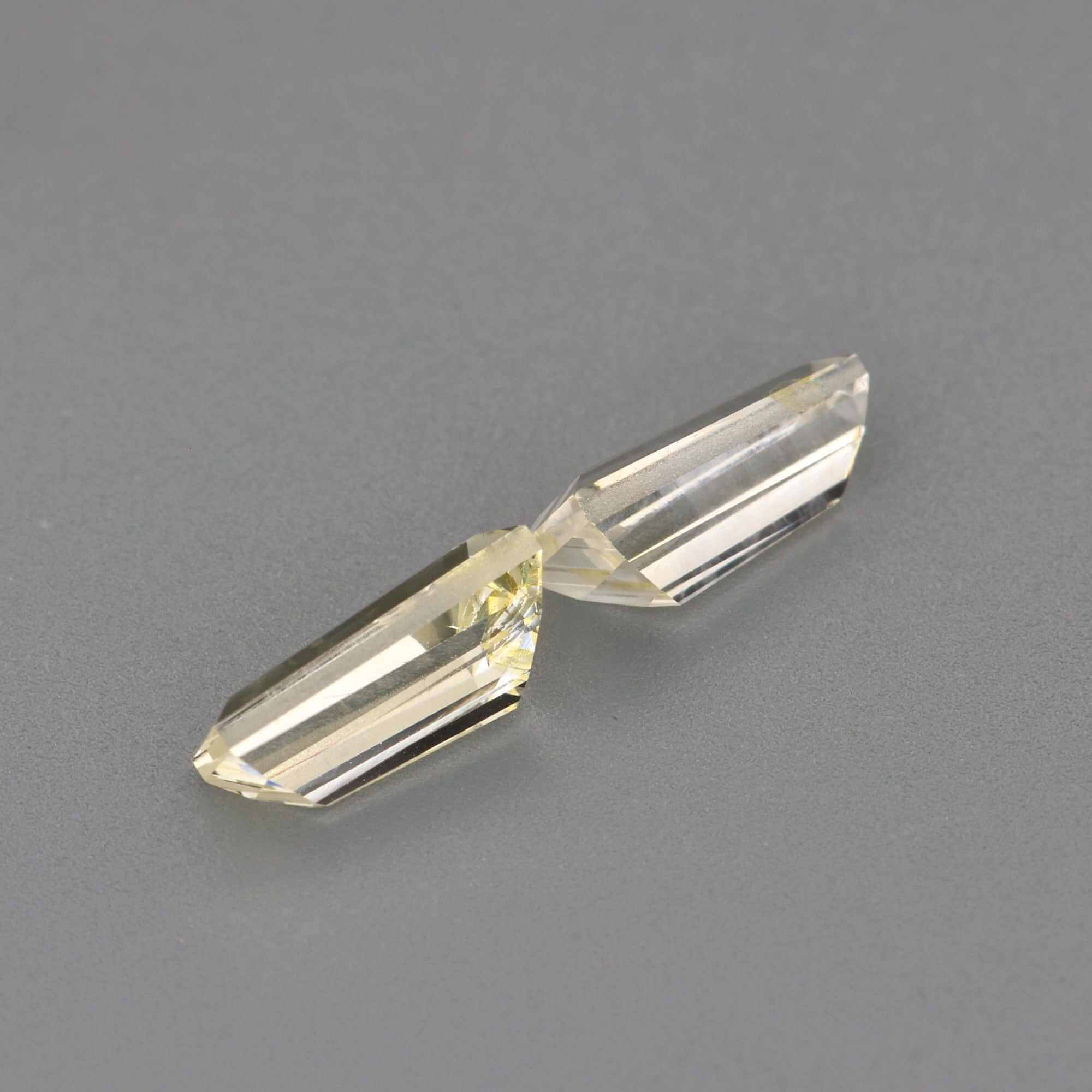
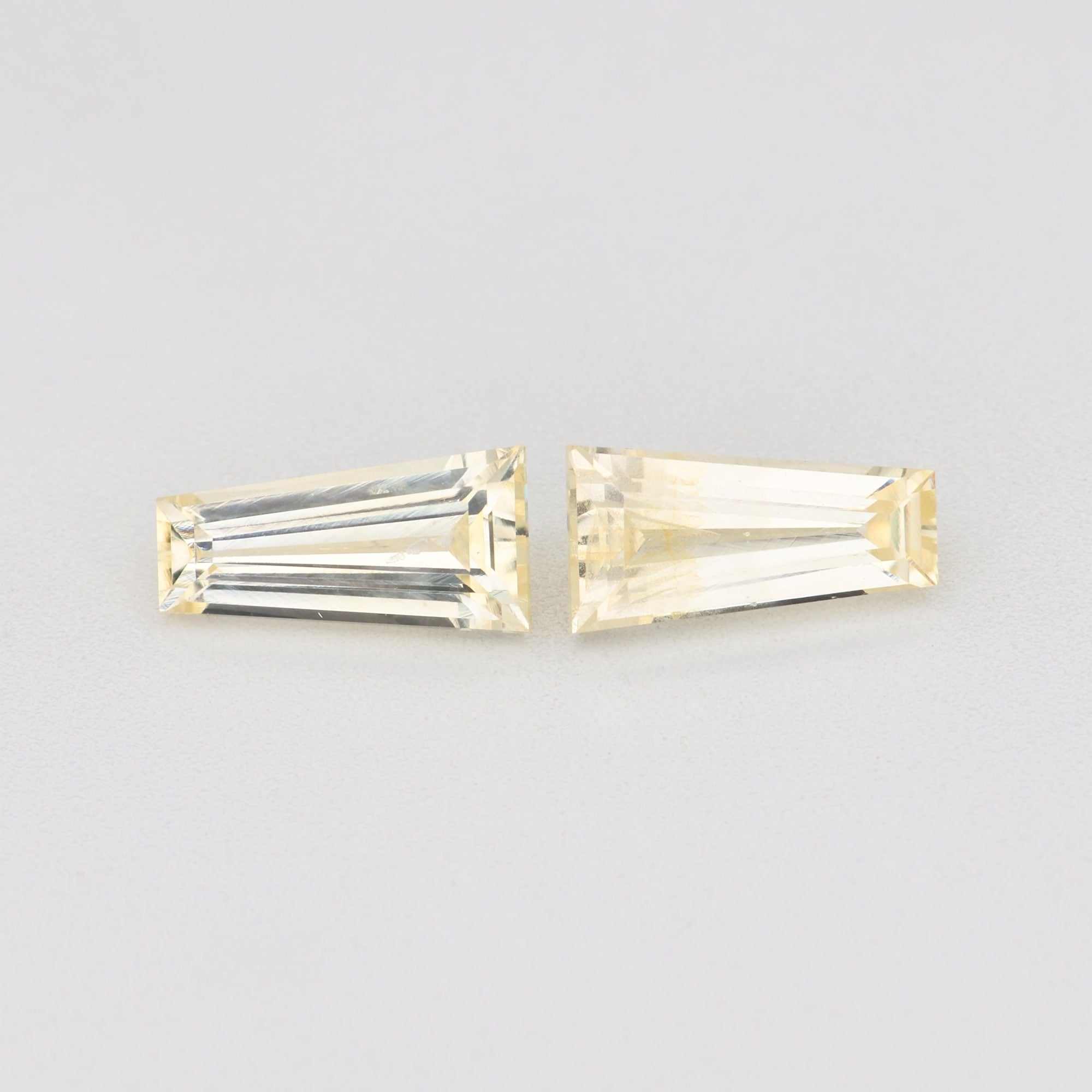
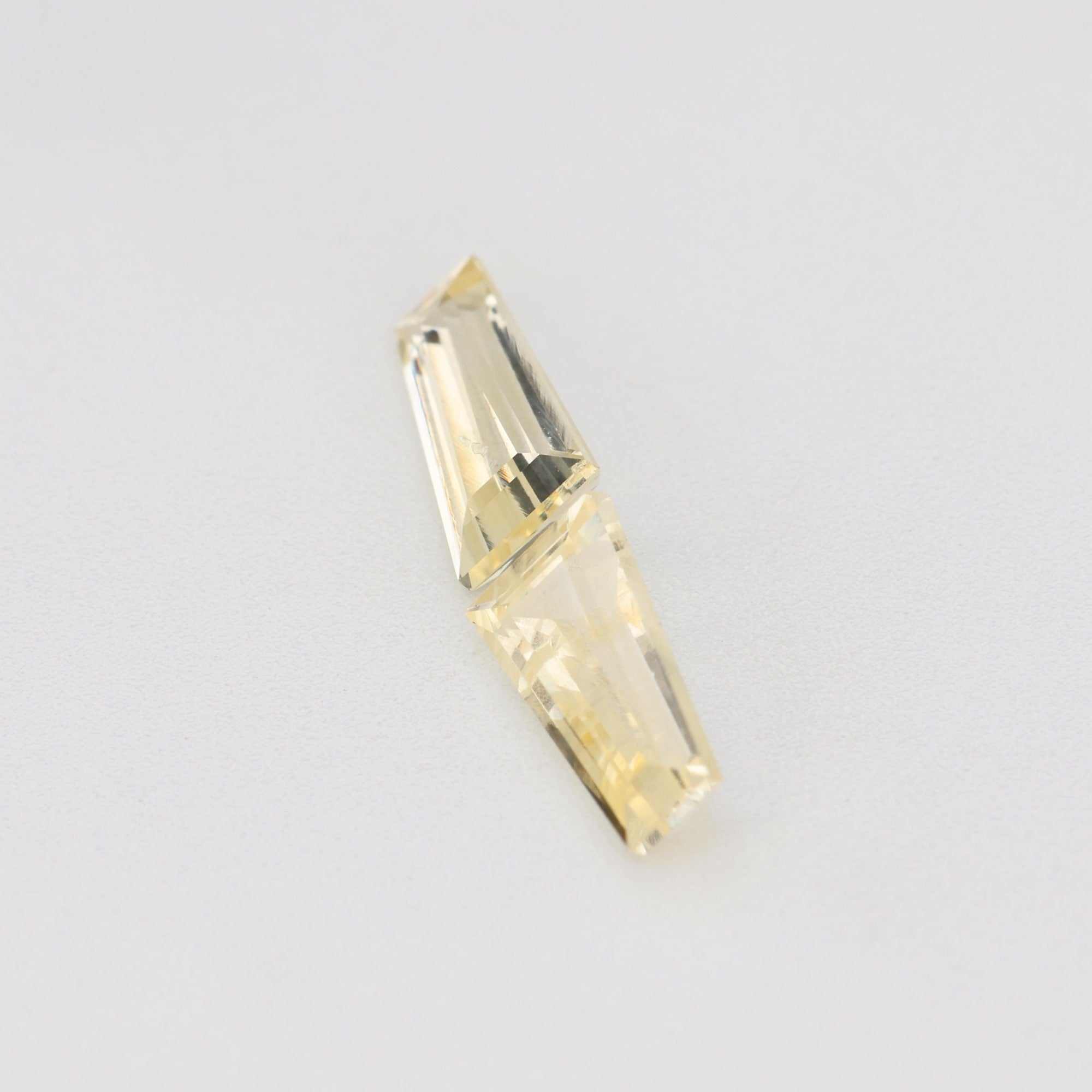
Ceylon yellow is among the most important categories for both jewelry and Jyotish use worldwide. Fine unheated Ceylon yellow sapphire (Pukhraj) above 1 carat is the prescribed gemstone for Jupiter (Guru/Brihaspati) in Vedic astrology and is one of the most actively traded natural gemstones in South Asia as a result. In jewelry, fine Ceylon yellow in golden to canary tones represents exceptional warm-color sapphire at competitive prices relative to its rarity. See our Yellow Sapphire Buyer's Guide.
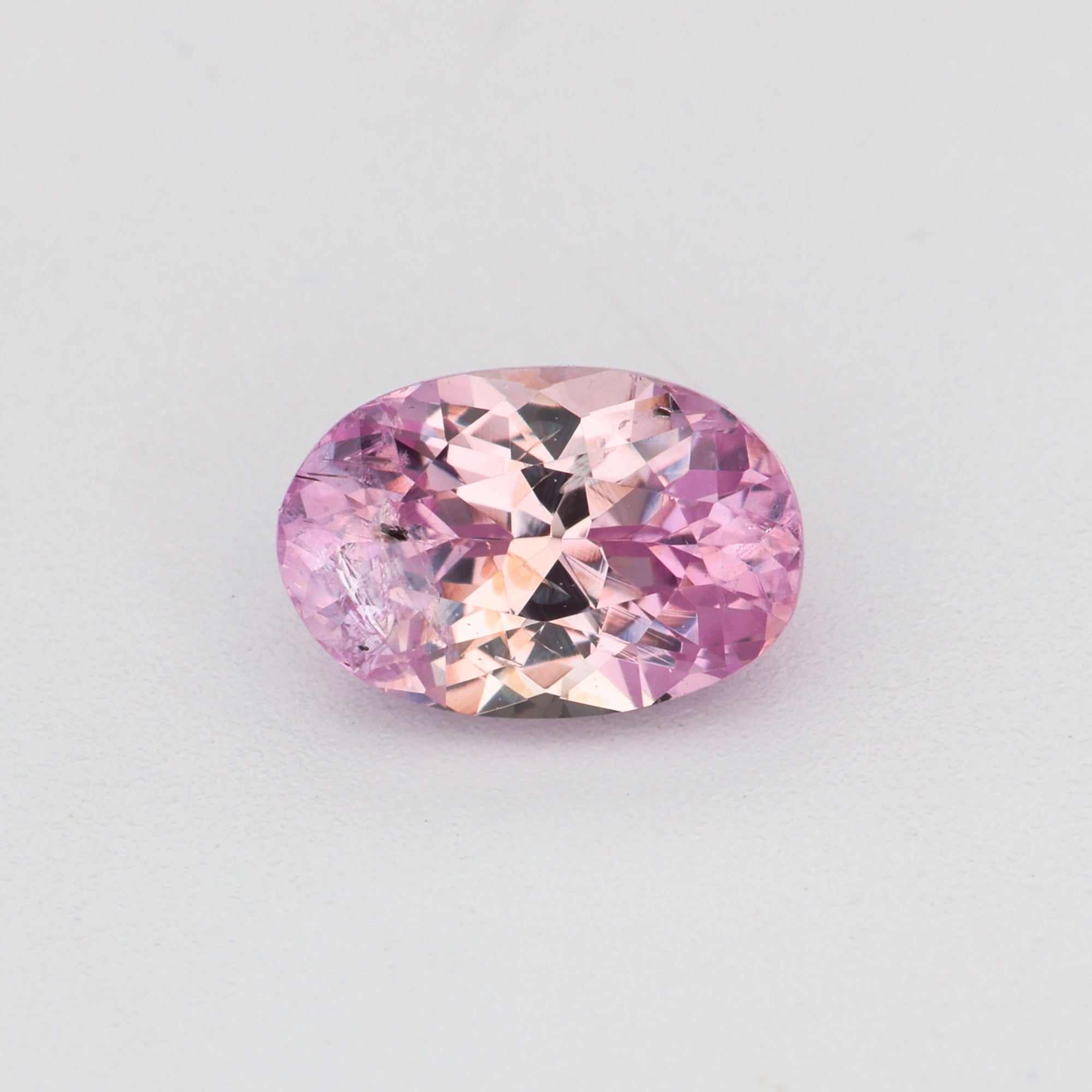
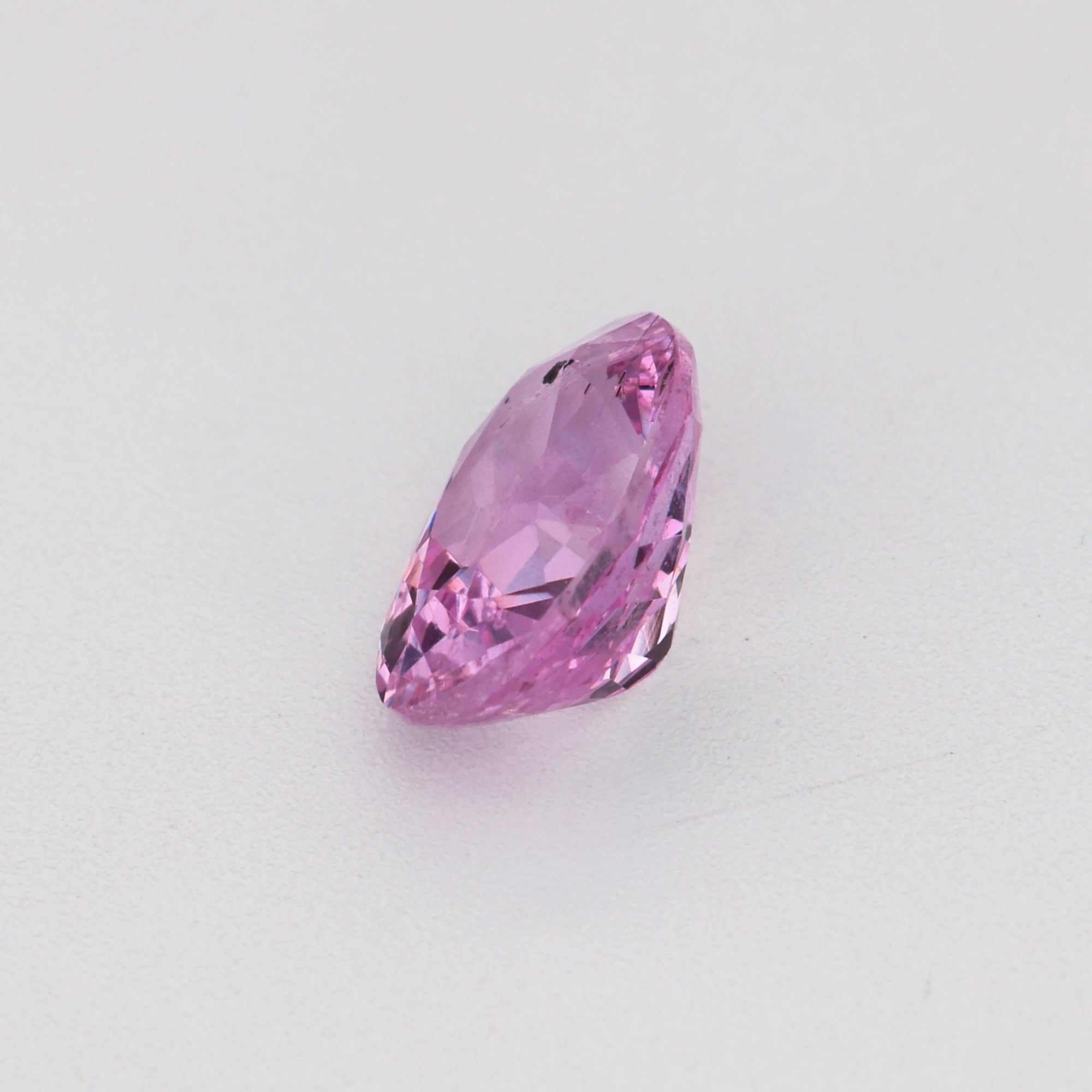
Ceylon pink is the most valued origin for fine pink sapphire, known for clarity, warmth of saturation, and a meaningful proportion of unheated examples. The finest unheated Ceylon pinks above 1 carat with GIA documentation are among the most collected colored gemstones in the pink category. See our Pink Sapphire Buyer's Guide.
Ceylon teal is the premier source for fine teal sapphire — vivid blue-green material with the balanced dual-hue character and strong color-shift behavior that defines the finest teal. Ceylon teal in unheated quality above 1.5 carats with documentation is among the stronger value propositions in the natural unheated sapphire market. See our Teal Sapphire Buyer's Guide.
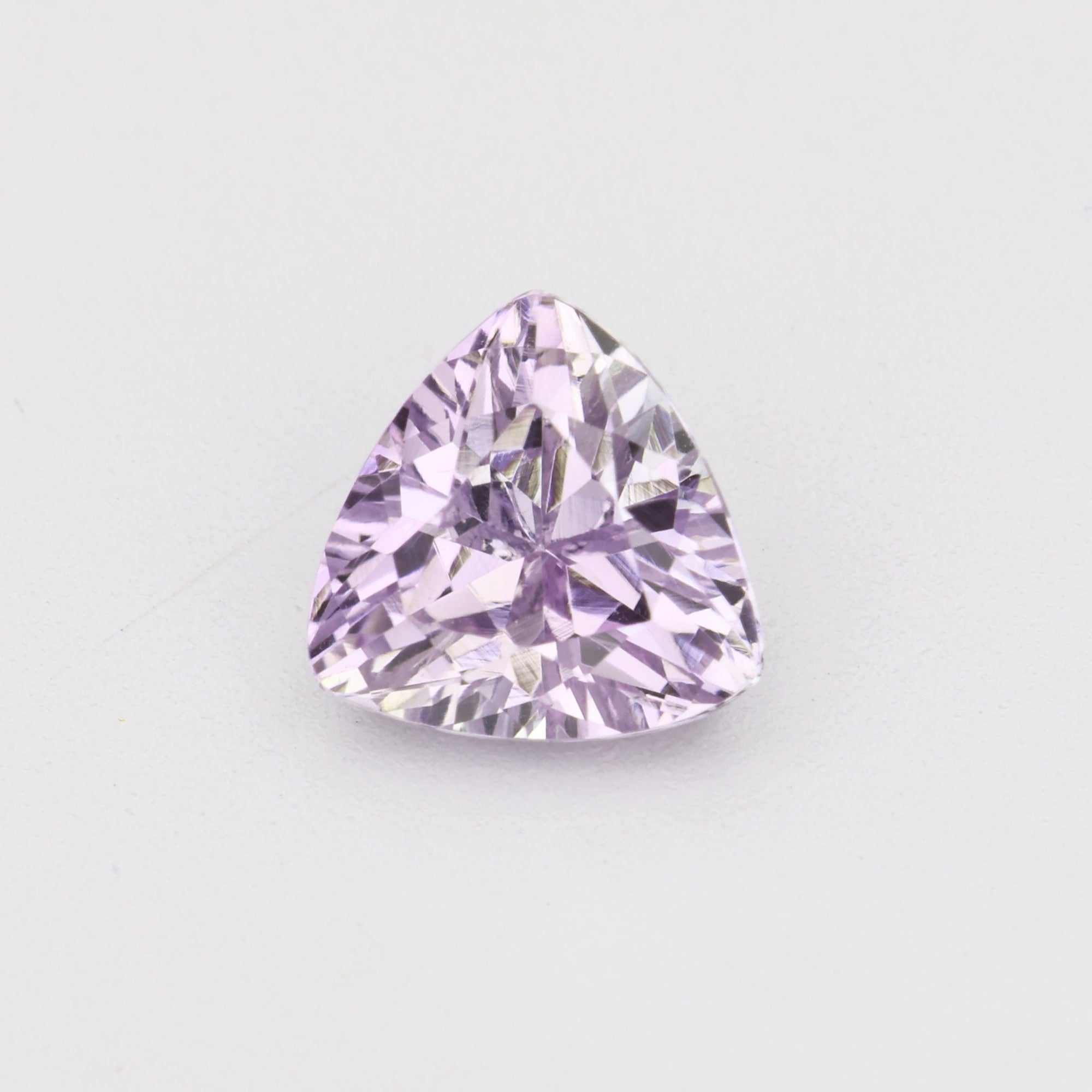
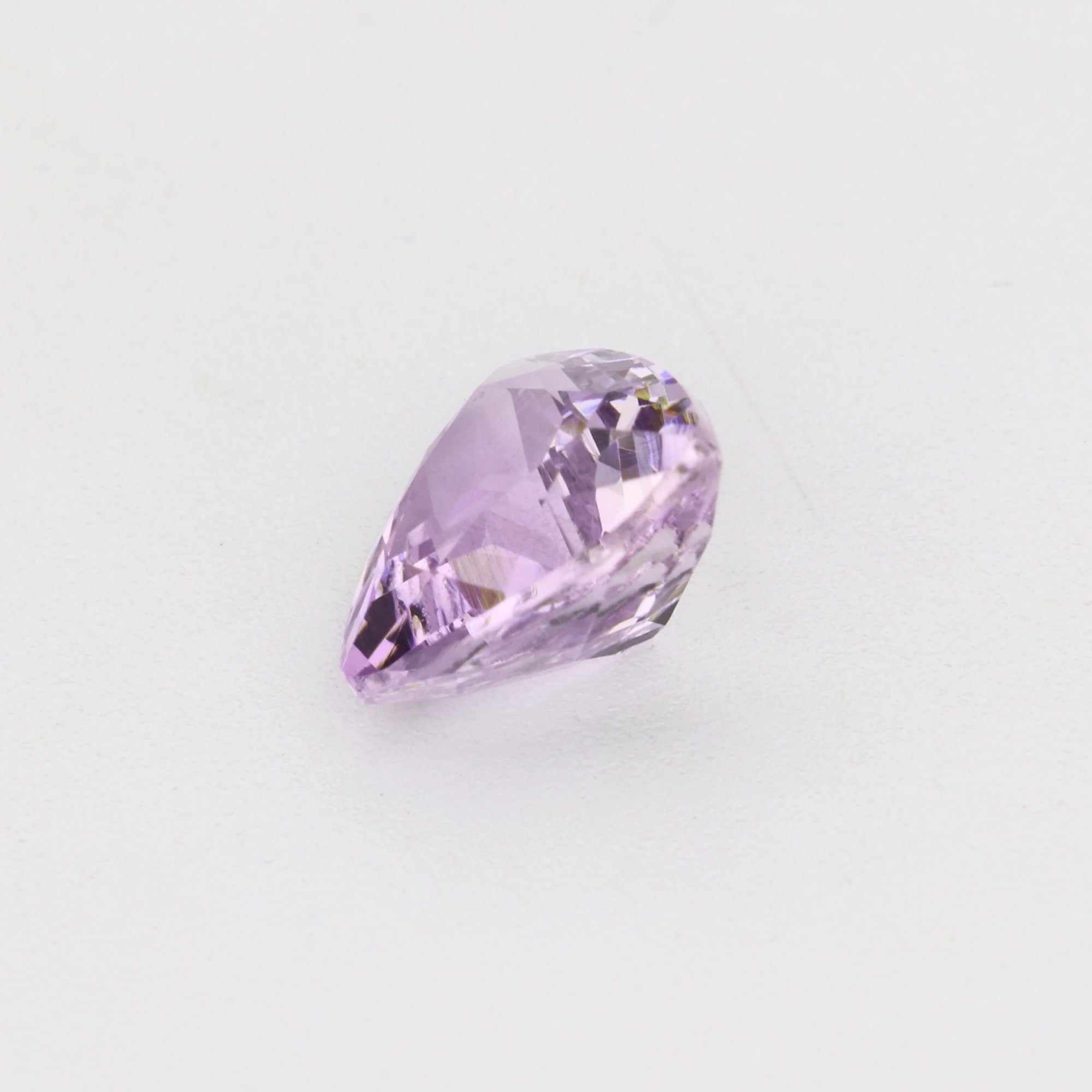
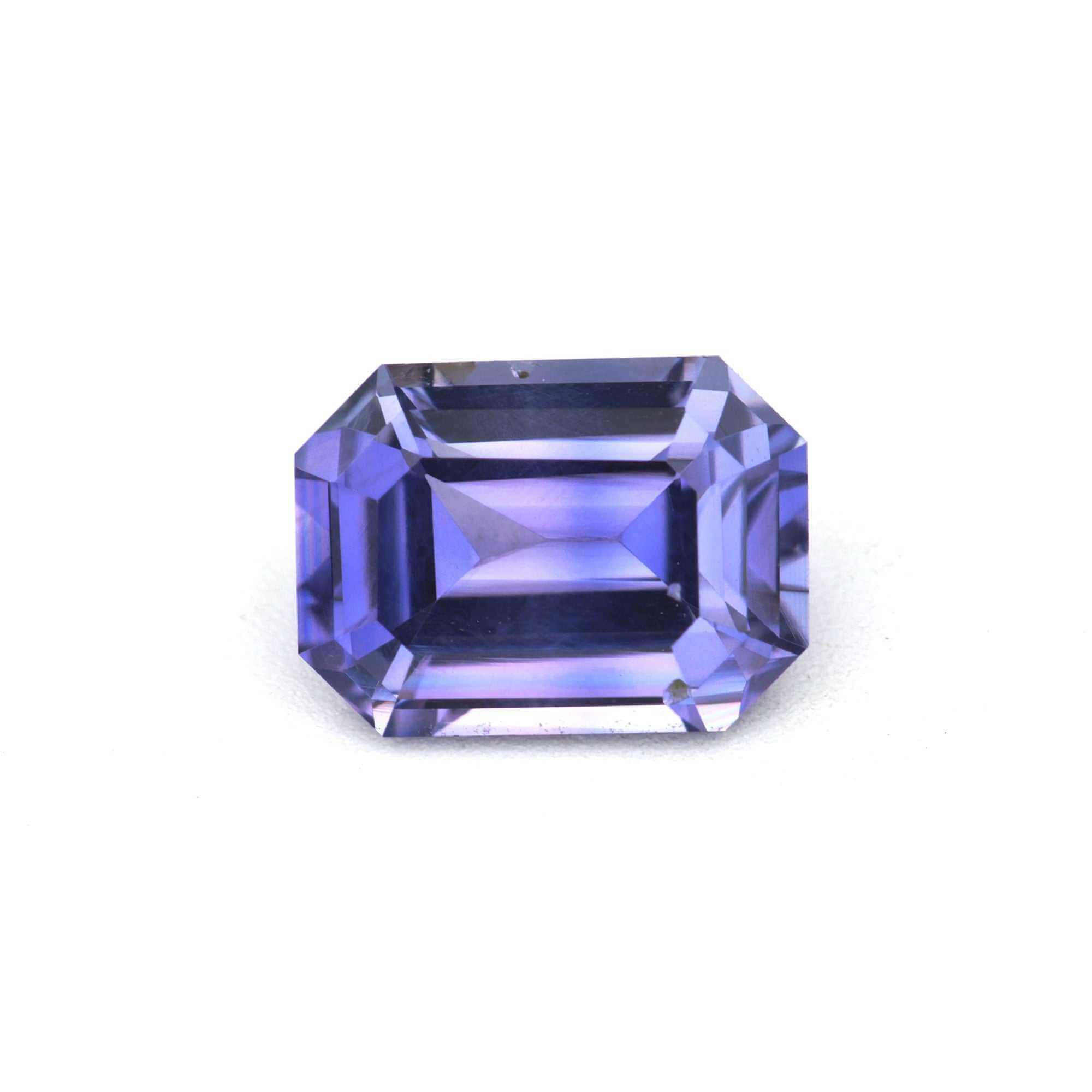
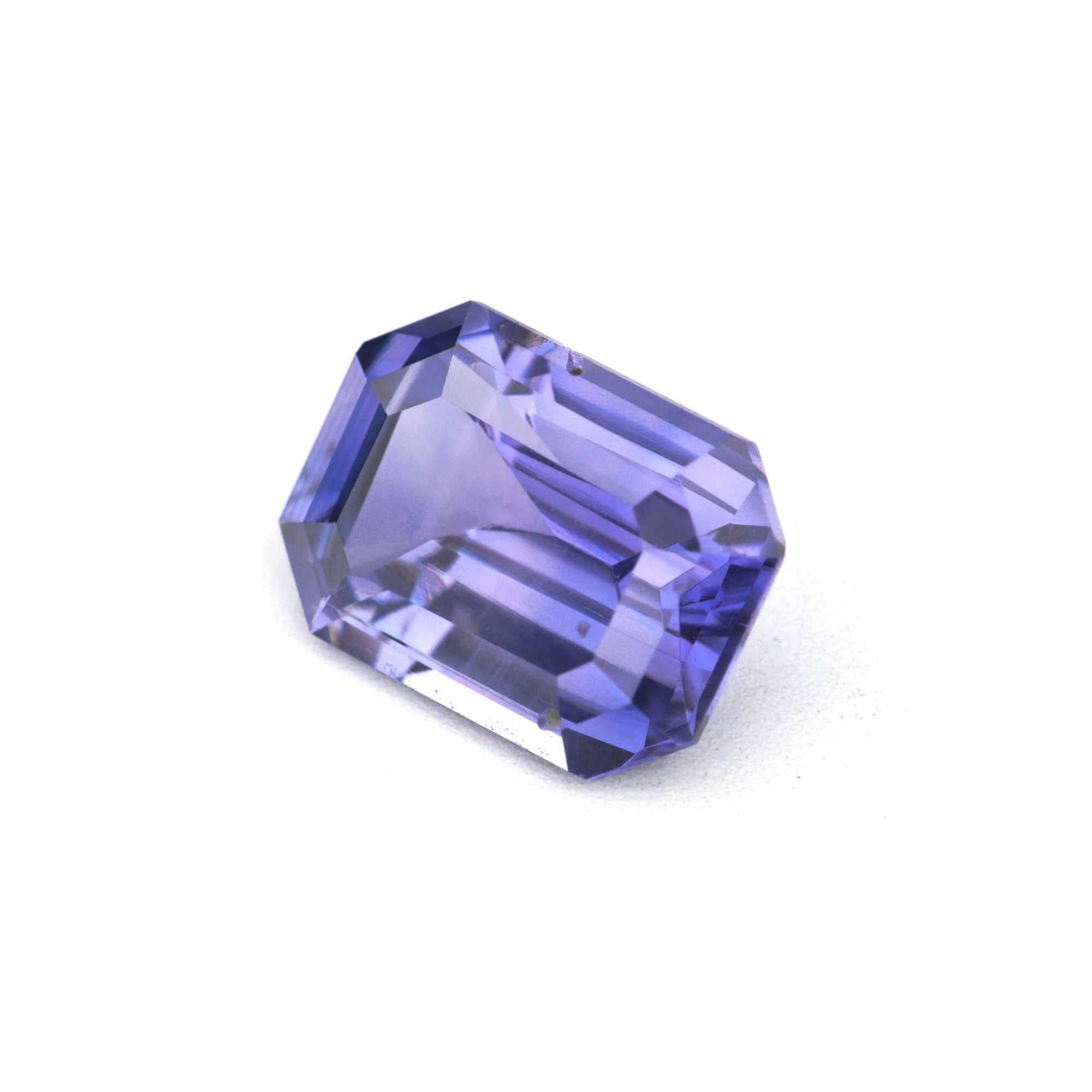
Ceylon produces purple and violet sapphire across the full spectrum from cool blue-violet through warm royal purple. The finest examples in this category — particularly vanadium-rich material with color-shifting character — are almost exclusively from Ceylon. See our Purple Sapphire Buyer's Guide.
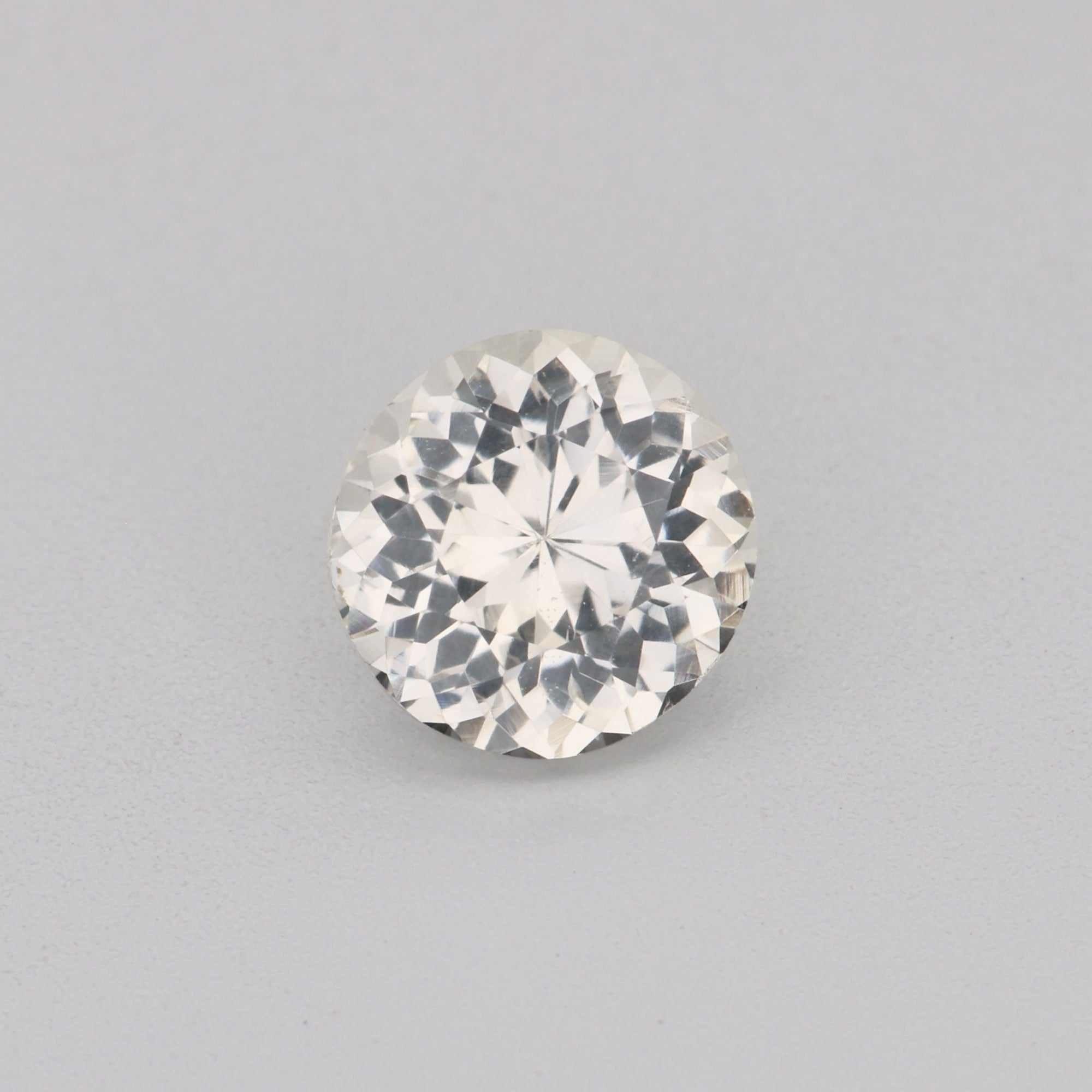
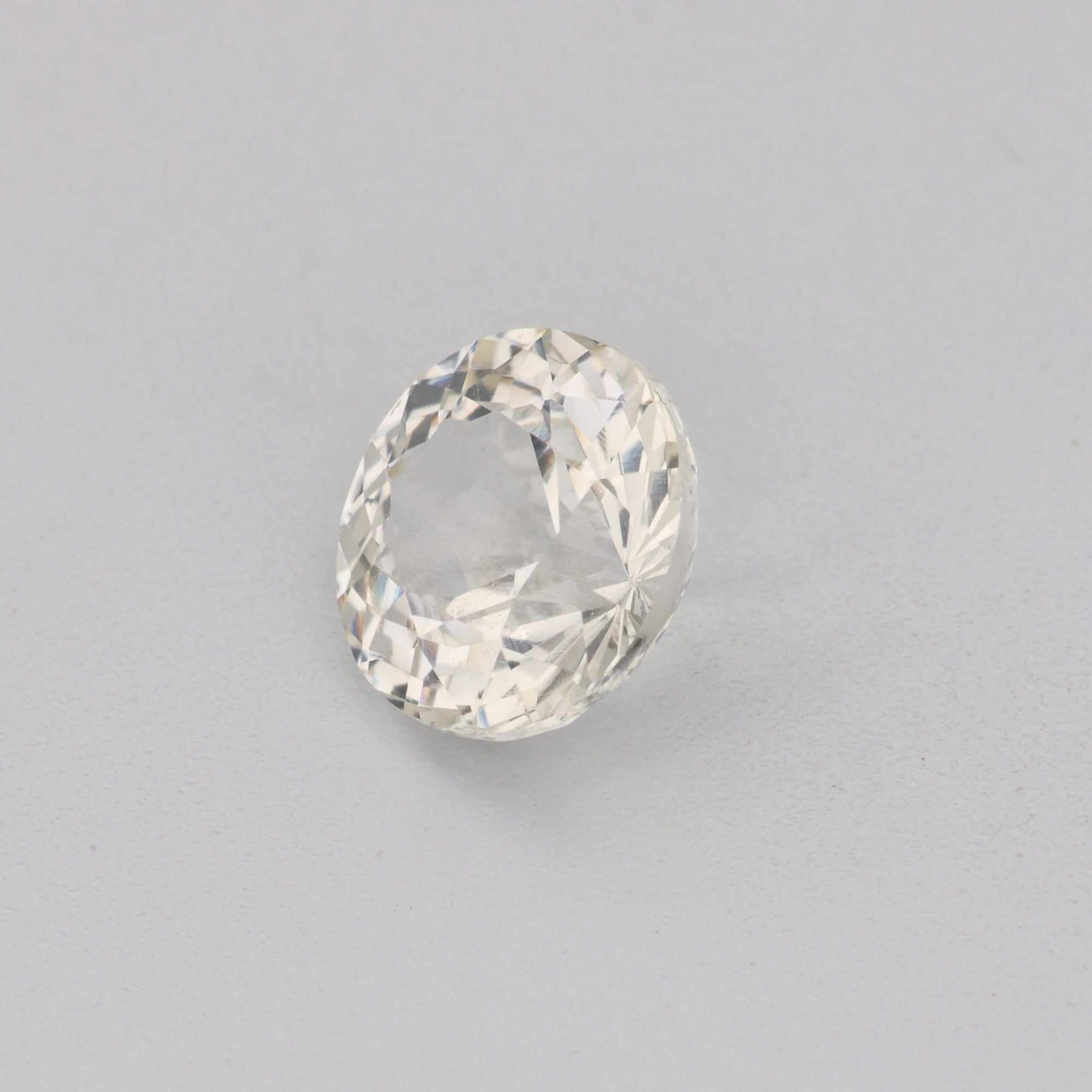
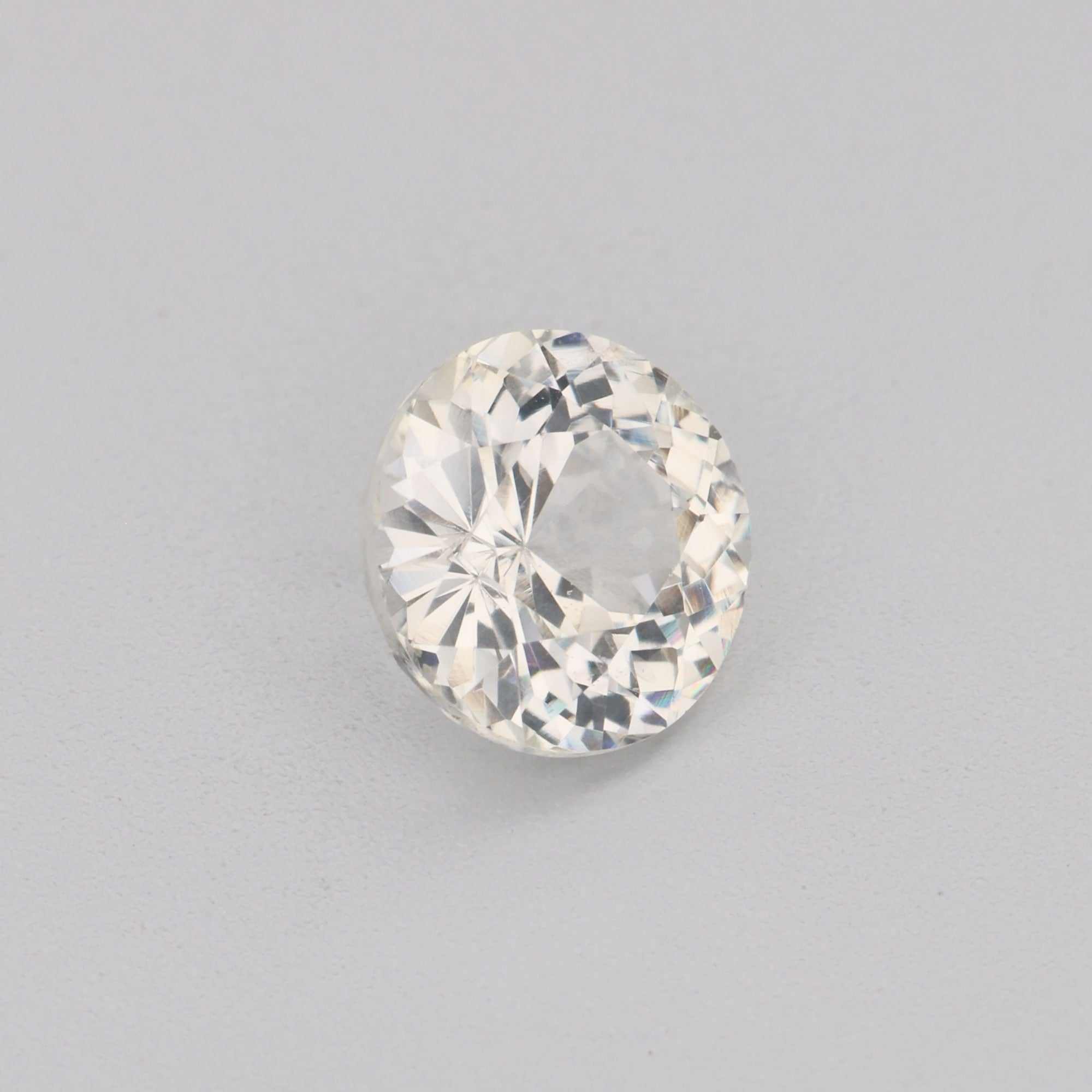
Colorless Ceylon sapphire in untreated form is one of the most practical and most durable colorless gemstone alternatives to diamond. See our White Sapphire Buyer's Guide.
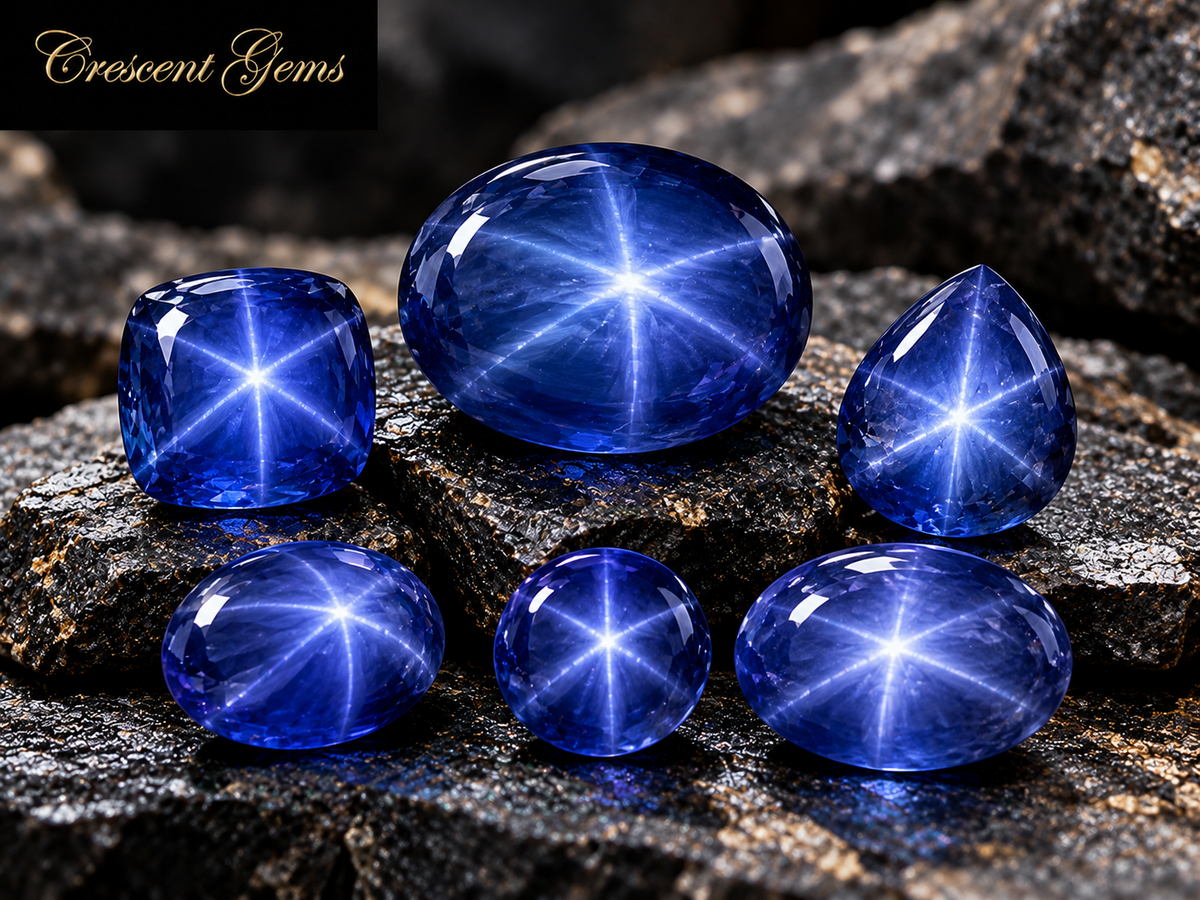
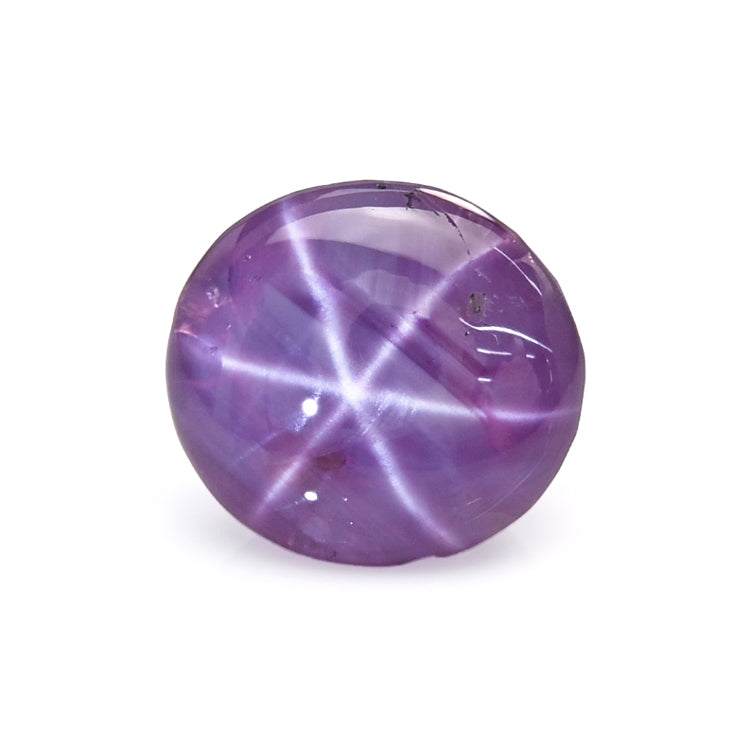
Ceylon produces natural star sapphires in blue, gray, purple, and pink body colors — some of the most historically important and most collected phenomenon gemstones in the world. Fine unheated Ceylon star sapphire with a sharp six-rayed star and GIA documentation is a premium collector specification. See our Star Sapphire Buyer's Guide.
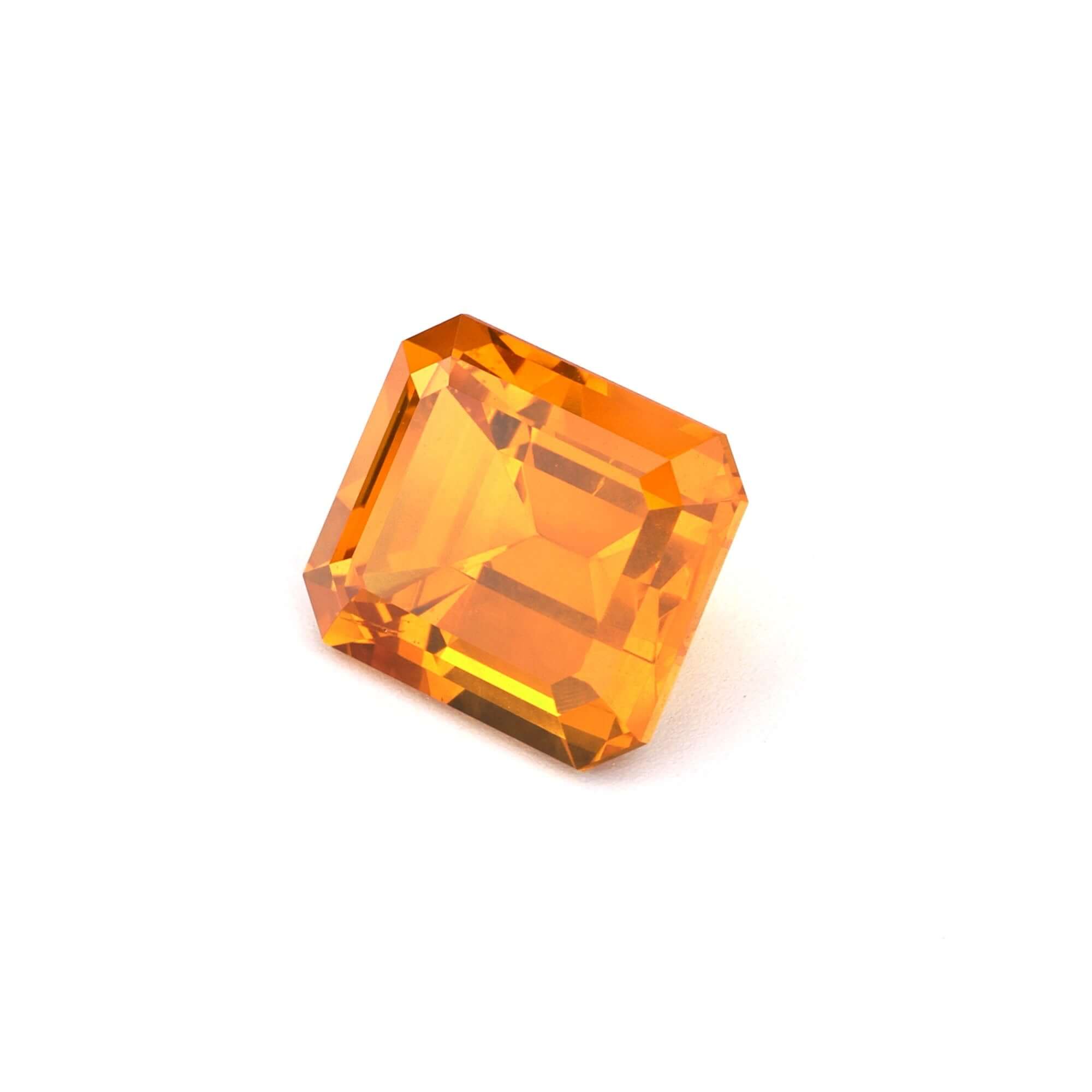
The warm-tone spectrum from peach through orange is an important Ceylon production category, with the finest padparadscha-adjacent peach material being among the most collectible Ceylon sapphires. See our guides for Peach and Orange sapphire.
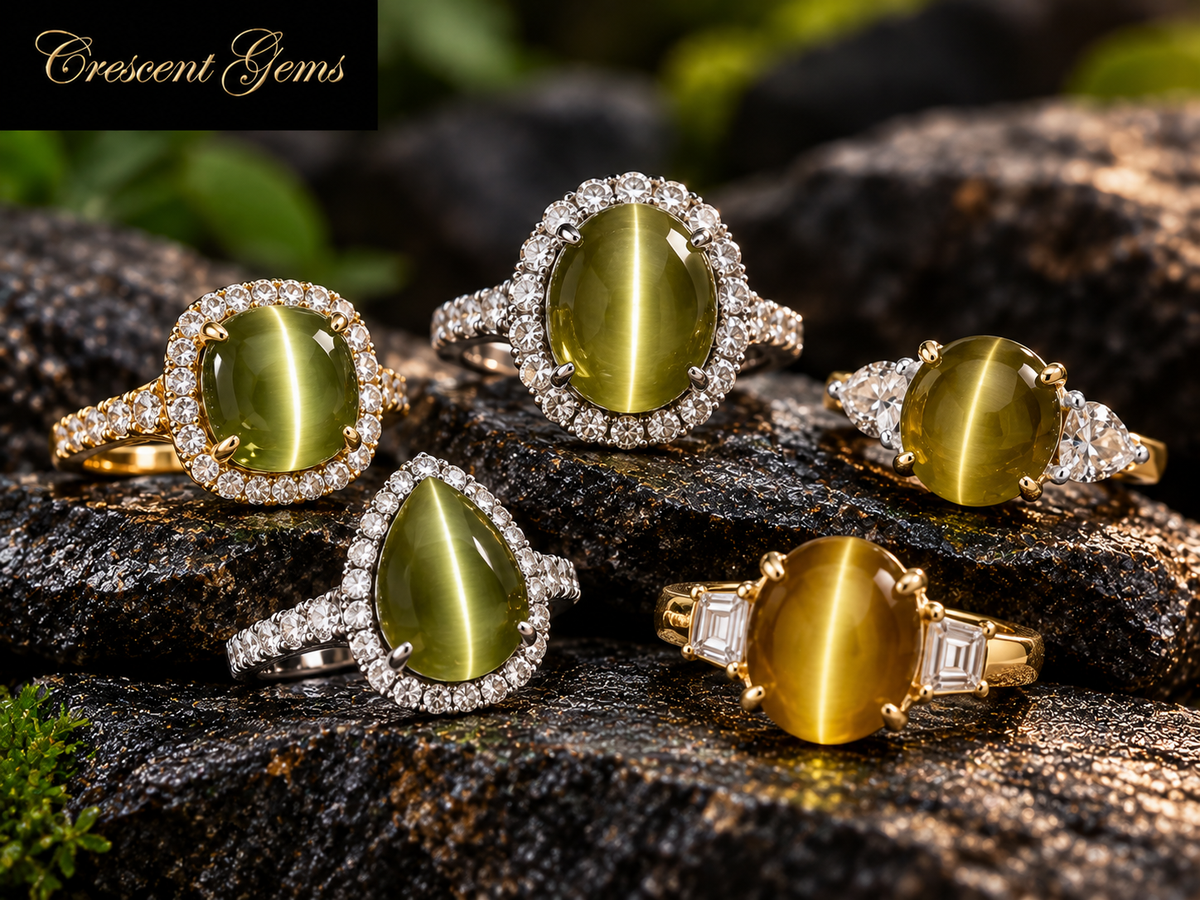
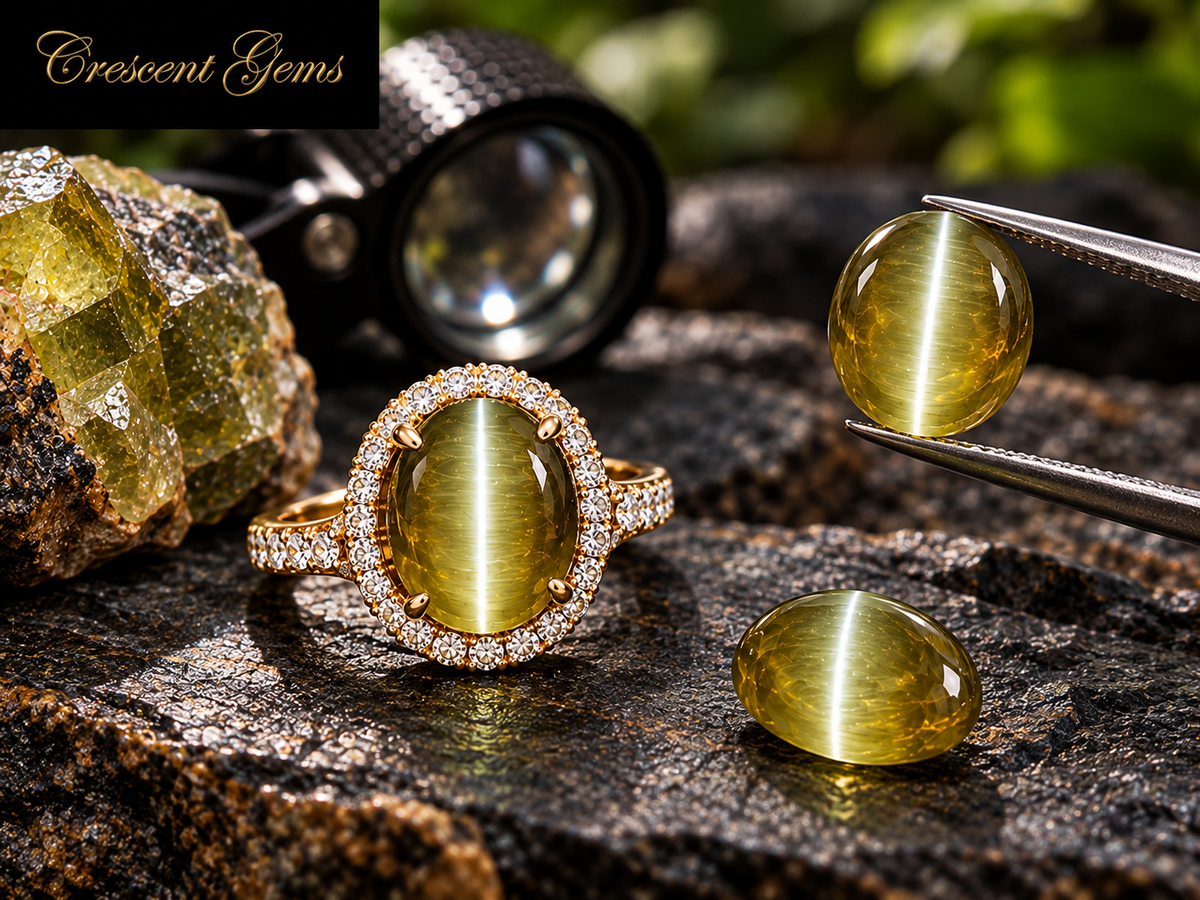
Sri Lanka also produces gem-quality chrysoberyl including cat's eye chrysoberyl and alexandrite, spinel, garnet, zircon, moonstone, and tourmaline. Cat's eye chrysoberyl from Ceylon is among the most prized in the world for Jyotish and collector use. See our Cat's Eye Chrysoberyl Guide.
Ceylon origin on a GIA report adds a measurable premium over equivalent-quality sapphire from most other origins. Understanding why this premium exists — and whether it is justified for your specific purchase — requires understanding what the designation actually represents.
Two thousand years of documented production have established Ceylon as the consistent benchmark for fine sapphire across blue, pink, yellow, and padparadscha categories. Buyers and collectors familiar with the market have developed specific quality expectations associated with Ceylon material — the transparency, the saturation character, the tone — and are willing to pay to access those characteristics reliably rather than encountering them occasionally in undocumented supply.
Ceylon consistently produces a higher proportion of fine unheated sapphire than other major origins at commercial scale. Unheated status commands significant premiums across all sapphire colors above 1 carat, and Ceylon's position as the most reliable source for unheated quality at that scale drives the origin premium directly.
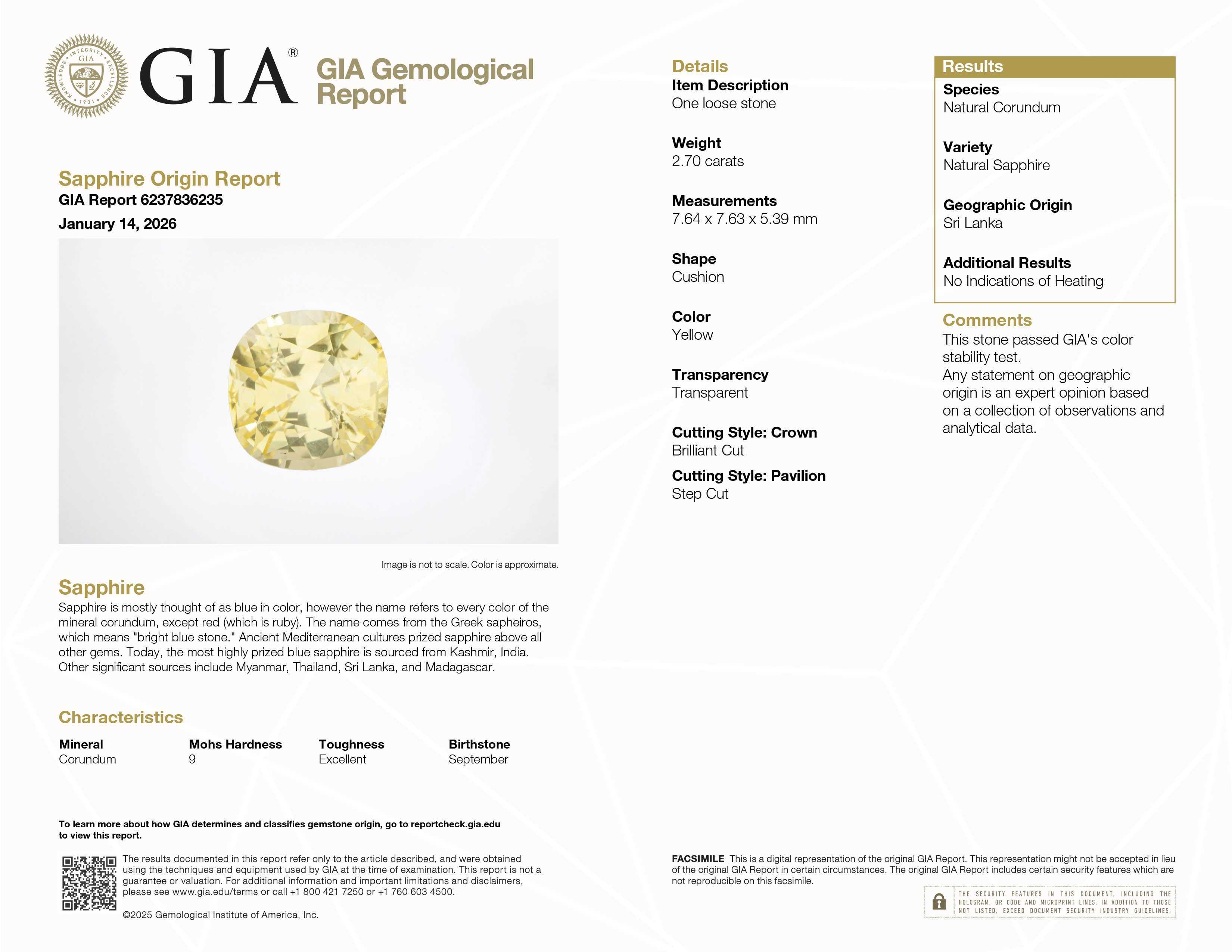
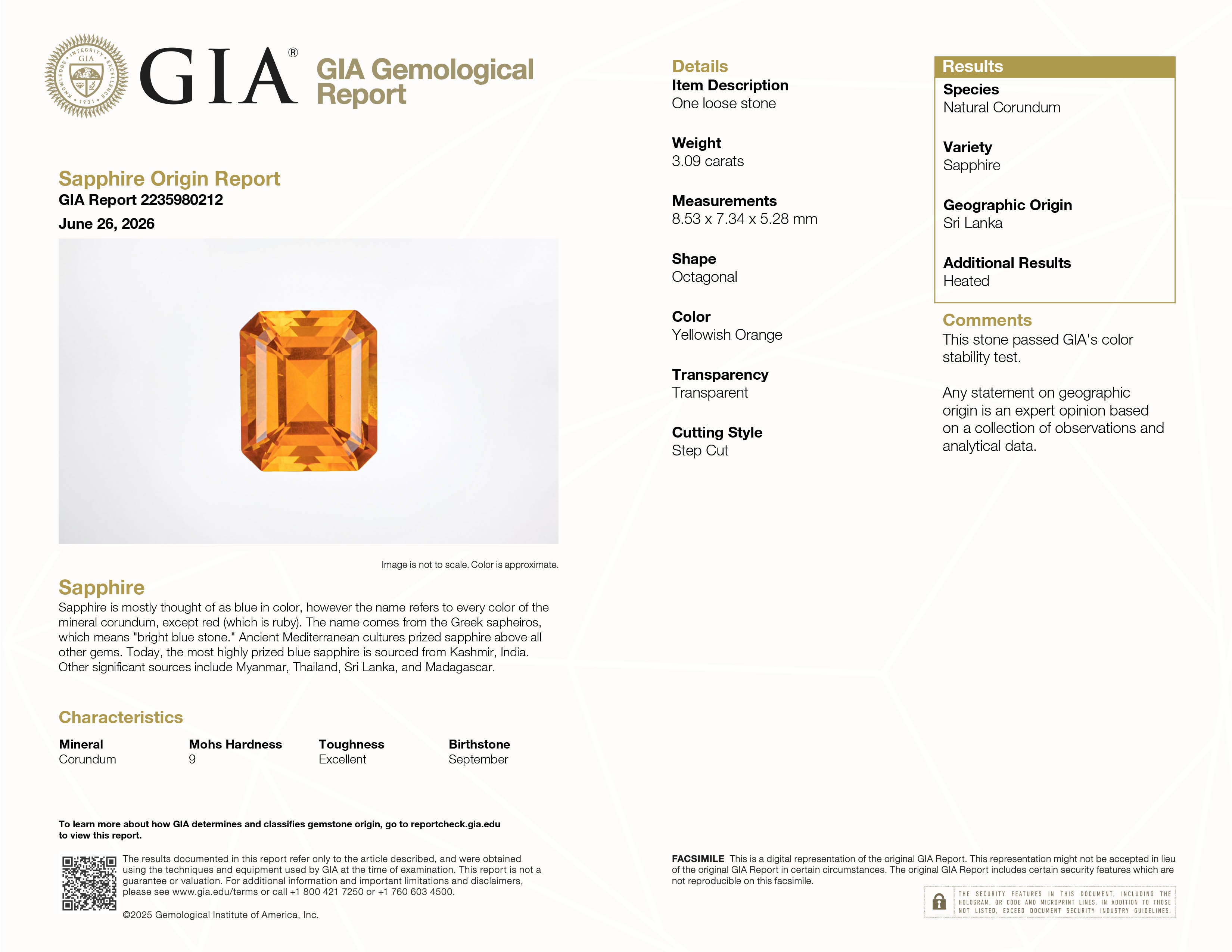
GIA, Gübelin, SSEF, and Lotus all have established reference databases for Ceylon corundum built over decades of analyzing certified material. This means Ceylon origin can be confirmed with higher reliability than origins with less reference material, which makes the Ceylon designation on a report more credible than origin claims for less-documented sources.
The fine colored gemstone auction market — Christie's, Sotheby's, Bonhams — treats Ceylon origin as a value-adding descriptor consistently. The most important sapphire auction records — finest blue, finest padparadscha, finest star — are predominantly or disproportionately Ceylon stones. This market recognition creates a liquidity premium for documented Ceylon material: it trades in a global market with established reference prices, which undocumented or lesser-origin material does not.
The Ceylon premium is fully justified when it is backed by GIA or equivalent laboratory documentation confirming the origin, when the stone is at a size and quality level where origin meaningfully affects value (generally 1+ carats with fine color and disclosed treatment status), and when investment or resale value is a consideration. The Ceylon premium is less meaningful for very small commercial stones (sub-0.50 carat) where origin documentation is rarely available and the value difference is modest, and for buyers who are purchasing purely for aesthetic reasons at a price tier where origin certification cost is disproportionate to the value at stake.
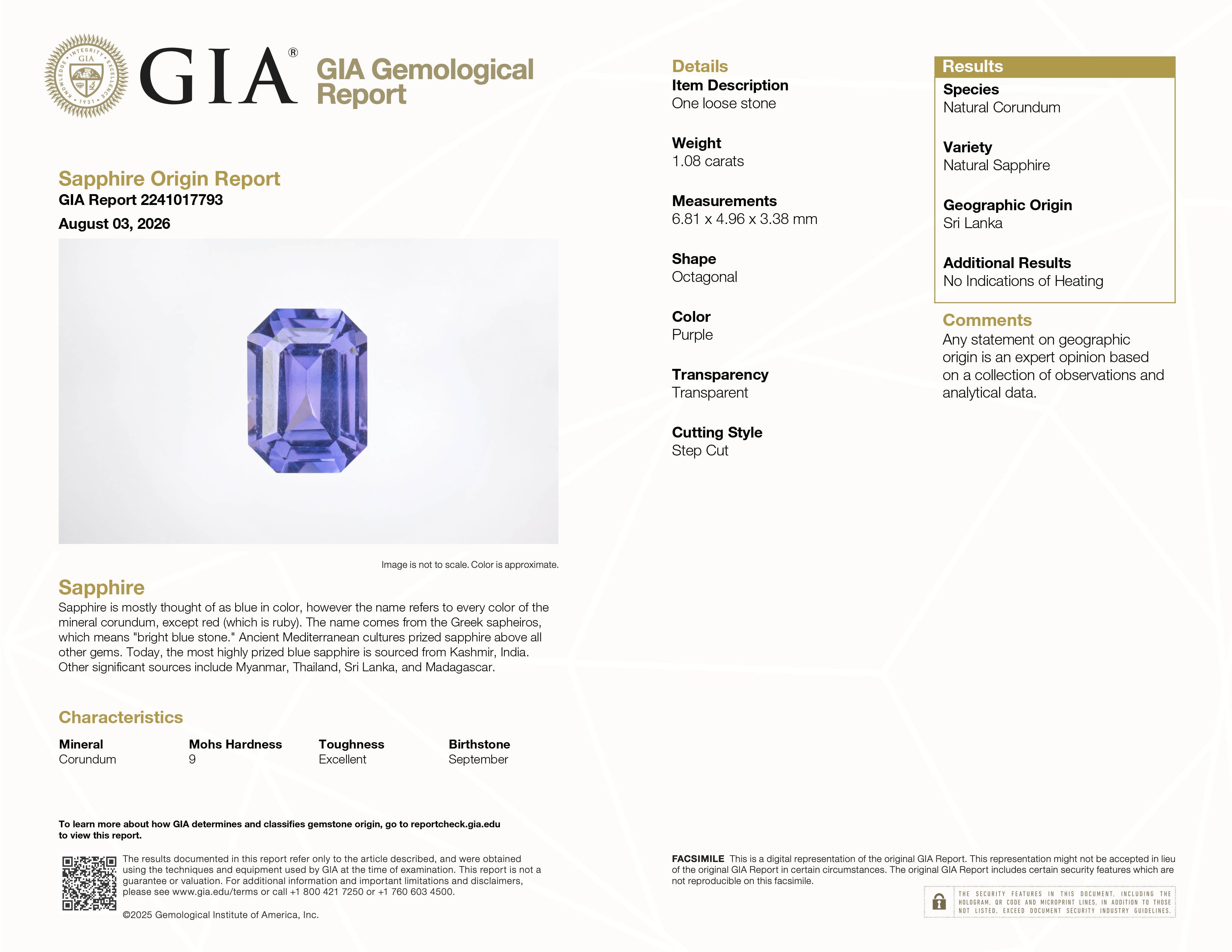
Geographic origin determination by GIA and other major laboratories is based on a combination of trace element chemistry analysis and inclusion fingerprinting. Sri Lankan corundum has a specific trace element signature — the concentrations and ratios of iron, titanium, chromium, vanadium, gallium, and other trace elements — that is characteristic of the island's metamorphic geology. This chemical fingerprint is measured using techniques including laser ablation inductively coupled plasma mass spectrometry (LA-ICP-MS) and compared against the laboratory's reference database of confirmed-origin samples.
Inclusion characteristics also contribute: certain inclusion types — specific growth zoning patterns, types of secondary inclusions, healing fractures with particular characteristics — are associated with specific geological environments and production regions. Where both chemical and inclusion evidence point consistently to Sri Lanka, the report states origin as Sri Lanka.
Origin determination is probabilistic rather than certain — laboratories express geographic origin as their best determination based on available evidence, not as a guaranteed fact. Where evidence is insufficient or ambiguous, GIA will state that origin cannot be determined. A positive Ceylon determination on a GIA report represents the laboratory's high-confidence assessment based on the combined evidence from the specific stone analyzed.
Understanding the Ceylon sapphire supply chain helps buyers understand why prices, documentation, and quality vary so widely for stones described as Ceylon origin.
The chain typically runs: miner to local dealer in Ratnapura gem market to regional broker to Colombo dealer to Bangkok or Hong Kong dealer to international wholesaler to retailer to end buyer. Each step adds margin. Each step also potentially adds distance from the original information about the stone — its exact mine area, its rough appearance, its treatment history, and the context of its initial assessment.
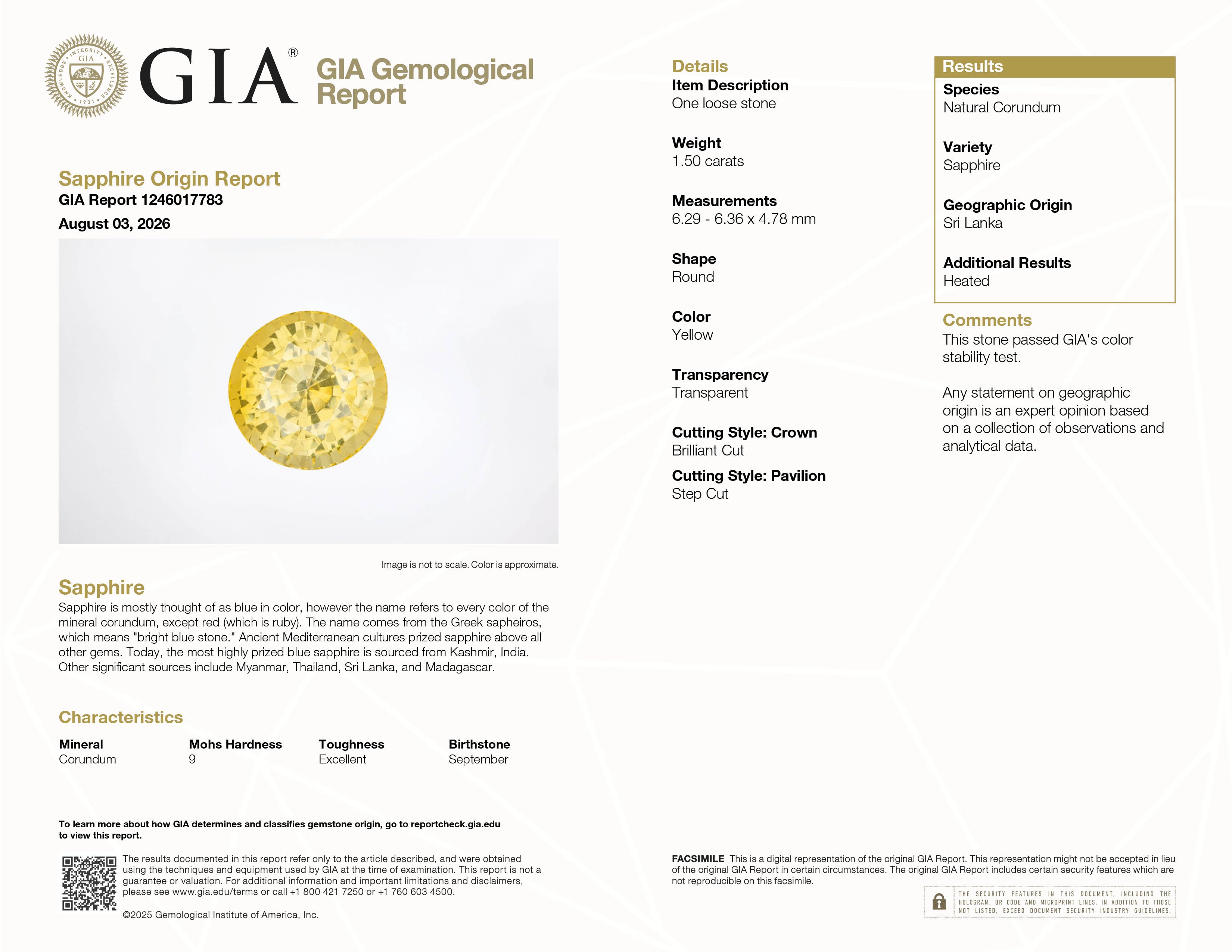
By the time a Ceylon sapphire reaches a retail jewelry store in the United States or Europe, it may have passed through five or six commercial transactions. The origin claim at the retail level is based on the chain of custody documentation (where it exists) and the original seller's representation (where documentation is absent). For stones with GIA reports, the laboratory documentation fixes the key information permanently — origin, treatment status, and species are on the report regardless of how many times the stone has changed hands since certification.
Crescent Gems operates at the beginning of this chain, not the end. We source in Sri Lanka directly — at the Ratnapura gem market, at the Beruwala gem dealers, through our network of miners, cutters, and brokers built over years of operating in the market. The stones we sell carry the information that direct source access provides: we know the rough, we know the cutting, and we disclose what we know on every product page.
The combination of Ceylon origin and unheated status is the most consistently sought specification in the fine natural sapphire market. It represents two independent quality dimensions — origin quality and treatment naturalness — that together define the finest tier of the category.
For blue sapphire: unheated Ceylon blue above 1.5 carats with GIA documentation is the collector and investment specification most actively sought by buyers who understand the market. Per-carat prices for fine examples range from $2,000–$8,000 at 1–2 carats and escalate steeply above that.
For yellow sapphire: unheated Ceylon yellow above 1 carat is the Jyotish specification (natural Pukhraj for Jupiter) and commands premiums over equivalent heat-treated material. Unheated Ceylon yellow at 3+ carats begins to enter collector territory.
For padparadscha: the finest certified padparadscha with GIA or Gübelin documentation showing Ceylon origin is among the rarest and most commercially significant natural gemstones at any size. Fine examples above 2 carats are genuinely exceptional.
For all other colors: unheated status adds 50%–400% to the per-carat value of an equivalent-appearing heat-treated stone, depending on size, color quality, and the specific color category. Ceylon origin adds a further premium over the same stone from an undocumented or lesser origin.
The combined premium for unheated + Ceylon + GIA documentation is the reason these three elements appear together on the most important natural sapphire auction records. They are not independent quality factors that happen to co-occur; they are three dimensions of a single quality story that compounds in value as all three are present together.
Vedic astrology (Jyotish) has a centuries-old relationship with Ceylon gemstones. Sri Lanka is referenced as the source of the finest planetary gemstones in Sanskrit astrological texts, and the preference for Ceylon origin in Jyotish practice is not a modern marketing development — it reflects the historical reality that Ceylon produced the finest, most reliable, and most available supply of unheated natural gemstones for Jyotish prescription across all nine planetary categories.
The standard Jyotish requirements apply equally regardless of origin: natural, unheated, eye-clean, set with direct skin contact. But Ceylon is the preferred origin for most practitioners because the combination of natural unheated color, high transparency, and GIA-documentable origin provides the complete specification that Jyotish prescription requires. Ceylon blue for Saturn (Neelam), Ceylon yellow for Jupiter (Pukhraj), Ceylon blue-violet for Saturn (alternative), Ceylon white for Venus and Moon (alternatives) — the categories overlap with the island's production diversity in a way that no other single origin can match.
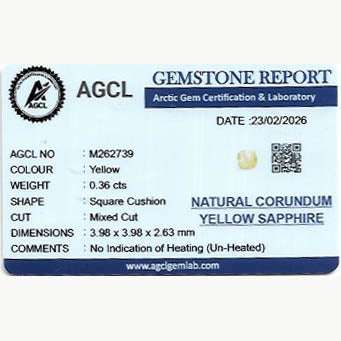
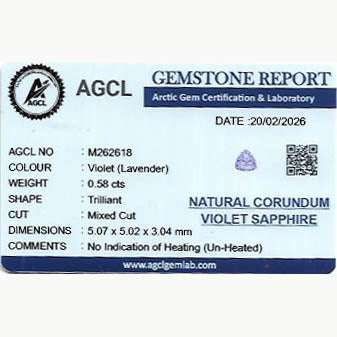
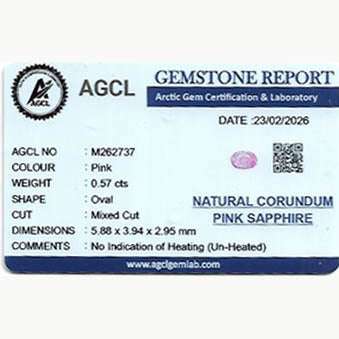
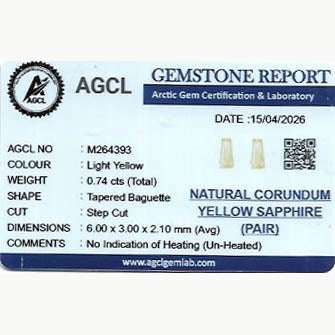
The only reliable verification of Ceylon origin is a report from GIA, Gübelin, SSEF, or Lotus that explicitly states Sri Lanka as the geographic origin. No seller's claim, no certificate of origin from a Sri Lankan government body, and no verbal assurance from the most reputable-seeming retailer can substitute for a major laboratory origin determination.
This is not a statement about seller dishonesty. It is a statement about the limits of visual assessment and chain-of-custody documentation in the gem trade. Even experienced gemologists cannot determine sapphire origin with certainty from visual examination alone. The laboratory tests — trace element chemistry, inclusion fingerprinting, spectroscopy — require equipment and reference databases that are not available outside a gemological laboratory.
The practical standard for buyers: if you are paying a Ceylon premium above approximately $1,000 per carat at 1+ carats, the premium should be backed by a GIA or equivalent report confirming the origin. Below that threshold, documented origin is desirable but may not be cost-effective relative to the premium at stake.
Everything in our catalog is Ceylon origin. We do not source from Bangkok dealers, New York wholesalers, or online auctions. We source in Sri Lanka. Our team has established relationships with miners, market dealers, and cutting workshops in the Sri Lankan gem trade built over years of direct operation, and those relationships are the foundation of the quality and disclosure standards we apply to every stone we sell.
What direct source access means in practice:
Browse the complete Ceylon sapphire catalog across all colors, or explore individual color collections — blue, yellow, pink, peach, teal, purple, star. Questions about a specific stone, treatment status, or the Sri Lankan gem market? Email crescentgems@gmail.com — we respond personally within one business day.
Ahmed Shareek
Proprietor — Crescent Gems
A gem dealer with over 25 years of experience sourcing natural sapphires from Sri Lanka, Ahmed brings hands-on expertise in mining, heat treatment, cutting, and stone selection. With deep roots in the Ceylon gem trade, he offers first hand knowledge of origin, quality, and craftsmanship behind every piece of guidance on this site.
The Ultimate Guide to Buying Natural Loose Sapphires
The definitive guide to buying a natural loose sapphire: colour, origin, treatment, cut, shape, certification, pricing, and engagement rings, with links to every Crescent Gems guide and collection.
Read moreabout The Ultimate Guide to Buying Natural Loose Sapphires
The Ratnapura Gem Market — How Sapphires Are Traded at the Source
Read moreabout The Ratnapura Gem Market — How Sapphires Are Traded at the Source
Madagascar Sapphire — The Modern Origin That Rivals Ceylon
Read moreabout Madagascar Sapphire — The Modern Origin That Rivals Ceylon
Montana Sapphire vs. Ceylon Sapphire — How America's Sapphire Compares to Sri Lanka's
Read moreabout Montana Sapphire vs. Ceylon Sapphire — How America's Sapphire Compares to Sri Lanka's
Sapphire vs. Spinel — The Overlooked Comparison Every Collector Should Understand
Read moreabout Sapphire vs. Spinel — The Overlooked Comparison Every Collector Should Understand
Share: