

- by Ahmed Shareek
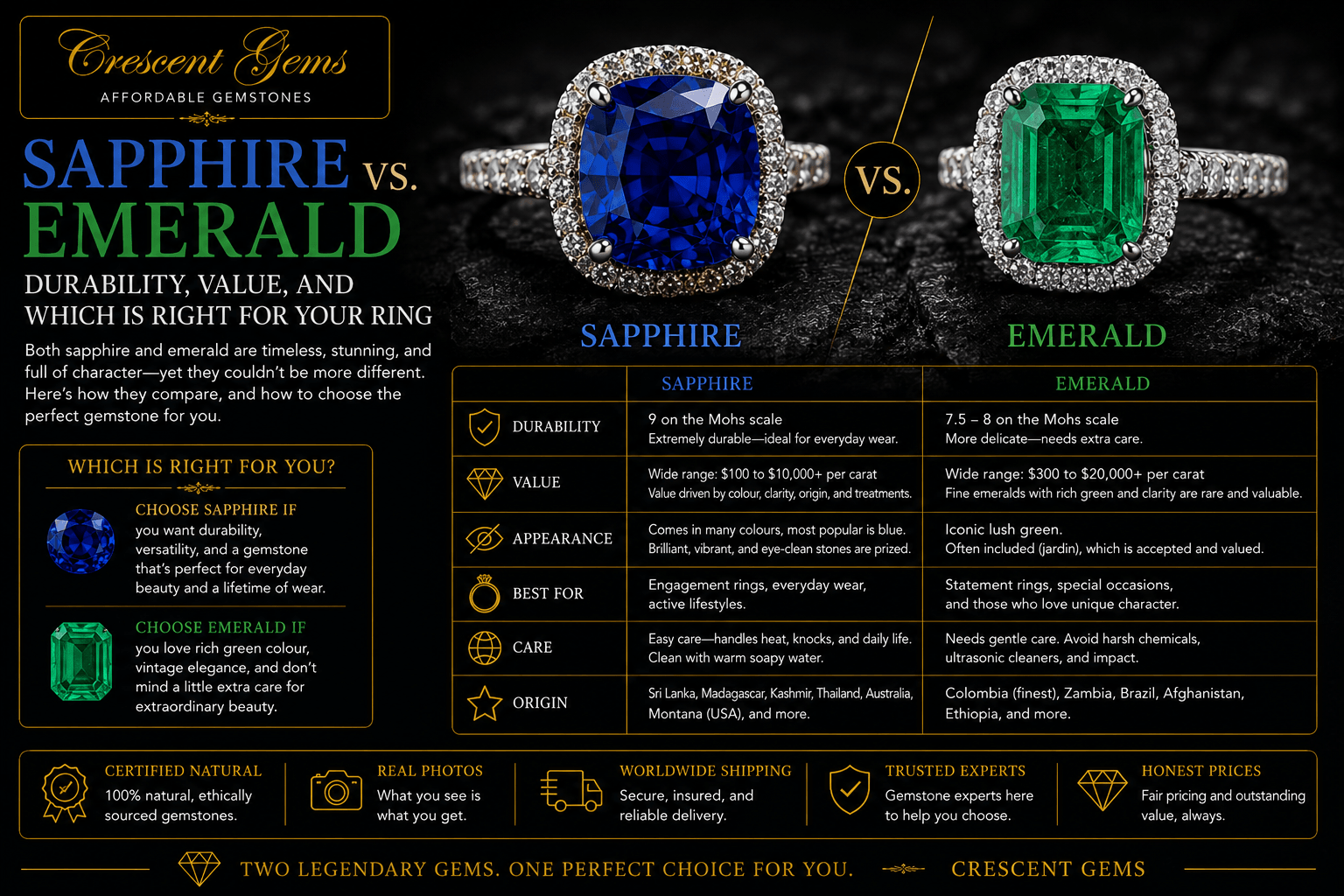
Sapphire vs. Emerald — Durability, Value, and Which Is Right for Your Ring
- by Ahmed Shareek
We are a supplier from the source in Sri Lanka, so our gemstones reach you direct, without the intermediaries most sellers buy through.
New to buying sapphires? Start with our Ultimate Sapphire Buying Guide — the complete resource for color, origin, treatment, and pricing.
Sapphire and emerald are the two most recognized colored gemstones in the world. Both have been prized for thousands of years. Both appear in royal collections, museum-grade jewelry, and modern engagement rings. But they are fundamentally different stones — different minerals, different hardness, different treatment profiles, different care requirements, and different value structures. Choosing between them is not a matter of one being better than the other. It is a matter of understanding what each one offers and what each one demands.
This guide provides a direct, honest comparison across every dimension that matters to a buyer: durability, color, treatment, clarity, price, care requirements, and suitability for daily-wear rings. We sell sapphires, not emeralds — so we will be transparent about where emerald has the advantage and where sapphire does.
| Factor | Sapphire | Emerald |
|---|---|---|
| Mineral | Corundum (Al₂O₃) | Beryl (Be₃Al₂Si₆O₁₈) |
| Hardness | Mohs 9 | Mohs 7.5–8 |
| Toughness | Excellent | Poor to fair (fracture-prone) |
| Color range | Every color | Green only |
| Typical clarity | Eye-clean common | Included is normal (“jardin”) |
| Standard treatment | Heat (stable, permanent) | Oil/resin (degrades over time) |
| Retreatment needed? | Never | Often (re-oiling every 5–10 years) |
| Daily-wear durability | Excellent | Requires caution |
| Price per carat (fine) | $1,000–$6,000/ct | $2,000–$15,000+/ct |
| Green color intensity | Good (iron-based) | Superior (chromium-based) |
Figures above are approximate market guidance, not fixed quotes. Actual value varies by treatment, origin, colour, cut, clarity, and certification.
This is the single most important practical difference between the two stones, and the one that matters most for engagement rings and daily-wear jewelry.
Sapphire sits at Mohs 9 — second only to diamond. In practical terms, the only common material that can scratch a sapphire is diamond. Dust, metal, glass, keys, countertops — none of these will mark the surface. A sapphire engagement ring worn daily for decades will retain its polish virtually unchanged.
Emerald sits at Mohs 7.5–8. This is still a hard stone by most standards, but it is soft enough that common household abrasives — including quartz dust, which is present in ordinary airborne grit — can scratch the surface over time. An emerald engagement ring worn daily will develop fine surface scratches that gradually dull the polish, eventually requiring professional re-polishing.
This is where the gap becomes critical. Hardness measures scratch resistance. Toughness measures resistance to impact, chipping, and fracturing. They are not the same thing — and emerald has a serious weakness here.
Sapphire has excellent toughness. It has no cleavage (no natural planes along which the crystal tends to split) and is highly resistant to impact. You can drop a sapphire ring onto a tile floor and the stone will almost certainly survive unharmed. Sapphire's combination of extreme hardness and excellent toughness is why it is the standard for daily-wear colored gemstone rings.
Emerald has poor to fair toughness. Most natural emeralds contain internal fractures, growth tubes, and inclusions that create structural weak points throughout the crystal. These features — collectively called jardin (French for garden, describing the garden-like appearance of the inclusion patterns) — are considered normal and expected in emerald. They are part of the stone's character. But they also mean that emerald is significantly more vulnerable to chipping, cracking, and breaking from impact than sapphire is. A sharp knock against a hard surface that a sapphire would shrug off can chip or fracture an emerald.
This toughness difference is the primary reason many jewelers and gemologists recommend sapphire over emerald for engagement rings and daily-wear pieces. Emerald is a beautiful stone for earrings, pendants, and occasion-wear rings. For a ring worn every day, sapphire is the safer choice by a significant margin.
If your priority is green and only green, emerald produces a color that sapphire cannot quite match — and the reason is chemistry.
Emerald's green is produced by chromium (and sometimes vanadium), the same element that creates red in ruby. Chromium is one of the most powerful color-causing agents in gemology. It produces vivid, saturated, richly warm green with a luminous quality that is unique among green gemstones. The finest Colombian emeralds show a green that is simultaneously vivid, warm, and deeply saturated — a color no other gemstone replicates.
Green sapphire's color is produced by iron, not chromium. Iron-based green tends to be cooler, more muted, and less intensely saturated than chromium-based green at equivalent concentration. Fine green sapphire is beautiful in its own right — clean, bright, and with a sophisticated mint-to-forest range — but it does not achieve the vivid, warm, glowing green that characterizes fine emerald.
The honest assessment: If vivid, warm, saturated green is what you want above all else, emerald delivers it more effectively than green sapphire. If you want green in a stone that is harder, tougher, cleaner, never needs retreatment, and costs less per carat, green sapphire is the practical choice.
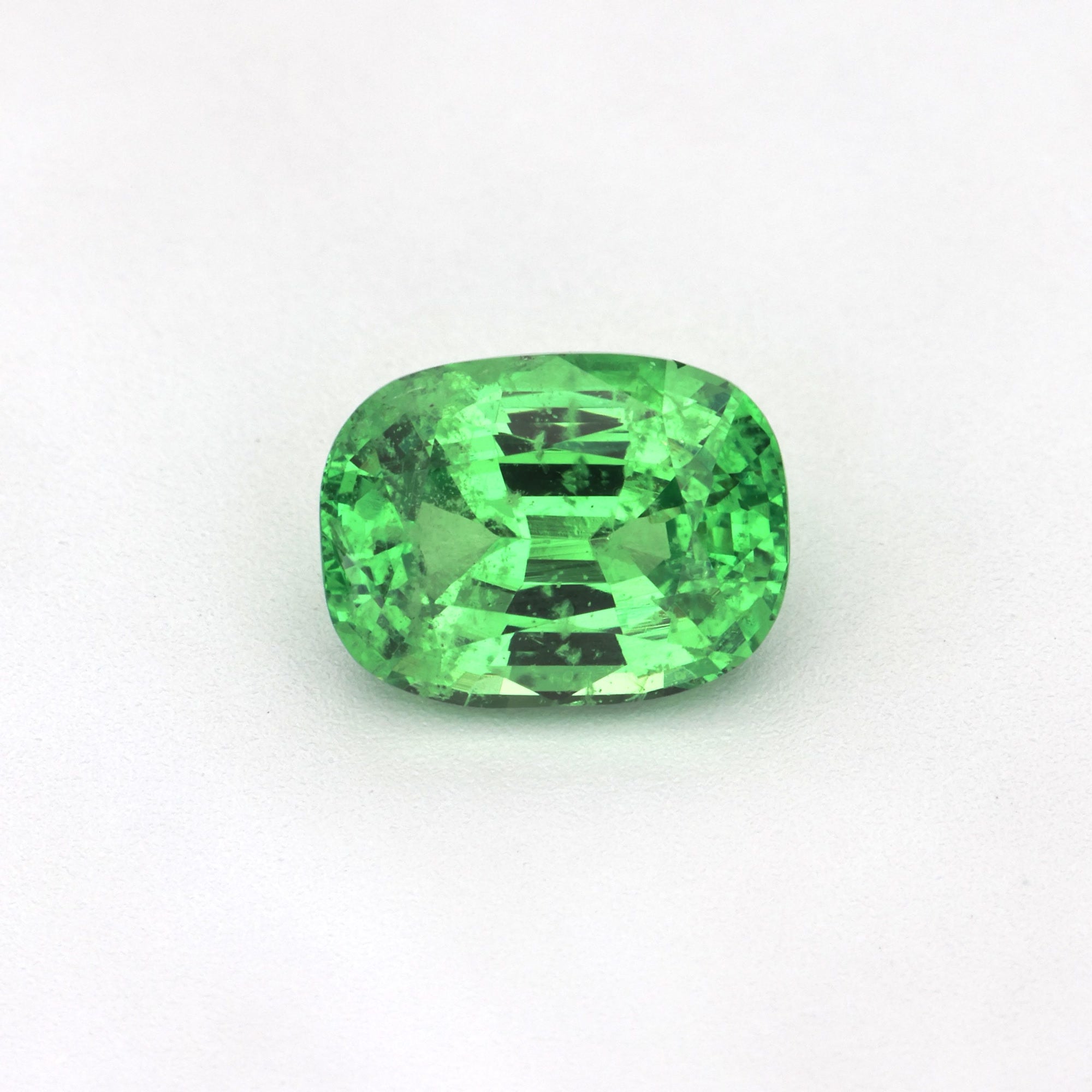
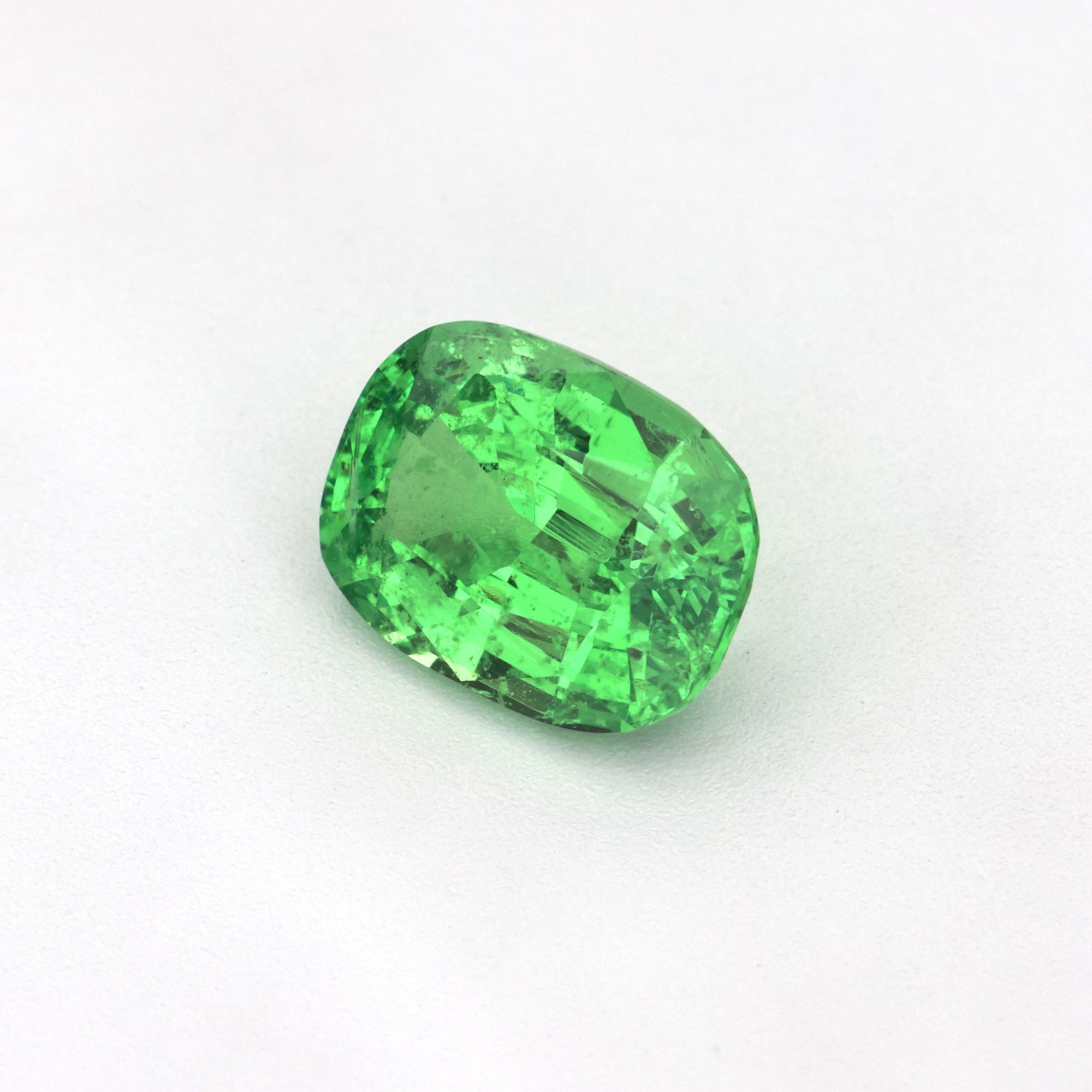
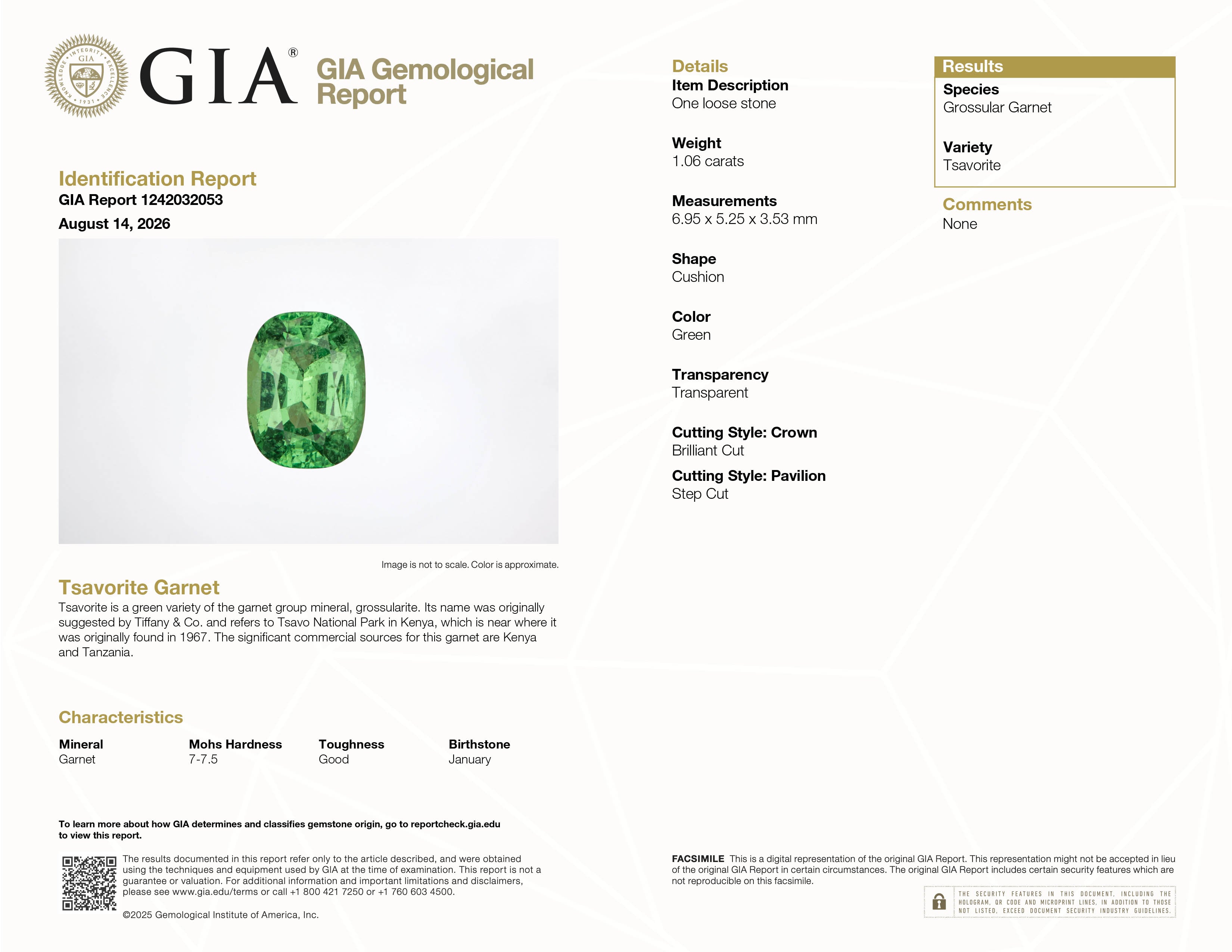
There is also a third option: tsavorite garnet — a chromium-colored green that approaches emerald's vivid intensity with significantly better clarity and no treatment, though at slightly lower hardness (Mohs 7–7.5). See our Tsavorite Garnet Buyer's Guide and Is Tsavorite Good for an Engagement Ring?
For the full guide on green sapphire specifically, read our Green Sapphire Buyer's Guide.
Both sapphires and emeralds are commonly treated. But the treatments are fundamentally different in one critical respect: permanence.
The standard sapphire treatment is heat — controlled high-temperature processing that permanently improves color and clarity by rearranging trace elements already present in the crystal. Heat treatment is:
A heated sapphire will look exactly the same in 50 years as it does today. No maintenance, no retreatment, no degradation. For the full science, read How Sapphire Heat Treatment Works.
The standard emerald treatment is oiling or resin filling — introducing oil (traditionally cedarwood oil) or synthetic resin into the stone's surface-reaching fractures to fill them, reduce their visibility, and improve apparent clarity and color. This treatment is:
This is a maintenance commitment that sapphire simply does not have. A sapphire ring can be ultrasonically cleaned, steam cleaned, and exposed to any household chemical without concern. An emerald ring cannot.
The clarity expectations for sapphire and emerald are so different that comparing them directly is misleading.
Sapphire: Eye-clean stones (no inclusions visible to the naked eye) are common and are the expected standard for fine material. Ceylon sapphires in particular tend toward high clarity. An included sapphire is priced lower; an eye-clean sapphire is the norm at the fine jewelry level. Learn more in How to Read Sapphire Inclusions.
Emerald: Eye-clean emeralds are exceptionally rare and command enormous premiums. The vast majority of natural emeralds — including fine, expensive ones — contain visible inclusions. The trade accepts this as normal for the species. An emerald with visible jardin is not a lower-quality emerald in the same way that an included sapphire is a lower-quality sapphire. It is simply what emerald looks like.
This difference means that a buyer accustomed to sapphire's typical clarity may find emerald's standard appearance surprisingly included. If high clarity matters to you, sapphire will consistently deliver it at a given price point where emerald will not.
Emerald and sapphire occupy overlapping but different price tiers. At the top of each market, emerald commands higher prices. At the middle and entry levels, sapphire offers more stone for the money.
| Quality Level | Sapphire (blue, per carat) | Emerald (per carat) |
|---|---|---|
| Commercial, 1ct | $200–$600 | $300–$1,000 |
| Fine, heated/oiled, 1–2ct | $800–$2,500 | $2,000–$6,000 |
| Fine, unheated/unoiled, 1–2ct | $2,000–$6,000 | $5,000–$15,000+ |
| Exceptional, 3ct+ | $4,000–$15,000 | $10,000–$50,000+ |
Figures above are approximate market guidance, not fixed quotes. Actual value varies by treatment, origin, colour, cut, clarity, and certification.
Emerald's higher per-carat prices at equivalent quality tiers reflect the combination of strong demand, limited supply of clean material, and the historical premium attached to Colombian and Zambian origin. Sapphire, with broader supply from multiple active origins (Ceylon, Madagascar, Montana, Burma), offers more accessible pricing.
For a detailed breakdown of what drives sapphire pricing, see Sapphire Pricing Explained.
This is where the comparison gets concrete. If you are choosing between sapphire and emerald for an engagement ring — a piece of jewelry worn every day, through hand washing, cooking, exercise, travel, and the general physical demands of daily life — the practical factors stack decisively in sapphire's favor:
| Engagement Ring Factor | Sapphire | Emerald |
|---|---|---|
| Scratch resistance | Excellent (Mohs 9) | Good but vulnerable (Mohs 7.5–8) |
| Chip/break resistance | Excellent | Poor — fracture-prone |
| Cleaning | Ultrasonic, steam, soap — all safe | Gentle soap only; no ultrasonic, no steam |
| Maintenance | None required | Re-oiling every 5–10 years |
| Chemical exposure | Resistant to all common chemicals | Vulnerable to solvents, hand sanitizer |
| Setting flexibility | Any setting style works | Protective settings (bezel) recommended |
| Long-term appearance | Unchanged for decades | May dull as oil degrades; needs re-polish |
Our recommendation: If you love green and want it in a daily-wear engagement ring, green sapphire or tsavorite garnet are the practical choices. If you love emerald specifically — its particular chromium green, its jardin character, its history — and you are willing to accept the care requirements, emerald can work in an engagement ring with a protective bezel setting and careful wear habits. But go in with open eyes about what the stone demands.
For sapphire engagement ring guidance: How to Choose a Sapphire for Your Engagement Ring and How to Commission a Custom Sapphire Ring.
We sell sapphires, but we are not going to pretend emerald does not have genuine advantages for certain buyers:
For buyers who want green but need sapphire's durability, green sapphire deserves serious consideration. It won't match emerald's chromium-driven intensity, but it offers:
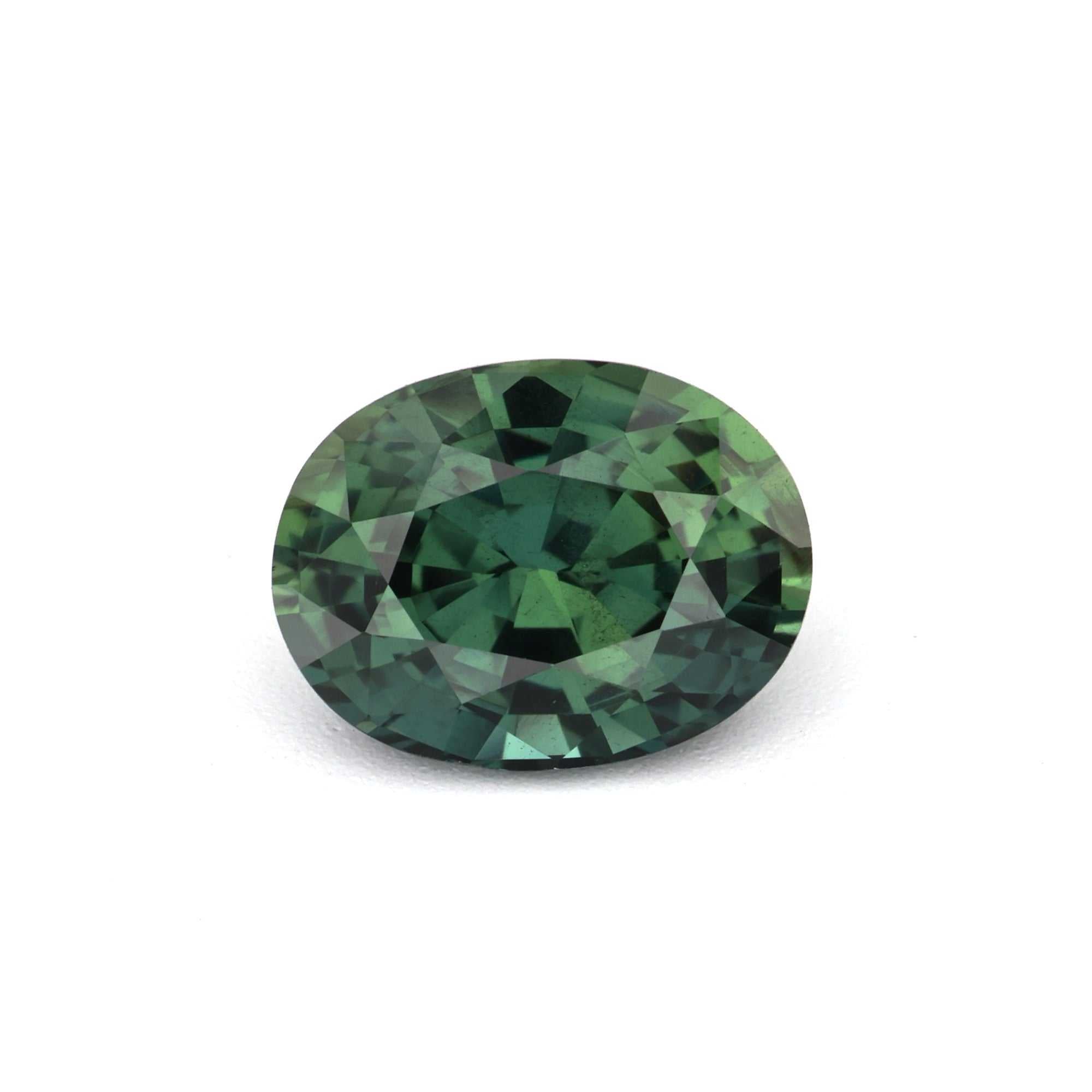
Read the full Green Sapphire Buyer's Guide and browse Green Sapphires. Example from our collection: a 1.24 ct GIA-documented unheated green sapphire, oval cut, at $1,288 (view). Note: we do not currently carry genuine emerald (beryl) — our focus is natural sapphire and related corundum/rare colored gems; email crescentgems@gmail.com if you're specifically sourcing emerald.
Browse the full Ceylon sapphire catalog — every stone natural, every treatment disclosed, every price reflecting direct sourcing. Email crescentgems@gmail.com with questions. We respond within one business day.

CG8343
Prices are shown in your local currency and may change.

CG8465
CG8460
CG8456


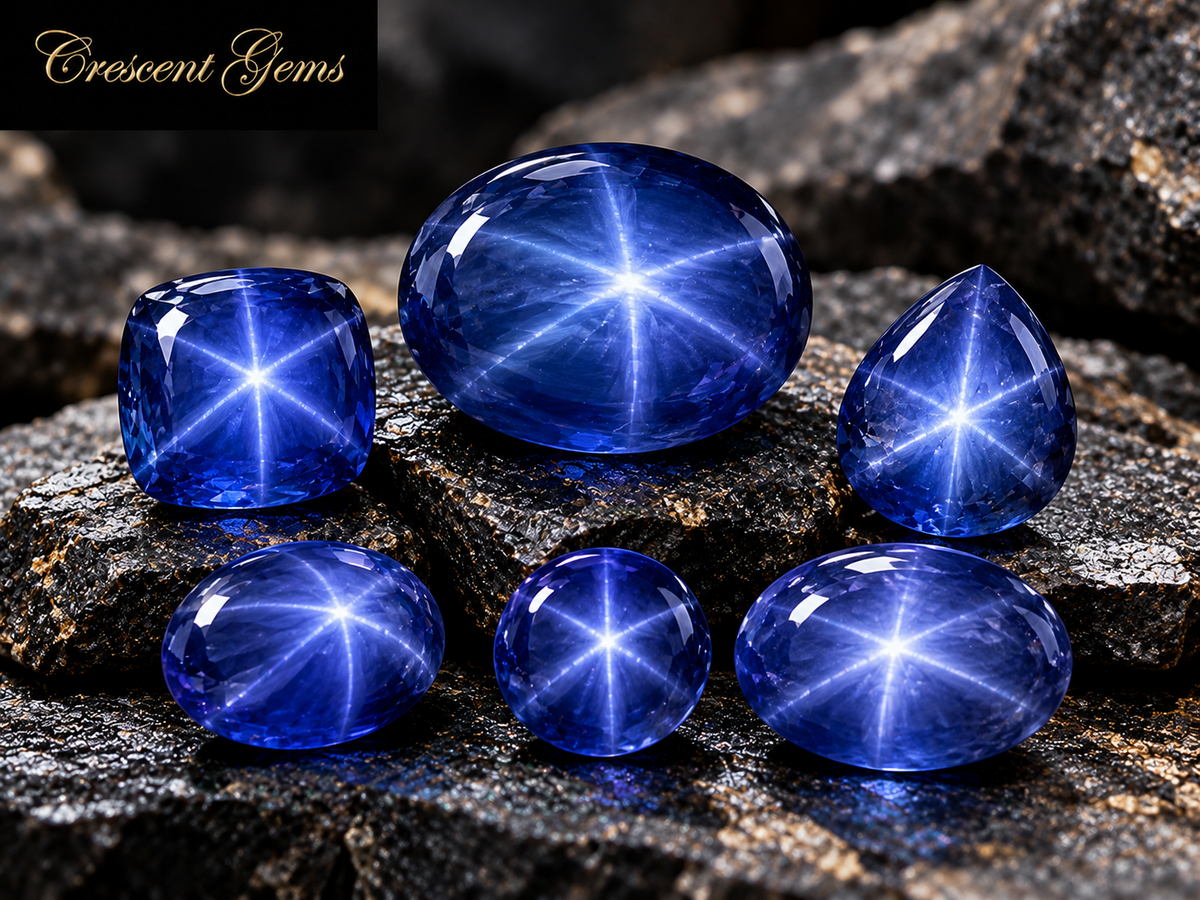
Blue Star Sapphire Price Guide — What They Cost and Why
Read moreabout Blue Star Sapphire Price Guide — What They Cost and Why
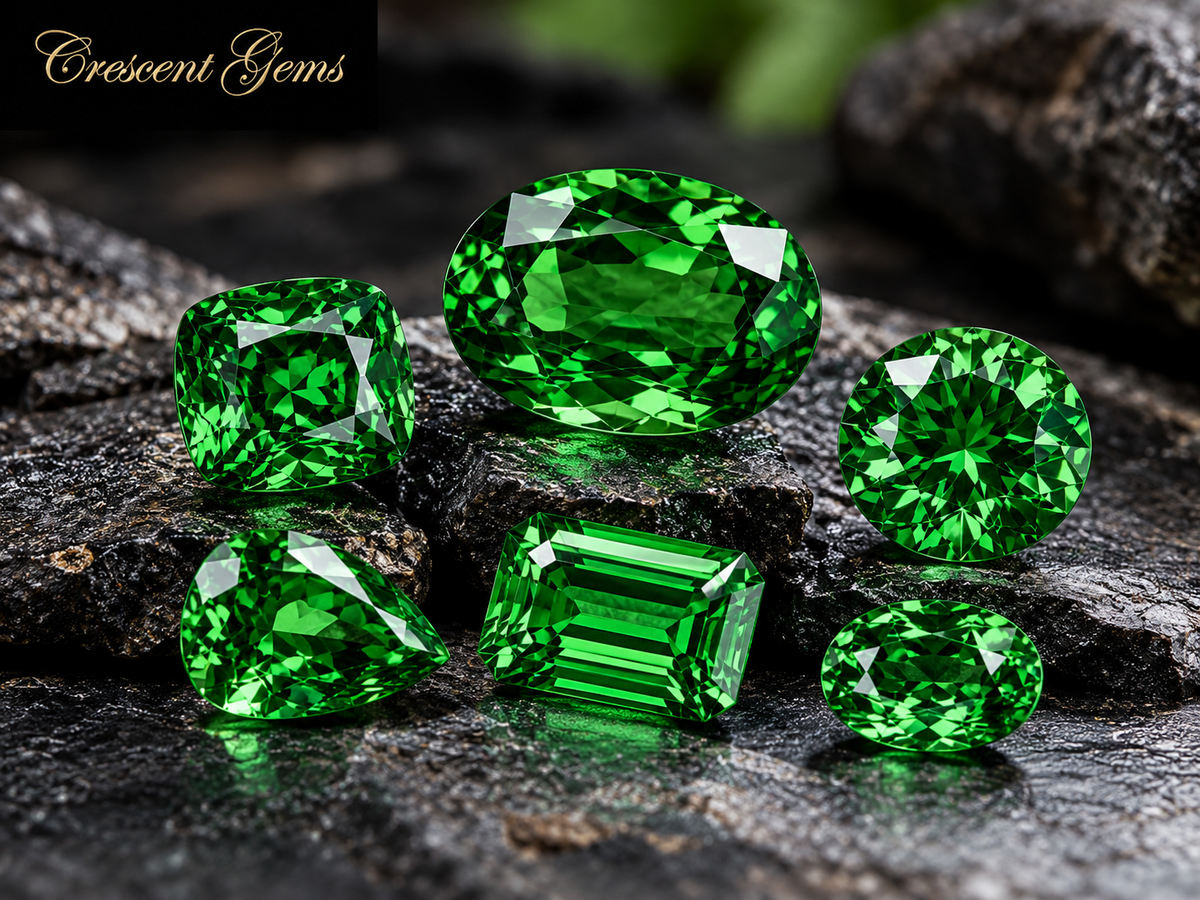
Tsavorite Garnet Price Guide — What They Cost and Why
Read moreabout Tsavorite Garnet Price Guide — What They Cost and Why
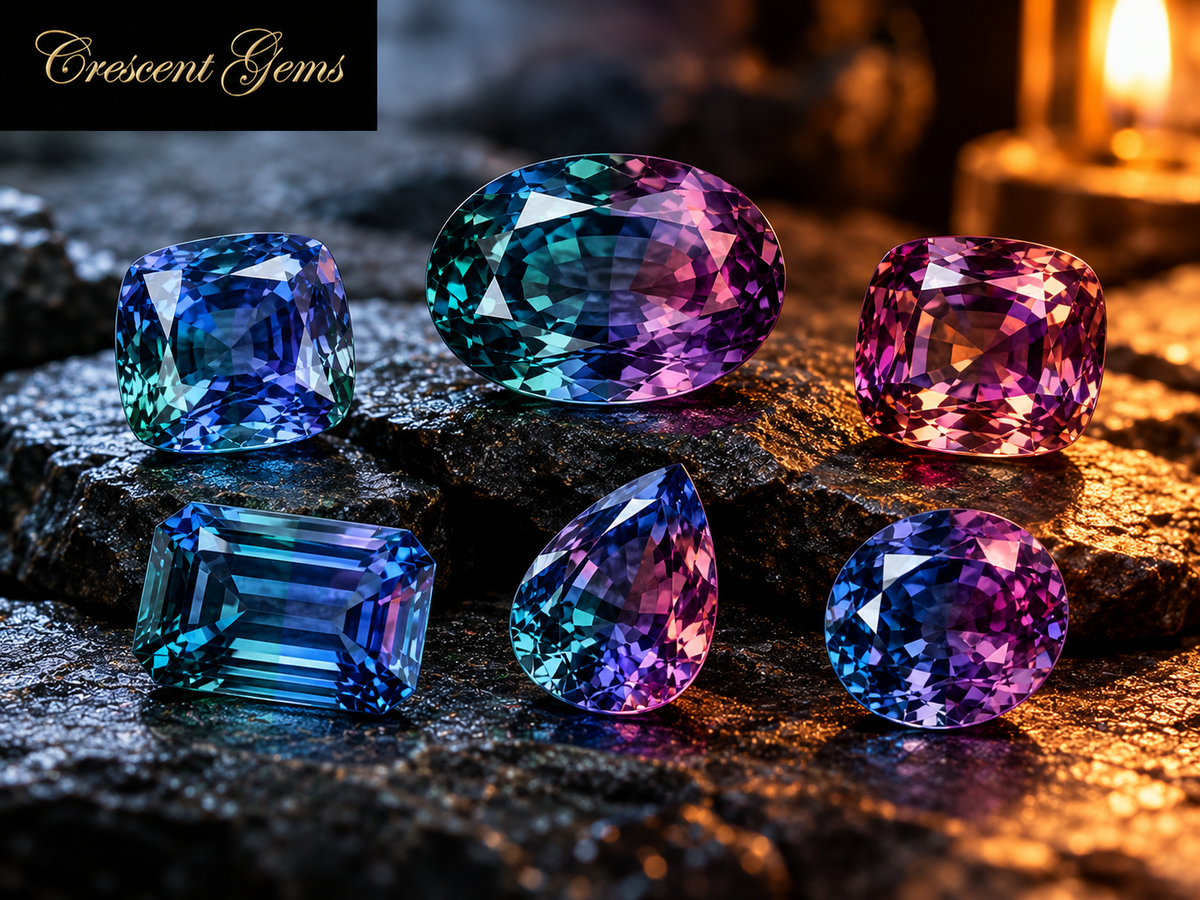
Color-Change Sapphire Price Guide — What They Cost and Why
Read moreabout Color-Change Sapphire Price Guide — What They Cost and Why
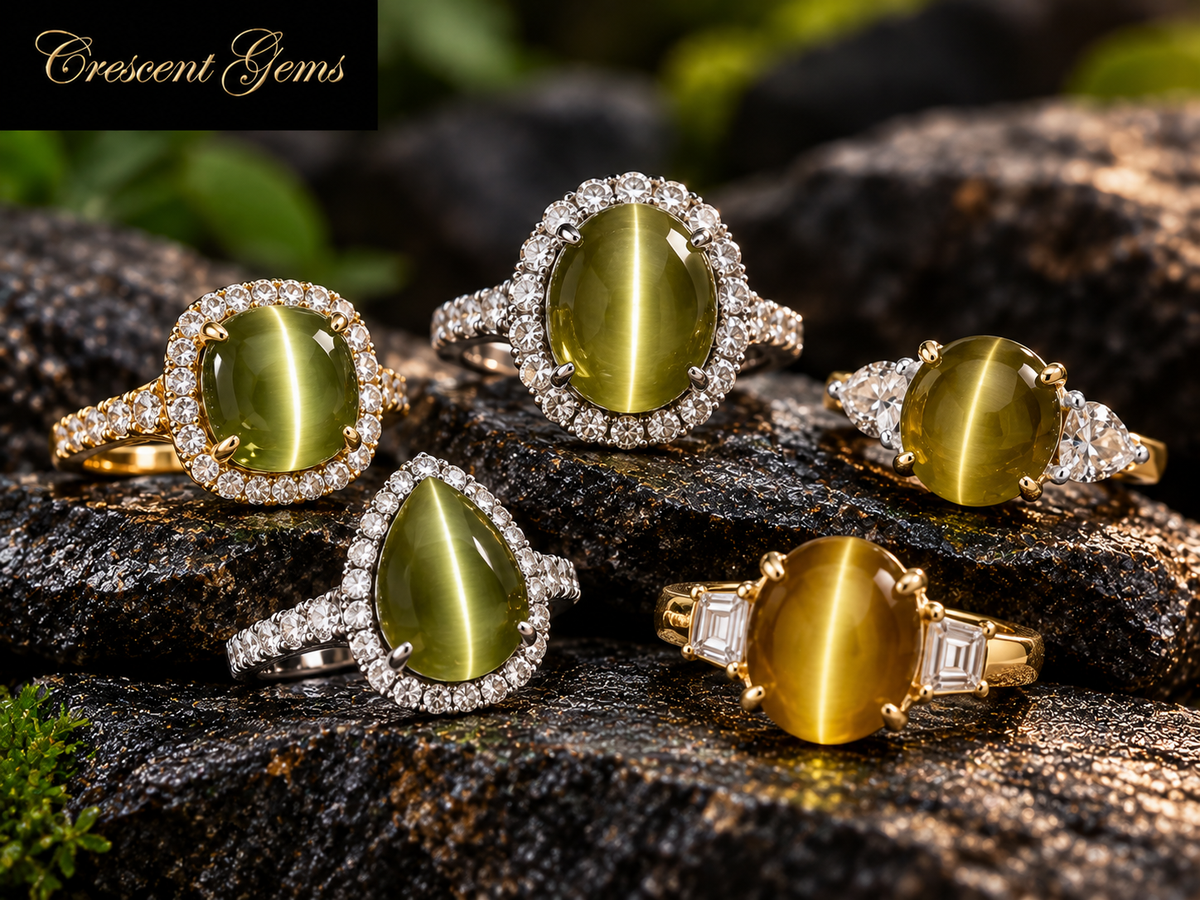
Is Cat's-Eye Chrysoberyl Good for an Engagement Ring?
Read moreabout Is Cat's-Eye Chrysoberyl Good for an Engagement Ring?
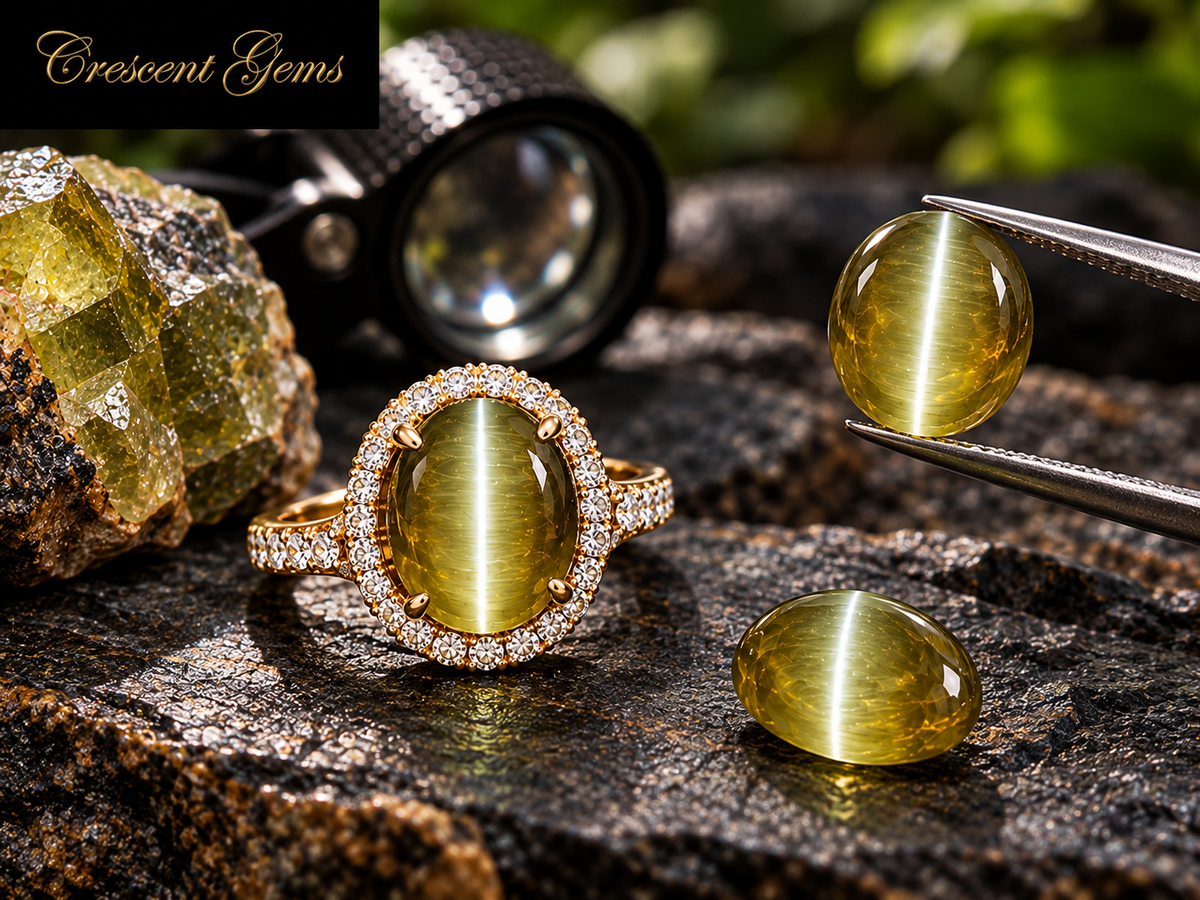
Cat's Eye Chrysoberyl Price Guide — What They Cost and Why
Read moreabout Cat's Eye Chrysoberyl Price Guide — What They Cost and Why

















Share: