- by Crescent Gems
White Sapphire — The Complete Buyer's Guide to the Diamond Alternative That Actually Holds Up
- by Crescent Gems
New to buying sapphires? Start with our Ultimate Sapphire Buying Guide — the complete resource for colour, origin, treatment, and pricing.
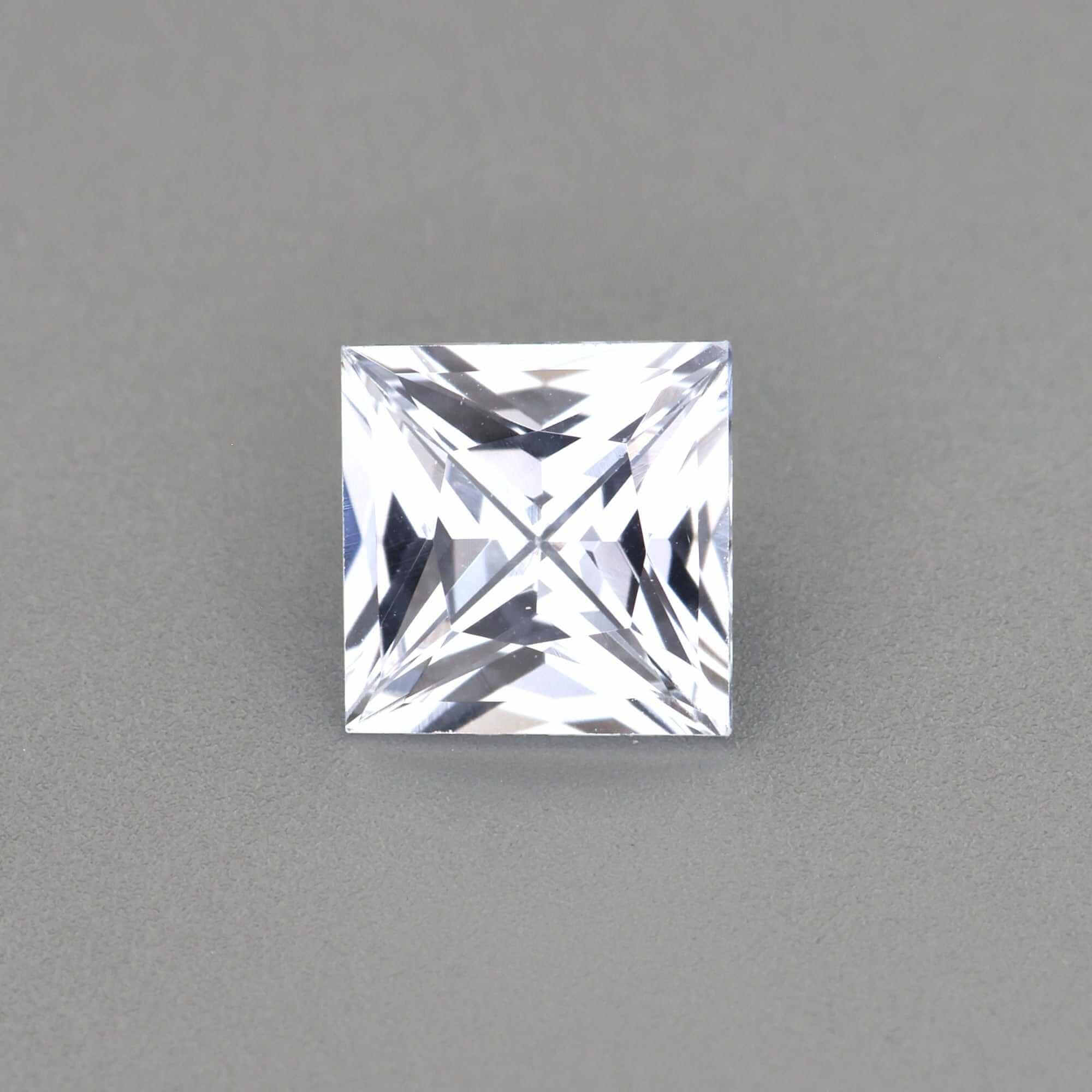
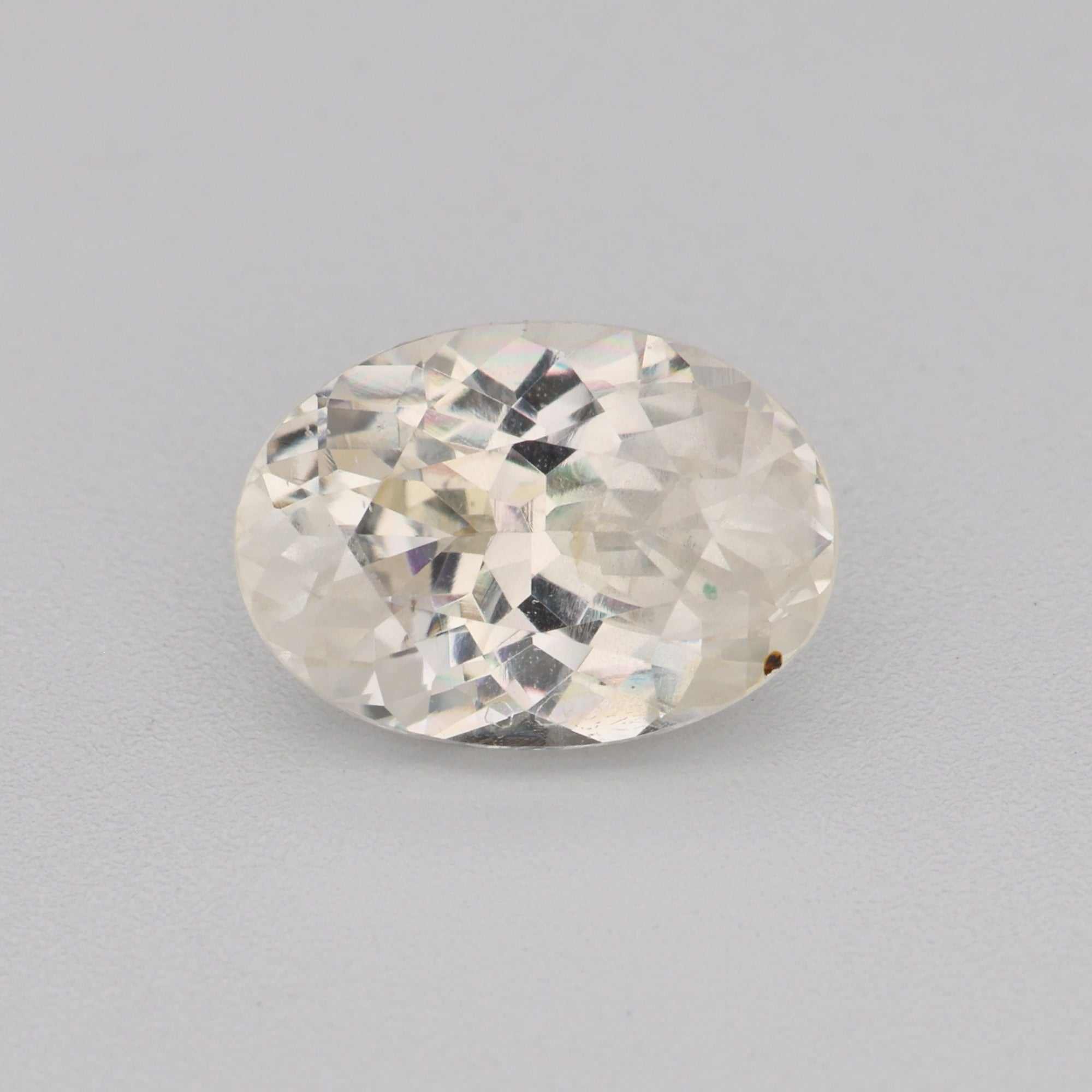
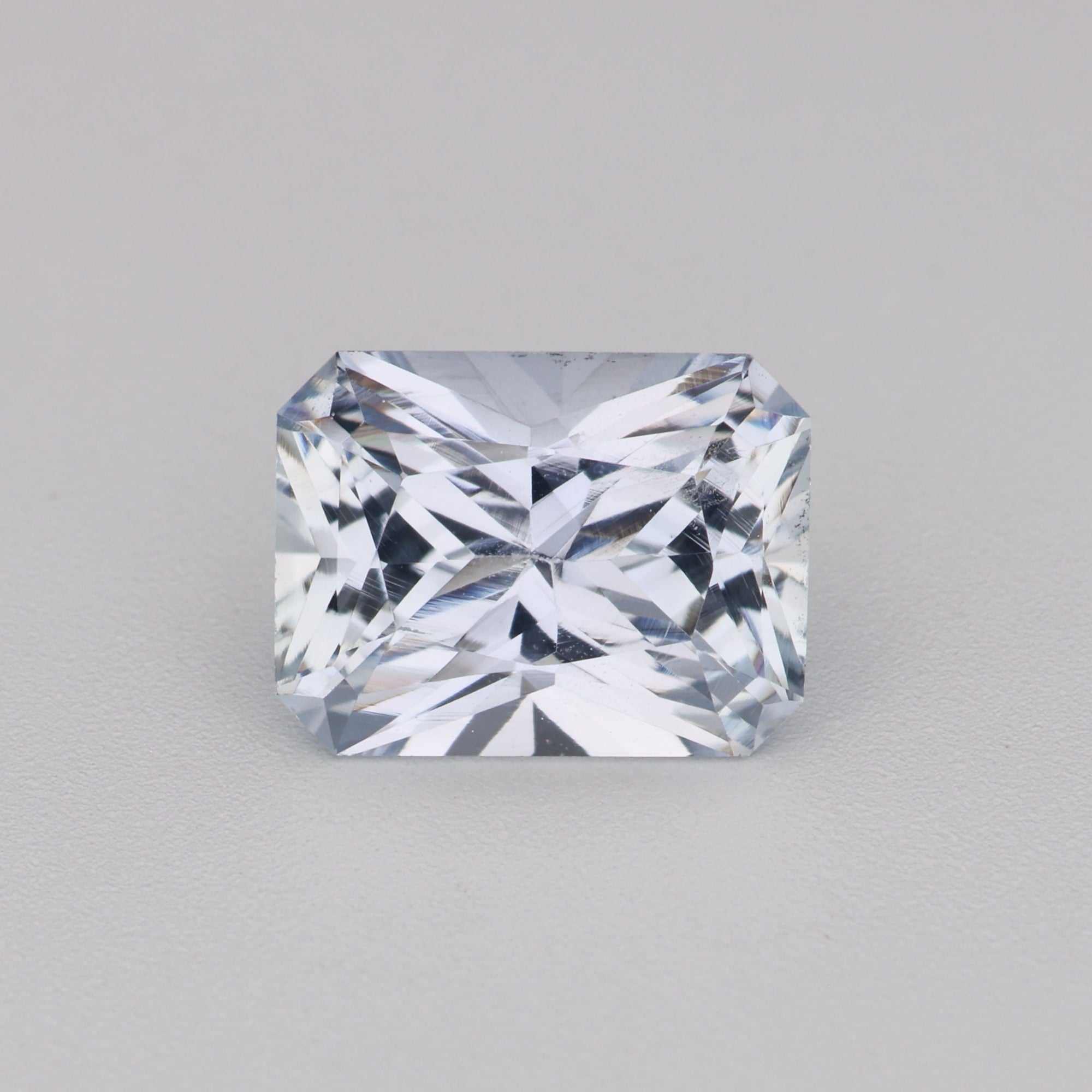
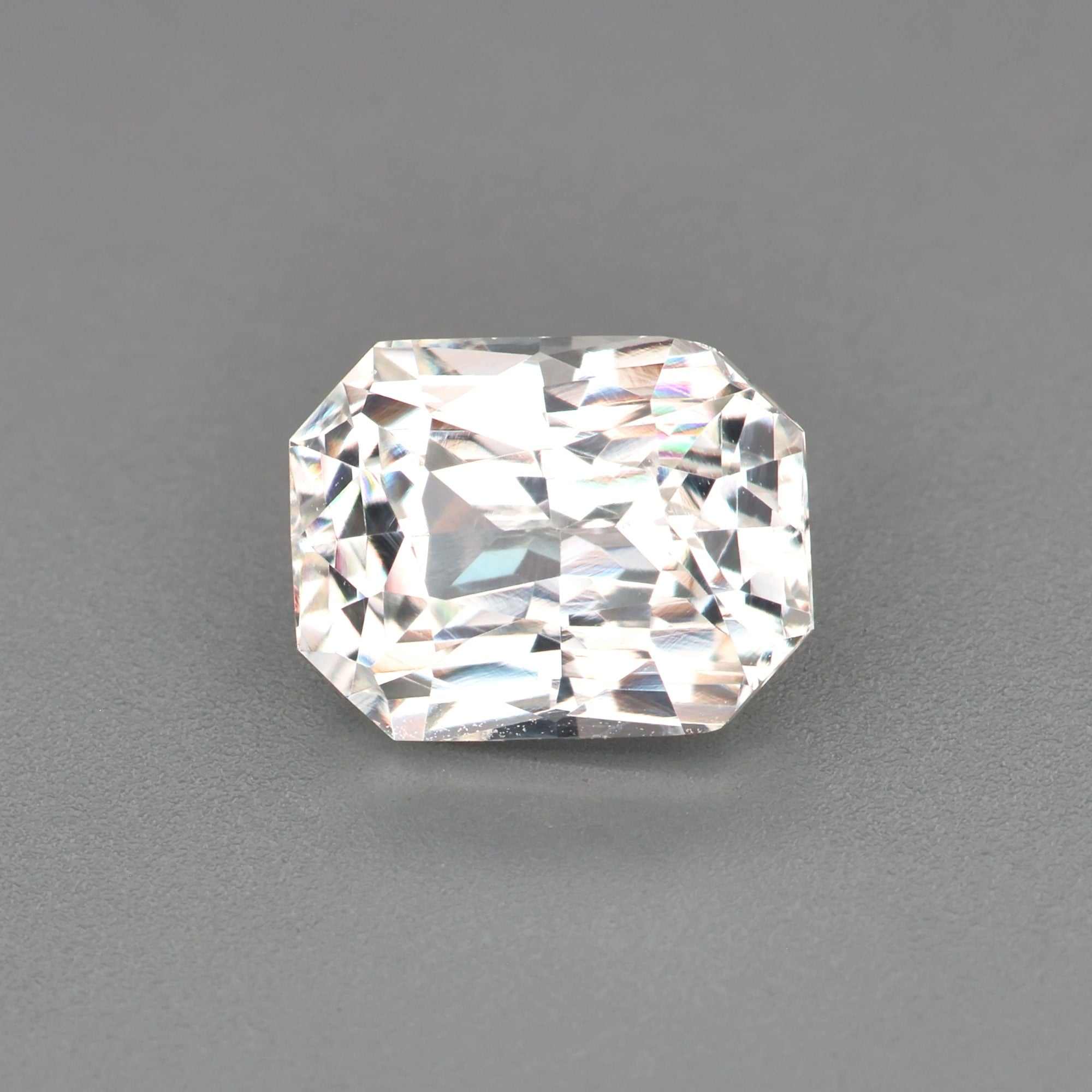
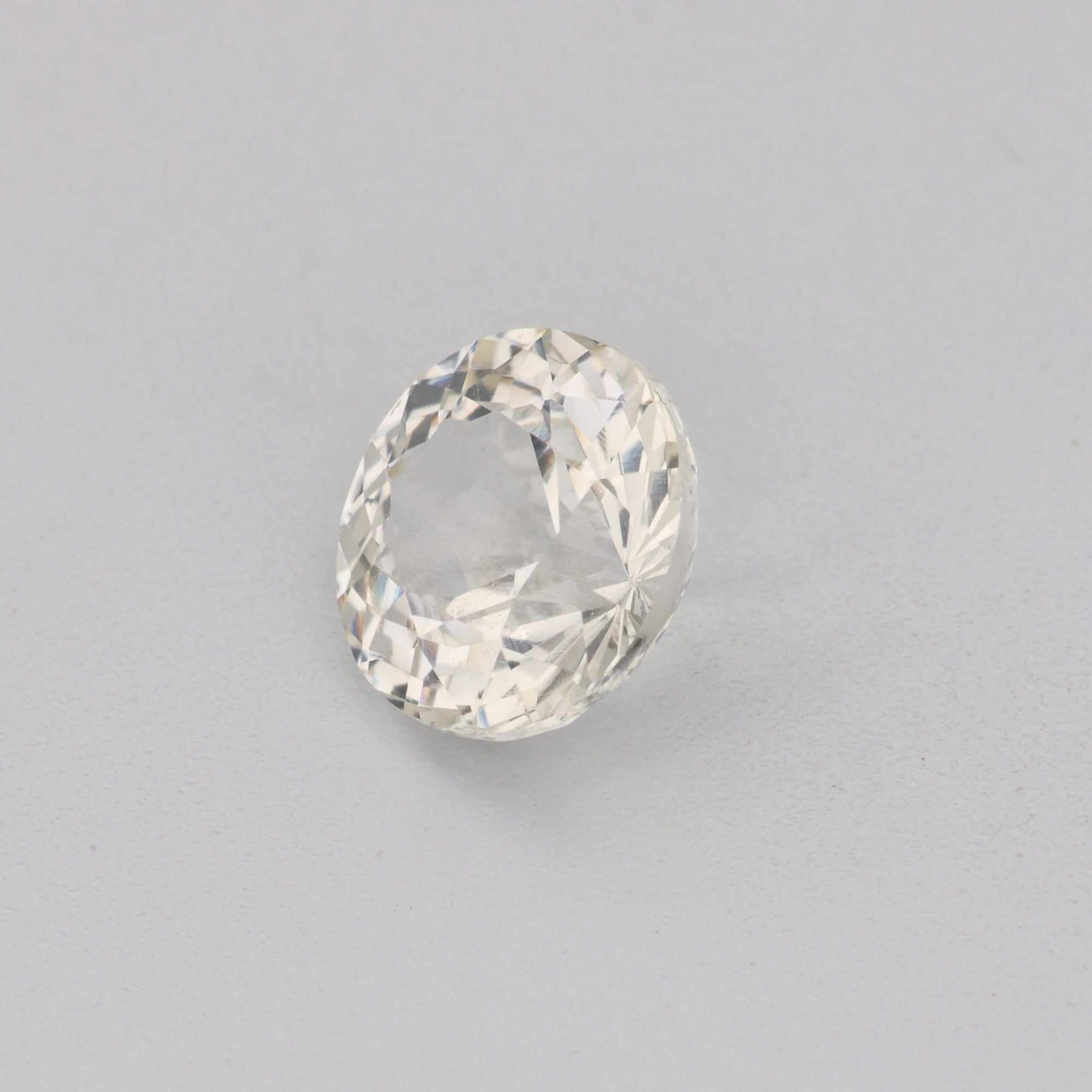
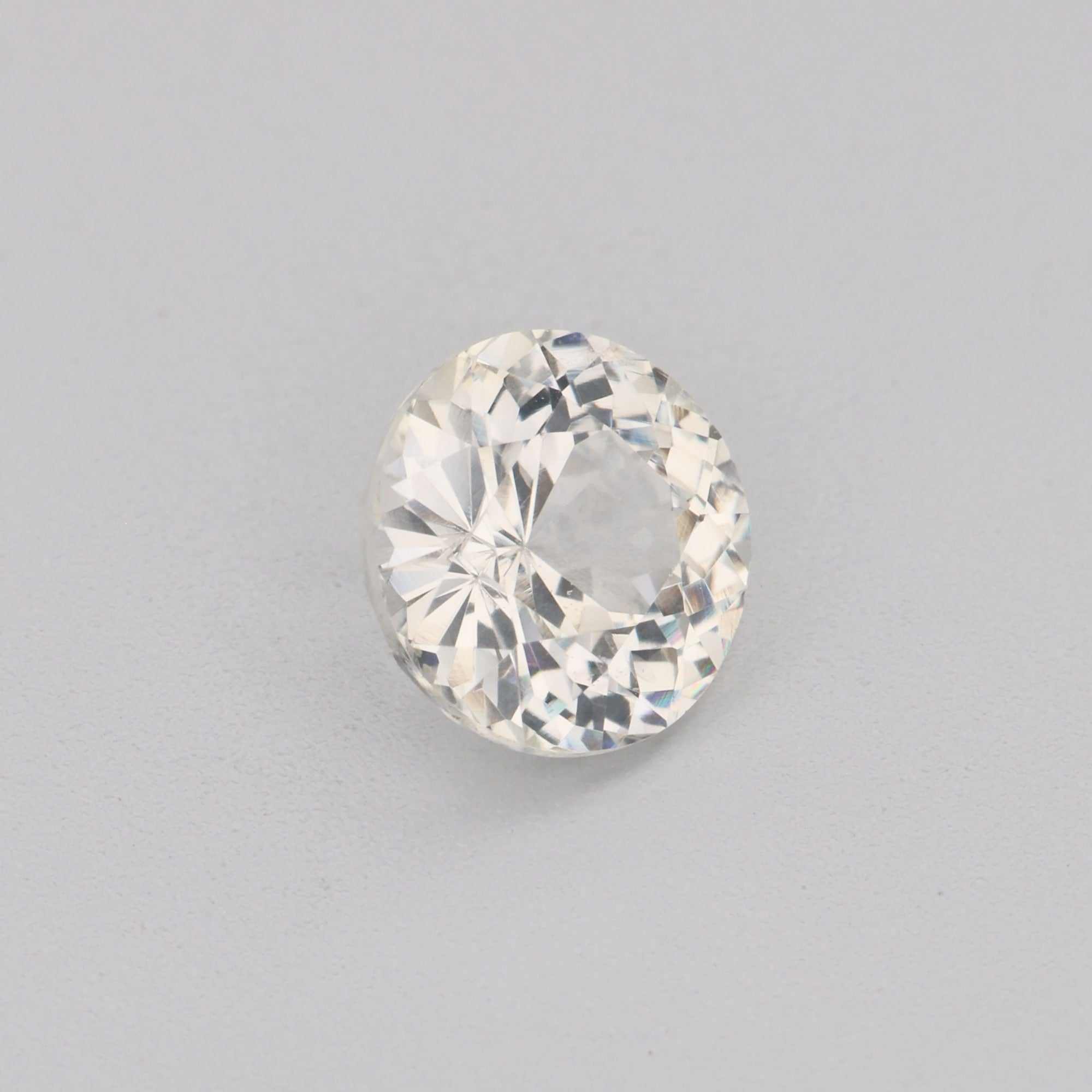
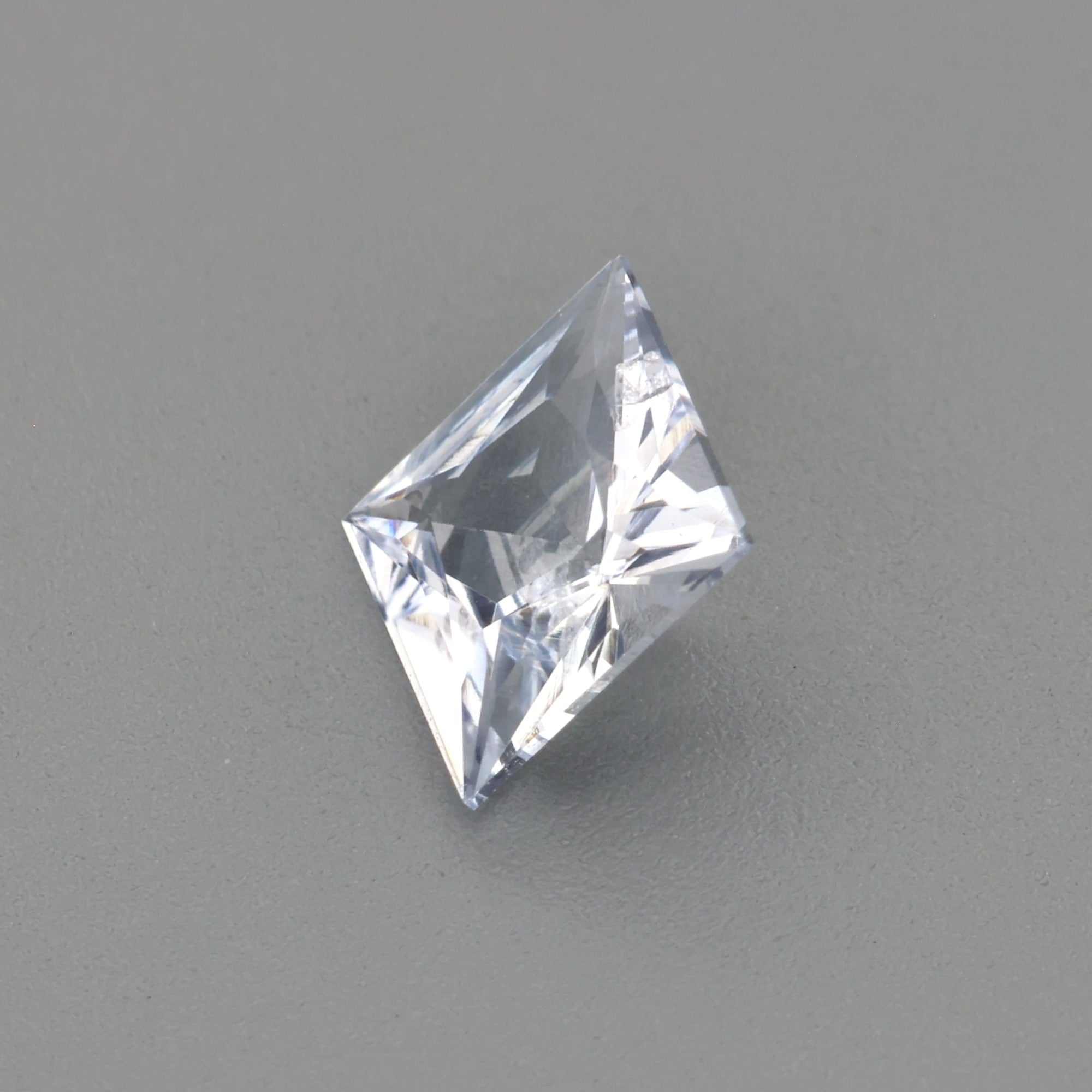
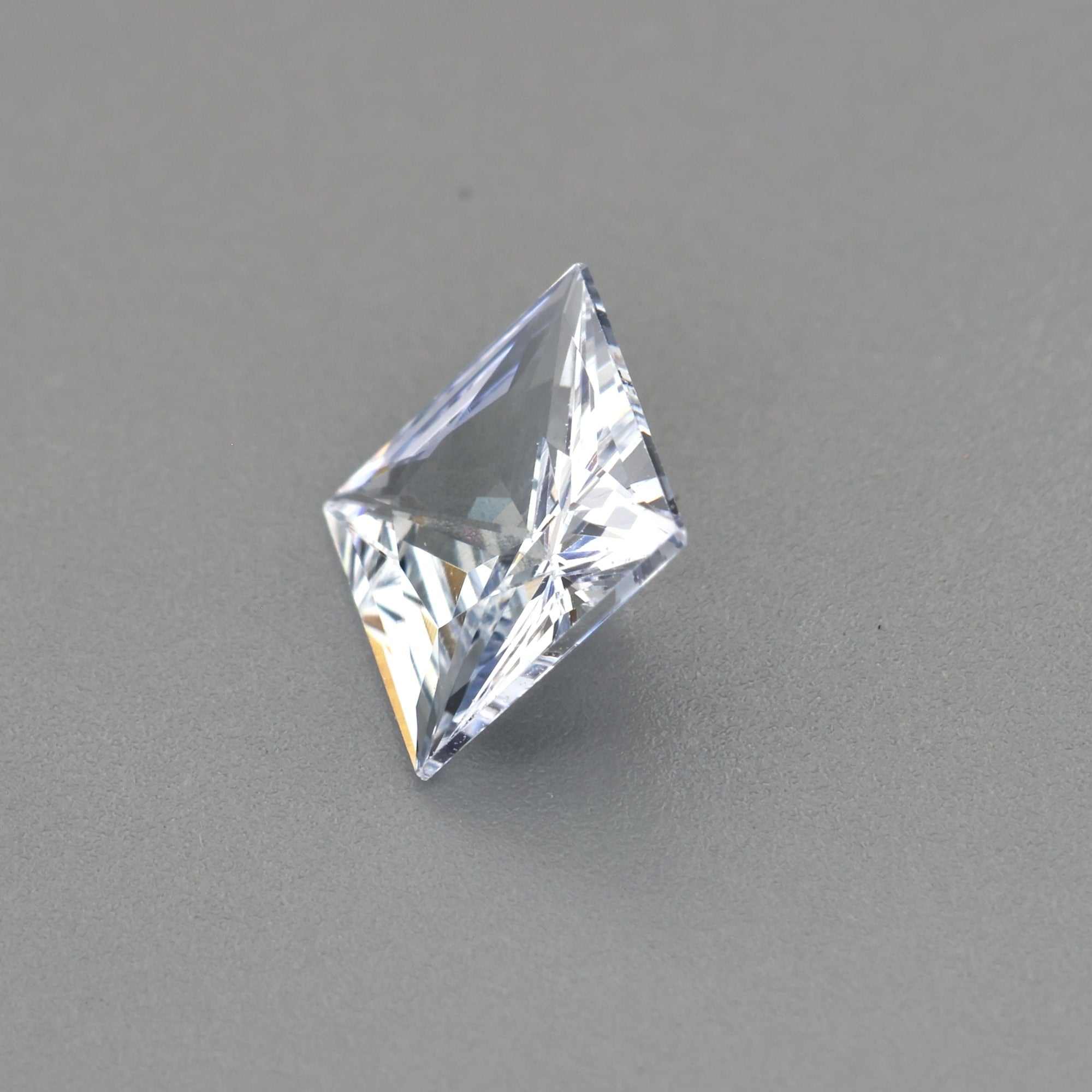
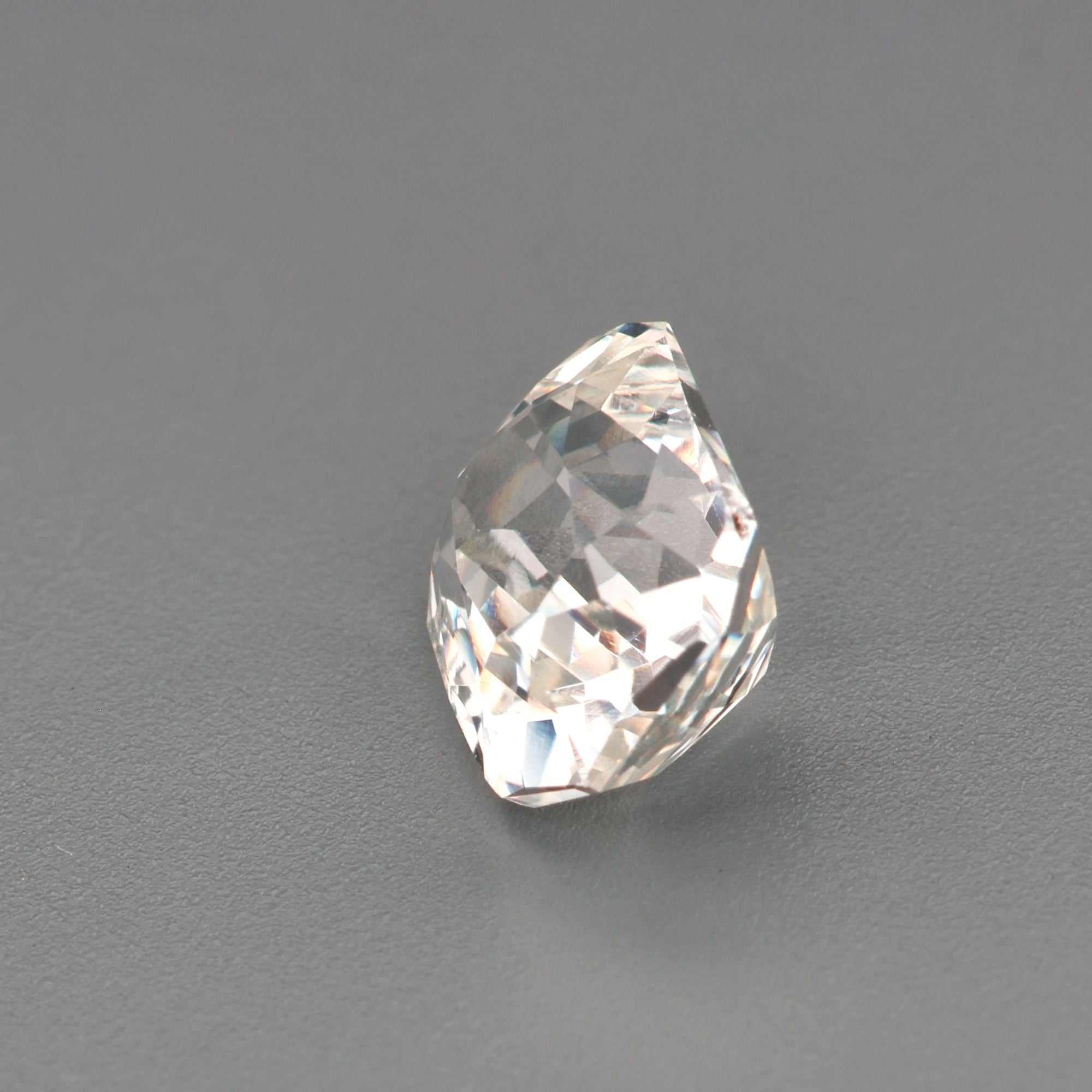
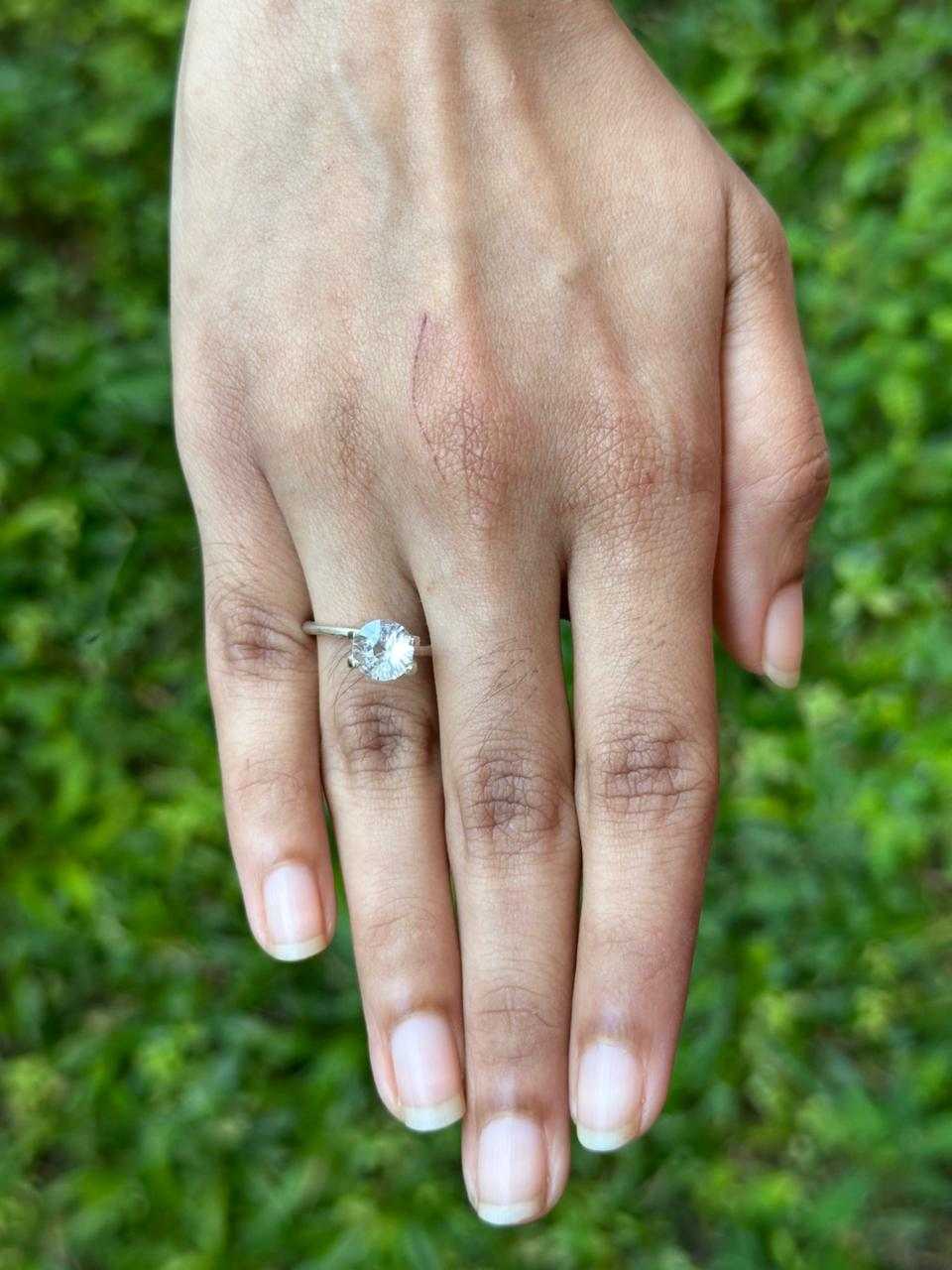
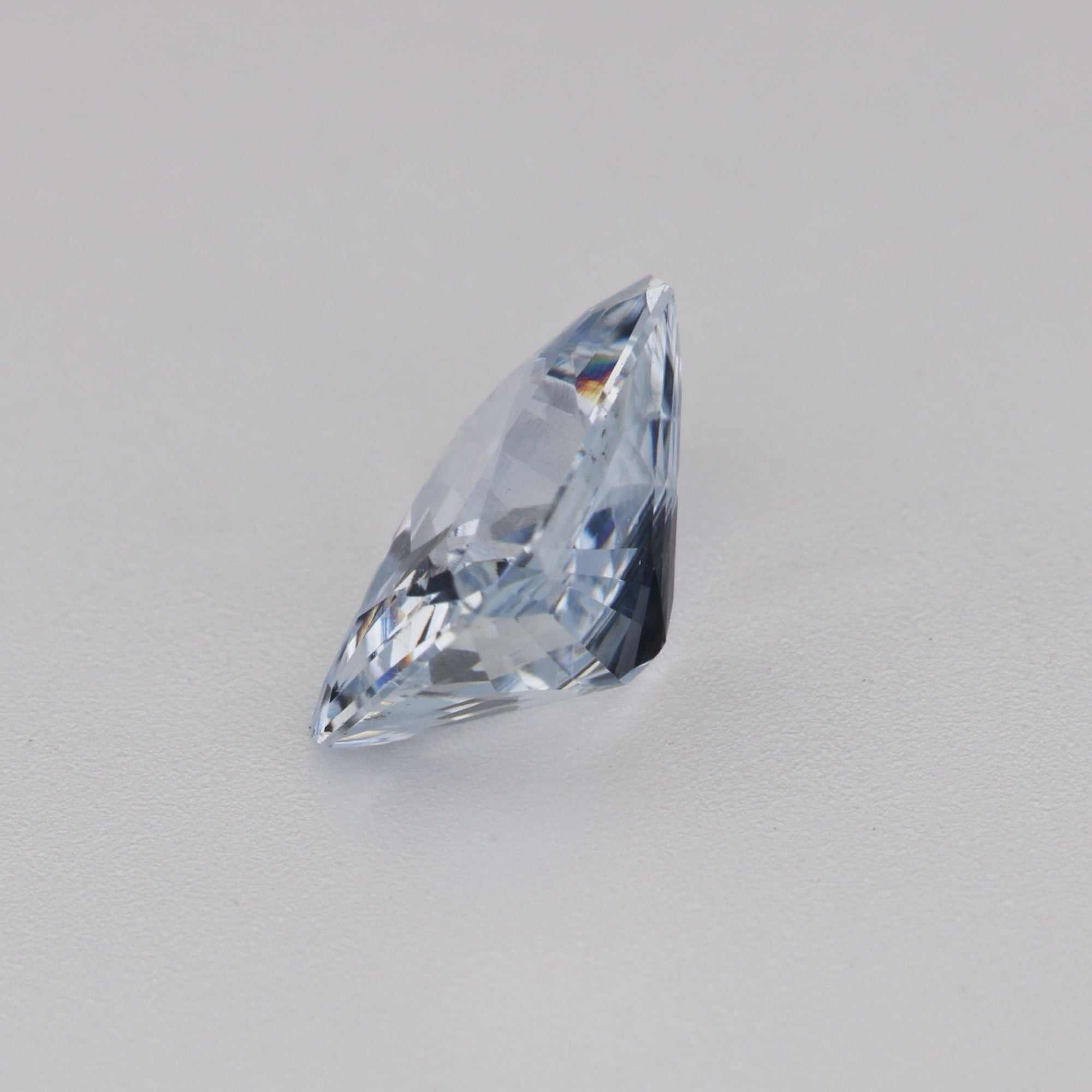
White sapphire is colorless corundum — the same mineral species as blue, pink, yellow, and teal sapphire, but without the trace elements that produce color. It ranks 9 on the Mohs scale, making it the hardest colorless gemstone in the world other than diamond. It does not fade. It does not cloud. It does not require special care, protective settings, or periodic retreatment. It is not synthetic, not coated, and not enhanced to achieve its colorlessness. What you see is what the earth made, and it will look that way a hundred years from now.
Despite these qualities, white sapphire is one of the most frequently misunderstood colorless gemstones in the engagement ring market. Buyers who encounter it often have questions that come from comparing it to diamond on diamond's terms — terms that favor diamond's specific optical properties and inevitably make white sapphire seem like a pale imitation. The better frame is to understand white sapphire on its own terms: what it genuinely offers, where it genuinely falls short of diamond, and how it compares to the other alternatives that have crowded into the colorless gemstone market over the past decade.
This guide is that frame. By the end, you will know exactly what white sapphire is, what it looks like, what it costs, when it is an excellent choice, and when it is not.
White sapphire is aluminum oxide (corundum) in its colorless form. In standard sapphire, trace amounts of iron, titanium, chromium, or vanadium absorb specific wavelengths of light and produce color. In white sapphire, these trace elements are absent or present in quantities too small to create visible color absorption. The result is a colorless stone that transmits all visible wavelengths roughly equally.
Corundum's crystal structure is hexagonal — trigonal, technically — which gives it no cleavage planes. Diamond cleaves along four octahedral planes, which means a sharp blow at the right angle can split a diamond. Corundum has no such structural weakness. It can be struck without the same cleavage risk, which is part of why sapphire is appropriate for daily wear without the protective bezel or V-prong settings that diamond engagement rings sometimes use.
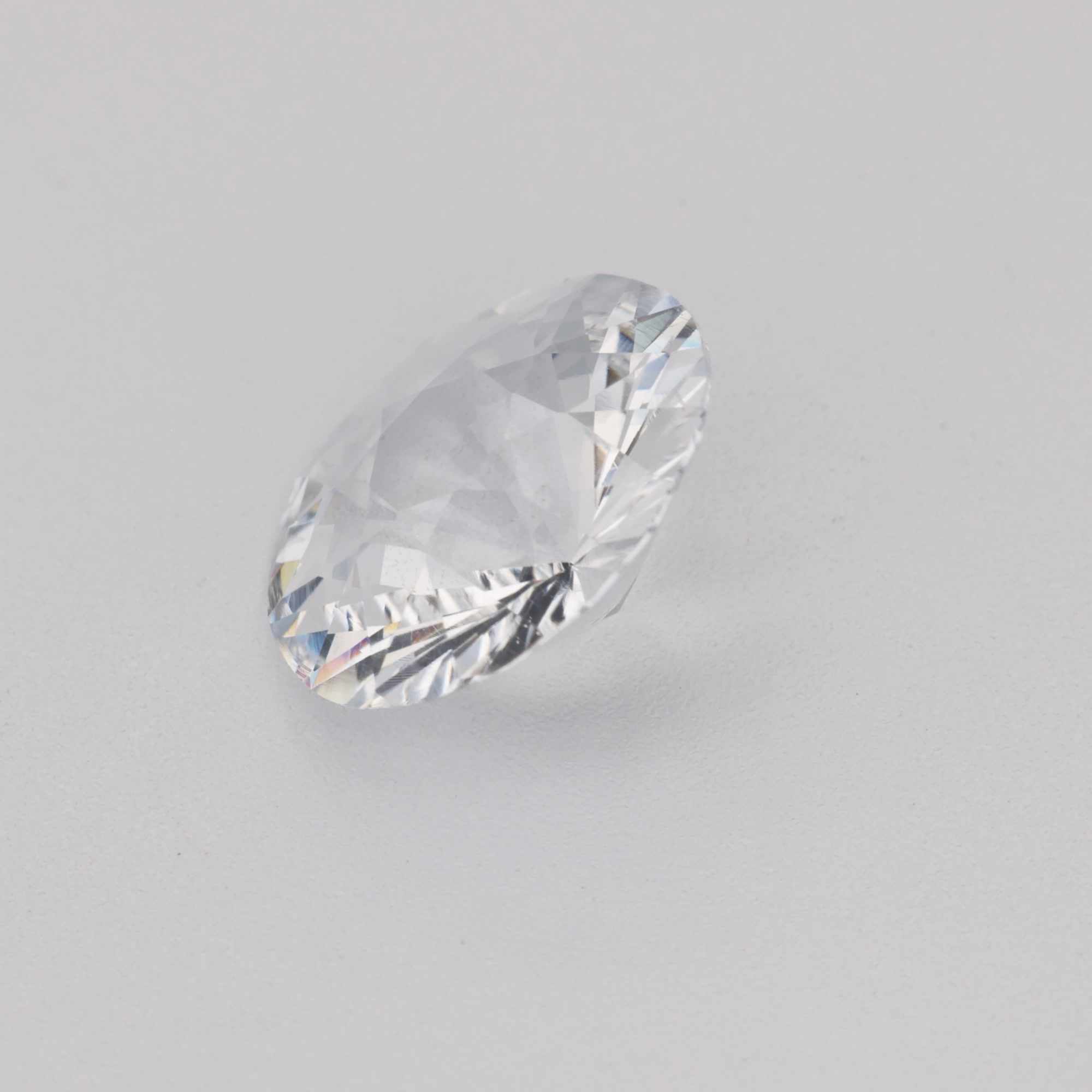
The refractive index of corundum is 1.762–1.770, compared to diamond's 2.417. Refractive index determines how much a material bends light passing through it, and higher values produce more light return and more brilliance. Diamond's exceptionally high refractive index — the highest of any natural colorless gemstone — is the primary reason its optical performance is unmatched. White sapphire's refractive index is lower than diamond's but still meaningfully higher than glass (approximately 1.50) and comparable to other natural gemstones. A well-cut white sapphire has genuine brilliance; it does not achieve diamond's specific intensity of light return.
Dispersion — the ability to split white light into spectral colors, producing the rainbow flashes commonly called fire — is also lower in corundum (0.018) than in diamond (0.044). Diamond fire is a distinctive optical property that white sapphire does not replicate to the same degree. A white sapphire will show some fire under certain lighting conditions, but not the vivid spectrum display of a well-cut diamond.
The question buyers almost always ask first is: how does white sapphire compare to diamond? The honest answer requires comparing specific attributes rather than making a blanket statement.
The bottom line: white sapphire is a genuinely excellent natural gemstone that is appropriate for engagement rings on its own merits. It is not a diamond replica that falls short of the original. It is a different stone with different optical properties and comparable practical durability.
The market for colorless diamond alternatives has expanded significantly in recent years. White sapphire competes with moissanite, lab-grown diamond, cubic zirconia, white topaz, and white spinel. Understanding how it compares to each helps buyers make an informed choice.
Moissanite (silicon carbide) is a laboratory-created gemstone with an exceptionally high refractive index (2.65–2.69) and dispersion (0.104) — higher than diamond on both counts. It produces intense brilliance and very vivid fire, more so than diamond. Some buyers love this; others find it reads as visually oversaturated or artificial compared to the subtler performance of diamond or sapphire. Moissanite is almost always lab-created (natural moissanite is extraordinarily rare). White sapphire, by contrast, is a natural gemstone. If natural origin matters to you, white sapphire is categorically different from moissanite. If you want maximum brilliance regardless of origin, moissanite outperforms both diamond and sapphire optically.
Lab-grown diamonds are chemically, physically, and optically identical to natural diamonds. They show the same brilliance, fire, and hardness because they are the same material — diamond — grown in a controlled environment rather than mined. They have become significantly more affordable than natural diamonds in recent years. If you want the optical properties of diamond, a lab-grown diamond delivers them at a lower price than natural diamond. White sapphire is the alternative for buyers who specifically want a natural gemstone that is not diamond — for philosophical reasons, investment considerations, or the particular appeal of the corundum family.
Cubic zirconia (CZ) is a synthetic material (zirconium oxide) specifically manufactured to simulate diamond. It has relatively high brilliance and fire but a Mohs hardness of only 8–8.5, and it scratches and clouds with wear relatively quickly. CZ also does not hold up to daily ring wear the way sapphire does. White sapphire at Mohs 9 is significantly more durable than CZ for everyday wear, does not scratch or cloud in the same way, and is a natural gemstone rather than a synthetic material. These are not equivalent categories.
White topaz ranks 8 on the Mohs scale and has perfect cleavage — a structural weakness that makes it vulnerable to chipping from impact. It scratches easily in ring wear and loses its polish faster than harder materials. White sapphire is significantly more durable and better suited to daily wear in rings and bracelets. White topaz is more appropriate for pendants and earrings where it sees less abrasion.
White spinel is a natural colorless gemstone that competes more directly with white sapphire — Mohs 8, no cleavage, natural origin. Fine white spinel is less common than white sapphire and is primarily used as a collector stone. For engagement ring purposes, white sapphire's higher hardness and greater availability make it the more practical choice.
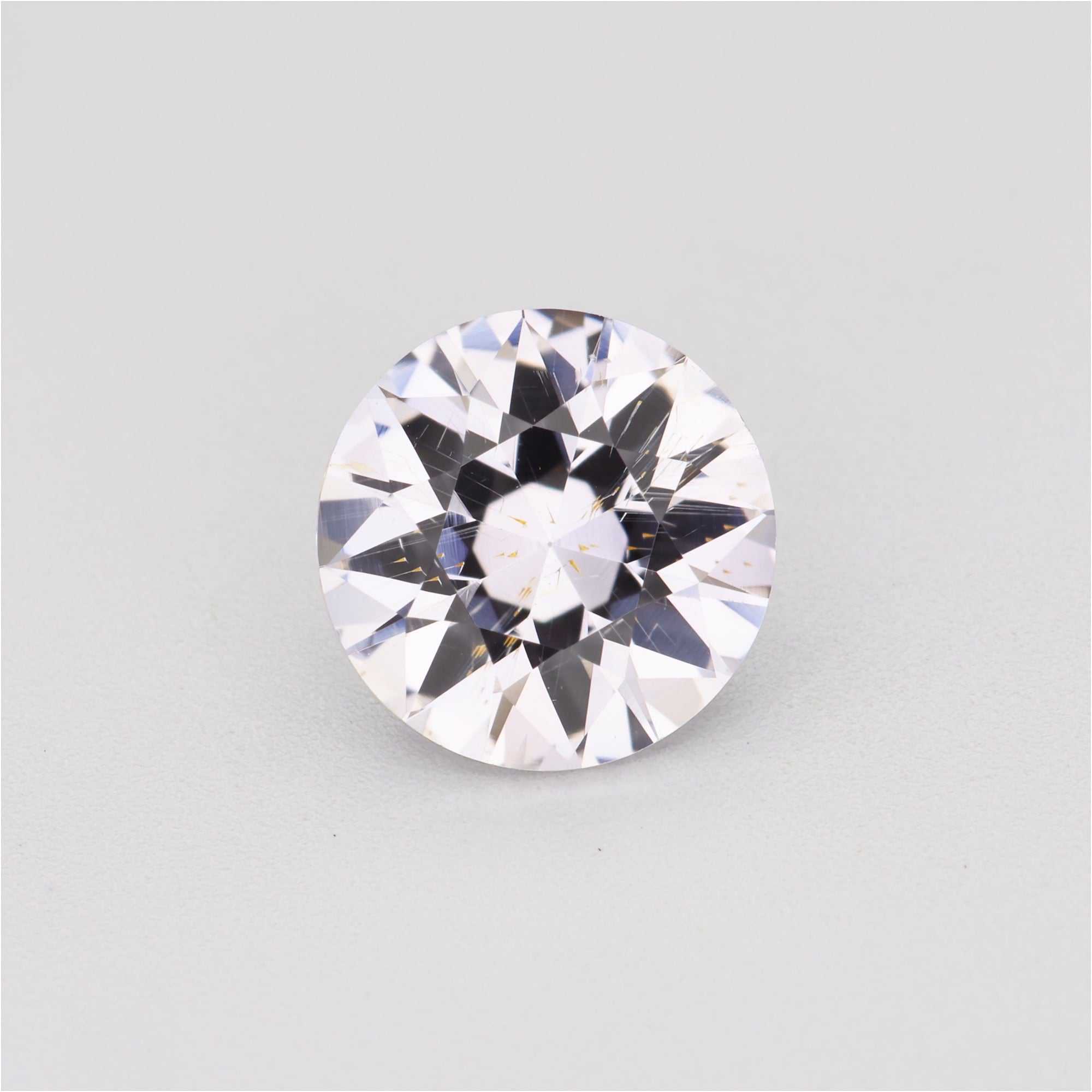
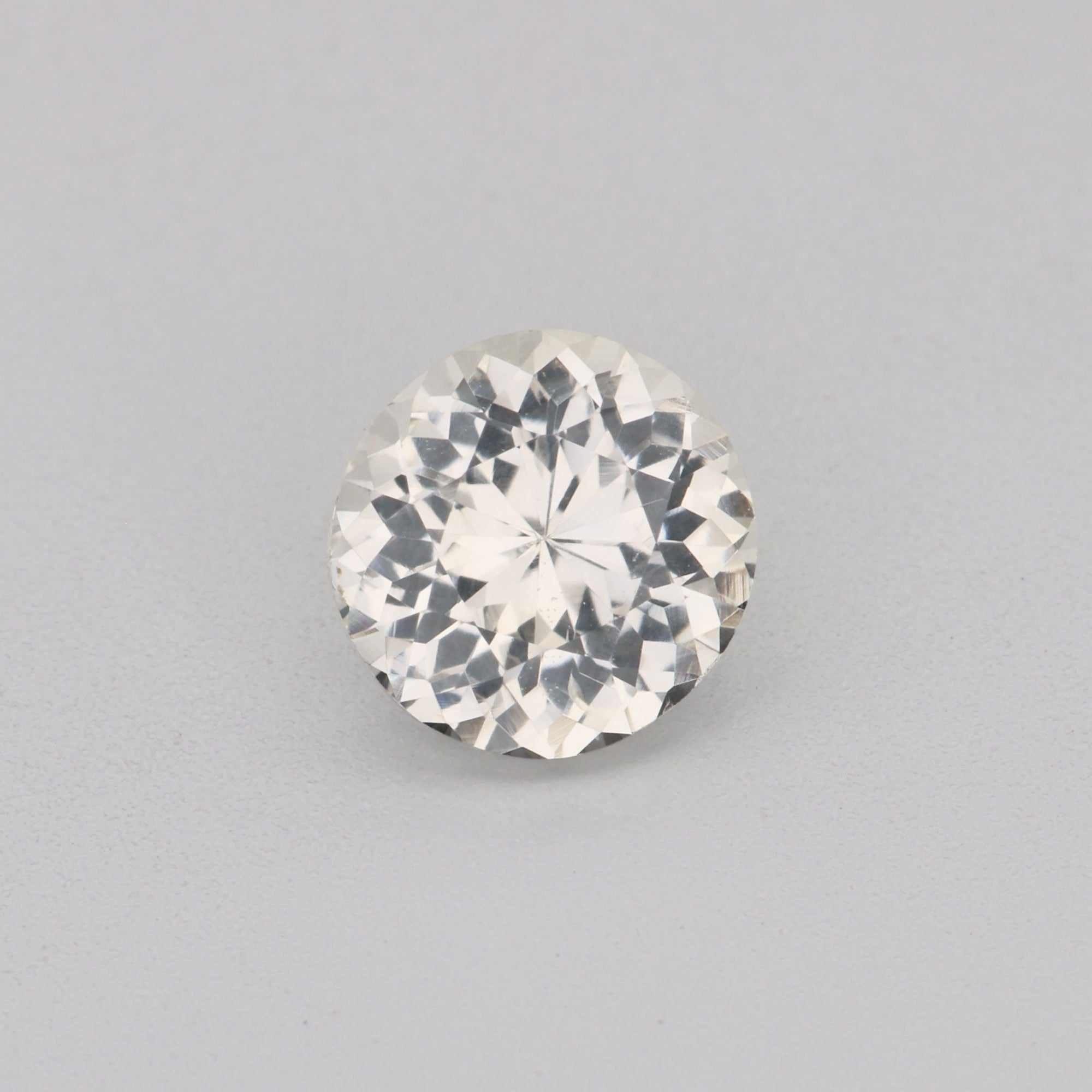
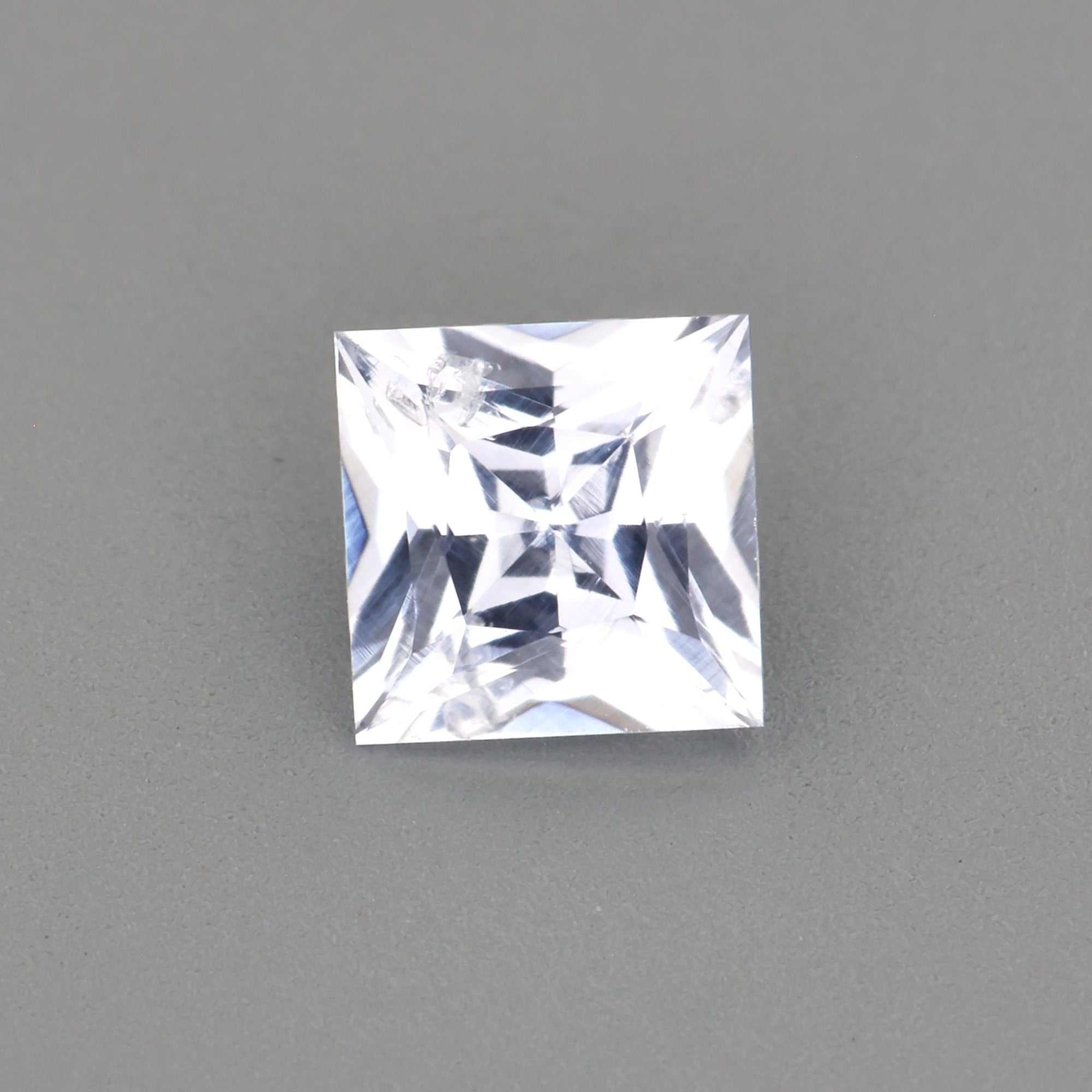
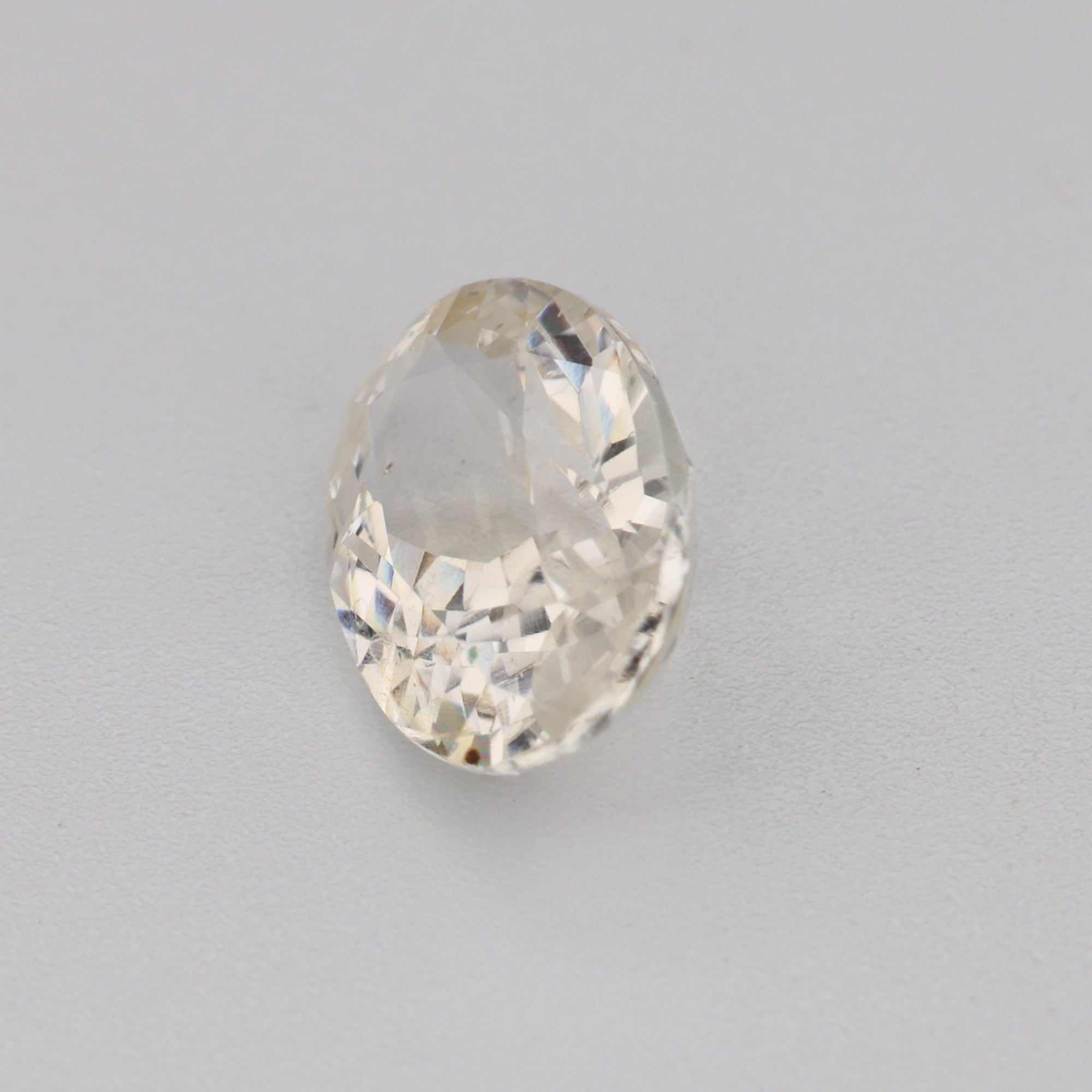
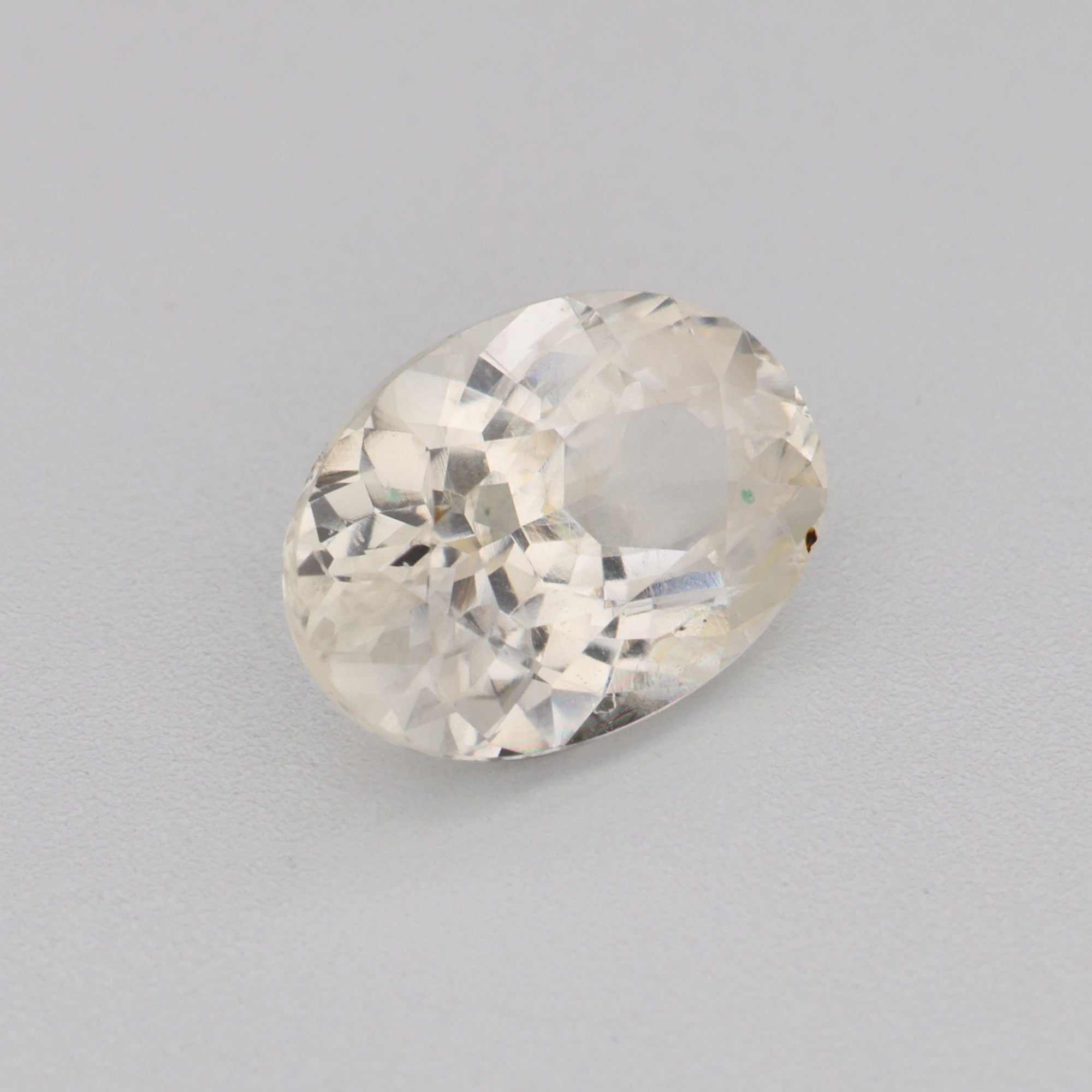
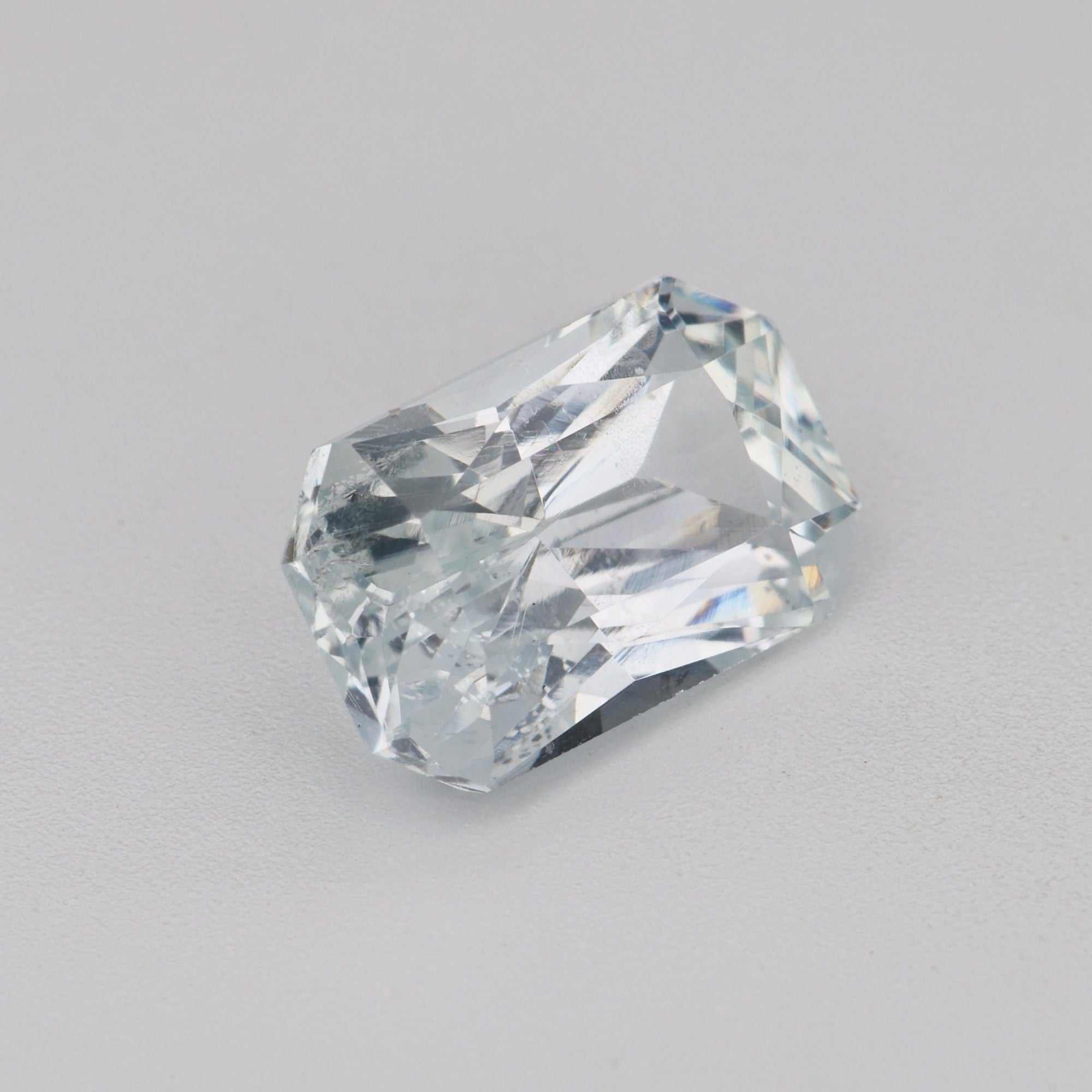
Not all white sapphires are identically colorless. Like diamond, white sapphire occurs across a range of colorlessness, from truly colorless (equivalent to diamond D–F grades) through near-colorless to faint tints of gray, yellow, or even peach. Understanding this range is important for setting expectations and buying correctly.
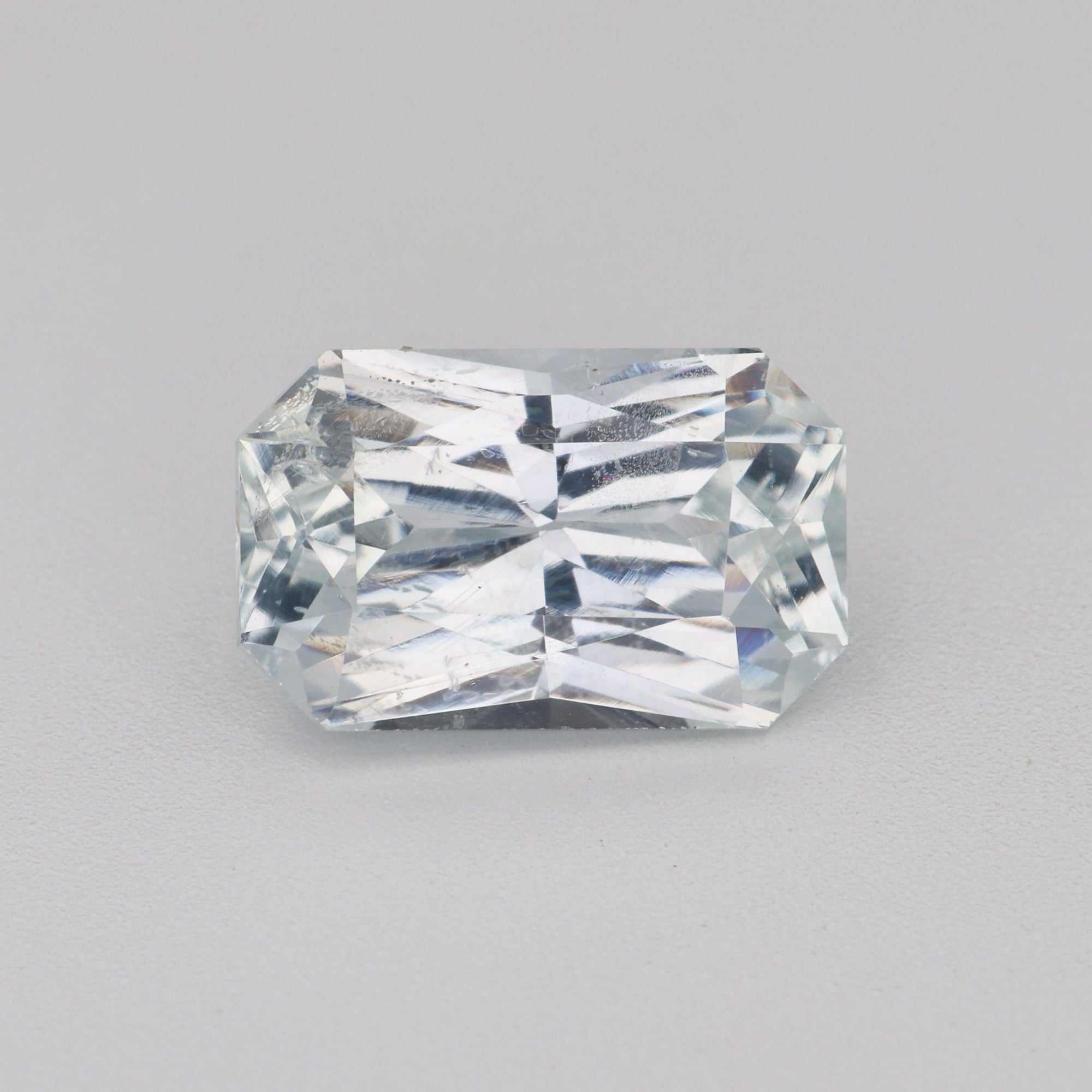
The finest white sapphires are genuinely colorless — no visible tint under neutral white light. These are the stones most suitable for diamond-alternative engagement ring use, where the buyer's intent is a colorless center stone. They are also less common than near-colorless material and command a corresponding premium.
Many white sapphires carry a very slight gray tint — barely perceptible under most lighting but visible under direct, focused white light against a white background. For most ring settings and normal wearing conditions, near-colorless white sapphire reads as effectively colorless. This is the equivalent of diamond's G–I range — face-up in a ring, the color is not visible; under scrutiny on a white background, it is.
Some white sapphires carry a visible gray, yellow, or warm tint that affects the appearance of the stone in any lighting. These are typically priced lower and may be appropriate for certain aesthetic contexts — a white sapphire with a very slight warm tint can actually work well in yellow gold, where the metal tone minimizes the tint's visibility — but they are not recommended as diamond alternatives for buyers expecting a colorless stone.
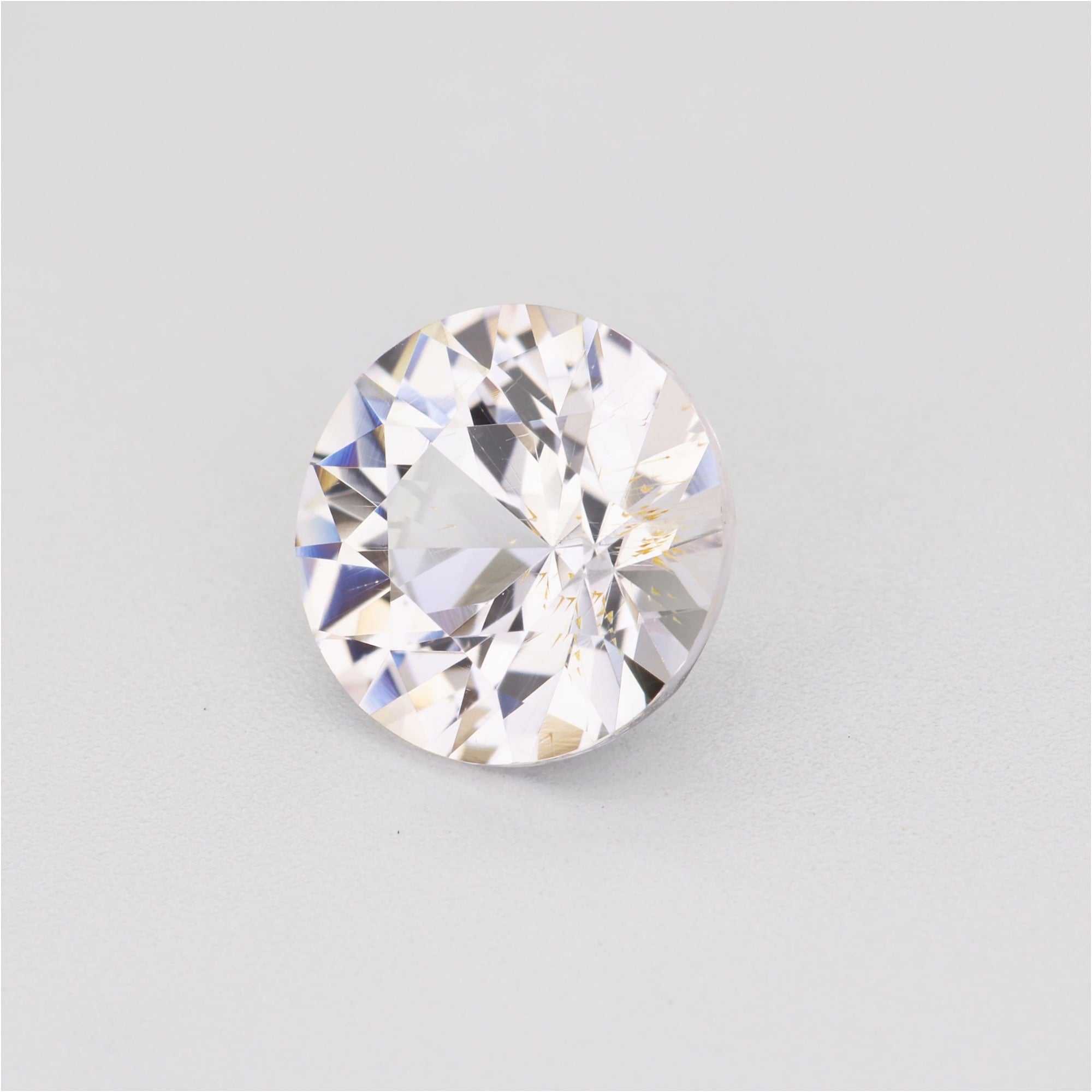
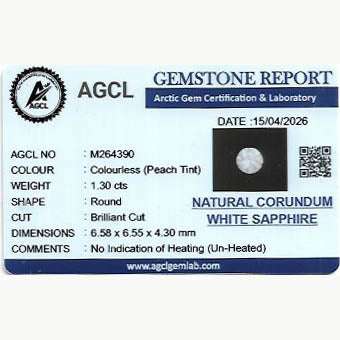
A specific sub-category in our catalog is white sapphire with a faint peach tint — a near-colorless stone with a trace of warm color that creates an unusual character. These are interesting stones that appeal to buyers who want something between colorless and colored, and they pair particularly well with rose gold settings. We disclose the tint clearly on product pages where it is present.
Always request photographs under neutral white lighting, ideally against a white background, before buying online. A photograph under warm display lighting will make most tints invisible — the warm light overwhelms any subtle gray or yellow. Natural daylight or neutral white light is the most revealing environment for colorless stones.
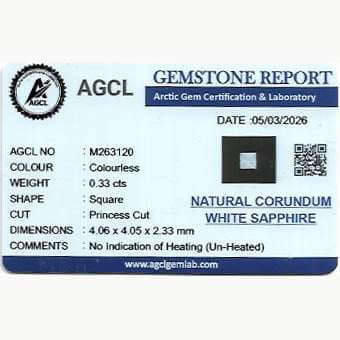
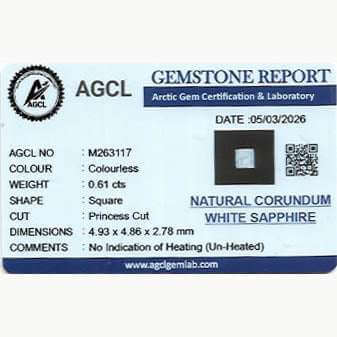
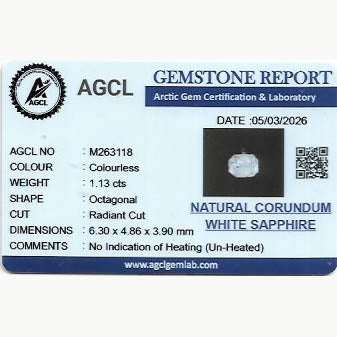
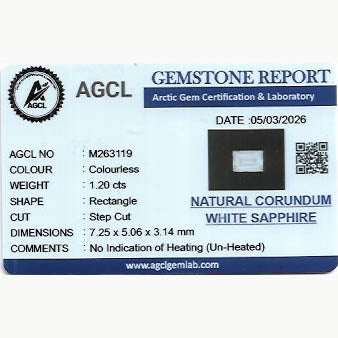
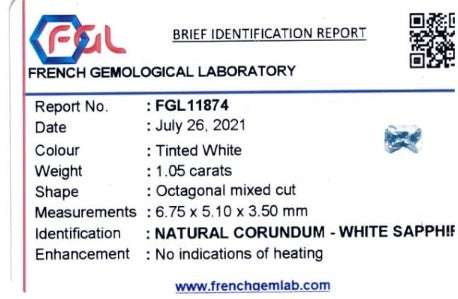
White sapphire has a simpler treatment picture than colored sapphire. Because there is no color to optimize, most of the heat treatment that improves blue or yellow sapphire is not applicable to white material. Many fine white sapphires are sold as untreated — no heat treatment applied — which in this case means the colorlessness is entirely natural.
The primary treatment concern in white sapphire is not heat but surface coating. Some lower-quality colorless sapphires and other gemstones are coated with a thin layer of material to improve apparent colorlessness or brilliance. Coatings wear off, are damaged by ultrasonic cleaning and heat, and degrade the stone's appearance over time. A coated white sapphire is not the same as a natural colorless corundum, and coated stones should not be sold as natural untreated white sapphire without explicit disclosure.
At Crescent Gems, our white sapphires are natural, uncoated corundum. Treatment status — untreated or heat-treated — is disclosed on every product page. We do not sell coated material as natural gemstone without explicit disclosure of the coating.
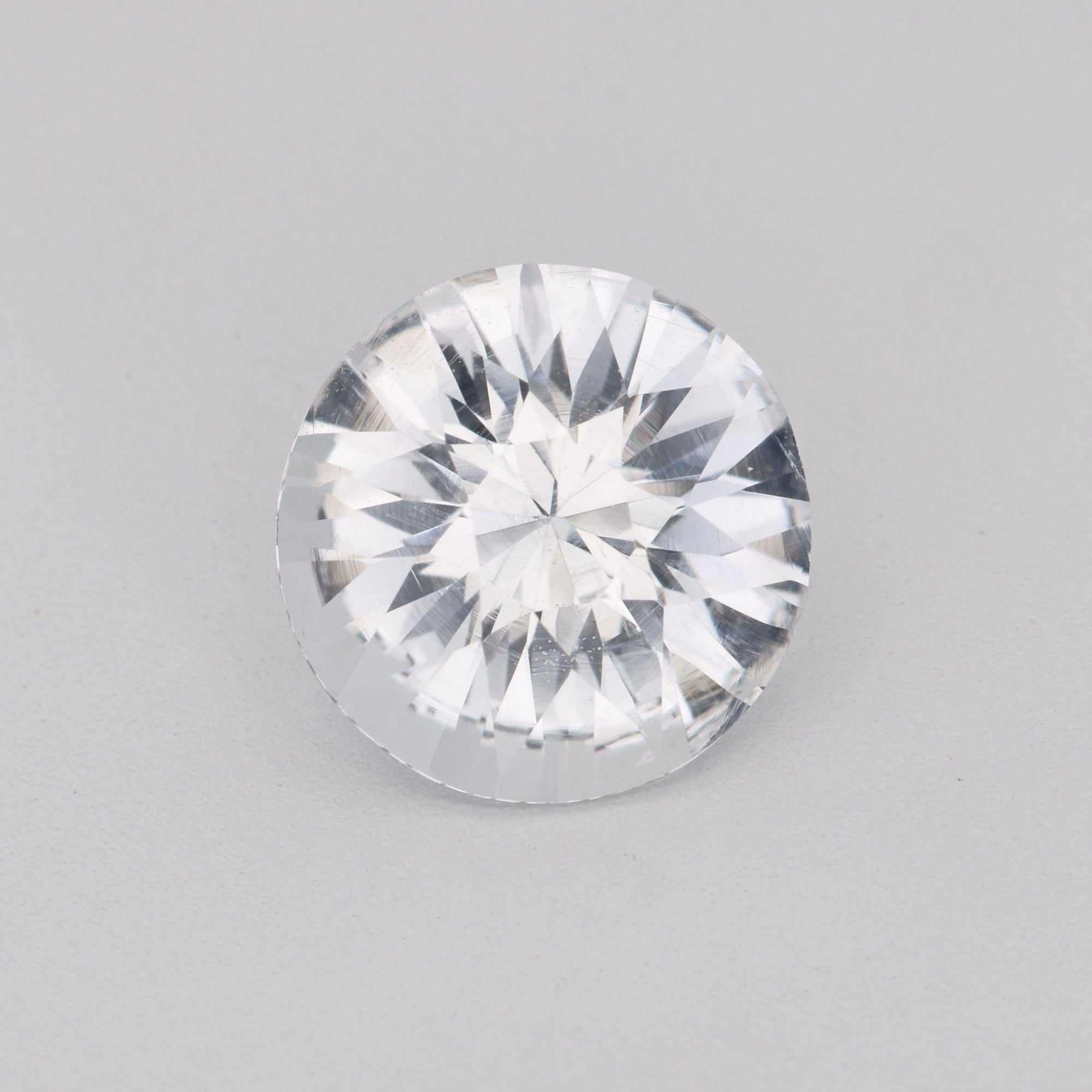
Cut quality matters for all gemstones, but it matters more for colorless stones than for most colored ones. In a blue sapphire, even a mediocre cut allows the vivid color to carry the stone's visual appeal. In a white sapphire, there is no color doing that work — the stone's visual appeal comes entirely from its light performance, which is entirely determined by the cut. A poorly cut white sapphire will look dull, glassy, and flat. A well-cut white sapphire will show genuine brilliance and sparkle.
White sapphire works in most standard engagement ring shapes, but some suit it better than others given its optical properties.
The best shape for white sapphire. The round brilliant cut is designed to maximize light return, and it does so more effectively in white sapphire than any other shape. For buyers who want maximum visual similarity to a diamond in an engagement ring setting, round white sapphire in a standard four or six-prong solitaire is the closest equivalent.
Both work well in white sapphire. The cushion's rounded corners and brilliant faceting concentrate light return effectively. Oval maximizes face-up size for the carat weight. Both show white sapphire's genuine brilliance while offering a softer, more romantic silhouette than round.
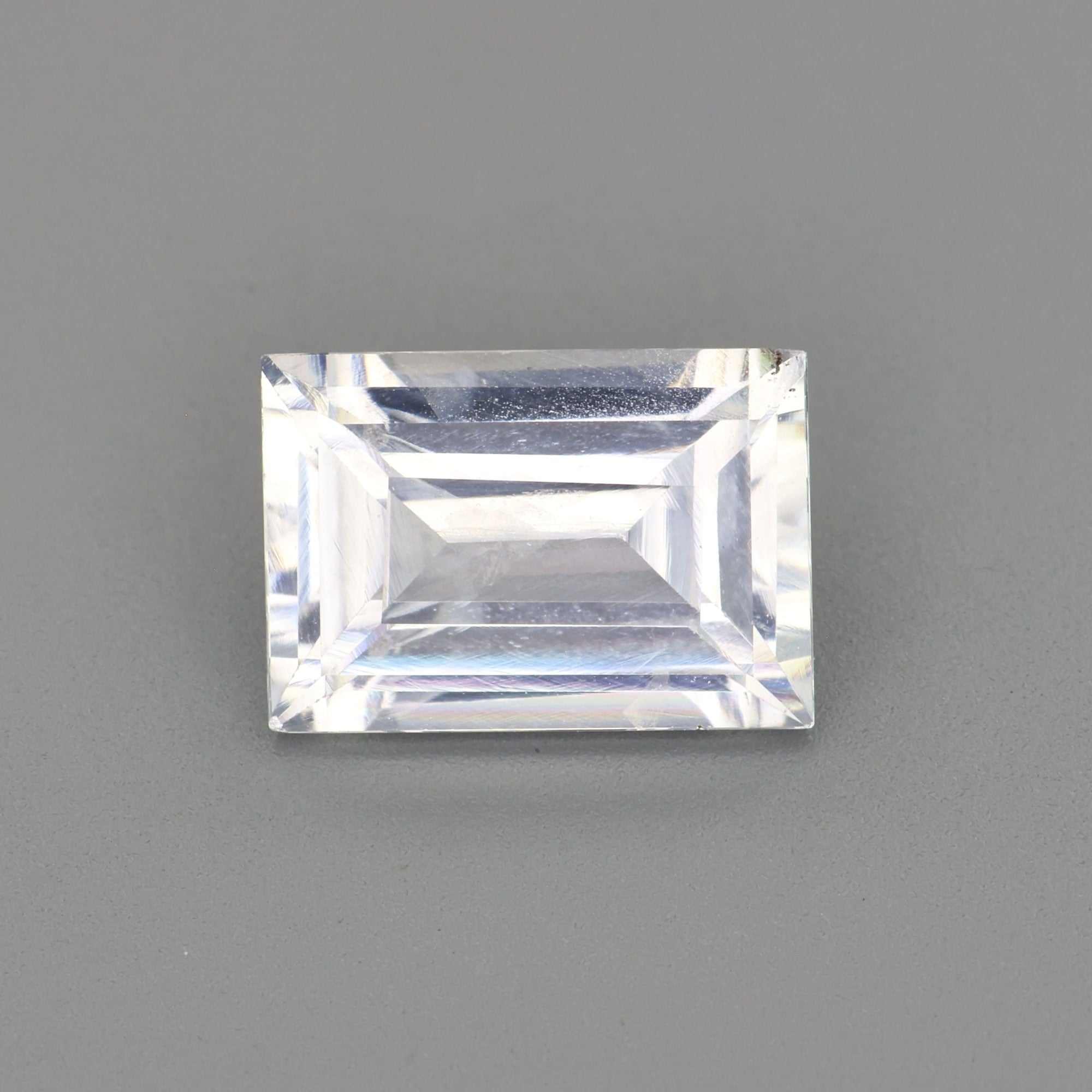
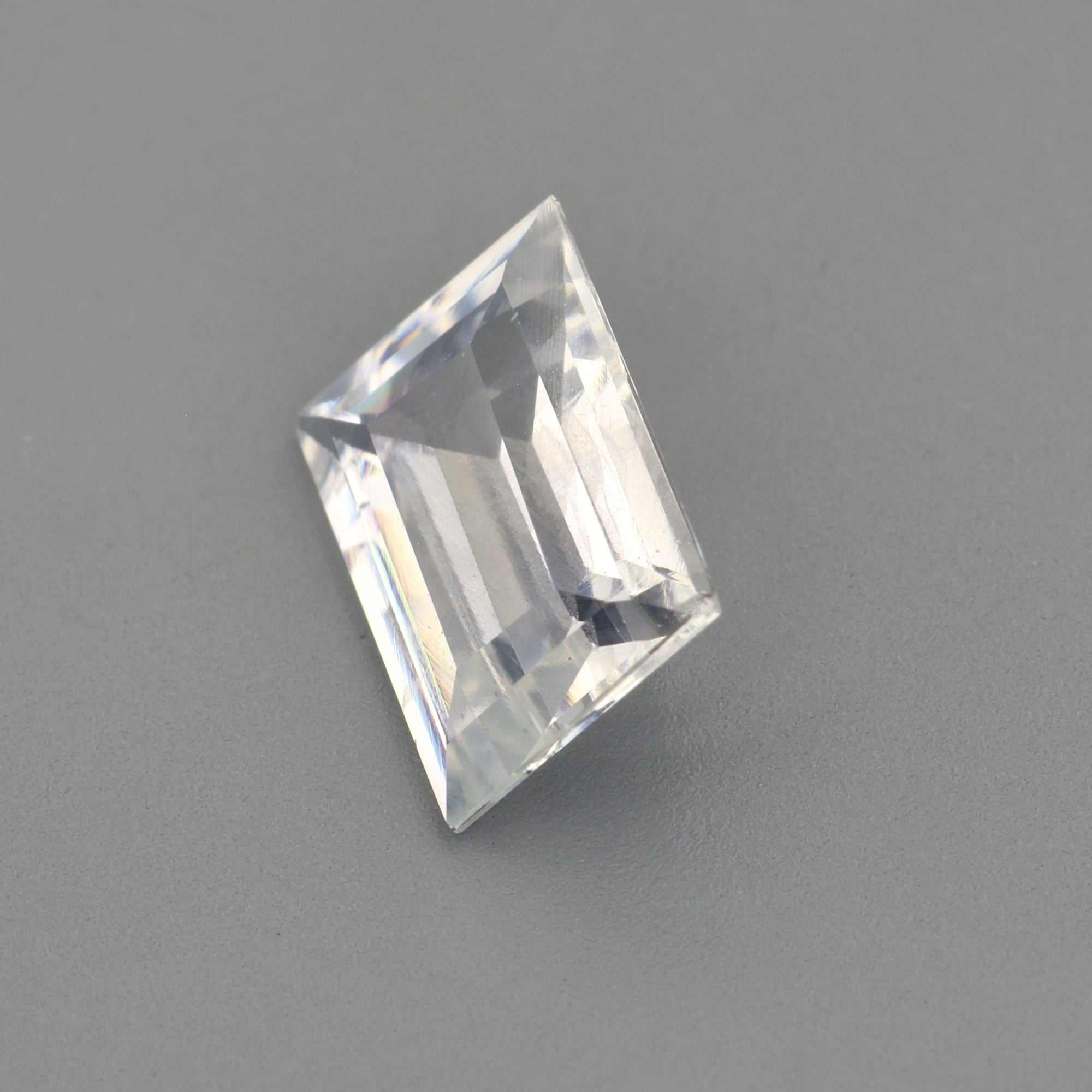
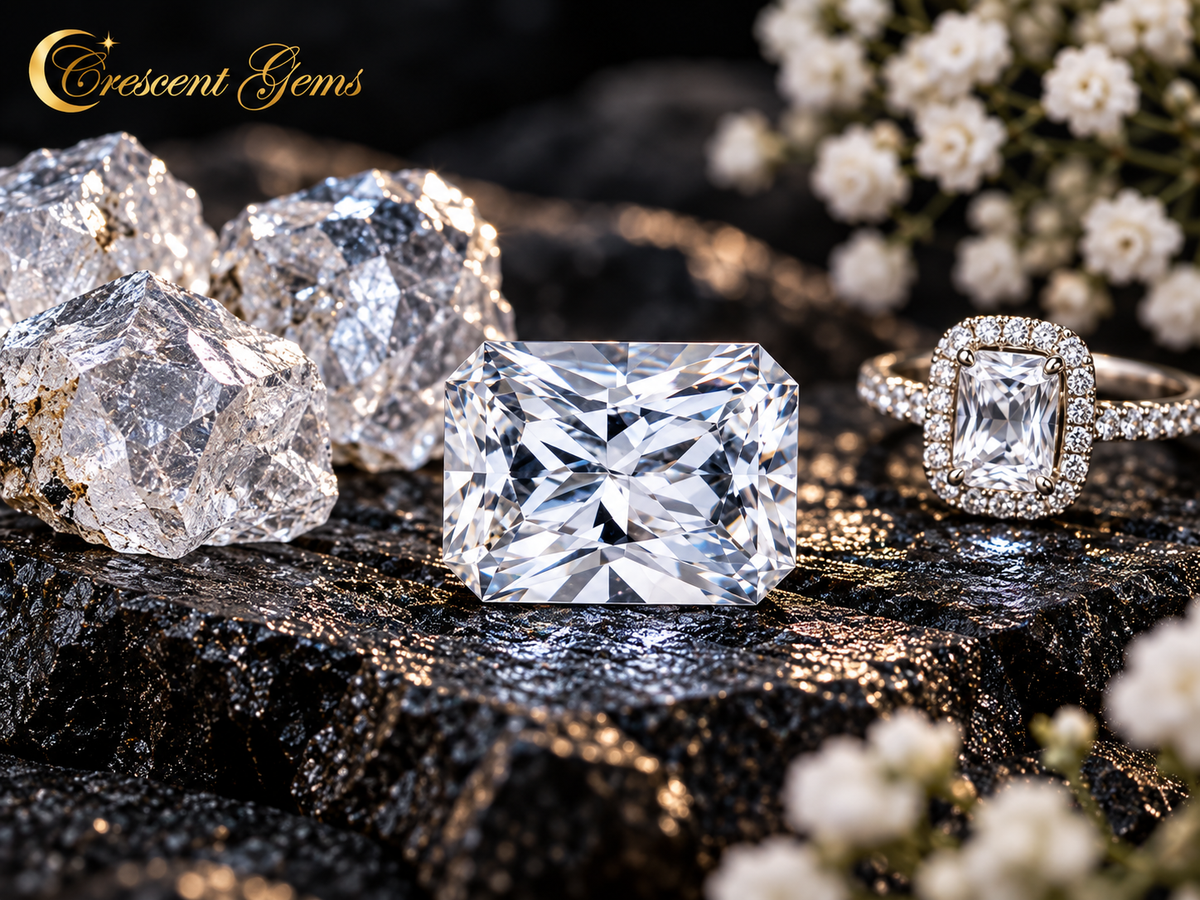
Less recommended for white sapphire as a diamond alternative, specifically because the step facets of an emerald cut emphasize interior clarity and depth over brilliance. A diamond in an emerald cut is spectacular because diamond's high refractive index creates an intensely bright hall-of-mirrors effect in step facets. White sapphire in an emerald cut has a quieter, subtler interior — still beautiful, but not replicating diamond's specific step-cut character. If the goal is an architectural, sophisticated colorless stone for its own aesthetic rather than diamond similarity, step-cut white sapphire is a perfectly valid choice.
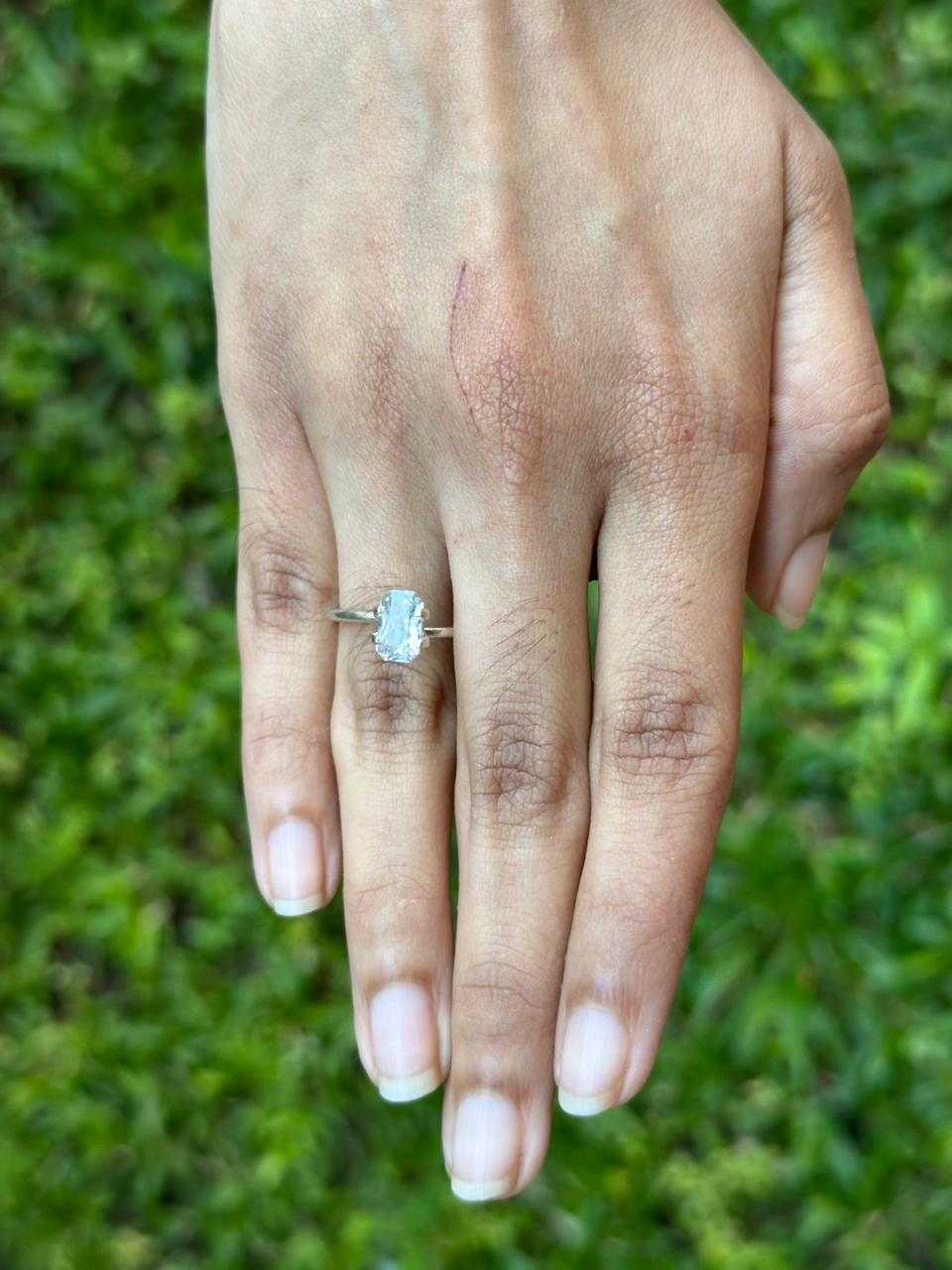
White gold and platinum are the most natural partners for white sapphire, particularly for buyers who want the closest visual parallel to a diamond engagement ring. Yellow gold adds warmth that suits near-colorless material well — the slight warmth of near-colorless sapphire harmonizes with yellow metal more naturally than a stark colorless diamond does. Rose gold with a faint-peach-tint white sapphire is a distinctive, unusual combination that reads as neither a conventional colored stone ring nor a conventional diamond ring.
The reason white sapphire works as an engagement ring center stone where other alternatives fall short is durability. This is not a secondary consideration — it is the primary practical requirement for a stone worn daily for decades.
An engagement ring is exposed to more mechanical wear, more cleaning products, more physical contact, and more general abrasion than any other piece of jewelry. A stone rated 7 or 8 on the Mohs scale will show scratches within a few years of daily ring wear. White topaz at 8 and cubic zirconia at 8–8.5 both lose their surface polish in ring wear over time. White sapphire at 9 does not show wear in the same way. The surface will look the same in twenty years as it does on day one, because there is almost nothing in a normal domestic environment hard enough to scratch it.
This durability argument is not available to most diamond alternatives. It is specific to sapphire and to the few other gemstones in the Mohs 8.5–10 range. For buyers who want a natural, colorless, daily-wear engagement ring stone that will not require replacement or retreatment, white sapphire is one of a very small number of genuinely viable options.
White sapphire is an excellent gemstone, but it is not the right choice for every buyer. Being clear about when it is not suitable is as important as making the case for when it is.
If you want diamond's specific optical performance: White sapphire does not replicate diamond's brilliance, fire, or light return. If you have looked at a well-cut diamond and that specific sparkle is what you want, white sapphire will disappoint you. The stone is genuinely beautiful, but it is not an optical substitute for diamond.
If you want maximum brilliance in a colorless stone: Moissanite outperforms both diamond and sapphire for sheer brilliance and fire. If maximum sparkle is the primary criterion, moissanite is the correct choice regardless of natural origin considerations.
If diamond's investment value matters to you: Fine natural diamonds hold and appreciate in value. White sapphire does not participate in the diamond market's investment characteristics. If resale value is a meaningful consideration, white sapphire is not the appropriate choice.
If you expect it to look like a diamond to everyone who sees it: Side by side in normal conditions, white sapphire and diamond are distinguishable to a trained eye and sometimes to an untrained one. The subtler sparkle of white sapphire reads as gemstone, not as an attempt at diamond replication. Most buyers who choose white sapphire do so knowing this and valuing white sapphire for what it is rather than as a diamond lookalike.
White sapphire is meaningfully less expensive than natural diamond across all sizes, and significantly less expensive than fine colored Ceylon sapphire. The pricing reflects both its relative availability and the absence of the color-rarity premium that drives blue, pink, or yellow sapphire pricing.
Compared to diamond: a natural round brilliant diamond at 1.00 carat in VS clarity and G color retails at $3,500–$6,000. An equivalent white sapphire at 1.00 carat in untreated truly colorless quality retails at $400–$900. The price differential is significant, and it reflects both the optical performance gap and the different market dynamics of the two categories.
Our white sapphire collection represents natural, untreated and heat-treated colorless corundum from Sri Lanka (Ceylon). We source directly in Sri Lanka and sell loose stones only — no finished rings — which means you choose the stone on its own merits and then commission the setting of your choice from any jeweler.
Every white sapphire in our catalog has its treatment status disclosed explicitly on the product page. Where a stone is truly colorless, we say so. Where a stone carries a faint gray or peach tint, that is also disclosed — we do not describe near-colorless material as truly colorless. Calibrated sizes (5mm round, 7x5mm oval, and others) are noted with their dimensions, making it straightforward to identify the stones that fit standard engagement ring settings without custom fabrication.
Questions about a specific stone, its fit for a particular setting, or how it compares to another stone you are considering? Email crescentgems@gmail.com — we respond personally within one business day.
Ahmed Shareek
Proprietor — Crescent Gems
A gem dealer with over 25 years of experience sourcing natural sapphires from Sri Lanka, Ahmed brings hands-on expertise in mining, heat treatment, cutting, and stone selection. With deep roots in the Ceylon gem trade, he offers first hand knowledge of origin, quality, and craftsmanship behind every piece of guidance on this site.
The Ultimate Guide to Buying Natural Loose Sapphires
The definitive guide to buying a natural loose sapphire: colour, origin, treatment, cut, shape, certification, pricing, and engagement rings, with links to every Crescent Gems guide and collection.
Read moreabout The Ultimate Guide to Buying Natural Loose Sapphires
The Ratnapura Gem Market — How Sapphires Are Traded at the Source
Read moreabout The Ratnapura Gem Market — How Sapphires Are Traded at the Source
Madagascar Sapphire — The Modern Origin That Rivals Ceylon
Read moreabout Madagascar Sapphire — The Modern Origin That Rivals Ceylon
Montana Sapphire vs. Ceylon Sapphire — How America's Sapphire Compares to Sri Lanka's
Read moreabout Montana Sapphire vs. Ceylon Sapphire — How America's Sapphire Compares to Sri Lanka's
Sapphire vs. Spinel — The Overlooked Comparison Every Collector Should Understand
Read moreabout Sapphire vs. Spinel — The Overlooked Comparison Every Collector Should Understand
Share: