

- by Ahmed Shareek
Three-Stone Sapphire Rings — How to Choose the Center Stone, Side Stones, and Get the Proportions Right
- by Ahmed Shareek
New to buying sapphires? Start with our Ultimate Sapphire Buying Guide — the complete resource for color, origin, treatment, and pricing.
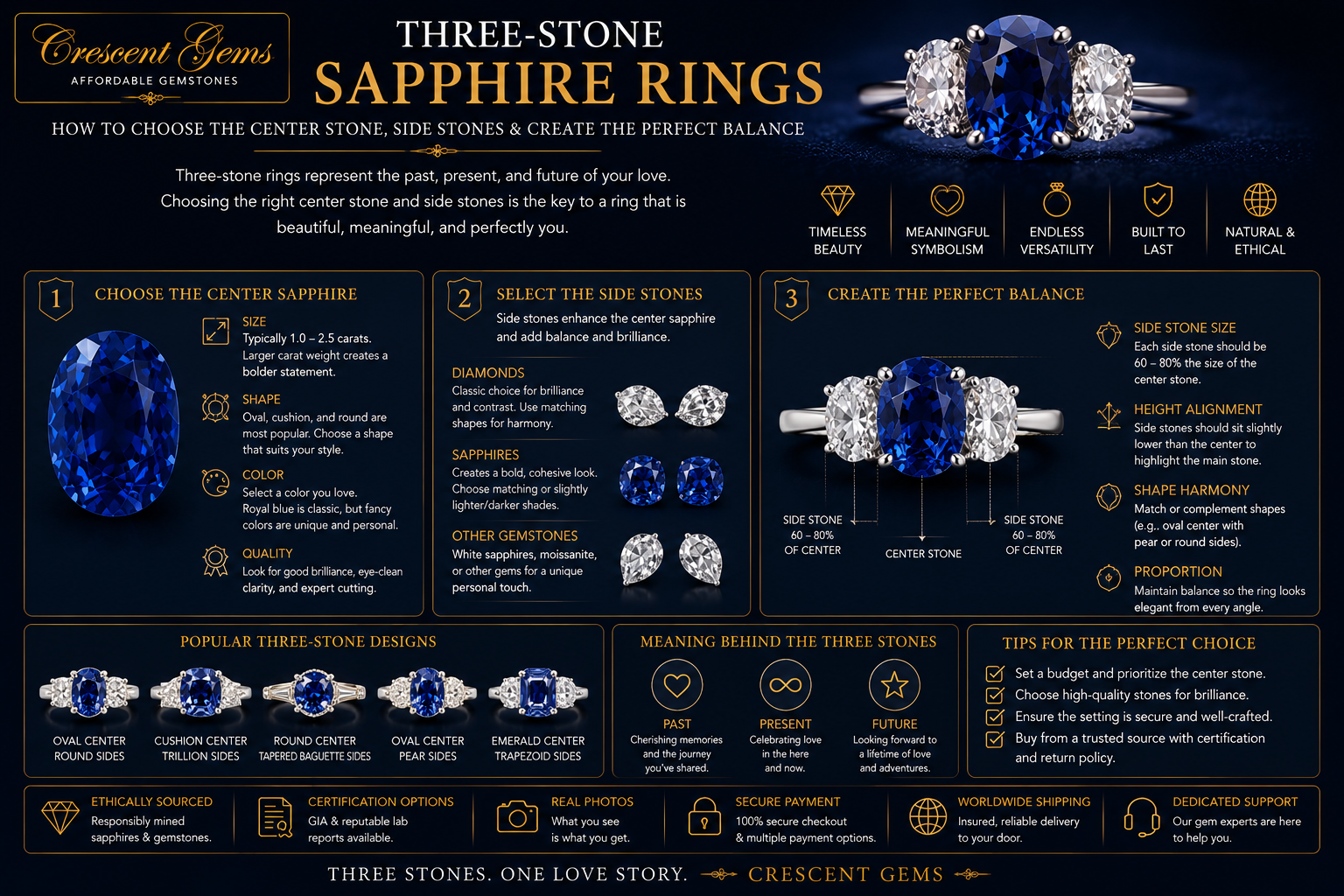
The three-stone ring is one of the most meaningful and visually balanced designs in jewelry — a center stone flanked by two side stones, traditionally representing past, present, and future. With sapphire as the center stone, the design takes on additional dimension: the color of the sapphire becomes the heart of the ring, and the choice of side stones determines whether the overall effect is classic, contemporary, dramatic, or romantic.
Getting this right requires more than picking three stones and putting them in a row. The center-to-side proportions, the shape combinations, the color relationship between center and sides, and the metal choice all interact to create the finished look. This guide covers every decision involved in designing a three-stone sapphire ring that works — from stone selection through setting to the practical considerations that affect daily wear.

The three-stone setting does something for colored gemstones that it does not do as dramatically for diamonds: it creates color contrast. A vivid blue sapphire flanked by two white diamonds produces a visual interplay between color and brilliance that a solitaire cannot achieve. The diamond sides frame and intensify the sapphire's hue; the sapphire gives the diamonds a purpose beyond sparkle.
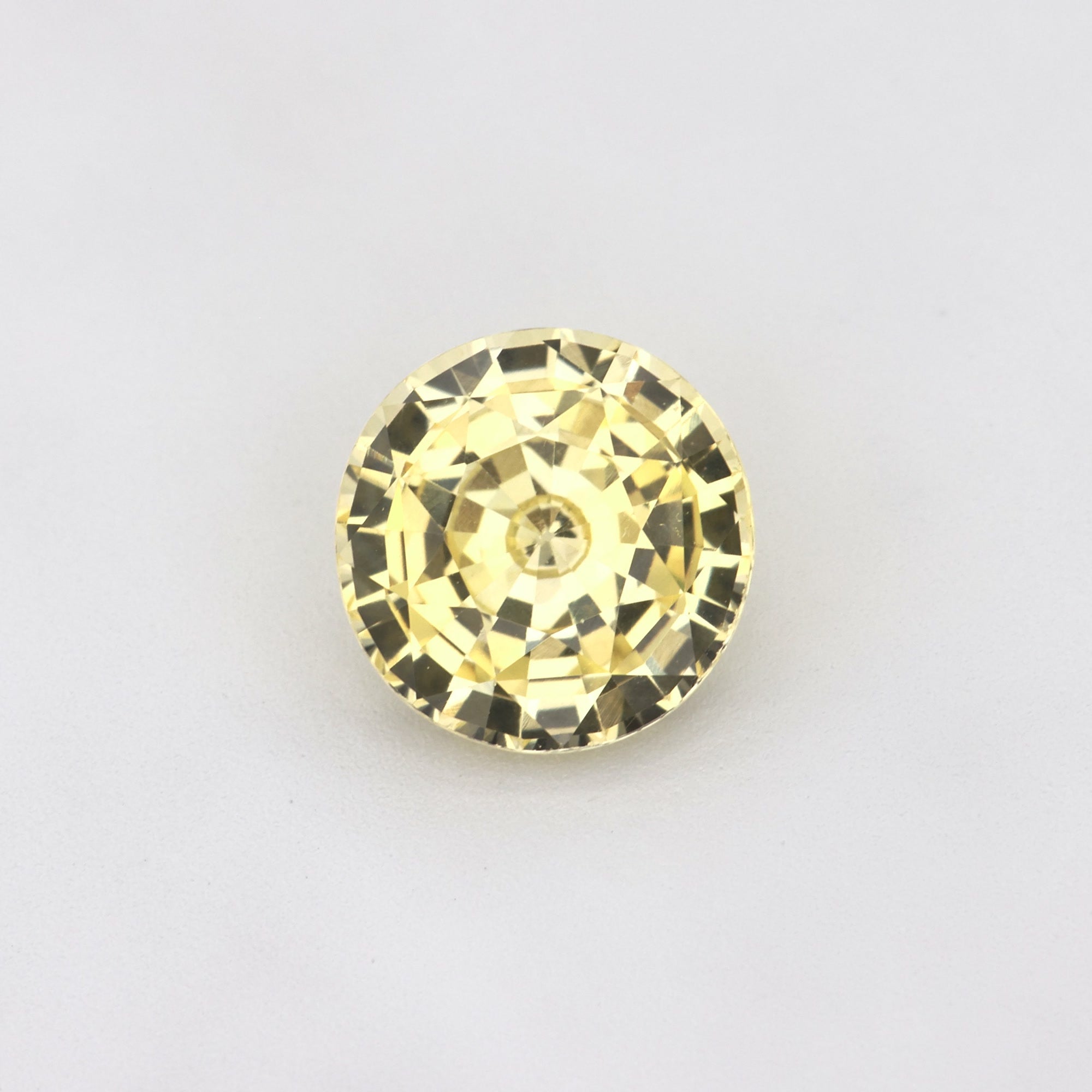
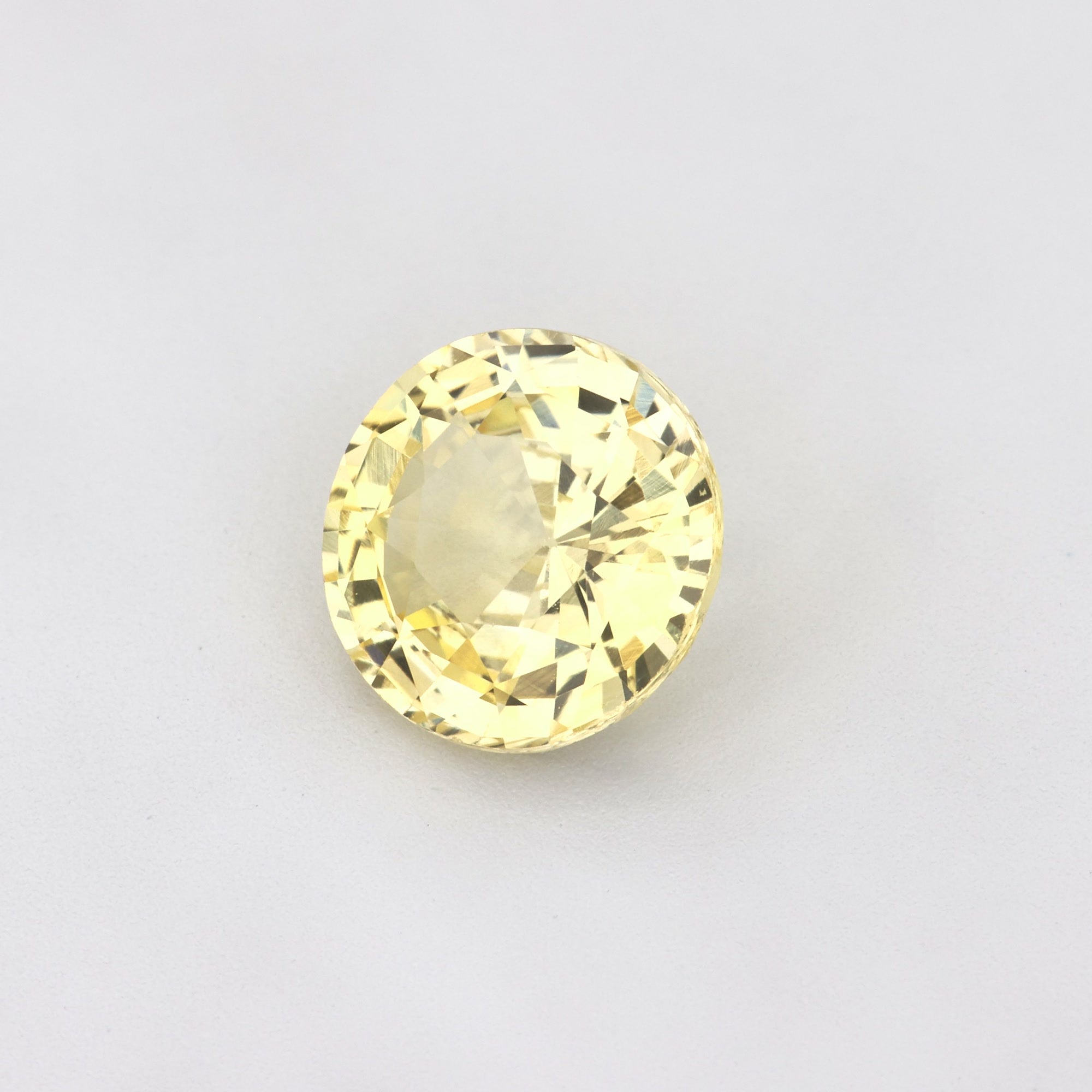
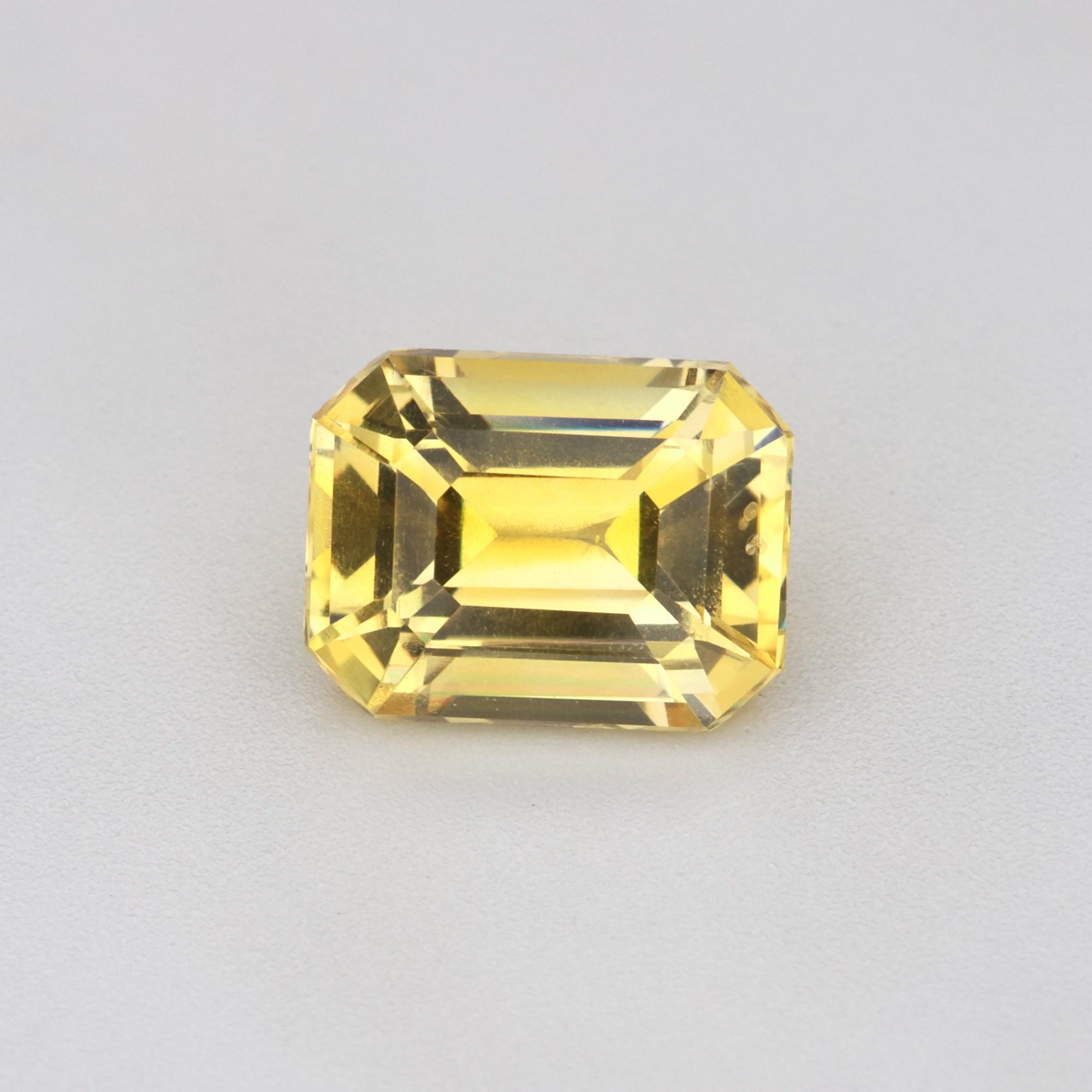
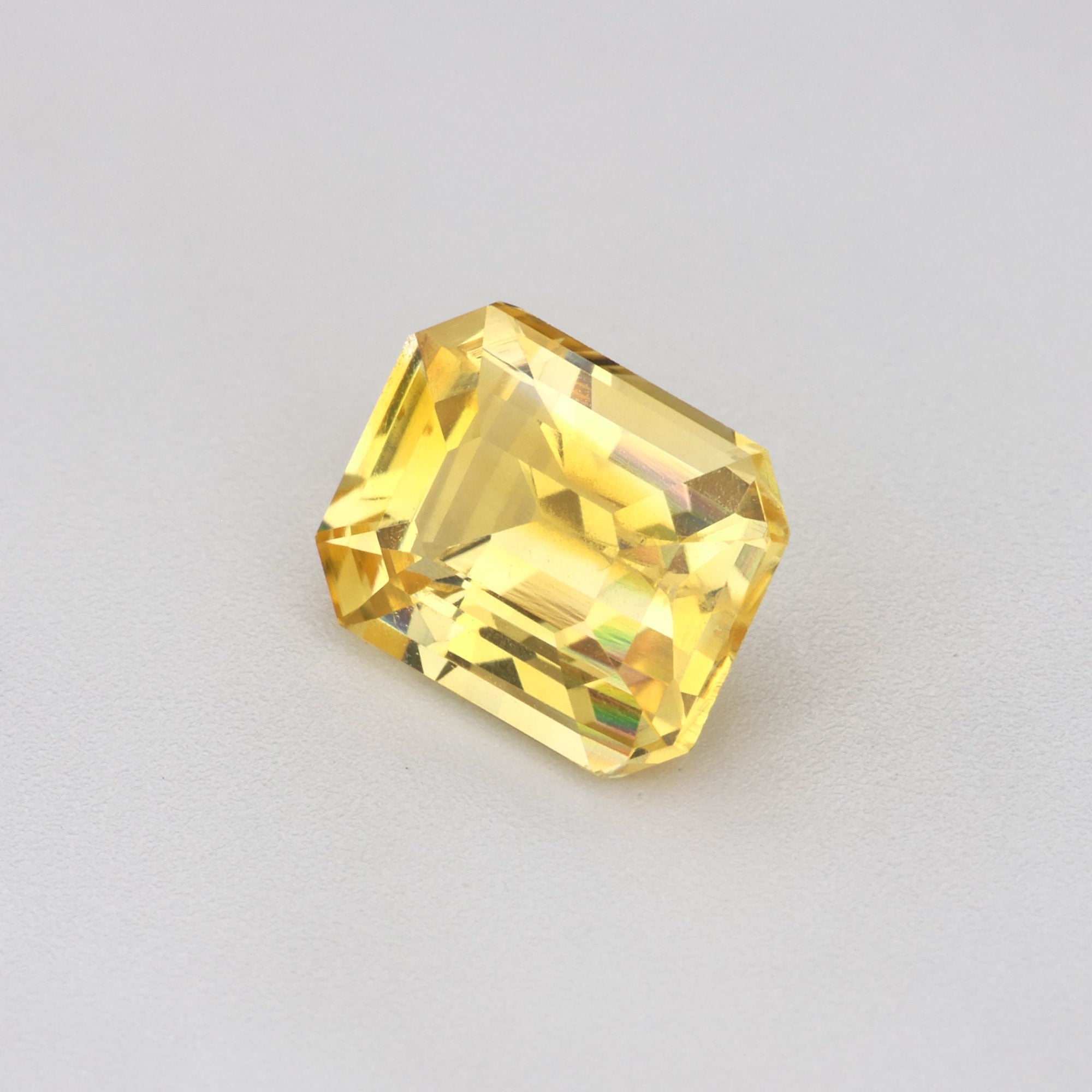
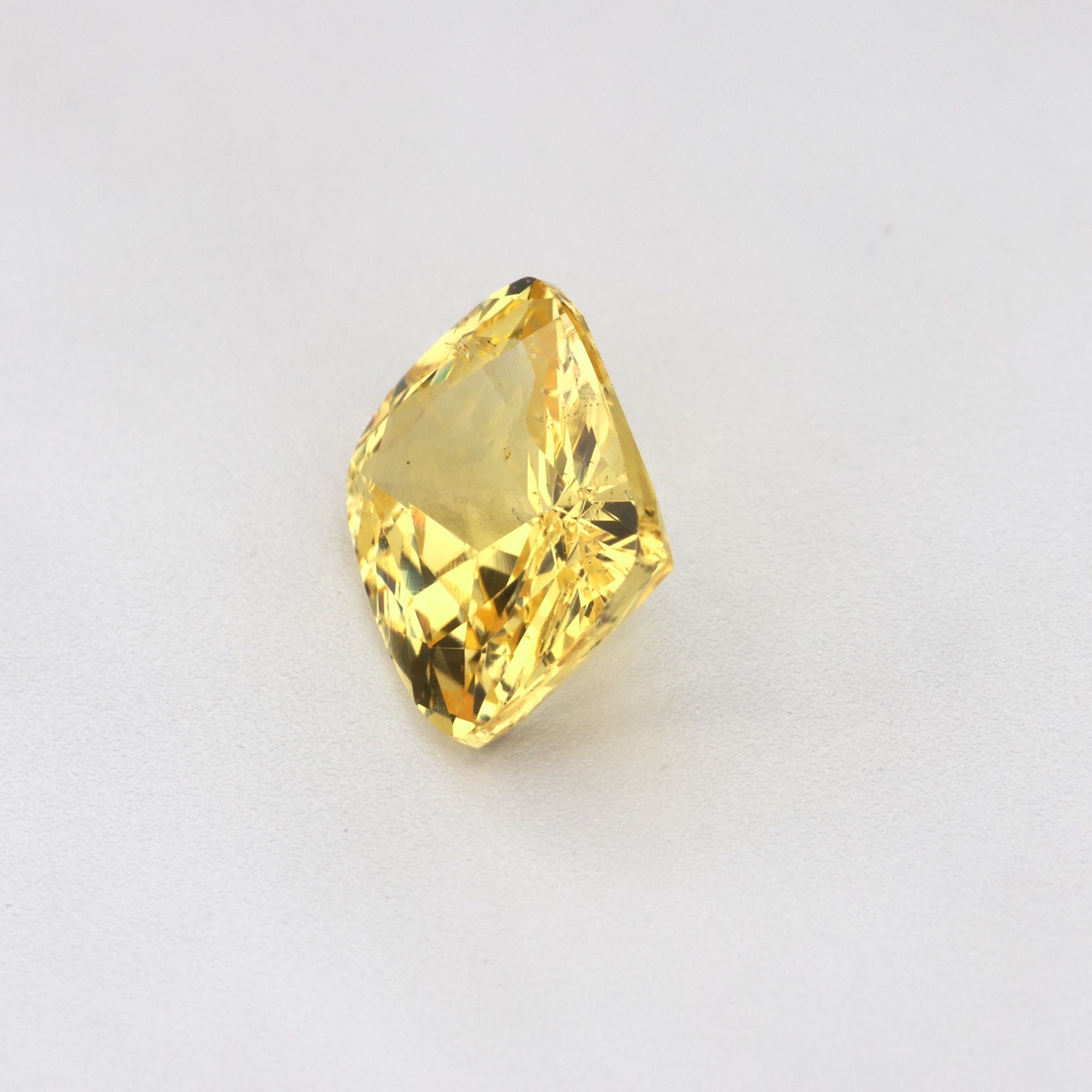
This contrast effect works across the sapphire color spectrum. Teal flanked by diamonds reads as modern and distinctive. Pink flanked by diamonds reads as romantic. Yellow flanked by diamonds reads as warm and celebratory. The three-stone format is, in effect, a design amplifier for whatever color you choose.
The symbolism adds emotional weight. Past, present, future. The story of your relationship rendered in stone. For an engagement ring, that narrative dimension elevates the piece above pure aesthetics.
The center sapphire is the star of the ring. Every other decision — side stones, metal, proportions — flows from this choice.
Any sapphire color works in a three-stone design, but some produce more dramatic results than others:
For help matching color to your skin tone, see Best Sapphire Color for Your Skin Tone. To compare all colors side by side, use our Interactive Sapphire Color Chart.
For a three-stone ring, the center sapphire typically ranges from 0.80ct to 2.50ct, with the 1.00–1.80ct range being the sweet spot for most ring designs. Remember that sapphire is denser than diamond — a 1-carat sapphire looks slightly smaller face-up than a 1-carat diamond — so compare millimeter dimensions, not just carat weight, when planning proportions. See What Size Sapphire Is Best?
The center stone shape defines the ring's character:
For cut quality guidance, see Best Sapphire Cut for an Engagement Ring and How Cut Affects a Sapphire.
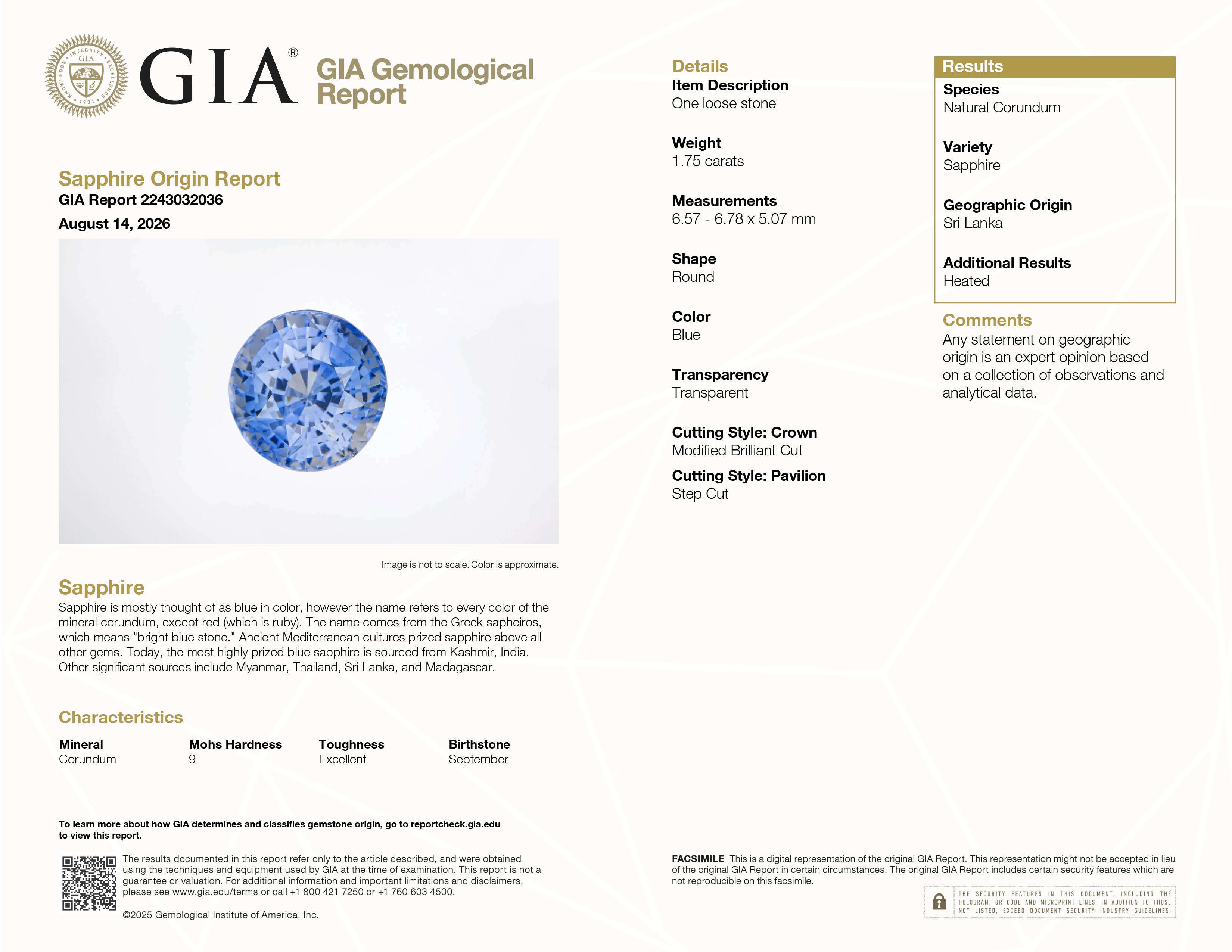
Either heated or unheated sapphires work in three-stone designs. Unheated adds rarity and collector value. Heated offers more accessible pricing without compromising appearance. Treatment status should be disclosed regardless. See What Is an Unheated Sapphire?
The side stones are supporting actors, not competing leads. Their job is to frame, complement, and enhance the center sapphire — not to overpower it.
White diamonds are the most common and most effective side stone choice for sapphire three-stone rings. The colorless brilliance of diamond creates maximum contrast with the sapphire's color, making both elements more vivid.
Diamond shapes for side stones:
For a monochromatic look, all three stones can be sapphire. This works best when the side sapphires closely match the center in color — which requires careful selection and ideally purchasing all three stones from the same source to ensure consistency.
Color matching is the challenge. Sapphire color varies naturally between stones, and even stones from the same rough can show slightly different hues when cut. If you are building an all-sapphire three-stone ring, request matched sets or calibrated pairs from your dealer. See our matched pairs collection.
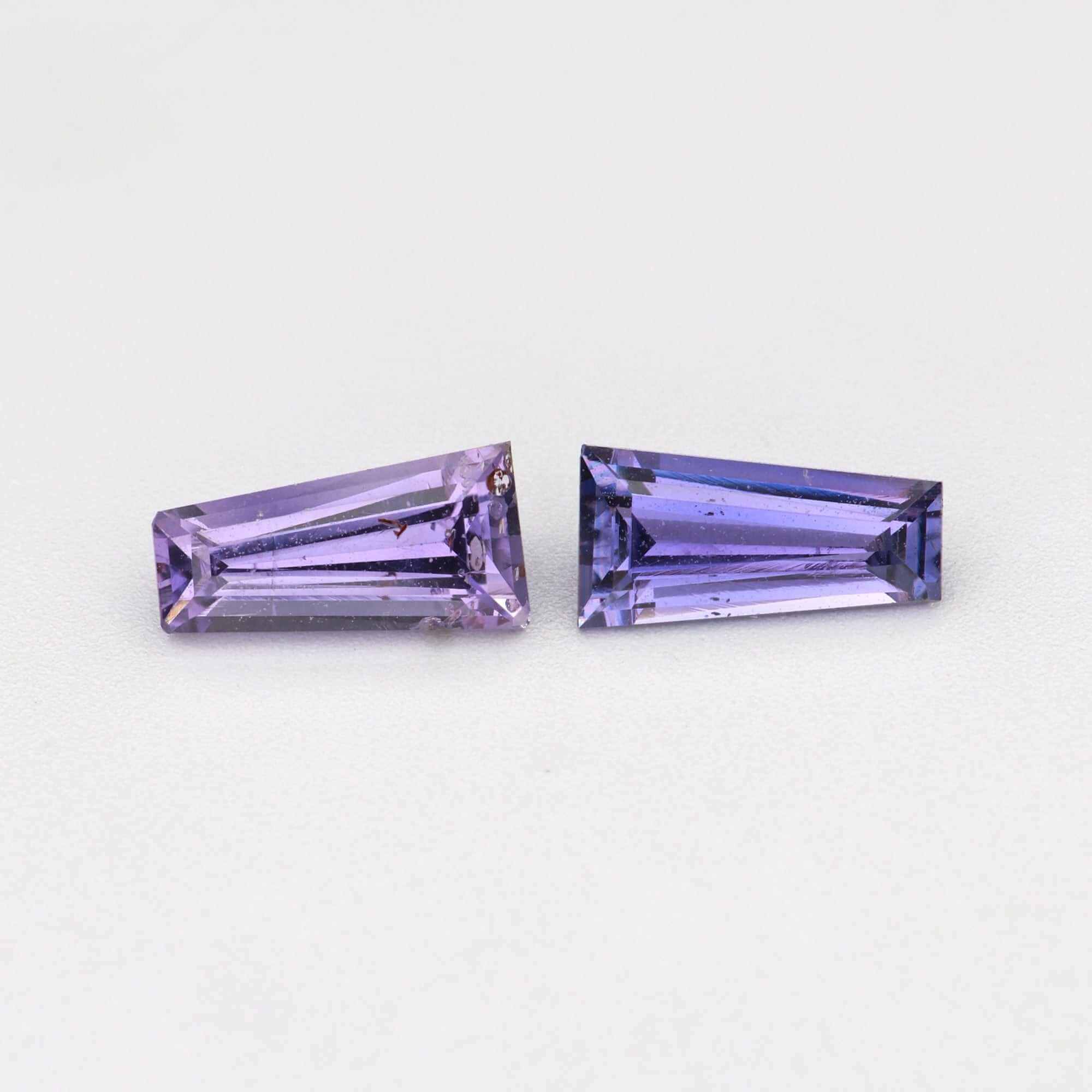
As a concrete example, our current 0.69 ctw matched pair of unheated purple sapphire tapered baguettes from Ceylon is AGCL-certified and hand-matched for taper angle and color symmetry — ready to mount as left-right side stones without further selection.
A blue sapphire center with pink sapphire sides, or a teal center with diamond sides of slightly warm tone — contrasting side stones can create a unique, personalized look. This approach requires a confident design eye and works best when the contrast is intentional and harmonious rather than random.
Getting the proportions right is the single most important design decision after choosing the stones. Bad proportions make even beautiful stones look awkward; good proportions make the ring feel inevitable.
The classic proportion: side stones should be approximately 60–75% of the center stone's width. This creates visual balance where the sides are clearly supporting, not competing.
Side stones that are too large overwhelm the center. Side stones that are too small look like afterthoughts. The 60–75% rule provides the visual balance that reads as intentional and elegant.
The height (depth) of the side stones should approximately match the center stone's depth so the ring sits flat on the finger and the stones' tables are aligned. A significant height mismatch creates an uneven profile that catches on clothing and looks unpolished. This is one reason custom-setting your stones (rather than using a pre-made mounting) produces a better result — the jeweler can adjust the setting to accommodate the exact depths of your specific stones.
The gap between center and side stones should be minimal — just enough for the prongs or metal that holds each stone, typically 0.5–1mm. Visible gaps between stones break the visual continuity of the three-stone design and reduce the ring's overall impact. A skilled setter minimizes these gaps while ensuring each stone is securely held.
The metal interacts with both the sapphire color and the side stone brilliance:
Each stone held by individual prongs — typically four to six prongs per stone. Allows maximum light into the stones from all angles, producing the most brilliance. The most popular and most traditional approach. Prongs should be inspected every 12–18 months for wear. See How to Care for a Sapphire Ring.
Each stone surrounded by a continuous metal rim. More protective, more modern, and a lower profile than prongs. Slightly less brilliance (the metal rim blocks light from the sides) but more secure for active lifestyles. Bezel-set three-stone rings are one of the strongest design trends of 2026.
Adjacent stones share prongs between them, reducing the total metal visible and creating a more seamless, continuous look. The stones appear to sit closer together with less gap. Requires precise metalwork.
Adding a micro-pavé diamond halo around the center stone (but not the sides) creates additional visual size and sparkle while maintaining the three-stone structure. A halo around all three stones is also possible but creates a more ornate, maximalist look.
Based on what we see our customers choosing most frequently and what produces the strongest visual results:
| Center Sapphire | Side Stones | Metal | Result |
|---|---|---|---|
| Vivid blue oval | Diamond half-moons | Platinum | The timeless classic |
| Teal cushion | Diamond trilliants | Yellow gold | Modern earthy elegance |
| Pink oval | Diamond pears | Rose gold | Full romantic |
| Peach oval | Diamond half-moons | Rose gold | Soft, warm, wedding-ready |
| Emerald-cut blue | Diamond trapezoids | Platinum | Art Deco architectural |
| Yellow round | Diamond rounds | Yellow gold | Bold, warm, celebratory |
| Padparadscha cushion | Diamond half-moons | Platinum | Collector-grade statement |
When the side stones are nearly the same size as the center, the three-stone ring loses its hierarchy and reads as three equal stones in a row. The center should be clearly dominant. Keep sides at 60–75% of the center's width.
If you choose sapphire side stones, slight color mismatches are immediately obvious when the stones sit millimeters apart. Even a small difference in saturation or hue between the three stones reads as an error rather than an intentional design choice. Buy from a single source and insist on seeing the stones together before committing.
A center stone that is significantly deeper than the sides creates an uneven profile — the center sits higher, the sides lower, and the ring looks unbalanced from the side view. A custom setting resolves this; a pre-made mounting may not.
Windowing — a glassy, see-through area in the center of a poorly cut stone — is more visible in a three-stone ring than in a solitaire because the brilliant side stones draw attention to any lifelessness in the center. Prioritize cut quality for the center stone. See Faceting Sapphires.
White gold with yellow sapphire can cool the yellow into a pallid tone. Rose gold with a green sapphire can create a muddy clash. Match the metal to the sapphire's color temperature: cool metals for cool colors, warm metals for warm colors, or use mixed metal to get both.
A three-stone ring has three cost components: center sapphire, side stones, and setting.
For unheated center stones or larger sizes, the center sapphire cost increases significantly — see Sapphire Pricing Explained. For platinum settings, add 30–50% to the setting cost.
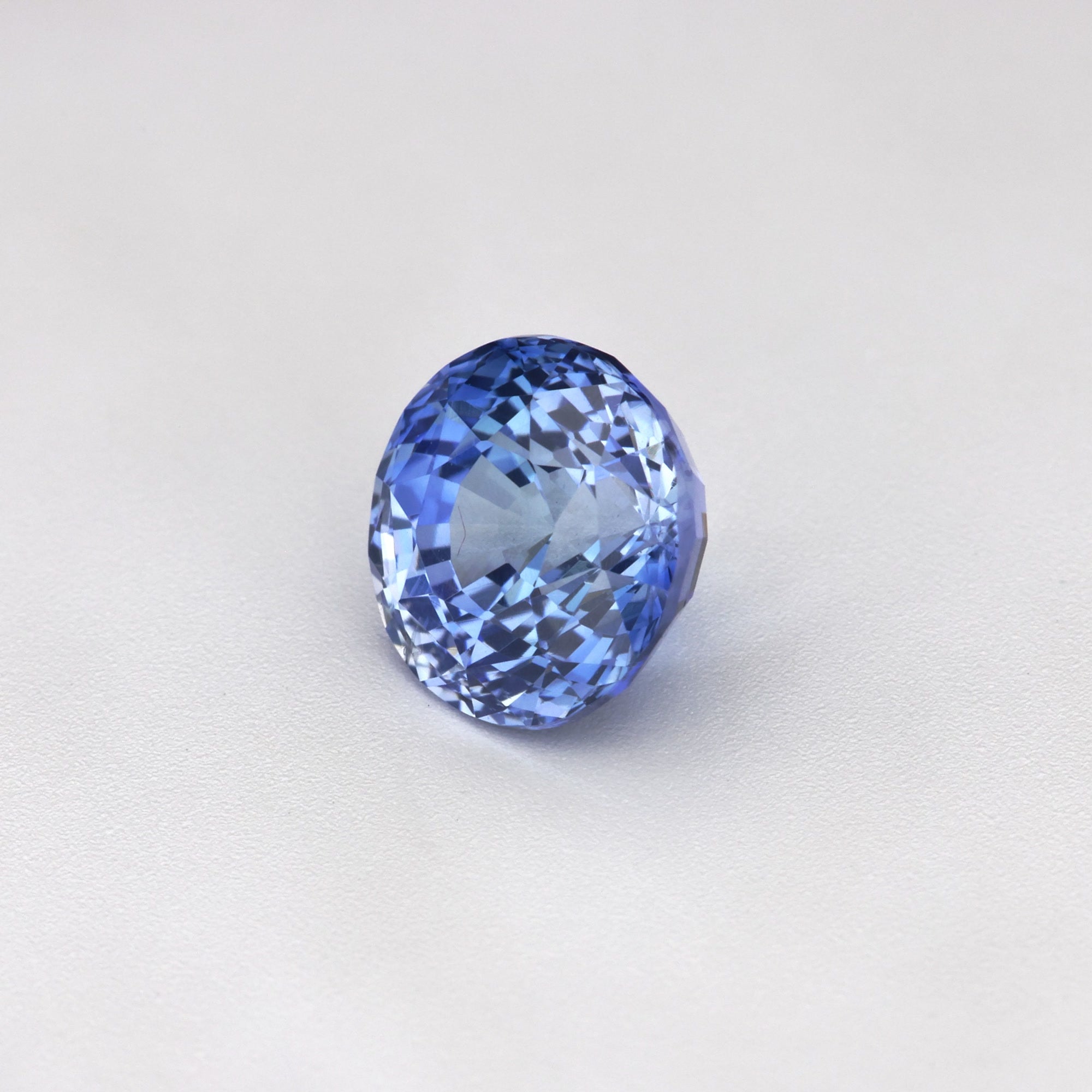
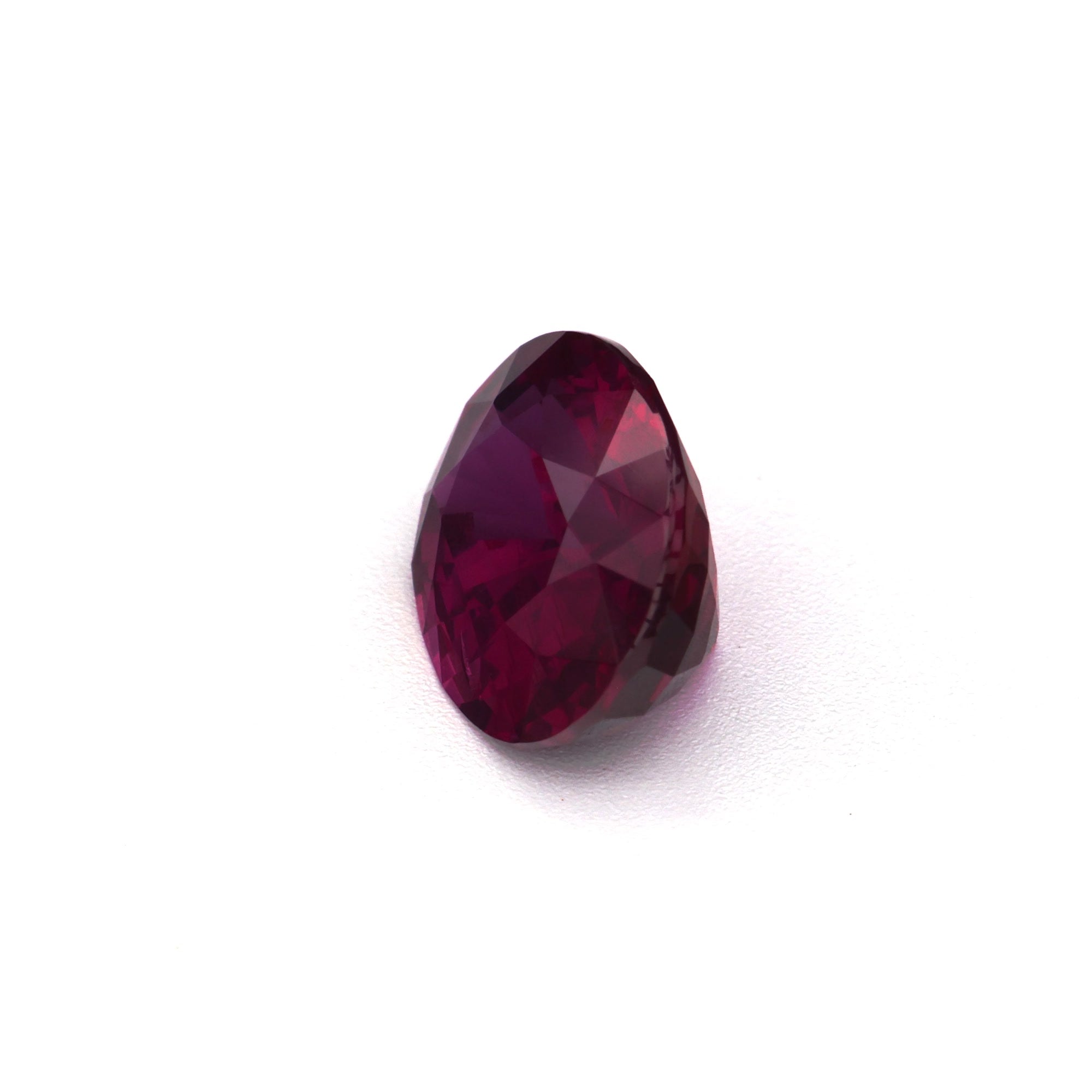
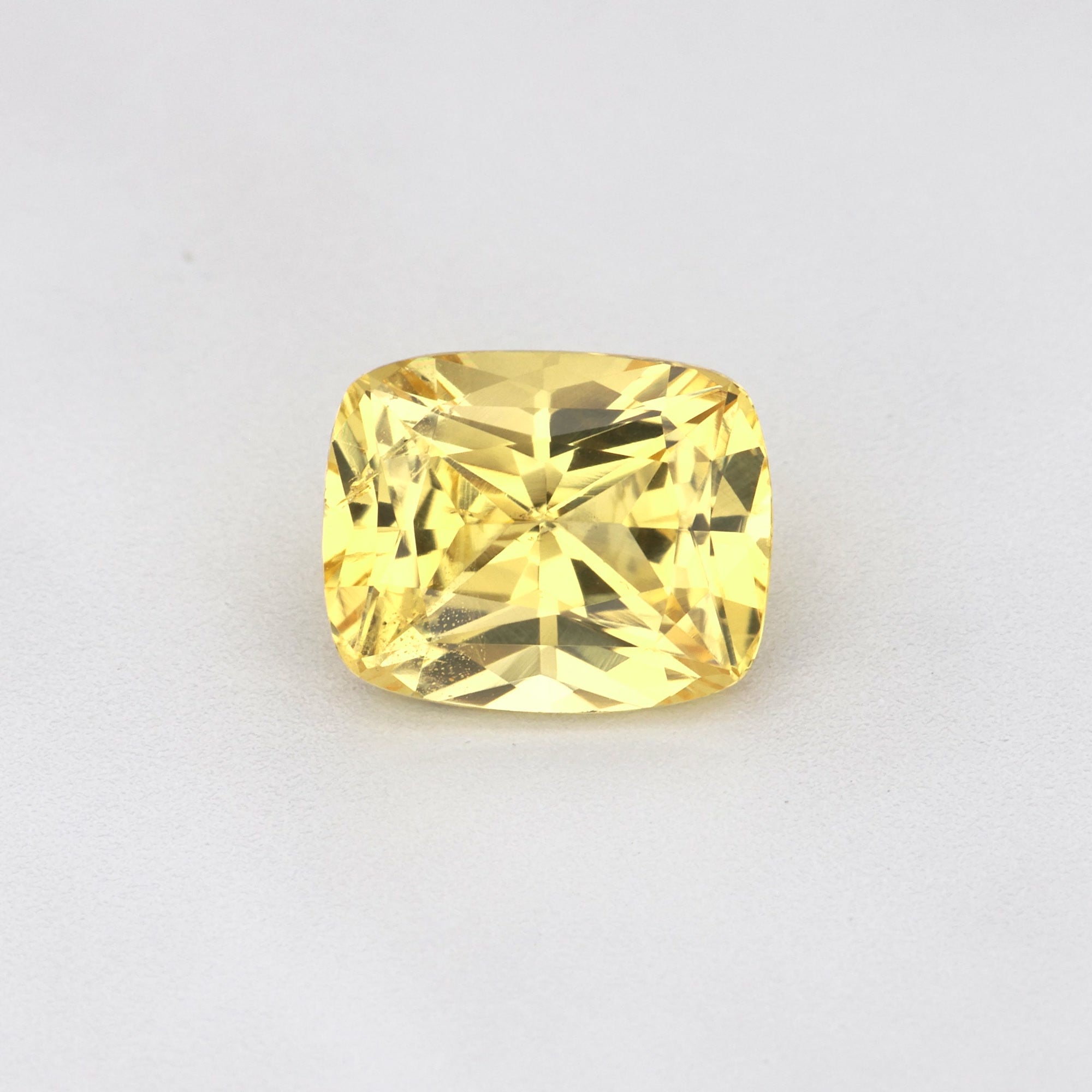
The process starts with the center stone. Browse our catalog by color — Blue, Teal, Pink, Peach, Yellow, Padparadscha — or start with the full catalog.
Once you have chosen your center stone, our in-house jewelry division handles everything else: sourcing matched side stones, designing the three-stone setting to your specifications, and building the ring from CAD render to finished piece. One team, one source, one process.
See How to Commission a Custom Ring for the full process, or email crescentgems@gmail.com with your center stone choice and ring vision. We respond within one business day.
Need two well-matched stones rather than one? Browse our matched gemstone pairs collection, pre-selected for color and size consistency.

Prices are shown in your local currency and may change.

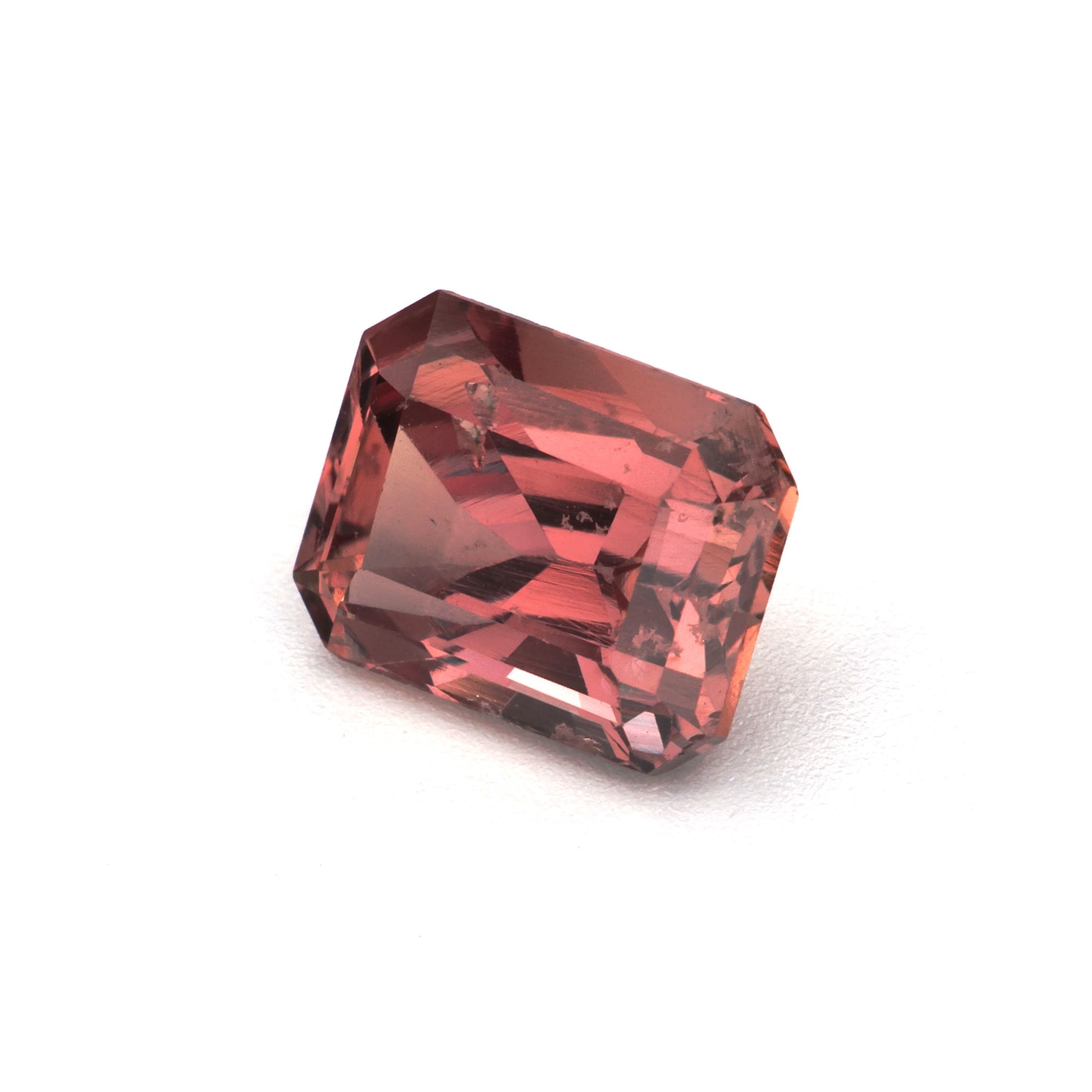
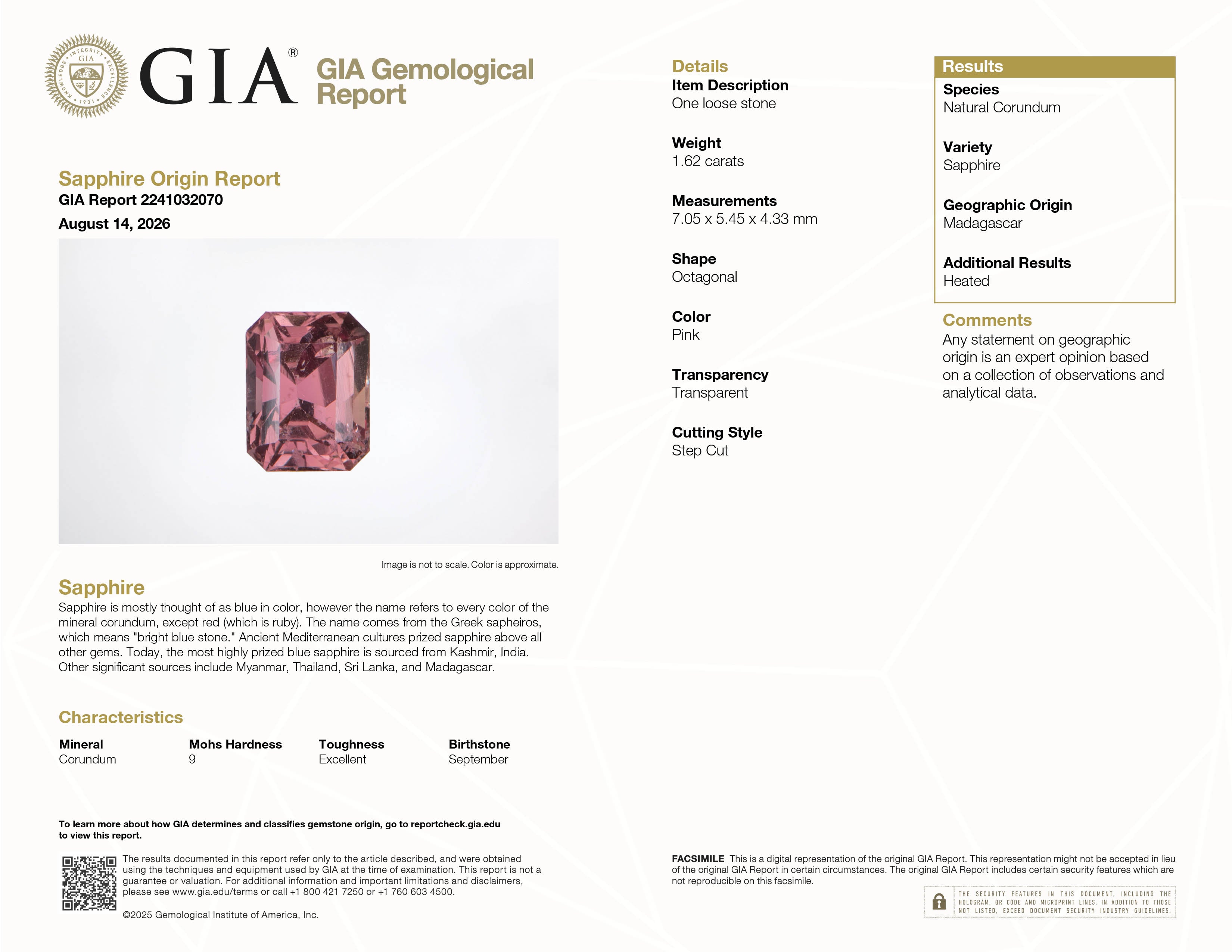
CG8465
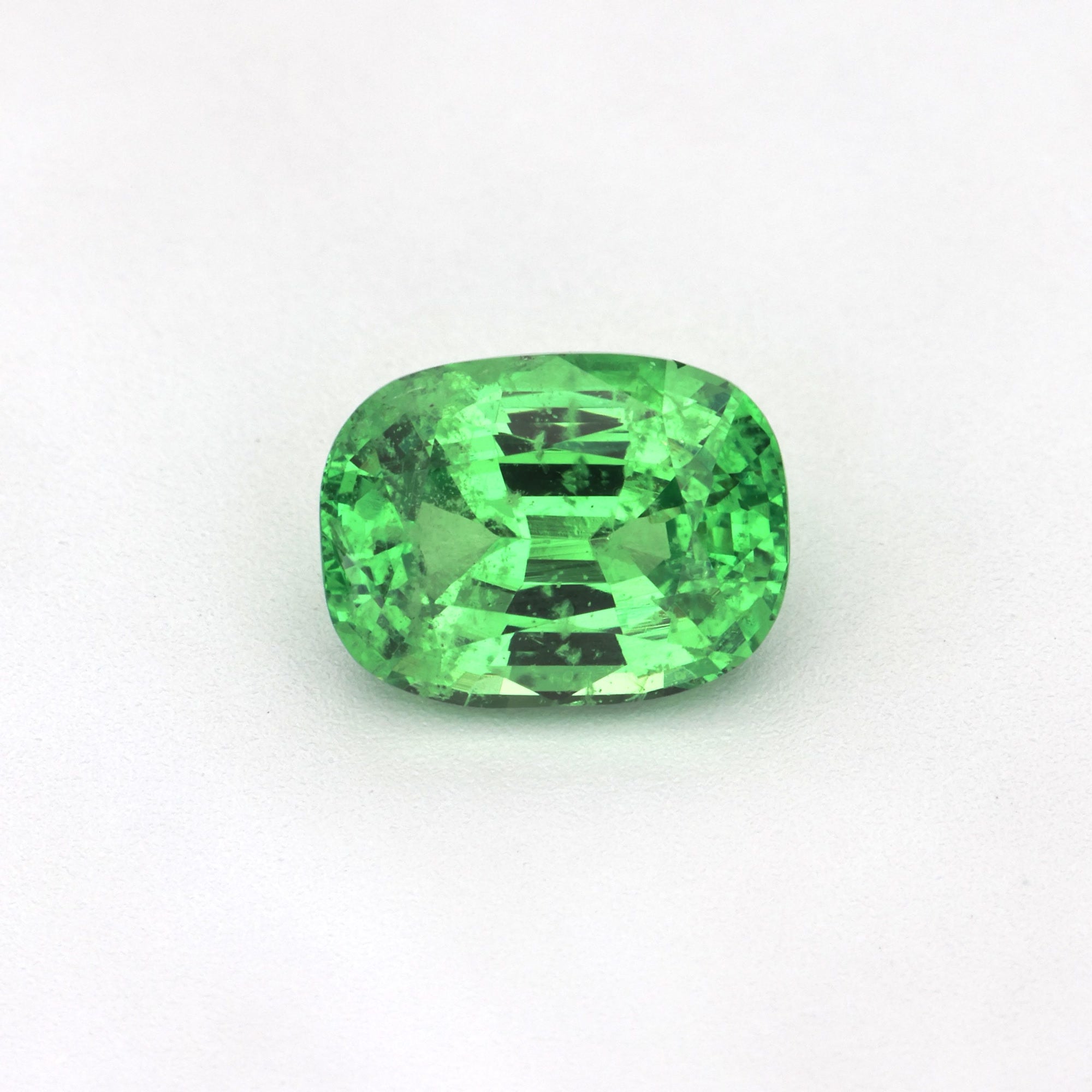
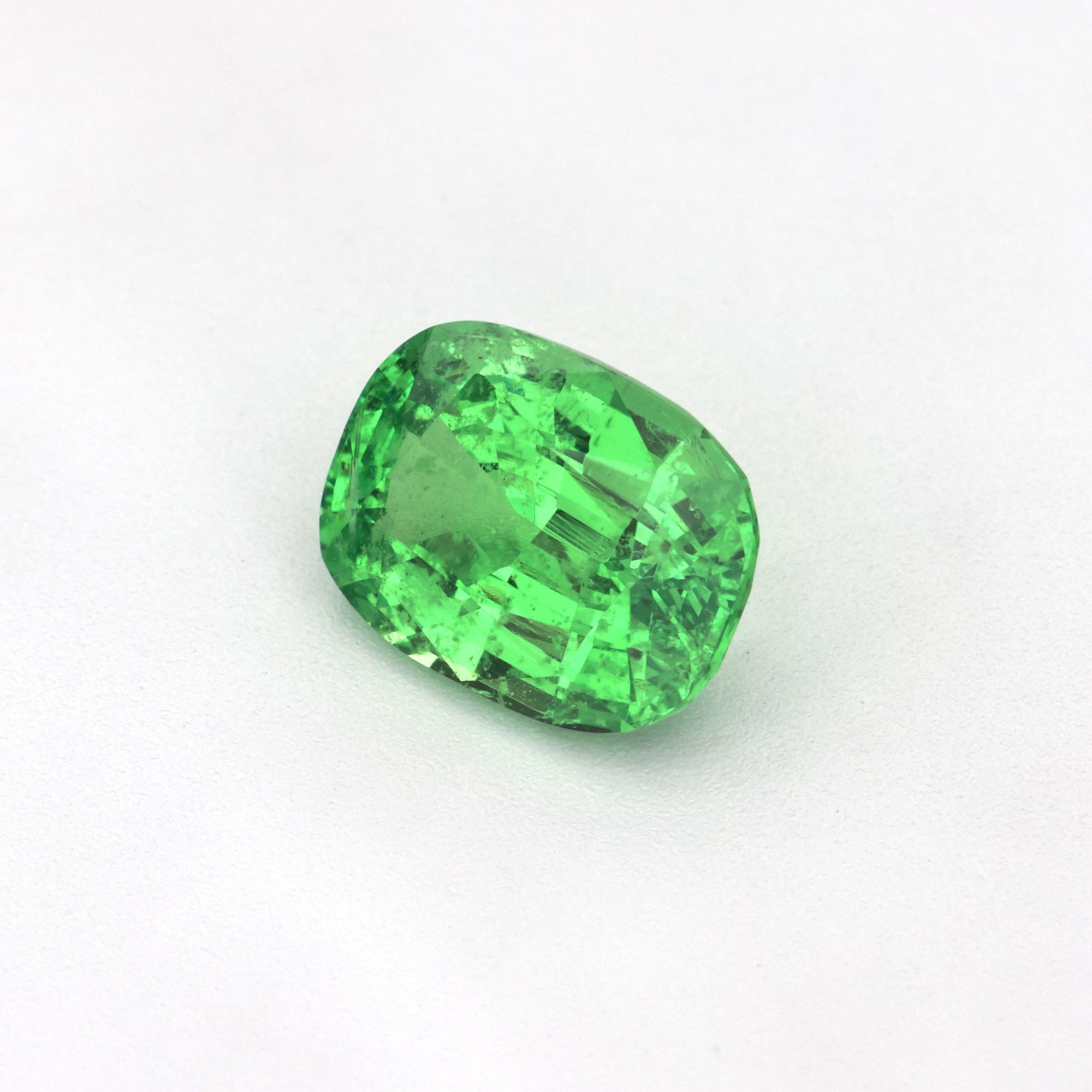
CG8460
CG8456


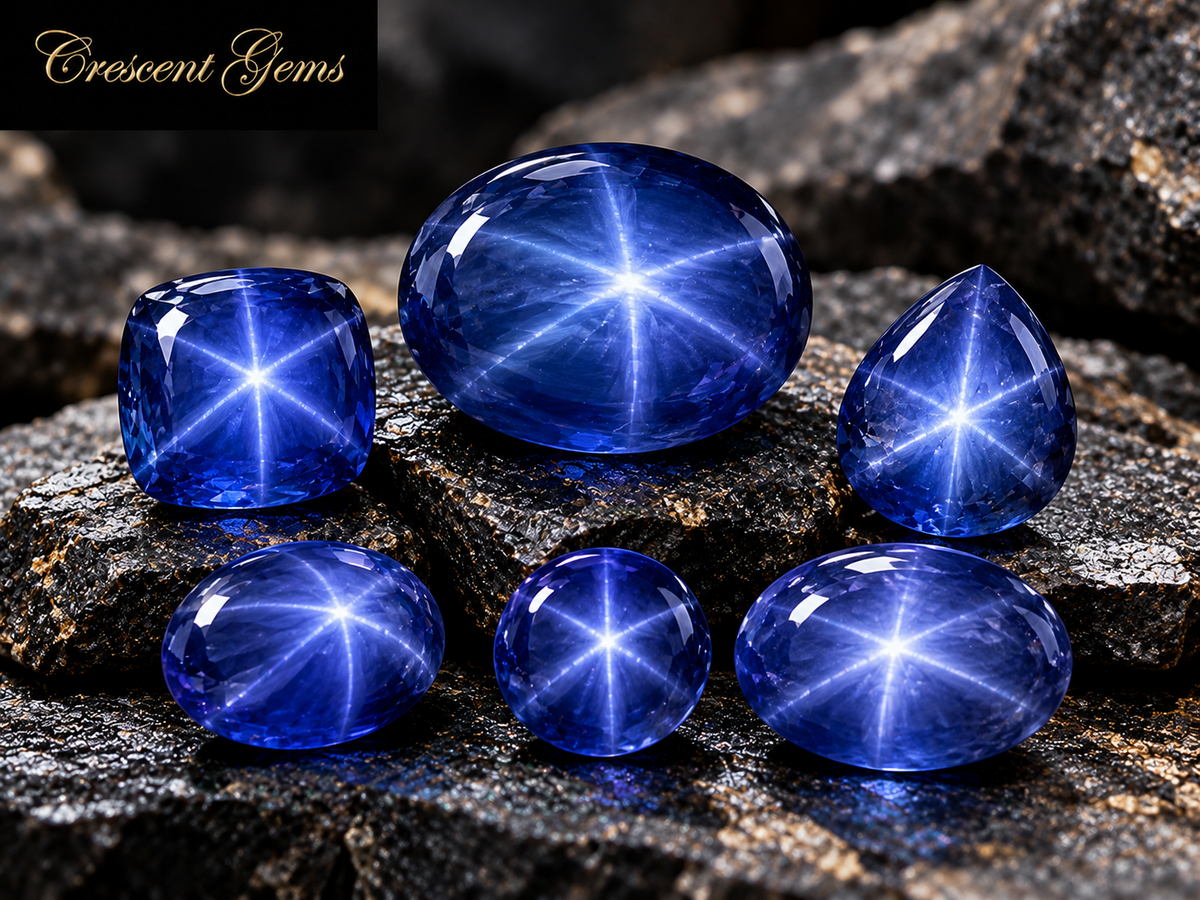
Blue Star Sapphire Price Guide — What They Cost and Why
Read moreabout Blue Star Sapphire Price Guide — What They Cost and Why
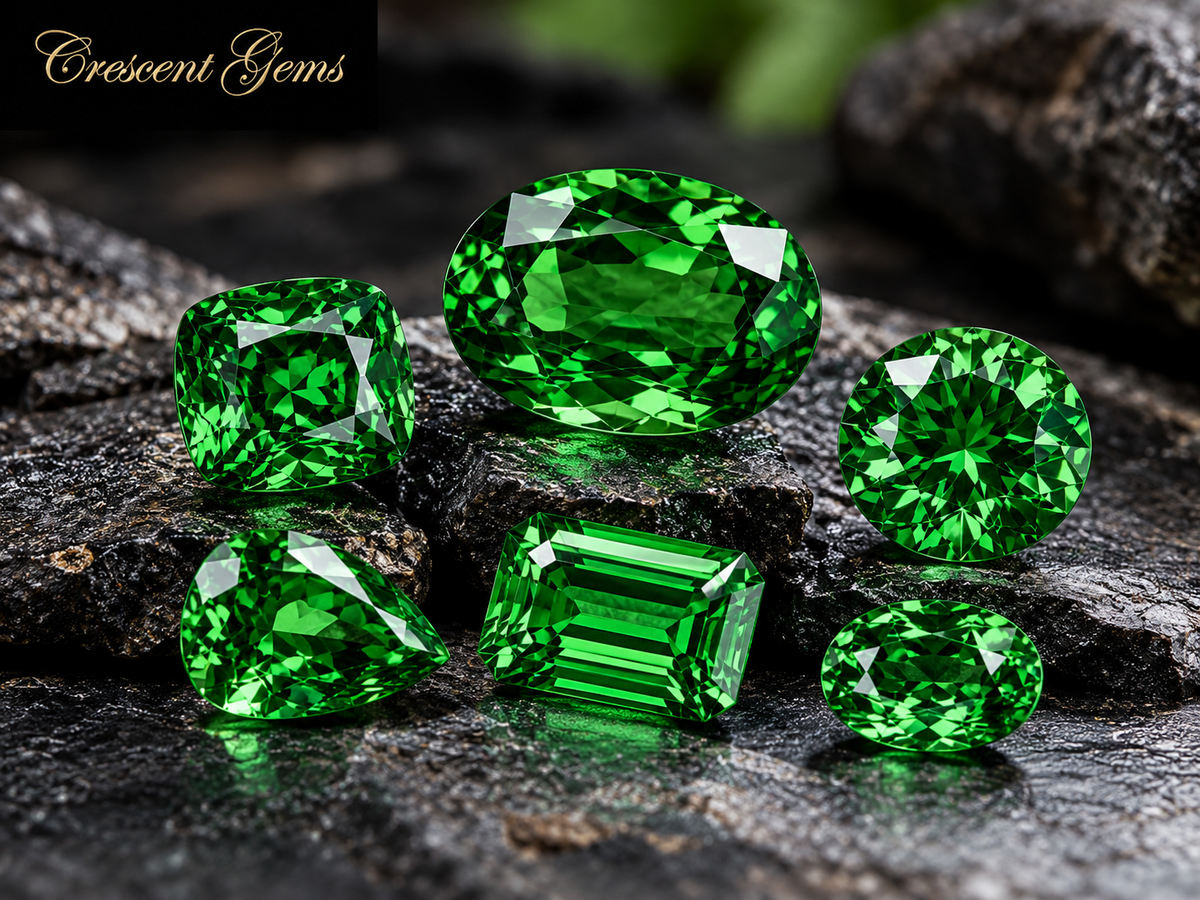
Tsavorite Garnet Price Guide — What They Cost and Why
Read moreabout Tsavorite Garnet Price Guide — What They Cost and Why
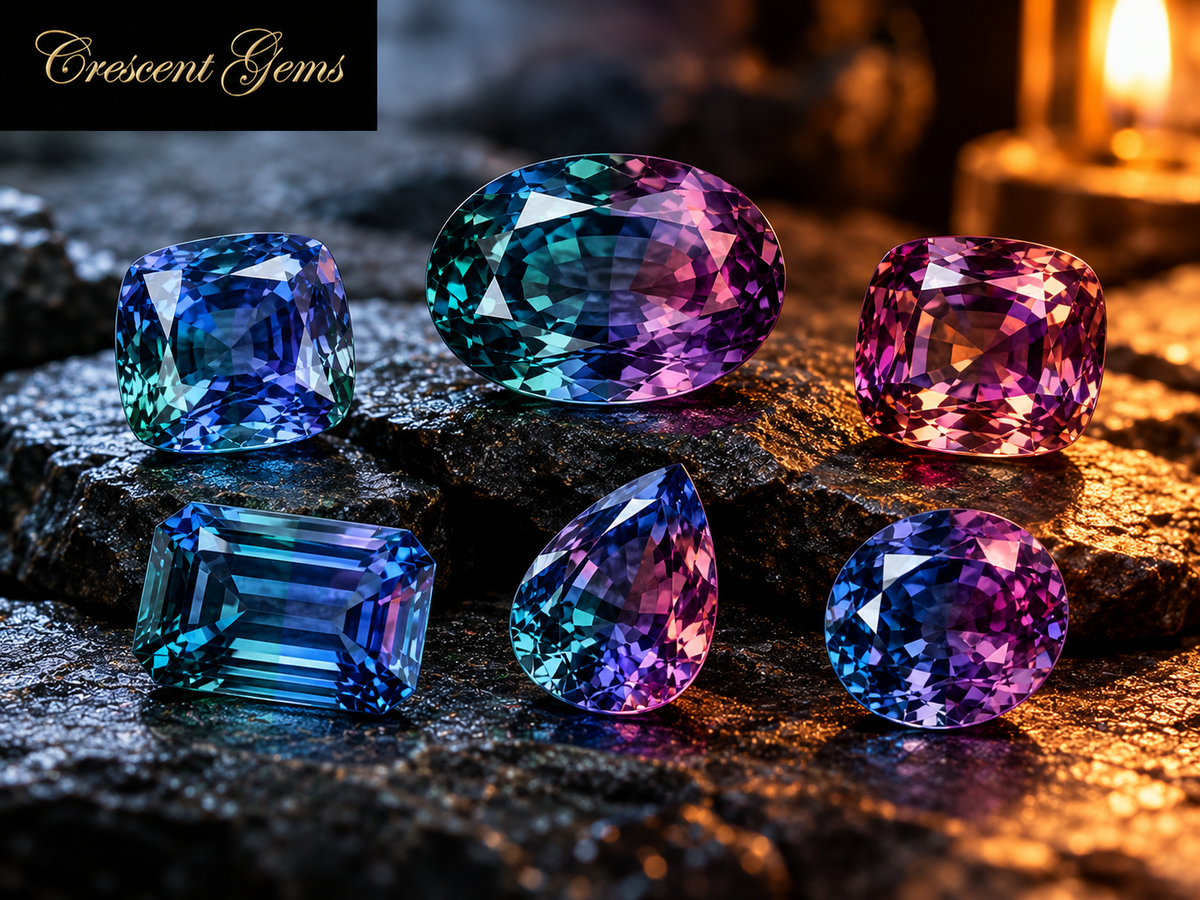
Color-Change Sapphire Price Guide — What They Cost and Why
Read moreabout Color-Change Sapphire Price Guide — What They Cost and Why
Is Cat's-Eye Chrysoberyl Good for an Engagement Ring?
Read moreabout Is Cat's-Eye Chrysoberyl Good for an Engagement Ring?
Cat's Eye Chrysoberyl Price Guide — What They Cost and Why
Read moreabout Cat's Eye Chrysoberyl Price Guide — What They Cost and Why
















Share: