

- by Ahmed Shareek
Best Sapphire Cuts for Low-Profile Rings — Practical Shapes for Active Wear
- by Ahmed Shareek
For bezel settings: How to Choose a Sapphire for a Bezel Ring. For corner protection: How to Protect Sapphire Corners. For the buying foundation: Ultimate Sapphire Buying Guide.
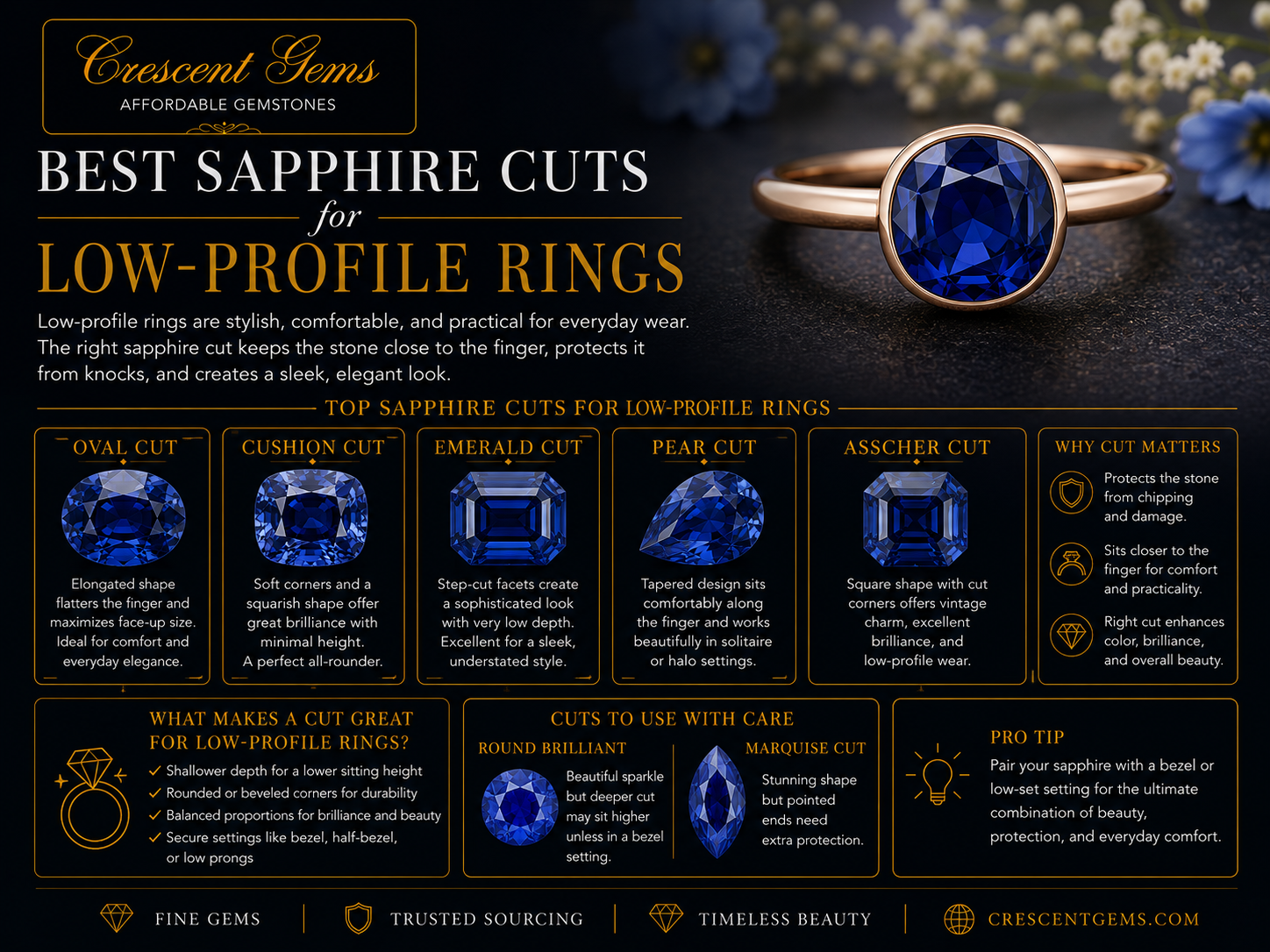
A low-profile engagement ring — one where the center stone sits close to the finger rather than rising high above the band — is one of the most practical ring configurations for active, hands-on lifestyles. A ring that catches on everything, snags fabric, or feels precarious during physical activity is a ring that gets removed every time those activities happen, which introduces its own risk. A well-designed low-profile sapphire ring can be worn continuously — through daily tasks, at the gym, in the garden, at work — without the anxiety that a high-set stone creates.
The cut of the sapphire directly determines how low-profile a ring can be made. A shallow-depth, wide-face stone sits naturally low; a deep pavilion stone sits high regardless of setting design. This guide covers which sapphire cuts are naturally suited to low-profile settings, how to evaluate a stone's depth profile for low-profile suitability, and what setting styles amplify the low-profile character of an appropriate cut.
The height of a center stone above the finger is determined by two factors: the stone's total depth (crown + girdle + pavilion depth) and the setting's head design. A stone with a shallow total depth can be set very low with the right setting head; a stone with a very deep pavilion will necessarily sit high regardless of how the setting is designed.
Total depth percentage — expressed as depth divided by average width — is the key measurement. For sapphire, depth percentages vary significantly by cut style:
A stone with a depth percentage above 75% will sit noticeably higher than one at 65%, all else being equal. When evaluating a sapphire for a low-profile ring, always ask for the depth measurement alongside the carat weight and face-up dimensions.
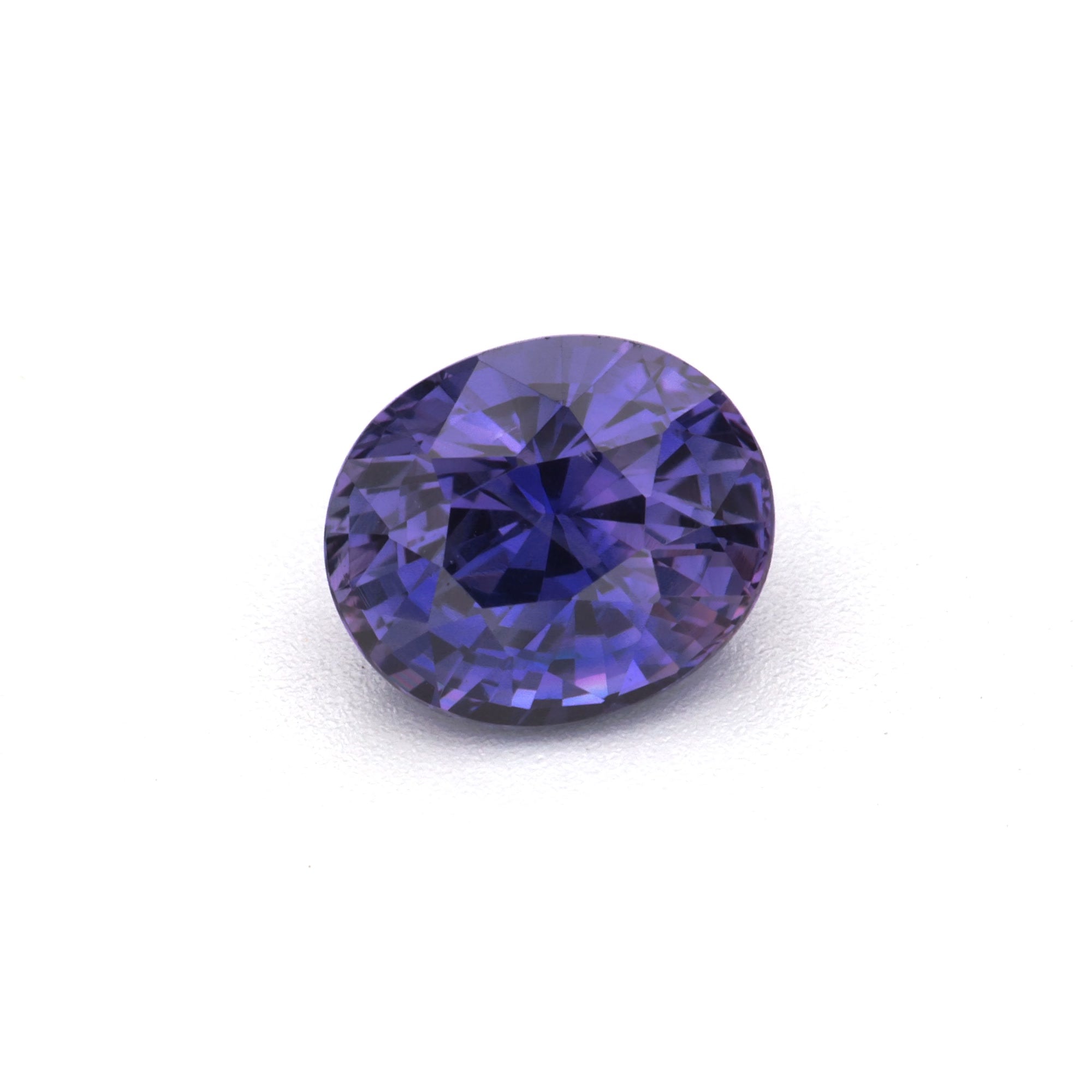
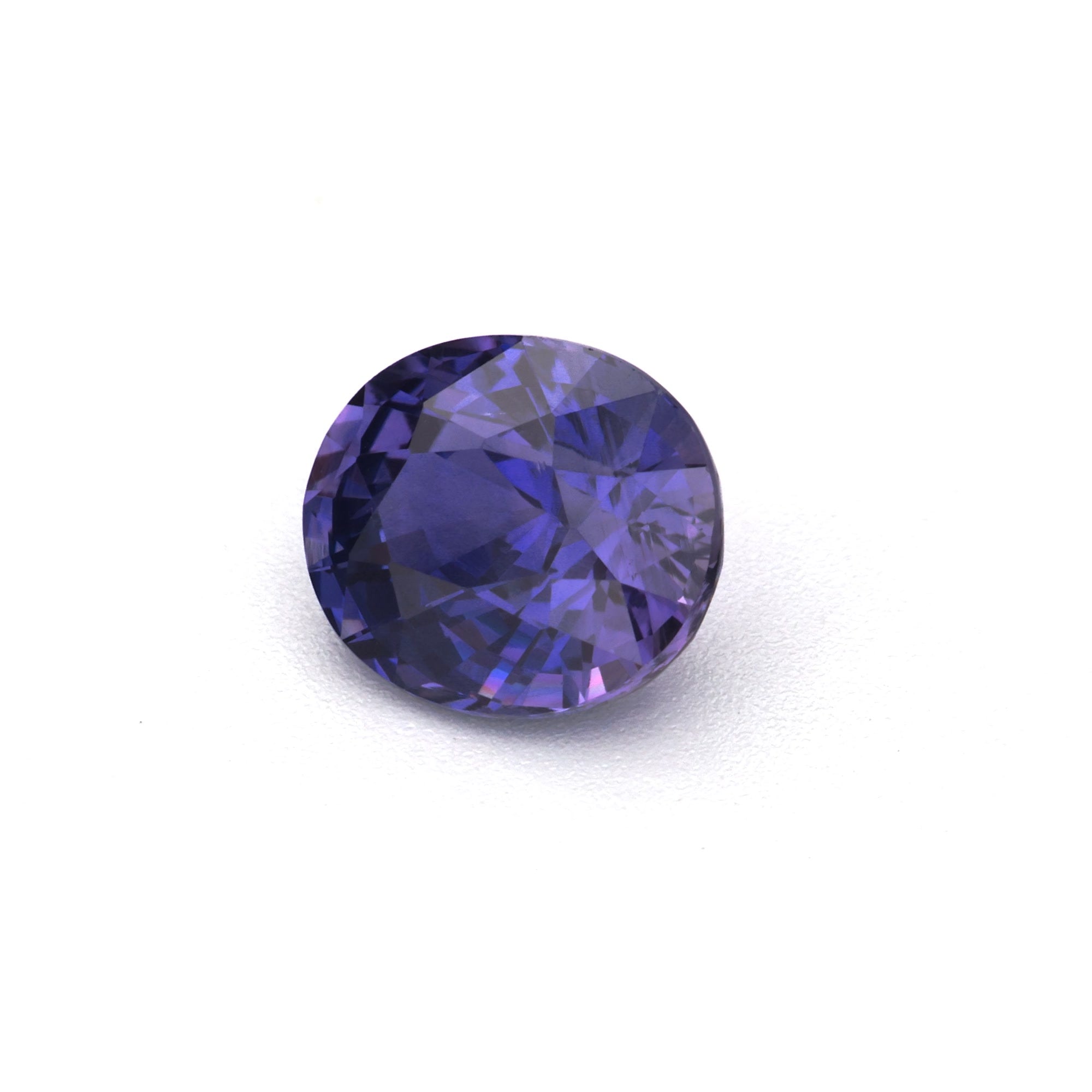
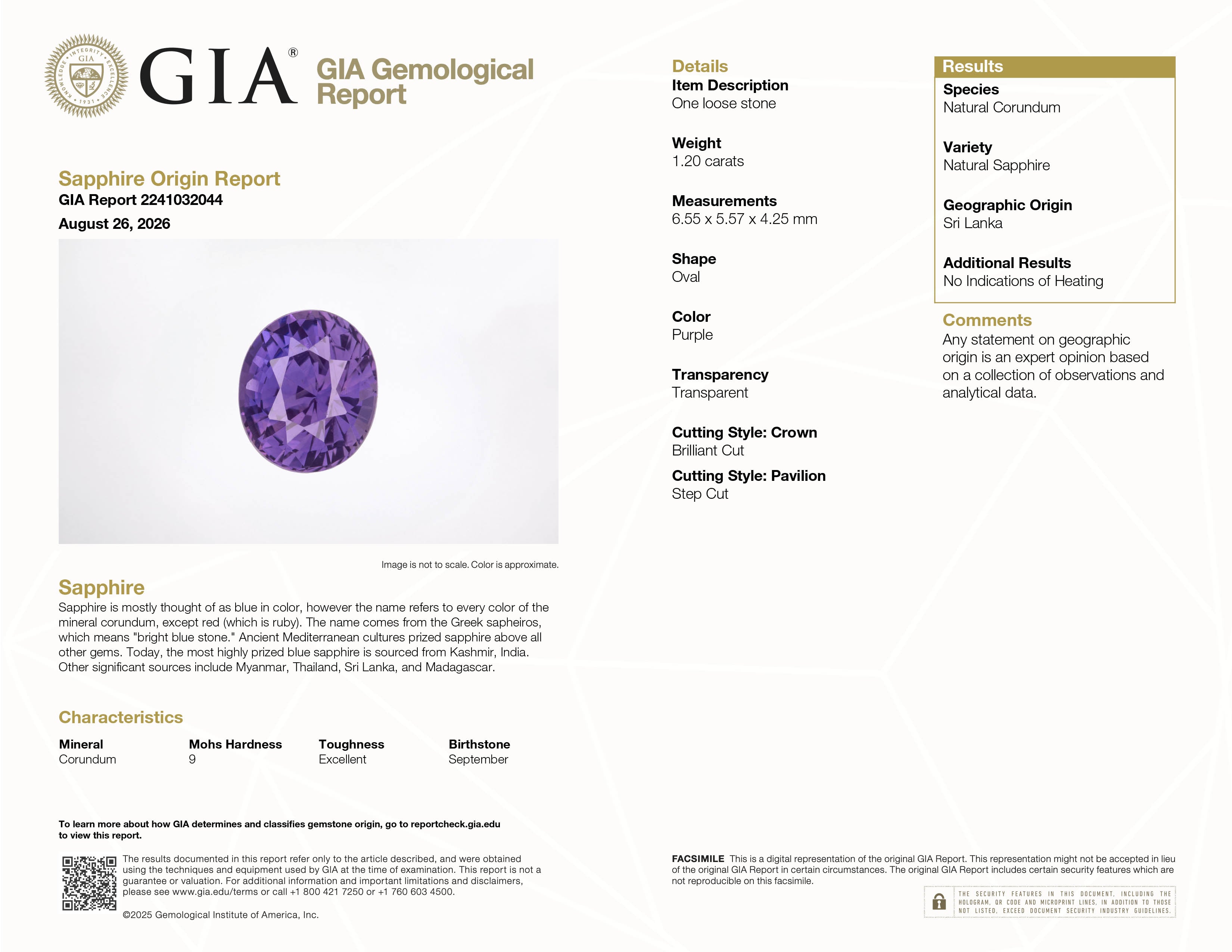
A well-cut oval sapphire with a shallower-than-standard depth (60–65% depth percentage) is the best all-around low-profile sapphire shape. The oval naturally lies flat on the finger due to its elongated outline, and a shallow depth means the stone's total height above the band is genuinely low. A 7×5mm oval at 60% depth sits approximately 3.5–4.0mm above the band at its highest point — comparable to many low-profile diamond ring designs. Browse our oval sapphire collection. The practical note: shallower ovals can show more windowing (a transparent pale zone face-up) if the pavilion angles are compromised. Not all shallower ovals are equal — a well-cut shallow oval with correct pavilion angles can achieve low profile with excellent color return. A poorly cut shallow oval will look pale face-up. Always request face-up video to check for windowing. See our cut quality guide.
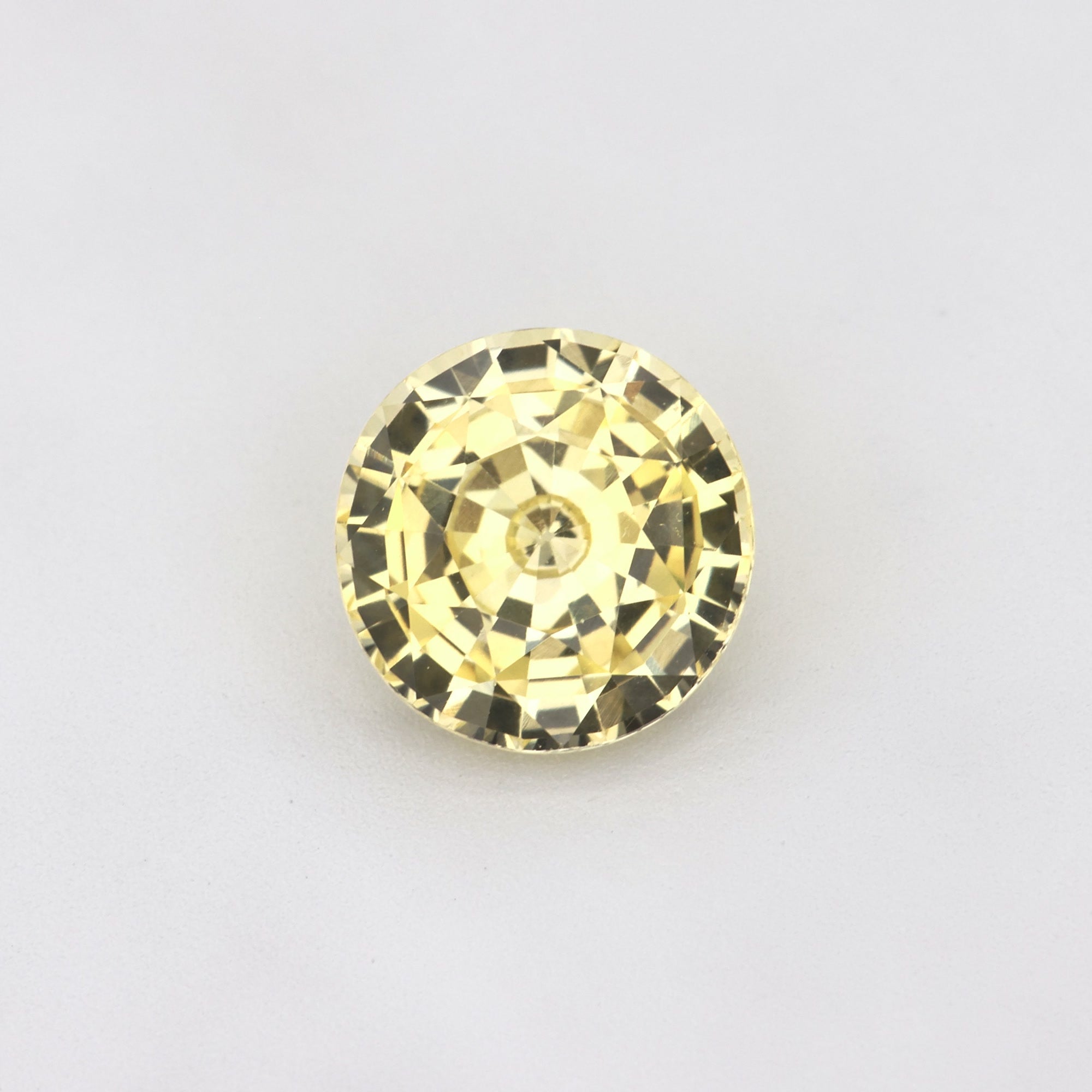
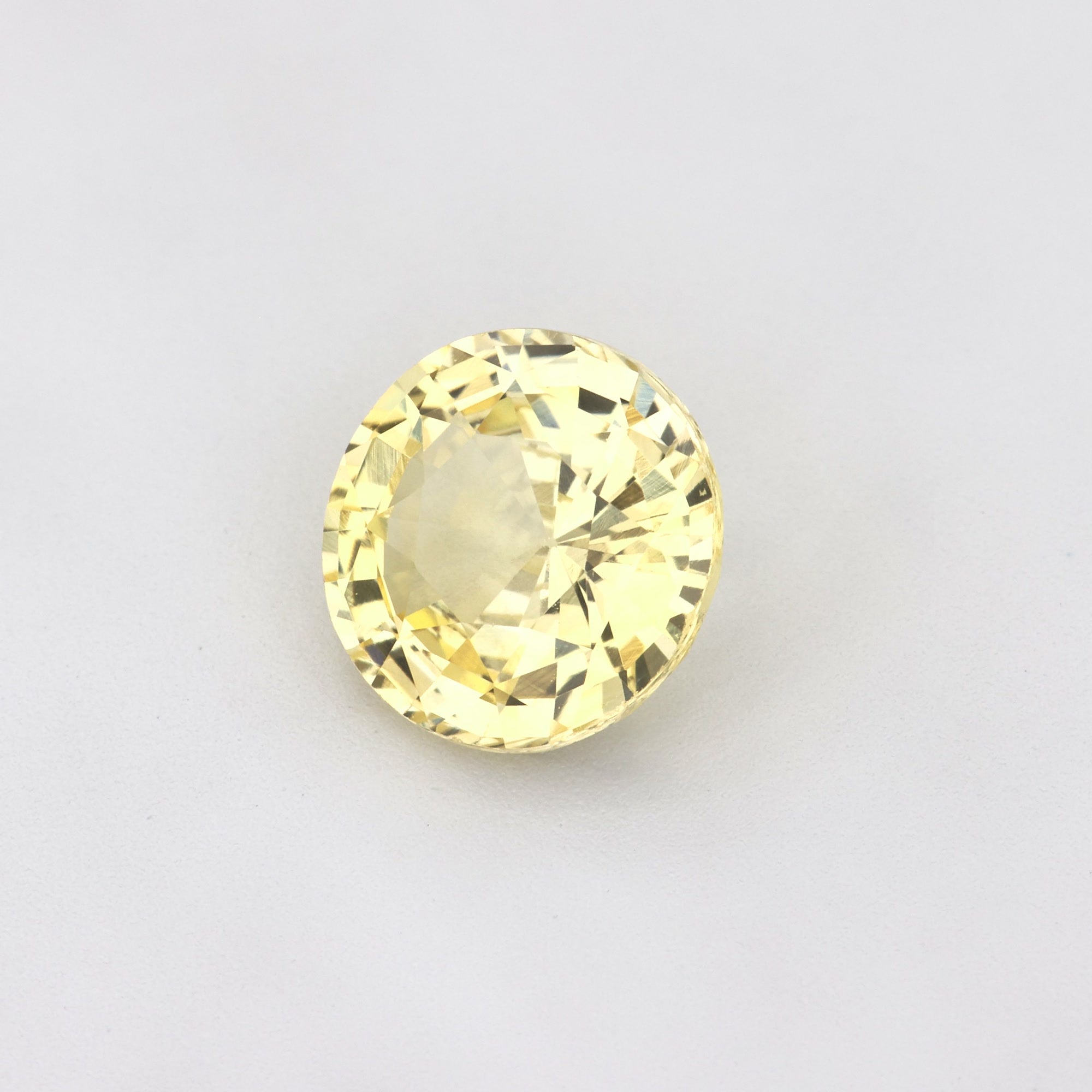
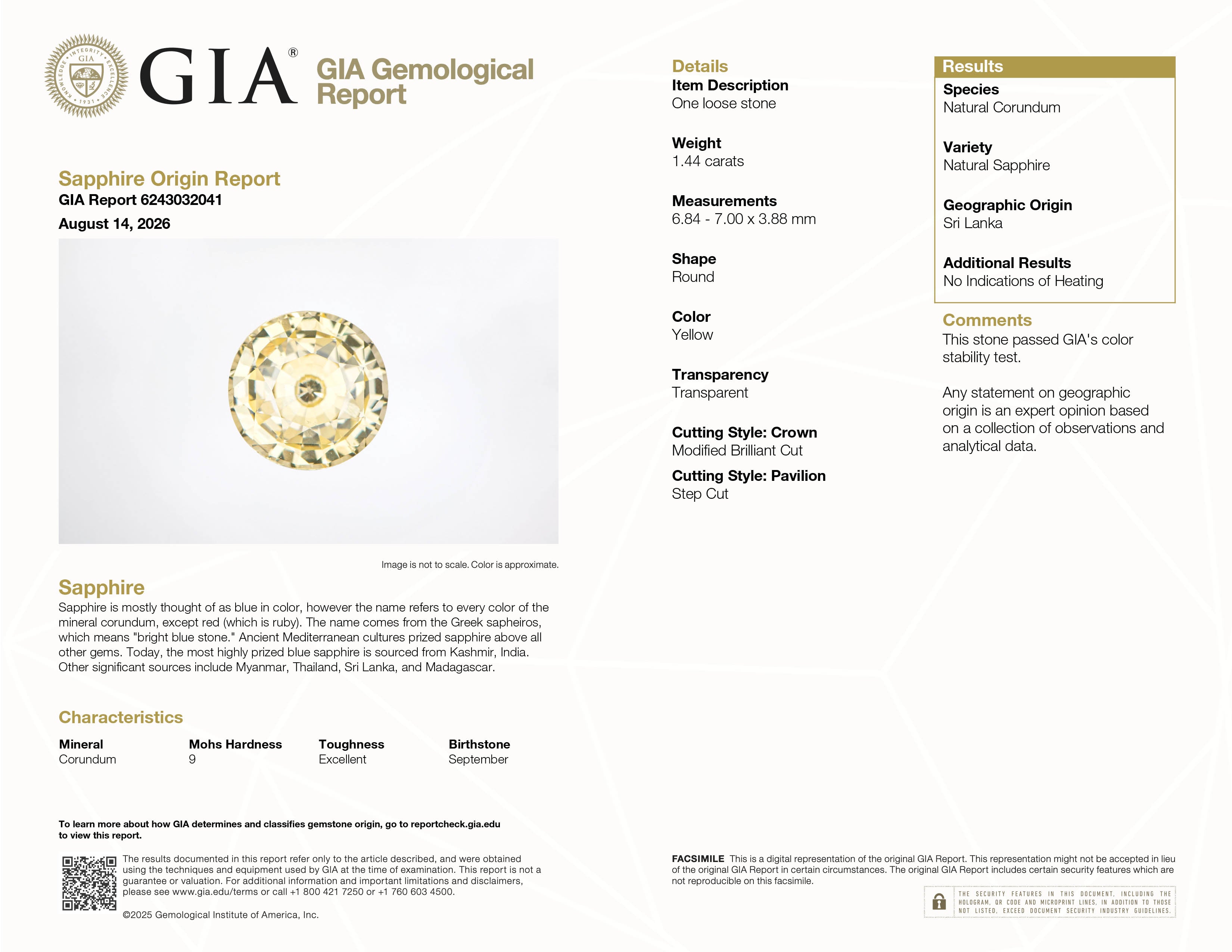
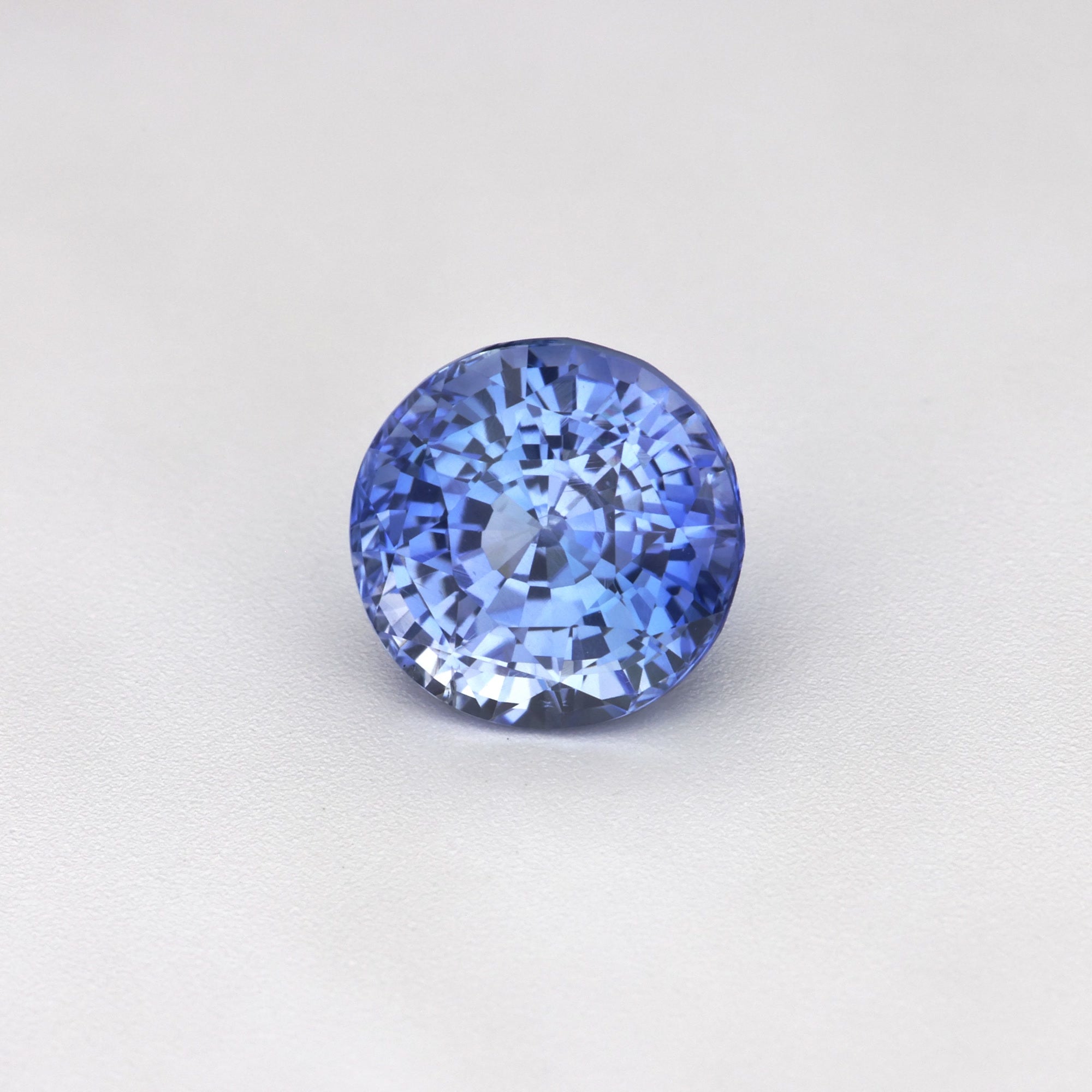
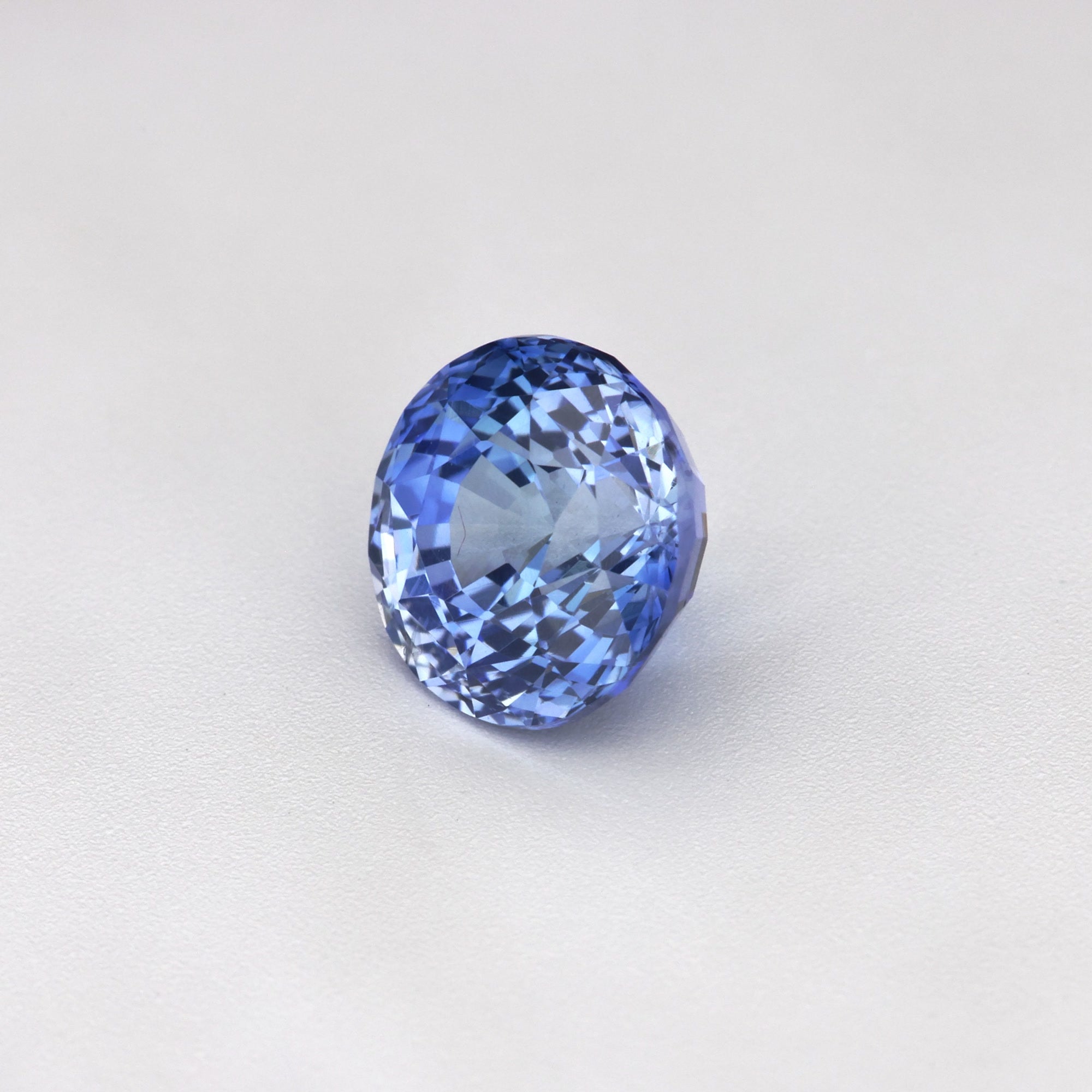
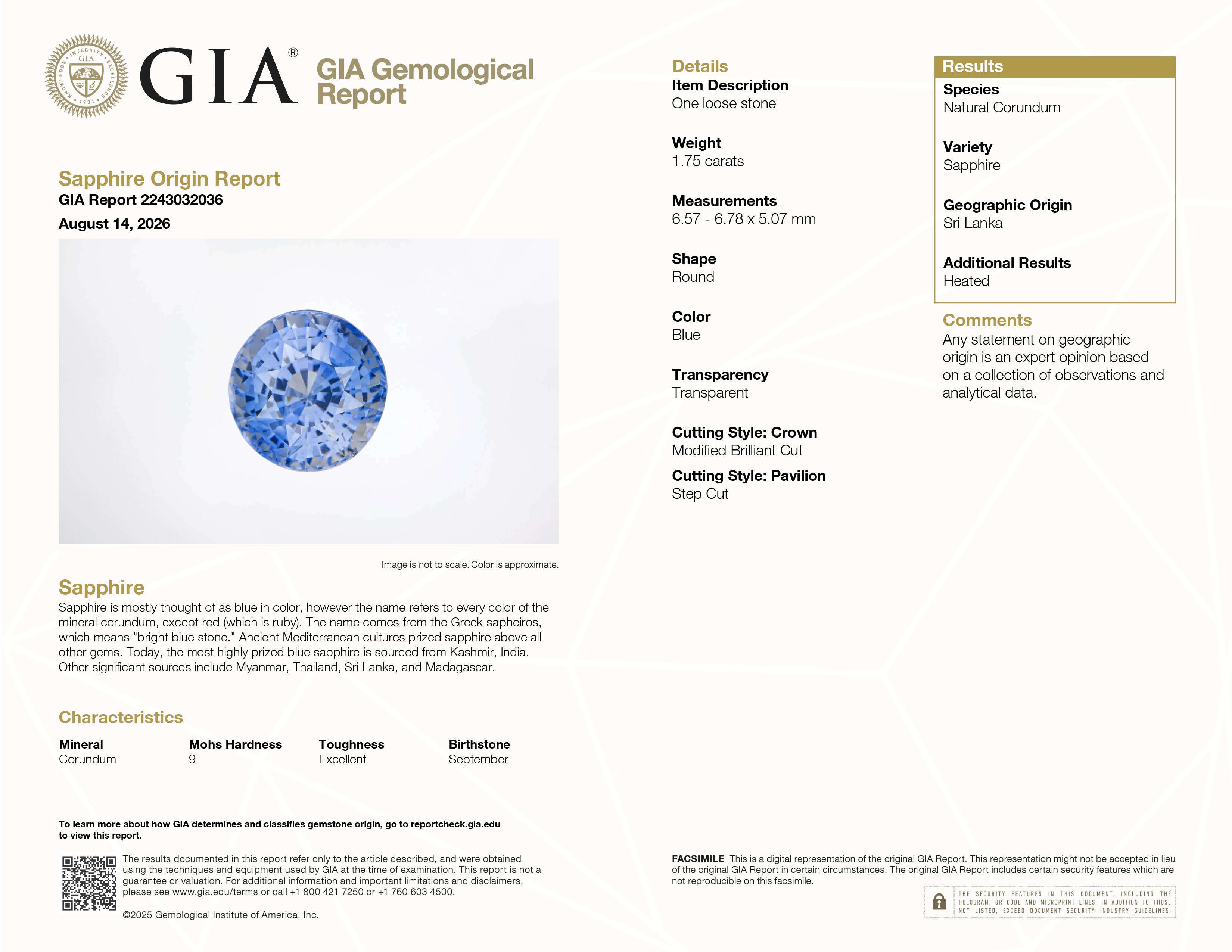
The round brilliant cut, when well-proportioned, sits relatively low by virtue of its symmetrical outline that allows setting designers to minimize the head height while maintaining structural integrity. A round sapphire in a low-profile bezel or tension setting is among the most wearable ring configurations for active lifestyles — the round has no corners to catch on anything, the bezel provides maximum protection, and the setting can be designed with a very low head. Round sapphires are also the most compatible with sports and gym activities because of this combination of low profile and corner-free outline.
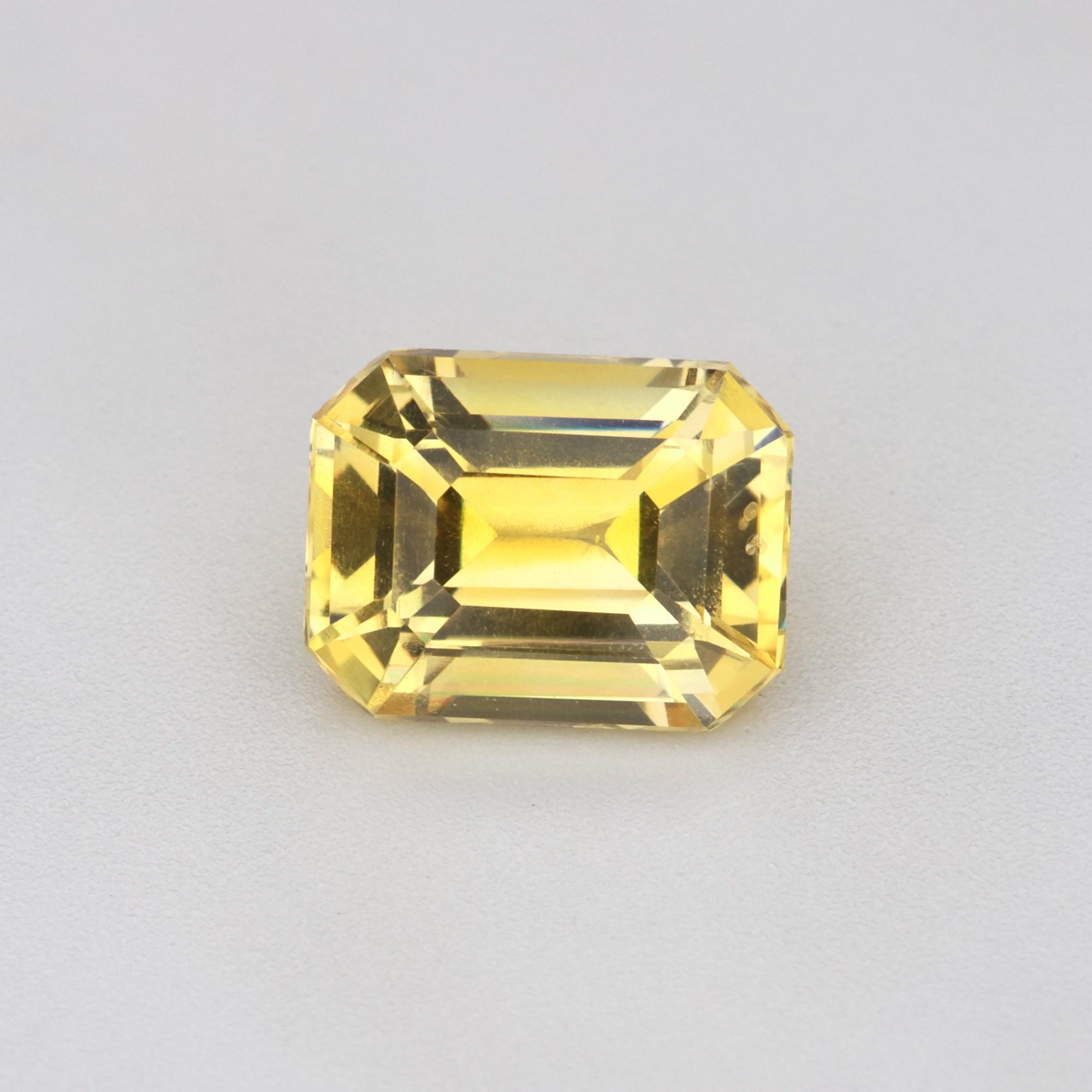
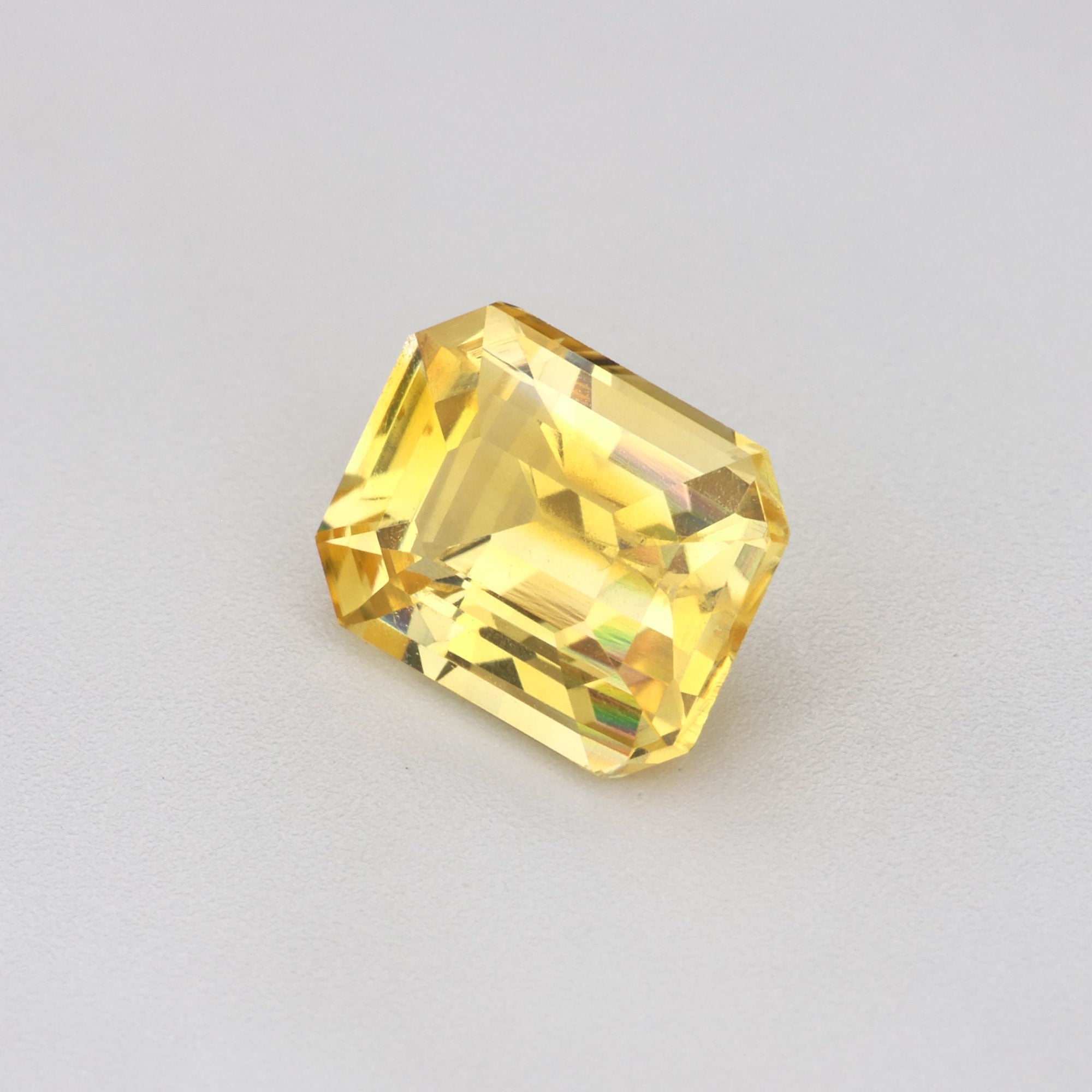
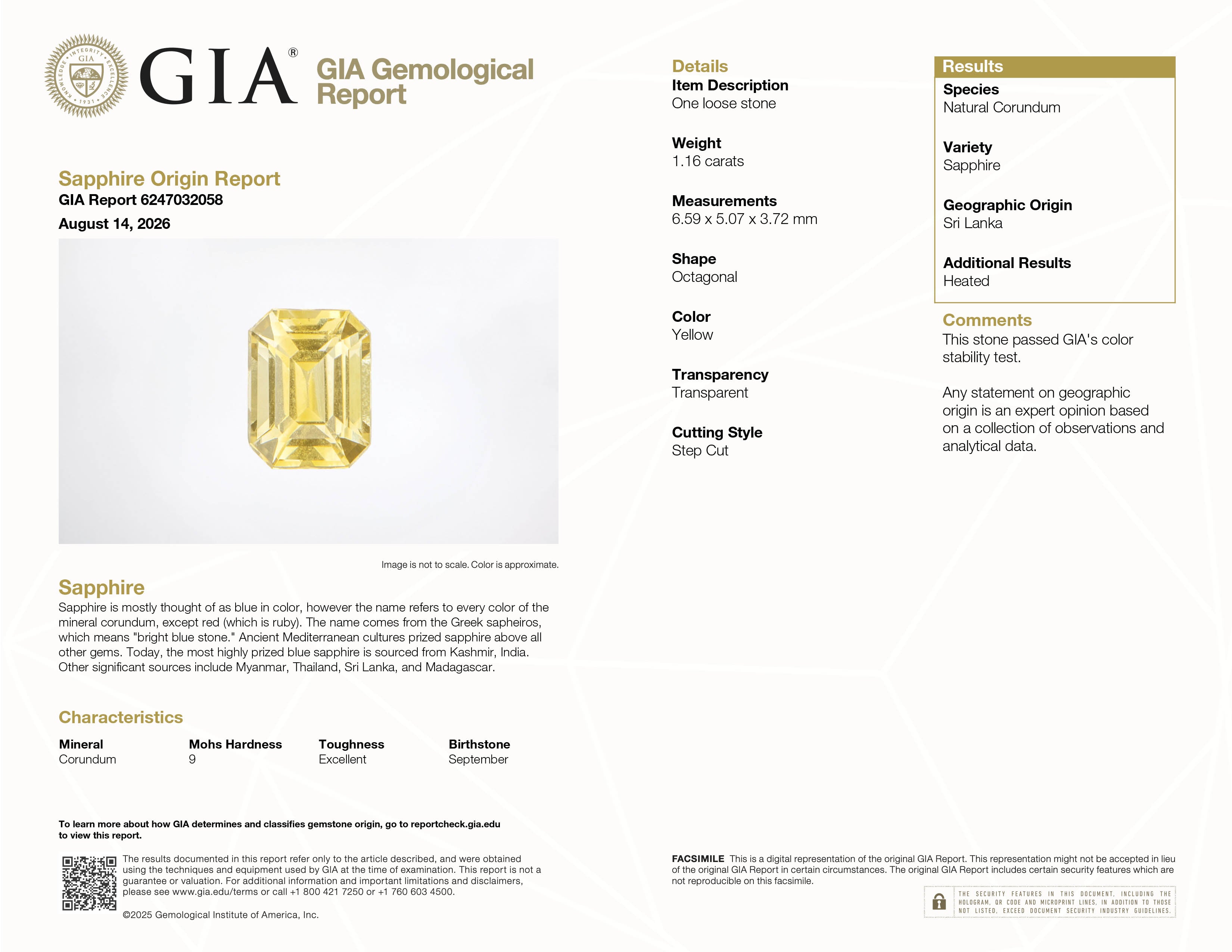
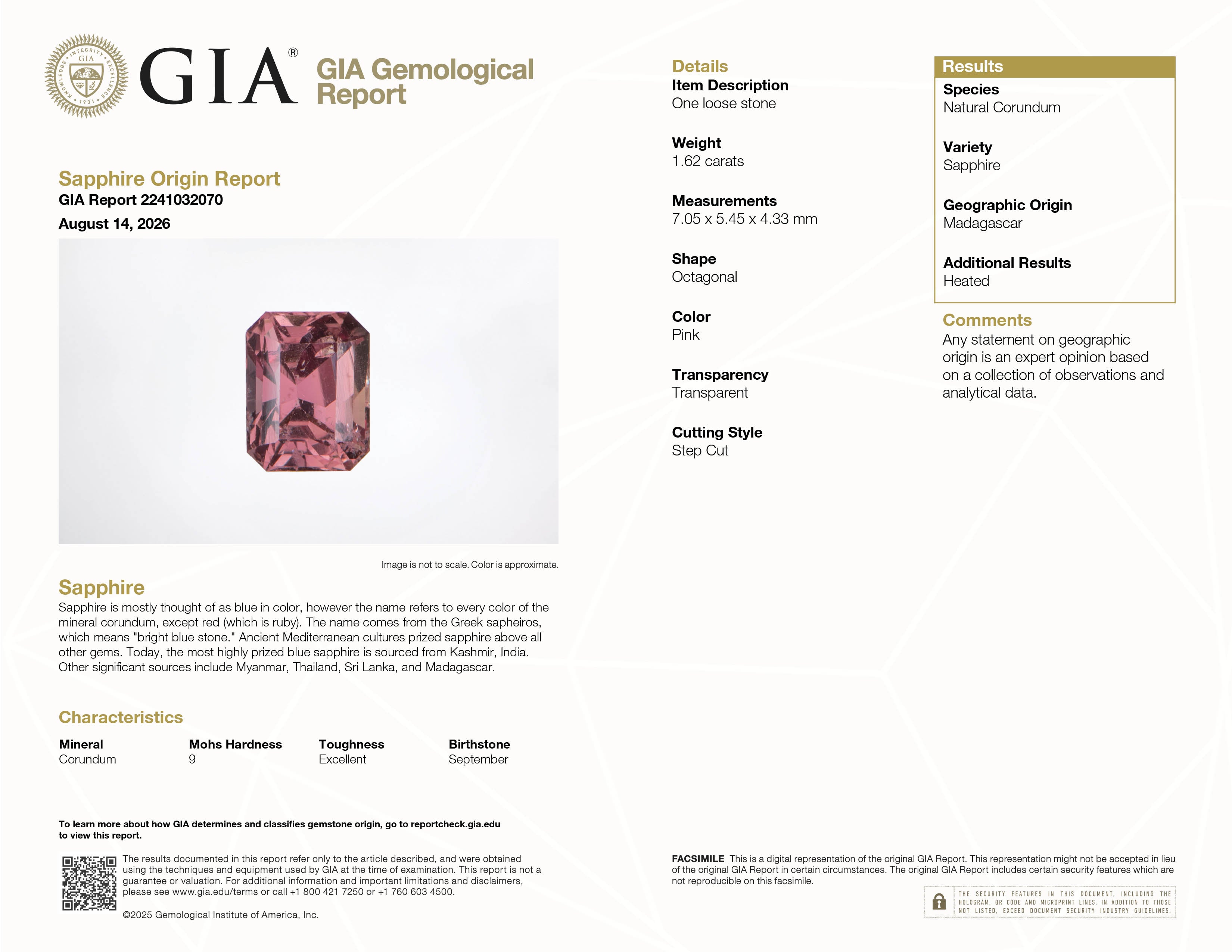
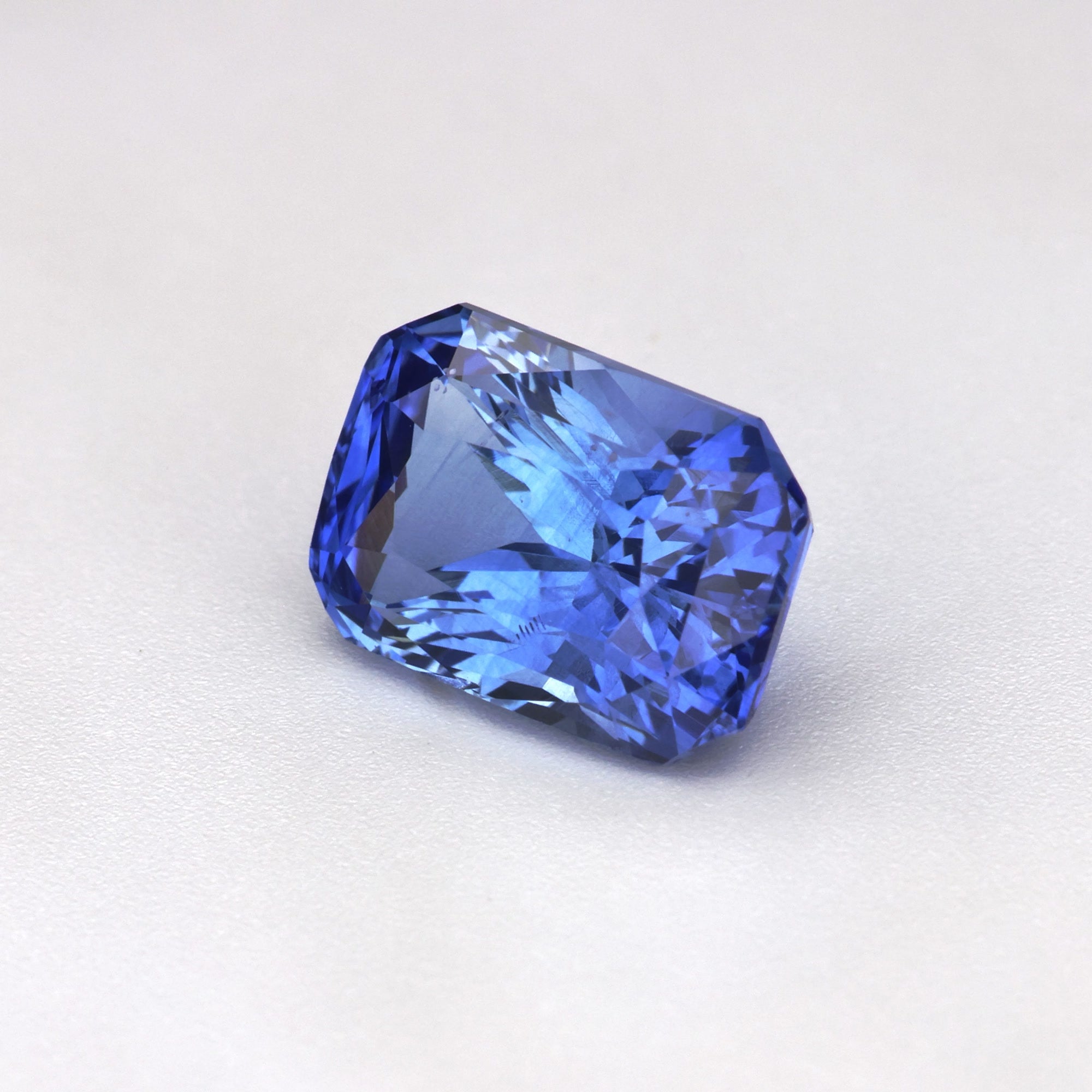
The emerald cut's large flat table facet and step-cut pavilion means that more of the stone's total depth is in the crown (above the girdle) rather than the pavilion, distributing the stone's height differently from brilliant cuts. In practice, an emerald cut of moderate depth sits relatively low while still displaying its full face-up area, because the shallow pavilion reduces the amount of stone below the setting's head. The rectangular outline also lies flat along the finger in a way that rounded brilliant shapes do not — the flat sides of the emerald cut create a more table-like silhouette that visually reads as lower than its actual height. Browse our emerald cut sapphire collection.
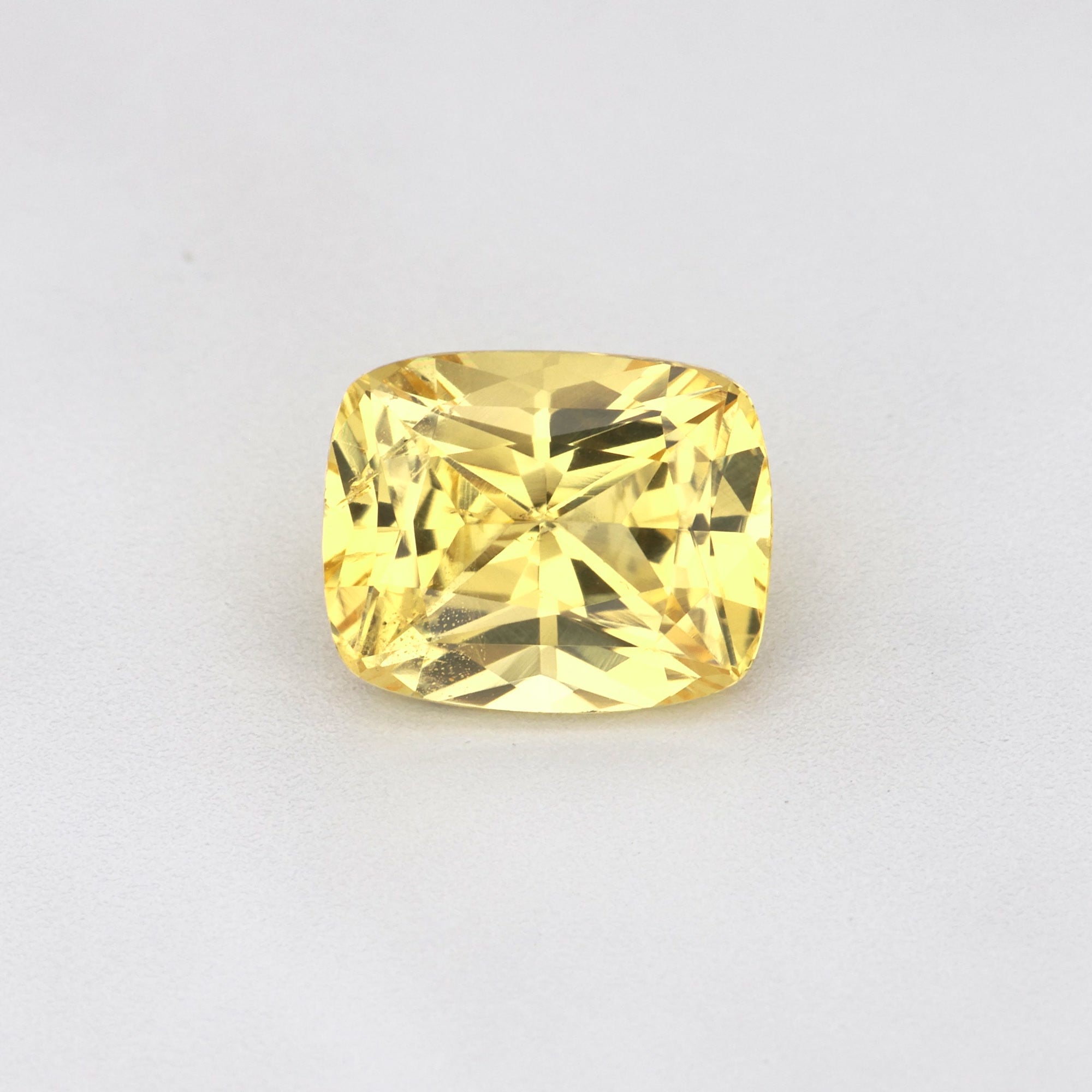
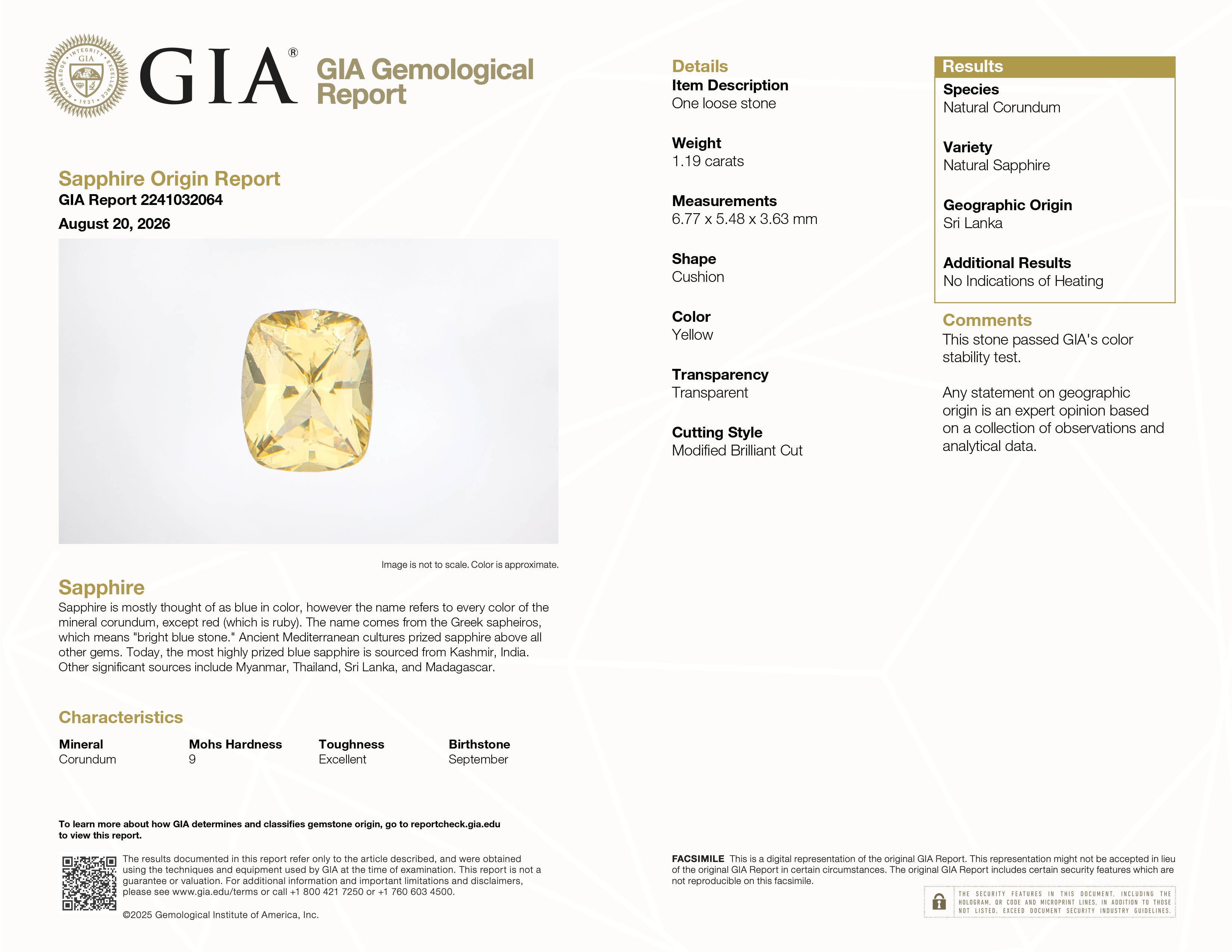
A well-cut cushion sapphire at the lower end of its typical depth range (65–70%) can be set in a low-profile configuration, though cushions tend to run slightly deeper than ovals of equivalent face-up size. The cushion's rounded corners are snag-free, and in a bezel or low four-prong head it can be made quite low-profile. Weight-optimized or native-cut cushions with high depth percentages (above 75%) are the primary cuts to avoid for low-profile applications. Browse our cushion sapphire collection.
Bezel setting: The most effective low-profile setting style — the stone is embedded within the metal rim rather than lifted above it by prongs. A full bezel can bring the total ring height at the head to 3.5–5mm above the finger, which is genuinely low for any center stone size. See our bezel ring guide.
Low-profile prong head: Setting heads designed with short prongs and a low base plate that sits close to the band can reduce overall ring height significantly compared to standard setting heads. Ask your jeweler specifically for a low-profile setting head — this is a design specification, not a standard product, and requires explicit instruction.
Flush or channel setting for accent stones: If the ring has accent diamonds or a pavé band, flush or channel-set accents eliminate the additional height that prong-set accents add at the edges of the band.
Half-round or flat band: A flat or half-round band profile (rather than a high-domed band) keeps the total ring height lower by reducing the band's own contribution to the ring's above-finger profile.
Avoid: Cathedral and tall solitaire settings that deliberately elevate the stone for maximum light exposure. These are the opposite of low-profile — they lift the stone several millimeters above what the stone's depth alone would require. For more on setting design considerations see our custom ring design guide.
Deep native-cut or weight-optimized stones: Any stone with depth above 75% will sit high regardless of setting design. Commercial-grade Ceylon sapphires often have depth percentages of 75–90% due to weight retention cutting priorities. Always check the depth percentage before purchasing a stone intended for a low-profile ring.
Very high crown heights: Some fancy cuts have unusually tall crowns that add height without adding face-up size. Evaluate total stone height (crown + girdle + pavilion in millimeters) rather than just depth percentage.
Pear and marquise shapes with high settings: The pointed tips of pear and marquise shapes typically require raised prong settings to secure them, which can add height. For low-profile pear or marquise rings, a bezel is the most effective solution.
A low-profile engagement ring is one where the center stone and setting sit close to the finger rather than rising significantly above the band. Generally, a ring where the highest point of the stone is 4–5mm or less above the band is considered low-profile. This makes the ring less likely to snag, catch, or feel insecure during physical activities.
A full bezel setting around a shallow oval or round sapphire creates the lowest possible profile. The bezel embeds the stone within the metal rather than raising it above it, and the shallow stone depth minimizes the total height above the finger. A 1ct round in a platinum full bezel can achieve a total head height of 3.5–4.5mm — genuinely low for a 1ct stone.
Yes — with a stone at the lower end of the cushion's depth range (65–70%) and a low-profile bezel or minimal prong head. The main risk is choosing a weight-optimized cushion with high depth (75%+), which will sit high regardless of setting design. Always check depth percentage before purchasing a cushion intended for a low-profile ring.
In terms of daily wear security, yes — a lower-profile ring is less likely to receive direct impacts to the stone because it protrudes less above the hand. However, low-profile rings where the stone sits very close to the finger can expose the girdle to sidewall impacts. The bezel setting provides the best combination of low profile and stone protection. See our ring care guide for the complete daily wear framework.
Browse our oval and round sapphire collections, or email crescentgems@gmail.com for depth percentage information on specific stones. We respond within one business day.

CG8465
CG8460
CG8456


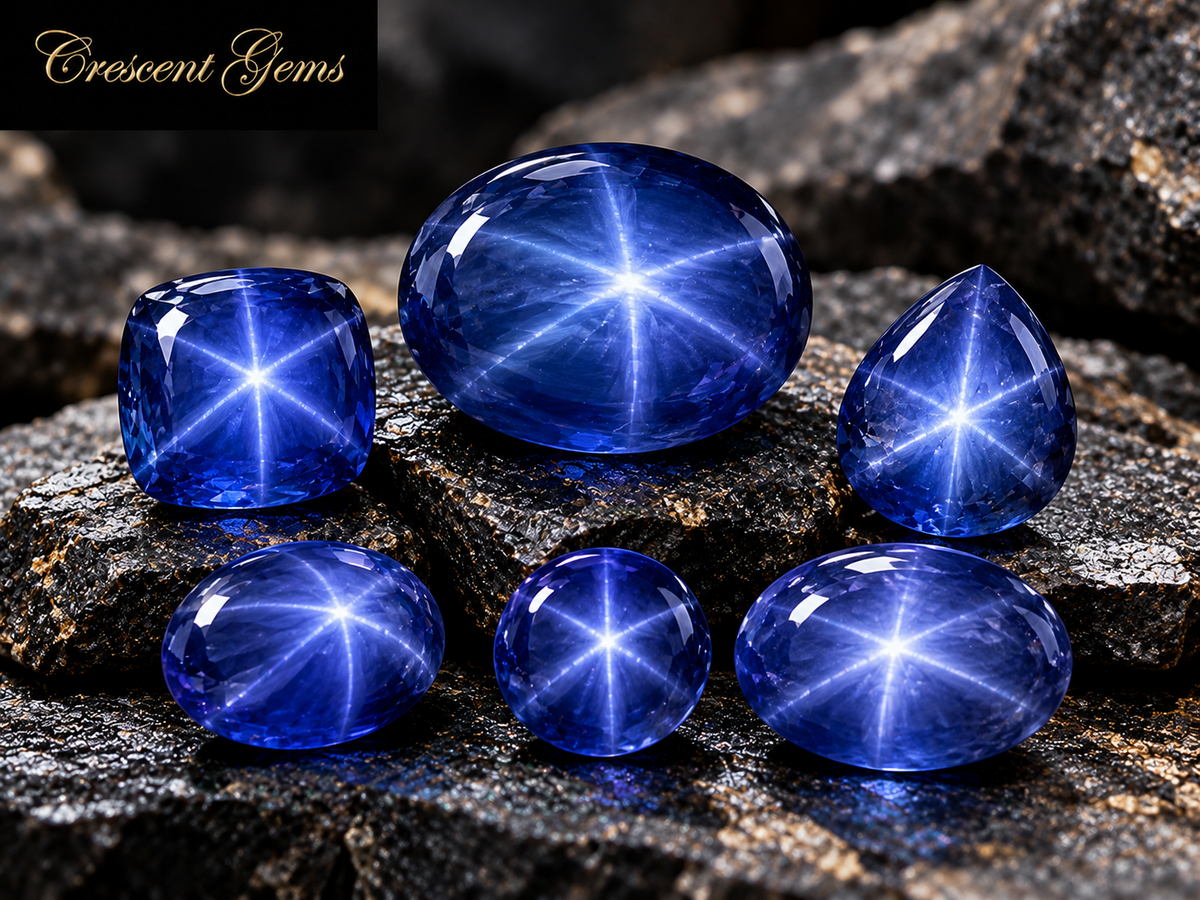
Blue Star Sapphire Price Guide — What They Cost and Why
Read moreabout Blue Star Sapphire Price Guide — What They Cost and Why
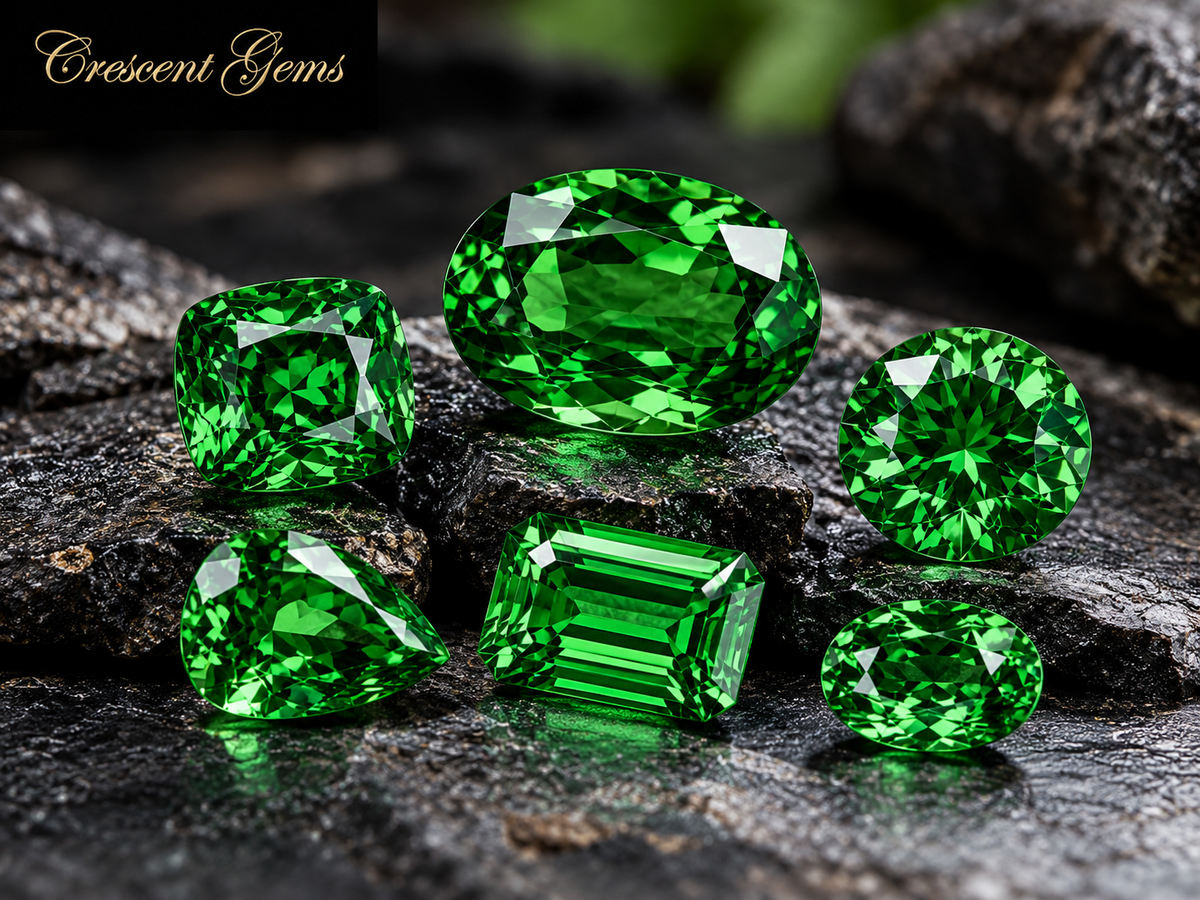
Tsavorite Garnet Price Guide — What They Cost and Why
Read moreabout Tsavorite Garnet Price Guide — What They Cost and Why
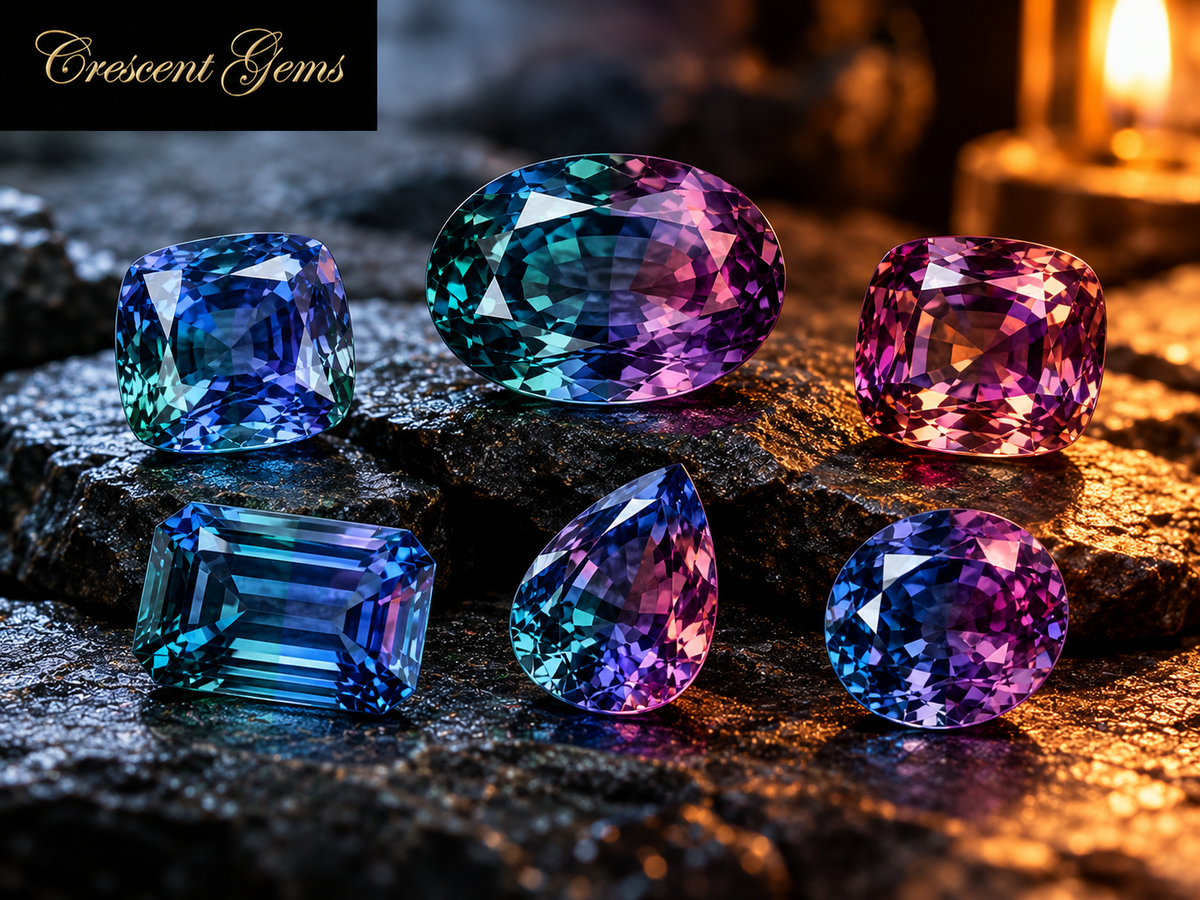
Color-Change Sapphire Price Guide — What They Cost and Why
Read moreabout Color-Change Sapphire Price Guide — What They Cost and Why
Is Cat's-Eye Chrysoberyl Good for an Engagement Ring?
Read moreabout Is Cat's-Eye Chrysoberyl Good for an Engagement Ring?
Cat's Eye Chrysoberyl Price Guide — What They Cost and Why
Read moreabout Cat's Eye Chrysoberyl Price Guide — What They Cost and Why















Share: