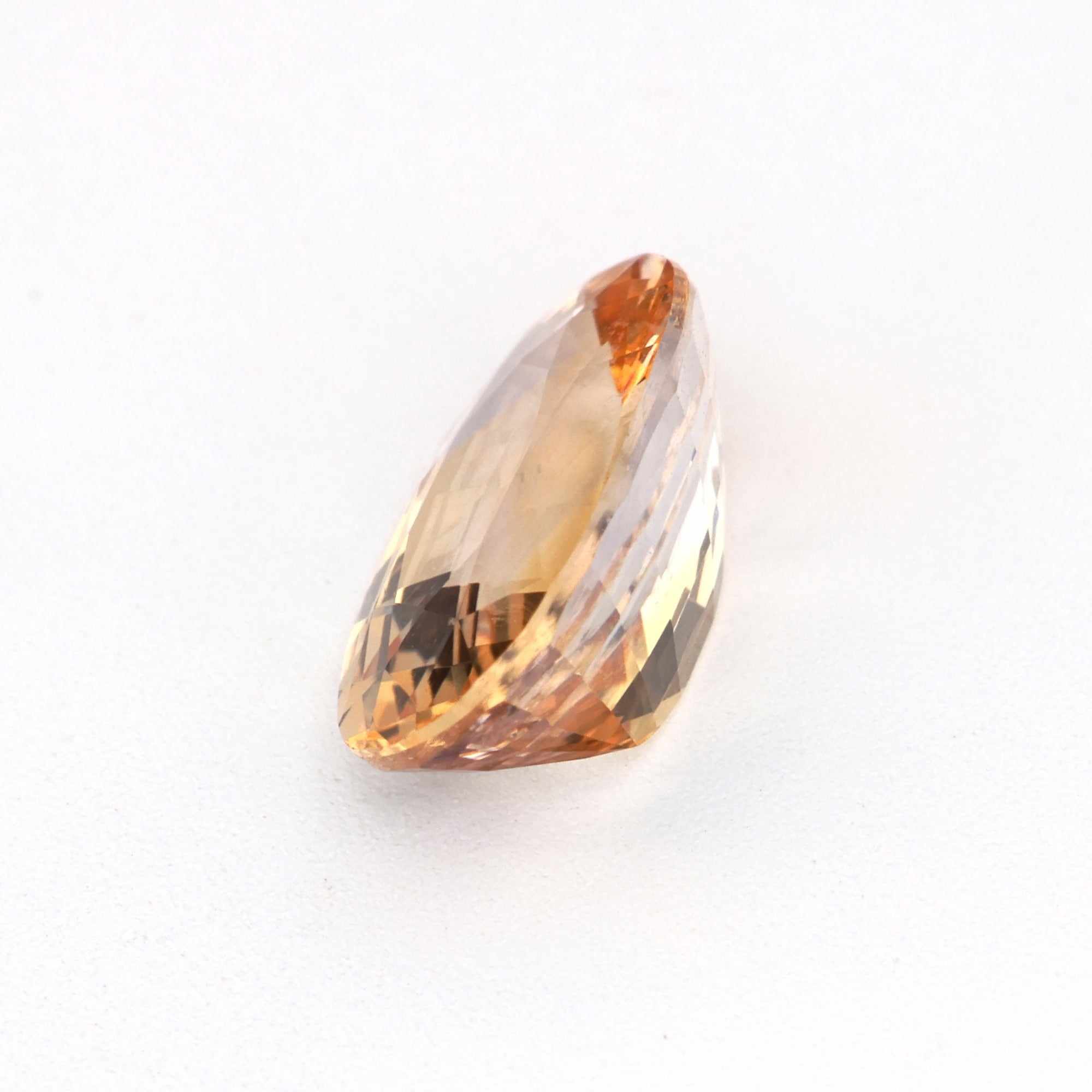
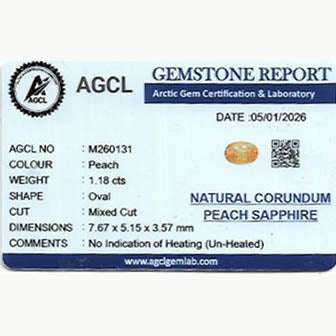
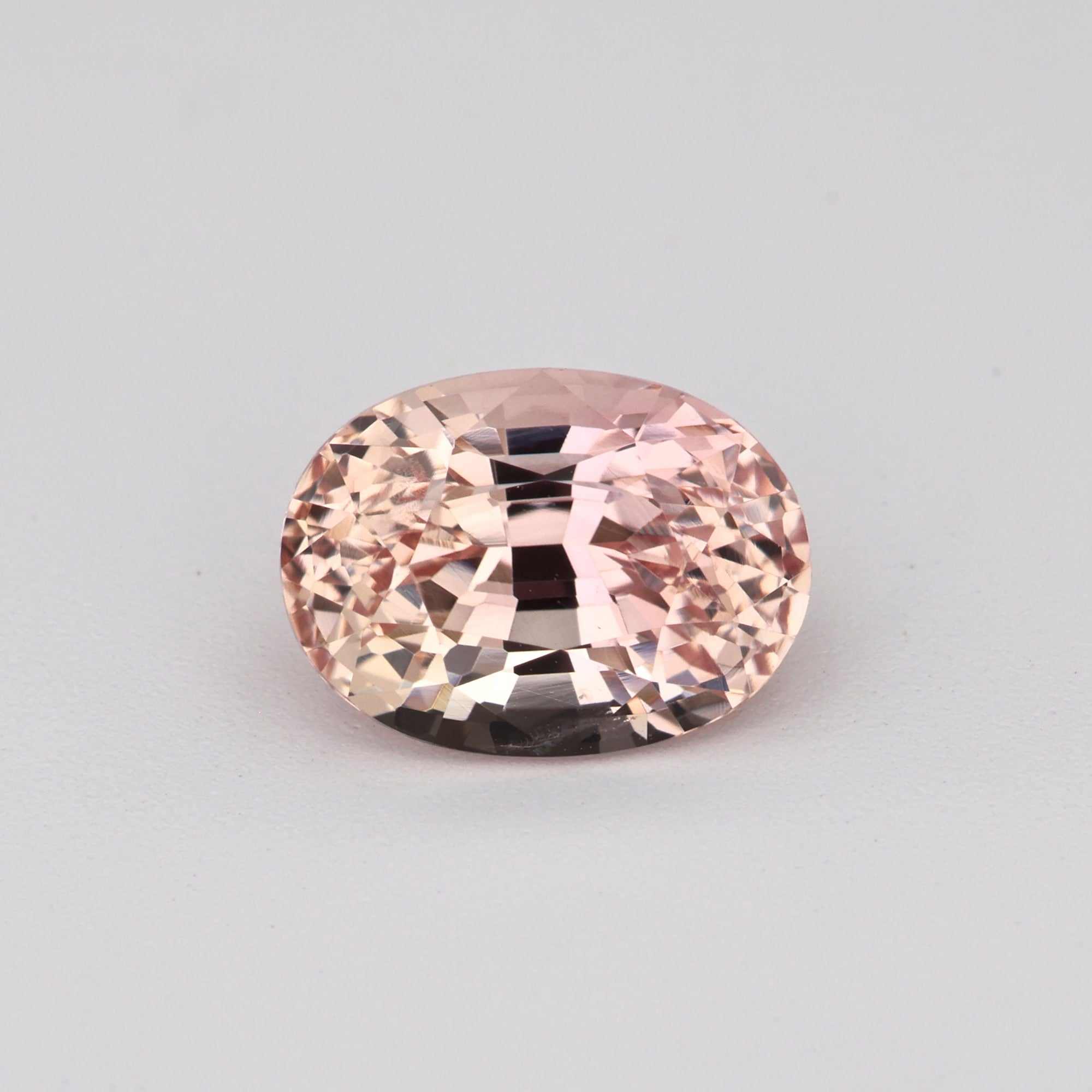
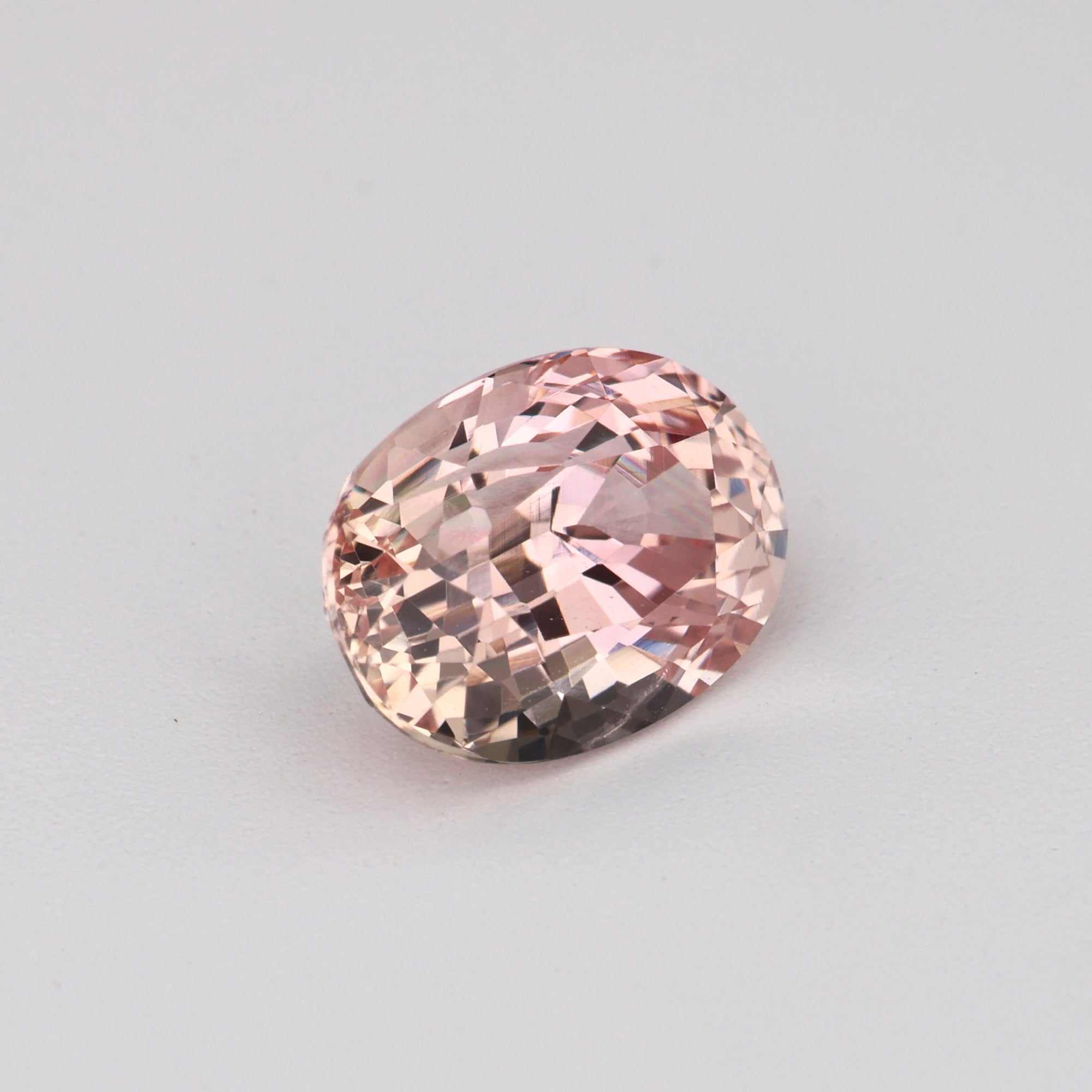
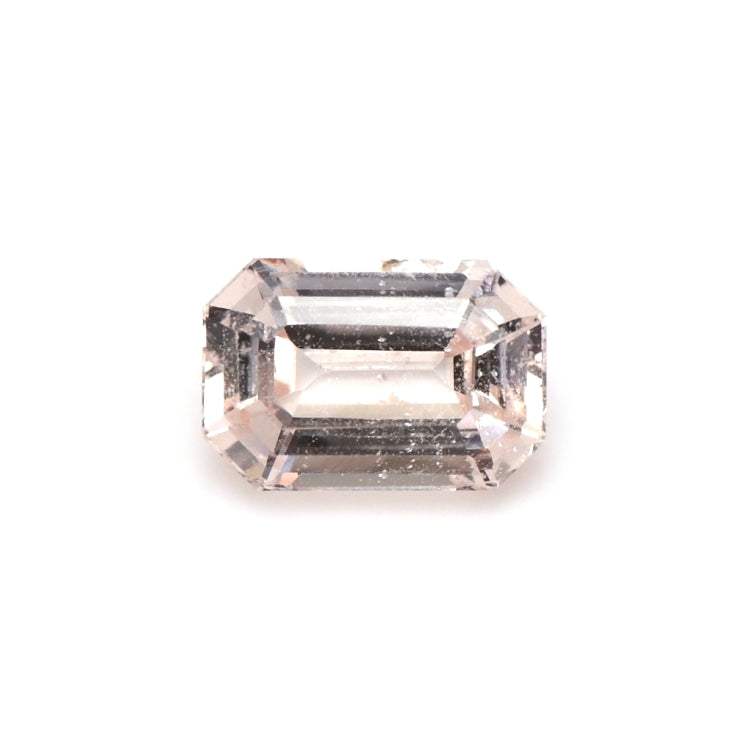
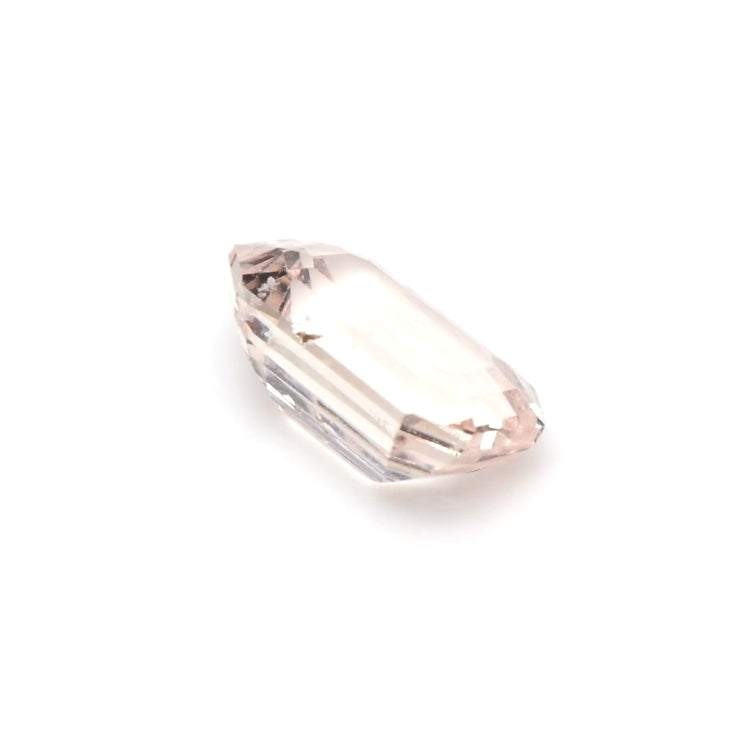
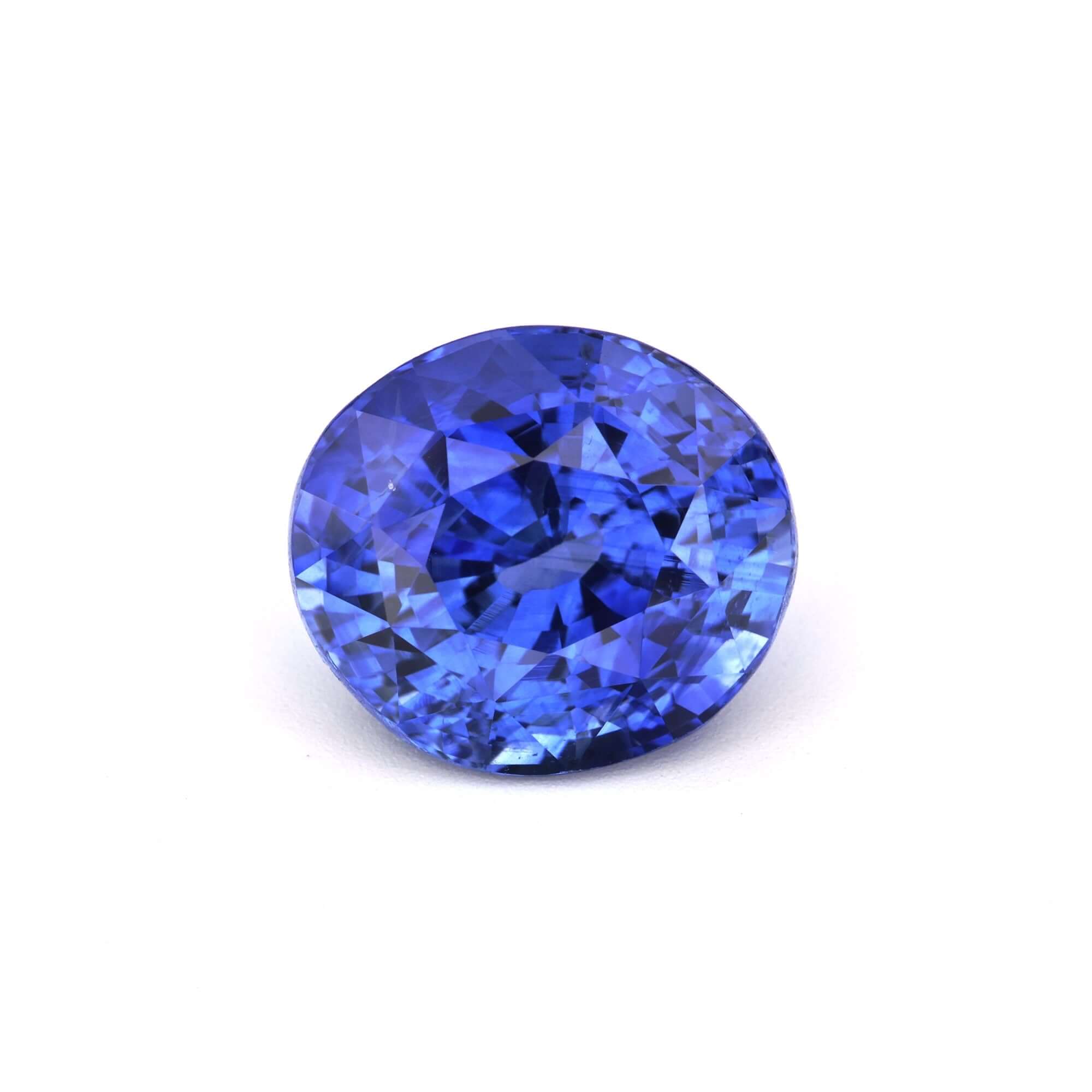
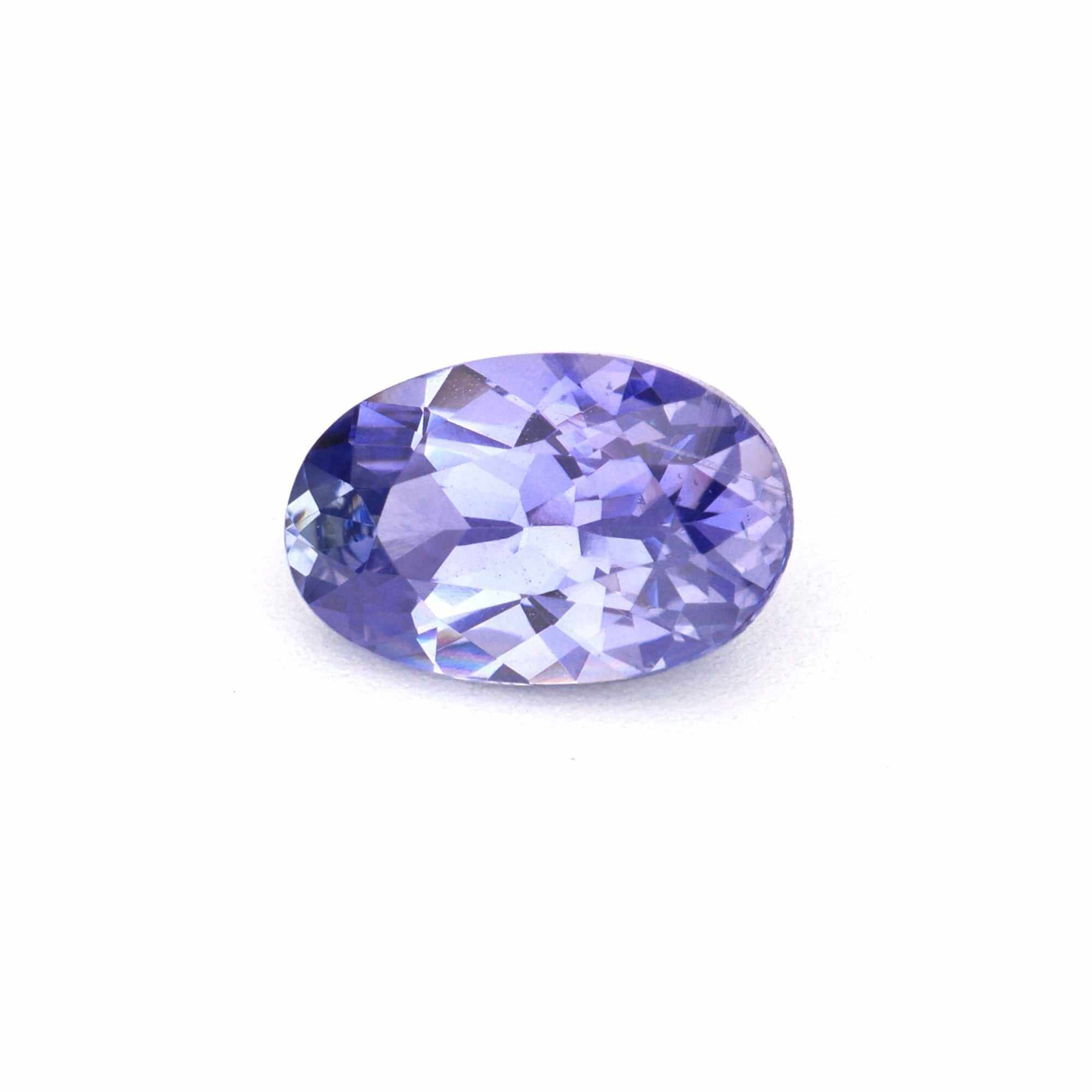
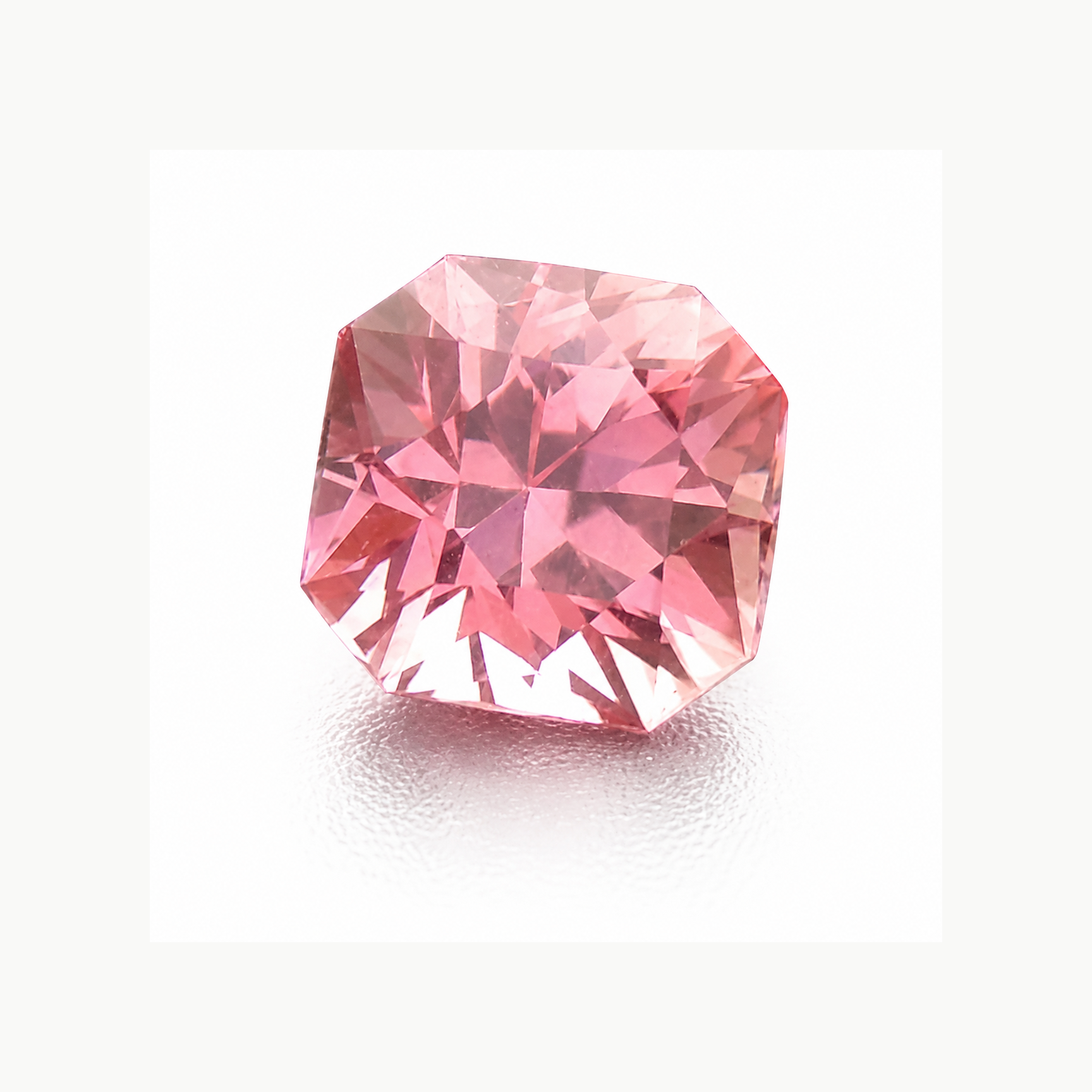
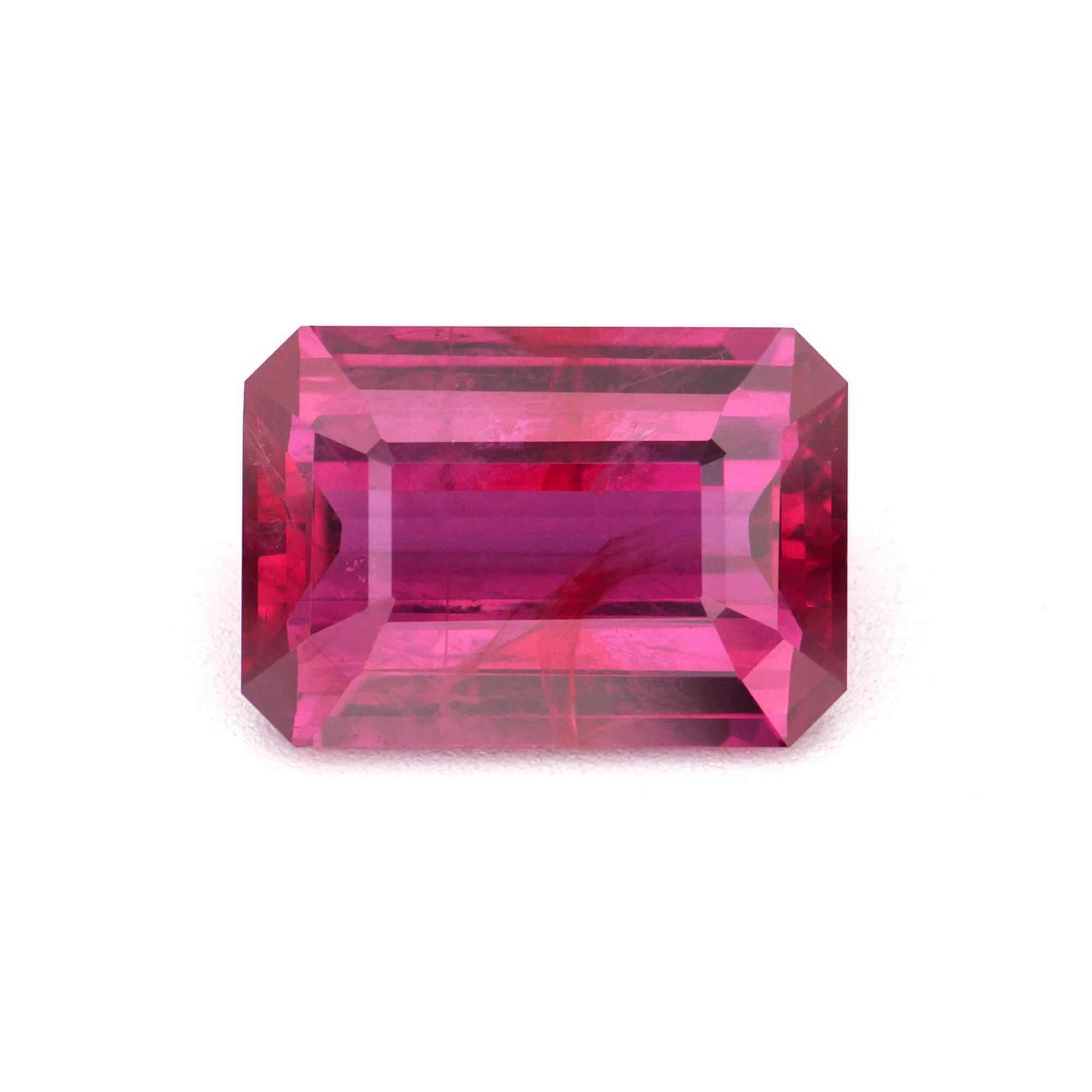
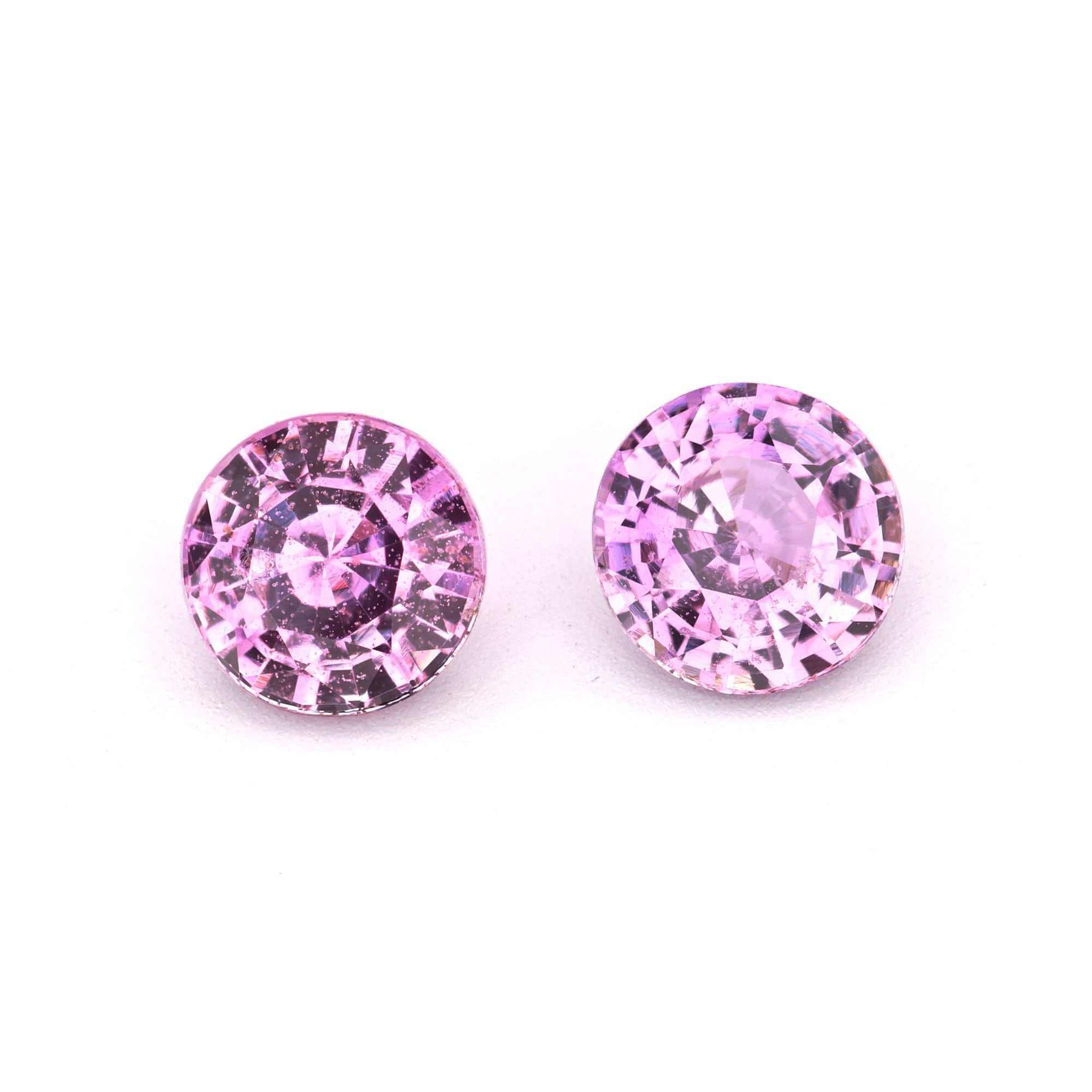
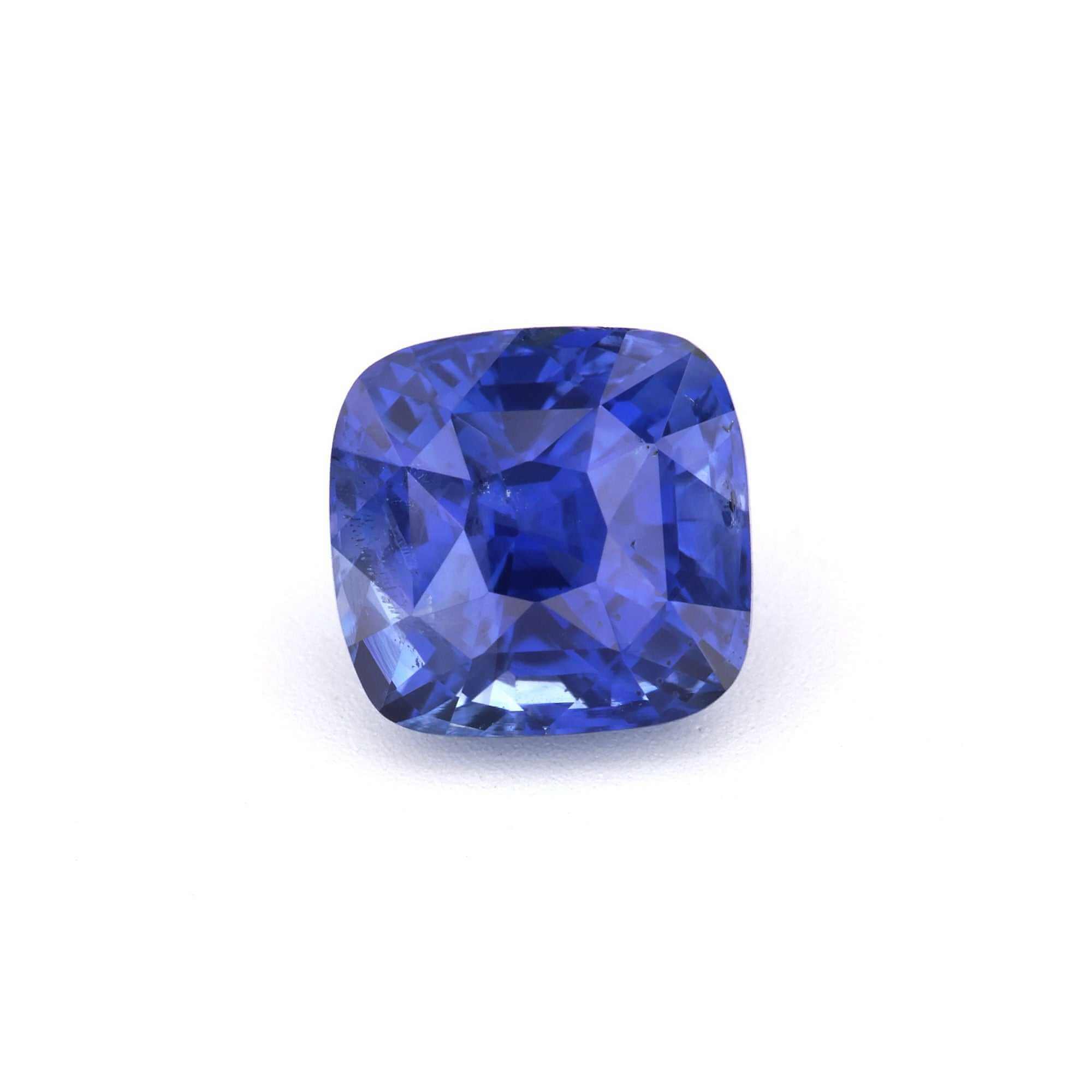
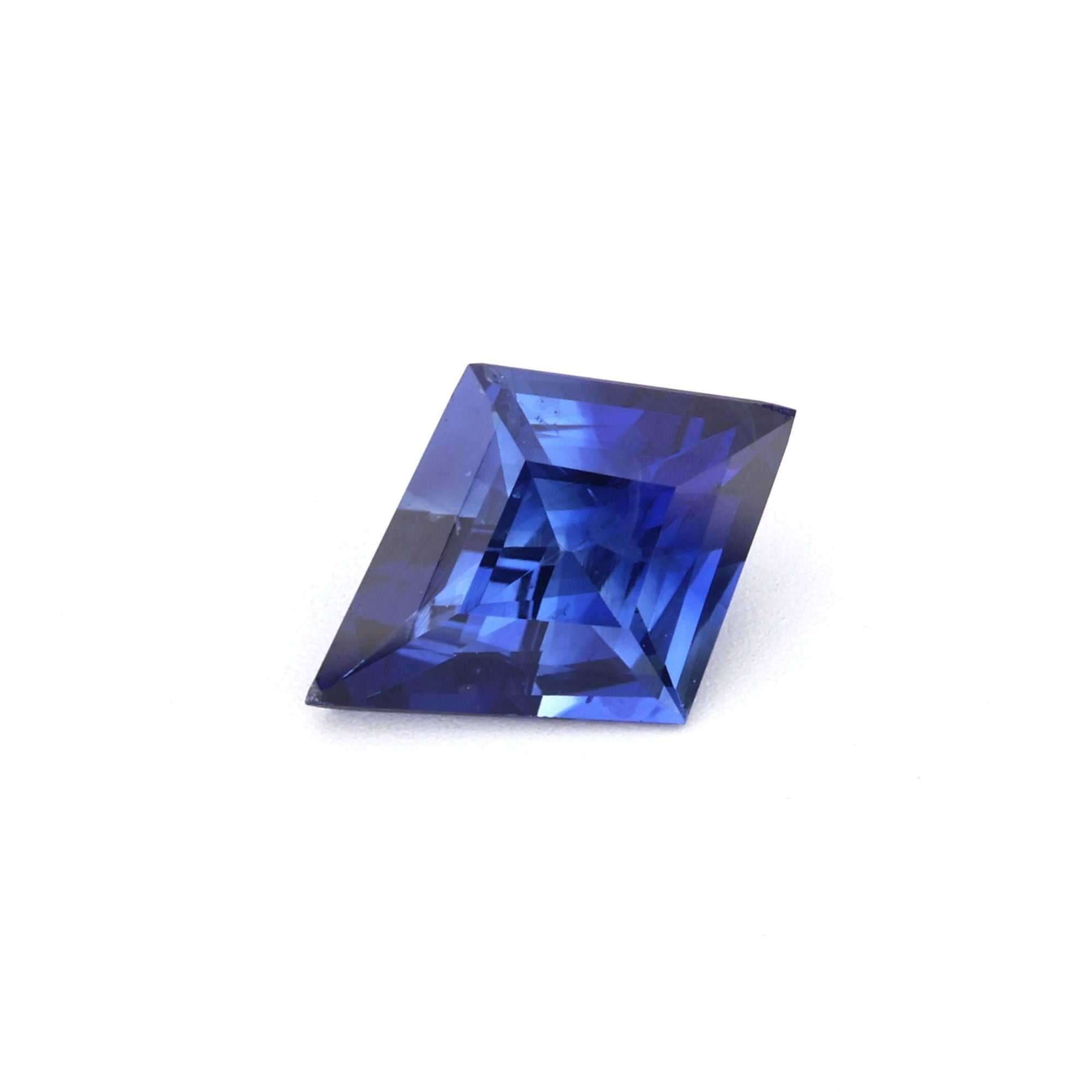
Peach Sapphire, Unheated Romantic Loose Stones
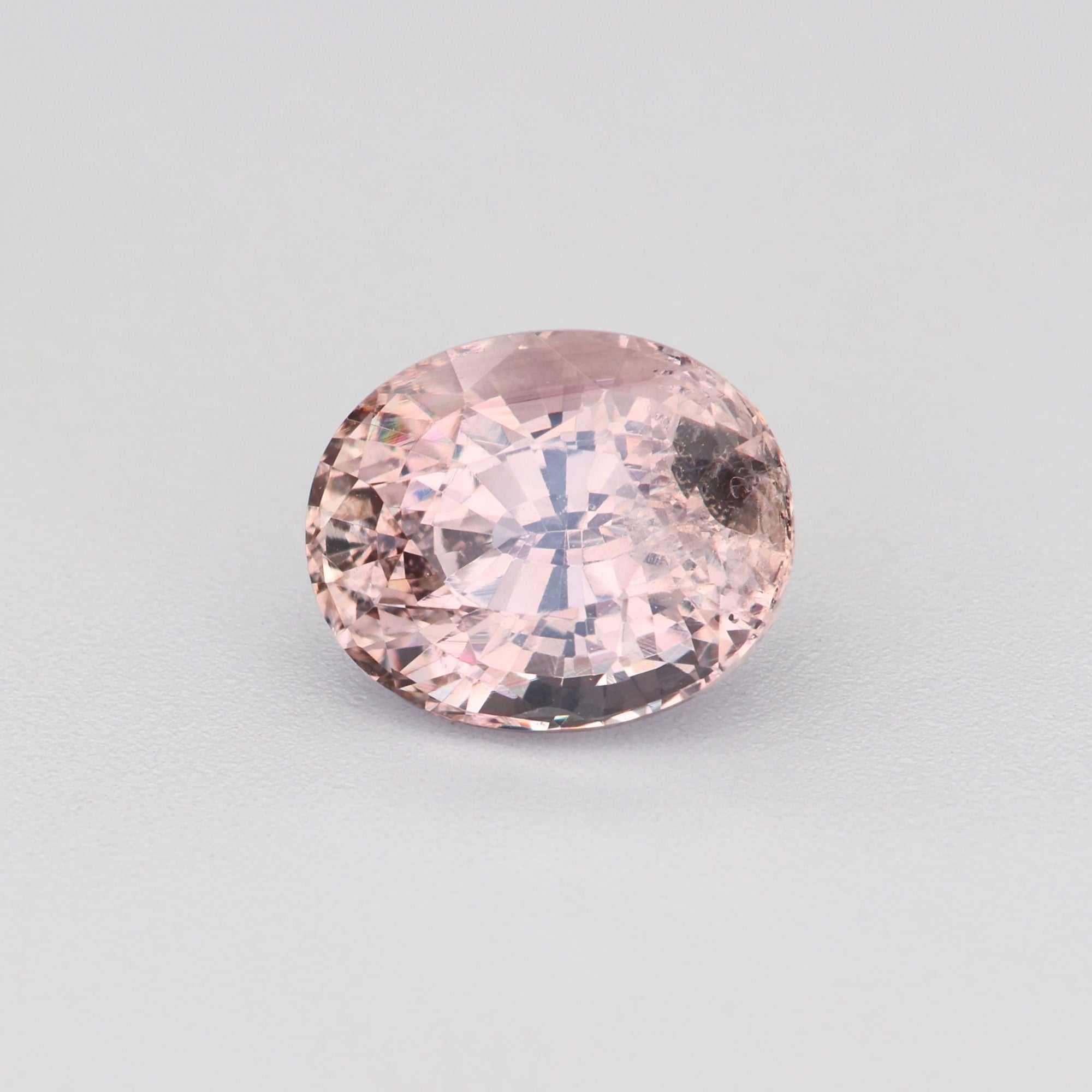
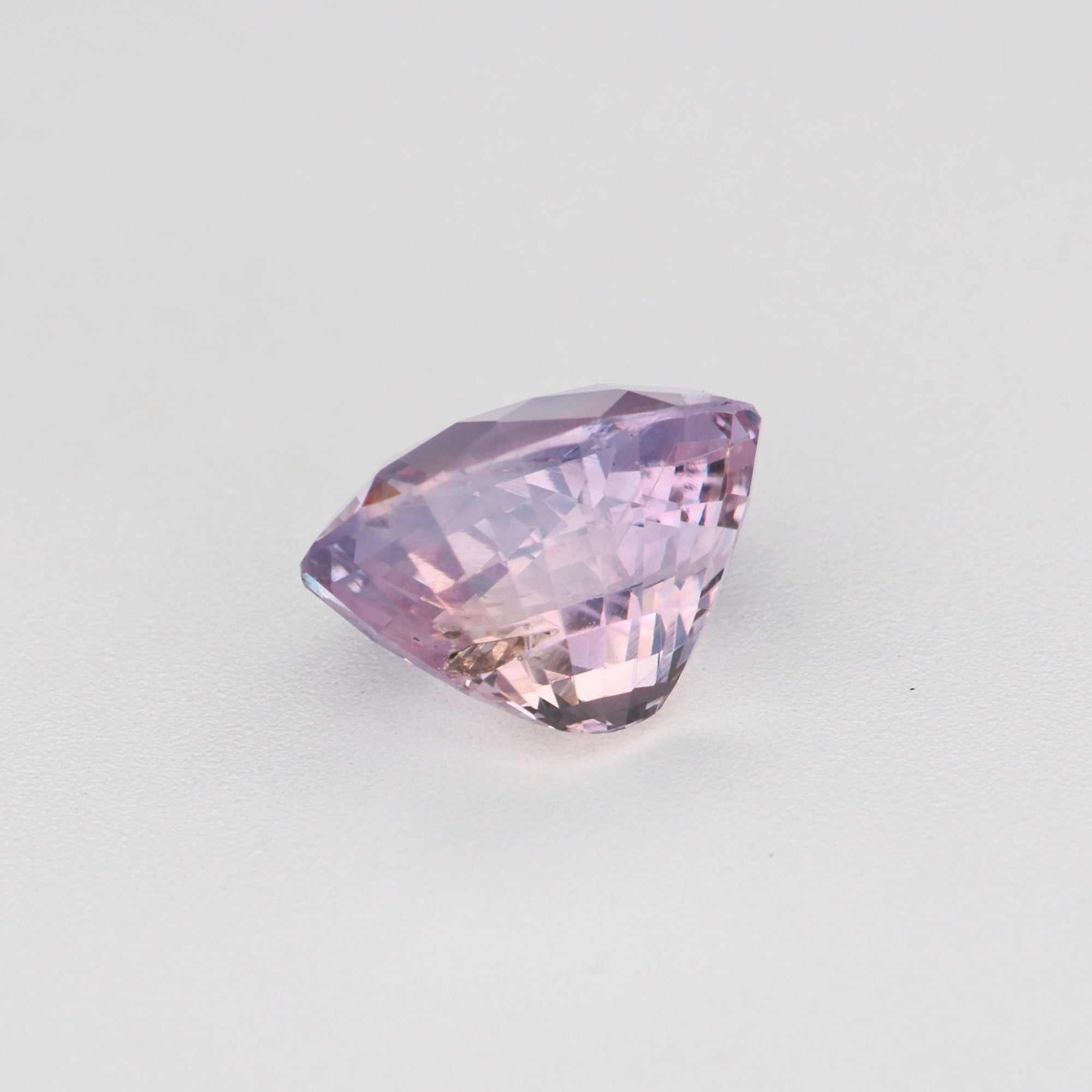
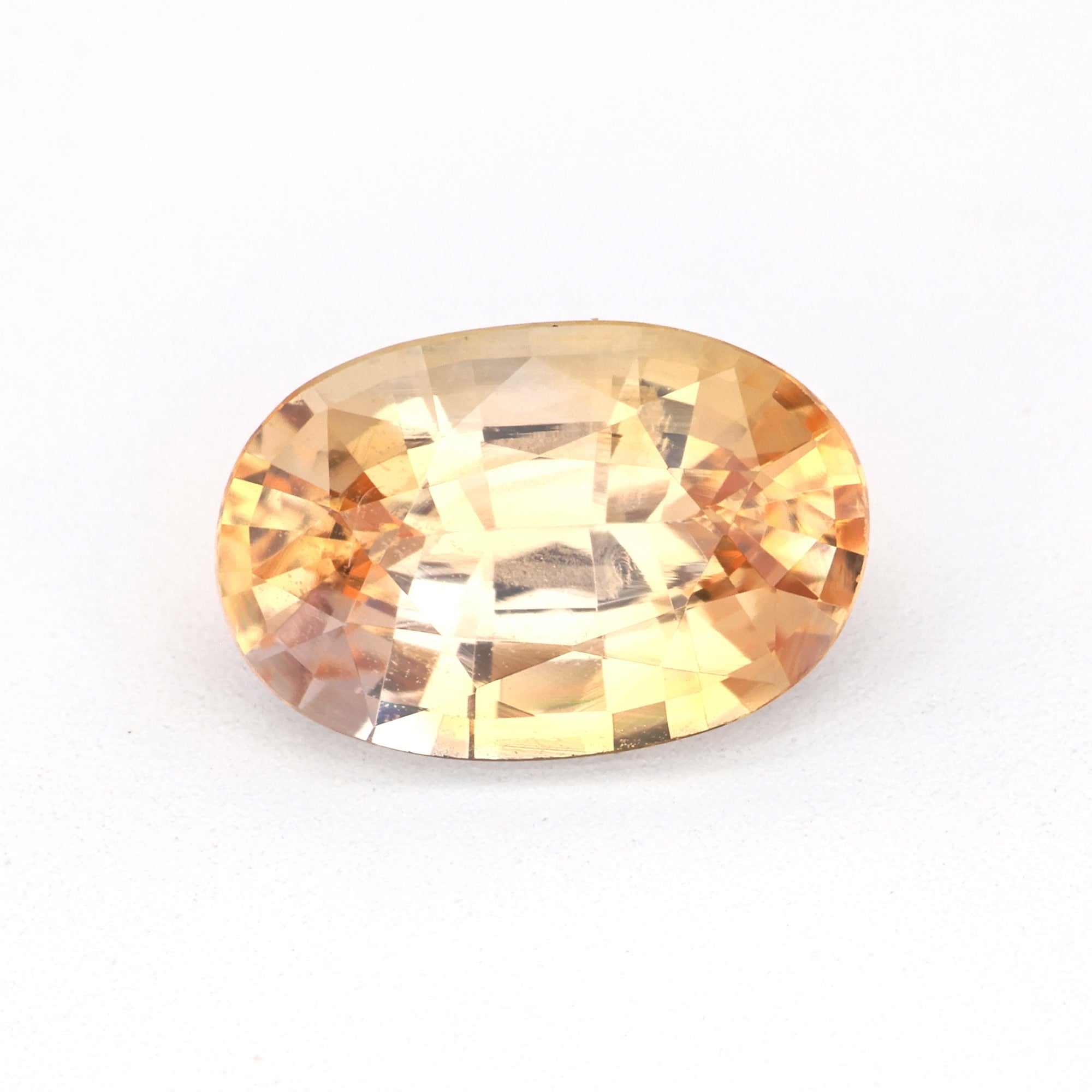
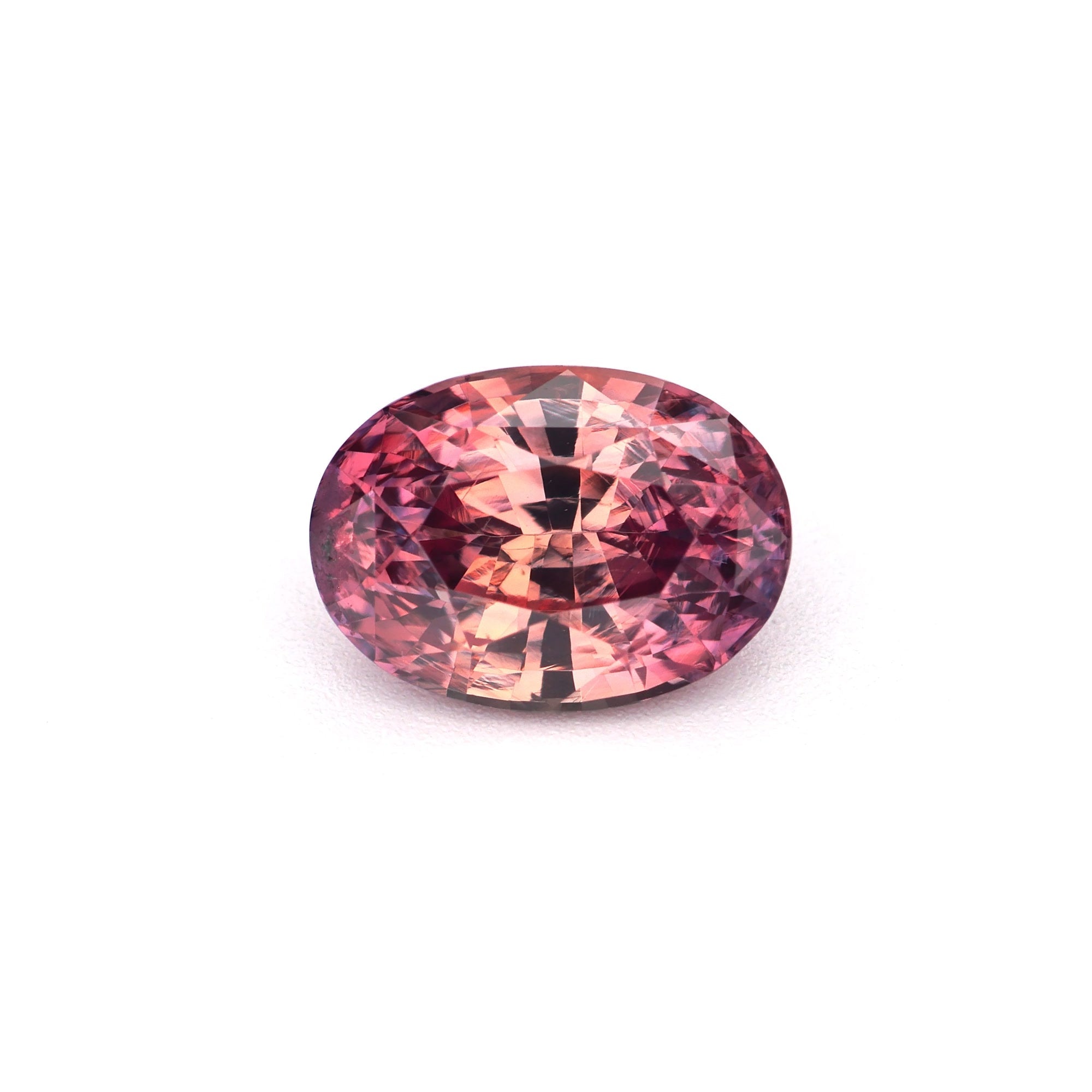
Peach sapphire is corundum in its warmest, most romantic expression - a soft blend of pink and orange that reads as blush, apricot, or champagne depending on the stone's exact trace element balance. It carries all of sapphire's Mohs 9 hardness in a color that is gentler, more modern, and far more affordable than its famous cousin padparadscha. For buyers drawn to warm, feminine engagement rings in rose or yellow gold, peach sapphire is one of the smartest choices in colored gemstones. For our full guide to choosing a sapphire for a ring, see our sapphire engagement ring guide.
Why Our Peach Sapphires
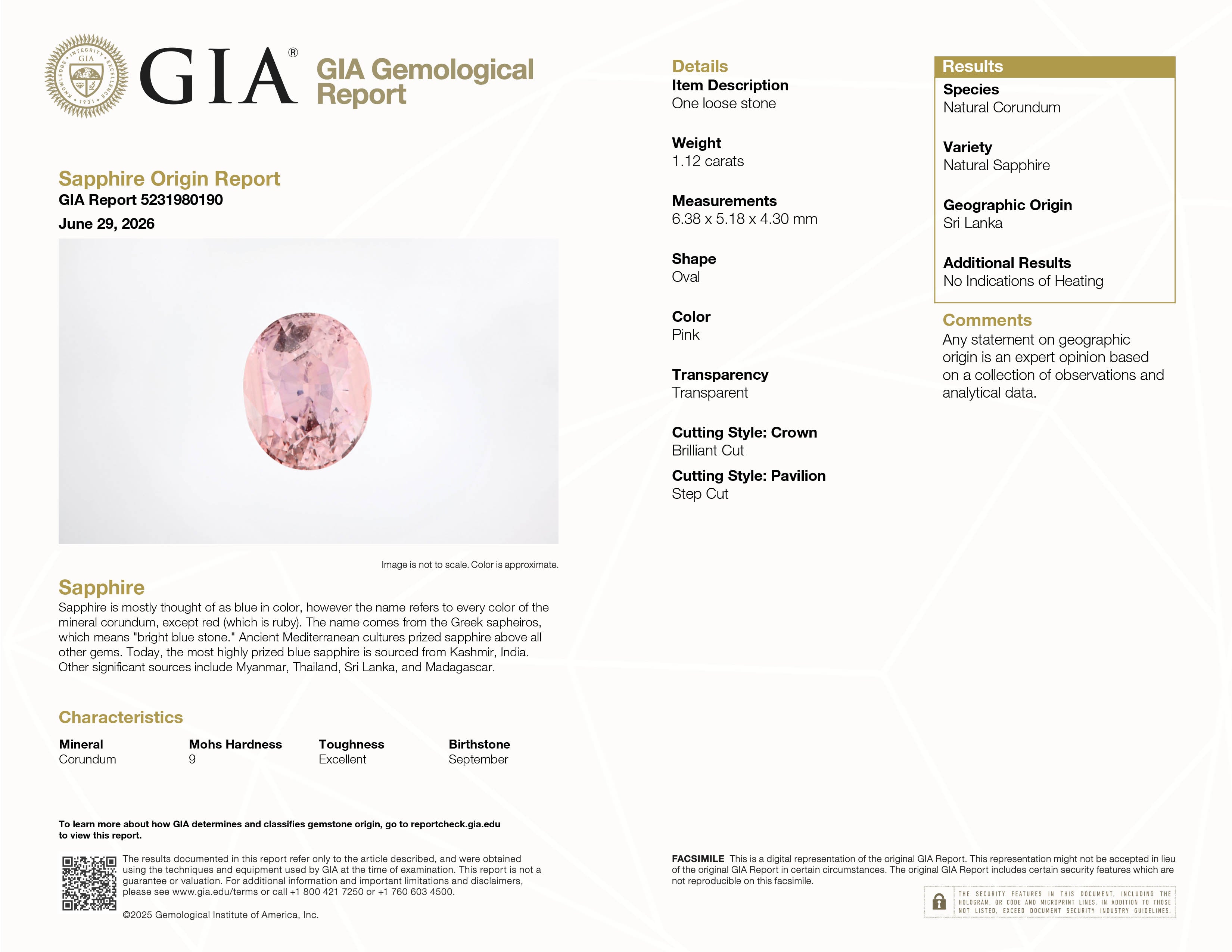
Our peach sapphires are sourced directly from Sri Lanka, where the finest natural peach tones have been produced for centuries. The majority are unheated - their warm color is entirely natural, with no thermal treatment. To understand what unheated means and why it matters for value, see our heated vs unheated sapphire guide. Premium pieces ship with GIA reports. Every stone is individually photographed under standardized lighting so the color you see online matches the color in your hand. Select pieces are eligible for our Try-On programme - the stone ships to you for in-hand evaluation before you pay. For why Sri Lanka origin matters and commands a premium, read our Ceylon sapphire origin guide.
Peach vs. Padparadscha
The question every peach sapphire buyer asks: what is the difference? Padparadscha is a specific, certified color designation - a balanced, saturated pink-orange that commands $3,000-$15,000+ per carat with formal GIA designation. Peach sapphire occupies the softer, more pastel range of the same pink-orange spectrum. The visual difference can be subtle; the price difference is dramatic. Many buyers find that peach delivers the warm, romantic look they love at a fraction of padparadscha pricing. For the full comparison, see Peach vs. Padparadscha. For our current padparadscha inventory, browse the padparadscha collection.
How to Choose a Peach Sapphire
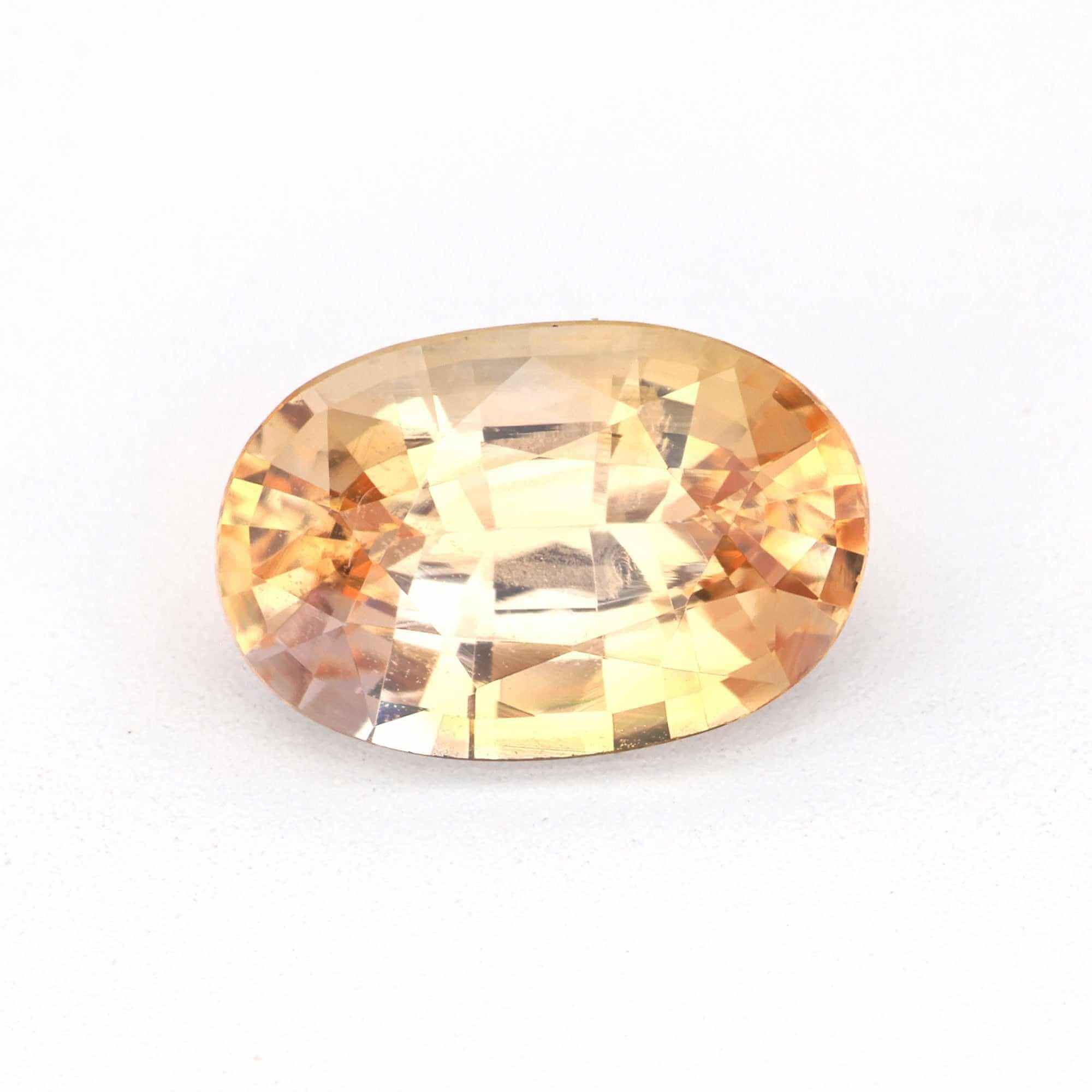
Hue. Peach ranges from soft blush-pink with a warm undertone through apricot and salmon to deeper coral-orange. The most sought-after peach shows a balanced pink-orange without leaning too strongly in either direction. Stones that veer too far toward pink become pink sapphire; those that veer too far toward orange become orange sapphire. Peach sits at the warm, balanced centre of that spectrum.
Metal pairing. Peach sapphire is one of the most metal-sensitive colors. Rose gold enhances the warmth and creates the most cohesive pairing. Yellow gold deepens the color and adds richness. White gold cools the tone and shifts it toward pink - a more contemporary contrast look. Most peach buyers choose rose or yellow gold. See our guide to sapphire color and skin tone for more on pairing.
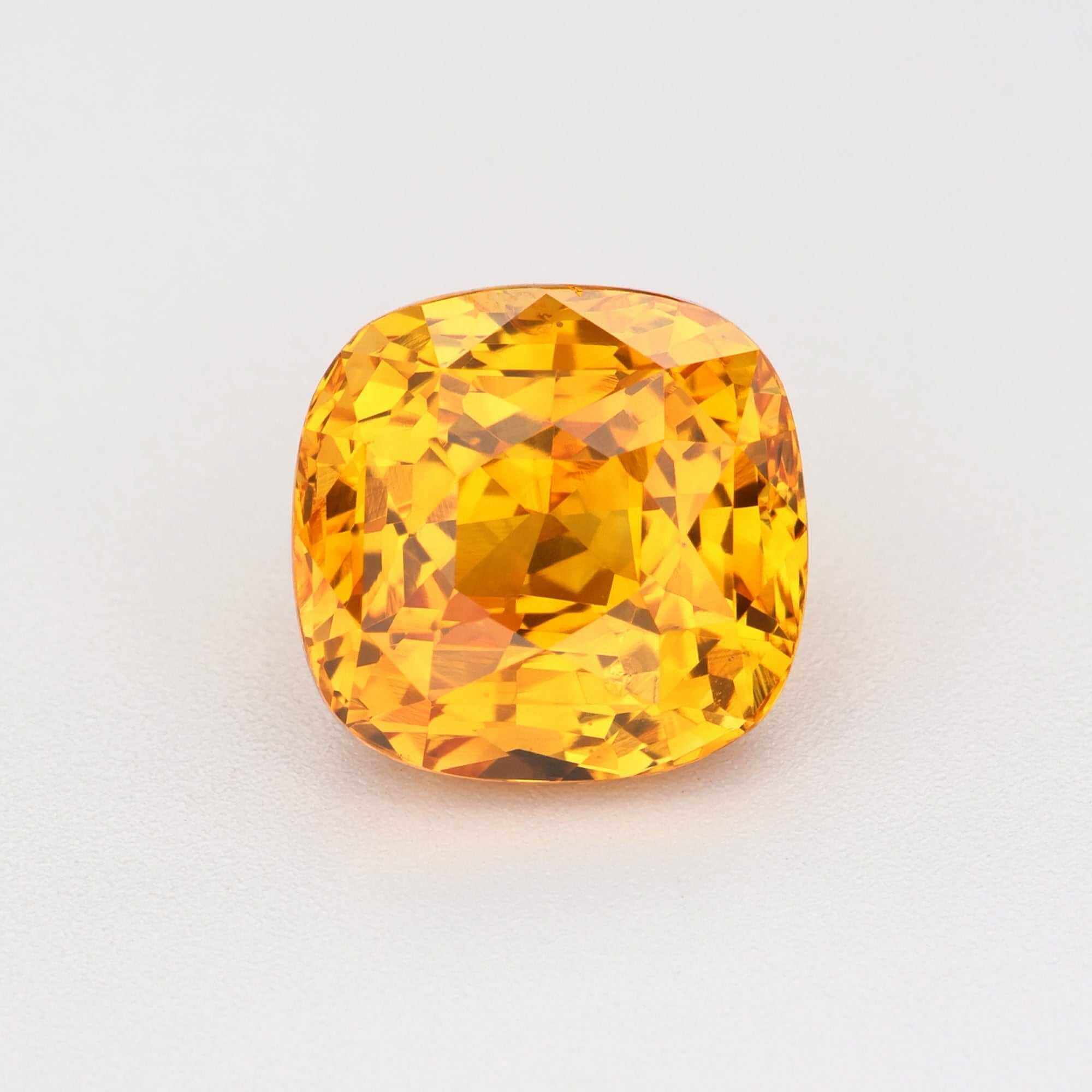
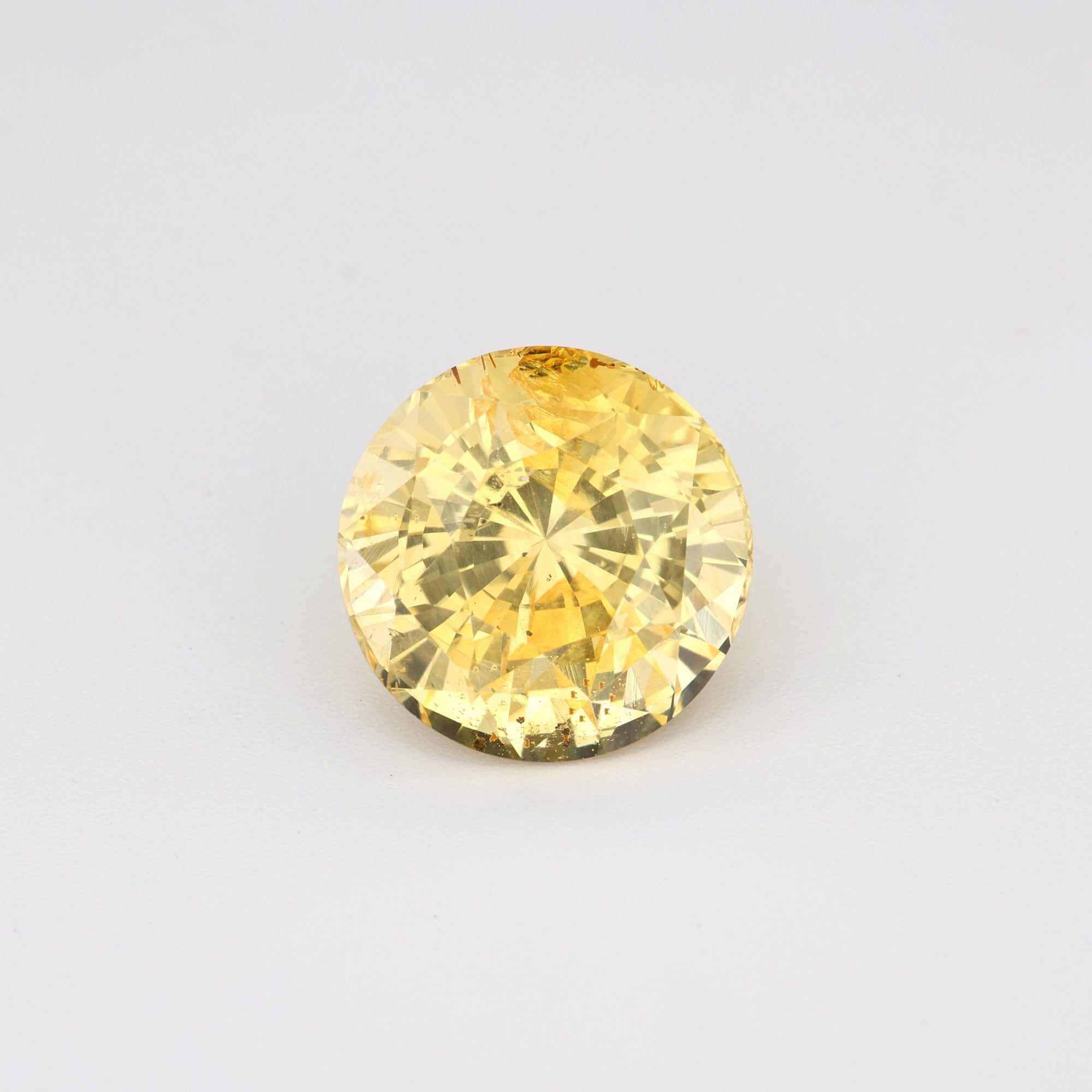
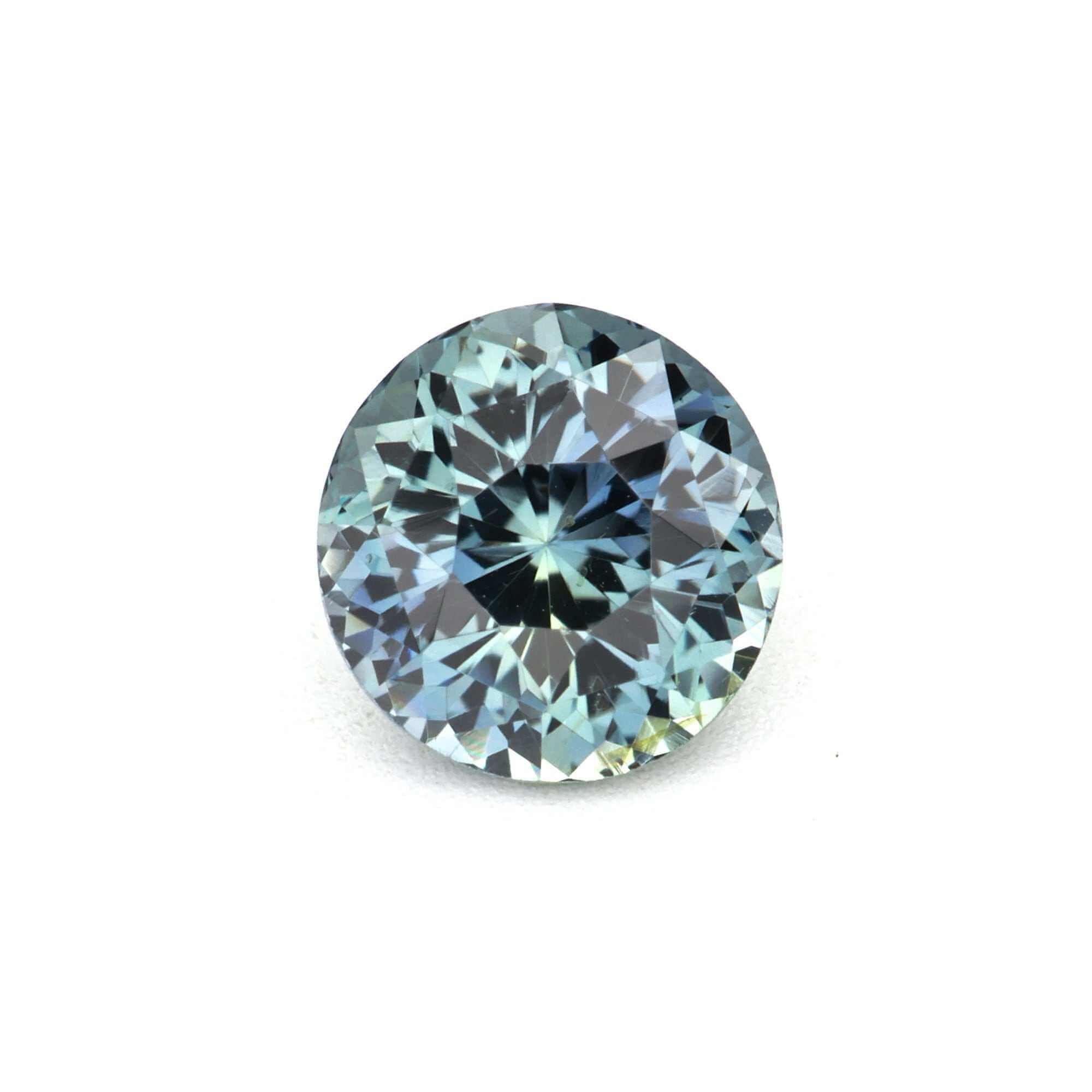
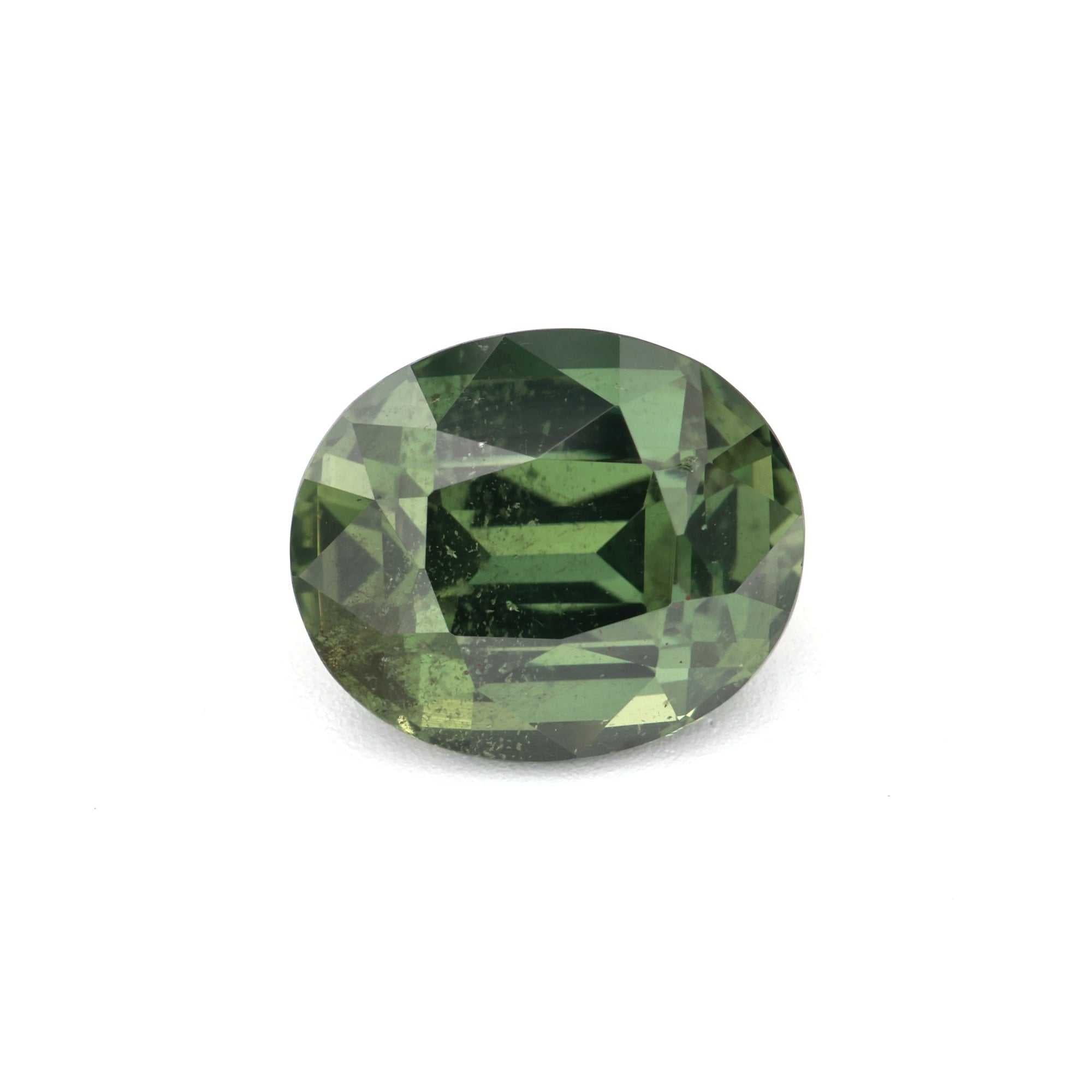
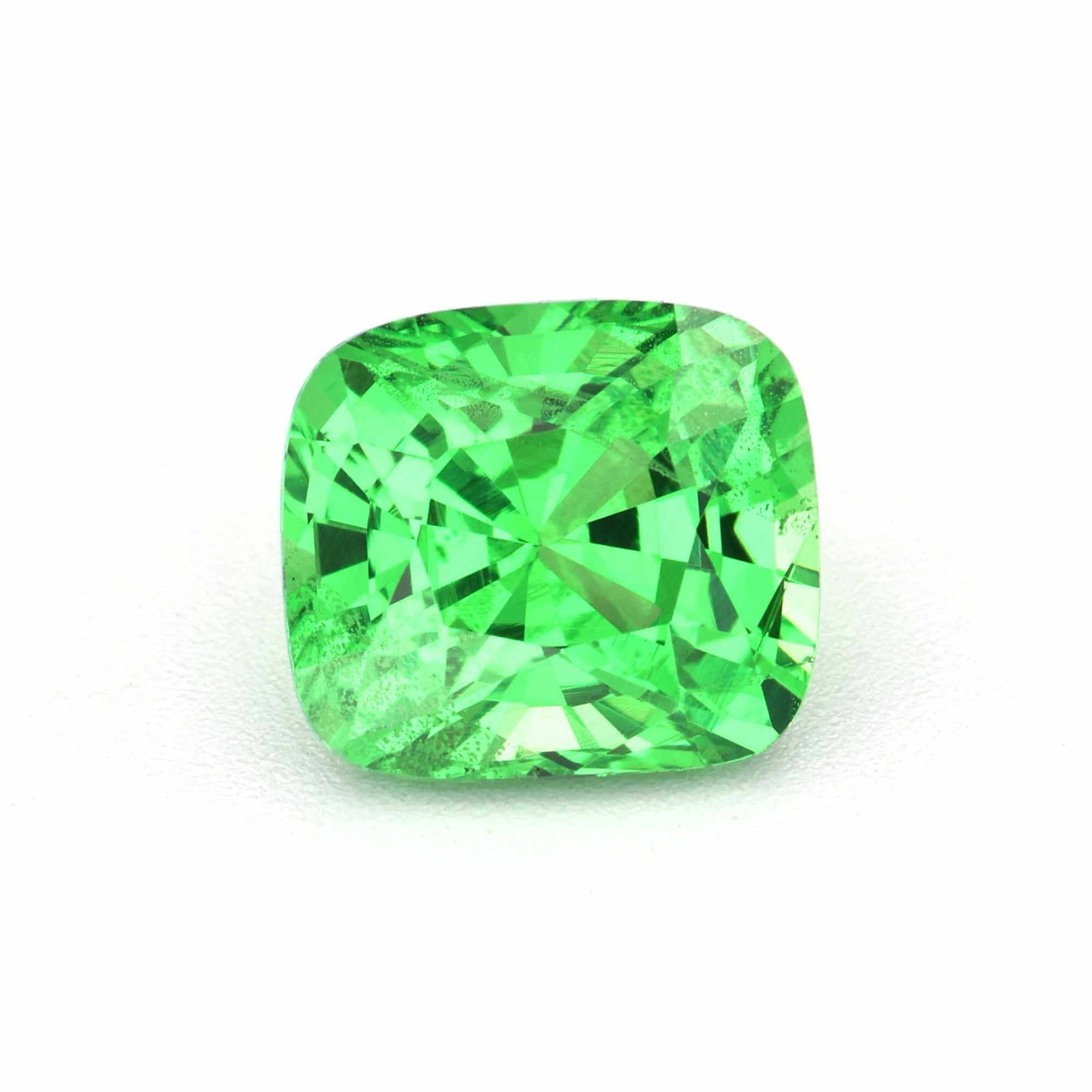
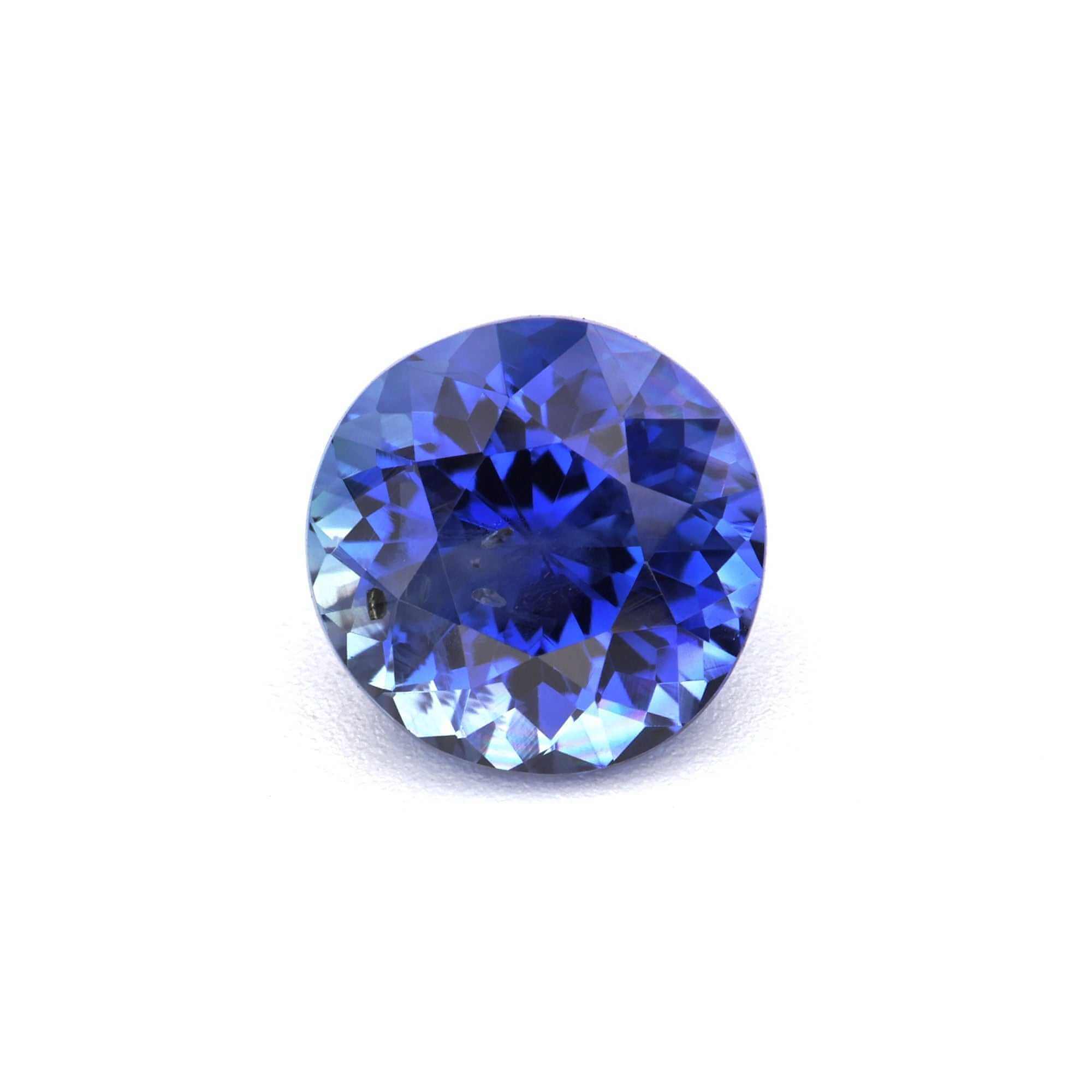
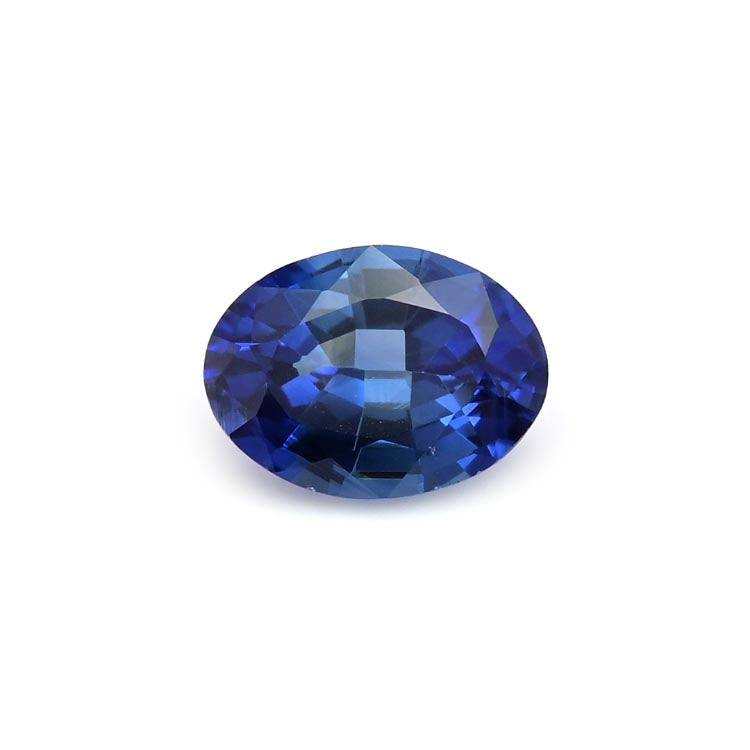
Cut. Oval is the most popular format for peach sapphire engagement rings - it elongates the finger and maximises the warm color across a large face-up area. Cushion deepens the warm tones beautifully and suits vintage-style settings. Round maximises brilliance in lighter-toned material. Pear creates an elegant, elongating teardrop for pendants and rings. For non-standard formats, see our fancy cut sapphire collection.
Carat. Fine peach sapphires are available from under $300 at sub-carat sizes - browse our peach sapphire under 1 carat collection. One-carat unheated peach typically ranges from $500 to $2,000 depending on saturation and how close the color approaches padparadscha territory - browse our peach sapphire over 1 carat collection.
Peach Sapphire vs Related Colors
Peach sits at the intersection of three sapphire color families. Pink sapphire is cooler and more chromium-dominant - a clearer pink without the orange warmth. Orange sapphire is warmer and more vivid - bold rather than blush. And padparadscha - the apex of the pink-orange family - is rarer, more saturated, and commands a formal laboratory color designation that peach does not. For buyers considering all three, our interactive sapphire color chart places every color family in context.
Learn About Peach Sapphires
Peach sapphire buying guides
- Peach Sapphire Buyer's Guide - the complete deep dive on peach
- Peach vs. Padparadscha - understand the distinction and the value opportunity
- Ultimate Sapphire Buying Guide - the central hub for all sapphire education
- Sapphire Pricing Explained - what drives cost per carat
- Interactive Sapphire Color Chart - compare peach against every other color
- Sapphire Colors Explained
Engagement rings
- How to Choose a Sapphire for Your Engagement Ring
- How to Commission a Custom Ring - our jewelry division builds it around your stone
- Best Cut for an Engagement Ring
- What Size Sapphire Is Best?
- Loose Sapphires vs. Preset Rings
- Best Sapphire Color for Your Skin Tone
- How to Care for a Sapphire Ring
Treatment, science, and certification
- What Is an Unheated Sapphire?
- How Sapphire Heat Treatment Works
- Beryllium Diffusion Explained - important for peach/padparadscha-range stones
- How to Read Sapphire Inclusions
- How to Read a GIA Sapphire Report
Origin, sourcing, and comparisons
- Ceylon Sapphire Complete Guide
- Madagascar Sapphire Guide
- The Ratnapura Gem Market
- Pit Mining in Sri Lanka
- Faceting Sapphires
- Sapphire vs. Diamond
- Sapphire vs. Moissanite vs. Lab Diamond
Related colors
- Padparadscha Sapphire Guide - peach's rarer, more saturated sibling
- Pink Sapphire Buyer's Guide - peach's cooler neighbor
- Orange Sapphire Buyer's Guide - peach's warmer neighbor
Have a question about a stone? Email crescentgems@gmail.com. 14-day return on every order. Select pieces are available for Try-On. Free US shipping; international shipping via FedEx and UPS.
Related collections: Peach sapphire over 1 carat · Peach sapphire under 1 carat · Padparadscha sapphire · Pink sapphire · Orange sapphire · All unheated sapphires · Fancy sapphires for engagement rings · All sapphires
Peach sapphire is corundum in its warmest, most romantic expression - a soft blend of pink and orange that reads as blush, apricot, or champagne depending on the stone's exact trace element balance. It carries all of sapphire's Mohs 9 hardness in a color that is gentler, more modern, and far more affordable than its famous cousin padparadscha. For buyers drawn to warm, feminine engagement rings in rose or yellow gold, peach sapphire is one of the smartest choices in colored gemstones. For our full guide to choosing a sapphire for a ring, see our sapphire engagement ring guide.
Why Our Peach Sapphires
Our peach sapphires are sourced directly from Sri Lanka, where the finest natural peach tones have been produced for centuries. The majority are unheated - their warm color is entirely natural, with no thermal treatment. To understand what unheated means and why it matters for value, see our heated vs unheated sapphire guide. Premium pieces ship with GIA reports. Every stone is individually photographed under standardized lighting so the color you see online matches the color in your hand. Select pieces are eligible for our Try-On programme - the stone ships to you for in-hand evaluation before you pay. For why Sri Lanka origin matters and commands a premium, read our Ceylon sapphire origin guide.
Peach vs. Padparadscha
The question every peach sapphire buyer asks: what is the difference? Padparadscha is a specific, certified color designation - a balanced, saturated pink-orange that commands $3,000-$15,000+ per carat with formal GIA designation. Peach sapphire occupies the softer, more pastel range of the same pink-orange spectrum. The visual difference can be subtle; the price difference is dramatic. Many buyers find that peach delivers the warm, romantic look they love at a fraction of padparadscha pricing. For the full comparison, see Peach vs. Padparadscha. For our current padparadscha inventory, browse the padparadscha collection.
How to Choose a Peach Sapphire
Hue. Peach ranges from soft blush-pink with a warm undertone through apricot and salmon to deeper coral-orange. The most sought-after peach shows a balanced pink-orange without leaning too strongly in either direction. Stones that veer too far toward pink become pink sapphire; those that veer too far toward orange become orange sapphire. Peach sits at the warm, balanced centre of that spectrum.
Metal pairing. Peach sapphire is one of the most metal-sensitive colors. Rose gold enhances the warmth and creates the most cohesive pairing. Yellow gold deepens the color and adds richness. White gold cools the tone and shifts it toward pink - a more contemporary contrast look. Most peach buyers choose rose or yellow gold. See our guide to sapphire color and skin tone for more on pairing.
Cut. Oval is the most popular format for peach sapphire engagement rings - it elongates the finger and maximises the warm color across a large face-up area. Cushion deepens the warm tones beautifully and suits vintage-style settings. Round maximises brilliance in lighter-toned material. Pear creates an elegant, elongating teardrop for pendants and rings. For non-standard formats, see our fancy cut sapphire collection.
Carat. Fine peach sapphires are available from under $300 at sub-carat sizes - browse our peach sapphire under 1 carat collection. One-carat unheated peach typically ranges from $500 to $2,000 depending on saturation and how close the color approaches padparadscha territory - browse our peach sapphire over 1 carat collection.
Peach Sapphire vs Related Colors
Peach sits at the intersection of three sapphire color families. Pink sapphire is cooler and more chromium-dominant - a clearer pink without the orange warmth. Orange sapphire is warmer and more vivid - bold rather than blush. And padparadscha - the apex of the pink-orange family - is rarer, more saturated, and commands a formal laboratory color designation that peach does not. For buyers considering all three, our interactive sapphire color chart places every color family in context.
Learn About Peach Sapphires
Peach sapphire buying guides
- Peach Sapphire Buyer's Guide - the complete deep dive on peach
- Peach vs. Padparadscha - understand the distinction and the value opportunity
- Ultimate Sapphire Buying Guide - the central hub for all sapphire education
- Sapphire Pricing Explained - what drives cost per carat
- Interactive Sapphire Color Chart - compare peach against every other color
- Sapphire Colors Explained
Engagement rings
- How to Choose a Sapphire for Your Engagement Ring
- How to Commission a Custom Ring - our jewelry division builds it around your stone
- Best Cut for an Engagement Ring
- What Size Sapphire Is Best?
- Loose Sapphires vs. Preset Rings
- Best Sapphire Color for Your Skin Tone
- How to Care for a Sapphire Ring
Treatment, science, and certification
- What Is an Unheated Sapphire?
- How Sapphire Heat Treatment Works
- Beryllium Diffusion Explained - important for peach/padparadscha-range stones
- How to Read Sapphire Inclusions
- How to Read a GIA Sapphire Report
Origin, sourcing, and comparisons
- Ceylon Sapphire Complete Guide
- Madagascar Sapphire Guide
- The Ratnapura Gem Market
- Pit Mining in Sri Lanka
- Faceting Sapphires
- Sapphire vs. Diamond
- Sapphire vs. Moissanite vs. Lab Diamond
Related colors
- Padparadscha Sapphire Guide - peach's rarer, more saturated sibling
- Pink Sapphire Buyer's Guide - peach's cooler neighbor
- Orange Sapphire Buyer's Guide - peach's warmer neighbor
Have a question about a stone? Email crescentgems@gmail.com. 14-day return on every order. Select pieces are available for Try-On. Free US shipping; international shipping via FedEx and UPS.
Related collections: Peach sapphire over 1 carat · Peach sapphire under 1 carat · Padparadscha sapphire · Pink sapphire · Orange sapphire · All unheated sapphires · Fancy sapphires for engagement rings · All sapphires
CG8368
CG8352
0.79 ct Marquise Peach Sapphire ~ Unheated
CG8379
0.81 ct Oval Peach Sapphire ~ Unheated
CG8429
CG8367
1.18 ct Oval Peach Sapphire ~ Unheated
CG8344
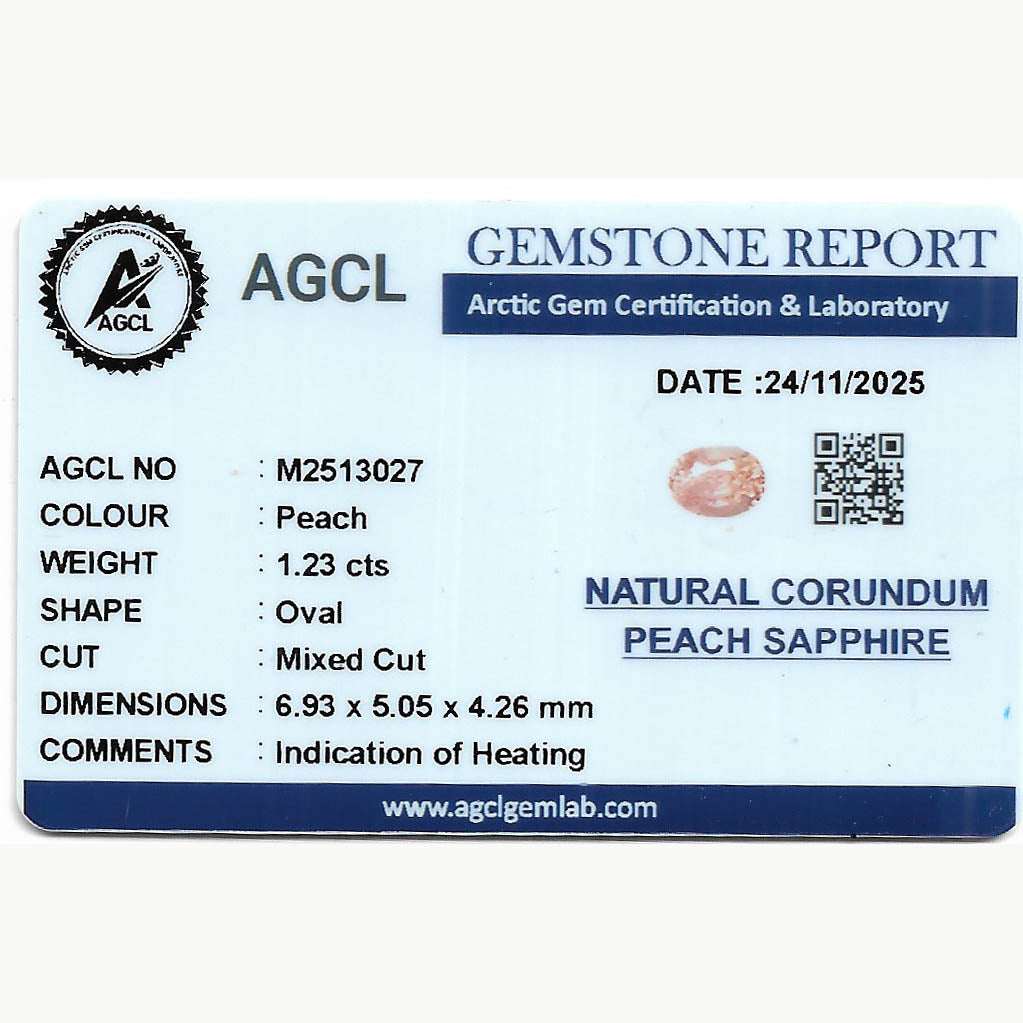
1.23 ct Oval Peach Sapphire ~ Heat Treated
CG8132