New to buying sapphires? Start with our Ultimate Sapphire Buying Guide — the complete resource for colour, origin, treatment, and pricing.

Sapphire is the most popular non-diamond engagement ring stone in the world, and it has been for centuries. But choosing a sapphire for an engagement ring is not the same as choosing a diamond. The grading system is different. The vocabulary is different. The quality factors that actually matter are different. And the number of meaningful decisions you have to make — color, origin, treatment, shape, weight, setting — is significantly larger.

This guide is designed to get you through those decisions in the right order, with enough context that you understand what you are choosing and why. It is not a marketing piece for a particular stone or category. It is the guide we wish existed when people ask us — as they do every week — where to start when shopping for a sapphire engagement ring.

Step One: Understand What Makes Sapphire the Right Choice

Before getting into how to choose one, it is worth being clear on why sapphire is a genuinely excellent engagement ring stone — not just as an alternative to diamond, but on its own terms.

Hardness: Sapphire is corundum, which ranks 9 on the Mohs scale — second only to diamond at 10. This is not a small difference from other colored gemstones: morganite (a popular alternative) ranks 7.5–8; tourmaline 7–7.5; opal 5.5–6.5. A one-point difference on the Mohs scale represents a meaningful difference in scratch resistance. Sapphire is hard enough for daily ring wear without protective settings, without removing for housework, and without special storage protocols. It will not scratch under normal conditions. Diamonds will scratch it; almost nothing else will.

Toughness: Sapphire has no cleavage planes — no directions along which the crystal is structurally weak. It is difficult to chip and does not fracture from the kinds of impacts that would damage a diamond (which, despite its hardness, cleaves along specific planes and can chip if struck sharply). For a ring worn every day, toughness matters as much as hardness.

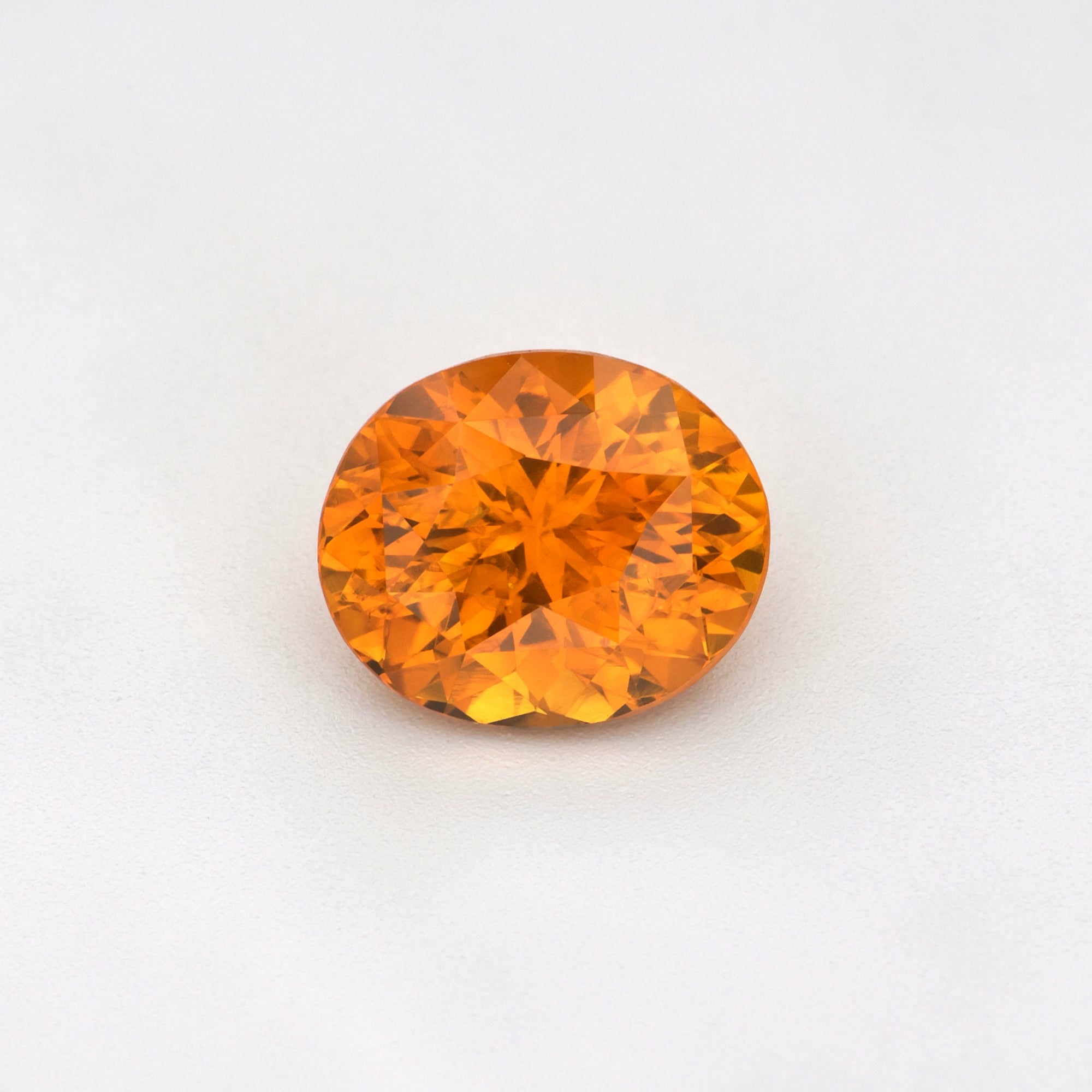
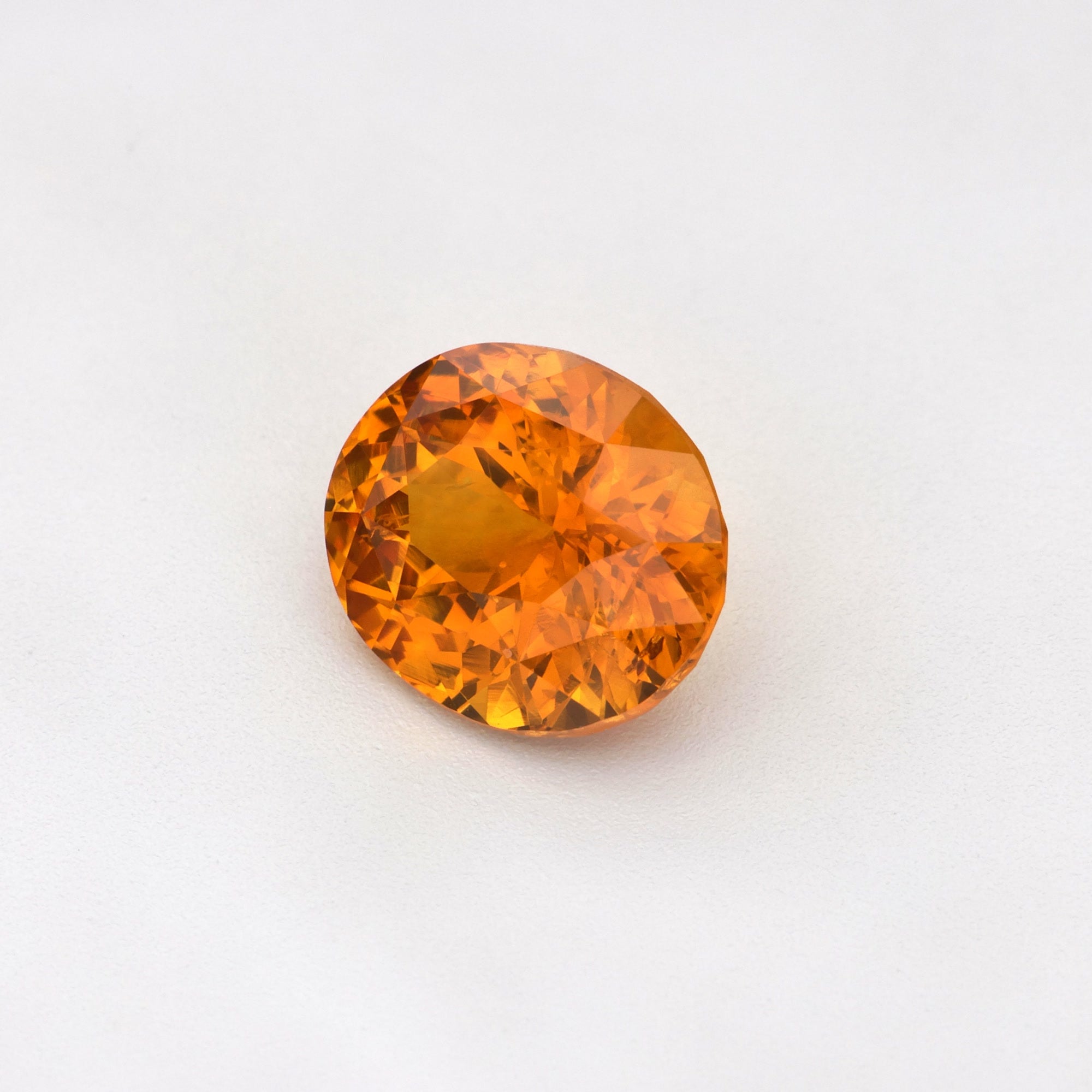
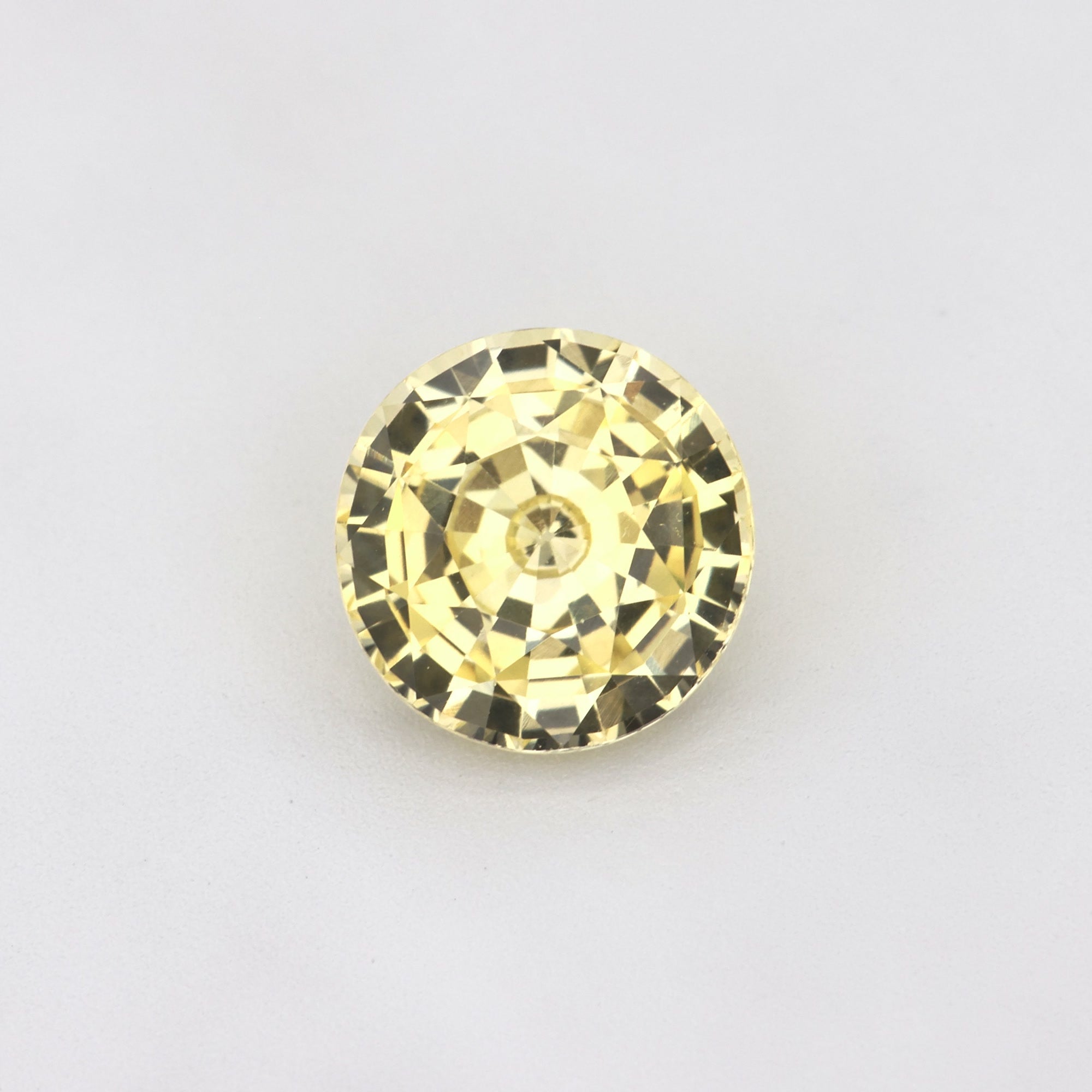
Color range: Sapphire occurs in virtually every color — blue, teal, yellow, pink, peach, orange, purple, violet, white, and black. This is not a fact that all buyers know when they start shopping. If you want a blue engagement ring, sapphire is the obvious choice. If you want something different, sapphire is still probably the right material — it just comes in a color you may not have considered yet.

Long-term value: Fine natural sapphire — particularly unheated material from established origins with laboratory documentation — holds and appreciates in value over time in ways that most other colored gemstones do not. The market for fine sapphire is liquid and global. A well-chosen sapphire engagement ring is not just jewelry; it is a meaningful asset.

Step Two: Choose Your Color

This is the most important decision, and most buyers make it too quickly by defaulting to blue. Blue is a legitimate and excellent choice — but it is not the only one, and for a meaningful number of buyers it is not the best one.

Blue Sapphire

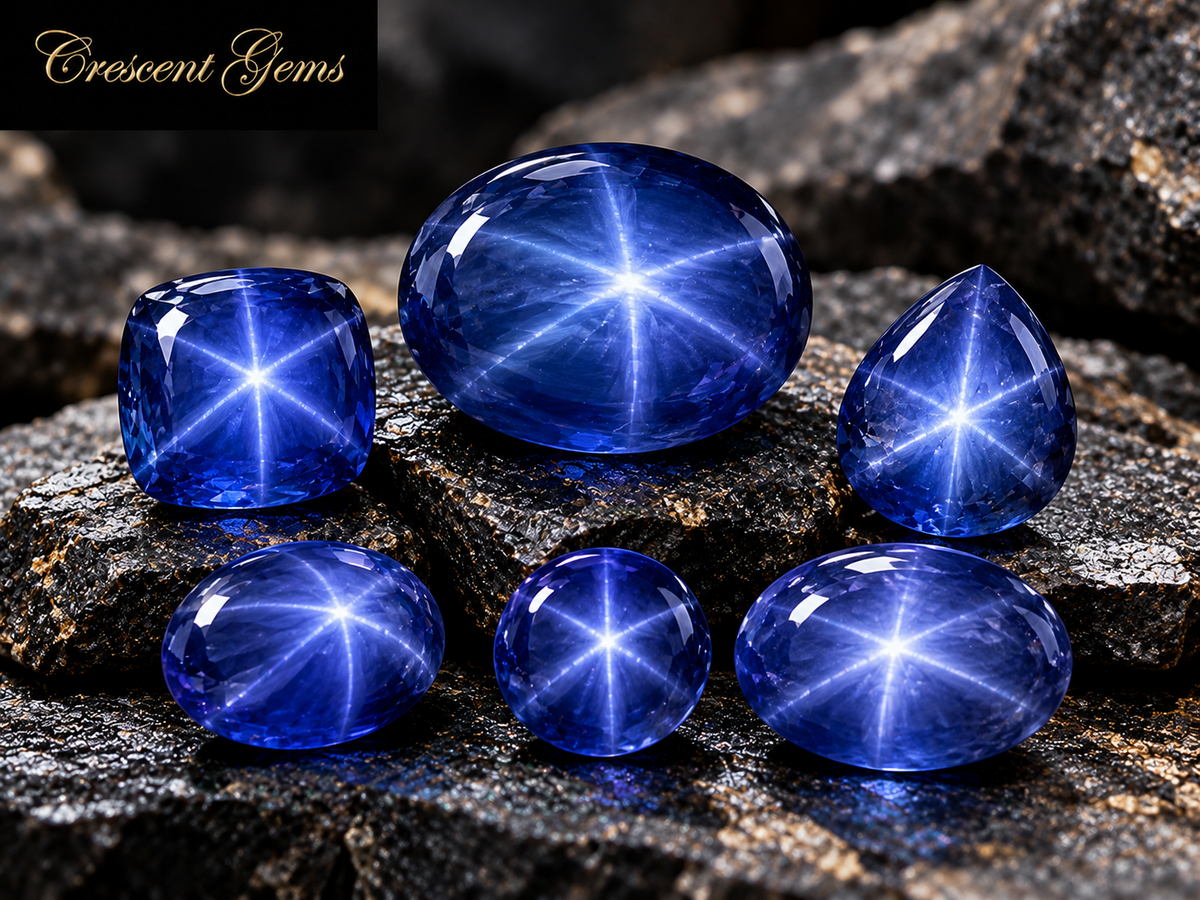
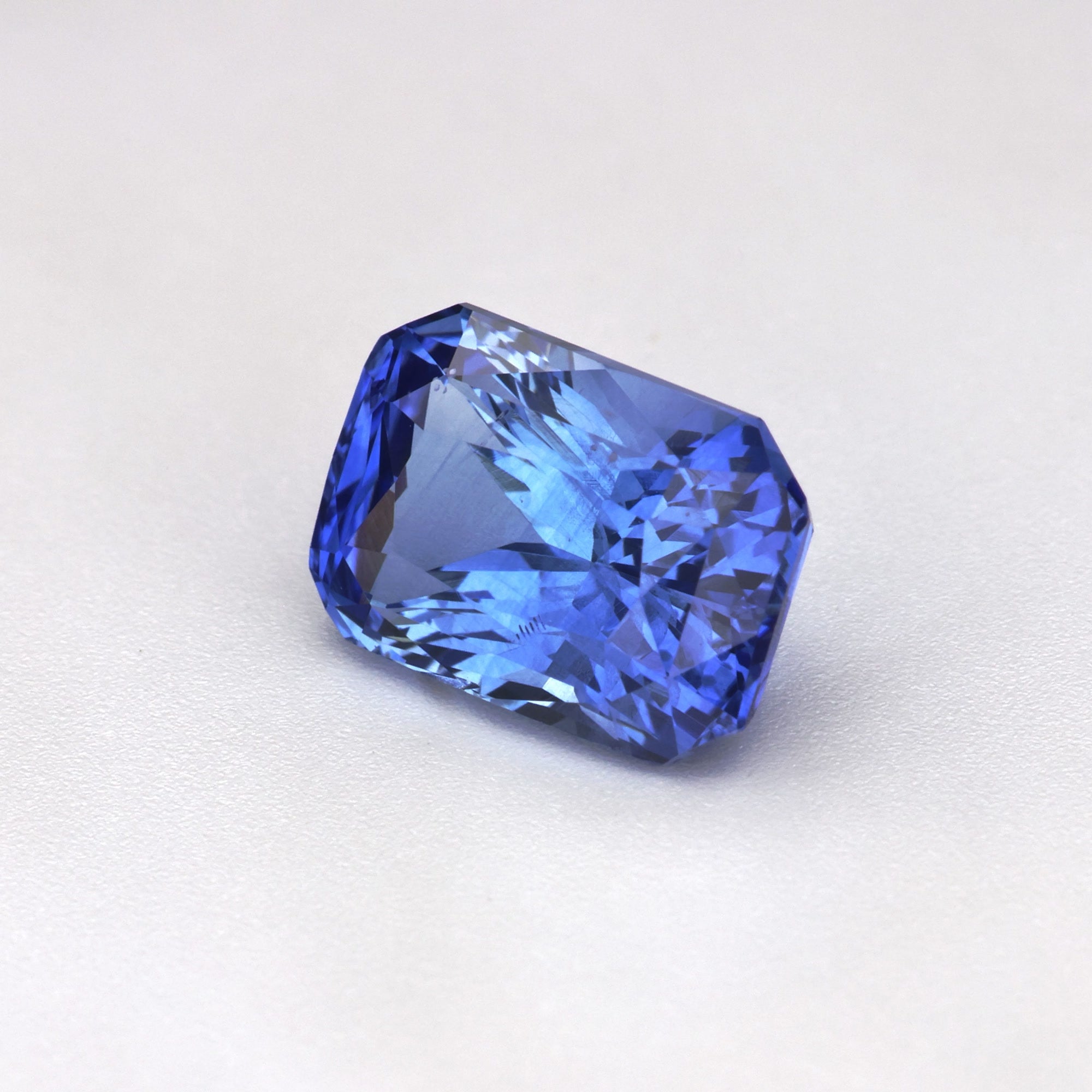
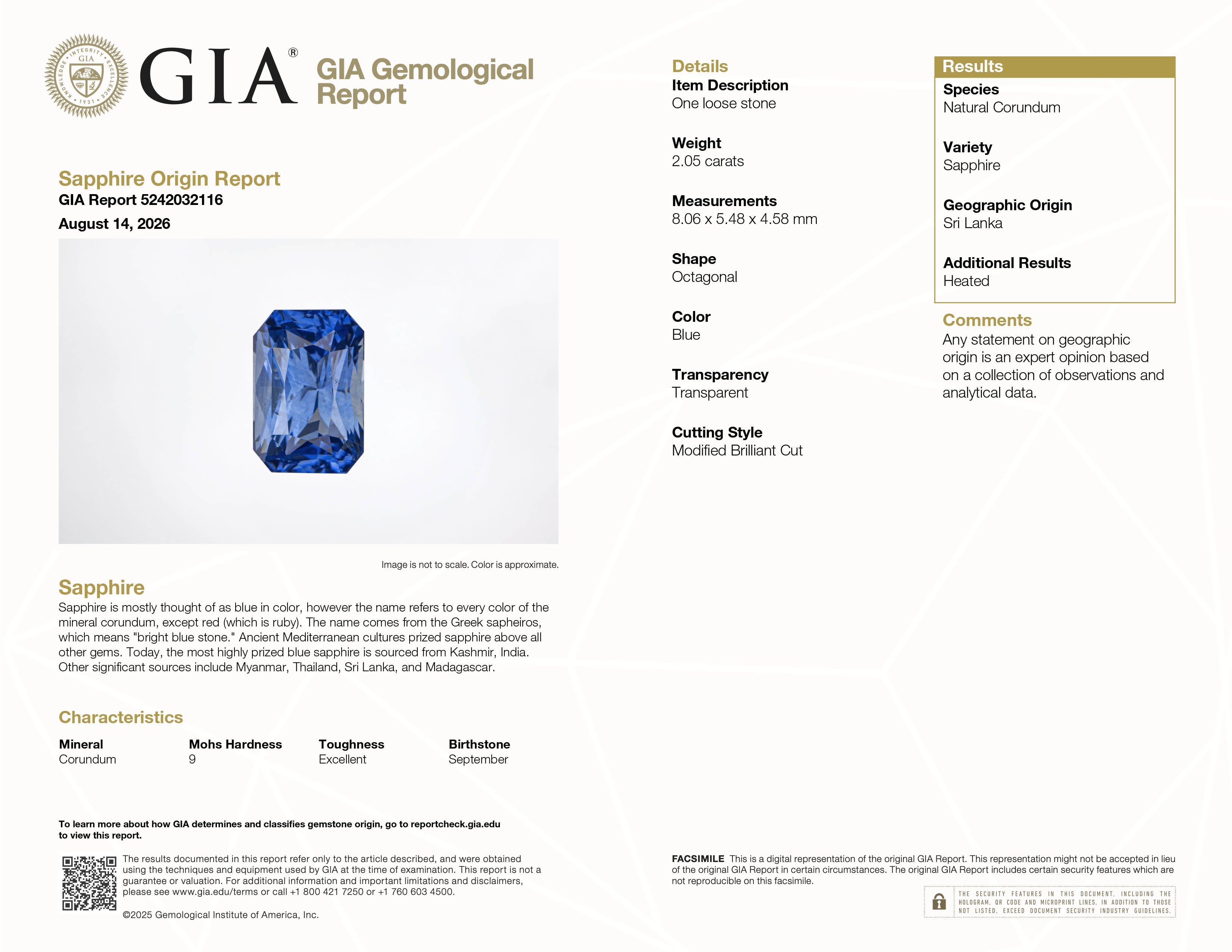
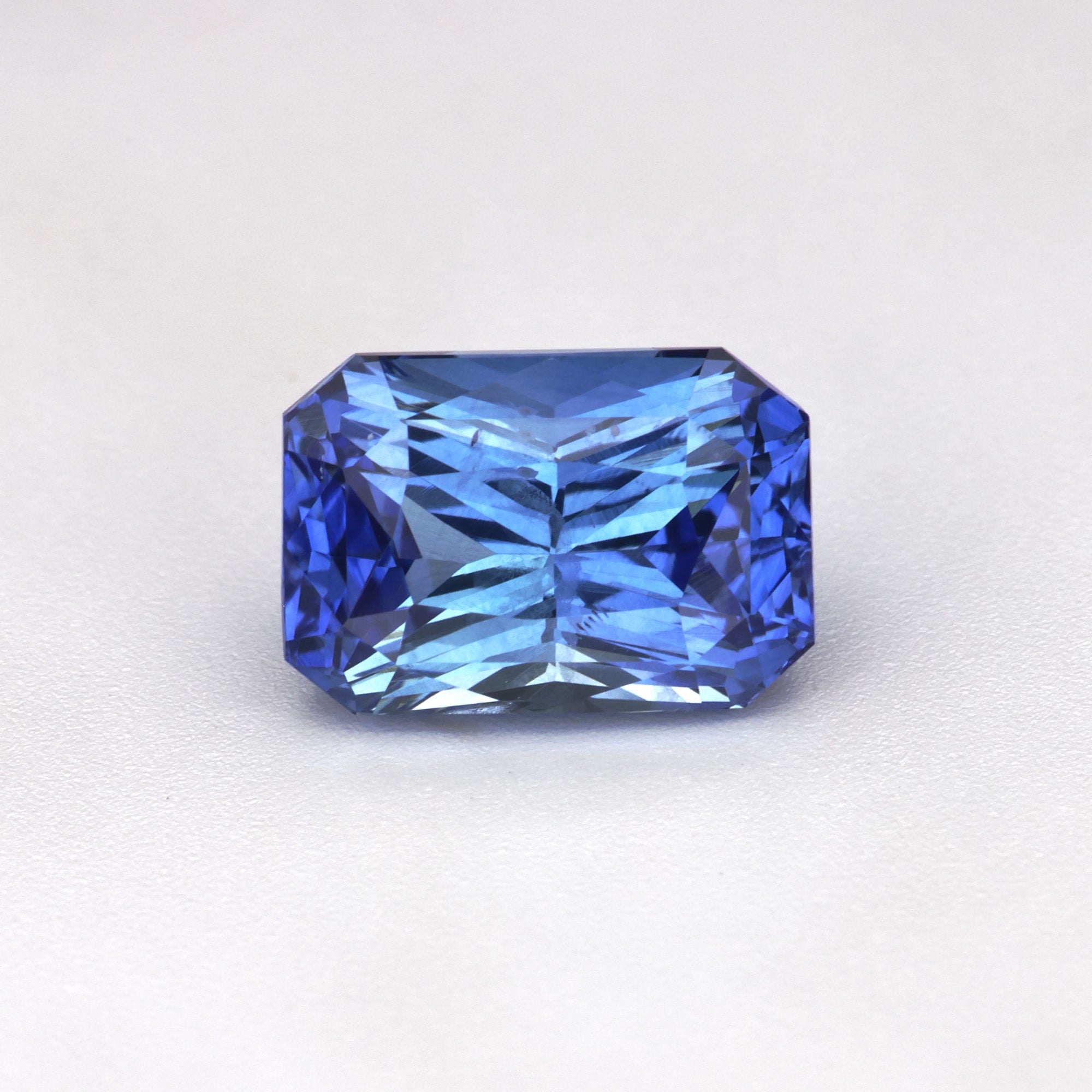
The classic choice. Blue sapphire gets its color from iron and titanium in the corundum crystal. The finest examples show a vivid, medium-tone pure blue — commonly described as cornflower blue or royal blue — with strong transparency and a brightness that holds consistently across daylight, incandescent, and indoor lighting. The most important origin for fine blue sapphire is Sri Lanka (Ceylon), which produces the combination of vivid color, high clarity, and unheated quality that defines the finest tier of the market. Kashmir blue — a velvety, saturated blue from a now-exhausted deposit in northern India — is the most coveted origin at auction but is not available in the commercial engagement ring market at any meaningful scale.

When evaluating blue sapphire: look for pure blue without significant gray or green modifiers; medium-to-vivid saturation (not so dark that the color disappears under low light); and a stone that holds its color vividly under natural daylight, not just under jewelry display lighting.

Teal Sapphire

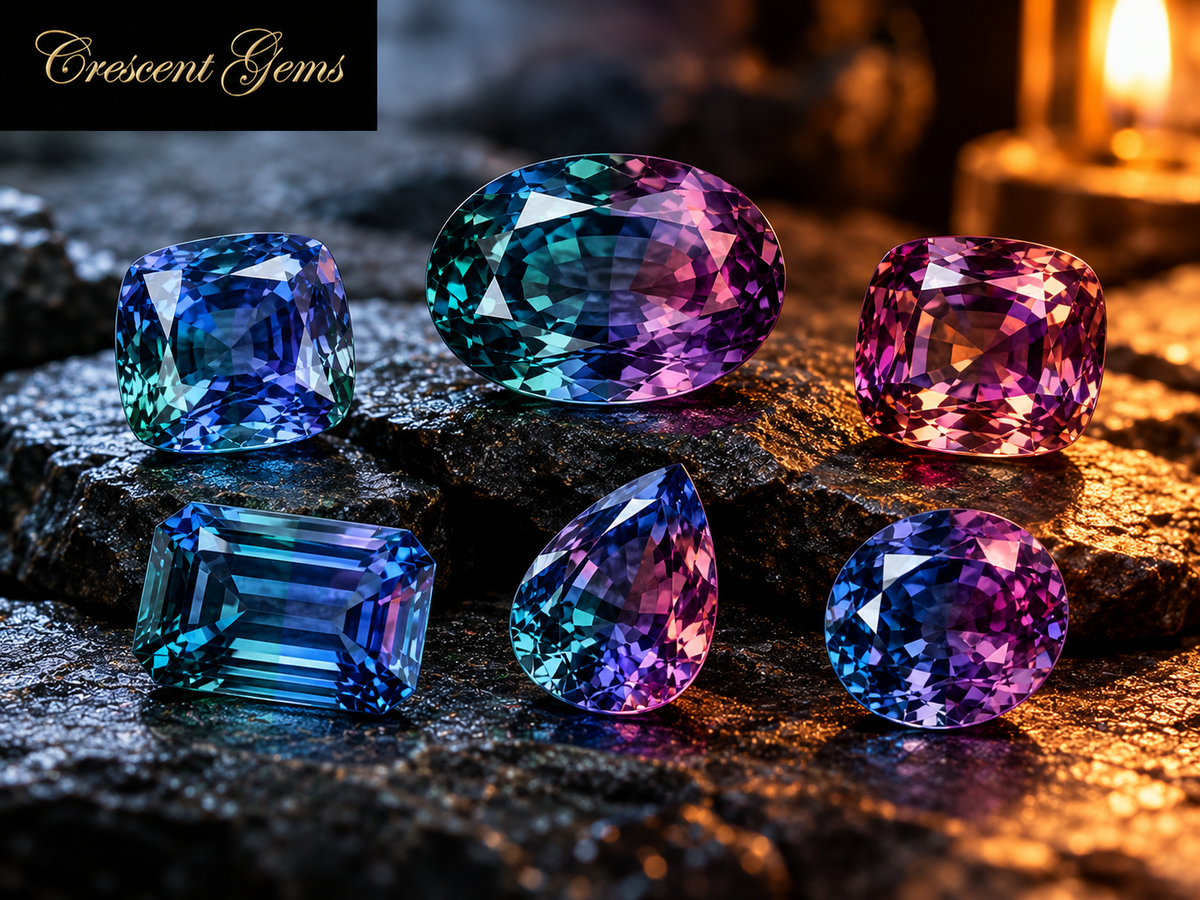
The fastest-growing engagement ring category. Teal sapphire sits at the intersection of blue and green, producing a color that shifts between those two hues depending on the angle and light source — more blue in cool daylight, more green under warm incandescent light. Teal sapphires are almost universally unheated (heat treatment destroys the color balance) and their dual-tone character creates visual interest that single-hue blue sapphires cannot replicate. If you want something that reads as sapphire to someone who knows gemstones but reads as strikingly distinctive to everyone else, teal is the strongest option in the current market.

Yellow Sapphire

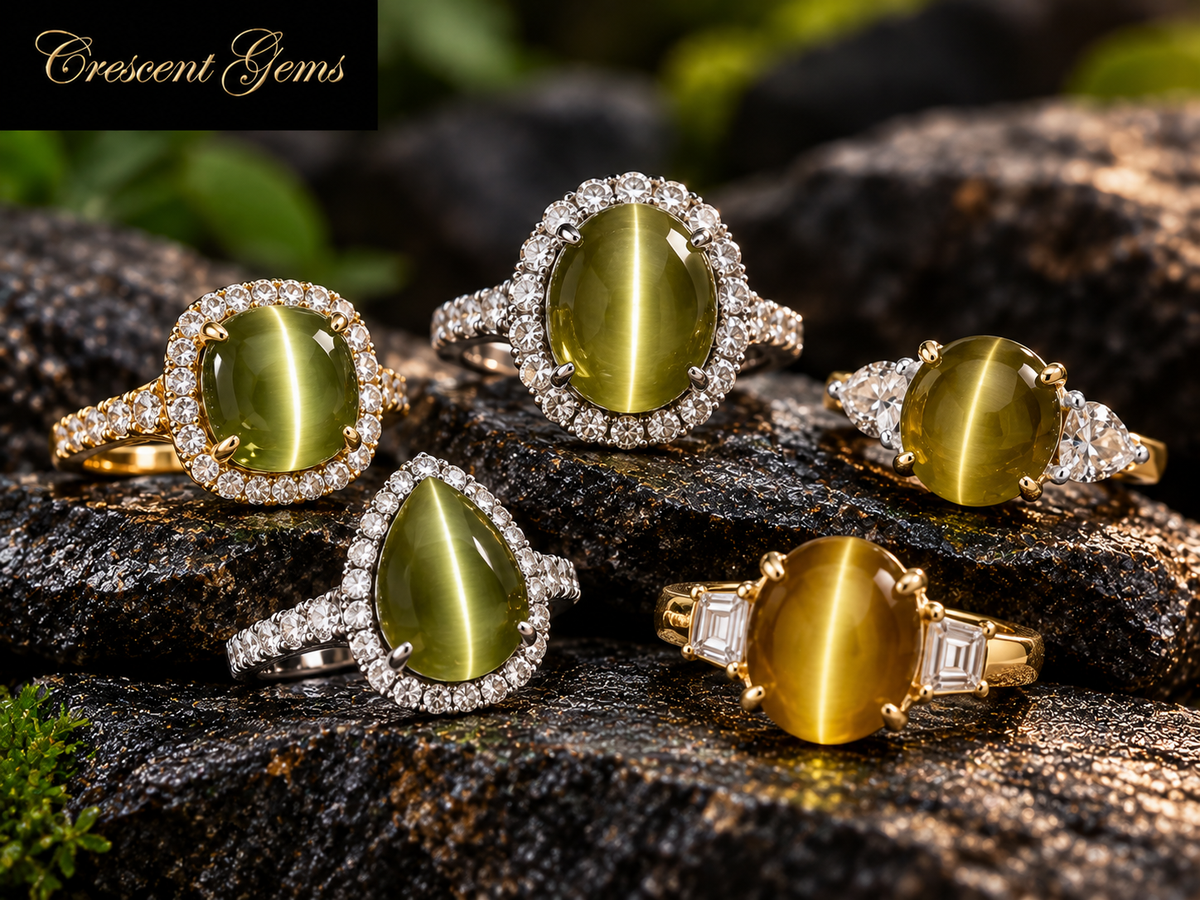
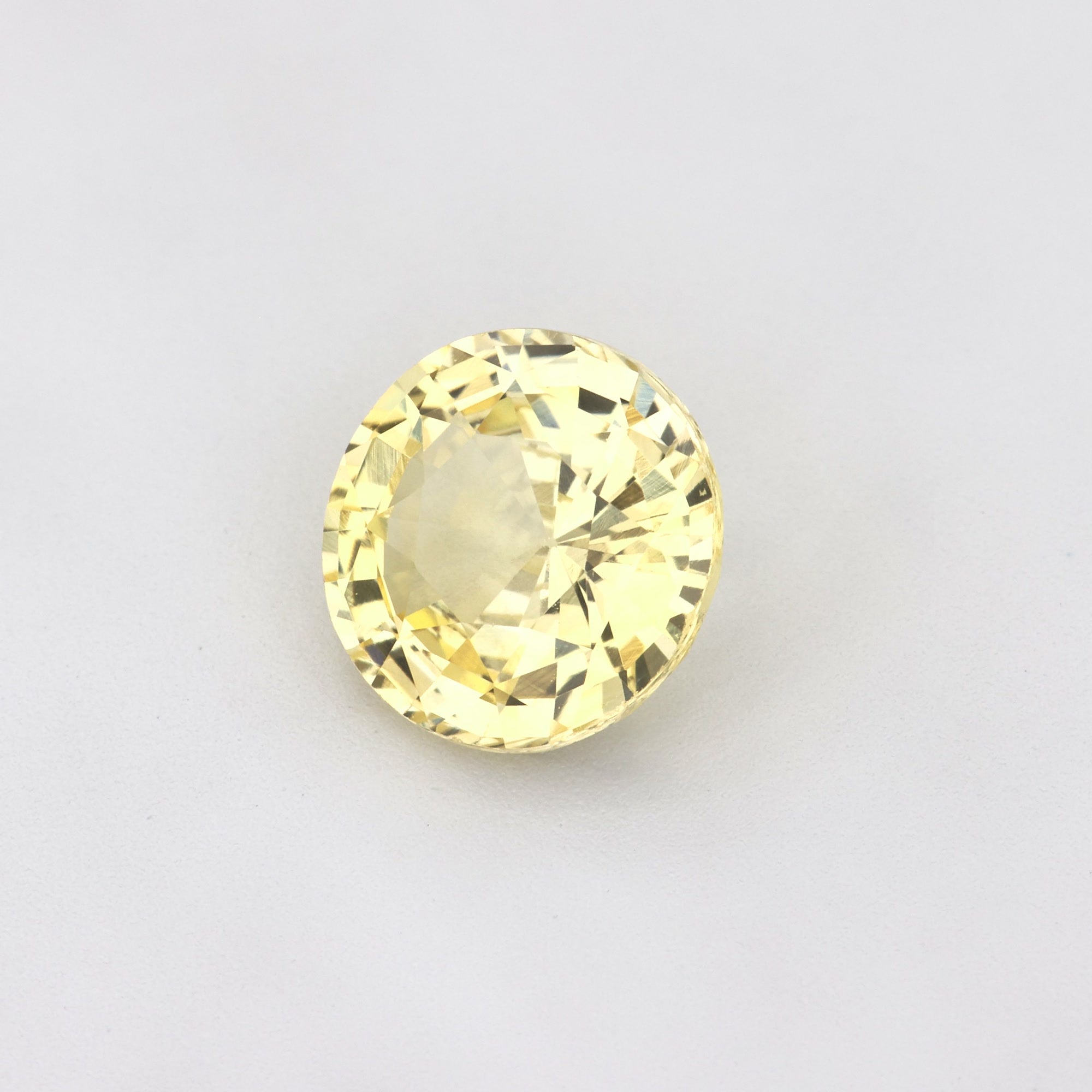
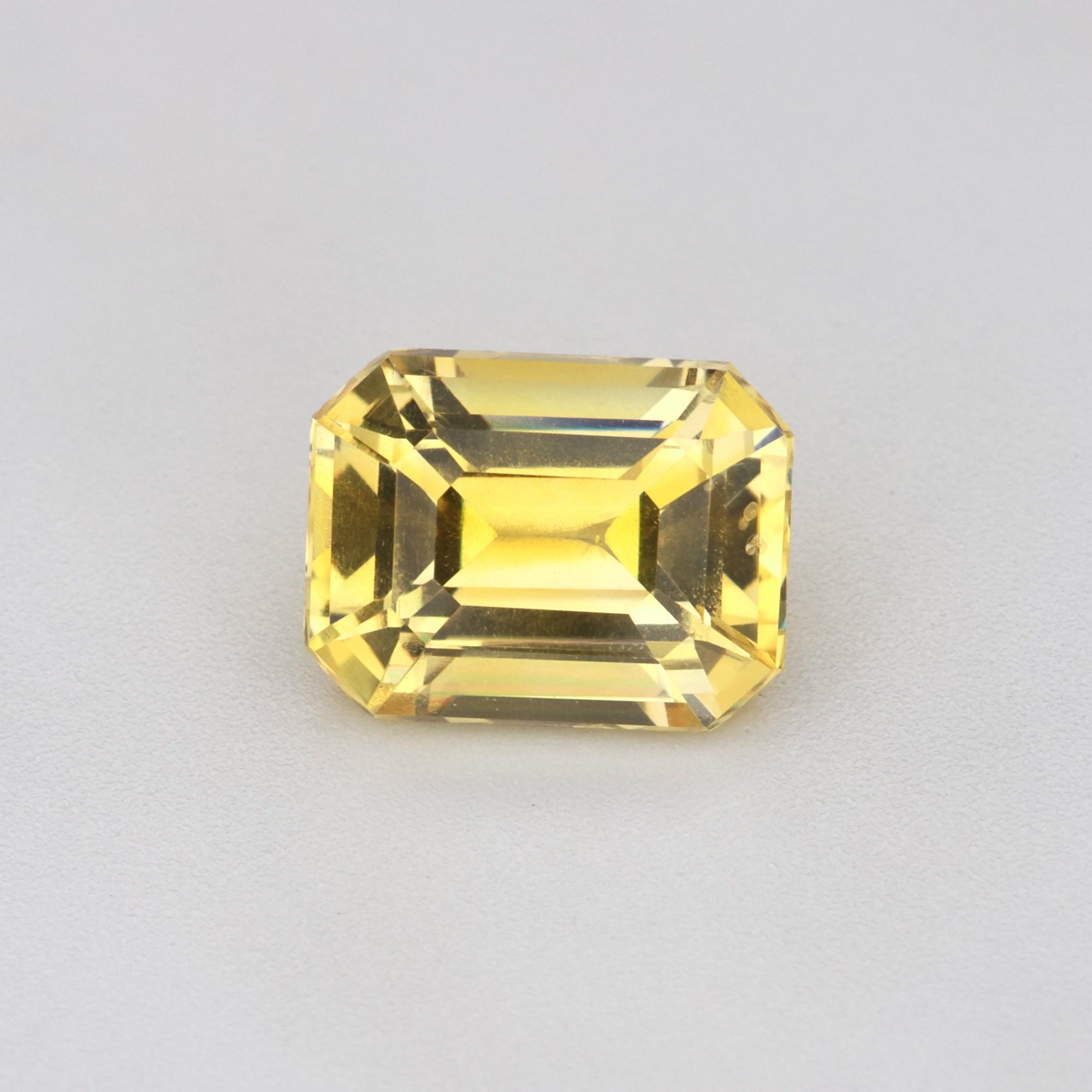
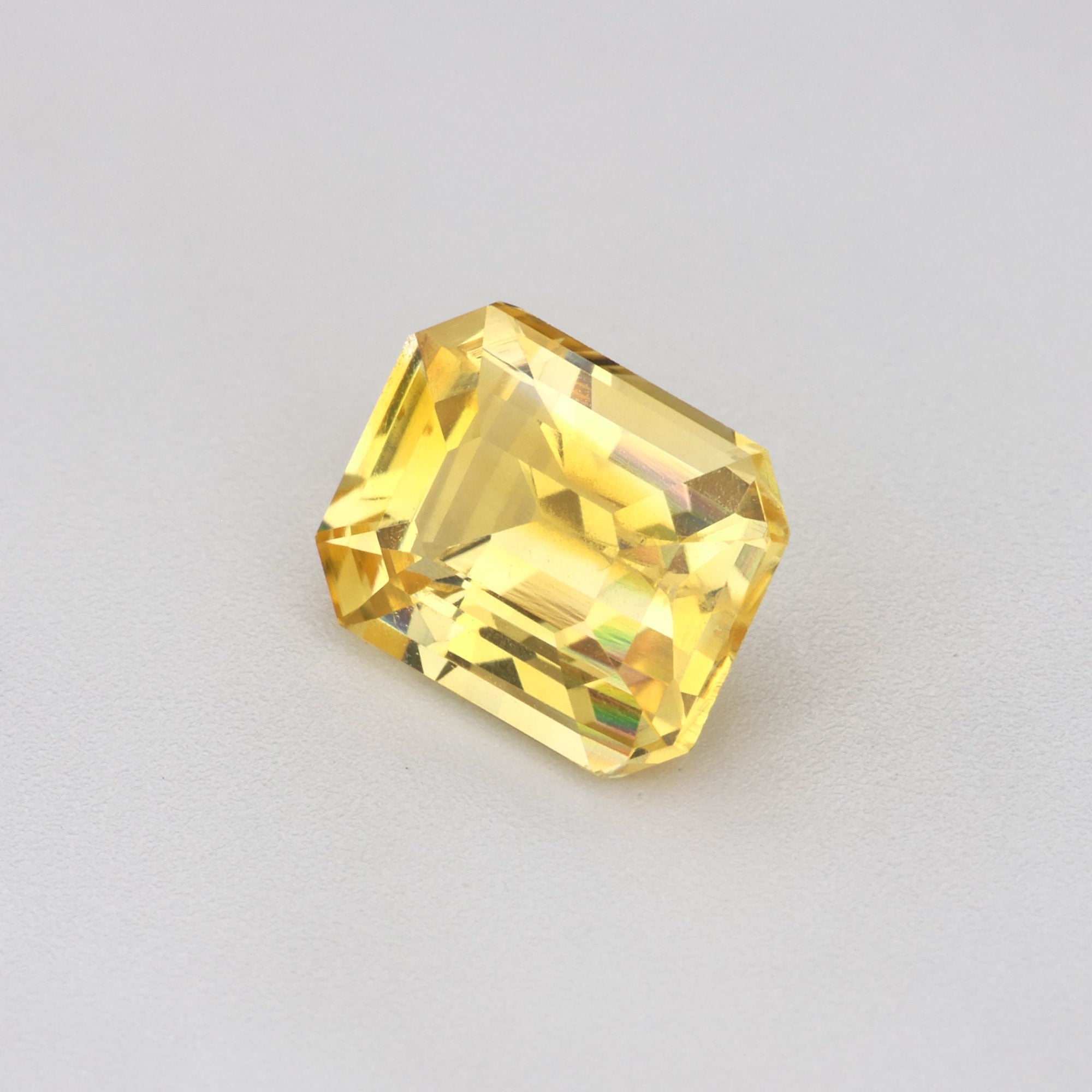
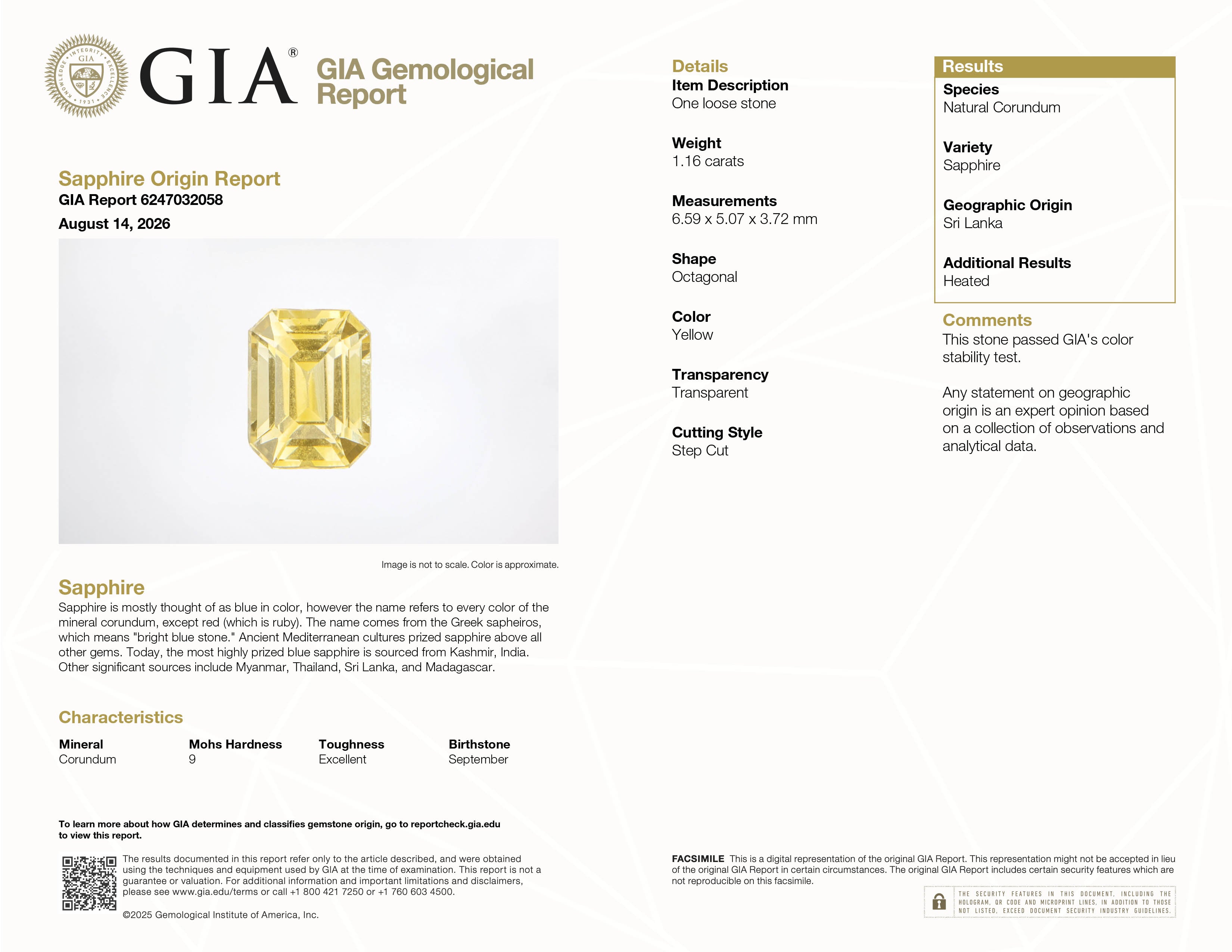
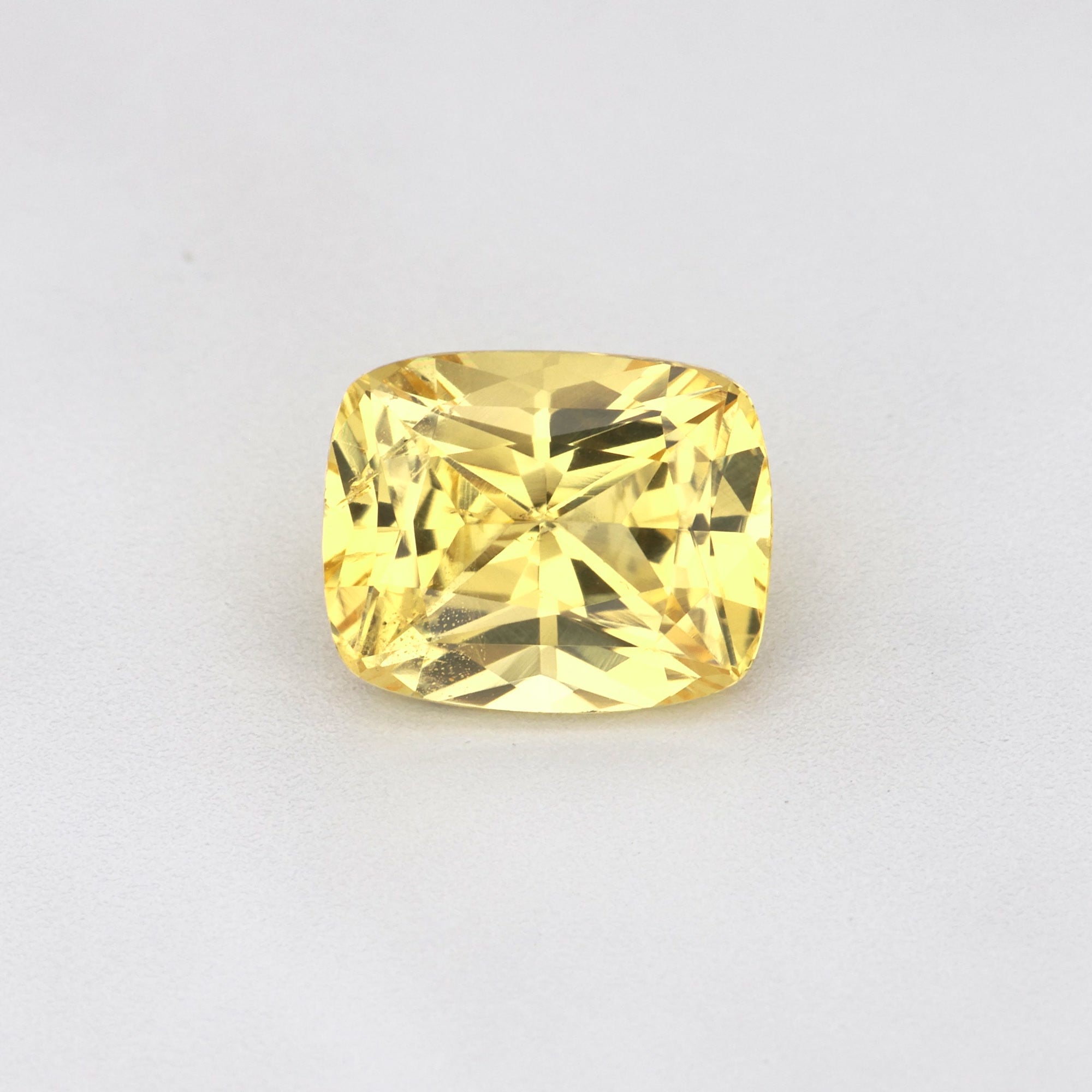
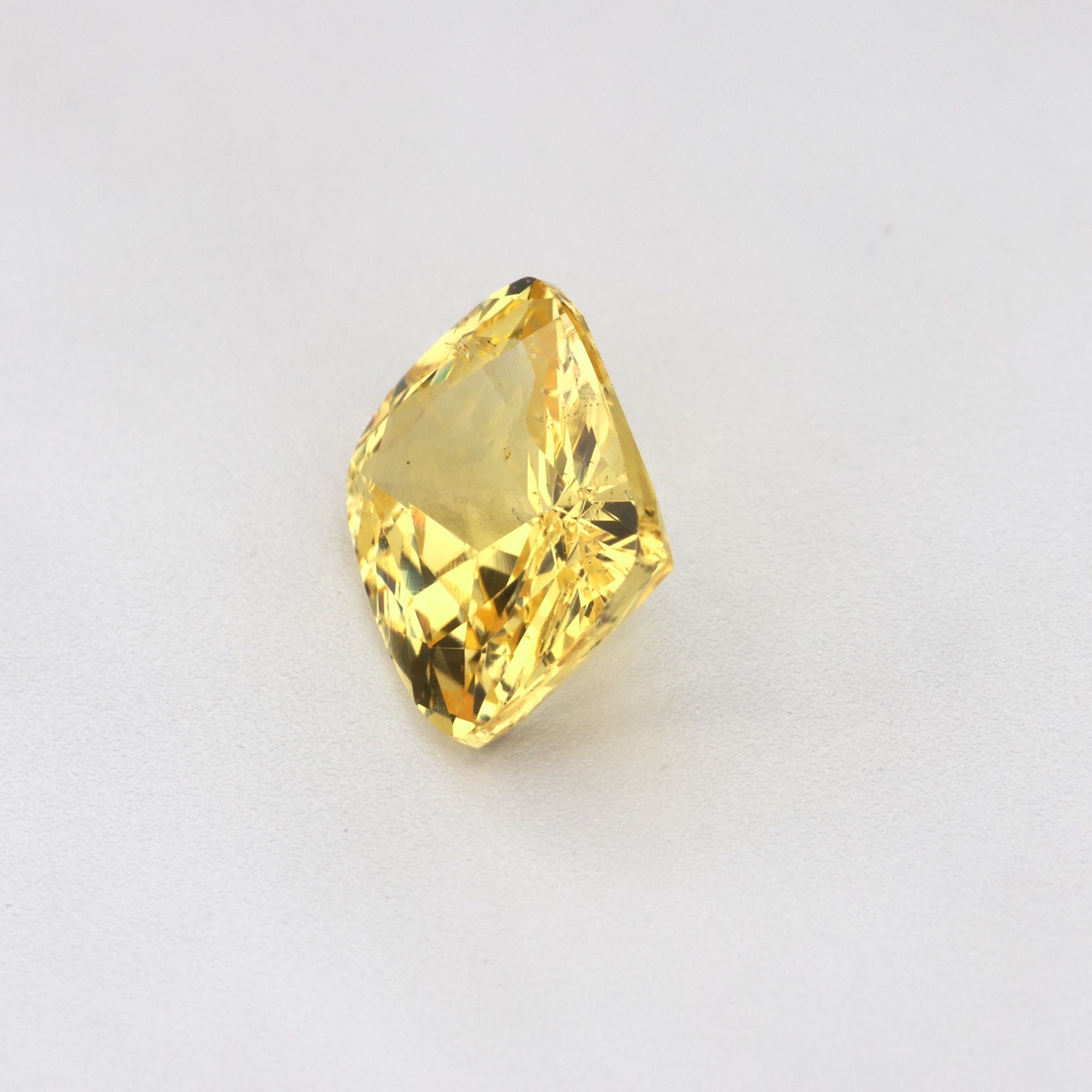
Yellow sapphire ranges from soft canary through rich golden, colored by iron in the corundum crystal. Fine unheated Ceylon yellow at 1.5+ carats in an oval or cushion cut is a genuine engagement stone on its own merits, not a budget alternative. Yellow sapphire also has strong demand in the Jyotish (Vedic astrology) market as the prescribed stone for Jupiter (Guru), which means unheated natural yellow sapphire above 1 carat maintains consistent demand from a buyer population that is not primarily aesthetic in its motivation — a useful quality characteristic for long-term value.

Pink Sapphire

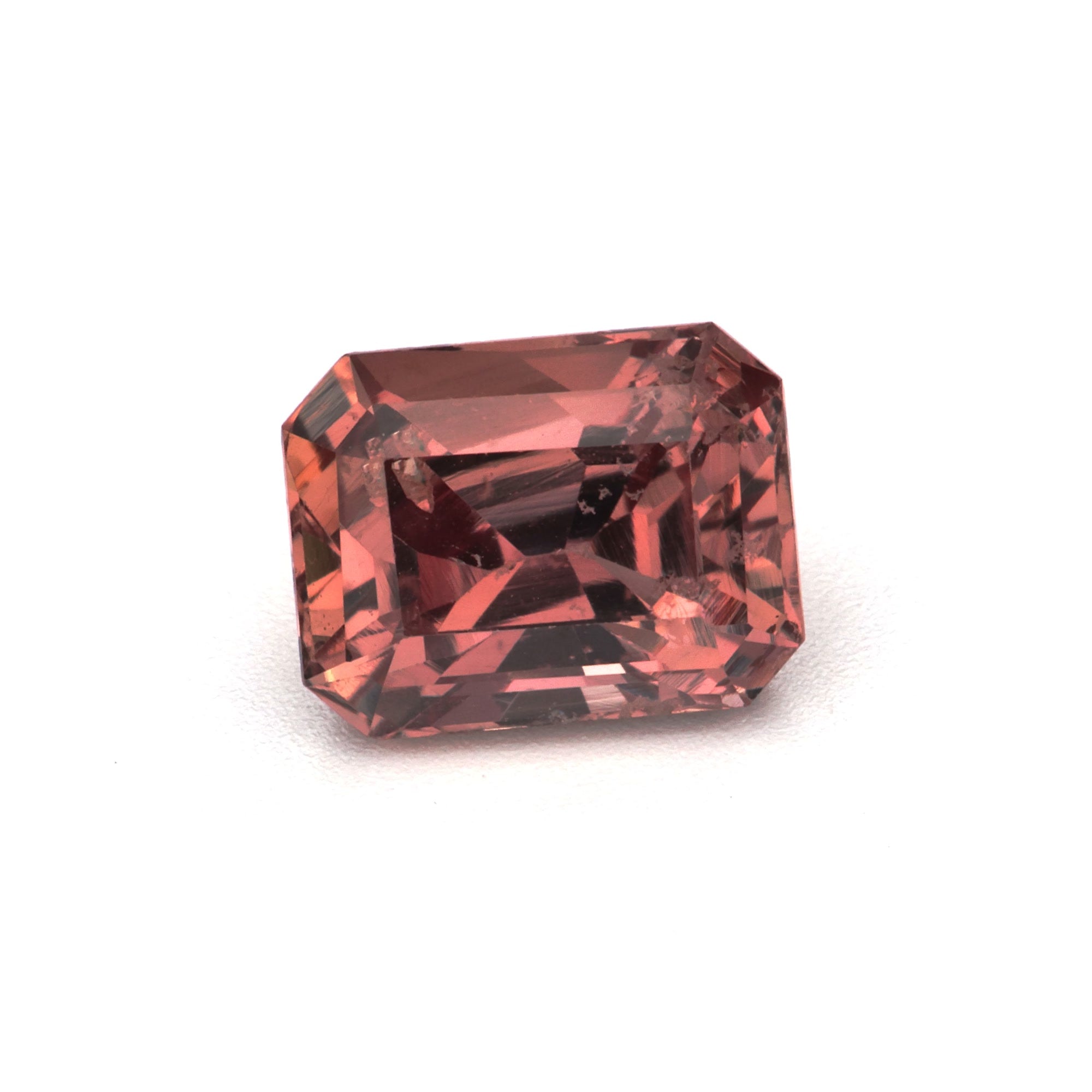
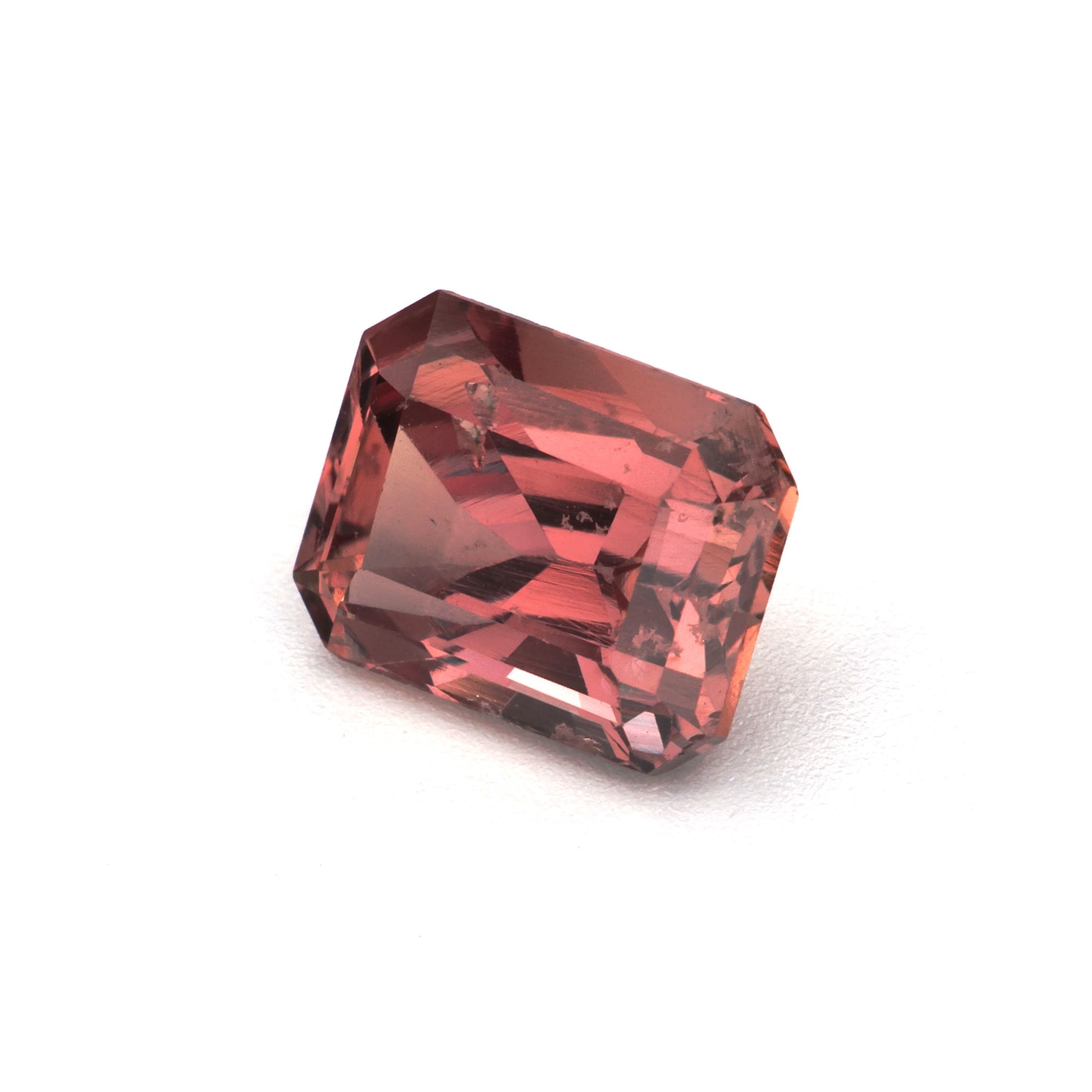
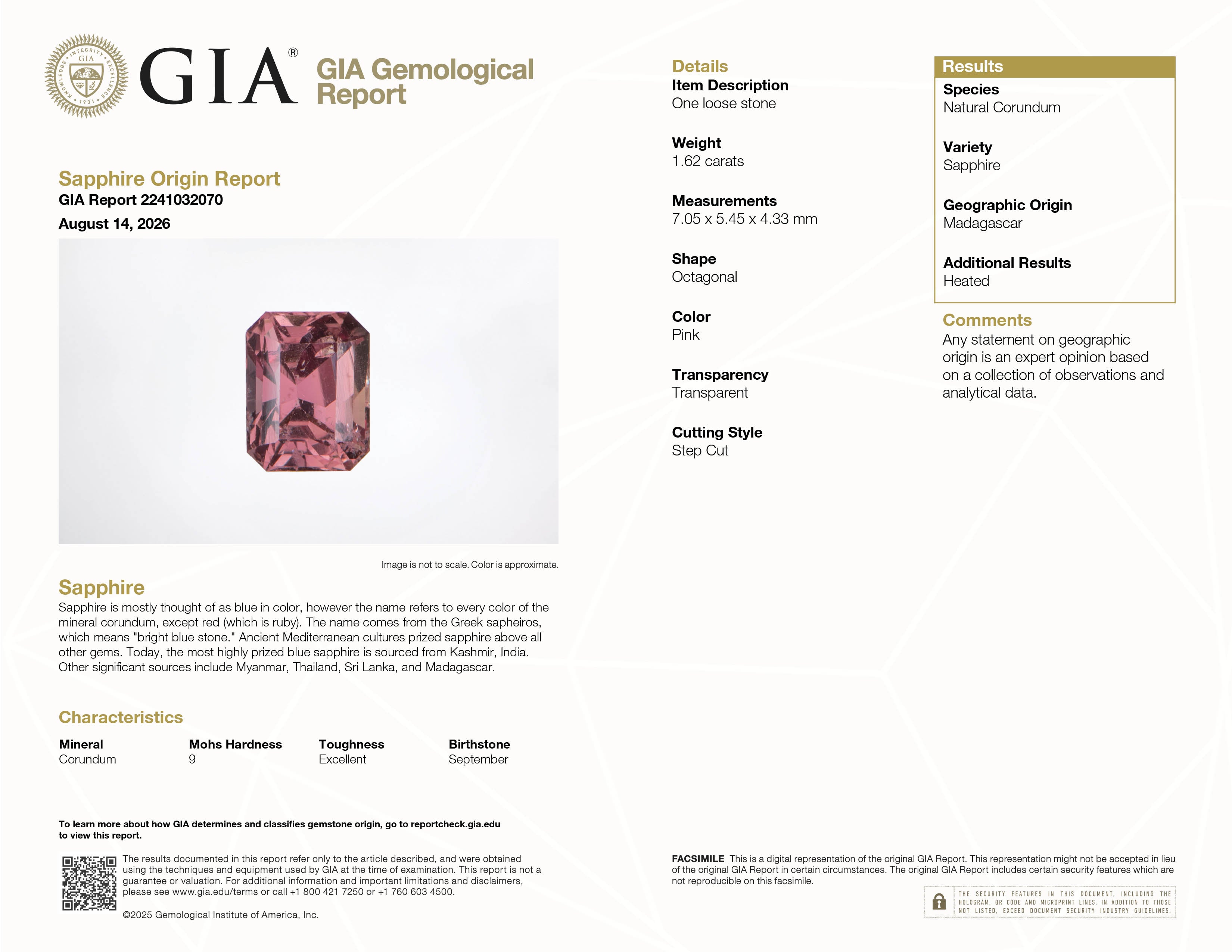
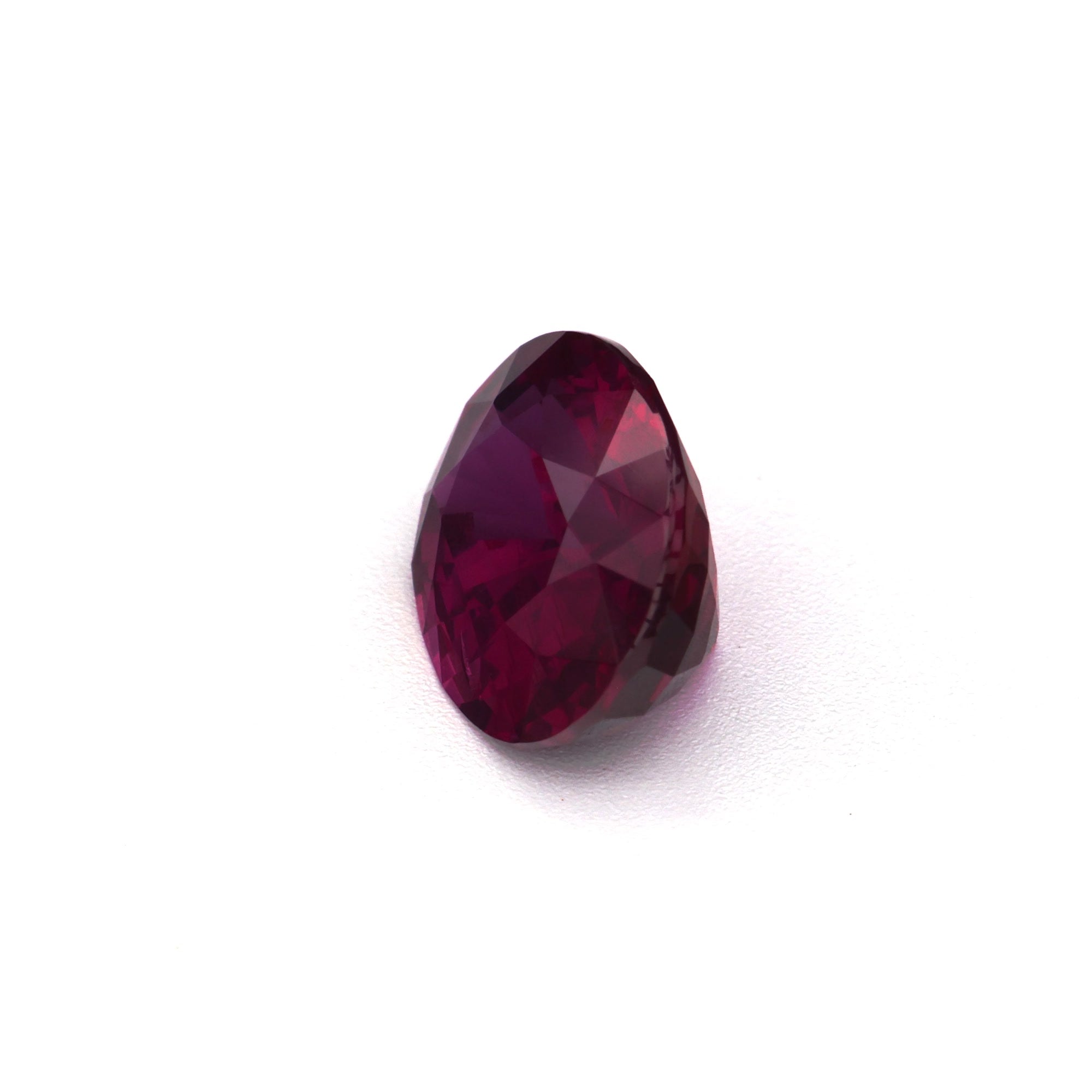
Pink sapphire is colored by trace chromium — the same element responsible for red in ruby — and ranges from soft pastel through vivid hot pink. It is the most popular non-blue sapphire for engagement rings and suits rose gold particularly well. Ceylon pink is the most valued origin for fine pink material. The important distinction in pink sapphire is between heat-treated and unheated: the finest unheated Ceylon pinks carry significant premiums and hold value well; commercial heat-treated pinks are widely available and honestly priced. For a full discussion of the pink category, see our Pink Sapphire Buyer's Guide.

Peach and Padparadscha

Peach sapphire occupies the warm blush-orange zone between pink and orange — the color closest to a ripe peach. The finest examples approach padparadscha, the rarest and most valuable sapphire color, defined as a balanced pink-orange certified by GIA, Gübelin, or SSEF as padparadscha. Peach sapphire in rose gold is among the most romantically beautiful engagement stone combinations available. For the full discussion, see our Peach Sapphire Buyer's Guide.

Purple and Violet

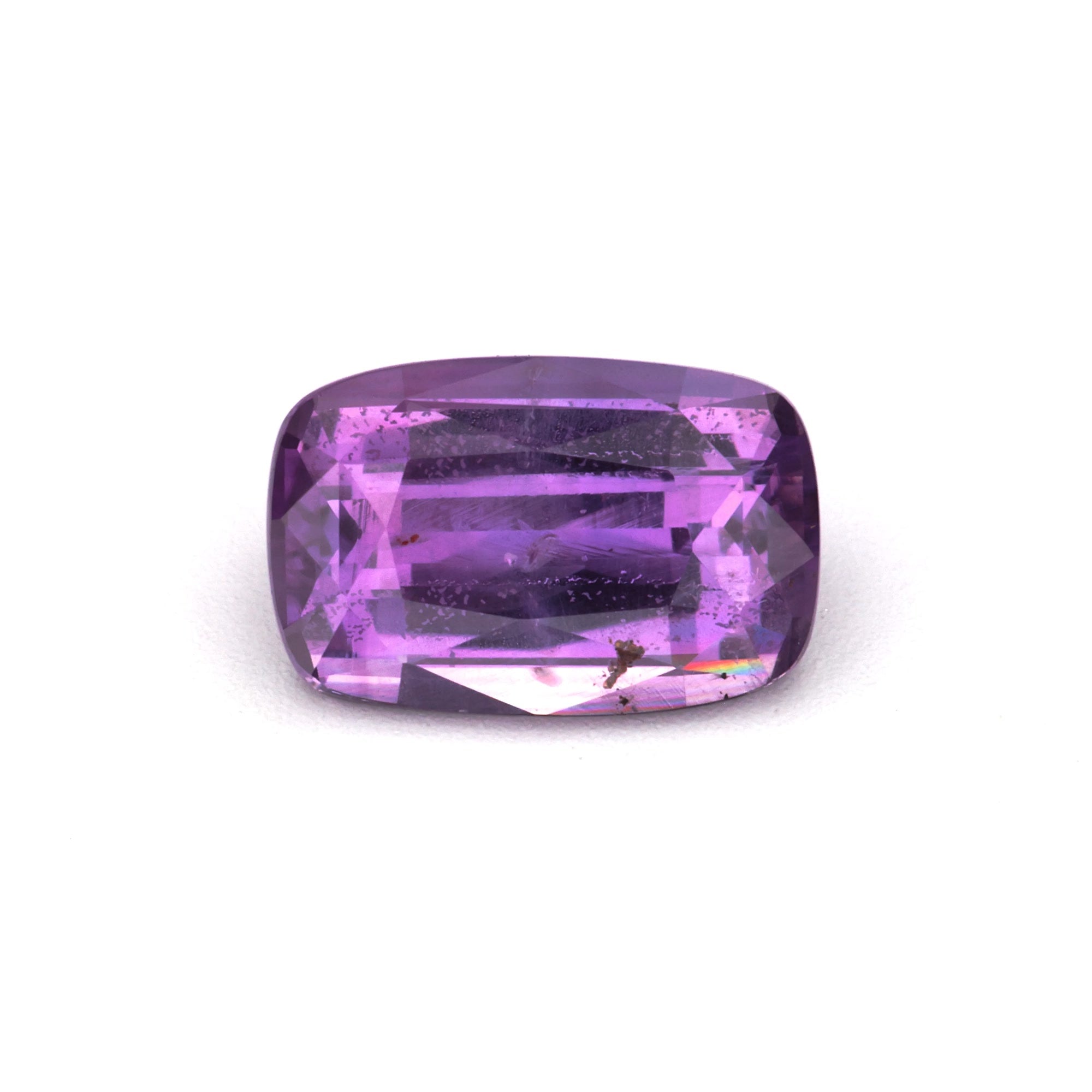
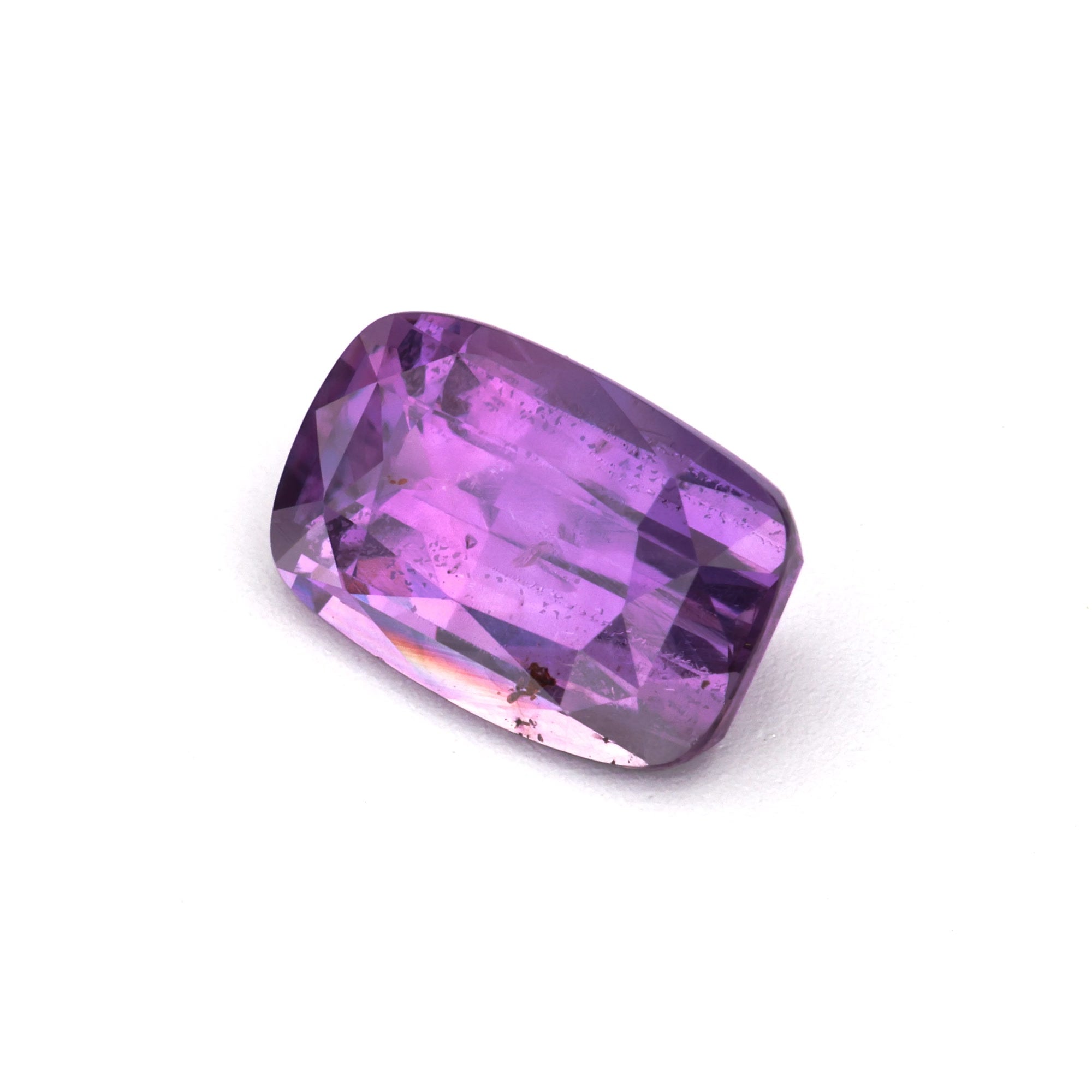
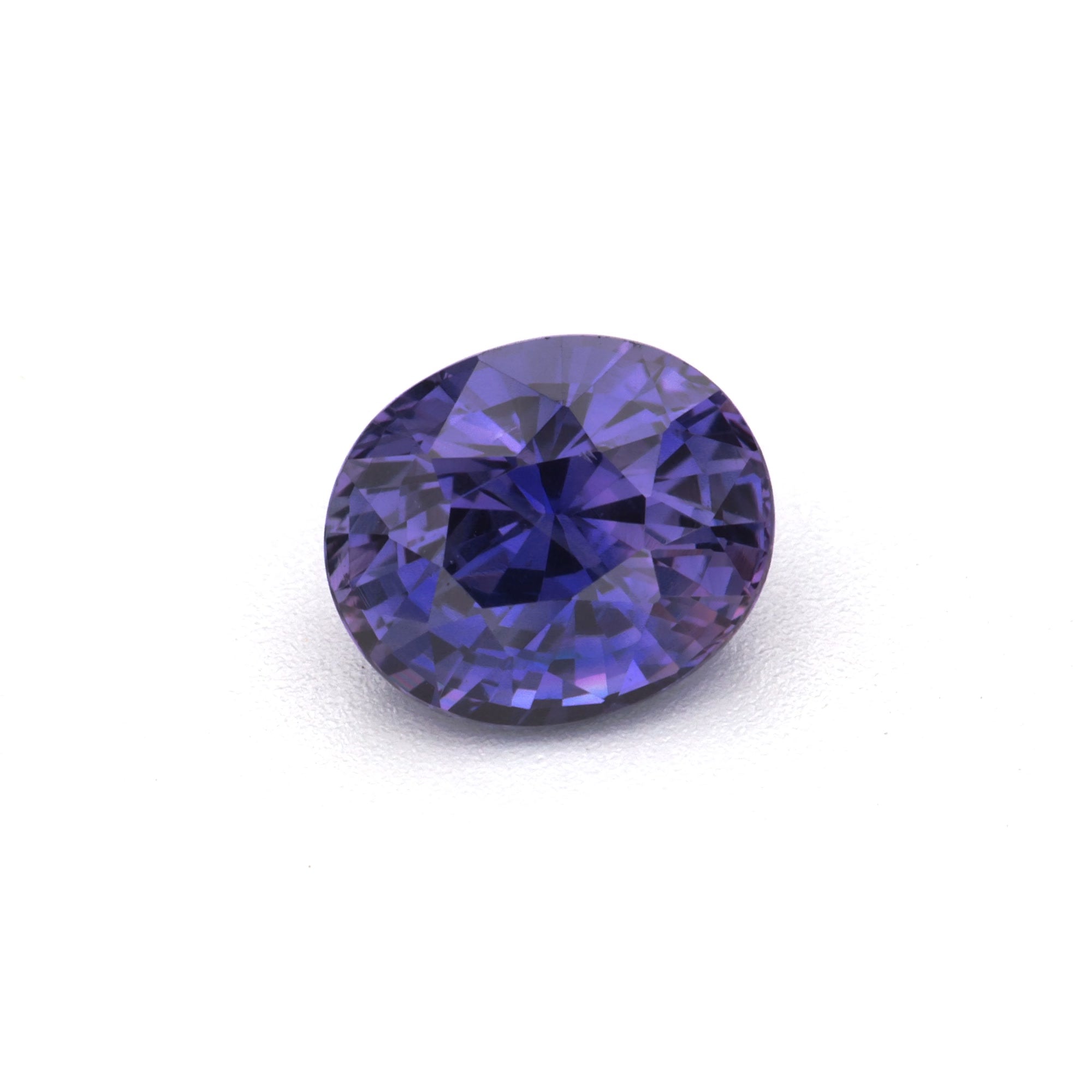
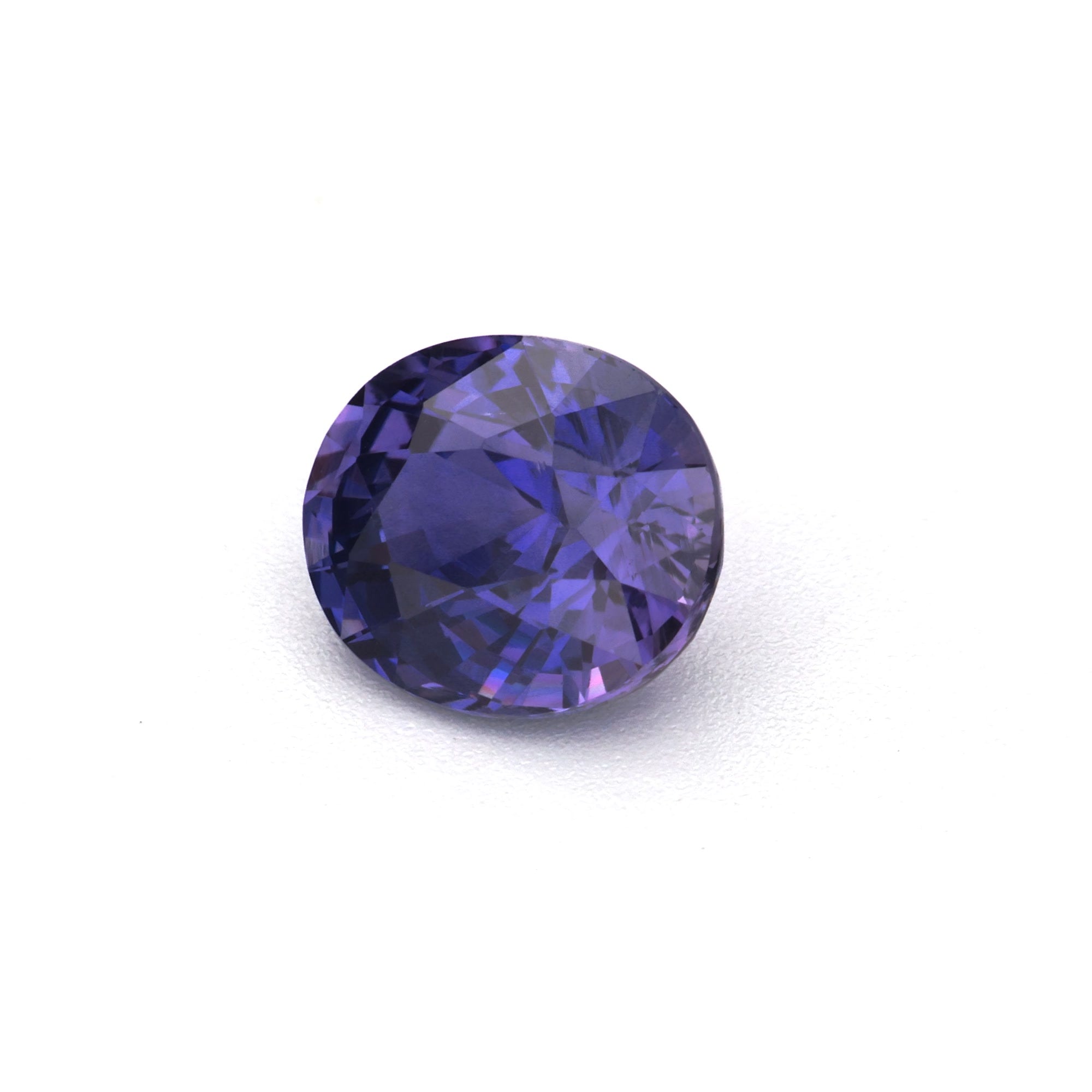
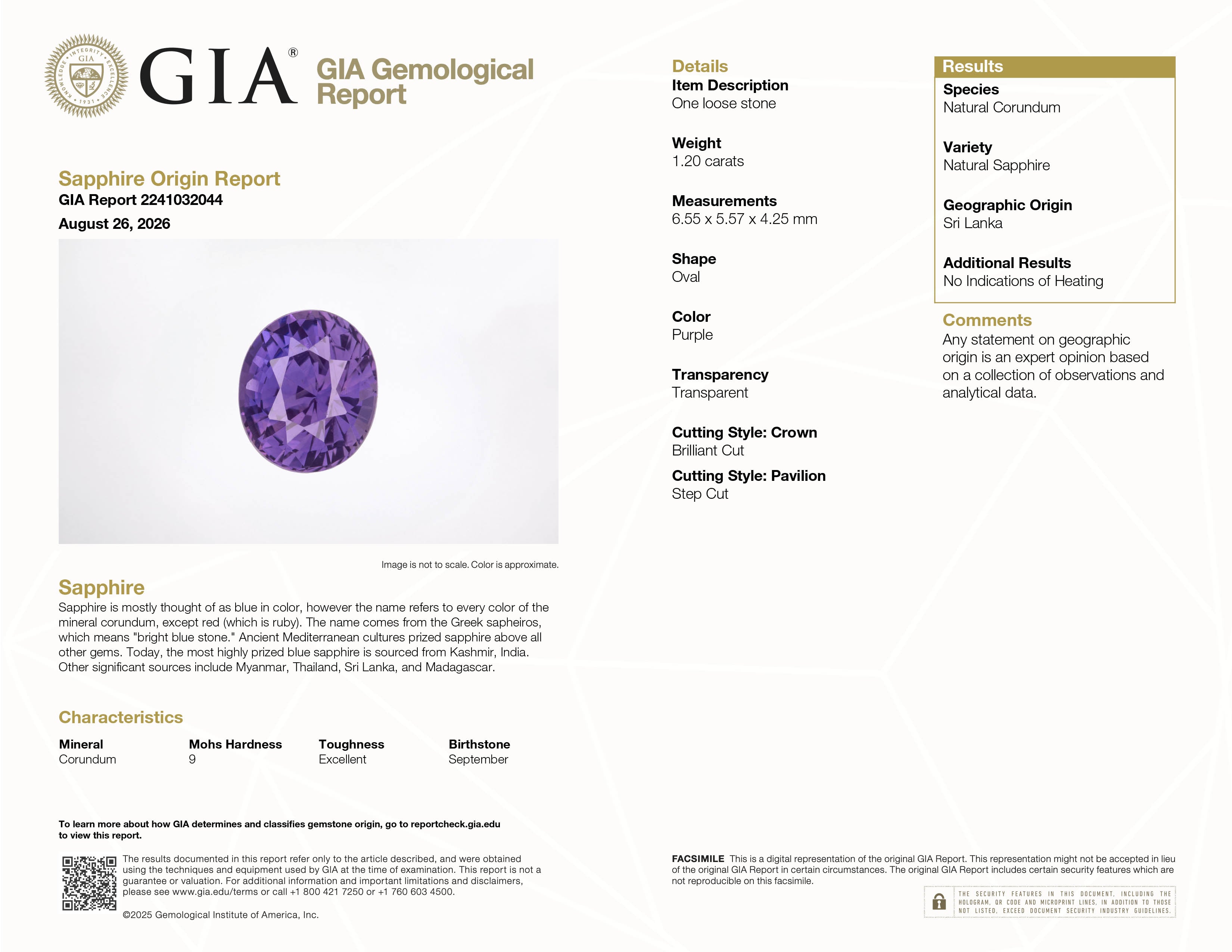
Purple and violet sapphire range from cool blue-violet (violet) through warm red-influenced purple. The finest unheated Ceylon violet sapphires carry a vanadium-driven color-shifting character that produces different tones under daylight and incandescent light — an effect that approaches the color-change phenomenon and commands collector premiums. Purple sapphire in yellow gold or rose gold settings reads regal and deeply romantic. For the full discussion, see our Purple Sapphire Buyer's Guide.

White Sapphire

Colorless corundum — the same mineral as blue or pink sapphire, but without chromophore trace elements. White sapphire is the most practical diamond alternative: Mohs 9, no coating, no treatment, no special care. It does not sparkle like diamond (the dispersion that creates diamond's fire is not present in sapphire to the same degree), but it is significantly more durable than any other colorless gemstone alternative and does not fade, cloud, or require retreatment over time.

Step Three: Understand Heat Treatment

Heat treatment is the most important concept in sapphire buying that most buyers do not understand when they start shopping, and understanding it correctly changes every other decision that follows.

The majority of sapphires on the commercial market — across all colors and origins — have been heat-treated. Rough sapphire is heated at temperatures of 1,700–1,900°C to improve color saturation, dissolve unwanted color modifiers (brown, gray), and reduce the visibility of certain types of inclusions. The treatment is permanent, stable, universally accepted in the gemstone trade, and scientifically undetectable after the fact without laboratory spectroscopic analysis. A heat-treated sapphire is a genuine, natural gemstone. Heat treatment does not make it synthetic, fake, or lower quality in absolute terms.

What it does affect is rarity. Rough that produces vivid, saturated color without heating is less common than rough that needs heat to reach the same apparent color. Unheated sapphires of equivalent color to heat-treated stones are therefore genuinely rarer, and the market prices them significantly higher — particularly above 1 carat where laboratory documentation is available to verify the status.

Should You Buy Heated or Unheated?

This depends on your priorities, not on a universal right answer.

Choose unheated if: natural, unaltered color matters to you philosophically; you are buying in part as an investment or with resale value in mind; you are buying for Jyotish (Vedic astrology) use where unheated status is a requirement; or your budget accommodates the premium and you want the finest possible specification.

Choose heat-treated if: you want the largest, most vivid stone your budget can accommodate; you are buying primarily for aesthetics rather than investment; you prefer to direct the money saved on the unheated premium toward a better cut, larger size, or finer setting; or the specific color you want is primarily available in treated material.

The critical point is: whichever you choose, make sure the treatment status is disclosed explicitly and, for stones where the unheated premium is significant, confirmed by a laboratory report. A seller who describes a stone as natural without specifying whether it is heated or unheated is leaving out the most commercially important piece of information about the stone.

How to Verify Treatment Status

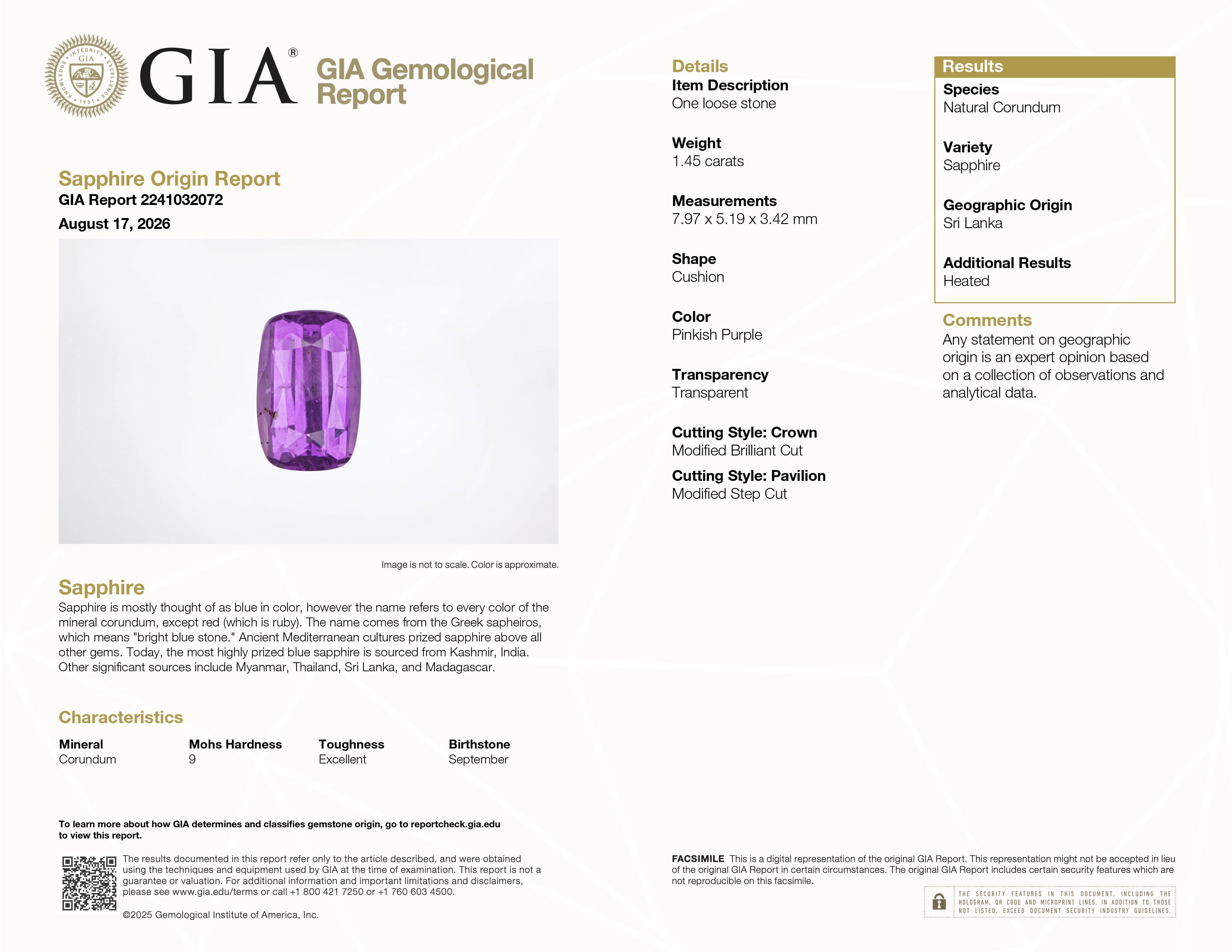
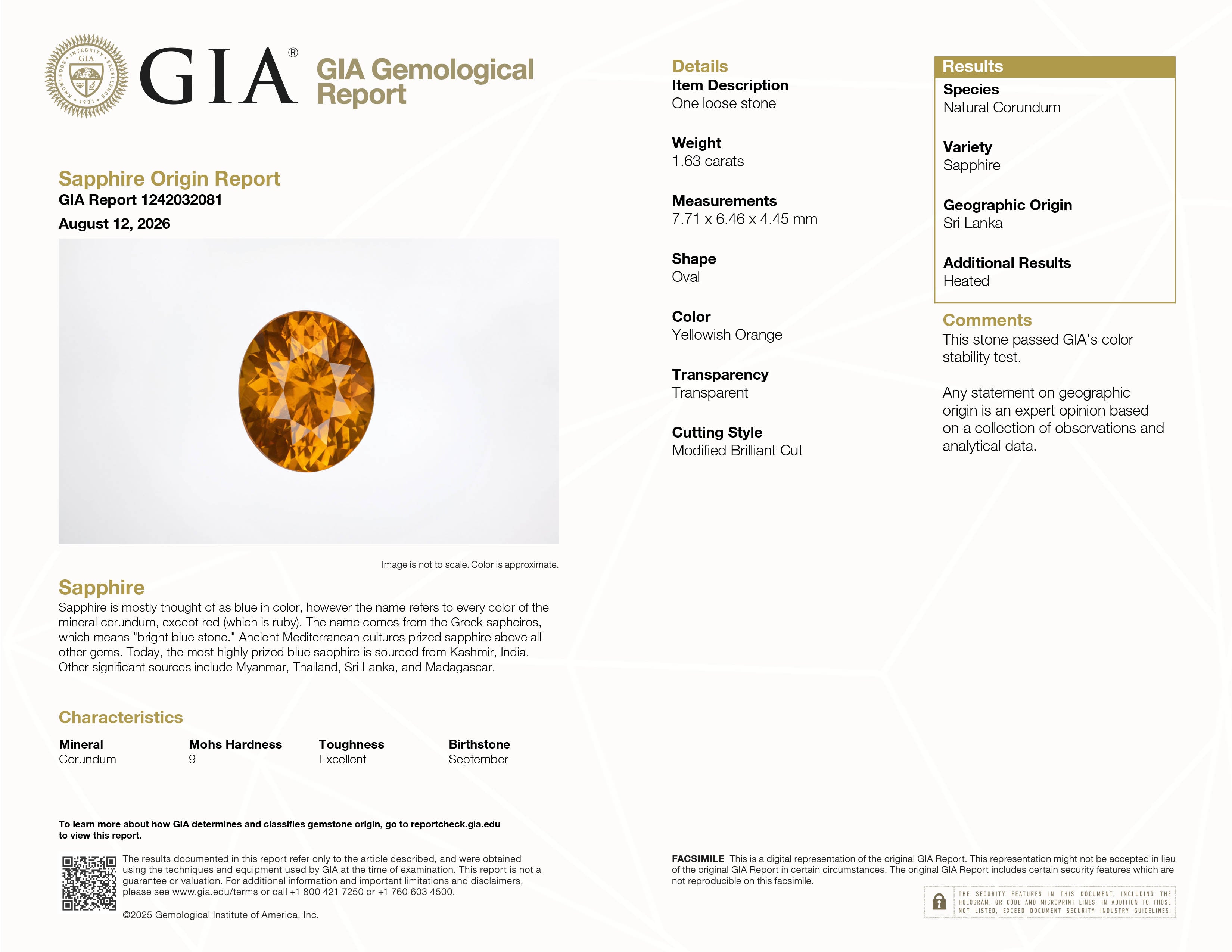
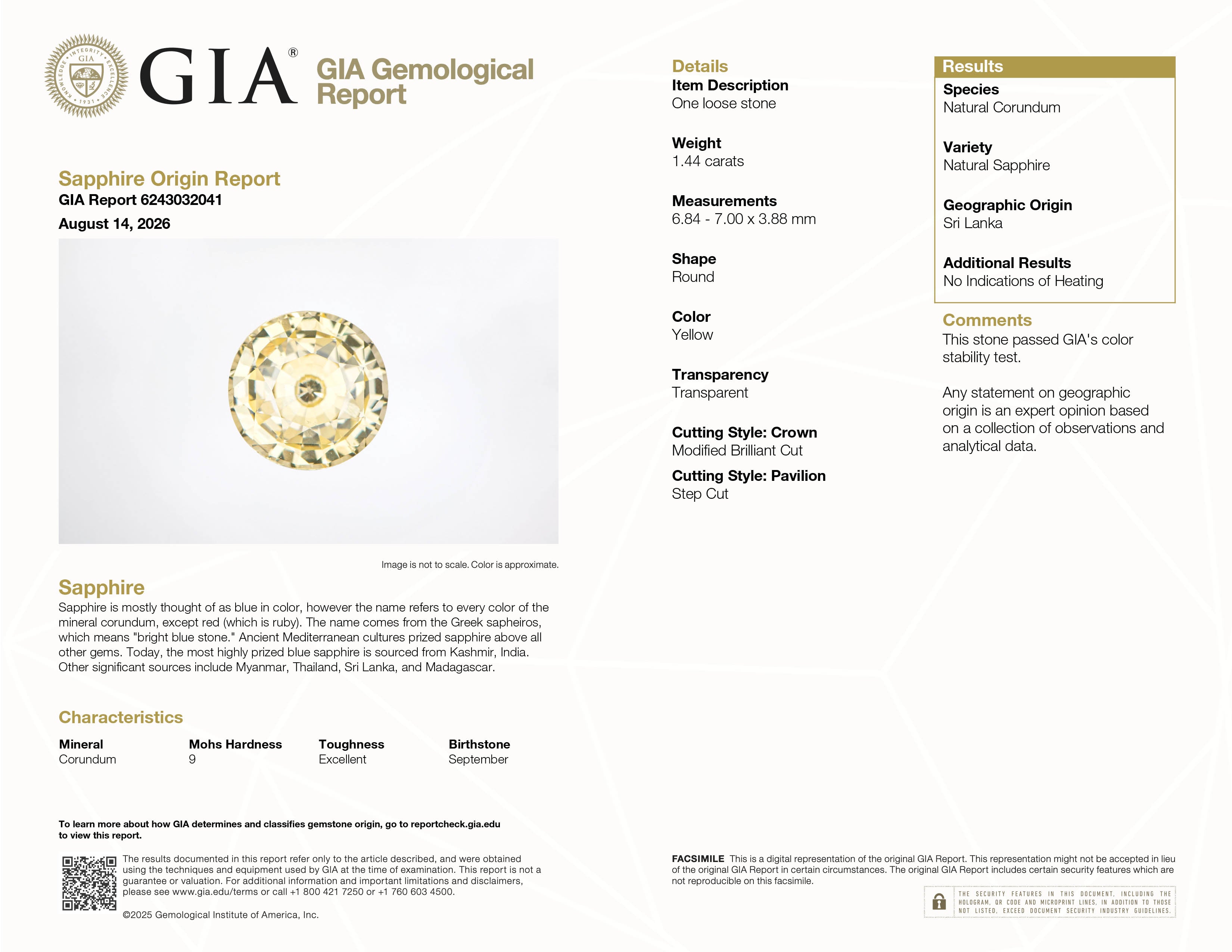
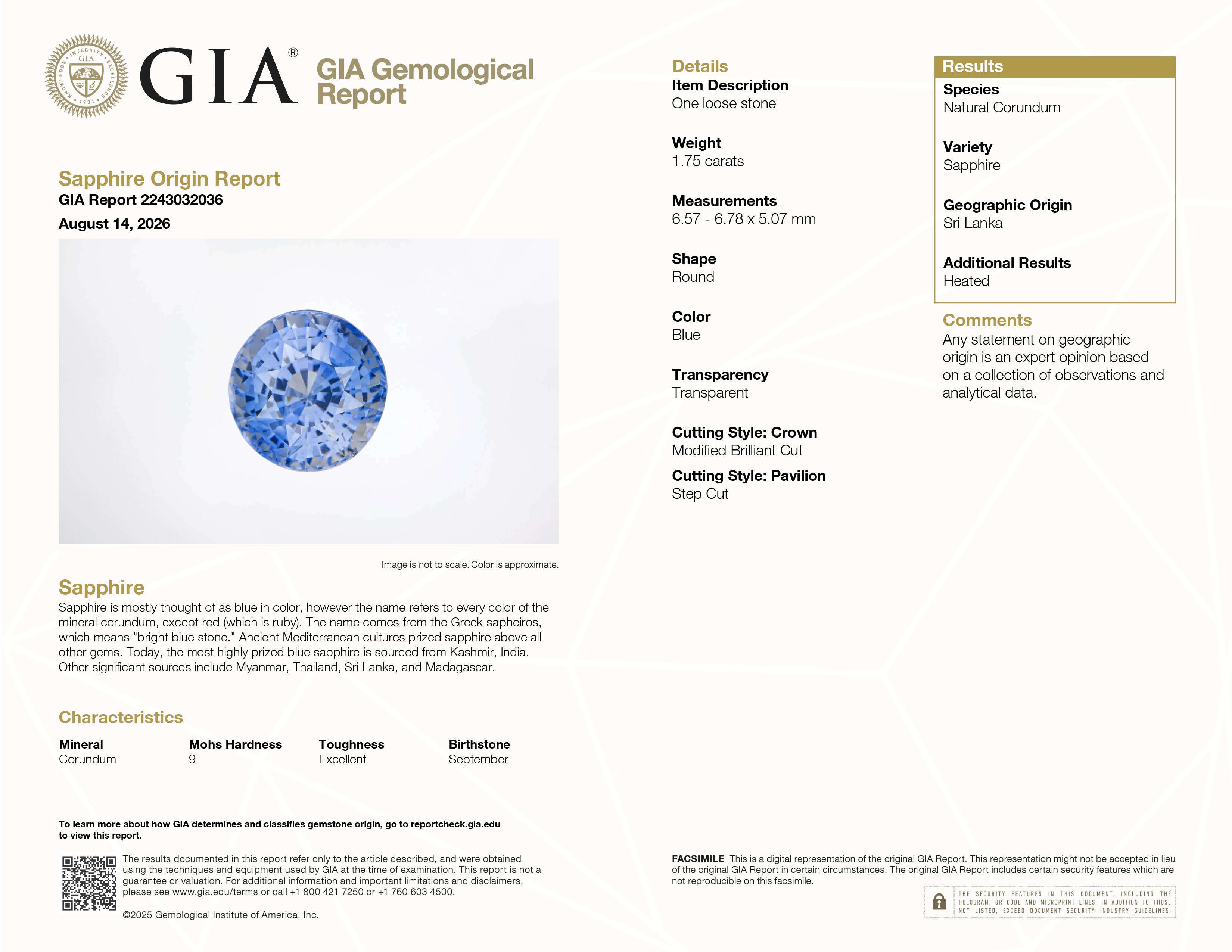
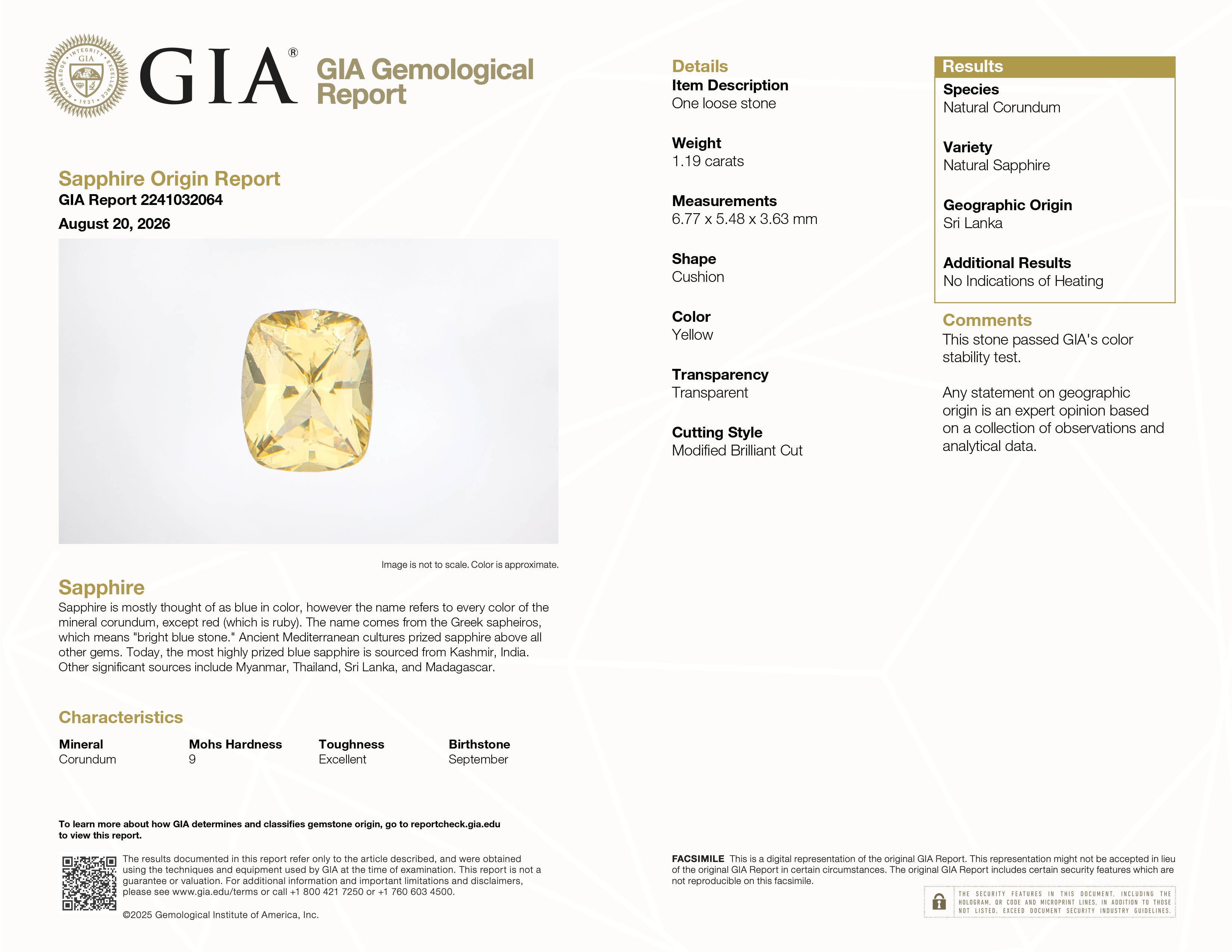
For any stone above approximately $800 per carat at 1 carat and above, treatment status should be confirmed by a report from GIA (Gemological Institute of America), Gübelin, SSEF, or Lotus. These laboratories use spectroscopic analysis that is not replicable by visual examination and produce documentation that is verifiable, permanent, and internationally recognized. A GIA report stating no indications of heating is the standard for unheated status in the fine sapphire market. A seller's claim is a starting point; a laboratory report is verification.

Step Four: Understand the Quality Factors

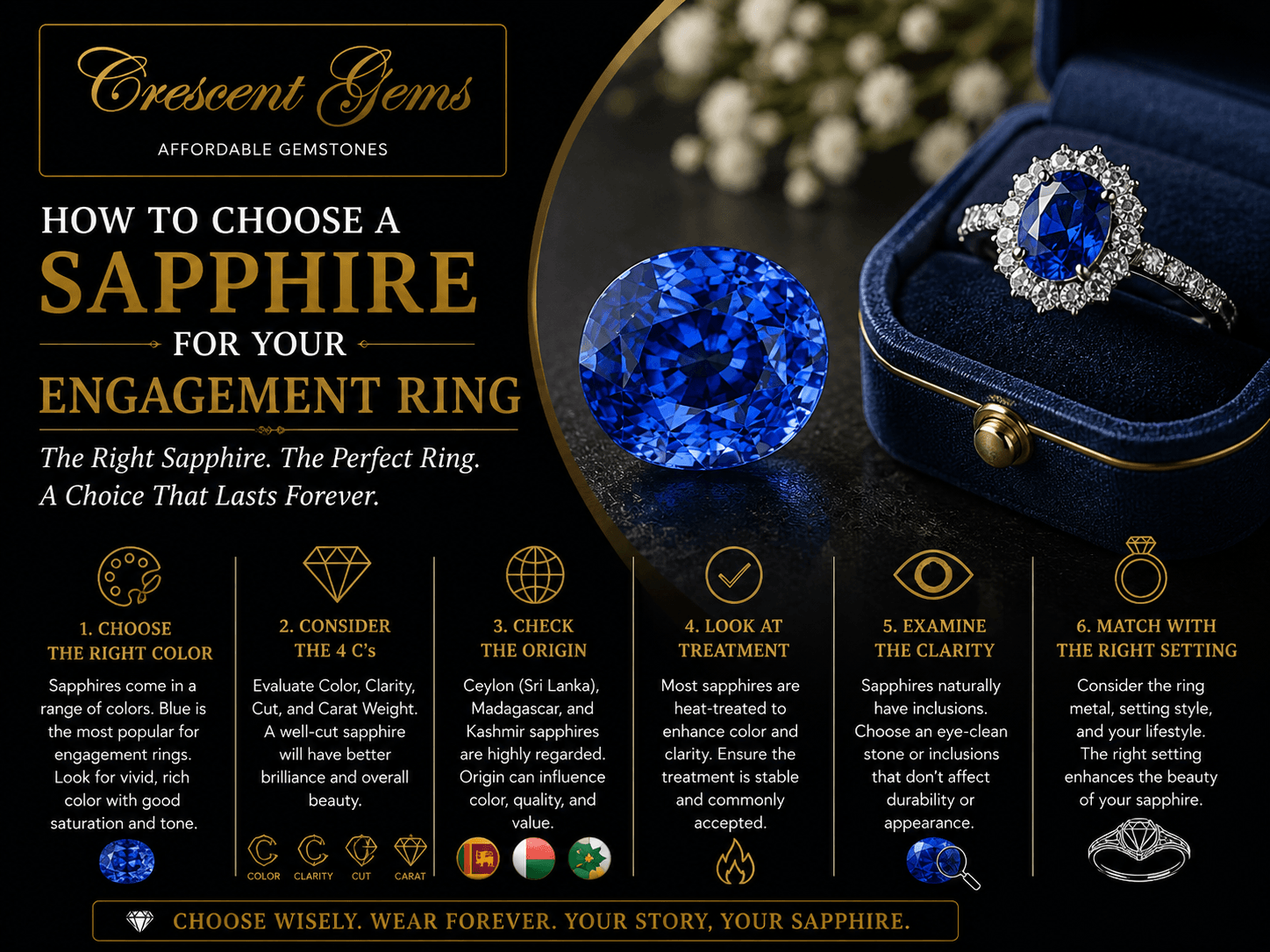
The Four Cs framework from diamond grading — Color, Cut, Clarity, Carat — exists for sapphire, but the relative weights are different, and the vocabulary is applied differently. Here is how quality actually works in sapphire:

Color — The Dominant Factor

Color determines more of a sapphire's value than any other single factor, by a wide margin. A stone with exceptional color and mediocre cut will almost always sell for more than the reverse. When evaluating color, three dimensions matter:

Hue is the basic color identity. For blue, pure blue without gray or green modifiers is the target. For other colors, the equivalent principle applies: clean, unmodified color is more valuable than color muddied by secondary hues.

Saturation is the vividness and intensity of the color. Mid-to-vivid saturation is most desirable: not so pale that the color reads weak in certain lighting, not so dark that the stone reads nearly black under low light. The most common mistake in buying blue sapphire is accepting a stone that is very dark under incandescent light because it looks beautiful in a display case. Test every stone in natural daylight and under dim incandescent light before deciding.

Tone is how light or dark the color is. Medium tone is the target across most sapphire colors. Very light-toned stones lose color identity; very dark-toned stones lose visual impact under low light.

Cut — More Important Than Most Buyers Know

A well-cut sapphire shows rich, even color across the entire face-up surface with strong brilliance and no dark or colorless areas in the center of the stone. A poorly cut sapphire shows a window — a transparent, colorless area in the center where light passes through rather than reflecting back to the eye — and/or uneven color distribution where some zones of the stone are darker or lighter than others.

The practical test: look at the stone from directly face-up, at arm's length, in normal indoor lighting. Is the color even and vivid across the whole face? If there is a large pale or dark area in the center, the stone has a cut quality issue. A larger, cheaper stone with a window is not better value than a smaller, well-cut stone at a higher per-carat price — the larger stone may simply look worse in a finished ring.

Clarity — Eye-Clean Is the Standard

For sapphire in an engagement ring, eye-clean is the right clarity target: no visible inclusions under normal viewing conditions at arm's length. This is different from the diamond standard, which grades clarity under 10x magnification. In a ring worn daily at arm's length, a loupe-visible inclusion that cannot be seen with the naked eye is not a practical concern.

Fine silk — microscopic rutile needle inclusions common in unheated sapphire — is present in many natural stones and is not a quality defect in standard grading. It gives the stone a slight milky quality that is considered characteristic of fine natural material. Heavy silk that reduces transparency and brilliance is a different matter and is a genuine quality issue. The target: eye-clean transparency with the color reading richly at arm's length.

Carat Weight — Buy the Face-Up, Not the Scale

Sapphire is denser than diamond (specific gravity approximately 4.0 vs. 3.52 for diamond), which means a sapphire of the same carat weight as a diamond will have a smaller face-up diameter. A 1-carat sapphire and a 1-carat diamond of the same cut shape will not look the same size in a ring — the sapphire will be slightly smaller. Factor this in when setting size expectations.

The more important principle: buy for face-up appearance, not carat weight. A 1.20-carat sapphire that shows excellent color and cut across the whole face looks better in a ring than a 1.50-carat sapphire of the same apparent quality with a large window or poor color. The number on the scale is not the product; the color you can see in the ring is the product.

Step Five: Choose the Right Shape

Shape choice for an engagement ring sapphire is both aesthetic and practical. Different shapes suit different ring styles, finger proportions, and personal preferences.

Oval

The most popular choice for sapphire engagement rings. The oval maximizes face-up size for a given carat weight (reads larger than a round of the same weight), elongates the finger in a ring setting, and concentrates color well. The cultural reference point is Princess Diana's 12-carat oval blue sapphire, now worn by the Princess of Wales — a piece that drove a generation of oval sapphire engagement ring demand and still defines the aesthetic for many buyers. Practical sweet spot: 1.30–1.50 length-to-width ratio.

Cushion

The cut that best showcases sapphire color. The cushion's rounded corners concentrate and deepen saturation, producing a richer, warmer face-up tone than oval or round equivalents. Cushion-cut sapphires in vintage-inspired halo or three-stone settings are the most classically romantic engagement ring aesthetic in the sapphire category. Square cushions read balanced and modern; rectangular cushions read more vintage and elongated.

Round

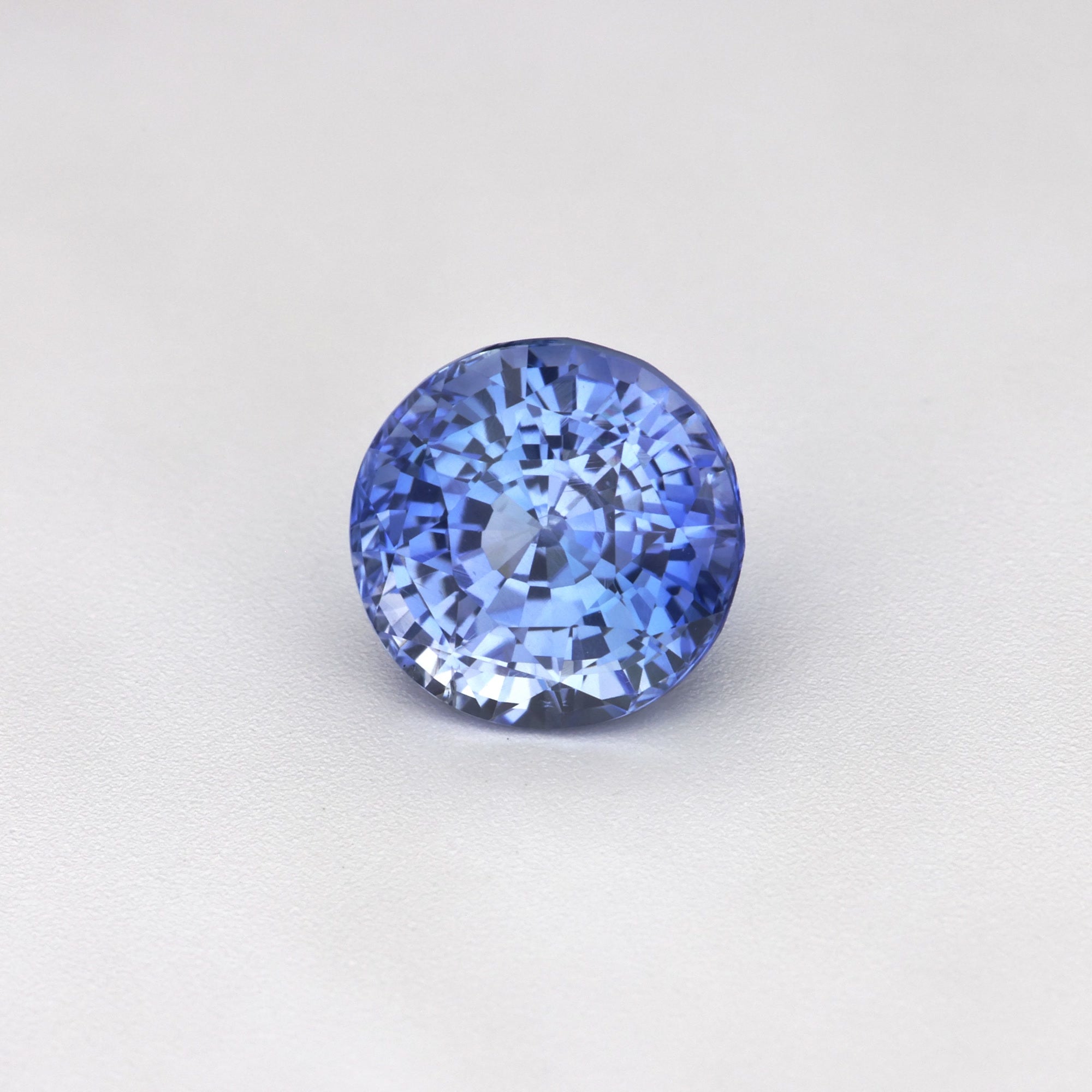
Maximum brilliance, maximum setting compatibility. Round sapphires return more light than any other shape, which makes the color vivid and active under any lighting. The trade-off is that the round shape is slightly less efficient at concentrating color saturation than cushion or oval geometries. Best for vivid-saturation stones where the color is strong enough to hold up to the light-scattering of a brilliant cut. Round sapphires also fit the widest range of standard settings without custom fabrication.

Emerald Cut

The architectural choice. Step facets in an emerald cut create interior depth rather than surface sparkle — a hall-of-mirrors quality in vivid blue or teal that is unlike anything a brilliant cut produces. Increasingly popular for sapphire engagement rings among buyers who want a modern, refined aesthetic. Requires excellent clarity (step facets reveal inclusions that brilliant faceting conceals) and strong color saturation (step cuts do not intensify color the way cushion geometry does).

Pear, Marquise, and Fancy Shapes

Pear and marquise cuts both elongate the finger significantly and read larger face-up than their carat weights suggest. Both are less common in sapphire than oval or cushion, which makes them immediately distinctive. Require careful evaluation for color evenness — particularly at the pointed tips, where color can sometimes concentrate or wash out. V-prong or bezel tip protection is essential for ring settings.

Step Six: Choose Your Setting Metal

The metal surrounding your sapphire significantly affects how the stone reads in the finished ring. There is no universal right answer — the choice depends on your sapphire's specific color and your personal style.

White Gold and Platinum

The cleanest backdrop for blue, teal, and violet sapphires. Cool metal allows the color to read at its most vivid and uninfluenced. White gold (typically 14K or 18K with rhodium plating) is more budget-friendly; platinum is denser, more durable long-term, and does not require replating. The most popular metal for blue sapphire engagement rings.

Rose Gold

The natural pairing for pink, peach, and purplish-pink sapphires. The pink-gold tone of rose gold reinforces the warm character of these colors, creating a unified, romantic palette. Also beautiful with teal and violet, where the warm metal creates a striking contrast with the cool color of the stone. Rose gold has dominated the engagement ring market for the past decade.

Yellow Gold

Adds warmth and vintage depth. Works best with yellow sapphires (metal and stone reinforce each other's warmth), vivid purples (the combination reads regal and historically significant), and warm-toned blues with a slight violet undertone. A yellow gold setting with a deep Ceylon blue reads as intentionally classical and historically referential.

A Practical Note on Karat

For a ring worn daily, 14K or 18K gold or platinum is recommended over lower-karat alloys. The sapphire at Mohs 9 will not scratch under normal conditions — the metal is the maintenance concern over time, not the stone. Platinum requires no replating and holds its finish longer; 18K yellow or rose gold balances durability with warm color well.

Step Seven: Understand Where Sapphires Come From — And Why It Matters

Geographic origin matters in sapphire for two reasons: it correlates with specific color profiles and quality characteristics, and at the fine market level it carries documentary premiums that affect price and resale value.

Sri Lanka (Ceylon)

The most important origin for the commercial engagement ring market. Ceylon sapphires are known for vivid color, high transparency, and a meaningful proportion of unheated material across all colors. The Ceylon designation carries a premium in fine jewelry and collector markets, and GIA-confirmed Ceylon origin on an unheated sapphire is the most documented and most liquid specification in the category. Crescent Gems sources directly in Sri Lanka — our entire catalog is Ceylon-origin sapphire and other Sri Lankan gems sourced at the source.

Kashmir

The most coveted origin for blue sapphire. Kashmir material — from a small deposit in northern India that was essentially exhausted by the early 20th century — shows a characteristic velvety, intensely saturated blue with a slightly sleepy quality caused by fine silk. Kashmir sapphires appear at auction for prices ($20,000–$200,000 per carat for the finest documented examples) that have nothing to do with the commercial engagement ring market. Mentioned for completeness; not relevant to most buyers.

Burma (Myanmar)

The second most important origin for fine blue and pink sapphire after Ceylon. Burmese sapphires tend toward vivid saturation with strong fluorescence. GIA-confirmed Burmese origin carries a premium, though geopolitical considerations affect supply consistency. Available at fine jewelry prices but not at the commercial mid-market level.

Madagascar

The most important new origin for commercial sapphire. Madagascar produces a wide color range — blue, pink, teal, peach, and others — and represents a very large share of current global production. Madagascar material is often heat-treated but can be excellent quality. It typically does not carry the origin premium of Ceylon or Burma, which makes it a strong value option for buyers prioritizing color quality over documented provenance.

Does Origin Always Matter?

For most buyers at the commercial engagement ring level, origin is less important than color quality, clarity, cut, and treatment status. An undocumented origin claim adds nothing verifiable to a purchase. A GIA-confirmed Ceylon origin on an unheated stone matters — that is backed by science and documentation. A seller's verbal claim of Ceylon origin without documentation matters very little.

The practical rule: if you are paying an origin premium, require a GIA, Gübelin, or SSEF report confirming the origin. If no documentation is available, evaluate the stone on its visual and treatment merits alone, not on origin claims.

Step Eight: Set a Realistic Budget and Know What It Buys

Sapphire engagement ring budgets cover an enormous range. Understanding what your budget actually purchases at different tiers helps you set realistic expectations before you start shopping.

$300–$800 (stone only): Sub-1-carat heat-treated commercial sapphire in standard oval or cushion cuts. Good color is possible in this range. Suitable for smaller settings, accent designs, or couples for whom the stone budget is the secondary consideration. Not typical for center stone engagement rings.

$800–$2,000 (stone only): 0.80–1.30-carat heat-treated sapphires with good-to-vivid color in standard cuts, or sub-0.80-carat unheated material with strong color. This is the entry level for a meaningful sapphire center stone for daily-wear engagement rings. Fine teal, pink, and yellow sapphires are available in this range.

$2,000–$5,000 (stone only): 1.00–1.80-carat heat-treated vivid sapphires with GIA documentation, or 0.80–1.40-carat unheated material with good color. The broadest and most competitive tier in the sapphire engagement ring market. The majority of purchases happen here. Fine Ceylon material in multiple colors is available, and this is the range where GIA documentation on heat-treated stones begins to add meaningful value.

$5,000–$12,000 (stone only): 1.50–2.50-carat heat-treated GIA-certified Ceylon sapphires with strong vivid color, or 1.20–2.00-carat unheated Ceylon with GIA documentation. Fine teal, pink, and yellow in large sizes. The tier where long-term value retention becomes a meaningful consideration.

Above $12,000 (stone only): Unheated Ceylon sapphires above 2 carats with GIA documentation, top color, and premium characteristics. Padparadscha, fine color-shifting violet, exceptional blue. Collector and investment territory. These stones appreciate in value and are bought by buyers with a long time horizon and an understanding of the fine colored stone market.

Setting cost in the US typically adds $800–$3,500 for custom work in 14K or 18K gold or platinum, depending on complexity, labor, and maker.

The Most Common Mistakes — And How to Avoid Them

Evaluating the stone only under display lighting

Jewelry display cases use high-intensity narrow-spectrum lighting specifically optimized to make colored gemstones look as vivid as possible. Always view a sapphire under natural daylight (outdoor open shade, not direct sun) before buying. A stone that holds its color beautifully under natural daylight is a high-quality stone. A stone that looks spectacular under display lighting and disappoints under daylight is giving you important information before you buy it.

Accepting unheated claims without documentation

Unheated status adds money. Where money is involved, unverified claims are a risk. For any stone at a price tier where the unheated premium is significant, require a GIA, Gübelin, SSEF, or Lotus report confirming no indications of heat treatment. A seller's word is not documentation.

Prioritizing carat weight over face-up appearance

A larger number on a weight scale means nothing if the stone has a window, uneven color, or poor brilliance. Buy the stone that looks best face-up in its setting. A smaller, well-cut stone at a higher per-carat price will almost always look better in a finished ring than a heavier, poorly-cut stone at a lower per-carat price.

Defaulting to blue without considering other colors

Blue is an excellent choice — but so is teal, yellow, pink, peach, and purple. If your partner loves warm tones and rose gold, a peach or pink sapphire may suit them better than a conventional blue. If they want something that reads as completely distinctive, teal may be the answer. Spend five minutes looking at the full color range before committing to the default.

Buying without understanding the return policy

Colored gemstones look different in person than in photographs, under different lighting, and in different settings. A seller confident in the accuracy of their photography and disclosures will offer a return window. A seller who does not is telling you something about the accuracy of their representations. At Crescent Gems, every purchase comes with a 14-day return policy — we stand behind the accuracy of our photography, color descriptions, and treatment disclosures.

How to Shop at Crescent Gems

We source sapphires directly in Sri Lanka and sell directly to you, with individual treatment disclosure on every product page. Here is how to get the most from shopping with us:

Browse by color first. Our catalog covers the full Ceylon sapphire spectrum — blue, teal, yellow, pink, peach, purple, violet, and white. Start with color, then filter by size and treatment status.

Use the Try-On option. Select stones are available through our Try-On program — we ship the loose stone so you can see it under your own lighting, against your own skin, and in your intended setting before committing to the purchase.

Email us with your specifications. If you know your budget, preferred color, carat range, and treatment preference but do not see exactly what you want in the catalog, email crescentgems@gmail.com. We source to specification and can often find stones that match your brief from upcoming inventory or through our network in Sri Lanka.

Request additional media. Our product photography uses standardized lighting, but we will send additional photos or video under different light conditions — natural daylight, incandescent, outdoor shade — for any stone you are seriously considering.

Take your time. A sapphire engagement ring is a permanent purchase. The 14-day return window exists so you can receive the stone, evaluate it in your own environment, and confirm it is right before the commitment is final.

Conclusion

Choosing a sapphire for an engagement ring is a more involved decision than choosing a diamond — but it is also a more rewarding one. The sapphire market is diverse, the quality factors are learnable, and the best stones in the finest colors represent a combination of natural beauty and geological rarity that no other gemstone category quite matches. When you get it right, a sapphire engagement ring is not just a piece of jewelry. It is an object with geological history, documented quality, and a color that will read differently in every light you ever see it in.

Start by browsing our full Ceylon sapphire catalog across all colors. Read the buyer guides for the color categories that interest you. And when you are ready to talk through a specific purchase, email crescentgems@gmail.com — we respond personally within one business day.

Continue Learning
Return to the Ultimate Sapphire Buying Guide for the full picture on colours, origins, shapes, certification, and pricing — everything you need to buy a natural loose sapphire with confidence.


Ahmed Shareek — Crescent Gems

Ahmed Shareek

Proprietor — Crescent Gems

A gem dealer with over 25 years of experience sourcing natural sapphires from Sri Lanka, Ahmed brings hands-on expertise in mining, heat treatment, cutting, and stone selection. With deep roots in the Ceylon gem trade, he offers first hand knowledge of origin, quality, and craftsmanship behind every piece of guidance on this site.

Latest Stories

View all

The Ultimate Guide to Buying Natural Loose Sapphires

The Ultimate Guide to Buying Natural Loose Sapphires

The definitive guide to buying a natural loose sapphire: colour, origin, treatment, cut, shape, certification, pricing, and engagement rings, with links to every Crescent Gems guide and collection.

Read moreabout The Ultimate Guide to Buying Natural Loose Sapphires

The Ratnapura Gem Market — How Sapphires Are Traded at the Source

The Ratnapura Gem Market — How Sapphires Are Traded at the Source

New to buying sapphires? Start with our Ultimate Sapphire Buying Guide — the complete resource for color, origin, treatment, and pricing. Ratnapura means "City of Gems" in Sinhalese, and it is not a poetic name — it is a literal...

Read moreabout The Ratnapura Gem Market — How Sapphires Are Traded at the Source

Madagascar Sapphire — The Modern Origin That Rivals Ceylon

Madagascar Sapphire — The Modern Origin That Rivals Ceylon

New to buying sapphires? Start with our Ultimate Sapphire Buying Guide — the complete resource for color, origin, treatment, and pricing. If you have shopped for sapphires in the past decade, you have encountered Madagascar material — whether the listing...

Read moreabout Madagascar Sapphire — The Modern Origin That Rivals Ceylon

Montana Sapphire vs. Ceylon Sapphire — How America's Sapphire Compares to Sri Lanka's

Montana Sapphire vs. Ceylon Sapphire — How America's Sapphire Compares to Sri Lanka's

New to buying sapphires? Start with our Ultimate Sapphire Buying Guide — the complete resource for color, origin, treatment, and pricing. The United States has its own sapphire origin — and it is a good one. Montana has produced gem-quality...

Read moreabout Montana Sapphire vs. Ceylon Sapphire — How America's Sapphire Compares to Sri Lanka's

Sapphire vs. Spinel — The Overlooked Comparison Every Collector Should Understand

Sapphire vs. Spinel — The Overlooked Comparison Every Collector Should Understand

New to buying sapphires? Start with our Ultimate Sapphire Buying Guide — the complete resource for color, origin, treatment, and pricing. For most of gemological history, spinel did not even have its own name. The great "rubies" of royal collections...

Read moreabout Sapphire vs. Spinel — The Overlooked Comparison Every Collector Should Understand

Why Buy from Crescent Gems
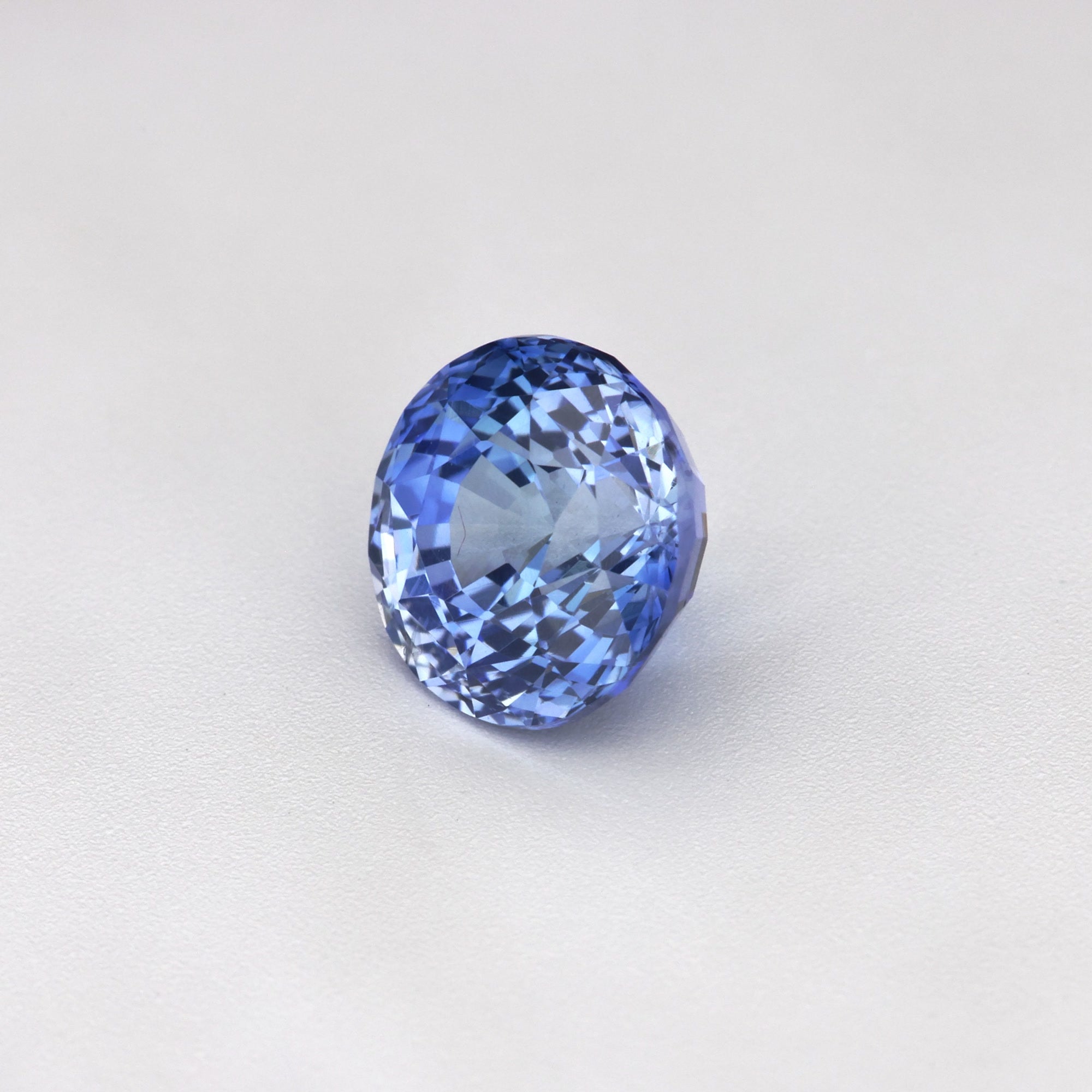
Sourcing Gemstones for an engagement ring or piece of jewelry is a very personal experience, Its a act of love, Its a Investment that you do only a few times in your life. Before you spend thousands of $$$ You need to be able to trust the seller and make sure you are choosing the right stone. Here at Crescent gems we tick all the boxes.

Wide Selection of well cut gemstones from around the world.

Affordably priced ~ We source our gemstones direct from mining countries, we cut/recut most of our gemstones in-house.

We stock and sell ONLY Natural earth Mined stones. NO beryllium treated Stones, NO Flux filled, NO synthetics, NO man made stuff.

Free & Fast Shipping within USA ( FedEx Or UPS) with Tracking and email updates.

FREE International shipping for orders over US $ 500 ~ we ship to 98 countries Worldwide.

Try Before you buy Option ~ where we send the stone to you before you pay. ~ Unique Feature.

14 day No questions asked money back Guarantee.

FREE Domestic Return Shipping.

GIA lab reports for all stones above 2 carats.

Accurate information, Actual Images, Hand shots and 360 videos of the stone on sale, we don't use stock photography.

Join our ever growing group of satisfied customers from around the world.