- by Ahmed Shareek
How to Spot a Fake Sapphire — Glass, Synthetics, Doublets, and What to Watch For
- by Ahmed Shareek
We are a supplier from the source in Sri Lanka, so our gemstones reach you direct, without the intermediaries most sellers buy through.
New to buying sapphires? Start with our Ultimate Sapphire Buying Guide — the complete resource for color, origin, treatment, and pricing.
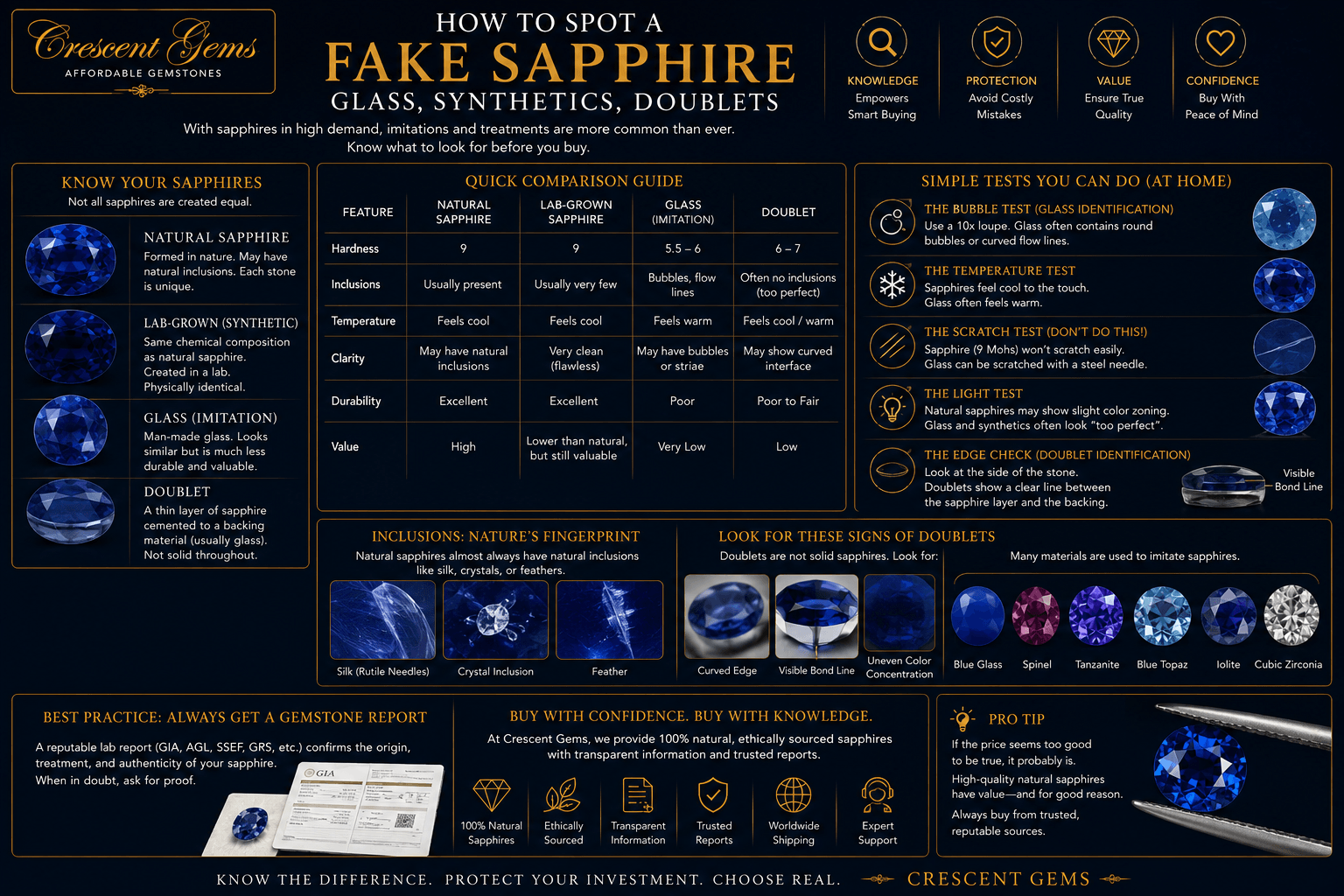
Not everything sold as sapphire is sapphire. The colored gemstone market contains glass imitations, synthetic lab-grown stones, composite doublets, diffusion-treated material, and outright misrepresentations — all of which can be presented to an uninformed buyer as "natural sapphire" at natural sapphire prices. Some of these are easy to spot with basic knowledge. Others require laboratory equipment. All of them are avoidable if you know what to look for.
This guide covers every type of sapphire fake, imitation, and misrepresentation you are likely to encounter, the tests you can perform yourself, and when you need a professional laboratory. At Crescent Gems, we have been evaluating sapphires for over 25 years. What follows is how we actually verify what we are buying — and how you can protect yourself.
Blue glass is the oldest and most basic sapphire imitation. It has been used for centuries and still appears in tourist markets, flea markets, online marketplaces, and low-end jewelry sold without gemological disclosure. Glass can be made in any color and is extremely cheap to produce.
How to spot glass:
A synthetic sapphire is chemically identical to natural sapphire — it is real corundum (aluminum oxide) with the same hardness, the same crystal structure, and the same optical properties. The difference is origin: it was grown in a factory in days or weeks, not formed in the earth over millions of years. Synthetic sapphire is a legitimate product when sold and priced as synthetic. It becomes a fraud when sold as natural at natural prices.
Types of synthetic sapphire:
How to spot synthetic sapphire:
The flux-growth challenge: Flux-grown synthetics are harder to detect because the process can produce inclusions that resemble natural features. However, flux synthetics typically contain characteristic "flux fingerprints" — wispy, veil-like inclusions distinct from natural fingerprints — and may show metallic flux residue under magnification. Detection often requires a trained gemologist or laboratory analysis.
For more on what natural inclusions look like, see How to Read Sapphire Inclusions.
A doublet is a stone made by gluing two different materials together. A triplet adds a third layer. In sapphire doublets, a thin slice of natural or synthetic sapphire is cemented to a base of cheaper material (glass, synthetic corundum, or a colored cement layer) to create a stone that looks like a solid natural sapphire when viewed face-up but is mostly non-sapphire material by volume.
How to spot doublets:
Doublets are most commonly encountered in estate jewelry, antique pieces, and stones purchased in tourist markets overseas. They are rare in the mainstream commercial market but worth knowing about.
This is the most insidious category because the stone is genuinely natural corundum — it passes every basic test for natural sapphire. The fraud is in the color, not the material. Beryllium diffusion introduces beryllium atoms into the crystal at extreme temperatures, creating vivid yellow, orange, or padparadscha-like colors that the stone never naturally possessed.
Why it matters: A beryllium-diffused orange sapphire looks identical to a naturally colored orange sapphire. The price difference is 5–20×. You cannot detect beryllium diffusion by eye, by loupe, by thermal test, or by any standard gemological instrument. Detection requires LA-ICP-MS (laser ablation mass spectrometry) — equipment that only major gemological laboratories possess.
How to protect yourself: For any orange, padparadscha, or vivid yellow sapphire — especially above $500 total — require a laboratory report from GIA, Gübelin, SSEF, or Lotus that specifically addresses beryllium. Read the full guide: Beryllium Diffusion Explained.
Some natural gemstones look similar enough to sapphire to be passed off as one:
How to protect yourself: A basic gemological test — refractive index on a refractometer — separates sapphire (RI 1.762–1.770) from all of these impostors instantly. If you do not have a refractometer, a laboratory report is the safest route.
These tests do not require gemological equipment. They are screening tools, not definitive identifications — but they catch the most common fakes:
Breathe on the stone as you would fog a mirror. Natural sapphire, being a good thermal conductor, clears the fog in 1–2 seconds. Glass retains the fog noticeably longer (3–5 seconds). This test is quick and useful as a first pass but is not definitive — synthetic sapphire will also clear quickly because it is the same material.
Examine the stone under a 10× jeweler's loupe. Look for:
Sapphire at Mohs 9 cannot be scratched by steel (Mohs 6.5), quartz (Mohs 7), or topaz (Mohs 8). If a stone scratches when rubbed with quartz, it is not sapphire. Do not perform this test on stones you do not own or on polished surfaces you want to preserve. And remember: this test confirms hardness, not natural origin — synthetic sapphire is equally hard.
Hold the stone up to a strong light source and look through it. Natural sapphire typically shows some color variation, zoning, or slight unevenness. Glass shows perfectly uniform color. Flame-fusion synthetic shows perfectly uniform color with possible curved banding. A "too perfect" appearance under transmitted light is a warning sign.
If you have a known sapphire of similar size to compare, hold one in each hand. Sapphire (specific gravity 3.95–4.03) is noticeably denser than glass (SG ~2.4–2.8). A glass imitation will feel surprisingly light for its size. This comparison is subjective but informative for experienced handlers.
DIY tests catch glass, obvious flame-fusion synthetics, and doublets. They do not reliably detect:
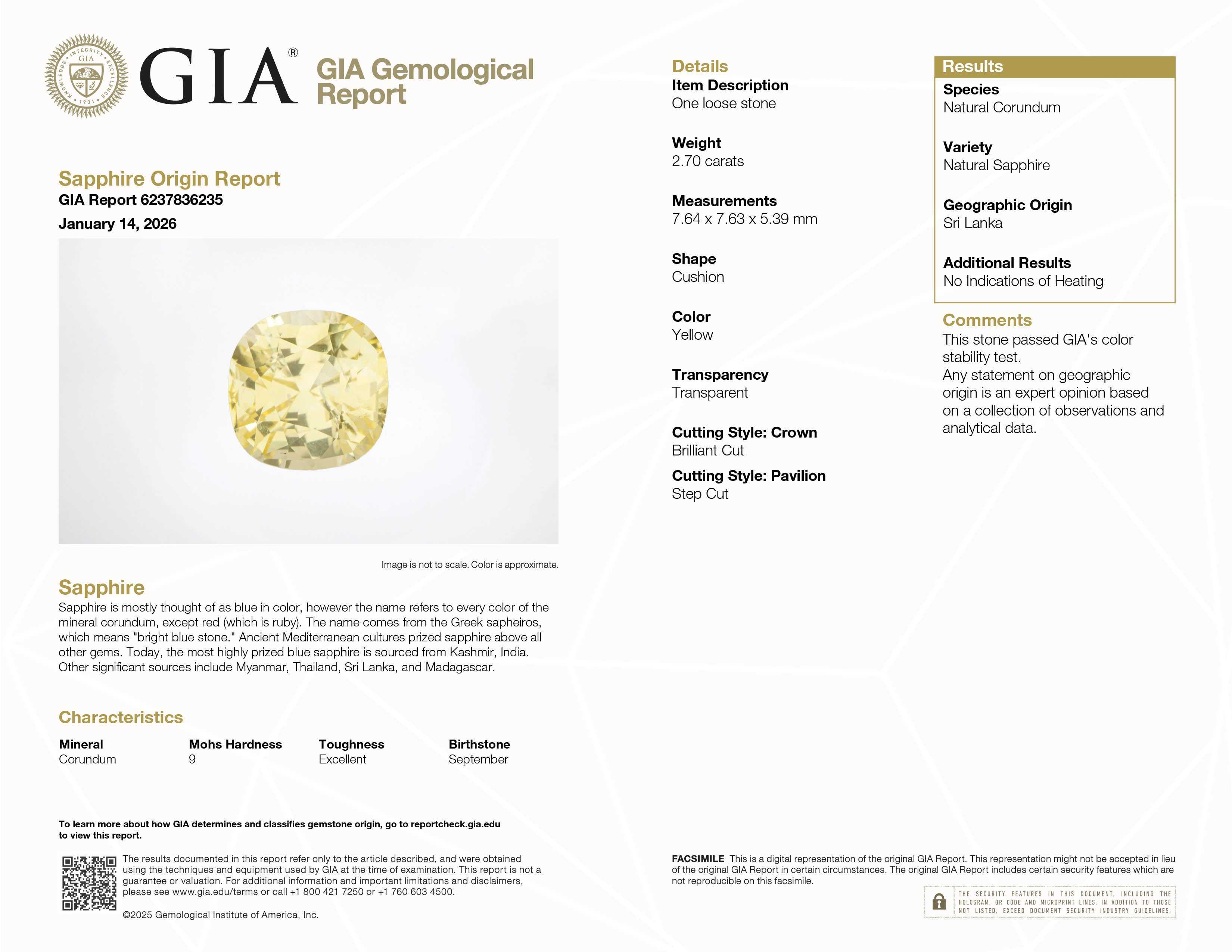
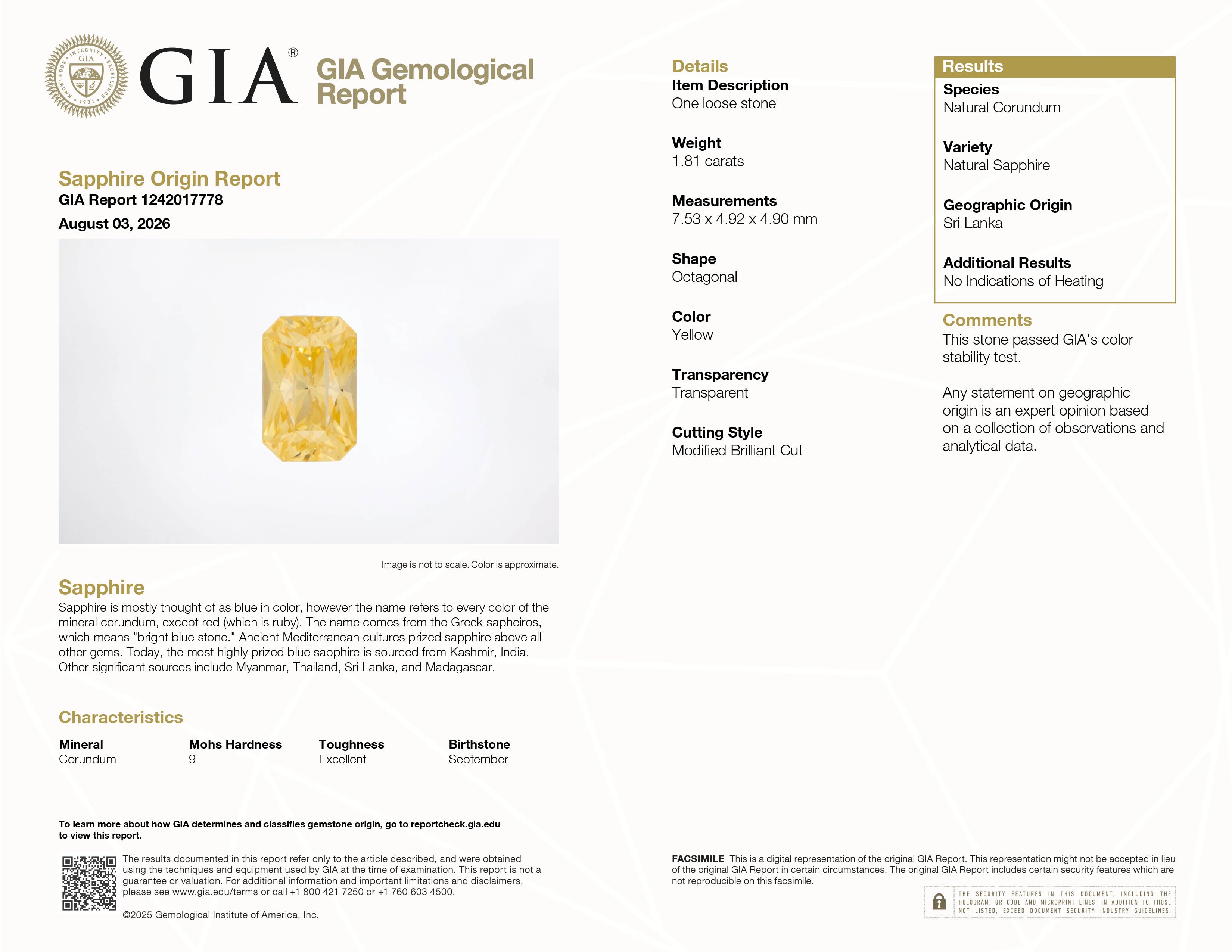
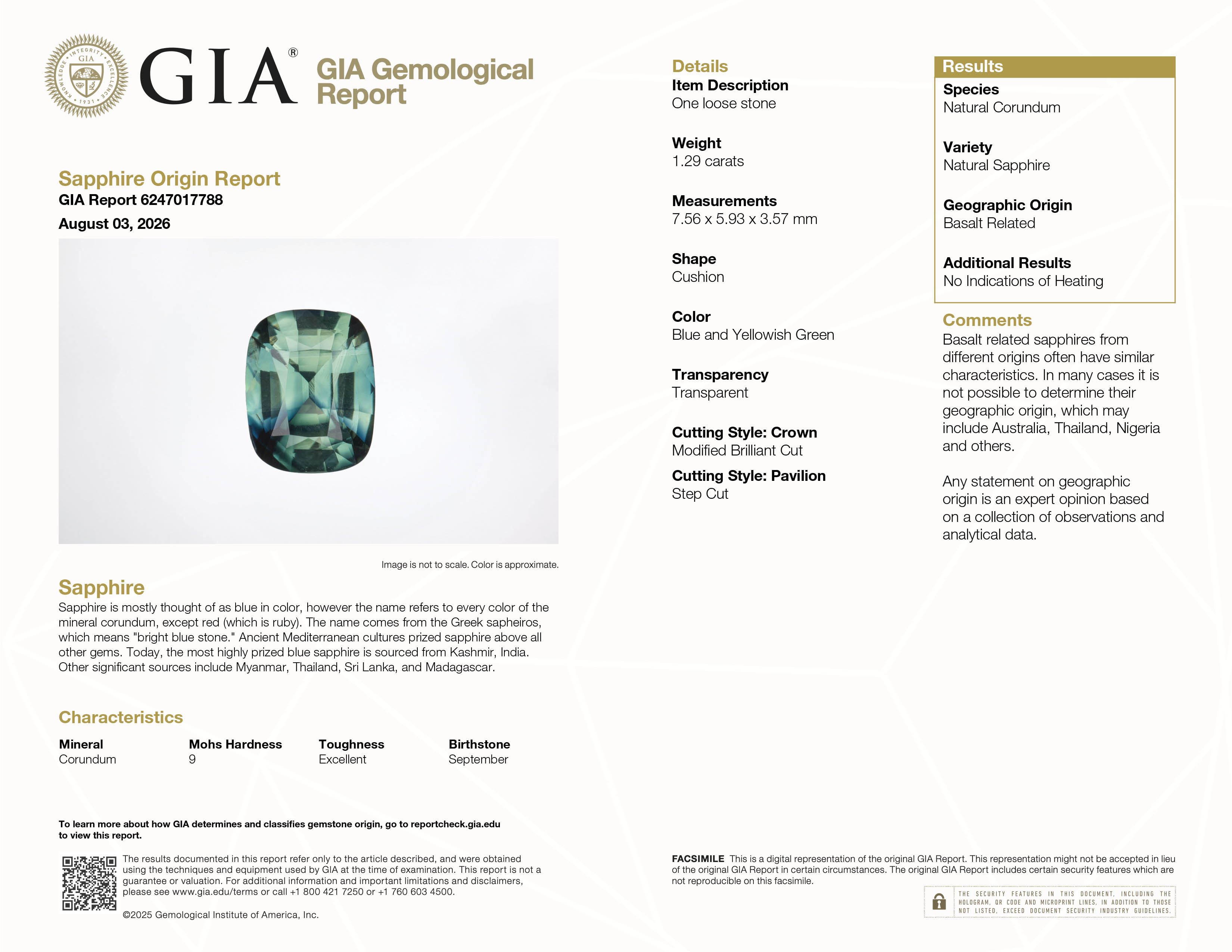
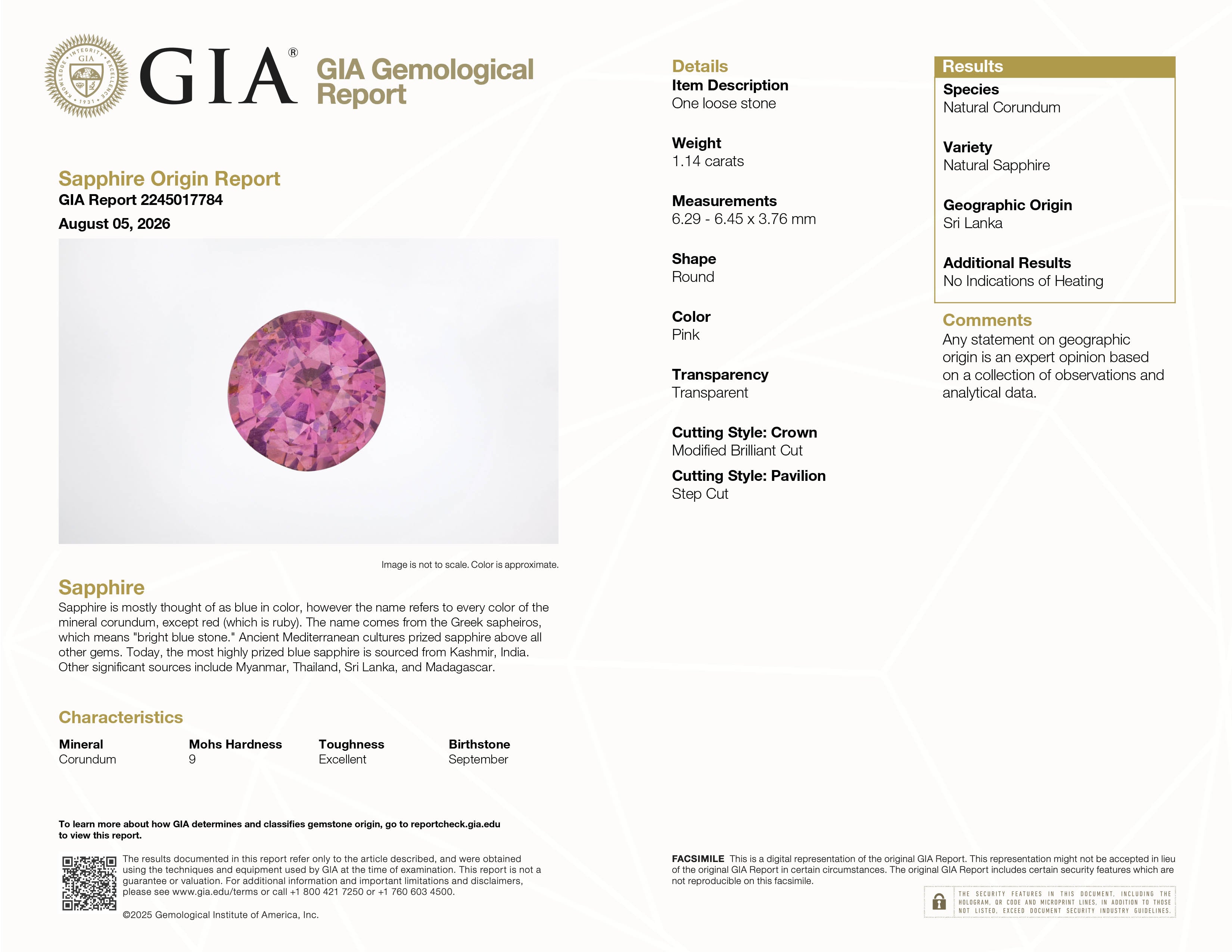
For any sapphire purchase above $500 total, and particularly for stones where you are paying a premium for unheated status, specific origin, or rare color — a laboratory report from GIA, Gübelin, SSEF, or Lotus Gemology is the only reliable protection. The cost of a report ($75–$300 depending on the lab and service level) is trivial compared to the cost of buying a fake or misrepresented stone at natural prices.
See How to Read a GIA Sapphire Report for a line-by-line guide to understanding your report.
Beyond the physical tests, these situational red flags should trigger caution:
Every stone in our catalog is:
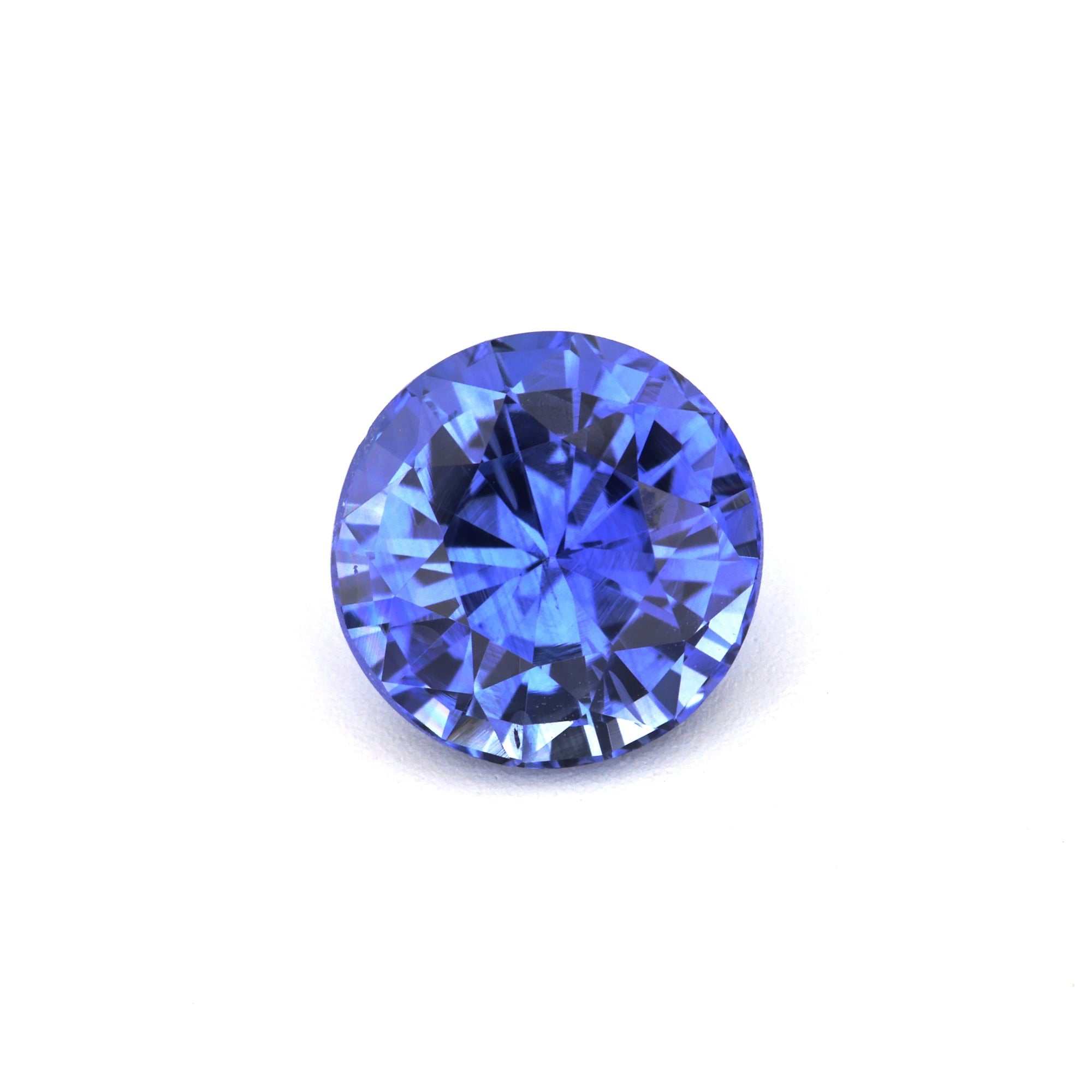
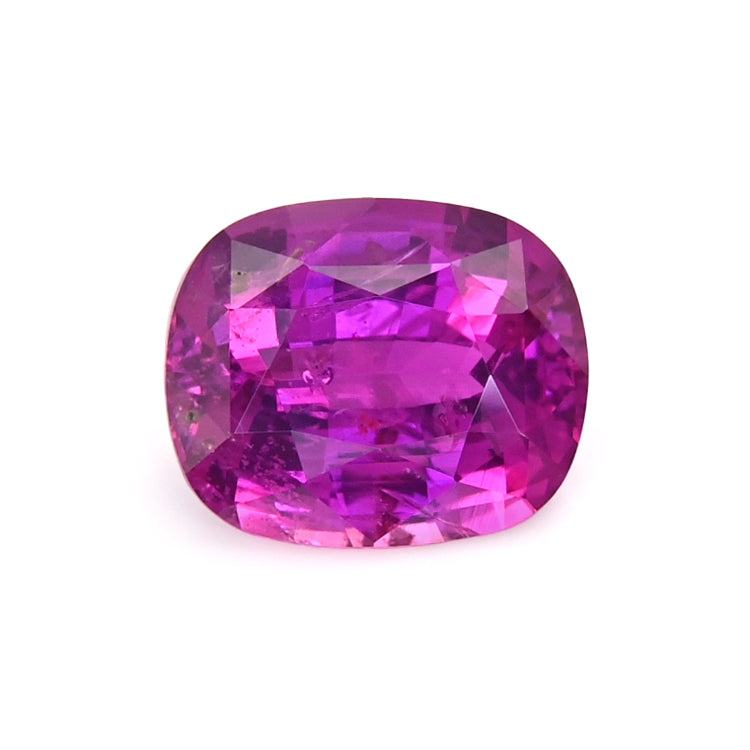
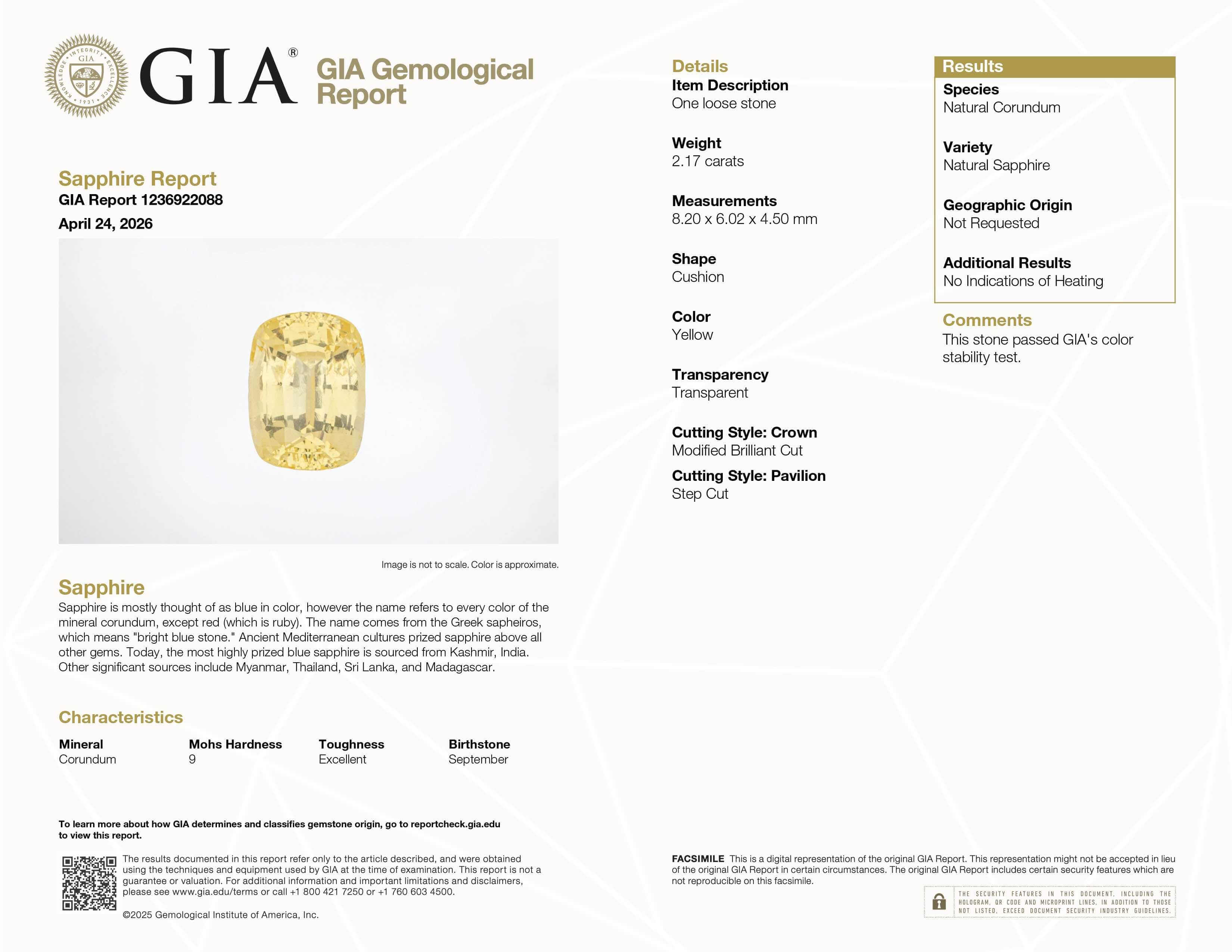
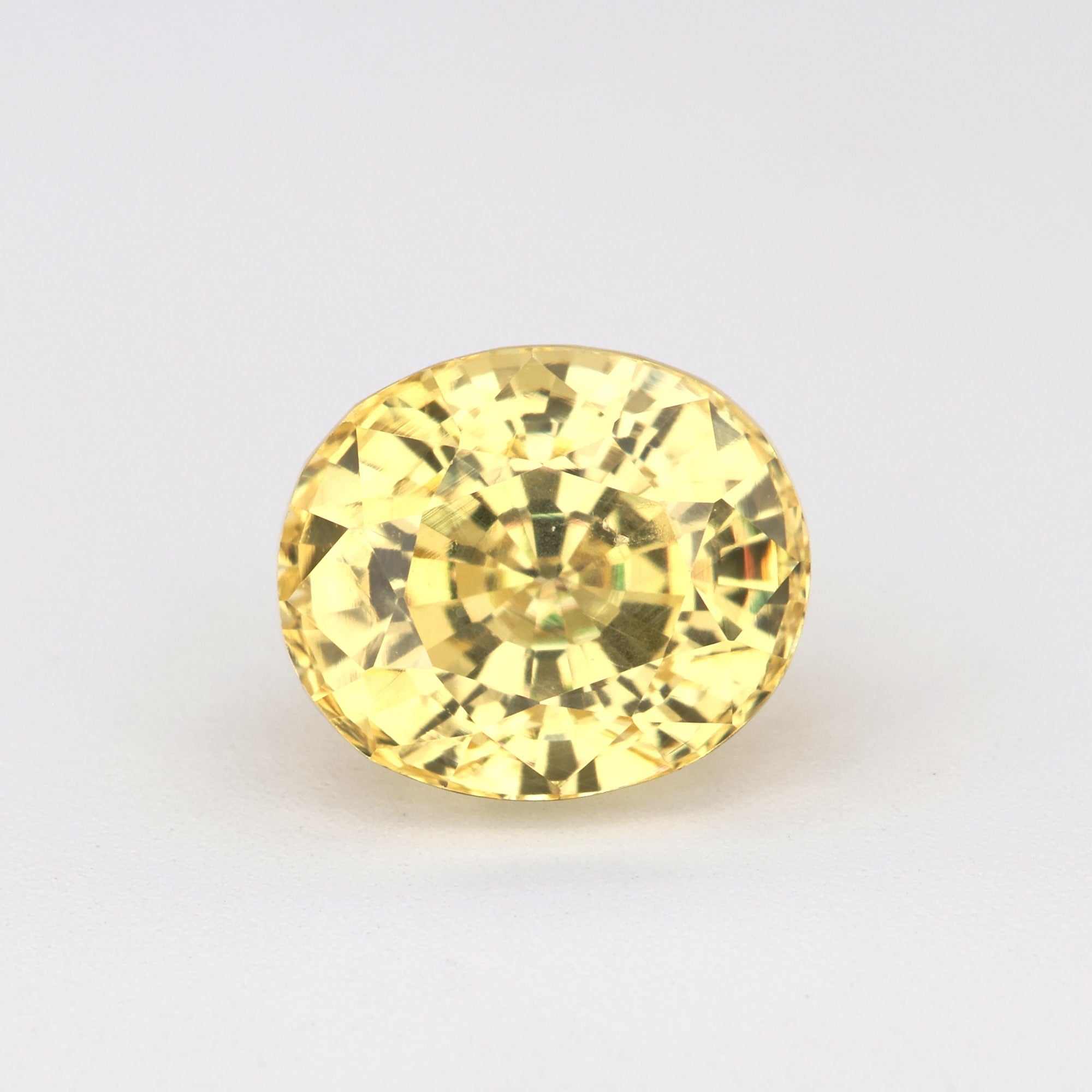
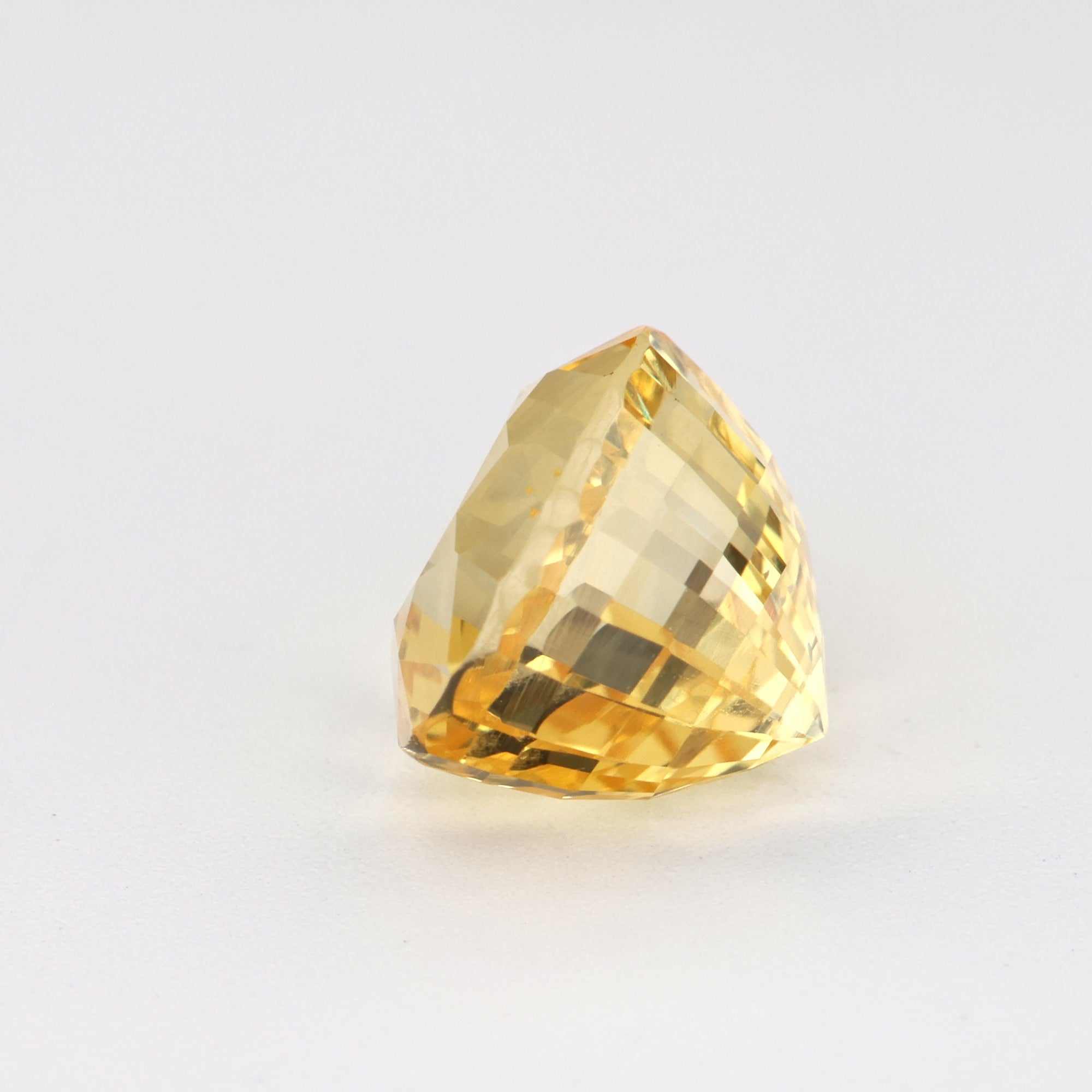
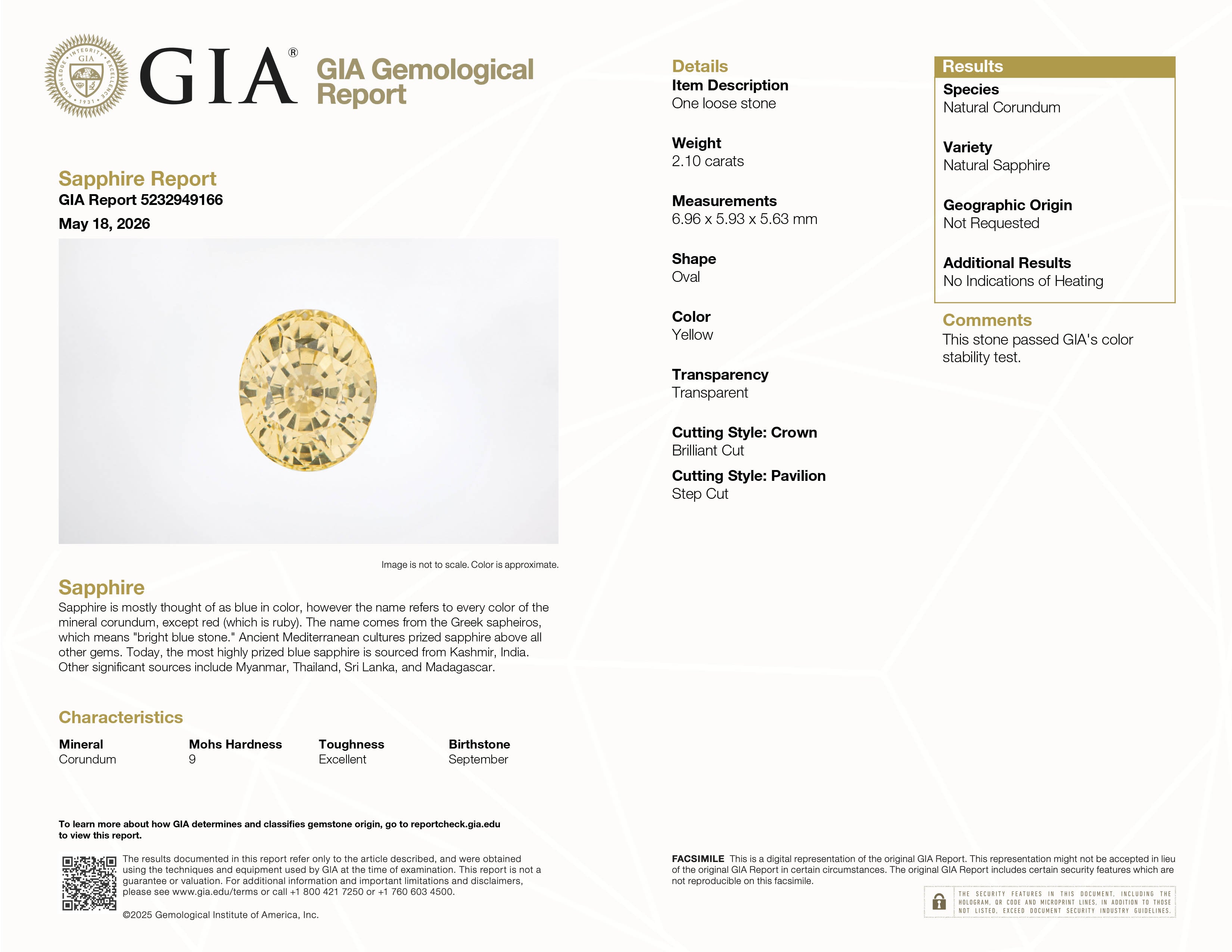
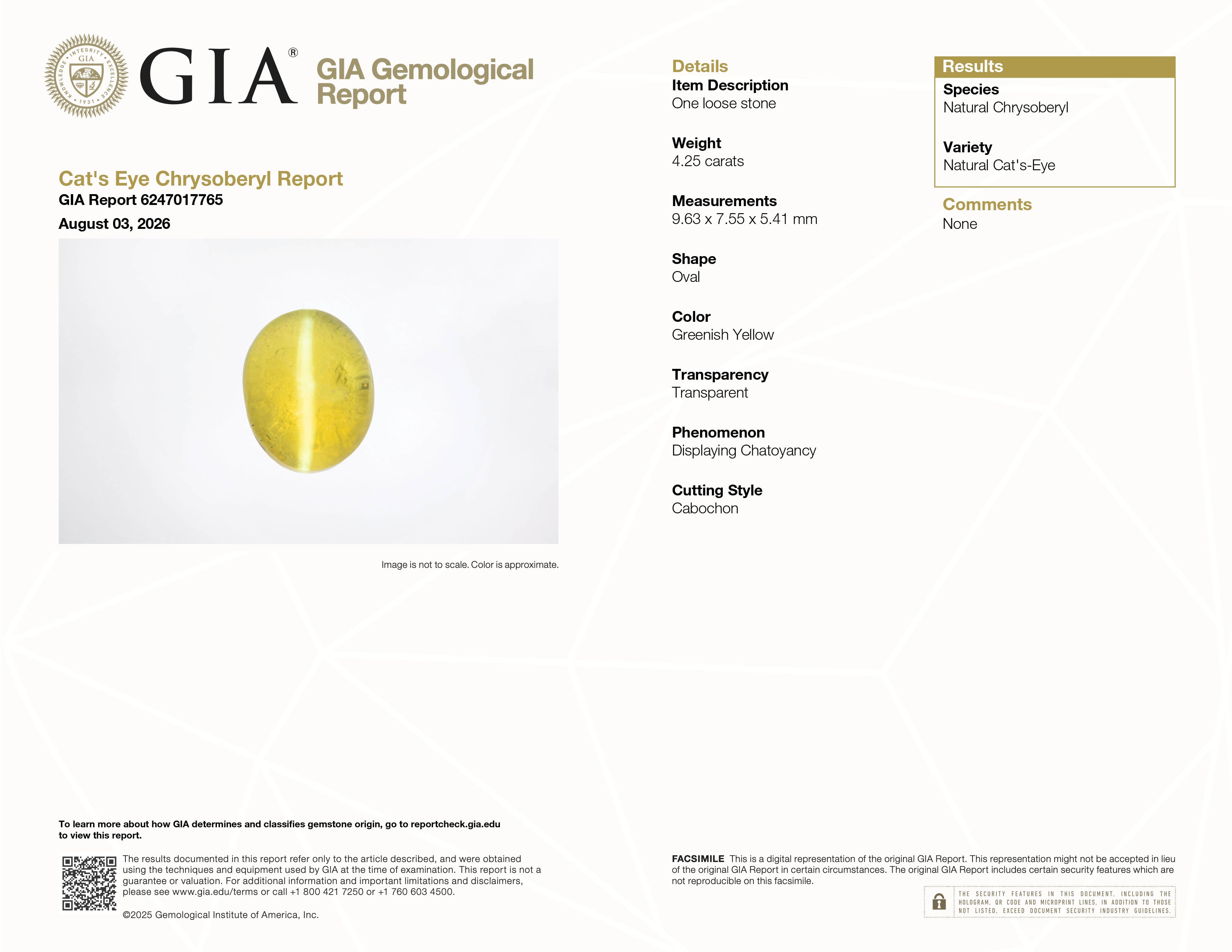
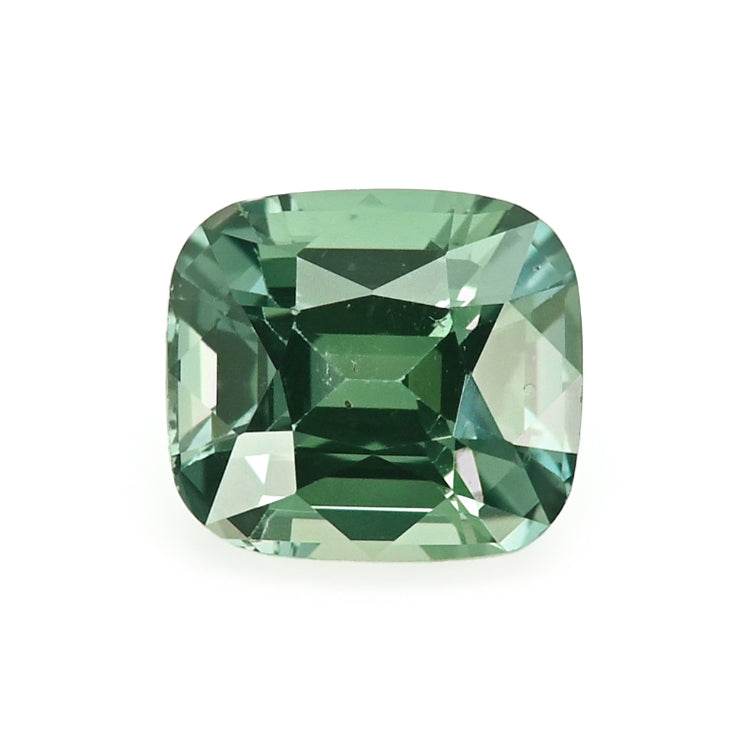
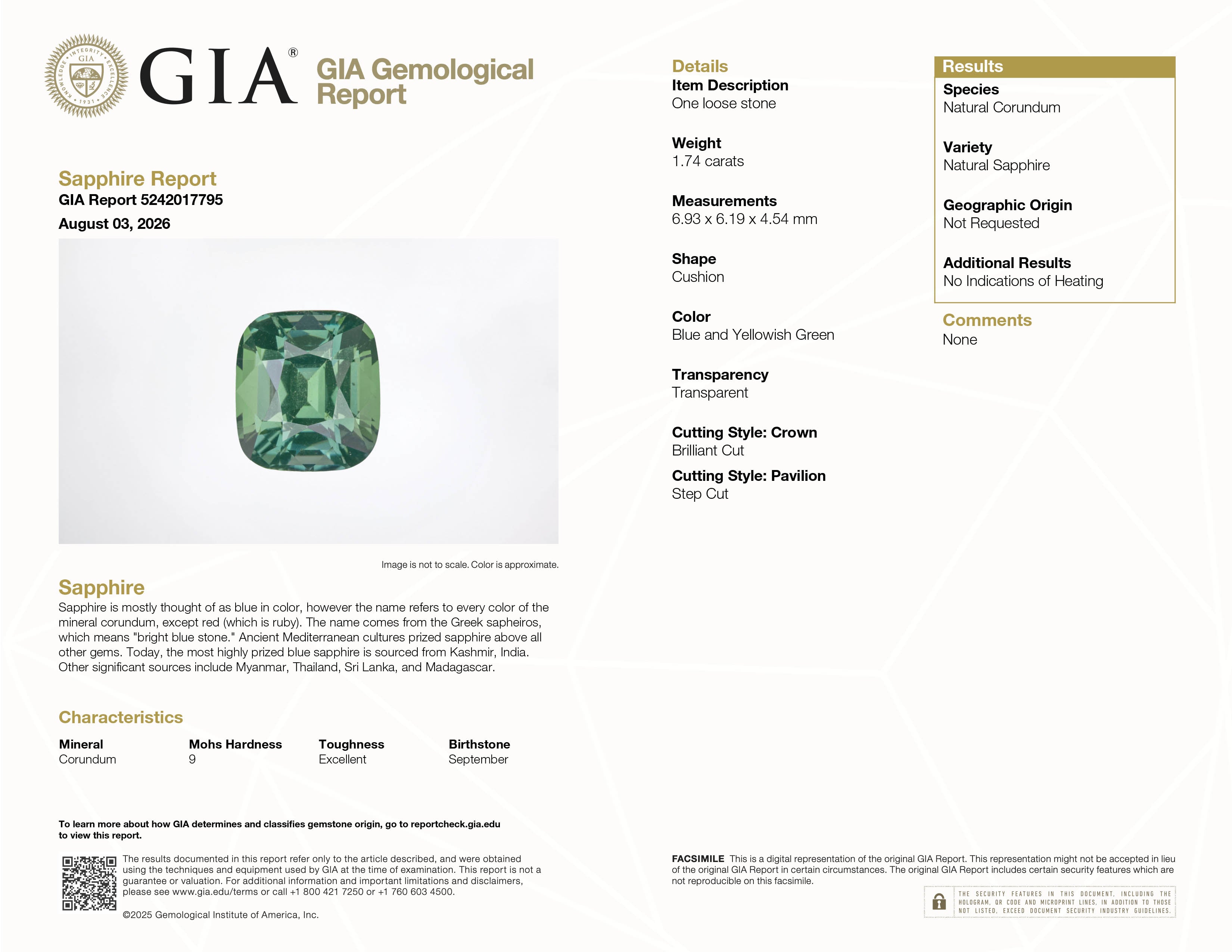
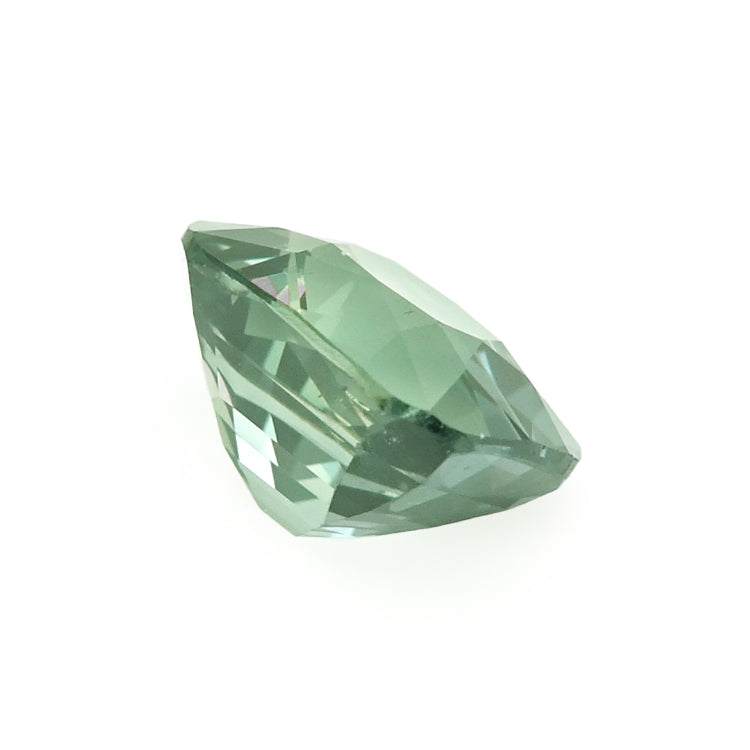
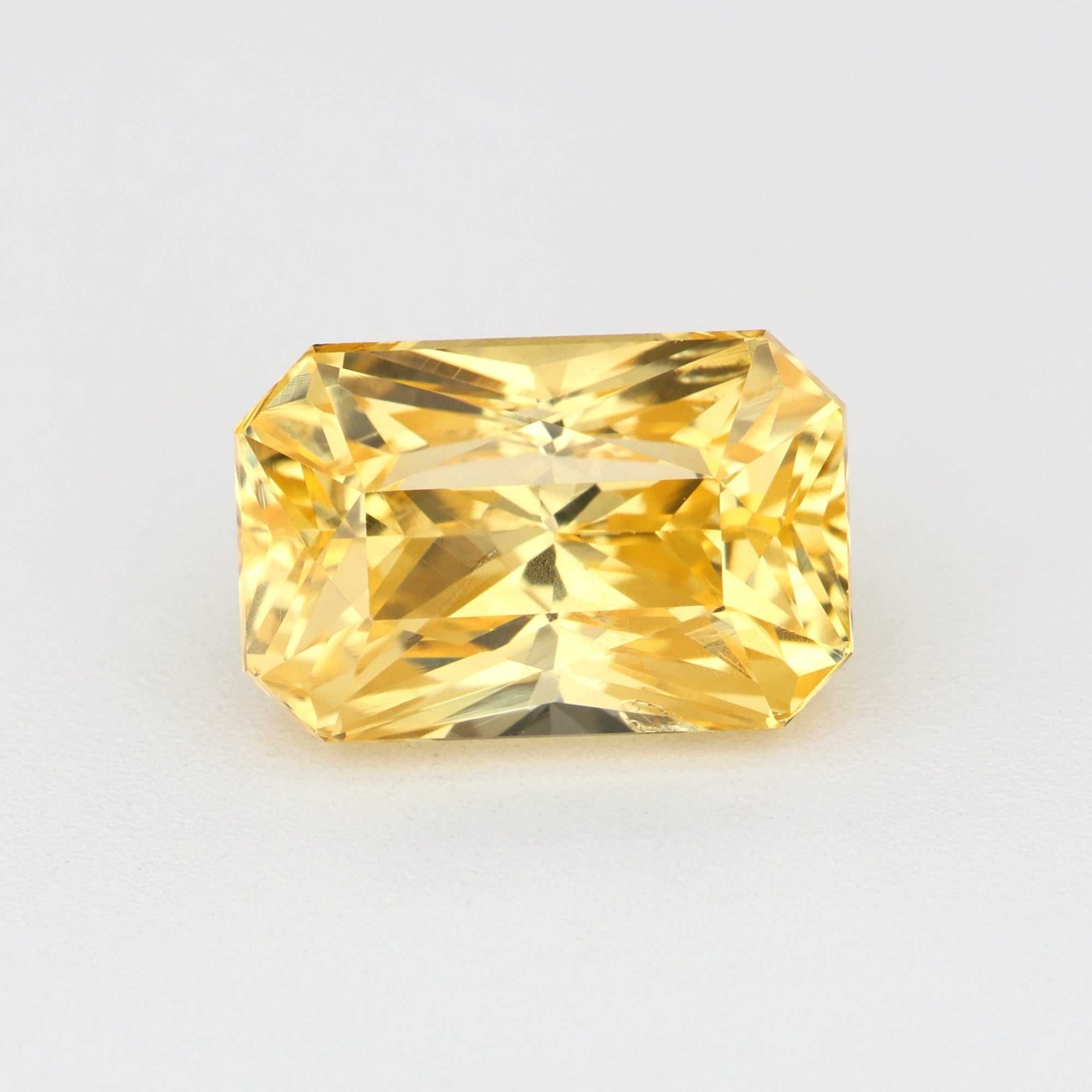
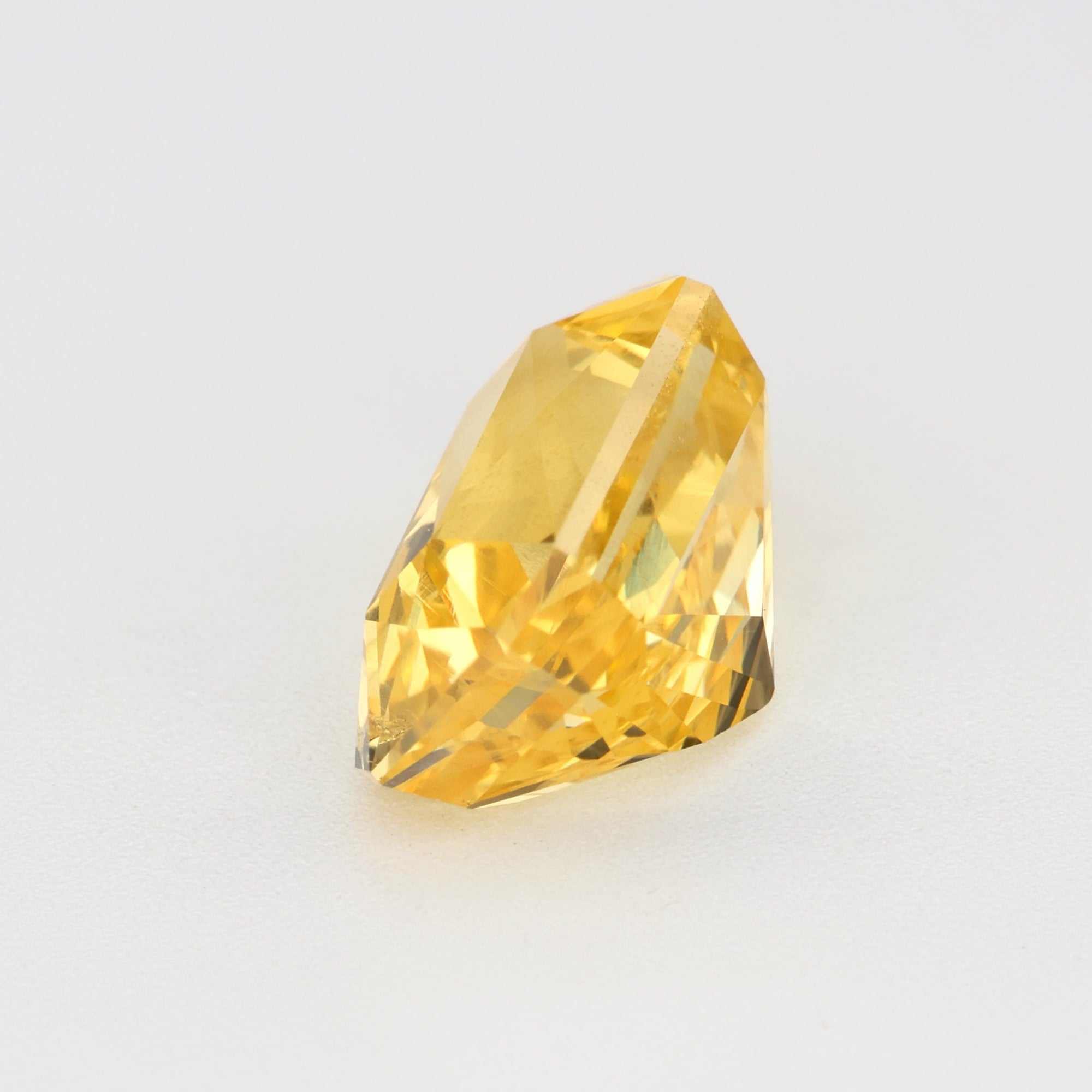
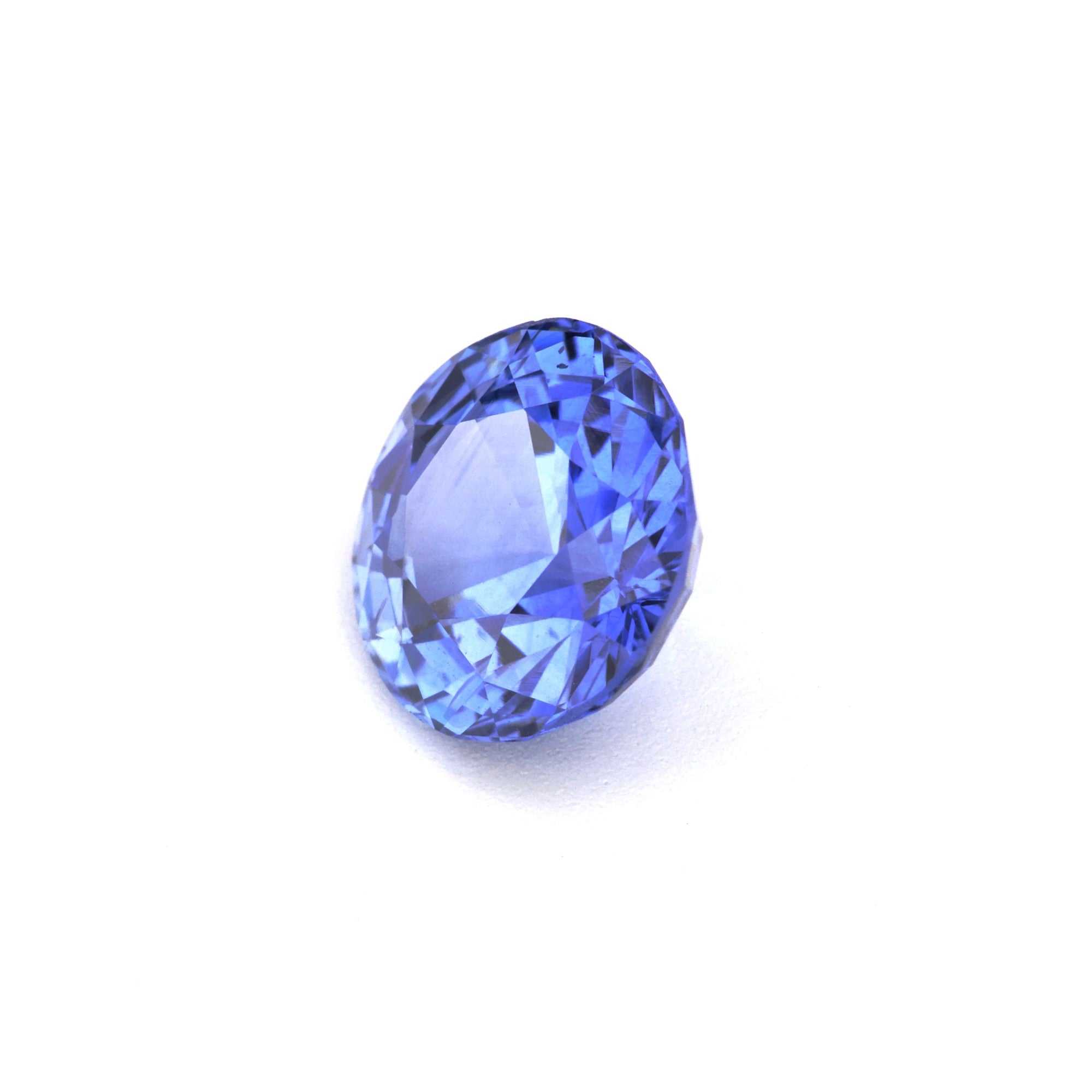
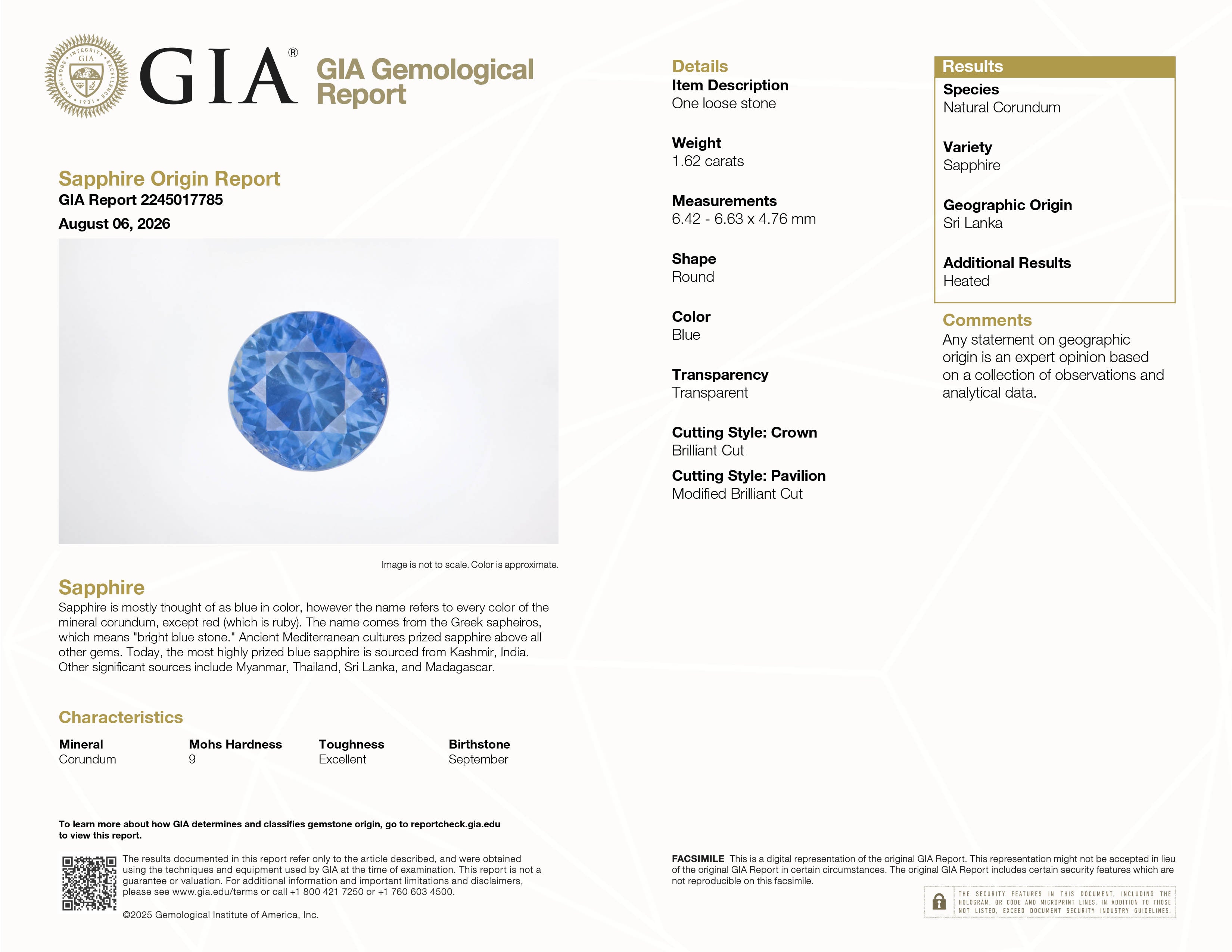
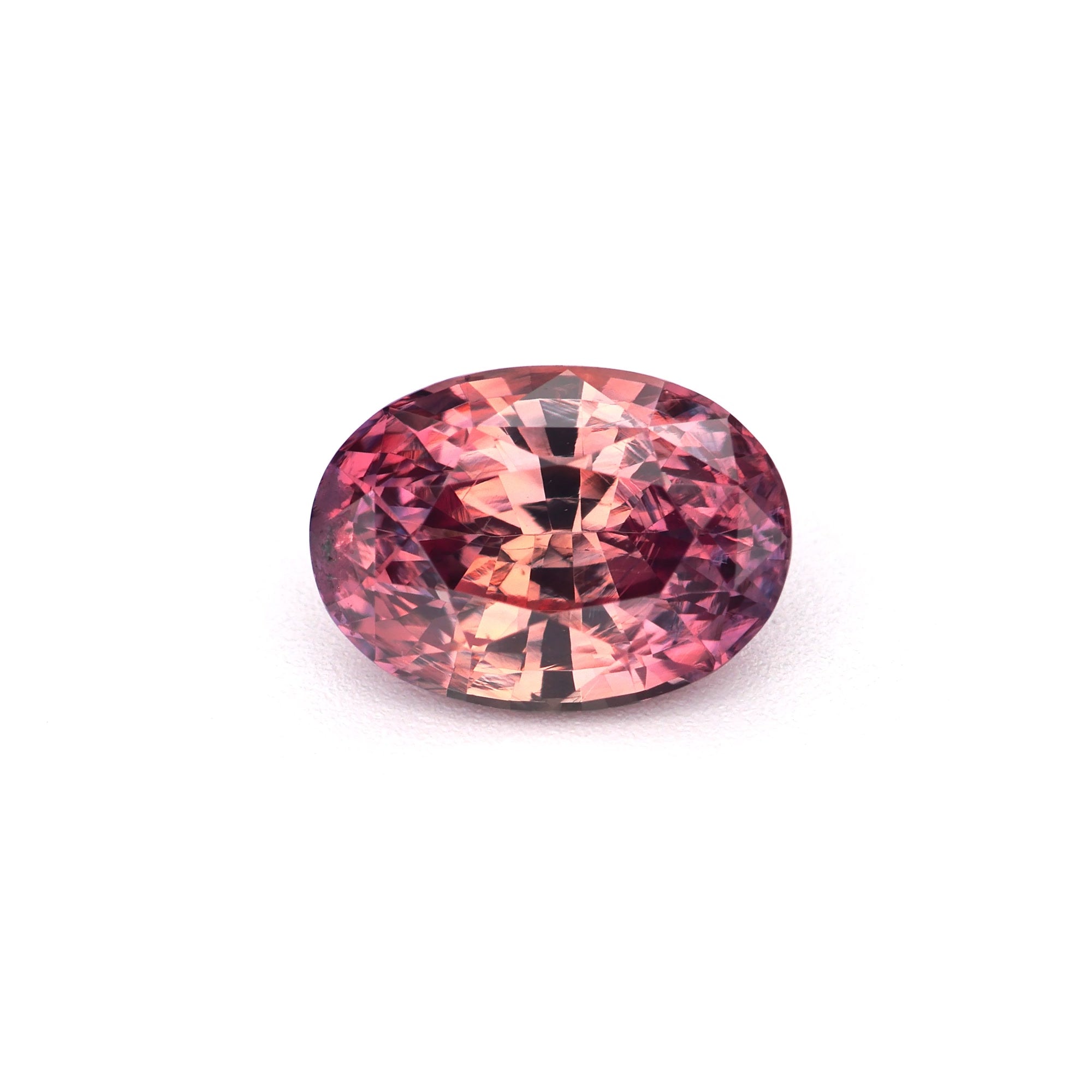
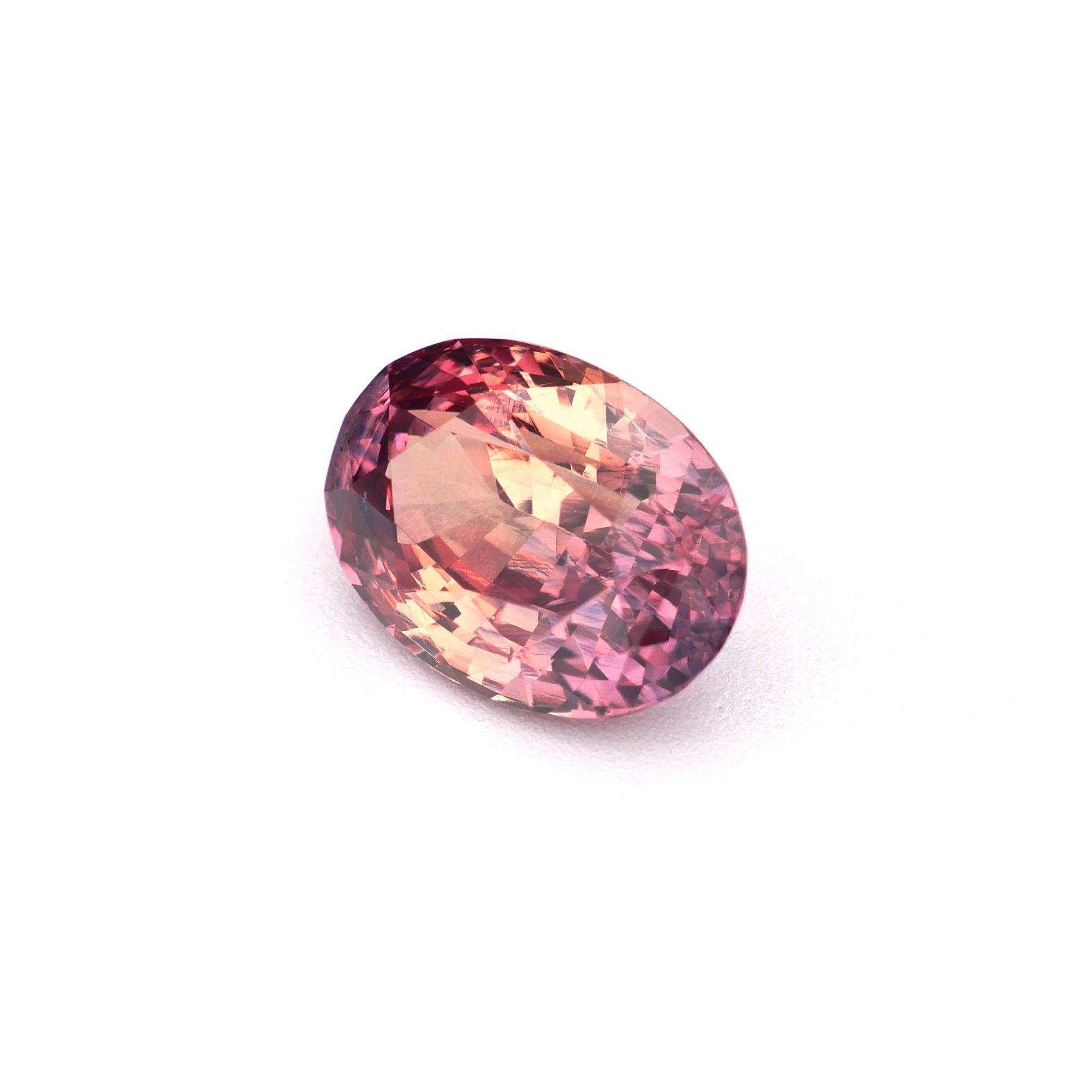
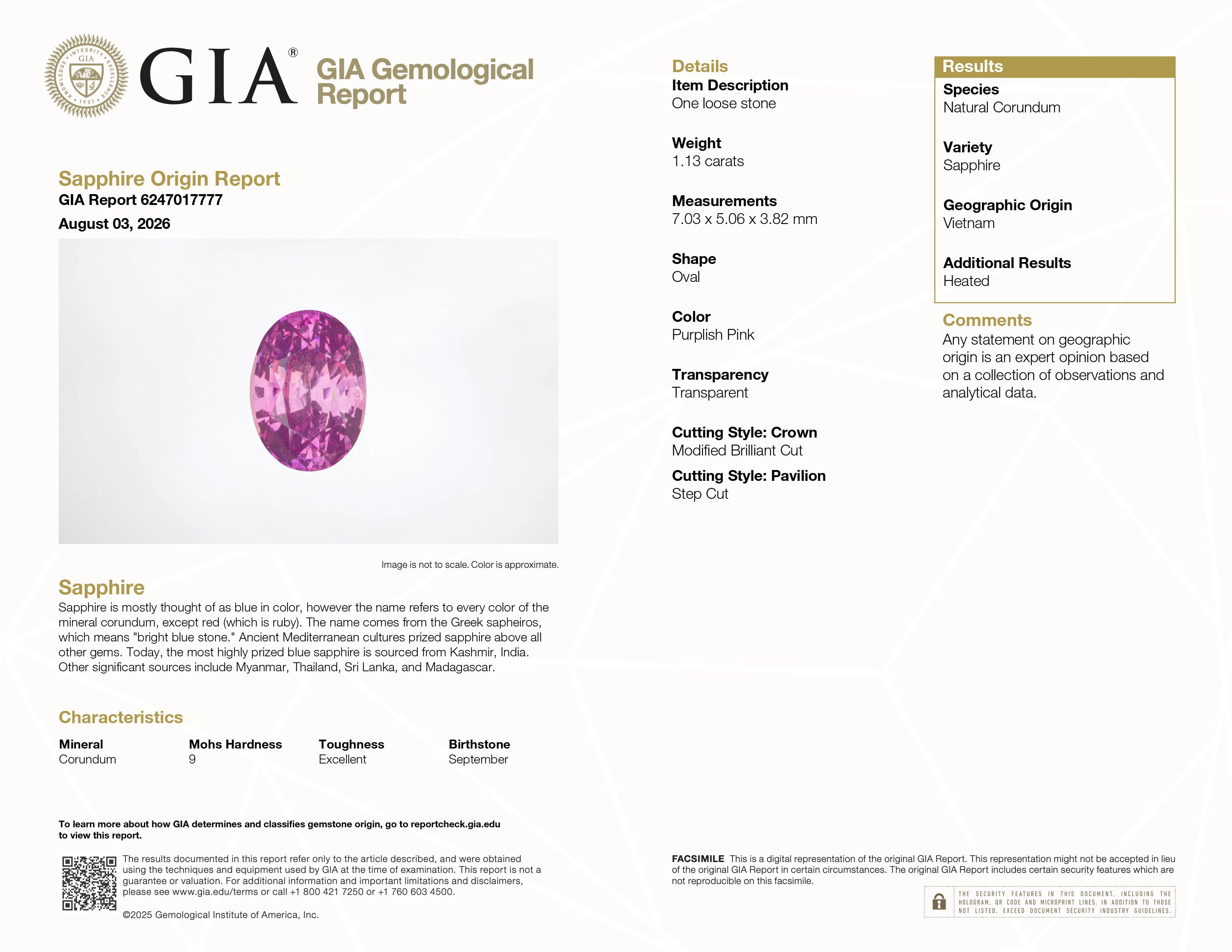
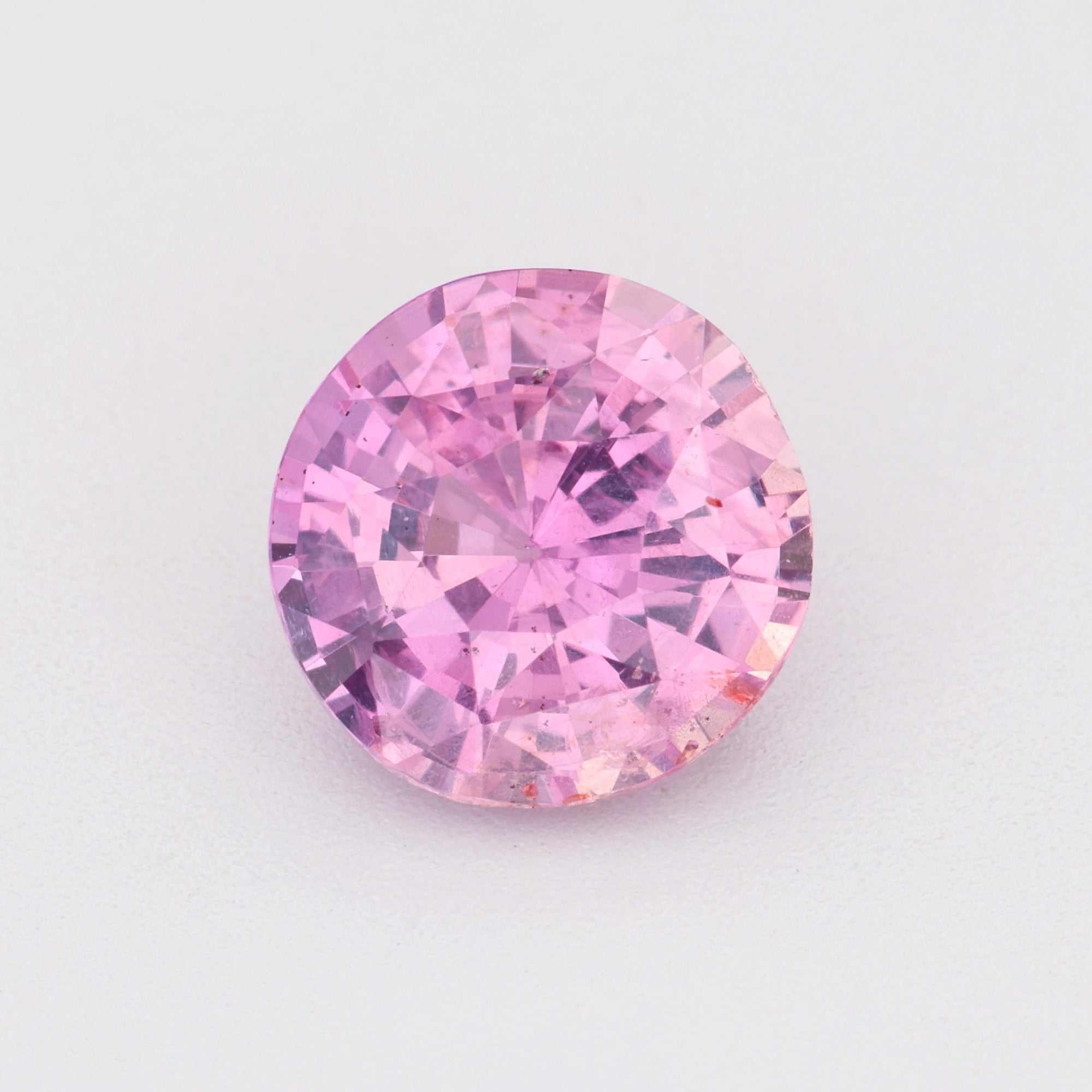
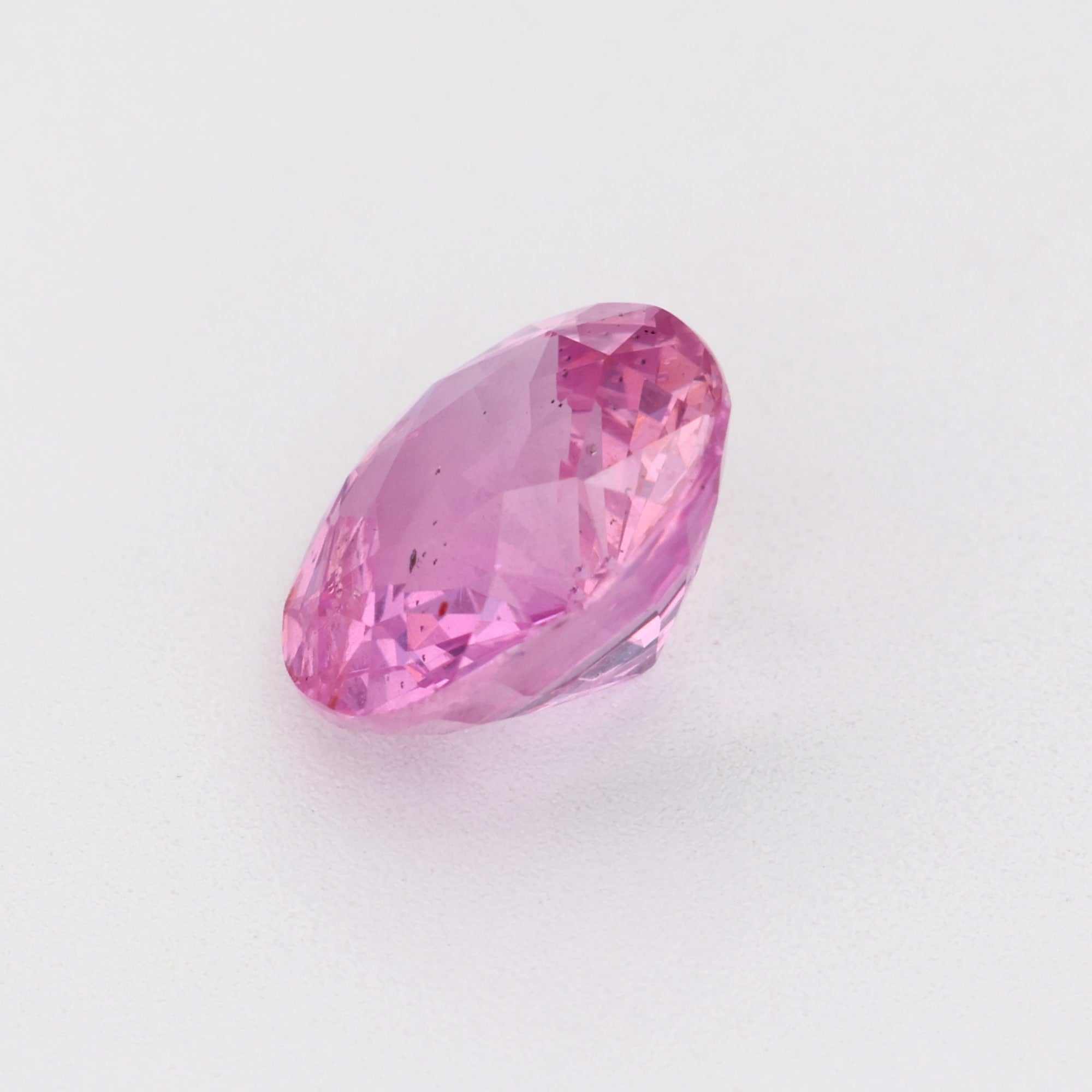
Two real examples currently in our catalog, shown here as a reference point for what genuine, laboratory-documented sapphire looks like: a 1.62 ct GIA-documented heated Ceylon blue sapphire (round cut) at $2,916 (view), and a 2.12 ct GIA-documented heated pink sapphire (cushion cut) at $4,260 (view). Both come with full treatment disclosure and lab documentation — exactly what to insist on before buying, per the checks above.
For more on finding trustworthy sellers, see Where to Find Reputable Loose Sapphire Sellers.
Browse the full Ceylon sapphire catalog — every stone natural, every treatment disclosed, every photo real. Email crescentgems@gmail.com with questions. We respond within one business day.

CG8342
Prices are shown in your local currency and may change.
CG8366
CG8313
CG8357
CG8342
CG8452
CG8437


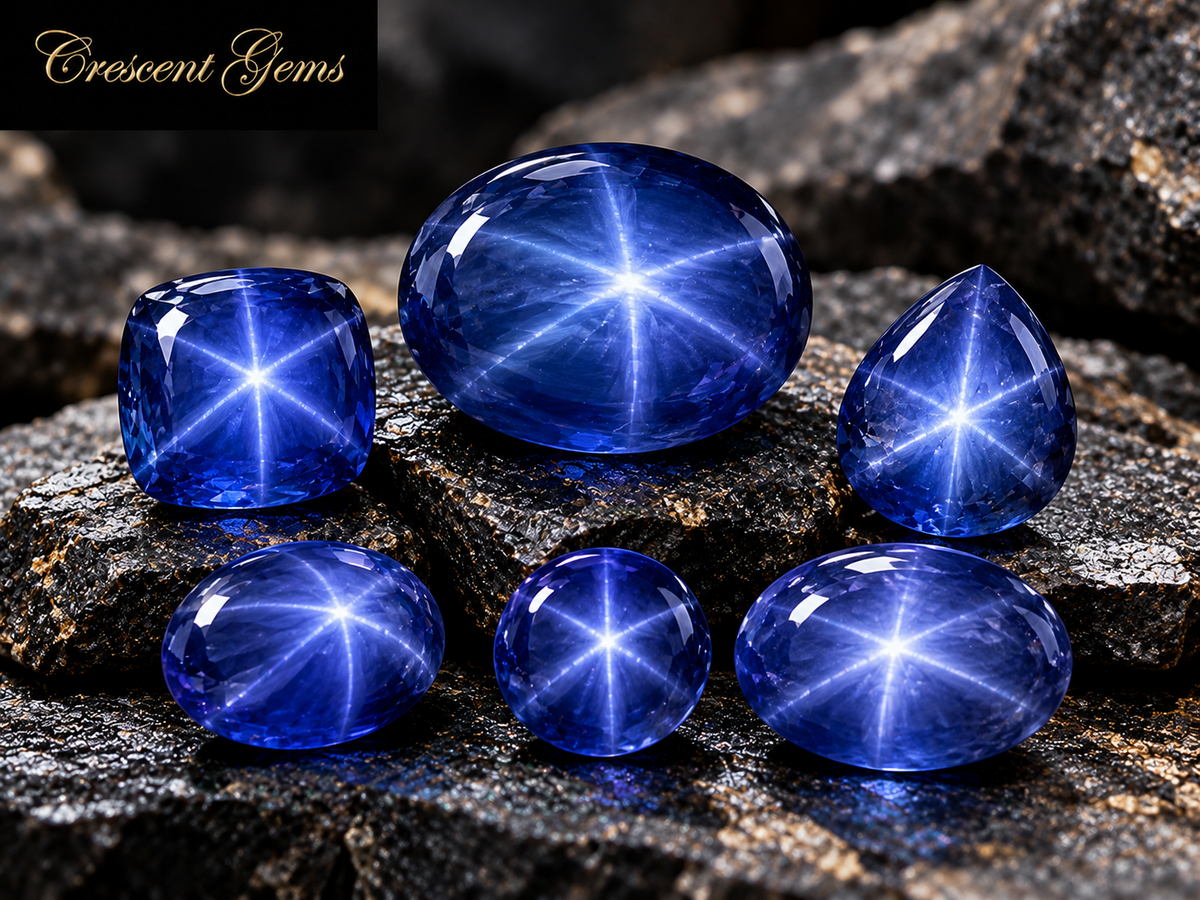
Blue Star Sapphire Price Guide — What They Cost and Why
Read moreabout Blue Star Sapphire Price Guide — What They Cost and Why
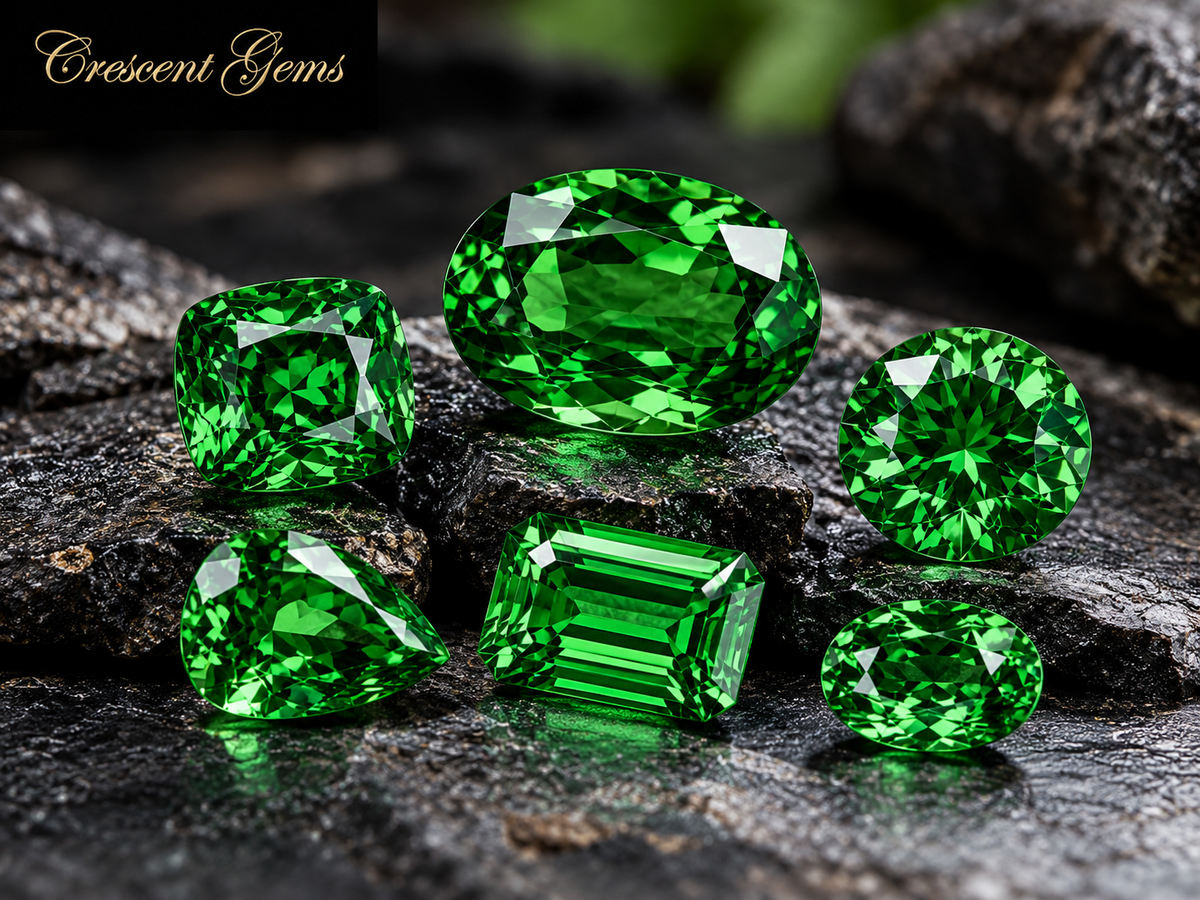
Tsavorite Garnet Price Guide — What They Cost and Why
Read moreabout Tsavorite Garnet Price Guide — What They Cost and Why
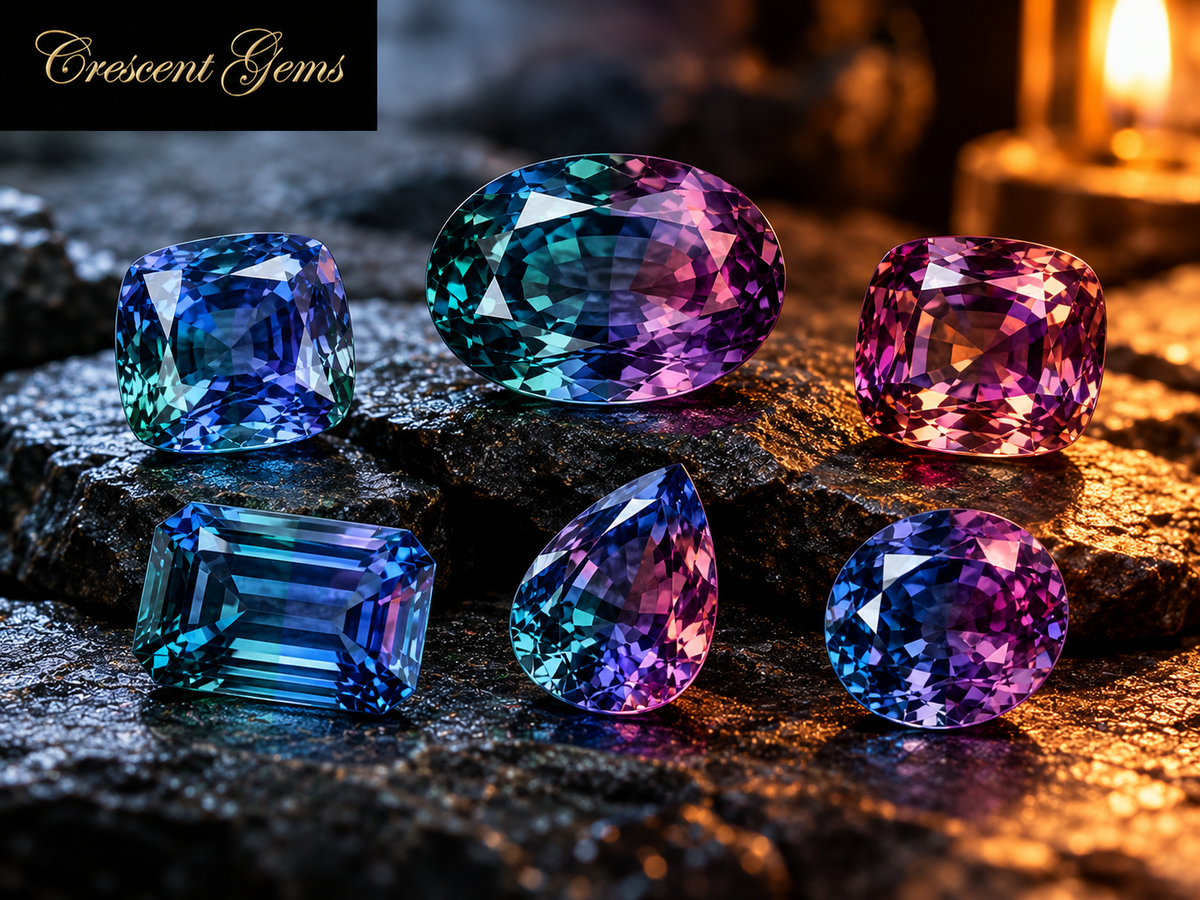
Color-Change Sapphire Price Guide — What They Cost and Why
Read moreabout Color-Change Sapphire Price Guide — What They Cost and Why
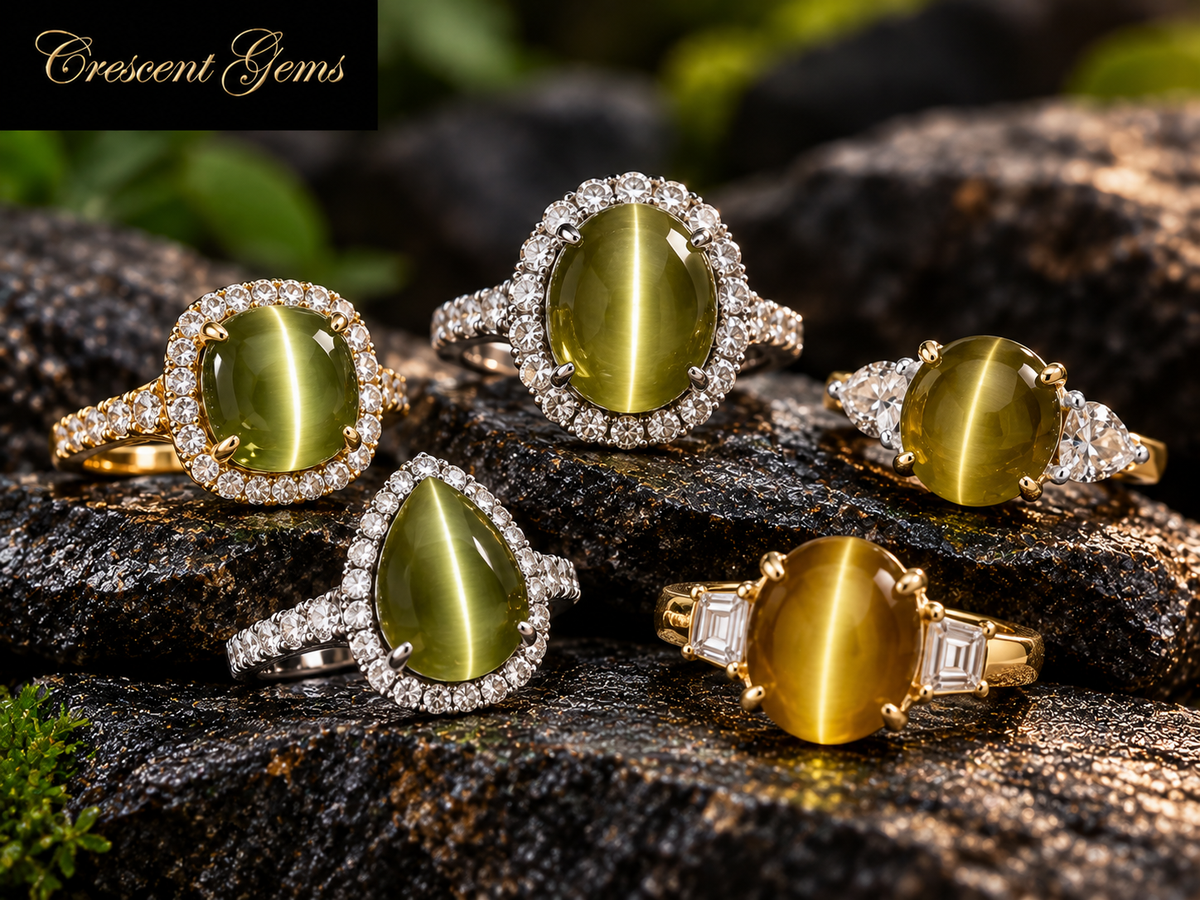
Is Cat's-Eye Chrysoberyl Good for an Engagement Ring?
Read moreabout Is Cat's-Eye Chrysoberyl Good for an Engagement Ring?
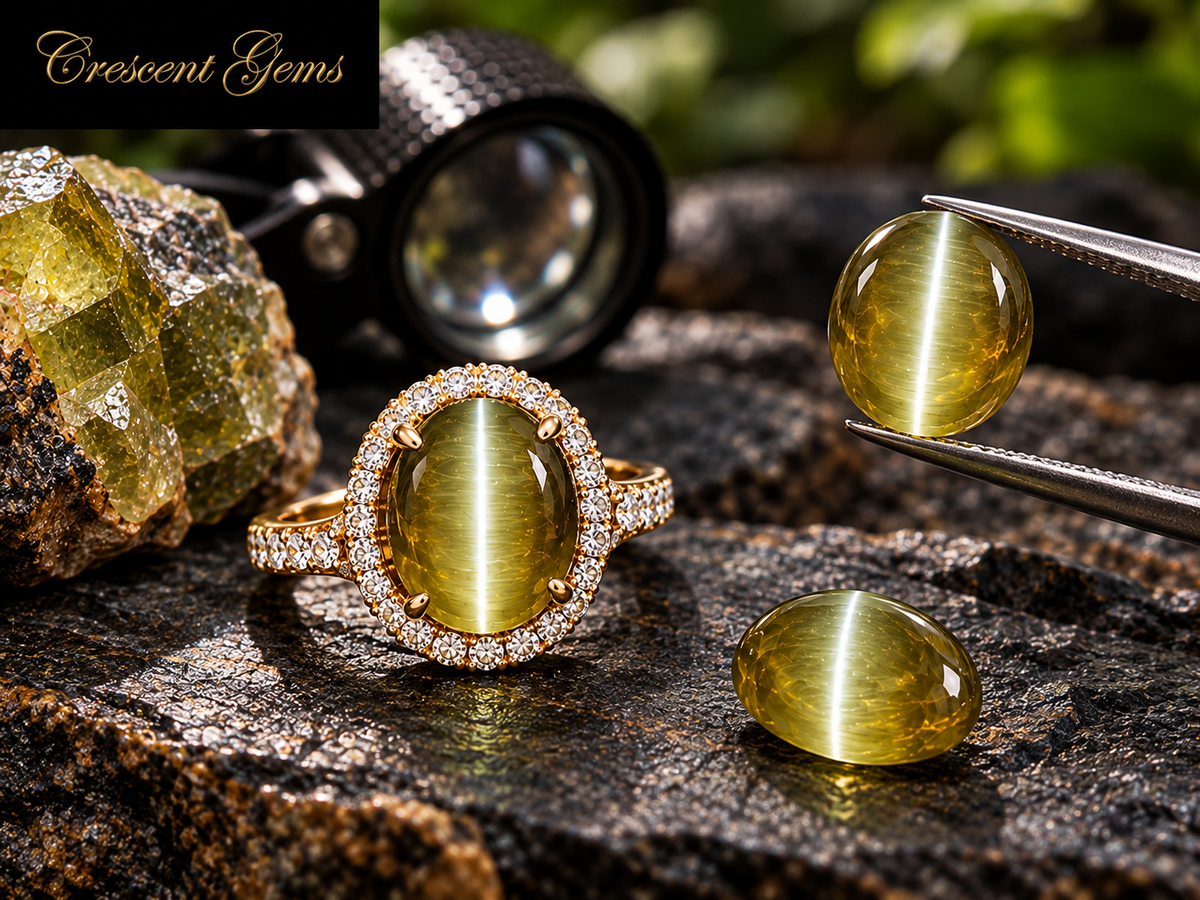
Cat's Eye Chrysoberyl Price Guide — What They Cost and Why
Read moreabout Cat's Eye Chrysoberyl Price Guide — What They Cost and Why