

- by Ahmed Shareek
Best Elongated Sapphire Shapes for Engagement Rings — Which Cuts Create the Most Finger-Lengthening Effect
- by Ahmed Shareek
For oval specifics: Oval Sapphire — The Complete Guide. For corner protection on pointed shapes: How to Protect Sapphire Corners. For the buying foundation: Ultimate Sapphire Buying Guide.
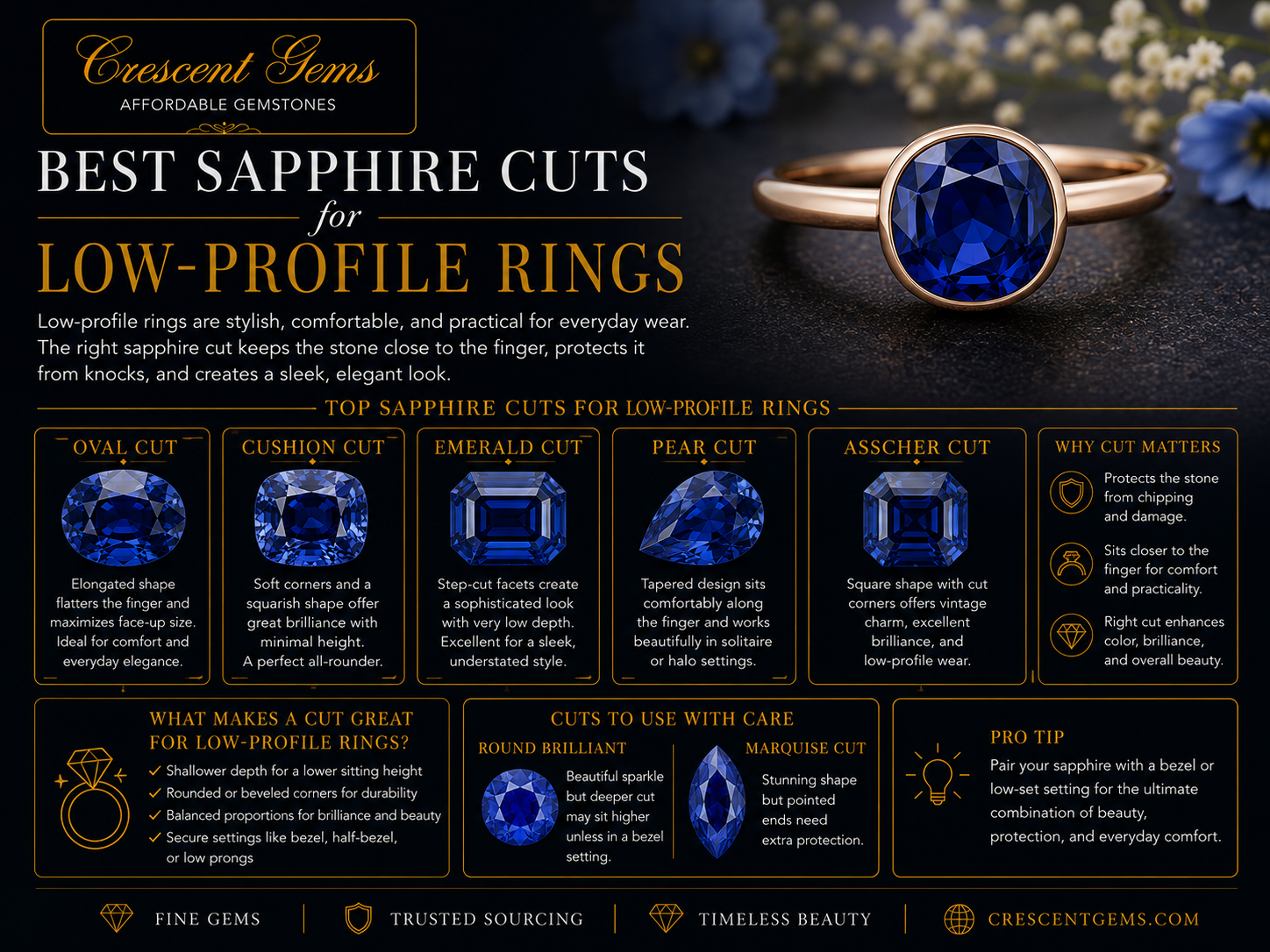
The finger-lengthening effect of an elongated ring shape is one of the most consistently requested characteristics in engagement ring shopping — and with good reason. An elongated stone set with its long axis running along the finger creates an optical illusion that makes the finger appear slimmer, longer, and more elegant. This effect has made elongated shapes — oval, pear, marquise, and elongated emerald cut — consistently popular across the engagement ring market, and it is particularly effective with sapphires because the colored stone's visual mass is immediately apparent.
Not all elongated shapes are equally elongating, however. Each shape produces a different degree of the finger-lengthening effect based on its length-to-width ratio, its outline character, and how it sits on the finger. This guide covers the four primary elongated sapphire shapes, compares their elongating effect, and helps you choose the right one for your hand and aesthetic.
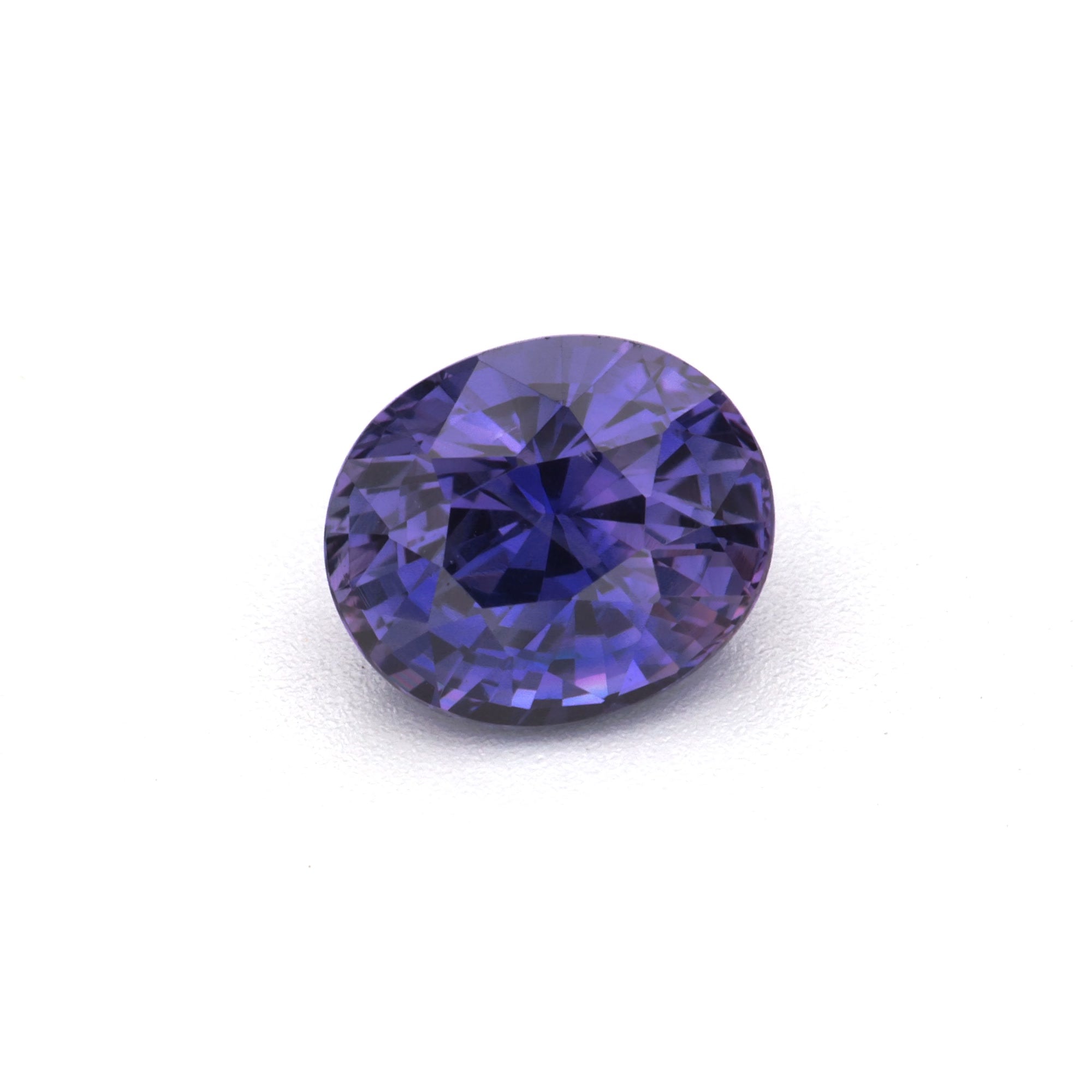
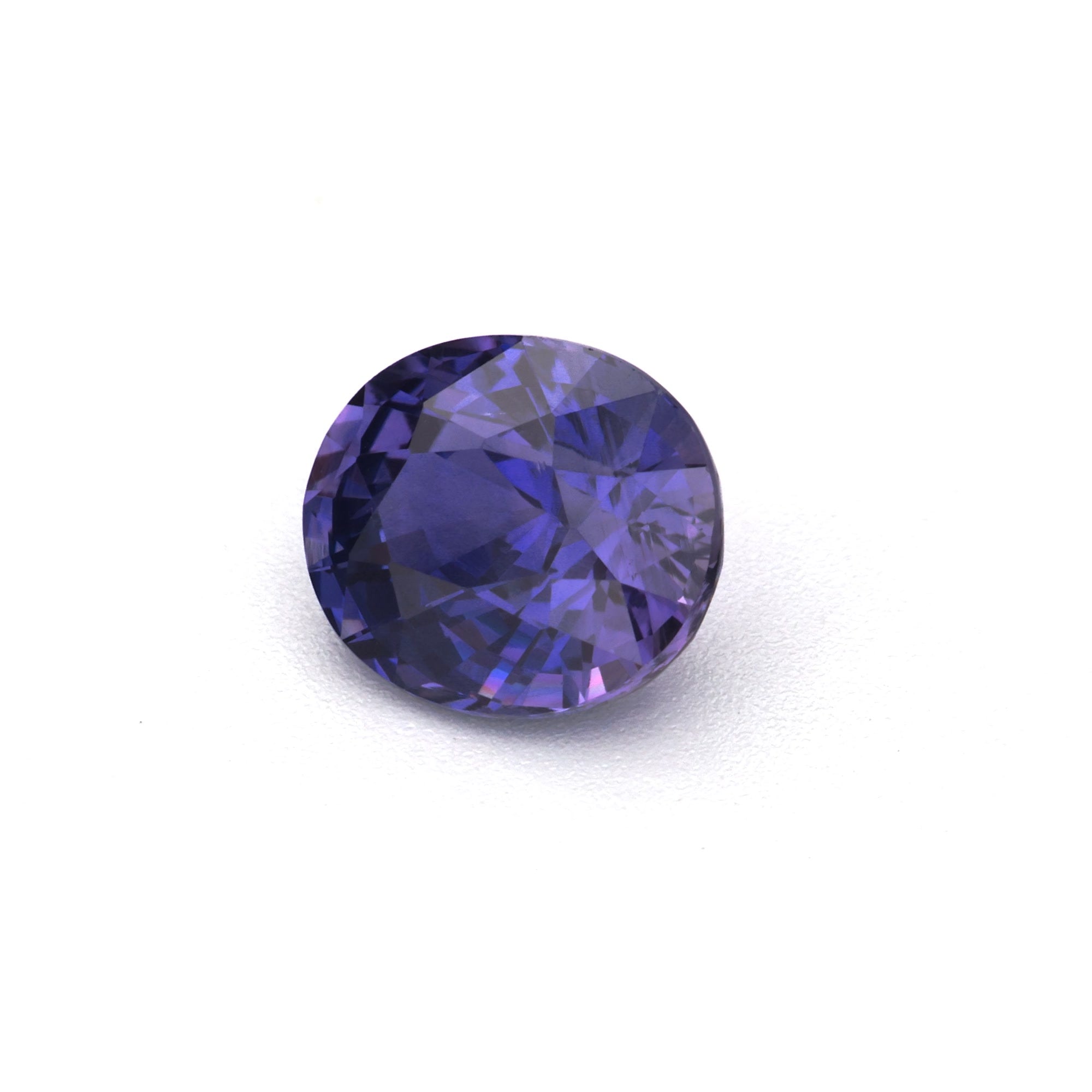
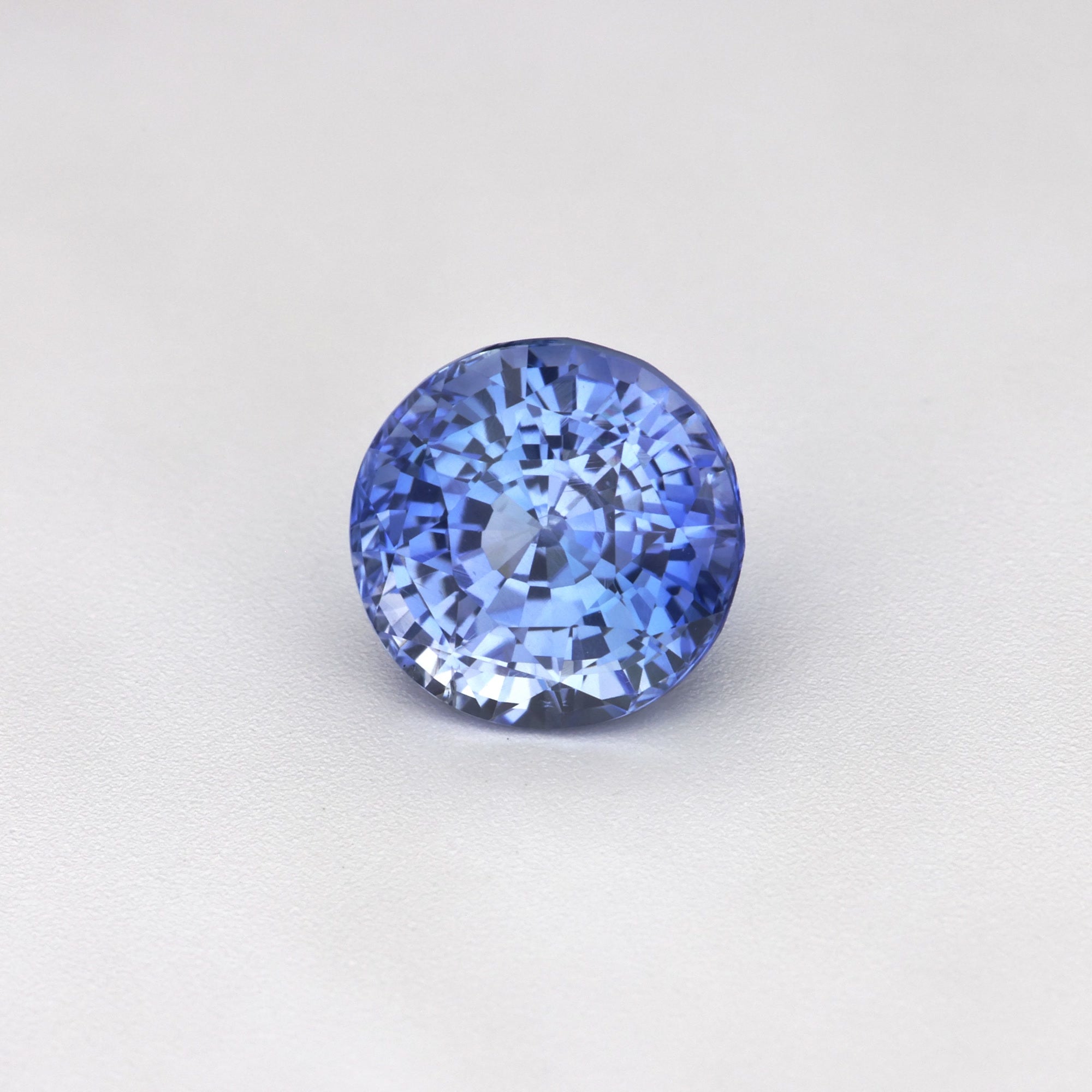
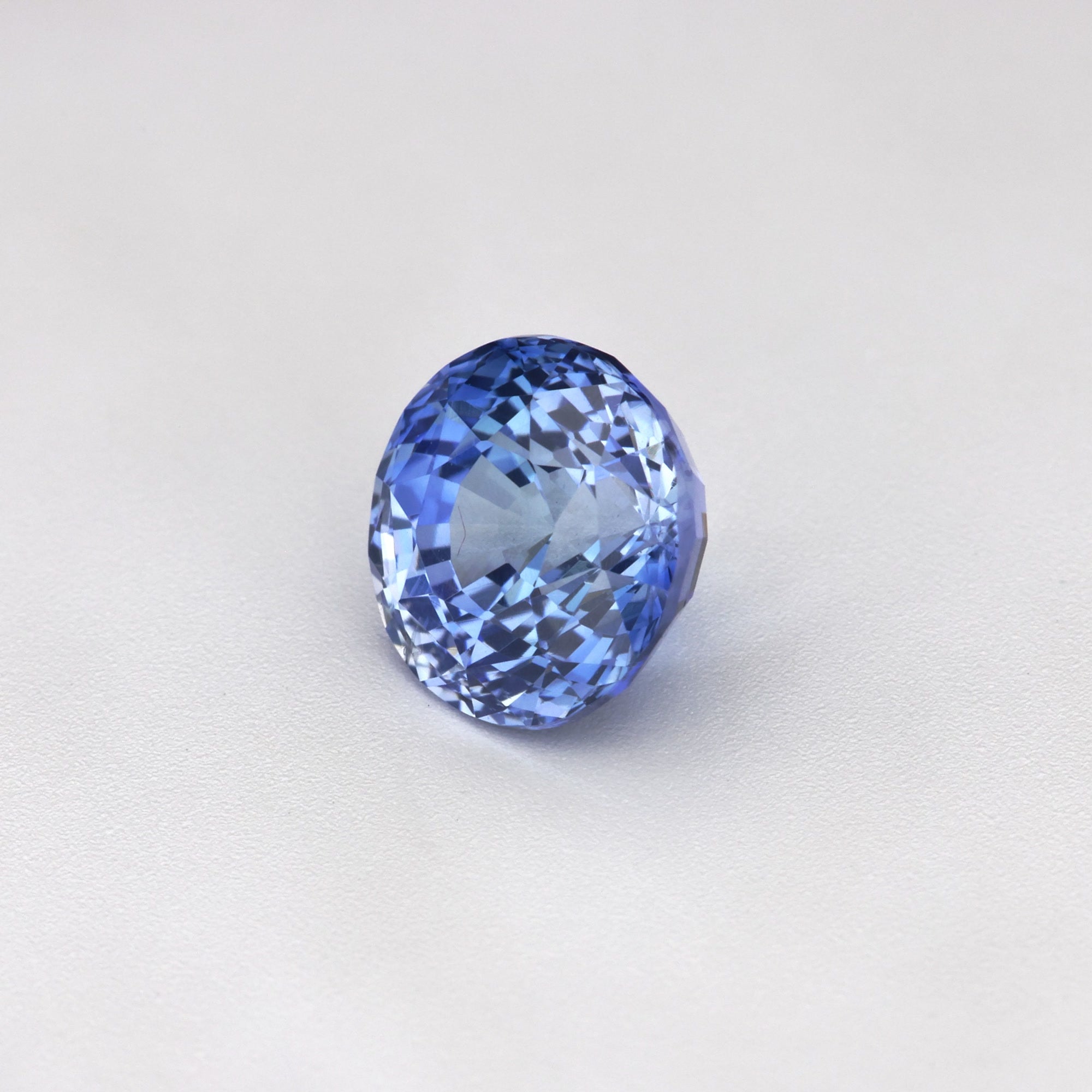
The oval is the most popular elongated sapphire shape and the most versatile in terms of degree of elongation. L/W ratios for ovals typically range from 1.20:1 (only slightly elongated, almost round) to 1.50:1 (strongly elongated, approaching marquise character). The most popular commercial range is 1.30–1.45:1 — elongated enough to create a clear finger-lengthening effect without the extreme proportions of a marquise. The oval's curved outline creates a soft, flowing elongation that is universally flattering. Unlike the marquise with its two pointed tips (which can look dramatic on some hands and angular on others), the oval's gentle curves suit essentially every finger type. This makes it the safest choice for buyers who want an elongating effect without the visual drama or corner risk of more extreme shapes. For maximum finger elongation from an oval, choose L/W ratios of 1.40:1 or above and set the stone with its long axis running along the finger. Browse our oval sapphire collection.
The pear is the most directional and visually dramatic elongated shape. Its teardrop silhouette — wider at one end, pointed at the other — creates a strong directional line that draws the eye along the finger from the base of the ring upward to the pointed tip. Pear sapphires typically have L/W ratios of 1.40–1.75:1 — more elongated than most ovals — and the pointed tip at the top extends the apparent length of the stone beyond its actual measurement. The finger-lengthening effect of a pear sapphire is among the strongest of any shape, combining the elongated ratio with the directional pointed tip that creates maximum visual extension along the finger's length. The pear also has the highest apparent face-up area per carat of any elongated shape because the wide lower lobe and pointed upper lobe together create an outline that covers substantial finger area. The primary consideration for pears: the pointed tip must be protected by a V-prong for daily wear. See our corner protection guide. Browse our pear sapphire collection.
The marquise — an elliptical outline with two pointed tips — is the most extreme elongated shape in the sapphire market. Marquise L/W ratios typically range from 1.75:1 to 2.25:1 — more than twice as long as they are wide. This extreme elongation creates the most dramatic finger-lengthening effect of any shape: a well-cut 1ct marquise measuring approximately 11×5.5mm creates a ring presence that spans the full width of a finger, appearing significantly larger than its actual carat weight. The marquise's character is distinctive and bold — it suits buyers who specifically want a highly fashionable, statement-making ring shape rather than a more conventional aesthetic. Both pointed tips require V-prong protection for daily wear, and the marquise's thin middle section can be prone to the bowtie shadow that also affects ovals, though in a different configuration. Two separate dark zones can appear across the width of the stone at the center; evaluate under diffuse lighting before purchase.
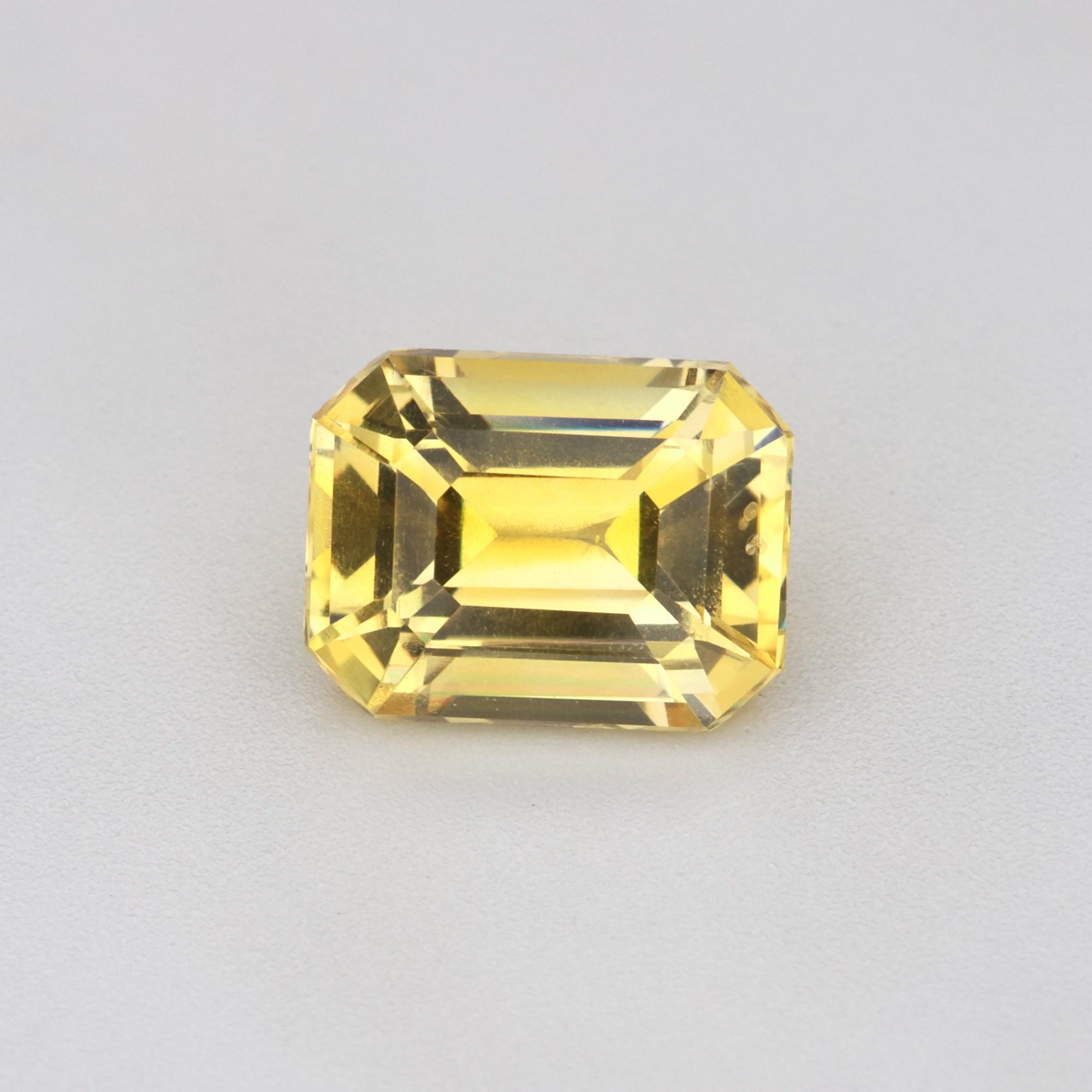
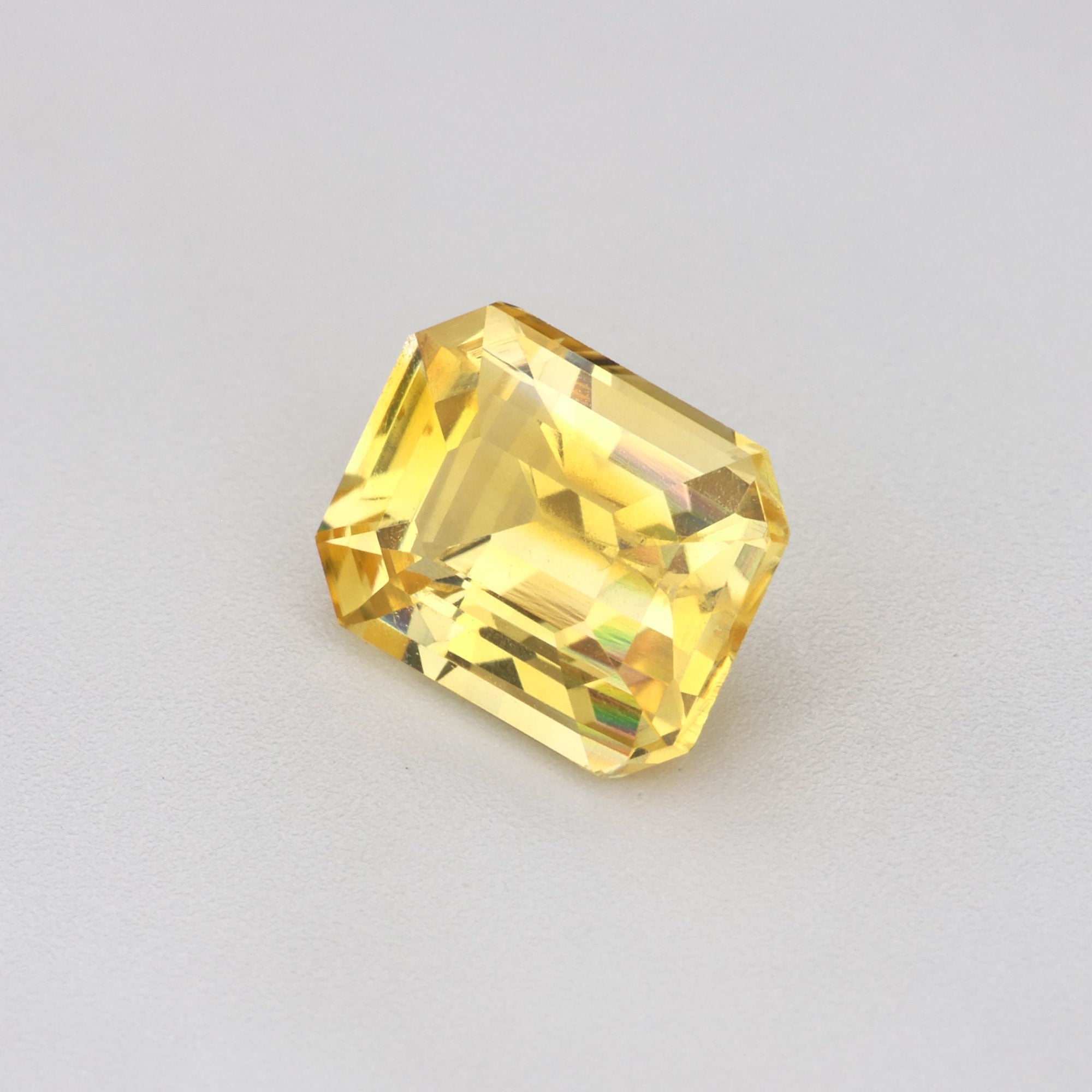
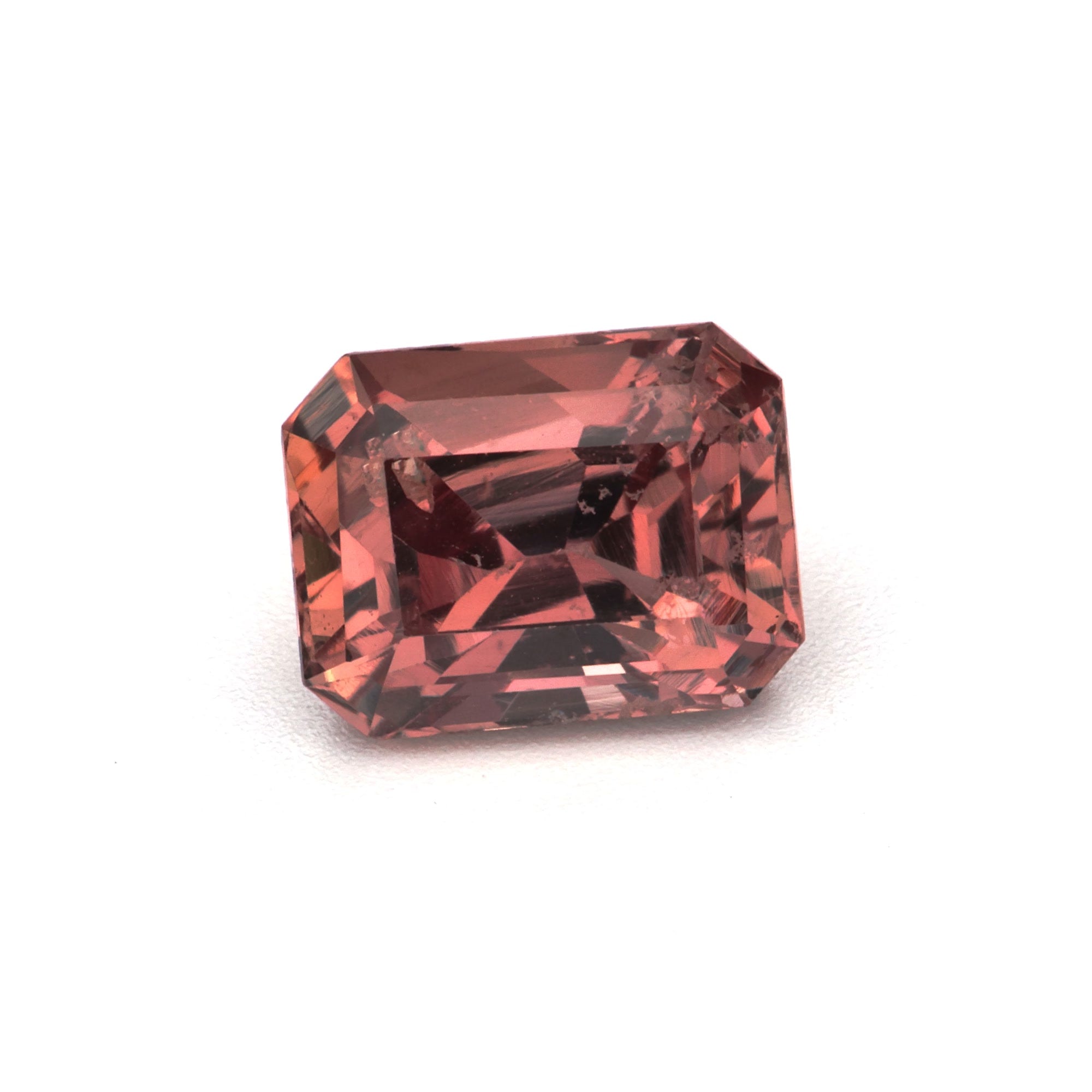
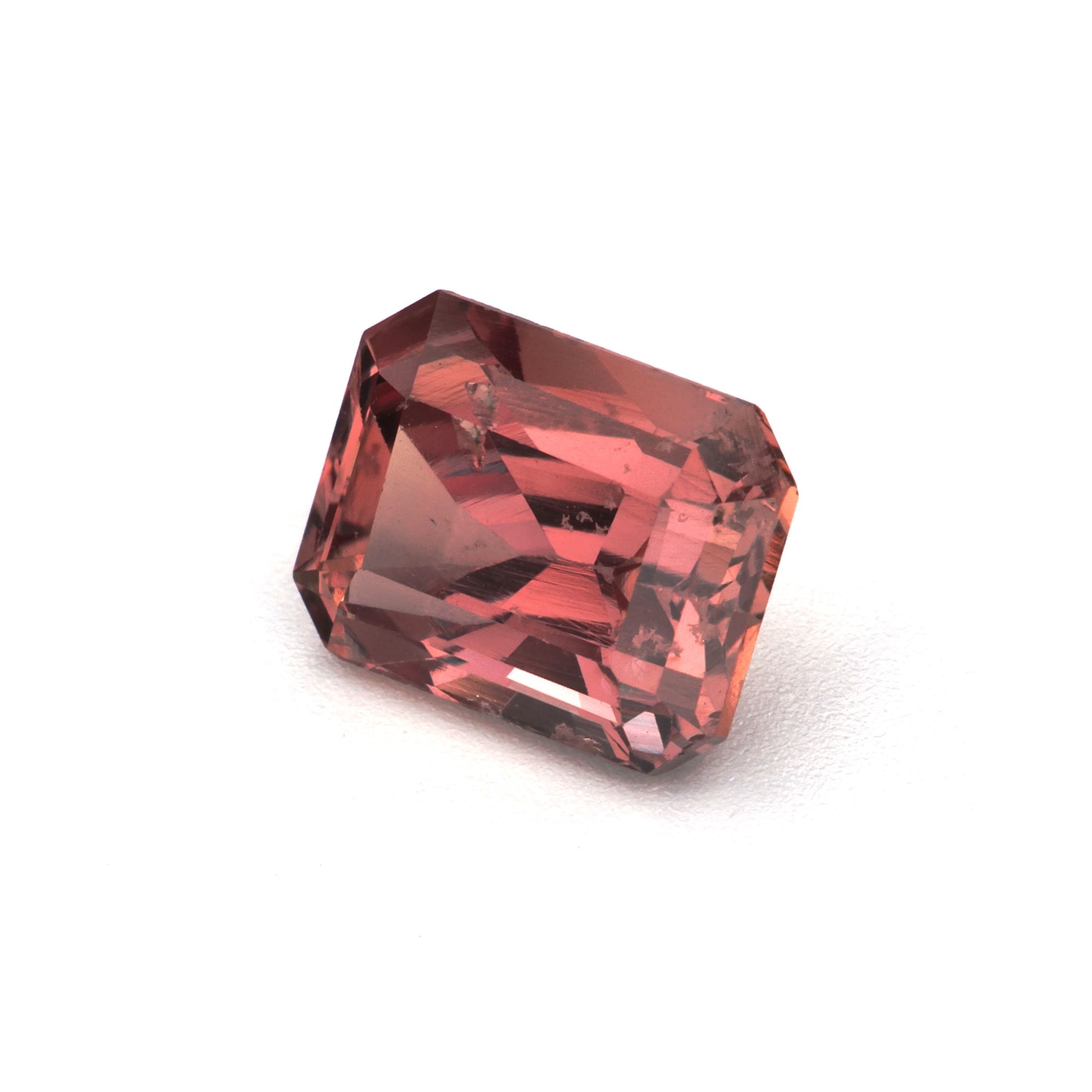
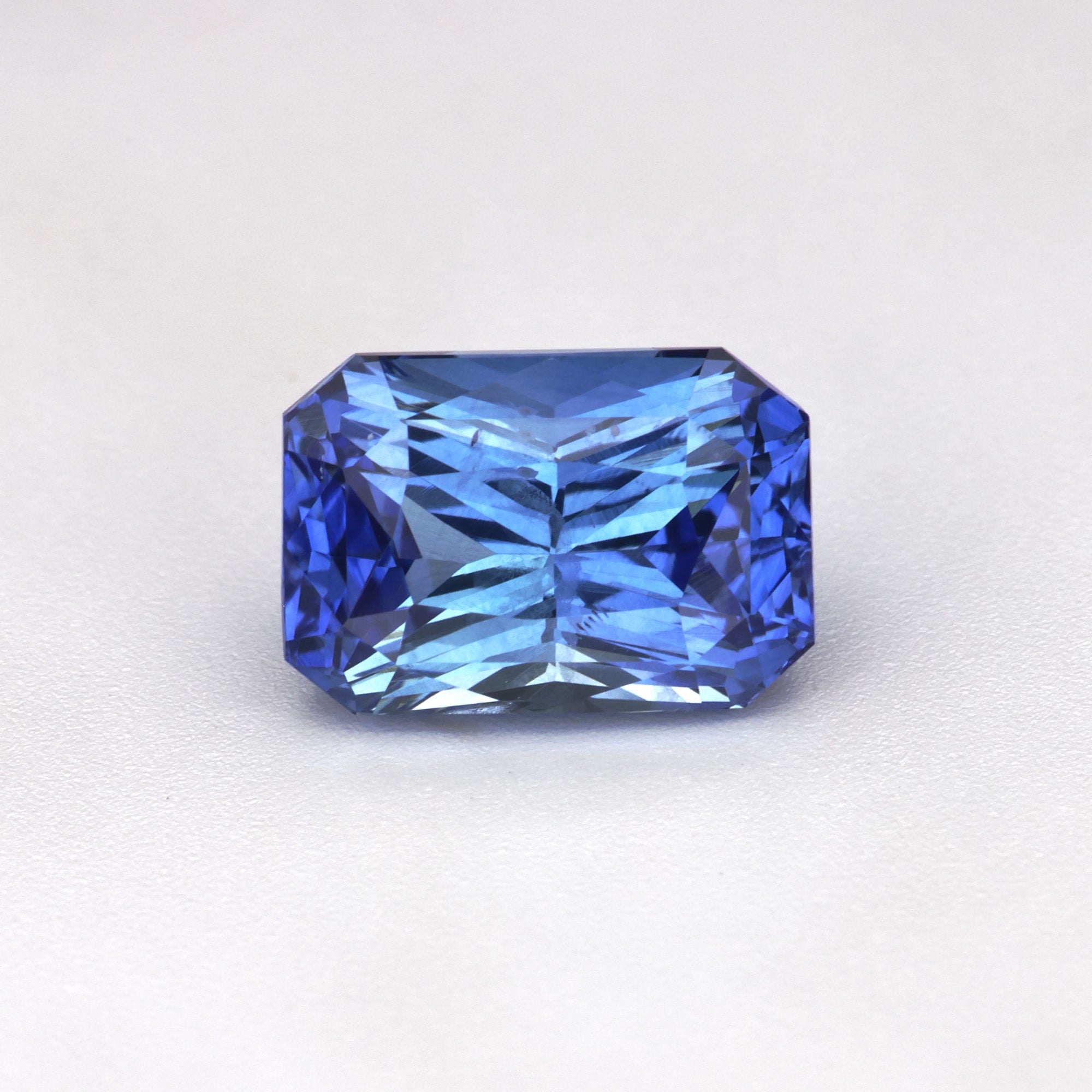
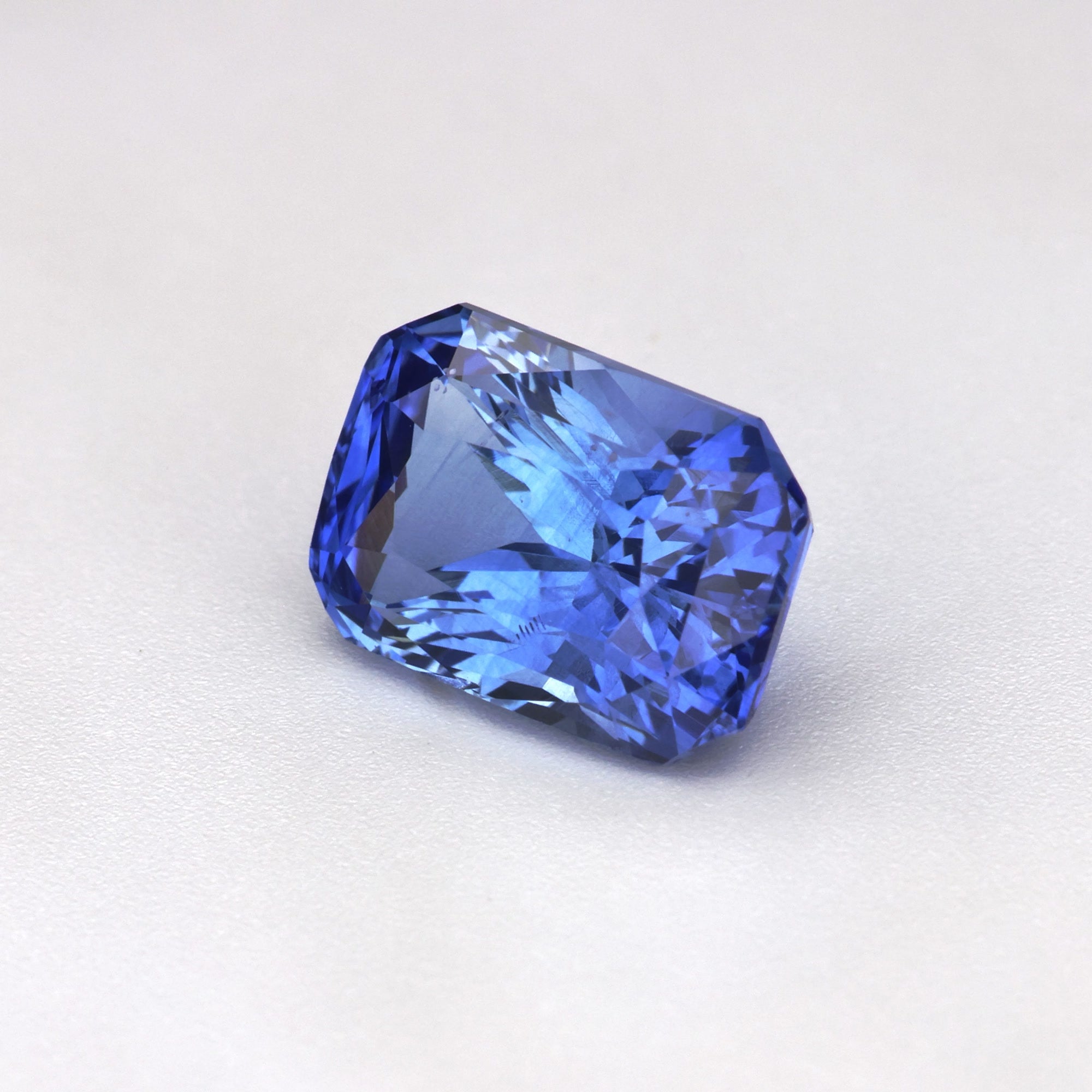
An emerald cut at a 1.50:1 or higher L/W ratio creates a strongly elongated, architectural ring presence that is quite different in character from the curved elongated shapes above. The step-cut facets and rectangular outline create elongation through geometric structure rather than organic curves — a more sophisticated, less organic feel than oval or pear elongation. The rectangular length creates a strong horizontal-to-vertical visual line along the finger that is clean, precise, and very photogenic. For maximum elongation in an emerald cut sapphire, seek L/W ratios of 1.50:1 and above. These longer emerald cuts are less common in the market than more square proportions, and they require the same high clarity and strong color that all emerald cuts demand. Browse our emerald cut collection.
| Shape | Typical L/W Ratio | Finger-Elongating Effect | Corner Risk | Character |
|---|---|---|---|---|
| Oval | 1.20–1.50:1 | Moderate to strong | Low — no sharp points | Versatile, contemporary, universal |
| Pear | 1.40–1.75:1 | Strong — directional | High at tip — needs V-prong | Romantic, dramatic, fashion-forward |
| Marquise | 1.75–2.25:1 | Maximum — the most elongating shape | High at both tips — needs V-prongs | Bold, statement, highly distinctive |
| Elongated emerald cut | 1.50–1.80:1 | Strong — architectural | Low — cropped corners | Sophisticated, geometric, minimalist |
For shorter or wider fingers: The marquise or a longer pear (1.60:1+) creates the most dramatic elongating effect, which can be particularly flattering on wider or shorter fingers where length contrast is most beneficial.
For average fingers: The oval at 1.35–1.45:1 is the most universally flattering choice — enough elongation to lengthen without dominating or looking disproportionate.
For already long, slender fingers: Elongated shapes are flattering on any finger, but more moderate ratios (oval at 1.25–1.35:1) may create the most balanced proportion. Very extreme elongation (marquise at 2.0:1+) on a long finger can look excessively narrow.
For east-west orientation: Any elongated shape set with its long axis running across the finger (perpendicular to the band) creates a wide, horizontal aesthetic rather than a vertical elongating one. This is a popular contemporary style that suits certain hand types and aesthetic preferences differently from the conventional along-the-finger orientation.
Marquise — with typical L/W ratios of 1.75–2.25:1, the marquise creates the most extreme finger-lengthening effect of any sapphire shape. Pear is second, then elongated oval and elongated emerald cut. The right choice depends on how dramatic an effect you want and how much corner risk you are comfortable with — marquise requires V-prong protection at both tips for daily wear.
Yes — the elongated outline of an oval, set with its long axis along the finger, creates a visual extension that makes the finger appear longer and slimmer. The effect is most pronounced with L/W ratios of 1.40:1 and above. The effect is optical rather than physical — the ring creates a directional line that the eye follows along the finger's length.
Yes, with the right setting. The pointed tip must have a V-prong for protection against corner chips in daily wear. Remove the ring for activities with high impact risk (gym, manual work). With correct setting and reasonable care, pear sapphires are worn daily by thousands of engagement ring owners without damage. See our corner protection guide.
Browse our oval and pear sapphire collections, or email crescentgems@gmail.com with your shape and color preferences. We respond within one business day.

CG8465
CG8460
CG8456


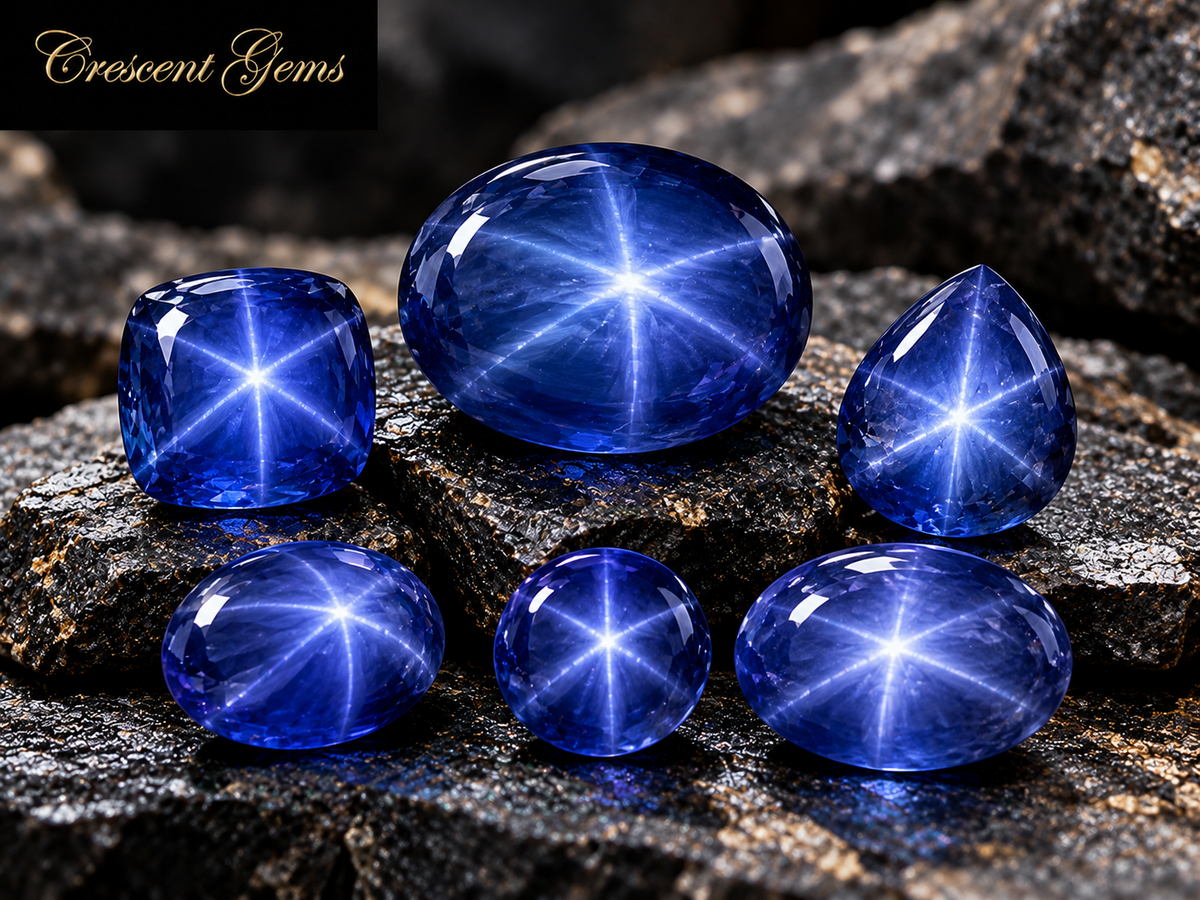
Blue Star Sapphire Price Guide — What They Cost and Why
Read moreabout Blue Star Sapphire Price Guide — What They Cost and Why
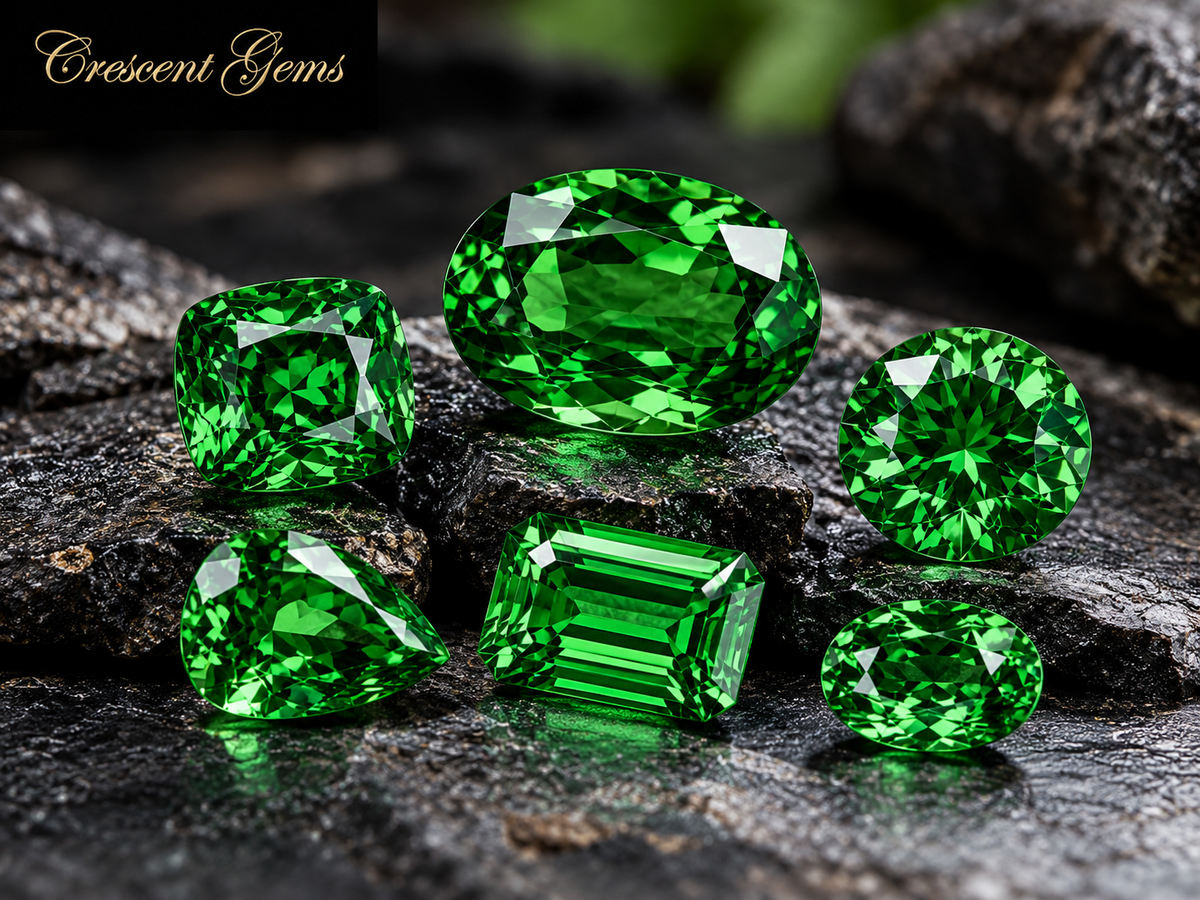
Tsavorite Garnet Price Guide — What They Cost and Why
Read moreabout Tsavorite Garnet Price Guide — What They Cost and Why
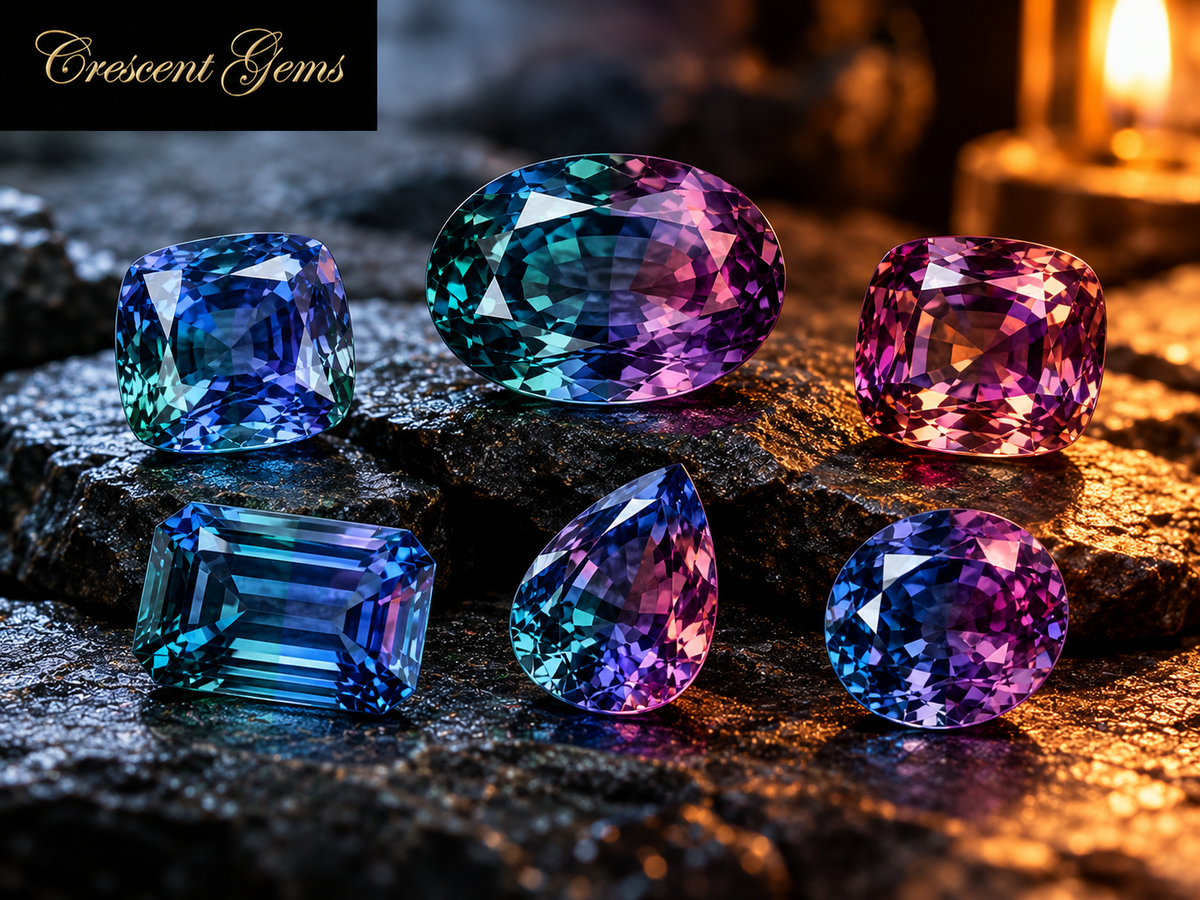
Color-Change Sapphire Price Guide — What They Cost and Why
Read moreabout Color-Change Sapphire Price Guide — What They Cost and Why
Is Cat's-Eye Chrysoberyl Good for an Engagement Ring?
Read moreabout Is Cat's-Eye Chrysoberyl Good for an Engagement Ring?
Cat's Eye Chrysoberyl Price Guide — What They Cost and Why
Read moreabout Cat's Eye Chrysoberyl Price Guide — What They Cost and Why















Share: