

- by Ahmed Shareek
Where to Find Reputable Sellers of Loose Sapphires for Custom Rings
- by Ahmed Shareek
New to buying sapphires? Start with our Ultimate Sapphire Buying Guide — the complete resource for colour, origin, treatment, and pricing.
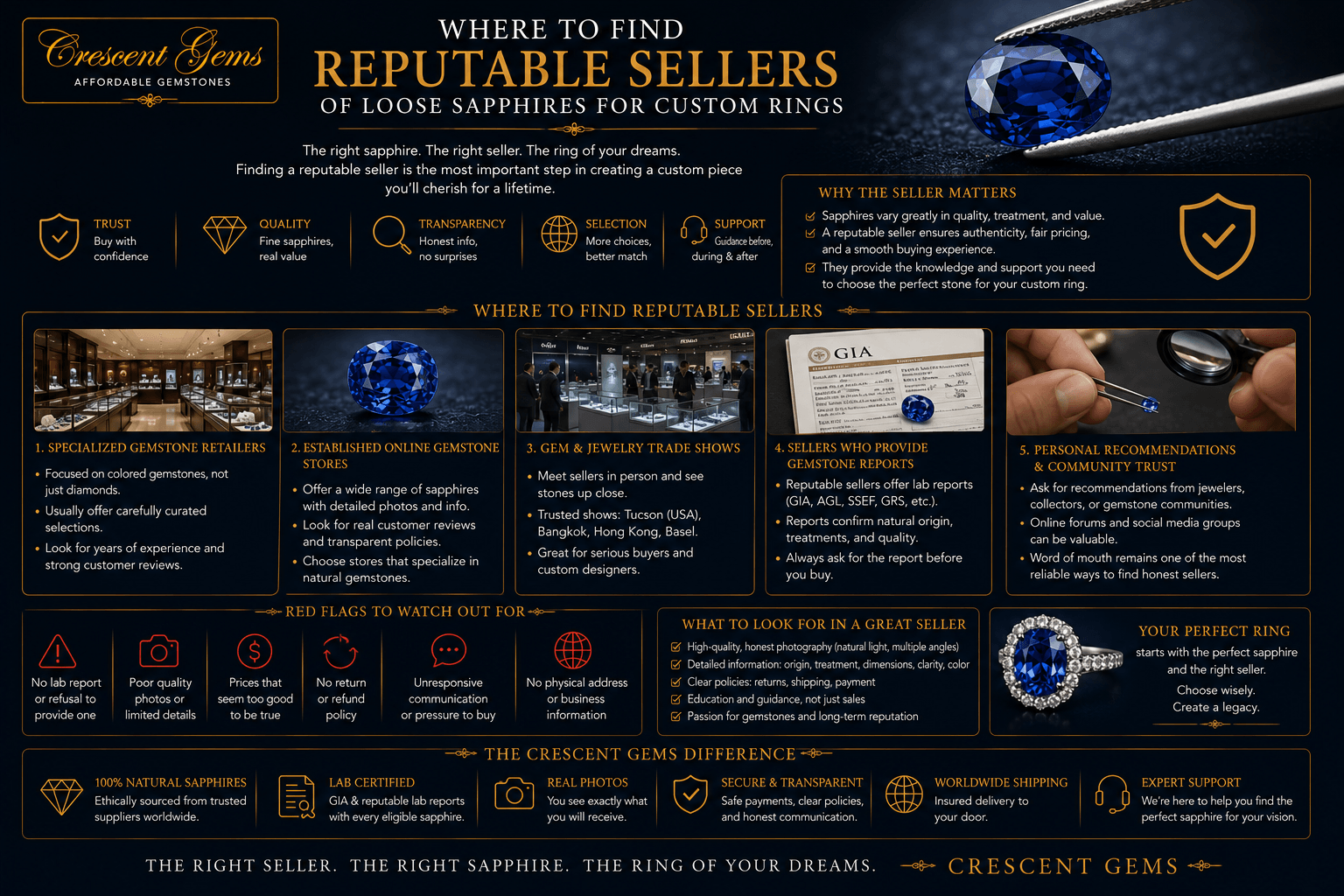
The question of where to find reputable sellers of loose sapphires for custom rings is one of the most common and most consequential questions a jewelry buyer can ask. It is consequential because the loose sapphire market — unlike the diamond market, which has standardized grading and a widely understood vocabulary — has no universal disclosure requirements, no mandatory certification system, and no single trusted marketplace that functions as a quality guarantee. Reputable in this context means something specific that buyers need to understand before they can identify it reliably.
This guide defines what reputable actually means for loose sapphire sellers, explains the specific signals that distinguish trustworthy sources from problematic ones, covers the main categories of source and what each offers, and gives you a practical framework for evaluating any seller you are considering — including us.
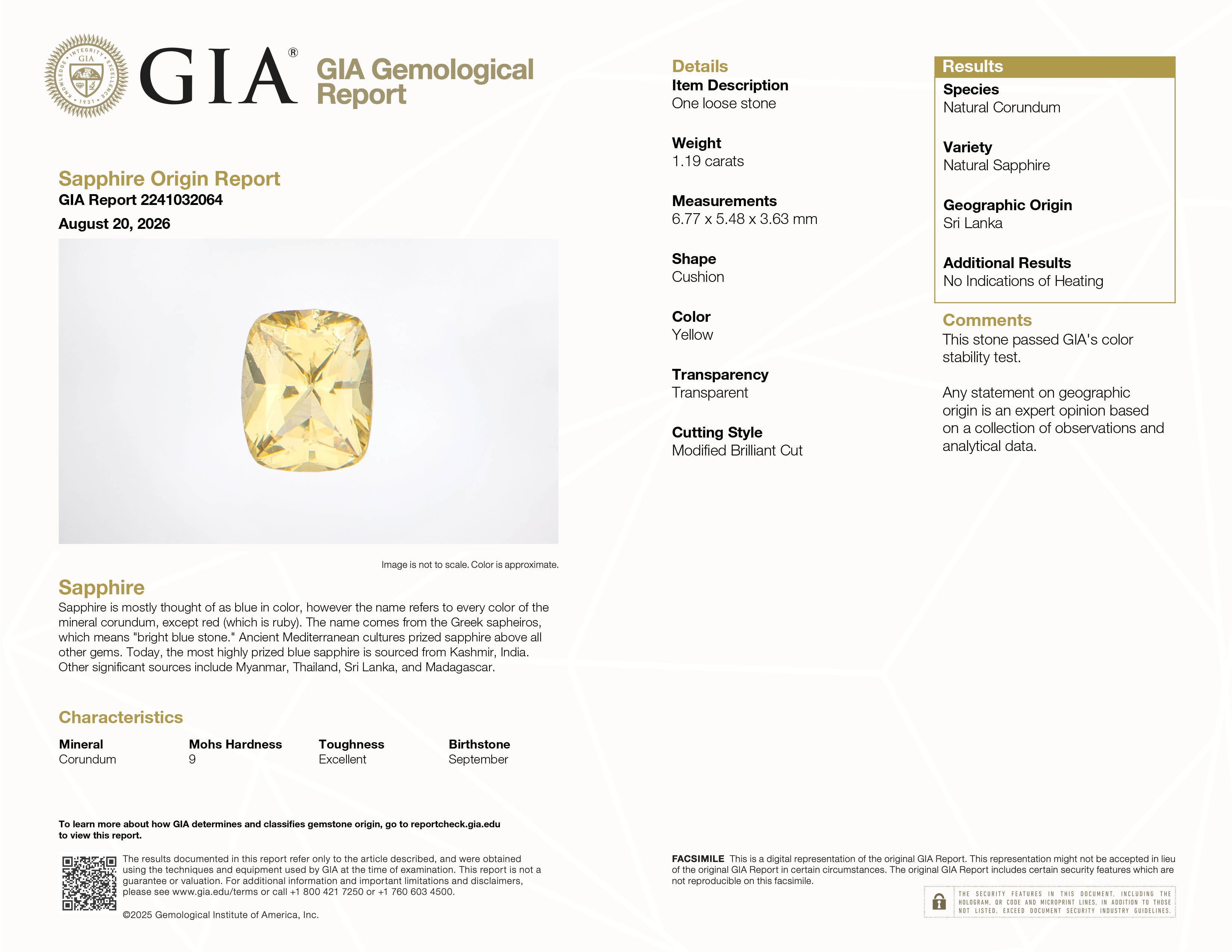
In the diamond market, reputable largely means selling stones with GIA grading reports and pricing consistently with those grades. The grading system does most of the work of defining reputable because it creates a common language and a verifiable quality claim. Colored gemstones — including sapphires — do not have an equivalent universal grading system. GIA issues sapphire reports, but those reports describe rather than grade: they state the species, the origin where determinable, and the treatment status, but do not assign a quality grade on a standardized scale.
This means reputable for sapphire sellers depends on a different set of signals:
Vendors who source directly at origin — in the mining regions of Sri Lanka, Madagascar, East Africa, or other producing countries — and sell directly to end buyers with minimal or no intermediary layers. This category offers the strongest combination of sourcing knowledge, treatment disclosure reliability, and price transparency. A seller who selects stones personally in Ratnapura knows what the stones looked like before cutting, what the treatment history was, and what the quality looks like in natural daylight — the conditions that matter most for accurately representing the stone to a buyer. The trade-off is that true direct-source specialists typically carry more limited inventory than large wholesale operations, and their stones may not carry the convenience features (matching pairs, calibrated sizes, melee quantities) of commercial supply.
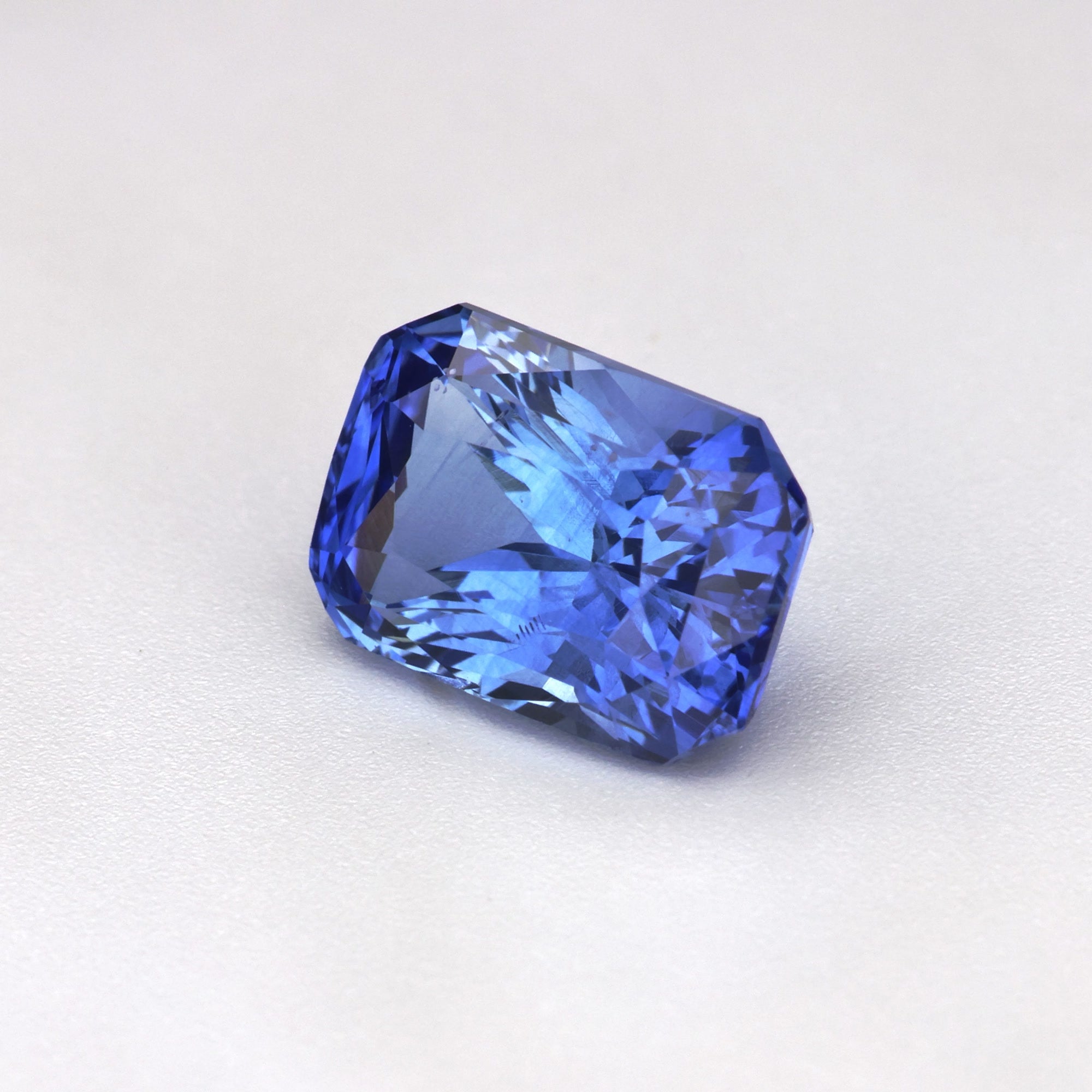
Crescent Gems operates in this category. We source in Sri Lanka directly, sell loose stones only, and state treatment status on every product page as a baseline standard rather than an optional feature.
Gemologists and colored stone specialists who focus exclusively on colored gemstones, with deep knowledge of the categories they sell. Many operate online with detailed product information, laboratory documentation on premium stones, and return policies that reflect confidence in their representations. The best examples in this category include members of the American Gem Trade Association (AGTA), the Gemological Institute of America alumni network, and dealers with established reputations in collector and designer communities. Specialty dealers often carry higher price points than volume sellers but offer the knowledge depth and disclosure standards that justify the premium.
Platforms like Etsy, eBay, AliExpress, and various gem-specific marketplaces aggregate individual sellers of varying quality, knowledge, and disclosure standards. The marketplace category spans an enormous range — from individual gemologists selling carefully documented stones to mass-market vendors selling poorly represented commercial material. Buying from a marketplace requires applying all the evaluation criteria below to the individual seller rather than trusting the platform. The platform itself provides no quality guarantee and often provides only limited recourse for misrepresentation.
The specific risks on major marketplaces include: undisclosed heat treatment (particularly common on platforms with no mandatory disclosure requirements), glass-filled ruby or heavily treated material sold as natural, synthetic material sold without species disclosure, and inaccurate weight or dimension claims. These risks are not universal on marketplace platforms — reputable individual sellers do operate there — but they require vigilance and evaluation at the individual seller level.
Platforms like Pricescope Classified, GemRock Auctions, and others that have historically catered to the trade and informed collector market. These platforms tend to attract more knowledgeable buyers and sellers, with more consistent disclosure standards than general marketplaces. They are less consumer-friendly in interface and return policy than specialty retailers but can offer access to specific stone categories and price points not available elsewhere. Buyers using trade platforms should have enough gemological knowledge to evaluate listings independently or work with a gemologist consultant.
Local jewelers who sell loose stones alongside finished jewelry, and local gem dealers in gem-trading centers like New York's 47th Street, Los Angeles's Jewelry District, or regional gem shows (the Tucson Gem Show is the largest in the US). Local purchase has the advantage of in-person examination — you can see the stone in natural light, handle it, and assess it before buying. The disadvantage is that local jewelers often carry commercially treated material with limited disclosure and at retail premiums. Local gem dealers vary enormously in knowledge and disclosure standards. The Tucson Gem Show specifically is an excellent environment for seeing a wide range of material and comparing sellers, but requires the same evaluation criteria applied to any other source.
The baseline standard for a reputable sapphire seller is that every product listing explicitly states whether the stone is heated, unheated, or of unknown treatment status. Not in a general policy statement buried in the FAQ — on the individual product page, in the product title or description, for every stone. If you have to ask whether a stone is heated, the seller is not operating to the standard that the market requires for honest representation.
Unheated sapphires command significantly higher per-carat prices than heated equivalents of the same apparent color. A vivid blue sapphire at 1.5 carats priced at $300 per carat is either heat-treated (at which point the price may be fair) or misrepresented as unheated (at which point the price reflects a deception). If a seller offers stones described as unheated at prices inconsistent with the unheated market — typically $800–$4,000 per carat at 1–2 carat sizes for fine material — the discrepancy is a red flag requiring explanation.
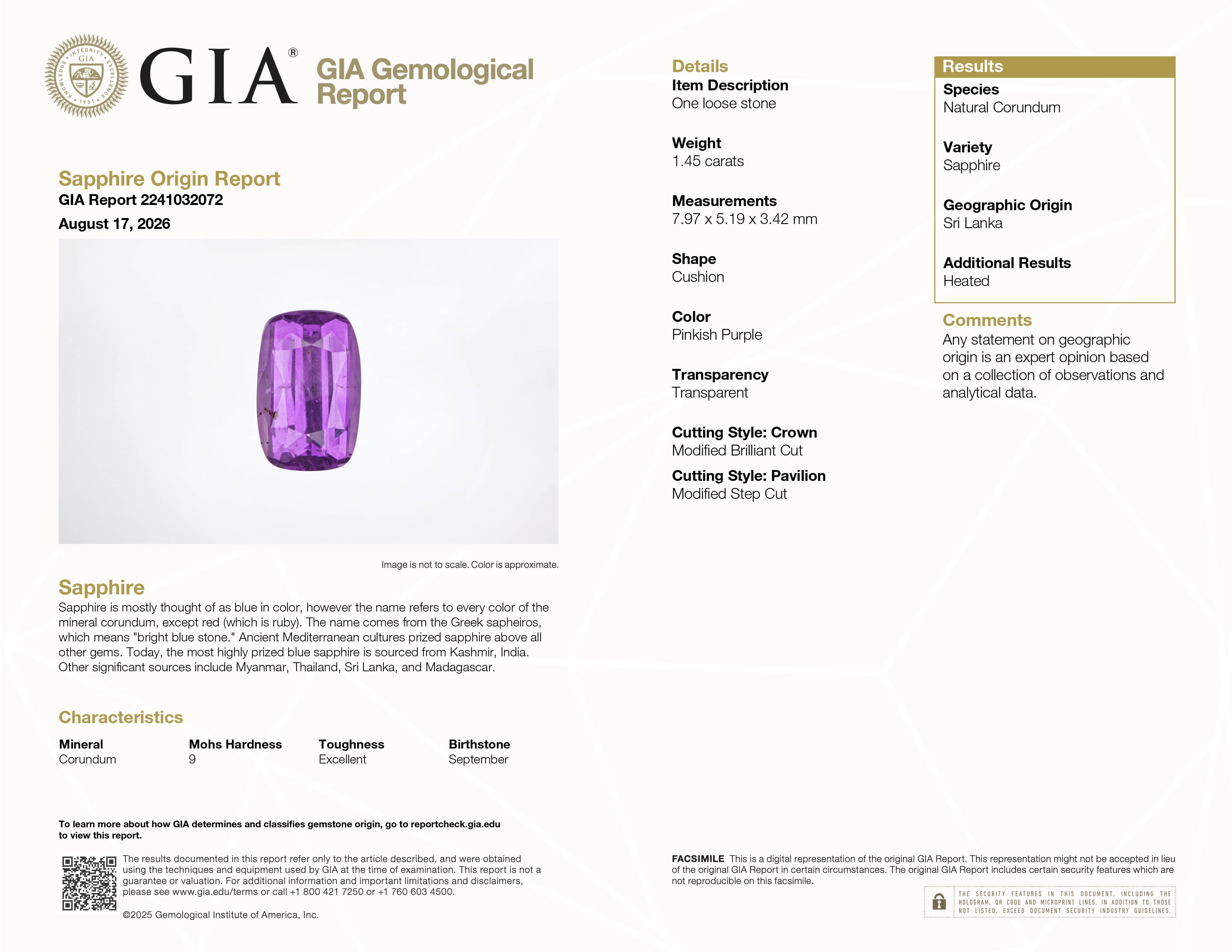
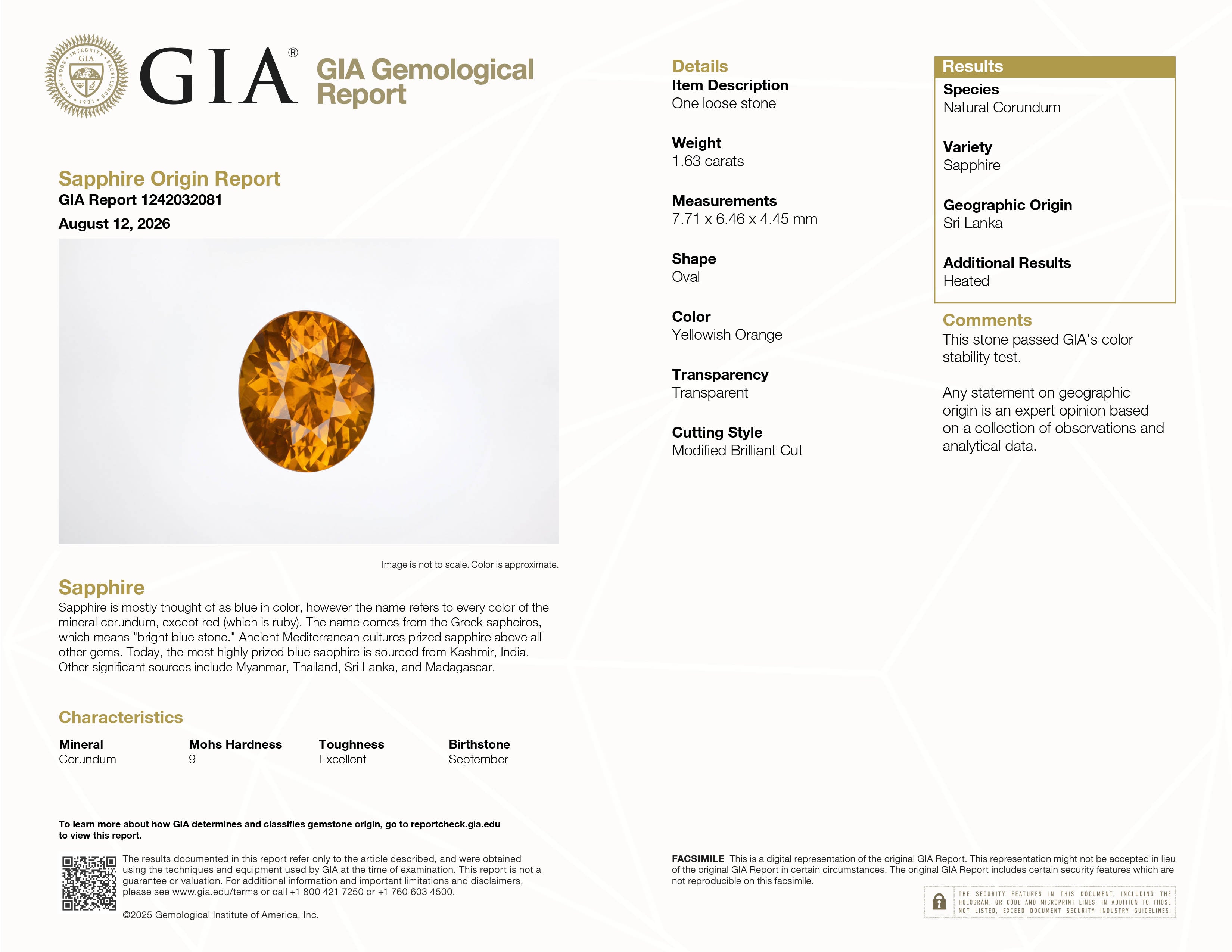
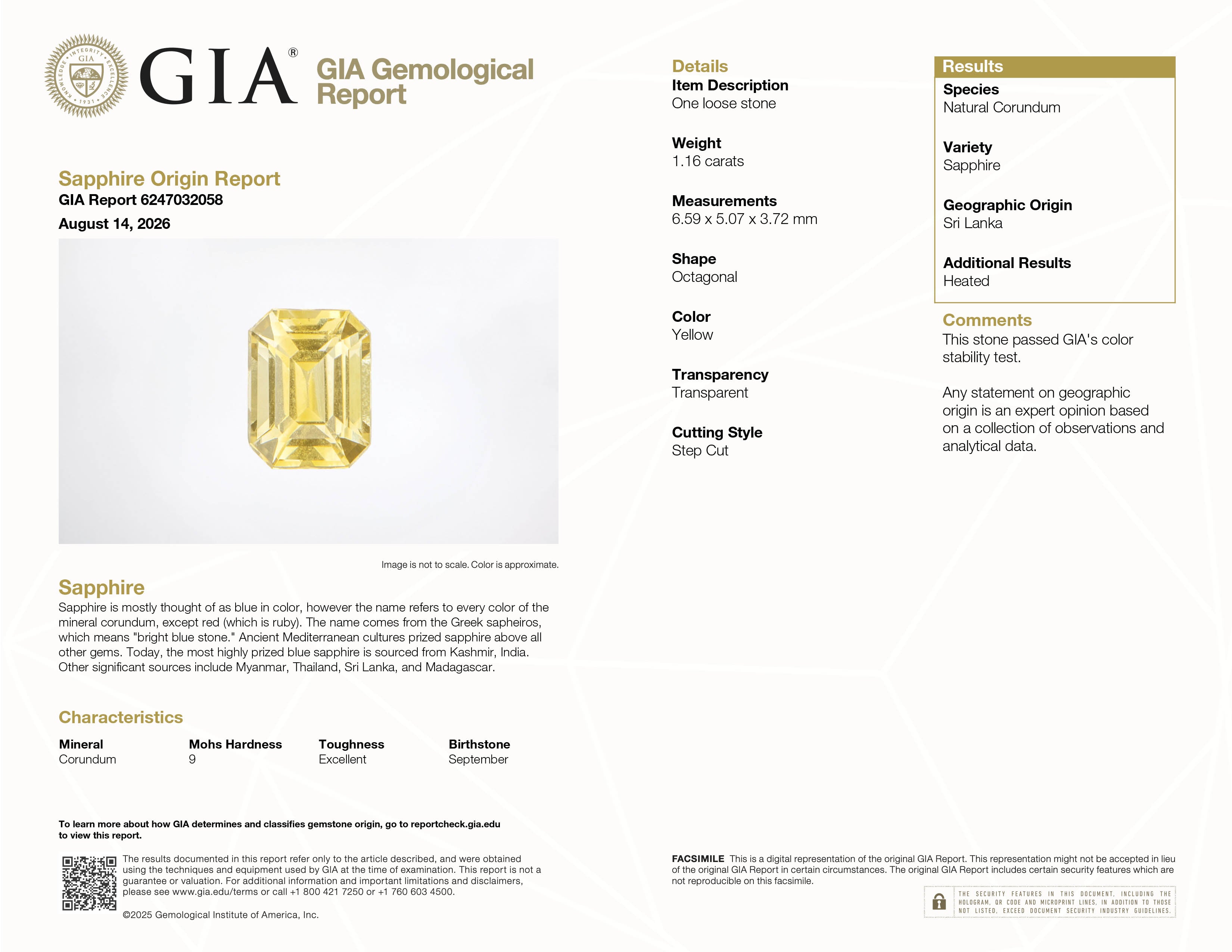
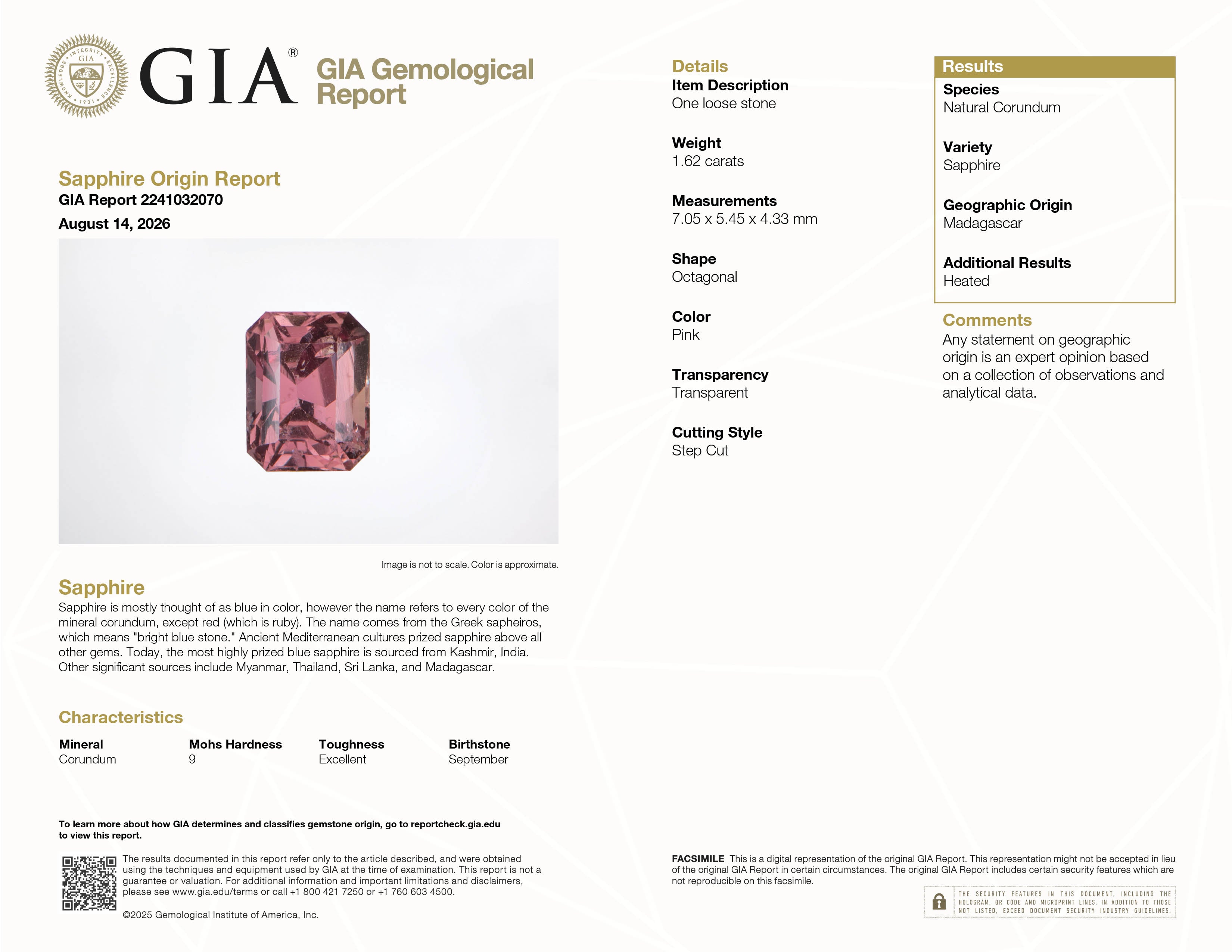
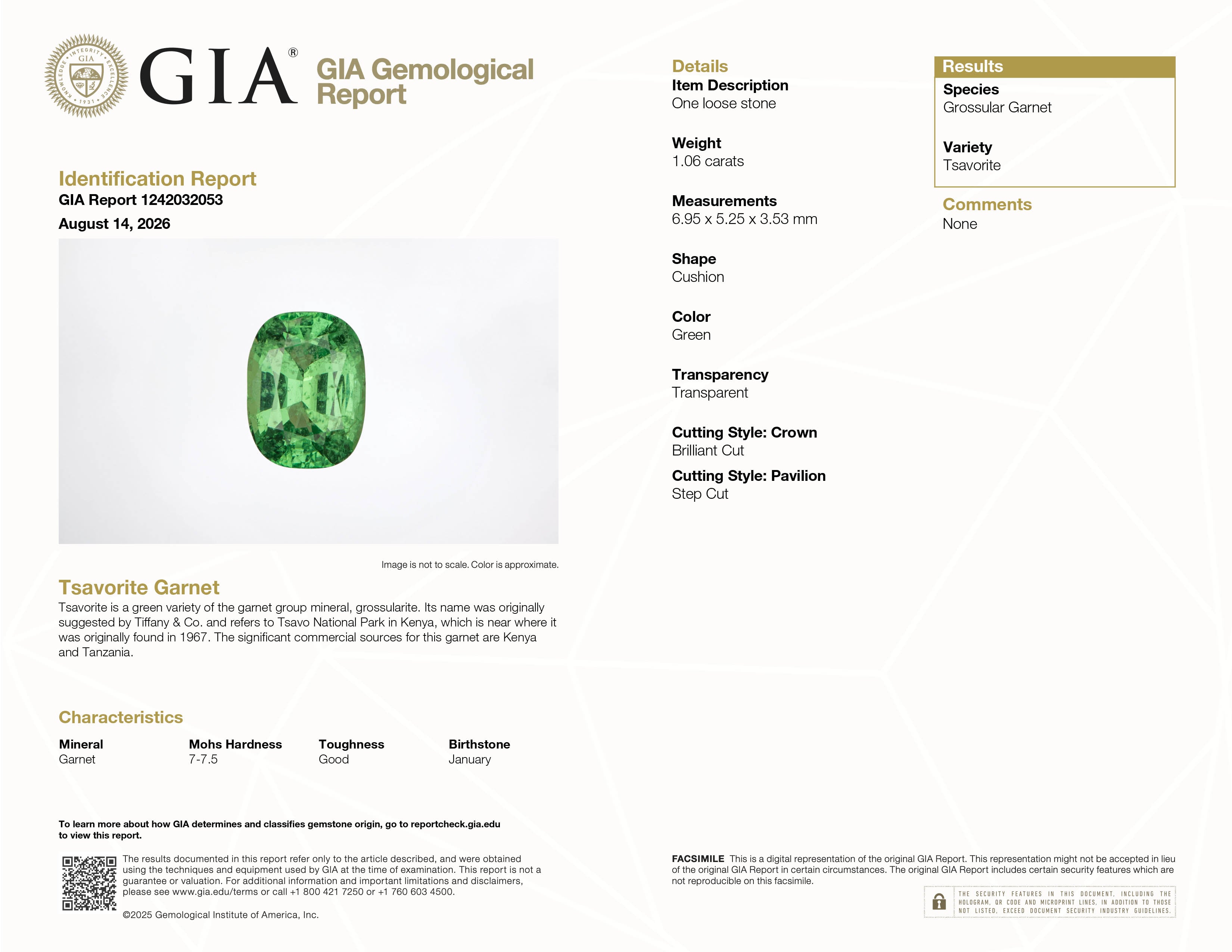
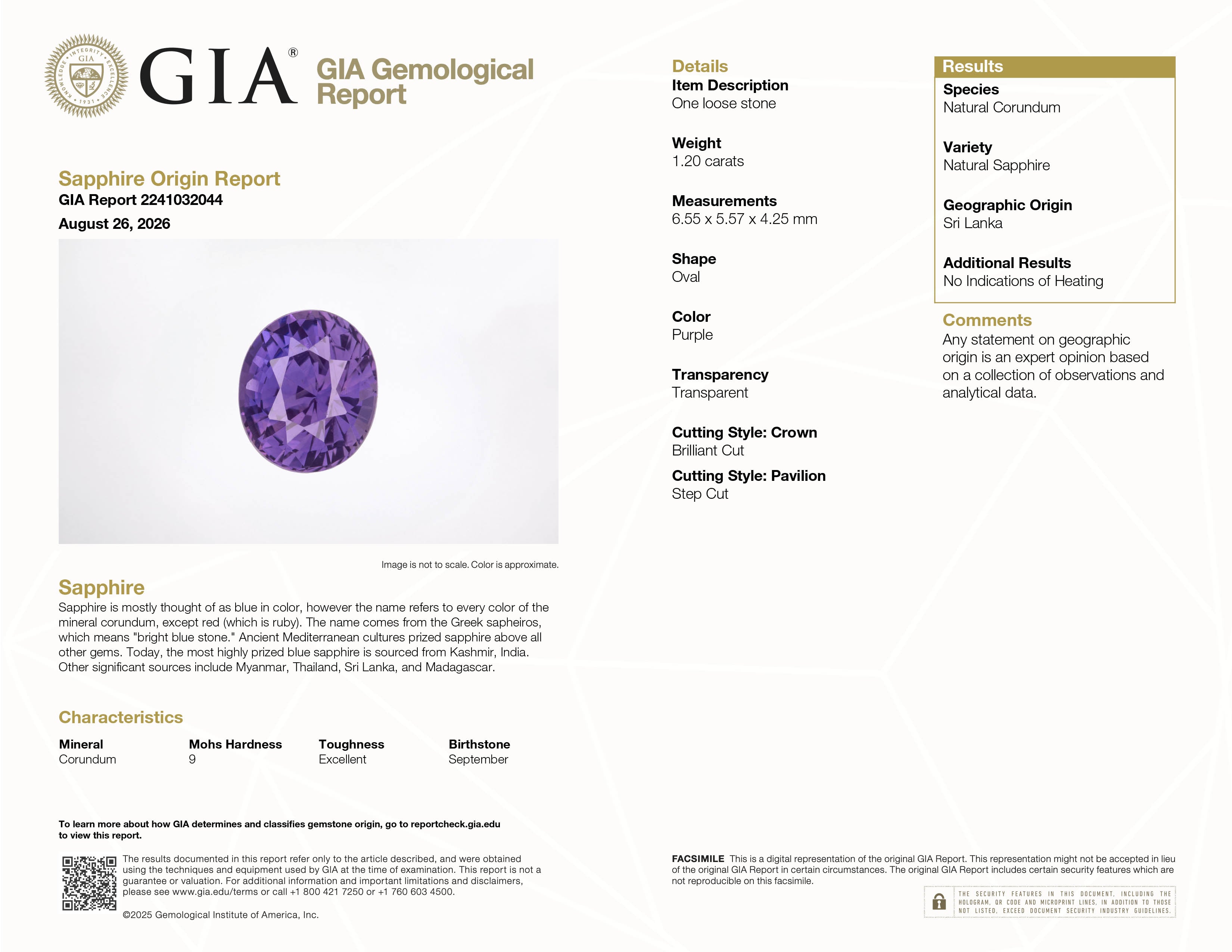
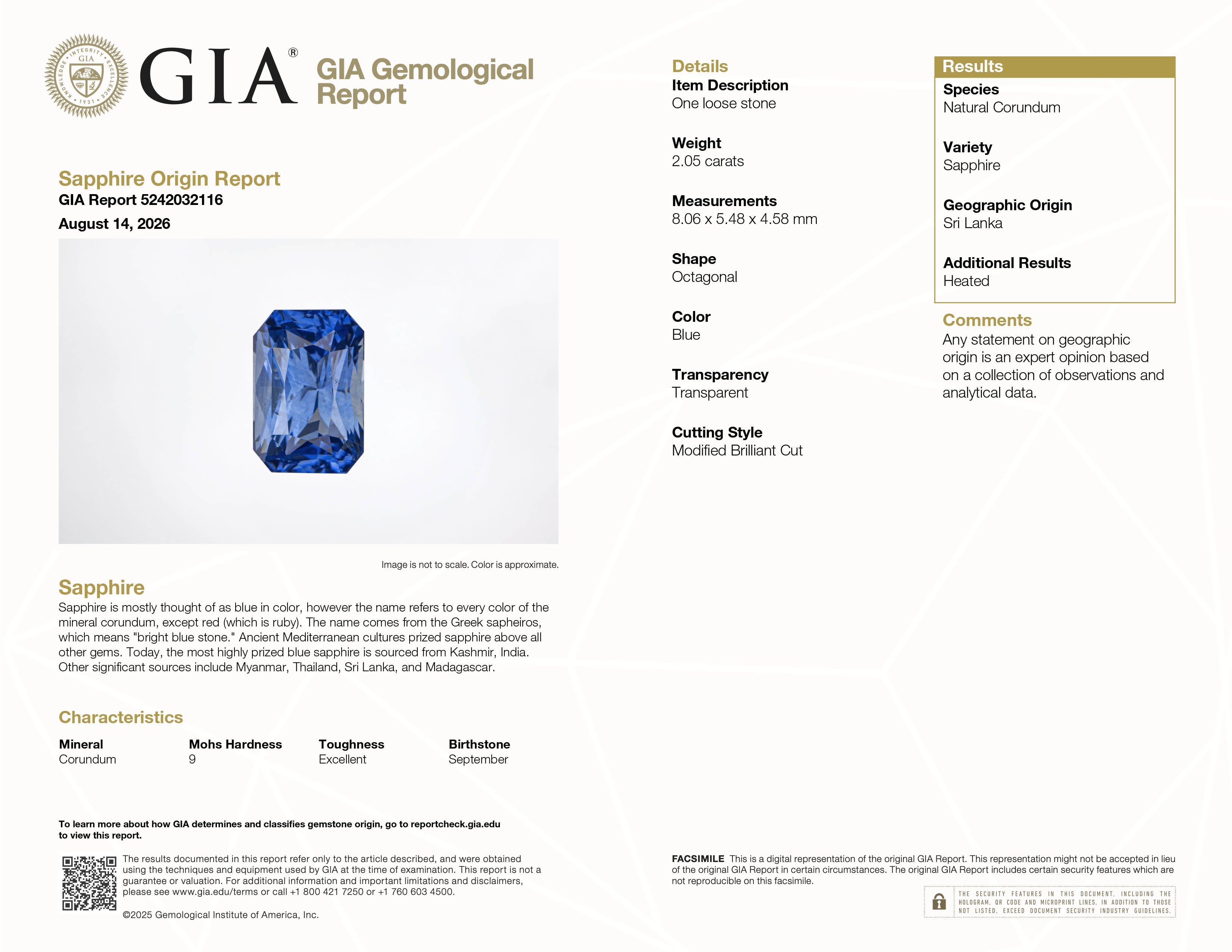
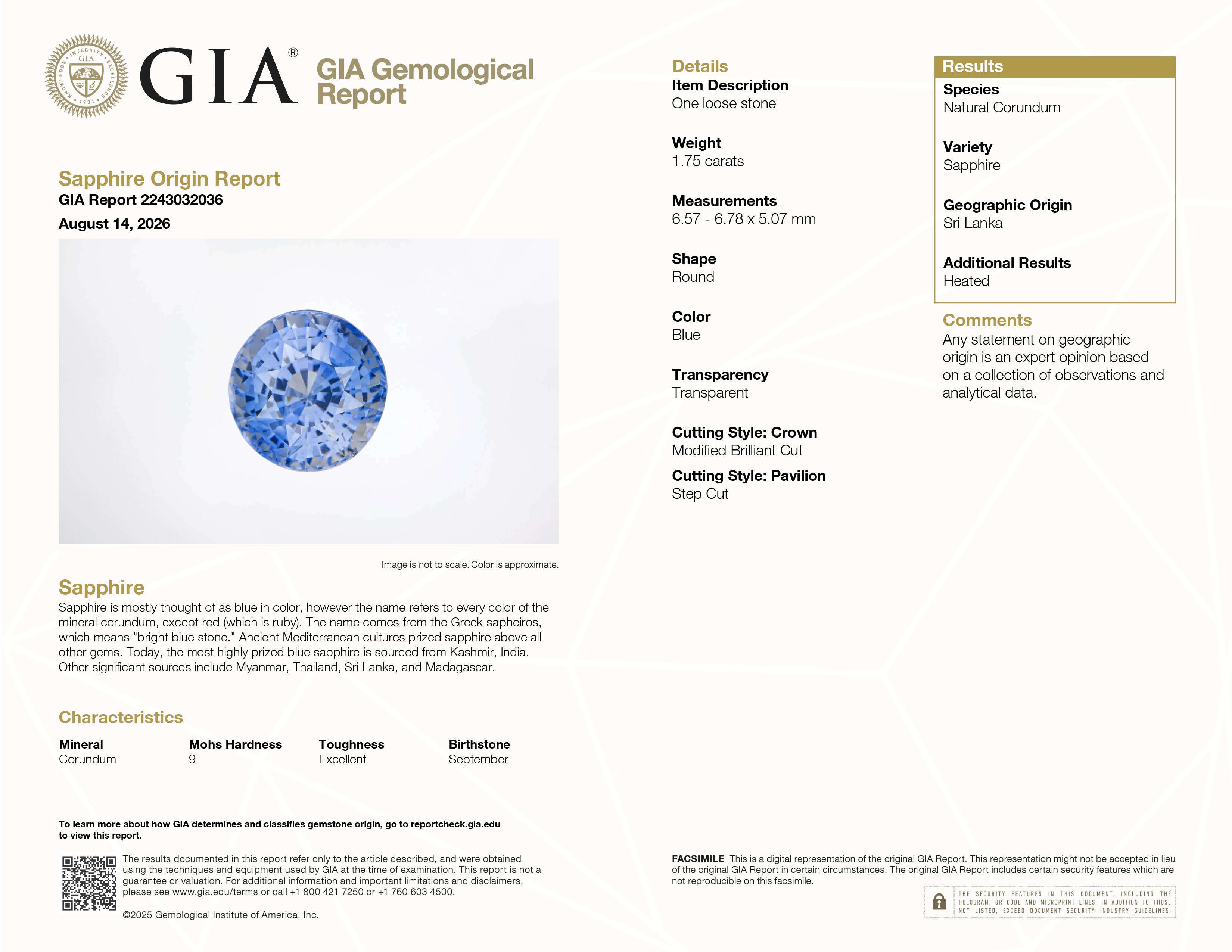
A reputable seller clearly distinguishes between stones with GIA, Gübelin, SSEF, or Lotus documentation and stones sold on the seller's own representation of treatment status and quality. Both are legitimate sales categories — not every stone warrants the cost of laboratory certification — but the distinction must be clear. A seller who implies the same certainty for undocumented claims as for laboratory-confirmed status is blurring a line that matters commercially.
Accurate photography for loose sapphires requires neutral or standardized lighting that represents the stone's true color — not optimized display lighting that makes every stone look more vivid than it appears under normal conditions. A reputable seller will provide additional photographs under natural daylight and warm incandescent light on request, because they know the stone holds up under both conditions. A seller who declines to provide daylight photographs is a seller whose stones may not hold up to them.
A return window of 7–14 days for stones that are accurately described is the standard for reputable sellers. Some sellers offer longer windows. The key phrase is accurately described — a return policy that applies only to genuinely defective stones (stones that are cracked, wrong size, or fundamentally misrepresented) is not a meaningful consumer protection. A policy that allows return if the color under your lighting is different from what you expected is a sign that the seller is confident in their photography and confident their stones will satisfy.
Email any seller you are seriously considering with a specific question about a specific stone: how does this stone look under natural daylight, does the color shift under incandescent light, is the cut face-up clean with no window, what is the carat weight tolerance for the stated weight, could you provide a video under different lighting? A seller who knows their inventory responds with specific, knowledgeable answers. A seller who does not know their inventory — because they are dropshipping from an undocumented source or managing hundreds of listings they have not personally evaluated — responds with generic information or refers you to the listing.
Where do the stones come from? Who selected them and on what basis? What is the treatment history — not just whether the stone is heated or unheated, but what the seller knows about when and by whom? A direct-source seller can answer these questions specifically. A secondary market buyer may be able to confirm treatment status from the previous owner's representation but may not be able to go further. Either can be a legitimate seller, but the transparency of the sourcing explanation tells you something about the reliability of the disclosure.
No treatment disclosure, or disclosure available only on request. The most common red flag. Treatment status is not a secondary detail; it is the primary quality and value fact about a sapphire above any commercial price point. Sellers who do not disclose it proactively are either uninformed or avoiding the disclosure deliberately.
Prices dramatically below market for stated quality. Fine unheated Ceylon sapphire at a fraction of expected market pricing is not a bargain — it is a signal that either the quality description is inaccurate or the treatment status is misrepresented. Know the market ranges for the quality you are seeking before you shop.
No return policy or a return policy with excessive restrictions. Sellers confident in their representations offer returns. Sellers who know their representations will not survive contact with the stone in hand restrict returns.
Generic descriptions that could apply to any stone of the category. Description that reads identically across every blue sapphire in a seller's inventory — the same sentence structure, the same quality claims, no stone-specific detail — is a sign of bulk listing from undocumented supply without individual evaluation.
Pressure to decide quickly. Fine loose sapphires are not sold in limited-time pressure situations by reputable vendors. A seller who tells you a stone will be gone in hours or that the price is valid only today is using sales tactics inconsistent with the considered, high-value purchase process that sapphire buying requires.
Padparadscha or unheated claims without laboratory documentation at premium prices. These are the categories where misrepresentation has the most financial impact. If you are paying a padparadscha premium or an unheated premium at a meaningful price tier, require documentation. A verbal claim or a seller's certificate is not documentation.
Before making a significant purchase from any seller you have not bought from before, take these steps:
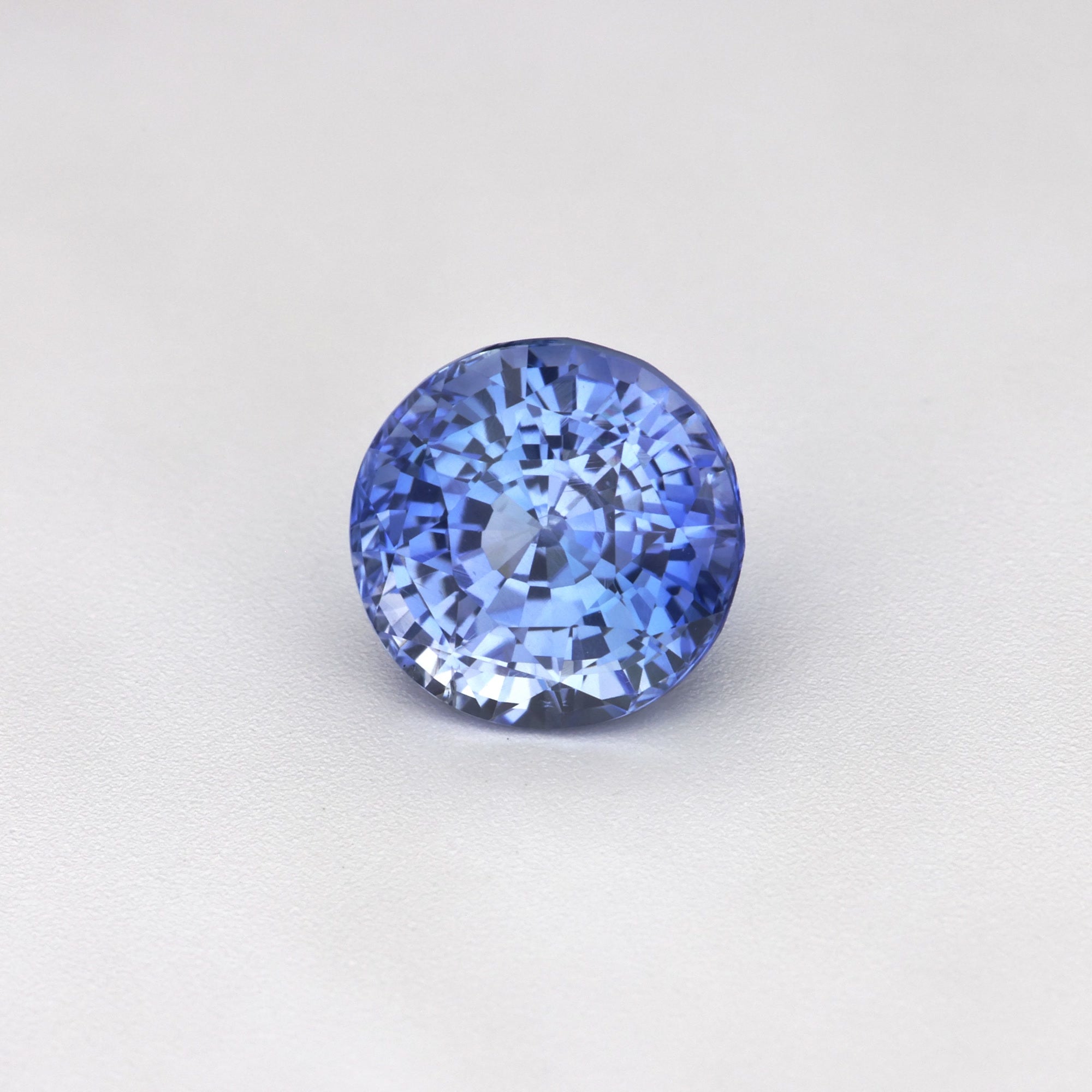
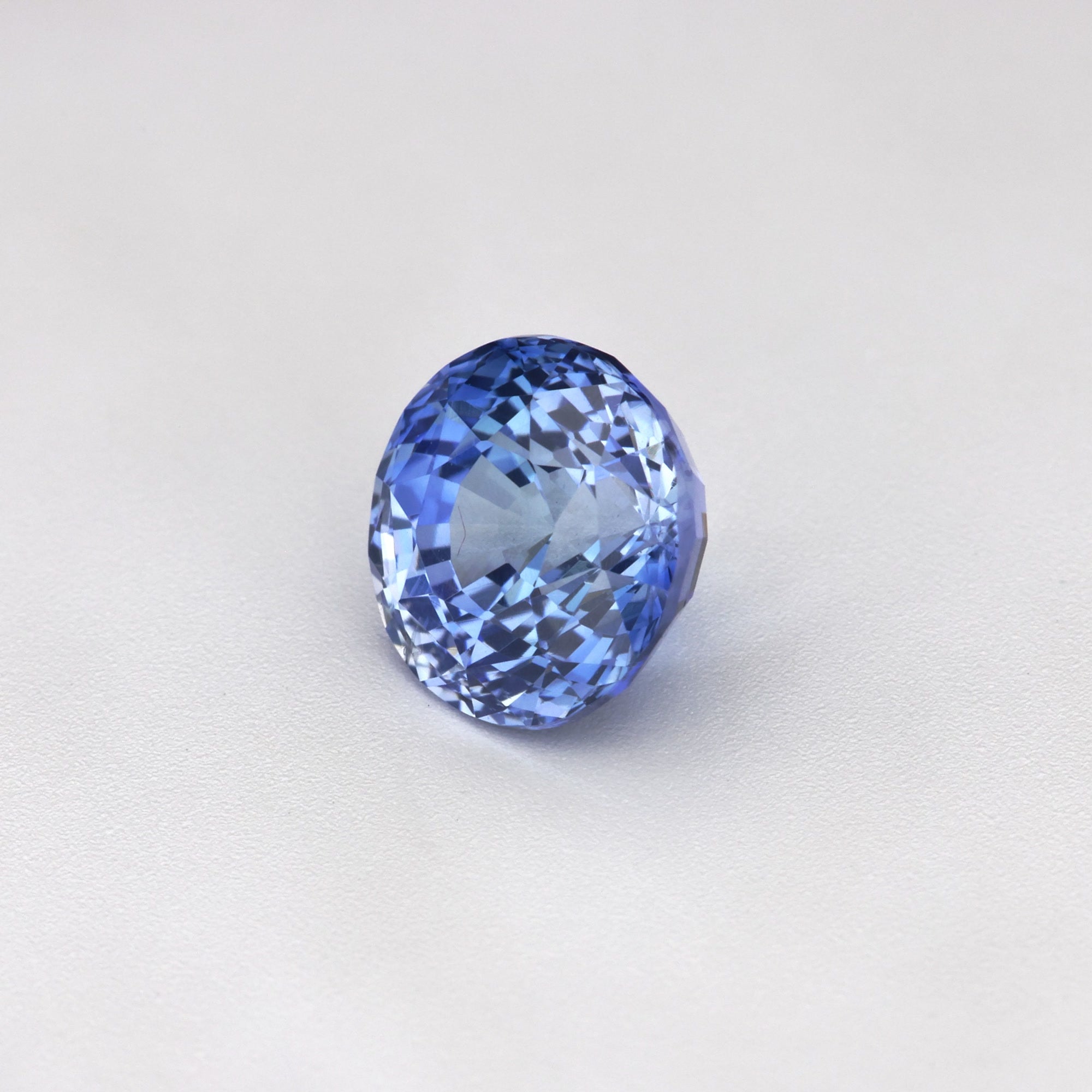
We source loose sapphires and other gems directly in Sri Lanka and sell them directly to buyers with individual treatment disclosure on every product page. We carry GIA documentation on select premium stones and note clearly which stones carry reports and which are sold on our own representation. Our return policy allows returns within 14 days for any stone that does not match its description. We respond personally to specific questions about individual stones, including providing additional photography and video under different light sources on request.
We also offer a Try-On program for select stones — we ship the loose stone to you for home evaluation before you commit, so you can see the color under your own lighting and against your own skin before the purchase is final. And we offer Shop Pay Installments through Affirm for US customers, so your budget timeline does not have to determine your stone timeline.
Browse our full Ceylon sapphire catalog across all colors, or explore by color — blue, teal, yellow, pink, peach, purple. Questions about a specific stone or how to evaluate a seller you are considering? Email crescentgems@gmail.com — we respond personally within one business day.

CG8465
CG8460
CG8456


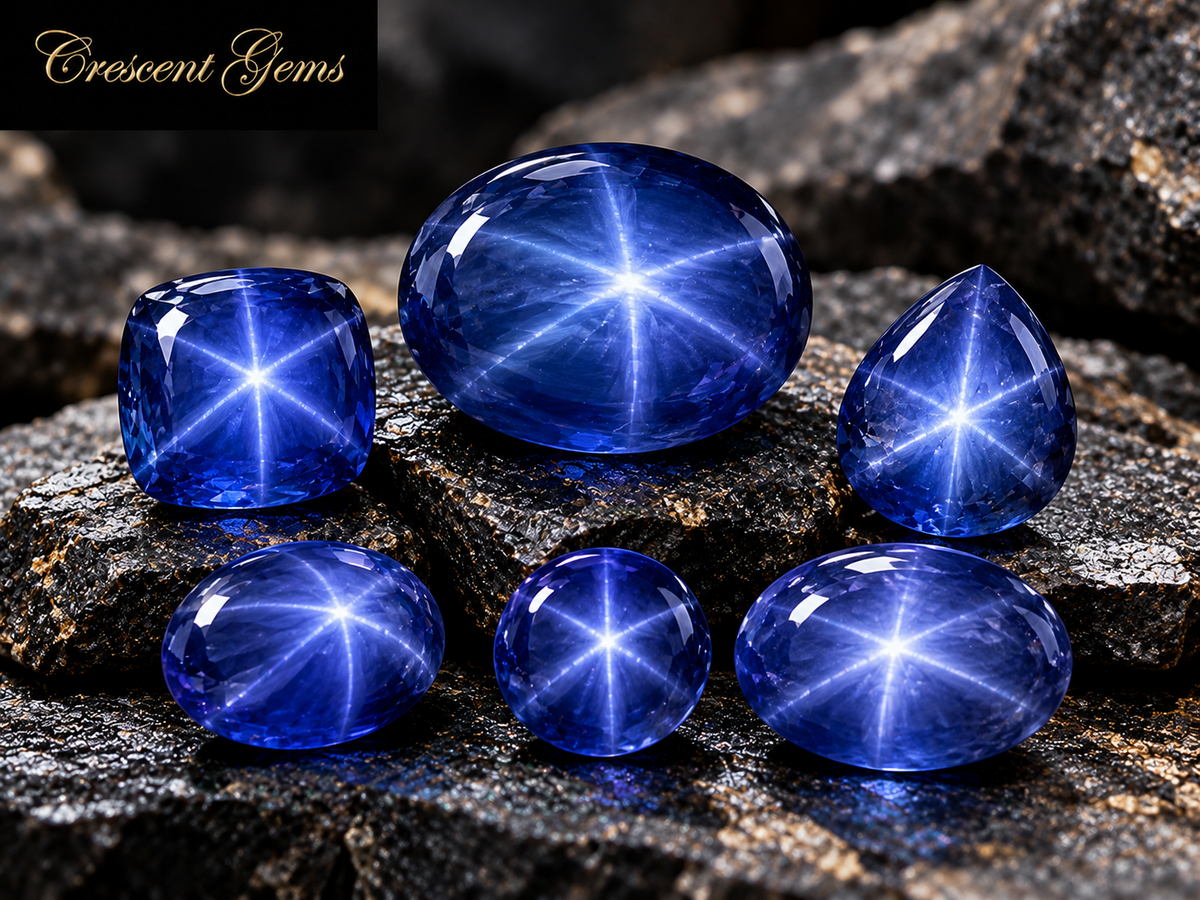
Blue Star Sapphire Price Guide — What They Cost and Why
Read moreabout Blue Star Sapphire Price Guide — What They Cost and Why
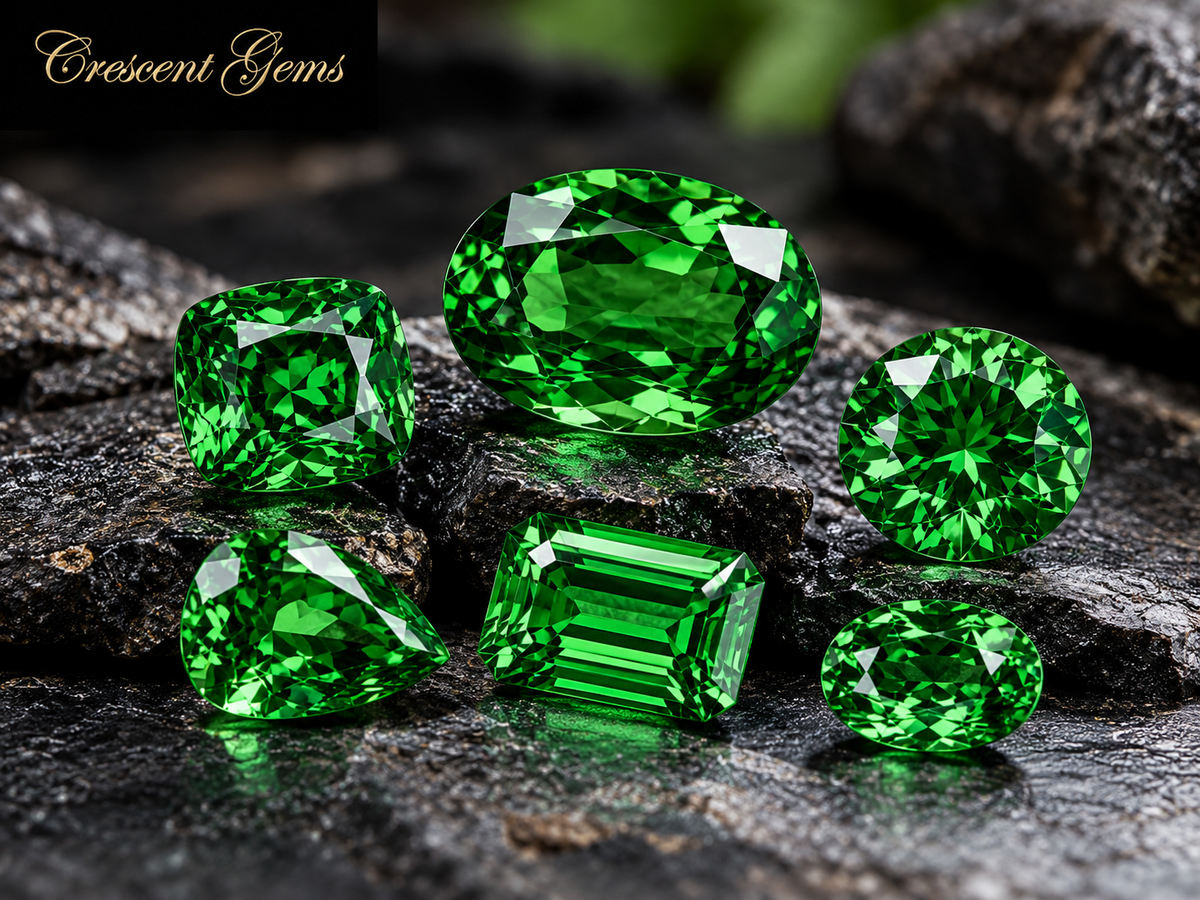
Tsavorite Garnet Price Guide — What They Cost and Why
Read moreabout Tsavorite Garnet Price Guide — What They Cost and Why
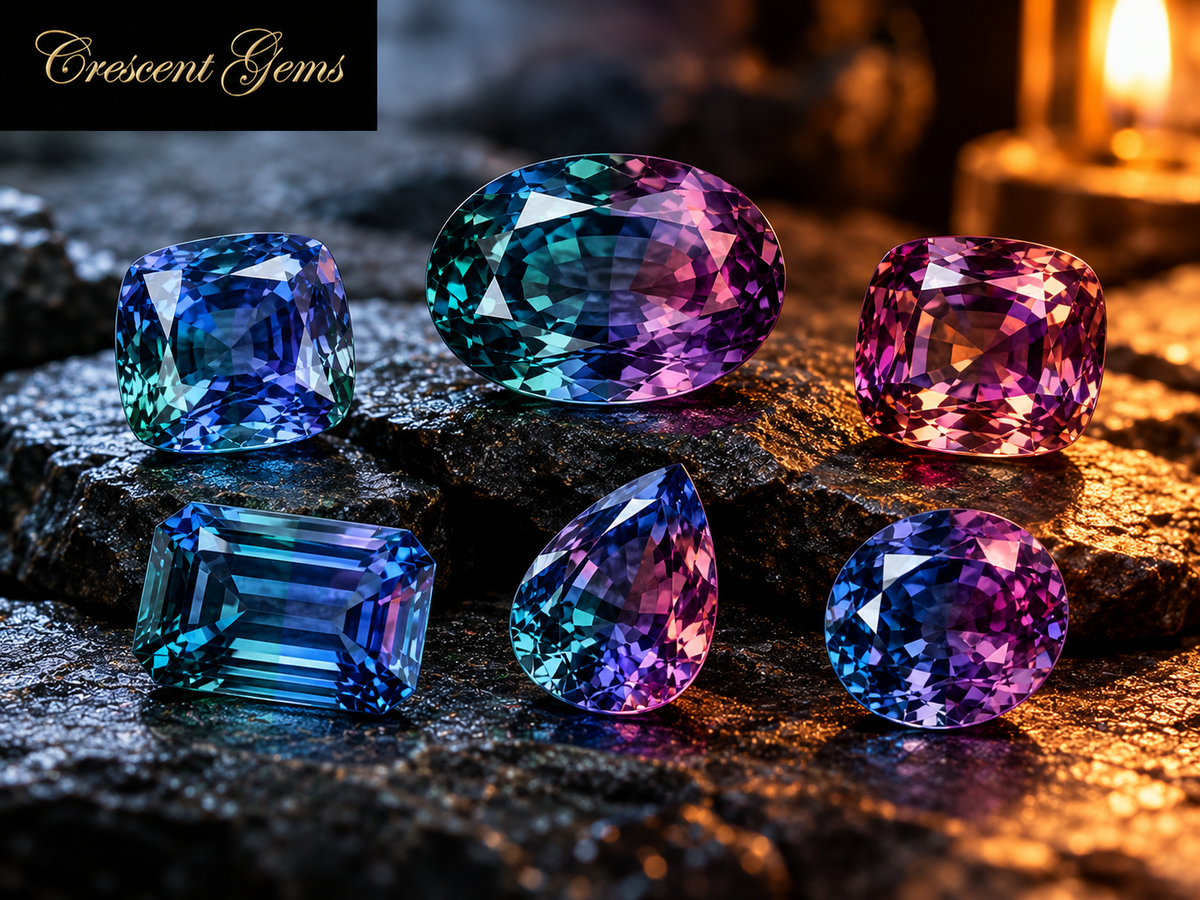
Color-Change Sapphire Price Guide — What They Cost and Why
Read moreabout Color-Change Sapphire Price Guide — What They Cost and Why
Is Cat's-Eye Chrysoberyl Good for an Engagement Ring?
Read moreabout Is Cat's-Eye Chrysoberyl Good for an Engagement Ring?
Cat's Eye Chrysoberyl Price Guide — What They Cost and Why
Read moreabout Cat's Eye Chrysoberyl Price Guide — What They Cost and Why















Share: