New to buying sapphires? Start with our Ultimate Sapphire Buying Guide — the complete resource for colour, origin, treatment, and pricing.

Orange sapphire sits at the warm end of the corundum color spectrum, in the range that transitions from golden yellow through vivid orange to the orange-pink zone where padparadscha begins. It is among the rarest sapphire colors at the commercial level — the specific iron-chromium combination that produces a clean, vivid orange in corundum is less commonly achieved than the combinations responsible for blue, yellow, or pink. A truly vivid pure orange in an eye-clean, well-cut natural sapphire above 1 carat is a stone that serious collectors specifically seek, and that is not easily replaced when found.

Despite this rarity, orange sapphire is less well known in the mainstream engagement ring market than its quality and visual impact deserve. This is partly because the orange-yellow and orange-pink boundary zones are more commonly seen than pure vivid orange, creating an impression of the category as less defined than it actually is at the finest end. It is also partly because the padparadscha category captures much of the collector attention at the pink-orange boundary, leaving pure orange sitting in a commercially underexposed middle position.

This guide corrects that. It covers what orange sapphire is, how to identify it accurately across its color range, how it relates to padparadscha and to yellow sapphire, where it comes from, how heat treatment affects it, and how to buy it correctly for engagement rings, statement jewelry, and collector use.

What Orange Sapphire Is — The Chemistry

Orange sapphire is corundum colored by a combination of iron and chromium in proportions that produce orange rather than pink, red, or yellow. Iron pushes the color toward the yellow-orange end of the spectrum; chromium contributes the red-pink component. At certain concentrations of both — with iron dominant but chromium meaningfully present — the absorption pattern produces a color that reads as orange: warm, vivid, and clearly located between yellow and red on the visible spectrum.

This is the same combination of elements that produces padparadscha at different concentrations. In padparadscha, the iron and chromium are balanced to produce a pink-orange or orange-pink where both components are roughly equal. In orange sapphire, iron is more dominant, shifting the color toward pure orange with pink as a secondary modifier rather than an equal partner. In yellow sapphire, iron dominates without meaningful chromium contribution. The three categories — yellow, orange, and padparadscha — occupy adjacent positions on the same iron-chromium spectrum, which is why the boundaries between them are commercially significant and sometimes contested.

The Orange Sapphire Color Spectrum

Orange sapphire is not a single color. It spans a meaningful range from the yellow-adjacent through vivid pure orange to the padparadscha-adjacent boundary on the pink side. Understanding the range helps buyers identify what they actually want and what they are looking at when evaluating specific stones.

Yellowish-Orange and Golden-Orange

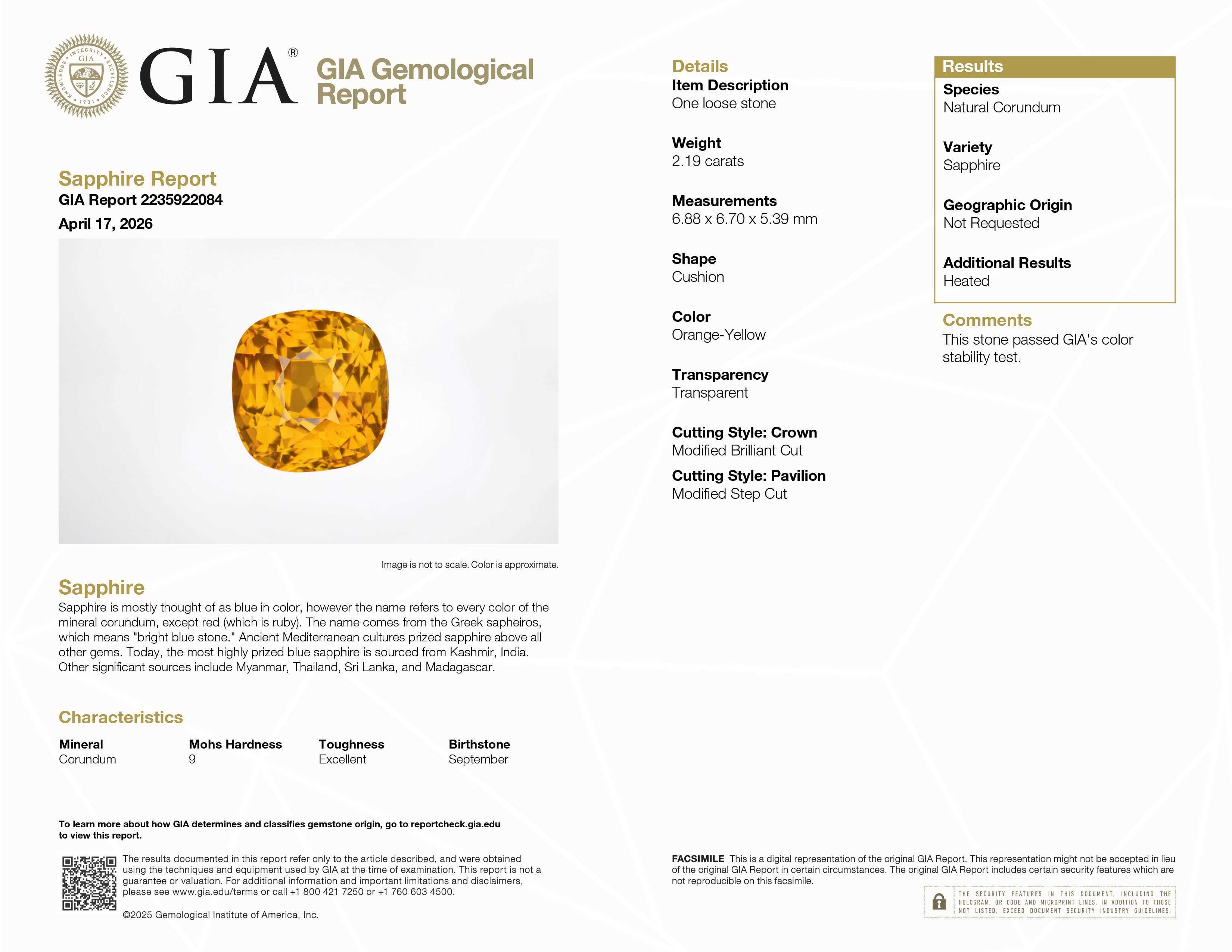
The transition zone between yellow and orange sapphire — a warm, golden color where yellow is still a meaningful component and orange is the secondary modifier or equal partner. Golden-orange is among the most commercially accessible positions in the orange family, available at lower price points than pure vivid orange and appealing to buyers who want warmth and richness without committing fully to orange. In yellow gold settings, golden-orange sapphire creates a coherent, warm palette where the metal and the stone reinforce each other's character.

Vivid Pure Orange

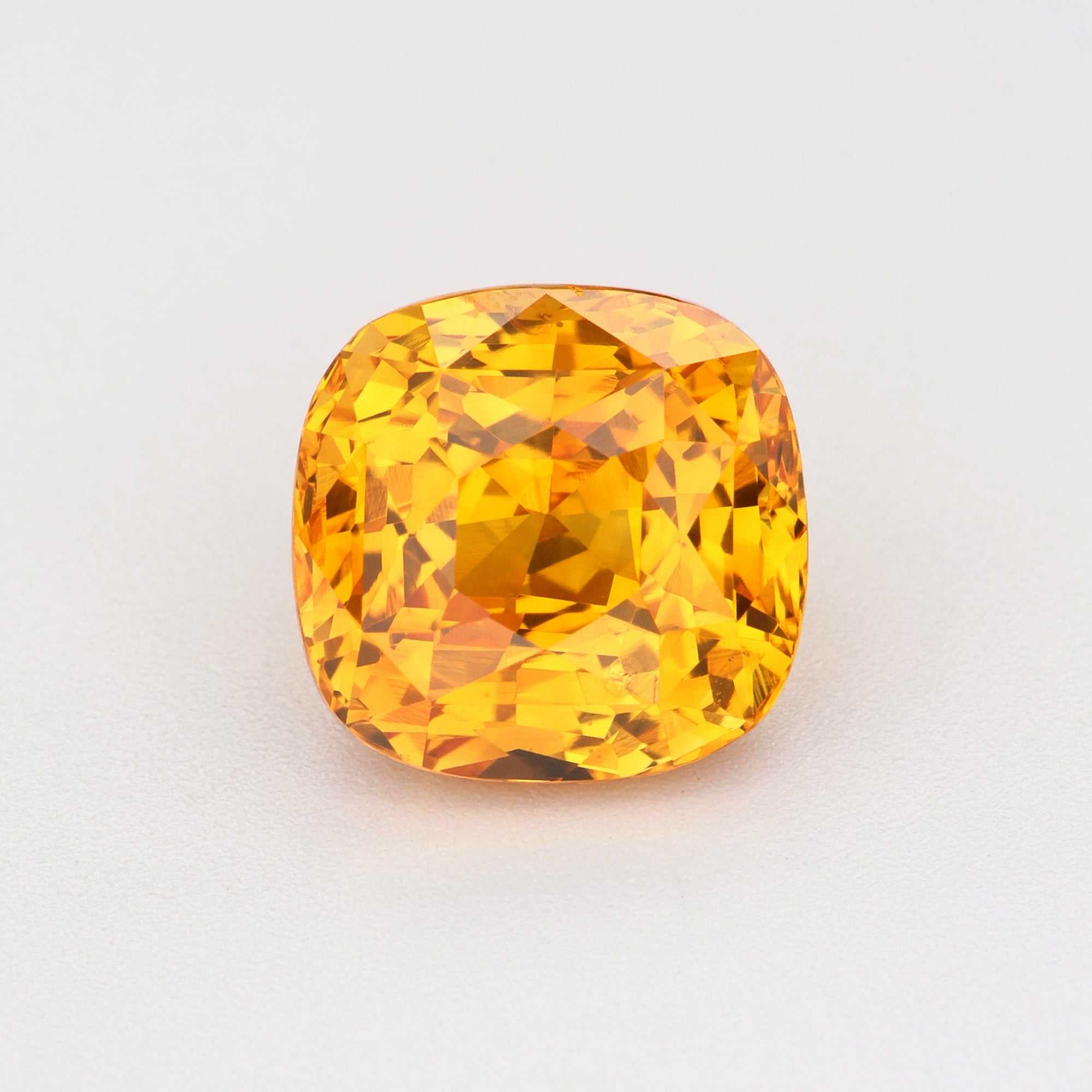
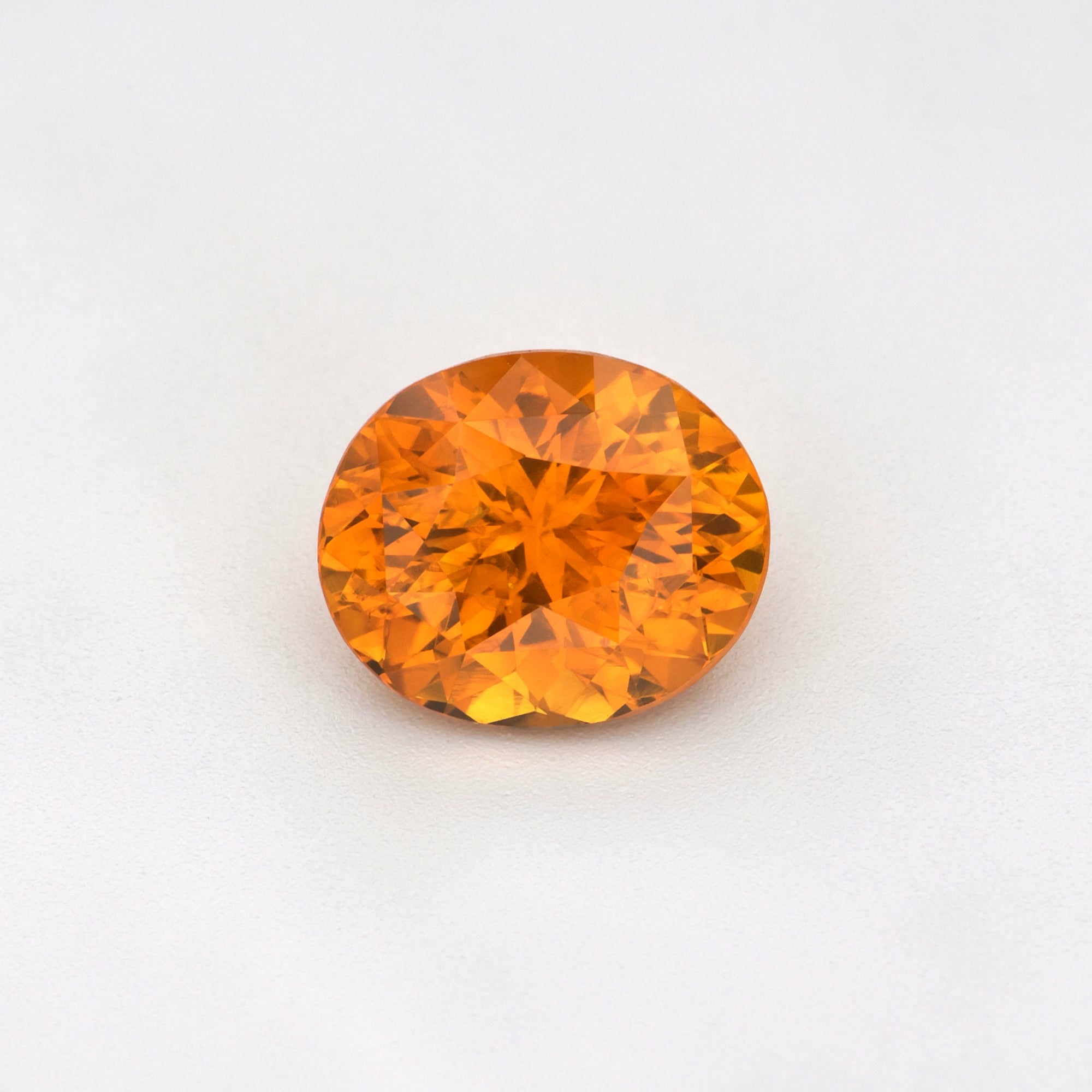
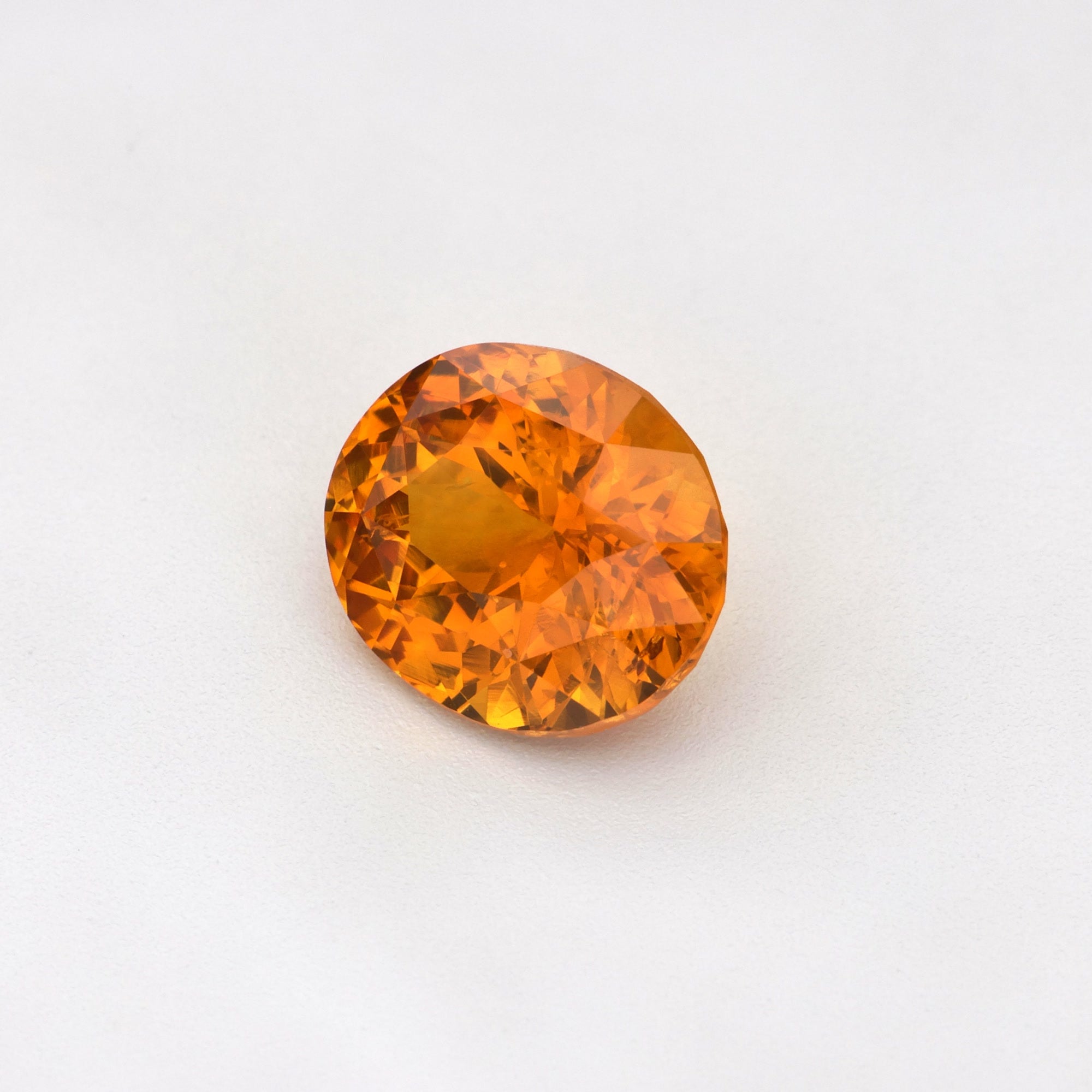
The most sought-after and rarest position in the orange sapphire range. A saturated, balanced orange that reads clearly as orange rather than yellow-orange or orange-pink — warm, bold, and unambiguous in color identity. The finest examples show a vividness that approaches the most saturated spessartite garnet or fire opal in color intensity, in a stone with corundum's Mohs 9 durability. Pure vivid orange above 1 carat in eye-clean, well-cut natural sapphire is genuinely rare in the commercial market and commands meaningful premiums over transitional orange-yellow or orange-pink material.

Reddish-Orange

Deep, warm orange with a noticeable red modifier that pushes the color toward the red end of the orange spectrum. At its richest, reddish-orange sapphire is sometimes described as having ruby-adjacent character in warmth, though the body color remains firmly orange rather than red. Reddish-orange suits buyers who want maximum warmth and visual weight in an orange stone.

Orange-Pink and Pinkish-Orange — The Padparadscha Boundary

The transition zone between pure orange and padparadscha, where pink becomes a more equal partner to the orange component. This is the most commercially contested range in the orange sapphire category: stones in this zone may be marketed as orange sapphire, padparadscha, padparadscha-adjacent, or simply warm-toned sapphire, depending on the seller's assessment and the price being sought. The only reliable resolution is a laboratory report from GIA, Gübelin, or SSEF. If the report says padparadscha, the stone qualifies for padparadscha pricing. If it says orange sapphire or pinkish-orange sapphire, it is priced as such — which is typically significantly lower than certified padparadscha at equivalent size and quality.

The Padparadscha Boundary — Why It Matters Commercially

The boundary between orange sapphire and padparadscha is the most commercially significant color line in the orange sapphire market. The price difference between a GIA-certified padparadscha and an equivalent-looking orange sapphire at the same size and quality can be 3–10 times on a per-carat basis. Understanding where that line falls — and why it matters — is essential to buying or selling in this color range without overpaying or underselling.

Padparadscha requires a balanced pink-orange or orange-pink at light to medium tone and low to medium saturation — both components present in roughly equal measure, and neither dominating the other. Orange sapphire, by contrast, is clearly orange-dominant: the orange reads as the primary hue, with pink as a modifier or absent entirely. The line between them is where the pink component shifts from being a modifier of orange to being an equal partner with it.

This line is not universally drawn the same way by all laboratories. GIA, Gübelin, and SSEF each apply their own criteria, and a stone near the boundary may receive different classifications from different institutions. For buyers, the practical rule is consistent: if you are paying a padparadscha premium, require a report from one of the three recognized laboratories that explicitly uses the word padparadscha in the variety description. An orange sapphire near the padparadscha boundary is a beautiful and relatively rare stone on its own terms — it does not need to be misrepresented as padparadscha to be valuable.

Origins: Where Orange Sapphires Come From

Orange sapphire occurs in most sapphire-producing regions but is not abundant in any of them. The specific iron-chromium chemistry required is less commonly achieved in natural corundum than the combinations for blue or yellow, which is a structural reason for the rarity of fine vivid orange across all origins.

Sri Lanka (Ceylon)

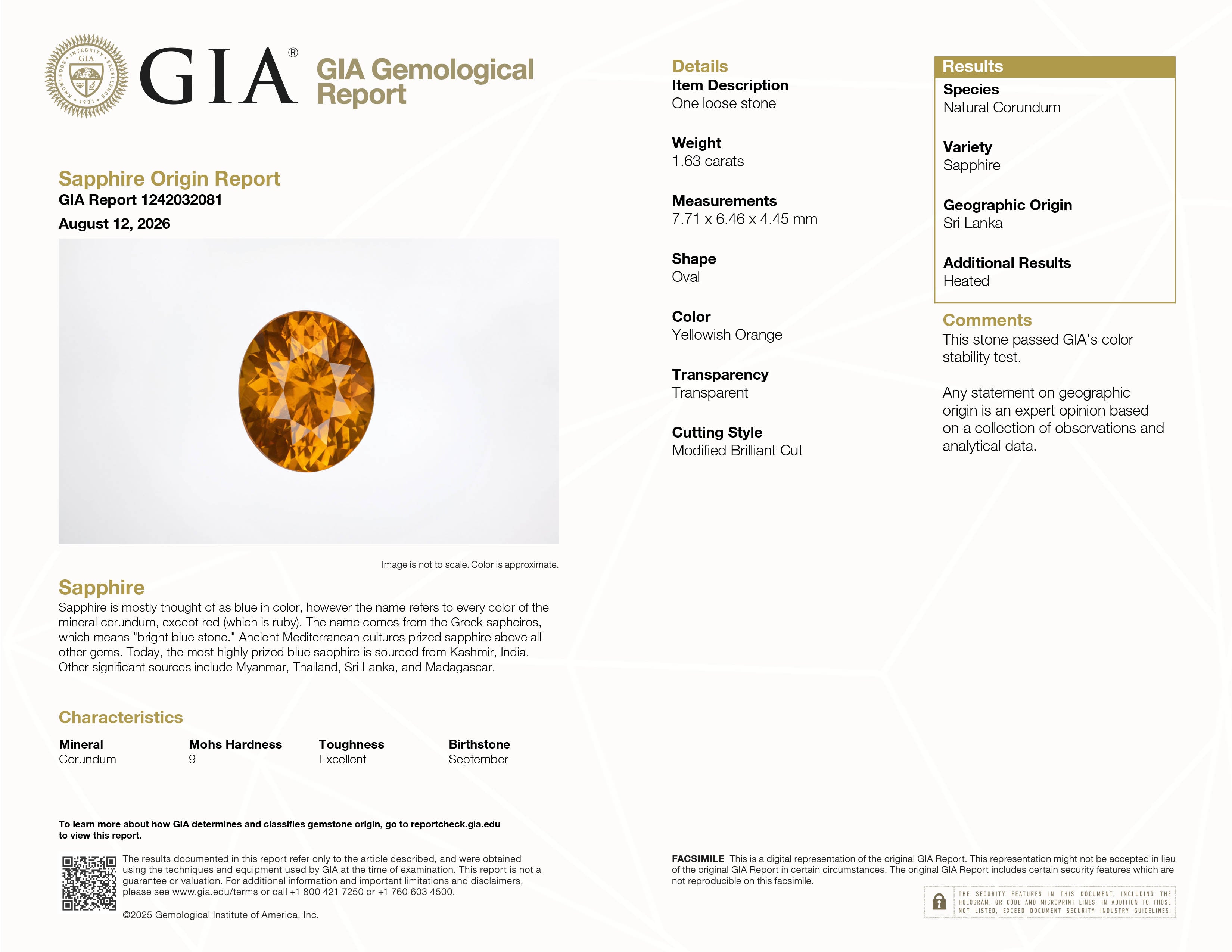
The most important source for fine orange sapphire, and the origin most associated with the finest padparadscha-range material. Ceylon produces orange sapphires across the full spectrum from golden-orange through vivid pure orange and into the padparadscha-adjacent range. The finest unheated Ceylon orange with GIA documentation represents the premium specification in this category, comparable in documentary status to unheated Ceylon blue at equivalent size.

Tanzania

The Umba Valley in Tanzania produces orange and orange-adjacent sapphires that are well regarded in the trade. Umba orange material has a distinctive warm character and is available at accessible price points. Laboratory origin documentation is less commonly available for Tanzanian material than for Ceylon, which affects pricing for buyers who require documented provenance.

Madagascar

Madagascar produces warm-toned sapphires including orange-adjacent material as part of its broad color output. Madagascar orange sapphires tend to be heat-treated and are available at more accessible price points than comparable Ceylon material.

Other Sources

Orange sapphire also occurs in Kenya, Malawi, Vietnam, and Australia in smaller quantities. Each source has a slightly different color profile, and collector buyers interested in origin diversity occasionally seek material from multiple sources for comparative collection purposes.

Heat Treatment in Orange Sapphire

Heat treatment in orange sapphire is more complex than in blue, where heating almost universally improves color. For orange corundum specifically, heating can shift the color in unpredictable directions — sometimes improving saturation and reducing unwanted modifiers, sometimes pushing the stone from orange toward yellow or toward pink in ways that change its character. The finest padparadscha-range material, in particular, is often unheated because heating tends to disrupt the specific iron-chromium balance that produces the balanced pink-orange character.

Pure orange sapphire is more commonly heat-treated than padparadscha-adjacent material, but the proportion of unheated fine orange in commercial supply is higher than in blue sapphire. Buyers should ask specifically about treatment status and require laboratory documentation for any stone where the unheated premium is significant — which, in orange sapphire at 1+ carats, is typically the case.

At Crescent Gems, treatment status is disclosed on every product page. Our orange sapphires that are unheated are identified as such; those that are heat-treated are identified as such. We do not describe treated orange sapphires as unheated, and we do not imply padparadscha classification for stones that have not been laboratory-certified as padparadscha.

How to Evaluate Orange Sapphire Color

Identify the hue position

Before evaluating saturation or tone, identify where the stone sits on the yellow-to-pink spectrum. Is it golden-orange (yellow-dominant), pure orange (balanced), reddish-orange (red-influenced), or orange-pink (approaching padparadscha)? This positioning determines how the stone will be priced and what comparisons are appropriate. It also determines the right setting metal — golden-orange suits yellow gold most naturally; pure vivid orange suits both white and yellow gold; orange-pink suits rose gold and white gold equally.

Saturation

Mid-to-vivid saturation is the target for fine orange sapphire. Pale, washed-out orange loses its bold, warm character and can read as simply warm-toned at wearing distance. Very dark orange risks reading as brownish or murky under low light. The finest orange sapphires hold their vivid warmth across all standard lighting conditions.

Modifiers

Brown is the most common undesirable modifier in orange sapphire — a brownish-orange reads as dull and muddy rather than vivid and warm. Always view orange sapphires under multiple light sources, including warm incandescent, where brown modifiers are most apparent. Gray modifiers can also appear and similarly reduce the quality of the color. Pure, clean orange without significant brown or gray modifiers is the standard for fine material.

The lighting test

Orange sapphire tends to read at its most vivid under warm incandescent light, where the warm wavelengths enhance the stone's warm hue. Under cool daylight, the color can appear slightly more muted or more accurately balanced. Viewing under both light sources before purchase is important — and specifically looking for brown or gray modifiers under warm incandescent is the most revealing test for orange sapphire quality.

Orange Sapphire for Engagement Rings

Orange sapphire is an unusual but compelling engagement ring choice for buyers who want something bold, warm, and genuinely rare. The practical case is the same as for all sapphire colors: Mohs 9, no cleavage, no special care requirements, appropriate for daily ring wear without protective settings.

Who it suits

Orange sapphire engagement rings suit buyers with a bold, confident aesthetic — buyers who want a stone that makes an immediate statement rather than a subtle, sophisticated one. The color is warm and attention-commanding in a way that softer colors are not. Partners who love warm tones, who are drawn to autumn colors, or who want a stone that no one else in the room is wearing are the natural audience for orange sapphire.

Setting metal

  • Yellow gold: The warmest and most classic pairing. Yellow gold enhances the warmth of orange sapphire and creates a coherent, richly toned combination that reads as bold and vintage simultaneously.
  • Rose gold: A striking, modern pairing. The pink-gold metal complements the warm orange while adding a romantic character. Works particularly well with orange-pink material approaching the padparadscha range.
  • White gold and platinum: Creates the strongest contrast and allows the orange to read at its most vivid. The cool metal makes the warm stone pop rather than blend. Best for pure vivid orange where maximum color impact is the goal.

Shape

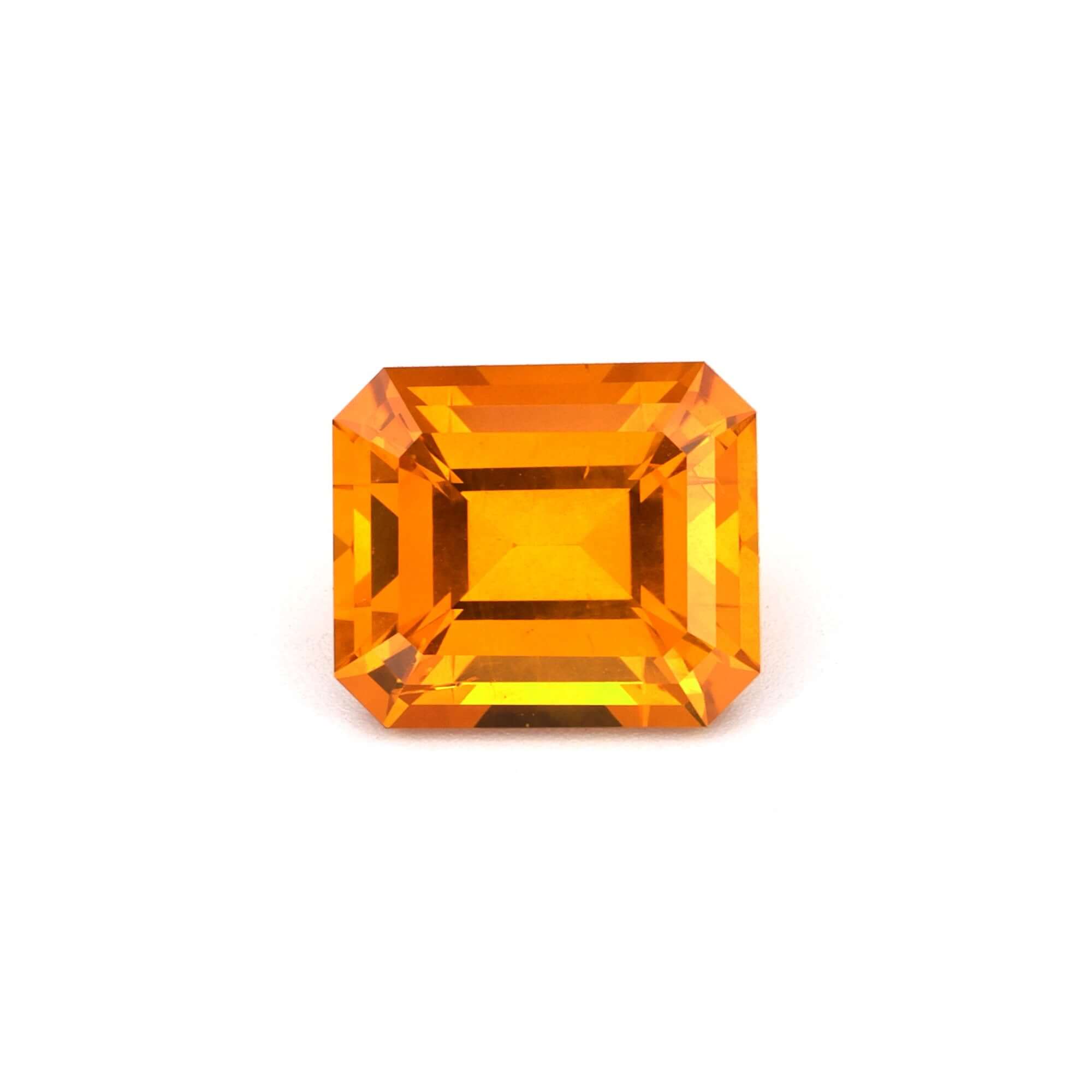
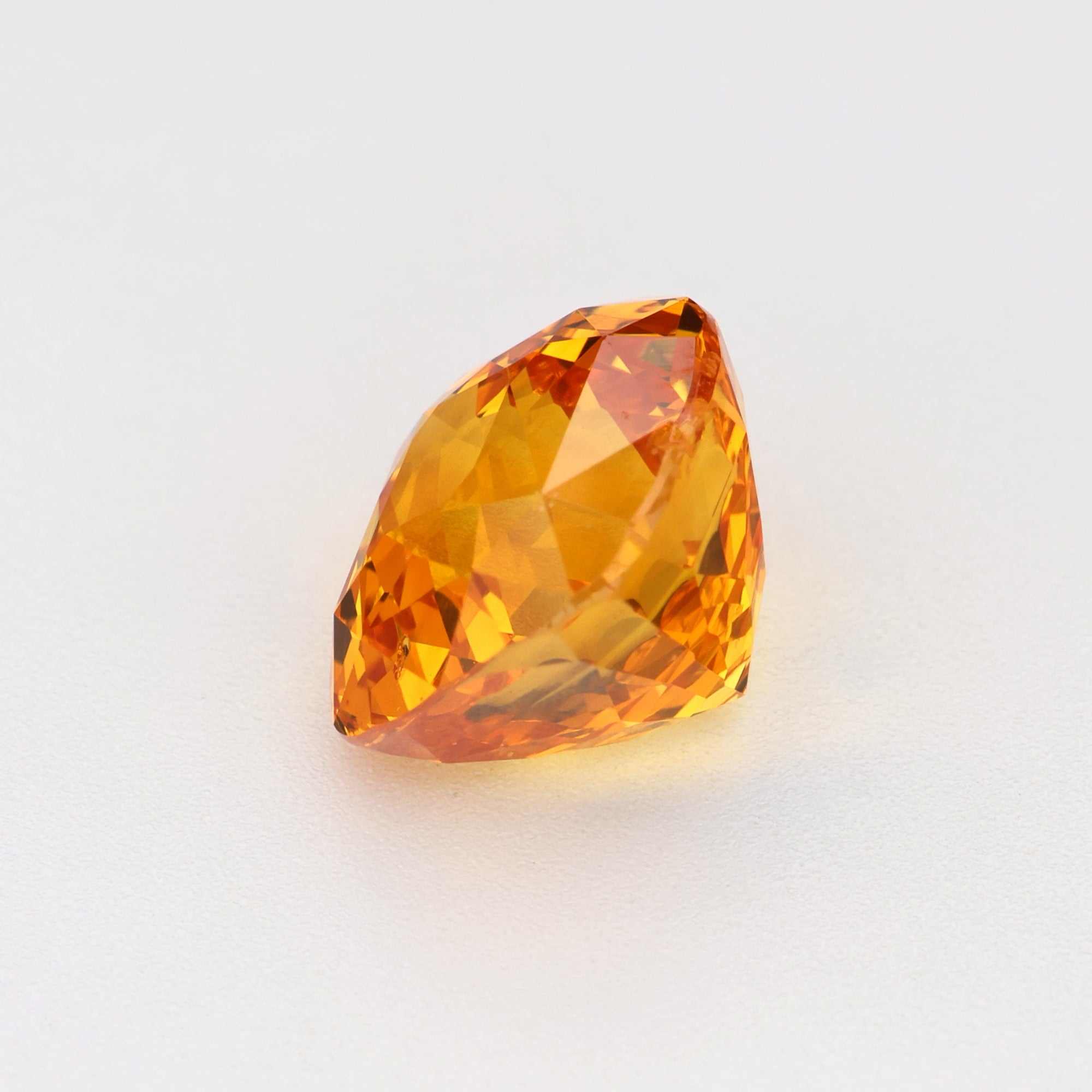
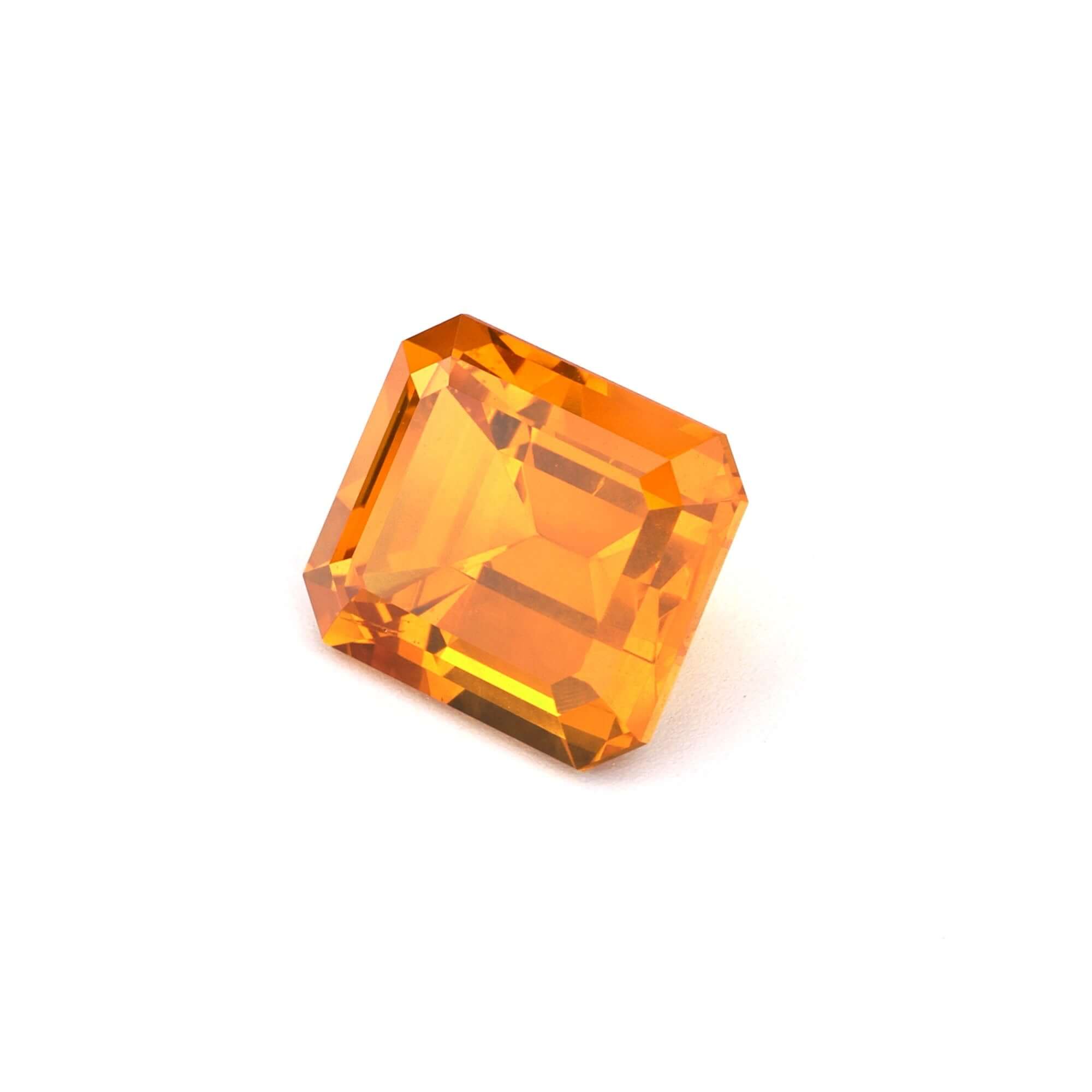
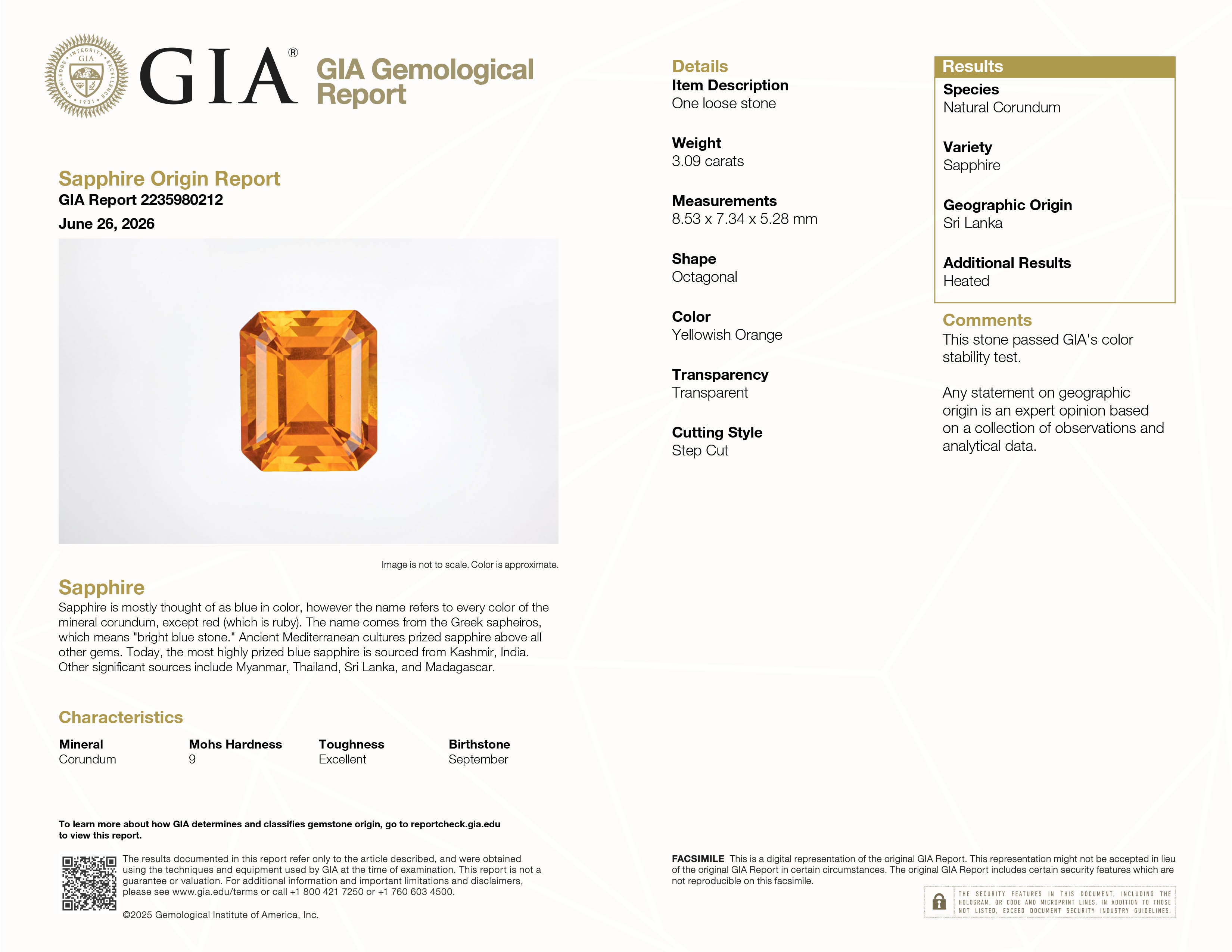
Oval and cushion are the most practical shapes for orange sapphire engagement rings. The oval concentrates the warm color across a broad face-up surface; the cushion deepens saturation. Round brilliant works well for vivid material. Emerald cut in orange sapphire creates a distinctive, bold step-cut presentation that suits the statement character of the color. The 3.09-carat GIA-certified emerald-cut orange sapphire in our catalog is an example of this combination at the premium end of the market.

Orange Sapphire vs. Spessartite Garnet

Spessartite garnet is the most common alternative buyers consider when seeking a vivid orange gemstone. Spessartite at its finest (sometimes called Mandarin garnet, from the Namibian source that produces the most saturated examples) has a vivid, neon-orange color that is exceptional for the color family and rivals or exceeds the most saturated natural orange sapphire in color intensity.

The key difference is hardness: spessartite garnet ranks 7–7.5 on the Mohs scale, compared to orange sapphire at 9. For daily ring wear in a solitaire or exposed setting, spessartite accumulates surface scratches faster than orange sapphire. For necklaces and earrings, the hardness difference is less important. Buyers who want the most vivid possible orange regardless of hardness may find spessartite or Mandarin garnet more color-competitive in the under-$1,000 range. Buyers who want the most durable orange gemstone for daily ring wear over decades will find orange sapphire the stronger choice.

Pricing Orientation

Orange sapphire pricing reflects the genuine rarity of fine vivid material at meaningful carat weights. The ranges below are for natural, eye-clean, well-cut material with disclosed treatment status.

  • Sub-0.50 carat, heat-treated: $100–300 per carat for commercial golden-orange to orange material. Vivid pure orange at this size: $200–500 per carat.
  • 0.50–1.00 carat: Heat-treated golden-orange to orange: $200–600 per carat. Vivid pure orange, heat-treated: $400–900 per carat. Unheated vivid orange: $600–1,500 per carat.
  • 1.00–2.00 carats: Heat-treated vivid orange: $500–1,200 per carat. Unheated vivid Ceylon with GIA: $1,000–3,000 per carat. This is the tier where orange sapphire pricing begins to reflect its genuine rarity.
  • Above 2.00 carats: Fine vivid unheated orange above 2 carats with GIA documentation: $2,000–6,000+ per carat. At this size and quality combination, orange sapphire is among the rarer natural gemstones available at the commercial level.
  • Orange-pink approaching padparadscha: Certified padparadscha adds a 3–10x premium over equivalent orange sapphire at the same size. Fine orange-pink without padparadscha certification: $800–3,000 per carat at 1+ carats depending on color quality and documentation.

Orange Sapphire at Crescent Gems

Our orange sapphire collection covers the full warm-tone spectrum from golden-orange through vivid pure orange, with treatment status disclosed on every product page. Premium stones carry GIA documentation. We do not describe stones as padparadscha without laboratory certification, and we do not imply padparadscha classification through color descriptions that suggest the boundary without stating it directly.

Questions about a specific stone's color character, its position on the orange-to-padparadscha spectrum, or recommendations for your setting and budget? Email crescentgems@gmail.com — we respond personally within one business day.

Summary

  • Rarity: Vivid pure orange is genuinely rarer than blue, yellow, or pink in natural corundum — the iron-chromium combination required is less commonly achieved.
  • Color range: Golden-orange through vivid pure orange to reddish-orange and the padparadscha-adjacent pink-orange zone.
  • Key boundary: Orange sapphire vs. padparadscha — a laboratory report is the only reliable determination.
  • Treatment: Mixed — some orange sapphire is heated, some is not. Explicit disclosure and laboratory documentation matter.
  • Best for: Bold, confident buyers who want warmth, rarity, and visual impact in a durable daily-wear gemstone.
  • Durability: Mohs 9 — the same as all sapphire. Appropriate for daily ring wear without special settings or maintenance.
Continue Learning
Return to the Ultimate Sapphire Buying Guide for the full picture on colours, origins, shapes, certification, and pricing — everything you need to buy a natural loose sapphire with confidence.


Ahmed Shareek — Crescent Gems

Ahmed Shareek

Proprietor — Crescent Gems

A gem dealer with over 25 years of experience sourcing natural sapphires from Sri Lanka, Ahmed brings hands-on expertise in mining, heat treatment, cutting, and stone selection. With deep roots in the Ceylon gem trade, he offers first hand knowledge of origin, quality, and craftsmanship behind every piece of guidance on this site.

Latest Stories

View all

The Ultimate Guide to Buying Natural Loose Sapphires

The Ultimate Guide to Buying Natural Loose Sapphires

The definitive guide to buying a natural loose sapphire: colour, origin, treatment, cut, shape, certification, pricing, and engagement rings, with links to every Crescent Gems guide and collection.

Read moreabout The Ultimate Guide to Buying Natural Loose Sapphires

The Ratnapura Gem Market — How Sapphires Are Traded at the Source

The Ratnapura Gem Market — How Sapphires Are Traded at the Source

New to buying sapphires? Start with our Ultimate Sapphire Buying Guide — the complete resource for color, origin, treatment, and pricing. Ratnapura means "City of Gems" in Sinhalese, and it is not a poetic name — it is a literal...

Read moreabout The Ratnapura Gem Market — How Sapphires Are Traded at the Source

Madagascar Sapphire — The Modern Origin That Rivals Ceylon

Madagascar Sapphire — The Modern Origin That Rivals Ceylon

New to buying sapphires? Start with our Ultimate Sapphire Buying Guide — the complete resource for color, origin, treatment, and pricing. If you have shopped for sapphires in the past decade, you have encountered Madagascar material — whether the listing...

Read moreabout Madagascar Sapphire — The Modern Origin That Rivals Ceylon

Montana Sapphire vs. Ceylon Sapphire — How America's Sapphire Compares to Sri Lanka's

Montana Sapphire vs. Ceylon Sapphire — How America's Sapphire Compares to Sri Lanka's

New to buying sapphires? Start with our Ultimate Sapphire Buying Guide — the complete resource for color, origin, treatment, and pricing. The United States has its own sapphire origin — and it is a good one. Montana has produced gem-quality...

Read moreabout Montana Sapphire vs. Ceylon Sapphire — How America's Sapphire Compares to Sri Lanka's

Sapphire vs. Spinel — The Overlooked Comparison Every Collector Should Understand

Sapphire vs. Spinel — The Overlooked Comparison Every Collector Should Understand

New to buying sapphires? Start with our Ultimate Sapphire Buying Guide — the complete resource for color, origin, treatment, and pricing. For most of gemological history, spinel did not even have its own name. The great "rubies" of royal collections...

Read moreabout Sapphire vs. Spinel — The Overlooked Comparison Every Collector Should Understand

Why Buy from Crescent Gems

Sourcing Gemstones for an engagement ring or piece of jewelry is a very personal experience, Its a act of love, Its a Investment that you do only a few times in your life. Before you spend thousands of $$$ You need to be able to trust the seller and make sure you are choosing the right stone. Here at Crescent gems we tick all the boxes.

Wide Selection of well cut gemstones from around the world.

Affordably priced ~ We source our gemstones direct from mining countries, we cut/recut most of our gemstones in-house.

We stock and sell ONLY Natural earth Mined stones. NO beryllium treated Stones, NO Flux filled, NO synthetics, NO man made stuff.

Free & Fast Shipping within USA ( FedEx Or UPS) with Tracking and email updates.

FREE International shipping for orders over US $ 500 ~ we ship to 98 countries Worldwide.

Try Before you buy Option ~ where we send the stone to you before you pay. ~ Unique Feature.

14 day No questions asked money back Guarantee.

FREE Domestic Return Shipping.

GIA lab reports for all stones above 2 carats.

Accurate information, Actual Images, Hand shots and 360 videos of the stone on sale, we don't use stock photography.

Join our ever growing group of satisfied customers from around the world.