Blue Sapphire — Natural Loose Stones in Every Blue
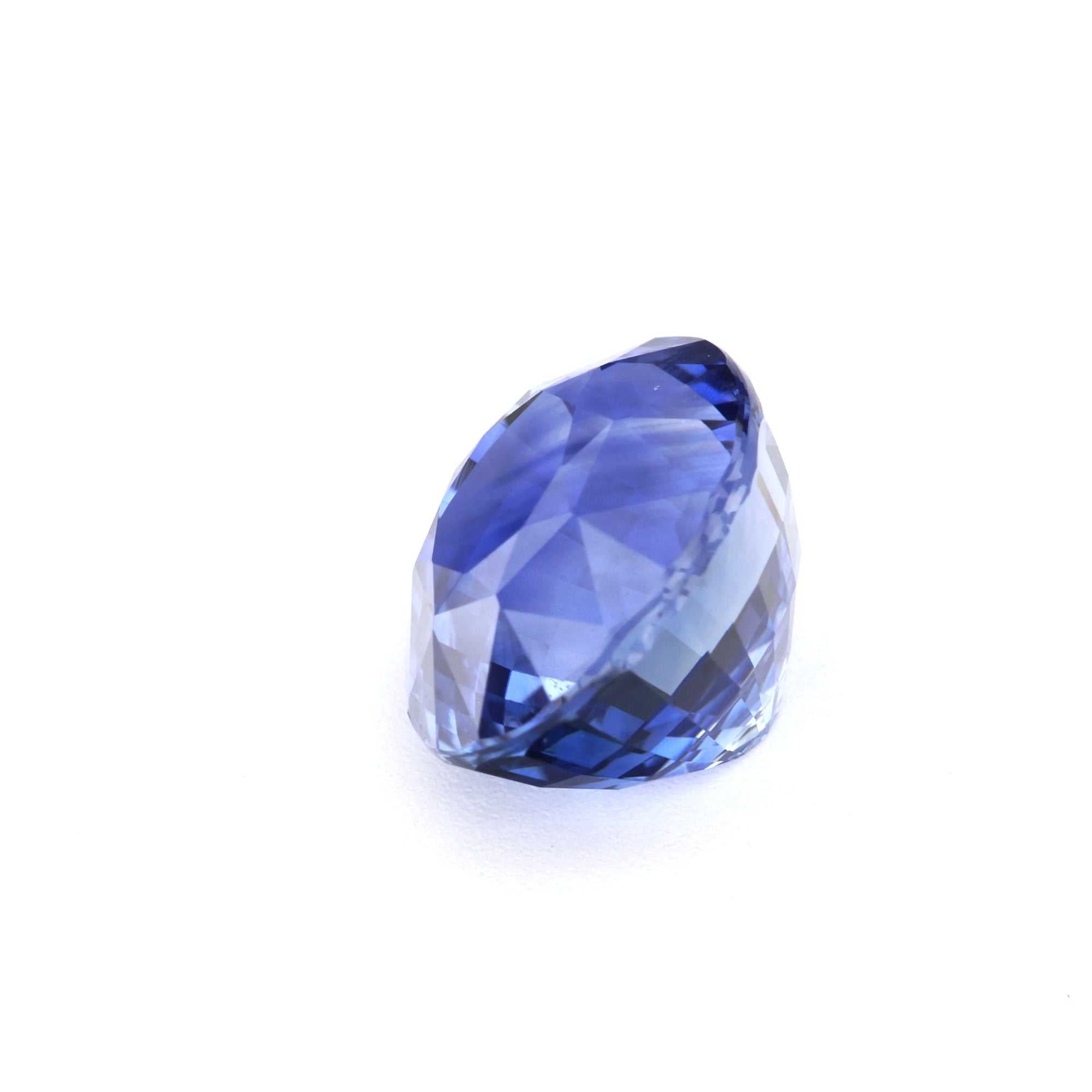
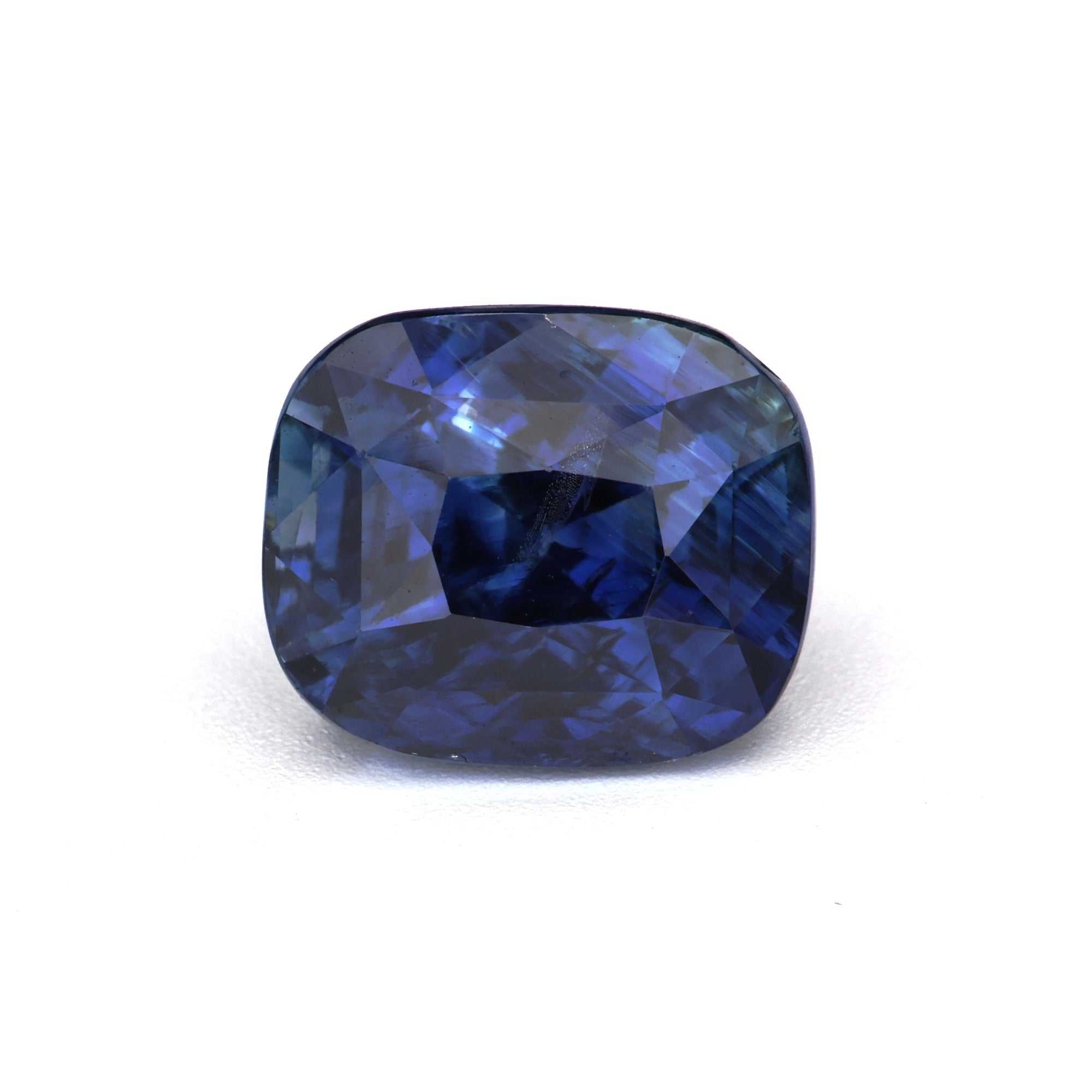
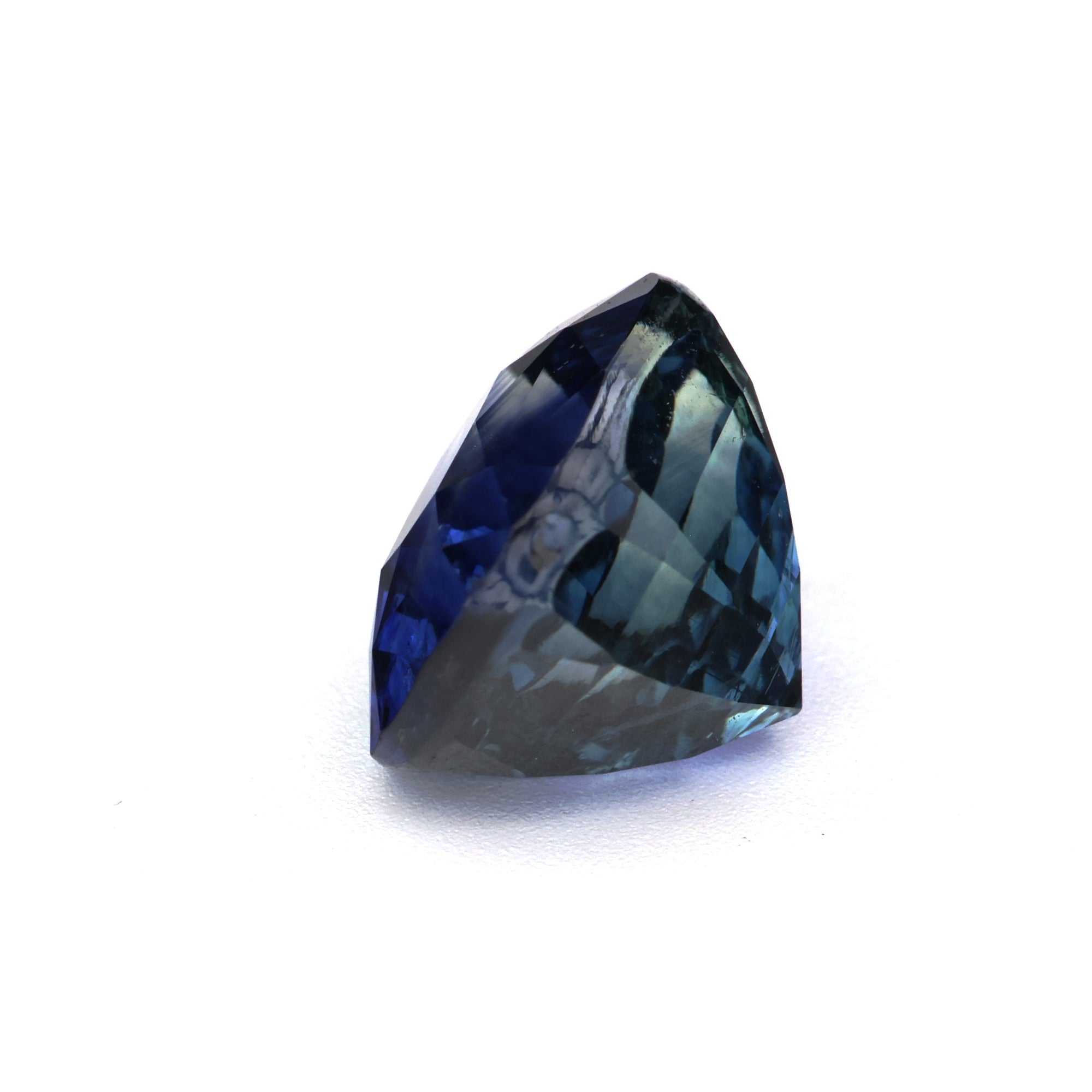
Blue sapphire is the world's most iconic colored gemstone — corundum colored by trace iron and titanium, prized for its depth of color, 9 on the Mohs scale durability, and a 2,500-year history of royal and ceremonial significance. This is our complete blue sapphire collection: natural, hand-selected loose stones from Sri Lanka (Ceylon), Madagascar, and other classic sapphire origins, covering every shade of blue from pale denim to vivid royal and the rare cornflower hue collectors hunt for.
Every blue, every cut
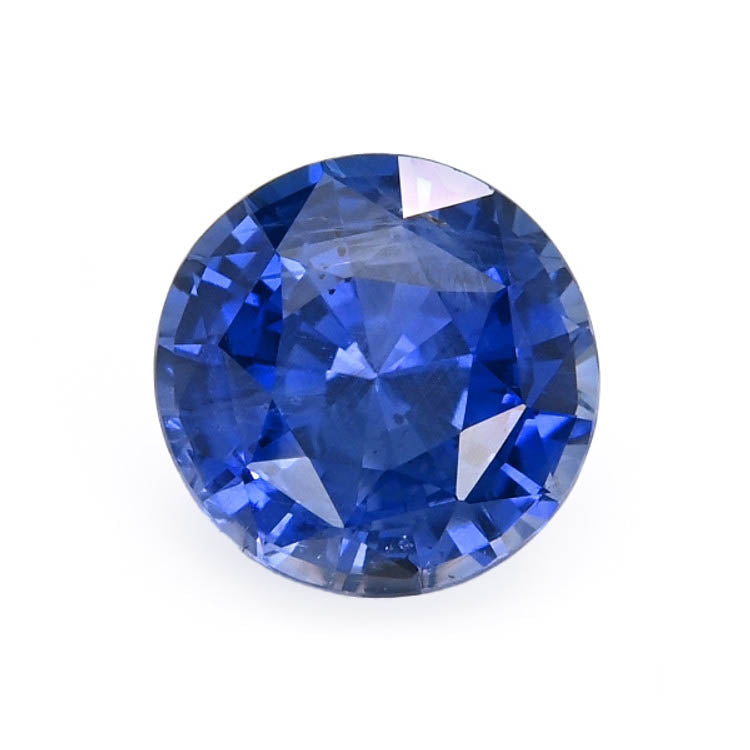
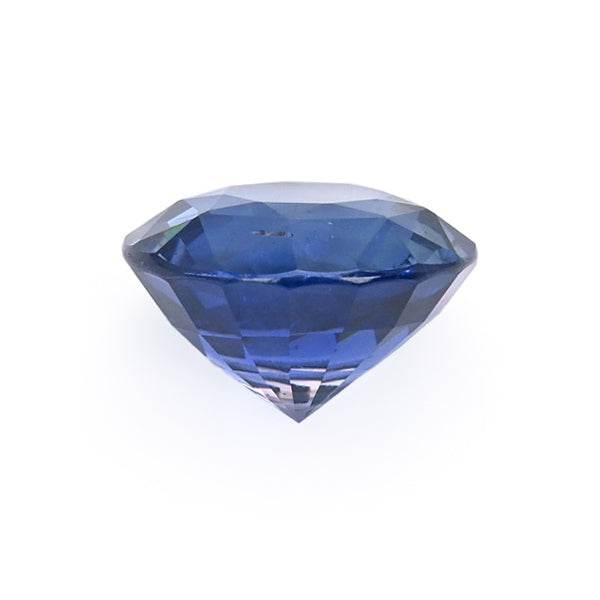
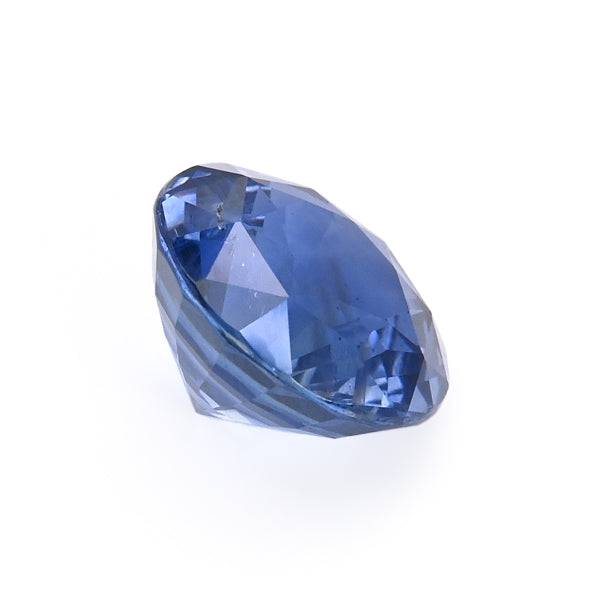
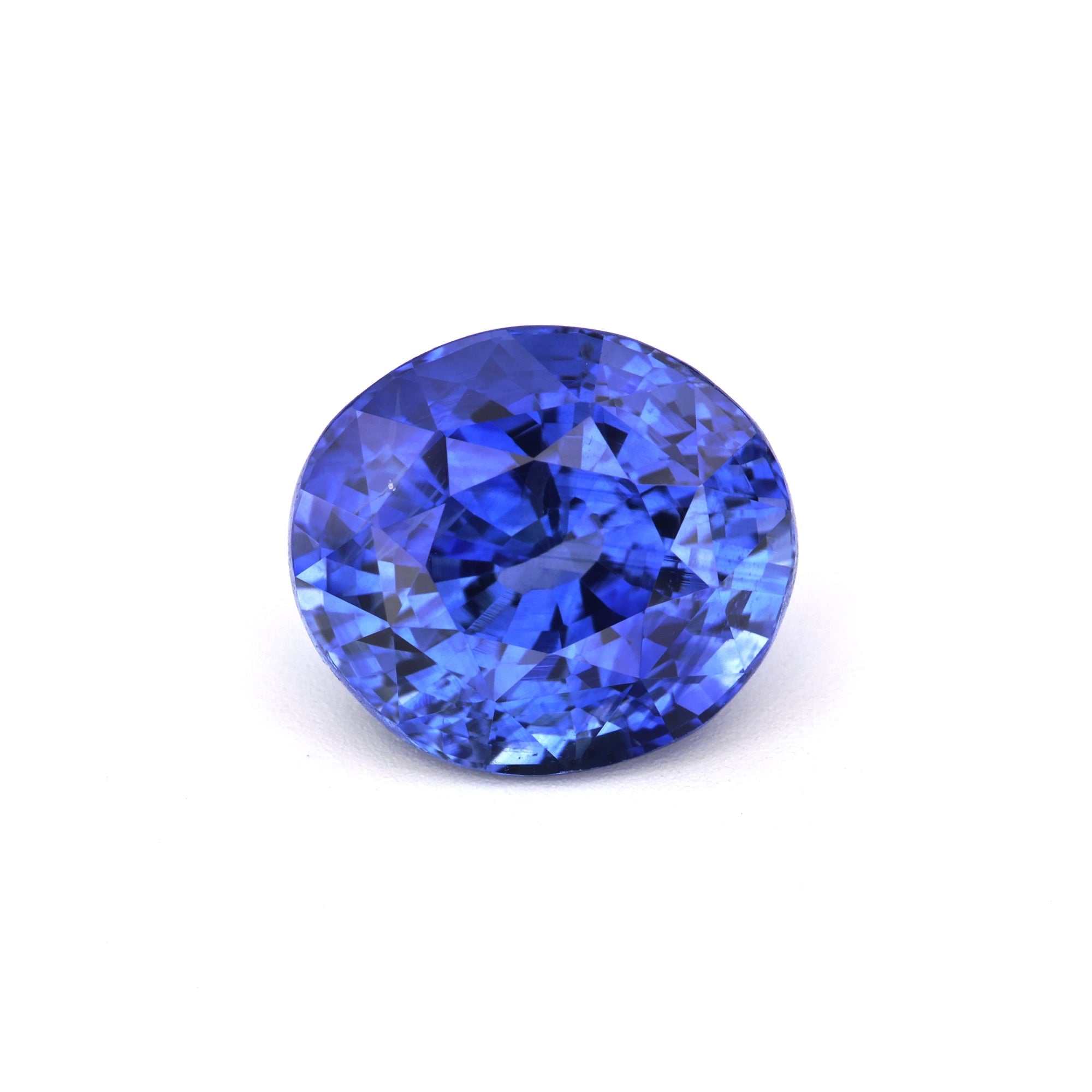
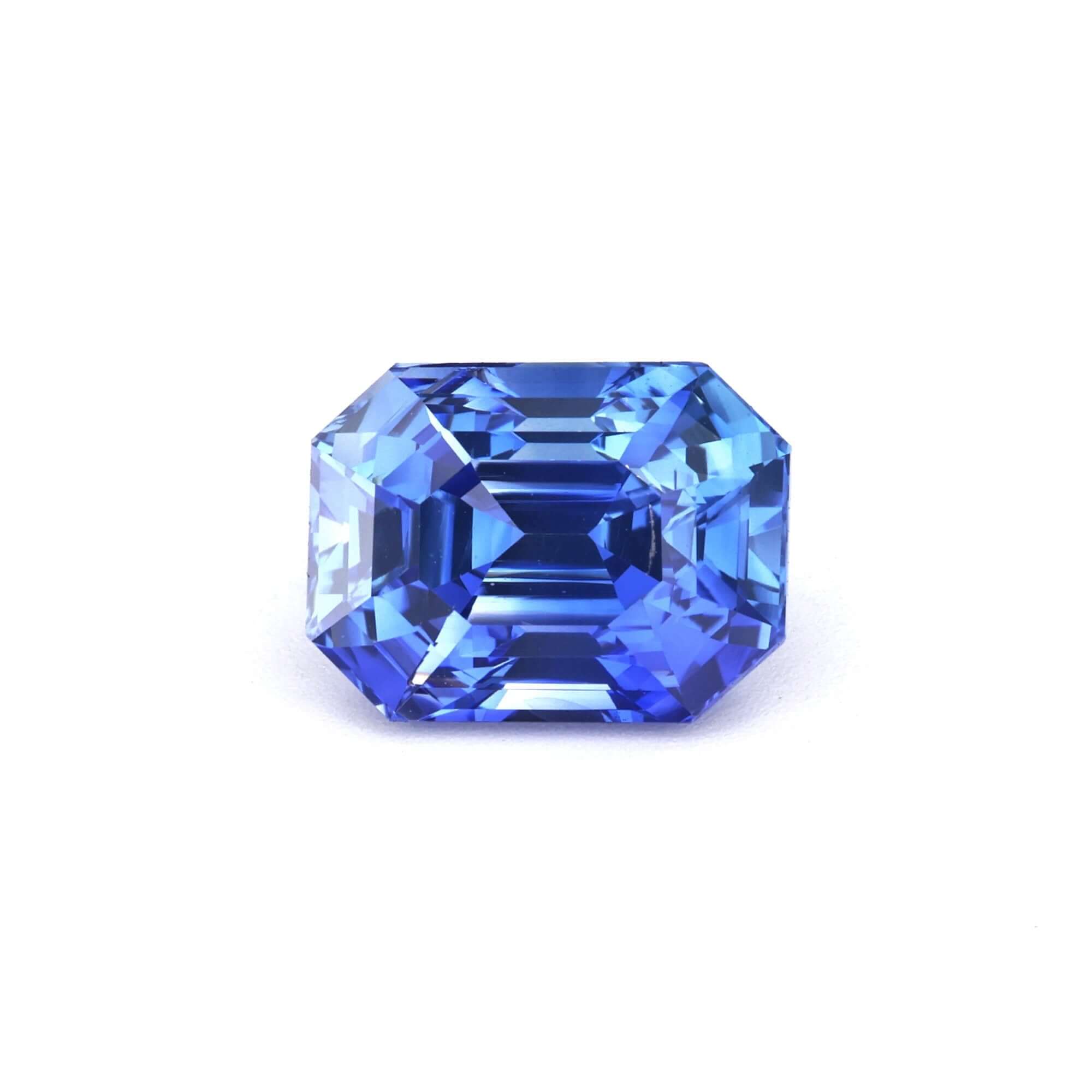
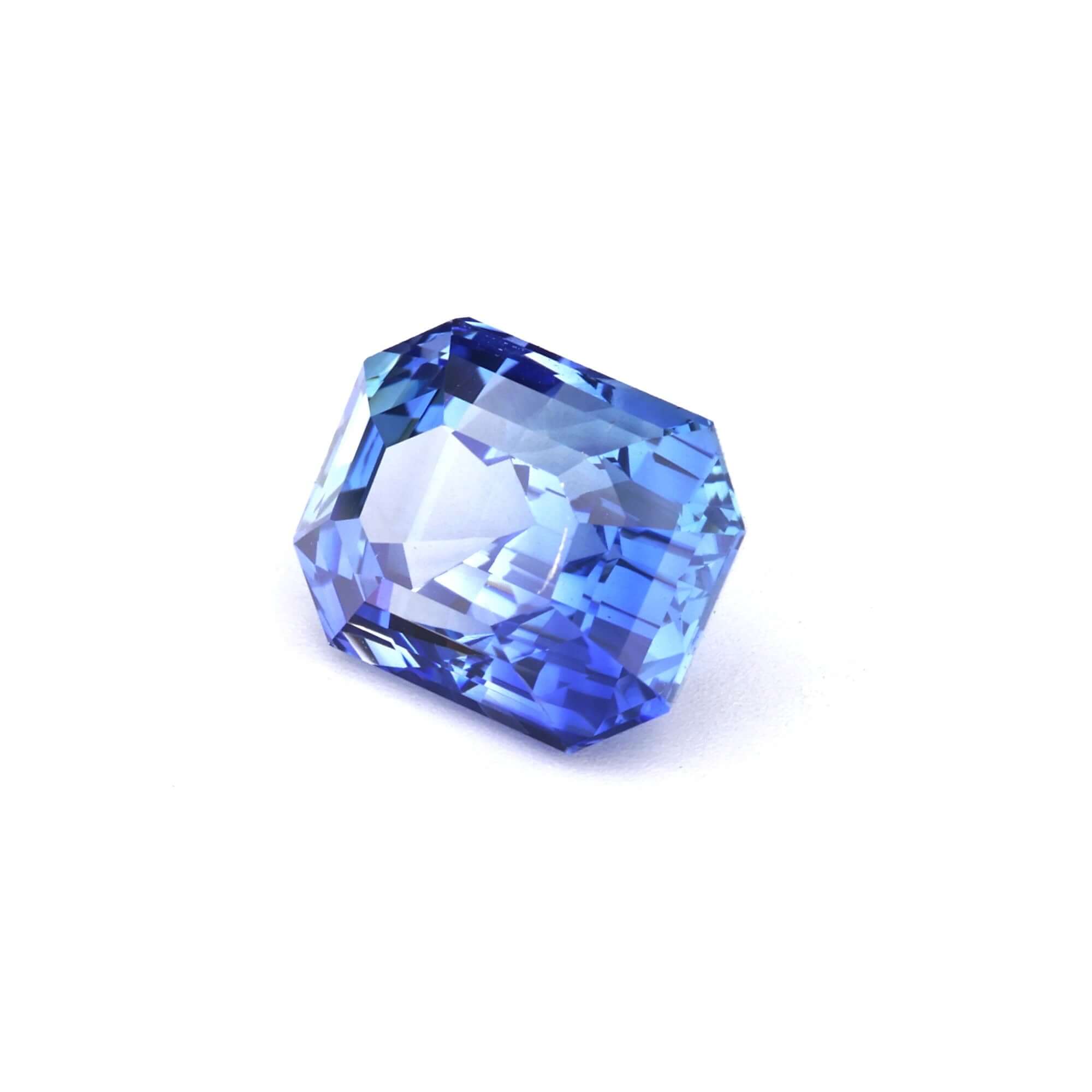
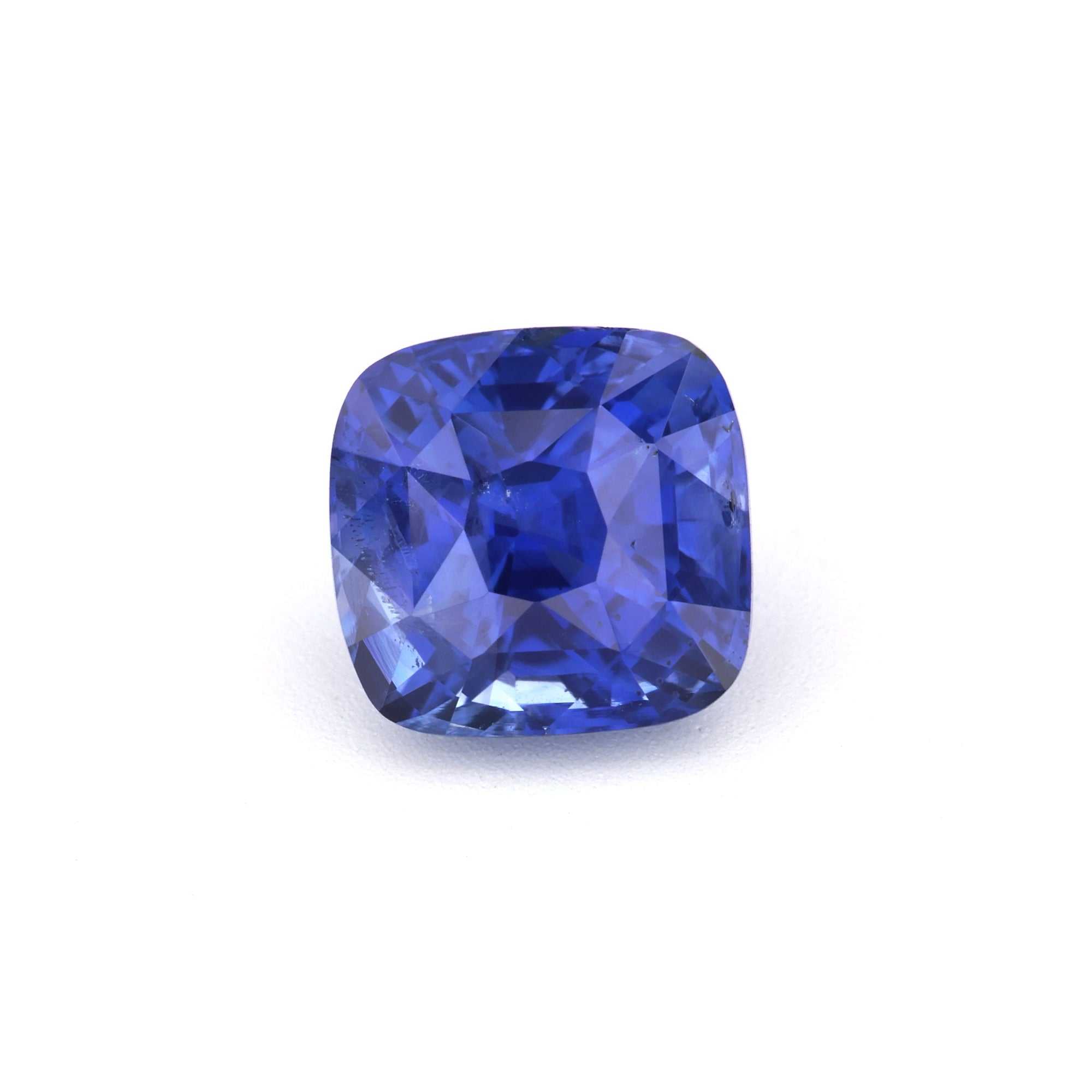
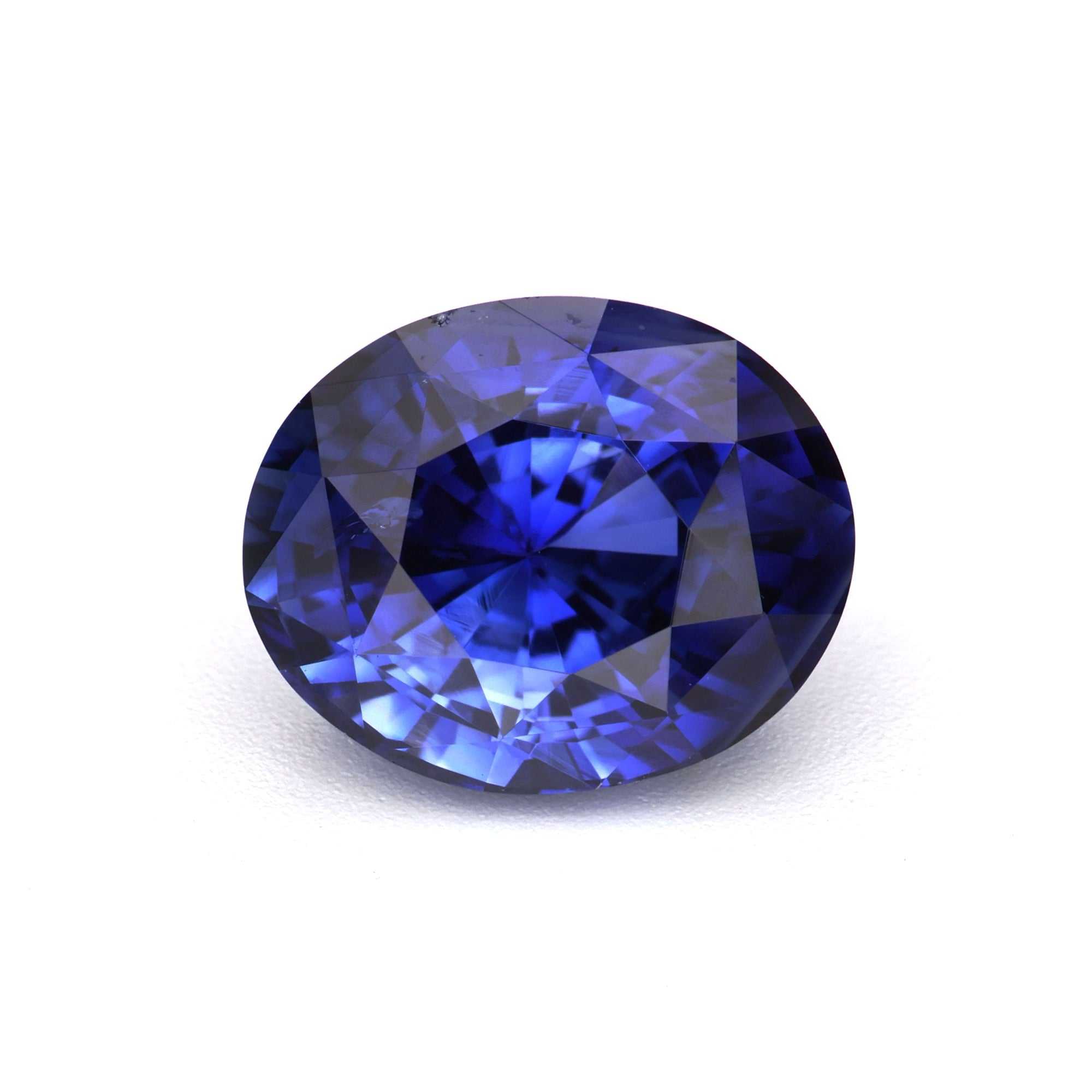
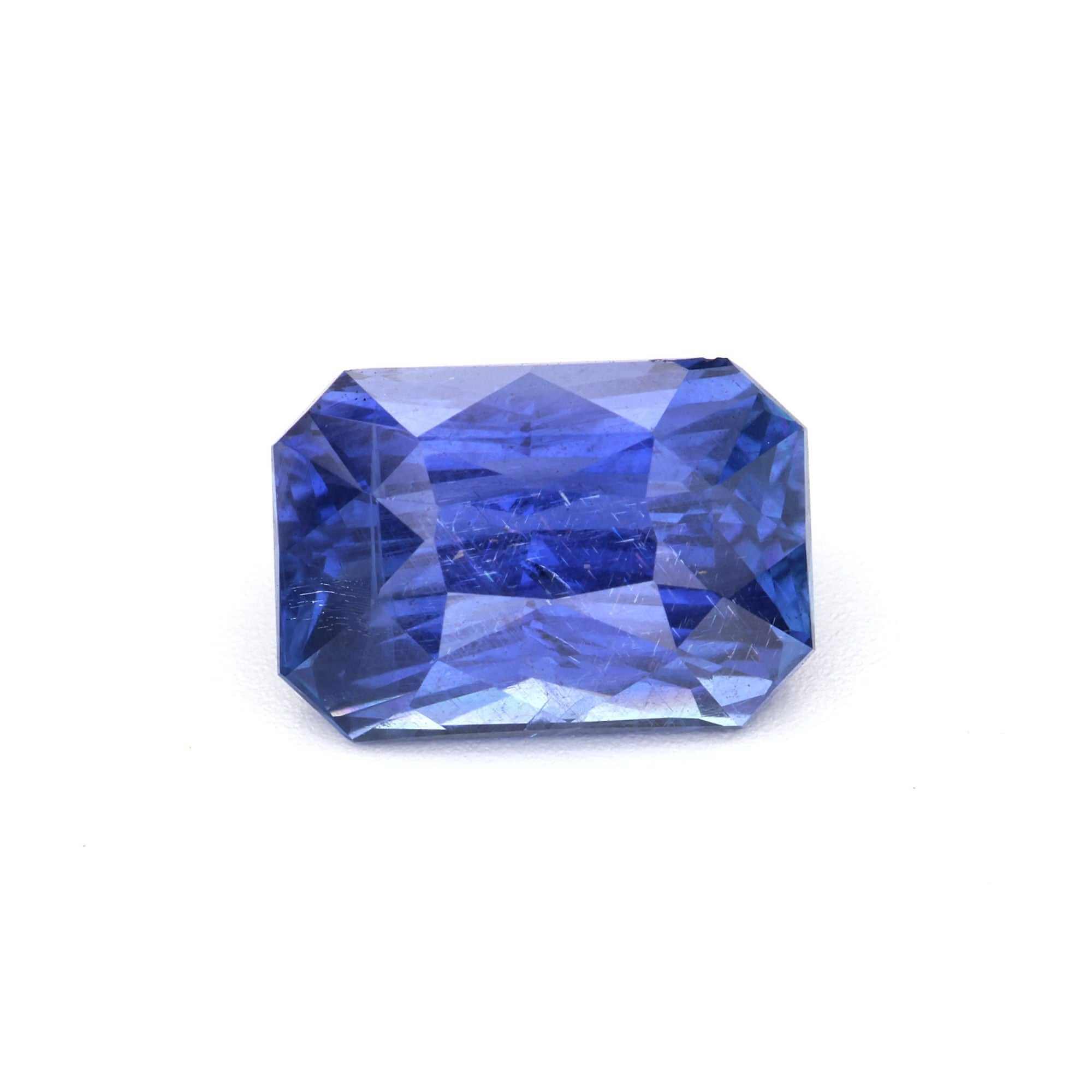
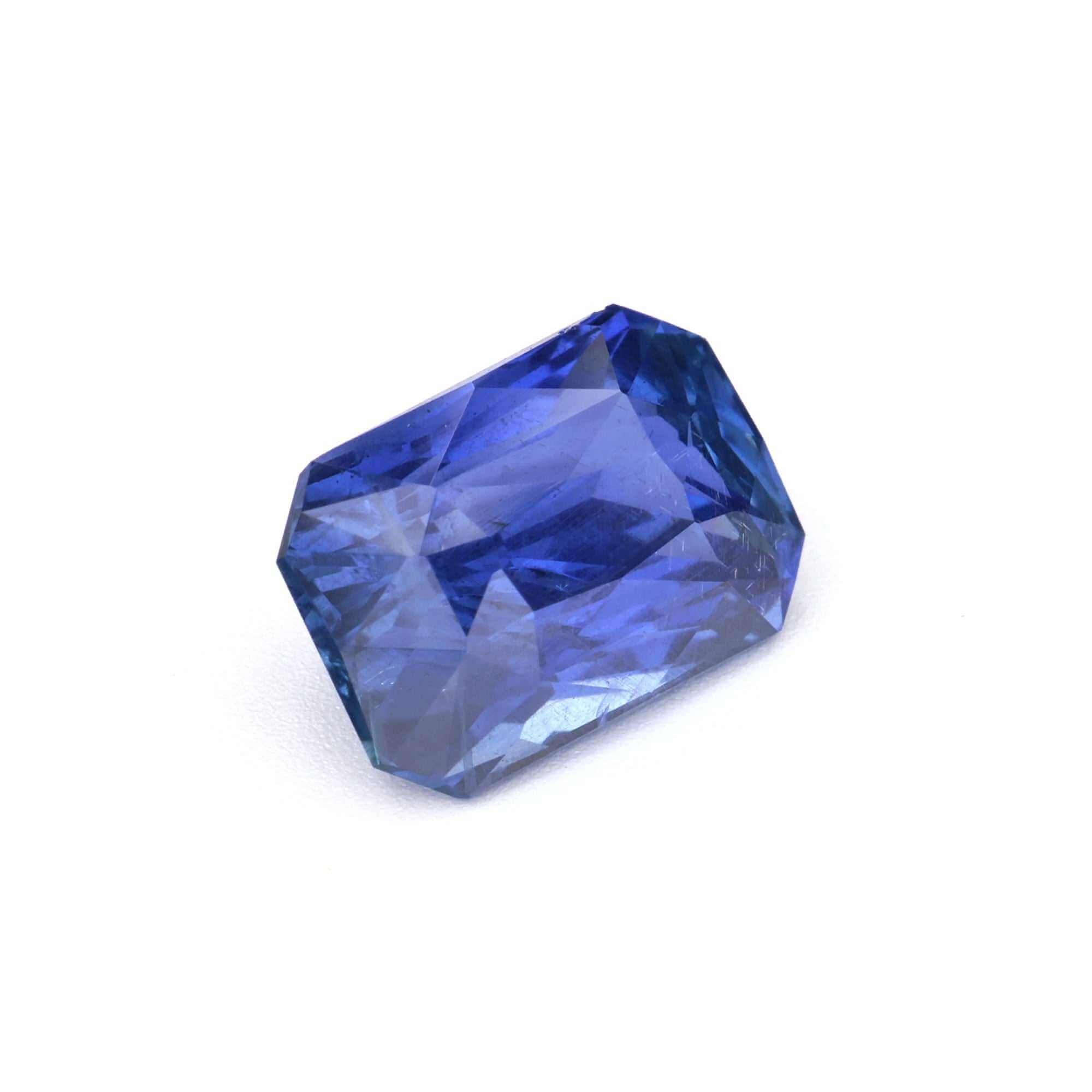
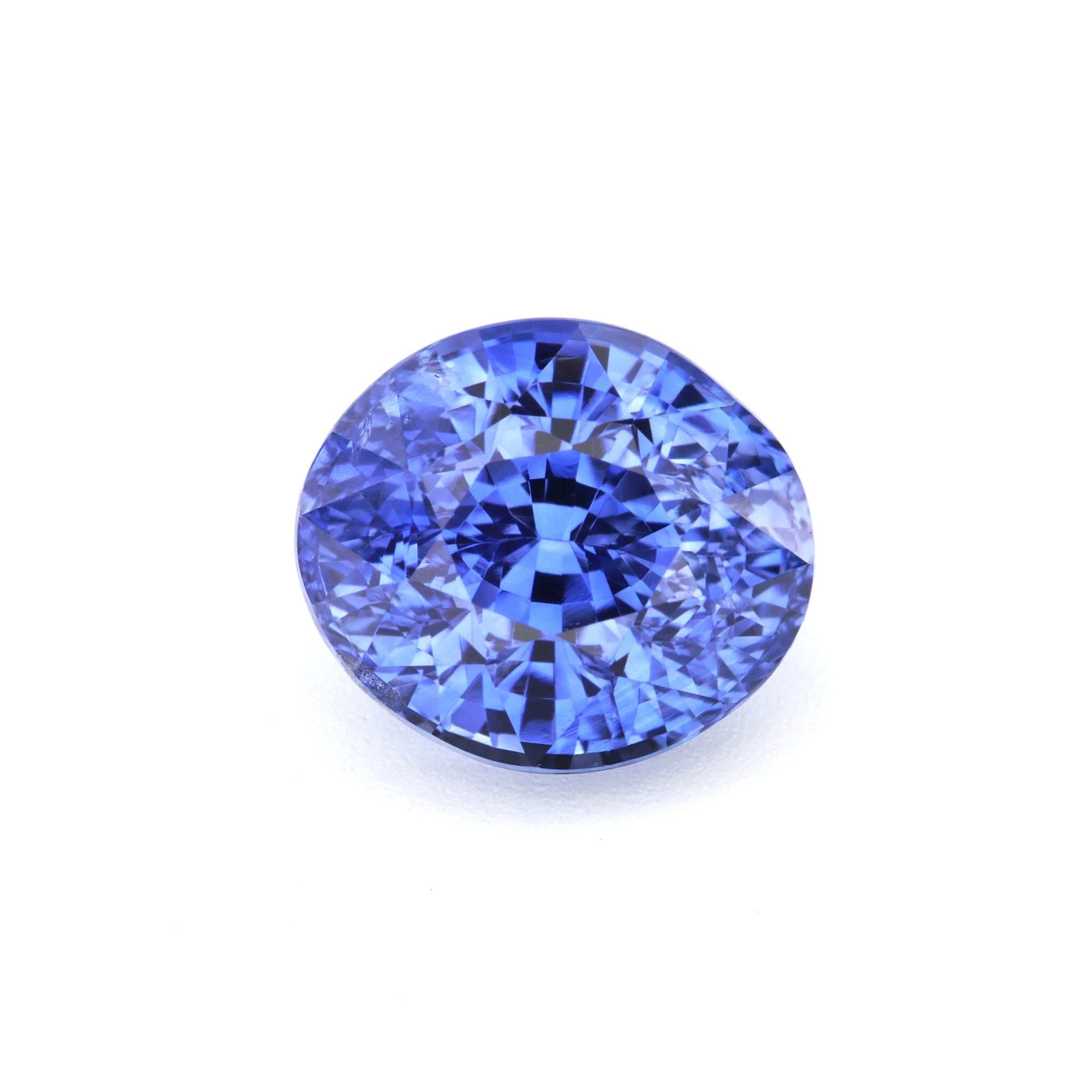
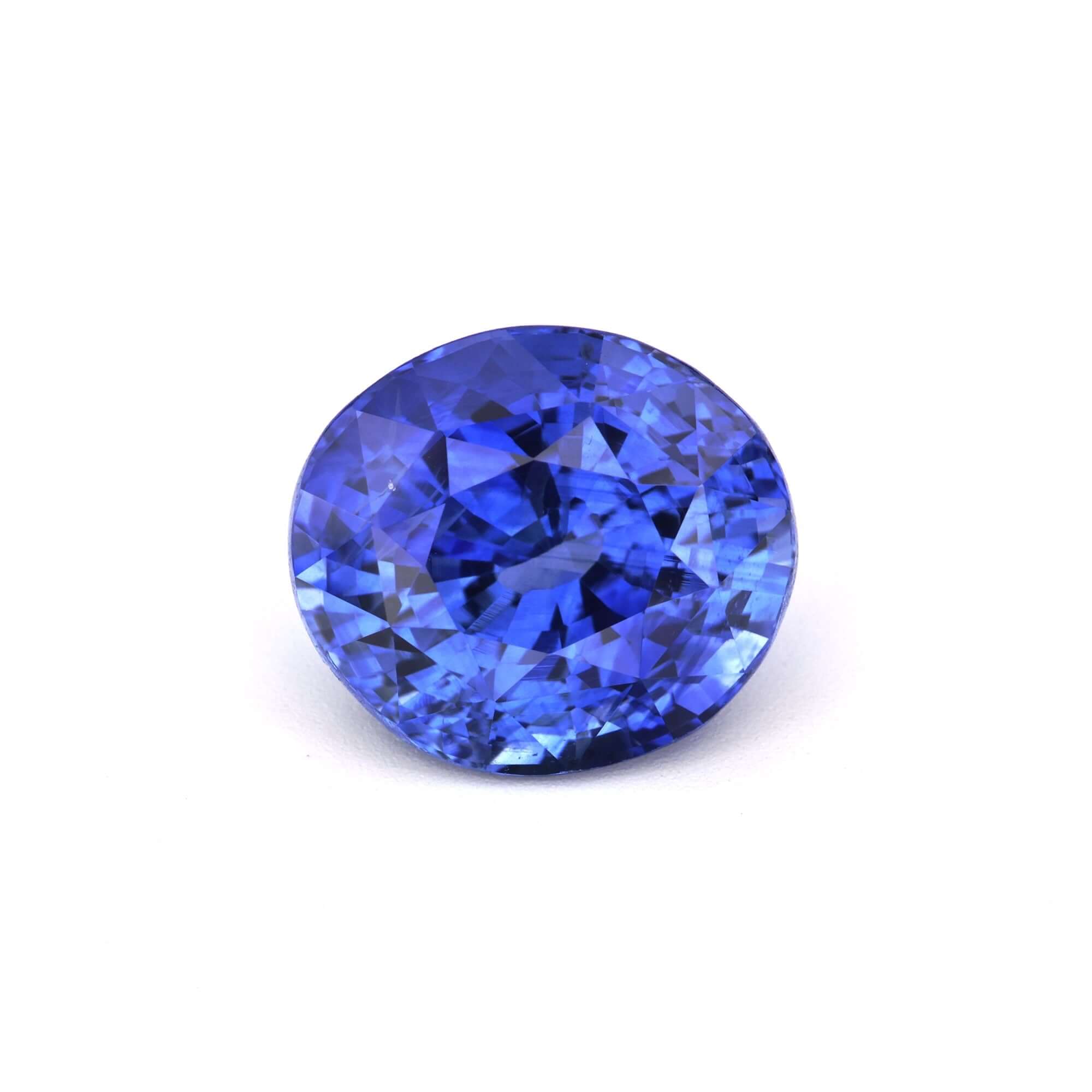
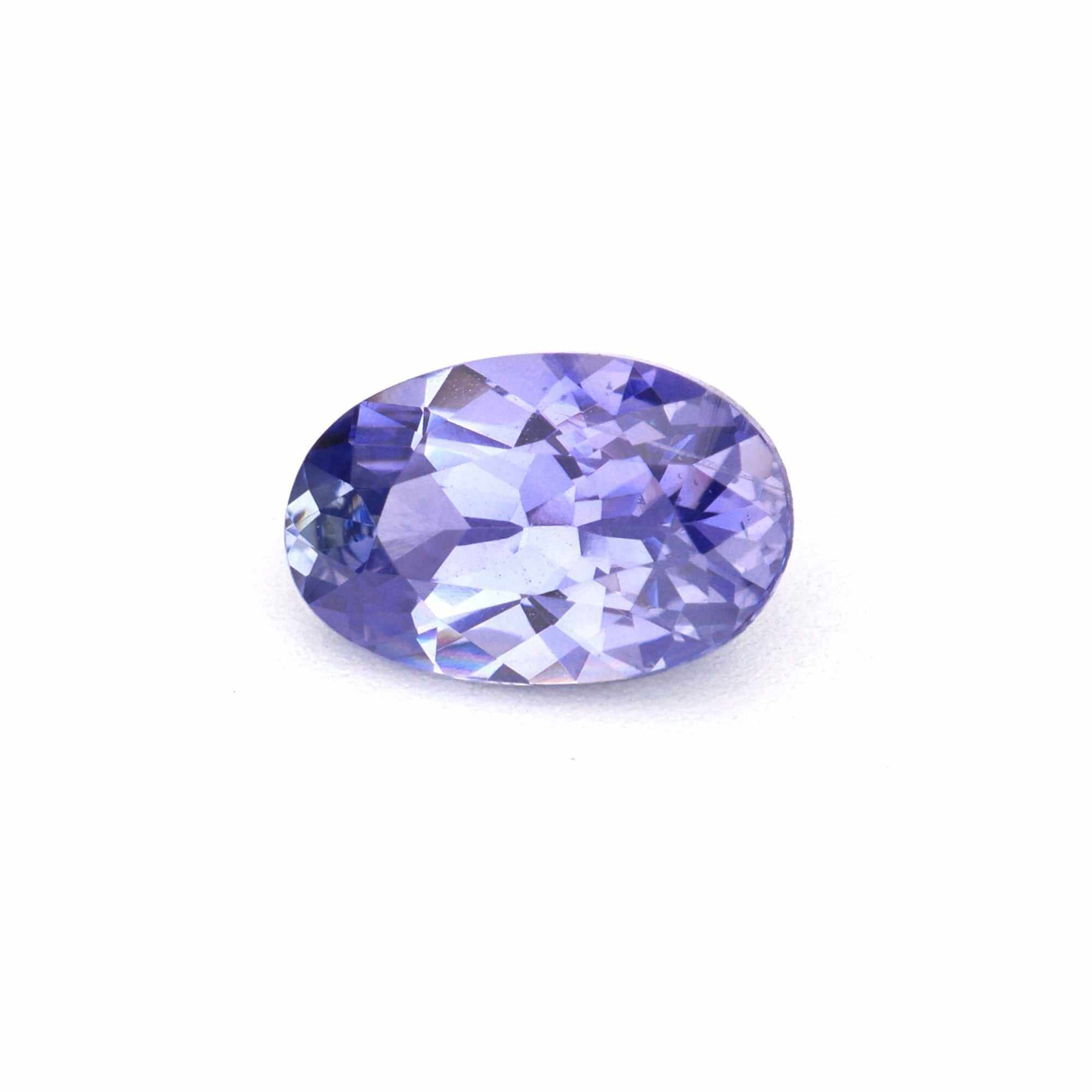
Blue sapphire ranges far wider than most buyers realize. Pale blue and denim blue offer quiet, wearable elegance at accessible prices. Medium-tone vivid blue is the daily-wear sweet spot. Cornflower — a velvety, slightly violet-leaning blue with strong saturation that holds its color from daylight to candlelight — is the most coveted hue and commands the highest prices. Royal blue is darker and more saturated, prized for dramatic statement pieces. This collection brings them all together so you can compare across the full range in one place.
Treatment and certification, disclosed on every stone
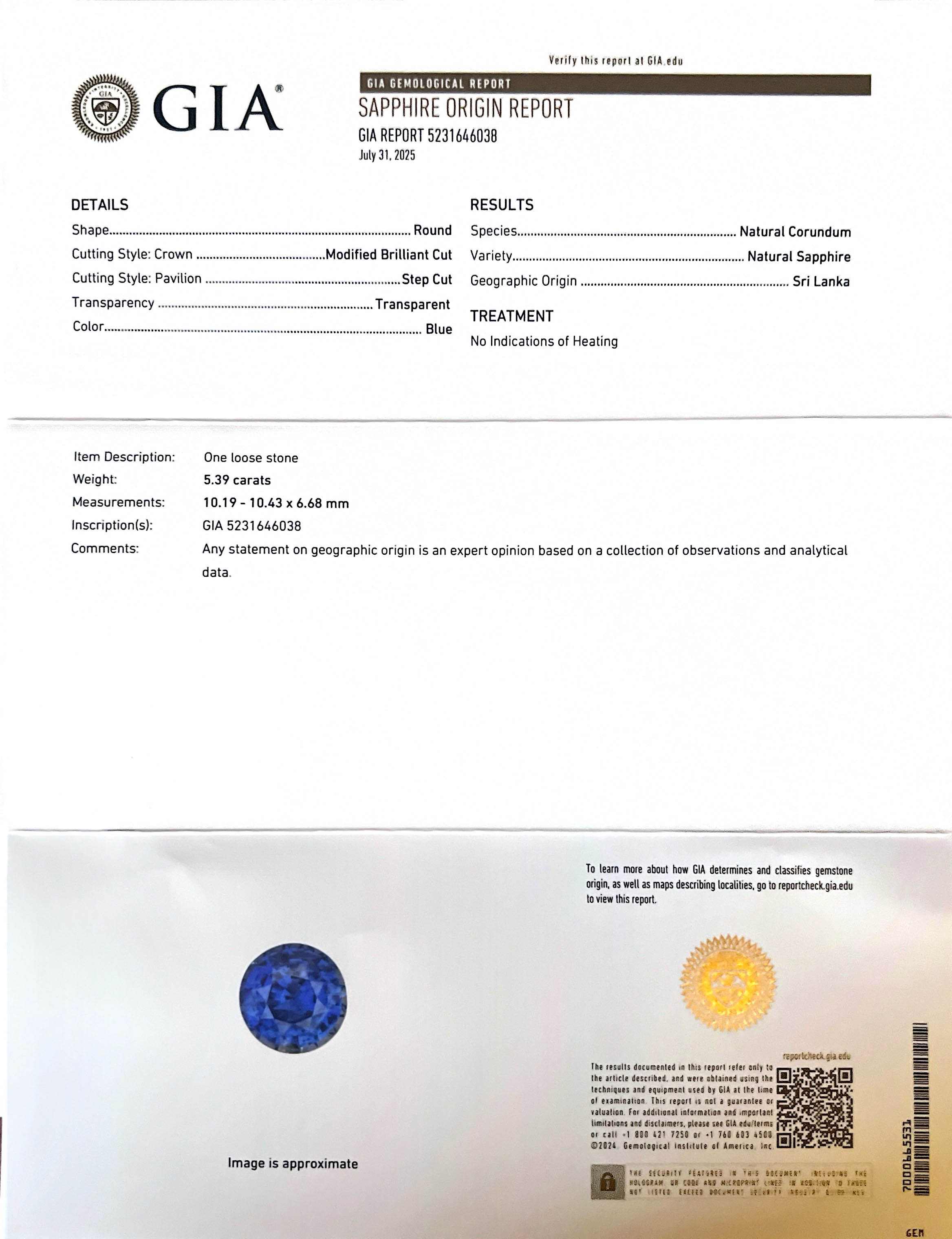
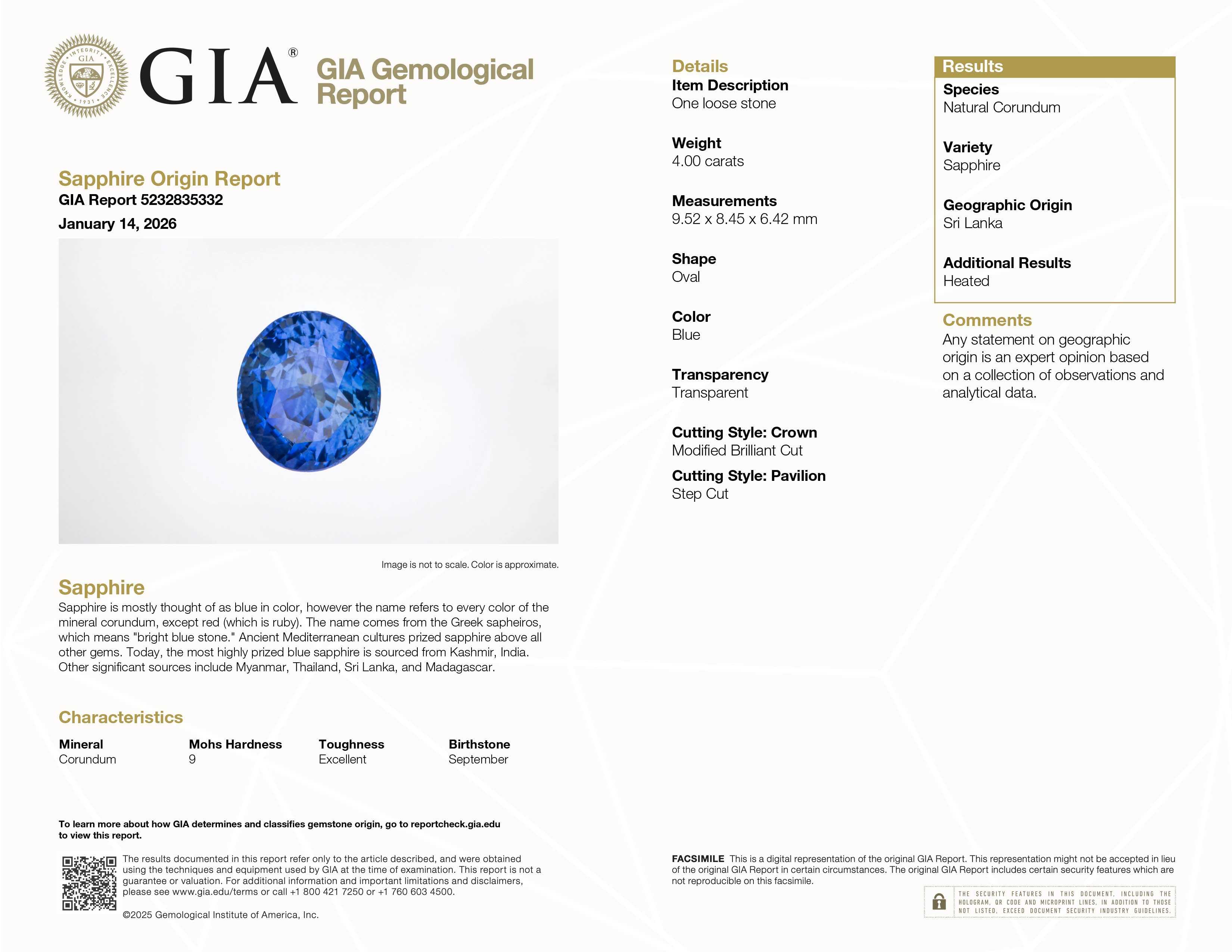
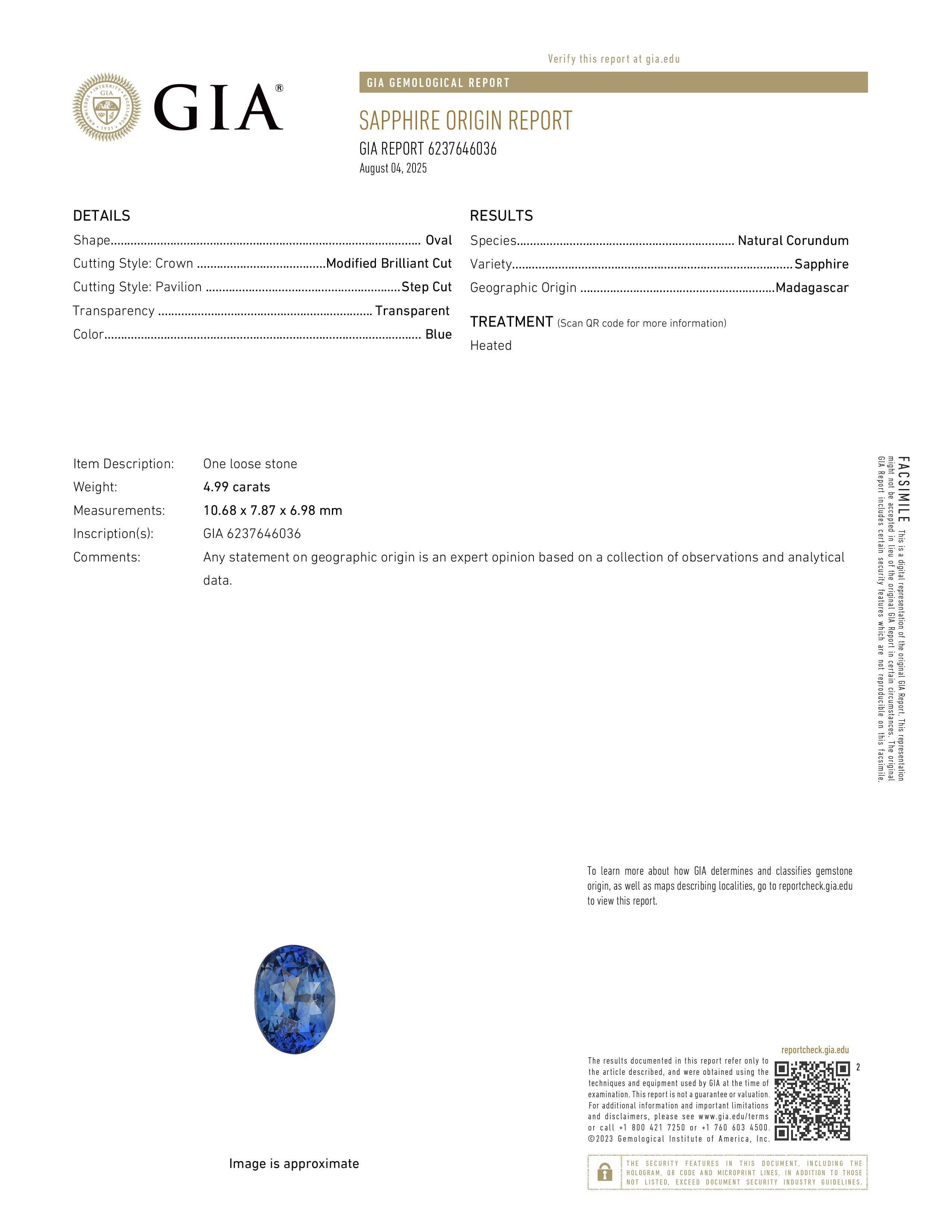
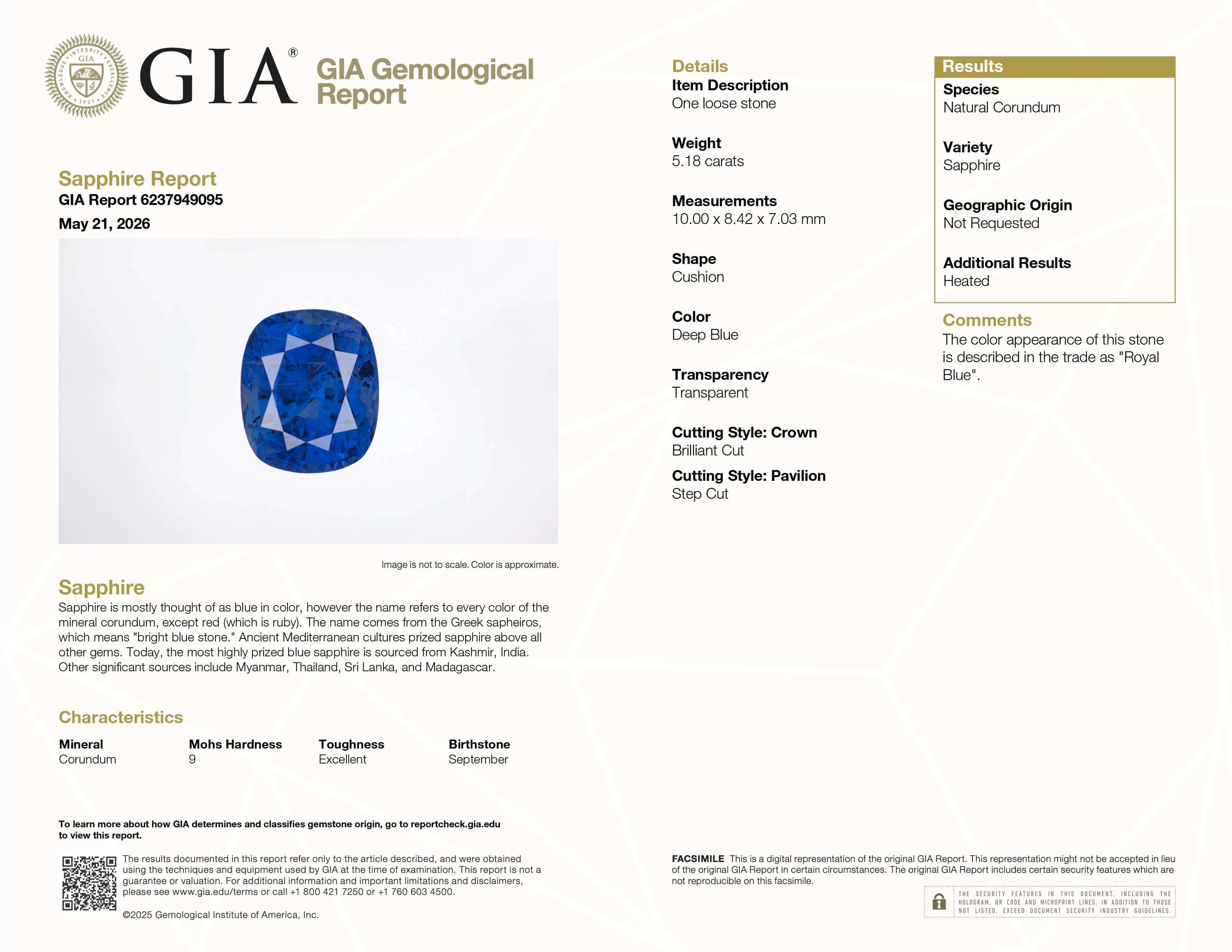
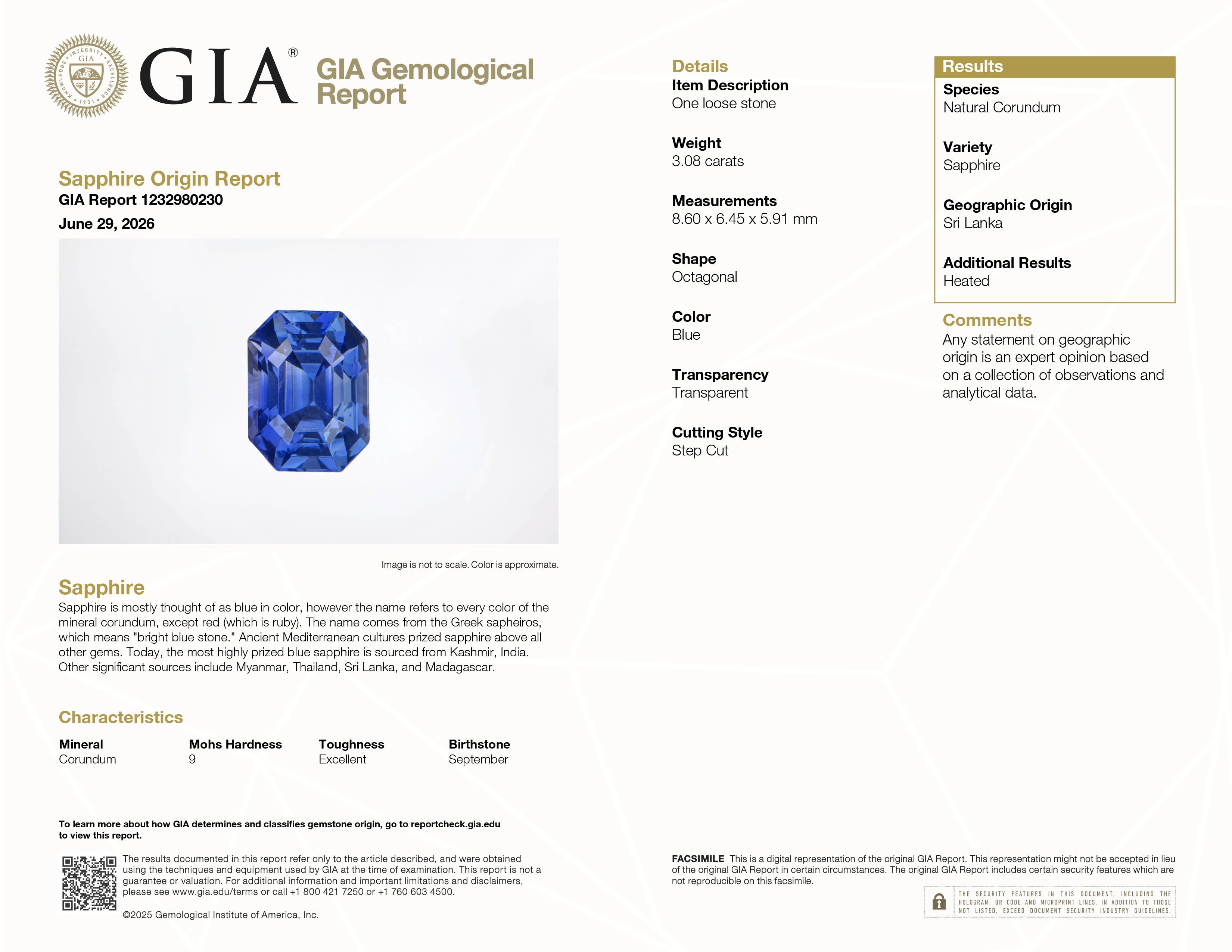
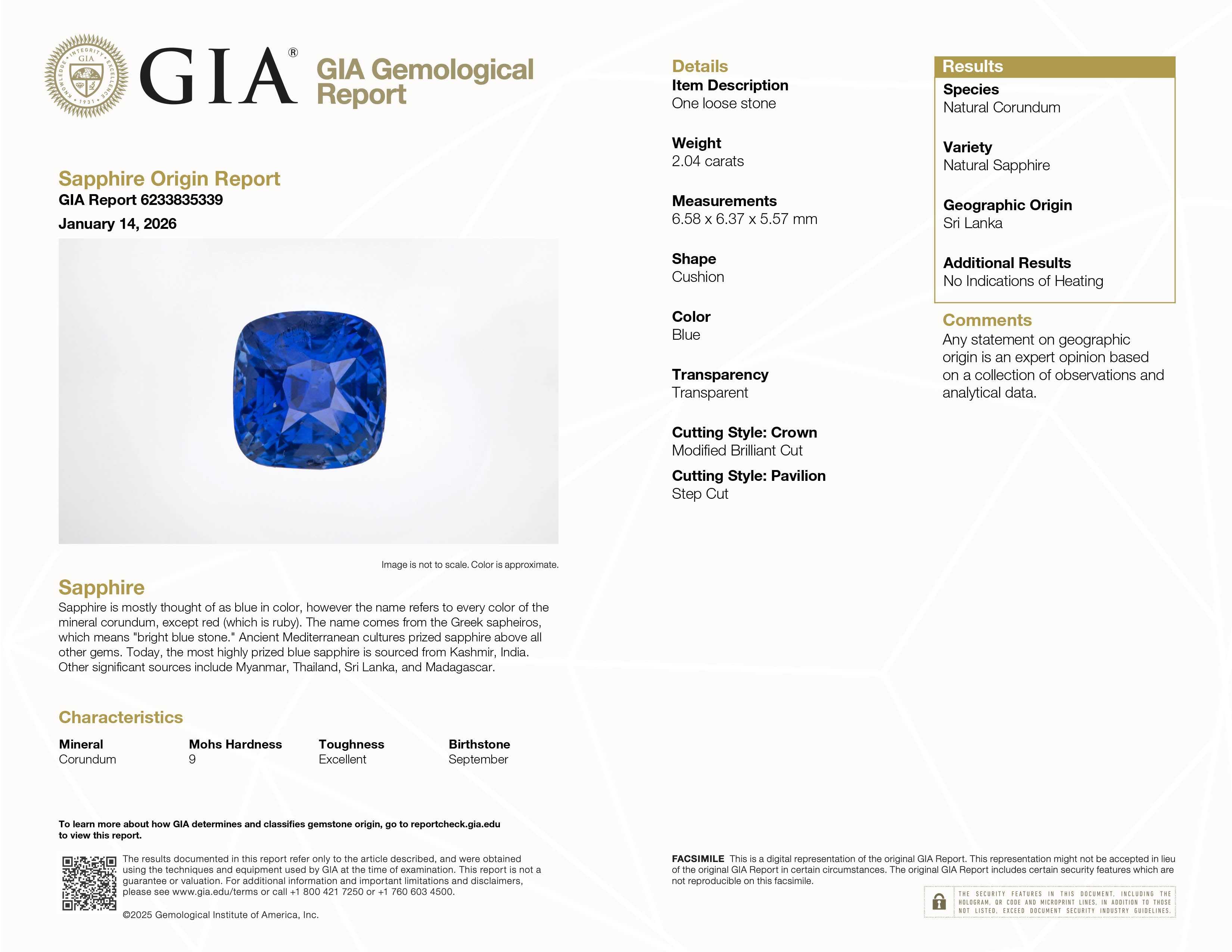
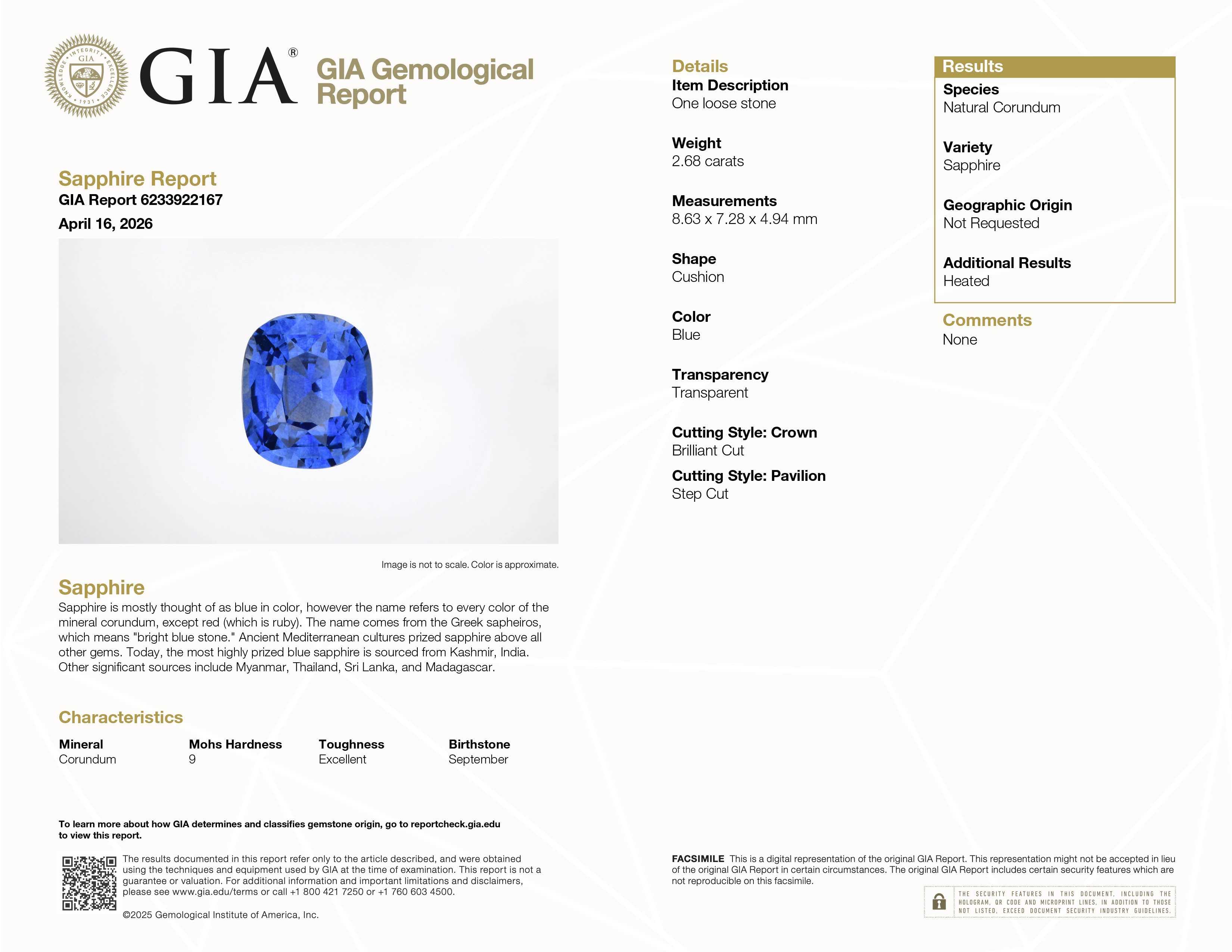
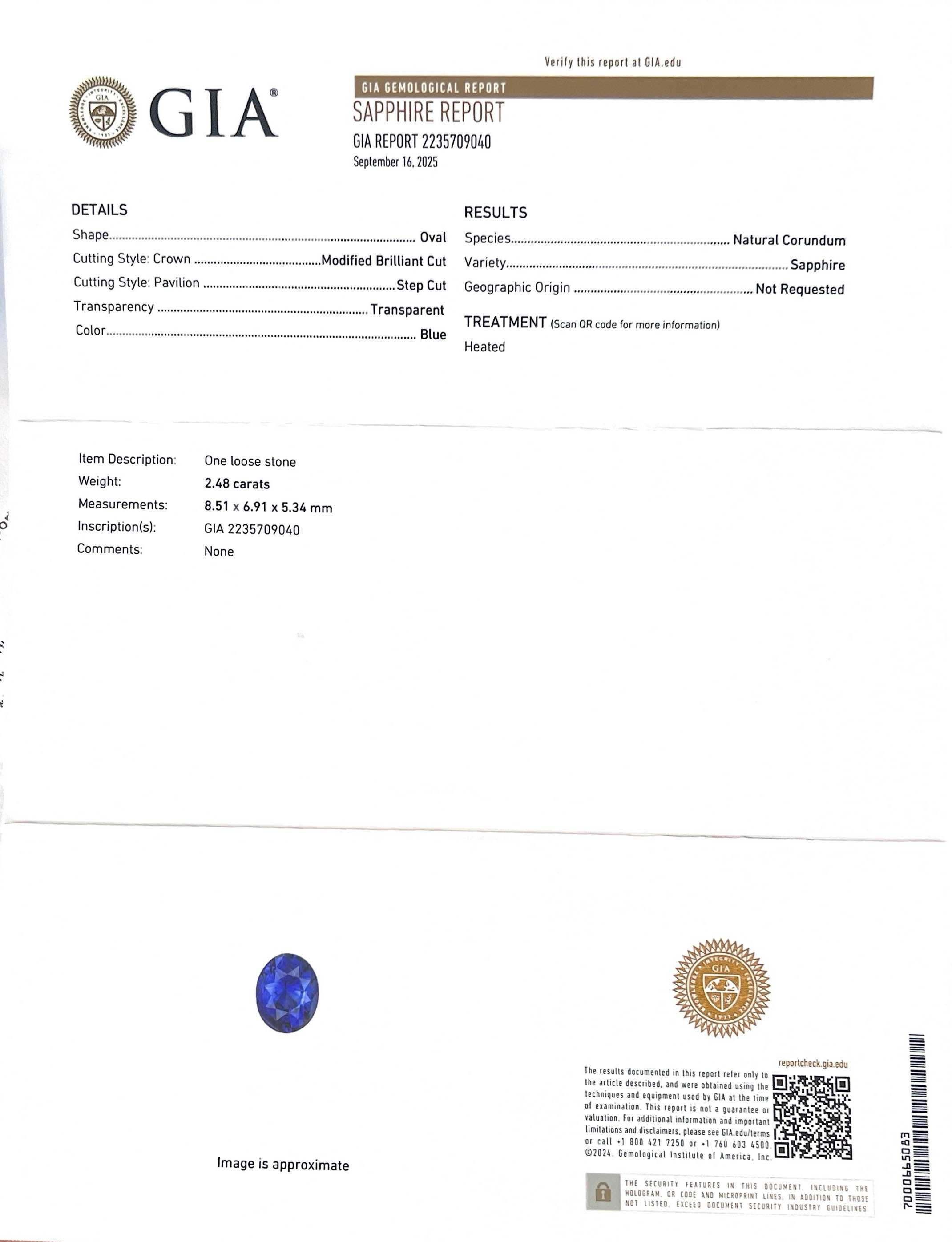
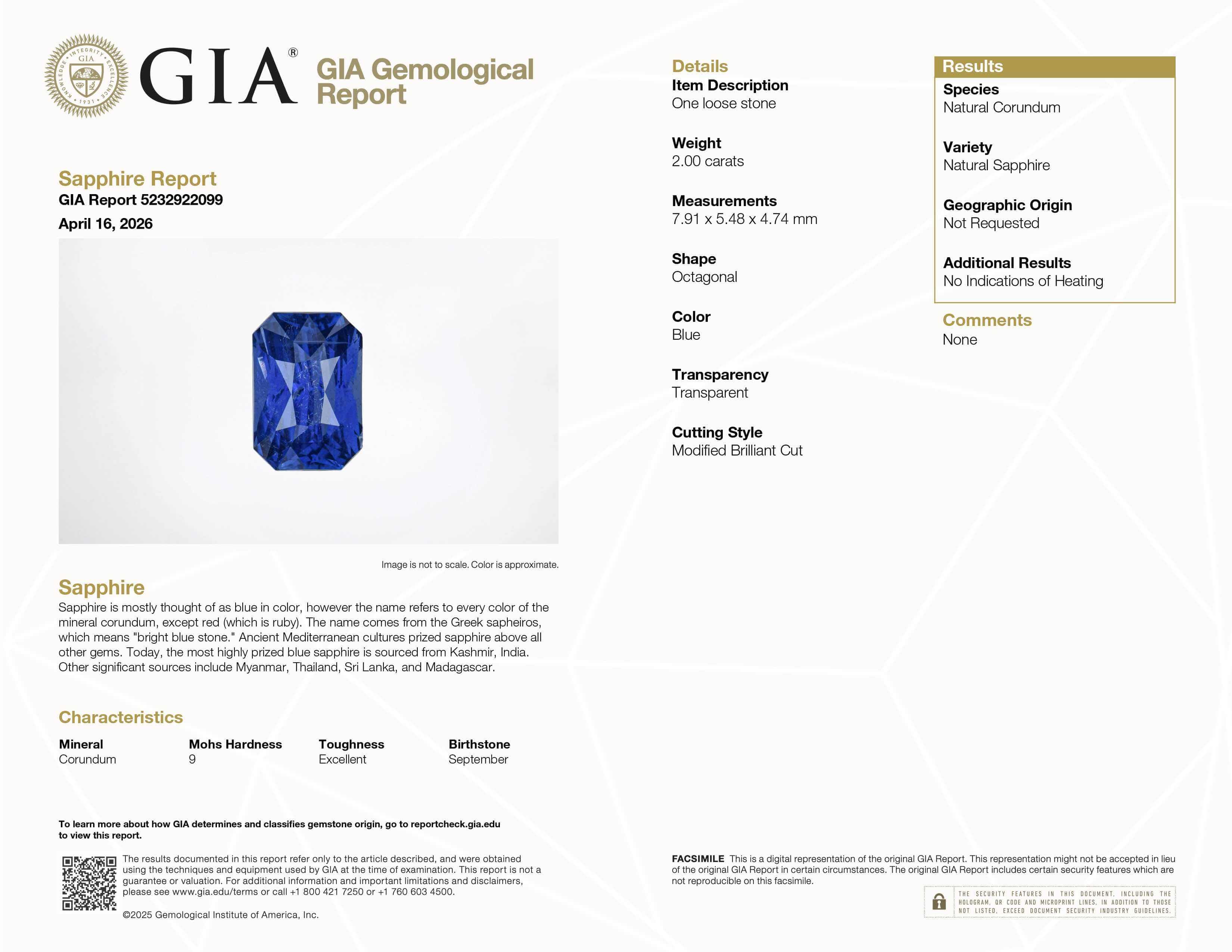
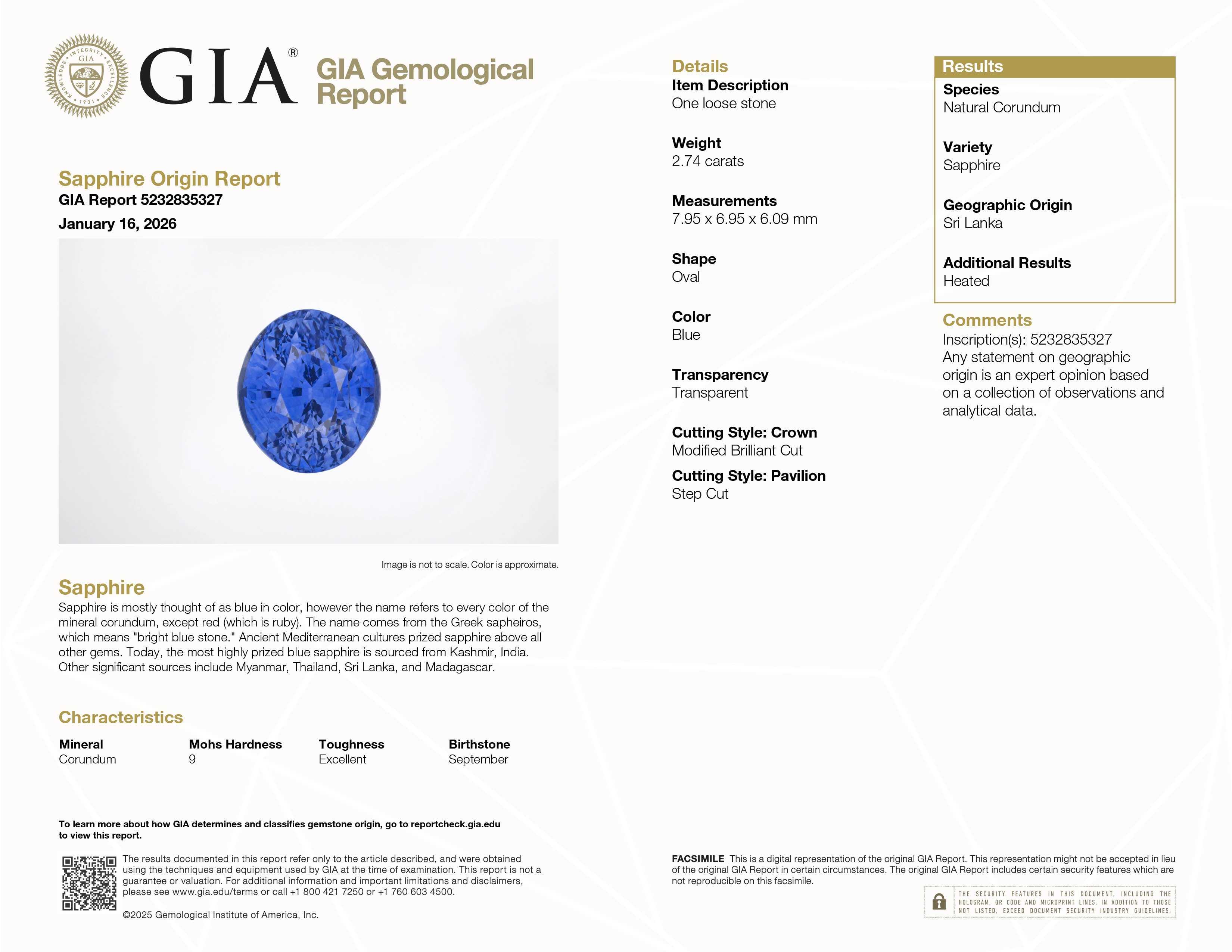
Every product page states treatment status clearly. Many of our blue sapphires are unheated — meaning they show their natural color with no thermal treatment at all. Unheated stones are significantly rarer and carry greater collectible and investment value. Stones that have been heat-treated (the only treatment we accept in our inventory) are disclosed as such. Premium pieces ship with GIA reports documenting weight, dimensions, treatment status, and origin where determinable. Independent lab reports accompany most other stones. Nothing is sold without honest disclosure.
How to choose a blue sapphire
Hue. Cornflower and royal blue command the highest prices. Pale blue, denim blue, and silvery blue offer quiet elegance at more accessible levels. Stones leaning toward green or gray are valued less — we disclose these honestly in our color descriptions.
Saturation over tone. Vivid saturation matters more than darkness. A medium-tone highly-saturated blue outperforms a darker stone with grayish undertones every time.
Cut. Oval and cushion dominate engagement-ring demand. Emerald and radiant cuts suit modern geometric settings. Round cuts are designer favorites for calibrated work. We carry every standard cut and a growing range of fancy cuts.
Carat. Sub-carat blue sapphires are widely available under $1,000. One-carat stones typically range from the mid-three-figures to low-four-figures depending on hue and treatment. Two-carat and above moves quickly into premium and investment territory.
Engagement rings and design work
Sapphire's hardness makes it second only to diamond for daily wear, which is why it has become the leading natural alternative for engagement rings. Custom jewelers and designers value our matched pairs and calibrated dimensions for bespoke work; see our matched pairs collection. Collectors typically look for unheated origin, GIA documentation, and rarer hue ranges — those stones tend to move quickly when they list.
Learn about blue sapphires
Our education hub covers everything you need to buy blue sapphires with confidence. Start with the guides most relevant to blue:
Blue sapphire buying guides
- Blue Sapphire Buyer's Guide — the complete deep dive on blue specifically
- Ultimate Sapphire Buying Guide — the central hub for all sapphire education
- Sapphire Pricing Explained — what drives cost per carat and why two similar blues can be 5× apart
- Interactive Sapphire Color Chart — compare blue against every other sapphire color side by side
Engagement rings
- Blue Sapphire Engagement Ring Guide
- How to Choose a Sapphire for Your Engagement Ring
- How to Commission a Custom Ring — our jewelry division builds it around your stone
- Best Cut for an Engagement Ring
- What Size Sapphire Is Best?
- Loose Sapphires vs. Preset Rings
- Best Sapphire Color for Your Skin Tone
- How to Care for a Sapphire Engagement Ring
Treatment and science
- What Is an Unheated Sapphire?
- How Sapphire Heat Treatment Works — furnaces, temperatures, and what changes inside the stone
- Beryllium Diffusion Explained — and why we don't carry it
- How to Read Sapphire Inclusions — silk, fingerprints, zircon halos, and what they tell you
- How to Read a GIA Sapphire Report
Origin and sourcing
- Ceylon Sapphire Complete Guide
- Montana Sapphire vs. Ceylon Sapphire
- Madagascar Sapphire Guide
- The Ratnapura Gem Market — how sapphires are traded at the source
- Pit Mining in Sri Lanka
- Faceting Sapphires — the cutting process from rough to finished stone
Comparisons
- Sapphire vs. Diamond
- Sapphire vs. Emerald
- Sapphire vs. Moissanite vs. Lab Diamond
- Sapphire vs. Spinel
Jyotish (Vedic astrology)
Blue sapphire (Neelam) is the prescribed gemstone for Saturn (Shani) in Vedic astrology — the most powerful planetary prescription. Strict requirements apply: natural, unheated, eye-clean, vivid, 1.50ct+, Ceylon origin. See our Jyotish Sapphire Buying Guide.
Explore more collections
For Sri Lanka-origin stones specifically, browse our Ceylon blue sapphire collection. For unheated-only stones, see untreated blue sapphires. Or explore the complete natural loose sapphire catalog across every color.
Have a question about a specific stone, or want help choosing between two? Email crescentgems@gmail.com — we reply within one business day. Every loose stone qualifies for our 14-day return policy. Select pieces are available through our Try-On program — see the stone in hand before you commit. Free US shipping on every order; international shipping via FedEx and UPS.
Blue sapphire is the world's most iconic colored gemstone — corundum colored by trace iron and titanium, prized for its depth of color, 9 on the Mohs scale durability, and a 2,500-year history of royal and ceremonial significance. This is our complete blue sapphire collection: natural, hand-selected loose stones from Sri Lanka (Ceylon), Madagascar, and other classic sapphire origins, covering every shade of blue from pale denim to vivid royal and the rare cornflower hue collectors hunt for.
Every blue, every cut
Blue sapphire ranges far wider than most buyers realize. Pale blue and denim blue offer quiet, wearable elegance at accessible prices. Medium-tone vivid blue is the daily-wear sweet spot. Cornflower — a velvety, slightly violet-leaning blue with strong saturation that holds its color from daylight to candlelight — is the most coveted hue and commands the highest prices. Royal blue is darker and more saturated, prized for dramatic statement pieces. This collection brings them all together so you can compare across the full range in one place.
Treatment and certification, disclosed on every stone
Every product page states treatment status clearly. Many of our blue sapphires are unheated — meaning they show their natural color with no thermal treatment at all. Unheated stones are significantly rarer and carry greater collectible and investment value. Stones that have been heat-treated (the only treatment we accept in our inventory) are disclosed as such. Premium pieces ship with GIA reports documenting weight, dimensions, treatment status, and origin where determinable. Independent lab reports accompany most other stones. Nothing is sold without honest disclosure.
How to choose a blue sapphire
Hue. Cornflower and royal blue command the highest prices. Pale blue, denim blue, and silvery blue offer quiet elegance at more accessible levels. Stones leaning toward green or gray are valued less — we disclose these honestly in our color descriptions.
Saturation over tone. Vivid saturation matters more than darkness. A medium-tone highly-saturated blue outperforms a darker stone with grayish undertones every time.
Cut. Oval and cushion dominate engagement-ring demand. Emerald and radiant cuts suit modern geometric settings. Round cuts are designer favorites for calibrated work. We carry every standard cut and a growing range of fancy cuts.
Carat. Sub-carat blue sapphires are widely available under $1,000. One-carat stones typically range from the mid-three-figures to low-four-figures depending on hue and treatment. Two-carat and above moves quickly into premium and investment territory.
Engagement rings and design work
Sapphire's hardness makes it second only to diamond for daily wear, which is why it has become the leading natural alternative for engagement rings. Custom jewelers and designers value our matched pairs and calibrated dimensions for bespoke work; see our matched pairs collection. Collectors typically look for unheated origin, GIA documentation, and rarer hue ranges — those stones tend to move quickly when they list.
Learn about blue sapphires
Our education hub covers everything you need to buy blue sapphires with confidence. Start with the guides most relevant to blue:
Blue sapphire buying guides
- Blue Sapphire Buyer's Guide — the complete deep dive on blue specifically
- Ultimate Sapphire Buying Guide — the central hub for all sapphire education
- Sapphire Pricing Explained — what drives cost per carat and why two similar blues can be 5× apart
- Interactive Sapphire Color Chart — compare blue against every other sapphire color side by side
Engagement rings
- Blue Sapphire Engagement Ring Guide
- How to Choose a Sapphire for Your Engagement Ring
- How to Commission a Custom Ring — our jewelry division builds it around your stone
- Best Cut for an Engagement Ring
- What Size Sapphire Is Best?
- Loose Sapphires vs. Preset Rings
- Best Sapphire Color for Your Skin Tone
- How to Care for a Sapphire Engagement Ring
Treatment and science
- What Is an Unheated Sapphire?
- How Sapphire Heat Treatment Works — furnaces, temperatures, and what changes inside the stone
- Beryllium Diffusion Explained — and why we don't carry it
- How to Read Sapphire Inclusions — silk, fingerprints, zircon halos, and what they tell you
- How to Read a GIA Sapphire Report
Origin and sourcing
- Ceylon Sapphire Complete Guide
- Montana Sapphire vs. Ceylon Sapphire
- Madagascar Sapphire Guide
- The Ratnapura Gem Market — how sapphires are traded at the source
- Pit Mining in Sri Lanka
- Faceting Sapphires — the cutting process from rough to finished stone
Comparisons
- Sapphire vs. Diamond
- Sapphire vs. Emerald
- Sapphire vs. Moissanite vs. Lab Diamond
- Sapphire vs. Spinel
Jyotish (Vedic astrology)
Blue sapphire (Neelam) is the prescribed gemstone for Saturn (Shani) in Vedic astrology — the most powerful planetary prescription. Strict requirements apply: natural, unheated, eye-clean, vivid, 1.50ct+, Ceylon origin. See our Jyotish Sapphire Buying Guide.
Explore more collections
For Sri Lanka-origin stones specifically, browse our Ceylon blue sapphire collection. For unheated-only stones, see untreated blue sapphires. Or explore the complete natural loose sapphire catalog across every color.
Have a question about a specific stone, or want help choosing between two? Email crescentgems@gmail.com — we reply within one business day. Every loose stone qualifies for our 14-day return policy. Select pieces are available through our Try-On program — see the stone in hand before you commit. Free US shipping on every order; international shipping via FedEx and UPS.
CG8421
CG8315
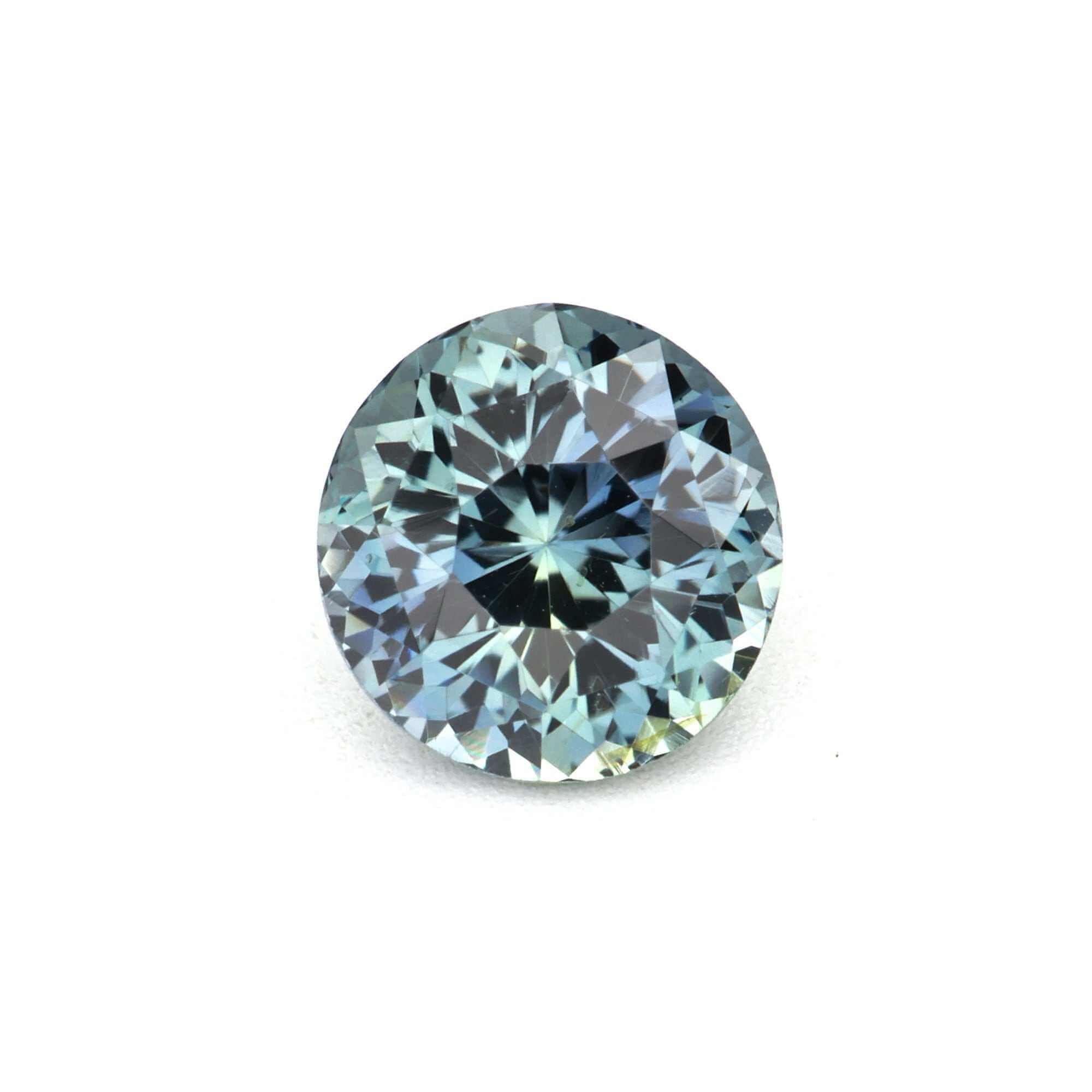
0.87 ct Round Ceylon Blue Sapphire ~ Heat Treated
CG7922
CG8444
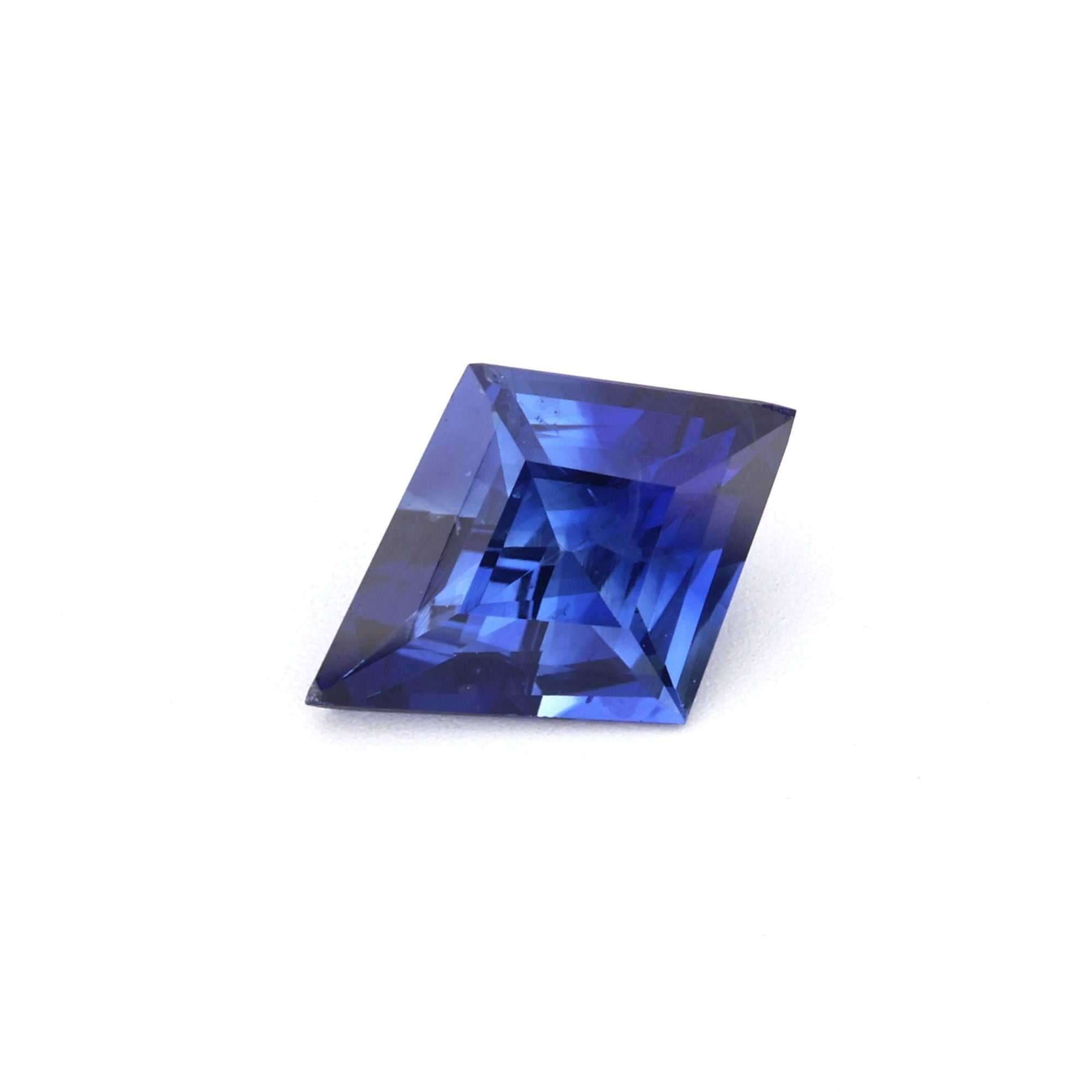
1.06 ct Kite-Shaped Blue Sapphire ~ Heat Treated
CG8316
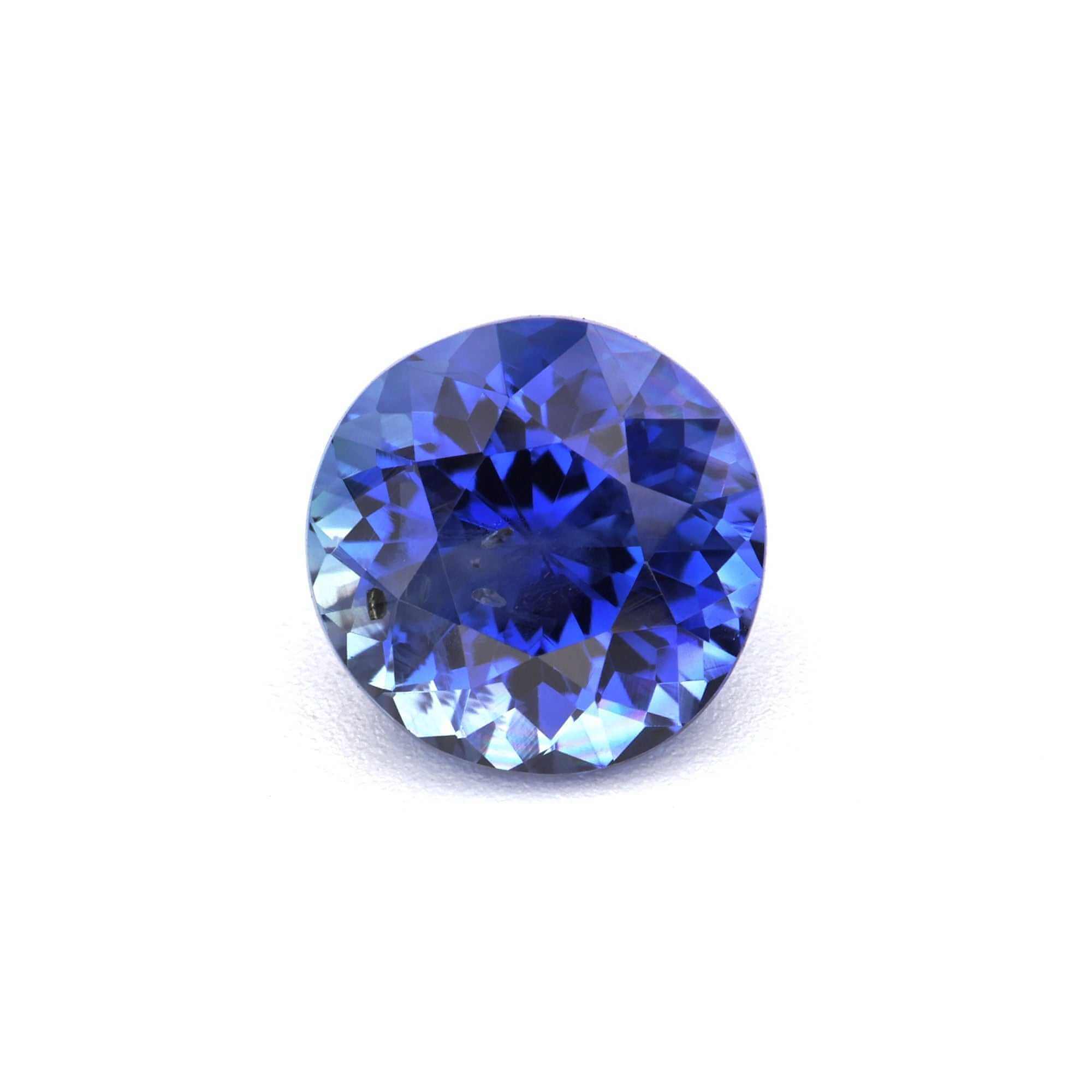
1.10 ct Round Blue Sapphire ~ Heat Treated
CG8426
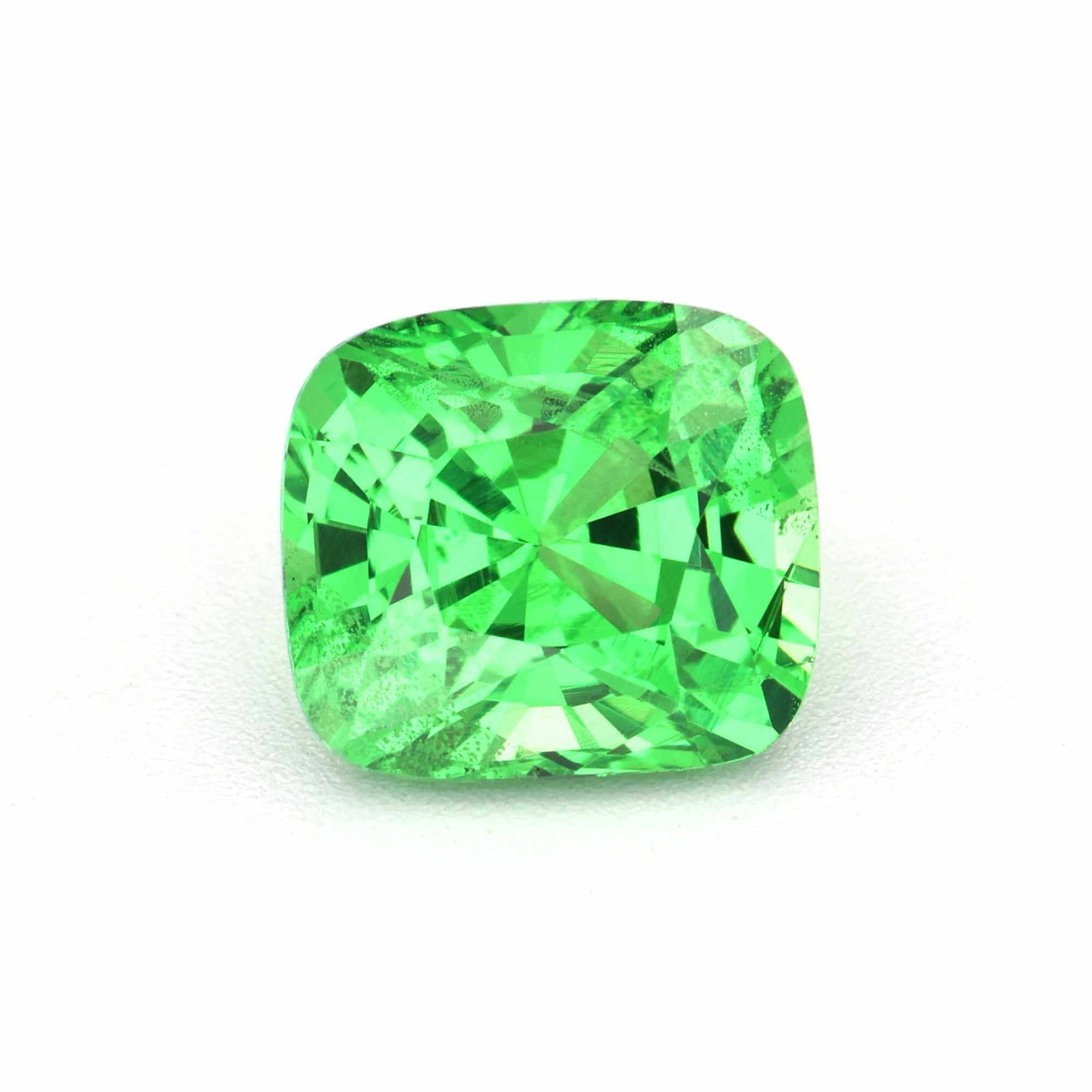
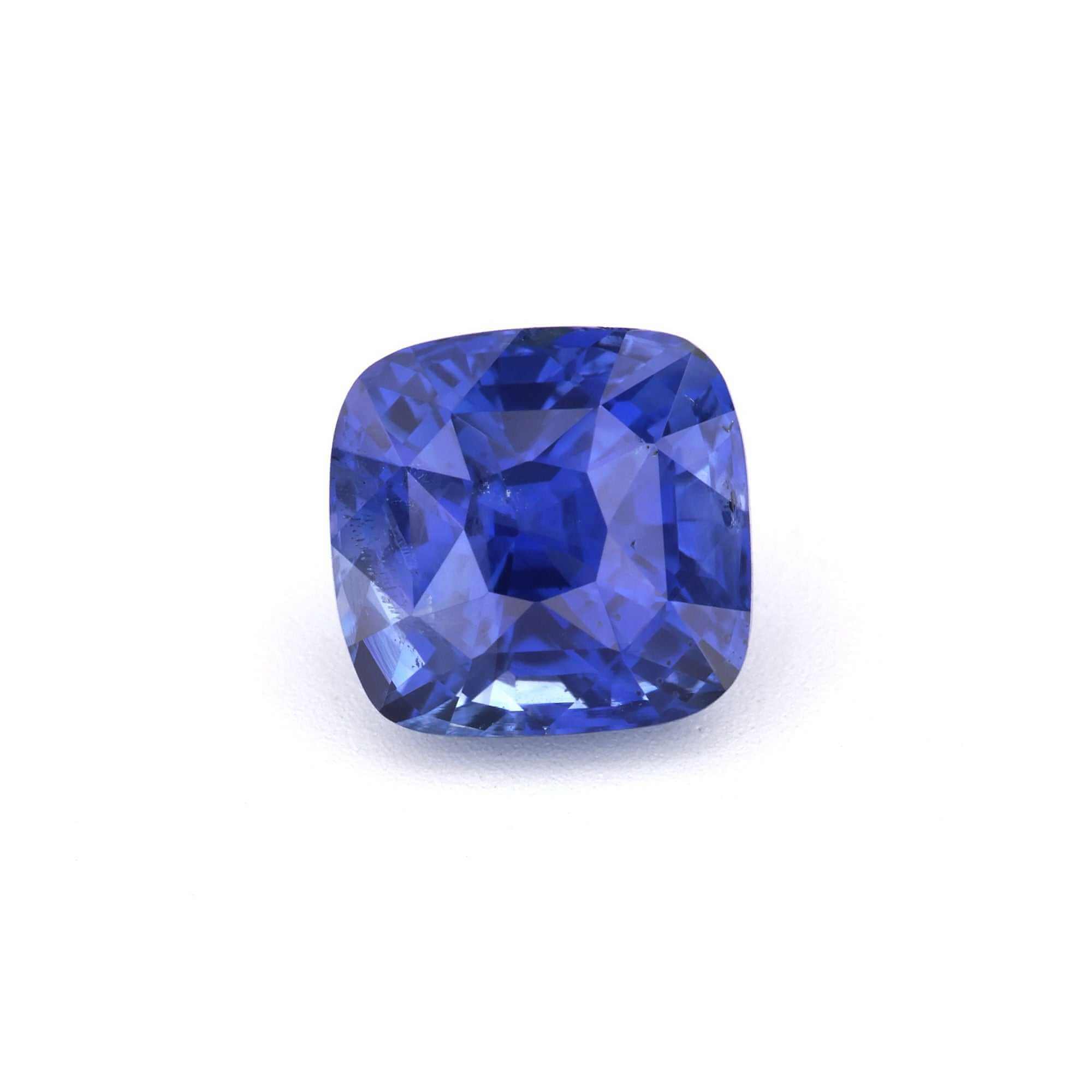
1.14 ct Cushion Ceylon Blue Sapphire ~ Unheated
CG8228
1.21 ct Trillion Shape Blue Sapphire ~ Heat treated
CG8330
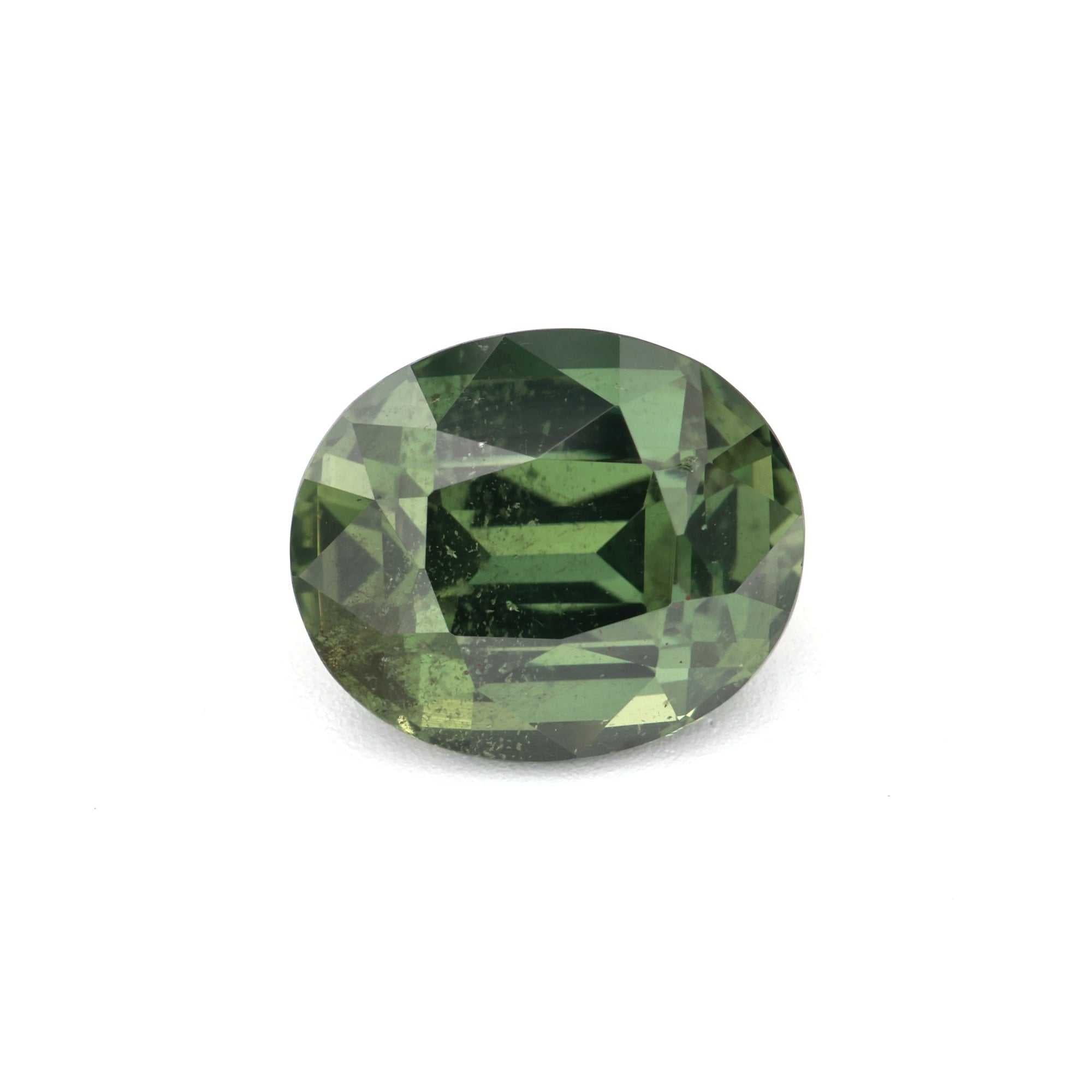
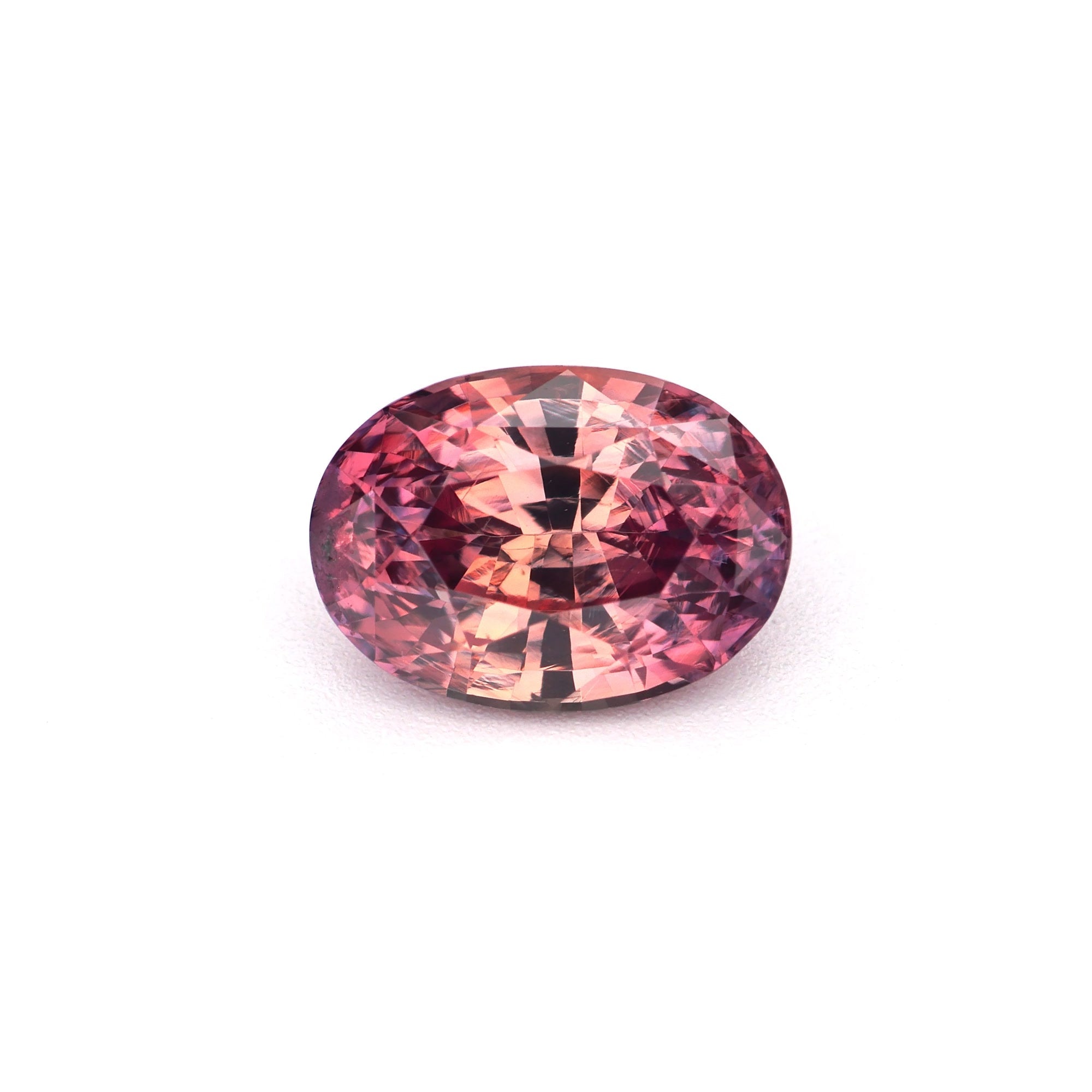
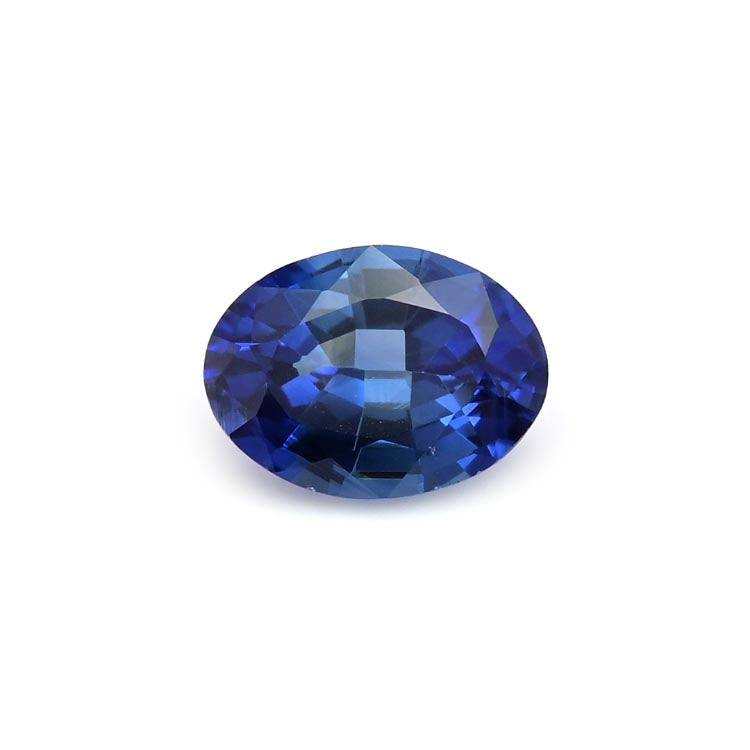
1.28 ct Oval Ceylon Blue Sapphire ~ Unheated
CG8425
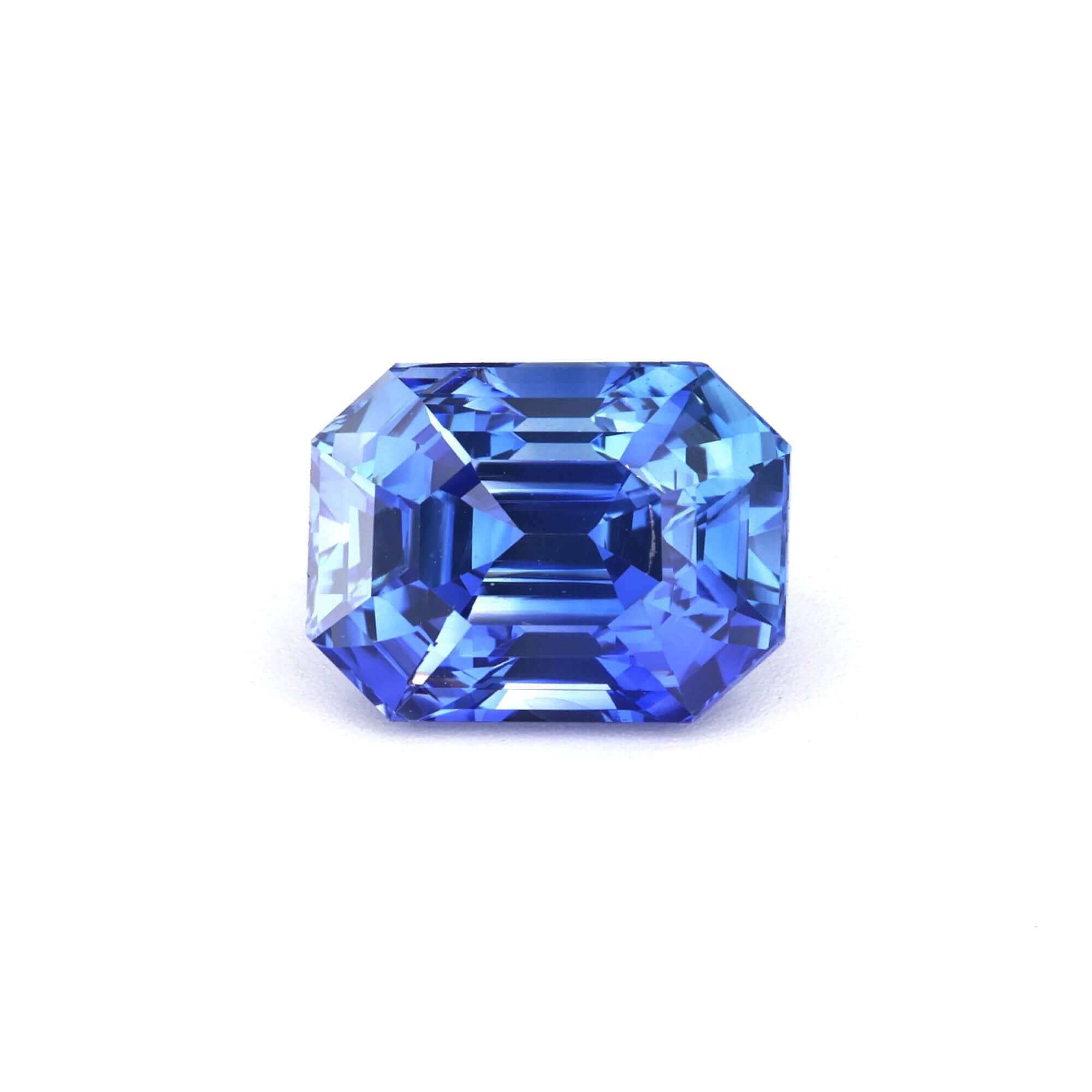
1.32 ct Emerald-Cut Deep Blue Sapphire ~ Heat Treated
CG8350
1.55 ct Cushion Ceylon Blue Sapphire ~ Heat Treated
CG8420
1.58 ct Round Pale Blue Sapphire ~ Unheated