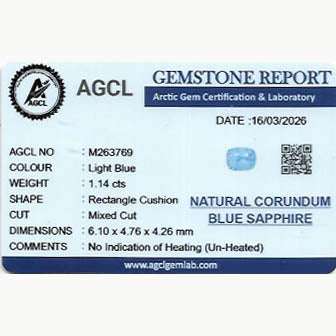
New to buying sapphires? Start with the Ultimate Sapphire Buying Guide. For color guidance: Sapphire Colors Explained. For cut quality: How Cut Affects a Sapphire.

Best Sapphires Under $1,000

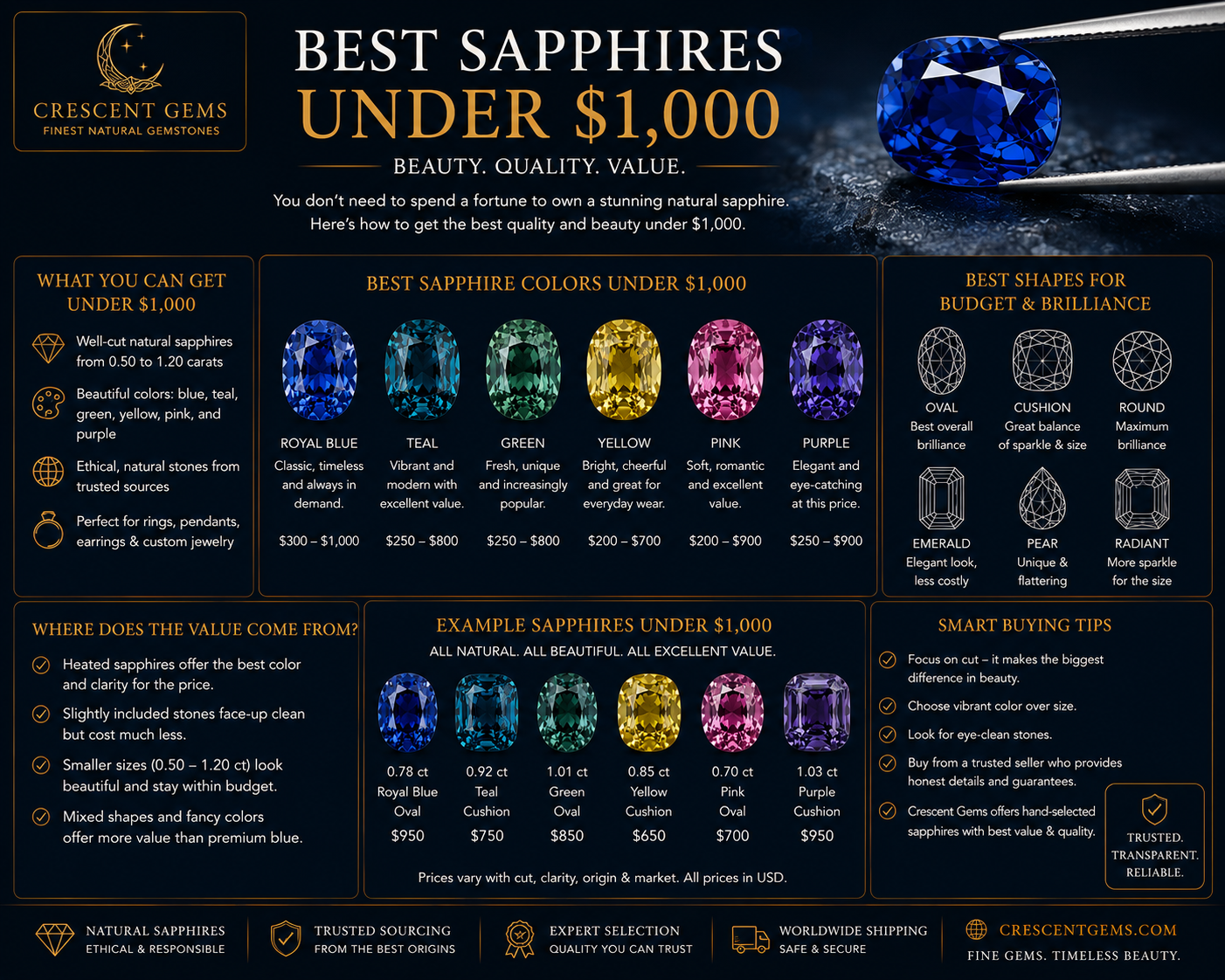
A $1,000 budget is a genuinely workable entry point into natural sapphires — not a consolation prize tier. At this price, you can access real, natural, Ceylon-origin sapphires in a range of colors, appropriate sizes for pendants and smaller engagement rings, and in some cases naturally unheated material. What you cannot access at this budget is fine, vivid, large, GIA-certified, unheated blue sapphire — that market starts higher. But working within $1,000 intelligently produces genuinely beautiful stones.

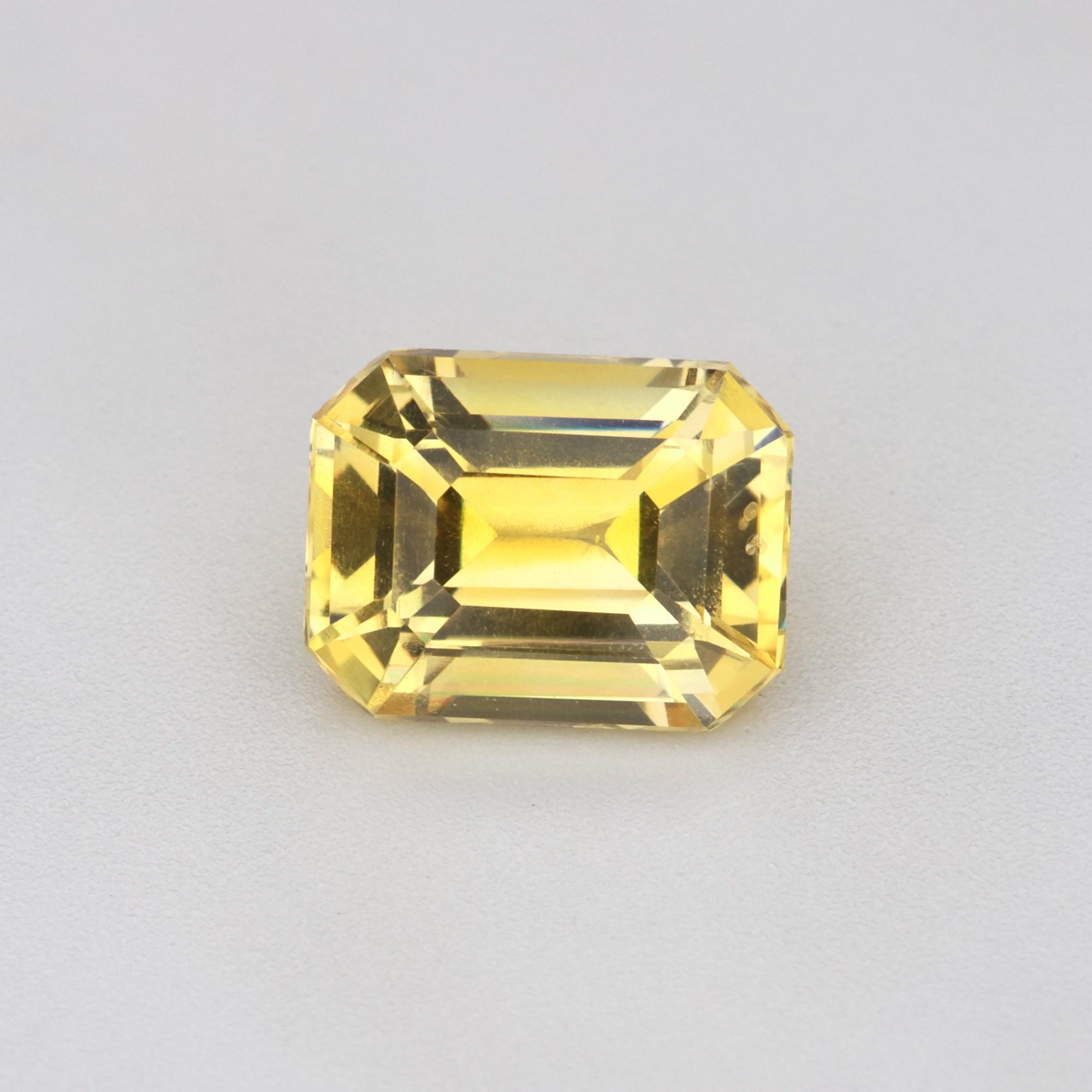
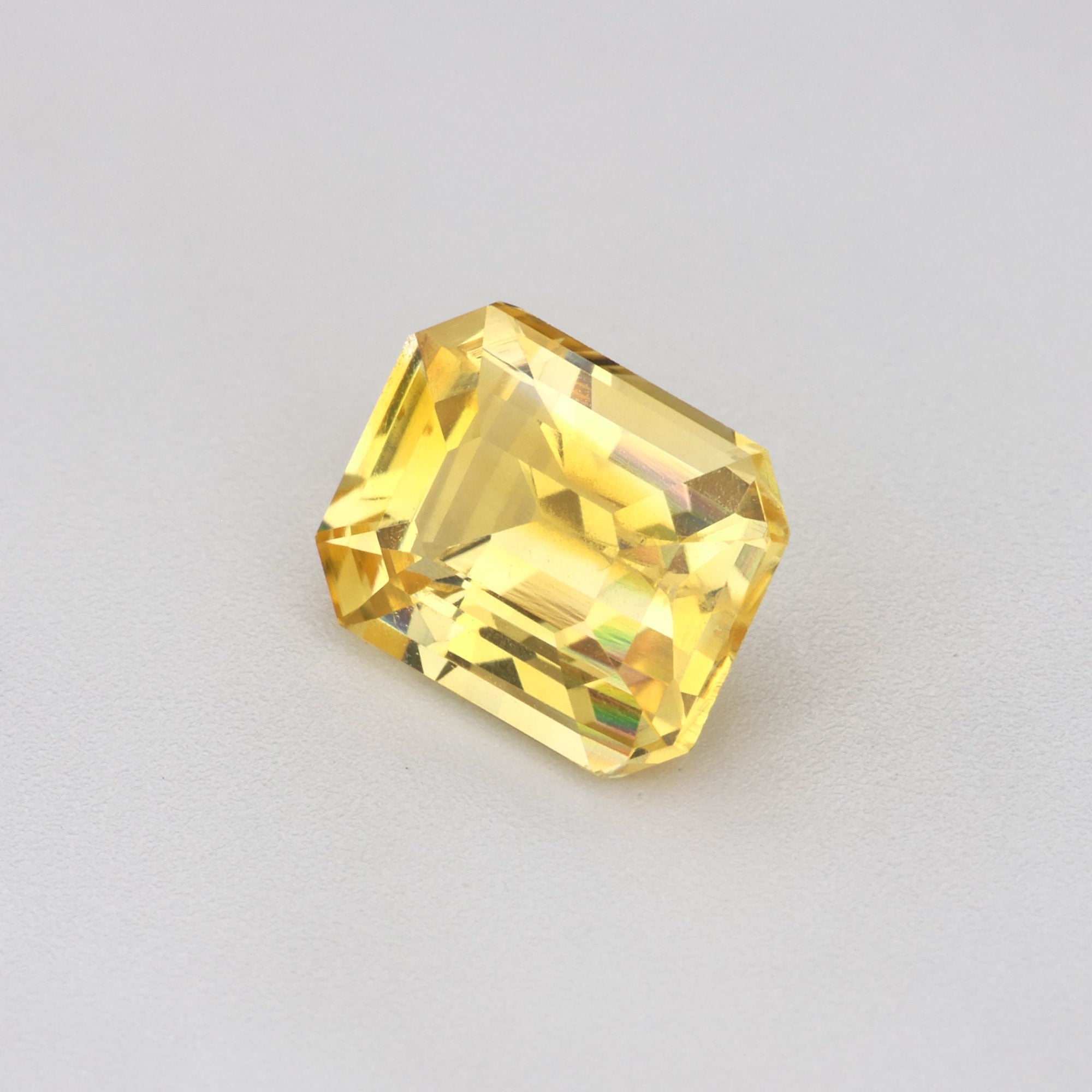
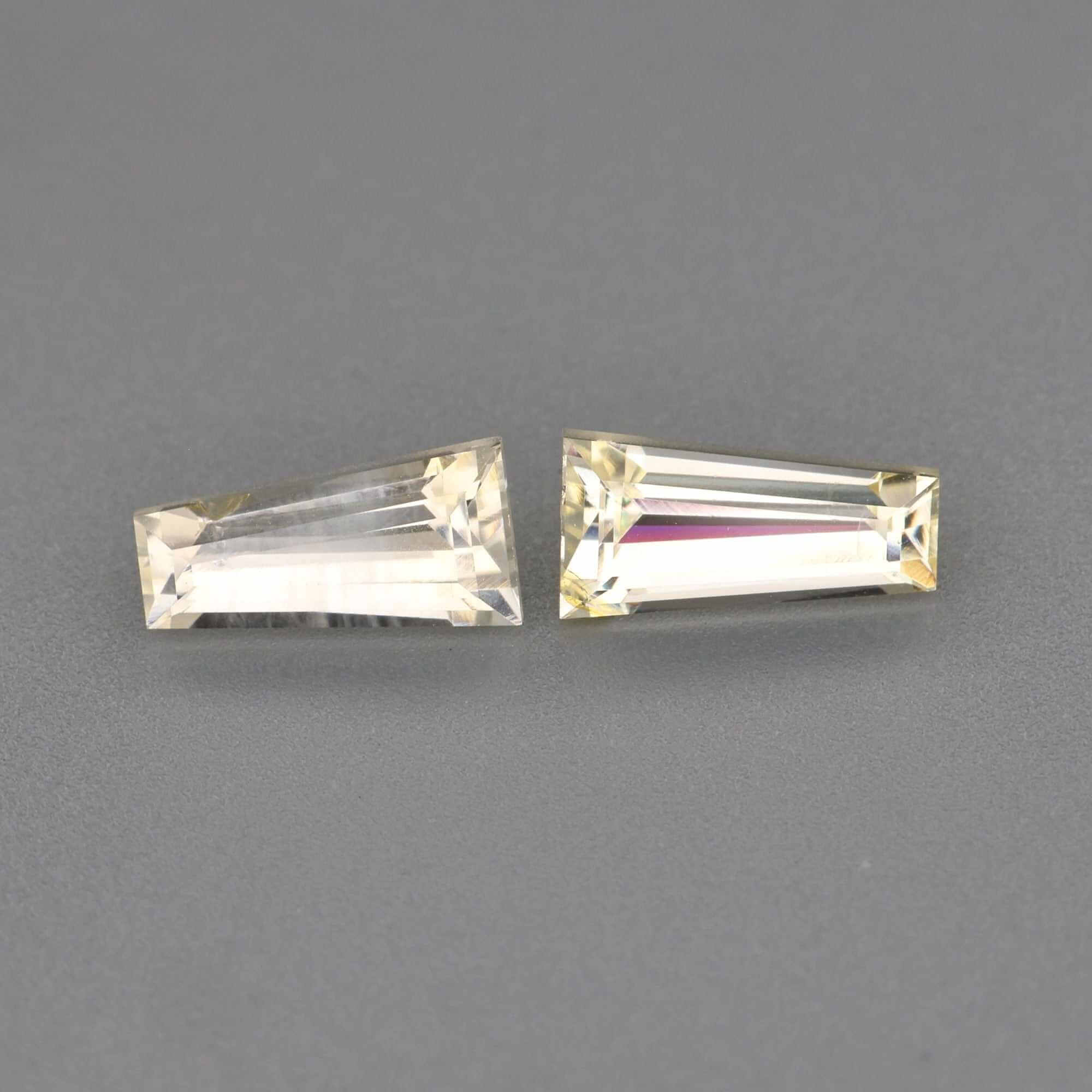
Sapphires under $ 1000 at Crescent Gems

This guide covers what is realistically available under $1,000, how to allocate your budget, which colors give you the most for the money at this price point, and what to look out for to avoid wasting your budget on a poorly cut or misrepresented stone.


What the $1,000 Budget Actually Gets You

The under-$1,000 tier in natural sapphire covers a specific range of stone profiles. Here is an honest map of what fits and what does not:

Stone Profile Realistic Under $1,000? Notes
Heated blue sapphire, 0.5–1.0ct, good color, Ceylon ✓ Yes The most accessible entry into natural blue sapphire
Unheated teal sapphire, 0.5–1.0ct ✓ Yes One of the best values at this budget — strong color, naturally unheated
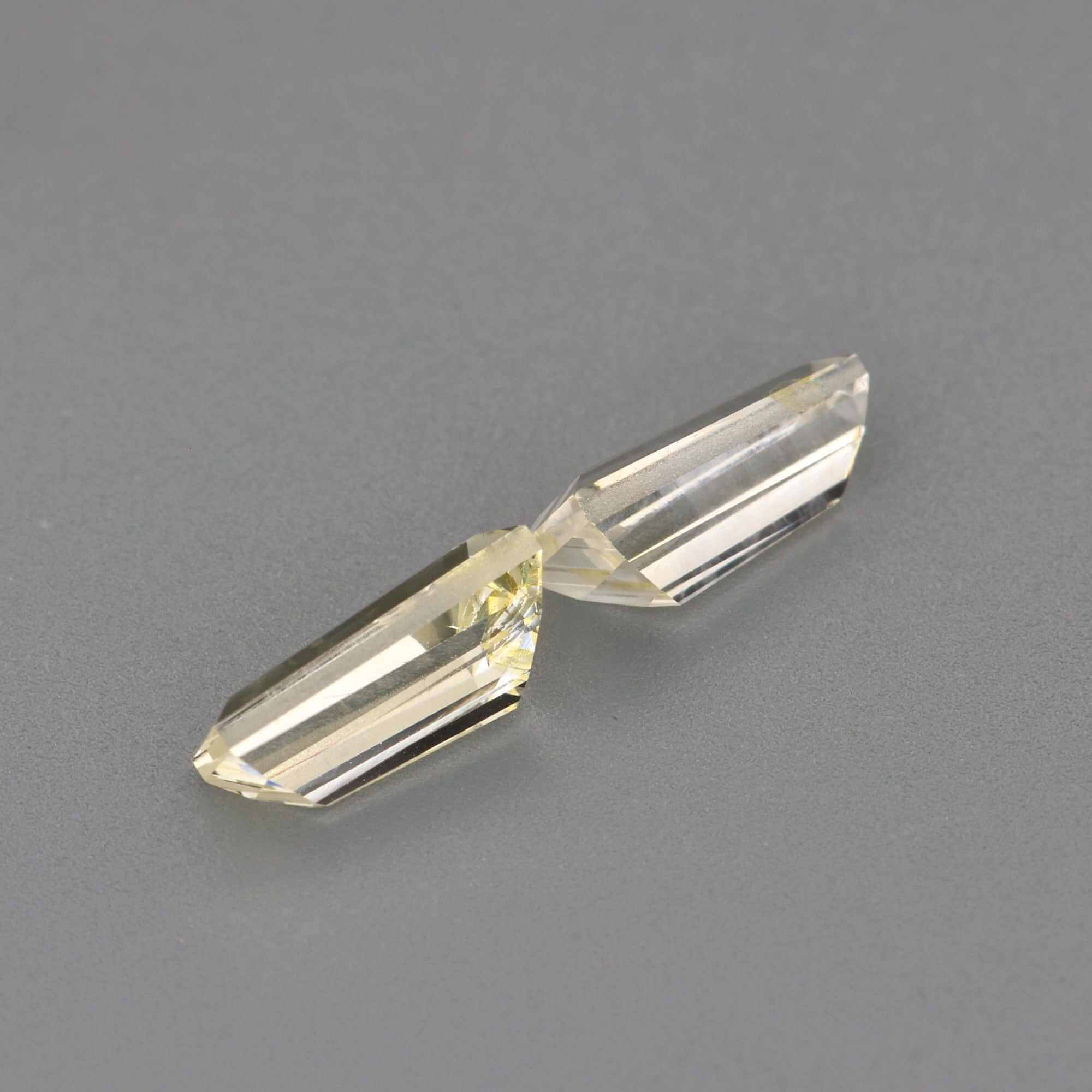
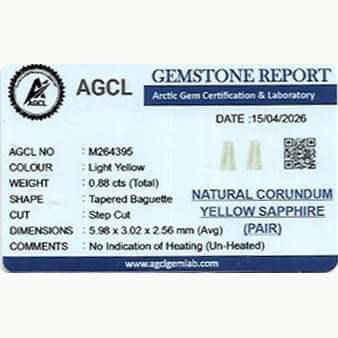
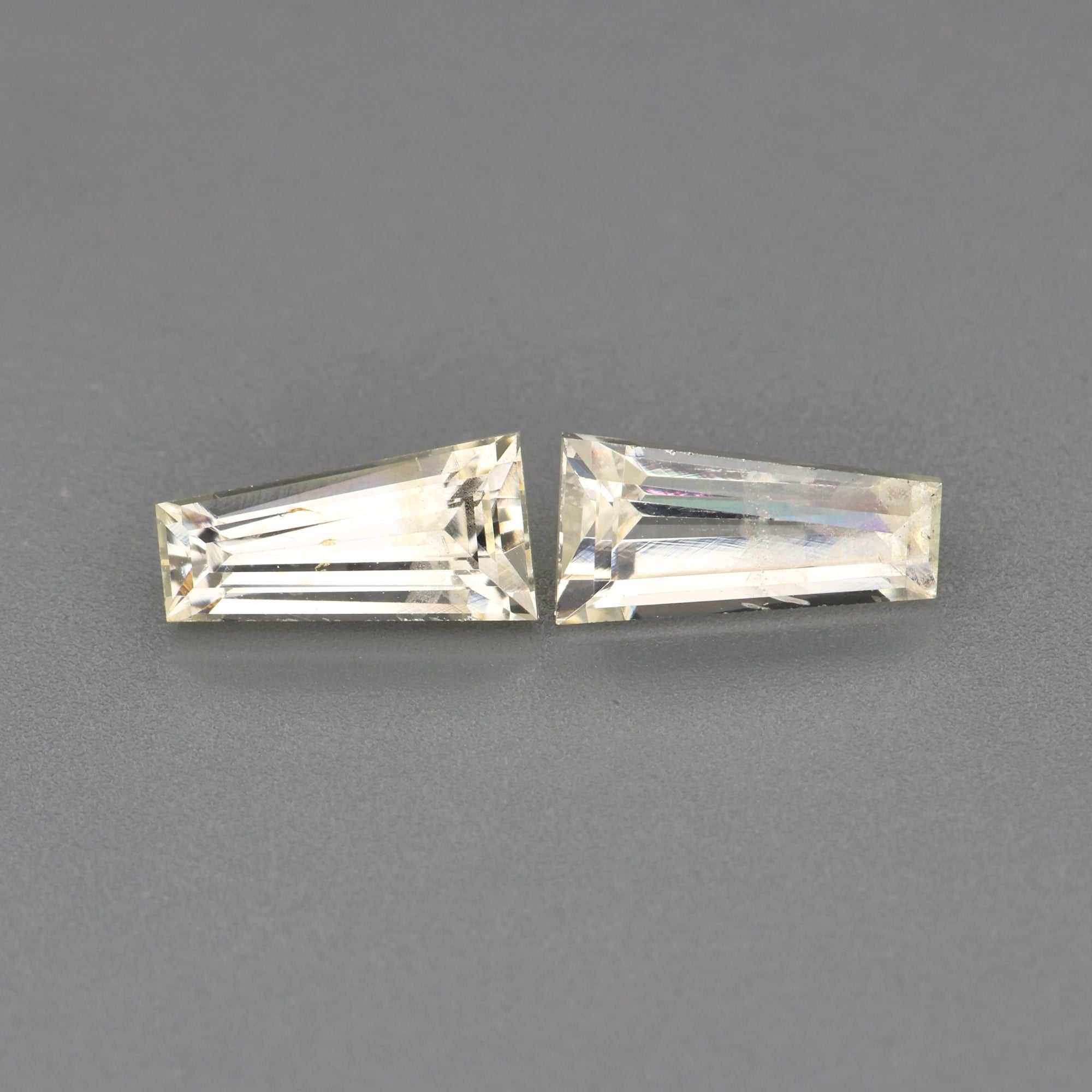
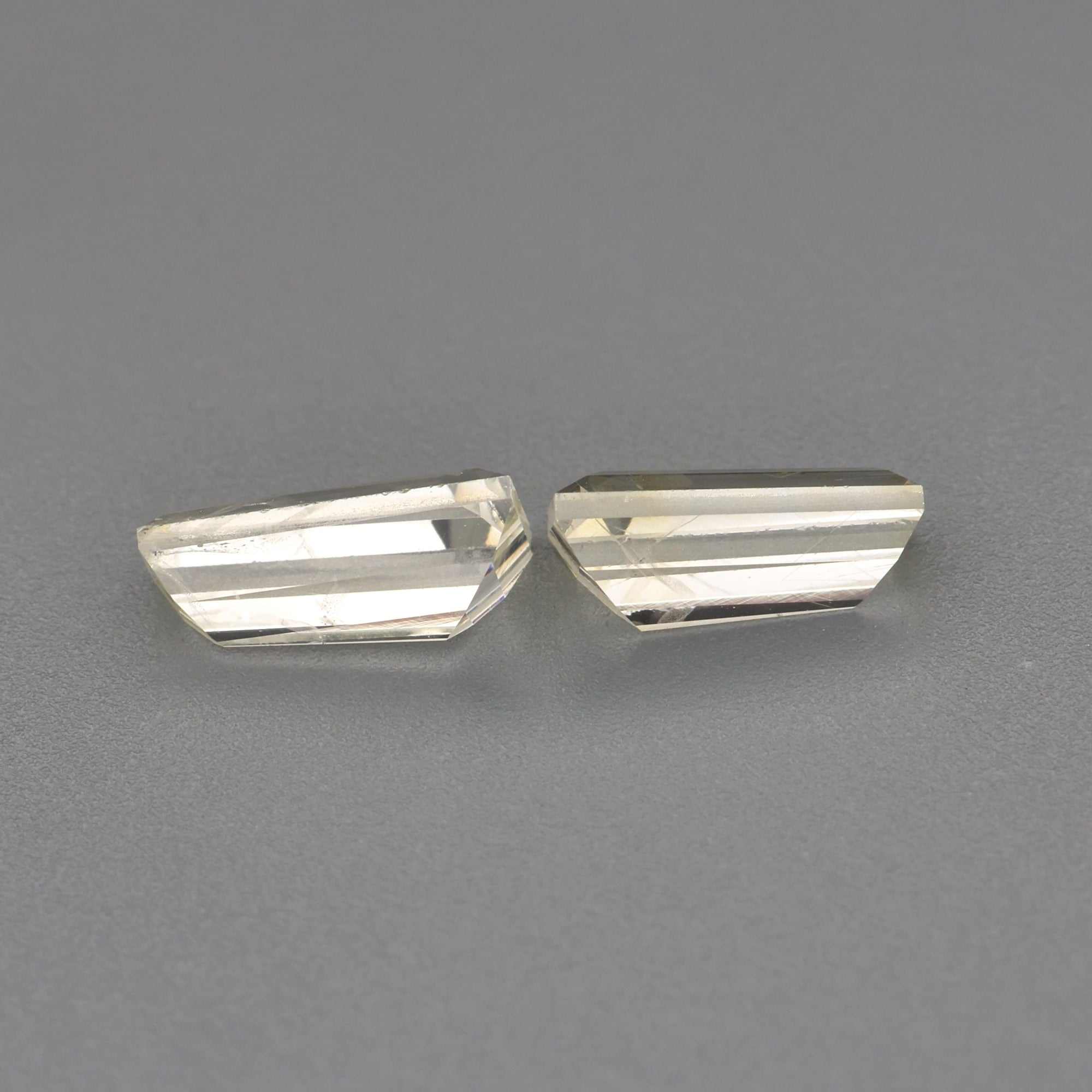
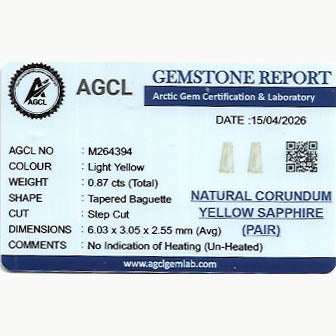
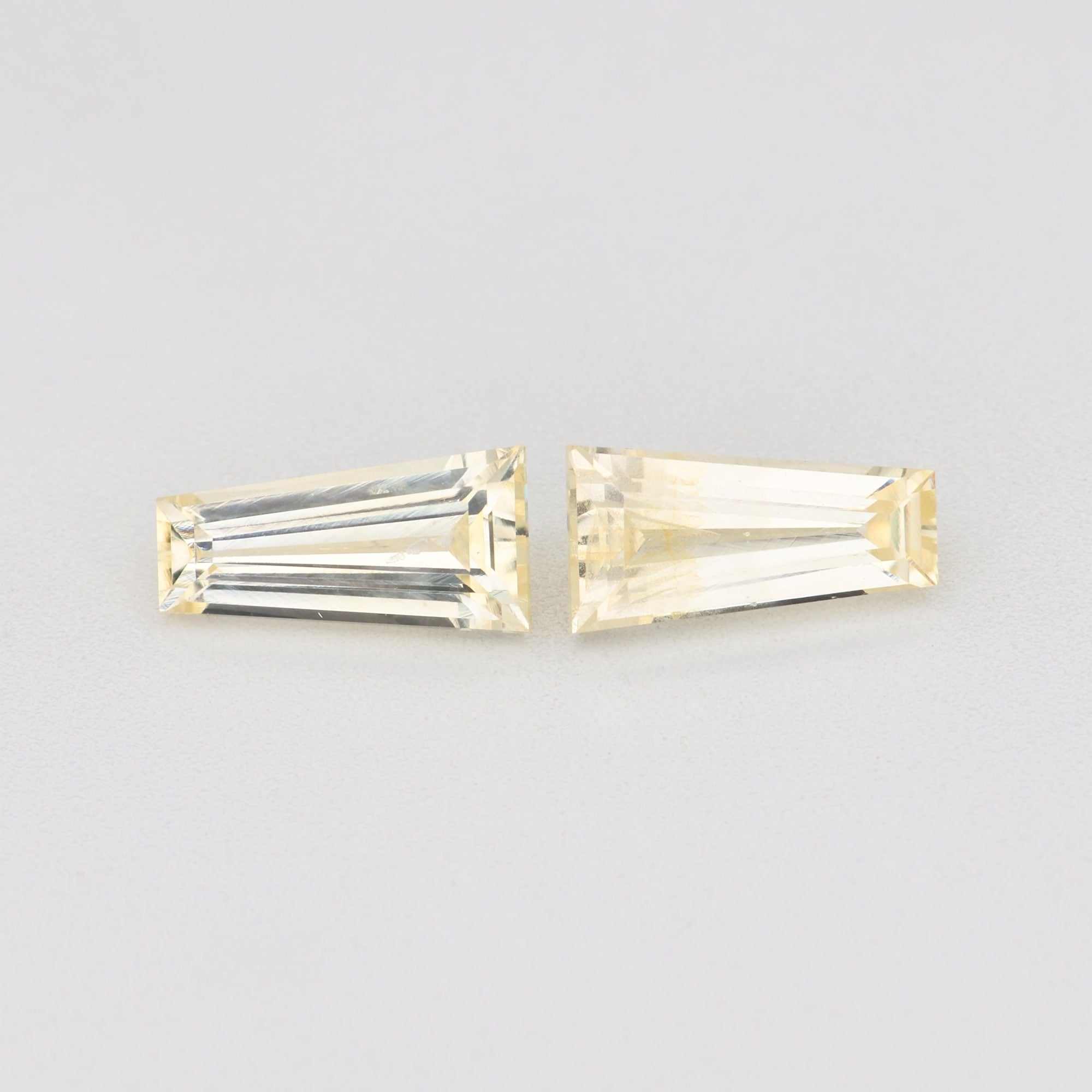
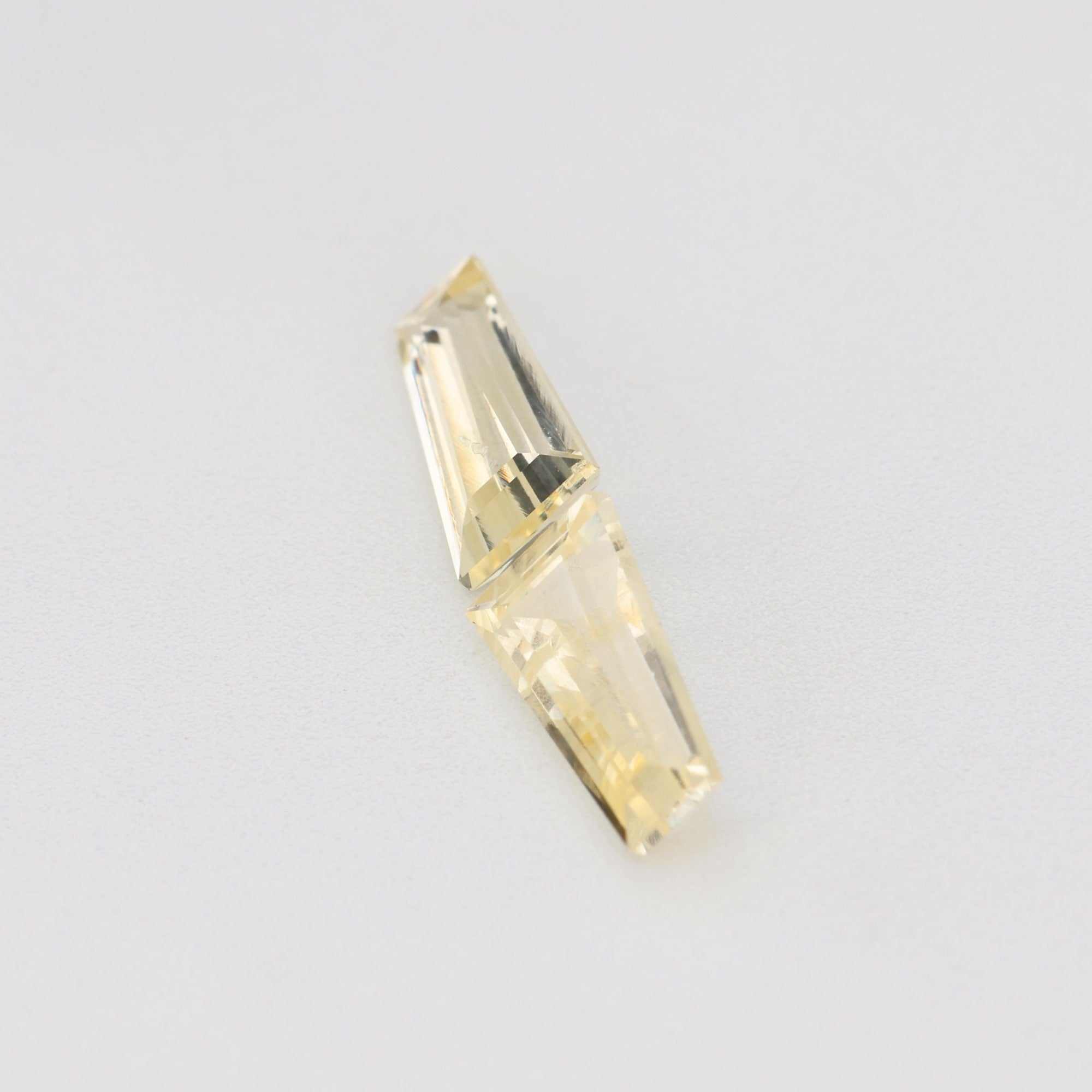
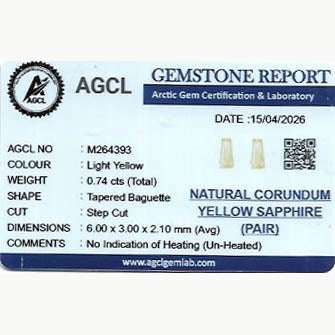
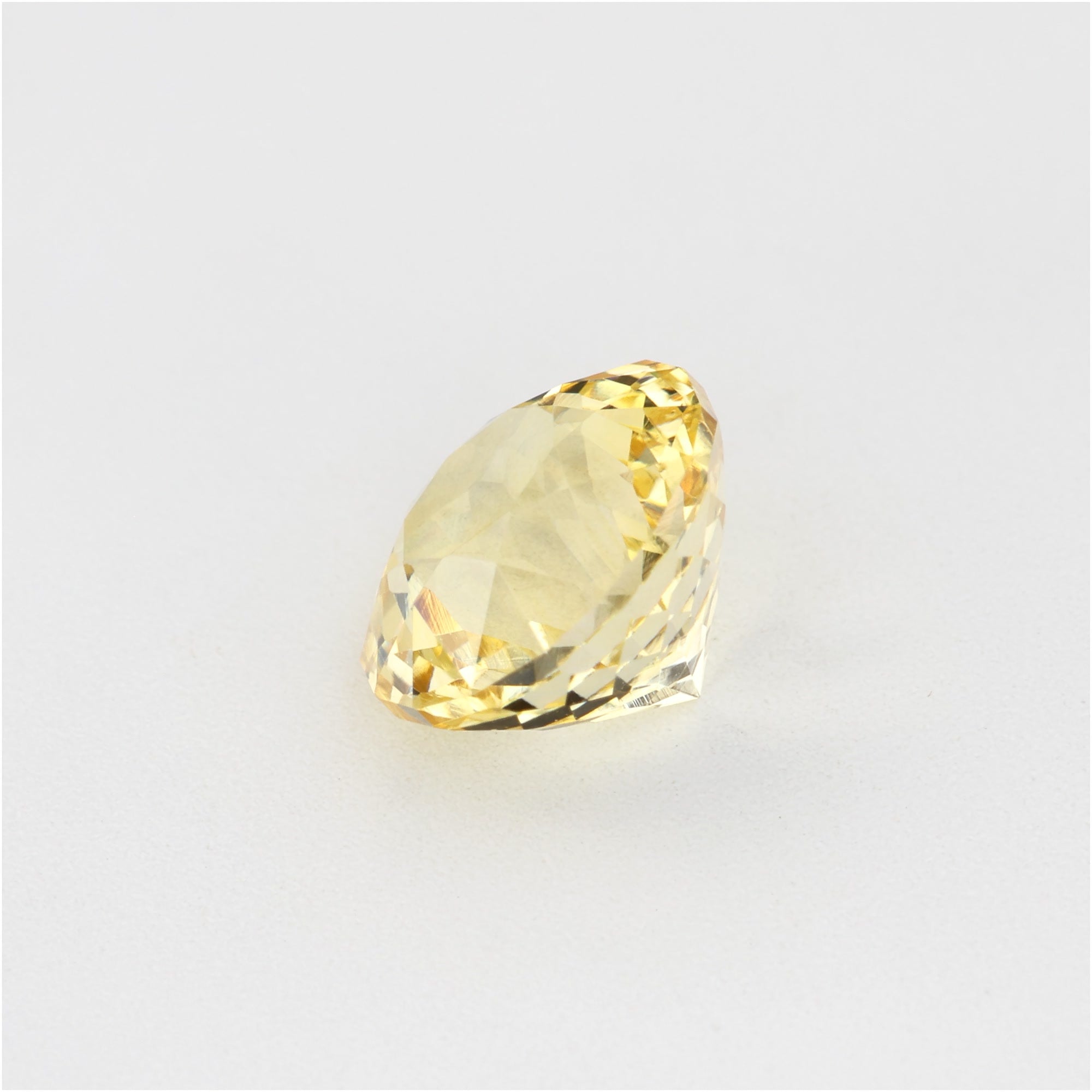
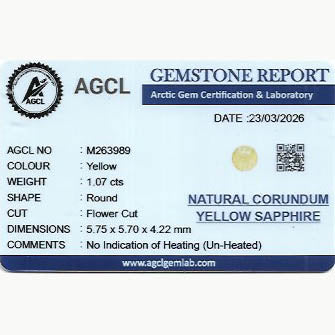
Unheated yellow sapphire, 0.5–1.5ct ✓ Yes Ceylon yellow is frequently naturally unheated at affordable sizes
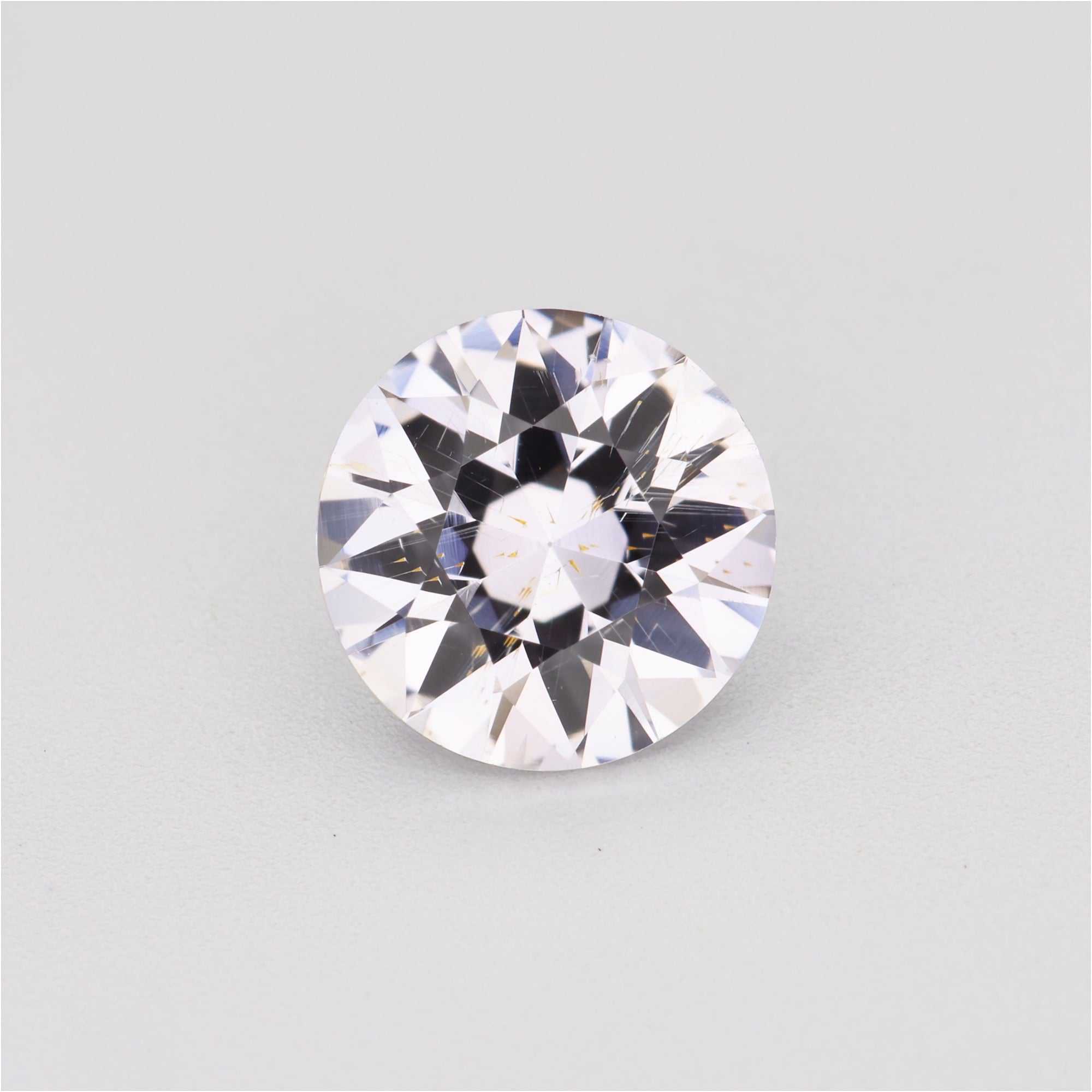
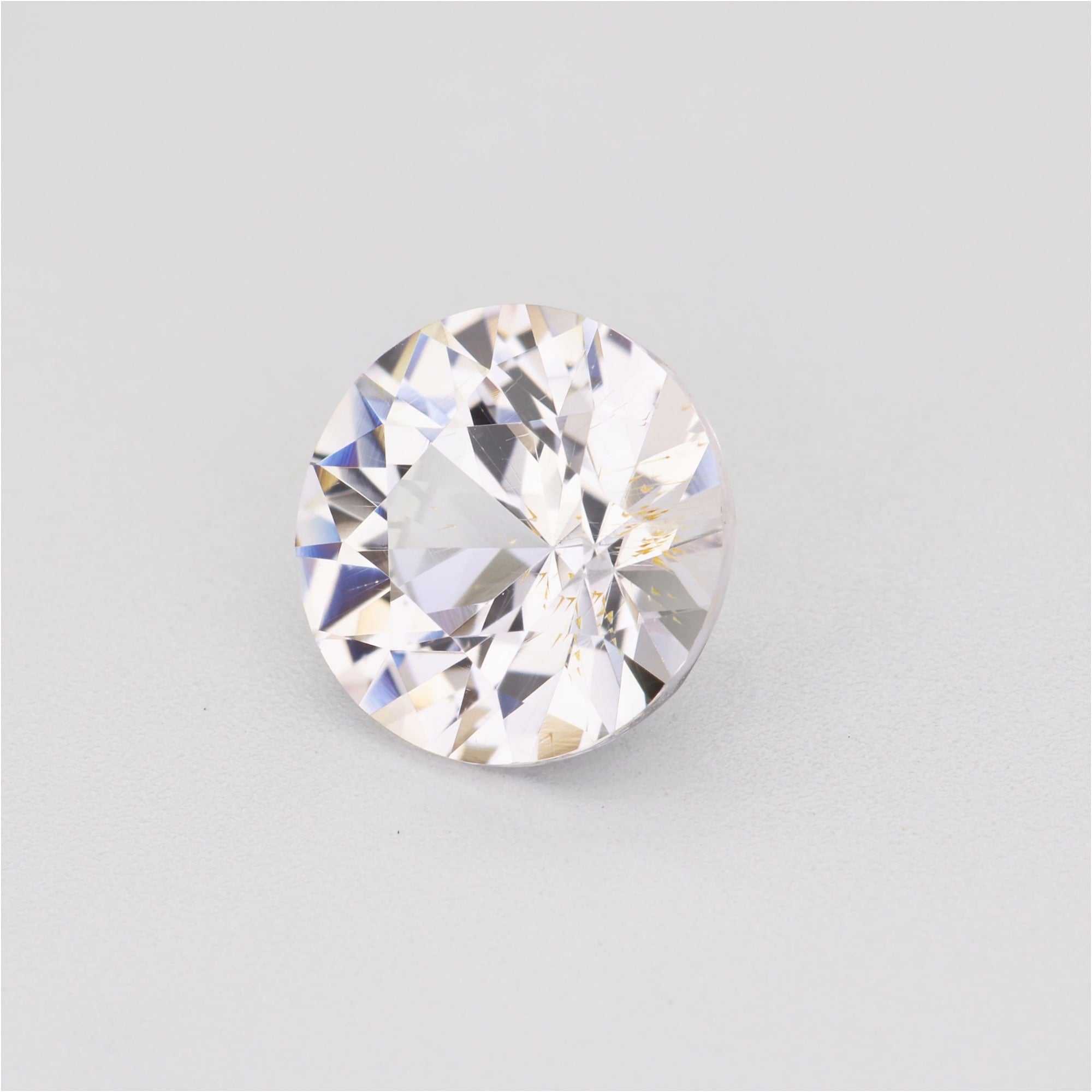
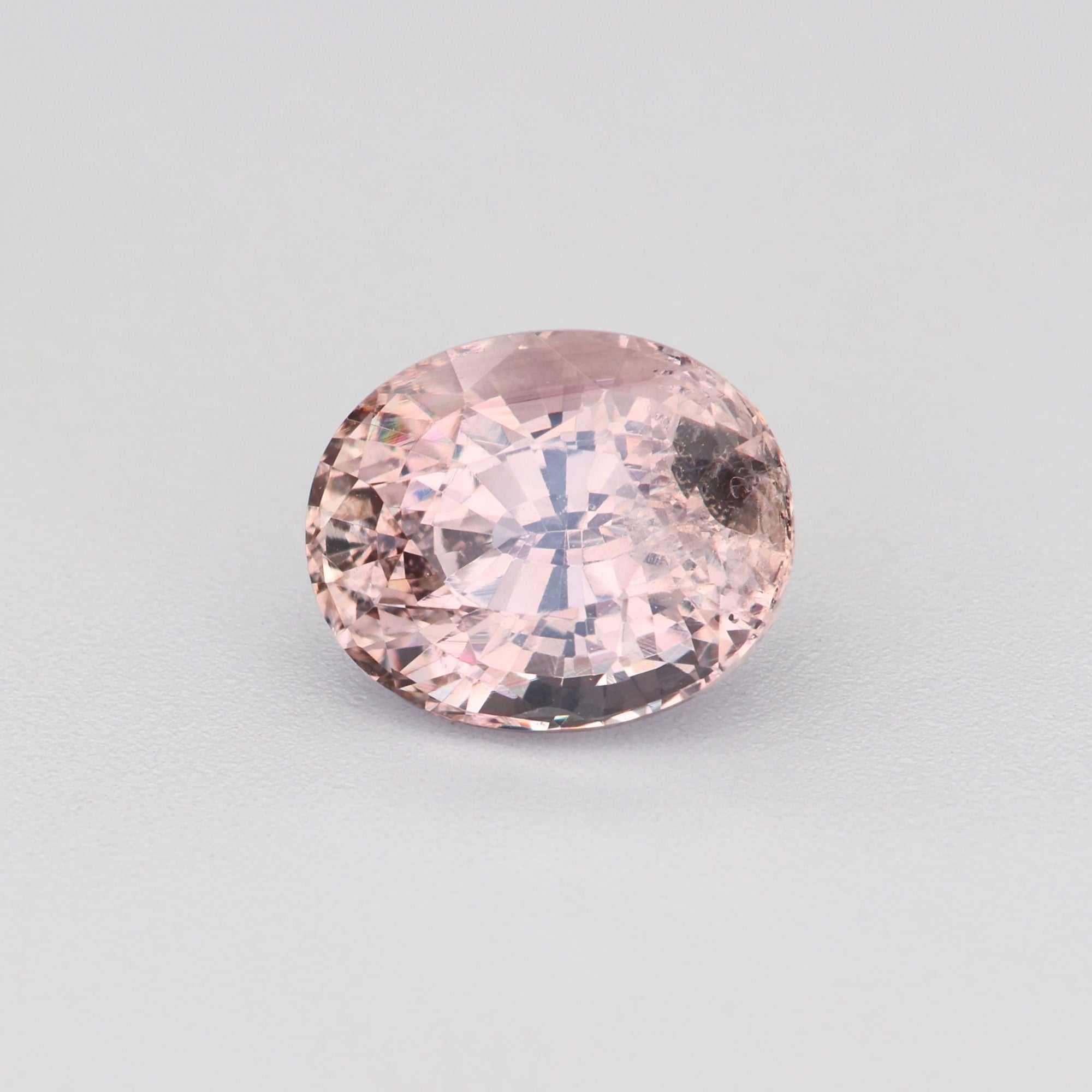
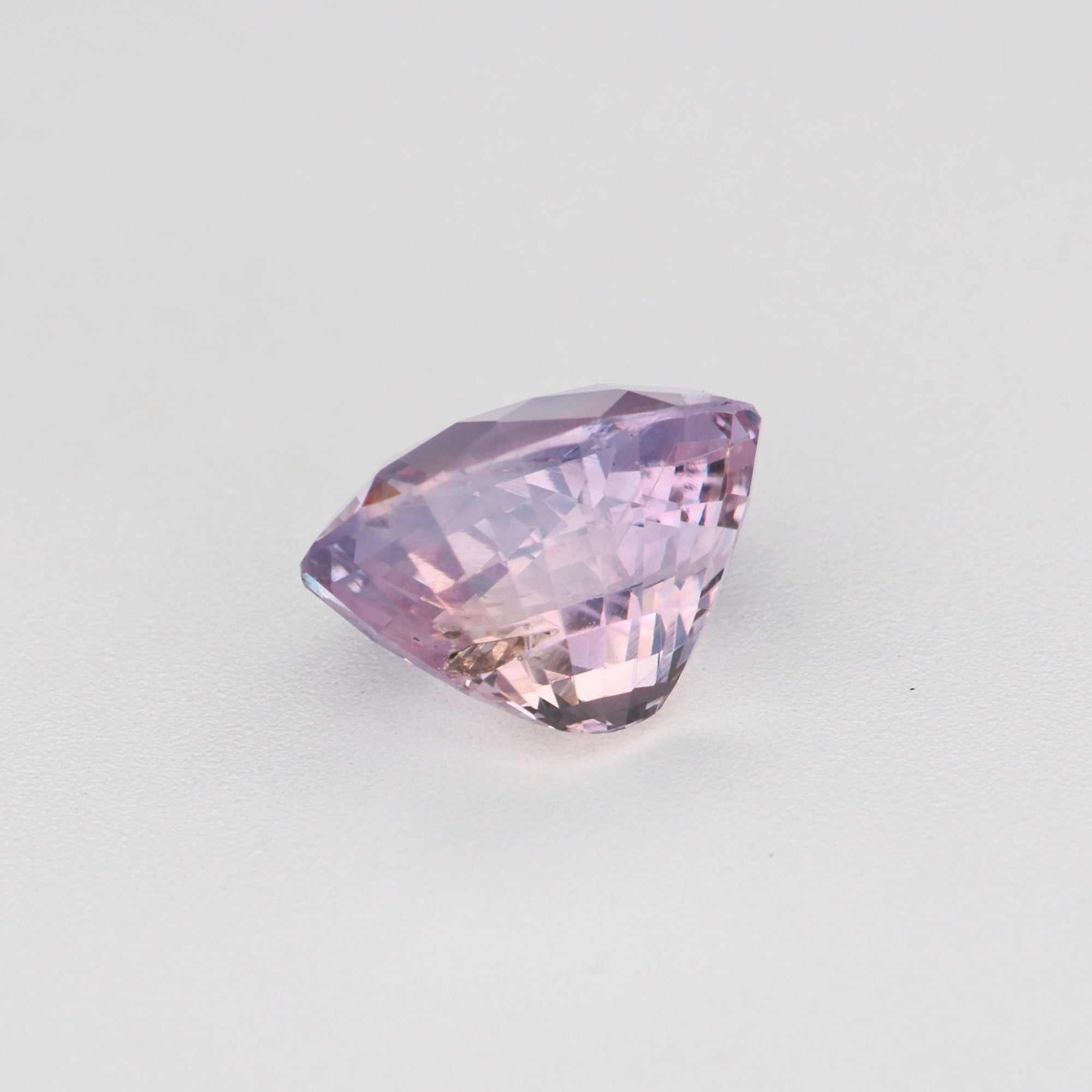
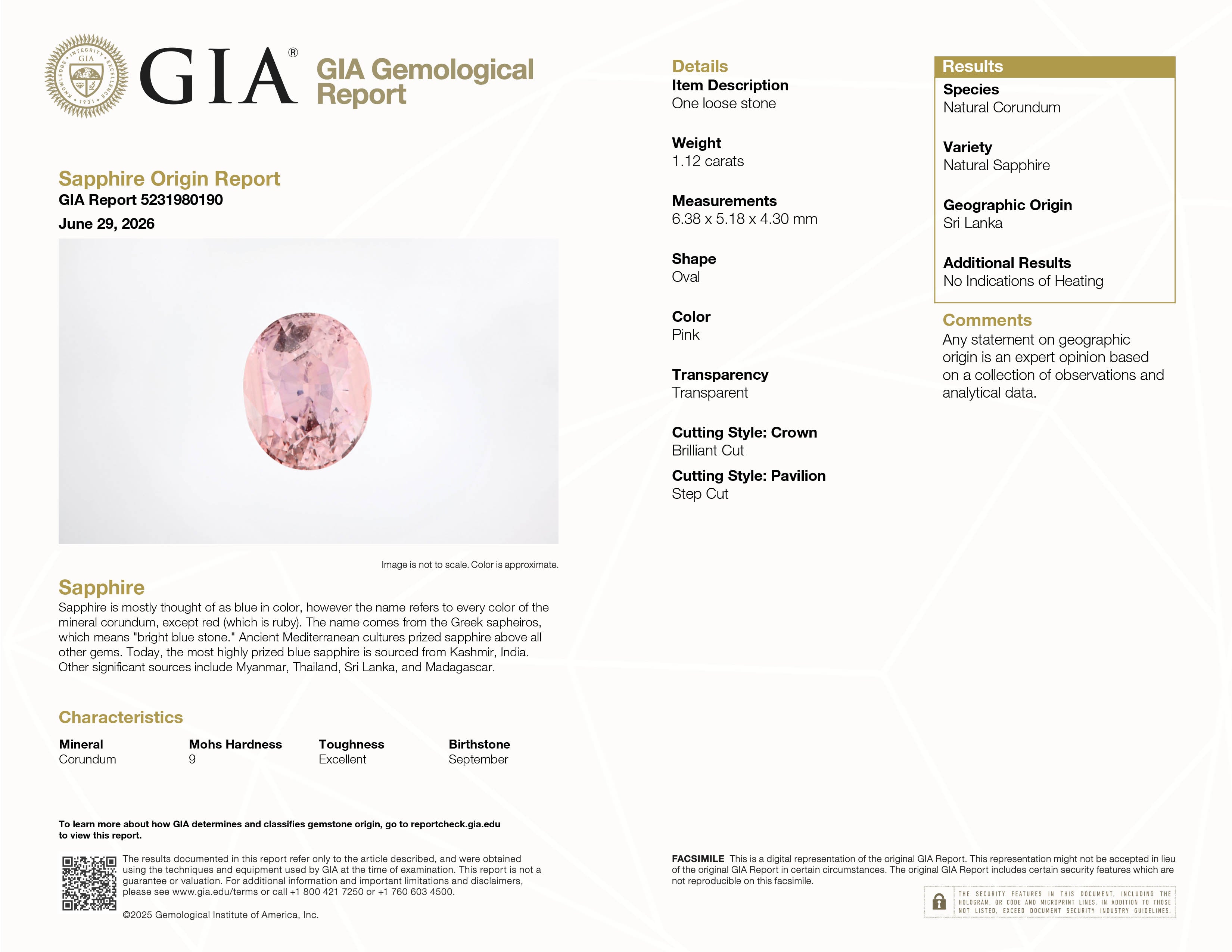
Heated pink sapphire, 0.5–1.0ct ✓ Yes Good pink color accessible at this budget
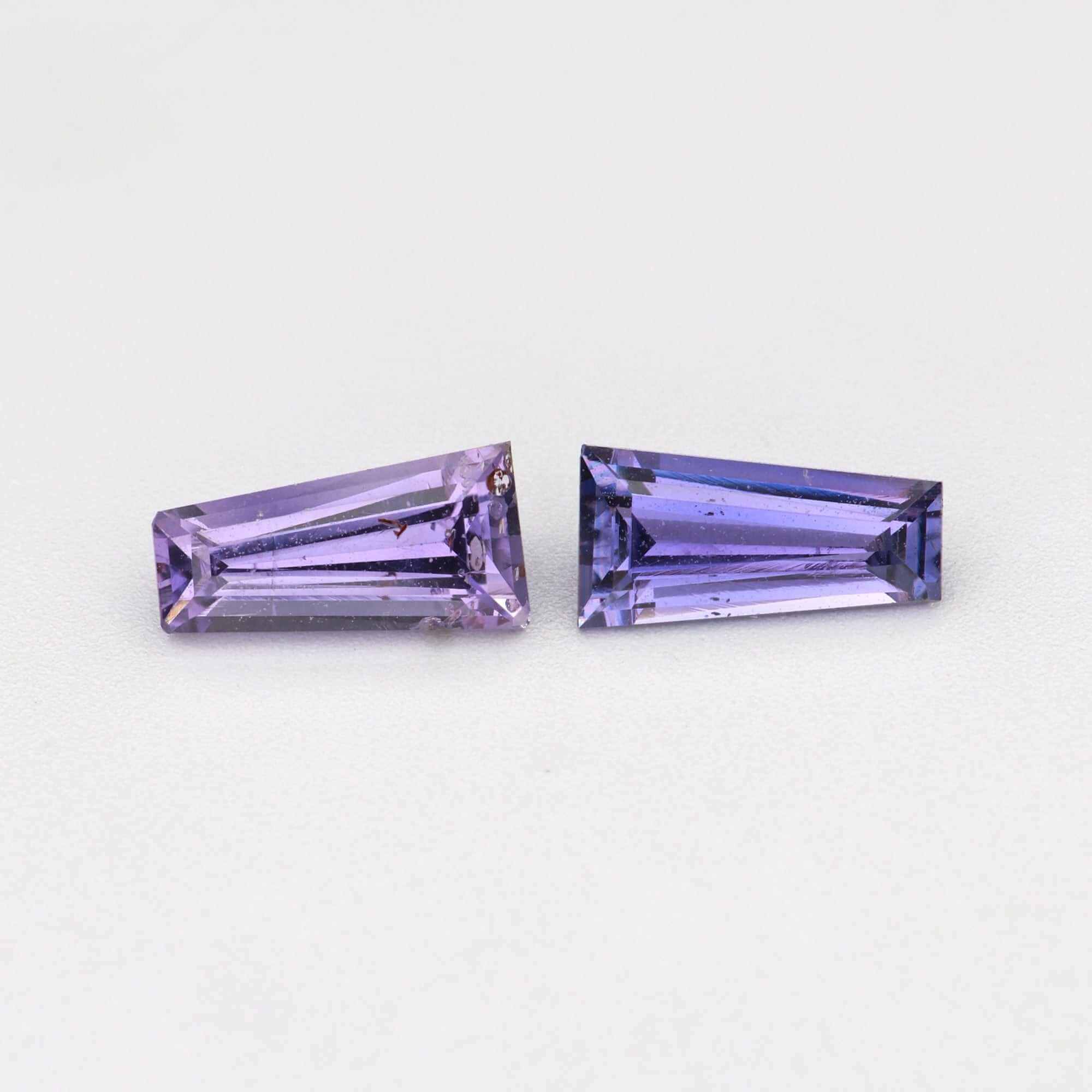
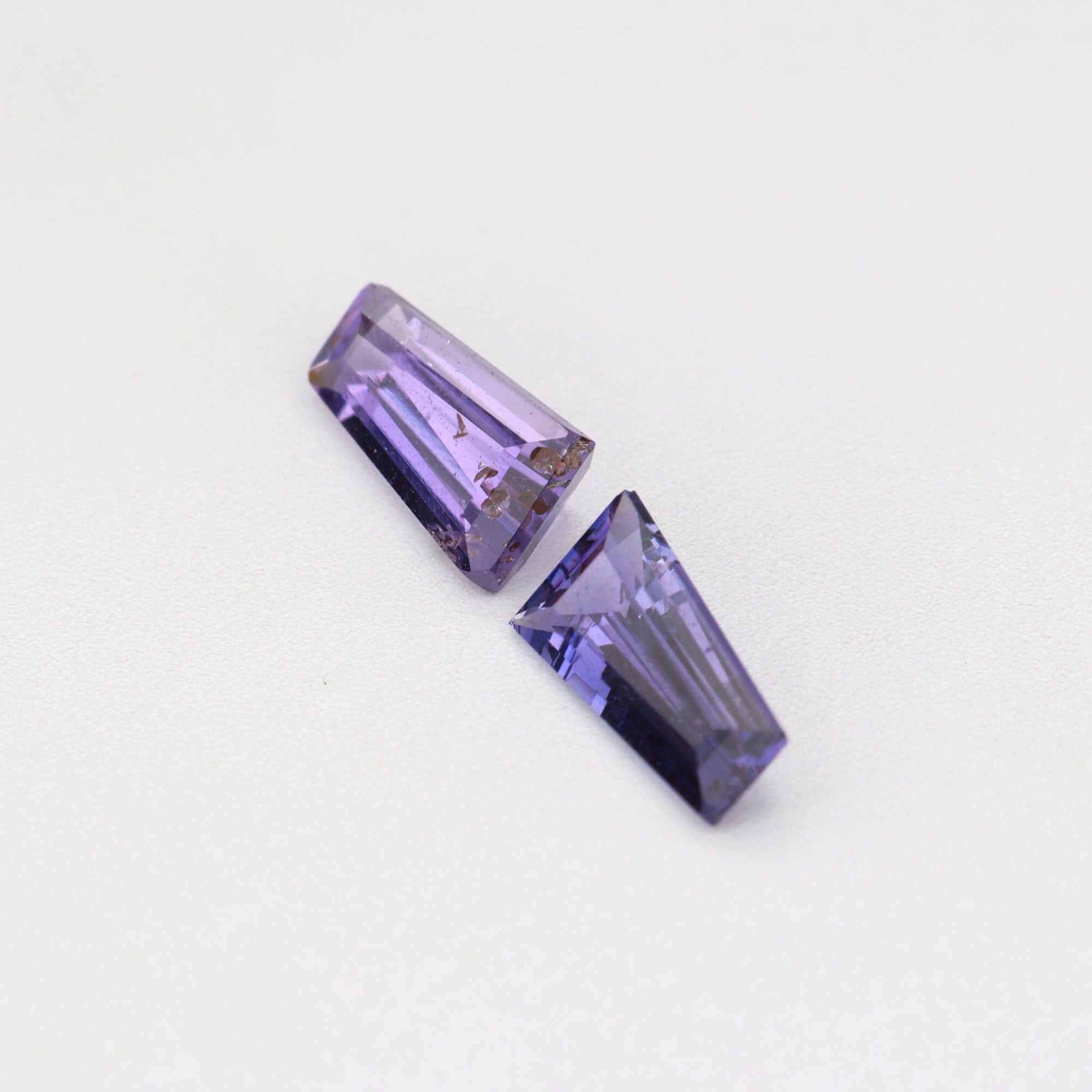
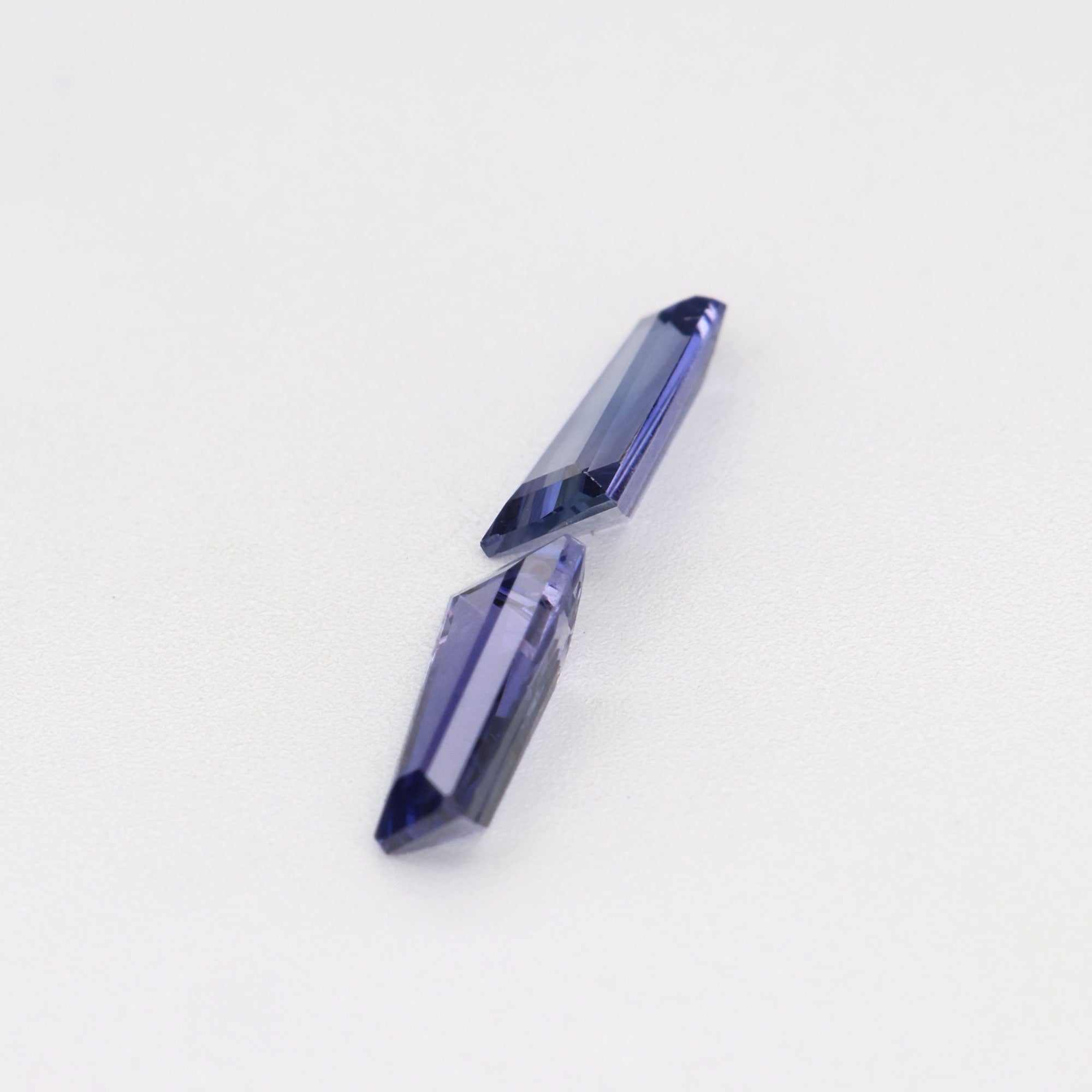
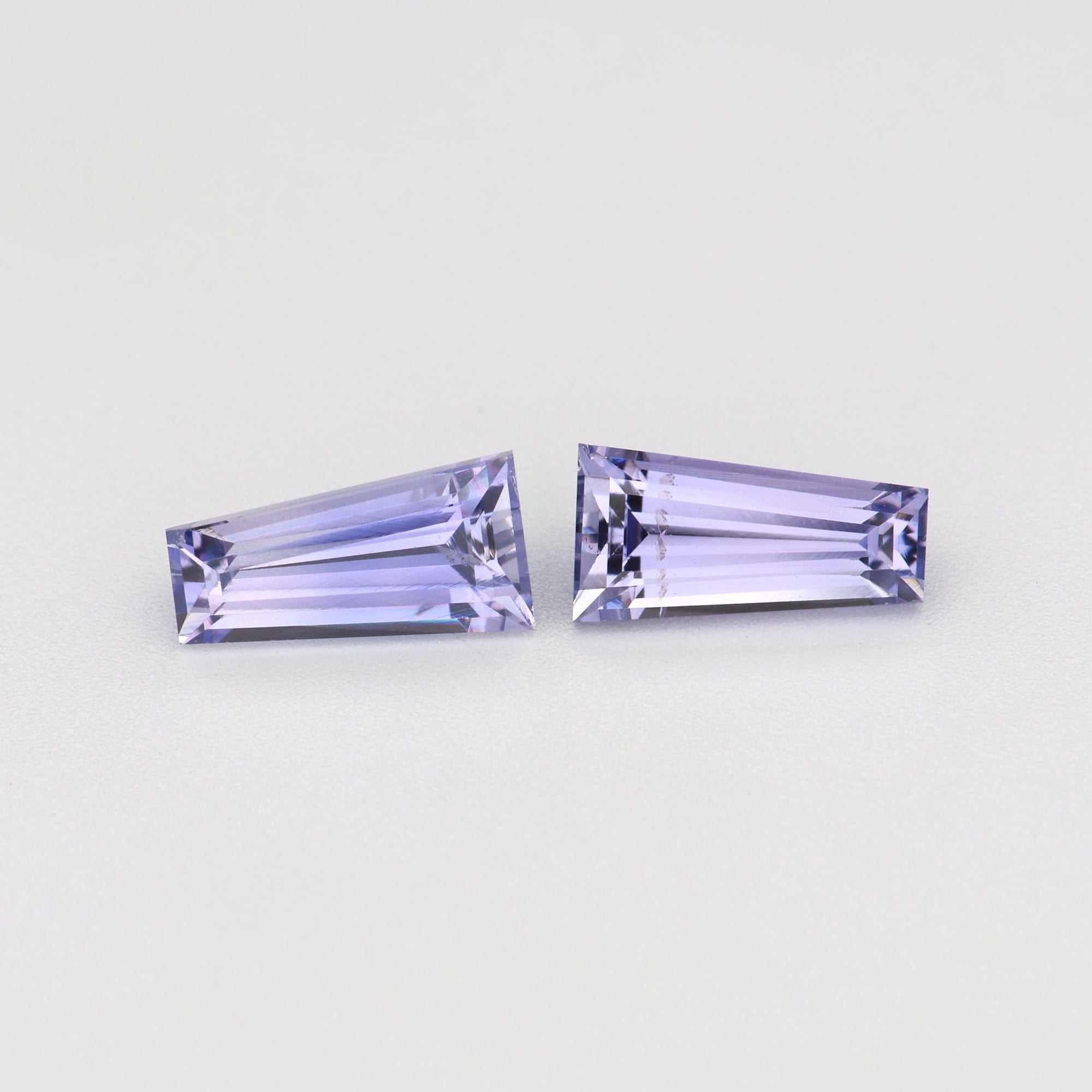
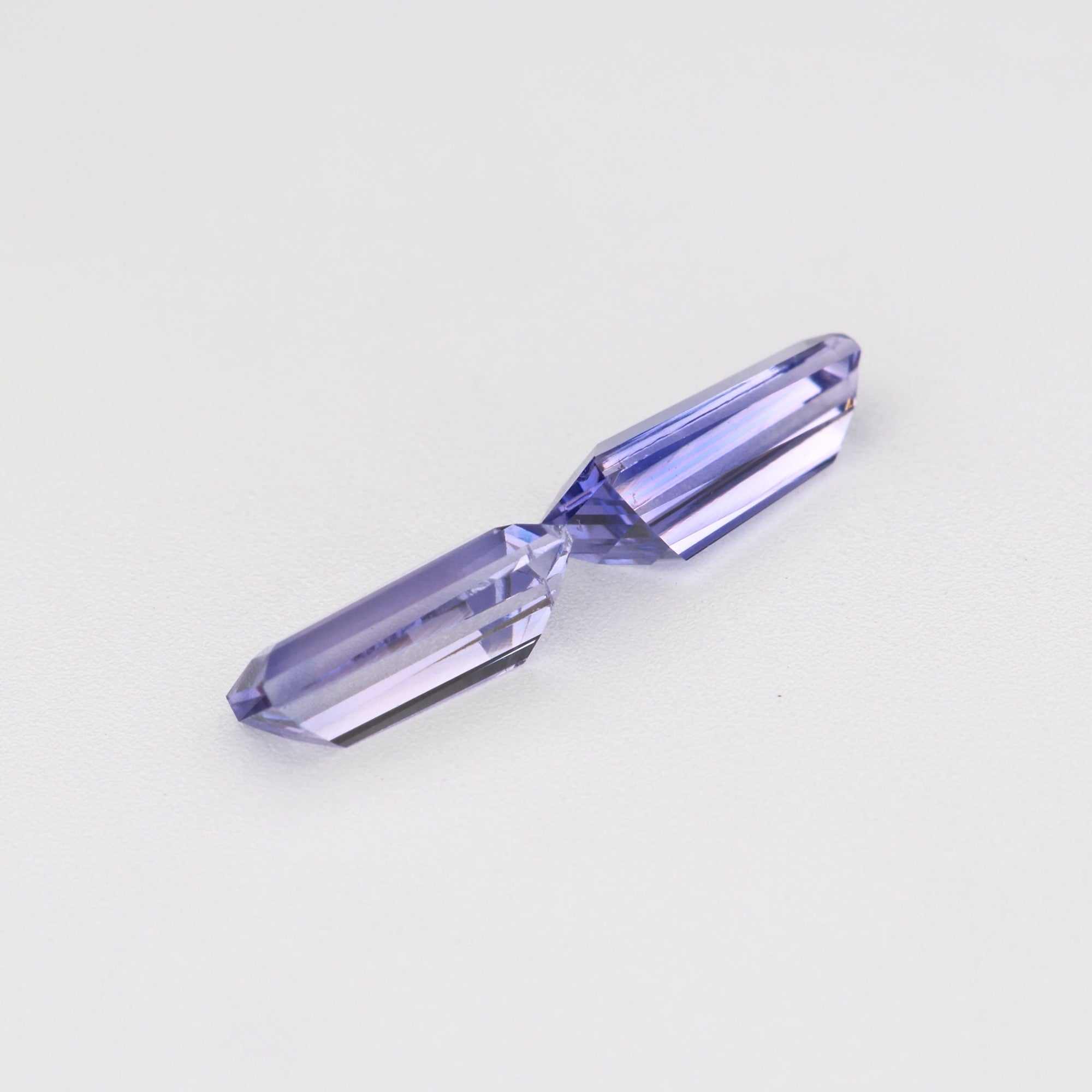
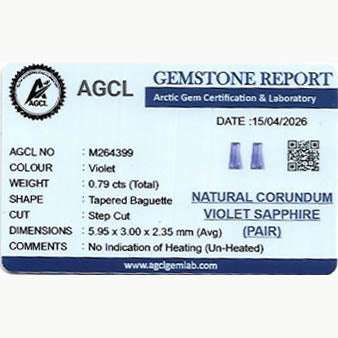
Unheated violet or purple sapphire, 0.5–1.0ct ✓ Yes Undervalued color — great option at this budget
Unheated blue sapphire, vivid, 1ct+, GIA ✗ No This market starts at $1,200+ per carat
Padparadscha, any size ✗ No Starts at $3,000+ per carat
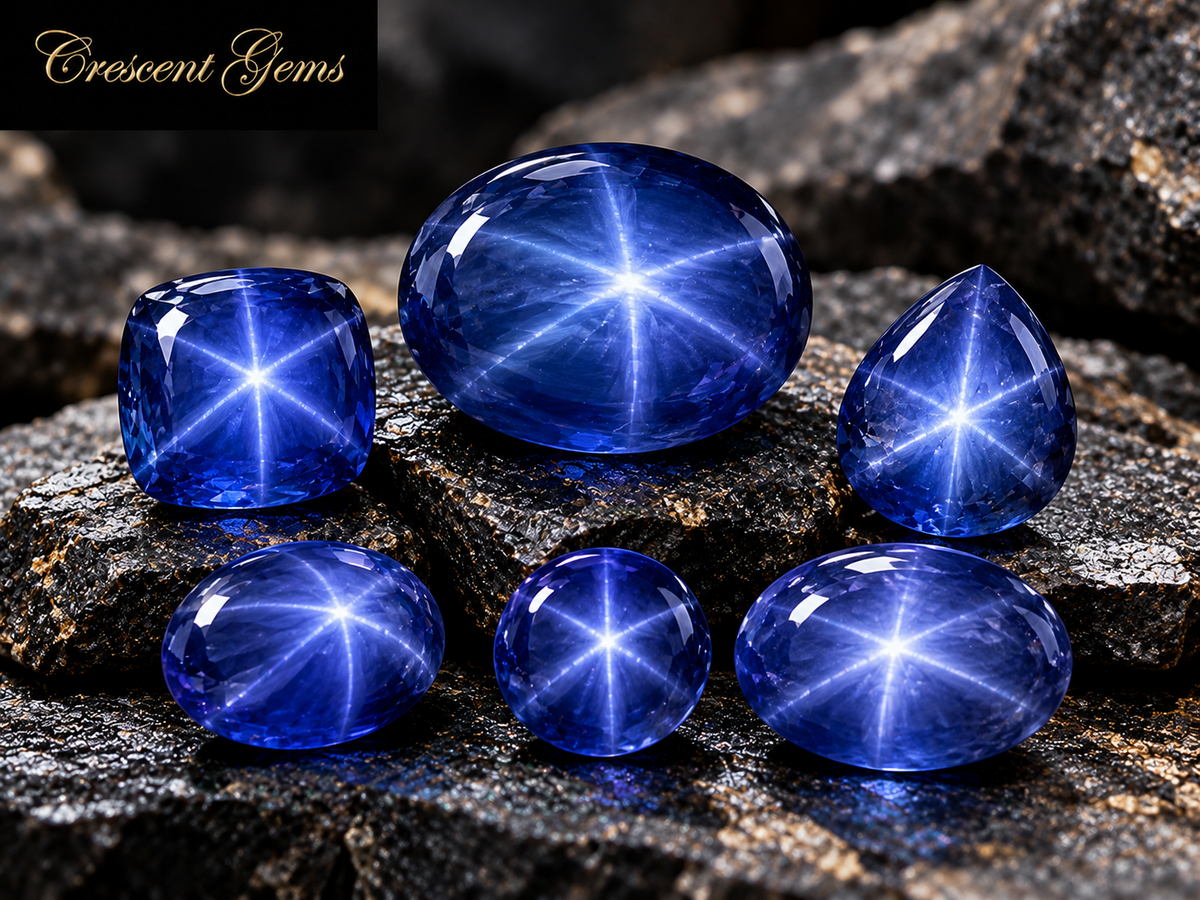
Star sapphire, natural, good asterism ✓ Yes Natural star sapphires are accessible at this budget in smaller sizes

The Best Colors to Buy Under $1,000

1. Unheated Teal Sapphire — The Best Value at This Budget

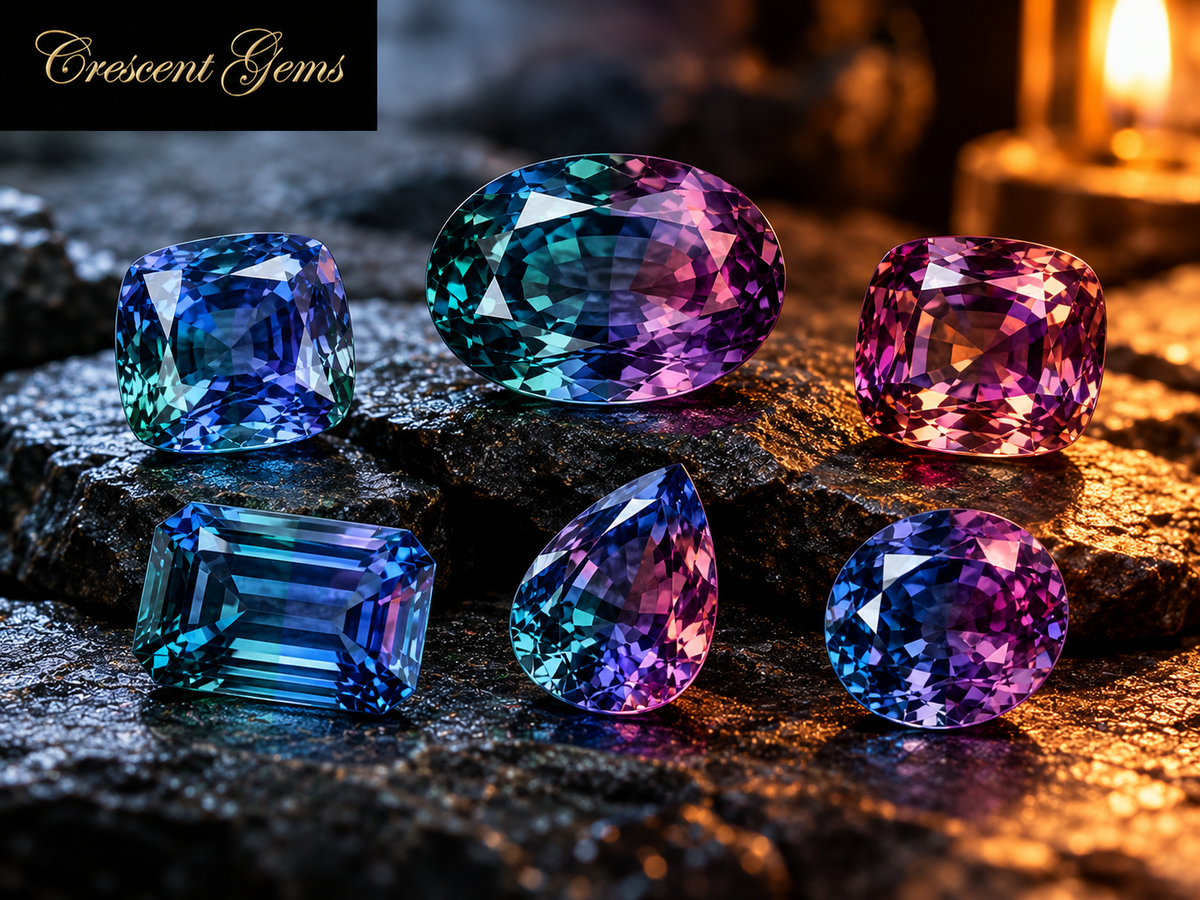
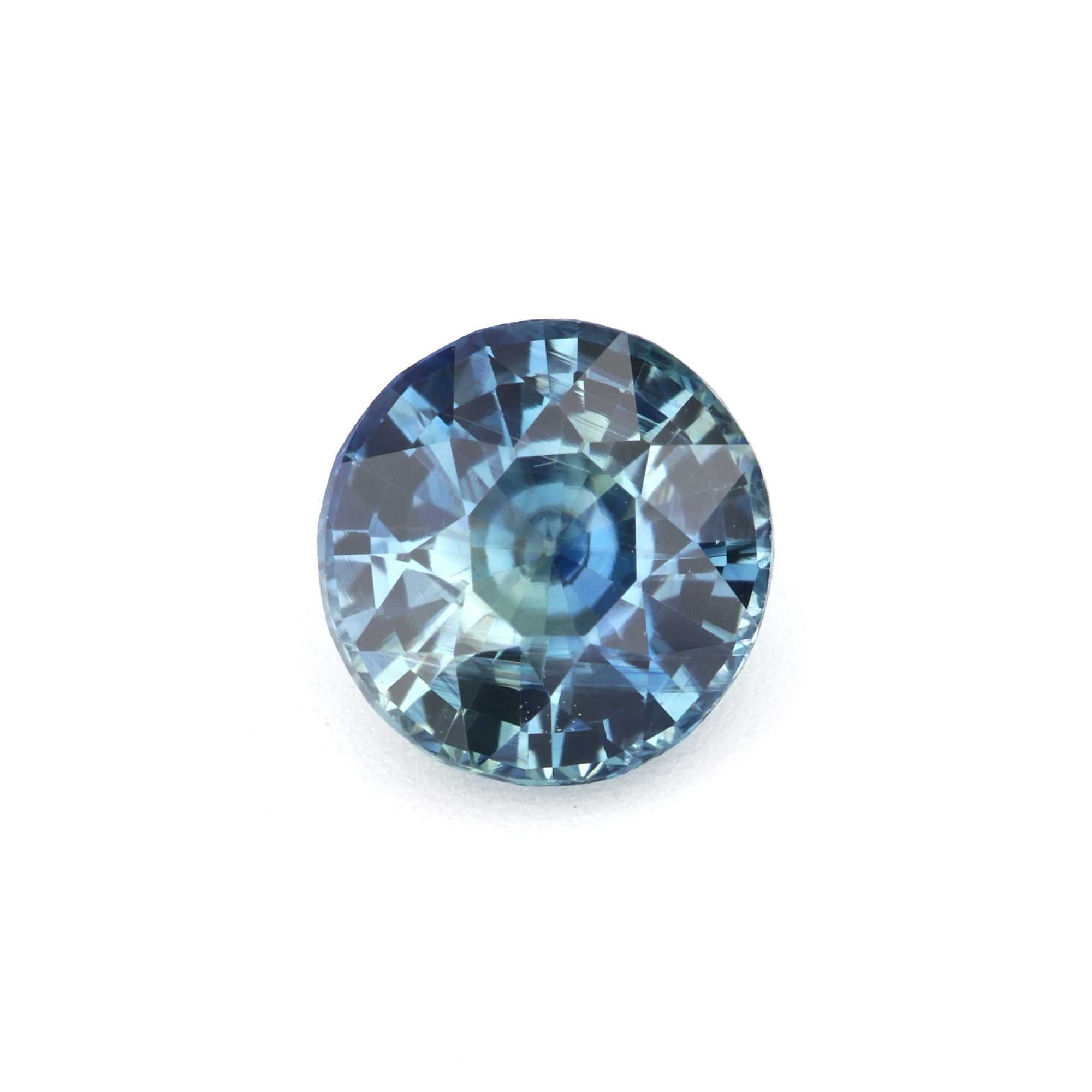
Teal sapphire — the blue-green variety that has dominated colored stone engagement ring trends for several years — represents one of the most compelling value propositions in the entire sapphire market at any budget. Ceylon teal sapphires are produced in naturally unheated form at a high rate, meaning you can access genuinely untreated natural material in vivid, distinctive color within a $1,000 budget. A well-cut, unheated Ceylon teal of 0.5–0.8ct with strong blue-green saturation typically falls in the $400–$800 range — leaving room in a $1,000 budget for a quality setting.

The visual impact is disproportionate to the price. Teal sapphire's pleochroic color shift — showing different balances of blue and green from different angles and under different lighting — creates a dynamic, visually complex stone that looks far more expensive than it is at this price point. Browse our unheated teal sapphire collection.

2. Unheated Yellow Sapphire — Large Sizes, Natural Color

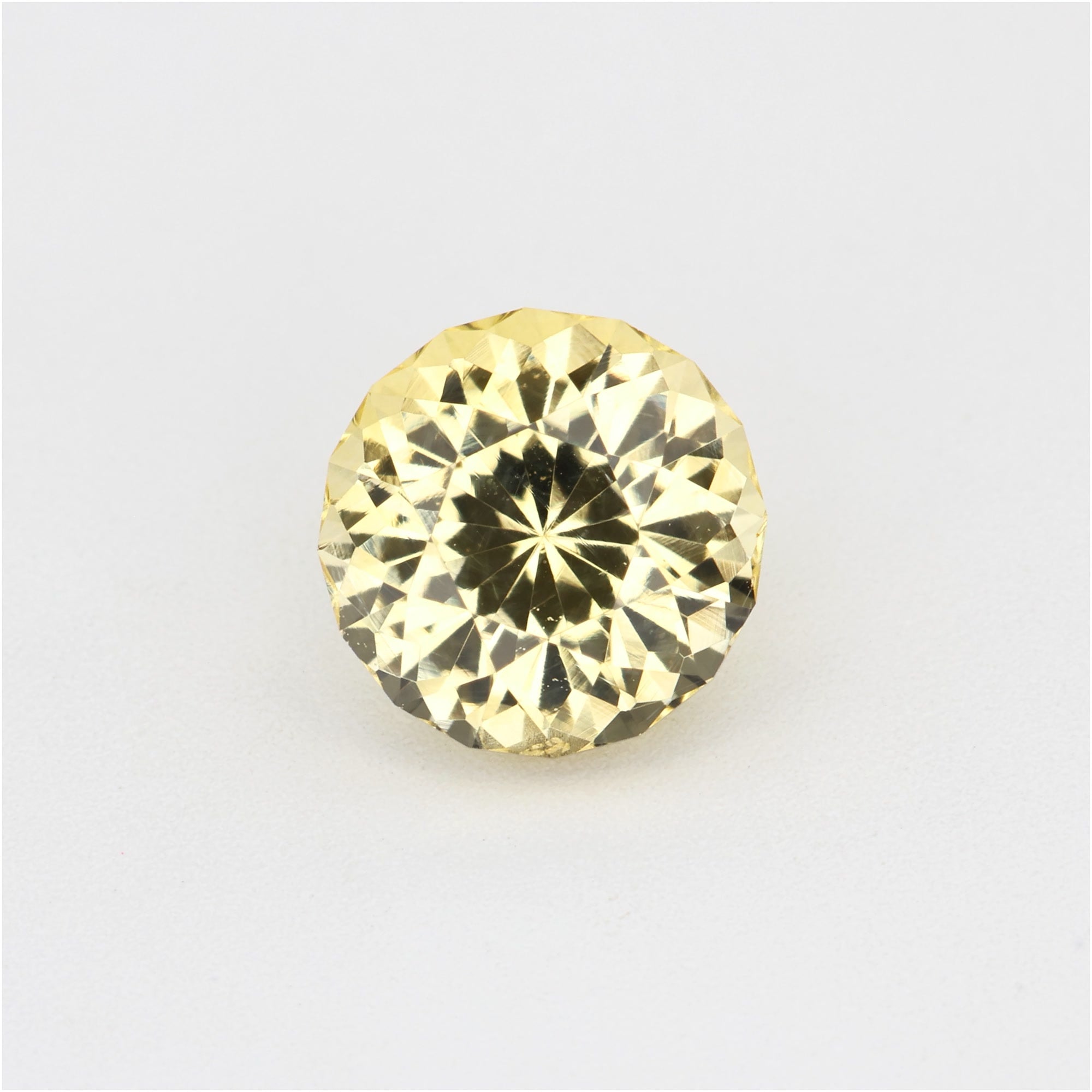
Ceylon yellow sapphires are among the most reliably naturally unheated of all sapphire colors — the iron-based yellow color develops in the crystal without heat enhancement at a much higher rate than blue. Under $1,000, you can access unheated Ceylon yellow sapphires in sizes up to 1.5ct with good vivid color. A 1ct vivid yellow Ceylon, unheated, typically runs $500–$900 — exceptional value for naturally colored, untreated material at that size.

Yellow sapphire is also the prescribed gemstone for Jupiter in Jyotish astrology (Pukhraj), where unheated status is a non-negotiable requirement. The $1,000 budget covers genuinely appropriate Jyotish-quality material. Browse our unheated yellow sapphire collection.

3. Heated Blue Sapphire — Natural Ceylon Blue at an Accessible Price

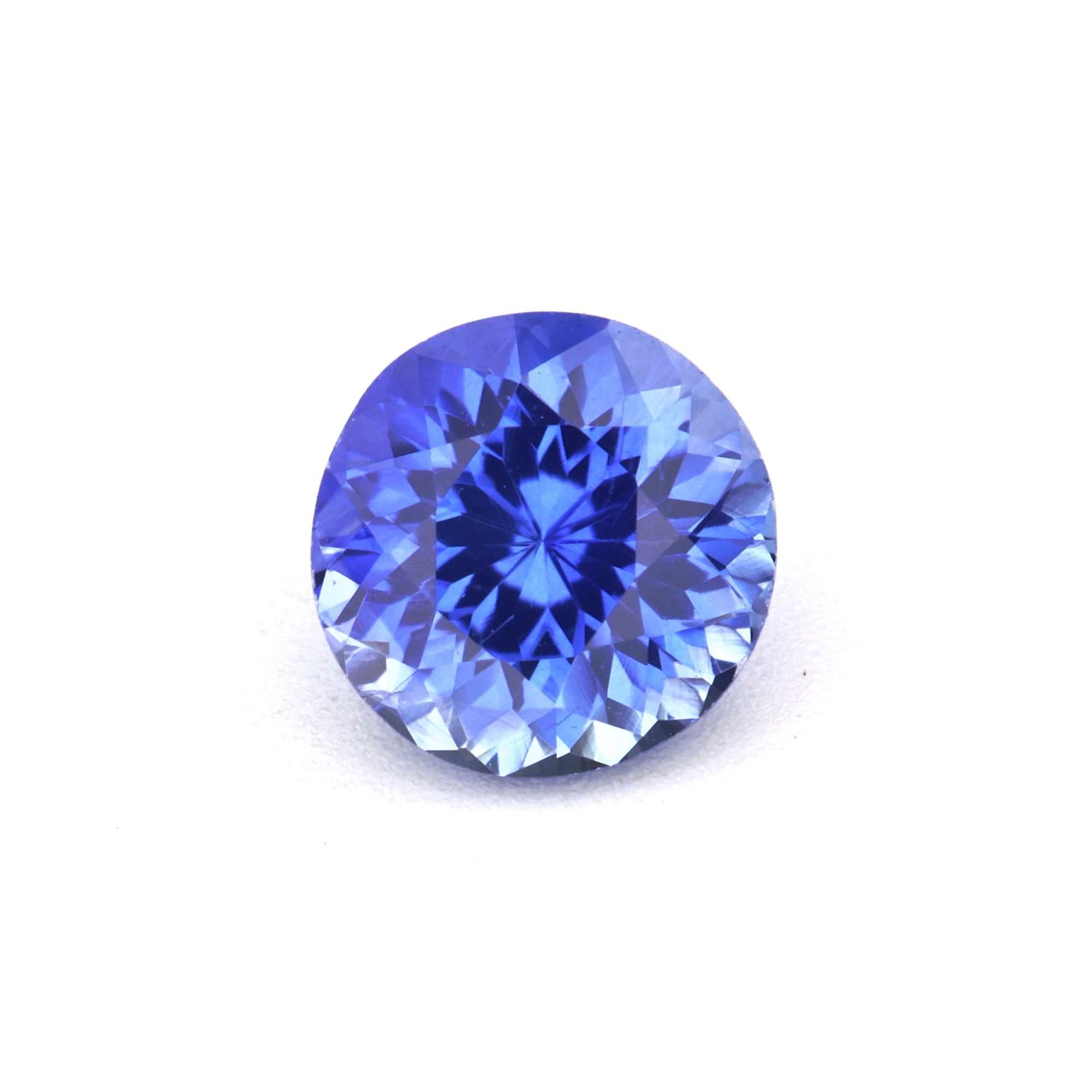
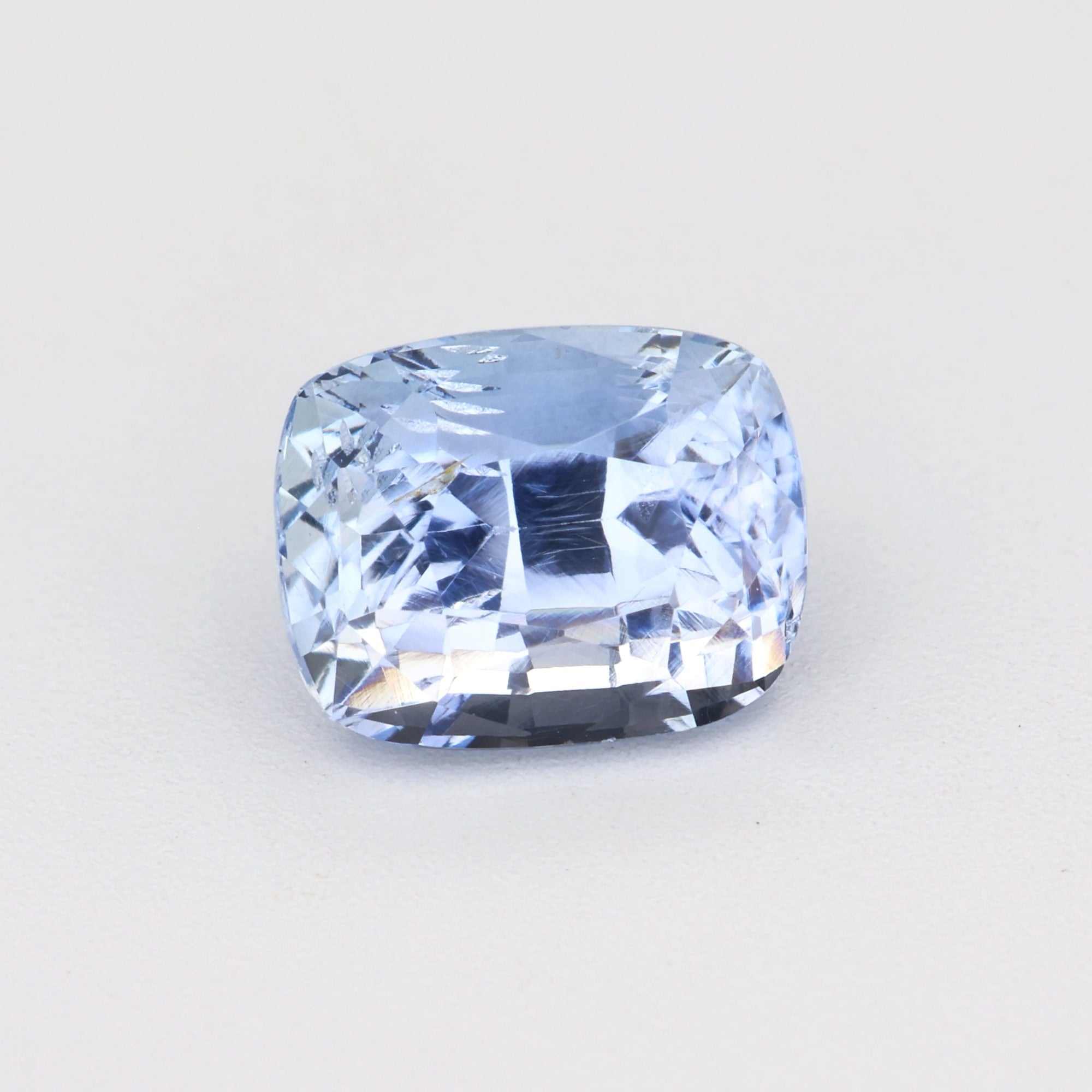
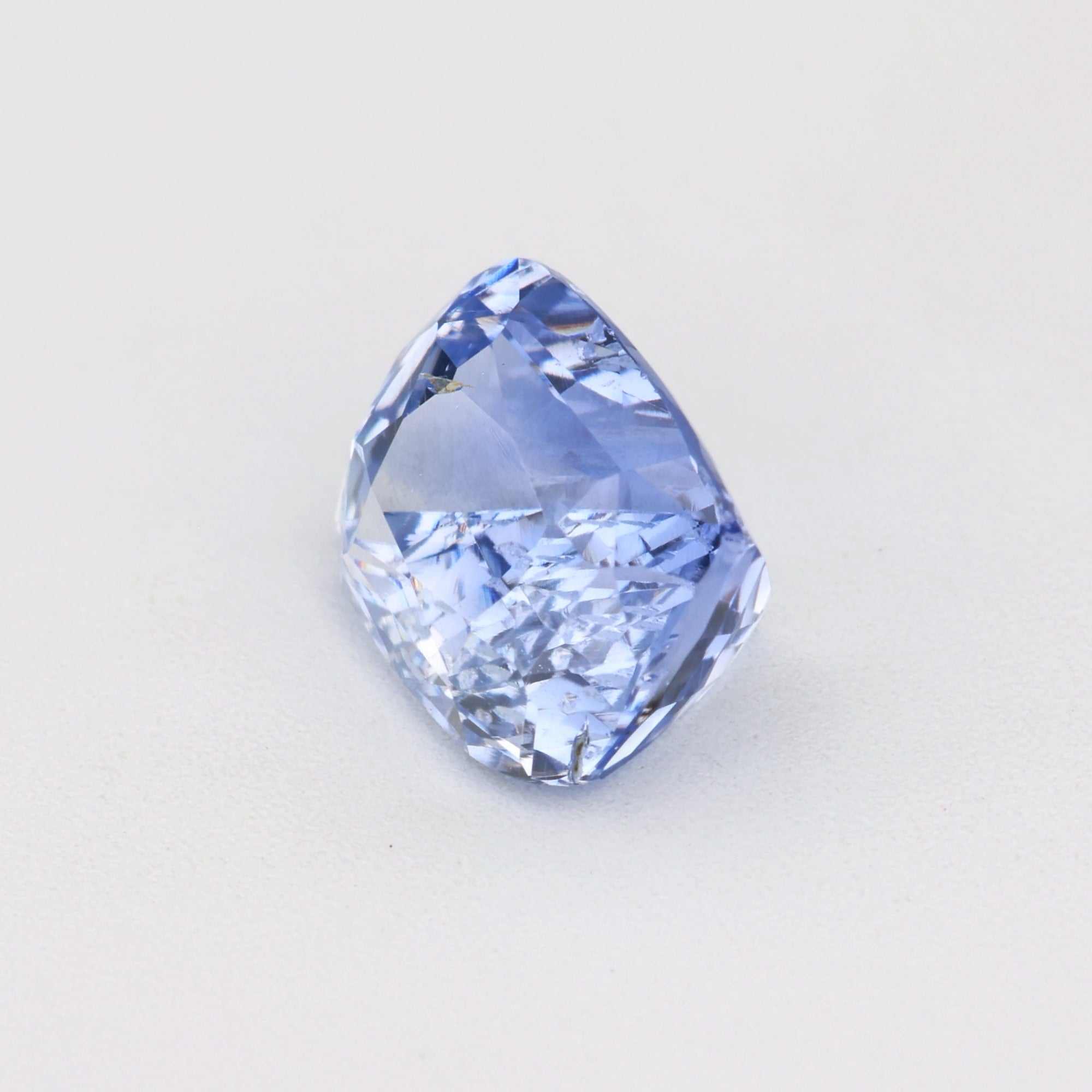
At under $1,000, heated Ceylon blue sapphire in the 0.5–1.0ct range with good medium-dark vivid blue is realistic. This is not bargain-bin material — heated sapphire treatment is permanent, stable, and universally accepted in the trade. A well-cut, vivid heated Ceylon blue of 0.75ct in an oval or cushion shape at $400–$700 is a legitimate, beautiful natural sapphire that will look excellent in a ring or pendant setting.

What to prioritize at this price point: color over size. A 0.6ct with genuinely vivid blue will look more impressive than a 1.0ct with weak or greyish blue. Do not sacrifice color quality for carat weight at this budget. Browse our blue sapphire collection.

4. Violet and Purple Sapphire — An Undervalued Color

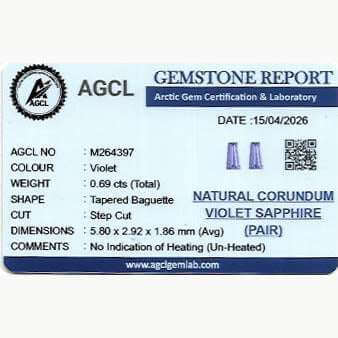
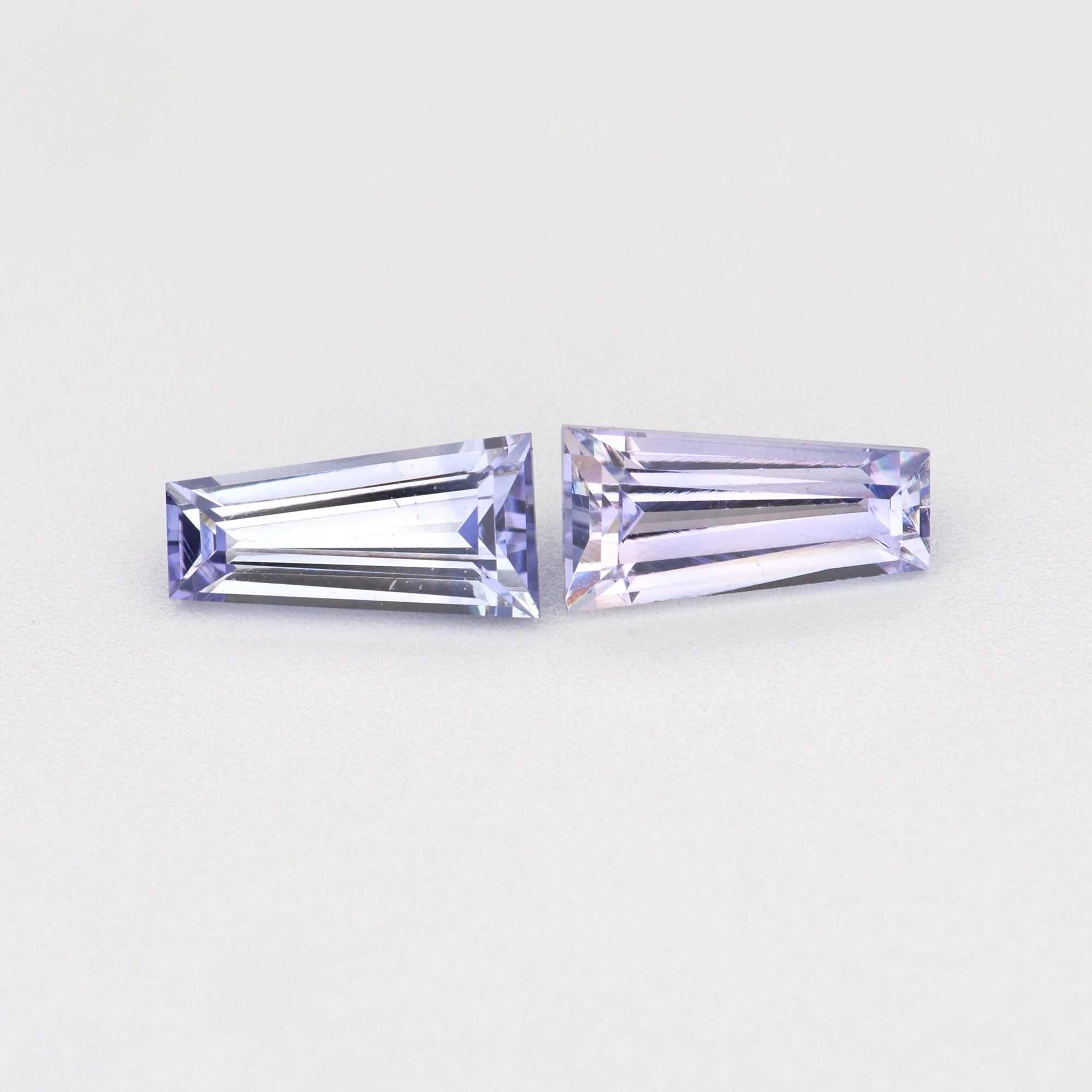
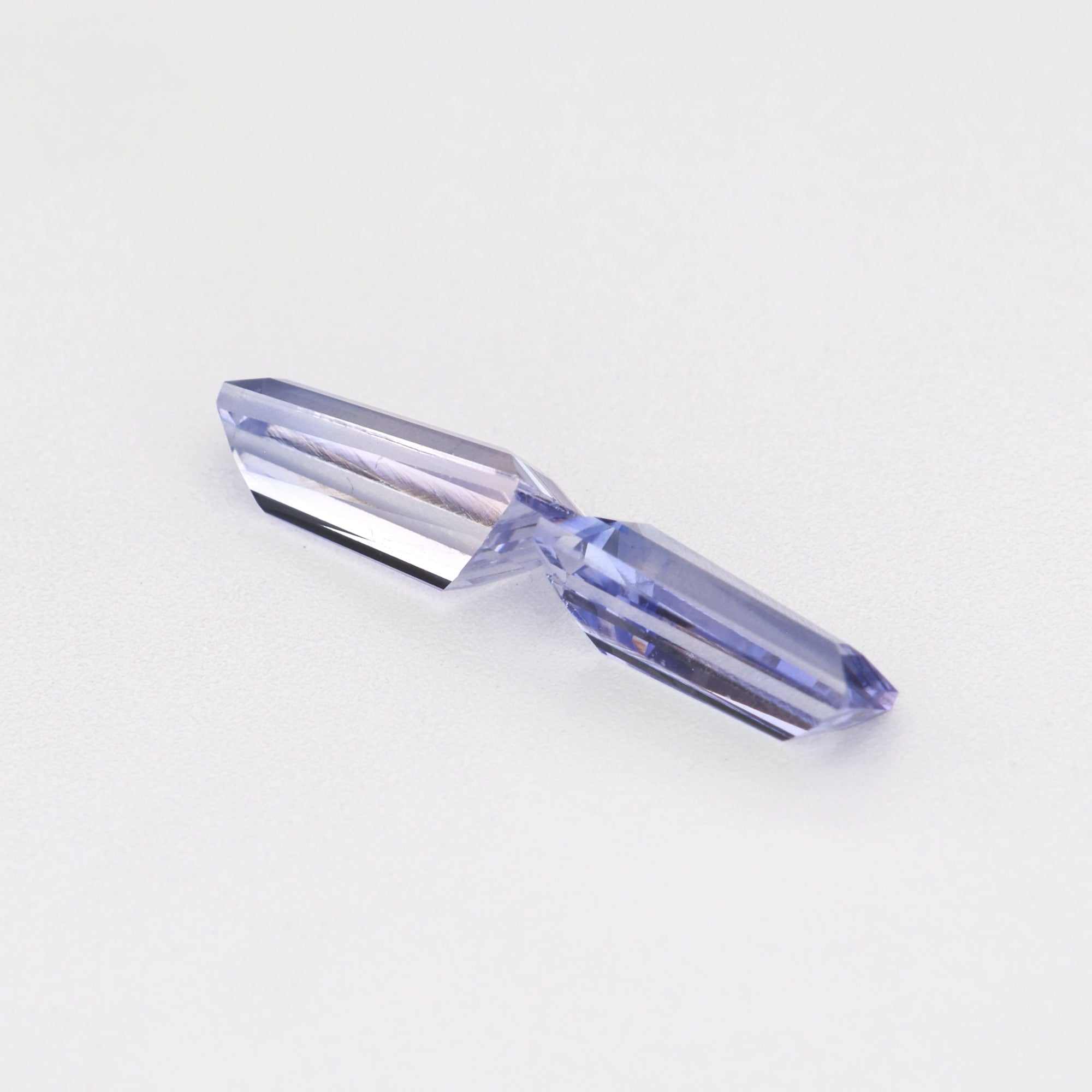
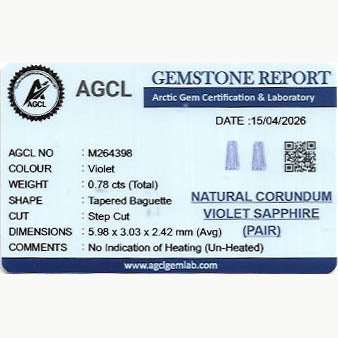
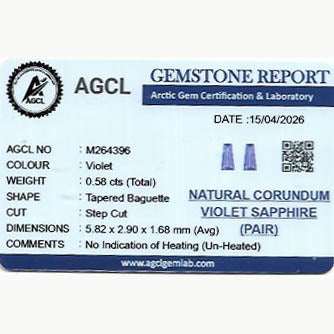
Violet and purple sapphires from Ceylon are significantly underpriced relative to their visual quality. Fine unheated violet in vivid saturation — a color that has no equivalent in any other gemstone — is accessible under $1,000 in the 0.5–1.0ct range. The per-carat pricing reflects the color's lower commercial recognition rather than any quality inferiority. A vivid unheated violet of 0.75ct typically runs $350–$700 — one of the most distinctive stones you can buy at this budget with no compromise on natural, untreated status.

5. Natural Star Sapphire — The Phenomenon Stone

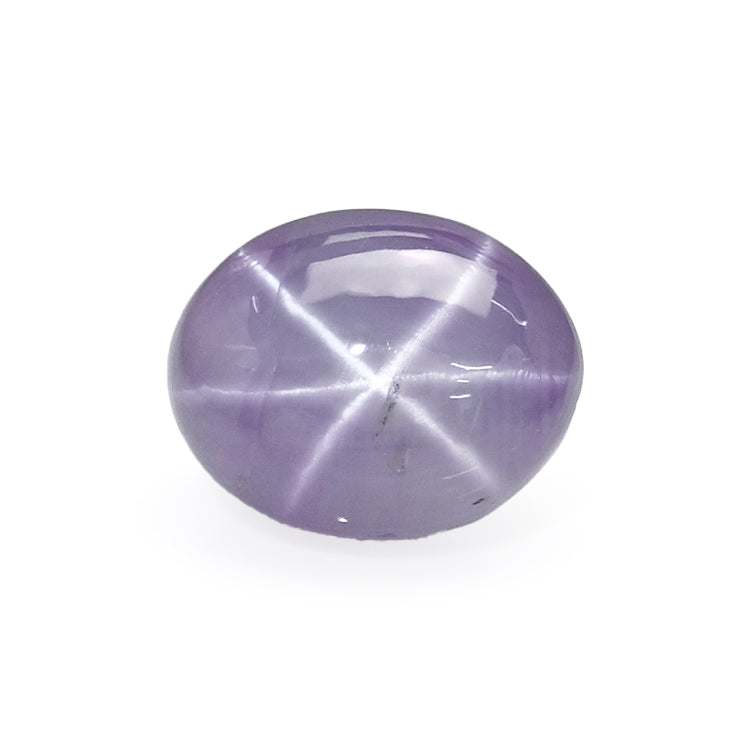
If the appeal of a sapphire with a visible optical phenomenon — a six-ray asterism that moves with the light — is what draws you, natural star sapphires from Ceylon are accessible under $1,000 in smaller to medium sizes. A natural star with a well-defined, centered six-ray star in a blue or black body color of 2–4ct (star sapphires are priced differently from faceted stones — size matters more for asterism display) is realistic at this budget. Make sure you know how to tell a natural star sapphire from a synthetic before buying.


What to Prioritize at This Budget

Color before carat weight

The single most common mistake at the under-$1,000 level is buying a larger stone with weak color instead of a smaller stone with vivid color. A 0.7ct with genuinely vivid, saturated color looks dramatically better than a 1.2ct with a pale, washed-out tone. Color is the primary quality factor in sapphire — size is secondary.

Cut quality matters

At every budget level, a well-cut stone of modest size outperforms a poorly cut stone of larger size. Check for windowing — hold the stone face-up over white background and check that you cannot see straight through the center. A windowed stone will look pale and flat no matter how good the color grade. Request face-up video for any online purchase. At Crescent Gems, all stones are cut or recut to our face-up quality standard before listing.

Treatment disclosure

At the $1,000 budget, heated material is entirely normal and acceptable. What matters is that the seller discloses treatment status clearly — "heated" or "no indications of heating" — so you know what you are buying. Never buy from a seller who is vague about treatment or who cannot tell you definitively whether the stone has been heated. See our heat treatment guide for the full context.

Setting budget allocation

If the ring setting is part of your $1,000 total, allocate roughly $300–$500 to the setting for a simple solitaire or bezel in 14K gold and $400–$700 to the center stone. A simple four-prong solitaire in 14K yellow gold for a 0.5–0.75ct stone runs $300–$600 at most custom jewelers. If your $1,000 is stone-only, you have considerably more flexibility on the stone profile above. For custom ring guidance see our custom ring commissioning guide.


What to Avoid at This Budget

Glass or synthetic imitations sold as natural. The under-$1,000 tier is where misrepresented material is most common. A "natural blue sapphire" at $50–$100 on a marketplace platform is not a natural sapphire — it is glass, synthetic, or a heavily included stone of minimal commercial value. Real, natural, decent-quality sapphires have a floor price determined by their rarity and quality. If the price seems too good to be true, it is. See our guide on how to spot a fake sapphire.

Native cuts with significant windowing. The commercial market at this price level is full of weight-optimized native cuts that look large for their carat weight but perform poorly face-up. Always check for windowing before buying. A stone that is 20% lighter but shows vivid color face-up is a better purchase than a heavier stone that looks pale.

Spending the whole budget on a large, pale stone. A 2ct heated blue with light, greyish color at $800 is a worse purchase than a 0.75ct vivid medium-dark blue at $600. The pale stone will disappoint in wear; the vivid smaller stone will impress every time.


Realistic Examples: What $1,000 Buys at Crescent Gems

  • A 0.70ct vivid blue-green unheated teal sapphire, oval, eye-clean — approximately $550–$750
  • A 1.00ct unheated yellow Ceylon sapphire, vivid canary yellow, oval — approximately $600–$900
  • A 0.80ct heated blue Ceylon sapphire, vivid medium-dark blue, oval or cushion — approximately $400–$700
  • A 0.75ct unheated violet Ceylon sapphire, vivid purple-violet, oval — approximately $400–$650
  • A 0.60ct unheated pink Ceylon sapphire, vivid hot pink, oval — approximately $500–$800

All stones at Crescent Gems are individually photographed and described with full treatment disclosure. We source directly from Sri Lanka and cut most material in-house to our face-up quality standard. Browse the full Ceylon sapphire catalog or shop by color:


Frequently Asked Questions

Can I get an unheated sapphire under $1,000?

Yes — in specific colors. Unheated teal, yellow, violet, and some pink sapphires from Ceylon are accessible under $1,000 in appropriate sizes. Unheated vivid blue sapphire with GIA certification starts higher. Focus on the colors where the unheated premium is naturally lower.

Is a $1,000 sapphire good enough for an engagement ring?

Absolutely. A 0.6–0.8ct vivid teal or blue in a simple solitaire or bezel setting in 14K gold makes a genuinely beautiful, distinctive engagement ring. What matters is color quality and cut quality — both of which are available within this budget. See our engagement ring guide for the full decision framework, and browse our Try Before You Buy collection to see stones in person before committing.

Should I get a GIA report for a sapphire under $1,000?

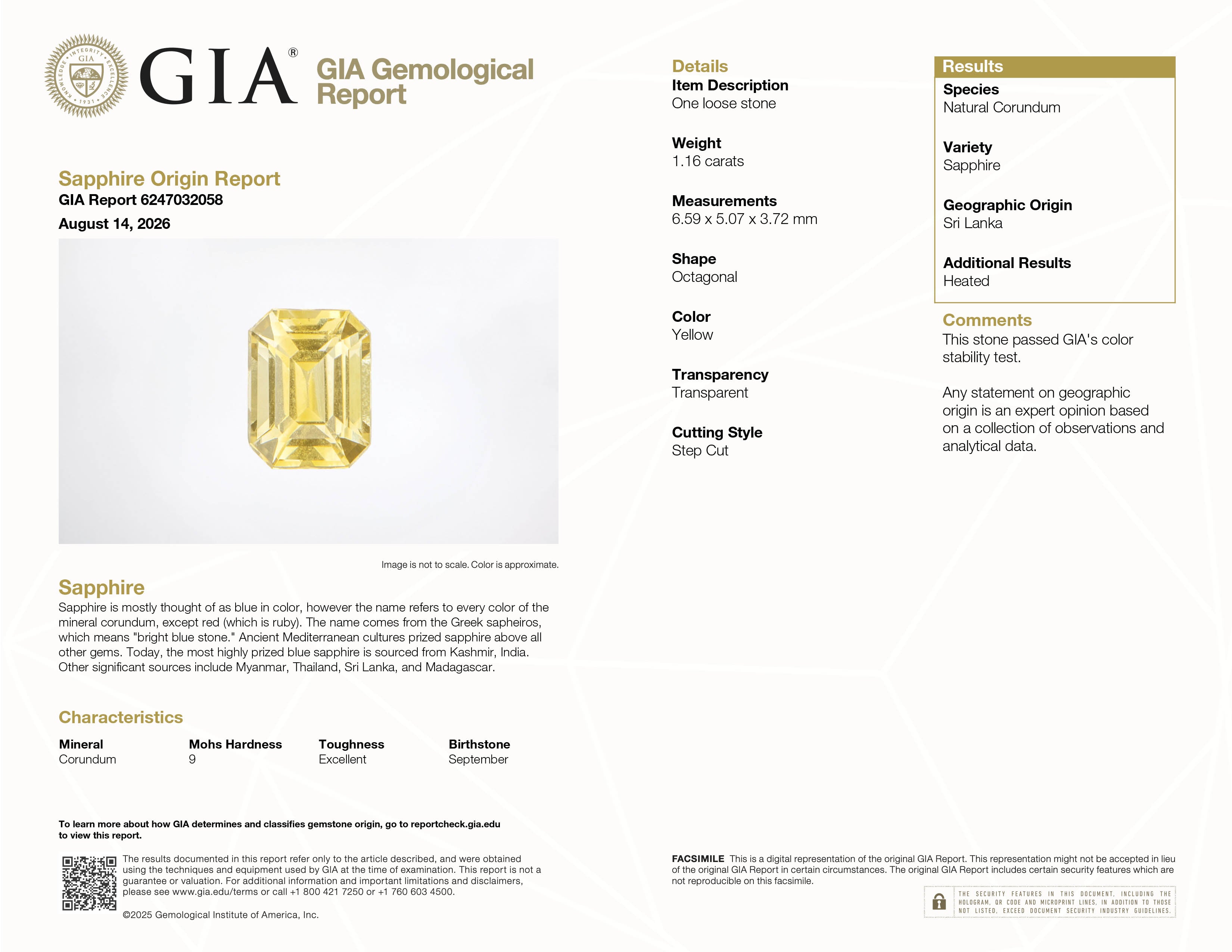
For heated material under $500, a GIA report is not usually cost-justified — the report costs $80–$150 and the premium it documents may be minimal. For any unheated stone or any stone above $500, a GIA report confirming treatment status is worthwhile and makes the stone more valuable if you ever resell it. See our GIA report guide for what to look for.

How do I know I am not buying a fake?

Buy from established, reputable dealers who disclose treatment status on every stone, show real photographs of the actual stone you are buying (not stock images), have a return policy, and can explain where the stone came from. At Crescent Gems, every listing shows the actual stone with full treatment disclosure, and we offer a 14-day return policy. See our full guide on how to spot a misrepresented sapphire.


Explore Further

Browse our full Ceylon sapphire catalog — every stone individually selected and described with complete treatment disclosure — or email crescentgems@gmail.com with your color preference and budget. We respond within one business day.

Continue Learning
Return to the Ultimate Sapphire Buying Guide for the full picture on colors, origins, shapes, certification, and pricing — everything you need to buy a natural loose sapphire with confidence.
Ahmed Shareek — Crescent Gems

Ahmed Shareek

Proprietor — Crescent Gems

A gem dealer with over 25 years of experience sourcing natural sapphires directly from Sri Lanka, Ahmed brings hands-on expertise in mining, heat treatment, cutting, and stone selection. With direct buying relationships in Ratnapura and Beruwala — the heart of the Ceylon gem trade — he offers firsthand knowledge of origin, quality, and craftsmanship that informs every piece of guidance on this site.

Why Buy from Crescent Gems

Sourcing Gemstones for an engagement ring or piece of jewelry is a very personal experience, Its a act of love, Its a Investment that you do only a few times in your life. Before you spend thousands of $$$ You need to be able to trust the seller and make sure you are choosing the right stone. Here at Crescent gems we tick all the boxes.

Wide Selection of well cut gemstones from around the world.

Affordably priced ~ We source our gemstones direct from mining countries, we cut/recut most of our gemstones in-house.

We stock and sell ONLY Natural earth Mined stones. NO beryllium treated Stones, NO Flux filled, NO synthetics, NO man made stuff.

Free & Fast Shipping within USA ( FedEx Or UPS) with Tracking and email updates.

FREE International shipping for orders over US $ 500 ~ we ship to 98 countries Worldwide.

Try Before you buy Option ~ where we send the stone to you before you pay. ~ Unique Feature.

14 day No questions asked money back Guarantee.

FREE Domestic Return Shipping.

GIA lab reports for all significant stones.

Accurate information, Actual Images, Hand shots and 360 videos of the stone on sale, we don't use stock photography.

Join our ever growing group of satisfied customers from around the world.

Latest Stories

View all

The Ultimate Guide to Buying Natural Loose Sapphires

The Ultimate Guide to Buying Natural Loose Sapphires

The definitive guide to buying a natural loose sapphire: colour, origin, treatment, cut, shape, certification, pricing, and engagement rings, with links to every Crescent Gems guide and collection.

Read moreabout The Ultimate Guide to Buying Natural Loose Sapphires

What a Good 2 Carat Sapphire Costs

What a Good 2 Carat Sapphire Costs — Pricing, Scarcity, and What Your Budget Buys

What does a genuinely good 2 carat sapphire cost in 2026? How scarcity drives per-carat price escalation at 2ct, realistic prices across blue, teal, pink, yellow, and padparadscha, and what quality trade-offs to consider when buying at this size.

Read moreabout What a Good 2 Carat Sapphire Costs — Pricing, Scarcity, and What Your Budget Buys

What a Good 1 Carat Sapphire Costs

What a Good 1 Carat Sapphire Costs — Honest Pricing for Real Quality

What does a genuinely good 1 carat sapphire cost in 2026? Not commercial grade, not exceptional — the real price of eye-clean, vivid, well-cut material across blue, teal, pink, yellow, and padparadscha, with honest guidance on what separates good from fine and fine from exceptional.

Read moreabout What a Good 1 Carat Sapphire Costs — Honest Pricing for Real Quality

Teal Sapphire Price Guide

Teal Sapphire Price Guide — What They Cost and What Drives the Range

How much does a teal sapphire cost in 2026? A complete price guide covering teal sapphire quality tiers, how color ratio affects price, why most teal sapphires are naturally unheated, and what realistic prices look like from commercial to fine material across carat weights.

Read moreabout Teal Sapphire Price Guide — What They Cost and What Drives the Range

Padparadscha Sapphire Price Guide

Padparadscha Sapphire Price Guide — What They Cost and Why
How much does a padparadscha sapphire cost in 2026? A complete price guide covering what padparadscha actually is, why prices range from under $1,000 to $20,000+ per carat, how GIA designation affects value, and what to expect at each quality tier.
Read moreabout Padparadscha Sapphire Price Guide — What They Cost and Why