- by Crescent Gems
Pink Sapphire — The Complete Buyer's Guide to Color, Origin, and Value
- by Crescent Gems
New to buying sapphires? Start with our Ultimate Sapphire Buying Guide — the complete resource for colour, origin, treatment, and pricing.
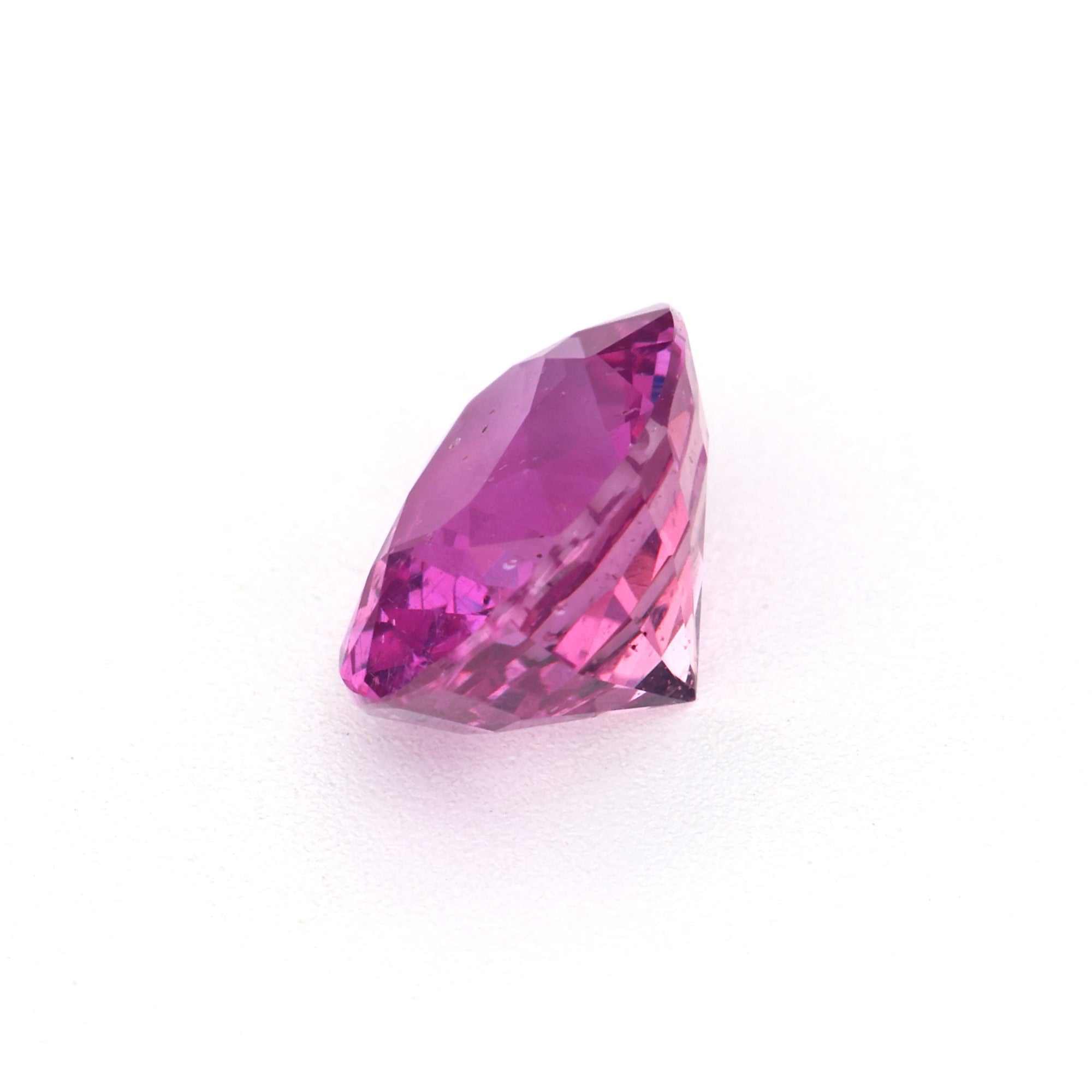
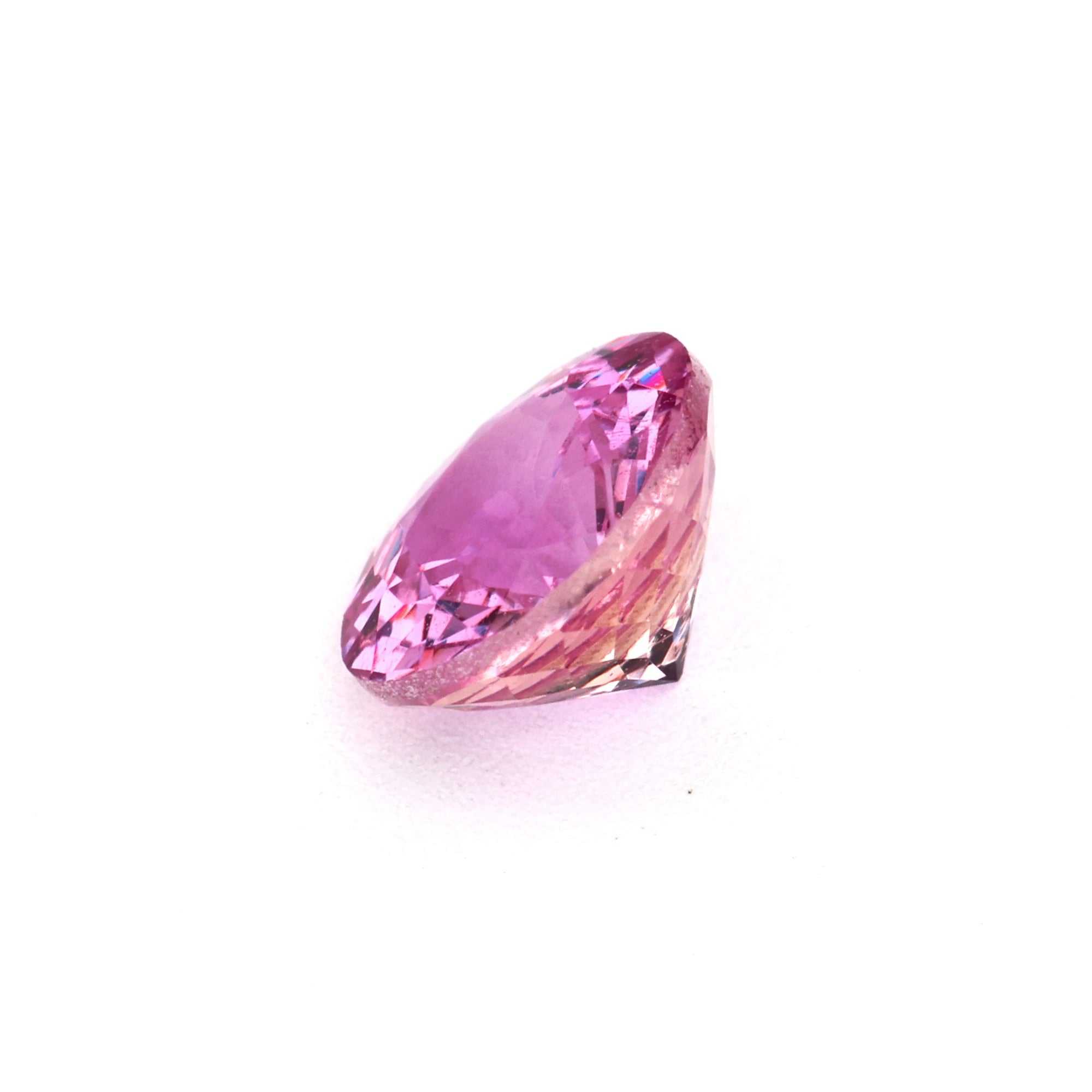
Pink sapphire is natural corundum colored by trace chromium — the same element responsible for ruby's red and the same mineral species as blue, yellow, and white sapphire. What separates pink from red (and therefore sapphire from ruby) is not chemistry but color position: above a certain saturation threshold, chromium-colored corundum is ruby; below it, the same stone is pink sapphire. That boundary is contested in the gemological world and commercially significant, making pink sapphire one of the most interesting and sometimes misunderstood categories in the colored stone market.
Pink sapphire has gone from a secondary category to one of the most actively traded colored gemstones in the fine jewelry world. Demand from the engagement ring market accelerated after the early 2000s as buyers began seeking non-diamond and non-traditional alternatives, and pink sapphire's combination of vivid color, corundum's 9-on-the-Mohs-scale hardness, and relative accessibility compared to ruby made it the natural beneficiary. Today it represents one of the largest categories in Sri Lanka's gem export market and a significant share of production from Madagascar and Myanmar.
This guide covers everything you need to evaluate a pink sapphire before buying: how color is graded, which origins matter and why, what heat treatment does and doesn't do, how to distinguish a fine pink from a mediocre one, and how pink sapphire fits into the broader colored stone market for engagement rings, collectors, and investors.

The most important thing to understand about pink sapphire is that it exists on a continuum with ruby. Both are chromium-colored corundum. The difference is saturation: at lower saturation, the stone reads as pink; at higher saturation, it reads as red (ruby). Neither GIA nor any other major laboratory draws the line identically. GIA uses a combination of hue, saturation, and tone to determine whether a stone is classified as ruby or pink sapphire on their reports, but the threshold is qualitative rather than spectroscopic.
This matters commercially because ruby commands dramatically higher per-carat prices than pink sapphire of equivalent size and quality — sometimes three to five times higher for fine material. A stone sitting near the ruby-pink boundary may be classified as pink sapphire by one laboratory and ruby by another, which affects pricing and market positioning significantly. For buyers, the practical implication is straightforward: look at the color, not just the laboratory classification, and decide what you're actually buying based on visual evidence and documentation together.
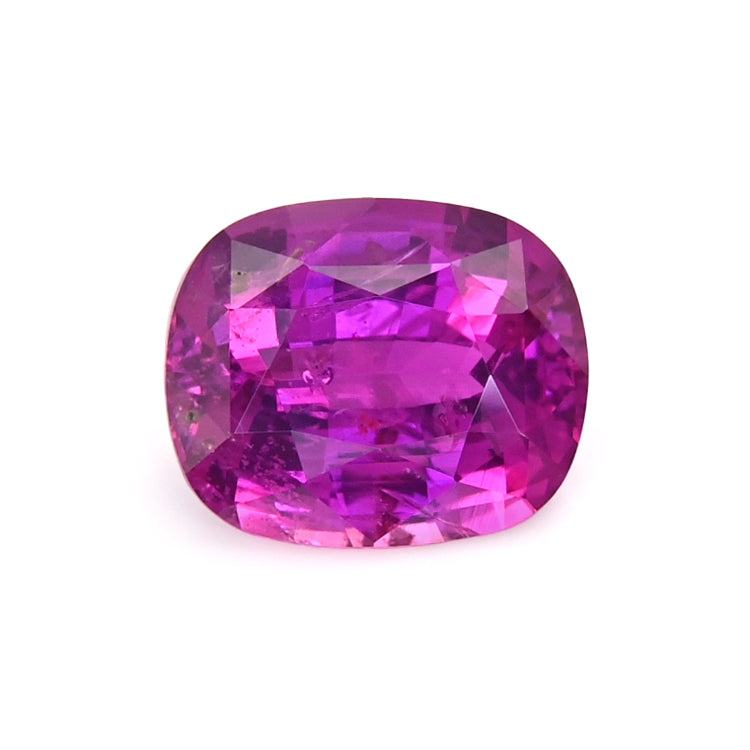
Fine ruby has a strongly saturated, vivid pure red — sometimes described as pigeon blood — with minimal pink, brown, or orange modifier. Fine pink sapphire has clearly pink body color: warm, feminine, distinctly not red. Stones in between — sometimes called hot pink — occupy the contested zone and may carry either classification depending on which lab evaluated them.
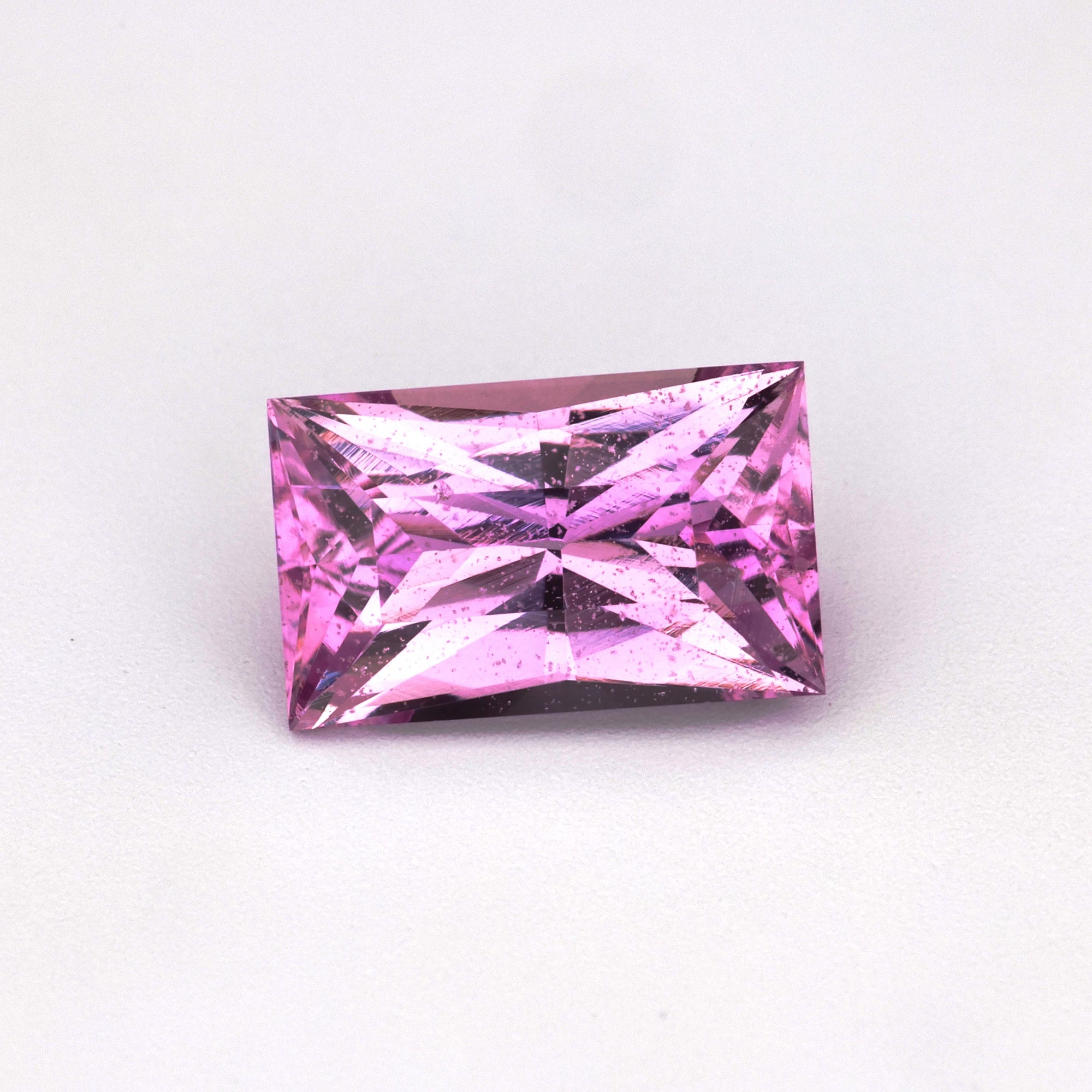
Pink sapphire is not a single color. The category spans an enormous range of saturation, tone, and hue that produces visually quite different stones even within the same species and origin. Understanding the range is essential to buying correctly.
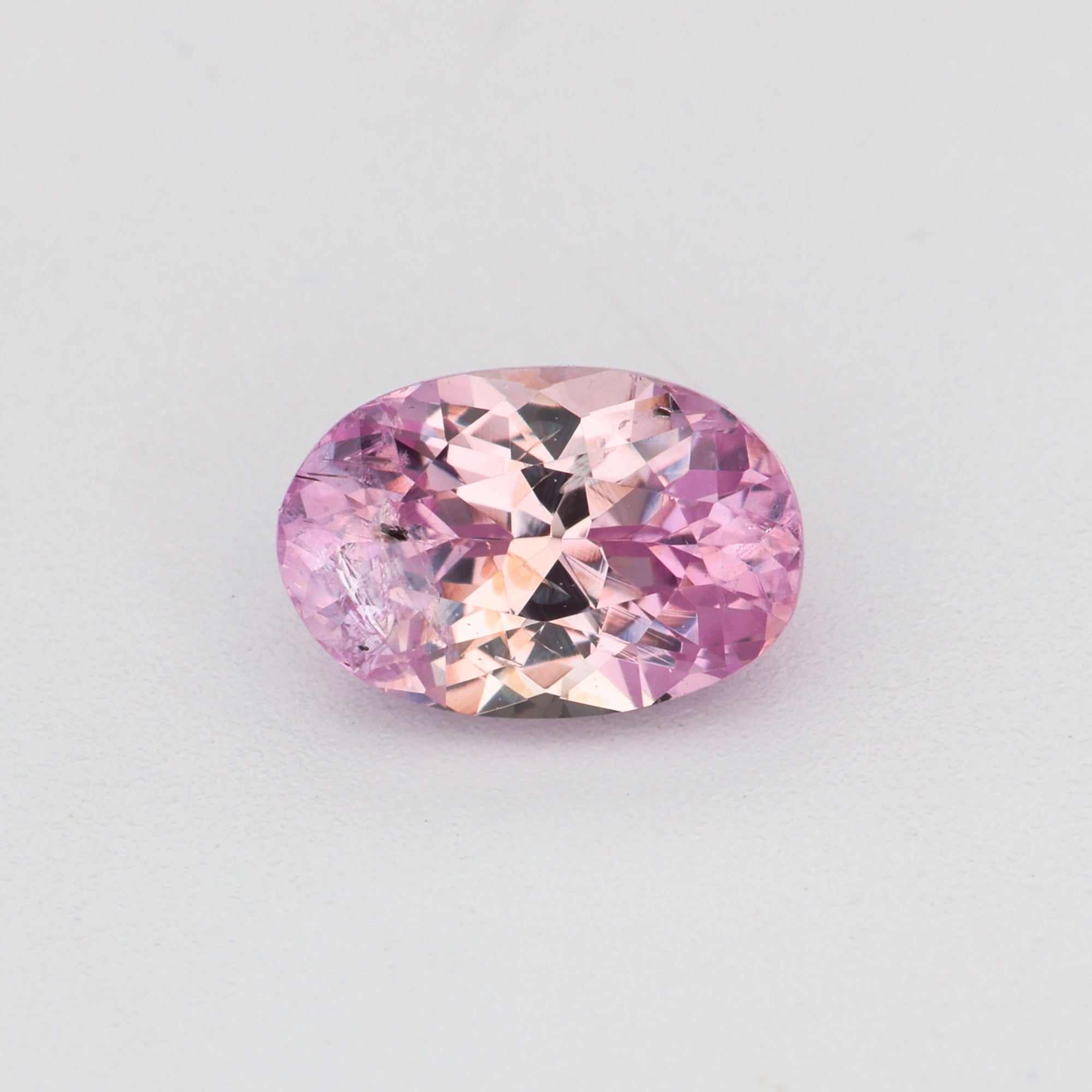
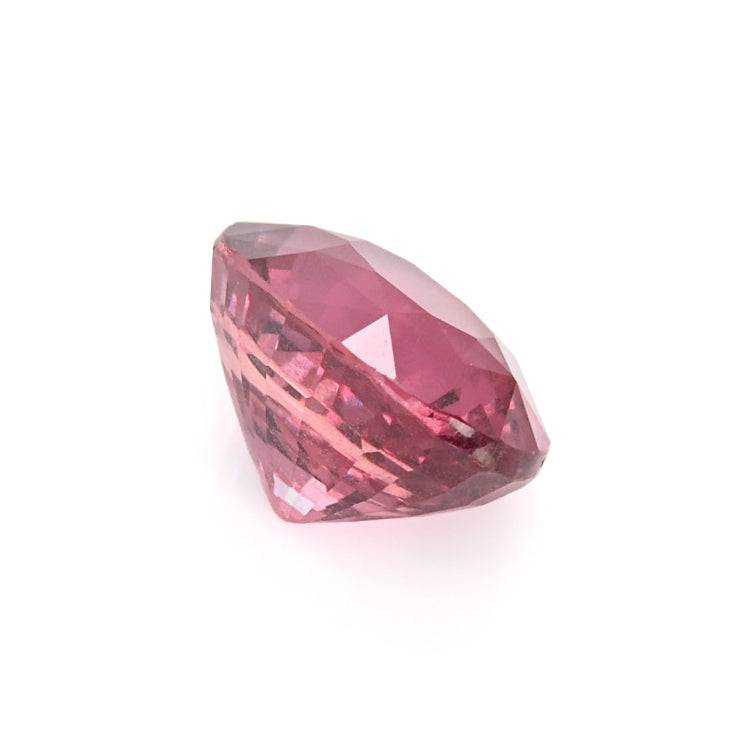
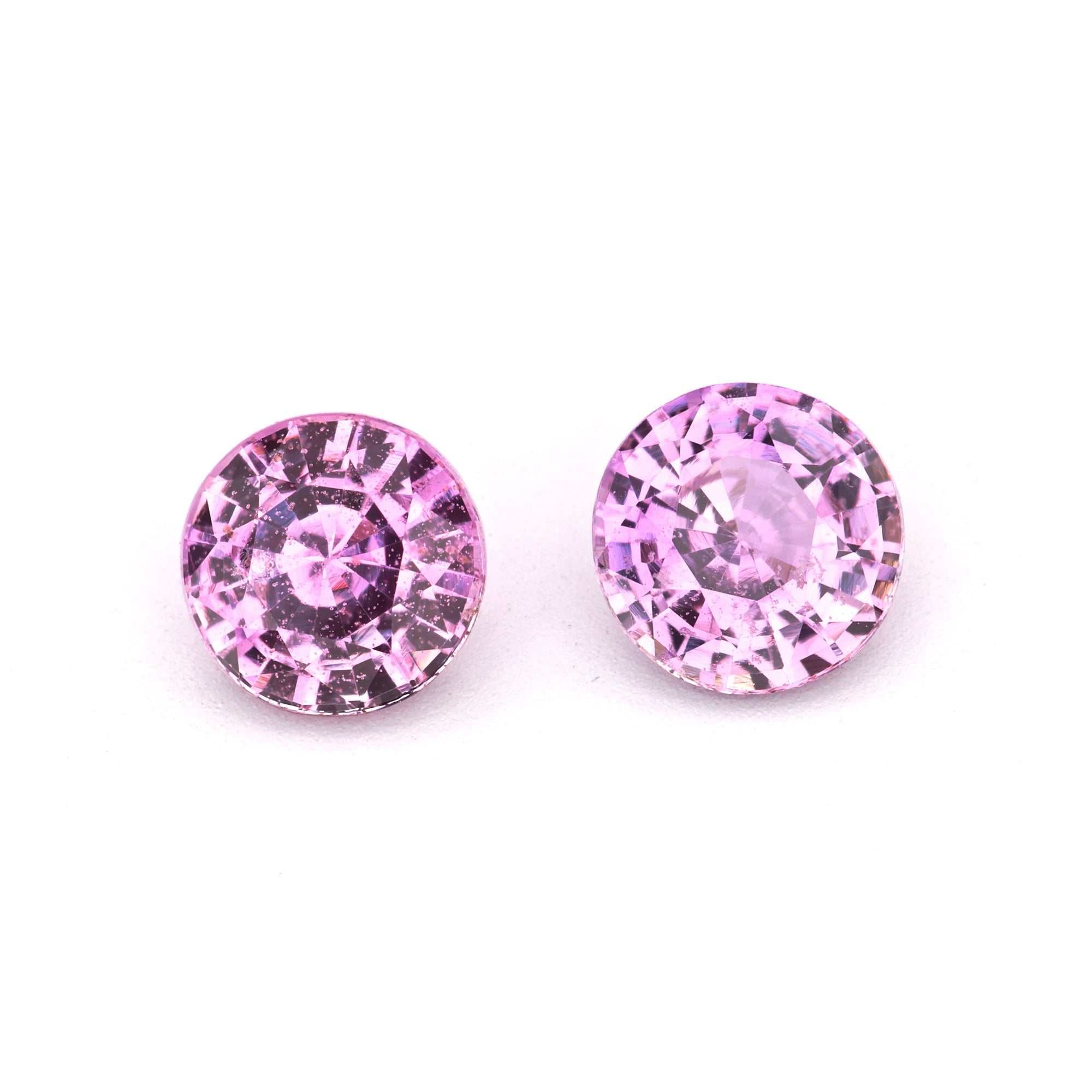
The lowest saturation end of the spectrum. Pastel pink sapphires read as soft, delicate, and airy — closer to rose quartz in impression than to vivid pink. They are typically the most accessible price-wise and suit pale, romantic jewelry aesthetics. The risk with pastel material is that it reads as nearly colorless in certain lighting conditions, which reduces the visual impact of the color investment.
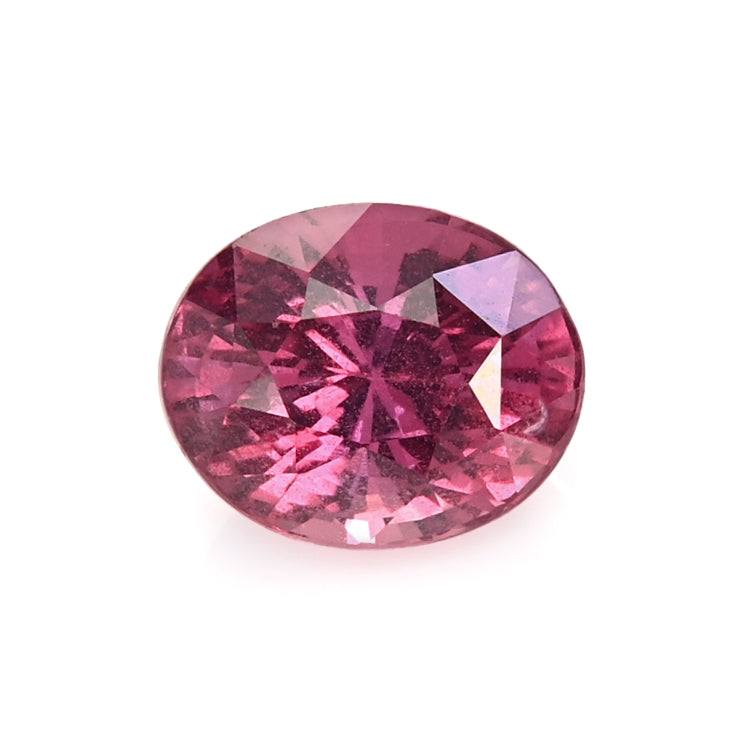
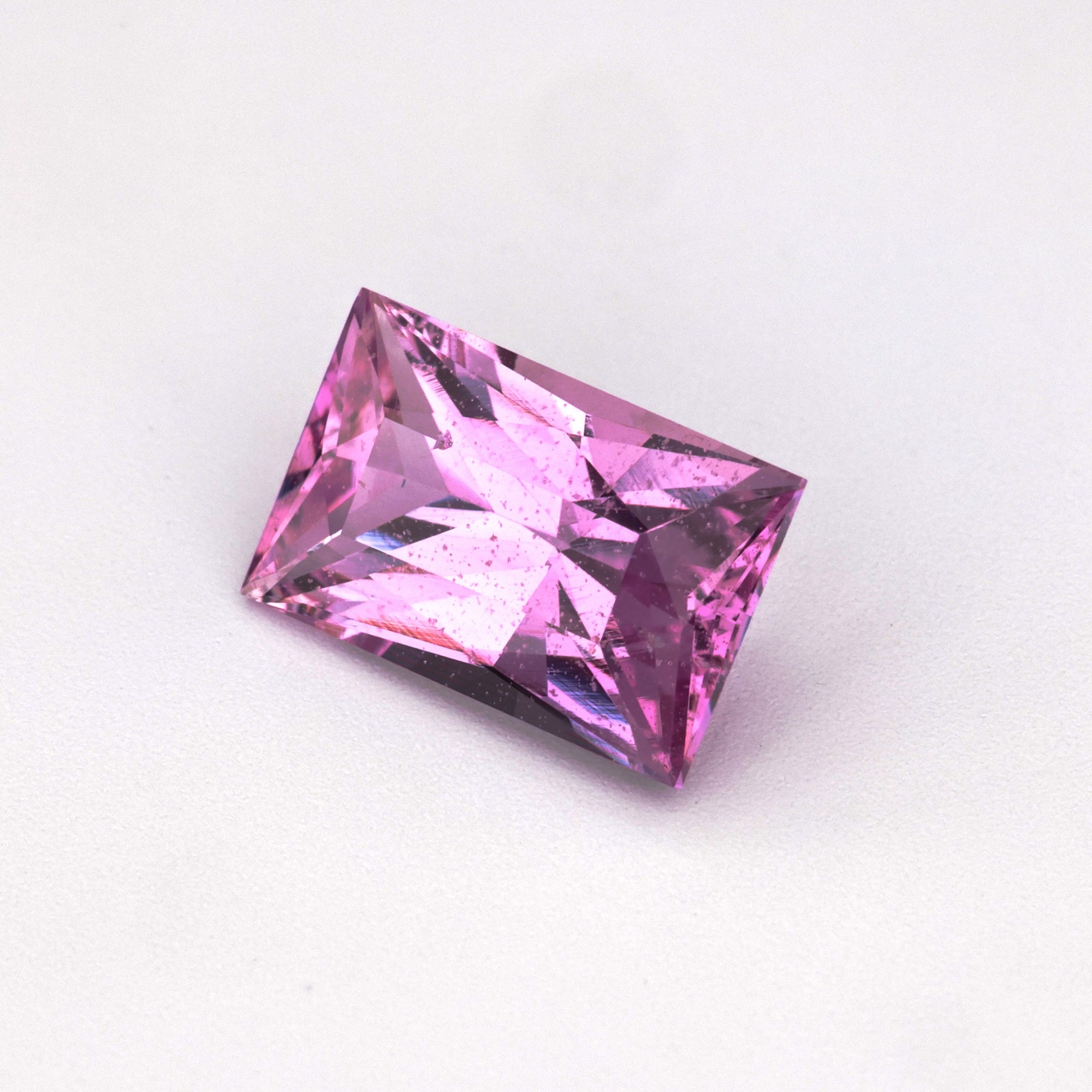
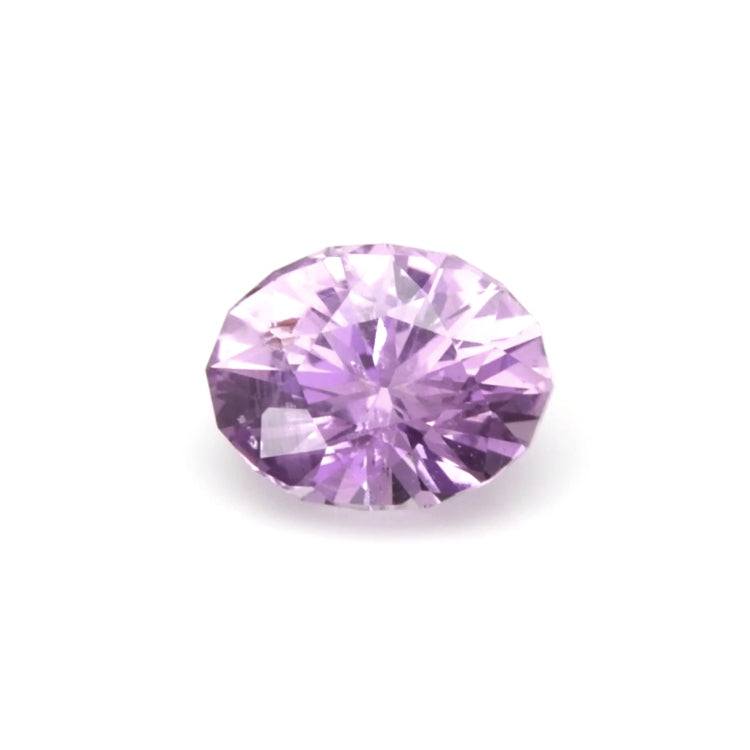
The commercial sweet spot for most pink sapphire engagement rings. Sufficient saturation that the pink reads clearly at wearing distance under daylight, incandescent, and fluorescent light — without crossing into the vivid or hot-pink territory. Mid-tone pink is the most consistently available and the most practically useful for custom jewelry design.
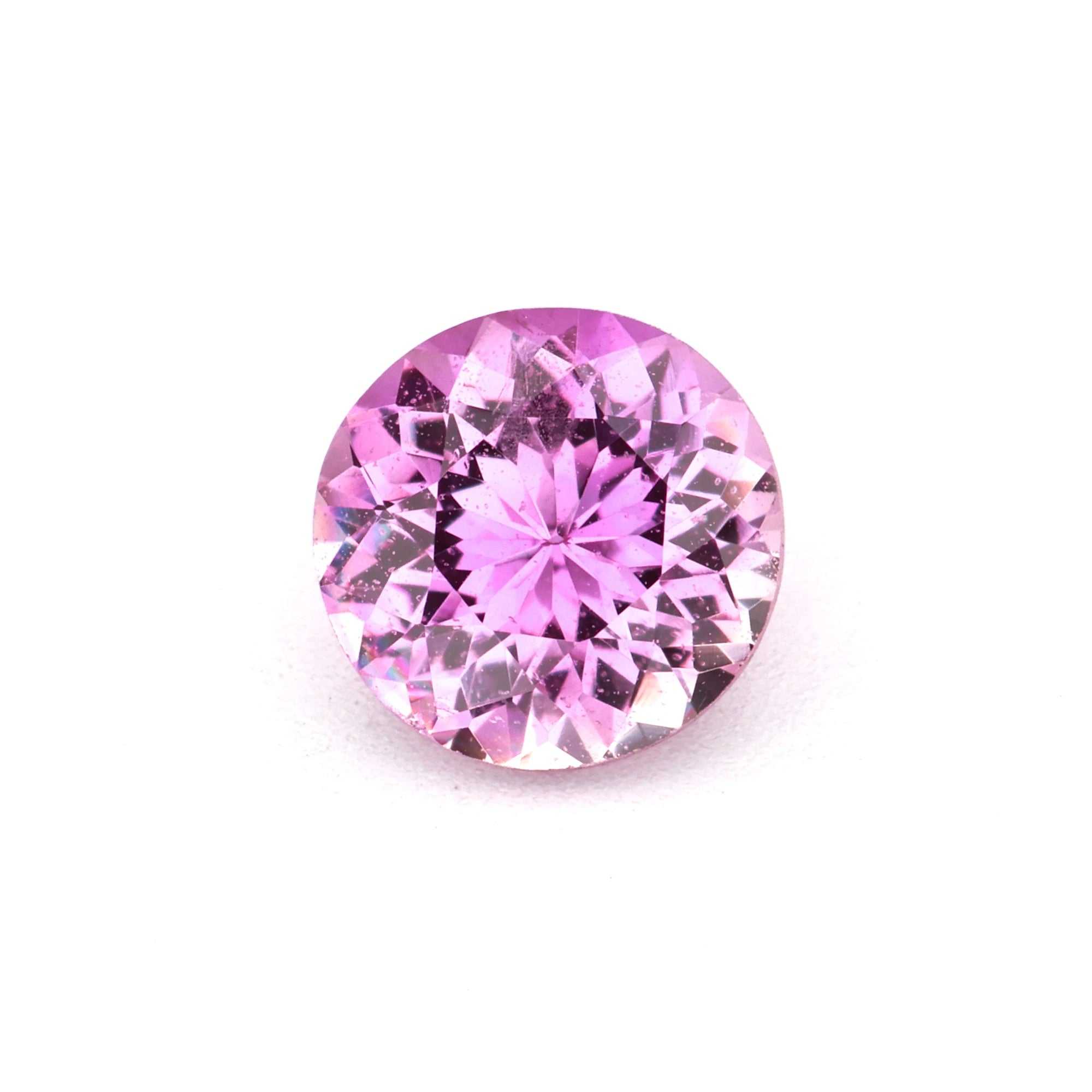
High saturation pink that reads bold and immediately attention-commanding. This is the color range most similar to the commercial production of Mozambique rubies in saturation, though in the pink rather than red range. Hot pink sapphires are rarer than mid-tone material in unheated quality and command meaningfully higher prices. Very high saturation can appear slightly intense under certain lighting — buyers who want vivid should view under multiple light sources before deciding.
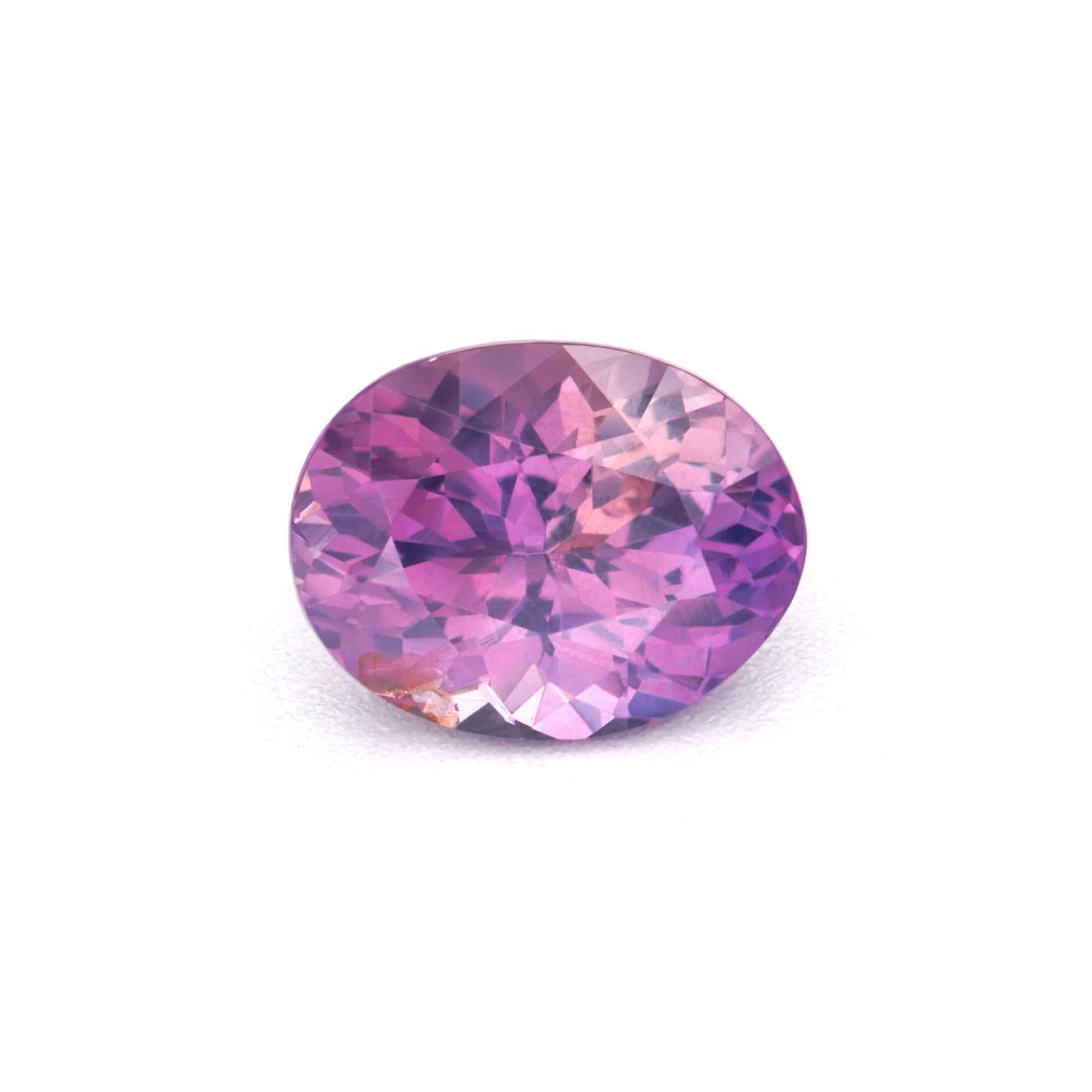
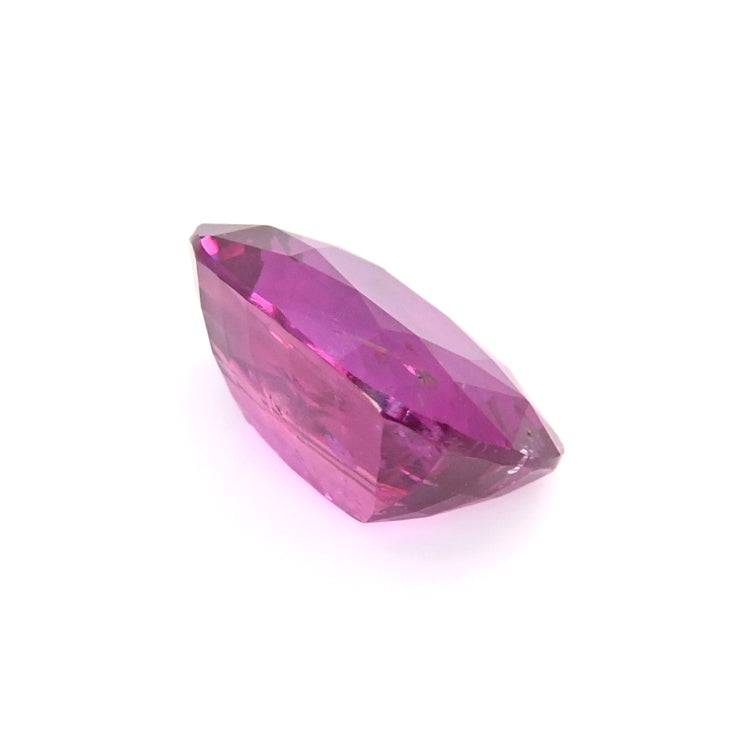
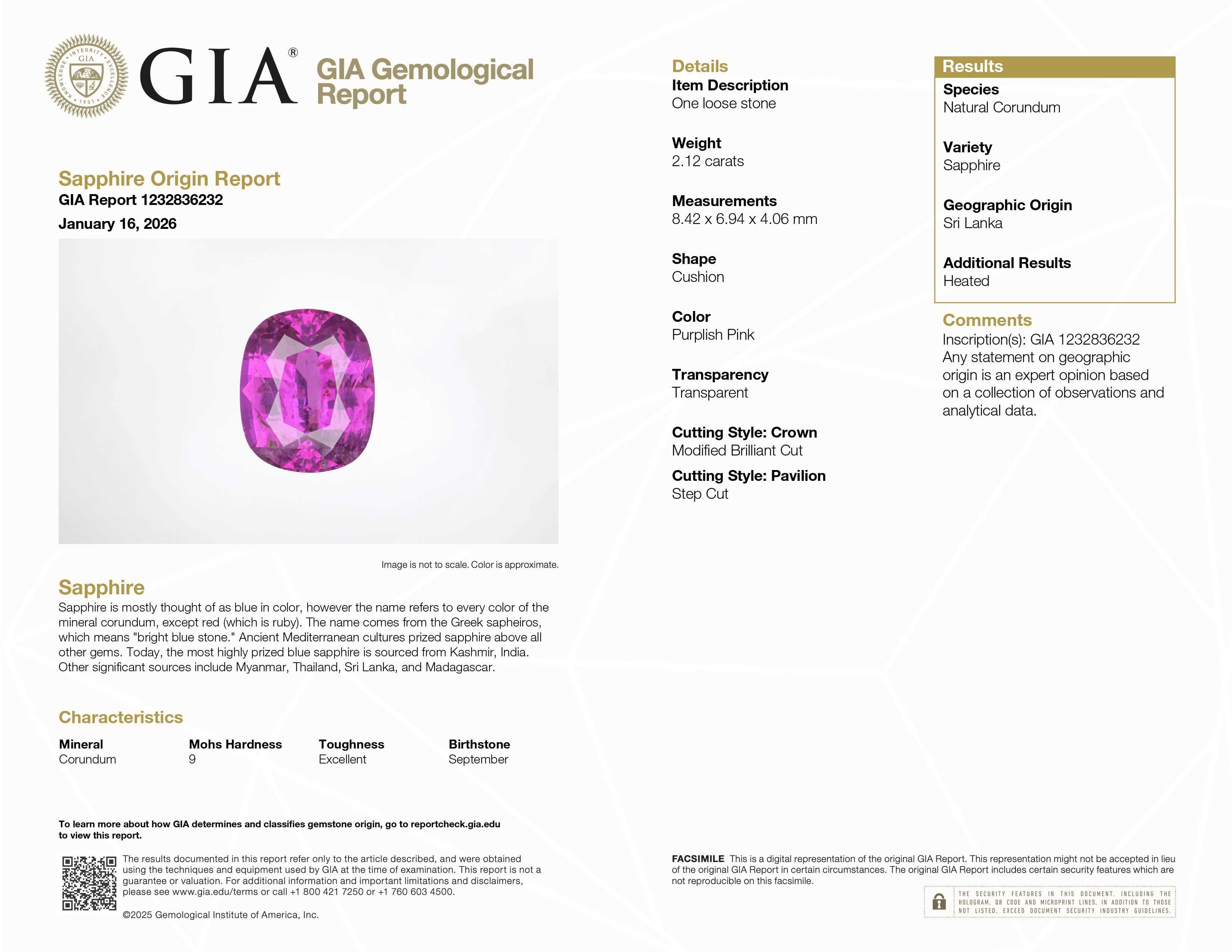
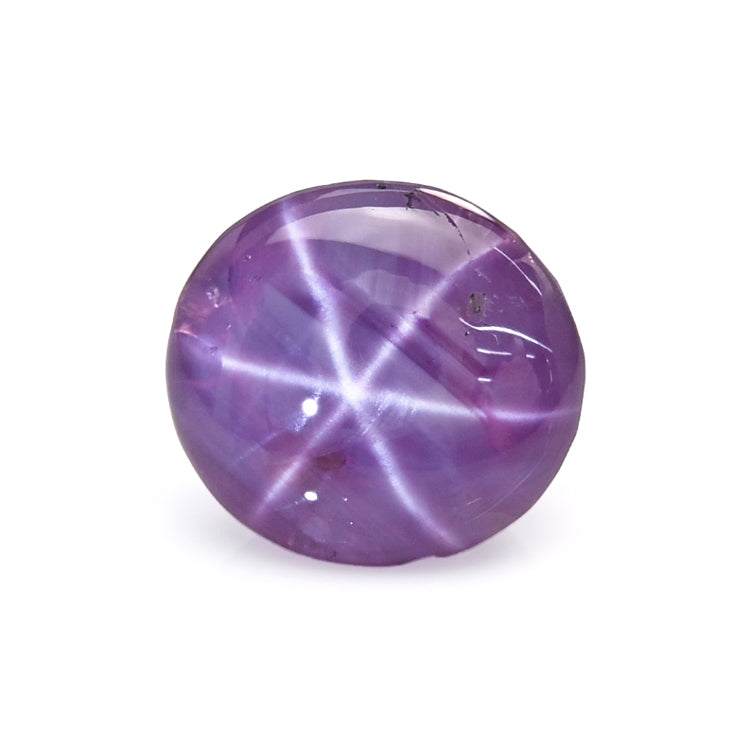
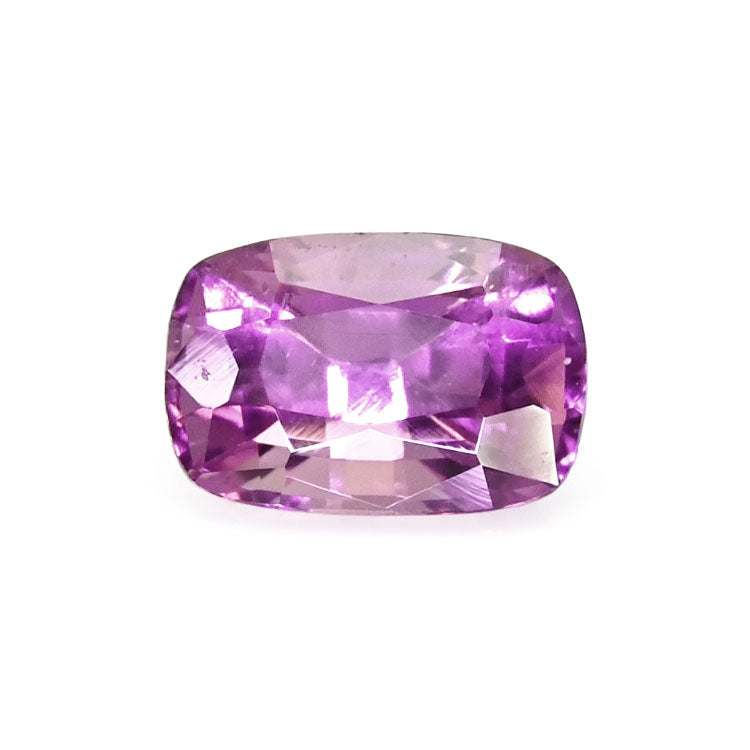
A modifier that adds a violet-influenced undertone to the pink, creating a color that reads with more complexity than pure pink. Purplish-pink is valued by buyers who want distinction from the conventional pink sapphire market. It is notably the hue range where padparadscha borders on the pink sapphire category from the opposite direction — padparadscha being orange-pink rather than violet-pink, but both representing the interesting boundary zones of the pink spectrum.
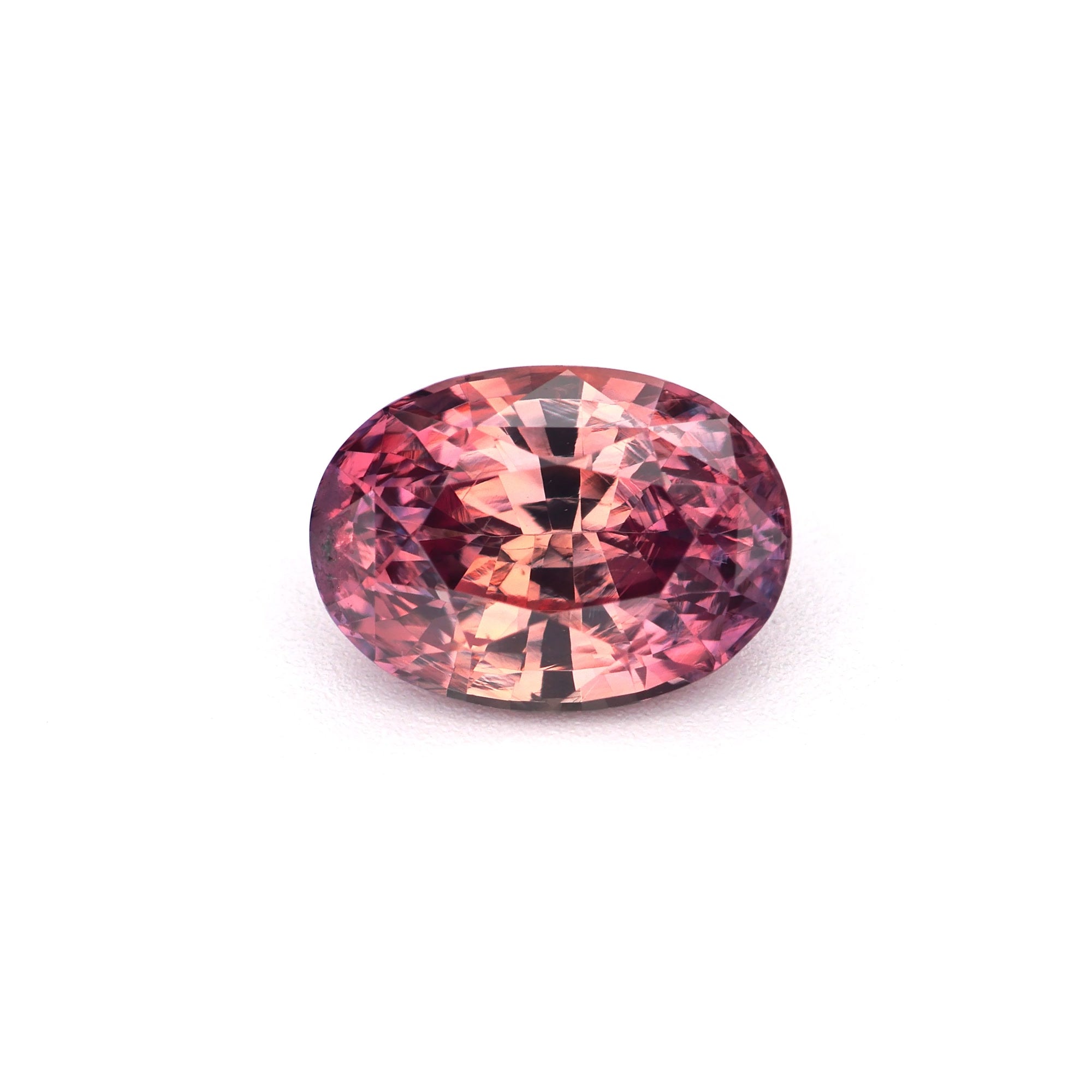
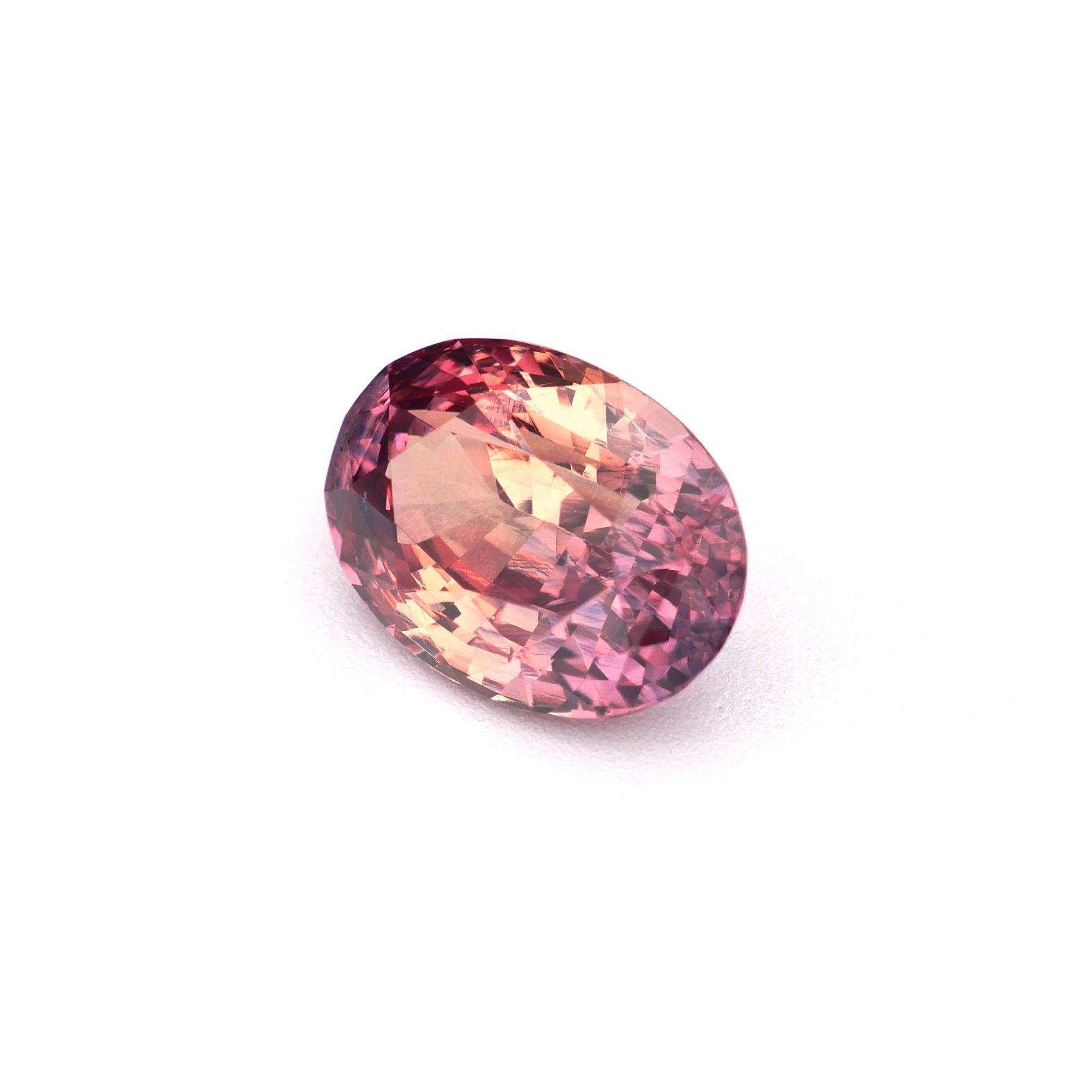
Padparadscha sapphire is the orange-pink variety of corundum — the hue where pink and orange meet rather than where pink and violet meet. It is the most valuable and rarest of all sapphire colors. Pink sapphires that carry a slight orange or peach undertone are sometimes described as padparadscha-adjacent and carry a modest premium over equivalent pure-pink material, but only stones with a clearly defined and balanced orange-pink character that a major laboratory classifies as padparadscha should be marketed or priced as such.
Origin matters in pink sapphire more than in some other sapphire colors because the quality profile differs meaningfully across sources, and certain origins carry significant market premiums.

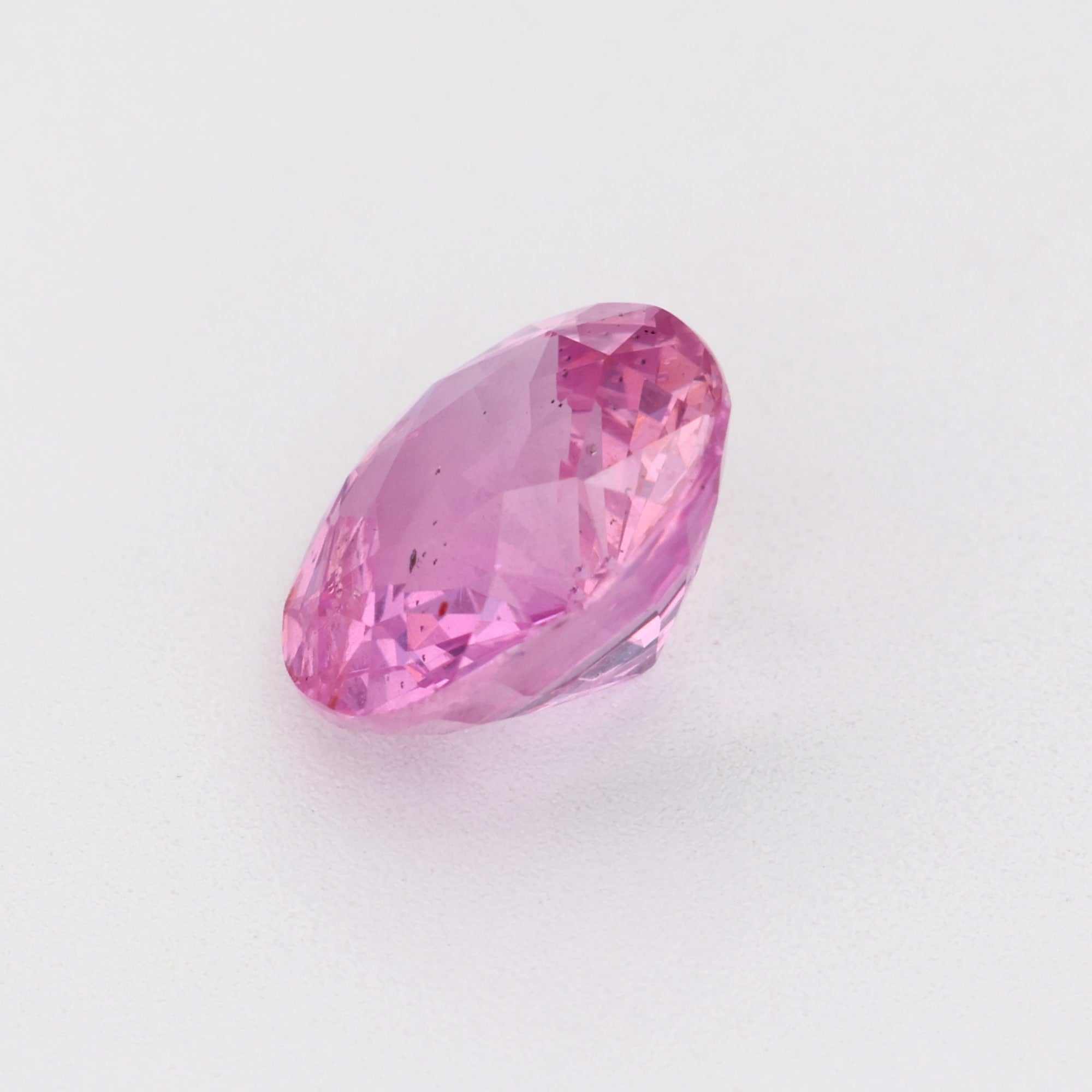
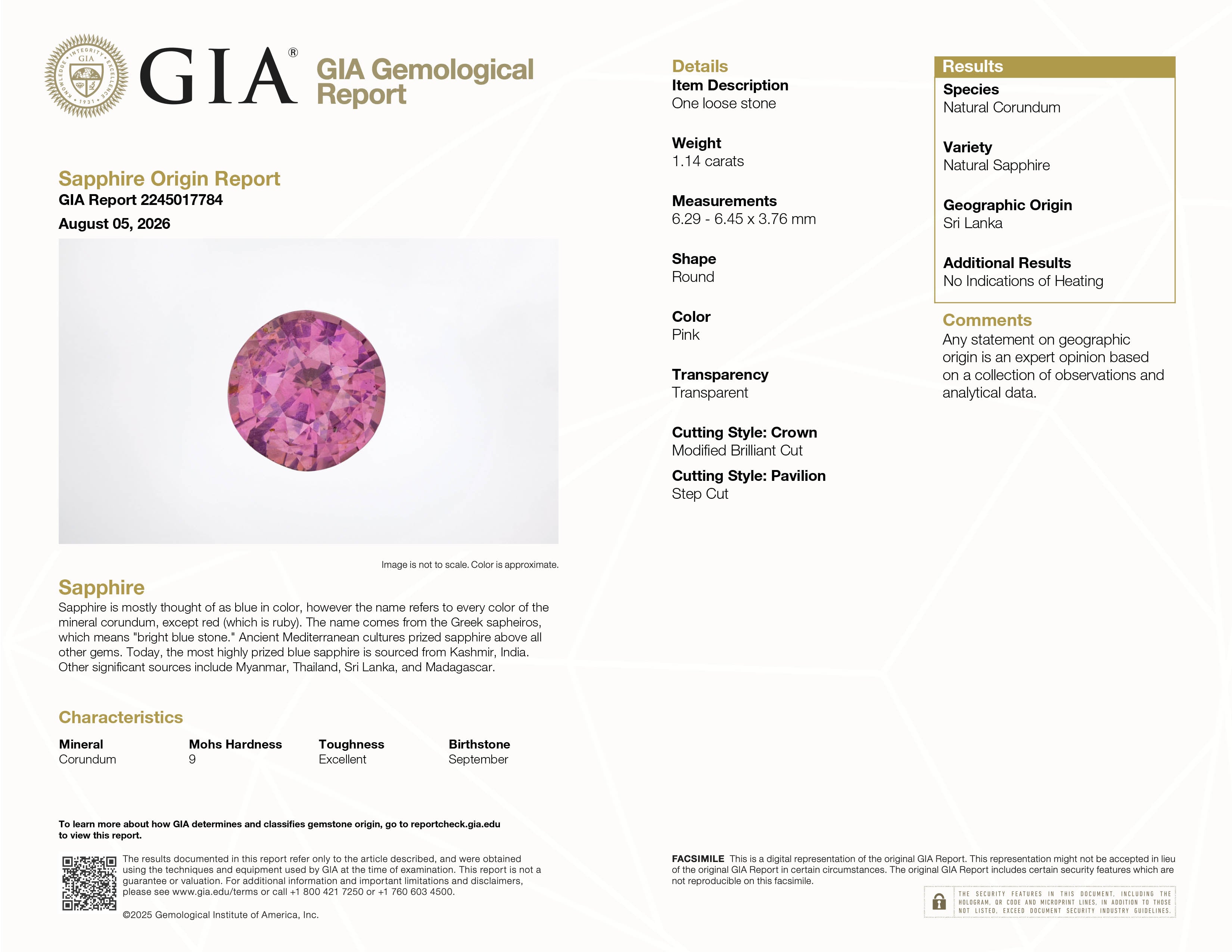
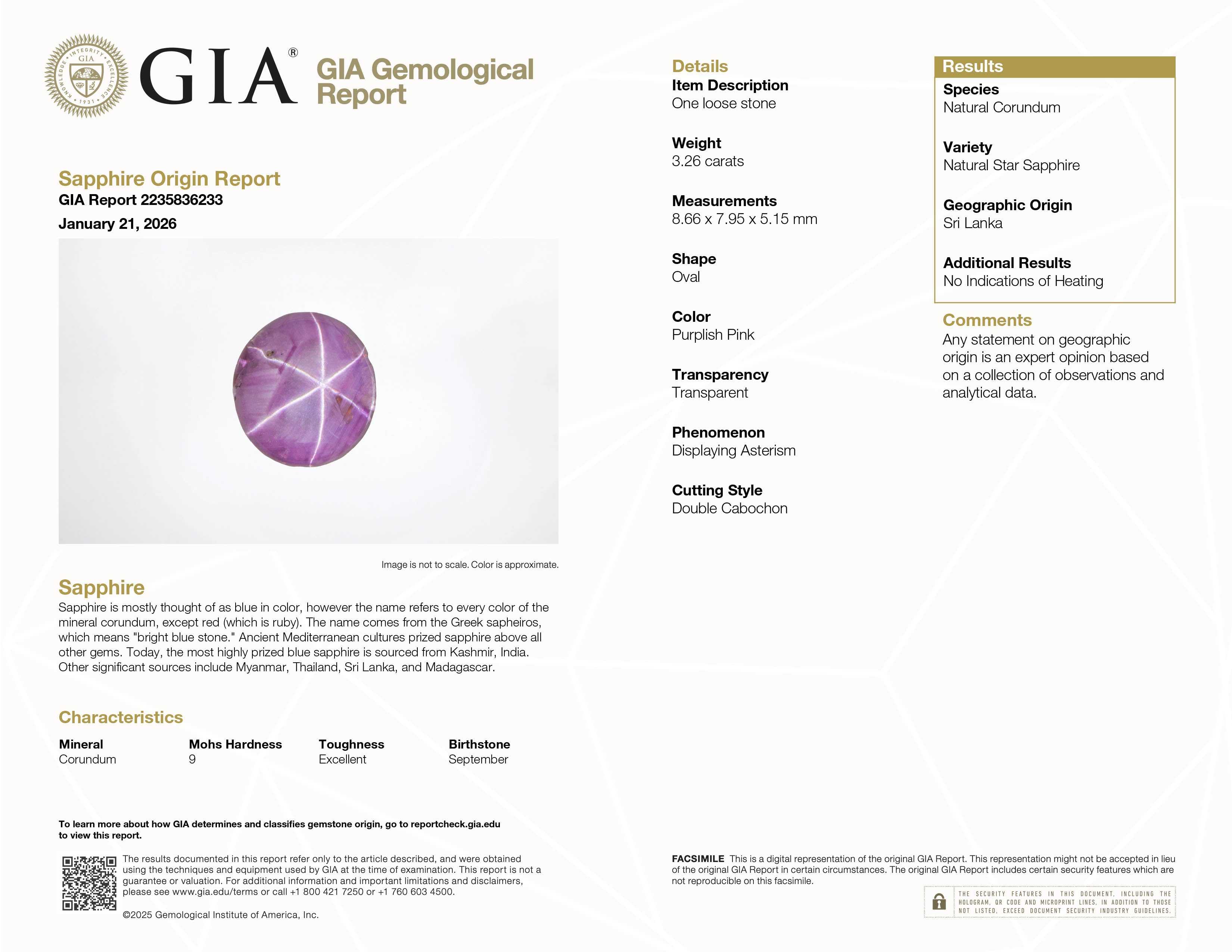
The most important source for fine pink sapphire. Ceylon pink sapphires typically show high transparency, good saturation, and a clean pink without significant modifying hues. The island's alluvial gem gravels have produced pink sapphire for over two millennia, and the Ceylon designation carries a premium in fine jewelry and collector markets. A meaningful proportion of Ceylon pink sapphires are unheated — the island's rough quality often allows the natural color to be used without thermal enhancement, which significantly increases value. GIA reports that confirm both Ceylon origin and unheated status represent the premium specification in this category.
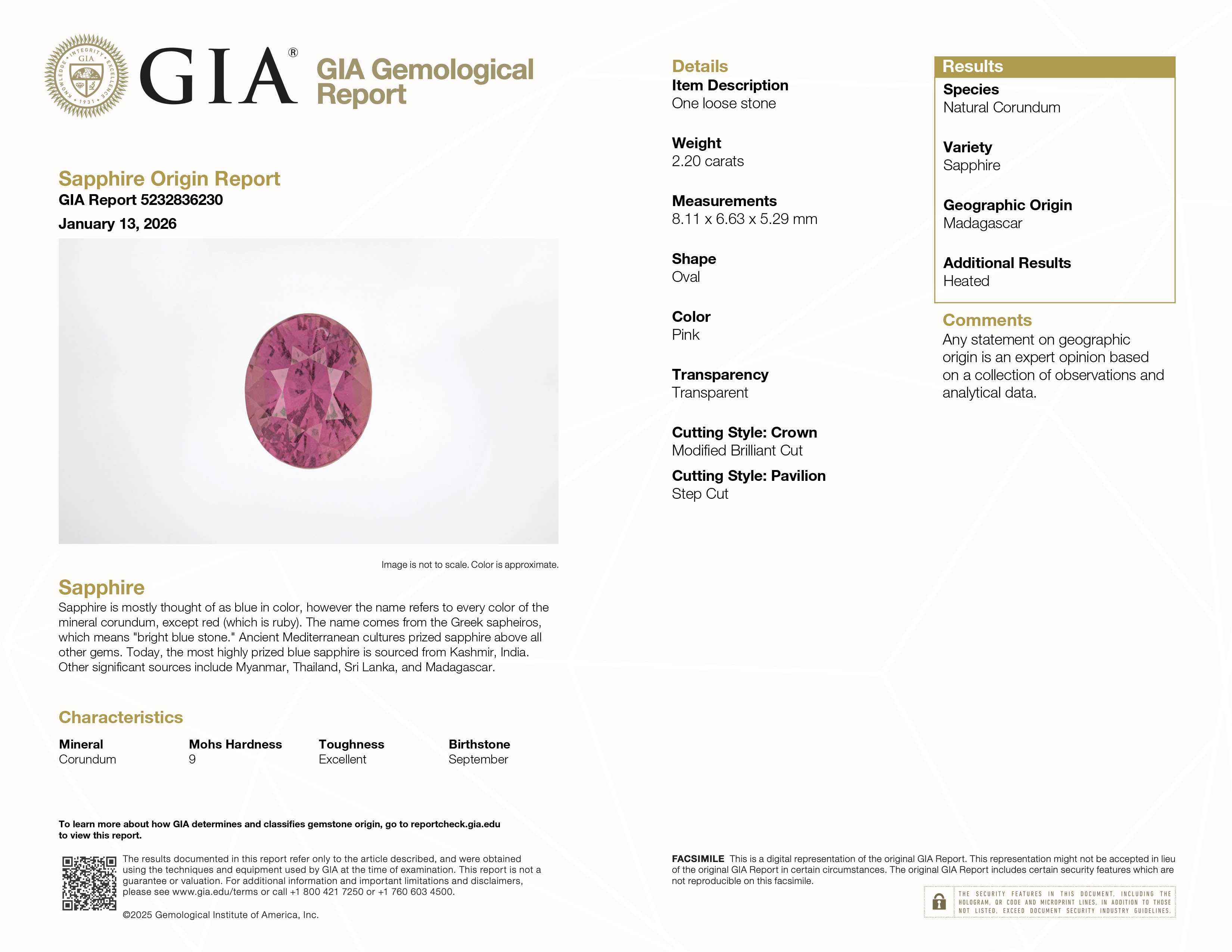
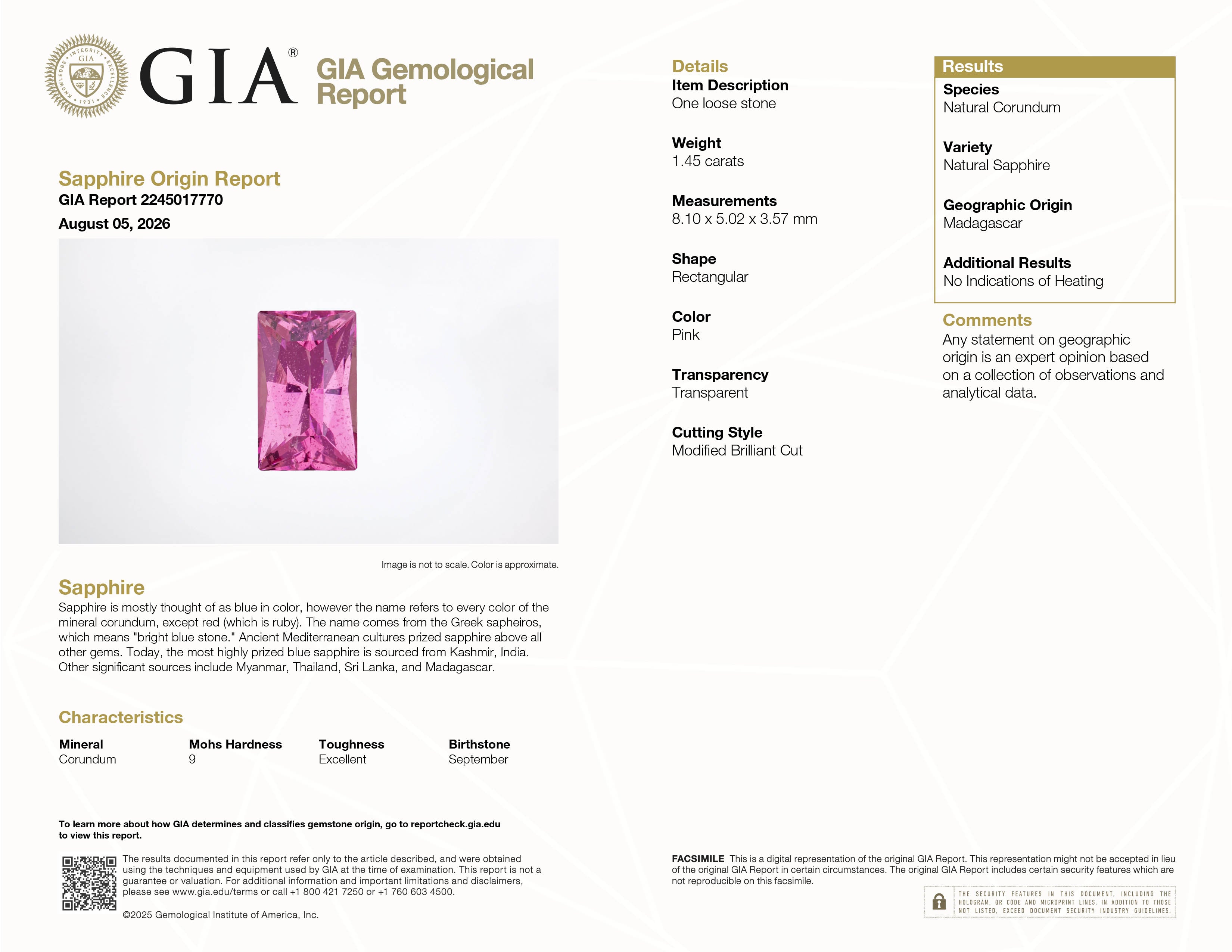
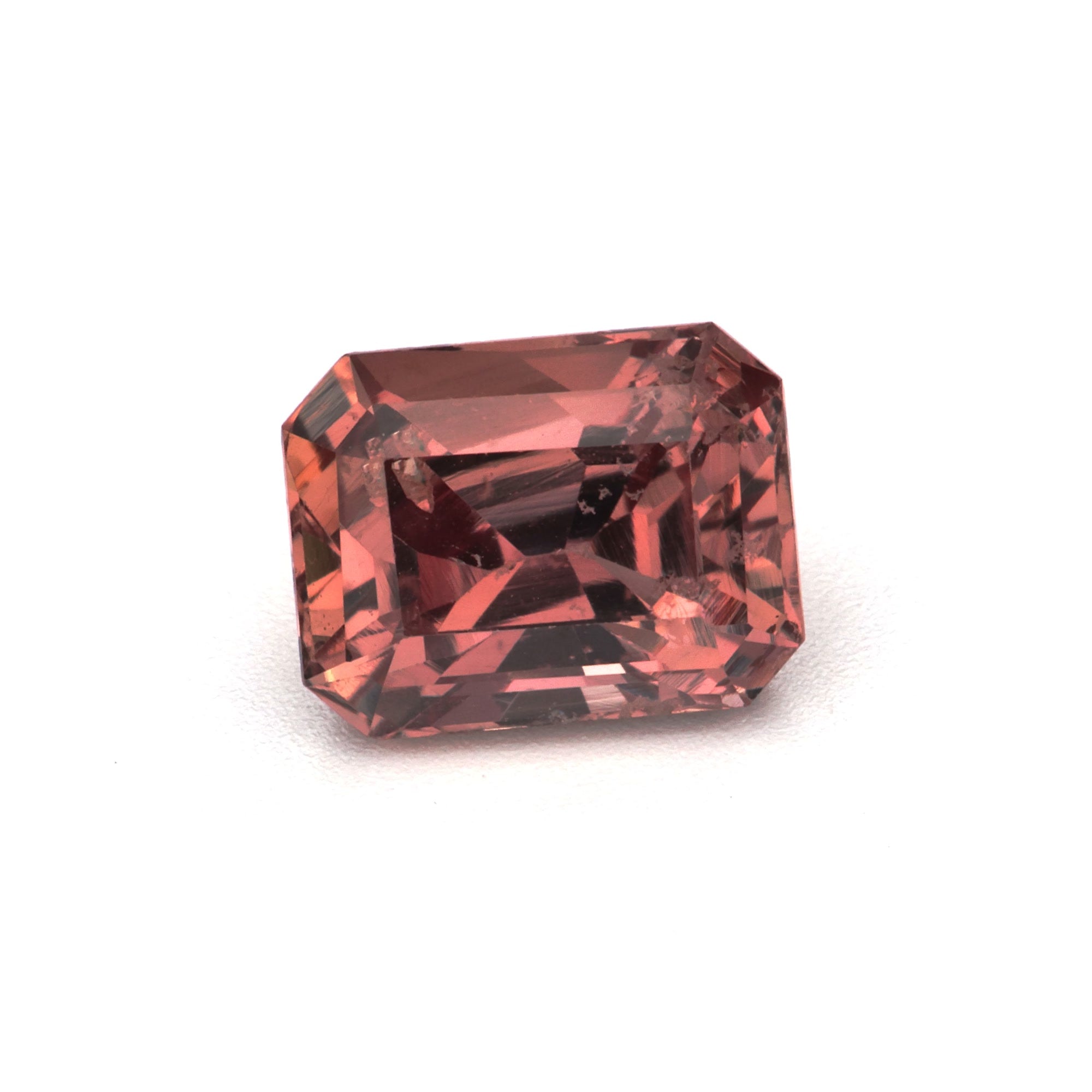
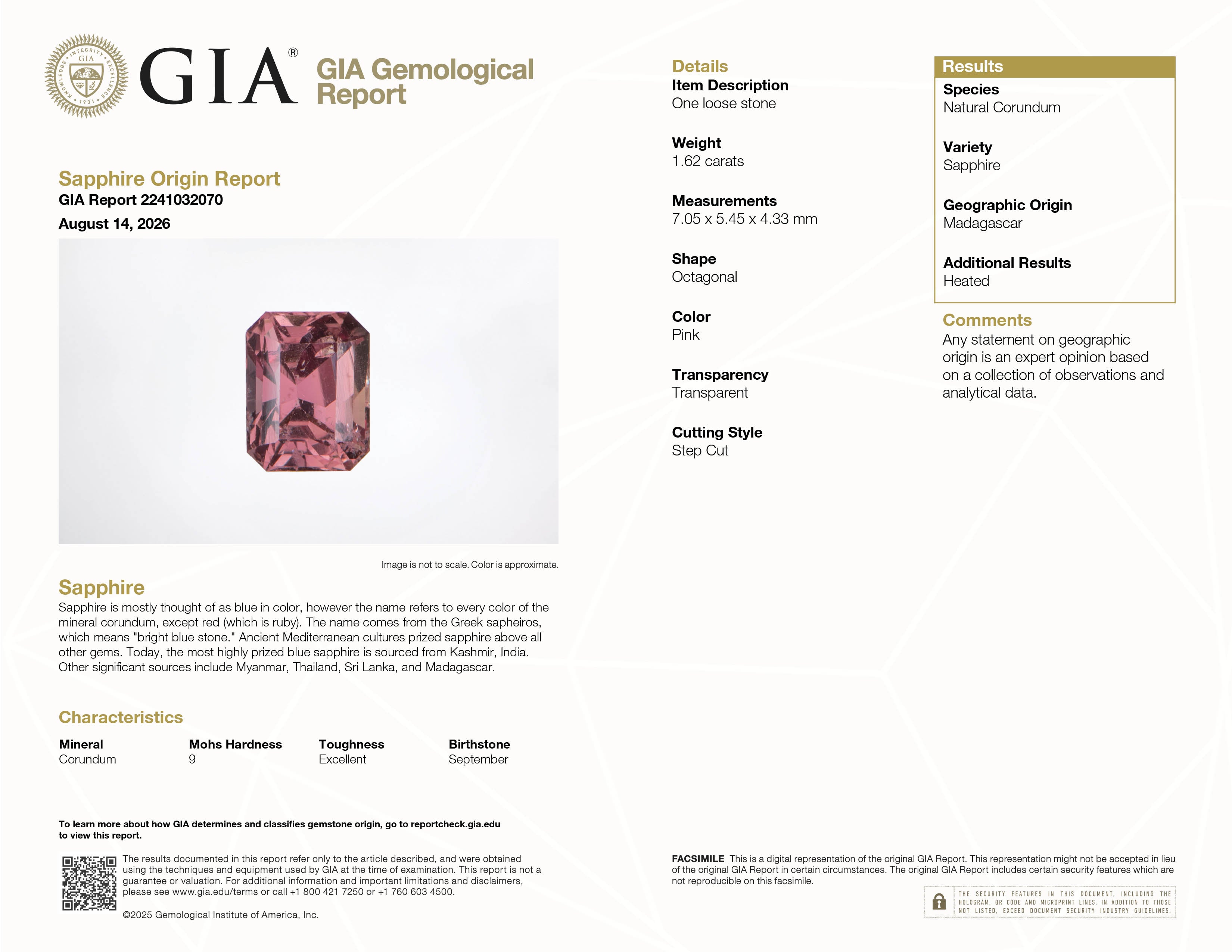
The most commercially significant new source for pink sapphire, having come to market significance in the 1990s and now representing a very large share of commercial production. Madagascar material runs from pale pastel through vivid pink and is typically heat-treated. The vivid pink material from Madagascar is some of the most saturated commercially available pink sapphire, rivaling the finest Ceylon material in color intensity. Fine unheated Madagascar pink sapphires also exist and are increasingly valued in the market.
Myanmar produces both fine ruby and pink sapphire, and Burmese pink sapphires carry a prestige premium similar to that of Burmese rubies. The color profile of fine Burmese pinks tends toward vivid saturation and strong fluorescence. GIA-certified Burmese origin is the premium provenance for pink sapphire among serious collectors and at auction. Supply from Myanmar is limited relative to Ceylon and Madagascar.
Tanzania produces pink sapphires from the Umba Valley and from Tunduru, with color profiles ranging from pale through vivid. Tanzanian material is less commonly seen with major laboratory origin reports than Ceylon or Burma, though its quality can be excellent. It is an important part of commercial supply.
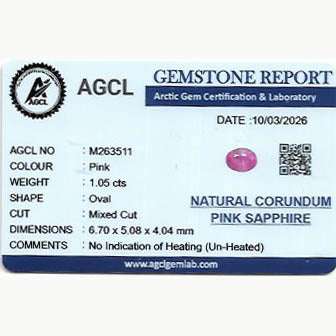
For undocumented commercial material — stones sold without a major laboratory report specifying origin — origin is often a seller's claim that cannot be independently verified. In the sub-1-carat commercial market, origin documentation is rarely present and the practical value difference between origins is therefore smaller. At the 1-carat-and-above level, particularly for unheated material, GIA or Gübelin origin documentation begins to matter significantly for pricing and future liquidity. If you are paying a Ceylon premium, that premium should be backed by a document from a respected laboratory, not a seller's assertion.
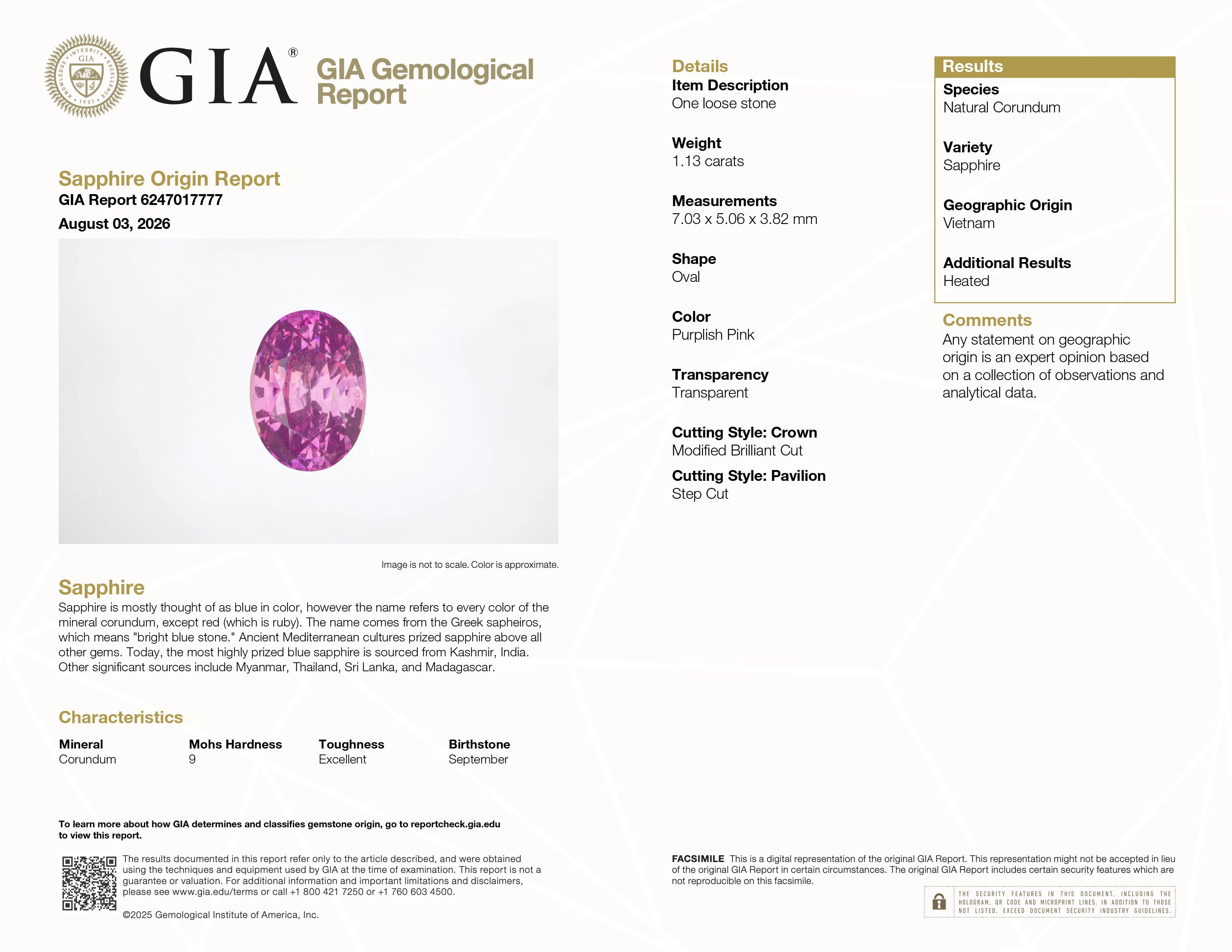
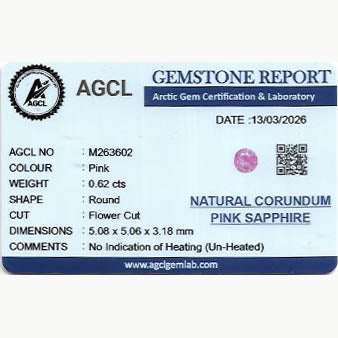
The majority of pink sapphires on the commercial market — estimates run from 70% to 90% depending on the source — have been heat-treated. Heat treatment is applied to natural sapphire rough at high temperatures (typically 1,700–1,900°C) to improve color saturation and reduce undesirable color modifiers such as brown, orange, or gray. The treatment is permanent, stable, and universally accepted in the trade. A heat-treated pink sapphire is a natural gemstone; treatment status does not affect the stone's authenticity.
What it does affect is price. Unheated pink sapphires — stones with no evidence of heat treatment, as confirmed by a major laboratory — command significant premiums over heat-treated equivalents. The premium increases with size and quality: a 0.50-carat unheated pink sapphire carries a modest premium over a comparable heat-treated stone; a 2-carat unheated Ceylon pink sapphire with GIA documentation can be worth three to five times the equivalent heat-treated stone.
The premium for unheated pink sapphire is driven by scarcity, collector preference, and increasingly, investment logic. Rough that can produce vivid or mid-tone pink without heating is genuinely rarer than rough that needs heat. Collectors and serious investors prefer unheated material because its color is entirely natural, its treatment status is stable, and its documentary chain is cleaner. In the Jyotish (Vedic astrology) market, unheated status is a requirement for the stone to be considered effective for astrological purposes.
Heat treatment in sapphire is detected by examining the stone's internal features using a combination of standard gemological microscopy and advanced spectroscopic techniques. Certain inclusion types (healed fractures, color concentrations near inclusions) are altered or destroyed by heating; others appear only in heated stones. Major laboratories — GIA, Gübelin, SSEF, Lotus — have established treatment detection protocols for corundum with high reliability for most treatment types. Beryllium diffusion, a more intensive treatment that can significantly alter color, is also detectable by modern laboratories.
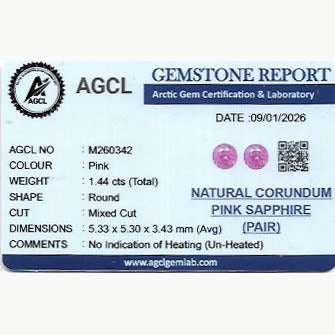
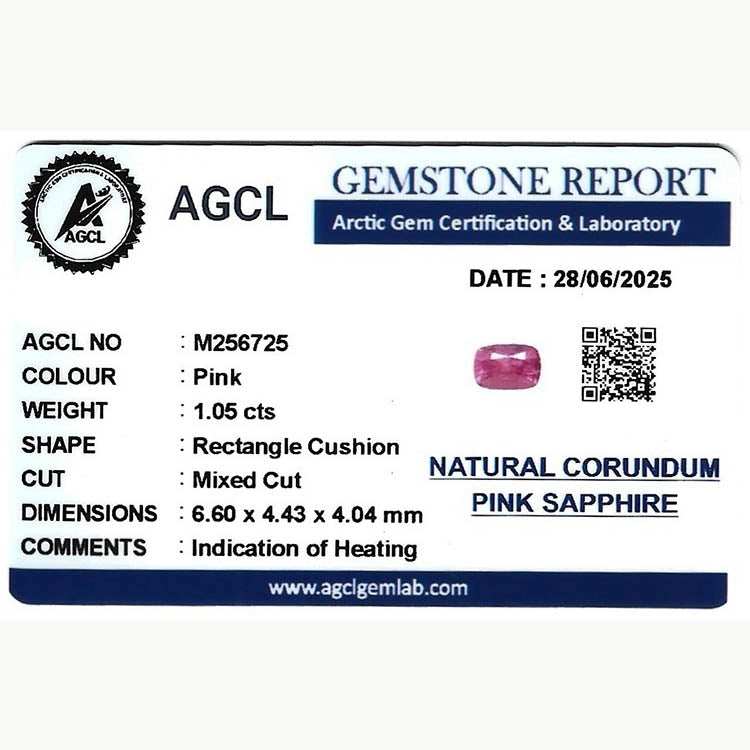
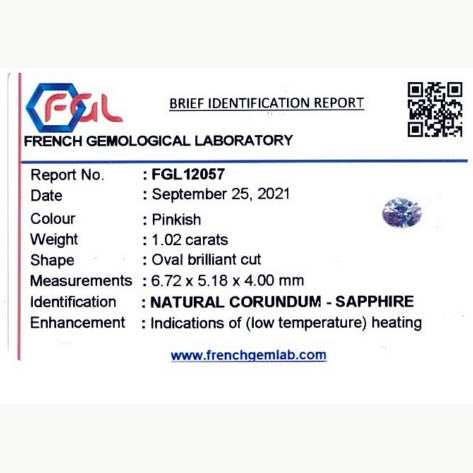
The practical takeaway: if treatment status matters to your purchase, buy with a report from GIA, Gübelin, SSEF, or Lotus. A seller's claim of unheated is not documentation; a laboratory report is.
Color quality in pink sapphire is assessed across three dimensions: hue, saturation, and tone. All three matter, and understanding each helps you identify the stones that perform best in finished jewelry.
Hue is the basic color description. For pink sapphire, the most desirable hue is pure pink — saturated without an orange, brown, or gray modifier. A slight violet undertone (purplish-pink) is acceptable and sometimes desirable; a brownish or grayish modifier reduces value by muddying the color. The least desirable modifiers in pink sapphire are brown (most common in heated material) and gray (which occurs in both heated and unheated stones).
Saturation is the intensity of the pink — how vivid and pure the color reads as opposed to washed-out or dull. In pink sapphire, higher saturation is generally more valuable, but only up to the point where the color shifts from pink toward red (the ruby boundary). Within the pink range, vivid saturation is the most prized quality. Pastel saturation is the least, though it has its own aesthetic market among buyers who prefer a softer look.
Tone describes how light or dark the color reads — a continuum from very light to very dark. For pink sapphire, medium tone is most desirable: light enough that the pink reads as clearly pink rather than gray, dark enough that the color has presence and is not washed out. Very light-toned stones lose their color identity; very dark-toned stones can read as maroon or brownish-pink rather than clean pink.
Pink sapphire can read very differently across light sources. A stone that looks vivid under the white LED lights of a jewelry display case may look washed-out in natural daylight, or gain a brownish cast under incandescent. Always view pink sapphires under multiple light sources before deciding on a significant purchase, and specifically ask to see the stone in natural daylight — the most revealing light source for color quality in colored gemstones.
Pink sapphire is generally expected to be eye-clean — no visible inclusions under normal viewing conditions at arm's length. Unlike emerald (which is almost always significantly included) or ruby (which typically carries silk and healing fractures), fine pink sapphire from Ceylon is often quite clean to the loupe, and eye-clean material is the standard for fine jewelry use.
Sub-carat pink sapphires that are eye-clean are common in the market. At 1.5+ carats, eye-clean becomes meaningfully rarer, particularly in unheated material. Silk (fine rutile needle inclusions) is common in pink sapphire, particularly in unheated stones. In fine quantities, silk is acceptable. In heavy quantities, it reduces transparency and brilliance. The finest pink sapphires are transparent, not just translucent.
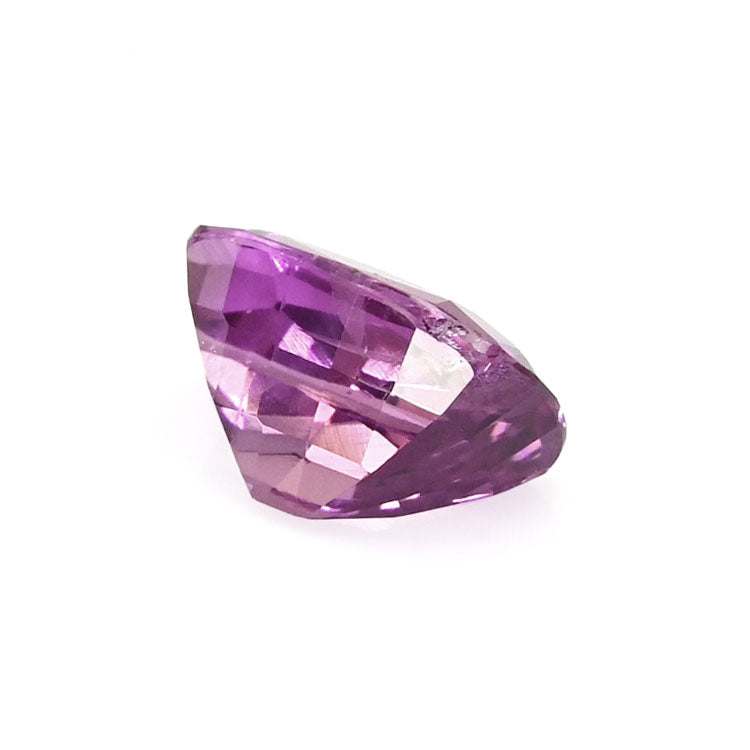
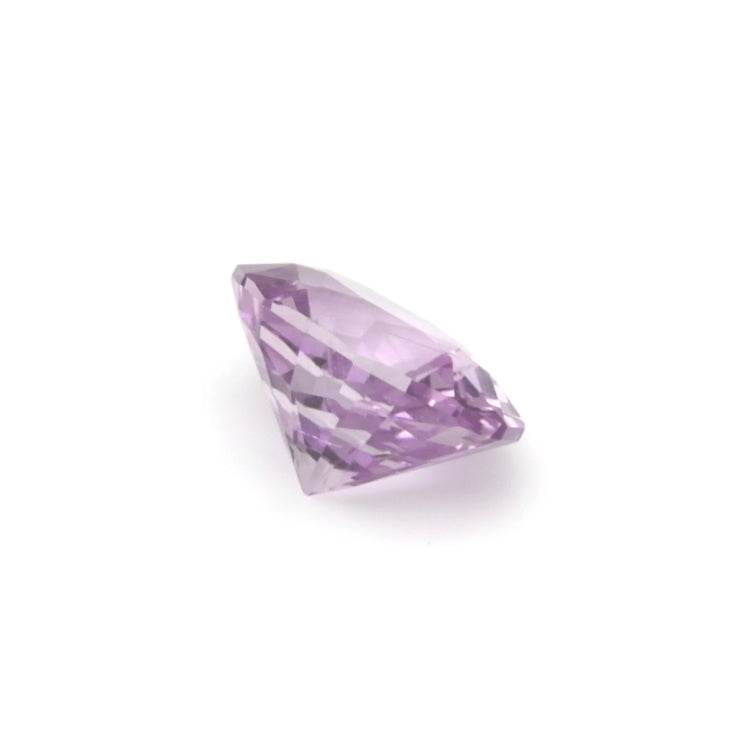
The cut of a pink sapphire determines two things: how much weight the rough retained, and how well the color is displayed face-up. A well-cut 1.00-carat pink sapphire that shows vivid pink face-up is often more valuable than a poorly cut 1.20-carat stone of the same rough that shows a window in the center or uneven color distribution.
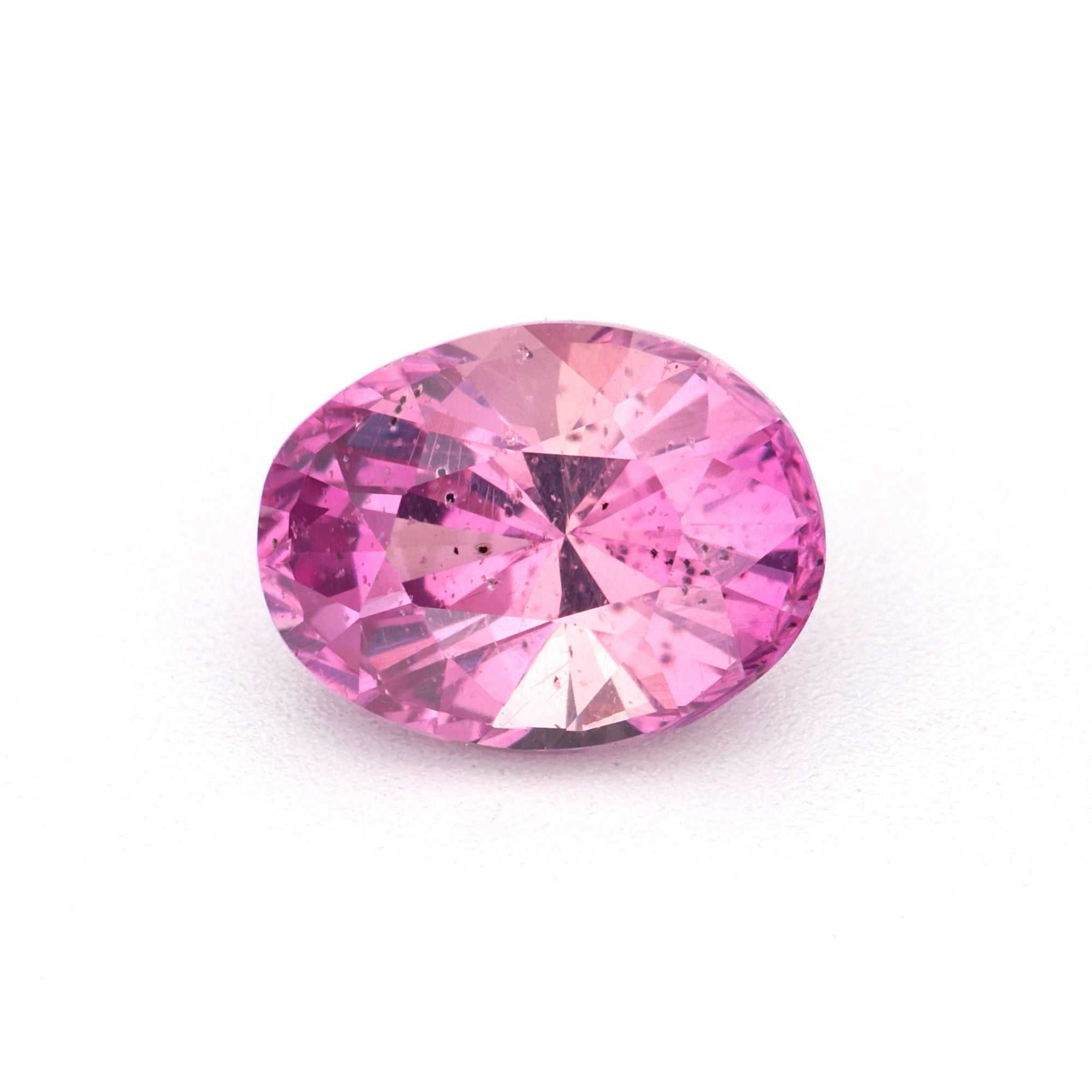
The most popular shape for pink sapphire, particularly for engagement rings. The oval maximizes face-up color display, elongates the finger, and retains more weight from most rough crystal shapes than rounds or cushions. Oval pink sapphires between 1.30 and 1.50 length-to-width ratio are the most flattering for most settings.
The romantic choice. Cushion cuts deepen the saturation and create a warm, glowing face-up quality. Cushion-cut pink sapphires in rose gold settings represent the peak of the romantic fine jewelry aesthetic. Square cushions are increasingly popular as an alternative to the more traditional rectangular cushion.
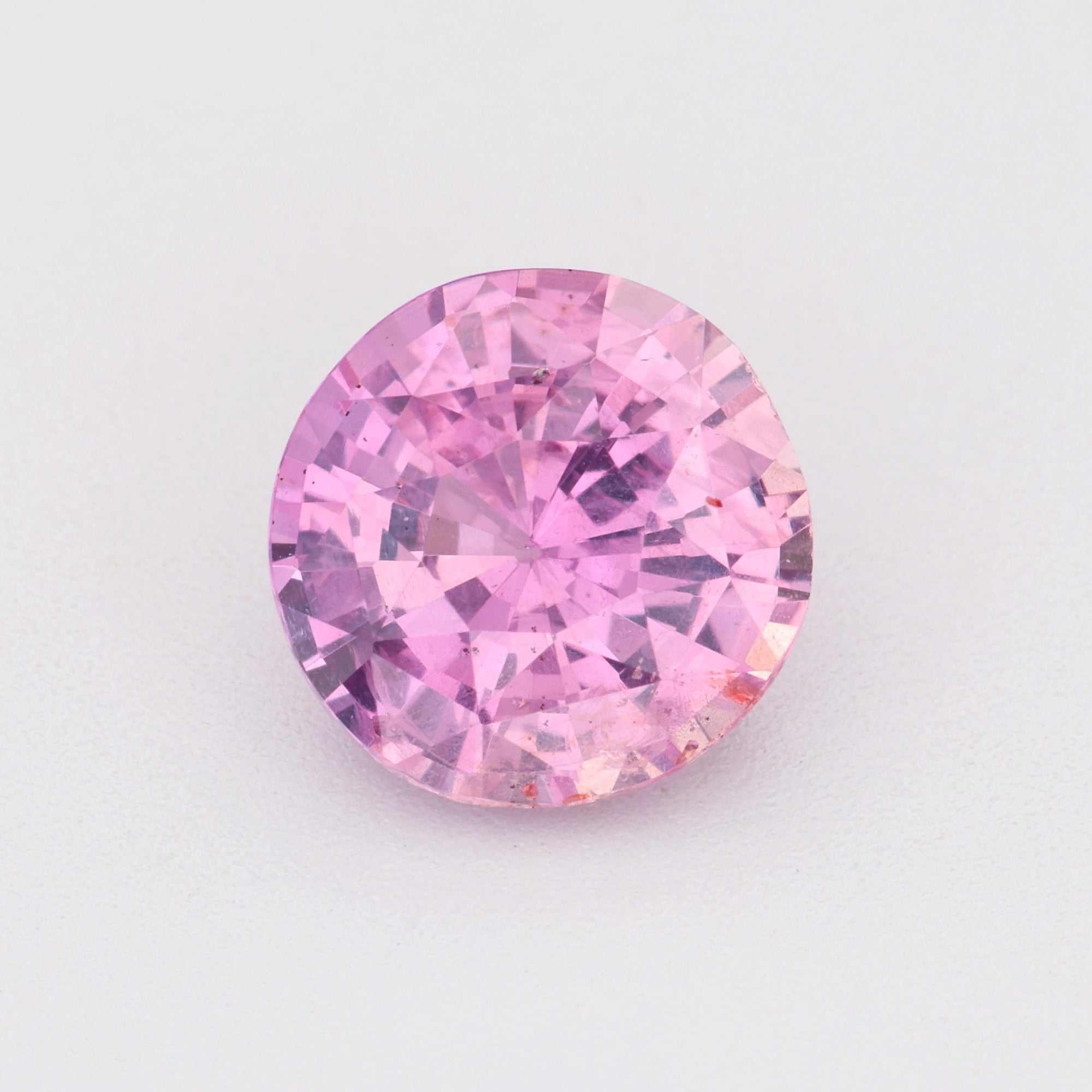
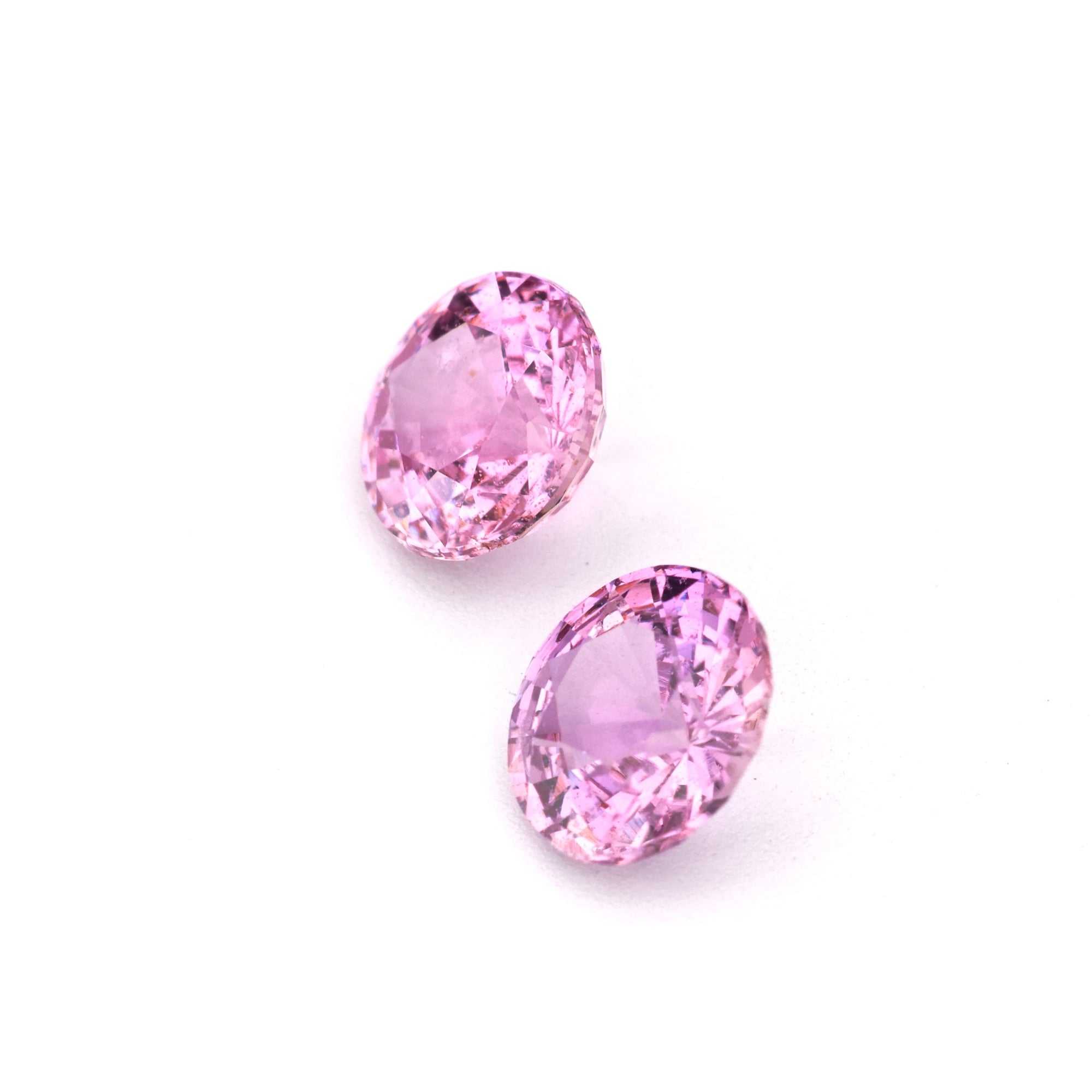
Maximum brilliance, but round brilliant cuts in pink sapphire can make the color appear slightly lighter than it reads in cushion or oval equivalents of the same rough. Best for vivid to hot-pink material where the color is strong enough to hold up to the light scattering of a round brilliant.
Less common in pink sapphire but striking when the stone is clean enough to suit step facets. Step cuts reveal the interior of the stone — its clarity, its color depth — rather than masking it with brilliance. Best reserved for eye-clean material with excellent color saturation.
Pink sapphire's 9 on the Mohs scale makes it fully appropriate for daily ring wear — harder than any other gemstone species aside from diamond. There are no special care protocols required, no fragility concerns, no risk of cleavage under normal jewelry wear. This makes pink sapphire objectively more practical than alternatives like morganite (7.5–8 Mohs), tourmaline (7–7.5 Mohs), or garnet (6.5–7.5 Mohs).
Pink sapphire flatters every setting metal. In rose gold, the pink and the metal reinforce each other to create a warm, unified palette. In white gold and platinum, the cool metal creates a crisp contrast that makes the pink pop. In yellow gold, the warmer metal adds a vintage, romantic character. There is no wrong choice of metal for pink sapphire — the decision is purely aesthetic.
A pink sapphire engagement ring specification should include: carat weight (0.80 ct minimum for center stone visibility; 1.00–1.50 ct for strong presence), shape (oval or cushion are the most popular), color grade (at minimum mid-tone pink; vivid if budget allows), clarity (eye-clean), and treatment status (unheated if budget allows and if natural color matters to you). For the highest value rings, add origin documentation — Ceylon with a GIA report is the premium specification.
In Vedic astrology (Jyotish), pink sapphire is increasingly recommended by practitioners as a stone for Venus-related intentions (Shukra), given its chromium character and its affinity with qualities traditionally associated with the planet. Requirements when pink sapphire is used astrologically are identical to those for all Jyotish gemstones: the stone must be natural and unheated, of eye-clean clarity, and set in metal with direct skin contact. Closed-back bezel settings that prevent skin contact are considered less effective for astrological purposes.
For Jyotish use, the minimum carat weight typically recommended for pink sapphire is 1.00–1.25 carats. Unheated Ceylon origin is the preferred specification; Madagascar material is accepted by many practitioners provided it is certified unheated by a major laboratory.
Pink sapphire pricing is driven primarily by color quality (saturation, hue purity), size, treatment status, and origin documentation. The ranges below reflect the current commercial market for natural, eye-clean, well-cut stones. Fine examples with exceptional saturation, unheated status, and Ceylon or Burmese GIA reports command premiums well above these ranges.
These are orientation ranges, not price guarantees. The colored gemstone market is not standardized in the way the diamond market is, and real price variation for seemingly similar stones reflects genuine differences in color quality, cutting precision, and documentation.
Undocumented unheated claims. At the price tier where unheated status adds a significant premium, always require a laboratory report. A seller claiming a stone is natural and unheated without documentation is making a claim you cannot verify.
Pink color from beryllium diffusion. Beryllium diffusion is a treatment in which beryllium atoms are diffused into sapphire rough at very high temperatures to alter color. It can produce artificially vivid colors not present in the original rough. Modern laboratories can detect it reliably, but diffusion-treated stones have appeared in commercial supply. A report from a major laboratory that includes a full treatment assessment is the safeguard.
Viewing only under display lighting. Most jewelry display cases use high-intensity white LED lighting that makes every colored stone look more vivid than it appears in natural conditions. Always ask to view a significant stone under natural daylight or a daylight-equivalent light source before purchase.
Conflating marketing language with gemological fact. Terms like natural pink, genuine pink sapphire, and untreated mean nothing without laboratory documentation. In the fine colored gemstone market, the documentation is the product as much as the stone is.
Pink sapphire is corundum (aluminum oxide), the second-hardest natural mineral after diamond. It has no cleavage planes and excellent toughness. Standard care is sufficient:
Pink sapphire combines the hardness and durability of corundum with a color range that flatters every skin tone and setting metal, at a price tier that is accessible at the lower end and genuinely rarefied at the finest documented level. The key variables that drive quality and value — color saturation, treatment status, origin documentation — are knowable with proper laboratory reports, which removes much of the opacity that can make colored gemstone buying intimidating.
Browse our current selection of natural pink sapphires, including unheated Ceylon examples and heat-treated material across the full color range. Our full sapphire catalog is available with individual treatment disclosure on every product page. Questions? Email crescentgems@gmail.com — we reply within one business day.
Ahmed Shareek
Proprietor — Crescent Gems
A gem dealer with over 25 years of experience sourcing natural sapphires from Sri Lanka, Ahmed brings hands-on expertise in mining, heat treatment, cutting, and stone selection. With deep roots in the Ceylon gem trade, he offers first hand knowledge of origin, quality, and craftsmanship behind every piece of guidance on this site.
The Ultimate Guide to Buying Natural Loose Sapphires
The definitive guide to buying a natural loose sapphire: colour, origin, treatment, cut, shape, certification, pricing, and engagement rings, with links to every Crescent Gems guide and collection.
Read moreabout The Ultimate Guide to Buying Natural Loose Sapphires
The Ratnapura Gem Market — How Sapphires Are Traded at the Source
Read moreabout The Ratnapura Gem Market — How Sapphires Are Traded at the Source
Madagascar Sapphire — The Modern Origin That Rivals Ceylon
Read moreabout Madagascar Sapphire — The Modern Origin That Rivals Ceylon
Montana Sapphire vs. Ceylon Sapphire — How America's Sapphire Compares to Sri Lanka's
Read moreabout Montana Sapphire vs. Ceylon Sapphire — How America's Sapphire Compares to Sri Lanka's
Sapphire vs. Spinel — The Overlooked Comparison Every Collector Should Understand
Read moreabout Sapphire vs. Spinel — The Overlooked Comparison Every Collector Should Understand
Share: