

- by Ahmed Shareek
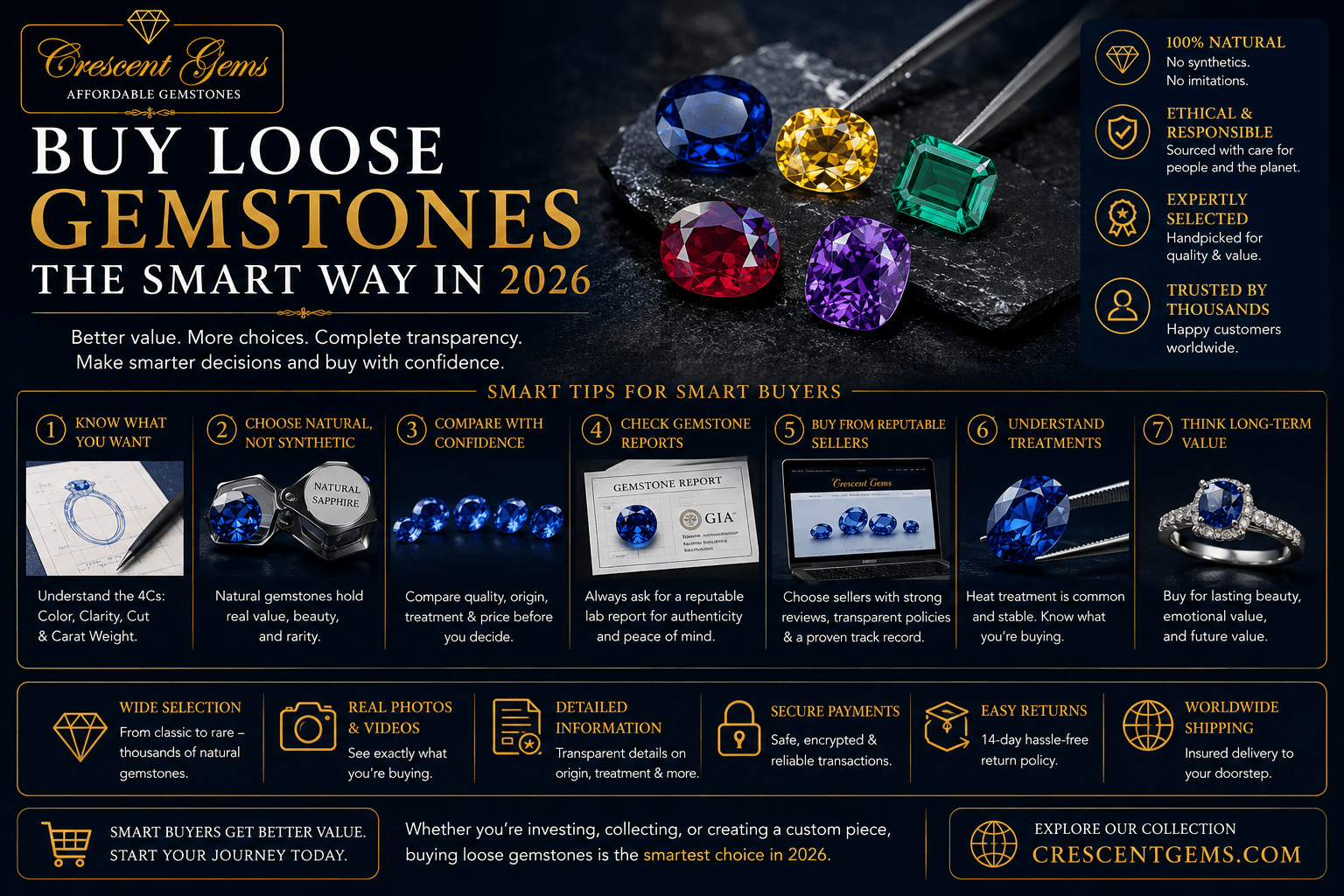
Buy Loose Gemstones the Smart Way in 2026
- by Ahmed Shareek
Ready to buy? Browse our Full Ceylon Sapphire Catalog. For the complete stone guide: Ultimate Sapphire Buying Guide. To try before you buy: Try Before You Buy Program.
Buying loose gemstones in 2026 is more accessible, more transparent, and more buyer-friendly than at any previous point in the market's history. Laboratory certification has become standard for higher-value stones. Video, high-resolution photography, and try-before-you-buy programs have eliminated much of the uncertainty that once made online gemstone buying genuinely risky. Direct-source retailers have compressed the supply chain, removing intermediary markups that once added 3–5 layers of margin between miner and buyer.
But the market also contains more noise than ever: more sellers, more platforms, more stones, more treatment practices, and more ways to misrepresent a stone's quality or treatment status to an uninformed buyer. The buyers who get the best outcomes are not the ones with the biggest budgets — they are the ones who know what information matters, what questions to ask, and what answers should and should not be acceptable.
This guide covers every component of the smart loose gemstone buying process: why loose beats preset, what information to demand from every seller, how to evaluate color and cut without touching the stone, how treatment disclosure works, how to verify laboratory reports, how to read pricing correctly, what red flags look like, and how to use the tools available in 2026 to buy with confidence.
The first decision most buyers face is whether to buy a loose stone and have it set separately, or to buy a complete preset ring or piece of jewelry. For anyone who cares about the quality of the stone they end up with, buying loose is almost always the better choice, for reasons that are structural rather than preferential:
For a full comparison of the two approaches, see our Loose Sapphires vs. Preset Rings guide.
Not all information about a gemstone is equally important. Experienced buyers apply a consistent information hierarchy — in this order — before evaluating any stone:
Treatment status is the single most commercially significant piece of information about any sapphire. Heated vs. unheated is the largest price variable in the market — two stones of identical visual quality, carat weight, and origin can differ by 2x–10x in price based on this factor alone. Any seller who does not clearly and explicitly state treatment status on every listing is not operating transparently, and their stones should not be purchased without independent verification.
Acceptable treatment disclosures: "heat treated" (or "heated"), "no heat" / "unheated" / "no indications of heating" (with laboratory documentation for the latter claim). Not acceptable: no disclosure at all, vague language like "natural color" that does not address treatment, or "untreated" without laboratory documentation for any stone above $500 in value.
See our What Is an Unheated Sapphire? guide and Heated vs. Unheated comparison page.
Color is the dominant visual variable in colored gemstones. A stone with vivid, saturated color in a smaller size will almost always look more beautiful in a ring than a larger stone with weak, washed-out color at the same price point. The components of color that matter:
Demand video of the stone in multiple lighting conditions (daylight, indoor incandescent, fluorescent). A stone that looks vivid blue in one light type and greenish or gray in another has a color modifier that photographs hide but becomes apparent in daily wear. See our Sapphire Colors Explained guide.
Cut quality in colored gemstones determines how much light returns to the viewer's eye — the brilliance, scintillation, and window/extinction balance of the finished stone. Unlike diamonds, colored gemstones are not cut to a standardized grading system, so evaluating cut requires looking at specific indicators:
Colored gemstones are evaluated on an eye-clean standard, not on the FL–I3 diamond grading scale. Eye-clean means no inclusions or fractures are visible to the naked eye at normal viewing distance (approximately 25–30cm). Minor inclusions visible only under magnification in an otherwise beautiful stone are commercially acceptable and do not significantly affect value. What does affect value: fractures that reach the surface (durability risk), large visible inclusions in the center of the face-up view, and significant cloudiness or haziness from heavy inclusion density.
Ask for a loupe-inspection video or high-magnification photographs. Any seller of fine stones should be able to provide this. If they cannot or will not, that is a red flag.
Always ask for length × width × depth measurements in millimeters in addition to carat weight. Carat weight is a mass measurement; millimeters tell you the actual face-up size you will see in a ring. See our Sapphire Size Guide for the full carat-to-millimeter reference.
| Stone Value | Documentation Required? | Which Lab | What to Verify |
|---|---|---|---|
| Under $300 | Not typically | N/A | Seller treatment disclosure sufficient; focus on visual evaluation |
| $300–$800 | Recommended if claimed unheated or premium origin | GIA preferred | Treatment status; natural corundum confirmed |
| $800–$2,000 | Strongly recommended | GIA, Gübelin, or SSEF | Treatment status; origin if premium origin is claimed and priced |
| $2,000–$5,000 | Essential | GIA, Gübelin, or SSEF | Treatment status; origin; verify report number at gia.edu/report-check |
| Above $5,000 | Non-negotiable | GIA, Gübelin, or SSEF only | Treatment; origin; report number verification; stone measurements must match report exactly |
| Any stone claimed unheated | Always required regardless of price | GIA, Gübelin, or SSEF only | "No indications of heating" must appear explicitly in the treatment comments |
| Orange, padparadscha, or golden yellow | Always required | GIA, Gübelin, or SSEF only | Beryllium treatment must be explicitly ruled out by LA-ICP-MS testing |
Figures above are approximate market guidance, not fixed quotes. Actual value varies by treatment, origin, colour, cut, clarity, and certification.
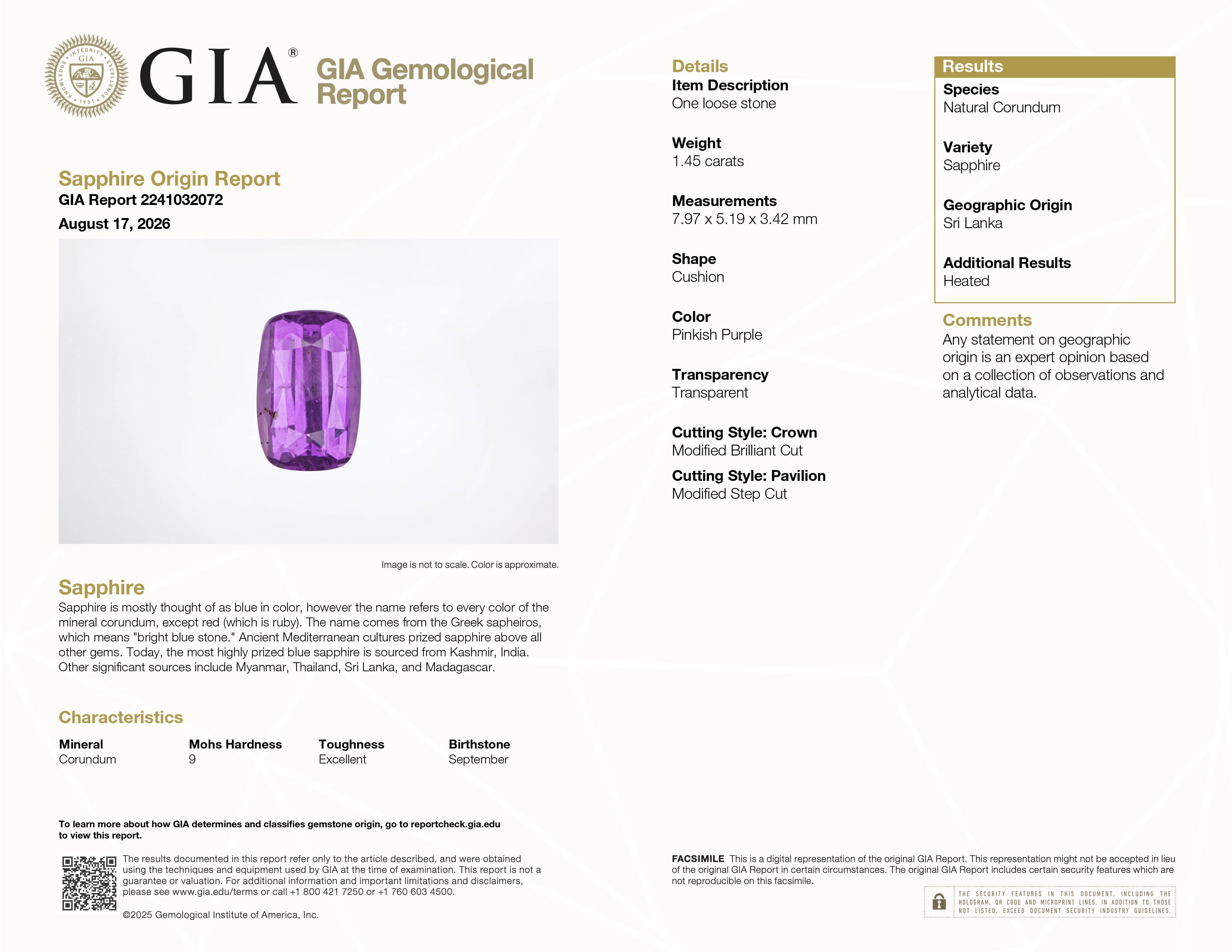
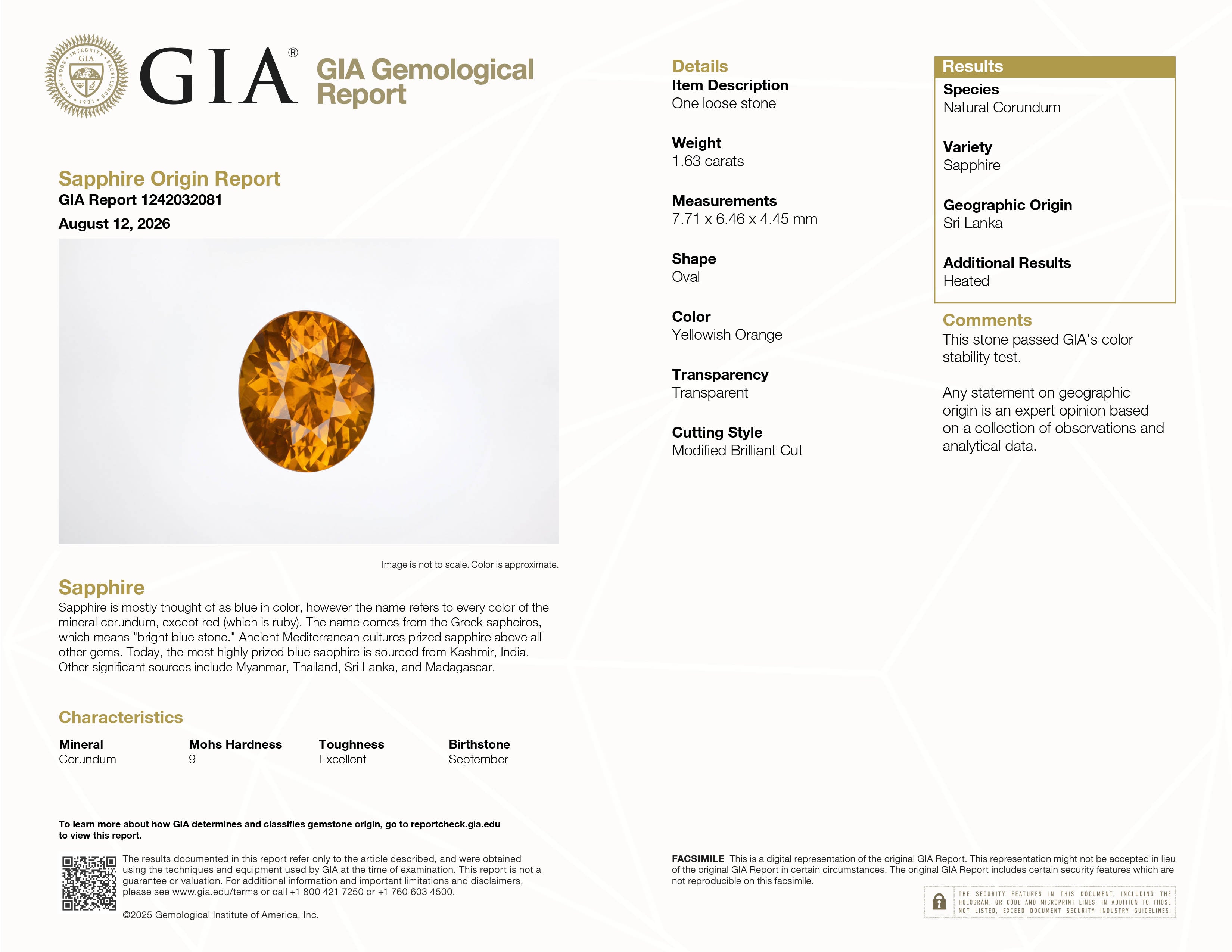
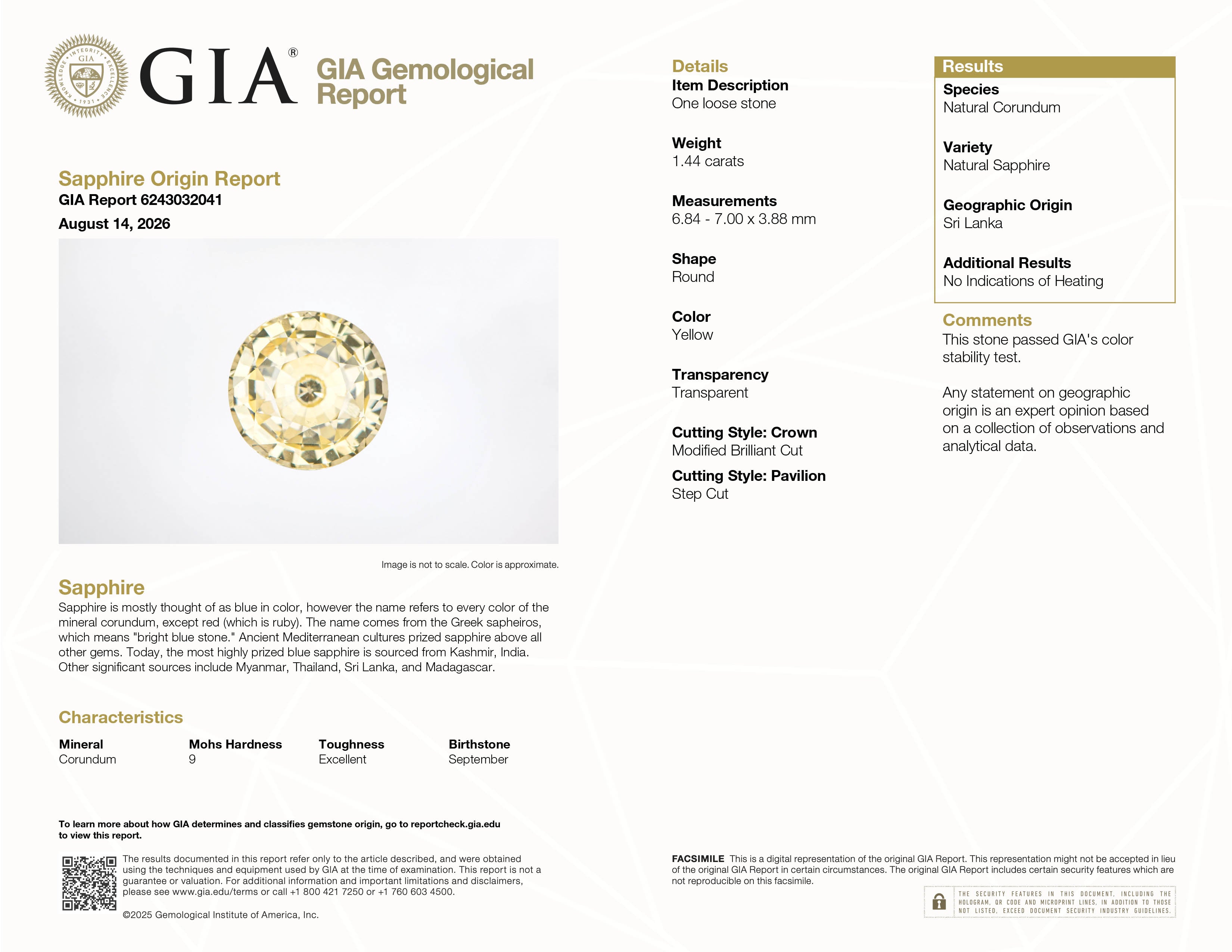
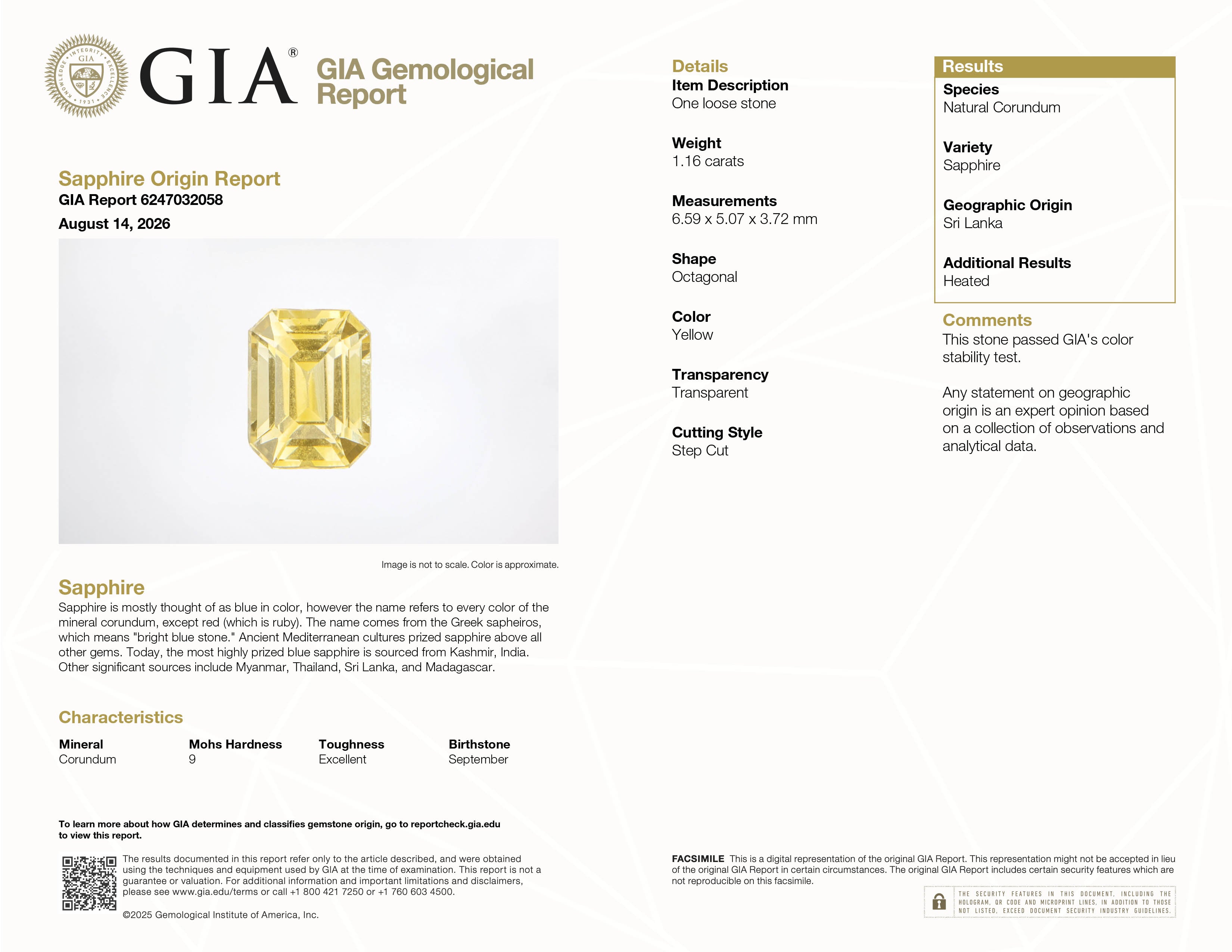
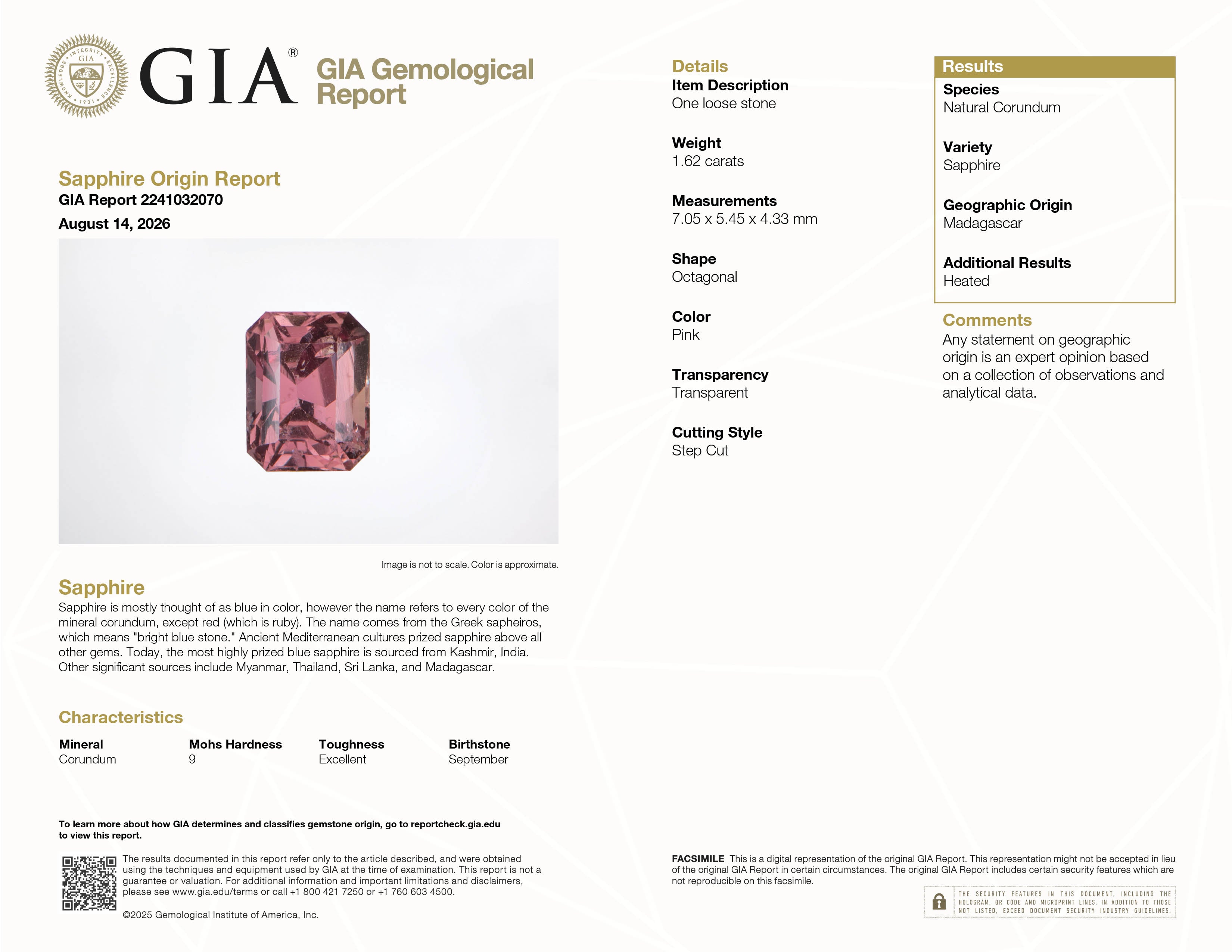
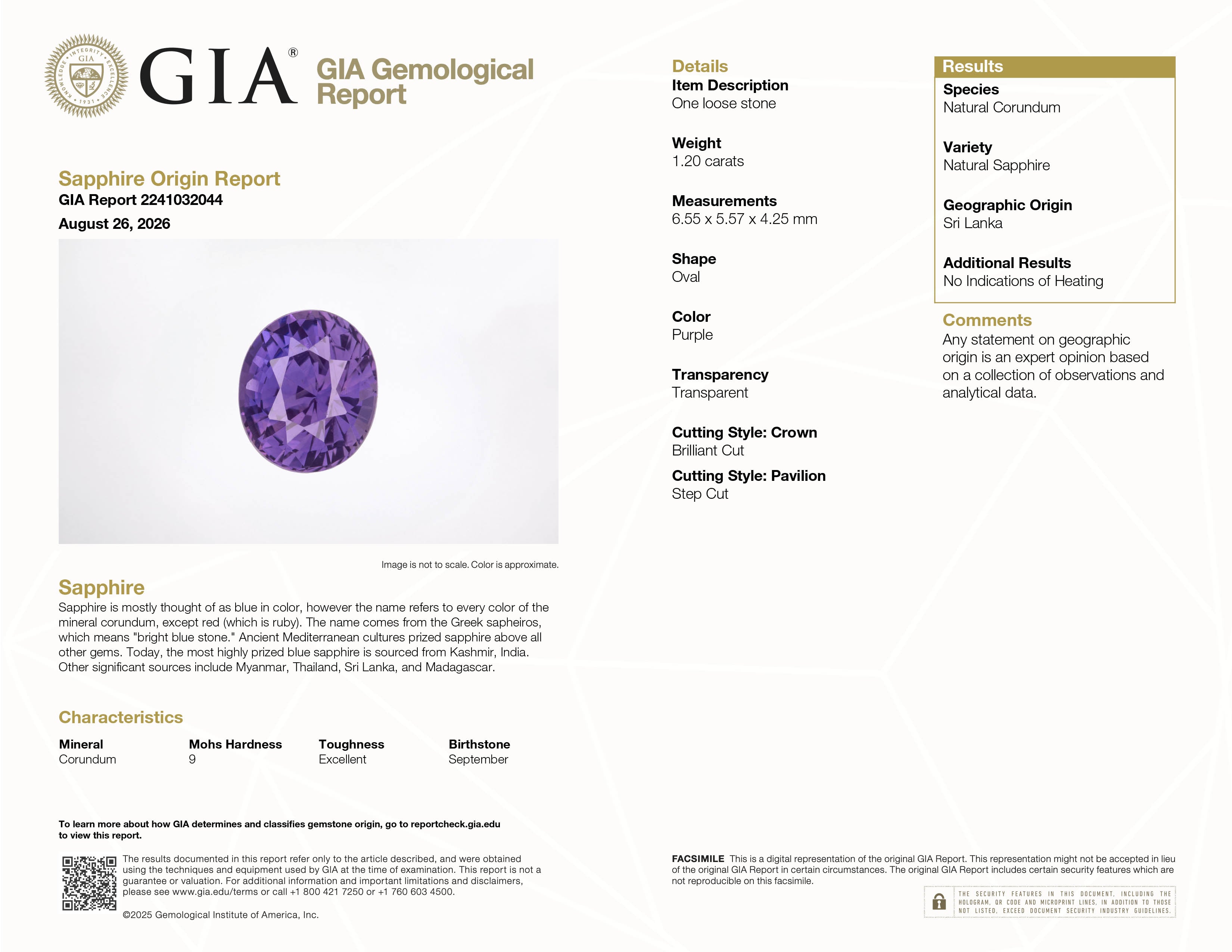
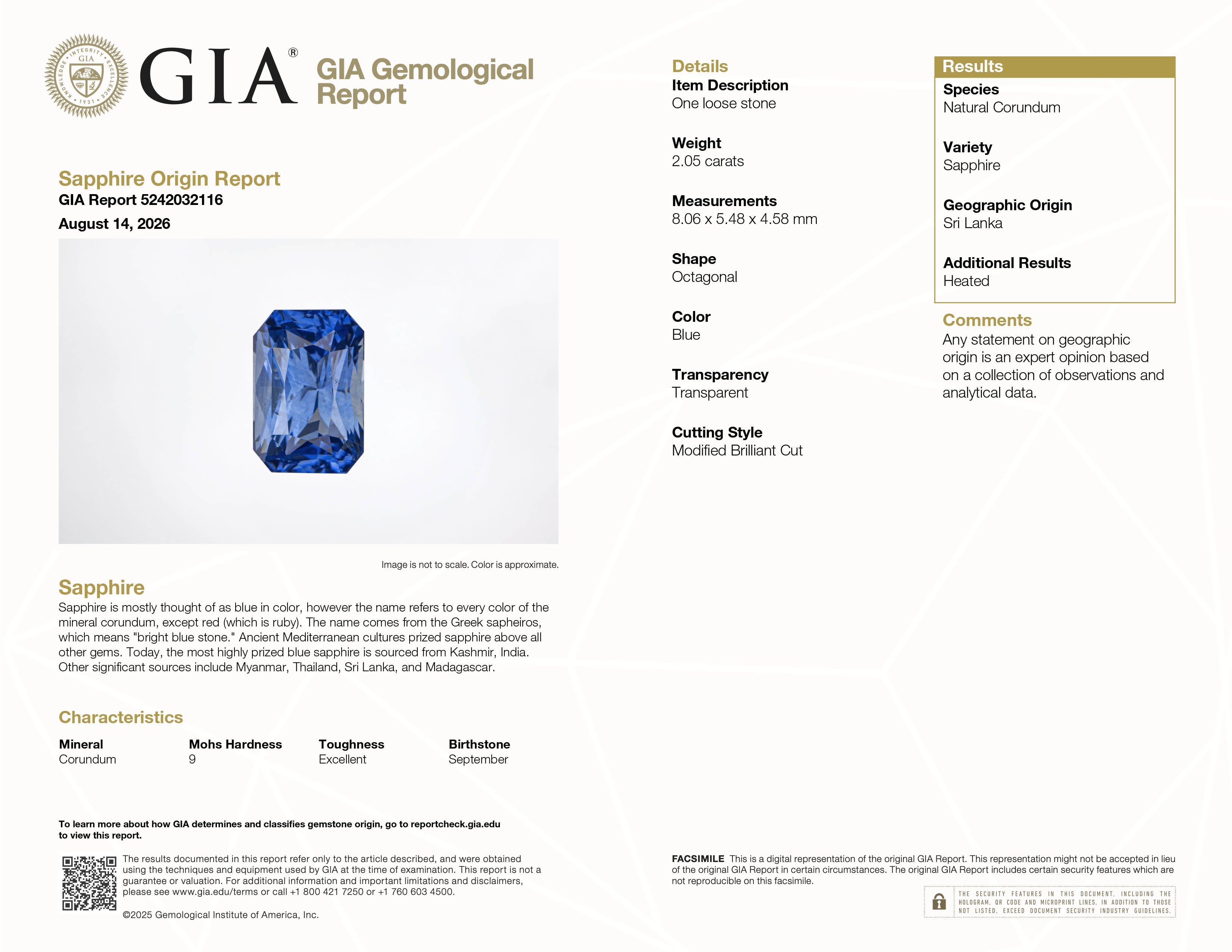
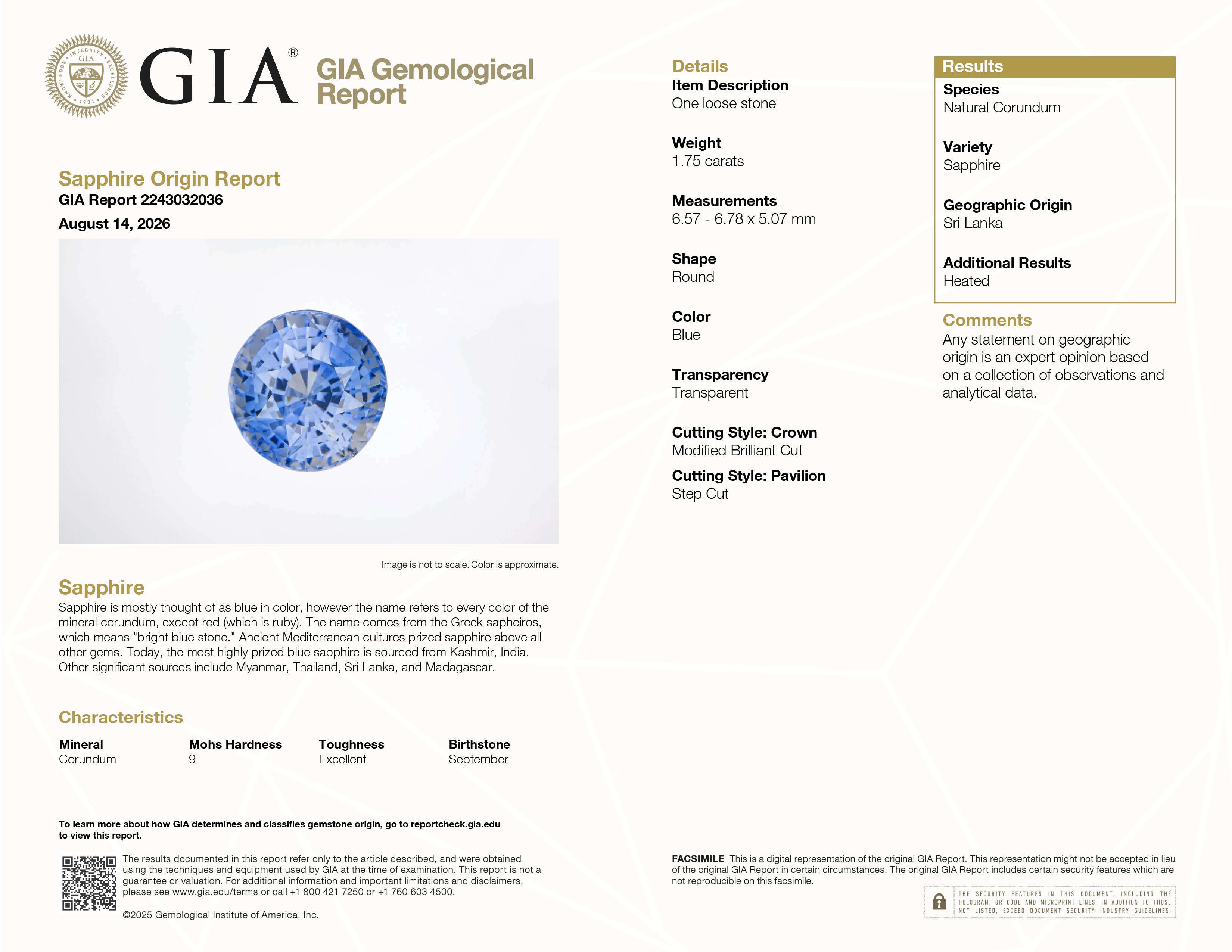
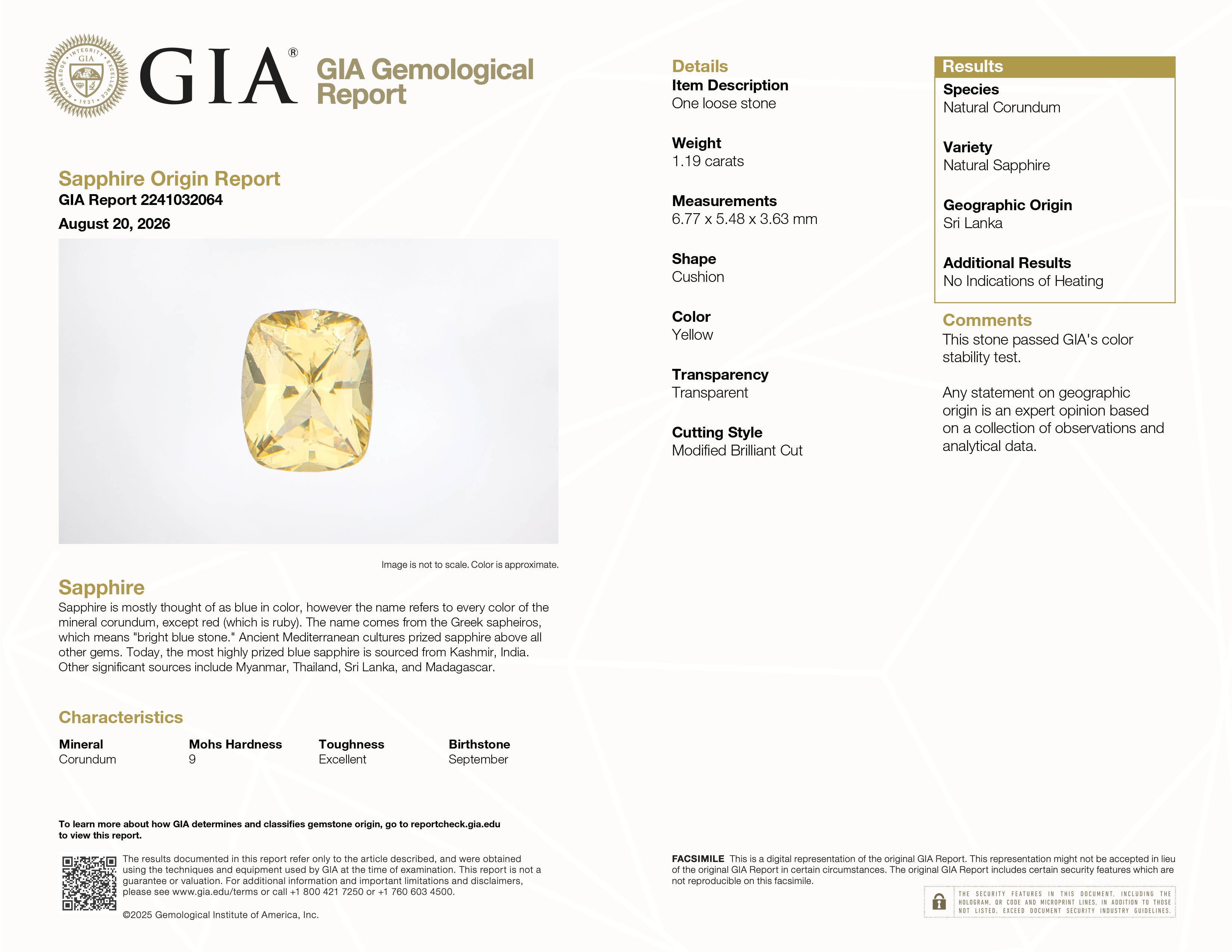
How to verify a GIA report: go to gia.edu/report-check, enter the report number, confirm the carat weight and measurements match the stone exactly, and confirm the treatment status matches what the seller stated. This takes 60 seconds and eliminates the most common report fraud scenarios. See our How to Read a GIA Sapphire Report guide.
Evaluating a gemstone online without being able to handle it in person requires a specific set of information that, if provided, gives you an accurate picture of the stone. Here is exactly what to request:
| Information Type | What to Request | What It Tells You |
|---|---|---|
| Daylight video | Short video in natural daylight (not direct sun) | True color performance; reveals color modifiers that studio lighting hides |
| Indoor incandescent video | Video under warm indoor lighting | How the stone performs in everyday room lighting; reveals shift stones |
| Face-up photograph | High resolution, no filters, top-down view | Window check; extinction check; clarity assessment; outline symmetry |
| Side-on photograph | Profile view showing dome height | Depth proportions; cutting style assessment |
| Loupe video or macro photograph | 10x magnification or higher | Surface condition; inclusion type and position; polish quality |
| Measurements | Length × width × depth in mm | Actual face-up size; depth ratio; cutting proportions |
| Carat weight | To hundredths (e.g., 1.24ct) | For pricing per carat; for report verification |
| Treatment disclosure | Explicit written statement | Heated or unheated; any other treatments present |
| Report number (if applicable) | GIA/Gübelin/SSEF report number | For independent online verification before purchase |
Any reputable seller of fine loose gemstones will provide all of this without hesitation. Resistance to providing any of these — particularly video in multiple lighting conditions or loupe-level imagery — is a meaningful red flag.
Gemstone pricing is non-linear and multi-variable. Two stones of the same carat weight and species can differ by 20x in per-carat price. Understanding the drivers prevents both overpaying and being misled by an unusually low price that should prompt questions rather than excitement.
| Value Driver | Price Impact | Notes |
|---|---|---|
| Color saturation (vivid vs. pale) | 3x–10x difference within the same origin and size | The single largest per-carat value driver in colored gemstones |
| Treatment status (unheated vs. heated) | 2x–10x premium for unheated equivalent | Only applies when documented by major lab; verbal claims are not verification |
| Carat weight (size) | Price per carat increases non-linearly with size | 2ct stone costs ~3x–5x more total than 1ct of equal quality, not 2x |
| Geographic origin | Kashmir > Burma > Ceylon > Madagascar > Australia/Thailand | Only commercially significant when documented on GIA/Gübelin report |
| Color type (blue vs. teal vs. padparadscha) | Padparadscha and Kashmir blue at highest premiums | Color category determines the market tier |
| Clarity (eye-clean vs. included) | Minor impact for eye-clean; significant for heavily included | Eye-clean is the floor, not the ceiling; inclusions only matter when face-up visible |
| Cut quality | Well-cut commands 20–40% premium over poorly cut equivalent | Often undervalued by buyers; makes significant visual difference |
The most reliable red flag in gemstone pricing: a price that is dramatically lower than the market for the stated quality. If a seller is offering an "unheated Kashmir blue" at $300/ct, the correct response is skepticism, not excitement — either the quality claims are misrepresented, the documentation is fabricated, or the stone is not what it is described as. Genuine value in gemstones comes from direct sourcing that compresses supply chain margins, not from impossible quality at impossible prices.
See our Sapphire Pricing Explained guide for the full per-carat price framework by color, size, treatment, and origin.
| Red Flag | What It Suggests | What to Do |
|---|---|---|
| No treatment disclosure on any listing | Seller is not operating transparently; stones may be treated without disclosure | Do not purchase without demanding explicit written treatment status |
| "Natural" or "genuine" without addressing treatment | These terms confirm the stone is not synthetic but say nothing about treatment | Ask specifically: is this stone heat treated? |
| Unheated claim without GIA/Gübelin/SSEF documentation | Claim is unverifiable; may be false | Require documentation or decline to purchase |
| Price far below market for stated quality | Quality is misrepresented, or stone is treated/synthetic/imitation | Research market price for the stated quality; ask direct questions |
| No video available; only studio-lit photographs | Color in natural light may differ significantly from photographs | Request daylight video; if refused, treat as unverified quality |
| Report from minor or unknown laboratory | May not have tested for beryllium; treatment determination may be unreliable | Require GIA, Gübelin, or SSEF specifically |
| Measurements not provided | Stone may be cut to maximize carat weight rather than face-up size | Always request length × width × depth |
| No return policy or very short return window | Seller is not confident the stone will match their description in hand | Require minimum 14-day return policy from the date of receipt |
| Pressure to decide quickly ("only one available, price changes tomorrow") | Sales pressure tactic; fine gemstones are not day-traded commodities | Take the time you need; any legitimate seller will hold a stone for a reasonable period |
The practical toolkit for buying loose gemstones safely has improved substantially in recent years:
The most powerful risk-reduction tool in online gemstone buying. A stone shipped to your address for in-hand evaluation before you commit eliminates virtually all uncertainty about color performance in natural light, face-up size on your hand, and whether the stone lives up to its photographs. Not all sellers offer this — it requires trusting buyers with significant inventory value — but it is increasingly common among reputable direct-source dealers. Our Try Before You Buy program ships eligible stones free for in-hand evaluation before purchase commitment.
GIA's public report verification database at gia.edu/report-check allows anyone to verify a report number, confirm the stone's documented weight and measurements, and check the treatment status. This is free, takes 60 seconds, and should be done before committing to any purchase where a GIA report is cited. Gübelin and SSEF have equivalent online verification tools.
Running a seller's product photographs through Google Reverse Image Search or TinEye identifies whether the same photograph appears on other websites under different listings. Stock photographs and reused imagery are a reliable indicator of a seller who is not showing the actual stone you would receive.
Asking specific, informed questions of a seller before purchasing filters out sellers who lack the knowledge to answer them or who give inconsistent answers. Specific questions to ask: What is the exact treatment status of this stone? Can you provide a loupe-level video? What is the carat weight to two decimal places? Is this the specific stone I would receive? A knowledgeable, transparent seller answers all of these immediately and accurately.
For buyers who want to spread the cost of a significant gemstone purchase, BNPL financing is increasingly available from reputable dealers. See our Buy Now Pay Later guide for how this works at Crescent Gems.
When comparing two loose gemstones at a similar price point, apply this evaluation order:
Buying loose lets you evaluate the stone's actual quality — color, cut, clarity, treatment status — without the setting obscuring anything. You can verify treatment with a lab report, choose the ideal setting for the stone, and own an asset with clear documented value. Preset rings make both quality assessment and independent verification significantly harder.
Only through laboratory documentation from GIA, Gübelin, or SSEF stating "no indications of heating." A seller's verbal claim, however confident, is not verification. For any sapphire above $500 being represented as unheated, the laboratory report is non-negotiable. See our What Is an Unheated Sapphire? guide.
Yes — with the right seller practices in place. Look for: explicit treatment disclosure on every listing, video in multiple lighting conditions, major laboratory documentation for higher-value stones, a minimum 14-day return policy, and a try-before-you-buy option where available. These practices collectively eliminate the vast majority of online gemstone buying risk.
A minimum of 14 days from the date of receipt of the stone. A seller who offers 3–7 days is not giving you enough time to properly evaluate the stone in your own lighting conditions, try it with settings, or consult with a jeweler. Crescent Gems offers 14-day returns on every order.
Research comparable stones: same species, similar carat weight, same color description, same treatment status. A price dramatically below comparable listings with the same quality claims should prompt questions — not celebration. Fine gemstones priced significantly below market almost always have a reason: lower quality than described, untested treatment status, or misrepresentation of origin. See our Sapphire Pricing Explained guide for the full market framework.
Treatment status, disclosed explicitly and documented by a major laboratory for any stone above $500 or any stone claimed unheated. This single piece of information has more impact on the stone's commercial value than any other factor, and it is the most commonly misrepresented or omitted piece of information in the online gemstone market.
Evaluate based on practice, not promises. A trustworthy seller: discloses treatment on every listing, provides video in multiple lighting conditions, answers specific questions accurately and promptly, has verifiable laboratory reports available, offers a meaningful return policy, and does not use pressure tactics. Testimonials and reviews are useful but less reliable than evaluating the seller's actual practices against these criteria.
We source directly from Sri Lanka, with treatment status disclosed on every listing and GIA or equivalent documentation on all stones above $2,000. Every order ships free within the US and includes a 14-day return window. Our Try Before You Buy program ships eligible stones to your address for in-hand evaluation before you commit.
Email crescentgems@gmail.com with your criteria — color, size, treatment preference, and budget — and we will identify the best current match from our inventory. We respond within one business day.
Continue Learning
Return to the Ultimate Sapphire Buying Guide for the full picture on colors, origins, shapes, certification, and pricing — everything you need to buy a natural loose sapphire with confidence.

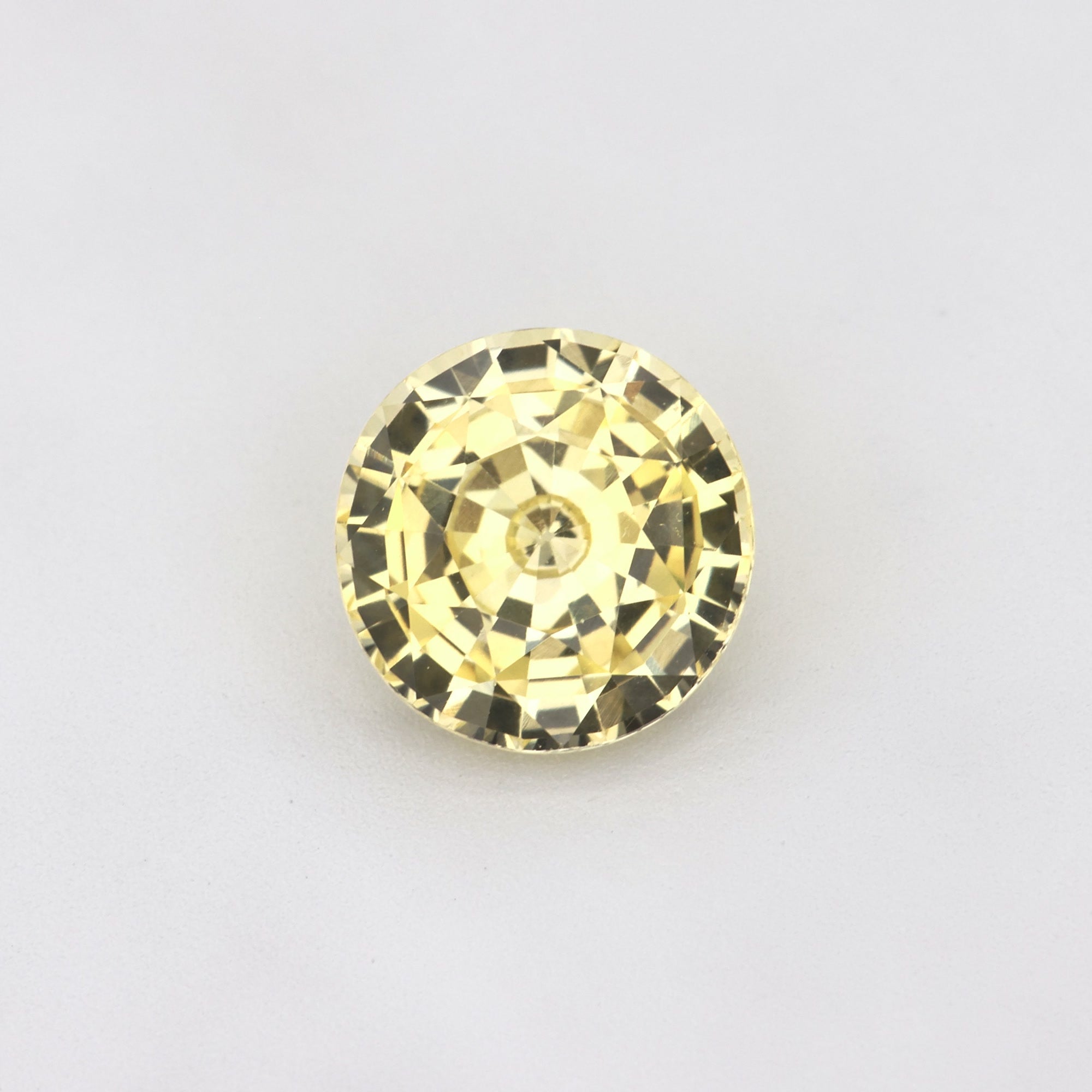
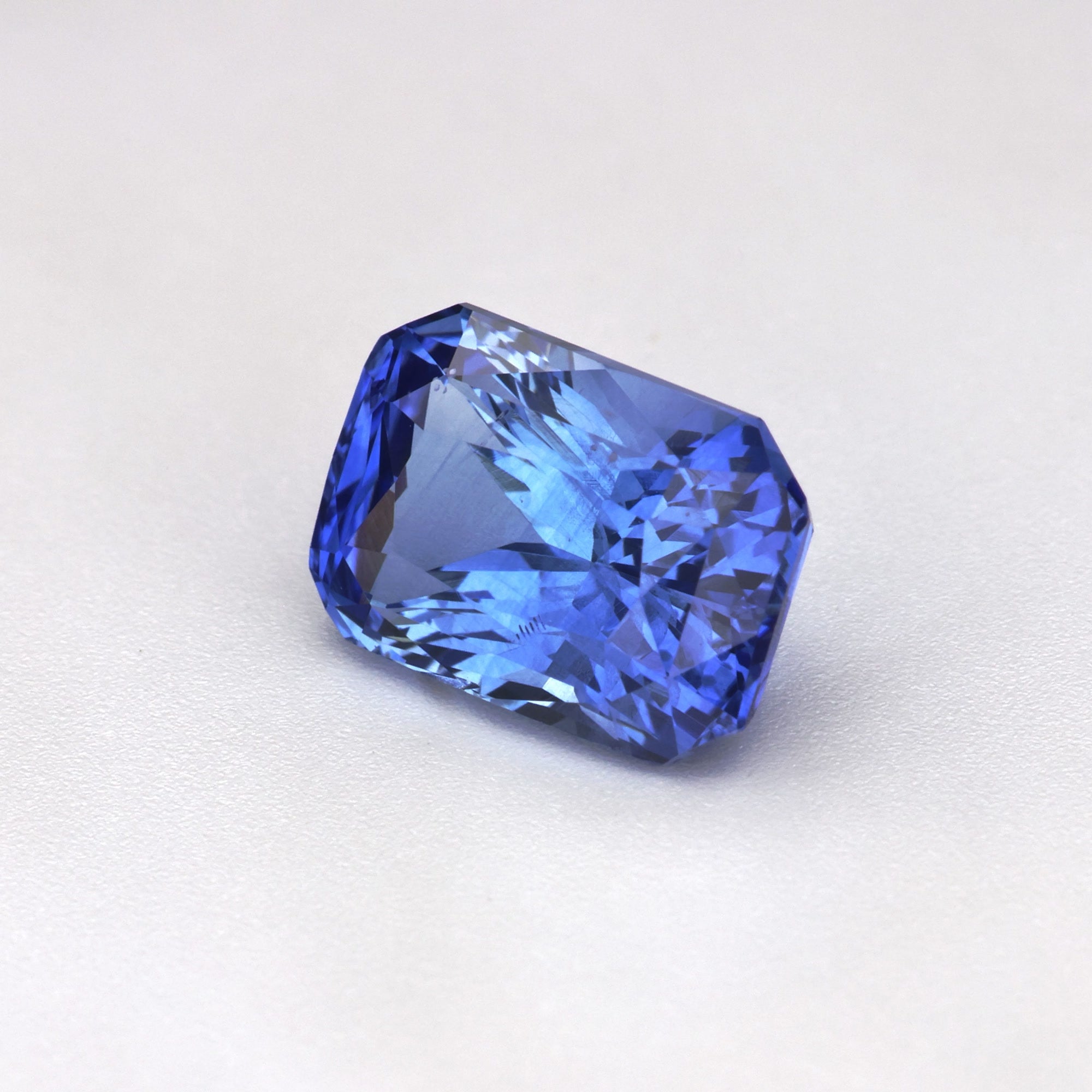
CG8465
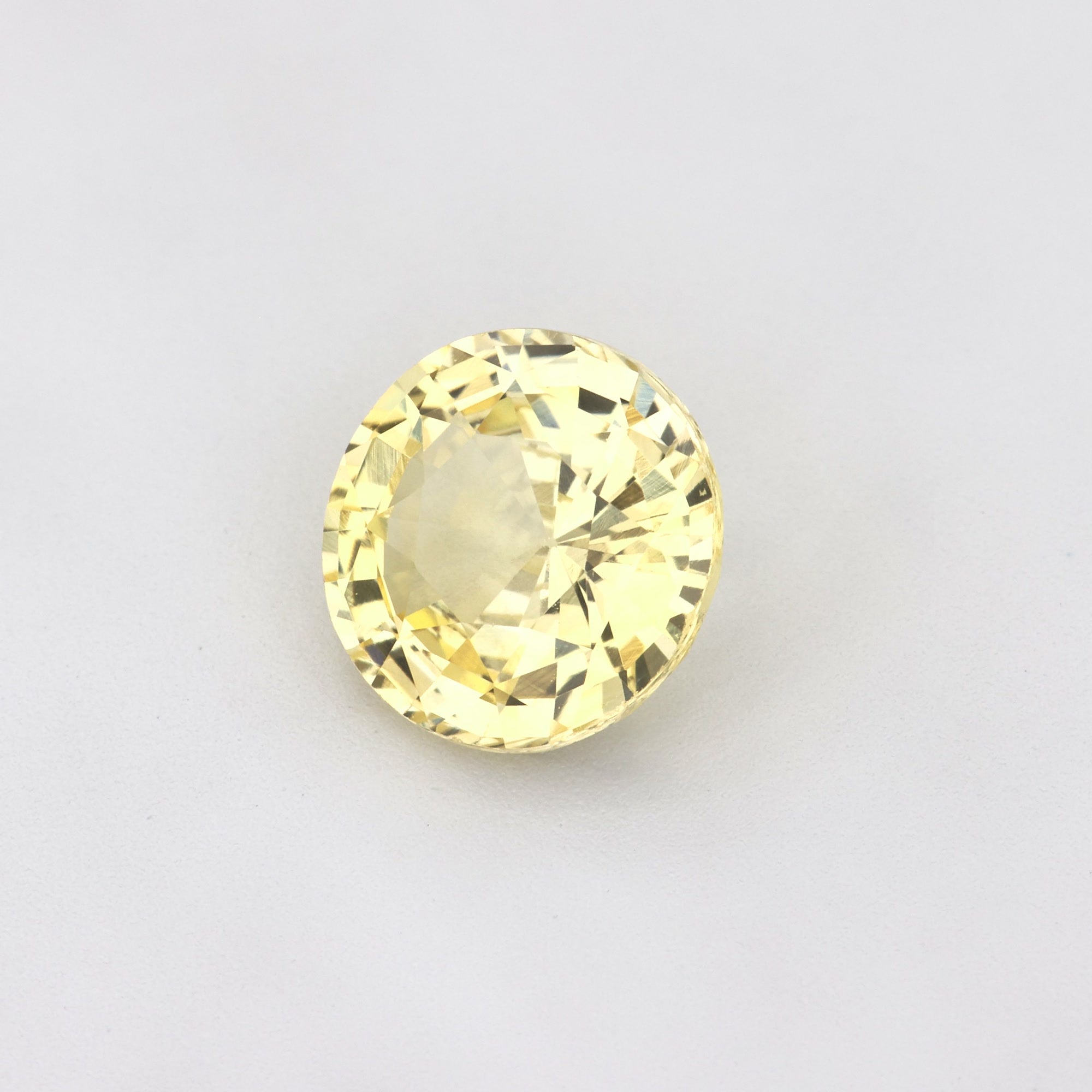
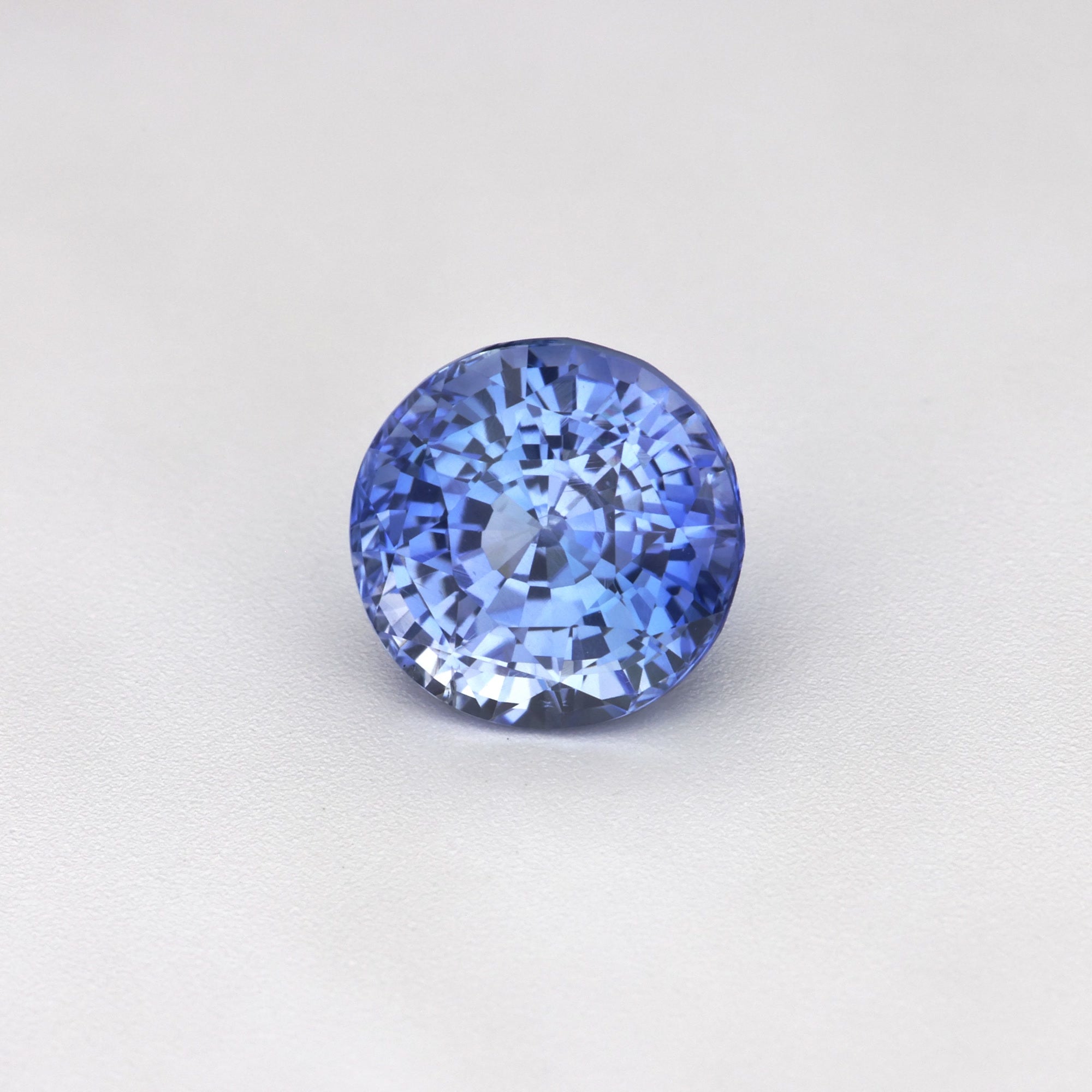
CG8460
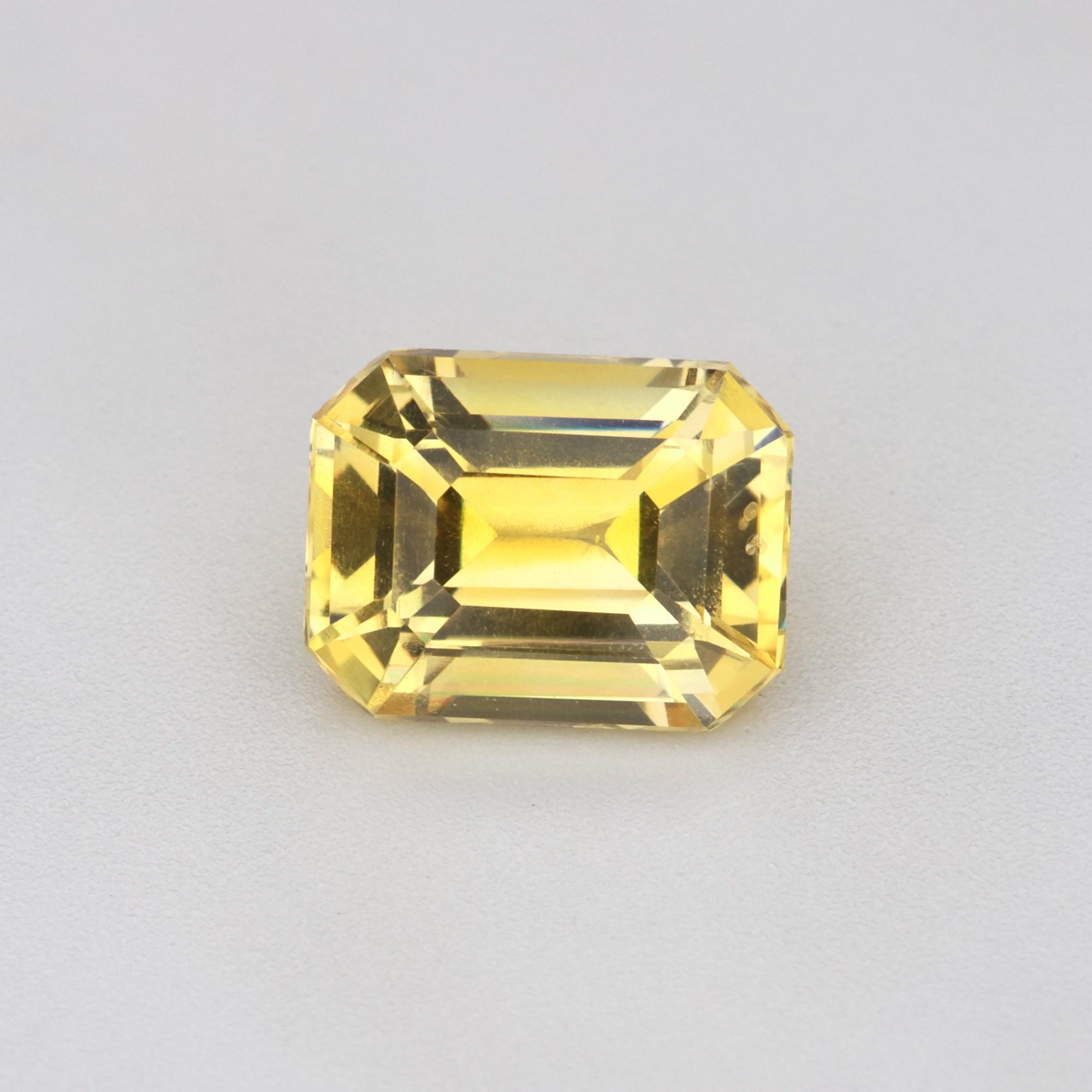
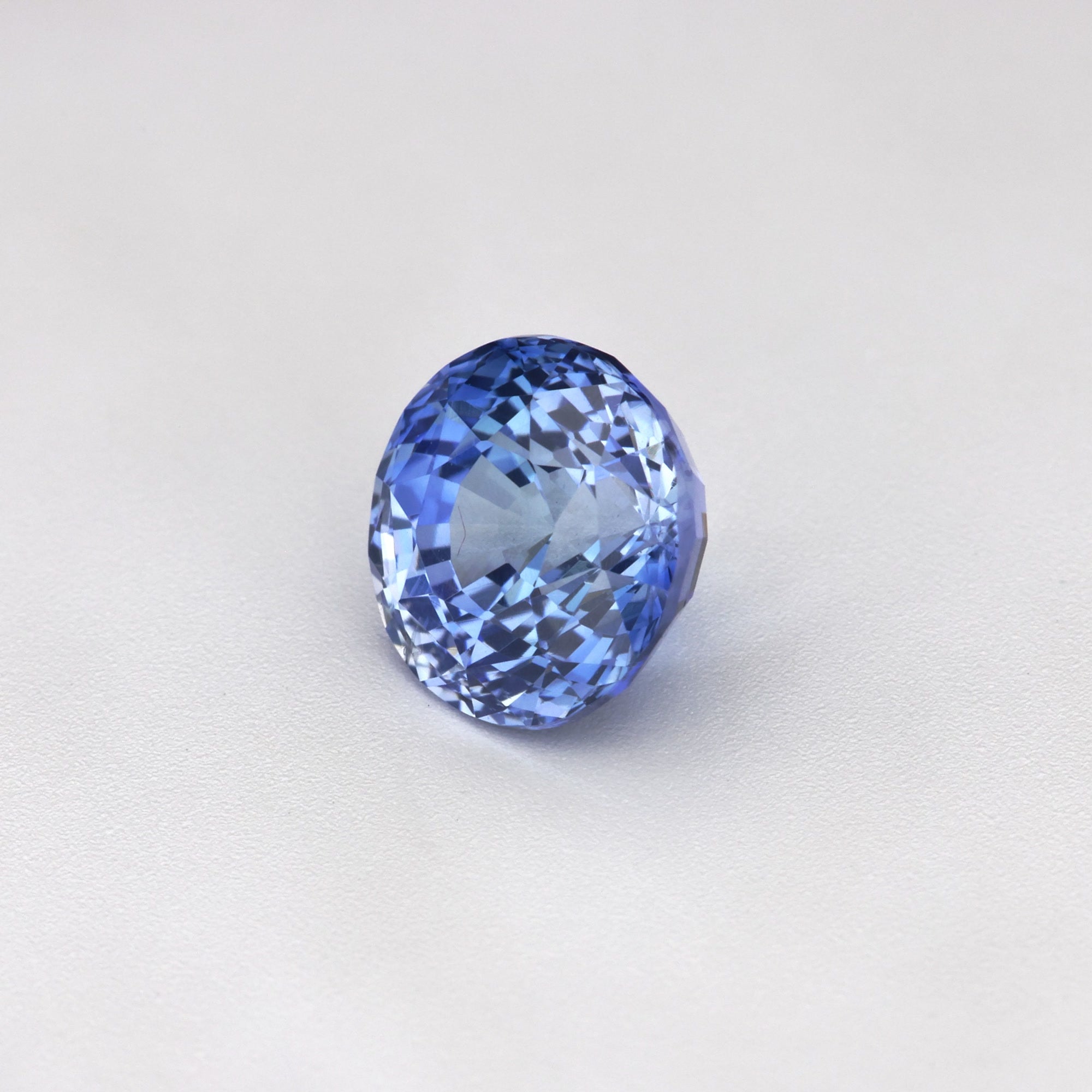
CG8456


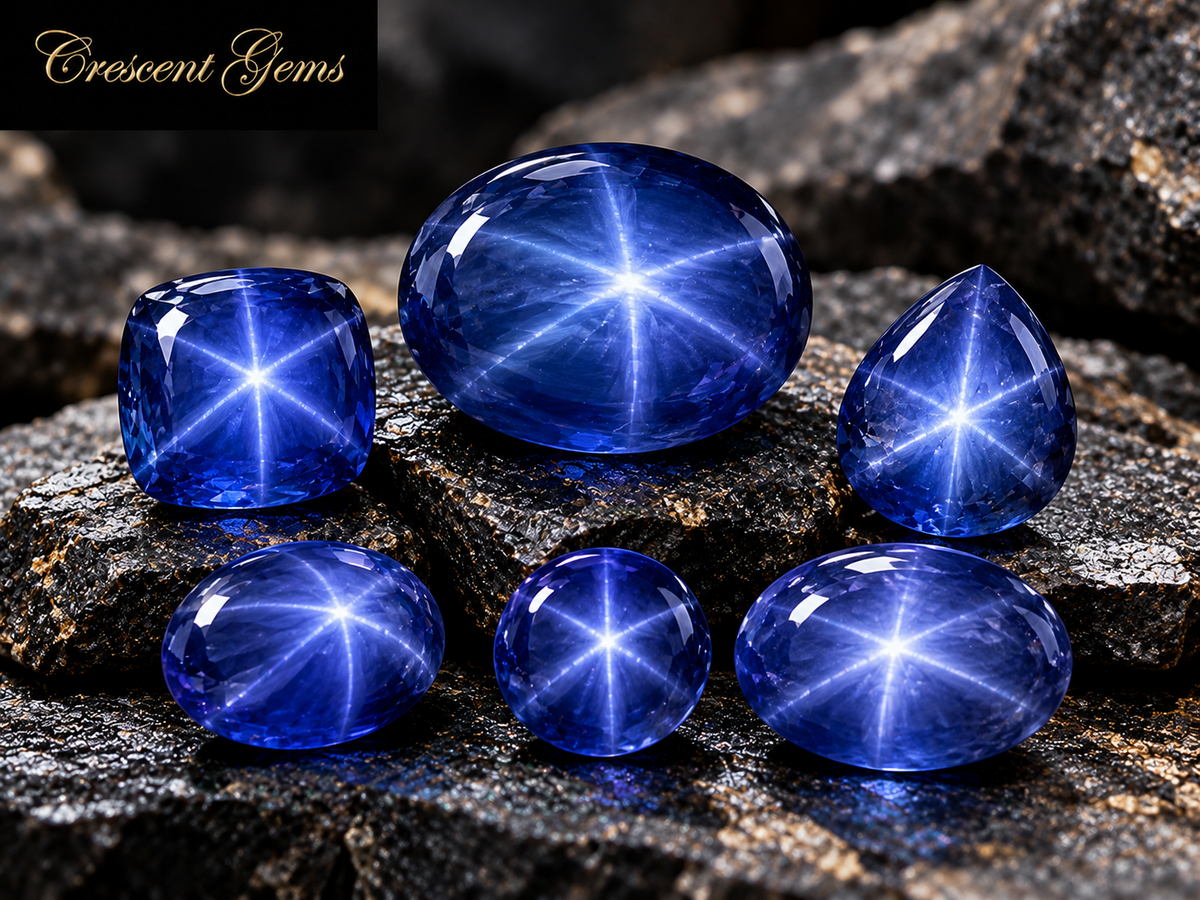
Blue Star Sapphire Price Guide — What They Cost and Why
Read moreabout Blue Star Sapphire Price Guide — What They Cost and Why
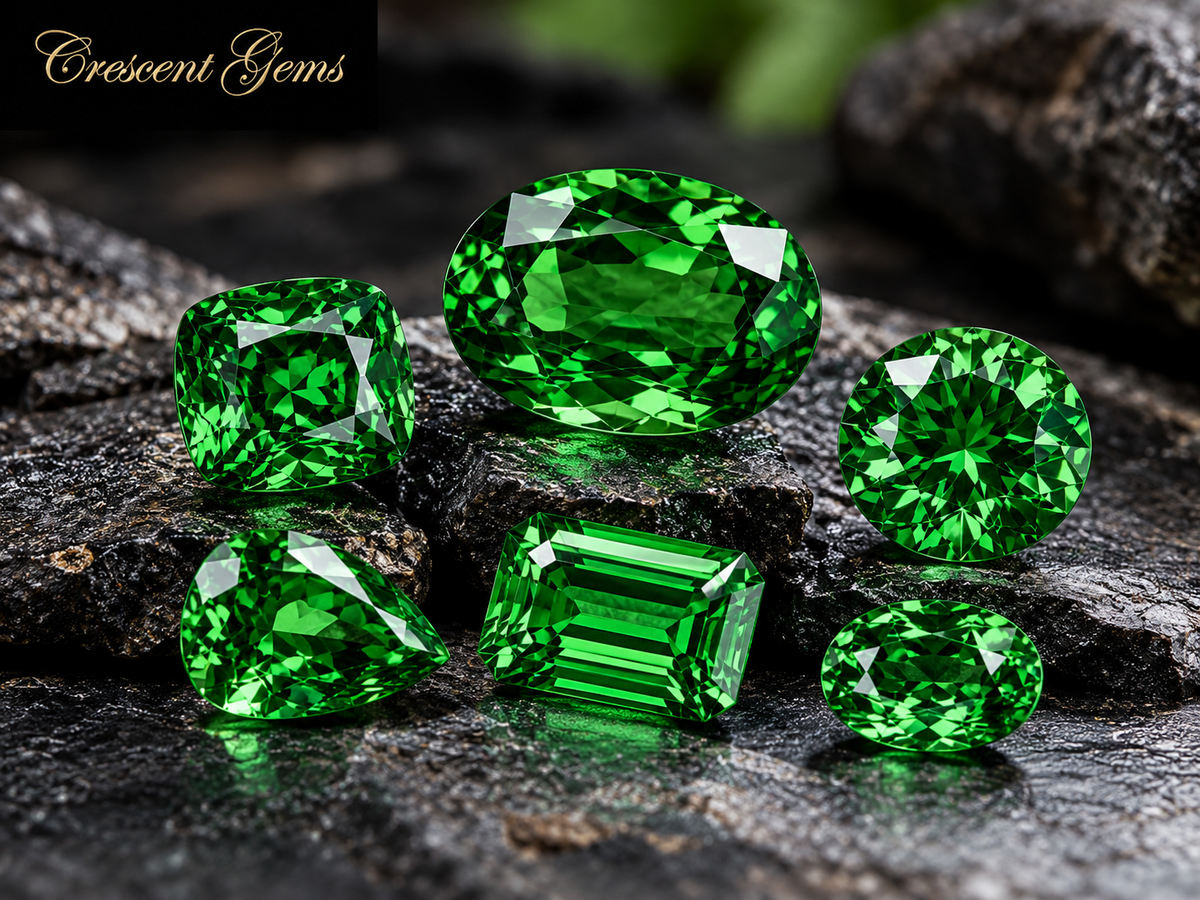
Tsavorite Garnet Price Guide — What They Cost and Why
Read moreabout Tsavorite Garnet Price Guide — What They Cost and Why
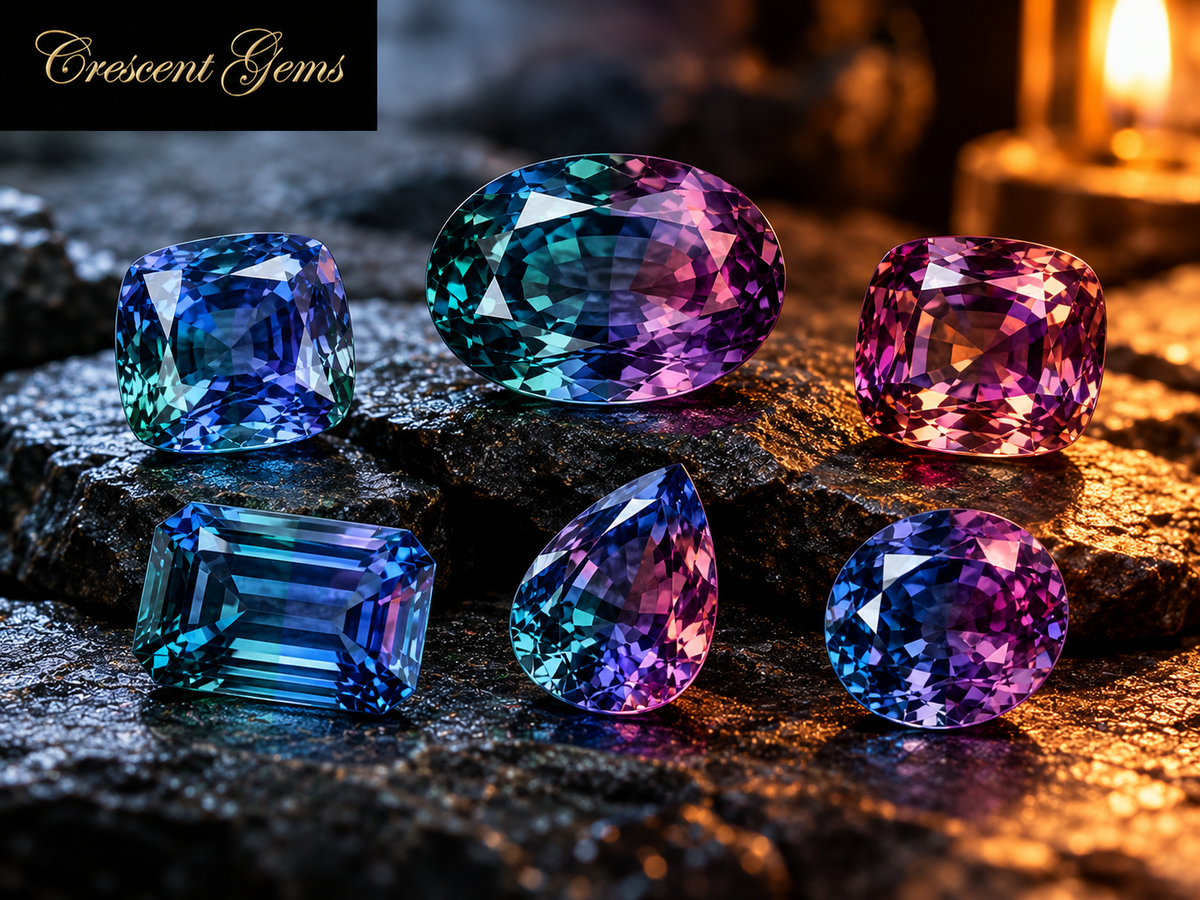
Color-Change Sapphire Price Guide — What They Cost and Why
Read moreabout Color-Change Sapphire Price Guide — What They Cost and Why
Is Cat's-Eye Chrysoberyl Good for an Engagement Ring?
Read moreabout Is Cat's-Eye Chrysoberyl Good for an Engagement Ring?
Cat's Eye Chrysoberyl Price Guide — What They Cost and Why
Read moreabout Cat's Eye Chrysoberyl Price Guide — What They Cost and Why















Share: