- by Ahmed Shareek
Best Sapphires Under $5,000 — Fine Quality Becomes Accessible
- by Ahmed Shareek
We are a supplier from the source in Sri Lanka, so our gemstones reach you direct, without the intermediaries most sellers buy through.
For the previous tier: Best Sapphires Under $2,500. For documentation guidance: How to Read a GIA Sapphire Report. For the buying foundation: Ultimate Sapphire Buying Guide.
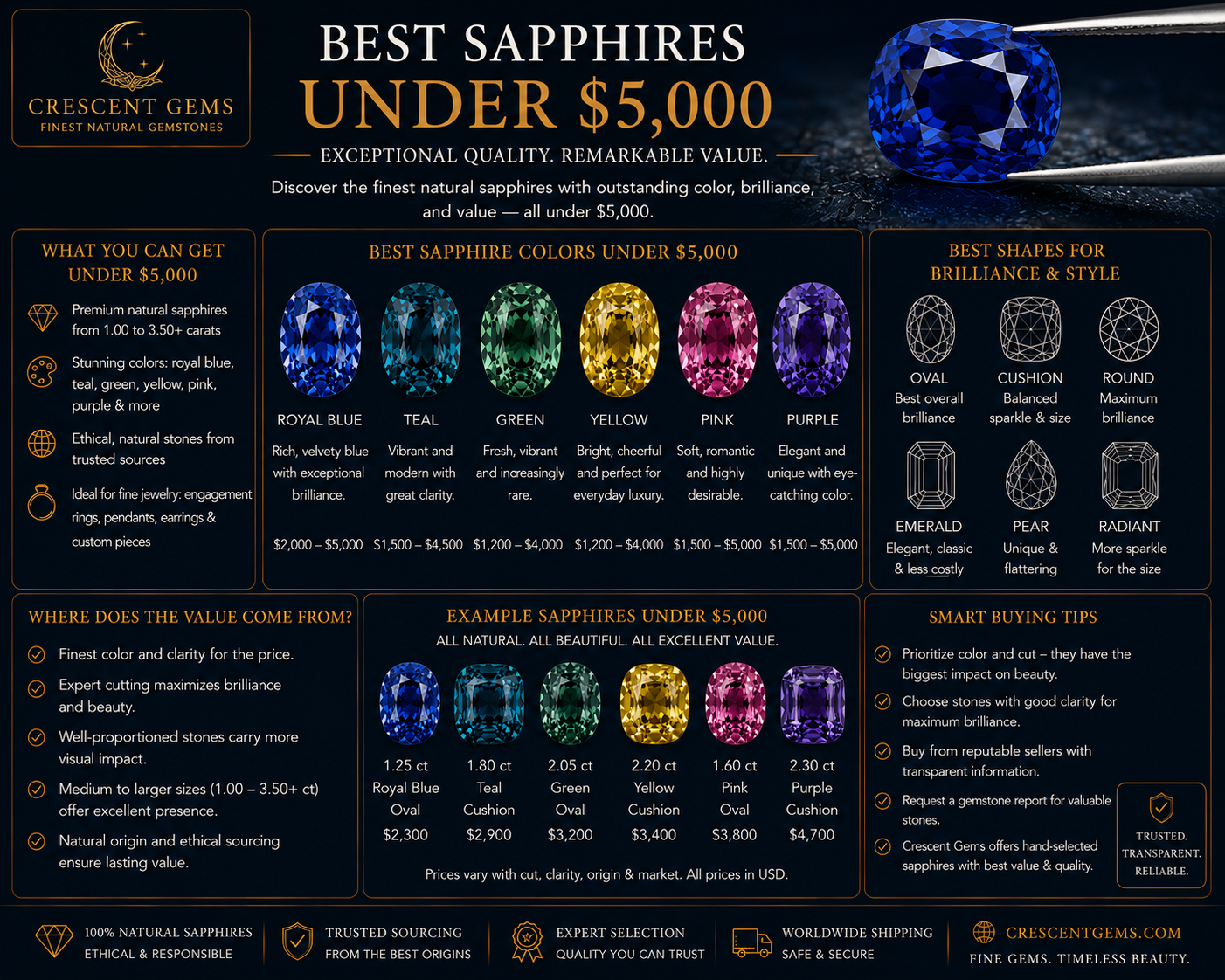
At $5,000, the sapphire market shifts into a different register. Fine unheated blue sapphire in proper ring-center sizes becomes accessible. The first GIA-documented investment-grade material appears. Padparadscha — the rarest of all sapphire colors — enters the conversation in smaller sizes. And across every color category, the quality ceiling rises meaningfully. This is also the budget level at which the stakes of buying well or buying poorly are most significant.
| Stone Profile | Realistic Under $5,000? | Notes |
|---|---|---|
| Unheated blue sapphire, 1.0-1.5ct, vivid, GIA, Ceylon | ✗ Not currently in stock | Real market territory, but our smallest GIA-documented unheated blue is 2.008ct — that stone alone is $6,800, over this budget |
| Padparadscha, 0.5-0.8ct, GIA | ✗ Not currently in stock | We have zero padparadscha in stock at any size right now |
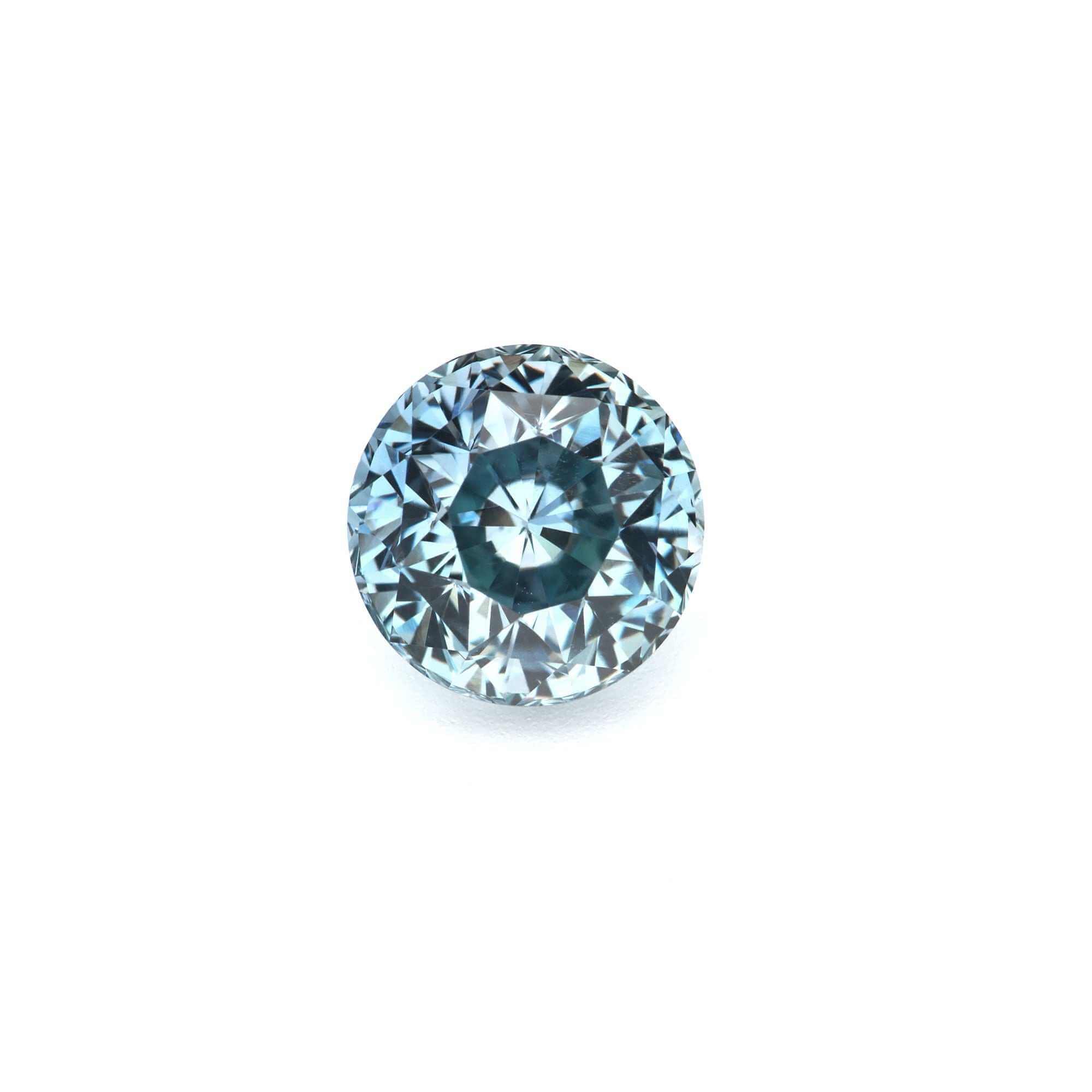
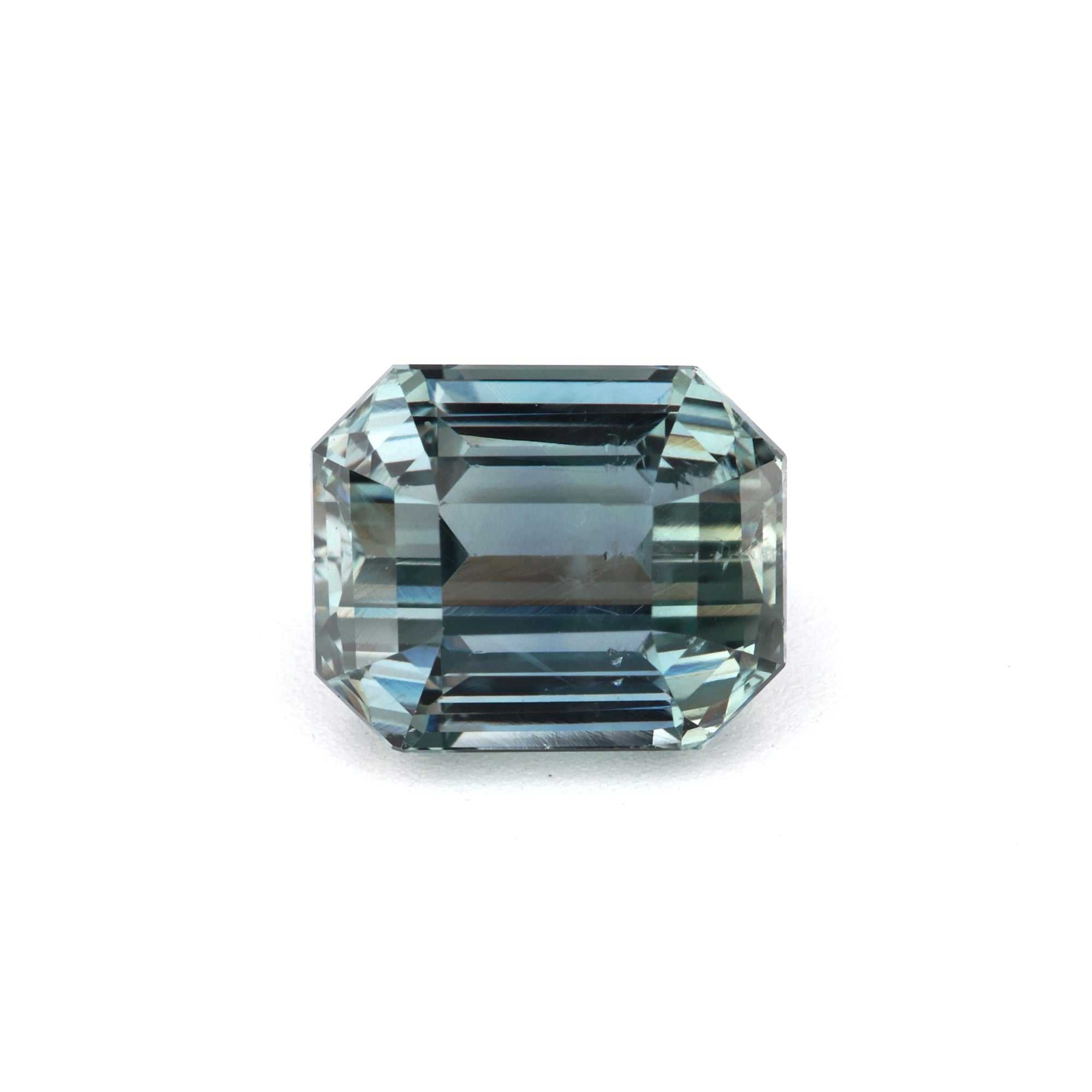
| Unheated teal sapphire, 1.5-2.5ct, vivid, fine quality | ✓ Yes — in stock | Our best real fit at this budget; GIA-documented 2.08ct and 2.12ct unheated teal both under $3,000 |
| Unheated yellow sapphire, 3.0-5.0ct, vivid, Ceylon | Partially — up to 3.13ct | One GIA-documented unheated yellow at 3.13ct ($4,945) is in stock; nothing in the 4-5ct range currently |
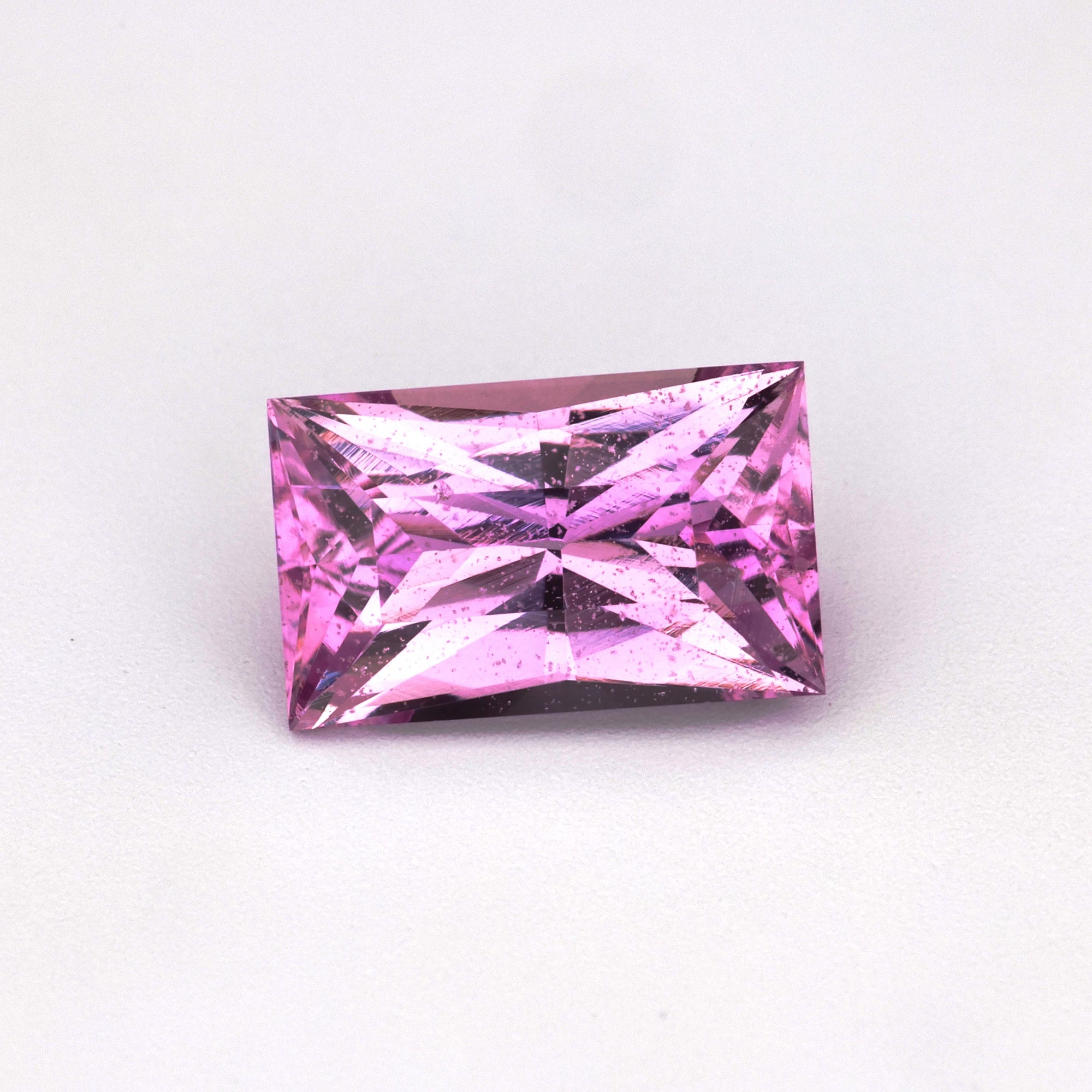
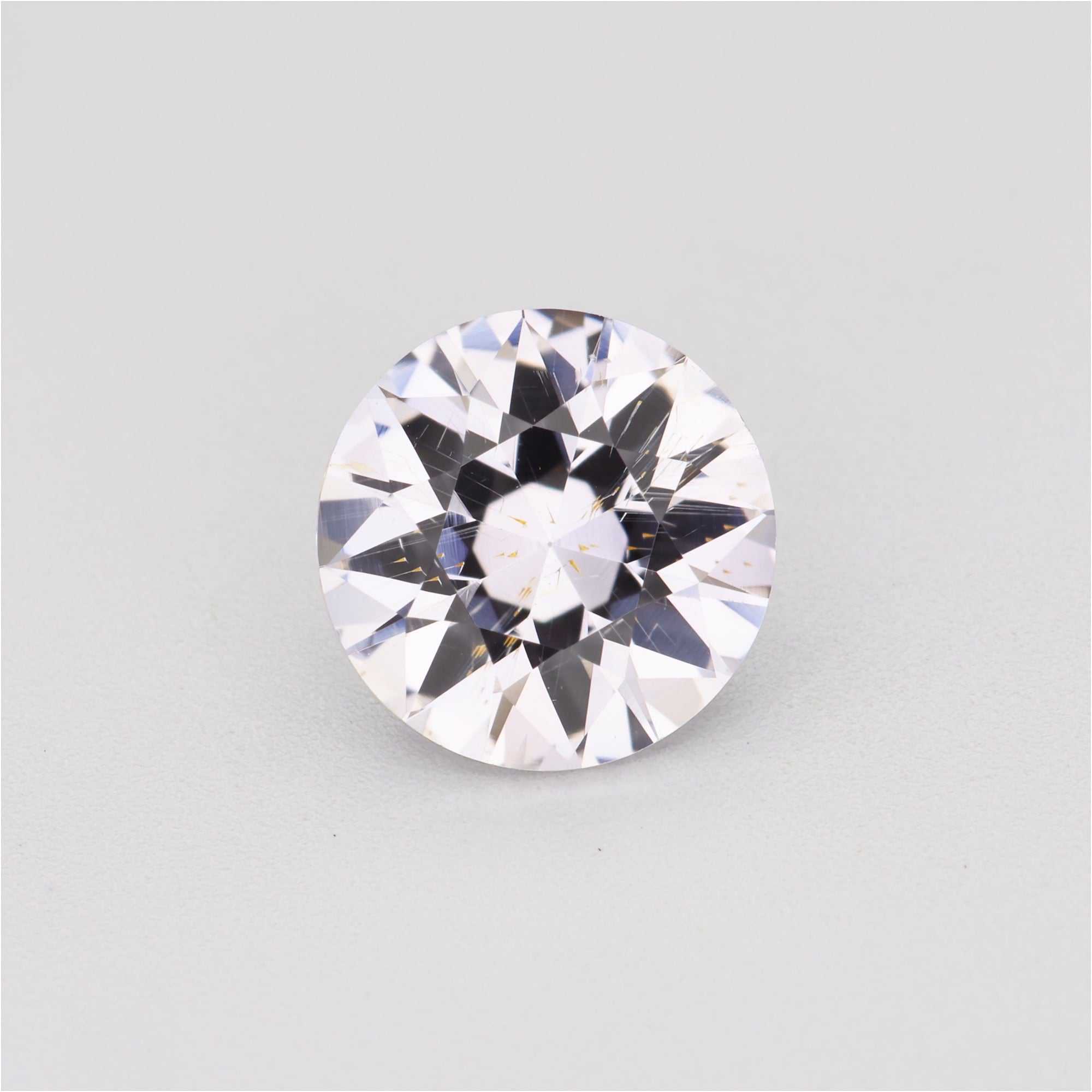
| Unheated pink sapphire, 1.5-2.5ct, vivid, GIA | ✗ Just under — largest is 1.45ct | Our largest unheated GIA pink is 1.45ct ($2,900), a bit short of this size range |
"In stock" and "Partially" rows reflect current listed prices in our collection as of August 2026. "Not currently in stock" rows are broader market guidance — those stone profiles exist in the wider trade, but we don't have matching inventory right now. Figures are not fixed quotes and will move with inventory.
1. Unheated Teal Sapphire, ~2ct. Our strongest real fit at this budget: a GIA-documented unheated Ceylon/Madagascar teal, vivid blue-green, well-cut. We currently carry a 2.08ct round at $2,912 (view) and a 2.12ct emerald cut at $2,968 (view) — both well inside budget with room left over for the setting. Browse our unheated teal collection.
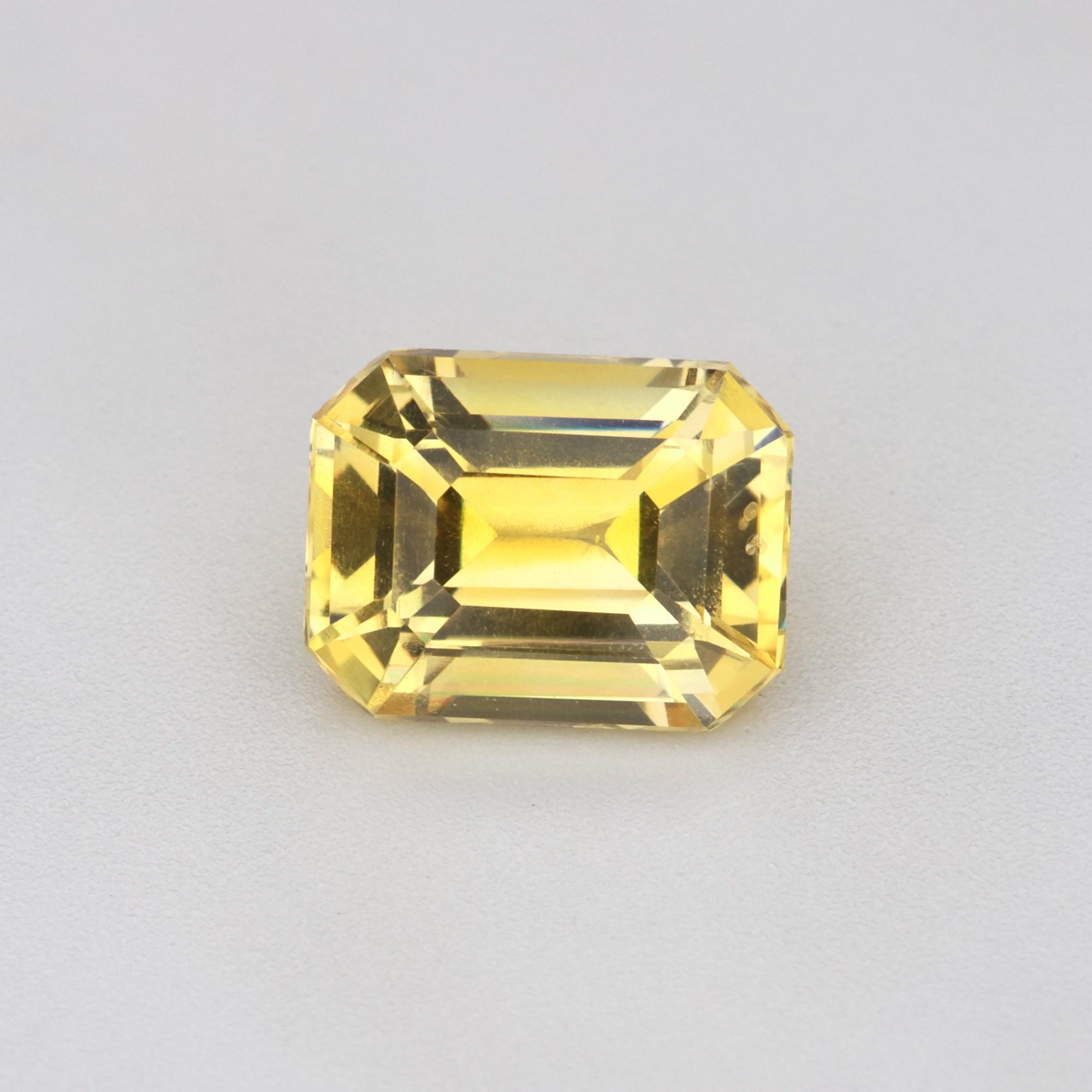
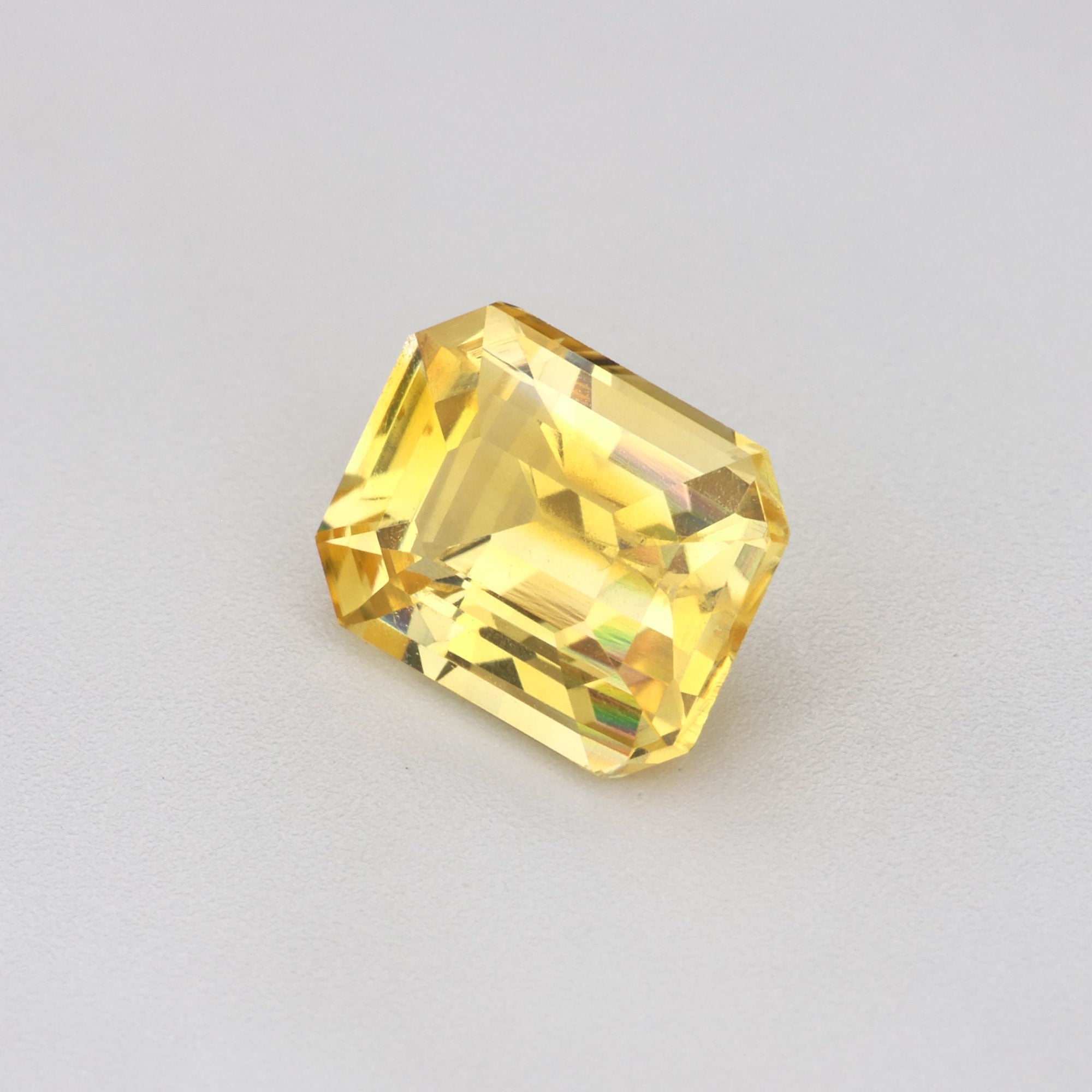
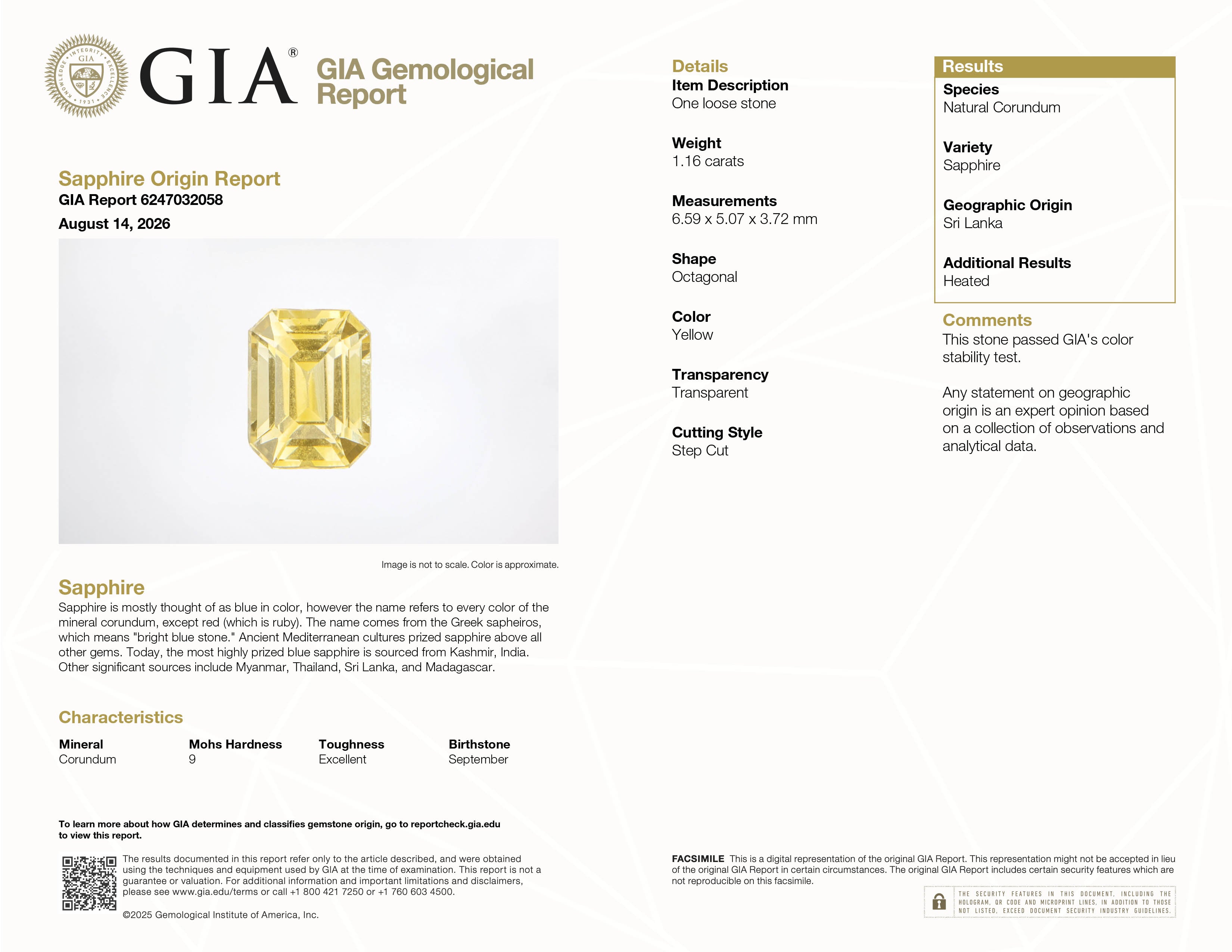
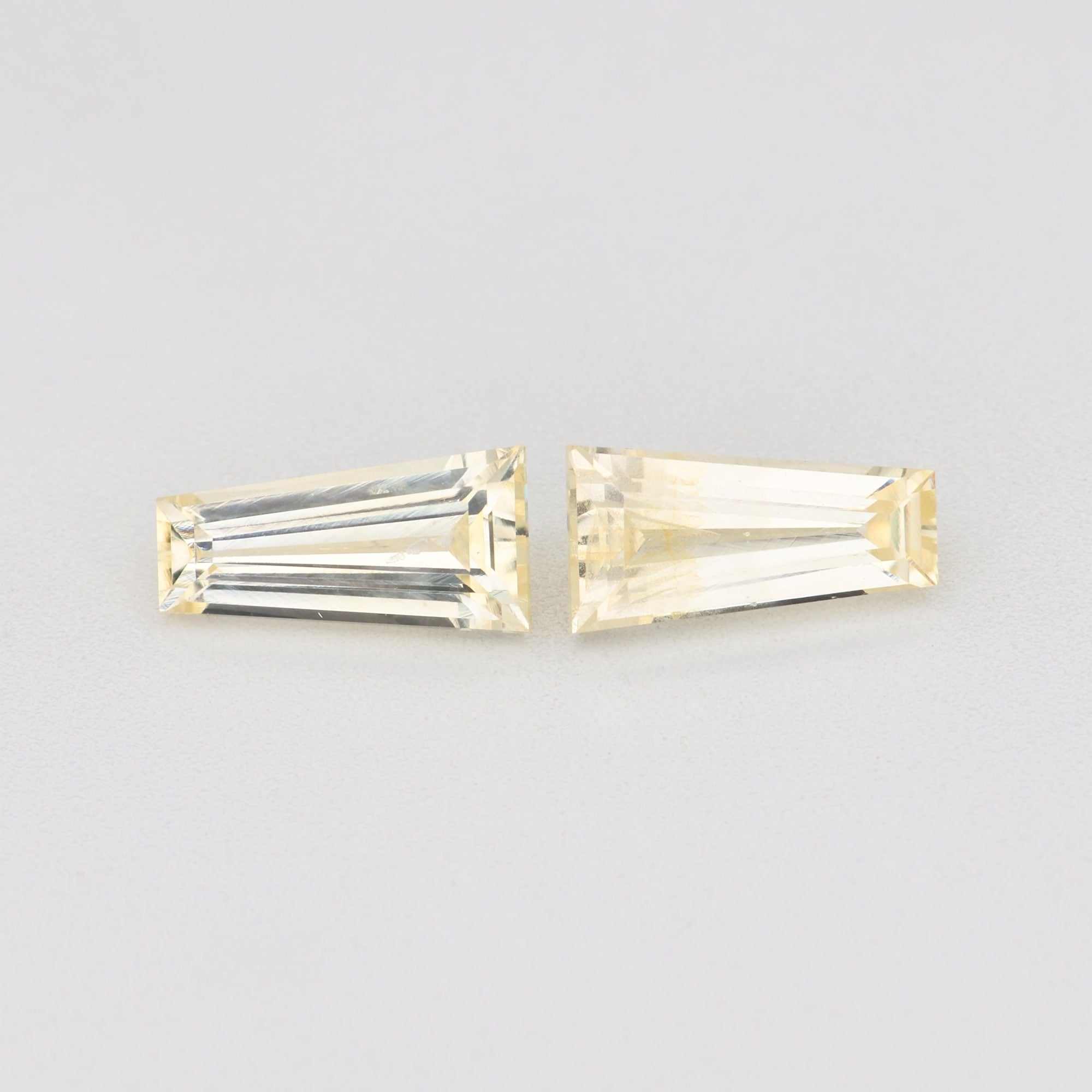
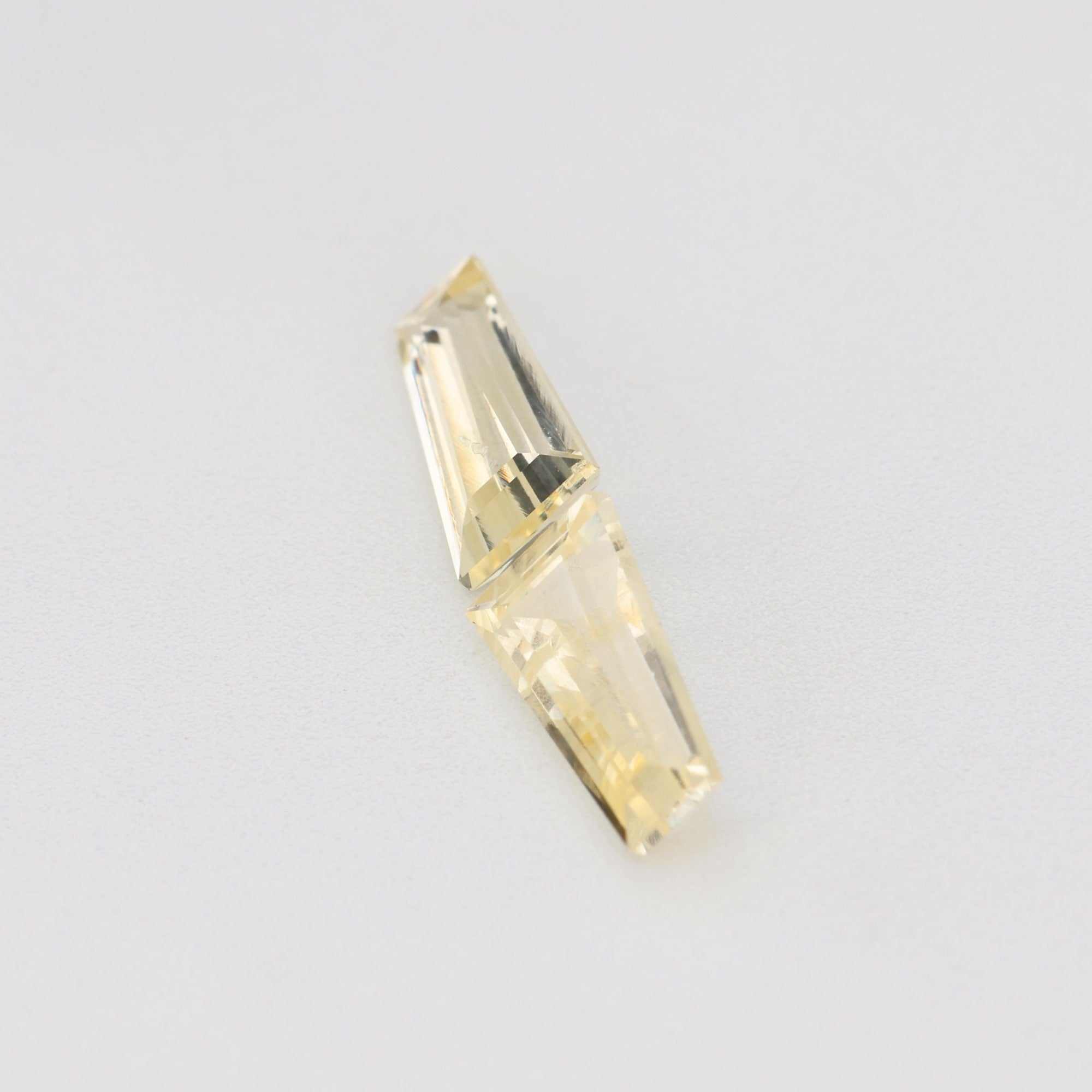
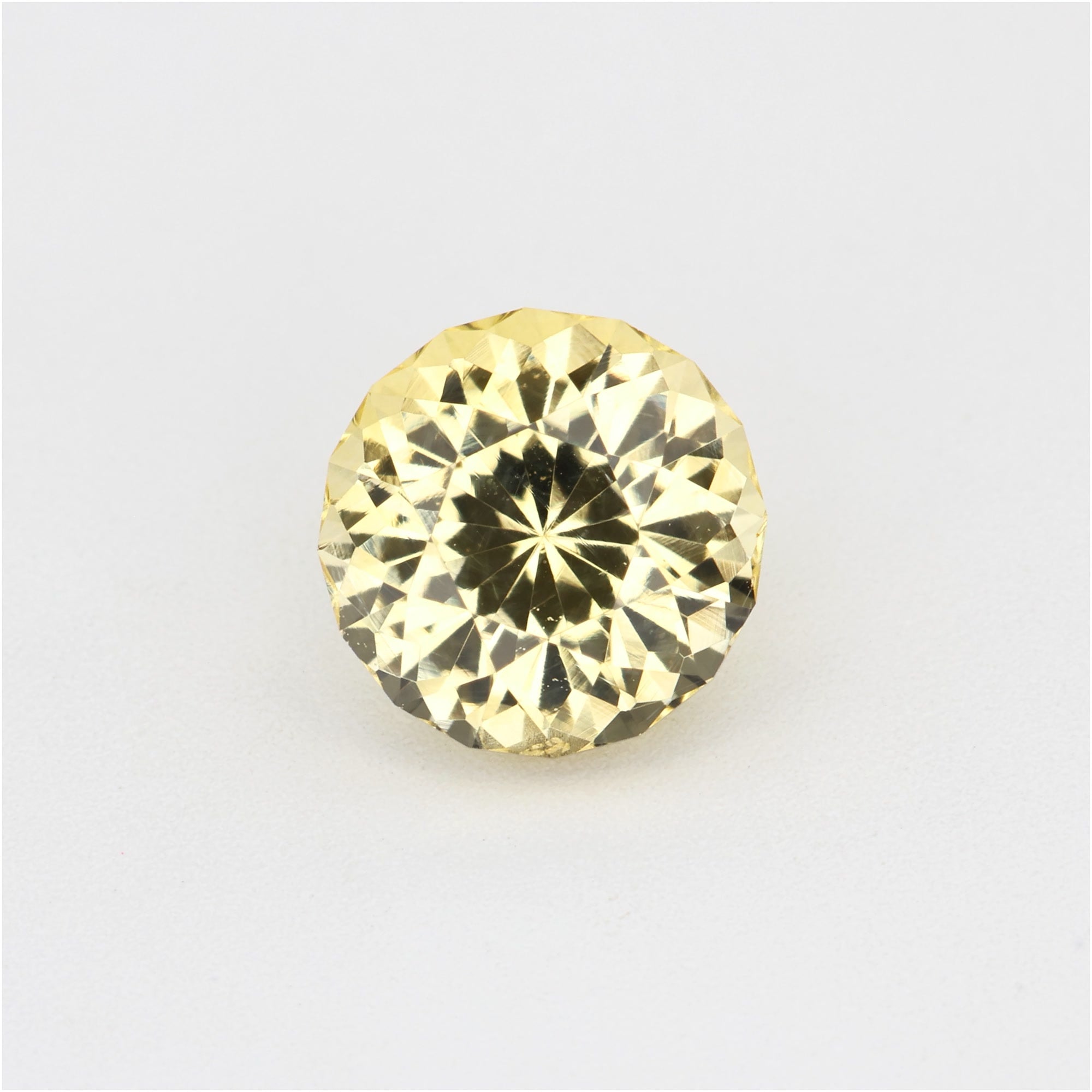
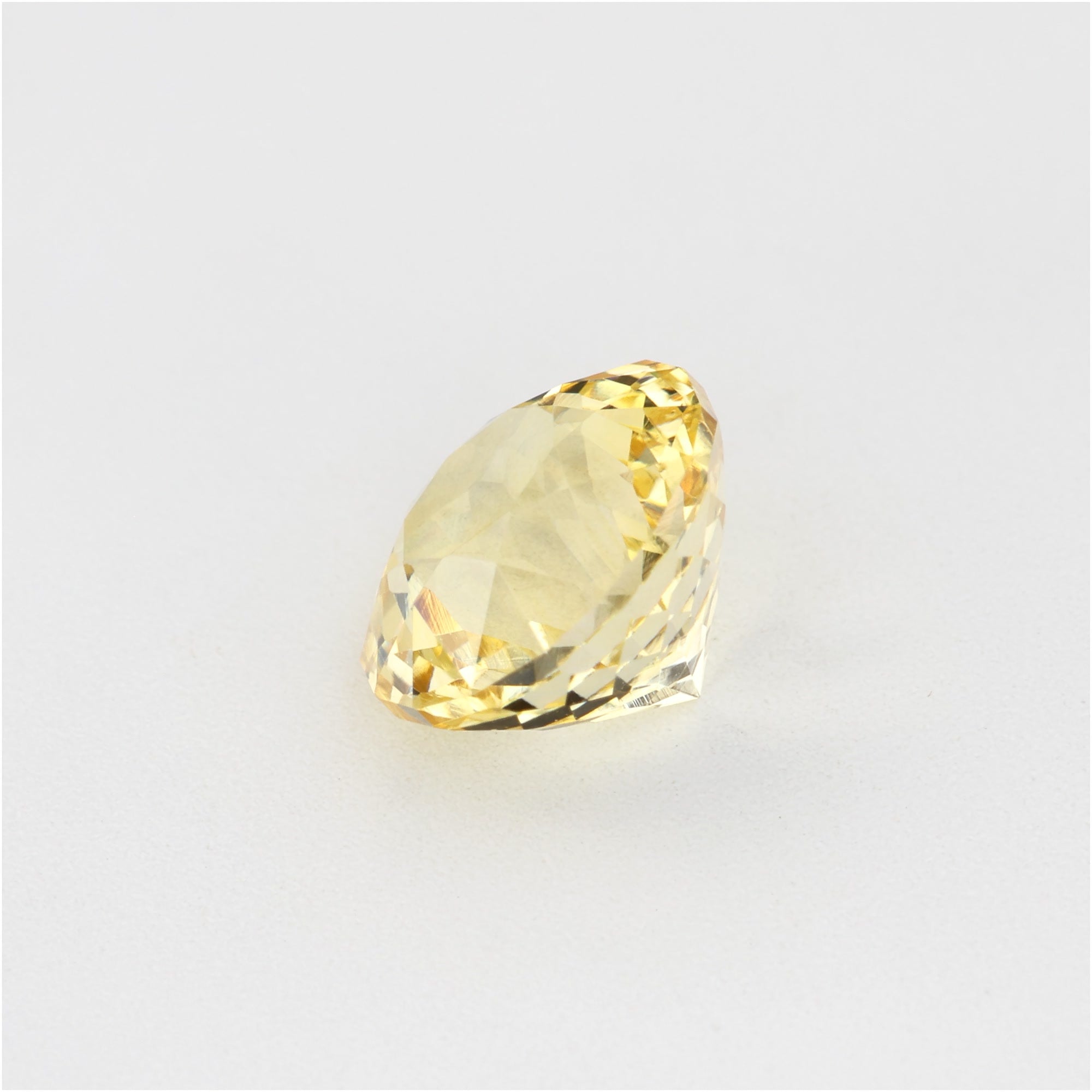
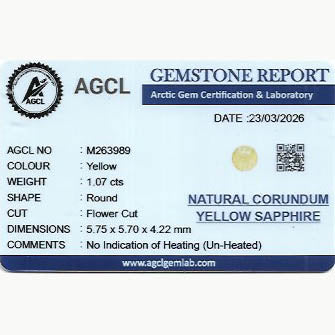
2. Unheated Yellow Sapphire, up to 3.13ct. A GIA-documented unheated Ceylon yellow at this budget tops out at 3.13ct in our current stock — a round cut at $4,945 (view). We don't currently carry unheated yellow in the 4-5ct range the original guidance assumed; if you want that larger size, email us and we can search for it. Browse our yellow sapphire collection.
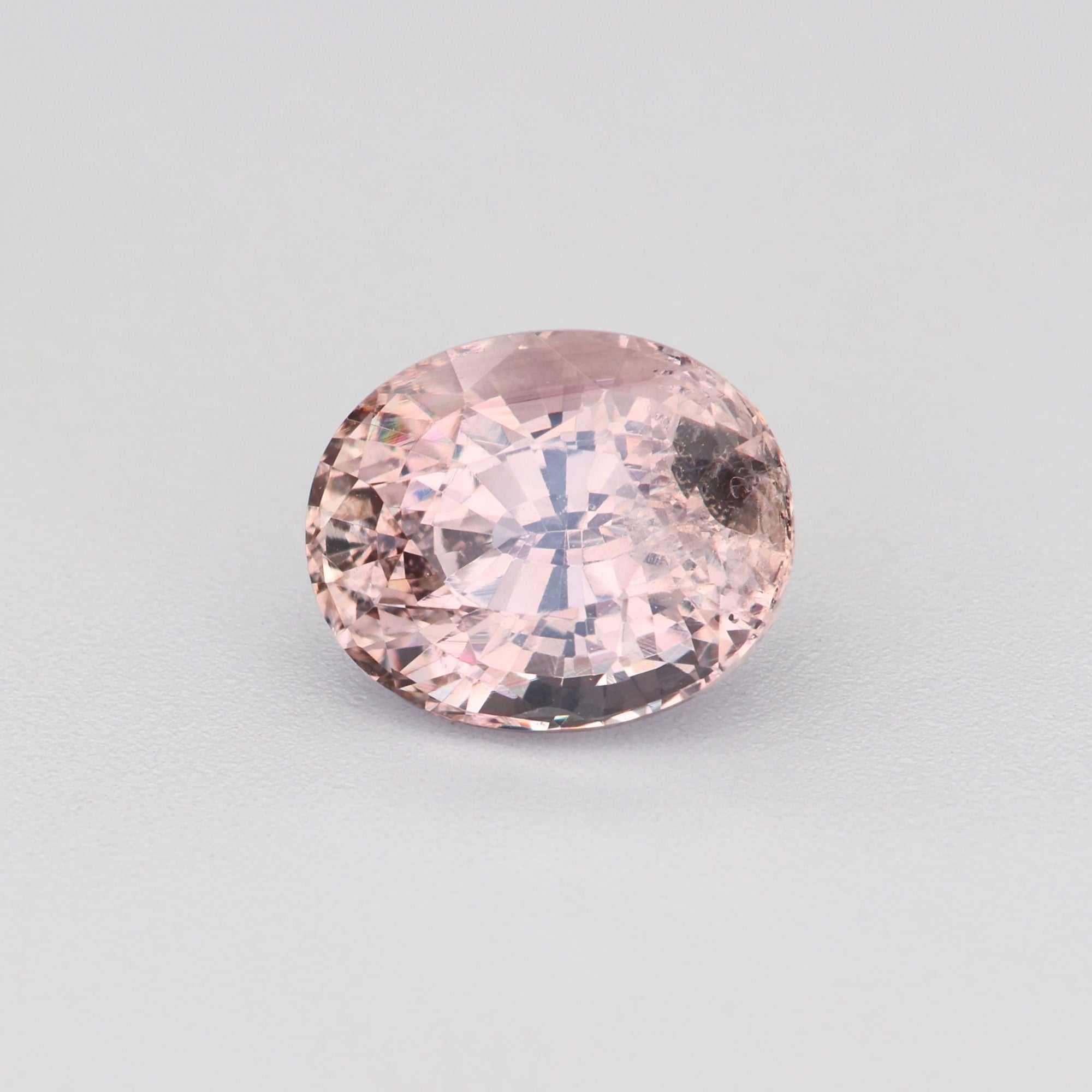
3. Unheated Pink Sapphire, up to 1.45ct. Fine unheated pink at 1.5ct+ with GIA documentation isn't something we currently stock — our largest is a 1.45ct GIA-documented unheated radiant cut from Madagascar at $2,900 (view), just under that size threshold but genuinely fine quality. Browse our pink sapphire collection.
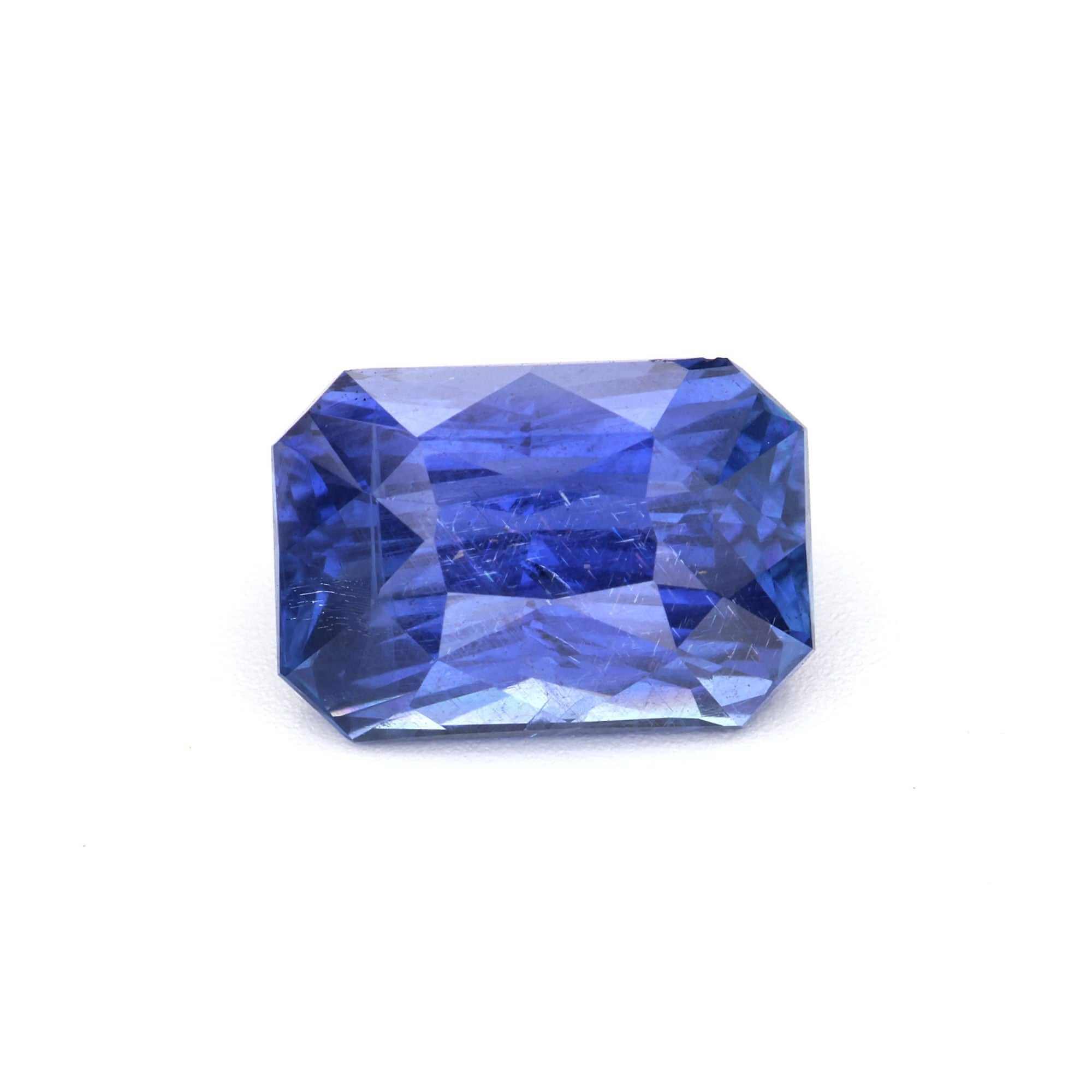
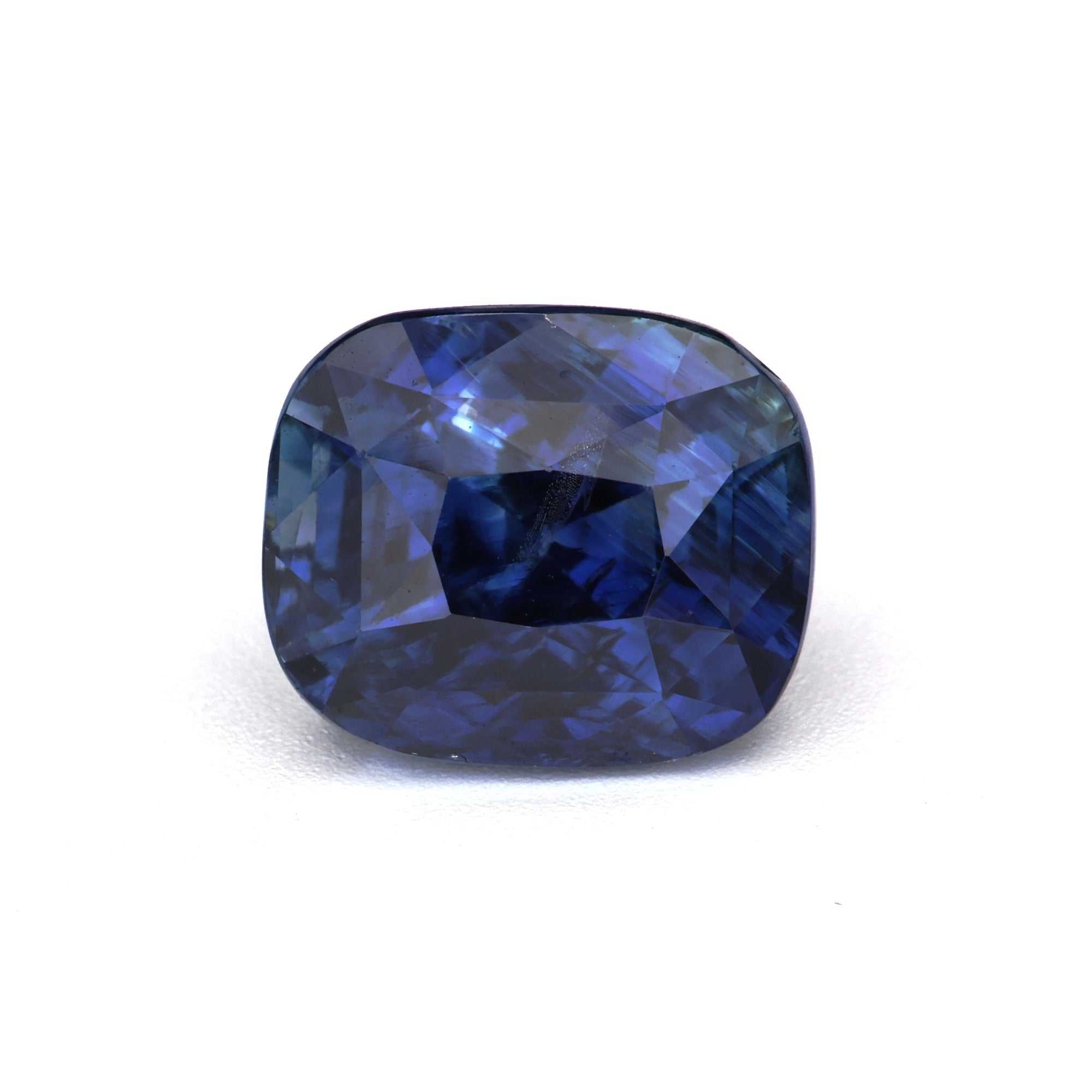
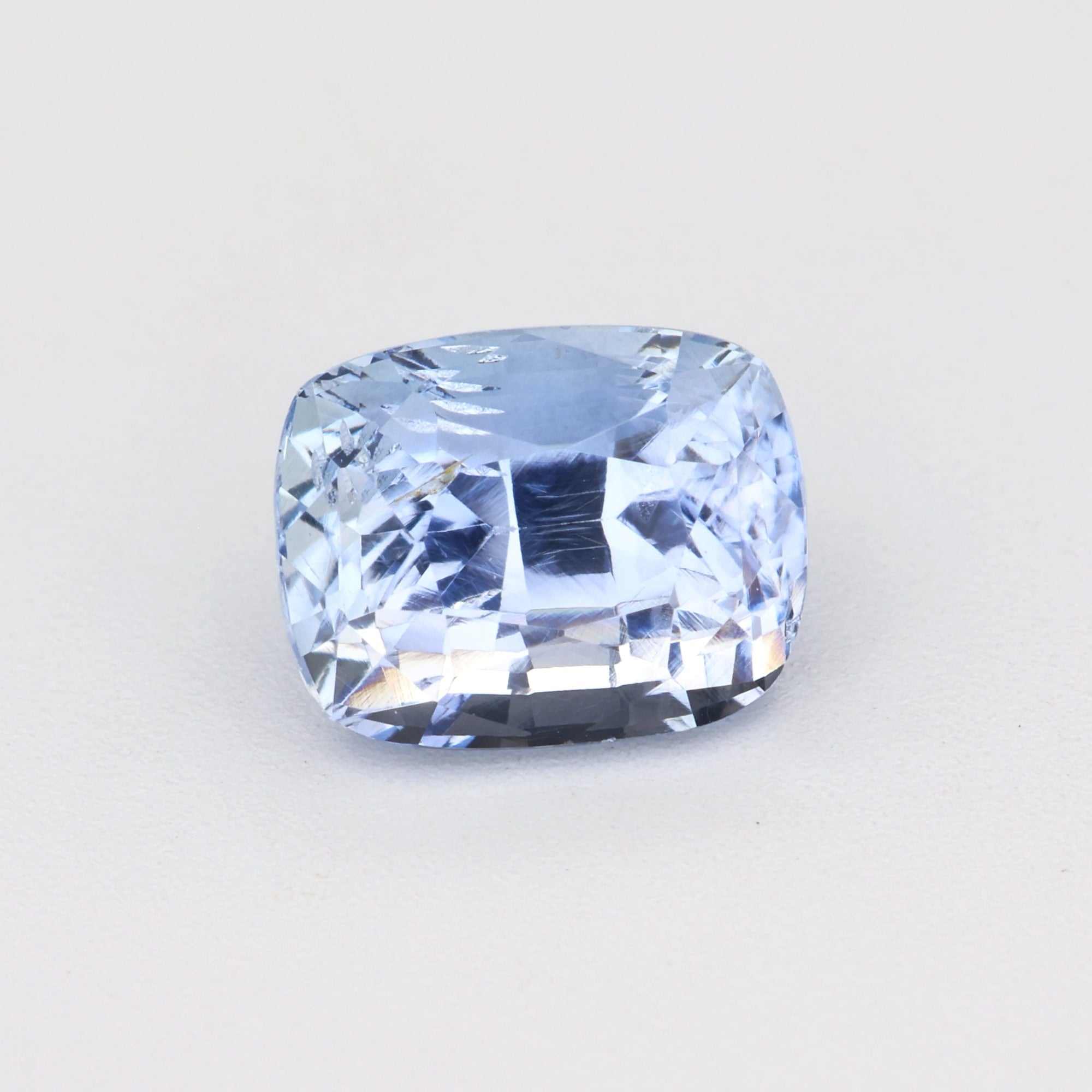
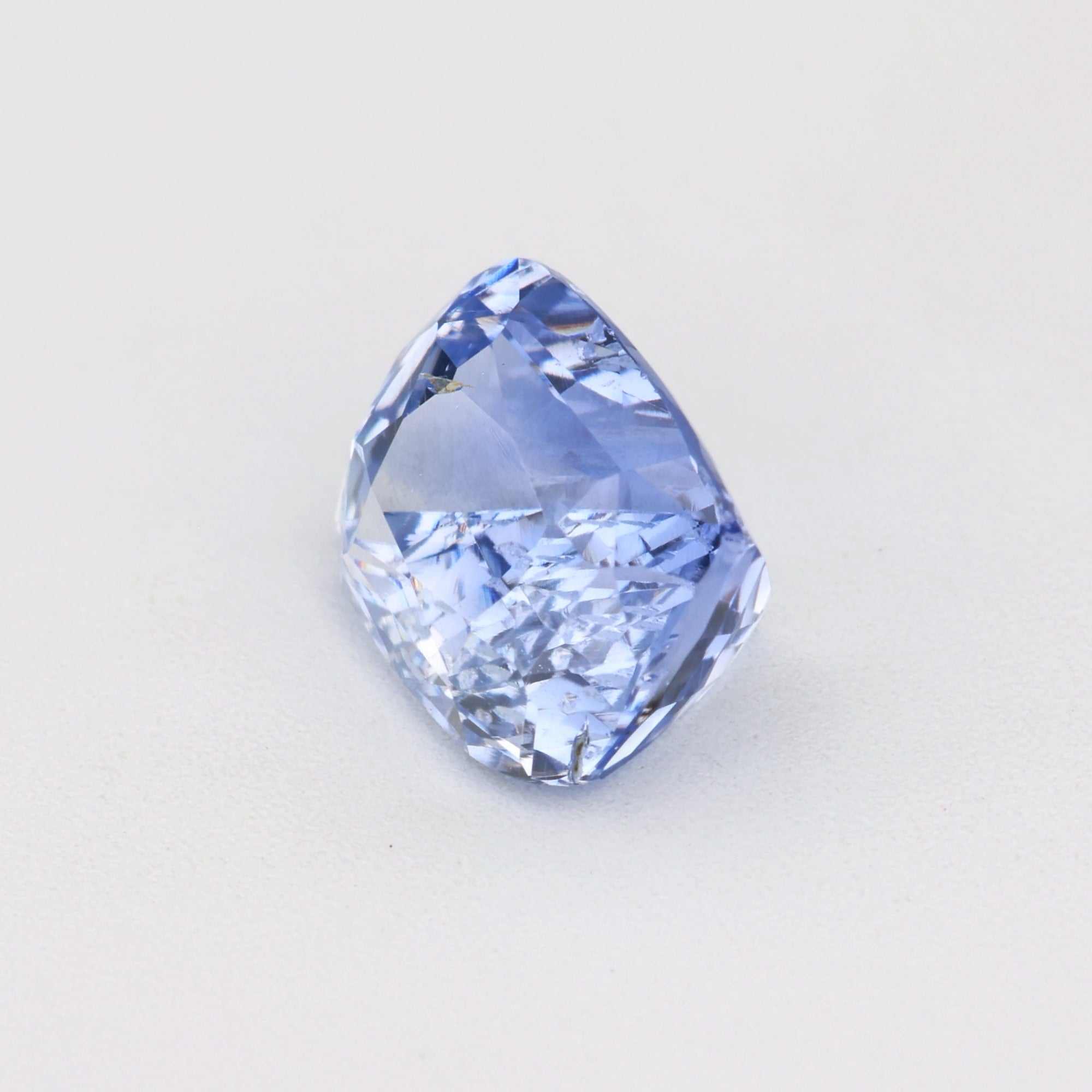
4. Unheated Blue Sapphire — a note on availability. A GIA-documented 1.0-1.5ct unheated blue at $2,800-$4,200 is genuine, common market territory — but it isn't what we currently have on the shelf. Our smallest GIA-documented unheated blue is 2.008ct, and because unheated blue commands a real premium, that stone alone is $6,800 (view), over this budget. If you want a GIA-unheated blue specifically within $5,000, the closest we have is a larger but lower-color-grade 3.19ct cushion at $4,990 (view) — more size, less color intensity, for a similar price to the smaller vivid stone the market guidance describes. See our unheated sapphire guide. Browse our unheated blue sapphire collection.
5. Padparadscha, 0.5-0.8ct. The rarest sapphire color, and genuinely available in the broader market at $2,500-$4,500 for a GIA-designated 0.5-0.7ct stone — but we have zero padparadscha in stock at any size right now. The GIA designation is what distinguishes a true padparadscha from an attractive orange-pink stone. If padparadscha is what you're after, email us at crescentgems@gmail.com and we'll search on your behalf. See also Peach Sapphire vs. Padparadscha. See the padparadscha collection page for when new stock arrives.
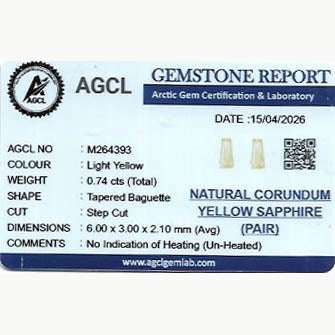
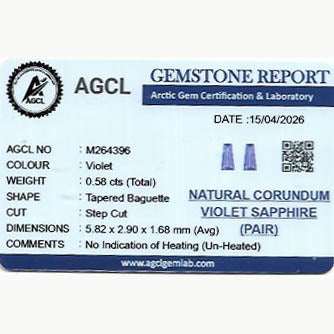
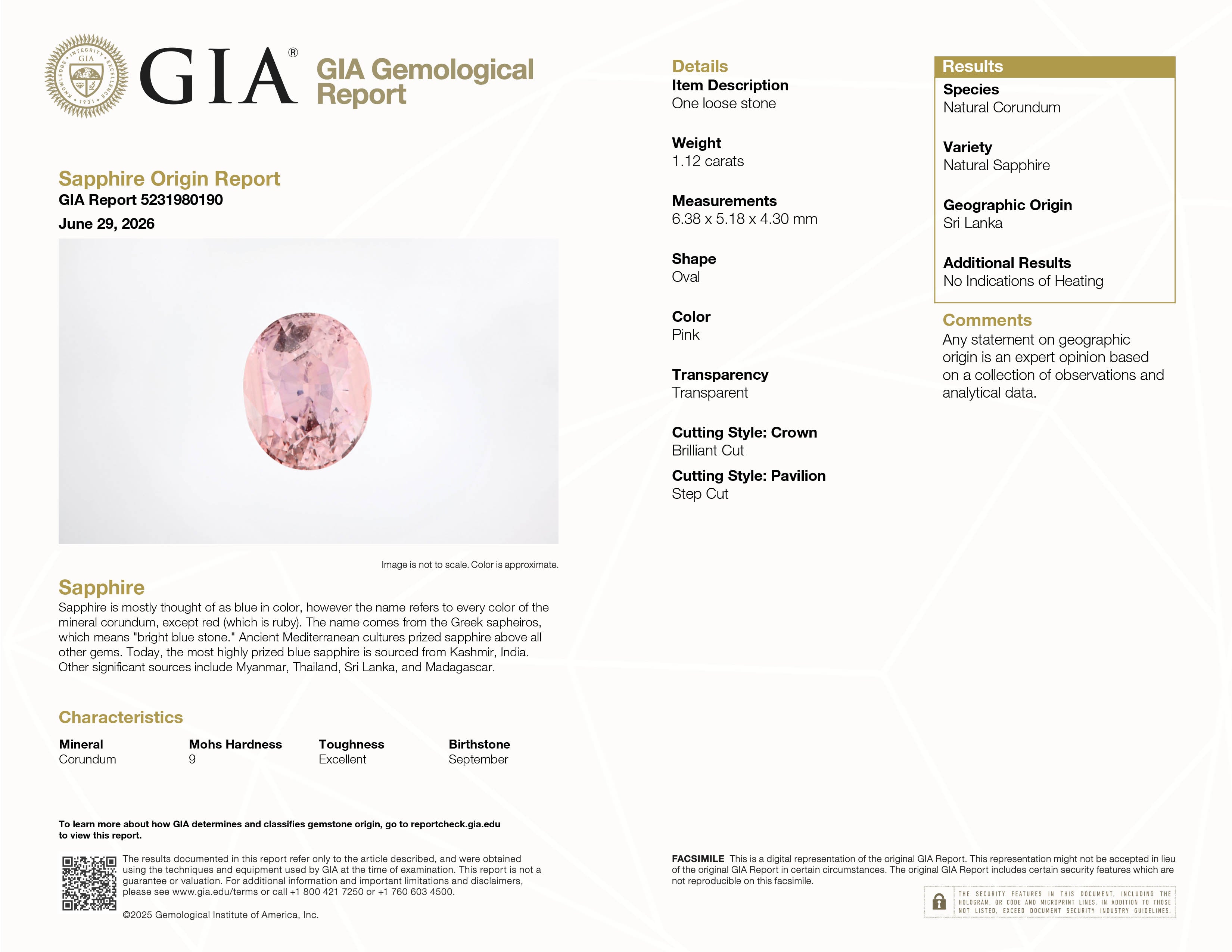
At this budget level, a GIA report is mandatory for every stone — confirming natural origin, treatment status, and geographic origin where determinable. See our GIA report guide for exactly what to look for. Get insurance immediately after purchase: see our jewelry insurance guide.
Stone-forward ($3,000-$5,000 stone / remainder for setting): Based on current stock, this favors a ~2ct unheated teal ($2,900-$3,000) or a 3.13ct unheated yellow ($4,945), in a simple platinum or white gold solitaire or four-prong setting. See best shapes for solitaire rings. Balanced (~$2,900 stone / $1,500-$2,500 setting): A 1.45ct unheated pink or a 2.08-2.12ct unheated teal, leaving more budget for a diamond halo setting. See our halo ring guide and custom ring commissioning guide. For metal see our metal comparison guide.
Browse our full Ceylon sapphire catalog or our collection of stones with GIA reports, or email crescentgems@gmail.com with your priorities. We respond within one business day.
Browse the full Sapphires Under $5,000 collection for our complete current selection at this price point.
Working with a tighter budget? Our sapphires under $2,500 collection has 46 stones to choose from.

CG8354
CG8448
Prices are shown in your local currency and may change.

CG8433
CG8434
CG8431
CG8438
CG8428
CG8426


Blue Star Sapphire Price Guide — What They Cost and Why
Read moreabout Blue Star Sapphire Price Guide — What They Cost and Why
Tsavorite Garnet Price Guide — What They Cost and Why
Read moreabout Tsavorite Garnet Price Guide — What They Cost and Why
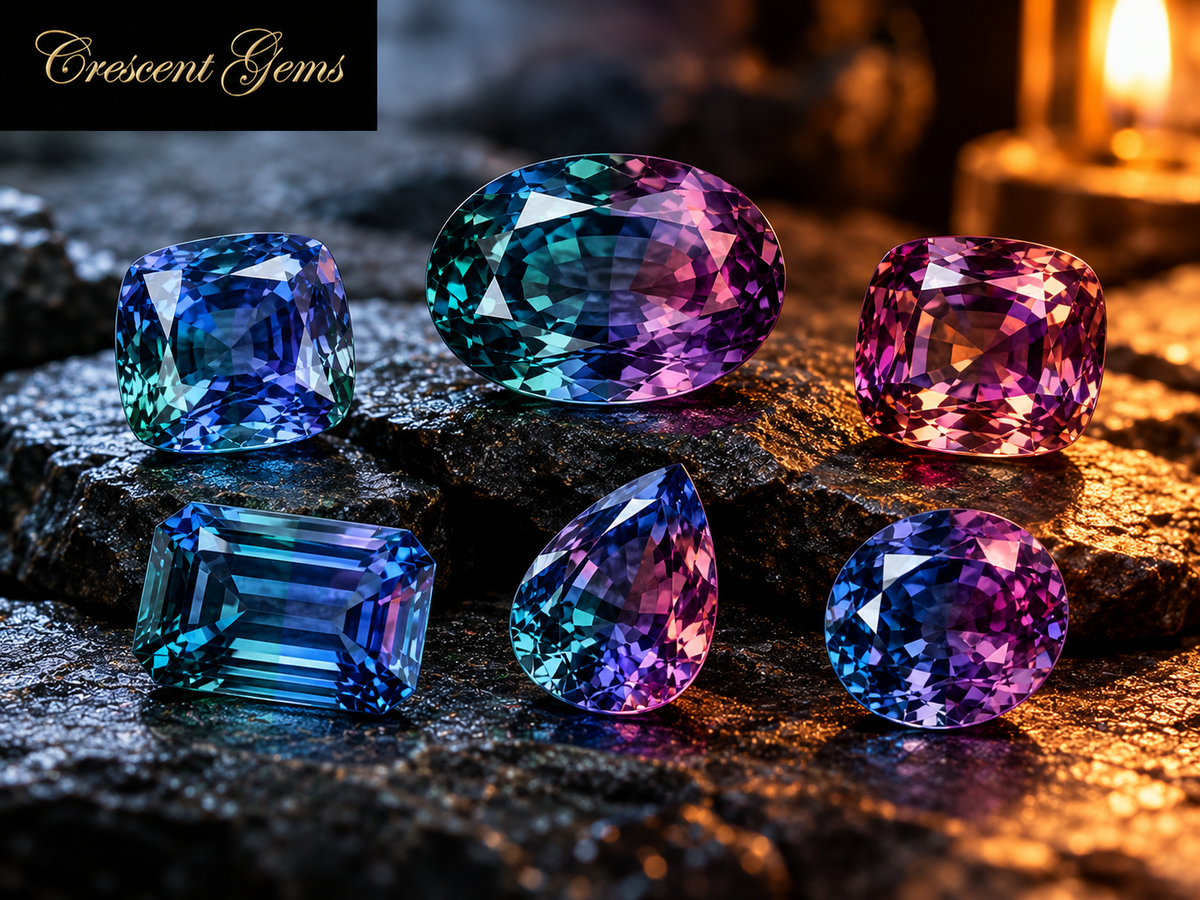
Color-Change Sapphire Price Guide — What They Cost and Why
Read moreabout Color-Change Sapphire Price Guide — What They Cost and Why
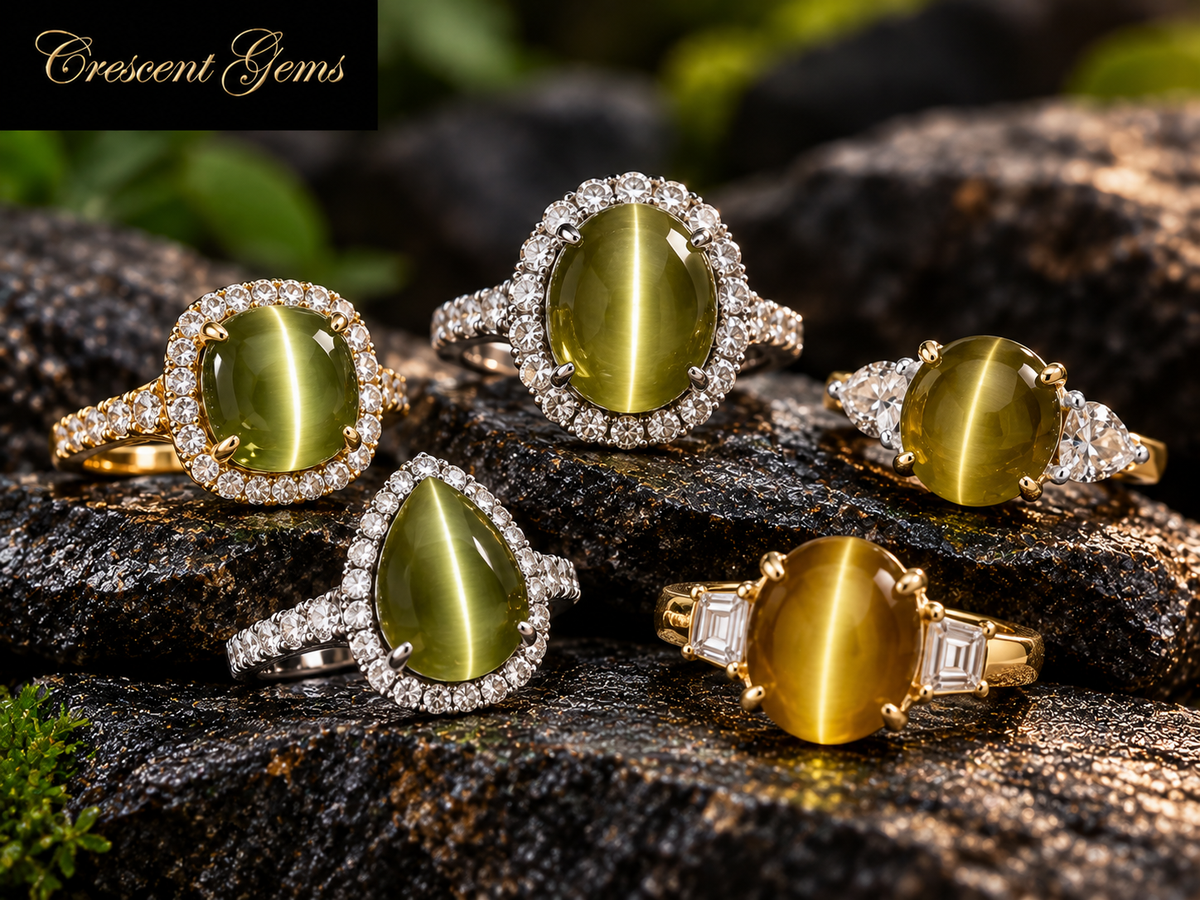
Is Cat's-Eye Chrysoberyl Good for an Engagement Ring?
Read moreabout Is Cat's-Eye Chrysoberyl Good for an Engagement Ring?
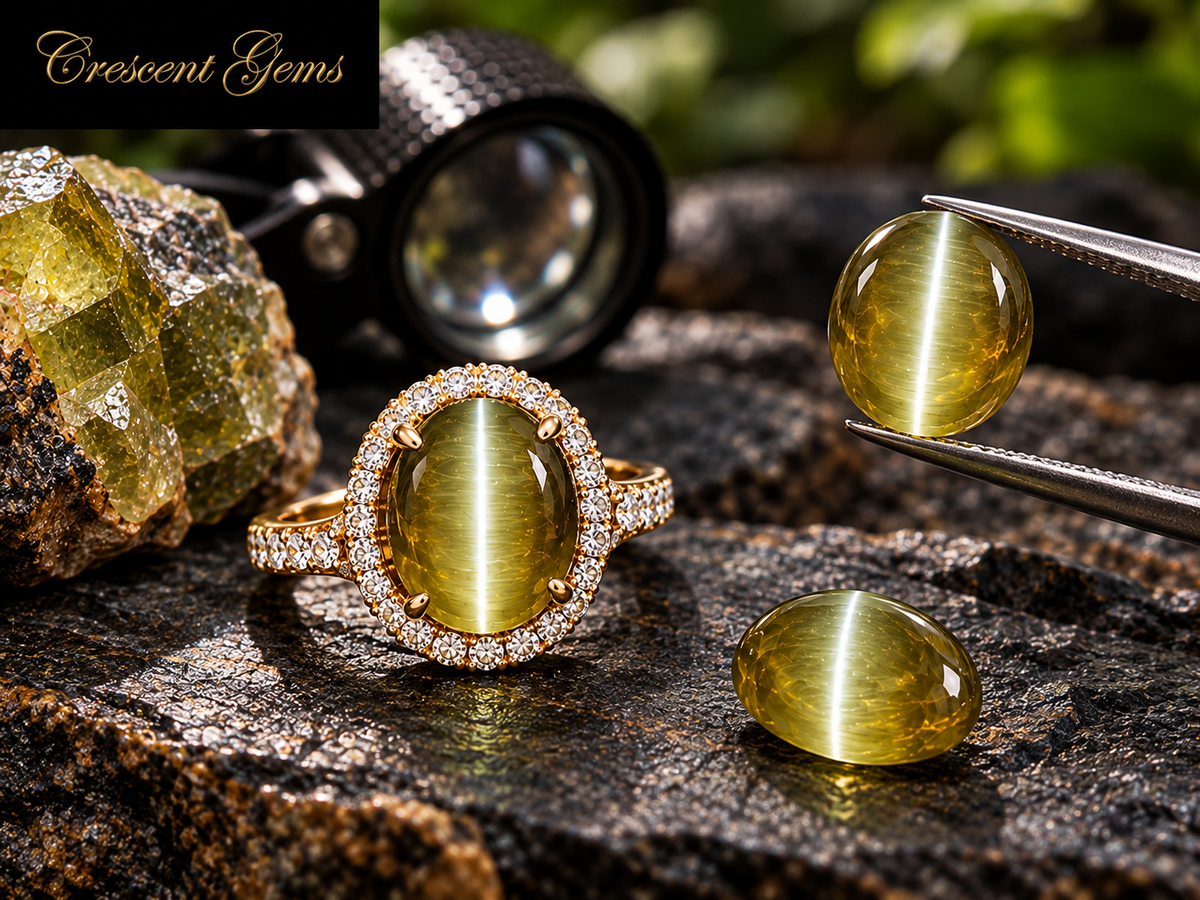
Cat's Eye Chrysoberyl Price Guide — What They Cost and Why
Read moreabout Cat's Eye Chrysoberyl Price Guide — What They Cost and Why