- by Ahmed Shareek
Blue Sapphire — The Complete Buyer’s Guide to Color, Origin, and Value
- by Ahmed Shareek
New to buying sapphires? Start with our Ultimate Sapphire Buying Guide — the complete resource for color, origin, treatment, and pricing — then return here for blue sapphire specifically. For the Jyotish (Neelam) dimension: our Jyotish Gemstone Guide.
Blue sapphire is the most commercially significant colored gemstone in the world. It is the stone that defined the term "precious" for centuries, worn by every royal house in Europe, prescribed by Jyotish practitioners across Asia, and gifted at the most significant moments in people's lives from ancient Rome to the present day. It is the benchmark against which every other colored stone is measured, and it is still — by every commercial metric that matters — the dominant colored gemstone category globally.
It is also one of the most complex categories to buy well. The price range from commercial heated blue sapphire to fine unheated Kashmir is a factor of 1,000x or more. The quality variables — color, origin, treatment, cut, clarity, documentation — are deeply interconnected in ways that are not immediately obvious. And the fraud and misrepresentation patterns that exist in the market specifically target buyers who do not understand what they are looking at.
This guide covers everything you need to buy blue sapphire confidently: the color science, what makes one blue better than another, the five key origins and what each costs, treatment in full detail, how to read a GIA report for blue sapphire, pricing, the Jyotish dimension, and how to evaluate what you are looking at before committing money.
Blue sapphire gets its color from a charge transfer reaction between iron and titanium in the corundum crystal lattice. When iron (Fe2+) and titanium (Ti4+) ions in adjacent positions transfer an electron when light strikes them, specific wavelengths in the yellow-green spectrum are absorbed, leaving blue to be transmitted and perceived by the eye. The intensity and specific hue of the blue is determined by the concentration and ratio of iron and titanium, and whether the blue is pure, violetish, or greenish has significant commercial consequences.
Color is the primary value driver in blue sapphire, accounting for approximately 60-70% of the stone's value at a given size. The three variables are hue, tone, and saturation.
Hue: Pure blue commands strong prices across quality levels. Violetish-blue (cornflower) is the most commercially prized position — the slight violet modifier gives the blue richness and complexity. Greenish-blue is less commercially prized and reduces value.
Tone: The commercially prized range is medium to medium-dark (tones 5-7 on a 10-point scale). Very dark blue sapphires appear vivid in bright lighting but lose color indoors, appearing nearly black in lower light. Very pale stones lack visual weight.
Saturation: High saturation — vivid — combined with medium tone is the commercial peak. A stone that is medium-tone and vivid will appear brighter and more alive than one that is medium-tone and moderately saturated.
Medium-vivid violetish blue in medium to medium-dark tone is the most consistently valued blue sapphire color position globally. Fine Ceylon material in this position is the benchmark for the category.
Blue sapphire is produced by more origins than any other major colored gemstone, and origin is one of the most commercially significant variables in the market.
Kashmir blue sapphire is the most prestigious gemstone origin in the world. The Zanskar range mines were effectively exhausted by the early 20th century — existing supply is finite and not replenishing. What makes Kashmir distinctive is the characteristic velvety or sleepy quality caused by microscopic liquid inclusions, a precise cornflower blue with a slightly violetish hue, and a color that holds its saturation across lighting conditions with unusual consistency. Fine unheated Kashmir above 3 carats with Gubelin or SSEF documentation has sold for $50,000-$200,000+ per carat. See our Kashmir sapphire guide.
Mogok Valley produces blue sapphire with a characteristic vivid, slightly violetish blue with strong fluorescence. Fine unheated Burmese blue commands significant premiums below Kashmir but above all other origins. See our Burma / Mogok sapphire guide.
Ceylon is the most commercially significant active blue sapphire source. Ceylon blue has a characteristic bright, slightly violetish blue — transparent rather than sleepy, vivid rather than deep — that holds its character from daylight through indoor lighting without significant shift. Ceylon produces the full quality range from commercial heated material at $200-$800 per carat to exceptional unheated stones above 5 carats at $10,000-30,000+ per carat with GIA documentation. Browse our Ceylon blue sapphire collection and Ceylon sapphire guide.
Madagascar has become the most commercially significant modern blue sapphire source, producing large volumes in a quality range that broadly overlaps with Ceylon. For buyers where origin documentation is not a priority, Madagascar offers excellent value at 10-30% below Ceylon-documented equivalents. See our Madagascar sapphire guide. See also our guides to Tanzania sapphire and Mozambique sapphire.
Thai and Australian blue sapphire is typically darker and more greenish-blue, with higher iron content. Both origins are less commercially prized and less expensive than Ceylon or Madagascar at equivalent size and clarity.
| Origin | Color character | Premium position | Best for |
|---|---|---|---|
| Kashmir | Velvety cornflower; violetish-blue | Supreme; $50K-$200K+ per carat | Investment; museum-quality collectors |
| Burma (Mogok) | Vivid, fluorescent violetish-blue | Very high; $10K-50K+ per carat | Investment; serious collectors |
| Ceylon (Sri Lanka) | Bright, clear violetish-blue; wide range | High; $500-30,000+ per carat | All buyers; benchmark active source |
| Madagascar | Bright pure blue; slightly warmer than Ceylon | Moderate; 10-30% below Ceylon | Value buyers |
| Thailand / Australia | Dark, greenish-blue; less vivid | Lower tier; commercial market | Budget buyers |
Figures above are approximate market guidance, not fixed quotes. Actual value varies by treatment, origin, colour, cut, clarity, and certification.
Approximately 90-95% of all commercial blue sapphire is heat treated. Heat treatment is permanent, accepted by all major gemological bodies, required to be disclosed, and produces results indistinguishable from natural color to the naked eye. It is not a fraud or a defect — it is a standard commercial process.
Two sapphires with identical face-up appearance can differ by 3x-10x in price based solely on treatment status. At 1ct in fine vivid blue, the unheated premium over equivalent heated material is typically 3x-5x. Unheated blue sapphire in fine color with GIA documentation has been the most consistently appreciating colored gemstone category for over two decades.
See our unheated sapphire guide and heat treatment process.
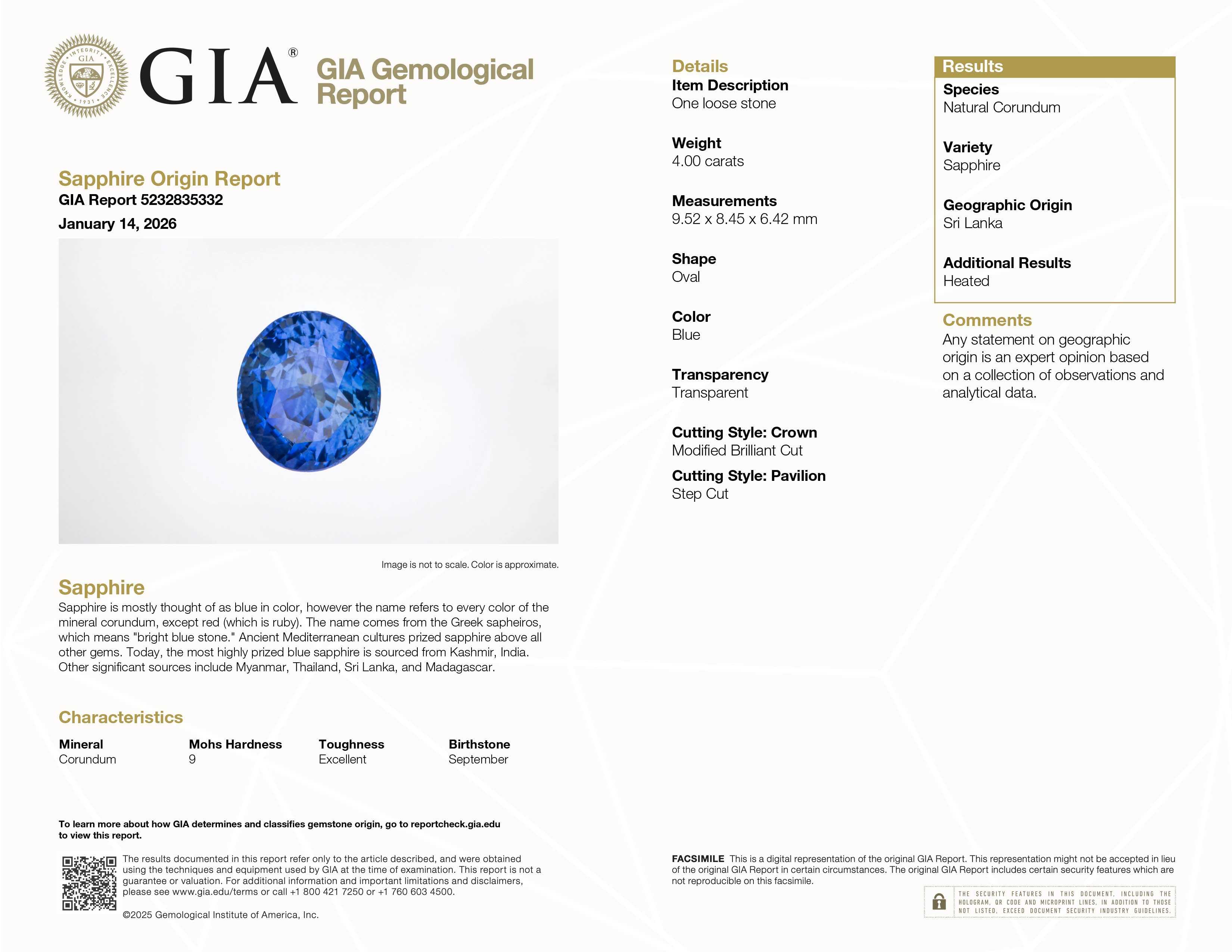
The most commercially significant section of a GIA report is the treatment comment: "No indications of heating" means unheated; "Indications of heating" means heat treated. Geographic origin appears in comments when determinable. Verify any GIA report at gia.edu/report-check. See our full GIA report guide.
Blue Sapphire Price Ranges by Quality and Treatment
For detailed per-carat and per-size-threshold breakdowns, see our 1 carat Ceylon sapphire price guide, what a good 1 carat costs, and what a good 2 carat costs. See also our full sapphire pricing guide.
In Jyotish (Vedic astrology), blue sapphire is Neelam — the gemstone of Saturn (Shani). Jyotish specifications require: natural corundum, unheated (GIA confirmed), eye-clean, medium to vivid blue, Ceylon or Kashmir origin preferred, minimum 2-4 carats. See our Jyotish sapphire buying guide.
At Mohs 9 — second only to diamond — blue sapphire is fully suited for daily wear without any special precautions. It does not scratch from normal activity, has no cleavage, and is stable to heat, chemicals, and ultrasonic cleaning. See our blue sapphire engagement ring guide.
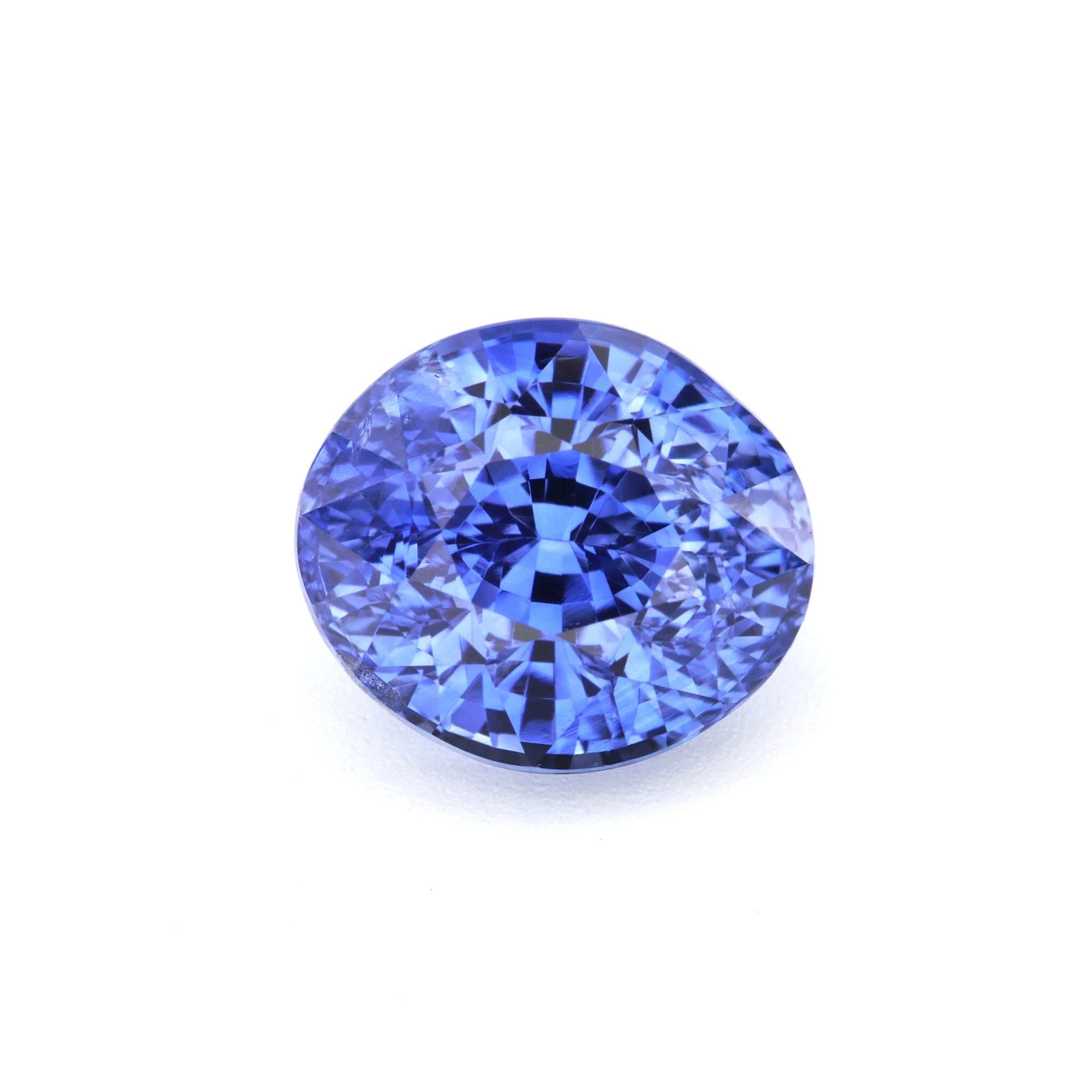
Oval is the most popular format — it maximizes face-up color area, elongates the finger, and works across every setting style. See our oval sapphire guide, best shapes for solitaire rings, and best shapes for halo rings.
Cushion produces a softer, more vintage aesthetic, particularly suited to halo settings and vintage-inspired designs. See our cushion cut sapphire guide and best sapphire colors for vintage rings.
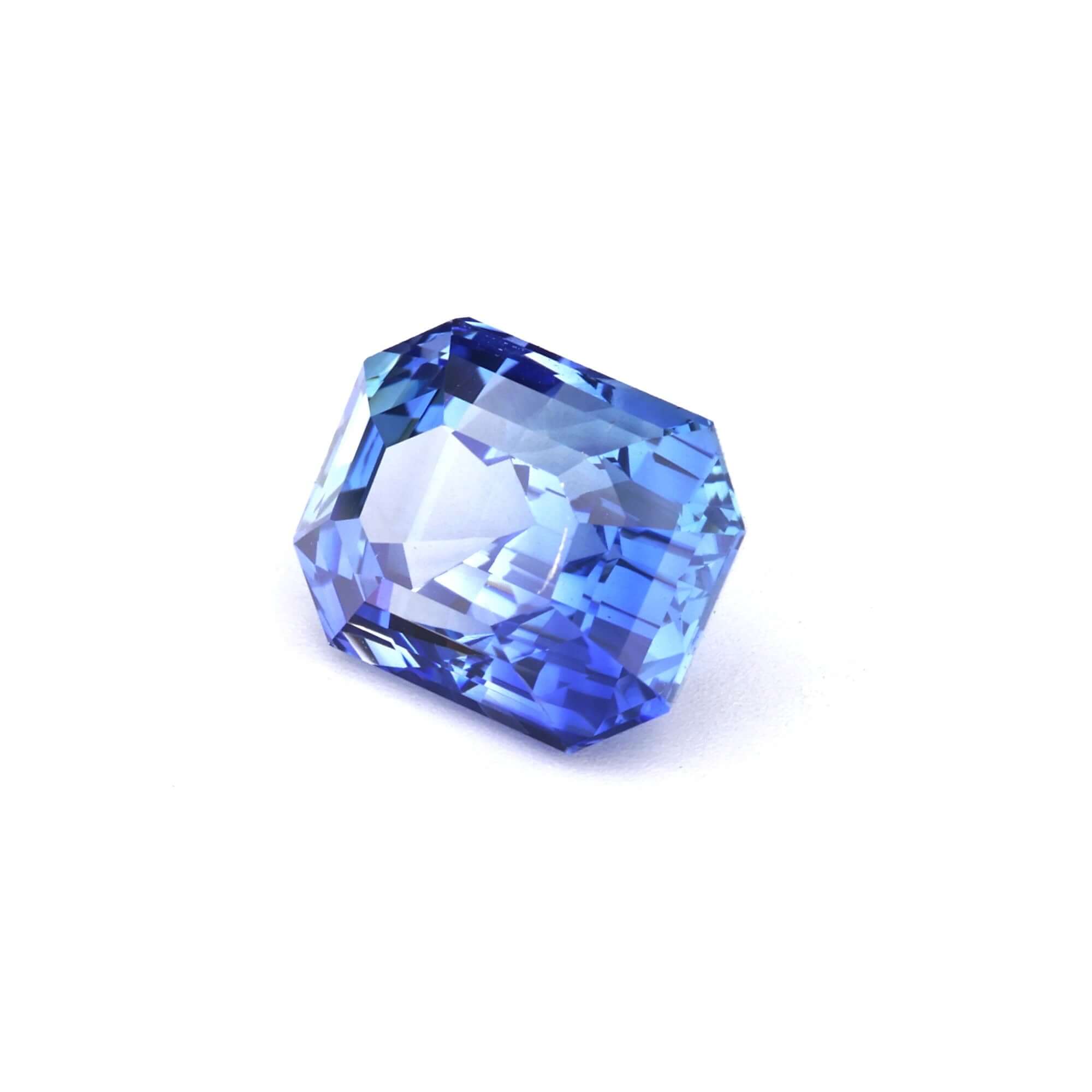
Emerald cut is the most architectural option — the open step faceting displays blue as a deep, still pool of color. See our emerald cut sapphire guide.
Pear and marquise elongate the finger and create distinctive silhouettes. See our best elongated sapphire shapes guide.
See our sapphire cut guide and sapphire size guide.
White gold and platinum are the most common and most harmonious setting metals for blue sapphire, providing a cool neutral backdrop that maximizes color saturation. Yellow gold creates a warm contrast with historical resonance — many of the greatest antique sapphire pieces are in yellow gold. Rose gold offers a softer, warmer contrast. For the full decision framework, see our yellow gold vs. white gold vs. platinum guide and how to choose metal color for a sapphire ring.
| Factor | Blue Sapphire | Tanzanite | Aquamarine | Blue Topaz |
|---|---|---|---|---|
| Mohs hardness | 9 | 6.5-7 | 7.5-8 | 8 |
| Daily wear suitability | Excellent; no precautions | Poor for rings; scratches and cleaves | Good; moderate care needed | Moderate; cleavage risk in rings |
| Treatment | 90%+ heated; unheated available | Virtually always heated; unheated exists but is rare | Natural color | Almost always irradiated |
| Price (1ct, fine) | $800-8,000 (heated-unheated Ceylon) | $300-1,200 | $50-$400 | $10-$100 |
| Investment potential | Strong; unheated Ceylon consistently appreciates | Moderate | Low | None |
Figures above are approximate market guidance, not fixed quotes. Actual value varies by treatment, origin, colour, cut, clarity, and certification.
Tanzanite at Mohs 6.5-7 with perfect cleavage in one direction is not appropriate for daily-wear ring use. A blue sapphire ring worn daily for fifty years will not show degradation the way tanzanite does. See our sapphire vs. tanzanite comparison and sapphire ring care guide.
For heated blue sapphire under $600 total, seller disclosure is sufficient. Above $600, or for any stone with an origin claim, GIA documentation is recommended. For any unheated blue sapphire above $500 total, GIA confirmation of "no indications of heating" is mandatory. For investment-grade material, Gubelin or SSEF reports are preferred in the collector market in addition to GIA. See our GIA report guide.
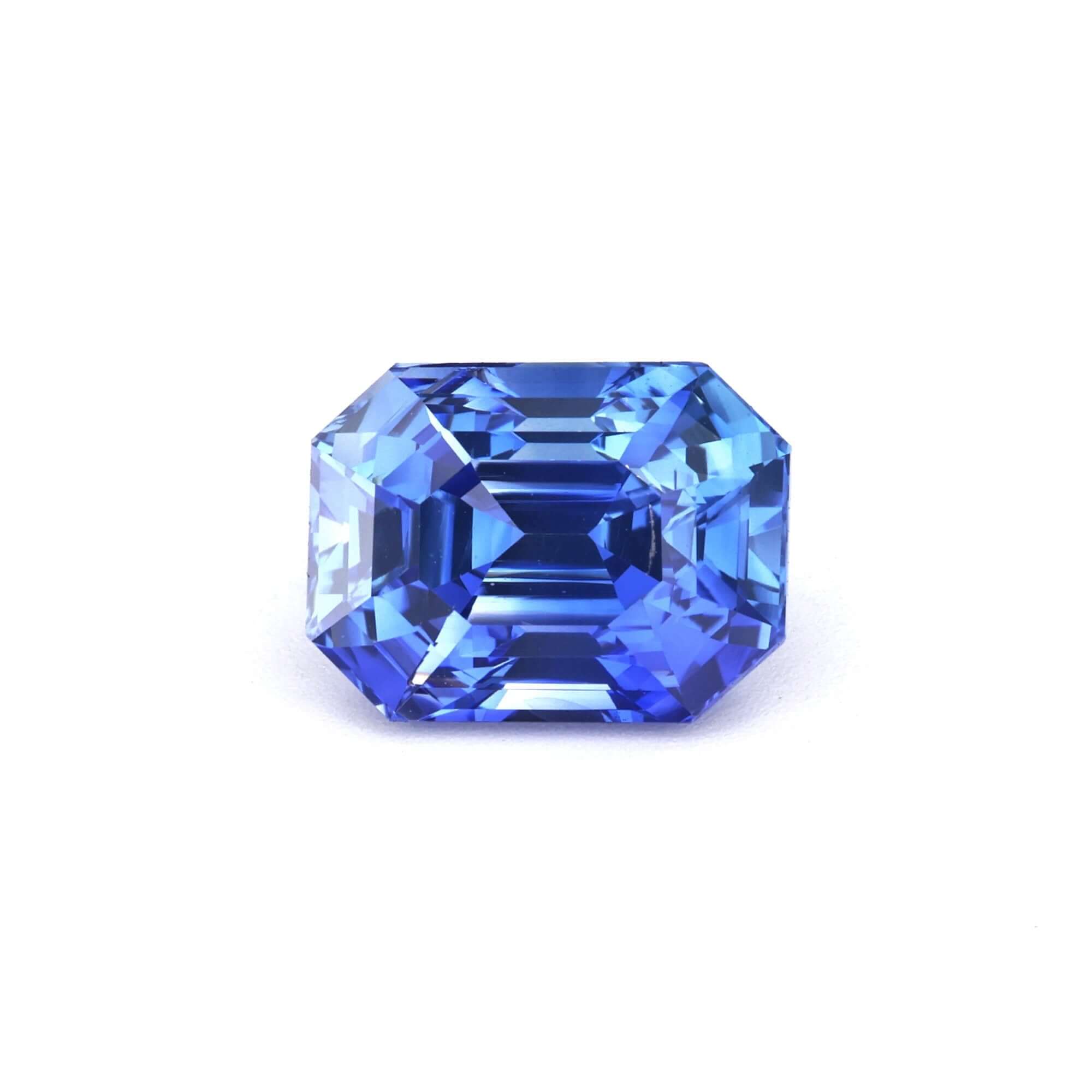
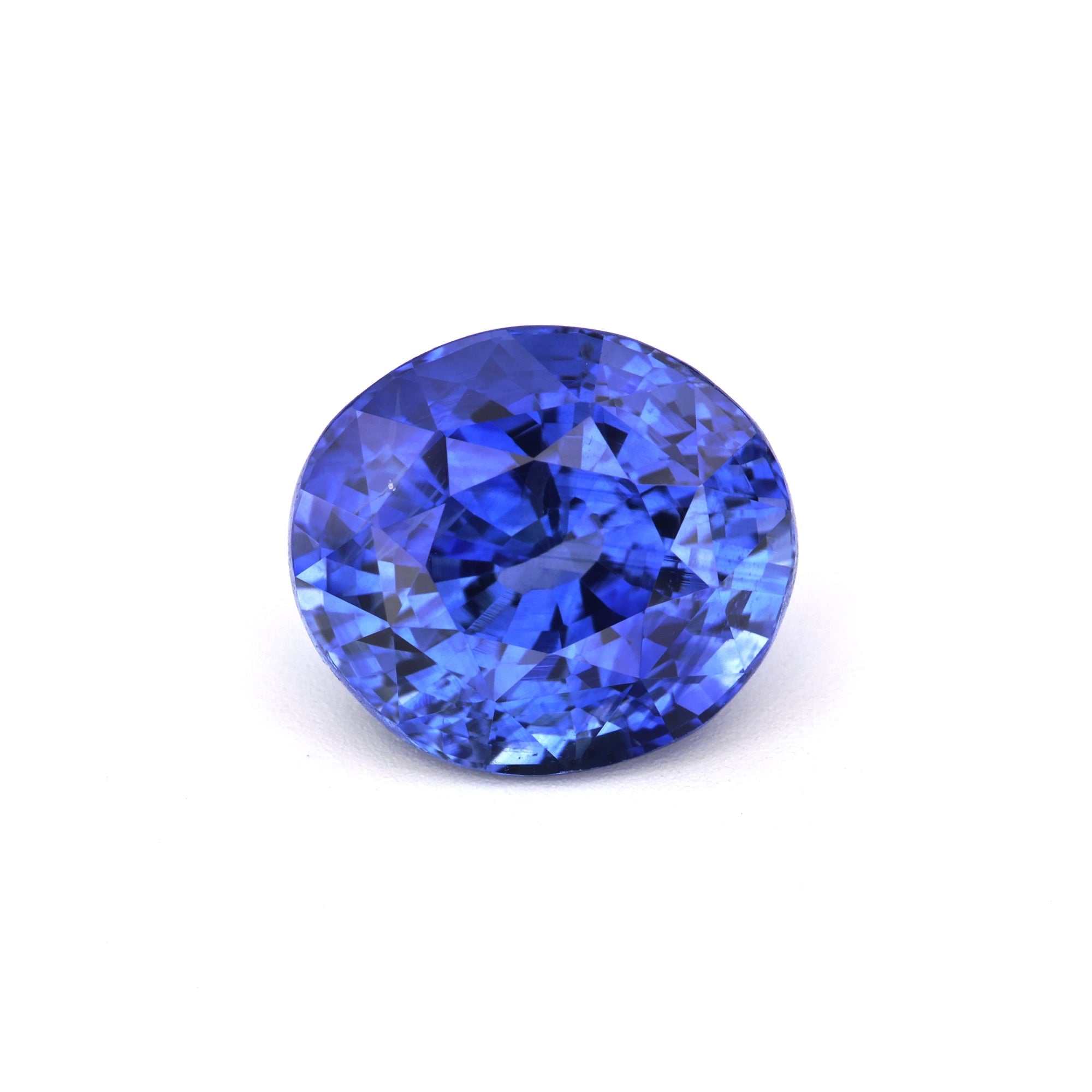
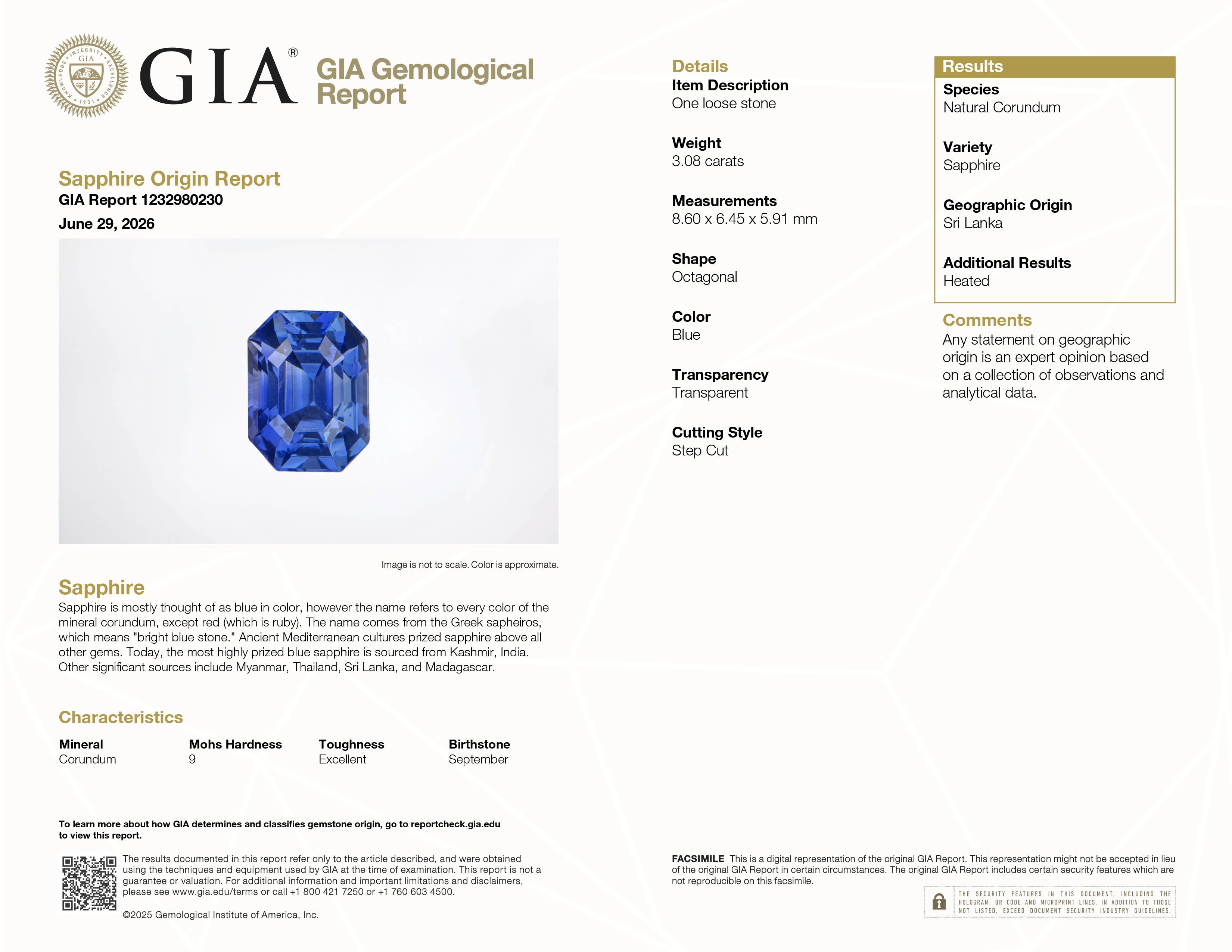
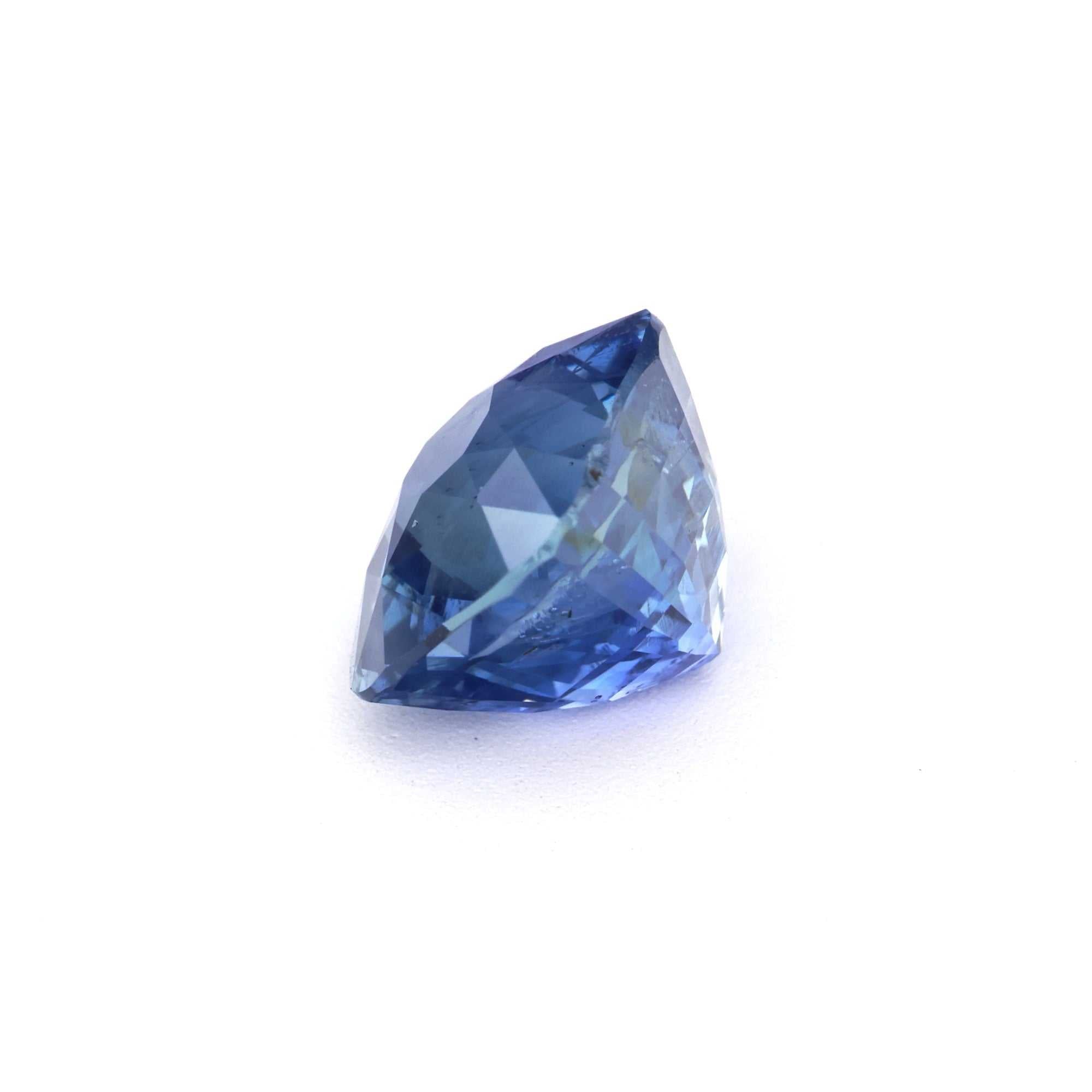
Currently in stock: a 3.08 ct step-cut Ceylon blue sapphire, GIA-documented — a rare architectural format in the benchmark sapphire color.
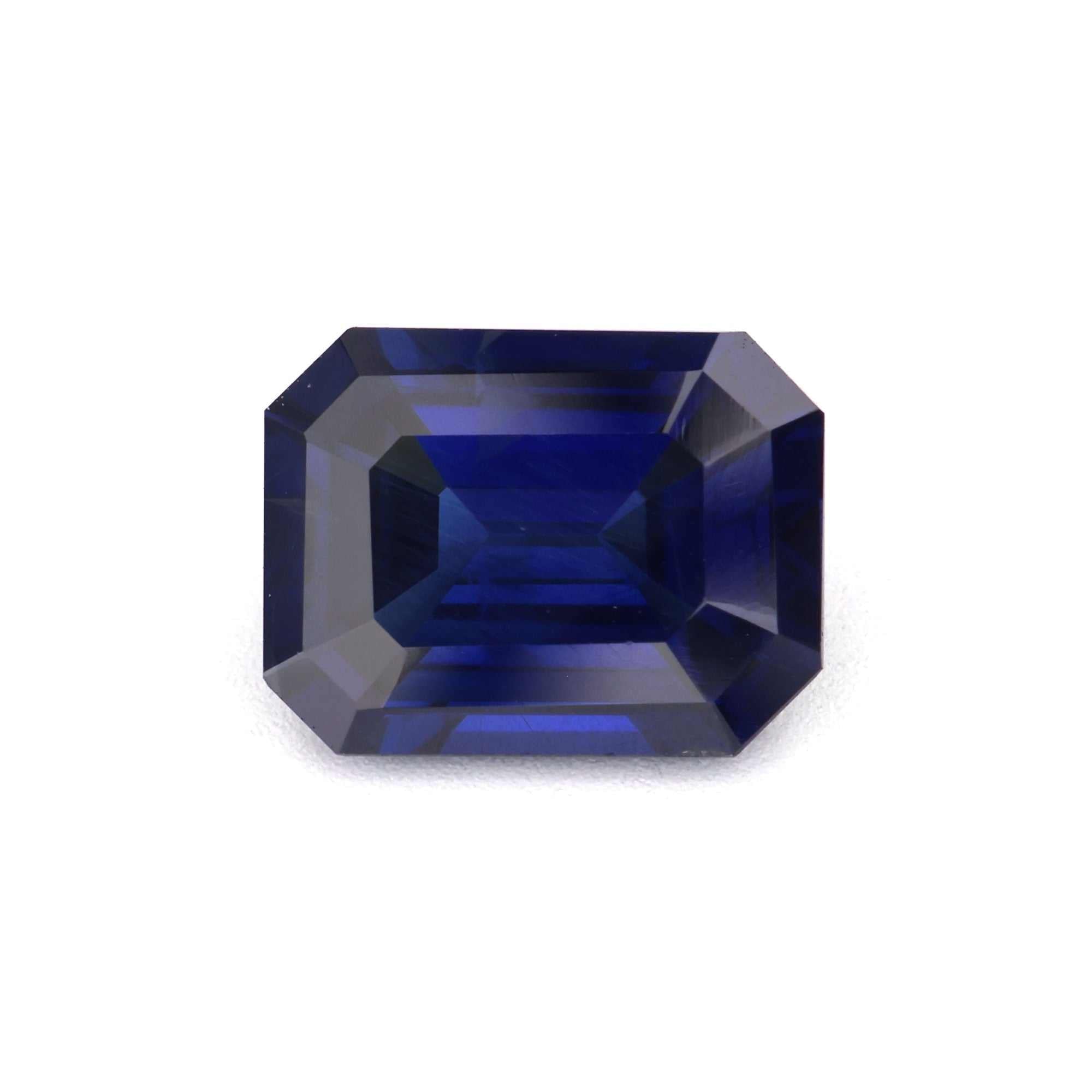
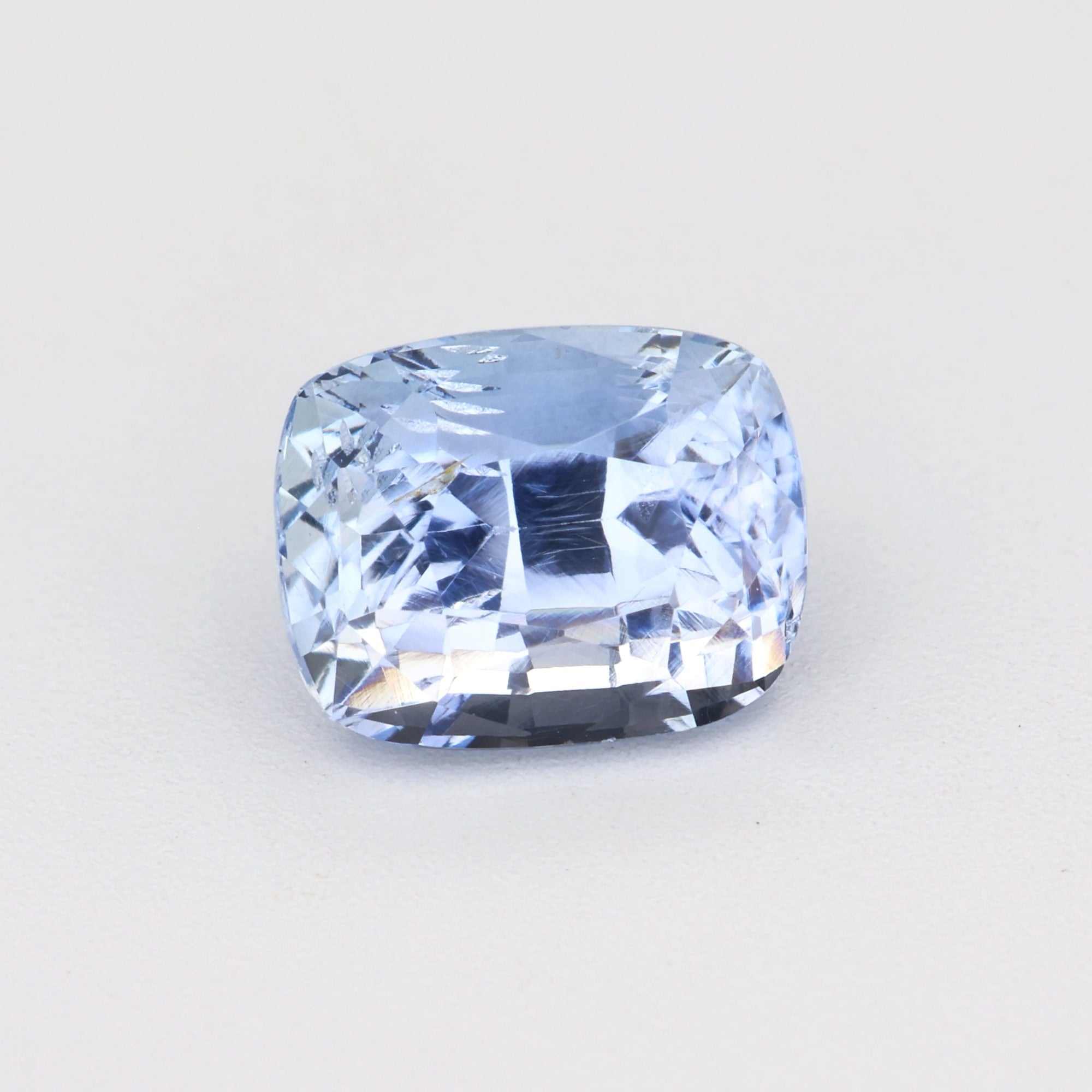
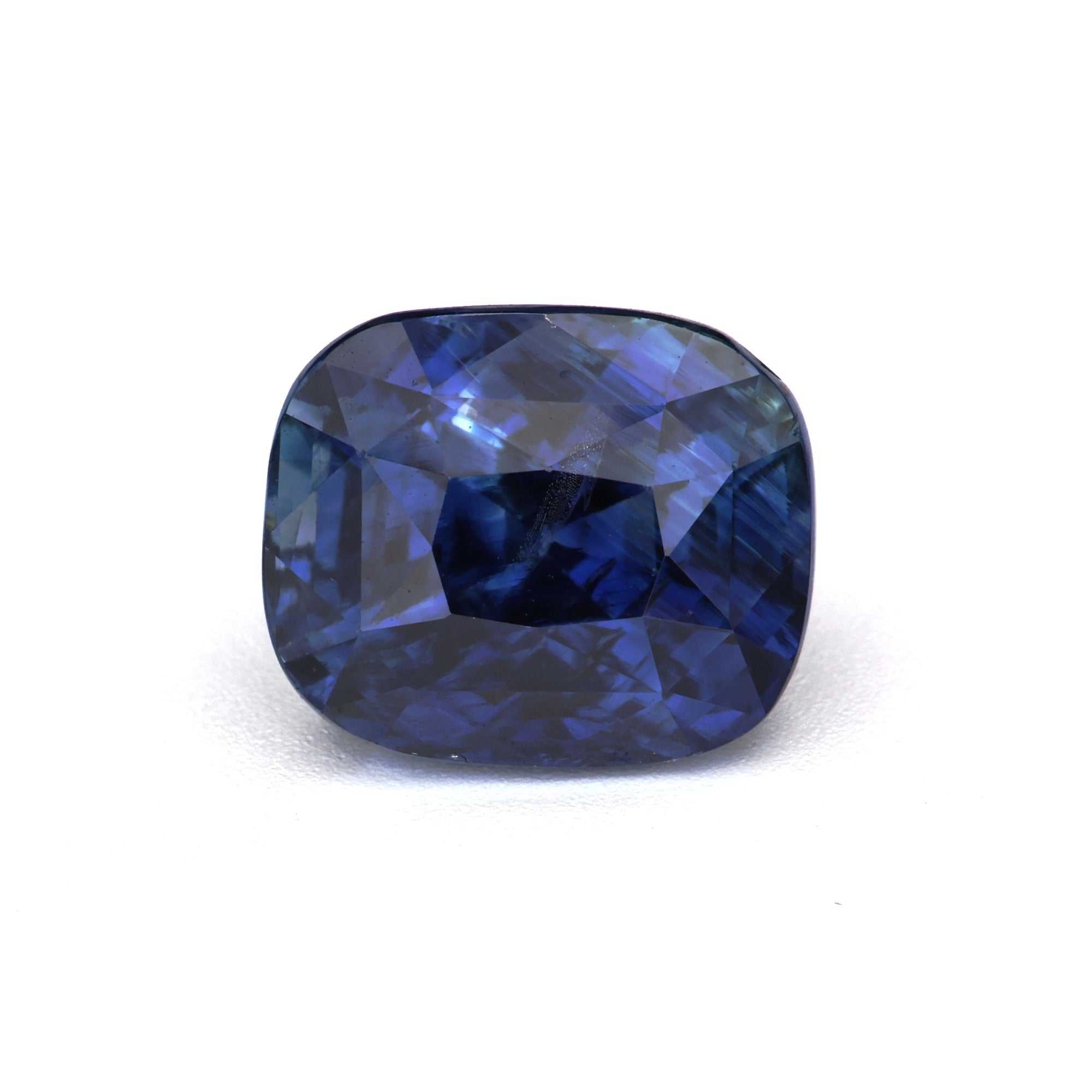
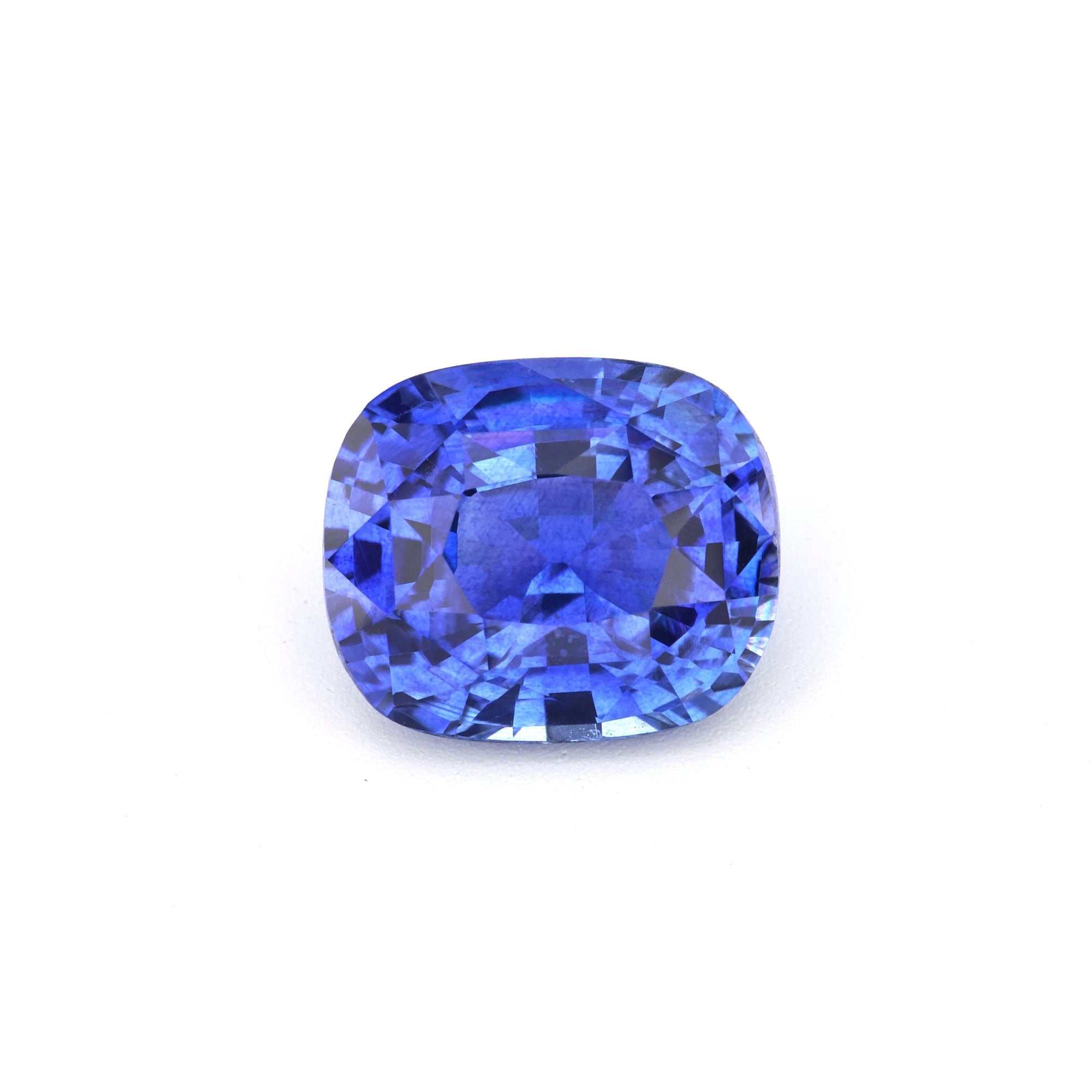
We also currently stock a 1.32 ct AGCL-certified emerald-cut Royal Blue Ceylon sapphire, heat-treated, and a 1.14 ct unheated cushion-cut Ceylon blue sapphire, offering a lighter, brighter blue for buyers who prefer a softer daytime tone.
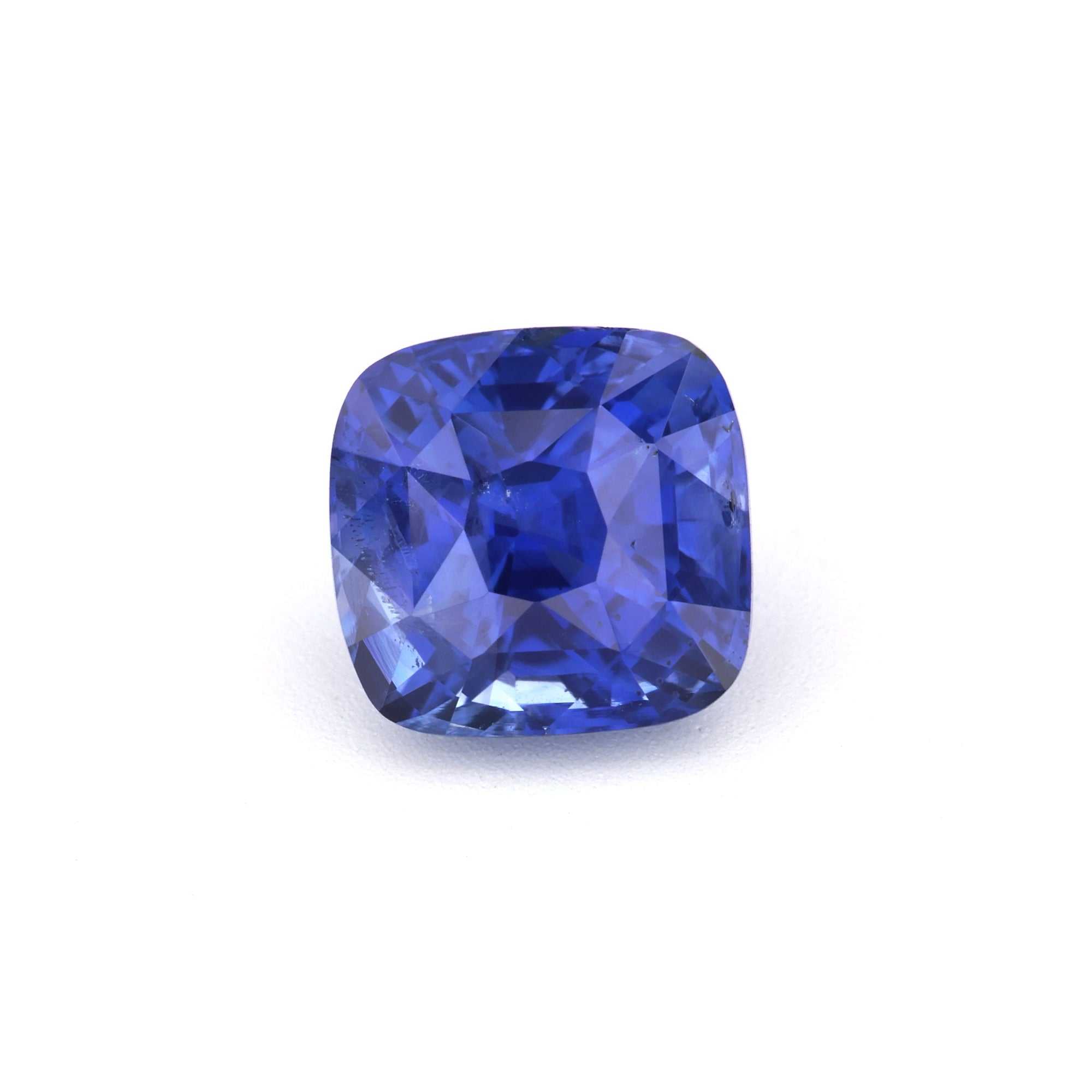
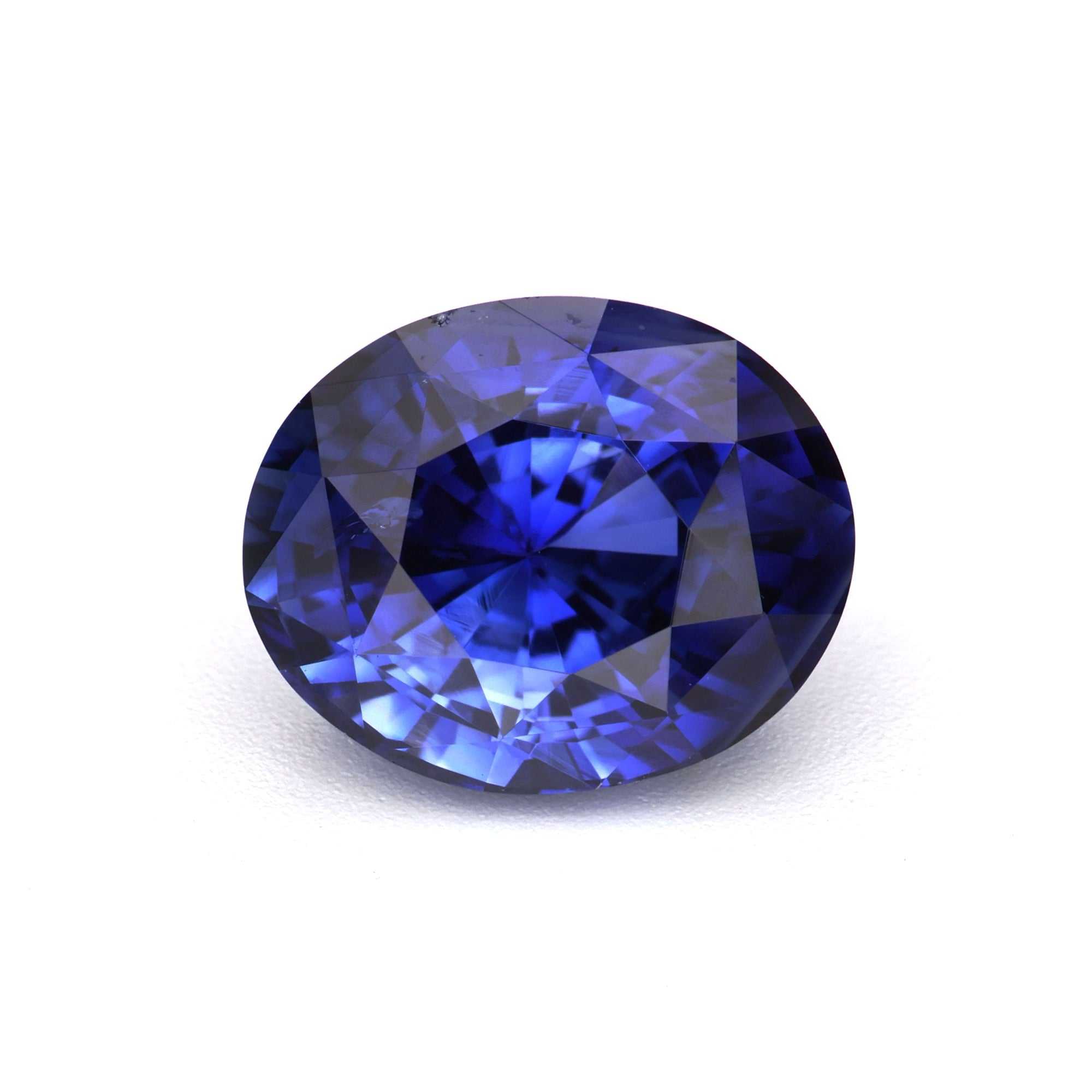
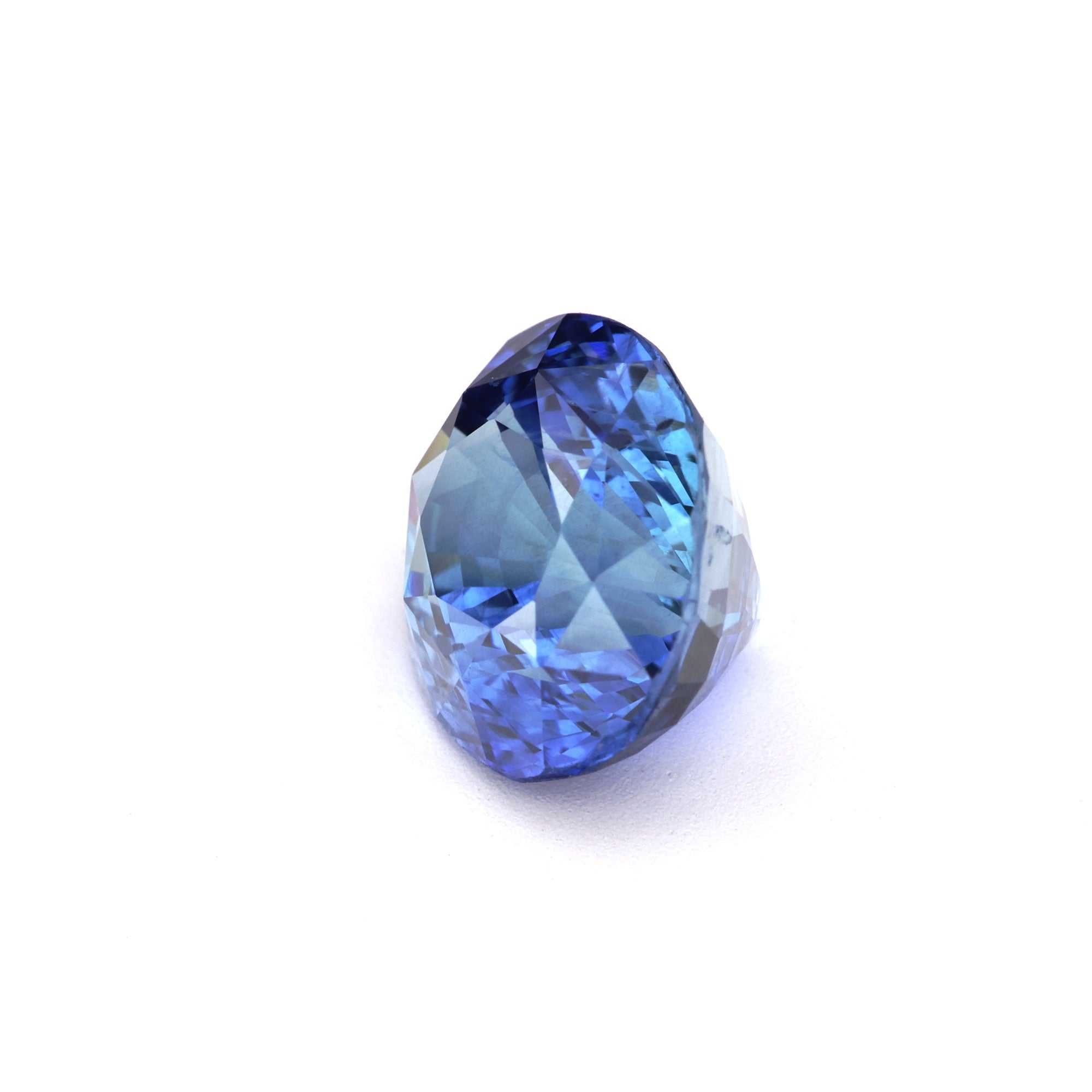
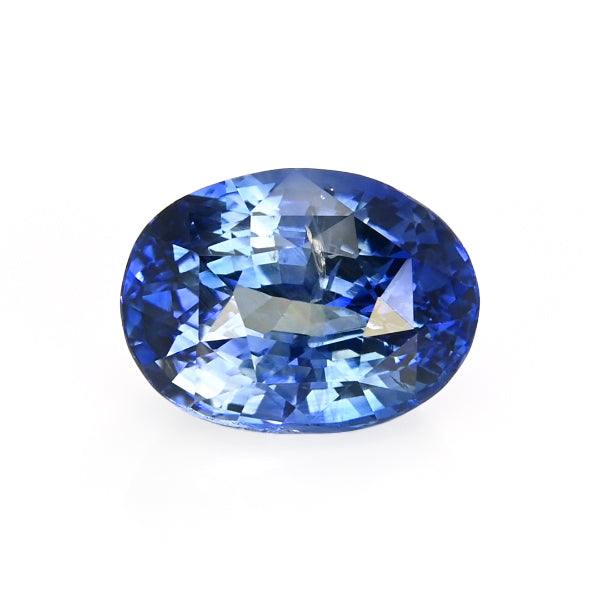
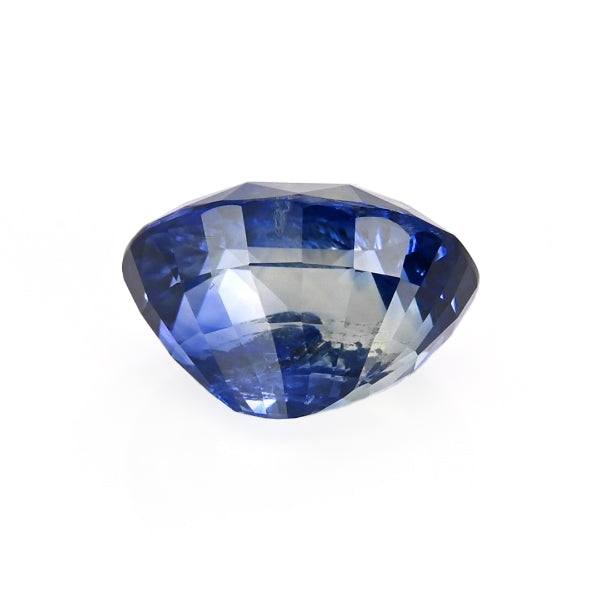
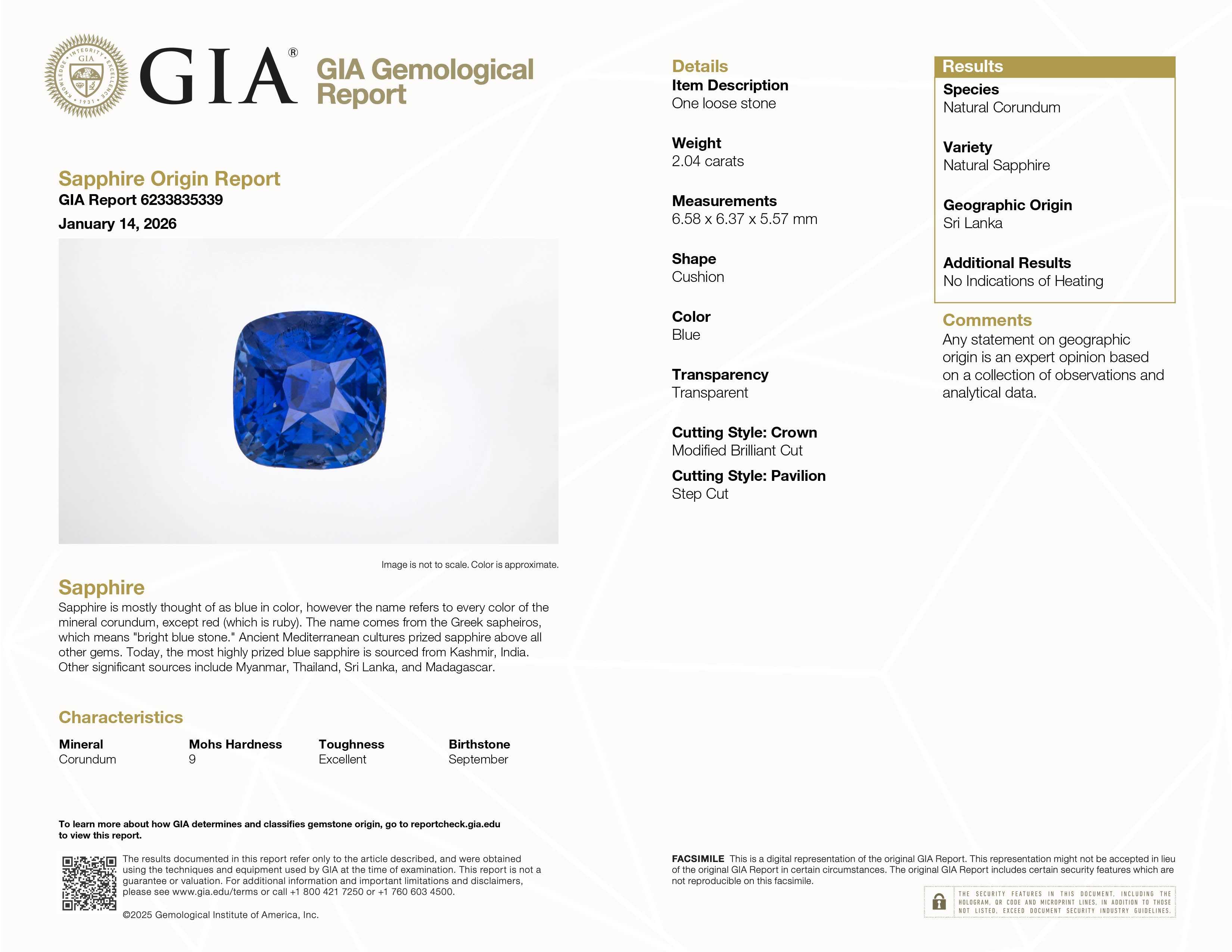
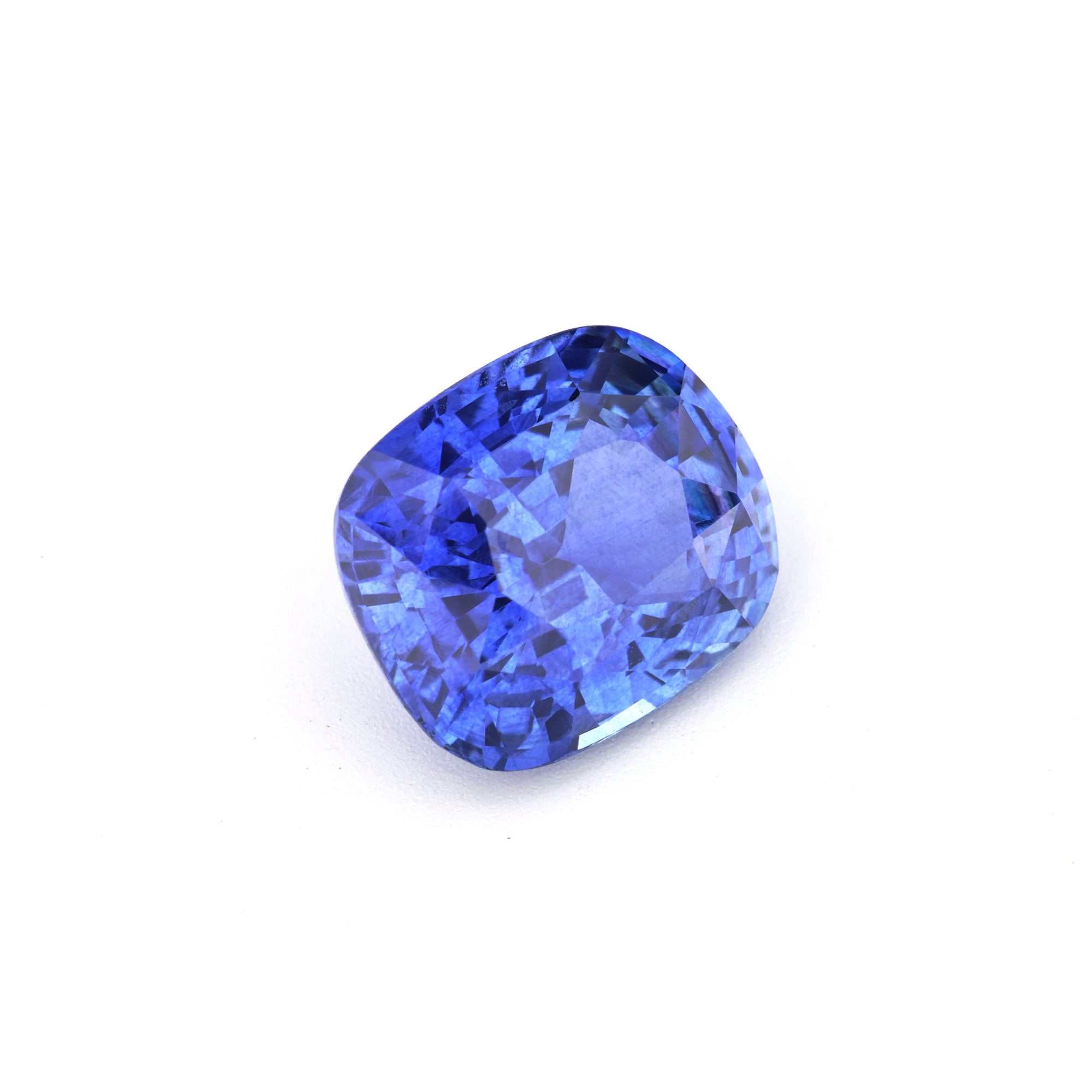
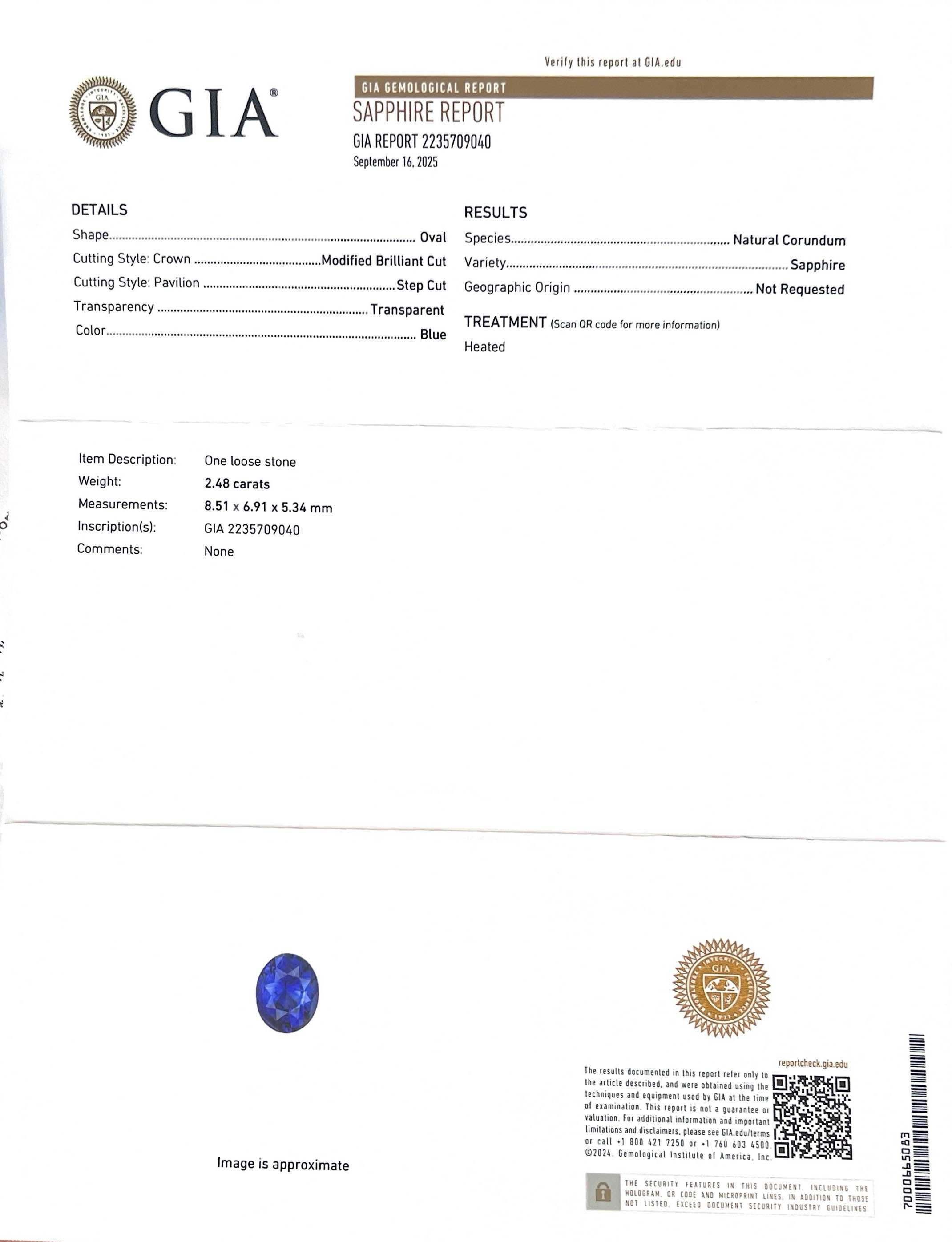
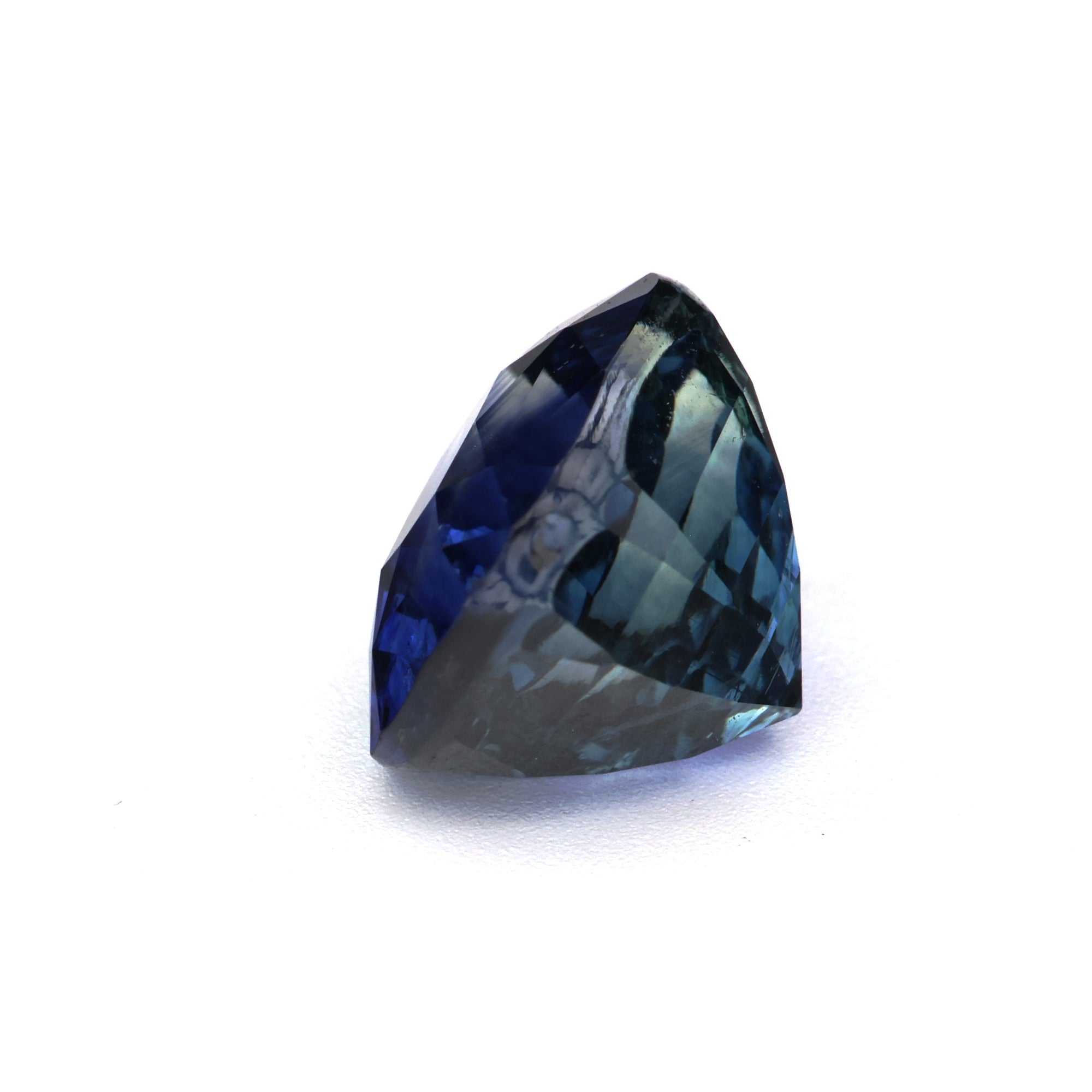
Also available: a 2.04 ct unheated square cushion-cut blue sapphire, GIA-documented (Report #6233835339), a vivid blue Ceylon stone in a less common square-cushion format, and a 4.00 ct heat-treated oval blue sapphire, GIA-documented (Report #5232835332), a substantial royal-blue Ceylon stone for buyers prioritizing size and saturation. For a deep, intensely saturated alternative, we also stock a 3.19 ct unheated cushion-cut blue sapphire, GIA-documented (Report #2235949149) — a tealish deep blue stone with Sri Lankan origin per our sourcing documentation, not GIA-verified — and a 2.48 ct heat-treated oval blue sapphire, GIA-documented (Report #2235709040), in a vivid royal blue with excellent clarity.
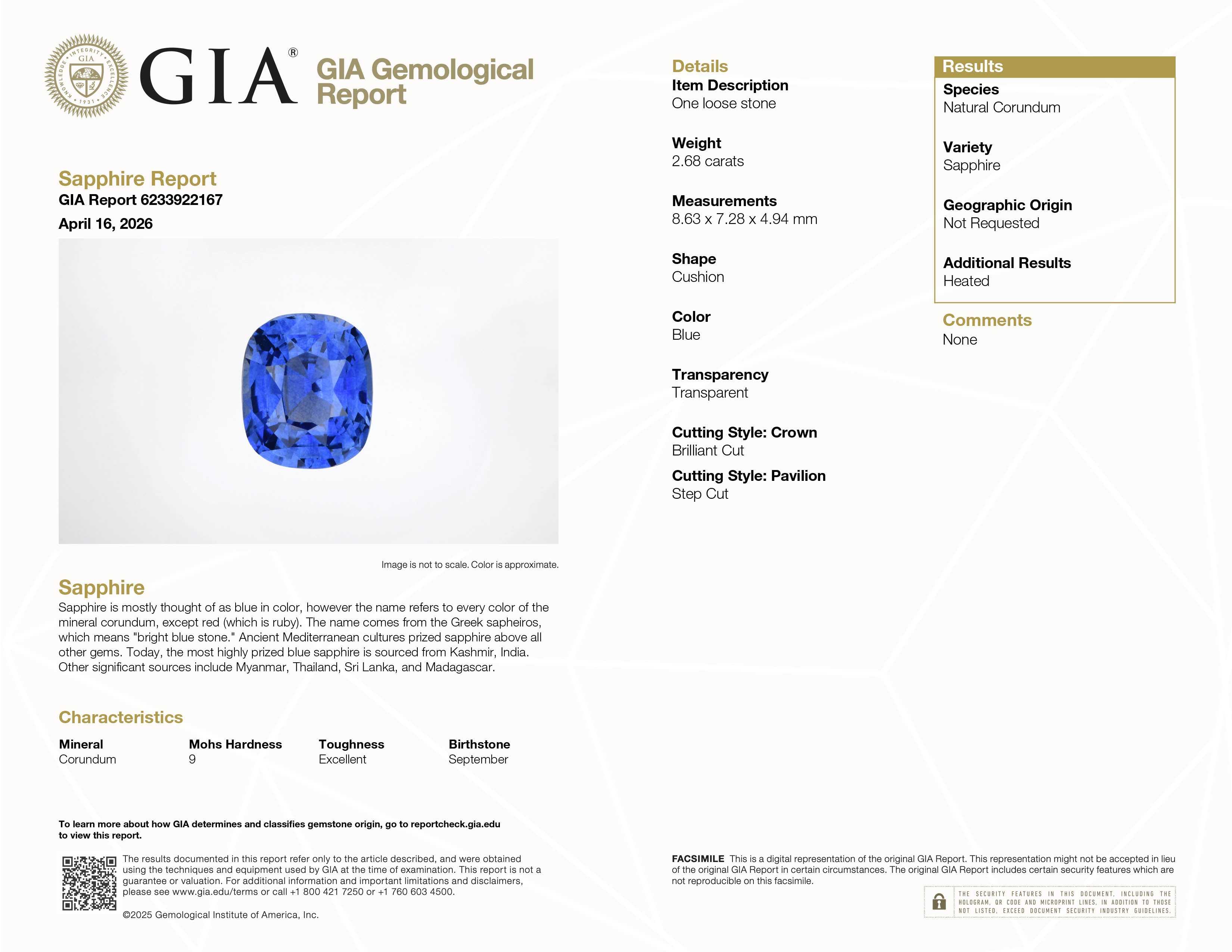
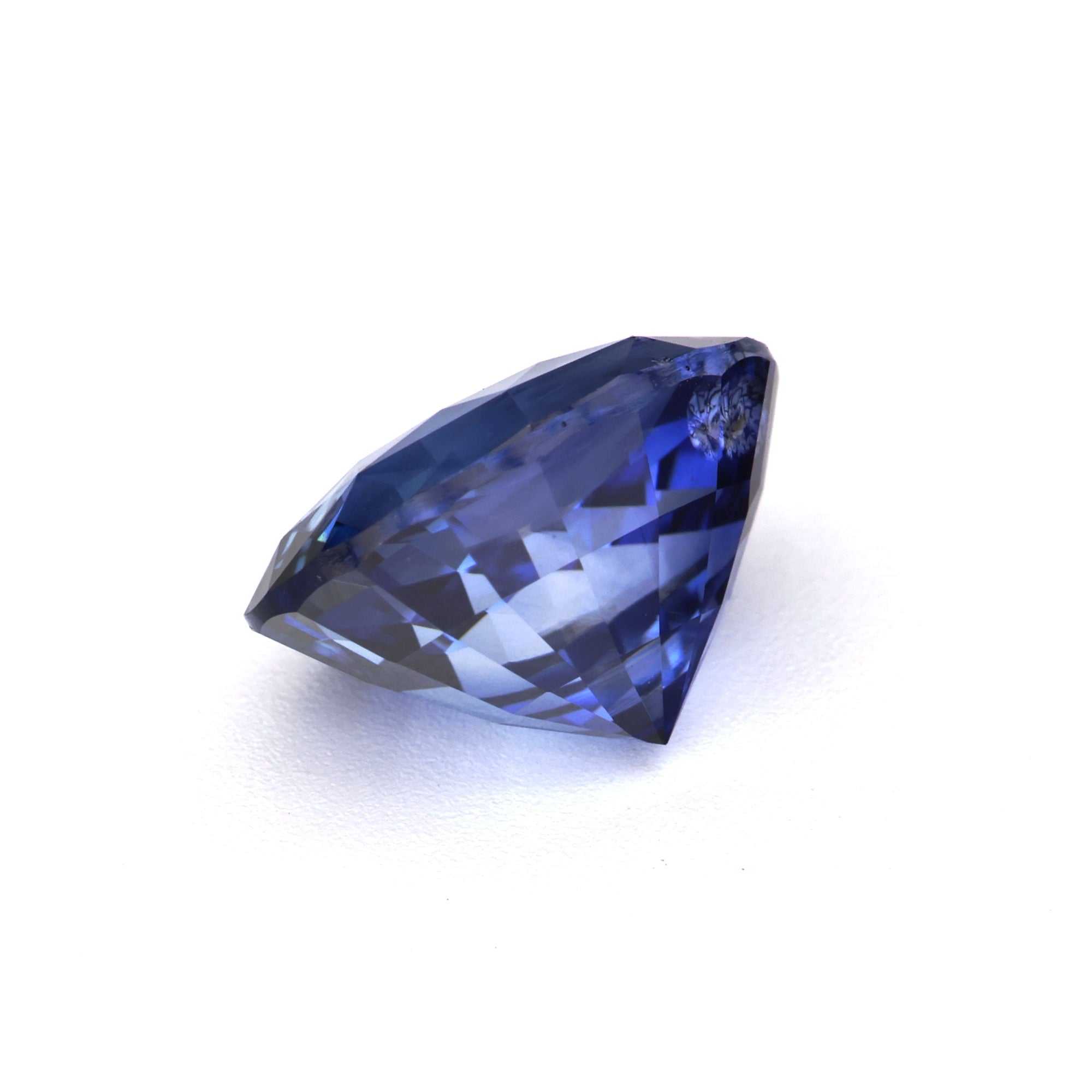
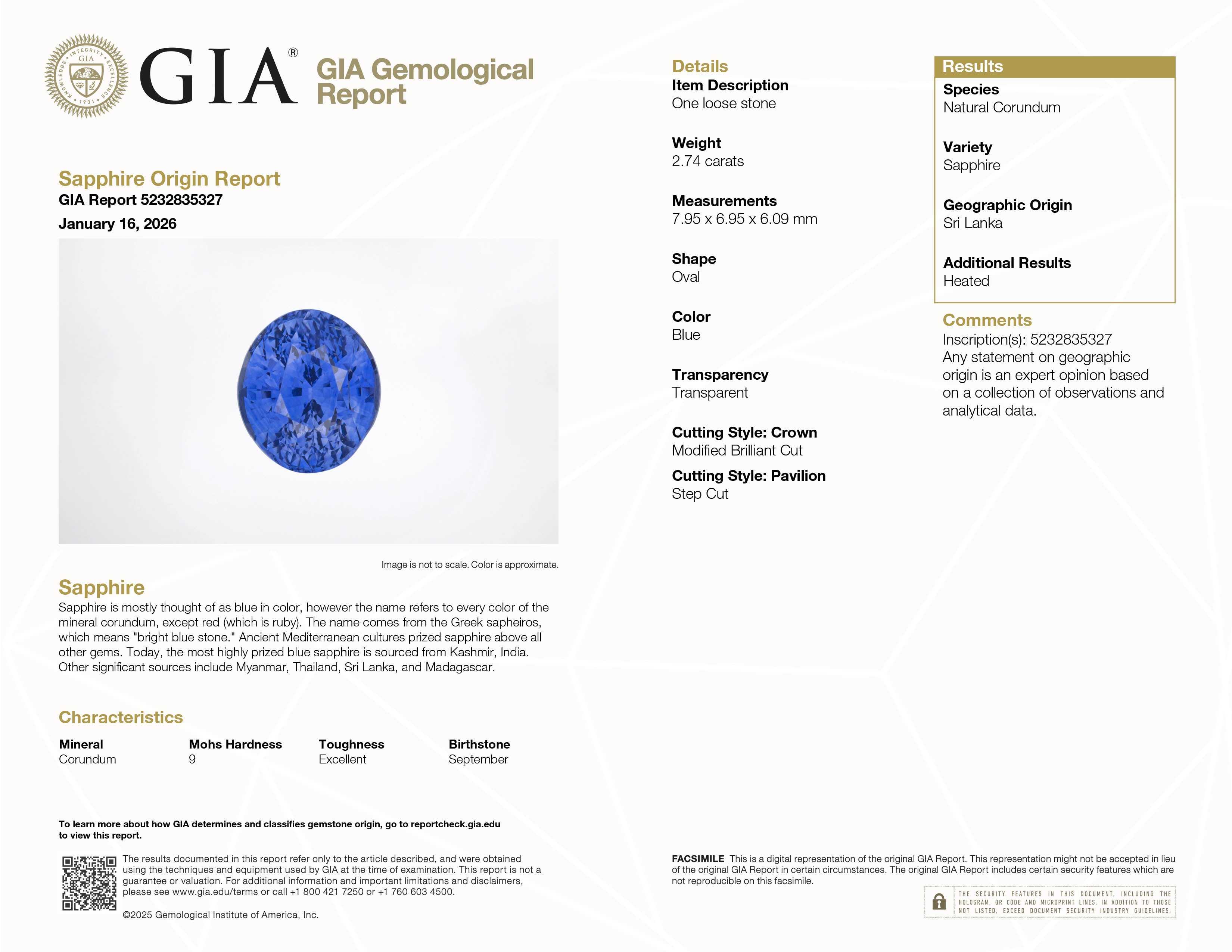
We also currently stock a 2.68 ct heat-treated cushion-cut blue sapphire, GIA-documented (Report #6233922167), in a vivid royal blue with Ceylon origin per our sourcing documentation — the GIA report itself does not address origin — and a 1.62 ct heat-treated round-cut blue sapphire, GIA-documented with Sri Lanka origin (Sapphire Origin Report #2245017785), in a classic round format. Also available: a 2.74 ct heat-treated oval-cut blue sapphire, GIA-documented with confirmed Ceylon origin (Report #5232835327), a substantial stone in the benchmark Ceylon blue color for buyers wanting size in a traditional oval cut.
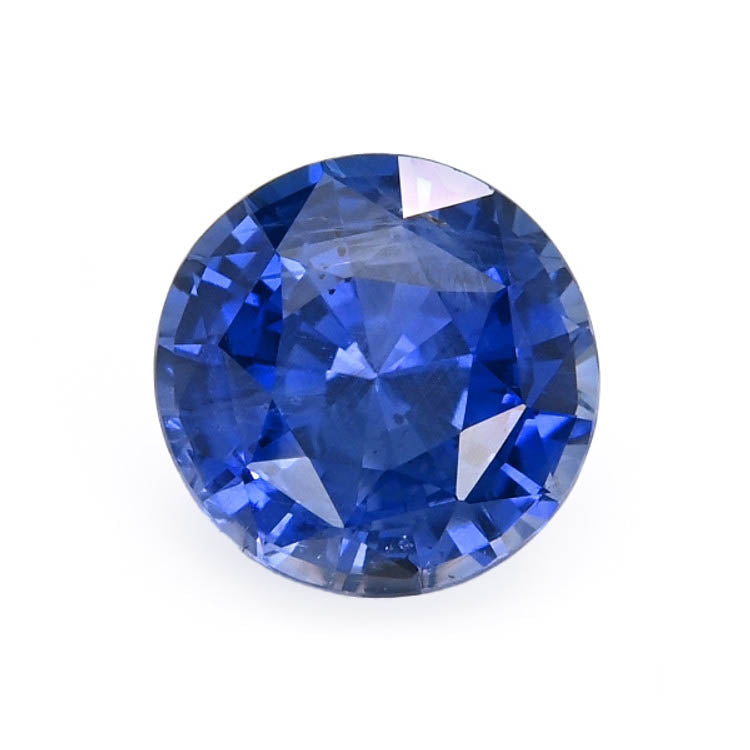
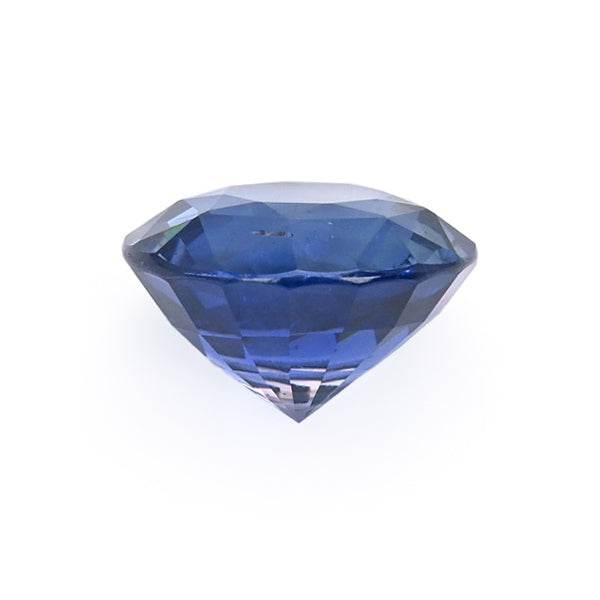
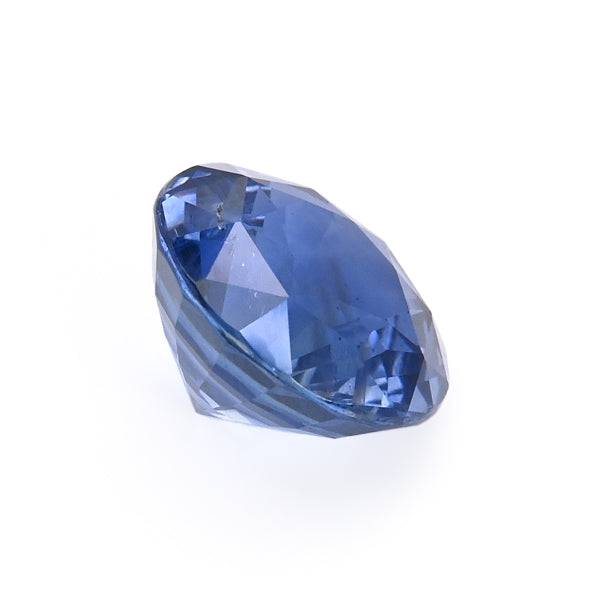
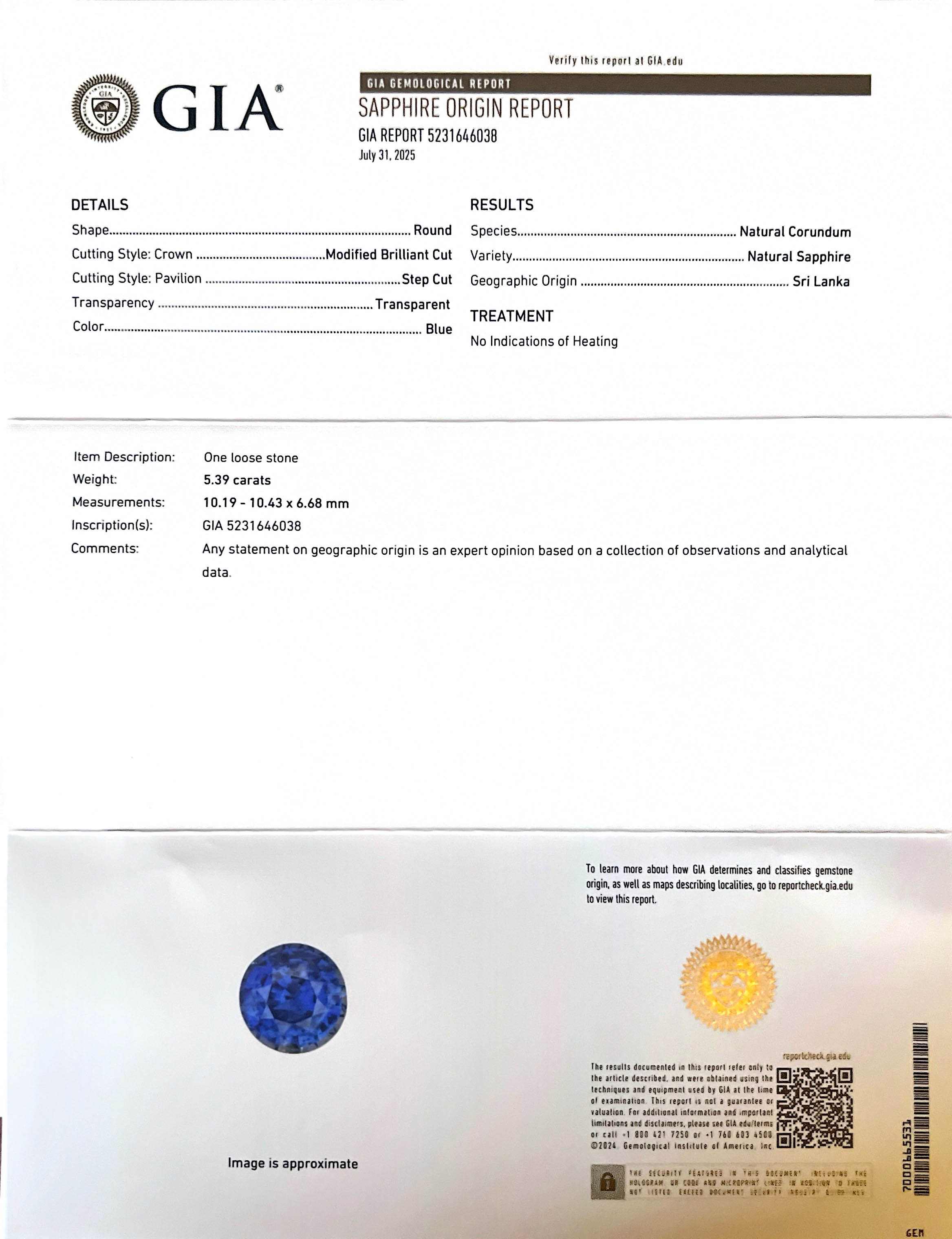
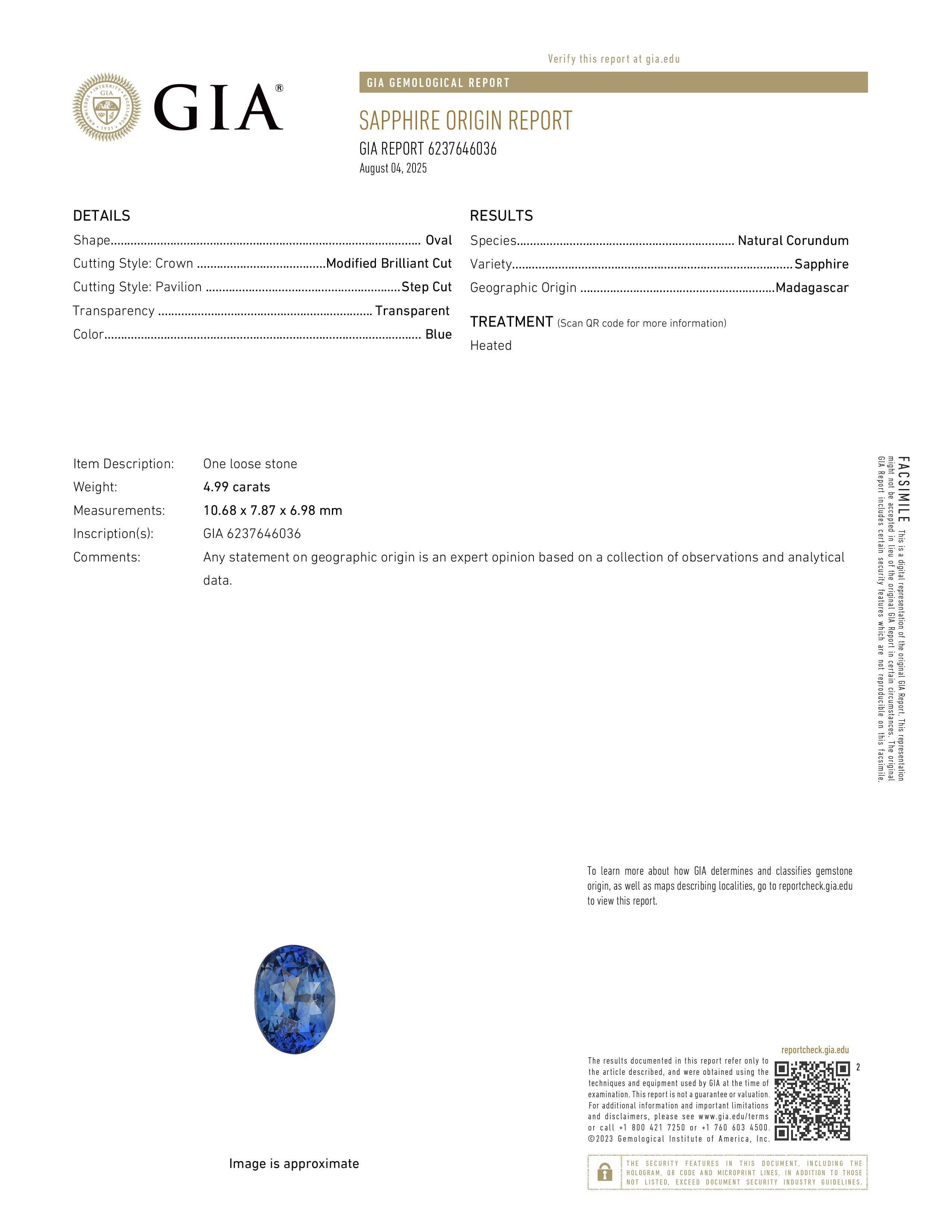
Also currently in stock: a 1.99 ct heat-treated square cushion-cut blue sapphire, GIA-documented (Report #6237949128), with Ceylon origin reflecting our own store assessment — geographic origin was not requested on the GIA report — and a 5.39 ct unheated round-cut blue sapphire, GIA-documented with confirmed Ceylon origin (Report #5231646038), an exceptional size for unheated Ceylon material above 5 carats. Also available: a 4.99 ct heat-treated oval-cut bi-color sapphire, GIA-documented with confirmed Madagascar origin (Report #6237646036), showing two distinct color zones within a single crystal, and a 1.61 ct heat-treated round-cut blue sapphire, GIA-documented with confirmed Sri Lanka origin (Report #2241017779), cut with a brilliant-faceted crown over a step-cut pavilion.
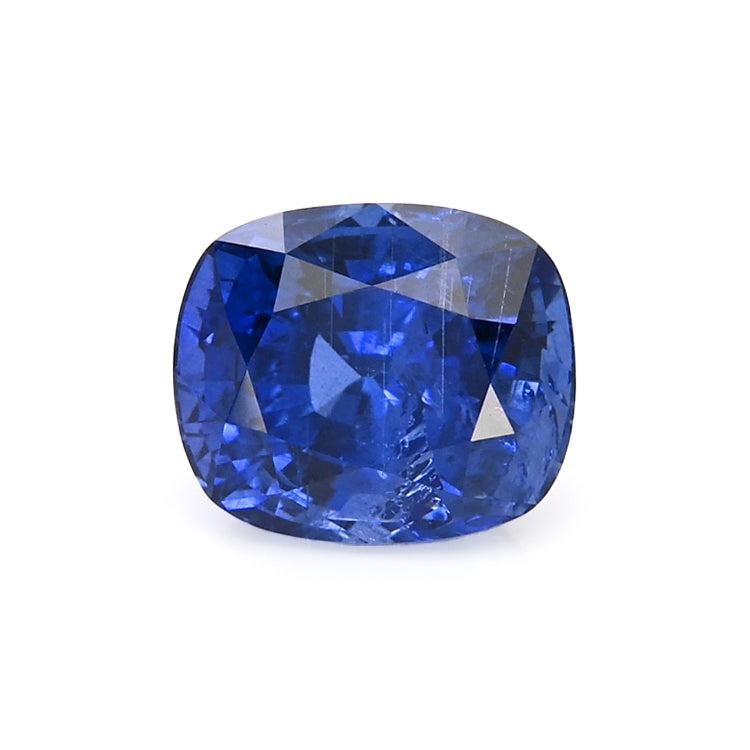
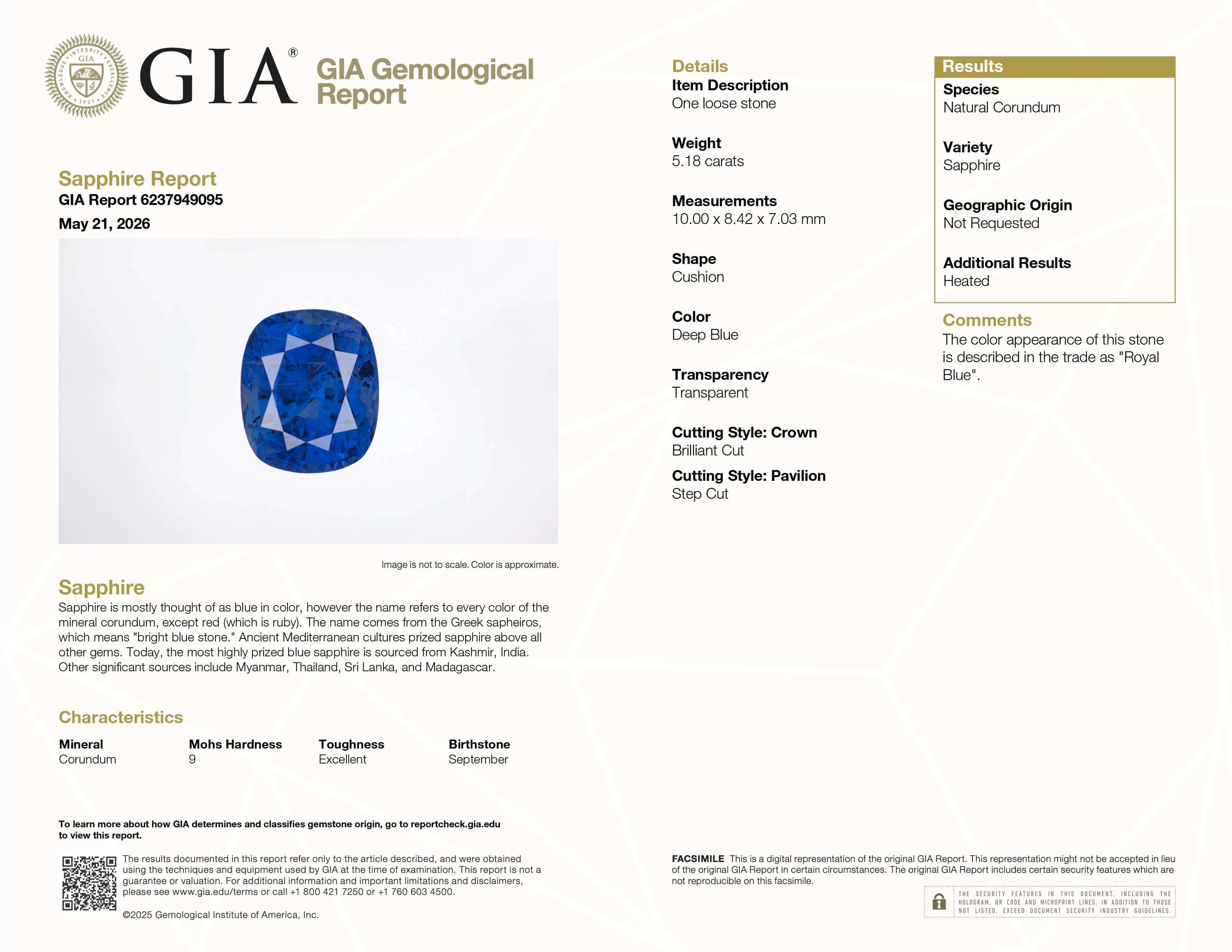
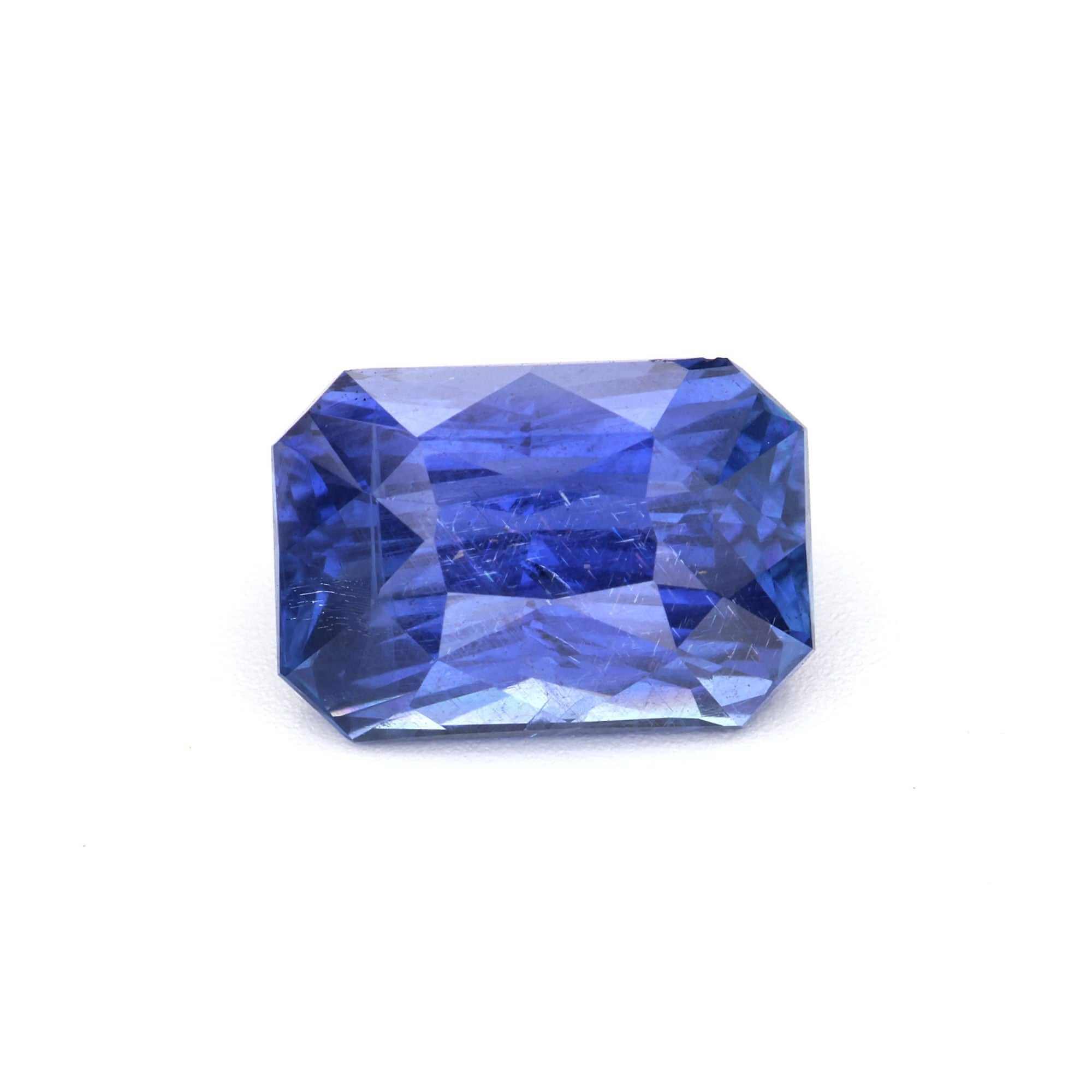
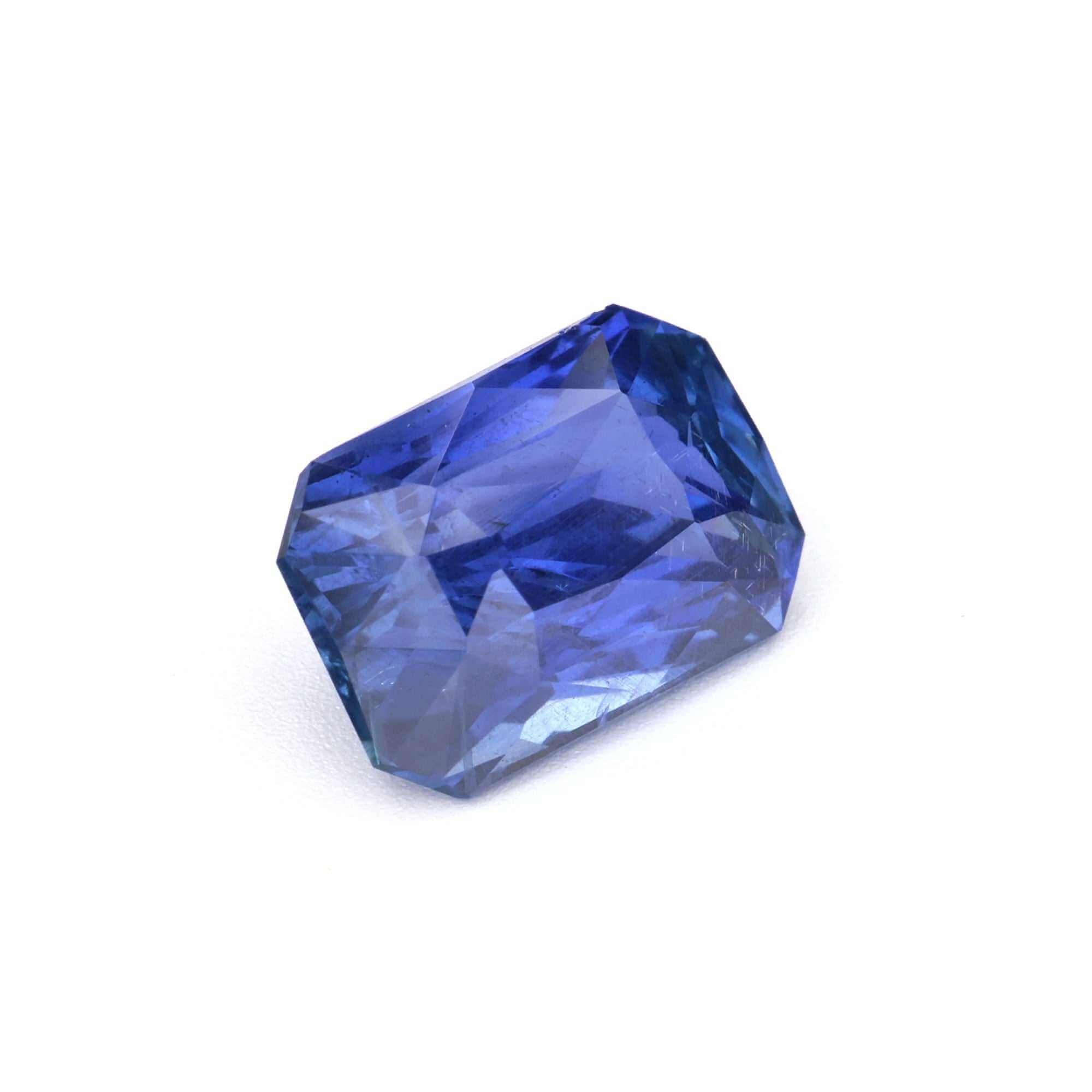
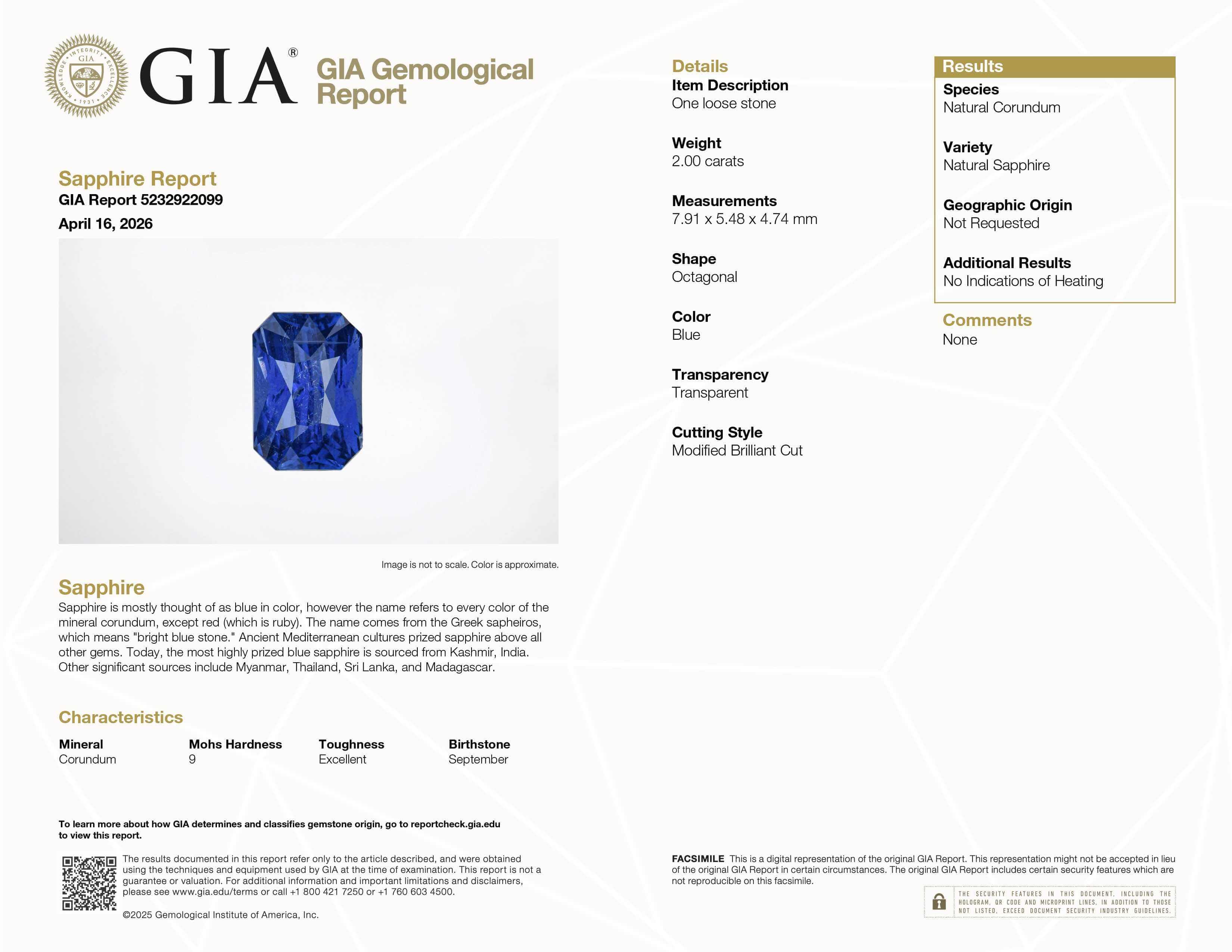
Also in stock: a 5.18 ct heat-treated cushion-cut blue sapphire, GIA-documented (Report #6237949095), with Ceylon origin reflecting our own store assessment — geographic origin was not requested on the GIA report — a substantial center stone above 5 carats, and a 2.008 ct unheated radiant-cut blue sapphire, GIA-documented (Report #5232922099), with Ceylon origin reflecting our own store assessment — the GIA report does not address origin — a brilliant, modern-faceted alternative to the more traditional cuts above.
We also currently stock a 1.75 ct heat-treated round-cut Ceylon blue sapphire, GIA-documented (Report #2243032036), an eye-clean, well-proportioned round brilliant in the classic medium-intense Ceylon blue, and a 2.05 ct heat-treated radiant-cut Ceylon blue sapphire, GIA-documented (Report #5242032116), a loupe-clean stone above the 2-carat threshold where clean, well-cut material becomes noticeably scarcer.
Our blue sapphire collection covers the full quality range. Browse by treatment: all unheated blue sapphires. Browse by size: Ceylon blue under 1 carat · over 1 carat · over 2 carats. For collector pieces: collection of stones with GIA reports. Our Try-On program ships selected stones for in-hand evaluation before commitment. Email crescentgems@gmail.com with any question. Free US shipping; 14-day returns.
Want the paperwork alongside the color? Browse our GIA-documented blue sapphires — every stone ships with its lab report.

CG8443

CG8425
CG8426
Prices are shown in your local currency and may change.
CG8259
CG8443
CG8353


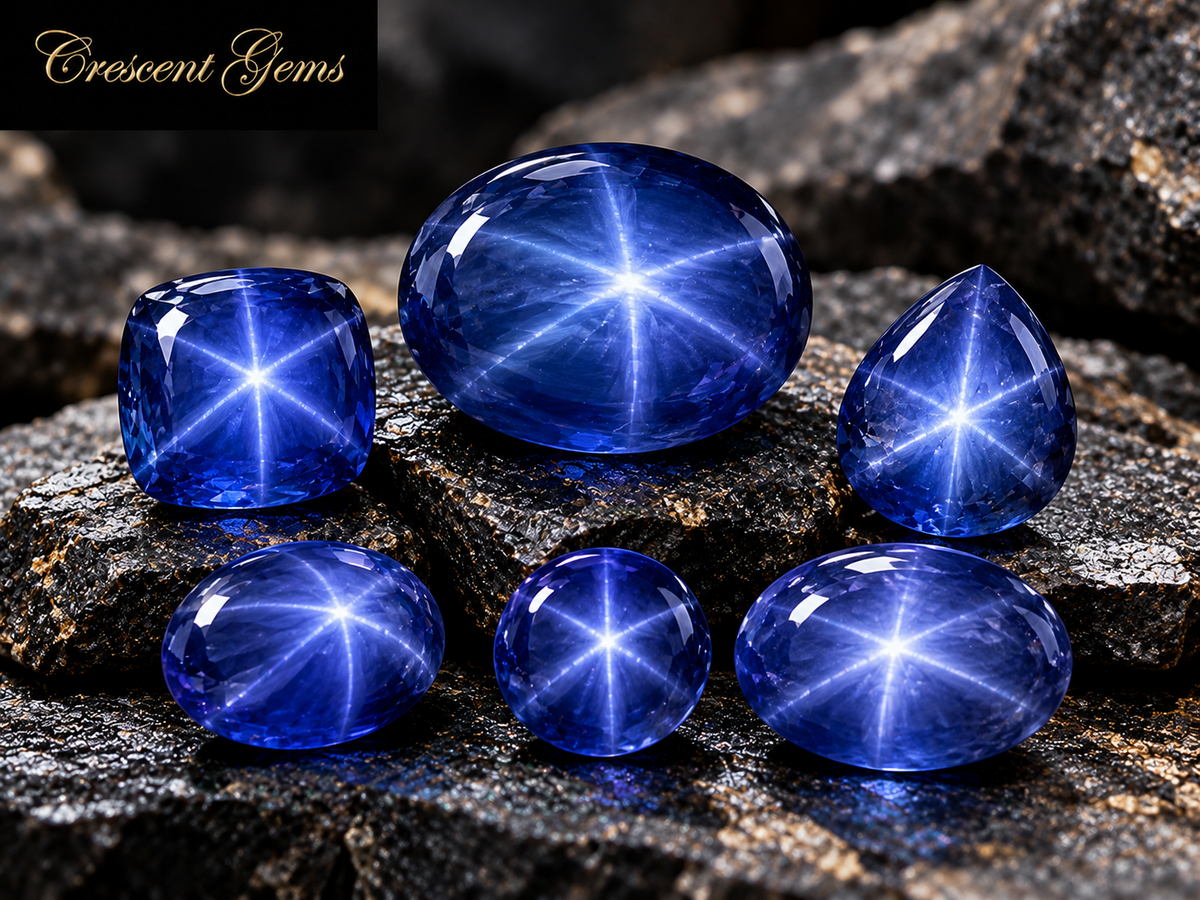
Blue Star Sapphire Price Guide — What They Cost and Why
Read moreabout Blue Star Sapphire Price Guide — What They Cost and Why
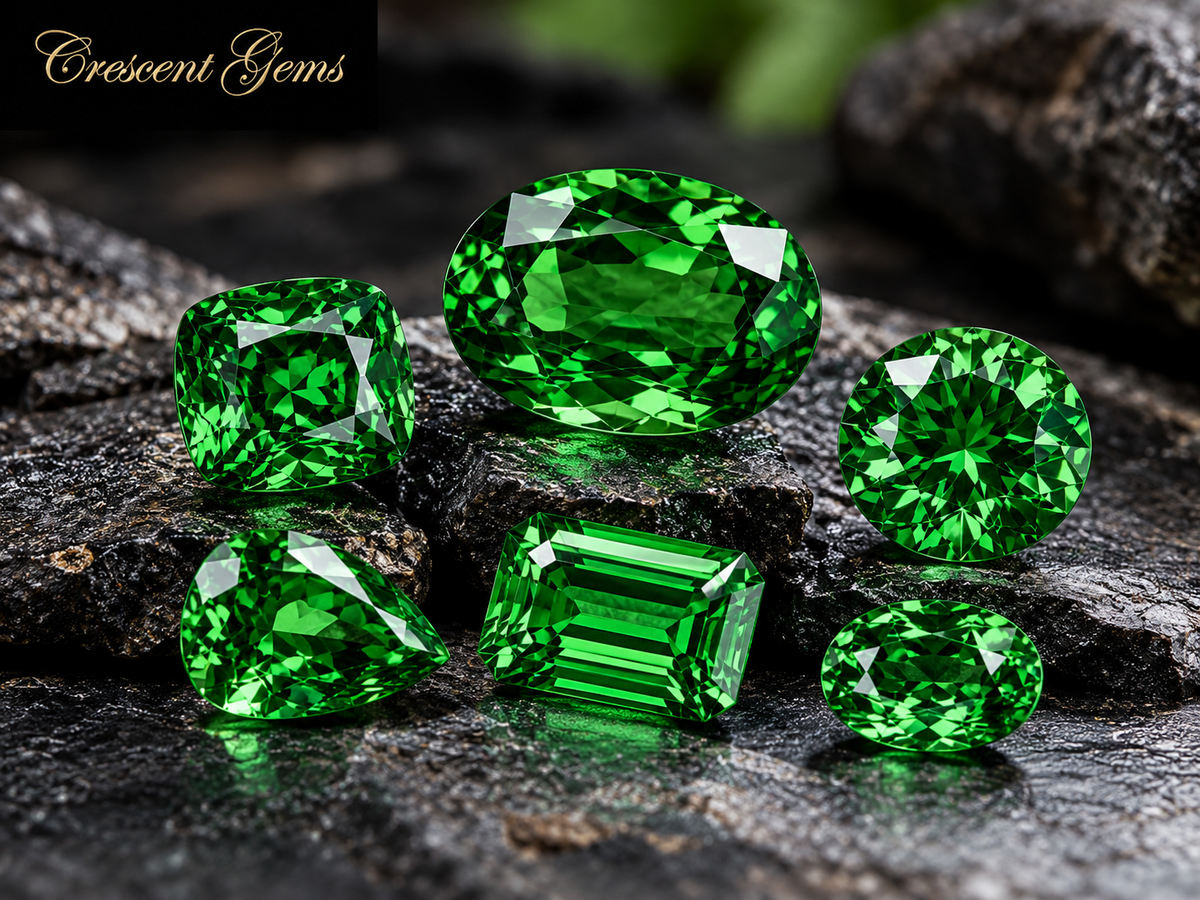
Tsavorite Garnet Price Guide — What They Cost and Why
Read moreabout Tsavorite Garnet Price Guide — What They Cost and Why
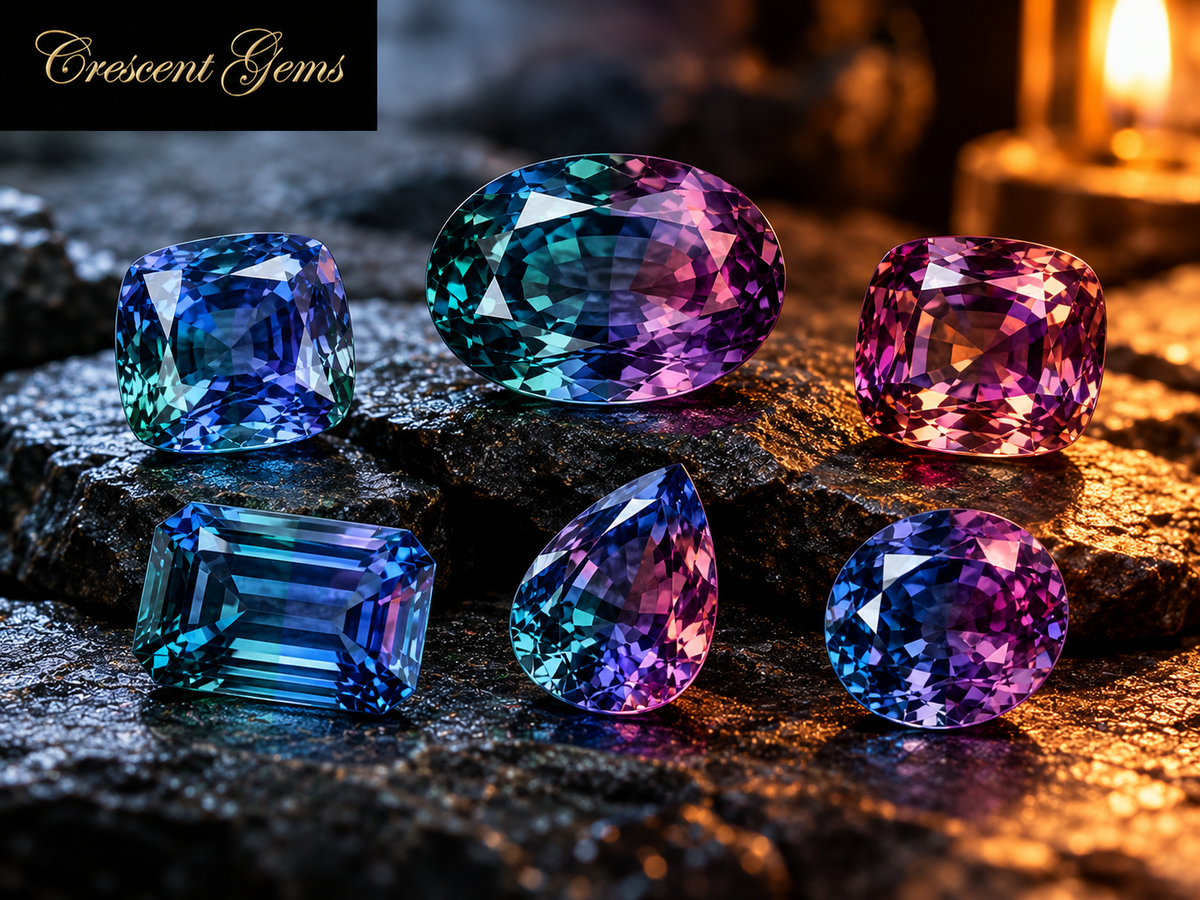
Color-Change Sapphire Price Guide — What They Cost and Why
Read moreabout Color-Change Sapphire Price Guide — What They Cost and Why
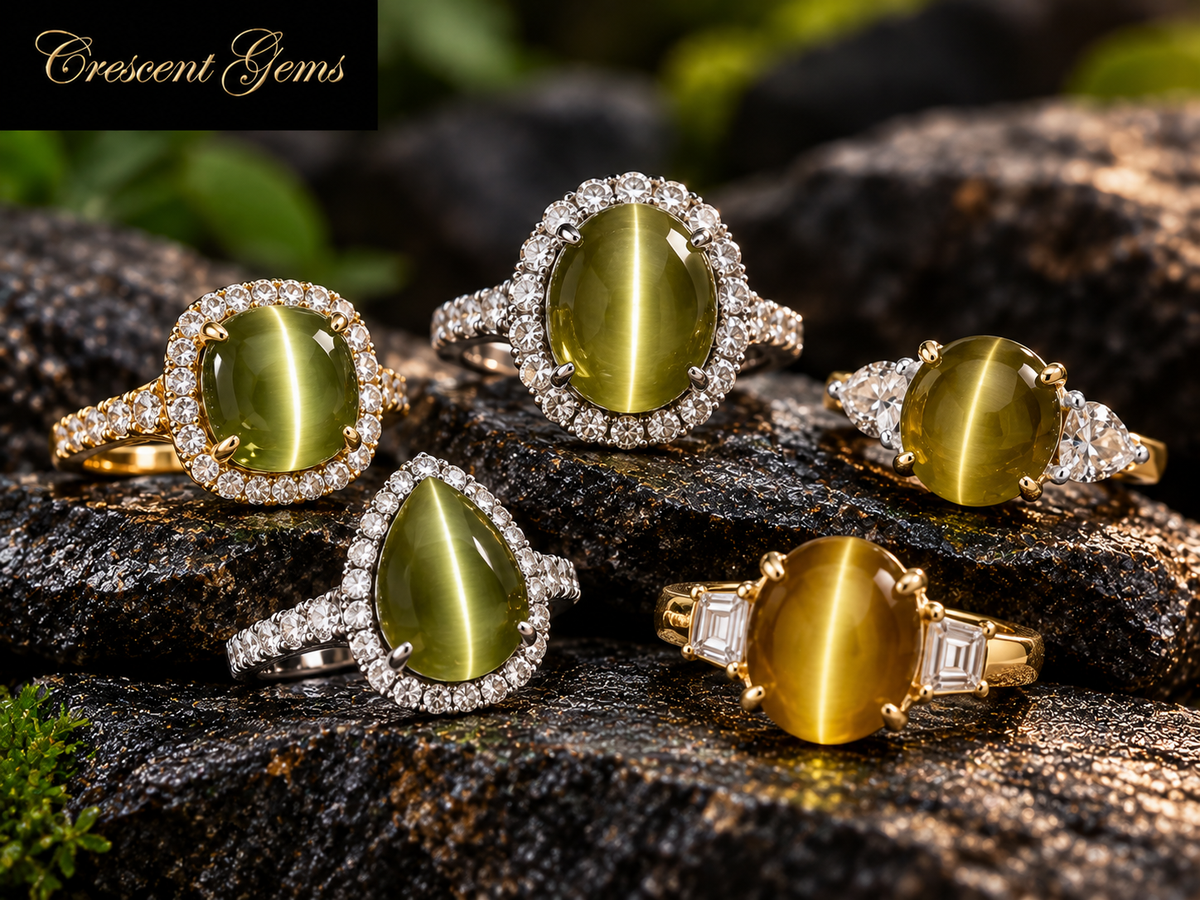
Is Cat's-Eye Chrysoberyl Good for an Engagement Ring?
Read moreabout Is Cat's-Eye Chrysoberyl Good for an Engagement Ring?
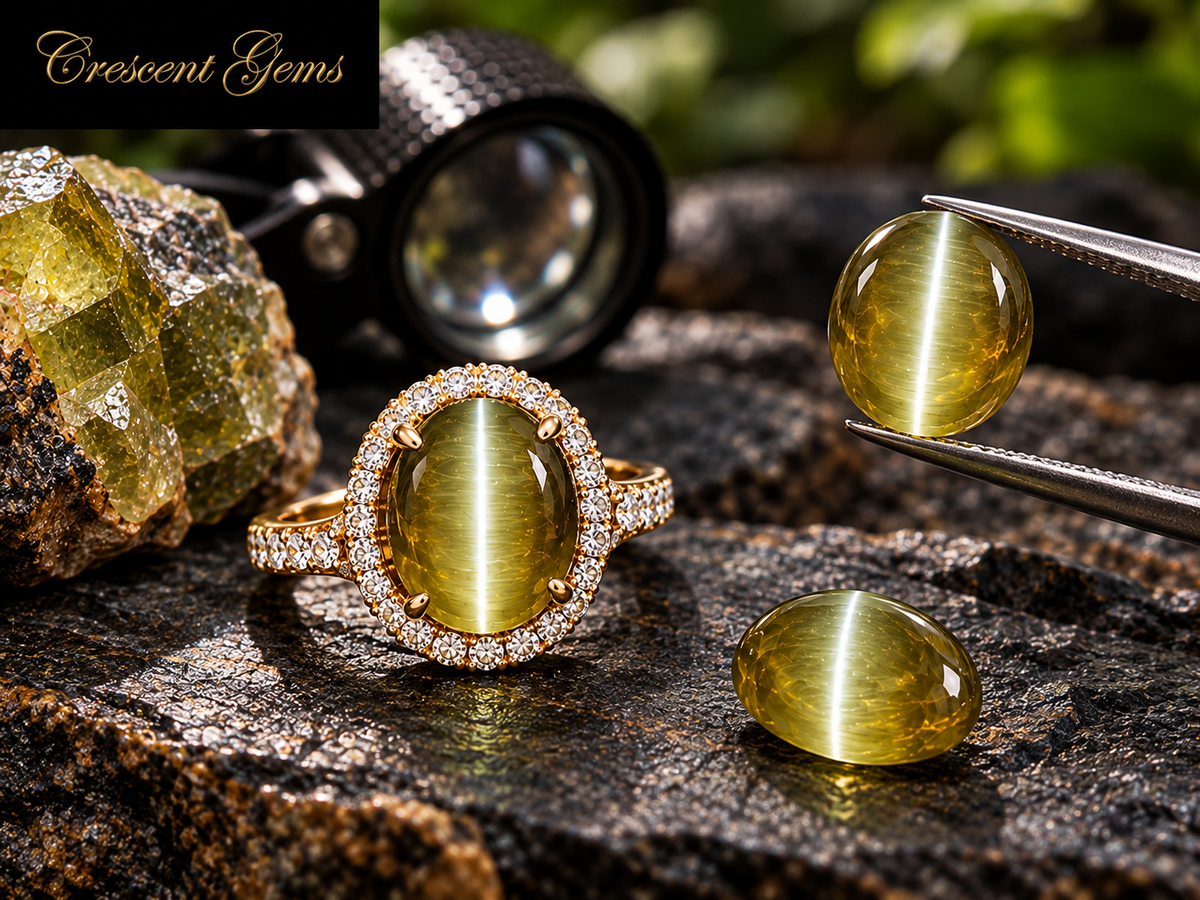
Cat's Eye Chrysoberyl Price Guide — What They Cost and Why
Read moreabout Cat's Eye Chrysoberyl Price Guide — What They Cost and Why