New to buying sapphires? Start with our Ultimate Sapphire Buying Guide — the complete resource for colour, origin, treatment, and pricing.

The question of which sapphire color looks best against a specific skin tone is one of the most personal and most practical questions in colored gemstone buying. It matters because a gemstone ring is worn against the hand every day — in every light, in every context, in constant proximity to the skin. A stone that clashes with your skin tone does not look right regardless of its quality; a stone that harmonizes with it looks better than its price point alone would suggest.

The standard advice — cool stones for cool skin, warm stones for warm skin — is a useful starting point but significantly oversimplified. The actual interaction between sapphire color, skin tone, and setting metal is more nuanced, and the most useful guidance is more specific than a simple warm-cool matching rule. This guide provides that specificity, working through the main skin tone categories and the sapphire colors that interact with each most effectively.

One important qualification before starting: these are guidelines, not rules. Personal preference, cultural context, and the specific aesthetic you are building for your ring all legitimately override any general recommendation. Use this guide as a starting framework, not a constraint.

Understanding Skin Tone and Undertone

Skin tone advice works best when it distinguishes between two different things that are often conflated: depth (how light or dark the skin is) and undertone (the underlying hue that shows through the surface).

Depth runs from very fair through light, medium, olive, and tan to deep and very deep. Undertone is the underlying hue — cool (pink, red, or bluish), warm (yellow, peachy, or golden), or neutral (a balance of both).

To identify your undertone: look at the veins on the inside of your wrist in natural daylight. Blue or purple veins suggest a cool undertone. Green veins suggest a warm undertone. Blue-green veins suggest neutral. Alternatively, notice whether silver or gold jewelry tends to flatter you more — silver suits cool undertones; gold suits warm; both suit neutral.

Skin Tone Spectrum

Fair
Cool

Fair
Warm

Medium
Olive

Tan
Brown

Deep

Fair to Light Skin — Cool Undertone

Fair / Light Skin — Cool (Pink or Rosy) Undertone
Veins appear blue or purple. Silver jewelry tends to flatter more than gold.

Fair to light skin with cool (pink or rosy) undertones is the skin type most associated with traditional blue sapphire engagement rings — and the association has genuine optical logic behind it. Cool-toned fair skin and vivid blue sapphire create a harmonious cool palette where both the stone and the skin share the same undertone family. The blue does not compete with the skin; it complements it.

Best sapphire colors:

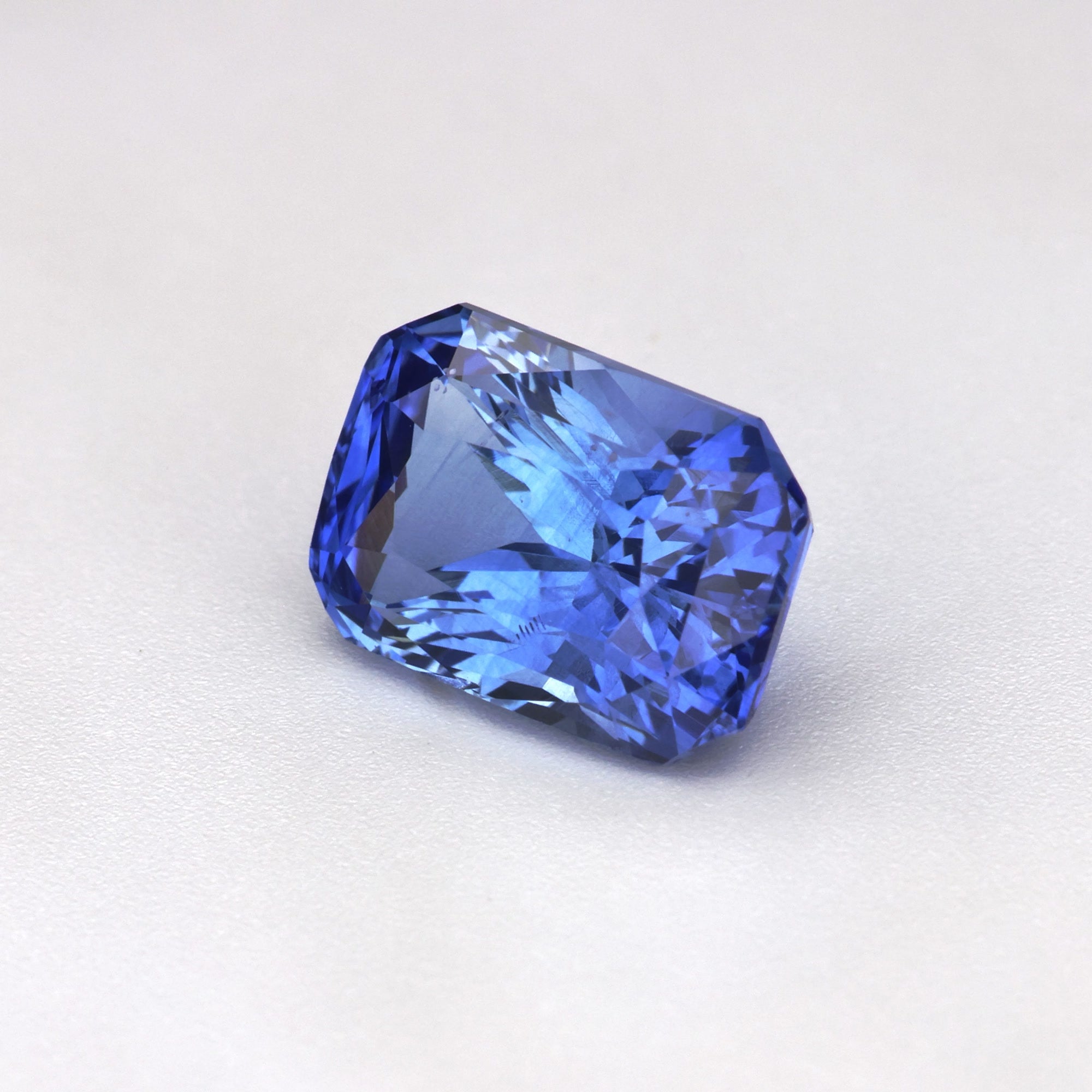
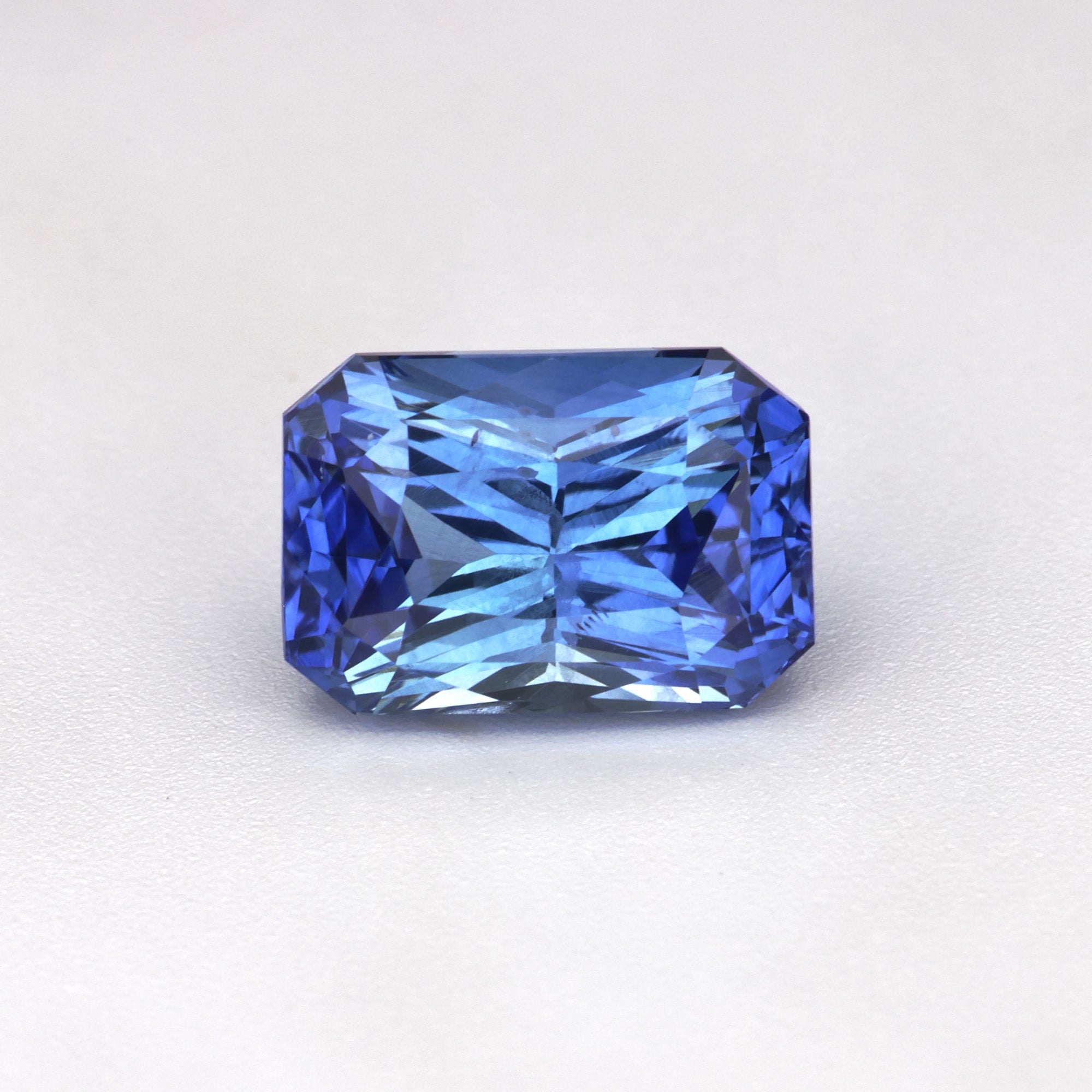
  • Royal blue and cornflower blue: The classic pairing. Vivid mid-tone blue on fair cool skin is striking without being harsh. The stone's saturation provides the color contrast while the shared cool undertone creates harmony.
  • Teal: The blue-green of teal reads particularly well on fair cool skin — the blue component harmonizes while the green adds visual interest and distinctiveness. Teal is the strongest non-traditional choice for this skin type.
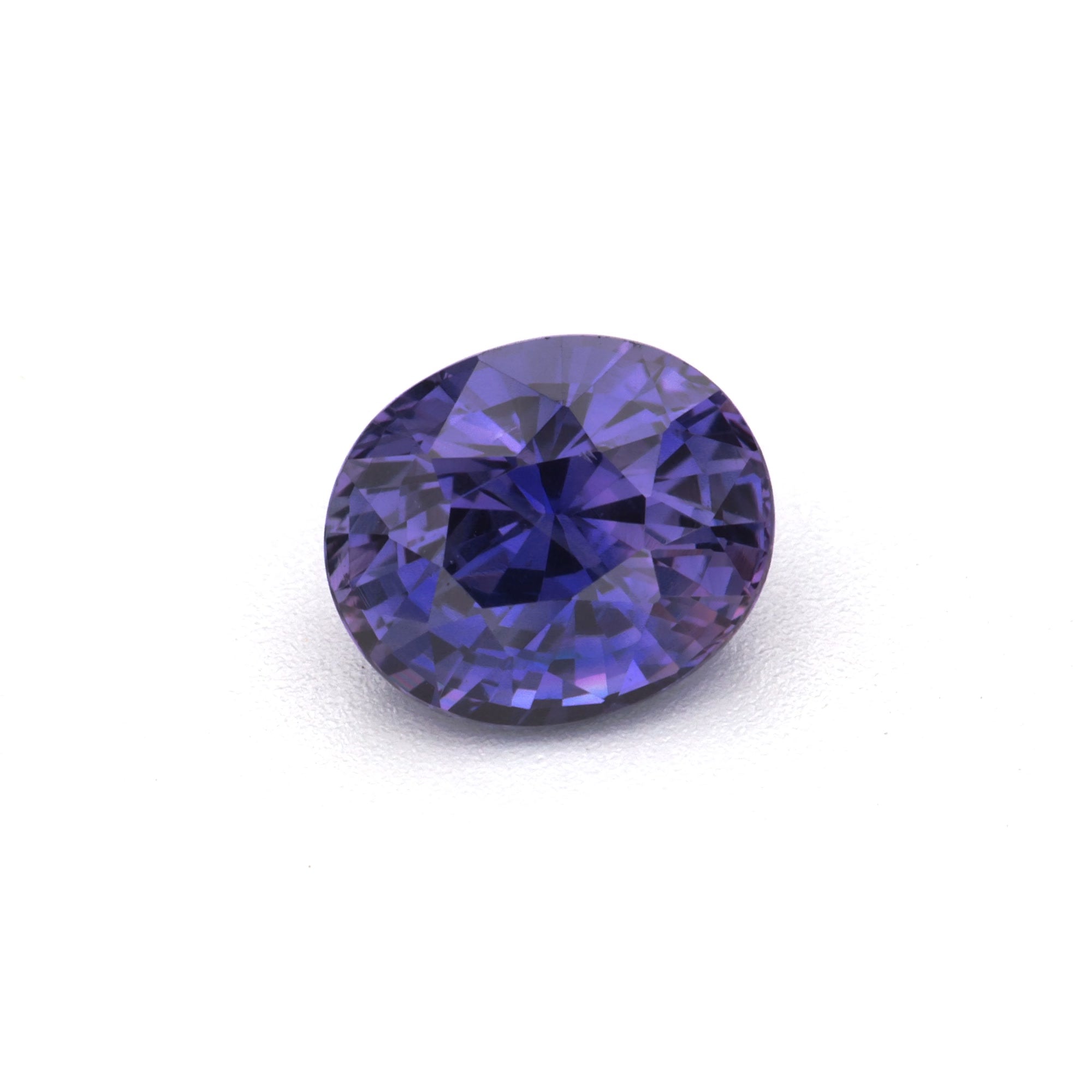
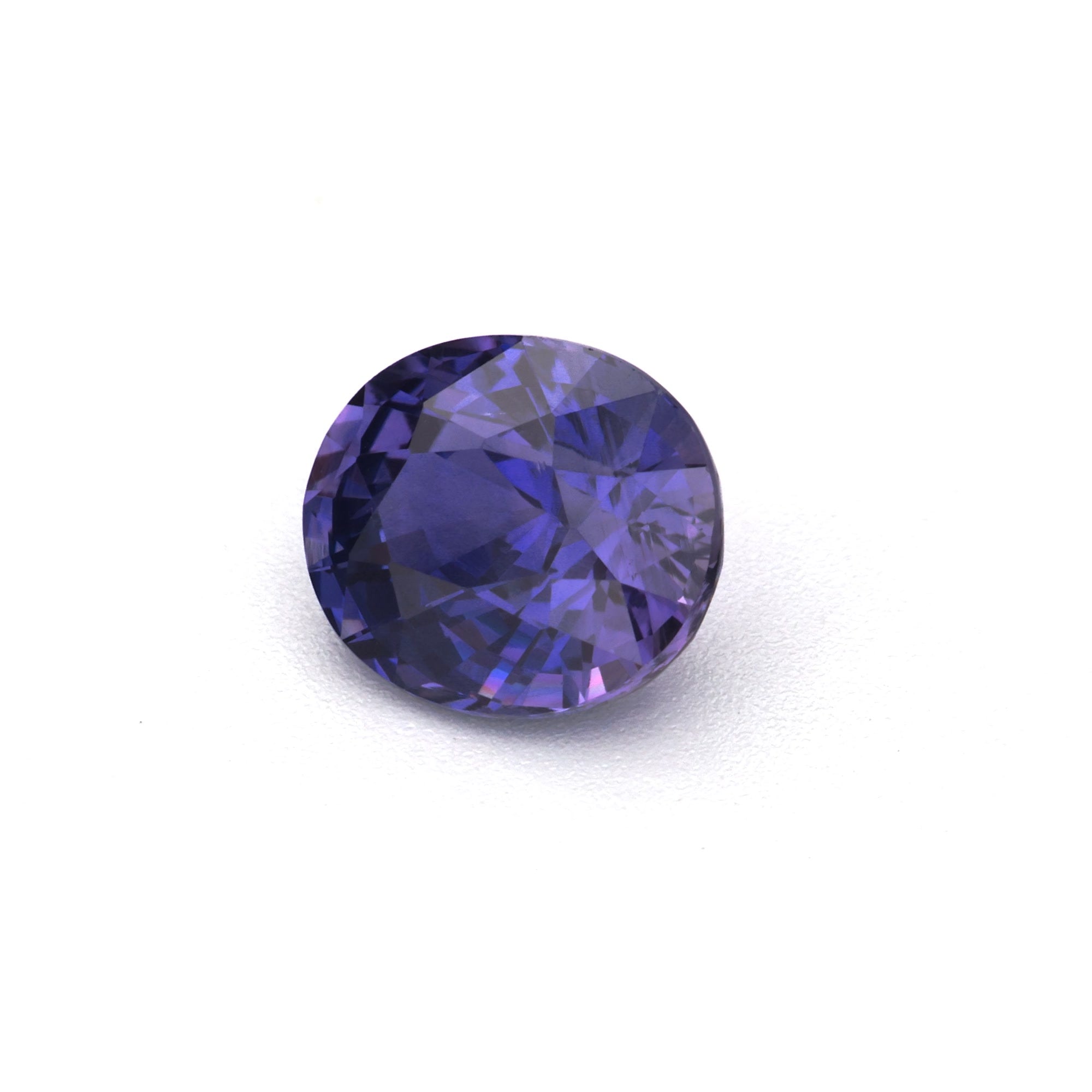
  • Violet and purple: The red-blue character of violet and purple sapphire reads beautifully on cool-toned fair skin. Violet in white gold or platinum on fair cool skin has an almost otherworldly quality.
  • Pale pink: Soft pastel pink creates a delicate, romantic look on fair cool skin — the pink resonates with the skin's rosy undertone rather than contrasting against it.
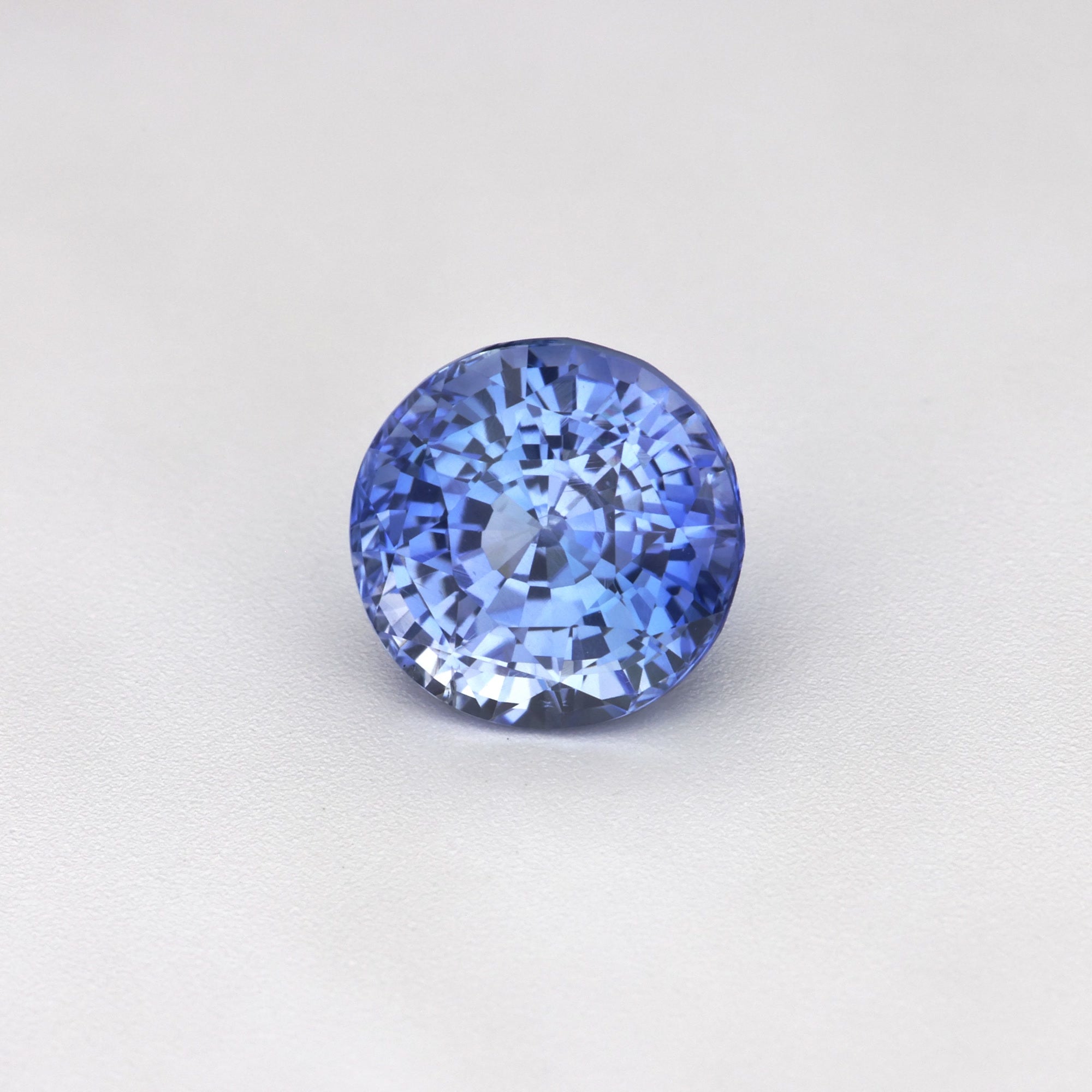
Vivid blue sapphire — ideal for fair cool skin tones
Royal Blue Sapphire
Teal sapphire — beautiful on fair cool skin
Teal Sapphire
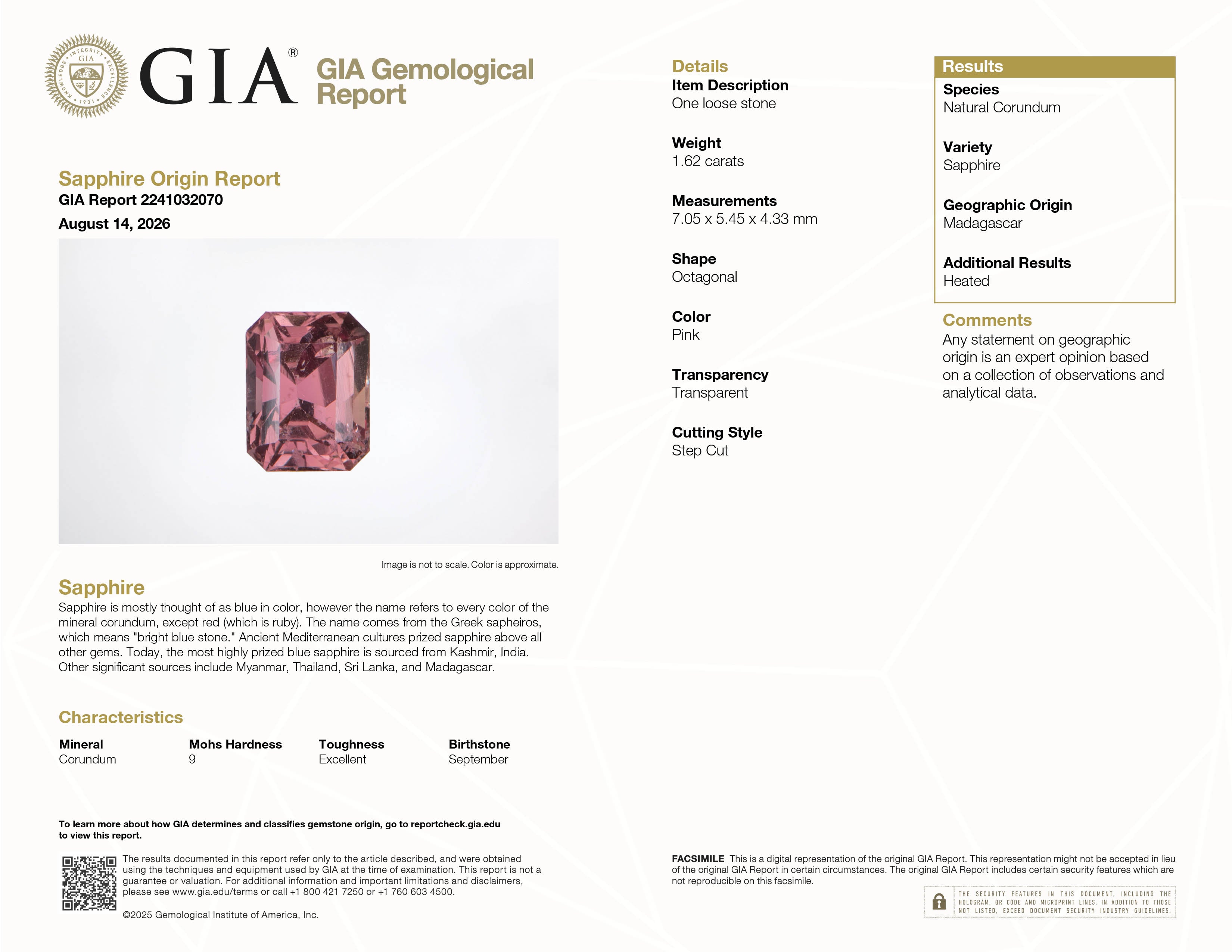
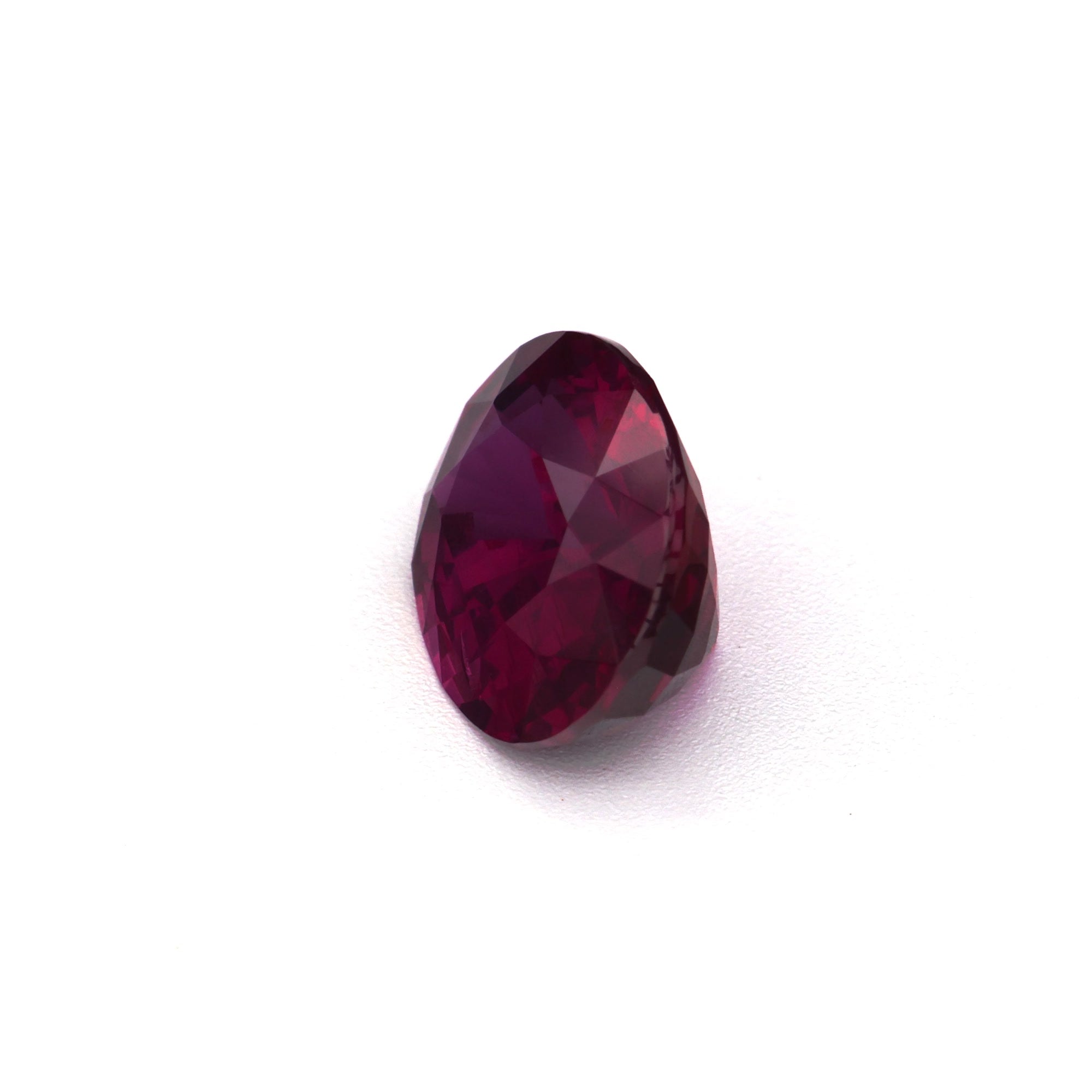
Purplish-pink sapphire — soft and romantic on fair cool skin
Pink Sapphire

Setting metal:

White gold and platinum are the most natural partners for cool-toned fair skin. Yellow gold can work beautifully as a deliberate contrast — the warm metal against cool skin and stone — but requires a more confident aesthetic choice.

Colors to approach carefully:

Very vivid orange and strong yellow can clash with cool-toned fair skin, as the warm hues compete with rather than complement the skin's cool cast. These colors can still work beautifully, but they require more attention to the specific hue and saturation to avoid looking jarring against the hand.

Fair to Light Skin — Warm Undertone

Fair / Light Skin — Warm (Golden or Peachy) Undertone
Veins appear green. Gold jewelry tends to flatter more than silver.

Fair to light skin with warm (golden or peachy) undertones presents a different palette entirely. Warm-toned fair skin looks best with gemstone colors that echo or complement its warmth rather than the cool colors that suit cool-toned equivalents.

Best sapphire colors:

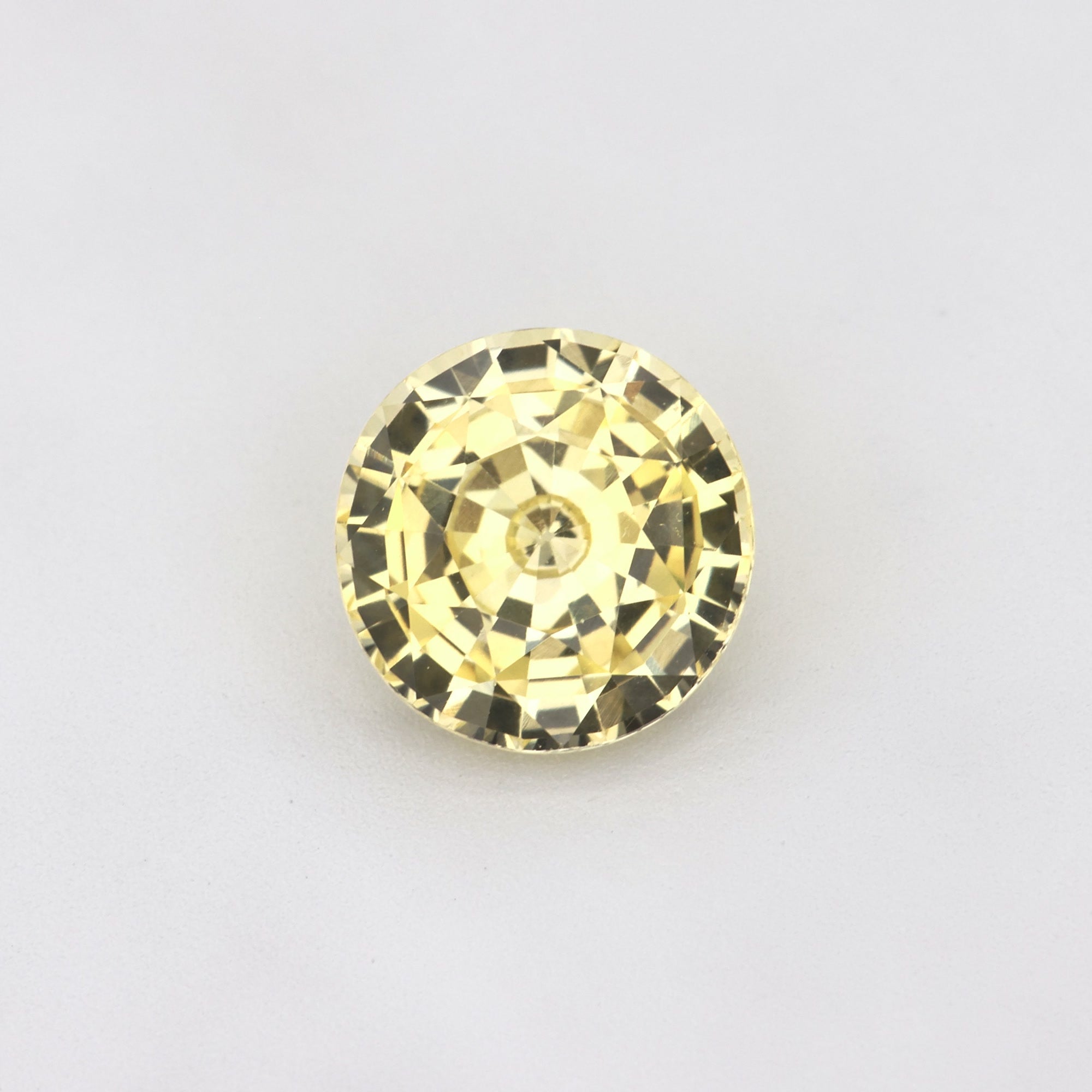
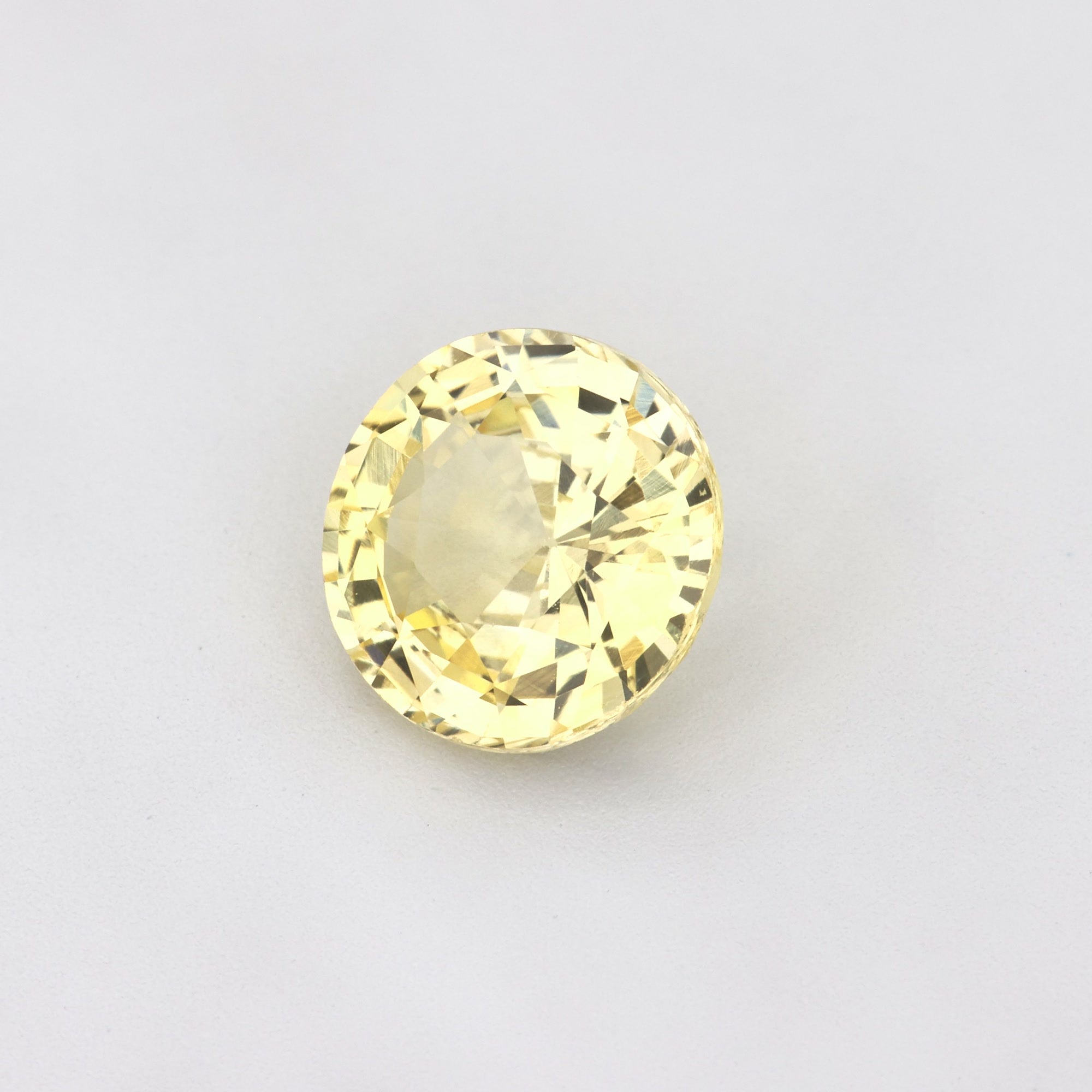
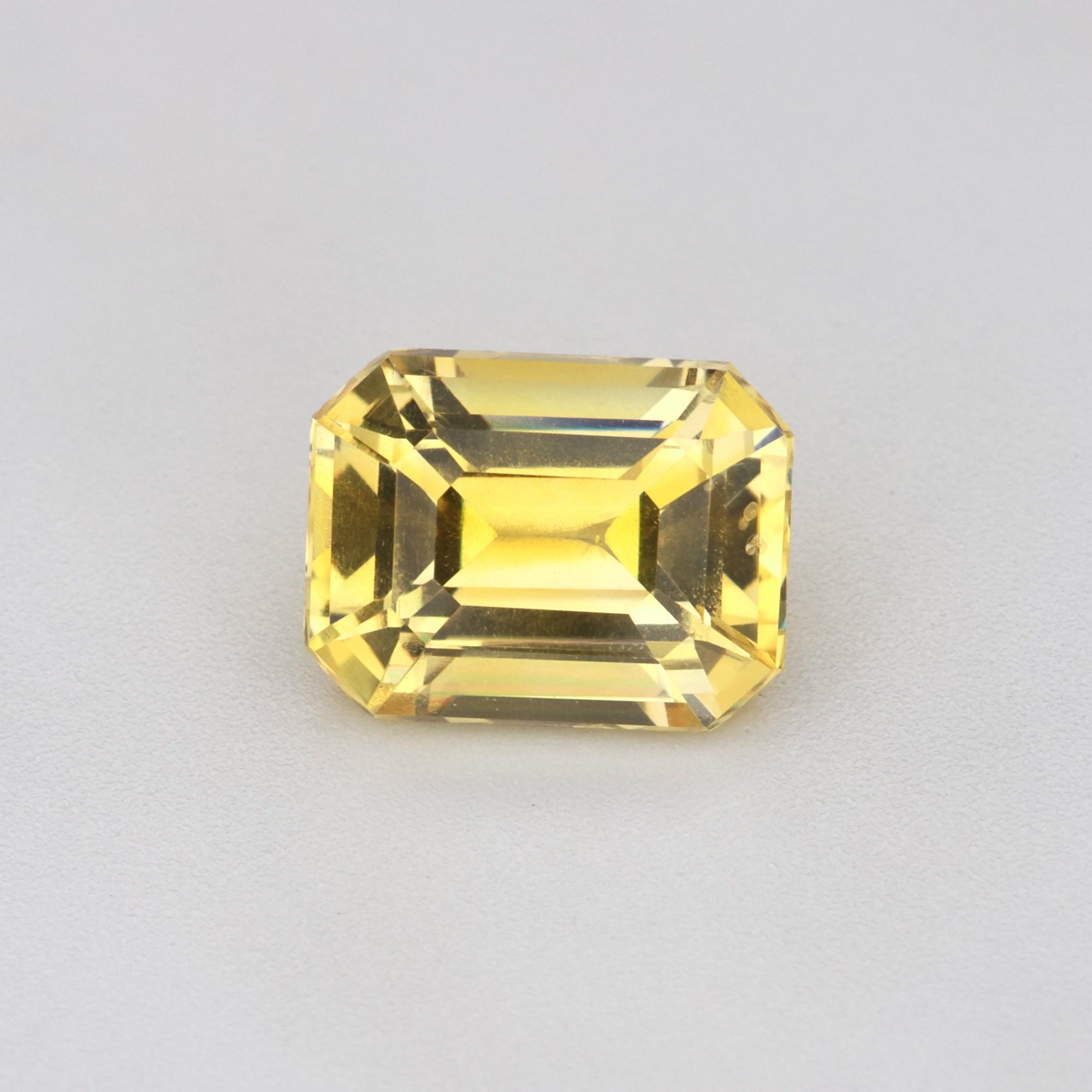
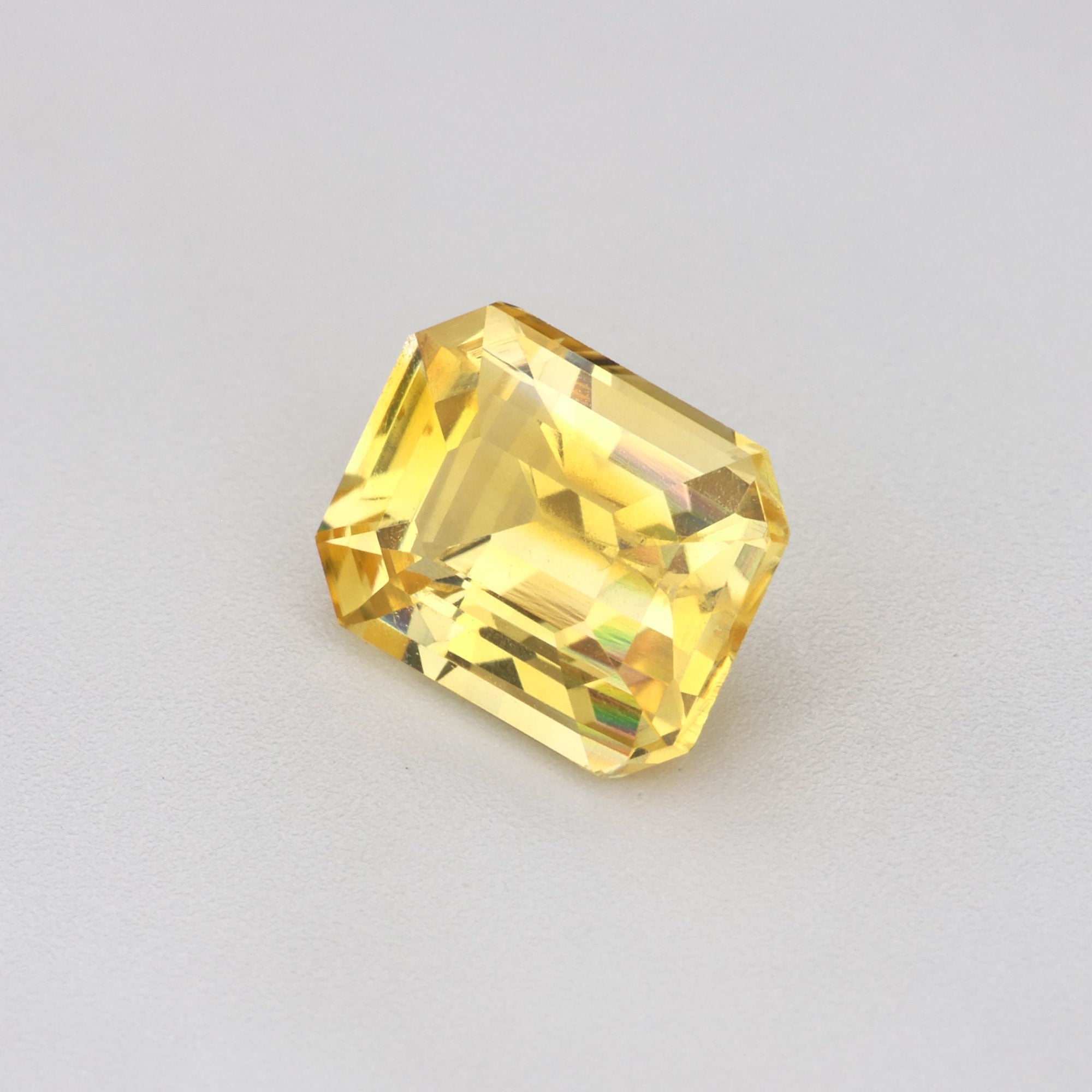
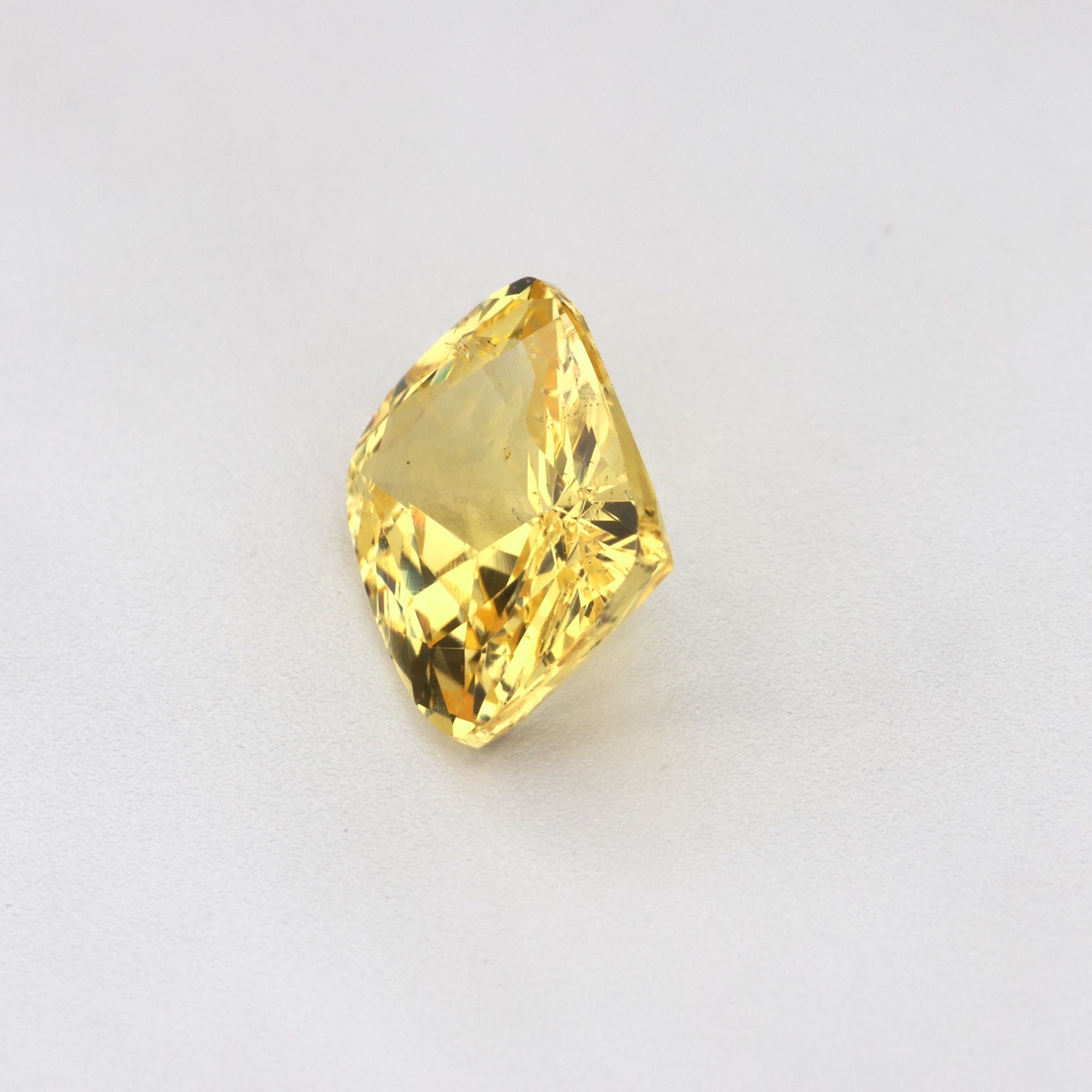
  • Yellow sapphire: The pairing most consistently flattering for warm fair skin. Golden yellow resonates with the skin's warm undertone, creating a cohesive, sunlit quality that cool-toned skin cannot achieve with the same color.
  • Peach sapphire: Peach's blush-orange warmth is one of the most flattering colors for warm fair skin — the tones are complementary without being identical, creating a harmonious warmth across the hand.
  • Padparadscha: The orange-pink balance of padparadscha reads with extraordinary warmth on warm fair skin. This is arguably the most flattering sapphire color for this skin type when available.
  • Warm blue: Blue sapphires with a slight violet undertone rather than a gray or green one read more warmly and suit warm-undertone skin better than purely cool blues.
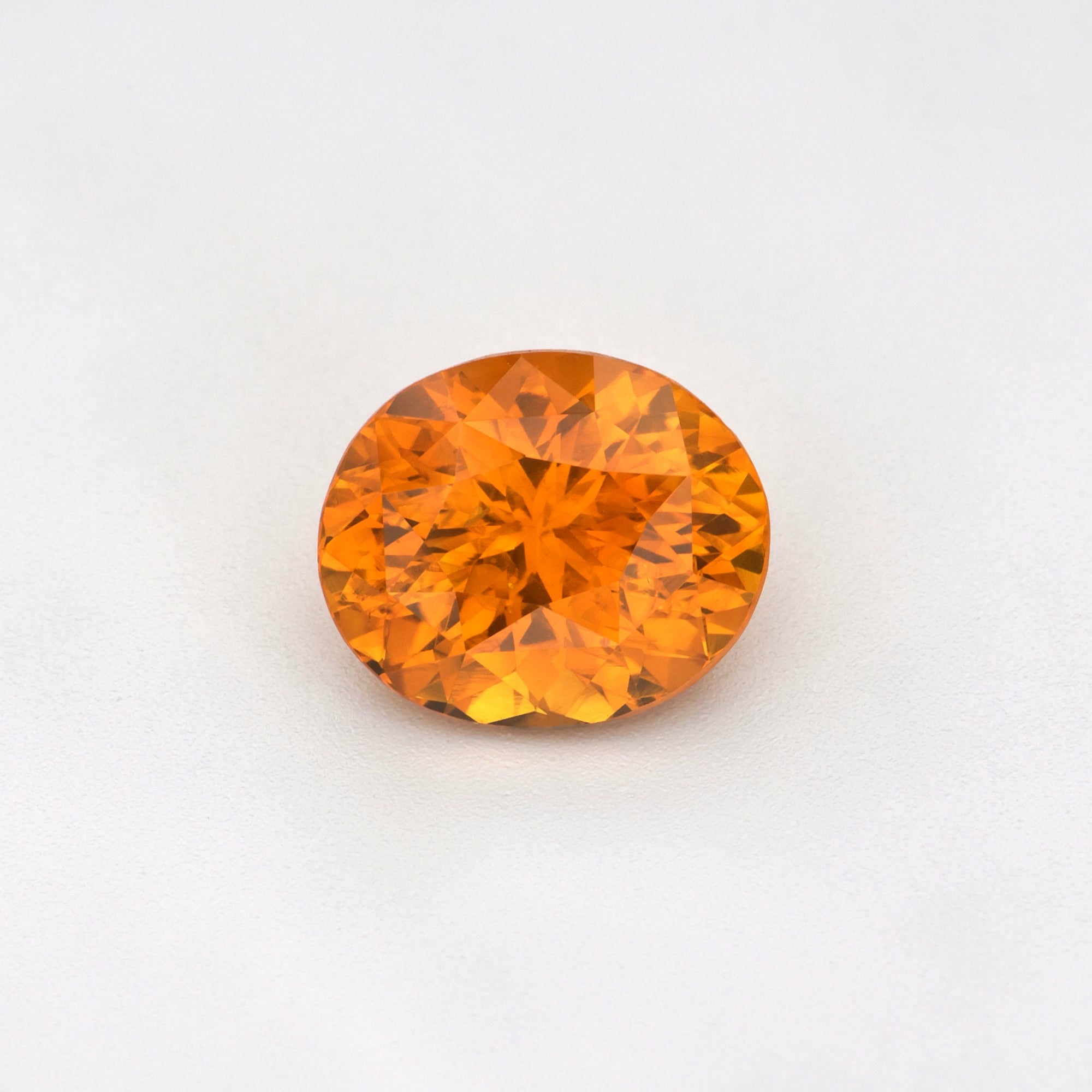
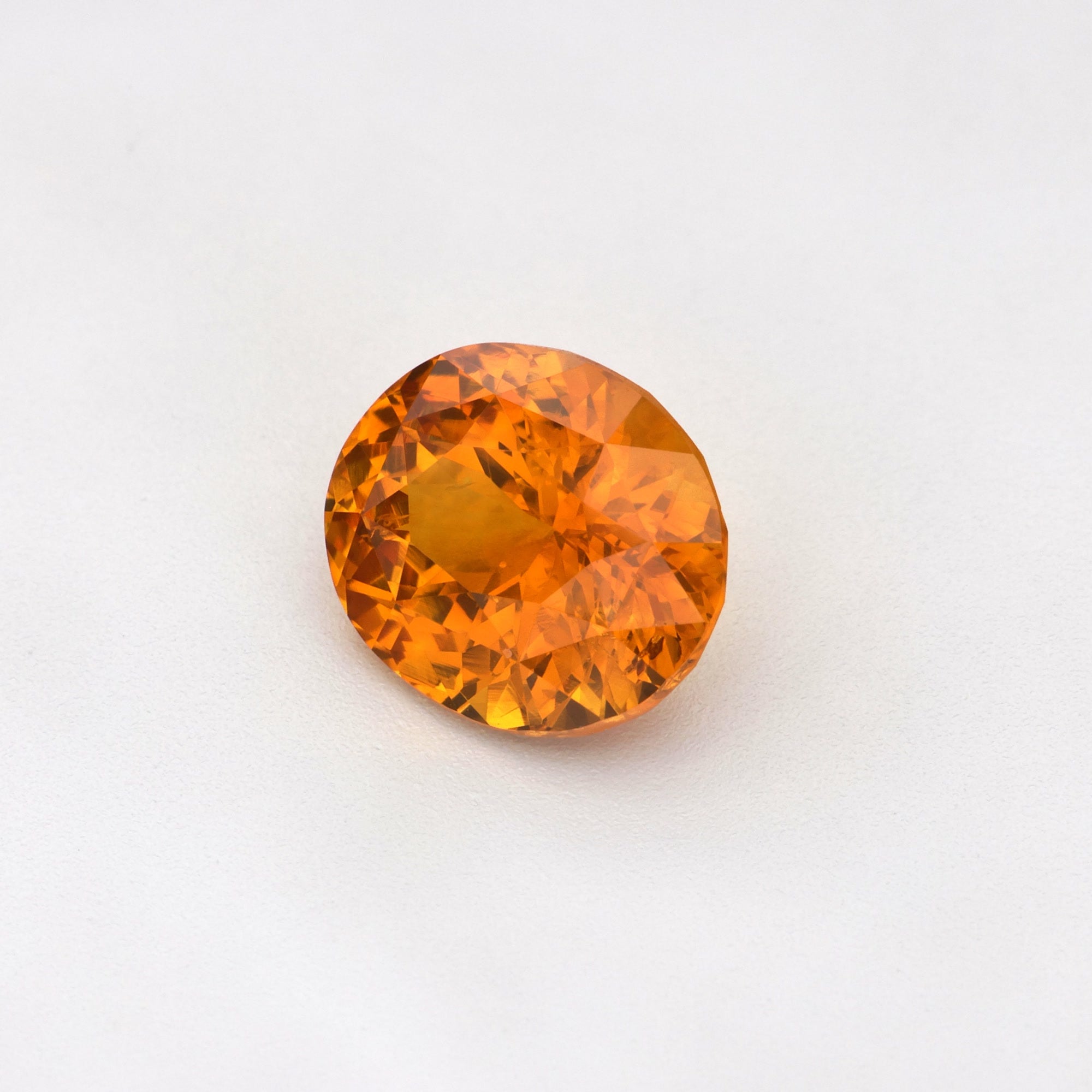
  • Orange sapphire: Bold, confident, and deeply complementary to warm fair skin.
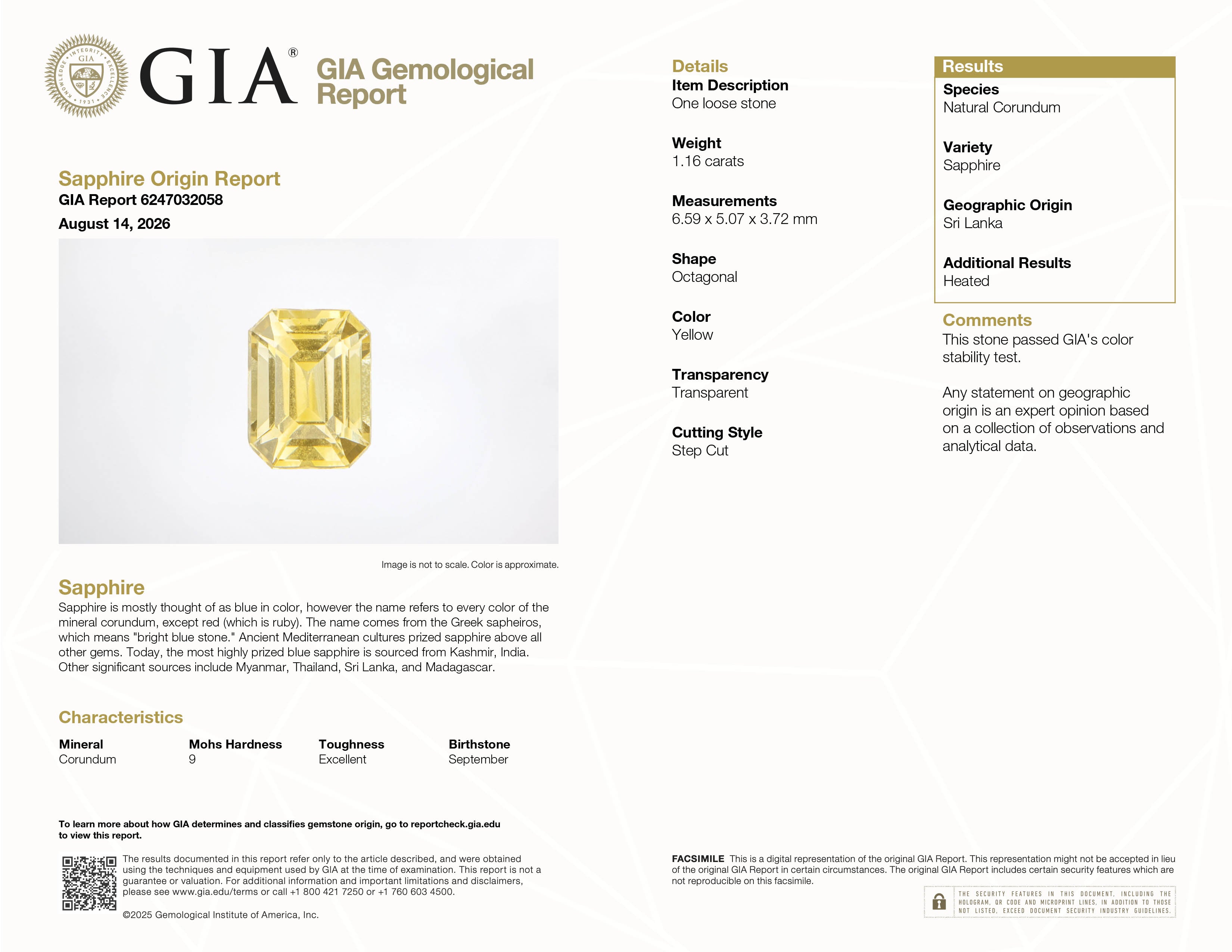
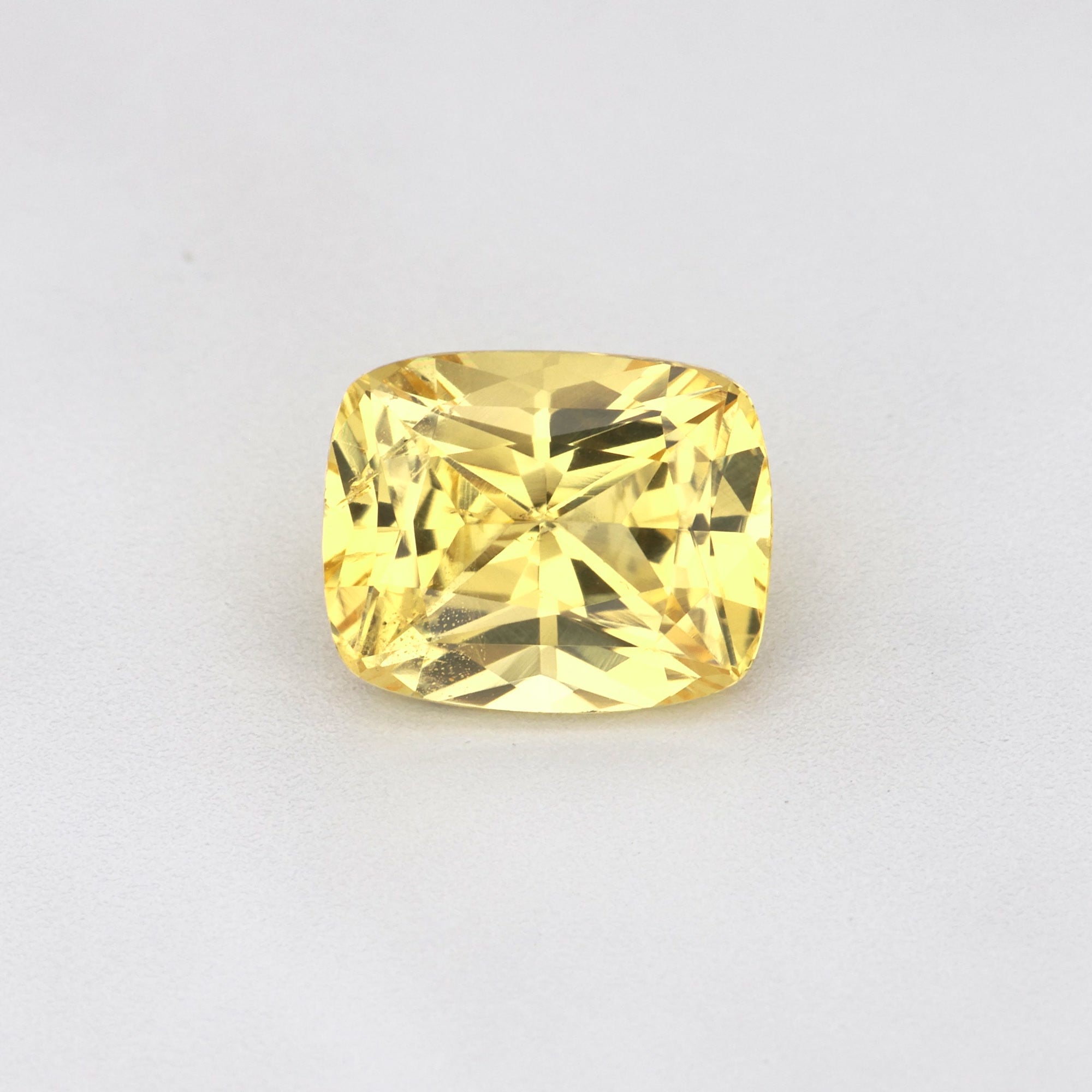
Golden yellow sapphire — ideal for warm fair skin tones
Yellow Sapphire — warm skin's classic match
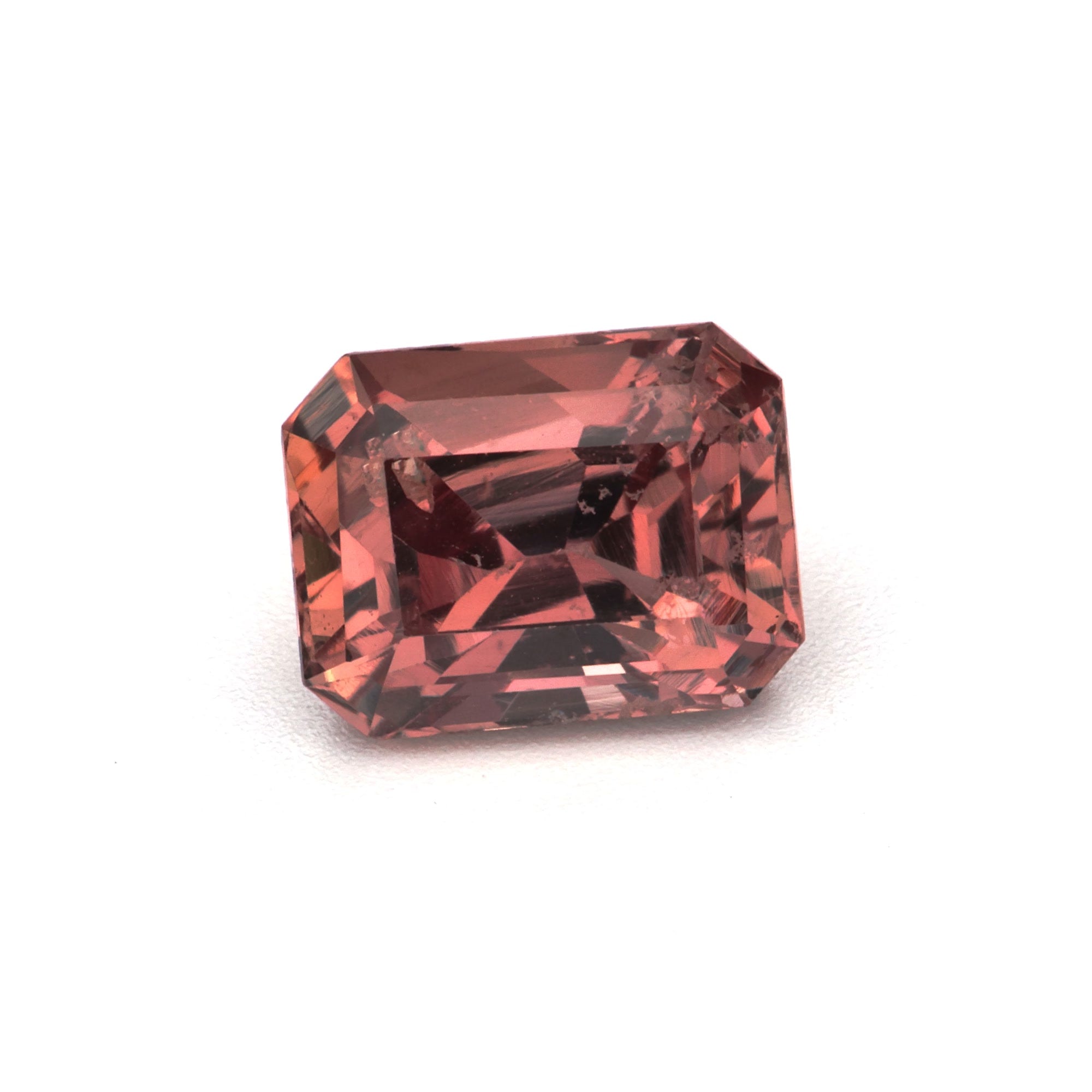
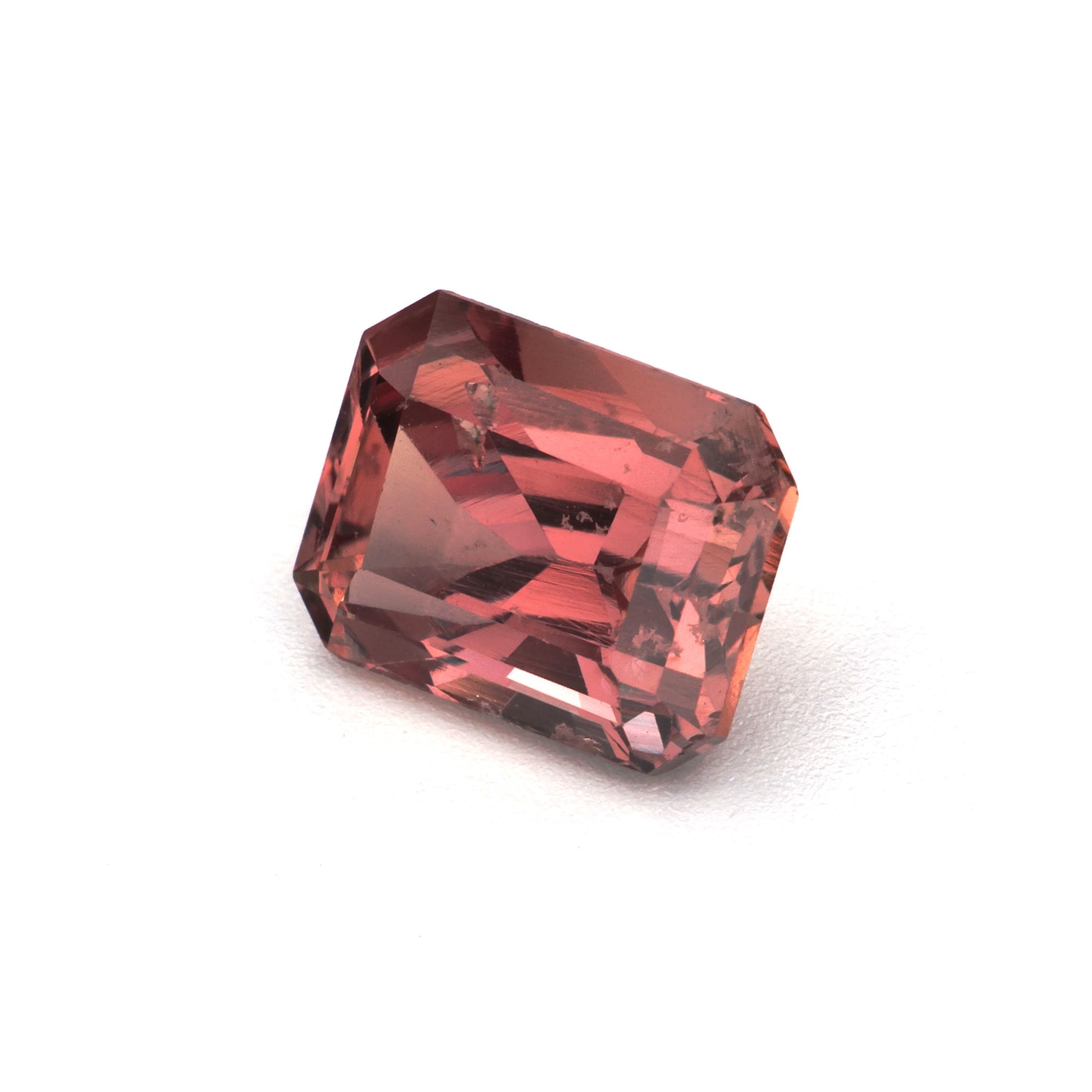
Peach sapphire — beautifully harmonious on warm fair skin
Peach Sapphire — blush warmth on warm skin

Setting metal:

Yellow gold and rose gold are the most natural partners for warm fair skin. Rose gold in particular with peach or padparadscha sapphire on warm fair skin is one of the most cohesive and flattering ring combinations in the market.

Colors to approach carefully:

Pure cool blue and violet can look slightly disconnected from warm fair skin. The effect depends on saturation: a very vivid blue is striking enough to transcend the undertone mismatch; a softer blue looks more washed out against warm skin than against cool.

Medium and Olive Skin

Medium / Olive Skin
Includes South Asian, Southeast Asian, Mediterranean, Latin, and Middle Eastern complexions. Warm to neutral undertones with the most color flexibility of any skin type.

Medium and olive skin tones have the most flexibility of any skin type: the medium depth provides enough contrast for most sapphire colors to read clearly, and the olive warmth harmonizes with warm colors while being distinct enough from cool colors to create attractive contrast.

Best sapphire colors:

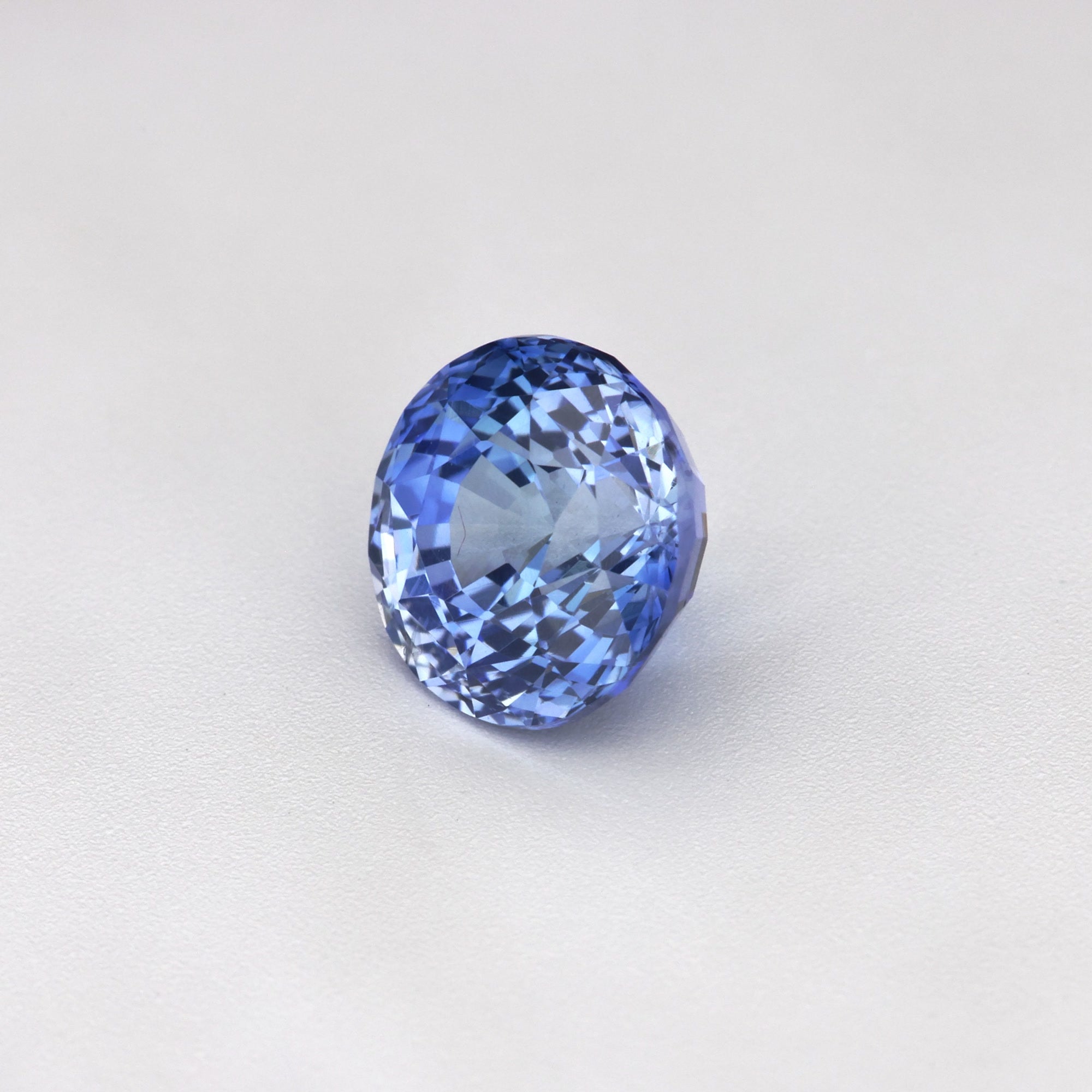
  • Deep blue: Medium and olive skin provides sufficient contrast for deeper, more saturated blue to read beautifully without looking too heavy.
  • Teal: Teal reads exceptionally well on olive skin — the blue-green has enough warmth in its green component to harmonize with olive undertones while the blue provides vivid contrast.
  • Yellow sapphire: The warmth of yellow resonates naturally with golden-olive skin — this is the most Jyotish-significant combination for buyers in the South Asian market.
  • Pink and peach: The warm blush of peach and pink looks particularly striking on medium olive skin, where the cool-pink contrasts clearly with the warmth of the skin.
  • Purple: Purple and violet on olive skin creates a richly regal combination — the warm depth of the skin grounds the coolness of the purple in a way that reads as genuinely luxurious.
  • Padparadscha: Certified padparadscha on warm olive skin is among the most beautiful sapphire-skin combinations possible.
Deep blue sapphire — vivid against olive skin
Deep Blue Sapphire
Teal sapphire — harmonious warmth on olive skin
Teal Sapphire
Purple star sapphire — regal on olive skin
Purple Sapphire

Setting metal:

Olive and medium skin tones are the most metal-flexible of all skin types. Yellow gold, rose gold, and white gold all work well, each creating a different aesthetic. Yellow gold and olive skin with a yellow sapphire is a warm, unified palette. White gold with a deep blue on olive skin is a cool, striking contrast. Rose gold with peach or padparadscha on warm olive skin is romantic and cohesive.

Tan and Brown Skin

Tan / Brown Skin
Includes deeper South Asian, Latin, Middle Eastern, and mixed-heritage complexions. Typically warm undertones. Vivid saturated colors read at their most dramatic.

Tan and brown skin provides excellent contrast for vivid, saturated sapphire colors. The depth of the skin allows rich, saturated colors to read at their most dramatic without either overwhelming the stone or being overwhelmed by it.

Best sapphire colors:

  • Vivid blue: The combination of vivid, saturated blue against tan and brown skin is one of the most stunning in the entire sapphire spectrum. The contrast is high, the colors are distinct, and the result reads as genuinely dramatic.
  • Teal: Teal on warm brown skin is particularly stunning — the green component harmonizes with the skin's warmth while the blue provides vivid contrast.
  • Pink and hot pink: Vivid pink on warm brown skin creates a bold, confident, and genuinely beautiful combination. The contrast is high enough to make the color sing.
  • Yellow: Golden yellow on warm brown skin reads as warm and unified — the two warm tones together create a cohesive richness.
  • Orange: Orange sapphire on brown skin is bold and visually striking — a high-saturation combination that rewards confident aesthetic choices.
  • Purple: Deep, richly saturated purple on brown skin is regal and dramatic — one of the strongest single color combinations in this guide.
Vivid pink sapphire — striking on tan and brown skin
Vivid Pink — bold contrast on warm brown skin
Orange sapphire — warm and confident on brown skin
Orange Sapphire — warm depth on warm skin

Setting metal:

Yellow gold is the most natural partner for warm brown skin — the warm metal unifies the palette. Rose gold reads as warmly romantic. White gold creates maximum contrast, which works particularly well with vivid blue or teal where the contrast effect is the design statement.

What to prioritize:

For tan and brown skin, saturation matters more than for lighter skin types. A pale or pastel sapphire can look washed out against the richness of warm brown skin; a vivid, richly saturated stone looks proportionally more impressive.

Deep Skin

Deep Skin
Includes deep South Asian, African, Caribbean, and African-American complexions. Warm undertones. Any vivid color reads at its most dramatic and beautiful.

Deep skin provides the richest and most dramatic backdrop for sapphire colors. The depth and warmth of deep skin makes vivid, saturated colors look extraordinary, and the contrast between stone and skin at this depth level is visually powerful for almost any sapphire color.

Best sapphire colors:

  • Vivid blue: The combination of vivid, saturated blue against deep warm skin is one of the most stunning in the entire sapphire spectrum. The contrast is high, the colors are distinct, and the result reads as genuinely dramatic.
  • Teal: Teal on deep skin has the same high-contrast character as blue, with the added visual interest of the dual-color shift quality.
  • Yellow and orange: Warm tones on deep warm skin create a unified, richly warm palette that reads as confident and cohesive.
  • Pink and magenta: Vivid pink on warm deep skin creates a bold, confident, and genuinely beautiful combination where the colors pop with maximum contrast.
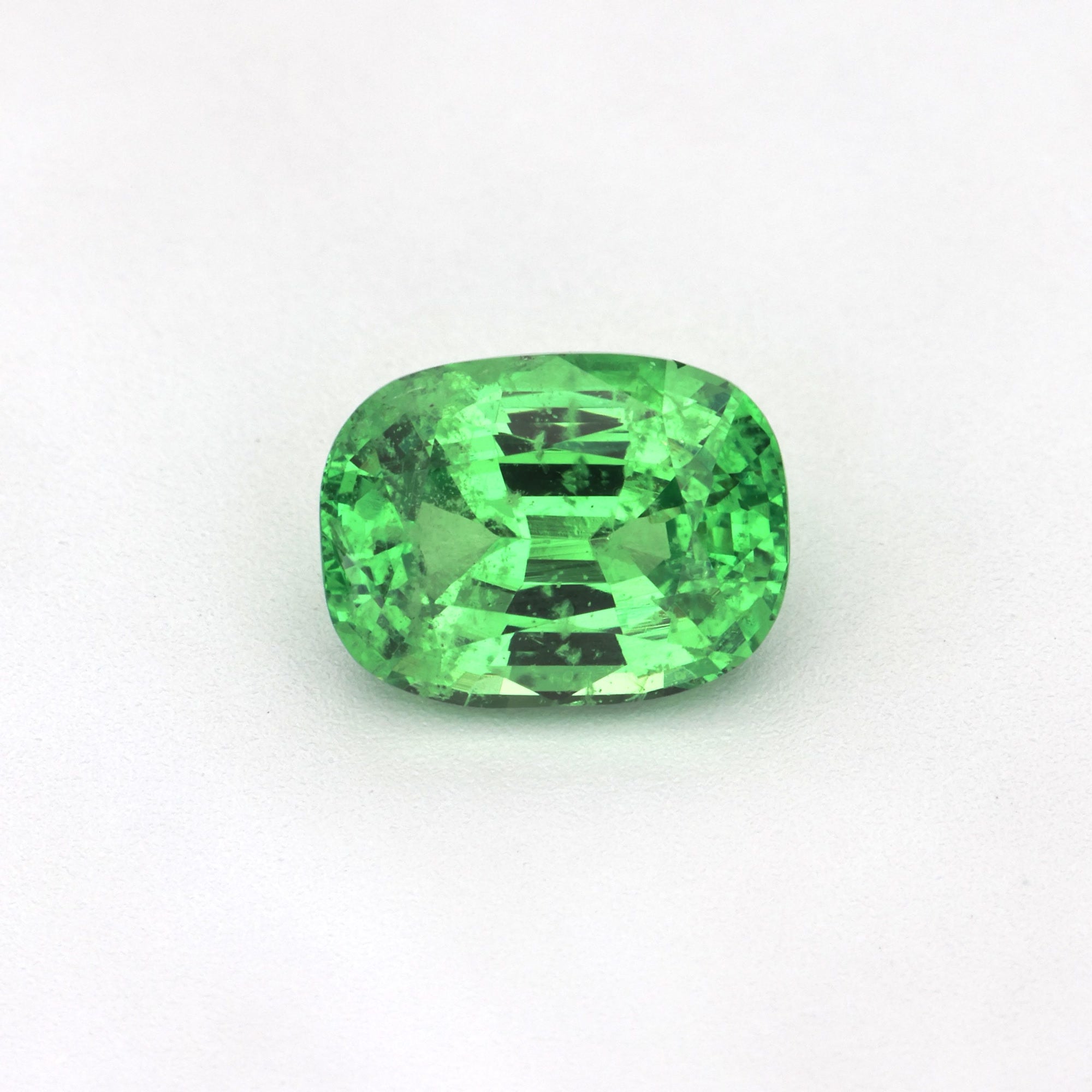
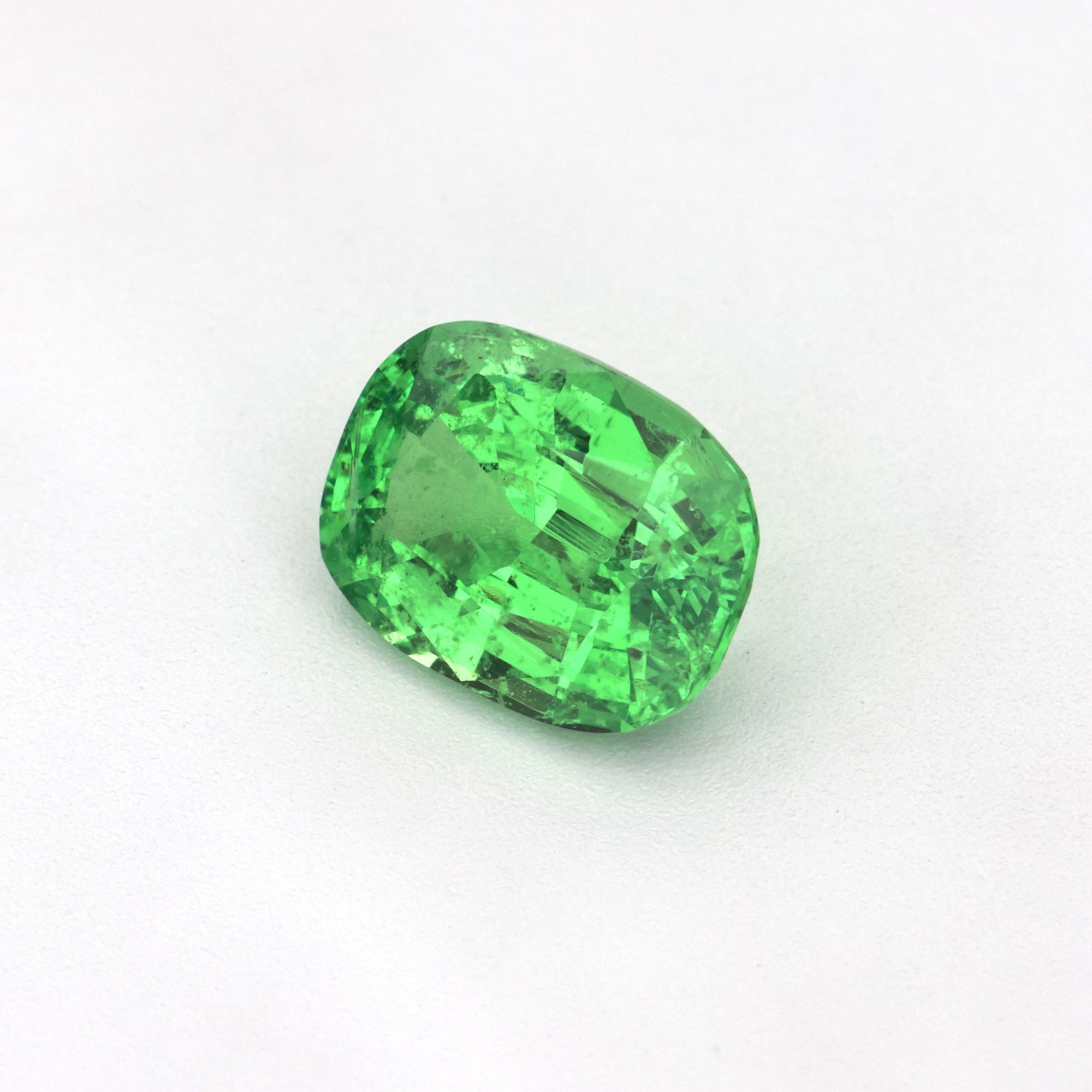
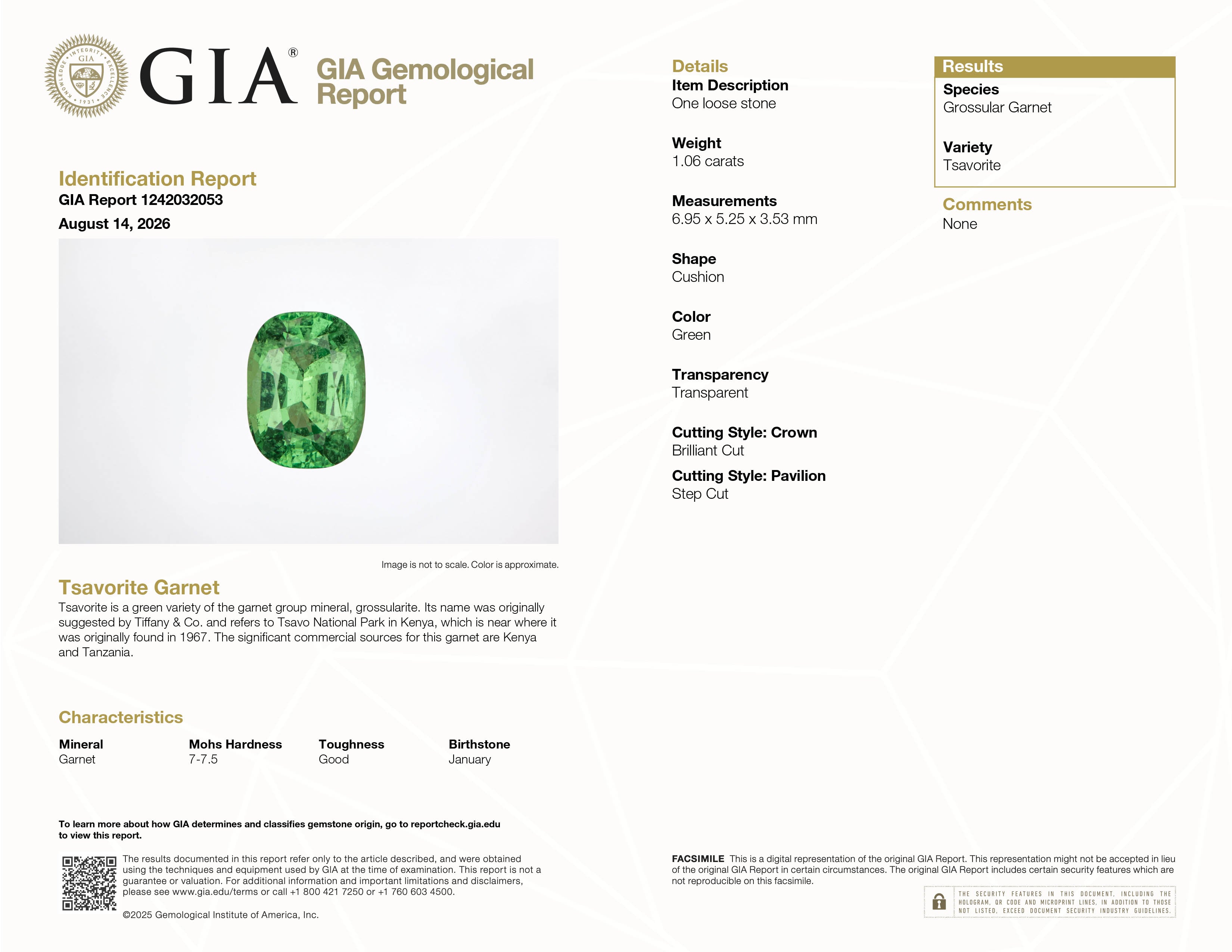
  • Green sapphire and tsavorite: Vivid green on deep skin is a combination that is underused and visually powerful — striking and distinctive.
  • White sapphire: Colorless on deep skin creates a maximum-contrast effect — the clean bright white reads with extraordinary brilliance.
Vivid blue sapphire — maximum drama against deep skin
Vivid Blue — stunning contrast
Mint green sapphire — striking and distinctive on deep skin
Green Sapphire — bold and distinctive
Teal sapphire — warm-cool contrast on deep skin
Teal — vivid shifting color

Setting metal:

Yellow gold on deep skin is a classic, coherent, warm combination. White gold creates maximum contrast, which suits the high-contrast aesthetic that vivid colors on deep skin naturally produce. Rose gold reads as a warm, romantic choice that sits between the extremes.

What to prioritize:

Deep skin provides sufficient contrast for virtually any sapphire color to read beautifully. The choice comes down to whether you want to harmonize (warm tones with warm skin) or contrast (cool vivid blue or teal against warm deep skin). Both strategies produce genuinely beautiful results — the decision is about the aesthetic character you want the ring to have.

The Setting Metal Effect — How It Changes Everything

The interaction between sapphire color and skin tone is significantly mediated by the setting metal. The metal is the visual bridge between stone and skin, and changing the metal can make the same stone read completely differently against the same hand.

  • Yellow gold warms the entire palette — it makes cool sapphires read slightly warmer and warm sapphires richly unified with the metal and skin.
  • Rose gold adds pink warmth — it makes blue and teal sapphires read with a warm-cool contrast, and makes pink, peach, and padparadscha sapphires read as a coherent warm palette.
  • White gold and platinum cool the palette and maximize contrast — they allow cool sapphires (blue, teal, violet) to read at their most vivid and provide the cleanest backdrop for any color to stand alone against the skin.

When the Rules Do Not Apply

The guidelines above are grounded in color theory and real aesthetic observation, but they are not prescriptions. Several factors legitimately override them:

Personal preference: If you love vivid blue sapphire and have warm golden skin, wear vivid blue sapphire. The guidelines describe what tends to be most harmonious — they do not describe what is right for a specific person with specific aesthetic preferences.

Contrast as a deliberate aesthetic: Some of the most striking rings are deliberately high-contrast — a cool stone against warm skin, a warm stone against cool skin — because the contrast itself is the design statement.

Cultural and symbolic significance: If a specific sapphire color carries personal, cultural, or Jyotish significance, that significance legitimately overrides aesthetic skin-tone matching.

The stone itself: A specific stone at a specific quality level may simply be so beautiful that it transcends the guidelines. If a stone makes you feel something when you look at it — in any color — that feeling is real data about the right stone for you.

Try Before You Commit

The most reliable way to know which sapphire color looks best on your specific skin is to see the stone against your hand in natural light. Our Try-On program ships select loose stones to you for home evaluation before you commit — so you can hold the stone against your skin in your own lighting and make the decision with your own eyes rather than working from a photograph.

Browse the full collection by color — blue, teal, yellow, pink, peach, purple, orange, green — or email crescentgems@gmail.com with your skin tone description and setting preferences and we will put together specific recommendations from our current inventory. We respond personally within one business day.

Quick Reference: Sapphire Colors by Skin Tone

Skin Tone Undertone Strongest Matches Best Metal
Fair / Light Cool (pink/rosy) Blue, teal, violet, pale pink White gold, platinum
Fair / Light Warm (golden/peachy) Yellow, peach, padparadscha, warm blue Yellow gold, rose gold
Medium / Olive Warm to neutral Deep blue, teal, yellow, pink, padparadscha, purple All metals — most flexible
Tan / Brown Warm Vivid blue, teal, pink, yellow, orange, purple Yellow gold, rose gold
Deep Warm Any vivid color — blue, teal, pink, green, yellow, orange Yellow gold, white gold
Continue Learning
Return to the Ultimate Sapphire Buying Guide for the full picture on colours, origins, shapes, certification, and pricing — everything you need to buy a natural loose sapphire with confidence.
Ahmed Shareek — Crescent Gems

Ahmed Shareek

Proprietor — Crescent Gems

A gem dealer with over 25 years of experience sourcing natural sapphires from Sri Lanka, Ahmed brings hands-on expertise in mining, heat treatment, cutting, and stone selection. With deep roots in the Ceylon gem trade, he offers first hand knowledge of origin, quality, and craftsmanship behind every piece of guidance on this site.

Latest Stories

View all

The Ultimate Guide to Buying Natural Loose Sapphires

The Ultimate Guide to Buying Natural Loose Sapphires

The definitive guide to buying a natural loose sapphire: colour, origin, treatment, cut, shape, certification, pricing, and engagement rings, with links to every Crescent Gems guide and collection.

Read moreabout The Ultimate Guide to Buying Natural Loose Sapphires

The Ratnapura Gem Market — How Sapphires Are Traded at the Source

The Ratnapura Gem Market — How Sapphires Are Traded at the Source

New to buying sapphires? Start with our Ultimate Sapphire Buying Guide — the complete resource for color, origin, treatment, and pricing. Ratnapura means "City of Gems" in Sinhalese, and it is not a poetic name — it is a literal...

Read moreabout The Ratnapura Gem Market — How Sapphires Are Traded at the Source

Madagascar Sapphire — The Modern Origin That Rivals Ceylon

Madagascar Sapphire — The Modern Origin That Rivals Ceylon

New to buying sapphires? Start with our Ultimate Sapphire Buying Guide — the complete resource for color, origin, treatment, and pricing. If you have shopped for sapphires in the past decade, you have encountered Madagascar material — whether the listing...

Read moreabout Madagascar Sapphire — The Modern Origin That Rivals Ceylon

Montana Sapphire vs. Ceylon Sapphire — How America's Sapphire Compares to Sri Lanka's

Montana Sapphire vs. Ceylon Sapphire — How America's Sapphire Compares to Sri Lanka's

New to buying sapphires? Start with our Ultimate Sapphire Buying Guide — the complete resource for color, origin, treatment, and pricing. The United States has its own sapphire origin — and it is a good one. Montana has produced gem-quality...

Read moreabout Montana Sapphire vs. Ceylon Sapphire — How America's Sapphire Compares to Sri Lanka's

Sapphire vs. Spinel — The Overlooked Comparison Every Collector Should Understand

Sapphire vs. Spinel — The Overlooked Comparison Every Collector Should Understand

New to buying sapphires? Start with our Ultimate Sapphire Buying Guide — the complete resource for color, origin, treatment, and pricing. For most of gemological history, spinel did not even have its own name. The great "rubies" of royal collections...

Read moreabout Sapphire vs. Spinel — The Overlooked Comparison Every Collector Should Understand

Why Buy from Crescent Gems
Sourcing Gemstones for an engagement ring or piece of jewelry is a very personal experience, Its a act of love, Its a Investment that you do only a few times in your life. Before you spend thousands of $$$ You need to be able to trust the seller and make sure you are choosing the right stone. Here at Crescent gems we tick all the boxes.

Wide Selection of well cut gemstones from around the world.

Affordably priced ~ We source our gemstones direct from mining countries, we cut/recut most of our gemstones in-house.

We stock and sell ONLY Natural earth Mined stones. NO beryllium treated Stones, NO Flux filled, NO synthetics, NO man made stuff.

Free & Fast Shipping within USA ( FedEx Or UPS) with Tracking and email updates.

FREE International shipping for orders over US $ 500 ~ we ship to 98 countries Worldwide.

Try Before you buy Option ~ where we send the stone to you before you pay. ~ Unique Feature.

14 day No questions asked money back Guarantee.

FREE Domestic Return Shipping.

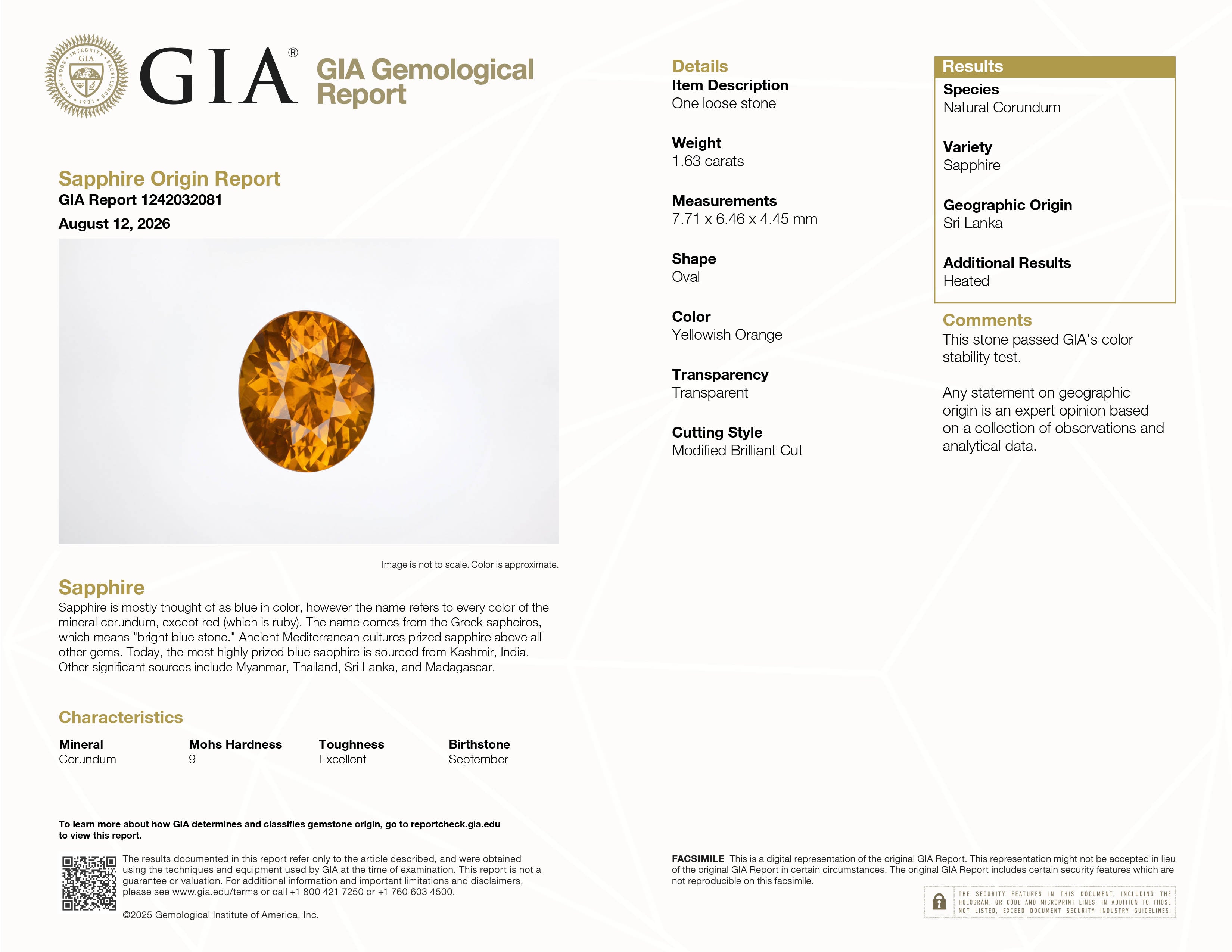
GIA lab reports for all stones above 2 carats.

Accurate information, Actual Images, Hand shots and 360 videos of the stone on sale, we don't use stock photography.

Join our ever growing group of satisfied customers from around the world.