- by Ahmed Shareek
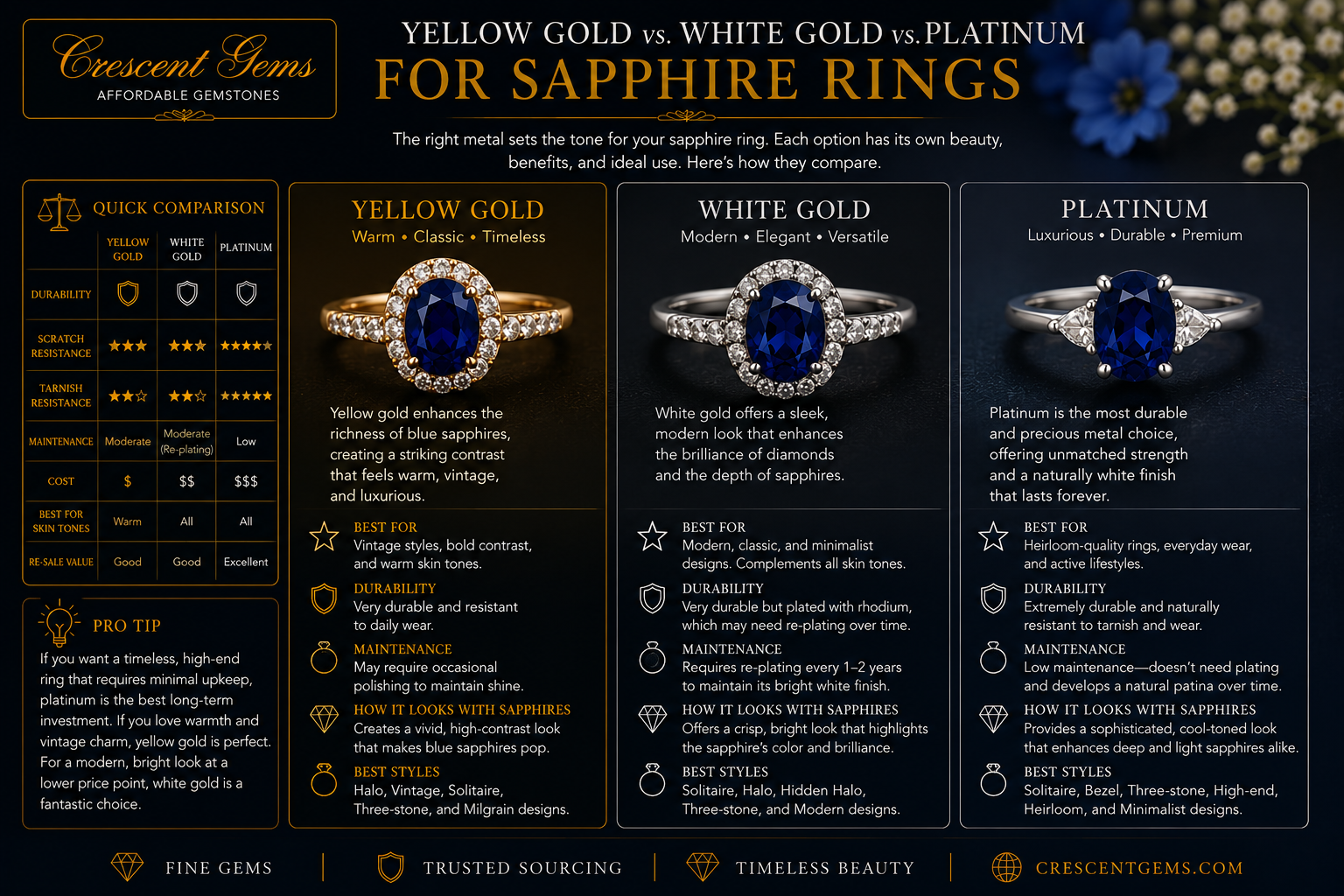
Yellow Gold vs. White Gold vs. Platinum for Sapphire Rings — The Full Comparison
- by Ahmed Shareek
For color-specific metal guidance: How to Choose Metal Color for a Sapphire Ring. For ring design: How to Design a Custom Sapphire Ring. For the buying foundation: Ultimate Sapphire Buying Guide.
The metal choice for a sapphire engagement ring is a decision that affects the ring's appearance every day for decades. Unlike the sapphire itself — where the primary decision drivers are color, cut, and treatment — the metal decision involves aesthetic factors, practical durability factors, cost factors, and long-term maintenance requirements that all interact. Yellow gold, white gold, and platinum are the three primary options for fine jewelry, each with distinct characteristics, trade-offs, and relationships with different sapphire colors.
This guide covers all three metals comprehensively: what each is made of, how they perform over time, what they cost, how they interact with sapphire colors, and how to choose based on your specific stone, lifestyle, and aesthetic priorities.
Yellow gold jewelry is an alloy of pure gold (Au) with silver, copper, and sometimes zinc, in proportions that determine the karat. 18K yellow gold (75% gold, 25% alloy) is the standard for fine jewelry — rich in color, durable, and significantly more pure gold content than 14K (58.3% gold). 14K is more durable due to higher alloy content but slightly less saturated in color. 24K (pure gold) is too soft for practical ring wear.
Yellow gold is durable for daily ring wear at 18K or 14K. It is somewhat softer than platinum, which means it can accumulate small scratches over years of wear — these develop a patina some wearers love (called a "satin" or "antique" finish) and others prefer to have polished away periodically. Yellow gold does not require rhodium plating and its color is stable over time — the warm yellow character that you see on purchase day is the same character you will see in twenty years. Prongs in yellow gold may need retipping every 5–10 years depending on wear patterns.
18K yellow gold is typically the least expensive of the three primary metals for fine jewelry, with platinum rings running 20–40% more for equivalent designs due to platinum's higher density and the greater weight of metal in a platinum ring. 14K yellow gold is less expensive still and appropriate for buyers prioritizing durability over gold purity.
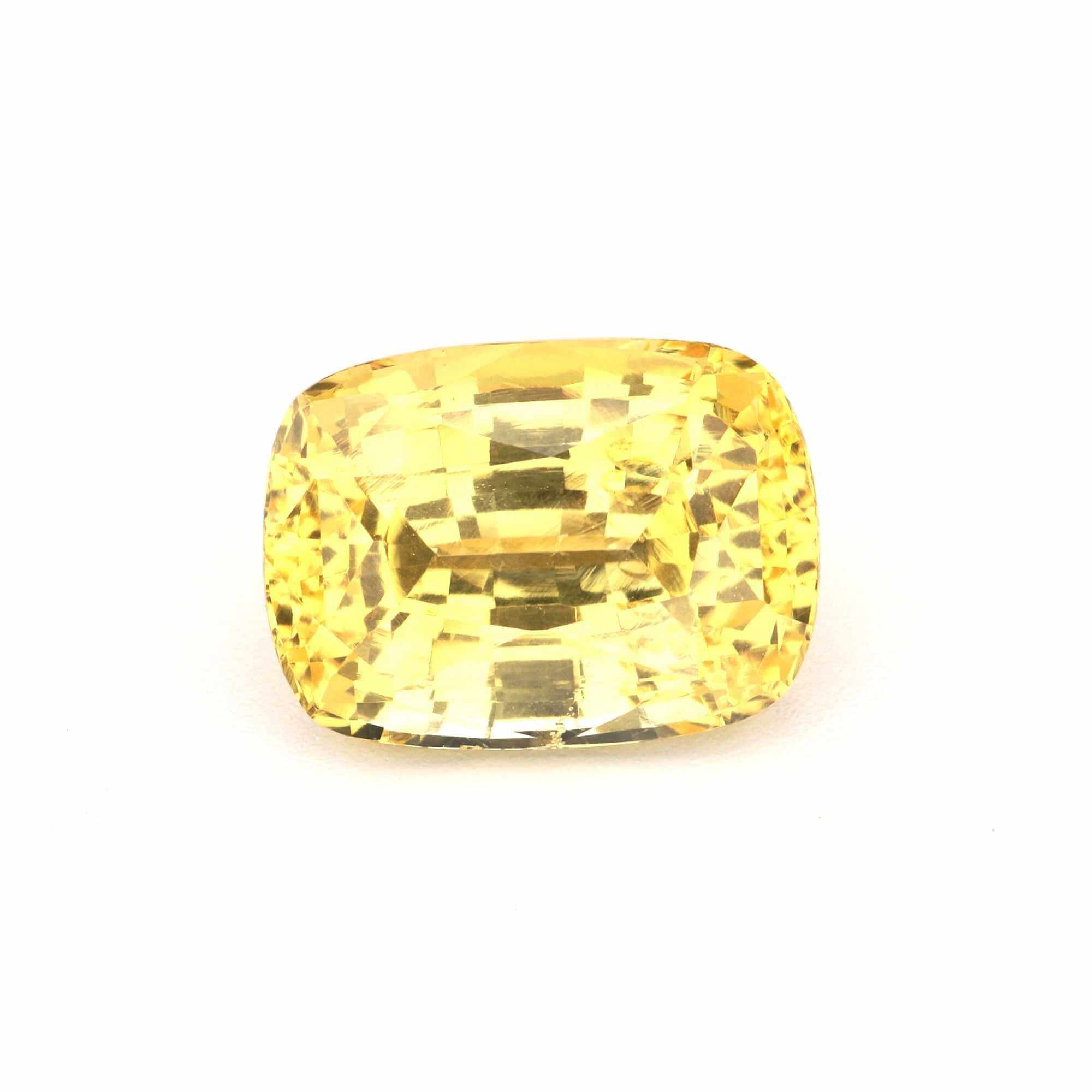
Yellow gold is the most historically authentic setting for sapphires and suits certain colors particularly well:
White gold is yellow gold alloyed with white metals — palladium, nickel, or silver — to produce a white or pale grey color, then coated with a thin layer of rhodium (a platinum-group metal) to produce the bright, mirror-white finish seen in jewelry. 18K white gold contains the same 75% pure gold as 18K yellow gold; the difference is the alloy composition and the rhodium plating.
The critical maintenance requirement for white gold: the rhodium plating wears off over time with daily wear, gradually revealing the slightly yellowish or greyish color of the underlying white gold alloy beneath. Most white gold rings require re-plating every 1–3 years depending on wear intensity, skin chemistry, and the thickness of the original plating. Re-plating is inexpensive ($50–$150 at most jewelers) but is an ongoing maintenance cost that platinum does not incur. If you are committed to bright white metal for decades without maintenance, platinum is the more practical choice.
White gold is typically slightly more expensive than equivalent yellow gold pieces due to the alloy composition, but significantly less expensive than platinum. It is the most popular entry point for buyers who want a white metal without platinum's price premium.
White gold with fresh rhodium plating produces results visually similar to platinum — cool, neutral, and providing maximum color contrast for any sapphire color. It is the most popular choice for contemporary sapphire engagement rings across all colors. The main consideration is that as the rhodium wears, the slight warmth of the underlying alloy becomes visible — a consideration for very light-toned or color-sensitive stones.
Platinum is a naturally white, dense, rare precious metal used at 95% purity in jewelry (Pt950). Unlike white gold, it requires no alloy to produce its white color and no plating to maintain it. The white color is inherent and permanent.
Platinum is the most durable of the three metals for ring wear. It is denser than gold (a platinum ring will be heavier than an identically sized gold ring) and does not lose metal when scratched — the metal displaces rather than removes, creating a surface patina over time. Many wearers love the developing patina of worn platinum; those who prefer a high-polish finish can have it polished periodically. Critically, platinum does not require rhodium plating — its white color is permanent and inherent, requiring no re-plating maintenance. Platinum prongs are the most secure choice for holding sapphires because the metal's density and strength provides superior stone retention over decades.
Platinum is typically 20–40% more expensive than equivalent 18K gold pieces. The reason is not the raw metal price — platinum currently trades well below gold per ounce, and the metal in an identically designed Pt950 ring is worth less than the metal in the 18K gold version. The premium comes from fabrication: platinum is denser, so the same design takes more weight of metal; it melts far hotter and needs dedicated tooling, benches and solders; and the working losses are costlier to recover. For a ring intended as a lifetime piece with minimal maintenance, this premium is well-justified.
Platinum's naturally cool, neutral white provides the maximum color contrast for sapphire. Blue, teal, violet, and white sapphires all appear at their most vivid and pure in platinum. Pink and padparadscha in platinum create a stark, high-contrast composition that maximizes color visibility if not maximum warmth. For buyers who want the most technically accurate display of their sapphire's color, platinum is the most faithful metal.
| Factor | Yellow Gold (18K) | White Gold (18K) | Platinum (Pt950) |
|---|---|---|---|
| Color | Warm yellow | Bright white (rhodium plated) | Naturally cool white |
| Maintenance | Occasional polish; no plating | Rhodium re-plating every 1–3 years | Occasional polish; no plating needed |
| Durability | Good | Good | Excellent — most durable |
| Relative cost | Lowest | Medium | Highest (20–40% more than gold) |
| Weight | Moderate | Moderate | Heavier — denser than gold |
| Best for blue sapphire | Warmer, richer look | Cool, vivid, contemporary | Coolest, most vivid, most accurate |
| Historical association | Victorian, Georgian, traditional | Modern, contemporary | Edwardian, Art Deco, contemporary fine |
Rose gold deserves mention as the fourth commonly used metal for sapphire rings. Rose gold is 18K or 14K gold alloyed with higher copper content, producing a warm pink-gold color. It does not require rhodium plating and its color is stable over time. Rose gold is particularly suited to pink, teal, and padparadscha sapphires, where the warm pink-gold creates harmonious or complementary color compositions. See our metal color guide for the full rose gold framework by sapphire color.
Choose platinum if: you want the most durable, lowest-maintenance white metal with the truest cool white color; you want maximum color contrast for your sapphire; you want the setting to last decades without rhodium re-plating; or the ring is intended as a serious, lifelong heirloom.
Choose 18K white gold if: you want a white metal look at a lower upfront cost and are comfortable with periodic re-plating maintenance; or you want a lighter-weight ring than platinum.
Choose 18K yellow gold if: you want a warm, historically grounded aesthetic; your sapphire is blue, yellow, padparadscha, or orange and suits warm-metal enrichment; or you prefer the lower maintenance (no plating required) of yellow gold with a warm character.
Choose rose gold if: your sapphire is pink, teal, or padparadscha; you want a romantic, feminine aesthetic; or you are drawn to the warm pink-gold character that has become one of the most popular contemporary engagement ring aesthetics.
When both are freshly finished, they look nearly identical — the difference is in long-term performance. Platinum maintains its white color permanently without re-plating. White gold gradually reveals the underlying alloy color as the rhodium wears, requiring periodic re-plating to restore the bright white finish. For a ring worn daily for decades, platinum is the more practical white metal choice if you want to maintain the original bright white appearance.
No. Yellow gold has been underused in the contemporary engagement ring market, but it is experiencing a significant revival — and for good reason. Blue sapphire in yellow gold is historically one of the finest sapphire ring configurations possible. The warm, rich character of 18K yellow gold with a vivid blue or padparadscha sapphire has a jewel-like quality that cool white metals do not replicate.
18K (75% gold) is the recommended standard for fine sapphire engagement rings — a balance of pure gold content, rich color, and practical durability. 14K is more durable due to higher alloy content and is appropriate for buyers prioritizing practical wear resistance. 24K is too soft for daily ring wear. 9K or 10K (common in commercial jewelry) is not recommended for fine sapphire ring settings where stone security over decades matters.
Email jewelry@crescentgems.com with your sapphire and metal preferences — our jewelry division can advise on setting options and commission your custom ring. We respond within one business day.

CG8366
CG8313
CG8357
CG8342
CG8452
CG8437


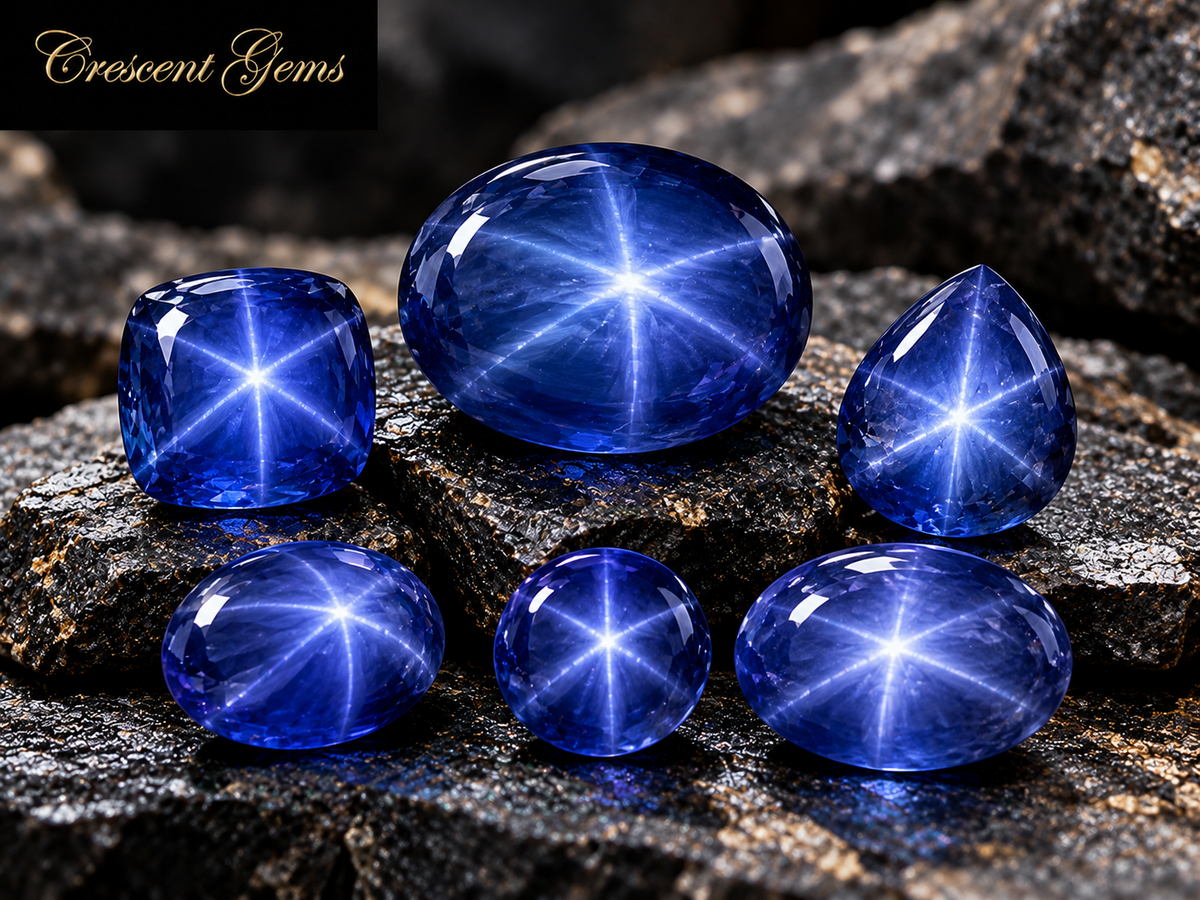
Blue Star Sapphire Price Guide — What They Cost and Why
Read moreabout Blue Star Sapphire Price Guide — What They Cost and Why
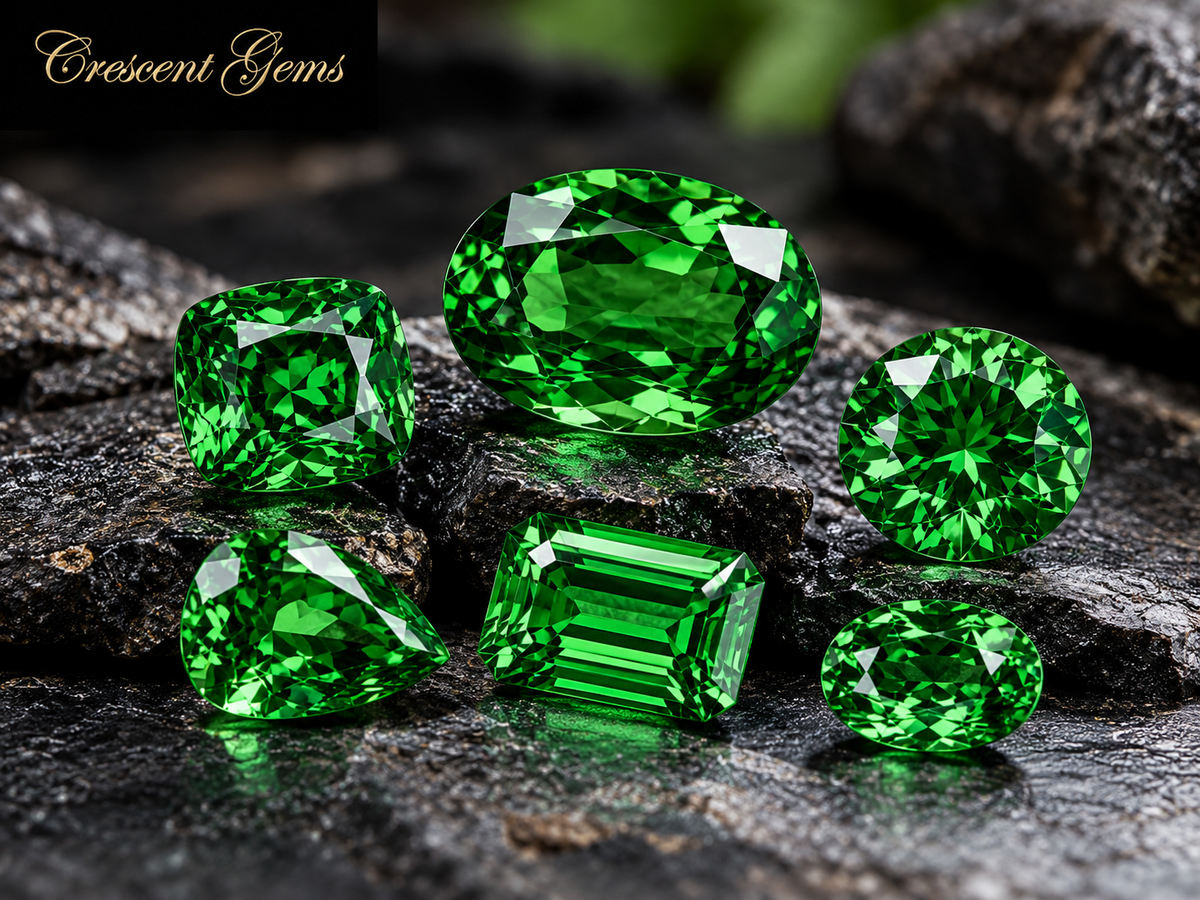
Tsavorite Garnet Price Guide — What They Cost and Why
Read moreabout Tsavorite Garnet Price Guide — What They Cost and Why
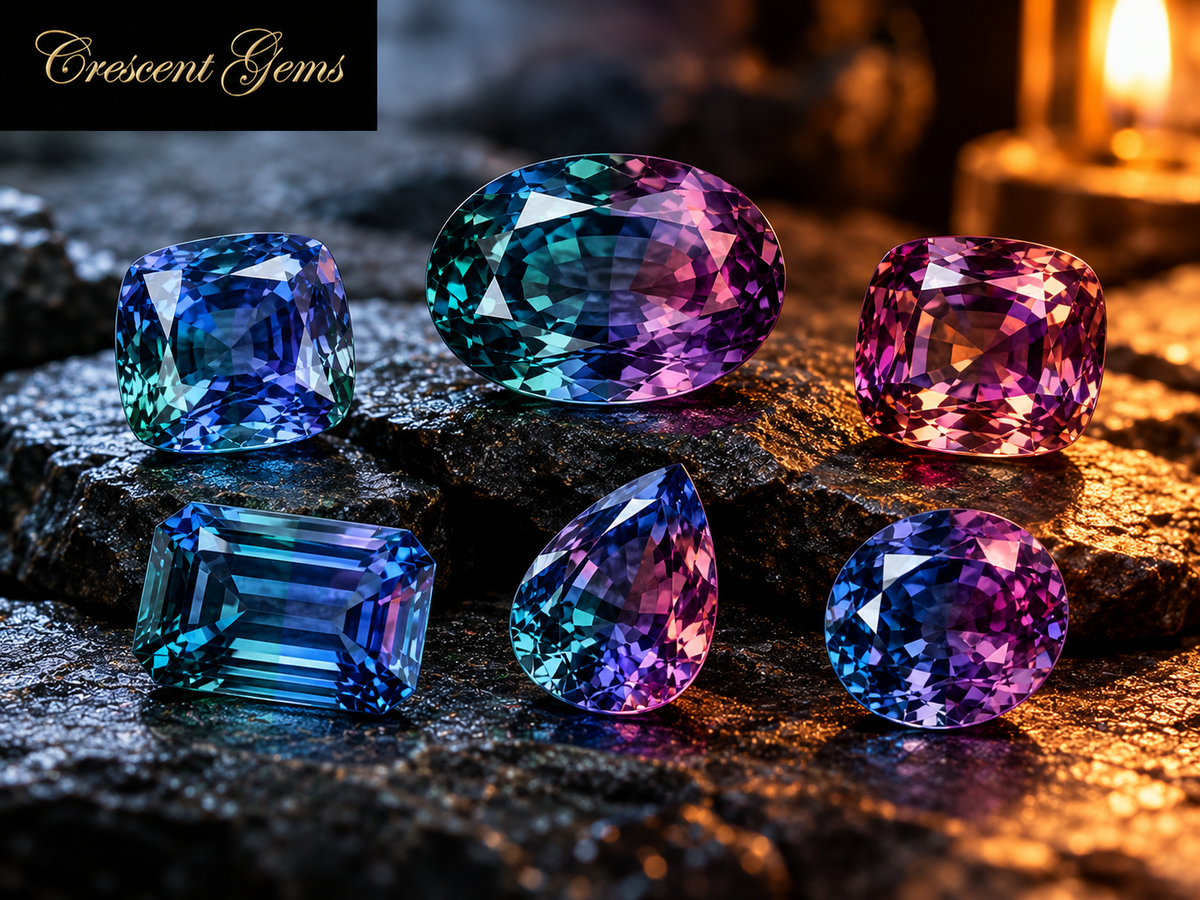
Color-Change Sapphire Price Guide — What They Cost and Why
Read moreabout Color-Change Sapphire Price Guide — What They Cost and Why
Is Cat's-Eye Chrysoberyl Good for an Engagement Ring?
Read moreabout Is Cat's-Eye Chrysoberyl Good for an Engagement Ring?
Cat's Eye Chrysoberyl Price Guide — What They Cost and Why
Read moreabout Cat's Eye Chrysoberyl Price Guide — What They Cost and Why