

- by Ahmed Shareek
What Size Sapphire Is Best for an Engagement Ring? Carat Weight, Millimeters, and How to Choose
- by Ahmed Shareek
Choosing a sapphire ring? Start with our How to Choose a Sapphire Engagement Ring guide. For shape guidance: Best Sapphire Cut for an Engagement Ring. For the full stone guide: Ultimate Sapphire Buying Guide.
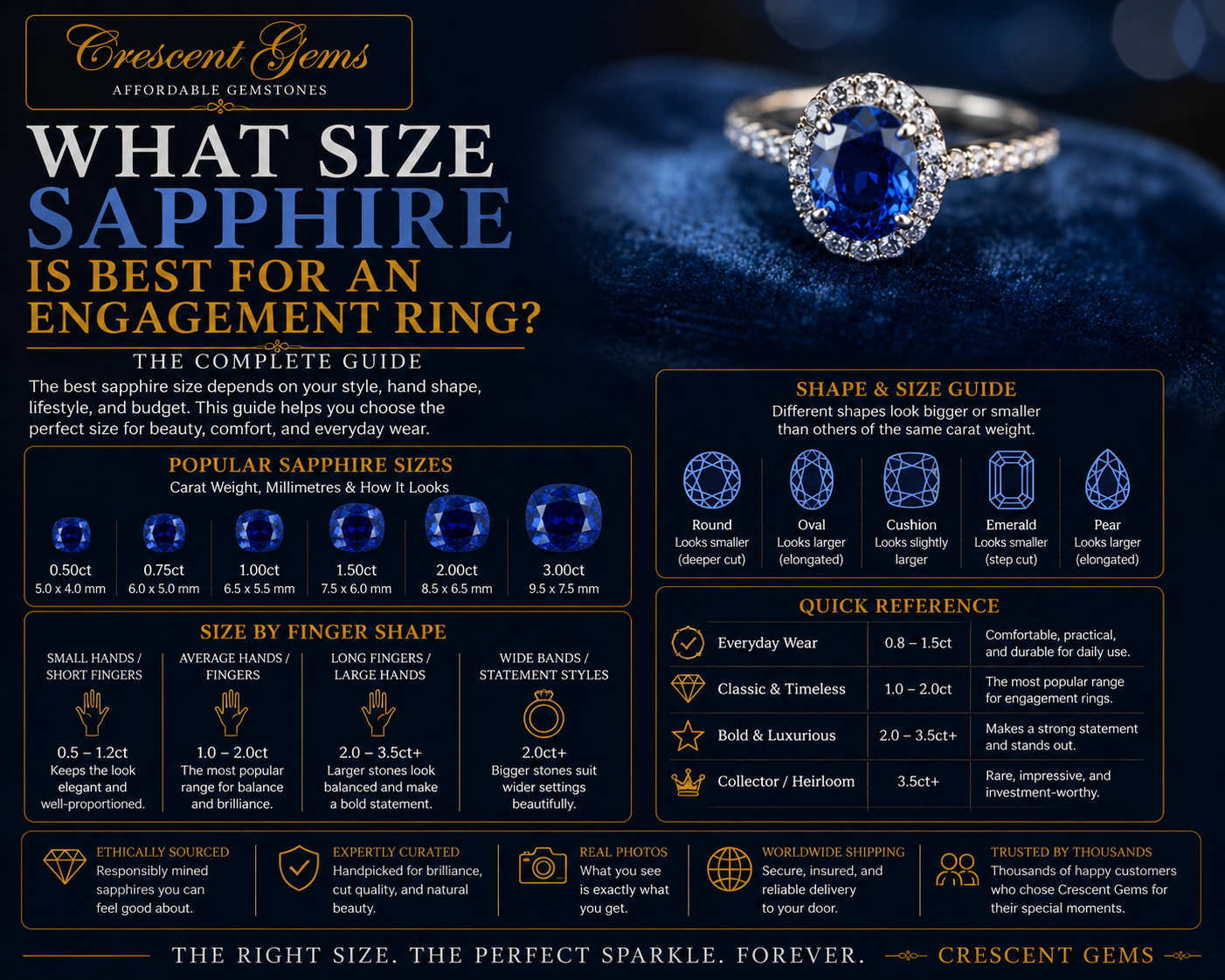
Choosing the right sapphire size for an engagement ring is not simply a question of how big you can afford to go. It involves the relationship between carat weight and actual face-up dimensions, how sapphire density compares to diamond, how different shapes distribute weight across the visible surface area, how your finger size and band width affect how a stone reads visually, and how size interacts with color and cut quality to determine overall beauty.
Most buyers approach size by carat weight — which is a mass measurement, not a size measurement. The more useful number is millimeters: the actual face-up diameter or length-by-width of the stone. Two stones in our own stock make the point: an oval of 1.18 ct measures 7.67 × 5.15mm and a round of 1.50 ct measures 6.29–6.36mm across — the oval reads longer and weighs 0.32 ct less, while the two cover almost the same face-up area, 31.0mm² against 31.4mm². Measured from our own stones, 27 September 2026. This guide works through all the variables so you can make a size decision based on what actually affects how the ring looks and wears.
Carat weight measures mass — one carat equals 0.2 grams. Face-up size is the actual diameter or surface area of the stone visible when the ring is worn. These two numbers are related but not equivalent, and for sapphire specifically, the relationship differs from what diamond buyers are used to.
Sapphire (corundum) has a specific gravity of approximately 4.0. Diamond has a specific gravity of approximately 3.52. Sapphire is denser — meaning a 1 carat sapphire occupies less physical volume than a 1 carat diamond. The result: a 1ct round brilliant diamond typically measures approximately 6.4–6.5mm across. A 1ct round sapphire typically measures approximately 5.8–6.1mm across — noticeably smaller in face-up appearance for the same carat weight.
This is not a flaw or a disadvantage — it is simply physics. But it matters enormously for buyers coming from a diamond reference point. If you are accustomed to thinking of "1 carat" as meaning a specific visual size, that benchmark does not transfer directly to sapphire. The millimeter measurement is what tells you how the stone will actually look in the ring.
| Carat Weight | Round Diamond (approx. mm) | Round Sapphire (approx. mm) | Visual Difference |
|---|---|---|---|
| 0.50 ct | 5.1–5.2mm | 4.8–5.0mm | Minor — hard to perceive in a ring |
| 0.75 ct | 5.7–5.9mm | 5.3–5.6mm | Small but visible |
| 1.00 ct | 6.4–6.5mm | 5.8–6.1mm | Meaningful — ~0.4mm smaller across |
| 1.25 ct | 6.9–7.0mm | 6.3–6.6mm | Clearly visible difference |
| 1.50 ct | 7.3–7.4mm | 6.8–7.1mm | Meaningful size difference |
| 2.00 ct | 8.1–8.2mm | 7.5–7.8mm | Significant difference at this size |
| 3.00 ct | 9.3–9.4mm | 8.5–8.9mm | Very significant difference |
The practical takeaway: when comparing sapphires to diamonds or when communicating your size preference to a jeweler, always specify millimeters. "I want a 7mm stone" is a more precise and useful specification than "I want a 1.5 carat stone" because the same carat weight can vary meaningfully in face-up size depending on how the stone is cut.
Shape is the biggest lever available for changing how large a stone reads at a given carat weight — but it works through outline, not through area. At the same weight and the same cutting depth, different outlines land within a few percent of one another: a 1ct oval at 7 × 5mm covers 27.5mm² face-up against 28.3mm² for a 1ct round at 6mm diameter — fractionally less, not more. The oval still looks the bigger stone, because an elongated outline reads larger than a compact outline of equal area. Where a shape genuinely does gain area per carat, it is because it is cut shallower, not because it is longer. Those two figures are nominal trade dimensions, not measurements of our stock; our own measured figures are further down this page.
| Shape | Outline vs. Round | Visual Character |
|---|---|---|
| Round | Baseline — equal across both axes | Classic, symmetrical; most light return |
| Oval | Longer and narrower; about the same face-up area at the same weight and depth | Elongates finger; reads larger than a compact outline of equal area |
| Cushion | Square to slightly rectangular, with soft corners | Soft corners; vintage character; good light return |
| Pear | Longer and narrower still, with one point | Elongates finger; distinctive silhouette; pointed tip needs V-prong |
| Emerald cut | Rectangular step cut with an open table | Open table; step-cut faceting; elegant and architectural |
| Radiant | Rectangular outline with brilliant faceting | Brilliant facets in rectangular shape; strong light return |
| Marquise | The most elongated of the common outlines, with two points | Maximum elongation; dramatic; both points need V-prongs |
| Heart | Roughly as wide as it is long, with a cleft and a point | Distinctive; requires careful symmetry; sentimental choice |
This table describes outlines, not sizes. It carries no millimetre figures and no area percentages, because the only honest millimetre figures we have are measurements of our own stones, and they are further down this page — where they are dated and carry a sample size. The version of this table we published before gave a face-up size and an area percentage for all eight shapes, including two we hold no stock in; the area percentages were wrong, and they have been removed rather than restated.
Oval is the most popular sapphire shape for engagement rings because of how it reads, not because it covers more of the finger. In our own stock the two shapes come out level: our ten oval sapphires between 1.00 and 1.24 ct have a median face-up size of 6.98 × 5.18mm at a median weight of 1.17 ct, and our five rounds in the same band measure a median 6.02mm across at a median weight of 1.10 ct — 28.4mm² of face-up area for the ovals against 28.5mm² for the rounds, with the ovals carrying slightly more weight to get there. Measured from our own stones, 27 September 2026; these are our own stones, not a universal size chart. The oval still looks the bigger stone, because an elongated outline reads larger than a compact outline of equal area. See our Best Sapphire Cut for an Engagement Ring guide for the full shape comparison including light performance, settings, and style considerations.
A delicate, refined look. Works beautifully in halo settings (where the surrounding small stones add visual size), three-stone designs, east-west orientations, and intentionally minimal solitaires. As a standalone solitaire without a halo, a sub-0.75ct round sapphire can read as a small stone on most finger sizes — which is a perfectly valid aesthetic choice but worth knowing in advance. Oval and elongated shapes at this weight read as more substantial than round.
The practical center of gravity for sapphire engagement rings. This range provides a clear, confident visual presence in a solitaire without entering the sharp per-carat price increases that begin above 2ct. A 1ct oval at approximately 7×5mm is among the most versatile and popular center stone sizes — visible and impactful without being oversized for smaller hands. Most of Crescent Gems' engagement ring sapphires fall in this range.
A substantial center stone — clearly present on any finger size, appropriate for statement settings and modern solitaire designs. Price per carat increases meaningfully in this range, particularly for unheated material with fine color. The visual jump from 1ct to 1.5ct is significant and immediately noticeable. Most buyers in this range are either setting a specific visual benchmark or working from a budget that allows them to prioritize size alongside color and treatment quality.
Genuine scarcity territory. Fine unheated sapphires with strong color above 2ct carry a meaningfully higher price per carat than equivalent stones below 2ct — a function of genuine rarity in the supply of fine rough at this size. A 2ct+ sapphire in vivid color with GIA "no heat" documentation is a collector piece as much as it is an engagement ring stone. Browse our Ceylon blue sapphires over 2 carats and certified collector gemstones collection.
This section used to carry a generic size chart: eight carat weights against five shapes, with no date, no source, and no indication of how many stones — if any — stood behind a figure. It has been replaced with measurements of the sapphires we actually list. Every figure below was read from our own recorded dimensions on 27 September 2026, and every row states how many stones it rests on. They describe how the sapphires we buy are cut. They are not a statement of what a carat weight "is".
Four shapes are covered, because those are the four we hold in enough depth to measure: 23 round, 33 oval, 26 cushion (20 rectangular and 6 square) and 13 emerald-cut sapphires — 95 stones in all. Where a weight band is missing from a table, we hold no stone in it and nothing has been interpolated to fill the gap.
Measured from the 23 round sapphires we currently list. All 23 have recorded dimensions, so none were excluded from the sample. A round is recorded as two diameters; the figure below is the median of those two across the band, and the range is the smallest and largest single diameter recorded in it.
| Carat band (median weight) | Rounds measured | Median diameter | Range across those stones |
|---|---|---|---|
| 0.43 ct | 1 | 4.60 mm | one stone, not a range |
| 0.50–0.74 ct (median 0.64 ct) | 3 | 5.00 mm | 4.96–5.08 mm |
| 0.87 ct | 1 | 5.94 mm | one stone, not a range |
| 1.00–1.24 ct (median 1.10 ct) | 5 | 6.02 mm | 5.70–6.45 mm |
| 1.25–1.49 ct (median 1.31 ct) | 5 | 6.85 mm | 6.33–7.40 mm |
| 1.50–1.99 ct (median 1.62 ct) | 5 | 6.68 mm | 6.29–7.09 mm |
| 2.08 ct | 1 | 6.83 mm | one stone, not a range |
| 3.13 ct | 1 | 8.27 mm | one stone, not a range |
| 5.39 ct | 1 | 10.31 mm | one stone, not a range |
Measured from the 23 round sapphires we currently list, 27 September 2026. These are our own stones, measured — not a universal size chart. Figures are the medians of our recorded face-up diameters; the bands shown are the weights we actually hold, and no band is estimated from stones we do not have.
Five of the nine rows rest on a single stone; read those as measurements of that stone, not as ranges. We hold no round sapphire below 0.43 ct, none between 2.09 and 3.12 ct, none between 3.14 and 5.38 ct and none above 5.39 ct, so no rows are shown at those weights.
One row runs against expectation, and it is not a transcription error: our 1.25–1.49 ct rounds measure larger face-up than our 1.50–1.99 ct rounds, 6.85 mm against 6.68 mm. The lighter band is the shallower one — its median depth is 59% of the diameter, against 73% in the heavier band. Depth, not carat weight, decides how much of the stone you see, which is the whole reason this page asks you to buy on millimetres.
Measured from the 33 faceted oval sapphires we currently list. All 33 have recorded dimensions, so none were excluded from the sample. Three oval-outline star sapphire cabochons are not part of this population — they are cabochons, not faceted stones, and two of them sit in a weight band the table below shows as empty.
| Carat band (median weight) | Ovals measured | Median face-up size | Range across those stones |
|---|---|---|---|
| 0.50–0.74 ct (median 0.57 ct) | 8 | 5.91 × 4.00 mm | 5.30–5.98 × 3.84–4.14 mm |
| 0.75–0.99 ct (median 0.83 ct) | 3 | 7.00 × 5.00 mm | 6.83–7.05 × 4.98–5.00 mm |
| 1.00–1.24 ct (median 1.17 ct) | 10 | 6.98 × 5.18 mm | 6.38–7.67 × 5.05–5.60 mm |
| 1.25–1.49 ct (median 1.37 ct) | 3 | 7.42 × 5.52 mm | 6.48–7.42 × 5.42–6.58 mm |
| 1.50–1.99 ct (median 1.65 ct) | 2 | 7.81 × 6.31 mm | 7.71–7.91 × 6.16–6.46 mm |
| 2.00–2.99 ct (median 2.20 ct) | 5 | 7.95 × 6.68 mm | 6.96–8.51 × 5.93–6.95 mm |
| 4.00–4.99 ct (median 4.50 ct) | 2 | 10.10 × 8.16 mm | 9.52–10.68 × 7.87–8.45 mm |
Measured from the 33 oval sapphires we currently list, 27 September 2026. These are our own stones, measured — not a universal size chart. Figures are the medians of our recorded face-up length and width; the bands shown are the weights we actually hold, and no band is estimated from stones we do not have.
We hold no oval sapphire between 3.00 and 3.99 ct, so there is no 3 ct row, and none below 0.50 ct or above 4.99 ct. Two rows rest on two stones each; read those as two points, not a distribution.
A 7 × 5 mm oval is the figure the trade quotes for a carat, and in our stock it is a fair one: the four ovals we list that measure within a tenth of a millimetre of 7 × 5 weigh 0.83, 0.95, 1.13 and 1.23 ct — a median of 1.04 ct. We list no oval at exactly 1.00 ct at all, and the stone in our stock closest to 7.5 × 5.5 mm measures 7.50 × 5.52 mm and weighs 1.16 ct.
Measured from the 26 cushion sapphires we currently list — 20 rectangular and 6 square. All 26 have recorded dimensions, so none were excluded from the sample. Because a square cushion and a rectangular cushion of the same weight sit at different length-to-width ratios, blending them into one median would describe neither; the table covers the 20 rectangular cushions, and the 6 square cushions follow it.
| Carat band (median weight) | Rectangular cushions measured | Median face-up size | Range across those stones |
|---|---|---|---|
| 0.86 ct | 1 | 5.52 × 4.94 mm | one stone, not a range |
| 1.00–1.49 ct (median 1.24 ct) | 8 | 6.56 × 5.23 mm | 6.10–7.97 × 4.43–5.93 mm |
| 1.50–1.99 ct (median 1.75 ct) | 4 | 6.87 × 6.00 mm | 6.38–7.63 × 5.65–6.61 mm |
| 2.00–2.99 ct (median 2.17 ct) | 5 | 8.20 × 6.84 mm | 7.17–8.63 × 5.80–7.28 mm |
| 3.19 ct | 1 | 8.07 × 6.79 mm | one stone, not a range |
| 5.18 ct | 1 | 10.00 × 8.42 mm | one stone, not a range |
Measured from the 26 cushion sapphires we currently list, 27 September 2026. These are our own stones, measured — not a universal size chart. Figures are the medians of our recorded face-up length and width; the bands shown are the weights we actually hold, and no band is estimated from stones we do not have.
Three of the rows above rest on a single stone. Those are measurements of that one stone, not ranges, and we hold no rectangular cushion between 3.20 and 5.17 ct, so nothing is shown there.
The six square cushions: 0.36 ct at 3.98 × 3.98 mm; 0.63 ct at 4.95 × 4.85 mm; 1.47 ct at 6.38 × 6.09 mm; and three between 2.04 and 2.70 ct measuring 6.58–7.64 × 6.37–7.63 mm, median 6.88 × 6.70 mm. We hold none between 1.50 and 1.99 ct.
Measured from the 13 emerald-cut sapphires we currently list. All 13 have recorded dimensions, so none were excluded from the sample.
| Carat band (median weight) | Emerald cuts measured | Median face-up size | Range across those stones |
|---|---|---|---|
| 0.50–0.99 ct (median 0.60 ct) | 2 | 5.70 × 3.99 mm | 5.53–5.86 × 3.90–4.08 mm |
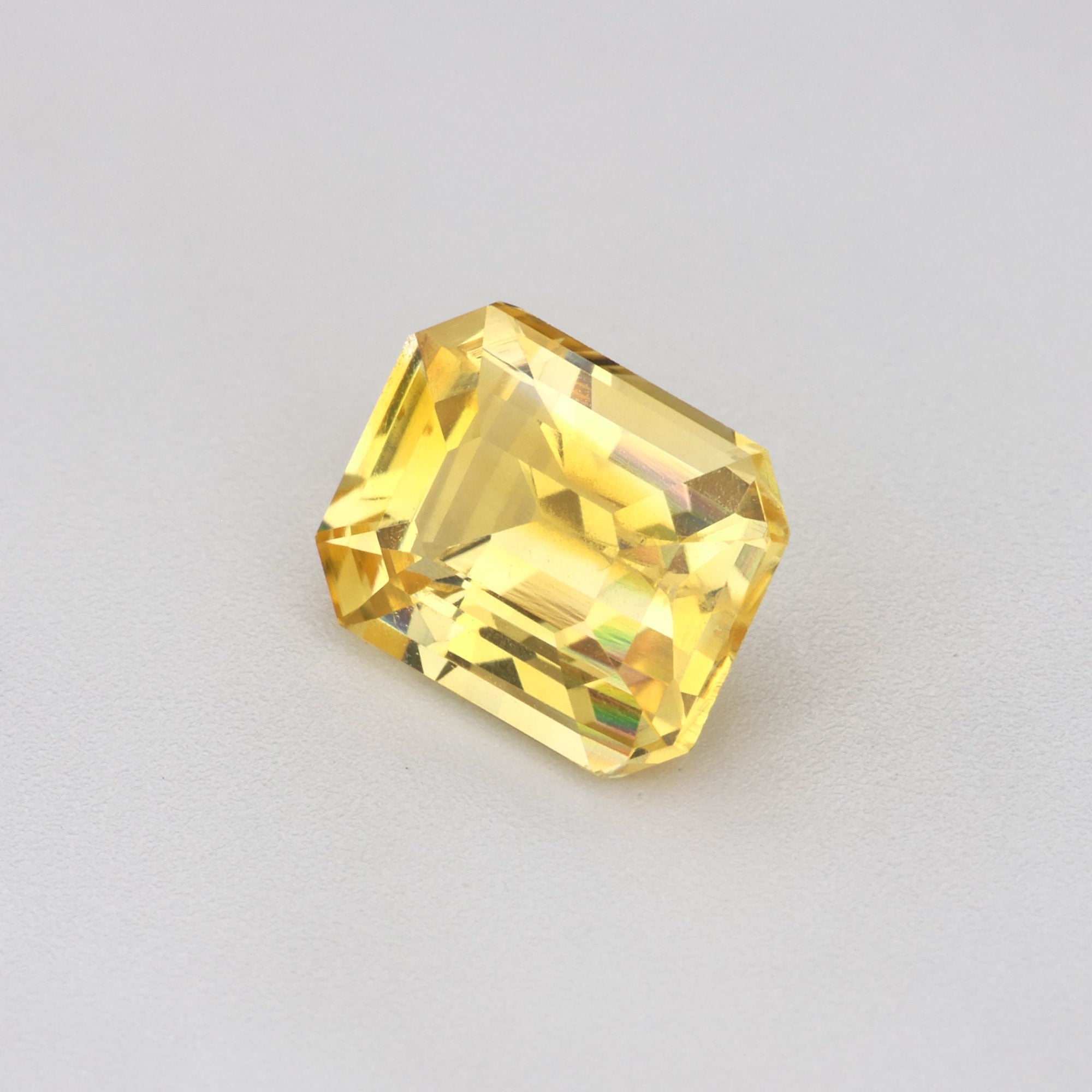
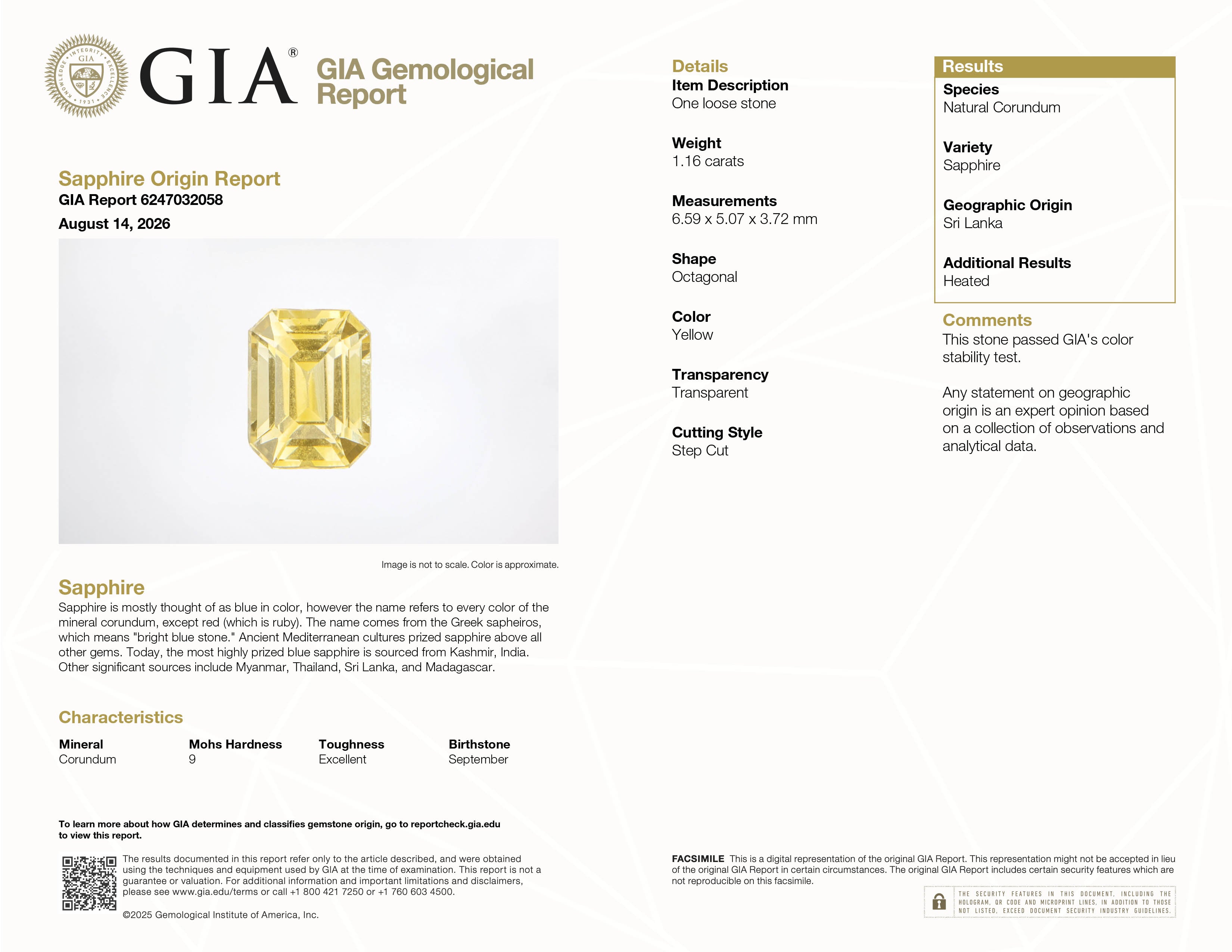
| 1.00–1.49 ct (median 1.16 ct) | 5 | 6.59 × 5.07 mm | 5.80–7.24 × 4.86–5.53 mm |
| 1.50–1.99 ct (median 1.60 ct) | 3 | 7.45 × 5.45 mm | 7.05–7.75 × 5.03–6.05 mm |
| 2.12 ct | 1 | 6.98 × 5.67 mm | one stone, not a range |
| 3.00–3.49 ct (median 3.08 ct) | 2 | 8.56 × 6.89 mm | 8.53–8.60 × 6.45–7.34 mm |
Measured from the 13 emerald-cut sapphires we currently list, 27 September 2026. These are our own stones, measured — not a universal size chart. Figures are the medians of our recorded face-up length and width; the bands shown are the weights we actually hold, and no band is estimated from stones we do not have.
With 13 stones the sample is small: two rows rest on two stones and one on a single stone, and we hold nothing between 2.13 and 2.99 ct or above 3.09 ct. The bands above are the weights we actually stock.
We list one pear sapphire, at 0.61 ct, and two marquises, one of which has no recorded dimensions. We list no heart-shaped sapphire at all. One stone is a data point, not a distribution, and no stones are nothing to measure — so there is no pear, marquise or heart row above, and no millimetre figure for any of those three shapes anywhere on this page. The chart we removed printed a full set of figures for all of them. If you are looking for a pear or a heart, email us and we will tell you what the specific stone measures rather than what a chart says it ought to.
A generic trade chart puts a 1 ct round sapphire at 5.8–6.1 mm, a 1 ct oval at 7.5 × 5.5 mm, a 1 ct cushion at 5.5 × 5.5 mm and a 1 ct emerald cut at 7.0 × 5.0 mm. Our own stones do not disagree with that chart in a single direction, and the direction changes with weight and with shape.
Below about a carat our stones sit level with the chart or a shade above it: our 0.50–0.74 ct rounds measure 5.00 mm across, at the top of the 4.8–5.0 mm a chart gives half a carat, and our 0.50–0.99 ct emerald cuts measure 5.70 × 3.99 mm against the 5.5 × 4.0 mm a chart gives half a carat. Above a carat the chart runs optimistic: our 1.50–1.99 ct rounds measure 6.68 mm across against the 6.8–7.1 mm a chart gives a 1.50 ct stone, and our two emerald cuts at 3.08 and 3.09 ct measure 8.60 × 6.45 mm and 8.53 × 7.34 mm against the 9.5 × 7.5 mm a chart gives a 3 ct step cut.
The oval is the one shape where the chart is never behind us. Our ovals match it at three-quarters of a carat — our 0.75–0.99 ct band measures 7.00 × 5.00 mm, exactly the chart's 0.75 ct figure — and fall short of it at every other weight, including at a carat, where the chart's 7.5 × 5.5 mm first turns up in our stock at 1.16 ct. The cushion runs the other way, and one chart row cannot describe both kinds: our rectangular cushions at 1.00–1.49 ct run longer and narrower than the chart's square 1 ct figure at 6.56 × 5.23 mm, while our square cushions between 2.04 and 2.70 ct measure 6.88 × 6.70 mm — smaller face-up than the 7.0 × 7.0 mm a chart gives a 2 ct cushion, at more than 2 ct of weight.
Stones cut to retain weight measure smaller face-up than a chart assumes, so two stones of the same carat weight can differ in spread, and spread is what you are really comparing. That is a statement about these stones, not a claim that they are cut better or worse than anyone else's. Always ask for actual measurements on any stone you are considering.
The same stone reads very differently on different hands. Understanding how finger size affects visual impact allows you to calibrate the size decision for your specific hand rather than following a generic carat-weight rule.
The visual presence of a center stone in a ring is determined by the ratio of the stone's face-up width to the finger's width at the knuckle. A 7mm stone on a size 5 finger (approximately 15mm wide at the knuckle) occupies about 47% of the finger width — a very prominent appearance. The same 7mm stone on a size 8 finger (approximately 19mm wide) occupies about 37% — a more restrained, elegant proportion.
| Ring Size (US) | Approx. Finger Width | Stone Size for Subtle Look | Stone Size for Statement Look | Notes |
|---|---|---|---|---|
| 4–5 | 13–15mm | 5.0–5.8mm / 0.5–0.7ct round | 6.5–7.5mm / 1.0–1.5ct round | Smaller hands; elongated shapes particularly effective |
| 5–6 | 15–16mm | 5.5–6.0mm / 0.7–1.0ct round | 7.0–8.0mm / 1.2–1.8ct round | Most common US engagement ring size range |
| 6–7 | 16–17mm | 6.0–6.5mm / 1.0–1.2ct round | 7.5–8.5mm / 1.5–2.0ct round | Average hand; widest range of proportionate options |
| 7–8 | 17–18mm | 6.5–7.0mm / 1.2–1.5ct round | 8.0–9.0mm / 1.8–2.5ct round | Larger hands; substantial stones wear proportionately |
| 8+ | 18mm+ | 7.0mm+ / 1.5ct+ round | 9.0mm+ / 2.5ct+ round | Larger stones read proportionately; smaller stones can look undersized |
These are guidelines, not rules. Personal style, setting design, and the specific stone's color and brilliance all affect visual impact in ways that carat weight alone cannot predict. The most reliable way to understand how a specific stone looks on your hand is to see it in person — which is exactly what our Try Before You Buy program allows.
The width of the ring band has a significant effect on how large the center stone appears, independent of the stone's actual size:
For most sapphire engagement ring buyers, the decision involves balancing three variables against a budget: size (carat weight / face-up millimeters), color quality (saturation, tone, hue purity), and treatment status (heated vs. unheated). Understanding how these interact helps allocate budget effectively.
| Priority | Trade-off | Best Approach |
|---|---|---|
| Maximize size on a fixed budget | Accept heated treatment; buy on face-up millimetres rather than carat weight; prefer a shallower stone to a deep one | A vivid heated oval in the 1.5–2ct range can offer more visual impact per dollar than a smaller unheated round |
| Maximize color quality on a fixed budget | Accept smaller size; consider round for maximum brilliance; unheated premium absorbed by carat reduction | A vivid 0.75–1ct unheated stone with exceptional color often looks more beautiful than a larger pale stone |
| Maximize documented quality | Accept smaller size; prioritize unheated with GIA documentation; Ceylon origin adds value | A 1–1.5ct vivid unheated Ceylon sapphire with a GIA report is the most fully documented combination in the engagement ring size range |
| Balance all three | 1–1.5ct, heated but fine color, oval outline for presence on the finger | The most common practical choice — good visual presence, accessible price, beautiful color |
For the full framework on color, treatment, and value, see our Ultimate Sapphire Buying Guide and our What Is an Unheated Sapphire? guide.
| Size Range | Heated, Fine Color (per ct) | Unheated, Fine Color (per ct) | Notes |
|---|---|---|---|
| Under 1 ct | $400–$1,200 | $800–$2,500 | Good supply; most accessible entry point |
| 1–1.5 ct | $800–$2,500 | $2,000–$6,000 | Sweet spot for engagement rings; unheated premium significant |
| 1.5–2 ct | $1,200–$4,000 | $4,000–$10,000 | Strong demand; fine color increasingly scarce |
| 2–3 ct | $2,500–$7,000 | $8,000–$20,000+ | Sharp per-carat price jump at the 2ct threshold |
| Above 3 ct | $4,000–$10,000+ | $15,000–$50,000+ | Collector grade; GIA documentation essential |
Figures above are approximate market guidance, not fixed quotes. Actual value varies by treatment, origin, colour, cut, clarity, and certification.
These are market reference ranges for Ceylon blue sapphire — the most widely traded fine sapphire origin. Other colors (teal, pink, padparadscha, yellow) have their own pricing structures. See our Sapphire Pricing Explained guide for the full framework.
The 1–1.5ct range is the most common size for sapphire engagement rings; in our own stock, rounds in that range measure 5.70 to 7.40mm across and ovals 6.38 to 7.67mm long by 5.05 to 6.58mm wide, measured 27 September 2026. It provides a clear, confident visual presence without entering the sharp price-per-carat increases that occur above 2ct. Oval shapes in this weight range are particularly popular because their elongated outline reads larger, not because they cover more area than a round of the same weight: at 1.00–1.24 ct our ovals average 28.4mm² face-up and our rounds 28.5mm².
Because sapphire is denser than diamond. Sapphire has a specific gravity of approximately 4.0; diamond is approximately 3.52. More mass is packed into less volume in a sapphire, so the same carat weight occupies a smaller physical size. A 1ct round sapphire typically measures 5.8–6.1mm; a 1ct round diamond typically measures 6.4–6.5mm. This is physics, not a quality difference — the stone is the same weight, just slightly more compact.
Millimeters. Carat weight is a mass measurement that does not directly tell you how large the stone looks in a ring. Millimeters measure the actual face-up dimensions that determine visual presence. Always ask for length × width × depth measurements, not just carat weight, when evaluating any stone.
For ring sizes 4–5.5 (smaller hands), stones in the 5.5–7mm face-up range — approximately 0.6–1.2ct round or a 0.8–1.2ct oval — tend to provide the best proportional balance. Elongated shapes (oval, pear) are particularly flattering on smaller hands because they create a lengthening effect on the finger. Very large stones (8mm+) can appear overwhelming on small hands, though personal style preference always takes precedence.
Yes, comfortably. A 1ct oval sapphire at approximately 7×5mm has a clear, confident visual presence in most ring designs. A 1ct round at 5.8–6.1mm is more modest but still entirely appropriate, particularly in a halo or three-stone setting. Whether it is "big enough" ultimately depends on your aesthetic preference, not any objective standard.
No. A smaller stone with vivid, saturated color and precise cutting often looks more beautiful than a larger stone with weak color or a poor cut. Color is the dominant visual variable in sapphire — a vivid 0.9ct stone will typically outperform a washed-out 1.4ct at the same price point. Size should be balanced against color and cut quality, not maximized in isolation.
Significantly more — and not on a simple linear scale. Fine sapphires above 2ct are genuinely scarcer than equivalent quality below 2ct, and the price per carat reflects this. A fine unheated 2ct Ceylon sapphire does not cost twice as much as an equivalent 1ct stone — it typically costs 3x–5x as much in total because both the per-carat price increases and there is simply more carat weight. The 2ct threshold is a meaningful price inflection point in the sapphire market.
Browse our sapphire collections organized by size and type to find stones in your target millimeter and carat range:
Email crescentgems@gmail.com with your target size, shape, and budget — we will identify the best available match from our current inventory and can pull stones for a Try Before You Buy selection. We respond within one business day.
Continue Learning
Return to the Ultimate Sapphire Buying Guide for the full picture on colors, origins, shapes, certification, and pricing — everything you need to buy a natural loose sapphire with confidence.

CG8465
CG8460
CG8456


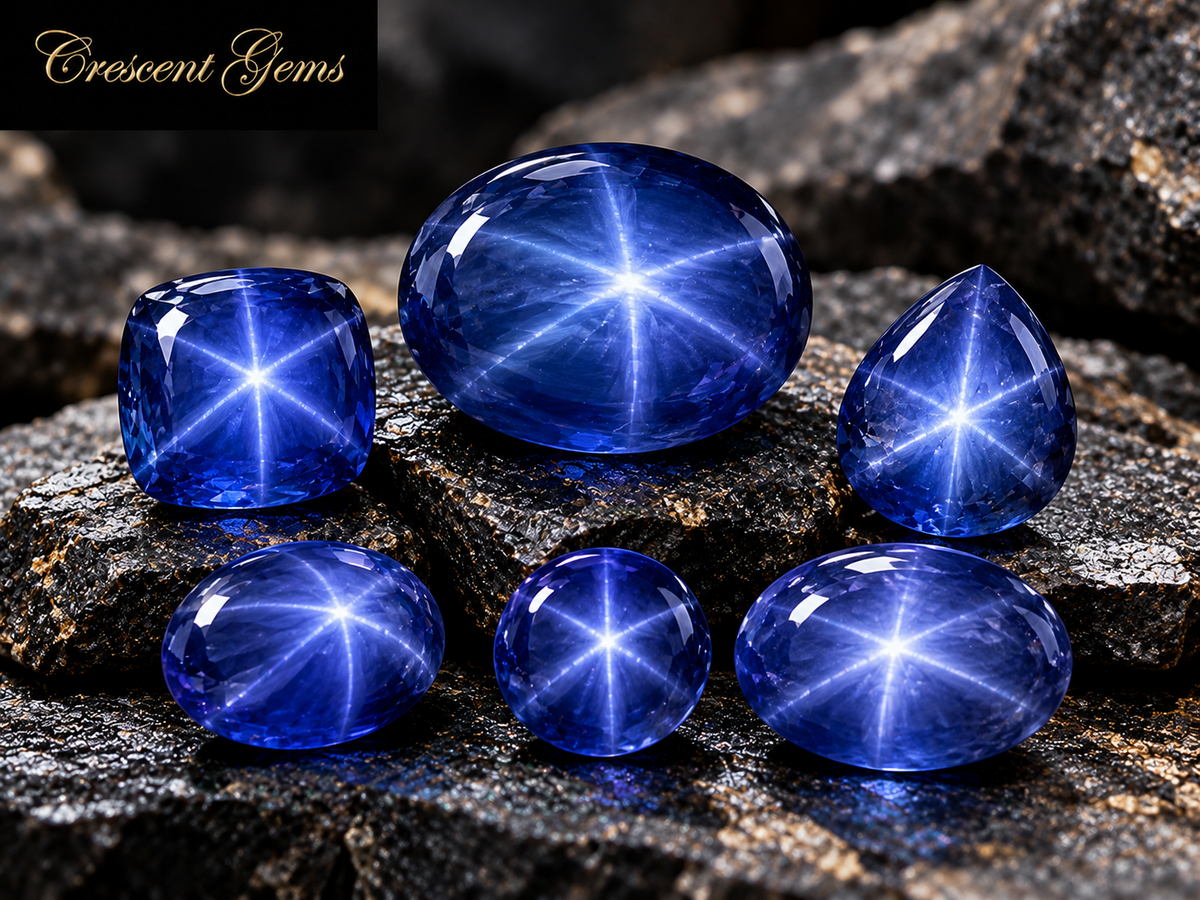
Blue Star Sapphire Price Guide — What They Cost and Why
Read moreabout Blue Star Sapphire Price Guide — What They Cost and Why
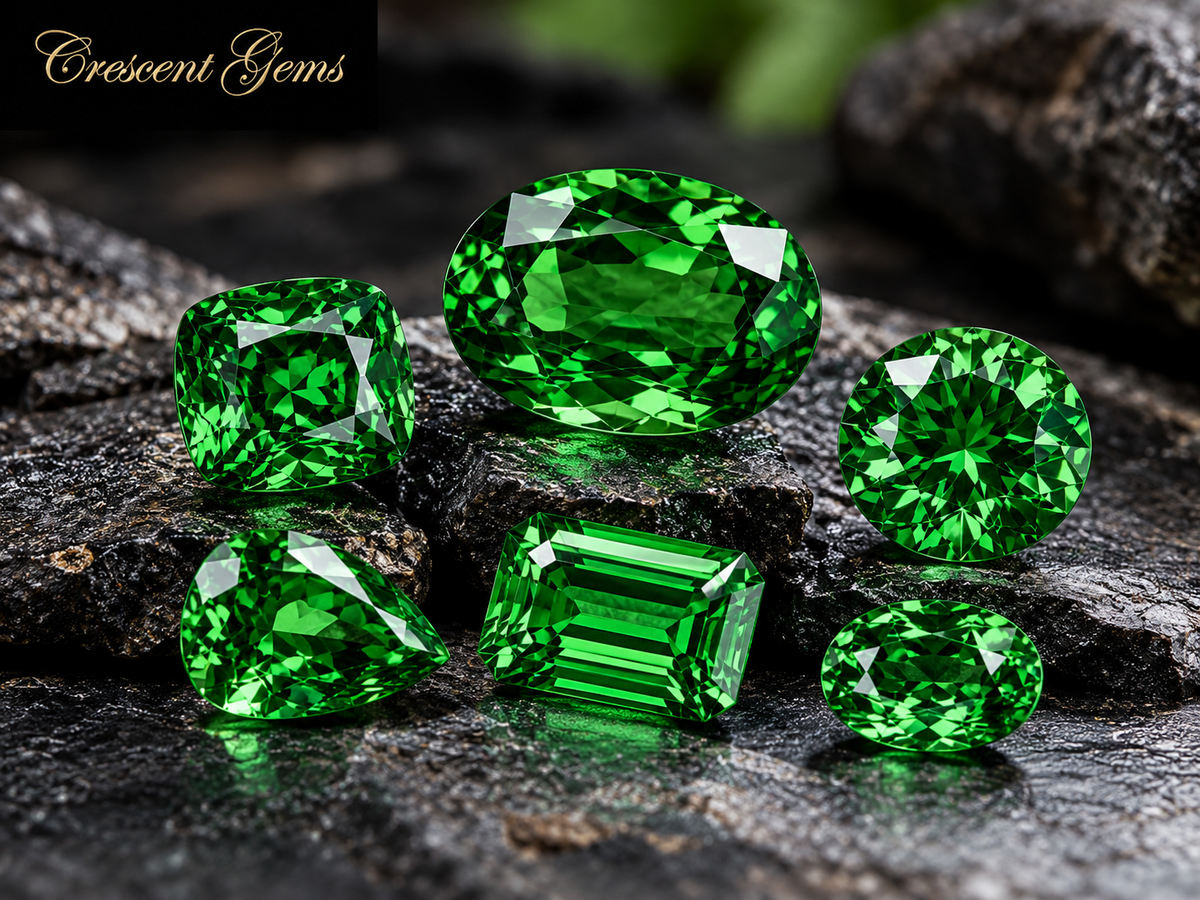
Tsavorite Garnet Price Guide — What They Cost and Why
Read moreabout Tsavorite Garnet Price Guide — What They Cost and Why
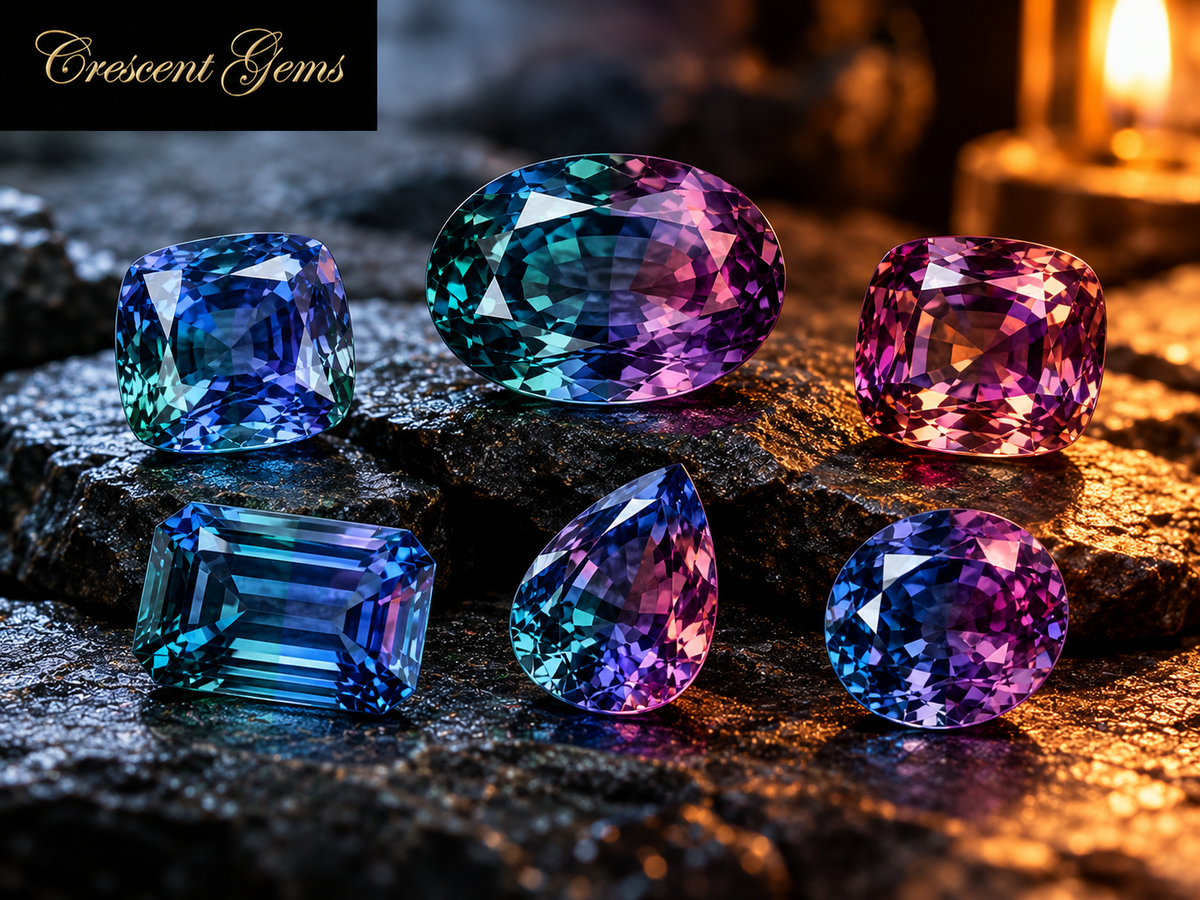
Color-Change Sapphire Price Guide — What They Cost and Why
Read moreabout Color-Change Sapphire Price Guide — What They Cost and Why
Is Cat's-Eye Chrysoberyl Good for an Engagement Ring?
Read moreabout Is Cat's-Eye Chrysoberyl Good for an Engagement Ring?
Cat's Eye Chrysoberyl Price Guide — What They Cost and Why
Read moreabout Cat's Eye Chrysoberyl Price Guide — What They Cost and Why















Share: