

- by Ahmed Shareek
Sapphire vs. Moissanite vs. Lab Diamond — Natural vs. Manufactured for Engagement Rings
- by Ahmed Shareek
New to buying sapphires? Start with our Ultimate Sapphire Buying Guide — the complete resource for color, origin, treatment, and pricing.
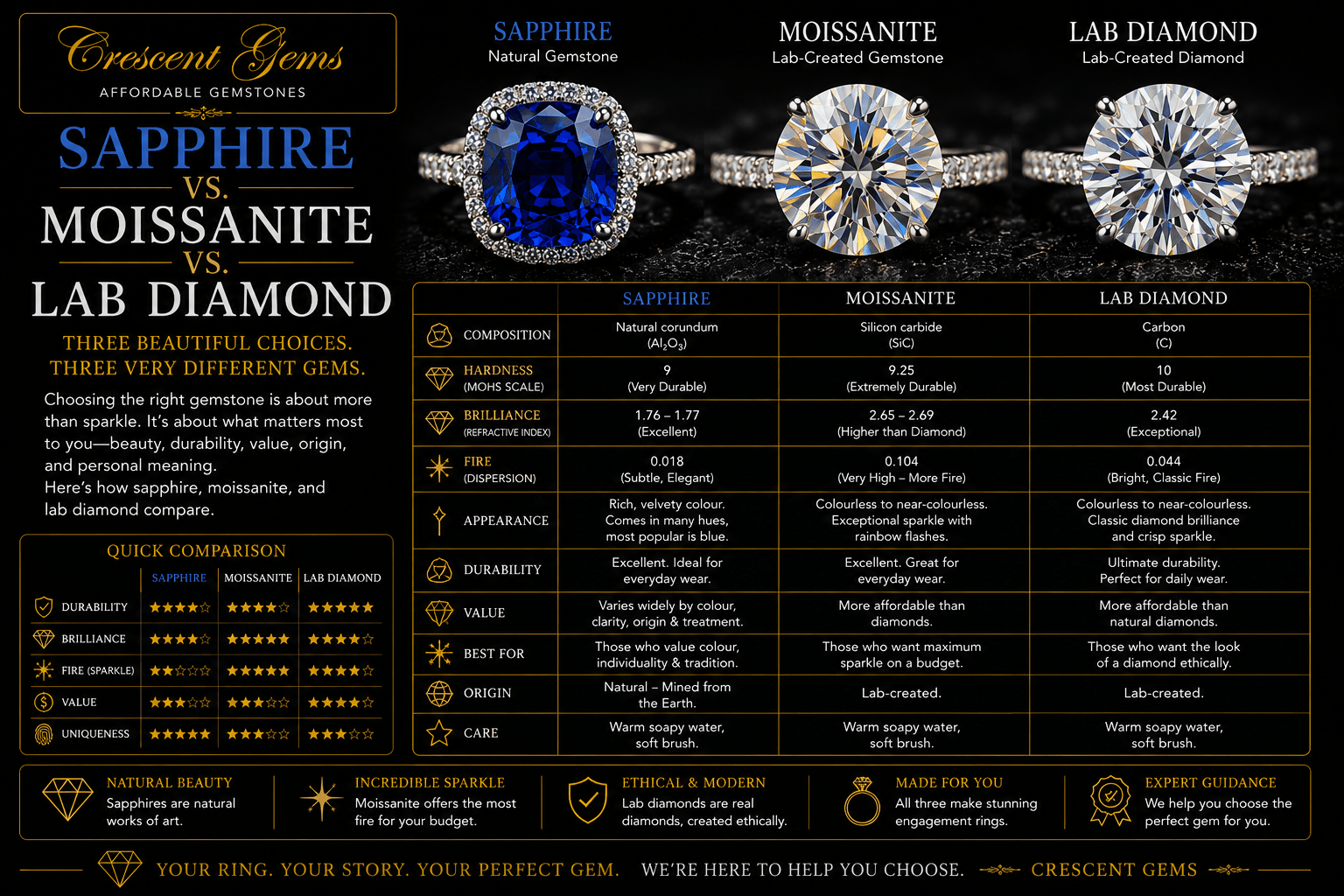
The engagement ring market has changed. A decade ago, the choice was simple: diamond, or maybe sapphire if you were inspired by Princess Diana. Today, buyers are choosing between natural sapphires, lab-grown diamonds, moissanite, and natural diamonds — four fundamentally different products at four different price points, each with a different set of trade-offs.
This guide compares natural sapphire against the two most popular manufactured alternatives — lab-grown diamond and moissanite — across the dimensions that actually matter for an engagement ring: durability, appearance, long-term value, environmental profile, and what the stone says about the person wearing it. We sell natural sapphires, so our position is clear — but we will give you the honest comparison so you can decide for yourself.
| Factor | Natural Sapphire | Lab-Grown Diamond | Moissanite |
|---|---|---|---|
| What it is | Natural corundum, mined from the earth | Real diamond, grown in a factory | Silicon carbide, manufactured |
| Hardness | Mohs 9 | Mohs 10 | Mohs 9.25 |
| Color | Every color imaginable | Colorless (or fancy colors) | Colorless (slight warmth possible) |
| Brilliance | Rich, colored light return | High brilliance and fire | Very high fire (rainbow flashes) |
| Origin | Earth-formed over millions of years | Factory-grown in weeks | Factory-grown |
| Rarity | Genuinely rare, especially unheated | Unlimited supply | Unlimited supply |
| 1ct equivalent cost | $500–$5,000+ | $300–$1,500 | $50–$400 |
| Resale value | Holds and appreciates (fine quality) | Declining; limited resale market | Minimal |
| Uniqueness | Every stone is one of a kind | Identical stones can be reproduced | Mass-produced to spec |
Figures above are approximate market guidance, not fixed quotes. Actual value varies by treatment, origin, colour, cut, clarity, and certification.
A natural sapphire is gem-quality corundum (aluminum oxide) that crystallized deep in the earth under extreme heat and pressure millions of years ago, was transported to the surface by geological forces, and was recovered from alluvial gravel or primary rock deposits by miners. Every natural sapphire is unique — its color, its inclusion signature, its trace element chemistry are specific to that individual crystal. No two are identical. The stone in your ring formed before humans existed and was found by someone who dug it from the ground. That is what you are wearing.
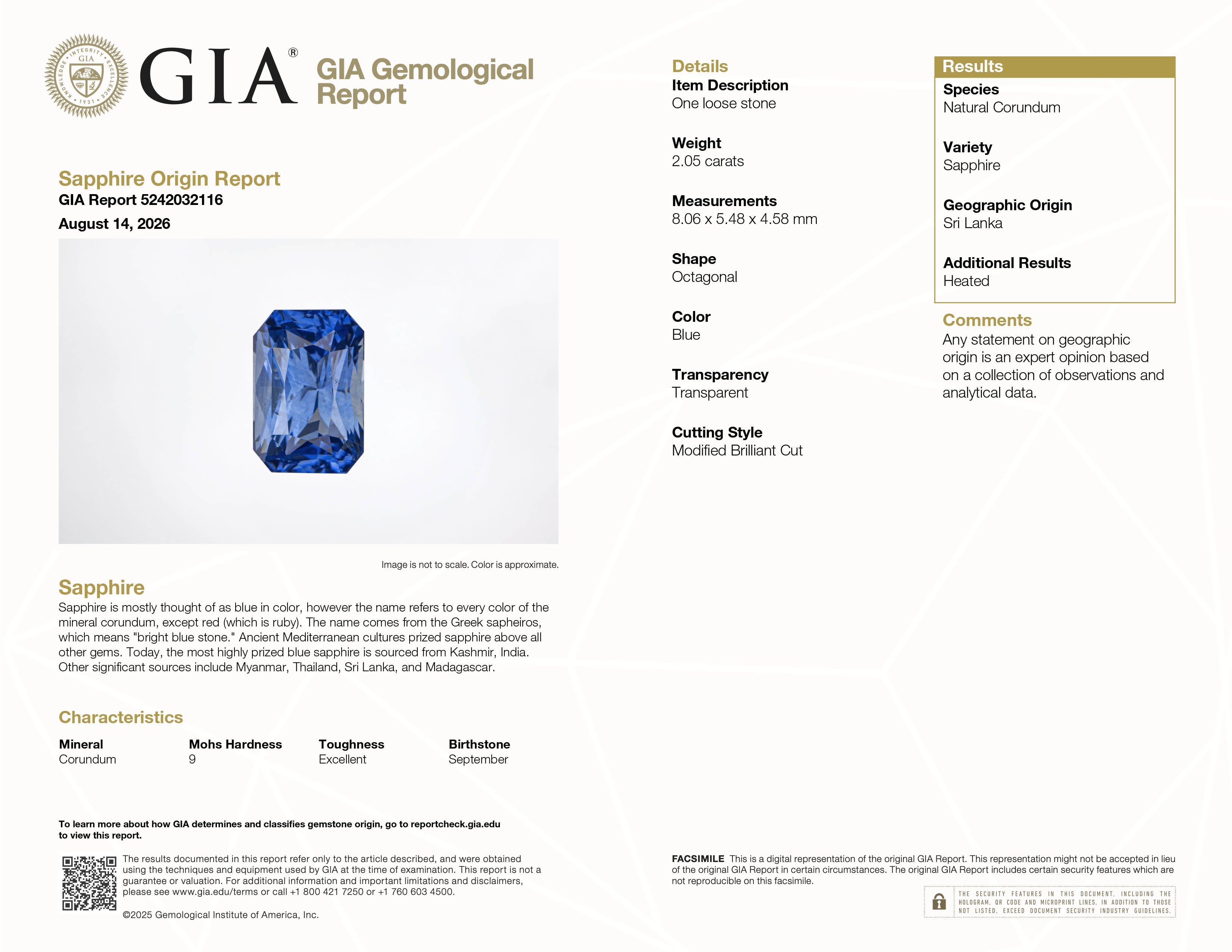
Natural sapphire sits at Mohs 9 — harder than every gemstone except diamond — and has excellent toughness (resistance to chipping). It is one of the most durable gemstones on Earth and is perfectly suited for daily-wear engagement rings. For the full background, see our How Gemstones Are Formed and Pit Mining in Sri Lanka.
A lab-grown diamond is real diamond — crystallized carbon with the same crystal structure, hardness, and optical properties as a mined diamond. It is produced in a laboratory using either HPHT (high-pressure, high-temperature) or CVD (chemical vapor deposition) technology. The process takes days to weeks, not millions of years.
Lab-grown diamonds are chemically identical to natural diamonds. A gemologist cannot distinguish them by eye; advanced spectroscopy is required to identify growth method. They are real diamonds in every physical sense. What they are not is rare. The supply is theoretically unlimited and production costs continue to fall, which is reflected in prices that have dropped 60–80% over the past five years and continue to decline.
Moissanite is silicon carbide (SiC), a different mineral from diamond entirely. Natural moissanite exists (it was first discovered in a meteorite crater in 1893) but is vanishingly rare. All commercial moissanite is manufactured. It is very hard (Mohs 9.25), very brilliant, and produces significantly more fire (rainbow light dispersion) than diamond — which is both its visual selling point and, for some buyers, its visual weakness.
Moissanite is not a diamond. It does not look exactly like a diamond under close inspection. It looks like moissanite — a stone with more rainbow fire, a slightly different luster, and in some lighting conditions a faintly warmer body tone than a comparable diamond. Whether that difference matters depends on whether looking like a diamond is the goal.
This is the most fundamental difference, and it is not a matter of degree — it is a matter of category.
Lab-grown diamonds and moissanite are overwhelmingly purchased as colorless stones. They exist to replicate the appearance of a white diamond engagement ring at a lower price. They succeed at that in different ways and to different degrees. But they are playing in one lane: the colorless sparkle lane.
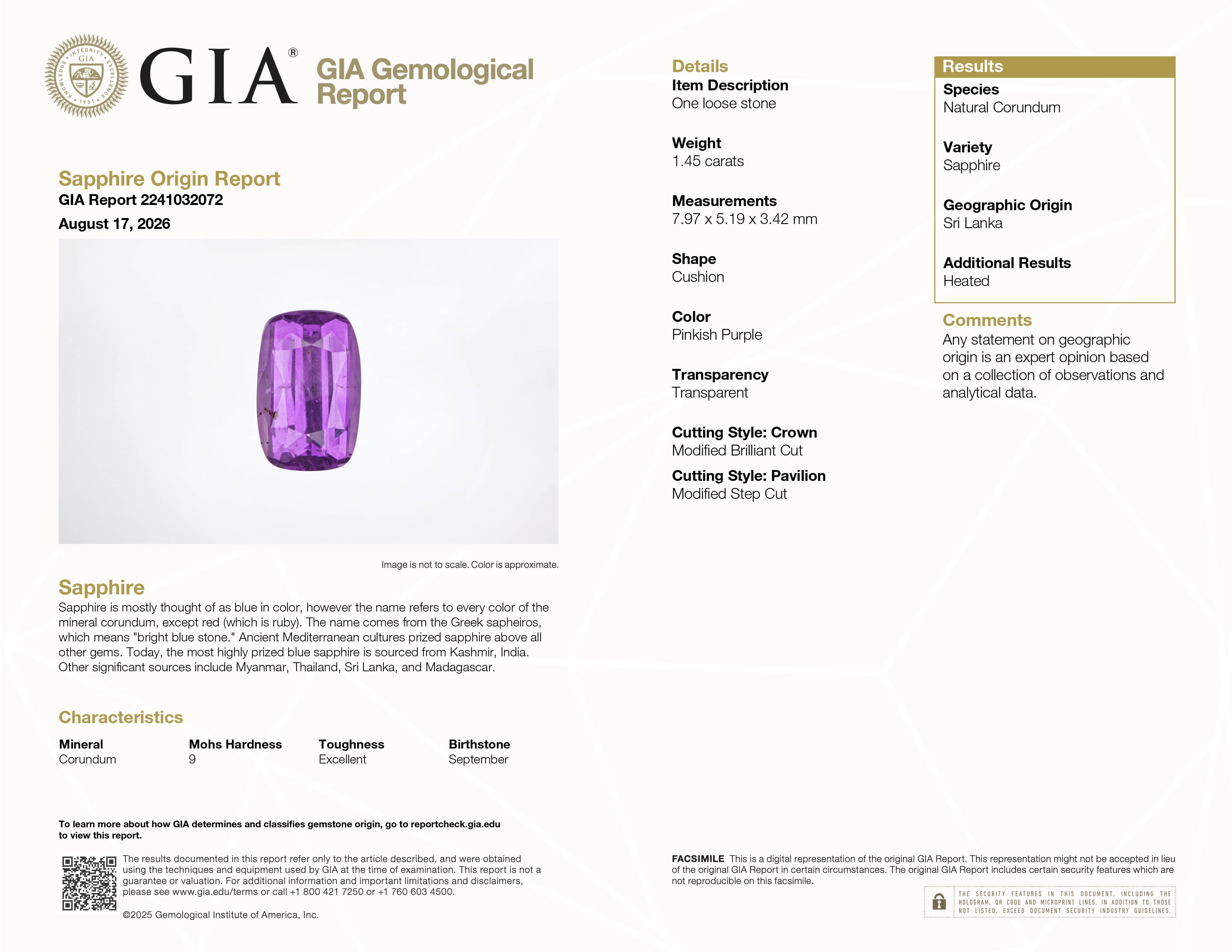
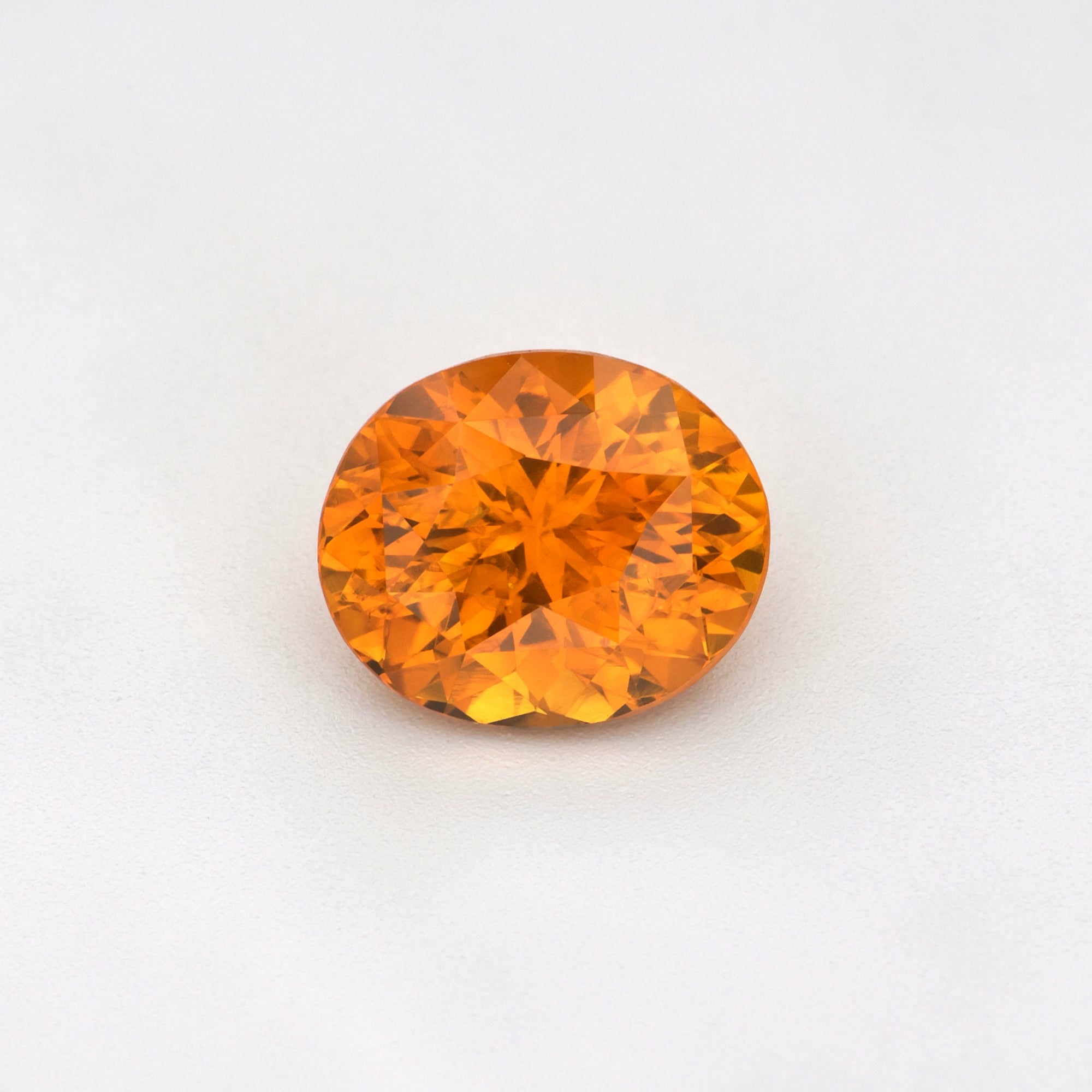
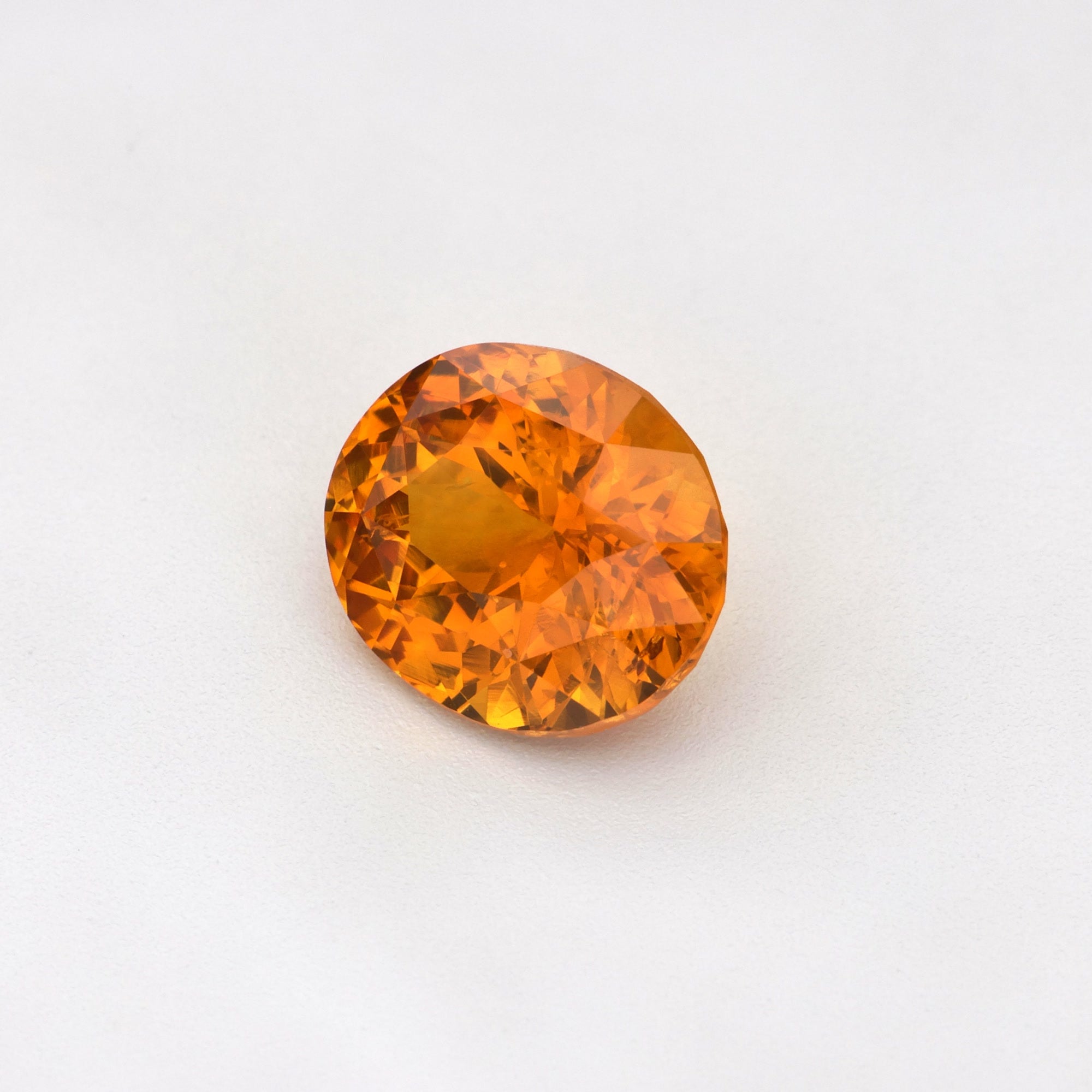
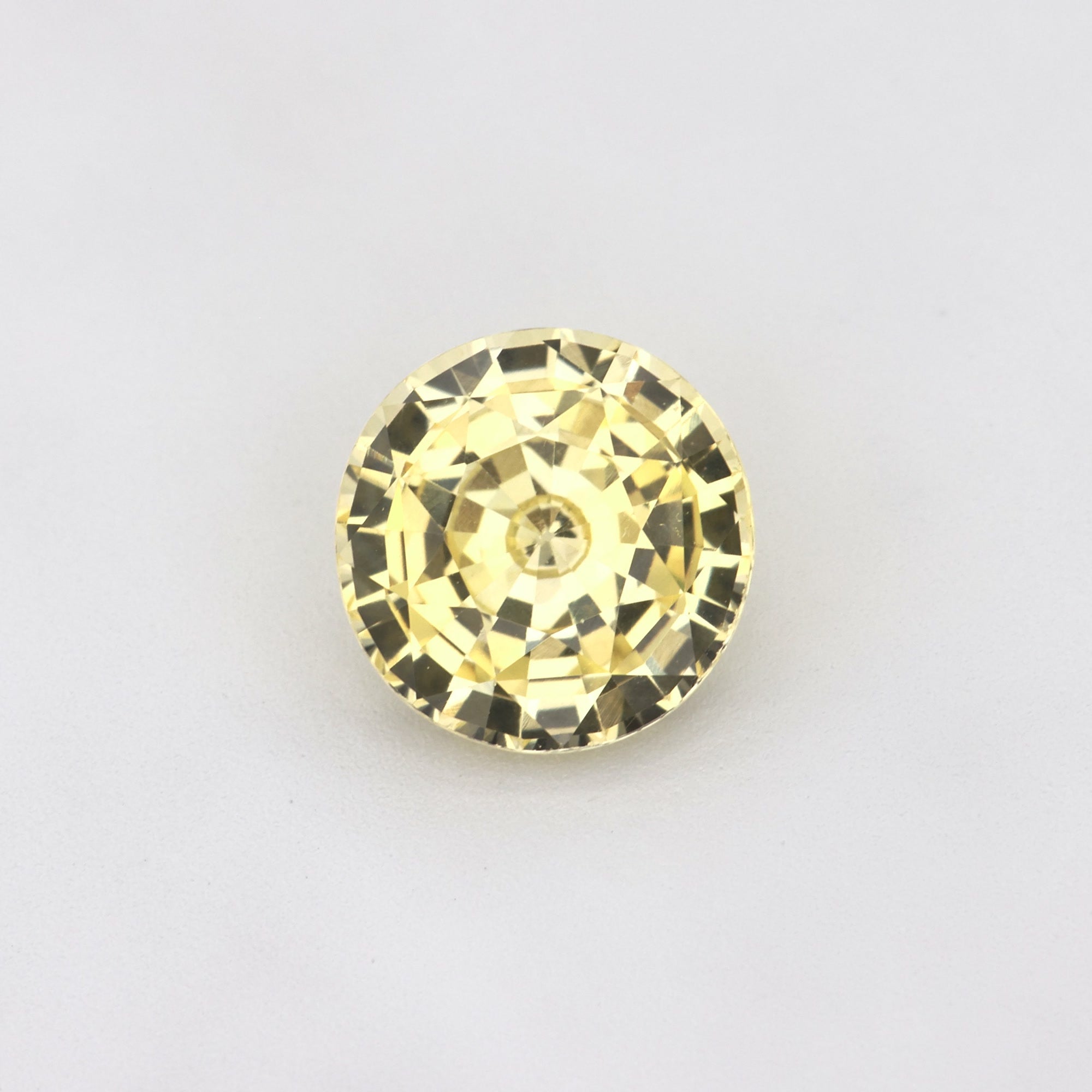
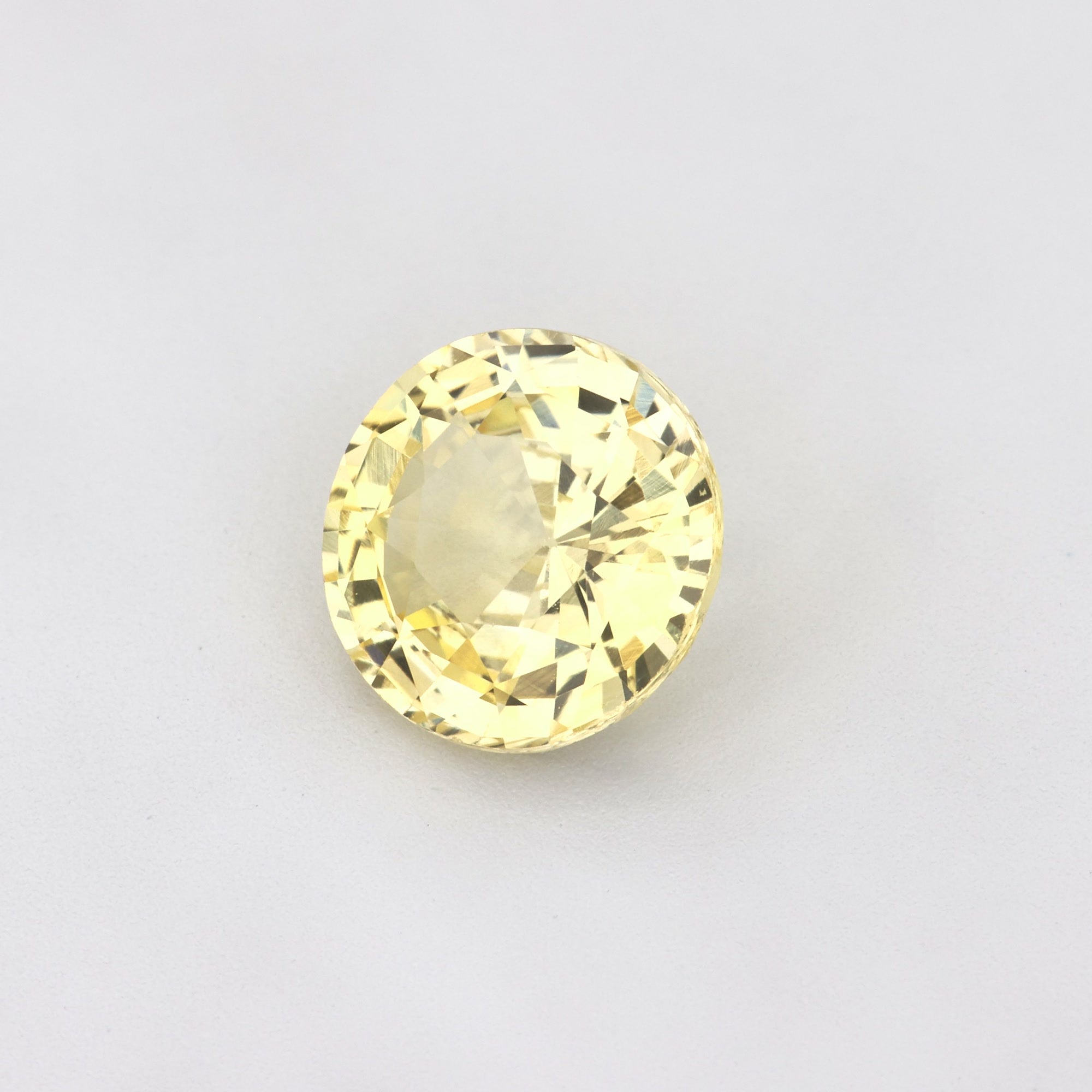
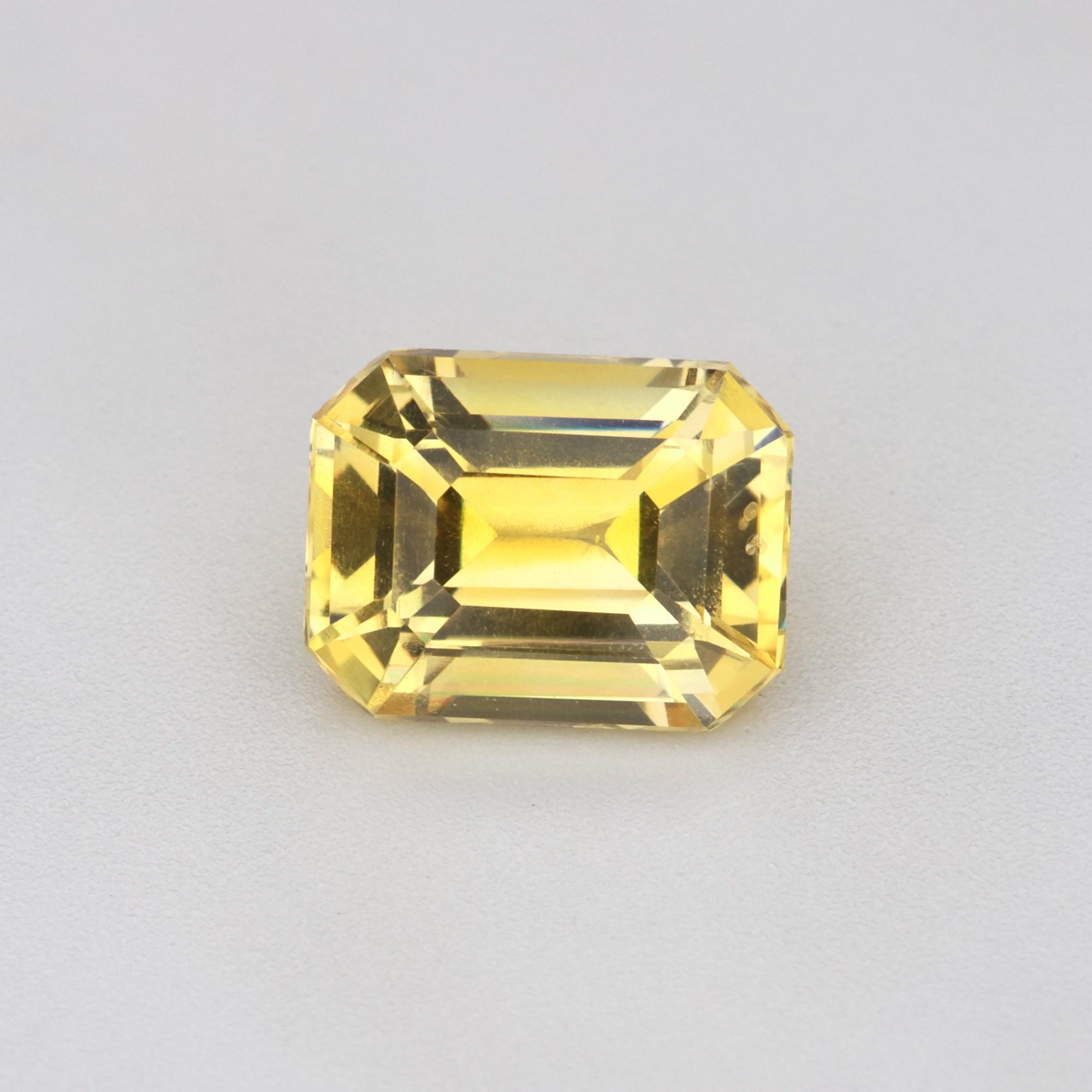
Natural sapphire plays in a completely different lane: color. A sapphire engagement ring is not a cheaper version of a diamond ring. It is a fundamentally different aesthetic choice. It says something different about the wearer's taste, personality, and values.
The sapphire color range is extraordinary:
No manufactured stone offers this range with the depth, character, and individuality of natural corundum. Explore all of them with our Interactive Sapphire Color Chart or read Sapphire Colors Explained.
All three stones are hard enough for daily-wear engagement rings. This is one area where there is no wrong choice:
All three also have excellent toughness (resistance to chipping and breaking). None are fragile. None require special care beyond normal ring maintenance. This is unlike emerald, which is softer and fracture-prone.
The practical difference in hardness between Mohs 9 and Mohs 10 is real but marginal for daily wear. You will not notice the difference between sapphire and diamond durability in a ring worn for 30 years. Both will look the same as the day they were set.
This is where the three stones diverge most visually, and where personal preference matters more than any objective ranking.
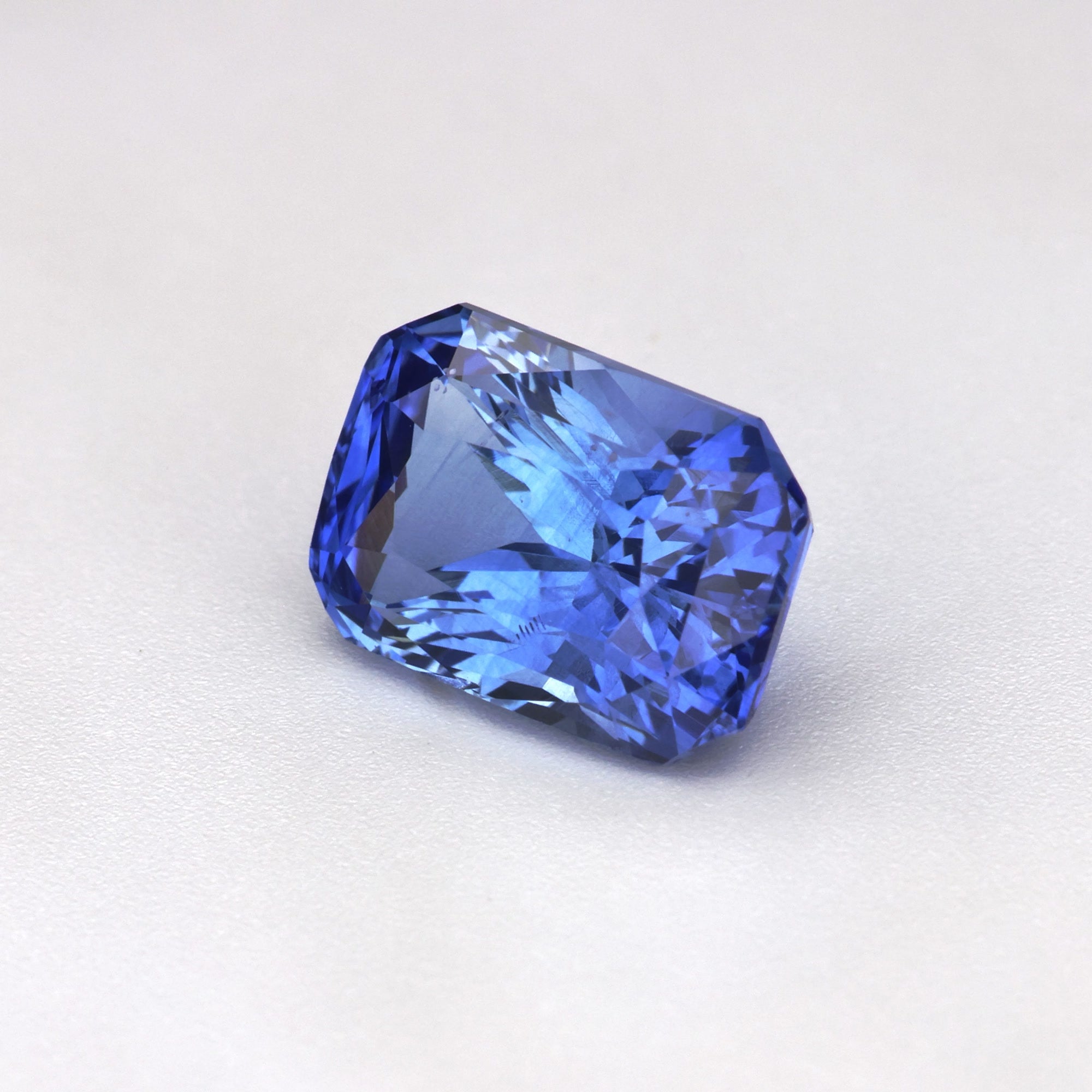
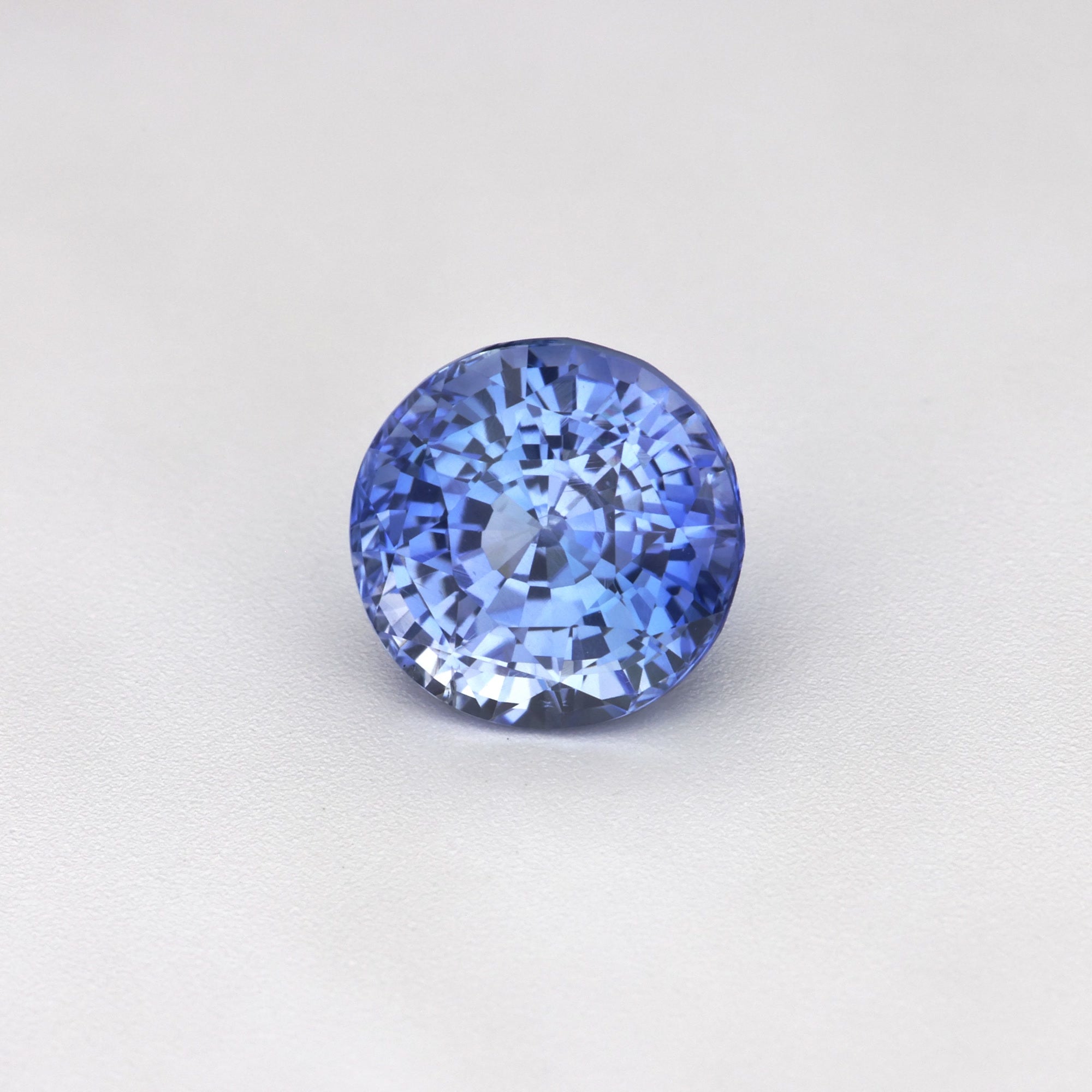
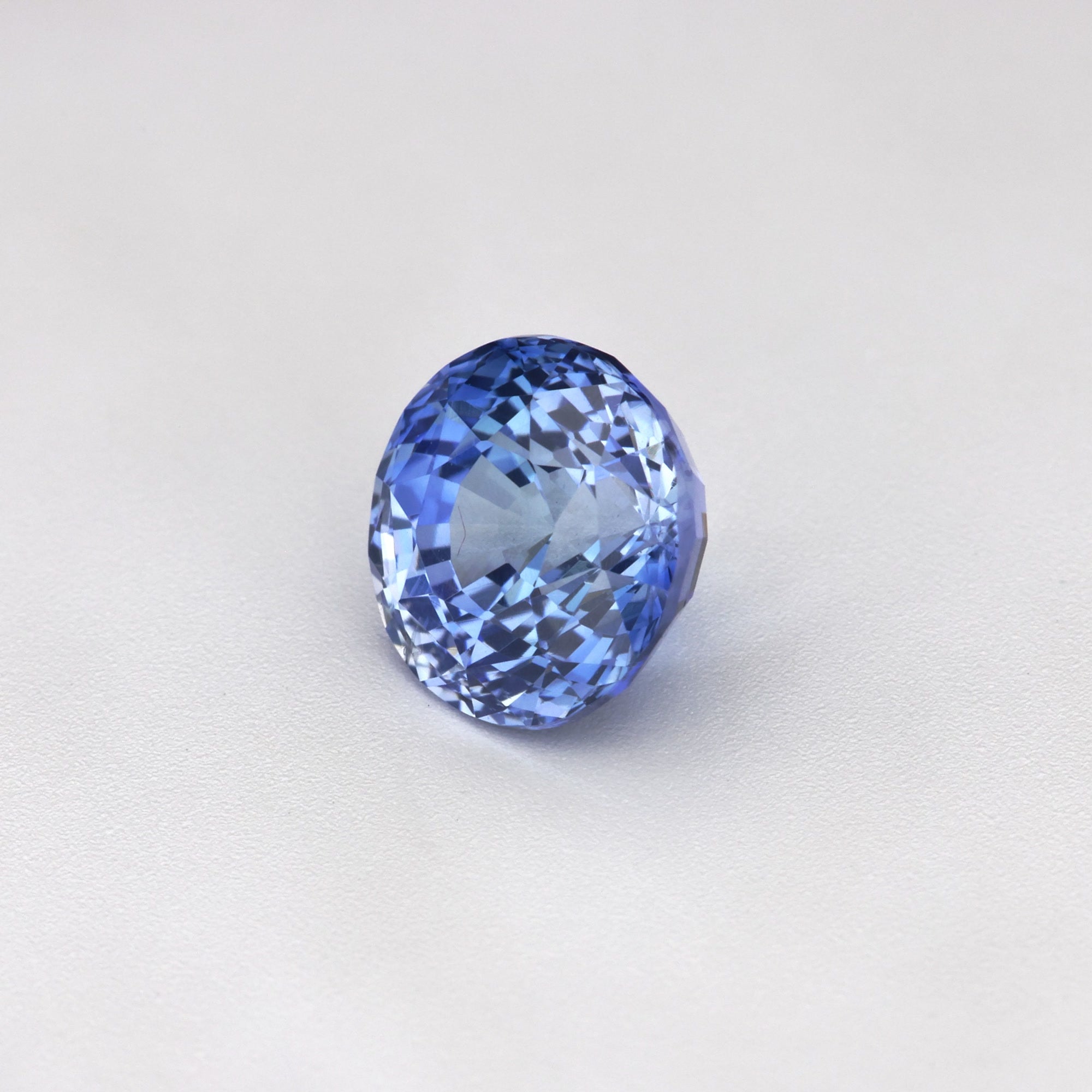
A sapphire returns colored light. The brilliance is not white sparkle — it is the glow of the stone's own hue reflected and refracted through its facets. A well-cut blue sapphire shows rich blue flashes, deeper blue saturation in the body, and a luminosity that seems to come from within the stone. The beauty is in the color, not in the sparkle. Different stones in the same color show different characters — one might be brighter, another deeper, another more velvety. Each stone has a personality.
Cut quality matters enormously for this. A poorly cut sapphire windows (shows a glassy, colorless center) or extincts (shows dead black zones). A well-cut one shows rich, even color across the entire face. This is why we recut stones in-house before listing. See How Cut Affects a Sapphire.
A lab-grown diamond looks exactly like a mined diamond because it is a diamond. It returns white light with flashes of spectral fire (rainbow colors from light dispersion). The brilliance is bright, clean, and neutral — the classic diamond sparkle that the engagement ring market has been built around for a century. If that is the look you want, a lab-grown diamond delivers it.
Moissanite has a higher dispersion (fire) than diamond — 0.104 versus diamond's 0.044. In practical terms, this means moissanite produces more rainbow flashes, more colored light, and a more "disco ball" effect than diamond, particularly in larger stones and under direct light. Some buyers love this — it is flashier and more dramatic than diamond. Others find it looks "too sparkly" or artificial, particularly in stones above 1.5 carats where the excessive fire becomes more obvious. Side by side with a diamond, the difference is visible.
This is where the natural-versus-manufactured distinction matters most, and where many buyers do not think far enough ahead.
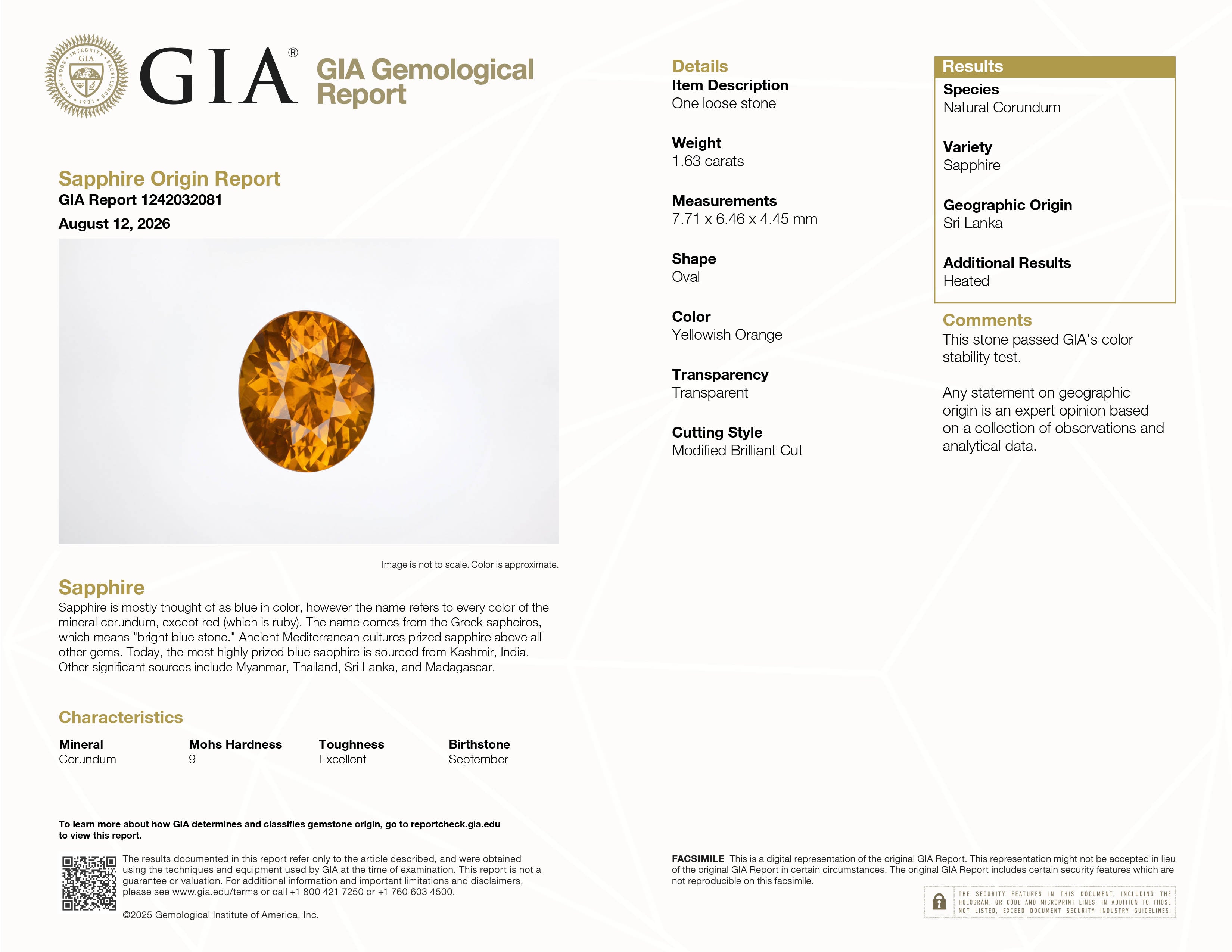
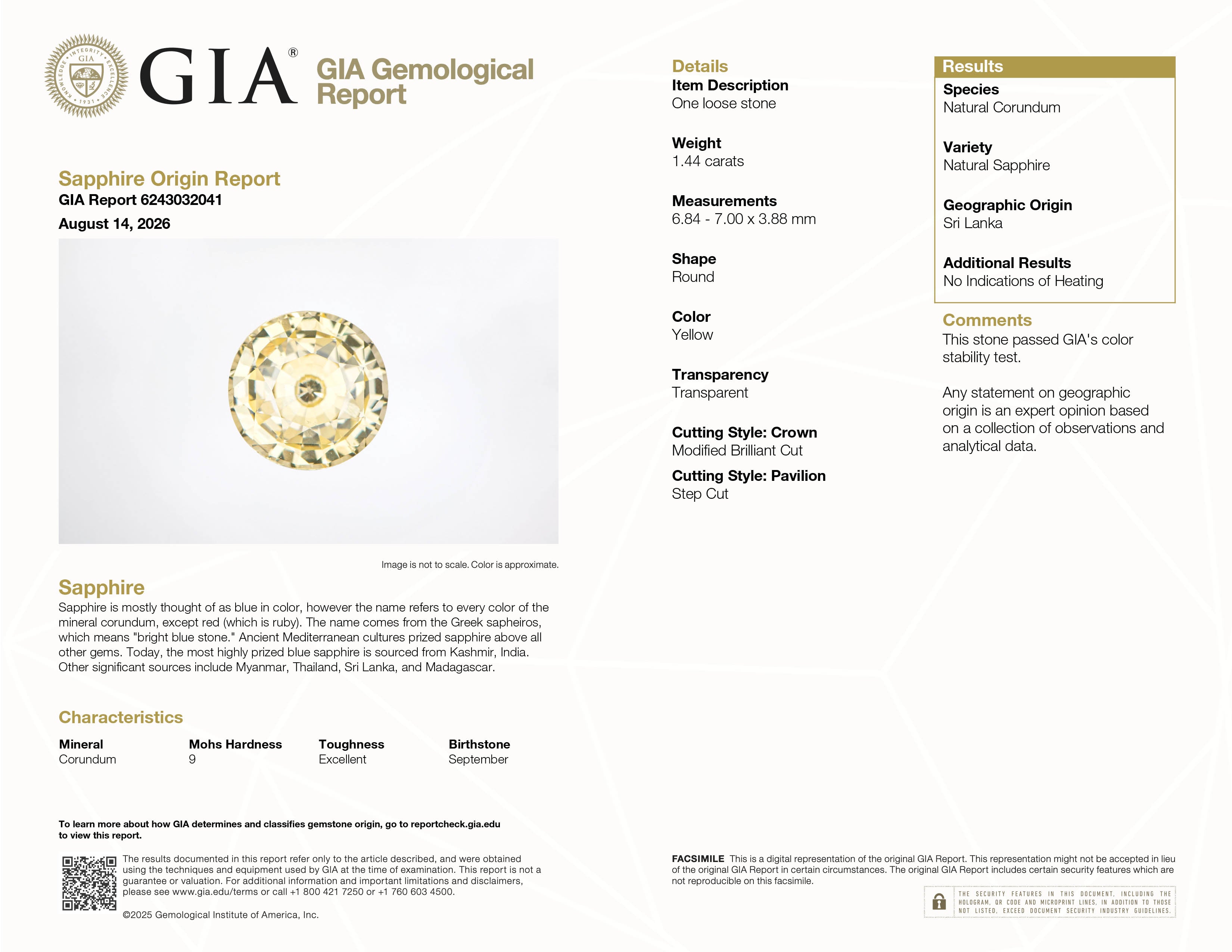
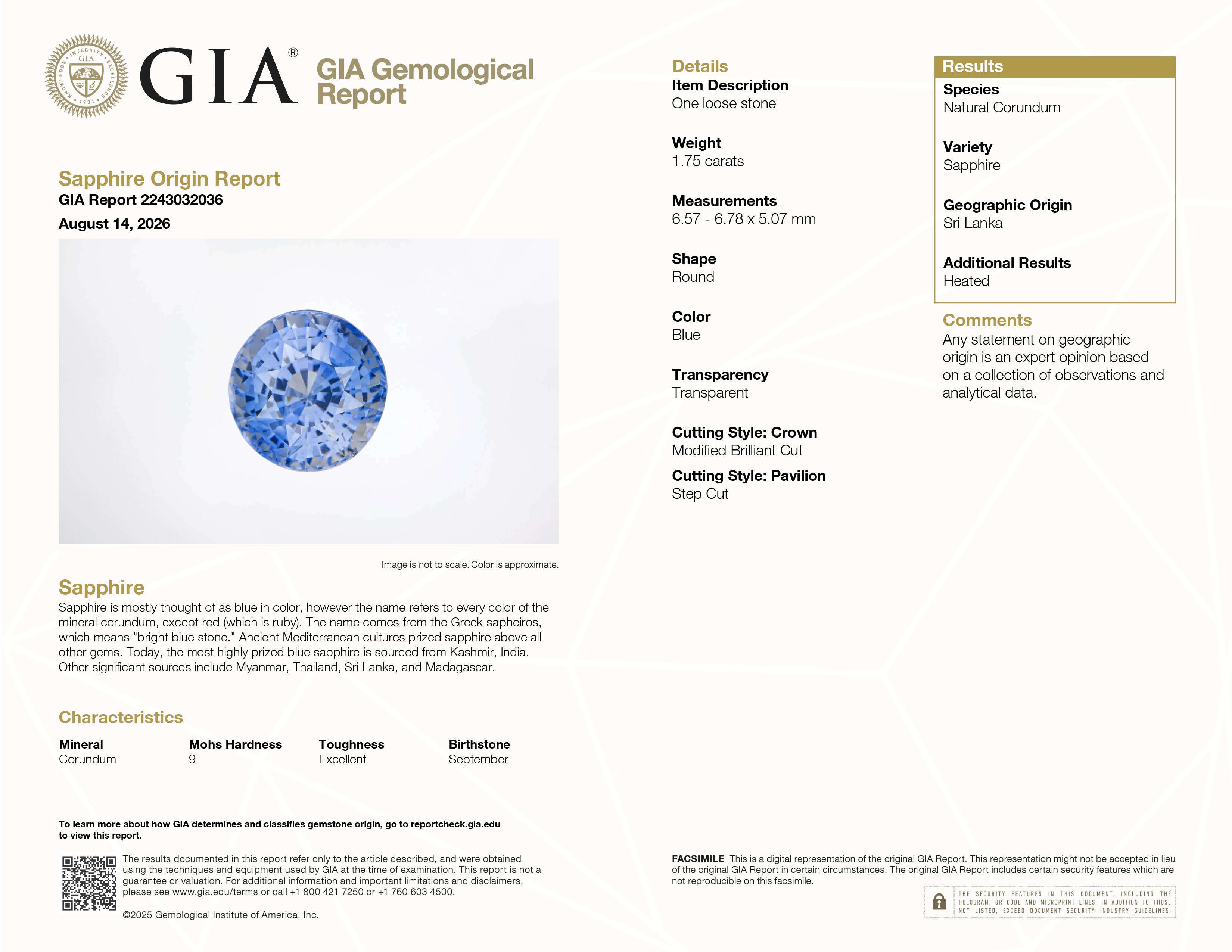
Fine natural sapphires — particularly unheated Ceylon material above 1.5 carats with GIA documentation — have historically appreciated in value. They are a finite resource: there is a fixed amount of fine sapphire in the earth, and it is being extracted slowly by artisanal methods. Supply is not increasing. Demand, particularly for unheated material, is rising steadily. The result is that fine natural sapphires purchased 10 years ago are worth more today than what was paid for them.
Even at the mid-market level, natural sapphires retain meaningful resale value. A $2,000 natural sapphire can typically be resold for 40–70% of its original purchase price, depending on quality and documentation. The stone has intrinsic value because it is rare, natural, and in finite supply.
Lab-grown diamond prices have fallen dramatically since the technology scaled in the mid-2010s and continue to fall as production costs decrease and more manufacturers enter the market. A lab-grown diamond purchased in 2020 for $3,000 might sell today for $800–$1,200 — and the same stone purchased today will likely be worth less in five years.
The economics are straightforward: when supply is unlimited and production costs are falling, prices fall. Lab-grown diamonds are a manufactured product with commodity economics. They hold value the way electronics hold value — they depreciate. This is not a criticism of the stone itself, which is physically identical to mined diamond. It is a statement about market dynamics.
Moissanite has effectively no secondary market. A moissanite engagement ring cannot be meaningfully resold for the stone's value because the stone has no scarcity, no collector demand, and can be replaced with an identical new stone for a very low cost. The value in a moissanite ring is the metal and the craftsmanship, not the center stone.
| Budget | Natural Sapphire | Lab-Grown Diamond | Moissanite |
|---|---|---|---|
| $500 | 0.80–1.20ct heated Ceylon blue or vivid teal, well-cut | 0.50–0.70ct round, VS clarity, G–H color | 1.50–2.00ct equivalent, DEF colorless |
| $1,500 | 1.20–1.80ct heated vivid blue or 1.00ct unheated Ceylon | 1.00–1.30ct round, VS–VVS, D–G color | 2.00–3.00ct equivalent, premium cut |
| $3,000 | 1.50–2.00ct unheated Ceylon blue with GIA, or vivid padparadscha | 1.50–2.00ct round, excellent cut, VVS | Budget irrelevant — any size available under $1,000 |
| $5,000+ | 2.00ct+ unheated vivid Ceylon, collector grade, GIA documented | 2.00–3.00ct, top specifications | N/A at this budget for the stone alone |
Figures above are approximate market guidance, not fixed quotes. Actual value varies by treatment, origin, colour, cut, clarity, and certification.
The takeaway: moissanite is the cheapest option by far. Lab-grown diamond is moderately priced and falling. Natural sapphire spans a wide range but offers something neither manufactured stone can — color, individuality, rarity, and lasting value. For detailed sapphire pricing, see Sapphire Pricing Explained.
This is subjective, and we will not pretend otherwise. But it matters to many buyers, and it deserves an honest discussion.
A natural sapphire formed in the earth over millions of years. It was carried to the surface by geological forces, buried in gravel, and found by a miner who dug it out by hand. It passed through a cutter's hands, was evaluated and documented, and arrived in your ring as a singular, unrepeatable object. No other stone on Earth has its exact color, its exact inclusion signature, its exact trace element chemistry. It is, in a literal sense, one of a kind.
A lab-grown diamond was manufactured in a reactor last month. An identical one can be manufactured tomorrow. A thousand more can be manufactured next week. It is physically real, chemically genuine, and optically identical to a mined diamond. But it is a product, not a discovery. Whether that distinction matters to you is personal — but it is a real distinction.
Moissanite makes no pretense of natural origin. It is a manufactured stone chosen for its appearance and price. For buyers who are transparent about what it is, it is an honest choice. The awkwardness arises only when moissanite is presented or perceived as something it is not.
The engagement ring is a symbol. What the stone symbolizes — permanence, rarity, natural beauty, budget consciousness, environmental awareness, personal style — is for you to decide. Understanding what each option actually is helps you make that decision authentically.
All three options have environmental footprints. None is zero-impact:
No gemstone choice is environmentally neutral. But artisanal sapphire mining from Sri Lanka has one of the lowest environmental footprints in the industry.
Choose natural sapphire if:
Choose lab-grown diamond if:
Choose moissanite if:
If color, rarity, natural origin, and lasting value speak to you, start here:
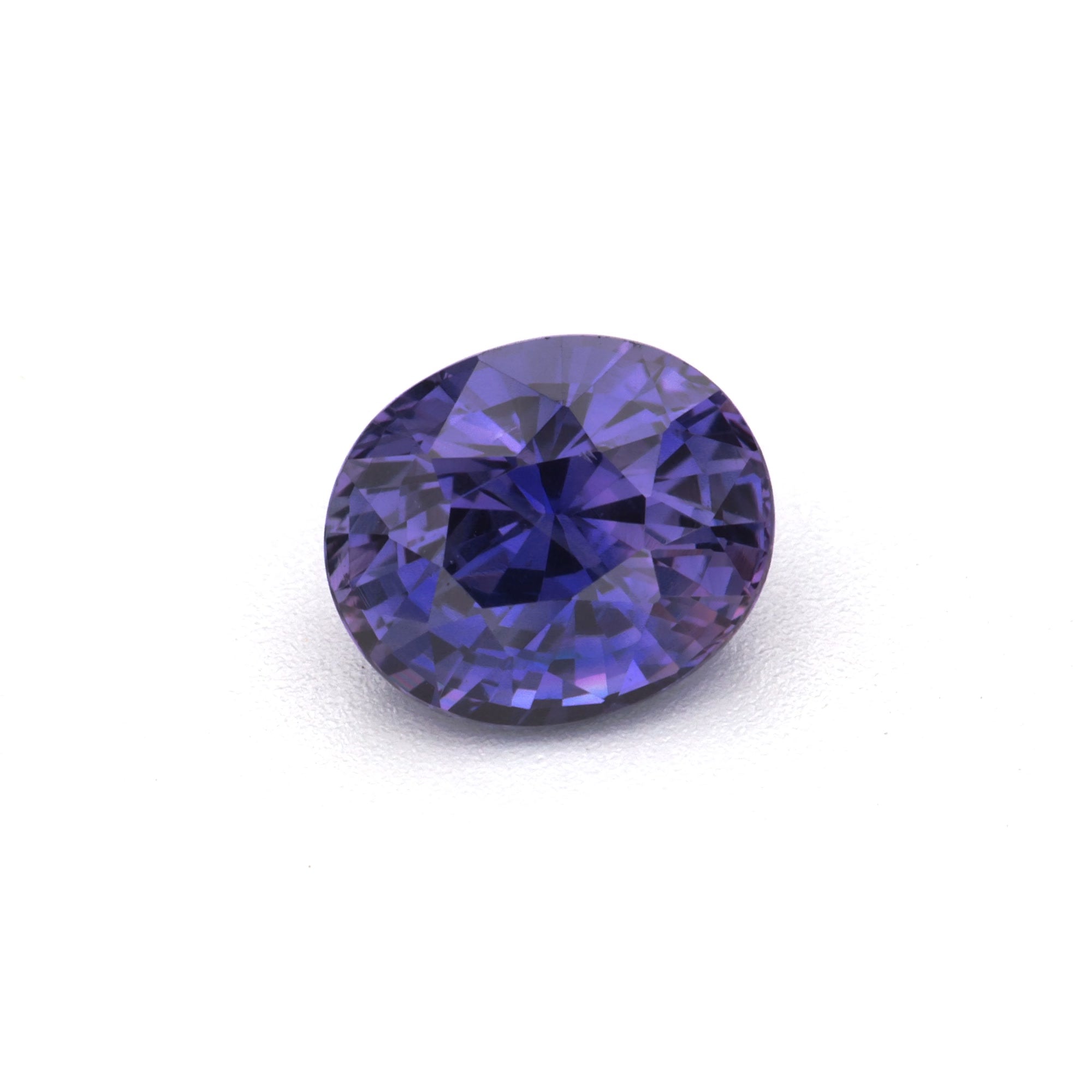
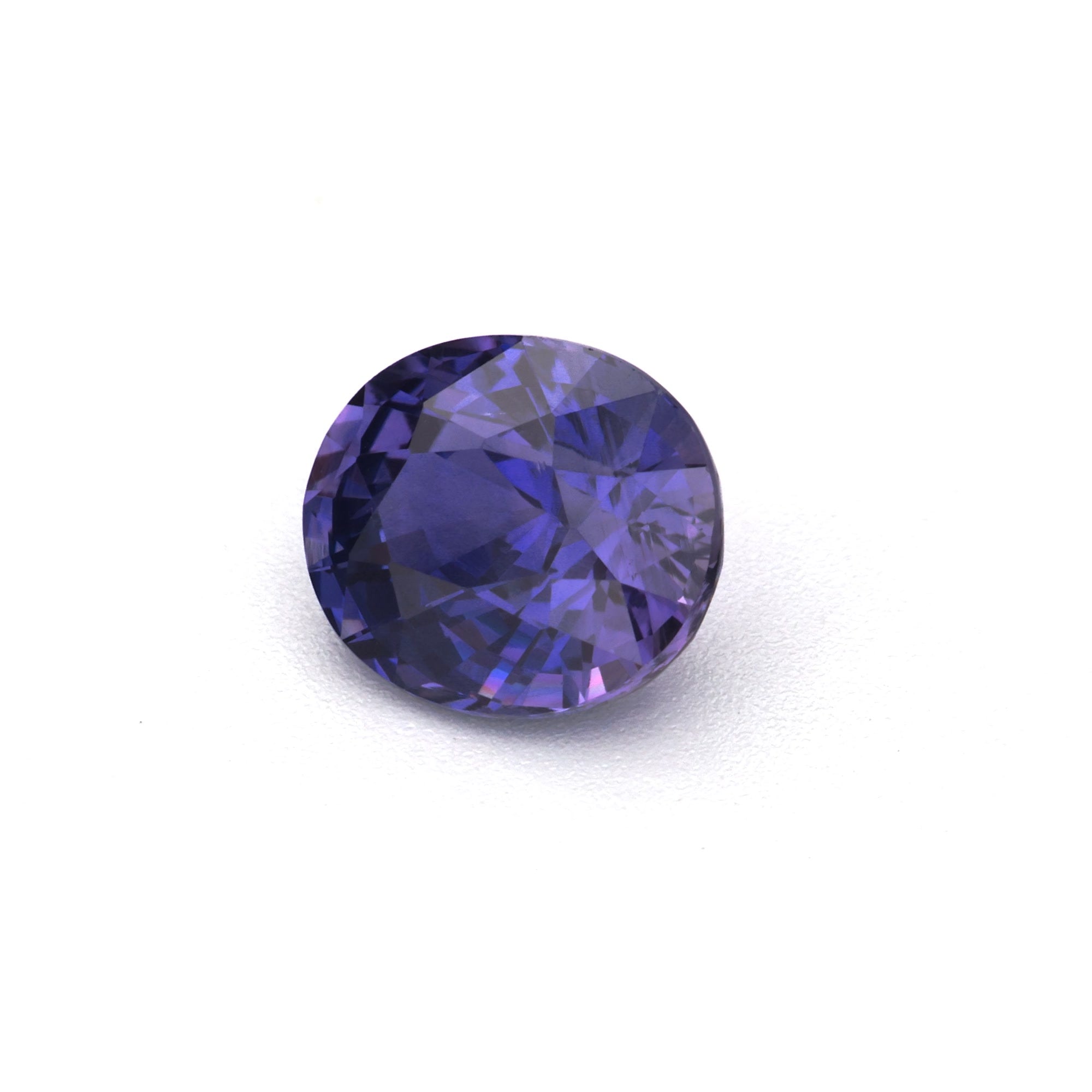
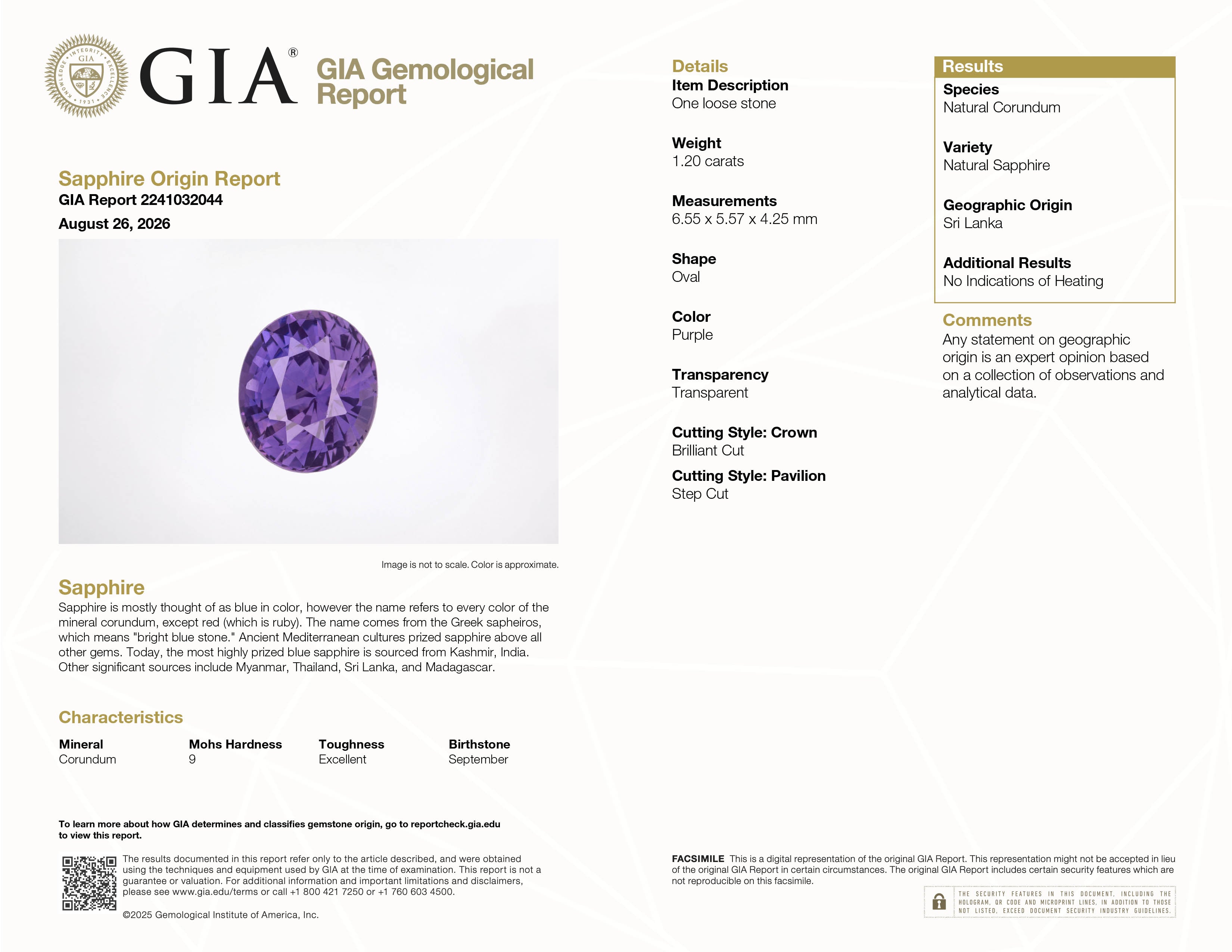
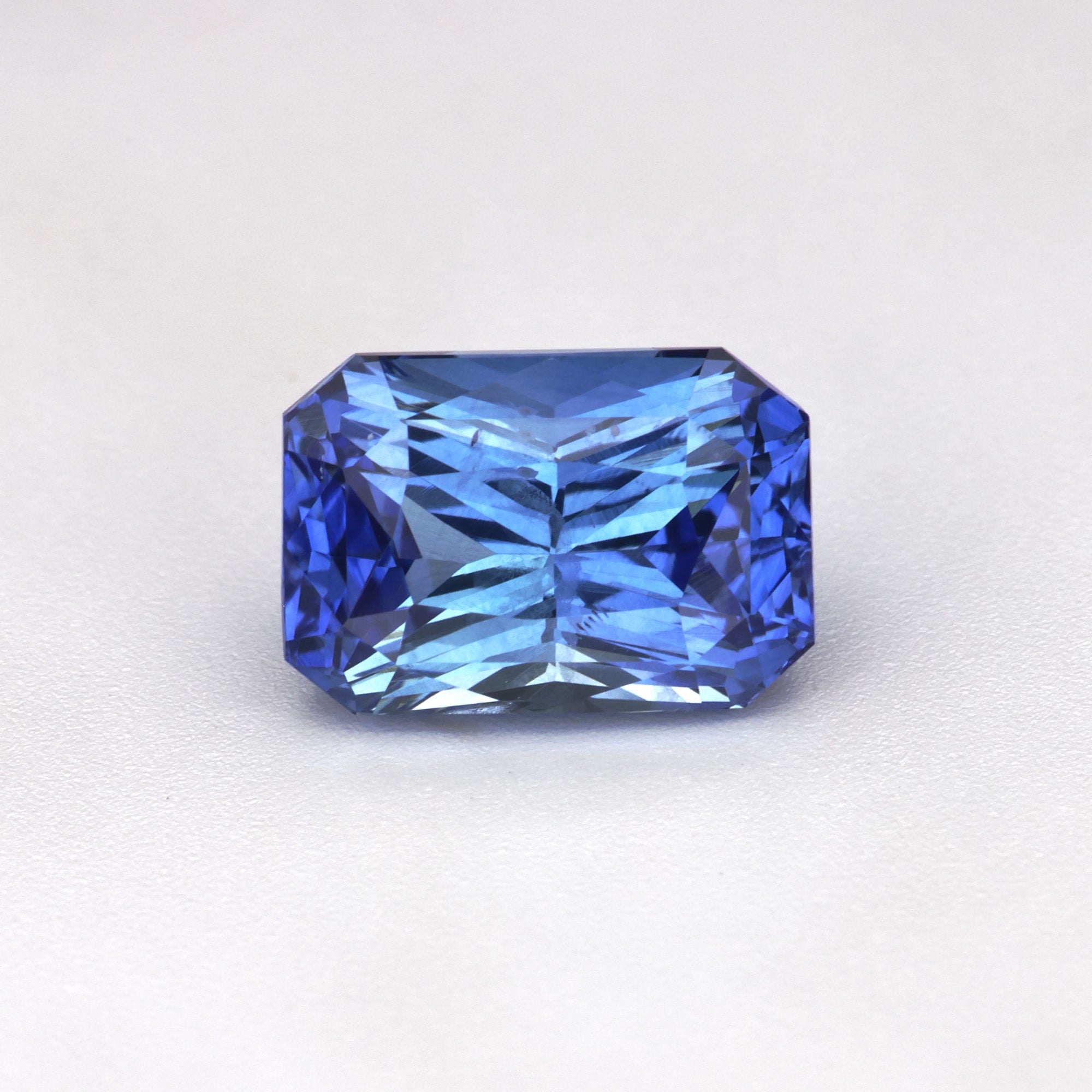
Browse the full Ceylon sapphire catalog or email crescentgems@gmail.com with your vision and budget. We respond within one business day.

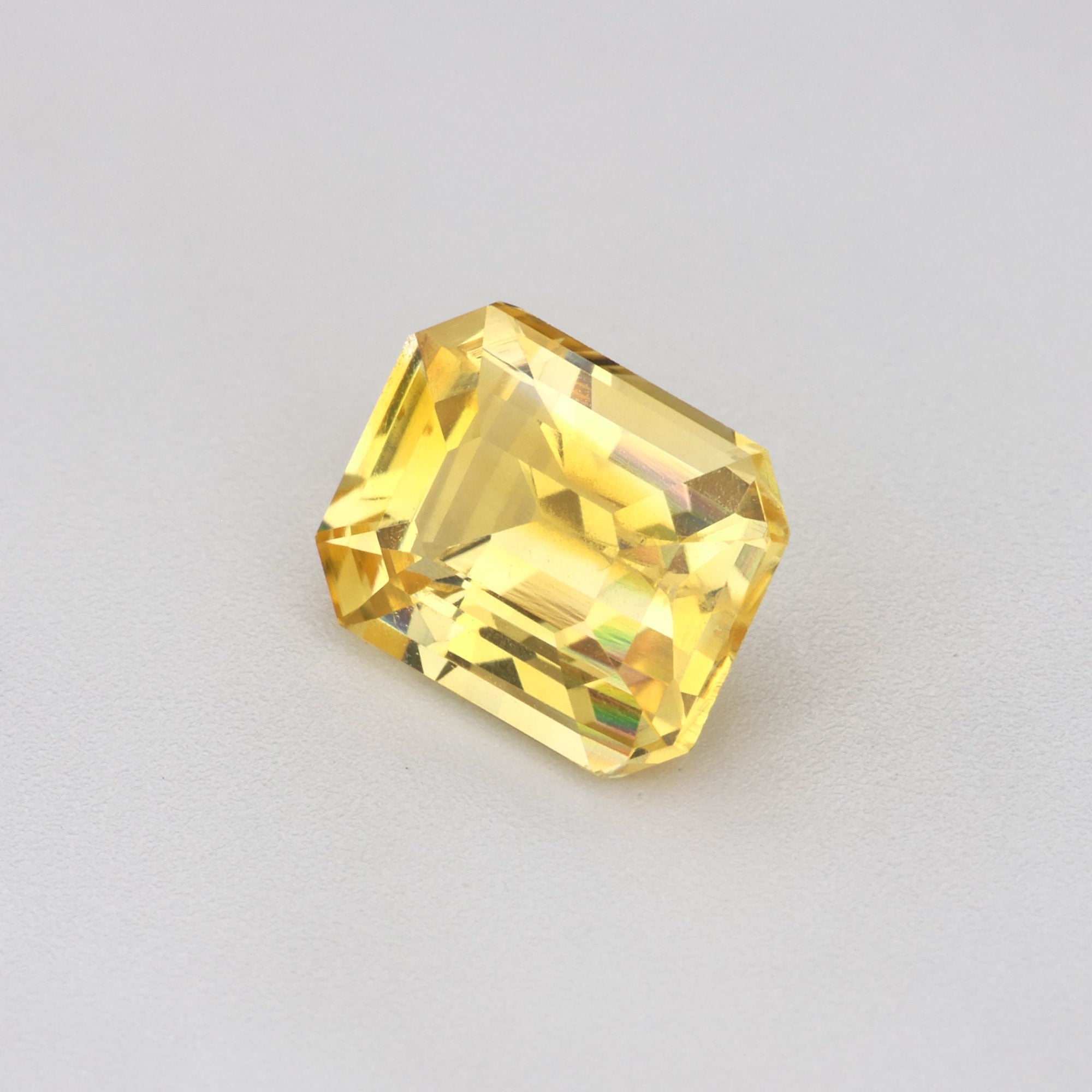
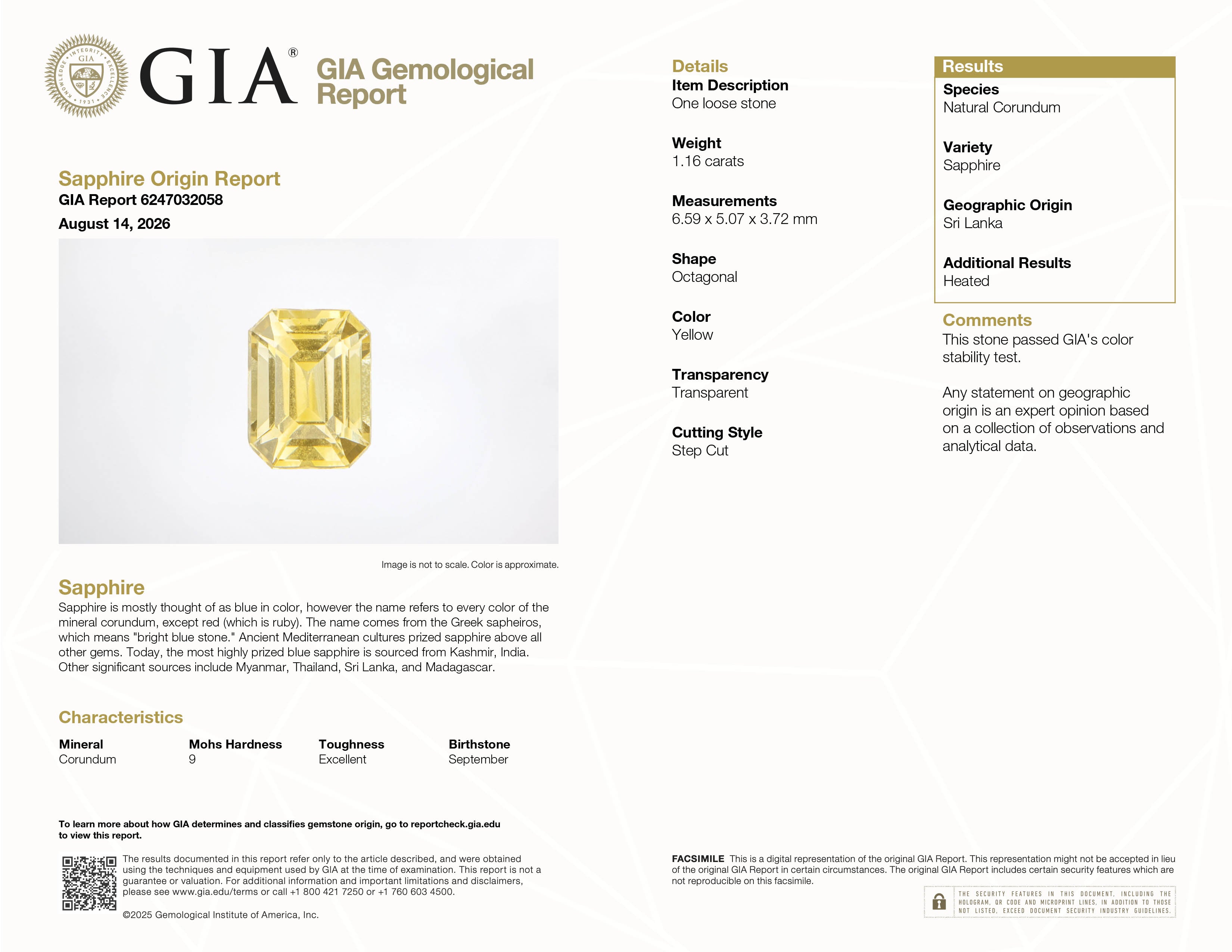
CG8465
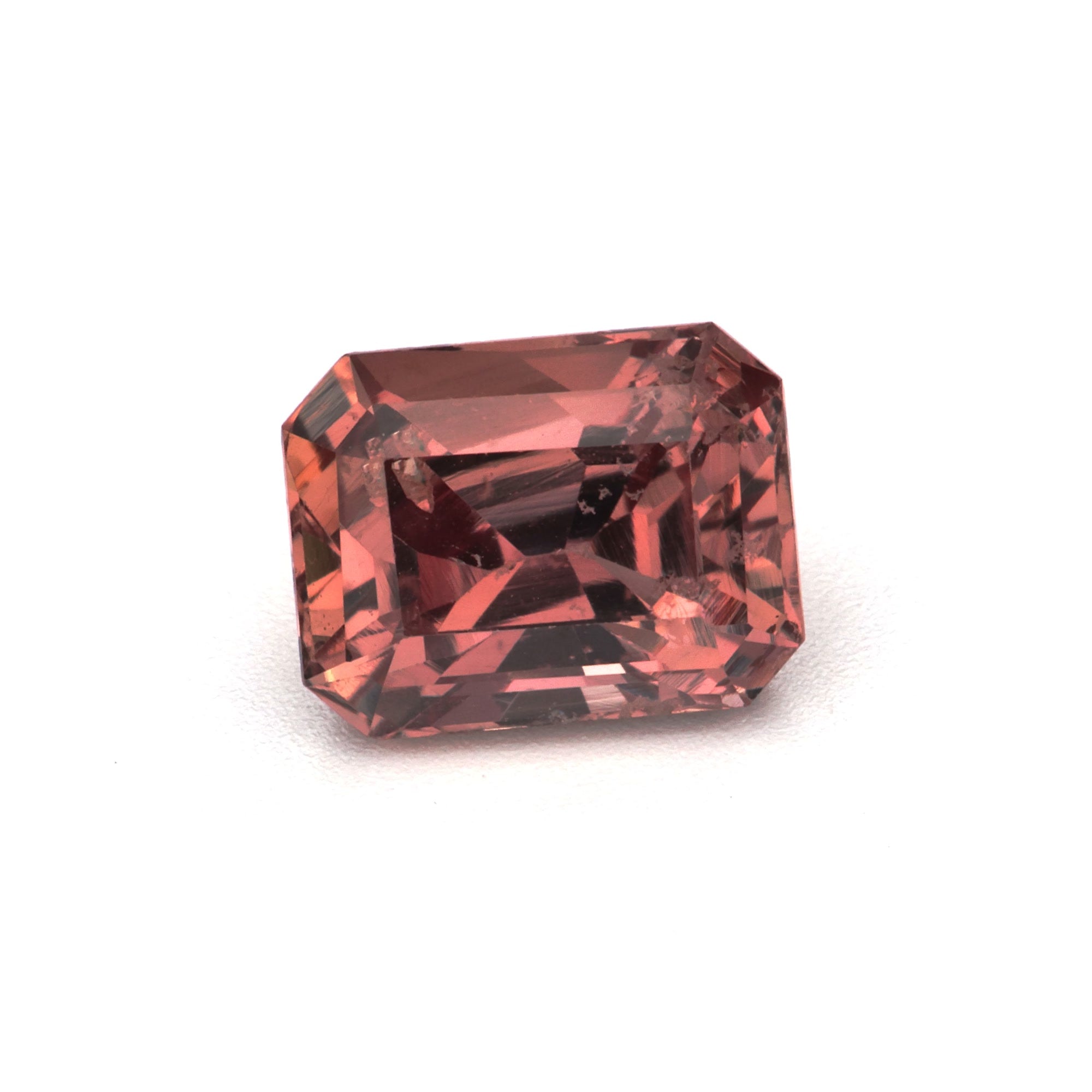
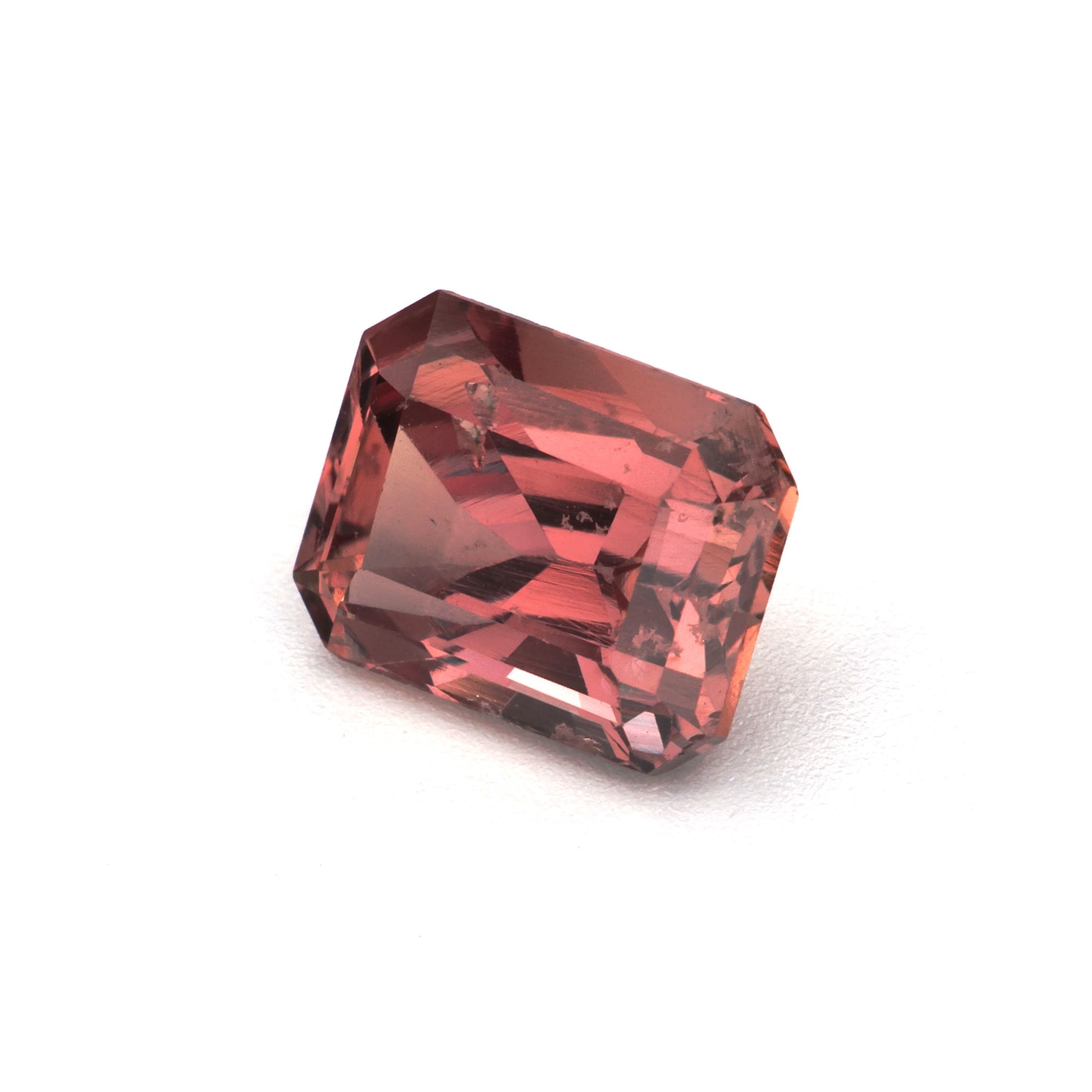
CG8460
CG8456


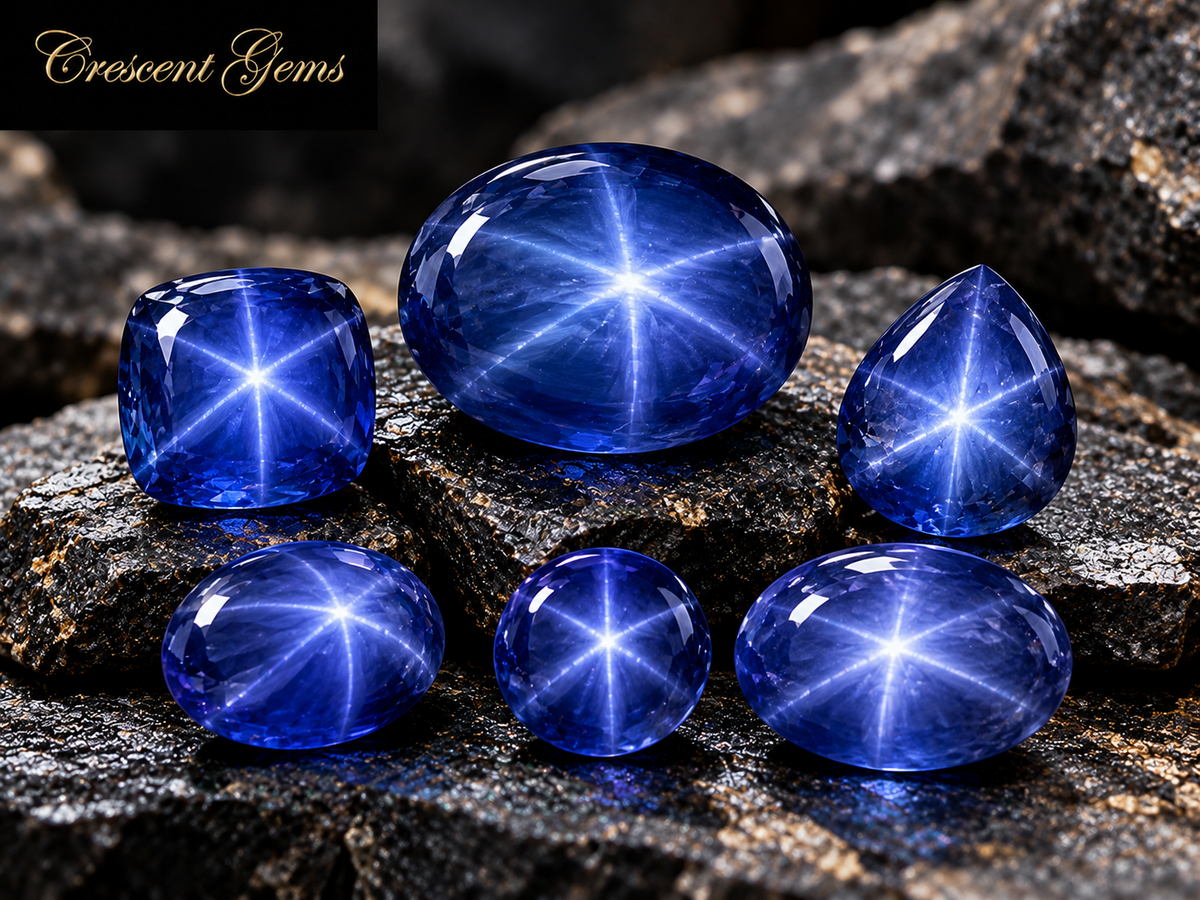
Blue Star Sapphire Price Guide — What They Cost and Why
Read moreabout Blue Star Sapphire Price Guide — What They Cost and Why
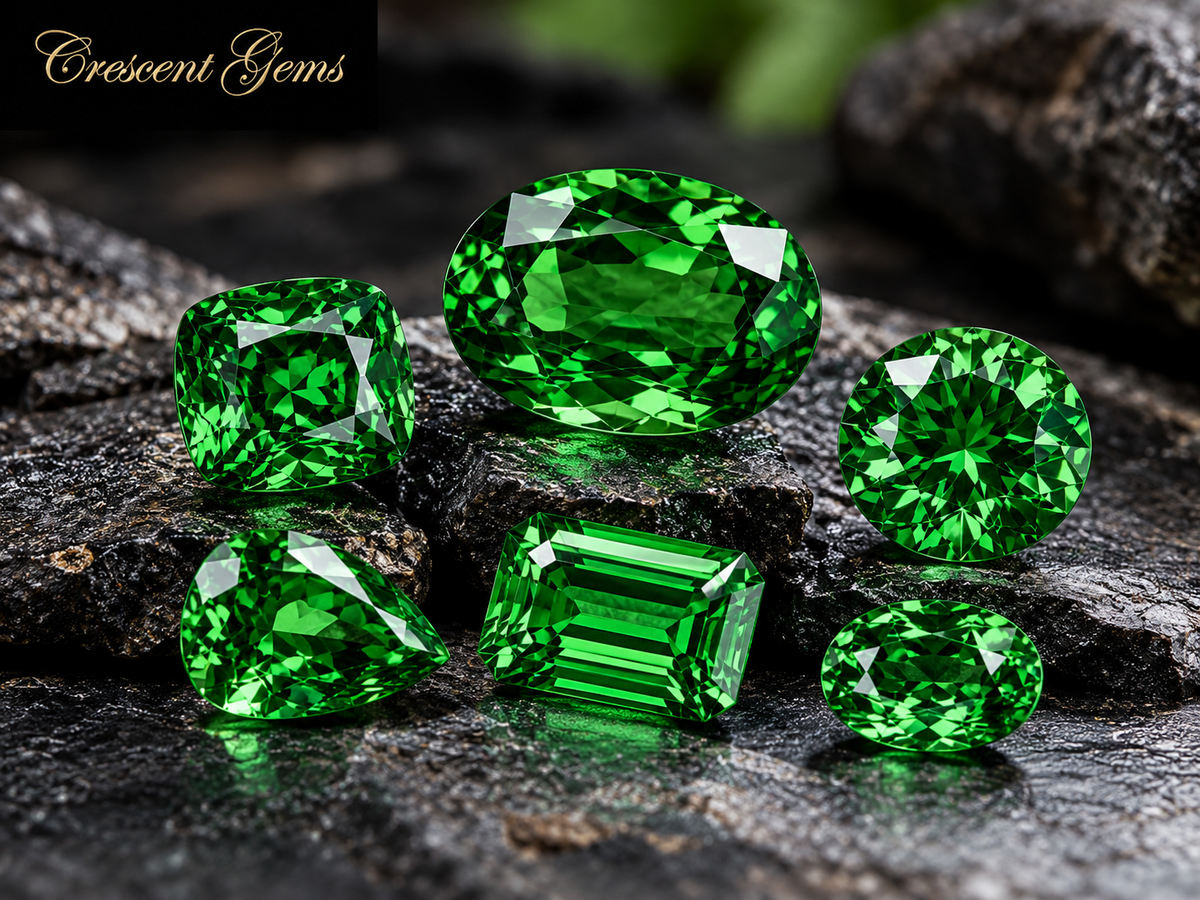
Tsavorite Garnet Price Guide — What They Cost and Why
Read moreabout Tsavorite Garnet Price Guide — What They Cost and Why
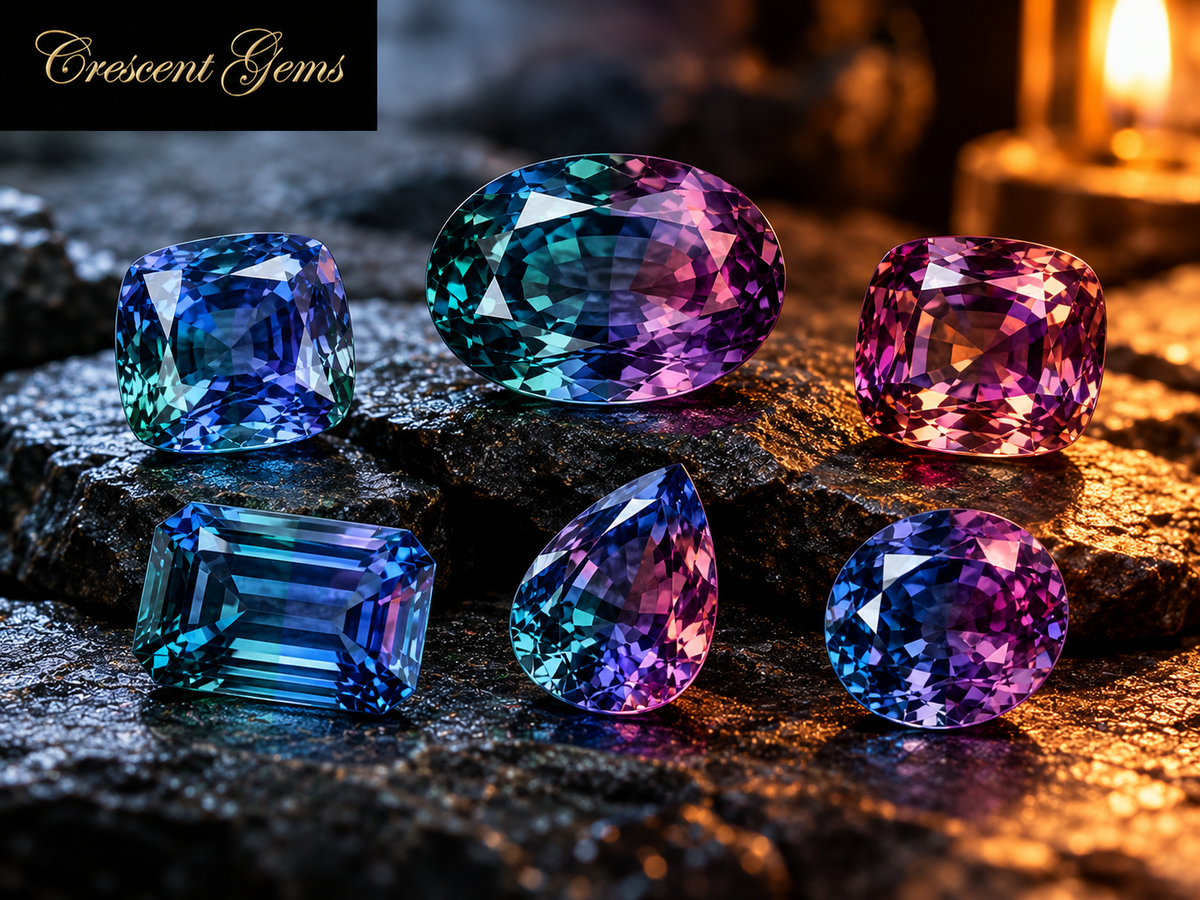
Color-Change Sapphire Price Guide — What They Cost and Why
Read moreabout Color-Change Sapphire Price Guide — What They Cost and Why
Is Cat's-Eye Chrysoberyl Good for an Engagement Ring?
Read moreabout Is Cat's-Eye Chrysoberyl Good for an Engagement Ring?
Cat's Eye Chrysoberyl Price Guide — What They Cost and Why
Read moreabout Cat's Eye Chrysoberyl Price Guide — What They Cost and Why















Share: