Ceylon Sapphire — Why Sri Lanka Origin Matters | Crescent Gems

Ceylon Sapphire — Why Sri Lanka Origin Matters and What You’re Actually Paying For
Ceylon is not just a brand name. It is a geological designation — and understanding what makes Ceylon sapphires distinctive helps you decide whether origin is worth paying for. This guide covers what Ceylon means, how it is verified, which colours it applies to, and when the premium is justified. For a full technical guide to buying blue sapphire specifically, see our blue sapphire engagement ring guide.
What Ceylon Means
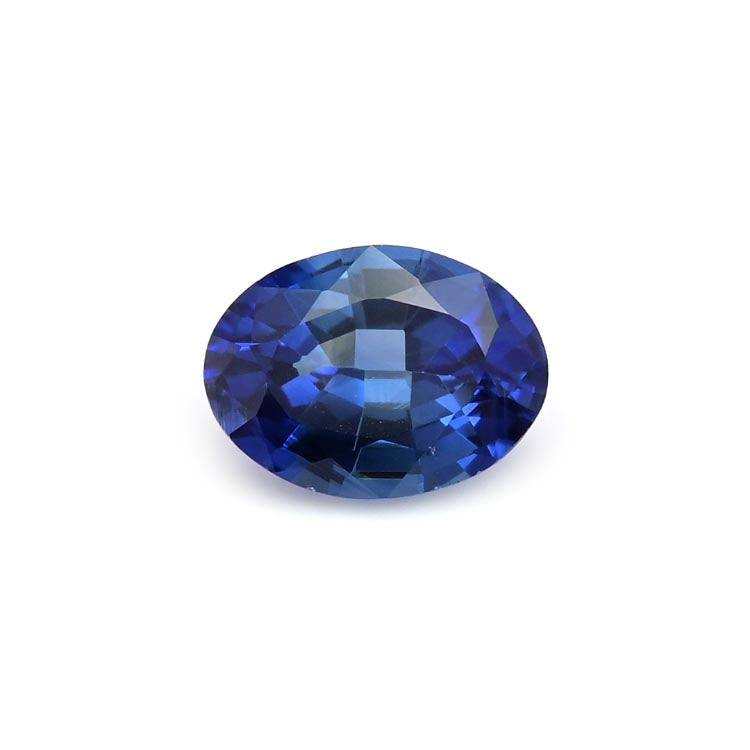
Ceylon is the historical name for Sri Lanka, used in the gemstone trade to indicate a sapphire mined in Sri Lanka. The island has been the world’s most important sapphire source for over 2,000 years. Sri Lankan sapphires are mentioned in ancient texts and have appeared in the world’s most famous jewels, including the engagement ring worn by Princess Diana and now Catherine, Princess of Wales — a 12ct Ceylon oval blue sapphire that made the origin globally famous overnight.
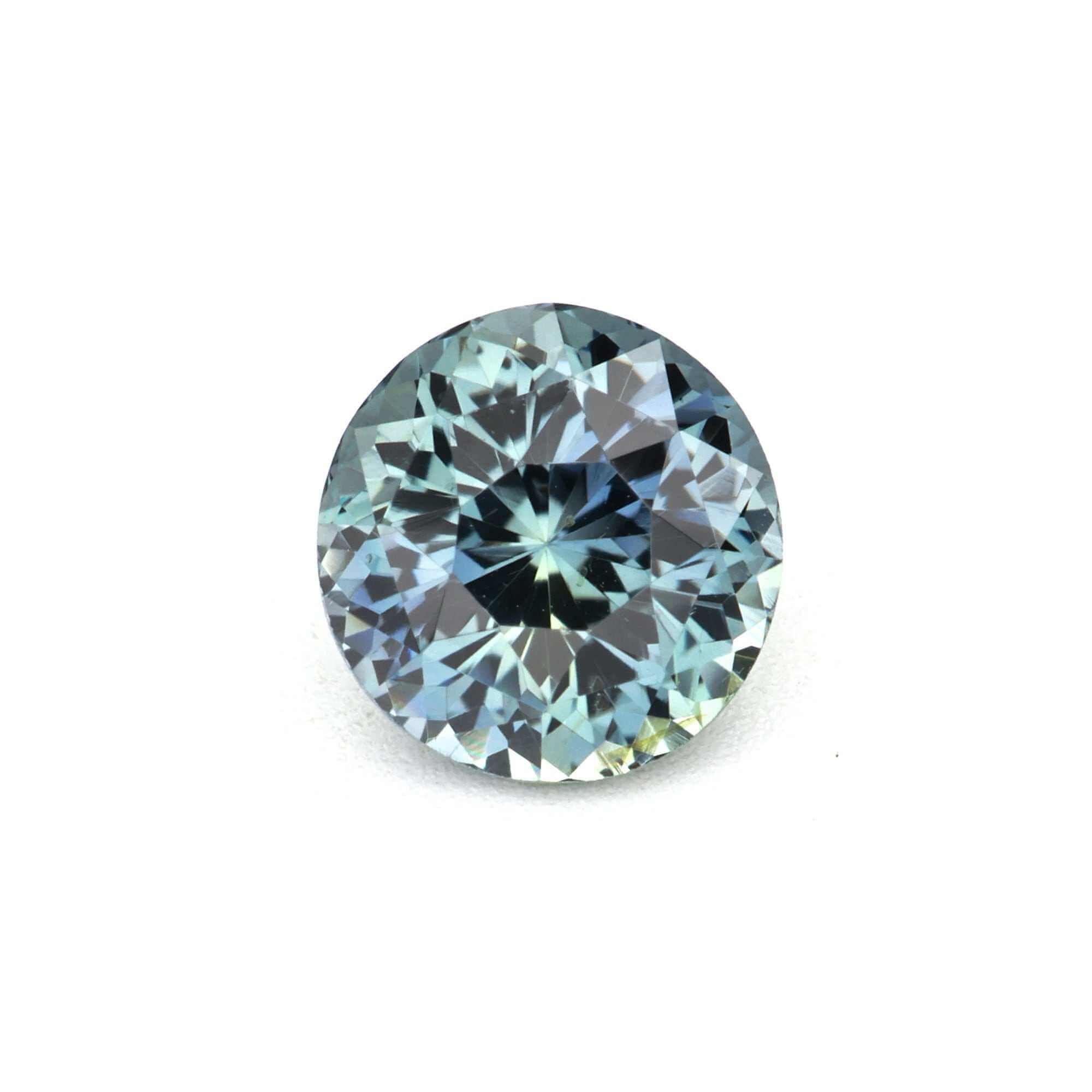
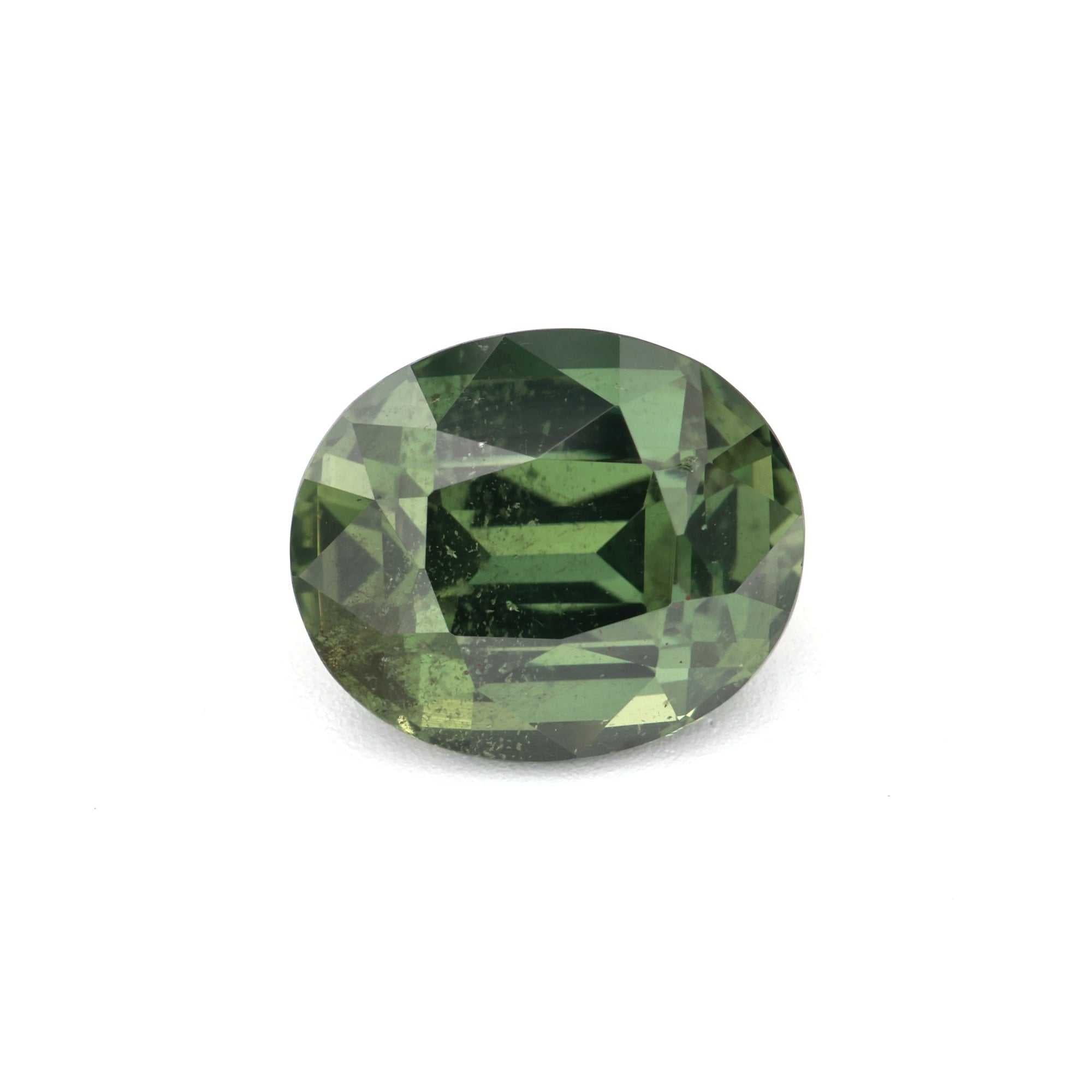
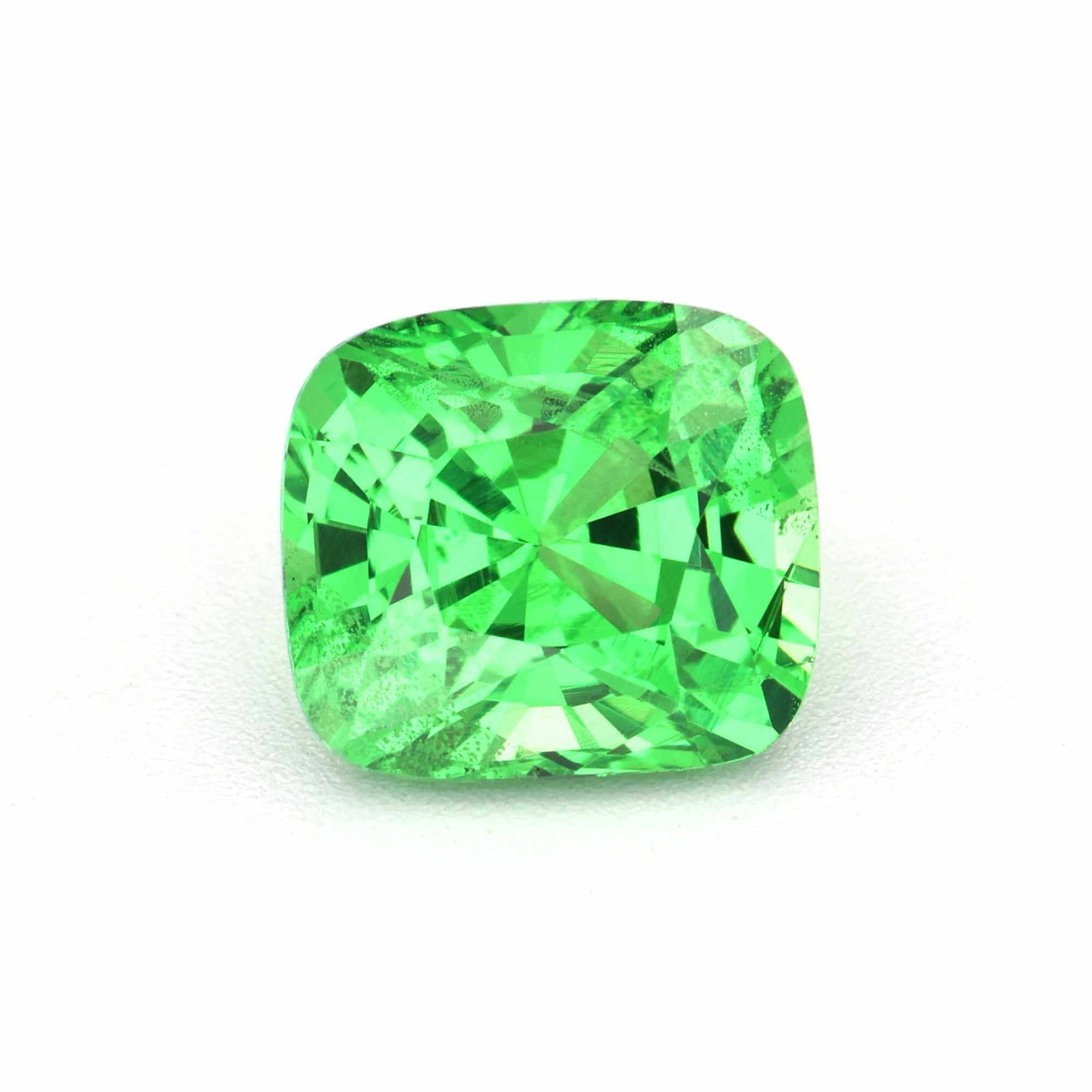
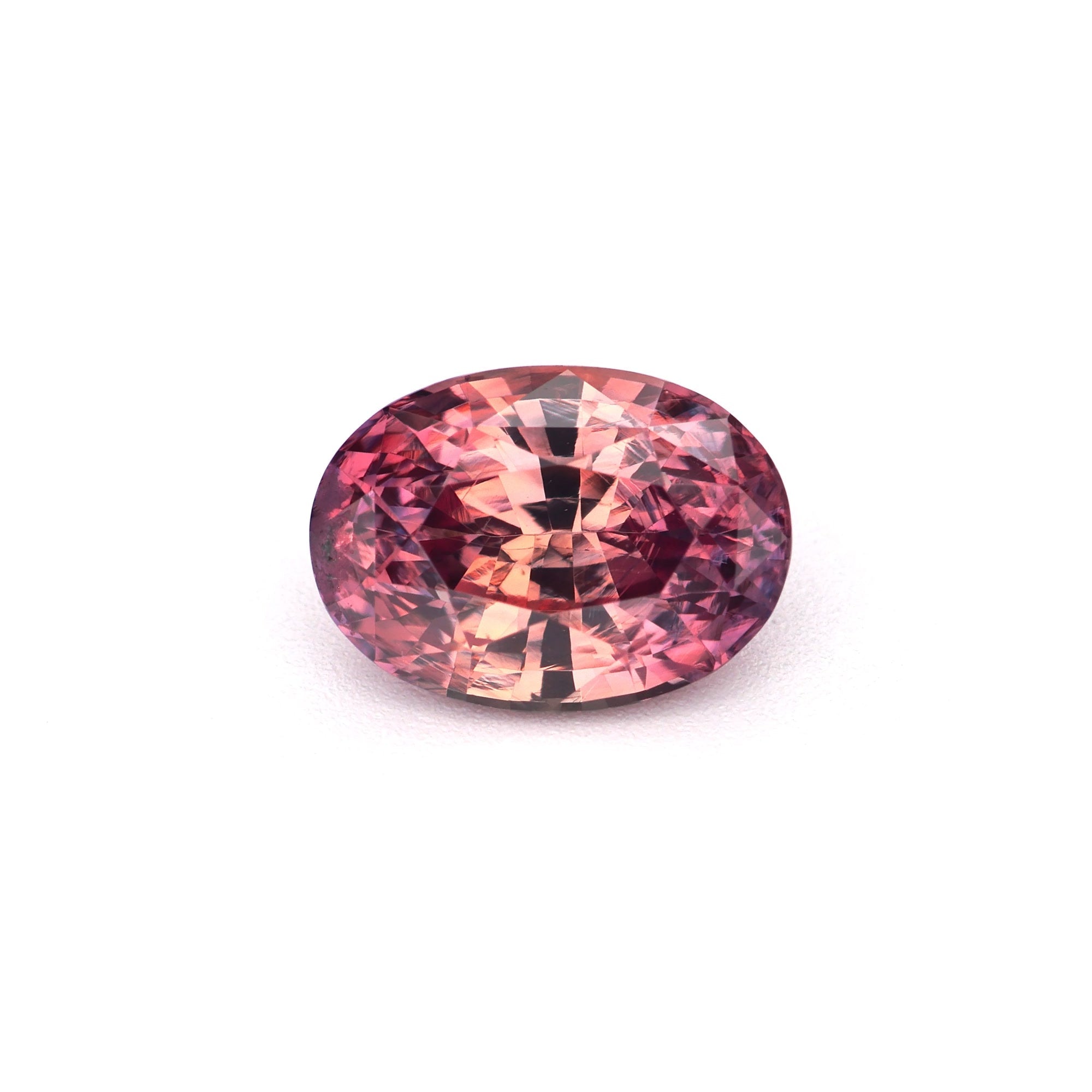
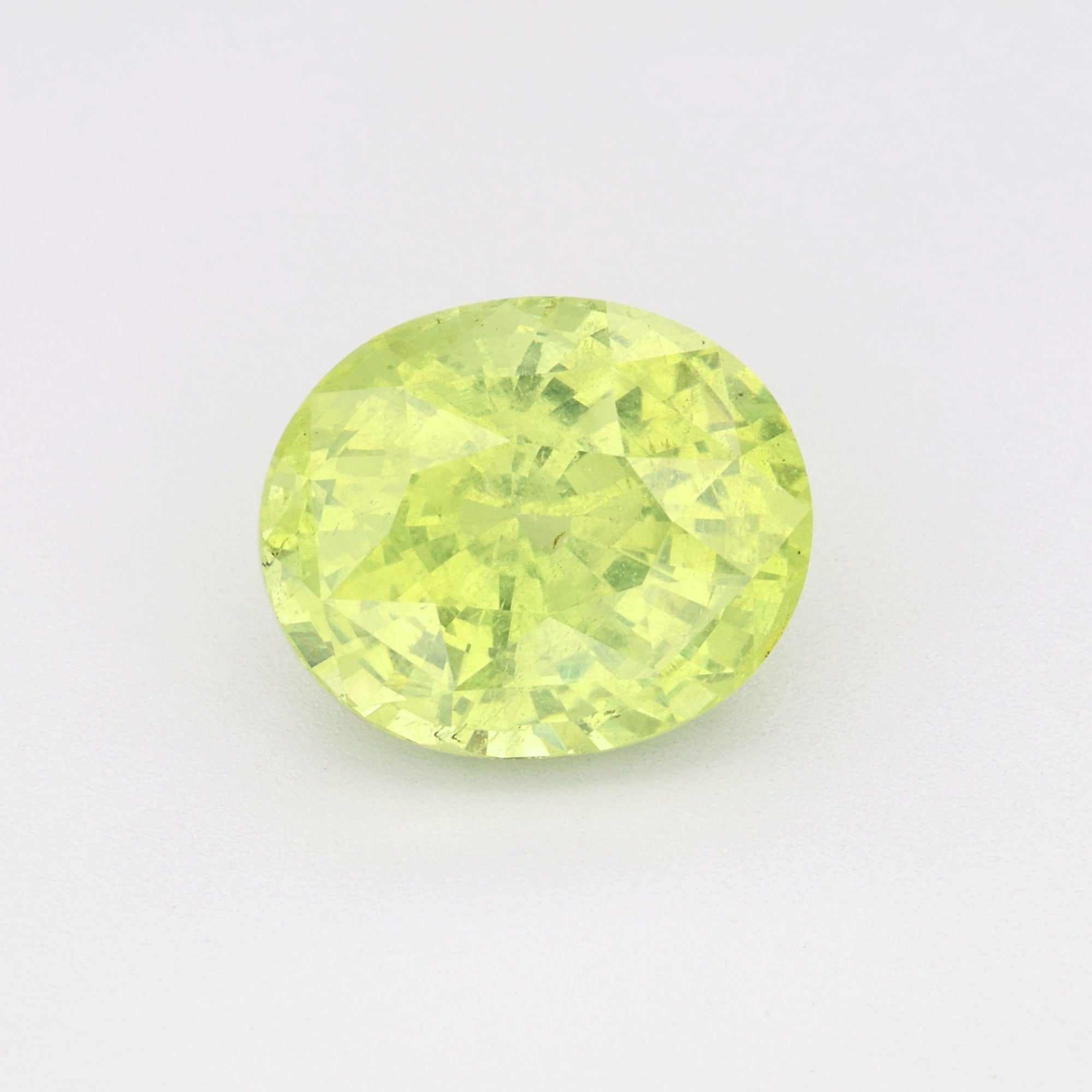
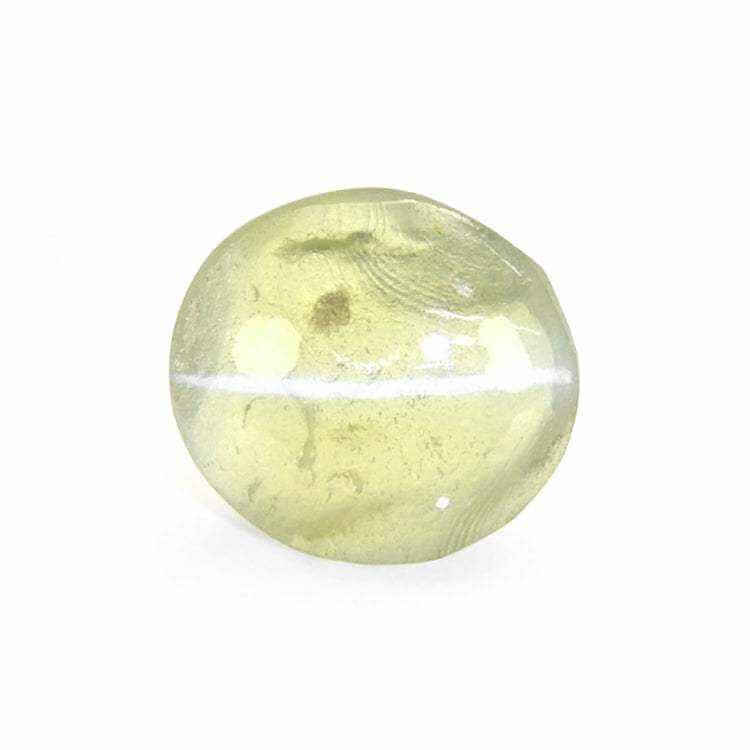
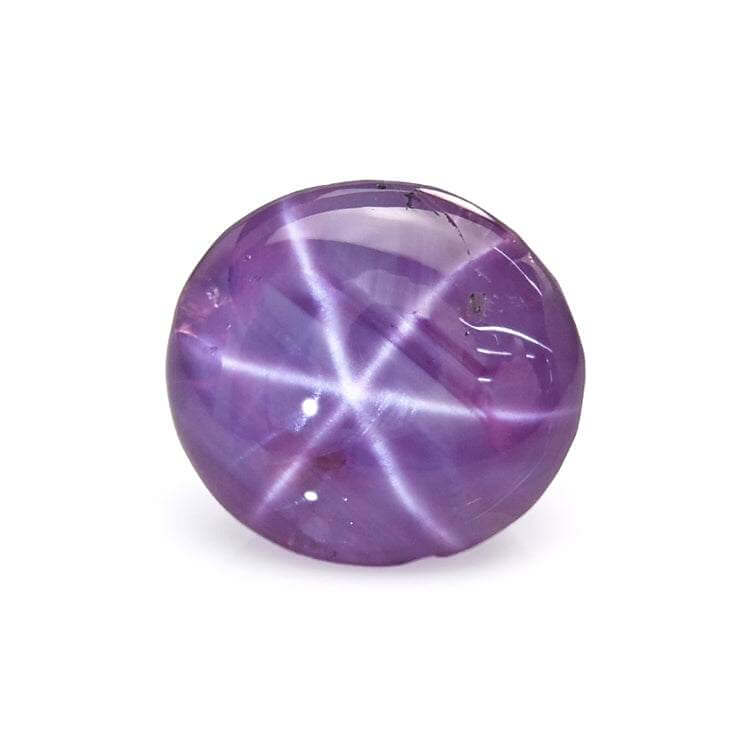
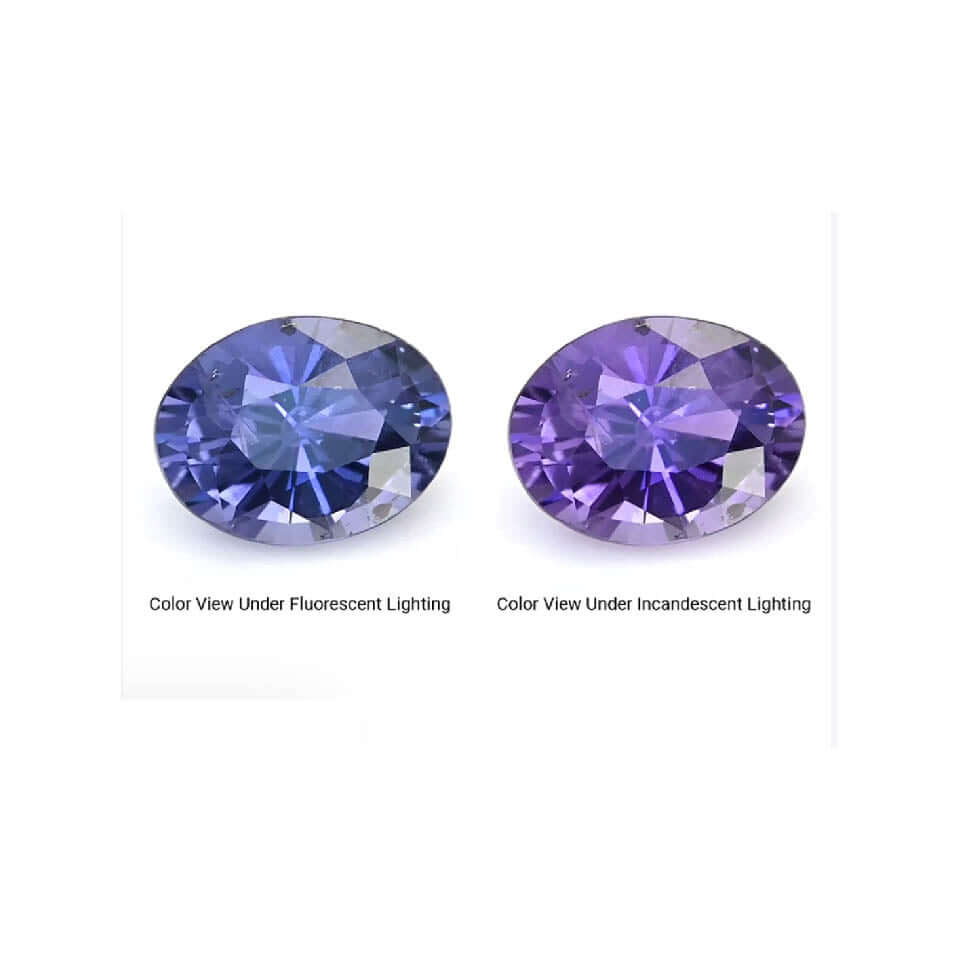
Today, Ceylon origin applies across the full sapphire color spectrum — not just blue. Sri Lanka produces blue, pink, yellow, purple, teal, peach, padparadscha, star sapphires, and more. Ceylon origin is relevant — and carries a premium — across all of these, not only blue.
What Makes Ceylon Sapphires Distinctive
The geology of Sri Lanka’s gem-bearing regions — centred around Ratnapura in the southwest and

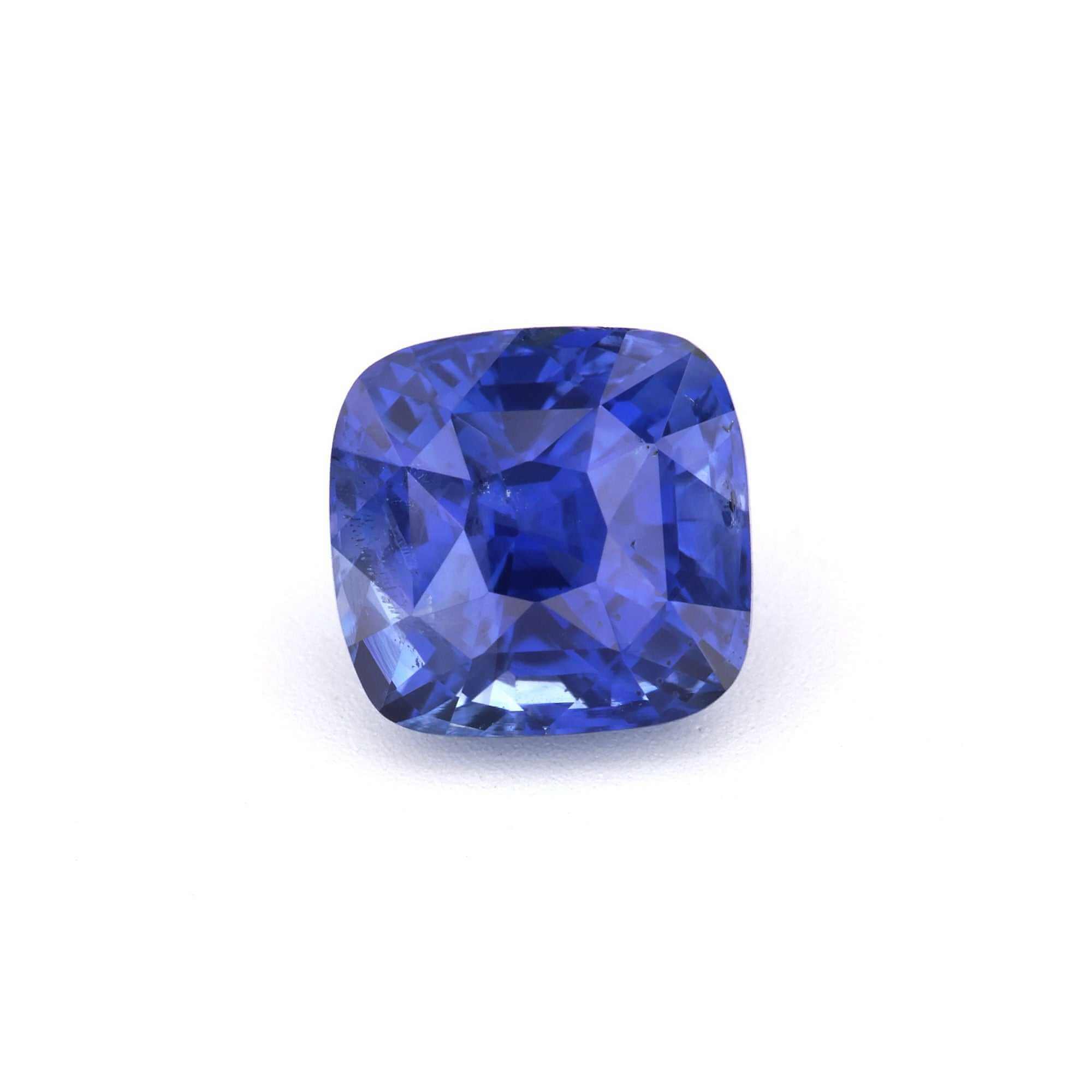
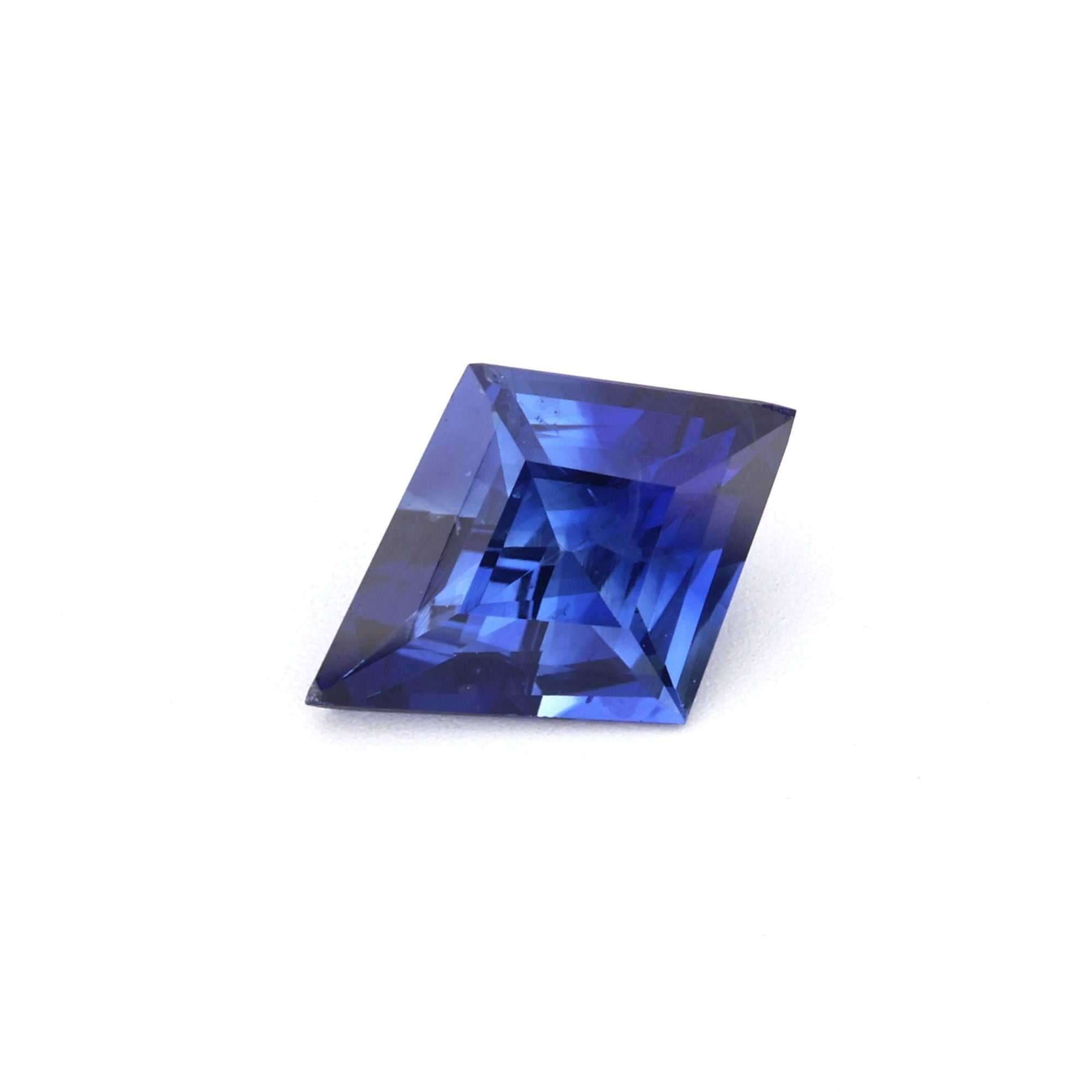
extending to Elahera, Okkampitiya, and other alluvial deposits — produces sapphires with a characteristic bright, slightly violet-leaning blue in the case of blue sapphire, and exceptional clarity and colour saturation across all colour families.
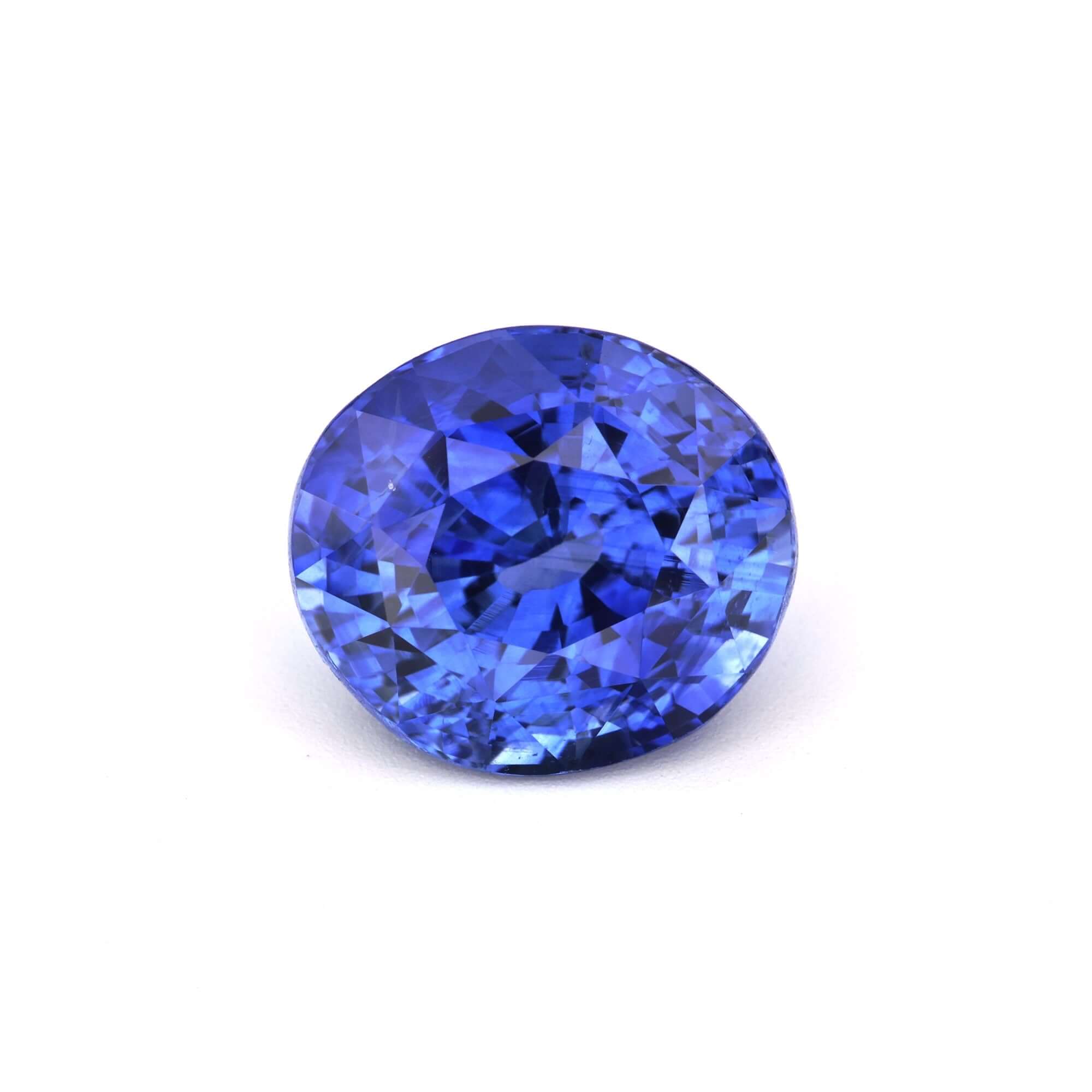
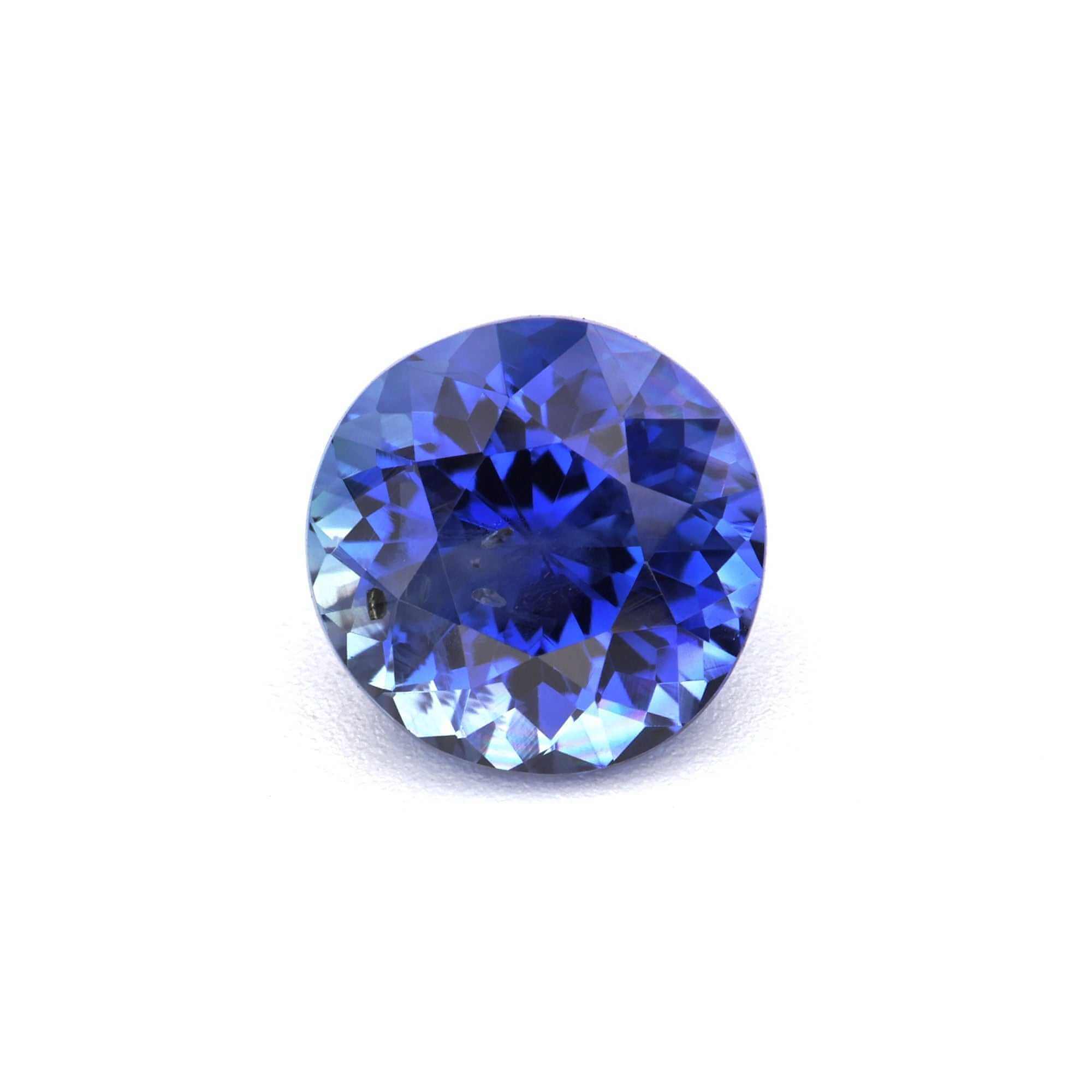
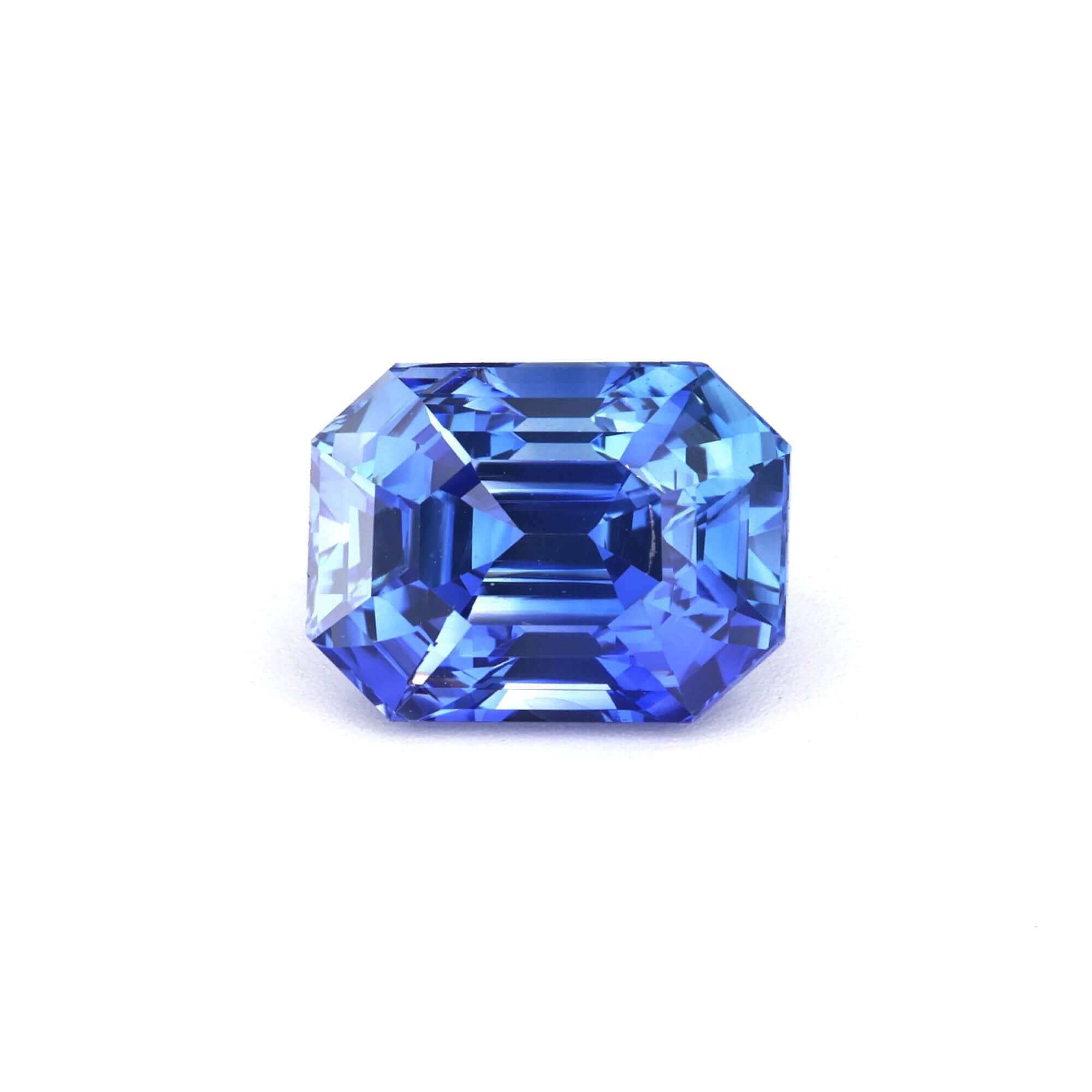
Ceylon blue sapphire tends toward medium to medium-vivid tone, which means it holds its colour in all lighting conditions including candlelight and artificial light. Very dark stones absorb too much light and appear near-black indoors. Ceylon blues avoid this problem at fine quality grades. Browse by carat weight: under 1 carat · over 1 carat · over 2 carats.
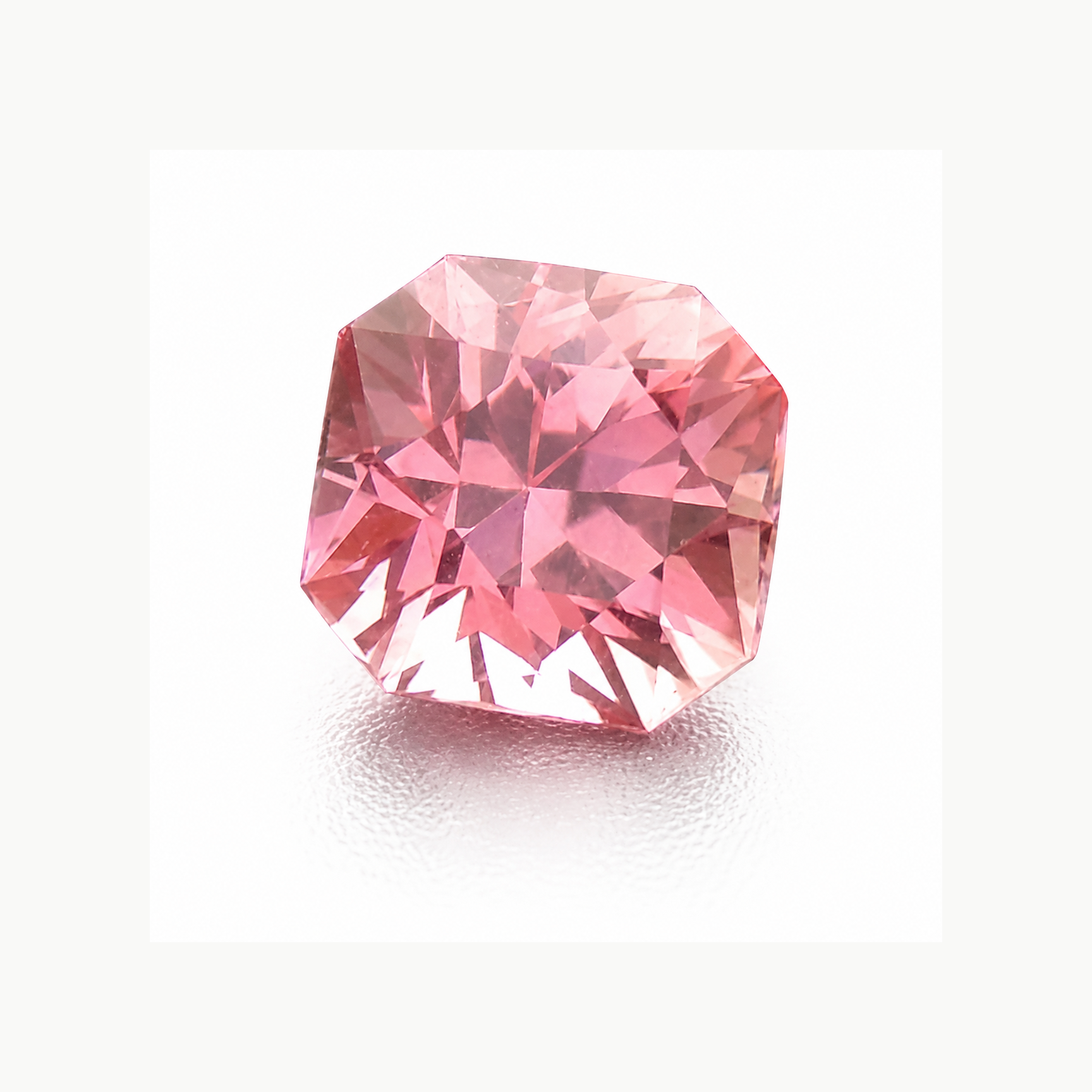
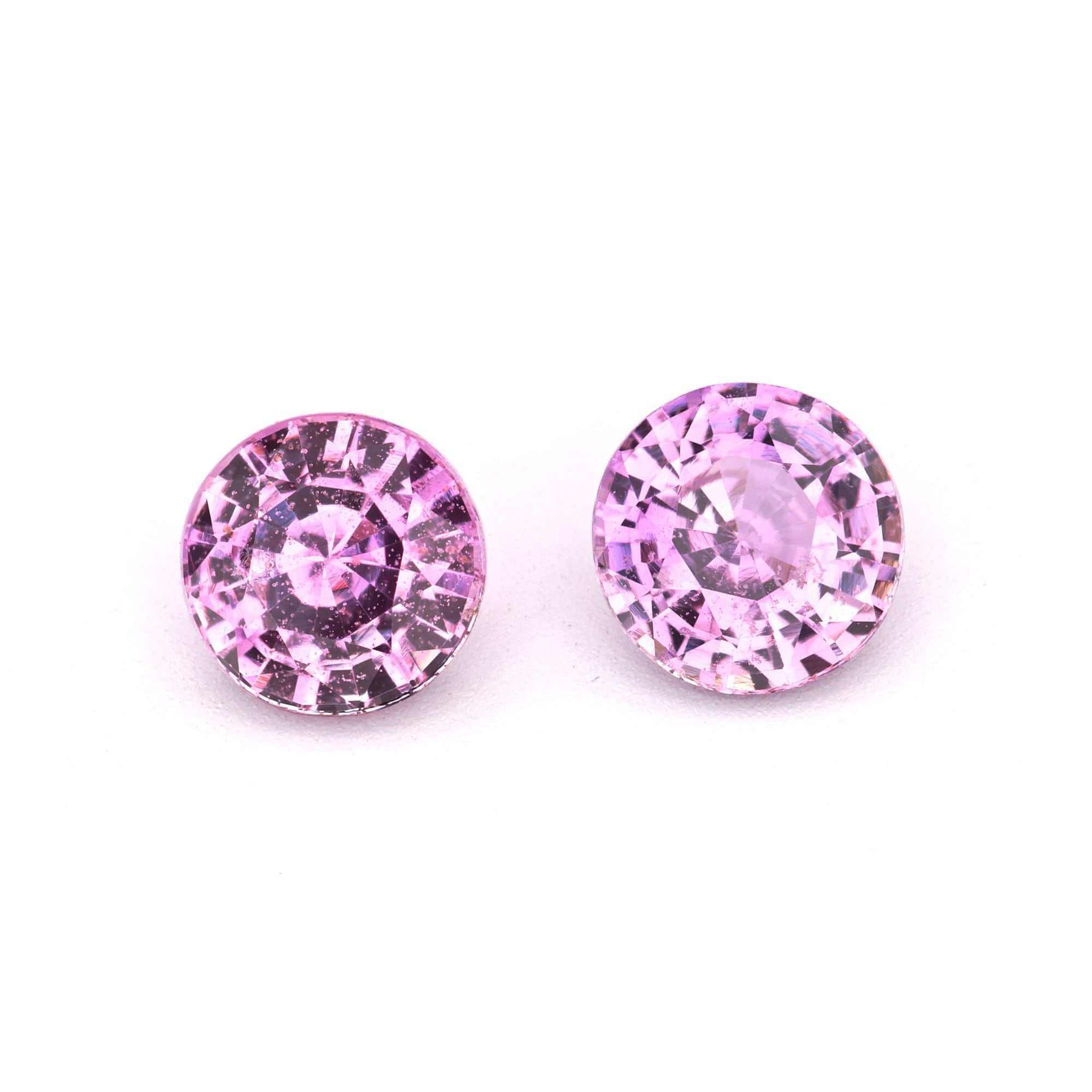
Ceylon pink sapphire is characterised by a bright, clean pink ranging from soft blush to medium vivid — with high transparency that allows light to pass through cleanly. Ceylon pink is frequently unheated, making it a particularly sought-after origin for collectors. Browse our pink sapphire over 1 carat collection.
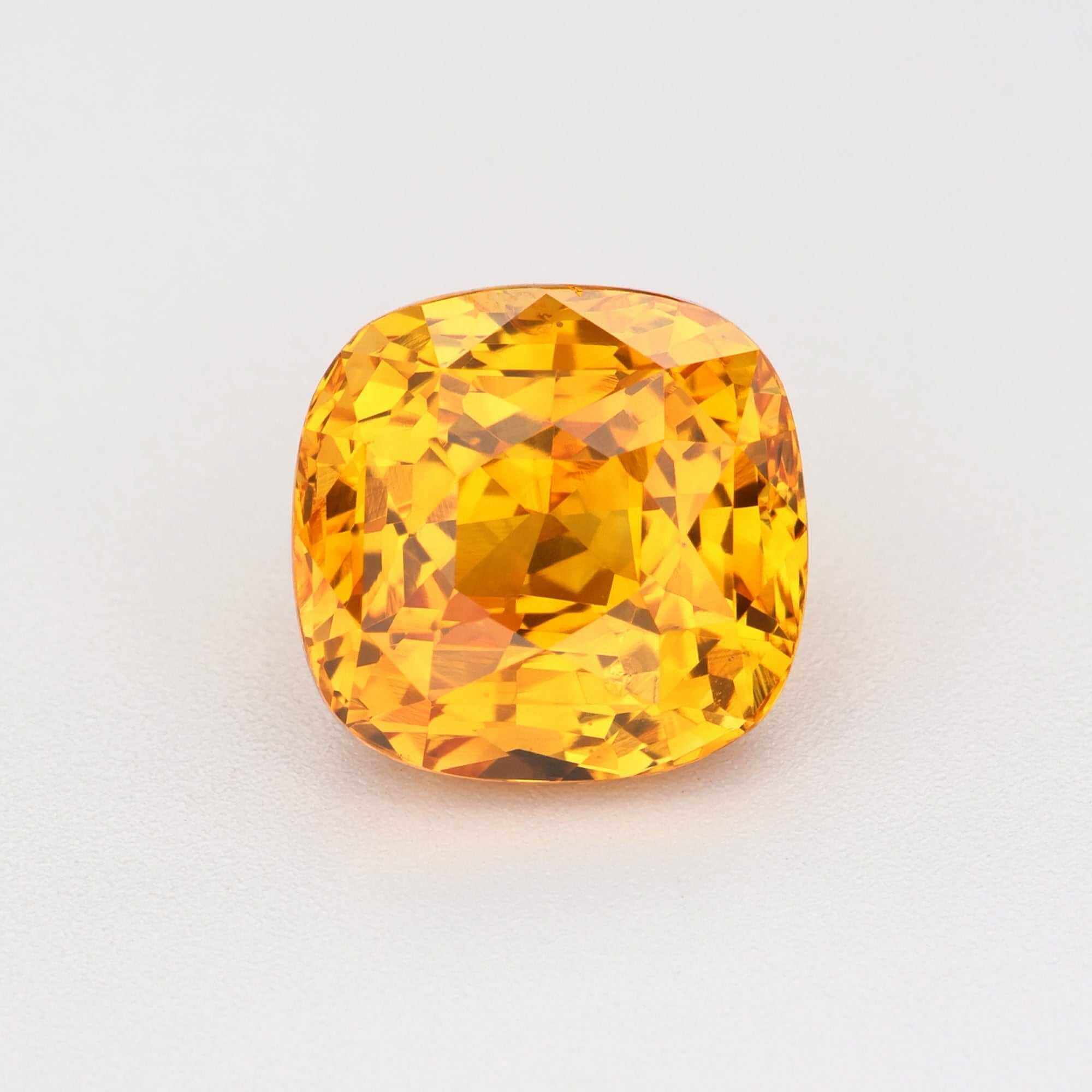
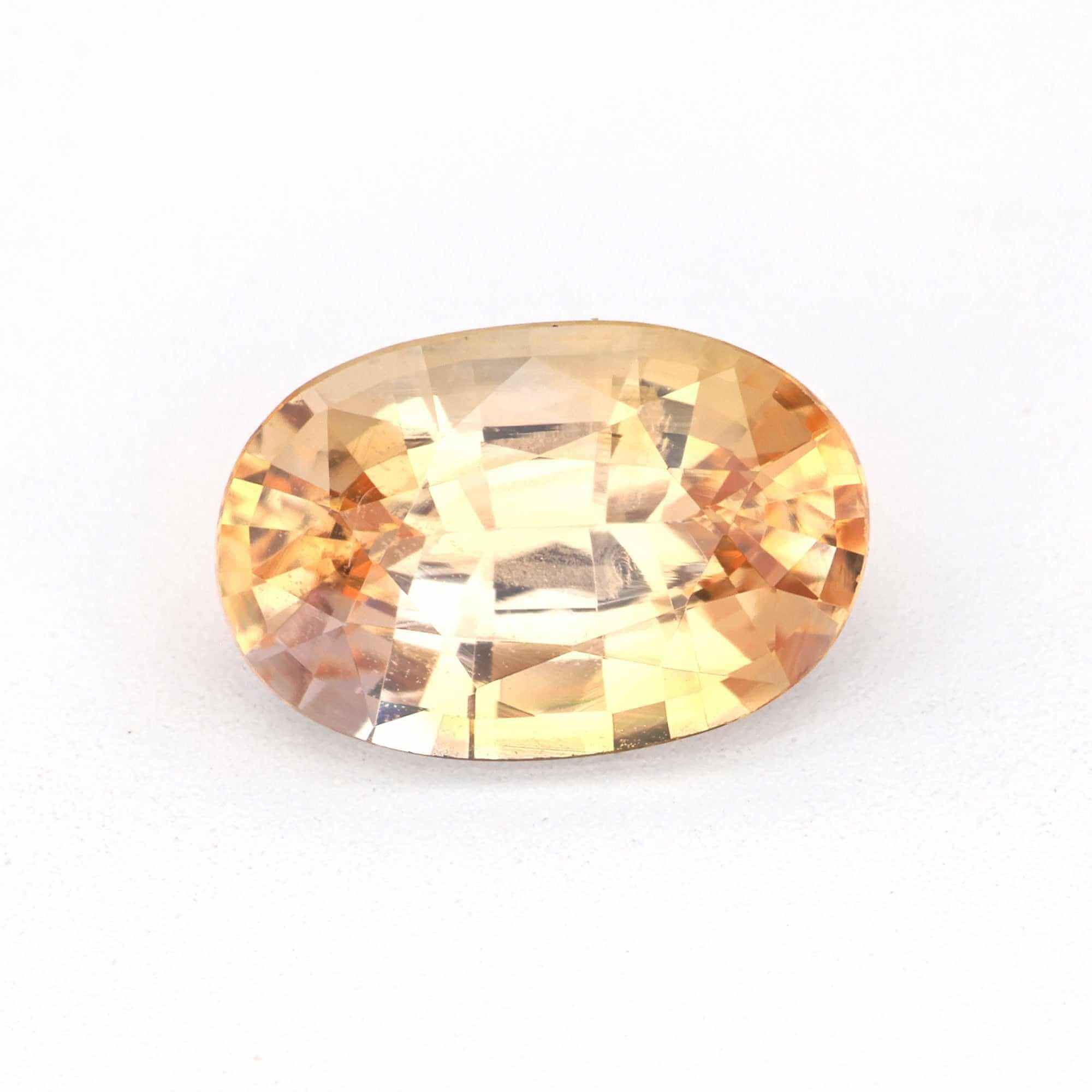
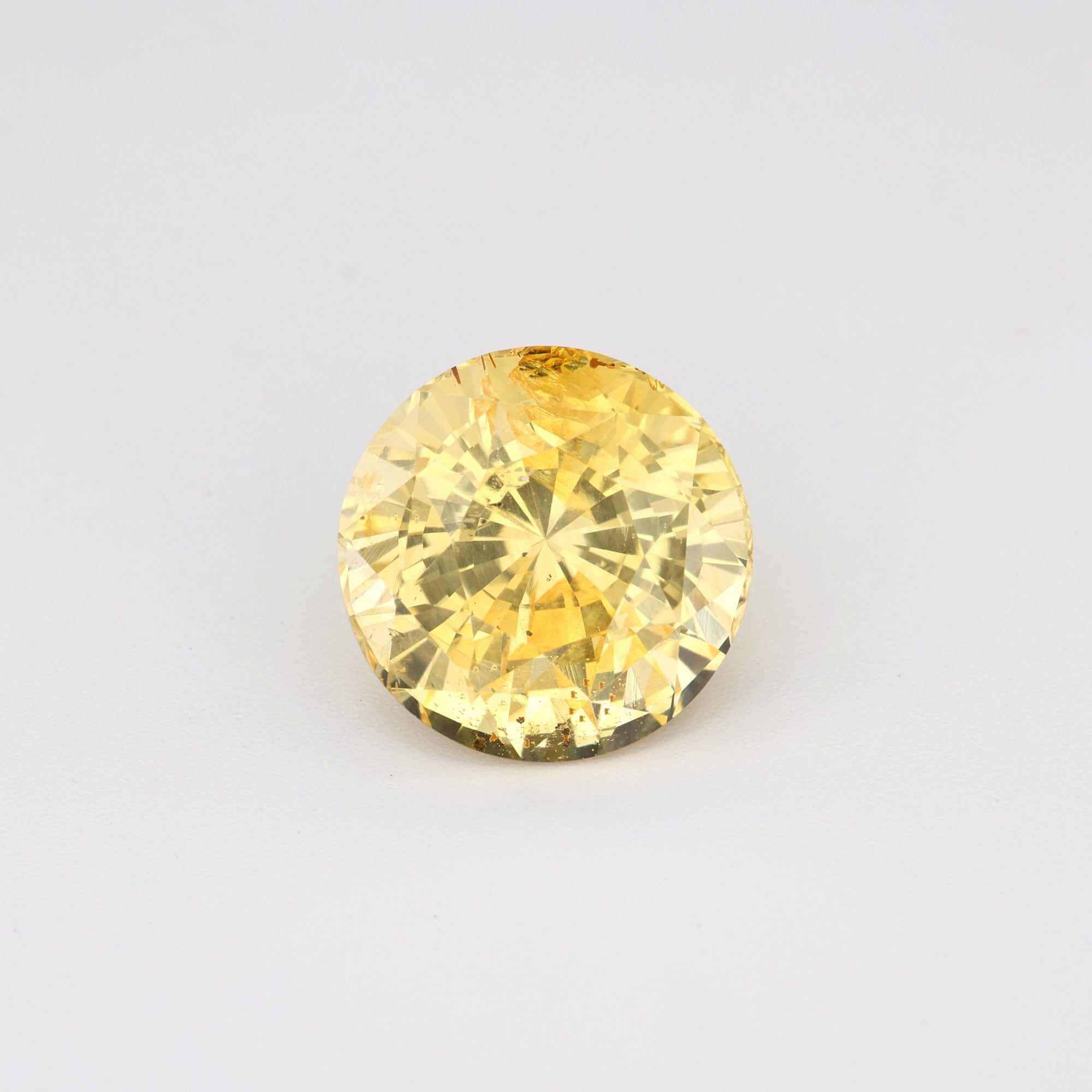
Ceylon yellow sapphire (Pukhraj) is the prescribed Jupiter stone in Jyotish and the most commercially important yellow sapphire origin globally. Fine Ceylon yellow sapphire in unheated condition is the most sought-after specification for Vedic astrology buyers. Browse our unheated yellow sapphire over 1 carat and over 2 carats collections.
Padparadscha sapphire — the rarest sapphire colour — is almost exclusively associated with Ceylon origin at fine quality. The delicate pink-orange balance that defines padparadscha is a characteristic of Sri Lankan corundum chemistry. See our padparadscha collection.
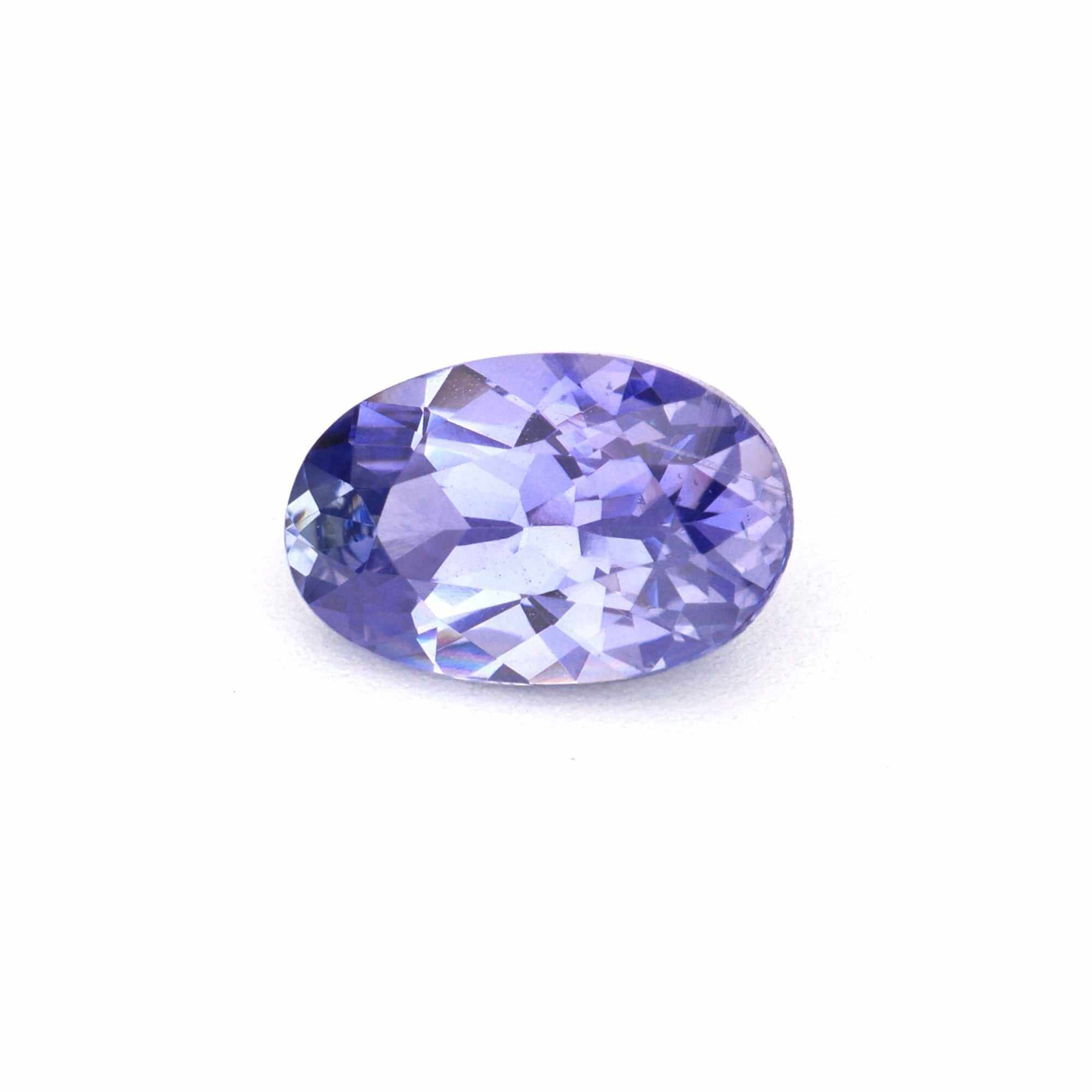
Ceylon purple and violet sapphire is predominantly unheated — one of the few sapphire colours where unheated is the norm rather than the exception. Browse our purple sapphire over 1 carat collection.
Ceylon vs Other Origins
Understanding how Ceylon compares to other origins helps buyers make informed value decisions.
Madagascar has become the most commercially important competing source for blue, pink, and other sapphire colours. Madagascar produces stones in comparable colour to Ceylon at lower origin premiums — a genuine value alternative for buyers for whom provenance is less important than visual quality. A fine Madagascar blue sapphire in good colour can be indistinguishable from Ceylon by eye.
Kashmir sapphires — mined at high altitude in the Indian Himalayas, effectively exhausted as a commercial source in the early 20th century — are the most prized and most expensive blue sapphires in the world. Their characteristic “velvety” blue, caused by fine silk inclusions scattering light, is unlike any other origin. Kashmir commands extraordinary premiums at auction — fine examples above 2ct can reach $50,000–$200,000+ per carat. For investment-grade pieces at any origin, see our investment gemstones collection.
Burma (Myanmar) produces the benchmark for ruby and is also an important blue sapphire source. Fine Burmese blues carry a 2–4x premium over equivalent Ceylon material when documented by a major laboratory. Burmese sapphires are significantly rarer in commercial supply than Ceylon.
Thai and Australian sapphires tend to run darker and are more heavily treated — the colour profile is different from Ceylon. Neither carries the same origin premium in the collector market.
How Origin Is Verified
Origin determination is not possible by eye. It requires laboratory testing. GIA, Gübelin, and SSEF can issue origin reports identifying Ceylon (Sri Lanka) as the source, based on examination of inclusion patterns, trace element chemistry, and spectroscopic analysis of the specific growth characteristics of Sri Lankan corundum.
On a GIA report, Sri Lanka origin appears as “Sri Lanka” under the geographic origin field. Gübelin and SSEF use “Ceylon”. The determination is always stated as an opinion based on gemological evidence — this is standard laboratory language and does not undermine the determination.
We source directly through our buying offices in Colombo, Beruwala, and Ratnapura — and carry GIA origin reports on selected premium pieces. Treatment status and origin are disclosed on every product listing. For buyers who need laboratory-confirmed origin — for Jyotish, investment, or personal significance — email crescentgems@gmail.com to confirm which stones carry origin documentation.
Is Ceylon Worth the Premium?

For collectors and buyers for whom provenance matters — investment buyers, Jyotish buyers who require Ceylon origin by prescription, or buyers for whom the historical association is meaningful — yes, the premium is justified. Ceylon origin with GIA documentation is what makes a stone fully verifiable, insurable, and resaleable at maximum value. For more on this see our sapphire pricing guide and our complete Ceylon sapphire guide.
For engagement ring buyers whose primary concern is visual quality and colour — not provenance — a fine Madagascar stone in equivalent colour offers genuinely similar aesthetics at better value per carat. We disclose origin clearly on every listing and let you decide. See our sapphire engagement ring guide for advice on when origin should factor into your decision and when it should not.
Ceylon Origin and Heat Treatment
Ceylon origin and heat treatment status are two independent quality variables that compound each other in value terms. An unheated Ceylon blue sapphire with GIA origin documentation commands the highest premium of any combination. A heated Ceylon blue with origin documentation commands less than unheated but more than heated without origin. A Madagascar stone heated or unheated carries no origin premium.
The most important thing to understand: Ceylon origin does not guarantee unheated status, and unheated status does not guarantee Ceylon origin. These must be confirmed separately on the laboratory report. See our heated vs unheated sapphire guide for a complete explanation of treatment status and its effect on value. For specifically unheated Ceylon material, browse our unheated Ceylon blue sapphires and our complete unheated sapphire collection.
Ceylon Origin for Jyotish (Vedic Astrology)
In Jyotish, Ceylon origin is strongly preferred or explicitly required by most qualified practitioners for the planetary gemstone prescriptions that call for sapphire. Blue sapphire (Neelam) for Saturn, yellow sapphire (Pukhraj) for Jupiter, and other corundum prescriptions typically specify Ceylon origin as the ideal source. See our Jyotish sapphire guide for full specification detail across all planetary gemstones.
Frequently Asked Questions
What does “Ceylon” mean for a sapphire?
Ceylon is the historical name for Sri Lanka. In the gemstone trade it indicates the stone was mined in Sri Lanka — the world’s most prestigious sapphire origin, producing fine sapphires for over 2,000 years across every colour family including blue, pink, yellow, padparadscha, and purple.
Is Ceylon sapphire more expensive than Madagascar?
Yes, typically. Ceylon commands an origin premium of 20–50% over comparable Madagascar stones at most quality grades, reflecting historical prestige and documented traceability. At collector and investment grade above 2ct in fine colour, the premium can be significantly higher — particularly for unheated material with GIA origin documentation.
How is Ceylon origin certified?
Laboratory testing by GIA, Gübelin, or SSEF. These labs examine inclusion patterns and trace element chemistry to confirm Sri Lanka origin. GIA states origin on the same report as treatment status — one document covers both. We carry GIA origin reports on selected premium pieces and disclose origin on every listing.
Does Crescent Gems source directly from Sri Lanka?
Yes. We have buying offices in Colombo, Beruwala, and Ratnapura — the heart of Sri Lanka’s gem-producing region. Read more on our About page. Direct sourcing means we can confirm origin at the point of purchase, before stones reach the laboratory.
Does Ceylon origin matter for Jyotish?
Yes. Ceylon origin is strongly preferred or explicitly required for most planetary sapphire prescriptions in Jyotish. Blue sapphire for Saturn and yellow sapphire for Jupiter in particular are typically specified as Ceylon origin. See our Jyotish sapphire guide for full prescribing specifications.
Can I get a GIA origin report on any stone?
GIA origin reports can be obtained for most natural sapphires above approximately 0.5ct. Testing takes 3–6 weeks through GIA’s standard service. We can arrange GIA testing on any stone prior to purchase — email crescentgems@gmail.com to discuss. Every purchase also includes a 14-day return policy and free US shipping.
Related guides: Heated vs unheated sapphire · Sapphire engagement ring guide · Blue sapphire engagement ring guide · Jyotish sapphire guide · Sapphire pricing explained · Complete Ceylon sapphire guide
Related collections: Ceylon blue sapphire · Ceylon blue under 1 carat · Ceylon blue over 1 carat · Ceylon blue over 2 carats · Unheated Ceylon blue · Pink sapphire over 1 carat · Yellow sapphire over 1 carat · Purple sapphire over 1 carat · Padparadscha sapphire · Investment gemstones · All unheated sapphires · All sapphires