- by Ahmed Shareek
Cost of 1 carat Sapphire — Honest Pricing
- by Ahmed Shareek
Cost of 1 carat Sapphire - For the full 1 carat breakdown: 1 Carat Ceylon Sapphire Price Guide. For what 2 carats costs: What a Good 2 Carat Sapphire Costs. For the buying foundation: Ultimate Sapphire Buying Guide.

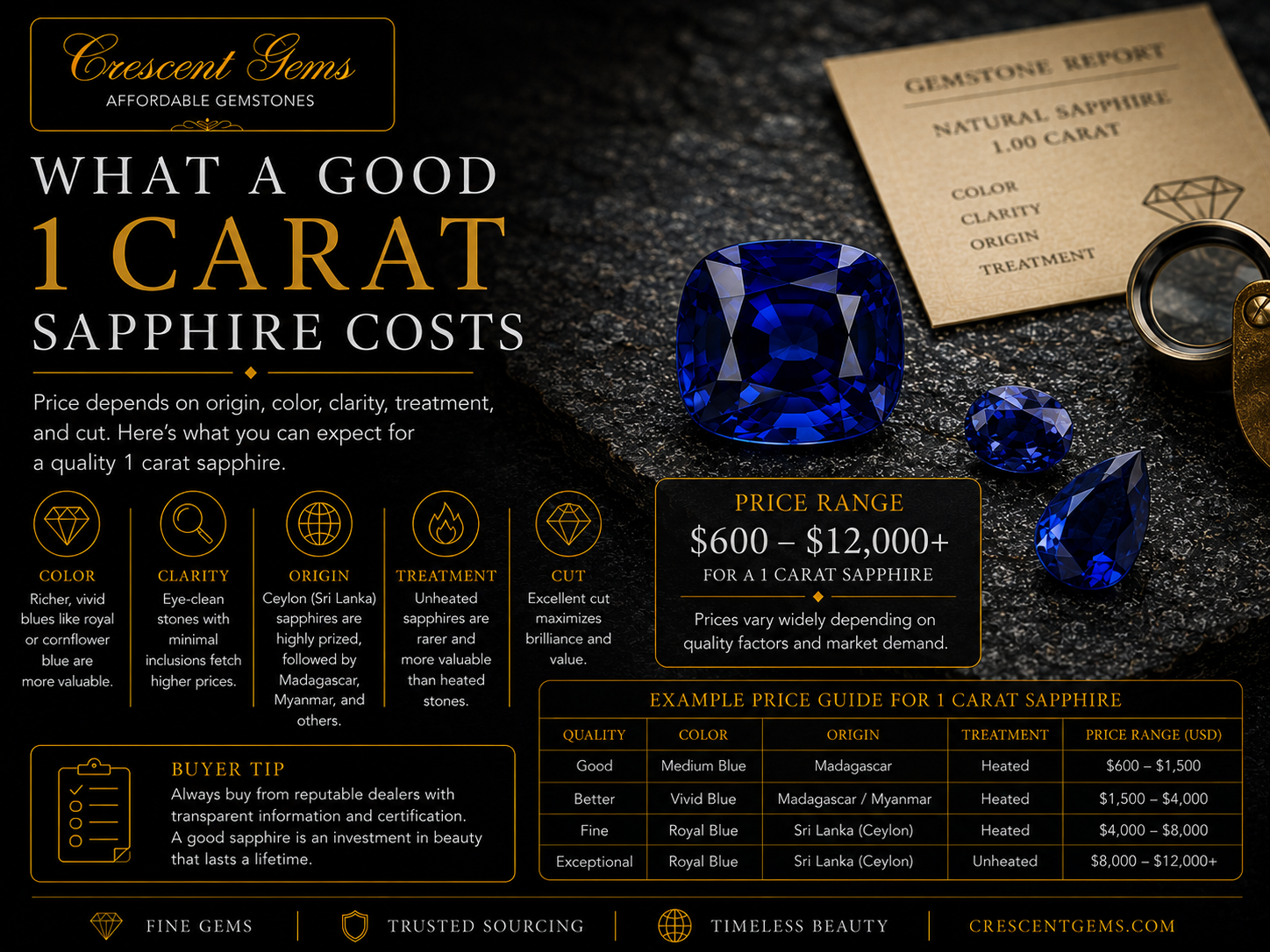
The question "what`s the Cost of 1 carat Sapphire?" is genuinely useful — and genuinely difficult to answer without first defining what "good" means. Commercial-grade sapphire can be purchased for $200–$500 per carat. Exceptional-grade sapphire can cost $15,000+ per carat. The difference is not arbitrary: it reflects real and significant differences in color quality, cut, treatment status, and documentation that are immediately visible to anyone who compares stones side by side.
This guide focuses on the middle ground — the price of genuinely good sapphire at 1 carat. Not the cheapest material available. Not the finest in the world. The price of a stone with vivid color, eye-clean clarity, honest cut quality, and appropriate documentation for its value — the kind of stone that makes a beautiful engagement ring and represents genuine value for money in 2026.
Before the prices, the definitions. "Good" quality in a 1-carat natural sapphire means:
 What a Good 1 Carat Sapphire Costs by Color
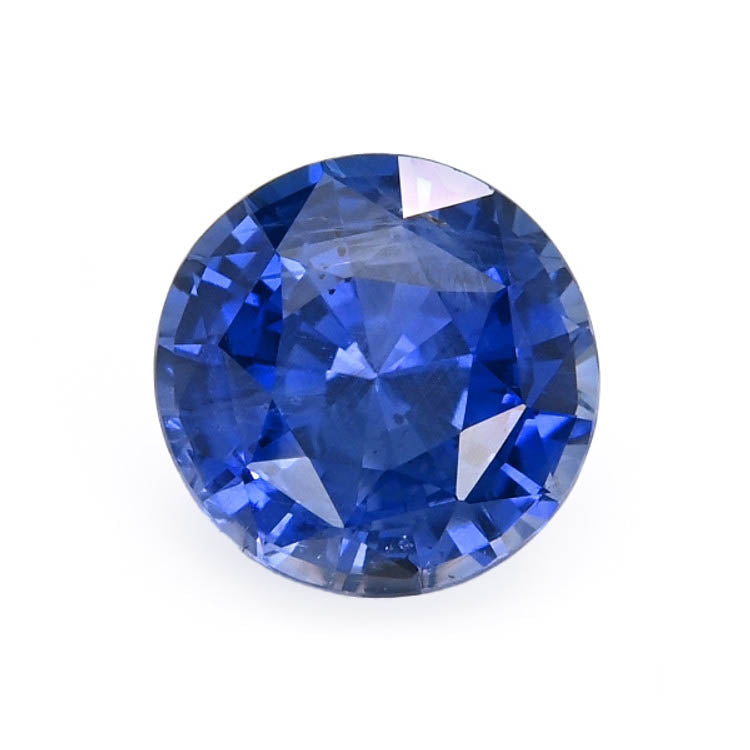
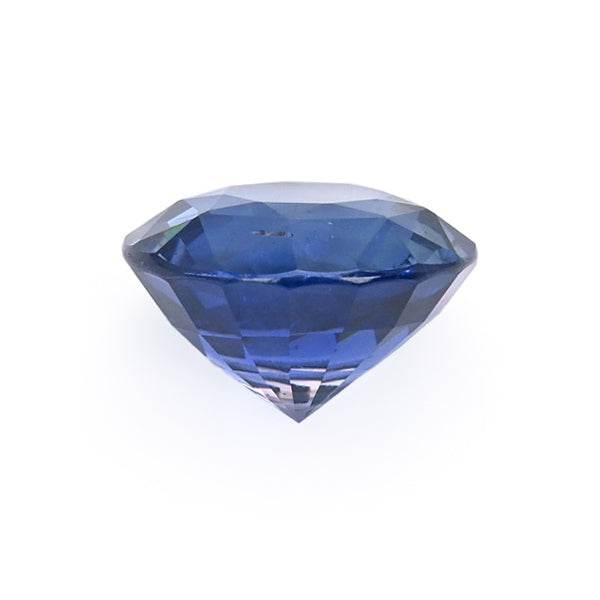
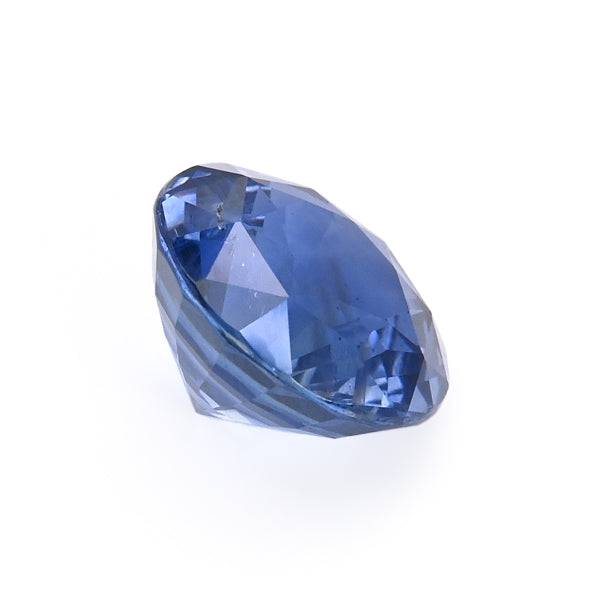
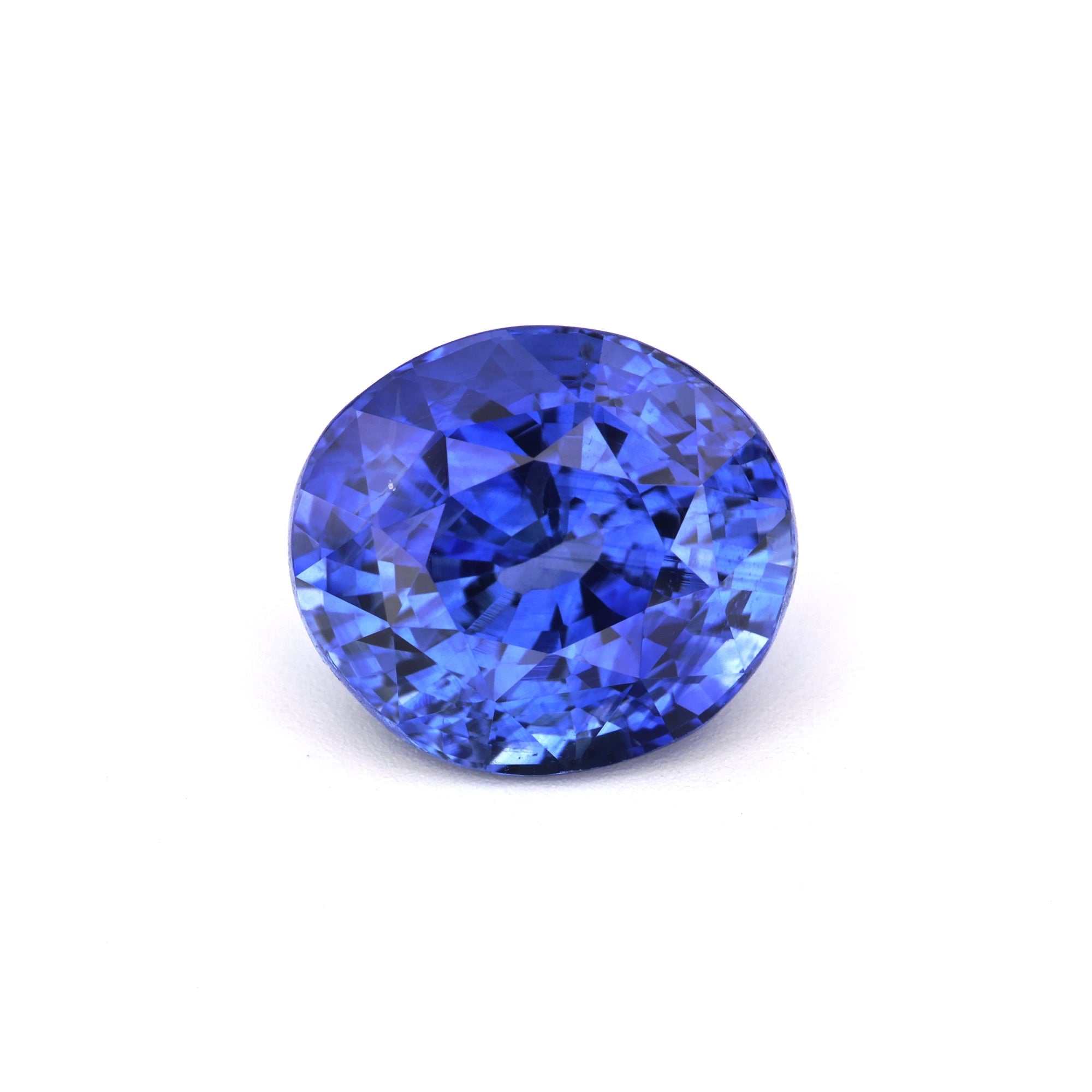
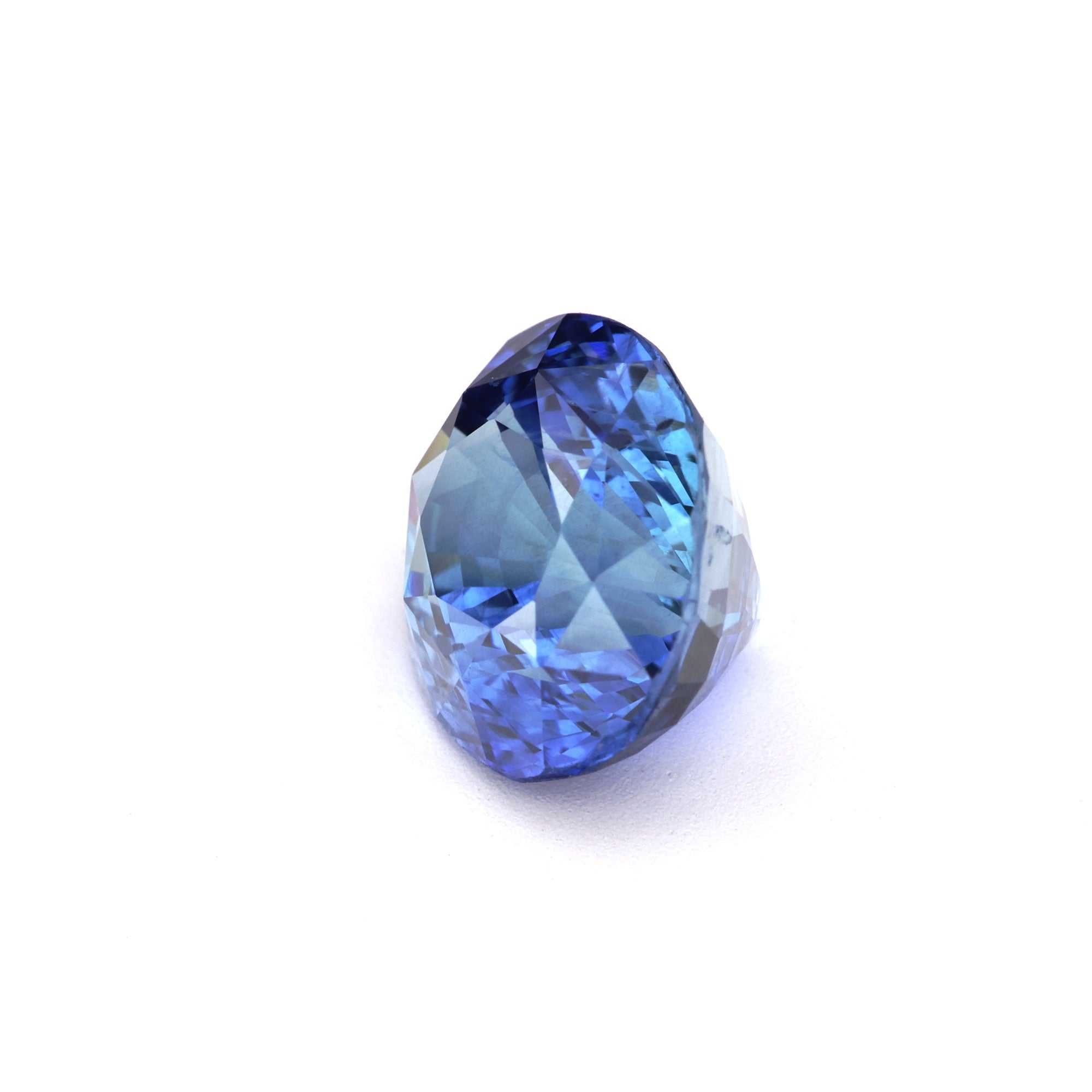
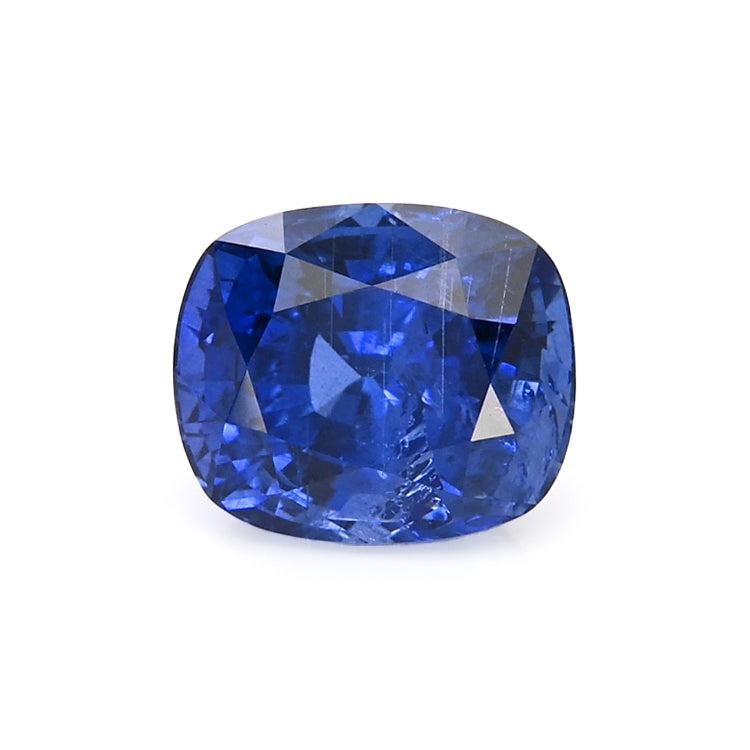
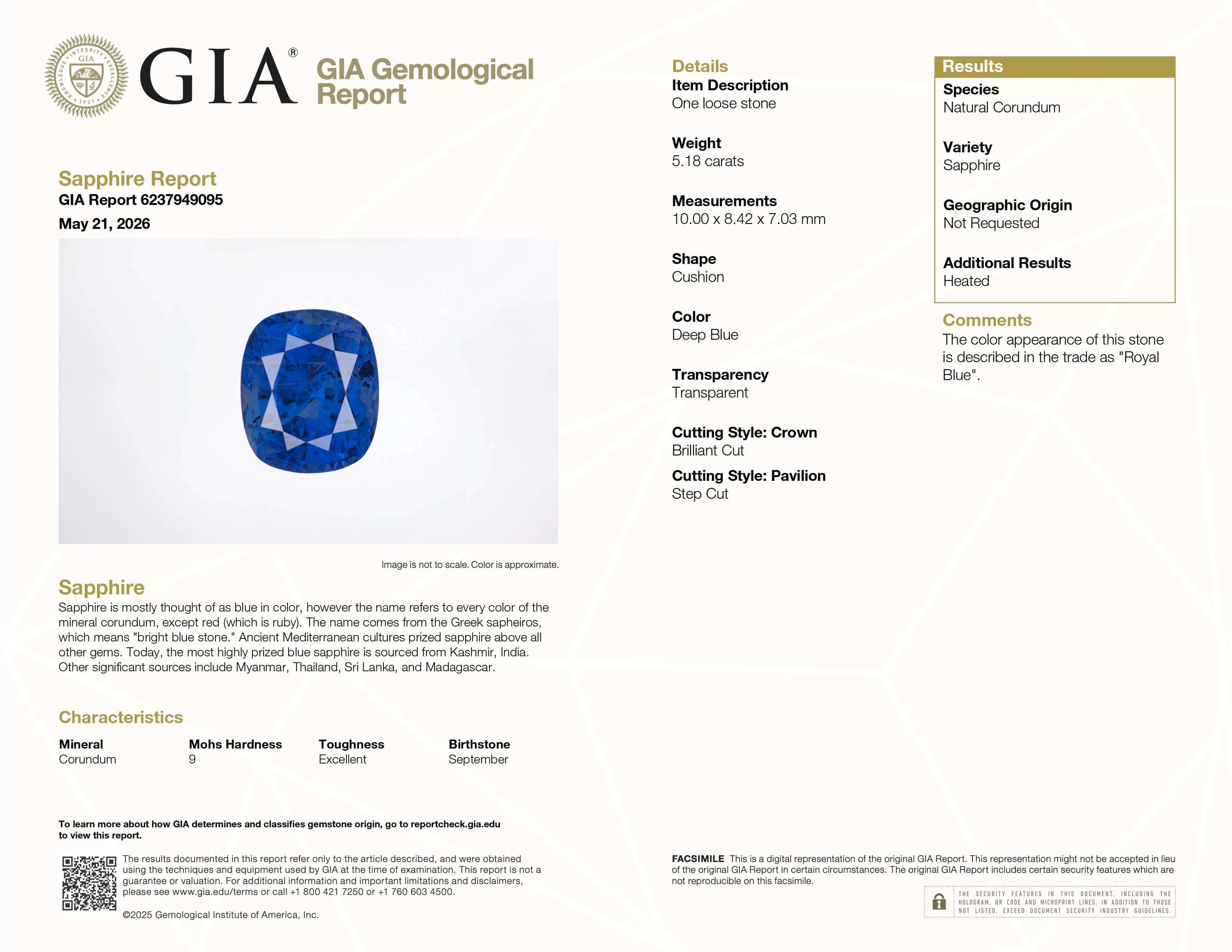
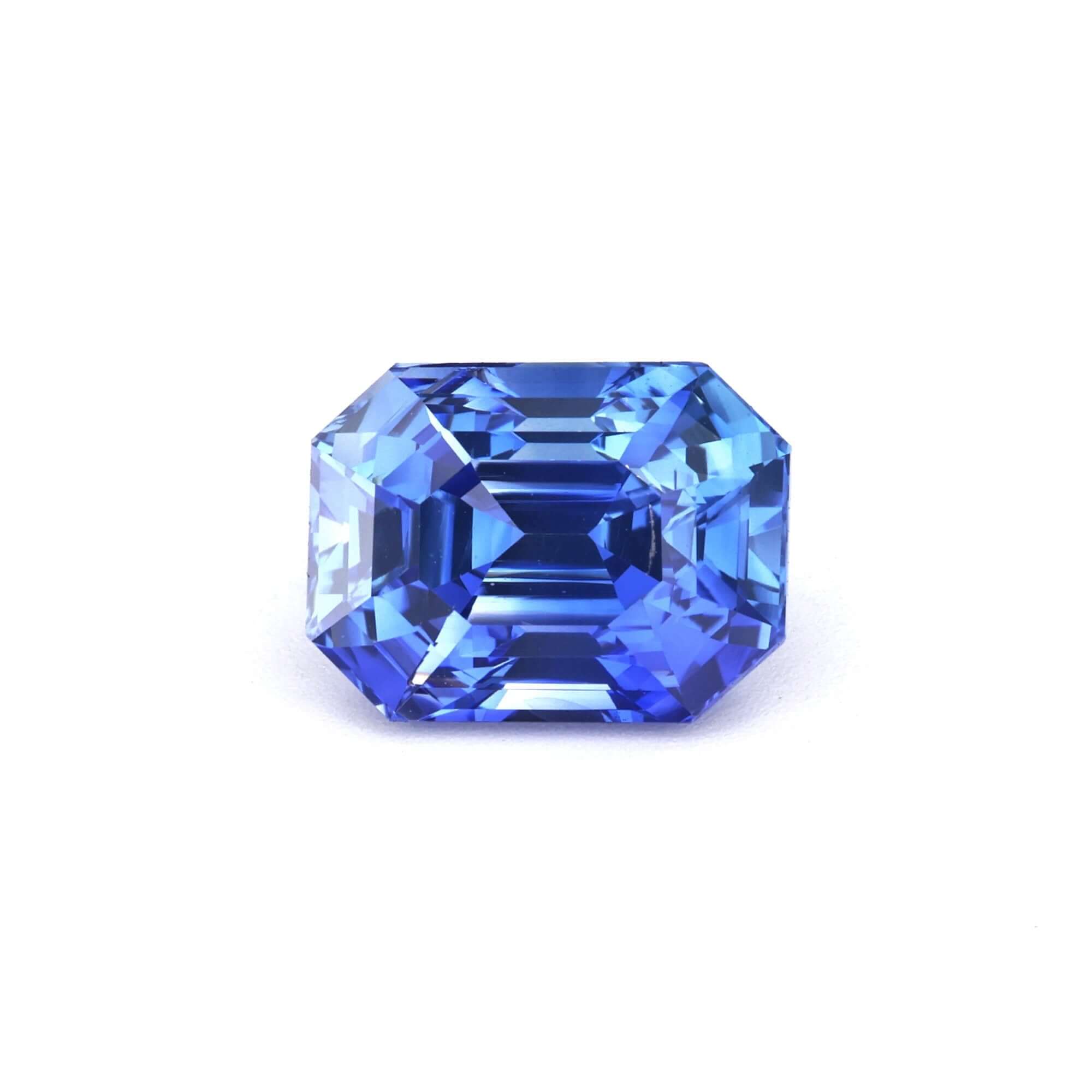
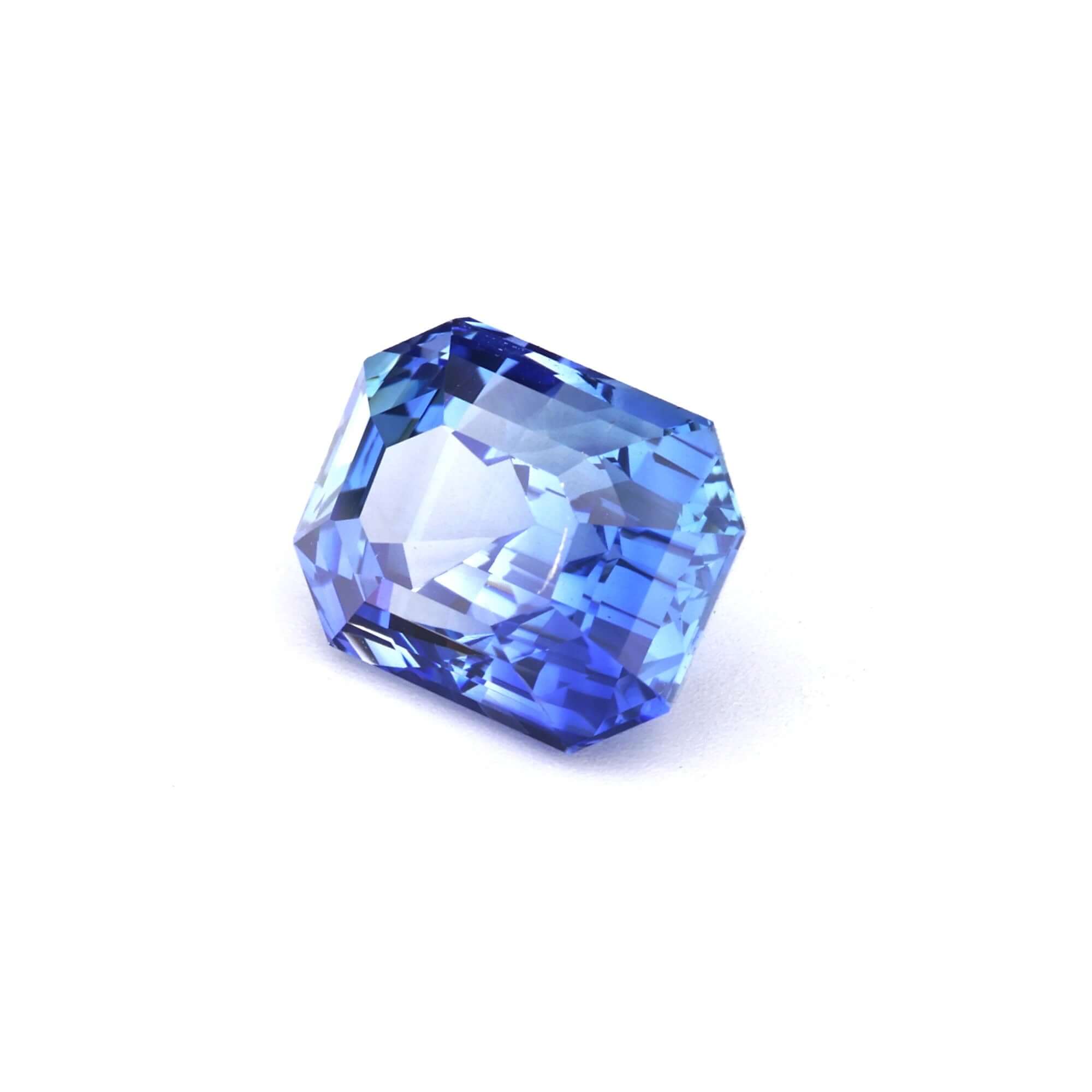
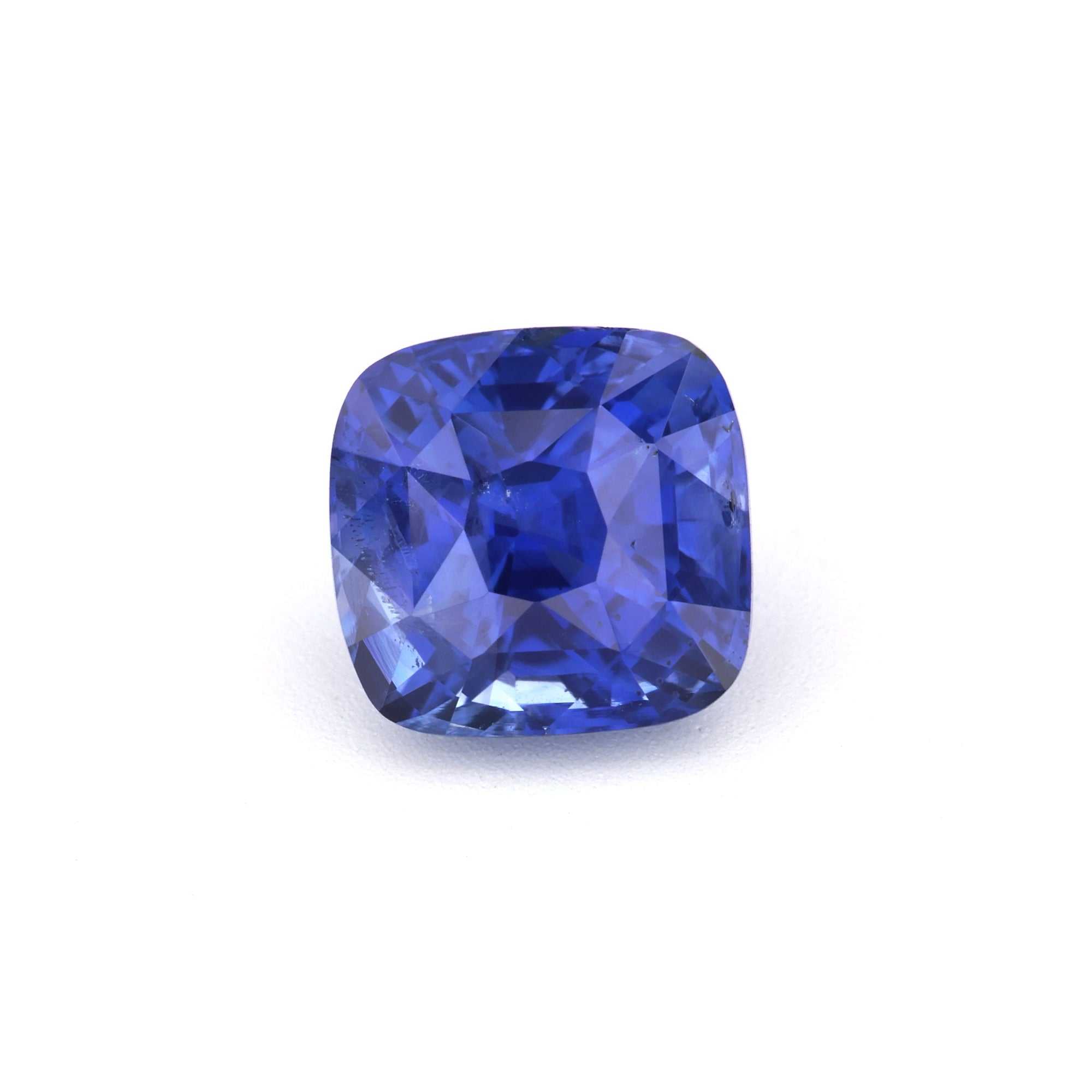
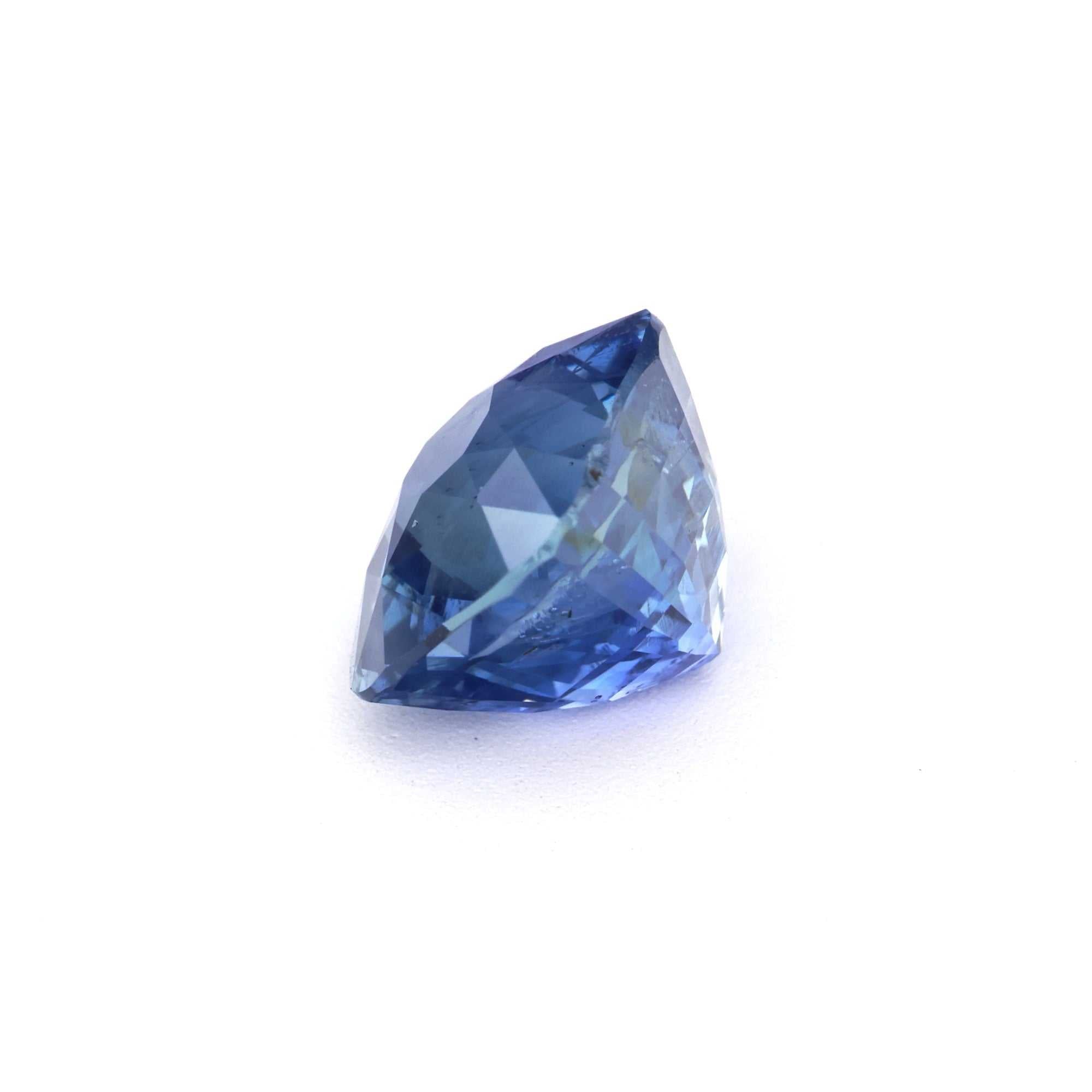
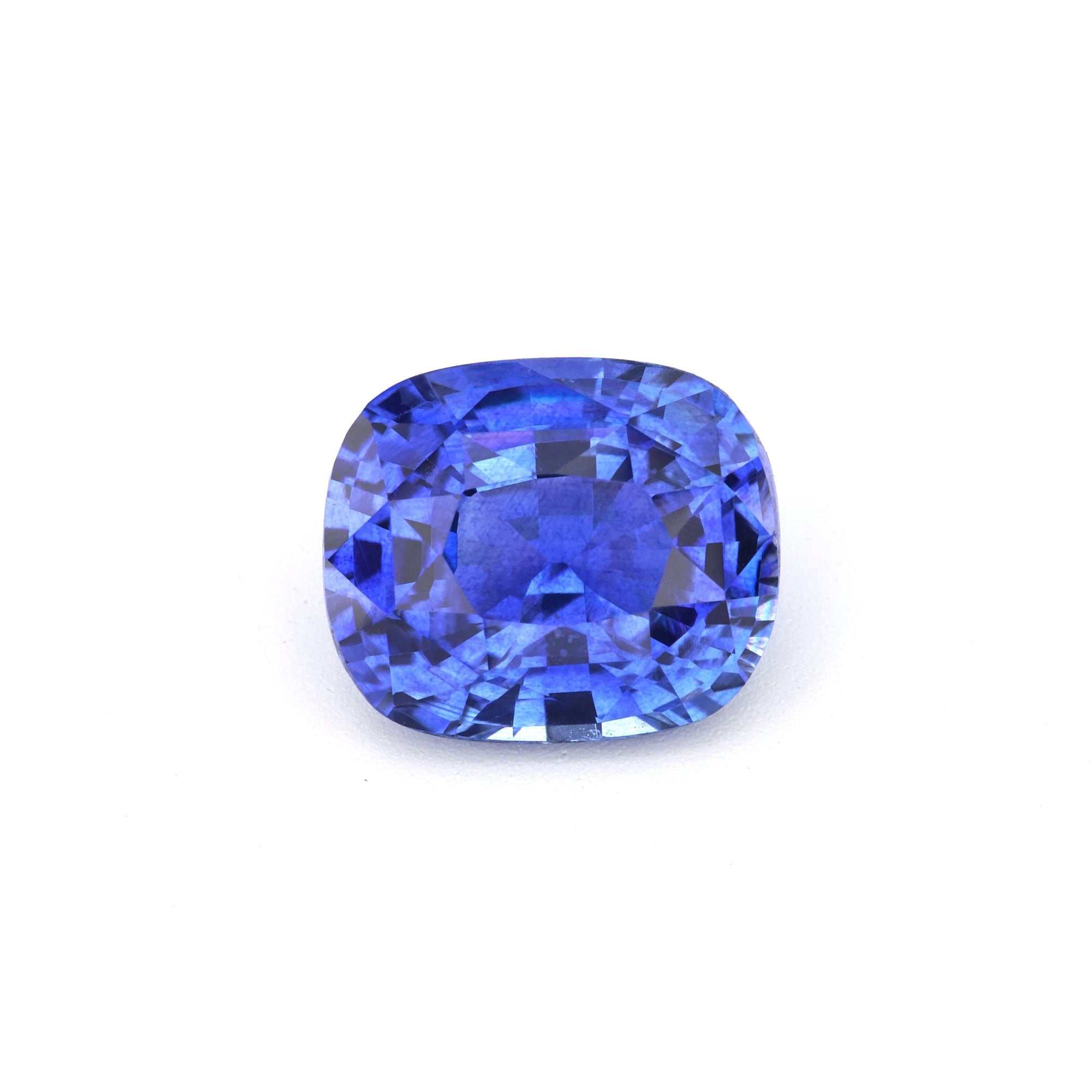
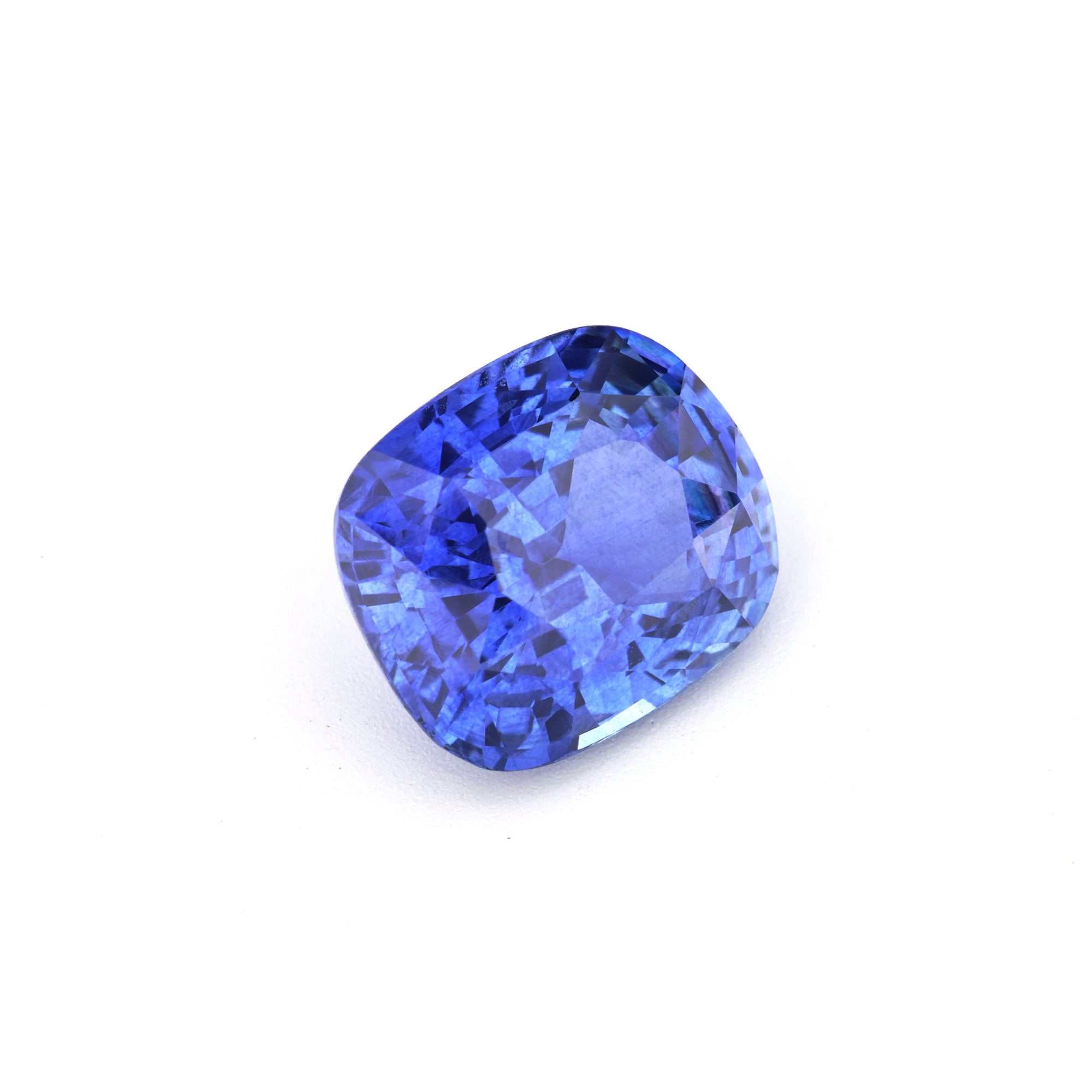
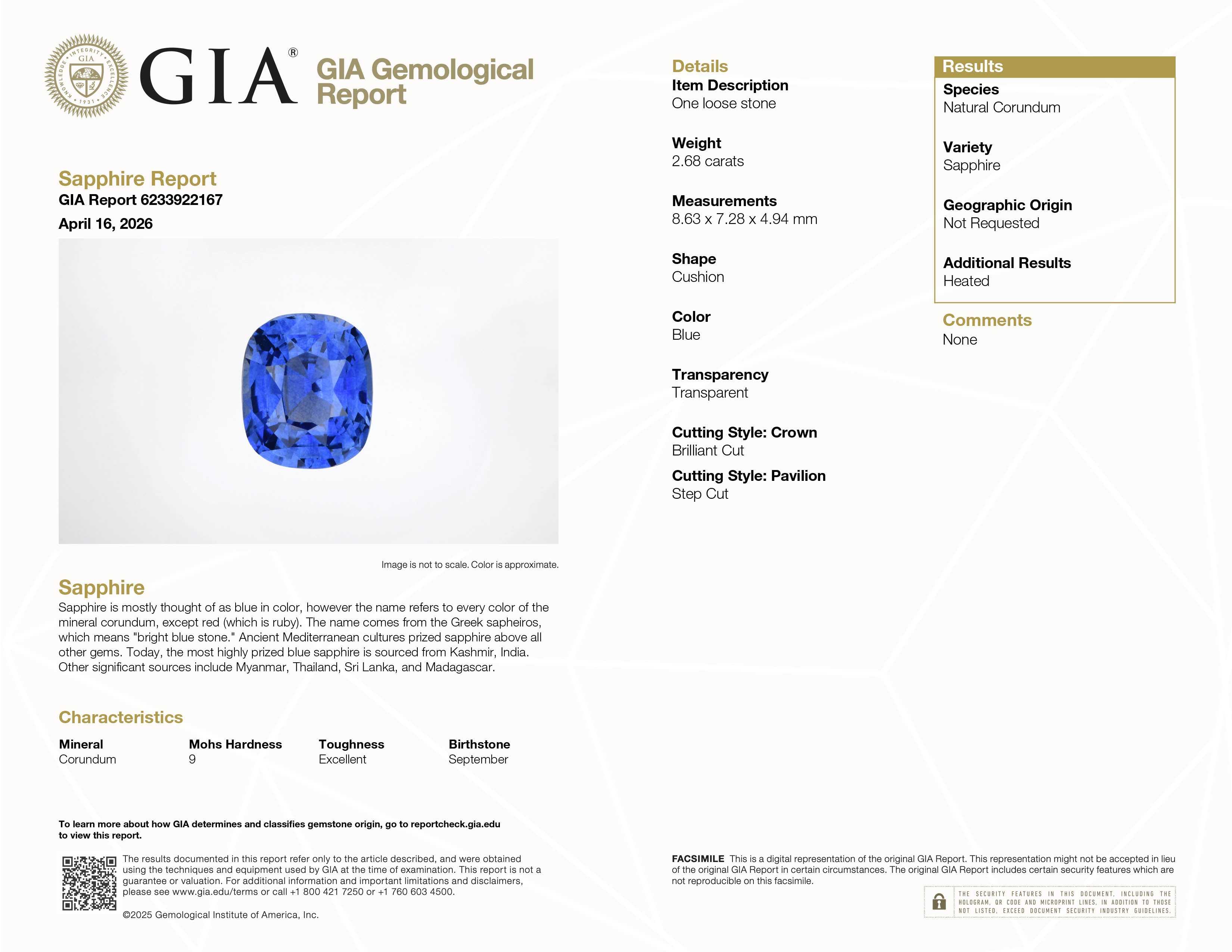
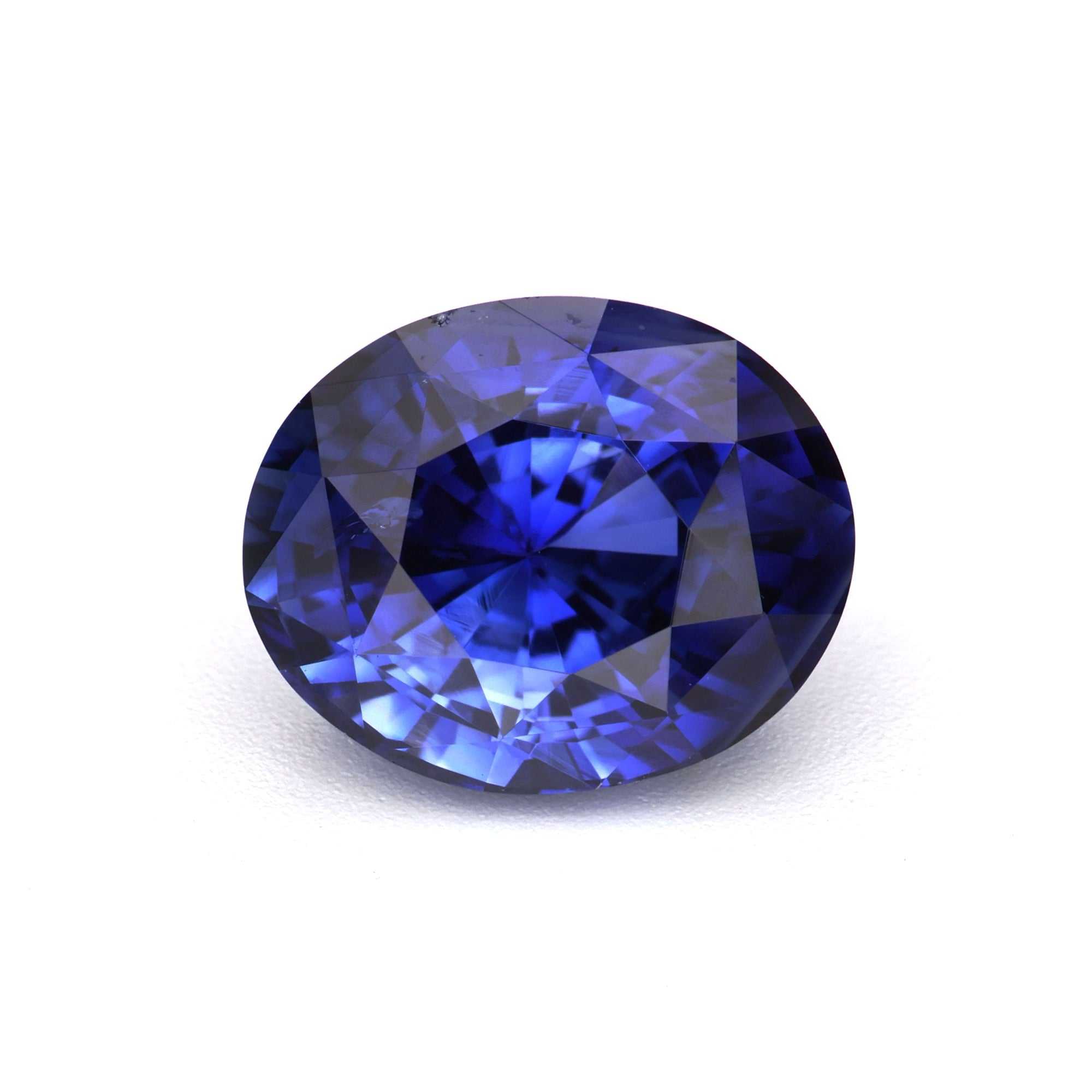
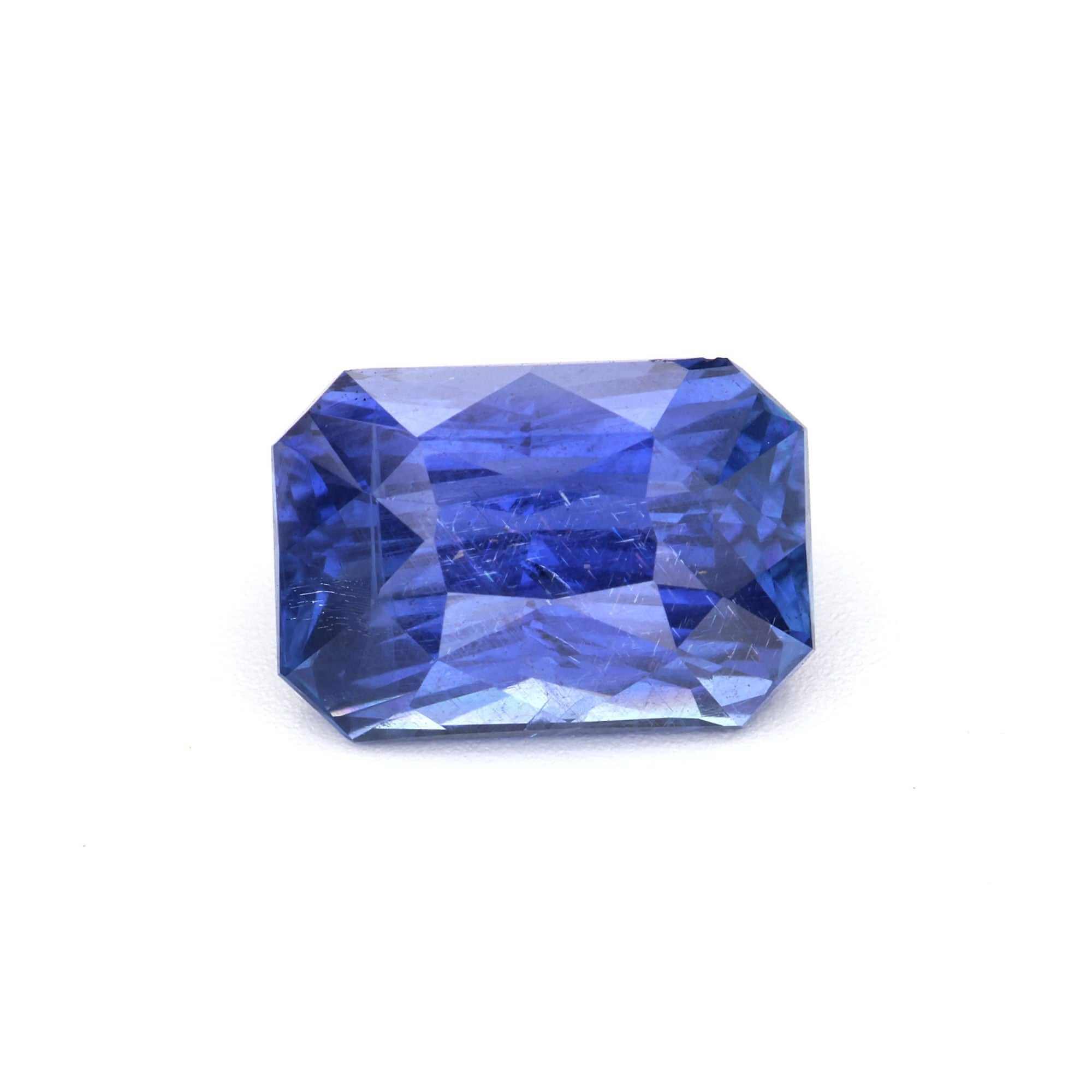
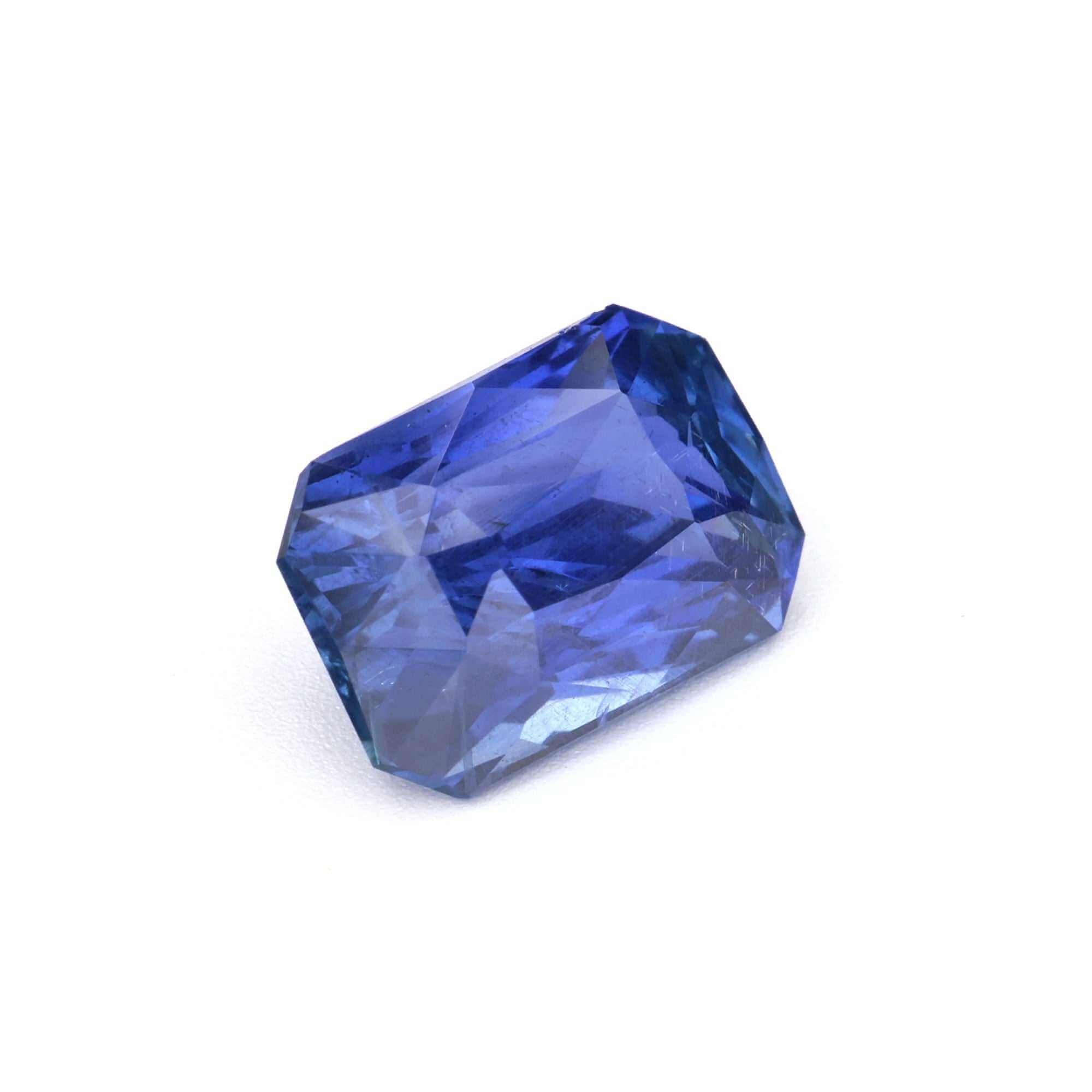
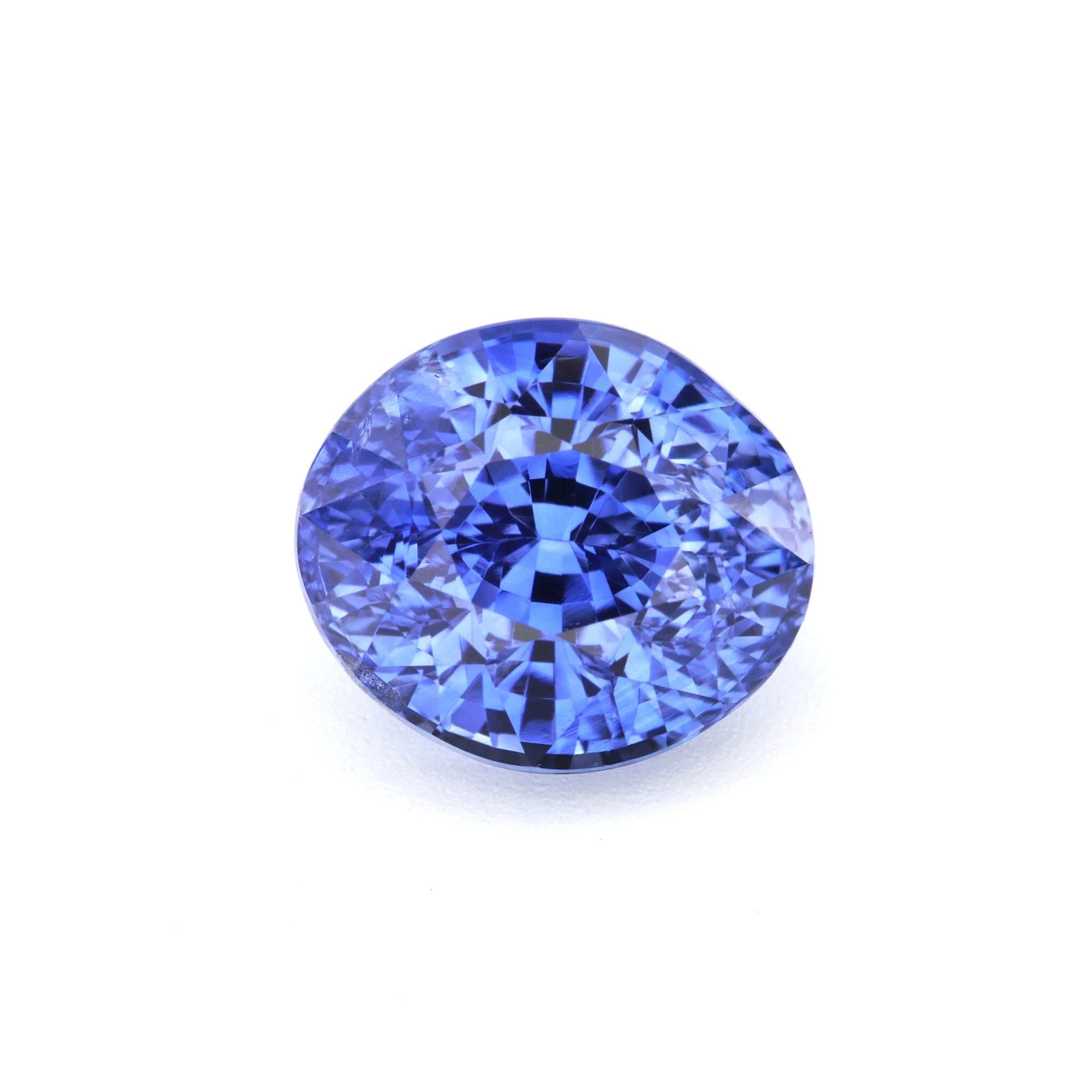
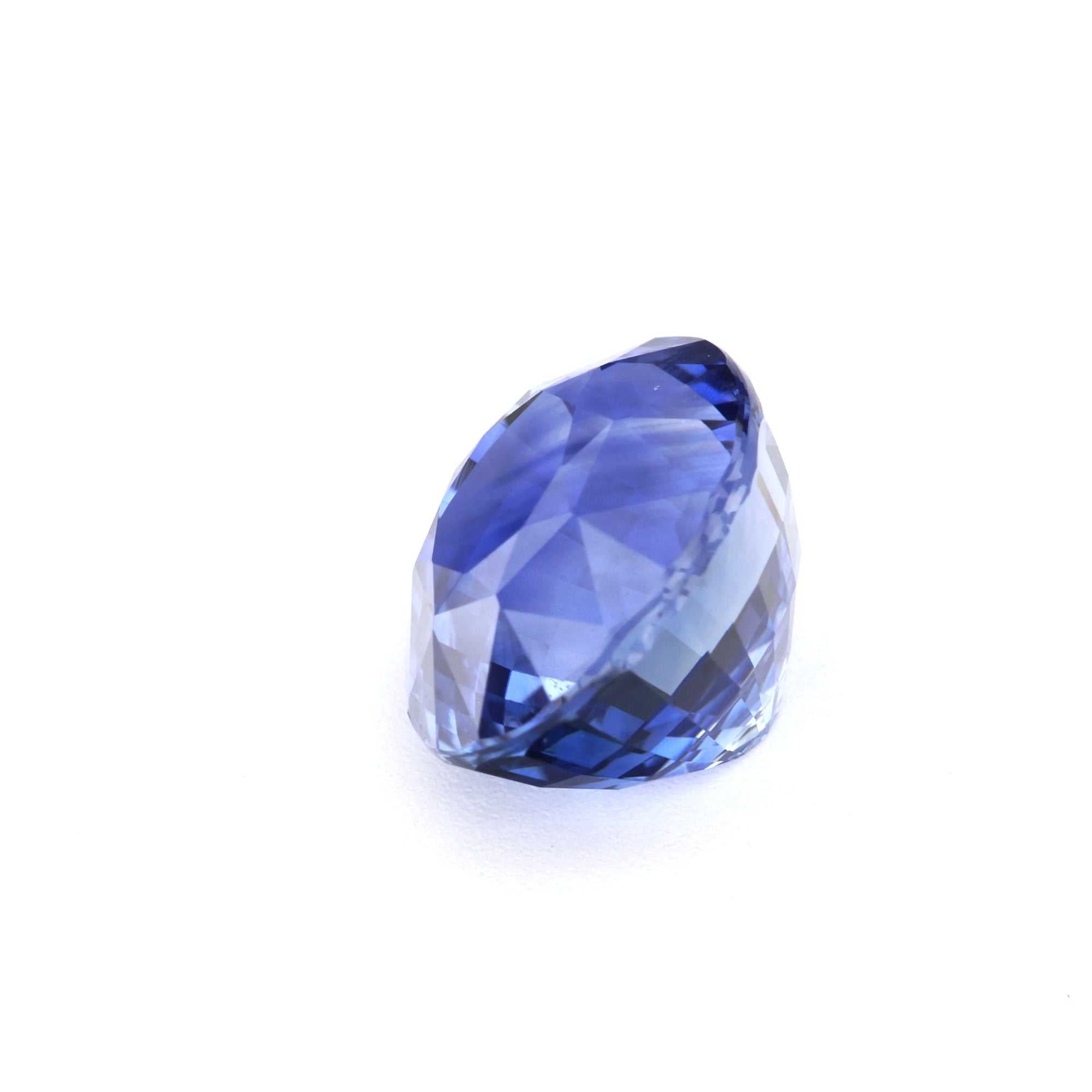
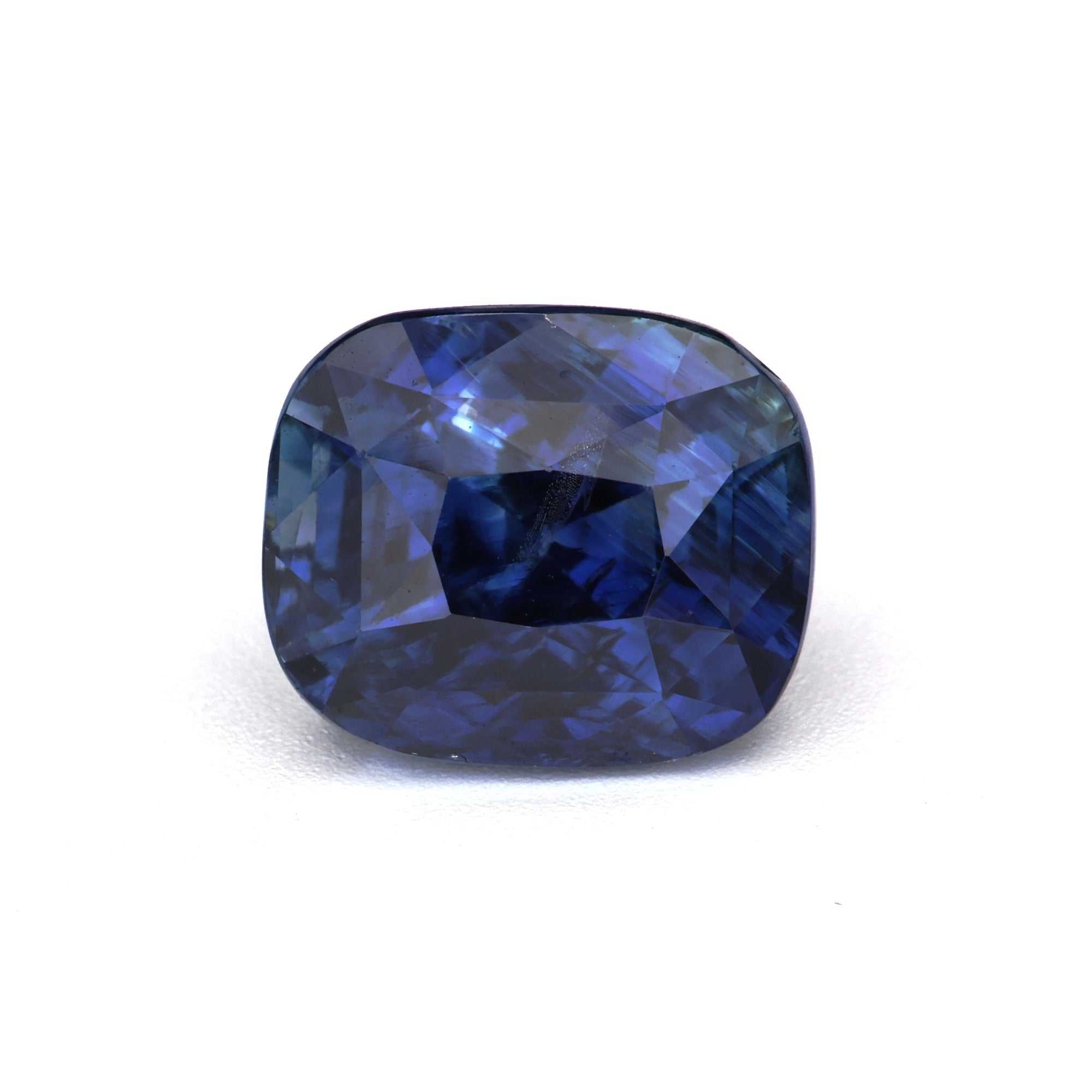
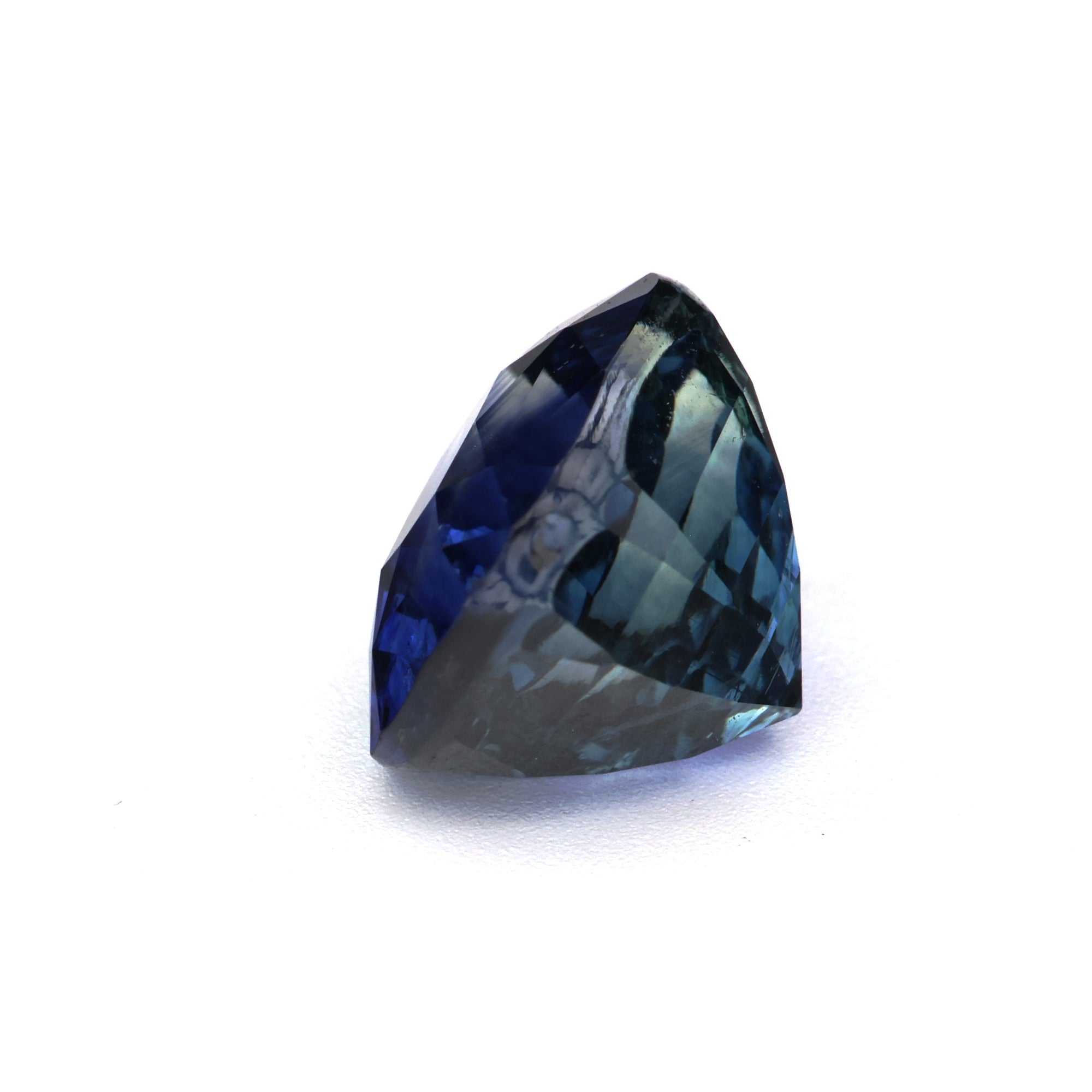
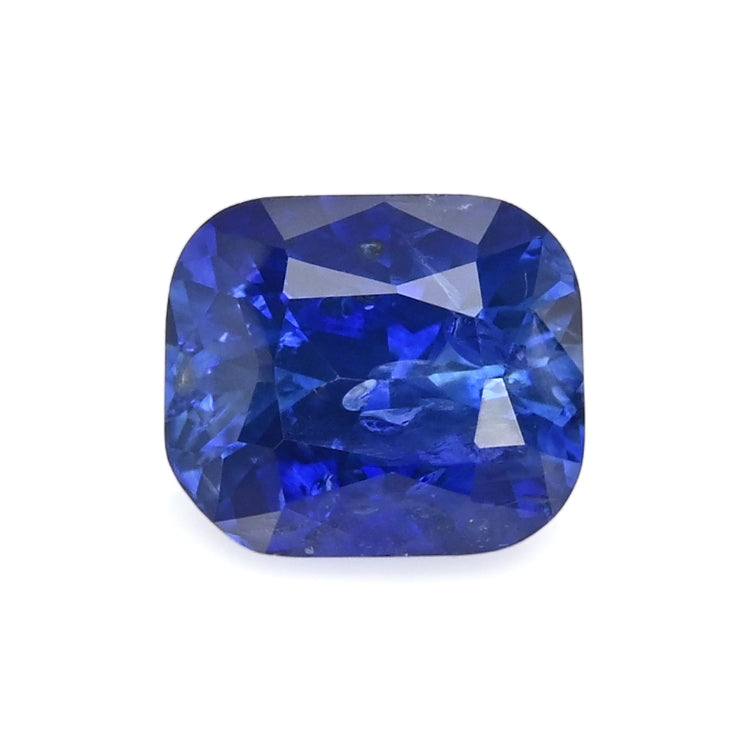
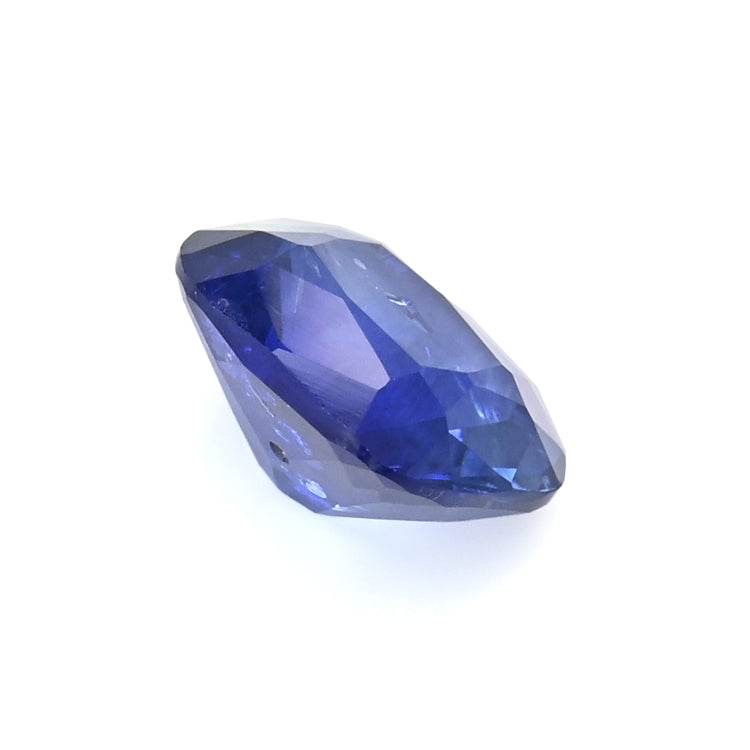
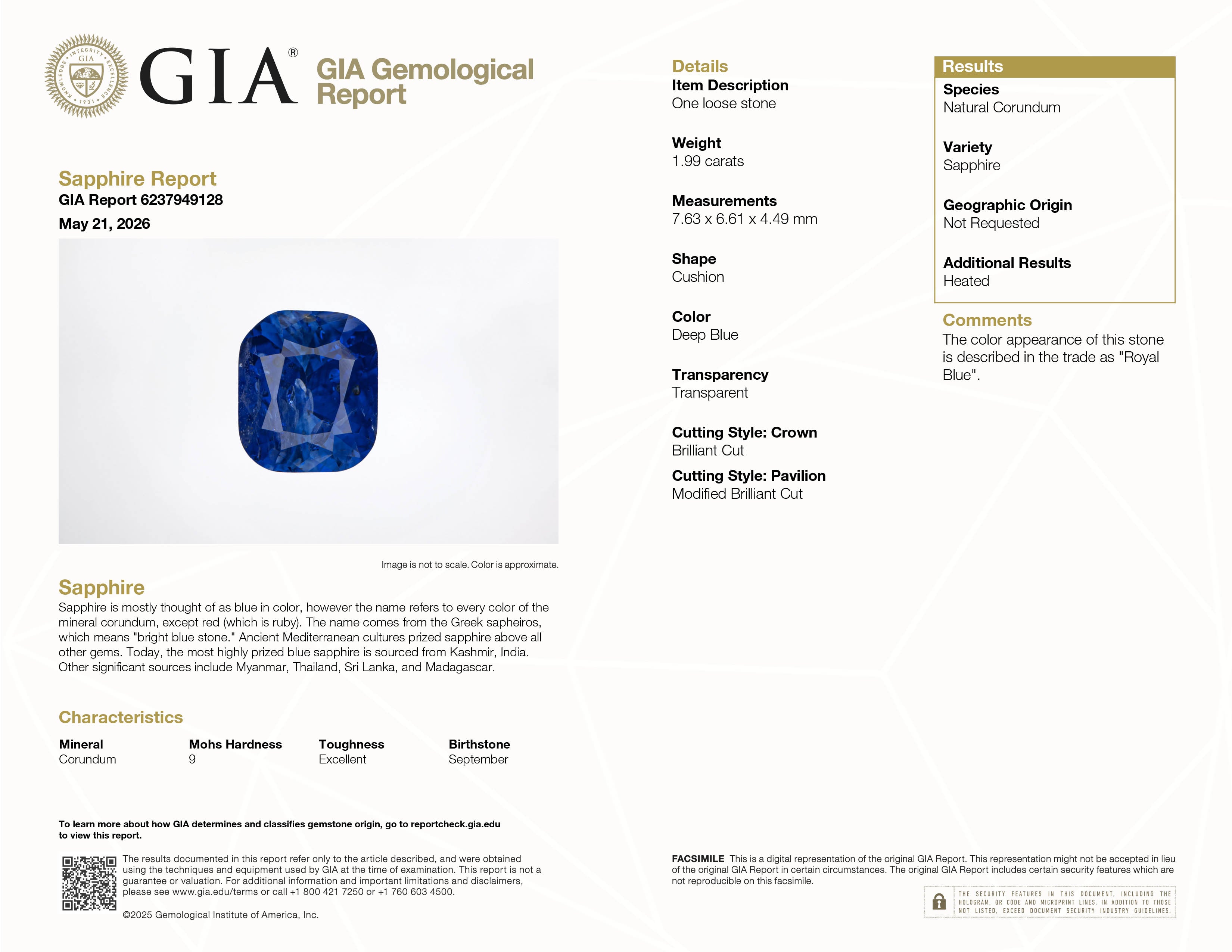
A genuinely good 1-carat blue Ceylon sapphire — vivid, eye-clean, well-cut, heated — costs $1,200–$2,500 at direct-source pricing in 2026. This is the range for a stone that will look beautiful in an engagement ring, display genuinely vivid color, be clean to the eye, and represent honest value for what you are buying. Below $800 at this size, you are in commercial grade — color that is acceptable but not genuinely impressive. Above $3,000 for a heated 1ct blue, you are moving into fine or exceptional heated territory where saturation, cut precision, and documentation push the premium further. Browse our blue sapphire collection.
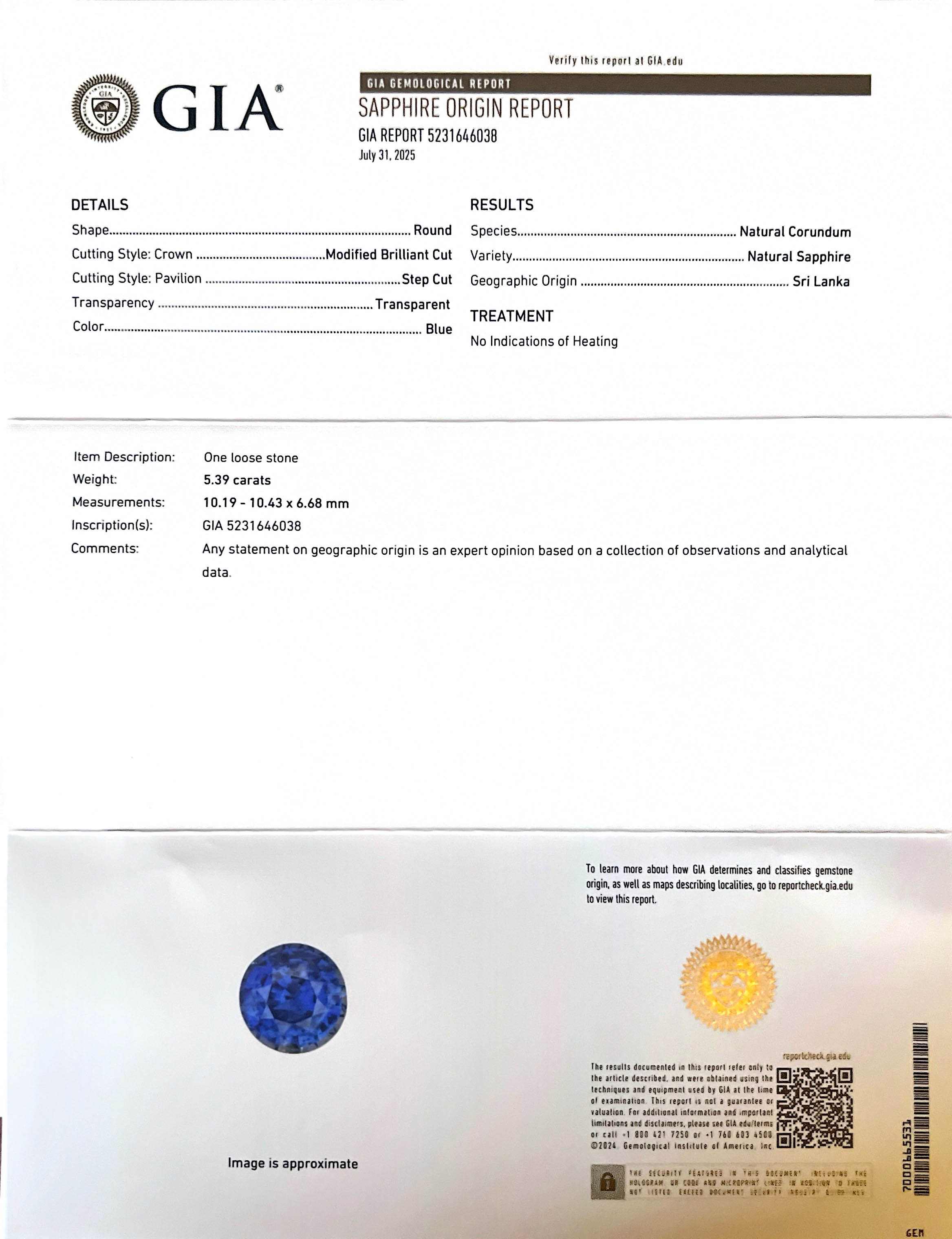
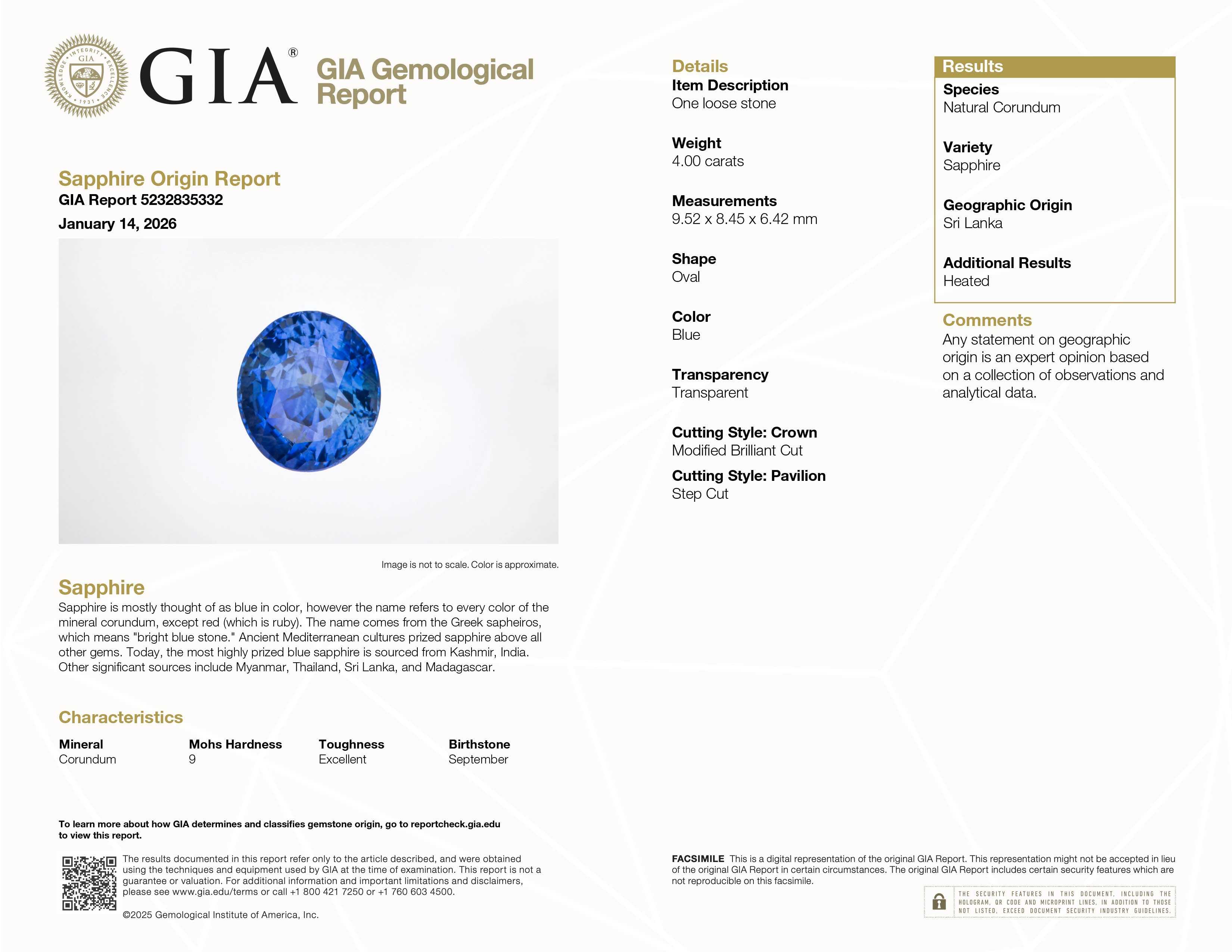
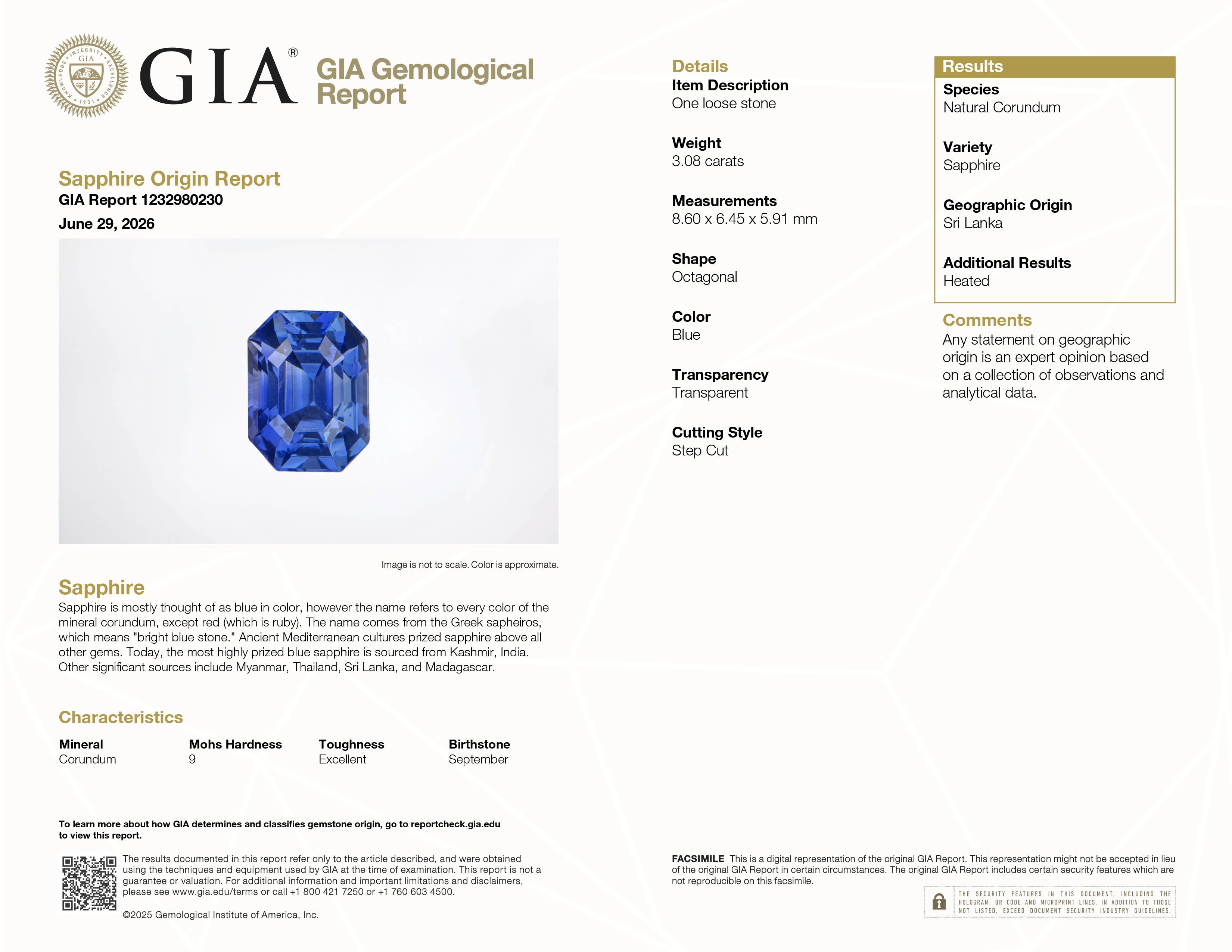
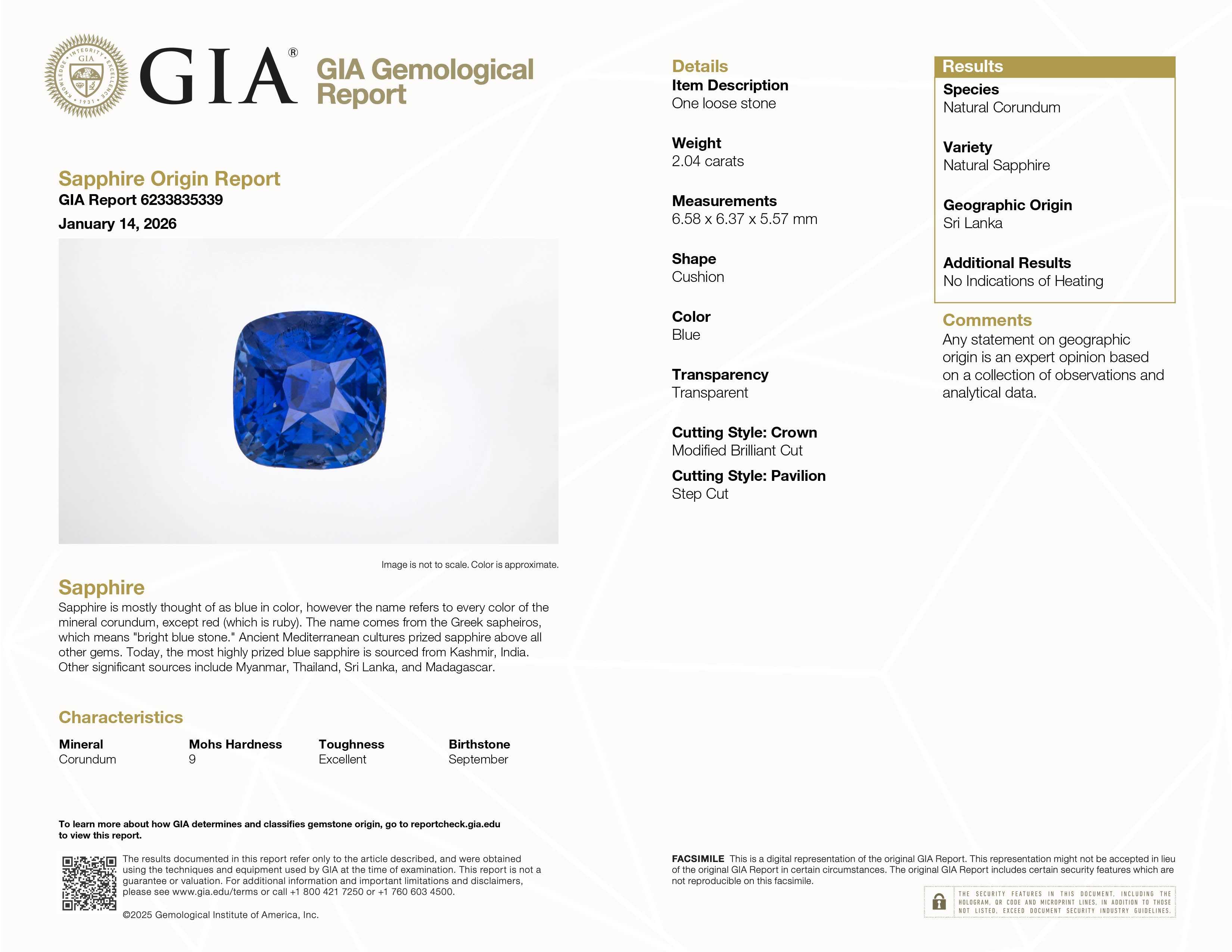
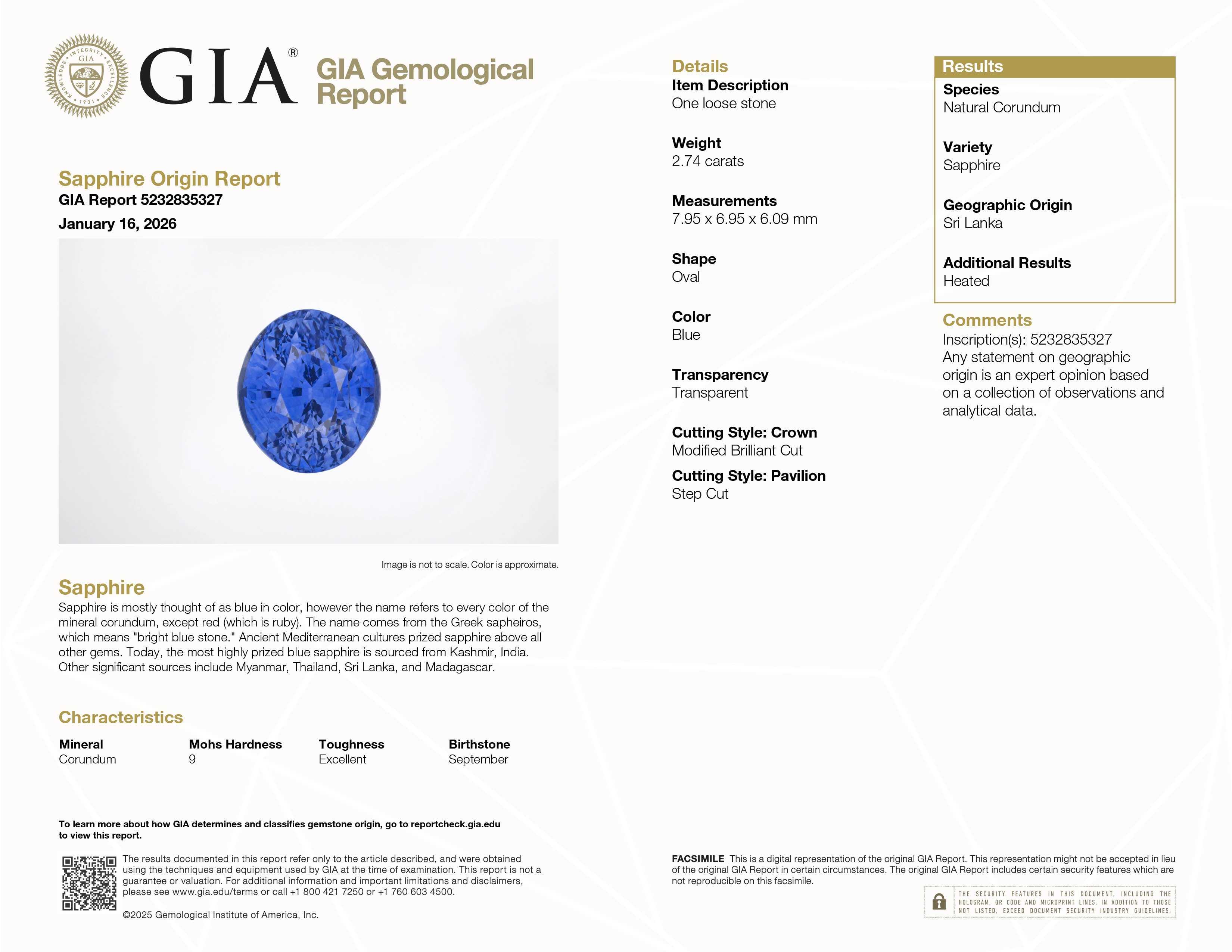
A 1-carat unheated blue Ceylon sapphire with GIA confirmation ("no indications of heating") at good-to-fine quality costs $3,500–$7,000 at direct-source pricing. The unheated premium on blue sapphire is real and significant — the same visual quality stone costs 2–3× more when confirmed unheated by GIA. If you want unheated blue at 1ct for personal preference, investment, or Jyotish purposes, plan your budget accordingly. See our unheated guide.
A genuinely good 1-carat teal sapphire — vivid blue-green balance, eye-clean, well-cut, naturally unheated — costs $800–$1,800 at direct-source pricing. This is one of the best values in the colored stone market: naturally unheated, vivid, striking color for a fraction of the cost of equivalent-quality blue. For buyers who want the full impact of vivid unheated color without the blue sapphire price point, teal at 1ct is the most compelling option. Browse our teal sapphire collection.
A genuinely good 1-carat pink Ceylon sapphire — vivid hot pink or bubblegum pink, eye-clean, well-cut, unheated — costs $1,200–$2,800 at direct-source pricing. Fine vivid pink at 1ct approaches the lower end of the blue sapphire price range and represents genuinely exceptional value for chromium-rich Ceylon pink. Browse our pink sapphire collection.
A genuinely good 1-carat yellow Ceylon sapphire — vivid canary to golden yellow, eye-clean, well-cut, unheated — costs $600–$1,400 at direct-source pricing. Yellow sapphire is one of the most underpriced vivid colored stones in the market relative to its visual impact: vivid canary yellow in yellow gold is a genuinely beautiful ring that costs a fraction of equivalent blue or pink. Browse our yellow sapphire collection.
A genuinely good 1-carat padparadscha — GIA-certified, balanced pink-orange, eye-clean, unheated — costs $4,000–$8,000 at direct-source pricing. Padparadscha is in a separate pricing category from all other sapphire colors because of the laboratory certification requirement and the inherent rarity of the designation. See our padparadscha price guide for the full breakdown. Browse our padparadscha collection.
| Color | Treatment | Good Quality Price (1ct) | Browse |
|---|---|---|---|
| Blue | Heated | $1,200–$2,500 | View → |
| Blue | Unheated (GIA) | $3,500–$7,000 | View → |
| Teal | Unheated | $800–$1,800 | View → |
| Pink | Unheated | $1,200–$2,800 | View → |
| Yellow | Unheated | $600–$1,400 | View → |
| Violet | Unheated | $600–$1,400 | View → |
| Padparadscha | Unheated (GIA) | $4,000–$8,000 | View → |
Figures above are approximate market guidance, not fixed quotes. Actual value varies by treatment, origin, colour, cut, clarity, and certification.
Understanding where the quality grades sit helps calibrate expectations at any budget:
Good quality ($800–$2,500 for heated blue, or equivalent per color): Vivid color, eye-clean, honest cut. A ring that most people would consider beautiful. Not a stone that gemologists would call exceptional — but one that delivers genuine impact and looks unmistakably colored and vivid in wear.
Fine quality ($2,500–$5,000 for heated blue, or equivalent per color): The step up is primarily in color precision — finer saturation, purer hue, minimal secondary modifiers, and better cut with tighter proportions. A fine quality sapphire is noticeably better than a good quality one when compared directly. The difference is real and visible.
Exceptional quality ($5,000+ for heated blue, or equivalent per color): The finest 5–10% of stones at this size — where everything has come together perfectly. Collectors, serious buyers, and those with investment intent operate at this level.
For most engagement ring buyers, good to fine quality at 1ct represents the best balance of visual impact and value. Exceptional quality at smaller size often outperforms good quality at larger size — color is more important than carat weight for overall ring impact. See our full 1-carat price guide for the complete tier breakdown.
For vivid, eye-clean, well-cut heated blue at 1ct from a direct-source dealer, budget $1,200–$2,500. For teal, yellow, or violet at equivalent quality, $600–$1,800. For unheated blue at 1ct with GIA, budget $3,500–$7,000. For padparadscha, $4,000–$8,000. Setting costs add $800–$2,500+ depending on metal and design complexity.
Yes. A well-cut 1-carat oval measures approximately 7×5mm — proportionate, visually present, and beautiful in a solitaire or halo setting. In vivid color, 1ct is entirely appropriate for a center stone. Many buyers prefer 1–1.5ct vivid color over 2ct+ pale color — the vivid stone makes a stronger visual statement. See our sapphire size guide.
Color. The difference between a $400/ct commercial sapphire and a $1,500/ct good sapphire is almost entirely in color quality — saturation, hue purity, and tone. Seeing both face-up side by side makes this difference immediately apparent. The commercial stone looks pale, greyish, or weakly colored; the good stone looks vivid and genuinely impressive. See our Sapphire Colors Explained guide.
Browse our full Ceylon sapphire catalog or email crescentgems@gmail.com with your color, budget, and treatment preferences. We respond within one business day.

CG8262
CG8363
CG8443
CG8356
CG8301
CG8353


The Sapphire Buyer's Field Guide — Six Checks Before You Buy
Read moreabout The Sapphire Buyer's Field Guide — Six Checks Before You Buy
The Ultimate Guide to Buying Natural Loose Sapphires
The definitive guide to buying a natural loose sapphire: colour, origin, treatment, cut, shape, certification, pricing, and engagement rings, with links to every Crescent Gems guide and collection.
Read moreabout The Ultimate Guide to Buying Natural Loose Sapphires
Custom Sapphire Rings — The Complete Guide to Designing Your Own
Read moreabout Custom Sapphire Rings — The Complete Guide to Designing Your Own
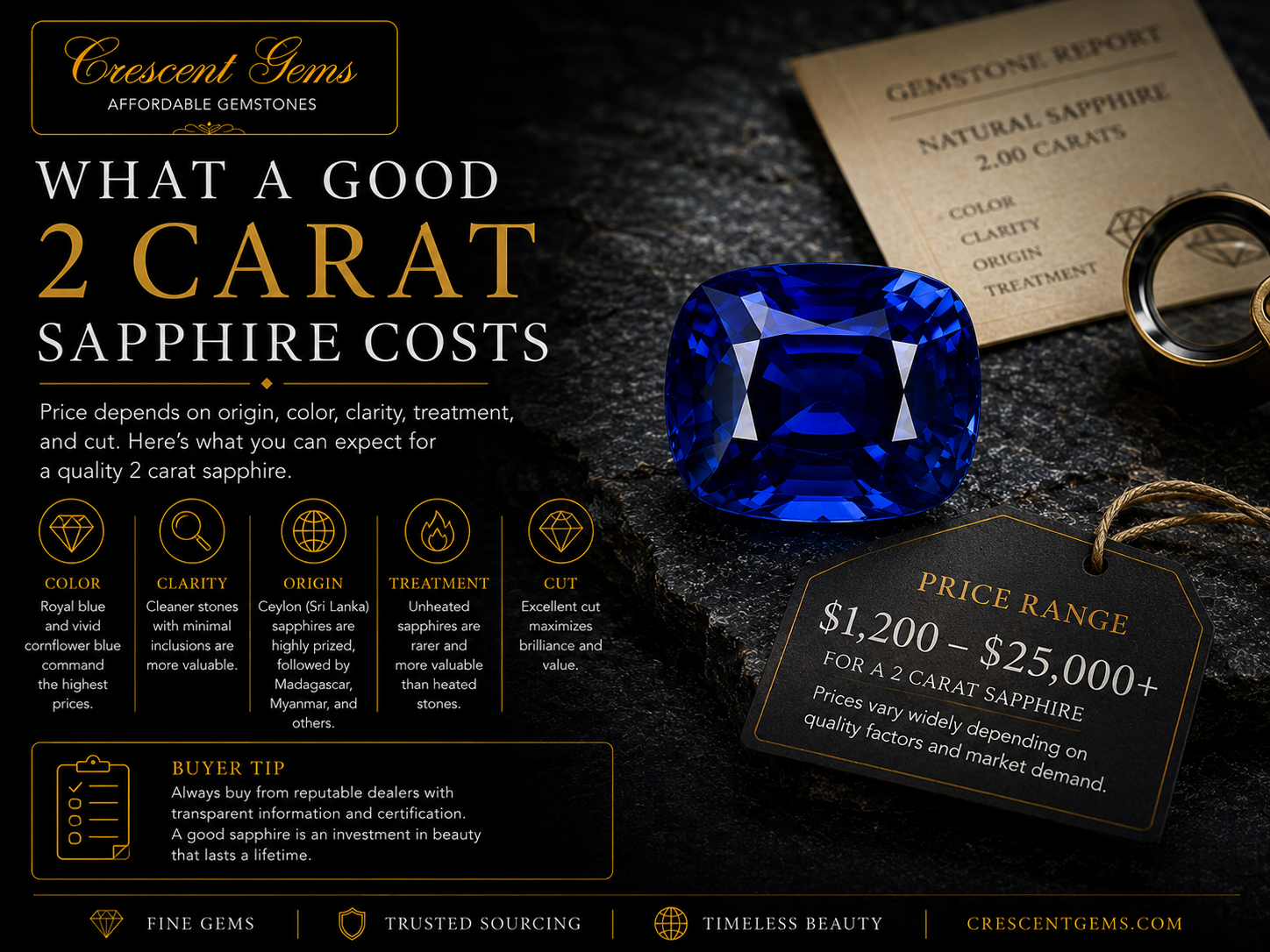
Cost of a 2 Carat Sapphire — Pricing, Scarcity, What Your Budget Buys
Read moreabout Cost of a 2 Carat Sapphire — Pricing, Scarcity, What Your Budget Buys