Sapphire for an Engagement Ring — A Practical Buyer's Guide
Choosing a Sapphire for an Engagement Ring — A Practical Buyer's Guide
- Sapphire is the most popular coloured gemstone for engagement rings, and for good reason. Here is everything you need to know before buying.
Why Sapphire Works for an Engagement Ring

Sapphire scores 9 on the Mohs hardness scale — second only to diamond at 10. It is resistant to scratching from everyday materials and durable enough for daily wear over decades. It is not indestructible, but it is considerably more robust than emerald (7.5–8), opal (5.5–6.5), or pearl. If you want a coloured stone that will last a lifetime in a ring worn every day, sapphire is the practical choice.
Which Colour?
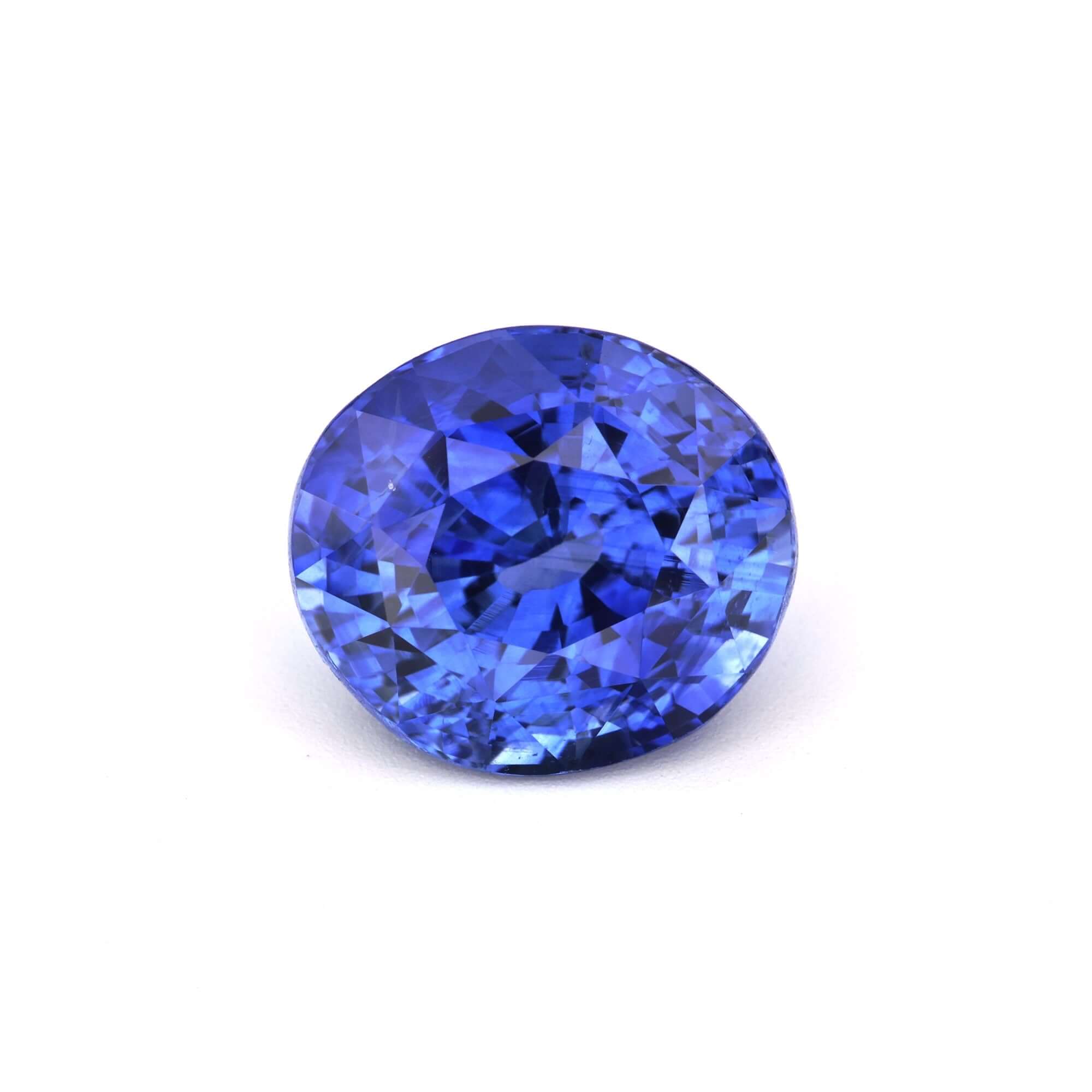
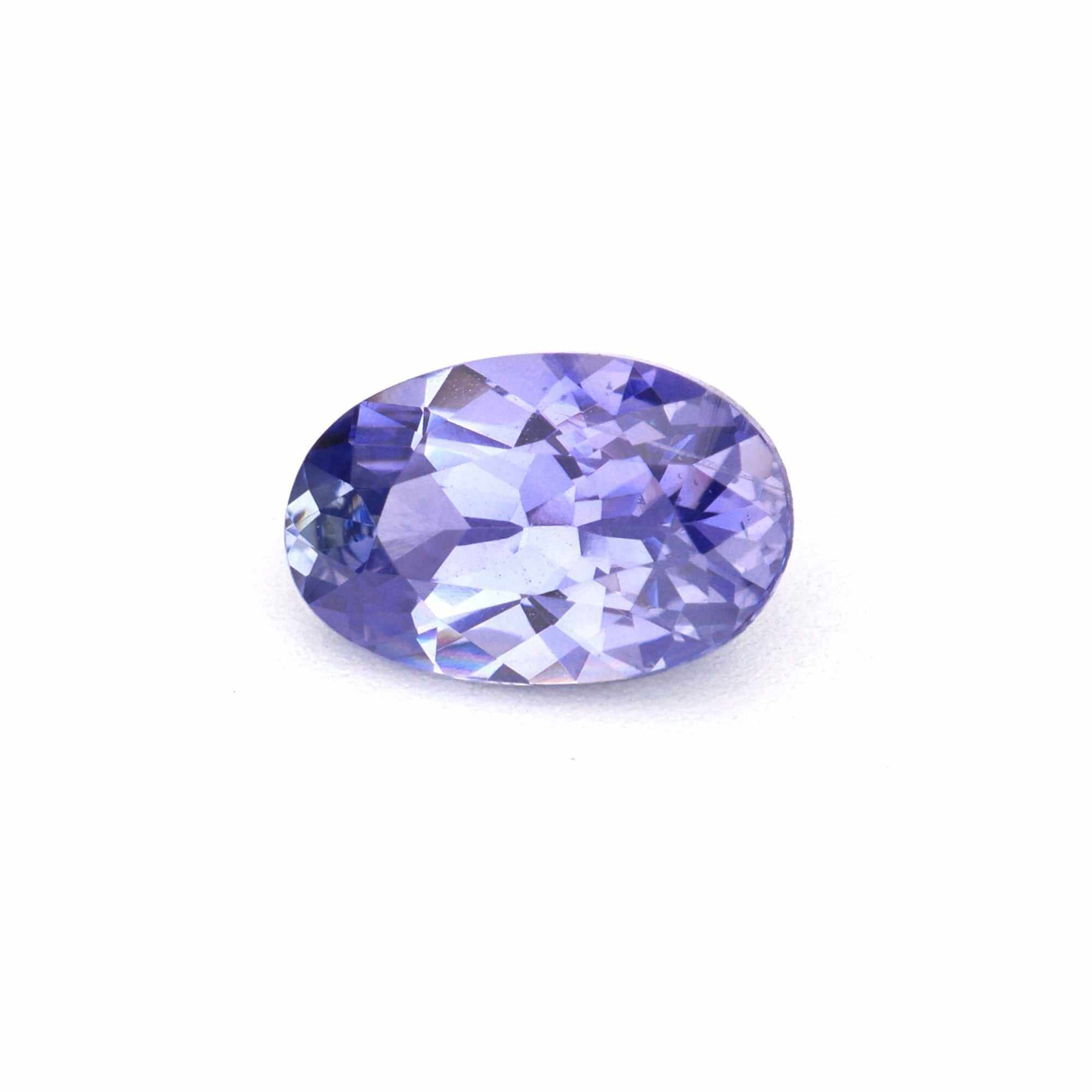
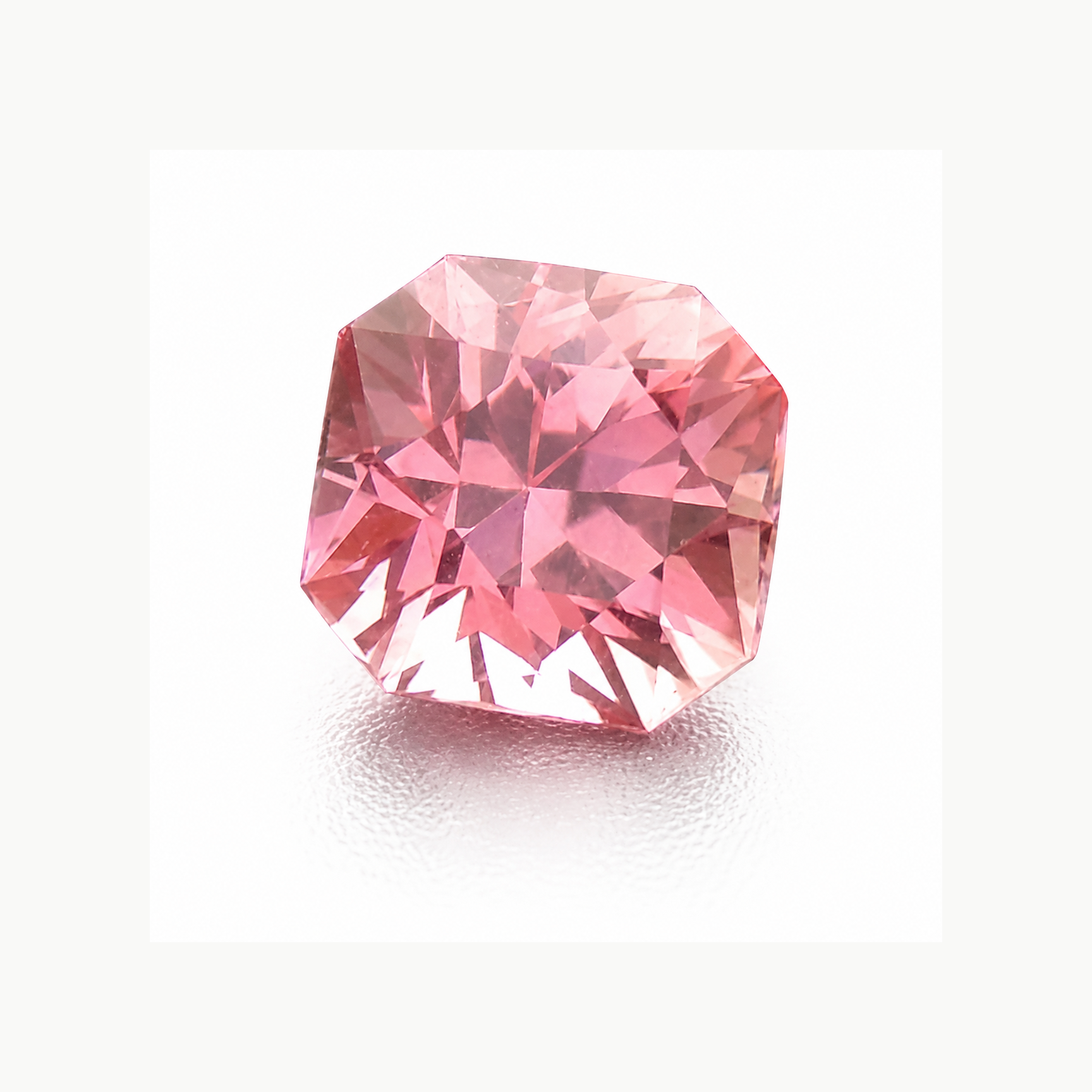
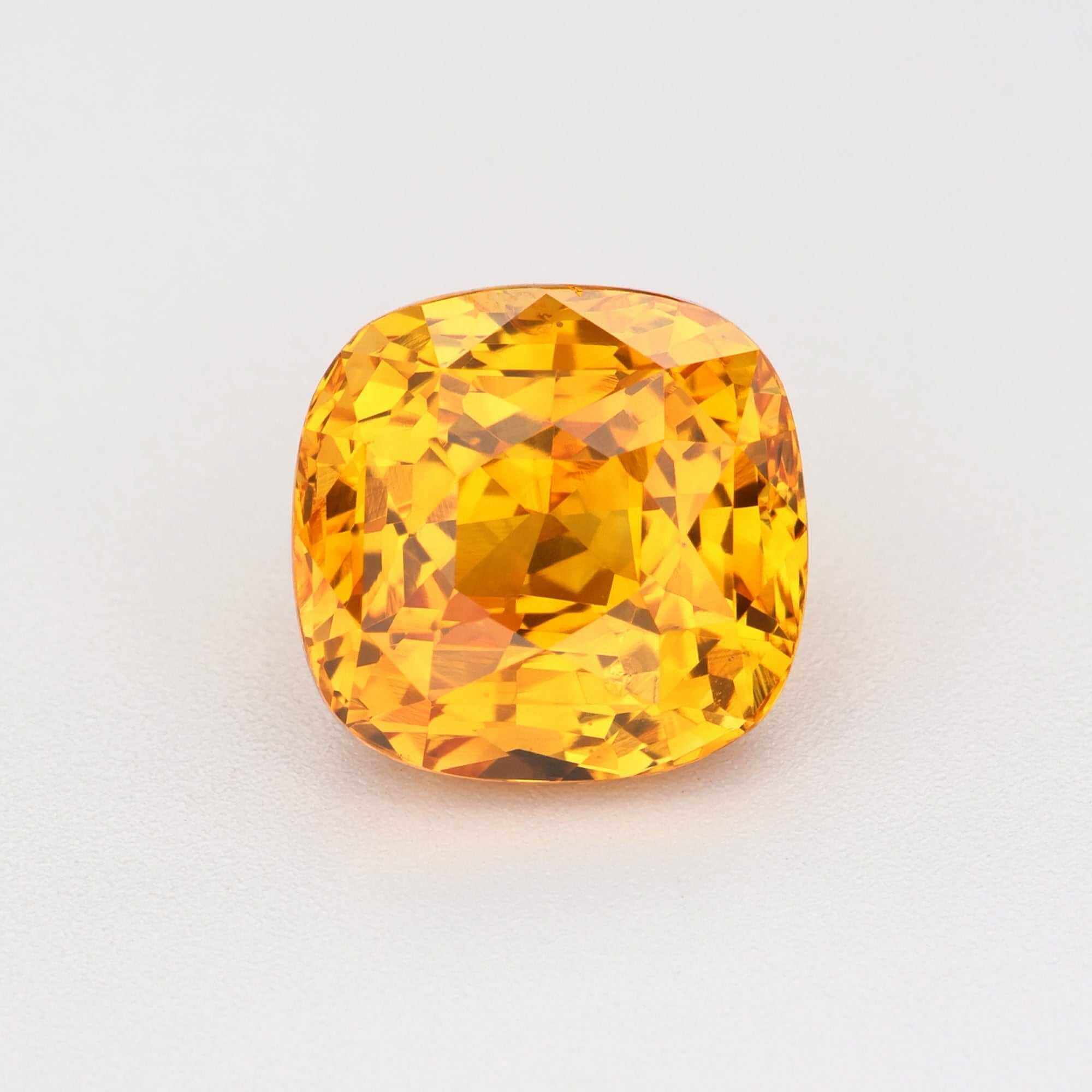
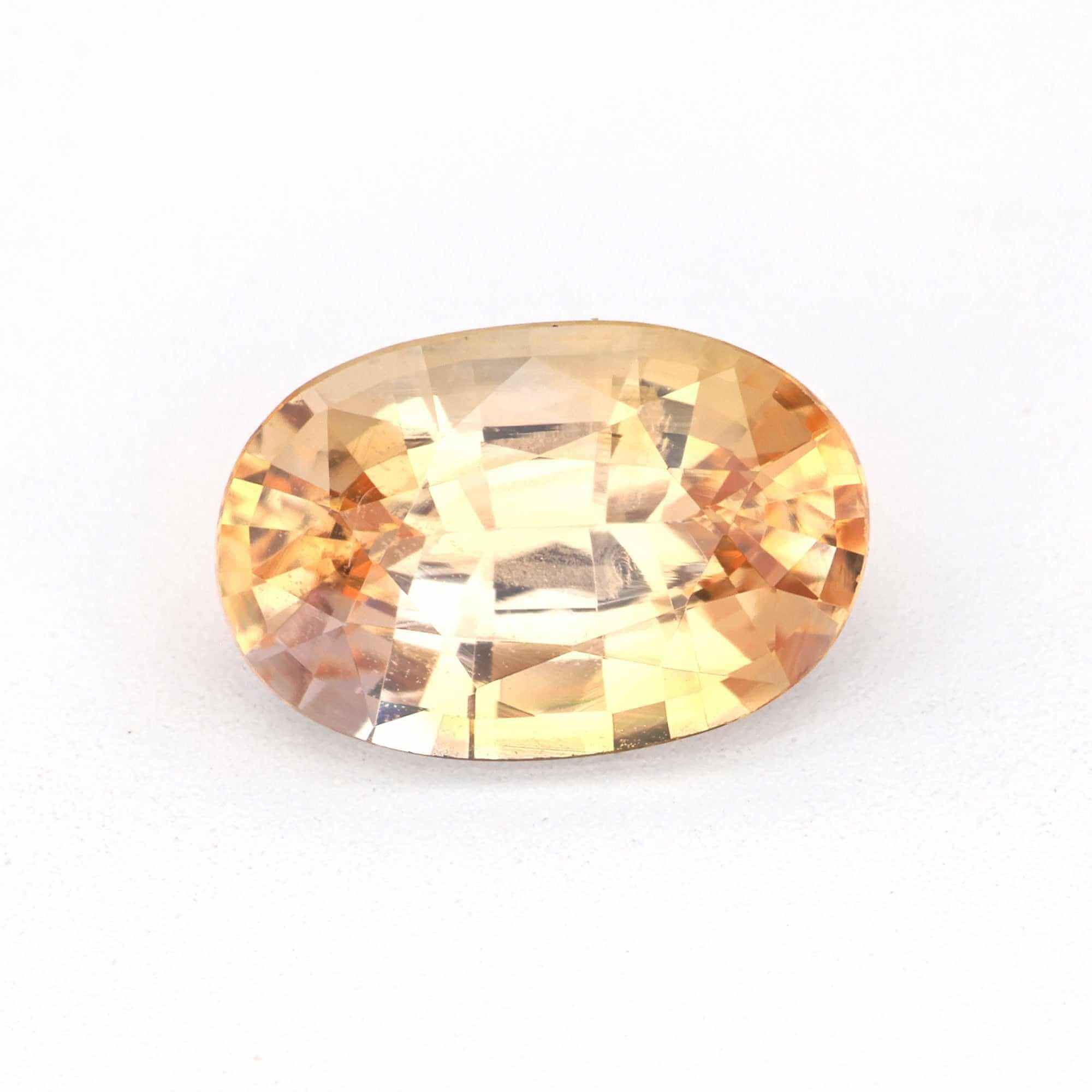
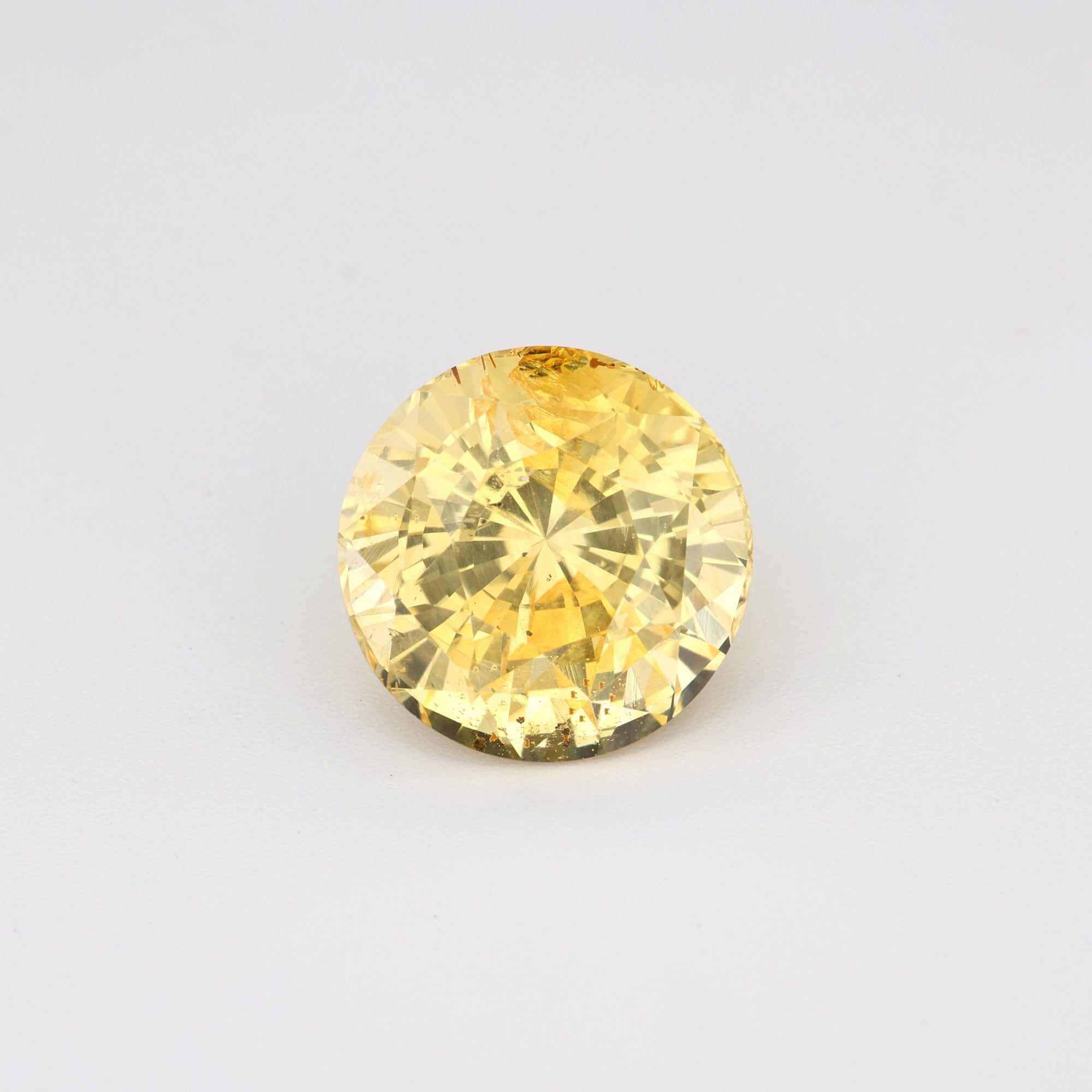
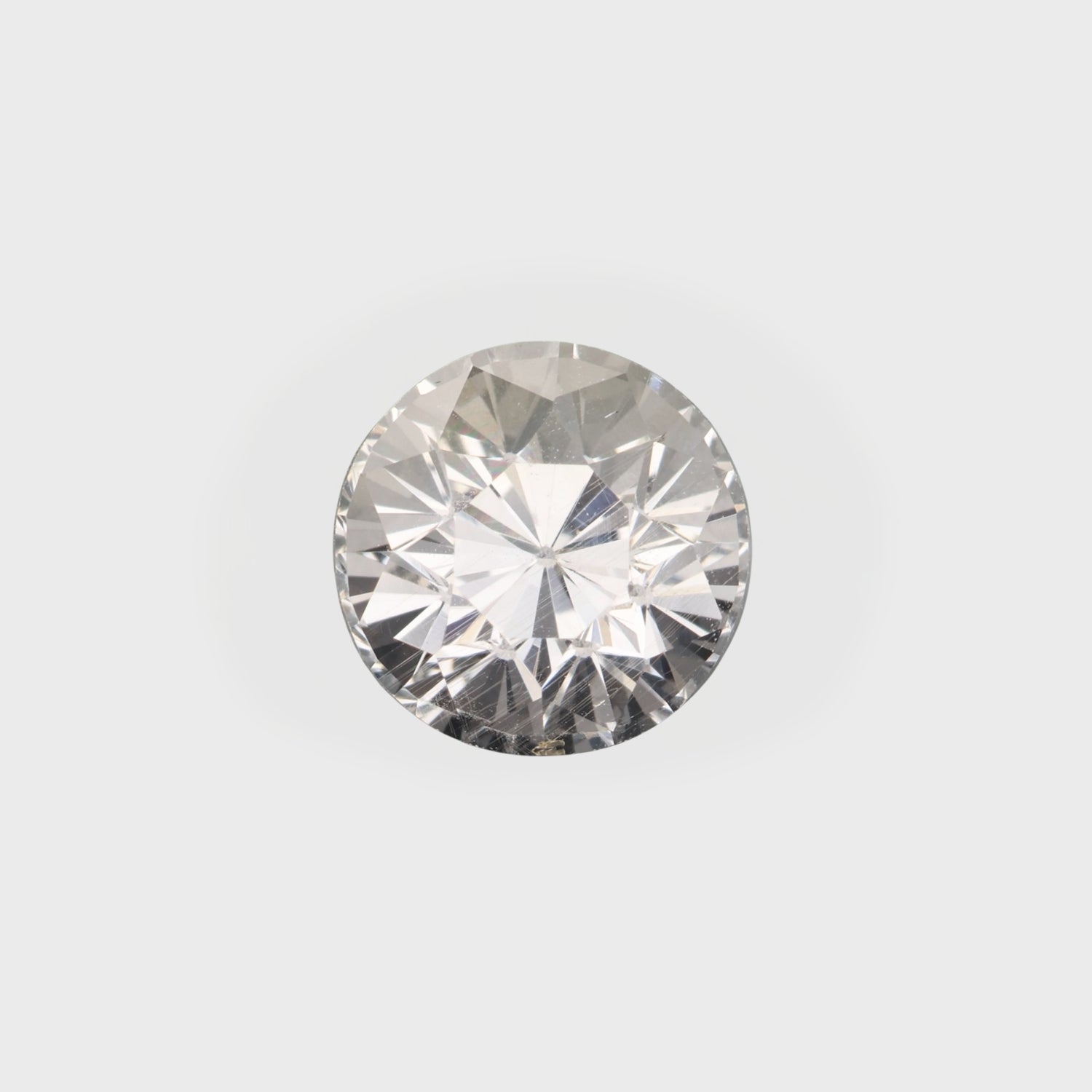
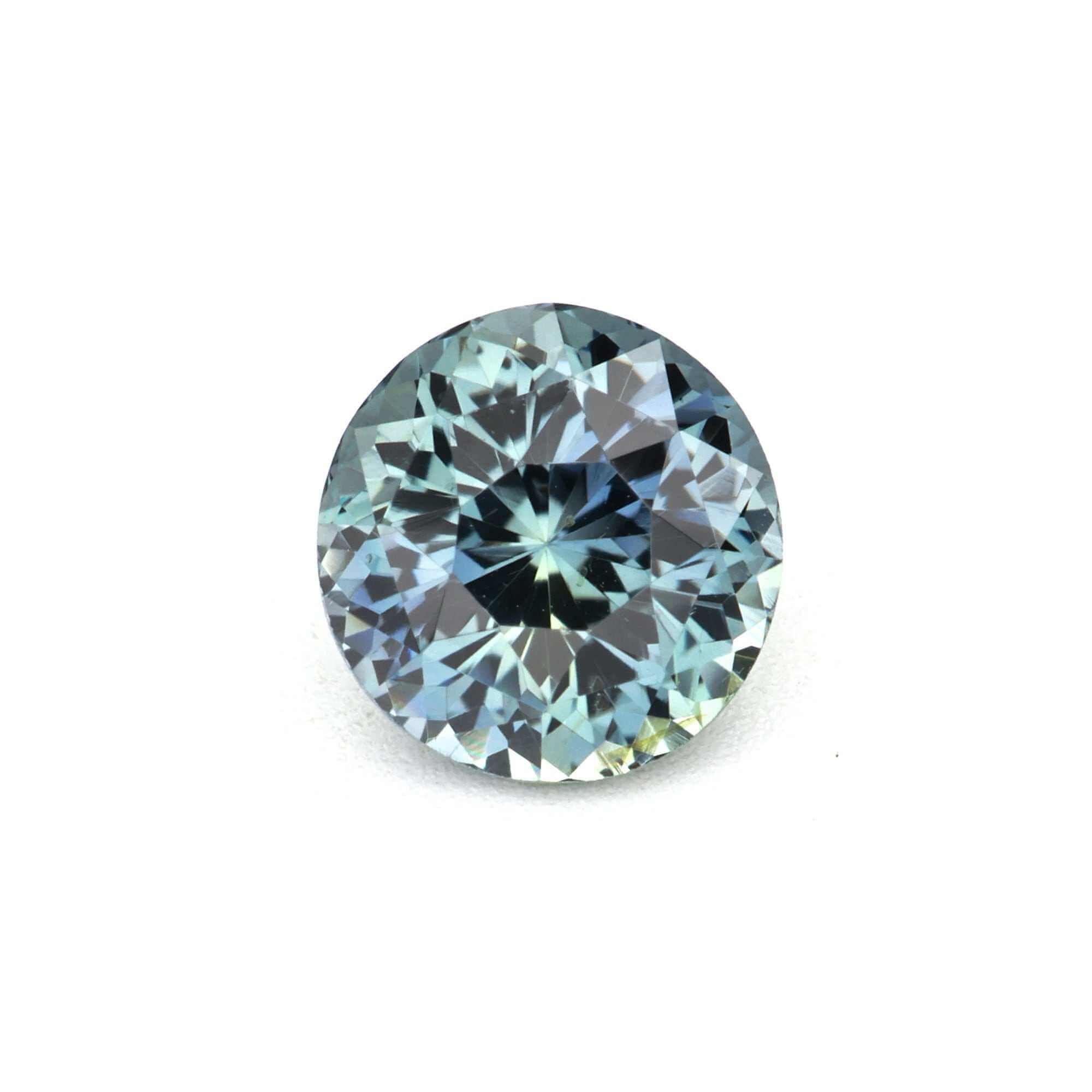
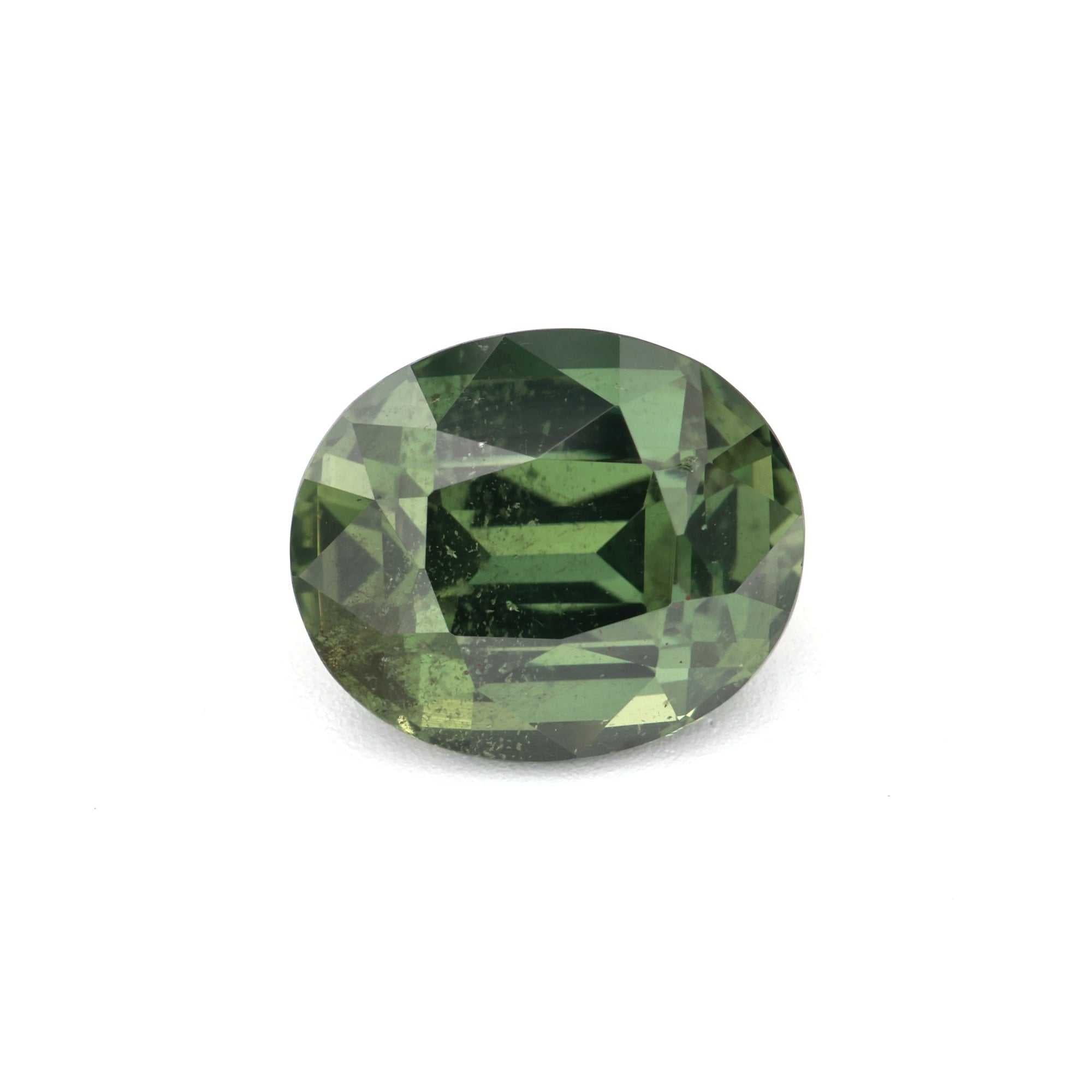
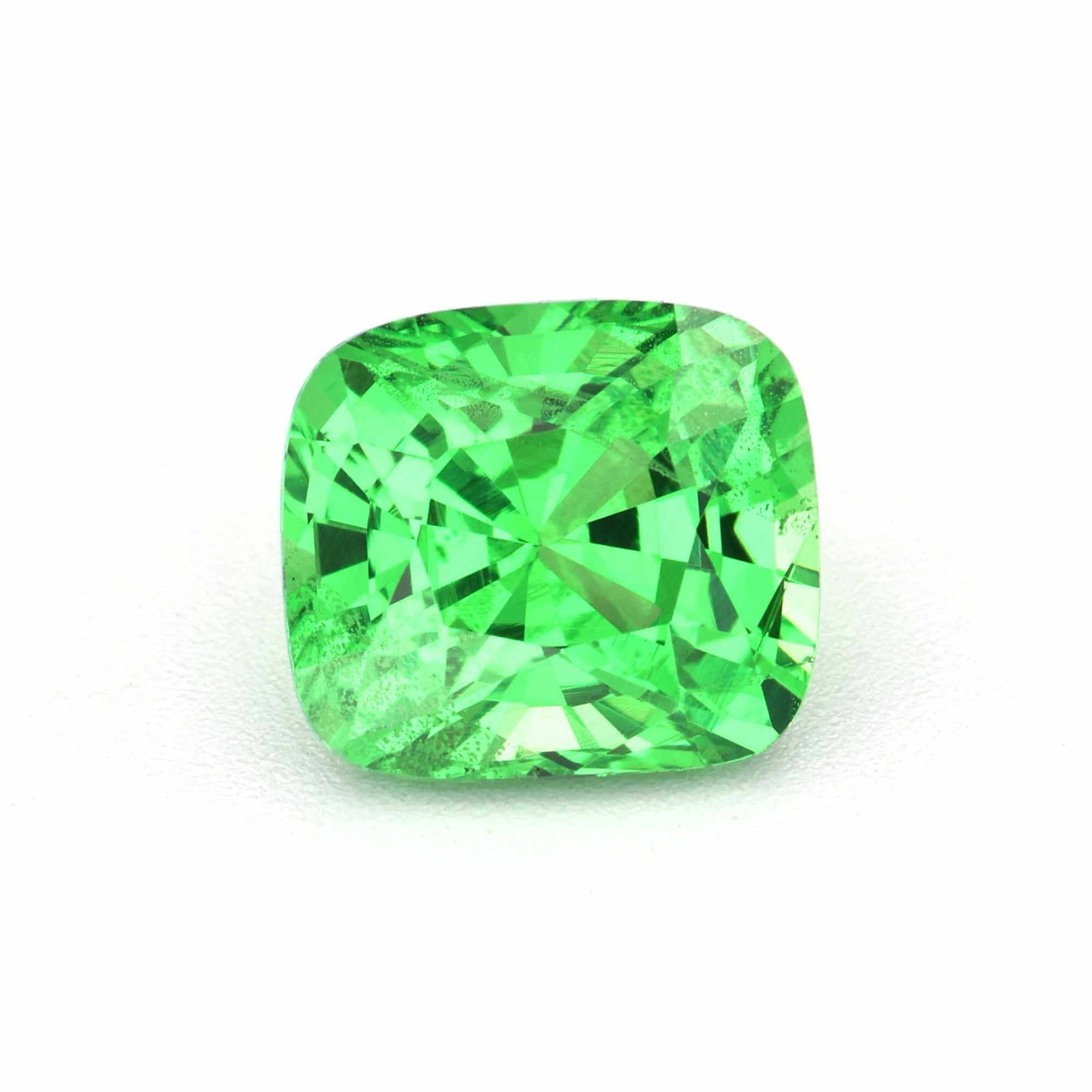
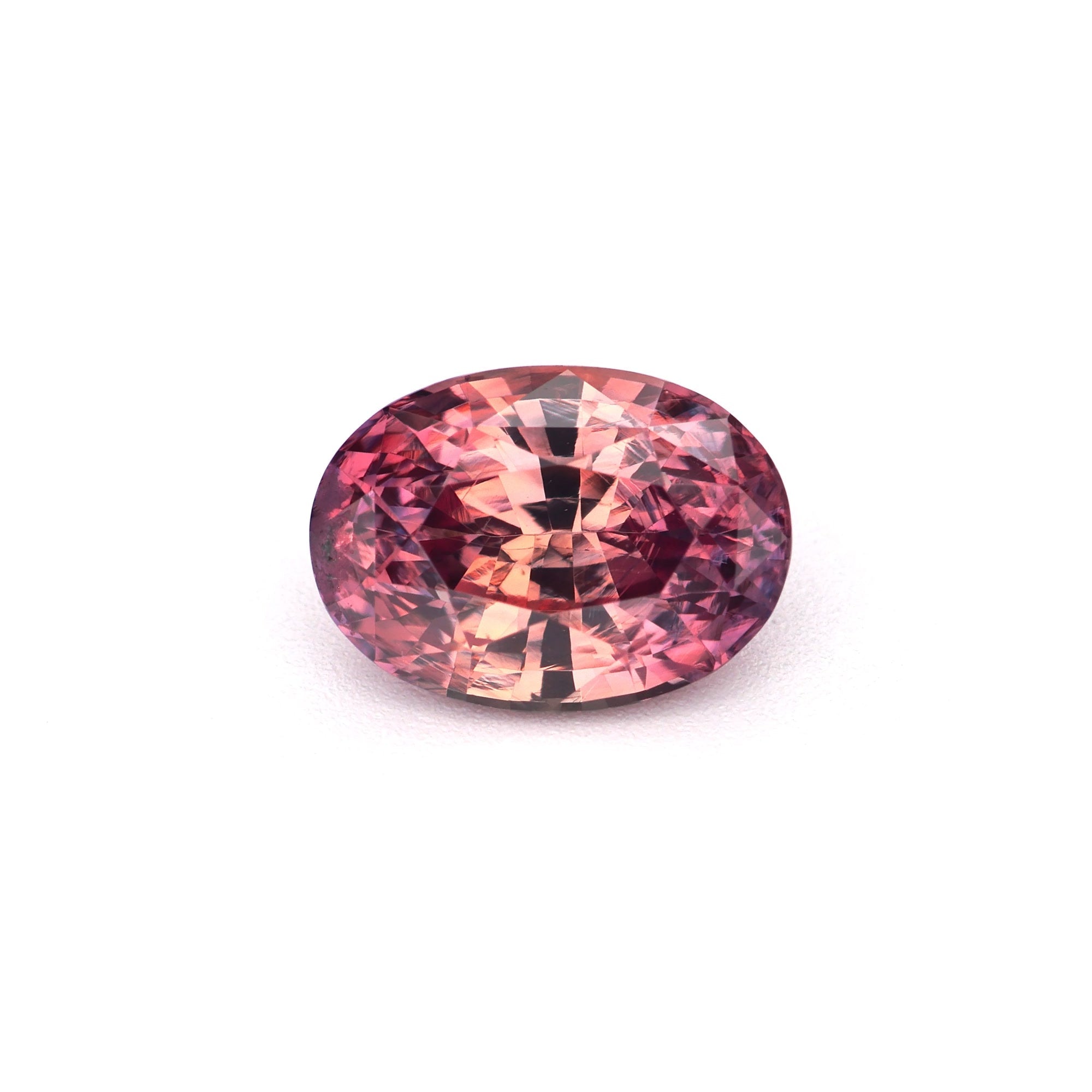
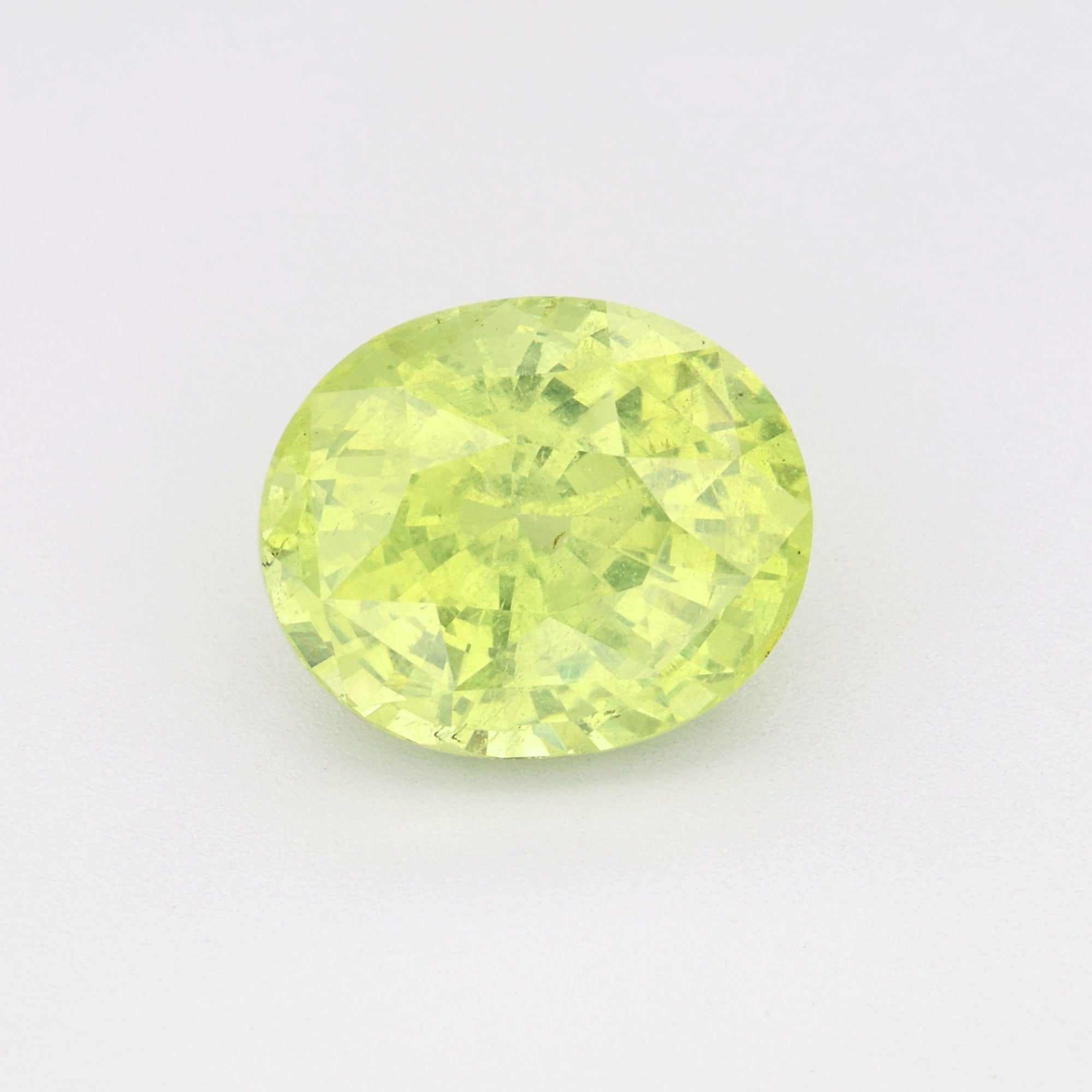
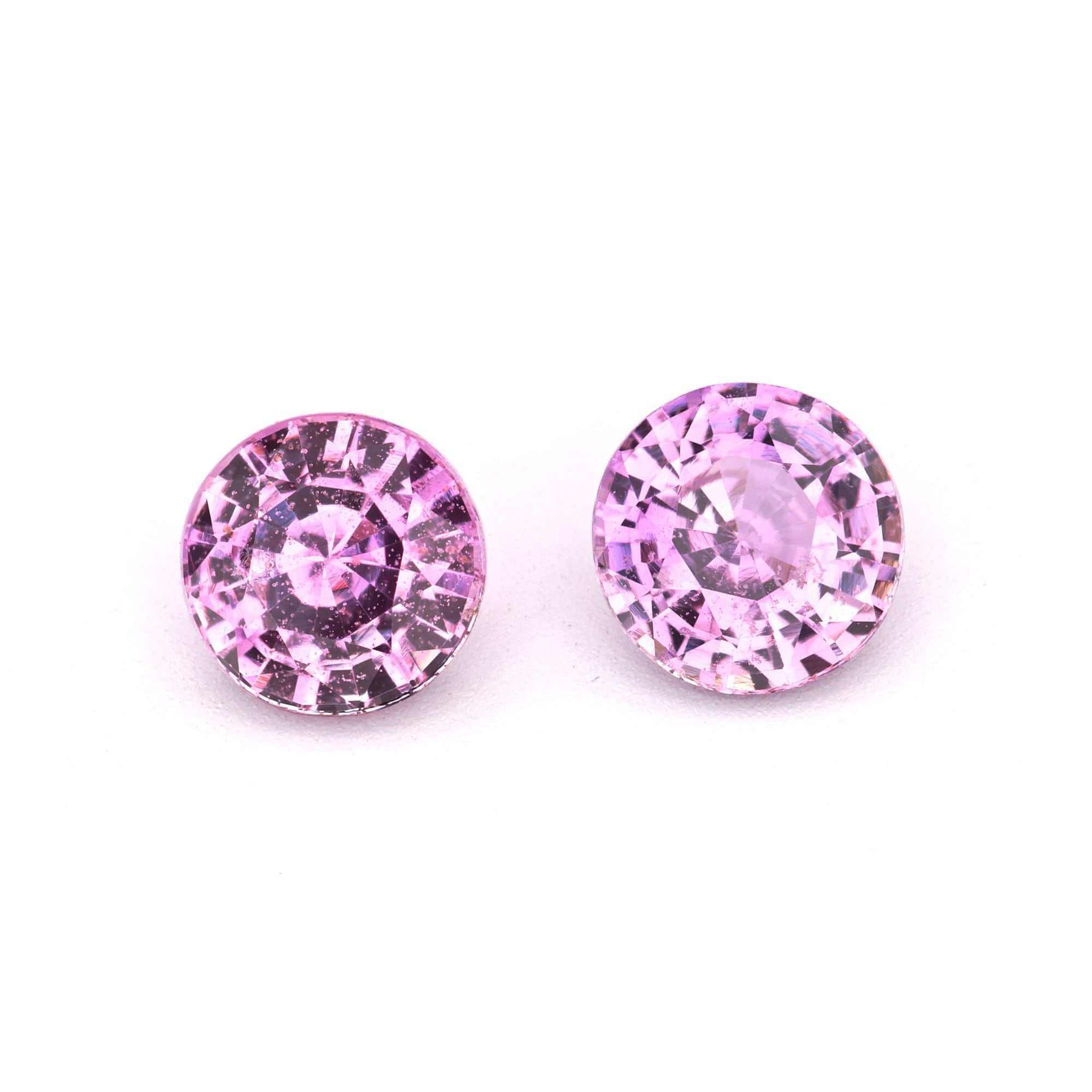
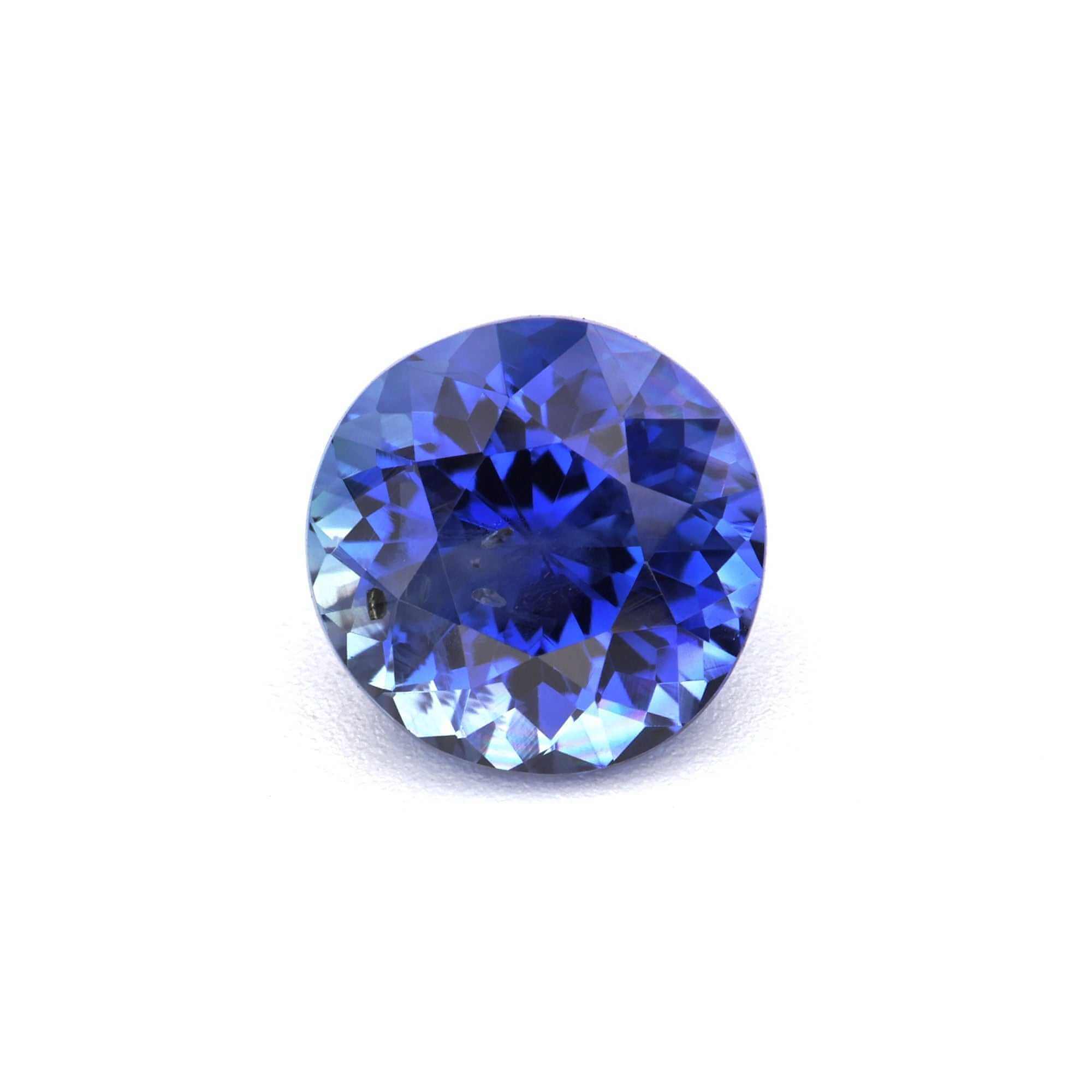
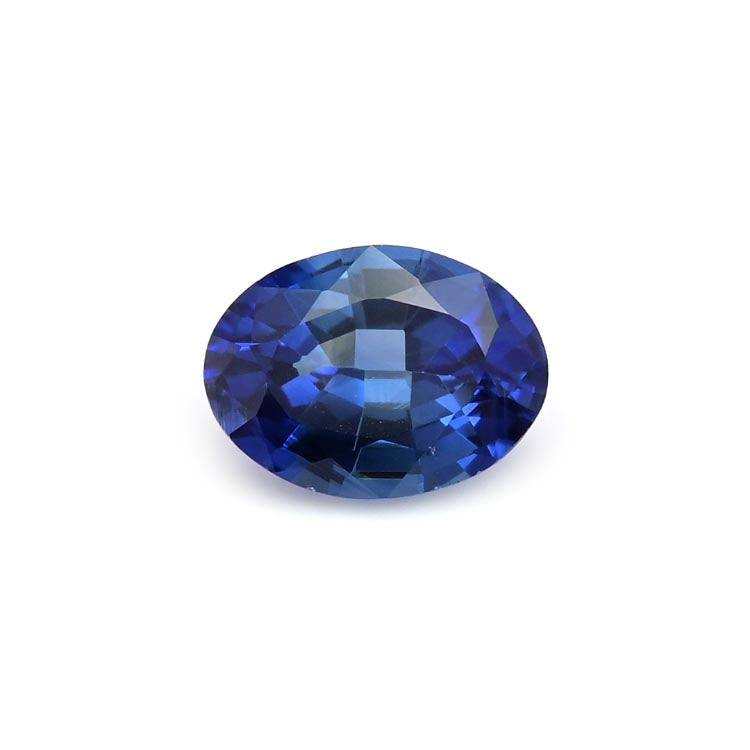
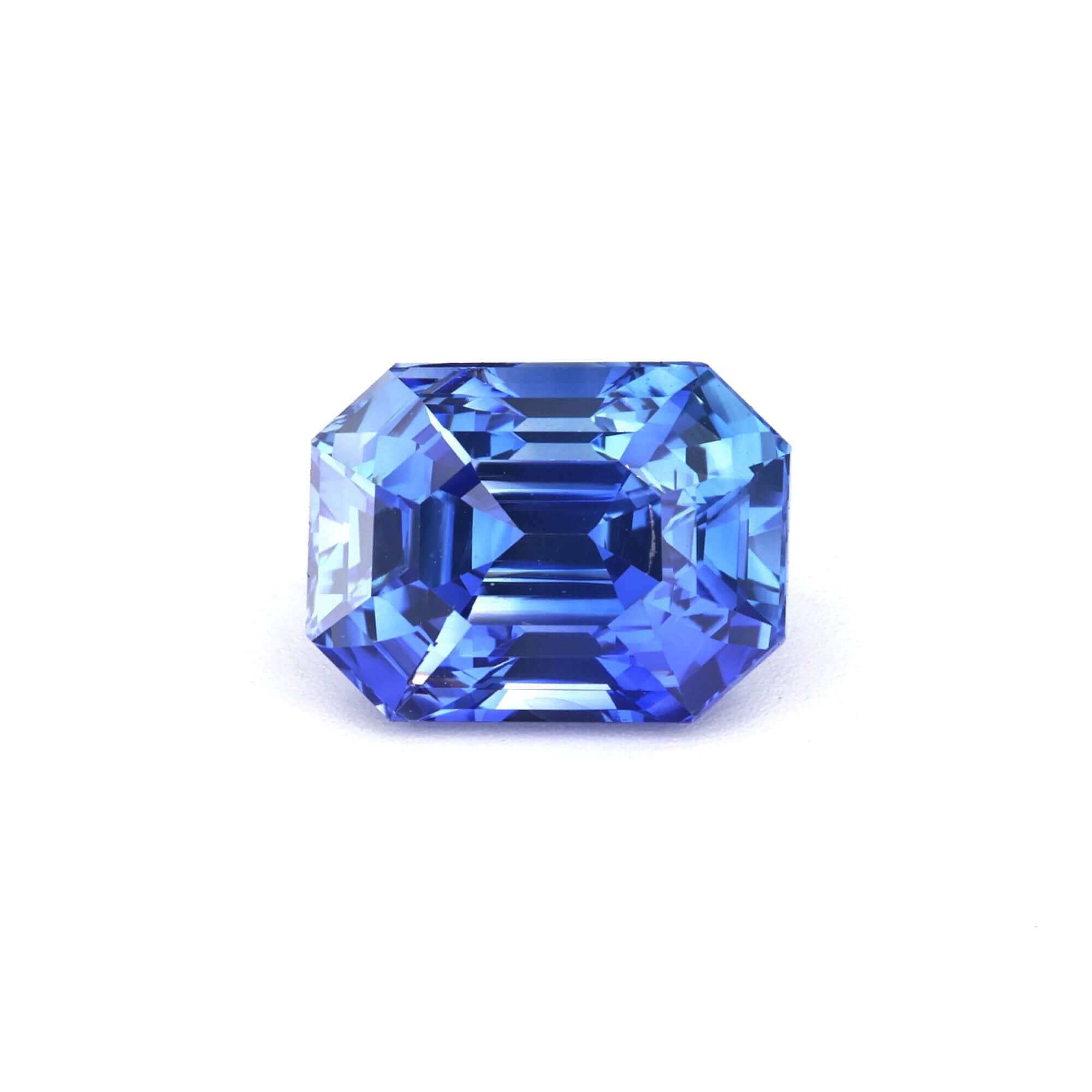
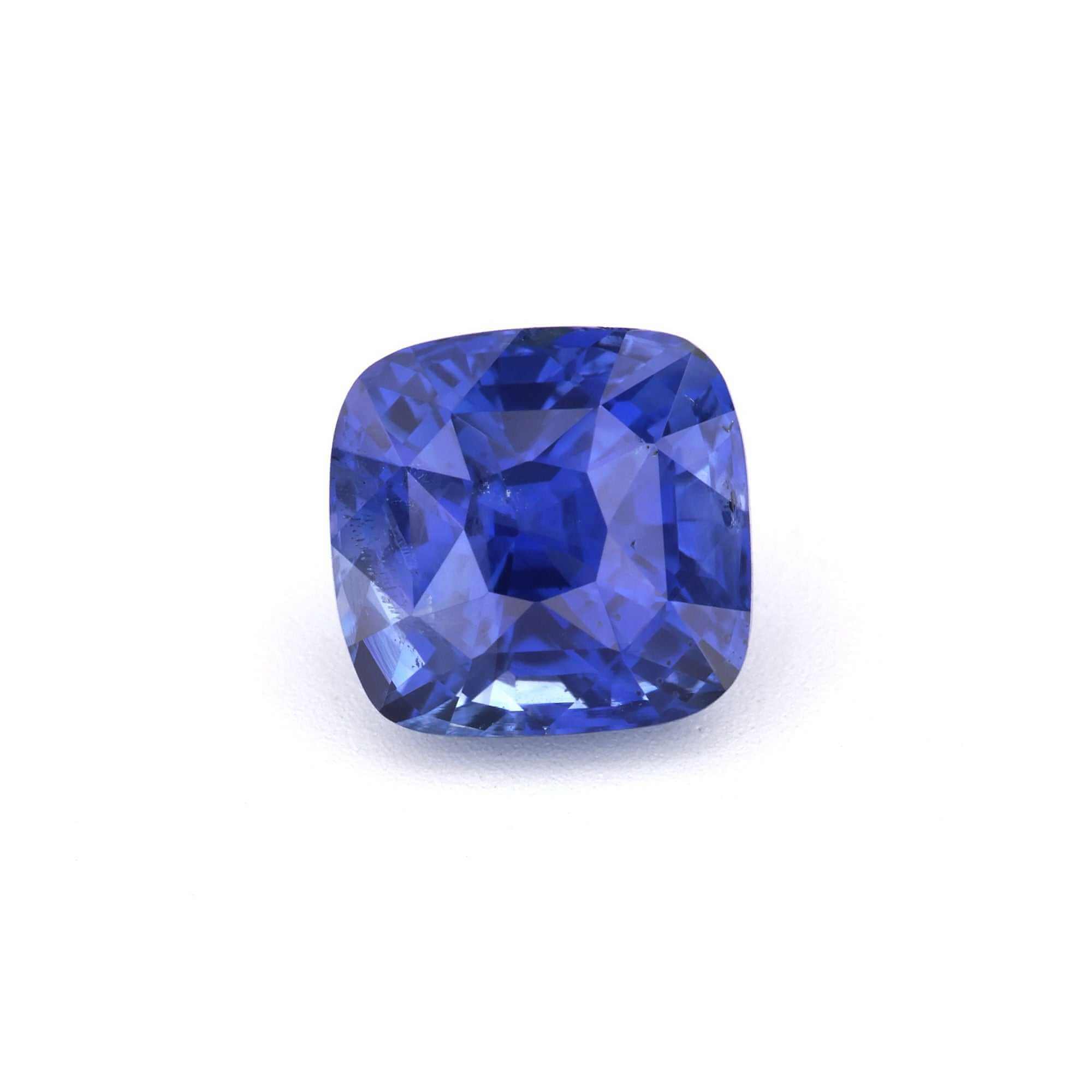
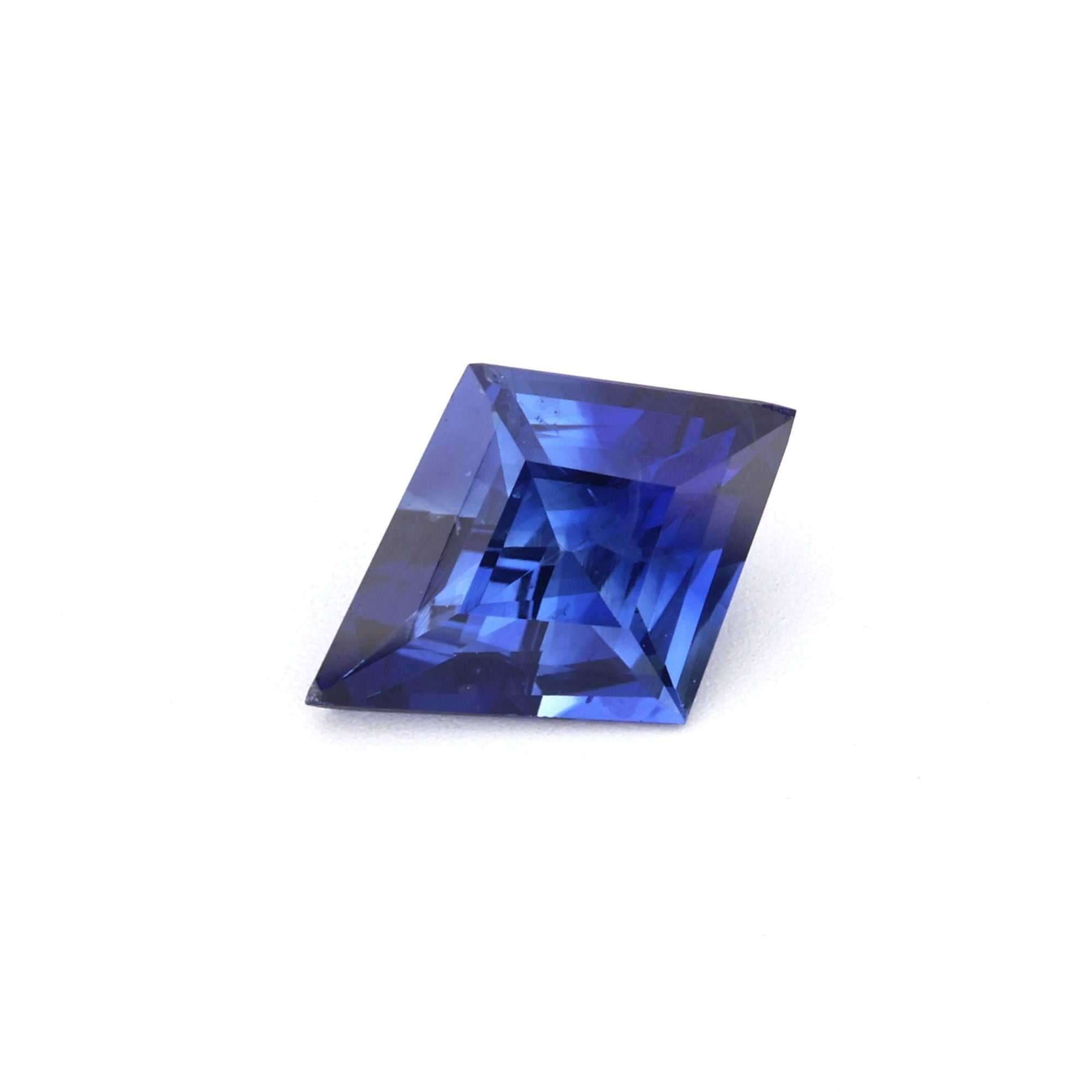
Blue is the classic choice, and Ceylon blue sapphires in cornflower or medium vivid tones are the most traditional. But sapphire comes in almost every colour. Peach sapphire has become increasingly popular for its romantic warmth and modern feel. White sapphire offers a diamond-like look at a fraction of the price. Pink, teal, and yellow sapphires are all viable depending on personal style. Browse the full sapphire collection to compare colours side by side.

What Size Do You Need?
For a solitaire setting on an average hand, a 6mm round sapphire (approximately 0.85–1.0ct) is a comfortable, proportionate size. A 7mm round (approximately 1.3–1.5ct) reads as a statement stone. Oval and cushion cuts appear larger than rounds at the same carat weight due to their elongated shape — worth considering if size matters on a budget.
Heated or Unheated?
For most engagement ring buyers, a heat-treated stone in excellent colour is the right choice. The colour is permanent, the durability is identical, and the savings can be significant. Unheated stones carry a premium best appreciated by collectors and those for whom natural origin matters intrinsically. Read our full heated vs unheated guide for detail.
What About the Setting?
A bezel or six-prong setting offers the most protection for the stone. Claw settings show more of the stone but require checking prongs periodically. Yellow gold and rose gold both complement blue and peach sapphires warmly. White gold and platinum give a more contemporary, contrasting look.

Our Recommendation
For a meaningful, durable engagement ring stone, a well-cut Ceylon blue sapphire in the 0.8–2.5 ct range with vivid colour and clear treatment disclosure is an excellent choice. Browse our blue sapphire collection and our full sapphire range, or email crescentgems@gmail.com and tell us your budget and preferred colour — we'll point you to the right stone personally.
Frequently Asked Questions
Is sapphire durable enough for an engagement ring?
Yes. Sapphire scores 9 on the Mohs hardness scale, second only to diamond. It is the most practical coloured gemstone choice for a ring worn every day.
What size sapphire should I get for an engagement ring?
A 6mm round (approximately 0.85–1.0ct) is the most common and proportionate choice for a solitaire. Oval cuts at the same carat weight appear larger, making them a good budget-conscious option.
Is a heated or unheated sapphire better for an engagement ring?
For most buyers, a heated sapphire in vivid colour is the right choice — the colour is permanent, durability is identical, and value is better. See our full heated vs unheated guide for detail.
What colour sapphire is best for an engagement ring?
Ceylon blue remains the most classic and popular choice. Peach sapphire is the fastest-growing alternative for a warmer, more modern look. Teal sapphire suits buyers who want something truly distinctive.
Can I try the stone before buying?
Yes — select stones are available through our Try-On programme. Email crescentgems@gmail.com to ask which stones are currently available for Try-On.
Related: Ceylon blue sapphire under 1 carat · Peach sapphire · Unheated sapphires · Ceylon origin guide · Heated vs unheated