- by Ahmed Shareek
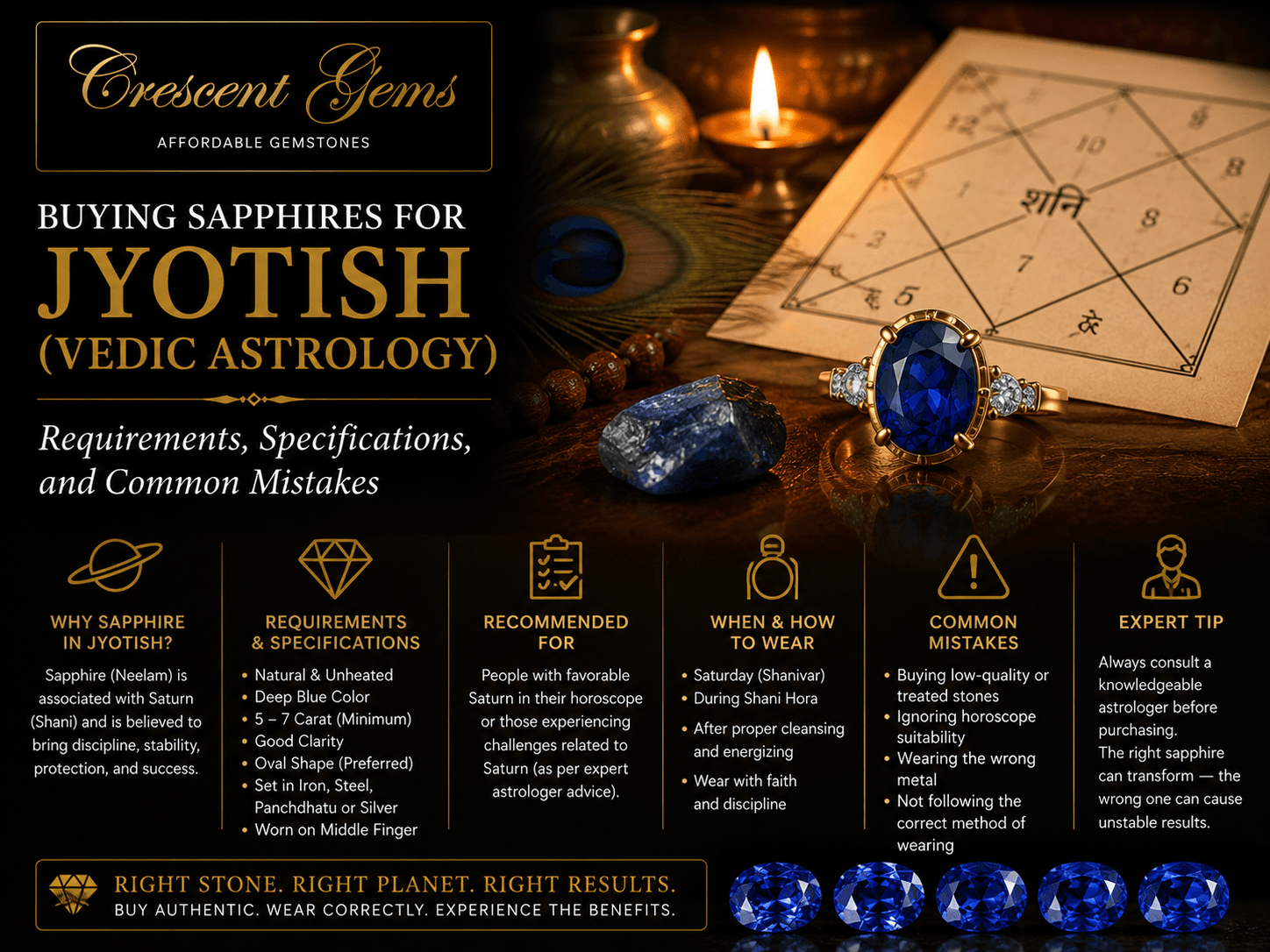
Buying Sapphires for Jyotish (Vedic Astrology) — Requirements, Specifications, and Common Mistakes
- by Ahmed Shareek
New to buying sapphires? Start with our Ultimate Sapphire Buying Guide — the complete resource for colour, origin, treatment, and pricing.
In Vedic astrology (Jyotish), gemstones are not decorative. They are functional — prescribed by a practitioner to strengthen a specific planetary influence in your birth chart. The stone must meet exact specifications to be considered effective: natural, unheated, eye-clean, set with direct skin contact, and above a minimum carat weight. A stone that fails any of these requirements is, from a Jyotish perspective, not just less effective — it is the wrong purchase entirely.
This guide covers the two sapphire varieties most frequently prescribed in Jyotish — yellow sapphire (Pukhraj) for Jupiter and blue sapphire (Neelam) for Saturn — along with the exact specifications a Jyotish gemstone must meet, the mistakes buyers most commonly make, and how to verify that what you are buying actually qualifies. For a full explanation of what heat treatment is and why unheated status matters, see our heated vs unheated sapphire guide. For why Ceylon origin is preferred over other sources, see our Ceylon sapphire origin guide.

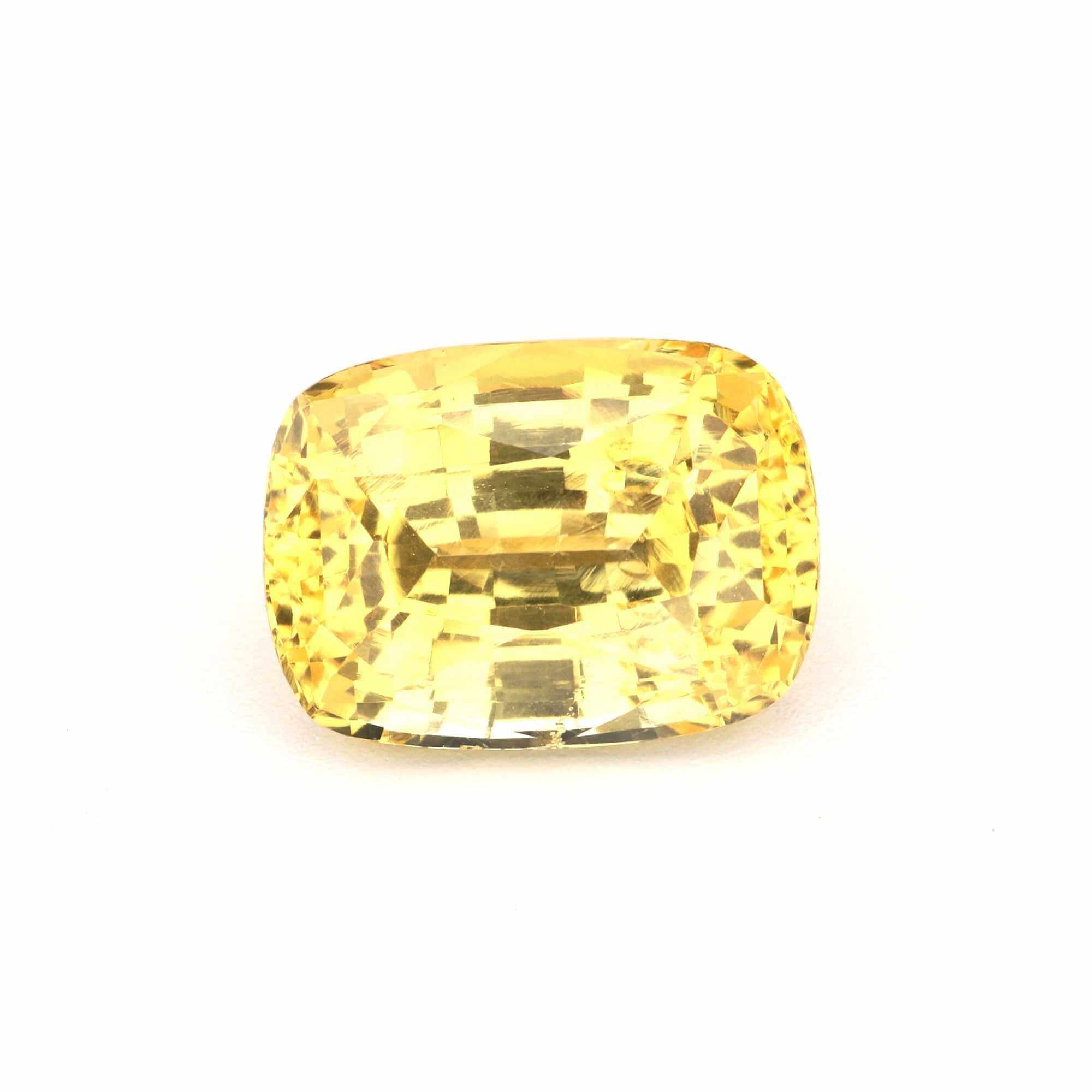
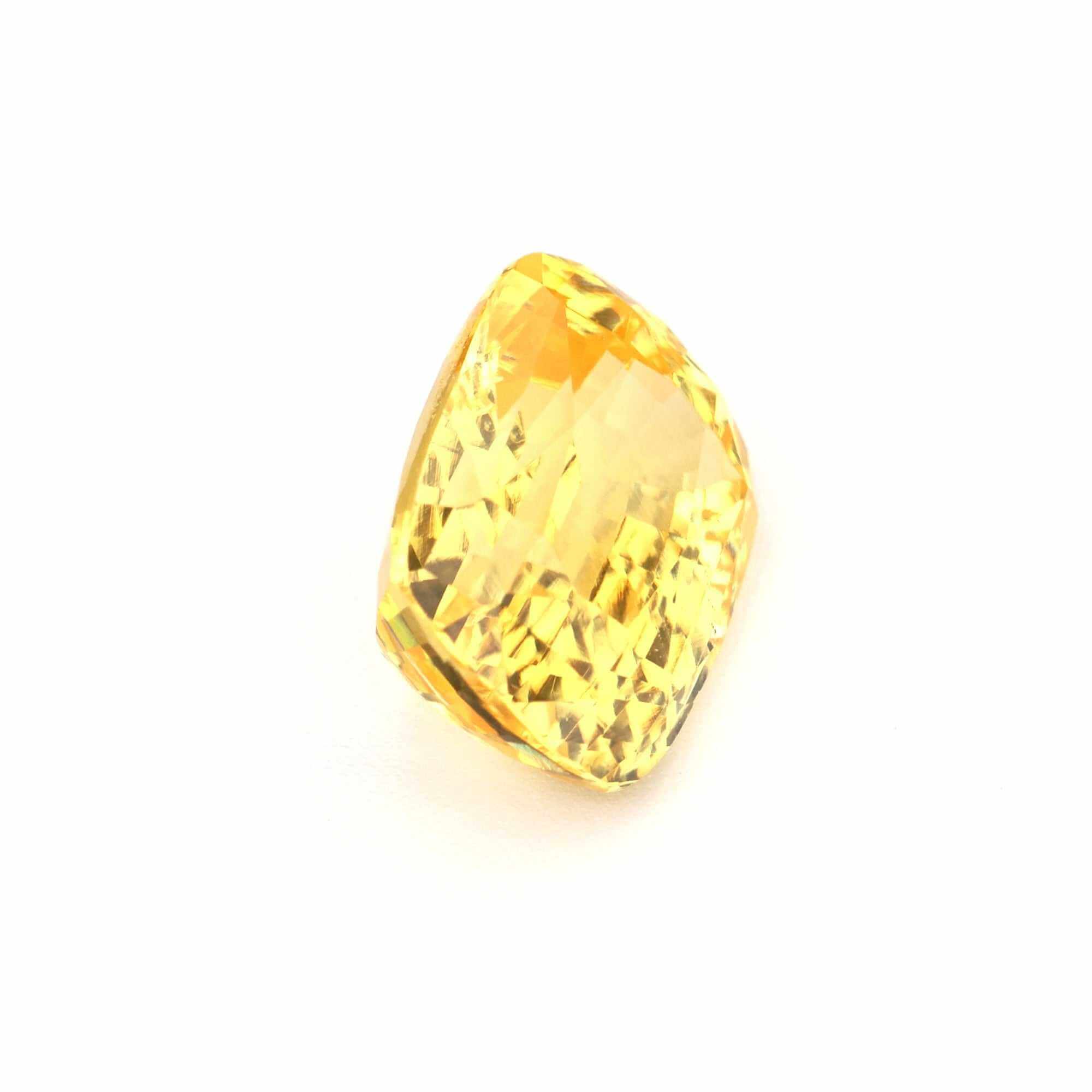
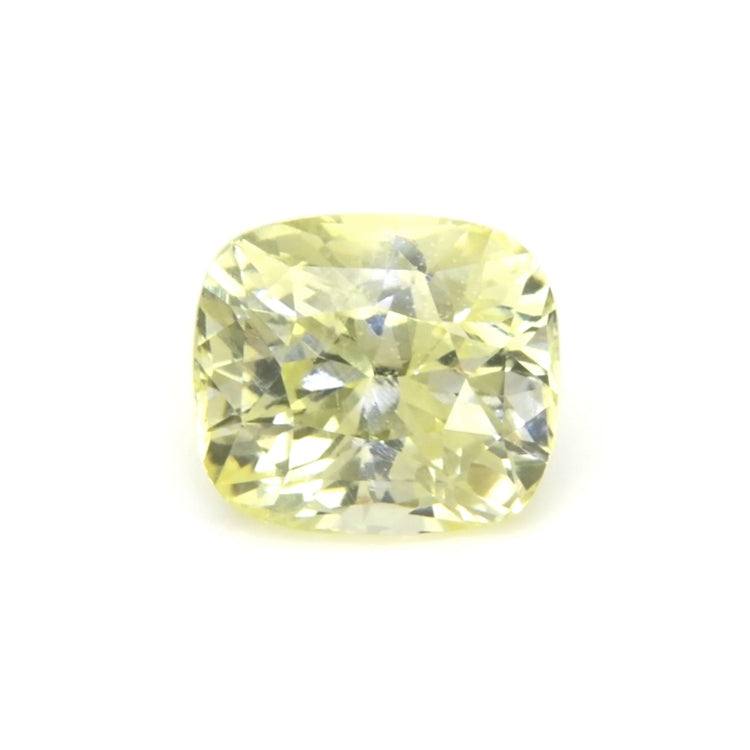
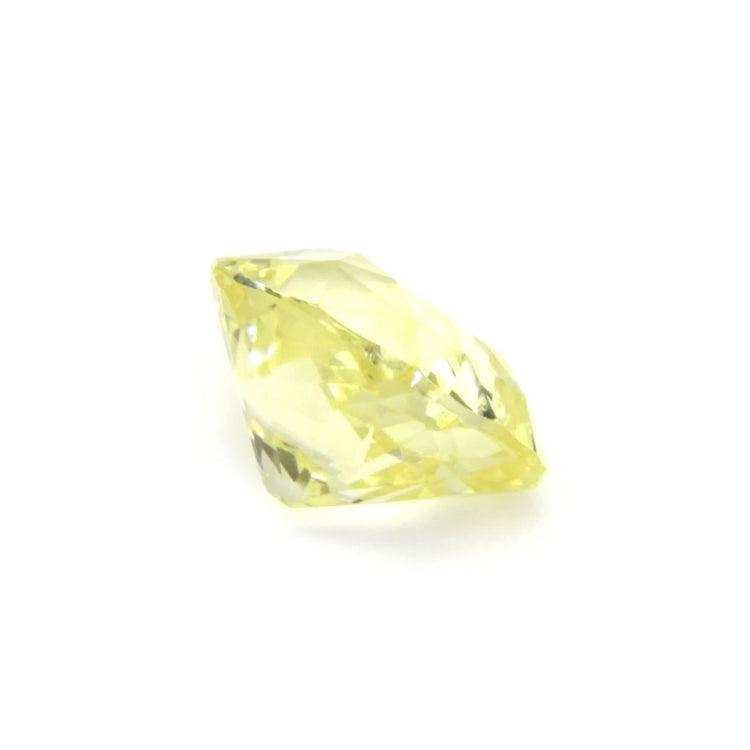
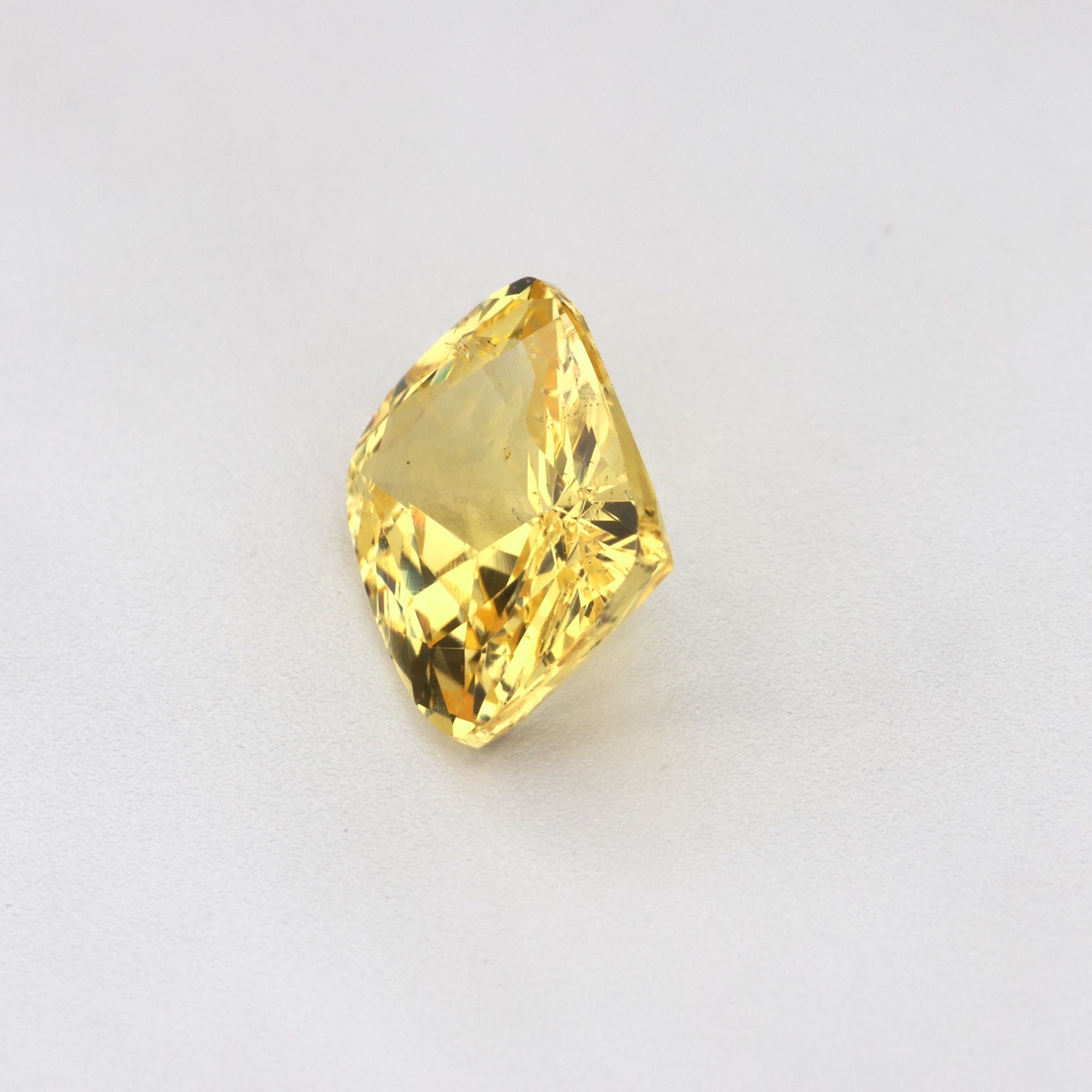
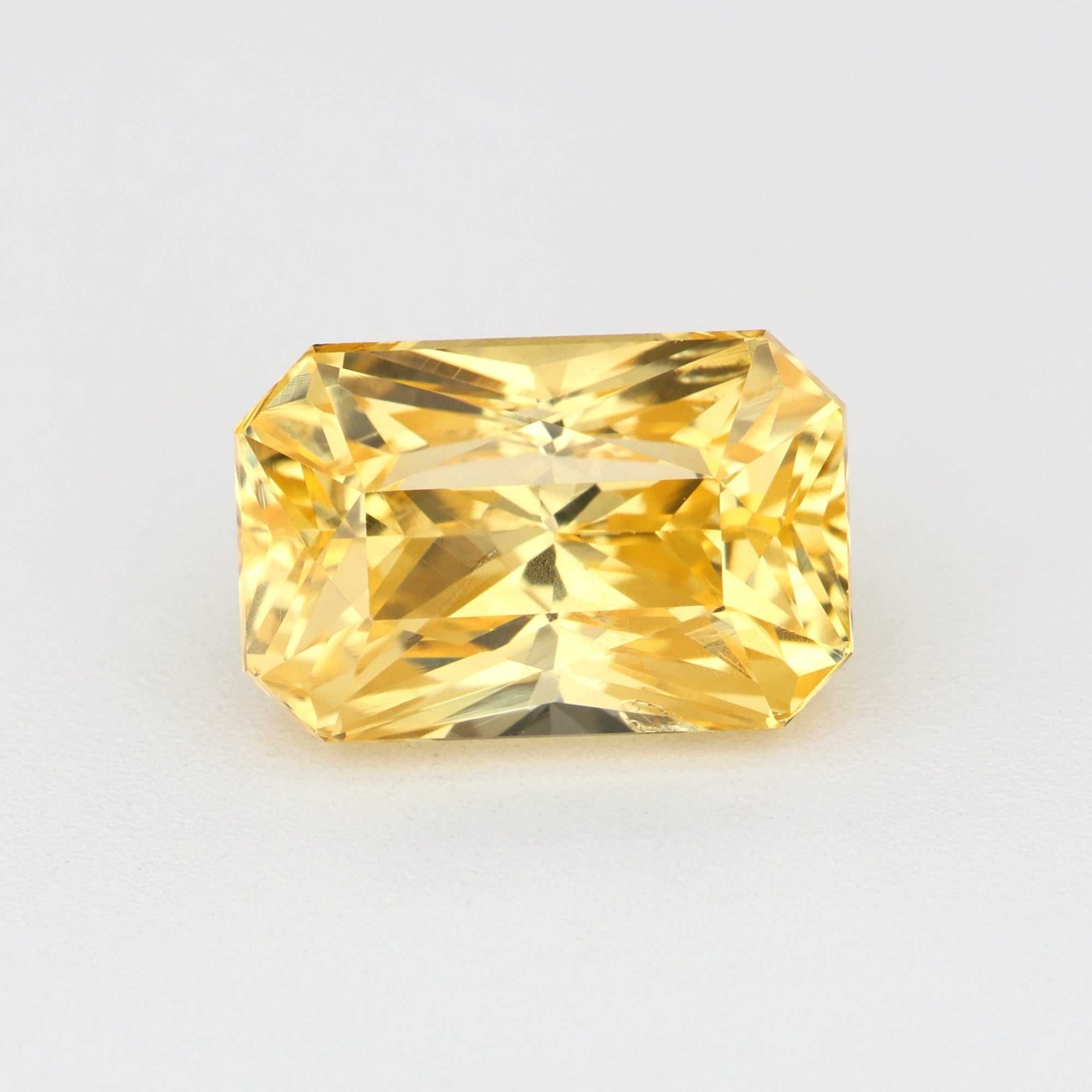
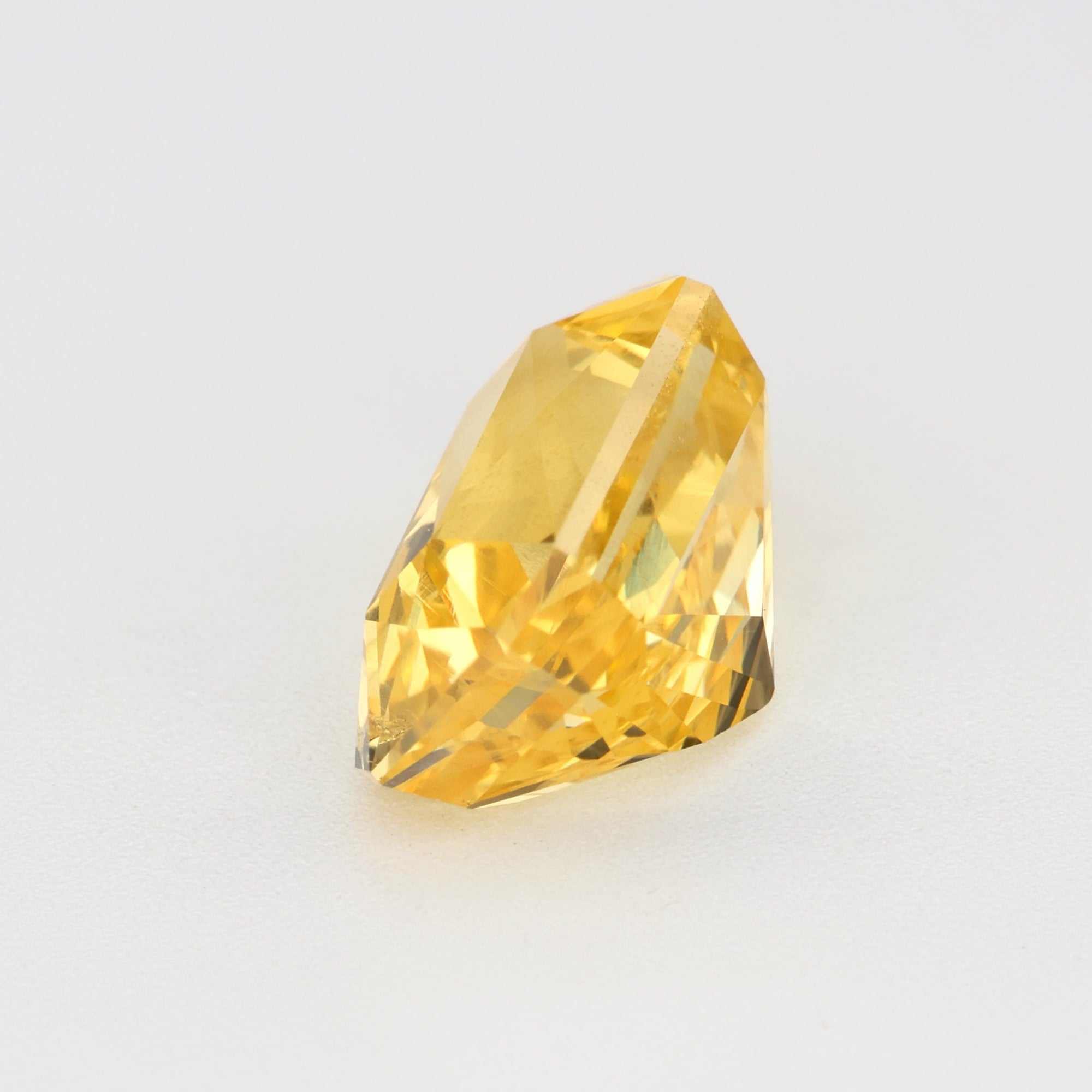
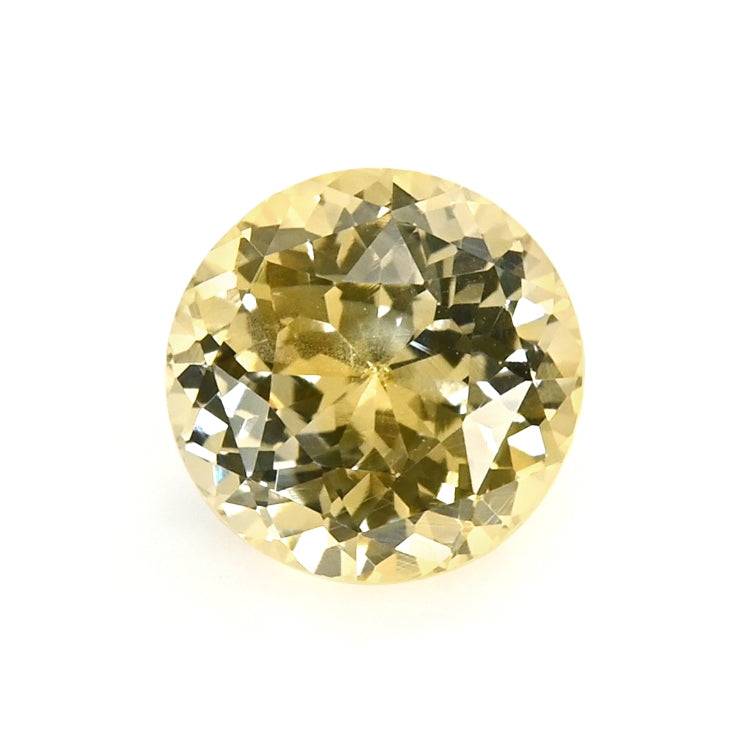
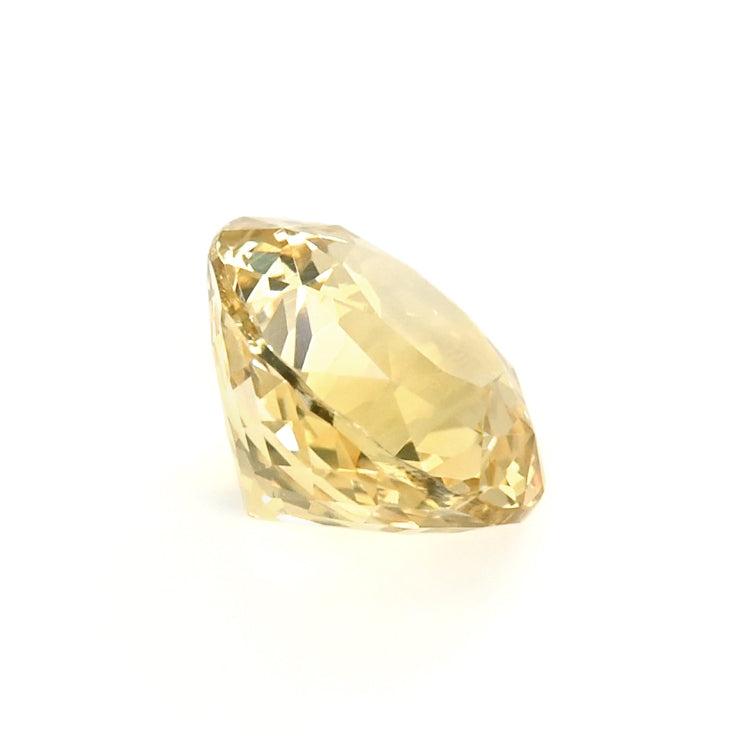
Yellow sapphire is the prescribed stone for Jupiter (Guru or Brihaspati), the planet of wisdom, prosperity, good fortune, and spiritual growth. Jupiter is considered the most benefic planet in Vedic astrology, and its gemstone prescription is one of the most commonly given — and one of the most commonly filled incorrectly.
A Jyotish-grade Pukhraj must be:
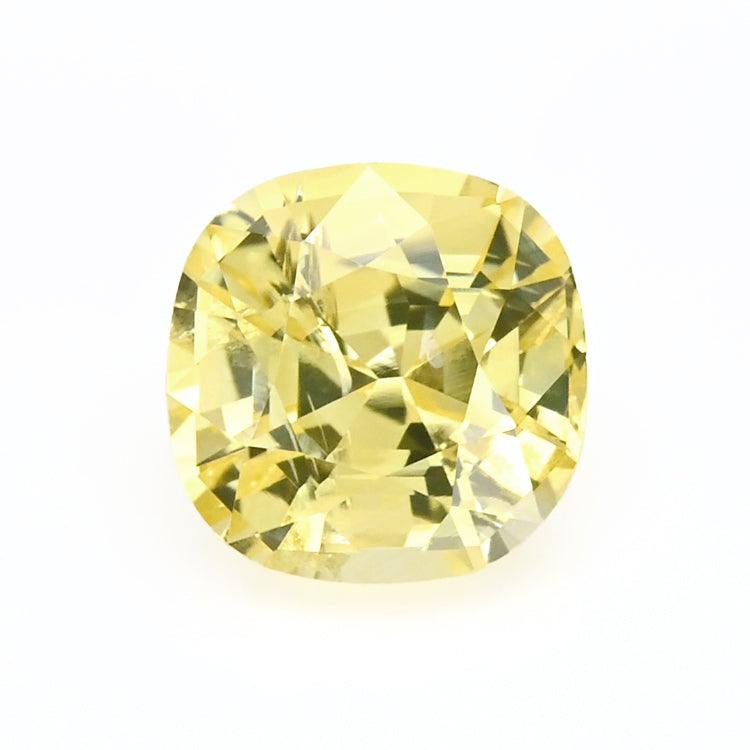
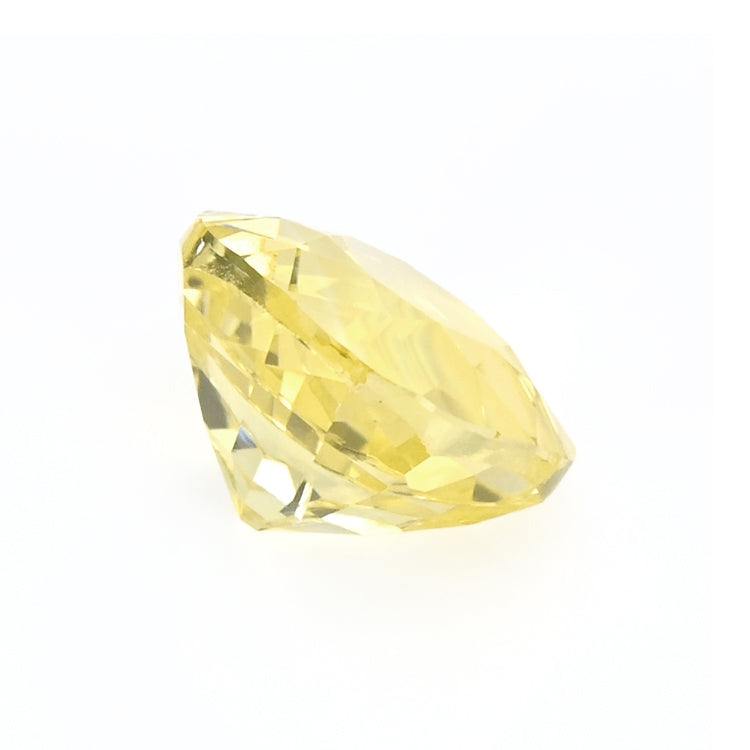
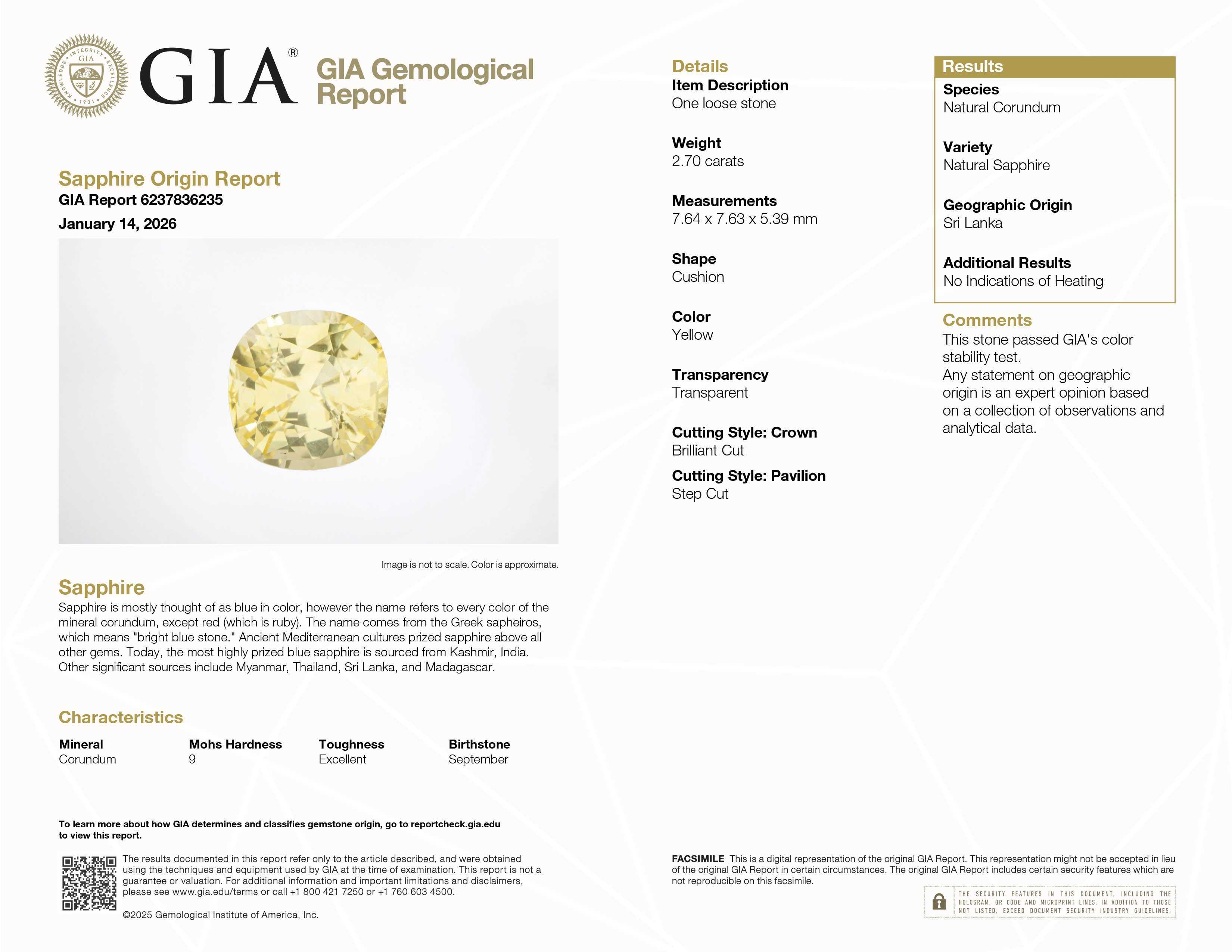
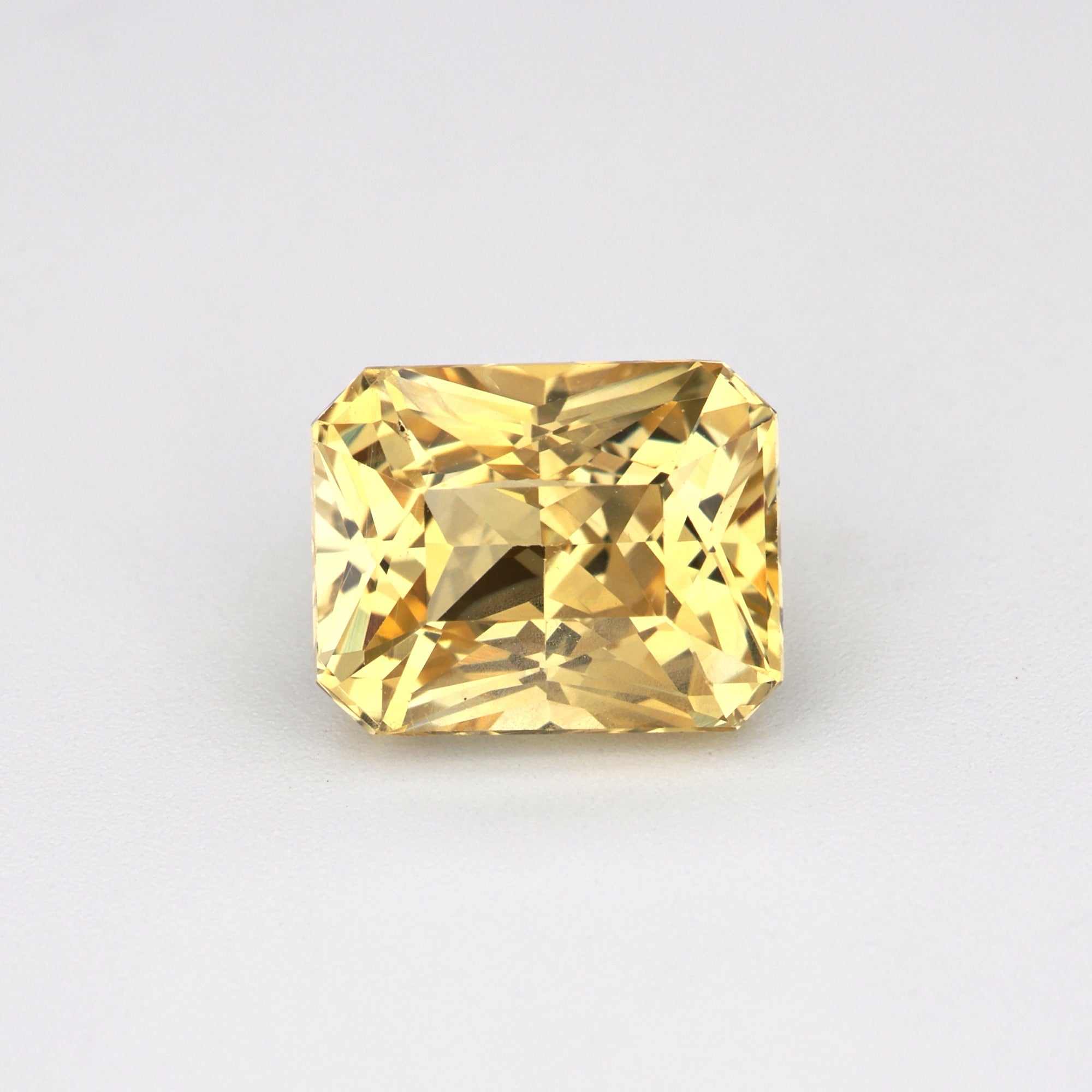
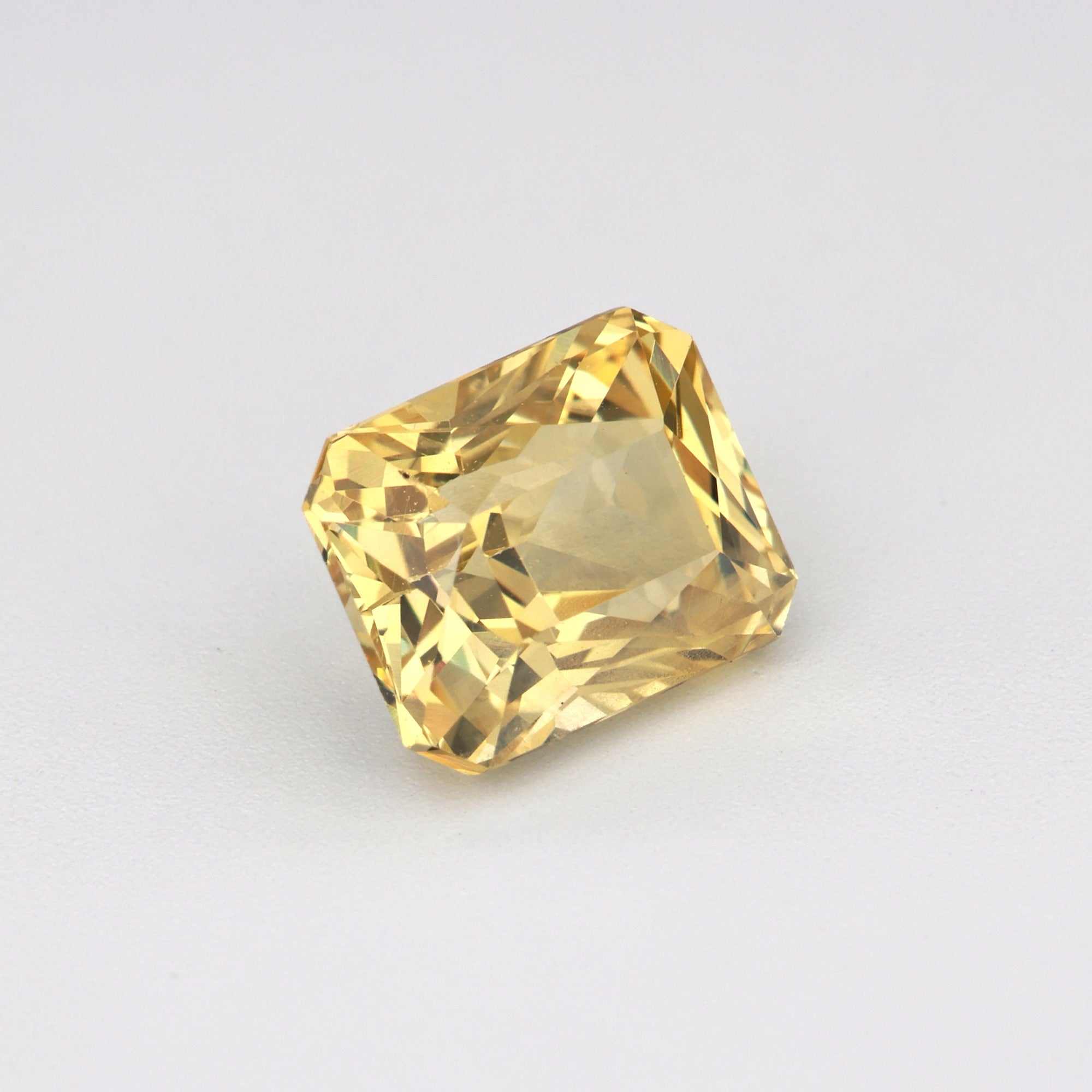
The good news for Pukhraj buyers is that Ceylon produces a relatively high proportion of naturally unheated yellow sapphires. Iron, the trace element responsible for yellow in corundum, often produces sufficient colour saturation without thermal enhancement. This makes unheated Pukhraj more accessible and more affordable than unheated blue sapphire of equivalent quality. Browse our dedicated Jyotish-appropriate collections by weight: unheated yellow sapphire over 1 carat and unheated yellow sapphire over 2 carats.
Read the full Yellow Sapphire Buyer's Guide · Shop all yellow sapphires.
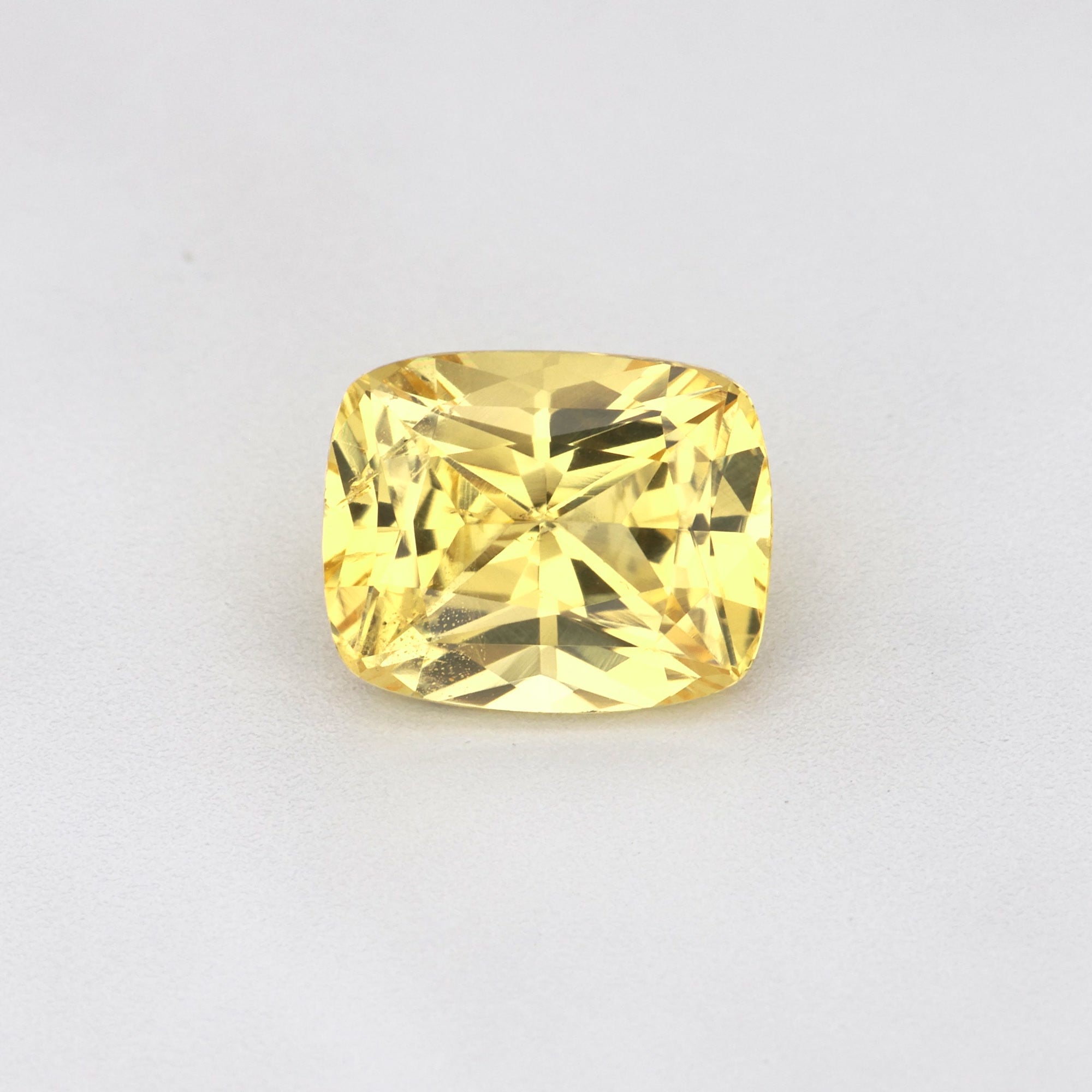
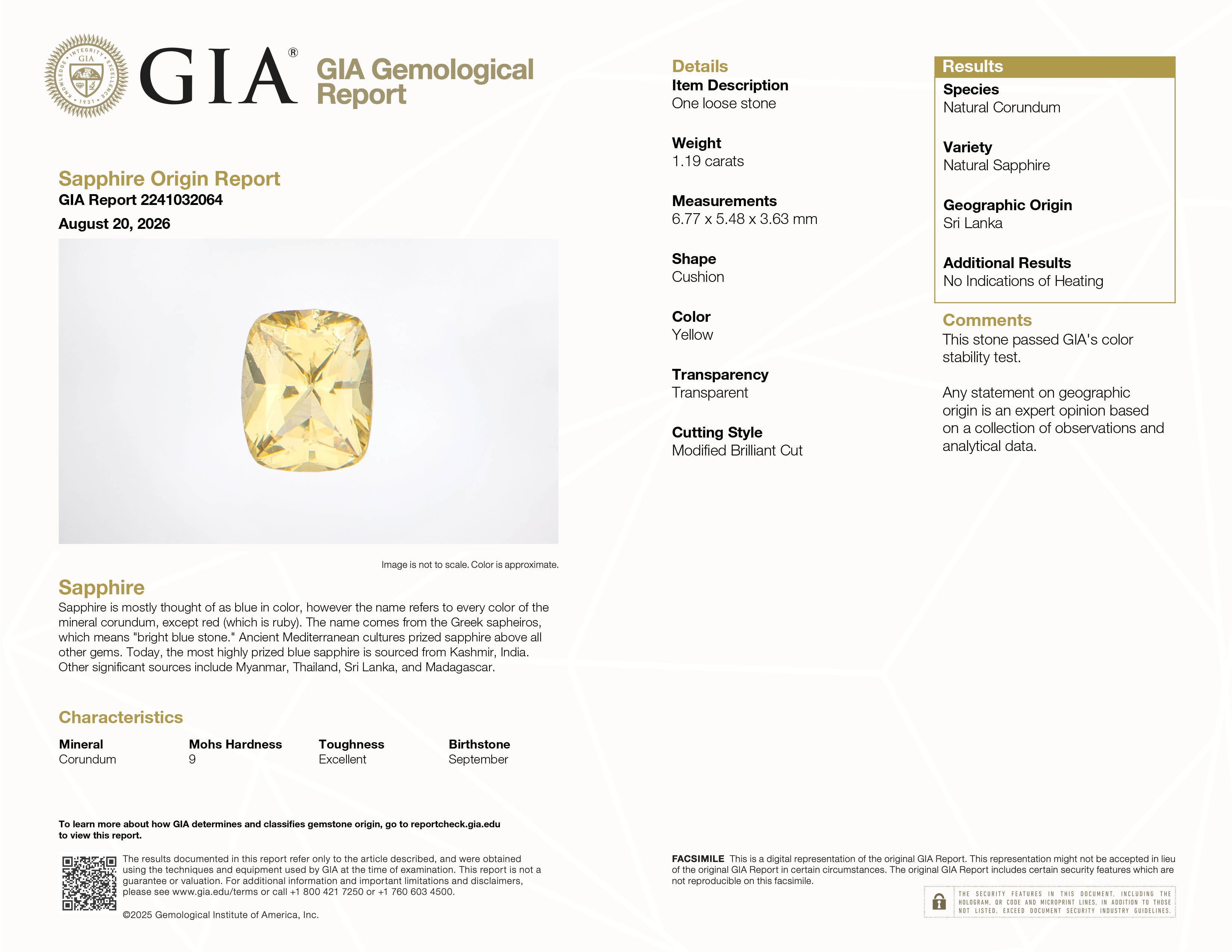
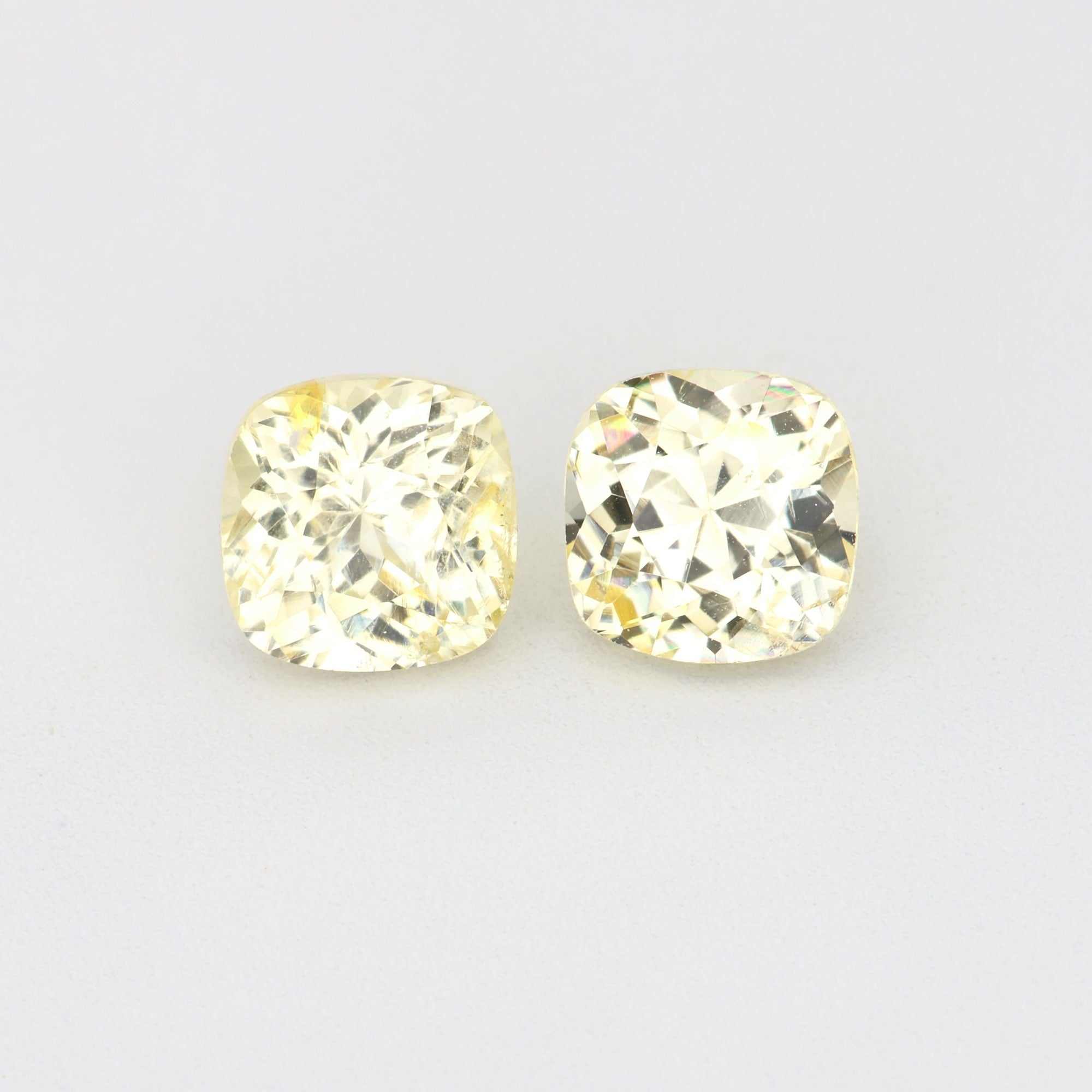
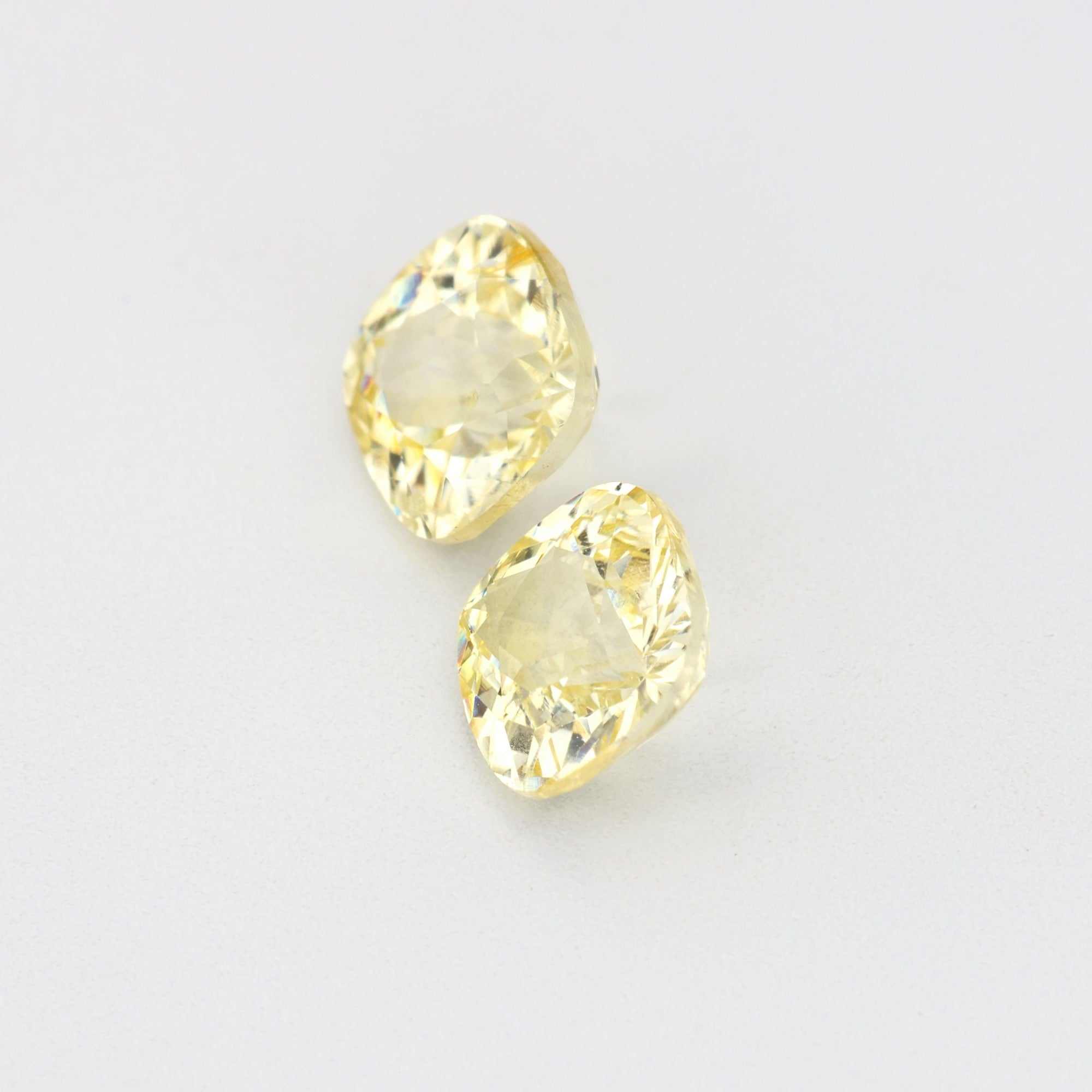
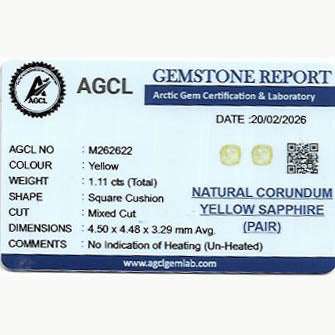
We also stock a 1.19 ct unheated cushion-cut Ceylon yellow sapphire with a GIA report (#2241032064), graded Loupe Clean — note that at 1.19 ct it falls below the 2.00-carat minimum most practitioners recommend for a Pukhraj, so confirm your own prescription's carat requirement before buying.
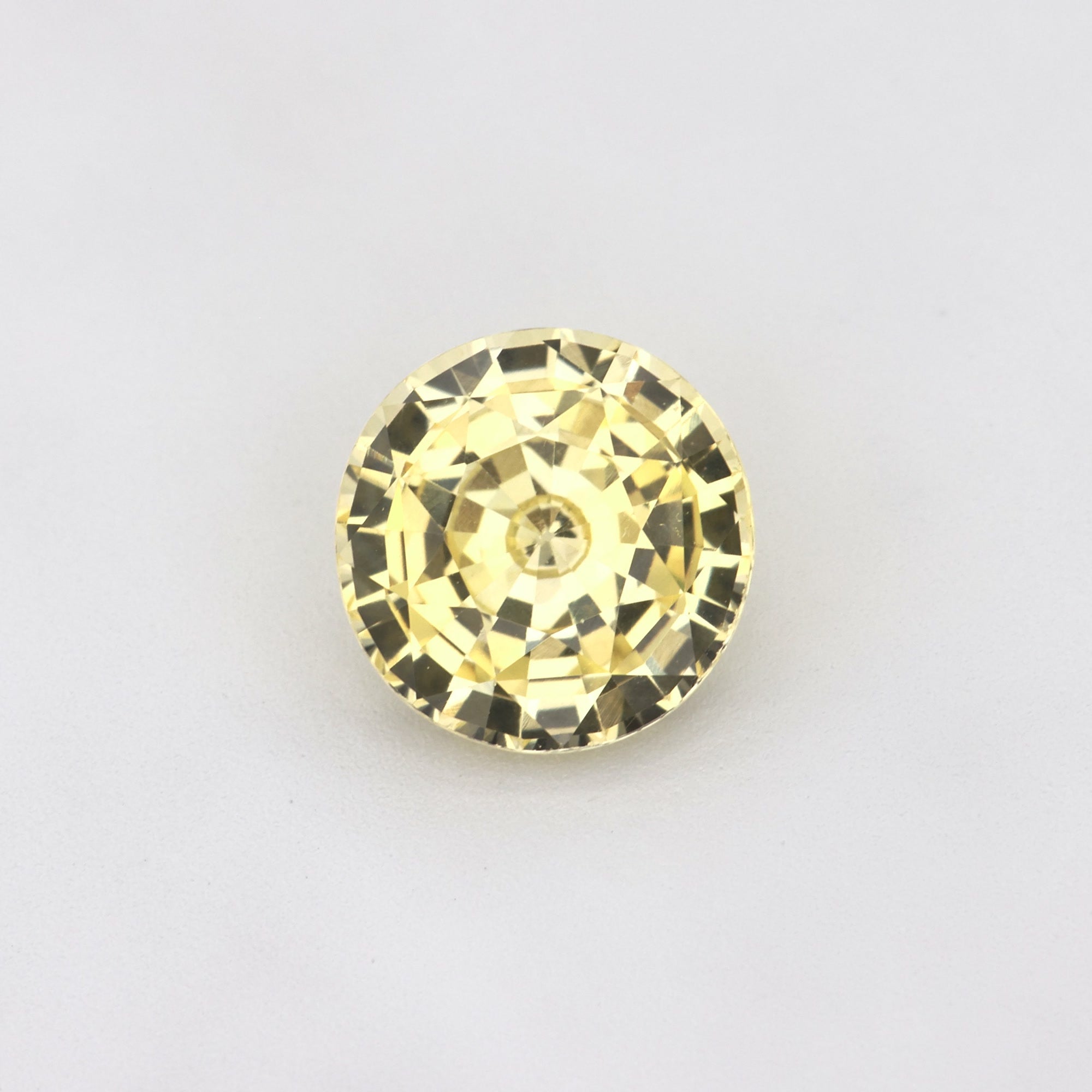
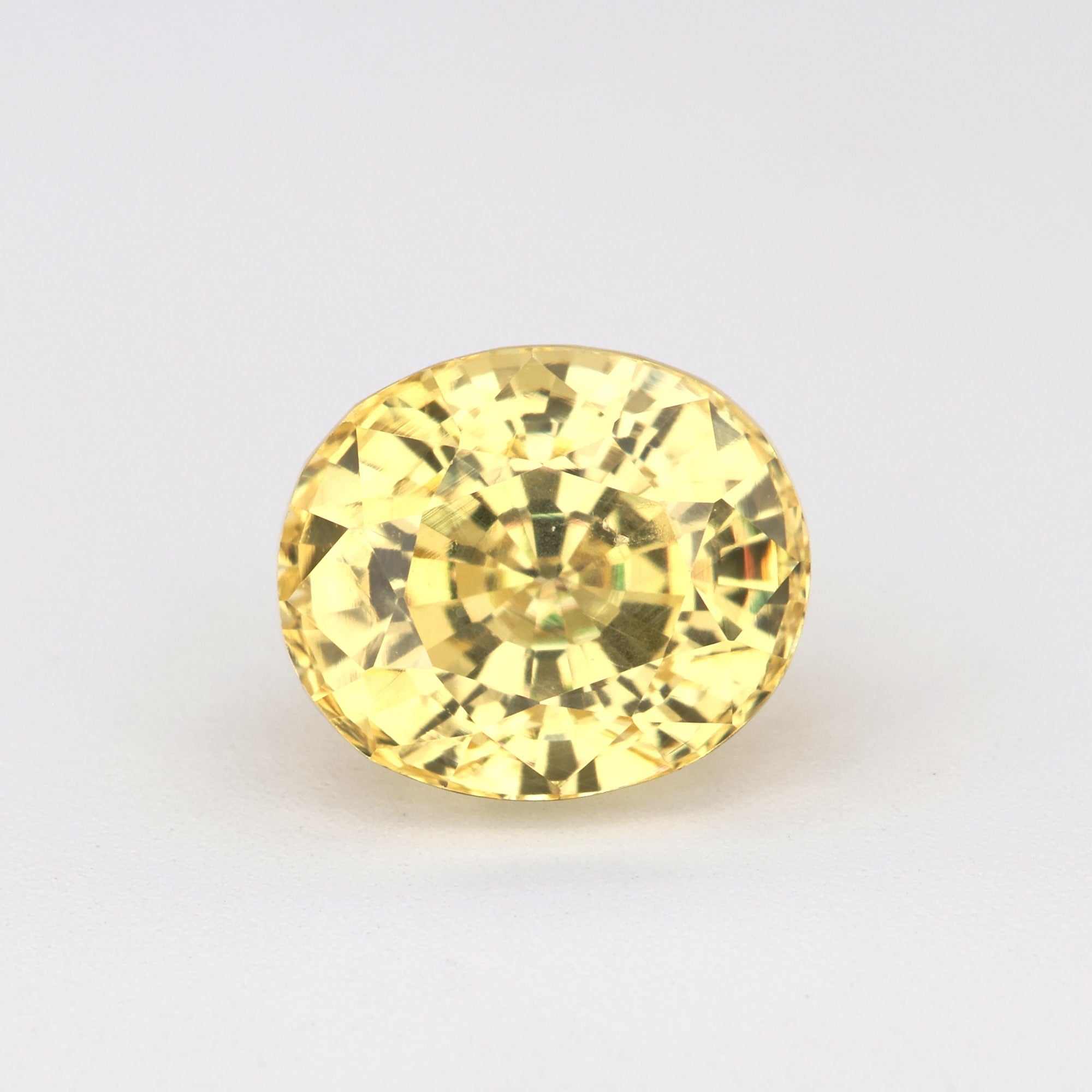
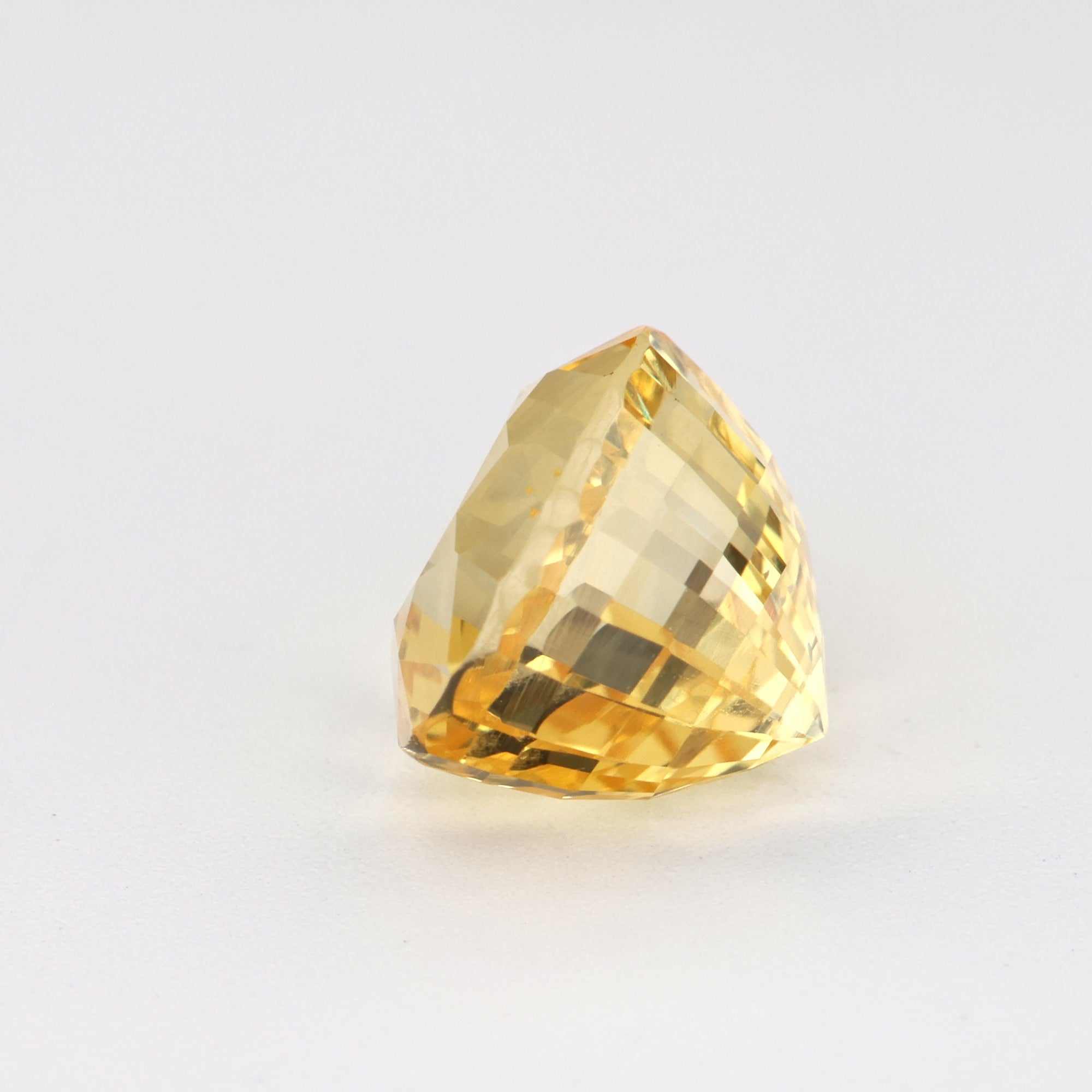
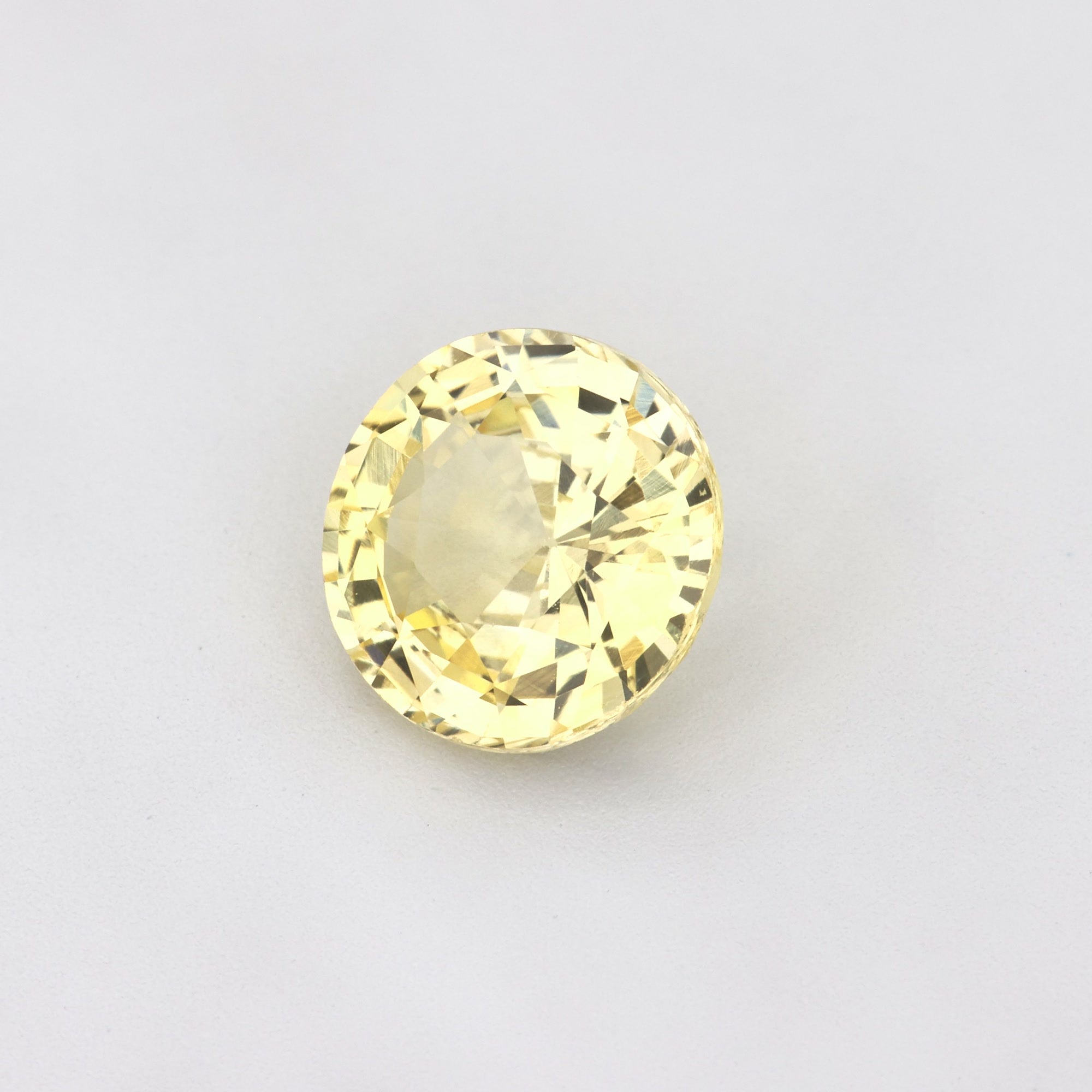
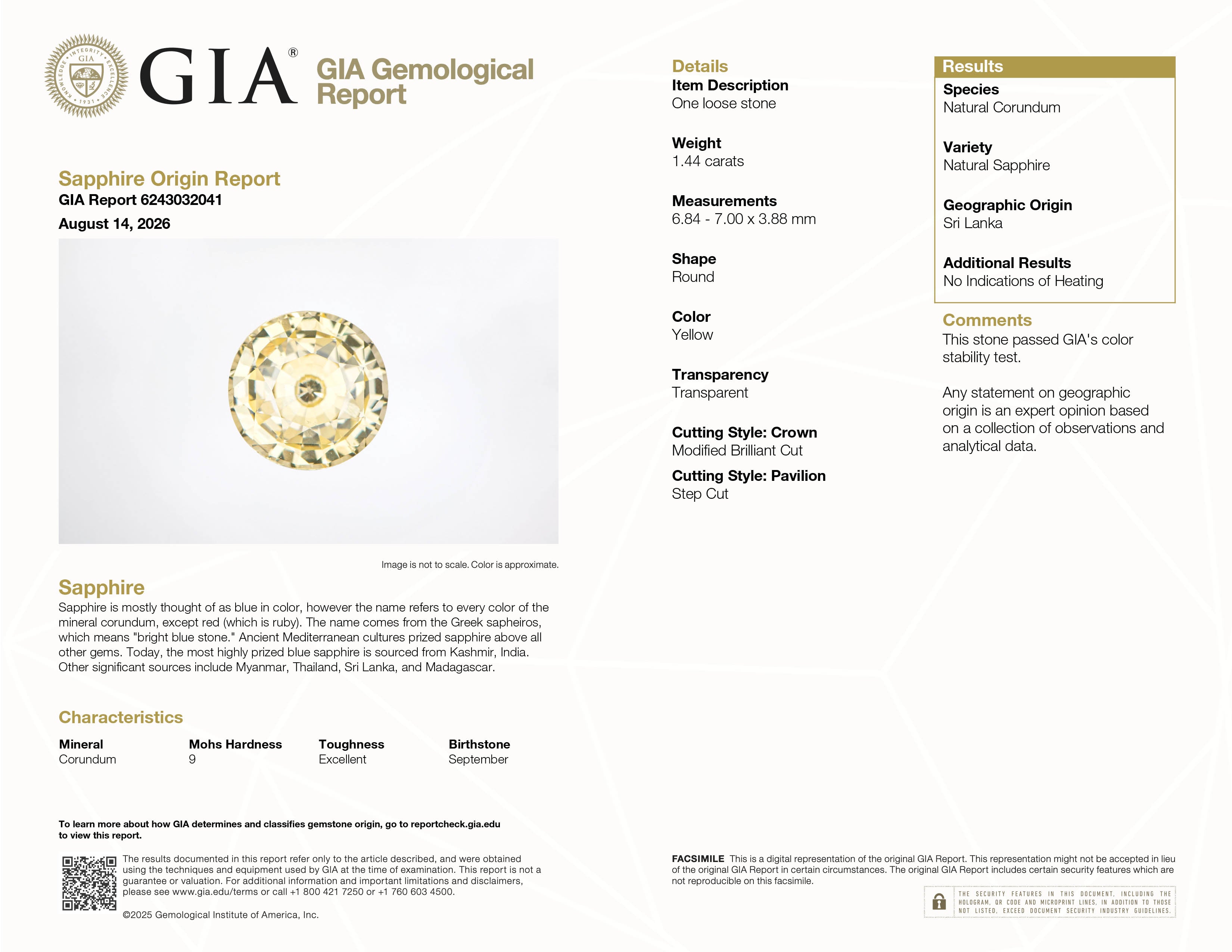
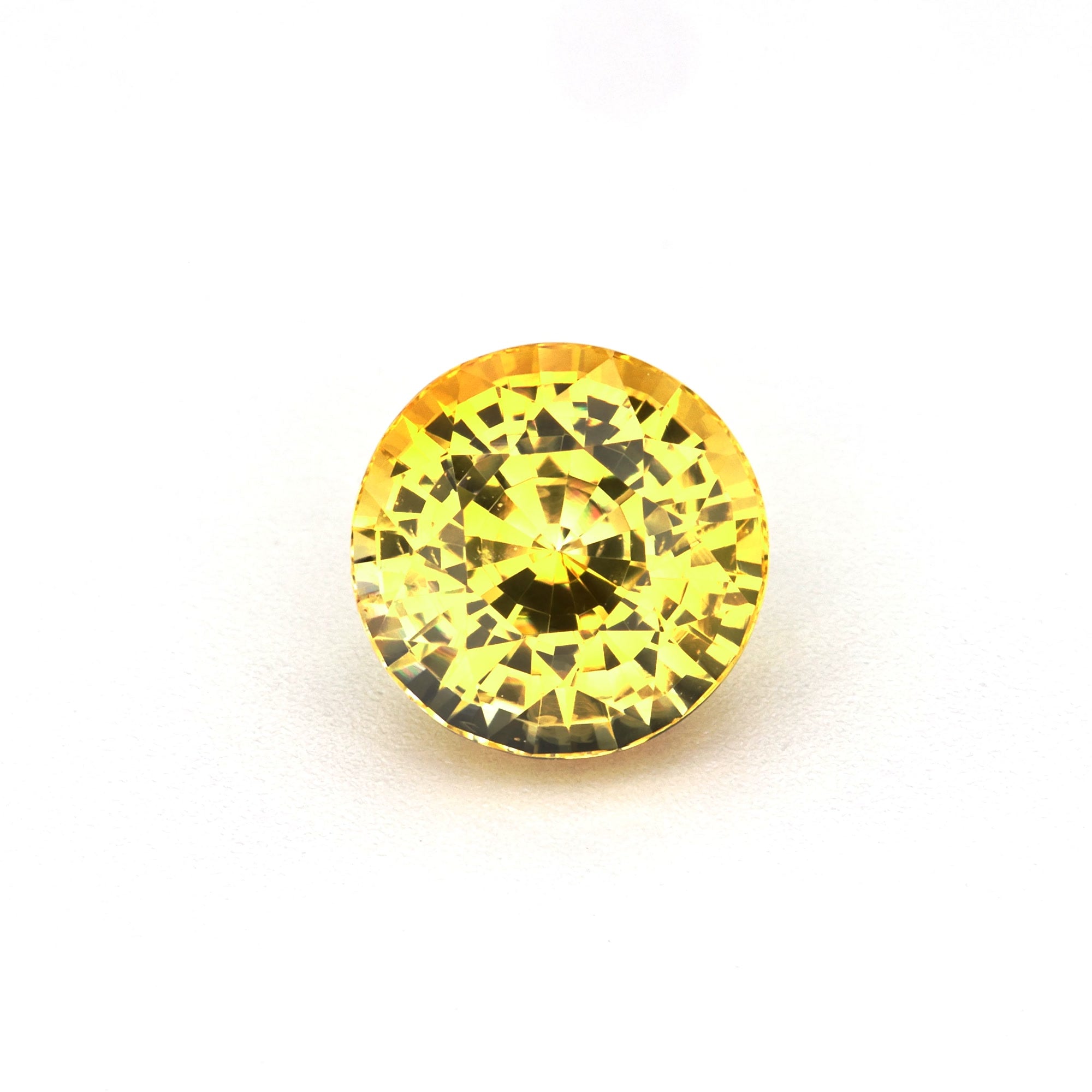
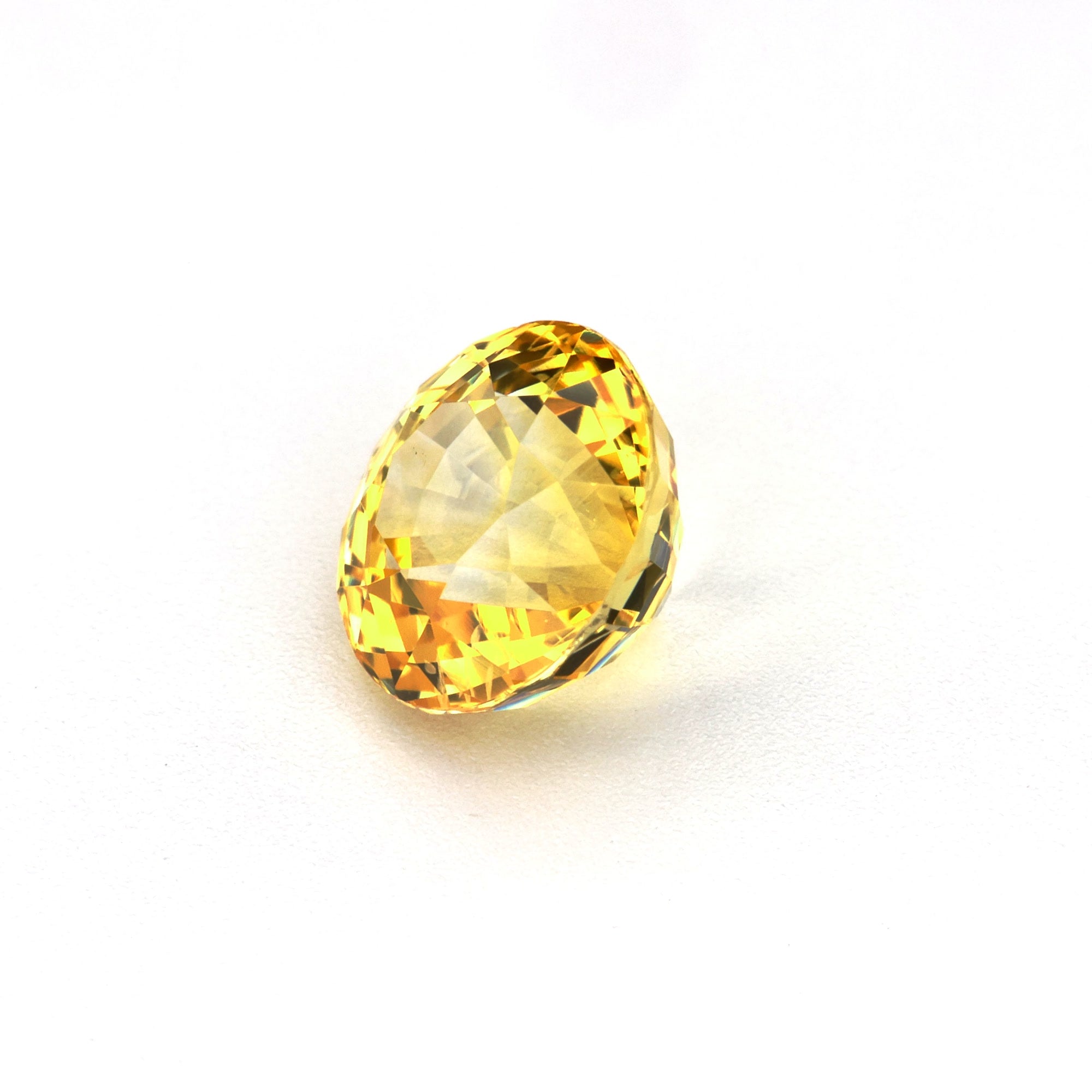
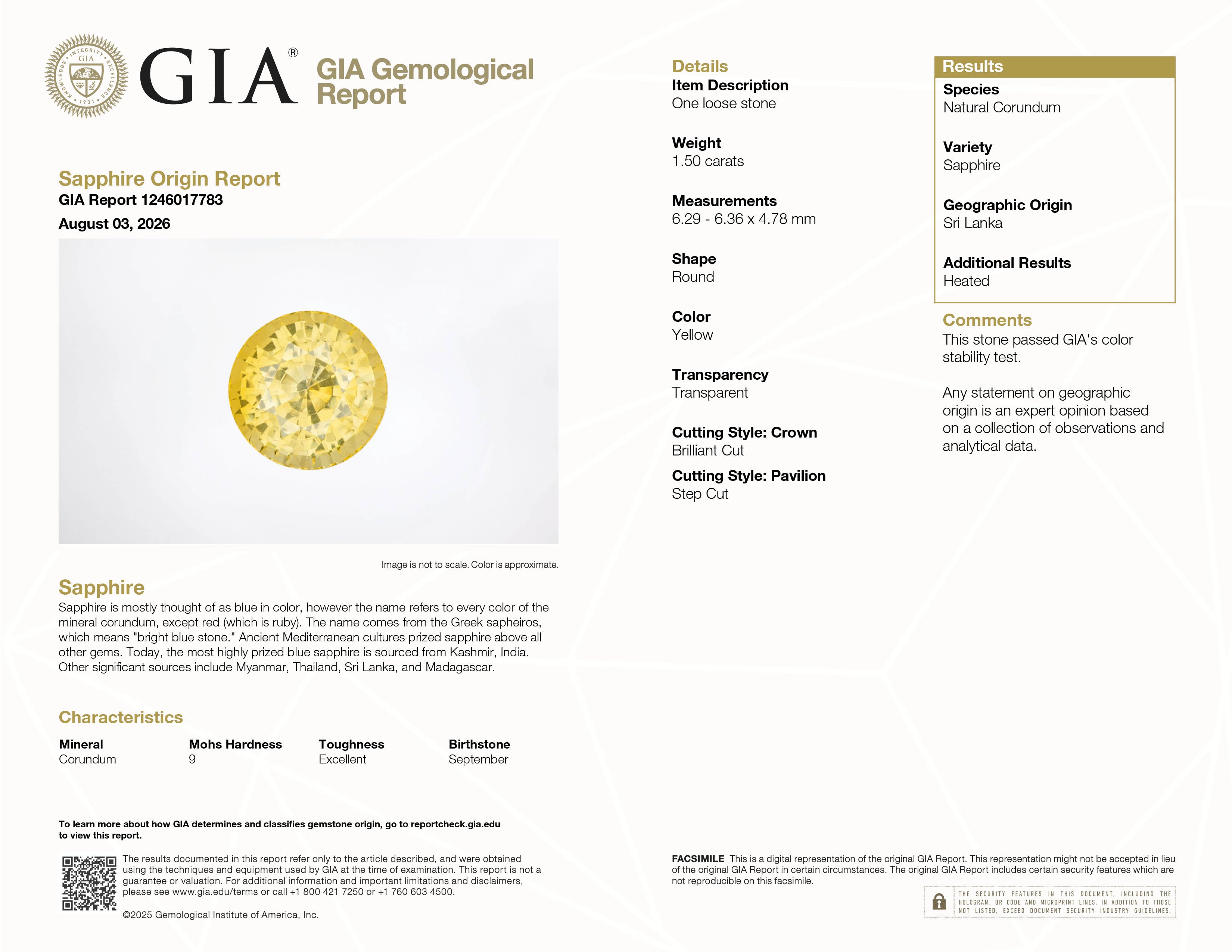
We also stock a 1.44 ct unheated round Ceylon yellow sapphire, GIA Report #6243032041, graded Eye Clean — like the cushion stone above, at 1.44 ct it falls below the 2.00-carat minimum most practitioners recommend for a Pukhraj, so confirm your own prescription's carat requirement before buying.
Blue sapphire is the prescribed stone for Saturn (Shani), the planet of discipline, karma, hard work, and long-term reward. Saturn is considered the most powerful and most consequential planetary influence in Jyotish — its effects, positive or negative, are profound. Because of this, Neelam is both the most sought-after and the most cautiously prescribed Jyotish gemstone.
Many practitioners recommend a trial period with Neelam: wear the stone for three to seven days and observe the effects before committing to long-term wear. If the trial period brings positive results — clarity, opportunities, resolution of obstacles — the stone is considered well-suited. If the period brings difficulty or disruption, the stone may need to be changed or the prescription reconsidered. Our Try-On programme is specifically suited to this requirement — the stone ships to you for evaluation before you pay.
A Jyotish-grade Neelam must meet the same core requirements as Pukhraj: natural, unheated, eye-clean, vivid medium-toned blue, and minimum carat weight (2.00 carats or above). Browse by size: Ceylon blue sapphire over 1 carat and Ceylon blue sapphire over 2 carats. For specifically unheated Ceylon blue material: unheated Ceylon blue sapphires.
Unheated blue sapphire in vivid quality is significantly rarer and more expensive than unheated yellow. Expect to pay 2–5 times more per carat for a Jyotish-grade Neelam than for a comparable Pukhraj. See our investment-grade gemstones collection for GIA-documented unheated pieces at the collector tier.
Read the full Blue Sapphire Buyer's Guide and our Blue Sapphire Engagement Ring Guide · Shop all blue sapphires or the Ceylon blue sapphire collection.

Pink sapphire is increasingly recommended by some Jyotish practitioners as a stone for Venus (Shukra), given its chromium-based colour and its association with love, beauty, and harmony. Browse our pink sapphire over 1 carat collection for Jyotish-appropriate sizes.
White (colourless) sapphire is sometimes prescribed as a more accessible alternative to diamond for Venus. It lacks diamond's fire and brilliance but shares the Mohs 9 hardness and natural origin that Jyotish requires.
Lab-grown sapphires — even though they are chemically identical to natural corundum — are not accepted in Jyotish practice. The rationale is that a Jyotish gemstone must carry the energy imprint of natural geological formation. A stone crystallised in a factory lacks this quality regardless of its chemical composition. Every stone at Crescent Gems is natural earth-mined corundum — we carry no synthetic, lab-grown, or simulant material.
This is the requirement most frequently violated, often unknowingly. The vast majority of sapphires in the commercial market — estimates range from 85% to 95% — have been heat-treated. Heat treatment is standard, accepted, and fully legitimate for jewellery purposes. But for Jyotish, it disqualifies the stone entirely.
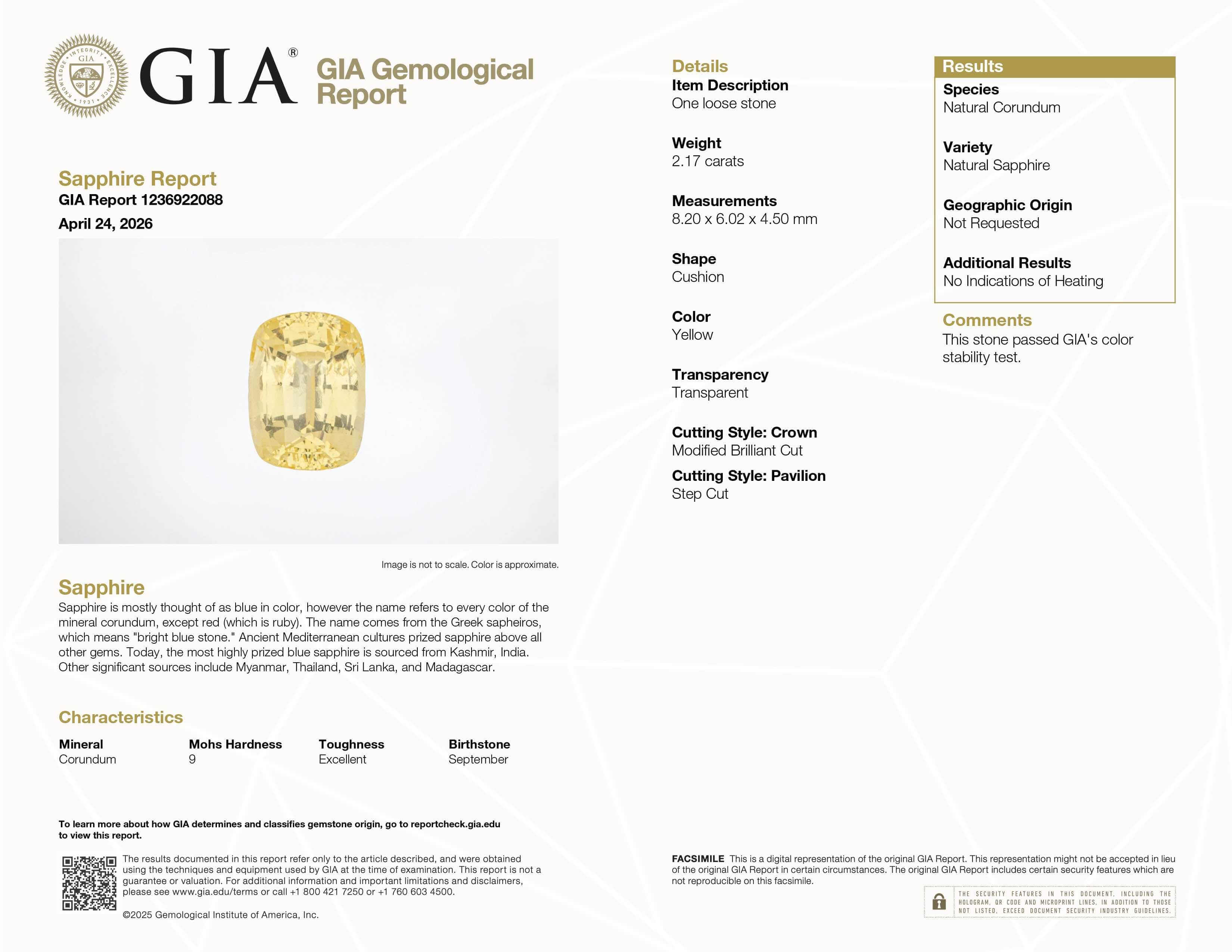
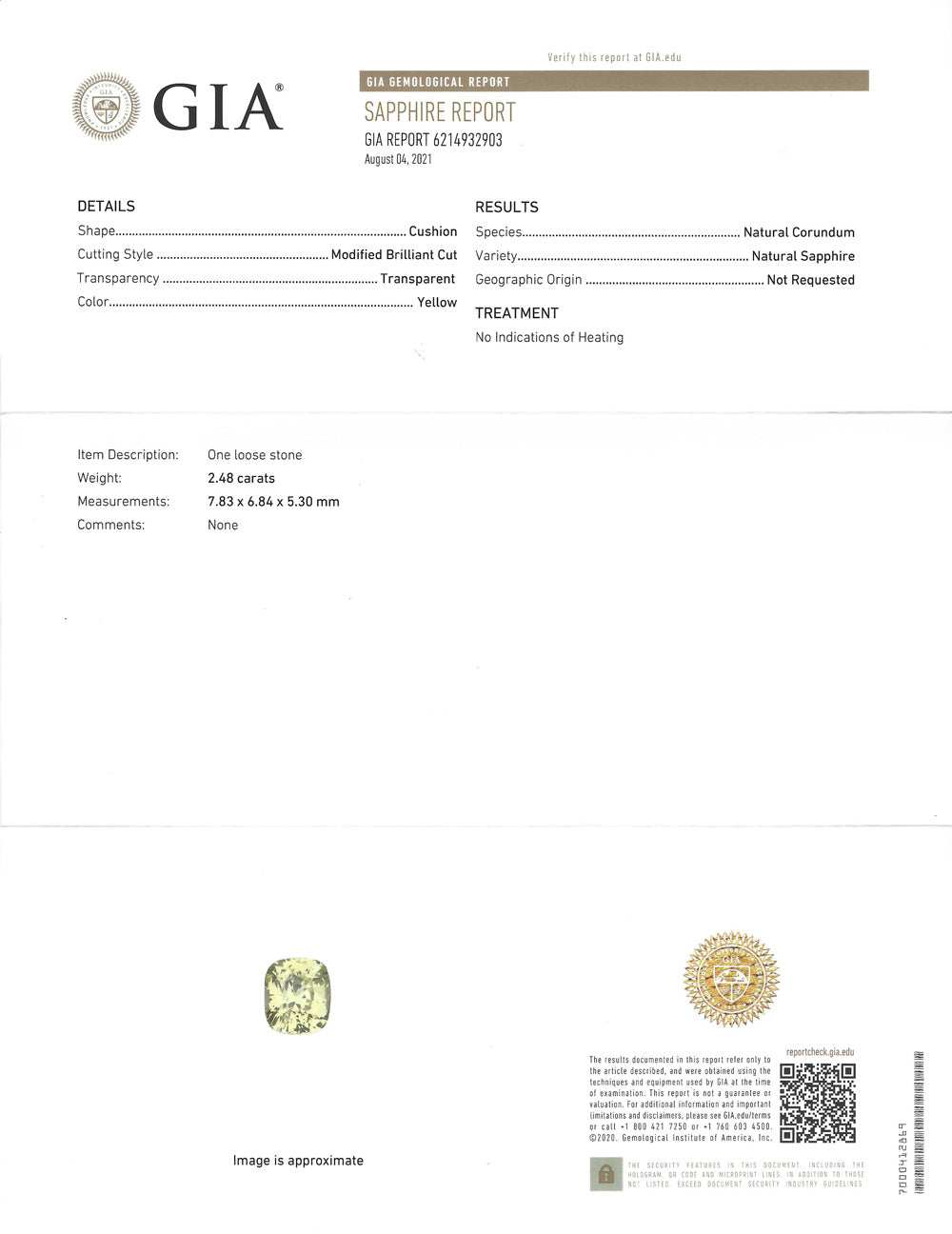
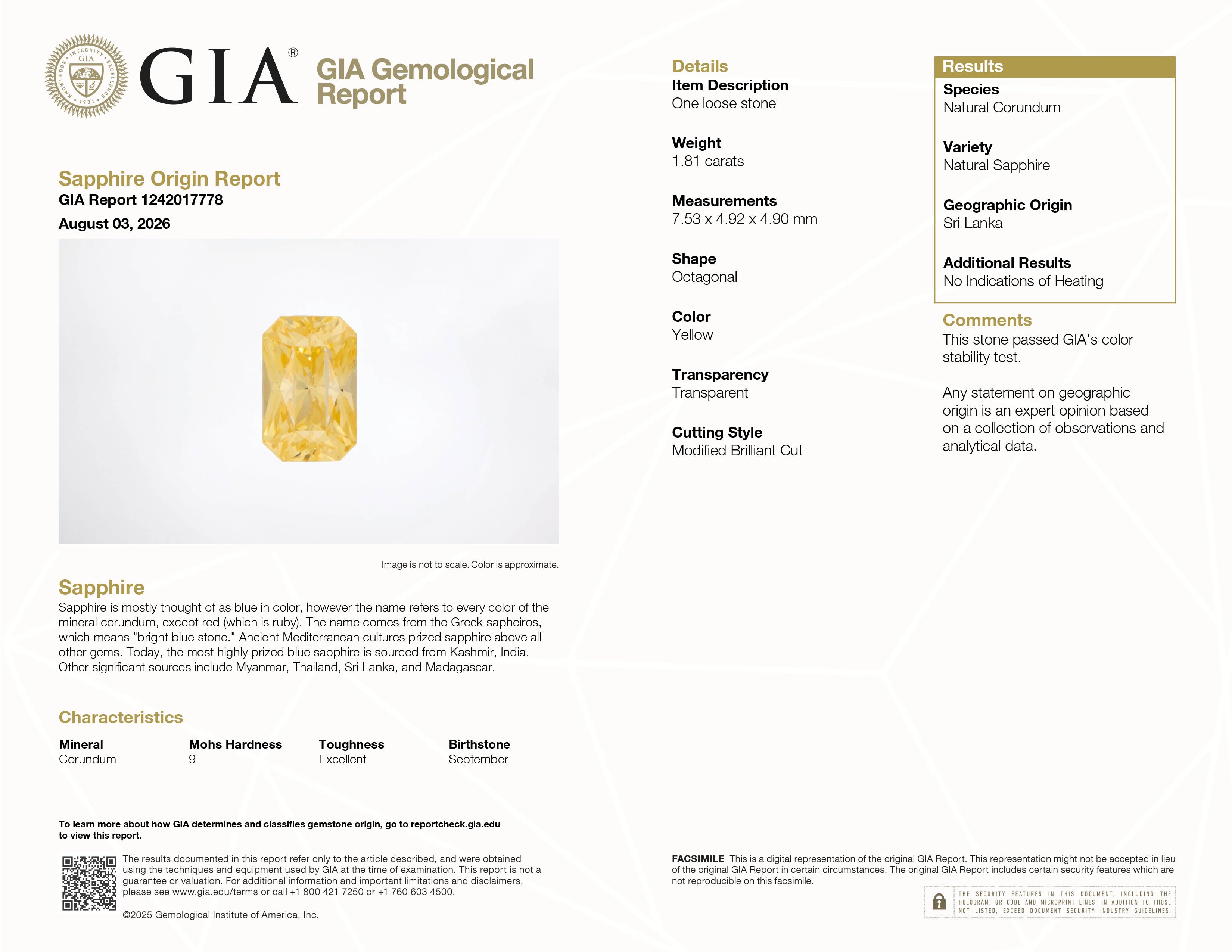
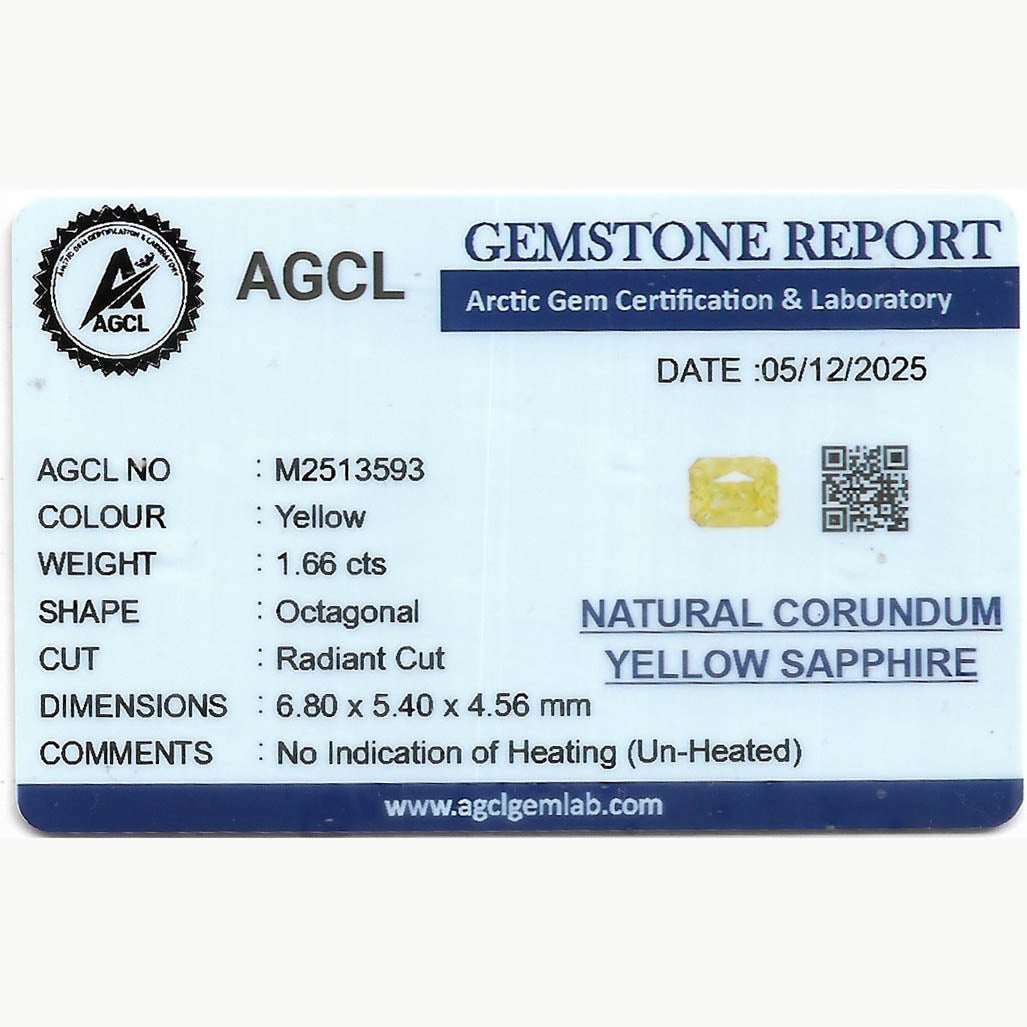
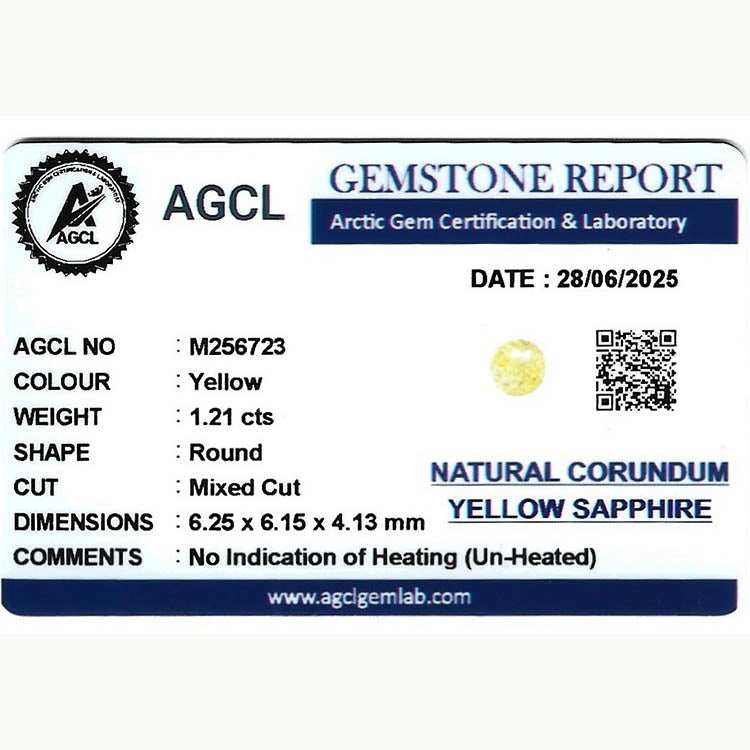
The reasoning is that thermal treatment alters the stone's natural energy at the atomic level. Whether or not you agree with this framework, the practical requirement is clear: Jyotish practitioners require unheated stones, and any sapphire purchased for astrological use must be confirmed unheated by an independent laboratory report. A seller's verbal claim of "unheated" is not sufficient. The only reliable confirmation is a report from GIA, Gübelin, SSEF, or Lotus Gemology stating "no indications of heating."
Learn more in our guide to heated vs unheated sapphire. Browse our full unheated sapphire collection — treatment status is confirmed on every listing. For unheated yellow: over 1 carat · over 2 carats. For unheated blue: unheated Ceylon blue collection.
Visible inclusions are considered to block or distort the planetary energy the stone is meant to transmit. Fine internal silk (microscopic rutile needles) is acceptable and is actually a natural characteristic of unheated sapphire. But visible dark inclusions, fractures, or cloudy patches that reduce transparency disqualify a stone for Jyotish use.
A pale, washed-out stone is considered too weak to carry planetary energy effectively. A stone that is too dark may carry the wrong energy. The target for both Pukhraj and Neelam is a medium-toned, well-saturated colour that is clearly and unmistakably the prescribed hue across all normal lighting conditions. We describe colour accurately on every product listing — our photography under standardised lighting matches the stone in hand.
Most practitioners prescribe a minimum of 2.00 carats for Jyotish sapphires, with 3.00 carats or above recommended for stronger effect. Stones below 1.50 carats are generally considered too small to produce meaningful astrological effect. Browse our Jyotish-appropriate size collections: unheated yellow over 2 carats · Ceylon blue over 2 carats.
A Jyotish gemstone must be set in a way that allows the stone to touch the skin directly — an open-back setting where the pavilion of the stone contacts the skin. Closed-back bezel settings that seal the stone away from the skin are not considered effective for astrological purposes. Our Try-On programme lets you hold the stone before committing, which is particularly important for Jyotish purchases where the right stone matters more than usual.
The prescribed metal varies by planetary association. For Jupiter (Pukhraj), gold is the traditional metal. For Saturn (Neelam), silver, white gold, or platinum are commonly prescribed. Consult your Jyotish practitioner for the specific metal recommendation for your chart. The prescribed finger also varies: Pukhraj is typically worn on the index finger of the right hand; Neelam on the middle finger.
This is the most frequent and most costly mistake. A buyer asks for "natural unheated Pukhraj," the seller says the stone is unheated, and no laboratory report is provided or requested. The stone may well be heated — and the buyer has no way to know without a lab report. At the price tier where unheated status adds meaningful value ($500+ per carat), always require a GIA, Gübelin, SSEF, or Lotus report confirming no indications of heating. For how to read a lab report, see our guide to what is a GIA sapphire report and how to read it.
A 3-carat pale, included, poorly cut yellow sapphire is not a better Jyotish stone than a 1.80-carat vivid, eye-clean, well-cut one. Colour saturation, clarity, and cut quality all affect the stone's ability to transmit light and energy. A smaller, higher-quality stone is always preferable to a larger, lower-quality one for Jyotish purposes. See our sapphire pricing guide for a full breakdown of how these quality factors interact.
Most jewelry retailers sell primarily heated sapphires and may not have the sourcing relationships or gemological expertise to reliably supply unheated material with proper documentation. Crescent Gems who sources directly from Sri Lanka and routinely handles unheated inventory is better positioned to supply genuine Jyotish-grade stones. See our Ceylon sapphire origin guide for what to look for in a source.
A sapphire — even a perfect one — is only the right purchase if it has been prescribed for your specific birth chart by a qualified Jyotish practitioner. Saturn's influence in particular is powerful enough that wearing Neelam without proper consultation is actively discouraged in the tradition. Get the prescription first, then source the stone.
Jyotish specifications (natural, unheated, eye-clean, vivid, 2ct+) place these purchases in the premium tier of the sapphire market. Approximate ranges for Ceylon material with laboratory documentation:
These are significantly higher than prices for equivalent heated material, which is exactly the point: the unheated premium reflects genuine rarity, and that rarity is what makes the stone effective in Jyotish terms. For all collector and investment-grade unheated pieces with GIA documentation, see our investment gemstones collection.
We source directly from Sri Lanka — the origin most widely accepted for Jyotish gemstones — and carry a substantial inventory of unheated yellow and blue sapphires with full treatment disclosure on every listing. We routinely supply Jyotish buyers and understand the specific requirements: unheated confirmation, eye-clean clarity, vivid colour, adequate carat weight, and open-back setting compatibility.
Browse our unheated yellow sapphires, unheated blue sapphires, or the full unheated collection. For specific Jyotish requirements, email crescentgems@gmail.com with your practitioner's prescription and we will pull matching options from our current inventory. We respond within one business day. Free US shipping. 14-day returns.

Prices are shown in your local currency and may change.
CG8313
CG8366

CG8266


Blue Star Sapphire Price Guide — What They Cost and Why
Read moreabout Blue Star Sapphire Price Guide — What They Cost and Why
Tsavorite Garnet Price Guide — What They Cost and Why
Read moreabout Tsavorite Garnet Price Guide — What They Cost and Why
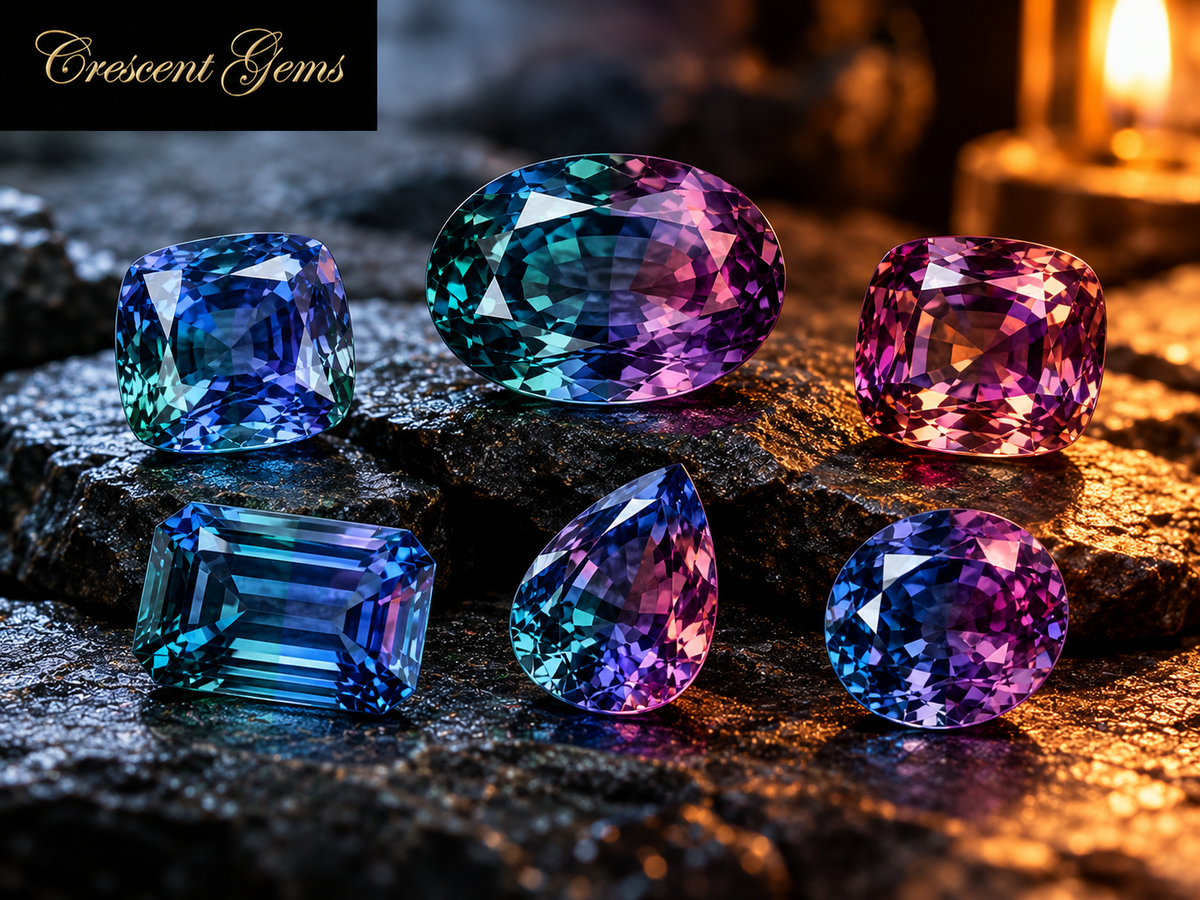
Color-Change Sapphire Price Guide — What They Cost and Why
Read moreabout Color-Change Sapphire Price Guide — What They Cost and Why
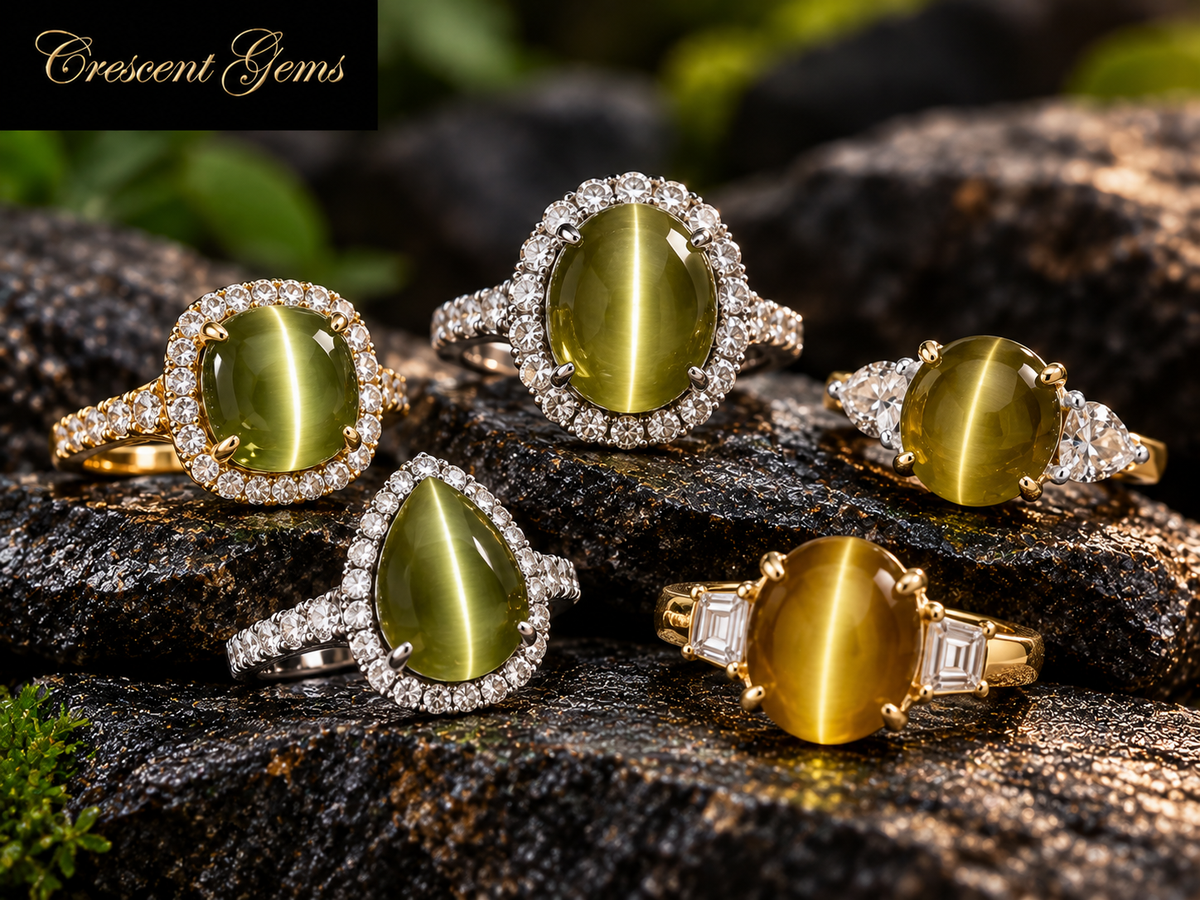
Is Cat's-Eye Chrysoberyl Good for an Engagement Ring?
Read moreabout Is Cat's-Eye Chrysoberyl Good for an Engagement Ring?
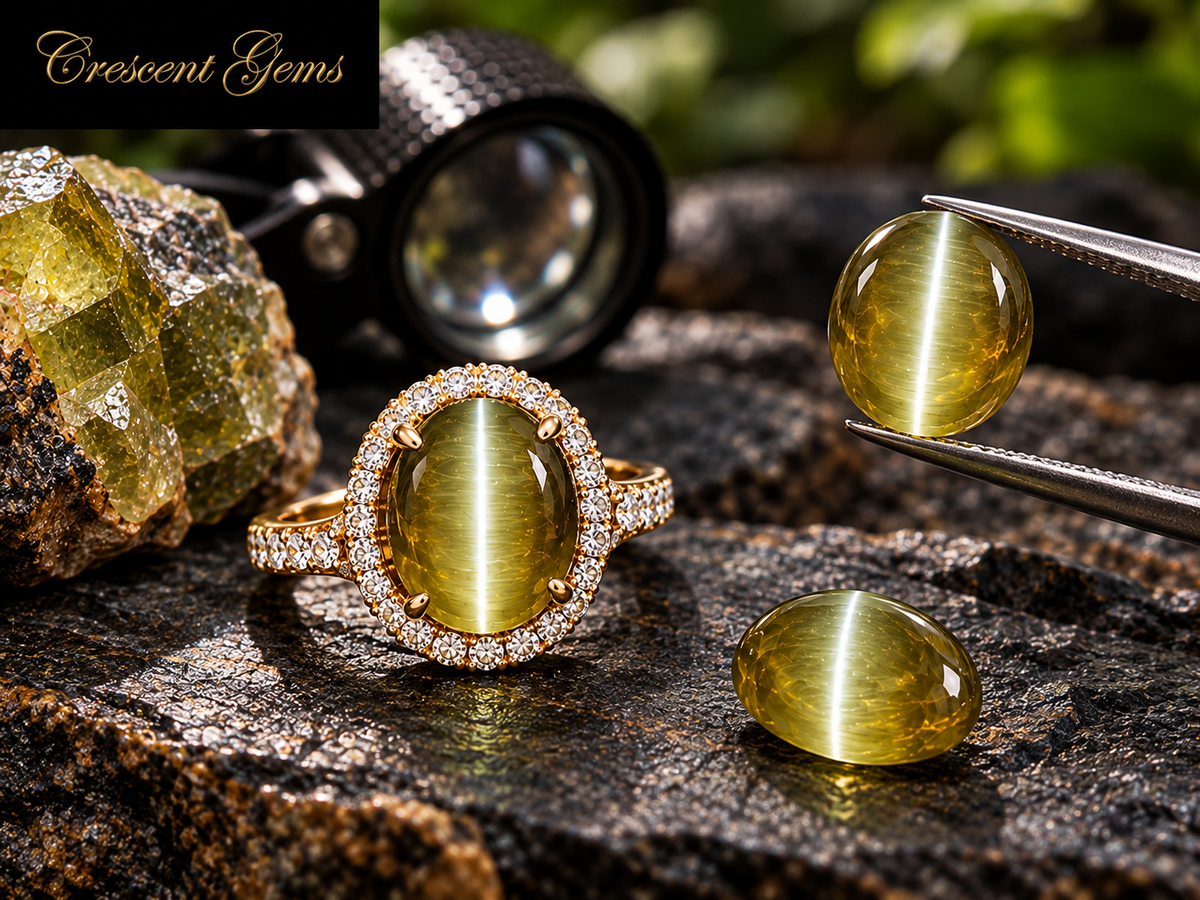
Cat's Eye Chrysoberyl Price Guide — What They Cost and Why
Read moreabout Cat's Eye Chrysoberyl Price Guide — What They Cost and Why