- by Crescent Gems
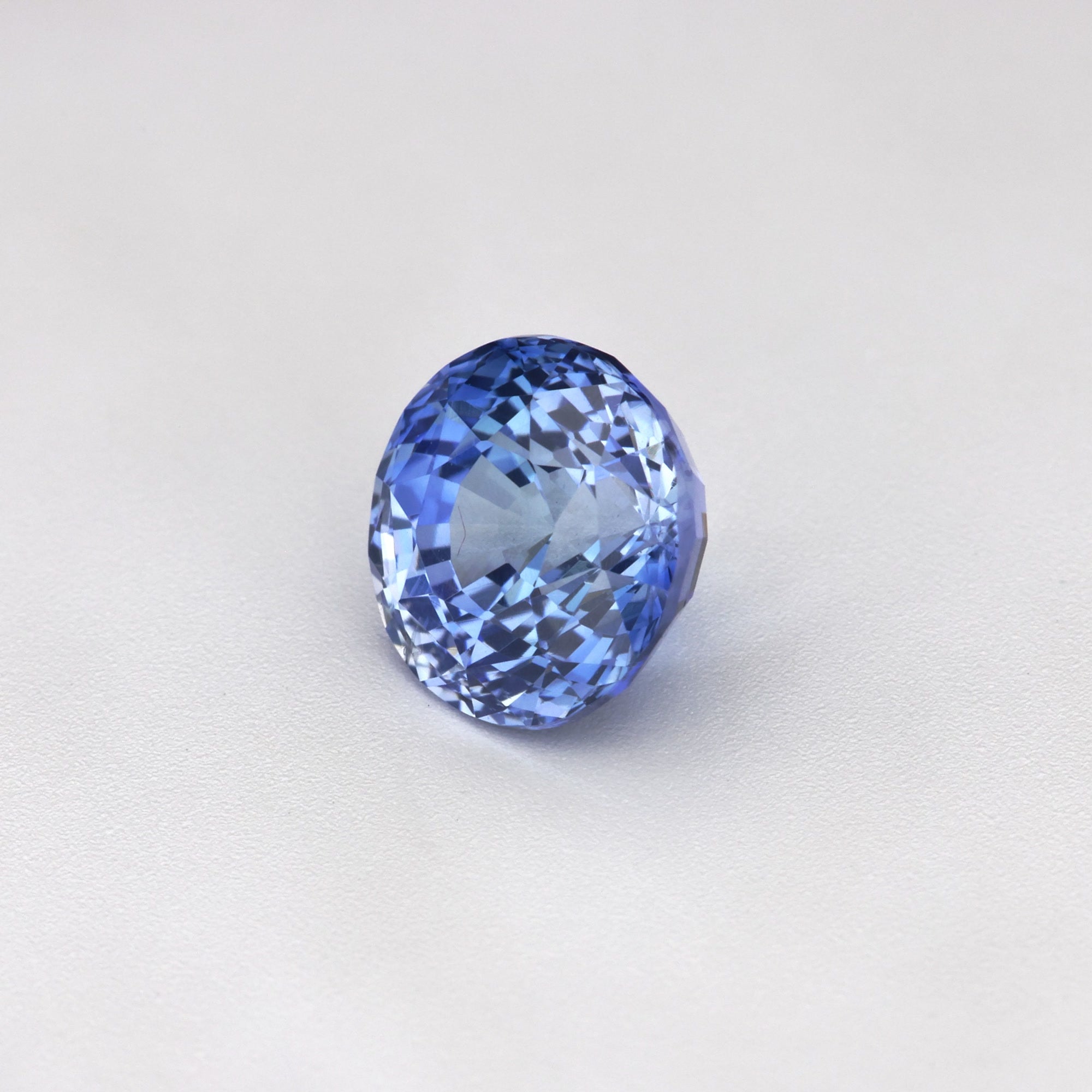
Sapphire vs Diamond Engagement Rings: The Real Differences, and How to Choose the Right Sapphire
- by Crescent Gems
New to buying sapphires? Start with our Ultimate Sapphire Buying Guide — the complete resource for colour, origin, treatment, and pricing.
The comparison between sapphire and diamond for an engagement ring is not about which stone is better — it is about which stone is right for a specific person, budget, and aesthetic. Both are genuinely excellent choices for daily-wear rings. The differences between them are real but often misunderstood, and the most common version of this comparison — "sapphires are less durable" — is simply incorrect.
This article covers the factual differences between sapphire and diamond for engagement ring use, which sapphire colors work best in ring settings, how to choose the right sapphire for your specific situation, and what to look for when buying.
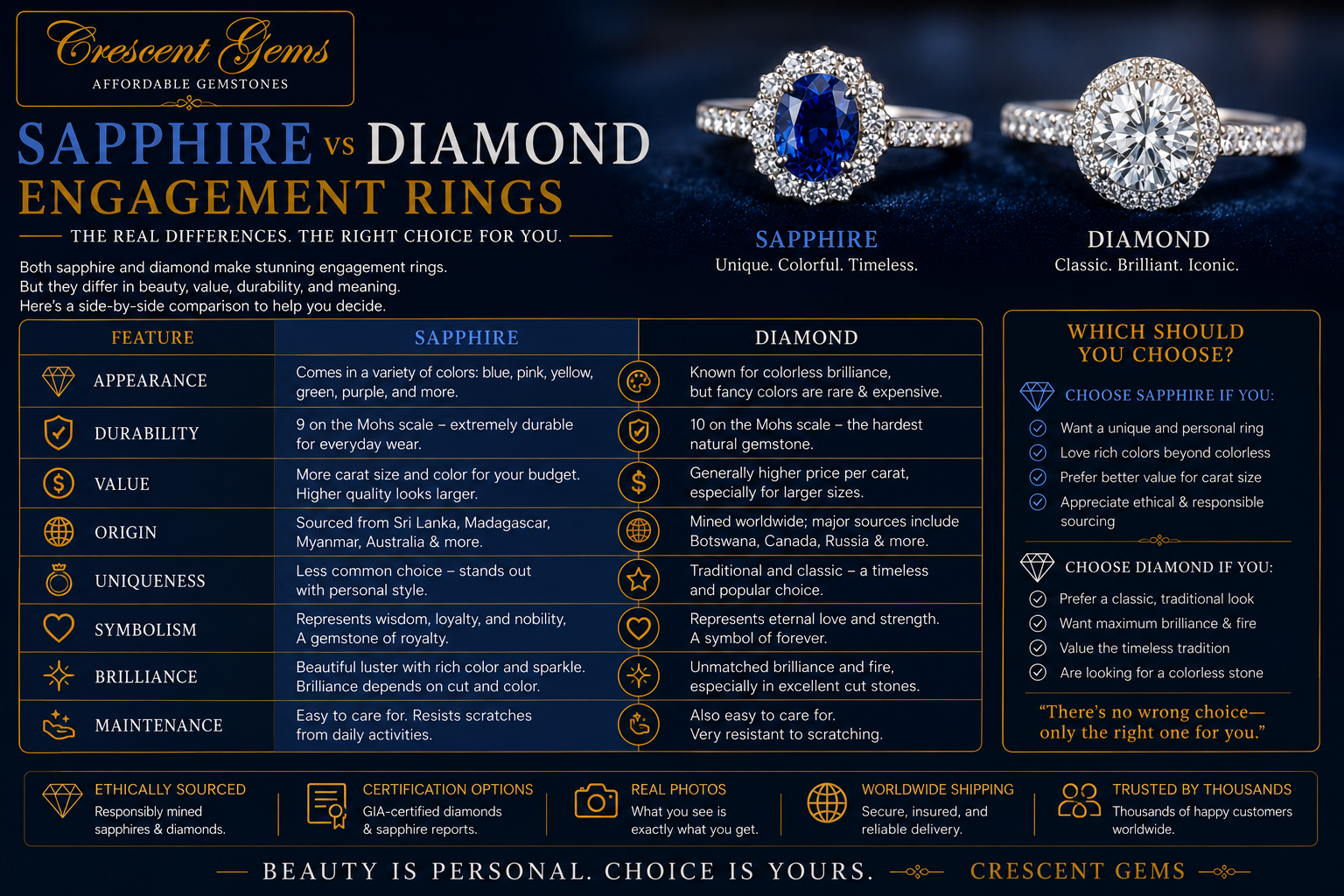
Diamond registers Mohs 10 — the hardest naturally occurring material. Sapphire (corundum) registers Mohs 9. The difference sounds small but is not: the Mohs scale is logarithmic, and diamond is roughly four times harder than sapphire in absolute terms.
However, hardness and durability are not the same thing. Hardness measures scratch resistance. Durability includes toughness — resistance to chipping and fracturing.
Diamond has perfect octahedral cleavage, meaning it can be cleaved (split) along predictable planes with a sharp impact. Sapphire has no cleavage planes. A sharp blow to a diamond at the right angle can cleave it; the same blow to a sapphire produces a conchoidal fracture — less catastrophic and less directionally predictable.
In practical terms for daily ring wear: both materials are extremely durable. Neither scratches in normal use — nothing in everyday environments is hard enough to scratch corundum at Mohs 9. Sapphires are considered suitable for all jewelry applications including everyday-wear engagement rings without reservation.
Diamond has a refractive index of 2.42 — one of the highest of any gem material — combined with strong dispersion, producing the white flashes and rainbow fire that define the classic diamond look. No colored gemstone replicates this optical effect.
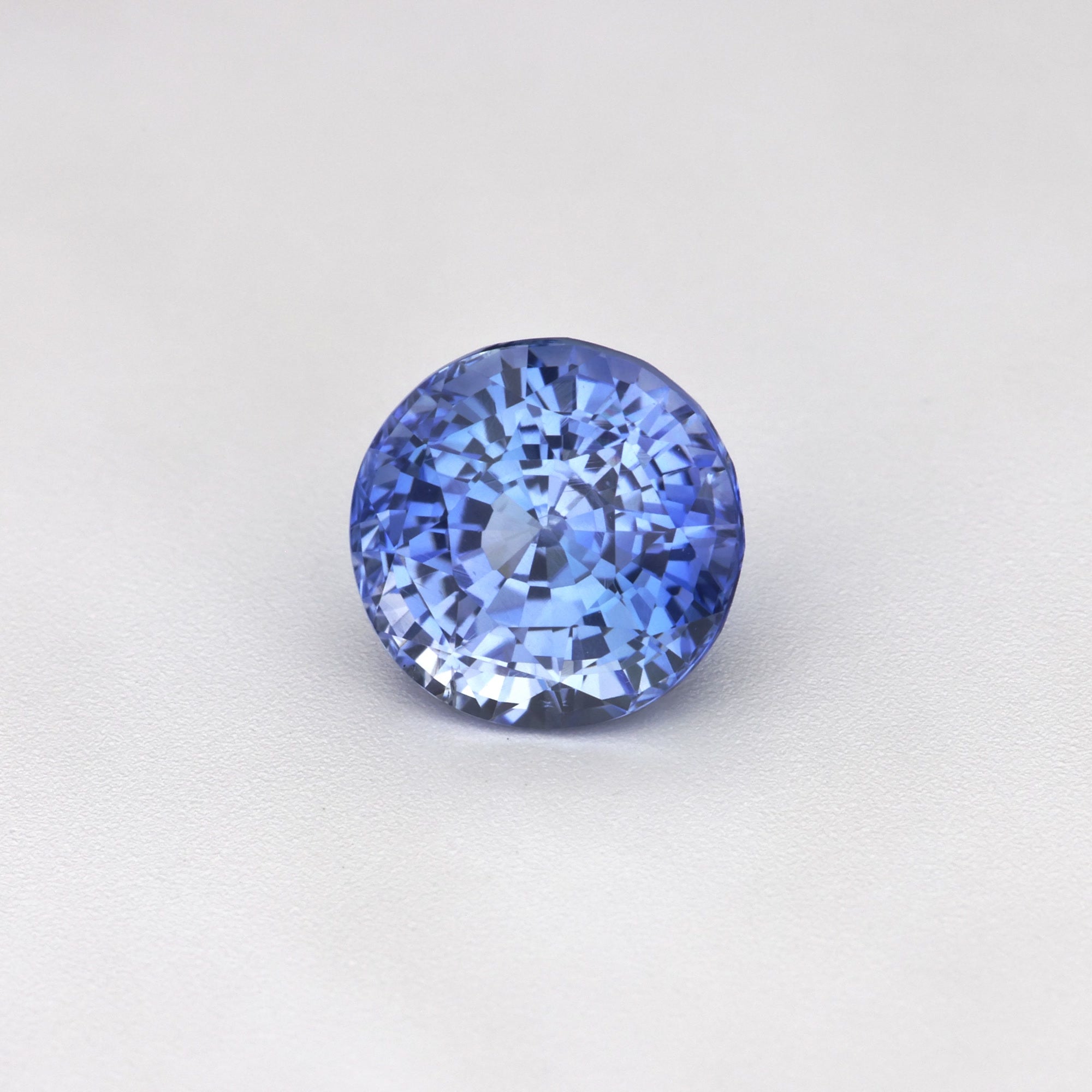
Sapphire has a refractive index of approximately 1.77. It is brilliant in its own right — well-cut sapphires return strong light — but the visual effect is different from diamond. Sapphire color saturates light rather than dispersing it; the stone glows with body color rather than producing white flashes. This is a different aesthetic, not an inferior one.
The choice between diamond's fire and sapphire's color saturation is an aesthetic preference, not a quality hierarchy.
Natural diamond pricing is well established. A 1ct round brilliant, G color, VS1 clarity, GIA certified, retails at approximately $3,500–$6,000 depending on cut quality and retailer. Lab-grown diamonds of equivalent specifications now sell at $200–$500 per carat.
Natural Ceylon sapphire pricing varies significantly by color, treatment, and quality:
For buyers comparing a natural sapphire to a natural diamond at equivalent budget, the sapphire will almost always be larger and of higher individual quality within its color category.
Natural diamonds are commercially available in large quantities globally. Lab-grown diamonds are now produced at industrial scale.
Fine natural sapphires in certain colors — padparadscha, unheated blue above 2ct, orange — are genuinely rare. A fine unheated Ceylon blue sapphire above 3ct with GIA or AGL certification is a more unusual object than a 3ct natural diamond of equivalent quality. For buyers who care about provenance and rarity as part of the purchase, certain sapphire colors represent stronger rarity value than most diamonds.
The modern expectation that engagement rings feature diamonds is largely a product of mid-20th century marketing. Historically, sapphires were among the most coveted stones for betrothal rings. The British Crown's most recognisable sapphire engagement ring — a 12ct oval Ceylon blue — was worn by Princess Diana and is now worn by the Princess of Wales. Sapphire engagement rings have deep historical legitimacy and a distinct visual identity that many buyers find more personal than a standard round diamond solitaire.
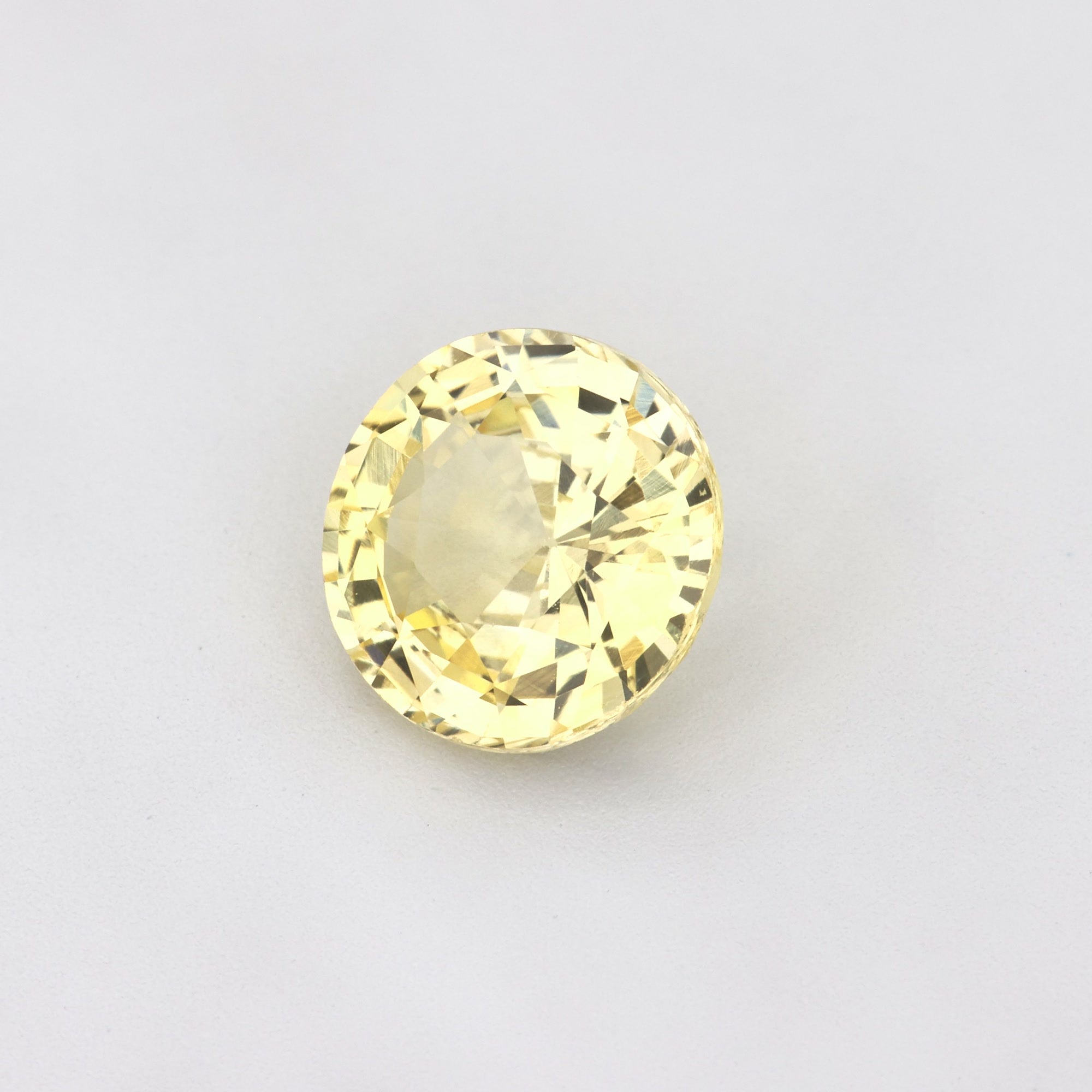
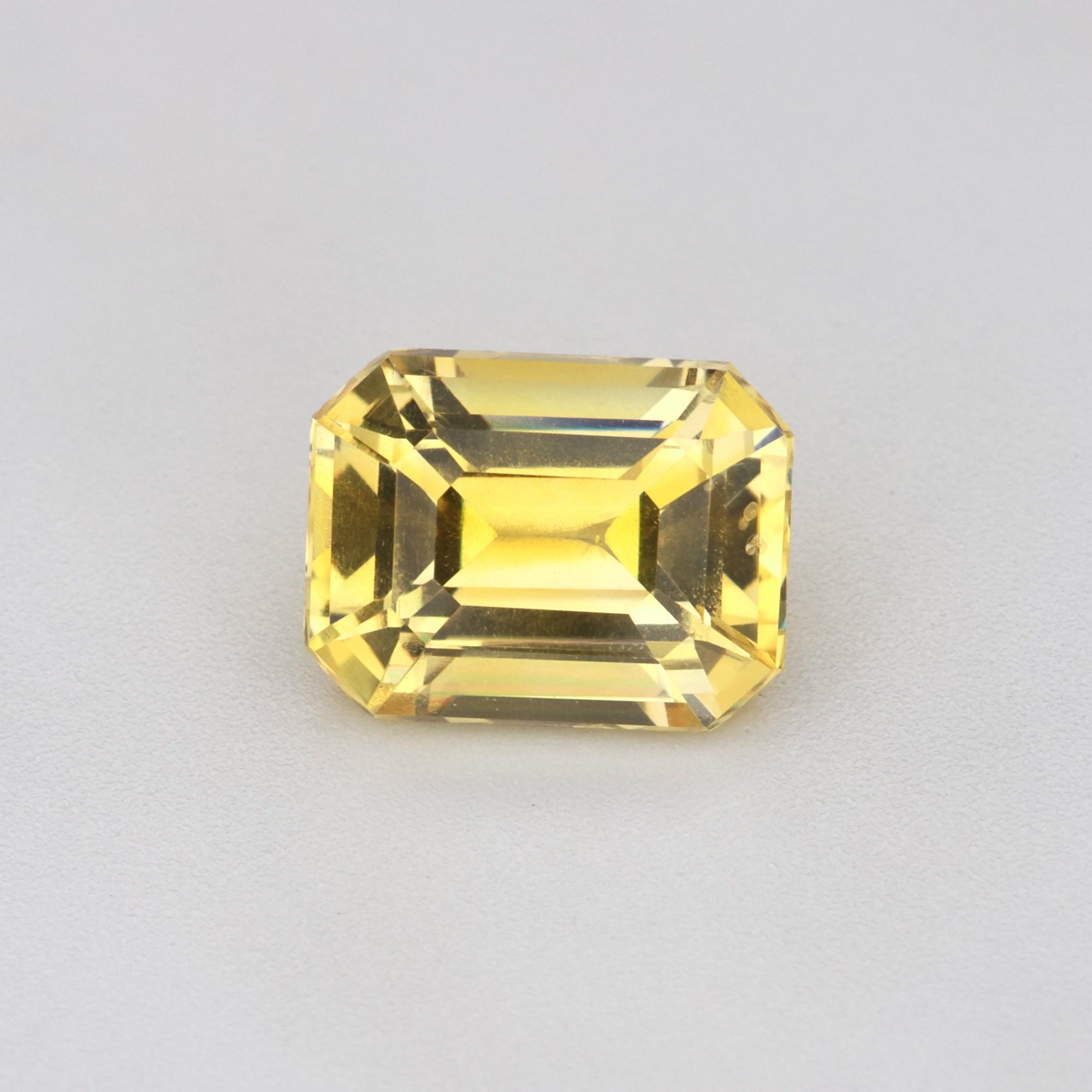
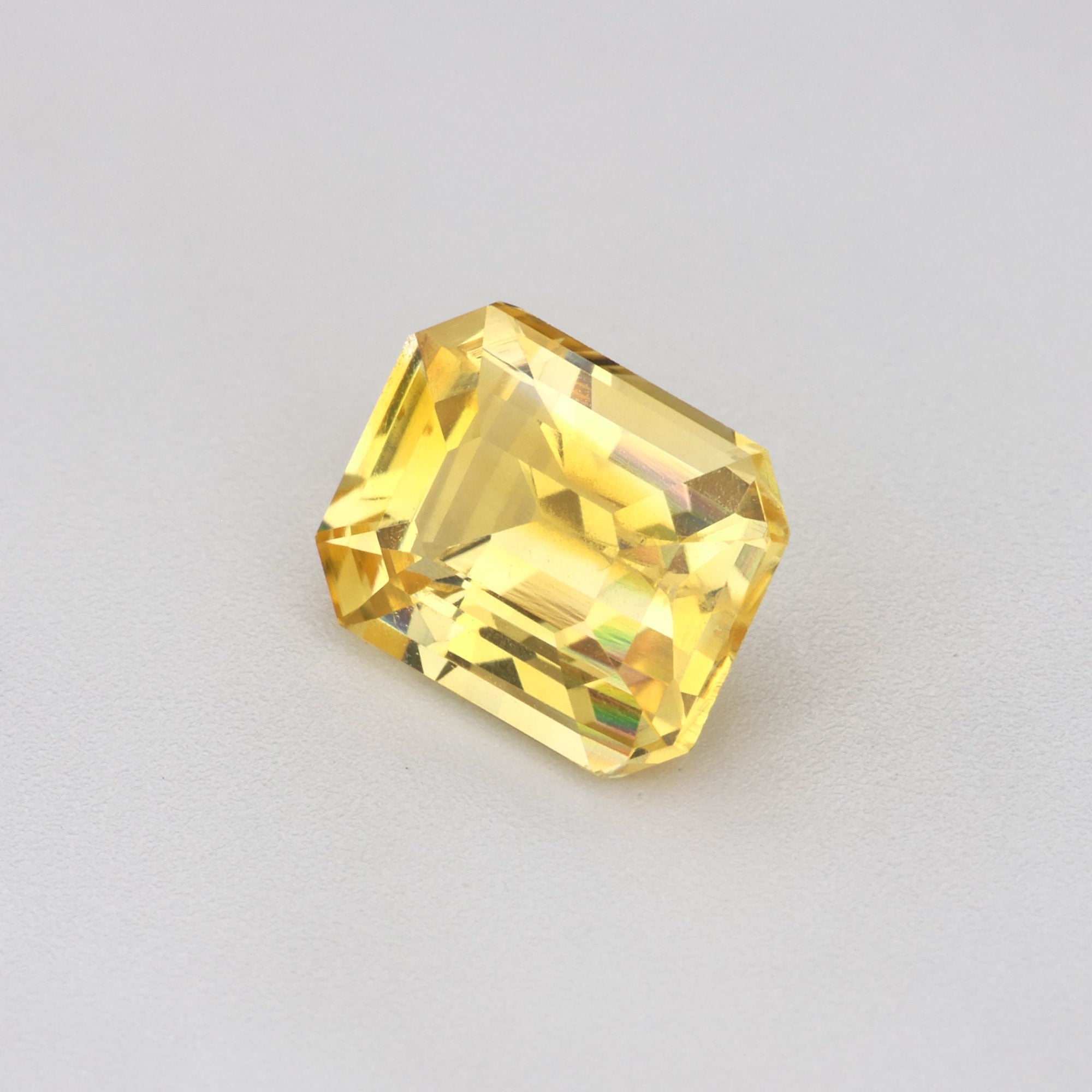
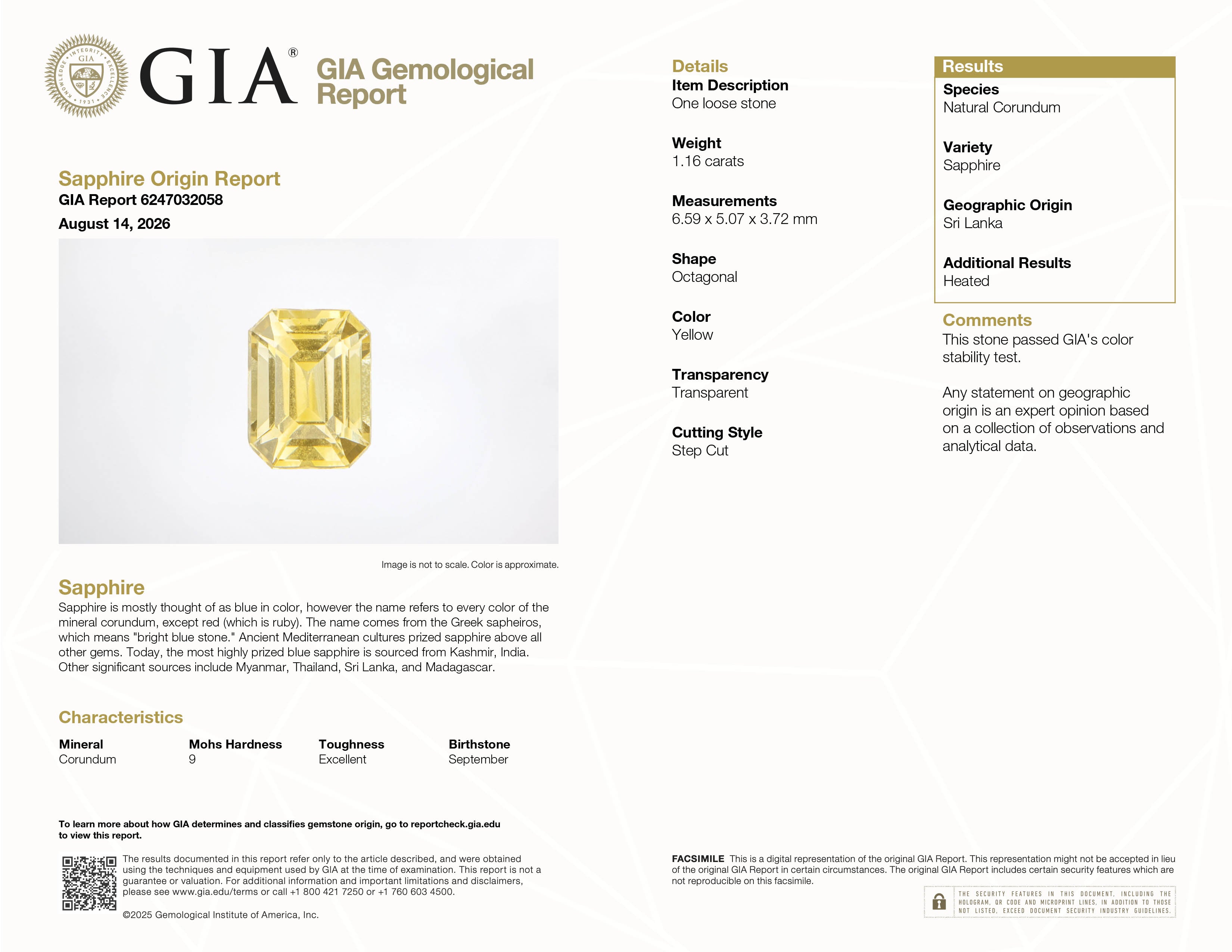
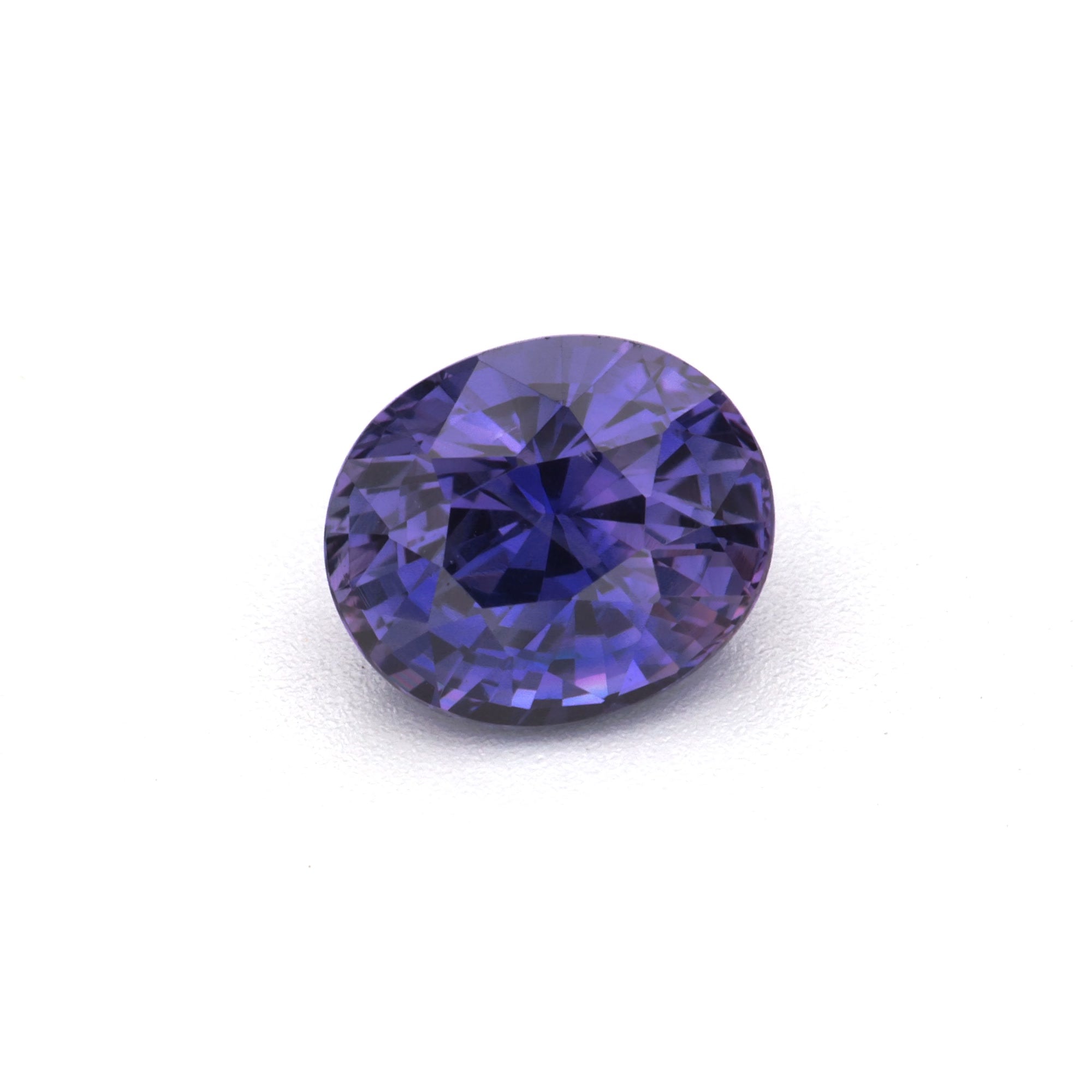
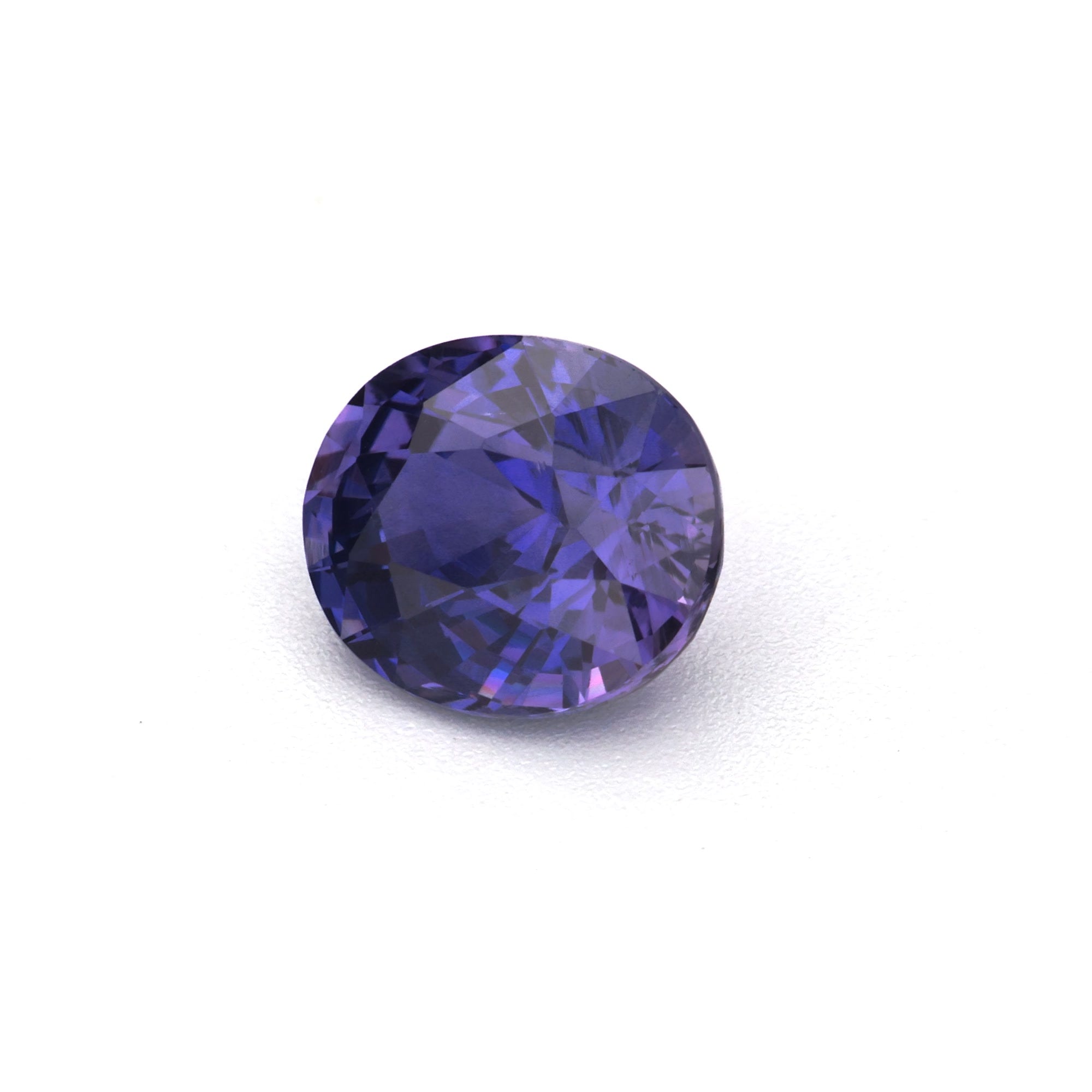
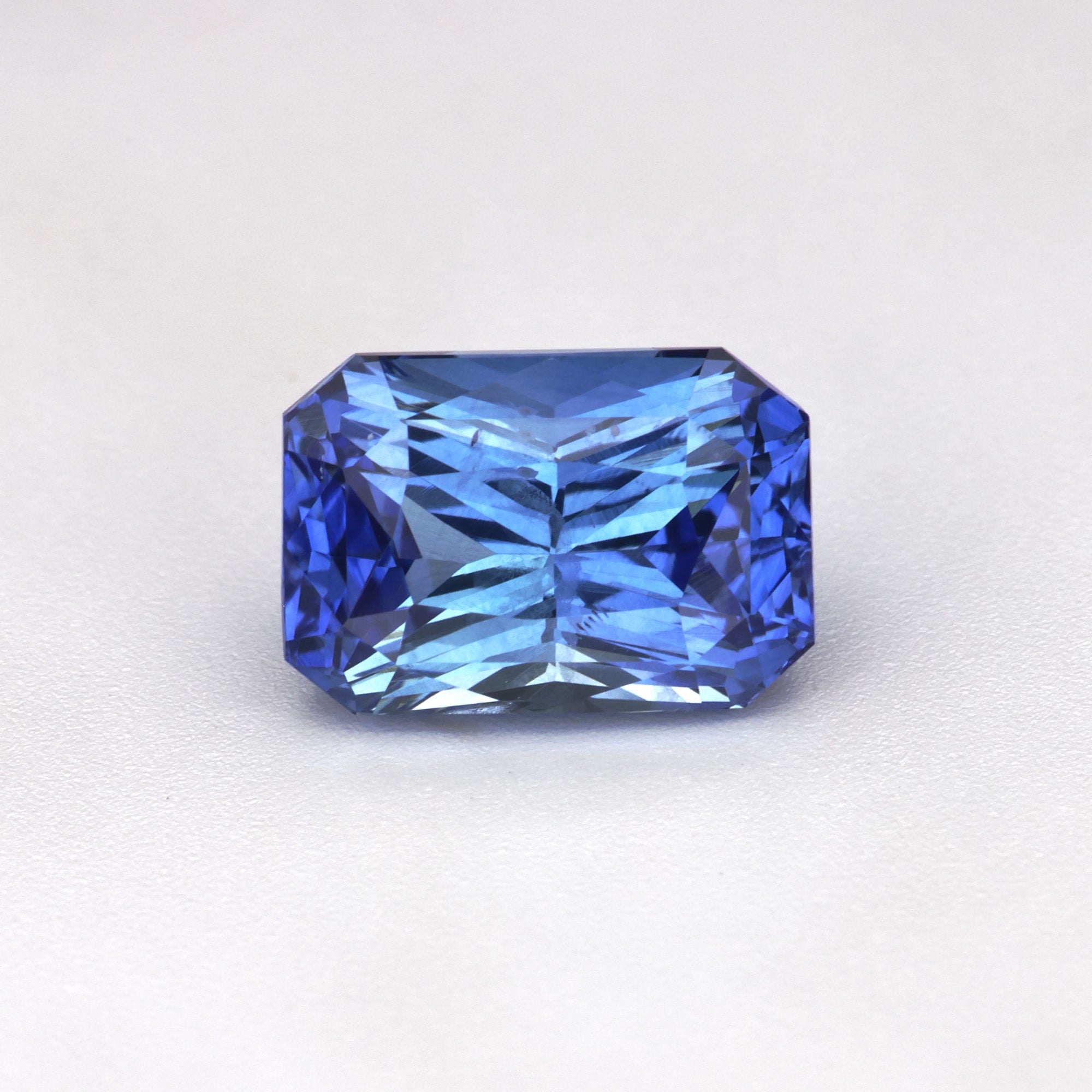
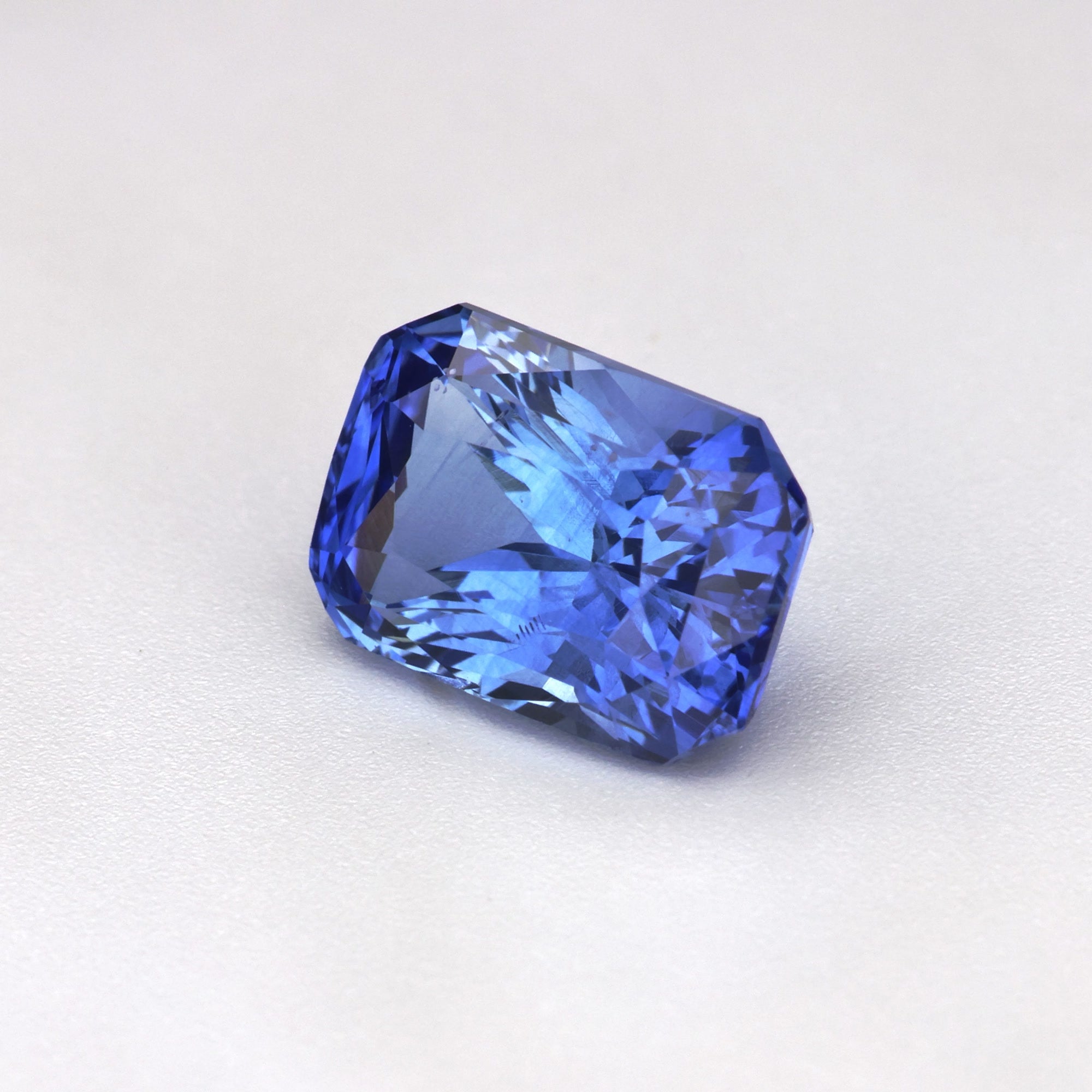
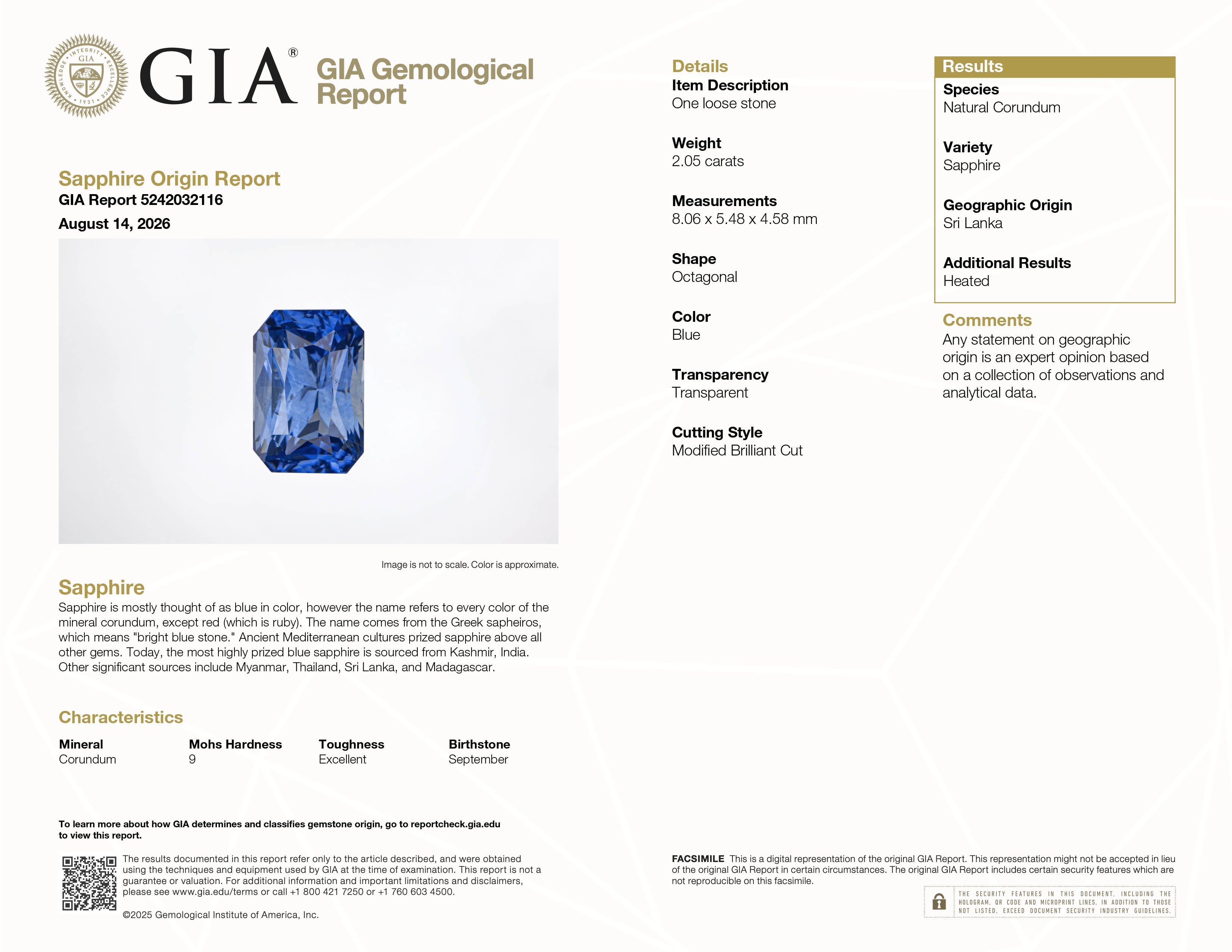
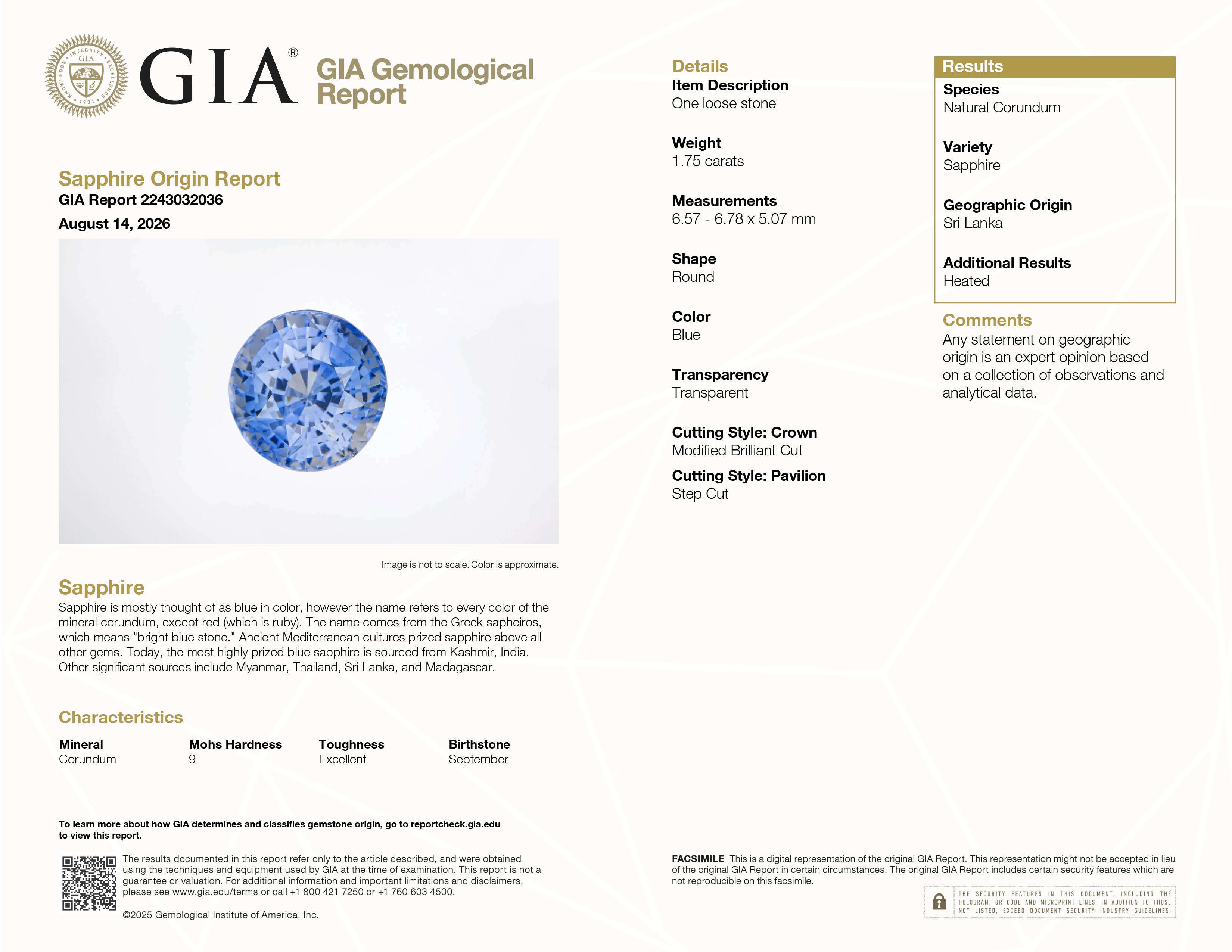
The most traditional choice. Ceylon blue ranges from pale cornflower to deep royal blue — medium vivid blue is the most commercially desirable. Works in white gold, yellow gold, and platinum. The most versatile of all sapphire colors for engagement ring use and the most immediately recognisable as a sapphire.
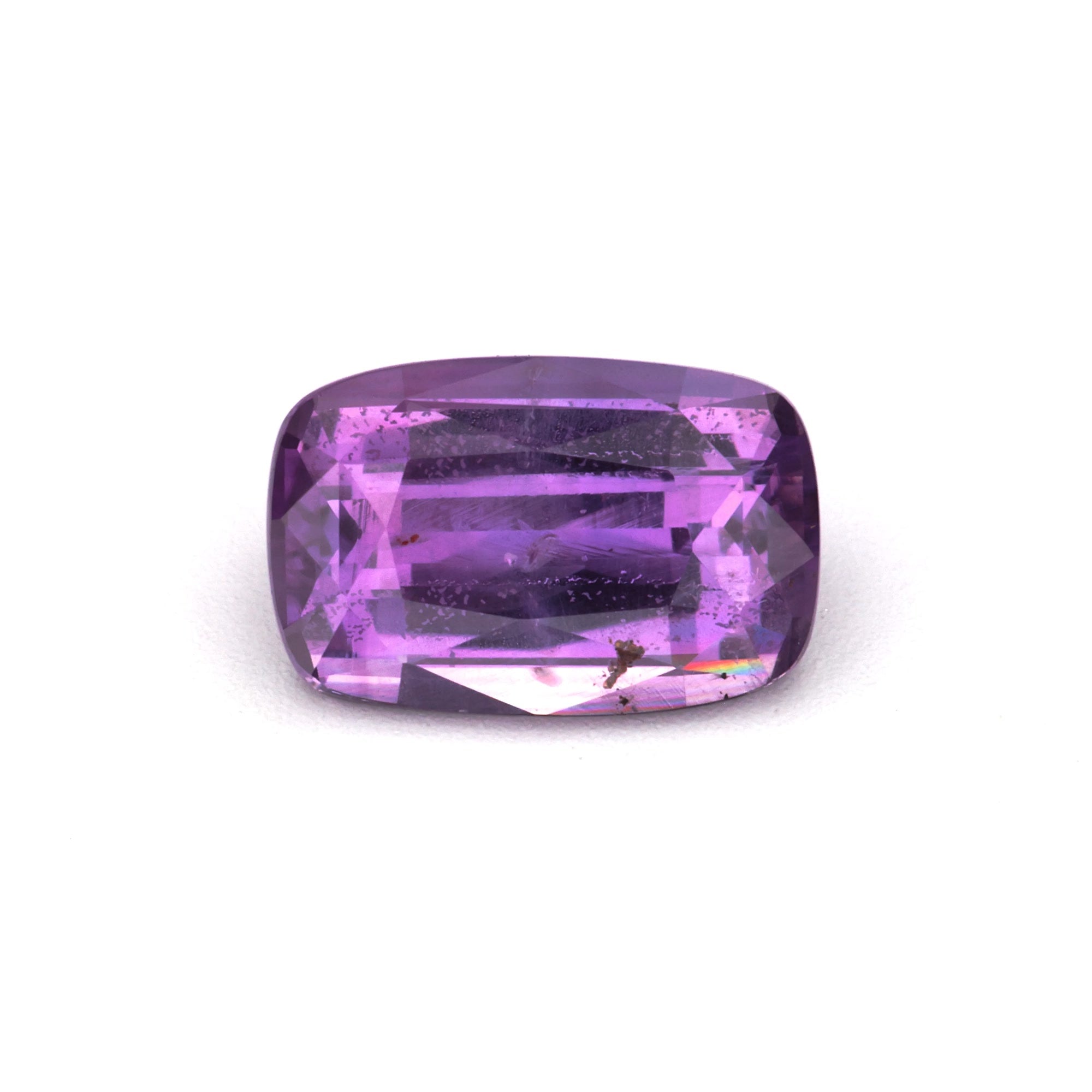
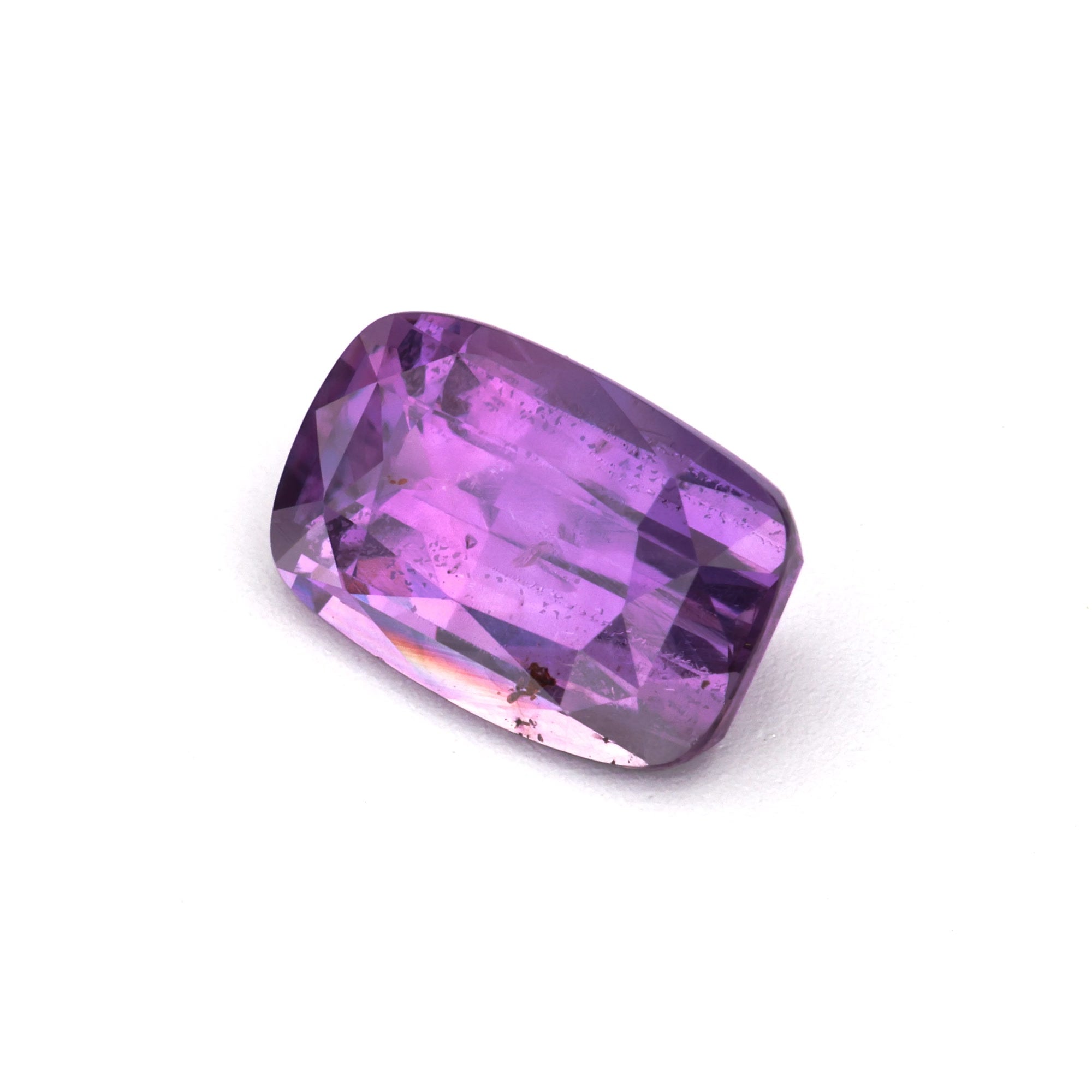
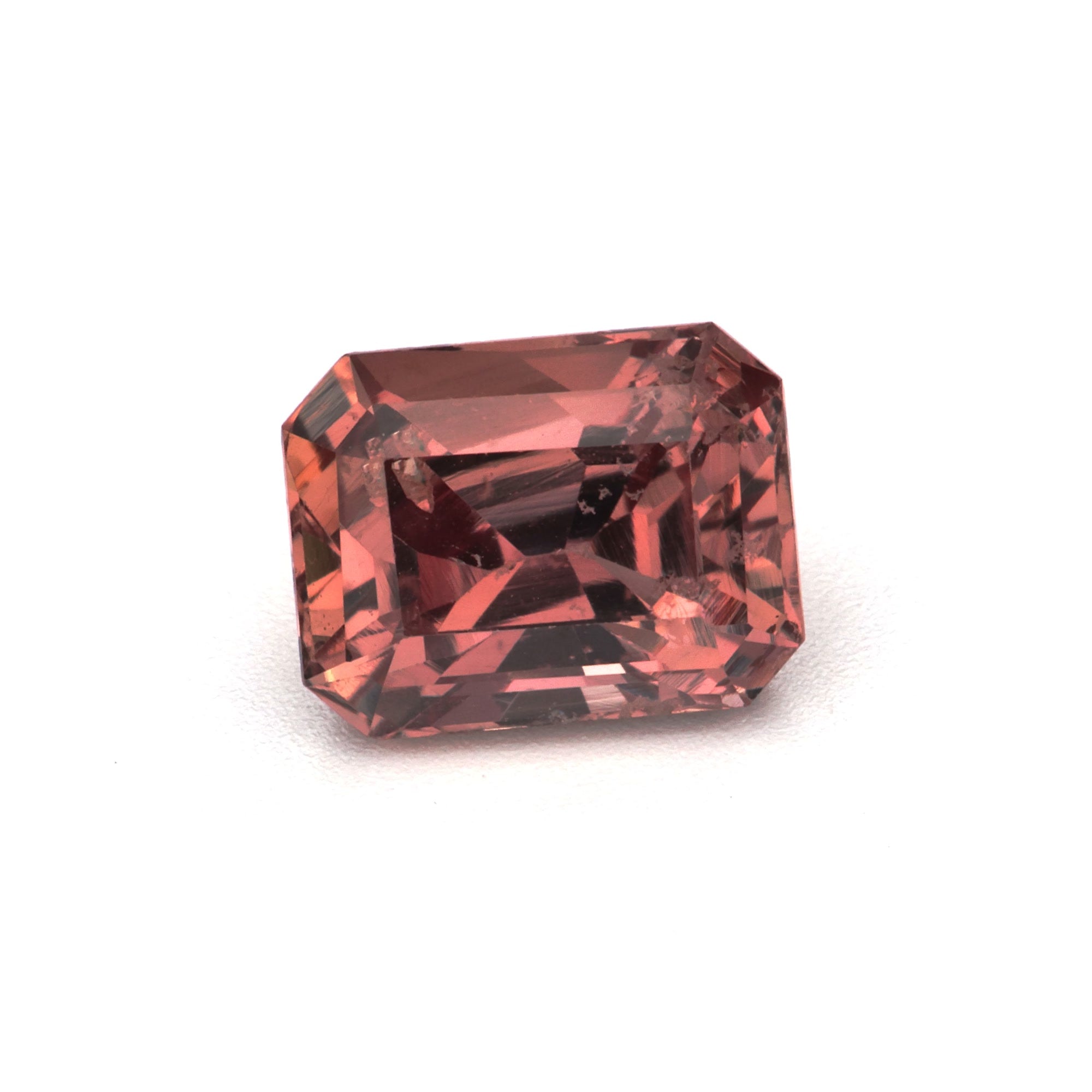
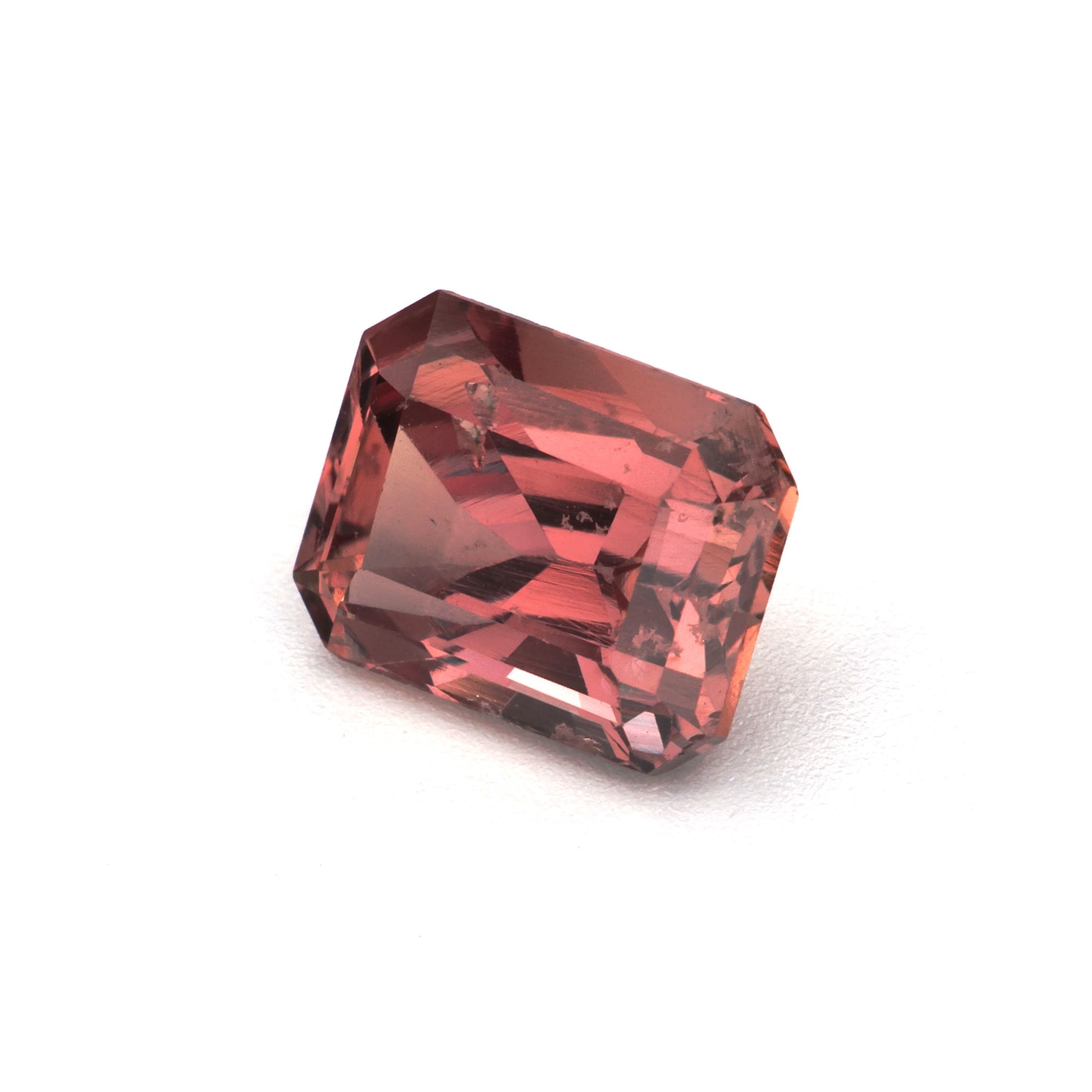
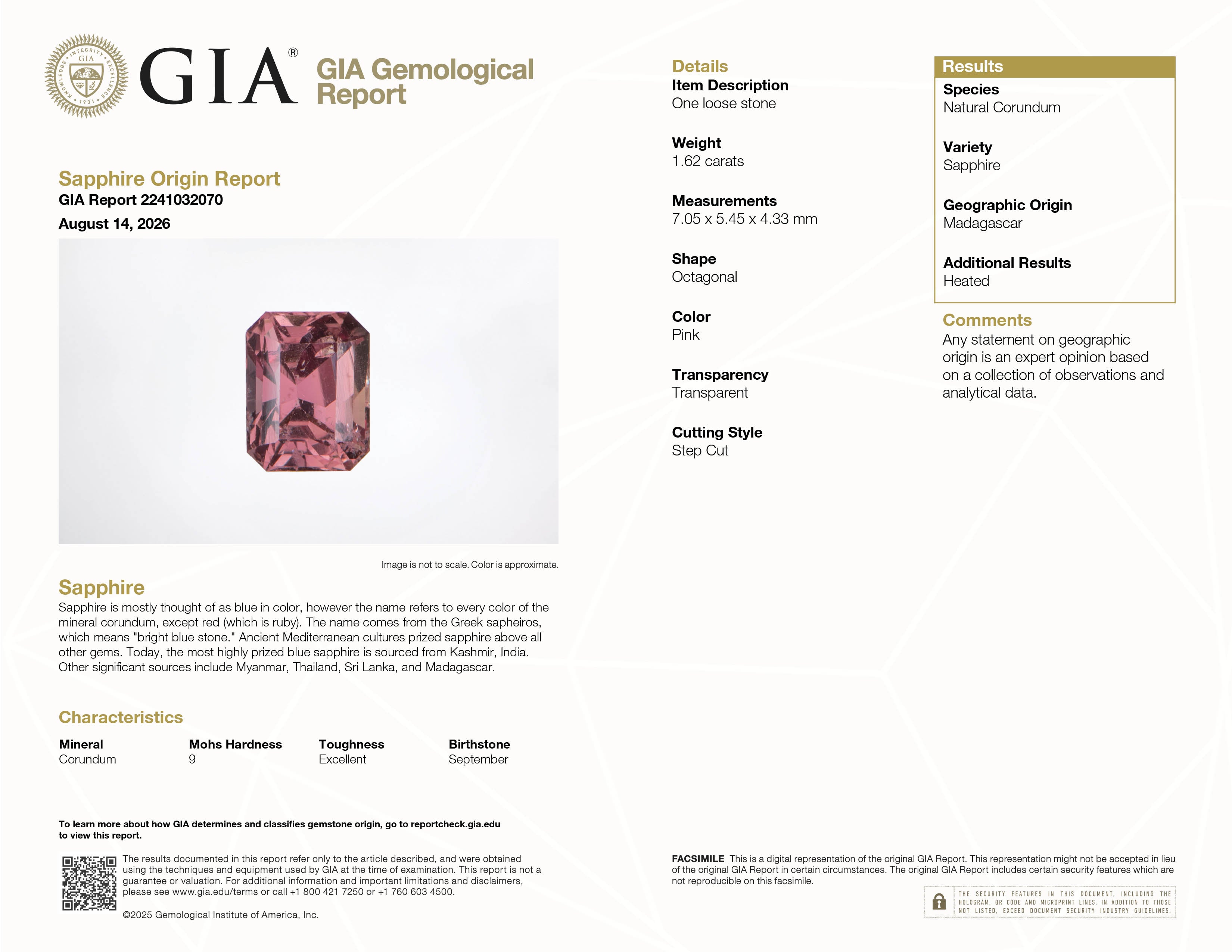
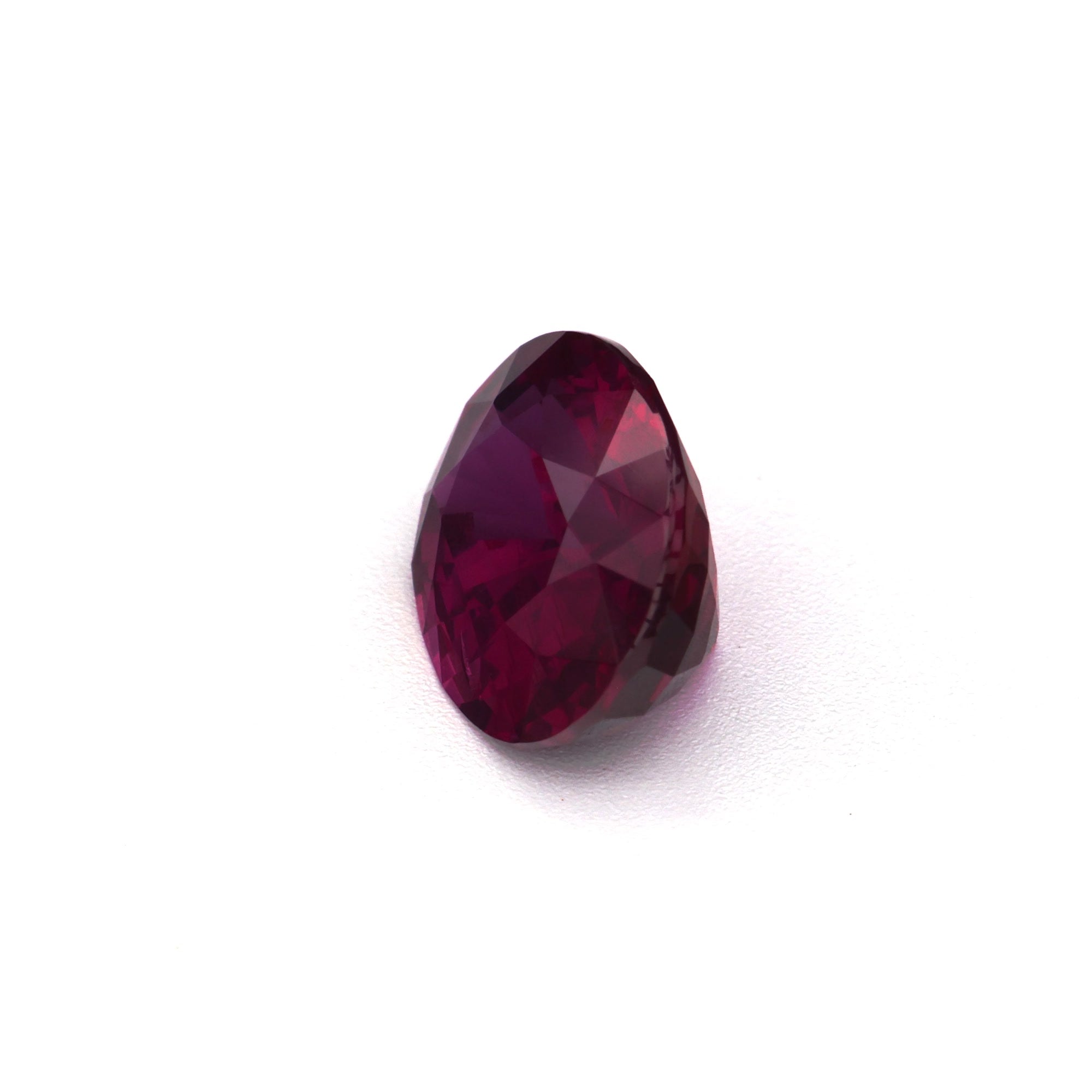
Ranges from soft pastel rose to vivid hot pink. Works exceptionally in white gold or platinum where color contrast is highest. Unheated vivid pinks are rarer and more expensive; heated pink at lower saturation is very accessible. A popular alternative to ruby for buyers who want strong red-family color at lower cost.
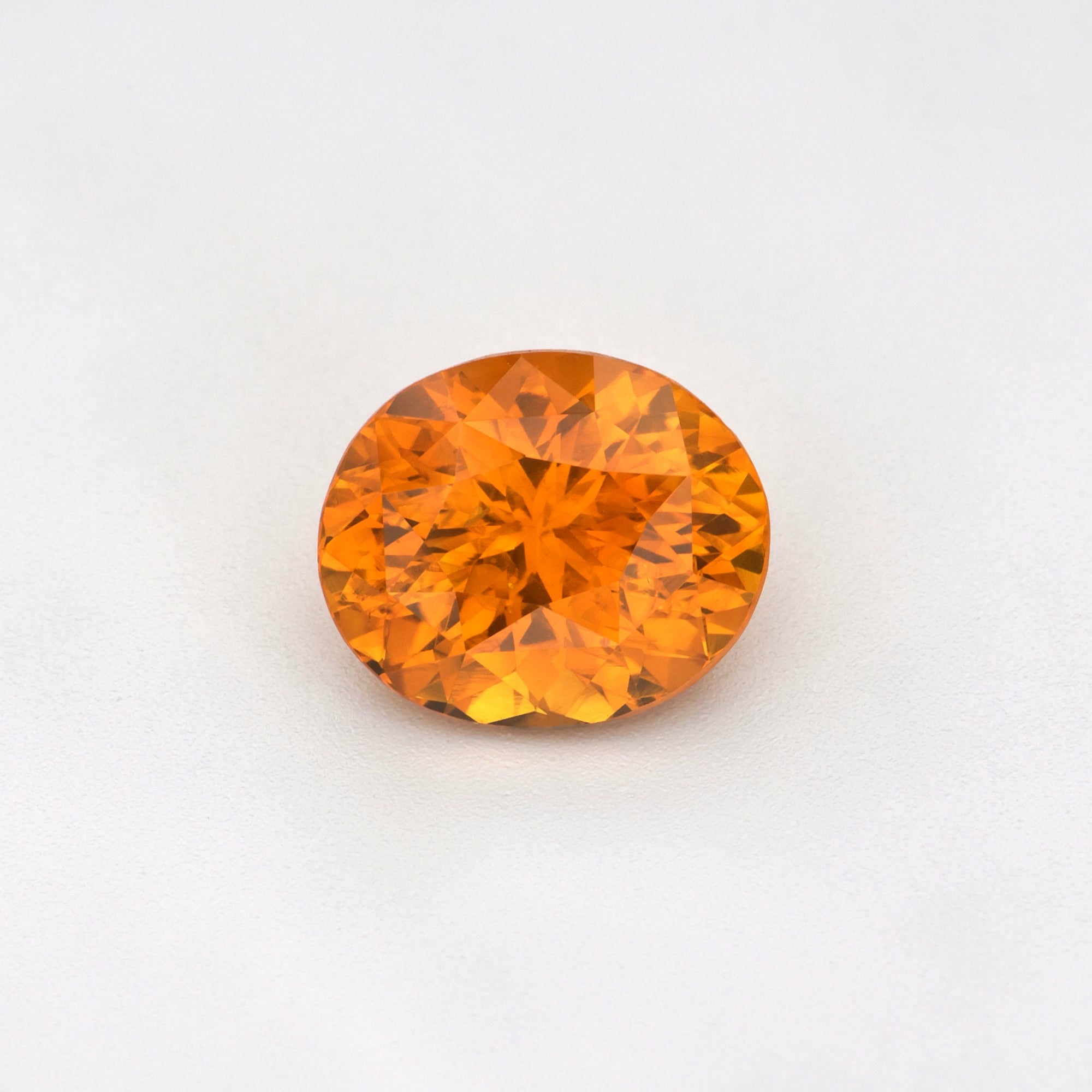
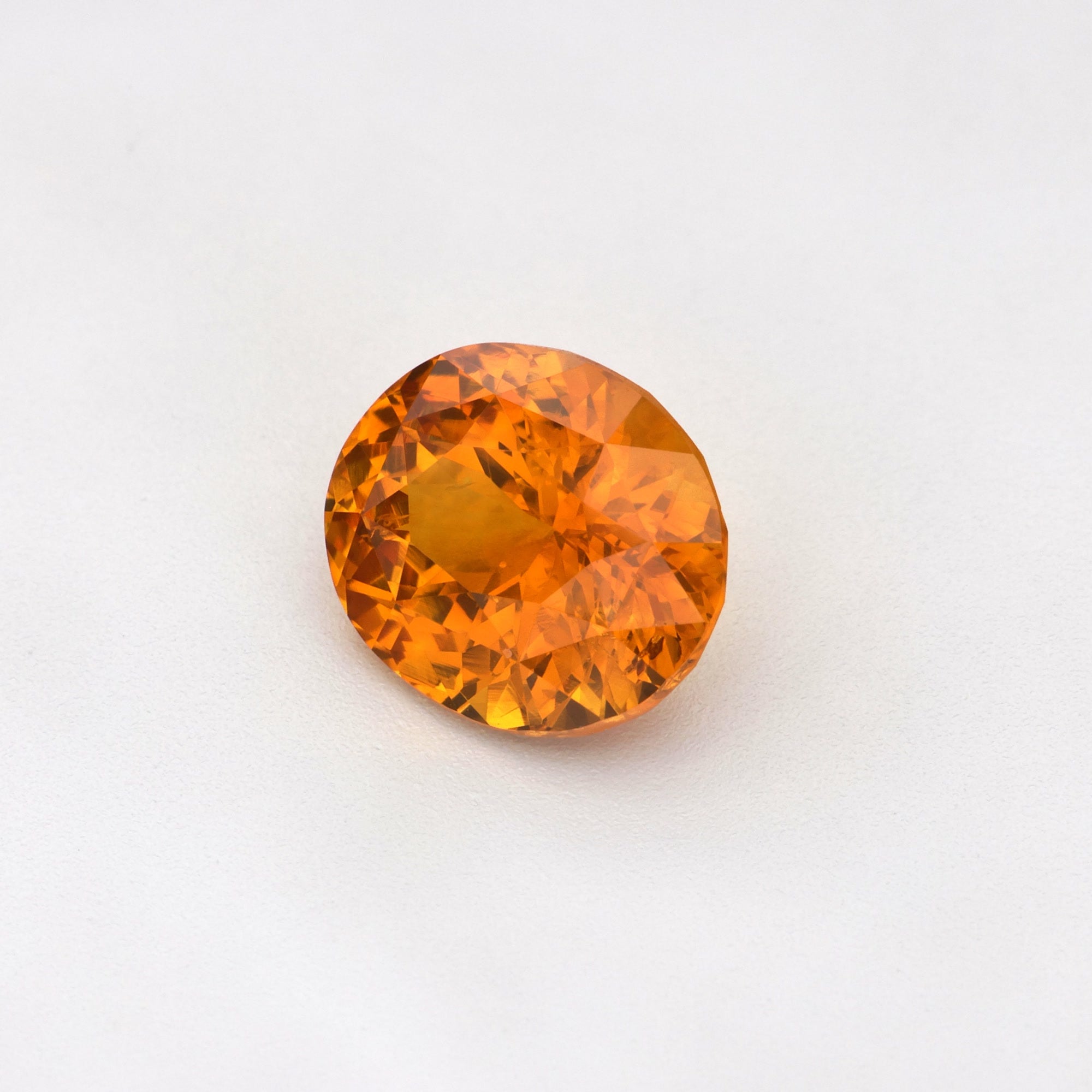
A warm pink-salmon tone that pairs exceptionally well with rose gold — one of the most complementary color combinations in modern engagement ring design. Frequently unheated. Suits buyers who want something warm without the intensity of vivid pink or blue.
The rarest and most valuable non-blue sapphire. A certified padparadscha in a ring setting is a genuinely unusual piece. For buyers who want absolute rarity and are comfortable with the price, padparadscha is unmatched in the sapphire world. Best set simply — a padparadscha does not need diamond halos to compete visually.
Browse padparadscha sapphires →
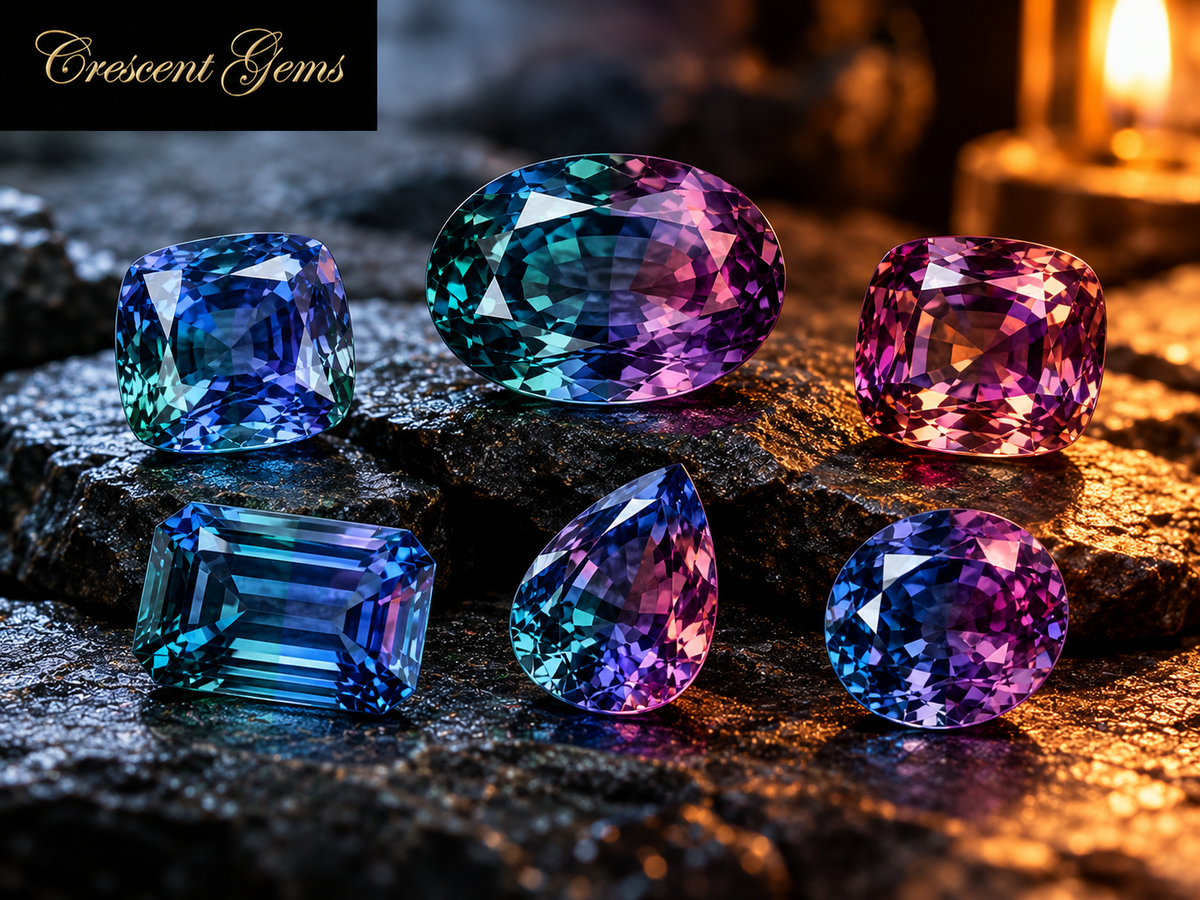
Blue-green in roughly equal measure. Teal sapphires have become the most sought-after non-traditional engagement ring color over the past decade. The color shifts slightly under different lighting, and the stones are almost always unheated. Works best in white gold or platinum where the cool tones are enhanced. A strong choice for buyers who want something contemporary and distinctive.
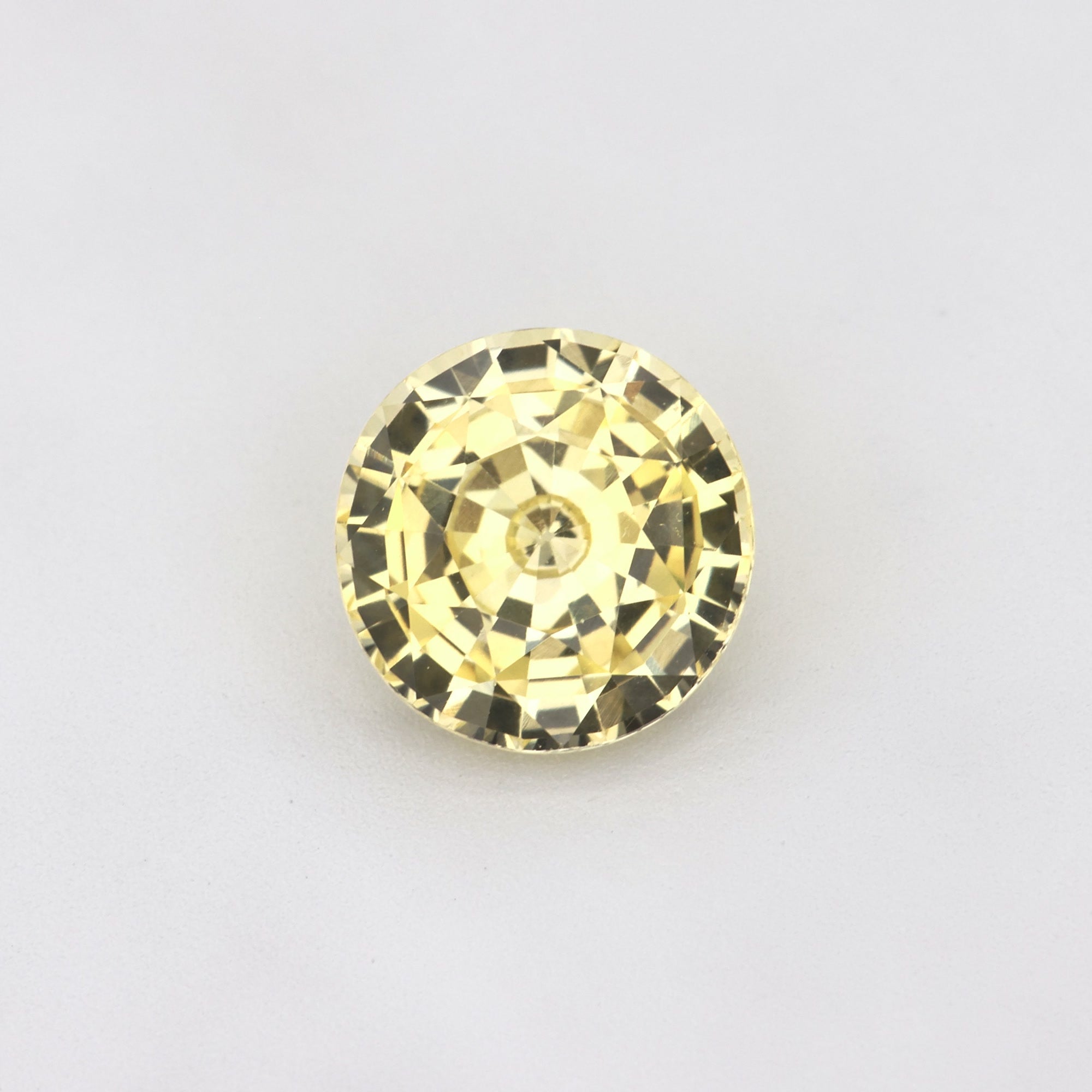
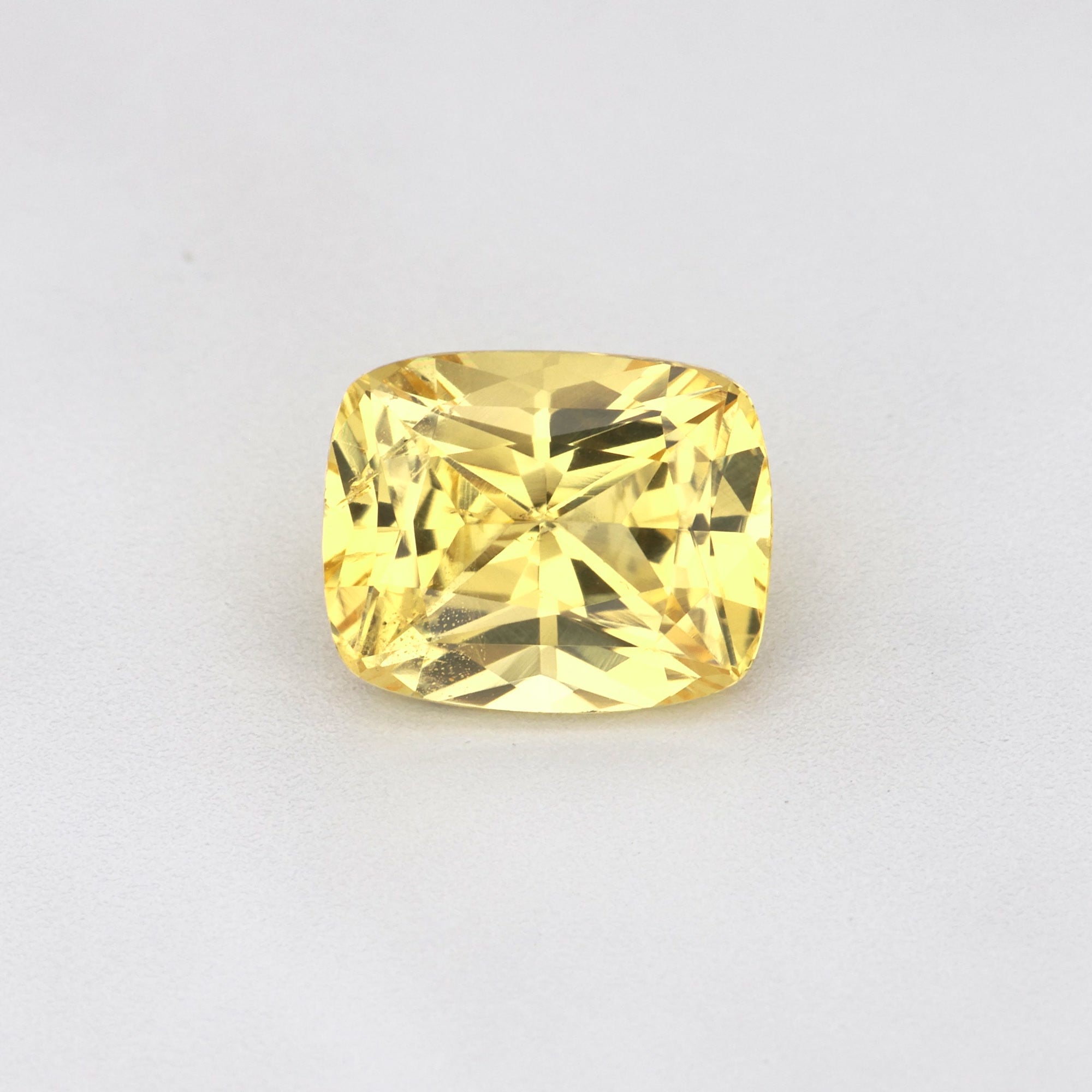
The most durable colourless diamond alternative available. At Mohs 9 it outperforms moissanite and white topaz on scratch resistance. The visual difference from diamond is real — white sapphire has lower dispersion and less fire — but for buyers who want a colourless stone with genuine durability at a fraction of diamond's price, it is the strongest natural option.
Color is the primary quality factor in sapphires, far more important than size. A 1ct vivid blue sapphire is more impressive and more valuable than a 2ct pale washed-out blue. Before looking at individual stones, decide which color family and saturation level you want.
Consider how the color will look against the wearer's skin tone in daily life, not just in a photograph under ideal lighting. Vivid heavily saturated colors show more dramatically in photographs; medium tones wear more versatilely across different environments and lighting conditions.
For most engagement ring buyers, heat treatment is not a significant concern. Heated sapphires are natural stones with permanently improved color — the treatment is stable, accepted, and carries no stigma when disclosed. A heated 1ct blue sapphire with good color is an excellent engagement ring stone.
Unheated status matters if investment or long-term value retention is a priority, if you want the stone to represent its absolutely natural state, or if you are buying in a color category where unheated examples command significant premiums — teal, padparadscha, vivid pink.
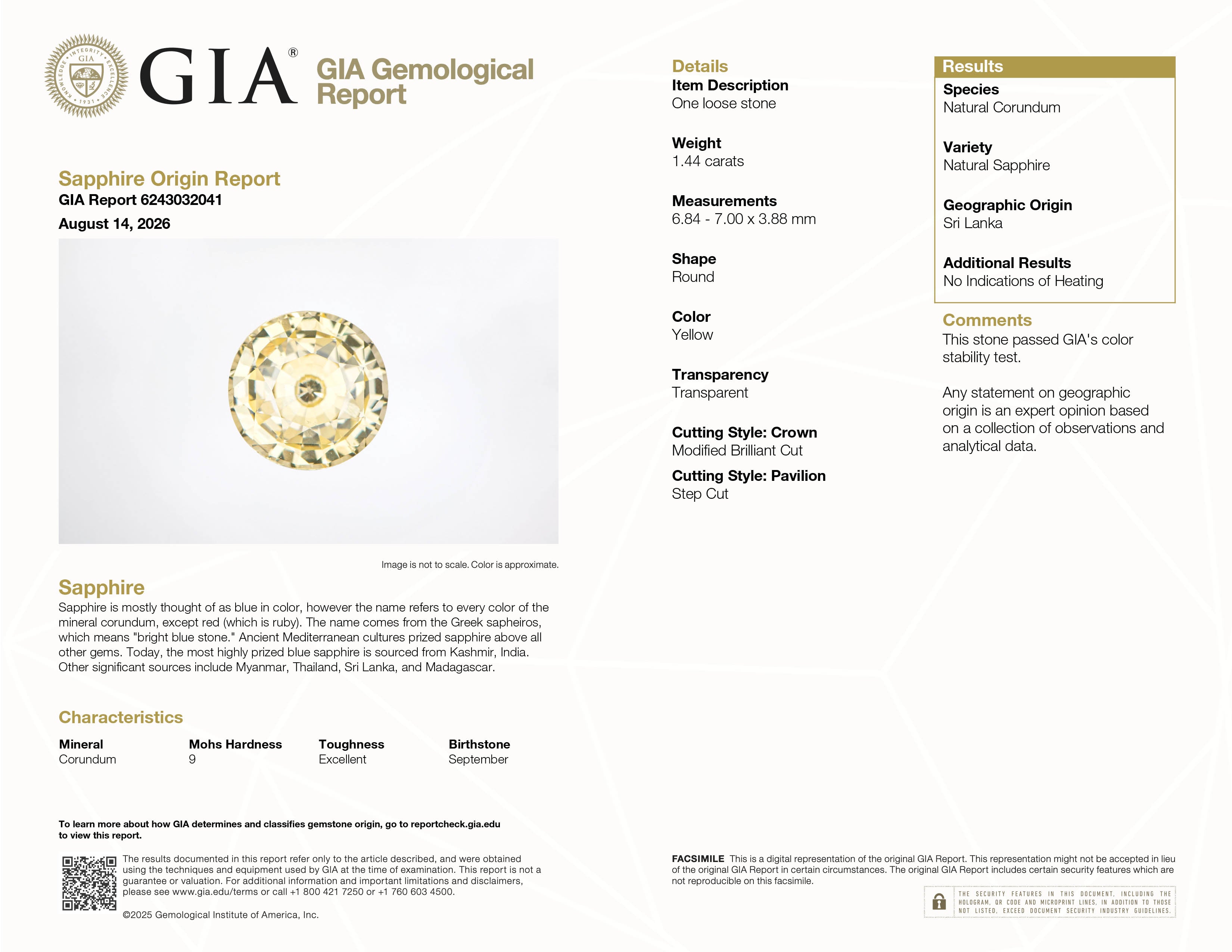
If unheated is important, require a laboratory report from GIA, AGL, Gübelin, or SSEF explicitly stating "no indications of heating" — seller statements alone are not sufficient verification.
Sapphires are cut to optimise color, not brilliance — the opposite priority to diamond cutting. Sapphire proportions run deeper than diamonds, and shapes that retain more rough weight are preferred.
The practical standard for engagement ring sapphires is eye-clean — no inclusions visible to the naked eye at normal viewing distance. Inclusions visible under 10x magnification are normal and expected in natural sapphires. Rutile silk — fine needle-like inclusions common in Ceylon material — is a natural formation feature, not a defect. Surface-reaching fractures that affect structural integrity are the only inclusion type that should concern a buyer.
The most common mistake first-time sapphire buyers make is prioritising carat weight over color quality. Set a target size range — millimetre dimensions are more useful for ring planning than carat weight, since sapphires cut to different proportions can have the same weight but different face-up sizes — then select the best color quality within that range rather than maximising weight.
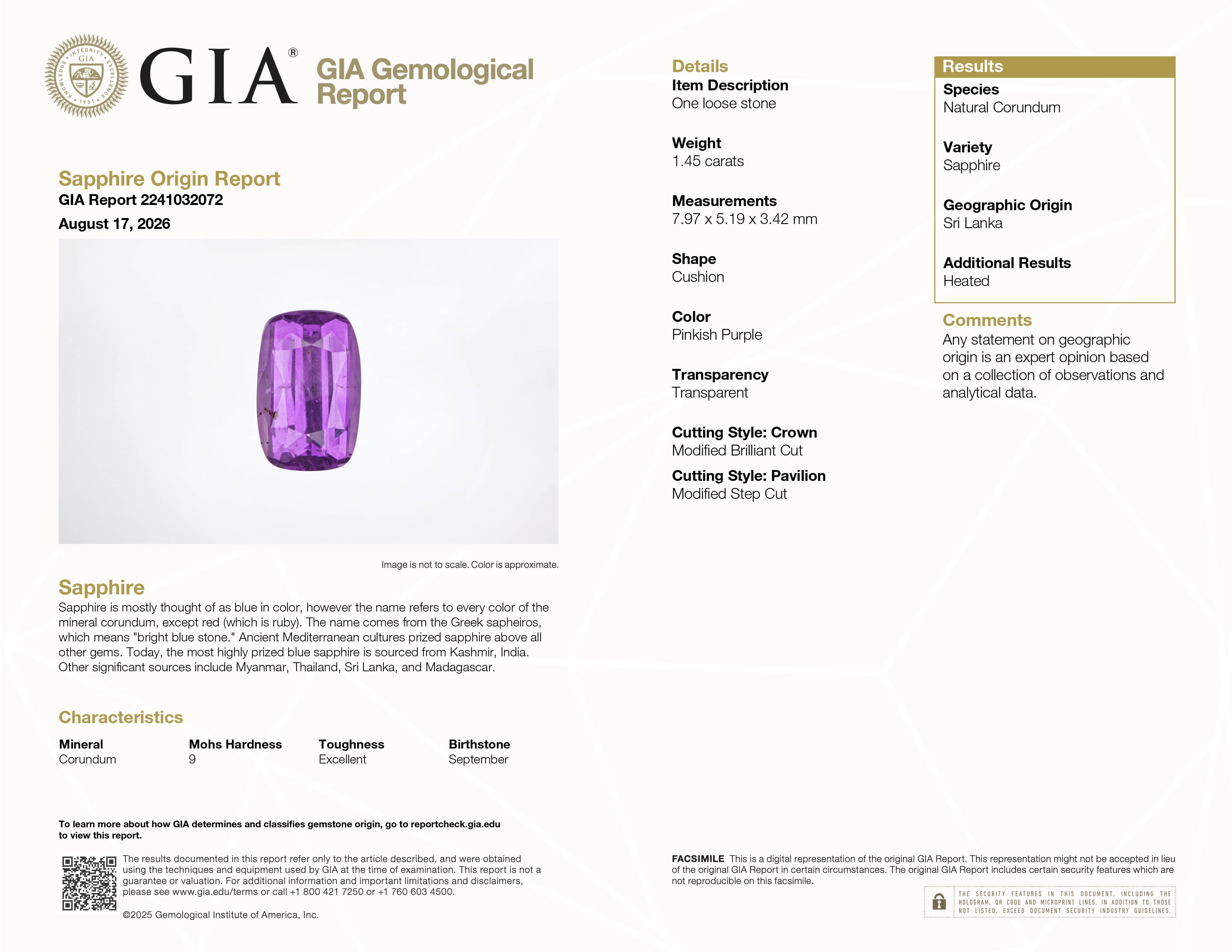
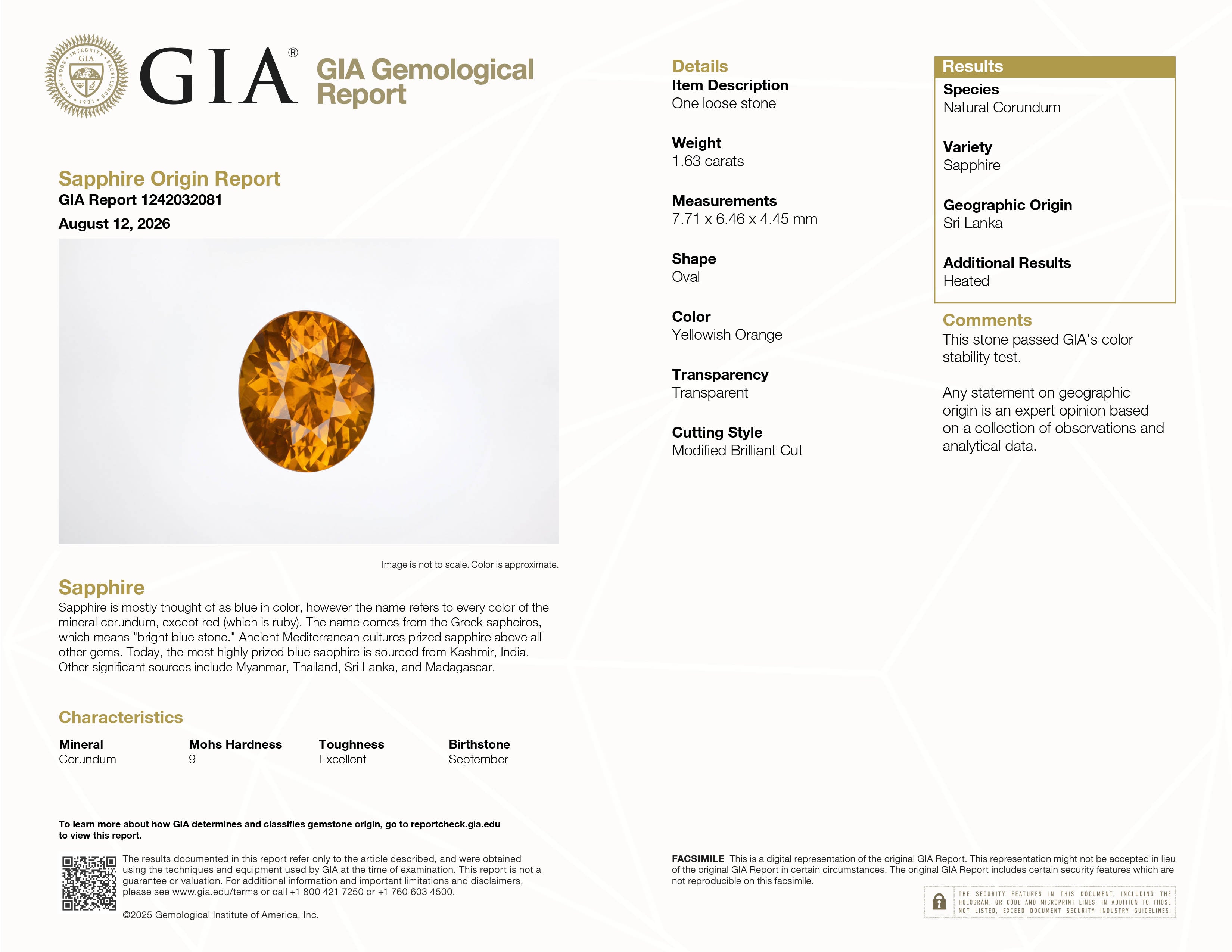
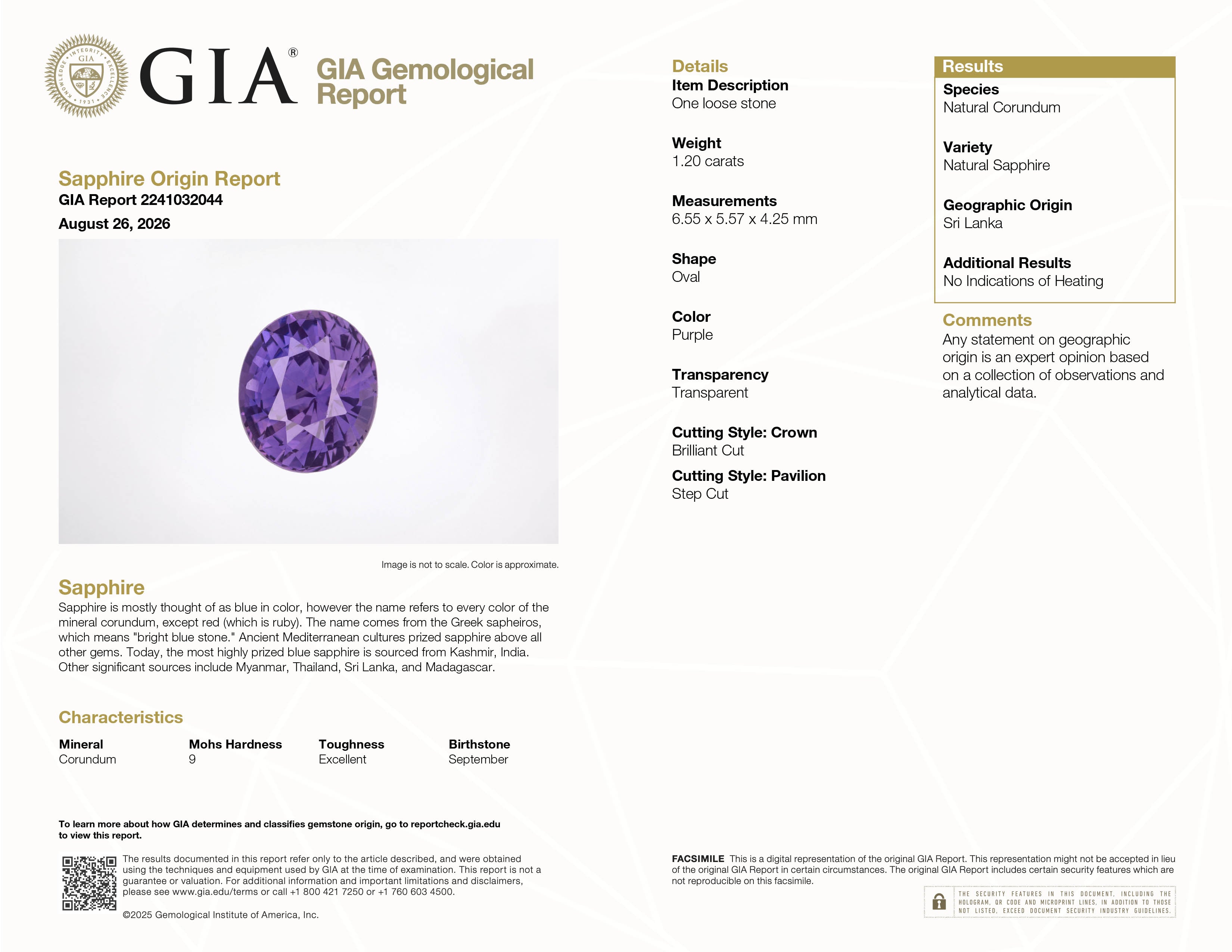
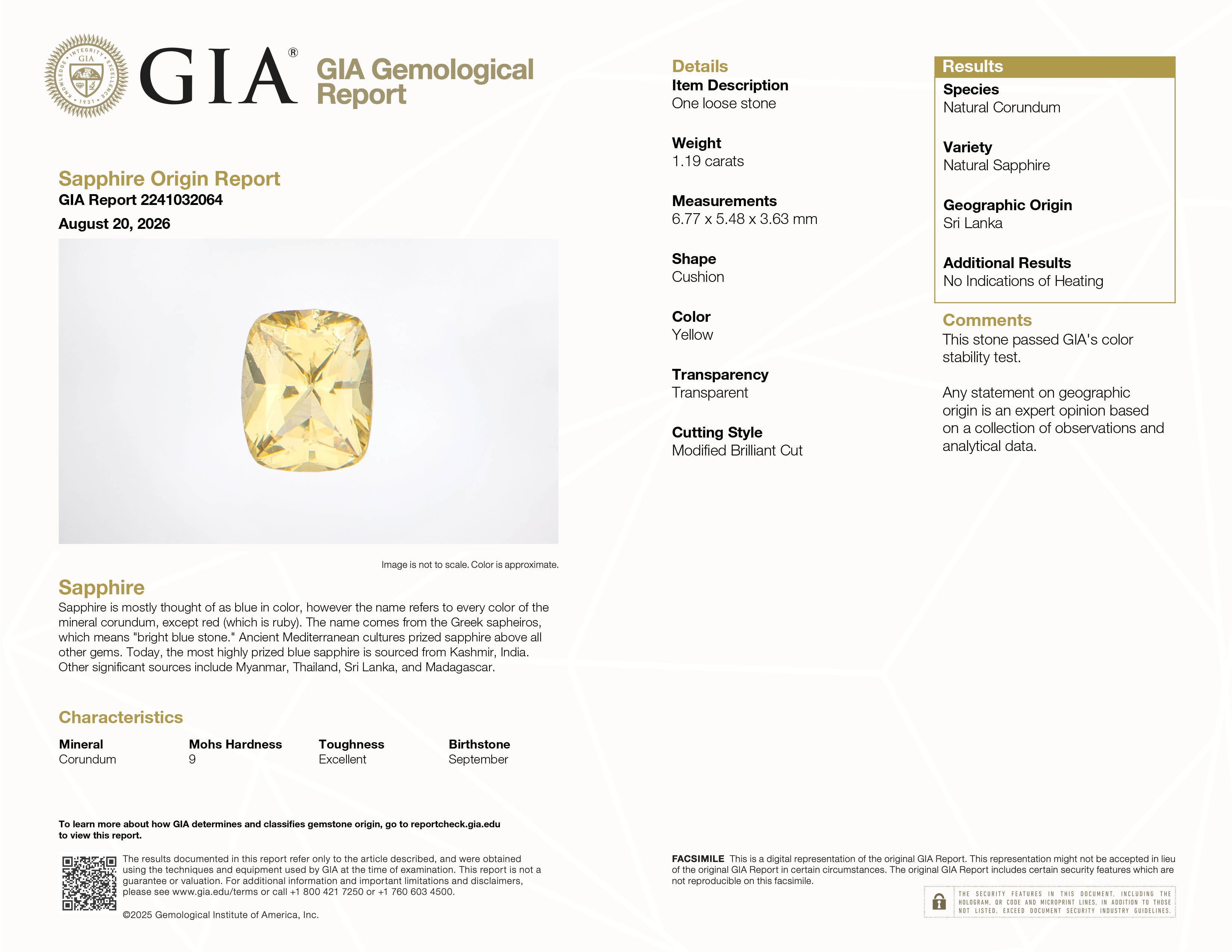
For sapphires above $500 in value, a report from GIA, AGL, Gübelin, or SSEF is worth requiring. For unheated stones at any price, laboratory confirmation is essential. For stones purchased as padparadscha, the report must use the word padparadscha in the classification — a description of the color alone is not a padparadscha classification.
Sapphire's Mohs 9 hardness makes it suitable for all standard engagement ring settings without modification. Unlike softer stones that require protective bezel settings, sapphires can be set in prong, bezel, channel, or pavé settings without concern.
Metal choices affect color perception significantly. White gold and platinum create the highest color contrast with blue, teal, and pink sapphires. Yellow gold warms the stone and complements peach, padparadscha, and yellow sapphires. Rose gold is the strongest choice for peach sapphires specifically.
Choose a diamond if you specifically want colourless brilliance with maximum fire, prefer a stone with no treatment considerations, or are buying for a partner who has a clear preference for diamond.
Choose a sapphire if you want color as the defining visual element of the ring, value geological rarity and provenance, want more stone for your budget in terms of size and quality, or want a ring with a distinct identity that stands apart from the standard.
Neither choice is objectively superior. Both are appropriate for a ring worn every day for decades. The decision should reflect the wearer's taste, the buyer's budget, and what the ring is meant to represent.
Crescent Gems carries natural Ceylon sapphires across the full color range in sizes and qualities suited to engagement ring use, with treatment status disclosed on every listing and laboratory certification available for higher-value stones.
Browse sapphires for engagement rings at Crescent Gems →
Ahmed Shareek
Proprietor — Crescent Gems
A gem dealer with over 25 years of experience sourcing natural sapphires from Sri Lanka, Ahmed brings hands-on expertise in mining, heat treatment, cutting, and stone selection. With deep roots in the Ceylon gem trade, he offers first hand knowledge of origin, quality, and craftsmanship behind every piece of guidance on this site.
The Ultimate Guide to Buying Natural Loose Sapphires
The definitive guide to buying a natural loose sapphire: colour, origin, treatment, cut, shape, certification, pricing, and engagement rings, with links to every Crescent Gems guide and collection.
Read moreabout The Ultimate Guide to Buying Natural Loose Sapphires
The Ratnapura Gem Market — How Sapphires Are Traded at the Source
Read moreabout The Ratnapura Gem Market — How Sapphires Are Traded at the Source
Madagascar Sapphire — The Modern Origin That Rivals Ceylon
Read moreabout Madagascar Sapphire — The Modern Origin That Rivals Ceylon
Montana Sapphire vs. Ceylon Sapphire — How America's Sapphire Compares to Sri Lanka's
Read moreabout Montana Sapphire vs. Ceylon Sapphire — How America's Sapphire Compares to Sri Lanka's
Sapphire vs. Spinel — The Overlooked Comparison Every Collector Should Understand
Read moreabout Sapphire vs. Spinel — The Overlooked Comparison Every Collector Should Understand
Share: