- by Crescent Gems
Ceylon Sapphire Engagement Rings: How to Choose the Right Stone, Directly from the Source
- by Crescent Gems
New to buying sapphires? Start with our Ultimate Sapphire Buying Guide — the complete resource for colour, origin, treatment, and pricing.
Most people who buy a sapphire engagement ring buy it from a jeweler, a retailer, or a marketplace that bought it from a wholesaler, who bought it from an importer, who bought it from a dealer in Bangkok or New York who bought it at auction or from a cutter in Sri Lanka. By the time the stone reaches you, it has passed through four or five hands, each adding margin, and the original information about the stone — where it came from, whether it was heated, what the rough looked like — has been diluted, repackaged, and sometimes lost entirely.
At Crescent Gems, we source sapphires directly in Sri Lanka (Ceylon) and sell them directly to you. No wholesaler. No importer. No Bangkok middleman. The people writing this guide are the same people who selected your stone at the source. That context matters for what follows, because the advice in this article is not generic gemological theory — it is what we actually look for when we are standing in front of a parcel of rough or a tray of cut stones in Ratnapura or Beruwala, deciding which ones are worth bringing to market.
This guide covers everything you need to choose a Ceylon sapphire for an engagement ring: why Ceylon is the benchmark origin, how to evaluate color correctly (not just in a display case), what heat treatment means for your purchase and your stone's long-term value, how to read a GIA report, which shapes suit which ring styles, and how to avoid the mistakes that engagement ring buyers most commonly make. It is written for buyers who want to understand what they are buying, not just be told what to buy.
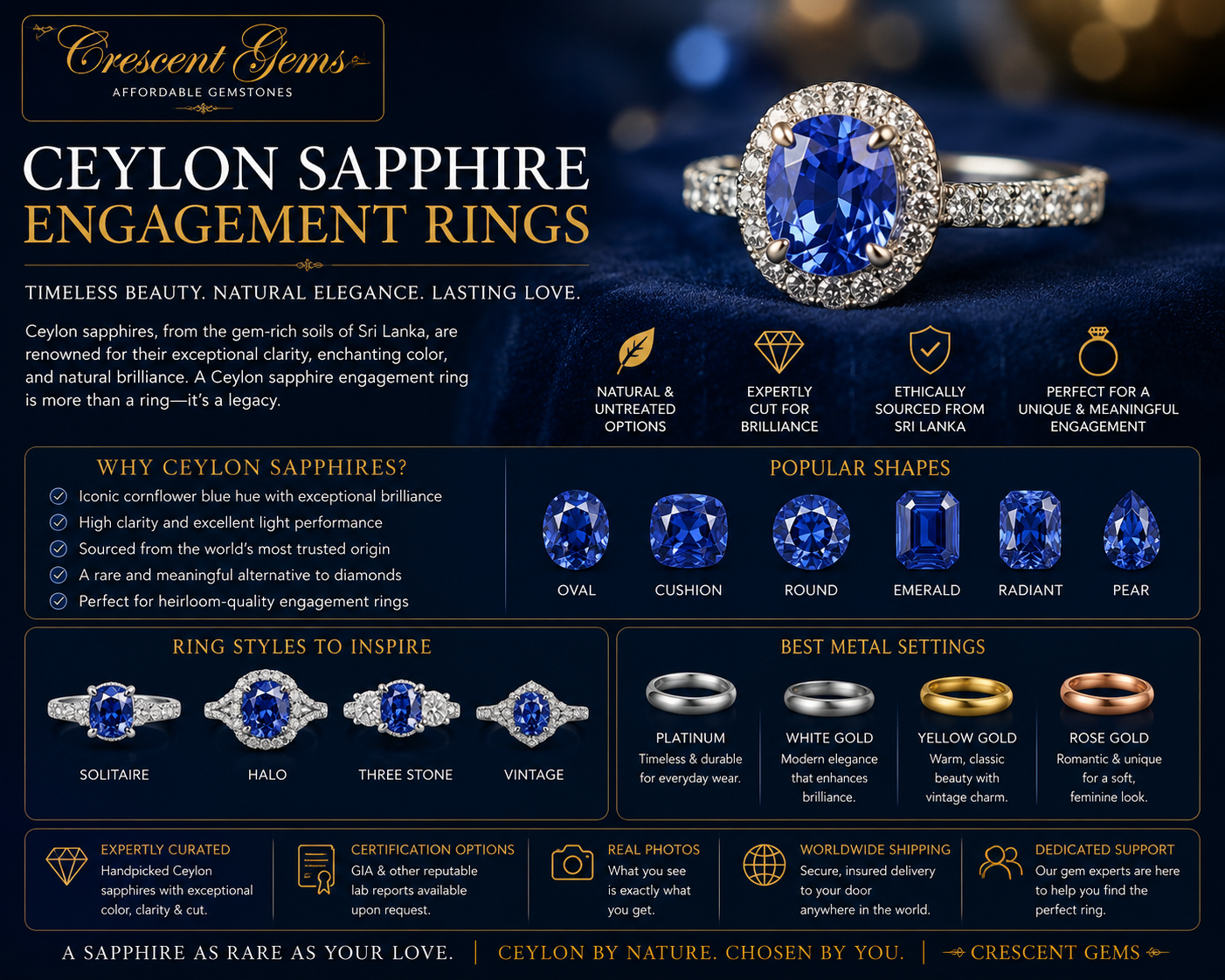
Sri Lanka — known in the gem trade as Ceylon, after its colonial-era name — has been producing sapphires for more than two thousand years. The island's alluvial gem gravels, concentrated in the southwest in and around the city of Ratnapura, yield corundum with a color profile unlike any other major source: vivid, transparent blue with high clarity and a brightness that gemologists describe as luminosity — a quality that seems to come from within the stone rather than from its surface. The finest Kashmir sapphires have a similar quality, but Kashmir production effectively ended decades ago and the remaining stones sell at auction for prices that have nothing to do with the engagement ring market. Burma (Myanmar) produces vivid blue as well, but supply is limited and geopolitically complicated. Ceylon is the active, consistent, large-scale source for the color profile that most people mean when they say they want a blue sapphire.
Ceylon also produces the widest color range of any sapphire origin: blue in every tone from pale cornflower through deep royal, yellow in golden and canary tones, pink in pastel through vivid, peach and padparadscha, teal and green, purple and violet, white, and orange. All of these come from the same island, the same geological formation, and in many cases the same individual mine deposits. This diversity is why Ceylon is the dominant source for natural sapphire across every color category — not just blue.
What makes Ceylon sapphires particularly valuable for engagement ring buyers is that a meaningful proportion of the finest material is unheated — something unusual in a sapphire origin at scale. The transparency and color saturation of Ceylon rough are often high enough that thermal enhancement is unnecessary. This means a well-chosen Ceylon sapphire can offer something few colored gemstones at any price tier can: a natural, unenhanced color that has not been altered since the stone came out of the earth.
The default assumption for a sapphire engagement ring is blue. That assumption is reasonable — blue sapphire is the most recognized, most traded, and most historically significant color in the category — but it is not the only option, and for many buyers it is not even the right one. Ceylon produces exceptional engagement stones in yellow, pink, teal, peach, and purple that suit certain aesthetics and skin tones better than blue does. Before you decide on blue by default, consider the full range.
The benchmark. Ceylon blue sapphire at its best shows a vivid, medium-tone blue — often described as cornflower — with no significant gray, green, or violet modifier, strong transparency, and a brightness that holds in daylight, incandescent, and indoor lighting equally. The color is the primary quality driver: more saturation is better up to the point where the stone darkens to inky blue-black under low light, at which point you have paid for color you cannot always see. The target is a medium-to-vivid tone that reads richly blue at wearing distance in any normal lighting environment.
The most rapidly growing category in the engagement ring market. Teal sapphires sit at the intersection of blue and green, producing a color that shifts depending on the angle and light source — more blue in cool daylight, more green under warm incandescent. Teal sapphires are almost always unheated (heat treatment destroys the color balance), and their dual-tone character is part of what makes them visually interesting in ways that single-hue blues are not. For buyers who want a sapphire that reads as distinctively non-conventional, teal is the current go-to.
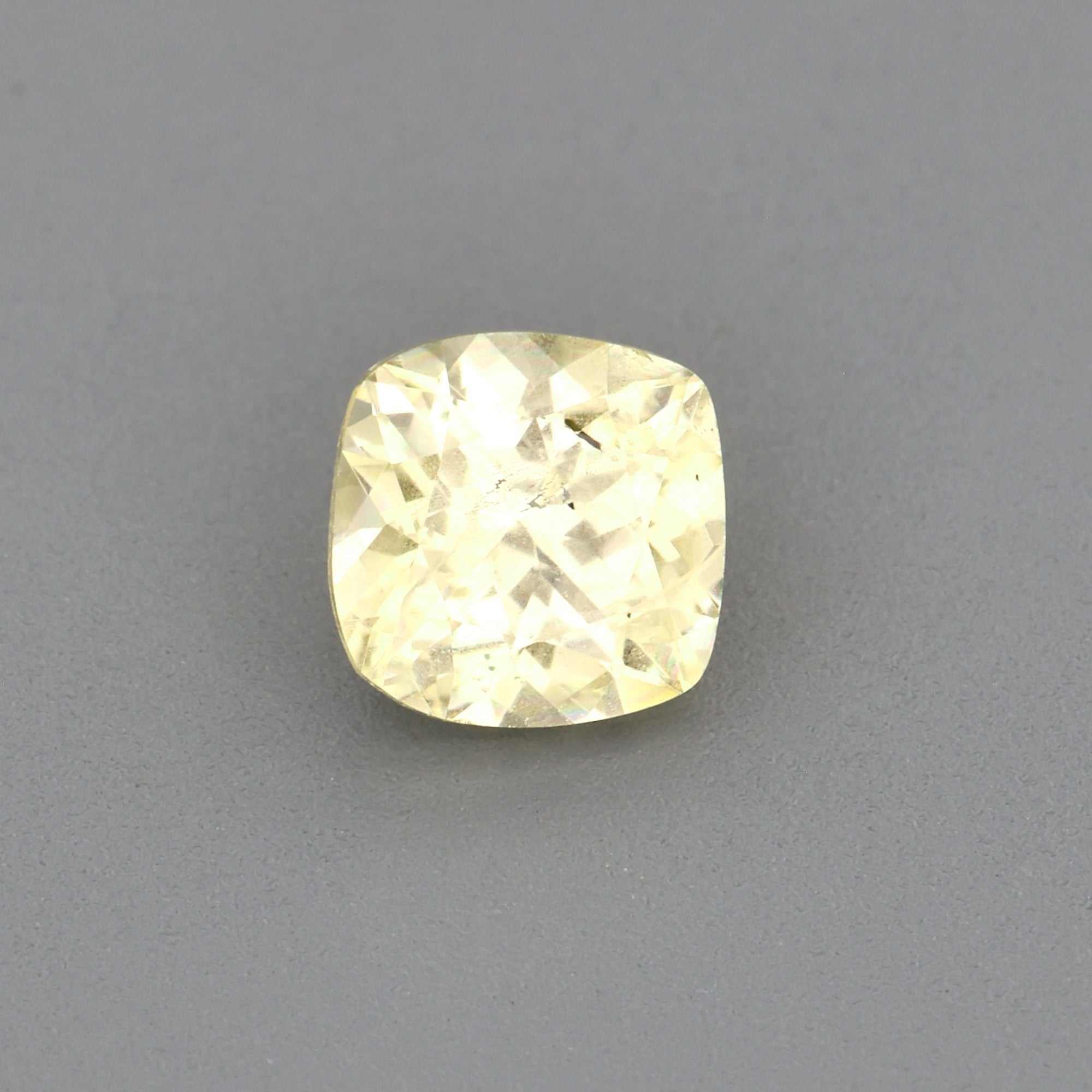
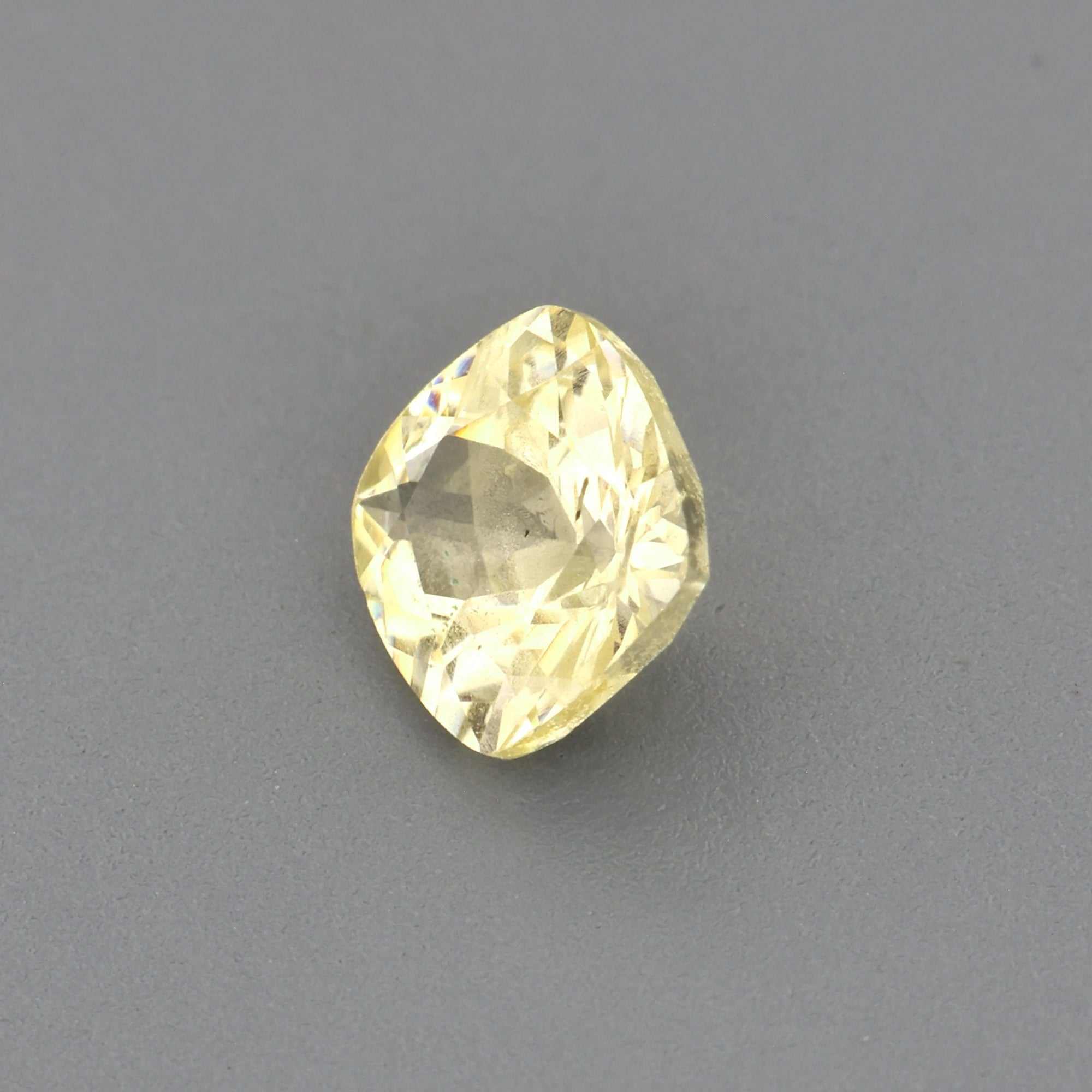
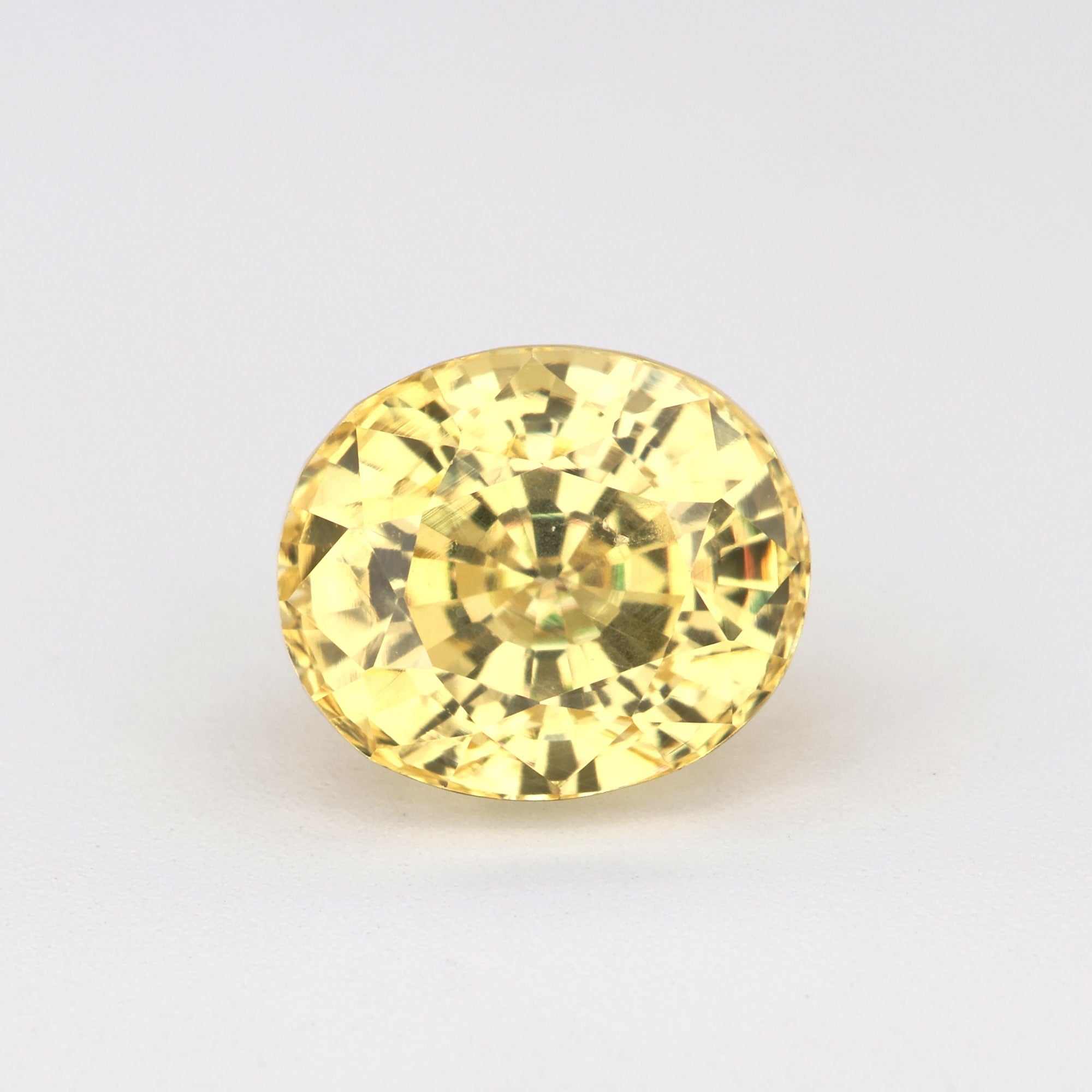
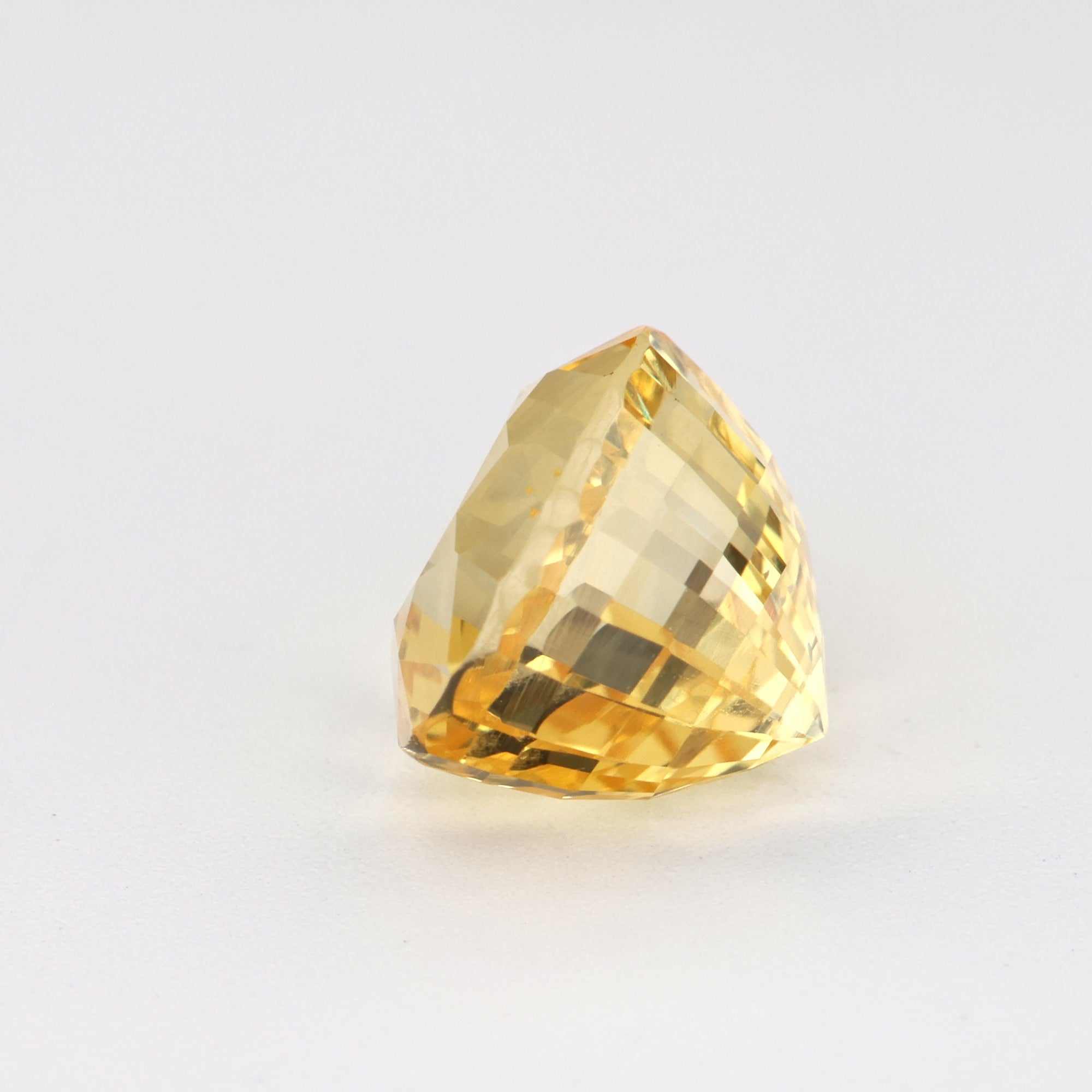
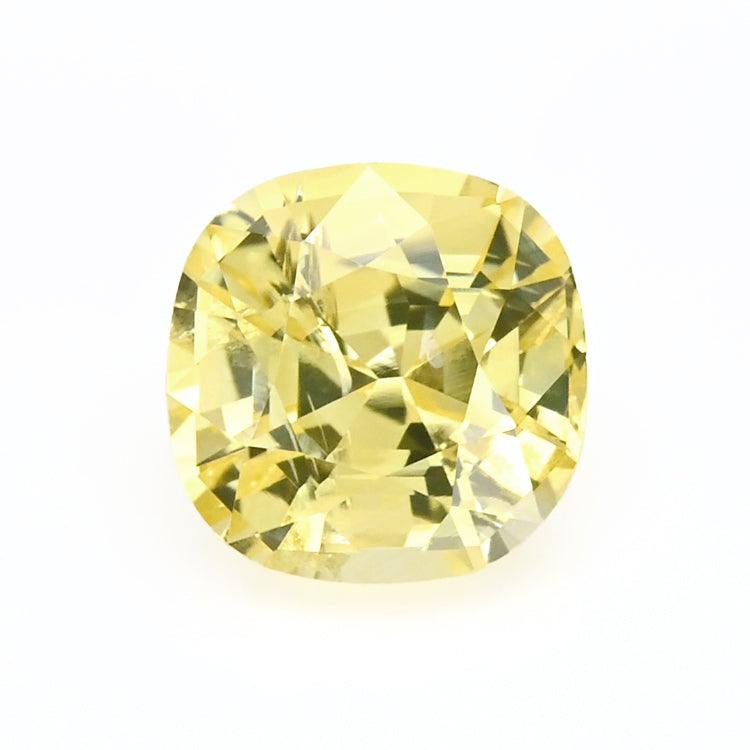
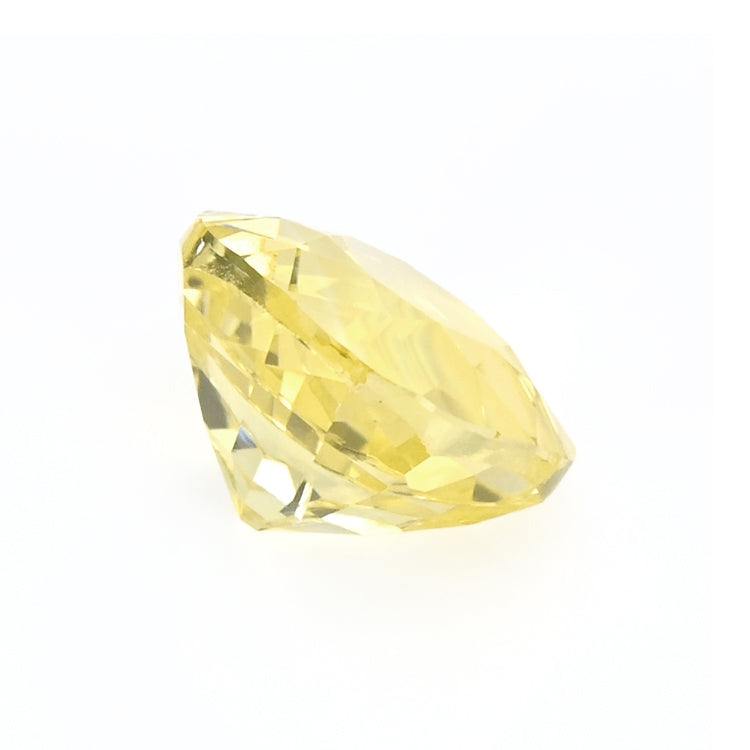
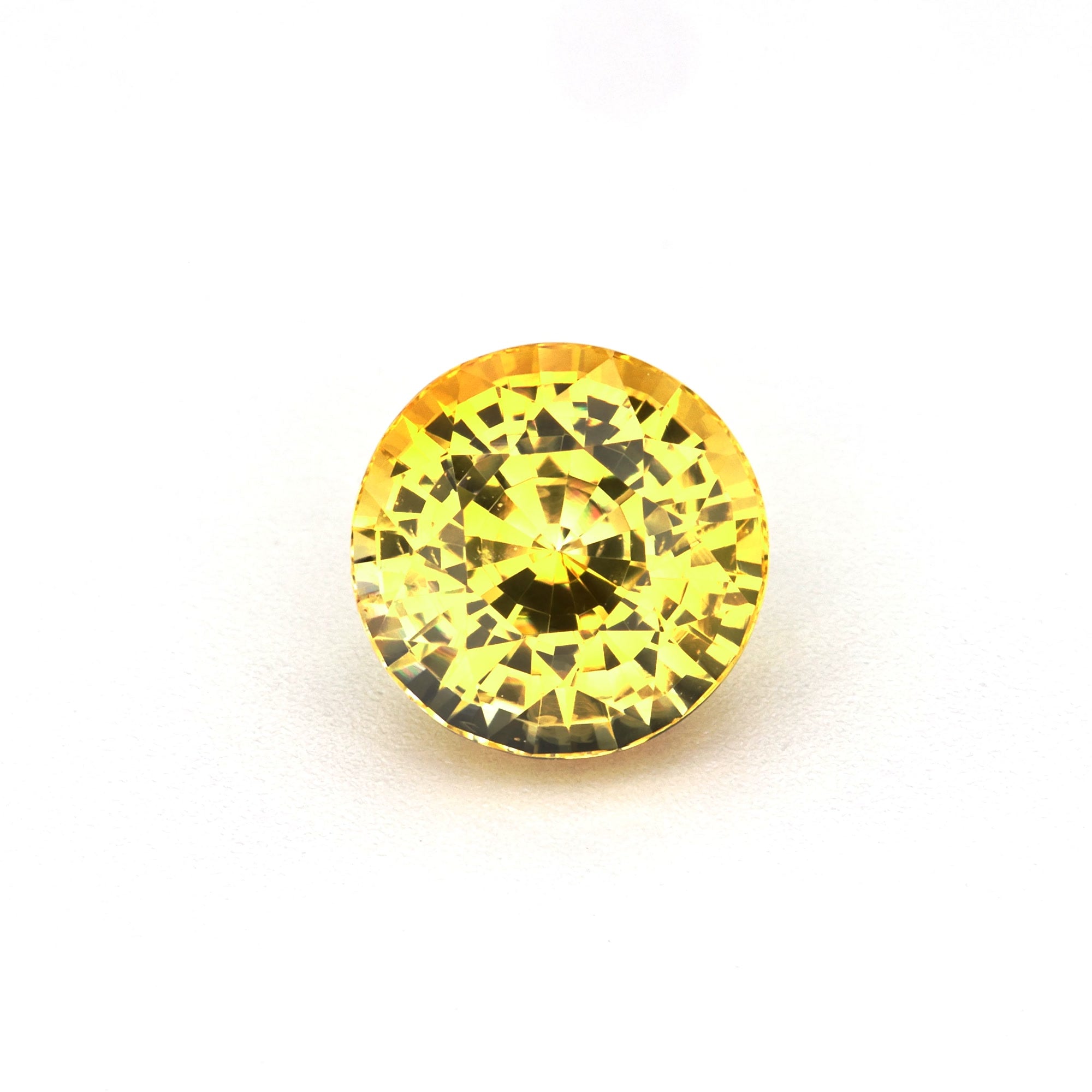
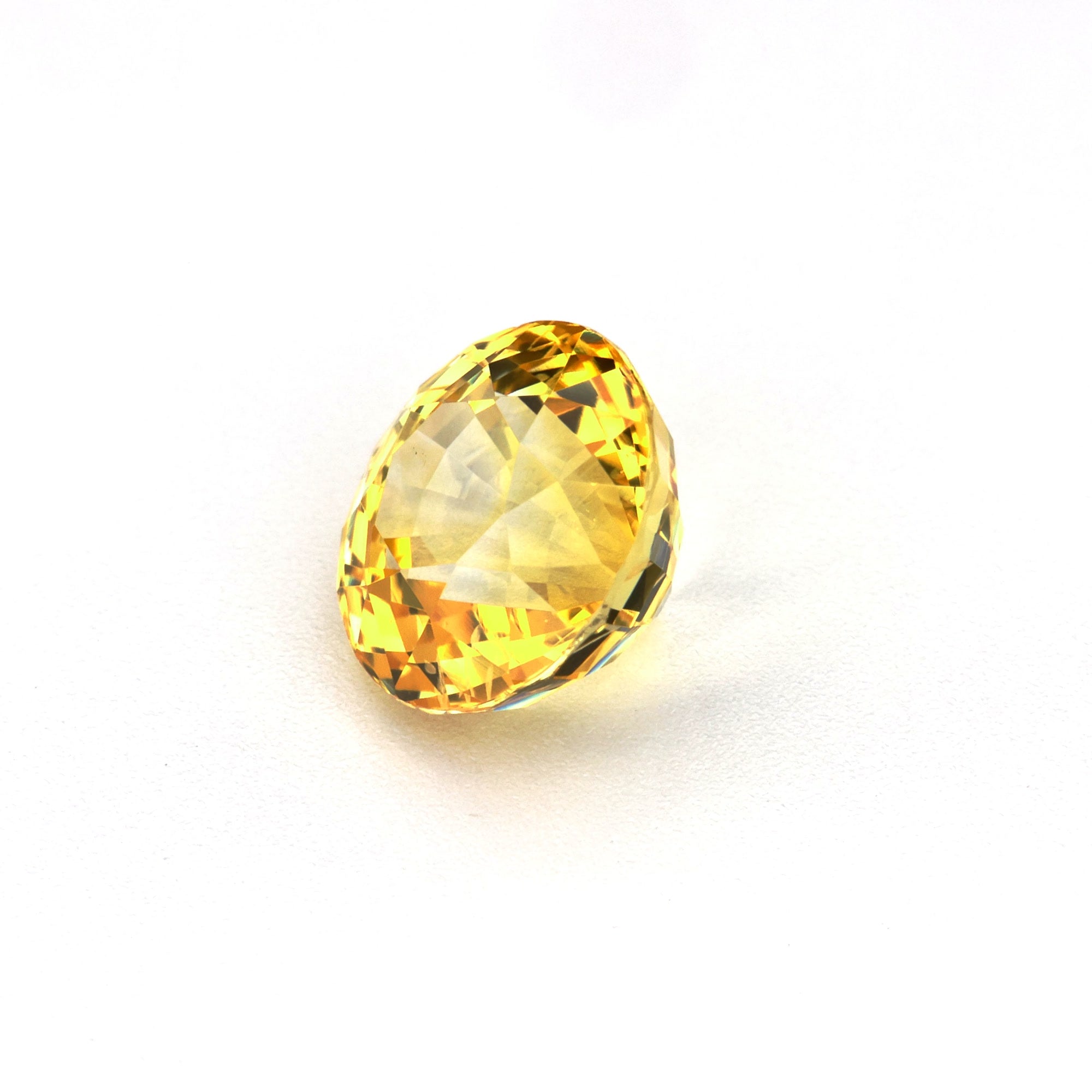
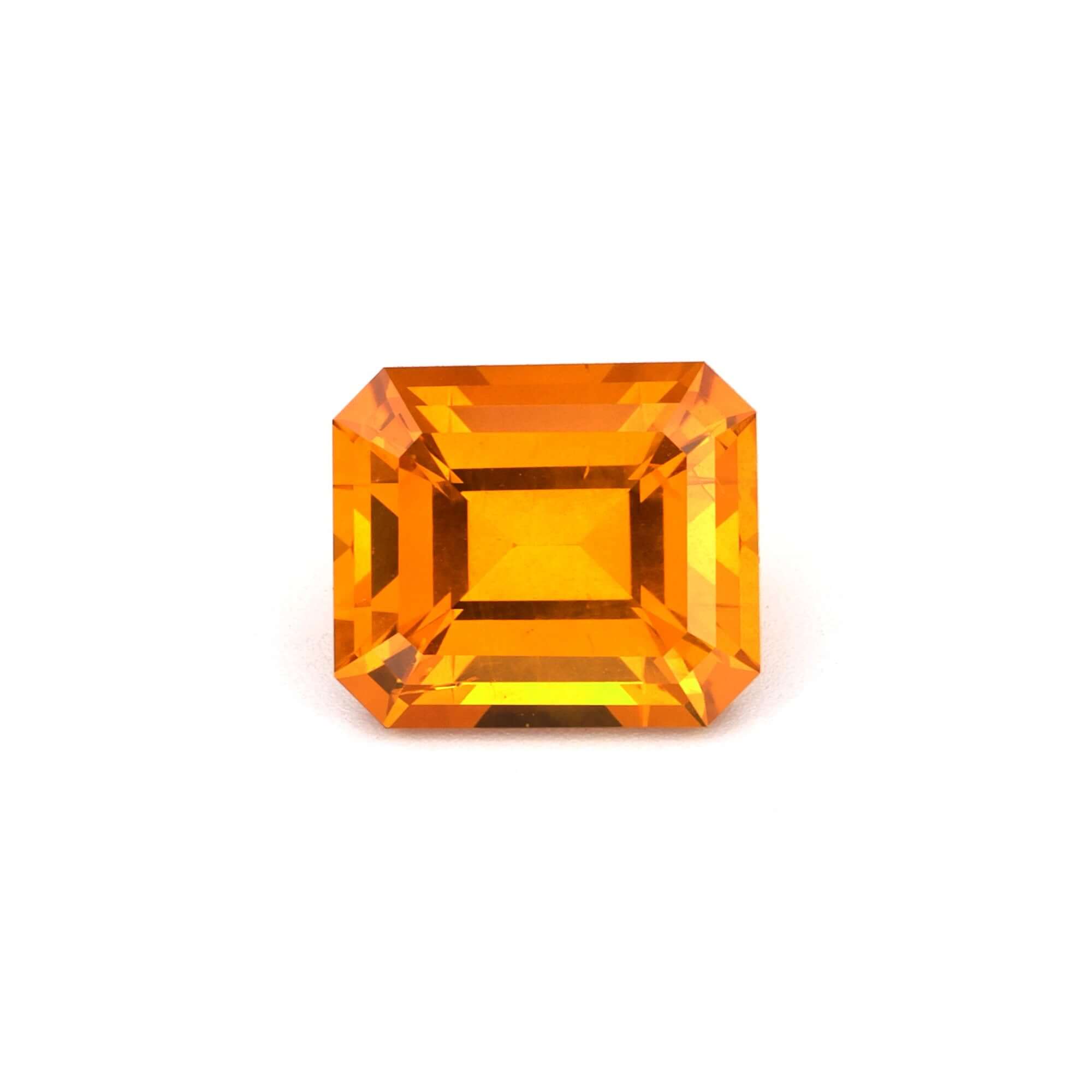
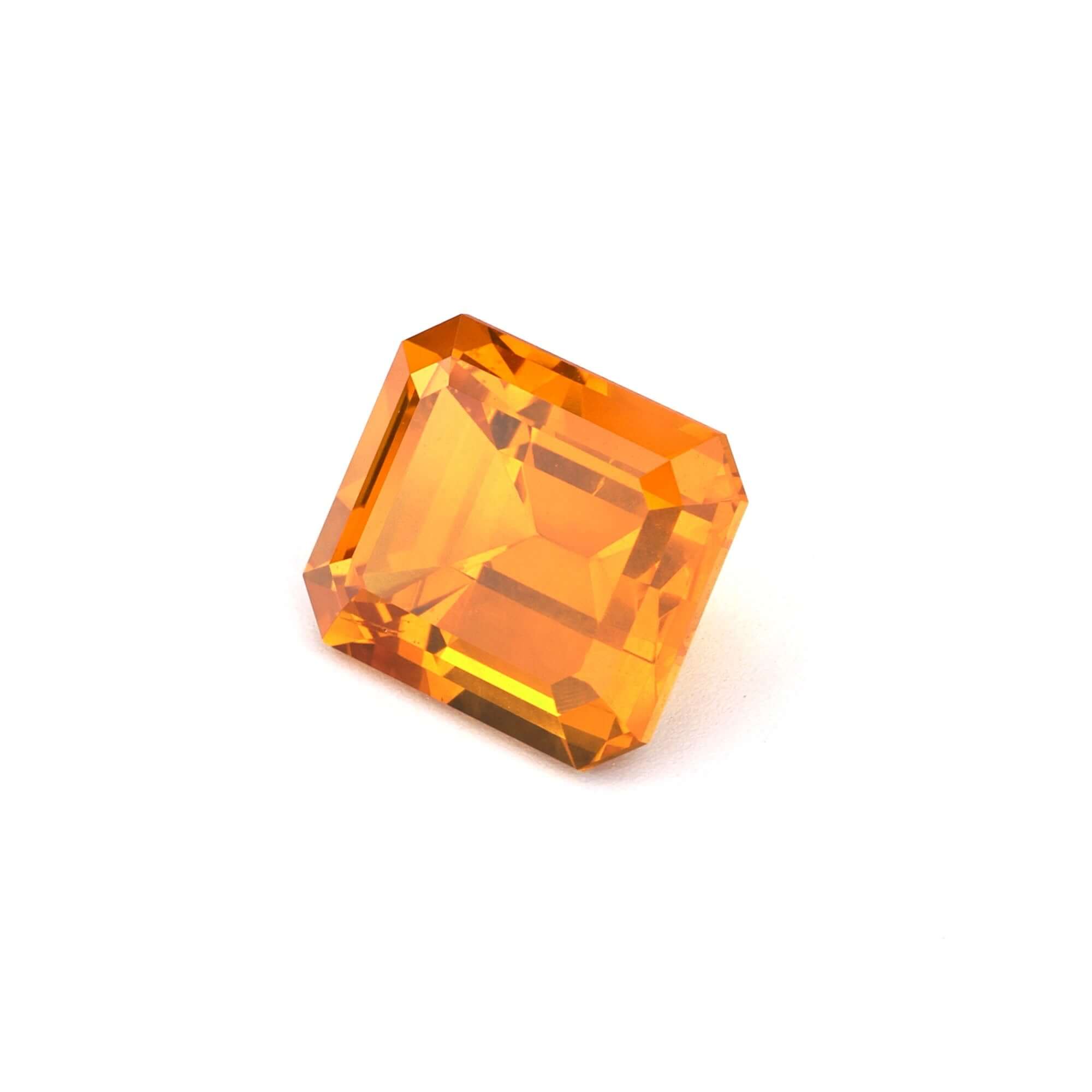
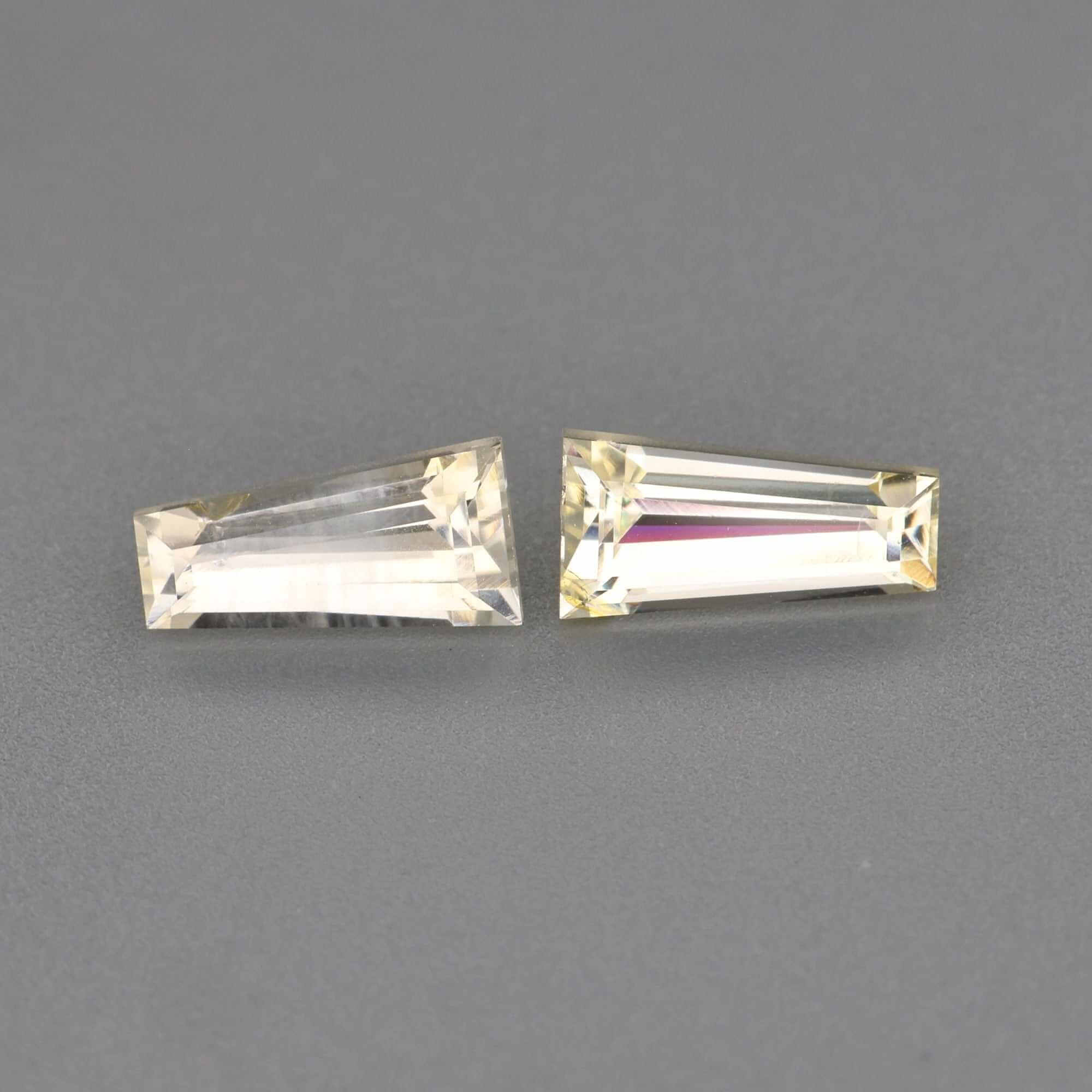
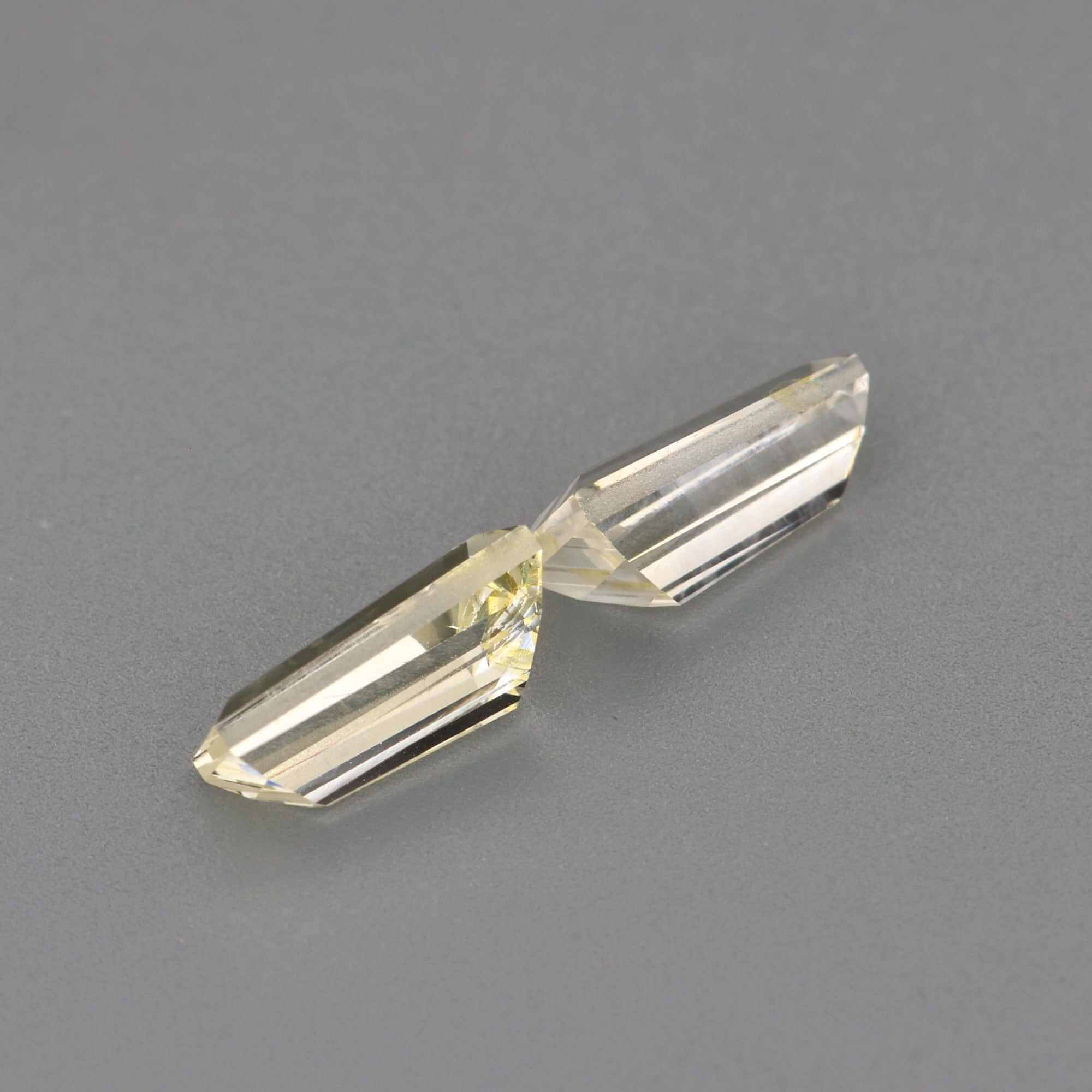
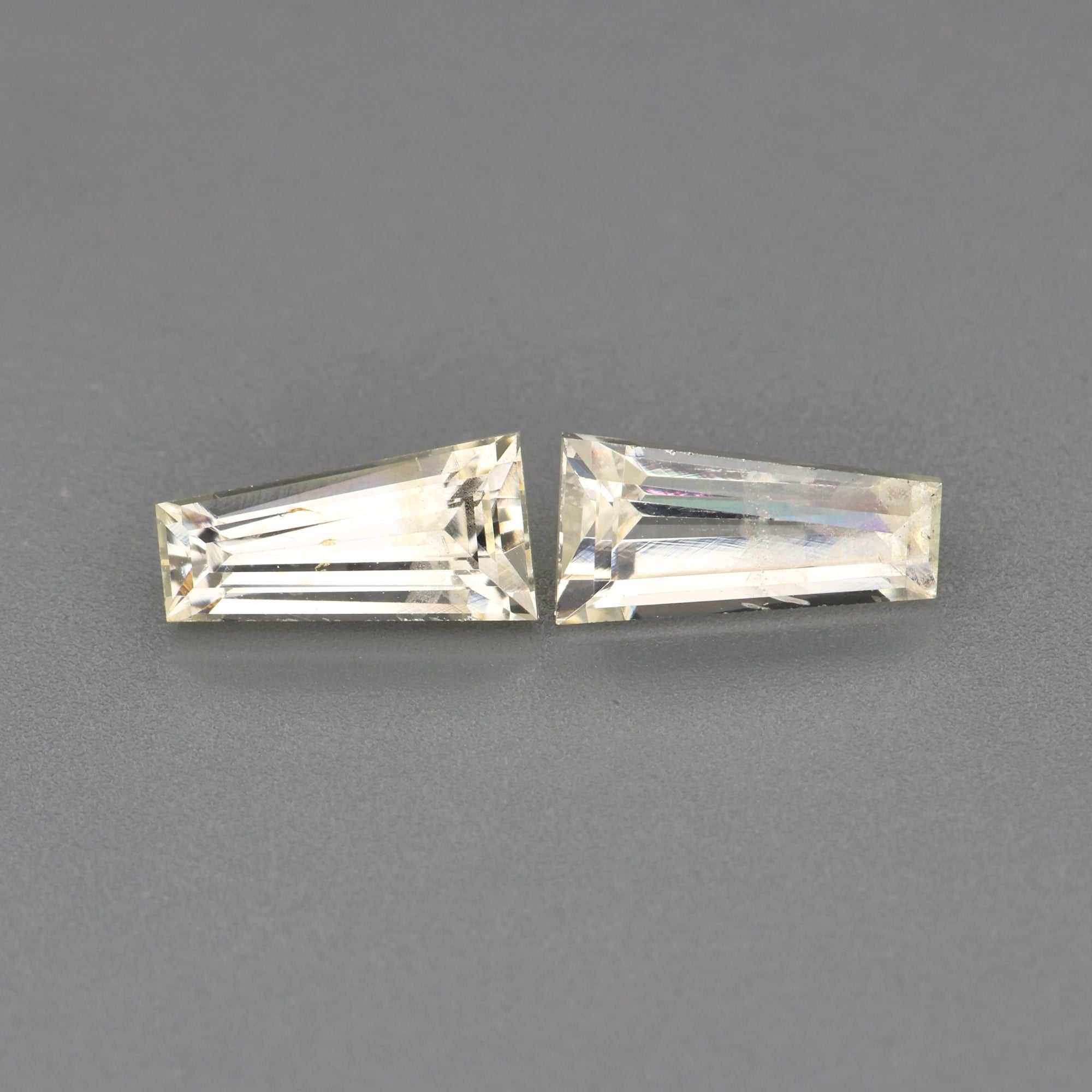
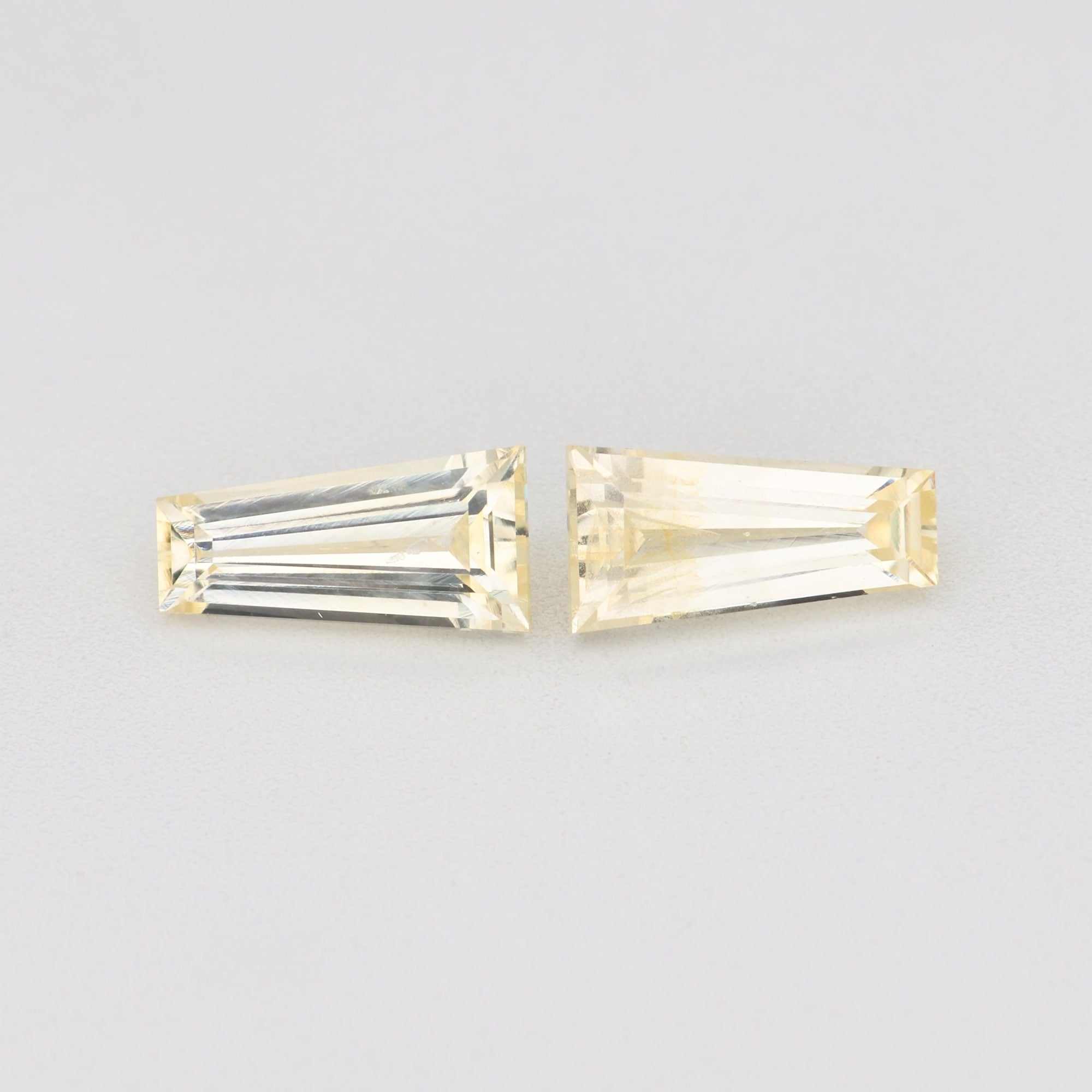
Ceylon yellow sapphire is prized for its warm golden-to-canary color and is one of the most important Jyotish (Vedic astrology) gemstones for Jupiter (Guru/Brihaspati). Fine unheated Ceylon yellow in an oval or cushion cut at 1.5+ carats is also a genuine engagement stone in its own right — warm, vivid, and strikingly different from the blue-and-pink majority. Yellow sapphires suit yellow gold settings particularly well, where the metal and stone reinforce each other's warmth.
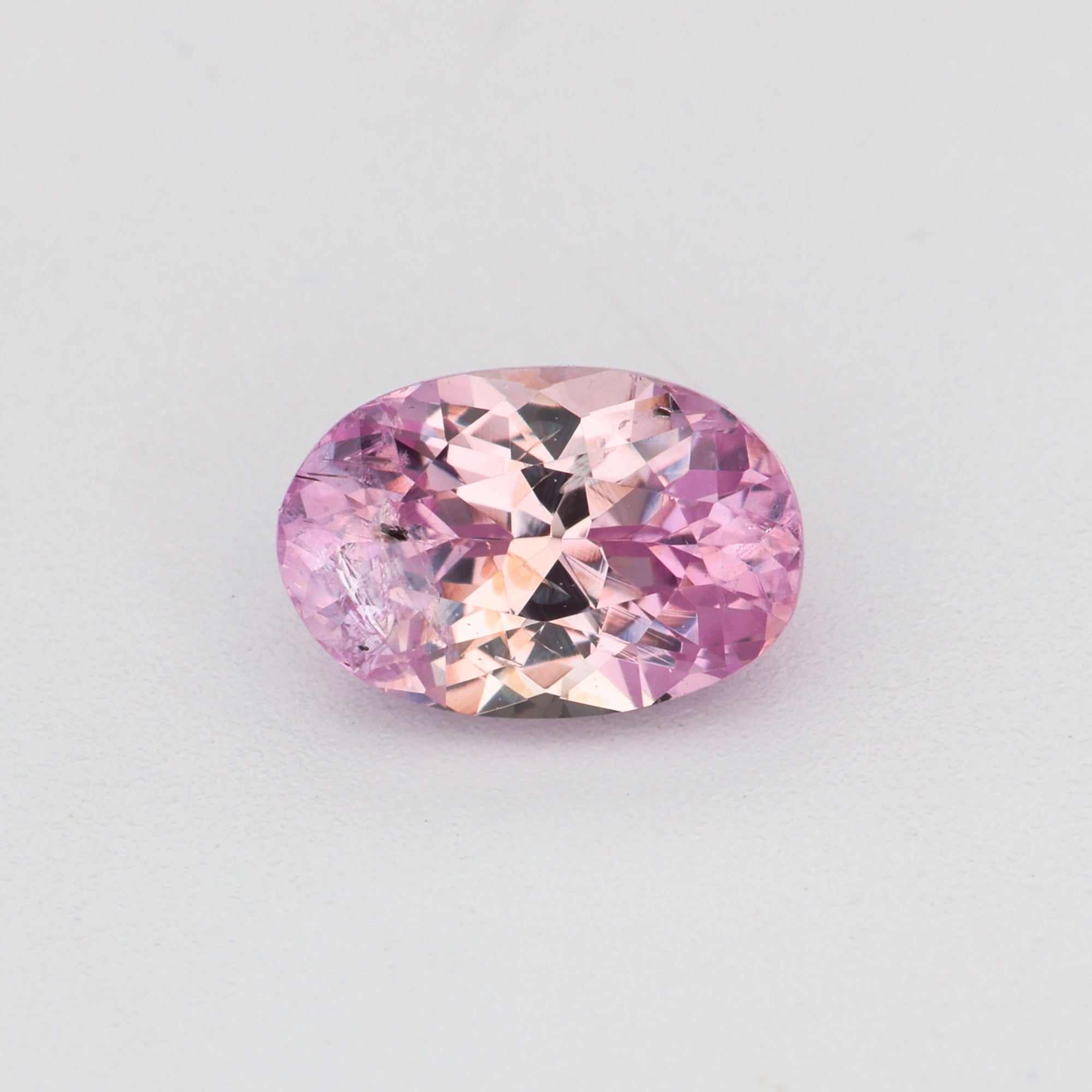
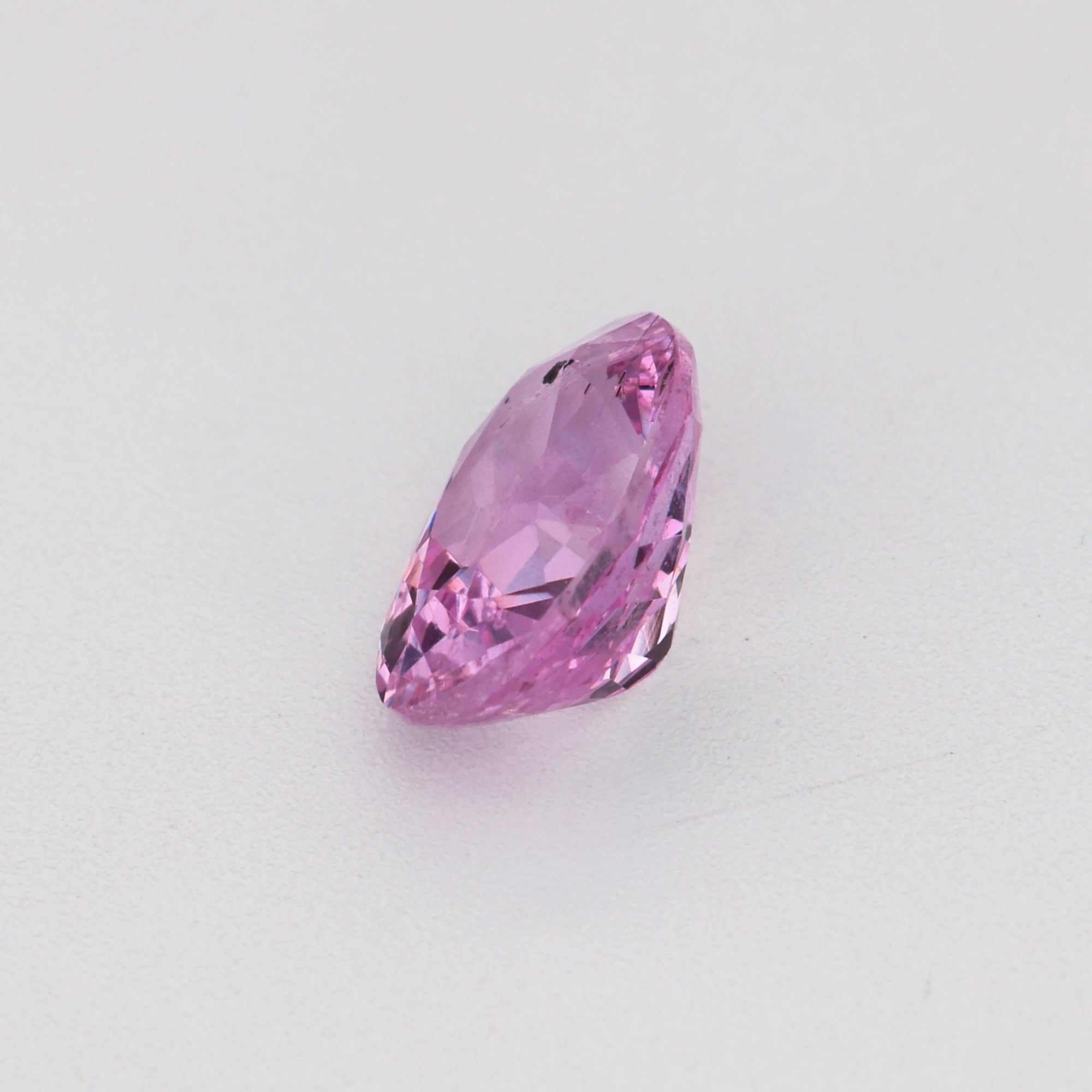
Pink sapphire and its padparadscha-adjacent peach variants are the dominant non-blue engagement choice. Ceylon pink is known for its clarity and warm saturation; fine unheated examples approach the pink-orange range where padparadscha begins. In rose gold, a vivid pink or peach Ceylon sapphire is one of the most beautiful engagement stones available at any price. See our dedicated buyer guides for pink and peach sapphire for more detail on those categories.
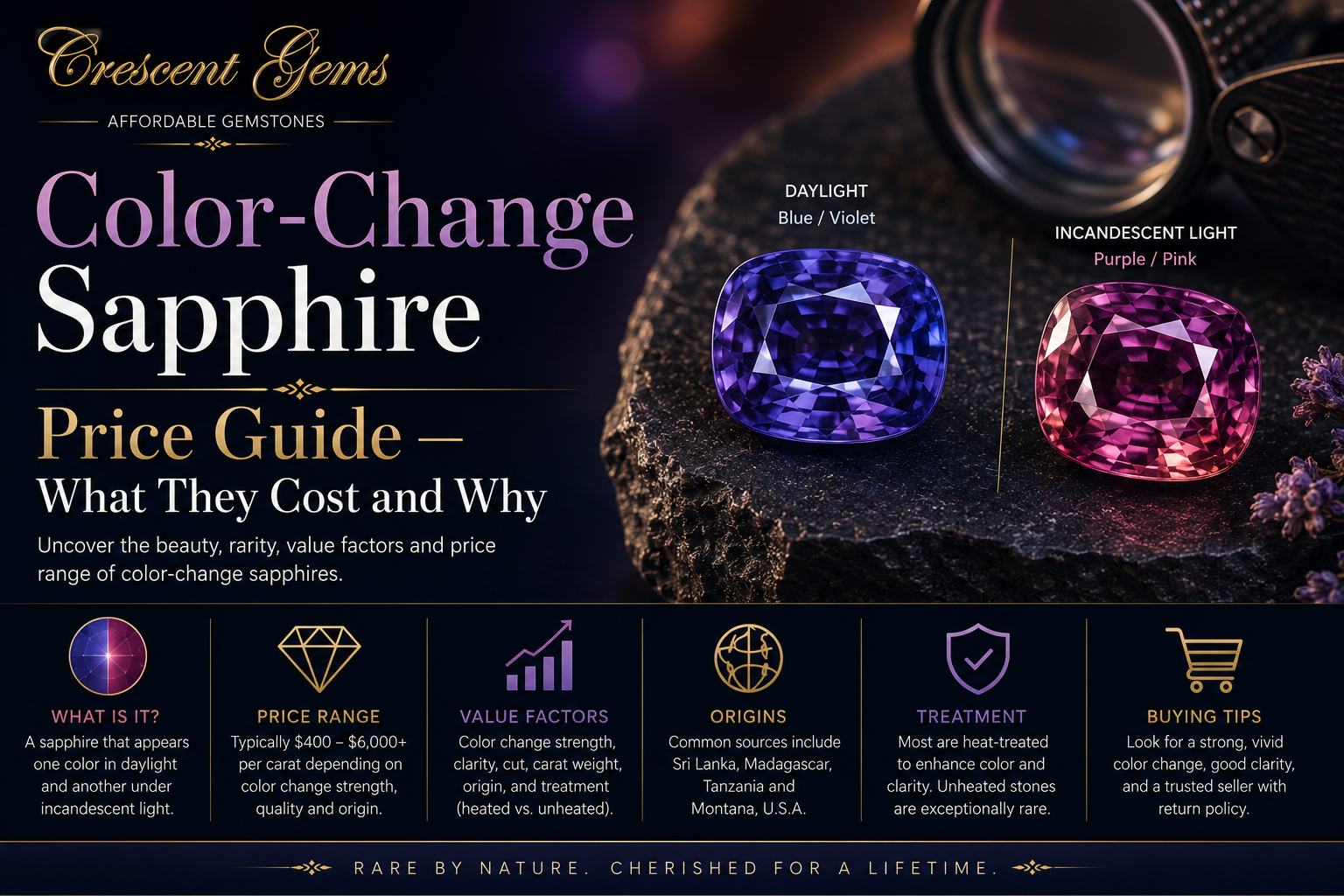
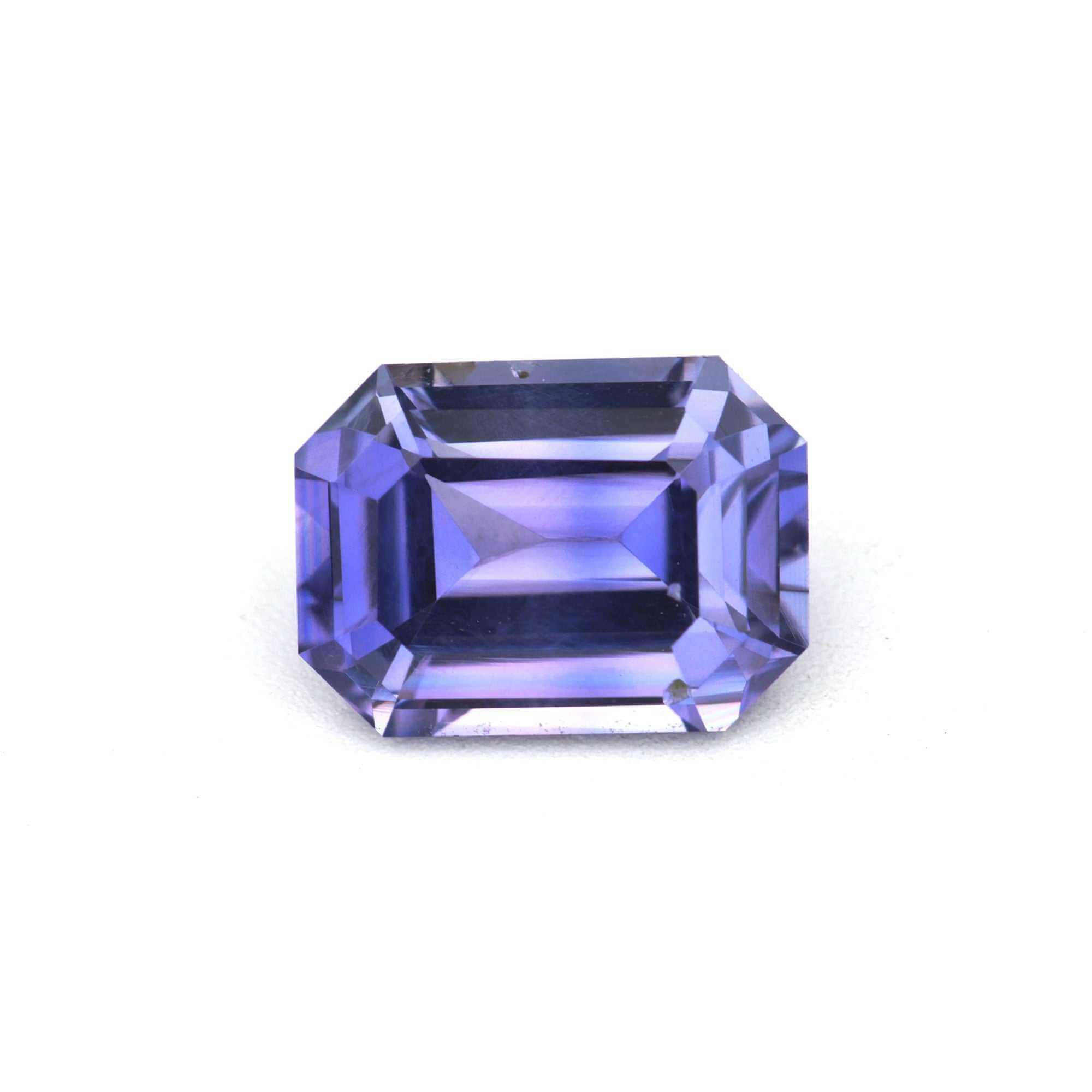
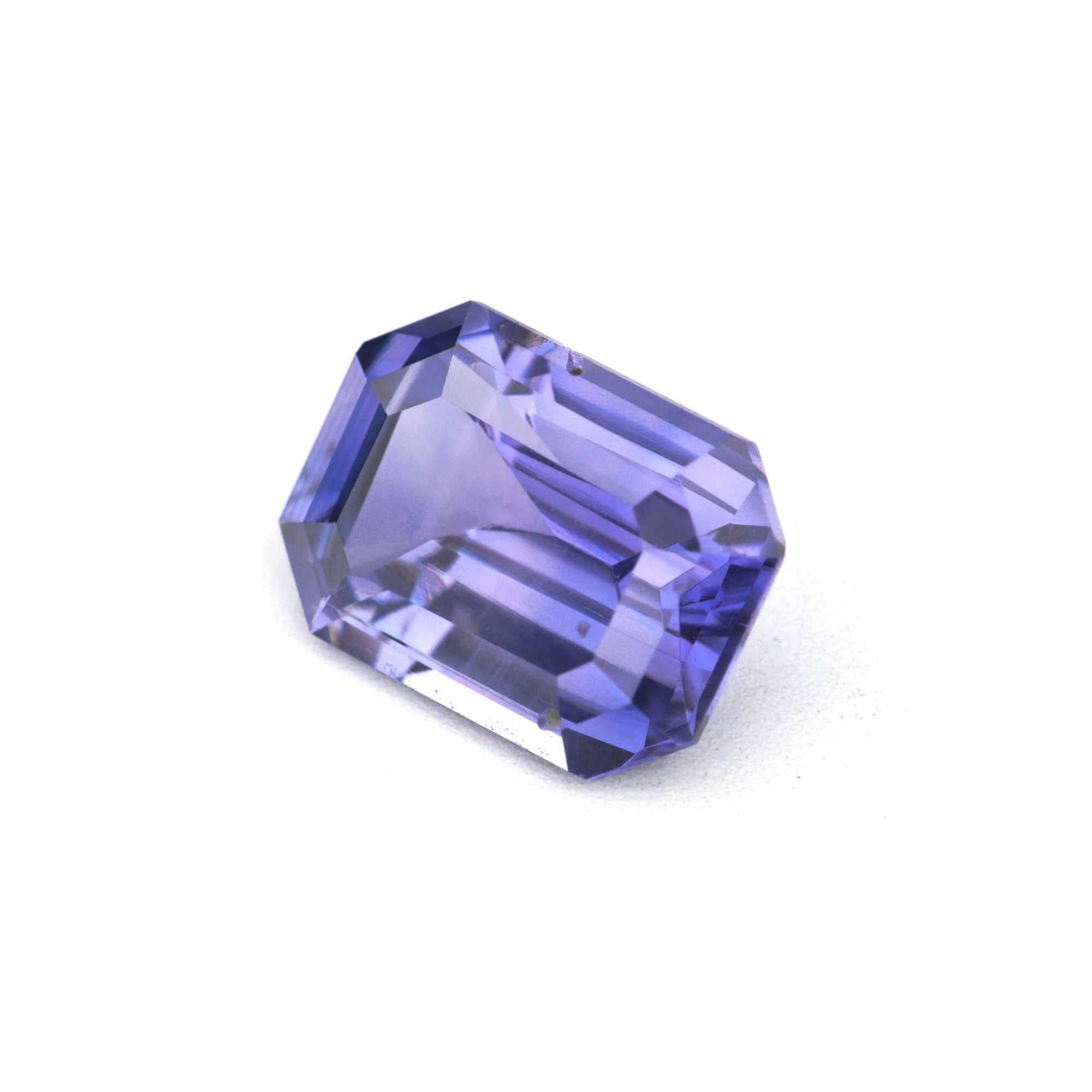
Ceylon violet and purple sapphire ranges from cool blue-violet through warm royal purple, and some examples carry a vanadium-driven color-shifting character that produces different tones under daylight and incandescent light. Fine unheated Ceylon purple in a cushion or oval cut in rose gold or yellow gold is a deeply romantic and genuinely unusual engagement stone. Most buyers encounter purple sapphire engagement rings and have never considered the option — which is exactly what makes it distinctive.
This is the advice most jewelry retailers never give you, because it works against the conditions that make their merchandise look its best.
Jewelry display cases use high-intensity, narrow-spectrum LED lighting specifically engineered to make colored gemstones look as vivid as possible. A blue sapphire that looks stunning in a display case may look dull under the fluorescent lighting of your office, washed out in cool outdoor daylight, or significantly darker indoors at night. The display case is not lying — the stone does look like that under those conditions — but you will not wear your ring exclusively under specialty jewelry lighting.
Before committing to any significant sapphire purchase, view the stone under at least three light sources:
A sapphire that holds its color beautifully across all three conditions is a high-quality stone. A sapphire that looks spectacular in one and disappoints in others is telling you something important about its color profile before you buy it. At Crescent Gems, we photograph all stones under standardized lighting against a neutral background and will send additional photos or video under different light conditions on request — email crescentgems@gmail.com for any stone you are considering seriously.
Heat treatment is the standard commercial practice for sapphire. The majority of sapphires on the market — across all colors, all origins — have been heated at temperatures of 1,700–1,900°C to improve color saturation, reduce undesirable modifying hues, and dissolve clarity-reducing inclusions. The treatment is permanent, fully stable, universally accepted in the trade, and completely legitimate. A heat-treated sapphire is a natural gemstone. It is not synthetic, not fake, and not of lower inherent quality than unheated material of the same apparent color.
What heat treatment does change is the stone's position on the rarity spectrum — and therefore its price and long-term value.
Rough that is vivid and saturated enough to produce a fine blue, pink, or yellow without heating is less common than rough that needs heat to achieve the same result. Unheated sapphires of equivalent apparent color to their heat-treated counterparts are therefore genuinely rarer, and the market prices them accordingly — from a modest premium at sub-1-carat commercial weights to a dramatic premium at 2+ carats with major laboratory certification. An unheated Ceylon blue sapphire at 2 carats with a GIA report can be worth three to five times the equivalent heat-treated stone of the same apparent color. For investors and collectors, unheated status is a core value driver. For engagement ring buyers who intend to wear the stone daily and are not primarily concerned with resale, heat-treated sapphires are a completely reasonable and honest choice.
The key principle is disclosure. At Crescent Gems, every product page explicitly states the treatment status of the stone. We do not obscure treatment information, describe heated stones with language that implies unheated status, or price heat-treated stones at unheated premiums. If a stone has been heated, we say so. If it has not been heated, we say so — and we say what documentation confirms that status.
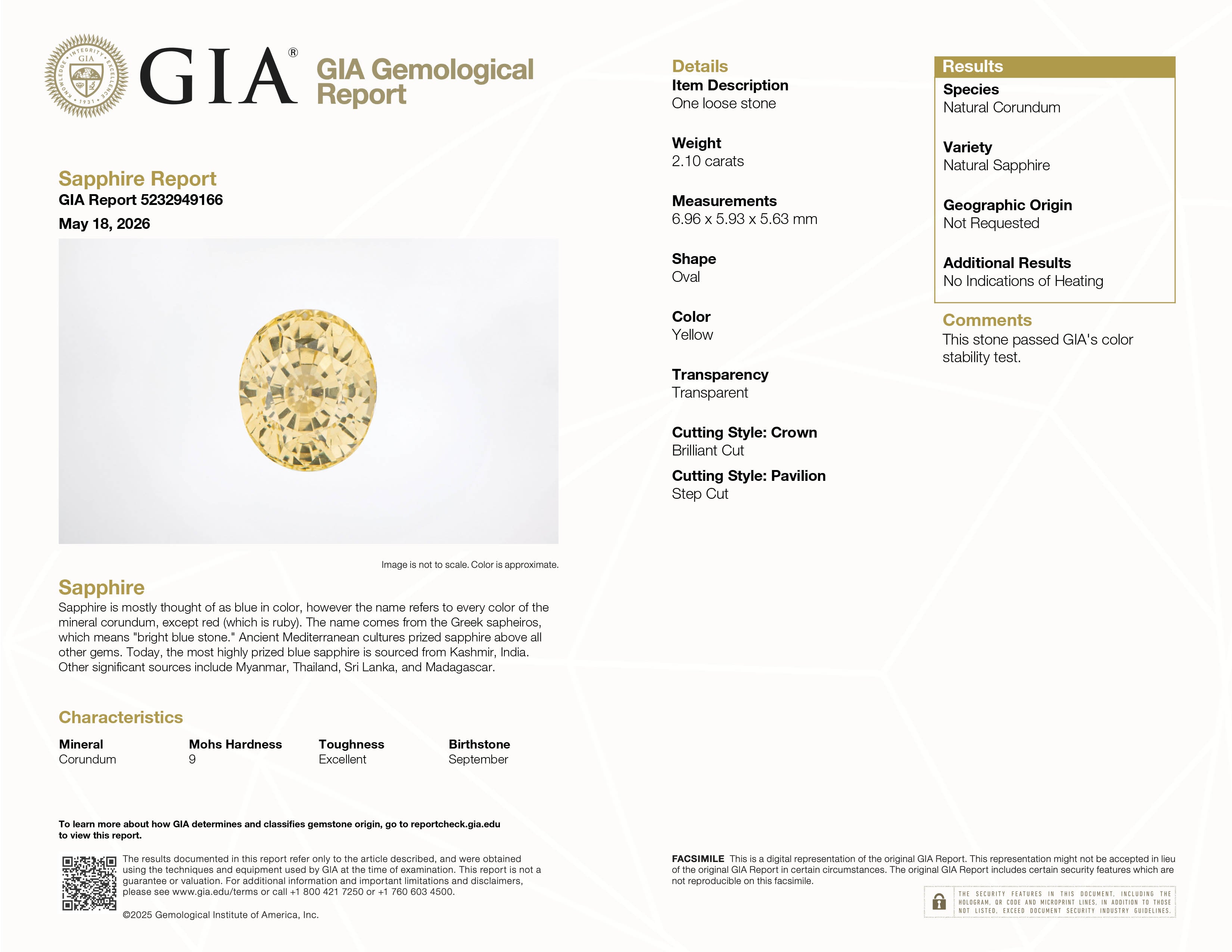
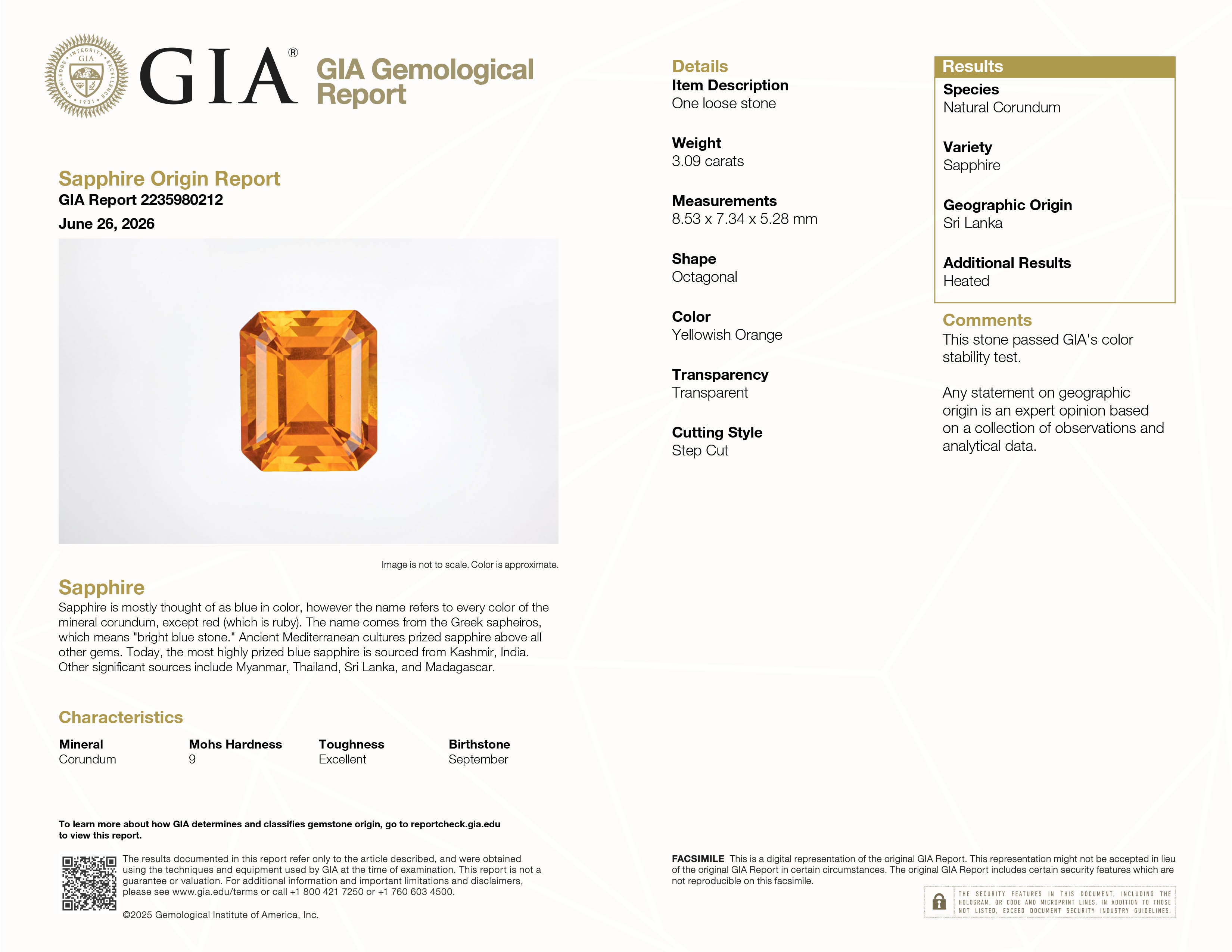
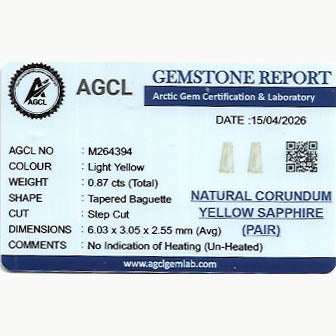
A seller's disclosure is a starting point, not a verification. For any stone at a price tier where the heat treatment distinction adds significant value — generally above $500 per carat at 1+ carats — treatment status should be confirmed by a report from a major gemological laboratory: GIA (Gemological Institute of America), Gübelin, SSEF, or Lotus. These laboratories use spectroscopic analysis to detect internal evidence of heating with high reliability. A GIA report stating no indications of heating is the industry-standard verification for unheated status.
Be aware that the phrase natural sapphire does not mean unheated. All natural sapphires, heated and unheated alike, are natural gemstones. The specific disclosure you need is unheated or no indications of heat treatment, confirmed by laboratory documentation.
The Four Cs (Color, Cut, Clarity, Carat) are a diamond framework imperfectly applied to colored gemstones. Here is how sapphire quality actually works:
Color is the dominant quality factor in sapphire by a significant margin. A fine blue sapphire with mediocre cut will sell for more per carat than a technically excellent cut on a mediocre blue. When evaluating a Ceylon sapphire for an engagement ring, color is the first and most critical judgment call. The factors within color:
At sub-carat weights, the unheated premium is modest. Above 1 carat, unheated status becomes a significant value driver. At 2+ carats with GIA documentation, it can double or triple the price of a stone with equivalent apparent color. For engagement ring buyers, the decision is: do you want the stone that looks the same but carries natural color status, or do you want to spend that premium difference on a larger or more vivid heat-treated stone? Both are valid. The choice is about your values and priorities, not about quality versus quality.
For fine sapphire of any color in an engagement ring, eye-clean is the correct clarity standard: no visible inclusions under normal viewing at arm's length. Unlike diamonds, where clarity is graded under 10x magnification, sapphire clarity is evaluated face-up in finished jewelry. An inclusion that requires a loupe to see is not a practical issue in a ring worn daily at arm's length. An inclusion visible to the naked eye in the center of the stone is.
Fine silk (microscopic rutile needle inclusions) is common in unheated sapphire and is not a clarity defect in standard gemological assessment. Silk that is heavy enough to reduce transparency and brilliance is a quality issue; fine silk that scatters light slightly is a natural characteristic of the material. The finest unheated Ceylon sapphires are often quite clean despite their unheated status — the Ceylon rough profile tends toward high clarity.
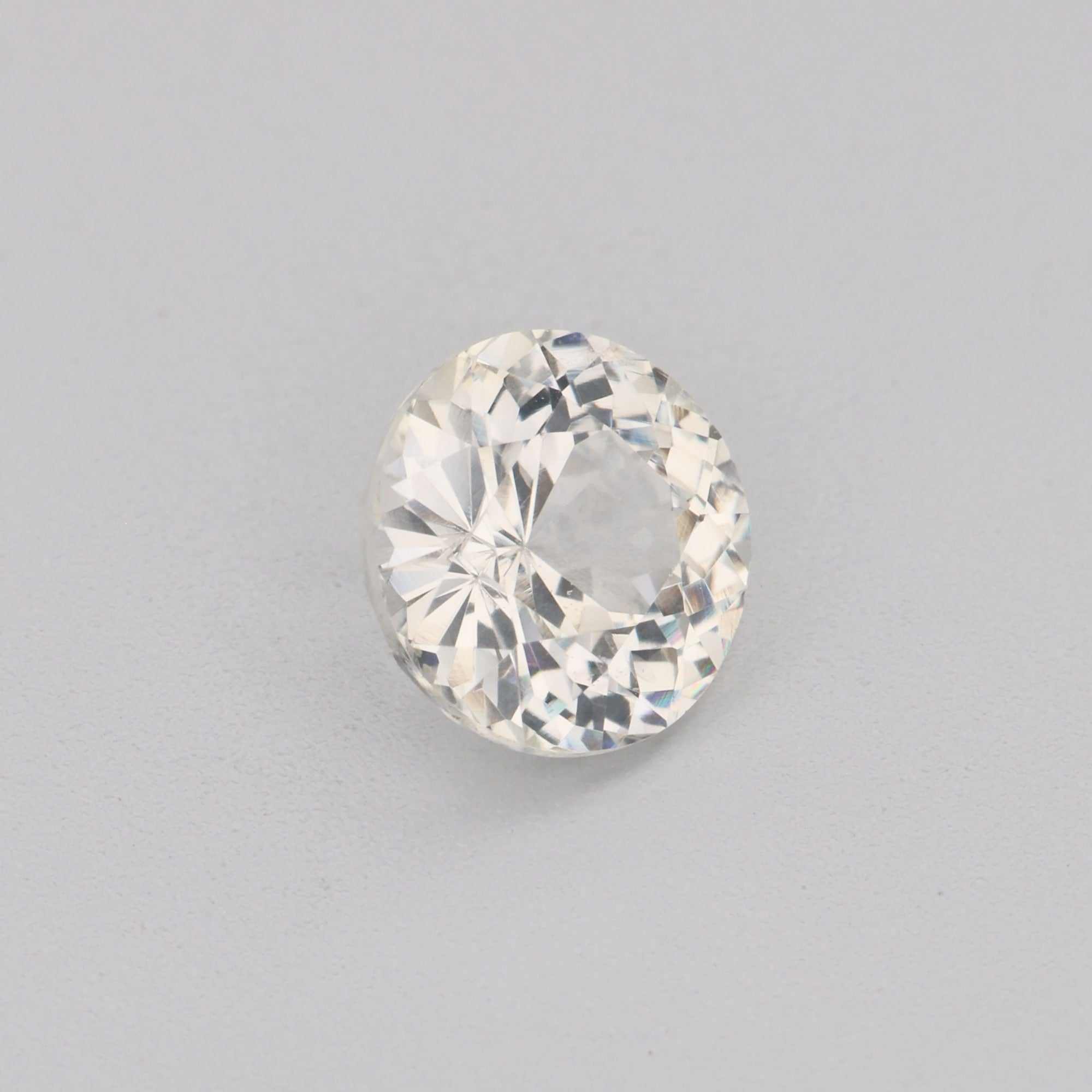
Cut quality in colored gemstones is more consequential than the diamond market trains buyers to think. A poorly cut sapphire shows a window — a colorless, see-through area in the center of the stone where light passes through rather than reflecting back to the eye. A well-cut sapphire shows rich, even color across the entire face-up surface with strong brilliance. The difference in face-up appearance between a well-cut and poorly cut stone of identical rough is dramatic.
The practical application: if a sapphire at a particular carat weight is unusually inexpensive, it is often because the cut sacrificed face-up appearance to retain maximum weight from the rough. A 1.50-carat sapphire that shows a large window is not a better value than a 1.20-carat stone of the same quality with excellent cut — the larger stone may simply look worse in a finished ring.
At Crescent Gems, we hand-cut and recut stones in Sri Lanka rather than accepting whatever cut the rough produces, specifically to ensure that our stones show good face-up color without windows or uneven brilliance. This is one of the direct advantages of sourcing at origin — we have access to the cutter and can specify what we need.
Shape choice for a sapphire engagement ring is partly aesthetic and partly practical. Different shapes suit different ring styles, finger lengths, and personality preferences.
The most popular shape for sapphire engagement rings, and with good reason. The oval maximizes face-up size for a given carat weight (it reads larger than a round of the same weight), elongates the finger in a ring setting, and concentrates color well across the broad face-up surface. Princess Diana's 12-carat Ceylon blue oval cushion — now worn by the Princess of Wales — is the cultural reference point that drove a generation of oval Ceylon blue sapphire engagement ring demand. The practical sweet spot for an oval sapphire center stone is 1.30–1.50 length-to-width ratio, which elongates without becoming excessively narrow.
Romantic, vintage-inspired, and the cut that concentrates sapphire color most effectively. The cushion's rounded corners trap and deepen saturation, producing a richer face-up color than oval or round equivalents of the same rough. Cushion-cut Ceylon blue sapphires have historically appeared in the finest vintage engagement and jewelry pieces, and the combination of cushion cut with Ceylon origin is the most classic engagement stone specification in the category. Square cushions (1:1 ratio) read balanced and architectural; rectangular cushions (1.20–1.40 ratio) read more vintage and elongated.
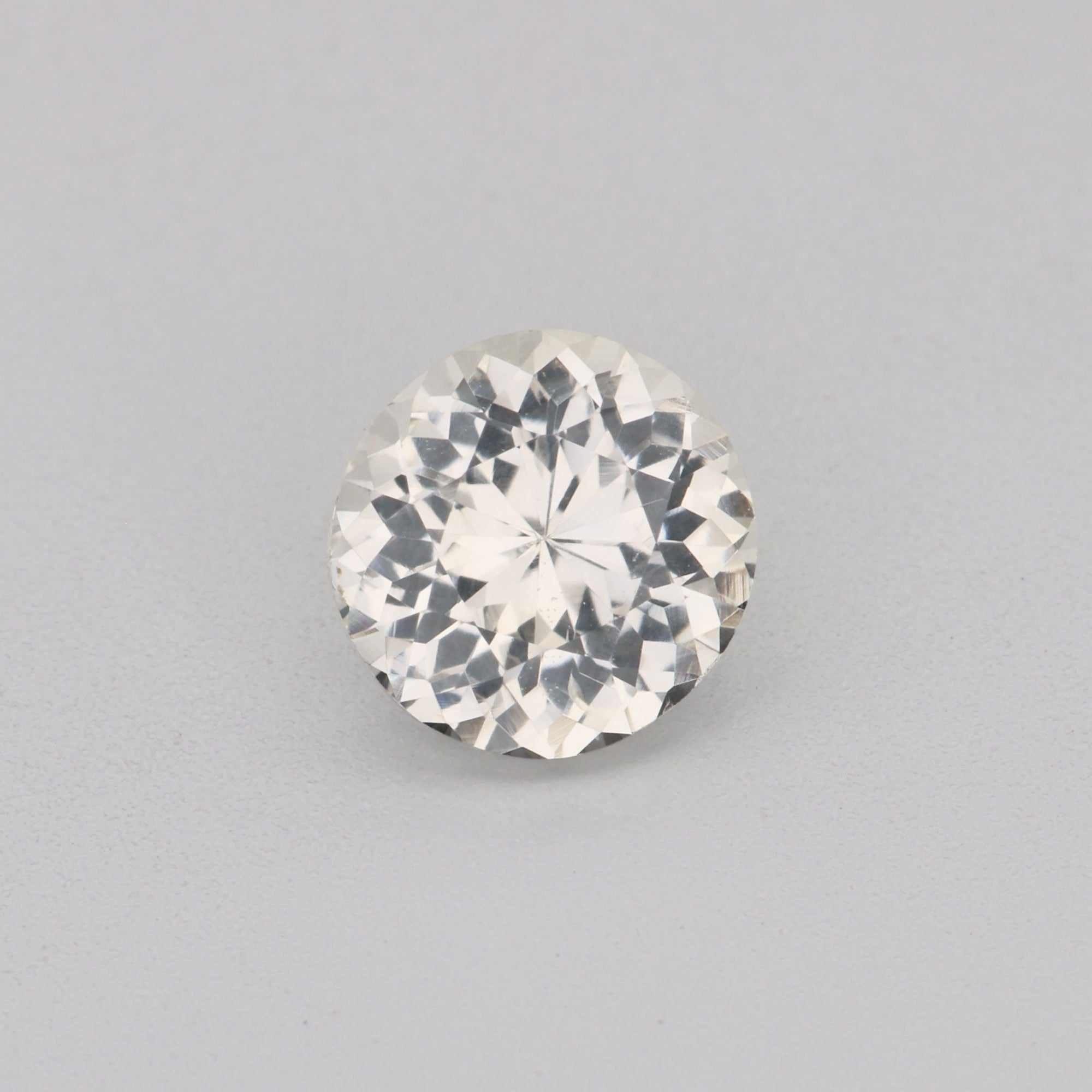
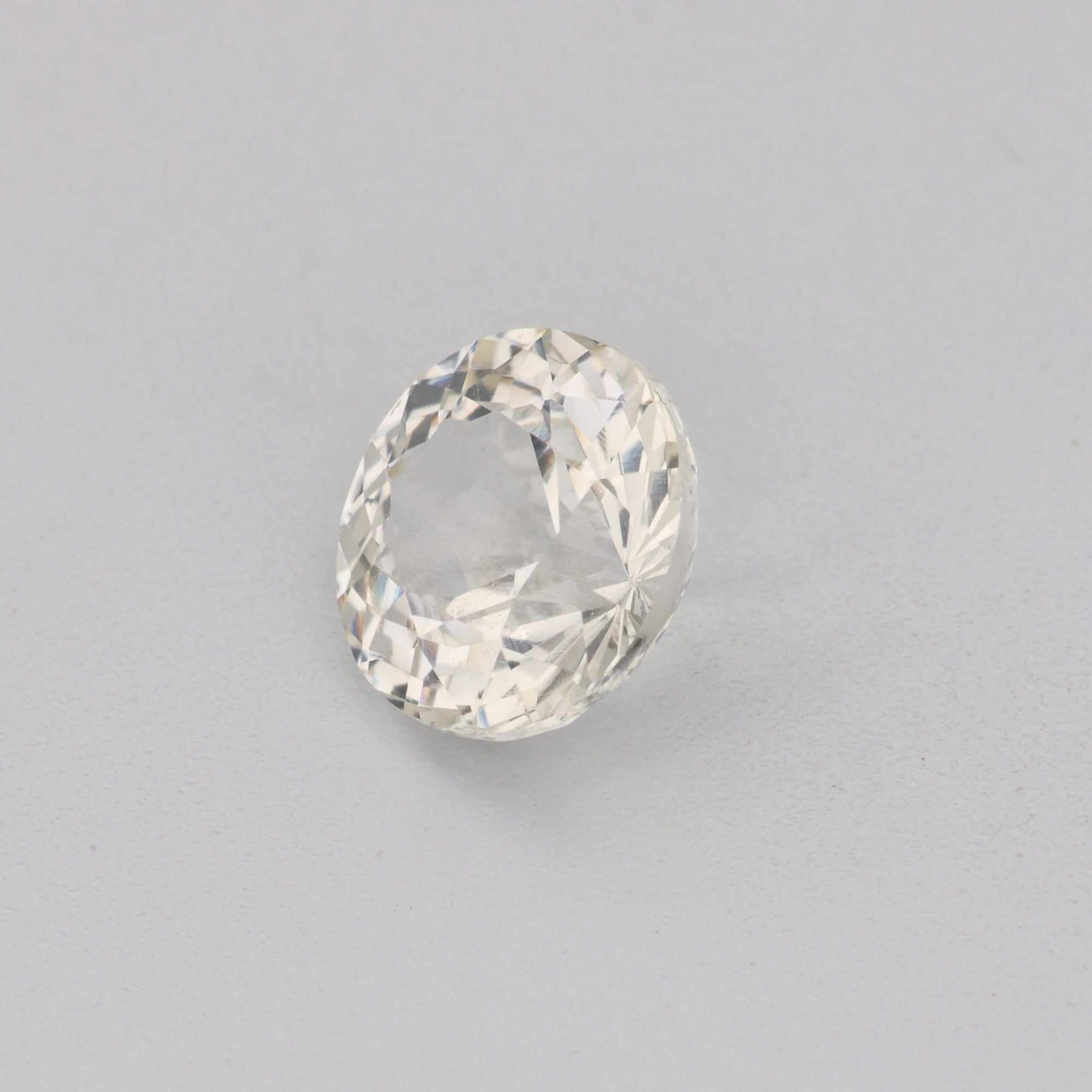
Maximum brilliance, standard setting compatibility. Round brilliant cuts return more light than any other shape, which produces the highest sparkle but slightly reduces apparent color saturation compared to cushion or oval cuts of the same material. Best for vivid-saturation sapphires where the color is strong enough to hold up to the light scattering of a round brilliant. Round sapphires also fit the widest range of standard engagement ring settings without custom fabrication.
An increasingly popular choice for sapphire engagement rings among buyers who want a modern, architectural aesthetic. The emerald cut's step facets create interior depth rather than surface sparkle — a hall-of-mirrors effect in vivid blue that is unlike anything a brilliant cut produces. Step cuts require excellent clarity (the facets reveal everything) and strong color saturation (step cuts do not intensify color the way cushion geometry does). When both conditions are met, a step-cut Ceylon sapphire is one of the most sophisticated engagement stone options available.
Both elongate the finger maximally and read larger face-up than their carat weights suggest. Pear-cut sapphires in sapphire-specific settings (with V-prong tip protection) suit certain modern and east-west design styles. Marquise sapphires are rare in Ceylon material at engagement-ring weights and are therefore highly distinctive.
The metal you set a Ceylon sapphire in significantly affects how the stone reads in the finished ring. This is not a question with a universal right answer — it depends on the specific color of your sapphire and your personal aesthetic.
One practical note: platinum and high-karat gold settings are recommended for daily-wear engagement rings. Lower-karat gold alloys (10K) can scratch and show wear more visibly over time. The sapphire at Mohs 9 will outlast any metal setting — the stone is not the durability concern in a sapphire engagement ring.
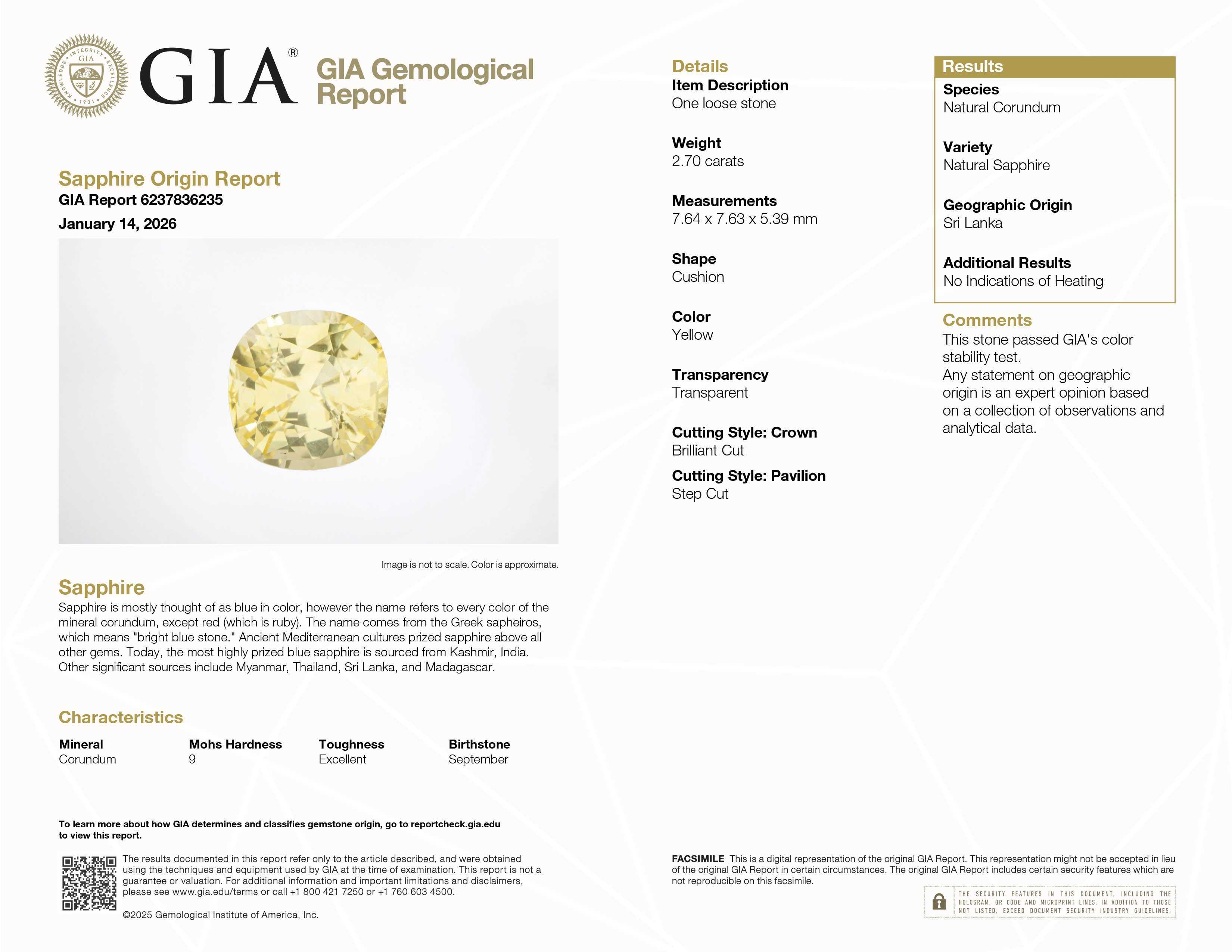
A GIA sapphire report is the most commonly requested laboratory document for Ceylon sapphires at the fine jewelry level, and understanding what it does and does not tell you helps you read it correctly.
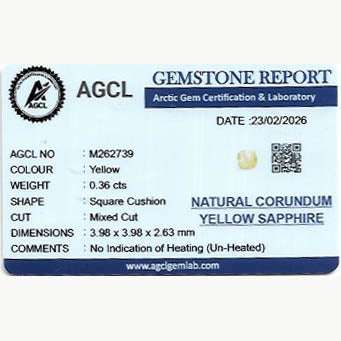
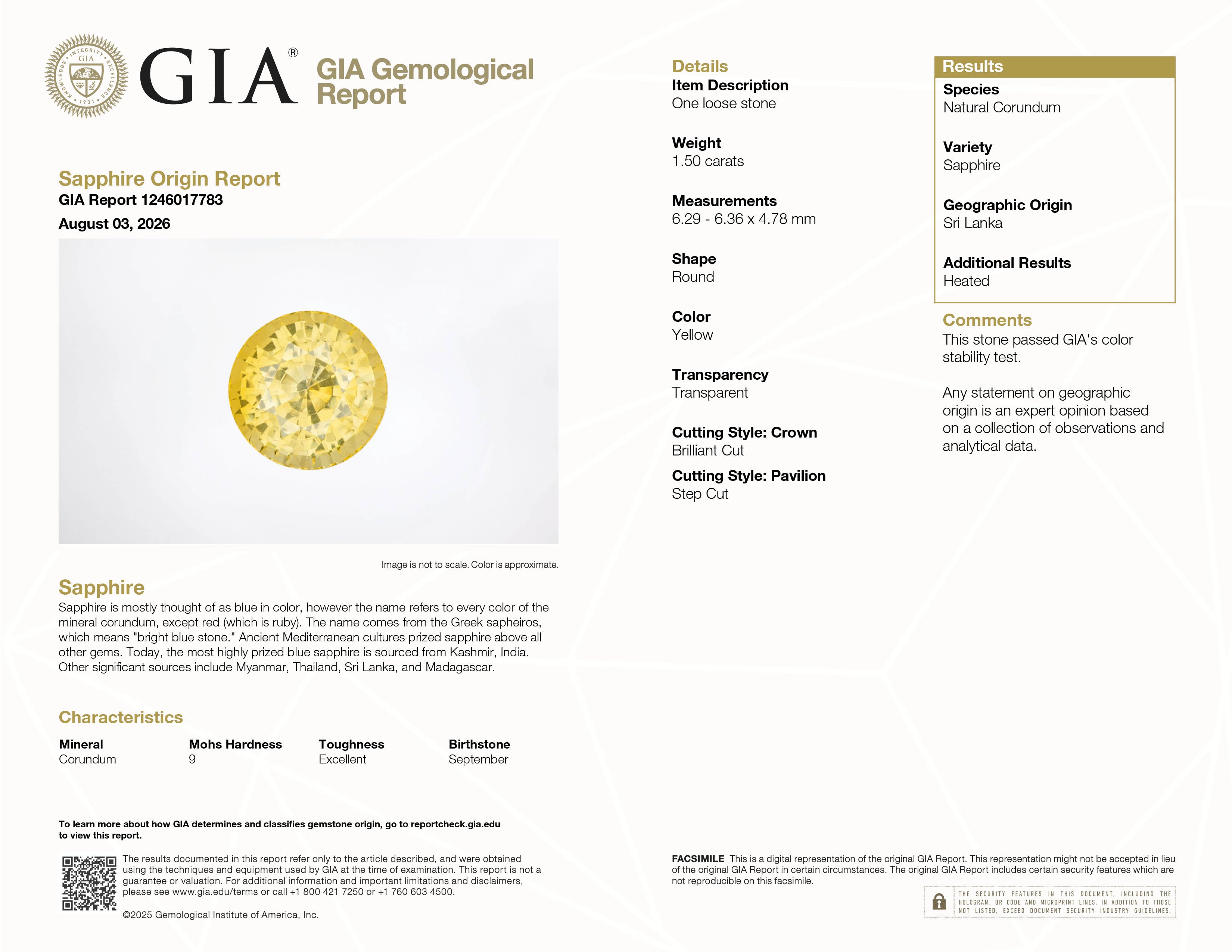
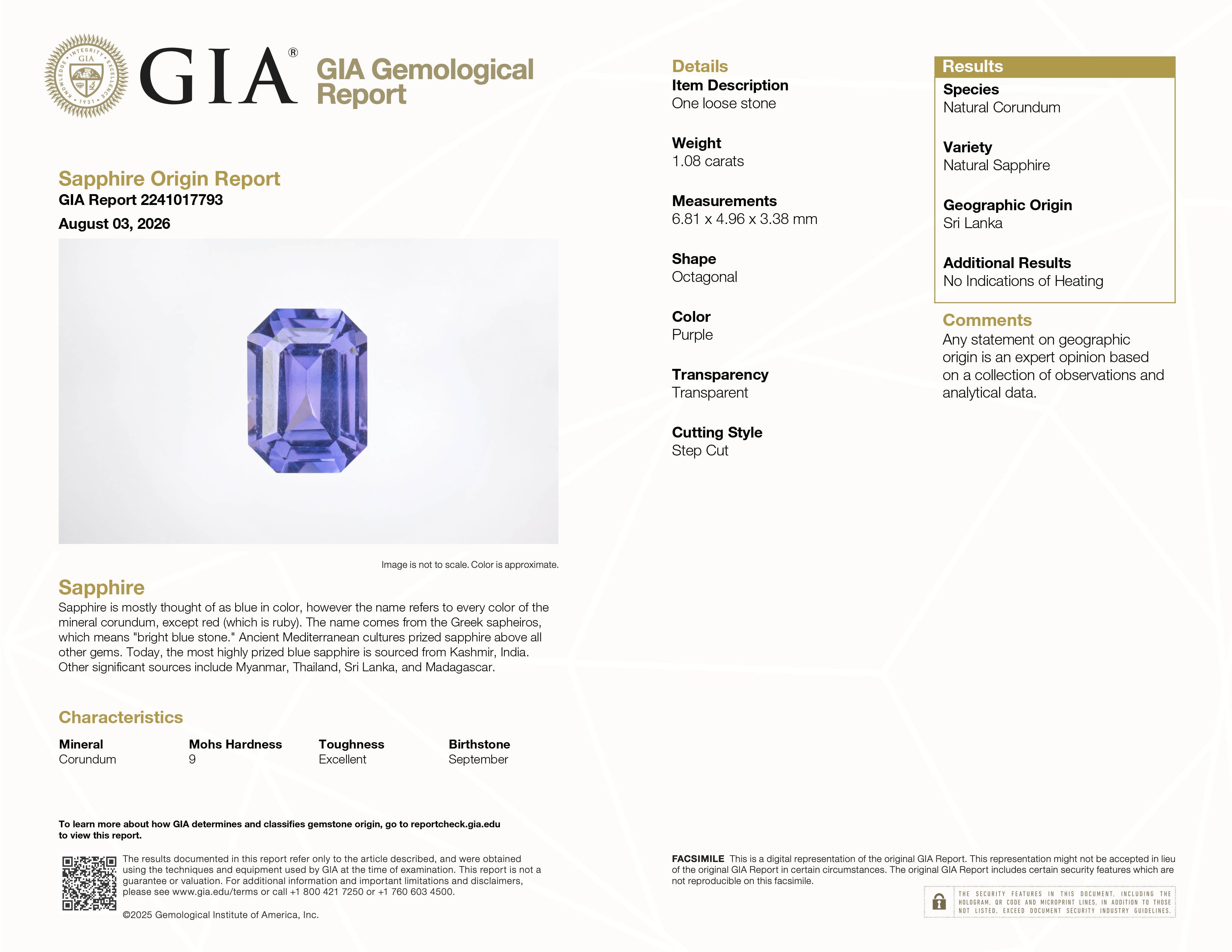
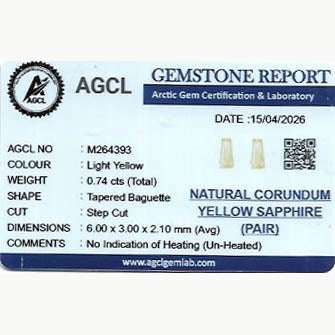
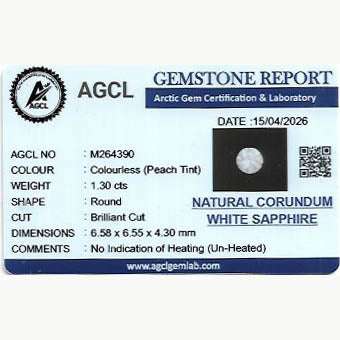
A standard GIA colored stone report includes: the species and variety (Natural Corundum — Sapphire), the shape and cutting style, the weight (in carats), the measurements (in millimeters), and most importantly for sapphires, the geographic origin (where determinable) and the heat treatment conclusion.
The heat treatment field is the most commercially important. GIA states one of three conclusions: No indications of heating (the stone shows no evidence of heat treatment — the most valuable status), Indications of heating (the stone shows internal evidence consistent with heat treatment), or Indications of heating — with residues (the stone shows evidence of heating with foreign materials present, which may indicate more aggressive treatment).
The origin field — Sri Lanka (Ceylon) — is the other key piece of information for buyers paying an origin premium. GIA determines geographic origin based on trace element chemistry and inclusion fingerprinting. Not all sapphires can be assigned to a specific geographic origin with certainty; where GIA cannot make a confident determination, the report will note this. An origin statement on a GIA report is meaningful because it is based on scientific analysis, not a seller's claim.
At Crescent Gems, we send premium stones to GIA for reports and note on every product page whether a stone carries a completed report, has a report in progress, or has not been submitted. Several stones in our catalog are currently at GIA and will be available once reports are issued — we flag these explicitly on the product page rather than selling them before documentation is complete.
Sapphire engagement ring budgets span an enormous range, and where you spend determines what you get in ways that are not always obvious from looking at photographs alone.
These ranges are for the stone alone. Setting costs in the US typically add $800–$3,000 for custom work in white gold, yellow gold, or platinum, depending on complexity and the jeweler.
Already discussed above — but worth repeating because it is the most common and most consequential error. Always view the stone under natural daylight before buying. Ask the seller for video under different light conditions if you are buying online.
A 1.50-carat sapphire with a large window looks smaller and less impressive in a ring than a 1.20-carat stone with excellent cut. Buy the stone that looks best face-up in its setting, not the one with the largest number on the weight scale.
Unheated status is worth money. Where there is money, there is motivation to misrepresent. For any stone where you are paying an unheated premium — generally above $800 per carat at 1 carat and above — require GIA, Gübelin, SSEF, or Lotus documentation confirming no indications of heat treatment. A seller's word is not documentation.
A 1.80-carat oval sapphire looks very different in a simple solitaire than in a halo. The proportions of the stone need to match the design of the setting. If you have a specific setting style in mind, consider the setting first and then source a stone to fit it, rather than buying a stone and hoping to find a setting that suits it.
Ceylon origin is a meaningful quality signal on average — Ceylon sapphires have a characteristic color profile that other origins do not reliably replicate. But a mediocre Ceylon sapphire is still a mediocre sapphire. A vivid, well-cut Madagascar blue sapphire with GIA documentation is a better engagement stone than a murky, poorly cut Ceylon sapphire with the same documentation. Origin matters; color quality matters more. Buy the stone that looks best, then consider whether the origin justifies any premium being asked.
We source directly in Sri Lanka. We select stones personally at the source, work directly with cutters to ensure face-up quality, and bring stones to market with complete treatment disclosure on every product page. Here is what that means in practice for an engagement ring buyer:
A Ceylon sapphire engagement ring, chosen correctly, is one of the most enduring and meaningful pieces of jewelry you can commission. The stone will outlast any setting, any trend, and most other gemstone choices. The color — particularly in unheated natural material — is exactly as the earth made it, unchanged since it formed in the alluvial gravels of Sri Lanka over millions of years. That combination of geological authenticity, visual richness, and practical durability is why sapphire has been the engagement stone of royalty and collectors for centuries and why it continues to be the most popular non-diamond engagement stone in the current market.
We are here to help you get it right. Browse the full Ceylon sapphire catalog, explore by color — blue, teal, yellow, pink, peach, purple — or email crescentgems@gmail.com with your specifications and we will put together options for you personally. We respond within one business day.
Ahmed Shareek
Proprietor — Crescent Gems
A gem dealer with over 25 years of experience sourcing natural sapphires from Sri Lanka, Ahmed brings hands-on expertise in mining, heat treatment, cutting, and stone selection. With deep roots in the Ceylon gem trade, he offers first hand knowledge of origin, quality, and craftsmanship behind every piece of guidance on this site.
The Ultimate Guide to Buying Natural Loose Sapphires
The definitive guide to buying a natural loose sapphire: colour, origin, treatment, cut, shape, certification, pricing, and engagement rings, with links to every Crescent Gems guide and collection.
Read moreabout The Ultimate Guide to Buying Natural Loose Sapphires
The Ratnapura Gem Market — How Sapphires Are Traded at the Source
Read moreabout The Ratnapura Gem Market — How Sapphires Are Traded at the Source
Madagascar Sapphire — The Modern Origin That Rivals Ceylon
Read moreabout Madagascar Sapphire — The Modern Origin That Rivals Ceylon
Montana Sapphire vs. Ceylon Sapphire — How America's Sapphire Compares to Sri Lanka's
Read moreabout Montana Sapphire vs. Ceylon Sapphire — How America's Sapphire Compares to Sri Lanka's
Sapphire vs. Spinel — The Overlooked Comparison Every Collector Should Understand
Read moreabout Sapphire vs. Spinel — The Overlooked Comparison Every Collector Should Understand
Share: