- by Ahmed Shareek
Oval Sapphire — The Complete Guide to the Most Popular Sapphire Cut
- by Ahmed Shareek
For cut quality fundamentals: How Cut Affects a Sapphire. For shape comparison: Best Sapphire Cut for an Engagement Ring. For the buying foundation: Ultimate Sapphire Buying Guide.
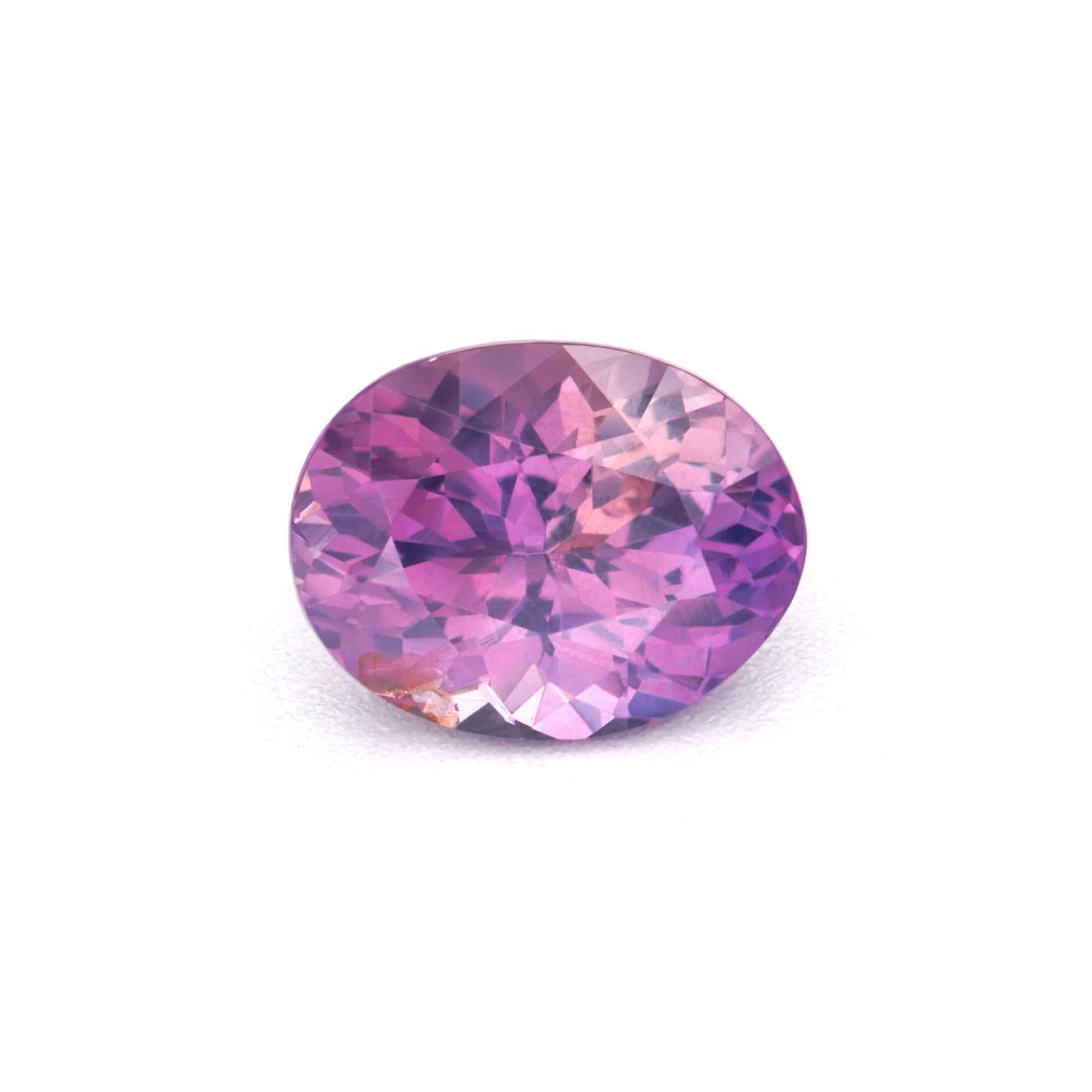
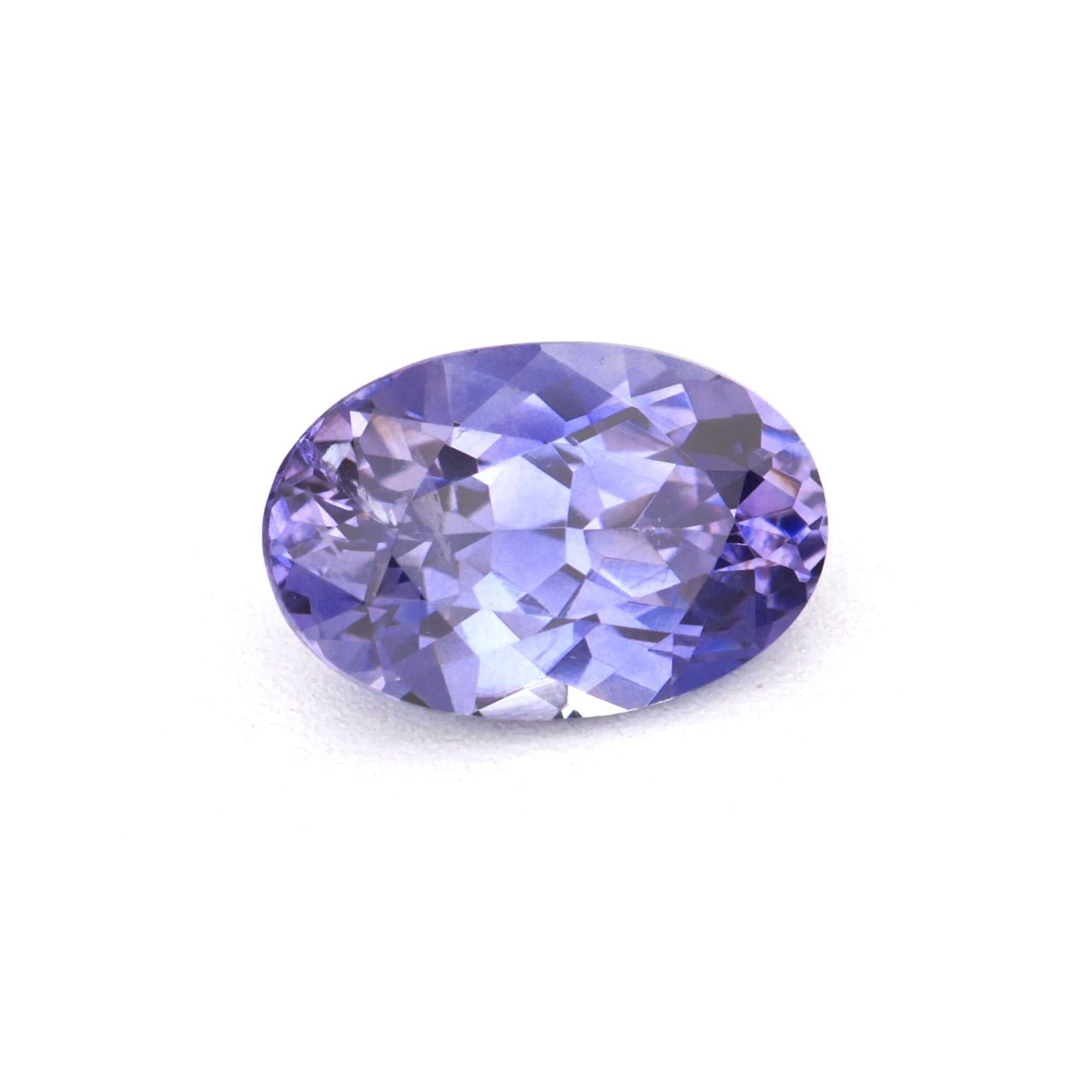
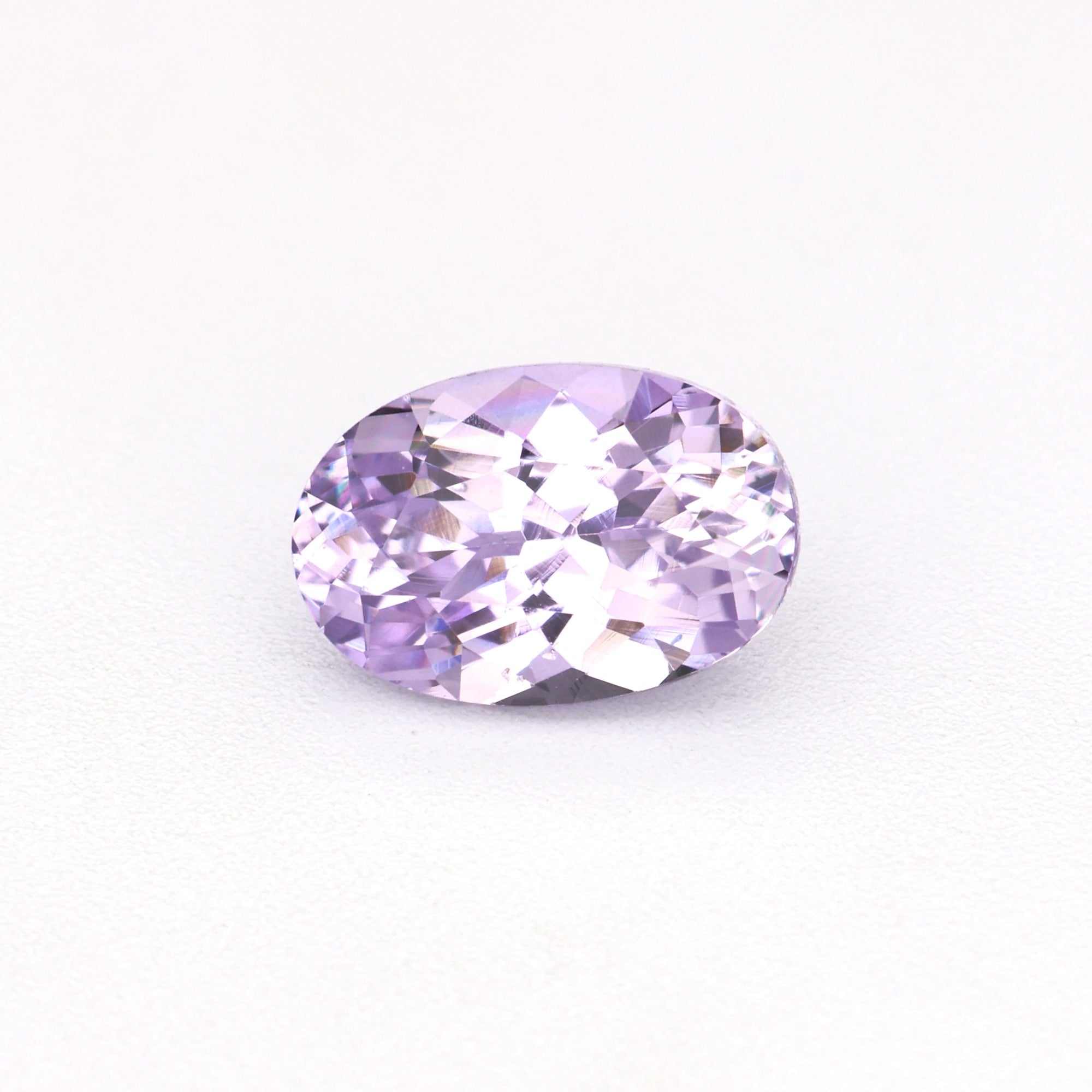
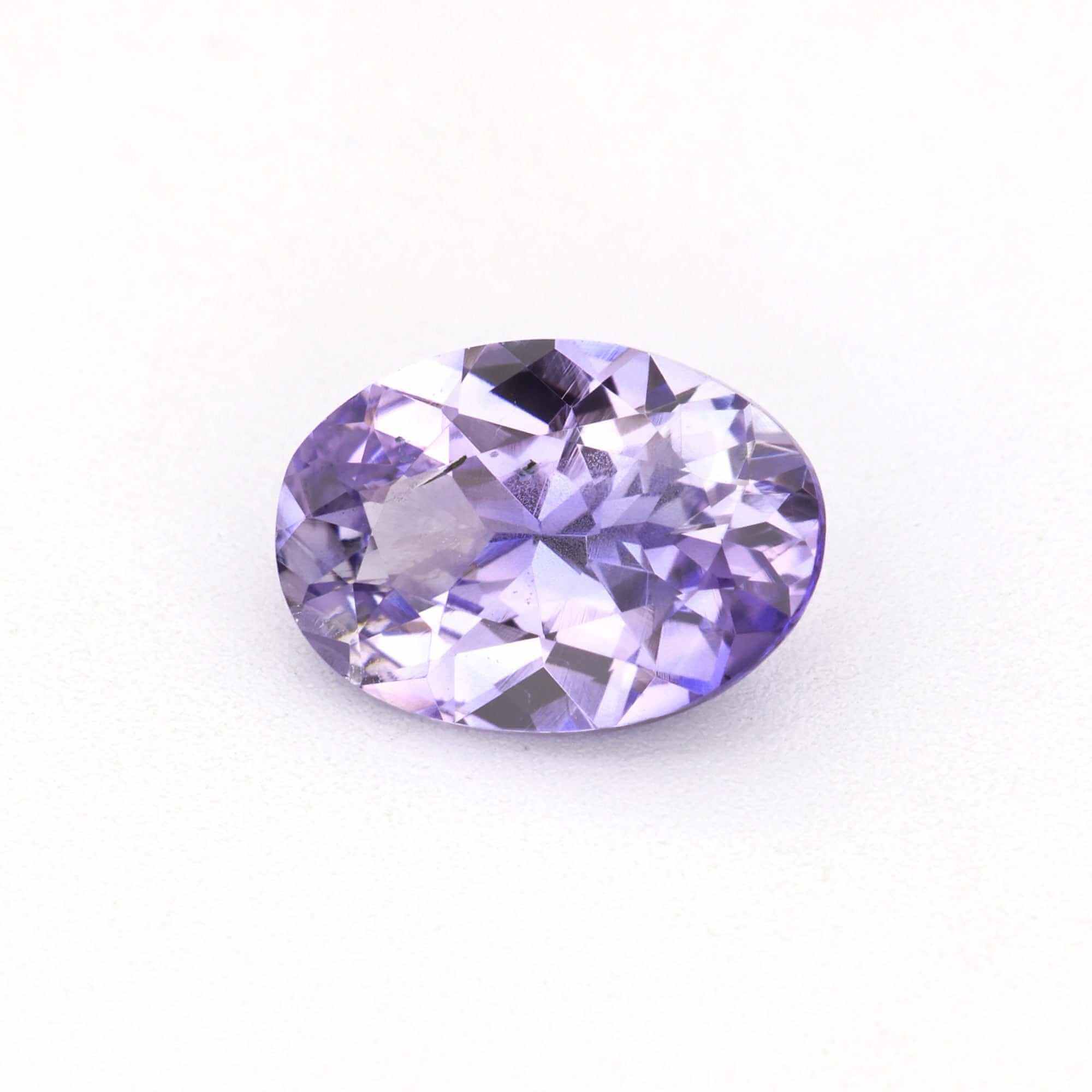
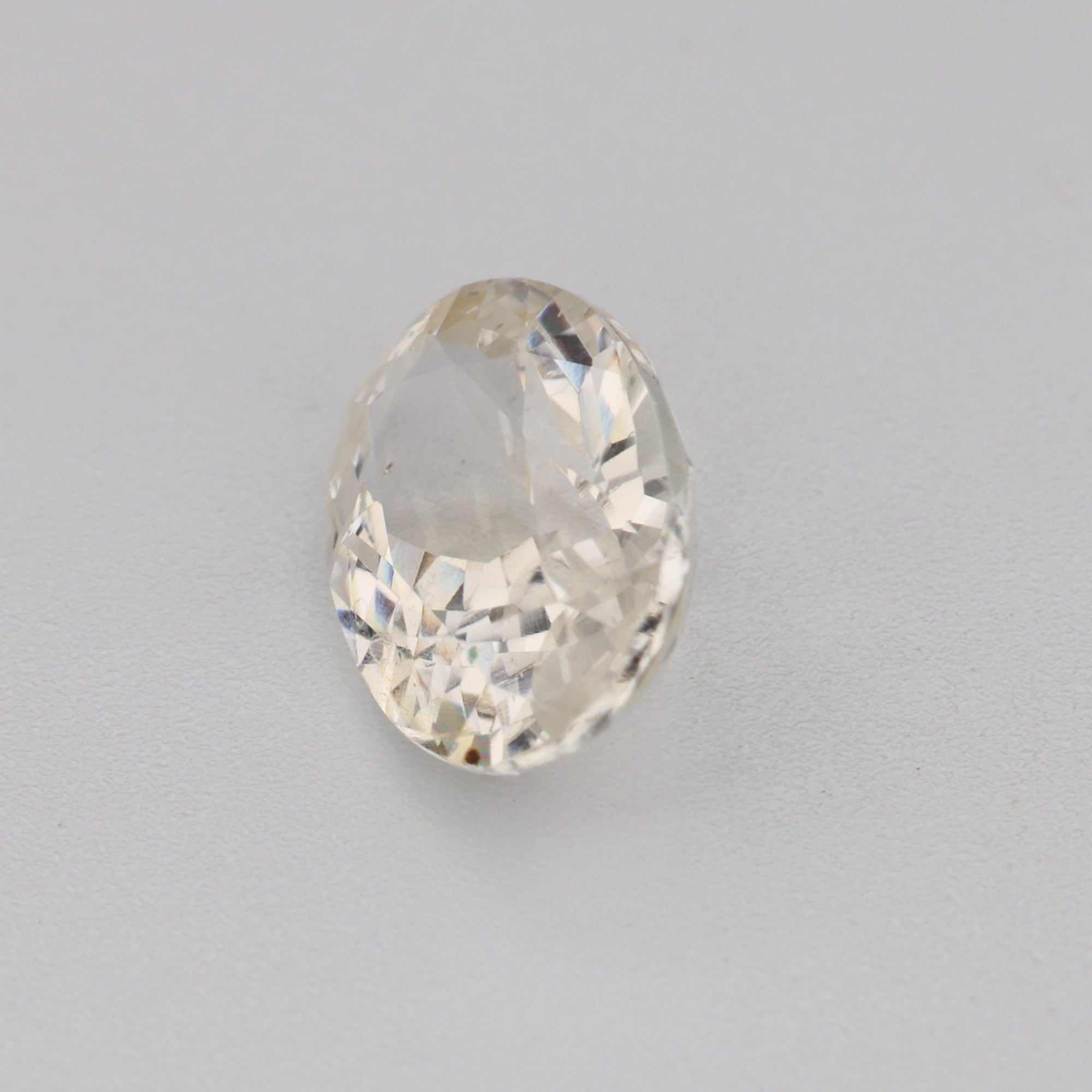
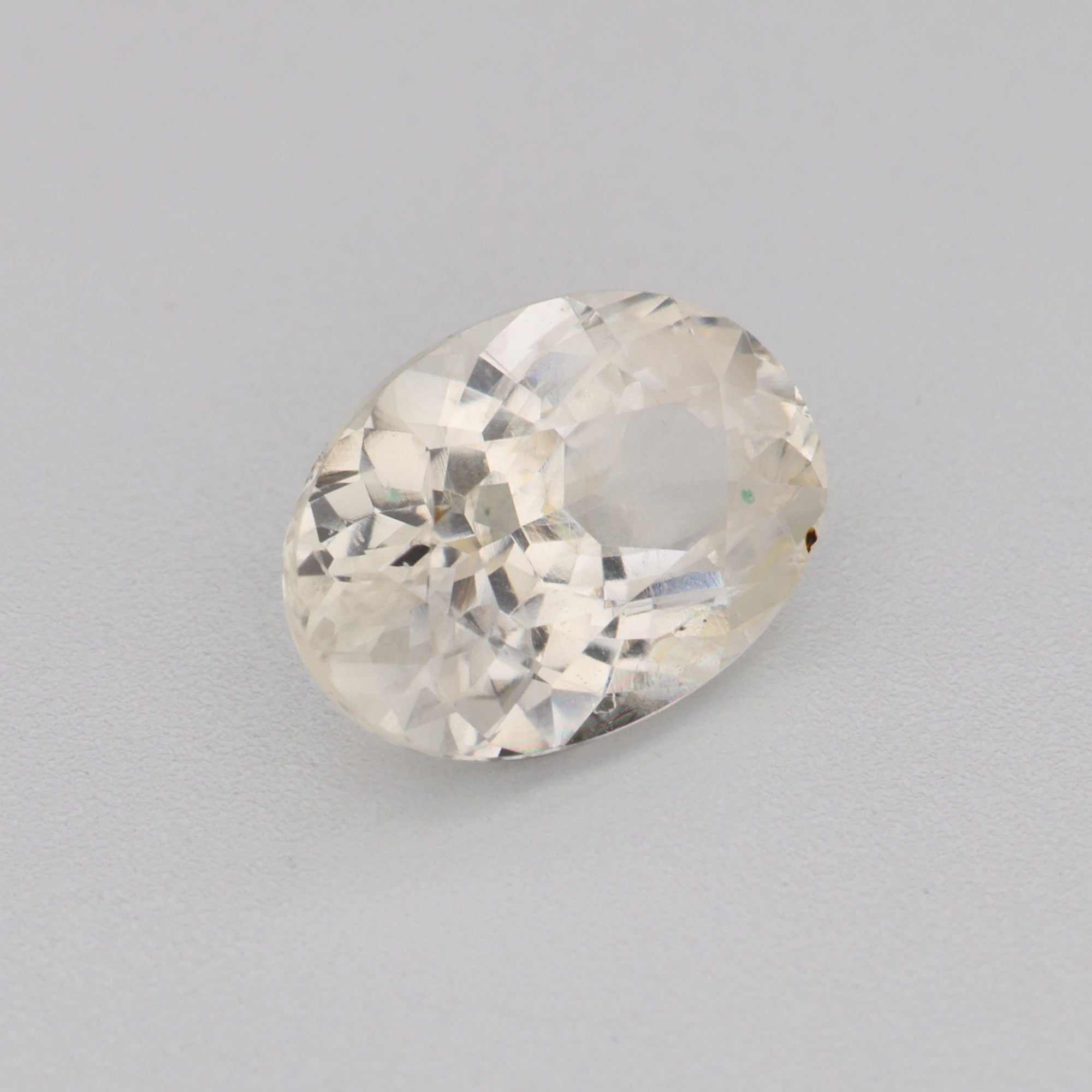
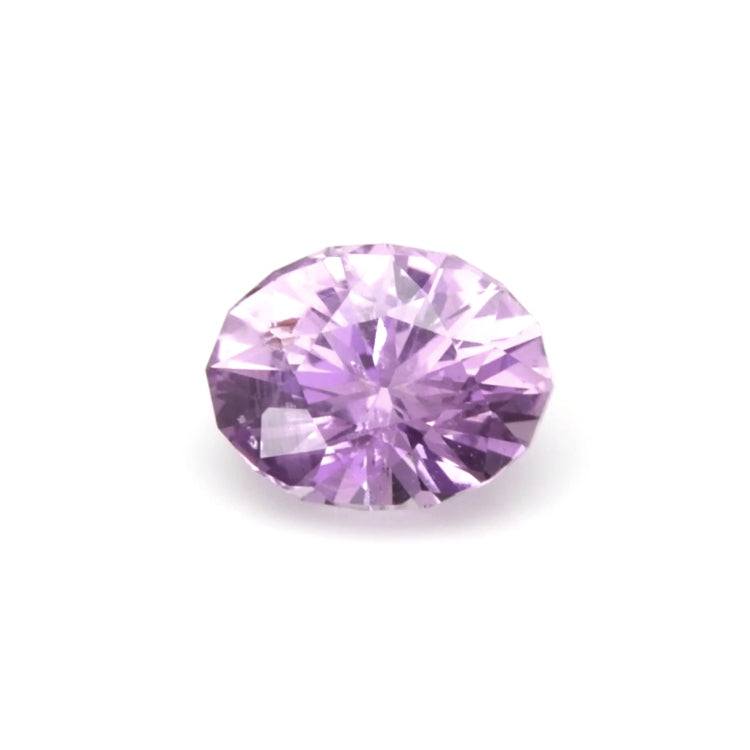
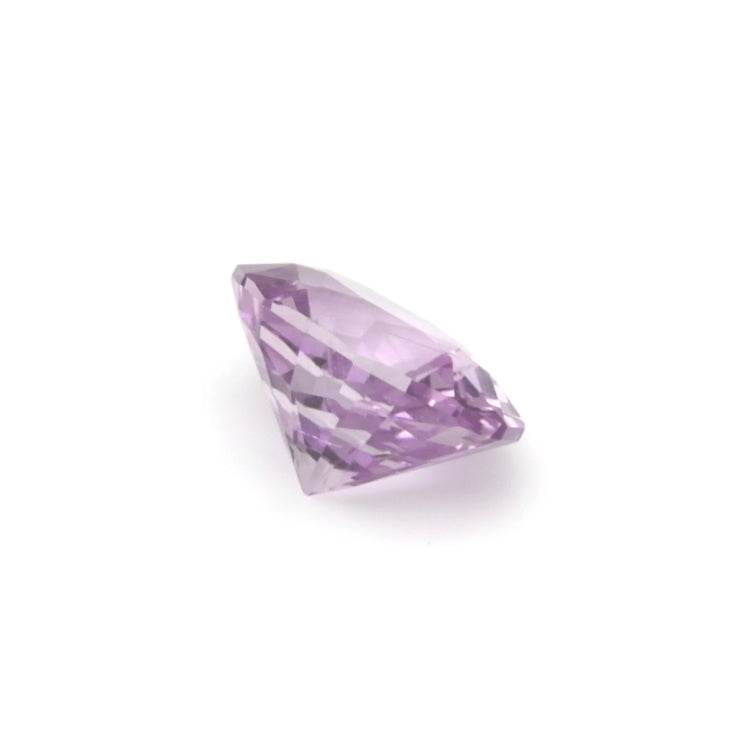
The oval is the most popular sapphire cut by a significant margin. The oval reads larger than a round of the same face-up area, elongates the finger in a ring setting, concentrates color effectively, and suits virtually every setting style from classic solitaire to vintage halo. It is also the shape that most sapphires are cut into naturally, because the elongated hexagonal prism of corundum rough lends itself to oval proportions with the least waste.
Reads larger than its area. A 1-carat oval at 7 × 5 mm covers 27.5 mm² face-up against 28.3 mm² for a 1-carat round at 6 mm diameter — fractionally less, not more. The oval still looks the bigger stone, because an elongated outline reads larger than a compact outline of equal area. Finger-elongating effect. An oval set with its long axis running along the finger creates a slimming, elongating optical illusion. Color concentration. The oval's brilliant-style faceting concentrates color effectively across the face-up area. Setting versatility. Oval sapphires work in virtually every setting style. Rough efficiency. The natural crystal habit of corundum produces oval outlines naturally with lower weight loss during faceting.
| L/W Ratio | Appearance | Best For |
|---|---|---|
| 1.20-1.30:1 | Slightly elongated; the most balanced oval | Widest appeal; flatters most hand types |
| 1.30-1.45:1 | Moderately elongated; classic oval look | Slim and average fingers; maximum elongation effect |
| 1.45-1.60:1 | Strongly elongated | Buyers who want maximum length; narrower fingers |
| Below 1.20:1 | "Fat oval" — nearly round | Buyers who want oval character without strong elongation |
The most popular L/W range in the current market is 1.30-1.45:1 — that is a trade-wide statement about what buyers ask for, not a description of what we hold. Our own 33 oval sapphires run from 1.13:1 to 1.55:1, median 1.32:1, and only 12 of the 33 fall inside that 1.30-1.45:1 band. The nine at or above 1.50 ct are more compact still, running 1.13:1 to 1.36:1 with a median of 1.19:1. Measured from our own stones, 18 September 2026. For a full guide to elongated oval shapes, see our best elongated sapphire shapes guide.
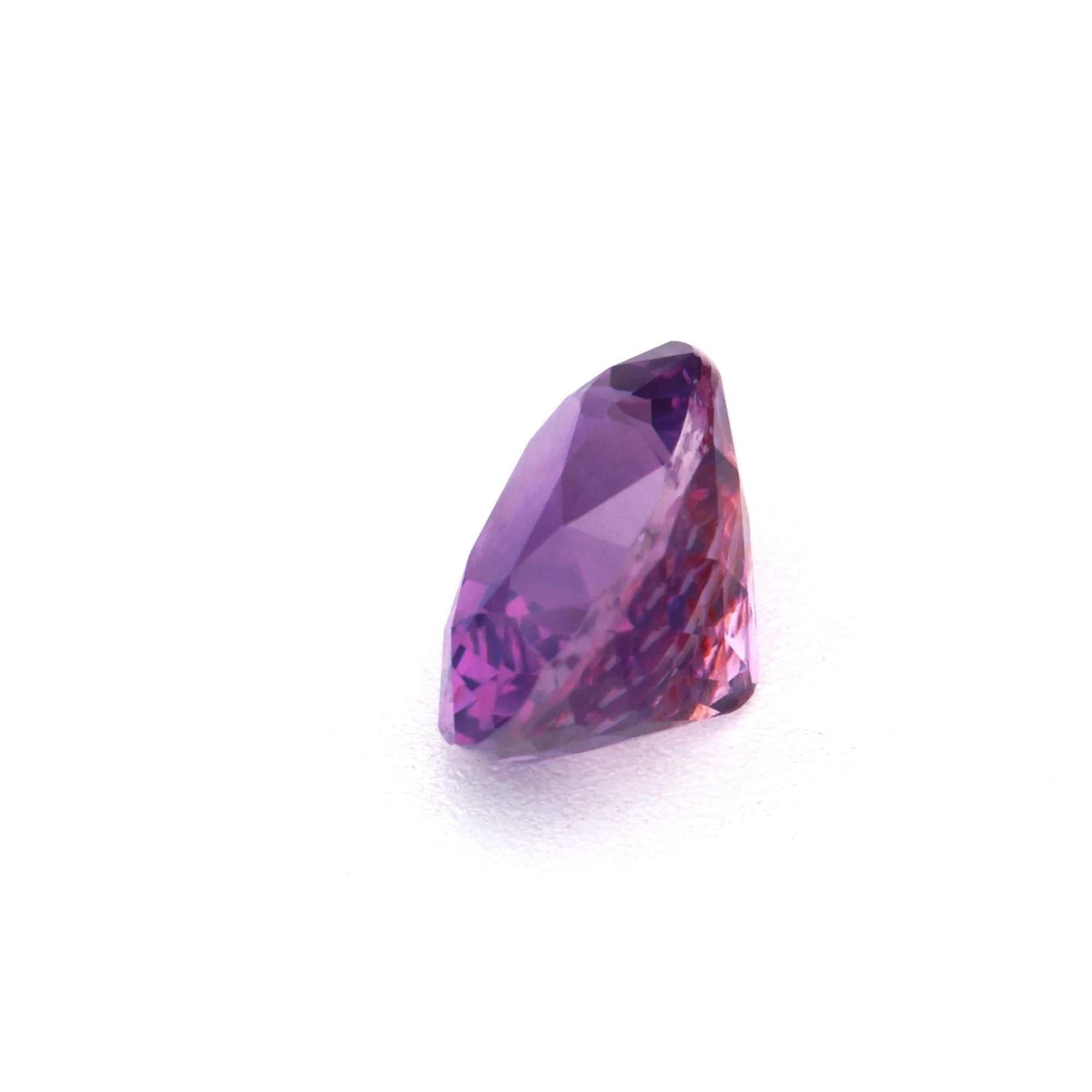
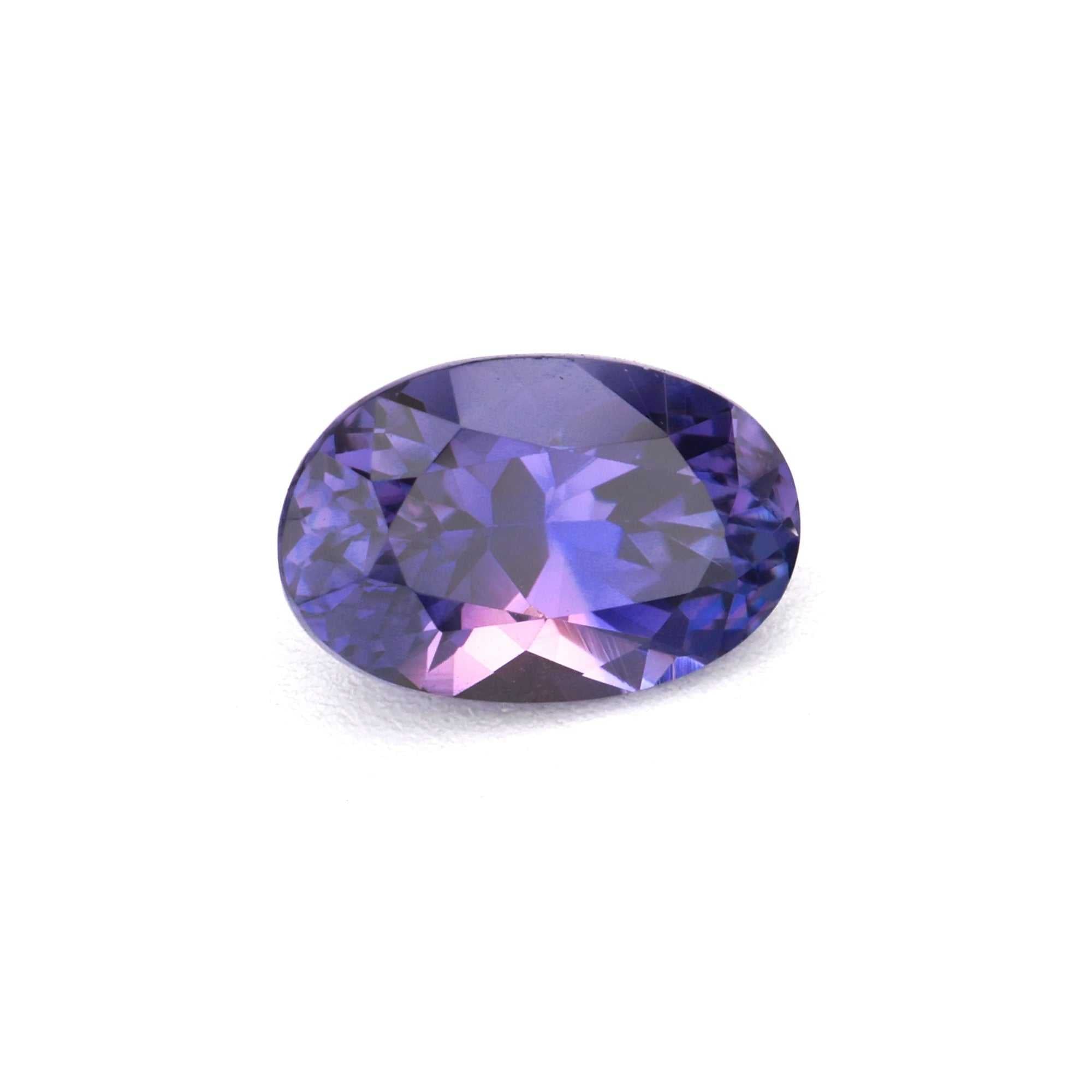
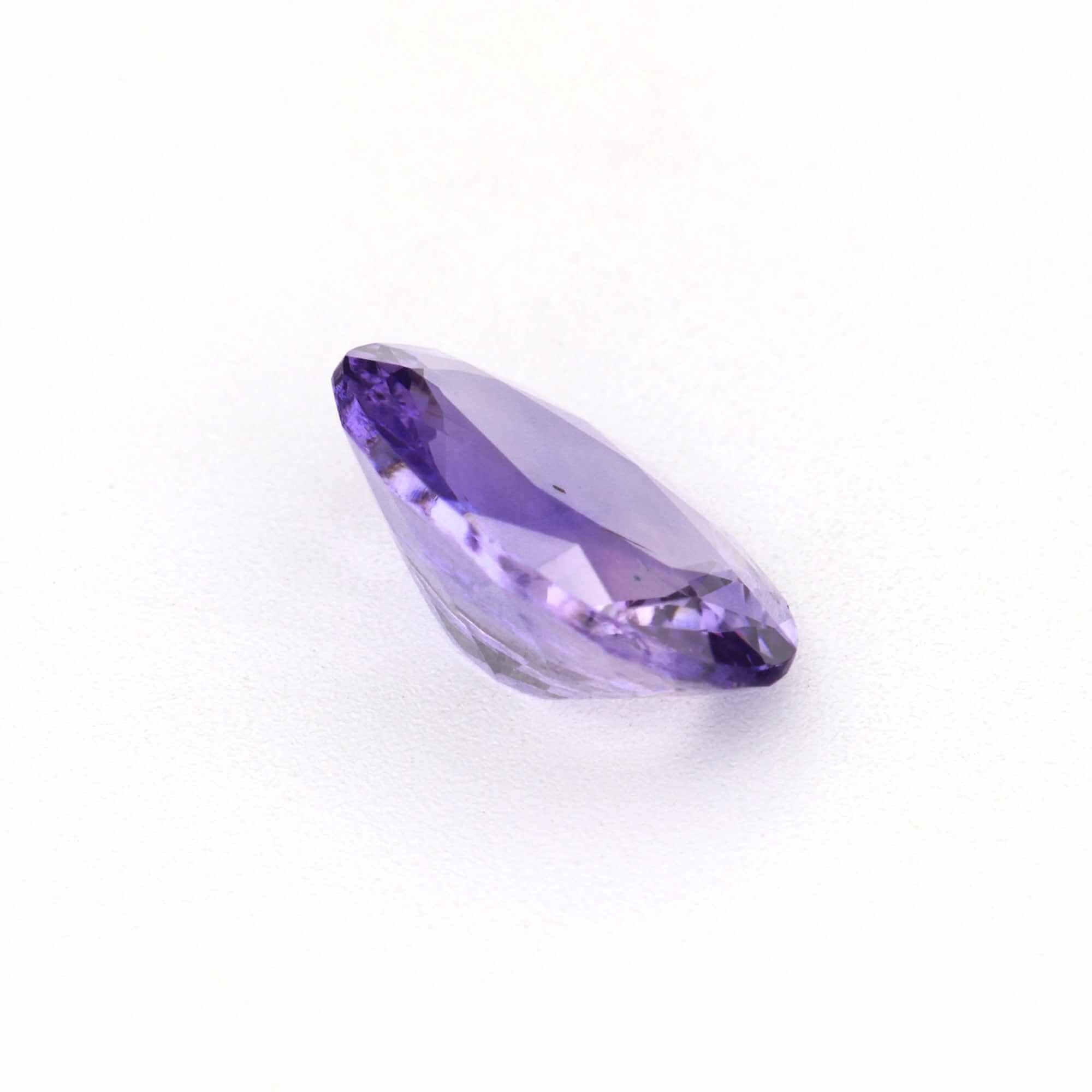
The bowtie is a dark, bowtie-shaped shadow that appears across the width of the stone when viewed face-up — caused by light leaking through the pavilion at the stone's widest point. Faint bowtie: acceptable and common in well-cut ovals. Strong bowtie: a quality issue that should be reflected in price. The bowtie cannot be assessed from a laboratory report or a still photograph — you must view the stone face-up under normal room lighting. See our How Cut Affects a Sapphire guide for the full evaluation framework.
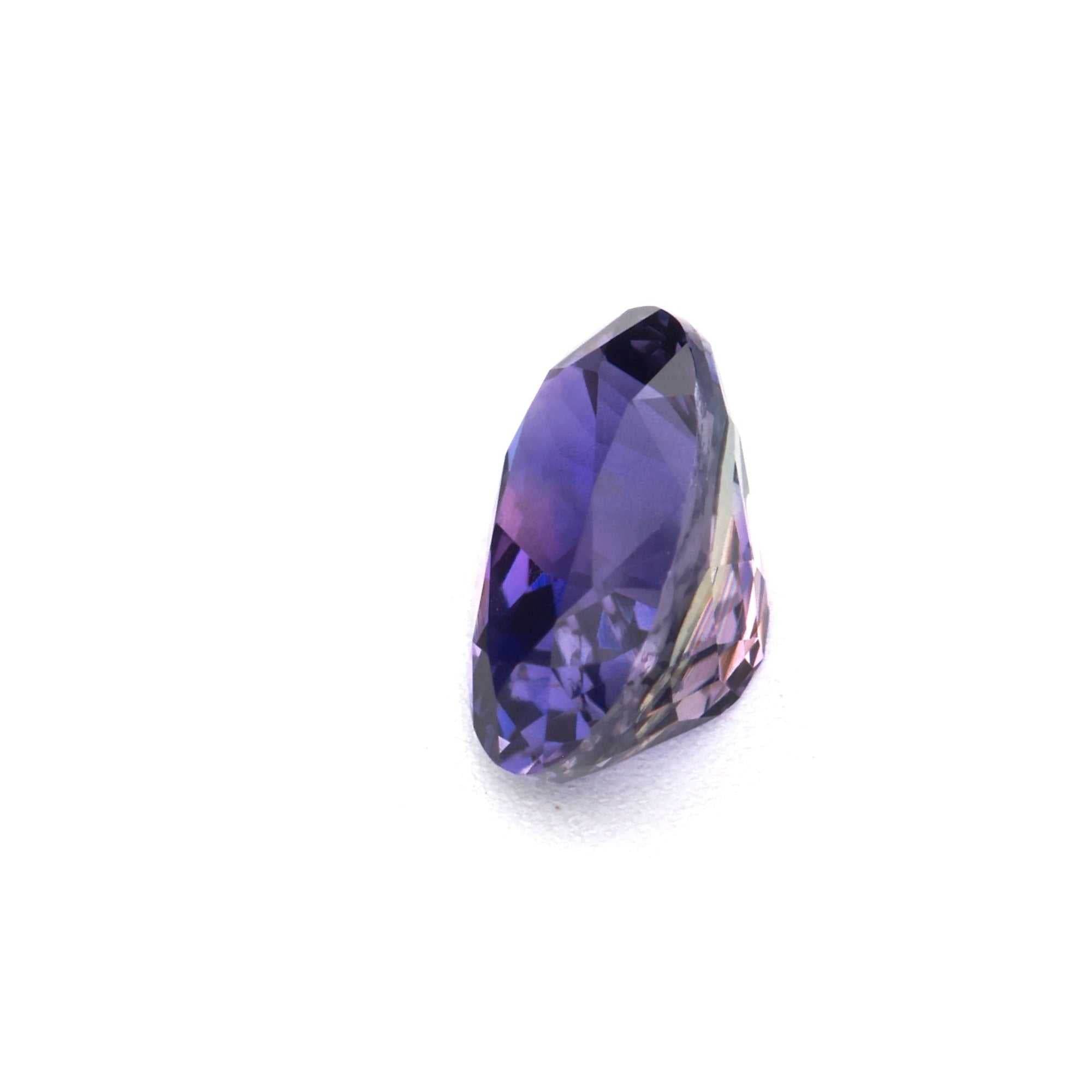
Window check: Hold the stone face-up over a white surface. If you can see through the center, it has a window. Extinction assessment: Dark patches covering more than 30-40% of the face-up area indicate a pavilion that's too steep. Symmetry: The outline should be even and symmetrical across both axes. Face-up size vs. carat weight: Check the stone against what our own ovals measure — see the table below.
The figures below are measured from the 33 oval sapphires we currently list. All 33 have recorded dimensions, so none were excluded from the sample. They describe how the ovals we buy are cut — not what a carat weight "is".
| Carat band (median weight) | Ovals measured | Median face-up size | Range across those stones |
|---|---|---|---|
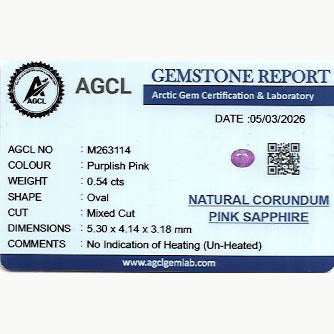
| 0.50–0.74 ct (median 0.57 ct) | 8 | 5.91 × 4.00 mm | 5.30–5.98 × 3.84–4.14 mm |
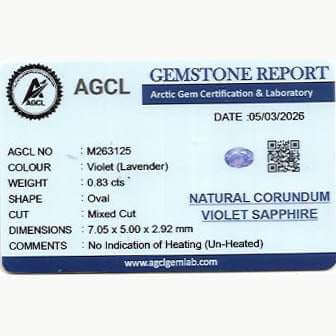
| 0.75–0.99 ct (median 0.83 ct) | 3 | 7.00 × 5.00 mm | 6.83–7.05 × 4.98–5.00 mm |
| 1.00–1.24 ct (median 1.17 ct) | 10 | 6.98 × 5.18 mm | 6.38–7.67 × 5.05–5.60 mm |
| 1.25–1.49 ct (median 1.37 ct) | 3 | 7.42 × 5.52 mm | 6.48–7.42 × 5.42–6.58 mm |
| 1.50–1.99 ct (median 1.65 ct) | 2 | 7.81 × 6.31 mm | 7.71–7.91 × 6.16–6.46 mm |
| 2.00–2.99 ct (median 2.20 ct) | 5 | 7.95 × 6.68 mm | 6.96–8.51 × 5.93–6.95 mm |
| 4.00–4.99 ct (median 4.50 ct) | 2 | 10.10 × 8.16 mm | 9.52–10.68 × 7.87–8.45 mm |
Measured from the 33 oval sapphires we currently list, 18 September 2026. These are our own stones, measured — not a universal size chart. Figures are the medians of our recorded face-up length and width; the bands shown are the weights we actually hold, and no band is estimated from stones we do not have.
We hold no oval sapphire between 3.00 and 3.99 ct, so there is no 3 ct row — the bands above are the weights we actually stock. Two rows rest on two stones each; read those as two points, not a distribution.
A generic trade chart puts a 1 ct oval at roughly 7.0 × 5.2 mm. In our stock that spread turns up at a median weight of 1.17 ct, and our 2.00–2.99 ct ovals (median 2.20 ct) measure 7.95 × 6.68 mm against the 9.0 × 6.6 mm a chart would give a 2 ct stone — while at half a carat our ovals run the other way, 5.91 mm long against a chart's 5.5 mm. Stones cut to retain weight measure smaller face-up than a chart assumes, so two stones of the same carat weight can differ in spread, and spread is what you are really comparing. That is a statement about these stones, not a claim that they are cut better or worse than anyone else's.
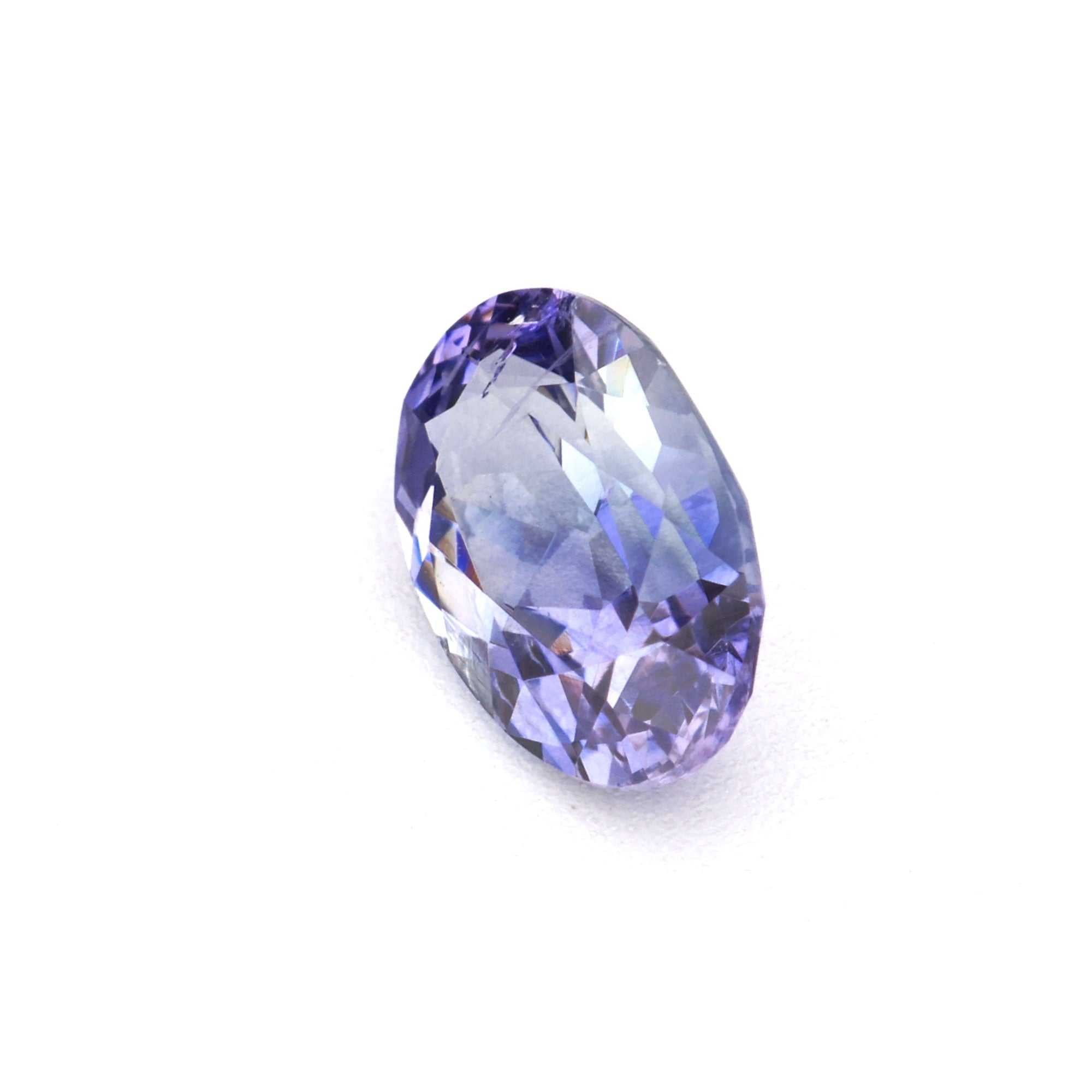
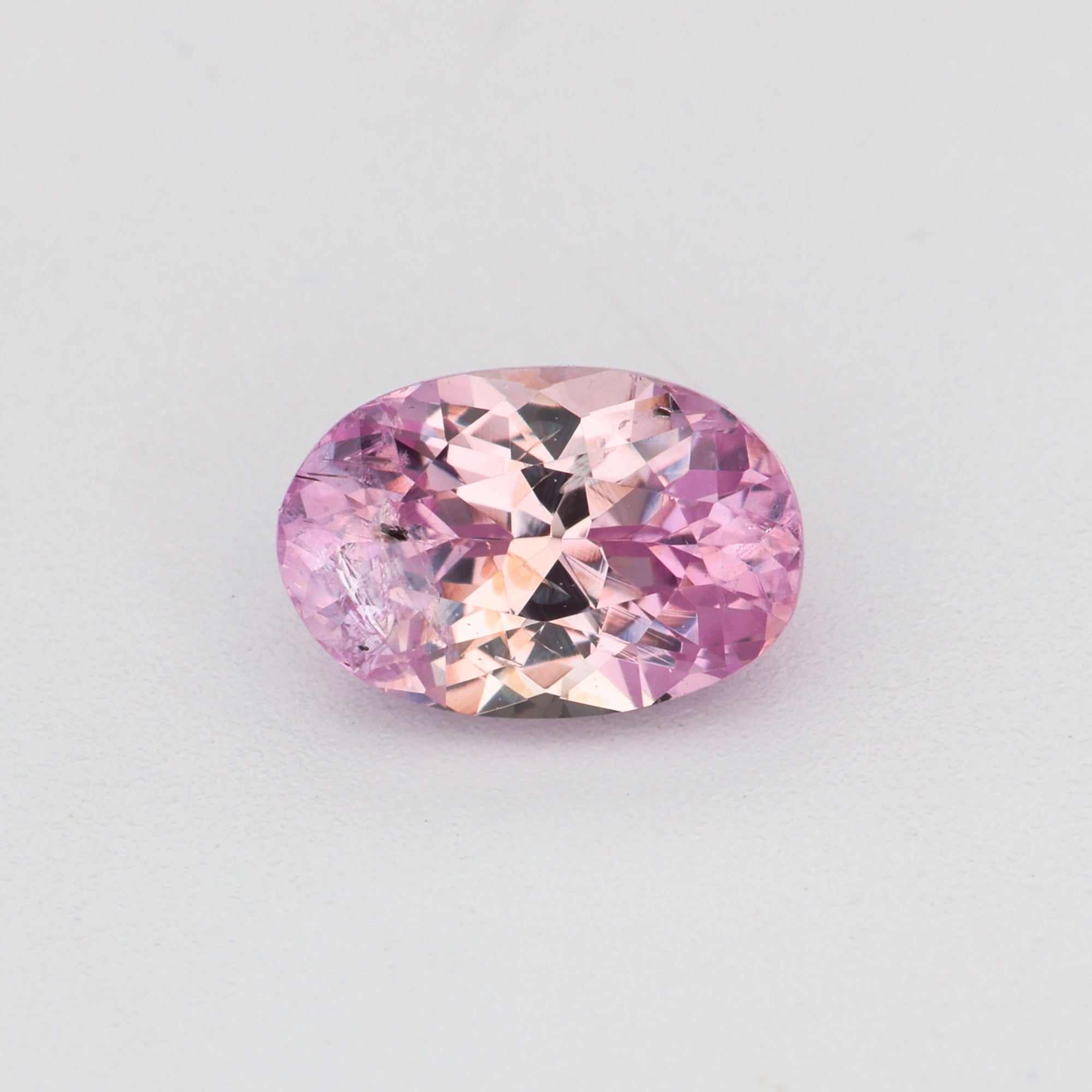
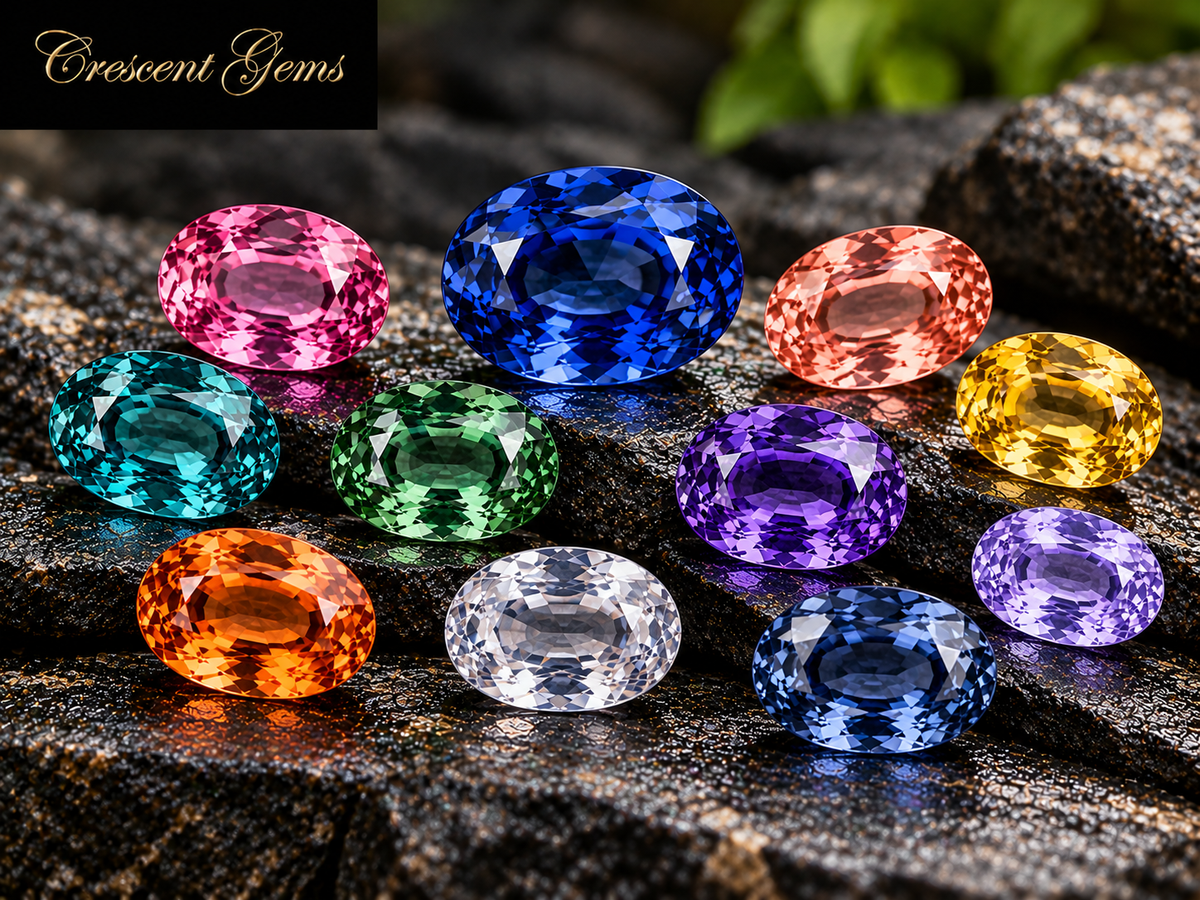
Blue sapphire — the classic pairing. The oval concentrates blue effectively and the elongated outline maximizes the perceived size of the stone. Teal sapphire — teal's color-shift character is amplified by the oval's brilliant faceting. Pink sapphire — increasingly popular as engagement ring alternatives; see our 1.13 ct GIA-documented oval purplish pink sapphire, currently in stock. Yellow sapphire — well-served by the oval's brilliant faceting. Padparadscha — the rarest color is almost always cut oval or cushion to maximize the face-up display.
Four-prong solitaire: See our best shapes for solitaire rings. Halo settings: A halo of diamonds around an oval center is one of the most popular configurations. See our halo ring guide and best shapes for halo rings. Three-stone: See our best shapes for three-stone rings. For metal choice see our metal comparison guide. For the full custom ring design process see our custom ring design guide. For setting that protects corners, see our setting protection guide.
Price is driven by color, treatment status, origin, and carat weight. For the full pricing framework see our Sapphire Pricing Explained guide, what a good 1 carat sapphire costs, and what a good 2 carat costs. After purchase, insure your ring: see our jewelry insurance guide.
The table below is built from the 33 oval sapphires we currently list. Per-carat figures are each stone's listed price divided by its carat weight, rounded to the nearest dollar. Rows are shown only where we hold at least two stones of that colour in that weight range; where a row rests on two stones, read it as two points, not a range.
| Colour | Weights we list | Stones | Listed price per carat |
|---|---|---|---|
| Blue | 1.16–1.37 ct | 3 | $803 – $1,238 |
| Blue | 2.48–2.74 ct | 2 | $2,382 – $2,800 |
| Blue | 4.00–4.99 ct | 2 | $2,400 – $3,300 |
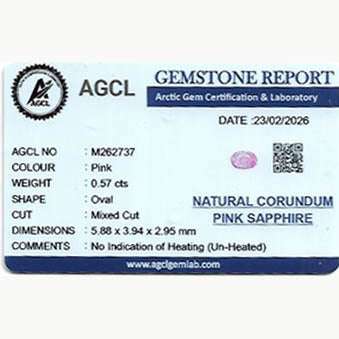
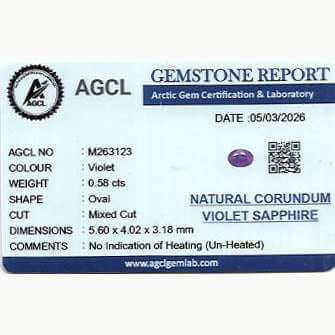
| Violet | 0.50–0.83 ct | 5 | $400 – $500 |
| Pink | 0.54–0.57 ct | 2 | $400 – $500 |
| Pink | 1.02–1.13 ct | 3 | $637 – $1,400 |
| Purple | 1.20–1.66 ct | 3 | $1,000 – $1,200 |
| Peach | 0.81–1.23 ct | 4 | $700 – $813 |
These are our own listed prices for oval sapphires on this site as of 18 September 2026 — not a market survey and not a valuation. They move with stock; the product page is always the current price.
Figures above are approximate market guidance, not fixed quotes. Actual value varies by treatment, origin, colour, cut, clarity, and certification.
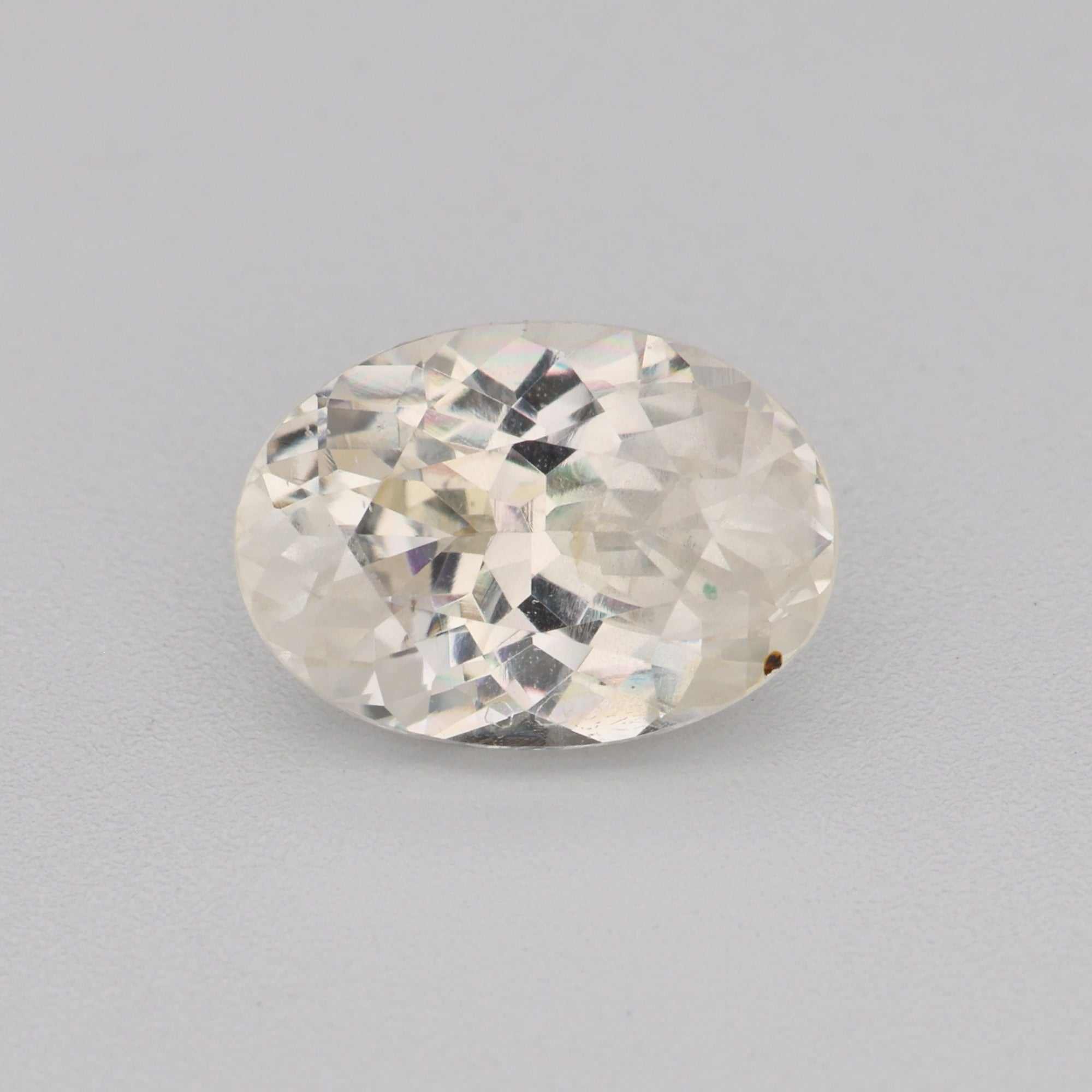
Nine further ovals are the only stone we list in their colour and size, so each is a single data point rather than a range: green at 1.24 ct ($1,039/ct) and 2.08 ct ($902/ct); yellow at 0.62 ct ($250/ct) and 2.10 ct ($900/ct); white at 0.95 ct ($421/ct); purple at 0.60 ct ($250/ct); violet at 1.17 ct ($1,200/ct); pink at 2.20 ct ($2,500/ct); and orange at 1.63 ct ($1,500/ct).
Browse our oval sapphire collection — individually selected, cut to our face-up quality standard, with complete treatment disclosure — or email crescentgems@gmail.com with your color, size, and budget. We respond within one business day.

CG8306
CG0801
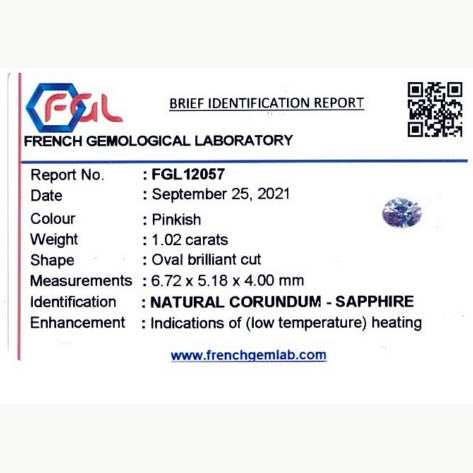
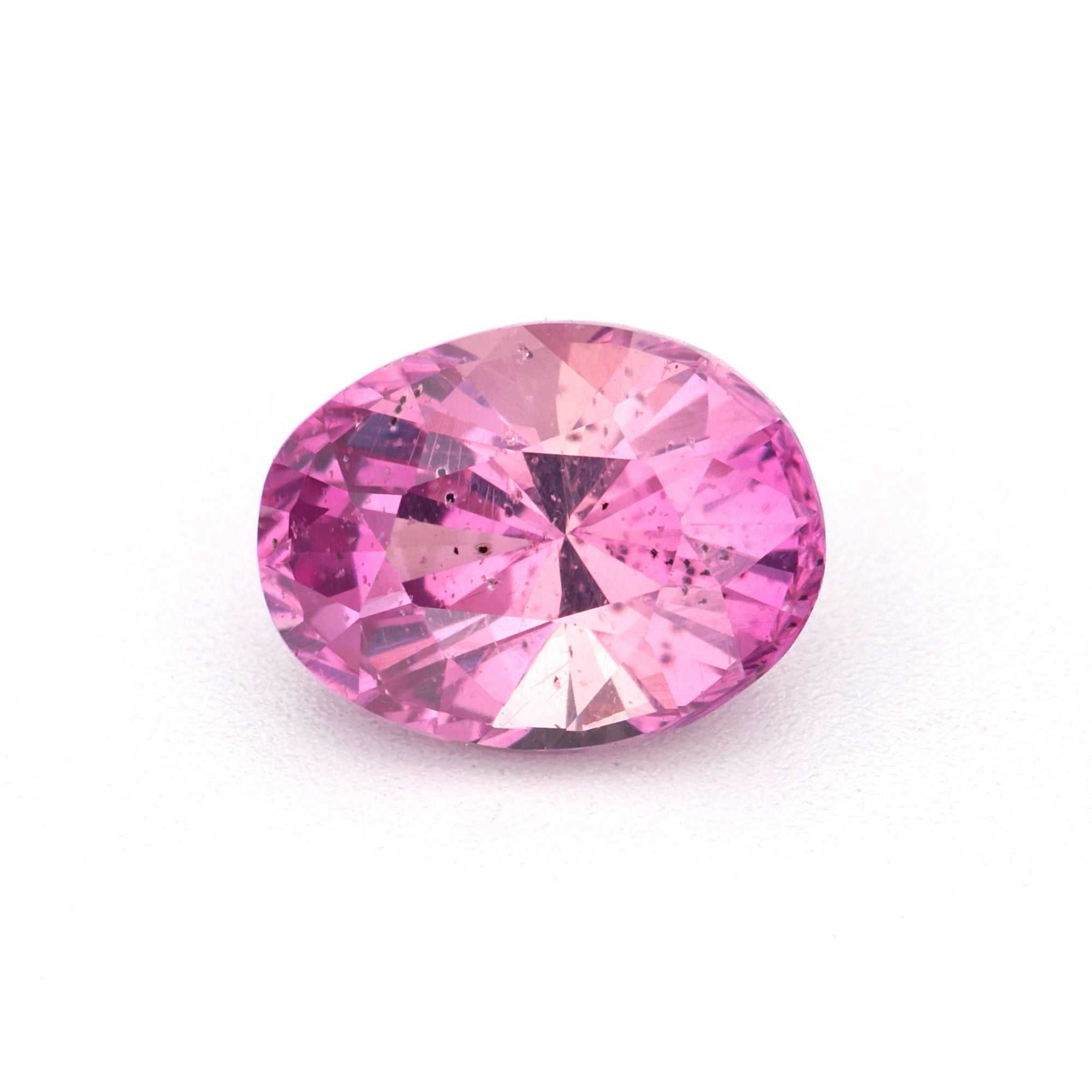
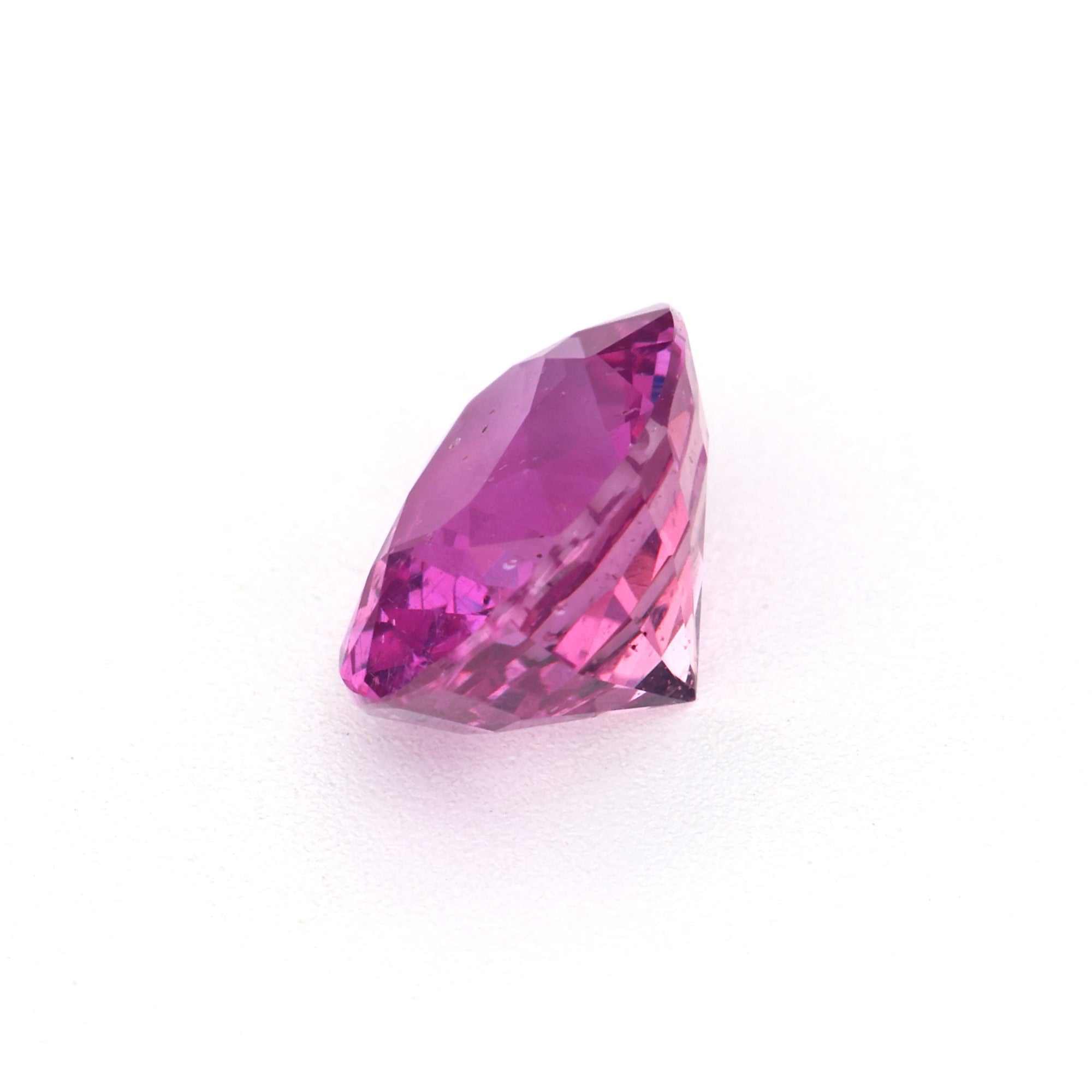
1.02 ct Natural Heated Pink Sapphire – Oval Cut
CG8414


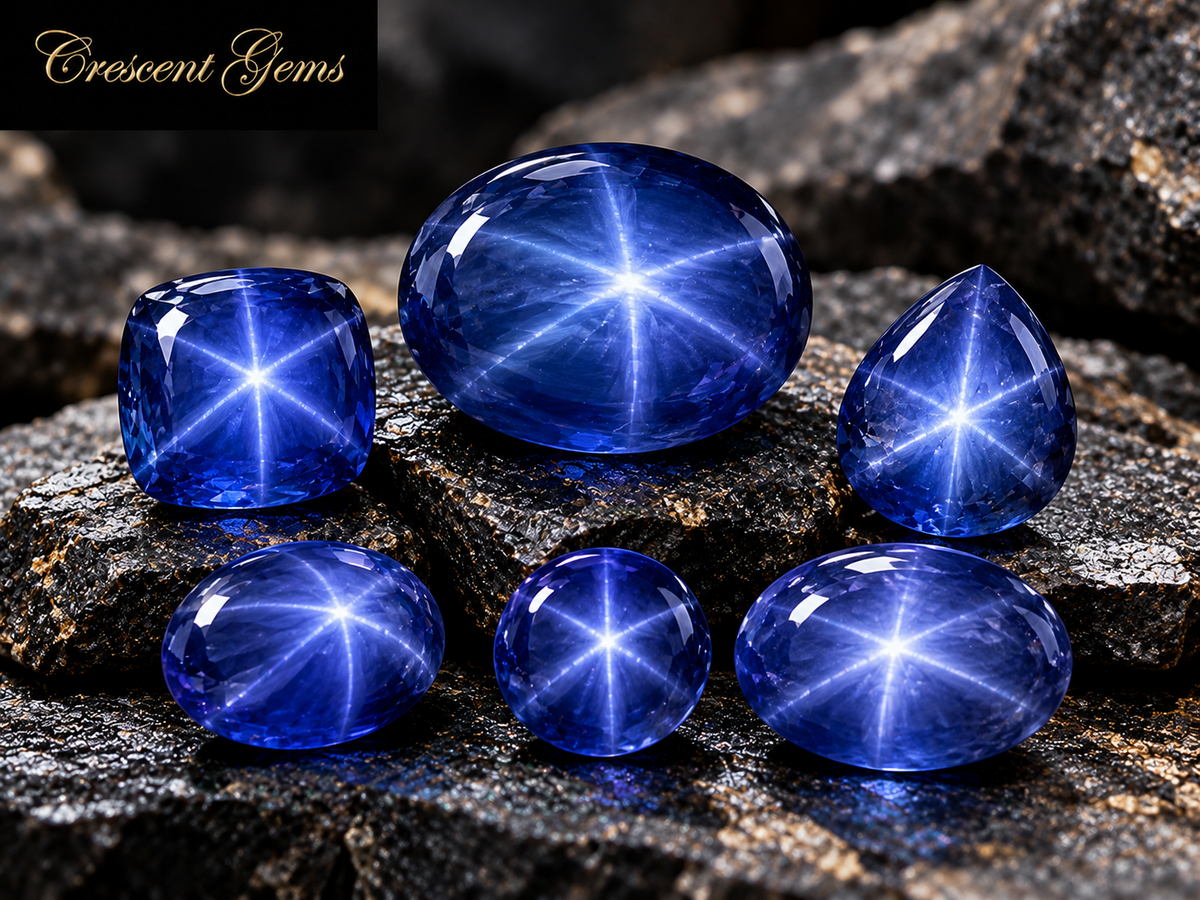
Blue Star Sapphire Price Guide — What They Cost and Why
Read moreabout Blue Star Sapphire Price Guide — What They Cost and Why
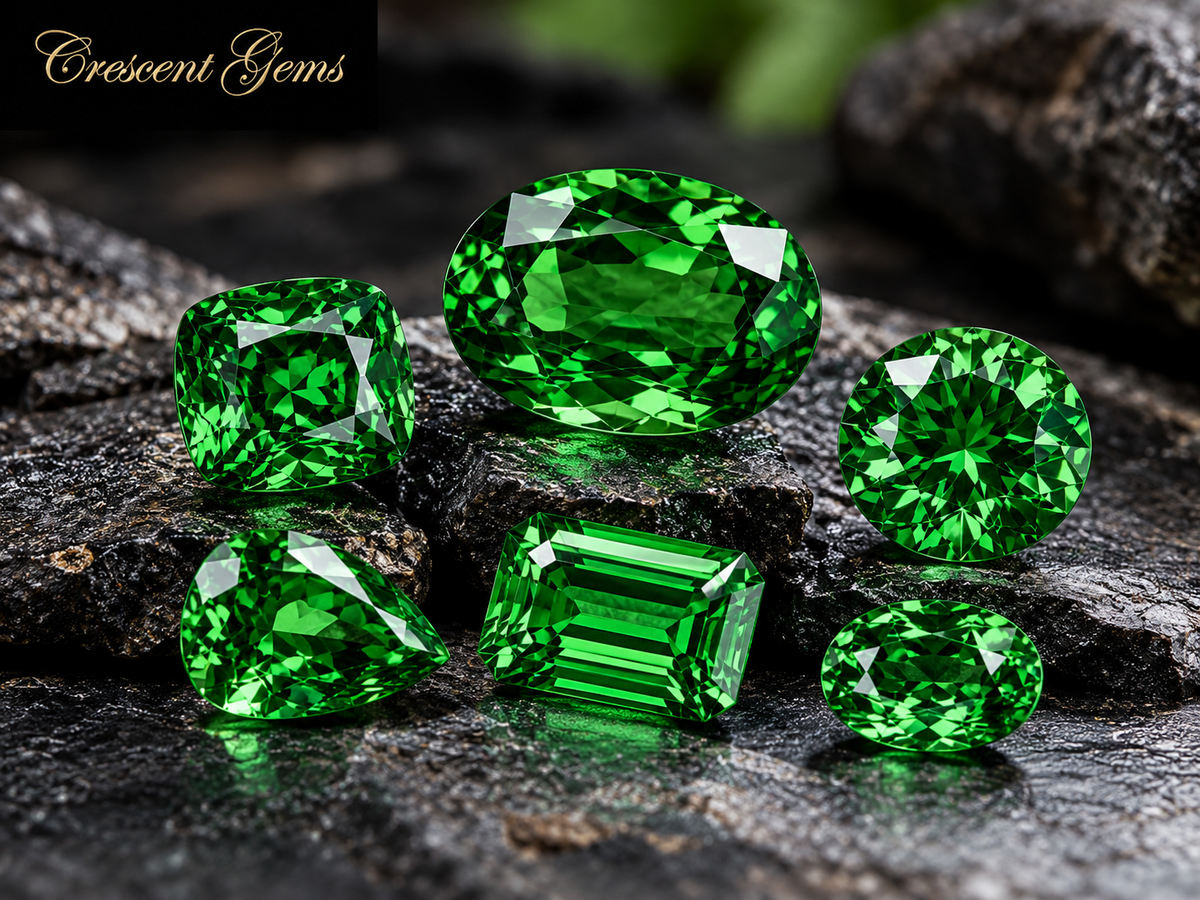
Tsavorite Garnet Price Guide — What They Cost and Why
Read moreabout Tsavorite Garnet Price Guide — What They Cost and Why
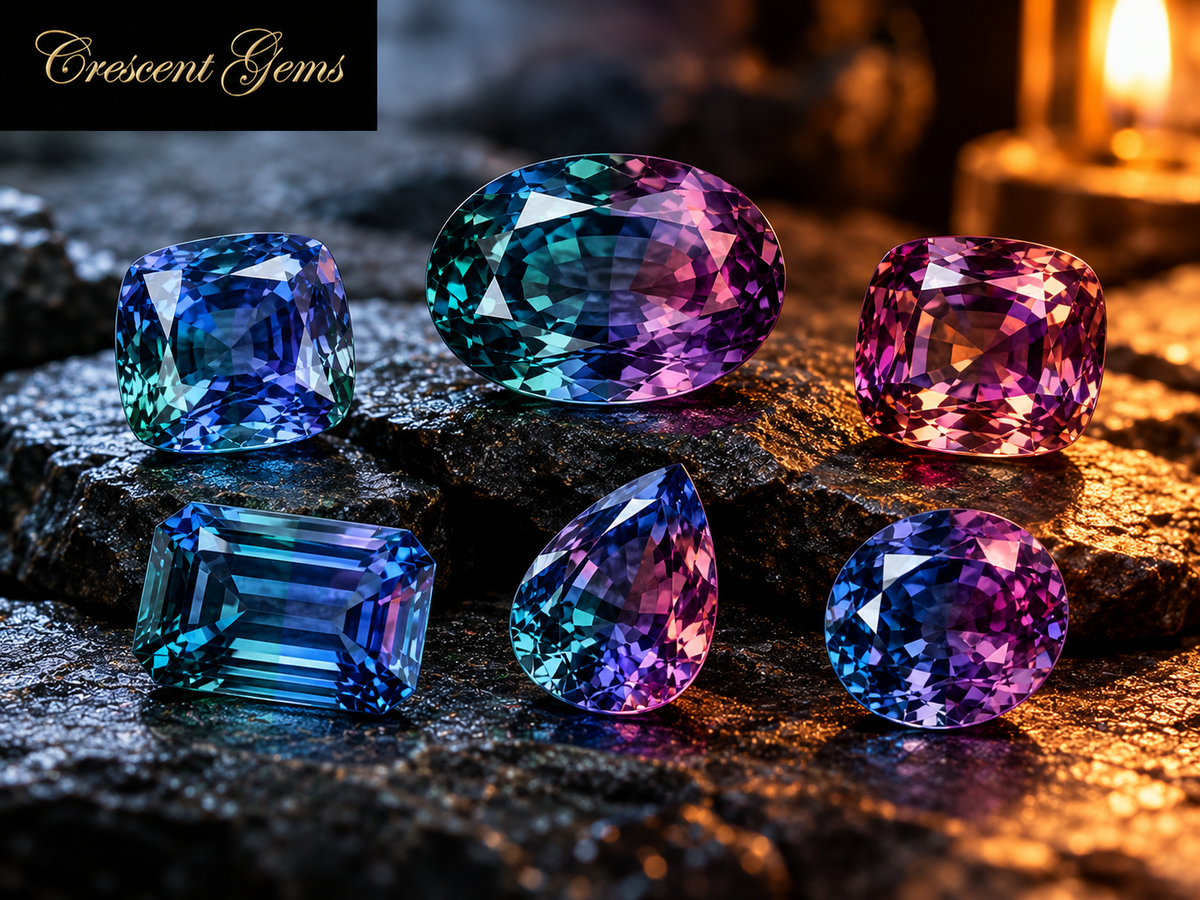
Color-Change Sapphire Price Guide — What They Cost and Why
Read moreabout Color-Change Sapphire Price Guide — What They Cost and Why
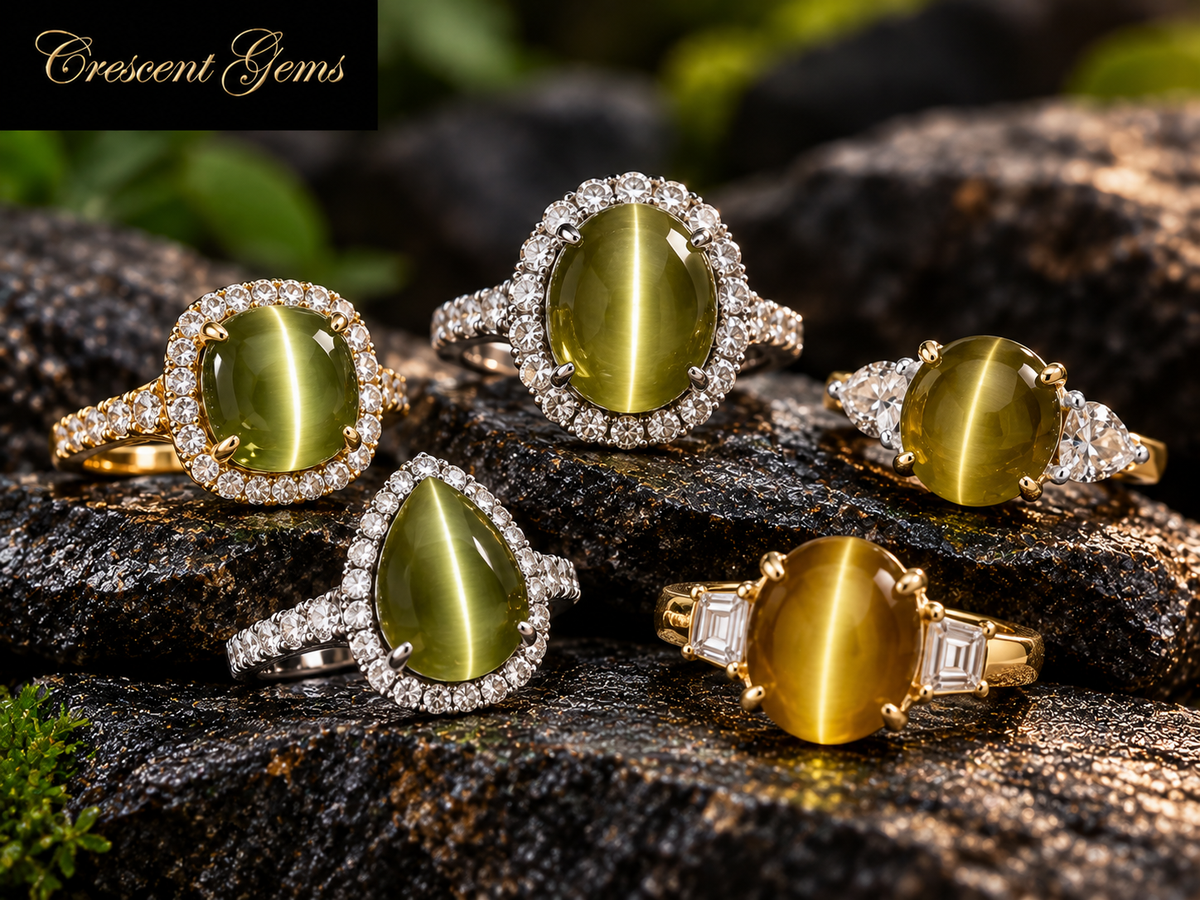
Is Cat's-Eye Chrysoberyl Good for an Engagement Ring?
Read moreabout Is Cat's-Eye Chrysoberyl Good for an Engagement Ring?
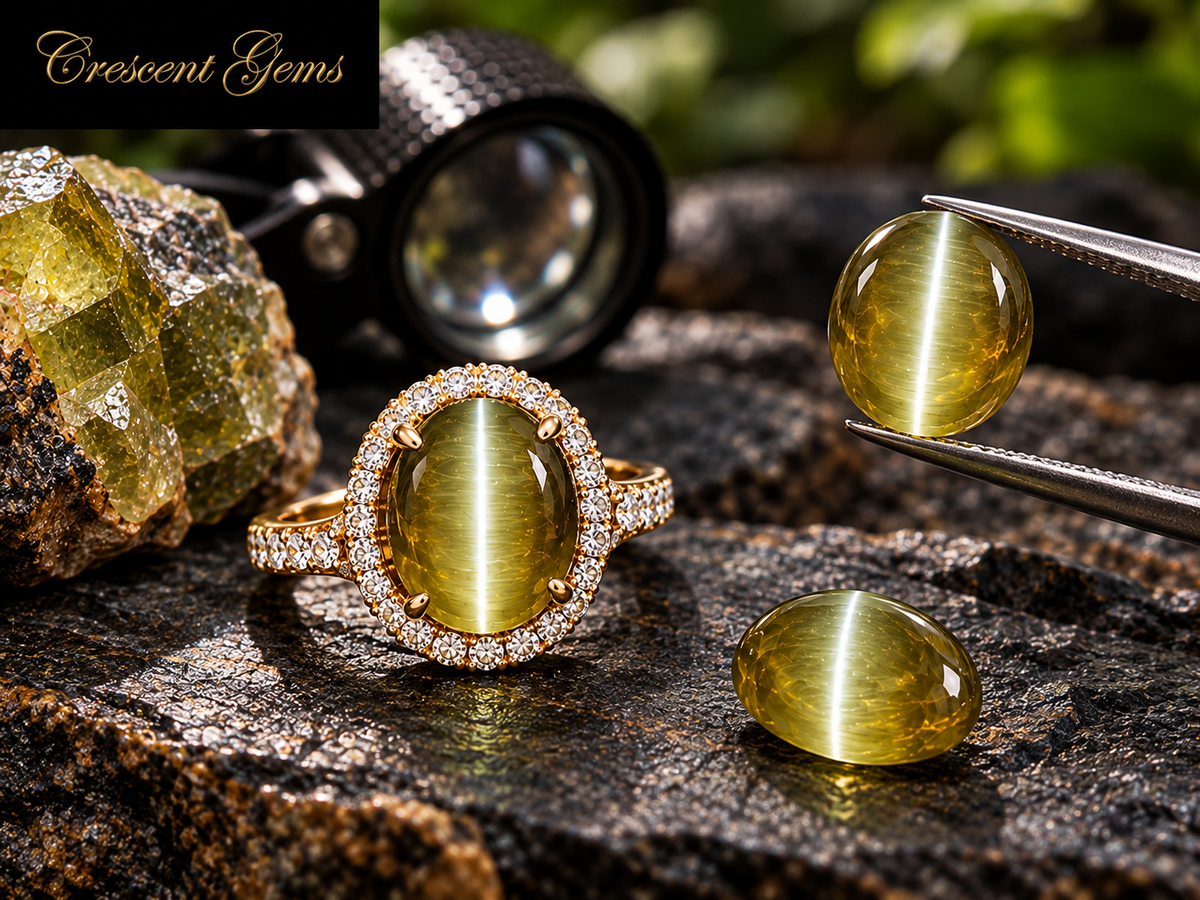
Cat's Eye Chrysoberyl Price Guide — What They Cost and Why
Read moreabout Cat's Eye Chrysoberyl Price Guide — What They Cost and Why