New to buying sapphires? Start with our Ultimate Sapphire Buying Guide — the complete resource for colour, origin, treatment, and pricing.

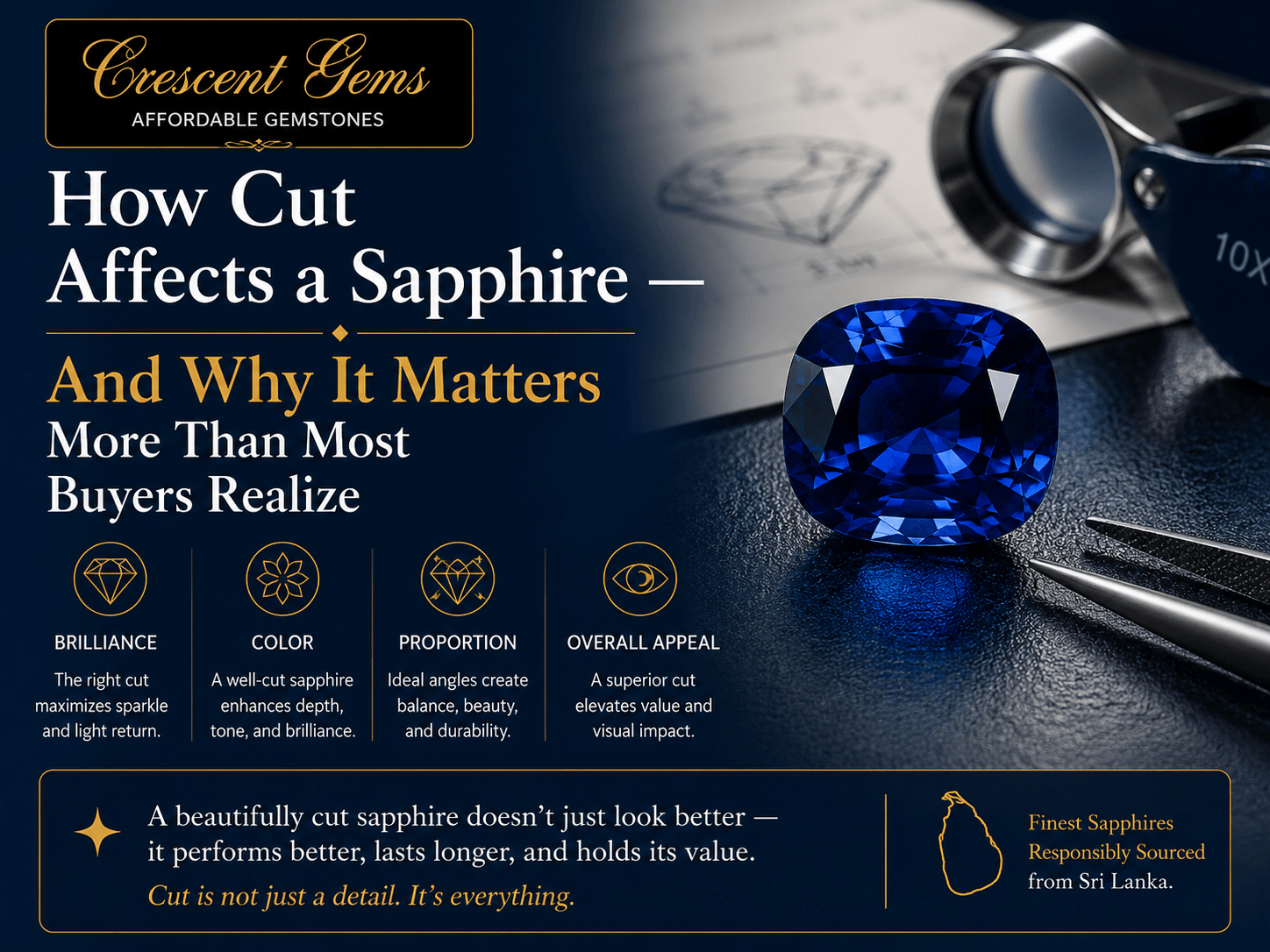
When buyers evaluate sapphires, they think about color first, then treatment status, then carat weight and clarity. Cut comes last, if it comes at all. This ordering reflects how diamond buying is taught — where cut is the most standardized and most objectively graded factor — and it is exactly backwards for sapphire. Cut is the most underestimated quality factor in sapphire buying. A poorly cut sapphire will look dull and lifeless regardless of how fine its rough was. A well-cut sapphire extracts maximum color and brilliance from material that a poor cut would waste. Understanding what cut does — and what to look for — is one of the most practical improvements a buyer can make to the way they evaluate colored gemstones.

What Cut Does in a Colored Gemstone

In a diamond, cut quality affects light return and fire — how much white light and dispersed colored light the stone returns to the eye. Diamond grading systems have developed standardized cut grades (Excellent, Very Good, Good) precisely because cut is so critical to diamond's primary visual quality: its brilliance.

In a colored gemstone like sapphire, cut does something more complex. It affects three things simultaneously: how much light returns to the eye (brilliance), how that light is distributed across the face of the stone (evenness), and critically — how the color itself reads. A sapphire that is cut too deep will appear darker than its rough color would suggest, concentrating light paths that produce oversaturation and a heavy, inky appearance under dim conditions. A sapphire cut too shallow will appear washed out — light passes through the bottom of the stone rather than reflecting back, and the color that should be rich and vivid reads as pale and insipid. Between these extremes lies a range of proportions where the stone shows its color at its best: vivid, even, and consistent across different lighting conditions.

This interaction between cut geometry and color appearance is why sapphire cutting is considered a more specialized skill than diamond cutting. Diamond rough has defined optical properties (high refractive index, precise ideal proportions developed over decades of research) that make the optimization reasonably predictable. Sapphire rough varies in color depth, saturation, and tone in ways that require the cutter to make judgment calls about which proportions will produce the best face-up color for that specific piece of material. A decision that produces beautiful color in one piece of rough produces a dark, lifeless stone in another.

The Window — The Most Important Cut Defect to Understand

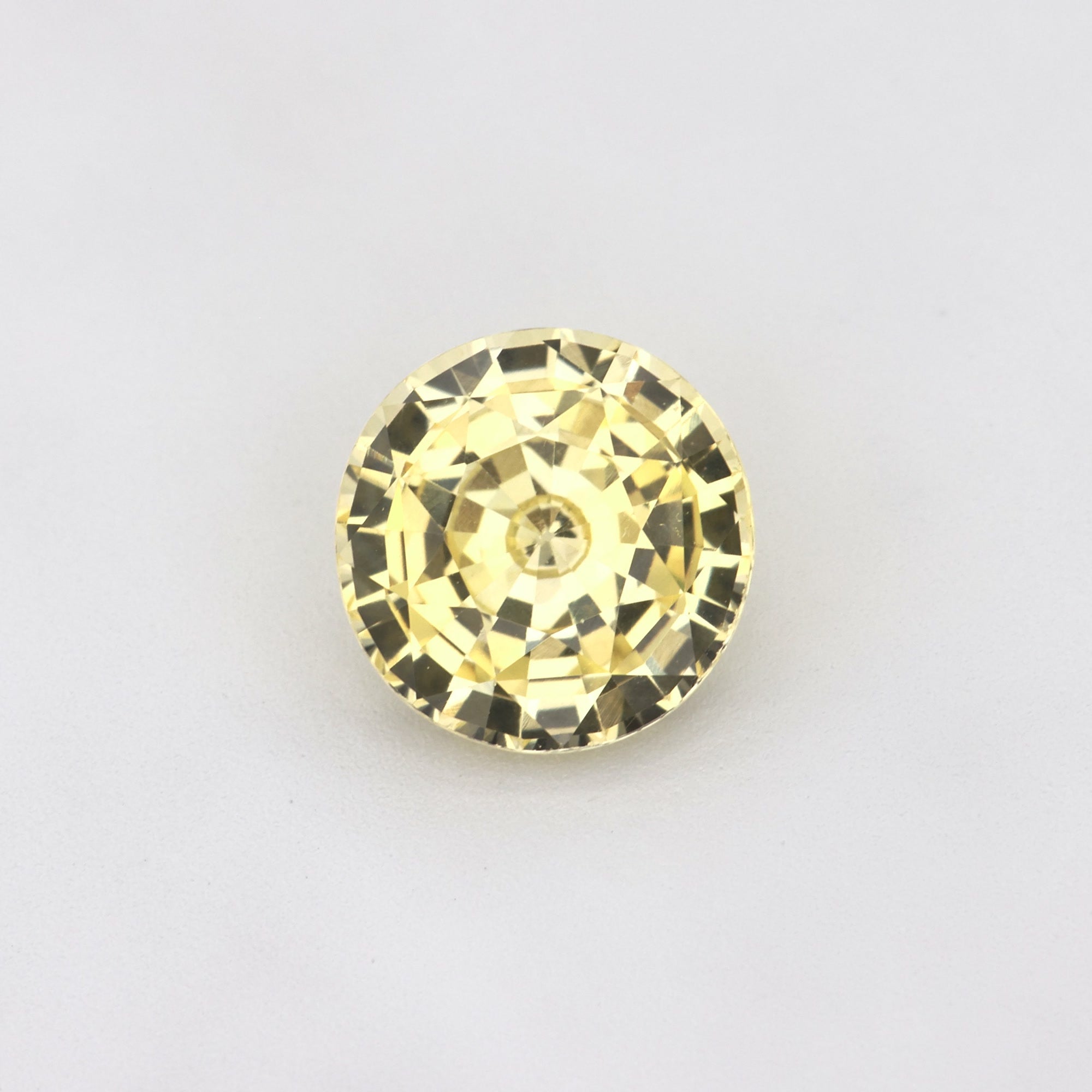
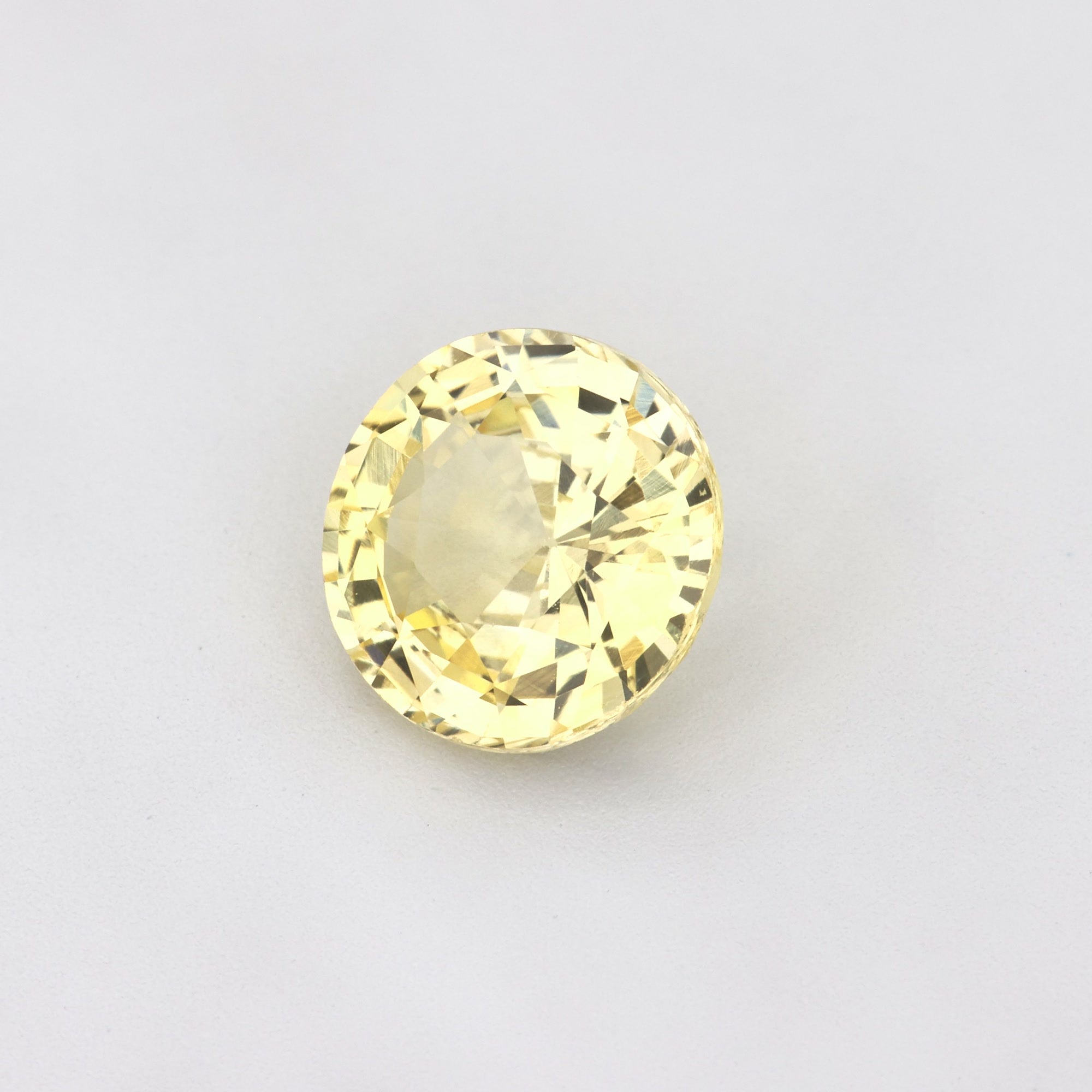
The most common and most impactful cut defect in sapphire is the window — a pale, colorless, or near-colorless area in the center of the stone's face-up surface where you can see through the stone to whatever is beneath it. In a ring setting, this means you can see the metal of the prongs or the setting beneath through the center of the stone. In a loose stone held face-up, you can see your fingers or a piece of paper through the middle.

A window occurs when the pavilion angle — the slope of the facets on the lower half of the stone — is too shallow. Light entering through the crown of the stone strikes the pavilion facets at an angle below the critical angle for total internal reflection. Instead of bouncing back toward the eye, the light passes straight through the bottom of the stone. The center of the face-up view becomes a transparent area that shows whatever is behind the stone rather than reflecting the stone's own color back.

The practical effect is dramatic. A sapphire with a large window can look pale and unimpressive face-up even when its body color in cross-section is vivid and saturated. The color appears only at the edges of the stone — where the pavilion angle is sufficient to produce reflection — and the center reads as colorless or pale. In a ring, the window makes the stone look significantly smaller and less impactful than its carat weight would suggest, because the visible color is concentrated in a ring around the edges rather than filling the full face.

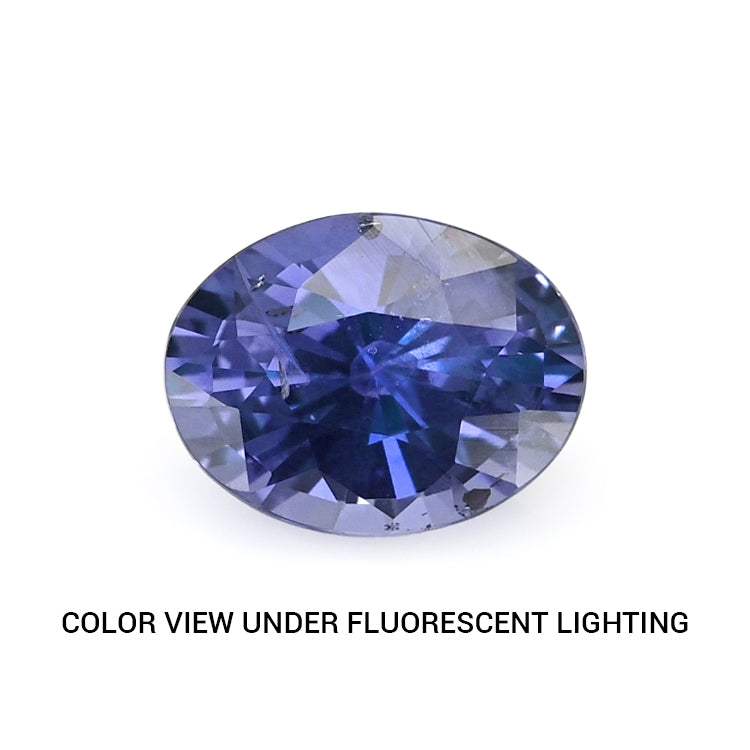
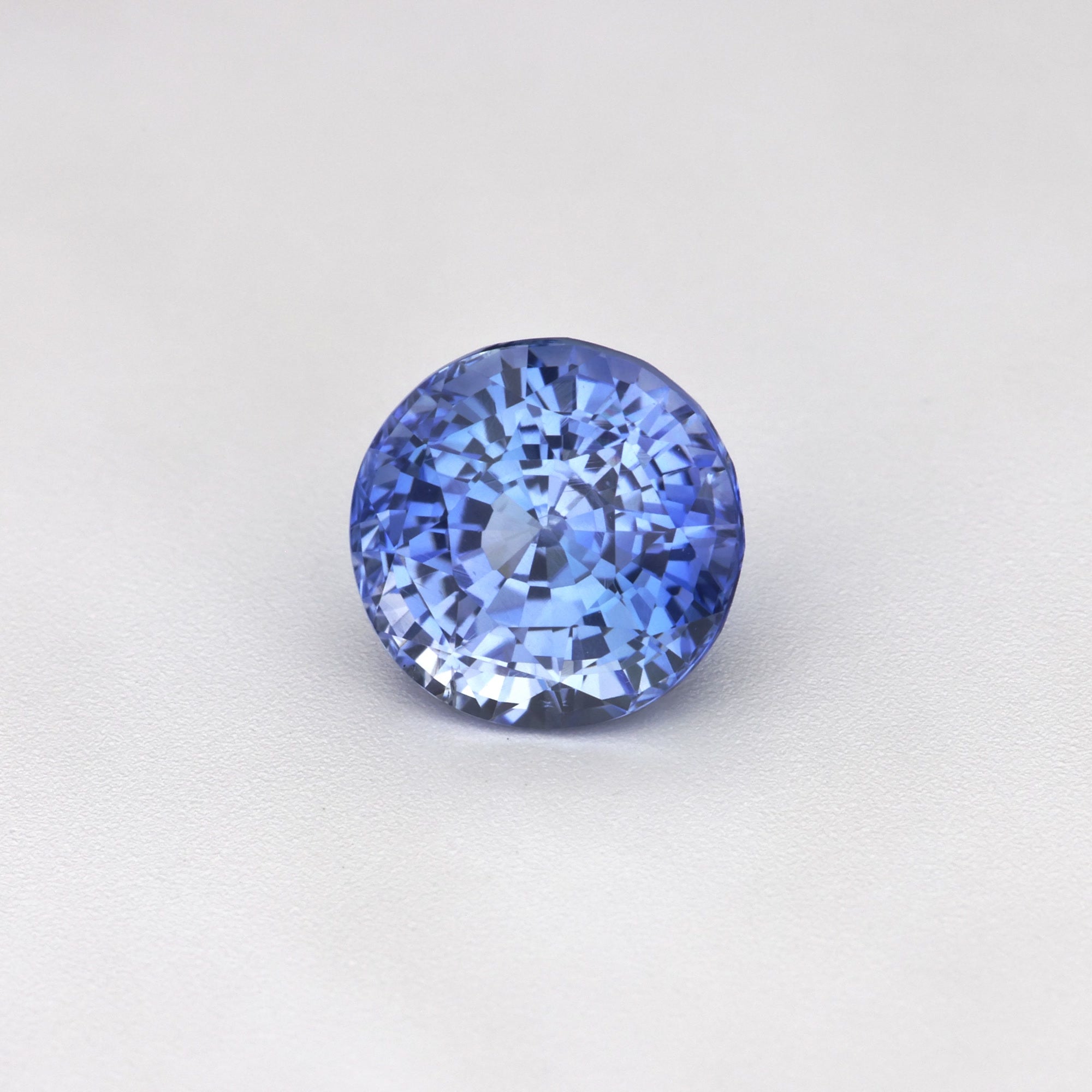
Detecting a window is simple. Place the stone face-up on a white surface or hold it over a piece of white paper. Look at the center of the face from directly above. If you can see through the stone — if the paper or surface beneath is visible through the center — the stone has a window. The larger and more obvious the window, the more significantly the cut has compromised the stone's face-up appearance.

Extinction — The Opposite Problem

The opposite of a window is extinction — areas of the stone that appear dark or black rather than colorful, regardless of the stone's actual body color. Extinction occurs when the pavilion angle is too steep, causing light to reflect off the pavilion in directions away from the observer's eye rather than back toward it. The result is dark areas — patches or zones within the face-up view that read as black or very dark, absorbing light without returning color.

A small amount of extinction is normal and even desirable in a colored gemstone — areas of shadow create the visual impression of depth and three-dimensionality that makes a stone look alive rather than flat. A stone with no extinction at all can look glassy and artificial. But significant extinction — dark patches that occupy a large proportion of the face-up surface, or extinction that dominates the stone under normal indoor lighting — reduces the visible color area and makes the stone appear darker and less vivid than its actual color quality would produce in a well-cut stone.

Dark sapphires — material that is heavily saturated and medium-dark to dark in tone — are the most vulnerable to extinction. A cutter working with very dark blue sapphire rough has to cut a shallower pavilion than they would with lighter material, specifically to prevent excessive extinction from making the stone read as nearly black under indoor lighting. This trade-off — pavilion angle versus extinction in dark material — is one of the key judgment calls in colored stone cutting.

How Cut Affects Color Saturation and Tone

Cut geometry affects not just the evenness of color across the face but the perceived saturation and tone of the color itself. This is because the path length that light travels through the colored material depends on the cut: a deeper stone creates longer light paths through the color-bearing crystal, which produces stronger color absorption and therefore more saturated, darker apparent color. A shallower stone creates shorter light paths, which produces less absorption and therefore lighter, less saturated apparent color.

This means that a cutter can intentionally use depth to compensate for light-colored rough — cutting deeper than ideal proportions to increase the apparent saturation of pale material. This produces a stone that looks more vivid than the rough would naturally be at standard proportions, at the cost of some brilliance and the risk of extinction in different lighting conditions. Conversely, a cutter can use a shallower cut to lighten very dark rough, trading some color intensity for improved brightness and reduced extinction risk.

For buyers, this interplay matters because a stone that looks more vivid in person than its rough quality would warrant is often compensating for light material through excessive depth — and may look different under different lighting or in different settings than it does under the seller's display conditions. A stone that holds its color evenly across all standard lighting conditions, without depending on specific depth manipulation, is cut correctly for its material and is the more reliable specification.

The Weight Retention Trade-Off

The most important commercial context for cut quality in the sapphire market is weight retention. Sapphire rough is priced by weight, and finished stones are priced by weight. Every millimeter of rough removed by the cutter represents material value that does not appear in the finished stone's carat weight. This creates a systematic commercial pressure toward cutting stones that maximize retained weight even at the cost of face-up quality.

A cutter optimizing for weight retention on a given piece of rough will:

  • Cut a deeper pavilion than ideal, retaining material in the bottom of the stone that contributes to weight but not to face-up appearance — and potentially creating extinction
  • Avoid re-orienting the rough to optimize the face-up color direction, instead cutting from the most weight-efficient orientation
  • Accept some windowing in the crown rather than sacrificing weight to correct the pavilion angle
  • Choose a shape that matches the rough outline even if a different shape would produce better face-up proportions

The result is a stone that weighs more than it should given its face-up size — a stone that reads smaller than its carat weight suggests because the extra weight is buried in a deep belly below the girdle rather than spread across the face. A well-cut stone has a higher face-up diameter-to-weight ratio because the cutter has prioritized face-up appearance over weight retention.

This is one of the reasons a well-cut 1.20-carat sapphire often looks larger and more impressive in a ring than a poorly cut 1.50-carat stone of the same rough quality. The well-cut stone's weight is distributed across its face; the poorly cut stone's weight is hidden in its depth.

How Different Shapes Affect Color Display

The geometric shape of a sapphire affects how color is distributed across the face-up surface, which in turn affects the aesthetic quality of the color.

Oval

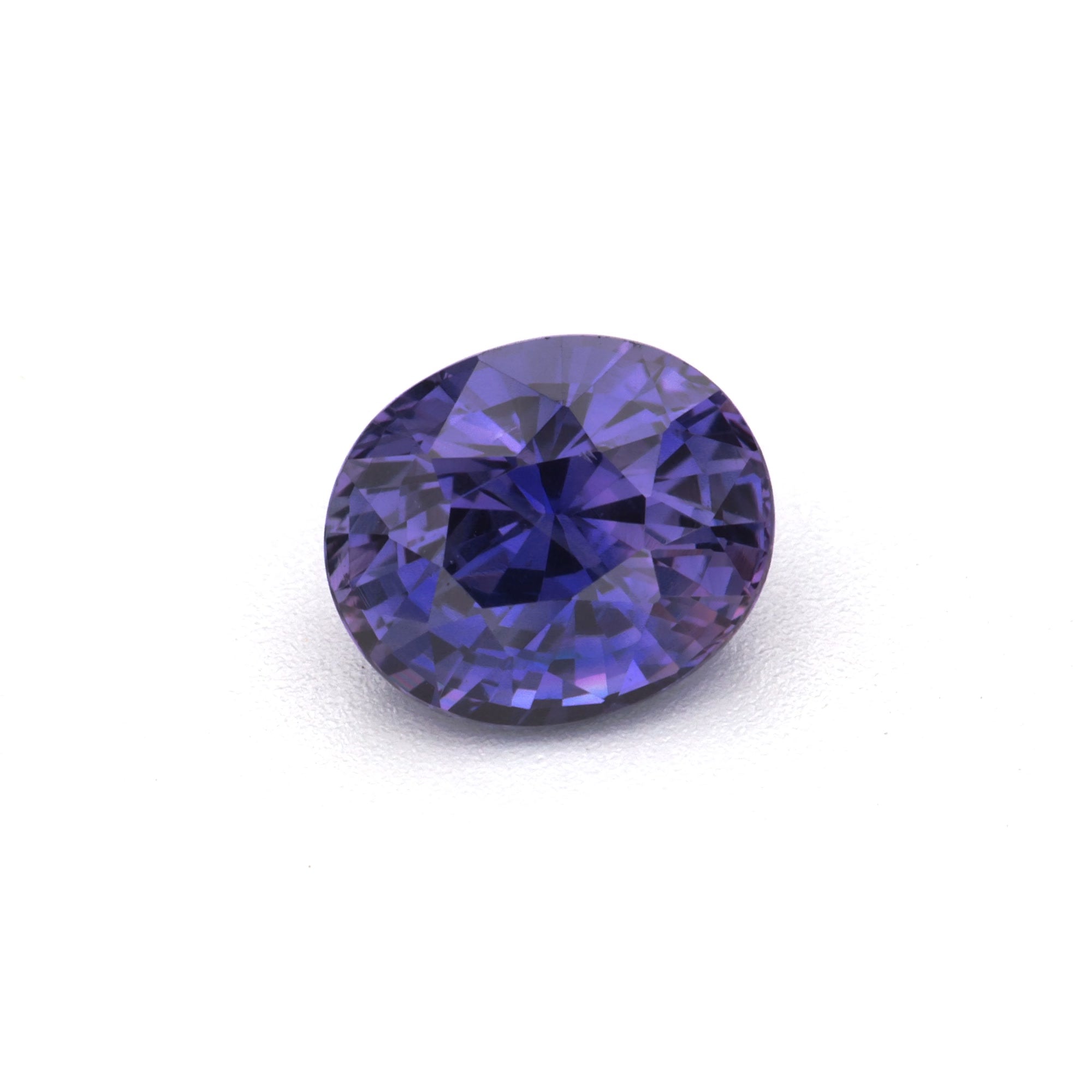
The most widely used shape for sapphire, particularly for engagement rings. The oval's elongated outline concentrates color efficiently across a broad face-up area and produces an even distribution of brilliance and color when cut correctly. Ovals are susceptible to a specific issue called the bowtie — a dark, bow-tie-shaped shadow across the width of the stone in the center — caused by the geometry of the oval outline and unavoidable to some degree in all oval-cut colored stones. A well-cut oval minimizes the bowtie to a gentle darkening that adds depth; a poorly cut oval has a dominant dark bowtie that occupies a large proportion of the face-up view.

Cushion

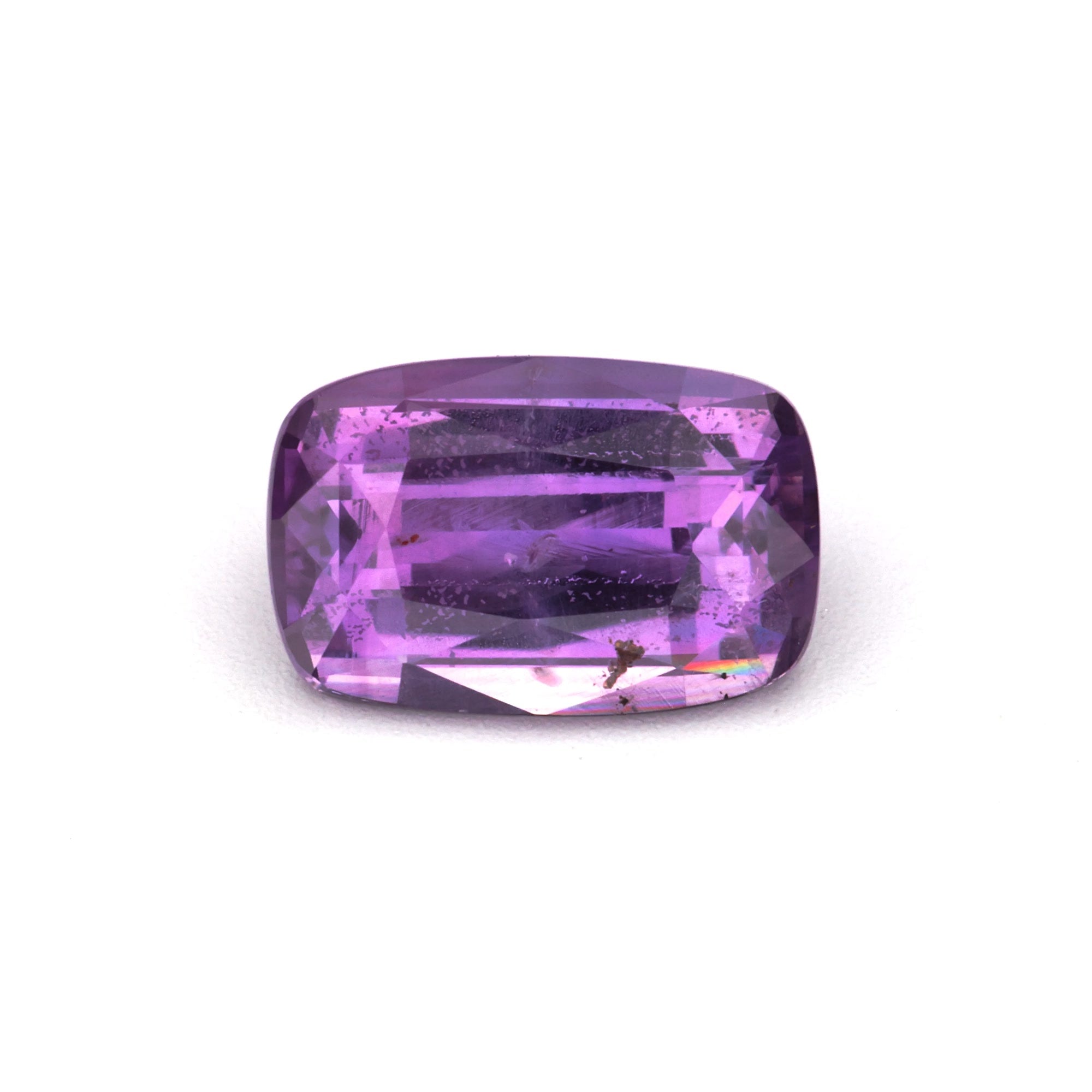
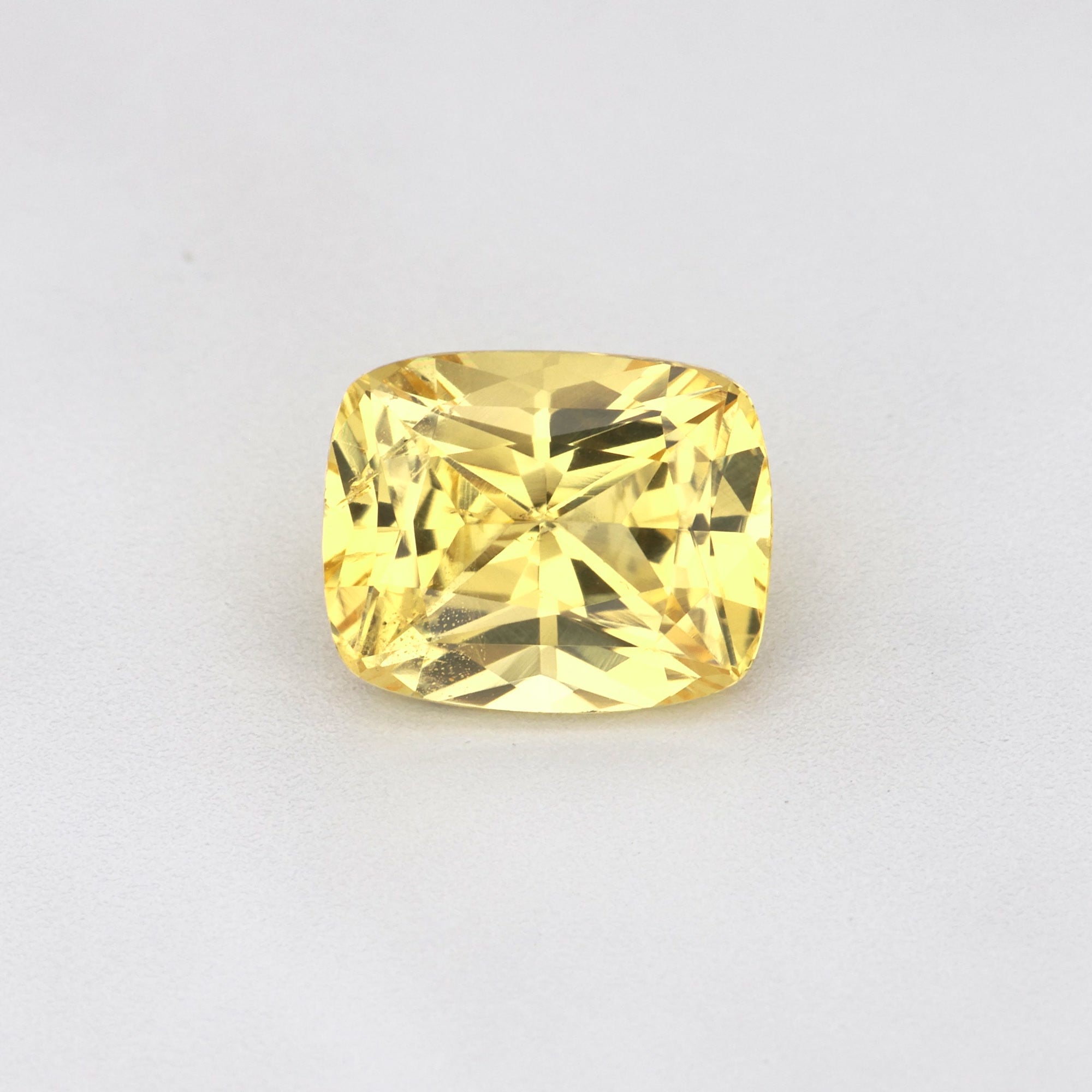
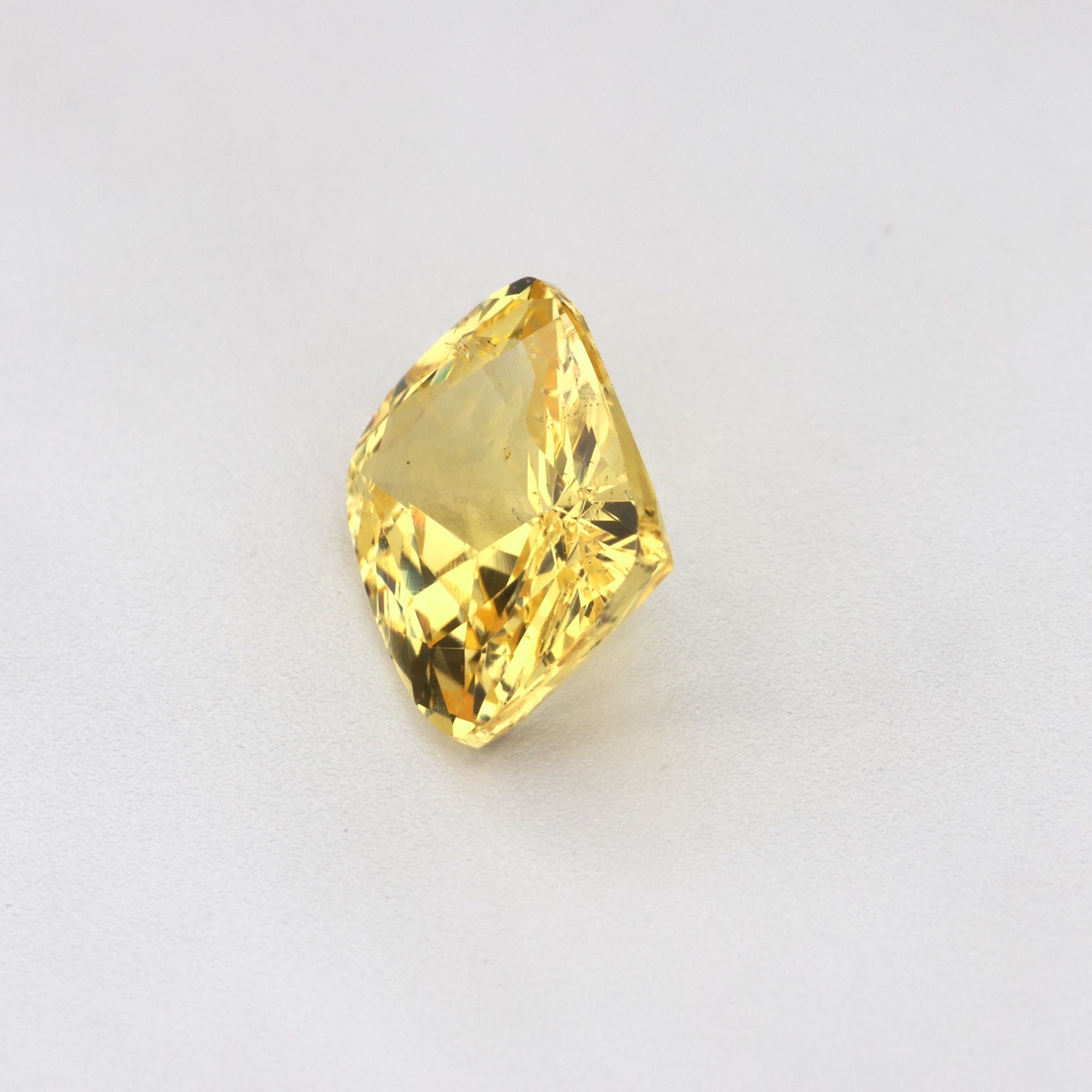
The rounded corners of a cushion cut concentrate color toward the center of the stone, creating a deeper, more saturated face-up appearance than oval or round cuts of the same rough. This concentration effect makes cushion the ideal shape for material that could use saturation enhancement — light-toned rough shows more vivid color face-up in a cushion than in an equivalent oval. The trade-off is that cushion cuts can also concentrate extinction in the center under some lighting, particularly in very dark material.

Round

The round brilliant cut maximizes light return at the expense of some color concentration. In diamond, the round is optimal because maximum brilliance is the goal. In sapphire, the round can make the face-up color appear slightly lighter than cushion or oval equivalents of the same rough, because the brilliant faceting scatters light more actively and produces shorter average light path lengths through the color. Round is the right choice for vivid material where the color is strong enough to hold up to the light-scattering of a brilliant cut.

Emerald Cut and Step Cuts

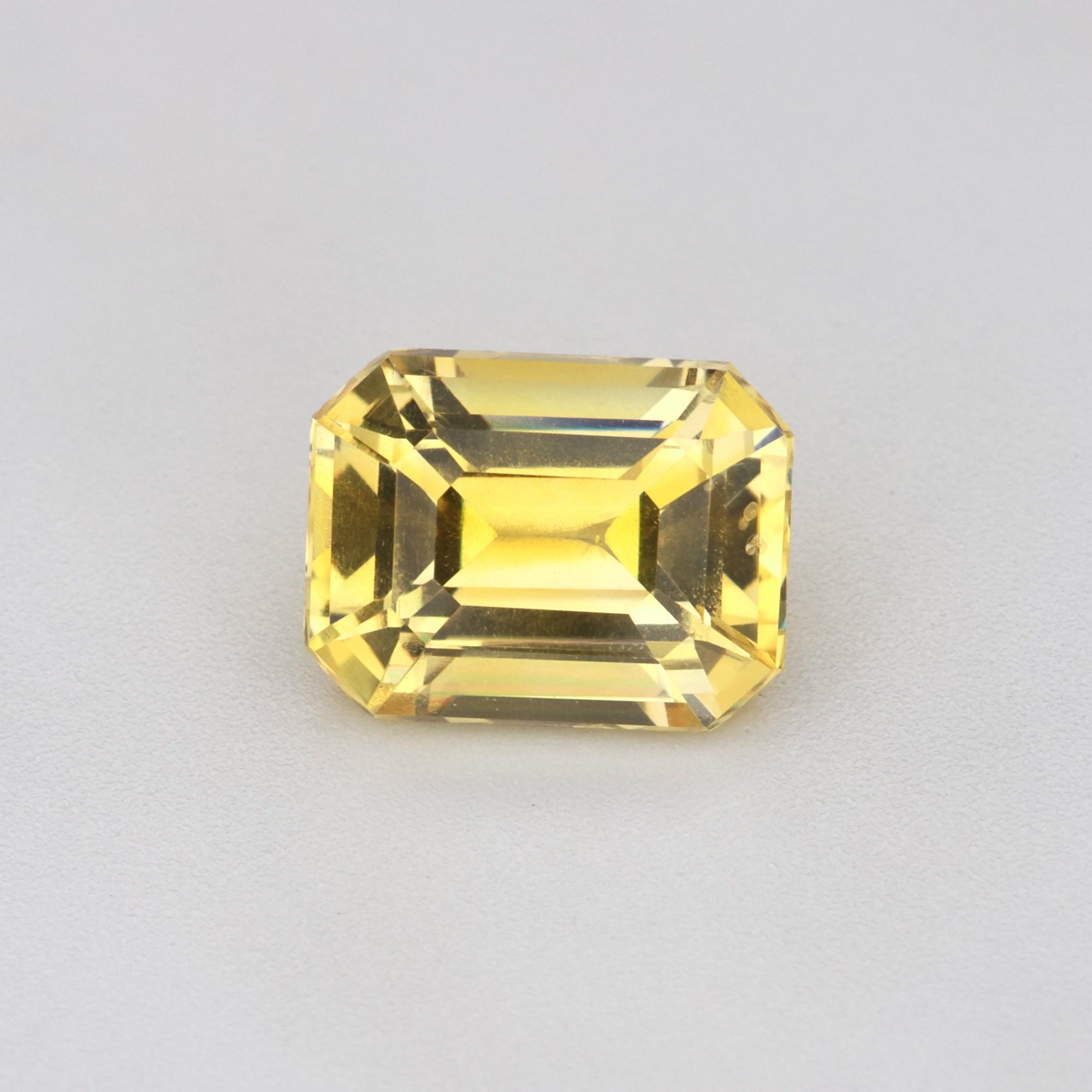
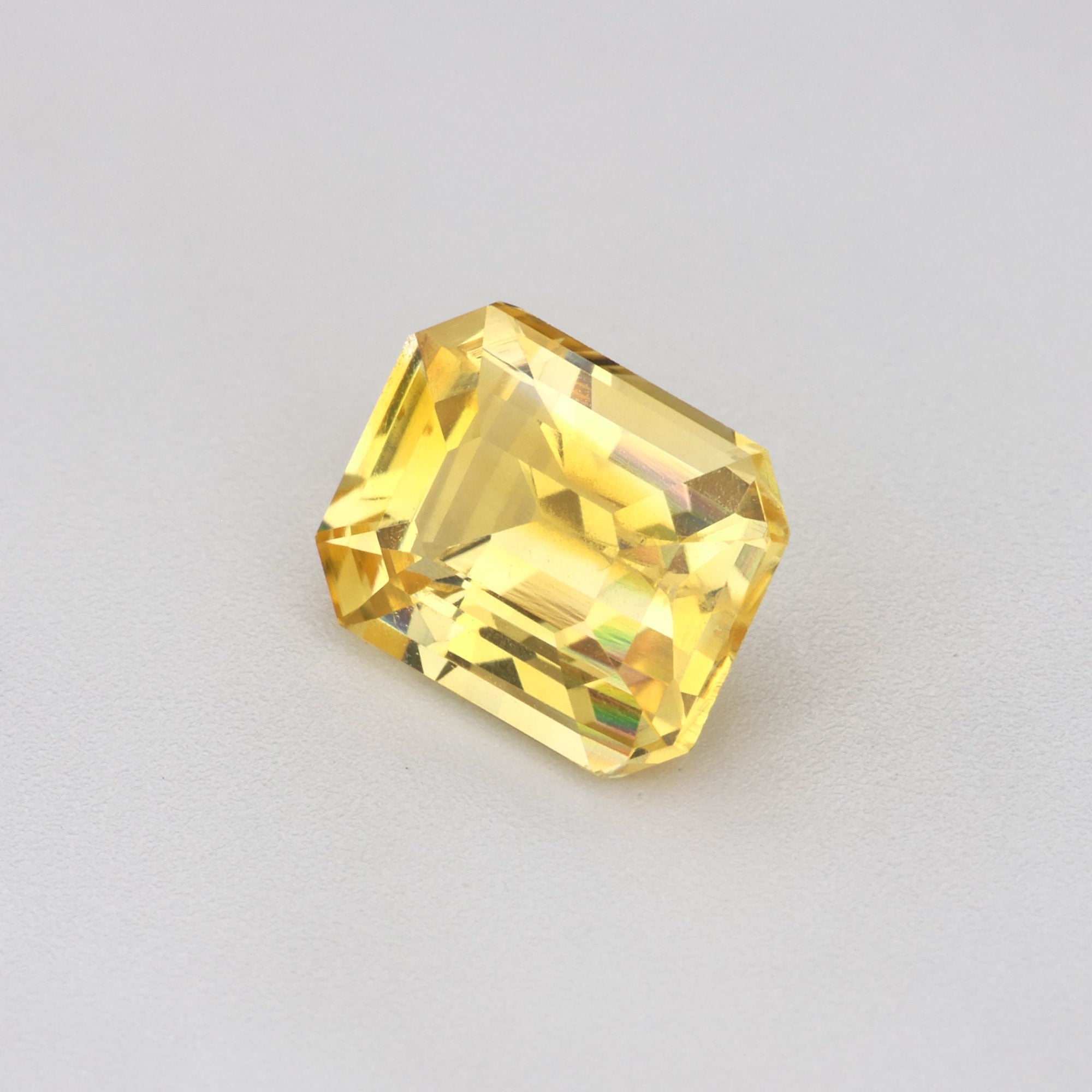
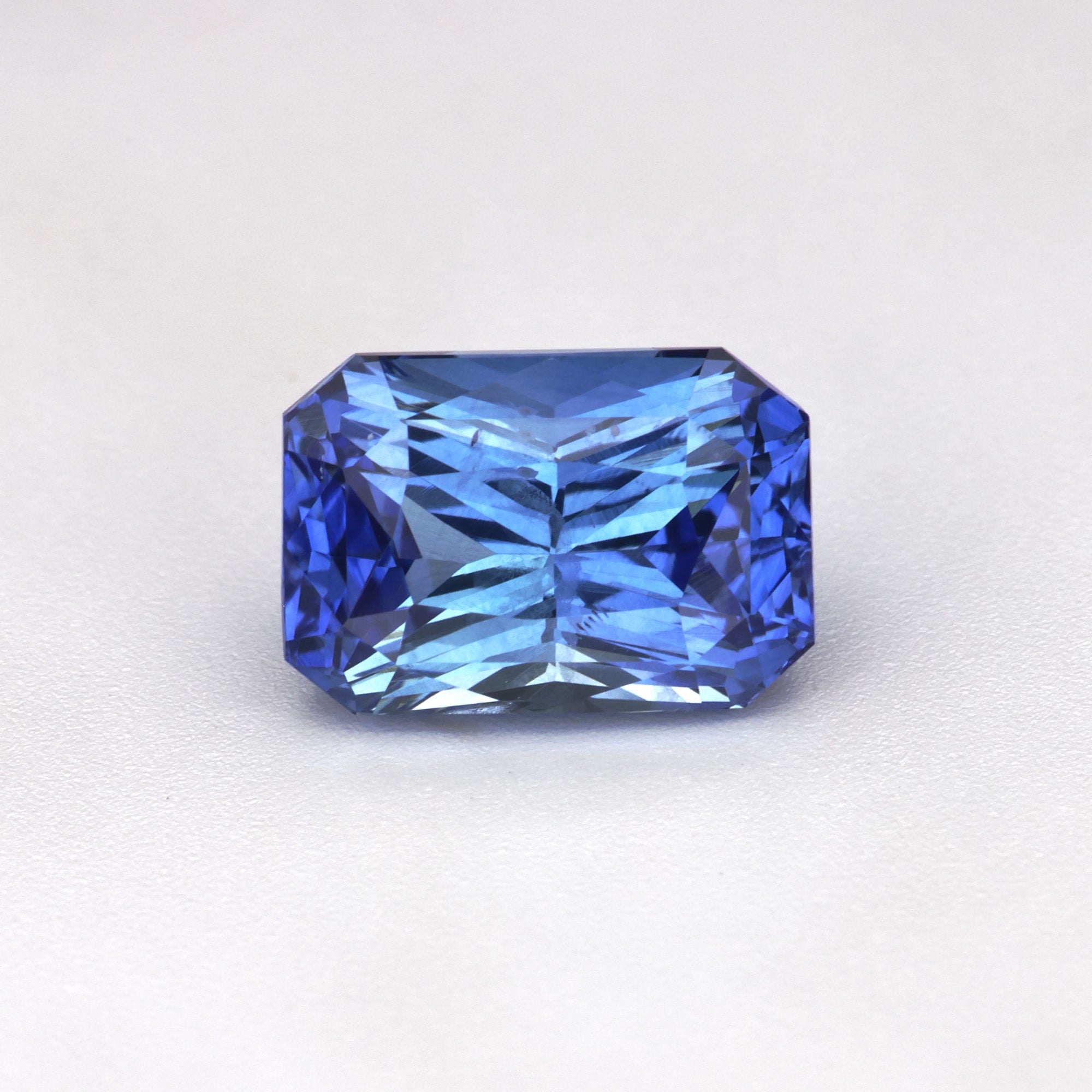
Step cuts — rectangular or square outlines with parallel, step-like facets on the pavilion — produce a fundamentally different visual character from brilliant cuts. Step facets are larger than brilliant facets and create a hall-of-mirrors effect: you see reflections of the facets themselves rather than a mosaic of scattered light. The color in a step-cut sapphire reads with more depth and uniformity than in a brilliant cut — the interior of the stone is more visible because the facets do not break the light into a scattered mosaic. Step cuts are particularly effective for very vivid, saturated material where the color is strong enough to show its depth through the larger facets, and they require excellent clarity because the open facets reveal inclusions that brilliant faceting conceals.

Pear and Marquise

Both elongated shapes that maximize face-up length relative to weight and produce the visual effect of a larger stone than equivalent ovals or rounds. Both are vulnerable to the bowtie effect, which is typically more pronounced in pear and marquise cuts than in ovals. A well-cut pear or marquise with a controlled bowtie is immediately distinctive; a poorly cut example with a dominant dark bowtie looks flawed rather than elegant.

Evaluating Cut Quality When Buying

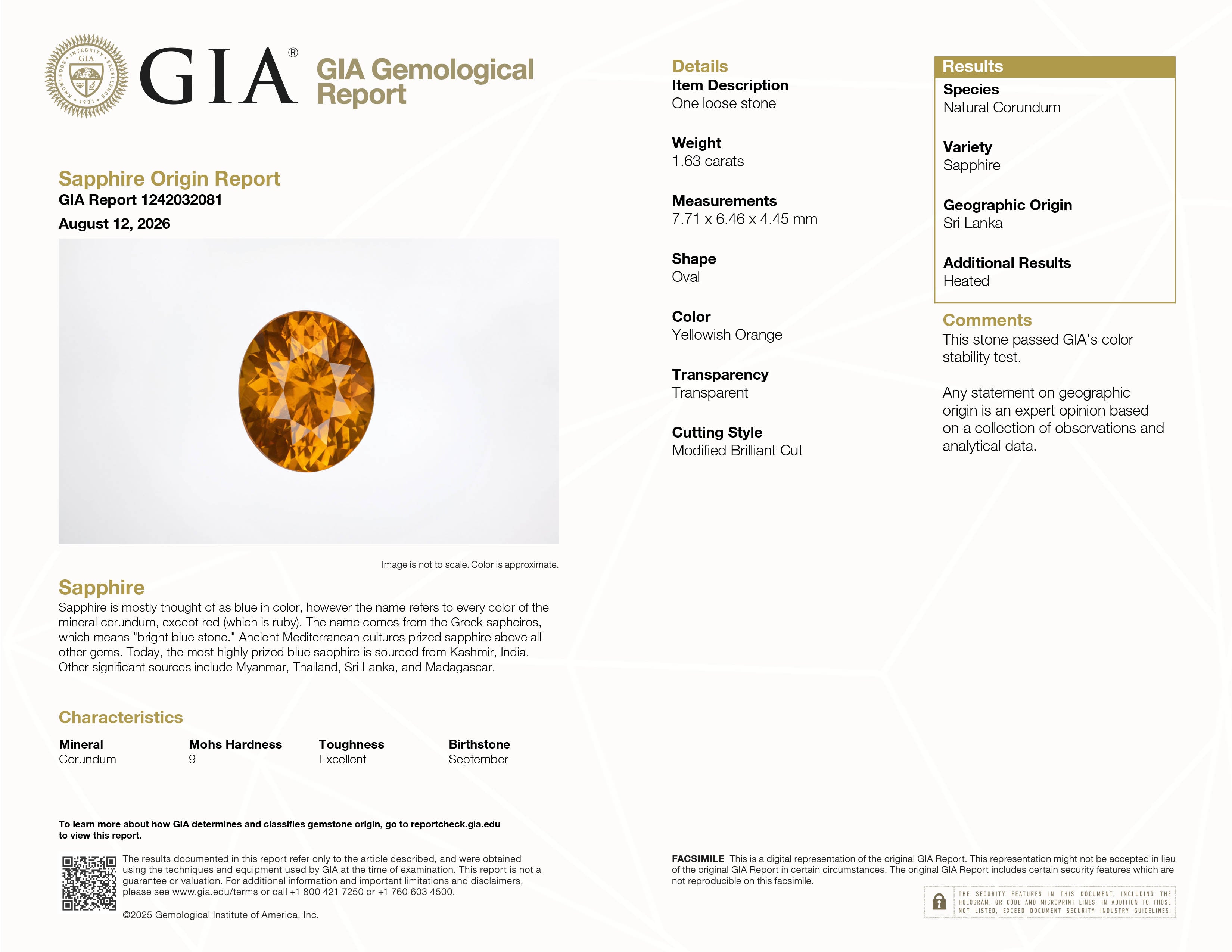
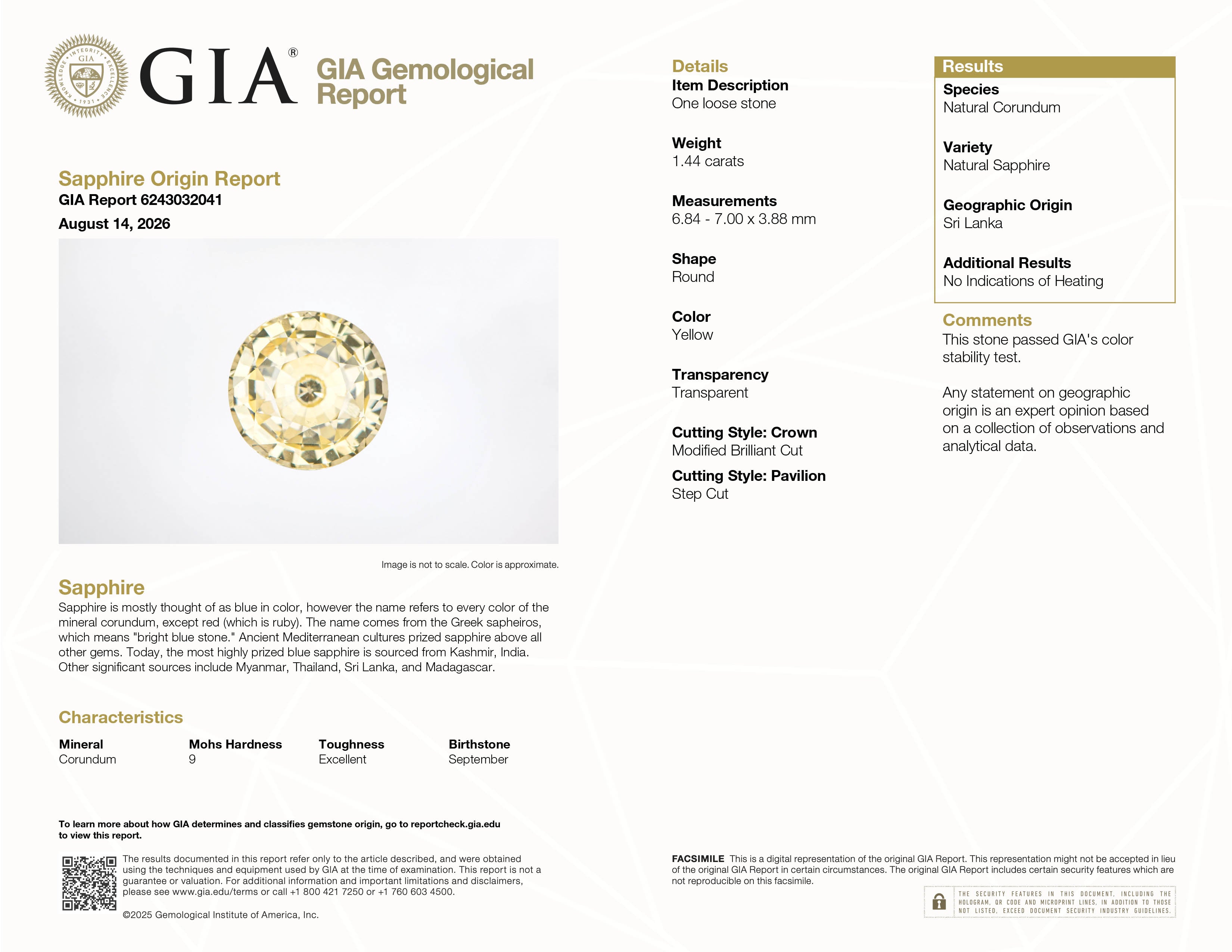
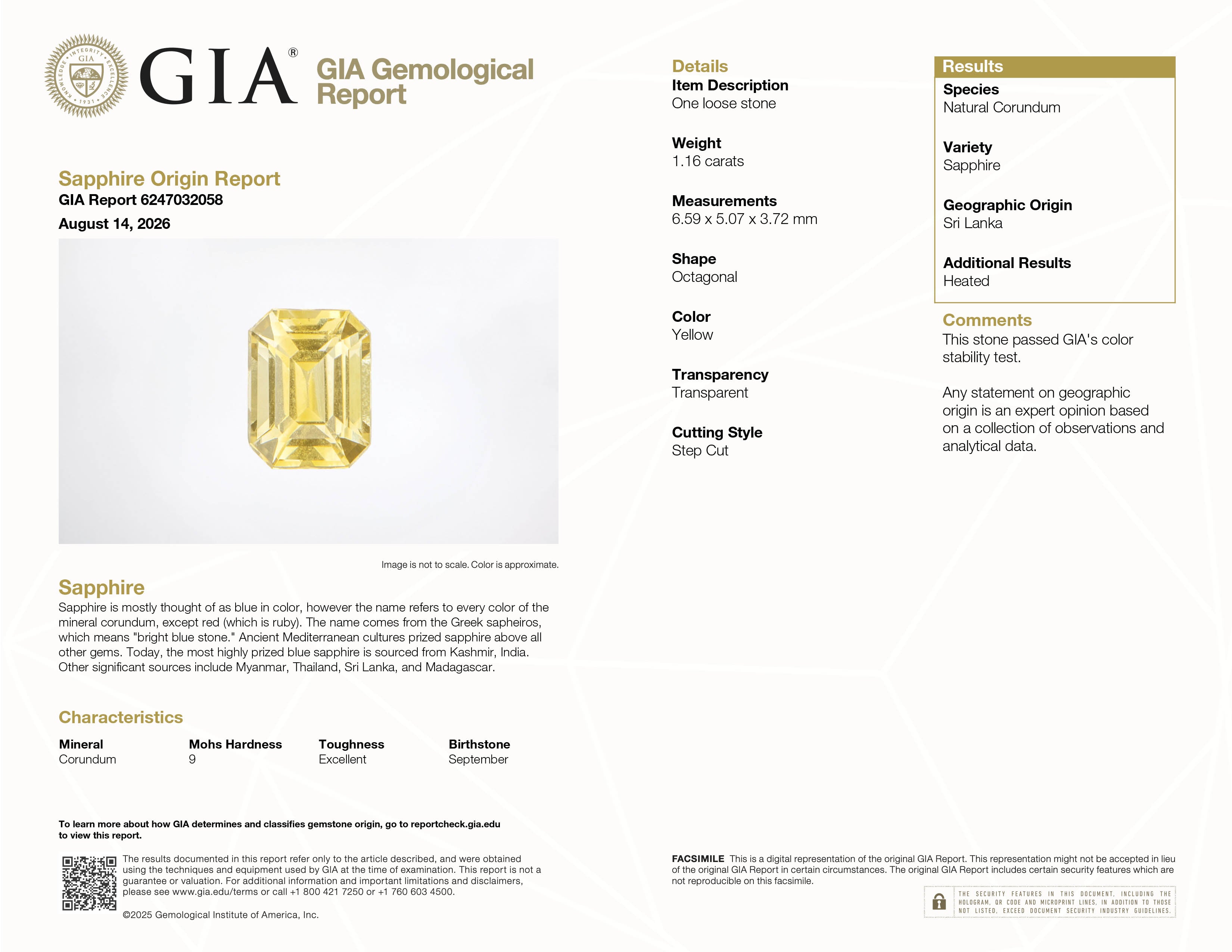
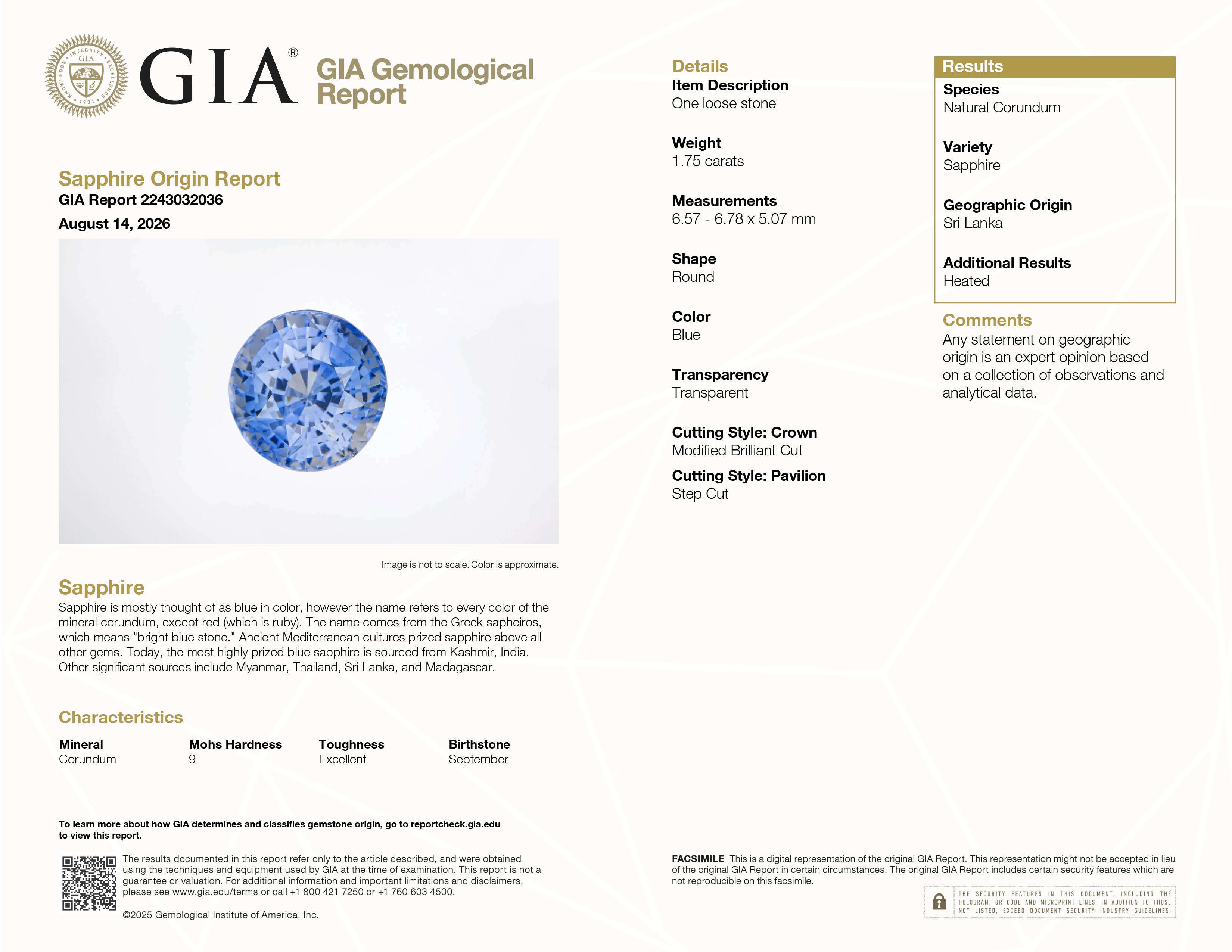
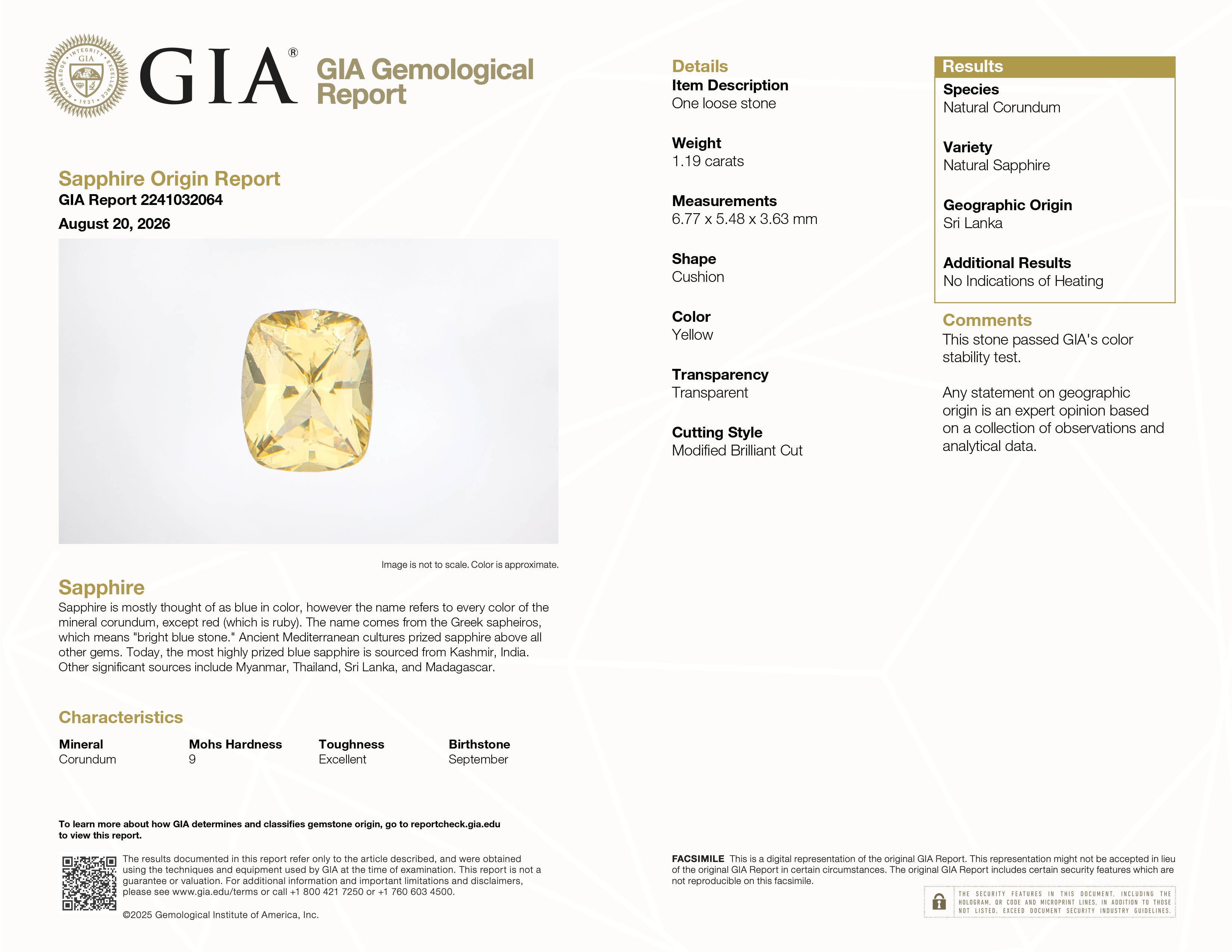
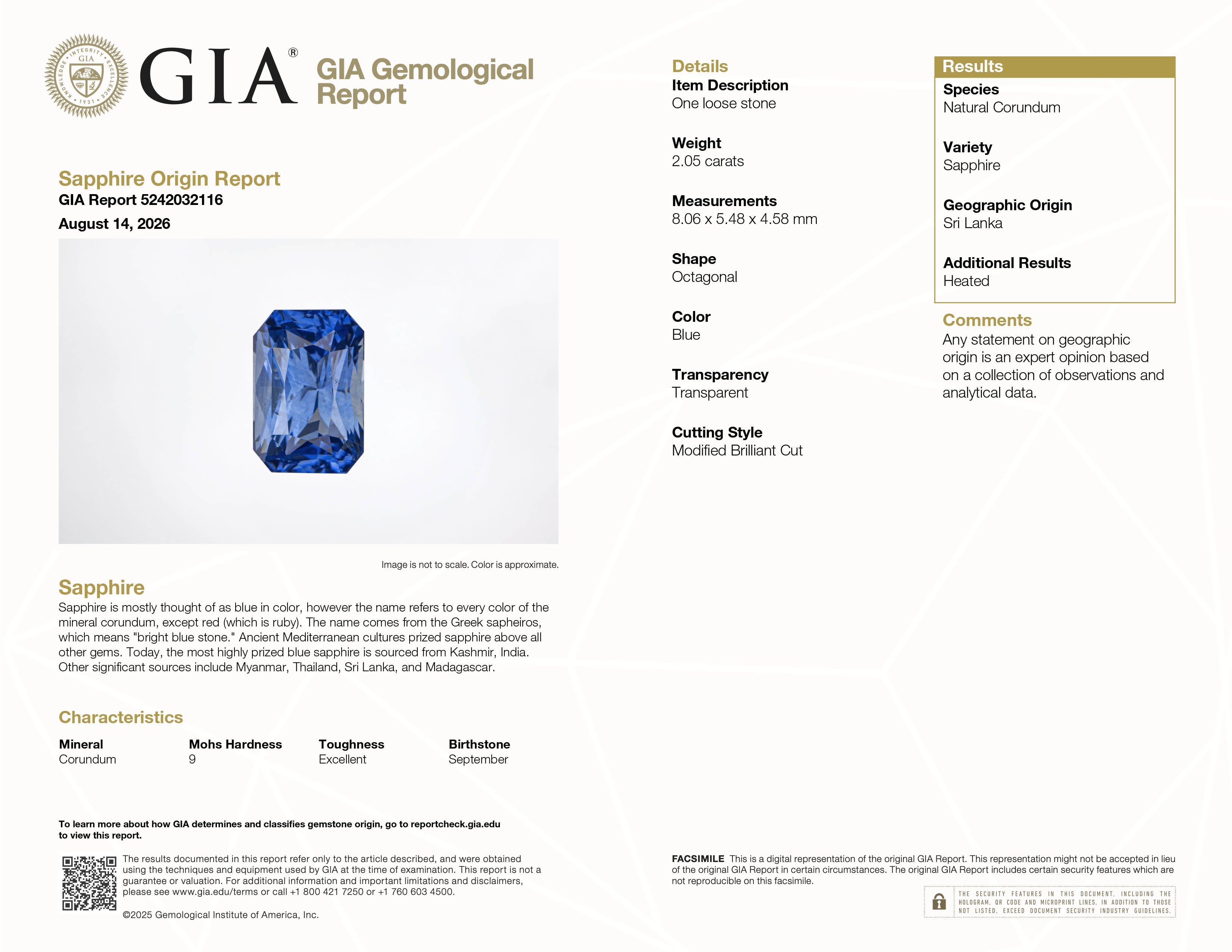
Cut quality in sapphire is evaluated face-up, not on paper. There is no cut grade on a GIA sapphire report — the report describes the cutting style but does not assess the quality of the cut execution. Assessment requires looking at the stone itself. Here is what to evaluate:

Check for a window

Place the stone face-up on a white surface and look from directly above. A window is immediately visible as a pale or colorless area in the center where you can see through the stone. Any visible window is a cut quality issue. A large, dominant window is a significant quality defect that should be heavily discounted.

Assess extinction under different lighting

View the stone under both bright single-source light and diffuse room lighting. Under bright light, good stones show vivid color and brilliance. Under diffuse room lighting, well-cut stones maintain their color; poorly cut stones show dominant dark areas. A stone that looks dramatically worse under room lighting than under display lighting is depending on the display conditions to mask extinction issues.

Evaluate color evenness across the face

The color should be distributed reasonably evenly across the whole face-up surface — not concentrated at the edges with a pale center, not heavily saturated in the middle with washed-out edges. Even color distribution indicates a cut that is working correctly with the material's optical properties.

Assess the face-up diameter relative to the carat weight

A well-cut sapphire has a face-up diameter appropriate for its carat weight. For oval sapphires, a rough guide: 1 carat in an oval should measure approximately 7 × 5 mm; a 1.5-carat oval should be approximately 8 × 6 mm; a 2-carat oval approximately 9 × 7 mm. Stones that measure significantly smaller than these guidelines for their stated weight are almost certainly cut with excessive depth for weight retention purposes.

Look at symmetry

Asymmetrical outlines, uneven facets, or an off-center point on a pear or marquise are all indicators of cut quality issues. In oval and cushion cuts, uneven length-to-width ratios or asymmetrical outlines should be visible in face-up photographs.

Request multiple photography angles

The window and extinction both appear most clearly in face-up photographs taken from directly above, ideally on a white or neutral background. A seller whose product photographs show stones from oblique angles rather than directly overhead may be obscuring cut quality issues. Ask for a face-up photograph taken from directly above before committing to any significant purchase.

How Cut Quality Affects Price

The market for sapphires does not explicitly price cut quality in the systematic way that the diamond market prices cut grades. There is no premium labeled for an excellent cut the way there is a premium for a GIA Excellent diamond. But cut quality is implicitly priced through the color quality assessment: a well-cut stone shows better color face-up and therefore commands a higher price for its apparent quality; a poorly cut stone shows lesser color and is priced lower. The issue is that a buyer who does not recognize the cut quality issue may be paying a well-cut price for a poorly cut stone whose face-up appearance suggests better color than the underlying rough actually delivers.

This is why cut evaluation matters so much for buyers. A stone priced at $1,500 per carat for its apparent vivid blue color may have a large window that makes it look substantially less impressive in a ring than it does in a well-lit seller photograph. A stone priced at $1,200 per carat for a slightly less vivid face-up color may be perfectly cut and look more impressive in the finished ring because its color is distributed evenly and holds up under all lighting conditions. Price per carat alone — without cut quality assessment — is not a reliable guide to which stone is the better value.

How Crescent Gems Approaches Cut Quality

We select stones in Sri Lanka against face-up quality criteria — color evenness, absence of significant windows, appropriate depth-to-diameter ratio — rather than simply buying on the basis of stated color and weight. Where rough is cut with excessive depth for weight retention, we work with cutters to recut to better proportions before bringing stones to market, accepting the weight loss in exchange for improved face-up performance.

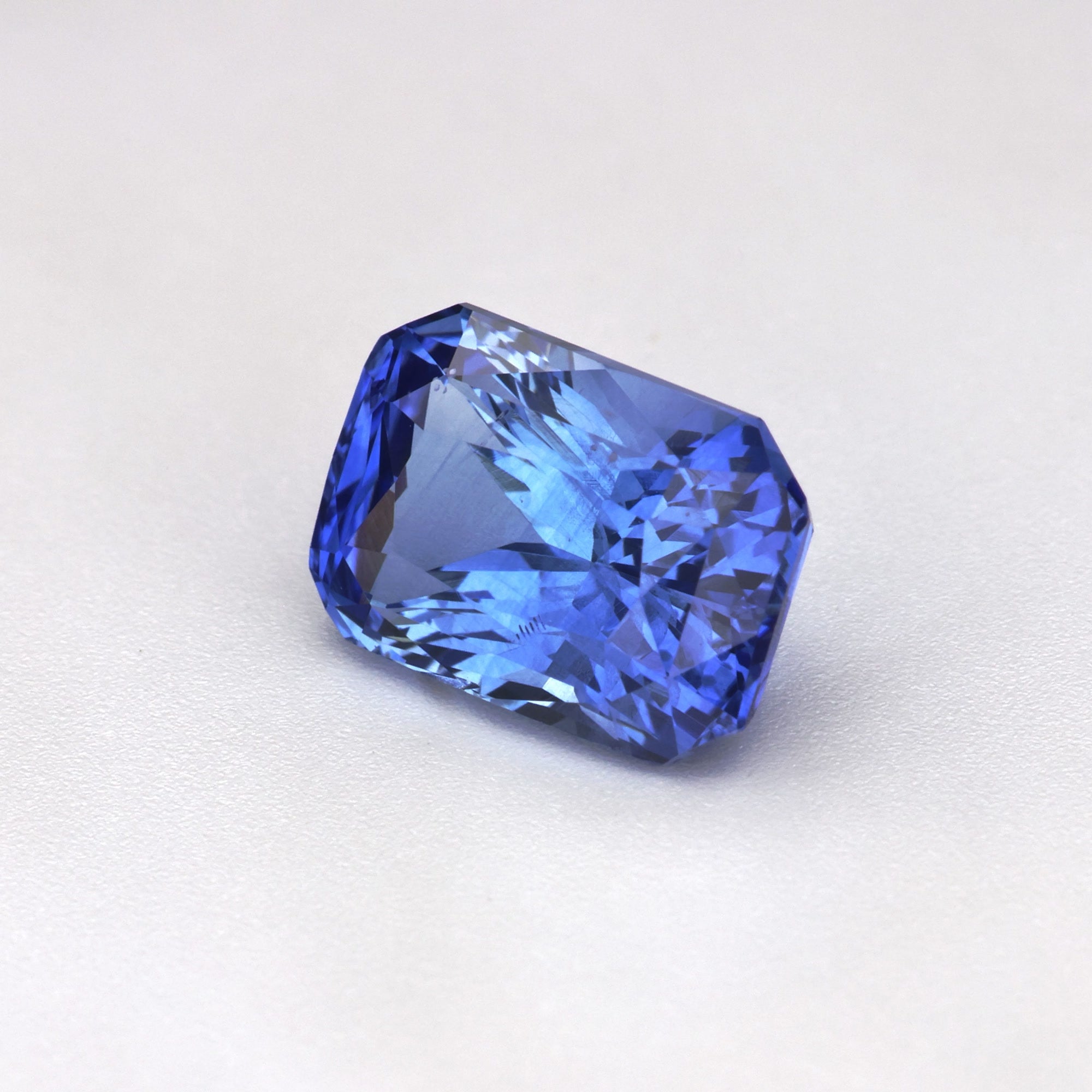
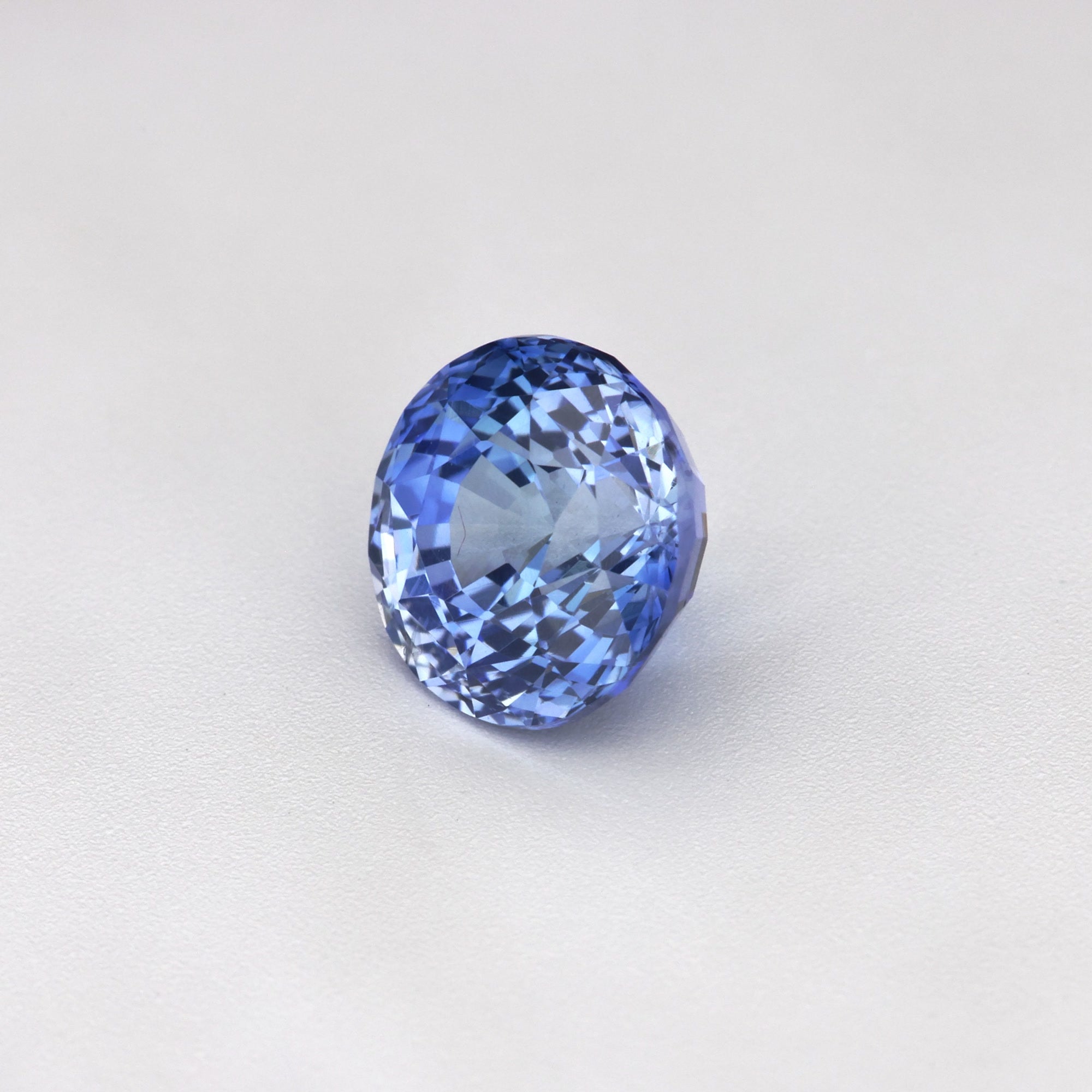
Our product photography shows stones face-up on neutral backgrounds under standardized lighting, specifically to make window and extinction issues visible rather than obscuring them. Where a stone has a visible bowtie in an oval or pear cut, we note it in the description rather than photographing around it. And we will provide additional face-up photographs or video on request for any stone you are evaluating seriously.

Browse our full Ceylon sapphire catalog, or explore by shape — oval, cushion, round, emerald cut. Questions about the cut quality of a specific stone, or which shape best suits your setting? Email crescentgems@gmail.com — we respond personally within one business day.

Summary: The Five Things Cut Does to a Sapphire

  1. Creates or eliminates the window. A shallow pavilion creates a colorless transparent area in the center of the stone that kills the face-up color impression. Correct pavilion angle eliminates the window and returns color to the full face.
  2. Controls extinction. A steep pavilion creates dark areas that reduce visible color. Correct depth for the material's color intensity minimizes extinction while maintaining saturation.
  3. Determines perceived saturation and tone. Depth controls how long light travels through the colored crystal — deeper cuts produce more saturated, darker apparent color; shallower cuts produce lighter, brighter apparent color. The cutter chooses depth to match the rough's natural color intensity.
  4. Distributes color across the face. Shape and facet pattern determine where color concentrates on the face-up surface. Cushions concentrate color in the center; ovals and rounds distribute it more evenly; step cuts reveal the interior depth of the color.
  5. Determines how much stone you see for the weight you pay. A well-cut stone spreads its weight across its face; a poorly cut stone buries weight in its depth. The face-up diameter-to-weight ratio is the practical measure of how much visible stone you are actually getting for your carat weight investment.
Continue Learning
Return to the Ultimate Sapphire Buying Guide for the full picture on colours, origins, shapes, certification, and pricing — everything you need to buy a natural loose sapphire with confidence.


Ahmed Shareek — Crescent Gems

Ahmed Shareek

Proprietor — Crescent Gems

A gem dealer with over 25 years of experience sourcing natural sapphires from Sri Lanka, Ahmed brings hands-on expertise in mining, heat treatment, cutting, and stone selection. With deep roots in the Ceylon gem trade, he offers first hand knowledge of origin, quality, and craftsmanship behind every piece of guidance on this site.

Latest Stories

View all

The Ultimate Guide to Buying Natural Loose Sapphires

The Ultimate Guide to Buying Natural Loose Sapphires

The definitive guide to buying a natural loose sapphire: colour, origin, treatment, cut, shape, certification, pricing, and engagement rings, with links to every Crescent Gems guide and collection.

Read moreabout The Ultimate Guide to Buying Natural Loose Sapphires

The Ratnapura Gem Market — How Sapphires Are Traded at the Source

The Ratnapura Gem Market — How Sapphires Are Traded at the Source

New to buying sapphires? Start with our Ultimate Sapphire Buying Guide — the complete resource for color, origin, treatment, and pricing. Ratnapura means "City of Gems" in Sinhalese, and it is not a poetic name — it is a literal...

Read moreabout The Ratnapura Gem Market — How Sapphires Are Traded at the Source

Madagascar Sapphire — The Modern Origin That Rivals Ceylon

Madagascar Sapphire — The Modern Origin That Rivals Ceylon

New to buying sapphires? Start with our Ultimate Sapphire Buying Guide — the complete resource for color, origin, treatment, and pricing. If you have shopped for sapphires in the past decade, you have encountered Madagascar material — whether the listing...

Read moreabout Madagascar Sapphire — The Modern Origin That Rivals Ceylon

Montana Sapphire vs. Ceylon Sapphire — How America's Sapphire Compares to Sri Lanka's

Montana Sapphire vs. Ceylon Sapphire — How America's Sapphire Compares to Sri Lanka's

New to buying sapphires? Start with our Ultimate Sapphire Buying Guide — the complete resource for color, origin, treatment, and pricing. The United States has its own sapphire origin — and it is a good one. Montana has produced gem-quality...

Read moreabout Montana Sapphire vs. Ceylon Sapphire — How America's Sapphire Compares to Sri Lanka's

Sapphire vs. Spinel — The Overlooked Comparison Every Collector Should Understand

Sapphire vs. Spinel — The Overlooked Comparison Every Collector Should Understand

New to buying sapphires? Start with our Ultimate Sapphire Buying Guide — the complete resource for color, origin, treatment, and pricing. For most of gemological history, spinel did not even have its own name. The great "rubies" of royal collections...

Read moreabout Sapphire vs. Spinel — The Overlooked Comparison Every Collector Should Understand

Why Buy from Crescent Gems
Sourcing Gemstones for an engagement ring or piece of jewelry is a very personal experience, Its a act of love, Its a Investment that you do only a few times in your life. Before you spend thousands of $$$ You need to be able to trust the seller and make sure you are choosing the right stone. Here at Crescent gems we tick all the boxes.

Wide Selection of well cut gemstones from around the world.

Affordably priced ~ We source our gemstones direct from mining countries, we cut/recut most of our gemstones in-house.

We stock and sell ONLY Natural earth Mined stones. NO beryllium treated Stones, NO Flux filled, NO synthetics, NO man made stuff.

Free & Fast Shipping within USA ( FedEx Or UPS) with Tracking and email updates.

FREE International shipping for orders over US $ 500 ~ we ship to 98 countries Worldwide.

Try Before you buy Option ~ where we send the stone to you before you pay. ~ Unique Feature.

14 day No questions asked money back Guarantee.

FREE Domestic Return Shipping.

GIA lab reports for all stones above 2 carats.

Accurate information, Actual Images, Hand shots and 360 videos of the stone on sale, we don't use stock photography.

Join our ever growing group of satisfied customers from around the world.